The 3DS was brand new in 2011 when a former Sony employee took Nintendo to court over its screen. Seijiro Tomita said the glasses-free 3D broke his patent, and in March 2013 a US jury ordered Nintendo to pay him $30.2 million. A judge cut that in half, and in 2018 an appeals court decided Nintendo had not violated the patent at all. For seven years, the biggest idea on Nintendo's new handheld was tied up in a fight with an ex-Sony man.
The PSP was still in the shops when all this started. Shipments to North America ran until January 2014, so for almost three years you could stand at the same glass case and choose. Older kids kept their PSPs, younger ones begged for a 3DS, and long car rides turned into 3DS vs PSP.
The PSP sold over 80 million consoles and the 3DS family sold 75.94 million. For once, the Sony handheld has the bigger number. Ask anyone who carried a 3DS and they will tell you that number means nothing, because the PSP had a six-year head start and no Zelda. In this article we will find out which one deserved your pocket.
The PSP had the better screen
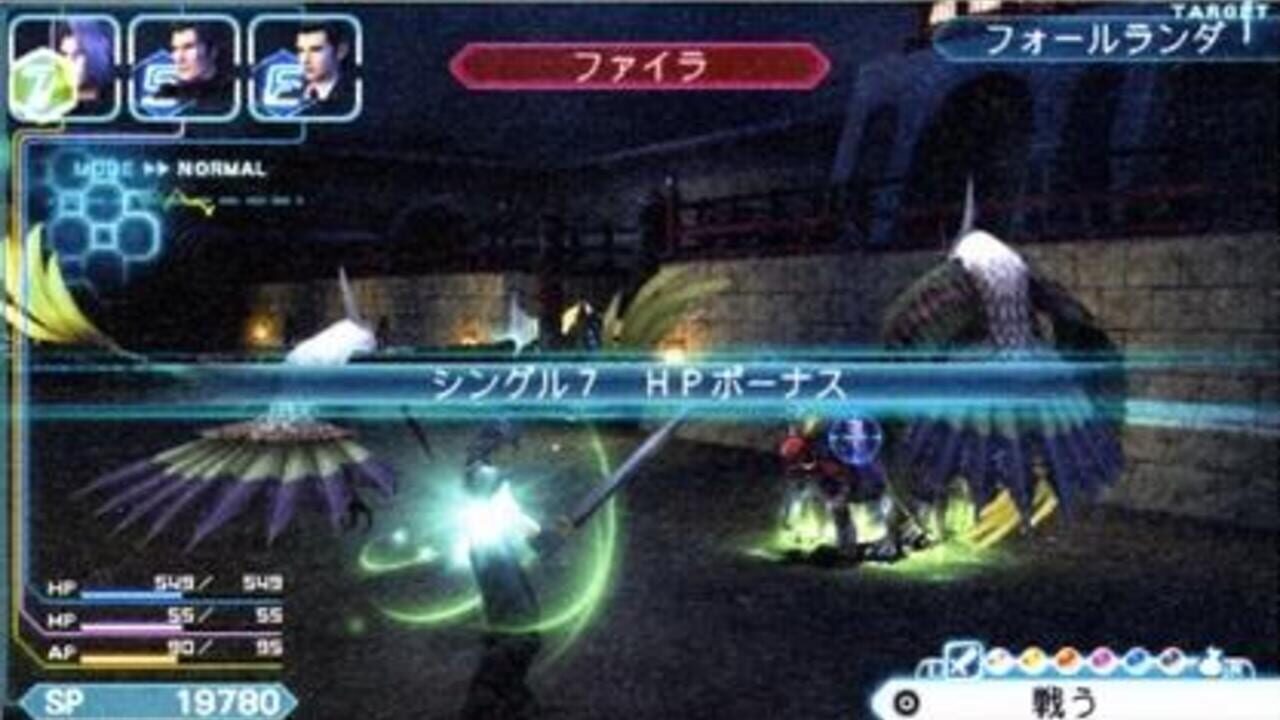
The PSP has a 4.3-inch widescreen at 480 × 272. The top screen on the original 3DS measures 3.53 inches and shows 400 × 240 per eye, and the 3DS XL stretches those same pixels across 4.88 inches. Sony's console came out six years earlier and it still looks sharper.
People made fun of the 3DS screens when they were brand new, and even players who love the console wish Nintendo had gone for a higher resolution. Crisis Core on a PSP-3000, which Sony sold with five times the contrast ratio of the older model, is still lovely to look at. The PSP wins this one easily.
Two screens and real 3D made the 3DS hard to replace
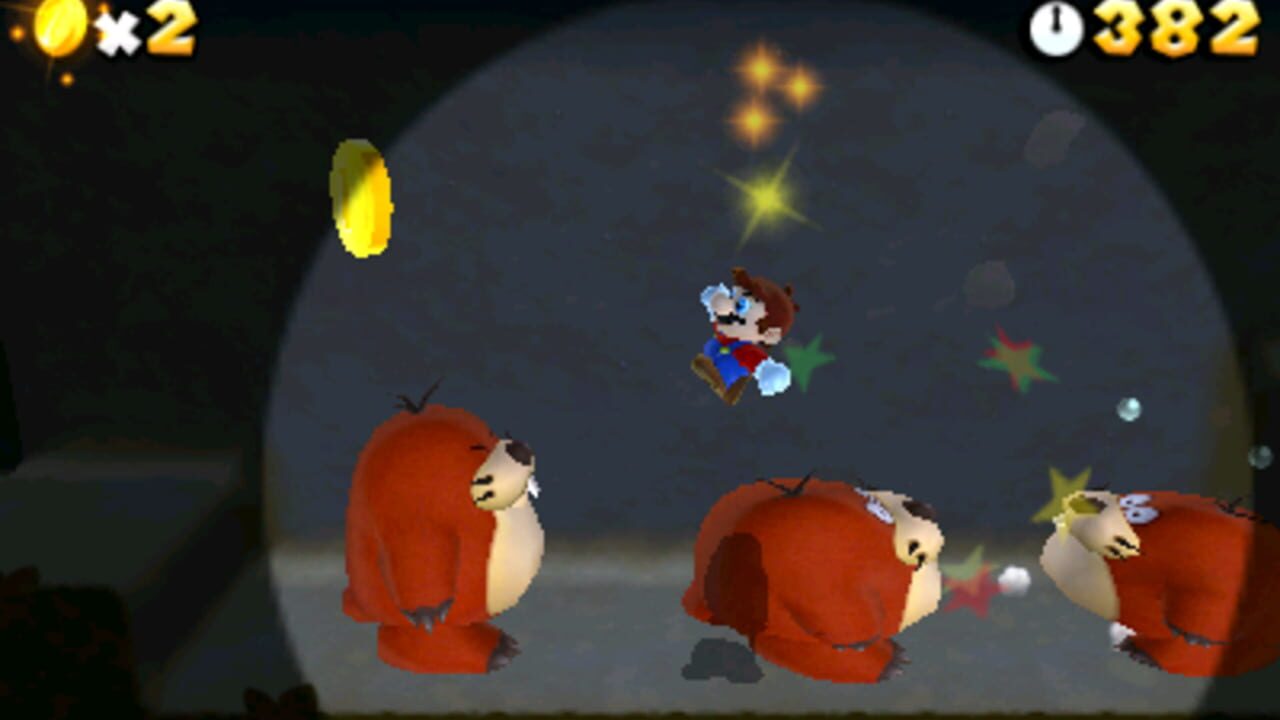
The 3DS shows 3D with no special glasses, and a slider beside the screen lets you adjust it or switch it off. Plenty of players call it a gimmick. Others love it, and they will tell you Super Mario 3D Land and Resident Evil: Revelations are the games to try with the slider turned all the way up.
The console also folds shut and has a touchscreen below the main screen, and its games use both. Players who have tried everything say nothing plays them like a real 3DS. A PSP game only ever needed one screen, so this round goes to Nintendo.
The 3DS had the bigger games
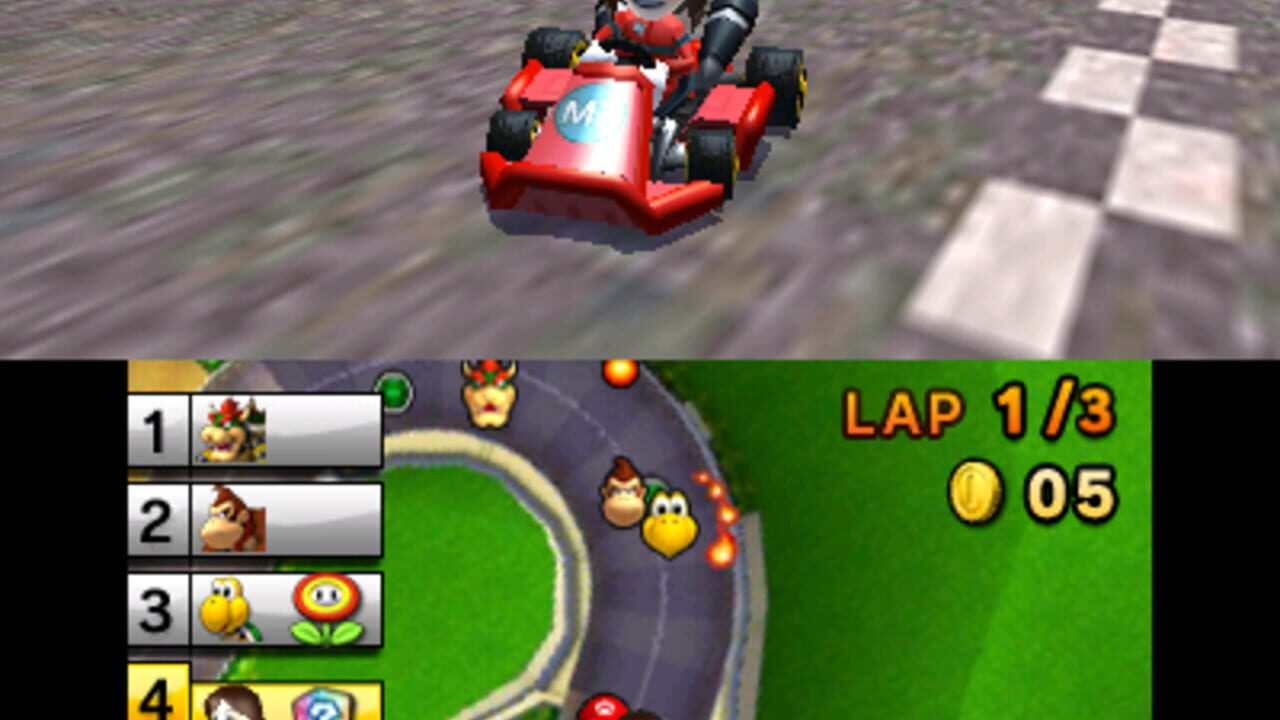
Mario Kart 7 is the best-selling 3DS game, at 18.99 million copies. The best-selling PSP game is Grand Theft Auto: Liberty City Stories, at 7.5 million. Nintendo's kart racer sold about two and a half times as many, on the console with fewer owners.
Most players who talk about both give the library to the 3DS. Mario, Zelda, Pokémon and Animal Crossing all come up, and those are hard to argue with on a long trip. The 3DS wins.
The PSP was a home console for your bag

The PSP was the most powerful portable console around when it came out, and players still describe it as a PS2 they could carry. God of War: Chains of Olympus is the highest-rated PSP title on Metacritic, and Metal Gear Solid: Peace Walker gave Hideo Kojima a whole handheld Metal Gear to play with.
The 3DS had Ocarina of Time 3D and it was great, but that was a remake. The PSP gave you the feeling of the big console under your TV on the way to school. This one goes to Sony.
RPG fans did well on both
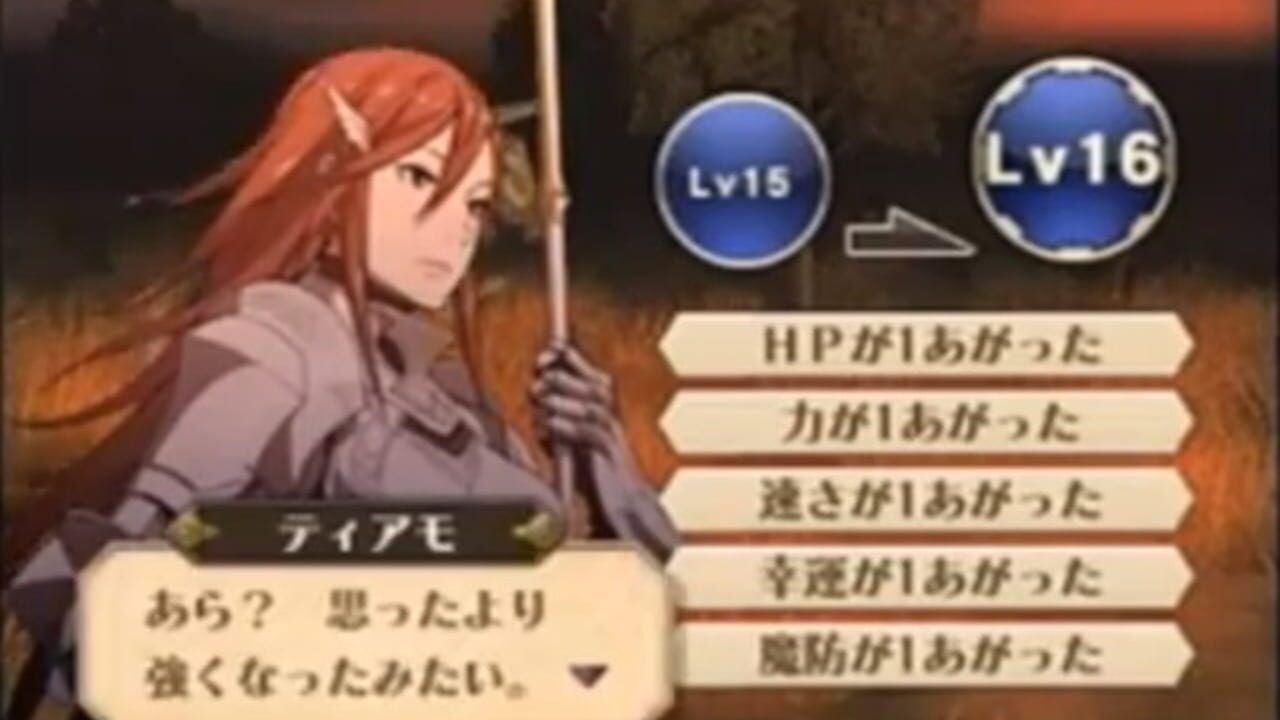
Players put both consoles among the great homes for RPGs. The PSP has Persona 3 Portable, Crisis Core and Final Fantasy Tactics: The War of the Lions. The 3DS has Bravely Default, Persona Q and Fire Emblem Awakening.
Awakening has the best story of the lot. Nintendo told its developers it would be the last Fire Emblem game if it failed to sell above 250,000 units. It sold 1.9 million. The 3DS has more new RPGs, and the PSP is the place to go for the old PlayStation favorites, so call this a draw.
Monster Hunter grew up on the PSP and left for the 3DS
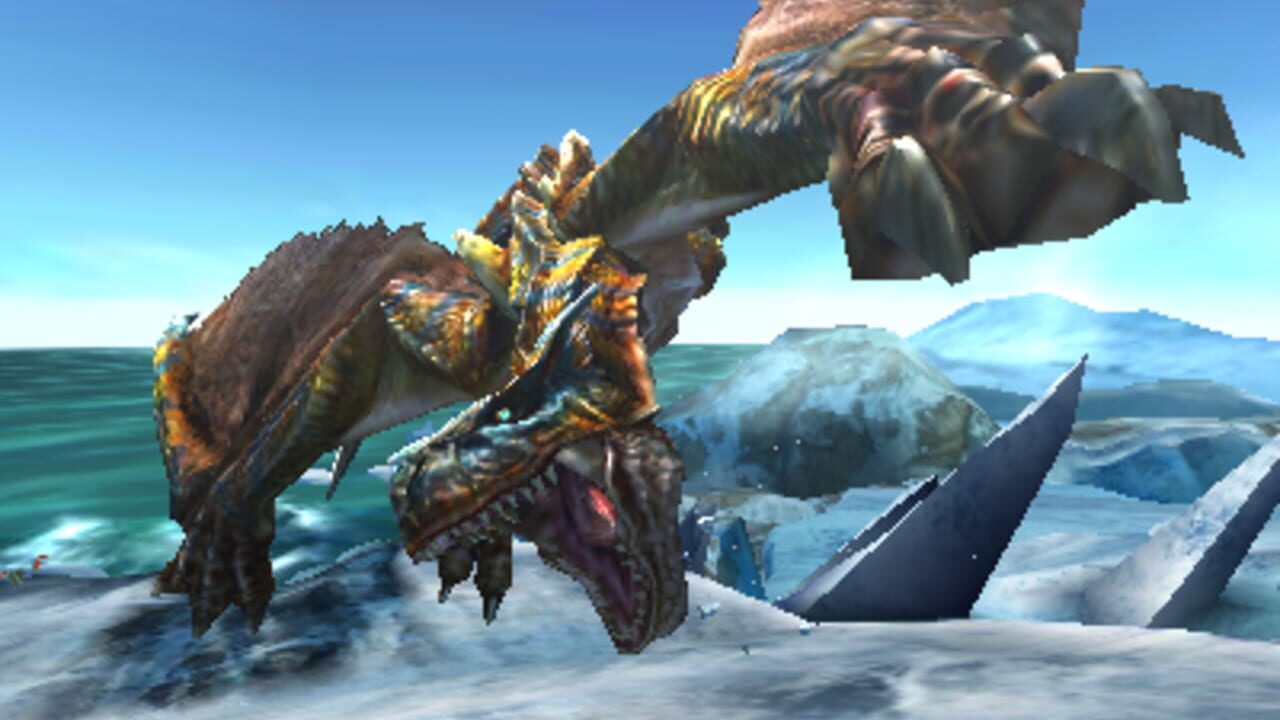
Monster Hunter Portable 3rd sold 2.58 million units in Japan within two weeks. Then Capcom moved Monster Hunter Tri and the games after it to the 3DS, and players who were there still talk about that as the moment the crown changed hands.
Monster Hunter 4 sold more than 1.8 million copies in its first two days on the 3DS, and 3.9 million in Japan by the end of 2013. The PSP built this audience and the 3DS collected it. Nintendo takes the round.
The Circle Pad beat the PSP nub
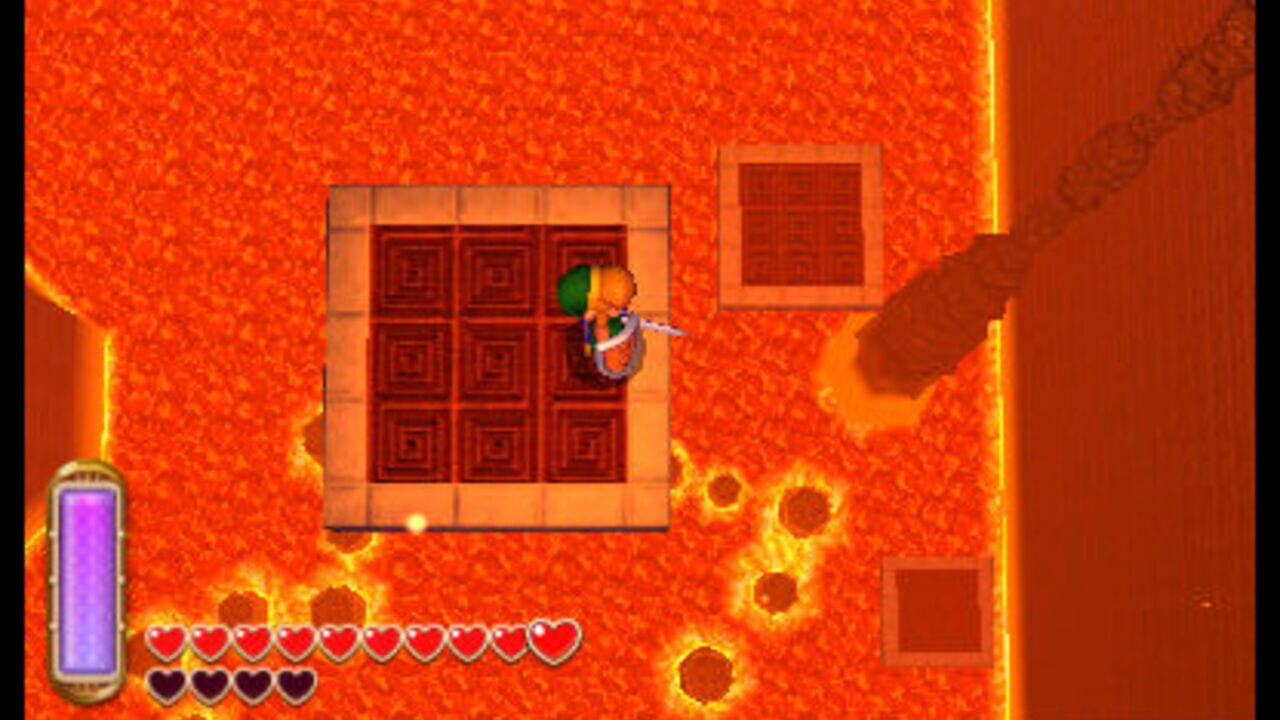
Both consoles have one flat analog slider. Most players who have used the two prefer the 3DS Circle Pad, because it is bigger and has more range. The PSP nub keeps one point for its rough texture, which stops your thumb from sliding off.
Neither has a proper second stick. Nintendo sold the Circle Pad Pro as an add-on and later put a tiny C-Stick on the New 3DS. Some owners disliked that C-Stick so much that they dug it out and fitted a PSP stick in its place. It is a fine compliment from a Nintendo fan, but the 3DS still wins this round.
Game cards beat UMDs
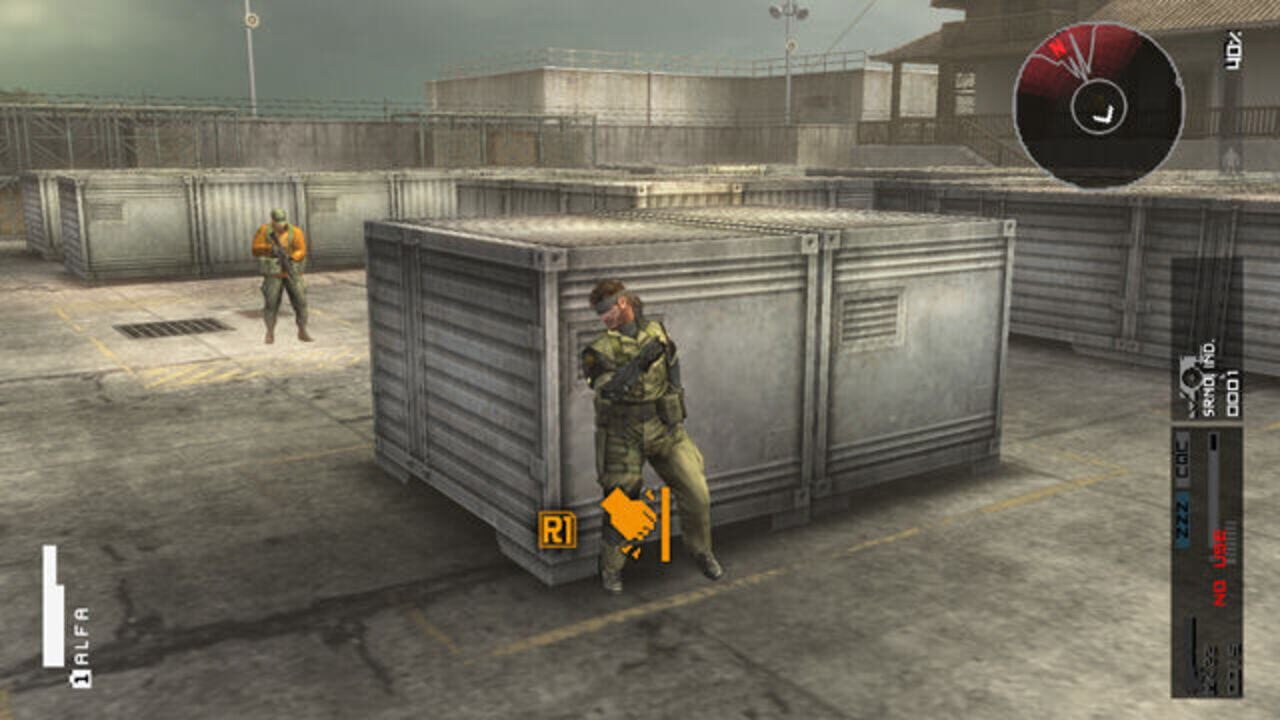
A UMD holds up to 1.8 GB. A 3DS Game Card comes in 1 GB, 2 GB or 4 GB, and it never has to spin. Players remember UMDs as loud and fragile, and they blame the discs for the load times. Sony added a cache on models after the 1000, and in 2009 it gave up on the drive altogether for the PSP Go.
A Game Card has no moving parts, so there is nothing to wear out or scratch. The 3DS wins, and your Peace Walker disc probably needs a wipe.
The PSP was the better music and movie player
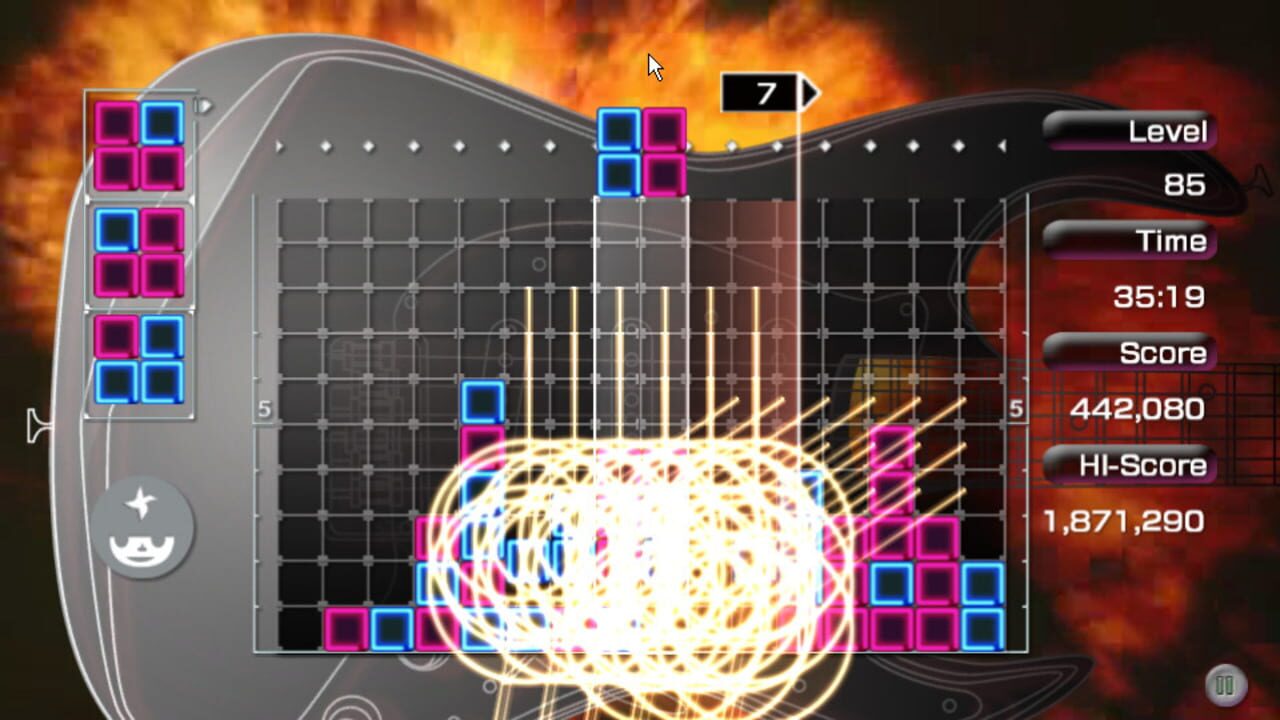
The PSP played MP3s from launch, and the first model gives eight to eleven hours of audio playback. Players remember watching whole films on it, and some still use one as a music player today.
The 3DS can record 240p video with its cameras, and most people never did. Lumines with headphones on is still a great way to spend a bus ride. The PSP takes this one.
Battery life is a draw, until you buy a used PSP

The original 3DS is rated at 3–5 hours for 3DS games. The first PSP gives about three to six hours of gameplay, and from the PSP-2000 on, Sony cut the battery from 1800 mAh to 1200 mAh. The 3DS XL lasts 3.5–6.5 hours. Nobody wins on paper.
Age changes that. Owners of old PSPs report swollen batteries and charges that last an hour. The good news is that the PSP battery is removable, so a fresh one fixes it. Call it a draw.
The 3DS plays your old DS carts
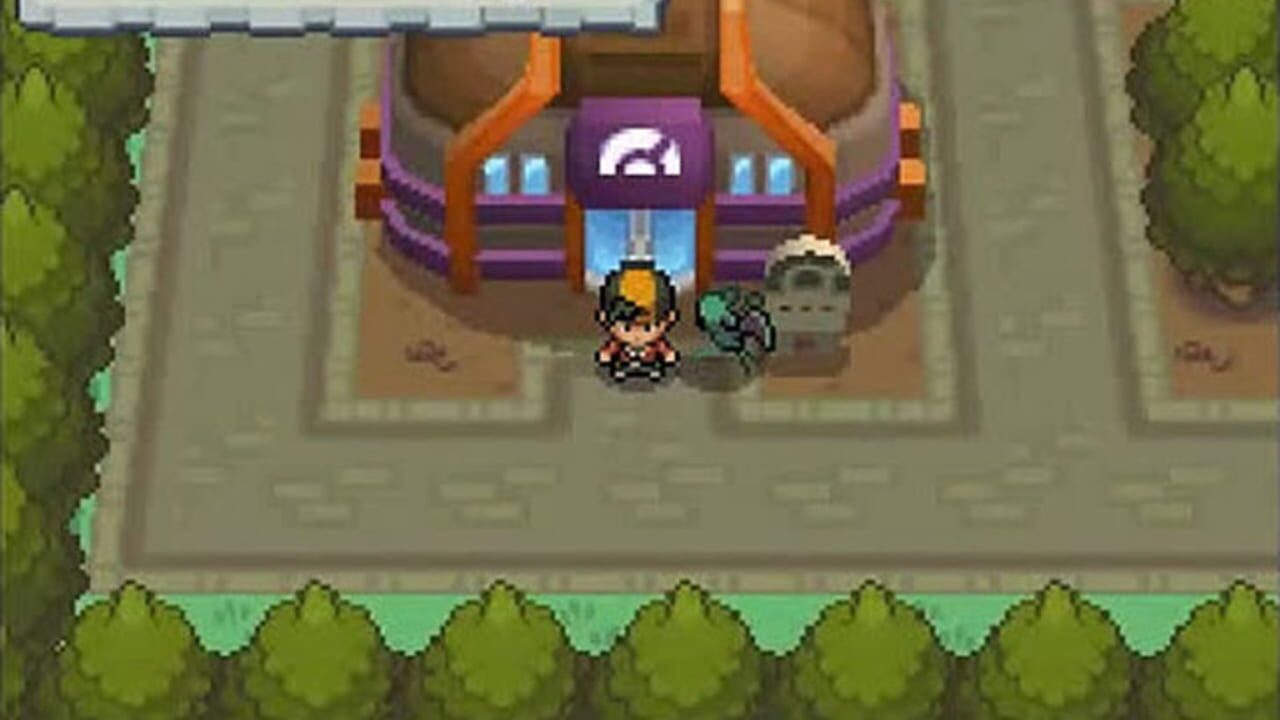
The 3DS is backward compatible with all Nintendo DS and Nintendo DSi software, so a whole second library comes along for free. Pop in Pokémon HeartGold and it works.
The PSP has no slot for anything older. It played old PlayStation games as downloads, and Sony shut the PSP's storefront in 2016. The 3DS eShop closed too, on March 27, 2023, but a DS cart needs no store. All 3DS consoles are region locked, which is the one catch. Nintendo still wins.
Hack both and you get two different retro consoles
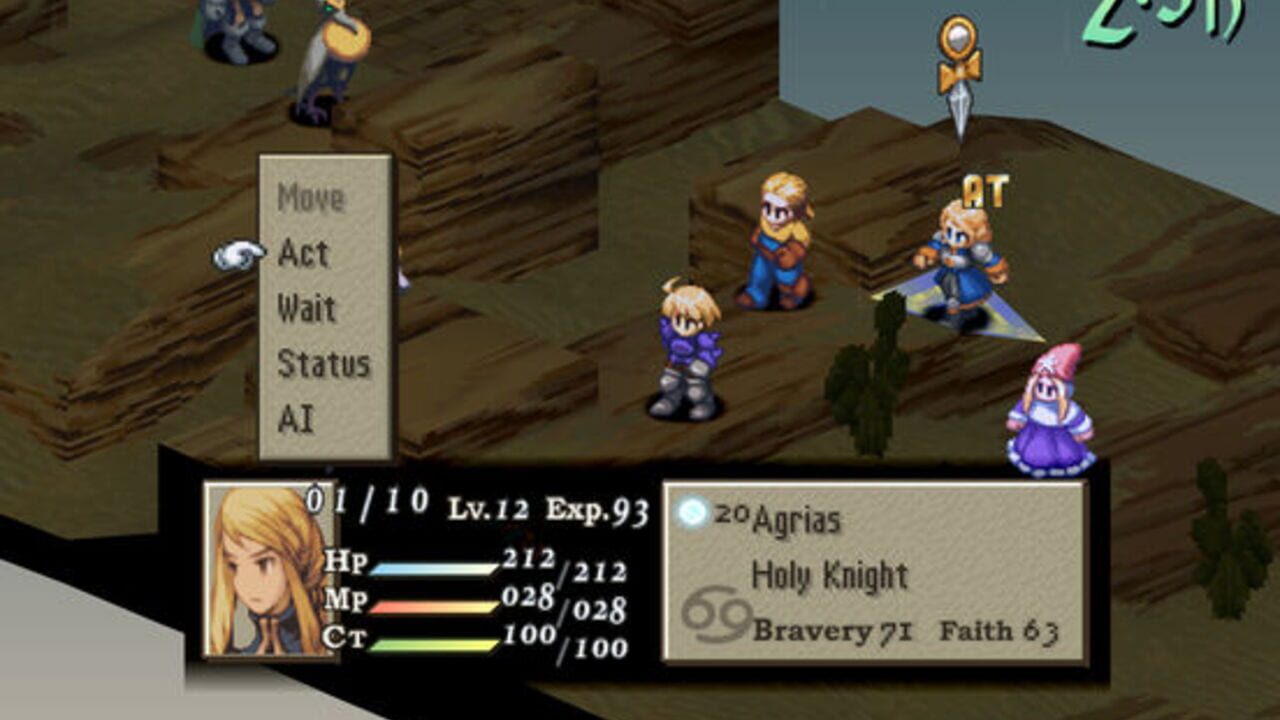
A modded 3DS plays NES, SNES, Game Boy, GBA, DS and 3DS games, and owners love having all of that on one menu. A modded PSP goes the other way. Homebrew emulators cover the NES, SNES and Sega Genesis, and players say it is the better machine for PS1 games.
Neither can do the other's job. The 3DS is six years newer and it still can't run PSP games, and the PSP tops out well short of DS games. Pick by the old consoles you love. This one is a draw.
A PSP is easy to replace and a 3DS is not
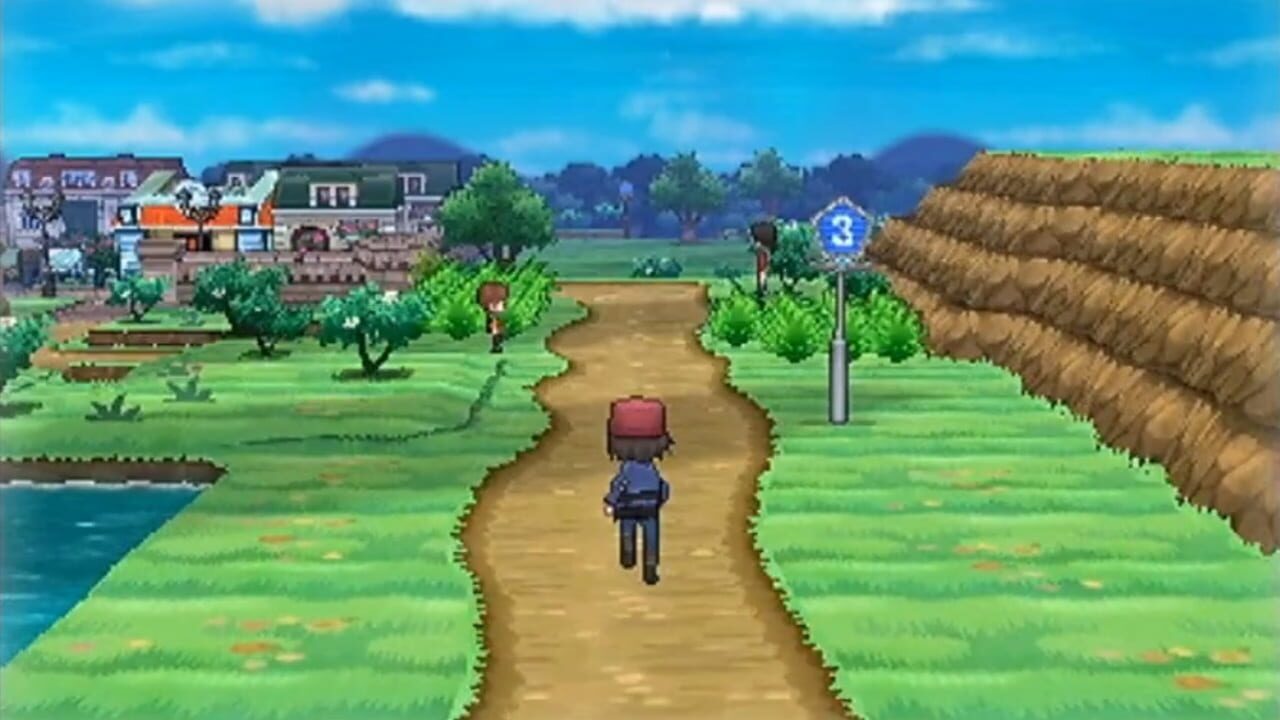
Retro handheld owners agree that PSP games are easy to play on a cheap emulation device. 3DS games are a different story, and buyers on a budget end up needing the real console. Then they see the prices, and players are not happy about what a New 3DS costs now.
If you only want the games, the PSP is the kinder console to your wallet, so it wins this round.
The 3DS wins on resale
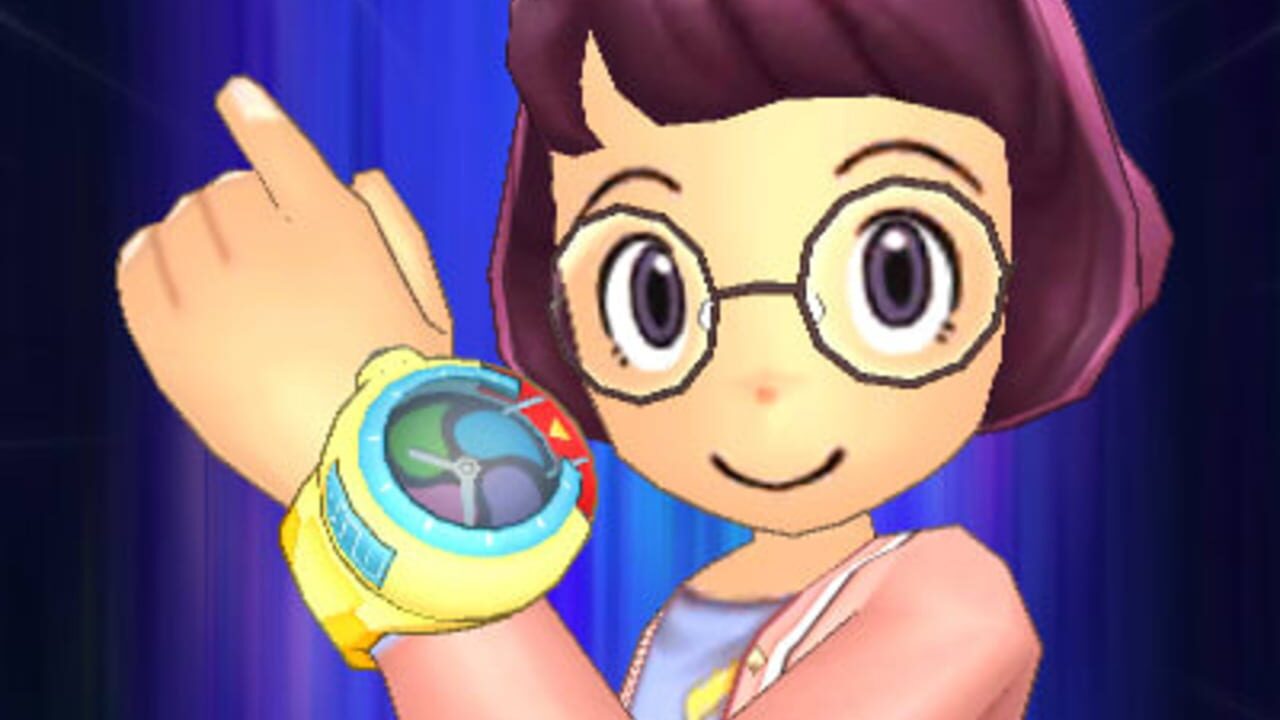
Nintendo's games hold their value, and the top of the 3DS list is far above anything on the PSP. A loose copy of Yo-Kai Watch 3 typically sells for $406, and the Fire Emblem Fates Special Edition goes for $400. The PSP's top game is Persona 2: Innocent Sin at $125, followed by Persona at $89 and Trails in the Sky at $83.
The big sellers are cheap on both. Mario Kart 7 sells for $13 and Liberty City Stories for $14, so you can start a shelf on either console for very little.
Which one wins?
Add up the rounds and the 3DS comes out ahead, even with fewer consoles sold. It doesn't matter. If a PSP got you through school trips, or a 3DS sat on your nightstand with the lid half open, that console is yours and no score here can change it. What made it special was never the screen or the slider. It was the memories you made with it, and those don't show up on any chart.