There are 26 Atelier games in English, listed here in US release order from Atelier Iris: Eternal Mana in 2005 to Atelier Resleriana: The Red Alchemist & the White Guardian in 2025. Spin-offs and the one remake are marked, and the games that stayed in Japan are at the end.
Atelier Iris: Eternal Mana (2005)
 May 27, 2004
 Jun 28, 2005
 Mar 17, 2006
 Mar 23, 2006

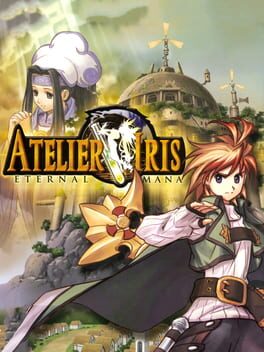
This was the first Atelier game released in the U.S., since the series had stayed in Japan and Asia until 2004. NIS America handled the release and the English translation. You play Klein, a young alchemist traveling the world, and you make Mana Items from elements extracted from objects and creatures.
Three characters fight in a battle party, and you can switch the others in and out at any time. It holds 74/100 on Metacritic from 38 reviews. Coming from the newer games, expect a regular RPG with alchemy on top.


Atelier Iris 2: The Azoth of Destiny (2006)
May 26, 2005Apr 25, 2006Sep 29, 2006Oct 12, 2006
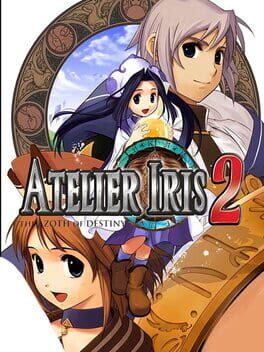
Felt and Viese are alchemists-in-training on the floating continent of Eden. You spend most of the game as Felt, who handles exploring and combat, and only Viese can do synthesis at her workshop. You switch between them at any save point, and the story will not move forward unless you do.
The story is a prequel to the first game. The 2 in the title is more of a suggestion. Famitsu gave it 33 out of 40, and Metacritic lists its reviews as average.


Atelier Iris 3: Grand Phantasm (2007)
Jun 29, 2006May 29, 2007Jul 26, 2007Aug 3, 2007

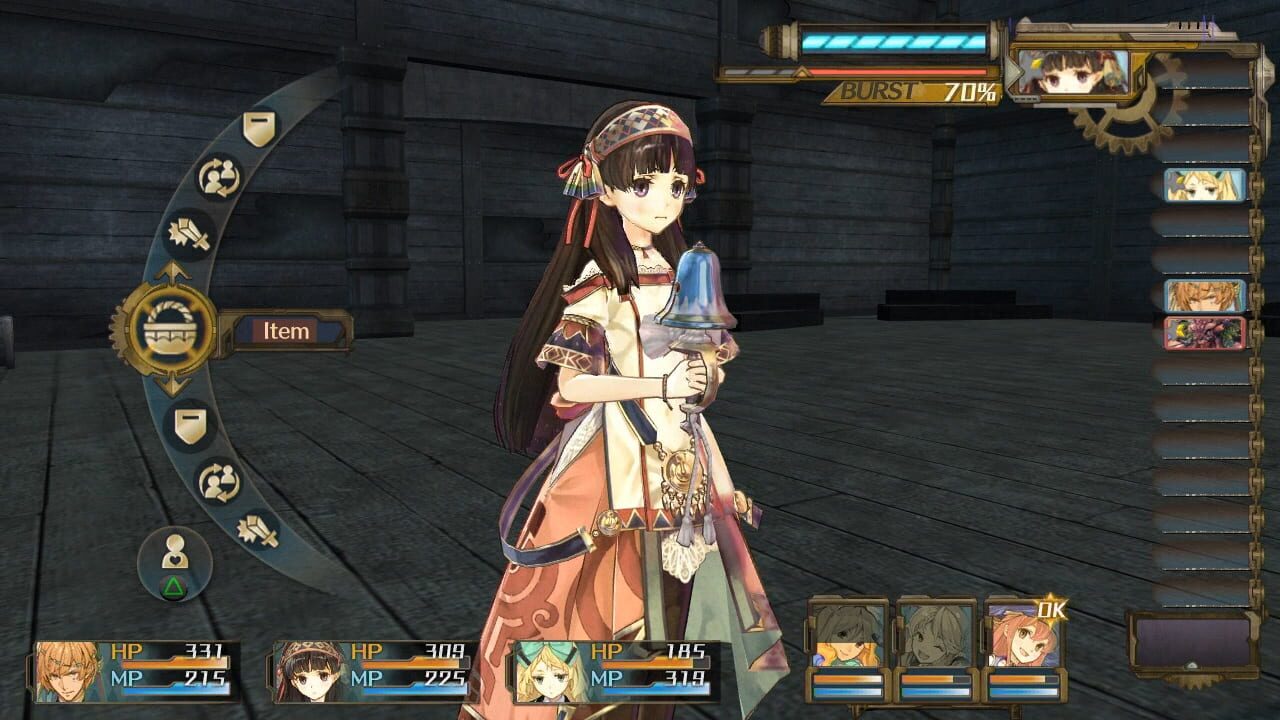
Despite the name, this game has no connection to the first two Iris games. You control a team of three, and time runs fluidly in battle, so faster characters act more often. The party shares a skill gauge for powerful abilities. A separate burst gauge fills slowly and stuns the enemies when it hits its maximum.
Ken Nakagawa wrote most of the soundtrack, with the opening song by Revo. Reviews liked the gameplay and criticized it for being a touch too easy.


Mana Khemia: Alchemists of Al-Revis (2008)
Jun 21, 2007Mar 31, 2008Mar 27, 2009
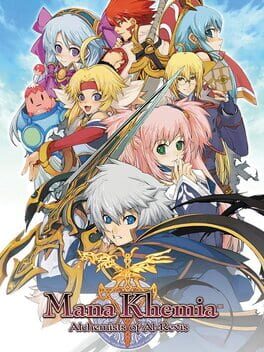
Mana Khemia moves the series to a school. You play Vayne Aurelius, son of a legendary alchemist who disappeared, and his only companion at the start is a Mana in cat form named Sulpher. Each term runs several weeks and builds to a key battle. Poor grades cost you a day of free time in detention. Yes, an RPG can give you detention.
Ken Nakagawa and Daisuke Achiwa composed the soundtrack. The PSP version, Mana Khemia: Student Alliance, reached North America on March 10, 2009 with multiplayer battles and a Jump Start function for faster loading.


Mana Khemia 2: Fall of Alchemy (2009)
May 29, 2008Aug 25, 2009Oct 1, 2009Jun 27, 2013
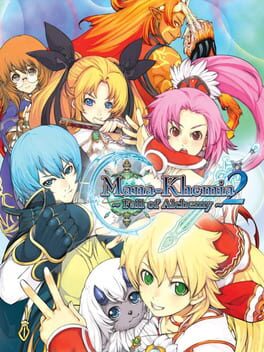
This sequel takes place 15 years after the original game, and the only returning characters are Flay, Tony and Zeppel. You choose between Raze and Ulrika at the start, and Flay becomes the teacher of the new class. Characters have no levels. They grow through Grow Books, which you unlock by making items with alchemy.
You keep five permanent characters, three of them active. Switch in both reserve characters in a row for a combo called an Intimate Attack. Japan got it on PSP in 2009.


Atelier Annie: Alchemists of Sera Island (2009)
Mar 12, 2009Oct 27, 2009
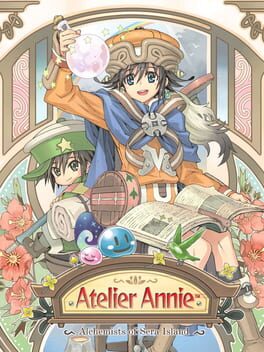
Annie is kidnapped and taken to Sera Island, where she must help develop a resort. Most resorts just send a brochure. A fairy named Pepe teaches her alchemy. Amazing developed this DS side game.
It was the first game released in North America with the gameplay and structure of the main Atelier series, with less weight on RPG elements and more on item creation and resource management. Battles are basic turn-based fights, and moving a character between front and back changes their special ability.


Atelier Rorona: The Alchemist of Arland (2010)
Jun 25, 2009Sep 28, 2010Oct 22, 2010Oct 28, 20102015
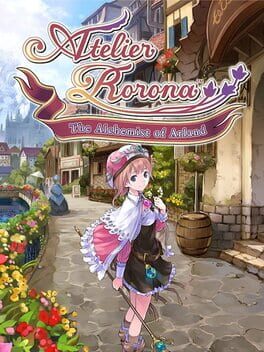
This is the first game in the Arland story and the first in the series to use 3D models instead of 2D sprites. Rorona works for master alchemist Astrid Zexis to pay off her parents' debt, and a knight named Sterkenburg tells her the workshop will be shut down unless it proves its worth. You get three years and 12 examinations.
Sales went over 200,000 copies worldwide, and GameSpot gave it 6.0 out of ten. The DX version arrived on December 4, 2018. Japan got it on Nintendo 3DS in 2015.


Atelier Totori: The Adventurer of Arland (2011)
Jun 24, 2010Sep 27, 2011Sep 30, 2011Oct 6, 2011
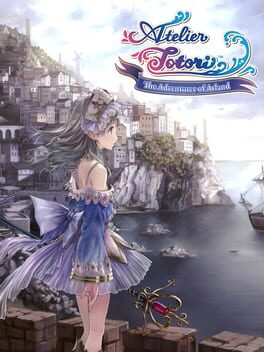
The game takes place five years after the end of Atelier Rorona. Rorona turns up at Totori's home passed out from hunger, destroys the house with a failed synthesis and becomes Totori's teacher. As job interviews go, that one went well.
It has an average score of 74 out of 100 on Metacritic. Atelier Totori Plus came to PlayStation Vita in North America on March 19, 2013, and it uses the Vita's back touchpad for the world map.


Atelier Meruru: The Apprentice of Arland (2012)
Jun 23, 2011May 25, 2012May 29, 2012May 31, 2012

Meruru is the princess of Arls, a little kingdom in the far north of the Arland republic. She becomes Totori's first student, and her father tells her to use alchemy to improve the kingdom. You have goals to meet within set time periods, so the calendar stays in charge here.
This was the last title Gust published itself before merging with Tecmo Koei. Atelier Meruru Plus reached PlayStation Vita in North America on September 3, 2013.


Atelier Ayesha: The Alchemist of Dusk (2013)
Jun 28, 2012Mar 5, 2013Mar 8, 2013Mar 8, 2013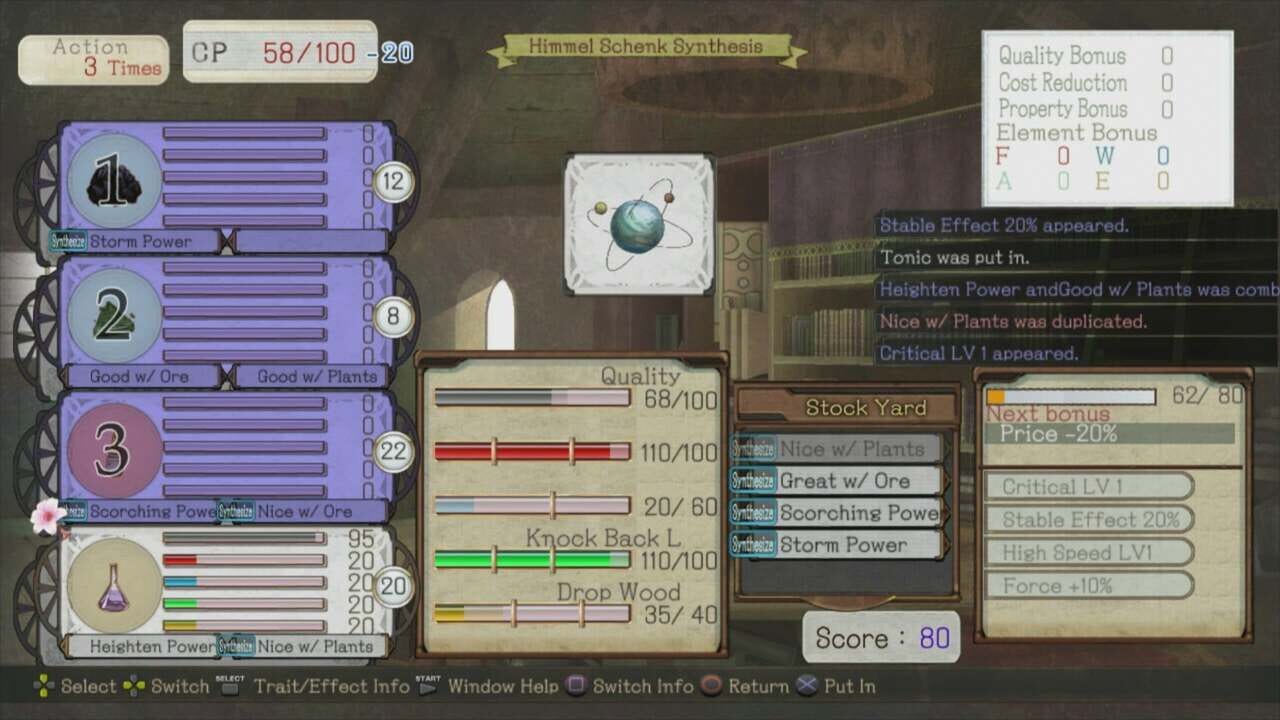
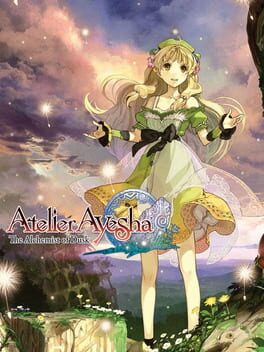
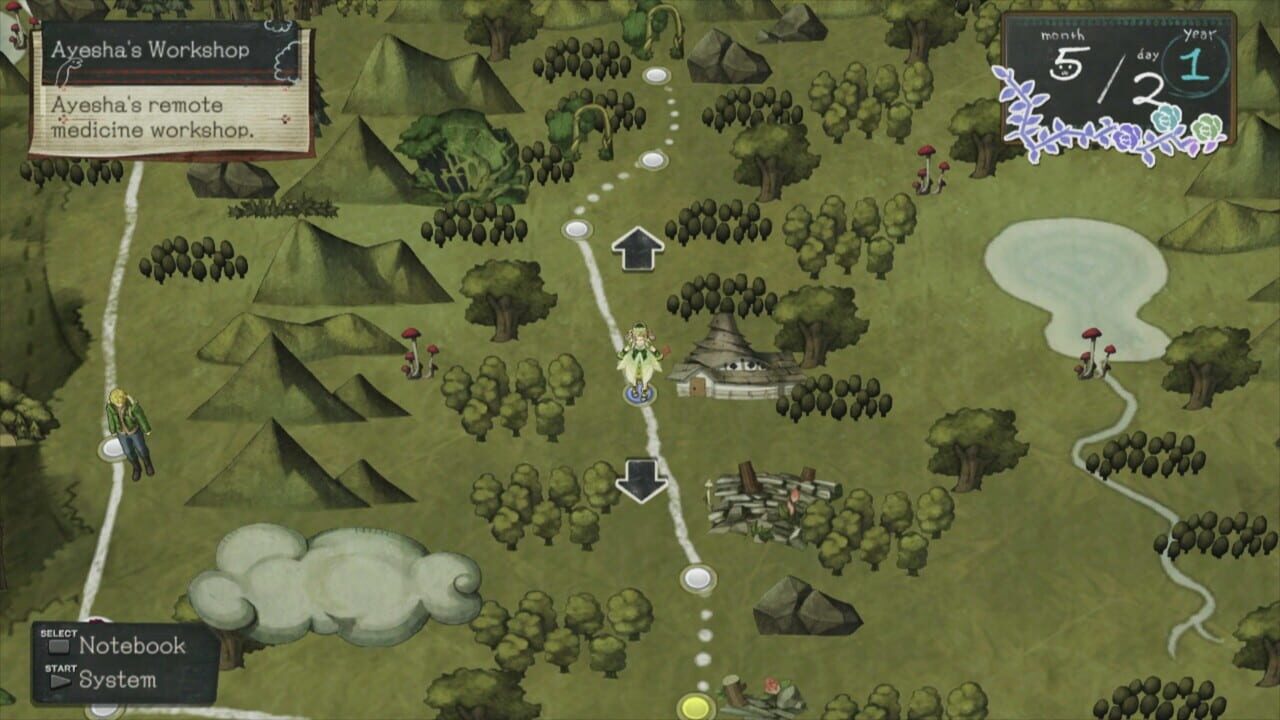
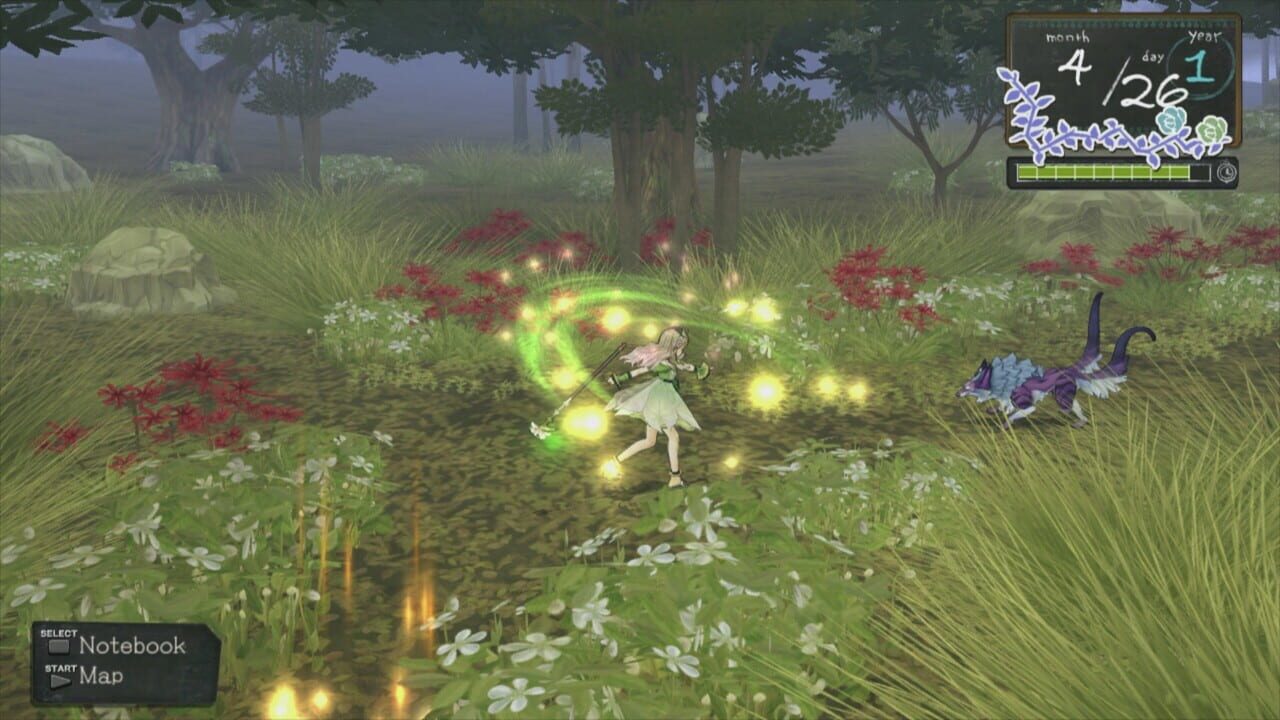
This is the first game in the Dusk story. Ayesha must master alchemy herself to rescue her sister. You get three in-game years, time advances as you travel the map, and the game gives you no systematic objectives along the way.
Atelier Ayesha Plus came to PlayStation Vita on January 13, 2015 in North America. The DX version followed on January 14, 2020.
Atelier Escha & Logy: Alchemists of the Dusk Sky (2014)
Jun 27, 2013Mar 6, 2014Mar 7, 2014Mar 11, 2014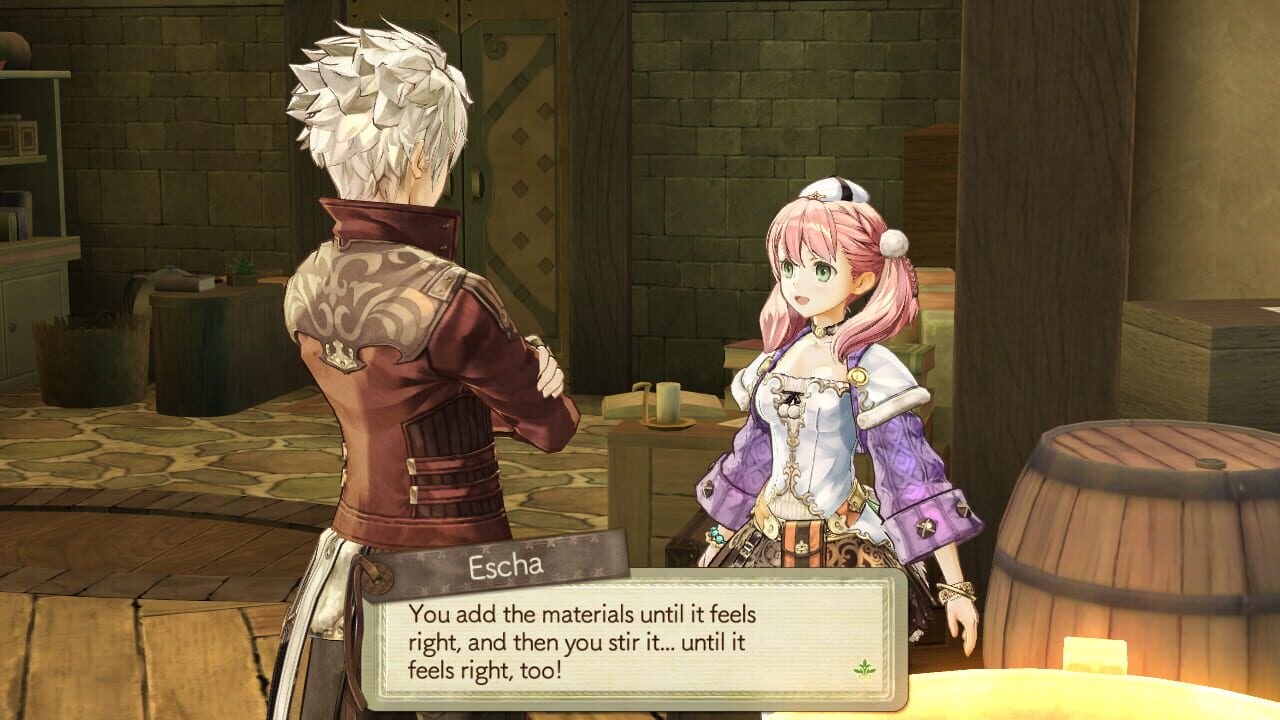
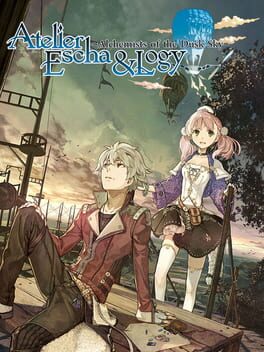
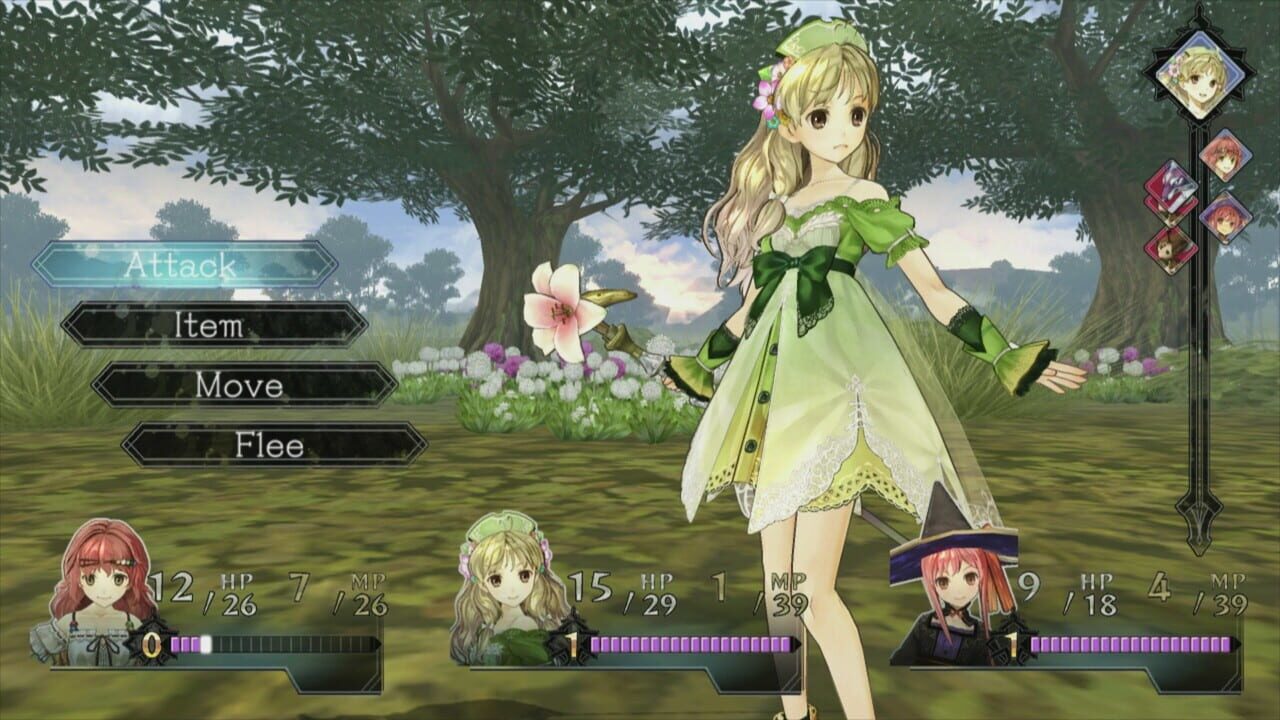
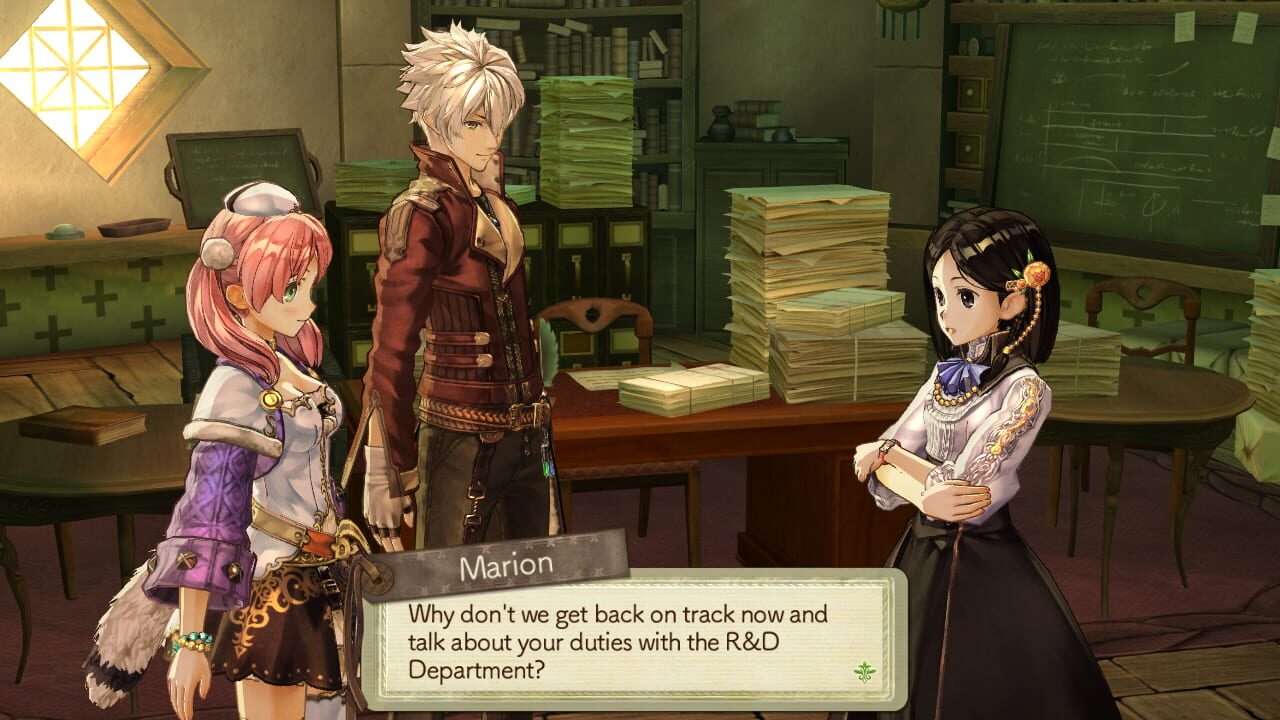
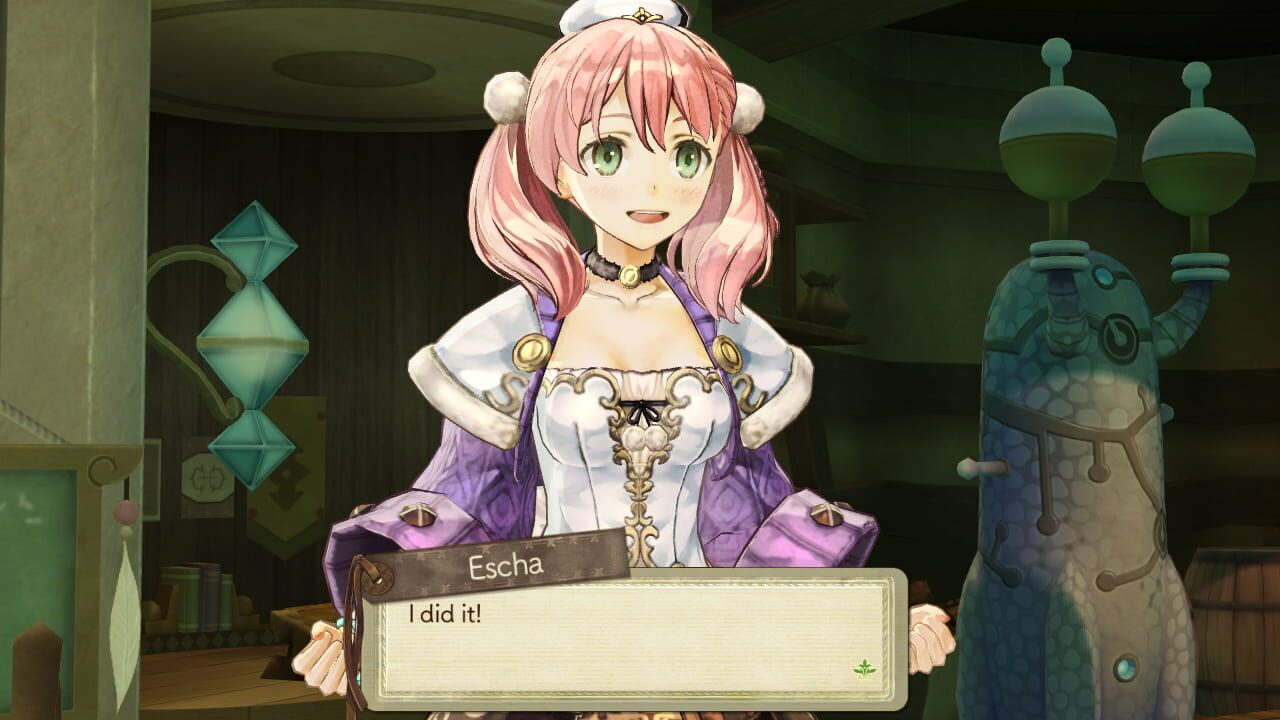
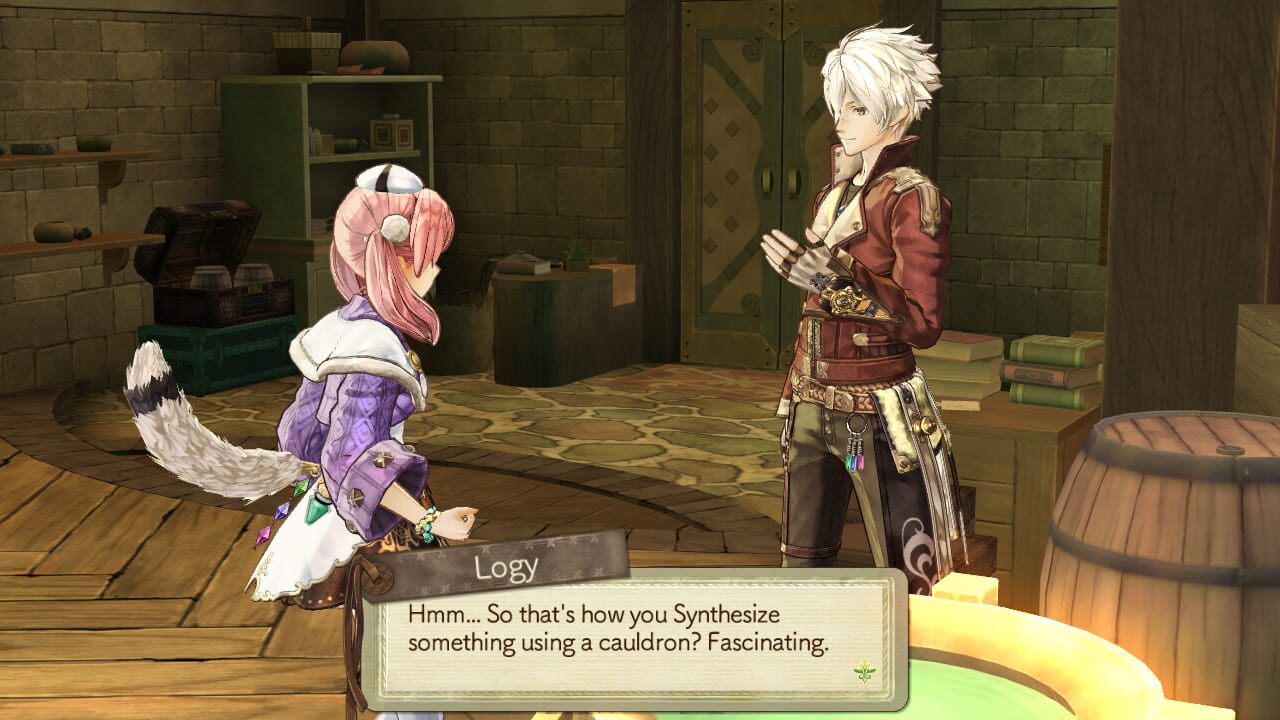
You choose between two protagonists, and certain events and endings are only available with one of them. Escha works as a government official alongside her partner Logy, and the two use different kinds of tools to synthesize. Their names refer to the English word eschatology, a heavy word for two people in a town hall.
Critics praised the choice of two heroes, the battles and the gameplay tactics. A 12-episode anime followed.
Atelier Shallie: Alchemists of the Dusk Sea (2015)
Jun 26, 2014Mar 10, 2015Mar 13, 2015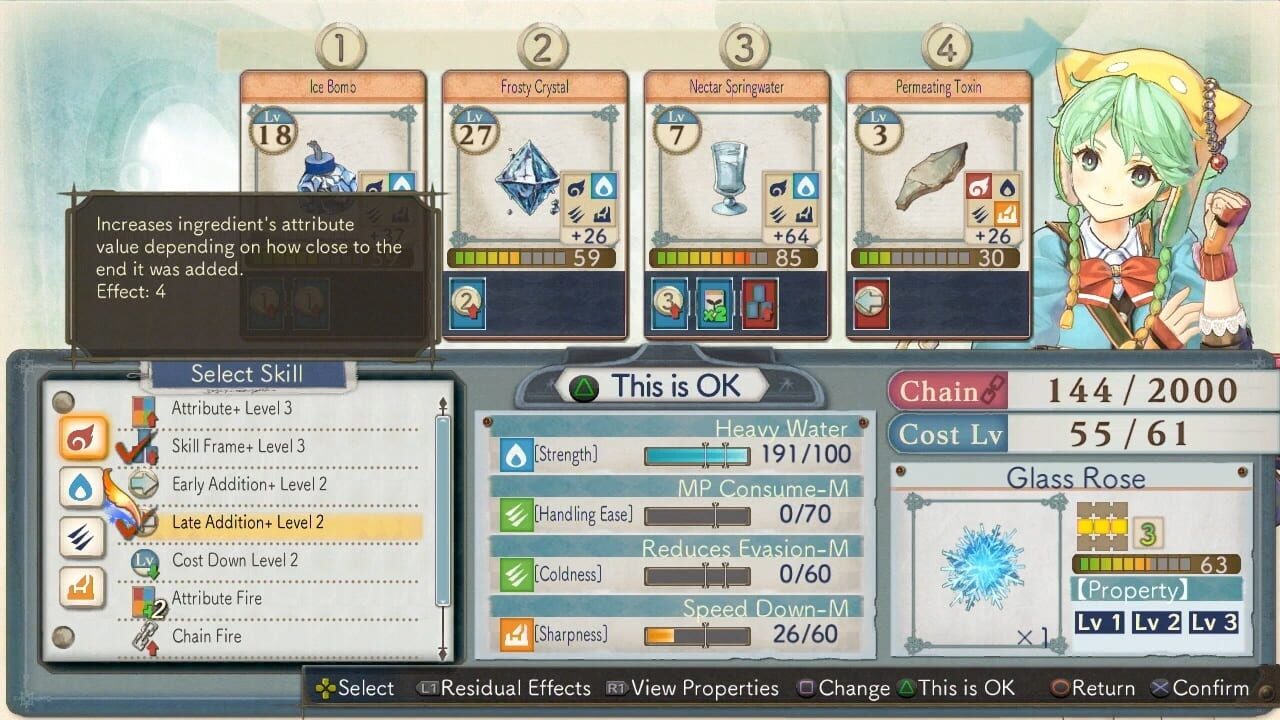
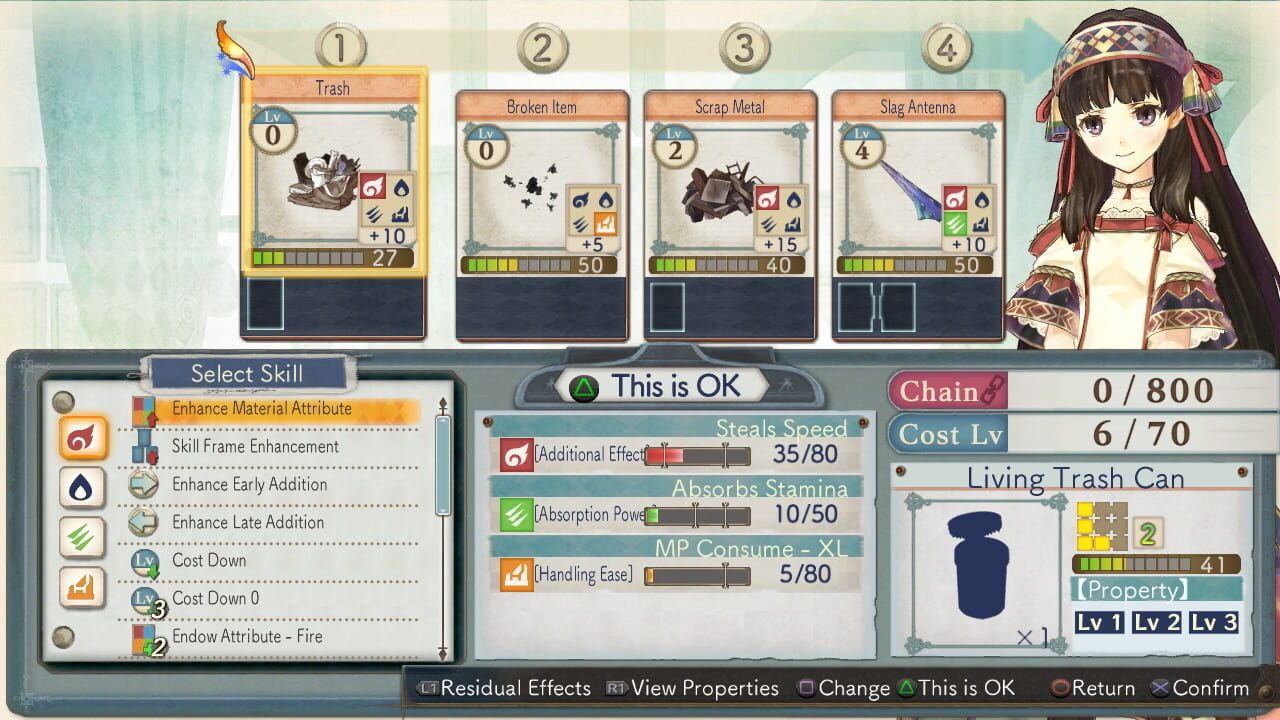
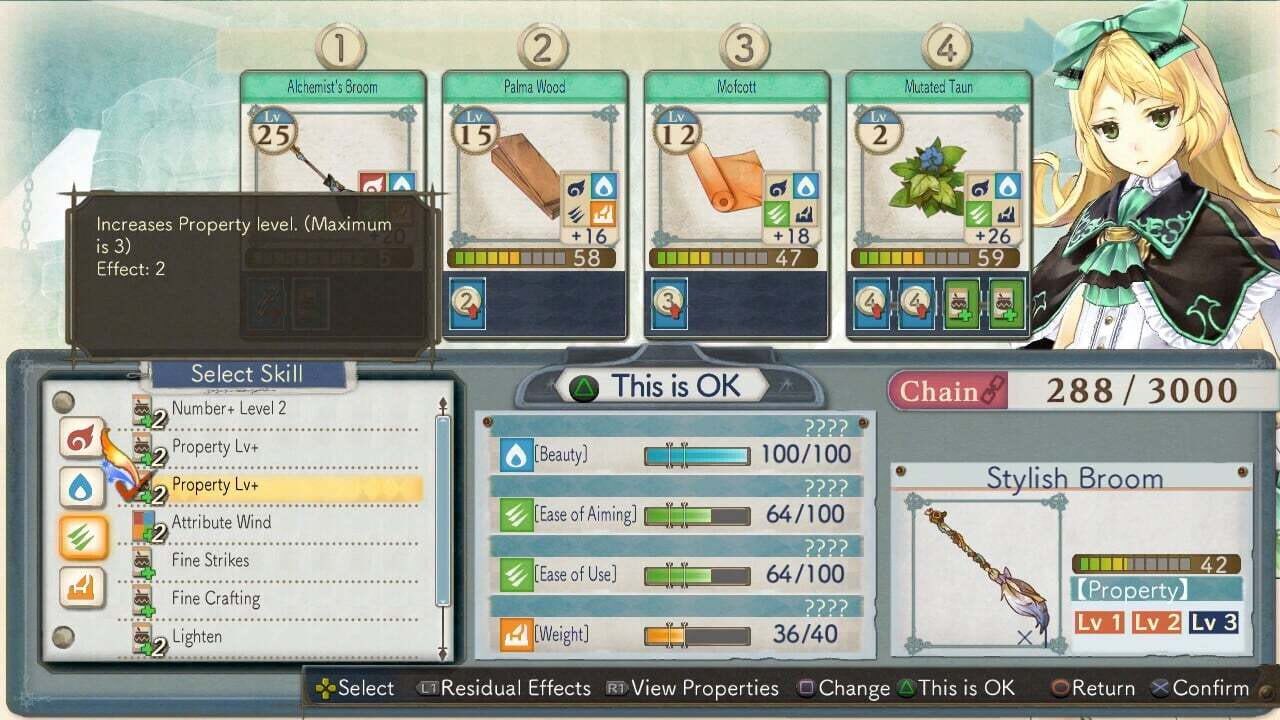
This is the 16th main entry and the last Dusk game. You pick Shallotte or Shallistera, and each has her own storyline. Shallotte can scrub the floor for items with her broom, and Shallistera uncovers hidden items by dowsing. The fields are larger than in earlier games.
The time limit from previous games is gone, replaced by a new system. Metacritic has it at 76/100, and critics liked how it simplifies some of the more complex mechanics.
Atelier Sophie: The Alchemist of the Mysterious Book (2016)
Nov 19, 2015Jun 7, 2016Jun 10, 2016Nov 19, 2015 Feb 7, 2017

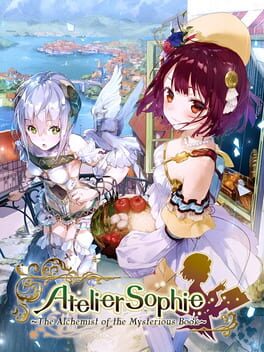
Here the Mysterious story begins, and Koei Tecmo took over Western publishing from NIS America. Sophie is sloppy and terrible at housework, and her guide Plachta starts out as an old book from the atelier's bookshelf. The game does away with the time limit system.
It was the first game in the series to use multiple artists. Famitsu scored it 33/40, and it had shipped 400,000 copies by 2021. The DX version came out on April 22, 2021.


Atelier Firis: The Alchemist and the Mysterious Journey (2017)
Nov 2, 2016Mar 7, 2017Mar 10, 2017Mar 7, 2017

Firis Mistlud lives in the secluded mine town of Ertona and dreams of exploring the world outside. This is the first Atelier game with an open world, and you can synthesize at any campfire using a portable atelier.
A time limit covers the first major story objective, and after that you can play at your leisure. It is a good pick if wandering is what you like most.


Atelier Lydie & Suelle: The Alchemists and the Mysterious Paintings (2018)
Dec 21, 2017Mar 27, 2018Mar 30, 2018Dec 21, 2017Mar 27, 2018

This is the nineteenth main entry, made for the 20 years of the franchise. You play twins Lydie and Suelle, and the younger twin goes by Sue. Up to six characters can fight at once, in three pairs of attacker and supporter.
A time limit shows up only briefly, for one objective in the middle of the game. It closes the Mysterious trilogy as it stood at the time.


Nelke & the Legendary Alchemists: Ateliers of the New World (2019)
Jan 31, 2019Mar 26, 2019Mar 29, 2019Jan 31, 2019Mar 26, 2019
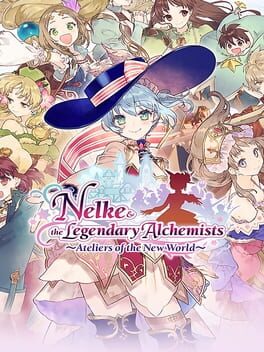
Production began in 2017 as a series celebration title. It is a city builder with Atelier protagonists from across the series around a standalone protagonist, Nelke. Only alchemists can work at ateliers, and a shop's produce and quality depend on who you put in charge.
Reviews praised the music and gameplay mechanics and often criticized the story, graphics and slow pace. It works best if you already know the cast.


Atelier Lulua: The Scion of Arland (2019)
Mar 20, 2019May 21, 2019May 24, 2019May 21, 2019May 24, 2019

Lulua is Rorona's daughter, and the game marks the tenth anniversary of the Arland series and the 25th anniversary of Gust. She goes on a journey after finding a magical book called the Alchemyriddle. The team designed it to be accessible to newcomers, and there is no time limit in place.
Reviews praised the gameplay systems and the Alchemyriddle mechanics and were mixed on the story and graphics. Play the earlier Arland games first and the returning characters will mean more.


Atelier Ryza: Ever Darkness & the Secret Hideout (2019)
Oct 29, 2019Oct 31, 2019Oct 29, 2019Nov 1, 2019Oct 29, 2019

This is the twenty-first main entry and the first of the Secret story. Ryza lives on Kurken Island and sneaks onto the mainland by boat with her friends Lent and Tao, looking for her own adventures. Battles are turn-based with real-time elements, and you can automate gathering and synthesis if you care more about the rest of the game.
It sold 500,000 copies and became the best-selling title in the series at that point. The Ryza games have sold over two million units.


Atelier Ryza 2: Lost Legends & the Secret Fairy (2021)
Dec 3, 2020Jan 26, 2021Jan 29, 2021Jan 26, 2021Jan 29, 2021Jan 26, 2021

This is the second Secret game and the first game in the series with a returning protagonist. The mix of turn-based and real-time combat comes back with improvements.
It was recommended by 86% of critics and sold 220,000 copies in its first month throughout Asia. A DX version is in the Secret Trilogy pack from November 13, 2025.


Atelier Online: Alchemists of Bressisle (2021)
2018Jul 8, 2021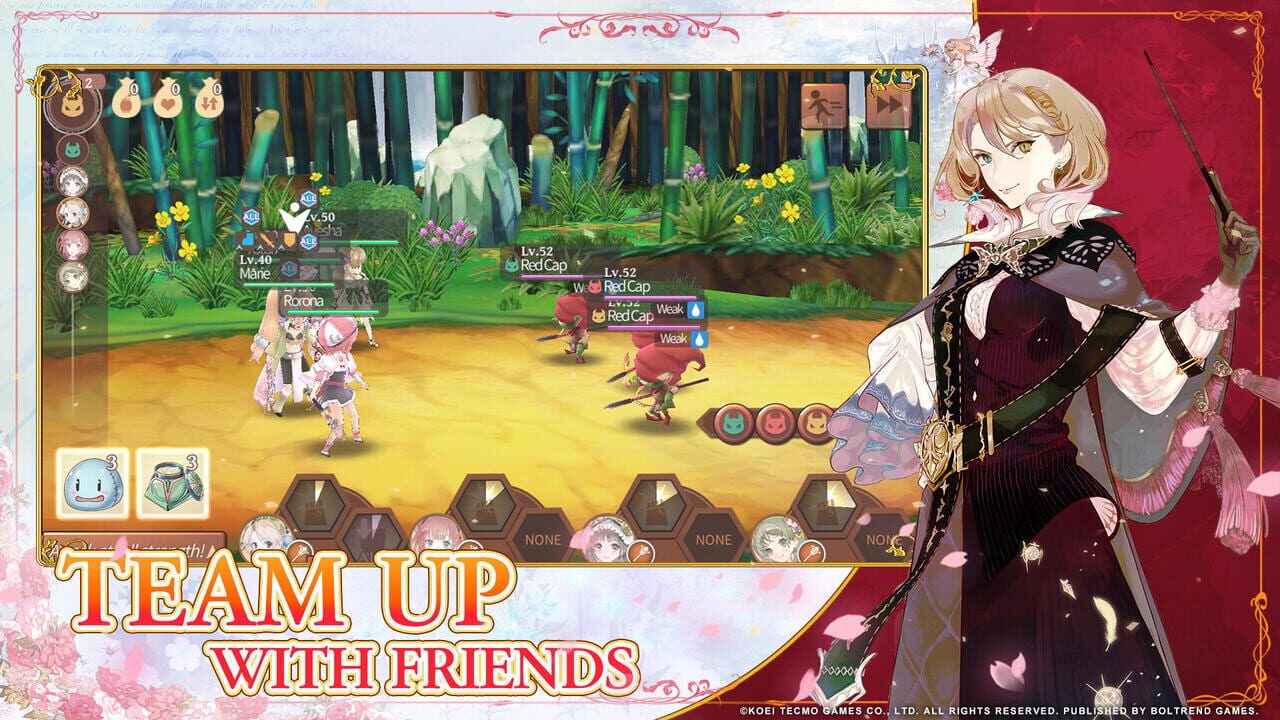

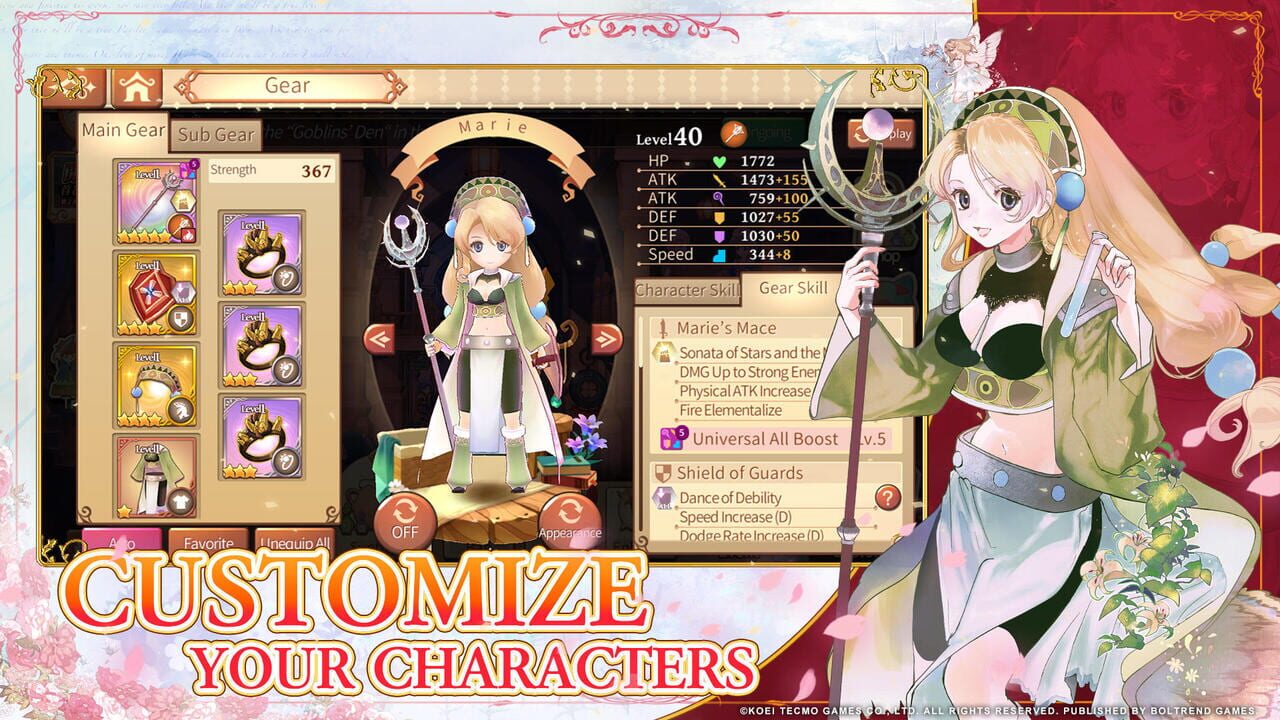
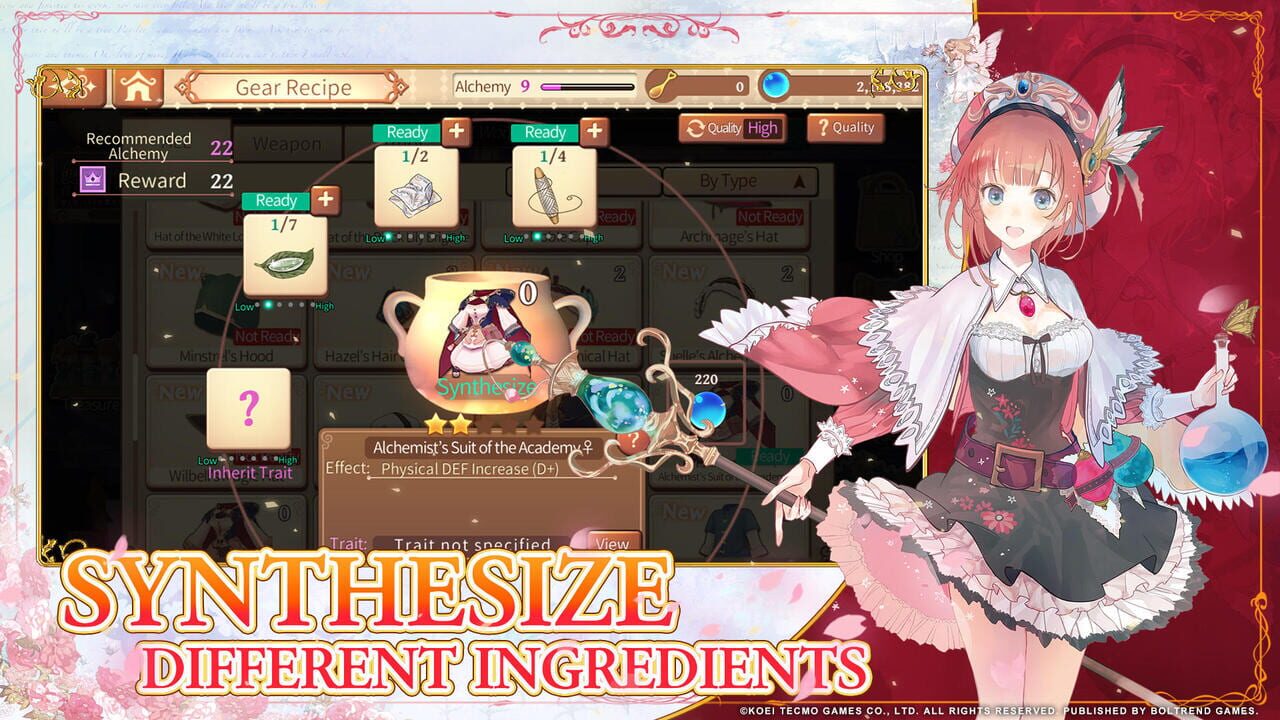
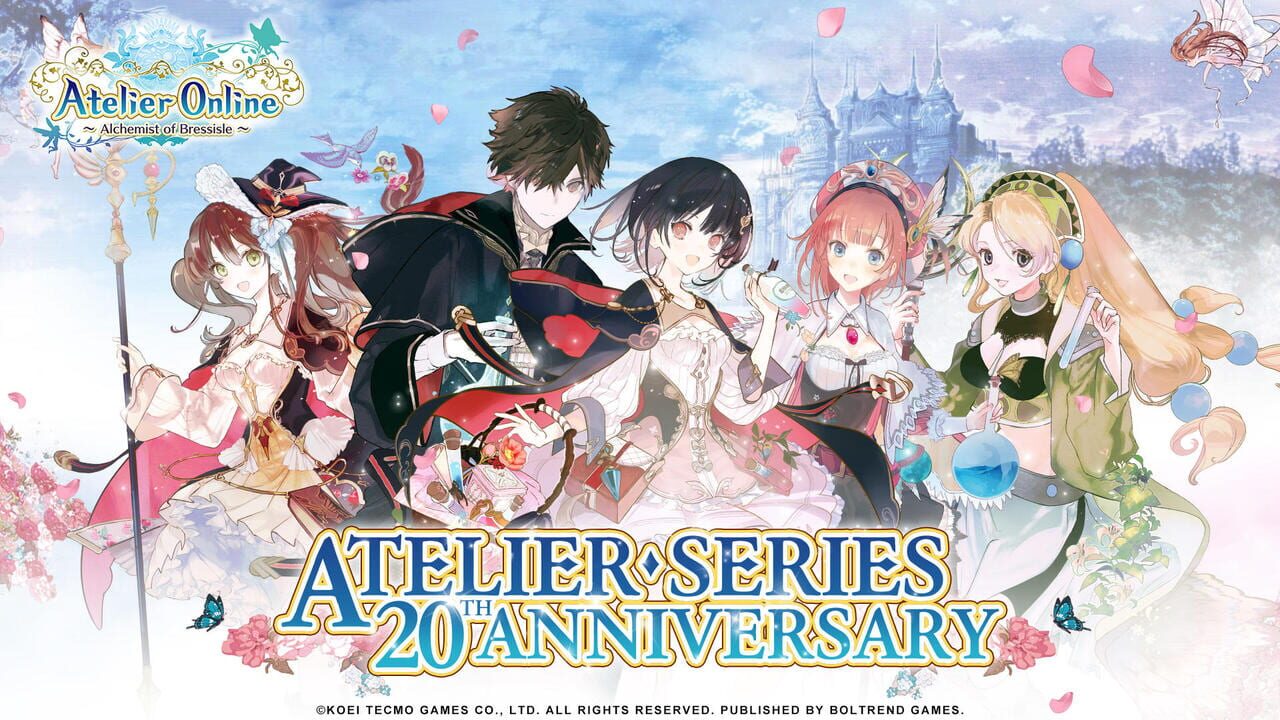
Atelier Online is a free-to-play multiplayer game for phones. It came out in Japan on October 3, 2018 and reached North America on July 8, 2021. The US App Store listing is gone, so this one has no way to play it here today.
Atelier Sophie 2: The Alchemist of the Mysterious Dream (2022)
Feb 24, 2022Feb 25, 2022Feb 25, 2022

Sophie and Plachta, still stuck in a doll's body, leave the town of Kirchen Bell so Sophie can earn her alchemist certification. They end up in a parallel world called Erde Wiege, where Sophie teams up with her grandmother Ramizel, summoned from her younger days. Family dinners would have been awkward either way.
Japan got it one day earlier, on February 24, 2022. This is the second game in the series with a returning protagonist, after Atelier Ryza 2.


Atelier Ryza 3: Alchemist of the End & the Secret Key (2023)
Mar 24, 2023

This is the third and final game of the Secret story, celebrating the 25th anniversary of the franchise. A voice in Ryza's head tells her to synthesize a key she has never seen. Keys unlock new options in synthesis and combat, and they open new areas.
For the first time in the series, the world is a single map of interconnected areas. The party has 11 characters, and sales went past 300,000 units, the fastest start in the Secret series.


Atelier Marie Remake: The Alchemist of Salburg (2023)
1997Jul 13, 2023

This is the first game in the series, and the remake is how it finally reached English players. Marie is the worst student enrolled, and she has five in-game years to pass an exam by running an alchemy workshop. Each synthesis raises her fatigue meter, which makes a failure more likely.
Japan got it on PlayStation in 1997. The remake adds an indefinite mode that turns off the time limit. Reviews liked the art and noted its archaic elements. The Japanese Dreamcast version released with a computer virus, which no potion fixes.


Atelier Resleriana: Forgotten Alchemy & the Liberator of Polar Night (2024)
Sep 23, 2023Jan 10, 2024Jan 25, 2024

This is the mobile gacha game of the series, and it came out in Japan on September 23, 2023. Alchemy was lost 150 years ago in its story, and Resna wants to bring it back. The Steam page and US App Store listing are gone today.


Atelier Yumia: The Alchemist of Memories & the Envisioned Land (2025)
Mar 21, 2025Jun 9, 2026

This is the twenty-sixth main entry and the first of the Memories series, with an open world design. Alchemy is taboo here, and Yumia Liessfeldt practices it anyway on an expedition into the old Aladissian Empire. Party members move around enemies and attack in real time with skills and items.
It sold over 300,000 copies, the fastest-selling game in the franchise at that point, and 77% of critics recommended it. A Nintendo Switch 2 version came out on June 9, 2026. The sequel, Atelier Karia: The Night Kingdom & the Guide of Memories, is due on February 25, 2027.


Atelier Resleriana: The Red Alchemist & the White Guardian (2025)
Sep 26, 2025Sep 26, 2025

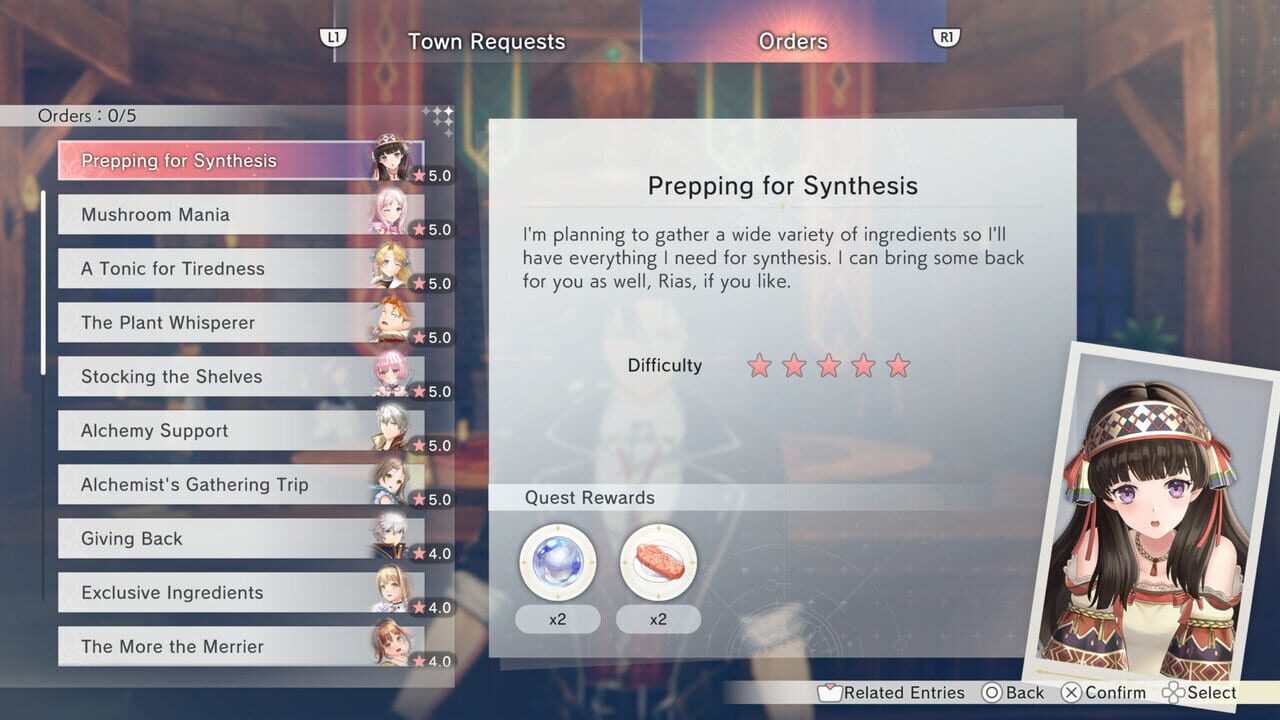
This one is a standalone game with no gacha, set in the same world as Forgotten Alchemy. Two young adults, Rias and Slade, return to their lost hometown, and you can switch between them anytime. The Dimensional Paths dungeon changes its map layout and monsters on every challenge.
Battles use a Timeline Command system with up to three party members on both the front and back rows. Gift Color Synthesis passes traits to the finished item when you link the colors of its ingredients. You also sell what you make and help develop the town.

Never released in English
- Atelier Elie: The Alchemist of Salburg 2 (1998, PlayStation) - Atelier Marie GB (2000, Game Boy Color) - Atelier Elie GB (2000, Game Boy Color) - Atelier Lilie: The Alchemist of Salburg 3 (2001, PlayStation 2) - Marie & Elie: Atelier Pair (2001, WonderSwan Color) - Hermina and Culus: Atelier Lilie Another Story (2001, PlayStation 2) - Atelier Judie: The Alchemist of Gramnad (2002, PlayStation 2) - Atelier Marie, Elie & Anis: Message on the Gentle Breeze (2003, Game Boy Advance) - Marie's Charajan (2003, i-mode phones) - Atelier Viorate: The Alchemist of Gramnad 2 (2003, PlayStation 2) - Atelier Marie: Puzzle Workshop (2006, EZ App phones) - Atelier Elie: Puzzle Workshop (2006, EZ App phones) - Iris no Atelier: Eternal Mana 2 After Episode (2006, mobile phones) - Atelier Lise: The Alchemist of Orde (2007, Nintendo DS) - Atelier Lina: The Alchemist of Strahl (2009, Nintendo DS) - Atelier Marie–Elie: The Alchemists of Salburg (2012, GREE) - Atelier Elkrone: Dear for Otomate (2012, PlayStation Portable) - Atelier Quest Board (2014, iOS and Android)