There are 37 Castlevania games, listed here in US release order from the 1987 NES release of Castlevania to Belmont's Curse in 2026. Spin-offs and remakes are marked, and the one game that never came out in English is at the end.
Castlevania (1987)
 Sep 26, 1986
 1987Apr 30, 1987
 Dec 19, 1988
 Mar 23, 2007Mar 23, 2007Apr 30, 2007Jul 17, 2007Oct 17, 2012Feb 14, 2013Apr 4, 2013Dec 4, 2013Dec 19, 2013
 May 16, 2019Sep 24, 2026

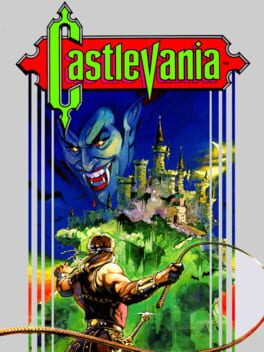
Castlevania was directed and programmed by Hitoshi Akamatsu, who shows up in the staff roll as "Trans Fishers", a nod to film director Terence Fisher. You play Simon Belmont and fight through 18 stages with a whip that has a short delay before it cracks. That delay is the first thing the game teaches you, usually at the bottom of a pit.
Bosses come from classic horror, such as Frankenstein's monster and the Grim Reaper. Hearts pay for backup weapons like holy water and axes, and you can carry only one at a time. It sold over 1 million units. Japan got it first, on September 26, 1986, on the Famicom Disk System. The MSX2 version, Vampire Killer, came out a month after the Famicom game and has the same Japanese title, Akumajō Dracula. The two were developed in tandem and use the same premise, but they play differently. Europe got this one in 1987 without the Castlevania name, and North America never got it.


Haunted Castle (1987)
Dec 26, 1987Dec 26, 1987Feb 22, 1988May 25, 20062017
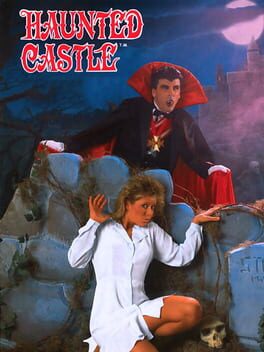
Haunted Castle is the second arcade game in the series, after VS. Castlevania, which was an arcade port of the first game. This one was built new for arcades. Simon sets out to save his wife Selena from Dracula, and his whip upgrades to a spiked morning star and then to a sword.
Each of its six levels ends with a boss, and Medusa and Frankenstein's monster are both here. Japan got it on February 22, 1988. Hamster released it on PS4 in 2017 and Switch in 2021 as part of Arcade Archives.


Castlevania II: Simon's Quest (1988)
Aug 28, 1987Nov 24, 1988Oct 19, 2007Oct 19, 2007Oct 29, 2007Oct 28, 2008Mar 27, 2013Jan 16, 2014Jan 16, 2014Jan 16, 2014Mar 5, 2014May 1, 2014

Simon's Quest is set seven years after the first game. Dracula has placed a curse on Simon, and the cure is to find five parts of Dracula's body and bring them to the ruins of the castle. The game drops the straight run of stages for a world map you can explore and revisit, with villagers to talk to and items to buy.
Simon also gains power through an Experience Rating system. The villagers offer clues or lies, and Koji Igarashi later revealed that the liars in the Japanese version were deliberate. Japan got it on August 28, 1987, and the American translation made the clues even harder to read.


Castlevania: The Adventure (1989)
Oct 27, 1989Dec 15, 1989Aug 9, 1991Mar 14, 2012Jul 5, 2012Oct 25, 2012
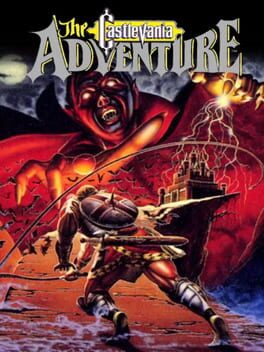
The Adventure was the first handheld Castlevania and the first Konami title for the Game Boy. You control Christopher Belmont, the ancestor of Simon Belmont, on a quest to defeat Dracula.
The game consists of four stages, and there are no sub-weapons here, so hearts restore health instead. You can upgrade the whip to a chain whip and a flame whip, but any enemy damage downgrades it. Japan got the game on October 27, 1989, and it got a remake on WiiWare 20 years later, which has its own entry further down.


Castlevania III: Dracula's Curse (1990)
Sep 19, 1990Dec 10, 1992Oct 31, 2008Oct 31, 2008Jan 12, 2009Apr 17, 2014Jun 24, 2014Jun 26, 2014Sep 4, 2014
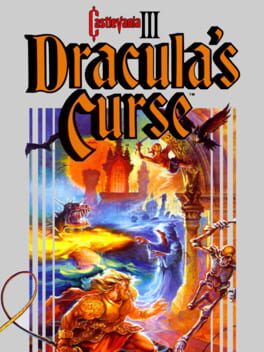
Dracula's Curse is the third numbered game but a prequel, set a few centuries before the original. At certain points you choose between two stages, and those paths lead to new playable characters and different endings. Trevor can bring along only one companion, and taking on a new one means leaving the old one behind. Alucard makes his first appearance here.
The Japanese cartridge has a VRC6 chip for extra sound channels. Western NES consoles could not support it, so the American music had to be changed. Japan got it on December 22, 1989. The game was adapted into the first two seasons of the animated 2017 Castlevania television series.


Castlevania II: Belmont's Revenge (1991)
Jul 12, 1991Aug 9, 1991Jul 11, 1992
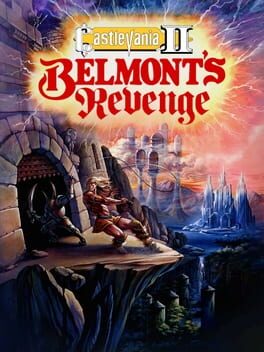
Belmont's Revenge opens with four levels, each in its own castle with a theme such as air or crystal, and you can finish them in any order, similar to Mega Man. Large trap rooms wait inside them.
The North American version replaced the cross sub-weapon with an axe. The cross flew a long way in a straight line, while the axe goes up in an arc and through walls. The Konami GB Collection, released in Japan and Europe only, restores the original cross. Japan got the game first, on July 12, 1991.


Super Castlevania IV (1991)
Oct 31, 1991Dec 4, 1991Nov 23, 1992Dec 2, 2006Dec 25, 2006Dec 29, 2006Dec 29, 2006Sep 11, 2013Oct 31, 2013Oct 31, 2013Sep 8, 2016Oct 20, 2016
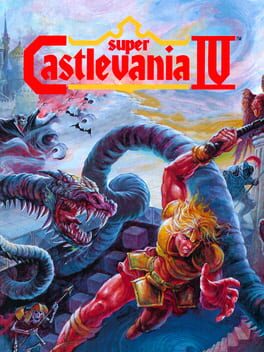
Super Castlevania IV follows the same story as the first game and takes Simon through eleven levels. Masahiro Ueno directed it, credited as Jun Furano, and he only partly considers it a remake of the original. The big change is the whip, which attacks in eight directions, goes limp to block projectiles when you hold the button, and latches onto rings for swinging over gaps.
The music is by Masanori Adachi and Taro Kudo. It reached the Wii Virtual Console in 2006 and the Super NES Classic Edition in September 2017. Japan got the game on October 31, 1991.


Kid Dracula (1993)
Jan 3, 1993Jan 3, 19931993
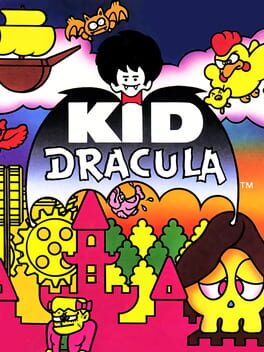
This Game Boy sequel has the same name in English as the Famicom game, which makes shopping for it confusing. Kid Dracula has forgotten his powers and has to rediscover them before he can take down the evil Garamoth. Japan got it on January 3, 1993.
The game has eight levels, with themes such as a ghost pirate ship and a robotics factory. As you progress he recalls how to use each power, starting with a normal projectile, and a later bomb can destroy some walls. It is an expensive game on the second-hand market.


Castlevania: Bloodlines (1994)
Mar 17, 1994Mar 18, 1994Mar 20, 1994

Bloodlines was the first Castlevania on a Sega console, and PAL regions knew it as Castlevania: The New Generation. The vampire Elizabeth Bartley starts World War I to bring back her uncle, Dracula. Most families just send a card. The game takes place in 1917, and you play John Morris or Eric Lecarde.
John swings past gaps with his whip, while Eric makes high jumps with his spear and takes a different route. It was the first Castlevania with music by Michiru Yamane, who became a recurring series composer. It was not released again until the Castlevania Anniversary Collection in 2019, and it reached the Nintendo Classics service on October 25, 2021.


Castlevania: Dracula X (1995)
Aug 7, 1995Sep 5, 1995Apr 23, 2014Oct 2, 2014Nov 13, 2014Dec 29, 2016Jan 26, 2017

Dracula X is a remake of Rondo of Blood, known in Europe as Castlevania: Vampire's Kiss. The plot is similar and it uses many of the same graphics, but the levels are new. It could not be a direct port because of the limits of the cartridge format and the exclusivity agreements with NEC.
It uses passwords where Rondo has saves, and Maria is not playable. It does have three endings, set by whether you rescue Annet and Maria, just Maria, or neither. Japan got it on July 21, 1995. It is in the Castlevania Advance Collection, even though it never was a Game Boy Advance game.


Castlevania: Symphony of the Night (1997)
Mar 20, 1997Oct 3, 1997Nov 1, 1997Mar 21, 2007Mar 21, 2007Jul 25, 2007Jul 19, 2007Dec 16, 2010Dec 12, 2012
Symphony of the Night is a direct sequel to Rondo of Blood, set five years after it, and it reached Japan on March 20, 1997. Toru Hagihara directed, with Koji Igarashi as assistant director. You play Dracula's son Alucard and explore one large connected castle, with a map that fills in as you go and role-playing stats. You can find a wide variety of weapons where earlier heroes mostly used a whip.
Later you reach the Inverted Castle, the whole building turned upside down, which is the best plot twist a floor plan has ever had. It became a sleeper hit, selling over 700,000 units in the United States and Japan, and it is seen as the pioneer of the Metroidvania genre. The Saturn version from June 25, 1998 makes Maria playable. It is also part of The Dracula X Chronicles and Castlevania Requiem.


Castlevania Legends (1998)
Mar 11, 1998
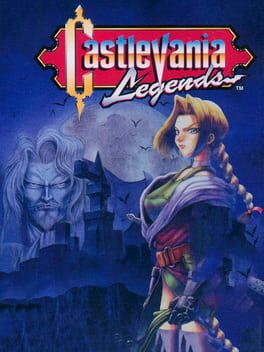
Legends takes place in 1450 in Transylvania. Sonia Belmont, the first vampire hunter of her clan, charges through five stages of Dracula's castle with a whip and meets Alucard along the way.
Once per stage she can enter Burning Mode, which makes her invincible for ten seconds, and mini-bosses reward her with Soul Weapons. Producer Koji Igarashi later removed the game from the series timeline, saying it conflicted with the plot of the main games. It is one of the most desirable and expensive Game Boy games, and its first official re-release came on the Nintendo Classics service on October 31, 2023. Japan got it on November 27, 1997.


Castlevania (1999)
Jan 26, 1999Mar 11, 1999May 14, 1999
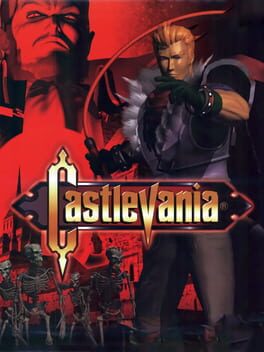
Often called Castlevania 64, this is the first 3D game in the series. You pick Carrie Fernandez, a young orphan with magic powers, or Reinhardt Schneider, heir to the Belmont clan. Reinhardt has the whip and Carrie fires homing energy balls, and both have a close-quarters attack.
The screen shows the time of day, and it has an effect on the gameplay. Vampires can latch on and bite you, and if you don't break free your status changes to "vamp", which locks you out of your main weapon and healing items. Progress through the game is fairly linear, and you can't go back to finished levels.


Castlevania: Legacy of Darkness (1999)
Dec 8, 1999Dec 25, 1999Mar 3, 2000
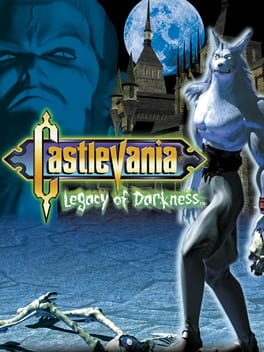
Legacy of Darkness is an expanded version of the Nintendo 64 game, released the same year. It adds Cornell, who can transform into a werewolf and fight with his claws. He was in early press material for the first N64 game before being cut, so this game is his comeback. Cornell's story is a search for his sister Ada.
Finishing it once unlocks Henry's quest, with its own set of levels and new bosses. One sequence has you guiding Henry through a hedge maze while unbeatable enemies give chase, and the rest of the time you're dealing with a chimera-like rival called Ortega.


Castlevania: Circle of the Moon (2001)
Mar 21, 2001Jun 11, 2001Jun 22, 2001Jun 22, 2001Aug 27, 2014Oct 9, 2014Jan 29, 2015
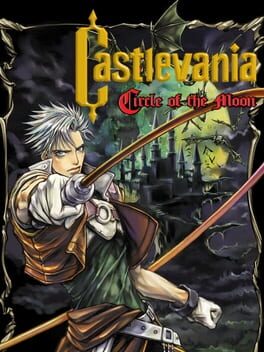
Circle of the Moon was a launch title for the Game Boy Advance, and PAL regions got it as plain Castlevania. It was made by Konami Computer Entertainment Kobe. You play Nathan Graves, who has the Hunter Whip from his mentor Morris Baldwin, and you learn new skills that open up more of the castle.
Its big idea is the Dual Set-Up System. Enemies drop twenty cards at random, and pairing an Action card with an Attribute card gives 100 different combinations. Igarashi said it left the timeline because the team meant it as a stand-alone title. Japan got it on March 21, 2001, and the Castlevania Advance Collection arrived on September 23, 2021.


Castlevania Chronicles (2001)
May 24, 2001Oct 9, 2001Nov 9, 2001Dec 18, 2008Feb 12, 2014
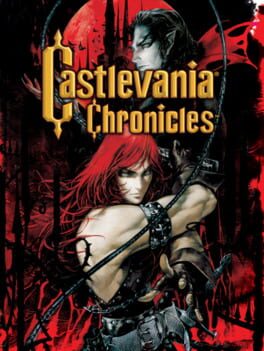
This game started on July 23, 1993 as Akumajō Dracula for the X68000 home computer in Japan, a remake of the original Castlevania. You can whip enemies diagonally from below while jumping. It allows six consecutive playthroughs with increasing difficulty, for anyone who finishes a Castlevania and wishes it had been meaner.
The PlayStation release came on May 24, 2001 in Japan and brought it to North America under the name Castlevania Chronicles. Original Mode is a direct port of the X68000 game. Arrange Mode has a new intro, updated sprites and new arrangements of the music by Sōta Fujimori. It became a PSone Classic on the PlayStation Network in December 2008.


Castlevania: Harmony of Dissonance (2002)
Jun 6, 2002Sep 17, 2002Oct 11, 2002Oct 16, 2014Feb 19, 2015
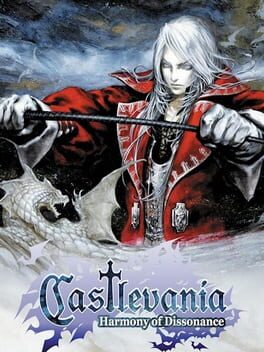
Harmony of Dissonance is set in 1748, fifty years after Simon's Quest, and stars Simon's grandson Juste Belmont, who is looking for a kidnapped friend. Koji Igarashi produced it, and he wanted a Game Boy Advance game with similarities to Symphony of the Night.
The castle comes in two layers, Castle A and Castle B, and breaking a wall in one can change the other. Juste also has a forward dash. Entering the Konami Code before the title screen unlocks a Boss Rush as an 8-bit Simon Belmont. It sold 126,000 units in the United States in its first three months. Japan got it on June 6, 2002.


Castlevania: Aria of Sorrow (2003)
May 6, 2003Oct 23, 2014Mar 19, 2015
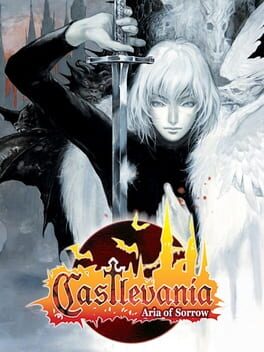
Aria of Sorrow is set in 2035, nine years from now, and people are still settling vampire problems with swords and axes, though a handgun is available. You play Soma Cruz, and the game introduces the Tactical Soul system, which lets him absorb the souls of enemies for new abilities. It also adds a full New Game Plus mode.
Michiru Yamane returned for the music with Takashi Yoshida and Soshiro Hokkai. It sold poorly in Japan, at 27,000 units in nearly a month, but it did well in the United States with more than 158,000 units in three months.


Castlevania: Lament of Innocence (2003)
Oct 21, 2003Nov 27, 2003Feb 13, 2004Aug 22, 2012Jun 18, 2013
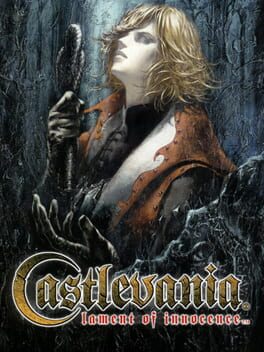
Lament of Innocence is chronologically the first game in the series. It is set in 1094 and tells how the fight between the Belmonts and Dracula began. Leon Belmont searches a vampire's castle for his kidnapped betrothed, carrying the Whip of Alchemy. The story ends up explaining how the Vampire Killer whip was made, and the answer is grim.
Leon can combine one of five sub-weapons with one of seven orbs for special attacks. Two extra characters unlock: the vampire Joachim and someone called Pumpkin, who does more damage than the founder of the Belmont line. It reached the PlayStation Network on June 18, 2013.


Castlevania: Dawn of Sorrow (2005)
Aug 25, 2005Sep 29, 2005Oct 4, 2005Oct 6, 2005
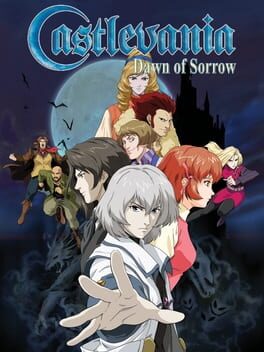
Dawn of Sorrow continues the story of Aria of Sorrow. Soma Cruz has avoided becoming the new dark lord, and a cult forms to bring forth a new one by killing him. The Tactical Soul system returns, and you can trade souls wirelessly with a second game card. It was also the first Castlevania with a multiplayer mode.
To finish strong bosses you draw a Magic Seal on the touchscreen in a set amount of time, and later seals have more complex patterns. Beating the game unlocks Julius Mode. It sold 164,000 units in the United States during its first three months. Japan got it on August 25, 2005.


Castlevania: Curse of Darkness (2005)
Nov 1, 2005Nov 24, 2005Feb 24, 2006Nov 1, 2005Feb 17, 2006
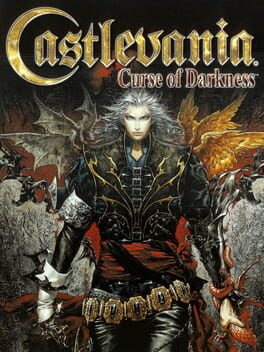
Curse of Darkness is a 3D action role-playing game with elements of hack-and-slash, and it continues the story of Dracula's Curse. You play Hector, a Devil Forgemaster. When his fiancée Rosaly is burned at the stake, he learns the murder was directed by his rival Isaac and sets out for revenge.
Hector is aided by Innocent Devils, creatures he builds himself that level up with him and help in fights and puzzles. His weapons change as you go, and each type has its own combos. Trevor Belmont appears in the story, and an extra mode after the ending lets you play as him.


Castlevania: Portrait of Ruin (2006)
Nov 16, 2006Dec 5, 2006Mar 9, 2007Mar 16, 2007
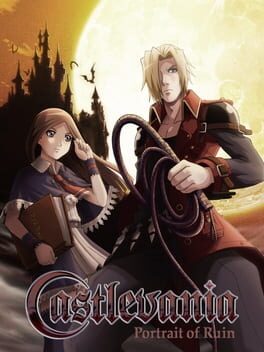
Portrait of Ruin continues the events of Bloodlines and is set in 1944 Europe during World War II. You play Jonathan Morris and Charlotte Aulin, and you can freely switch between them or combine their powers for an attack called Dual Crush.
Painting-like portals in the castle lead to other places, such as Egyptian-like deserts and London-like towns. It was the first Castlevania with a cooperative multiplayer mode and the first handheld entry with English voice-overs. One section has both heroes on motorcycles, which Dracula's castle had been missing until then. Japan got it on November 16, 2006.


Castlevania: Order of Shadows (2007)
Sep 18, 2007
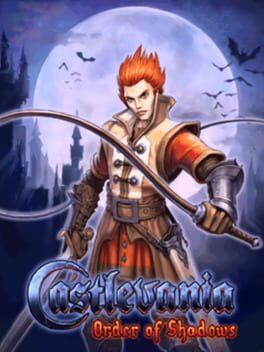
Order of Shadows is a mobile game for Java phones, and a platform game with RPG characteristics. You play Desmond Belmont, who has a whip plus sub-weapons like throwing axes and vials of holy water.
The story first centered on a character named Gryff LaRue and his family of mages and witches. It was rewritten because the Belmonts have always been shown as a family of warriors, and Desmond ended up with a whip in place of an axe or sword.


Castlevania: Rondo of Blood (2007)
Oct 29, 1993Oct 23, 2007Nov 8, 2007Feb 18, 2008Apr 9, 2008Apr 22, 2008Mar 15, 2010Mar 19, 2010Mar 19, 20102010
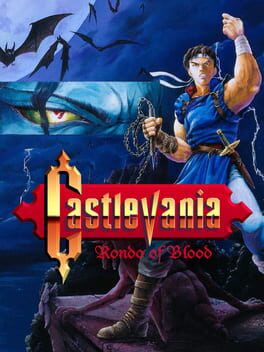
Rondo of Blood was directed by Toru Hagihara. Richter Belmont goes to save his lover Annette, who was abducted by Dracula, across nine stages with four alternate routes. The stages are untimed, and some have more than one ending, which changes what you meet next. Item Crash gives his sub-weapons a stronger attack.
Rescue Maria Renard and she becomes a playable character. Japan got it on the PC Engine Super CD-ROM² on October 29, 1993. The first English version came with The Dracula X Chronicles on PSP, and the Wii Virtual Console followed in 2010. The game is in the Castlevania Requiem collection for PS4 from 2018. It also served as the basis for the animated series Castlevania: Nocturne.


Castlevania: The Dracula X Chronicles (2007)
Oct 23, 2007Nov 8, 2007Feb 18, 2008
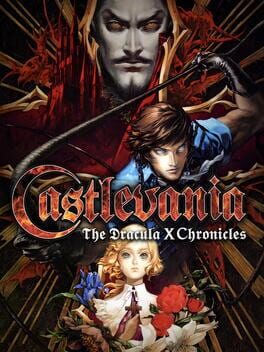
The Dracula X Chronicles is a remake of Rondo of Blood with 2.5D graphics, and it marks the first time Rondo was released outside of Japan. Stage 5 has a new layout and a brand new boss, the Hydra, and Dracula gains a third form. A Boss Rush mode can be played with a second player.
It also has the original Rondo of Blood localized into English and a version of Symphony of the Night as unlockable games, with Maria playable in the latter. Those ports later became the base of Castlevania Requiem on PS4 on October 26, 2018, which leaves out the remake itself.


Castlevania: Order of Ecclesia (2008)
Oct 21, 2008Oct 23, 2008Oct 27, 2008Feb 6, 2009Mar 12, 2009
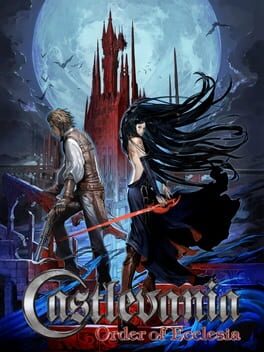
Order of Ecclesia was directed by Akihiro Minakata, with Koji Igarashi as producer. The Belmont clan has vanished, and Shanoa belongs to an organization set up to fight Dracula. It is the first canonical game where the Vampire Killer whip does not appear in any form.
The Glyph System gives Shanoa over 100 glyphs, collected from enemies and challenges. The game uses an overworld map with 20 locations, and the people of Wygol Village have been kidnapped, which leads to side quests.


Castlevania Judgment (2008)
Nov 18, 2008Jan 15, 2009Mar 20, 2009
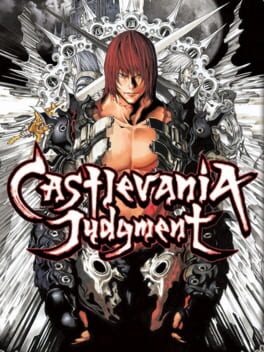
Judgment is the first fighting game in the series, developed by Eighting. A man named Aeon pulls champions from different eras into a time rift to find one who can destroy the Time Reaper. Simon and Alucard are both here, among 14 playable characters.
You attack by swinging the Wii Remote and move with the Nunchuk, in 3D arenas. It can connect with Order of Ecclesia to unlock bonus content in both games.


Castlevania: The Adventure ReBirth (2009)
Oct 27, 2009Dec 28, 2009Feb 26, 2010
The Adventure ReBirth is a loose remake of the Game Boy game, developed by M2 for the Wii, and Japan got it on October 27, 2009. M2 had already made Gradius ReBirth and Contra ReBirth.
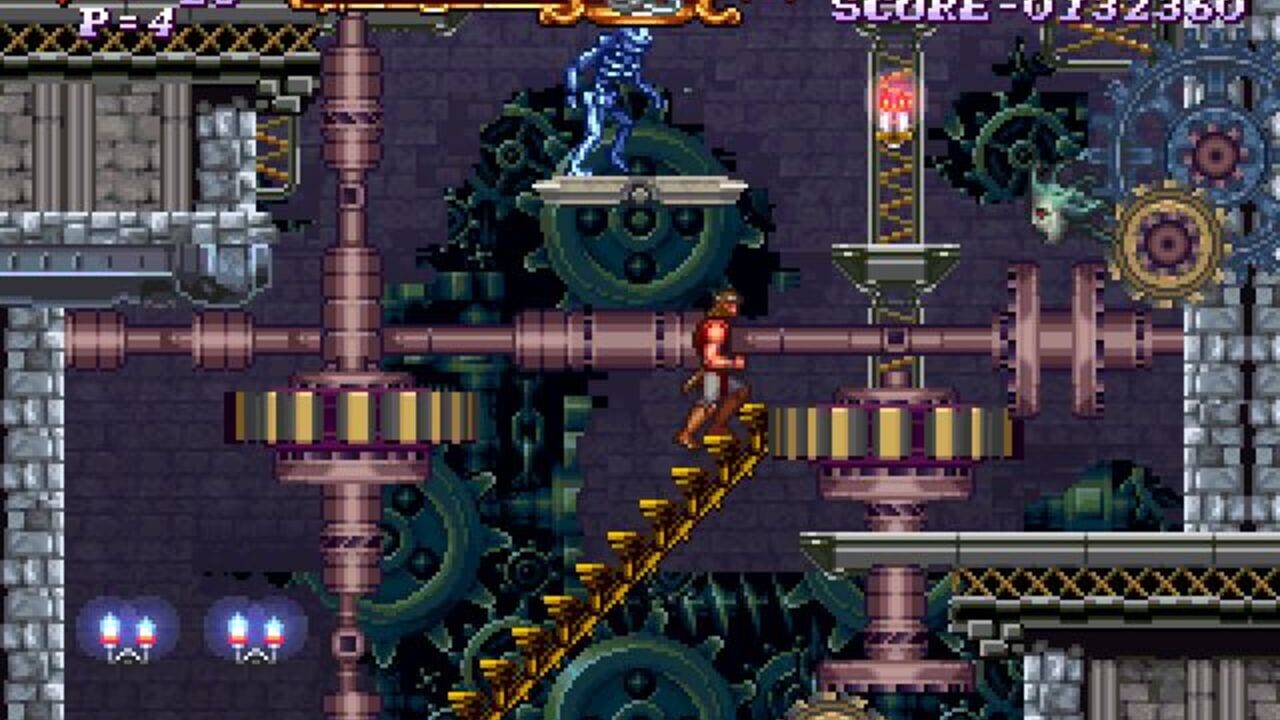
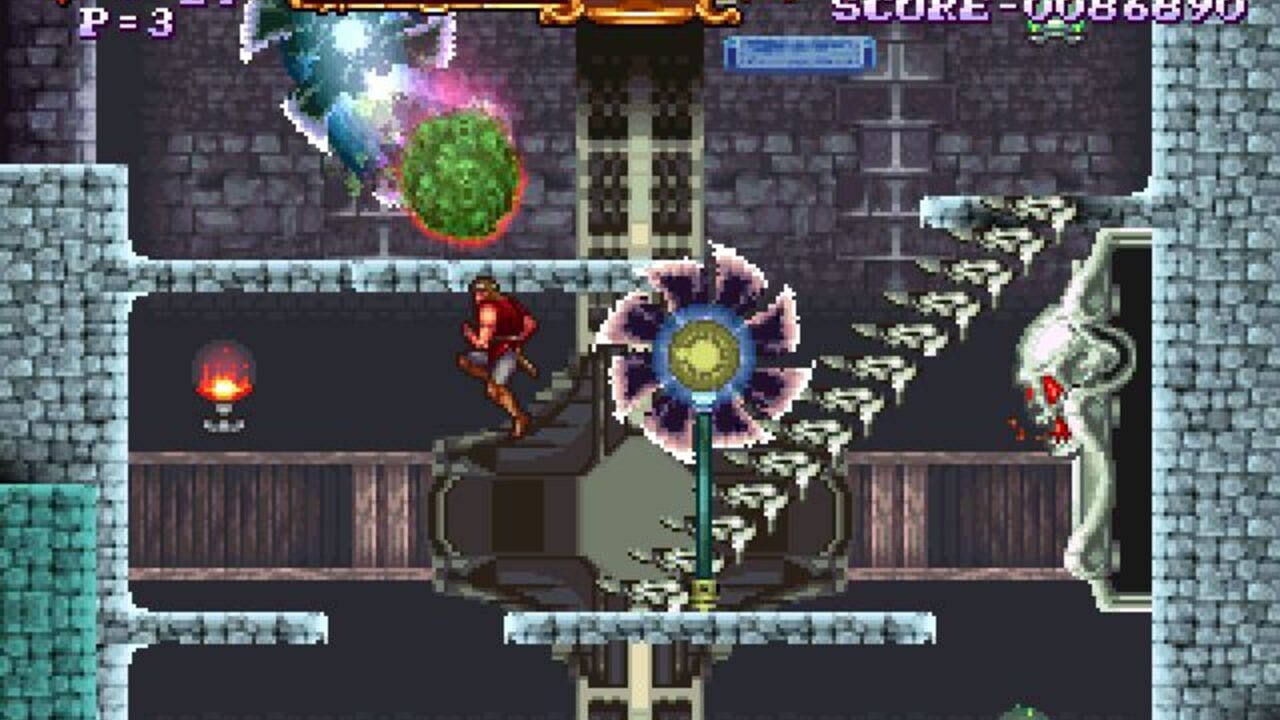
You play Christopher across six areas, each with a boss near the end. The original had no sub-weapons, and this version adds five, powered by hearts. The last whip upgrade shoots fire for a short time. Manabu Namiki composed the soundtrack, which remixes earlier Castlevania tracks.
Castlevania Puzzle: Encore of the Night (2010)
Jul 21, 2010Jan 18, 2011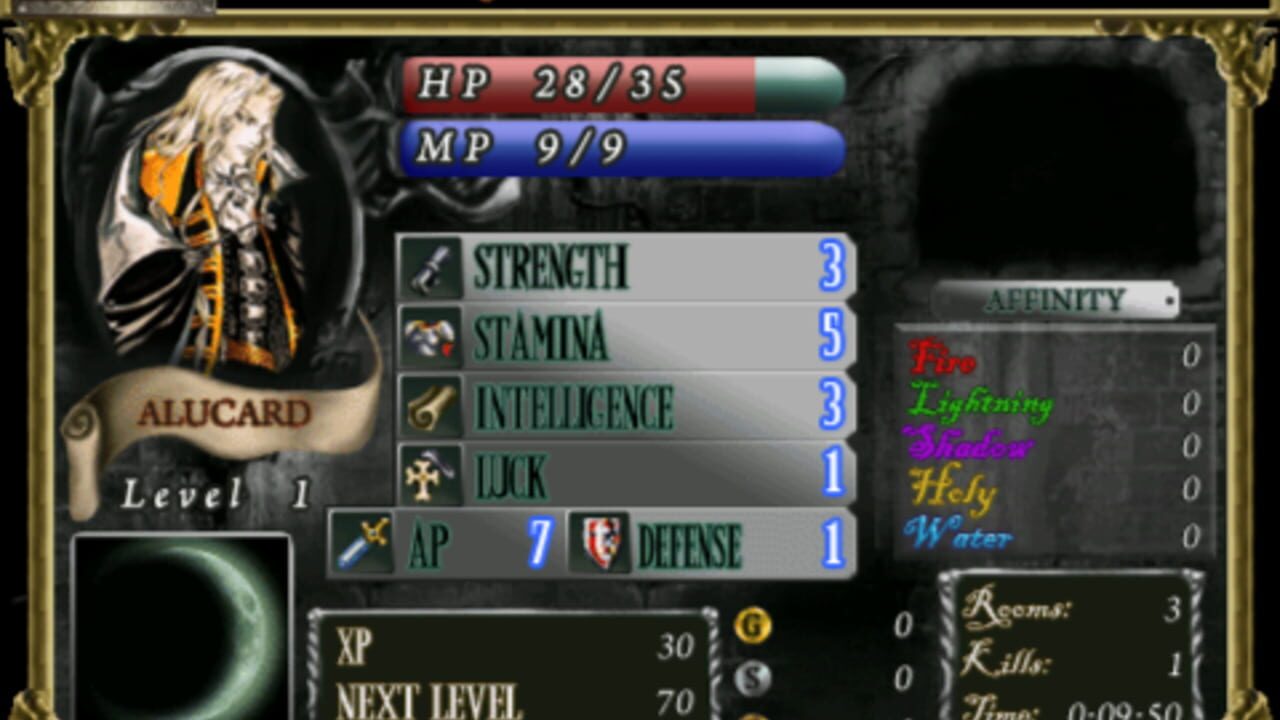

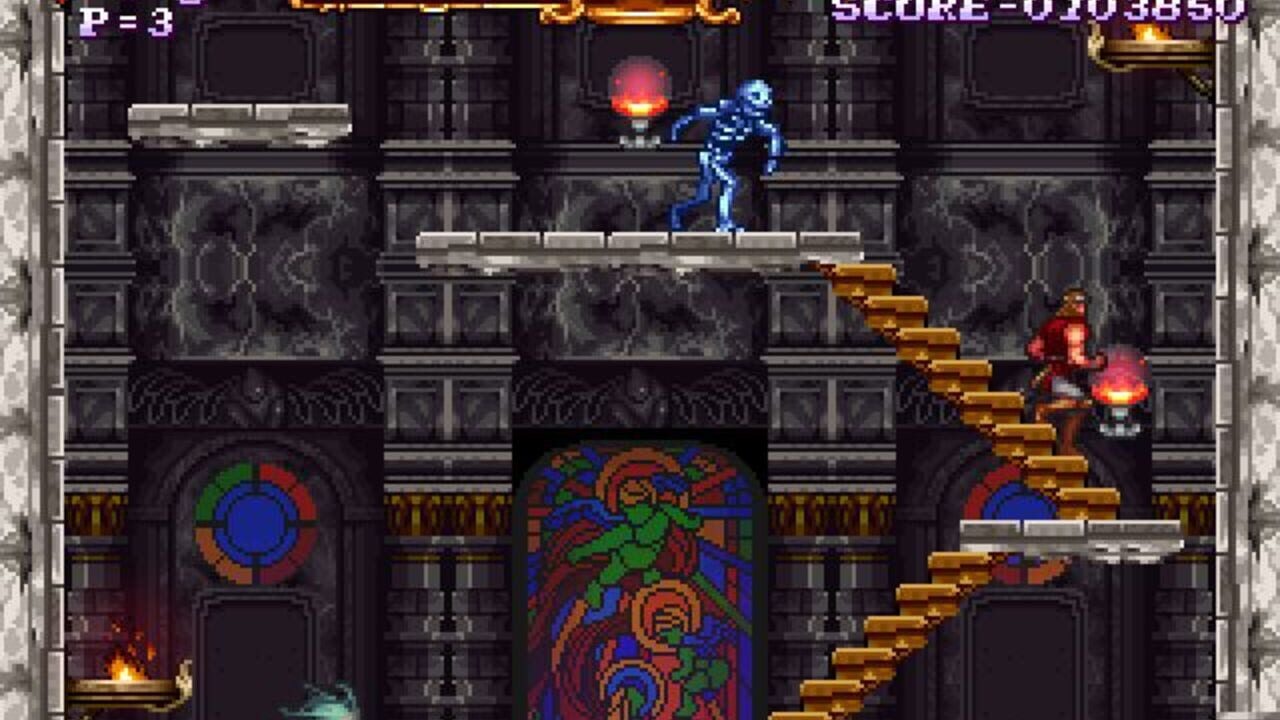
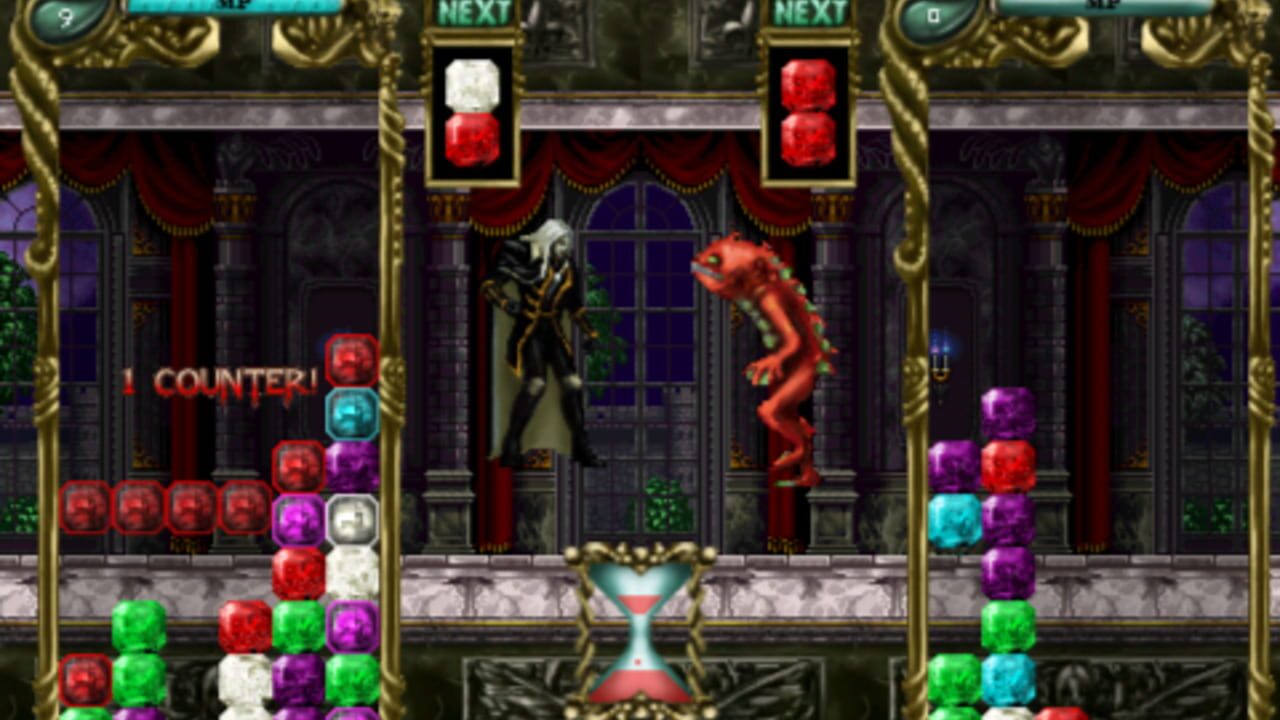
Encore of the Night is a puzzle game for iPhone that retells the story of Symphony of the Night, starring Alucard and other characters from it. It has a role-playing game system and touched up sprites. It came to Windows Phone on January 18, 2011.
Castlevania: Harmony of Despair (2010)
Aug 4, 2010Sep 27, 2011Oct 12, 2011
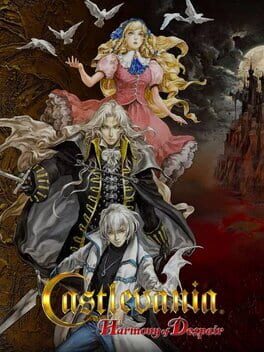
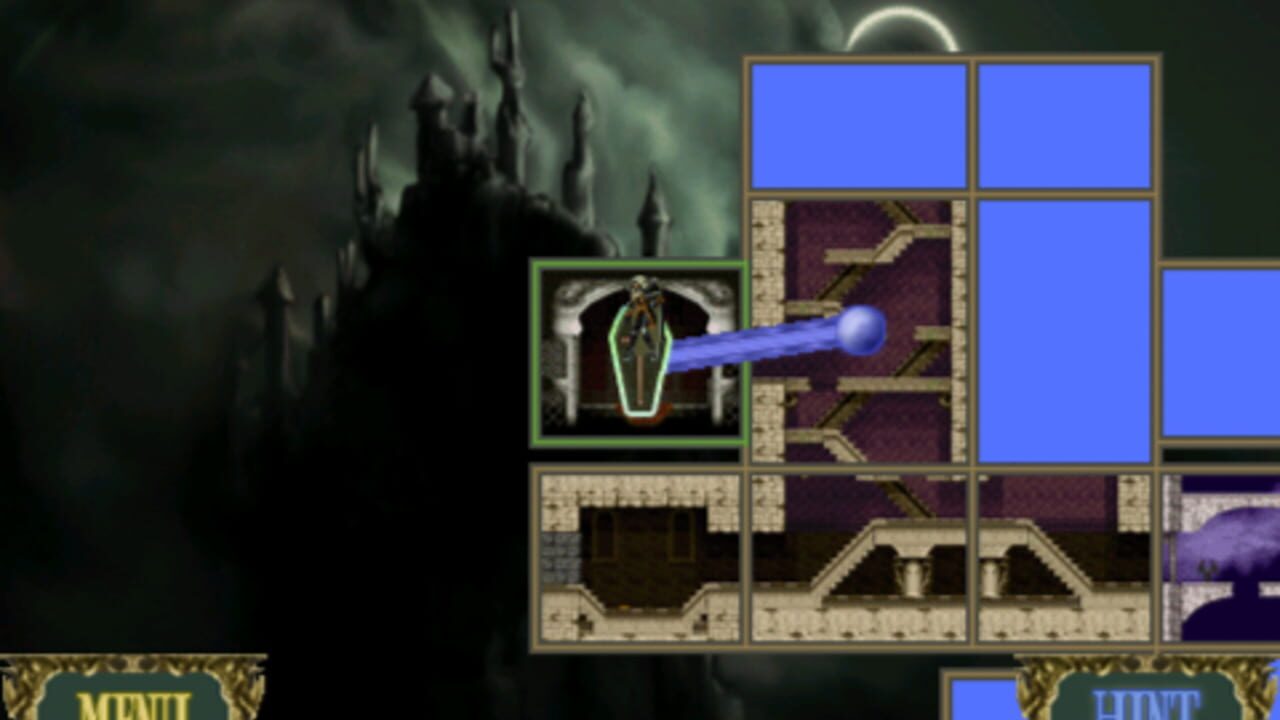
Harmony of Despair is a multiplayer game built like the Boss Rush modes of the 2D games, with rooms to search and a boss at the end. You pick from Alucard, Soma Cruz, Jonathan Morris, Shanoa and Charlotte Aulin. The map zooms in and out in real time without stopping play.
Added stages came later, and Chapter 10 recreates the map of the original 8-bit Castlevania. The PS3 version from September 27, 2011 includes local multiplayer for up to four players, which the Xbox 360 version lacks.


Castlevania: Lords of Shadow (2010)
Oct 5, 2010Oct 8, 2010Dec 16, 2010Aug 27, 2013
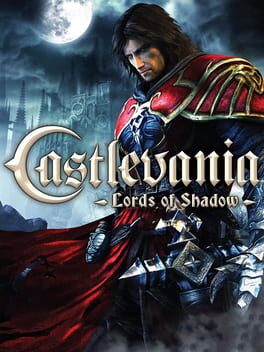
Lords of Shadow is a reboot of the series. Gabriel Belmont, voiced by Robert Carlyle, sets out to defeat the Lords of Shadow and resurrect his wife, with Patrick Stewart as Zobek and as narrator. Hideo Kojima helped produce it, and Óscar Araujo composed the music.
It is a third-person action-adventure game in 3D. The whip is now a retractable chain called the Combat Cross, with up to forty unlockable combos, and puzzles fill out its fifty levels. It reached Windows on August 27, 2013.


Castlevania: Lords of Shadow – Mirror of Fate (2013)
Mar 5, 2013Mar 8, 2013Mar 9, 2013Mar 20, 2013
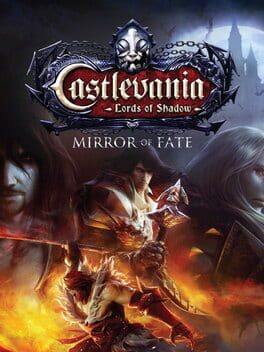
Mirror of Fate is a direct sequel to Lords of Shadow, developed by MercurySteam. It goes back to side-scrolling action in a labyrinthine castle, and you play Gabriel, his son Trevor, his grandson Simon and Alucard. A family reunion in this series always ends with someone falling off a castle.
The plot circles Dracula's return, and Trevor learns that he is Dracula's son. An HD version reached Xbox 360 on October 25, 2013.


Castlevania: Lords of Shadow 2 (2014)
Feb 25, 2014Feb 28, 2014Sep 4, 2014Feb 25, 2014
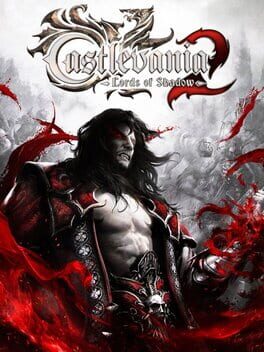
Lords of Shadow 2 finally lets you play as Dracula. He wakes in modern times, weak and with no memory, and Zobek warns him of the return of Satan. The story moves between medieval and modern worlds, and the game is mainly an open world.
Dracula's main weapon is the Shadow Whip, joined by the Void Sword, which replenishes health, and the Chaos Claws, which break through defenses. It was the last mainline game before Konami shifted focus to mobile games and gambling in the 2010s.


Kid Dracula (2019)
Oct 19, 1990Jun 30, 2006May 16, 2019
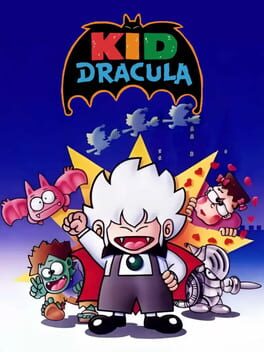
Kid Dracula, called Akumajō Special: Boku Dracula-kun in Japan, is a platform game considered a parody of the series. The self-proclaimed Demon King wakes from a long sleep to find the demon Galamoth has challenged him. He swipes his father's cape and sets off.
After he beats Galamoth, the monsters of Transylvania show up at his castle wanting to be his friend, the warmest ending any Dracula has had in 40 years. Japan got it on the Famicom on October 19, 1990, and it stayed there until the Castlevania Anniversary Collection gave it an English localization.


Castlevania: Grimoire of Souls (2021)
Sep 20, 2019Sep 17, 2021

Grimoire of Souls began as a soft launch and a free-to-play game on September 18, 2019 in Canada, and it was shut down and delisted in September 2020. It came back on Apple Arcade on September 17, 2021 without the monetization elements.


Haunted Castle Revisited (2024)
Aug 27, 2024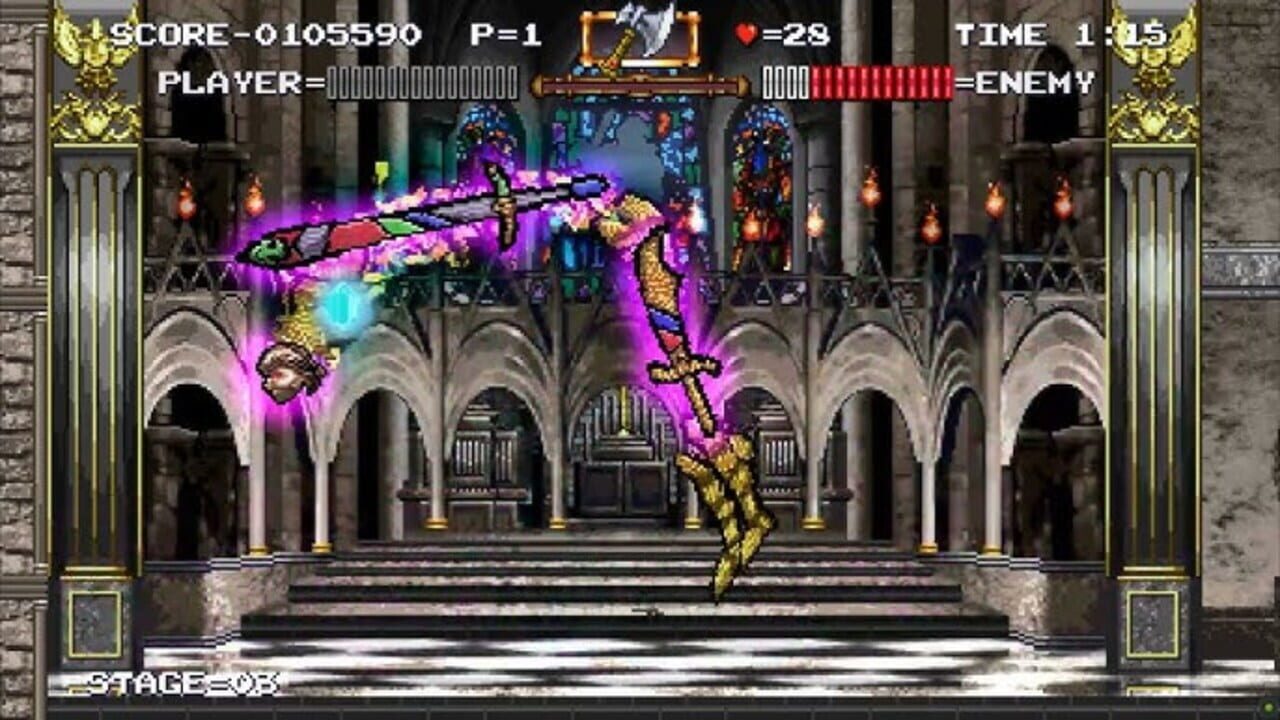

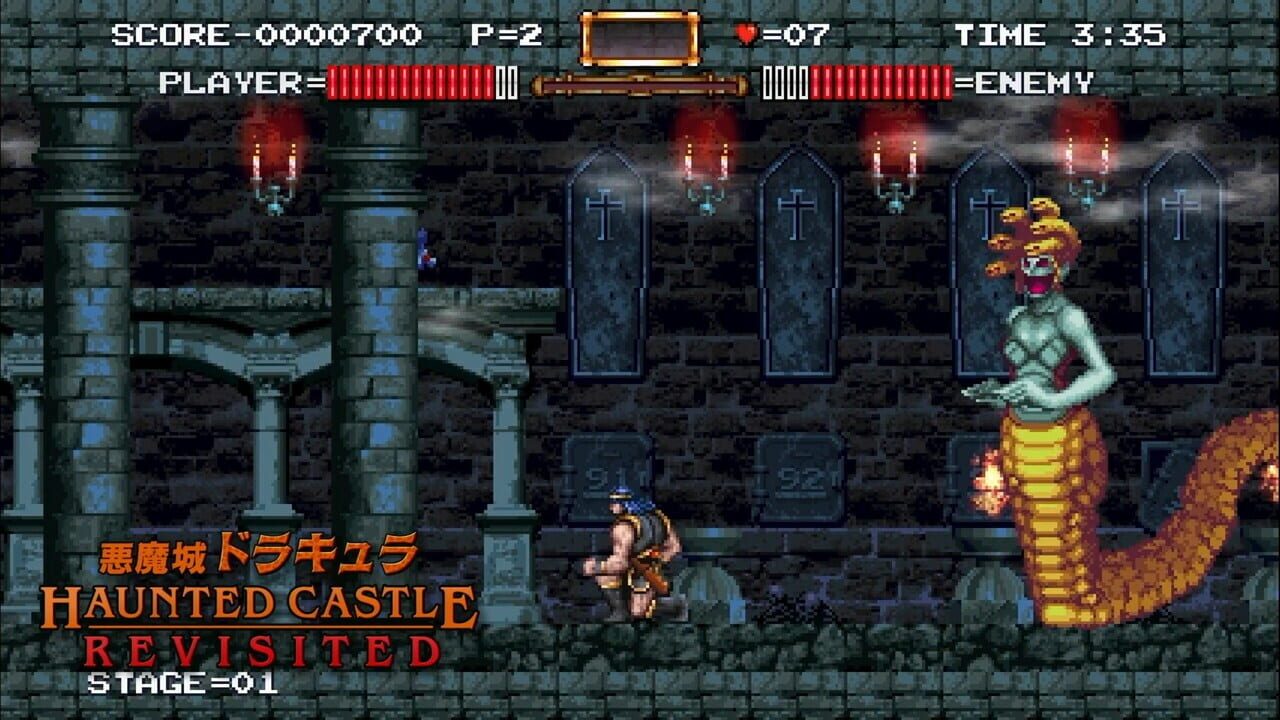
Haunted Castle Revisited is a bonus game in the Castlevania Dominus Collection that remakes the 1987 arcade game from the ground up. M2 developed it, the studio behind The Adventure ReBirth, and it feels a lot like that game.
Simon now moves much as he should. The odd sword is gone in favor of a standard upgradeable whip, and a standard three-life system replaces the old one. If you fall, you come back nearby with some lost health and keep the life, kinder treatment than a pit has shown a Belmont since 1986.
Castlevania: Belmont's Curse (2026)
Oct 15, 2026
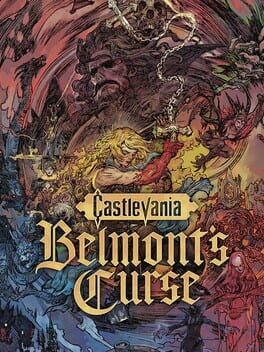
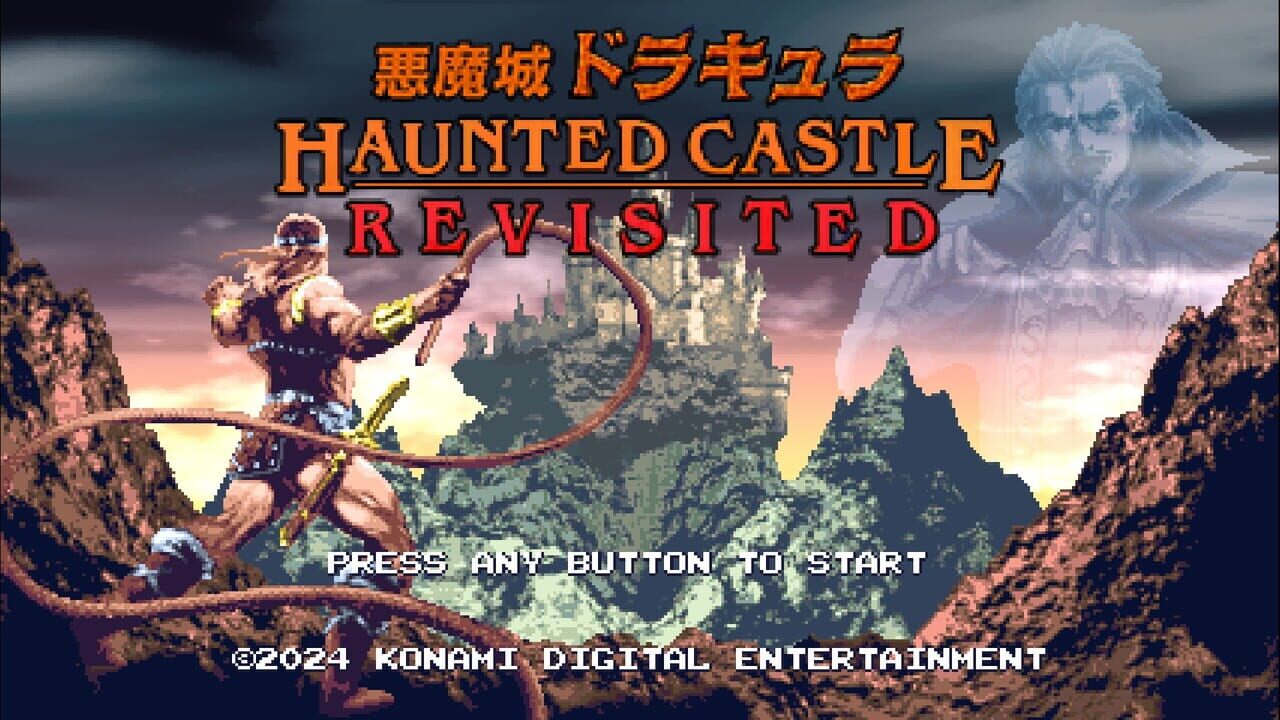
Belmont's Curse is the first mainline Castlevania since 2014, made for the 40th anniversary of the series. Evil Empire developed it with advice from Motion Twin, after the two worked on Dead Cells: Return to Castlevania. It came out to positive reviews.
It is set in 1499, when Dracula's castle appears in the heart of Paris. You play Rose Belmont, daughter of Trevor Belmont and Sypha Belnades, on a side-scrolling, non-linear map in the style of Symphony of the Night. Defeating enemies earns experience, and mirrors work as save and fast travel points. Rose carries the Vampire Killer, the same whip Leon paid so much for.


Never released in English
- Castlevania: The Arcade (2009, arcade)