There are 35 Donkey Kong games that came out in the USA, listed here in US release order from the 1981 arcade game to Donkey Kong Bananza in 2025. Spin-offs are marked.
Donkey Kong (1981)
 Jul 9, 1981
 Jul 31, 1981
 1981
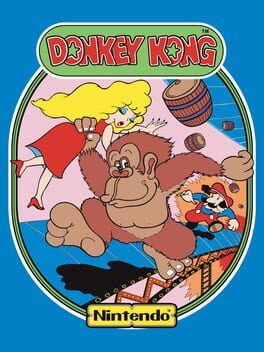
The series and Mario both start here. You climb a construction site to rescue Pauline from Donkey Kong, Mario's escaped pet ape. Nintendo's president gave the project to first-time designer Shigeru Miyamoto, who built it with chief engineer Gunpei Yokoi.
It was the most complex arcade game released up to that point, with cutscenes telling a plot and several different stages. It was also the first game with jumping. It became the highest-grossing game of 1982 in the United States, and it rescued Nintendo of America from a financial crisis.


Donkey Kong (Game & Watch) (1982)
Jun 3, 1982

This handheld port of the arcade game has two LCD screens, and it is Nintendo's earliest use of the cross-shaped D-pad. Mario climbs a building while avoiding barrels, as he does in the arcade, but the goal is different. You trigger a lever on the upper screen to activate a hook, then jump and catch it to remove a peg.
It sold eight million units, which is a lot of homework left undone.


Donkey Kong Jr. (1982)
Jun 30, 19821982
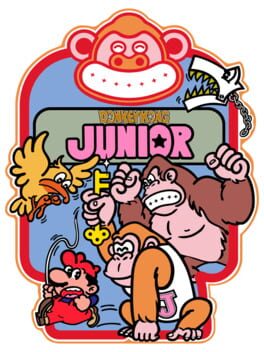
The sequel swaps the roles: Mario is the villain, and Donkey Kong Jr. tries to save his kidnapped father. Miyamoto's team had ideas and complete levels left over from the first game. He wanted Donkey Kong himself as the star, but the character's large size caused problems. North American cabinets spell the name Donkey Kong Junior.
You climb vines and chains, and holding two vines at once makes you climb faster. Fruit you knock down destroys every enemy it touches on its way to the bottom of the screen. The NES version was one of three launch games for the Famicom in Japan, and it reached Nintendo Classics in 2019.


Donkey Kong Jr. (Game & Watch) (1982)
Oct 26, 1982

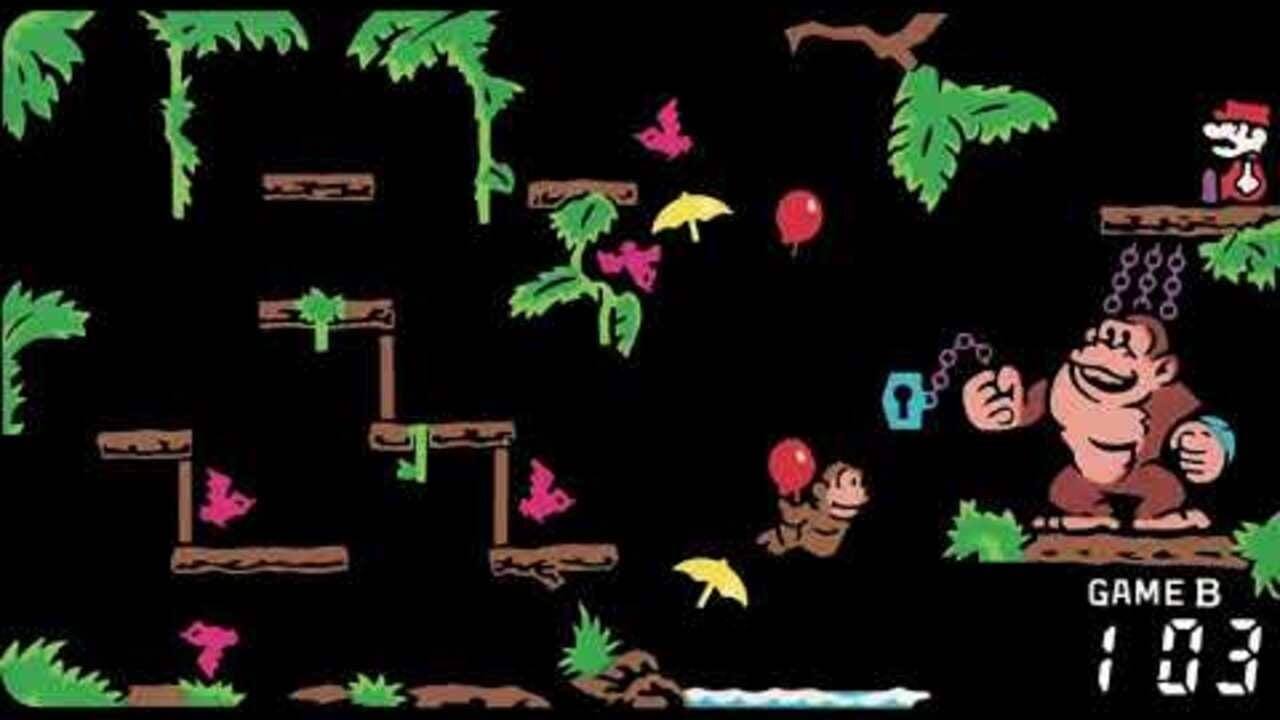
You control Donkey Kong Jr. as he works to save his father, watching out for crocodiles and birds on the way. In 1998 it came back as one of four Game & Watch games ported to small keychains.

Donkey Kong II (1983)
Mar 7, 1983
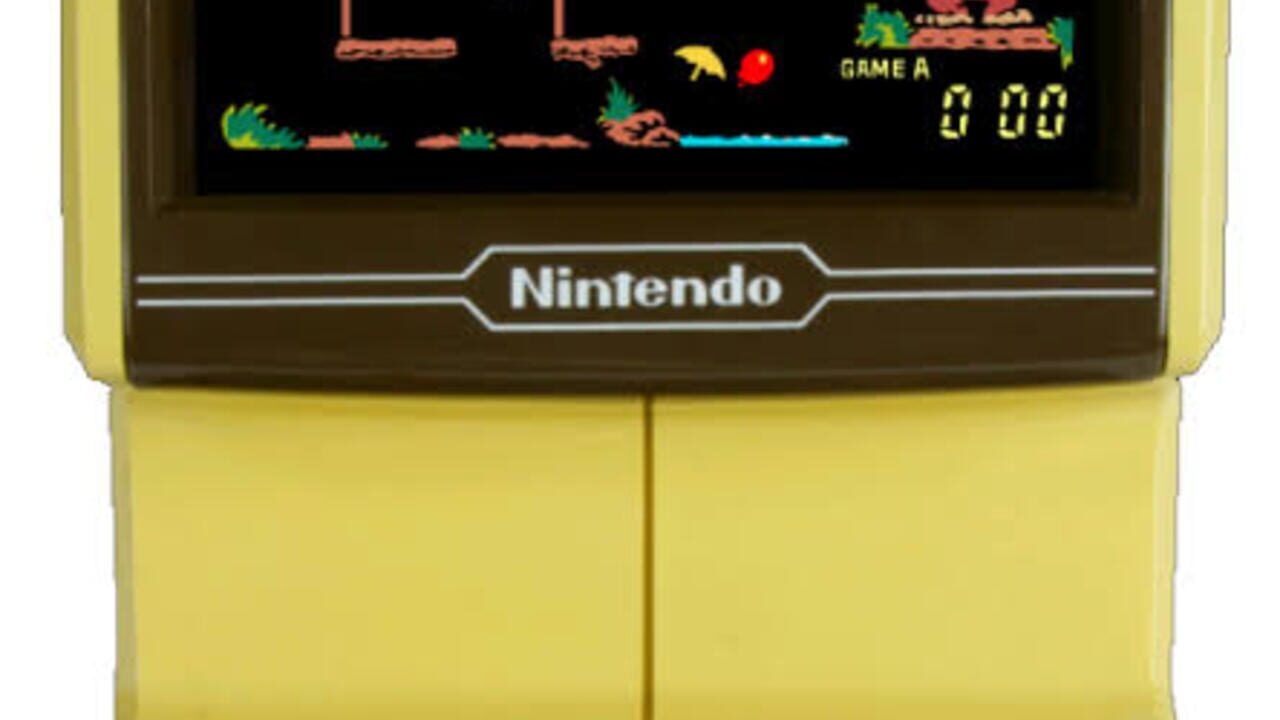
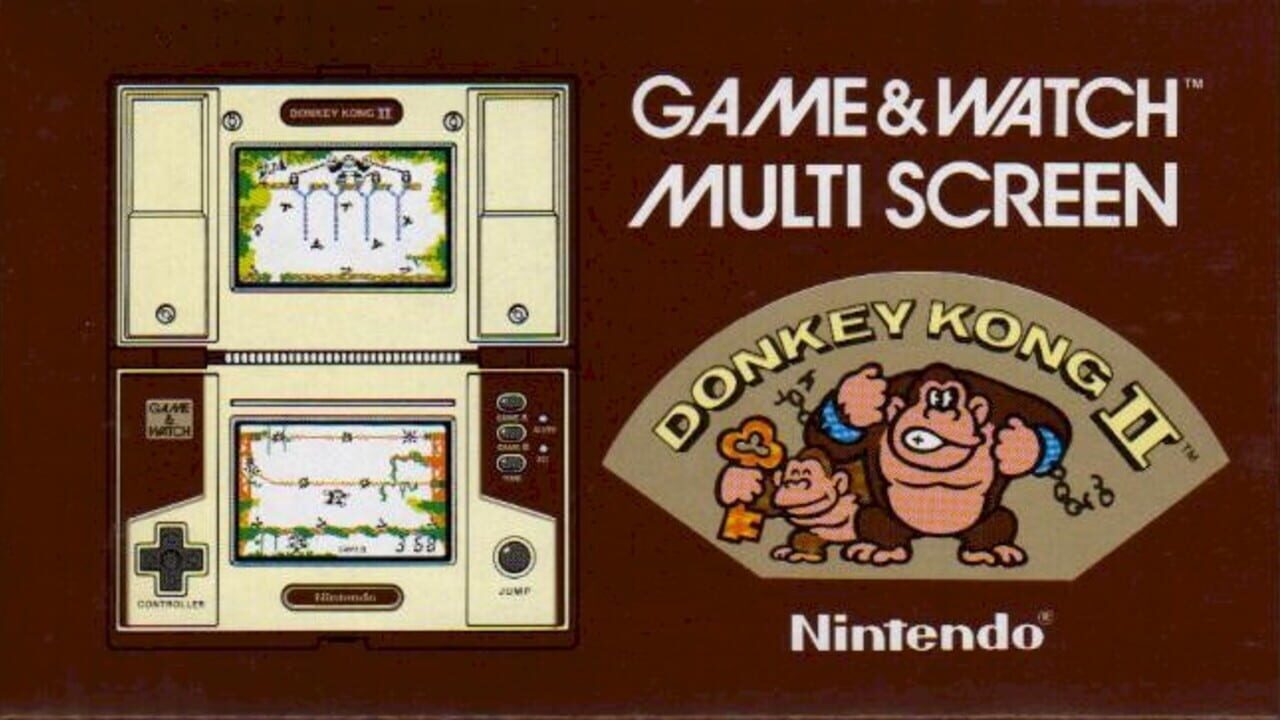
The name says sequel to Donkey Kong, but this two-screen handheld from the Vertical Multi Screen series plays much like Donkey Kong Jr. You touch a key to send it up to the top screen.


Donkey Kong 3 (1983)
Oct 31, 1983
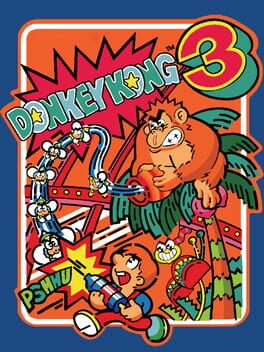
The third arcade game is a shoot 'em up. You play Stanley the exterminator, who runs and jumps on platforms under Donkey Kong while the ape hangs from vines. Spray him to the top of the screen or kill all the bugs to clear a level. A Super Sprayer drops down the vine when you spray him past it, and it pushes him upward much faster.
The NES version reached North America in 1986, and IGN later called the game a "radical departure" from the earlier ones. It did not sell, and the series took a decade-long break from new games afterward. Pesticide on a gorilla is a strange note to go out on.


Donkey Kong Circus (1984)
Mar 2, 1984

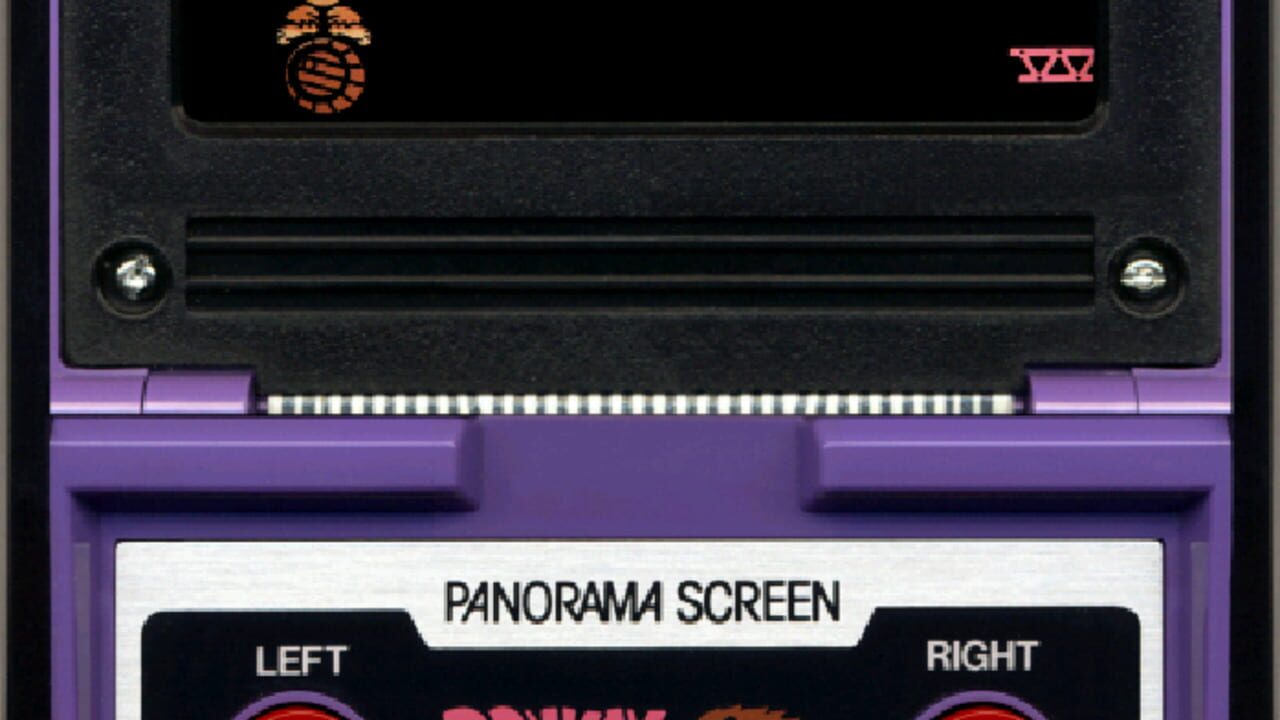
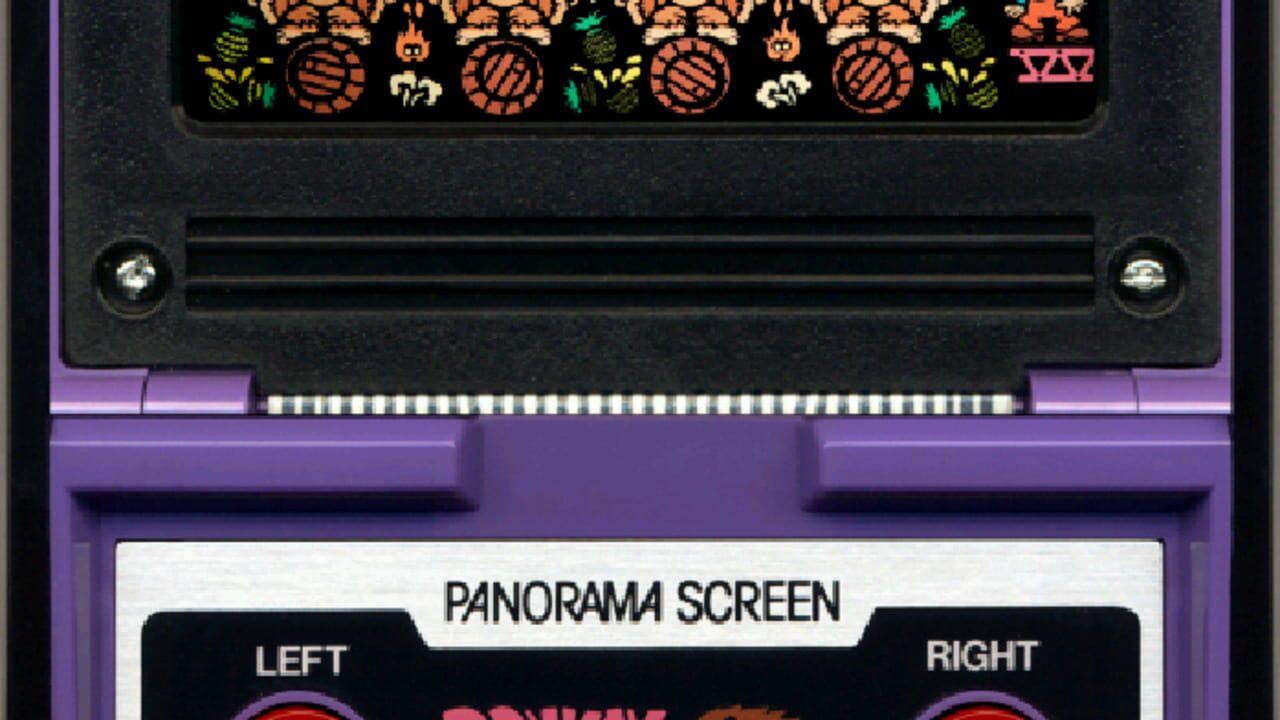
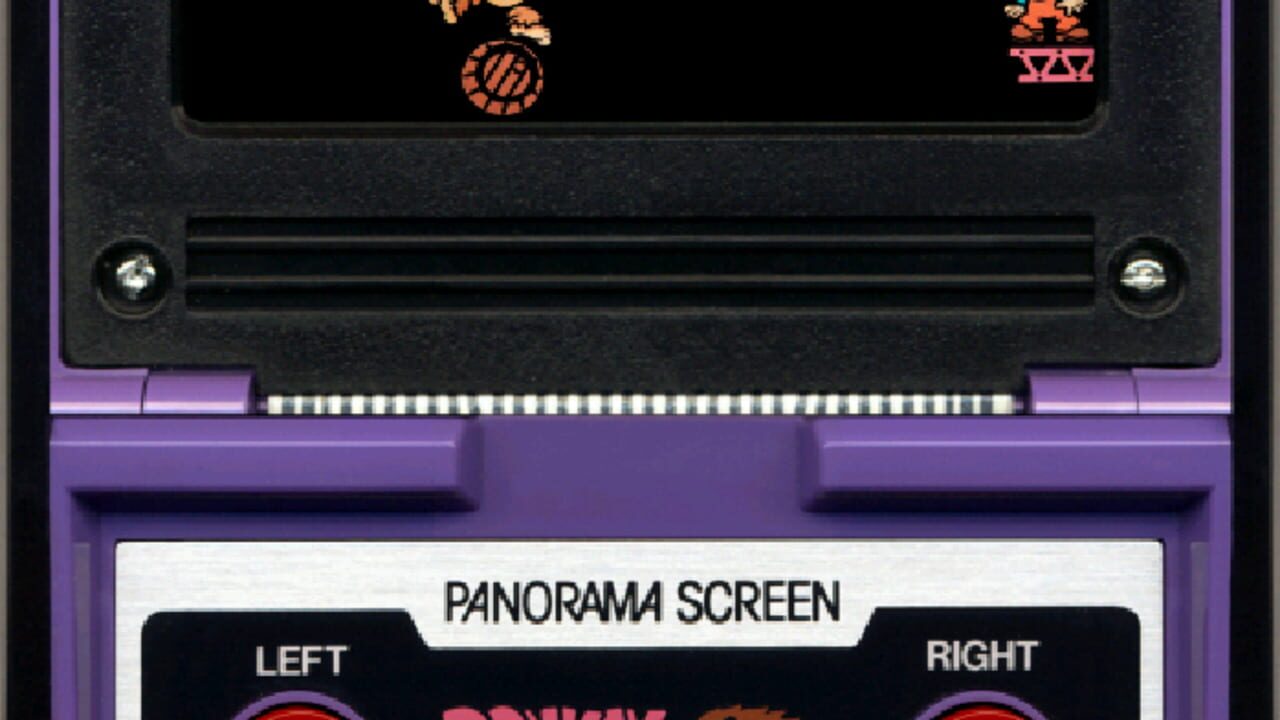
This Panorama series handheld started as an edit of an earlier Mickey Mouse game. Donkey Kong stands on a barrel, juggling pineapples and avoiding flames.
Donkey Kong 3 (Game & Watch) (1984)
Aug 20, 1984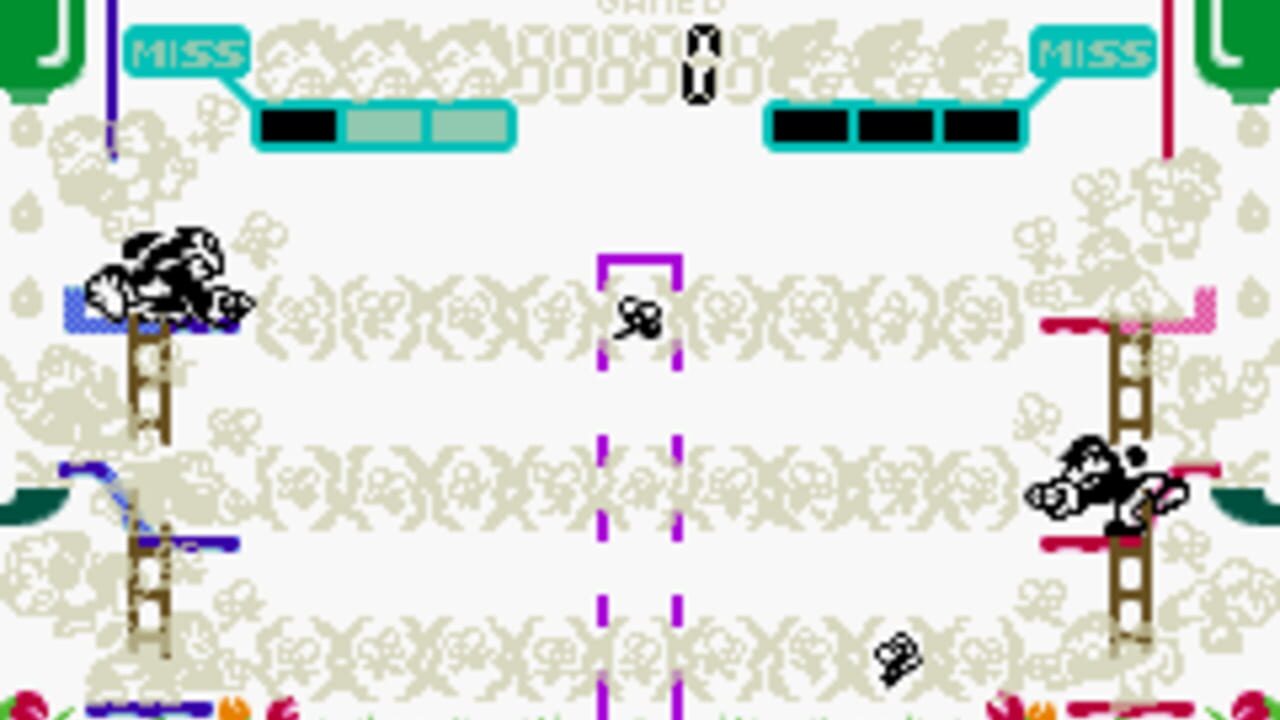
Nintendo made this handheld version of the name, and it later appeared in Game & Watch Gallery 4 on the Game Boy Advance in 2002. That cartridge is the other way to find it today.
Donkey Kong Hockey (1984)
Nov 13, 1984Nov 13, 1984
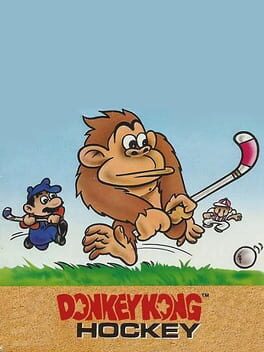
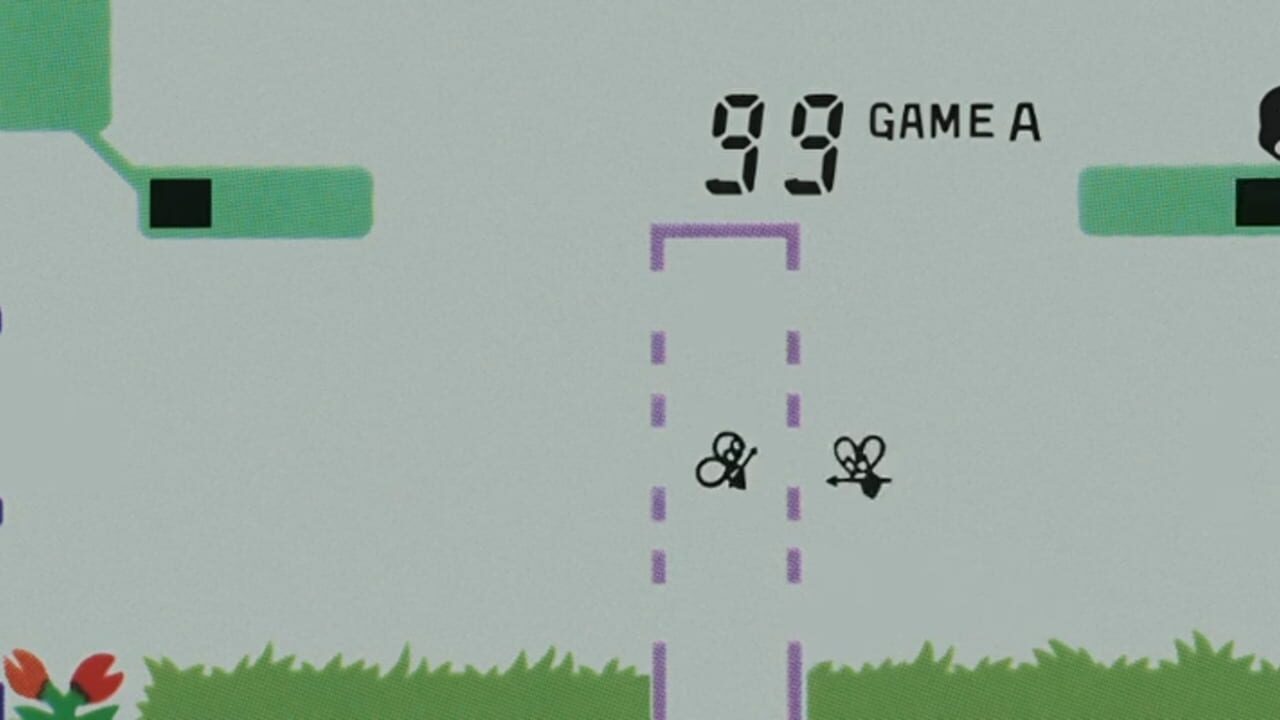
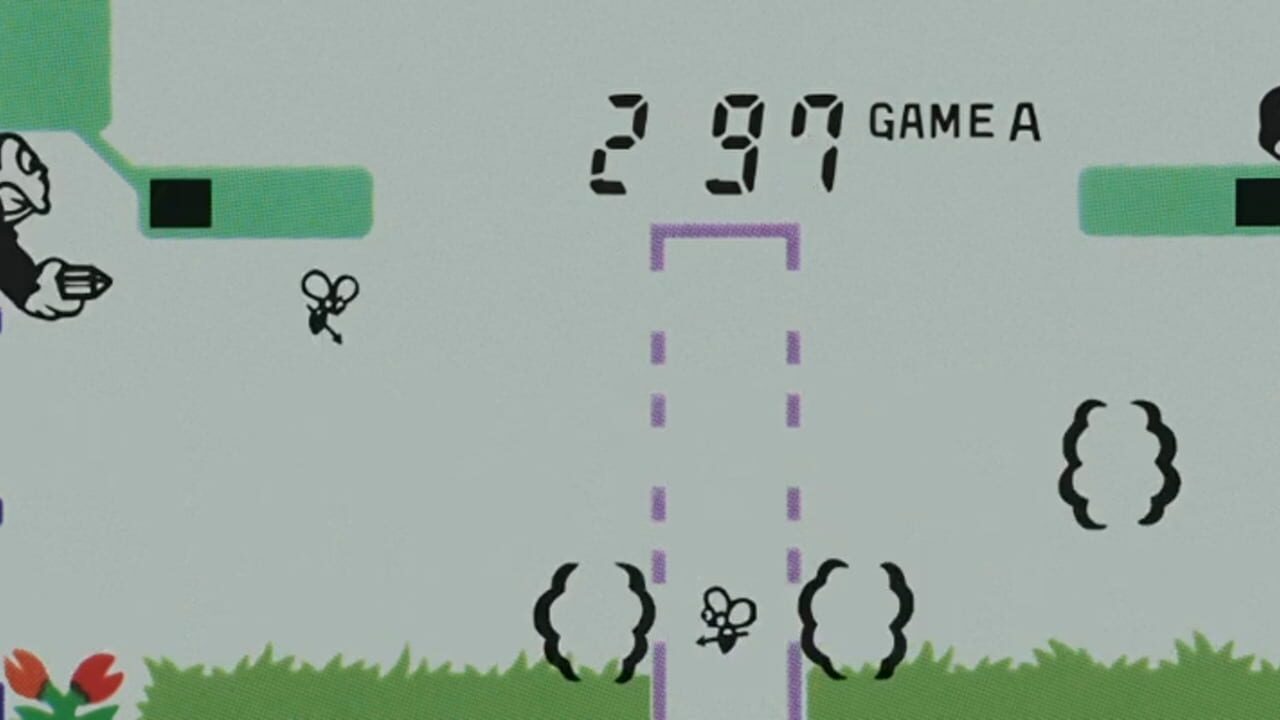
This Micro Vs. handheld has one LCD screen and two attached control pads, so two people can play. Donkey Kong takes on Mario. The ape in this one is the character who later became Cranky Kong.
Donkey Kong Jr. Math (1985)
Dec 12, 1983Oct 18, 19851986Mar 27, 2007 Apr 20, 2007Apr 20, 2007Sep 3, 2007Aug 28, 2014Jan 22, 2015Apr 15, 2015

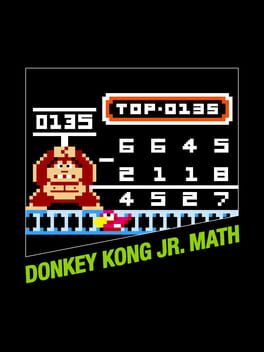
Two players compete by building arithmetic equations to reach the number Donkey Kong is holding. It is the only game in the NES Education Series in North America, because this one did so badly. Japan got it on the Famicom in 1983.
Bruce Lowry, Nintendo of America's vice president of sales at the time, called it "the worst game we ever sold." Few sales chiefs write their own reviews that clearly. It later turned up in Animal Crossing on the GameCube, and it joined Nintendo Classics in 2024.


Donkey Kong (Game Boy) (1994)
Jun 14, 1994Jul 22, 1994Sep 24, 1994Jun 15, 2011Jun 16, 2011Jun 16, 2011Jun 16, 2011 Feb 3, 2016

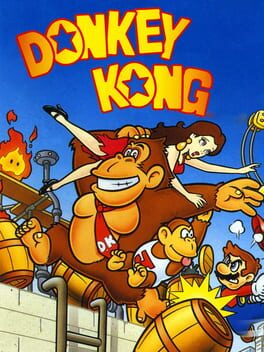
This was the first original Donkey Kong game in ten years. Miyamoto led the work, and the team set out to reimagine the arcade game instead of remaking it. It is a puzzle platformer where Mario tries to outwit Donkey Kong. Every fourth level is a boss fight, where you either reach Pauline or throw barrels at the ape.
It was the first Game Boy game designed for the Super Game Boy, and it sold 3.07 million copies. Donkey Kong Country overshadowed it later in 1994. It came to the Switch in 2025.


Donkey Kong Country (1994)
Nov 21, 1994Nov 24, 19941994Nov 26, 1994Dec 7, 2006Dec 8, 2006Dec 12, 2006Feb 19, 2007May 26, 2008Oct 16, 2014Feb 26, 2015Mar 24, 2016Mar 24, 2016
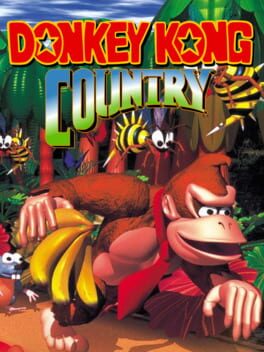
Rare, a British studio, bought Silicon Graphics workstations to render 3D models, then found a way to squeeze those models into SNES sprites. Twelve developers worked on it for 18 months. It was the first Donkey Kong game neither produced nor directed by Miyamoto, though he contributed design ideas.
This is a side-scrolling platformer where you recover a stolen banana hoard from King K. Rool, and you can tag between Donkey Kong and Diddy Kong. It went on to sell 9.3 million copies, the third best on the SNES and the best in the series. Nintendo then bought a large stake in Rare. It reached Nintendo Classics in July 2020.


Donkey Kong Land (1995)
Jun 26, 1995Jul 27, 1995Aug 24, 1995Apr 2, 2014Oct 16, 2014Feb 26, 2015
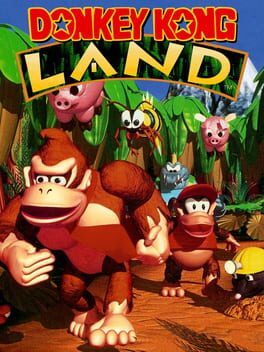
Rare's first plan was a Game Boy port of Donkey Kong Country. Programmer Paul Machacek talked Tim Stamper into making an original game instead, so it has its own 30 levels. Rare reworked the play to suit the lower quality screen, and David Wise and Graeme Norgate converted the music for the Game Boy's sound chip.
It sold 3.91 million copies. Critics praised how well it moved the SNES game to a handheld, though they disagreed over whether it was an equal experience.


Donkey Kong Country 2: Diddy's Kong Quest (1995)
Dec 4, 1995Dec 14, 19951995Nov 21, 1995May 16, 2007May 16, 2007May 21, 2007Oct 23, 2007Nov 25, 2008Oct 23, 2014Feb 26, 2015Mar 24, 2016Apr 13, 2016
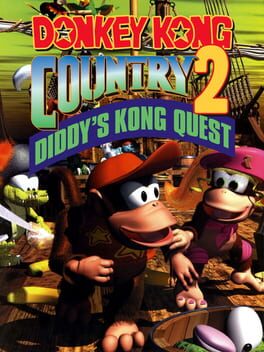
K. Rool has captured Donkey Kong, so Diddy and his girlfriend Dixie head to Crocodile Isle to rescue him. It has 52 levels over eight worlds. This is Dixie's first game, and she can spin her hair to glide. The pirate theme came from designer Gregg Mayles and his love of the Golden Age of Piracy.
David Wise's soundtrack is considered one of the greatest of all time. It was the sixth best-selling game on the SNES. The Game Boy Advance version followed in 2004, and the SNES game joined Nintendo Classics in 2020.


Donkey Kong Land 2 (1996)
Sep 23, 1996Oct 23, 2014Feb 26, 2015
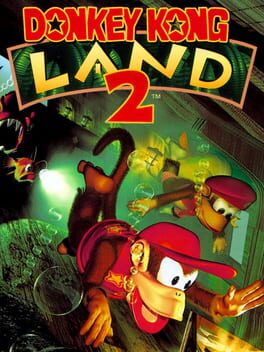
Diddy and Dixie set out to rescue Donkey Kong, in the same story as Donkey Kong Country 2. The music is an 8-bit conversion of David Wise's score. In a Super Game Boy you get extra shades of color and a banana border around the screen. Nintendo Life liked how much Rare fit on the cartridge, though it found the game too close to the SNES version. Rare had shipped a sequel to a port it refused to make.


Donkey Kong Country 3: Dixie Kong's Double Trouble! (1996)
Nov 18, 1996Dec 13, 19961996Nov 23, 1996Dec 24, 2007Dec 25, 2007Dec 25, 2007Oct 21, 2008Oct 30, 2014Feb 26, 2015Jun 2, 2016Jun 2, 2016
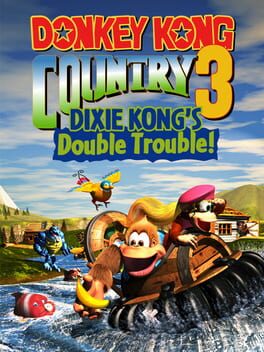
Dixie leads this time, with her baby cousin Kiddy at her side. You play through 8 worlds and 48 levels in the Northern Kremisphere, a made-up version of northern Europe and Canada. New to the series are the Brothers Bear, who offer services in exchange for Bear Coins, and Kiddy can bounce across open water.
Critics praised the visuals and gameplay, but noted a lack of innovation. A Game Boy Advance version followed in 2005, and the SNES game reached Nintendo Classics in December 2020.


Donkey Kong Land III (1997)
Oct 27, 1997Oct 30, 1997Jan 28, 2000Oct 30, 2014Feb 26, 2015
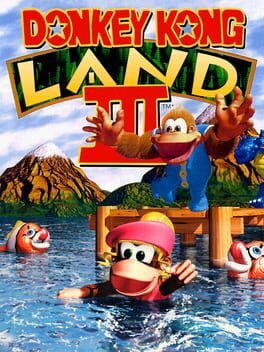
This is the portable follow-up to Donkey Kong Country 3, and it runs on the engine Robert Harrison wrote for Land 2. A contest offers big prizes for finding the Lost World. Dixie gets left behind when the others go after it, so she teams up with Kiddy to prove herself.
Japan got it on the Game Boy Color in 2000. Nintendo Life rated it the best of the Land series.


Diddy Kong Racing (1997)
Nov 21, 1997Nov 21, 1997Nov 24, 1997
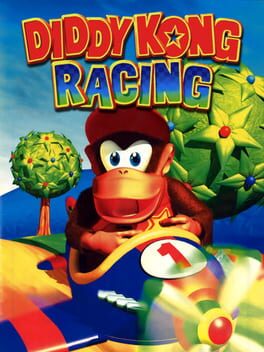
Rare first planned an adventure game called Wild Cartoon Kingdom, which later became a racer called Pro-Am 64. When Banjo-Kazooie slipped, Rare needed a stronger name for Christmas 1997 and built the game around Diddy Kong. You pick from ten characters and race cars, hovercraft and planes through five worlds.
Adventure Mode is a story about beating a space pig named Wizpig, and Banjo and Conker both race here. It sold 4.8 million copies, the eighth most on the Nintendo 64. An enhanced DS remake came out in 2007. A sequel called Donkey Kong Racing was abandoned in August 2002.


Donkey Kong 64 (1999)
Nov 22, 1999Dec 6, 1999Dec 10, 1999Dec 10, 1999Apr 2, 2015Apr 2, 2015Apr 16, 2015
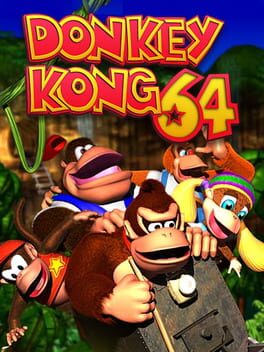
This is the first Donkey Kong game with 3D gameplay. A team of 16 worked on it for three years, and it started as a 2.5D game before moving to the Banjo engine. It needed the Expansion Pak, an accessory that added memory to the Nintendo 64.
You explore an island and collect items to get through minigames and puzzles. Grant Kirkhope wrote the soundtrack, and the DK Rap plays in the introduction. Reviewers praised the visuals and the size, and criticized the camera and the backtracking. If you want every banana, clear your weekend. It reached Nintendo Classics in 2026.


Mario vs. Donkey Kong (2004)
May 24, 2004Jun 10, 2004Nov 19, 2004May 9, 2013May 9, 2013Jul 23, 2014Sep 17, 2015Feb 9, 2017
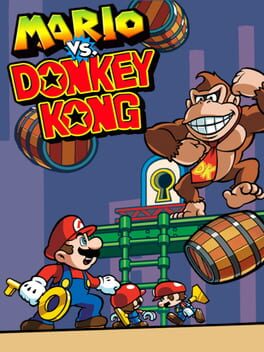
This puzzle platformer is a spiritual successor to the 1994 Game Boy game. Mario runs a toy company that sells wind-up Mini-Marios. Donkey Kong sees an ad, finds them sold out at the store and robs the factory, so you chase him through it.
Each set of levels has you find a key and rescue Mini-Marios. Other levels ask you to guide six of the toys to a Toy Box. The Switch remake came out on February 16, 2024.


Donkey Konga (2004)
2003Sep 27, 2004

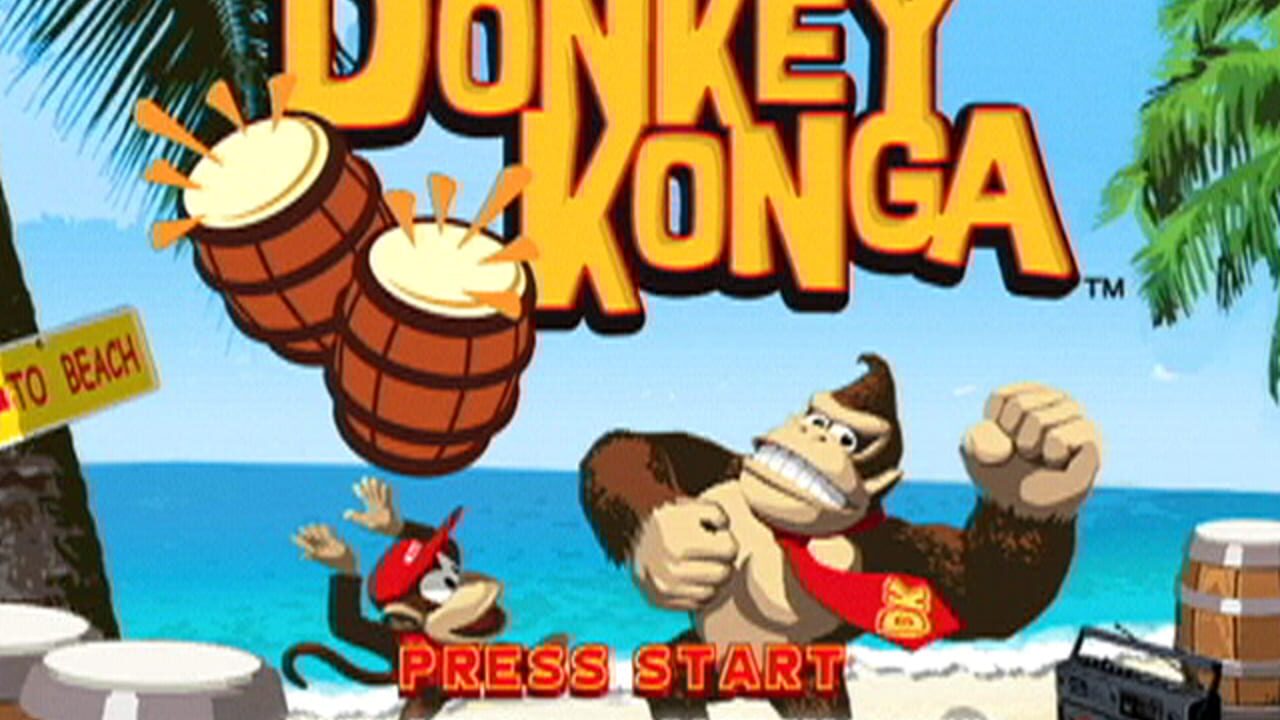
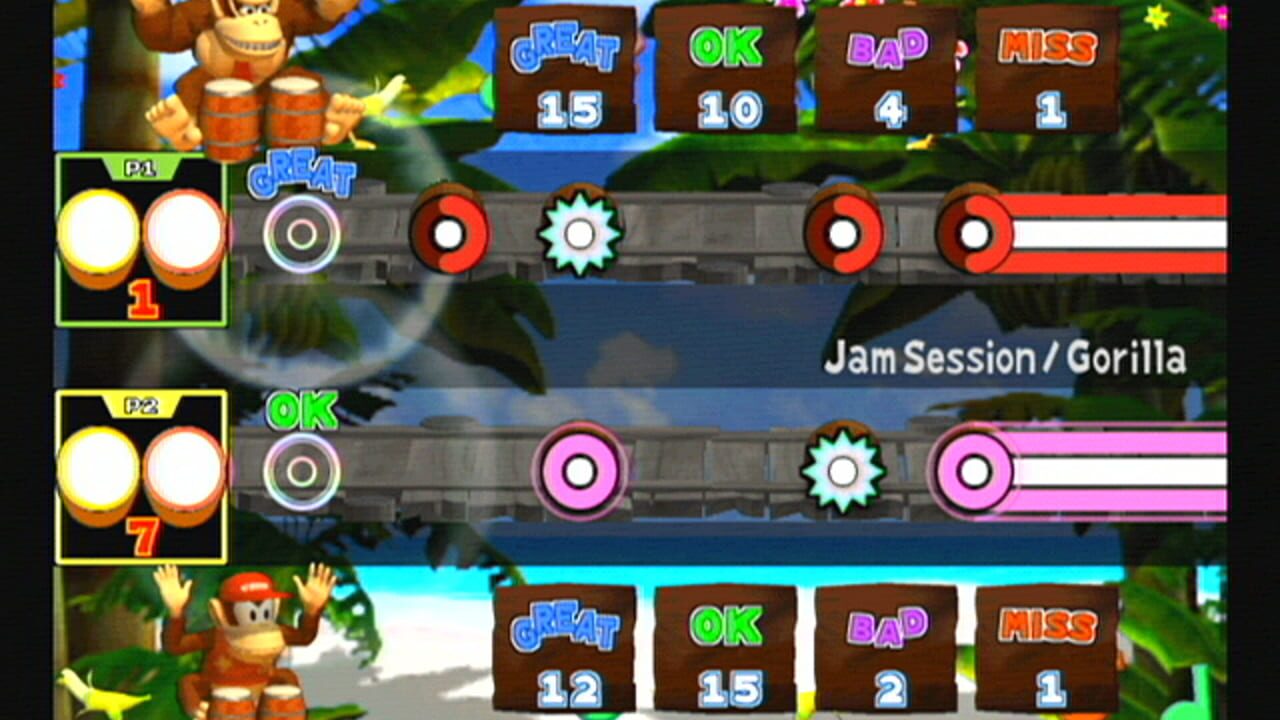
This rhythm game is played with the DK Bongos, a controller shaped like two small bongo drums. It came from the team behind the Taiko no Tatsujin drum games. Japan got it on the GameCube in 2003.
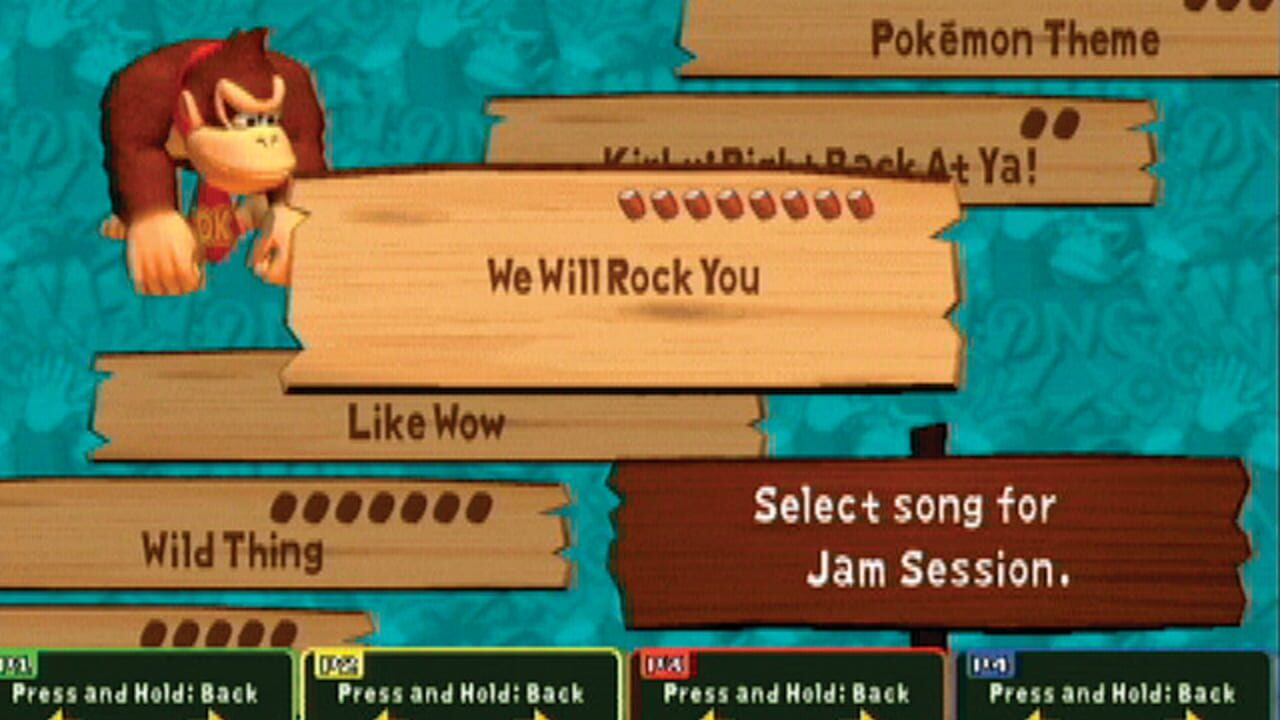
Track lists changed by region, with Mario and Zelda music in the mix. In North America almost all of the licensed songs are shortened covers.
Donkey Kong Jungle Beat (2005)
Dec 16, 2004Feb 4, 2005Mar 14, 2005Mar 17, 2005
Jungle Beat was the first project from Nintendo EAD Tokyo, and it is a platformer you control with the DK Bongos. Hit both drums to jump and clap to send out a shockwave. Your beats are your score and also your health.
Critics liked the bongos and the level design, and found it short and easy. The same team went on to make Super Mario Galaxy, which refined ideas from this game. A Wii version with reworked controls and levels followed in 2008.


Donkey Konga 2 (2005)
Jul 1, 2004May 9, 2005
The sequel has slightly improved graphics, some classic Donkey Kong characters and new minigames. Japan got it on the GameCube in 2004. This is the only Donkey Kong game rated T for Teen in North America, because of lyrics not suitable for younger players. Bongo drums with a warning label.


DK: King of Swing (2005)
Sep 19, 2005Nov 20, 2014Jan 22, 2015
Paon made this puzzle platformer, loosely inspired by the NES game Clu Clu Land. The L and R triggers control your left and right hands. Grab a peg with one hand and you rotate around it, then use that spinning momentum to climb. There is an adventure mode and a competitive mode for up to four players.


Mario vs. Donkey Kong 2: March of the Minis (2006)
Sep 25, 2006Mar 9, 2007Sep 17, 2015Oct 6, 2016
This direct sequel drops the D-pad for the stylus. You turn each Mini-Mario with a swipe, left or right, and swipe down to send it into a pipe. The timer does not start until you move a block or tap a Mini, so you can scout a level first. Critics liked the level design, and some thought it was short.


DK: Jungle Climber (2007)
Aug 9, 2007Sep 10, 2007Oct 12, 2007Jul 23, 2015Aug 6, 2015
The sequel to King of Swing has similar play, with visuals closer to Donkey Kong Country and support for both DS screens. You hold L and R to jump and alternate them to grab and release pegs, with Donkey Kong and Diddy Kong as the main characters. IGN called the look far superior to King of Swing and gave it an 8 out of 10.


Donkey Kong Barrel Blast (2007)
Jun 28, 2007Oct 8, 2007Jan 25, 2008Feb 7, 2008

Nintendo showed this racer at E3 in May 2006 as a GameCube game called DK: Bongo Blast. It moved to the Wii, and motion controls replaced the DK Bongos. So the bongo racer has no bongos.
Critics gave it generally negative reviews, panning the imprecise controls and the last-generation visuals. GameSpot called it a fifth-rate Mario Kart clone. Paon, the studio behind King of Swing, made it.


Mario vs. Donkey Kong: Minis March Again! (2009)
Jun 8, 2009Aug 21, 2009Oct 7, 2009
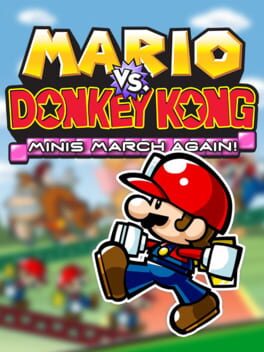
This download for the DSi was the first DSiWare game with a level editor, and you can make 140 stages, up from 8 in March of the Minis. You never steer the wind-up Minis yourself. You change their direction with items and obstacles, and they all have to reach the door in time or it locks. Critics liked the puzzles and the editor, and their main complaint was a lack of originality.


Mario vs. Donkey Kong: Mini-Land Mayhem! (2010)
Nov 14, 2010Dec 2, 2010Feb 3, 2011Feb 4, 2011
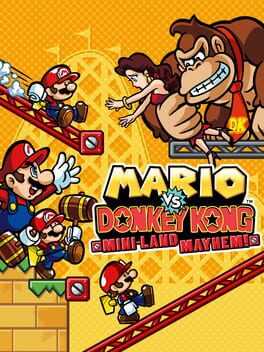
Mini-Land has its grand opening, and the first 100 customers get a free Mini-Pauline. Donkey Kong cuts in line and turns out to be customer 101. You move the Minis with the stylus, and every Mini has to get through before the exit closes. All online features were retired in May 2014.


Donkey Kong Country Returns (2010)
Nov 21, 2010Dec 2, 2010Dec 3, 2010Dec 9, 2010Jan 21, 2015Jan 22, 2015Jan 22, 2015Sep 22, 2016
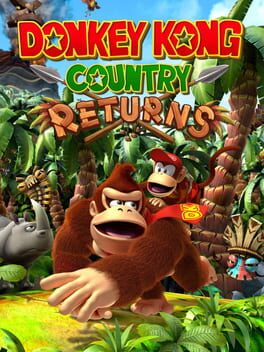
This was the first Country game made without Rare. Retro Studios first asked to make a Donkey Kong game after Metroid Prime 2: Echoes, and Miyamoto suggested the blowing move. The Tikis replace the Kremlings as the enemies.
It has sold over 6.53 million copies. Critics liked the graphics and the levels, while the motion controls and the high difficulty got more mixed responses. A 3DS port followed in 2013, and the HD version came to the Switch on January 16, 2025.


Mario and Donkey Kong: Minis on the Move (2013)
May 9, 2013May 9, 2013
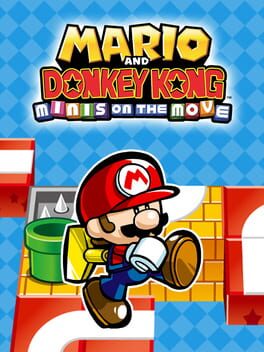
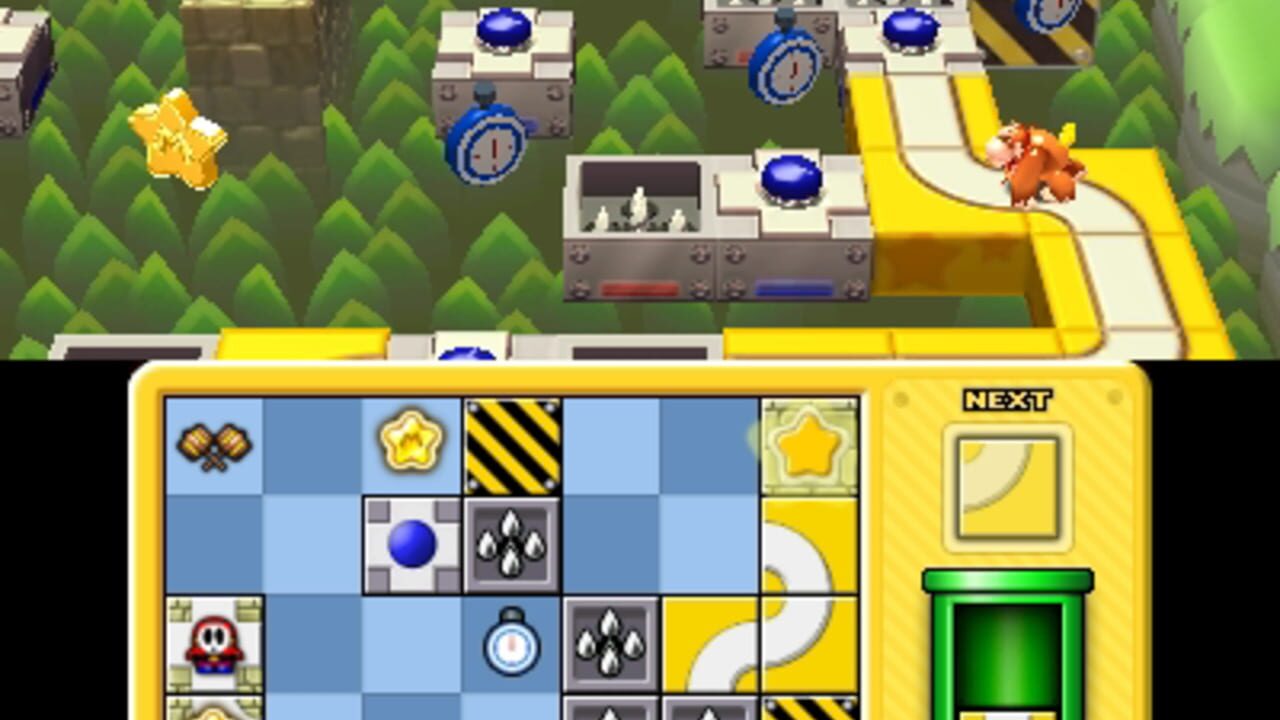
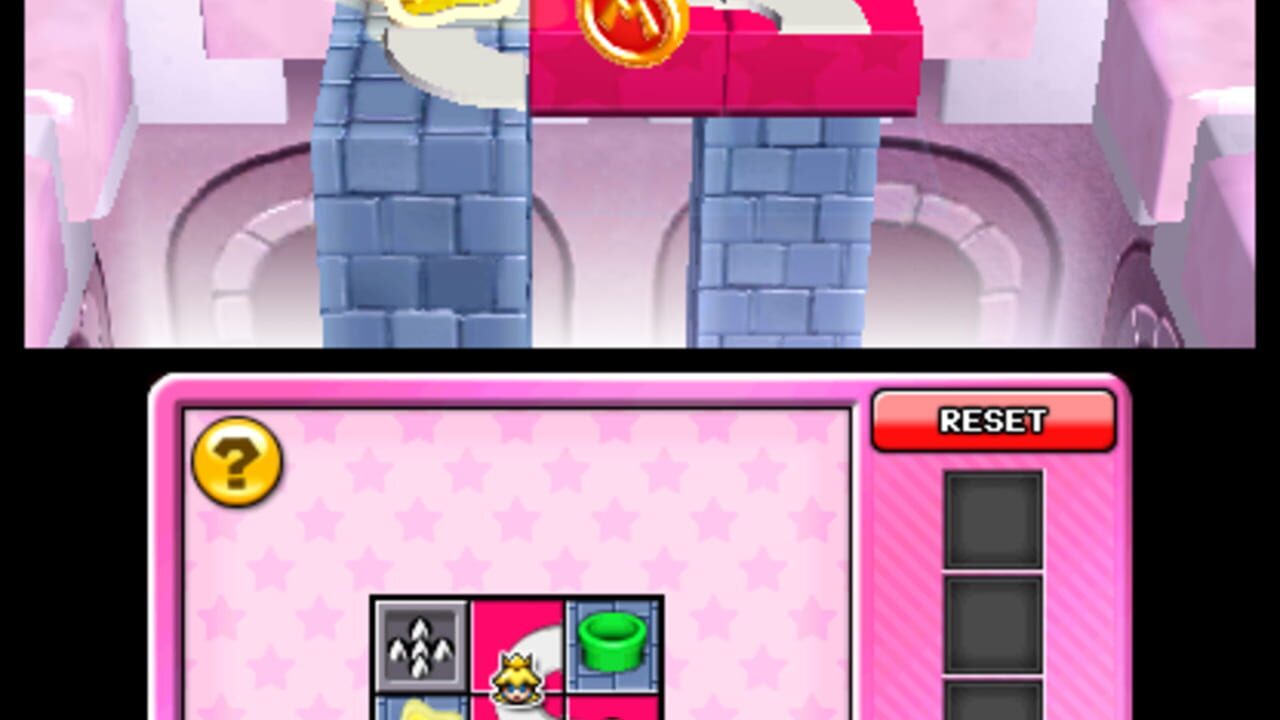
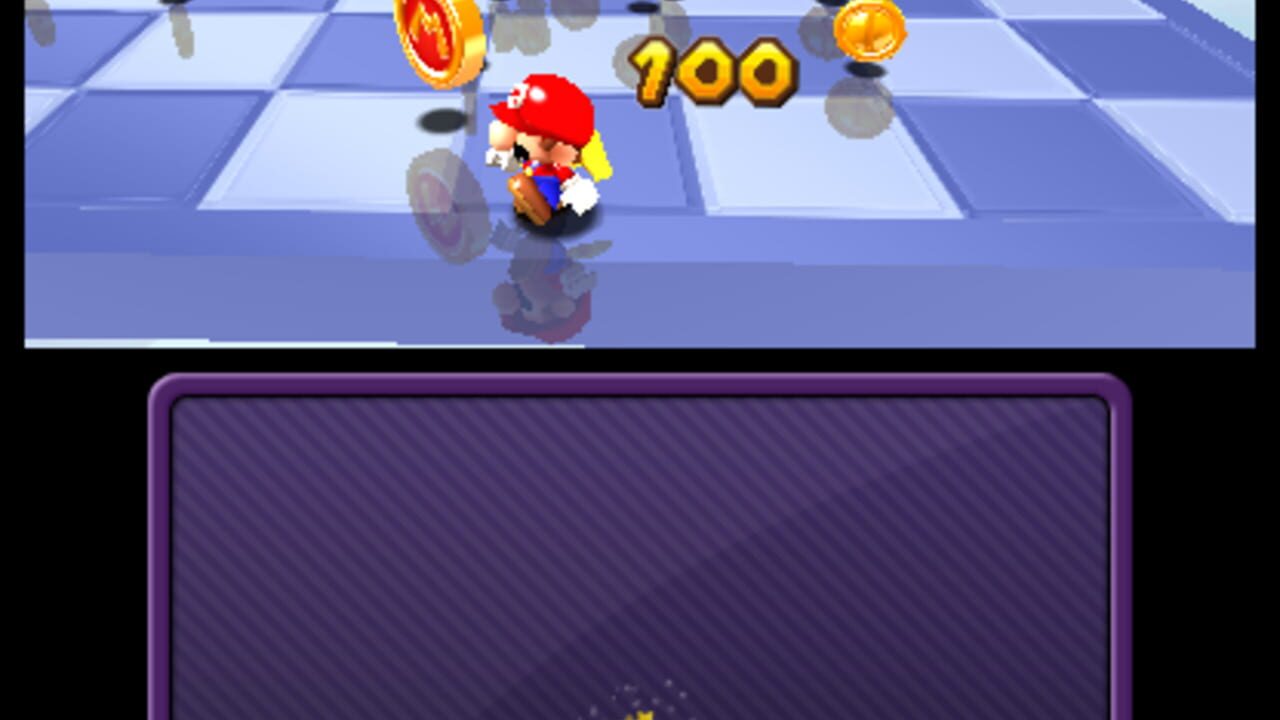
You place blocks on a grid to make a path for a Mini, from a warp pipe to a star goal, while avoiding spike pits and Shy Guys. There are more than 180 puzzles over four modes, plus four minigames to unlock. Critics praised the puzzle design and the level editor. It was sold only on the eShop, and its online features were retired in April 2024.
Donkey Kong Country: Tropical Freeze (2014)
Feb 13, 2014Feb 21, 2014Feb 21, 2014
Retro Studios followed up Returns with this direct sequel. Arctic invaders called the Snowmads freeze the island on Donkey Kong's birthday, the rudest possible party crash. Dixie came back for the first time since 1996, and it was Cranky's first time as a main playable character in the Country games.
David Wise returned for most of the soundtrack. Critics praised the level design, and the difficulty split them. The 2018 Switch version added Funky Mode, an easier way to play as Funky Kong.


Mario vs. Donkey Kong: Tipping Stars (2015)
Mar 5, 2015Mar 19, 2015Mar 20, 2015Mar 20, 2015
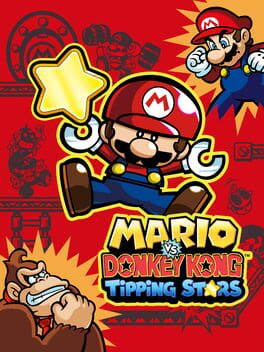
This was the first Nintendo game with cross-buy: buy one version and you get a free code for the other. Nintendo Software Technology made it, and reviews were mixed. The game was digital only, so outside Japan you can no longer buy it now that the Wii U and 3DS eShops have closed.


Mini Mario & Friends: Amiibo Challenge (2016)
Jan 28, 2016Apr 28, 2016Apr 28, 2016Apr 28, 2016
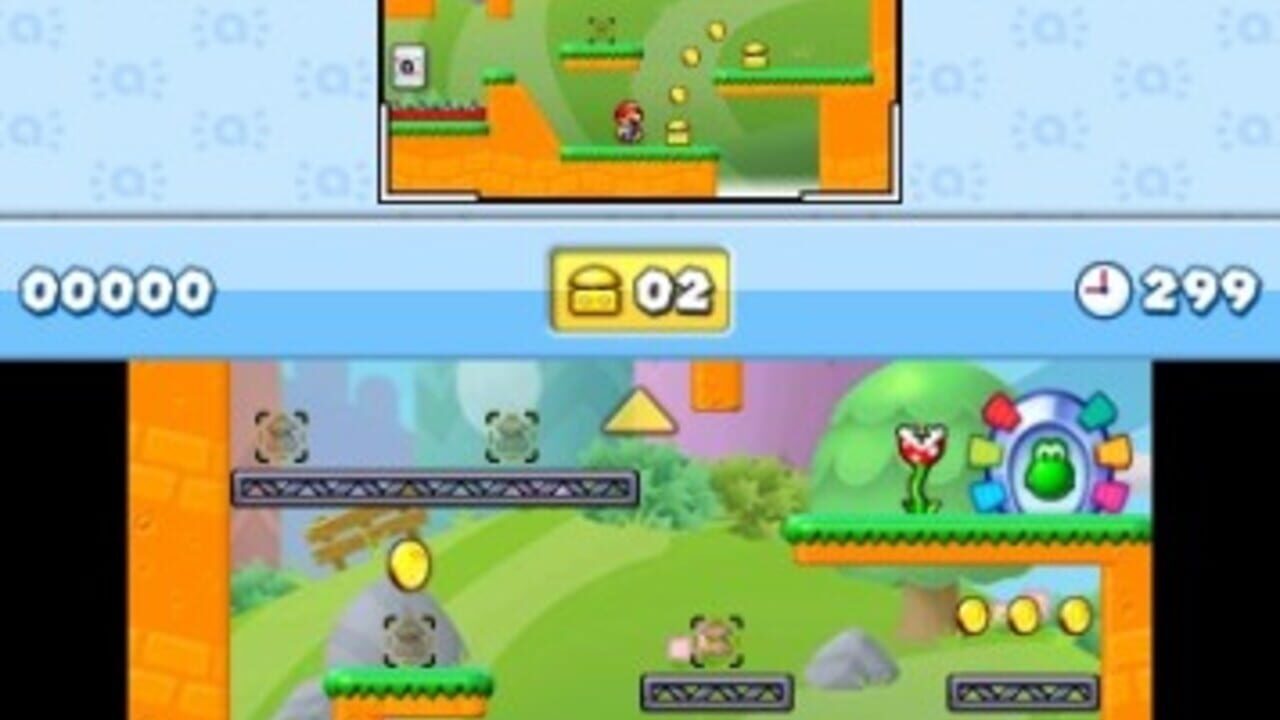
The seventh game in the Mario vs. Donkey Kong series was free to download, and you needed Amiibo figures to play it. There are over 50 levels, and you use a stylus to change the level layout so tiny Mario characters survive. Getting 100% takes an Amiibo for 10 characters, so free stopped being free fairly fast.

Donkey Kong Bananza (2025)
 Jul 17, 2025

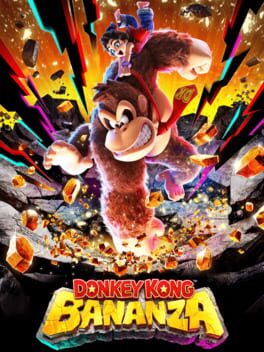
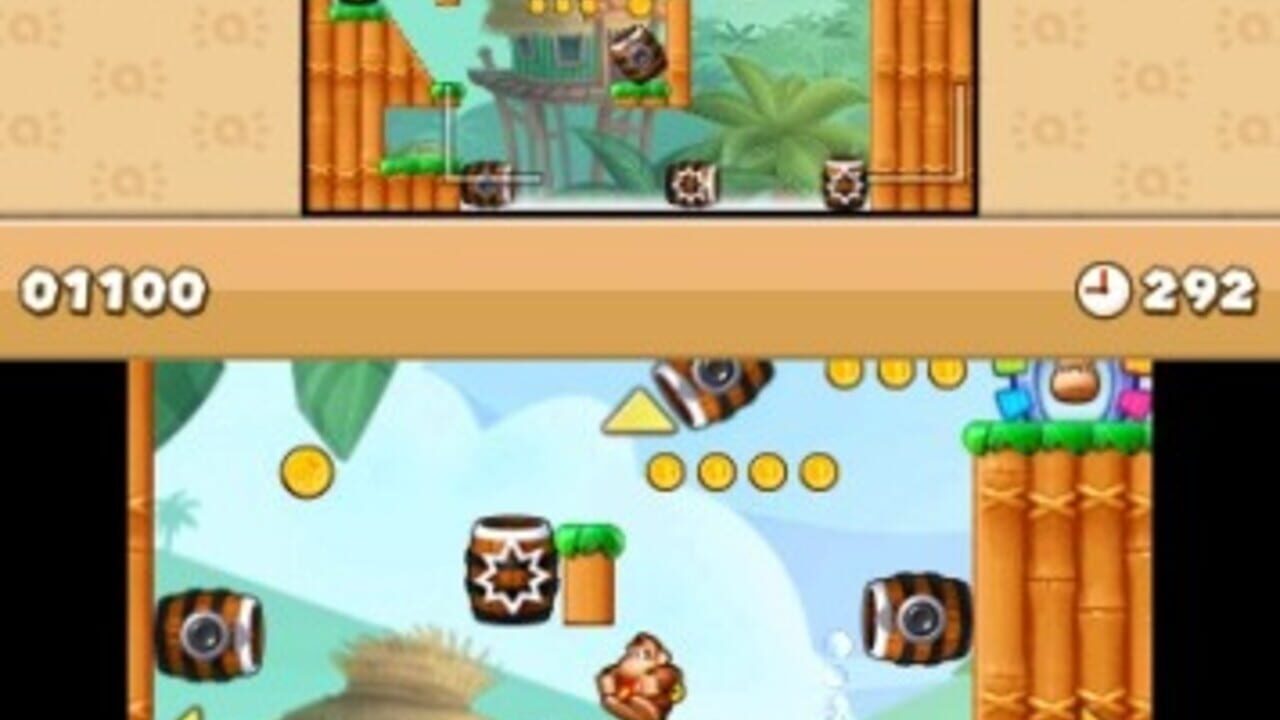
This was the first internally developed Donkey Kong game since Jungle Beat, and the first 3D platformer in the series since Donkey Kong 64. Work began on the original Switch and moved to the Switch 2 because of technical limits. You and a teenage Pauline head down toward the core of the planet, and almost every surface can be destroyed along the way.
A second player can control Pauline. Critics called it the Switch 2's killer app, and they criticized the camera and the frame rate. It has sold 5.05 million copies.


Never released in English
- Donkey Kong 3: The Great Counterattack (1984, NEC PC-8801, NEC PC-6601 and Sharp X1) - Donkey Kong: Jungle Fever (2005, arcade) - Donkey Konga 3: Tabe-houdai! Haru Mogitate 50 Kyoku (2005, GameCube) - Donkey Kong: Banana Kingdom (2006, arcade)