There are 29 Dragon Quest games with a US release, listed here in release order from Dragon Warrior on the NES in 1989 to the Torneko remaster in 2026. Spin-offs are marked, and the games that stayed in Japan are at the end.
Dragon Warrior (1989)
 Nov 1986Dec 1986May 27, 1986
 Aug 1989

Yuji Horii made this as an introductory RPG for a wide audience, inspired by Wizardry and Ultima. Akira Toriyama of Dragon Ball drew the art and Koichi Sugiyama wrote the music. You fight one monster at a time, and the monsters get harder the further you walk from Tantegel castle. The game reads the name you enter to set your starting stats, so a bad run is your parents' fault.
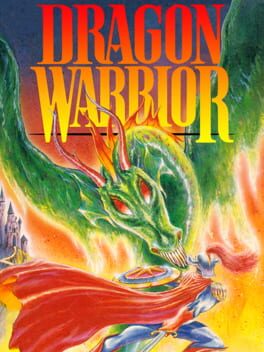
Japan got it on the Famicom in 1986. The American version added battery saves in place of passwords, larger character sprites and mock Elizabethan dialogue. It sold 500,000 copies in the United States, even with Toriyama's cover swapped for a little knight fighting a huge dragon.


Dragon Warrior II (1990)
Jan 26, 1987Feb 1988May 1988Sep 1990
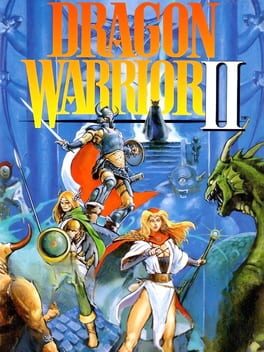
You start alone and recruit your cousins, the prince of Cannock and the princess of Moonbrooke, which makes this the first game in the series with a party. Battles now throw groups of monsters at you, and you also get a sailing ship. To fit all those monsters on screen, the battle backgrounds went completely black.
Japan got it on the Famicom in 1987. Its passwords had grown obnoxiously long, so the American version used a battery. That version also altered the religious symbols in the church, and defeated party members follow you around as ghosts. The HD-2D Remake adds a princess of Cannock.


Dragon Warrior III (1992)
Feb 10, 1988Mar 12, 1992
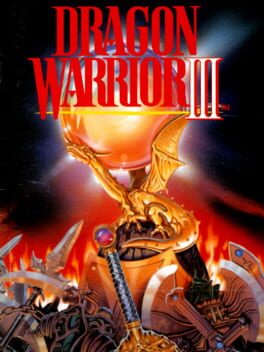
This is a prequel set long before the first two games, and the three together are known as the Erdrick trilogy. You choose a male or female hero and recruit the rest at a tavern, picking a class for each. At level 20 a character can change class at the temple of Dhama, with stats halved and a restart at level 1. The class system became a staple of later games.
Japan got it on the Famicom in 1988. Time of day now matters, with the more powerful foes out in the dark. It's also the first time you can play as a bunny girl in an RPG, which nobody at the temple questions. The HD-2D Remake came out worldwide on November 14, 2024.


Dragon Warrior IV (1992)
Feb 11, 1990Oct 1992
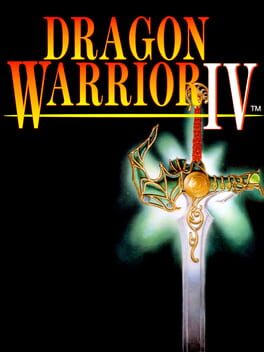
The story comes in five chapters. The first four follow the hero's future companions, and the fifth brings everyone together. The wagon appears here for the first time and lets you choose who fights. Casinos and Small Medals start here too, along with searching drawers and jars for items, a habit that has made the hero of every later game a burglar.
Japan got it on the Famicom in 1990. Most players today know the remake, which reached the USA on the Nintendo DS on September 16, 2008, with the menus now using Toriyama's artwork as character portraits. The Android and iOS version followed worldwide on August 7, 2014.


Dragon Warrior Monsters (2000)
Sep 25, 1998Jan 25, 2000 Jan 28, 2000

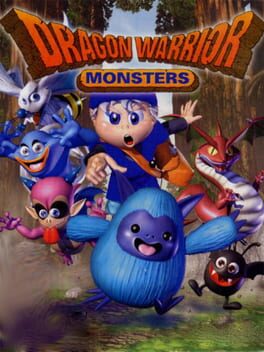
Terry is out to save his sister, and he recruits monsters in place of fighting them. Set out meat during a random battle and a monster may join you when it ends. Breed two monsters and you get a new, stronger one. Critics set the game apart for that breeding system.
Japan got it on the Game Boy Color in 1998. Terry and Milly come from Dragon Quest VI, a game English players would not see for another 11 years. This was also the first Dragon Quest game released in Europe. The 3DS remake, Terry no Wonderland 3D, was released only in Japan.


Torneko: The Last Hope (2000)
Sep 15, 1999 Nov 16, 2000
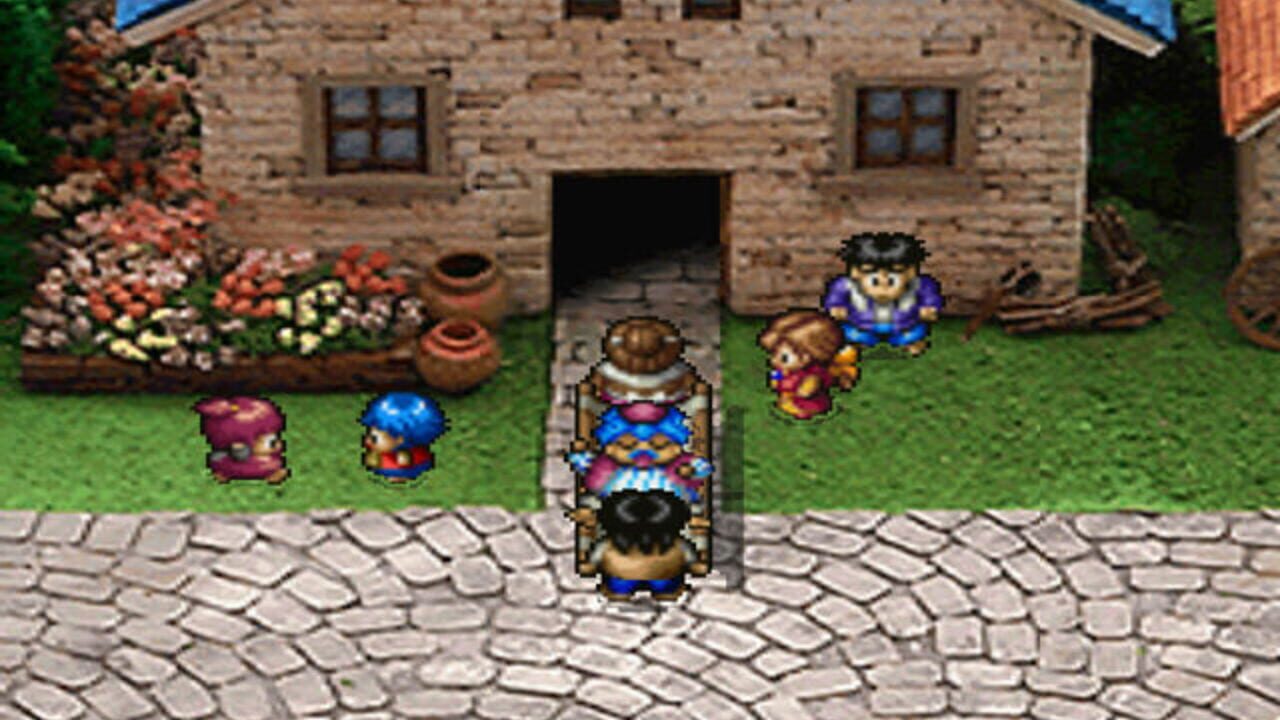

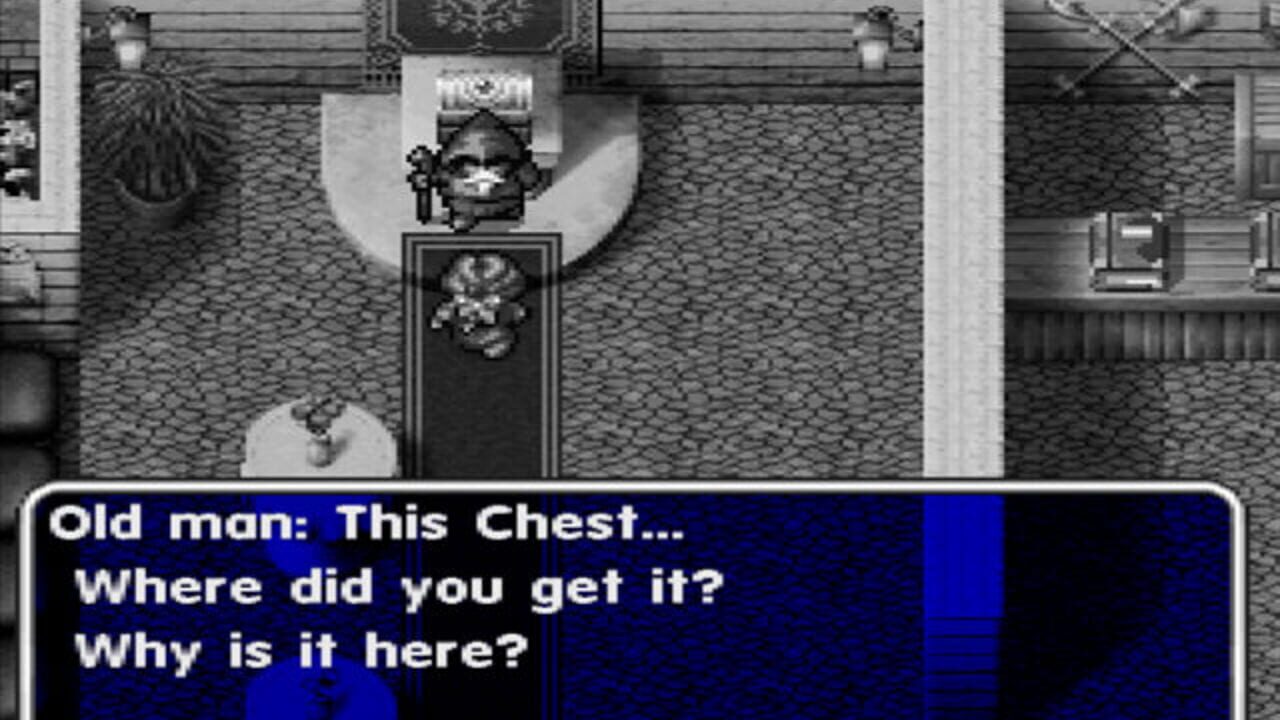
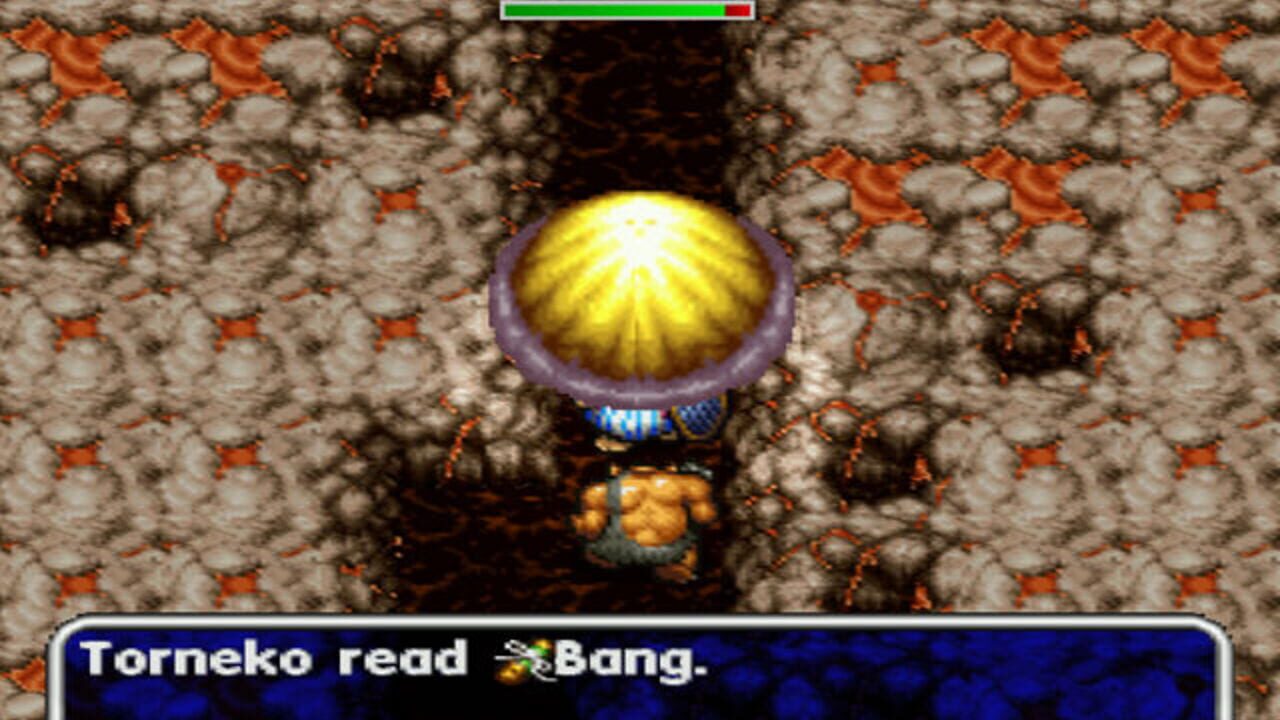
Torneko first appeared in Dragon Warrior IV, and here he gets a roguelike of his own from Chunsoft and Matrix Software. Combat is turn-based, with you and the enemies taking turns to move and act. When you first start conquering dungeons, Torneko keeps going back to level one and losing all his items until he rebuilds his storehouse. The game has 130 hand drawn monsters.
Japan got it on the PlayStation in 1999, and it sold over 578,000 units there in its release year. Editor Nob Ogasawara later wrote on forums that it was localized only because the translation team was passionate and agreed to work for much less than normal. Famitsu gave it 37 out of 40, while other critics scored it much lower.
Dragon Warrior Monsters 2 (2001)
Mar 9, 2001Sep 25, 2001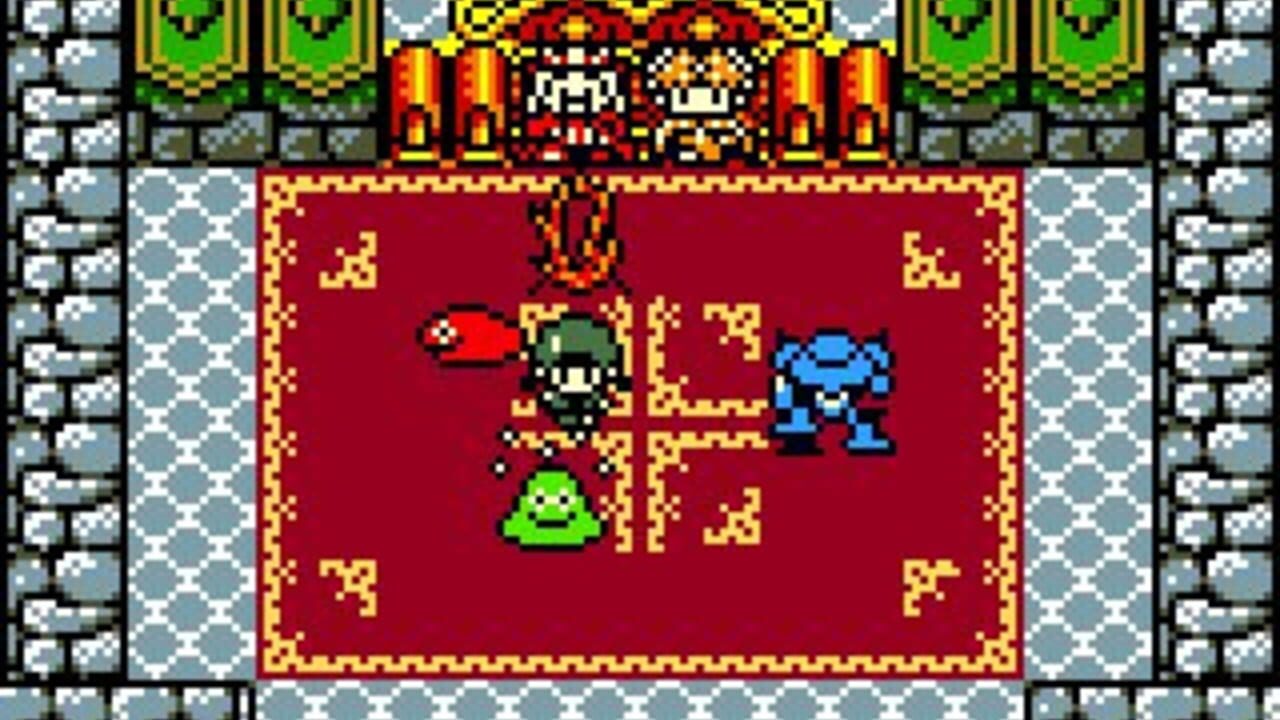
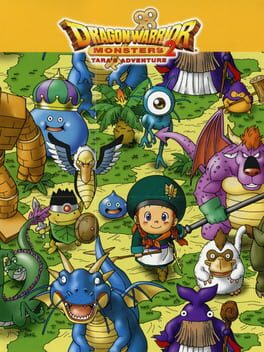
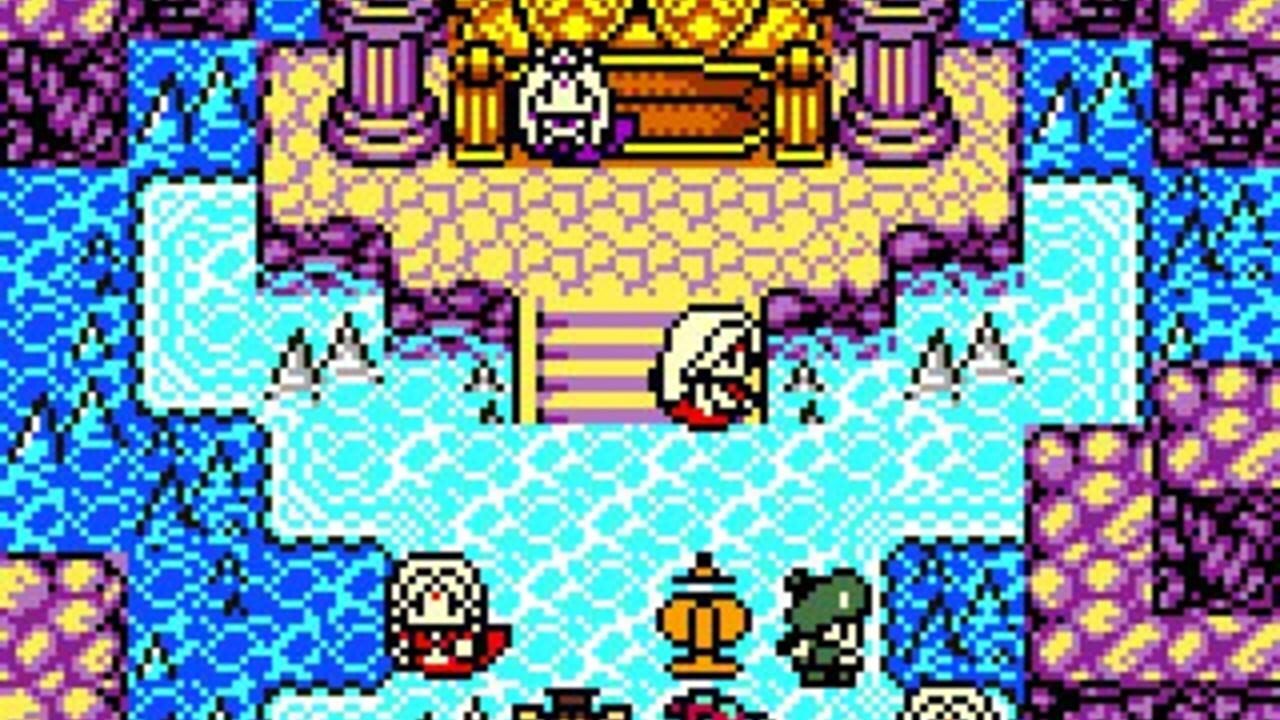
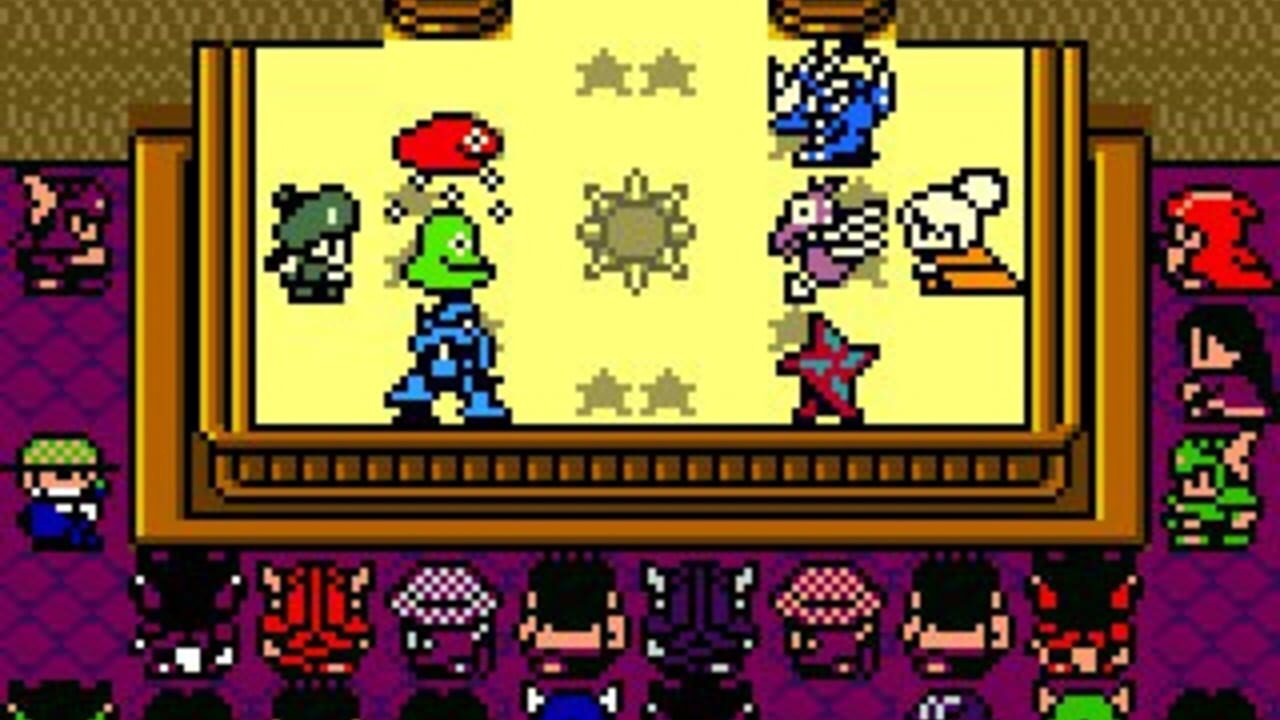
This came in two versions, Cobi's Journey and Tara's Adventure. They are nearly identical in gameplay and story, but each has its own collection of monsters and magic keys. You keep three monsters out at a time and the rest stay at the siblings' father's ranch. You win monsters over with food and treats during battle, and more affection makes them more likely to follow your commands.
Japan got it on the Game Boy Color in 2001. Both versions were remade in Dragon Quest Monsters 1+2 on the PlayStation in 2002, and the 3DS version combined them into one in 2014. Both were released only in Japan.

Dragon Warrior VII (2001)
Aug 26, 2000Nov 1, 2001
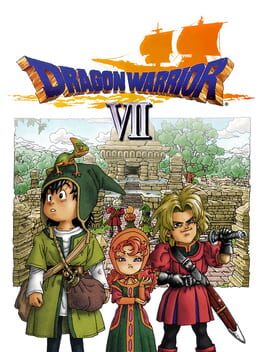
Ancient ruins send the heroes to the past of various islands, where they defeat the evil in each place. You collect missing shards to reach each location, then travel to its modern version. There are more job classes than before, and mastering two of them unlocks hybrid skills: the fighting and dancer classes together give you SwordDance. You can also talk to your party in and out of battle.
Japan got it on the PlayStation in 2000. The opening is a run of fetch quests and one long, very boring dungeon, at least in the PS1 release. The 3DS remake reached the USA on September 16, 2016. Reimagined came out worldwide on February 5, 2026, with diorama visuals and a streamlined story.


Dragon Quest VIII: Journey of the Cursed King (2005)
Nov 27, 2004Nov 15, 2005 Apr 12, 2006Apr 13, 2006

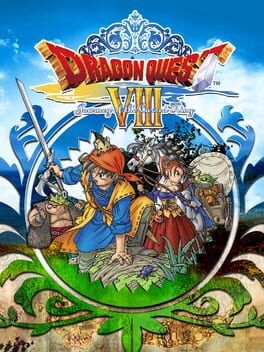
This is the first game in the series with fully 3D environments and character models, drawn with cel shading, and you can pan the camera a full 360 degrees. Towns and dungeons are no longer icons on a map. For the first time you see your enemies and characters attack each other, and you can target single enemies in place of groups. It took them long enough.
The Psyche Up tension system and the Alchemy Pot, which mixes items into stronger ones, are new here. This was the first main series game released in North America under the Dragon Quest name. Japan got it on the PlayStation 2 in 2004. The 3DS version reached North America on January 20, 2017.


Dragon Quest Heroes: Rocket Slime (2006)
Dec 1, 2005Sep 19, 2006
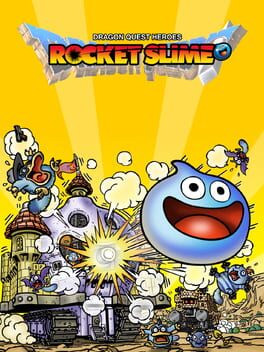
The star is Rocket, a Slime, the common enemy and mascot of the series, and this is a big promotion for something you spent the main games hitting with a stick. It's an action-adventure game from Tose. Items you send back become ammunition for Rocket's slime-shaped tank or get sold at a shop. Tank battles are the main event, with both tanks on the top screen and the standard gameplay on the bottom.
Japan got it on the Nintendo DS in 2005 as Slime Mori Mori Dragon Quest 2. The first game stayed in Japan. Plus Alpha did the localization, keeping the tradition of clever and ridiculous puns.


Dragon Quest Monsters: Joker (2007)
Dec 28, 2006Nov 6, 2007Mar 13, 2008Mar 14, 2008
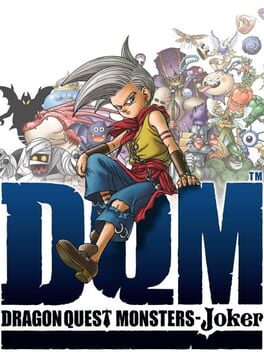
Tose made this fourth Monsters game, about a boy who dreams of becoming a world-famous monster scout. You control up to three monsters and give them direct orders or use one of 5 AI settings, and the main character only joins in when you use items. Monsters are visible on the map, so you can avoid them or attack from behind for a free round.
Japan got it on the Nintendo DS in 2006. Your DS could connect to a server that ranked your team and downloaded a set of opponents, higher and higher ranked each time. Pirates can appear when you travel between islands, and their captain, Crow, counts as a rare monster.


Dragon Quest Swords: The Masked Queen and the Tower of Mirrors (2008)
Jul 12, 2007Feb 19, 2008May 1, 2008
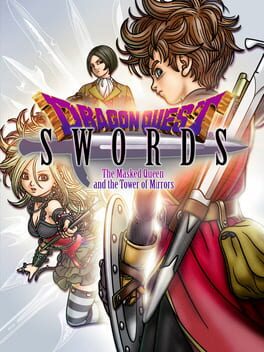
Genius Sonority and Eighting built this on-rails first-person game around the Wii Remote, which is your sword and your shield. The direction you swing sets the direction of the slash, and holding B brings up the shield. Monsters always appear in the same order and you are scored on accuracy. Zombies pop out and fill the entire screen with a proper jump scare.
Japan got it on the Wii in 2007. Characters are fully voiced, and Plus Alpha Translations again used its accent and pun-heavy approach. MotionPlus didn't exist yet, which makes targeting fast enemies difficult.


Dragon Quest V: Hand of the Heavenly Bride (2009)
19922004Jul 17, 2008Feb 17, 2009Feb 19, 2009Dec 12, 2014Jan 21, 2015
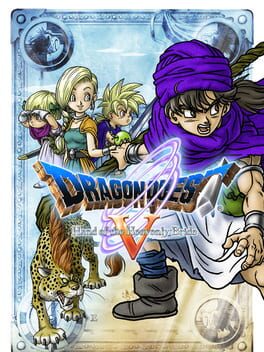
English players waited this long for it. The hero starts as a child beside his father Pankraz and grows up over the story, ending as a healer and monster tamer. Monsters can offer to join your party after battles, which was new to the series and became the main idea of the Monsters games. There are 40 of them on the Super Famicom and 71 in the PlayStation 2 remake.
Japan got it on the Super Famicom in 1992. Japan got it on the PlayStation 2 in 2004. The DS version allows four active party members, up from three, and uses both screens to show a battle. This was also the first Dragon Quest game with a bonus dungeon.


Dragon Quest Wars (2009)
Jun 24, 2009Sep 28, 2009Oct 9, 2009
Intelligent Systems made this turn-based strategy game for the DSiWare download service. Battles last five to ten turns, and each monster unit has between one and three hearts. When its hearts run out, the monster walks off the field, which is more dignity than it ever got in the main games. You win by defeating every enemy unit or by crossing into the enemy base.
Japan got it on the Nintendo DSi in 2009. Yuji Horii supervised, and Toriyama and Sugiyama did their usual jobs. Survival matches make you set all your moves within a time limit before the battle begins.


Dragon Quest IX: Sentinels of the Starry Skies (2010)
Jul 11, 2009Jul 11, 2010Jul 23, 2010Aug 19, 2010
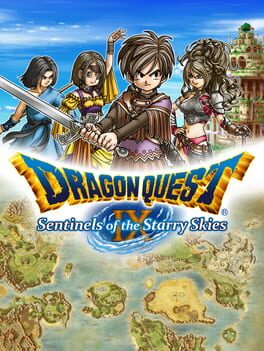
Level-5 and Square Enix made the first main series game with multiplayer, and the story and gameplay were designed around it. Enemies appear as roaming sprites, ending the old random encounters, and depending on your level they may give chase or run away. You build the party by assigning classes called Vocations, and an alchemy pot makes equipment and items from what you gather. Some of the design drew on Oblivion and Diablo.
Japan got it on the Nintendo DS in 2009. The game was announced in 2006 with a planned release the next year, then delayed by two years, and Square Enix cut its profit forecasts because of it.


Dragon Quest VI: Realms of Revelation (2011)
1995Jan 28, 2010Feb 14, 2011May 20, 2011Jun 16, 2011Jun 10, 2015Jun 24, 2015

The hero and his party save two worlds in this one. The class system from Dragon Warrior III returns at Alltrades Abbey, and you can now switch classes any time you want. Class level is separate from your main experience level. Monsters are animated when they attack, and the Slime Arena and Best Dresser Contest are new, so the fate of two worlds can wait while you try on outfits.
Japan got it on the Super Famicom in 1995. Japan got it on the Nintendo DS in 2010. The original sold over three million copies in Japan, the best selling game of 1995 there.


Dragon Quest Monsters: Joker 2 (2011)
Apr 28, 2010Sep 19, 2011Oct 7, 2011
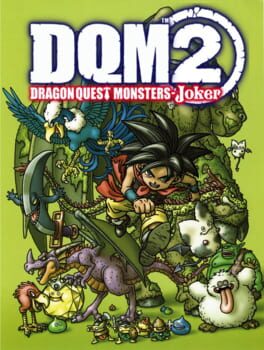
The gameplay follows closely on the first Joker: explore, tame wild monsters and watch them grow stronger in turn-based combat. Tose adds two new monster sizes. Large monsters use two spaces on a bench, and gargantuan monsters take up an entire bench on their own. You can import your old monsters from the first game.
Japan got it on the Nintendo DS in 2010. Joker 2 Professional followed there on March 31, 2011, with over 100 new monsters and new regions but the same story.


Dragon Quest Heroes: The World Tree's Woe and the Blight Below (2015)
Feb 26, 2015Feb 26, 2015Oct 13, 2015Oct 16, 2015Oct 16, 2015Dec 3, 2015
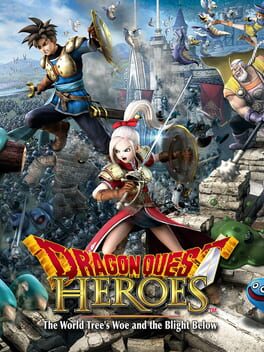
This mixes the hack-and-slash combat of Dynasty Warriors with the characters, monsters and lore of Dragon Quest. A dark shockwave hits the city of Arba, and the monsters that lived there in peace go into a frenzied rage. It's the first game in the series to be in HD from the start. It also offered most players their first chance to hear the orchestrated music in the game.
Japan got it on the PlayStation 4 in 2015. Square Enix said that summer it would release more Dragon Quest games in the West if it was satisfied with sales. The game had passed one million units by July 28, 2015. Windows followed on December 3, 2015.


Dragon Quest Builders (2016)
Jan 28, 2016Oct 11, 2016Oct 14, 2016Jan 28, 2016Feb 9, 2018Feb 9, 2018Mar 1, 2018May 26, 2022Feb 13, 2024
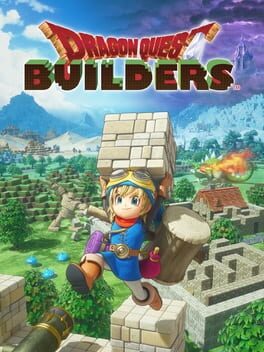
An open sandbox game with a story-driven RPG plot, set in the world of the first game after the hero took a deal that turned out to be a trap. Monsters rule the land and you are the new builder who revives it. The team picked that game's plot because it was simple enough for new players. There is a day and night cycle, with stronger monsters at night.
Japan got it on the PlayStation 4 in 2016. Toriyama designed the protagonists and Etrian Odyssey creator Kazuya Niinou directed. The Switch version came out on February 9, 2018, Android and iOS on May 26, 2022 and Windows on February 13, 2024.


Dragon Quest Heroes II (2017)
May 27, 2016May 27, 2016Apr 25, 2017Apr 28, 2017Apr 25, 2017
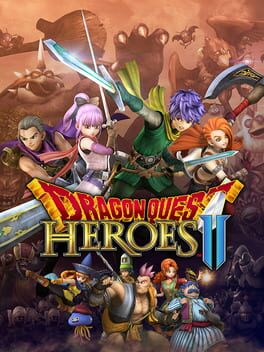
You can now visit towns and wander a world map between the battle stages, with random monster encounters on the way. Protagonists Lazarel and Teresa can change class, which changes their equipment types and skills. The new classes include martial artist, mage, monk, thief and warrior.
Japan got it on the PlayStation 4 in 2016. Two players can go through the main story in co-op, and the Time-Space Labyrinth is a series of multiplayer stages for longtime fans. This time you can even take control of some of the monsters you summon.


Dragon Quest XI: Echoes of an Elusive Age (2018)
Jul 29, 2017Sep 4, 2018Sep 4, 2018Sep 4, 2018
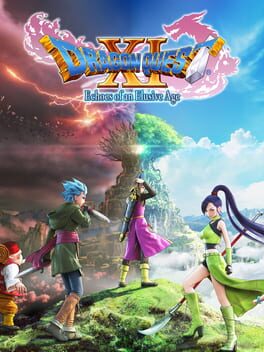
An army of monsters destroys the kingdom of Dundrasil, and you play the Luminary. The hero can now jump, so the environments have more mountains to scale, and you can get a horse or ride some monsters once they are defeated. To raise the series' profile in the West, Square Enix added Windows support, 4K resolution and voiced English dialogue that the Japanese game didn't have.
Japan got it on the Nintendo 3DS in 2017, with 16-bit styled sprites on the bottom screen. The Definitive Edition came to Switch on September 27, 2019, and to Switch 2 on September 24, 2026. The game has shipped over 9 million copies.


Dragon Quest Builders 2 (2019)
Dec 20, 2018Jul 12, 2019Jul 12, 2019Dec 10, 2019May 4, 2021
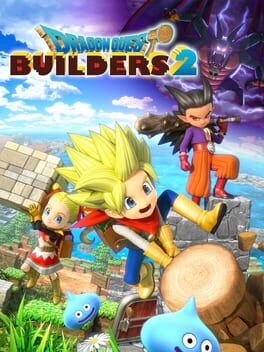
Fans asked for four-player multiplayer, the ability to build higher and water that flows down from higher places, and they got all of it. The team tripled the height of buildings. New features include a retro-style map for fast travel, an optional first-person view, underwater exploration and gliding. Up to four players can build together online.
Japan got it on the PlayStation 4 in 2018. Windows followed on December 10, 2019, and Xbox One on May 4, 2021.


Dragon Quest of the Stars (2020)
Oct 15, 2015Feb 25, 2020

This mobile game ran in Japan for more than four years before it reached the USA. Japan got it on iOS in 2015.


Dragon Quest Tact (2021)
Jul 16, 2020Jan 27, 2021

A free-to-play tactical RPG. You defeat monsters with your own monster team to capture them, then send them across a top-down, tile-based field. Collecting monsters of the same species makes them evolve.
Japan got it on iOS in 2020. The translated version shut down because of low revenue in the global market.


Dragon Quest Treasures (2022)
Dec 9, 2022Jul 14, 2023

Erik and Mia from Dragon Quest XI are children here, searching the floating continent of Draconia for seven legendary Dragonstones. Tose built it around collecting monsters, digging up buried treasure and growing a base to store it in. Each monster has one of five abilities called Fortes: Sprint, Launch, Glide, Stealth or Scan.
You can only take three monsters out at a time, which limits your mix of abilities. The Windows version came out in July 2023. The game received a mixed reception from critics.


Infinity Strash: Dragon Quest The Adventure of Dai (2023)
Sep 28, 2023

Square Enix partnered with Game Studio to make this action RPG based on the new Adventure of Dai anime. It keeps the anime's character designs and voice acting, but it loses the beautiful animation that makes the show so appealing to watch. You need to level up to get enough slots to equip your abilities, and it takes most of the story before your slots fully open up.
The game came out in Japan the same day as the USA.


Dragon Quest Monsters: The Dark Prince (2023)
Dec 1, 2023Sep 11, 2024

Psaro, a half-human, half-monster prince, challenges his father, and the curse he gets for it stops him from harming any monster. His loophole is to become a monster master and let his allies do the harming, which is the cleverest reading of a curse in the series. Producer Kento Yokota thought it was uncommon and interesting for an antagonist to be the protagonist.
Tose made this seventh Monsters game. The seasons cycle as you explore, changing which monsters you find. The Android, iOS and Windows versions followed on September 11, 2024.


Dragon Quest Smash/Grow (2026)
Apr 21, 2026

A free roguelite RPG with in-app purchases and loot boxes. You smash through hordes of monsters, then finish them with a Coup de Grâce attack. Blessings reshuffle every stage, and you unlock vocation tree nodes as you go. You travel through dungeons called rifts with a mechanical ally named Roly.


Dragon Quest Heroes: Torneko's Mystery Dungeon Classic HD (2026)
1993Sep 9, 2026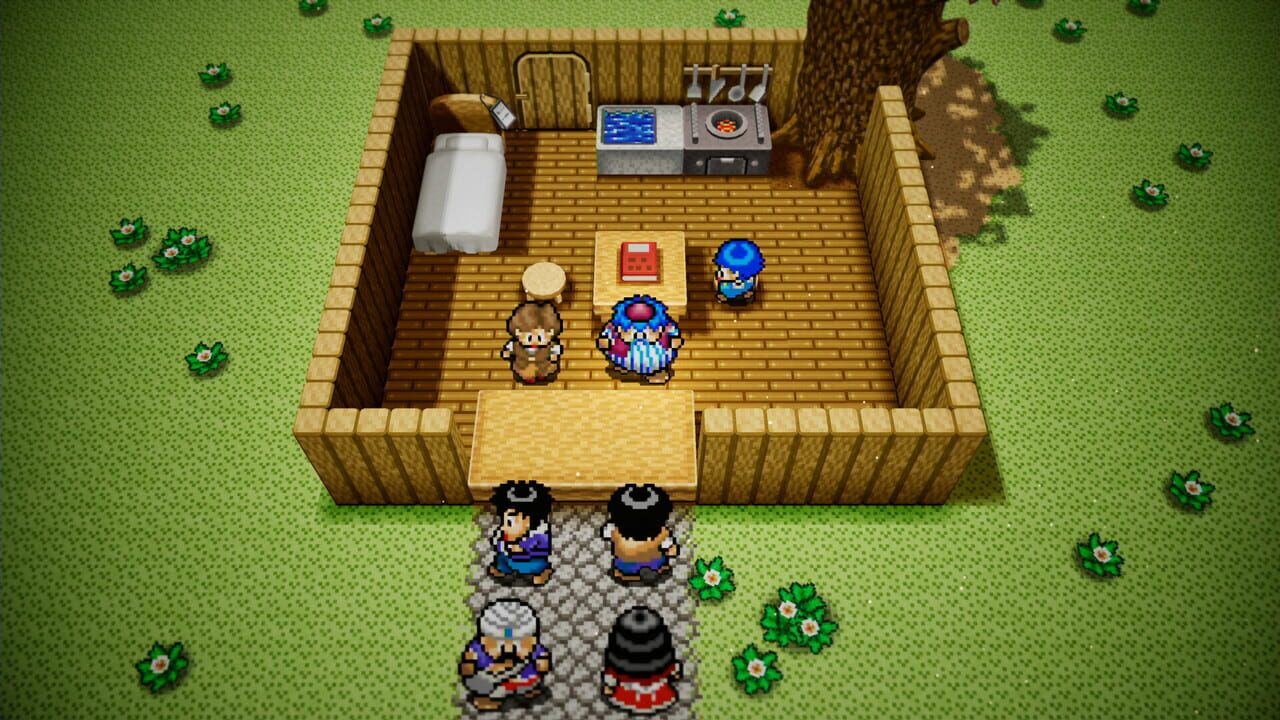
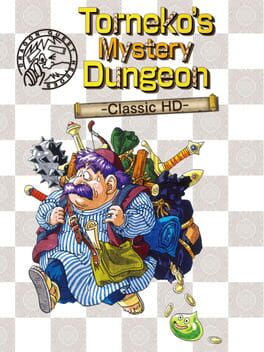
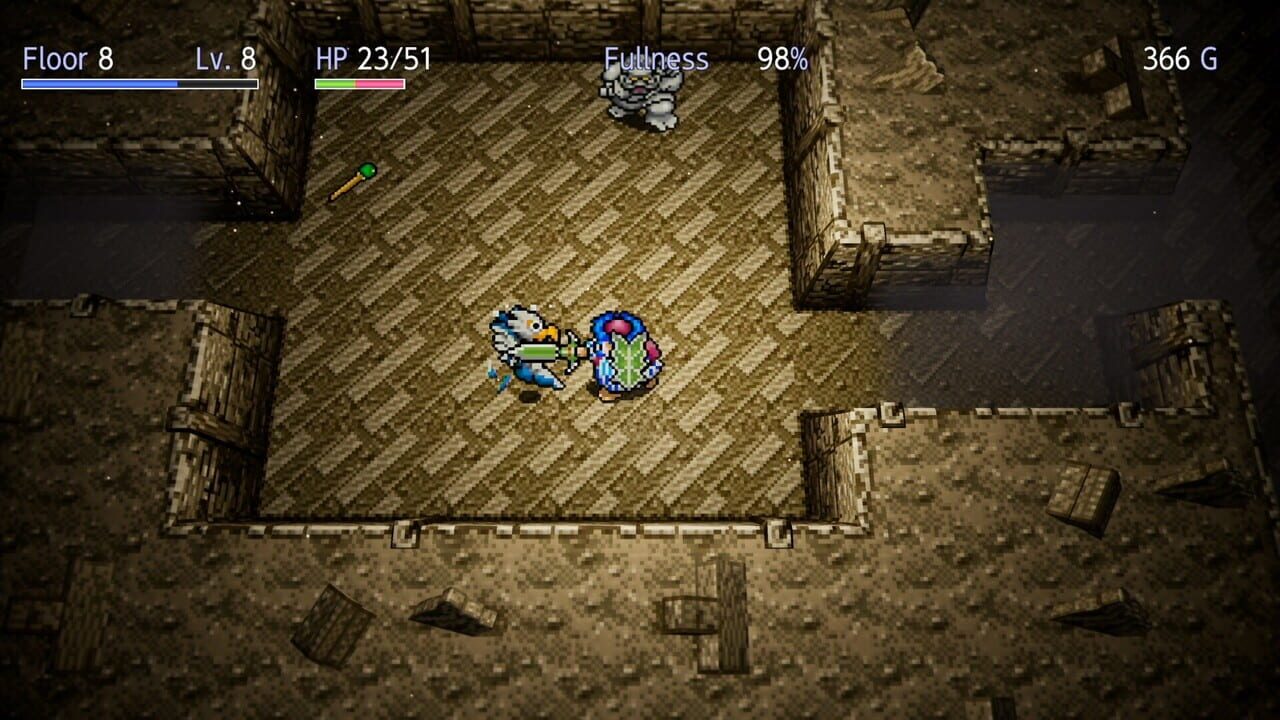
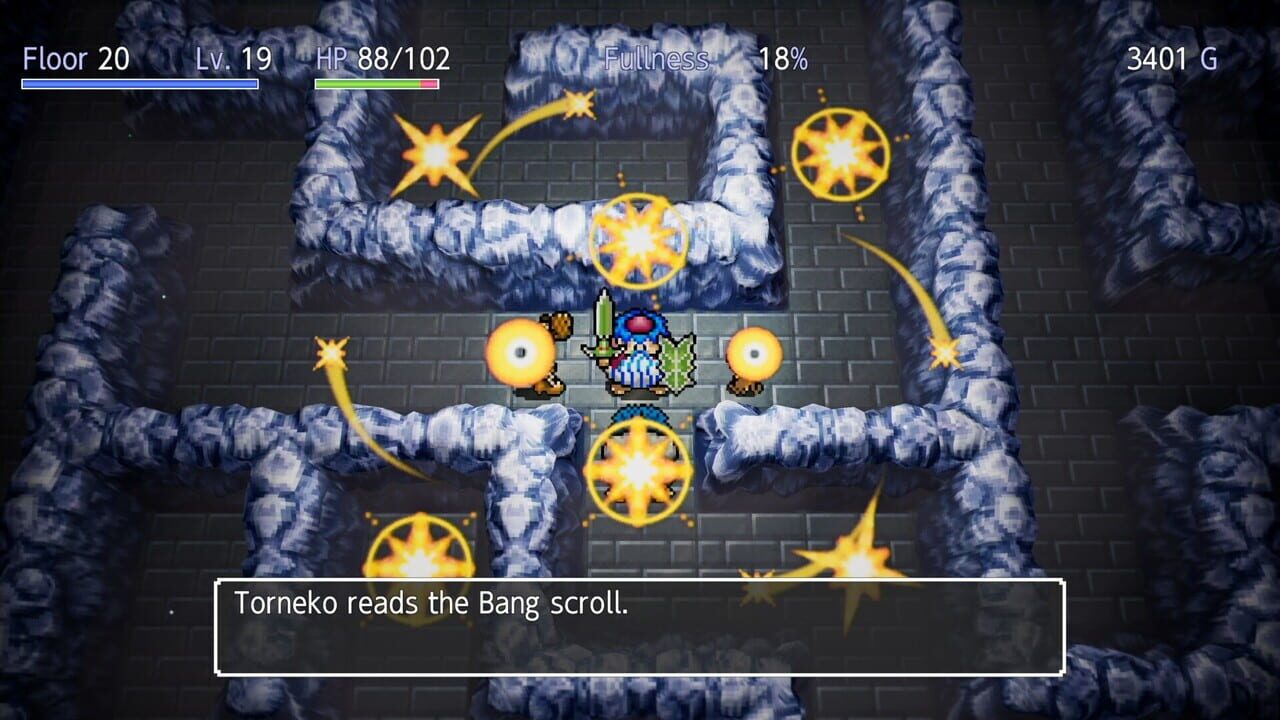
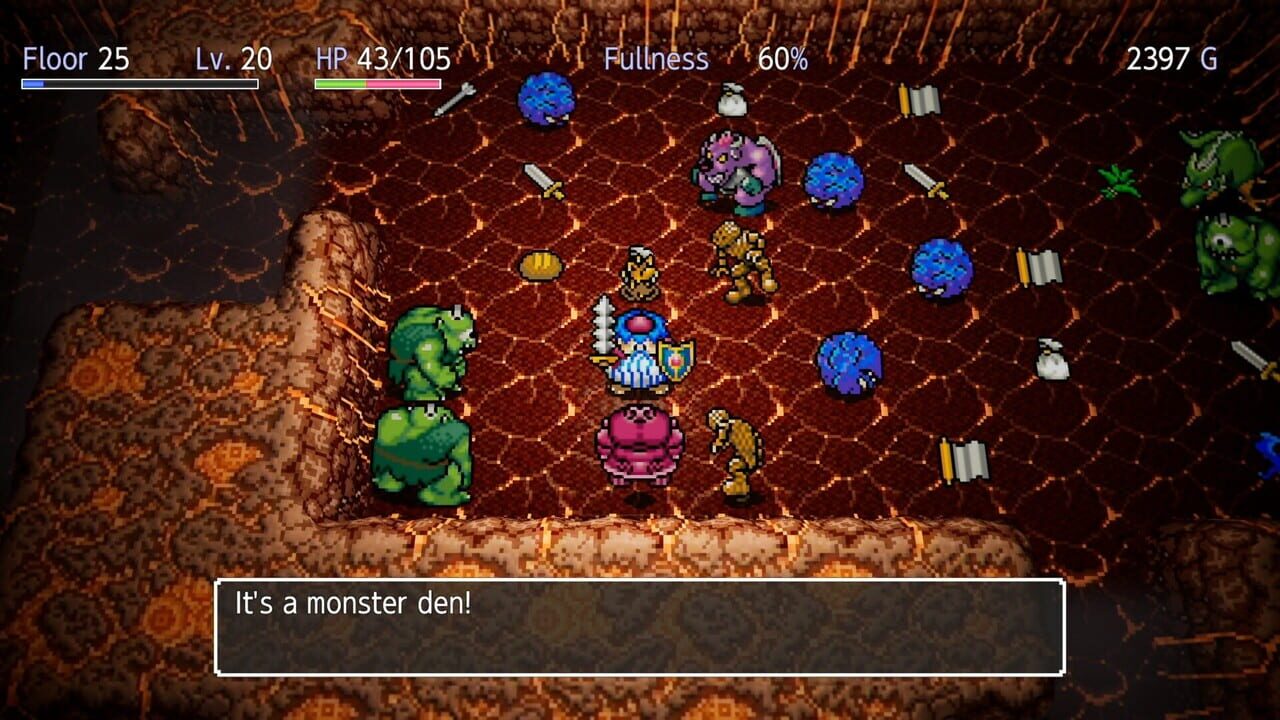
This is the first entry in the Mystery Dungeon series, a prequel to Torneko: The Last Hope and set after Dragon Quest IV. It took 33 years to leave Japan. Torneko wants to be the world's greatest weapons merchant, so he heads for a dungeon that changes shape every time you enter it.
Japan got it on the Super Famicom in 1993. Every step counts as a turn and the monsters move when you do. If you are defeated, you lose the items you collected and start again from Level 1 on the first floor. Items you bring back expand his shop.
Never released in English
- Torneko's Great Adventure 3 (2002, PlayStation 2) - Dragon Quest Monsters: Caravan Heart (2003, Game Boy Advance) - Slime Mori Mori Dragon Quest (2003, Game Boy Advance) - Dragon Quest: Young Yangus and the Mystery Dungeon (2006, PlayStation 2) - Dragon Quest: Monster Battle Road (2007, arcade) - Dragon Quest: Monster Battle Road II Legends (2009, arcade) - Dragon Quest: Monster Battle Road Victory (2010, Wii) - Dragon Quest Monsters: Wanted! (2010, mobile phones) - Slime Mori Mori Dragon Quest 3 (2011, Nintendo 3DS) - Dragon Quest X (2012, Wii) - Dragon Quest Monster Parade (2013, web browsers) - Dragon Quest Monsters: Super Light (2014, Android and iOS) - Theatrhythm Dragon Quest (2015, Nintendo 3DS) - Dragon Quest Monsters: Joker 3 (2016, Nintendo 3DS) - Dragon Quest: Monster Battle Road Scanner (2016, mobile devices) - Dragon Quest Rivals (2017, iOS and Android) - Dragon Quest Walk (2019, Android and iOS) - Dragon Quest: The Adventure of Dai - Xross Blade (2020, arcade) - Dragon Quest Keshi Keshi (2021, Android and iOS)