There are 15 Elder Scrolls games so far. They are listed here in US release order, from Arena in 1994 to Castles in 2024, and spin-offs are marked.
The Elder Scrolls: Arena (1994)
 Mar 25, 1994
 Apr 26, 2022

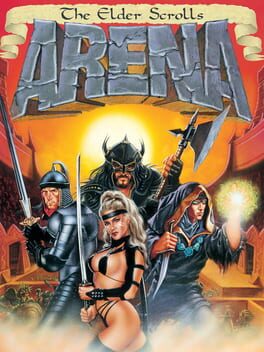
Arena started as a game about traveling between towns and fighting other teams in their arenas until you became grand champion. Role-playing parts went in during development, and the game grew to include towns outside the arenas and dungeons beyond the cities. The name stayed, even though the finished story is about a conspiracy against Emperor Uriel Septim VII.
You play from a first-person view and can roam the entire continent of Tamriel, with wilderness, towns and dungeons procedurally generated. Shops close at sunset and monsters roam until morning. New players have a hard time: Ken Rolston, lead designer of Morrowind, says he started it at least 20 times and got out of the first dungeon once. It sold 120,000 units, and Bethesda made a downloadable version free in 2004.


The Elder Scrolls II: Daggerfall (1996)
 1996Sep 20, 1996Sep 10, 2013

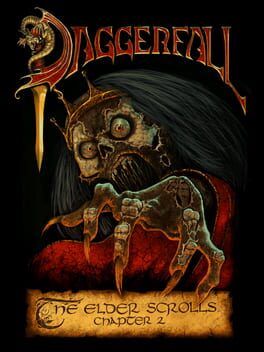
Daggerfall shrinks the map to two provinces, High Rock and Hammerfell. The Emperor sends you to free the ghost of King Lysandus and find out what happened to a letter he sent to the former queen of Daggerfall. Early on the game was titled Mournhold and set in Morrowind, an idea Bethesda went back to later. It has several endings, depending on who gets an artifact called the Mantella.
Two provinces still came to a world the size of Great Britain, about 209,331 square kilometers, with 15,000 cities, towns, villages and dungeons. Only the bug list kept pace with the map. Bethesda patched it many times and users were still upset about its stability, yet more than 100,000 copies sold within two days. It has been free to download from Bethesda since 2009, and the fan rebuild Daggerfall Unity reached GOG.com on June 15, 2022.


An Elder Scrolls Legend: Battlespire (1997)
1997Dec 4, 1997Apr 26, 2022
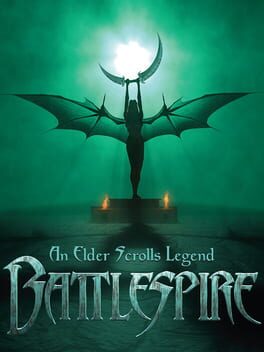
Battlespire began as an expansion pack for Daggerfall and became a spin-off of its own. Julian LeFay led it with a smaller scope and linear level design, after players said Daggerfall had been too large. You fight through seven levels of a floating fortress on the edge of Oblivion, a training college for the Emperor's battlemages, and you have to defeat Mehrunes Dagon before his armies invade Tamriel.
It stays inside that dungeon from start to finish, which was a big change after two open games. There is also a team multiplayer mode for groups of up to four. Later assessments have been harsh, and several describe it as the worst title in the series. Bethesda re-released it on Steam and Xbox Game Pass in 2022.


The Elder Scrolls Adventures: Redguard (1998)
Nov 16, 19981999Apr 26, 2022
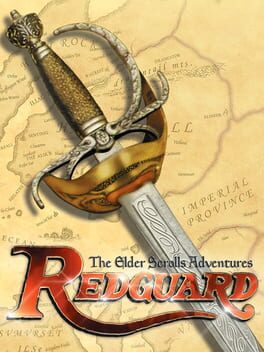
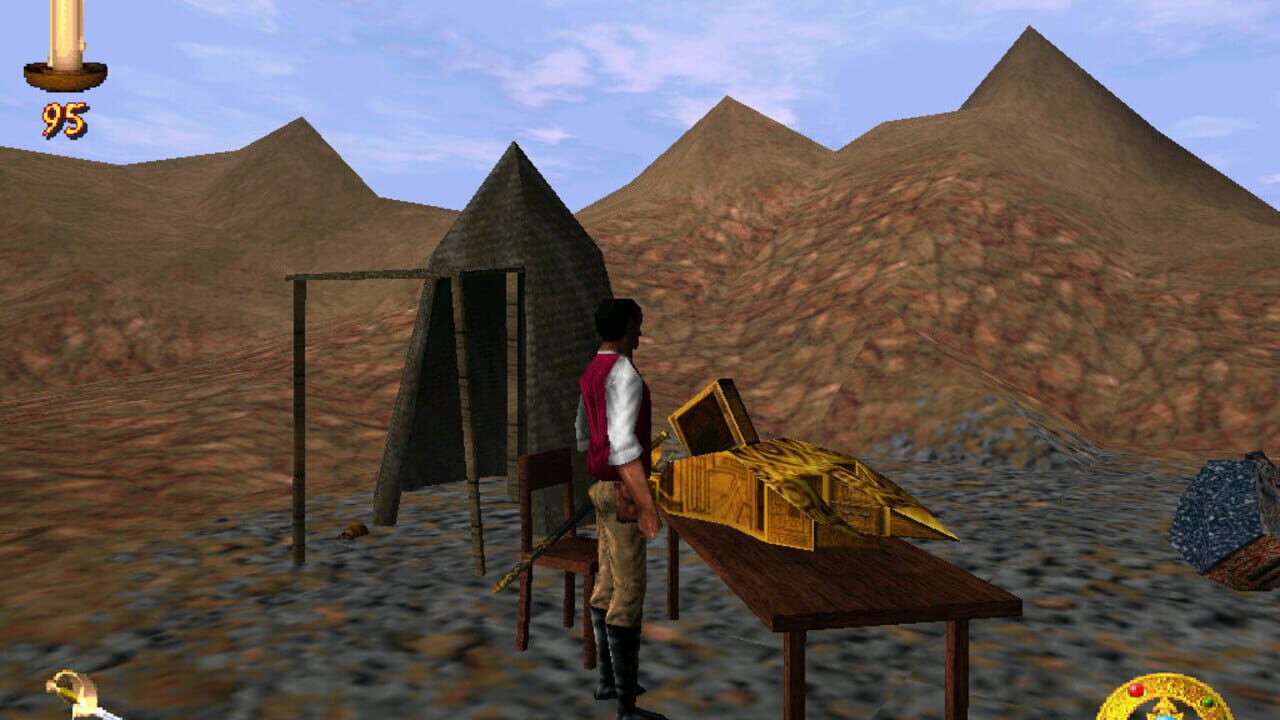
Redguard is the only game in the series with a set hero and a forced third-person view. You play Cyrus, a young mercenary who arrives on the island of Stros M'Kai to find his missing sister, Iszara, and ends up in the middle of political intrigue. The story happens in the final years of the Second Era, between The Elder Scrolls Online and Arena.
Bethesda took its cue from Tomb Raider and Prince of Persia and planned a new series of action-adventure games under The Elder Scrolls Adventures label. Early copies shipped with a comic book showing how Cyrus got there, and some boxes had a partially burnt map. Battlespire and Redguard both did poorly, and the studio went through a period of contraction after them.


The Elder Scrolls III: Morrowind (2002)
May 1, 2002May 2, 2002Jun 6, 2002Nov 22, 2002
Morrowind opens with you arriving by boat as a prisoner, then choosing your name, race and class as officials register you as a free citizen. The game takes place on Vvardenfell, an island in the Dark Elf province, where the demigod Dagoth Ur waits inside the volcanic Red Mountain. Bethesda designed it as open-ended and freeform, with less emphasis on the main plot than the earlier games. The local taxi is a giant flea called a silt strider, and you pay the fare anyway.
Bethesda tripled its staff and spent the first year of development on The Elder Scrolls Construction Set. Jeremy Soule composed the soundtrack. Enemy health bars arrived in a patch one month after release. The Xbox version followed on June 7, 2002, and the Game of the Year Edition added the Tribunal and Bloodmoon expansions in October 2003. By August 2005 the game had passed 4 million copies.


The Elder Scrolls Travels: Stormhold (2003)
Jun 1, 2003 Jun 30, 2003

Stormhold was the first game in The Elder Scrolls Travels, a series of portable role-playing games made mainly by Vir2L Studios. It came out for J2ME and BREW phones, and subscribers of Cingular Wireless and AT&T Wireless could get it.
You start as a captive in a prison ruled by the tyrant Quintus Varis. You explore catacombs and dungeons from a first-person view and look for allies among your fellow prisoners. With the right friendships and enough experience, you can overthrow the warden.
The Elder Scrolls Travels: Dawnstar (2003)
Jun 1, 2003Jun 30, 2003
Dawnstar is the second Travels game, a role-playing game for J2ME and BREW phones in the style of the main series. Vir2L Studios developed and published it, as it did with the other early Travels games.
The Elder Scrolls Travels: Shadowkey (2004)
Nov 9, 2004Nov 24, 2004

Shadowkey is a first-person role-playing game with 3D graphics, made only for the Nokia N-Gage. You create a character from nine classes and eight races, then gather the seven Star Teeth, ancient crystals you need to beat a powerful Shadow of Conflict called the Umbra'Keth. It uses the soundtrack from Morrowind.
A team of 15 people from Vir2L Studios, Bethesda Softworks, TKO and Nokia built it in about nine months. Up to four players can team up over Bluetooth. The GameSpot review blamed the N-Gage's technical limits for crippling the gameplay, though it praised the co-op mode.
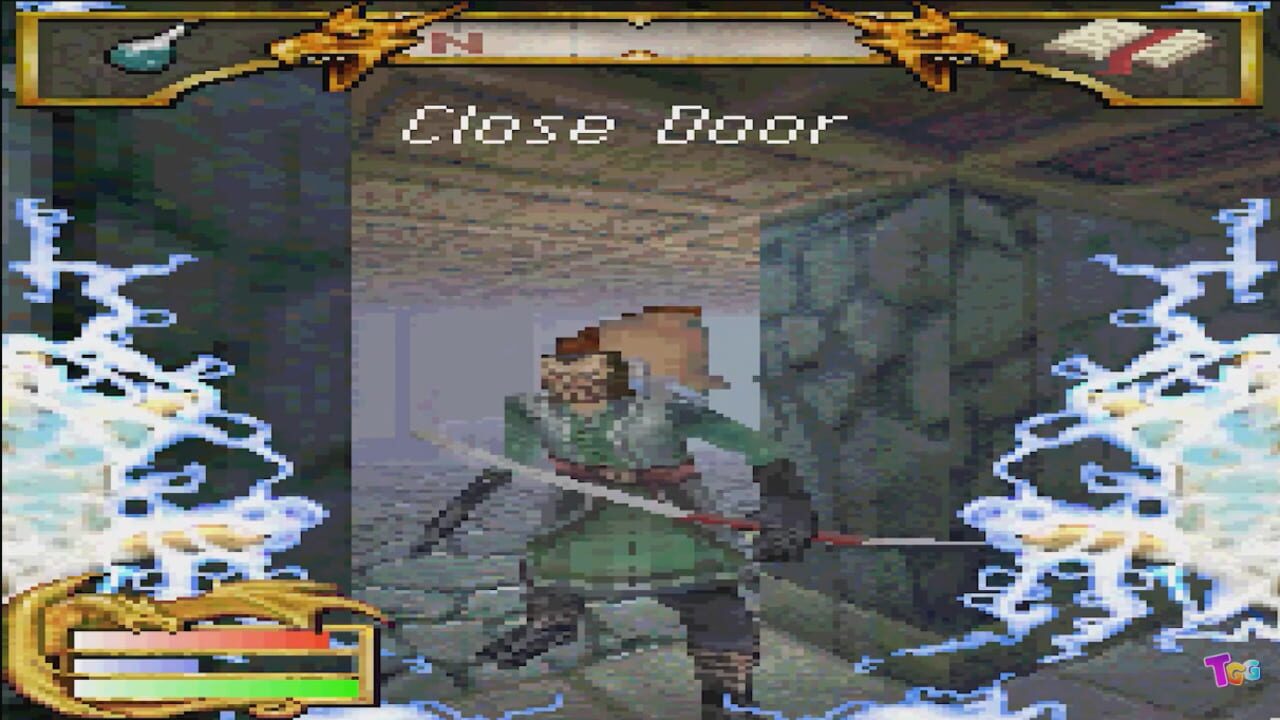
The Elder Scrolls IV: Oblivion (2006)
Mar 20, 2006 Mar 23, 2006Mar 24, 2006Jul 26, 2007Mar 20, 2006Mar 23, 2006Mar 24, 2006Mar 20, 2007Apr 26, 2007Apr 27, 2007Sep 27, 2007

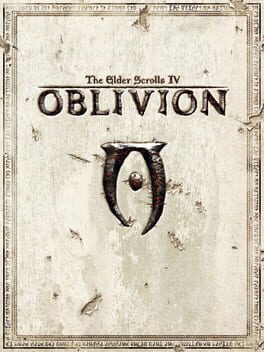
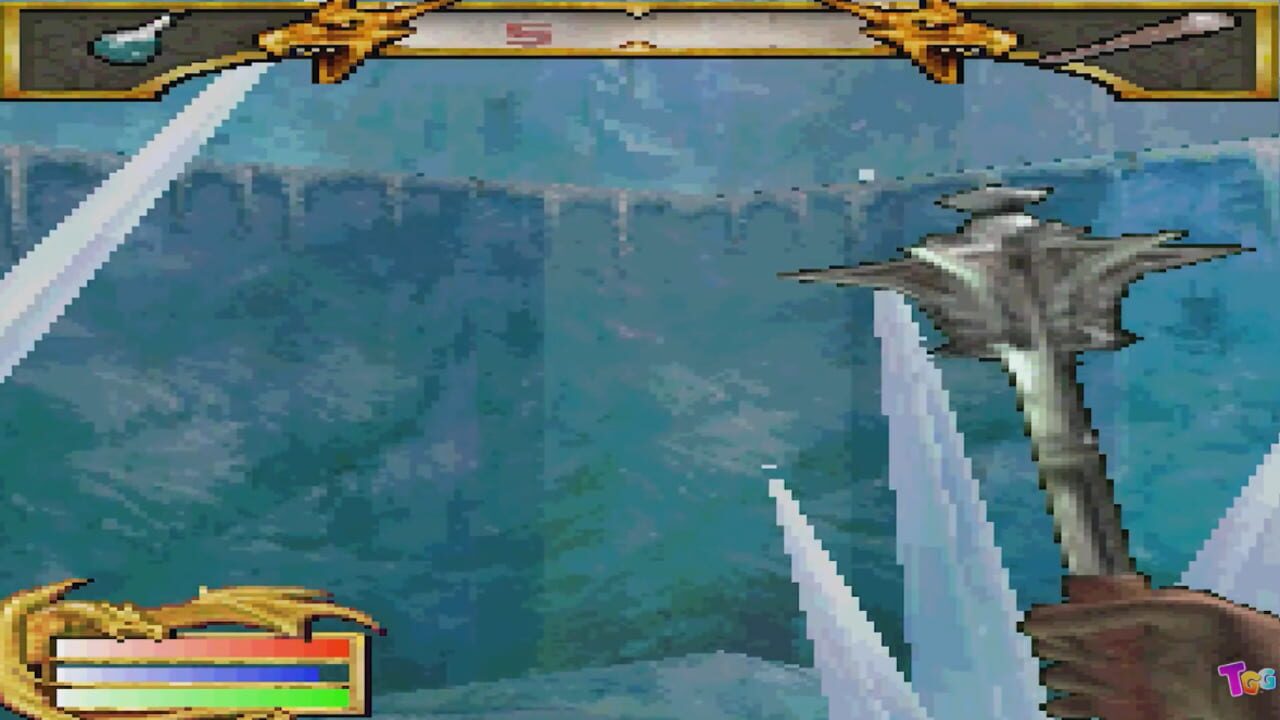
Oblivion is set in Cyrodiil, six years after Morrowind. Emperor Uriel Septim VII, voiced by Patrick Stewart, hands you the Amulet of Kings just before his assassins catch up with him. You then look for his illegitimate son Martin, voiced by Sean Bean, while gates to Oblivion open across the province. You can play in first or third person.
It was the first game in the series with fully voiced NPCs, and Bethesda's Radiant AI lets characters make choices instead of following scripted routines. The PlayStation 3 version came on March 20, 2007. The expansions Knights of the Nine (2006) and Shivering Isles (2007) were bundled into the Game of the Year Edition in 2007.
Oblivion Remastered came out on April 22, 2025, and it is the way to play now. Virtuos and Bethesda Game Studios gave the game a full graphics overhaul in Unreal Engine 5, with Unreal handling the visuals and the old Gamebryo engine still running the core, plus changes such as sprinting and redesigned menus. Knights of the Nine and Shivering Isles are both included. It reached 9 million players three months after release, and the Nintendo Switch 2 version came on August 11, 2026.


The Elder Scrolls Travels: Oblivion (2006)
May 2, 2006
Known as Oblivion Mobile, this is the phone version of the Oblivion story, and it came out about six weeks after the main game. You play from an isometric view with ten main levels and four optional quests, and you choose from eight classes.
A second portable game with the same name was announced for the PlayStation Portable in November 2006 and cancelled. It would have been a dungeon crawler with ten levels across five regions and a story of its own. Videos of an early build surfaced online in 2016.
The Elder Scrolls V: Skyrim (2011)
Nov 11, 2011Nov 11, 2011Dec 8, 2011Nov 11, 2011Dec 8, 2011Nov 11, 2011Dec 8, 2011
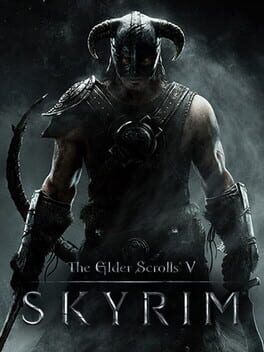
Skyrim is set 201 years after Oblivion in the cold, mountainous north of Tamriel. You play the Last Dragonborn and have to defeat Alduin the World-Eater, a dragon prophesied to destroy the world. It was the first game in the series to put dragons in the wilderness, and killing them gives you the souls that power your dragon shouts. Todd Howard wanted the theme to sound like the series tune sung by a choir of barbarians.
It shipped over seven million units in its first week, and total sales reached 65 million copies by July 2026. Dawnguard, Hearthfire and Dragonborn were the three add-ons, all bundled in the Legendary Edition of June 2013. Special Edition came out on October 28, 2016, with all three add-ons, an upgraded engine and numerous graphical enhancements, and it brought mod support to consoles. The Anniversary Edition added Creation Club content in 2021, and owners of Special Edition could buy the 74 Creations as a single pack.
The game reached Nintendo Switch on November 17, 2017, the same day Skyrim VR, a separate virtual reality version, came to PlayStation 4. Skyrim VR reached Windows on April 2, 2018, and the Anniversary Edition reached Nintendo Switch 2 on December 9, 2025. Bethesda also joked about its own habit of re-releasing the game. On June 10, 2018, it put out Skyrim: Very Special Edition, a voice-activated text adventure for Amazon Alexa, and said versions would follow for the Etch A Sketch, Motorola pagers and Samsung smart refrigerators. The Alexa game is real. The fridge version is still at large. The next main game, The Elder Scrolls VI: Sentinel, was first announced at E3 2018 and joins this list when it comes out.


The Elder Scrolls Online (2014)
Apr 4, 2014Jun 9, 2015Jun 9, 2015Jun 9, 2015Jun 16, 2020Jun 15, 2021
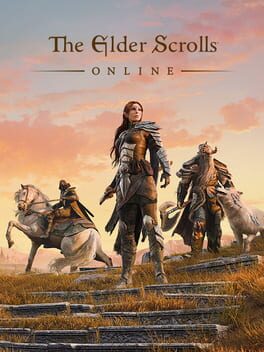
The Elder Scrolls Online is a massively multiplayer game set in the Second Era, a millennium before Skyrim. The first struggle is against the Daedric Prince Molag Bal, and the second is a war between three alliances for the empty imperial throne. You can play in first or third person, as in the single-player games.
It was in development for seven years and launched with a mandatory monthly subscription. Reception improved after the March 2015 re-release as Tamriel Unlimited, which dropped that for a one-time purchase and an optional subscription. PlayStation 4 and Xbox One versions came on June 9, 2015. It had sold over 15 million units by 2020. Its expansions include Summerset, Greymoor and Gold Road.


The Elder Scrolls: Legends (2017)
Mar 9, 2017Mar 23, 2017May 31, 2017
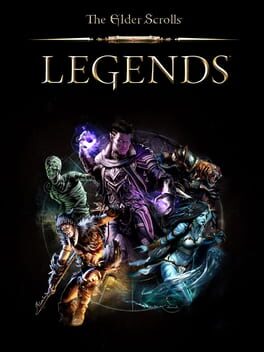
Legends was a free-to-play digital card game with cards based on creatures and characters from the series. Bethesda could have spared everyone some trouble by not reusing a word from Battlespire's title. Dire Wolf Digital did the first development work, and iOS and Android versions came on July 27, 2017.
You play creatures into two lanes, and they can attack only enemy creatures in the same lane or the opponent directly. When you lose health and break a rune, you draw a card, and some cards can then be played right away with the Prophecy keyword. Bethesda halted development in December 2019. The servers stayed online until January 30, 2025.


The Elder Scrolls: Blades (2020)
May 12, 2020
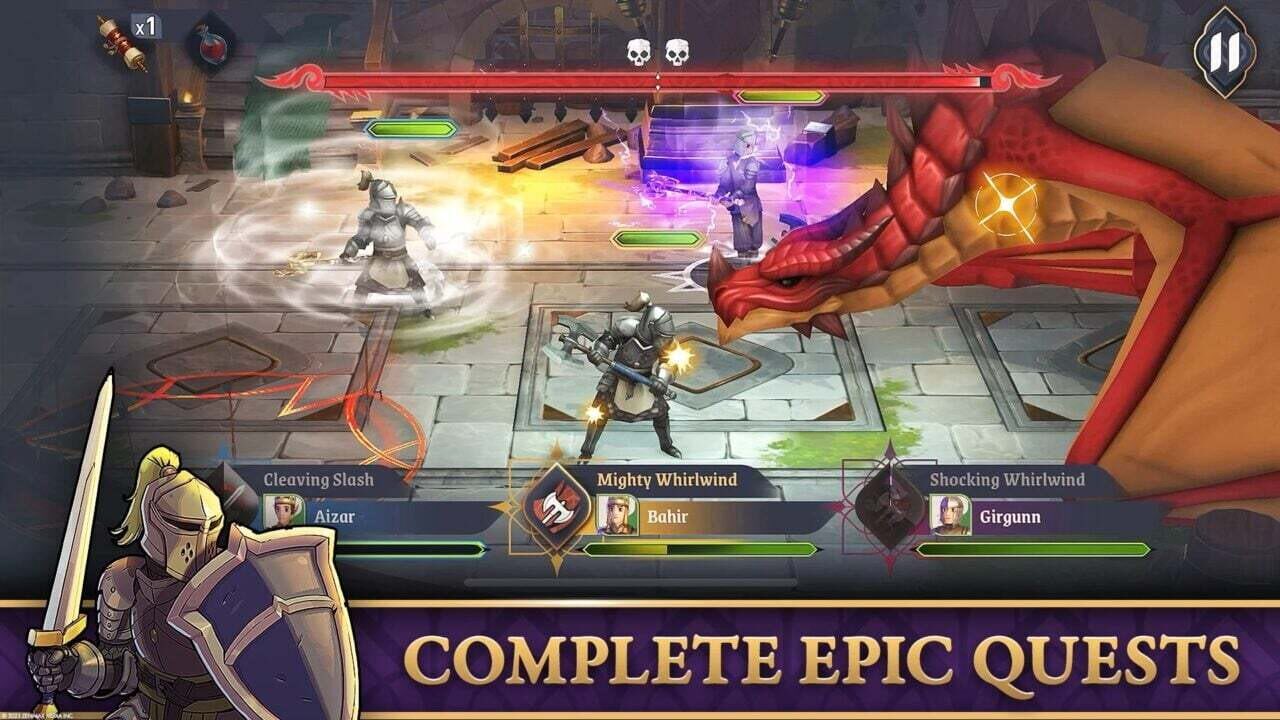
Blades was a free-to-play action game built for phones, played in first person with mostly one-on-one fights you control by tapping and swiping. It is set between Oblivion and Skyrim. You play a former member of the Blades who comes home to find your town destroyed, and rebuilding it unlocks more quests and characters. The design is linear, unlike most of the series.
It spent over a year in early access, starting on March 27, 2019, before the full release. The Nintendo Switch version came on May 14, 2020. An endless dungeon mode called Abyss gave you a place to gain experience and strength. The servers shut down on June 30, 2026.


The Elder Scrolls: Castles (2024)
Sep 10, 2024

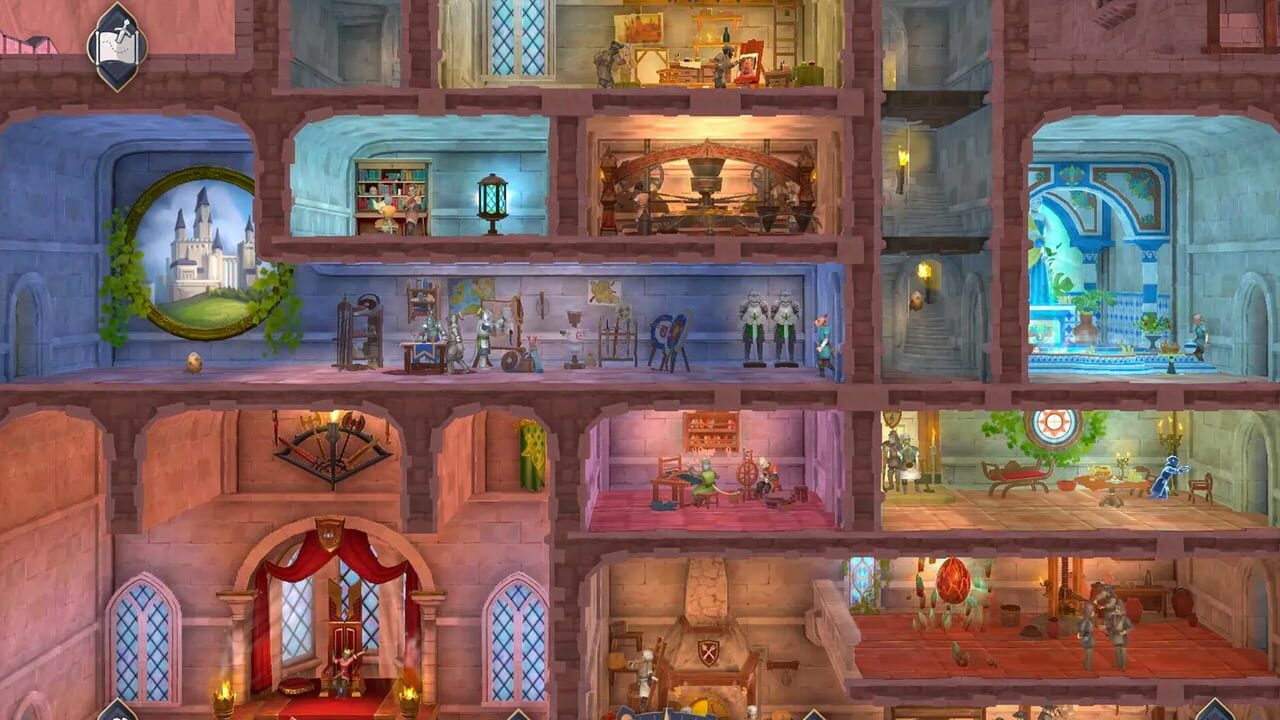
Castles is a mobile management game similar to Fallout Shelter. You rule a royal dynasty through several kings and queens, lay out the castle, add rooms and assign workers to stations.
Each real day spans a full year in the game, so a long weekend away from your phone can cost you a monarch or two. It reached Android in early access on September 28, 2023, and soft-launched in the Philippines in January 2024 before the global release.