There are 78 Final Fantasy games that reached the USA, listed here in US release order from the 1990 NES original to Final Fantasy Resonance in 2026. Spin-offs are marked, and the games that never came out in English are at the end.
Final Fantasy (1990)
 Dec 18, 1987
 Jul 12, 1990May 26, 2009Oct 5, 2009
 May 7, 2010
 May 7, 2010Nov 13, 2013Dec 18, 2013

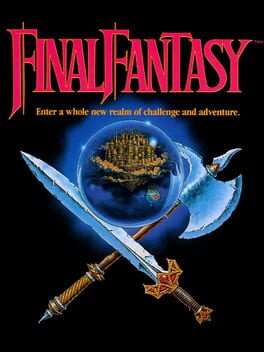
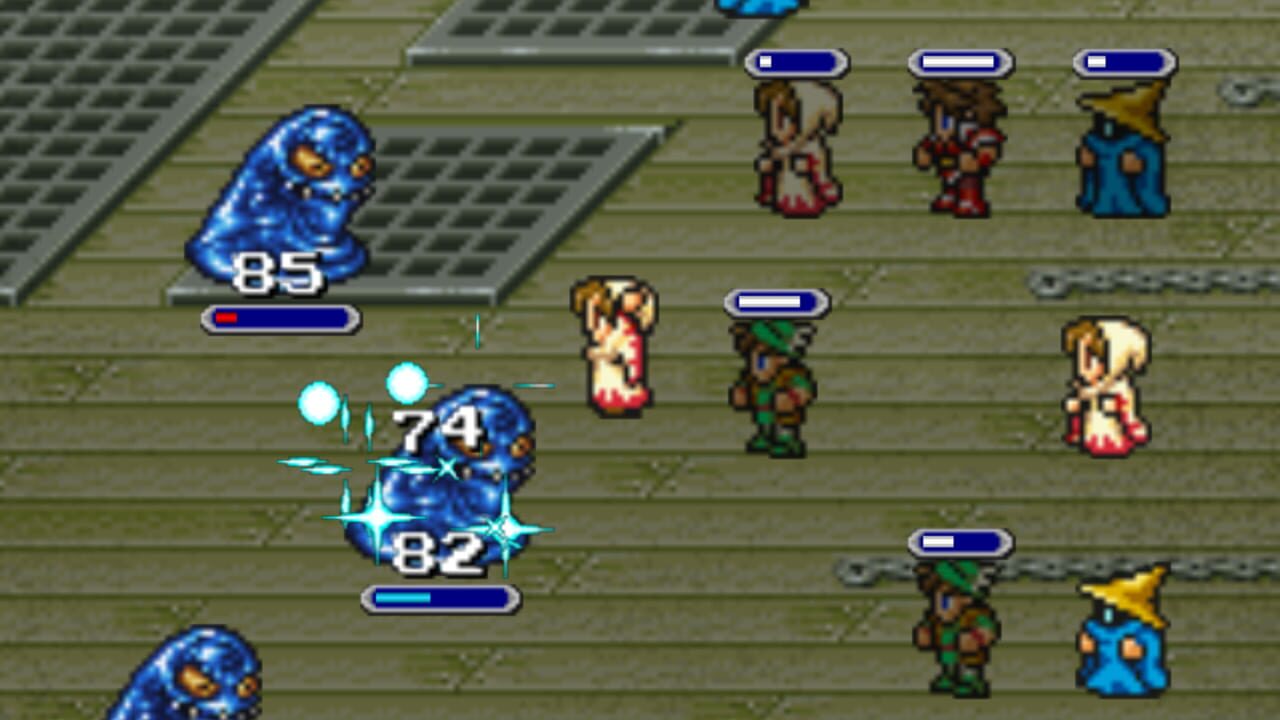
Hironobu Sakaguchi created the series with this game, which Square put out on the Famicom in Japan and later on the NES. It began life under the working title Fighting Fantasy until trademark issues forced a new name. The story follows four youths called the Warriors of Light, who carry the darkened elemental crystals and set out to beat the four Fiends.
Akitoshi Kawazu built the battle system on Dungeons & Dragons and Wizardry. You pick four character classes at the start, and each class has its own limits on weapons and armor. All versions together had sold two million copies by March 2003. It came back in Final Fantasy Origins on PlayStation and in Final Fantasy I & II: Dawn of Souls on Game Boy Advance on November 29, 2004.


The Final Fantasy Legend (1990)
Dec 15, 1989Sep 30, 1990
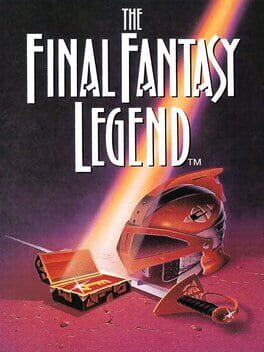
This is a SaGa game in a borrowed coat. In Japan it was the first game in the SaGa series and the first role-playing game for the system, and Square renamed it for the West to link it with Final Fantasy. The trick worked well enough that it counts here.
The turn-based fights sit close to Final Fantasy II, with skills that grow through use. It was Square's first million seller, with 1.37 million units shipped. It reached Switch as part of a later collection, so a Game Boy is no longer needed.


Final Fantasy Legend II (1991)
Dec 14, 1990Nov 1, 1991
The second SaGa game, sold under the Final Fantasy name in the West. You explore and fight in turn-based battles, and character statistics go up at random after a fight. Nobuo Uematsu and newcomer Kenji Ito wrote the music.
Many players called it better than the first, and it sold 850,000 units by 2002. Japan got a DS remake in 2009. The Game Boy version reached Switch in 2020.


Final Fantasy Adventure (1991)
Jun 28, 1991Nov 19911993
An action RPG for the Game Boy, and a spin-off of Final Fantasy that became the first game in the Mana series. Its sequel is Secret of Mana. You fight in real time, gain experience and solve puzzles in dungeons, and it let you do something unusual for the time: kill townspeople.
It has been remade twice for wide release. Sword of Mana came out on Game Boy Advance in 2003 with a changed plot, and Adventures of Mana followed in 2016 for phones and Vita. The original is on Collection of Mana for Switch.


Final Fantasy IV (1991)
Jul 19, 1991Nov 23, 1991Aug 4, 2009Feb 19, 2014Aug 23, 2017
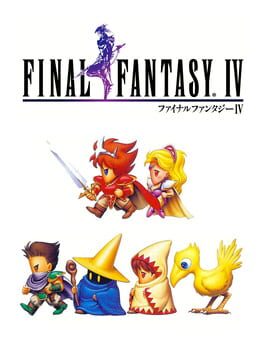
This is where the bar under your characters starts to matter. Final Fantasy IV introduced Square's Active Time Battle system, which keeps enemies moving while you choose, and the series used it for years after. The story follows Cecil, and the party changes as the plot goes on.
North America got it under the name Final Fantasy II, since the real II and III had been skipped. The various versions have sold more than four million copies. If you only ever played the first American cartridge, a lot of your memories of a game named II belong here. Matrix Software, the team behind the 3D Final Fantasy III remake, rebuilt it for the DS as part of the series' 20th anniversary, and that version came out in the USA on July 22, 2008. Yoshinori Kanada wrote the new cutscenes.


Final Fantasy Mystic Quest (1992)
Oct 5, 19921993Sep 10, 1993Sep 24, 2010Sep 24, 2010Oct 18, 2010Dec 21, 2010Apr 16, 2014
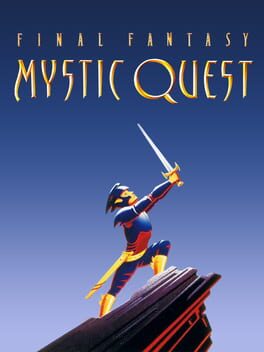
Square built this one as an easy way in, and it drops random battles, save points, manual equipment and the party system. Enemies stand still in dungeons and you choose whether to fight them. It was the first Final Fantasy game released in Europe.
Reviews and sales were middling, with complaints about simple play and a thin story. Its name has stuck as a "beginner's Final Fantasy", and people still praise its music. The soundtrack has outlived the game by a comfortable distance.


Final Fantasy Legend III (1993)
Dec 13, 1991Aug 1993
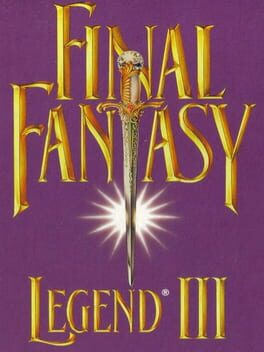
The last of the Game Boy SaGa games. Here you travel between different time periods, and characters grow through experience points, skill leveling and material-based character classes. It had sold around 650,000 in Japan by 2002.
A DS remake came out in 2011, only in Japan. The Game Boy original reached Switch in 2020, then phones and PC a year later.


Final Fantasy VI (1994)
Apr 2, 1994Oct 11, 1994Oct 20, 1994Mar 15, 2011Mar 18, 2011Mar 18, 2011Jun 30, 2011Jun 26, 2013Aug 23, 2017
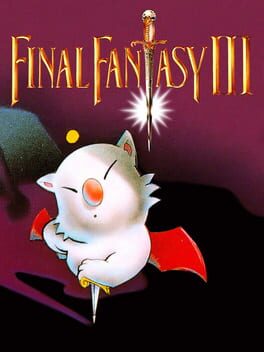
The series moves into a world with technology resembling the Second Industrial Revolution, full of steam machines and a magic-hungry empire. There are fourteen permanent playable characters, each with a unique special ability. Amano returned for the character designs and Uematsu for the score.
It came out in North America as Final Fantasy III, which confused an entire generation of players a second time. Later versions went to PlayStation in 1999 and Game Boy Advance in 2006, and the Pixel Remaster is the one to buy now. Kefka, its villain, ends up planning to destroy all of existence.


Final Fantasy VII (1997)
Sep 7, 1997Oct 2, 1997Nov 17, 1997Jun 2, 2009Jun 4, 2009
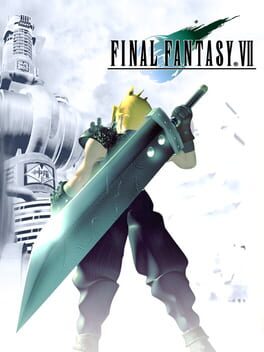
The move to PlayStation changed the series. Final Fantasy VII was the first in the series to use full motion video and 3D computer graphics, with 3D character models over 2D pre-rendered backgrounds. Hironobu Sakaguchi produced, Yoshinori Kitase directed and Nobuo Uematsu composed.
The world leans further into science fiction, and you play the mercenary Cloud Strife. Square spent about US$80 million on development and marketing. It also grew a whole family of side games, and many of them are on this list, including a remake trilogy that is still going. Its snowboarding minigame became a phone game in 2005.


Final Fantasy Tactics (1998)
Jun 20, 1997Jan 28, 1998May 13, 2009Sep 17, 2009
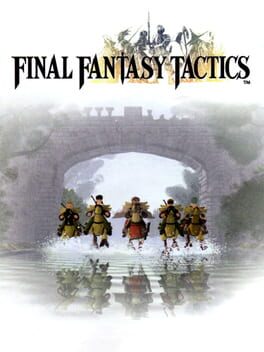
Yasumi Matsuno, who had created the Ogre Battle series, directed and wrote this tactical RPG, and its turn-based fights play out on isometric maps. It is the first entry set in the world later known as Ivalice, the setting that later returned for Final Fantasy XII. The story of the Lion War is about class-based conflict and the rewriting of history.
It has become a cult classic. The War of the Lions, a PSP version out in the USA on October 9, 2007, adds new cutscenes, multiplayer and other features, with extra job classes on top. It later moved to iOS in 2011 and Android. Tactics came back again 28 years after the original, and The Ivalice Chronicles came out on September 30, 2025.


Chocobo Racing (1999)
Mar 18, 1999Aug 12, 1999Oct 11, 1999Feb 10, 2009
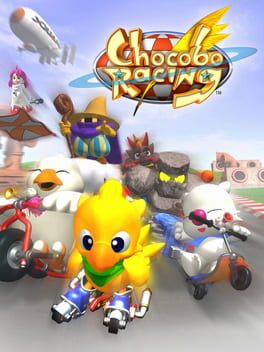
A kart racer where Final Fantasy characters race in go-karts, though others fly, drive scooters, ride magic carpets or run. You pick up Magic Stones on the track and use them as weapons, and each racer has a special ability on a meter.
Cid narrates the Story Mode like a pop-up book, and the themes come from Final Fantasy I to VIII. Its sequel, Chocobo GP, came 23 years later.


Final Fantasy VIII (1999)
Feb 11, 1999Sep 9, 1999Oct 27, 1999Oct 29, 1999Sep 24, 2009Dec 17, 2009Dec 24, 2009
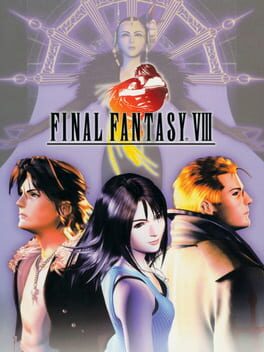
Square started it in 1997, during the English localization of VII. It is the first Final Fantasy to use realistically proportioned characters consistently, feature a vocal piece as its theme music and forgo magic points. Hiroyuki Ito built the battles around summoned monsters called Guardian Forces, which you equip.
It had sold more than 9.6 million copies by August 2019. The Windows port in 2000 added the Chocobo World minigame, which had started on the PocketStation. Most players spent the game hoarding magic they were too scared to use, which is a fair summary of RPG players in general. The Remastered version came out on September 3, 2019, with Android and iOS following in March 2021. The Guardian Forces have never looked better.


Final Fantasy V (1999)
Dec 6, 1992Oct 5, 1999Jan 18, 2011
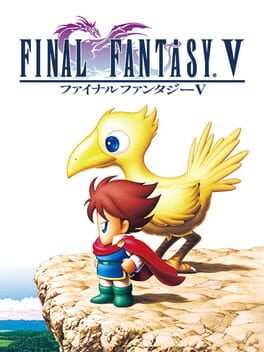
Final Fantasy V is the job system at full size. Each character can master all 22 jobs, and a Knight who has trained as a Black Mage can keep Black Magic as a secondary command. That mixing is what fans still praise it for.
Despite staying in Japan, the Super Famicom version sold more than two million copies. Japan got it on Super Famicom in 1992. Americans first got it in Final Fantasy Anthology on PlayStation. A Game Boy Advance port raised the count to 26 jobs, which is a lot of hats for four people.


Chocobo's Dungeon 2 (1999)
Dec 23, 1998Dec 17, 1999Oct 27, 2010

The Chocobo games are a spin-off series meant to have more child and casual gamer appeal, and they began with Chocobo's Mysterious Dungeon in 1997. That first game stayed in Japan. This PlayStation sequel was the one Western players got.
The stars are Chocobo, his moogle friend Mog, and recurring characters designed by Toshiyuki Itahana. Mystery Dungeon games are one of the main genres in the series, so expect floors that change when you come back to them.


Final Fantasy IX (2000)
Jul 7, 2000Nov 14, 2000 2000Feb 16, 2001May 20, 2010May 26, 2010May 26, 2010Jun 15, 2010

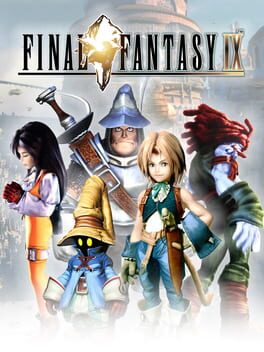
The last of the PlayStation games goes back to a fantasy world of castles, airships and black mages. It added Active Time Event cutscenes, Mognet and new skill systems. It was also the last main game with music composed solely by Nobuo Uematsu.
It had sold 8.9 million copies by March 2025. A remastered version came out in 2016 with small upgrades, and that is the version to find now.


Final Fantasy X (2001)
Jul 19, 2001Dec 18, 2001
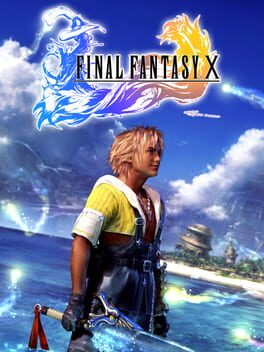
The first on PlayStation 2, and the first in the series with fully three-dimensional areas and voice acting. It swaps Active Time Battle for a Conditional Turn-Based Battle system that pauses on your turn, and levels make way for the Sphere Grid.
Tidus, a star athlete in the sport of blitzball, joins the summoner Yuna on her trip to beat Sin. Masashi Hamauzu and Junya Nakano joined Uematsu on the music. It shipped over 8.5 million units on PlayStation 2. A generation of players also learned that no one should have to take blitzball that seriously. The HD Remaster, out in the USA on March 18, 2014, is based on the international versions, so Western players finally saw content from Japan.


Final Fantasy II (2003)
Dec 17, 1988Apr 8, 2003Jun 16, 2009Dec 11, 2013Feb 12, 2014
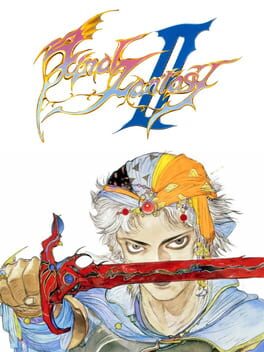
Sakaguchi and the team wanted a game that felt nothing like the first, with a story that drew on The Empire Strikes Back. This one introduced chocobos and the recurring character Cid, so a good share of the series starts here. Japan got it on Famicom in 1988.
Levels are gone. Characters grow according to what they do in battle, which means a fighter who keeps getting hit gets tougher. It stayed exclusive to Japan at first, and American players did not get it officially until Final Fantasy Origins, a PlayStation disc with enhanced graphics and audio that it shared with the first game. Players soon found that hitting your own party is the fastest way to grow, the only series entry where bullying your friends counts as training.


Final Fantasy Tactics Advance (2003)
Feb 14, 2003Sep 8, 2003Oct 24, 20032003Jan 28, 2016Jan 28, 2016Jan 29, 2016Mar 30, 2016
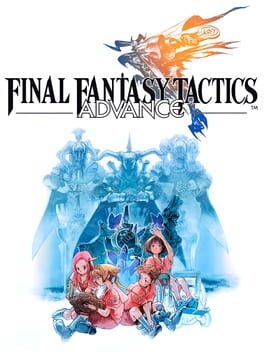
Marche, a schoolboy, ends up in the world of Ivalice with his friends after they find a magic book. Fights run turn-based on a grid with a themed Job system, and a Law system places random limits on what you can do in battle.
Matsuno moved to producer and Hitoshi Sakimoto led the music. The tone is lighter than Tactics, and it had sold 660,000 copies in the United States by August 2006. A referee who bans you from using swords in a sword fight is a very Game Boy Advance idea.


Final Fantasy XI (2003)
May 16, 2002Mar 23, 2004Nov 7, 2002Oct 28, 2003Sep 17, 2004 Apr 19, 2013Apr 18, 2006Apr 20, 2006Apr 21, 2006

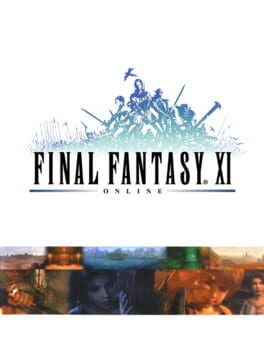
The first online entry, a massively multiplayer online role-playing game set in Vana'diel. The focus is on player versus environment, with very little player versus player combat, and you can set a support job next to your main one.
PlayStation 2 and Xbox 360 support ended on March 31, 2016, which leaves Windows as the way in. The final main scenario came in 2015.


Final Fantasy X-2 (2003)
Mar 13, 2003Nov 18, 2003Feb 19, 2004Feb 20, 2004
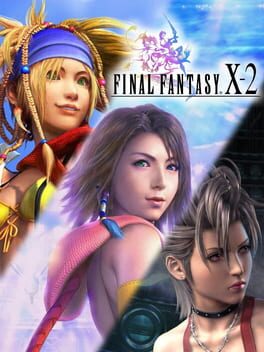
Final Fantasy X was the first Final Fantasy game to have a direct game sequel, and this is it. Yuna, Rikku and Paine make up the Gullwings, and it is the first game in the series with just three player characters and an all-female main cast.
You change class mid-battle using dresspheres, and it has multiple possible endings. Noriko Matsueda and Takahito Eguchi wrote the soundtrack. Japan also got an extra roguelike dungeon, Last Mission, that is now part of the HD Remaster.


Final Fantasy Crystal Chronicles (2004)
Aug 8, 2003Feb 9, 2004Mar 12, 2004
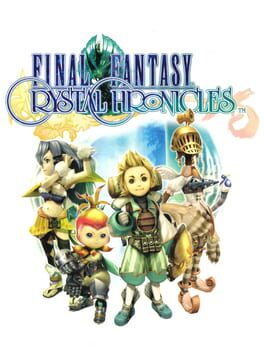
Crystal Chronicles was the first title in the franchise for a Nintendo home console since Final Fantasy VI. You travel in a caravan gathering fuel for crystals that protect settlements from the Miasma.
Multiplayer was the point, and it uses Game Boy Advance units as controllers, with up to four players. Getting four people, four Game Boy Advances and four cables into one room was the hardest boss in the game. The Remastered Edition came out on August 27, 2020, and no Game Boy Advance is needed now.


Dirge of Cerberus: Final Fantasy VII (2006)
Jan 26, 2006Aug 15, 2006Nov 17, 2006
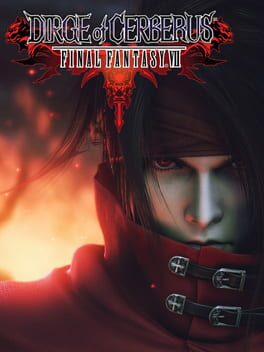
The first shooter game in the Final Fantasy series, with Vincent Valentine as your hero. Set three years after Final Fantasy VII, it pits him against the soldiers of Deepground, and a transformation turns him into a large creature with enhanced speed and strength for a short while.
Producer Yoshinori Kitase found the experience challenging.


Dirge of Cerberus Lost Episode: Final Fantasy VII (2006)
Aug 18, 2006Aug 22, 2006

A phone game that takes place midway through Dirge of Cerberus. It came out four days after the Japanese version, and it has been gone since Final Fantasy Mobile ended on March 31, 2018.
Final Fantasy XII (2006)
Mar 16, 2006Oct 31, 2006Feb 22, 2007Feb 23, 2007
Back to Ivalice with a main series game. Battles unfold in real time using the Active Dimension Battle system, on the same maps you explore, and you set your party's behaviour yourself. Elements of Tactics Advance made it in.
It earned several Game of the Year awards and sold over six million copies on PlayStation 2. Japan got an expanded International Zodiac Job System version in 2007, and that one became The Zodiac Age, the first way for many Western players to try that version. It reached Windows in 2018 and Switch and Xbox One in 2019. Hold L1 to double the game's running speed and the grinding goes by fast.


Final Fantasy III (2006)
1990Aug 24, 2006Nov 14, 2006Apr 5, 2007May 4, 2007
Final Fantasy III goes back to the combat of the first game and adds a job system, letting you swap your party between classes such as ninjas, dragoon and summoners. Koichi Ishii designed the characters and jobs, while Yoshitaka Amano drew the monsters. Japan got it on Famicom in 1990.
Matrix Software rebuilt the game in 3D for the DS, and it marked the first time the game was released outside Japan. The cast gets names and faces here: Luneth, Arc, Refia and Ingus. The original was not released outside Japan until 2021, when the Pixel Remaster arrived. Thirty years is a long wait for a sequel to come out in English, even by the standards of a series that skipped numbers.


Final Fantasy Fables: Chocobo Tales (2007)
Dec 14, 2006Apr 3, 2007May 3, 2007May 25, 2007
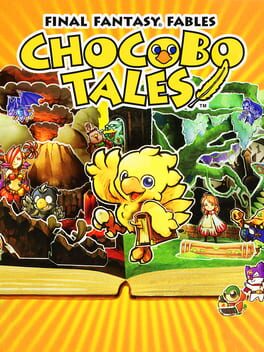
A Chocobo adventure created exclusively for the Nintendo DS, with touch-screen minigames and pop-up duels that use card-based combat. Producer Yuki Yokoyama wanted the look to be warm and fuzzy, which suits a bird.
A team of around 20 staff finished it in a year. The team went on to the Wii's Chocobo's Dungeon.


Final Fantasy XII: Revenant Wings (2007)
Apr 26, 2007Nov 20, 2007Feb 15, 2008
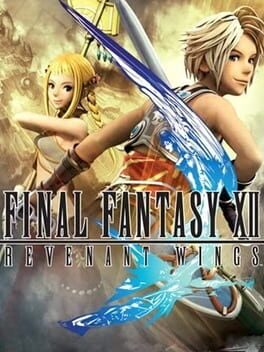
A real-time strategy game for the DS and a sequel to XII, with Vaan and Penelo as sky pirates. You control groups of summoned monsters on mission maps.
It was the debut project of the Ivalice Alliance, a group of games in that world, and it sold over one million copies.


Final Fantasy Crystal Chronicles: Ring of Fates (2008)
Aug 23, 2007Mar 11, 2008Mar 21, 2008

A prequel to the GameCube game, built for the DS. You play the lead character Yuri on your own, or a troop of adventurers in co-op.
You cast magic by holding a button and aiming, and friends can join in to create enhanced or new spells. Fewer cables needed this time.


Crisis Core: Final Fantasy VII (2008)
Sep 13, 2007Mar 25, 2008Jun 20, 2008
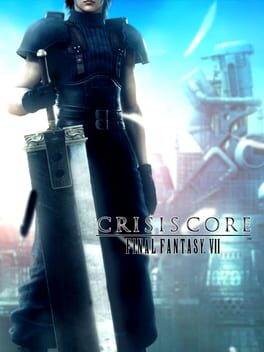
A prequel to Final Fantasy VII about Zack Fair, a young member of SOLDIER. Square Enix first planned a PSP port of Before Crisis, then chose to make a new game.
Combat runs in real time with a slot machine mechanic that decides your special moves, so a fruit machine has a say in your fate. It sold over two million units. If you know how Final Fantasy VII goes, you know how this ends. Reunion came out on December 13, 2022, with an updated combat system that draws on Final Fantasy VII Remake, and it came to Switch 2 on September 9, 2026.

Final Fantasy Crystal Chronicles: My Life as a King (2008)
Mar 25, 2008May 12, 2008May 20, 2008
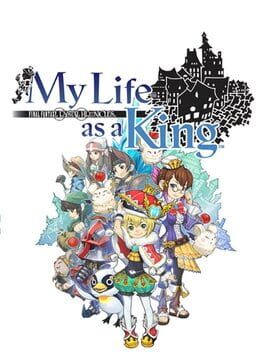
A city-building game and a WiiWare launch title in all regions. You play the son of a king who lost his kingdom and rebuild a town while sending adventurers out on your behalf.


Final Fantasy Tactics A2: Grimoire of the Rift (2008)
Oct 25, 2007Jun 24, 2008Jun 26, 2008Jun 27, 2008
A sequel to Tactics Advance and part of the Ivalice Alliance. Luso Clemens is pulled through a magic book into Ivalice.
It keeps the grid combat, Job system and Law system, and characters from Final Fantasy XII appear as cameos.


Final Fantasy Fables: Chocobo's Dungeon (2008)
Dec 13, 2007Jul 8, 2008Nov 7, 20082008

A loose sequel to Chocobo's Dungeon 2, where Chocobo tries to free a town lost in time. Japan got it on Nintendo DS in 2008 as an enhanced port.
Every Buddy! came out on March 20, 2019 and gives the town lost in time a new coat of paint. The dungeon floors still change, and this is the one to play if you want the Chocobo series today.


Crystal Defenders (2008)
Jan 28, 2008Dec 22, 2008Mar 11, 2009Jul 23, 2009Aug 6, 2009Dec 22, 2009
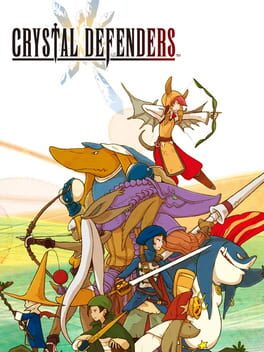
Final Fantasy as tower defense. The first game, Crystal Guardians, came out in three parts for Japanese phones in 2008, and you place troops of different classes along a path to stop monsters reaching your crystals.
Crystal Defenders itself was Square Enix's first game for smartphones.


Final Fantasy Crystal Chronicles: Echoes of Time (2009)
Jan 29, 2009Mar 24, 2009Mar 27, 2009Apr 2, 2009
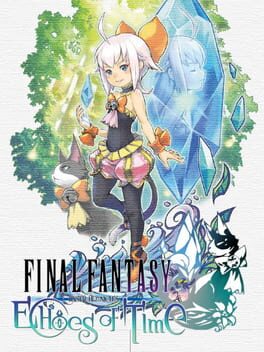
An action RPG on both Wii and DS. Its Pollux Engine lets players adventure together regardless of which version they own.


Crystal Defenders: Vanguard Storm (2009)
May 13, 2009

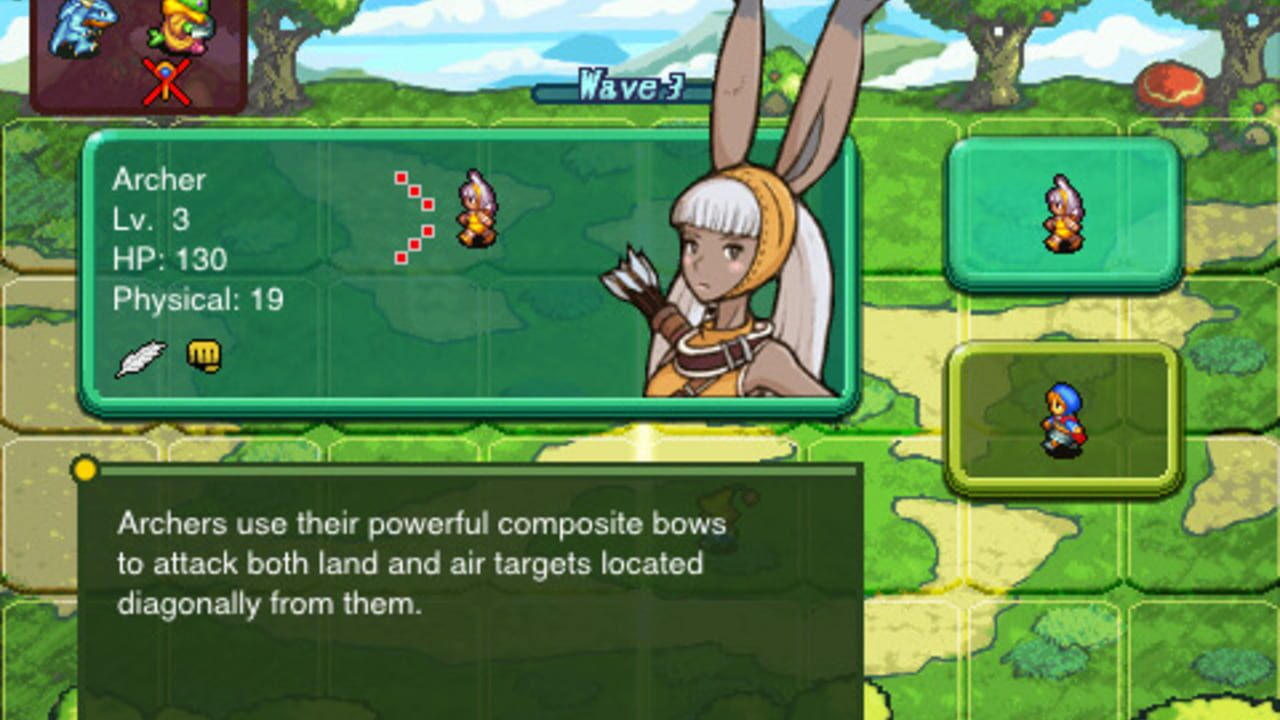
A turn-based strategy game using concepts from Final Fantasy Tactics A2: Grimoire of the Rift. It closed on August 31, 2017.

Final Fantasy IV: The After Years (2009)
Feb 18, 2008Jun 1, 2009Jun 5, 2009Jul 21, 2009Mar 24, 2011Apr 19, 2011Apr 21, 2011Apr 28, 2011
A direct sequel set seventeen years later, when a second moon comes back. It keeps random encounters and the Active Time Battle system and adds Band abilities, which are combination attacks.
It came out in episodes, first on Japanese phones and then on WiiWare.


Final Fantasy Crystal Chronicles: My Life as a Darklord (2009)
Jul 20, 2009Aug 20, 2009
The sequel to My Life as a King turns the job around: you defend your tower from waves of attacks as the Darklord. Enemies march up a side-viewed tower one floor at a time, and you fill floors with traps and monsters.


Dissidia Final Fantasy (2009)
Dec 18, 2008Aug 25, 2009Sep 4, 2009
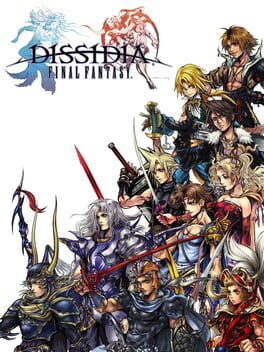
A fighting game that came from Tetsuya Nomura's wish to make a spin-off. It has the protagonists from the first ten Final Fantasy games on one side and the villains on the other, in a war between Cosmos and Chaos.
You fight one-on-one by wireless, and most tracks are remixes of past Final Fantasy music. The question of who would win, Cloud or Sephiroth, finally had a button for it.


Final Fantasy Crystal Chronicles: The Crystal Bearers (2009)
Nov 12, 2009Dec 26, 2009Feb 5, 2010
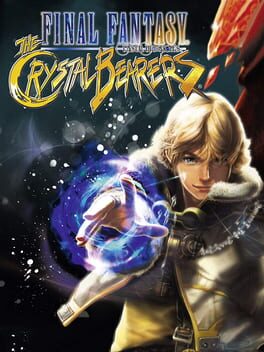
An action adventure for one player, and fully real-time combat with a focus on free-roaming. You play Layle, a Clavat crystal bearer with gravity-manipulating abilities, and you grab objects and enemies from a distance.
It had a mixed reception. The series has not had a new game since, only the remaster of the first one.


Final Fantasy XIII (2010)
Dec 17, 2009Mar 9, 2010Mar 9, 2010Mar 9, 2010Mar 9, 2010Mar 9, 2010Mar 9, 2010Dec 16, 2010Oct 9, 2014
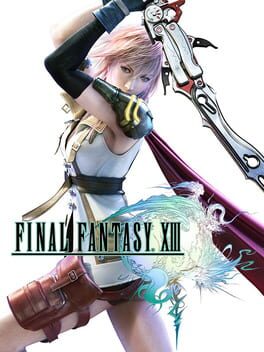
The first game on Square Enix's Crystal Tools engine and the flagship of the Fabula Nova Crystallis group. The former soldier Lightning fights to save her sister, and the battles rely on changing strategies quickly with the Paradigm system.
Development began in 2004, and it had sold over 7 million copies on consoles by 2017. The Windows version followed in 2014. People still argue about how many hours of corridors you walk through before it opens up.


Final Fantasy XIV (2010)
Aug 27, 2013Sep 30, 2010Feb 18, 2014Aug 27, 2013Apr 14, 2014Jun 23, 2015May 25, 2021Mar 21, 2024Aug 4, 2026
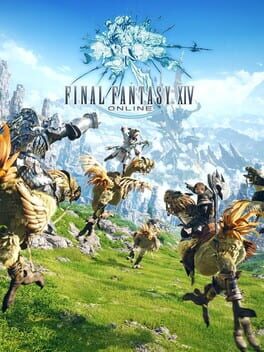
The series' second MMORPG after Final Fantasy XI, and one of its great disasters. Critic and fan backlash made Square Enix suspend subscription fees and replace the team's leaders, with Naoki Yoshida brought in as producer and director.
In-game, the moon Dalamud falls on Eorzea, which Yoshida used to end the old world on screen. The original version shut down in November 2012. Few companies have ever ended a game with its own story event. Yoshida's new team rebuilt the failed game from the ground up as A Realm Reborn, out on August 27, 2013, and critics commended Yoshida for an unexpected recovery. Most battle content needs parties, with four players for dungeons and eight for boss battles, though the Duty Support system lets you play certain dungeons alone.


Final Fantasy: The 4 Heroes of Light (2010)
Oct 29, 2009Oct 5, 2010Oct 8, 2010
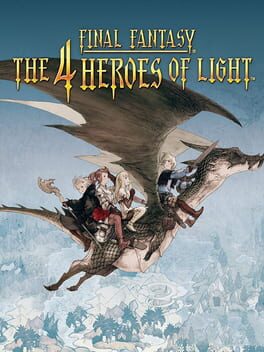
Matrix Software made this DS RPG, and it tells the story of four youths who journey to free their home from a terrible curse.
A sequel was considered and eventually became the 2012 game Bravely Default, so its real heirs left the series entirely.


Dissidia 012 Final Fantasy (2011)
Mar 3, 2011Mar 22, 2011Mar 25, 2011Mar 25, 2011
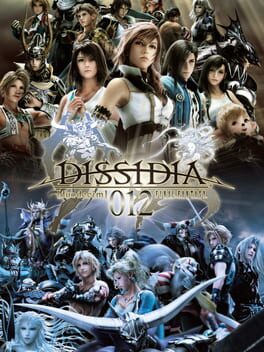
Dissidia 012 sits before the first Dissidia and adds an Assist system that summons an ally. The end of the game remakes the thirteenth war from the original.


Final Fantasy XIII-2 (2012)
Dec 15, 2011Jan 31, 2012Feb 2, 2012Feb 3, 2012Jan 31, 2012Dec 11, 2014
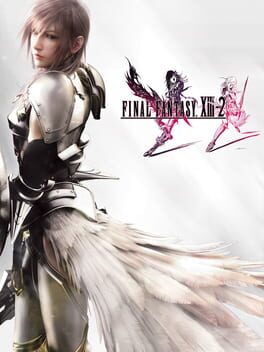
A direct sequel to Final Fantasy XIII with a less linear design, and you fight with two main characters and a monster on your side. The Paradigm Shift system returns.
It sold 3.1 million copies by January 2013. You can restart a battle in the middle of a fight, which the first game could have used.


Theatrhythm Final Fantasy (2012)
Feb 16, 2012Jul 3, 2012Jul 5, 2012Jul 6, 2012Dec 13, 2012
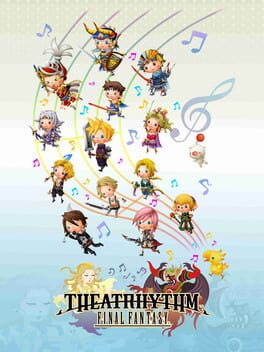
A rhythm game made of series music. You take four characters and pick a game from the first Final Fantasy to XIII, then tap along through field, battle and event stages.


Final Fantasy Dimensions (2012)
2010Aug 31, 2012Aug 31, 2012

An old-style RPG in 2D graphics with a Job Change System like Final Fantasy V. It uses a variation of Active Time Battle. Japan got it on mobile phones in 2010.


Final Fantasy Airborne Brigade (2012)
Jan 6, 2012Dec 14, 2012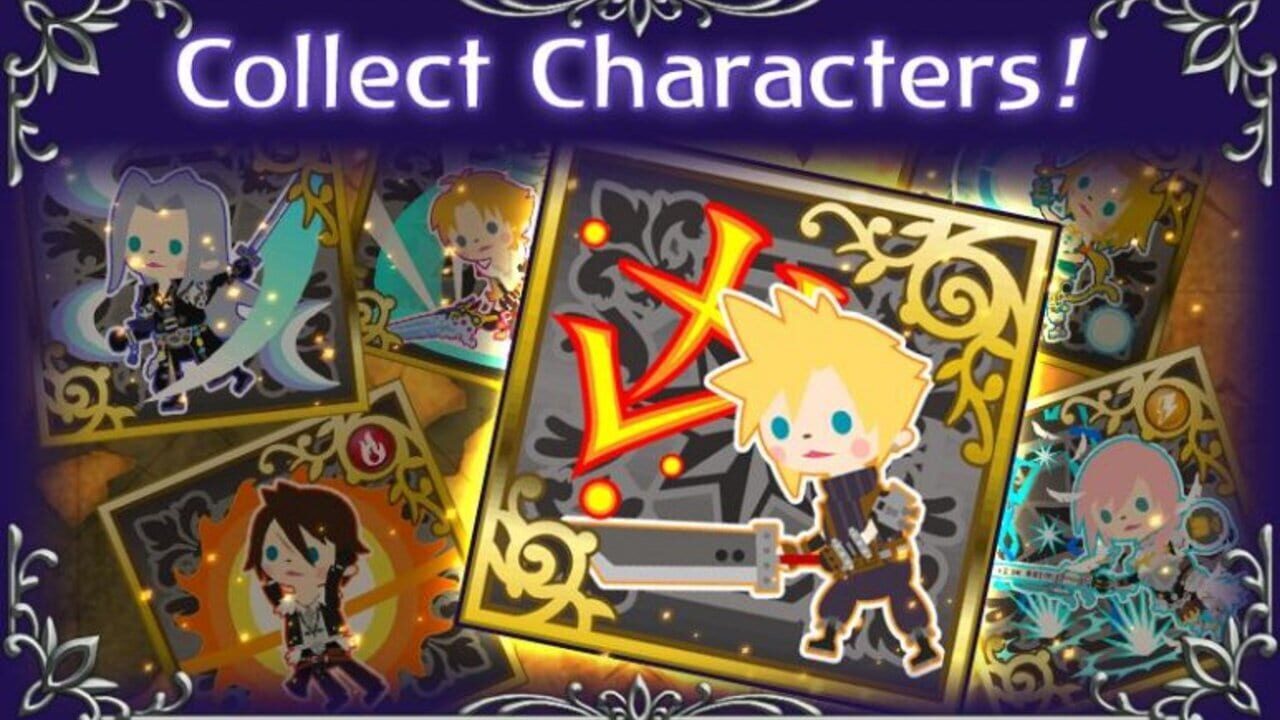
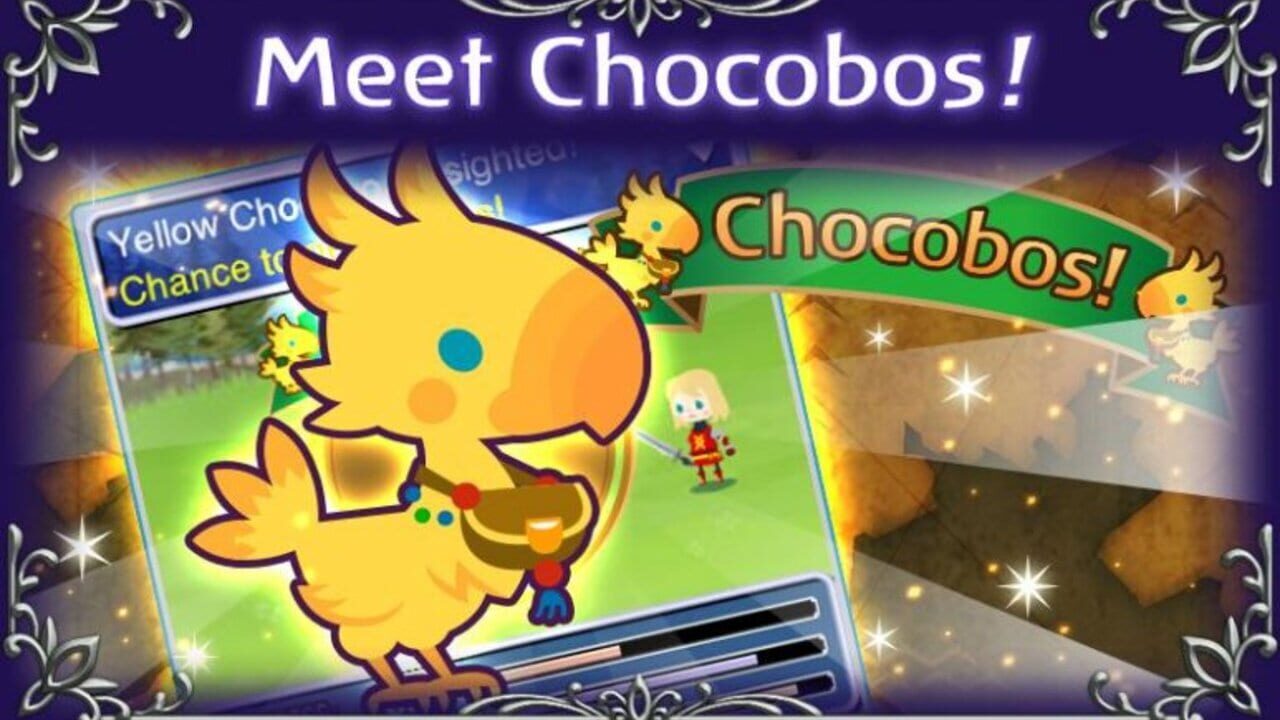
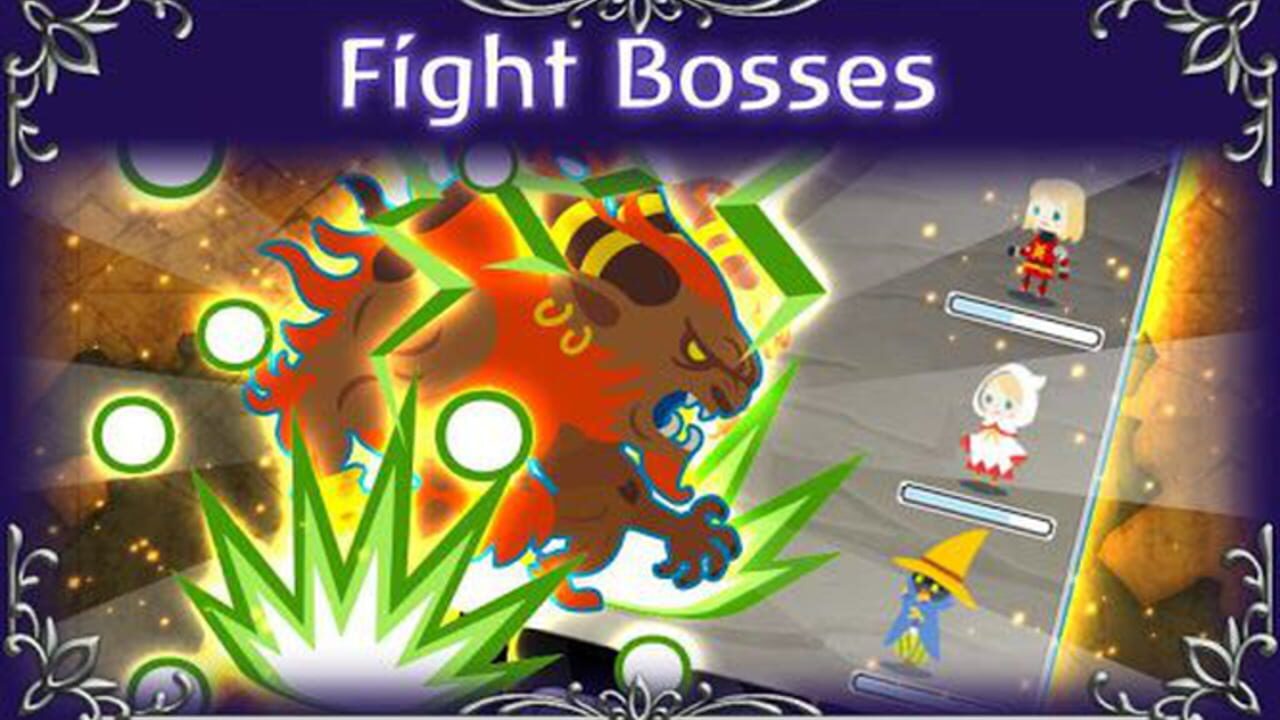
An online social game for phones, built on characters and settings from across the series. It came out in Japan on January 6, 2012.
Final Fantasy All the Bravest (2013)
Jan 17, 2013Apr 11, 2013Jan 17, 2013

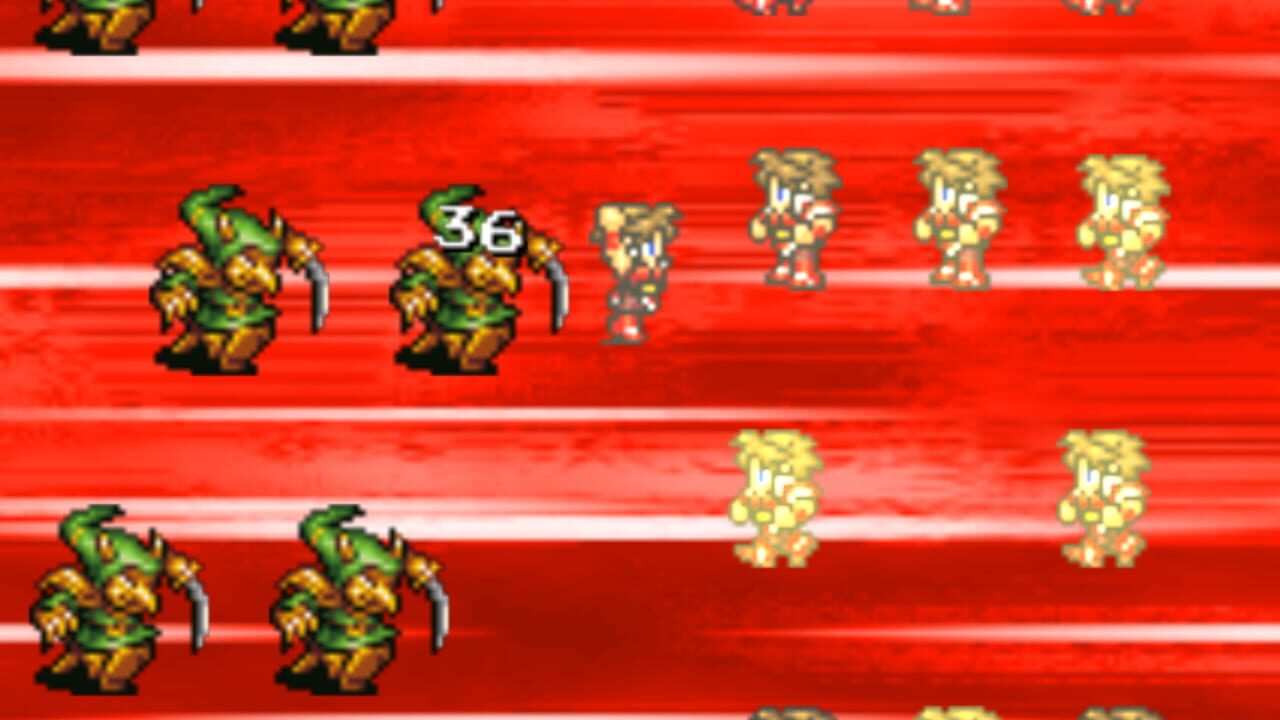
A mobile game about expanding your number of characters and unlocking all the jobs, with fights based on the ATB gauge. It has gone down as a low point. The iOS version was shut down on July 27, 2023.

Lightning Returns: Final Fantasy XIII (2014)
Nov 21, 2013Feb 11, 2014Feb 13, 2014Feb 14, 2014Dec 10, 2015
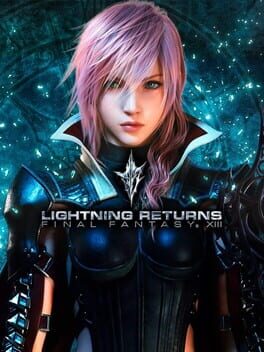
It concludes the storyline of Final Fantasy XIII. Lightning wakes thirteen days before the world's end, and a clock keeps running: you hand in energy to extend it by one day.
Lightning fights alone with a close-combat weapon, a shield and a cosmetic accessory, and the game sold over 400,000 copies in Japan by the end of 2013.


Theatrhythm Final Fantasy: Curtain Call (2014)
Sep 16, 2014Sep 19, 2014
The sequel keeps the core play of hitting notes in time and adds button controls next to the touch controls, with Versus Battle for two players and Quest Medleys.


Final Fantasy Type-0 HD (2015)
2011 Mar 17, 2015Mar 17, 2015Mar 19, 2015Mar 19, 2015Mar 20, 2015Mar 17, 2015Mar 17, 2015Mar 19, 2015Mar 19, 2015Mar 20, 2015Aug 18, 2015


Announced as Final Fantasy Agito XIII for phones and PSP, this one is about Class Zero, a group of fourteen students at a magic academy. Fights run in real time like Crisis Core, with large-scale strategy battles on the world map. Japan got it on PlayStation Portable in 2011.
Hajime Tabata directed it after Before Crisis. The PSP game stayed in Japan, so most players know it through the HD version.


Final Fantasy Record Keeper (2015)
Sep 24, 2014Mar 26, 2015
A free-to-play gacha game from DeNA that replays famous series scenes. It reached over 10 million downloads, and the global version ended on September 29, 2022.


Final Fantasy Explorers (2016)
Dec 18, 2014Jan 26, 2016Jan 29, 2016
A hunting game on 3DS with job-oriented combat against classic monsters and summons. You can play it alone or with others. A phone follow-up, Explorers-Force, ran from 2018 and ended on February 19, 2019.


Final Fantasy Brave Exvius (2016)
Oct 22, 2015Jun 30, 2016

The first collaboration between Square Enix and Alim, a free-to-play RPG with characters in a pixel art style. You summon characters from past Final Fantasy titles through gacha. It shut down outside Japan on October 30, 2024, and its story came back in 2026 as Final Fantasy Resonance.


Mobius Final Fantasy (2016)
Jun 4, 2015Aug 3, 2016Feb 6, 2017
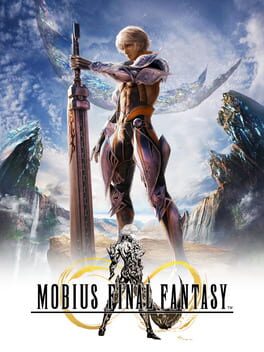
A full phone RPG with turn-based combat tied to a job system, starting you as an Onion Knight. It was called the first Final Fantasy mobile game of this scale. The English version reached one million downloads within a week. Service ended on June 30, 2020.


Justice Monsters Five (2016)
Aug 30, 2016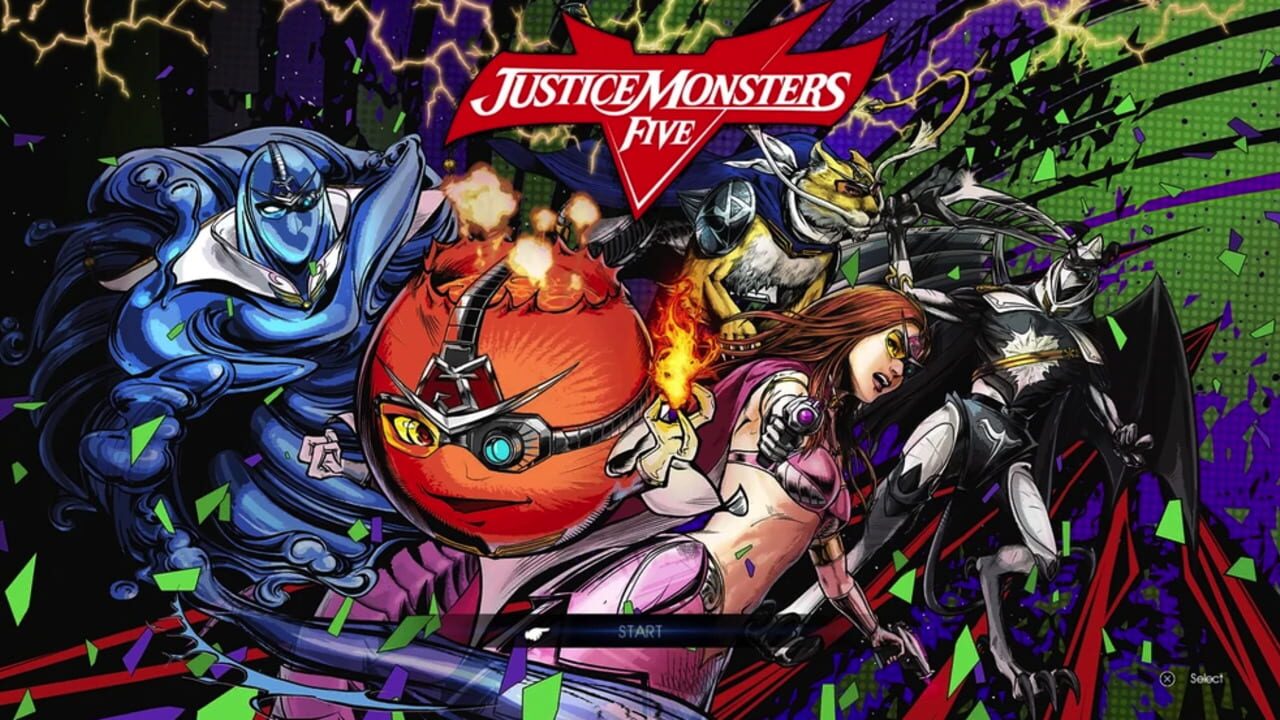

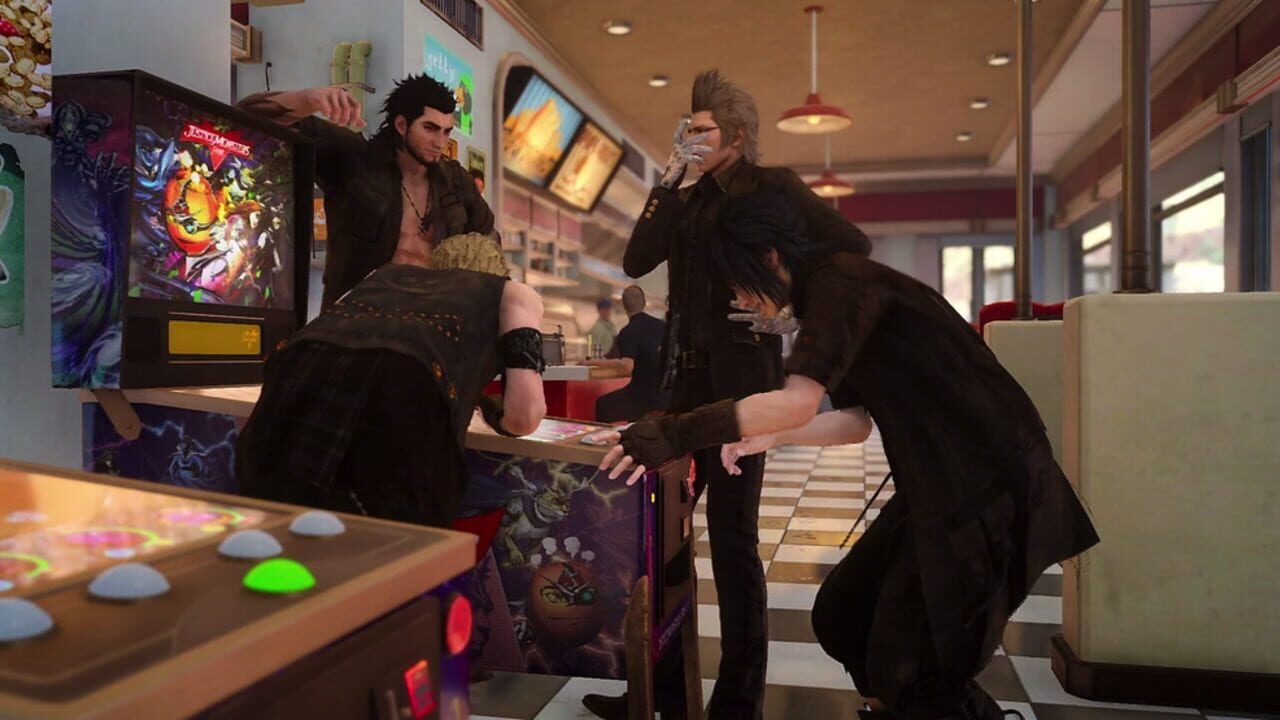
A mobile pinball game based on a minigame from Final Fantasy XV, out three months before the game it came from. It ended its service on March 27, 2017.

World of Final Fantasy (2016)
Oct 25, 2016Oct 27, 2016Oct 28, 2016Nov 21, 2017
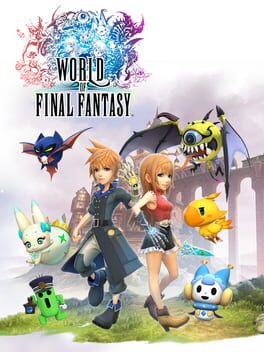
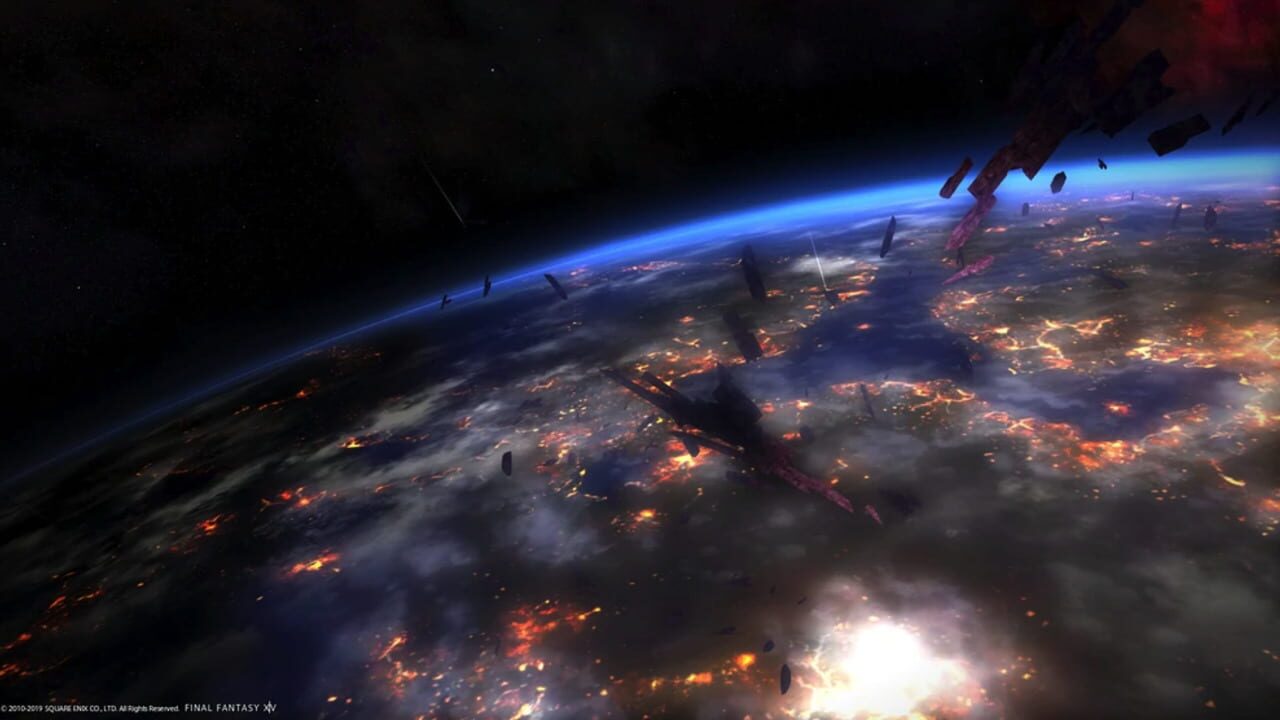
A celebration of the series' 30th anniversary. Twins Lann and Reynn head to Grymoire, and you collect monsters called Mirages that stack on each other to gain boons in battle. Yasuhisa Izumisawa drew the chibi characters, and Tetsuya Nomura the bigger ones.
It sold over 900,000 copies by 2018, and Maxima added updates and Switch and Xbox One versions.


Final Fantasy XV (2016)
Nov 29, 20162017Mar 6, 20182019
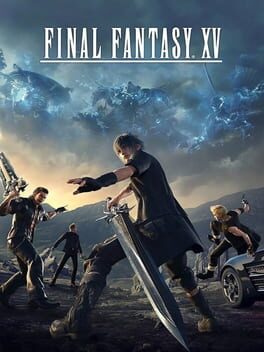
This started in 2006 as a PlayStation 3 spin-off called Final Fantasy Versus XIII. After six years it became the next main game, and Hajime Tabata took over from Tetsuya Nomura. Ten years is a long time to wait for a road trip.
It has an open world and action-based battles, and you drive a car and camp with your friends. It had sold ten million units by May 2022, and downloadable content added stories and multiplayer. Pocket Edition, an abridged version for phones split into ten chapters, followed on February 8, 2018, and reached three million downloads within a month.


A King's Tale: Final Fantasy XV (2016)
Nov 29, 2016Mar 1, 2017Nov 29, 2016Nov 29, 2016
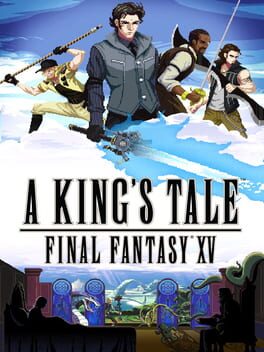
An arcade beat 'em up spin-off for Final Fantasy XV, with a retro look. It was a free bonus for people who pre-ordered, and a fond nod to the 16-bit days.


Final Fantasy XV: A New Empire (2017)
Jun 29, 2017
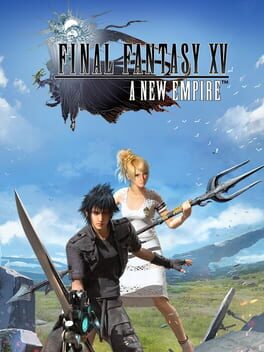
A freemium online strategy game where you build a base and train armies, based on Final Fantasy XV in name. It grossed more than $518 million and ran until December 30th, 2024. The ads were more memorable than the game.


Final Fantasy Awakening (2017)
Dec 14, 2016Aug 15, 2017

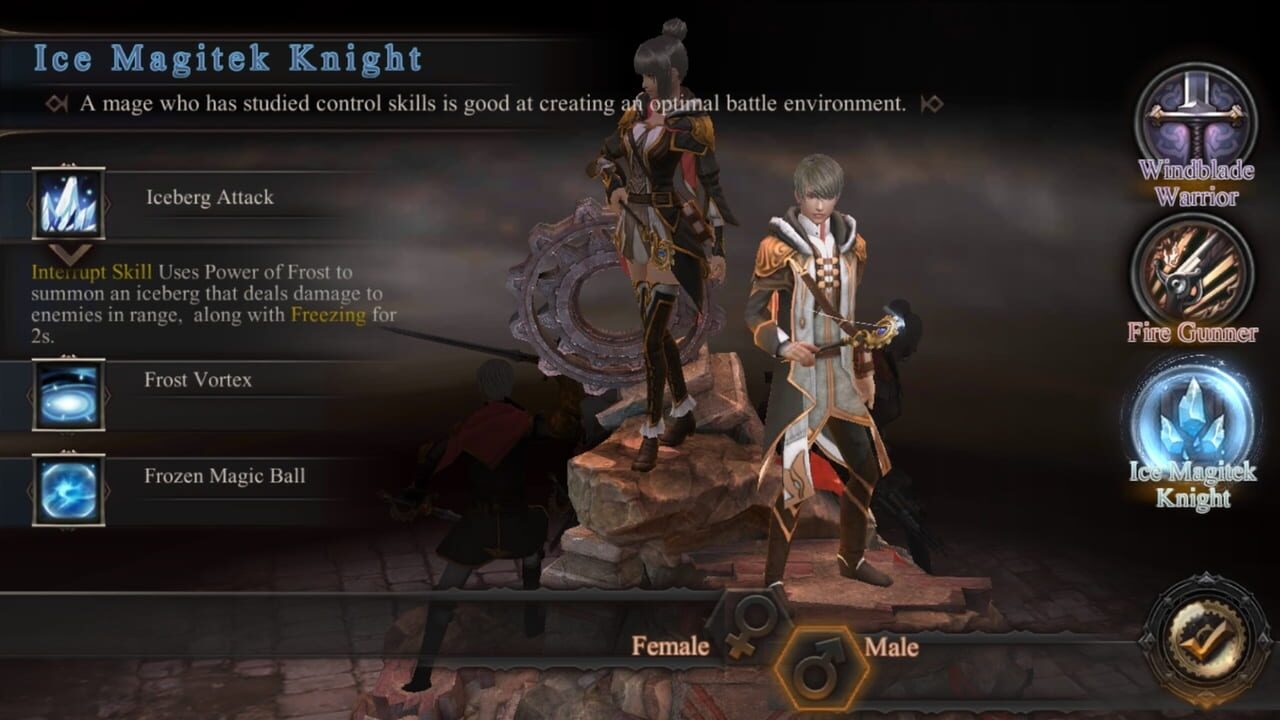
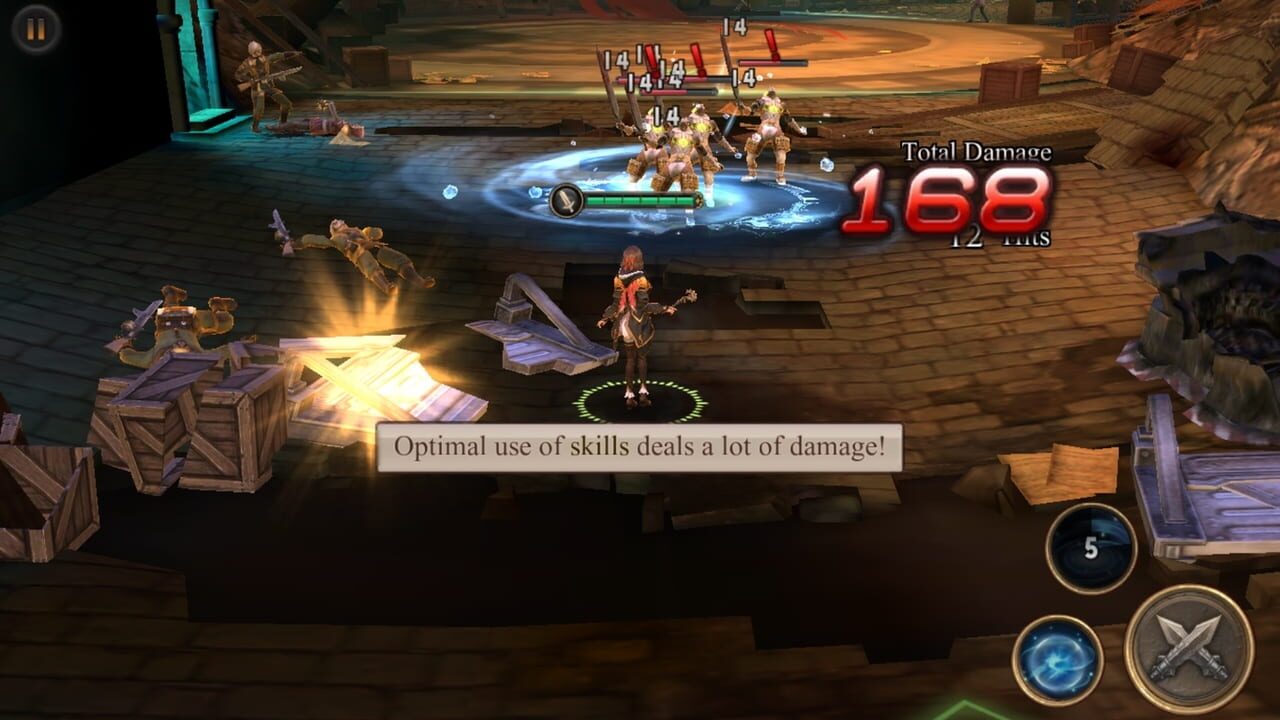
A mobile game set in the universe of Type-0, with hack and slash fights and parties of five. The English version closed in 2019, and the rest shut down in May 2020.
King's Knight: Wrath of the Dark Dragon (2017)
Sep 13, 2017
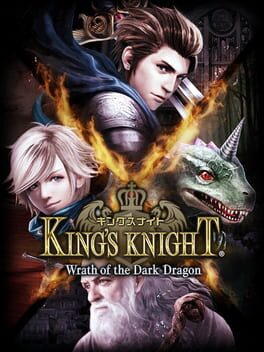
A mobile remake of the 1986 King's Knight and a tie-in to Final Fantasy XV, where Noctis and his friends enjoy it as a game. It ended its service on June 26, 2018.


Final Fantasy Dimensions II (2017)
Feb 12, 2015Nov 1, 2017
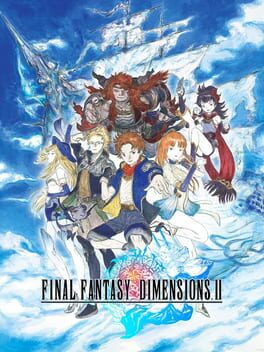
The follow-up to Dimensions, a mobile role-playing game and side story to the series. Japan got it on phones in 2015 as Final Fantasy Legends: Toki no Suishō.


Monster of the Deep: Final Fantasy XV (2017)
Nov 21, 2017Nov 21, 2017
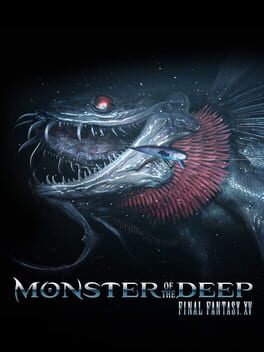
The first VR game developed by Square Enix. It began as a shooter and turned into a fishing simulation. You fish with the four main characters of Final Fantasy XV, which is the most relaxing thing they ever do.


Dissidia Final Fantasy NT (2018)
2015Jan 11, 2018Jan 30, 2018
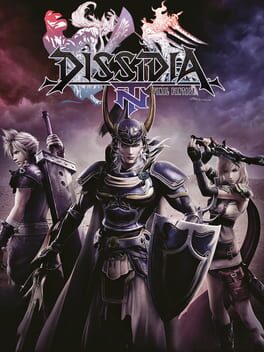
Dissidia moved to arcades in Japan first. It is built around three-on-three combat, with the AI running the other two fighters, and characters split into four combat classes. Japan got it on arcade machines in 2015.


Dissidia Final Fantasy Opera Omnia (2018)
Feb 1, 2017Jan 30, 2018
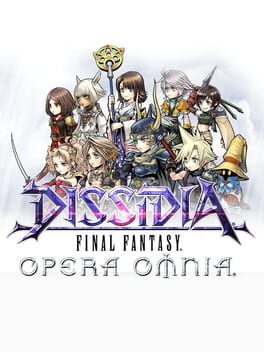
Dissidia characters in turn-based battles on phones, with all characters free.


War of the Visions: Final Fantasy Brave Exvius (2020)
Nov 14, 2019Mar 25, 2020
A spin-off of Brave Exvius that draws on Final Fantasy Tactics, with a 3D grid-based map and turn-based combat. The global version ended on May 29, 2025, and the Japanese version closed on May 28, 2026.


Final Fantasy VII Remake (2020)
Apr 10, 2020Jun 10, 2021Dec 16, 2021Jan 22, 2026
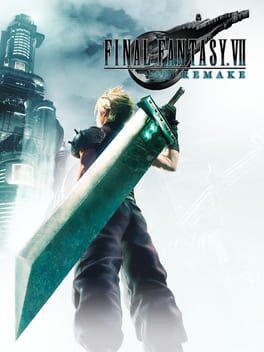
The first in a trilogy remaking the 1997 game, set in Midgar, with real-time action on top of role-playing elements. It is a far bigger take on the opening hours of the original.
It sold more than 3.5 million copies in three days and more than 8.7 million by March 2025. It was announced in 2015 after years of speculation. Intergrade, the enhanced version, came out on June 10, 2021.


Final Fantasy VII: The First Soldier (2021)
Nov 17, 2021
A free-to-play battle royale set 15 years before Final Fantasy VII, with Sephiroth's first mission as a backdrop. Its story carried on in Ever Crisis. The game ran until January 11, 2023.


Chocobo GP (2022)
Mar 10, 2022
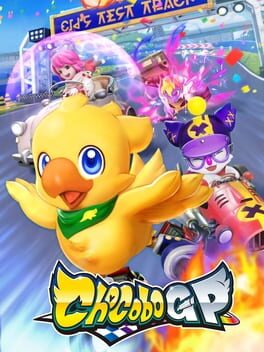
A sequel to 1999's Chocobo Racing, and the Chocobo series' most recent entry. It launched with microtransactions and was re-released in June 2023 with them turned into unlockables for $49.99.


Stranger of Paradise: Final Fantasy Origin (2022)
Mar 18, 2022
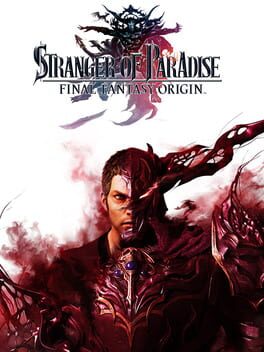
An action RPG co-made with Team Ninja that retells the first Final Fantasy in a darker way. You play Jack, who switches between two assigned jobs in real-time fights.
The ending ties back to Chaos. Thirty-five years on, the 1987 story finally got a hero who only wants to kill Chaos.


Theatrhythm Final Bar Line (2023)
Feb 16, 2023
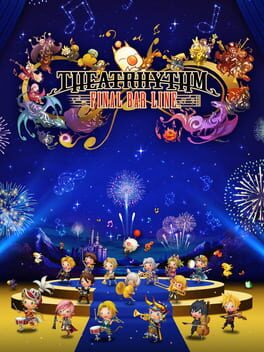
The final installment in the Theatrhythm series, at least by its name, with 505 tracks from Final Fantasy and other Square Enix games. It is the fifth entry.


Final Fantasy XV: War for Eos (2023)
Feb 16, 2023
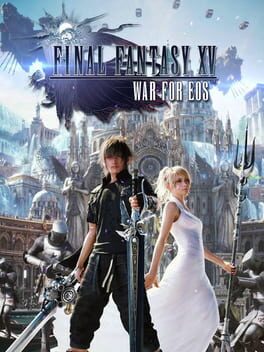
A free-to-play mobile strategy game based on Final Fantasy XV, and a second go at the idea behind A New Empire. It first came out on Android in Indonesia, Malaysia and the Philippines.
Final Fantasy XVI (2023)
Jun 22, 2023Sep 17, 2024Jun 8, 2025
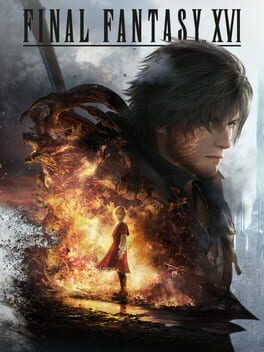
The series goes action-based, with Clive Rosfield on a revenge story in Valisthea, divided between six nations. Summoned monsters called Eikons fight each other in huge set pieces.
Naoki Yoshida produced it, with staff from Final Fantasy XIV. It sold over three million units in its first week but failed to meet Square Enix's expectations. A Windows version came in September 2024, and Xbox Series in June 2025.


Final Fantasy VII: Ever Crisis (2023)
Sep 7, 2023Dec 7, 2023
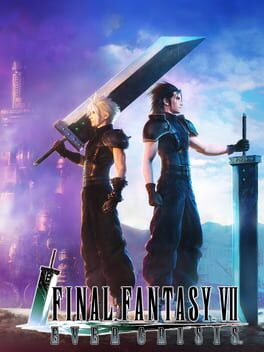
A mobile gacha game that reimagines the timeline of Final Fantasy VII and the Compilation, with battles drawn from the original Active Time Battle system. It retells parts of Before Crisis, and it is the only way to see them today.


Final Fantasy VII Rebirth (2024)
Feb 29, 2024Jan 23, 2025Jun 3, 2026
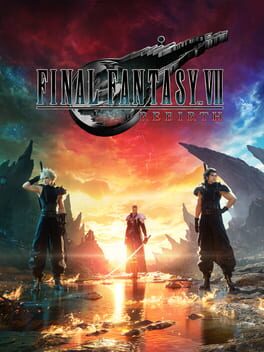
The second in the trilogy remaking the 1997 game, with Yuffie, Cait Sith, Cid and Vincent joining the party. A robot cat on a toy moogle is a character you have to explain to your parents.
Tetsuya Nomura moved to creative director and Naoki Hamaguchi to director. Windows came on January 23, 2025, and Final Fantasy VII Revelation will end the trilogy in 2027.


Dissidia Duellum Final Fantasy (2026)
Mar 24, 2026

The fifth game in the Dissidia sub-series, a gacha fighting game from NHN PlayArt and Square Enix for phones.


Final Fantasy Resonance (2026)
Oct 22, 2026
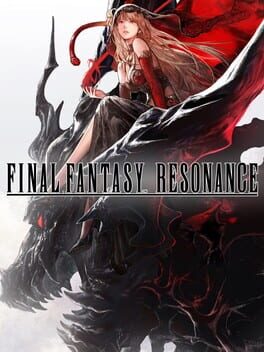
An adaptation of Brave Exvius's first story arc, and the first HD-2D game in the series, made for its 40th anniversary. Battles are turn-based, with Limit Bursts and classic Espers such as Ramuh and Shiva.


Never released in English
- Chocobo's Mysterious Dungeon (1997, PlayStation) - Chocobo Stallion (1999, PlayStation) - Dice de Chocobo (1999, PlayStation) - Hataraku Chocobo (2000, WonderSwan) - Chocobo Land: A Game of Dice (2002, Game Boy Advance) - Final Fantasy: Unlimited with U (2002, mobile phones) - Final Fantasy: Unlimited on PC (2003, Windows) - Before Crisis: Final Fantasy VII (2004, mobile phones) - Chocobo Tales: The Witch, the Girl, and the Five Heroes (2008, Nintendo DS) - Voice Fantasy (2010, iOS) - Final Fantasy Artniks (2012, iOS and Android) - Final Fantasy Tactics S (2013, iOS and Android) - Pictlogica Final Fantasy (2013, iOS and Android) - Final Fantasy Agito (2014, iOS and Android) - Final Fantasy VII G-Bike (2014, iOS and Android) - Final Fantasy Artniks Dive (2014, iOS and Android) - Final Fantasy: World Wide Words (2014, iOS and Android) - Final Fantasy Grandmasters (2015, iOS and Android) - Theatrhythm Final Fantasy All-Star Carnival (2016, arcade) - Final Fantasy Digital Card Game (2019, iOS, Android and PC)