There are 16 Guilty Gear games that came out in the USA, listed here in US release order from the first PlayStation game in 1998 to Guilty Gear Strive in 2021. Spin-offs are marked.
Guilty Gear (1998)
 Nov 9, 1998
 May 14, 1998
 May 2000May 31, 20072008
 2008
 May 15, 2019May 16, 2019May 16, 2019Jun 28, 2019

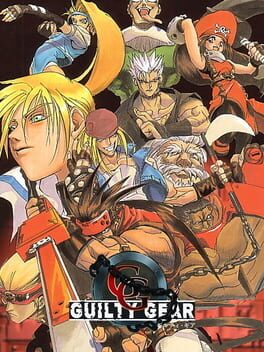
Daisuke Ishiwatari thought up Guilty Gear in vocational school, then told Arc System Works he wanted to make a game like Street Fighter. He got a team of around 12, though he said only four people did the main work, and none of them had made a game before. It took a year and a half. You fight with punch, kick and two weapon attacks, and the gatling system chains one attack into the next.
Instant kills end the whole match in one hit. Ishiwatari and programmer Hideyuki Anbe decided they did not belong but ran out of time to remove them, and the leftover became the series' signature mechanic. Japan got it on the PlayStation in 1998. Atlus let players vote on the US box art from three choices. The Switch, PS4 and PC versions came out on May 16, 2019.


Guilty Gear X (2001)
Jul 2000Dec 14, 2000Oct 2, 2001Mar 1, 2002Nov 30, 2001
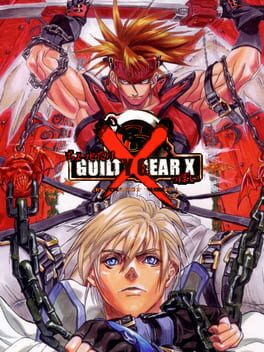
Sammy Studios asked for an arcade sequel after the first game's success, and it took about two years to make. It came out in Japan in 2000, in arcades on the Sega NAOMI and then on the Dreamcast. The new move is the Roman Cancel, which cuts off an attack so you can go straight into another one. Instant kills got weaker and a Survival mode joined the game. The high-resolution sprites made it the standard other 2D fighters were measured against.
The American PS2 version came out before the Japanese one, so it missed the extras of Guilty Gear X Plus. The Game Boy Advance got Guilty Gear X: Advance Edition on August 13, 2002, with tag-team and three-on-three modes, and it was the worst received version. An arcade update, Guilty Gear X ver. 1.5, came out only outside Japan in 2003.


Guilty Gear X2 (2003)
May 23, 2002Dec 12, 2002Feb 4, 2003Mar 28, 2003
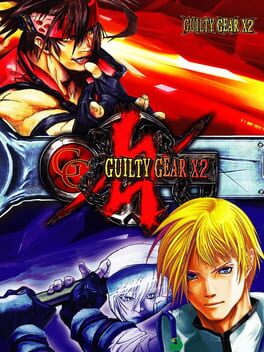
Japan knows this one as Guilty Gear XX: The Midnight Carnival, and it came out in Japan in 2002, first in arcades. X2 adds a Dust button and a burst gauge. A full gauge gives you the Psyche Burst, which breaks an opponent's combo while you are getting hit. The cast grows to 23 playable characters, with Bridget, Zappa, Slayer and I-No new to the series.
The Story Mode has 60 possible endings. Survival Mode runs to level 500, for anyone who felt a fighting game should take up the whole weekend. Critics liked it a lot, and the PS2 version has an 87 on Metacritic. This game started a long line of updates, and five followed it.


Guilty Gear X2 #Reload (2004)
Mar 26, 2003Jul 31, 2003Nov 26, 2004Dec 16, 2004Apr 29, 2004Sep 14, 2004Nov 26, 2004Dec 16, 2004Jul 23, 2004Mar 10, 2006Apr 7, 2011Sep 29, 2005Sep 8, 2008
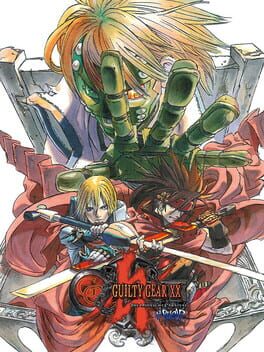
This is the first of the five X2 updates. It came out in Japan in 2003, in arcades and then on the PS2. Majesco published the Xbox version in North America. The balance changed at the high end of play, and Robo-Ky got a heavily reworked moveset and is playable from the start.
Mission Mode doubles to 100 challenges and Survival Mode reaches 1,000 levels. The training mode got a Watch option and a COUNTER setting for practicing counterhits. Reviewers praised the graphics, the online option and the price. The PC version came to Steam on September 5, 2014.


Guilty Gear Isuka (2004)
2003Nov 2, 2004Dec 16, 2004Apr 7, 2006
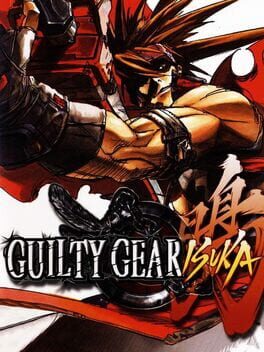
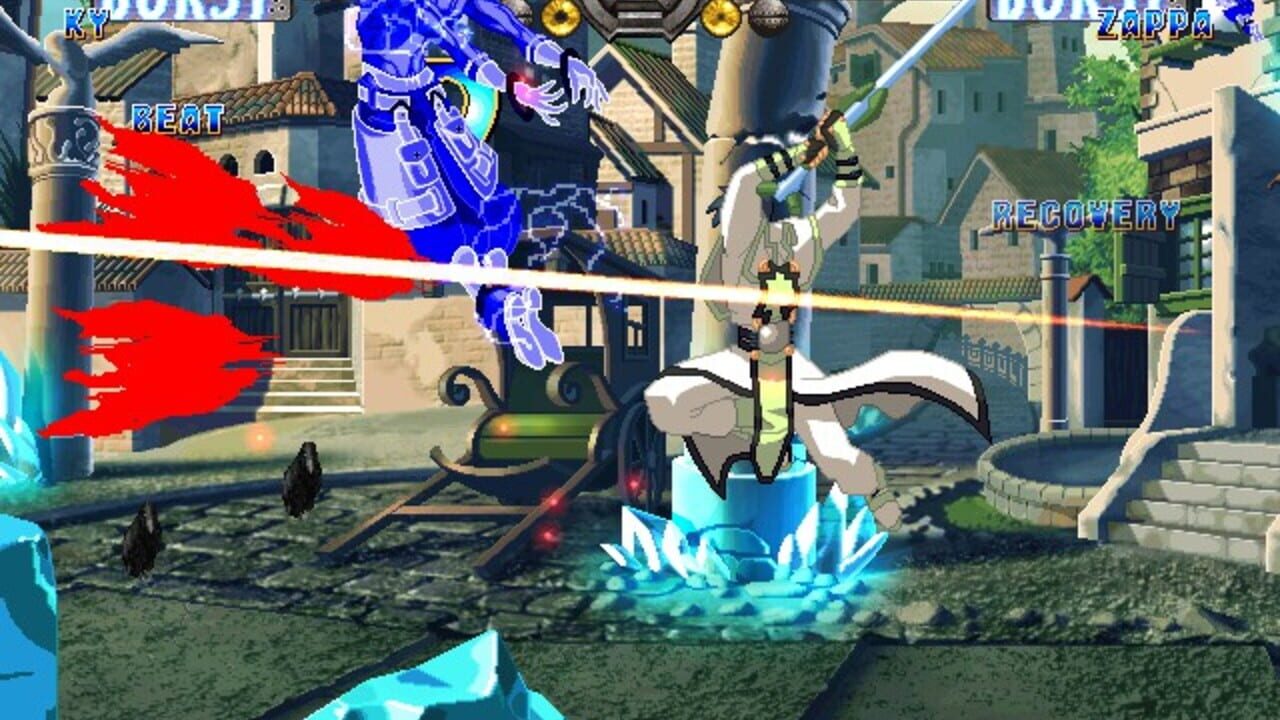
Isuka is the first game in the series to put four characters on screen at once, for two-on-two, three-on-one or everyone for themselves. It came out in Japan in 2003, in arcades on the Atomiswave. Fights use two planes, one in front of the other, and a "turn" button, because your character no longer turns around on their own. A button for turning around is the kind of idea a series tries once.
The home version adds Boost Mode, a two-player side-scrolling beat 'em up. Its experience points go to the Robo-Ky II Factory, where you teach a robot moves from a pool of 65 special attacks. Reviews were mixed: critics liked the customization and the look but not how the turn button and the planes worked. It reached Steam on January 16, 2014.


Guilty Gear Dust Strikers (2006)
2006Apr 25, 2006May 25, 2006Mar 8, 2007
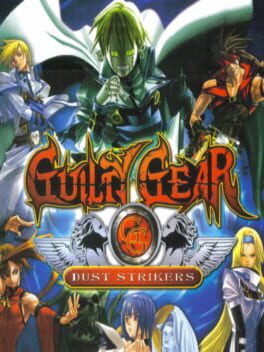
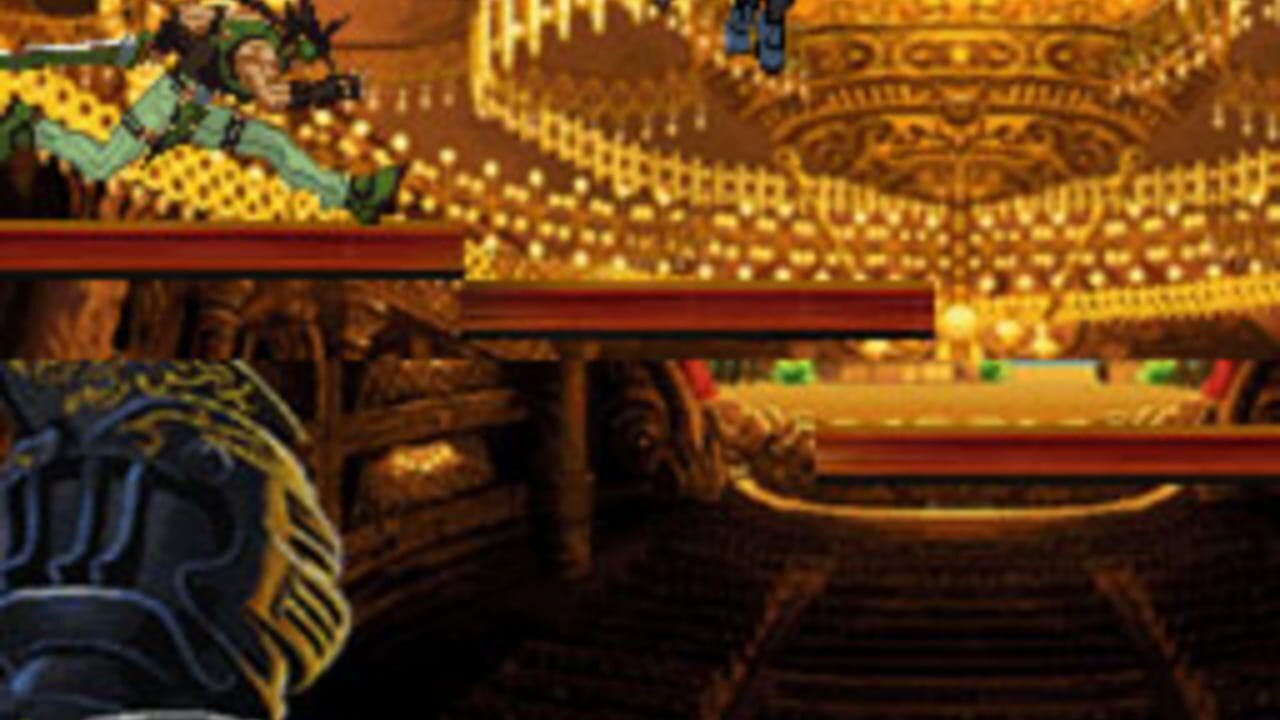
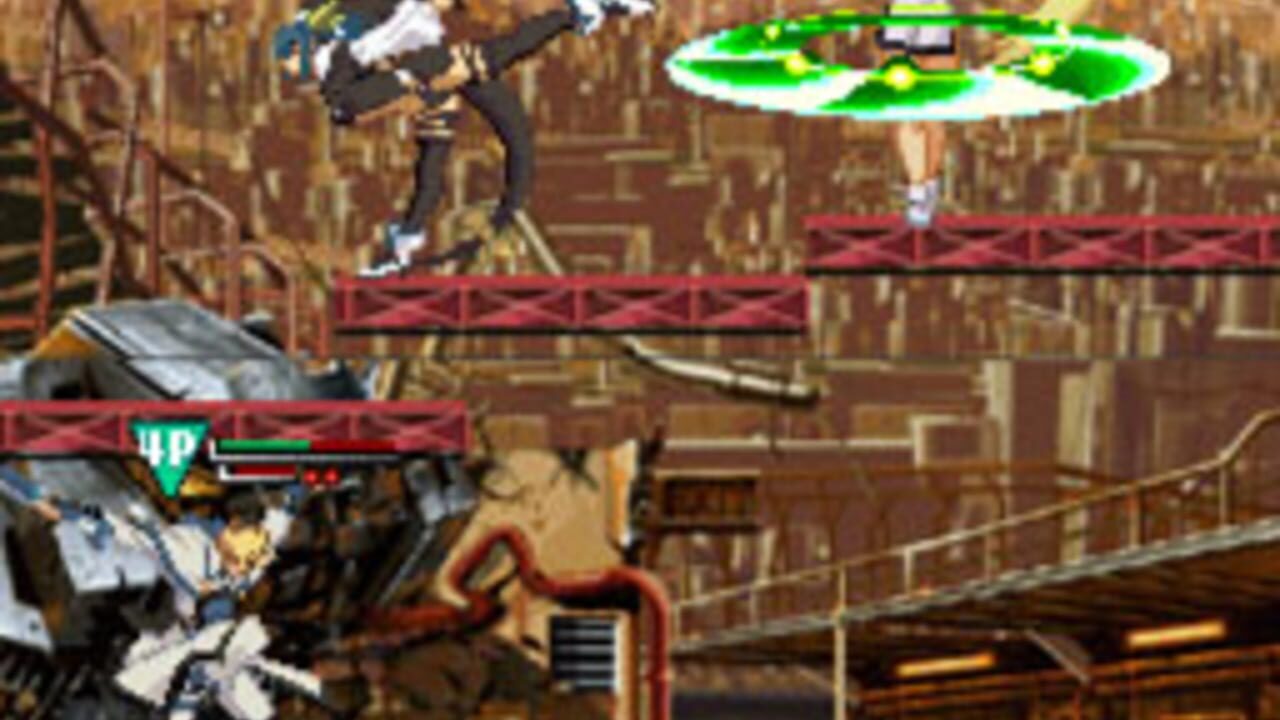
Dust Strikers takes the four-player idea from Isuka to the DS, with fights across several tiers of platforms. It was the first versus fighting game on the DS released outside Japan, and Americans got it first. Japan got it on the Nintendo DS in 2006. It is the first Guilty Gear game with mini-games, including a balance game where a tiny Jam catches falling items on a plate and a pool game called Venom's Billiards.
There are 21 playable characters but only 20 story modes, because Robo-Ky has none. The final boss is Gig, a huge insect-like monster with an angel attached to its bottom half. The main complaint from reviewers was the small screen, where you can have trouble spotting your own character. It has a 60 on Metacritic.

Guilty Gear Judgment (2006)
Aug 24, 2006Sep 5, 2006Aug 3, 2007
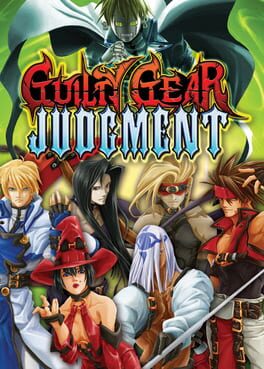
Judgment turns the series into a side-scrolling beat 'em up for one player or two in co-op. It has 20 playable characters, and the bosses are new to the series. Fighting fans get a port of Guilty Gear X2 #Reload on the same disc, so the PSP version covers two genres.
Japan got it on the PlayStation Portable in 2006, twelve days before the USA. Majesco first announced it for spring 2006. IGN nominated it for Best of E3 2006, and it has a 77 on Metacritic.


Guilty Gear XX Accent Core (2007)
Dec 20, 2006May 31, 2007Sep 11, 2007Jul 26, 2007Oct 15, 2007Feb 29, 2008
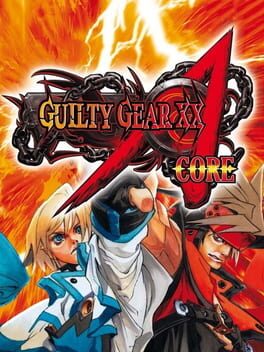
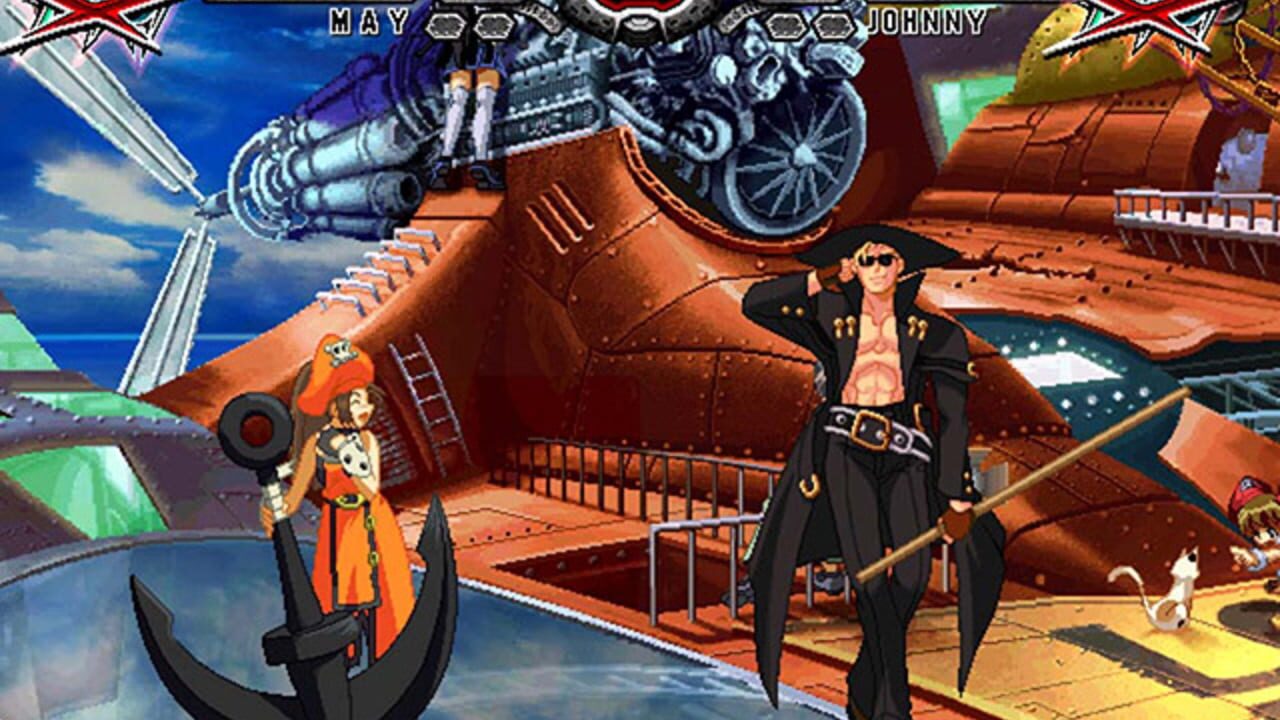
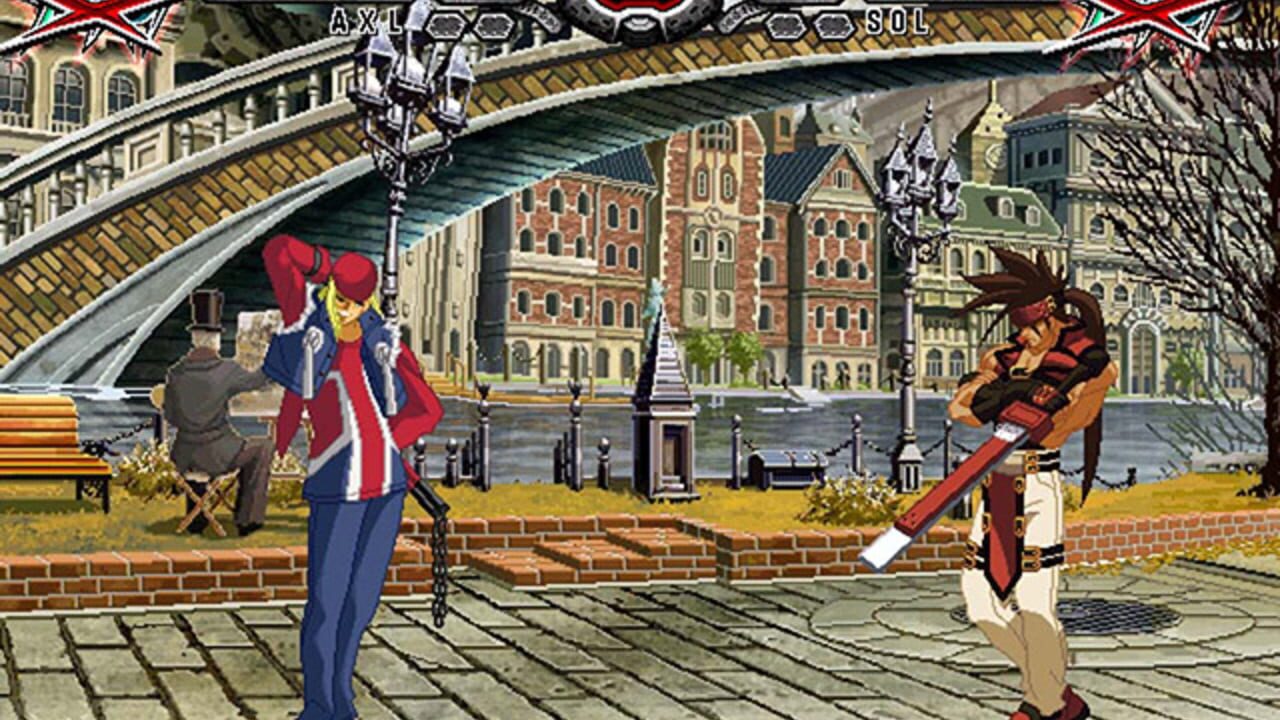
Accent Core is the third version of X2. The second, Guilty Gear XX Slash, stayed in Japan. It came out in Japan in 2006, in arcades. The new Force Break moves use 25% of the tension gauge. Some attacks now stick opponents to walls or slide them across the floor, and Slashback gives you a parry with less block stun.
You pick one of three gameplay modes per character, based on the fighting systems of Guilty Gear, Guilty Gear X and Accent Core. The character art was redone and all the voices were re-recorded. Story Mode, Justice and Kliff were removed. The Wii version followed on October 16, 2007, and reviewers panned its controls.

Guilty Gear 2: Overture (2008)
Oct 7, 2008Nov 29, 2007Sep 25, 2009Mar 31, 2016
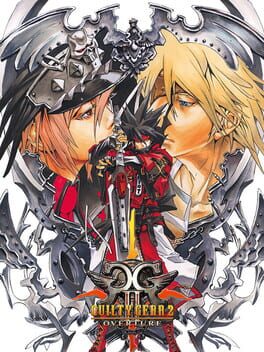
This is the only main entry that is not a fighting game. Ishiwatari called the new genre "Melee Action": you fight like in Devil May Cry while buying and ordering troops called Servants and capturing Ghosts that produce Mana. To win, you beat the other player enough times or destroy their Masterghost, an immobile base. Anyone who preordered a fighter and got a troop management screen has our sympathy.
It was the first game in the series with 3D models and the first with an English dub. The story is set in 2185, with Sol traveling alongside young warrior Sin and Ky now king of Illyria. Japan got it on the Xbox 360 in 2007. Its 56 on Metacritic is the lowest in the series. The PC port came out on March 31, 2016.


Guilty Gear XX Accent Core Plus (2009)
Mar 27, 2008Apr 6, 2009May 12, 2009Oct 24, 2012Dec 4, 2012
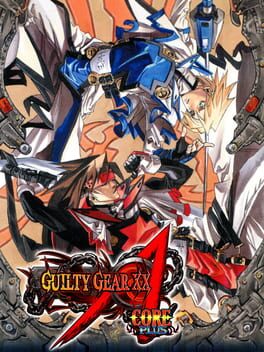
Japan got it on the PlayStation 2 in 2008. The battle system did not change. Kliff and Justice came back, along with Mission Mode, and a new Survival Mode has level-up features. A new Story Mode continues from Guilty Gear X2 and gives every character a storyline. All the in-game blood is gone, replaced with impact effects.
The PSP version has 3-on-3 tag matches. The Wii version followed on May 12, 2009, and it did not sell much, partly because few people outside the fan base could tell it was a different game from the earlier Wii release. An Xbox Live Arcade version came out on October 24, 2012, and the North American PlayStation Network version on December 4, 2012.
Pro Jumper! Guilty Gear Tangent!? (2011)
Sep 1, 2010Jun 23, 2011

This small side-scrolling platformer was a DSiWare download, published in the USA by Aksys Games. Japan got it on DSiWare in 2010, under the name ARC Style: Furo Jump!! Guilty Gear Gaiden!?. It left the fighting behind, and the title makes up for that with extra punctuation.
Guilty Gear XX Accent Core Plus R (2013)
Sep 20, 2012Apr 23, 2013May 26, 2015May 16, 2019
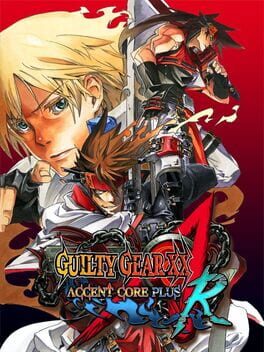
Plus R is the fifth and last update of X2, and the version to get if you want this era today. It came out in Japan in 2012, in arcades. The balance was reworked again, and bosses Kliff and Justice were balanced for regular play. Reviewers of the Vita version mainly criticized its lack of an online mode.
The PC port came out on May 26, 2015, and a December 22, 2020 update added rollback netcode through GGPO. As of 2022 it was the highest rated traditional 2D fighting game on Steam. The Switch version came out digitally on May 16, 2019.


Guilty Gear Xrd -SIGN- (2014)
Dec 4, 2014Dec 16, 2014Jun 3, 2015Dec 16, 2014Dec 9, 2015
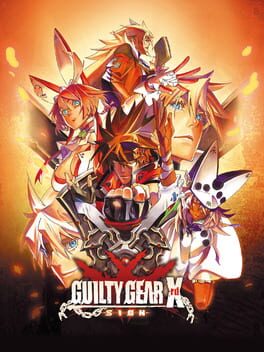
Production started in 2011, with Ishiwatari back as director and a 25-member team called Team Red. Xrd swaps the hand-drawn sprites for cel-shaded 3D models in Unreal Engine 3, built to look drawn. Character models use between 400 and 600 bones, and artists cut frames by hand to keep the feel of animation. This look led Arc System Works to Dragon Ball FighterZ. It came out in Japan in 2014, in arcades.
Ishiwatari wanted it as open to newcomers as possible, and Practice Mode has a tutorial. Story Mode is a film-like animation in chapters. You can pause it to read a glossary, and you cannot fight in it, which reviewers held against it. The Steam version came out on December 9, 2015.


Guilty Gear Xrd -REVELATOR- (2016)
Aug 25, 2015May 26, 2016Jun 7, 2016Jun 10, 2016Dec 14, 2016
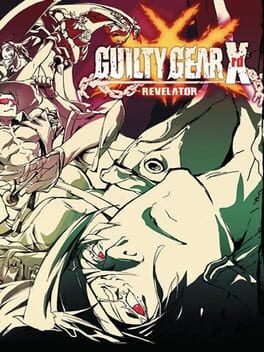
Revelator is the sequel to Sign, and it came out in Japan in 2015, in arcades. It adds Johnny, Jam and the new character Jack-O' Valentine, plus Kum Haehyun and Raven on consoles. Dizzy returned through a fan vote, beating Bridget and Baiken in a close race with 32,990 votes.
Episode mode gives characters their own storylines, and the main story moves to Elphelt Valentine and Jack-O'. The PC version came out on December 14, 2016. Rev 2 replaced this version, so that is the one to buy.


Guilty Gear Xrd Rev 2 (2017)
Mar 30, 2017May 25, 2017May 26, 2017May 31, 2017
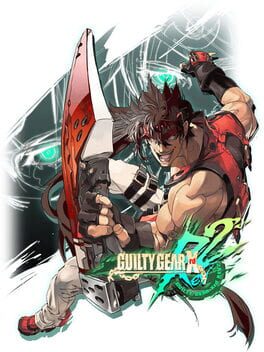
Rev 2 is an update of Revelator that came out in Japan in 2017, in arcades. Baiken returns as a playable character, and Answer, a chief officer of Chipp Zanuff, is new. Three After Story scenarios follow the end of Revelator. Owners of Revelator on PlayStation Store or Steam could buy the update as paid DLC, and the PS4 also got a physical disc.
Arc System Works announced that the online modes of Revelator and Rev 2 would move to rollback netcode. The PC version came out on May 31, 2017.


Guilty Gear Strive (2021)
Jun 11, 2021Jul 29, 2021Mar 7, 2023
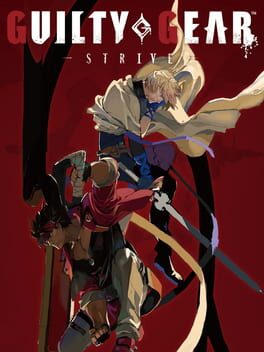
Strive is the seventh mainline game and was planned as a "complete reconstruction of the franchise". It removes the Instant Kill and adds Wall Break, a stage change when you start a combo in the corner. Director Akira Katano wanted the game easier to comprehend, so people watching could follow high-level play. Its online play drew a lot of praise.
The story ends Sol Badguy's saga in Washington, D.C., where the White House turns into an aircraft and it is still only the second strangest thing in the plot. Strive won Best Fighting Game at The Game Awards 2021. The Xbox version came out on March 7, 2023, and the Switch version on January 23, 2025. It has sold 4 million copies as of June 2026.


Never released in English
- Guilty Gear Petit (2001, WonderSwan) - Guilty Gear Petit 2 (2001, WonderSwan) - Guilty Gear XX Slash (2005, arcade)