There are 141 Mario games here, listed in US release order from the 1981 arcade Donkey Kong to Mario Tennis Fever in 2026. Spin-offs are marked, and games led only by Wario, Yoshi or Donkey Kong stay out. Remakes, ports and collections are named inside the game they came from.
Donkey Kong (1981)
 Jul 9, 1981
 Jul 31, 1981
 1981
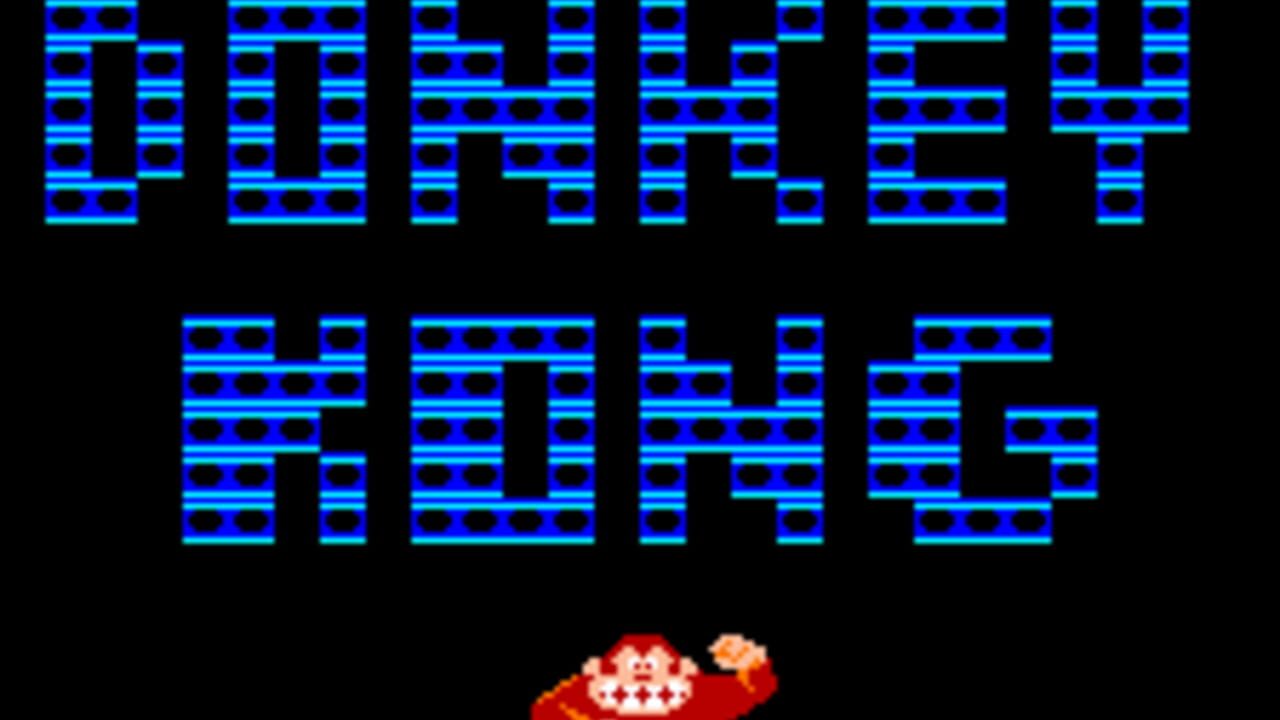
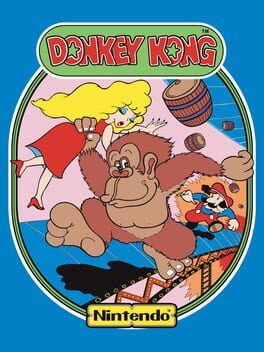
Mario's story starts in a game named after his enemy. This arcade cabinet is the first game in the Donkey Kong series and Mario's first appearance anywhere. Nintendo's president Hiroshi Yamauchi gave the job to first-time designer Shigeru Miyamoto, who worked with chief engineer Gunpei Yokoi.
Miyamoto drew on Popeye and King Kong for the idea. It is the first game with jumping and helped create the platform genre before anyone called it that. It also told its story with cutscenes and several different stages, which was new for an arcade game. A carpenter climbing girders to rescue a woman from an ape is a strange way to launch a mascot.


Mario Bros. (1983)
Sep 9, 1983Feb 1986Jun 20, 1986Sep 1, 1986 Nov 10, 2016Nov 10, 2016Nov 9, 2006Dec 7, 2006Dec 8, 2006Dec 12, 2006
 Dec 30, 2008May 8, 2013Jan 9, 2014Jan 9, 2014Jan 30, 2014May 29, 2013Jun 20, 2013Jun 20, 2013Jun 20, 2013

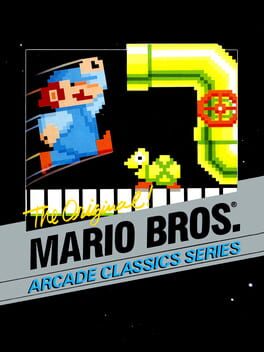
Luigi arrives here. You play the Italian twin brothers Mario and Luigi, who clear turtle-like creatures, giant flies and crabs out of the New York sewers. Knock a creature upside down from below, then kick it away. The POW block in the centre of the screen helps when things get busy.
Miyamoto and Yokoi designed it, and it is the first spin-off of the Donkey Kong series. The Famicom and NES version was the first game from Intelligent Systems, the studio later behind Paper Mario. A version of it later turned up as a minigame in every Super Mario Advance game.


Mario's Cement Factory (1983)
Apr 28, 1983
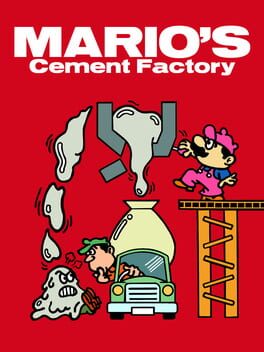
Nintendo R&D1 made this LCD game under Gunpei Yokoi, and it came out as both a tabletop model and a handheld. Mario works the lifts in a factory and has nothing to do with plumbing yet.
Critics have called it one of the strangest games in the Mario franchise and also one of the best Game & Watch games. It also turned up in Game Boy Gallery, Game & Watch Gallery 4 and a DSiWare download.

Mario's Bombs Away (1983)
Nov 10, 1983

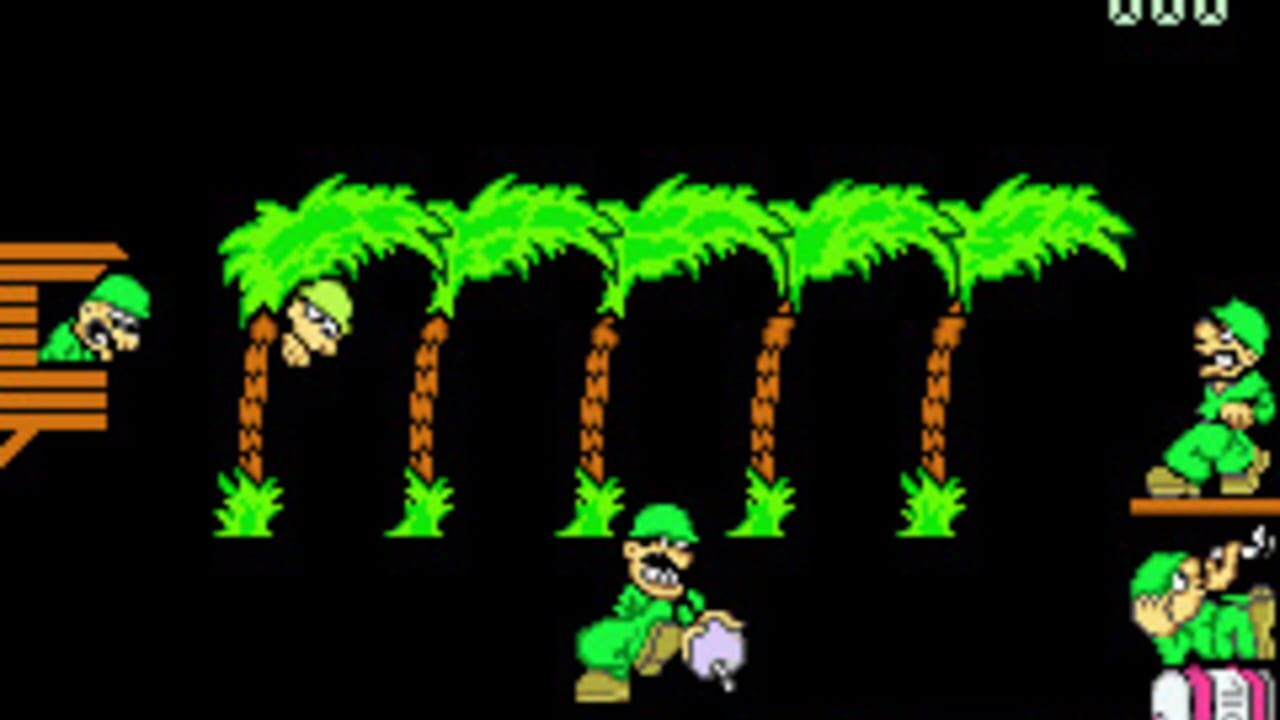
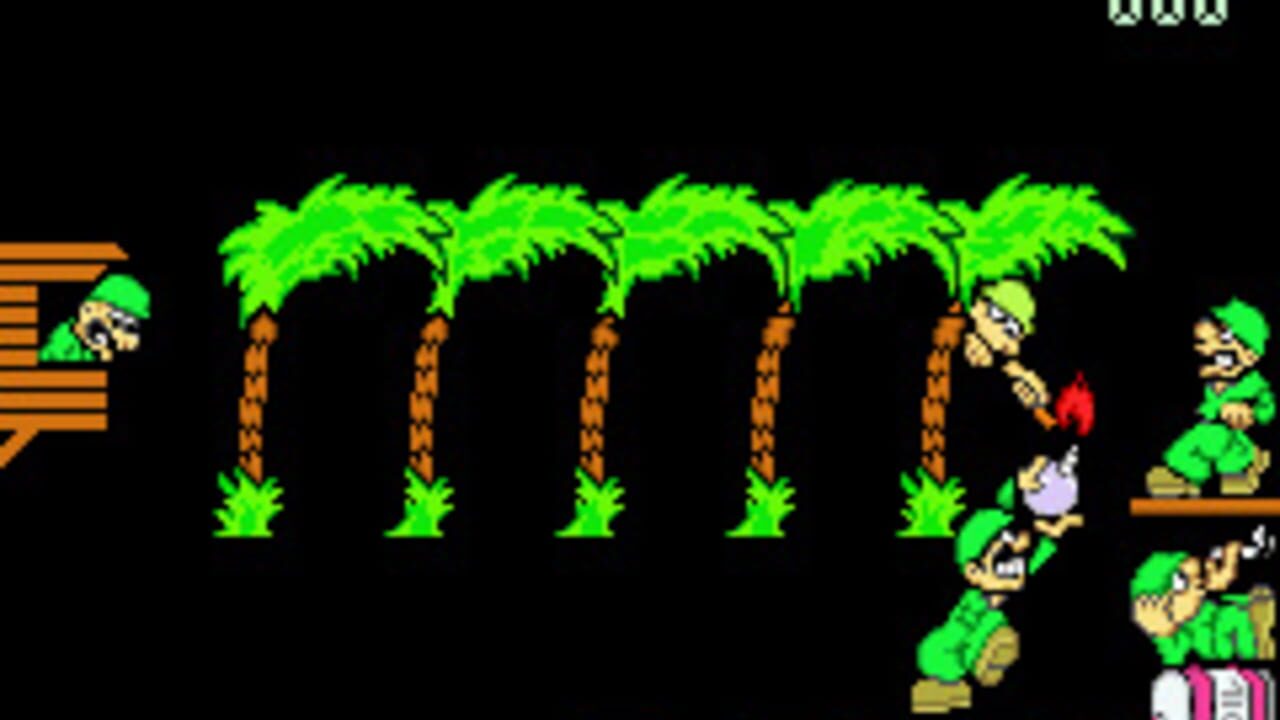
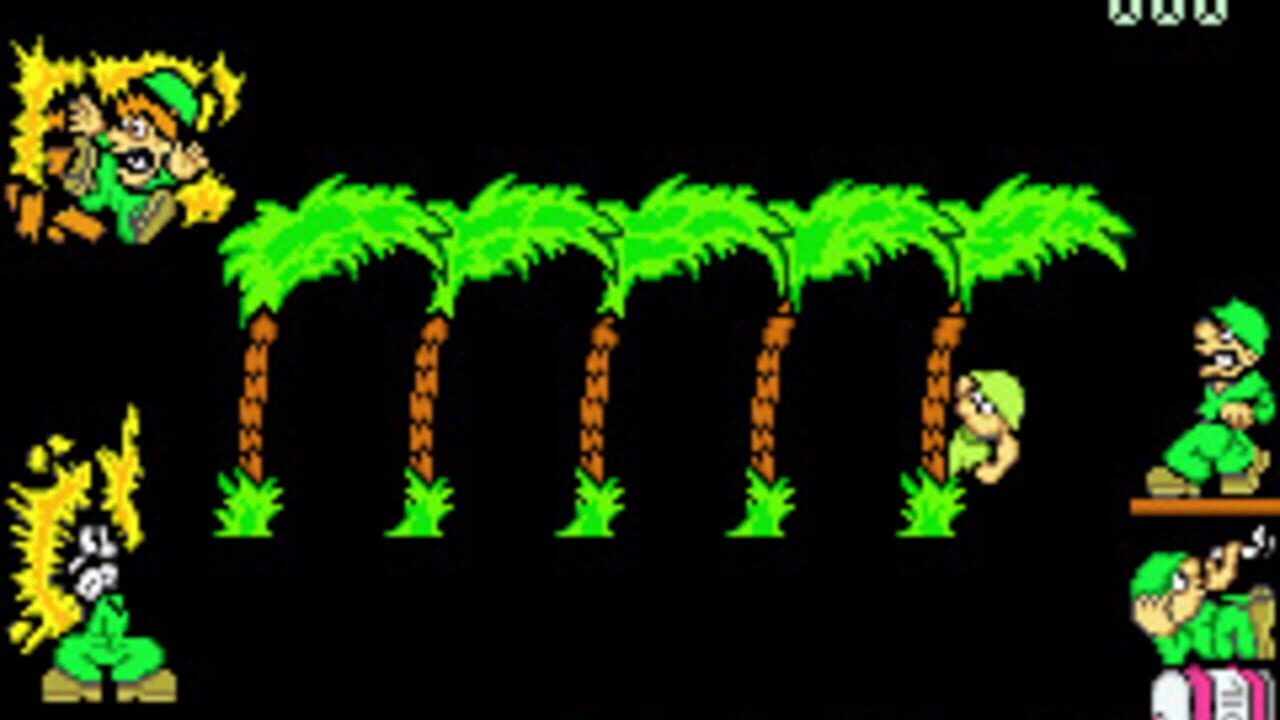
This is a Game & Watch game from the Panorama series, a line of LCD handhelds with a screen you look at in a mirror. Mario is a soldier here, ferrying bombs through a jungle to his allies. It is the rare Mario game with a war in it, and you can only play it on the original hardware.
Wrecking Crew (1984)
May 26, 1985Oct 18, 1985Oct 15, 1987Feb 3, 1989Aug 24, 2007Aug 24, 2007Nov 19, 2007Feb 5, 2008Sep 19, 2012Mar 7, 2013May 9, 2013May 10, 2013May 18, 2016Jun 19, 2013Jun 20, 2013Jun 20, 2013Jun 20, 2013
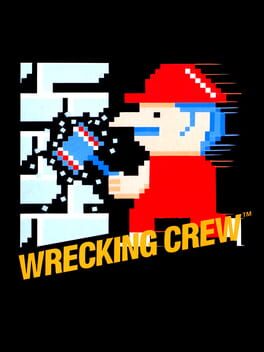
Mario swaps his overalls for a hard hat. This action game started in arcades on the Nintendo VS. System, then reached the Famicom as a single-player game in 1985 and launched with the NES later that year.
You smash walls and ladders across each stage. A foreman named Spike chases Mario and tries to knock him down. Wrecking Crew '98 followed in Japan on the Super Famicom. Spike is the rare Mario villain whose main crime is workplace harassment.


Super Mario Bros. (1985)
Sep 13, 1985Oct 18, 1985May 15, 1987Jul 1, 19871986Feb 21, 1986Dec 2, 2006Dec 25, 2006Jan 5, 2007Jan 5, 2007Apr 26, 2008Jan 5, 2012Feb 15, 2012Mar 1, 2012Mar 1, 2012Feb 3, 2016Jun 5, 2013Sep 12, 2013Sep 12, 2013Sep 19, 2013
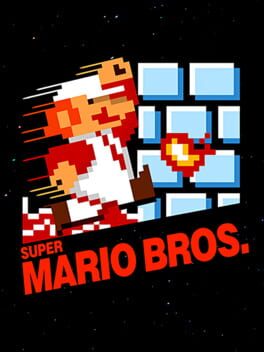
This is where the Super Mario series begins. Miyamoto directed and produced it as the successor to the 1983 arcade game. You run through the Mushroom Kingdom to rescue Princess Toadstool from King Koopa, who was later named Bowser, and a second player can join as Luigi.
The team built World 1-1 as a tutorial for platform play, so the first screen teaches you the game with no words. Question blocks hold coins or a power-up. Koji Kondo's soundtrack made music a centrepiece of the design. It has been re-released many times, and it also has an arcade version and a Game & Watch version.
Super Mario All-Stars rebuilt the NES Mario games on one Super NES cartridge at Miyamoto's suggestion. They got new graphics and music, a save feature and bug fixes, and the look took its cue from Super Mario World. A 1994 version added Super Mario World. Super Mario Bros. Deluxe on Game Boy Color is a largely unaltered port with an unlockable Lost Levels, and it stayed on sales charts for two years.


Super Mario Bros. 2 (1988)
19871988Oct 9, 1988Apr 28, 1989May 1, 1989Sep 14, 1992May 25, 2007May 25, 2007Jul 2, 2007Aug 10, 2007Jul 15, 2008May 16, 2013May 16, 2013May 16, 2013Mar 19, 2014Jul 10, 2013Aug 7, 2013Aug 8, 2013Mar 2, 2016
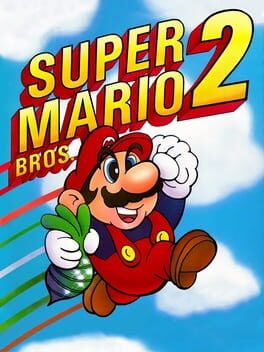
The American sequel began as a different game. Nintendo took Yume Kōjō: Doki Doki Panic and rebuilt it with Super Mario characters after deciding the Japanese sequel was too hard for Western players.
It plays like no other Mario game. You pick Mario, Luigi, Toad or Princess Toadstool before each stage, and you throw vegetables pulled from the ground at enemies instead of stomping them. Japan got it later as Super Mario USA, and it was remade in Super Mario All-Stars and Super Mario Advance. Super Mario Advance was a launch title for the Game Boy Advance. It adds voice clips, giant objects and a multiplayer mode based on the Mario Bros. arcade game. Japan got it on Famicom Disk System in 1987.


Super Mario Land (1989)
Apr 21, 1989Jul 31, 1989Sep 28, 1990 1995Jun 6, 2011Jun 7, 2011Jun 7, 2011Jun 7, 2011Feb 3, 2016

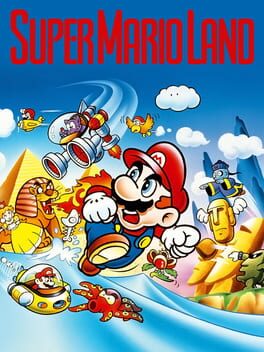
Mario's first handheld adventure in the platform series came from Game Boy creators Gunpei Yokoi and Satoru Okada. It was meant to be the Game Boy's pack-in game until Tetris took that job.
It feels odd in a good way. Its minimal line art and shooting stages inspired by Gradius set it apart from the NES games, and familiar elements behave strangely. Critics praised how well it moved Mario to a small screen despite its short length. It also introduced Princess Daisy, who stayed in the series.


Super Mario Bros. 3 (1990)
Oct 23, 19881990Feb 12, 1990Aug 29, 1991Aug 29, 1991Nov 5, 2007Nov 9, 2007Nov 9, 2007Dec 11, 2007May 26, 2008Jan 1, 2013Dec 26, 2013Apr 16, 2014Apr 6, 2016Dec 26, 2013Apr 17, 2014
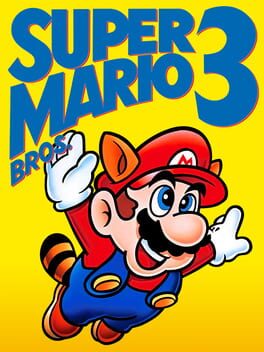
Miyamoto and Takashi Tezuka led this one, and the NES version took until February 12, 1990 to reach North America. It added the Koopalings and a world map between levels, and both became series staples. The Super Leaf and Tanooki Suit let Mario fly and float.
It sold more than 17 million copies, making it the third best-selling NES game, and many rank it as one of the greatest games ever. An animated TV series from DIC Entertainment came out of it. Mario in a raccoon suit somehow became the image of the NES at its peak.
Super Mario Advance 4 is an enhanced remake on Game Boy Advance that starts from the All-Stars version. Extra levels came through Nintendo's e-Reader cards. The e-Reader failed, so two of the four card series stayed in Japan. The cards are now collector's items, and Switch Online has since included them.


Dr. Mario (1990)
1990Jul 27, 1990Oct 1, 1990Jun 27, 1991Feb 13, 2014Mar 27, 2014Mar 27, 2014
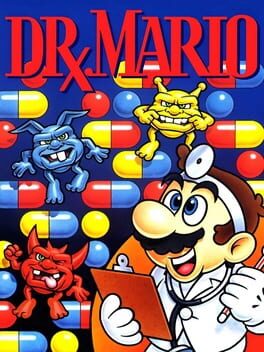
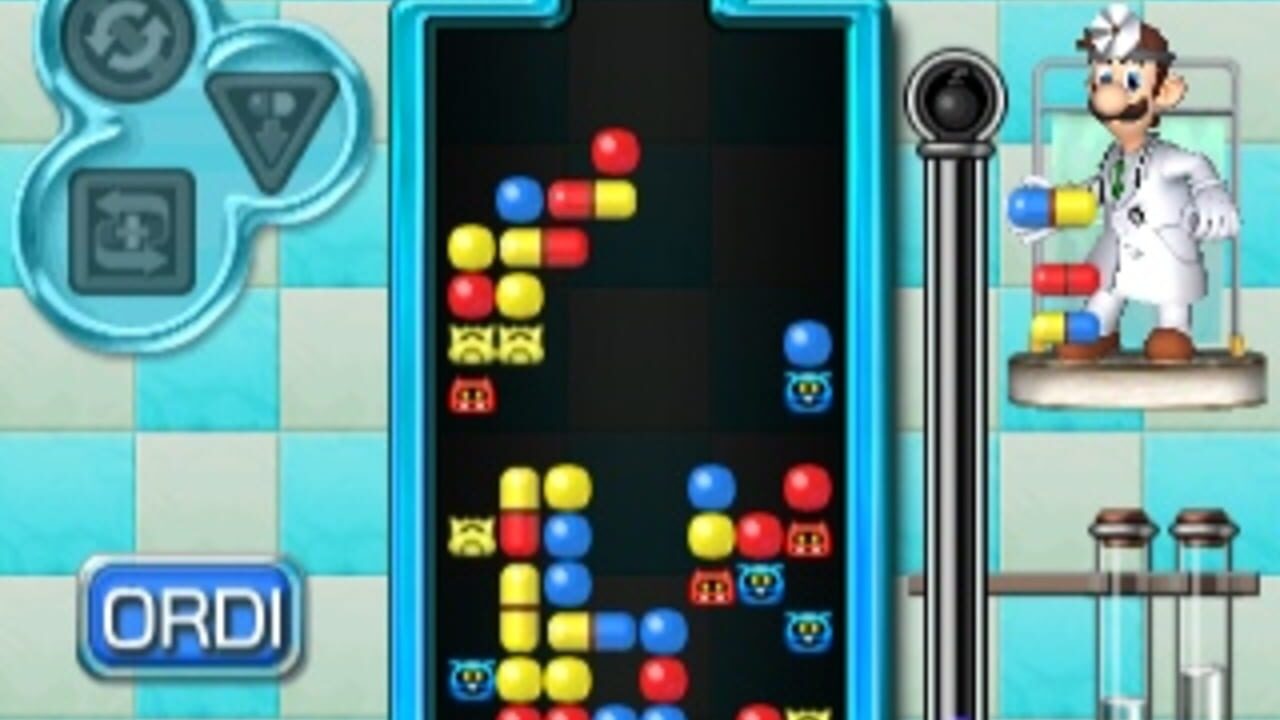
Mario puts on a white coat for this puzzle game. You drop two-coloured capsules into a medicine bottle and line up matching colours to destroy viruses. Clear every virus to finish the level.
Gunpei Yokoi produced it, and Hirokazu Tanaka wrote the soundtrack. It sold more than 10 million copies across all platforms. Tetris & Dr. Mario put two puzzle games on one Super NES cartridge in December 1994, with new graphics, and a mixed mode switches between the two during one match. Dr. Mario & Puzzle League later paired the NES game with Puzzle League on Game Boy Advance, with updated graphics and new music. No medical board has ever questioned Mario's credentials.


Super Mario World (1991)
Nov 21, 1990Aug 23, 19911991Apr 11, 1992Jul 1, 19921991Dec 2, 2006Feb 5, 2007Feb 9, 2007Feb 9, 2007Apr 26, 2008Apr 26, 2013Apr 27, 2013Apr 27, 2013Apr 28, 2013Mar 3, 2016Mar 3, 2016Mar 3, 2016Mar 3, 2016
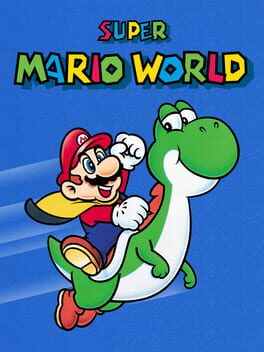
This was the first Mario game for the SNES, with Takashi Tezuka directing and Miyamoto producing. Mario sets out to save Peach and Dinosaur Land from Bowser and the Koopalings.
Yoshi makes his first appearance here as a dinosaur you can ride, eating enemies and spitting some back out. He had been planned since the NES years, but the hardware could not handle him. An animated series came from it, along with the 1995 prequel Yoshi's Island. The port on Game Boy Advance, Super Mario Advance 2, lets you play as Luigi, who has his own higher jump. It sold 2.5 million copies in the United States, earning $74 million by August 2006.


NES Open Tournament Golf (1991)
1991Sep 20, 1991Sep 29, 1991Jun 18, 1992May 11, 2007May 11, 2007Jun 18, 2007Jul 24, 2007Aug 26, 2008Jul 5, 2012Aug 8, 2012Aug 23, 2012Aug 23, 2012Jan 15, 2014Feb 6, 2014Feb 6, 2014Mar 6, 2014
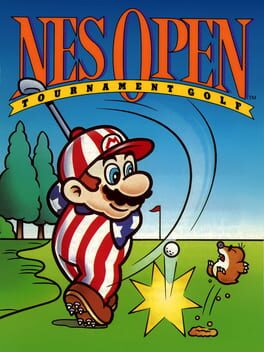
This is the first game in the Mario Golf series, though it does not have the name yet. It borrows from two Famicom Disk System golf games released only in Japan in 1987.
The Japanese version has more courses, and some holes were made easier for the international release. Mario and his friends are the golfers, which set the template for the sports games to come.


Mario the Juggler (1991)
Oct 14, 1991
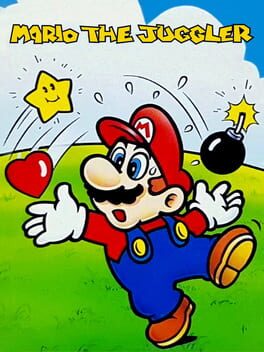
This New Wide Screen handheld puts Mario into the very first Game & Watch game, Ball. You move his hands left and right to keep the objects in the air. It is also the last Game & Watch game, so the line ended the same way it began, with someone juggling.
Mario Paint (1992)
Jul 14, 1992Aug 17, 1992Dec 10, 1992
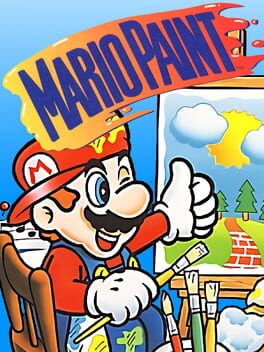
This art tool sold over 2.3 million copies, which makes it one of the best-selling SNES games. You draw, stamp and animate, and the fly-swatting minigame gets its own fans.
Reviewers liked how easy it was to use but felt it could not handle serious work. Its music composer has a following of its own, and people still use it to write songs and covers. A successor, Mario no Photopi, reached the Nintendo 64 in Japan in 1998.


Super Mario Kart (1992)
Aug 27, 1992Sep 1, 1992Jan 21, 1993Jun 9, 2009Nov 23, 2009Apr 2, 2010Apr 2, 2010Jun 19, 2013Mar 27, 2014Mar 28, 2014Aug 6, 2014Mar 17, 2016Mar 18, 2016Mar 24, 2016May 9, 2016
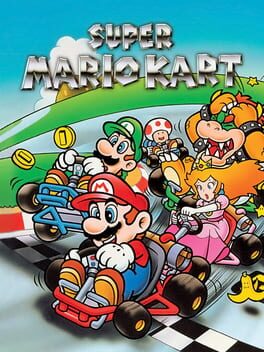
This is the first game in the Mario Kart series, and it is often credited with creating the kart-racing subgenre. Critics praised its use of Mode 7 graphics, which made flat tracks look like they had depth.
Coins on the track raise your top speed, and Battle Mode has you pop the balloons around other karts. That mode still has its fans. It came back on the Super NES Classic Edition in 2017.


Mario Teaches Typing (1992)
Mar 8, 1992Nov 13, 1992Nov 23, 1992Dec 1, 1992 1994

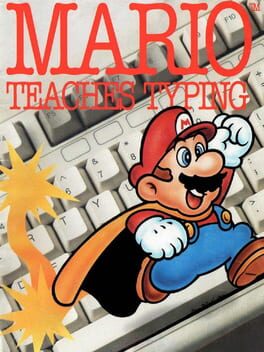
Interplay put this out on floppy disk in 1992 and on CD-ROM a year later. You type words to move Mario through the levels. It became a regular in the top ten educational software charts and sold 800,000 copies.
It matters to the series for a reason nobody expected. This was the first game where Mario spoke. Ronald Ruben voiced him at first, then Charles Martinet took over on the CD release and stayed the official voice until 2023. Mario Teaches Typing 2 followed in 1997. The most famous voice in games began by correcting your finger position.


Super Mario Land 2: 6 Golden Coins (1992)
Oct 21, 1992Nov 2, 1992Jan 28, 1993Sep 29, 2011Sep 29, 2011Sep 29, 2011Oct 12, 2011Jun 1, 2016
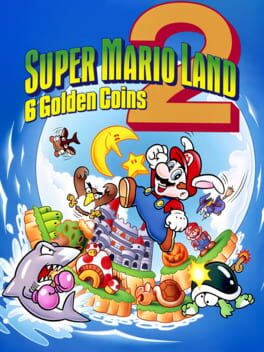
Reviewers said it beat its predecessor in every way, and it sold over 11 million copies. Coins no longer give you extra lives and instead pay for games in a bonus area.
Wario debuts here, and his first starring role came in the next game, Wario Land: Super Mario Land 3. You can play it on Nintendo Classics on Switch, added in 2023. A man steals your castle while you are away, and the result is a career.


Mario Is Missing! (1993)
Jan 1, 1993Jun 1, 1994
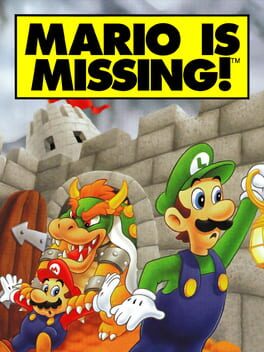
The Software Toolworks made this educational game, and that made them the first studio outside Nintendo to produce a Mario game on a console. Luigi leads, and you learn about real cities as you go.
The lead artist had to attend a Mario art school in Japan. Nintendo in Japan insisted the game should not be mistaken for a traditional Mario game. Having played it, you can see their point.


Super Mario Bros.: The Lost Levels (1993)
Jun 3, 1986Aug 11, 1993May 1, 2007Sep 14, 2007Sep 14, 2007Oct 1, 2007Jul 25, 2012Dec 27, 2012Dec 27, 2012Dec 27, 2012Jul 6, 2016Aug 8, 2013Jan 23, 2014Jan 23, 2014Mar 13, 2014
Japan's real Super Mario Bros. 2 is this brutal follow-up. It looks like the first game but adds Poison Mushrooms, warps that send you backward and gusts of wind in mid-air. Luigi also plays differently, with slippery footing and higher jumps.
Nintendo of America thought it was too hard and too similar to the first game, so the West got a different sequel. The Lost Levels first left Japan inside Super Mario All-Stars. Few games open by poisoning you with the item you spent the last game chasing. Japan got it on Famicom Disk System in 1986.


Mario's Time Machine (1993)
19931996
This educational game teaches human history. Bowser steals artefacts from the past, and you take them back. It is one of several learning games Mario starred in during the early 1990s.
The Software Toolworks made the MS-DOS and Super NES versions, Radical Entertainment made the NES one, and each uses a different engine. Reviews were mixed.


Mario's Early Years! (1993)
19931993Oct 1, 1994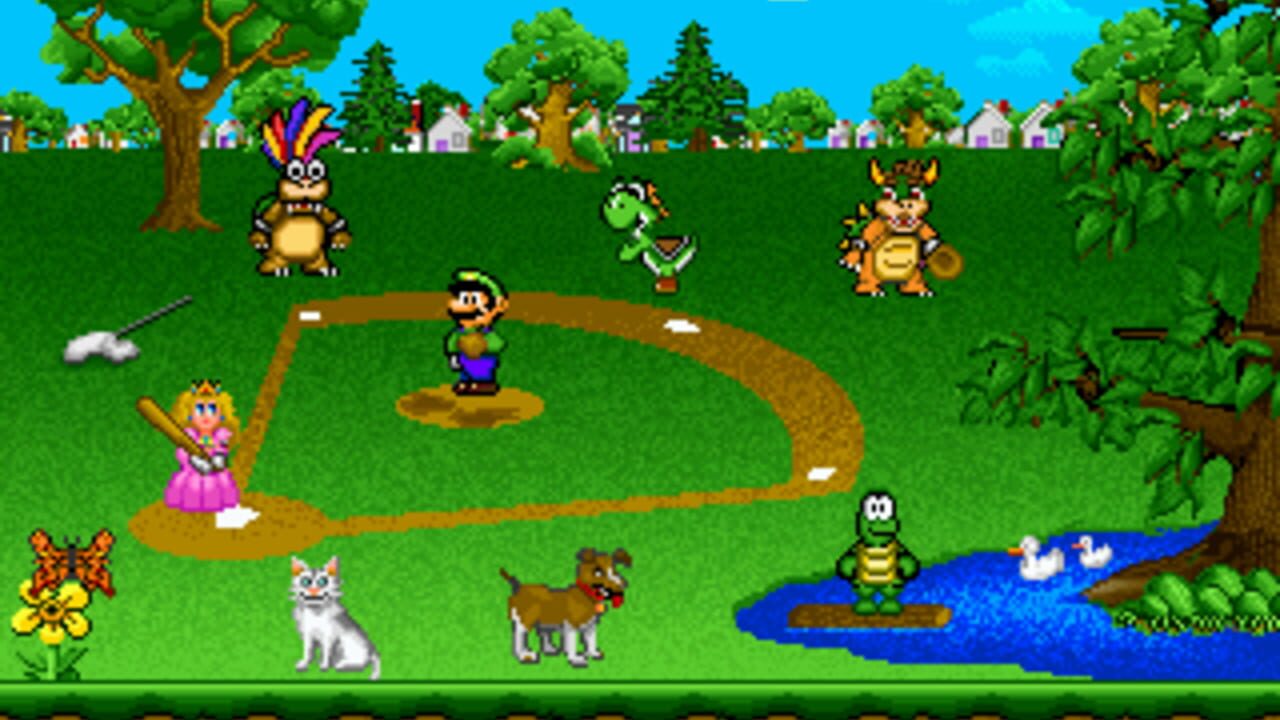

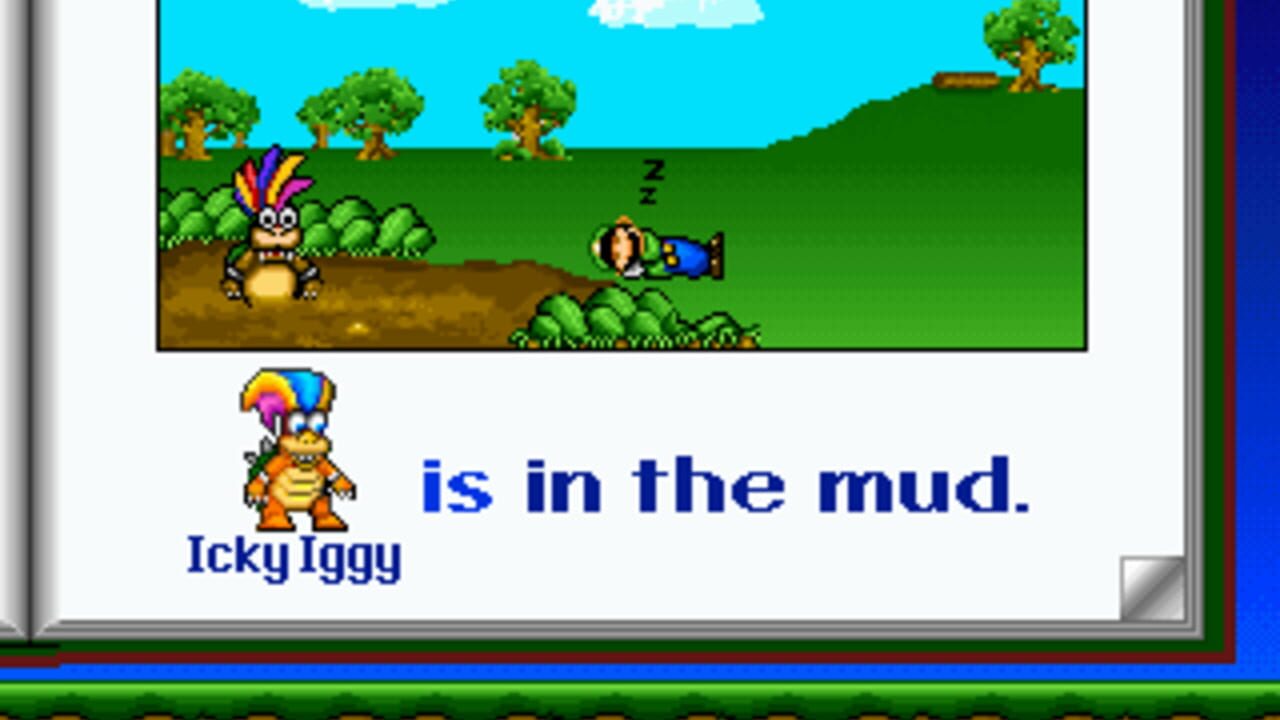
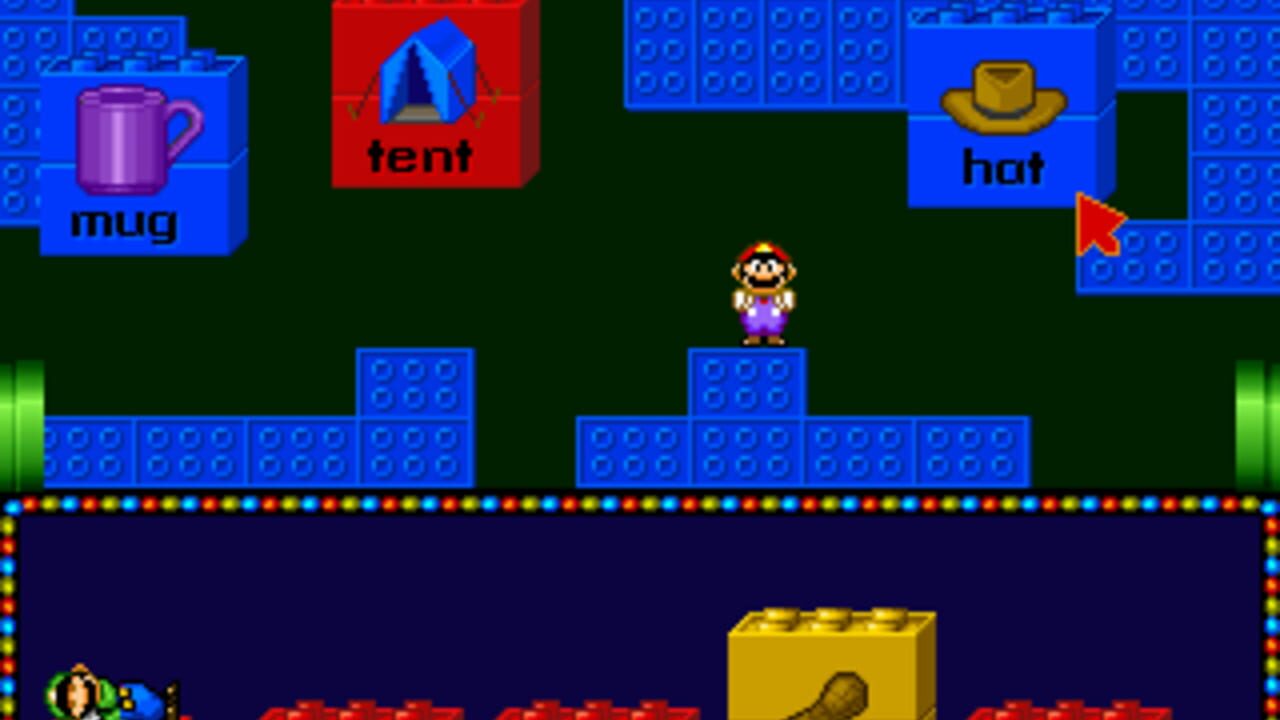
This small series of learning games from The Software Toolworks is for preschoolers, with voiced instructions that read out every word, letter or number. The titles are Fun with Letters, Fun with Numbers and Preschool Fun, and all three appeared on PC.
The last of them came out in November 1994 on Super NES, and a CD-ROM collection gathered them for PC. It is the youngest audience Mario has aimed for.
Donkey Kong (1994)
Jun 14, 1994Jul 22, 1994Sep 24, 1994Jun 15, 2011Jun 16, 2011Jun 16, 2011Jun 16, 2011Feb 3, 2016
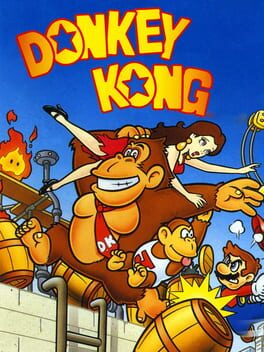
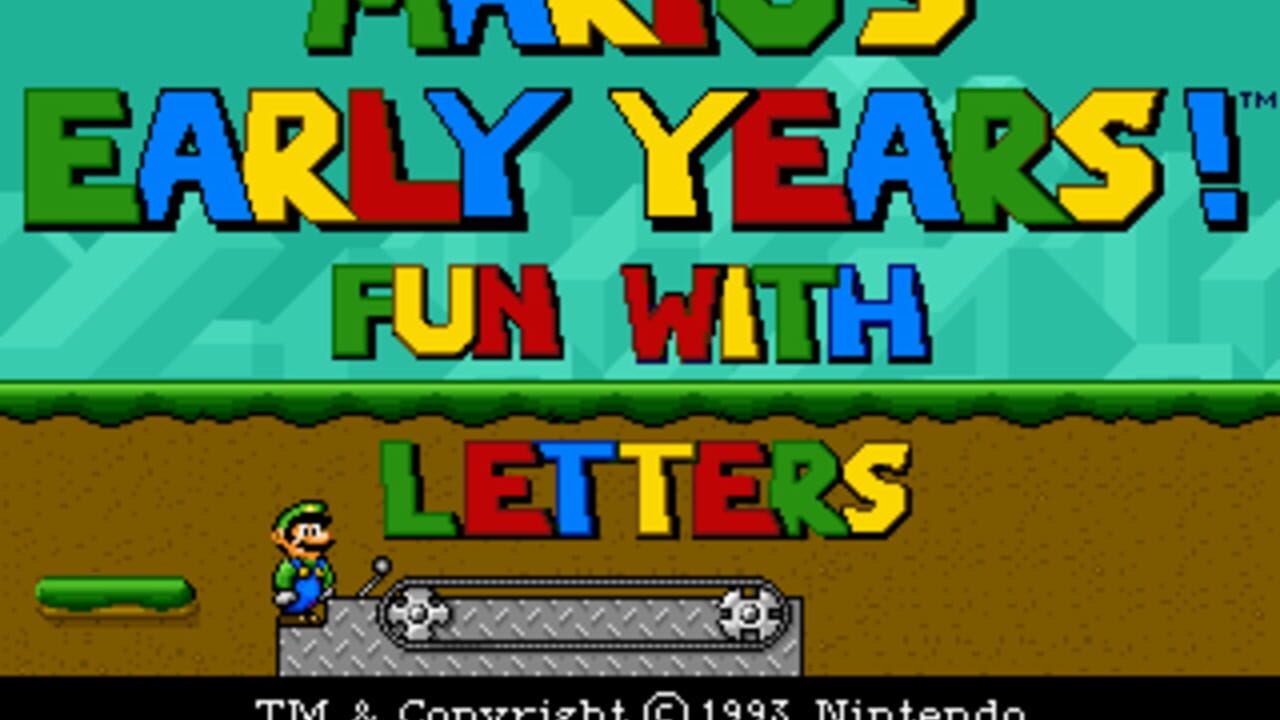
This is far more than a port. Miyamoto led the work, and it ended a decade-long gap after Donkey Kong 3. The first four stages copy the arcade game, then many more follow.
The team rebuilt the idea of Mario trying to outwit Donkey Kong. It was the first Game Boy game designed for the Super Game Boy, so you could play it on your TV. It was also Miyamoto's last game in the series before he moved to an advisory role.


Hotel Mario (1994)
Apr 5, 1994Apr 5, 1994

This puzzle game came from Fantasy Factory and Philips, for the CD-i. It was one of four games with Nintendo characters on that system, alongside three Zelda games. You close doors across a hotel while Koopas open them.
It has since been called one of the worst video games, with complaints about the door mechanic, the controls, the voice acting and the full-motion cutscenes. Peach keeps being rescued and recaptured straight away. People still quote the cutscenes.


Mario's Game Gallery (1995)
Feb 23, 1995Mar 3, 1998

Presage Software made this collection for MS-DOS and Interplay published it. You play real-world board and card games against Mario, with pieces from his universe.
It was re-released as Mario's FUNdamentals for Mac in 1996. The checkers and Go Fish here have no plot at all, and Mario talks to you the entire time.


Mario's Picross (1995)
Mar 14, 1995Mar 16, 1995Jul 25, 1995Jul 27, 1995Jul 14, 2011Jul 14, 2011Aug 4, 2011Sep 21, 2011
Mario wears an archaeologist's outfit and solves number puzzles on a grid. Reviewers liked the length and the addictive puzzles but missed the usual Mario elements.
It sold well in Japan and poorly in English-speaking regions, so the next two Picross games stayed in Japan. English-speaking players waited until Picross DS in 2007.


Mario's Tennis (1995)
Jul 21, 1995Aug 14, 1995

This was one of five launch titles in Japan and the pack-in game in North America for the Virtual Boy. It counts as the first Mario Tennis game, with seven Mario characters playing singles or doubles.
Nintendo R&D1 made it with Tose, and Gunpei Yokoi produced it. Critics were mixed, though they liked the graphics and the play. You played it in red, with your face pressed into a headset on a stand, and that is the most famous thing about it.


Mario Clash (1995)
Sep 28, 1995Oct 1, 1995
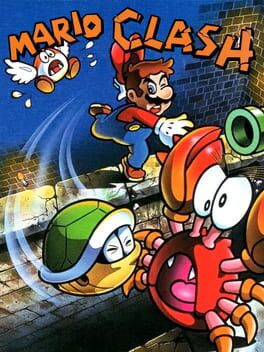
This is the first stereoscopic 3D Mario game and a 3D take on the Mario Bros. arcade game. You stand on a platform and throw shells into the distance at enemies on another plane. Some enemies only go down if a shell comes from another plane.
It reached North America in October and left the shelves soon after with the rest of the Virtual Boy library.


Super Mario World 2: Yoshi's Island (1995)
Oct 4, 1995Oct 5, 19951995Aug 5, 1995
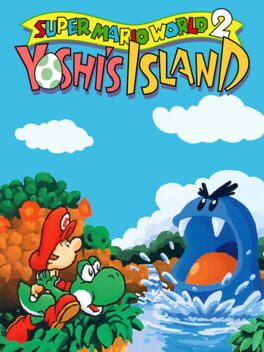
Nintendo took the dinosaur from Super Mario World and built a game around him, carrying Baby Mario on his back. It took four years to make. The crayon backgrounds give it the look of a colouring book, and a Super FX2 chip powers the effects.
Yoshi gained the flutter jump and egg throwing here, and that move set founded the Yoshi series. Critics rank it among the greatest games of all time. Yoshi's Island reached the Game Boy Advance in 2002 as Super Mario Advance 3, and it adds a few new levels to the 1995 game.


Super Mario RPG: Legend of the Seven Stars (1996)
May 13, 19961996Mar 9, 1996Jun 24, 2008Aug 22, 2008Aug 22, 2008Sep 1, 2008Aug 5, 2015Dec 24, 2015Dec 25, 2015Jun 30, 2016
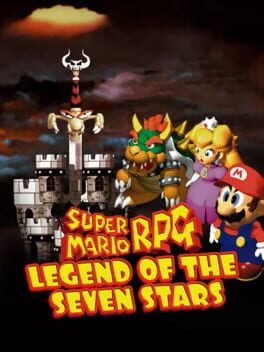
Square made Mario's first role-playing game, borrowing from series such as Final Fantasy. Chihiro Fujioka and Yoshihiko Maekawa directed, and Yoko Shimomura wrote the score. It was also the first Mario game with an isometric 3D view.
It was the final Mario game for the SNES, and critics loved its humour and rendered graphics. Europe and Australia first saw it on Wii Virtual Console in 2008. Geno and Mallow have stayed fan favourites ever since. ArtePiazza remade it for Switch in Unity in 2023, and the studio had worked on Dragon Quest before. It keeps the map and the turn-based fights from the SNES game and adds new visuals.


Super Mario 64 (1996)
Jun 23, 1996Sep 29, 1996Mar 1, 1997Mar 1, 1997Nov 19, 2006Dec 7, 2006Dec 8, 2006Apr 1, 2015Apr 1, 2015Apr 2, 2015
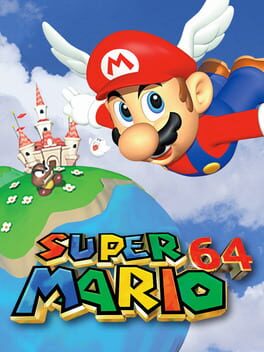
This is the first Super Mario game in 3D. Miyamoto had the idea during the making of Star Fox. The team spent about one year on design and twenty months on production, starting with the camera.
Bowser takes Peach's castle and hides the Power Stars in worlds inside paintings. You jump into the paintings and collect stars to open more of the castle. Reviewers loved the ambition and the level design, though some disliked the camera. It is the best-selling Nintendo 64 game, with nearly twelve million sold by 2015.
Super Mario 64 DS, an enhanced remake, launched with the Nintendo DS in 2004. You start as Yoshi and unlock Mario, Luigi and Wario. Super Mario 3D All-Stars brought the original to Switch in 2020 with Sunshine and Galaxy, for the 35th anniversary. It sold only until March 31, 2021, and it sold more than 9 million copies. Nintendo pulling a game from sale for a birthday is a strange way to celebrate.


Mario Kart 64 (1997)
Dec 14, 1996Feb 10, 1997Jun 24, 1997Jan 8, 1998Dec 25, 2003Jan 26, 2007Jan 26, 2007Jan 29, 2007Jan 30, 2007Apr 26, 2008Jan 6, 2016Jan 21, 2016Jan 22, 2016Dec 29, 2016
This is the second Mario Kart game. Nintendo aimed for smooth play over big changes so a wide audience could pick it up. The team leaned on car physics simulations for the kart design.
Grand Prix points run nine, six, three and one for the top four places. It sold 9.87 million copies, the second best-selling N64 game. Four-player sofa friendships have ended over less than Rainbow Road.


Mario Party (1999)
Dec 18, 1998Feb 8, 1999Mar 9, 1999Mar 9, 1999
Hudson Soft, the studio behind Bomberman, made it. The first game in the Mario Party series works like a board game, and the colour of the space each player lands on picks the type of minigame.
Reviewers enjoyed the multiplayer and disliked the slow pacing. Its first official re-release came on Nintendo Classics in 2022. Some of the stick-rotating minigames cost players their palms.


Mario Golf (1999)
Jul 26, 1999Aug 10, 1999Oct 5, 1999Oct 26, 1999Oct 26, 1999Oct 3, 2012Oct 11, 2012May 2, 2014May 2, 2014

This is the first game to carry the name, though it counts as the second in the Mario Golf series. Nintendo hired Camelot for a role-playing game, and Camelot asked to make something simpler to learn the hardware first. Its prototype impressed Nintendo enough to cancel its other golf game.
A Game Boy Color version with a story mode and role-playing elements came out as well. The N64 game is on Nintendo Classics since 2022.


Mario Party 2 (2000)
Dec 17, 1999Jan 24, 2000Oct 13, 2000Nov 2, 2010Dec 20, 2010Dec 24, 2010Dec 24, 2010Mar 30, 2016Apr 21, 2016Dec 22, 2016
Reviewers praised the improvements and the 65 mini-games but found it short on new ideas. Six characters return, and stars still cost coins from Toad.
The group names the new land after the Super Star who beats Bowser, which is a thin excuse for a fight over who sits nearest the TV. It is on Nintendo Classics since 2022.


Mario Tennis (2000)
Jul 21, 2000Aug 28, 2000Nov 3, 2000Nov 3, 2000Jun 18, 2010Jun 18, 2010Jun 28, 2010Aug 31, 2010Jul 9, 2015Nov 20, 2015Nov 21, 2015Jul 20, 2016
Camelot's tennis game won high praise for its gameplay and depth. Two main buttons give you seven types of shot, and it stays easy to learn.
Waluigi first appears here, created to give Wario a doubles partner. Bowser Stage tilts the court and throws Mario Kart items into a match. A Game Boy Color version adds a story mode. Waluigi exists because tennis needs an even number of people, which is as good a reason as any.


Paper Mario (2001)
Aug 11, 2000Feb 5, 20012004Jul 10, 2007Jul 13, 2007Jul 13, 2007Jul 16, 2007Apr 30, 2015May 21, 2015
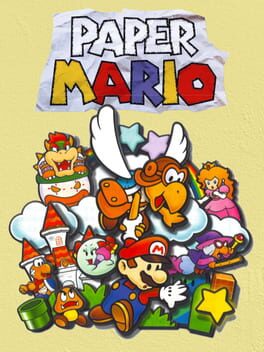
Nintendo first planned to have Square make this follow-up to Super Mario RPG, but Square was busy with Final Fantasy VII, so Intelligent Systems took it on. Flat paper cut-out characters walk through 3D backgrounds.
This is the first game in the Paper Mario series. You can play it on Nintendo Classics since December 10, 2021. The Thousand-Year Door followed in 2004.


Dr. Mario 64 (2001)
Apr 9, 2001Nov 18, 2003Feb 7, 2003
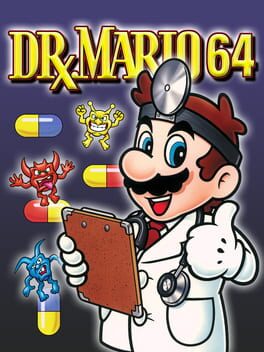
Nintendo R&D1 made this tile-matching puzzle game, and it stayed in North America for its first run on N64. It adds a story mode and Wario, on top of the classic capsule game.
A version reached China on the iQue Player on November 18, 2003. It came out late in the life of the console, and it is easy to miss.


Mario Party 3 (2001)
Dec 7, 2000May 7, 2001Nov 16, 2001
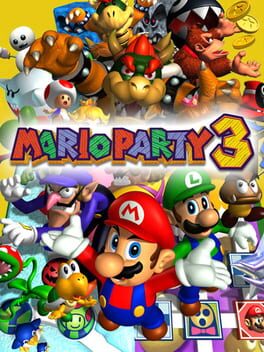
Daisy and Waluigi join the cast here. A Duel mode has two players use partners to attack each other, and the story follows the Millennium Star.
Critics split over whether it improved on the first two. It sold over 1 million copies and closed out the console as the final first-party N64 title in North America.


Mario Kart: Super Circuit (2001)
Jul 21, 2001Aug 27, 2001Sep 7, 2001Sep 14, 2001Aug 26, 2011Sep 14, 2011Nov 13, 2014Apr 23, 2015
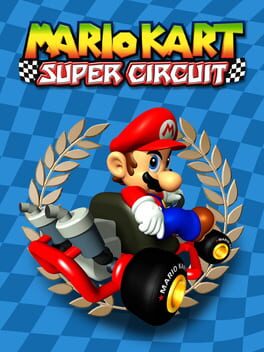
This is the third Mario Kart game and the first on a handheld. Intelligent Systems made it, the only series entry from that studio.
Nintendo showed it alongside the GBA in 2000, and the look moved closer to Super Mario Kart during development. Critics praised the modes and difficulty, though reaction to the multiplayer was mixed.


Luigi's Mansion (2001)
Sep 14, 2001Nov 18, 2001
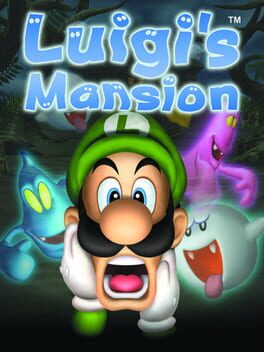
Nintendo launched the GameCube with Luigi instead of Mario, and he spends the game terrified. You vacuum ghosts out of a haunted house.
Reviewers praised the visuals and the setting but criticised the short length. It sold over 3.3 million copies, the fifth best-selling GameCube game. It reached Switch 2 through Nintendo Classics in 2025. Nintendo and Grezzo remade it for the 3DS in 2018, adding Gooigi, a slimy copy of Luigi. Mario was busy, so his brother got the haunted house and a vacuum cleaner.


Super Mario Sunshine (2002)
Jul 19, 2002Aug 26, 2002Oct 4, 2002Oct 11, 2002
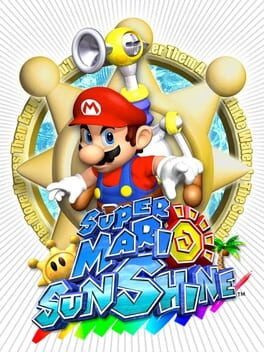
Mario takes a vacation on Isle Delfino, and Shadow Mario's graffiti gets him convicted for a crime he did not commit. He cleans it up with F.L.U.D.D., a water-spraying device.
Yoshiaki Koizumi and Kenta Usui directed. Reviewers liked the graphics and story but disliked the camera and some hard missions. It sold over five million copies by 2006. It remains the only Mario game where a court sentences him to community service.


Mario Party 4 (2002)
Oct 21, 2002Nov 8, 2002Nov 29, 2002
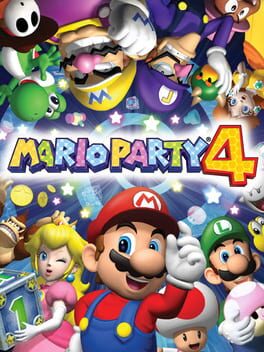
This is the first Mario Party on GameCube. Reviewers liked the graphics and controls and disliked the single-player mode and the board design.
It still won Family Game of the Year at the Interactive Achievement Awards of 2003. Toad and the gang now hand out gifts, and the boards grew large enough that one critic said interest faded fast.


Mario Golf: Toadstool Tour (2003)
Jul 28, 2003Sep 5, 2003Feb 11, 2004Jun 18, 2004
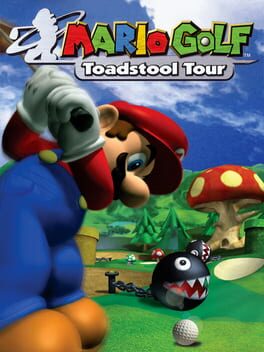
This sequel to the N64 game is the third in the Mario Golf series. You pick a club, a direction and a range before each swing.
Reviewers liked the visuals, sound and courses but saw little new. Camelot built it alongside Mario Power Tennis, and the two share a lot of their look.


Mario Party 5 (2003)
Nov 11, 2003Nov 28, 2003Dec 5, 2003
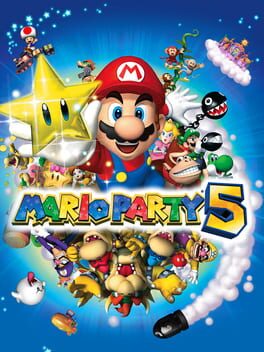
This second GameCube Mario Party brings in Toad, Boo and Koopa Kid as playable characters, for 10 playable characters.
Critics enjoyed the new minigames but saw few new ideas. It won the Console Children's Award in 2004.


Mario Kart: Double Dash!! (2003)
Nov 7, 2003Nov 14, 2003Nov 17, 2003
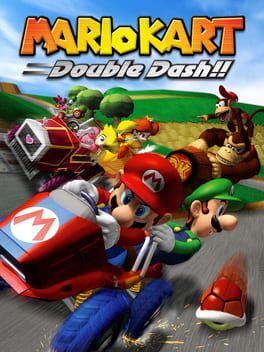
This game puts two riders on every kart. One drives while the one in back uses the items, and two players can share a kart.
LAN setups support sixteen players in eight pairs. A seven-second clip at E3 2001 was the first look at it. It sold more than 3.8 million copies in the United States and more than 802,000 in Japan. Being in the back of the kart is the most helpless anyone has felt holding a banana.


Mario & Luigi: Superstar Saga (2003)
Nov 17, 2003Nov 21, 2003Nov 21, 2003Nov 28, 2003Apr 3, 2014Apr 3, 2014Apr 30, 2014
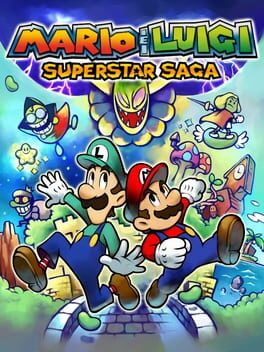
This is the first game in the Mario & Luigi series. The brothers go to the Beanbean Kingdom to fight Cackletta and Fawful, who stole Peach's voice. You control each brother with his own button.
Reviewers praised the writing, tone and battle system. It sold over 2 million copies, and critics rank it among the best games on the Game Boy Advance. Few villains have a sidekick as loud as Fawful. An enhanced 3DS remake in 2017 keeps the story and adds Minion Quest, starring Captain Goomba. That new story uses a real-time strategy battle system.


Mario vs. Donkey Kong (2004)
May 24, 2004Jun 10, 2004Nov 19, 2004May 9, 2013May 9, 2013Jul 23, 2014Sep 17, 2015Feb 9, 2017
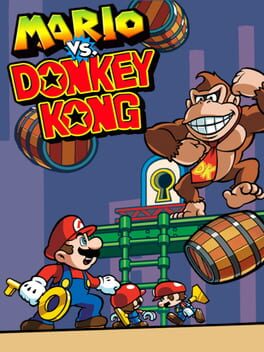
Nintendo Software Technology made this puzzle-platform game. It is a spiritual follow-up to the 1994 Game Boy Donkey Kong, with Mario chasing Donkey Kong to recover stolen Mini Mario toys.
It started a series of its own. A Switch remake came out on February 16, 2024. It adds new worlds and a two-player mode with Toad.


Mario Golf: Advance Tour (2004)
Apr 22, 2004Jun 21, 2004Jul 8, 2004Sep 17, 2004Sep 10, 2014Sep 25, 2014Sep 25, 2014
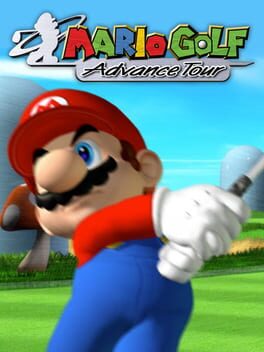
This sequel to the Game Boy Color Mario Golf works as the handheld partner of Toadstool Tour. It keeps the role-playing structure: you create a golfer, level up and work through a school.
Neil and Ella live in the student lodging on the Marion course, and you can link up with the wireless adapter. It came ten years before the next golf game.


Mario Pinball Land (2004)
Oct 4, 2004Sep 11, 2014Nov 27, 2014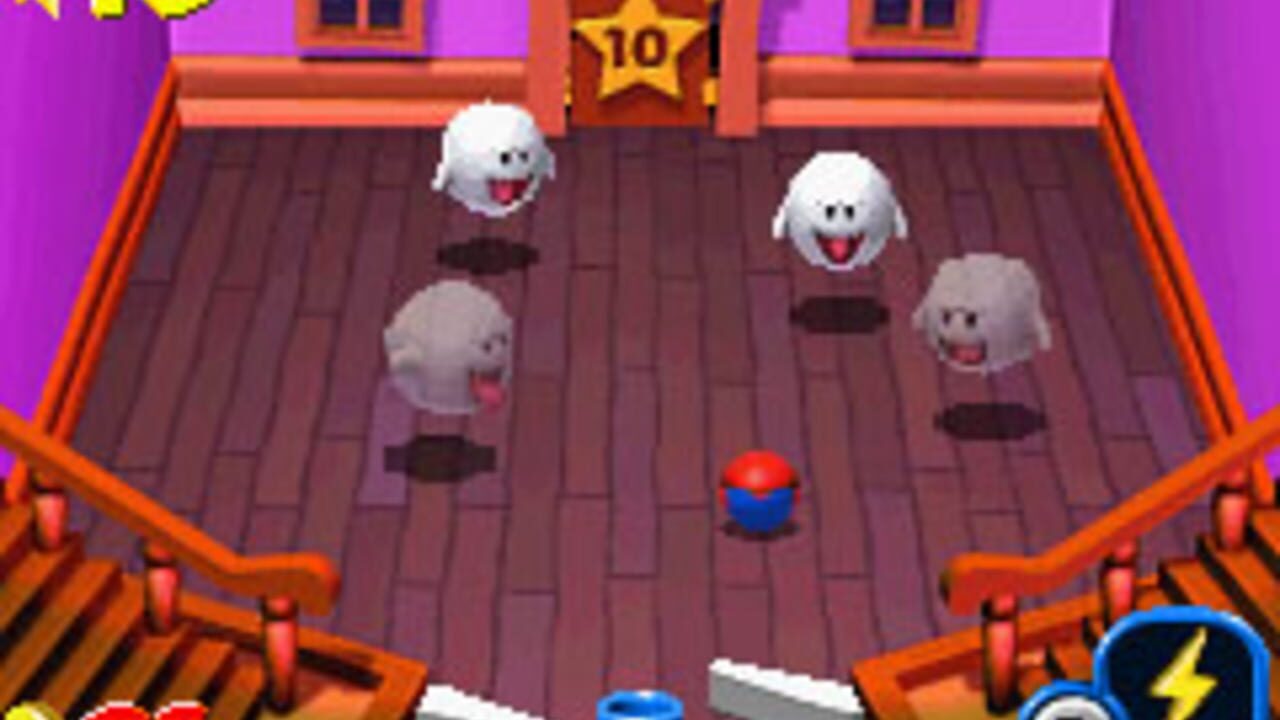
Fuse Games made this one, founded by Pro Pinball veterans Adrian Barritt and Richard Horrocks. They pitched a playable demo with a Mario pinball idea.
Mario becomes the ball, after a fairground cannon called the Air Cannon turns him into one. Reviewers such as IGN disliked the table layouts. Peach gets kidnapped at a funfair, which at least makes a change from the castle.
Paper Mario: The Thousand-Year Door (2004)
Jul 22, 2004Oct 11, 2004Nov 12, 2004Nov 18, 2004
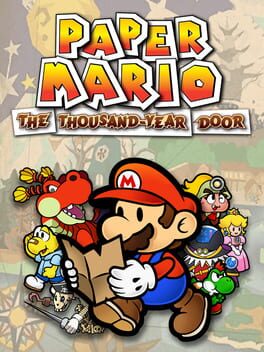
Many call this the best game in the series, and it is cited as one of the greatest games ever made. Mario travels to Rogueport with a party of partners, and the battles take place on a theatre stage.
It won Console Role-Playing Game of the Year at the 8th Interactive Achievement Awards. Super Paper Mario followed in 2007, and a Switch remake arrived in 2024. Intelligent Systems returned for it, with help from Tose. It redoes the graphics, animation and music, and adds quality of life changes. Its Metacritic score is 88/100, from 106 reviews.


Mario Power Tennis (2004)
Oct 28, 2004Nov 8, 2004Feb 25, 2005Feb 25, 2005
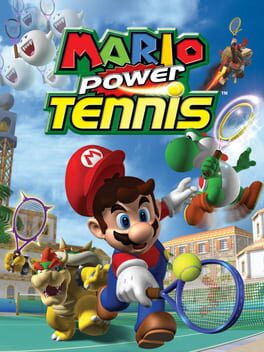
This is the third Mario Tennis game and the sequel to the N64 title. Gimmick courts have parts that affect play, and Power Shots give each character a flashy special move.
It came to Wii in 2009 through New Play Control!. It shared technology with Toadstool Tour during production.


Mario Party 6 (2004)
Nov 18, 2004Dec 6, 2004Mar 18, 2005Sep 15, 2005
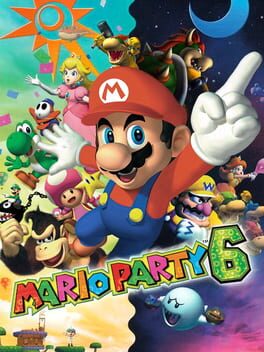
This is the first GameCube game to use a microphone add-on. A day-and-night system changes the boards, and the Orb star replaces the coin bonus star.
Critics liked the boards and minigames but not the microphone. Mario Party 7 followed on GameCube. Yelling at a GameCube is not the worst way to spend an evening.


Mario Party Advance (2005)
Jan 13, 2005Mar 28, 2005Jun 10, 2005Sep 15, 2005Dec 25, 2014Dec 25, 2014
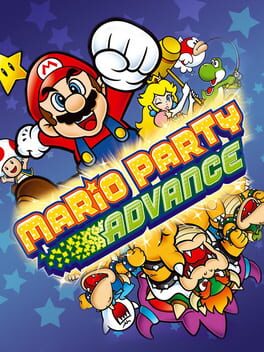
This first handheld Mario Party focuses on a single-player mode. You explore Shroom City, complete quests and collect Gaddgets.
Critics disliked that focus, and it is widely seen as one of the worst in the series. A party game for one person was always a hard sell.


Mario Superstar Baseball (2005)
Jul 21, 2005Aug 29, 2005Nov 3, 2005Nov 11, 2005

The heart of the game is Challenge Mode, where you pick a team and beat all the others. Four difficulty settings run from Mushroom to Special.
Star Skills give characters flashy moves, and the many minigames test your batting and pitching. Mario Super Sluggers on Wii continued it.


Mario Kart Arcade GP (2005)
Oct 10, 2005Nov 19, 200520052005
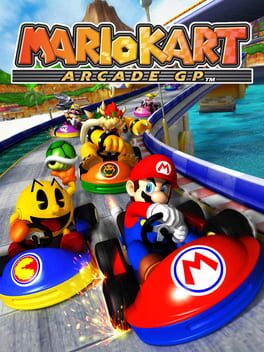
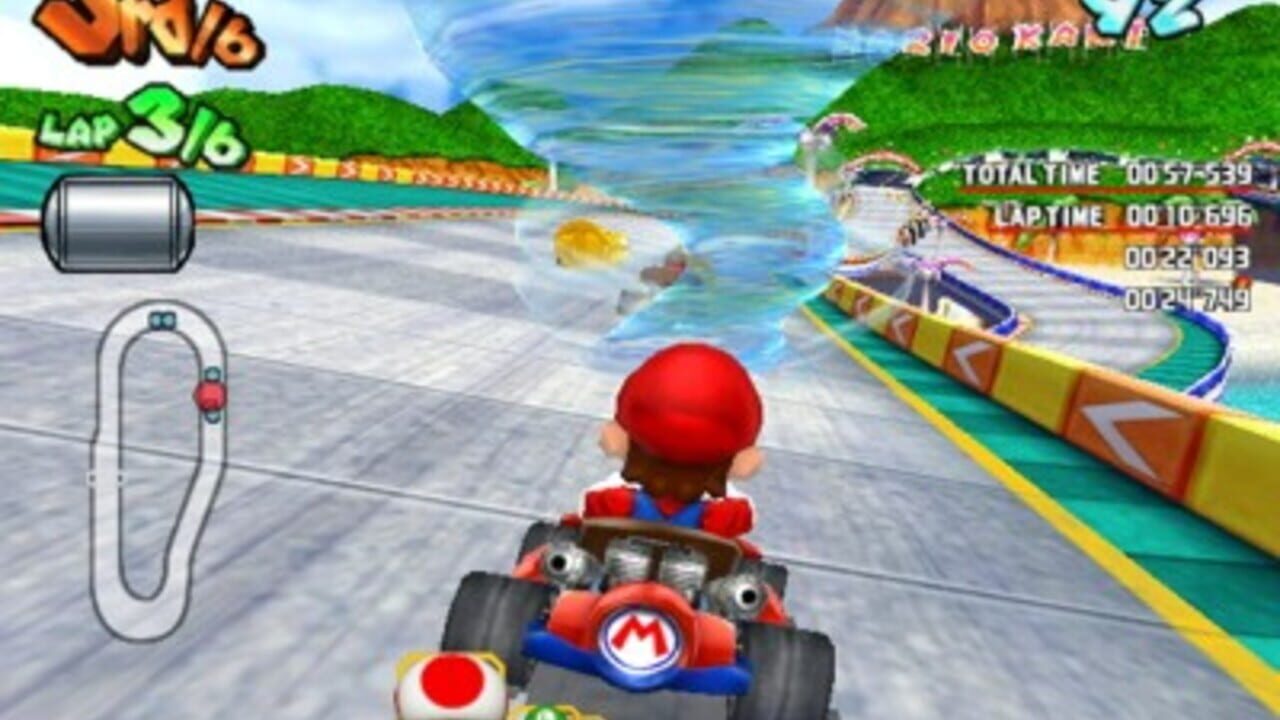
Namco made this arcade Mario Kart, with six cups of four courses. Its NamCam system takes a photo of your face when you sit down, and the game prints that picture onto your character.
Outside Japan these cabinets are fairly rare. You can tell who took it seriously by how the photo came out.
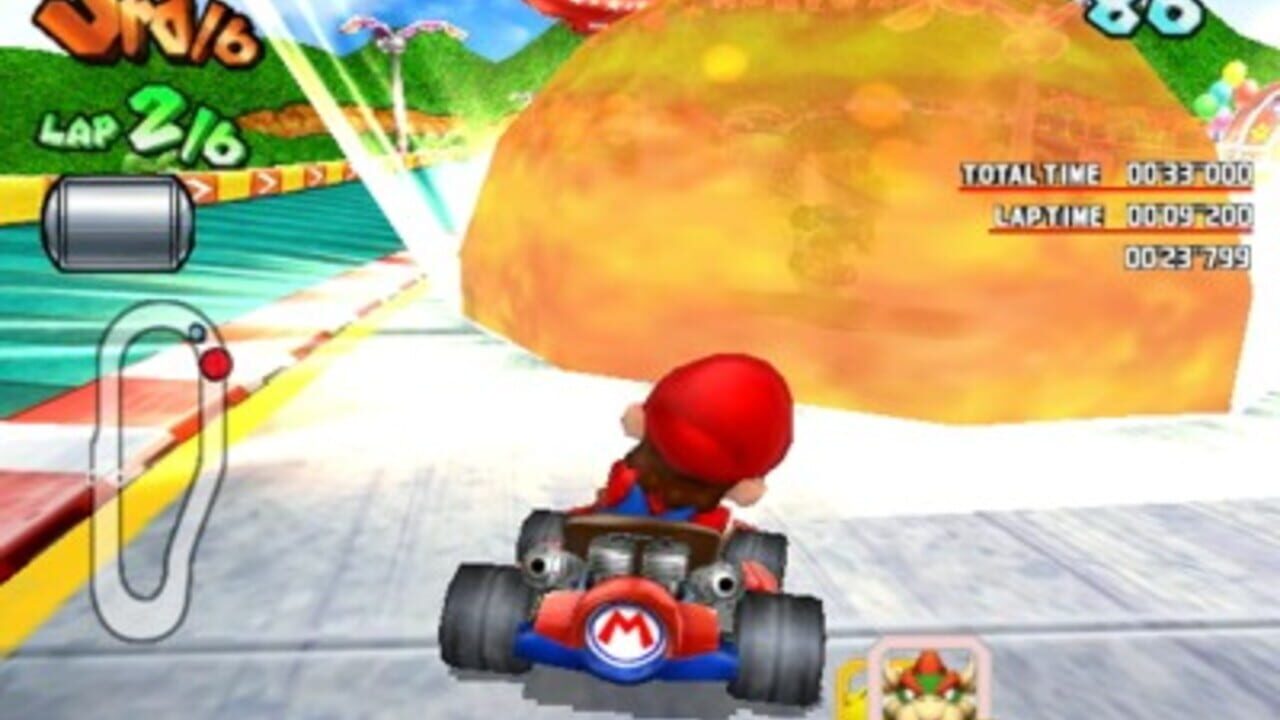
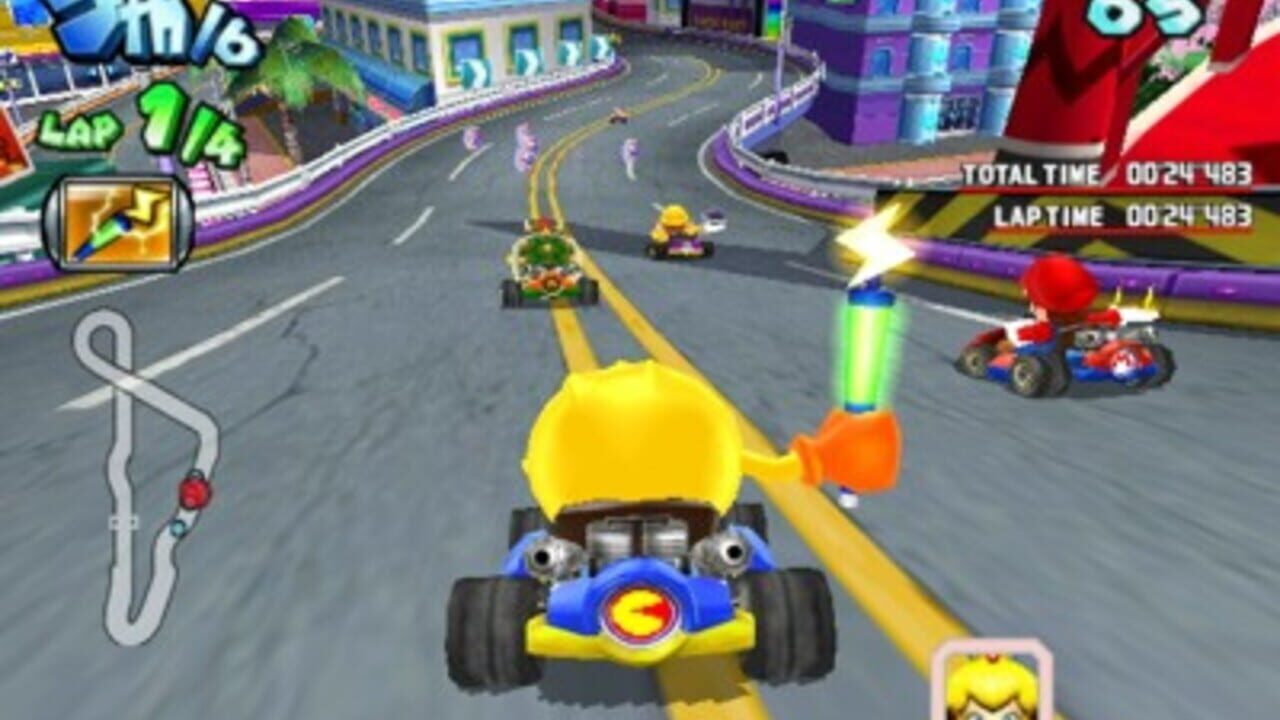
Dance Dance Revolution: Mario Mix (2005)
Jul 14, 2005Oct 24, 2005Oct 28, 2005Nov 24, 2005
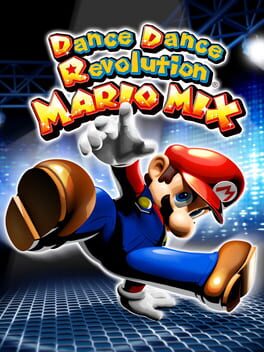
Mario's music and locations fill this dance game. Mario or Luigi chases missing Music Keys across the Mushroom Kingdom, and you stomp on a dance mat to do it.
Bosses include Waluigi in Truffle Towers and a giant Freezie on a snowy mountain. It is the only time saving the Mushroom Kingdom has counted as cardio.


Mario Party 7 (2005)
Oct 11, 2005Feb 10, 2006Jun 8, 2006Nov 7, 2005
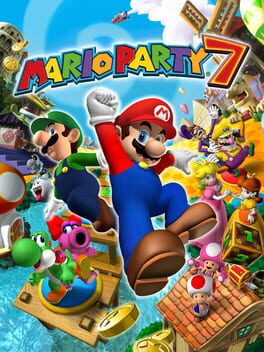
This is the fourth and final GameCube Mario Party. It adds modes for up to eight players at once, and it has 88 minigames.
Many minigames use the microphone again. It sold more than two million copies.


Mario Kart DS (2005)
Nov 14, 2005Nov 17, 2005Nov 25, 2005Dec 8, 2005Apr 5, 2007Apr 1, 2015Apr 2, 2015Apr 23, 2015May 25, 2016
This fifth main entry is the first playable over the Nintendo Wi-Fi Connection, and that online play was the part reviewers pointed to first.
Local Wi-Fi supports up to eight players. It won awards including Best Handheld Game at the G-Phoria show. Everyone who played it online met someone who snaked every corner.


Mario & Luigi: Partners in Time (2005)
Nov 28, 2005Dec 29, 2005Dec 29, 2005Jan 27, 2006Feb 23, 2006Jul 8, 2010Jun 10, 2015Jun 25, 2015Jul 16, 2015Jul 17, 2015
Producers Miyamoto and Tetsuo Mizuno and composer Yoko Shimomura returned. The brothers travel in time and team up with their baby selves. The two screens won praise, and the bottom-screen use drew mixed opinions.
Critics enjoyed the jokes. Being outsmarted by a baby version of yourself is a hard way to learn time travel.


Mario Tennis: Power Tour (2005)
Sep 13, 2005Nov 18, 2005Dec 1, 2005Dec 5, 2005Apr 30, 2014Jun 26, 2014Jun 27, 2014Jul 3, 2014
This sequel to the Game Boy Color game keeps the story mode. You play a student at a tennis academy who climbs the rankings.
Critics praised the role-playing parts, and some called it one of the best sports games on the Game Boy Advance.


Super Mario Strikers (2005)
2005Dec 5, 2005

This soccer game with Mario characters reached Europe first, and North America followed on December 5, 2005. Next Level Games gave it hard tackles and a rough attitude that no other Mario sports game has.
Nintendo put it on Switch 2 through Nintendo Classics on July 3, 2025, its first official re-release.


Super Princess Peach (2006)
Oct 20, 2005Nov 4, 2005Feb 27, 2006Mar 30, 2006May 26, 2006
Bowser kidnaps Mario and Luigi, a reversal of the usual damsel in distress setup. Peach crosses Vibe Island, with eight worlds of five levels and a boss each. Her emotions power her abilities.
Reviewers liked the graphics and music, but found it easy. It sold 1.7 million copies. It took twenty years of rescues before Peach got her own platform game.


New Super Mario Bros. (2006)
May 15, 2006May 25, 2006Jun 8, 2006Jun 30, 20062009Apr 2, 2015May 14, 2015Dec 17, 2015Dec 18, 2015
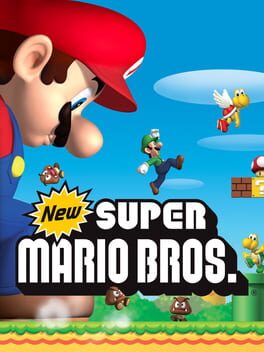
This is the first side-scrolling Super Mario game since Yoshi's Island. The Mega Mushroom makes Mario huge enough to smash pipes, and Mini Mario can run on water.
Many credit it with reviving 2D platforming. It sold over 30 million copies, the best-selling game on the Nintendo DS. It was also the start of its own subseries.


Mario Hoops 3-on-3 (2006)
Jul 27, 2006Sep 11, 2006Feb 16, 2007May 26, 2016Nov 3, 2016
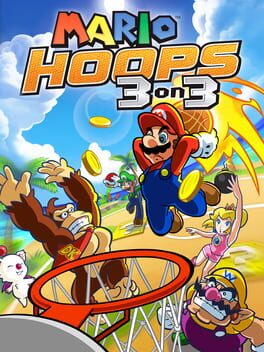
Square Enix made this basketball game, its second Mario game after Super Mario RPG. It is the first game with Mario and Final Fantasy characters playable side by side.
You do almost everything on the touch screen, apart from movement. It is the only dedicated basketball game in the series. Mario Sports Mix followed it.


Mario vs. Donkey Kong 2: March of the Minis (2006)
Sep 25, 2006Mar 9, 2007Sep 17, 2015Oct 6, 2016
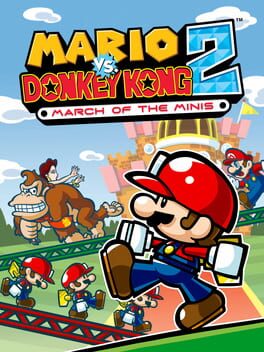
This direct sequel to the Game Boy Advance game moves to the DS. You guide Mini Marios with the stylus, and the wind-up toys take the lead role.
Critics praised the puzzles and control scheme, with some calling it short. Minis March Again! followed in June 2009.


Super Paper Mario (2007)
Apr 9, 2007Apr 19, 2007Sep 14, 2007Sep 20, 2007Jun 16, 2016Aug 3, 2016Aug 11, 2016
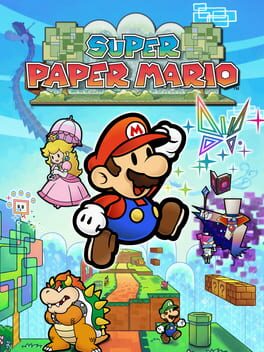
This is the first Mario game on the Wii. It moves away from turn-based battles to mix role-playing with side-scrolling, and you can flip between 2D and 3D.
Critics liked the story and originality, with complaints about how much text there is. It won Outstanding Role Playing Game at the 12th Satellite Awards. Plenty of players still argue over whether Mr. L is a joke or a person.


Mario Party 8 (2007)
May 29, 2007Jun 20, 2007Jul 19, 2007Jul 26, 2007
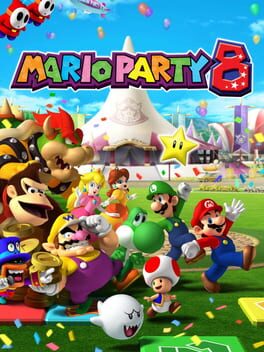
This first Wii Mario Party has many minigames built around the Wii Remote. Candy is the new item, such as the Twice Candy that gives you two Dice Blocks.
Reviewers liked the motion controls and disliked the visuals. It sold more than eight million copies.


Mario Kart Arcade GP 2 (2007)
Mar 14, 2007200720072008

This sequel adds two more cups to the original's tracks, along with Waluigi and Mametchi from Tamagotchi as new racers.
Like the first game, it never got a home release.
Mario Strikers Charged (2007)
May 25, 2007Jun 7, 2007Jul 30, 2007Sep 20, 2007May 12, 2016May 13, 2016Aug 17, 2016Sep 8, 2016
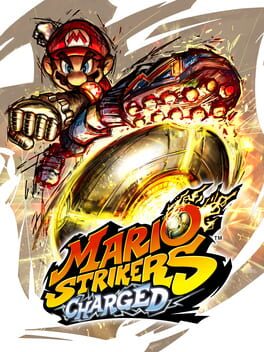
This sequel to Super Mario Strikers adds online play through the Nintendo Wi-Fi Connection. Captains can fire the Mega Strike, worth three to six points.
Reviews praised the style and online play, though the single-player was weak. Players who rage quit lost ten points, which seems fair.


Mario & Sonic at the Olympic Games (2007)
Nov 6, 2007Nov 22, 2007Nov 22, 2007Nov 23, 2007
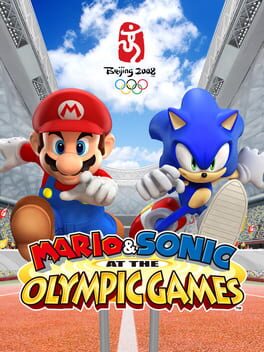
This is the first official crossover between Mario and Sonic. It was also the first official game of the 2008 Summer Olympics, with twenty-four events.
Critics enjoyed the Wii multiplayer. A DS version arrived the next year. The rivalry that filled 1990s playgrounds ended in a hurdles race.


Super Mario Galaxy (2007)
Nov 1, 2007Nov 12, 2007Nov 16, 2007Nov 29, 2007May 31, 2015Dec 24, 2015Feb 4, 2016Feb 5, 2016
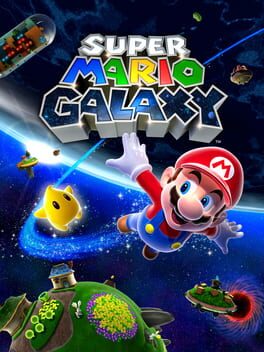
Nintendo EAD Tokyo started this after Donkey Kong Jungle Beat, when Miyamoto suggested a large-scale Mario game. Levels are small planets with their own gravity, and you steer with the Wii Remote and Nunchuk.
The soundtrack used a symphony orchestra for the first time in the series. Critics gave it universal acclaim, and it sold 12.80 million copies. Both Galaxy games came to Switch as a collection on 2 October 2025, and you can buy each one on the eShop on its own. Running upside down around a tiny planet still feels like a magic trick.


Mario Party DS (2007)
Nov 8, 2007Nov 19, 2007Nov 23, 2007May 22, 2008Apr 21, 2016Apr 21, 2016
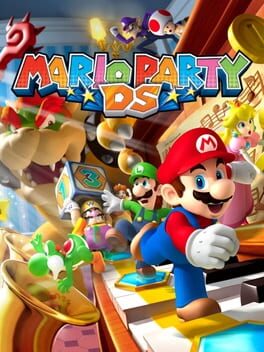
This is the only Mario Party on DS and the last from Hudson Soft. Bowser shrinks everyone with a device called the Minimizer, which sends the gang through giant household boards.
It sold more than nine million units, despite having no online mode. Some minigames use the microphone or the touch screen.


Mario Kart Wii (2008)
Apr 10, 2008Apr 11, 2008Apr 24, 2008Apr 27, 2008
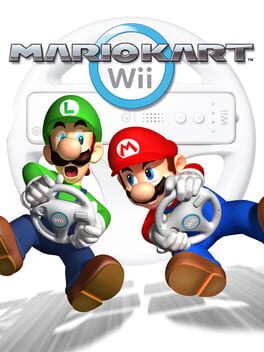
This sixth entry came with a Wii Wheel in every box, and you steer with the motion of the Wii Remote. The roster has 24 characters across 32 tracks.
Reviewers praised the online mode and criticised item balance and the rubberband AI. It sold more than 8.9 million copies in 2008, the best seller of that year. Ryo Nagamatsu made his Nintendo debut on the music. The plastic wheel is still in a lot of drawers.


Dr. Mario Online Rx (2008)
Mar 25, 2008May 20, 2008May 26, 2008

This was a WiiWare launch game in Japan, Europe and Australia. You can play as a Mii, and Virus Buster, a mini-game from Brain Age 2, has more options here.
A friend with no copy of the game can play through a demo you send, though it stops at two players.


Mario Super Sluggers (2008)
Jun 19, 2008Aug 25, 2008Mar 31, 2016Aug 17, 2016
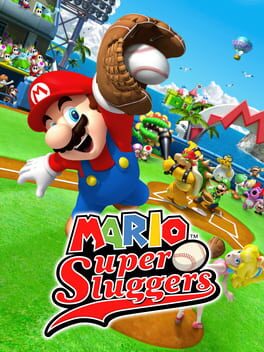
This sequel to Mario Superstar Baseball adds Wii Remote controls similar to the baseball in Wii Sports. In Challenge Mode you start as Mario and recruit everyone else.
Reviews praised the big roster and criticised the controls and the lack of online play. It reached Japan and North America only, in June and August 2008.


Dr. Mario Express (2009)
Dec 24, 2008Apr 20, 2009May 1, 2009Apr 8, 2010
Arika made this DSiWare launch title. It is called A Little Bit of Dr. Mario in PAL regions.
Reviews were good, though it has fewer modes than earlier games, which you would expect from a cheap download.


Mario vs. Donkey Kong: Minis March Again! (2009)
Jun 8, 2009Aug 21, 2009Oct 7, 2009
This download for the DSi adds a level editor. Critics liked the puzzles and how long it lasts, but found little new in it. You can trade levels with friends.


Mario & Luigi: Bowser's Inside Story (2009)
Feb 11, 2009Sep 15, 2009Oct 9, 2009Oct 22, 2009Jul 21, 2011
Many fans and critics see this as the best game in the series, with Bowser's role as a main character the big draw. You spend much of it steering the brothers through Bowser's insides.
It is the best-selling Mario role-playing game, at 4.56 million copies. A 3DS remake reached the USA in January 2019 with a side story called Bowser Jr.'s Journey. Bowser has rarely been so likeable as when he has no idea what is going on in his own stomach.


Mario & Sonic at the Olympic Winter Games (2009)
Oct 13, 2009Nov 5, 2009
This sequel moves to winter sports, which changes the controls and mechanics. Nintendo published it in Japan and Korea, and Sega everywhere else.
Sega also released a Sonic-only follow-up on iPhone in January 2010, since Nintendo's characters could not come along.


New Super Mario Bros. Wii (2009)
Nov 12, 2009Nov 15, 2009Nov 20, 2009Dec 3, 2009Jan 7, 2016Jan 8, 2016Aug 9, 2016
Miyamoto wanted a staple for the Wii after the DS game's success. Up to four players can run through a level at the same time, and they can pick each other up and throw each other into pits.
Super Guide lets you watch a computer player beat a level you are stuck on. Four friends on one screen have ruined more jumps than any Koopa.


Super Mario Galaxy 2 (2010)
May 23, 2010May 27, 2010Jun 11, 2010Jul 1, 2010Jan 13, 2015Jan 14, 2015Jan 15, 2015Jan 15, 2015
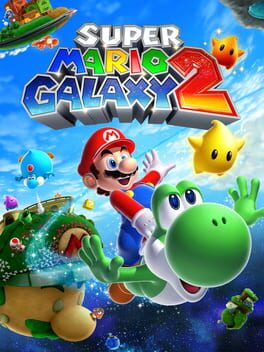
It began as an update called Super Mario Galaxy More, then grew into a full sequel over two and a half years. The new hub is a mobile planet called Starship Mario.
Yoshi is back as a ride in some levels, and Cloud Mario is one of the new power-ups. The Switch version came out in 2025. Galaxy 2 was missing from 3D All-Stars, so this collection filled the gap.


Mario vs. Donkey Kong: Mini-Land Mayhem! (2010)
Nov 14, 2010Dec 2, 2010Feb 3, 2011Feb 4, 2011
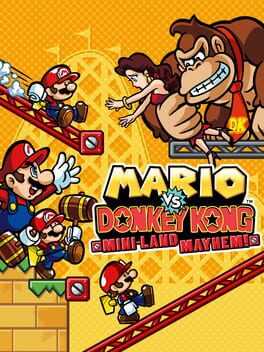
This is the fourth Mario vs. Donkey Kong game. Mini Marios march on their own, and you change the level around them with the stylus. Nintendo Software Technology made it again, with Donkey Kong once more running off with Pauline.


Mario Sports Mix (2011)
Nov 25, 2010Jan 27, 2011Feb 4, 2011Feb 7, 2011Oct 8, 2015Oct 8, 2015Aug 11, 2016Aug 24, 2016
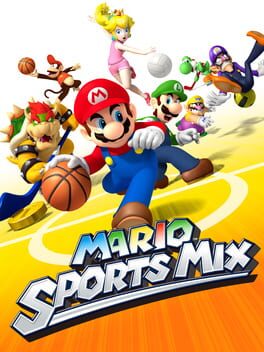
This collection has volleyball, ice hockey, dodgeball and basketball. It marks the first time dodgeball appears in a Mario sports game.
Final Fantasy and Dragon Quest characters make guest appearances, and the Toads start it all after finding mysterious crystals.


Super Mario 3D Land (2011)
Nov 3, 2011Nov 13, 2011Nov 18, 2011Nov 24, 2011Dec 7, 2012
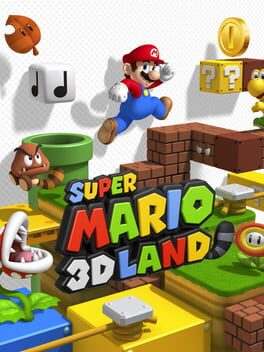
This was the first Mario game for the 3DS, and it mixes 2D side-scrolling with free 3D movement. The Tanooki Suit returns too.
Critics praised how it used the stereoscopic 3D. It sold 12.88 million copies and was the first 3DS game past five million.


Mario & Sonic at the London 2012 Olympic Games (2011)
Nov 15, 2011Nov 17, 2011Nov 18, 2011Dec 8, 2011
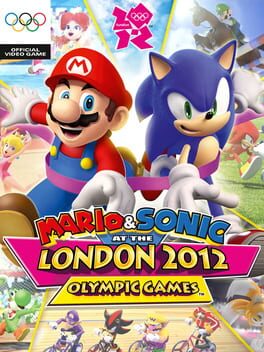
This third game was published by Nintendo in Japan and South Korea and by Sega elsewhere. A 3DS version followed the next year. It is the only Wii title in a yellow case, which is the game's main trivia.
Reviews were mixed, but it sold well.


Mario Kart 7 (2011)
Dec 2, 2011Dec 3, 2011Dec 4, 2011Dec 7, 2011Dec 7, 2012
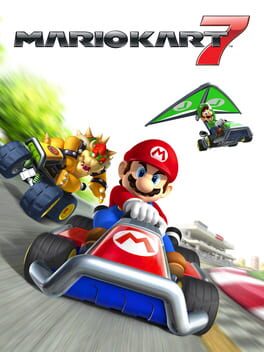
Development began as a port of Mario Kart Wii, and producer Hideki Konno called finishing it an "act of emergency" because the 3DS was selling badly. Retro Studios helped with the retro tracks.
It adds hang gliding and underwater driving, along with kart customising before a race. It is the best-selling game on the 3DS, at nearly 19 million copies.


Fortune Street (2011)
Dec 1, 2011Dec 5, 2011Dec 28, 2011Jan 5, 2012
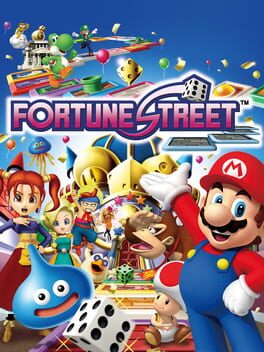
Fortune Street is the Western name for Itadaki Street Wii, a Japan-only series before 2011. It is called Boom Street in Europe. Mario and Dragon Quest characters buy shops and raise rents on a board.
Dragon Quest creator Yuji Horii started the series as a side project in the late 1980s. It is the rare game that lets Princess Peach bankrupt a Slime.


Mario Party 9 (2012)
Mar 2, 2012Mar 8, 2012Mar 11, 2012Apr 26, 2012Apr 11, 2013
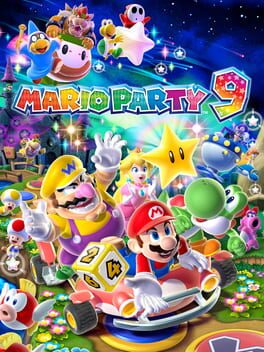
This is the first game in the series not made by Hudson Soft, which was dissolved the day before its European release. All four players now ride in one car around the board, and each board ends in a boss battle.
It has 81 minigames. It was also the final Mario game on the Wii. Sharing one car is the fastest way to find out who your friends are.


Mario Tennis Open (2012)
May 20, 2012May 24, 2012May 24, 2012May 25, 2012
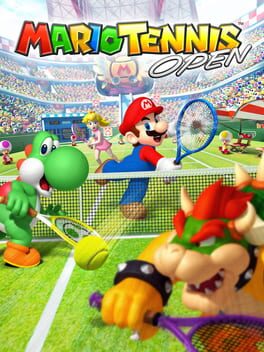
This 3DS game drops the role-playing and story of earlier handheld entries. Shots go through buttons or the touch screen, and you can tilt the console to turn the camera.
You can play as your Mii. It sold 1.11 million copies by March 31, 2013.


New Super Mario Bros. 2 (2012)
Jul 28, 2012Aug 17, 2012Aug 18, 2012Aug 19, 2012
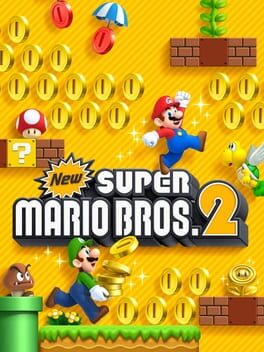
Coins are the focus here, with new items that produce huge numbers of them. Coin Rush challenges you to clear stages fast while grabbing as many as possible, and more stages came as paid downloads.
It is the first Nintendo-published game sold in stores and as a download at the same time. It sold 13.41 million copies. Mario's money problems ended here for good.


Paper Mario: Sticker Star (2012)
Nov 11, 2012Dec 6, 2012Dec 7, 2012Dec 8, 2012
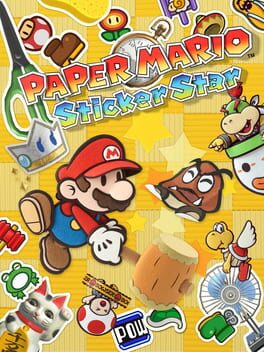
This is the first Paper Mario on a handheld. You spend stickers to attack, so every battle uses up your supplies. The partners from earlier games were cut.
Fans and critics disliked the thin story and the many identical Toads. It started a long argument over what a Paper Mario game should be.


New Super Mario Bros. U (2012)
Nov 18, 2012Nov 30, 2012Nov 30, 2012Dec 8, 2012
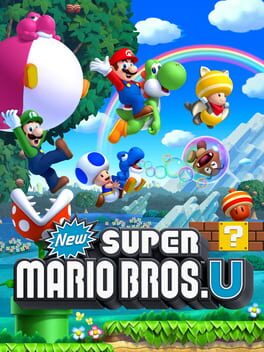
This launch title is the first Super Mario game in high definition. A fifth player can place blocks with the GamePad in Boost Mode.
Baby Yoshis each have a colour-based ability. It was the final entry in the New series, and critics liked it but found it unoriginal. The Switch port came out worldwide on January 11, 2019, with New Super Luigi U included. It adds Toadette as a character, and Nabbit gives new players an easier way through.


Luigi's Mansion: Dark Moon (2013)
Mar 20, 2013Mar 24, 2013Mar 24, 2013Mar 28, 2013Mar 28, 2013
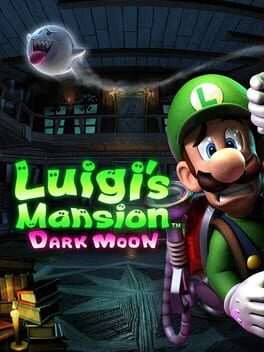
Luigi returns to ghost hunting with several mansions to clear. Co-op can be played locally or online. Reviewers praised the world and new features but disliked the missions and lack of checkpoints.
It sold 6.44 million copies. Luigi's Mansion 2 HD came out on the Switch on June 27, 2024. The stereoscopic 3D is gone, and small movement changes were made. An arcade cabinet using its assets came out on June 18, 2015.


Mario and Donkey Kong: Minis on the Move (2013)
May 9, 2013May 9, 2013
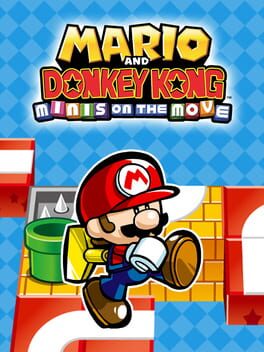
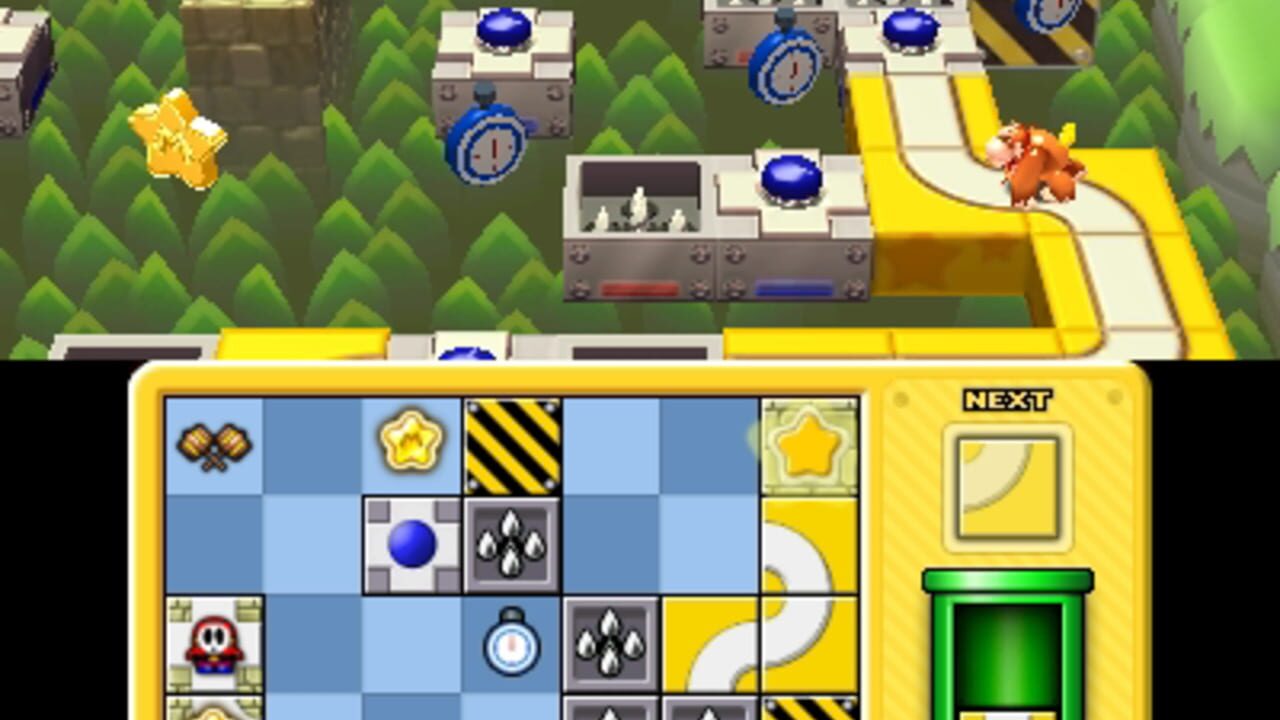
This came out only through the eShop. You place falling path tiles to lead the Minis to the goal. It has a level creator.
Online features ended in April 2024. Tipping Stars followed in 2015.
New Super Luigi U (2013)
Jun 20, 2013Jul 13, 2013Jul 26, 2013Jun 20, 2013
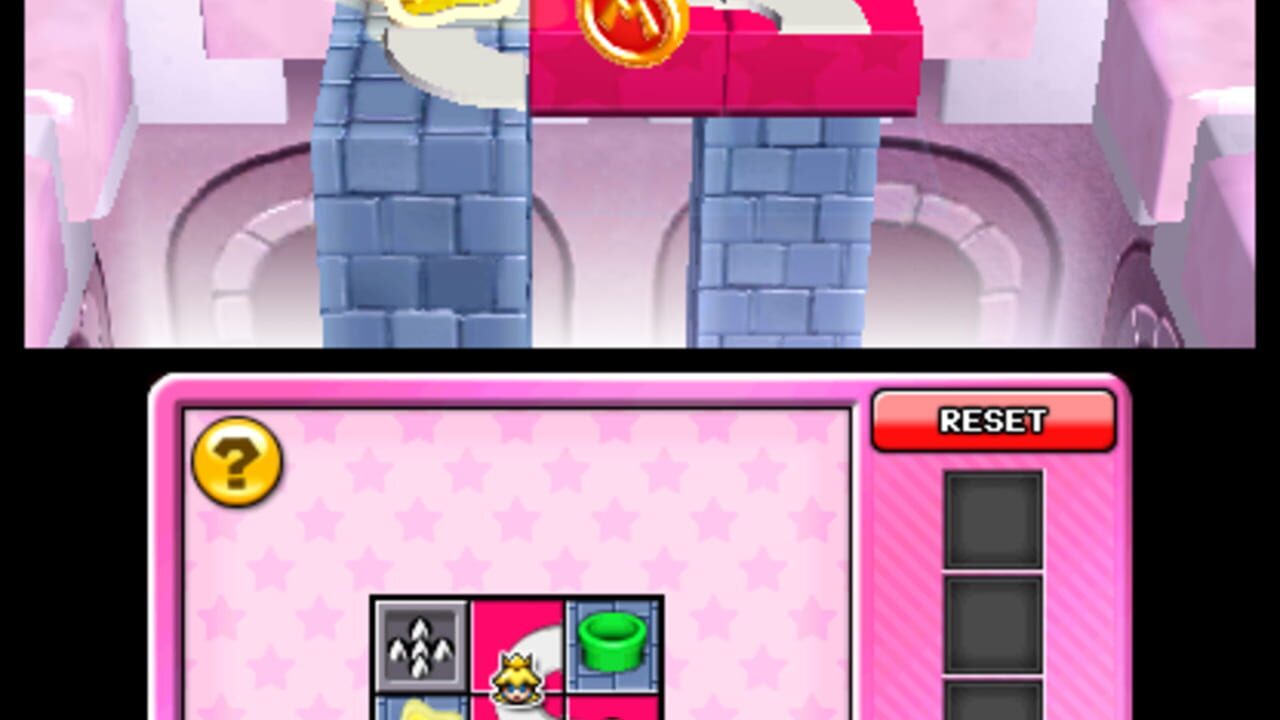
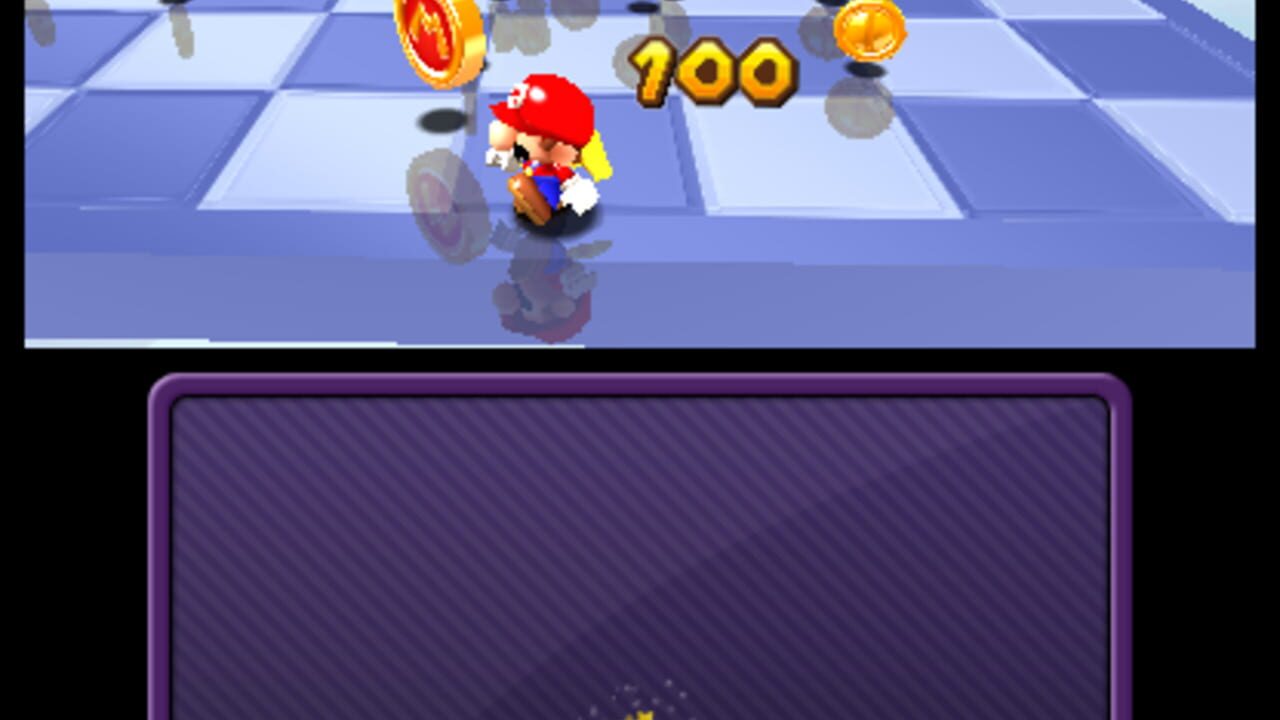
This expansion for New Super Mario Bros. U was built for the Year of Luigi. Luigi takes the lead with his floaty jump, and the stages give you a tight 100 seconds on the clock.
Nintendo announced it on February 14, 2013. A boxed version came out on November 1, 2013, and it is included in the Switch Deluxe version.


Mario & Luigi: Dream Team (2013)
Jul 12, 2013Jul 13, 2013Jul 18, 2013Aug 11, 2013
The developers focused on Luigi, who they felt was underrepresented. Its release fit the Year of Luigi, the character's 30th anniversary.
The world is 3D for the first time in the series, with 2D characters. You enter Luigi's dreams, where there are many copies of him. It is the sort of game that treats a sleeping man as level design.


Mario & Sonic at the Sochi 2014 Olympic Winter Games (2013)
Nov 8, 2013Nov 9, 2013Nov 15, 2013Dec 5, 2013
This fourth game is the first in the series only on Wii U. It has sixteen Olympic events and twenty returning characters.
Reviews praised the visuals and online play and disliked the controls. It was the last Winter Olympic entry.


Super Mario 3D World (2013)
Nov 21, 2013Nov 22, 2013Nov 29, 2013Nov 30, 2013
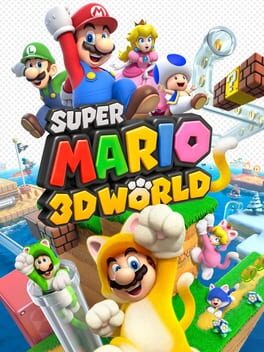
This sequel to Super Mario 3D Land lets up to four players explore together. You pick from Mario, Luigi, Peach, Toad or unlockable Rosalina. The Cat Suit is the headline power-up, and it lets you climb walls.
Critics loved the level design and replay value. Its multiplayer camera was the main complaint. Captain Toad: Treasure Tracker spun out of it. The Wii U game came to Switch in 2021 with a new add-on game, Bowser's Fury, a short open world game where a giant Bowser wakes up every few minutes. Both versions together sold 19.36 million units. Few things in games are as hard to resist as a plumber dressed as a cat.


Mario Party: Island Tour (2013)
Nov 22, 2013Jan 17, 2014Jan 18, 2014
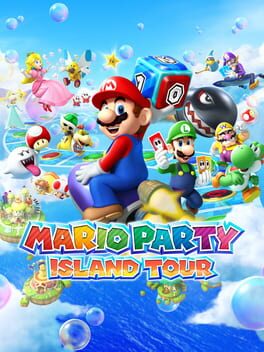
It offers seven boards and more than eighty minigames. The boards have different goals, and none of them are about stars or coins.
It sold 2.95 million units and became a Nintendo Selects title, though it has no online mode.


Mario Kart Arcade GP DX (2013)
Jul 25, 201320142017
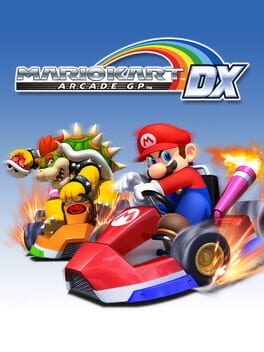
This is the third arcade entry. It is much easier to find outside Japan than the other arcade games. A Wii U version was hoped for and never came.


Dr. Luigi (2013)
Dec 31, 2013Jan 15, 2014Jan 15, 2014Jan 15, 2014

Arika and Nintendo SPD made this download for the Wii U. Luigi takes over the clinic, and his L-shaped capsules change the puzzles. Its release carried the Year of Luigi into 2014.


Mario Golf: World Tour (2014)
May 1, 2014May 2, 2014May 2, 2014May 3, 2014
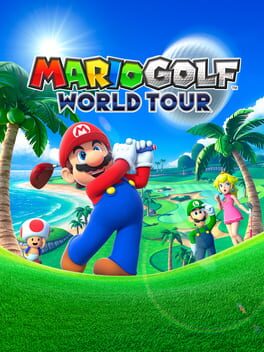
This fifth game is the first in a decade, and the first Mario Golf with online multiplayer. Some courses look like real ones while others are Mario-themed.
Critics liked the online side but found the Castle Club story mode short.


Mario Kart 8 (2014)
May 29, 2014May 30, 2014May 30, 2014
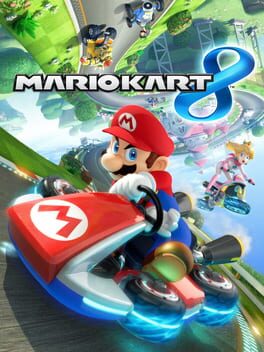
New anti-gravity sections let you drive on walls and ceilings. Paid and free downloads added tracks and a new difficulty setting.
Critics loved the play and the look and disliked the battle mode. It sold 8.46 million on Wii U, the console's best seller. Mario Kart 8 Deluxe on Switch includes the DLC, a rebuilt battle mode and other changes. Critics called it the definitive version. The Booster Course Pass added 48 tracks and eight characters from March 2022 to November 2023. It sold 71.08 million copies, the best-selling game on Switch. Every Switch owner seems to have it, and most of them are better than you.


Mario vs. Donkey Kong: Tipping Stars (2015)
Mar 5, 2015Mar 19, 2015Mar 20, 2015Mar 20, 2015
This is the first Nintendo title with cross-purchase, so buying one version gets you a code for the other. It came out on Wii U and 3DS. You tip stars to other players whose levels you like.
It is also the first 3DS title with Miiverse stamps, a feature that went away when Miiverse did.


Mario Party 10 (2015)
Mar 12, 2015Mar 20, 2015Mar 20, 2015Mar 21, 2015
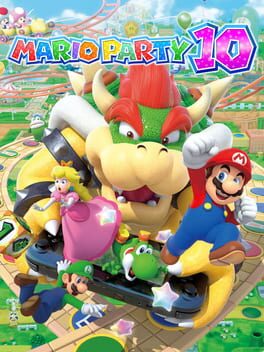
NDcube returned for this one. Bowser Party has four players team up against a fifth who plays Bowser on the GamePad, and Amiibo Party uses Amiibo figures.
Reaction to the Bowser mode and the car-based play was mixed. It sold 2.27 million copies by September 2022. Being Bowser is the best seat in the house at last.


Puzzle & Dragons: Super Mario Bros. Edition (2015)
May 8, 2015May 9, 2015May 22, 2015

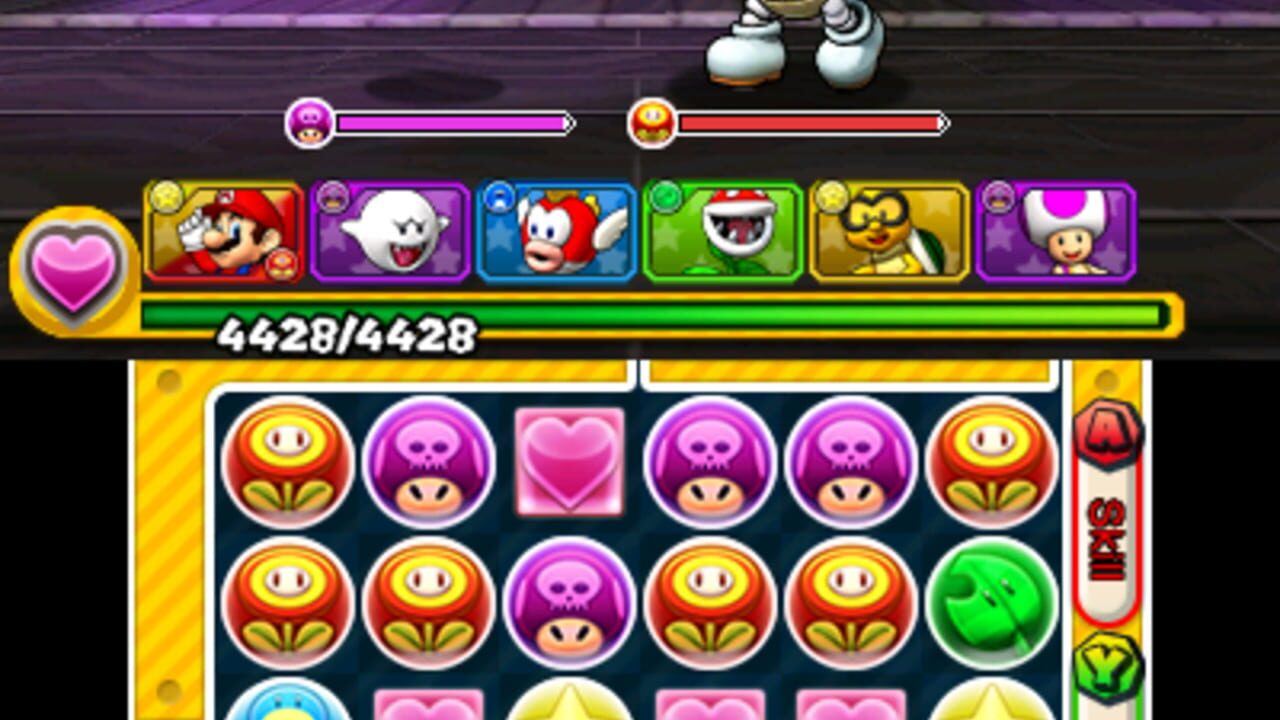
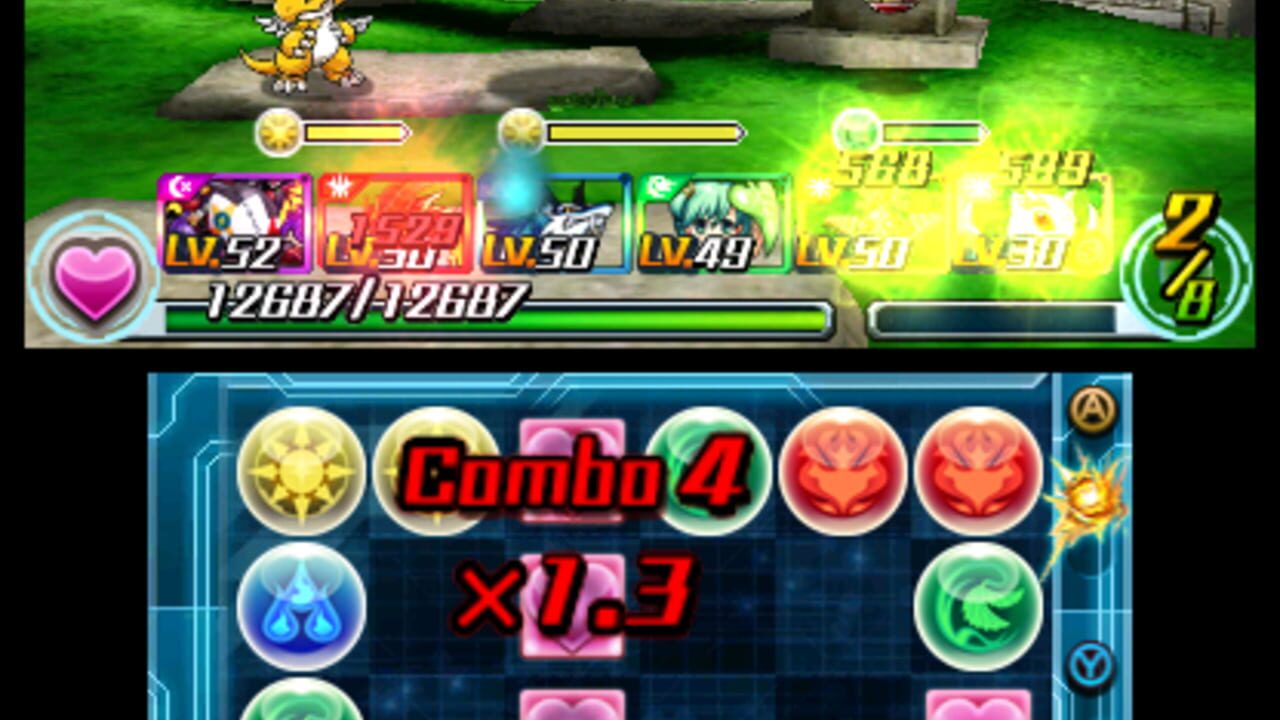
GungHo made this crossover with Nintendo publishing it overseas. It came as a pair with Puzzle & Dragons Z. You match coloured orbs to attack, with Mario enemies on your team.
Dr. Mario: Miracle Cure (2015)
May 31, 2015Jun 11, 2015Jun 11, 2015

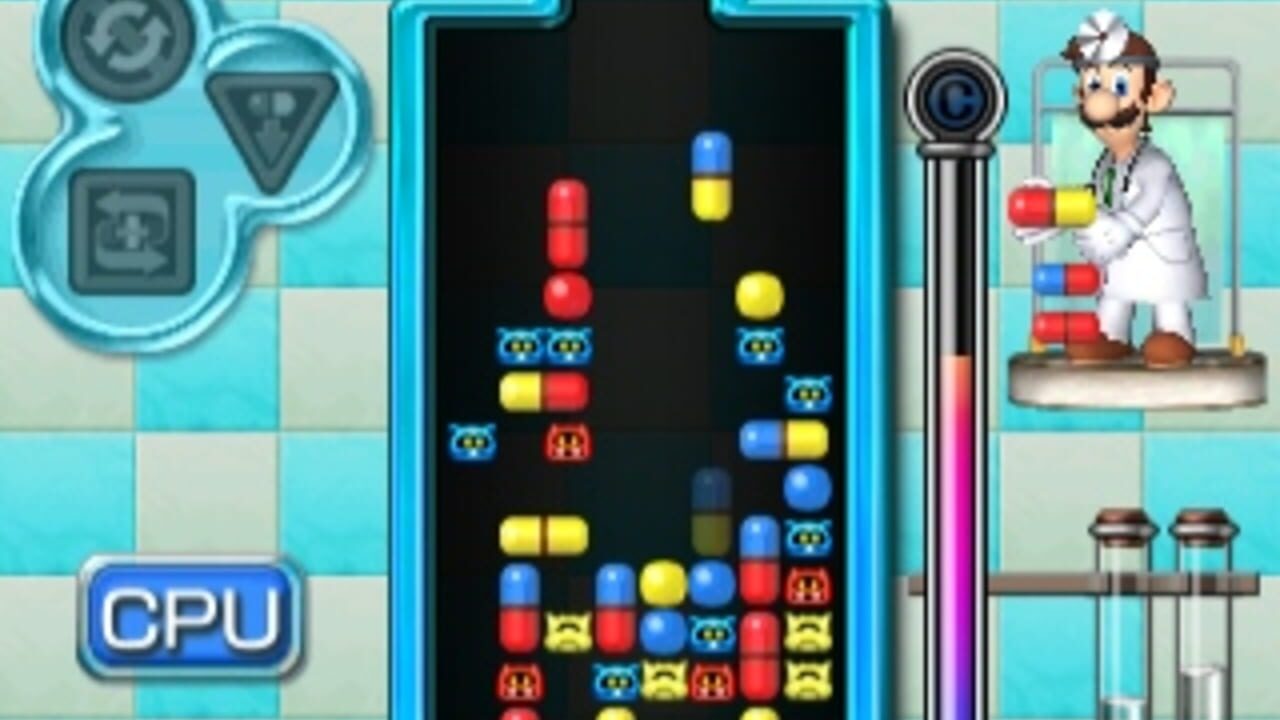
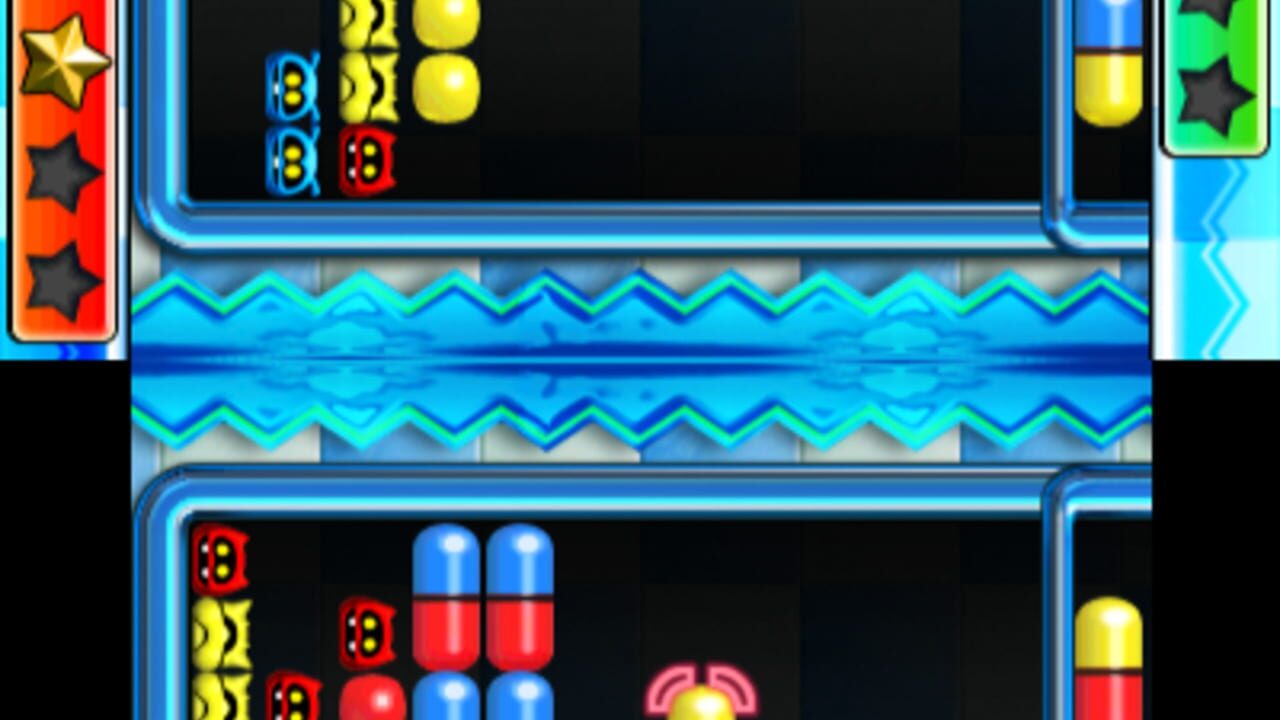
Arika and Nintendo SPD made this one too. New power-ups such as Miracle Cures help clear the bottle, and Dr. Luigi's L-shaped capsules come with it. It reached other regions in June.
Super Mario Maker (2015)
Sep 10, 2015Sep 11, 2015Sep 11, 2015
This game lets you build levels in the style of Super Mario Bros., Super Mario Bros. 3, Super Mario World and New Super Mario Bros. and share them online. It marked the 30th anniversary of Super Mario Bros..
Critics praised the interface and editing tools. Nintendo Software Technology ported it to the 3DS in 2016, where you could not upload levels to the online portal, and reviews were more mixed. Uploads ended on March 31, 2021, and all online services closed on April 8, 2024. Nothing makes you respect Nintendo's level designers like playing a stranger's.


Mario Tennis: Ultra Smash (2015)
Nov 20, 2015Nov 20, 2015Nov 21, 2015Jan 28, 2016
This is the first Mario Tennis with worldwide online play at launch. Mega Battle is the main new idea, where you grow giant with Mega Mushrooms.
It is also the first HD game in the series, and Classic Tennis lets you remove the gimmicks. It has only four modes, which many fans felt was thin.


Mario & Luigi: Paper Jam (2016)
Dec 3, 2015Dec 4, 2015Dec 10, 2015Jan 22, 2016
This crossover brings Paper Mario into the Mario & Luigi series. AlphaDream made it while Intelligent Systems oversaw it.
Critics liked the paper combat but felt it did not use the crossover fully. You run three Marios at once in fights, which the game counts as a family reunion.


Mario & Sonic at the Rio 2016 Olympic Games (2016)
Feb 18, 2016Mar 18, 2016Apr 8, 2016Apr 9, 2016
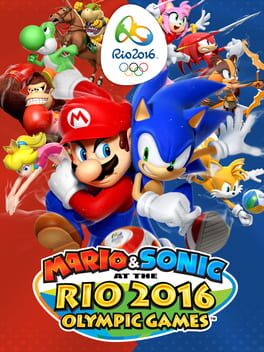
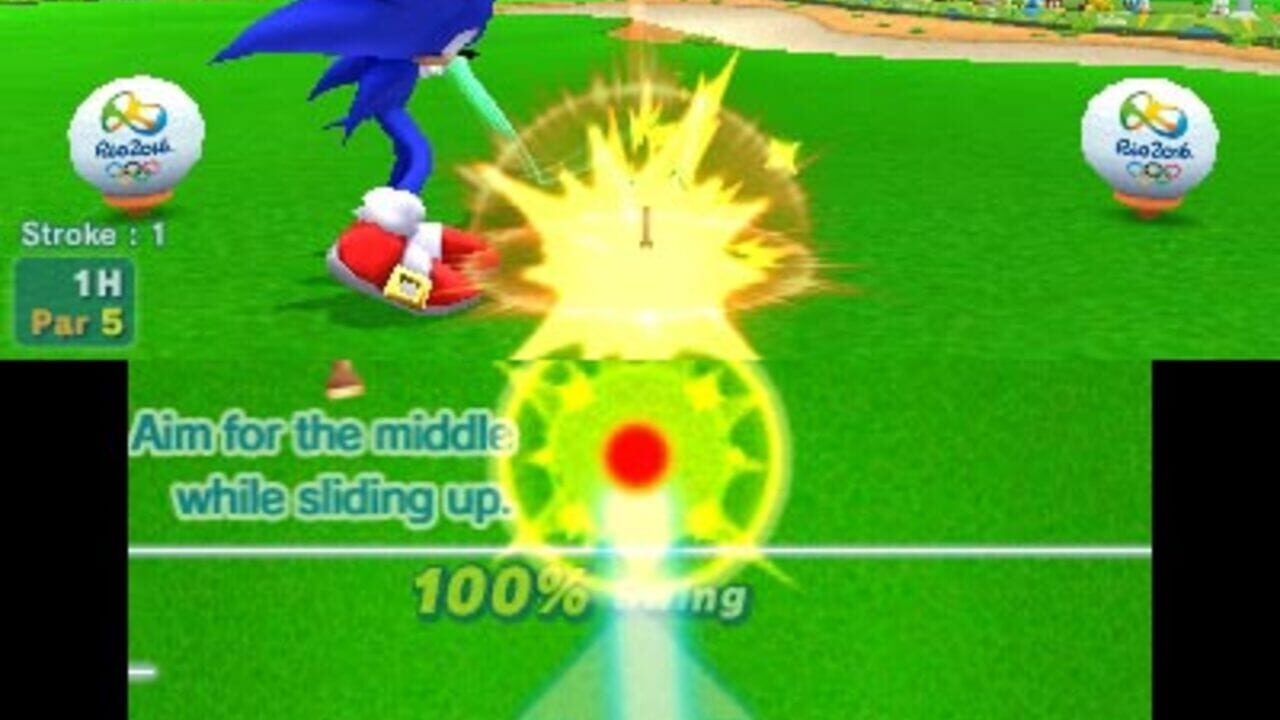
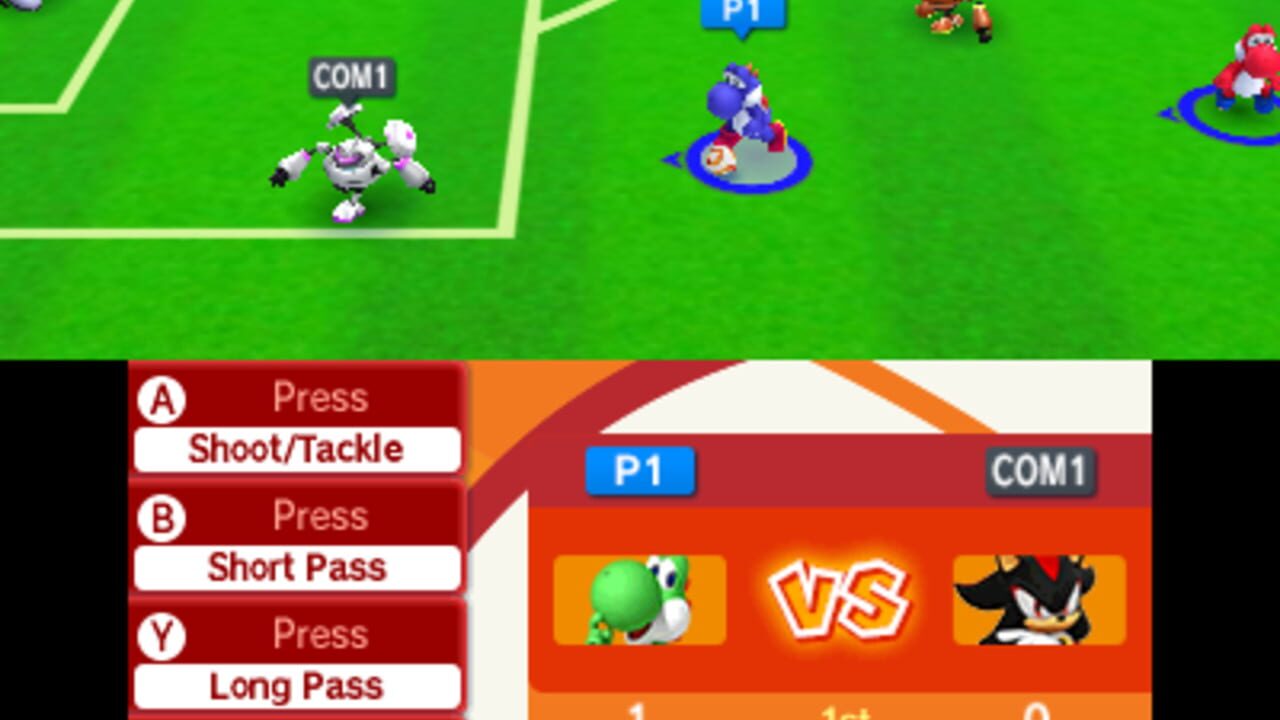
This game based on the 2016 Summer Olympics has 42 playable characters. A 3DS version came out the same year, with Mario, Sonic and Mii the only characters playable in all events.
Toad is exclusive to the Wii U version. Reviews were mixed.
Mini Mario & Friends: Amiibo Challenge (2016)
Jan 28, 2016Apr 28, 2016Apr 28, 2016Apr 28, 2016
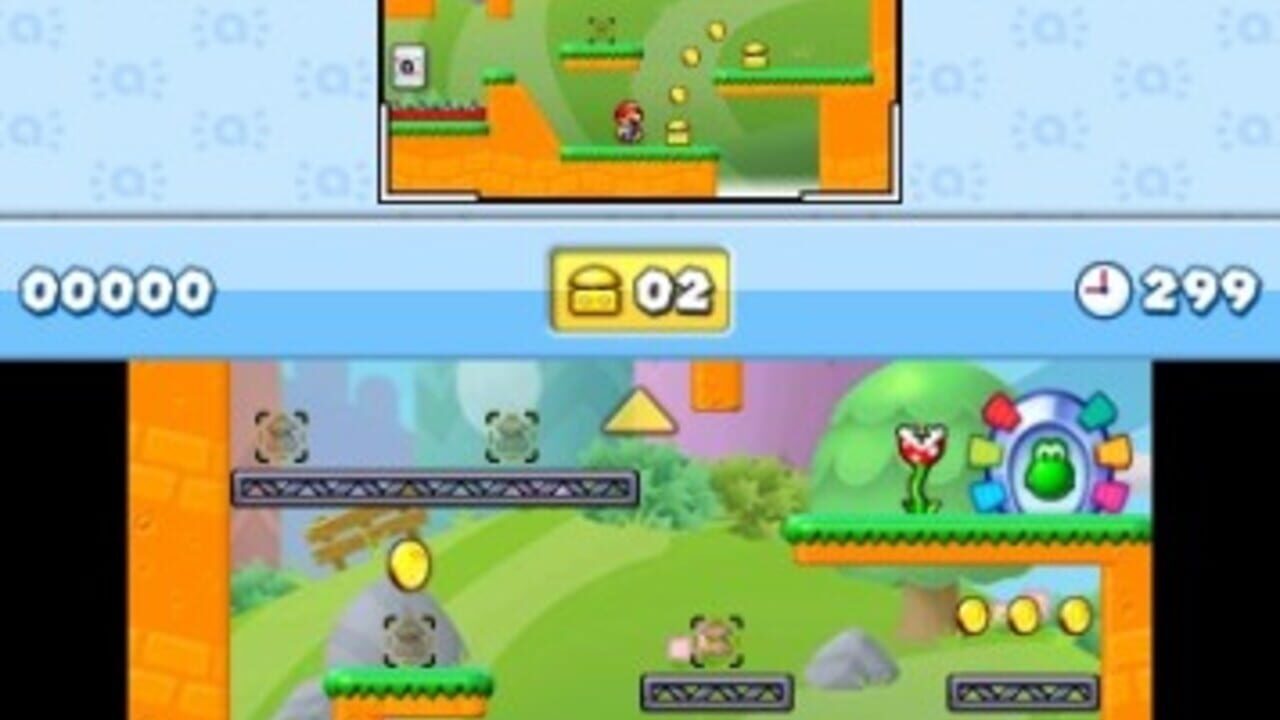
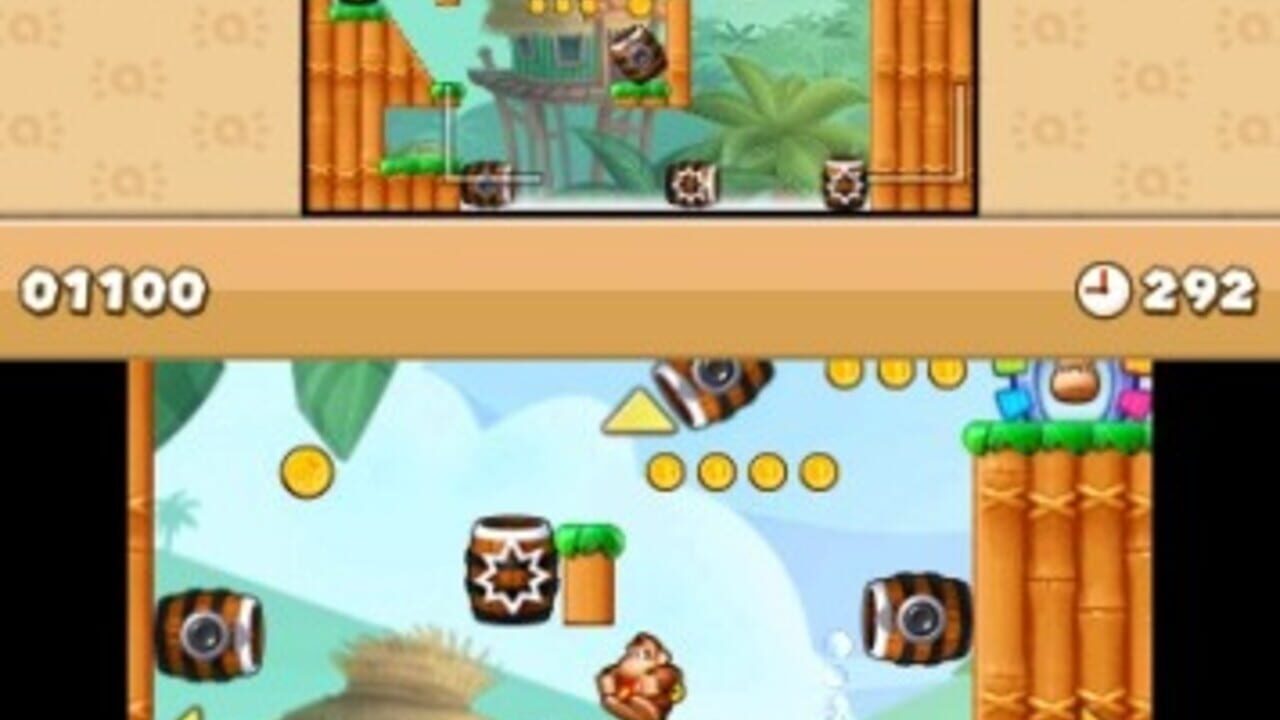
This free game needs Amiibo figures to play. Certain figures unlock mini versions of those characters, with eleven mini characters in total.
It has over 50 levels and critics found it short.

Paper Mario: Color Splash (2016)
Oct 7, 2016Oct 7, 2016Oct 8, 2016Oct 13, 2016

Mario gets a paint hammer to solve colour puzzles, an idea from director Atsushi Isano built around the GamePad.
Critics praised the graphics and writing, and the team focused on comedy over story. It is one of the last big games on Wii U.


Mario Party: Star Rush (2016)
Oct 7, 2016Oct 8, 2016Oct 20, 2016Nov 4, 2016Apr 27, 2017

This fourth handheld Mario Party moves away from the car-based play of 9 and 10, which some critics welcomed.
Complaints focused on repetition and too few boards and minigames. It sold more than 88,000 copies, a tiny number for the series.


Super Mario Run (2016)
Dec 15, 2016Feb 1, 2017
This is Nintendo's first mobile game from one of its big long-running franchises. Miyamoto was involved, and Mario runs by himself while you time the jumps.
The first four levels are free, and a single payment unlocks the rest. Reviewers disliked the high price and the need for an internet connection.


Mario Sports Superstars (2017)
Mar 10, 2017Mar 11, 2017Mar 24, 2017Mar 30, 2017
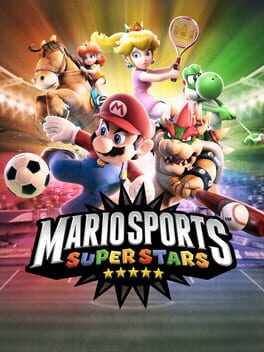
Five sports share this cartridge: soccer, baseball, tennis, golf and horse racing, each one a full recreation of its sport.
Bandai Namco Studios and Camelot built it together. It is the first time horse racing has come anywhere near the Mushroom Kingdom.


Mario + Rabbids Kingdom Battle (2017)
Aug 29, 2017Aug 29, 2017Jan 18, 2018
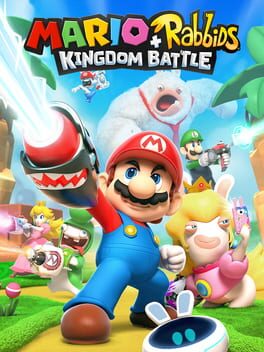
Ubisoft Milan's Davide Soliani and Xavier Manzanares thought it up in 2014. It is a tactics game: squads take cover and shoot in turn. Grant Kirkhope wrote the music.
Critics liked the characters and combat. A Donkey Kong expansion came out in 2018. Nobody saw a turn-based shooter with Mario holding a gun coming.


Super Mario Odyssey (2017)
Oct 27, 2017Jun 5, 2025
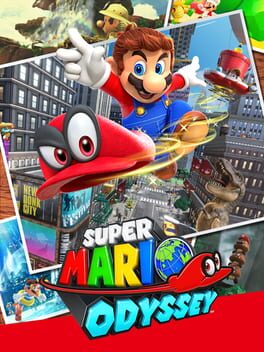
Mario teams up with Cappy, a living hat, to stop Bowser's plan to marry Peach. Throw Cappy to capture enemies and objects.
The team chose a sandbox style so all their ideas could fit, and they aimed it at core fans. It has sold over 30.8 million copies. Mario has now been a frog and a T. rex, which is a lot to ask of one hat.


Mario Party: The Top 100 (2017)
Nov 10, 2017Dec 22, 2017Dec 22, 2017Dec 28, 2017
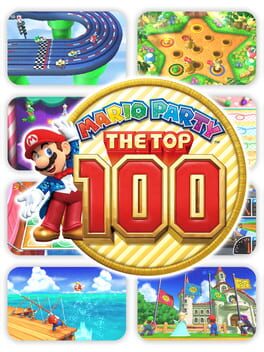
This collection brings back minigames from across the series, and NDcube built it. Critics liked the idea but wanted more than minigames.
Mario Party Superstars tried the idea again on Switch in 2021.

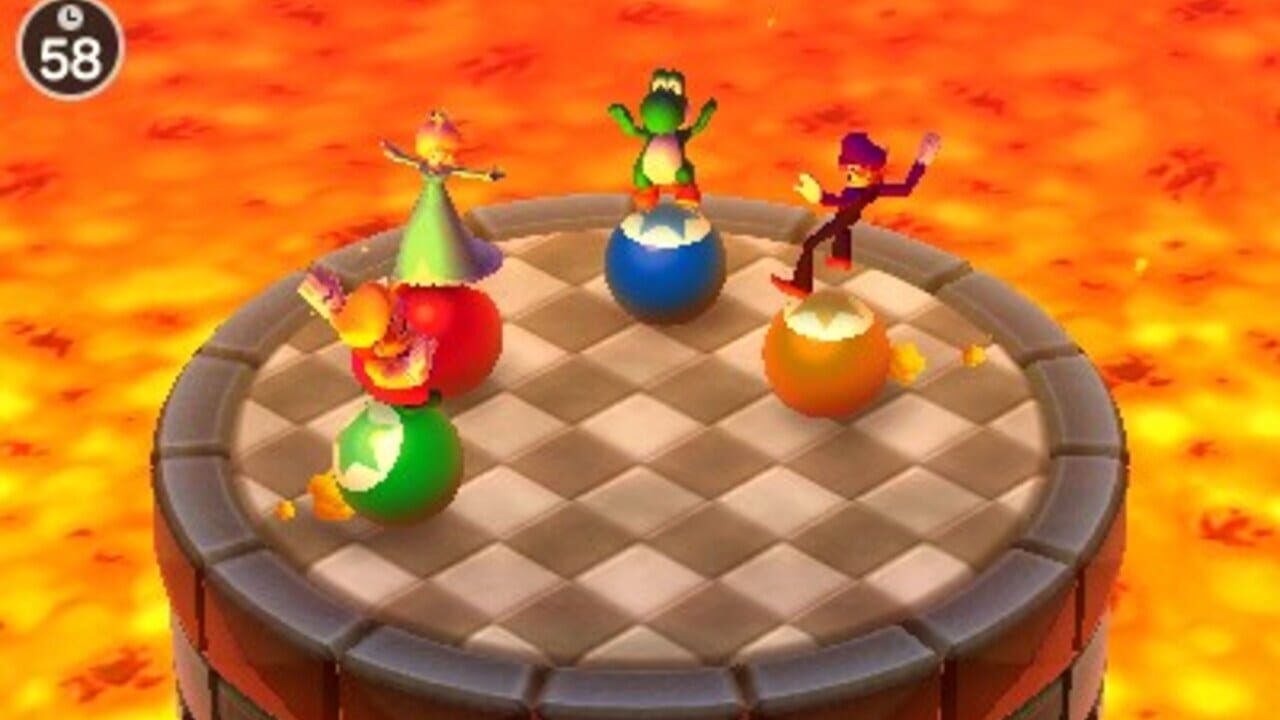

Mario Tennis Aces (2018)
Jun 22, 2018
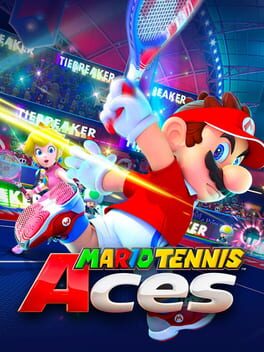
This game brings back a story mode like Power Tour. Mario collects Power Stones to stop Lucien, which pits a plumber against a cursed tennis racket.
It sold over 4.50 million copies by December 31, 2022.


Super Mario Party (2018)
Oct 5, 2018
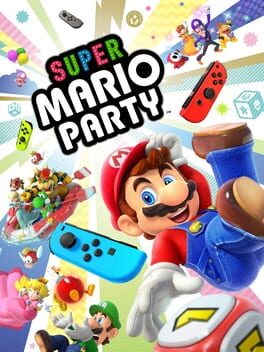
This is the first Mario Party on Switch, with four boards and 80 minigames. Allies join you on the board and follow you around.
It sold 21.28 million copies, the best seller in the series. Critics liked it, and it took the series away from the cars of the last two home games.


Super Mario Maker 2 (2019)
Jun 28, 2019
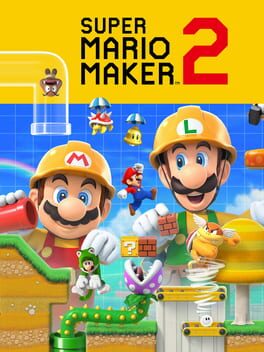
This sequel adds a single-player Story Mode and new parts based on Super Mario 3D World. Super Worlds let you link courses together.
Critics praised the tools and the music, and disliked the online multiplayer. You need Nintendo Switch Online to reach other players' levels.


Dr. Mario World (2019)
Jul 10, 2019
This mobile game came from Nintendo with Line Corporation and NHN Entertainment. It works like a match-three game such as Candy Crush, with timers and paid items.
It shut down on November 1, 2021, which left it completely unplayable. It held a medical licence for just over two years.


Mario Kart Tour (2019)
Sep 25, 2019

Some courses are based on real cities, and the rest come from earlier Mario Kart games.
Critics disliked the monetisation and gacha at launch, and opinion improved when the gacha was removed. Service ended on September 30, 2026.


Luigi's Mansion 3 (2019)
Oct 31, 2019
King Boo tricks everyone into a hotel run by ghosts, and Luigi has to save them. The big new idea is Gooigi, who a second player can control.
Next Level Games made it, and it won Best Family Game at The Game Awards 2019. It sold 14.25 million copies. Luigi's vacation record remains the worst in the series.


Mario & Sonic at the Olympic Games Tokyo 2020 (2019)
Nov 1, 2019Nov 5, 2019Nov 8, 2019Nov 8, 2019
This sixth game is the last in the series. 2D events copy the look of old games, with an optional CRT overlay, and it has thirty-two playable characters.
An arcade version arrived in 2020. Reviews were mixed.


Paper Mario: The Origami King (2020)
Jul 17, 2020

Battles use a ring puzzle, where you rotate enemies into lines before attacking. Mario explores a large world and has to destroy five streamers made by King Olly.
Critics liked the writing and music, though it moved further from the series' role-playing roots.


Mario's Super Picross (2020)
Sep 14, 1995Dec 19, 2006Sep 14, 2007Sep 14, 2007Apr 27, 2013Apr 27, 2013Apr 28, 2013Nov 3, 2016Nov 4, 2016Nov 28, 2016Sep 23, 2020
Jupiter and Ape made this sequel to Mario's Picross. After the first level you can also try Wario's puzzles, which change the rules.
It stayed in Japan until modern download services. Virtual Console on Wii U had it in 2013 with no English translation, and it reached Nintendo Classics worldwide in 2020. Mario gives you a thumbs up after each level, which helps when you can't read the menus. Japan got it on Super Famicom in 1995.


Super Mario Bros. 35 (2020)
Oct 1, 2020
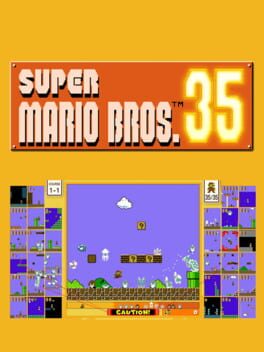
This battle royale has 35 players racing in real time through the original game. Nintendo Switch Online members got it for free. Defeating enemies added seconds to your clock.
It ended on April 1, 2021.


Mario Kart Live: Home Circuit (2020)
Oct 15, 2020Oct 16, 2020
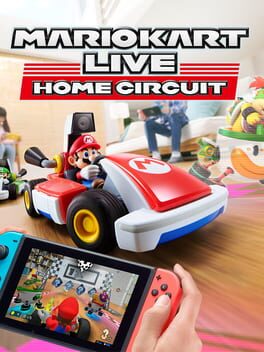
You race real toy cars around your home, and a camera on each kart streams video to the Switch. Velan Studios built the prototype and showed it to Nintendo.
You build the course from cardboard gates. Most cats have strong views on it.


Mario Golf: Super Rush (2021)
Jun 24, 2021Jun 25, 2021

Speed Golf is the big new mode, where you race to finish a course in the shortest time. After each swing you run to your ball.
Critics enjoyed the play and the modes but said there was too little at launch, and the adventure mode was short.


Mario Party Superstars (2021)
Oct 28, 2021Oct 29, 2021
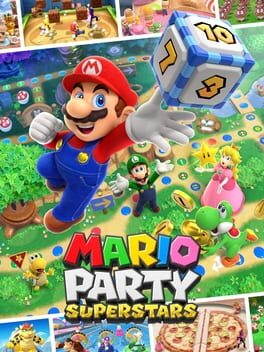
This one remakes five boards from the Nintendo 64 games and collects 100 minigames from earlier entries, 55 of them from the N64 trilogy.
It works with plain button controls, which fans of the old games wanted, and drops the cars. Reviewers praised the online play.


Mario Strikers: Battle League (2022)
Jun 10, 2022
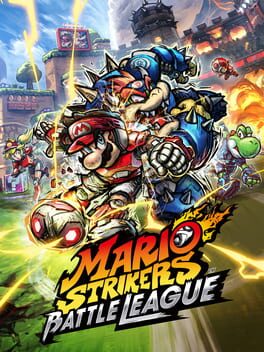
This is the first new Strikers game in almost 15 years. It plays five against five, and Next Level Games came back to make it.
Reviewers liked the play but disliked the small roster at launch.


Mario + Rabbids Sparks of Hope (2022)
Oct 20, 2022Oct 20, 2022Dec 2, 2022

This sequel adds Edge, a Rabbid Rosalina and Bowser to the team. It drops the grid of the first game and lets you move freely in battle, and you collect Sparks that give your squad powers.
A trio of expansions followed, the last with Rayman. Critics praised the improved battle system.


Super Mario Bros. Wonder (2023)
Oct 20, 2023
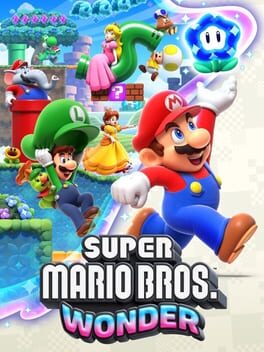
This is the first new side-scrolling Super Mario in over a decade. Director Shiro Mouri took inspiration from the original game, and producer Takashi Tezuka wanted to reinvent 2D Mario.
Wonder Flowers change the level, bringing pipes to life or changing your character. Badges give you one extra ability per level. Charles Martinet stepped down, and Kevin Afghani became Mario's voice. A Switch 2 version with Meetup in Bellabel Park came out on March 26, 2026. The talking flowers never stop, which is either charming or a reason to mute the TV.


Princess Peach: Showtime! (2024)
Mar 22, 2024

Peach is the main character for the first time since Super Princess Peach. Good-Feel made it.
A sorceress named Grape takes over the Sparkle Theater, and Peach and her partner Stella change costumes to fix each play. Ribbons are the unlockable skins. She finally left the castle and ended up at work anyway.


Super Mario Party Jamboree (2024)
Oct 17, 2024
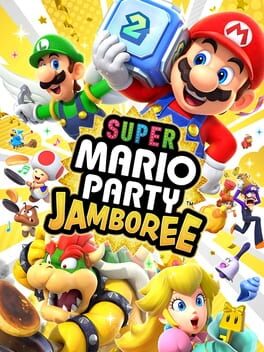
This is the third Switch game in the series and the thirteenth console entry. Allies return as Jamboree Buddies, whom you win through a minigame.
Reviewers enjoyed the board selection and polish. A 20-player online mode called Koopathlon is one of the big additions. A Switch 2 version came out in 2025 with Jamboree TV, and most of the additions are only in that side mode.


Mario & Luigi: Brothership (2024)
Nov 7, 2024
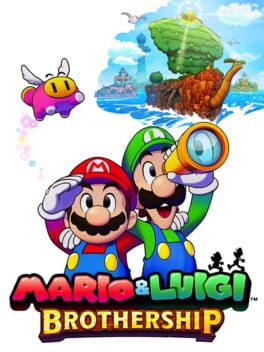
Acquire took over after AlphaDream closed in 2019 through bankruptcy. It is the first game in the series with fully 3D visuals.
The brothers sail Shipshape Island around Concordia, reconnecting its lands. Critics liked the art and combat and disliked the pacing and performance.


Mario Kart World (2025)
Jun 5, 2025
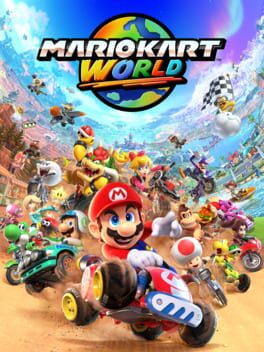
Nintendo released it on June 5, 2025, as a launch game for the Switch 2. Work began on Switch in 2017 and moved to Switch 2 in 2020. The team chose the name World over Mario Kart 9 for the new open-world approach.
Races support up to 24 players, and the soundtrack has over 200 tracks. It is the best-selling Switch 2 game, at 16.48 million copies.


Mario & Wario (2025)
Aug 27, 1993Oct 9, 2025
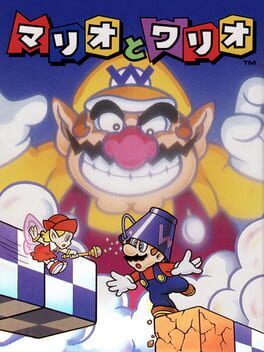
Pokémon creator Satoshi Tajiri designed this one at Game Freak, a few years before Pokémon arrived. Wario drops a bucket on Mario's head, so Mario walks blind.
You control the fairy Wanda with the Super Famicom Mouse and guide him by changing the level and clicking him to turn him around. The controls moved from the Super Scope to the mouse during development. It stayed in Japan until Nintendo Classics gave it its first western release in 2025. Nintendo's most famous plumber spends the whole game with a pail on his head. Japan got it on Super Famicom in 1993.


Mario Tennis Fever (2026)
Feb 12, 2026
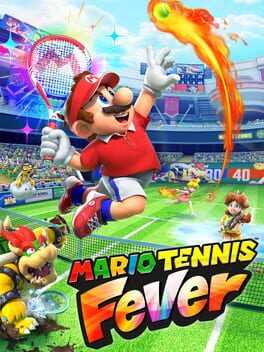
Camelot made this Switch 2 sports game. It has 30 Fever Rackets, each with its own ability. Build the Fever Gauge and you can fire off Fever Shots, such as icy patches on your opponent's side or Mini Mushrooms that shrink them.
Act fast and you can send the effect back. Turn the rackets off to play Classic Tennis.


Never released in English
- I Am a Teacher: Super Mario Sweater (1986), Famicom Disk System - Mario Artist (1999), Nintendo 64DD