There are 58 Mega Man games here in US release order, from the NES original in 1987 to Mega Man X DiVE in 2021. Spin-offs are marked, and games that never came out in English are in the last section.
Mega Man (1987)
 Dec 17, 1987
 Dec 29, 1987
 Dec 13, 1989
 Jun 22, 2007Jun 22, 2007Jul 29, 2008Aug 18, 2008Jul 18, 2012Oct 18, 2012Dec 27, 2012May 2, 2013May 2, 2013Jun 12, 2013

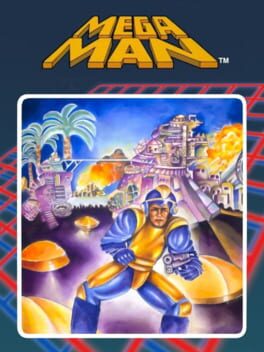
Capcom built this one for home consoles, a first for a company that had focused on arcade games. Akira Kitamura directed it with a small team that included a recent college graduate named Keiji Inafune. Dr. Wily turns six of Dr. Light's robots against the world, and you pick which Robot Master to fight first.
The plan was eight stages, but a 1-megabit cartridge cut that to six. The first three games were remade for the Genesis as Mega Man: The Wily Wars, with a new game called Wily Tower added once you finish them, and that version is on Nintendo Classics for Switch.


Mega Man 2 (1989)
Jun 2, 1989Dec 14, 19901990Dec 14, 2007Dec 14, 2007Sep 15, 2008Feb 7, 2013Feb 7, 2013Jun 11, 2013Jun 11, 2013
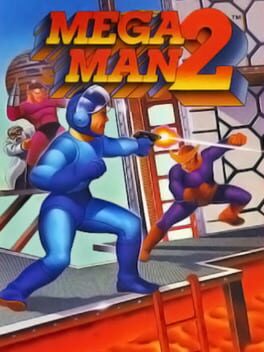
The first game did not sell well enough to earn a sequel. Kitamura got permission anyway, on the condition that the team kept working on other projects too, so the staff made it on their own time. It came out of those extra hours with a reputation as the best game in the classic series.
You get eight stages this time, with Metal Man, Air Man, Bubble Man and Quick Man among the bosses. Each boss drops a weapon tied to its stage, and the sequel set up many of the staples the series kept.


Mega Man (DOS) (1990)
1990
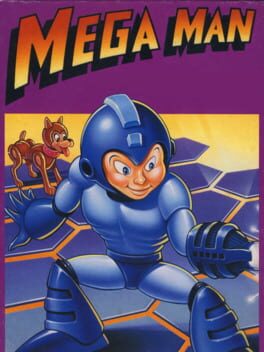
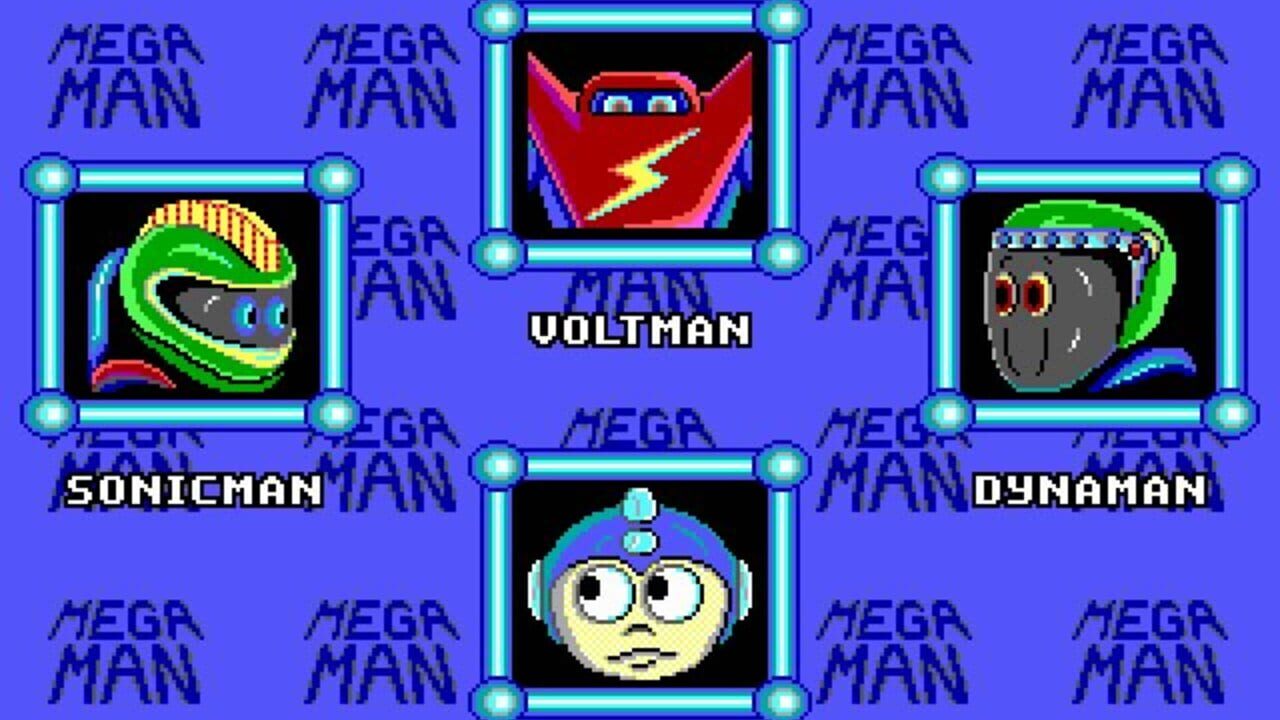
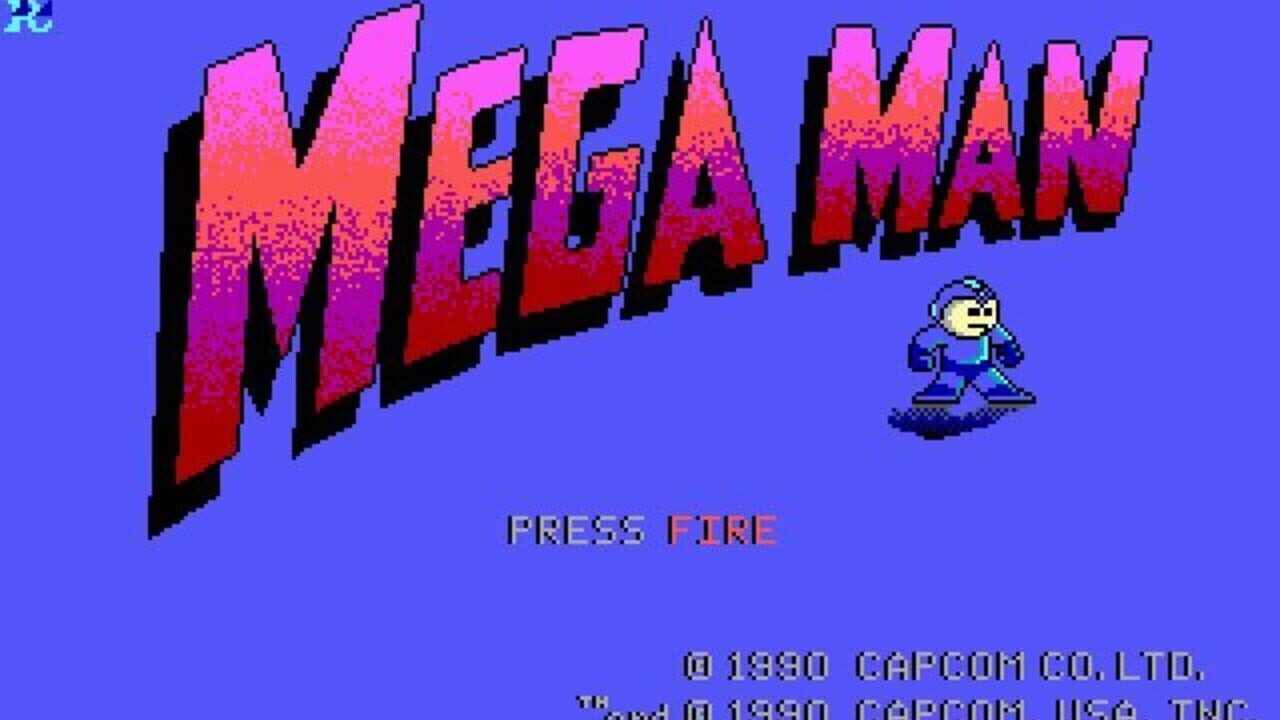
Stephen Rozner developed this one after leaving Capcom U.S.A., and Hi Tech Expressions published it as the first Mega Man on home computers. You choose between three bosses instead of eight: Dyna Man, Sonic Man and Volt Man.
There is no music at all, only harsh effects from the PC speaker. The stages are warehouses and dirt tunnels where you shoot regular rats and frogs, a long way from the NES games. Many reviewers called it one of the worst PC games ever, which it earned the hard way.
Mega Man 3 (1990)
 1990Sep 28, 1990Nov 16, 1990Jun 23, 1992Nov 4, 2008Nov 10, 2008Nov 14, 2008Nov 14, 2008Sep 26, 2012Mar 14, 2013Apr 4, 2013May 1, 2013Jun 11, 2013Jun 11, 2013

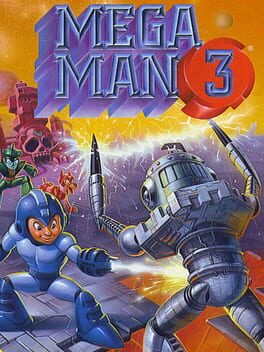
Kitamura quit Capcom before work began, and Inafune later named this as one of his least favorite entries in the series because of how it was made. Dr. Wily claims to have reformed and helps Dr. Light build a peace-keeping robot called Gamma.
Eight Robot Masters go berserk and run off with the parts Gamma needs, so you go after Top Man, Shadow Man, Spark Man and the rest. A red robot of mysterious identity keeps turning up along the way, and that robot is Proto Man.


Mega Man: Dr. Wily's Revenge (1991)
Jul 26, 1991Jun 7, 2011Sep 15, 2011Sep 15, 2011
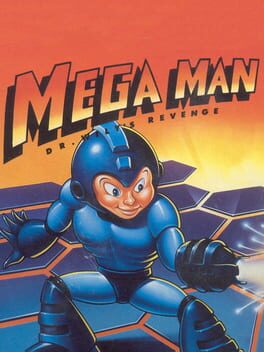
The first handheld Mega Man was also the first one Capcom sent out to another company. Minakuchi Engineering built it, and Inafune said the project's leader was a huge fan who knew the games better than some of Capcom's own people.
Wily rebuilds eight old Robot Masters. You beat four, reach Wily's base, and then face the other four. Inafune also redrew many of the enemy sprites because he thought his old art from the first game was not aging well.


Mega Man 4 (1992)
Dec 6, 1991Jan 1, 1992Jan 21, 1993Feb 9, 2010Apr 16, 2010Apr 16, 2010Apr 19, 2010Oct 17, 2012Apr 25, 2013Apr 25, 2013Jun 11, 2013Jun 11, 2013Jun 12, 2013
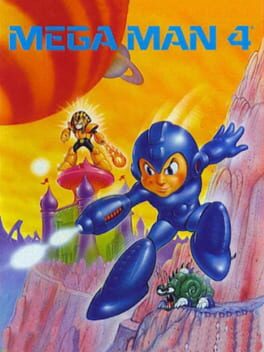
One year after the last game, a Russian scientist named Dr. Cossack sends his own robots to seize eight cities. Inafune designed Cossack and his daughter Kalinka, and Cossack was first named Dr. Vice. Dr. Light also builds a new support robot called Eddie.
Inafune said the team had very few problems making this one. The box and manual never hint at who is behind the plan, so the reveal after the Cossack fight had a fair chance of working on players in 1992.


Mega Man II (1992)
Dec 20, 1991Feb 1992Q3 1992Sep 25, 2013May 8, 2014Aug 7, 2014
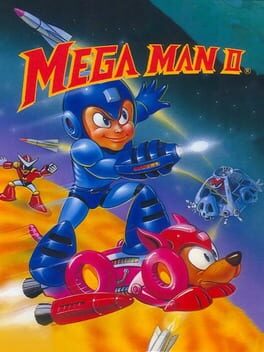
Not to be confused with Mega Man 2 on the NES, though Capcom did its best to make that hard. This time the work went to a company called Biox, and the bad experience sent the rest of the Game Boy games back to Minakuchi.
Wily steals a time machine and comes back with Quint, a future version of Mega Man that he has brainwashed and given a pogo-jackhammer called the Sakugarne. The bosses come from Mega Man 2 and Mega Man 3.


Mega Man 3: The Robots Are Revolting (1992)
1992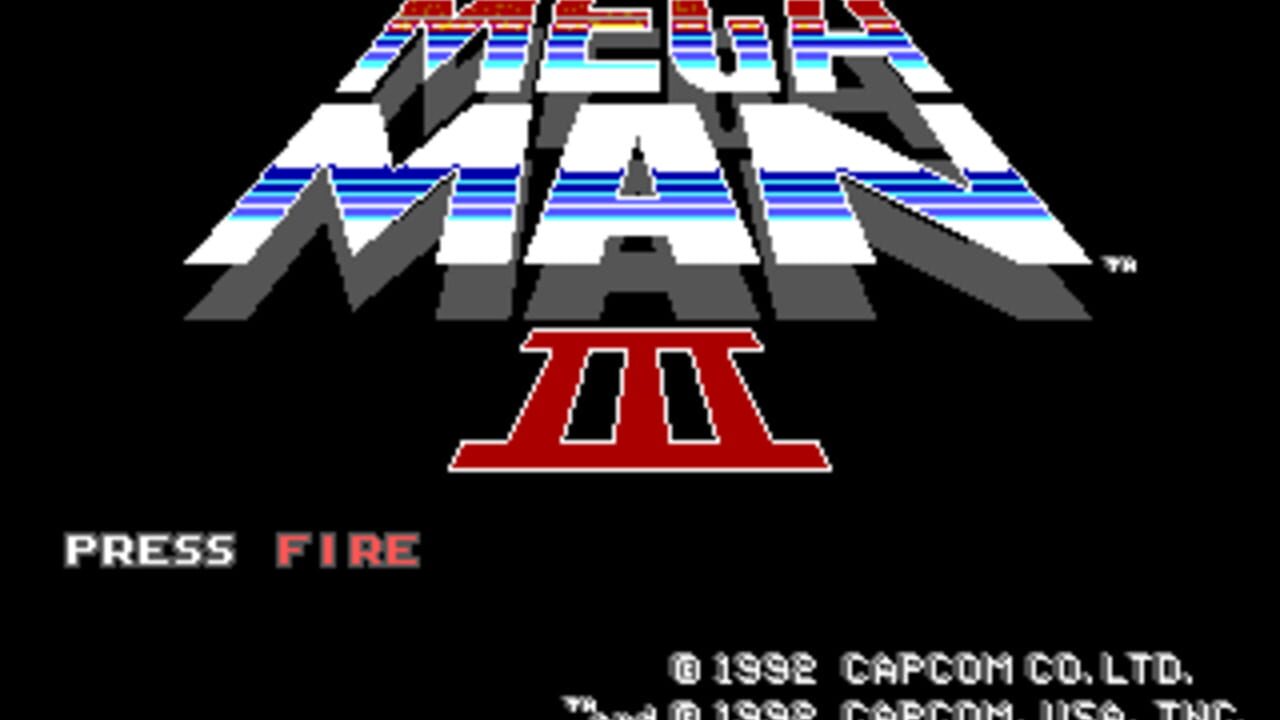

The second DOS game skips the number 2 and goes straight to 3. Stages are now maze-like maps instead of straight lines, and most of them have a lake of liquid to swim through, which brings long loading times with it.
There are six Robot Masters now, built as edits of bosses from the main series. Bit Man is a yellow Crash Man with Hard Man's head. Shark Man looks like Snake Man and Gemini Man mashed together, and his weapon works like the Rolling Cutter.


Mega Man 5 (1992)
Dec 4, 1992Dec 29, 1992Mar 10, 1993May 31, 2011Jun 16, 2011Mar 29, 2012Mar 29, 2012Nov 14, 2012May 16, 2013May 16, 2013Apr 23, 2014Jul 24, 2014Aug 7, 2014
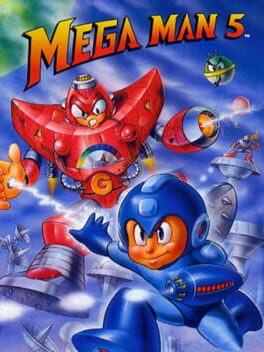
Dr. Light is kidnapped, and Proto Man appears to be leading the attack on the world. The only clue at the crime scene is an orange scarf, which counts as detective work in 20XX. It takes place two months after Mega Man 4.
Inafune guided a new project leader to avoid what he called an "unreasonable game", and he felt it came out easier as a result. The big question at the time was why it arrived on the old NES at all, with the SNES already out everywhere.


Mega Man III (1992)
Dec 1992Dec 11, 1992Jun 19, 1993Oct 9, 2013May 8, 2014Aug 14, 2014
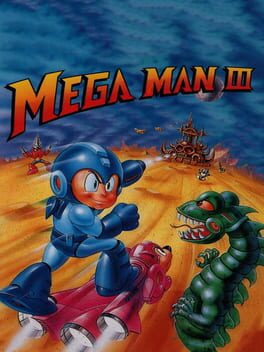
Minakuchi came back after the trouble with Mega Man II, and this game became the framework for the rest of the Game Boy line. Wily draws energy from the Earth through a converted oil platform in the middle of the ocean.
The new foe is Punk, the next of Wily's Mega Man Killers. Inafune liked him enough to use his sway as producer and put him in Mega Man Battle Network.


Mega Man IV (1993)
Oct 29, 1993Dec 12, 1993Dec 31, 1993Oct 23, 2013May 15, 2014Aug 21, 2014Aug 21, 2014
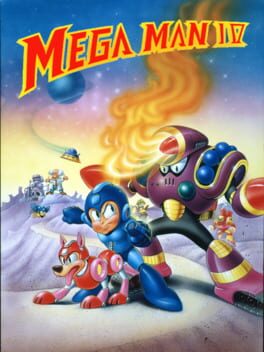
Wily reprograms eight robots at a Robot Master Exposition, and Dr. Light finally does something useful by opening the first item shop in the series. The trail ends at a battleship in space.
This is one of the most polished Game Boy games in the set, with big sprites and a new stage select screen. The new Mega Man Killer is Ballade, a proud robot with a more powerful second form.


Mega Man X (1994)
Dec 17, 1993Jan 19, 1994May 1, 1994 19941995Apr 5, 2011Apr 18, 2011Mar 8, 2012Mar 8, 2012May 22, 2013May 30, 2013Sep 19, 2013Jul 14, 2016Aug 11, 2016

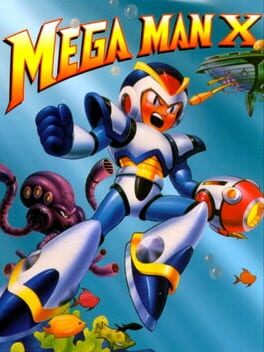
The first Mega Man on 16-bit hardware jumps a century ahead of the original series. Dr. Cain finds a capsule in the ruins of Dr. Light's lab, and the robot inside has free will. X goes on to hunt Mavericks, the rogue robots of this new age.
Inafune and Hayato Kaji swapped their usual jobs, so Kaji designed the hero and Inafune handled the supporting cast. A 3D remake, Mega Man Maverick Hunter X, came to the PSP in 2006 after the team talked over making Mega Man X9 instead. That version keeps the gameplay and story of the SNES game.


Mega Man 6 (1994)
Nov 5, 1993Mar 15, 1994Dec 12, 2012Jun 11, 2013Jun 11, 2013Jun 20, 2013May 14, 2014Jul 24, 2014Jul 24, 2014Aug 21, 2014
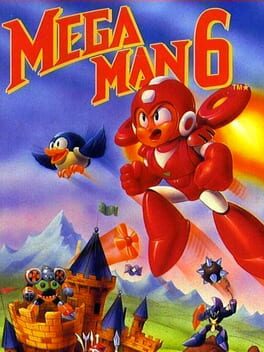
The last of the NES games was made at the same time as Mega Man X, and Nintendo published it in North America. The story is the First Annual Robot Tournament, hosted by a mysterious rich man called Mr. X. You will not need long to work out who he is.
Rush turns into adaptors that join with Mega Man this time, and Inafune called them inevitable after so many other mechanics. Europe did not get the game until the 3DS Virtual Console in 2013.


Mega Man Soccer (1994)
Feb 17, 1994Mar 25, 1994
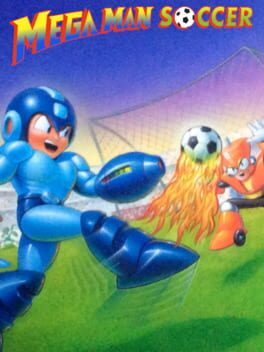
A televised match blows up, Wily's Robot Masters take over the field, and Dr. Light sends Mega Man to settle it with a game of soccer. The story is set after Mega Man 4, for anyone keeping a timeline of the soccer incident.
It plays as a light arcade take on the sport, with exhibition matches, tournaments and leagues. Each robot has its own stats and a weaponized special kick.


Mega Man V (1994)
Jul 22, 1994Sep 10, 1994Nov 15, 1994Nov 6, 2013May 22, 2014Sep 28, 2014
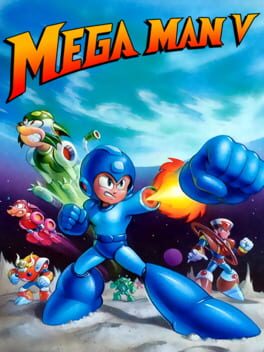
The last Game Boy game is the only one with all new bosses. Robots from outer space called the Stardroids arrive, led by Terra, and their armor is too tough for the Mega Buster. Dr. Light fits Mega Man with the Mega Arm, a rocket punch of a charge shot, and builds a new helper called Tango.
Inafune said it took the longest of the five to develop, and he had "a lot of reservations" about the Stardroid designs because the space theme was so vague.


Mega Man X2 (1995)
Dec 16, 1994Jan 1995Oct 1995Dec 27, 2011May 31, 2012May 31, 2012Jun 14, 2012Oct 9, 2013Nov 14, 2013Jan 2, 2014Aug 11, 2016Oct 6, 2016
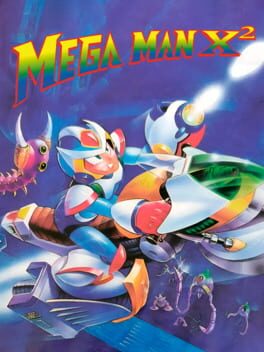
The direct sequel keeps the same setup: Reploids, Mavericks, and eight stages with a boss weapon at the end of each. Most of the team had either worked on Mega Man X or were new to the series.
Inafune stayed hands-off on the art and moved toward planning and story. It was his decision to bring Zero back to life after the first game, and the series has been stuck with that hairdo ever since.


Mega Man 7 (1995)
Mar 24, 1995Sep 1, 1995Nov 20, 1995Sep 12, 2014Nov 6, 2014Jun 16, 2016Jul 14, 2016
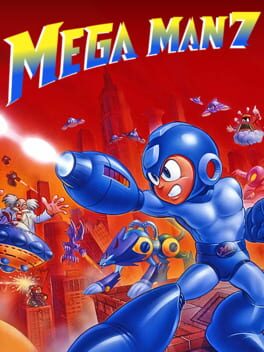
This is the only numbered classic game on the SNES, made on a very tight three month schedule. It picks up six months after Mega Man 6, with Wily in prison and a secret lab of four robots set to wake if he goes quiet.
The structure changes slightly. Only four Robot Master stages are open at the start, including Freeze Man, Junk Man and Burst Man, and the other four come after a middle stage. Inafune still called the short schedule a fun experience because the team was so motivated.


Mega Man (Game Gear) (1995)
1995Oct 10, 1995

U.S. Gold licensed the series from Capcom and had Freestyle build this one, and it came out only in North America. It is the only original Mega Man game made for a Sega console.
The stages are lifted almost straight from Mega Man 4 and Mega Man 5, with Bright Man, Star Man, Napalm Man and Stone Man up first. There are no continues after you run out of lives, and Mega Man can only shoot two pellets at once.

Mega Man: The Power Battle (1995)
Oct 1995

The arcade game cuts Mega Man down to the boss fights. One or two players pick Mega Man, Proto Man or Bass and fight six Robot Masters from the first seven games in a row, then Wily's fortress.
The game was not widely distributed in the United States, and it first came home in Mega Man Anniversary Collection in 2004. Its bigger sprites look like Mega Man 7 with more animation. These Robot Masters have never looked better.


Mega Man X3 (1996)
Nov 30, 1995May 1996Dec 1, 1995Jul 1, 2010Aug 28, 2014Oct 8, 2014Nov 6, 2014Nov 6, 2014Aug 11, 2016Nov 10, 2016
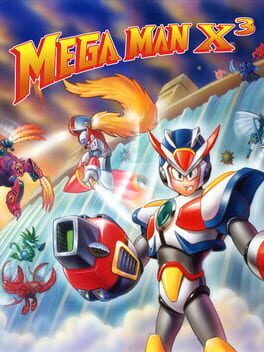
The last Mega Man X game on the SNES was largely built outside Capcom. Capcom kept the story and character art, and Minakuchi Engineering handled much of the actual game design.
Inafune had moved from artist to director, producer and writer by now. He liked the idea of a computer virus as a villain more than a physical enemy, and he spent time turning the game into toys and trading cards as well. You still play as X through eight stages with a boss weapon at the end of each one.


Mega Man 2: The Power Fighters (1996)
Jul 1996
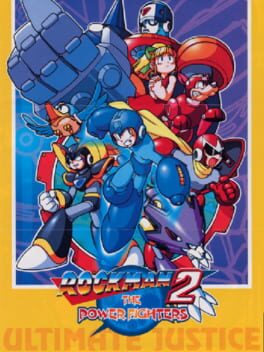
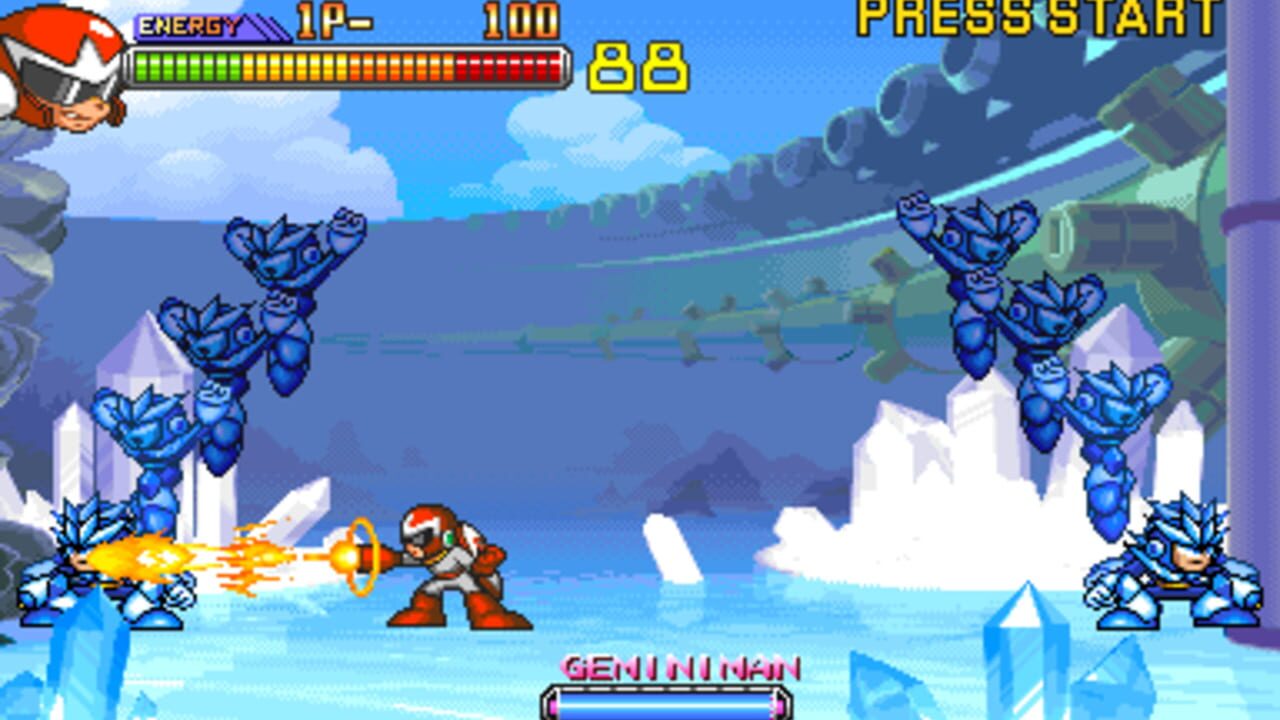
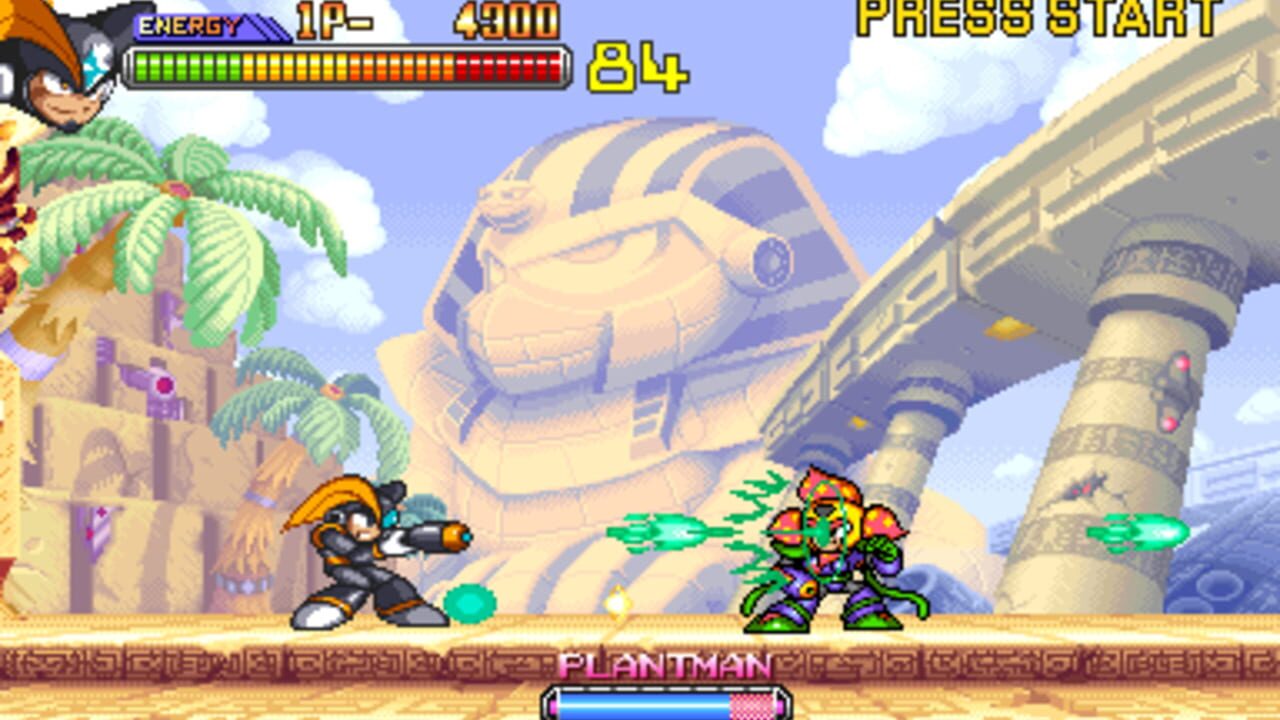
The sequel arrived less than a year later on the CPS-2 arcade board, and it plays almost like an update of the first game. Duo joins as a fourth fighter, and the blind stage map is replaced with a simple line of bosses.
Wily breaks into Dr. Light's lab and kidnaps Roll, so your three routes read Search for Wily, Rescue Roll and Recover Parts. All three get solved at the end whichever one you pick, which makes it the shortest to-do list in robot history.
Mega Man 8 (1997)
Dec 17, 1996Dec 17, 2014May 27, 2015
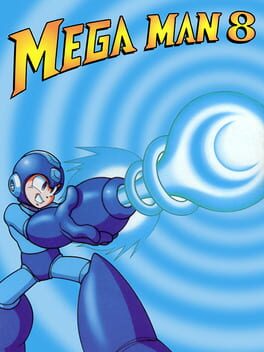
Tokuro Fujiwara had left Capcom, so Inafune moved up to producer and Hayato Kaji directed. The move to CD brought voice clips from Mega Man and the bosses, with far more color and animation than the 16-bit games had room for.
Two alien robots crash to Earth after a fight in deep space, and Wily is soon after the energy one of them carries. Bass and Roll both turn up.


Mega Man X4 (1997)
Aug 1, 1997Sep 1997Aug 1, 1997Sep 25, 1997Oct 13, 1997Dec 3, 199819991999Dec 25, 2011Sep 2, 2014Dec 17, 2014
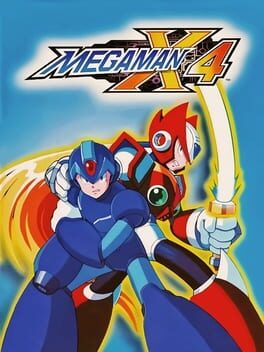
The Mega Man X3 team had no plans for a sequel until Capcom wanted the series on new hardware. This was the first X game on PlayStation and Saturn, and the first to let you choose between X and Zero at the start.
The team remade Zero as a samurai-like warrior with the Z-Saber. To get approval, they gave him special moves based on Street Fighter. Some stages put you on hover bikes called Ride Chasers.


Mega Man Legends (1998)
Sep 10, 1998Dec 18, 1997Dec 4, 1998Feb 23, 2001Jul 1, 2001Sep 30, 2015
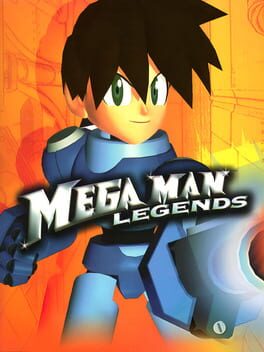
Inafune wanted a Mega Man entirely different from the rest, and this is it: a 3D action-adventure with ledge grabbing and lock-on aiming closer to Tomb Raider. You play Mega Man Volnutt, and all the human characters were animated with motion capture.
It showed at E3 1997 in Atlanta under the name Mega Man Neo. The Nintendo 64 port came to North America as Mega Man 64 in 2001.


The Misadventures of Tron Bonne (2000)
May 22, 2000Jul 22, 1999Jun 16, 2000Dec 17, 2014May 6, 2015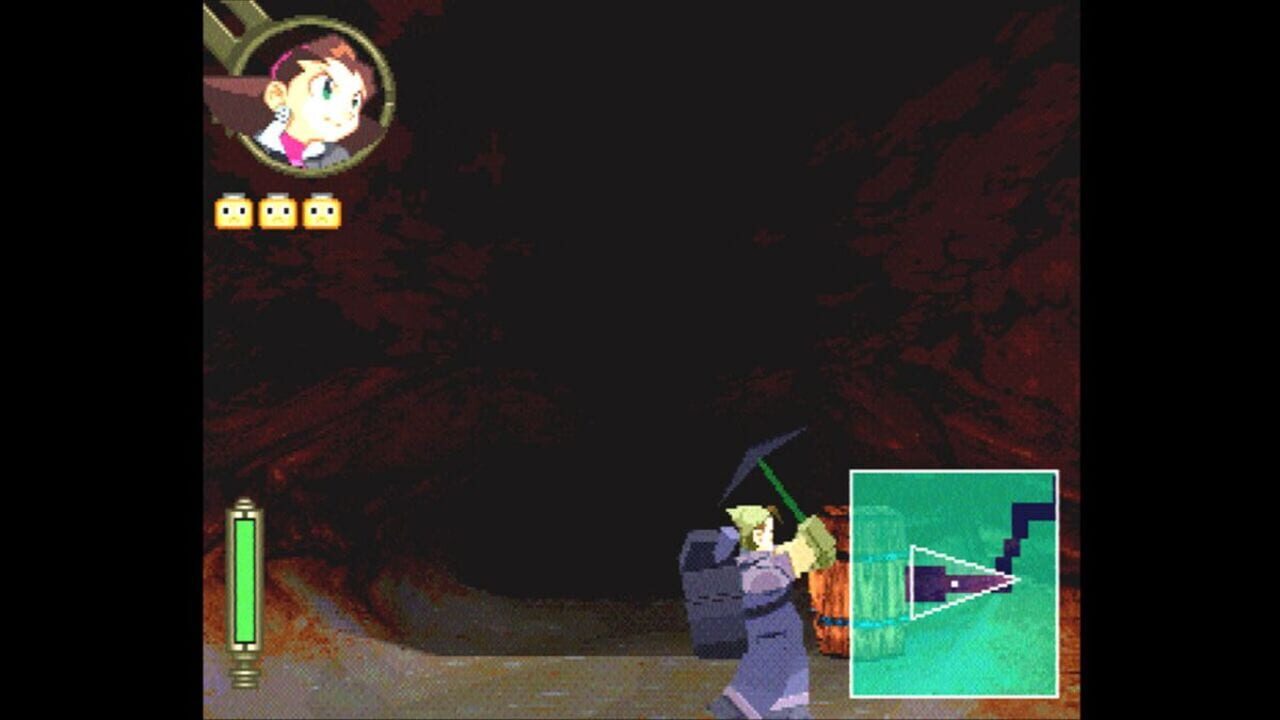
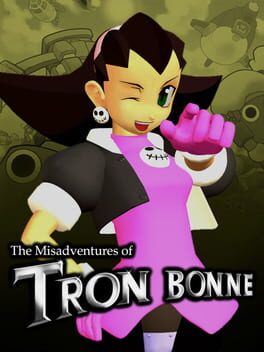
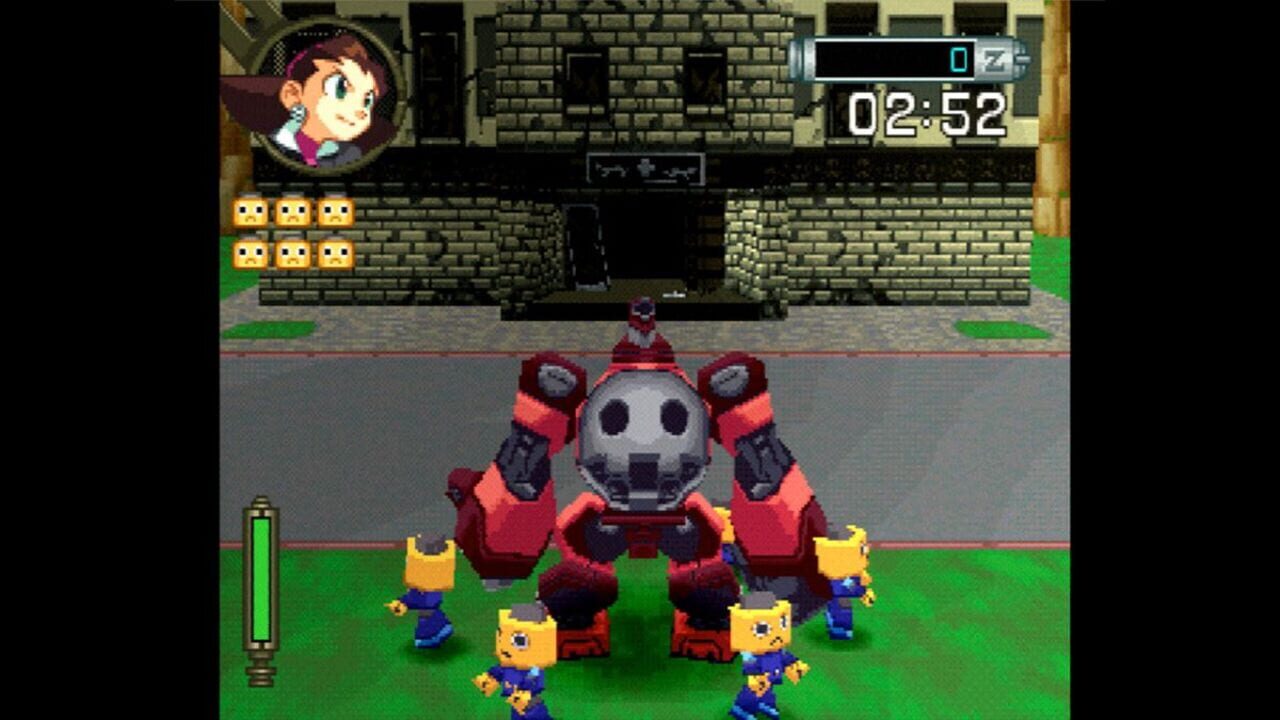
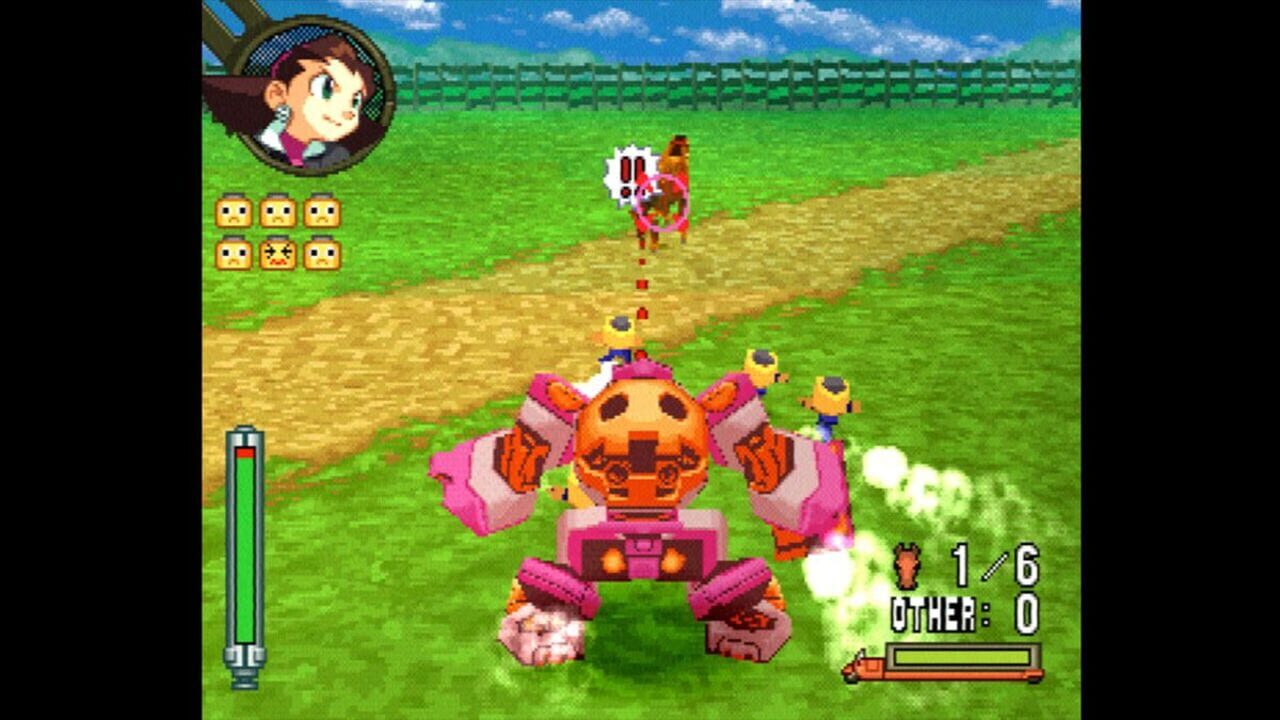
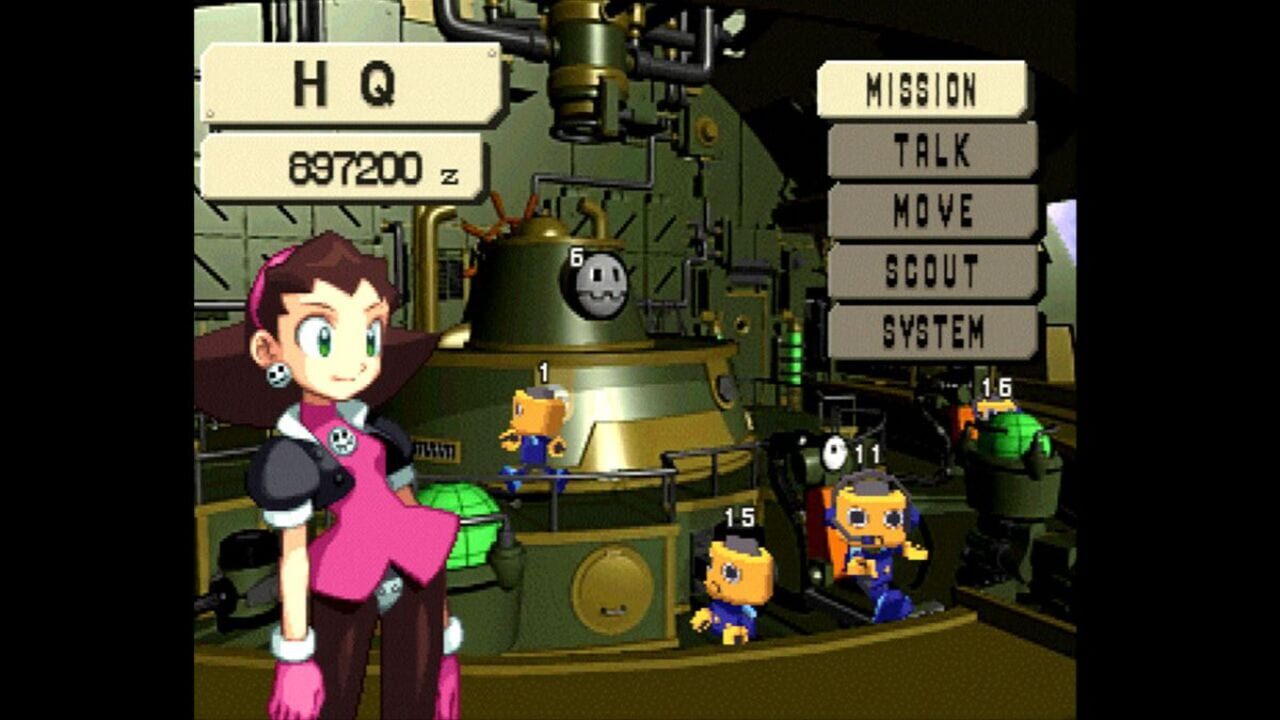
A prequel to Mega Man Legends with the villain as the star. Tron Bonne, sister of the criminal Bonne family, needs money, so you run her through three kinds of missions.
Some are moving-box puzzles, one is a Descent-like adventure, and the rest are action stages in the Legends style, including a bank robbery near Gold City. You play the villain, which feels about right for a game where you rob a bank.
Mega Man Legends 2 (2000)
Apr 20, 2000Oct 25, 2000Aug 3, 2001May 30, 2003Sep 8, 2005Apr 5, 2016Apr 5, 2016
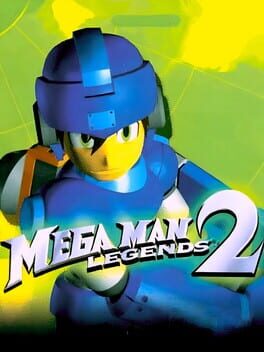
The sequel leaves Kattelox Island behind. Roll's ship, the Flutter, carries Mega Man Volnutt across several islands to find four keys hidden in the planet, with six main stops, a handful of towns and ruins with their own themes.
The engine and controls got big improvements over the first game. The story ends on a cliffhanger that the series has never answered, since no third game came out.


Mega Man Xtreme (2001)
Oct 20, 2000Jan 10, 2001Aug 24, 2001Dec 4, 2013May 1, 2014Sep 4, 2014
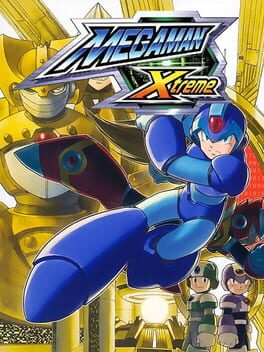
The Mega Man X series comes to Game Boy Color. A group of Mavericks called the Shadow Hunters hacks the world's Mother Computer and destabilizes the networks, and X goes after them.
Haruki Suetsugu drew the characters and cover. He designed the twins Middy and Techno so that one helmet, turned 90 degrees, has the shape of the other. Nobody asked for that level of helmet planning, and it is lovely.


Mega Man X5 (2001)
Nov 30, 2000Jan 31, 2001Aug 3, 2001May 24, 2002Aug 20, 2002Sep 9, 2014Dec 17, 2014
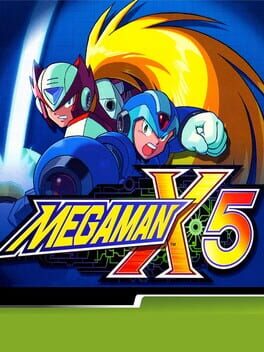
This was meant to be the final Mega Man X game, and Inafune planned it to end with Zero's death. Capcom decided to publish Mega Man X6 the following year anyway, much to his dismay.
Before each stage you choose between X, who shoots from a distance, and Zero, who uses a sword up close. Inafune had little to do with the day-to-day work, and Suetsugu designed almost all of the characters.


Mega Man Battle Network (2001)
Mar 21, 2001Oct 31, 2001Nov 30, 2001Jul 24, 2014Jul 24, 2014Jul 30, 2014Jul 31, 2014
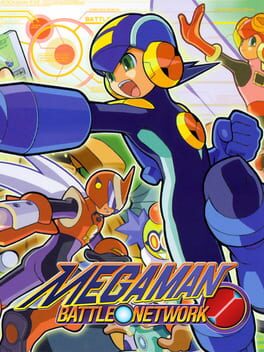
Battle Network started out as a horror game, which is not how anyone remembers it. Capcom ended up following Pokemon's success on handhelds, and the team built a tactical RPG for the Game Boy Advance.
The series is set in an alternate 20XX where people jack in to the Net. You play Lan in the real world and his NetNavi, MegaMan.EXE, online. Fights happen in real time on a grid, using Battle Chips. Japan got it as a Game Boy Advance launch game.


Mega Man Xtreme 2 (2001)
Nov 12, 2001Jul 19, 2001Feb 8, 2002Dec 25, 2013May 29, 2014Sep 11, 2014
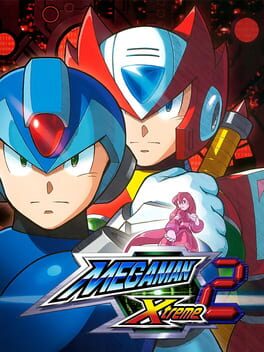
Set between Mega Man X3 and Mega Man X4, this one has villains stealing the DNA souls of Reploids to build an army of undead Mavericks. The Maverick Hunters X and Zero go after them.
Suetsugu gave the bosses Berkana and Gareth a witch and knight look to keep the medieval theme of the first game's villains. He was also happy to draw Iris again, and took off her beret because the story sits earlier in the timeline.


Mega Man X6 (2001)
Dec 11, 2001Nov 29, 2001Feb 8, 2002Dec 13, 2002Dec 13, 2002Jul 8, 2015
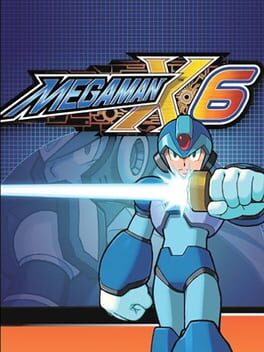
Inafune was not involved, and his plan for Zero came apart when this game brought him back first. "Zero's been brought back to life two times!" he said, and felt he owed fans an apology for the game.
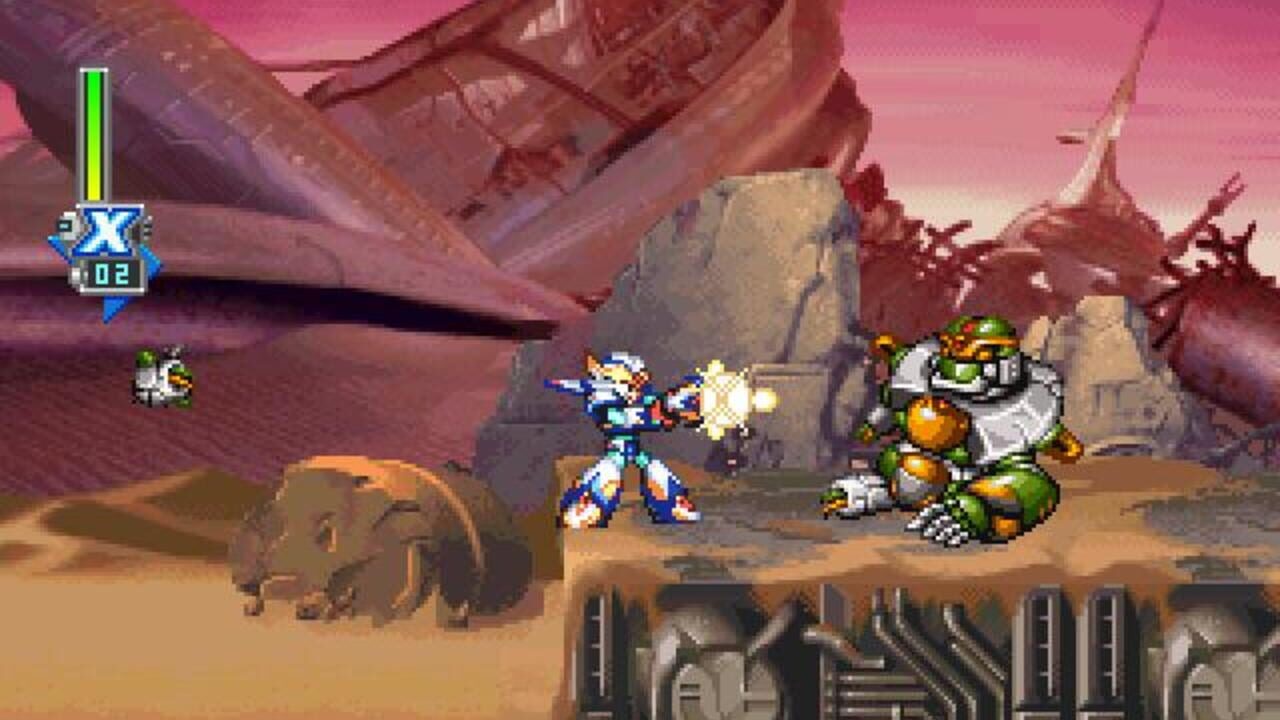
The game follows X5 closely: eight stages in any order, a weapon from each boss, then a fixed run to the final boss. X can now use the Z-Saber up close alongside the X Buster.


Mega Man Battle Network 2 (2002)
Dec 14, 2001Jun 11, 2002Oct 18, 2002
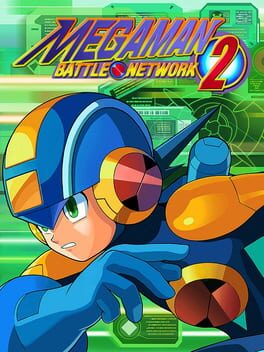
Work started shortly after the first game, because the staff had a list of things they wanted to fix, the escape system among them. Lan and MegaMan.EXE now go after a new NetCrime syndicate called Gospel.
MegaMan.EXE no longer heals fully after each battle, and the new SubChip gives you a one-use tool outside fights. Capcom also ran a contest to design a boss character, as it had for earlier Mega Man games.


Mega Man Zero (2002)
Apr 26, 2002Sep 10, 2002Sep 27, 2002Oct 22, 2014Dec 17, 2014
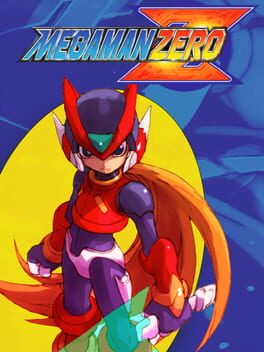
Inti Creates, a company set up in 1996 by former Capcom staff, had not been a success until this game. Vice president Yoshihisa Tsuda had wanted to make a Mega Man game for a long time.
The story jumps 100 years past the Mega Man X series. Zero wakes up to help a human scientist named Ciel and her resistance, who are running from robots called Pantheons. It plays as a hack and slash platform game on the Game Boy Advance.


Mega Man & Bass (2003)
Apr 24, 1998Aug 10, 2002Mar 11, 2003Mar 21, 2003Feb 15, 2015May 7, 2015Aug 13, 2015
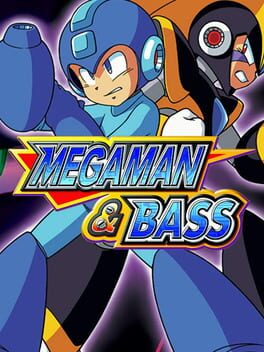
Japan got it on the Super Famicom in 1998. Inafune made it for younger players who still owned that console and could not get Mega Man 8 on newer systems. That is a kind idea, and the game is still no easy ride for the kids it was built for.
A robot called King breaks into the Robot Museum, and you choose Mega Man or his rival Bass. The story sits one year after Mega Man 8. Americans waited until the Game Boy Advance port to play it.


Mega Man Network Transmission (2003)
Mar 6, 2003Jun 17, 2003Jun 27, 2003
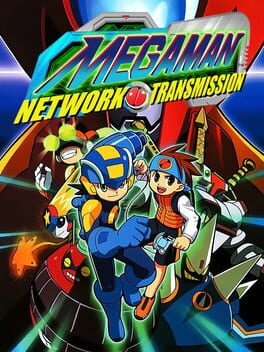
Arika, who made the Street Fighter EX games, built this for GameCube, and it was the company's only game on the console. It takes the Battle Network world and turns it into an action-platform game with some of the series' RPG strategy kept in.
Lan picks spots on a map screen instead of walking around town. The team moved to Nintendo consoles because they felt children who played the Game Boy Advance were starting to look at the GameCube.


Mega Man Battle Network 3 (2003)
Dec 6, 2002Jun 24, 2003Jul 4, 2003

You buy this one as White Version or Blue Version. Doctor Wily is back with the WWW and wants to free Alpha, a prototype of the Internet that went berserk and was locked away.
Wily needs the passwords hidden behind the firewalls around Alpha. A tournament called the N1 Grand Prix runs alongside the plot, and it is not as innocent as it looks.


Mega Man Zero 2 (2003)
May 2, 2003Oct 14, 2003Oct 31, 2003Jan 7, 2015Feb 5, 2015May 21, 2015
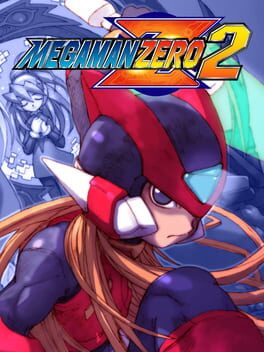
One year after Zero defeats Copy X, he is wandering the desert alone and cutting down Pantheons. The Resistance now has a new leader, a Reploid named Elpizo, while Ciel keeps working on a new form of energy.
The three surviving Guardians run Neo Arcadia with Harpuia in charge, and the death of Copy X has been covered up. The format stays the same as the first game: a side-scrolling platform action game on Game Boy Advance.


Mega Man X7 (2003)
Jul 17, 2003Oct 14, 2003Dec 3, 2003Mar 5, 2004Apr 29, 2004
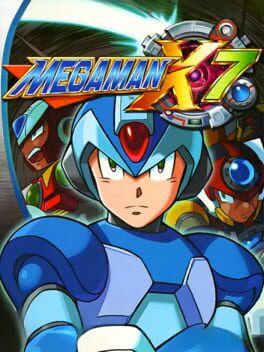
The series moves to PlayStation 2 and to 3D, with both 2D and 3D gameplay in about equal amounts. A team of about 30 people made it, led by producers Tatsuya Minami and Tatsuya Kitabayashi. This was Kitabayashi's first Mega Man game.
X has retired to look for peaceful answers and left Zero in charge. Maverick activity rises in his absence, and a vigilante group forms to deal with it.


Mega Man Battle Chip Challenge (2004)
Aug 8, 2003Mar 2, 2004Mar 19, 2004Aug 8, 2003Jul 30, 2014Aug 7, 2014Aug 7, 2014Aug 14, 2014
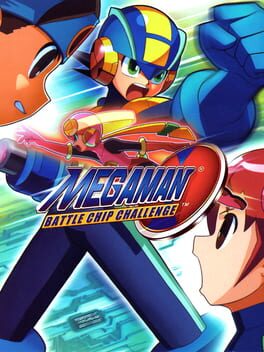
Inti Creates co-developed this Battle Network spin-off with Capcom Production Studio 2. Japan got it as Rockman EXE Battle Chip GP on Game Boy Advance, with a WonderSwan Color version on the same day.
The whole plot is one netbattling tournament, the Battle Chip GP. Yai sponsors it, Chaud enters on official business, and a new group behind the scenes plans to delete the winning Navi and take its data. Winning has rarely had worse prize terms.


Mega Man Battle Network 4 (2004)
Dec 12, 2003Jun 29, 2004Sep 3, 2004
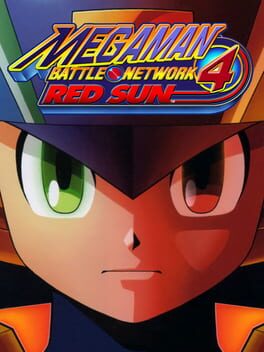
This comes in Red Sun and Blue Moon versions. Scientists at NAXA spot a massive asteroid heading for Earth, and when a laser fails to move it, Dr. Regal suggests finding a world-class Net Operator and NetNavi.
Watch out on an original Nintendo DS. Leave the map and return while in Park Area during WoodMan's scenario and the game hangs for good. Nintendo acknowledged the bug, and it does not happen on later DS models or on the Game Boy Advance.


Mega Man X: Command Mission (2004)
Jul 29, 2004Sep 21, 2004Nov 19, 2004

A turn-based RPG set in the 23rd century, with a metallic substance called Force Metal at the center of the plot. X leads a party through stages in order, and a field map sits in the corner of the screen.
Inafune always saw the X series as action and flatly refused when asked to turn it into an RPG, but the game happened anyway. Producer Koji Nakajima promised action fans they would still like it. The PS2 version came to PS4 and PS5 in 2026.


Mega Man Zero 3 (2004)
Apr 23, 2004Sep 3, 2004Oct 5, 2004Mar 26, 2015May 13, 2015May 28, 2015
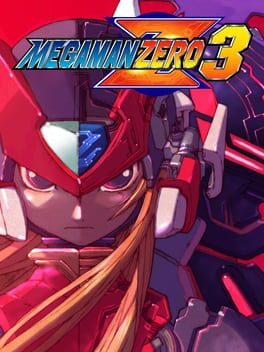
Two months after Zero 2, Ciel has finished her new energy source, the Ciel System, and hopes it will end the war. A spaceship carrying the energy reading of the Dark Elf crashes to Earth on the way to her meeting with Neo Arcadia.
Zero goes to look, and he finds the remaining Guardians already fighting. The same hack and slash platforming carries over from the earlier games.


Mega Man X8 (2004)
Dec 7, 2004Feb 11, 2005Mar 10, 2005Mar 10, 2005Apr 14, 2005Sep 21, 2005Mar 8, 2006Dec 16, 2015
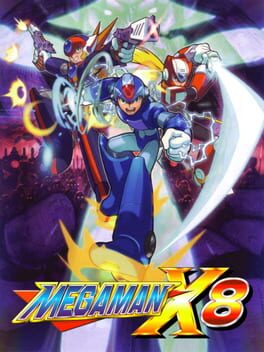
The eighth and final Mega Man X game came out in North America first, with Japan and Europe following in 2005. The team's theme was returning to roots, so it keeps the 3D graphics of X7 but goes back to side-scrolling action.
Humans are building an orbital elevator to reach the moon, in a job called the Jakob Project, with a Reploid named Lumine in charge. The Mavericks show up, because no good elevator goes unpunished in this series.


Mega Man Battle Network 5 (2005)
Dec 9, 2004Jun 10, 2005Jun 21, 2005

Team ProtoMan and Team Colonel are the two versions here. Nebula has kidnapped Lan's father, and Lan and MegaMan.EXE go after them with a team of allies.
Battles still play out on a six by three grid, with the same split between the real world and the Net. The developers called this a difficult time at Capcom, as work started while they were still localizing Battle Network 4. A Nintendo DS version called Double Team DS followed in 2005.


Mega Man Zero 4 (2005)
Apr 21, 2005Sep 14, 2005Sep 16, 2005Oct 4, 2005May 14, 2015Jun 3, 2015Dec 17, 2015
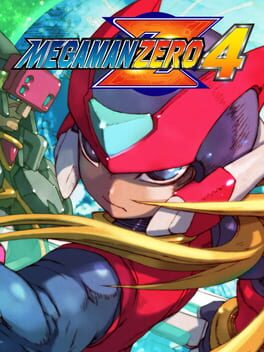
The fourth and final Zero game deals with the rule of Dr. Weil over Neo Arcadia. Oppressed humans start to escape in large numbers, and Zero's fight is now on their behalf as well.
It adds an Easy Mode, a response to complaints that the series had become too challenging. You still get eight main stages, usually split in two by a mini-boss.


Mega Man: Battle & Chase (2006)
Mar 20, 1997Apr 3, 1998Jan 10, 2006Dec 17, 2014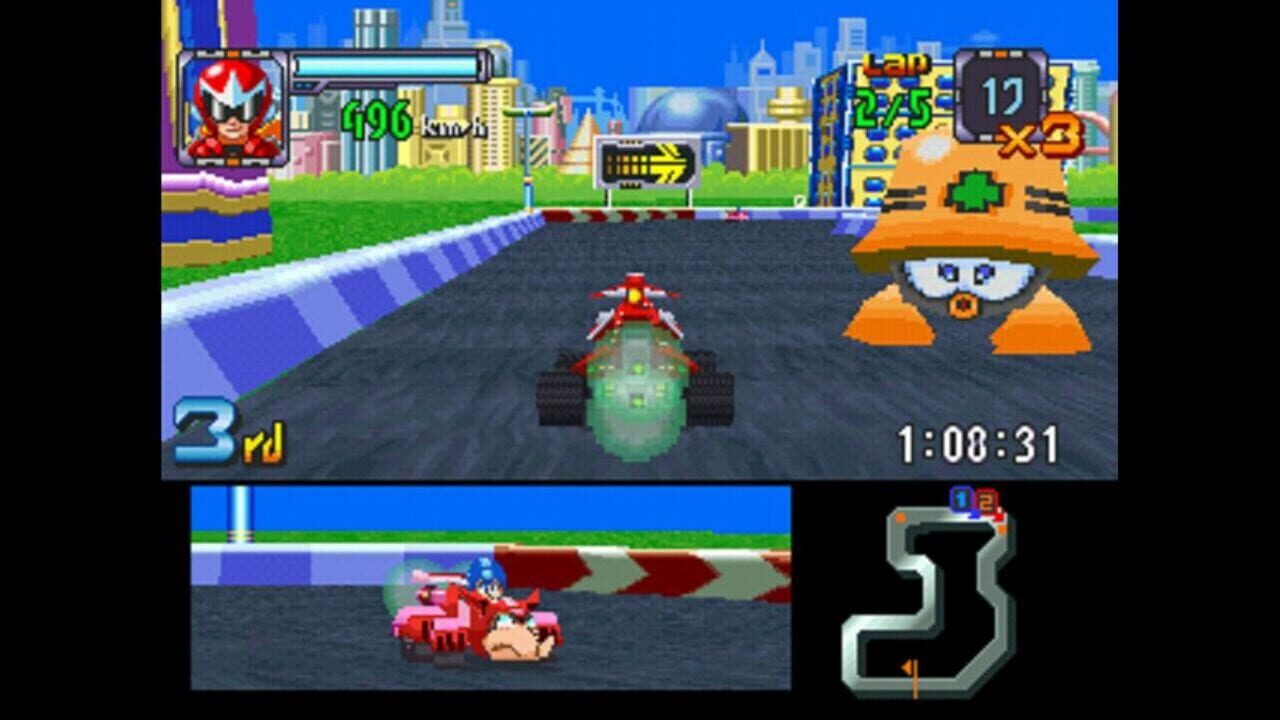
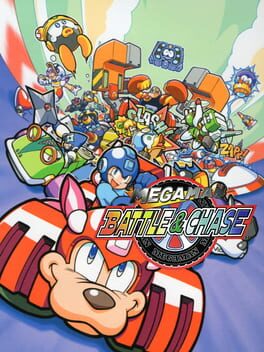
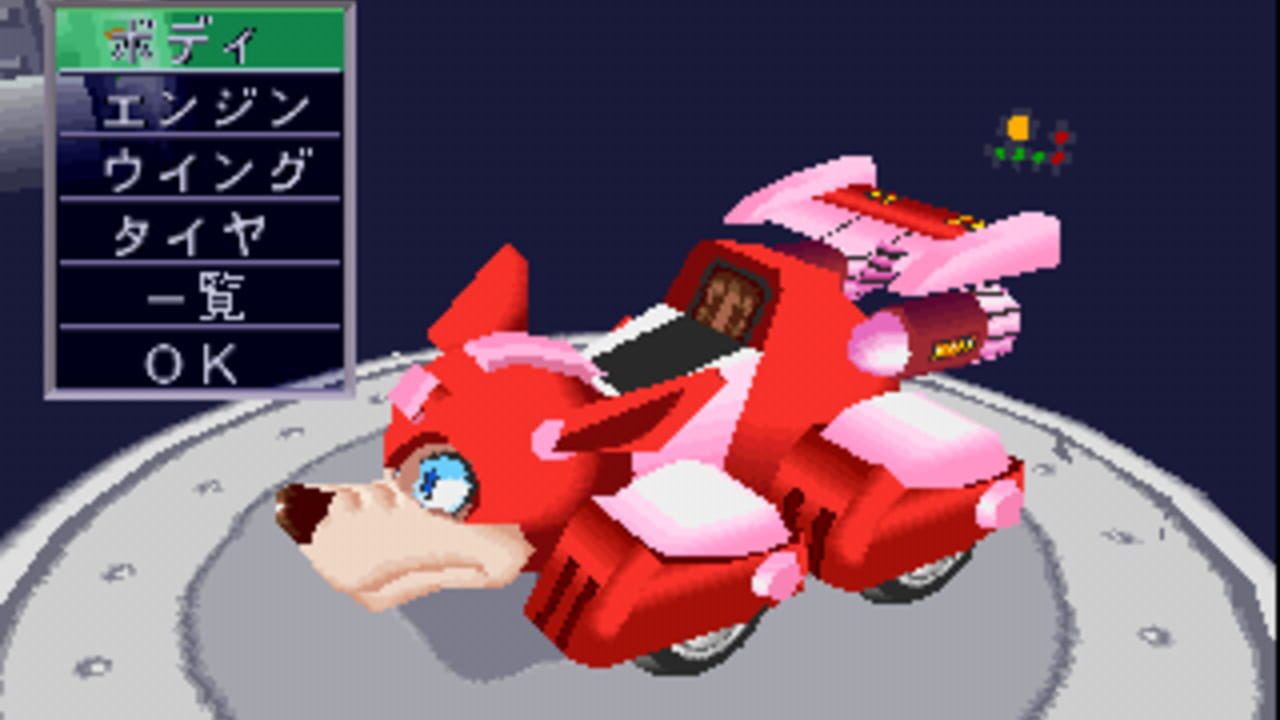
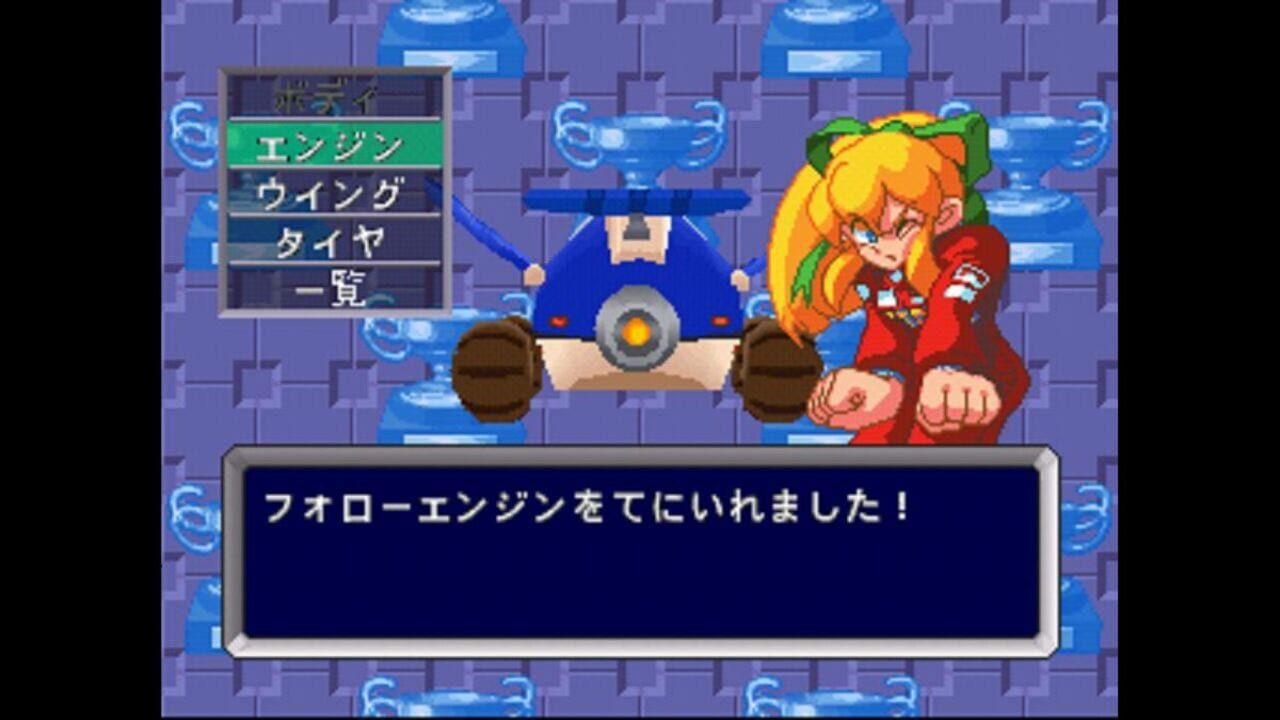
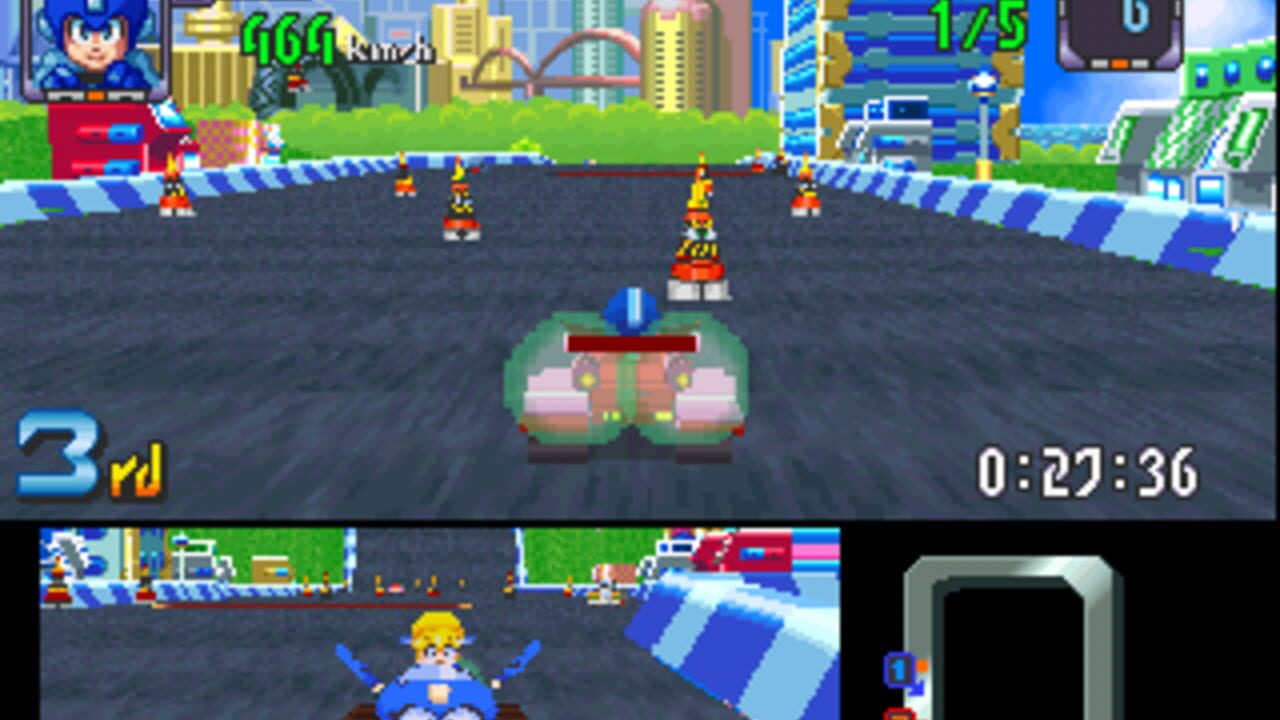
Japan got it on the PlayStation in 1997. Americans had to wait for Mega Man X Collection, where it sits as a bonus nine years later, which may be a record for a kart racer stuck in traffic.
It is a kart racer with weapons and twelve playable characters, among them Mega Man, Roll, Proto Man and Bass. Inafune wanted to bring the "beat your enemies and take their stuff" idea to racing. Concept art of Guts Man had to be redone for overseas because he was making an offensive gesture.
Mega Man Powered Up (2006)
Mar 2, 2006Mar 12, 2006Mar 14, 2006Mar 24, 2006
This rebuilds the first Mega Man in 3D with a chibi art style and spoken dialogue, and it finally gets the eight Robot Masters the NES game was meant to have. Time Man and Oil Man join the original six, and a short new prologue sets up the story of Wily's betrayal.
There is a level editor for making your own stages, along with a challenge mode. It was never released on the US PlayStation Network because of technical problems, so a PSP and a UMD are the way in.


Mega Man Battle Network 6 (2006)
Jun 13, 2006Jun 16, 2006

The last Battle Network game comes as Cybeast Gregar and Cybeast Falzar. Lan's family moves to Cyber City, and he meets Mick and Tab before the WWW returns once more.
The new project leader wanted to redo many of the assets to make the game feel fresh. The decision to end the series here came later, after the Nintendo DS was announced. Copybots also let MegaMan.EXE step out into the real world.


Mega Man ZX (2006)
Jul 6, 2006Sep 12, 2006Jun 20, 2007Jun 22, 2007
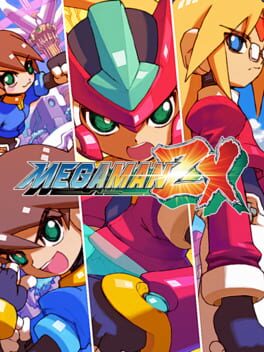
Inti Creates moved to the DS with a game set 200 years after the Mega Man Zero series. You choose a male hero, Vent, or a female hero, Aile, and go after powerful ancient artifacts.
It mixes elements of the X and Zero series, with jumps, dashes and both melee and ranged weapons. You take missions from a computer and can freely explore the world between them, and you have to find each mission's area yourself.


Mega Man Star Force (2007)
Dec 14, 2006Aug 7, 2007Nov 28, 2007Dec 7, 2007
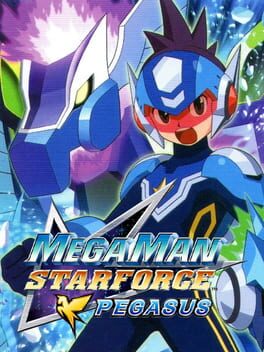
Leo, Dragon and Pegasus are the three versions of this follow-up to Battle Network, set in 220X. You play Geo Stelar, who merges with the alien Omega-Xis to become Mega Man.
Battles switch to a 3D view from behind Mega Man, with movement limited to left and right. Masahiro Yasuma said the system was reset to be simpler because Battle Network 6 had grown too complicated.


Mega Man ZX Advent (2007)
Jul 12, 2007Oct 23, 2007Feb 29, 2008Mar 5, 2008
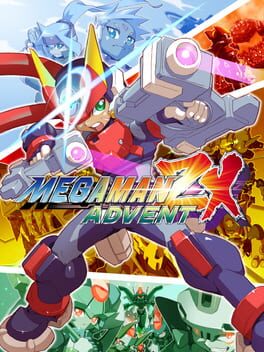
The sequel picks up 4 years and 8 months after Mega Man ZX, and it follows two new heroes, Grey and Ashe. Maverick raids continue even after the fall of Slither Inc.
The world is in the Tech Rush, with the legal Hunter's Guild and illegal Raiders both chasing valuable ancient technology. The Biometals grant the powers of old heroes to people called Biomatches, and those people are the Mega Men you fight.


Mega Man Star Force 2 (2008)
Nov 22, 2007Jun 24, 2008Oct 31, 2008
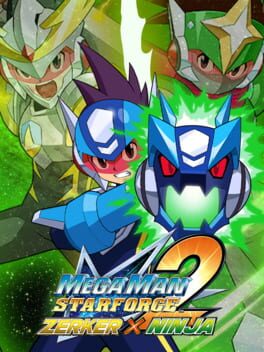
The two versions are Zerker x Ninja and Zerker x Saurian. Geo Stelar and Omega-Xis return, and the battle system stays three-dimensional, with you fighting from behind Mega Man and moving left or right.
Shields and homing attacks help because enemies have much more room than you do. The game was first confirmed in CoroCoro Comic, which also ran a boss design contest in Japan.


Mega Man 9 (2008)
Sep 22, 2008Sep 24, 2008Sep 26, 2008Sep 25, 2008Sep 25, 2008Jun 24, 2009Oct 1, 2008Oct 1, 2008Jun 24, 2009Dec 1, 2010Aug 8, 2017May 22, 2018

After a decade away, the classic series came back as a download with 8-bit graphics on purpose. It was the first game in the series with no physical release, and Capcom made it with Inti Creates, who employ many former Capcom staff.
Dr. Light gets blamed when old Robot Masters go on a rampage, and Wily says he has nothing to do with it. Keiji Inafune credited retro services like Virtual Console for making the game possible.


Mega Man Star Force 3 (2009)
Nov 13, 2008Jun 30, 2009
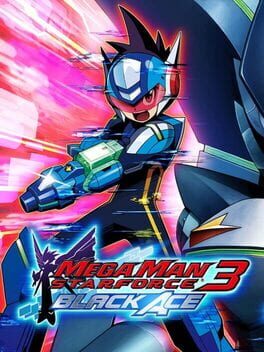
Black Ace and Red Joker close out the Star Force trilogy. Geo Stelar is now a 12-year-old sixth grader, still changing into Mega Man with Omega-Xis to move between the real world and the wave world.
The core play stays close to the first two games, with isometric maps for walking around. Each version has its own cover and its own character cards.


Mega Man 10 (2010)
Mar 1, 2010Mar 5, 2010Mar 9, 2010Mar 9, 2010Mar 11, 2010Mar 11, 2010Mar 31, 2010Mar 31, 2010Mar 31, 2010Aug 8, 2017May 22, 2018
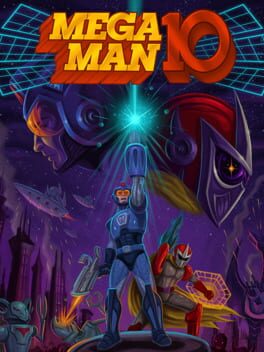
Inti Creates and Capcom went back to 8-bit graphics after the success of Mega Man 9, using the same engine. A virus called Roboenza makes robots malfunction and rebel, and Mega Man and Proto Man hunt for the machine that can cure it.
Wily denies any part in it, and if you have played the previous nine games you know what that is worth. The team wanted to reach old-school players and people who had stopped playing Mega Man.


Street Fighter X Mega Man (2012)
Dec 17, 2012

Singapore fan developer Seow Zong Hui started this as a fan game. He showed an early build to Capcom's Christian Svensson at EVO 2012, and Capcom took on the funding, marketing and quality checks.
It came out free on Capcom Unity for the 25th anniversary of both series. Mega Man fights his way through Street Fighter characters in Robot Master style stages, and Capcom kept it on PC.


Mega Man 11 (2018)
Oct 2, 2018Oct 4, 2018
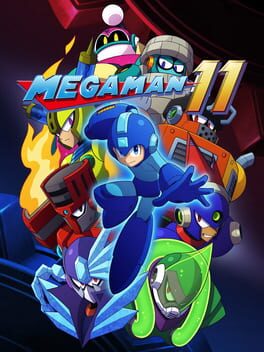
An eight-year gap ended here, and this was the first new game in the franchise made without Inafune. Koji Oda directed it, and the look moved to 3D characters in 2.5D, with hand-drawn environments.
Dr. Wily brings back the Double Gear system he invented at Robot University. You choose between eight stages against Block Man, Fuse Man and the rest. The next main game, Mega Man: Dual Override, is set for 2027.


Mega Man X DiVE (2021)
Aug 16, 2021

A mobile action game from Capcom's Taiwan staff, with 3D models and X series moves like wall-kicking and dash-jumping. Capcom Taiwan began it around March 2018, and Capcom Japan helped with the art.
The online game closed, and its multiplayer modes went with it. Mega Man X DiVE Offline, released in September 2023, keeps the story mode alive on PC and phones.


Never released in English
- Panic Shot! Rockman (1992, arcade) - Wily & Right no RockBoard: That's Paradise (1993, Famicom) - Super Adventure Rockman (1998, PlayStation and Saturn) - Rockman & Forte: Mirai kara no Chosensha (1999, WonderSwan) - Rockman Battle & Fighters (2000, Neo Geo Pocket Color) - Rockman.EXE WS (2003, WonderSwan Color) - Rockman.EXE 4.5: Real Operation (2004, Game Boy Advance) - Rockman.EXE: Phantom of Network (2004, mobile) - Rockman.EXE: Battle Chip Stadium (2005, arcade) - Rockman.EXE: The Medal Operation (2005, arcade) - Rockman.EXE: Legend of Network (2006, mobile) - Rockman.EXE: Operate Shooting Star (2009, Nintendo DS)