There are 19 Mortal Kombat games, listed here in US release order from the 1992 arcade original to Mortal Kombat: Onslaught in 2023, and spin-offs are marked.
Mortal Kombat (1992)
 Aug 2, 1992
 1993
 1993

Mortal Kombat is a one-on-one fighting game where the first fighter to win two rounds takes the match. Ed Boon programmed it and John Tobias drew it. It has a five-button control scheme, and Fatalities, the gory finishing moves that made the series famous, start here. Blocking is unusual for its time: a blocking character still takes a small amount of damage from regular moves. Between fights you can play Test Your Might, a minigame where you mash buttons to break wood, stone, steel, ruby and diamond.
The realistic digitized graphics caused the controversy that, along with Night Trap and Lethal Enforcers, prompted the formation of the ESRB, the US game rating board. Game Boy, Game Gear, Genesis and Super NES versions came out on September 13, 1993. Acclaim sold 1 million copies of the Game Boy cartridge, which is a lot of people squinting at a Fatality.
Legacy Kollection is a compilation by Digital Eclipse, published by Atari, with arcade, Super NES, Genesis, Game Boy and Game Gear versions of this game. All the games support online multiplayer with rollback netcode, and a Fatality Trainer lets you practice the finishing moves. If you want to play the early games today, this is the easiest place to start.


Mortal Kombat II (1993)
Jun 25, 1993199419941995 Sep 9, 1994Sep 9, 199419941994May 19, 19951995
 19951995Mar 28, 1996Mar 29, 1996Aug 2, 1996Apr 12, 2007

The sequel moves the next tournament to Outworld, and the fighters battle their way toward Shao Kahn. The gameplay is an improved version of the first game's, with 12 playable characters including Kitana, Mileena, Baraka and Jax. It also added Friendship and Babality finishing moves, for players who wanted to embarrass a friend with no blood at all.
Home versions followed on September 9, 1994 for Game Boy, Game Gear, Genesis and Super NES. The Genesis version sold 1.78 million copies in the United States and the SNES version sold 1.51 million. A 1998 Game Boy cartridge, Mortal Kombat & Mortal Kombat II, is a compilation of the first two games. Arcade Kollection, a 2011 download for PlayStation 3 and Xbox 360, has the first two games and Ultimate Mortal Kombat 3.


Mortal Kombat 3 (1995)
Sep 1995Oct 13, 1995Apr 15, 1995Jun 14, 1995Oct 13, 1995Dec 8, 1995Oct 13, 1995Oct 20, 1995Sep 1996
Mortal Kombat 3 drops the tournament story. Shao Kahn resurrects his bride Sindel and invades Earthrealm. Combos are new to the series, including the pre-programmed "dial-a-combos", and so is a Run button with its own meter. A Choose Your Destiny screen lets you pick your difficulty in single-player. Animalities appear for the first time, where a character turns into an animal to kill the opponent.
It is the only main installment without Scorpion, and the missing characters are the reason two updates followed. Two players can enter a Kombat Kode, a 6-symbol code on the VS screen, to change the gameplay or fight hidden characters. Genesis, Super NES and Game Boy versions came out on October 13, 1995.


Ultimate Mortal Kombat 3 (1995)
Nov 27, 1995Jun 1, 1996Jun 1, 1996Nov 28, 1996Nov 28, 1996Oct 20, 2006Dec 16, 2010
Ultimate Mortal Kombat 3 is a standalone update of Mortal Kombat 3, released the same year. It brings back Reptile, Kitana, Jade and Scorpion, so the mascot's big absence lasted about seven months. There is a new eight-player Tournament mode and an extra Master difficulty, and some characters got new moves to balance the game.
Home versions came out for Saturn on June 27, 1996, then Genesis and Super NES on October 11, 1996. Mortal Kombat Advance, a Game Boy Advance version by Virtucraft, followed on December 12, 2001, and one magazine gave it a 0, the first in its history. Xbox 360 players got the game on October 25, 2006. The Nintendo DS version, Ultimate Mortal Kombat, came out on November 12, 2007. It is an arcade-perfect port by Other Ocean Interactive with Wi-Fi play, and it brings back Puzzle Kombat from Deception. Legacy Kollection has the first public release of the "WaveNet" version, which was only available in limited arcade location tests in 1997.


Mortal Kombat Trilogy (1996)
Oct 11, 1996Dec 4, 1996Apr 2, 1998Nov 14, 1996Mar 14, 19971997Aug 8, 1997
Trilogy keeps the basic gameplay and story of Ultimate Mortal Kombat 3 and adds characters and stages restored from Mortal Kombat and Mortal Kombat II. The PlayStation's CD had so much space that the team put the assets of the first two games in. New additions are the Aggressor bar, which fills as the fighters fight, and the Brutality, a finishing move where you keep attacking until the opponent explodes.
The Nintendo 64 version arrived on November 12, 1996 with a secret character of its own: Khameleon, who switches between Kitana, Mileena and Jade. The Saturn version came out on August 8, 1997.


Mortal Kombat 4 (1997)
Sep 11, 1997Jun 23, 1998Sep 15, 1998Jun 24, 1998Oct 1, 1998Jul 31, 1998Apr 6, 2001
Mortal Kombat 4 is the first game in the series to use 3D computer graphics and the last to have an arcade release. The fighting is close to the earlier games, and the big addition is weapons and objects you can use during fights. The villain is Shinnok, one of the Elder Gods. Ed Boon wanted it more violent than the games before it, so the comical finishing moves were removed.
The Nintendo 64 and PlayStation versions came out on June 23, 1998. Critics generally liked the game, with the exception of the Game Boy Color port. Mortal Kombat Gold is an updated version by Eurocom for the Dreamcast, out on September 9, 1999. It adds several characters and stages, along with a new way to select weapons, and it is the only game in the series released for the Dreamcast.


Mortal Kombat Mythologies: Sub-Zero (1997)
Oct 3, 1997Dec 1, 1997Dec 8, 1997
Mythologies is the first game in the series that is not a fighting game. It is an action-adventure set before the original Mortal Kombat, starring the elder Sub-Zero, Bi-Han, in his quest to find Shinnok's amulet. You control him as you would in a fighter, with command-based special moves, while walking through levels. A separate "turn" button changes the direction he is facing, a choice few players thanked it for.
Praise went to the move to a new genre and the live-action cutscenes on PlayStation, while the controls and punishing level design were criticized. It also introduces characters and story elements used in Mortal Kombat 4. The Nintendo 64 version came out on December 11, 1997.


Mortal Kombat: Special Forces (2000)
Jun 29, 2000Jun 30, 2000
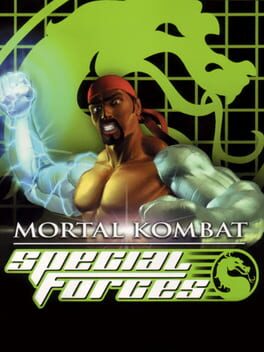
Special Forces is the second game in the series that is not a fighter, and the first 3D spin-off. Set before the original game, it follows Jax as he chases Kano and his gang. John Tobias and other staff left Midway before it was finished, which led to a big cut in content, including Sonya Blade as a playable character.
Critics panned the poor level design and tedious gameplay, and it is considered one of the worst video games of all time. Jax does get to say "You want some fries with that whoopass?", so at least nobody can claim the script held back.


Mortal Kombat: Deadly Alliance (2002)
Nov 22, 2002Feb 14, 2003
Deadly Alliance was the first all-new Mortal Kombat fighting game made only for home consoles, with no arcade release before it. Each character now has three fighting styles, generally two hand-to-hand and one weapon, and you switch between them with a button. There is no running and no run meter anymore. You earn koins in Konquest to open koffins in the Krypt, which holds unlockable characters, arenas and costumes.
It is the only main installment without Liu Kang as a playable character, and the first canon game made without John Tobias. A Game Boy Advance version came out the same day. Tournament Edition, a second Game Boy Advance version, followed on August 25, 2003. It adds characters left out of the first port, along with Sektor, Noob Saibot and Sareena.


Mortal Kombat: Deception (2004)
Oct 4, 2004Nov 19, 2004Feb 28, 2005
Deception adds online play, and it has since been regarded as the first fighting game to do so. Some arenas now branch, so you can knock the opponent out of the fighting area and continue in a new one. Two minigames come with it, Chess Kombat and Puzzle Kombat, the second one a puzzle game similar to Super Puzzle Fighter II Turbo. Konquest mode returns with the life story of Shujinko, a warrior tricked by Onaga.
Critics liked the reworked combat and criticized the Konquest story and voice acting. The game sold more than 1 million units by the end of 2005, and a GameCube version came out on February 28, 2005. Mortal Kombat: Unchained, the PSP version, followed on November 13, 2006. It has all the characters from the GameCube version plus Blaze, Frost, Jax and Kitana, and it adds an Endurance mode.


Mortal Kombat: Shaolin Monks (2005)
Sep 19, 2005Sep 28, 2005Sep 30, 2005Sep 19, 2005Sep 30, 2005
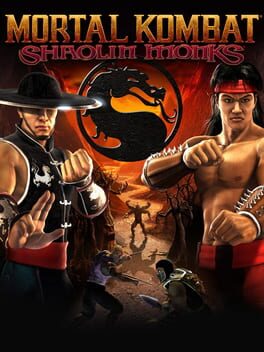
Shaolin Monks is an adventure game with fighting game parts: Fatalities, combos and a versus mode. Liu Kang and Kung Lao are the leads, and two players can work together in a co-op mode with areas and items you cannot reach alone. Experience points upgrade your combos and special moves, and you can unlock Multalities, which are Fatalities performed on several enemies at once.
It got positive reviews for moving the series into adventure and for its co-op.


Mortal Kombat: Armageddon (2006)
Oct 9, 2006Oct 17, 2006Oct 27, 2006Oct 16, 2006May 29, 2007May 29, 2007Jun 15, 2007
The PS2 and Xbox versions of Armageddon have 62 fighters, the most in the series. Instead of pre-scripted Fatalities, you build your own from a series of gory attacks, and the Kreate a Fighter mode lets you design a custom character. Konquest returns with Taven, a warrior who must defeat his evil brother Daegon.
There is also Motor Kombat, a cartoonish driving game influenced by Mario Kart, where Baraka's car has blades on the front bumper. The Wii version came out on May 29, 2007. Mortal Kombat Kollection, on September 30, 2008, is a PlayStation 2 bundle of Deception, Shaolin Monks and Armageddon.


Mortal Kombat vs. DC Universe (2008)
Nov 16, 2008Nov 20, 2008Nov 21, 2008
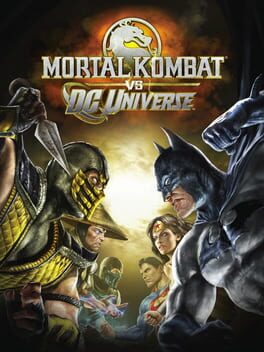
This crossover puts the Mortal Kombat cast against DC heroes such as Superman and Batman, and its story mode plays from two perspectives. Built on Unreal Engine 3, it was the first Mortal Kombat developed only for the seventh generation of consoles. New modes include Free-Fall Kombat, where two fighters battle in mid-air, and a Rage mode with its own meter. The series that helped create the rating board ended up with a Teen rating from it.
It was the last game in the franchise made by Midway, which went bankrupt in 2009 and sold the franchise to Warner Bros.


Mortal Kombat (2011)
Apr 19, 2011Apr 21, 2011May 1, 2012May 3, 2012Jul 3, 2013
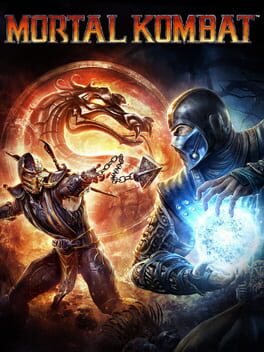
This is the ninth main game and a soft reboot, and the first production from the new NetherRealm Studios. After the Armageddon war, Raiden contacts his past self to change what happened, and the story goes back to the first tournament. A meter with three levels powers enhanced special attacks, combo breaks and X-ray moves.
It sold one million copies in the first month alone. Its violent content got it banned in Australia, and it came out there in May 2013 after an R18 classification was introduced. A PlayStation Vita port followed in May 2012. Komplete Edition is the 2011 game with all of its downloadable content, out on February 28, 2012 for PlayStation 3 and Xbox 360. It came to Windows in July 2013.


Mortal Kombat Mobile (2015)
Apr 7, 2015

Mortal Kombat Mobile was first called Mortal Kombat X and came out alongside the console game. It is a free-to-play mix of fighter and card battler, and playing it could unlock content in the console version. The Android version came out on May 5, 2015 and has 50 million downloads.


Mortal Kombat X (2015)
Apr 14, 2015
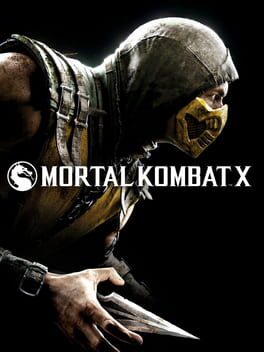
Each fighter in Mortal Kombat X has three variations, each with a different set of moves. Scorpion's Ninjutsu variation gives him dual swords, for example. The energy meter from the 2011 game returns for X-ray moves, and Brutality finishers make a comeback. Twenty years after Shinnok's defeat, Johnny Cage leads a new team of young fighters including Cassie, Takeda and Jacqui.
It sold more than 10 million copies and was the fastest-selling game in the franchise at the time. The Krypt is now played in first person. Mortal Kombat XL, out on March 1, 2016, has all the downloadable characters from the two Kombat Packs, improved gameplay and improved netcode. It also reinstates stage Fatalities in three stages. The Windows version came out on October 4, 2016.


Mortal Kombat 11 (2019)
Apr 23, 2019Apr 23, 2019Apr 23, 2019Nov 19, 2019Nov 17, 2020
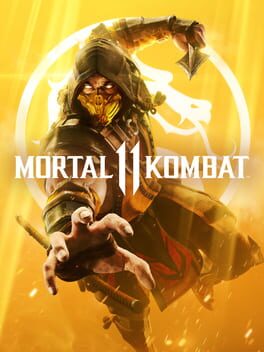
Kronika, the keeper of time, rewrites history in the story of Mortal Kombat 11. Fatal Blows are similar to the old X-ray moves. They deal heavy damage, become available only when your health drops below 30%, and work once per match. Kustom Variations let you build your own version of a character.
By 2022 it had sold more than 15 million copies, the best-selling game in the franchise. Mortal Kombat 11: Ultimate, out on November 17, 2020, has all the downloadable content up to that point. That includes the Aftermath expansion from May 26, 2020, with an additional story mode, three new characters and the return of stage fatalities and the friendship finishing move.


Mortal Kombat 1 (2023)
Sep 19, 2023
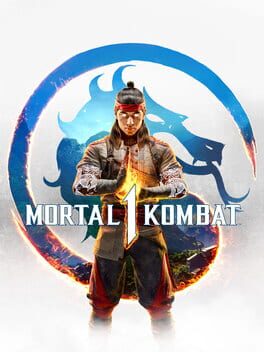
The twelfth main game is called Mortal Kombat 1, which helps nobody searching for the 1992 one. It is the series' second reboot, set in a new timeline created by Liu Kang at the end of Mortal Kombat 11. The new feature is Kameo Fighters, who assist you during fights. It is also the first game in the series with cross-play and cross-progression, and its online multiplayer has rollback netcode.
Animalities returned in a free update alongside the Khaos Reigns expansion. The game has sold more than 8 million copies. Definitive Edition, out on May 14, 2025, has all the post-launch content: Kombat Pack 1, Kombat Pack 2, the Khaos Reigns story expansion and the cosmetic items.


Mortal Kombat: Onslaught (2023)
Oct 17, 2023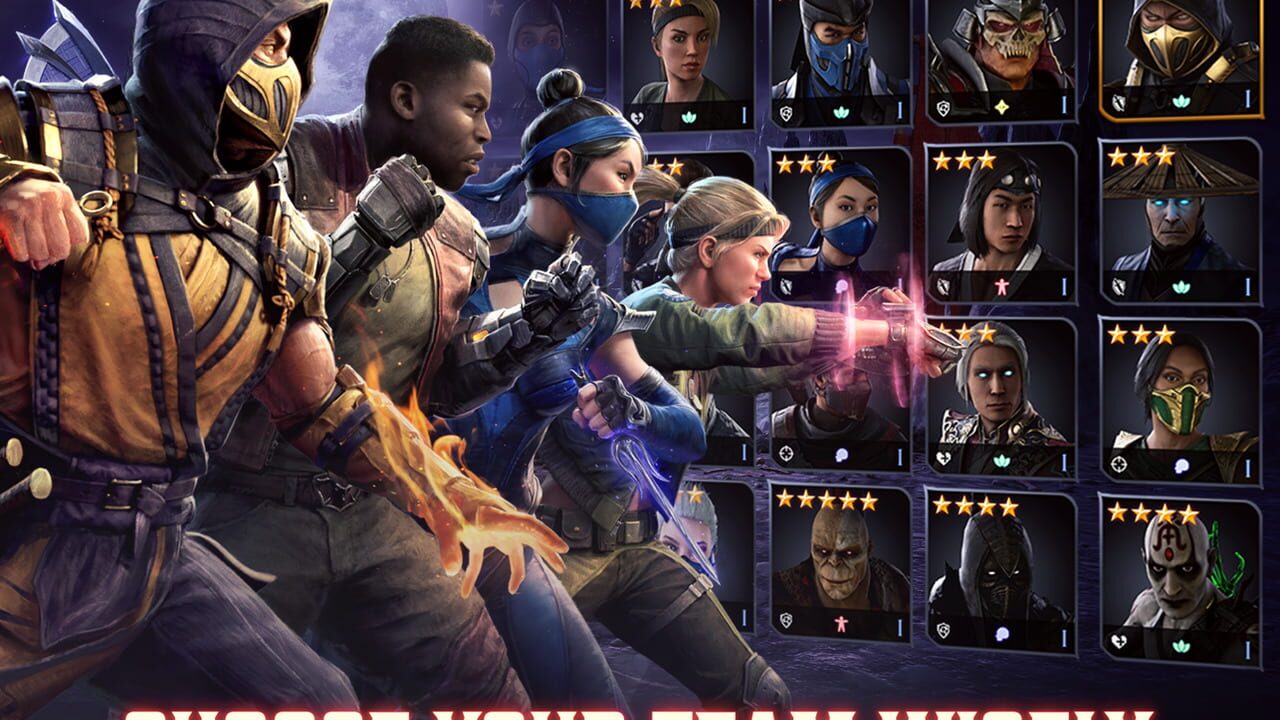

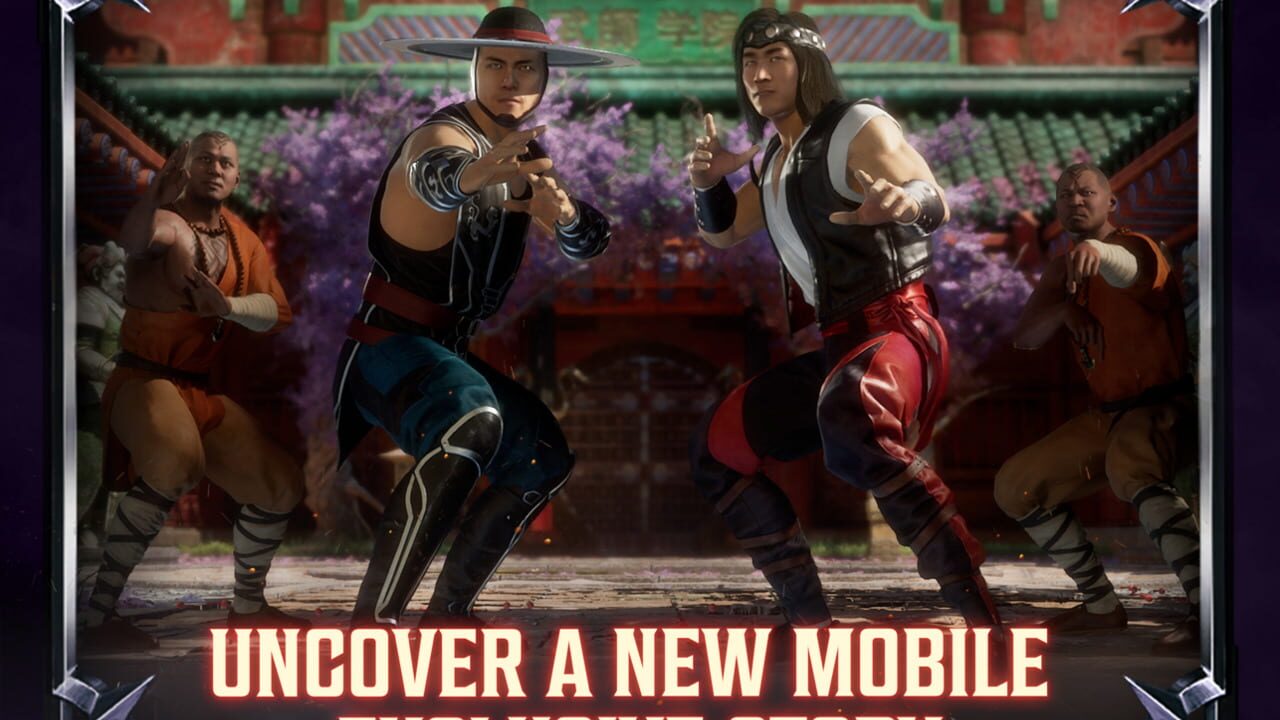
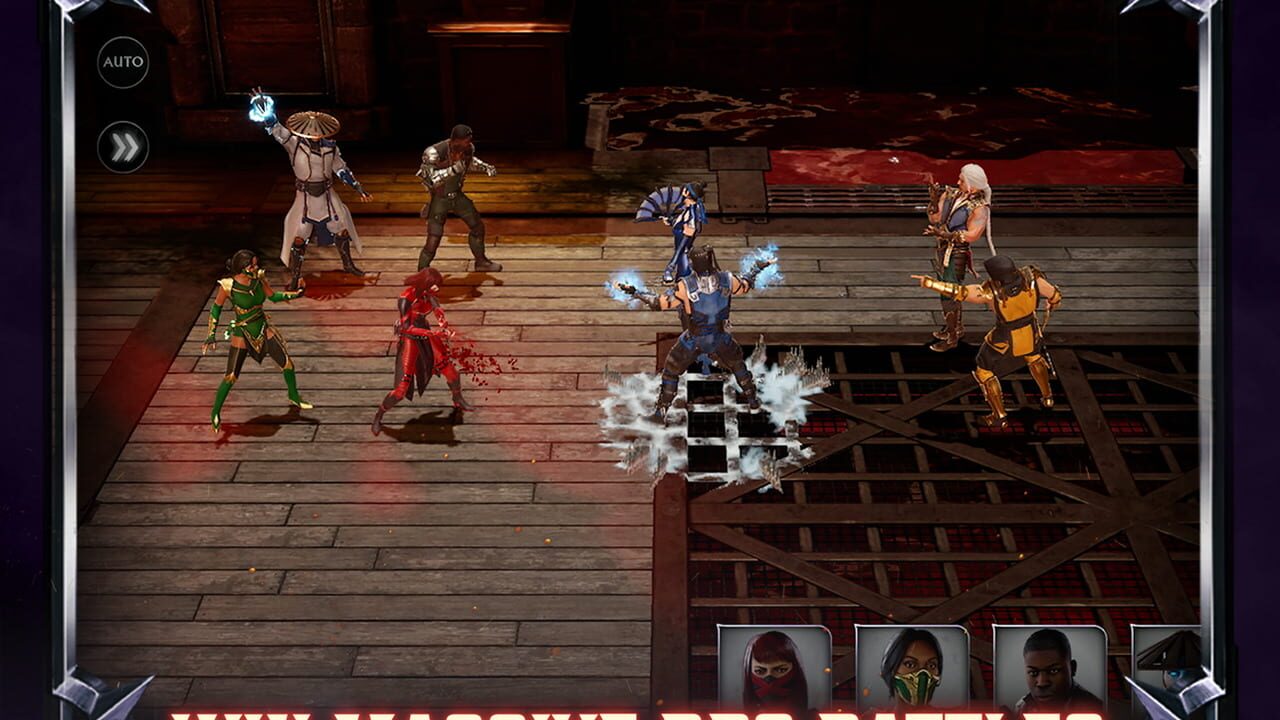
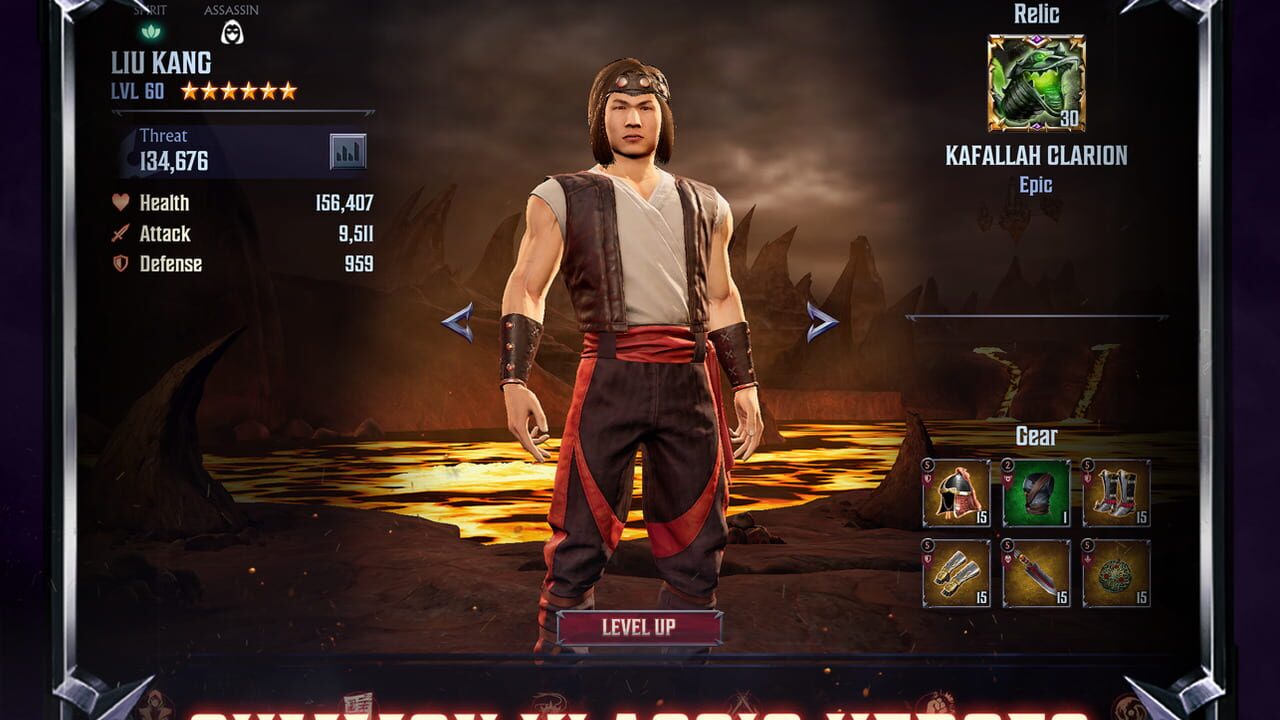
Onslaught is an action-adventure beat 'em up role-playing game for phones, and the fourth game in the series that is not a fighter. Ed Boon called it a strategic team-based collection game with group melee combat. It was shut down on October 21, 2024 after the closure of the company's mobile division, so you can no longer play it.