The 32 Need for Speed games that reached the USA are listed here in US release order, from The Need for Speed in 1994 to Need for Speed Unbound in 2022, and the spin-offs are marked.
The Need for Speed (1994)
 Dec 13, 1994
 Aug 31, 199519961997

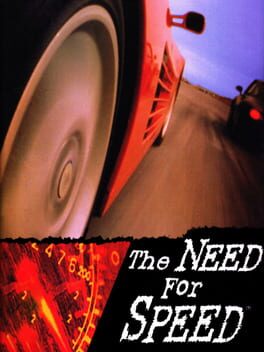
The series started on the 3DO, built by Pioneer Studios, a team inside EA Canada. You raced sports cars, including exotic models and Japanese imports, over three point-to-point tracks split into three stages each. Later ports added closed circuits. It played closer to a simulator than the arcade racers the series turned into, with each car handling its own way.
Every car came with precise data, spoken commentary, magazine-style photos and a short video clip set to music, so the game could double as a dealership brochure. The MS-DOS version followed in 1995, then PlayStation and Saturn in 1996. The Windows Special Edition added two tracks, Transtropolis and Burnt Sienna. Japan knew the game as Over Drivin'.


Need for Speed II (1997)
Mar 31, 1997 May 1997Apr 30, 19971997

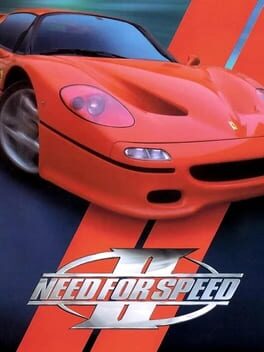
EA Canada built the sequel, with exotic cars on country-themed tracks from North America, Europe, Asia and Australia. You could race the computer, or race people over a LAN, a modem, a serial cable or split screen. Prototypes and show cars joined the garage, and a Special Edition for PC on November 6, 1997 added four more cars.
It was easier to play than the first game, and that split reviewers. Electronic Gaming Monthly's Kraig Kujawa said it had "an arcade edge that simply doesn't fit", while another reviewer called it "the PlayStation's slickest racer yet". Japan got it as Over Drivin' II.


Need for Speed: V-Rally (1997)
Nov 4, 1997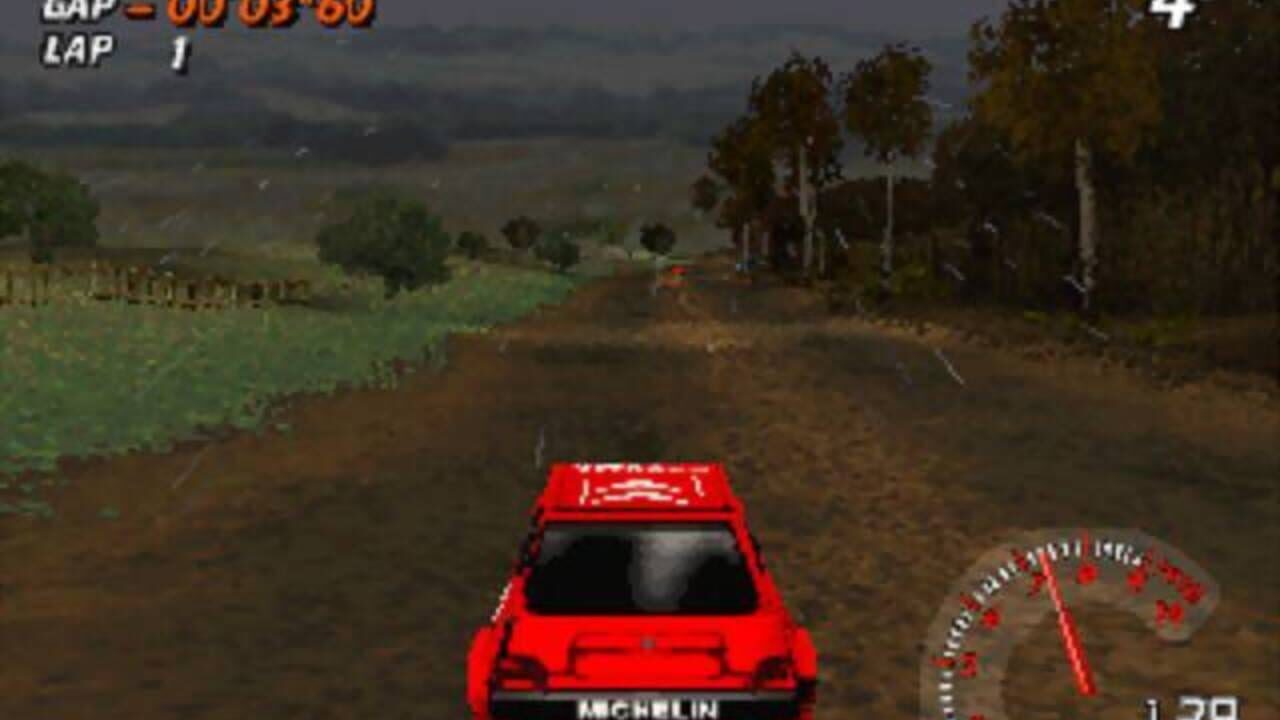
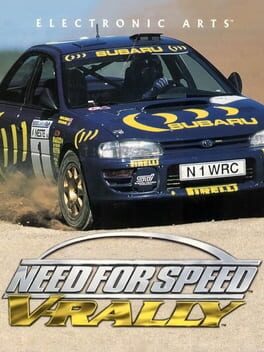
This one is not a Need for Speed game at heart. V-Rally was a rally series from Infogrames, and the first game was a hit in Europe. Electronic Arts bought the publishing rights for North America and sold it under the Need for Speed name.
Game Boy Color, Nintendo 64 and Windows versions followed in 1999. The V-Rally series went on to sell almost 5 million units by October 1999, and it carried on without EA after the second game.


Need for Speed III: Hot Pursuit (1998)
Mar 25, 1998Apr 1998 Sep 23, 1998Oct 12, 1998

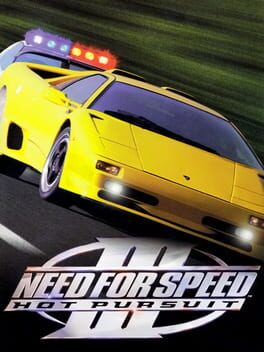
EA Canada made the PlayStation version and EA Seattle made the Windows one, which arrived on September 23. Exotic cars stayed, the races moved mostly to North American locations, and the police got smarter than in the first game. The cops now only ticket or arrest you if you stop near one, where getting overtaken used to be enough.
Hot Pursuit brought car tuning to the series, so you could adjust the engine, brake balance, suspension, aerodynamics and tires. Critics praised the graphics and the customizing. It got a direct sequel in 2002 and a reboot in 2010. In 2001, EA.com offered an online-only conversion called Web Racing on its Platinum service, with 11 cars.


Need for Speed: High Stakes (1999)
Mar 24, 1999Apr 2, 1999Jun 17, 1999
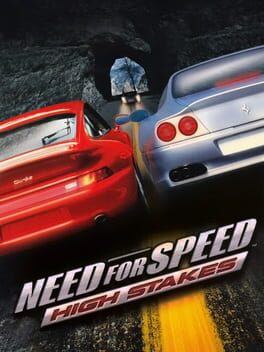
High Stakes was called Road Challenge in Europe, and it was the first game in the series with a damage model. It also added money. Tournaments paid out cash that you spent on repairs, new cars and upgrades, which made every crash a bill with your name on it.
Critics often compared it to Gran Turismo. They praised the graphics, the computer drivers and the realism, and they marked it down for an uneven frame rate. Computer Gaming World named the Windows version its Racing Game of the Year.


Need for Speed: V-Rally 2 (1999)
Jun 25, 1999Nov 17, 1999Jan 27, 2000
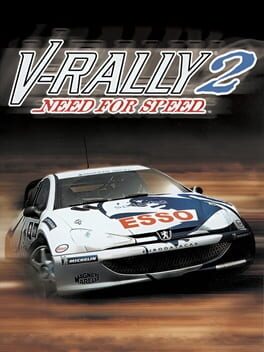
Eden Studios made this sequel, and Infogrames published it in Europe as plain V-Rally 2. Electronic Arts brought the PlayStation version to North America on November 17, 1999 with the Need for Speed name on it. The Dreamcast version went out there as Test Drive V-Rally, so the same game wore a different badge on each console.
The V-Rally Trophy and Championship modes cover European, World and Expert championships. It got favorable reviews and was followed by V-Rally 3 in 2002.


Need for Speed: Porsche Unleashed (2000)
Mar 29, 2000Jul 21, 2000 2001Mar 29, 2000Jun 23, 2000

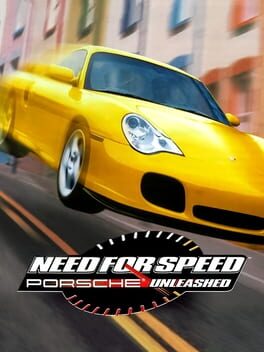
Every car here is a Porsche, so anyone hoping for a Ferrari picked the wrong box. Evolution mode starts with the first 356 from 1950 and ends with the 996 from 2000. Factory driver mode gave the series its first storyline: you work through slaloms, stunts and races to become a Porsche factory driver.
Eden Studios made the PlayStation version, EA Canada the PC one, and Pocketeers a Game Boy Advance adaptation in 2004. The game also began a 16-year deal that kept Porsche cars largely out of other companies' games until 2016. Many players see it as the last classic Need for Speed before EA Black Box took over.


Motor City Online (2001)
Oct 31, 2001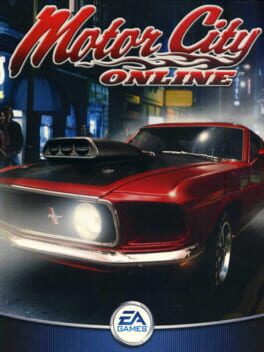
This began as Need for Speed: Motor City, then lost its single-player parts and the series name and became an online-only game. You bought classic cars, mostly American muscle cars from the 1930s to the 1970s, tuned them up and raced other players. It ran on a modified version of the High Stakes PC engine.
The game went offline on August 29, 2003, so EA could focus on The Sims Online, and there is no official way to play it now. Many of its fans see Need for Speed: World as its spiritual successor, though EA denied any direct link.
Need for Speed: Hot Pursuit 2 (2002)
Oct 1, 2002Oct 18, 2002Oct 25, 2002Oct 1, 2002Oct 24, 2002Oct 25, 2002Oct 21, 2002Oct 24, 2002Nov 8, 2002
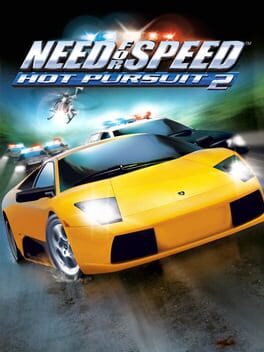
Hot Pursuit 2 comes in two distinct games under one name. EA Black Box made the PlayStation 2 version, and EA Seattle made the one for GameCube, Xbox and Windows. Reviews favored the PS2 and Xbox releases, while the PC and GameCube versions got mixed scores.
It won Console Racing Game of the Year at the 6th Annual Interactive Achievement Awards. The soundtrack mixes eight vocal rock songs with seven instrumentals, and the Xbox version let you use your own music. Global VR later turned it into an arcade machine, out on September 30, 2003.


Need for Speed: Top Speed (2002)
Oct 1, 2002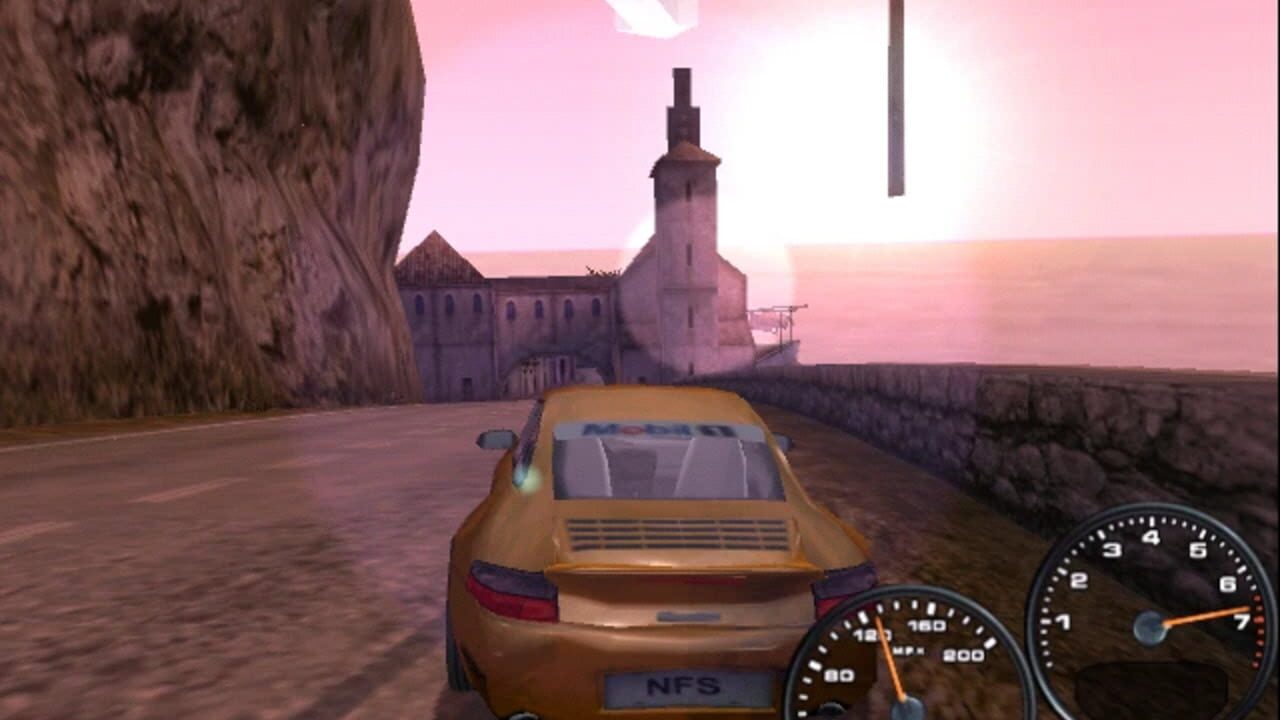

Top Speed was an online-only promotional game, made to advertise both an IMAX film called Top Speed and the Porsche Cayenne Turbo. Few racing games have had to sell an IMAX film and an SUV in the same breath.
It reuses three courses from Porsche Unleashed, renamed after Canadian locations. Access also came bundled with the PC version of Hot Pursuit 2.
Need for Speed: Underground (2003)
Nov 17, 2003Nov 21, 2003Dec 25, 2003Nov 17, 2003Nov 21, 2003Nov 17, 2003Nov 28, 2003
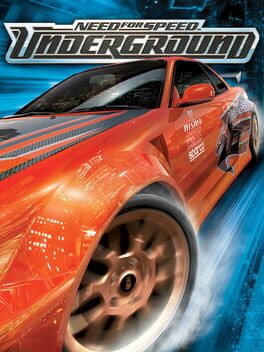
Underground turned the series around. EA Black Box dropped scenic sports car routes for import tuner street racing at night in Olympic City, the first named city in the series. It was also the first game with a career mode built around a story, and the garage let you fit brand-name performance and visual parts in huge variety.
Nitrous oxide arrived here, along with drift events. Samantha, the woman who helps you buy your first car, makes fun of it while she does. The soundtrack has 26 licensed songs, with artists such as Nate Dogg and T.I. The game sold around 15 million units, and Global VR made an arcade version two years later.


Need for Speed: Underground 2 (2004)
Nov 15, 2004Nov 19, 2004Nov 15, 2004Nov 19, 2004Dec 22, 2004Nov 19, 2004
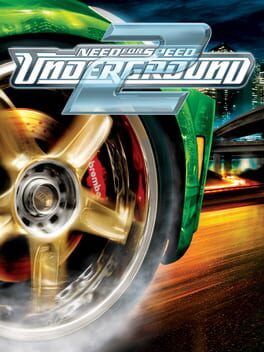
Underground 2 was the first game in the series with an open world, a city called Bayview based on San Francisco and Los Angeles. Brooke Burke voices Rachel Teller, who guides you through it. The tuner scene had grown to full-size SUVs by then, so the Hummer H2, Cadillac Escalade and Lincoln Navigator all joined the street racers, presumably to carry the subwoofers.
It sold around 11 million copies worldwide and broke sales records in the UK. Pocketeers made Game Boy Advance and Nintendo DS versions, and the DS port lets you design your own decals.


Need for Speed: Underground Rivals (2005)
2005Mar 14, 2005
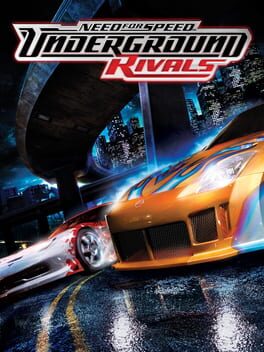
Rivals was the first Need for Speed on PSP, made by Team Fusion. It keeps the Underground look, with cars you collect in a garage and customize, but races happen only at night and there is no free roam.
The event list is built for short sessions. Street Cross is heavily based on Underground 2's Street X, Drift Attack scores your slides through markers, and one mode makes you change cars after the first lap. Japan got it on PlayStation Portable in 2005. Europe got it in September.


Need for Speed: Most Wanted (2005)
Nov 15, 2005Nov 25, 2005Nov 22, 2005Dec 2, 2005
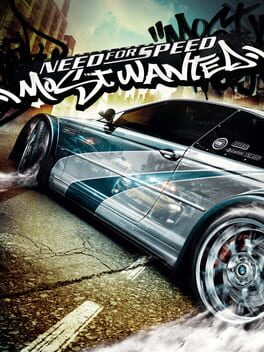
Most Wanted is the best seller of the whole series, at over 18 million copies. You arrive in the city of Rockport, lose your BMW M3 GTR to Clarence "Razor" Callahan, and climb a Blacklist of 15 street racers to get it back. Police chases became a full system here, and exotic cars such as the Ford GT returned alongside the tuners.
The story plays out in live-action videos with real actors, including Josie Maran as Mia Townsend. It was the first game in the series on Xbox 360, and separate versions went to Nintendo DS and Game Boy Advance. A PS2 Classics version reached PS3 in May 2012 and was pulled the next year.


Need for Speed: Most Wanted 5-1-0 (2005)
Nov 15, 2005Nov 25, 2005Dec 22, 2005
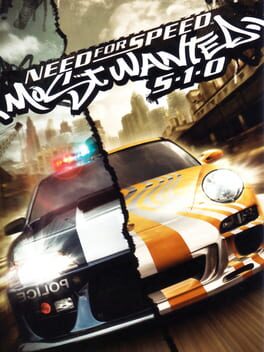
This PSP spin-off came out on the same day as the main game. It keeps the 15-place blacklist and the career mode, and adds Tuner Takedown, a mode where you play the cop.
It has no cutscenes, no storyline and no free roam. It did fit in your pocket, which the console version could not say.


Need for Speed: Carbon (2006)
Oct 31, 2006Nov 3, 2006Nov 16, 2006Dec 21, 2006Nov 17, 2006Dec 21, 2006Mar 22, 2007Mar 23, 2007Aug 17, 2007Aug 21, 2007Aug 29, 2007
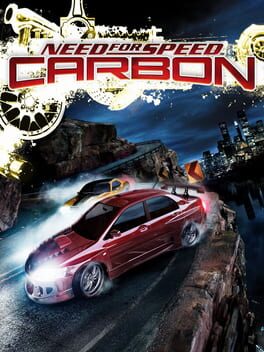
Carbon's new idea was the Canyon event, a duel on canyon roads styled after Japanese touge racing. In career mode you pick a car class at the start, and that choice is permanent. It decides which district you begin in and which events open first. Some critics missed the police chases of Most Wanted.
It was the first game in the series on Wii and PlayStation 3, and the last on GameCube and Xbox. It is also the only one ever released for Mac. Global VR made an arcade version in 2008. EA took the download versions off sale in 2021.


Need for Speed: Carbon - Own the City (2006)
Oct 31, 2006Nov 3, 2006
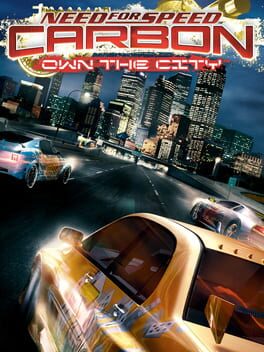
Own the City is the third portable game in the series and the last one on Game Boy Advance. The wingman idea from Carbon carries over, with one new class: Assassins, who take out several rivals at once with spike strips. It is an honest job title, at least.
Police chases happen only in free roam, so you are never pursued during a race event. A version reached the Zeebo console in Brazil on May 25, 2009.


Need for Speed: ProStreet (2007)
Nov 14, 2007Nov 22, 2007Nov 23, 2007Jan 31, 2008Nov 14, 2007Nov 23, 2007Nov 27, 2007Mar 19, 2008
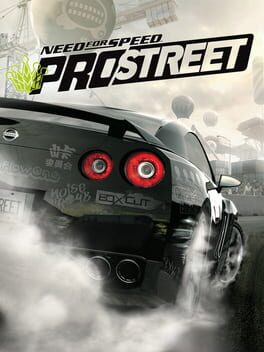
ProStreet left the streets for organized racing at real places such as Portland International Raceway, Mondello Park and Autopolis. It was the first Need for Speed made mainly for high-definition consoles. A new physics engine made cars handle more realistically and take damage in crashes, and a wind tunnel showed you how your car's aerodynamics worked.
The team behind Most Wanted made it, and Junkie XL composed the score. Reviews were mixed, mostly over the missing open world. It sold more than five million units and still fell short of what Electronic Arts expected.


Need for Speed: Undercover (2008)
Nov 18, 2008Nov 20, 2008Nov 21, 2008Dec 18, 2008
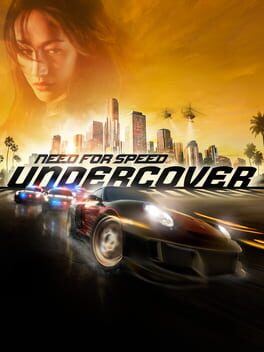
Undercover went back to an open world and police pursuits. Your Wheelman level sets how hard the cops come after you, and Highway Battles and Jobs are the only events where you can total a car. Maggie Q plays Chase Linh, who turns out to be the main villain near the end.
Reviews were mixed, with complaints about the difficulty, the story and the repetition. It was the last game in the series on a sixth-generation console and the first on iOS. EA Black Box made it, with Exient Entertainment and Firebrand Games handling other versions.


Need for Speed: Shift (2009)
Sep 15, 2009Sep 18, 2009Sep 24, 2009Nov 12, 2009Sep 15, 2009Sep 17, 2009Sep 24, 2009Nov 12, 2009
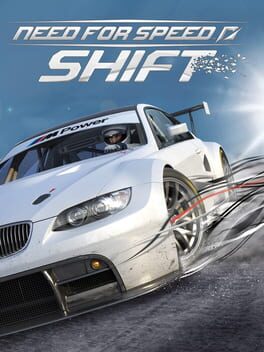
Slightly Mad Studios took the series to the racetrack with a simulator approach, on closed circuits such as the Nürburgring and Laguna Seca, plus made-up street courses in cities like London and Chicago. The in-car view came back for the first time since Porsche Unleashed.
EA Bright Light made a separate PSP version, the last game in the series on that handheld. IronMonkey Studios made the mobile versions for Java phones and iOS.


Need for Speed: Nitro (2009)
Nov 3, 2009Nov 6, 2009Nov 26, 2009
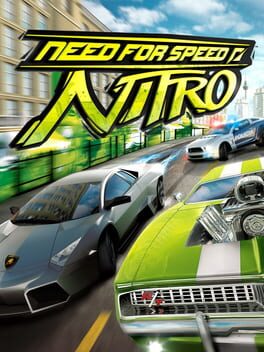
Nitro is the only game in the series made just for Nintendo platforms. EA Montreal built the Wii version and Firebrand Games built a separate one for DS. Powerslides and drafting earn style points, and staying in first place with the "Own it" feature earns more.
The Wii version offers five control schemes, down to the old GameCube controller. Its soundtrack has 26 songs, with artists like Dizzee Rascal and LMFAO. Nitro-X, an enhanced edition of the DS version, followed as a DSiWare download on November 15, 2010.


Need for Speed: World (2010)
Jul 27, 2010
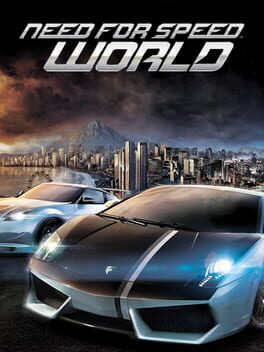
World was a massively multiplayer online racer for Windows and the first freemium game in the series. EA Black Box and EA Singapore built it. Driver skills improved acceleration, handling or top speed on whatever car you were driving.
It went offline on July 14, 2015, along with several other free-to-play EA games. Fans reverse engineered a playable version, and the first fan-run servers went online in 2017 under the name Soapbox Race World.


Need for Speed: Hot Pursuit (2010)
Nov 16, 2010Nov 16, 2010Nov 19, 2010
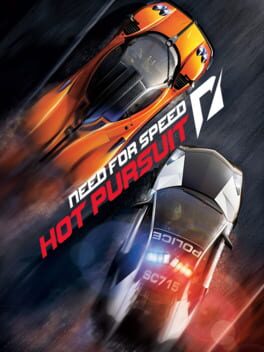
Criterion Games, the Burnout studio, revived Hot Pursuit as a successor to the 1998 game. You race or chase through Seacrest County, a made-up place based on California, Oregon and Washington, with up to eight players in multiplayer. Exient Entertainment made the Wii version.
Autolog was the big addition, a system that connects friends and compares their stats, described as "Facebook for the game". It won a BAFTA, which makes it the rare award-winning way to find out your friend beat your time at midnight. The game also took Best Driving Game at the Spike 2010 Video Game Awards.
Stellar Entertainment remastered it with enhanced visuals, cross-platform multiplayer and quality-of-life improvements. Need for Speed: Hot Pursuit Remastered came out on November 6, 2020, and reached the Nintendo Switch on November 13, 2020.


Shift 2: Unleashed (2011)
Mar 29, 2011Apr 1, 2011Mar 29, 2011Mar 31, 2011Mar 31, 2011Mar 29, 2011Mar 31, 2011
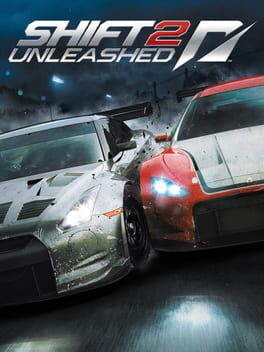
Slightly Mad Studios made this sequel too, and the name shows what EA wanted: Shift as its own franchise, with Need for Speed pushed to the small print. It is the sim side of the family, aimed at simulation fans and at Gran Turismo.
An iOS version followed on August 4, 2011. The Autolog system from Hot Pursuit appears here with more detail, splitting times by track, race type and racing discipline.


Need for Speed: The Run (2011)
Nov 15, 2011Nov 17, 2011Nov 18, 2011Dec 8, 2011
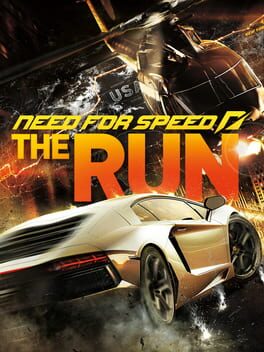
The Run is a race from San Francisco to New York. You play Jack Rourke, an experienced street racer in debt to the Mob, and the road covers over 300 kilometres, three times more than Hot Pursuit. That made it the biggest Need for Speed at release.
It was the last game from EA Black Box before the studio closed in April 2013, and reviews were mixed. The Firebrand version has its own hero, a former pro racer called Matt, who wakes up in his Mustang in the ocean off San Francisco. Few racing careers start that damply.


Need for Speed: Most Wanted (2012)
Oct 30, 2012Nov 15, 2012Oct 30, 2012Nov 1, 2012Nov 2, 2012Nov 15, 2012
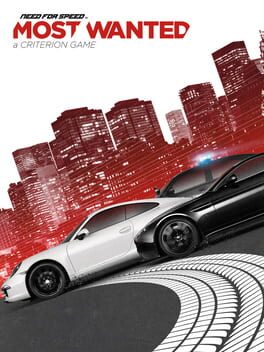
Criterion Games followed Hot Pursuit with its own Most Wanted, which shares the style of the 2005 game but has no story. It uses Autolog again and adds Cloudcompete, which links the game across platforms. A PlayStation Vita version came out too, and it is still the only Need for Speed on that handheld.
It won Best Driving Game at the 2012 Spike Video Game Awards and Racing Game of the Year at the 16th Annual D.I.C.E. Awards. It was also Criterion's last mainline game before Unbound, ten years later.
The Wii U version, Need for Speed: Most Wanted U, arrived on March 19, 2013 with the label "Enhanced Version". It includes the Ultimate Speed Pack, supports Off-TV Play on the GamePad, and adds a co-op mode called Co-Driver. One player drives with a Wii Remote or Pro Controller, and the other uses the GamePad to help out.


Need for Speed Rivals (2013)
Nov 15, 2013Nov 29, 2013Feb 22, 2014Nov 19, 2013Nov 19, 2013Nov 21, 2013Nov 19, 2013Nov 21, 2013Nov 22, 2013Nov 22, 2013Nov 22, 2013Sep 4, 2014
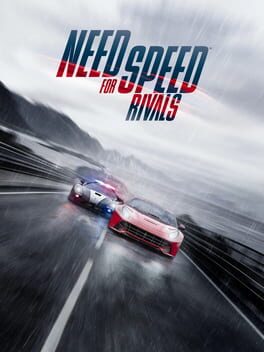
Rivals was the first game from Ghost Games, formerly EA Gothenburg, with Criterion doing additional work. It was the series' first game on the eighth generation of consoles and its last on the seventh. You pick a side: racer or cop, with cops choosing between Patrol, Undercover and Enforcer cars, and both sides can equip two pieces of pursuit tech.
It won Best Racing Game at the Game Critics Awards after its E3 2013 showing and got mostly positive reviews. The online services shut down on October 7, 2025, and the game still plays offline.


Need for Speed: No Limits (2015)
Jan 6, 2015Sep 30, 2015

No Limits is a free-to-play mobile game from Firemonkeys Studios, the makers of Real Racing 3. Critics liked the visuals and controls and disliked the aggressive free-to-play system and the short races. An early version ran only in Taiwan and the Netherlands before the worldwide launch.
A mode called Interceptor, where you join the police, was added on January 23, 2023.


Need for Speed (2015)
Nov 3, 2015Nov 5, 2015Mar 15, 2016
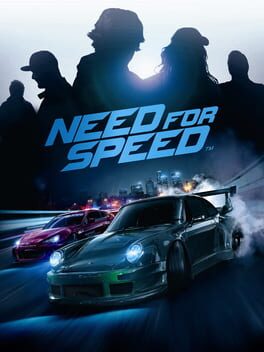
Ghost Games rebooted the series under its plain old name, which does nothing for anyone searching for it. You race through Ventura Bay, a made-up California city based on Los Angeles, and body modifications returned after nearly five years. Spike, Amy, Robyn, Manu and Travis make up your crew, and real car names like Ken Block and Magnus Walker appear in the story.
Windows players waited until March 2016. Reviews were mixed: the visuals and customizing won praise, while the always-online rule and the lack of a pause did not.


Need for Speed Payback (2017)
Nov 10, 2017Nov 10, 2017Nov 10, 2017Nov 10, 2017
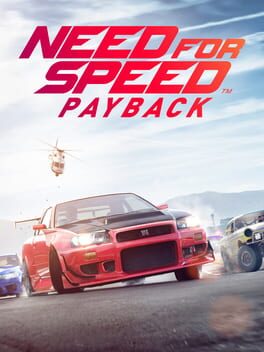
Payback is the 23rd game in the series, and Ghost Games built its campaign to welcome back offline play. That part went down well. The loot boxes and microtransactions did not, and reviews came out mixed.
It has a soundtrack of 47 tracks, from alternative rock to hip hop. An update made the Ford Crown Victoria Police Interceptor playable, the first drivable police car since Rivals.


Need for Speed Heat (2019)
Nov 8, 2019
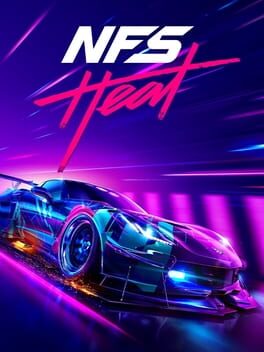
Heat is the 24th game in the series and marks its 25th anniversary. You race in Palm City and earn rep in night sessions. It has 127 cars from 33 manufacturers, and you can swap engines between them.
After the criticism aimed at Payback, EA dropped the loot boxes. Parts now unlock as you earn REP and win races. Reviews were mixed, but better than for the two games before it. It was the last game from Ghost Games, which went back to being EA Gothenburg, and Criterion took the series over in February 2020.


Need for Speed Unbound (2022)
Dec 2, 2022
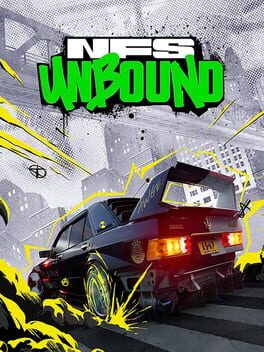
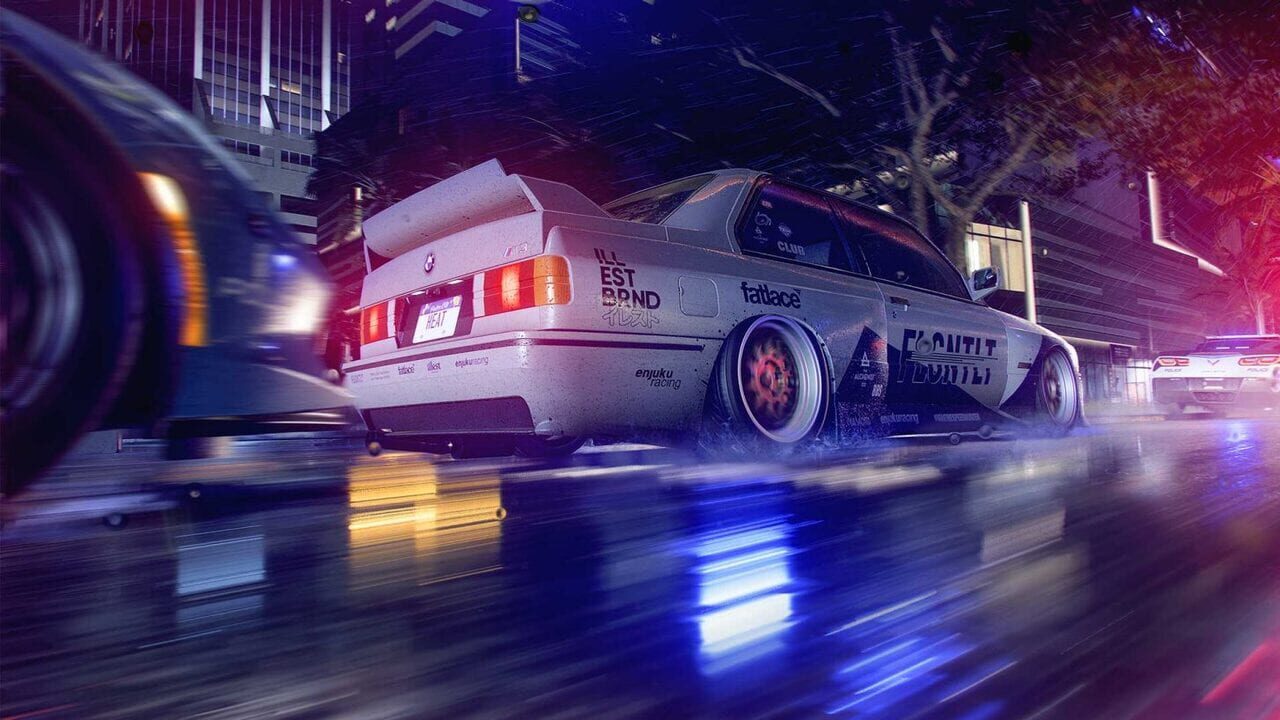
Criterion Games came back to the lead role with Unbound, set in Lakeshore City, a made-up city based on Chicago. It was the series' first game on the ninth generation of consoles. You can buy and sell cars right from the hideout, so the trip to the dealership is gone, and you can improve a car with new parts or a full engine swap.
Critics praised the art style and the customizing and criticized the story and the lack of new ideas. Later updates brought the Porsche Taycan and, in Volume 9, the BMW S1000RR, the first playable motorcycle in the series.


Never released in English
- Nissan Presents: Over Drivin' GT-R (1996, Sega Saturn) - Nissan Presents: Over Drivin' Skyline Memorial (1997, PlayStation) - Need for Speed: Edge (2017, Windows) - Need for Speed Mobile (2024, mobile)