There are 7 Onimusha games, listed here in US release order from Onimusha: Warlords on the PlayStation 2 in 2001 to Onimusha: Way of the Sword in 2026. Spin-offs are marked.
Onimusha: Warlords (2001)
 Jan 25, 2001
 Mar 14, 2001
 Jul 6, 2001

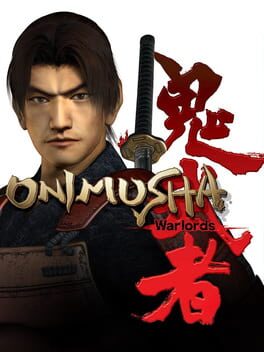
Yoshiki Okamoto's first idea was a ninja version of Resident Evil, set in a ninja house full of booby traps and meant for the Nintendo 64. Work moved to the original PlayStation and then to the PS2, where this became the first game to reach one million sales.
You play the samurai Samanosuke Akechi, modeled on actor Takeshi Kaneshiro, and take over his partner Kaede, a female ninja, for two sections. You solve puzzles and absorb demon souls: red ones upgrade your weapons, yellow ones restore health and blue ones restore magic. Genma Onimusha, the Xbox update from January 29, 2002, added green souls for temporary invulnerability. The remaster leaves those extras out and adds widescreen and full 3D movement. A bug in this game inspired Hideki Kamiya while he was making Devil May Cry.


Onimusha 2: Samurai's Destiny (2002)
Mar 7, 2002Aug 27, 2002Oct 4, 2002
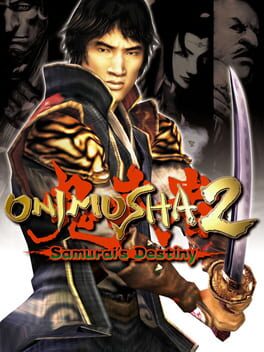
Nobunaga Oda's demon army wipes out the Yagyu clan, and the only survivor, Jubei Yagyu, goes after him. Jubei was modeled after the late Japanese actor Yusaku Matsuda. The game has four playable sub-characters, and your actions decide who helps Jubei.
The series picked up role-playing here. Defeated Genma leave gold around the town of Imasho, and you spend it on gifts for your allies. Flowers make Oyu happy and only irritate the men, so handing a bouquet to a gunman is a mistake you make once. Combat rewards timing: attack the moment an enemy lunges and an Issen hit kills it instantly. The American release dropped the Japanese audio. The 2025 remaster gives you analog or tank controls and runs at 60fps.


Onimusha Tactics (2003)
Jul 25, 2003Nov 11, 2003Dec 5, 2003Aug 6, 2015Dec 16, 2015Feb 24, 2016

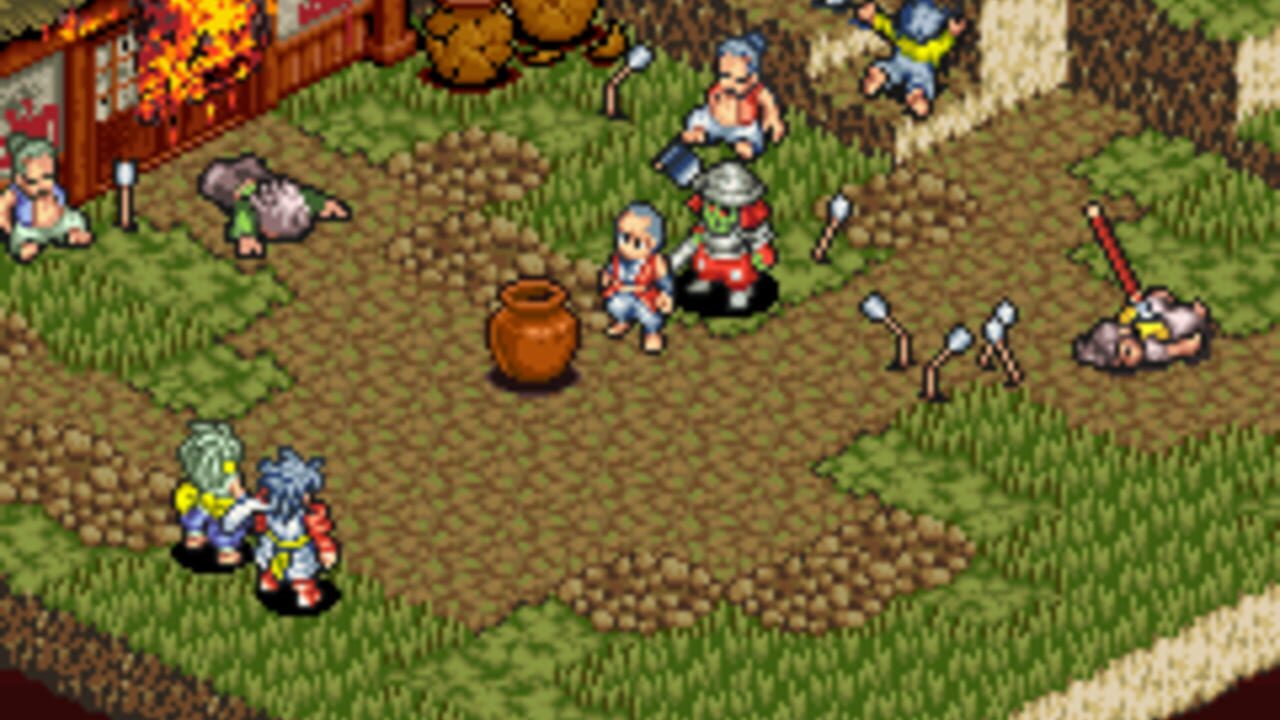
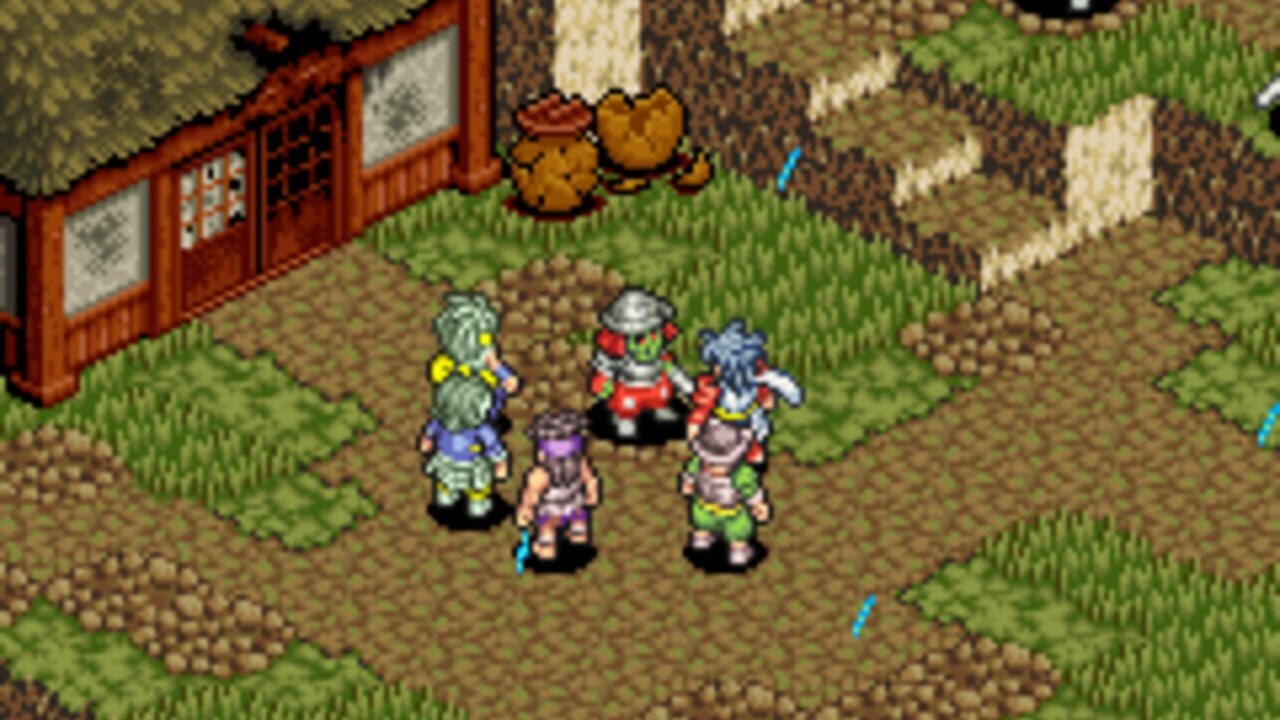
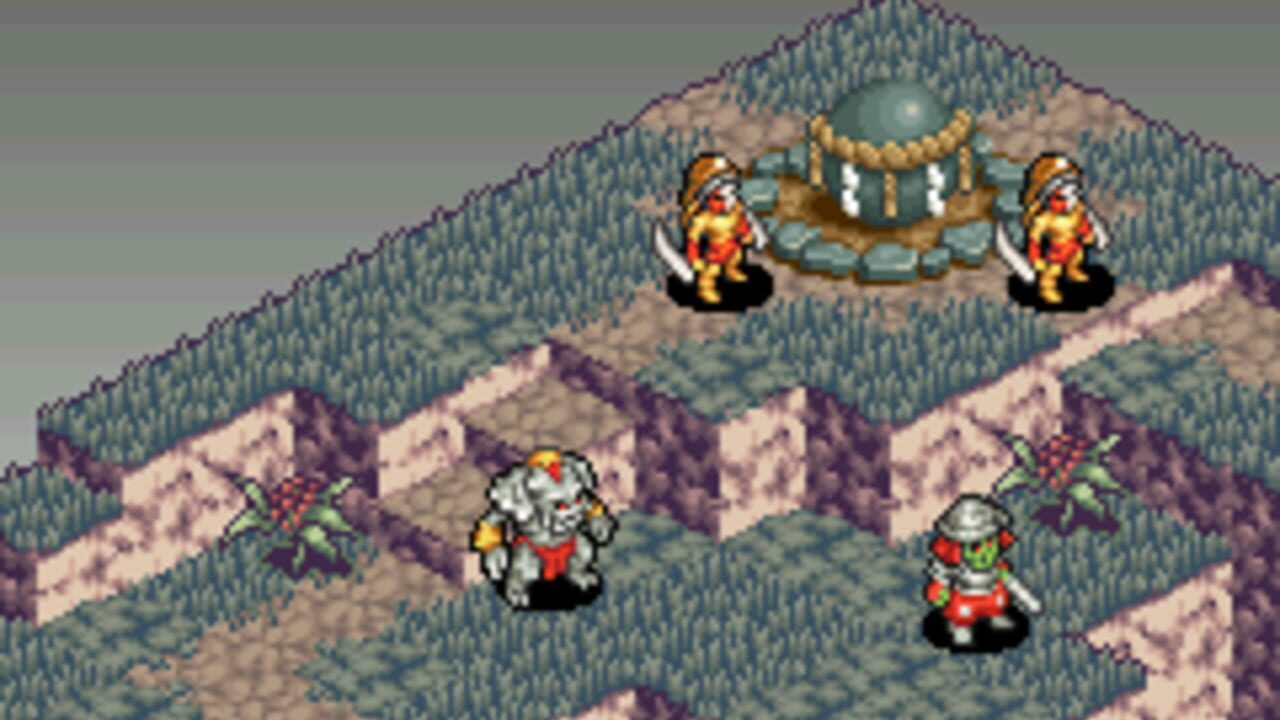
This was the first Onimusha on a Nintendo system, and it swaps the sword fights for tactical role-playing on the Game Boy Advance. The story is a side story with a familiar setup: a samurai named Onimaru holds the Oni Gauntlet and fights Nobunaga and his army of genma.
Battles play out on a gridded map from a 3/4 camera view. Your fighters earn experience by defeating enemies, speed decides the turn order, and you equip them with katanas, spears and other weapons. Akechi Mitsuhide and Fuma Kotaro are among the returning faces. New warriors receive the power of the phoenix, tortoise, tiger and dragon, the Chinese celestial animals of the cardinal directions, a reference that was also a puzzle in Onimusha 2.
Onimusha Blade Warriors (2004)
Nov 27, 2003Mar 23, 2004Jun 4, 2004

Japan got it on PlayStation 2 in 2003. This spin-off is a 2D platform fighter with characters from across the series, in the party fighter mold that Super Smash Bros. made popular. The story sits months after Onimusha 2 and before Onimusha 3.
You fight with sword combos, blocks and block-breaking kicks, jump between the levels of each stage, use items and disarm your opponents. Souls and the lightning, fire and wind attacks come over from the main games. Samanosuke, Kaede and Jubei all fight, and so do demons like Marcellus and Jujudormah. The hidden characters include MegaMan.EXE and Zero, because nothing says feudal Japan like a Mega Man cameo. Metacritic has it at 65/100.


Onimusha 3: Demon Siege (2004)
Feb 26, 2004Apr 27, 2004Jul 9, 2004Dec 8, 2005Feb 24, 2006Mar 16, 2006 Aug 22, 2007

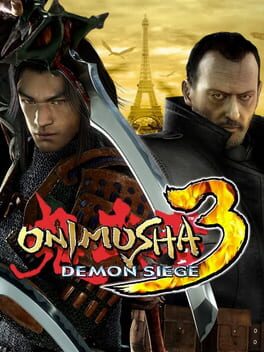
Samanosuke returns and swaps places in time with a French officer named Jacques Blanc, so he fights in modern-day Paris while Jacques fights in feudal Japan. To appeal to the Western market, Capcom chose French actor Jean Reno to play Jacques, and Takeshi Kaneshiro came back as Samanosuke. Donnie Yen directed the fight sequences in the opening scene, which took over a hundred staff members two years.
This is the first main game in a real-time 3D world instead of pre-rendered backgrounds. Samanosuke keeps his blades and a bow, and Jacques swings across gaps on an energy whip. Puzzles run across both timelines: Jacques opens a door in the past so that it stays open for Samanosuke in the present. It sold over 1.5 million copies, still less than Capcom hoped. Onimusha Essentials collected the first 3 games in 2008.


Onimusha: Dawn of Dreams (2006)
Jan 26, 2006Mar 7, 2006Mar 18, 2006
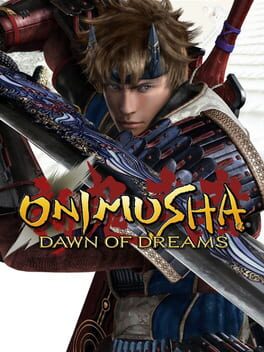
The story jumps decades past Onimusha 3 and starts over with Soki, a warrior with Oni powers who wants to stop Hideyoshi Toyotomi and his Genma army. Onimusha 3 had been announced as the last game, and fans asked for more. Soki is the first lead in the series not based on an actor's likeness.
The camera is yours for most of the game, and you level up skills like a full action RPG. A partner fights beside you and takes orders from the directional buttons. Each one opens a different path: Jubei crawls through holes, Roberto pushes heavy objects and Ohatsu swings across gaps. A second player can take over the partner in co-op, a first for the series. It got good reviews and poor sales.


Onimusha: Way of the Sword (2026)
Sep 4, 2026
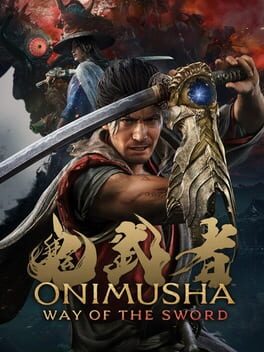
This is the first main game since Dawn of Dreams, 20 years on. You play Miyamoto Musashi in a dark fantasy Kyoto, and Capcom spent two years of talks securing Toshiro Mifune's likeness for him.
Way of the Sword has no alternative weapons, only swordplay. You parry, deflect projectiles and drain an opponent's stamina until a Break Issen executes them. The gauntlet still eats souls: yellow for health, red for upgrades and blue for the big Oni Armaments. Oni Vision shows you where enemies are. The game is largely linear, with a hub area of side quests that opens up as you go, and it should take around 20 hours. It sold 1 million copies on launch day.


Never released in English
- Shin Onimusha: Curtain of Darkness (2005), mobile phones - Onimusha Soul (2012), web browser, mobile phones and PS3 - Onimusha VR: Shadow Team (2025), arcades