The 79 Pokémon games that reached the USA are listed here in US release order, from Red and Blue in 1998 to Pokémon Champions in 2026. Spin-offs are marked, and a remake sits inside the game it remakes unless it plays like a new game.
Pokémon Red and Blue (1998)
 Feb 27, 1996
 Sep 28, 1998
 Oct 23, 1998
 Oct 5, 1999Feb 27, 2016Feb 27, 2016
 Feb 27, 2016

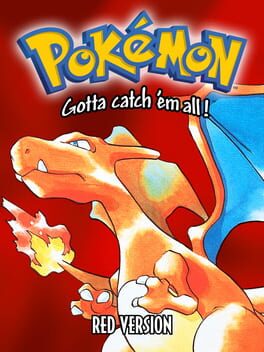
Game Freak made these for the Game Boy, and they started it all. Japan got it on Game Boy in 1996, as Pocket Monsters Red and Pocket Monsters Green, with a special edition called Blue later that year.
You walk the Kanto region, based on the real Kantō region of Japan, catch monsters and fight in turns. Players had to trade between both games to get all of the original 151 Pokémon, so one kid in the class with a link cable suddenly had a lot of friends. Junichi Masuda wrote the music on the Game Boy's four sound channels. The remakes, FireRed and LeafGreen, reached the USA on Game Boy Advance on September 7, 2004. They came with the GBA Wireless Adapter in the box, and they went on sale for Switch on February 27, 2026.


Pokémon Pinball (1999)
Apr 14, 1999Jun 28, 1999Jul 13, 1999Oct 6, 2000
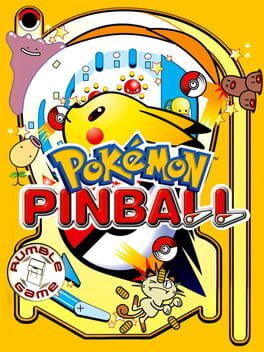
The table comes in red and blue boards, and the Poké Ball is the ball. A slot-machine style display picks your starting location before the first launch. You catch Pokémon as you play and fill the Pokédex.
Critics had complaints about the physics. A ball that goes where it likes is at least true to a Pokémon that breaks out of the first throw.

Pokémon Snap (1999)
1998Jul 26, 1999Mar 21, 1999Mar 23, 2000Sep 15, 2000Dec 4, 2007Dec 10, 2007Dec 11, 2007Dec 11, 2007Apr 4, 2016Aug 18, 2016Jan 5, 2017
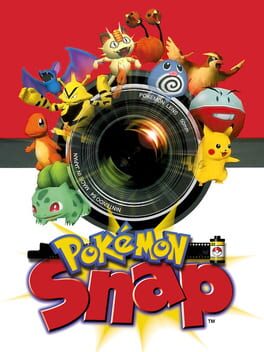
You play Todd Snap and ride along a rail in first person, taking pictures of Pokémon. After each round your photos get judged. It was one of the first console games in the series and many Pokémon appeared in real-time 3D for the first time here.
It began as a 64DD title and moved to the Nintendo 64 when the add-on ran late. You could take the cartridge to Blockbuster or Lawson stores and print your pictures as stickers. By the end of 1999 it had sold 1.5 million copies. It reached Nintendo Classics in June 2022.


Pokémon Yellow (1999)
Sep 12, 1998Sep 3, 1999Oct 18, 1999Jun 16, 2000Feb 27, 2016Feb 27, 2016Feb 27, 2016
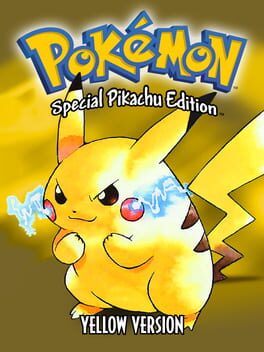
Pokémon Yellow Version: Special Pikachu Edition is an enhanced version of Red and Blue.
The big change is your partner. Pikachu is your only starter, with a voice by Ikue Ōtani and its own personality. It also follows you around the map, the walking Pokémon idea the Let's Go games picked up 20 years later. Skipping Bulbasaur was never an option here, and Pikachu knows it.


Pokémon Stadium (2000)
Apr 30, 1999Mar 6, 2000Mar 23, 2000Apr 7, 2000
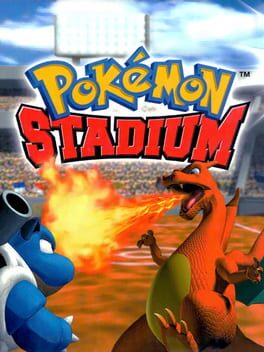
This was the first Stadium title released in the West. Nintendo EAD made it, and it puts your Game Boy team into full 3D battles. Critics praised the look and the link with the Game Boy games, and they disliked the audio and the repetition.
Seeing all 151 animated was a joy to at least one reviewer. The party games have Clefairy in a Simon Says round and Ekans in a ring toss. It joined Nintendo Classics on April 12, 2023, and the link with the Game Boy games is not available there.


Pokémon Trading Card Game (2000)
Dec 18, 1998Apr 10, 2000Dec 8, 20002000Jul 10, 2014Jul 11, 2014Nov 13, 2014Dec 24, 2014
Hudson Soft and Creatures made this Game Boy Color version of the card game. It has the first three sets of the real cards, plus exclusive cards you could not get anywhere else.
For anyone who had the cards and no one to play with, this was the fix. It joined Nintendo Classics on August 8, 2023.


Pokémon Puzzle League (2000)
Sep 25, 2000May 5, 2008May 30, 2008May 30, 2008
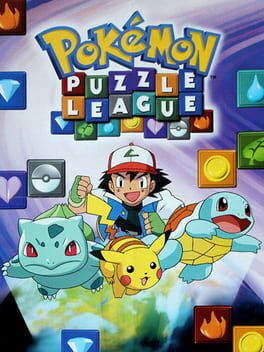
This one is built on the anime, with Ash Ketchum, Pikachu, Brock and Misty. It has 16 playable characters. In the story mode Ash beats Gary and the Kanto Gym Leaders on the way to the Puzzle Master.
Its trophy comes from Mewtwo at the end. Reviews were mostly positive. It reappeared on the Wii Virtual Console in 2008 and on Nintendo Classics in 2022.


Pokémon Gold and Silver (2000)
Nov 21, 1999Oct 13, 2000Oct 15, 2000Apr 6, 2001 Sep 22, 2017

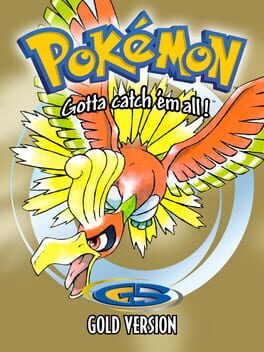
These opened the second generation. The new Johto region takes after the older buildings of Japan's Kansai and Tōkai regions. Breeding arrived here, though legendary Pokémon cannot breed. The two games kept the series growing into a billion-dollar franchise.
The DS remakes, HeartGold and SoulSilver, reached North America on March 14, 2010. Director Shigeki Morimoto wanted to respect people who played the old games and still feel new to everyone else. They also tie in Crystal's story, with more focus on Suicune and a Battle Frontier after the ending. Team Rocket are trying to come back and waiting for Giovanni. Giovanni is the only boss in the series who is late to his own comeback.


Hey You, Pikachu! (2000)
Dec 12, 1998Nov 6, 2000
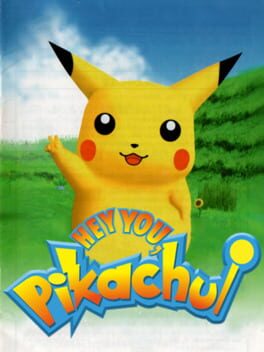
You talk to Pikachu through a microphone and the Voice Recognition Unit, a Nintendo 64 add-on with a 256-word database. Only one other game ever used the unit, Densha de Go! 64.
After 365 days of play, Professor Oak tells you that Pikachu is still wild and has to be released. That is a hard thing to do to a child who has spent a year shouting at a television. After the credits Pikachu comes back and the game carries on. Reviews were mixed.

Pokémon Puzzle Challenge (2000)
Sep 21, 2000Dec 4, 2000Jun 8, 2001Jun 15, 2001Nov 6, 2014Nov 27, 2014Nov 27, 2014
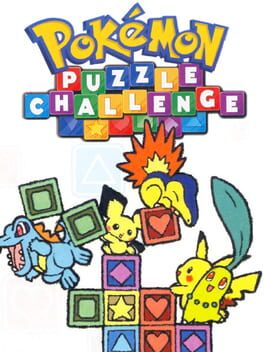
Intelligent Systems made this handheld Puzzle League game, themed on Gold and Silver with their characters and remixed music. The grid shrinks to 6x9 blocks to fit the screen, and a small meter stands in for the opponent's grid.
You start with Chikorita, Cyndaquil and Totodile and unlock six more by beating Challenge mode. It came to the 3DS Virtual Console on November 6, 2014, and that shop is closed now.


Pokémon Stadium 2 (2001)
Dec 14, 2000Mar 26, 2001Oct 19, 2001
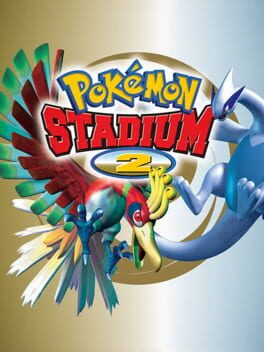
Stadium 2 has all 251 Pokémon of the first two generations. Critics liked the graphics and the amount of content, and many found it close to the last game.
You need the Transfer Pak for the full experience. No more Stadium games followed. It joined Nintendo Classics in 2023.


Pokémon Crystal (2001)
Dec 14, 2000Jul 30, 2001Sep 30, 2001Nov 2, 2001 Jan 26, 2018Jan 26, 2018Jan 26, 2018

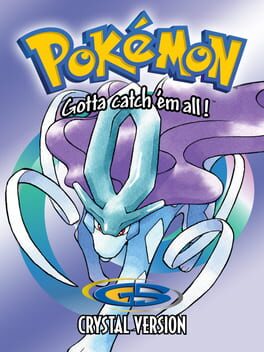
Crystal was the first game in the series that would not run on the original Game Boy. You can pick one of two player characters, with Kris as a female trainer, Pokémon animate when they enter battle, and Suicune gets a bigger role in the story.
The Japanese version worked with the Mobile Adapter GB for trading and battling over cell phones. Ken Sugimori said Crystal was made mainly to support that service. The English versions lost it, and critics noticed.


Pokémon Party Mini (2001)
Nov 16, 2001Dec 14, 2001Mar 15, 2002

The Pokémon Mini was a tiny handheld with a monochrome screen, a shake sensor and a rumble motor, and this collection came in the box in the US at $45. Denyusha made it.
Only ten games ever came out for the system, and sales were poor. Hobbyists later worked out how to emulate it on other machines.

Pokémon Pinball Mini (2001)
Nov 16, 2001Dec 14, 2001Mar 15, 2002Oct 11, 2002

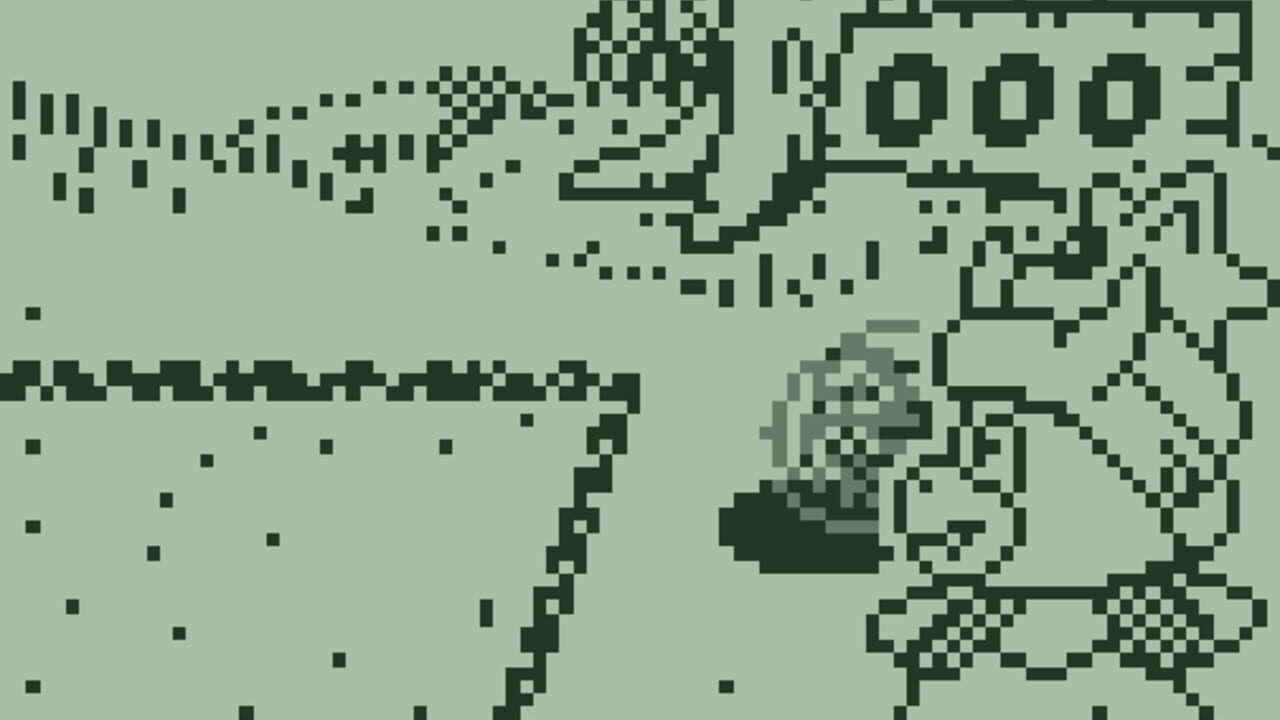
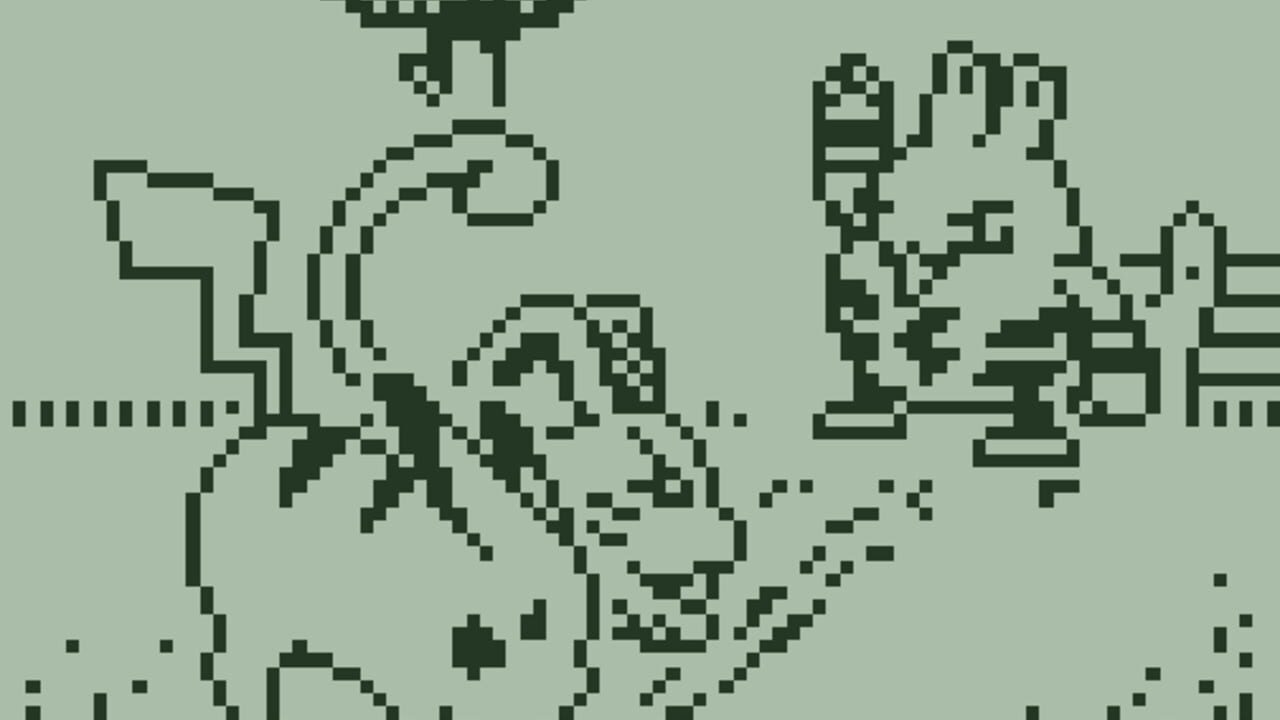
Jupiter made this small pinball game for launch. Pokémon such as a Diglett or a Pikachu do the bumping, and you can catch more along the way. With a screen this size, the ball is mostly a rumour.
There are 70 Quest levels, and 10 levels each in Time Attack and Score Attack modes.
Pokémon Puzzle Collection (2001)
Nov 16, 2001Dec 14, 2001Mar 15, 2002Oct 11, 2002

This Jupiter puzzle set has four game types, and playing them unlocks over 80 Pokémon in the Minidex. Motion Puzzle is a sliding game with a moving picture of a Pokémon. Power On has you connect a Pikachu to a light bulb.
A vol. 2 followed in Japan on April 26, 2002. That sequel is one of the Mini games that stayed there.
Pokémon Zany Cards (2001)
Nov 16, 2001Nov 16, 2001Dec 14, 2001Mar 16, 2002

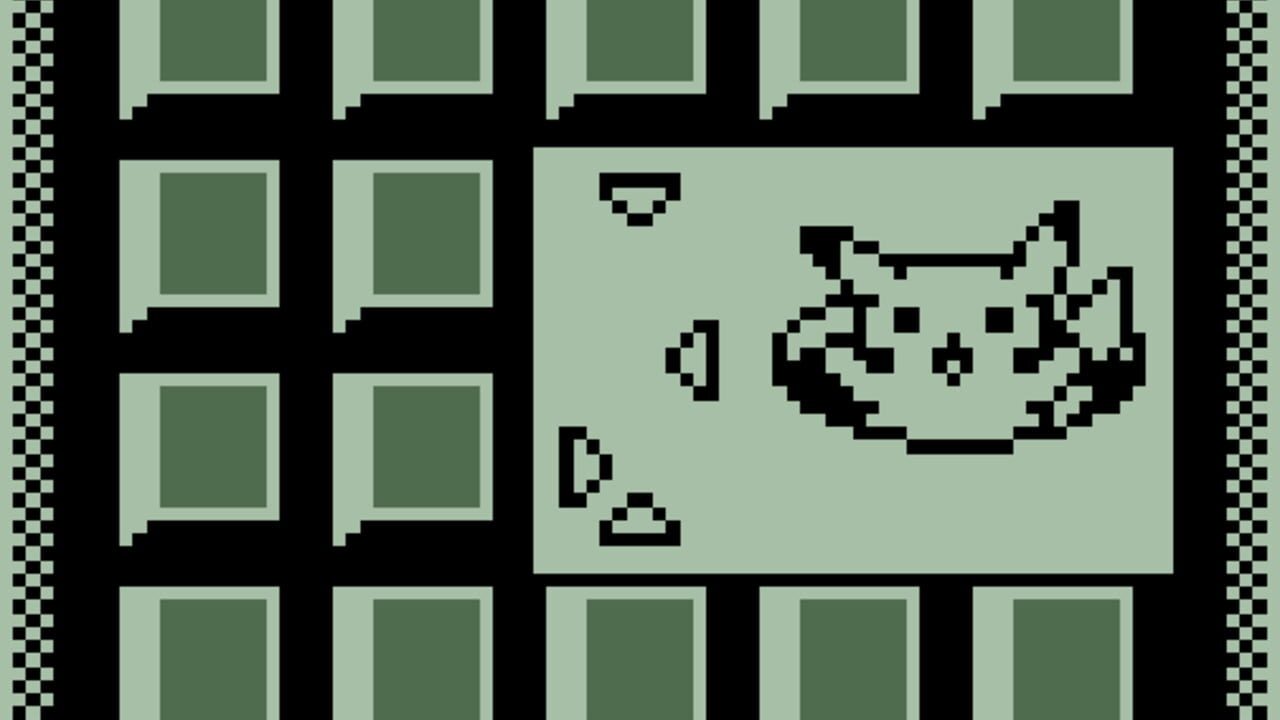
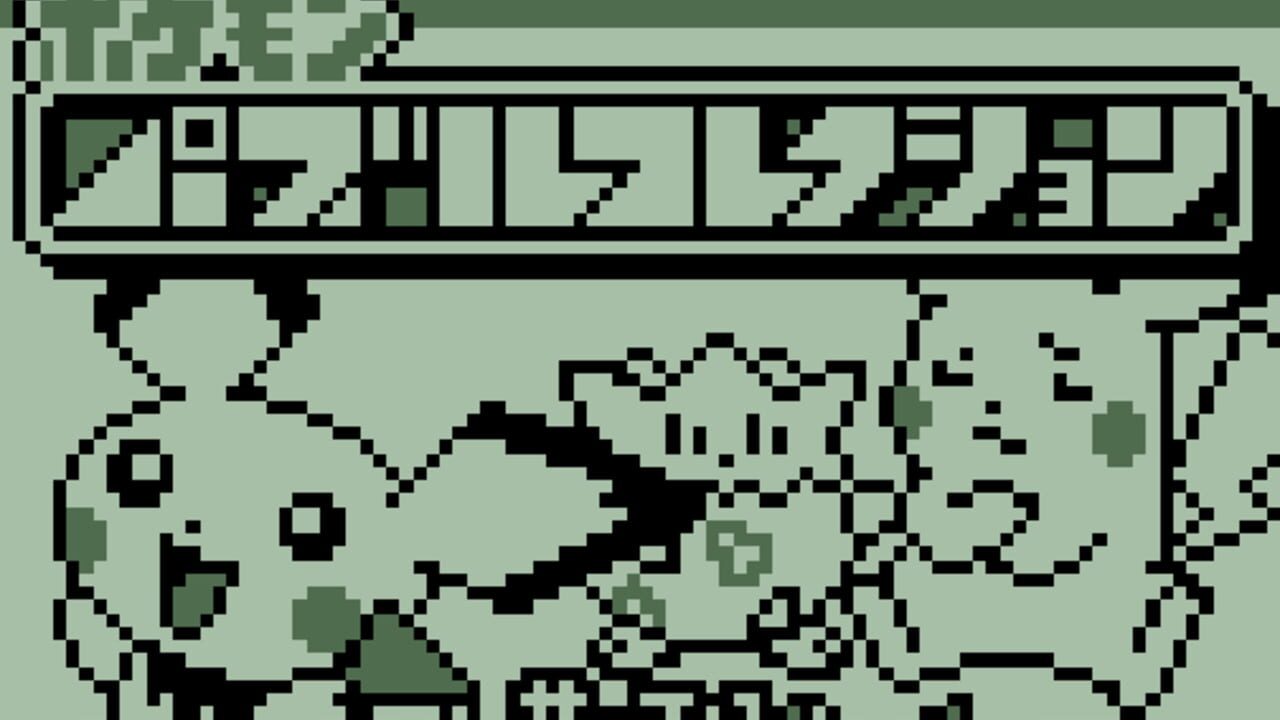
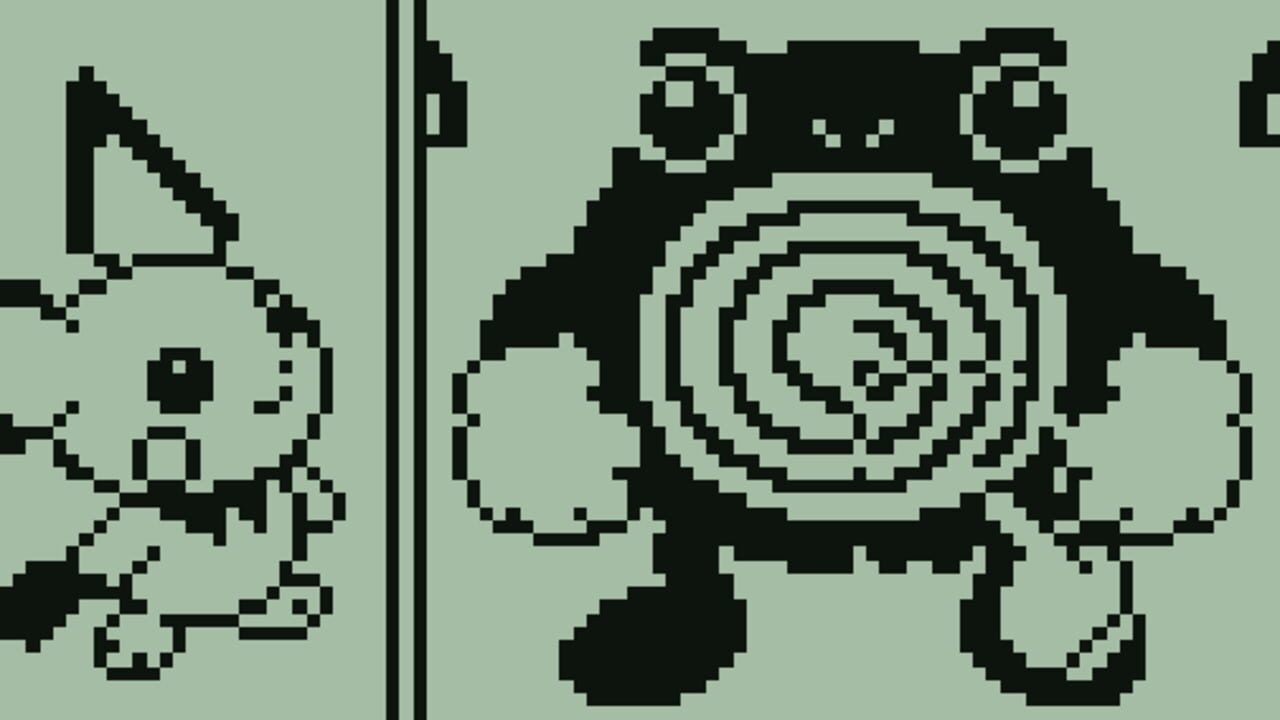
Denyusha made this collection of four card games, with cards and characters from the Pokémon anime. Wild Match pays out coins for the most evolutionary matches, and Card Duel is for two players.
One set of rules has Magikarp playing the part of the King. Of all the jobs Magikarp has ever been given, this may be the best one.
Pokémon Ruby and Sapphire (2003)
Nov 21, 2002Mar 19, 2003Apr 3, 2003Jul 25, 2003
These opened the third generation. The Hoenn region was designed like Japan's Kyushu island turned 90 degrees. With over 16.22 million copies sold they became the best-selling Game Boy Advance game. Red and Blue had sold nearly 31 million, so the series was cooling.
The 3DS remakes, Omega Ruby and Alpha Sapphire, came out worldwide on November 21, 2014, and borrow from Emerald. They keep newer changes, such as the unlimited TMs and triple battles of the fifth generation. They sold 3,040,000 copies in three days. One critic disliked how much water the routes have. Twelve years later the ocean is still the main character.

Pokémon Pinball: Ruby & Sapphire (2003)
Aug 1, 2003Aug 25, 2003Sep 2003Nov 14, 2003Dec 11, 2014Jan 1, 2015
This is the sequel to the Game Boy Color pinball game, based on Ruby and Sapphire. The US release marked five years since Red and Blue arrived there.
It sold over 1 million copies worldwide and scored 82/100 on Metacritic. A bonus mode gives you thirty seconds to catch Jirachi, and it is the only way to add it to the Pokédex.


Pokémon Channel (2003)
Jul 18, 2003Dec 1, 2003Apr 1, 2004Apr 2, 2004
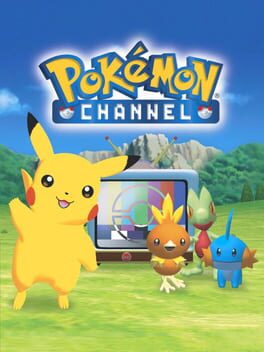
Pikachu sits with you and watches TV in this follow-up to Hey You, Pikachu! It was made quickly and partly to promote the e-Reader. The GameCube clock means an in-game day lasts at least a real day.
Some of the games inside are excerpts from real Pokémon Mini games. It sold 66,373 copies in Japan in its first year, and reviews were mixed.


Pokémon Colosseum (2004)
Nov 21, 2003Mar 22, 2004May 14, 2004
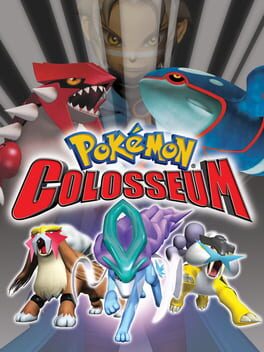
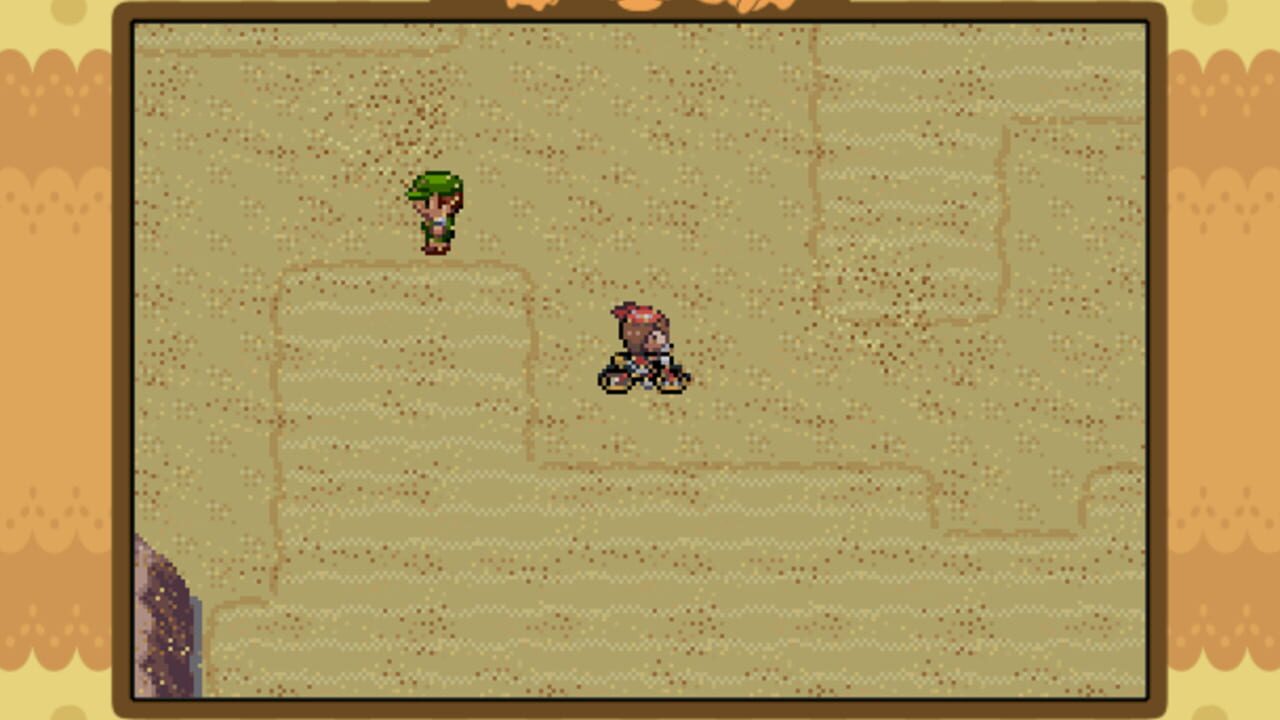
This GameCube RPG reused the models from the Stadium games. You play Wes, who rides a one-wheeled motorcycle around the desert of Orre, a region with no wild Pokémon. You snag Shadow Pokémon, whose hearts have been closed, instead of catching wild ones.
It sold 2.41 million copies worldwide. US pre-orders had a bonus disc with Jirachi for Ruby and Sapphire. It is also due on Switch 2 through Nintendo Classics.


Pokémon Box: Ruby and Sapphire (2004)
May 30, 2003May 14, 2004Jul 12, 2004Jul 16, 2004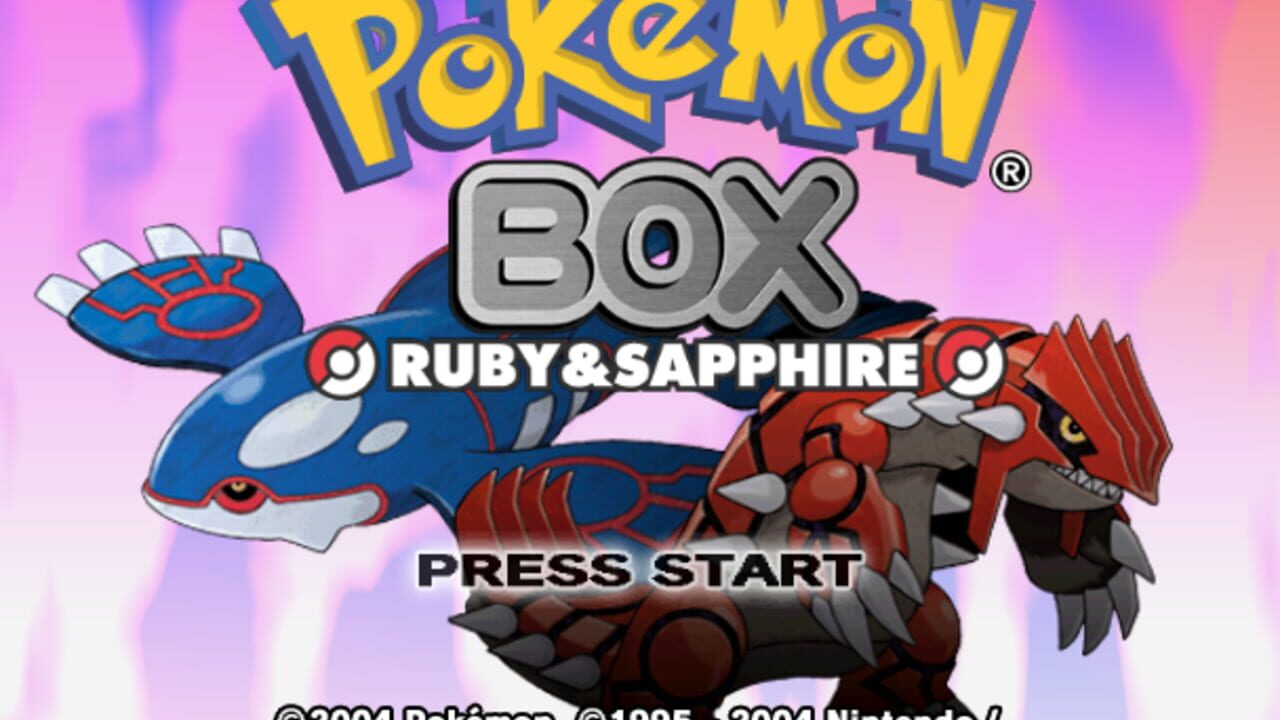

Box lets you store and organize your Pokémon on the GameCube. Nintendo EAD and Game Freak made it. It is a storage unit on a disc, and people were happy to have it.
Pokémon Dash (2005)
Dec 2, 2004Mar 11, 2005Mar 14, 2005Apr 7, 2005

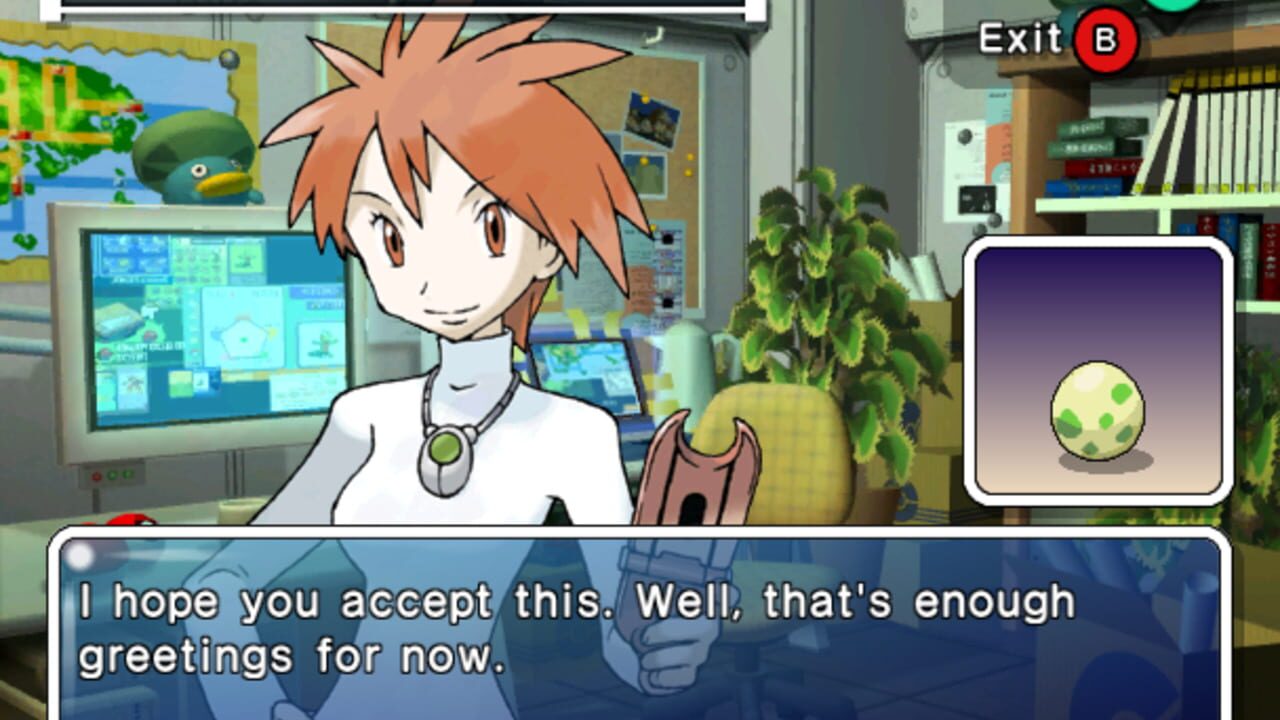
This was the first Pokémon game on the DS and a launch title in Japan and Europe. You drag the stylus in the direction you want Pikachu to run.
Ambrella made it, the team behind Hey You, Pikachu! and Pokémon Channel. Power-ups let you cross other terrain without slowing. It is the only race where the fastest way to win is to scratch your screen.


Pokémon Emerald (2005)
Sep 16, 2004May 1, 2005Jun 9, 2005Oct 21, 2005
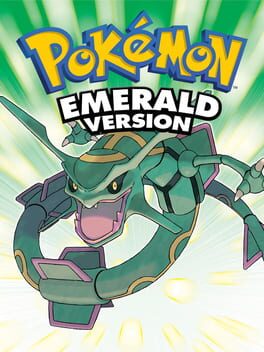
Emerald is the updated third game of the Hoenn generation. Its headline addition is the Battle Frontier, an expansion of the Battle Tower with new facilities. Pokémon now animate in battle.
Finishing those areas pays out Battle Points to spend on prizes. The Japanese version worked with the e-Reader, and that was cut for English.


Pokémon XD: Gale of Darkness (2005)
Aug 4, 2005Oct 3, 2005Oct 10, 2005Nov 18, 2005
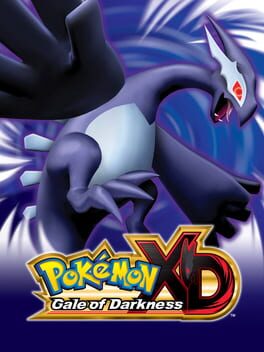
Nintendo first said this was no sequel to Colosseum, though it turned out close to it. Shadow Pokémon return, and a Shadow Lugia is on the box. The Purify Chamber lets you arrange Pokémon to purify a Shadow Pokémon.
It sold more than 1 million copies, and critics disliked the re-used assets. It is on Switch 2 through Nintendo Classics since March 18, 2026.


Pokémon Trozei! (2006)
Oct 20, 2005Mar 6, 2006Mar 30, 2006May 5, 2006
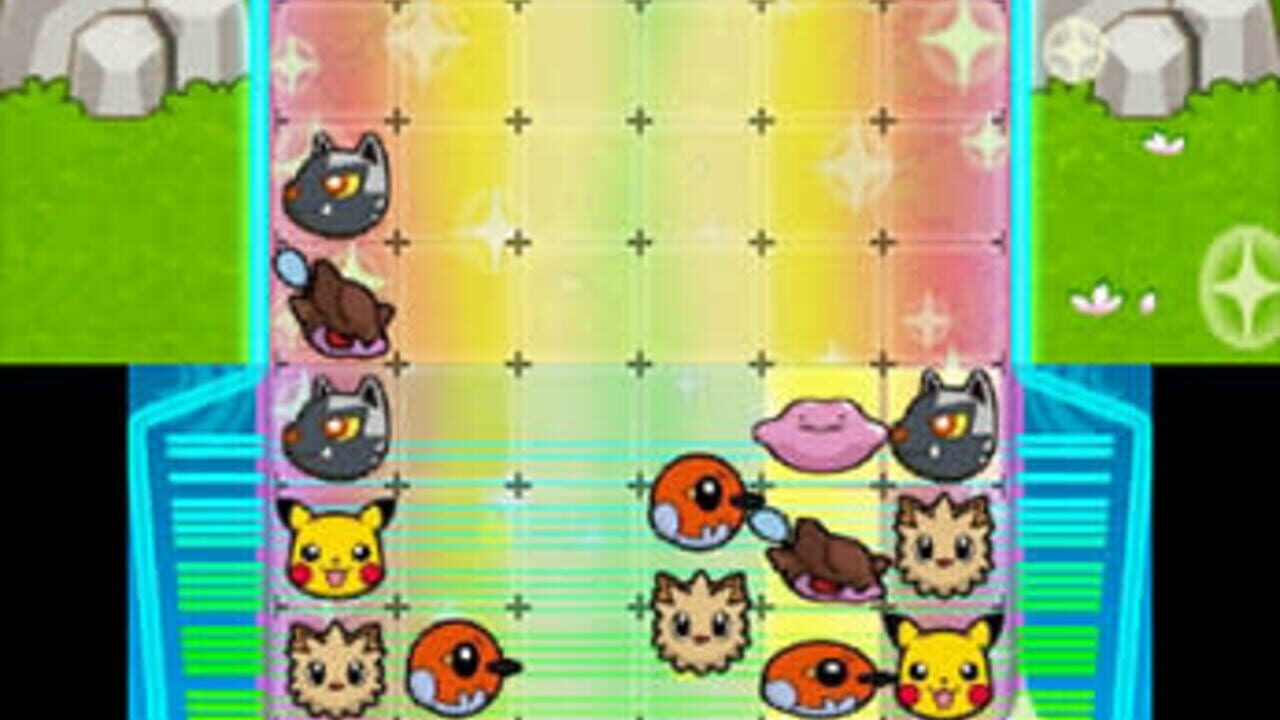
Pokémon blocks fall onto both screens, and you can only move the ones on the bottom. A block pushed off one edge comes back on the opposite side. Trozei is a romanized Japanese phrase meaning let's get Pokémon.
Reviews were mostly positive. Ditto clears the rock blocks in boss stages. A sequel, Battle Trozei, came out in 2014.


Pokémon Mystery Dungeon: Blue and Red Rescue Team (2006)
Sep 18, 2006Nov 10, 2006Feb 11, 2016Jun 23, 2016
Chunsoft made these, one on each system: Red on Game Boy Advance and Blue on DS. You wake up as a Pokémon with amnesia and join a rescue team.
Dungeons are randomly generated, in the style of a classic roguelike. The pair sold over 5.25 million copies by 2007. Red Rescue Team was the last Pokémon game on the Game Boy Advance, and it joined Nintendo Classics on August 9, 2024. The Switch remake, Rescue Team DX, came out on March 6, 2020, the first remake of a Pokémon spin-off. Falling in a dungeon now hands control to your next team member. It sold 1.99 million copies by December 31, 2022.


Pokémon Ranger (2006)
Mar 23, 2006Oct 30, 2006Apr 13, 2007Feb 25, 2015Apr 13, 2016Jul 21, 2016
You play a Ranger and catch Pokémon with a Styler instead of a Poké Ball. The missions and long plot won praise, and critics disliked having to make noise as a game mechanic. Nothing says stealth like blowing into a Nintendo DS on a bus.
A special mission gives a Manaphy egg you can move to Diamond and Pearl. The Wii U Virtual Console release is gone since the eShop closed on March 27, 2023.


Pokémon Diamond and Pearl (2007)
Sep 28, 2006Apr 22, 2007Jun 21, 2007Jul 27, 2007
These opened the fourth generation. Planned for 2005, they shipped in 2006 in Japan, the series' 10th anniversary year. Their setting, Sinnoh, is based on Hokkaidō, and it is the first region with snow-covered routes.
ILCA made the Switch remakes, Brilliant Diamond and Shining Pearl, which came out on November 19, 2021. They stay close to the originals and add quality of life improvements. Critics split on the visuals and on the missing features from Platinum, such as the Battle Frontier.


Pokémon Battle Revolution (2007)
Dec 14, 2006Jun 25, 2007Nov 22, 2007Dec 7, 2007
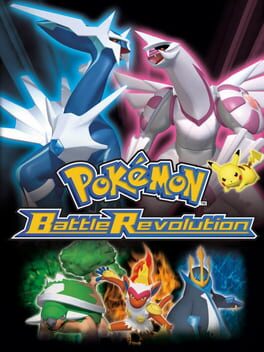
This was the first Pokémon game on Wii and connects to Diamond and Pearl on your DS. It was also the first Wii game online in the US and Japan.
Older console games showed one Pokémon attacking and cut away, and this one keeps both in view. Famitsu gave it 35 out of 40. Critics noted the online side had no tournament play.


Pokémon Mystery Dungeon: Explorers of Time and Explorers of Darkness (2008)
Sep 13, 2007Apr 20, 2008Jul 4, 2008
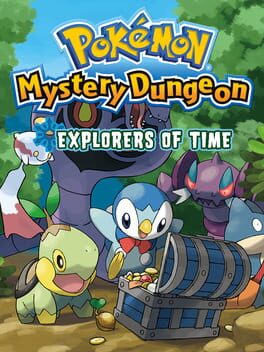
These sequels added Generation IV Pokémon and more touch-screen options. The story won praise, along with the soundtrack, and critics found the play repetitive.
If you faint in a dungeon you lose your money and half or more of your items. The series teaches you about loss a long time before it has you crying at Grovyle.


My Pokémon Ranch (2008)
Mar 25, 2008Jun 9, 2008Jul 4, 2008

This WiiWare game holds Pokémon from your Diamond and Pearl copies. It costs 1000 Wii Points, and the Official Nintendo Magazine scored it 48%.
The magazine felt only completists would care, and Nintendo Power still recommended it. The Japanese version was updated to take Pokémon from Platinum. Most of the Wii Shop Channel's functions were discontinued on January 30, 2019.


Pokémon Ranger: Shadows of Almia (2008)
Mar 20, 2008Nov 10, 2008Nov 13, 2008Nov 21, 2008Jun 9, 2016Aug 4, 2016
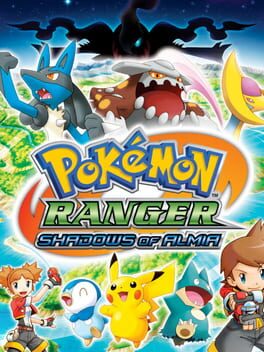
The Almia region is new, and it may be based on Hokkaido in places. Your enemy here is Team Dim Sun, and the first mission has you checking a mining operation in the Chroma Ruins.
It came to Wii U Virtual Console in 2016, and that release is gone now.


Pokémon Platinum (2009)
Sep 13, 2008Mar 22, 2009May 22, 2009
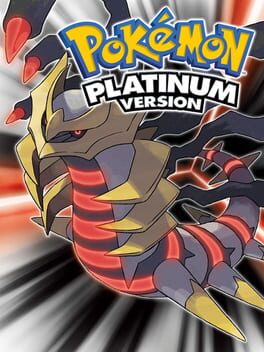
Platinum refines Diamond and Pearl and gives Giratina an Origin Form and the Distortion World, an area with altered physics. The Battle Frontier from Emerald returns.
It scored 84 on Metacritic. It was the fastest-selling game in Japan at the time and had sold 7.06 million copies by March 31, 2010. Team Galactic picked the wrong game to get a detective in, because this is where Looker turns up.


Pokémon Mystery Dungeon: Explorers of Sky (2009)
Oct 12, 2009Nov 20, 2009Jun 23, 2016Aug 18, 2016
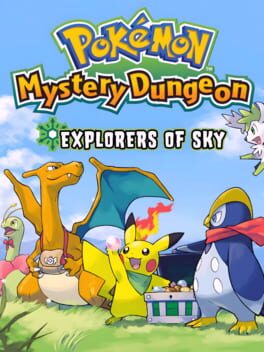
This is the enhanced version of Explorers of Time and Darkness. It adds Phanpy, Riolu, Shinx, Eevee and Vulpix as starters, and the main story stays close to the older games.
New Special Episodes follow side characters, including Bidoof, who wants to become a first-class explorer. The Sky Jukebox plays the full soundtrack. Many players call it a cult classic and one of the best Pokémon games.


Pokémon Rumble (2009)
Jun 16, 2009Nov 16, 2009Nov 20, 2009
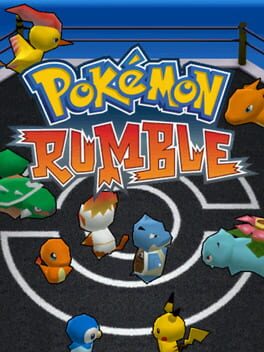
This was the first Rumble game. You start with a low-level toy Pokémon that has one attack, and the fights run in real time through dungeons and arenas. Hold the Wii Remote sideways, or add a Nunchuk and two players can share it.
Gold and Silver Pokémon were planned, and the 40 megabyte WiiWare limit seems to have stopped them. Being cut for space is a sad way for Chikorita to miss the party.


Pokémon Ranger: Guardian Signs (2010)
Mar 6, 2010Oct 4, 2010Nov 5, 2010Nov 25, 2010Jun 9, 2016Aug 18, 2016
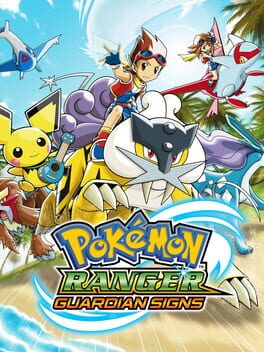
This is the third Ranger game, set in the island region of Oblivia. You capture Pokémon by drawing circles around them with the Capture Styler, and an attack that breaks the circle drains its energy. When the energy runs out, you go back to your last save point.
Creatures Inc. made it. It holds 68 on Metacritic.


PokéPark Wii: Pikachu's Adventure (2010)
Dec 5, 2009Jul 9, 2010Sep 23, 2010Nov 1, 2010Jul 16, 2015May 19, 2016Jul 5, 2017
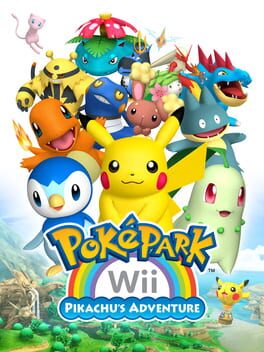
You play Pikachu and explore zones such as the meadow and lava areas. Clearing minigames in the park attractions earns all 14 pieces of the Sky Prism.
Creatures Inc. made it. It came to the Wii U eShop in North America on May 19, 2016, and that shop closed too.


Pokémon Black and White (2011)
Sep 18, 2010Mar 4, 2011Mar 6, 2011Mar 10, 2011
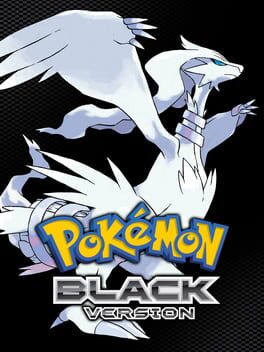
These opened the fifth generation. They sold 1 million pre-orders before the Japanese release and became the fastest DS games to reach 5 million.
The story turns on N and Ghetsis, who has used N to try to rule the world. After the ending you get eastern Unova and the older Pokémon. Holding back the old Pokémon until the credits was a bold thing to do to a Pidgey fan.


Pokémon Trading Card Game Online (2011)
Mar 24, 2011May 15, 2012Nov 5, 2012Sep 30, 2014
Dire Wolf Digital, a studio in Denver, made this digital version of the card game. It began as a browser game called Pokémon Trainer Challenge, and Windows, Mac, iOS and Android versions followed. You fight computer opponents and other players with 60-card decks.
It scored 78/100 on Metacritic for iOS. Pokémon Trading Card Game Live replaced it, and players could move their account and game data over.


Pokémon Rumble Blast (2011)
Aug 11, 2011Oct 24, 2011Dec 2, 2011Dec 8, 2011
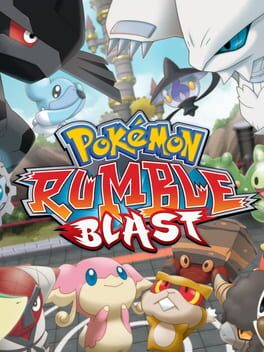
This successor to Pokémon Rumble moves the toy fights to 3DS, with Toy Pokémon from the first five generations. Towns have machines for new moves and a fountain of Glowdrops that heals you.
The plot has you finding out who took the Glowdrops. It came to the eShop in North America on December 20, 2012.


PokéPark 2: Wonders Beyond (2012)
Nov 12, 2011Feb 27, 2012Mar 23, 2012Mar 29, 2012

This sequel has Pikachu and Piplup going through portals into Wish Park, a trap for the residents of PokéPark. You team up with Snivy and Tepig along the way, and you can switch between them at will.
Beaten opponents usually befriend you and go on your Pal Pad. The attraction minigames take up to four players.


Pokémon Conquest (2012)
Mar 17, 2012Jun 18, 2012Jul 27, 2012
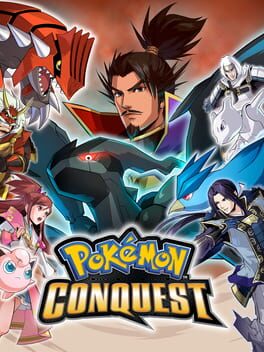
This came from shared interest between the Pokémon creators and the makers of Nobunaga's Ambition, and The Pokémon Company president Tsunekazu Ishihara liked that series. Warlords fight with Pokémon, and each Pokémon has one move. Only 200 of the 649 Pokémon are in it.
The English team kept the Japanese names, since English names would feel strange on Japanese warlords. Oda Nobunaga with a Zekrom is not in the history books, and it should be.


Pokémon Black 2 and White 2 (2012)
Jun 23, 2012Oct 7, 2012Oct 11, 2012Oct 12, 2012
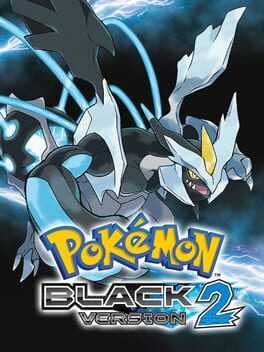
These are the first direct sequels in the series, set two years after Black and White. They were the last first-party games for the DS. Neo Team Plasma uses Kyurem to freeze parts of Unova.
Junichi Masuda hoped a new starting city would make the region look new. You now start in Aspertia City, and it has a Pokémon Center, a first for the series.


Pokémon Dream Radar (2012)
Jun 23, 2012Oct 7, 2012Oct 11, 2012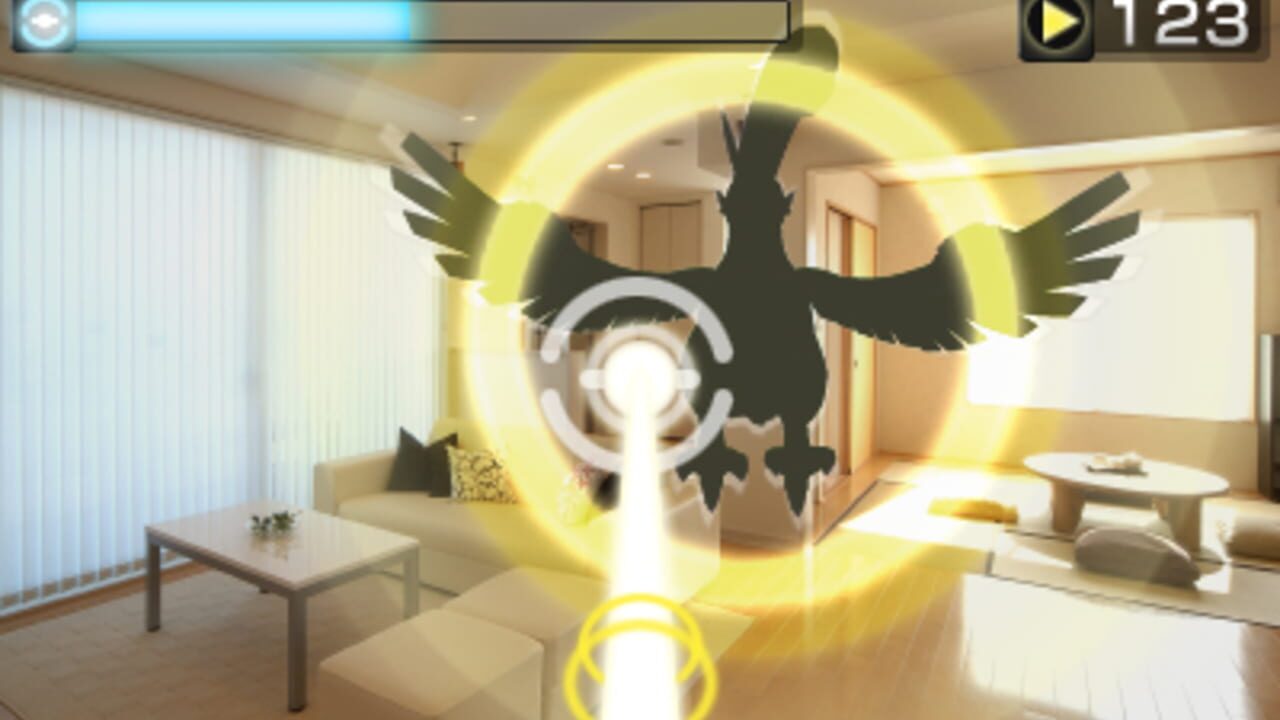
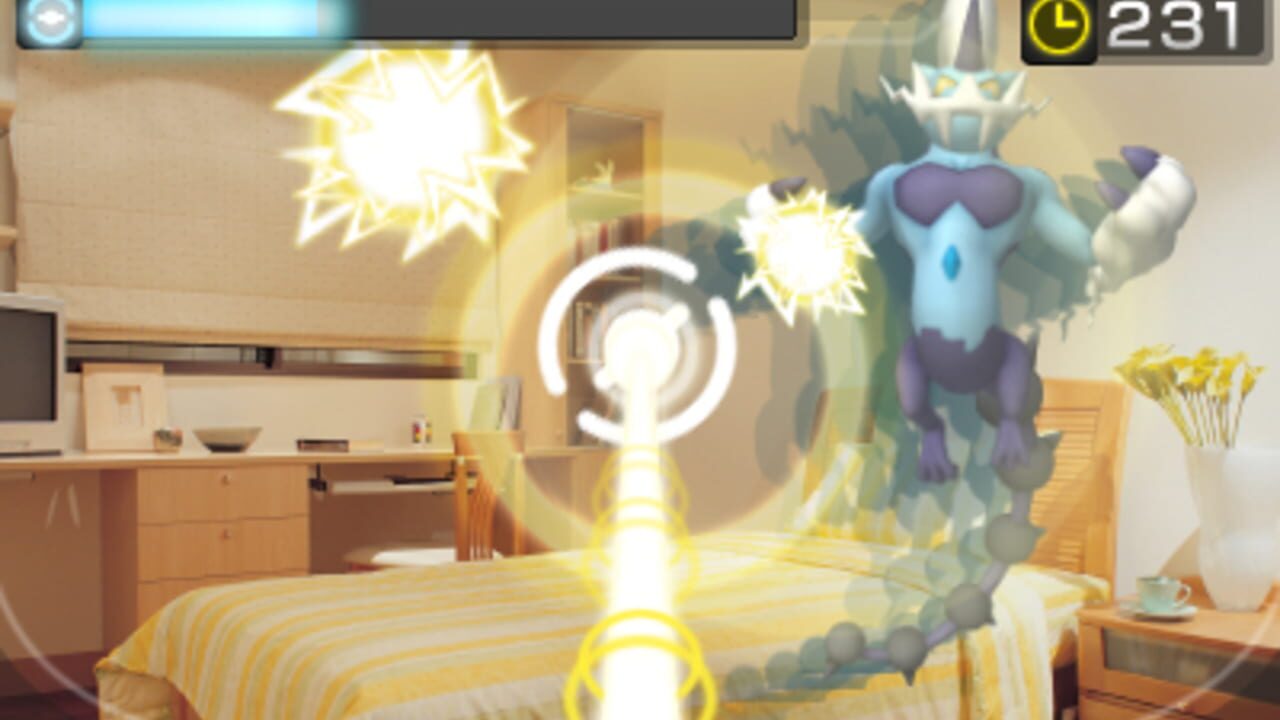
This 3DS download came out with Black 2 and White 2. You use an augmented reality view to capture Pokémon and collect Dream Orbs.
Professor Burnet is new here, and you can send alternate forms of Tornadus, Thundurus and Landorus to Black 2 and White 2.


Pokémon Mystery Dungeon: Gates to Infinity (2013)
Nov 23, 2012Mar 24, 2013May 17, 2013May 18, 2013
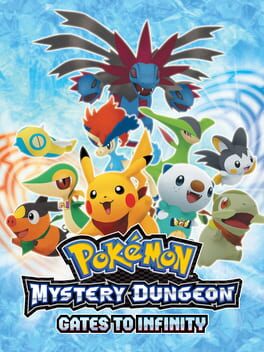
Spike Chunsoft made this 3DS entry. It has 3D models where the older games had 2D sprites, and Unova Pokémon lead the cast, with Pikachu, Oshawott, Tepig, Snivy and Axew as starters.
You point the 3DS camera at round objects to turn them into portals called Magnagates, and you build a Pokémon Paradise near Post Town. The personality test from the earlier games is gone. Reviews were mixed.


Pokémon Rumble U (2013)
Apr 24, 2013Aug 15, 2013Aug 29, 2013
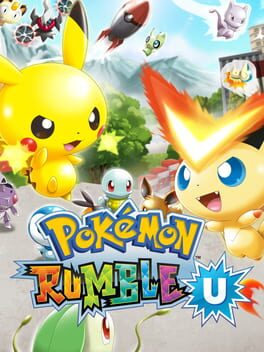
This was the first Wii U game to use the GamePad's NFC reader. You put a Pokémon figurine on the GamePad to use that Pokémon in the game.
One critic said you had to buy a figurine to upgrade a Pokémon. Plastic Pokémon sold separately has to be the most Pokémon idea ever made.


Pokémon X and Y (2013)
Oct 12, 2013
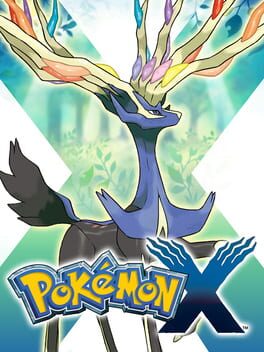
These were the first Pokémon games with a simultaneous global release. The move to 3D models won praise, and the story drew complaints. They sold four million copies in the first weekend.
The Kalos region is inspired by France, with Lumiose City for Paris. Sky Battles are mid-air fights that only flying Pokémon can join.

Pokémon Battle Trozei (2014)
Mar 12, 2014Mar 13, 2014Mar 20, 2014

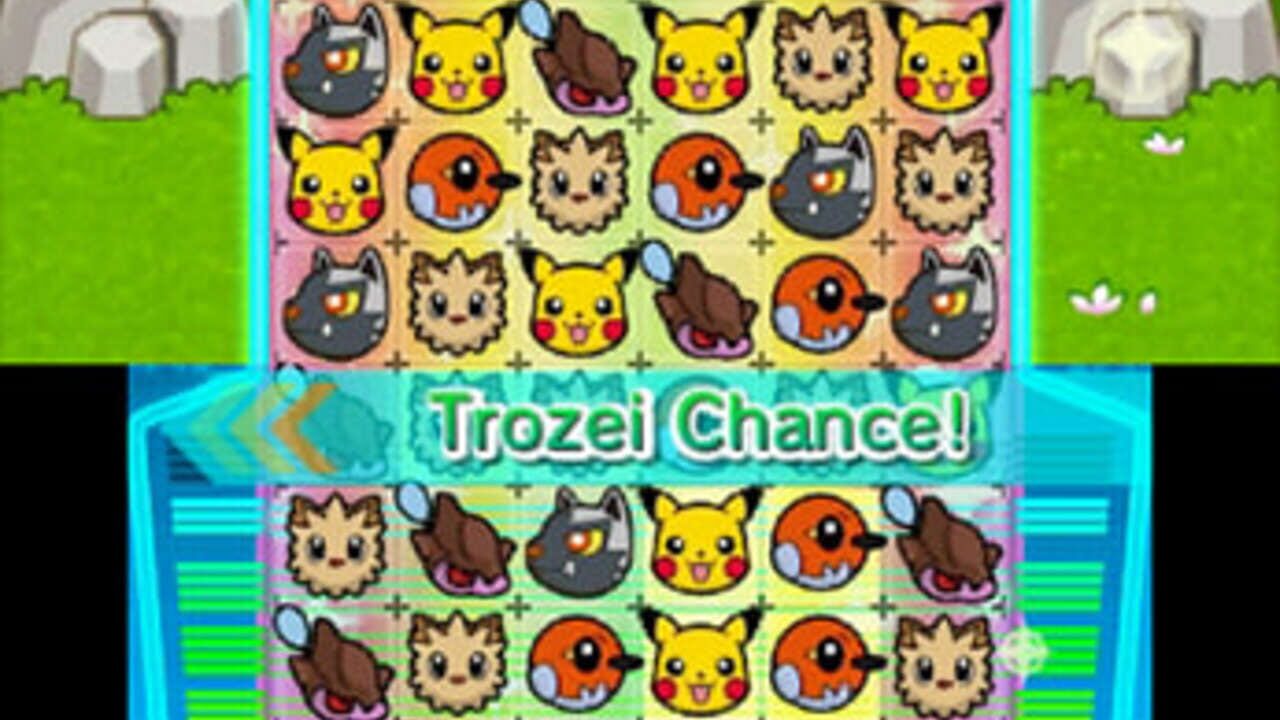
This sequel to Trozei! came out on the eShop and has all 718 Pokémon known then. You match three or more identical icons on the bottom screen to attack the Pokémon on the top.
Types work like rock-paper-scissors, and its play is similar to the mobile game Puzzle & Dragons. Genius Sonority made it.

Pokémon Art Academy (2014)
Jun 19, 2014Jul 4, 2014Jul 5, 2014Oct 24, 2014

Headstrong Games made this drawing course. It teaches you to draw Pokémon through 40 lessons in three levels, Novice, Apprentice and Graduate. It will not fix your Charizard, but your Charizard will at least look like it tried.
It was the first 3DS title with built-in Miiverse sharing.


Pokémon Shuffle (2015)
Feb 18, 2015Feb 18, 2015Feb 18, 2015Aug 23, 2015Aug 31, 2015Aug 31, 2015
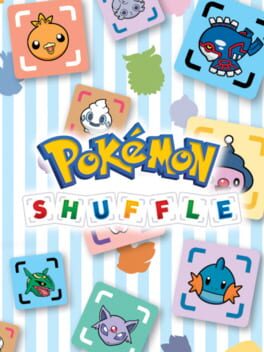
This free puzzle game has you matching three or more of the same Pokémon, much like Battle Trozei. You swap Pokémon around the bottom screen and can take up to four support Pokémon along. A mobile version followed in August 2015.
A heart takes 30 minutes to refill, which one reviewer did not enjoy. It was downloaded 6.5 million times by July 2017.


Pokémon Rumble World (2015)
Apr 8, 2015Apr 8, 2015Nov 19, 2015Jan 23, 2016
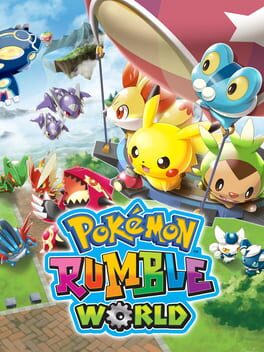
The fourth Rumble game has toy Pokémon from six generations, and you play as your Mii in the Kingdom of Toys. It was a free download first, and boxed copies came later and dropped the freemium parts. North America got the boxed copy in April 2016.
Reviews were mixed, with praise for the free model.


Pokémon Super Mystery Dungeon (2015)
Sep 17, 2015Nov 20, 2015Feb 19, 2016Feb 20, 2016
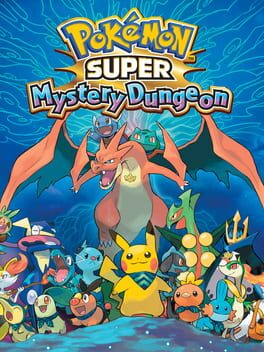
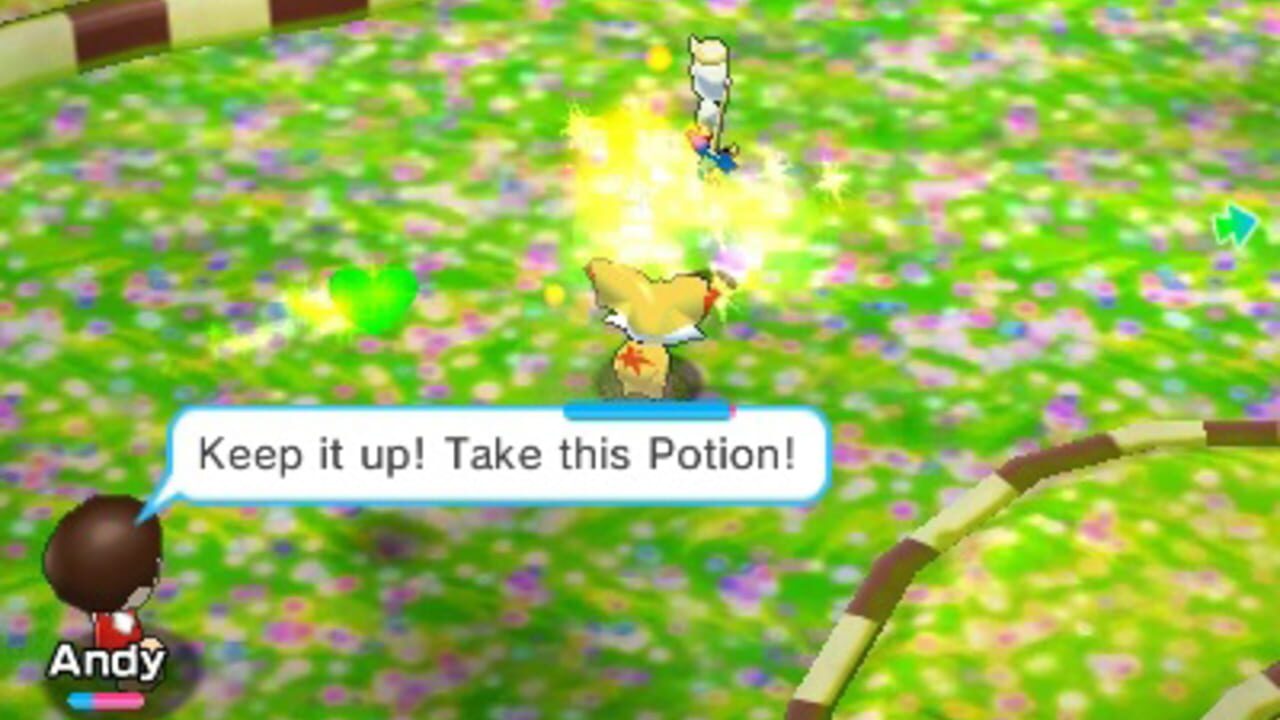
You pick one of 20 Pokémon as your character, all 18 starters from six generations plus Pikachu and Riolu. All 720 Pokémon are in the game. You wake up as a Pokémon again, and a Nuzleaf shelters you in Serene Village.
Critics liked the story and found the combat repetitive. It was nominated for Handheld Game of the Year.


Pokémon Picross (2015)
Dec 3, 2015Dec 3, 2015
It was planned for the Game Boy Color in 2000 and cancelled, then came back 15 years later. Finishing a puzzle rewards you with a Pokémon.
Critics liked the play and disliked the free-to-play side. Fifteen years is a long time to wait for some squares. Following the closure of the 3DS eShop in March 2023, the game is no longer available for download.


Pokkén Tournament (2016)
Jul 16, 2015Mar 18, 2016Mar 18, 2016
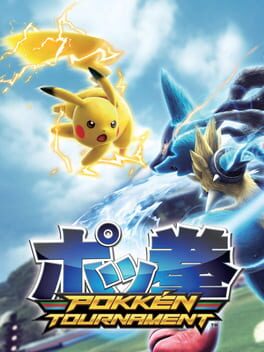
This fighting game mixes Bandai Namco's Tekken with Pokémon, and the name is a mash of the two. Japan got it on arcade in 2015. Fights switch between a Field Phase, where Pokémon move freely around the arena, and a Duel Phase that plays closer to Tekken.
Bandai Namco published the arcade version, and the Japanese characters in the logo stayed on the Western releases. Pokkén Tournament DX moved the fighter to Switch on September 22, 2017, and DLC in Pack One added Aegislash as a fighter on January 31, 2018.


Pokémon GO (2016)
Jul 6, 2016
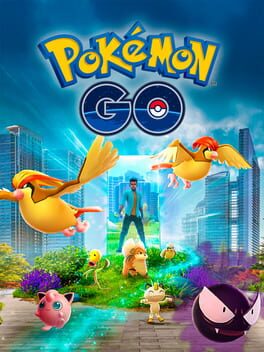
You throw a Poké Ball by flicking it up the screen, and augmented reality puts Pokémon in the world around you. Reviews were mixed at launch, with technical issues.
Legendary Pokémon arrived on July 22, 2017 with Articuno and Lugia. It also caused accidents and public disturbances. A generation learned where its local church was, and that it is also a gym.


Pokémon Sun and Moon (2016)
Nov 18, 2016Nov 23, 2016
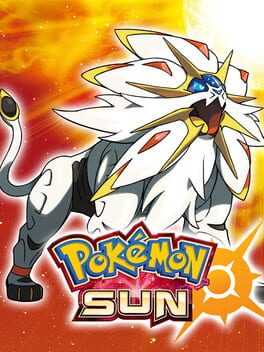
These opened the seventh generation, on the franchise's 20th anniversary. The Alola region was inspired by Hawaii, and Game Freak staff went to the islands to research.
Critics welcomed the change from the old formula. They were some of Nintendo's fastest-selling games at that point. You win the first Alola League by beating Kukui.


Pokémon Duel (2017)
Apr 12, 2016Jan 24, 2017Jan 24, 2017

This mobile game adapts the Pokémon Trading Figure Game, a 2007 board game with action figures for pieces. Japan got it first as Pokémon Comaster.
HEROZ made it, and an in-game AI advises you on moves. Critics disliked the loading times and the pay-to-win parts. The service ended on 31 October 2019.


Pokémon: Magikarp Jump (2017)
May 23, 2017May 24, 2017May 25, 2017

Select Button made this free mobile game. You catch a Magikarp from a pond with a fishing rod, feed it and train it to raise its Jump Power. The higher it jumps, the more Battle Leagues it wins.
It is the only game in this list about the worst Pokémon getting a good agent.


Pokémon Ultra Sun and Ultra Moon (2017)
Nov 17, 2017
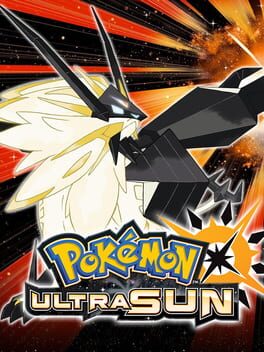
These enhanced versions of Sun and Moon came a year later. They are set in an alternate Alola, with the Ultra Recon Squad in the story and Necrozma as the main enemy in place of Lusamine.
Team Rainbow Rocket, based on Team Rocket from Red and Blue, turns up after the ending. Some critics felt the story was too close to last year's.


Detective Pikachu (2018)
2016Mar 23, 2018Mar 23, 2018Mar 24, 2018
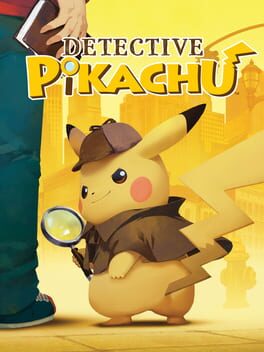
Japan got it on Nintendo 3DS in 2016, as a shorter download. It is an adventure game built on story, and its presentation is close to the anime.
You help Tim and Pikachu solve the R incidents in Ryme City, with a Charizard rampage at the start. A live-action film followed in May 2019.


Pokémon Quest (2018)
May 29, 2018Jun 28, 2018
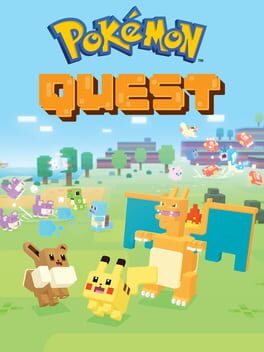
Everything here is blocky, in a voxel style like Minecraft. The game is set on Tumblecube Island with cube Pokémon from Red and Blue.
It was the first spin-off made entirely in-house by Game Freak. It came free to Switch the same day it was announced and reached 7.5 million downloads in a week. Android and iOS followed on June 27, 2018.


Pokémon: Let's Go, Pikachu! and Let's Go, Eevee! (2018)
Nov 16, 2018Nov 16, 2018Nov 16, 2018
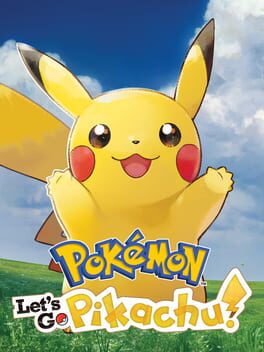
These were the first main series games on a home console. They use one Joy-Con per player, and two can play together. You catch wild Pokémon you can see on the map, and Combat Power comes over from Pokémon GO.
Your partner follows you as Pikachu did in Yellow, and you can dress it up. Your Eevee has a better wardrobe than you do.


Pokémon Rumble Rush (2019)
May 22, 2019May 15, 2019
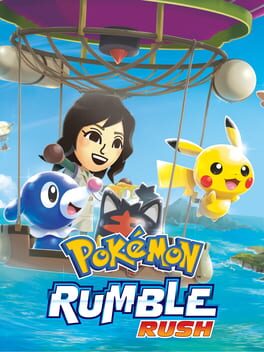
The fifth Rumble game was a free mobile game. You tap to control toy Pokémon through islands of levels, and each level ends with a boss. It began as a project called Pokéland, revealed in May 2017.
It shut down on 22 July 2020, about a year after it went live. It scored 42 out of 100 on iOS.


Pokémon Masters (2019)
Aug 29, 2019
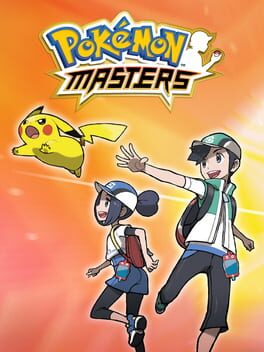
DeNA made this free gacha game. You recruit famous Trainers from the games and anime and fight 3-on-3 on the island of Pasio.
It became Pokémon Masters EX in August 2020. You need at least five Badges to enter the league.


Pokémon Sword and Shield (2019)
Nov 15, 2019
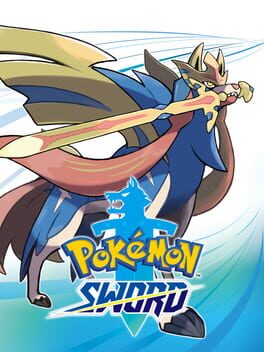
These opened the 8th generation, and the Galar region is inspired by the United Kingdom, with Gyms styled like football stadiums. They had the first DLC in the series, The Isle of Armor and The Crown Tundra, in 2020.
They had sold more than 27 million copies by December 2025. Shigeru Ohmori directed.


Pokémon Smile (2020)
Jun 17, 2020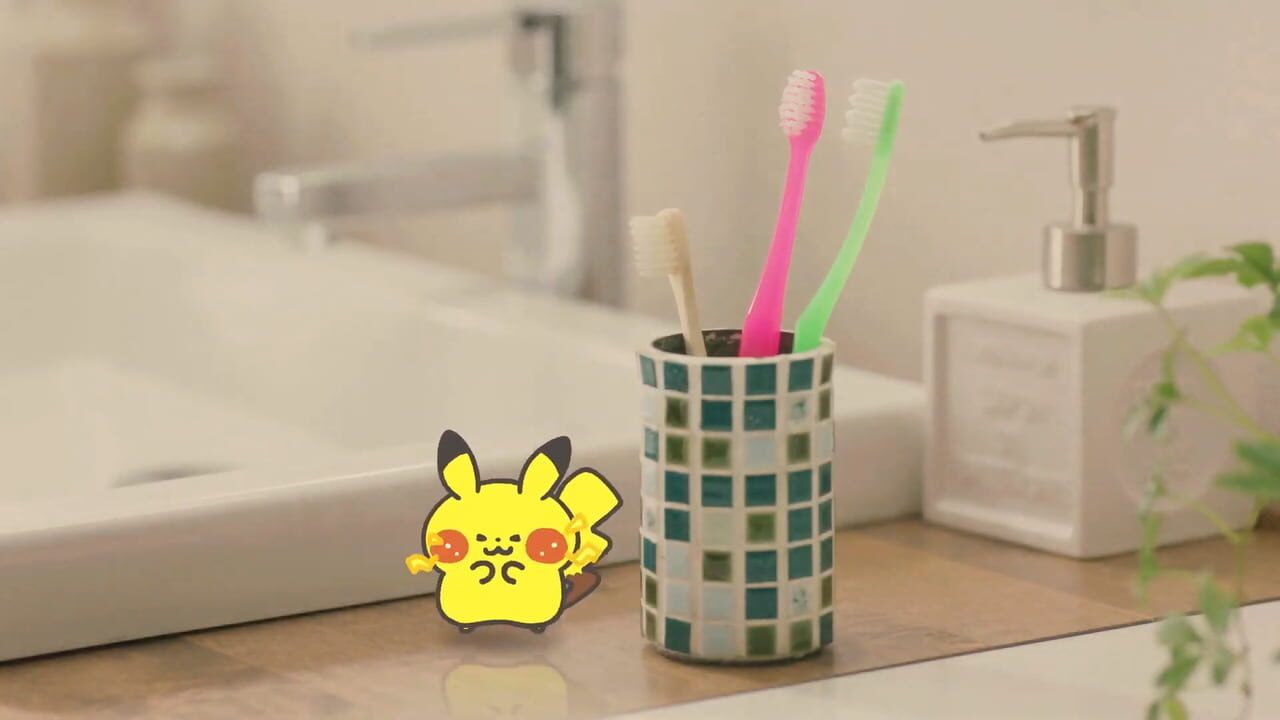

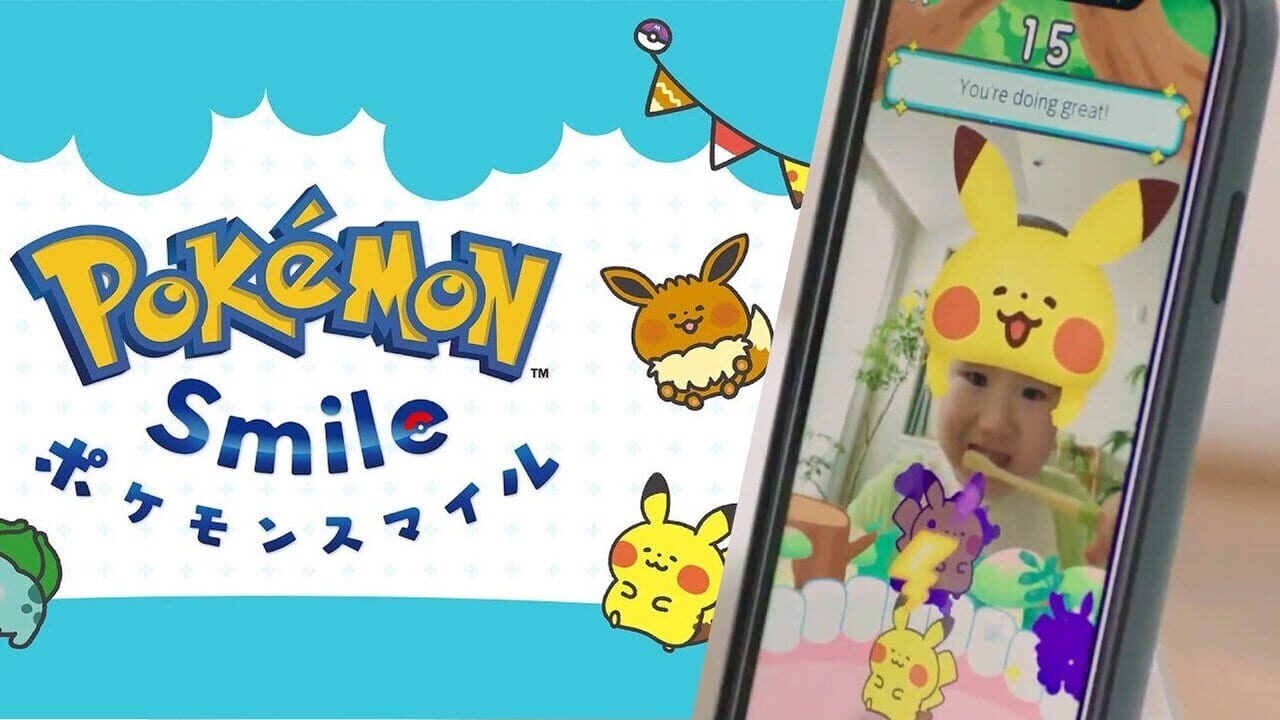
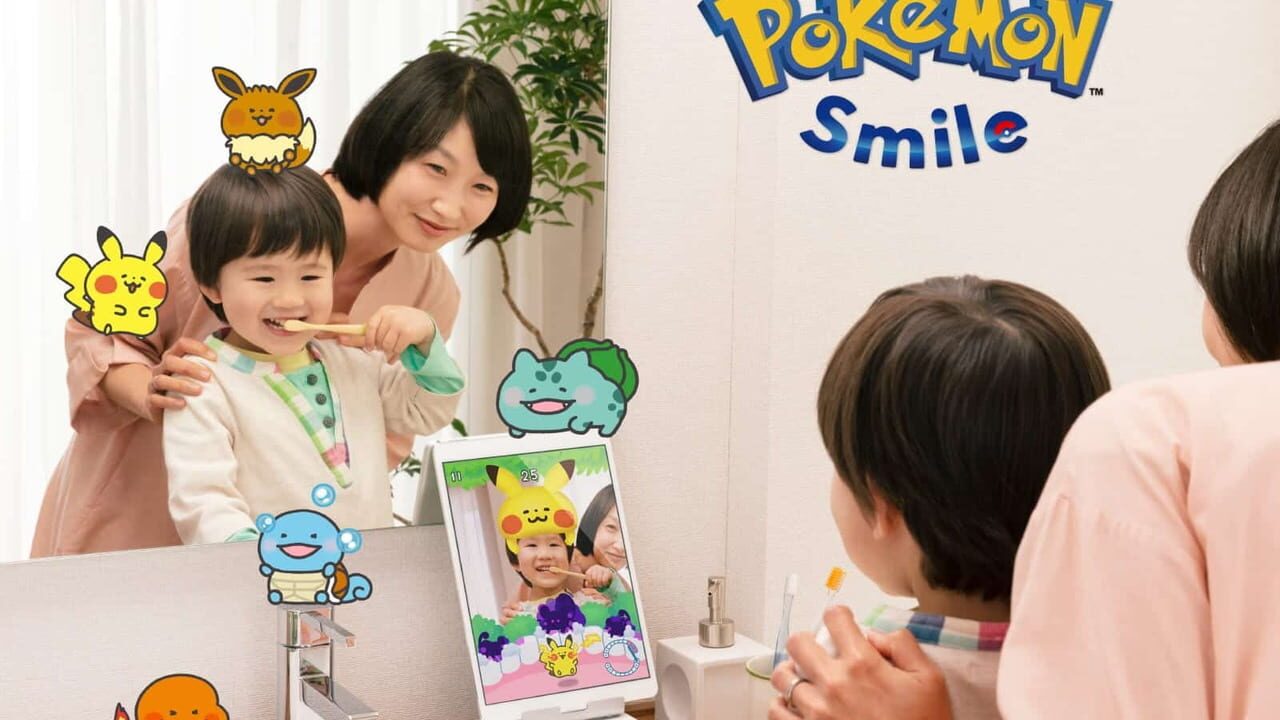
This free app teaches children to brush their teeth. The phone's camera uses augmented reality to show bacteria in your mouth holding Pokémon captive, and brushing sets them free. At the end you get a chance to catch one.
The Pokémon Company made it with LITALICO, an educational company that had made the toothbrushing game Brushing Brave. Reviews were mostly positive. It is the one Pokémon game your dentist will ask about.
Pokémon Café ReMix (2020)
Jun 23, 2020Jun 23, 2020Jun 23, 2020
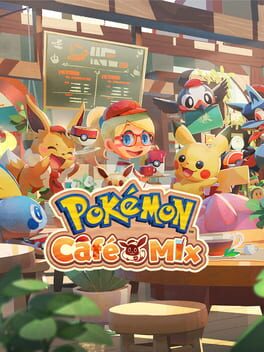
You and Eevee run a café where Pokémon order food, and each order is a puzzle where you connect icons.
Genius Sonority made it. It was called Pokémon Café Mix until October 28, 2021. Eevee has worked a lot of jobs on this list, and this one pays in hearts.


New Pokémon Snap (2021)
Apr 29, 2021Apr 30, 2021
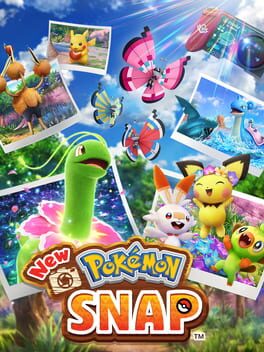
Bandai Namco Studios got this sequel because of their work on Pokkén Tournament. The team picked its Pokémon by natural habitat.
It arrived in the franchise's 25th anniversary year, 22 years after the original. Critics called it an improvement on the first game. Todd Snap's job has gone to the next kid, and the pay is the same.


Pokémon Unite (2021)
Jul 20, 2021Jul 21, 2021Sep 21, 2021
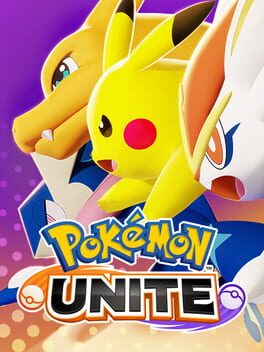
TiMi Studio Group made this free team battle game. Two teams of 5 play 10-minute matches and the highest score wins.
It follows TiMi's Honor of Kings. Android and iOS came on 22 September 2021. It was nominated for Best Mobile Game at the 2021 Game Awards. The Pokémon Company says it will shut down in all regions on 23 March 2027.


Pokémon Legends: Arceus (2022)
Jan 28, 2022
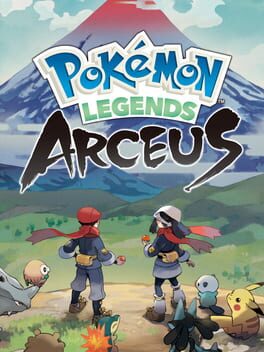
This prequel to Diamond and Pearl sends you back in time to the Hisui region, based on Hokkaido. You catch Pokémon out in the open and can release yours next to a wild one to start a fight.
Turns are still there, and you can trade damage for more of them. It sold over 14.83 million copies by 31 March 2023.


Pokémon Scarlet and Violet (2022)
Nov 18, 2022Jun 5, 2025
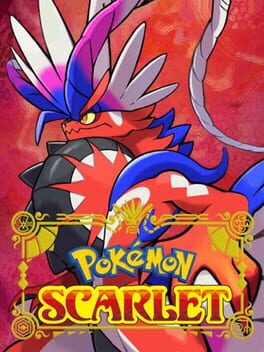
These opened the ninth generation, and Paldea is based on the Iberian Peninsula. The story won praise and the technical problems drew criticism.
The Teal Mask came on September 13, 2023 and The Indigo Disk on December 14, 2023. Paldea has a lot of open map, and at launch the frame rate walked it.


Pokémon Trading Card Game Live (2023)
Feb 17, 2022Jun 8, 2023

This is the official digital card game. It began as a closed beta for Canadian players, and a global beta came on November 15, 2022 for Android, iOS and Windows.
The full release replaced Pokémon TCG Online, and Crown Zenith was the final set that older game supported.


Pokémon Sleep (2023)
Jul 17, 2023Jul 18, 2023Jul 20, 2023
This app rewards you with Pokémon for sleeping. It tracks you with your phone's microphone and accelerometer, and a Snorlax is your first subject. You can finally tell your family that going back to bed is for research.
Select Button made it, and it was announced on May 28, 2019. Smartwatch tracking came in September 2024.


Detective Pikachu Returns (2023)
Oct 6, 2023

Creatures made this sequel to the 3DS game. It was first announced in 2019.
Tim and Pikachu are two years on from the R incidents and still looking for Tim's father, Harry. Ryme City's mayor, Martin Myers, wants to give them medals, and a frenzied Corviknight interrupts the ceremony.


Pokémon Trading Card Game Pocket (2024)
Oct 30, 2024

This mobile card game had a soft launch in New Zealand before going worldwide. A booster pack has five cards and you can open one every 12 hours, and later you can build decks to battle other players.
It was nominated for Best Mobile Game at The Game Awards 2024. Critics liked how easy it is to use and criticized the free-to-play side.


Pokémon Friends (2025)
Jul 22, 2025

Wonderfy made this free puzzle game with The Pokémon Company. One puzzle has you draw a line through a row of lightbulbs, and another has you slide blocks to make a path for Pokémon.
It was revealed in July 2025 and came out shortly after. You solve daily puzzles and mark them off on a calendar. Critics disliked paying for extra content packs.


Pokémon Legends: Z-A (2025)
Oct 16, 2025
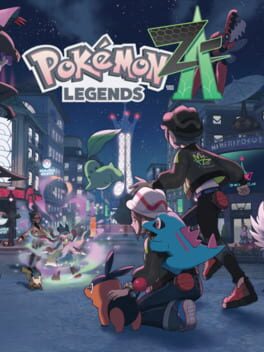
This sequel to X and Y takes place entirely in Lumiose City, five years after those games. Battles run in real time, so position and timing count.
Critics praised the battles and found the city setting restricting. You can Mega Evolve with collected Mega Energy.


Pokémon Pokopia (2026)
Mar 5, 2026
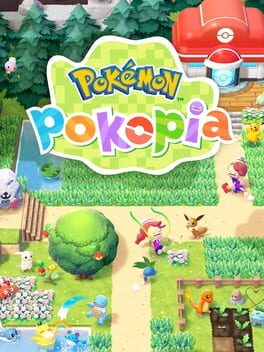
Game Freak partnered with Omega Force, the Dragon Quest Builders 2 team, on this sandbox game. Director Shigeru Ohmori wanted fans to cultivate their own Pokémon habitats.
You meet Professor Tangrowth in a world the humans have left. It is the highest-rated Pokémon game on Metacritic. The first expansion, Bubbly Basin, came in August 2026.

Pokémon Champions (2026)
Apr 8, 2026Jun 17, 2026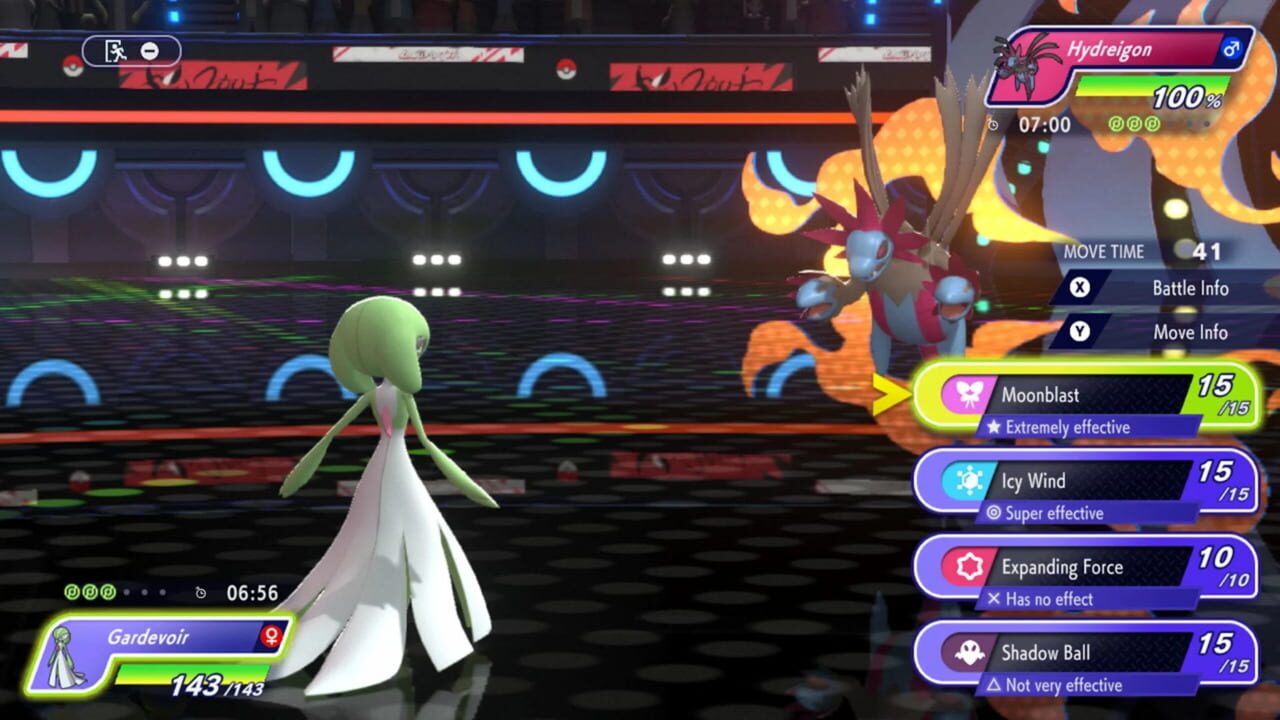
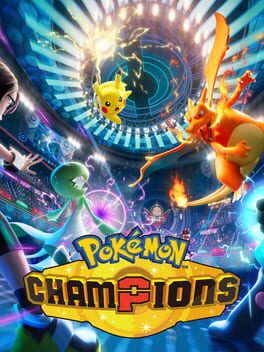
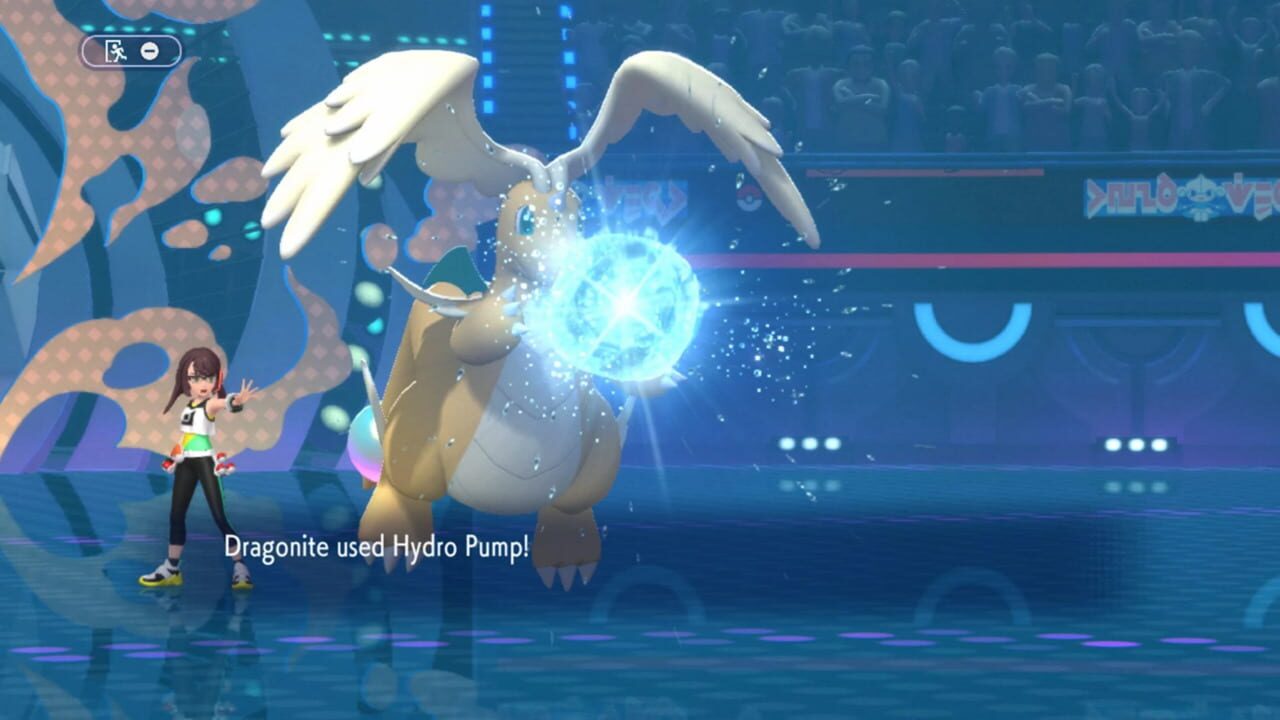
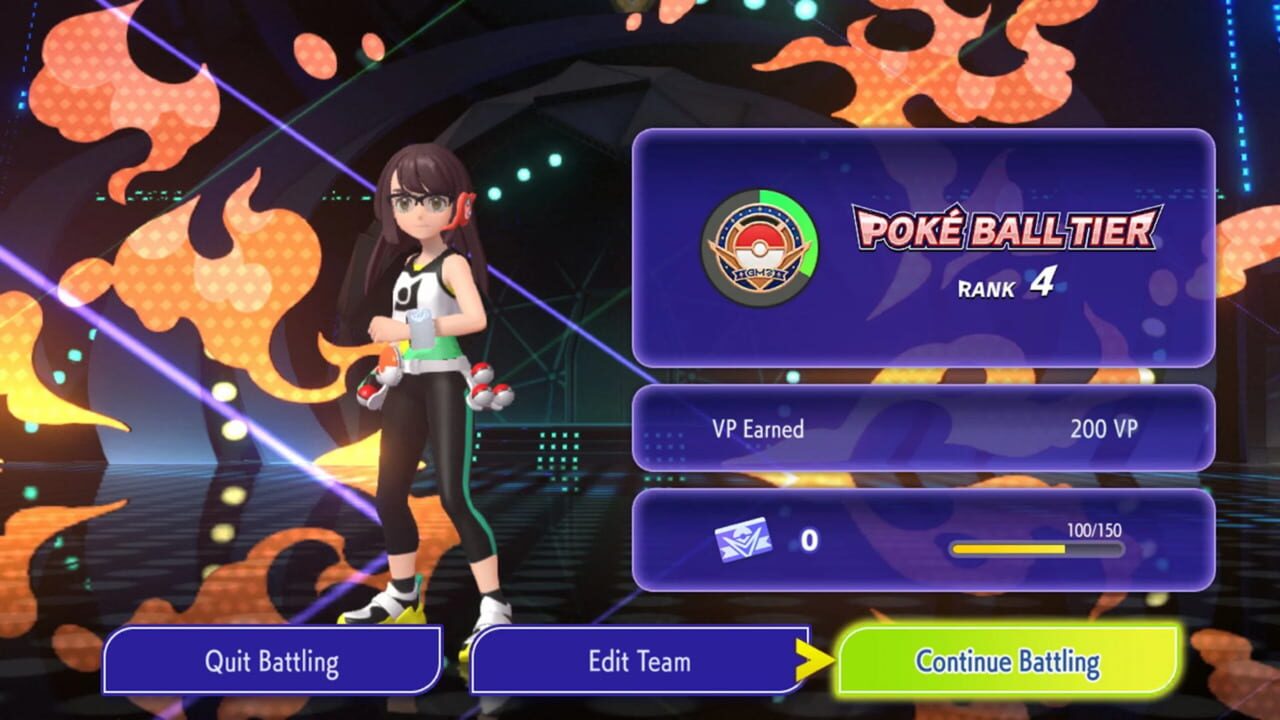
This strategy game focuses on multiplayer battles. It is the first game from The Pokémon Works, a joint venture between The Pokémon Company and ILCA.
It plays like the Stadium games and links with Pokémon Home. iOS and Android followed on June 17, 2026. The next main games, Pokémon Winds and Waves, are due on Switch 2 in 2027.

Never released in the USA
- Pokémon Tetris (2002, Pokémon Mini): Japan and Europe - Pokémon Tretta (2012, arcade) - Learn with Pokémon: Typing Adventure (2012, Nintendo DS): Europe and Australia - Pokémon Ga-Olé (2016, arcade) - Pokémon Mezastar (2020, arcade)
Never released in English
- Pocket Monsters Stadium (1998, Nintendo 64) - Pokémon Card GB2: Here Comes Team Great Rocket! (2001, Game Boy Color) - Pokémon Puzzle Collection vol. 2 (2002, Pokémon Mini) - Pokémon Race mini (2002, Pokémon Mini) - Pichu Bros. mini (2002, Pokémon Mini) - Togepi's Great Adventure (2002, Pokémon Mini) - Pokémon Breeder mini (2002, Pokémon Mini) - Pokémon Battrio (2007, arcade) - Pokémon Mystery Dungeon: Adventure Team (2009, WiiWare)