The 81 Sonic games that reached the USA are listed here in US release order, from Sonic the Hedgehog in 1991 to Sonic Rumble Party in 2025, and spin-offs are marked.
Sonic the Hedgehog (1991)
 Jun 23, 1991
 Jul 24, 1991
 Jul 26, 1991
 May 2007Aug 4, 2008Aug 5, 2008Sep 19, 2008May 20, 2009Oct 26, 2010Mar 2, 2011


Sonic the Hedgehog is where the series starts. You run through levels with springs, slopes and vertical loops, and rings protect you from a hit. Everything runs on one button, which handles both jumping and attacking. Naoto Ohshima designed the blue hedgehog, who won an internal character contest at Sega, and programmer Yuji Naka built the speed.
The goal is to stop Doctor Robotnik and get the six Chaos Emeralds. The game came bundled with the Genesis and sold over 15 million copies there, more than any other Genesis game. Across all platforms it passed 40 million. The first level, Green Hill Zone, has come back in Sonic games ever since.
The Game Boy Advance version from 2006, Sonic the Hedgehog Genesis, drew complaints about a poor conversion, with bad performance and weak handling of the music and gameplay. Fan programmer Simon "Stealth" Thomley answered with an unofficial demo on the same hardware, and Sega later hired him for the 2013 mobile remake, rebuilt from scratch with Christian "Taxman" Whitehead on the Retro Engine. So the fan who answered in 2006 got to fix it himself seven years on. That remake is the one in Sonic Origins, which collects remasters of the first four games. Sonic Origins Plus followed on June 23, 2023 with Game Gear games.


Sonic the Hedgehog (8-bit) (1991)
Oct 8, 19911991Aug 4, 2004Aug 5, 2004Sep 19, 2008 Sep 19, 2008


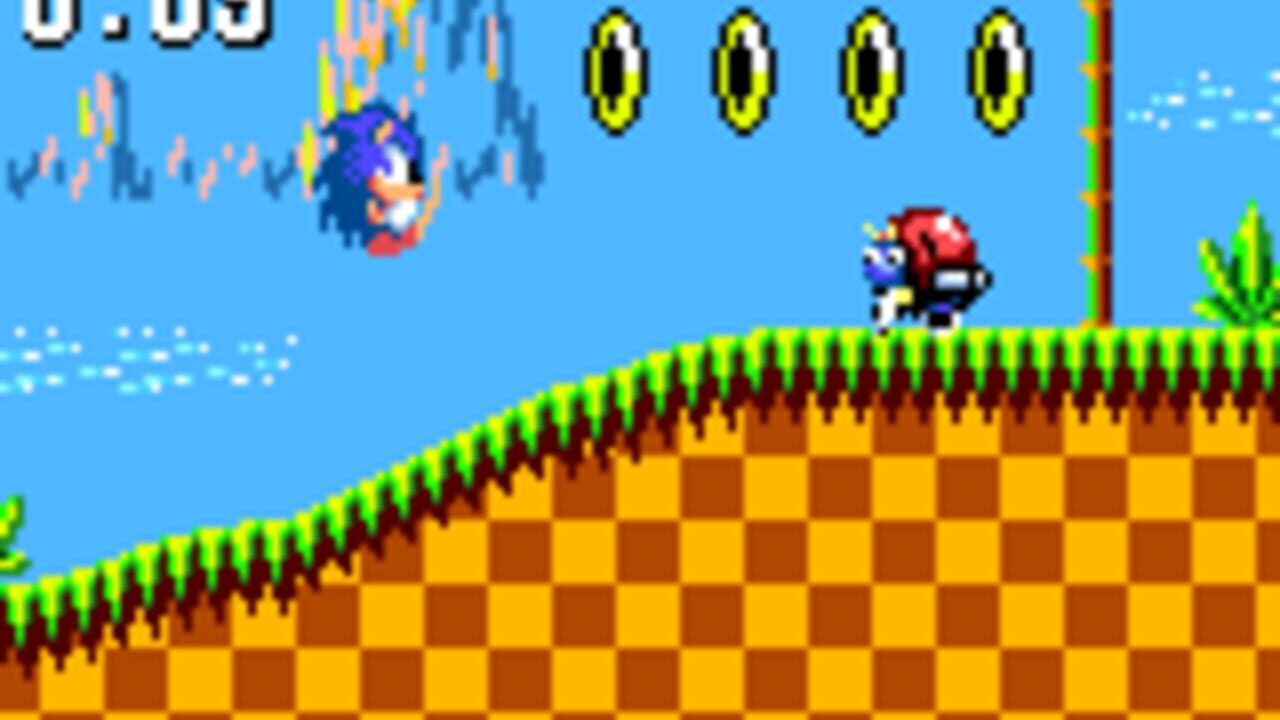
The 8-bit Sonic the Hedgehog has the same name and story as the Genesis game, but it is a separate game for the Master System and Game Gear. Ancient developed it, the studio's first game and its only Sonic. Some level themes, Green Hill Zone among them, come from the Genesis game, and others are new.
You get six zones, each with two main acts and a boss fight against Robotnik. Yuzo Koshiro wrote a different soundtrack, new material mixed with rearranged tracks by Masato Nakamura. The Game Gear version reached the 3DS Virtual Console in 2013 and is in Sonic Mega Collection Plus.


Sonic the Hedgehog 2 (1992)
Nov 21, 1992Nov 24, 1992Nov 24, 1992Dec 1, 1992Jun 11, 2007Jul 6, 2007Sep 12, 2007Jan 26, 2011Apr 20, 2011Nov 18, 2012Jun 27, 2013Jun 22, 2015Oct 8, 2015
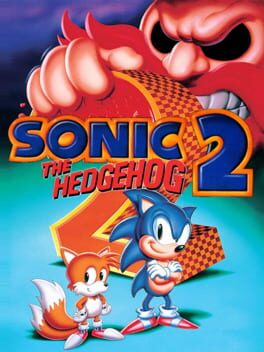
Sonic the Hedgehog 2 brought in Miles "Tails" Prower, faster play, bigger levels, a multiplayer mode and special stages with pre-rendered 3D graphics. Robotnik wants the Chaos Emeralds to power his space station, the Death Egg. Yuji Naka and designer Hirokazu Yasuhara moved from Japan to California to make it at Sega Technical Institute.
Time ran short and levels were cut, including Hidden Palace Zone, which had already shown up in advertising. The 2013 phone remake finally restored it. It waited 21 years to get into the game it was advertised for, and that remake reached consoles in Sonic Origins in 2022. Sega spent $10 million on marketing, and the game sold six million copies by 2006, second on the Genesis behind the original. Masato Nakamura of the band Dreams Come True wrote the music again.


Sonic the Hedgehog 2 (8-bit) (1992)
Oct 16, 1992Oct 29, 1992Nov 17, 1992Nov 21, 1992Nov 30, 1992Nov 18, 2008Dec 8, 2008Dec 26, 2008Dec 26, 2008Oct 31, 2012Jul 27, 2013
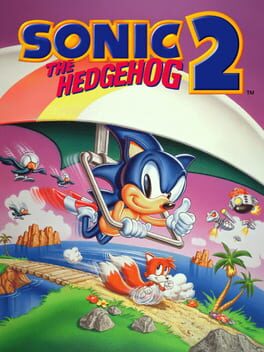
This Sonic 2 came out the same day as the Genesis game in Japan and shares almost nothing with it except the name. The two have no levels in common. Aspect developed it with no contact with the American team on the Genesis version, and the first 8-bit game's studio, Ancient, did not return.
Robotnik has taken Tails, so Sonic heads off to find him. Levels add ways to travel such as minecarts and hang gliders. Electronic Gaming Monthly picked it as its portable Game of the Year for 1992.


Sonic CD (1993)
Sep 23, 1993Oct 18, 1993Nov 23, 1993Aug 9, 1996Sep 26, 1996Oct 3, 1996
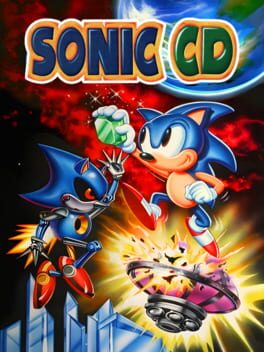
Sonic CD started as an enhanced port of the first game for the Sega CD and grew into its own project under Naoto Ohshima. The big idea is time travel. Each stage has past, present, good future and bad future versions, with different layouts, music and graphics. Doctor Robotnik is after the Time Stones on Little Planet.
It has animated cutscenes from Toei Animation and CD-quality music, and North America got a new soundtrack from Spencer Nilsen and others. It sold over 1.5 million copies, the most of any Sega CD game. Fan developer Christian Whitehead showed a proof-of-concept video of Sonic CD on his Retro Engine in 2009, and Sega hired him to make a remake. It came out on Android, iOS, PlayStation 3 and Xbox 360 in December 2011, and on Steam in January 2012. This version is the base for the Sonic CD in Sonic Origins. It is a nice story for anyone who has ever sent a video to a company and hoped.


Sonic Chaos (1993)
Oct 25, 1993Nov 19, 1993Nov 23, 1993Nov 23, 1993Feb 2, 2009Feb 6, 2009Feb 6, 2009Mar 17, 2009
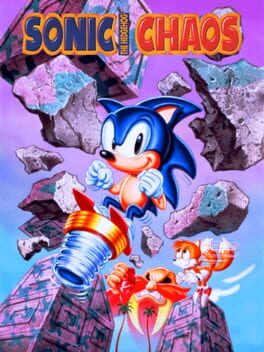
Sonic Chaos is the first Sonic game on Master System and Game Gear that lets you play Tails as a separate character with his own abilities. Aspect used what it learned on the 8-bit Sonic 2 to make this one bigger and faster.
Each zone has three acts, and the third is a boss fight. Robotnik has stolen the Chaos Emeralds to build nuclear weapons, which seems a bit much for a game with a fox in it. The Master System version reached Europe four days after Japan got the Game Gear one.


Sonic Spinball (1993)
Nov 23, 1993Nov 26, 1993Dec 10, 19931999Sep 23, 2002Mar 12, 2007Mar 13, 2007Apr 5, 2007Apr 6, 2007Sep 13, 2010
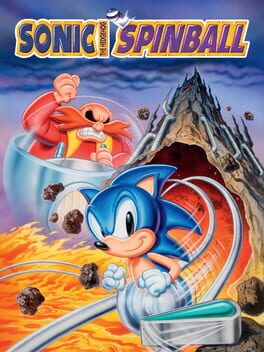
Sonic Spinball turns Sonic into the ball. Robotnik is running a giant pinball-like machine, and you use flippers to launch Sonic around four levels, collect all the Chaos Emeralds and open the way to the boss at the top.
Sega wanted another Sonic for the 1993 holiday season, so the mostly American staff at Sega Technical Institute built it in nine months while the Japanese team worked on Sonic 3. Ports for Game Gear and Master System followed, and it has been rereleased on 11 different platforms.


Dr. Robotnik's Mean Bean Machine (1993)
Nov 26, 1993Q1 1994Dec 11, 2006Dec 15, 2006Sep 13, 2010
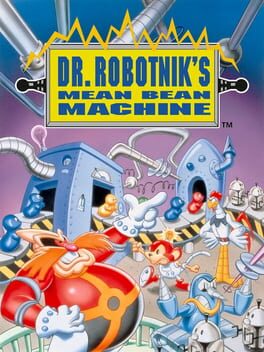
Mean Bean Machine is a falling block puzzle game based on Puyo Puyo, and you match coloured beans to clear the board. Scenario Mode puts you against 13 computer opponents that get harder as you go, and Carbuncle from Puyo Puyo turns up under the name Has Bean.
It came to Game Gear and Master System too, and the Game Gear version is in Sonic Origins Plus from June 23, 2023.


Sonic the Hedgehog 3 (1994)
Feb 2, 1994Feb 24, 1994Aug 21, 2007Sep 7, 2007Sep 10, 2007Jun 10, 2009
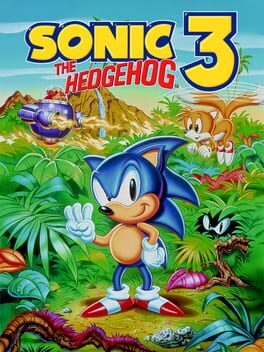
Sonic the Hedgehog 3 introduces Knuckles the Echidna, the island guardian who sets traps for Sonic and Tails. The Death Egg has crash-landed on a floating island, and Robotnik wants to launch it again. As in Sonic 2, Tails runs beside you and a second player can take him over at any time.
Sonic 3 and Sonic & Knuckles were planned as one game until time and cartridge costs forced a split. Plug Sonic 3 into the adapter on the Sonic & Knuckles cartridge and you get the full game, Sonic 3 & Knuckles. The staff say Michael Jackson wrote parts of the soundtrack without credit. The two games together sold four million copies.


Tails and the Music Maker (1994)
1995Jun 4, 1994
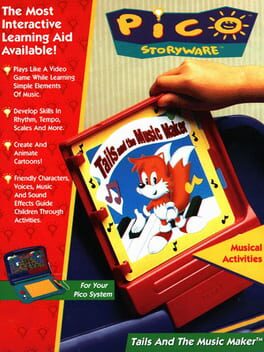
Tails and the Music Maker is the second Sonic game for the Sega Pico, made by Realtime Associates to teach children aged three to seven about making music. It uses the same picture book form as Gameworld.
The minigames include Travels with Tails, which runs through three levels, and Percussion Pinball, which puts Tails on a pinball table. Japan got it on Sega Pico in 1995. Few mascots can say they taught rhythm to toddlers and still made time to fight a mad scientist.
Sonic & Knuckles (1994)
Oct 18, 1994Oct 18, 1994Oct 18, 1994Oct 19, 1994Sep 9, 2009Sep 9, 2009Oct 27, 2009Feb 12, 2010Feb 15, 2010
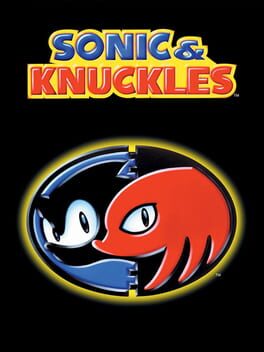
Sonic & Knuckles is the second half of Sonic 3. You play as Sonic, who tries to stop the Death Egg from launching again, or as Knuckles, who fights Robotnik's robot EggRobo. The cartridge has an adapter on top, and attaching Sonic 3 builds the combined game, Sonic 3 & Knuckles.
Plug in Sonic 2 and you can play Knuckles in its stages. Sega backed the game with a $45 million campaign at a time when games usually got about $5 million. Sonic 3 & Knuckles is one of the four remastered games in Sonic Origins, the easy way to play it today.


Sonic Triple Trouble (1994)
Nov 11, 1994Nov 15, 1994Nov 15, 1994Mar 14, 2012Mar 15, 2012Mar 29, 2012
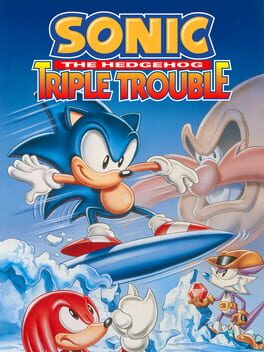
Triple Trouble is Aspect's sequel to Sonic Chaos for Game Gear. You play as Sonic or Tails through six zones, each with three levels and a boss in the third. Robotnik tricks Knuckles into helping him, and a newcomer, Fang the Sniper, is after the Chaos Emeralds too.
Sonic and Tails each have their own abilities and power-ups to find. The game reached the 3DS with new button settings and save states, and a fan project called Sonic Triple Trouble 16-Bit came out in August 2022.


Knuckles' Chaotix (1995)
Apr 20, 1995Apr 21, 1995May 1, 1995
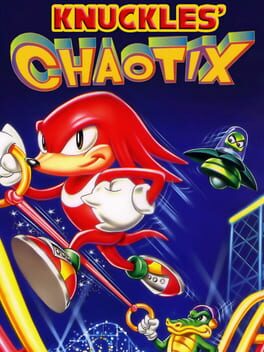
Knuckles' Chaotix is a 32X spin-off where Knuckles and four other characters, the Chaotix, stop Robotnik and Metal Sonic from taking six magic rings. Two characters are always joined by a tether that acts like a rubber band, and you use that pull to get around.
The idea came from Sonic Crackers, a 1994 Genesis prototype starring Sonic and Tails. It was planned for the Saturn until it could not be finished in time. Sonic Team is sometimes credited, but another Sega team made it.


Sonic Drift 2 (1995)
Mar 1, 1995Mar 17, 1995Nov 1, 1995Nov 14, 2012Jul 4, 2013Jul 4, 2013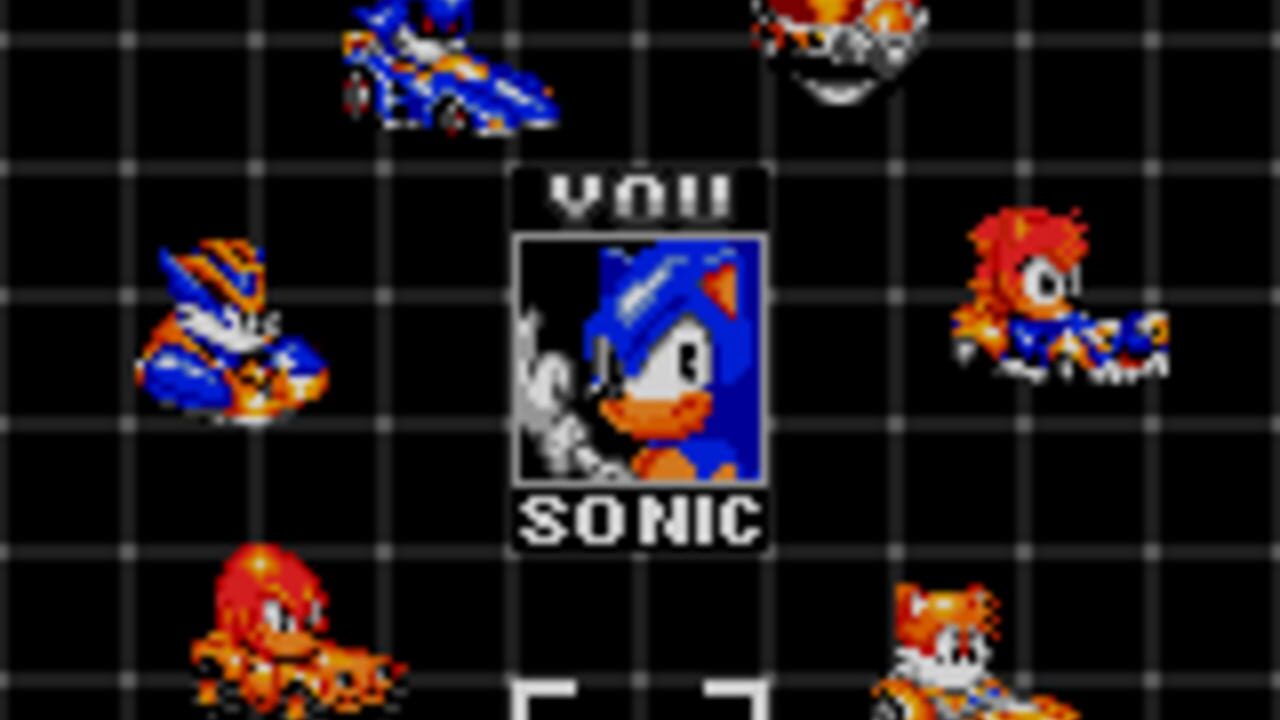
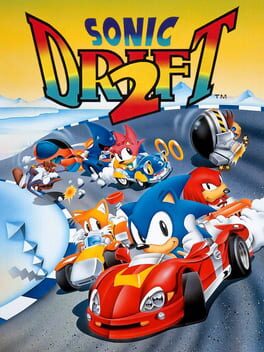
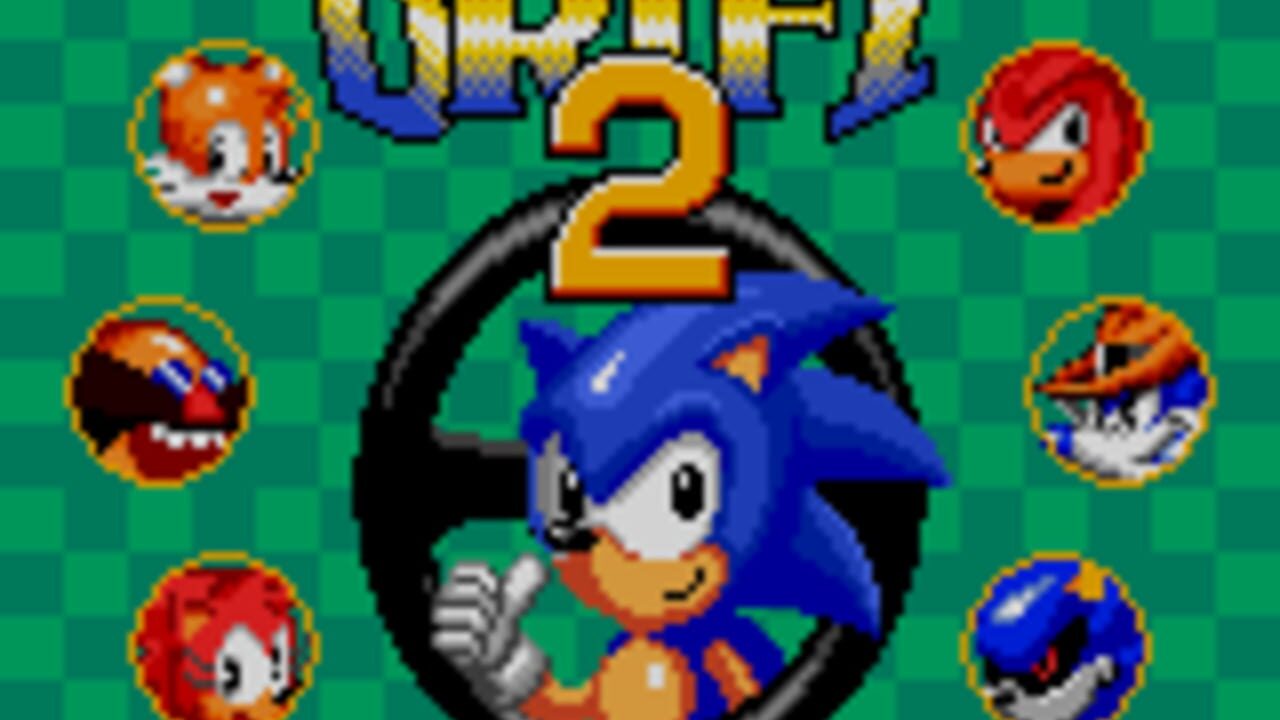
Sonic Drift 2 adds three racers to the first game's kart formula: Knuckles, Fang the Sniper and Metal Sonic. It was the first time you could play as Fang or Metal Sonic. Europe got it as Sonic Drift Racing on April 28, 1995.
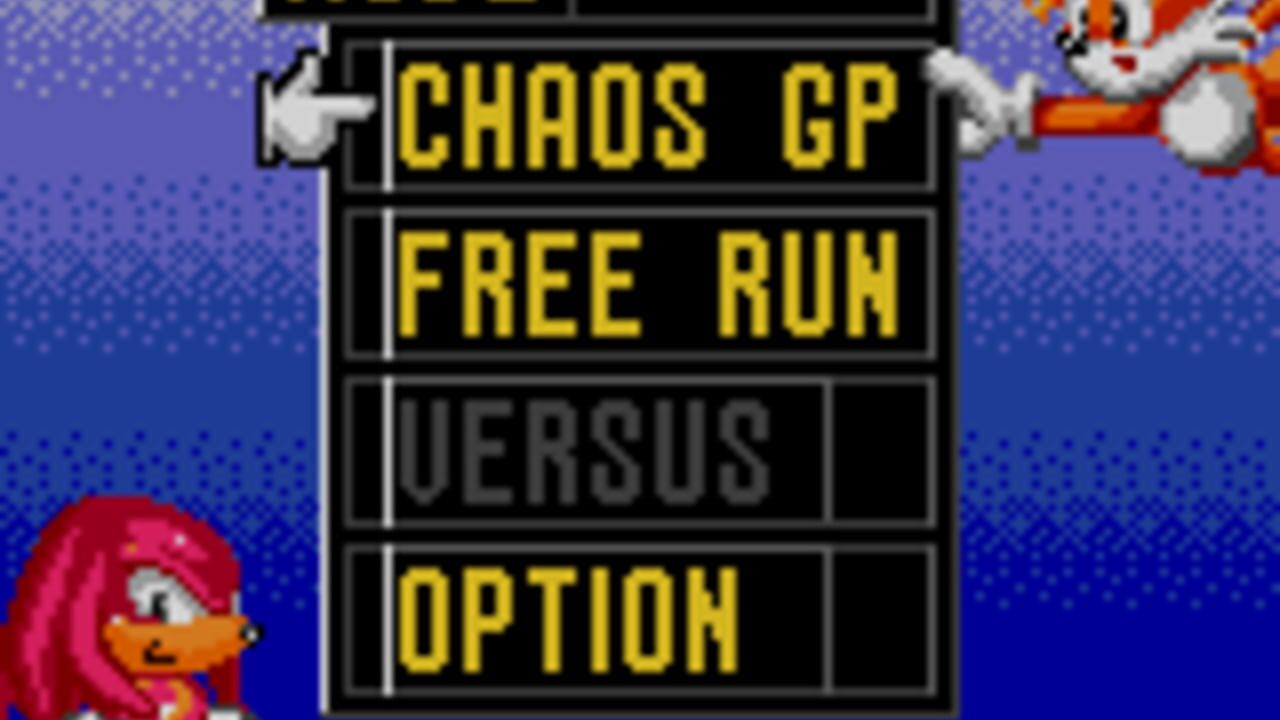
Some tracks are circuits and others run point to point, and finishing first in Chaos GP earns Chaos Emeralds. Like the first game, it later turned up as an unlockable extra in Sonic Adventure DX: Director's Cut in 2003, and in Sonic Gems Collection in 2005.
Tails Adventure (1995)
Sep 22, 1995Nov 11, 19951995Apr 3, 2013Jun 20, 2013Jun 20, 2013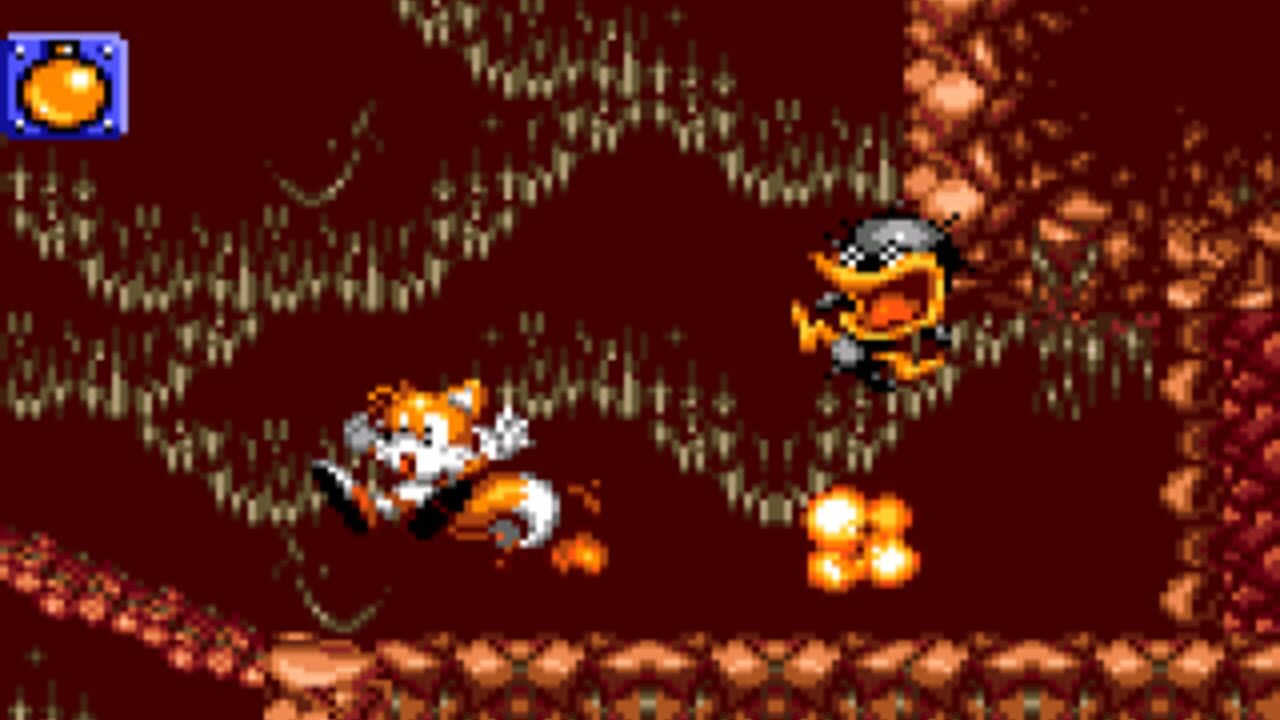
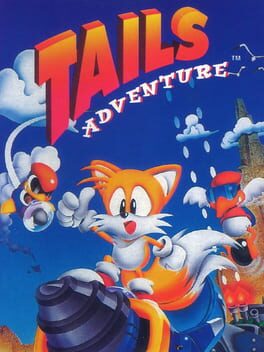
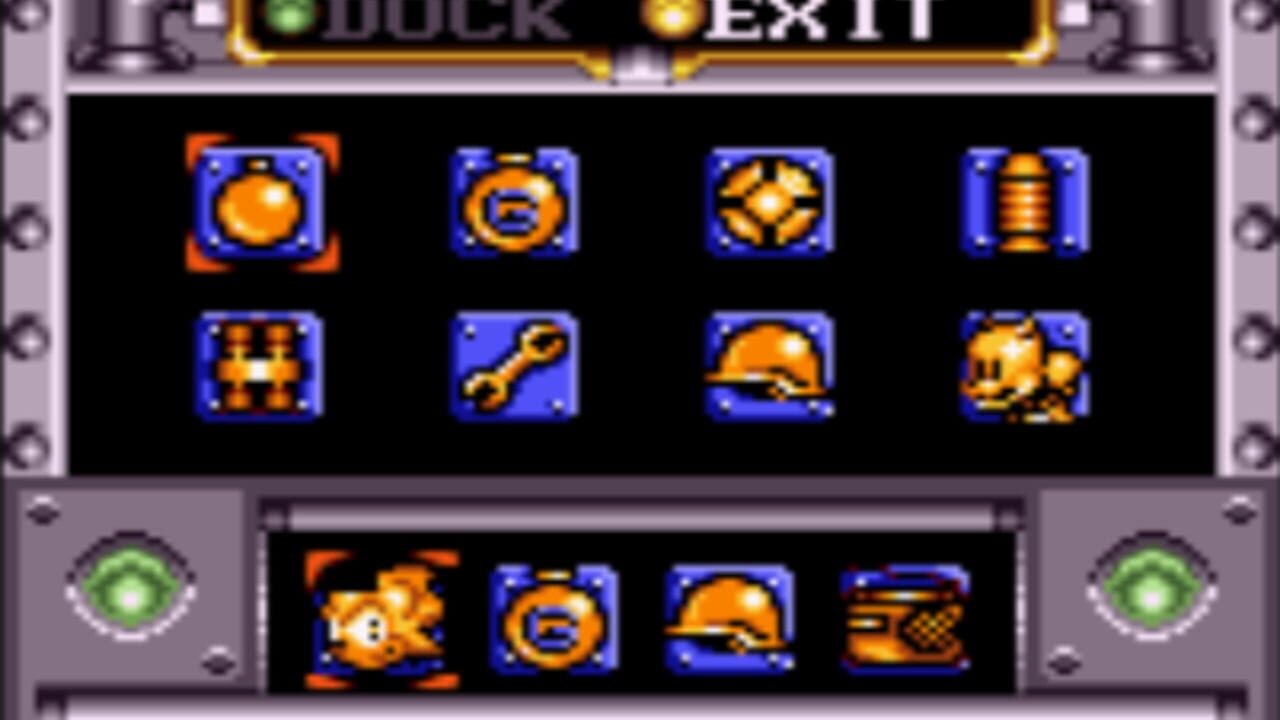
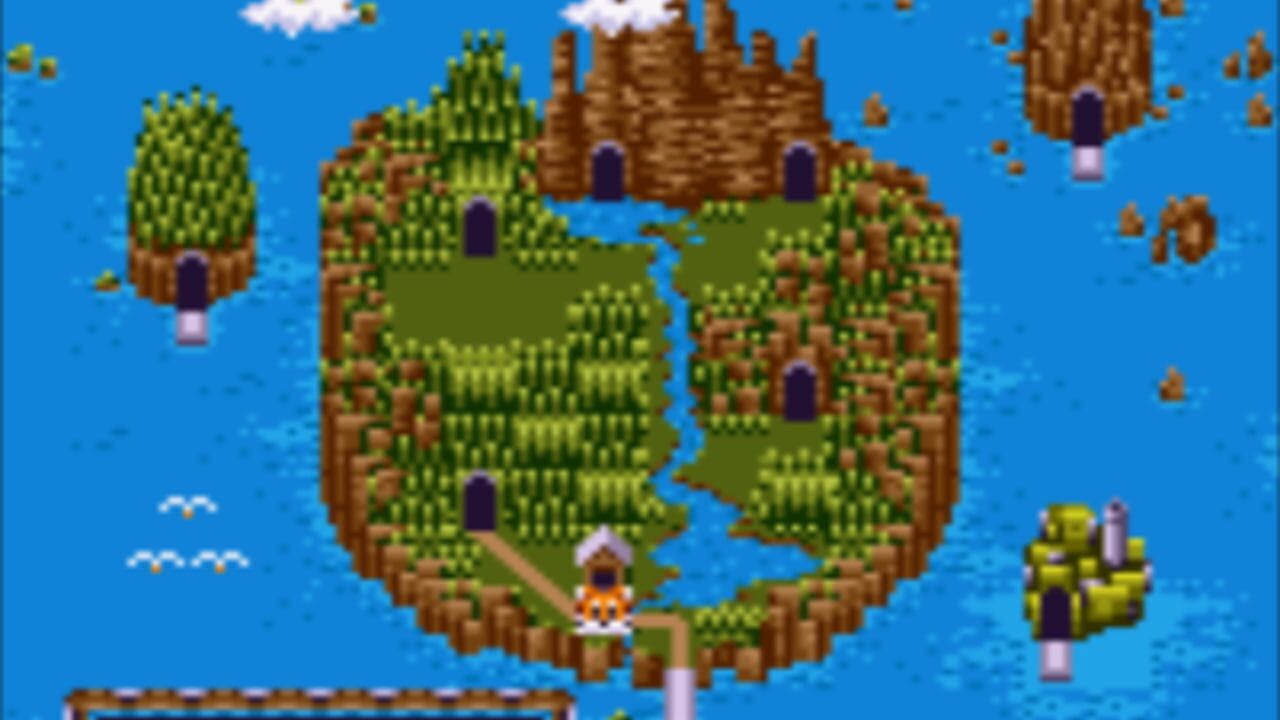
Tails Adventure is a slow, exploration game for Game Gear with a story set before Tails met Sonic. The Kukku Army is invading Cocoa Island, and you collect items that open up paths in areas you have already seen, a structure closer to Metroid than to a Sonic stage.
Tails can only walk and fly at a moderate speed, which takes some getting used to in a series named for going fast. It is in Sonic game compilations and reached the Nintendo 3DS in 2013.
Sonic Labyrinth (1995)
Nov 17, 199519951995May 10, 2012May 16, 2012Jun 27, 2013

Sonic Labyrinth is an action puzzle game with pinball touches for Game Gear, played from an isometric view. Minato Giken developed it. You collect three keys in each maze-like stage and carry them to the goal.
Sonic walks slowly here, though he can roll into a ball and dash at enemies. The game has four zones of three stages each, with a bonus round and a boss after each set. A Sonic game where the hedgehog dawdles is a brave pitch.


Sonic the Fighters (1996)
Nov 27, 2012Dec 5, 2012Nov 28, 2012Apr 2016
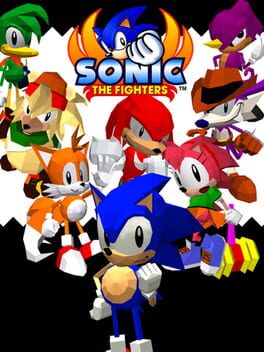
Sonic the Fighters is an arcade 3D fighting game built on the engine from Fighting Vipers, and it is the first 3D game in the series. Eight characters fight one on one, including newcomers Bean the Dynamite and Bark the Polar Bear.
A Saturn port was cancelled, so it stayed in arcades until Sonic Gems Collection in August 2005. The 2012 release for PlayStation 3 and Xbox 360 added online play and made Metal Sonic, Doctor Robotnik and Honey the Cat playable, all of them hidden in the arcade version behind hacking.


Sonic's Schoolhouse (1996)
Oct 18, 1996

Sonic's Schoolhouse is an educational Windows game for children aged four to nine, seen from a first-person view in a 3D world. It runs on an engine similar to the one in Wolfenstein 3D, and ten educators and psychologists helped write the challenges.
It began as a game with no Sonic in it, called Answer Hunt, and it shows in how loosely it connects to the series. Sega still pushed it in a US$20 million campaign, and boxes came with US$40 in coupons for Sonic merchandise. A hedgehog running a classroom in the Wolfenstein engine is a sentence nobody expected to read.


Sonic the Hedgehog's Gameworld (1996)
1994Oct 29, 1996
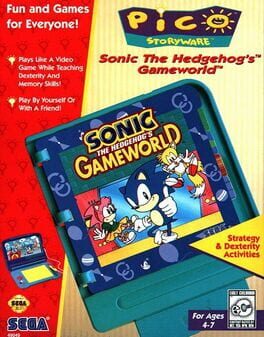
Gameworld is the first of two Sonic games for the Sega Pico, a learning toy for young children. It takes the form of a picture book, and the tasks change each time the player turns a page.
Aspect, the studio behind most of the Game Gear Sonics, made it for children aged four to seven. Sonic, Tails and Amy star in 13 minigames that teach problem solving. Japan got it on Sega Pico in 1994.
Sonic 3D Blast (1996)
Nov 7, 1996Nov 14, 1996Nov 30, 1996Oct 16, 2007Nov 2, 2007Nov 19, 2007Jun 1, 2010
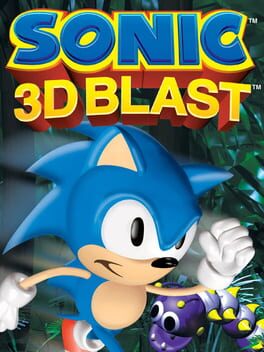
Sonic 3D Blast keeps the Sonic rules but moves to an isometric view, with pre-rendered 3D models turned into sprites. You save Flickies, collect the seven Chaos Emeralds and beat Robotnik. Outside North America it is called Sonic 3D: Flickies' Island.
Traveller's Tales in Britain did most of the programming while Sonic Team worked on Nights into Dreams. When Sonic X-treme was cancelled, Sega ordered a Saturn port, finished in seven weeks. Lead programmer Jon Burton released an unofficial director's cut in 2017 with better controls.


Sonic Blast (1996)
Nov 1, 1996Dec 12, 1996Dec 13, 1996Apr 18, 2012Jun 14, 2012Jun 20, 2013
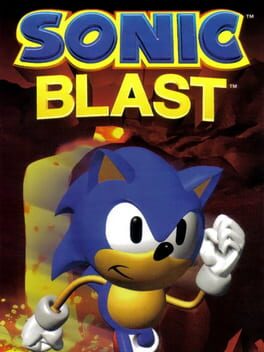
Sonic Blast is Aspect's Game Gear platformer, with Sonic and Knuckles running through 15 levels to stop Robotnik fortifying his base with Chaos Emerald shards. Knuckles keeps his glide and his wall climb from Sonic & Knuckles.
Special stages have you run forward and collect rings to earn a shard. Tec Toy distributed a Master System port in Brazil only in December 1997, and the game has been rereleased in emulated form several times.

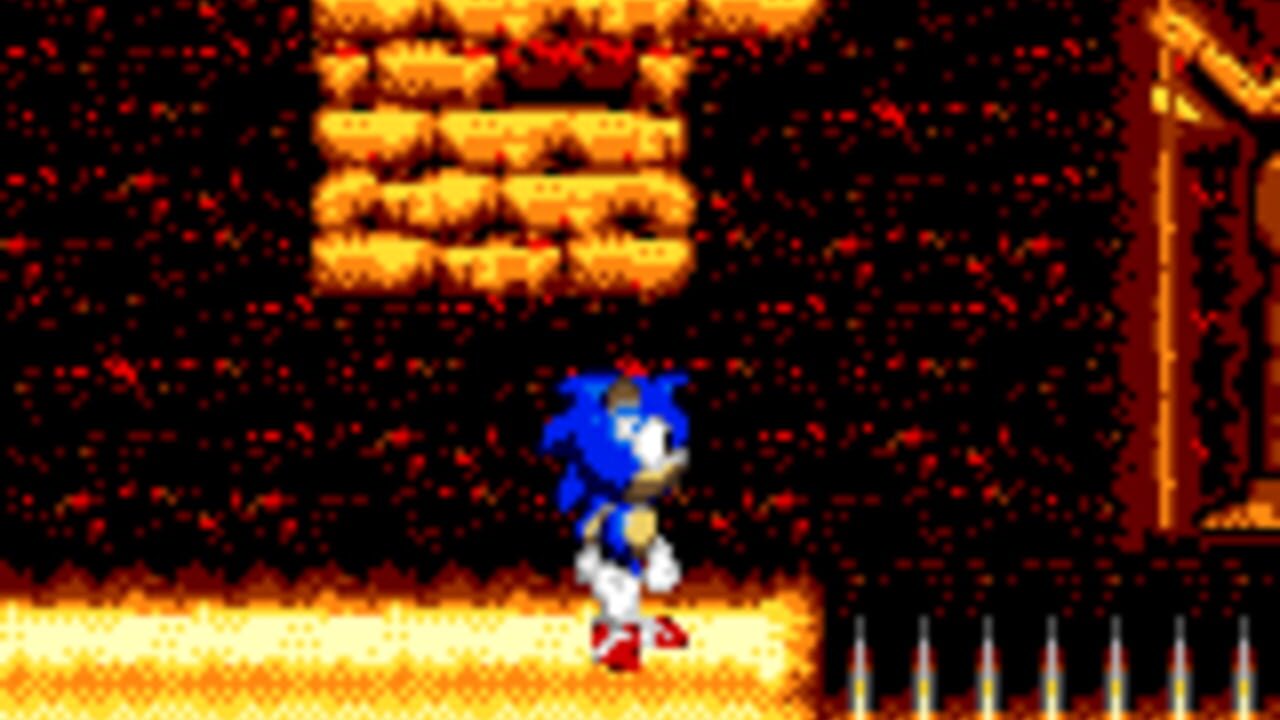
Sonic R (1997)
Nov 18, 1997Nov 11, 1998Nov 15, 1998Dec 11, 1998
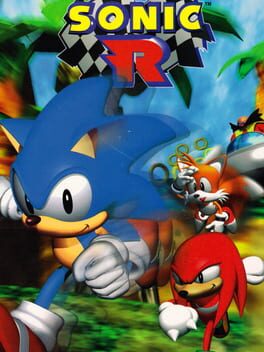
Sonic R is the third racing game in the series and the first with 3D graphics, a second team-up between Traveller's Tales and Sonic Team built for the Saturn. It looks like a kart racer, but you run on foot, jump a lot and hunt for hidden areas on tracks with several paths.
Richard Jacques wrote the soundtrack, and "Super Sonic Racing" and "Can You Feel The Sunshine?" keep coming back in later Sonic games. It was the only original Sonic game on the Saturn. A Windows version followed on November 11, 1998.


Sonic Adventure (1999)
Dec 23, 1998Sep 9, 1999Sep 23, 1999
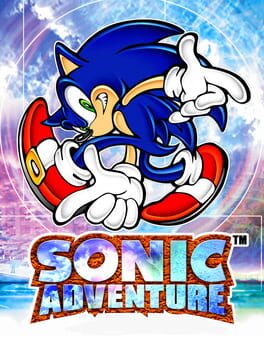
Sonic Adventure is the first main Sonic game in 3D, directed by Takashi Iizuka with Yuji Naka producing. You follow six characters with their own abilities: Sonic, Tails, Knuckles, Amy, Big the Cat and E-102 Gamma. They chase the Chaos Emeralds and try to stop Robotnik from unleashing Chaos, an ancient evil.
Between levels you can race in minigames and raise Chao, the virtual pets. It became the Dreamcast's bestseller at 2.5 million copies by August 2006. Japan got it on Dreamcast in 1998.
Sonic Adventure DX: Director's Cut rebuilt the game for GameCube and Windows in 2003, with modern visuals, more challenges and extra content. It adds a mission mode, Metal Sonic and unlockable Game Gear Sonic games, including Sonic Drift, Sonic Drift 2 and the 8-bit Sonic. The high-definition release from September 2010 is based on this version, though the extras cost more there. It reached Steam in March 2011 after the consoles.


Sonic the Hedgehog Pocket Adventure (1999)
Dec 4, 1999Dec 16, 1999Feb 2000
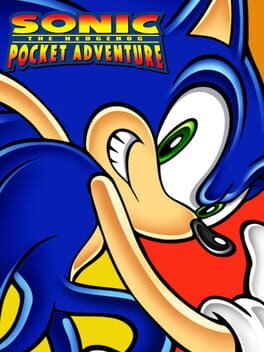
Pocket Adventure is a Sonic game SNK made and published for its own handheld, the Neo Geo Pocket Color, with Sega's Yuji Naka and Sonic Team supervising. It borrows the stage themes and bonus stages of Sonic the Hedgehog 2 and gives them new layouts, starting at Neo South Island Zone.
Some of the SNK staff later formed Dimps, the studio behind many of the handheld Sonic games on this list. Sonic on a rival's handheld felt strange in 1999. It would feel a lot less strange a few years later.

Sonic Shuffle (2000)
Nov 13, 2000Dec 21, 2000Mar 9, 2001
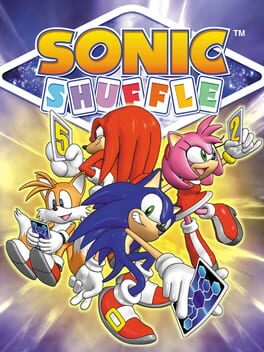
Sonic Shuffle is a Dreamcast party game that plays like a board game, in the style of Mario Party. Up to four players move across a board where spaces trigger events, and the most common ones add or take away rings.
The story is set in a dream world, Maginaryworld, where the fairy Lumina Flowlight asks for help against Void. The graphics use the cel shading first seen in Jet Set Radio. It was expected in Sonic Mega Collection in 2002 and left out, so the Dreamcast is the only place to play it.


Sonic Adventure 2 (2001)
Jun 19, 2001Jun 23, 2001
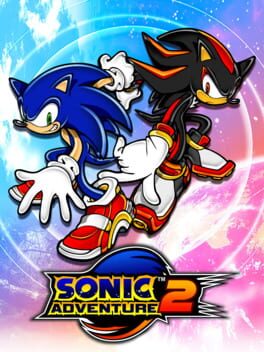
Sonic Adventure 2 tells two stories. Sonic, Tails and Knuckles try to save the world, while Shadow the Hedgehog, Doctor Eggman and Rouge the Bat try to conquer it. Each side plays three ways: fast platforming, third-person shooting and treasure hunting. Chao raising and multiplayer battles sit outside the main game.
Sonic Team USA made it in a year and a half with a much smaller team than the first game, and levels drew on San Francisco and Yosemite National Park. It was Sonic's last game on a Sega console. Playing it today usually means the PlayStation 3, Xbox 360 or Windows version from 2012.
Sonic Adventure 2 Battle is the GameCube version. Sonic Team announced a GameCube game in April 2001 and kept it secret until Nintendo Space World that August. North America got it on February 11, 2002, and for a lot of players this port was their first look at the series. Yuji Naka liked the GameCube hardware and told fans to buy one, a sentence that would have started a fight on any playground in 1993.


Sonic Advance (2002)
Dec 20, 2001Feb 3, 2002Mar 8, 2002Nov 25, 2011Feb 18, 2015
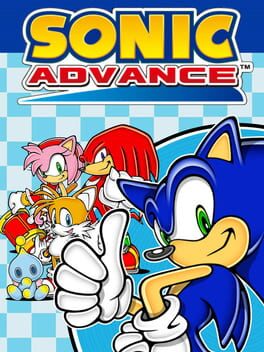
Sonic Advance is one of the first Sonic games on a Nintendo console, made for the series' tenth anniversary. Dimps led development, its first game in the franchise. You play as Sonic, Tails, Knuckles or Amy, and it plays like the Genesis games with some ideas taken from Sonic Adventure.
The goal is to beat Eggman and collect the seven Chaos Emeralds. It sold 1.21 million copies in the United States. A cheat code lets Tails run beside Sonic the way he does in Sonic 2. Sega and Nintendo sharing a shelf was once a joke, and here it was on sale. Japan got it on Game Boy Advance in 2001.


Sonic Advance 2 (2003)
Dec 19, 2002Mar 10, 2003Mar 28, 2003Feb 24, 2016
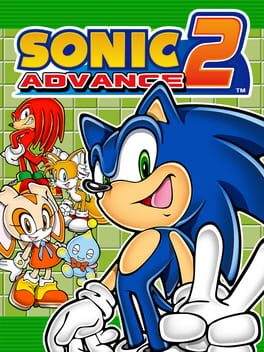
Sonic Advance 2 is a fast side-scroller from Dimps. Japan got it on Game Boy Advance in 2002. You start as Sonic and unlock Cream the Rabbit, who brings her Chao, Cheese, then Tails and Knuckles by beating Eggman in set boss fights.
Sonic has an "insta-shield" for brief protection, Cream and Tails fly, Knuckles glides and climbs, and Amy swings a hammer. Each zone ends with an Eggman fight. Some reviewers found it too hard, which is fair for a game that asks you to move this fast on a screen this small.


Sonic Pinball Party (2003)
May 27, 2003Jul 11, 2003Oct 31, 2003
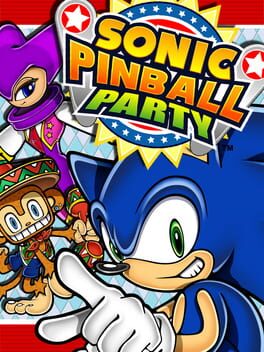
Sonic Pinball Party is a pinball game from Sonic Team and Jupiter, set in Casinopolis, where Eggman turns gamblers into robots and brainwashes Tails and Amy. You work two lower flippers and one upper flipper, and you can shake the table in three directions.
Rings from the game buy Chao eggs for the Tiny Chao Garden or serve as bets in casino minigames. In 2005 it was bundled on cartridges with Sonic Advance, Sonic Battle and Columns Crown.


Sonic Drift (2003)
Apr 18, 1994Jun 17, 2003
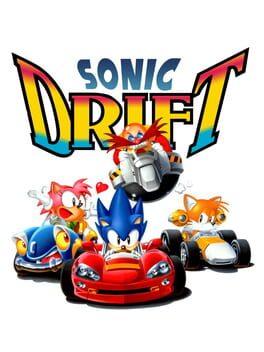
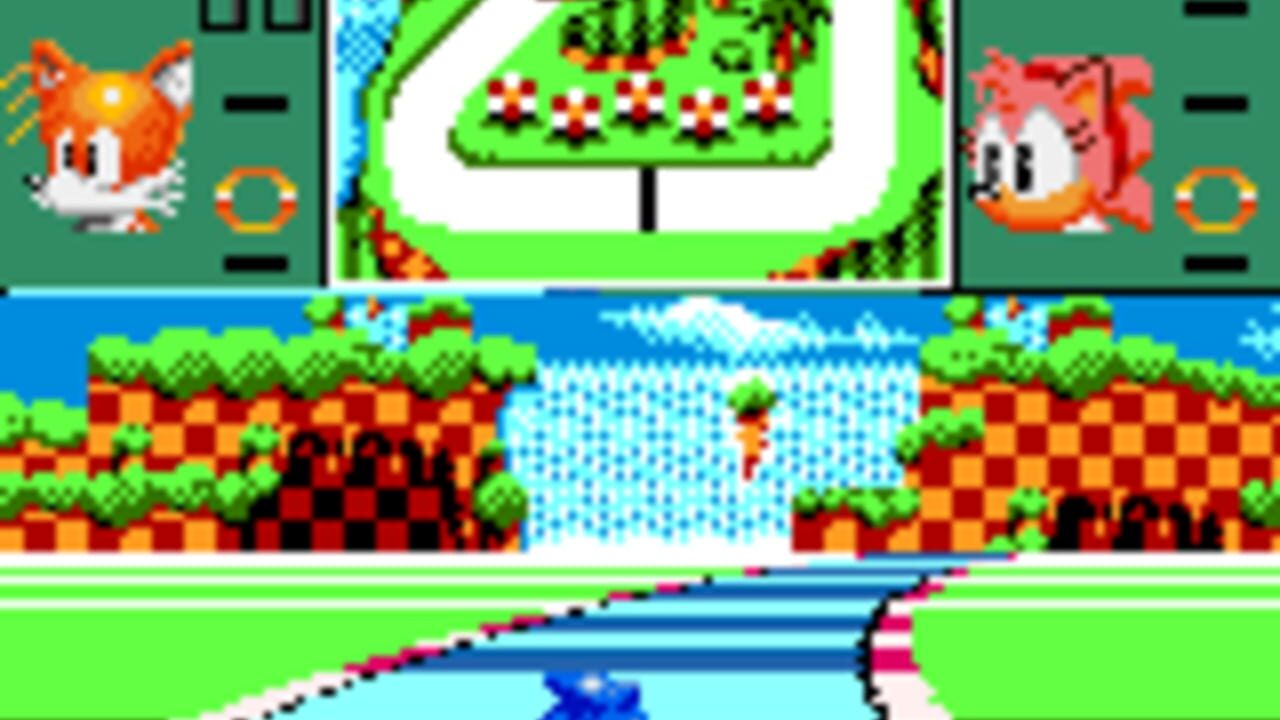
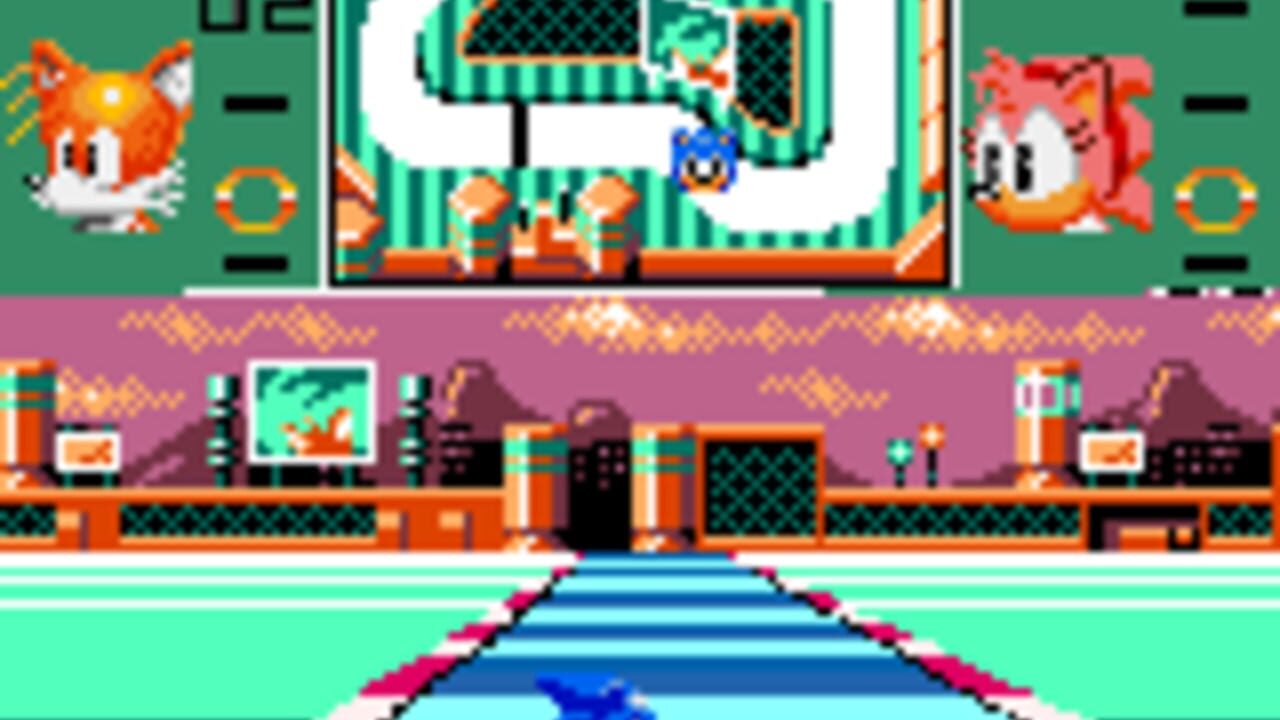
Sonic Drift is the first racing game in the series, a kart racer for Game Gear inspired by Super Mario Kart. Four characters race on 18 tracks themed after levels from the first Sonic the Hedgehog, and it is also the first Sonic game where you can play as Amy.
The original stayed in Japan. The rest of the world first saw it in Sonic Adventure DX: Director's Cut in 2003, then in Sonic Mega Collection Plus in 2004 and Sonic Origins Plus in 2023. Japan got it on Game Gear in 1994. Waiting nine years for a kart game is a long time at any speed.
Tails' Skypatrol (2003)
May 28, 1995Jun 17, 2003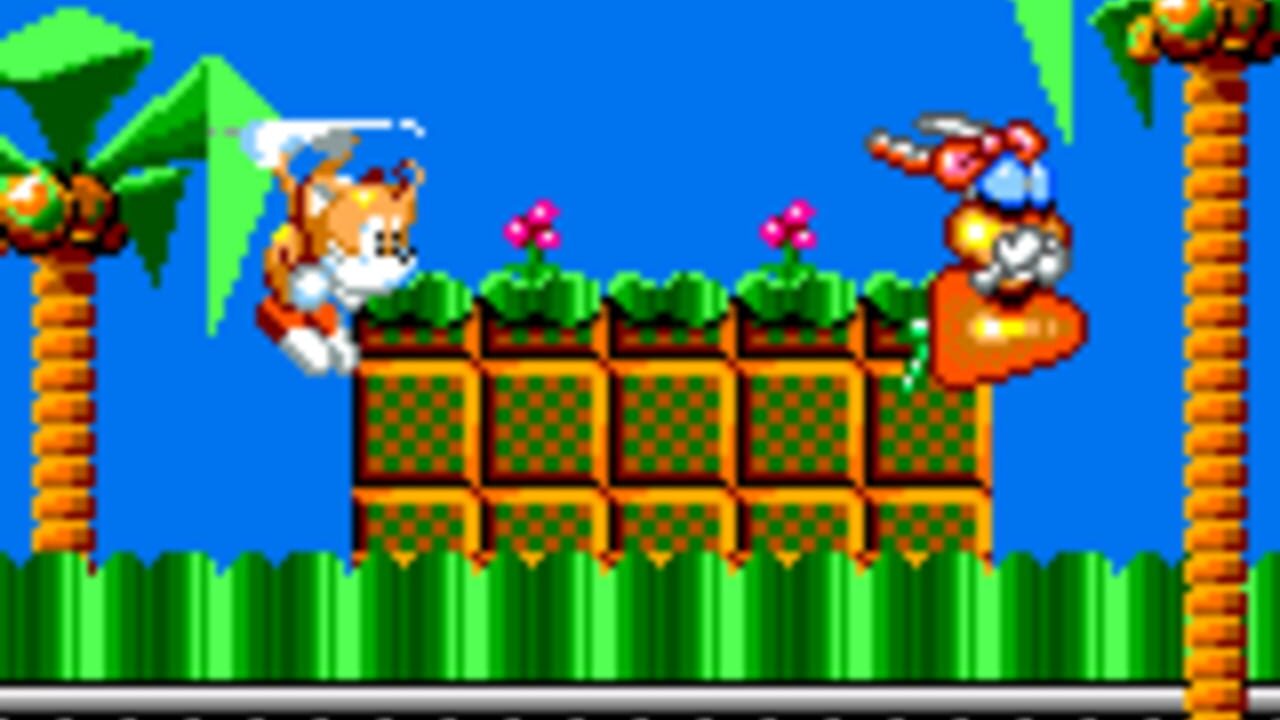
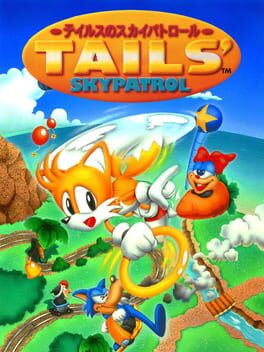
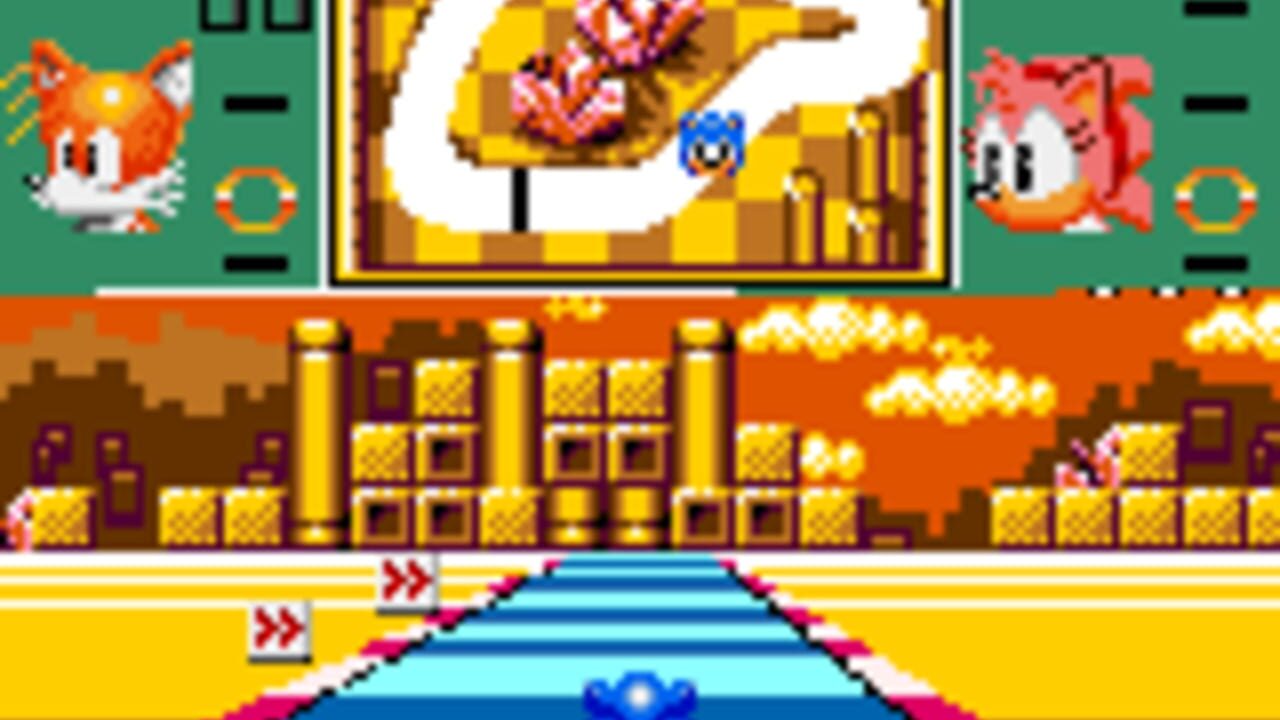
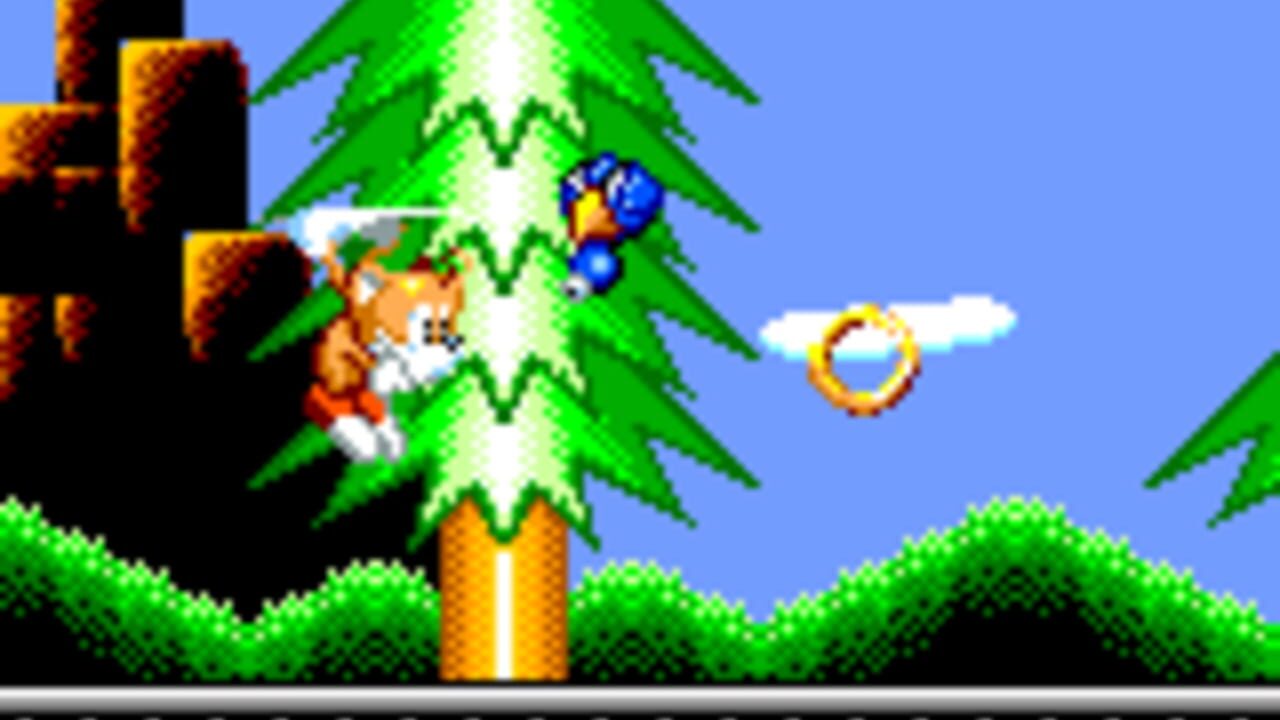
Tails' Skypatrol is a side-scrolling shooter from Japan System House, one of two Game Gear games starring Tails. He is always flying, and mint candies refill a flight meter that keeps running down. The villain Witchcart has turned the people of a tropical island into crystals.
It had no Sonic branding until Sega saw it and asked for the main character to be replaced with Tails. Japan got it on Game Gear in 1995. The rest of the world first saw it in Sonic Adventure DX: Director's Cut, and it later appeared in Sonic Gems Collection and Sonic Origins Plus.

Sonic Heroes (2004)
Dec 30, 2003Jan 27, 2004Feb 2, 2004Dec 30, 2003Jan 6, 2004Feb 2, 2004Nov 16, 2004Nov 26, 2004Dec 9, 2004Feb 22, 2012Sep 17, 2014
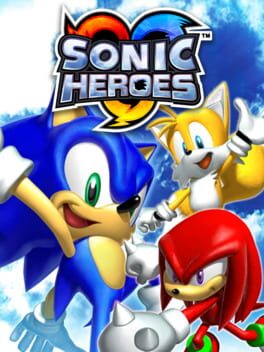
Sonic Heroes has you control teams of three and swap between them, with levels that run in a straight line like the Genesis games rather than the open hubs of the Adventure games. Takashi Iizuka directed and Yuji Naka produced. Japan got it on GameCube in 2003.
It was the first Sonic game on several platforms at once, made after Sega stopped making the Dreamcast, and it used the RenderWare engine to make that easier. Special stages and the Chaotix came back. It sold 3.41 million copies and stayed the bestselling 3D Sonic until Sonic Frontiers.


Sonic Battle (2004)
Dec 4, 2003Jan 7, 2004Feb 27, 2004
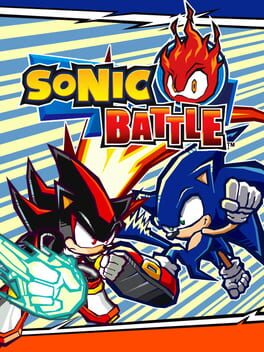
Sonic Battle is the second fighting game in the series after Sonic the Fighters, a Game Boy Advance game from Sonic Team with 3D stages and ten playable characters. Each one has special moves in three types: Shot, Power and Set.
Story Mode has eight of the ten, including the original character Emerl. There are minigames too, among them Tails' Fly and Get and Knuckles' Mine Hunt, a single-player game based on Minesweeper. An echidna playing Minesweeper is the closest the series has come to office work. Japan got it on Game Boy Advance in 2003.


Sonic Advance 3 (2004)
Jun 7, 2004Jun 17, 2004Jun 18, 2004May 25, 2016
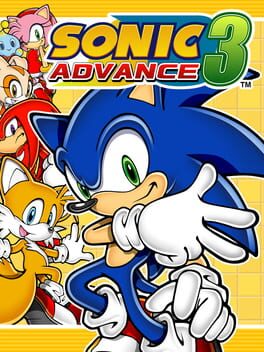
Sonic Advance 3 lets one or two players team up any two of its five characters: Sonic, Tails, Knuckles, Amy and Cream. Your pair decides which parts of a level you can reach. Eggman and his robot Gemerl have split the Earth into seven chunks.
It has seven zones of three acts and a boss. It won Handheld Game of the Year at the 2004 Golden Joystick Awards and sold over 100,000 copies in the United Kingdom alone. Splitting the planet into seven pieces is a lot of work to avoid one blue hedgehog.


Sonic Rush (2005)
Nov 15, 2005Nov 18, 2005Nov 23, 2005
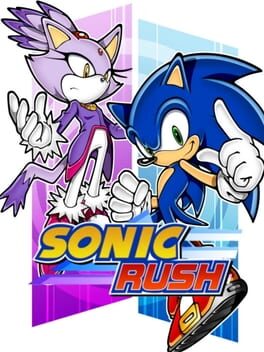
Sonic Rush is a 2D platformer that stretches its levels across both DS screens, with bosses and characters rendered in 3D. You play as Sonic or a new character, Blaze the Cat, and their stories cross over.
It was the last main series game Yuji Naka produced before leaving Sega. It sold 360,000 copies in Europe between March 2006 and March 2007. Good luck keeping your eyes on Sonic while he falls from one screen to the other.


Shadow the Hedgehog (2005)
Nov 15, 2005Nov 18, 2005Dec 15, 2005Nov 15, 2005Nov 18, 2005Nov 30, 2005Dec 15, 2005Jun 19, 2013
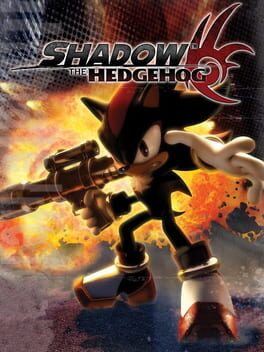
Shadow the Hedgehog gives the series' antihero his own game. He has lost his memory and tries to learn his past during an alien invasion. The running and rings stay, and third-person shooting and branching missions are new. What you choose decides the plot and the levels you see.
Takashi Iizuka wrote and directed it, aiming for an older audience with a darker tone. Sega Studios USA made it to clear up the plot mysteries from Sonic Adventure 2. A hedgehog with a gun in a game for an older crowd sums up the mid-2000s nicely.


Sonic Riders (2006)
Feb 21, 2006Feb 23, 2006Mar 17, 2006Mar 22, 2006Feb 21, 2006Feb 23, 2006Mar 17, 2006Nov 17, 2006Nov 24, 2006Mar 29, 2007
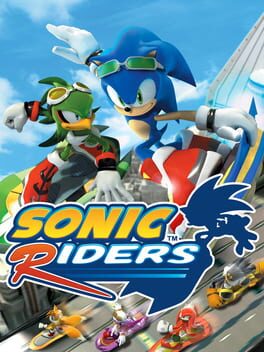
Sonic Riders is a racing game on Extreme Gear, anti-gravity hoverboards, hover skates and hoverbikes. Races run three laps, and an air tank in the corner of the screen is your fuel. Collecting rings levels you up during a race and fills out your abilities.
It marked the series' 15th anniversary and was the first major Sonic racer since Sonic R. It was also the last Sonic title Yuji Naka worked on, as executive producer, before leaving Sega. You spend rings in the shop on new Extreme Gear.


Sonic the Hedgehog (2006) (2006)
Nov 14, 2006Nov 24, 2006Nov 30, 2006Dec 21, 2006Nov 30, 2006Dec 21, 2006Jan 30, 2007Mar 23, 2007
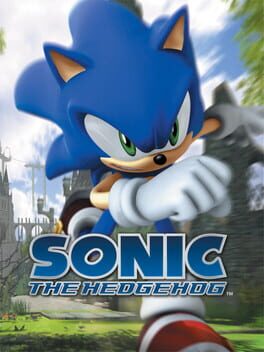
This Sonic the Hedgehog shares its name with the 1991 game. You play as Sonic, Shadow and a new character, Silver, in separate campaigns with hub worlds, with a last campaign that ties them together. Solaris is the ancient evil behind it all.
Sonic Team wanted a realistic tone like Batman Begins. Sega pushed for the 2006 holiday season, so the team rushed the end of development and ignored control problems and bug reports. It got strongly negative reviews for its load times, camera, story and glitches, and it is widely considered the worst Sonic game. Bring a book for the load times.


Sonic Rivals (2006)
Nov 21, 2006Dec 1, 2006Dec 1, 2006
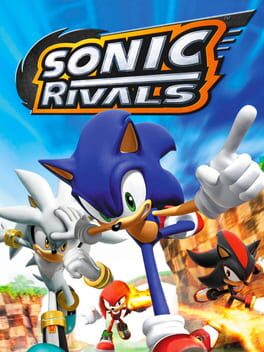
Sonic Rivals is a side-on racing game for PSP from Backbone Entertainment and Sega Studio USA. You race one rival to the goal through six zones, then try to beat a boss before your opponent does.
Sonic, Knuckles, Shadow, Silver and Metal Sonic are playable, though they all handle the same. There are 17 stages in total, because each zone has three acts with the third as a boss fight.


Sonic and the Secret Rings (2007)
Feb 20, 2007Mar 2, 2007Mar 8, 2007Mar 15, 2007
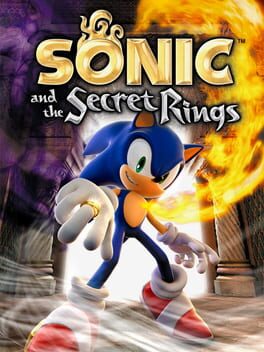
Sonic and the Secret Rings is the first Sonic game on the Wii, and it exists because a planned Wii port of the 2006 game was dropped. Sonic chases an evil genie, Erazor Djinn, through 110 missions across eight levels, including boss fights.
It adds experience points, levels and special moves you unlock as you go. Erazor shoots Sonic with an arrow and offers to pull it out if Sonic gathers the World Rings for him, a business deal that sounds worse the longer you read it.


Sonic Jump (2007)
Feb 21, 2005Apr 30, 2007Apr 30, 2007

Sonic Jump is a vertical platformer for mobile phones from AirPlay and Sonic Team. You climb upward, and rings protect Sonic from damage. Story Mode has set stages with an end goal, and Arcade Mode builds random stages that go on forever.
Most of the graphics came from the Sonic Advance games, and the zone themes from the Genesis games. Japan got it on mobile phones in 2005. Sonic Jump 2 followed on May 20, 2008.
The 2012 Sonic Jump is a remake of the old phone game from Hardlight. Rings now buy items, upgrades and extra characters, and you level up by finishing set objectives in each stage. It came to iOS on October 18, 2012, and Android on December 21, 2012, and it had been downloaded nearly 9 million times by March 2013.
Sonic Rush Adventure (2007)
Sep 18, 2007Sep 18, 2007Sep 27, 2007Oct 18, 2007
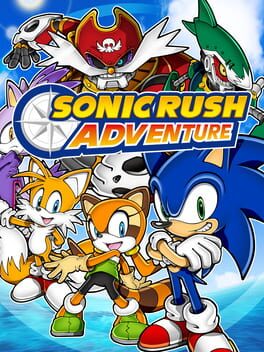
Sonic Rush Adventure sends Sonic and Tails to another dimension, where they team up with Blaze the Cat against robot pirates. It plays like Sonic Rush, with 2D levels and 3D boss fights, and adds a material collecting system that some reviewers found forced.
Dimps and Sonic Team made it. Nintendo released it in South Korea in 2009, which makes it the first Sonic game Nintendo published.


Mario & Sonic at the Olympic Games (2007)
Nov 6, 2007Nov 22, 2007Nov 22, 2007Nov 23, 2007
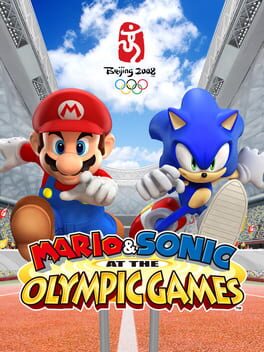
This is the first game where Nintendo's and Sega's mascots officially share a screen, and the first official game of the 2008 Summer Olympics. It has 24 events, played on the Wii by swinging the Remote and Nunchuk.
It sold over 10 million units and started a run of Olympic crossovers. A DS version came on January 17, 2008. The console war ended with a hurdles race.


Sonic Rivals 2 (2007)
Nov 13, 2007Dec 7, 2007Dec 7, 2007
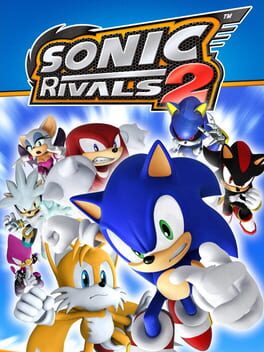
Sonic Rivals 2 is the PSP sequel, with eight playable characters and a new Free Play mode for running zones in the usual 2D Sonic way. You can also try time attacks or hunt for ten hidden Chao.
Eggman Nega wants the seven Chaos Emeralds to open a portal to the Ifrit's dimension. Each character now has four suits to unlock, and a single card opens one.


Sonic Riders: Zero Gravity (2008)
Jan 8, 2008Jan 17, 2008Feb 22, 2008Mar 6, 2008
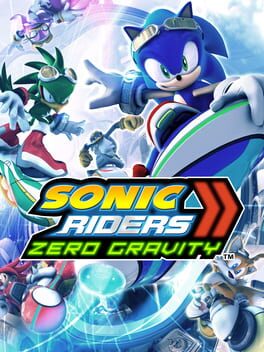
Zero Gravity is the follow-up to Sonic Riders, and development started right after the first game. Three-lap races stay, and a gravity system replaces the air tank.
Gravity Control bends the course so you can reach shortcuts and other spots you could not touch before. Up to eight characters race at once, and the trick system now asks you to time jumps off ramps. The PlayStation 2 version skipped Japan.


Sonic Chronicles: The Dark Brotherhood (2008)
Sep 25, 2008Sep 26, 2008Sep 30, 2008Aug 6, 2009
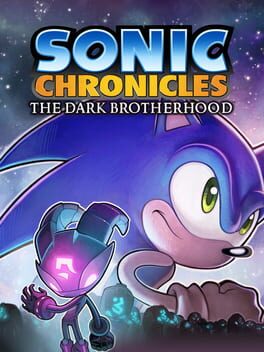
Sonic Chronicles is a role-playing game for DS from BioWare, the studio behind much larger RPGs. You explore on the map, and walking into an enemy starts a turn-based battle with special attacks such as Sonic's Axe Kick. Some group moves need two characters, like the Blue Bomber with Sonic and Tails.
Chao can be equipped for extra abilities and swapped with friends wirelessly. It was meant to start a series of Sonic RPGs, but Electronic Arts bought BioWare and sales fell short, so it stayed a one-off. Nobody at BioWare got to write a Sonic sequel.


Sonic Unleashed (2008)
Nov 18, 2008Nov 27, 2008Nov 28, 2008Feb 19, 2009Dec 9, 2008Dec 18, 2008Dec 19, 2008Feb 19, 2009
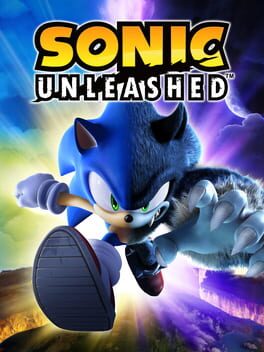
Sonic Unleashed runs fast by day and turns Sonic into a brawling Werehog at night. Daytime levels add the Boost, powered by Ring Energy, and each level is based on a real part of the world. Sonic Team first planned it as a sequel to Sonic Adventure 2.
Three versions exist: one for PlayStation 3 and Xbox 360, one for PlayStation 2 and Wii from Sonic Team and Dimps, and one for phones from Gameloft. An unofficial port for Windows and Linux came out on March 1, 2025.


Sonic and the Black Knight (2009)
Mar 3, 2009Mar 12, 2009Mar 12, 2009Mar 13, 2009
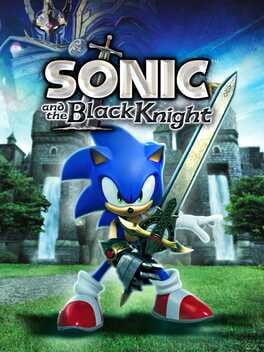
Sonic and the Black Knight puts Sonic in the legends of King Arthur with a sword. Knuckles plays Sir Gawain, Shadow is Sir Lancelot and Blaze is Percival, and Tails runs the blacksmith. Better stage ranks earn better rewards, which he turns into new or upgraded gear.
Doctor Eggman sits this one out. Knight, Cavalier and Paladin styles trade balance for speed or power. It sold 13,446 copies in Japan, which is a modest kingdom.


Mario & Sonic at the Olympic Winter Games (2009)
Oct 13, 2009Nov 5, 2009
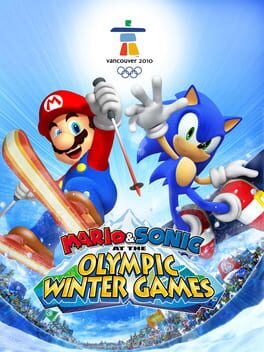
The Winter Games sequel keeps the same controls and brings back the whole cast, adding Donkey Kong, Silver, Bowser Jr. and Metal Sonic. It was the first official game of the 2010 Winter Olympics.
Mii characters can now wear custom clothes, and the outfit makes small changes to their stats. The Wii version has co-op and competitive multiplayer, and the DS version plays wirelessly. Sonic at the Olympic Winter Games came to iOS on January 29, 2010 as a smaller tie-in.


Sonic & Sega All-Stars Racing (2010)
Feb 26, 2010Feb 23, 2010Mar 4, 2010Feb 23, 2010Feb 26, 2010Mar 4, 2010Apr 4, 2013
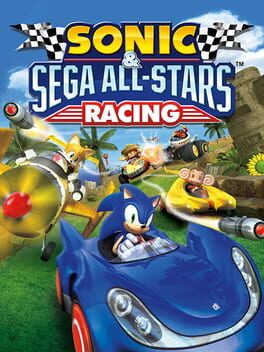
Sumo Digital's kart racer puts Sonic beside other Sega characters, such as Gilius Thunderhead from Golden Axe, who rides a Chickenleg. There are 20 playable characters, 12 of them unlocked by playing, and you earn Sega Miles to open more tracks.
Up to 4 players can race in split-screen, with modes such as Knockout and Capture the Chao. It sold 1.07 million copies by March 2010, and the iOS version passed 16.7 million downloads by 2013. Eggman drives an Eggpod with legs, which is the only sensible way to enter a car race.


Sonic the Hedgehog 4: Episode I (2010)
Oct 7, 2010Oct 11, 2010Oct 12, 2010Oct 15, 2010Oct 12, 2010Oct 12, 2010Oct 13, 2010Oct 13, 2010Oct 13, 2010Oct 15, 2010Jan 19, 2012Mar 1, 2013
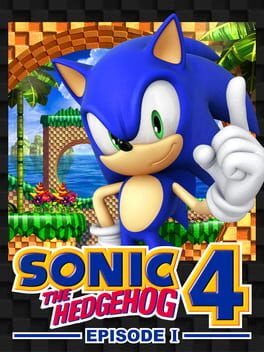
Sonic 4 picks up after Sonic & Knuckles and returns to side-scrolling, with special stages and online leaderboards. It began as a smartphone spin-off and grew into a main series release, built to please fans of the Genesis games and newer fans of games like Sonic Unleashed.
Development started in May 2009 and took a year and a half. Only producer Takashi Iizuka and composer Jun Senoue had worked on the Genesis games. Eggman is back with the same plan as always, and after 16 years you can only admire the commitment.


Sonic Free Riders (2010)
Nov 4, 2010Nov 10, 2010Nov 12, 2010
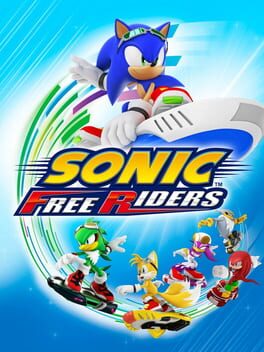
Sonic Free Riders is the third Riders game, a Kinect launch-era racer you control only with your body. You lean to steer, and Tag Mode asks two players to sync up for combined tricks. Relay mode takes up to 4 players, who swap places each lap.
It is the first game with Roger Craig Smith as the English voice of Sonic. All the voices were new here except Mike Pollock's Eggman. Rings raise your level during a race, as in the older Riders games, and your thighs pay the bill the next morning.
Sonic Colors (2010)
Nov 11, 2010Nov 12, 2010Nov 16, 2010Nov 18, 2010
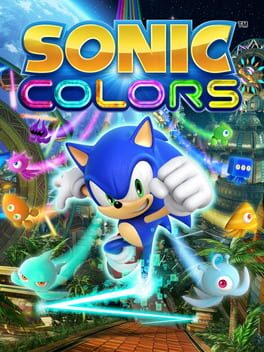
Sonic Colors is set in outer space, where Eggman has enslaved an alien race called the Wisps. Each Wisp gives Sonic a new power to attack harder or reach new areas. The camera swings between third-person and side-scrolling. Each planet has six acts and a boss level.
Sonic Team made the Wii version and Dimps made the DS one. It sold four million copies. Sonic Colors: Ultimate is a remaster of the Wii version, released on September 7, 2021 for the series' 30th anniversary. It brings the game to systems that do not need a Wii in the cupboard.


Sonic Generations (2011)
Nov 1, 2011Nov 4, 2011Nov 4, 2011Dec 1, 2011Nov 1, 2011Nov 4, 2011Nov 4, 2011Dec 1, 2011Nov 4, 2011
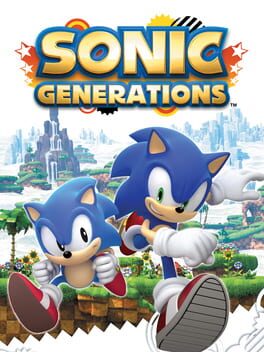
Sonic Generations marks the series' 20th anniversary. Sonic and Tails team up with their past selves and run through levels from older games. Classic Sonic plays side-on like the Genesis games, and Modern Sonic plays in 3D like Sonic Unleashed and Sonic Colors.
The 3DS version was built from scratch by Dimps to celebrate Sonic's portable history. The Windows version has an active modding scene. Sega delisted the standalone game on September 9, 2024, ahead of Sonic X Shadow Generations, and that remaster is how you buy it today.


Mario & Sonic at the London 2012 Olympic Games (2011)
Nov 15, 2011Nov 17, 2011Nov 18, 2011Dec 8, 2011
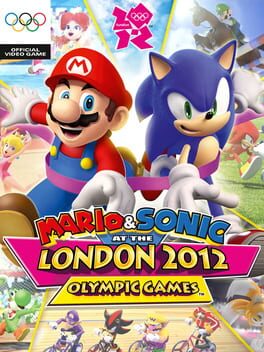
The third Mario & Sonic game moves to London for another set of Olympic events on Wii, followed by a 3DS version on February 9, 2012. One party mode has players race to fill a sticker-filled tourist book.
Sega and Nintendo announced it on April 21, 2011, after the first two games had sold over 19 million units combined. The Wii version sold 2.4 million copies in North America and Europe in its first two months.


Sonic the Hedgehog 4: Episode II (2012)
May 15, 2012May 15, 2012May 15, 2012Jul 3, 2013
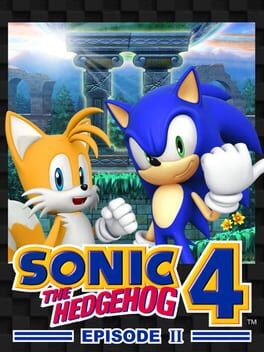
Episode II brings back Tails and Metal Sonic. Sonic and Tails stop Eggman from using Little Planet to power the Death Egg mk.II, a story that bridges the way to Sonic Adventure. Development took around a year and a half, and the team changed the play after negative feedback on Episode I.
Players who bought both games get Episode Metal, which lets you run shortened stages from Episode I as Metal Sonic. Ouya and Nvidia Shield ports followed in 2013, and Windows Phone and WiiWare ports were cancelled for space reasons.


Sonic & All-Stars Racing Transformed (2012)
Nov 15, 2012Nov 16, 2012Nov 18, 2012May 15, 2014Nov 18, 2012Nov 30, 2012May 15, 2014Dec 7, 2012Dec 11, 2012Jan 2, 2014
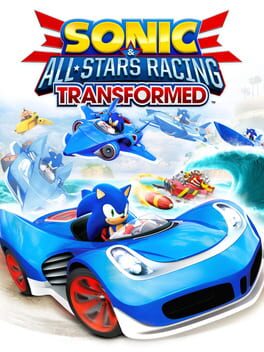
Transformed is Sumo Digital's second Sega kart racer, with over 20 characters from series such as Jet Set Radio, Super Monkey Ball and Space Channel 5. Vehicles change as a race goes on, and CrossWorlds later picked that mechanic up.
There are 16 new tracks based on games such as Nights into Dreams and Panzer Dragoon, four returning locations and mirror versions of each. The Windows port in January 2013 added characters from Team Fortress 2. It sold 1.36 million copies by March 2013.


Sonic Dash (2013)
Mar 7, 2013Dec 3, 2014
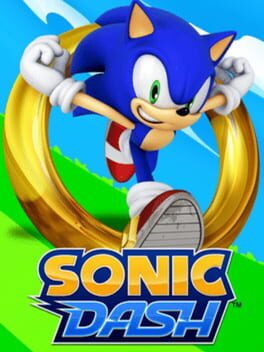
Sonic Dash is a 3D endless runner from Hardlight, with one level set around Seaside Hill from Sonic Heroes. You steer Sonic or another character, grab rings and dodge obstacles. It launched as a paid app and went free-to-play a month later.
Rings buy upgrades and extra characters. By February 2020 it had been downloaded more than 350 million times, a very long way past any console Sonic. Sonic Dash Extreme is the arcade version.
Sonic Lost World (2013)
Oct 18, 2013Oct 19, 2013Oct 24, 2013Oct 29, 2013Nov 2, 2015
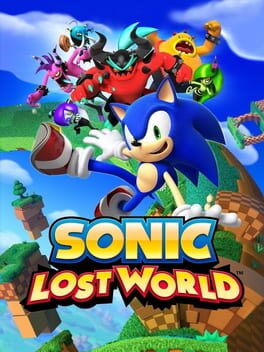
Sonic Lost World has tube-shaped levels that wrap around cylinders, with side-on levels and 3D levels mixed in, an idea that goes back to the cancelled Sonic X-treme and to Super Mario Galaxy. It adds parkour moves and a control system that lets you set Sonic's speed.
Sonic and Tails team up with Eggman against the Deadly Six. The 3DS version was the first handheld game in the series presented fully in 3D. A Windows port came on November 2, 2015. It was the first of three games in Sega's exclusivity deal with Nintendo.


Mario & Sonic at the Sochi 2014 Olympic Winter Games (2013)
Nov 8, 2013Nov 9, 2013Nov 15, 2013Dec 5, 2013
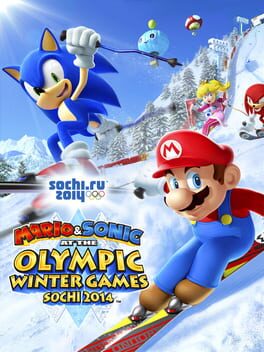
The fourth Mario & Sonic game is the first made only for Wii U, using the Wii Remote, Nunchuk or GamePad depending on the event. New events include figure skating pairs and snowboard slopestyle.
Eight fictional Dream Events return, with one that mixes snowboarding, skiing and bobsledding players. It is the last Winter Olympics game in the series so far.


Sonic Jump Fever (2014)
Jul 10, 2014

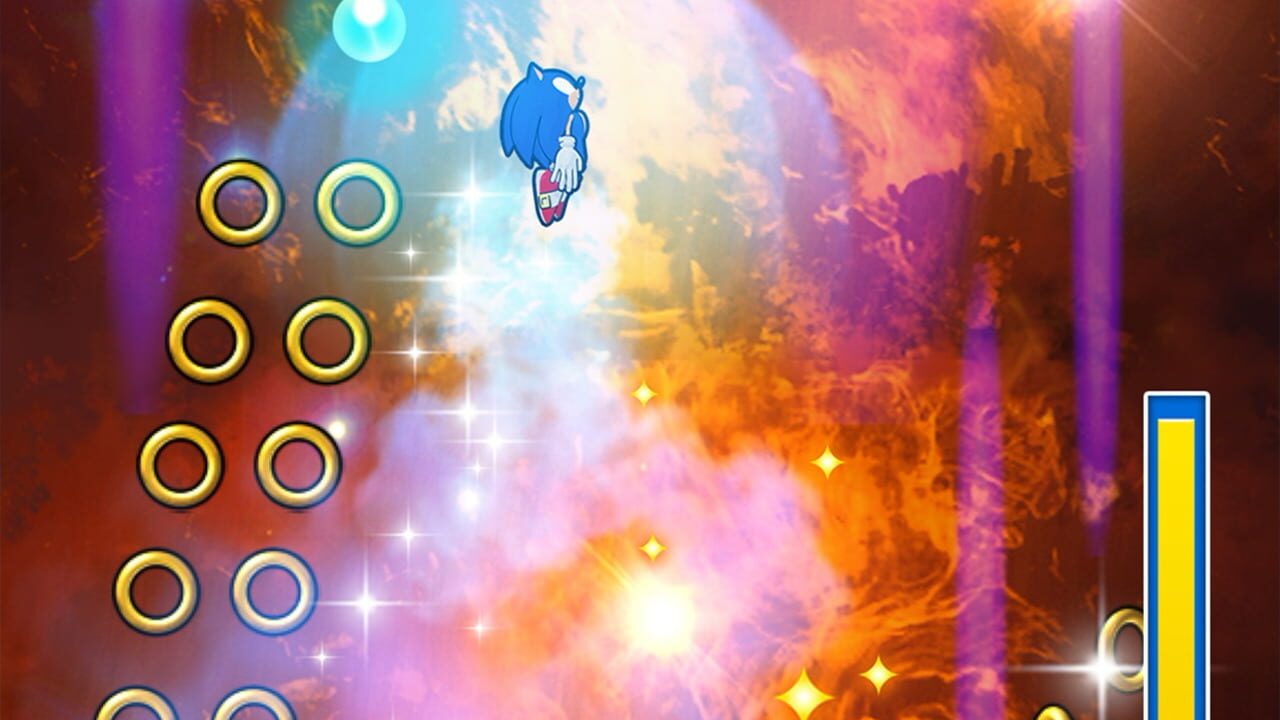
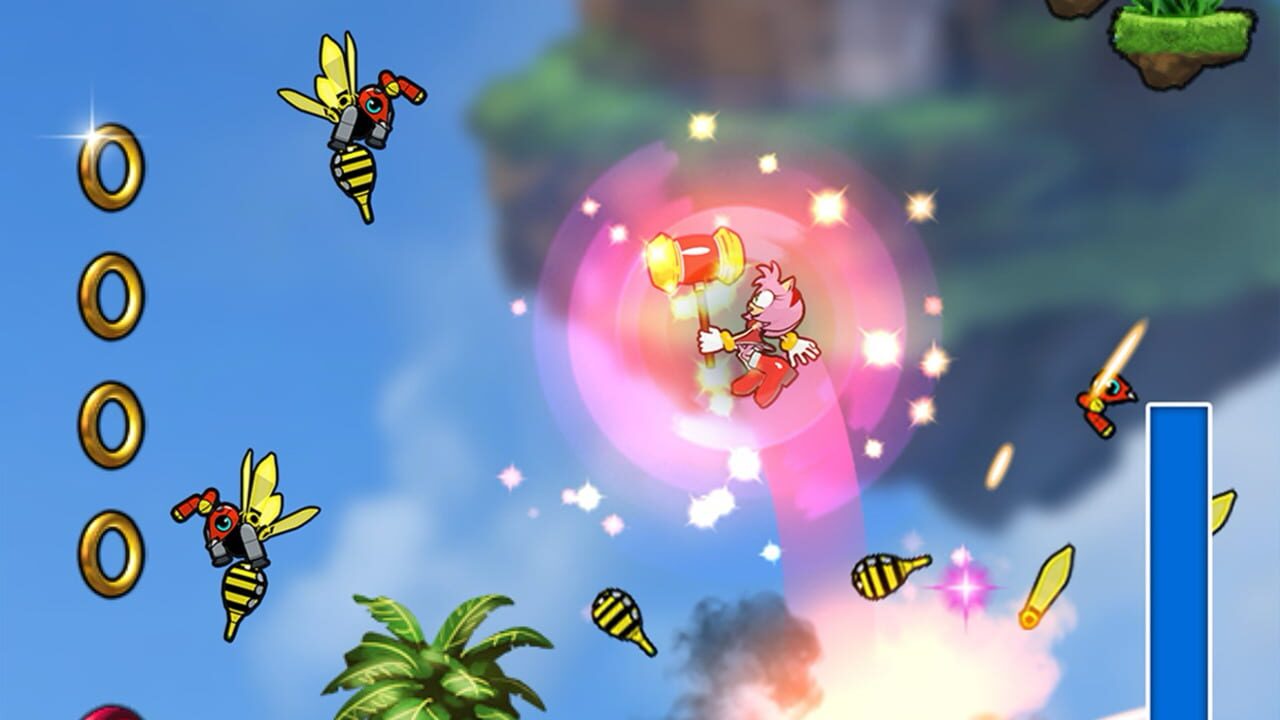
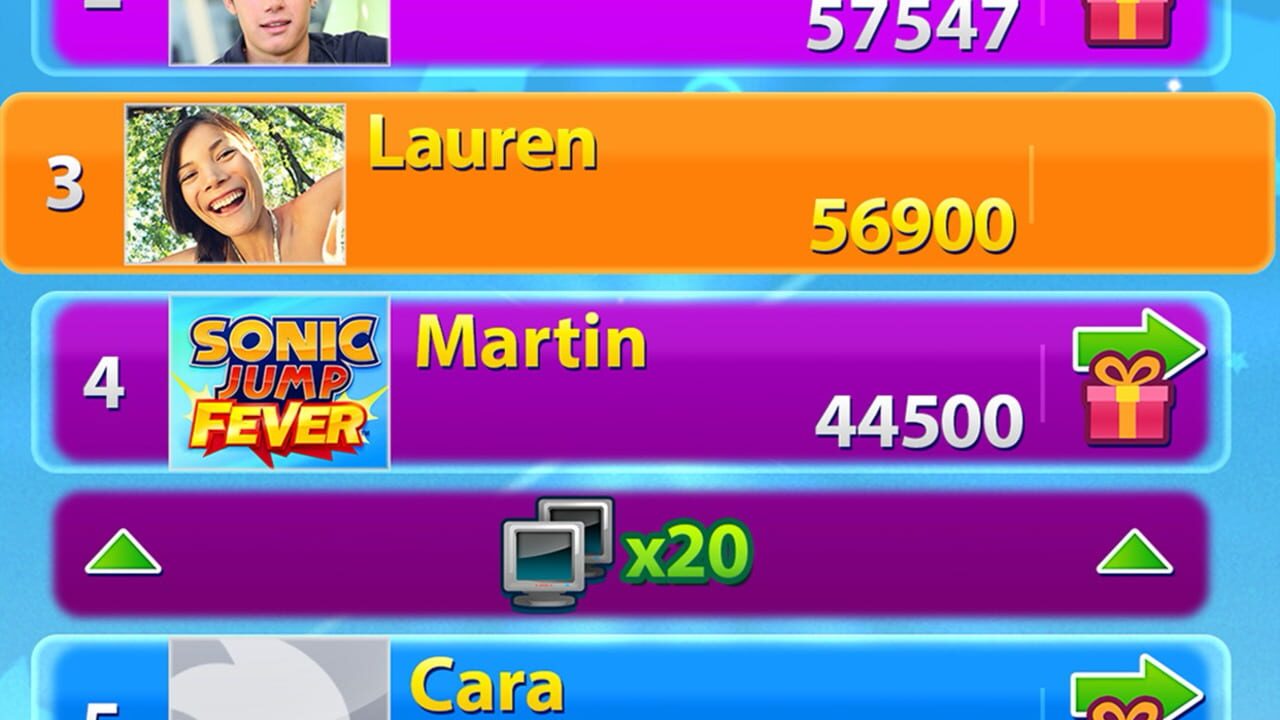
Sonic Jump Fever is Hardlight's sequel to Sonic Jump, and it moves the focus to competitive multiplayer. You tilt your device to steer and tap for a double jump, trying to climb as high as you can.
A leaderboard before each round shows you what you are up against. The game was gone from Google Play by late 2018.
Sonic Boom: Rise of Lyric (2014)
Nov 11, 2014Nov 21, 2014Nov 29, 2014Dec 18, 2014
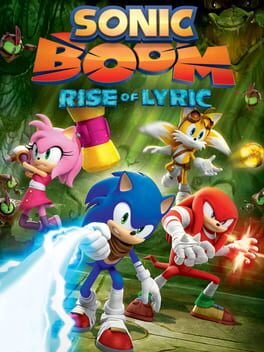
Rise of Lyric is the Wii U half of the Sonic Boom spin-off, tied to the TV show of the same name. It began in 2011 under the name Sonic Origins, as a four-player game in the style of Jak and Daxter, and moved to Wii U under Sega's exclusive deal with Nintendo.
CryEngine was not built for the Wii U, so ideas were cut, and the story was rewritten after the TV writers took it over. Richard Jacques wrote the music. Japan got it as Sonic Toon on December 18, 2014. It is widely regarded as one of the worst Sonic games.


Sonic Boom: Shattered Crystal (2014)
Nov 11, 2014Nov 21, 2014Nov 29, 2014Dec 18, 2014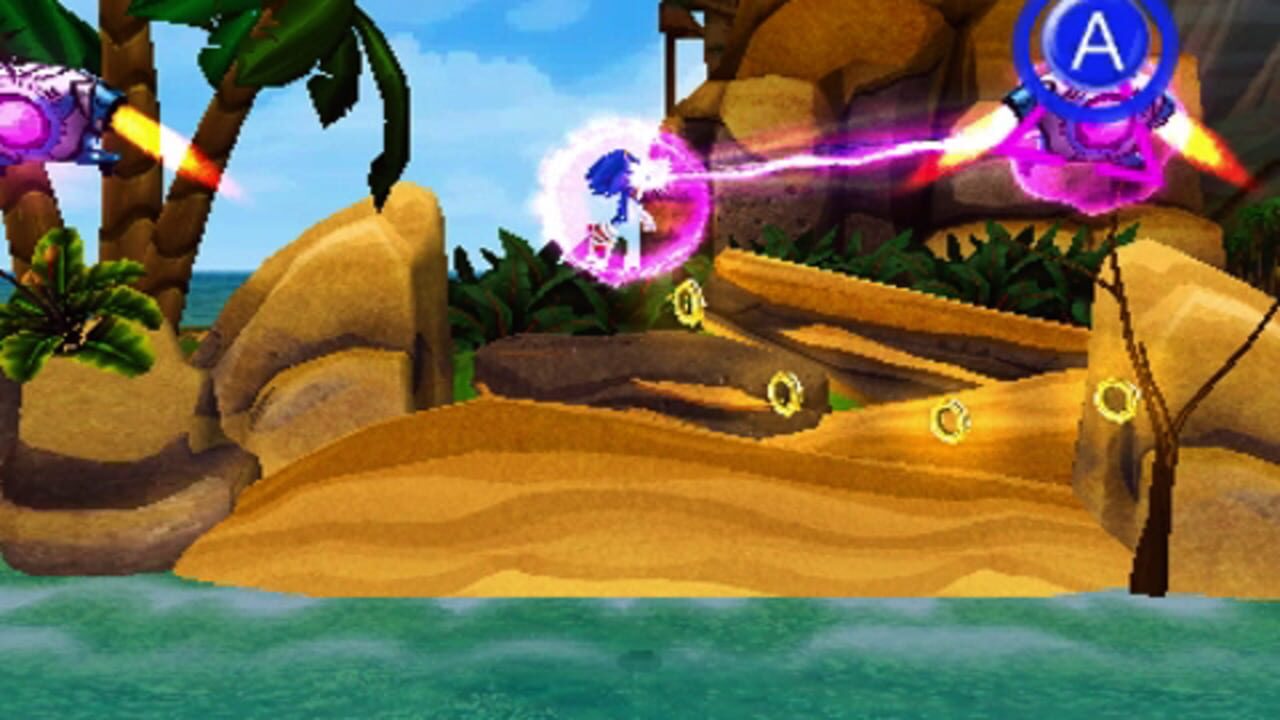

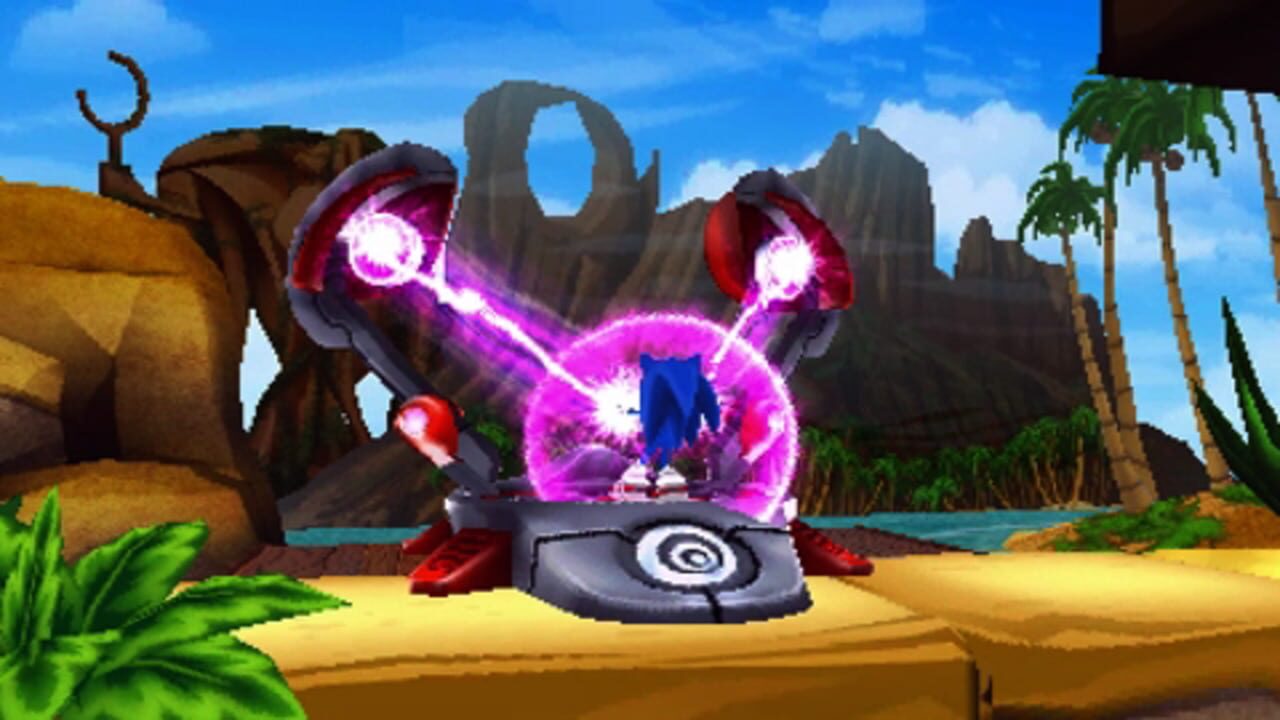
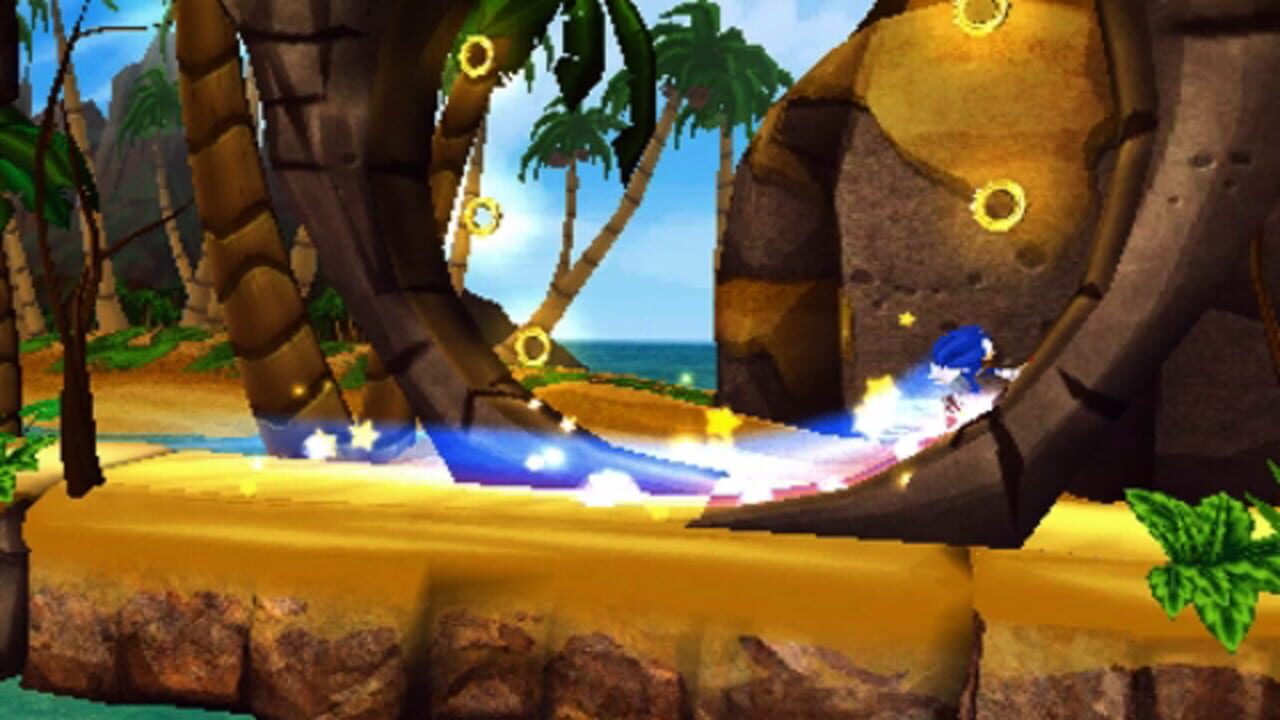
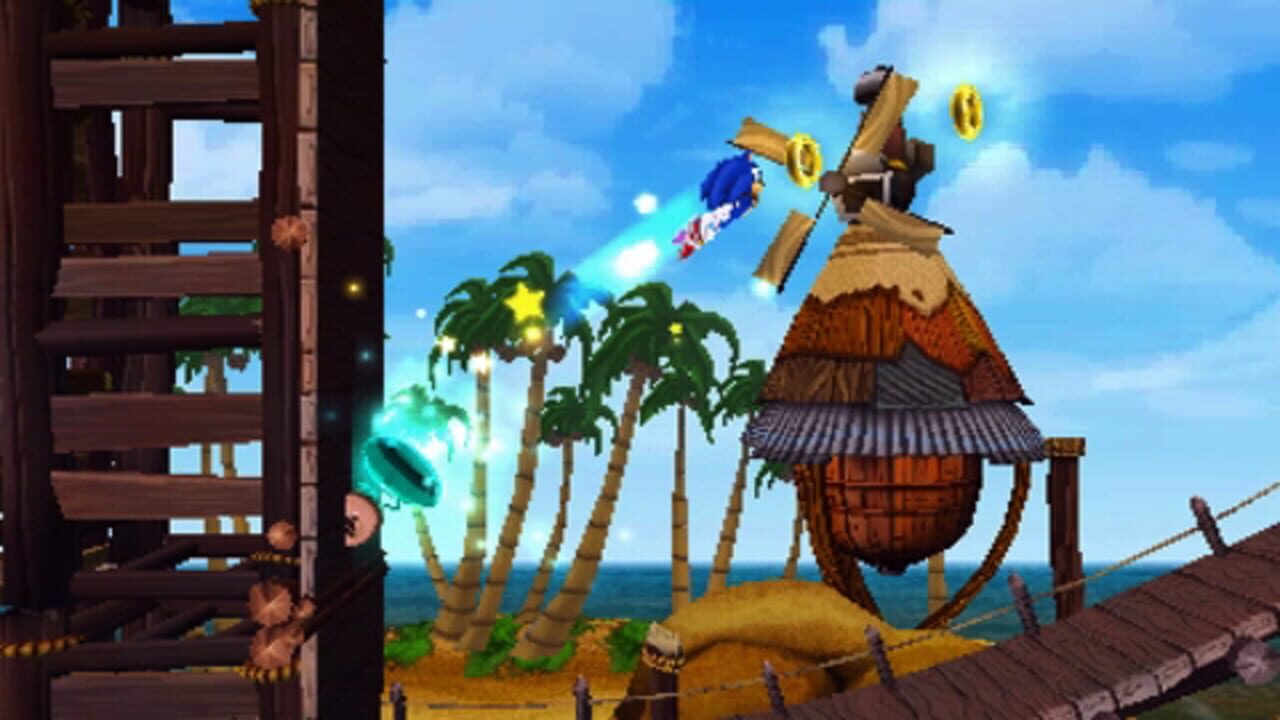
Shattered Crystal is the 3DS half of Sonic Boom, a side-scroller that favours exploration over speed. You switch at any moment between four characters: Sonic, Tails, Knuckles and a newcomer, Sticks.
Each one has skills for certain parts of a stage, and all four swing across gaps on an Enerbeam. Sticks throws a boomerang you can steer in mid-flight. Sega and developer Sanzaru Games later said they learned from its long exploration levels when they made Fire & Ice.
Sonic Runners (2015)
Jun 25, 2015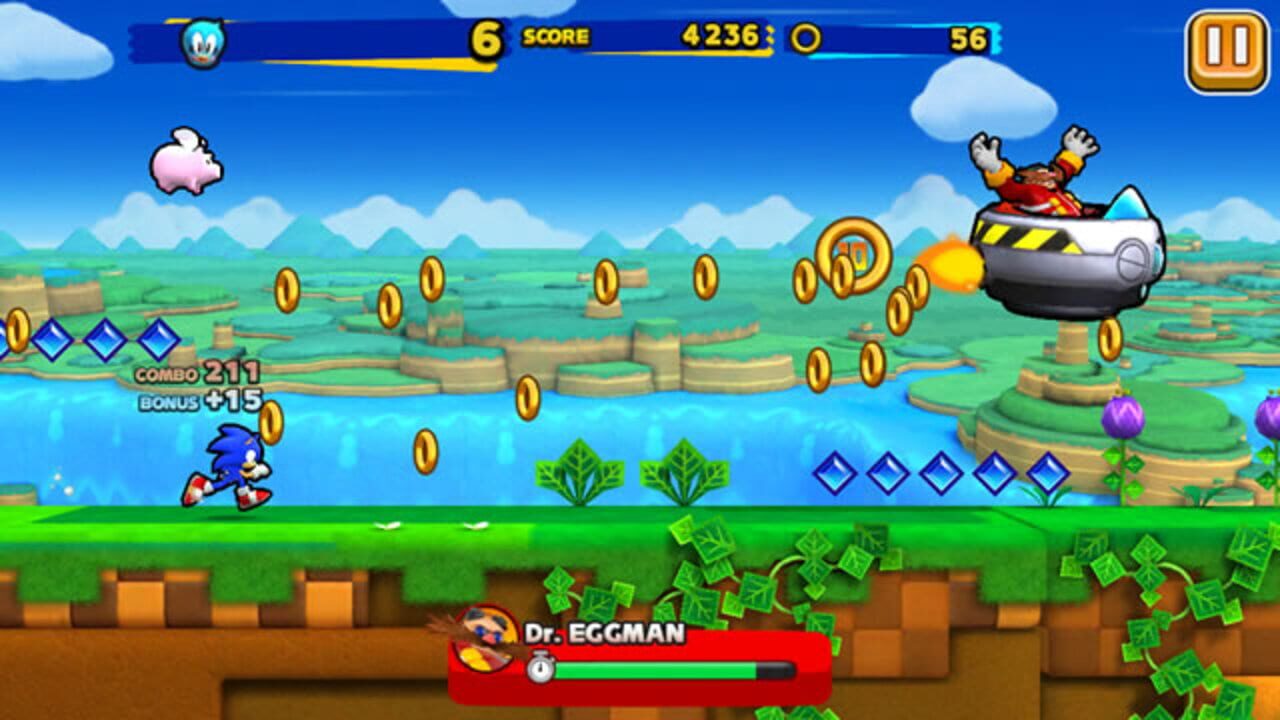

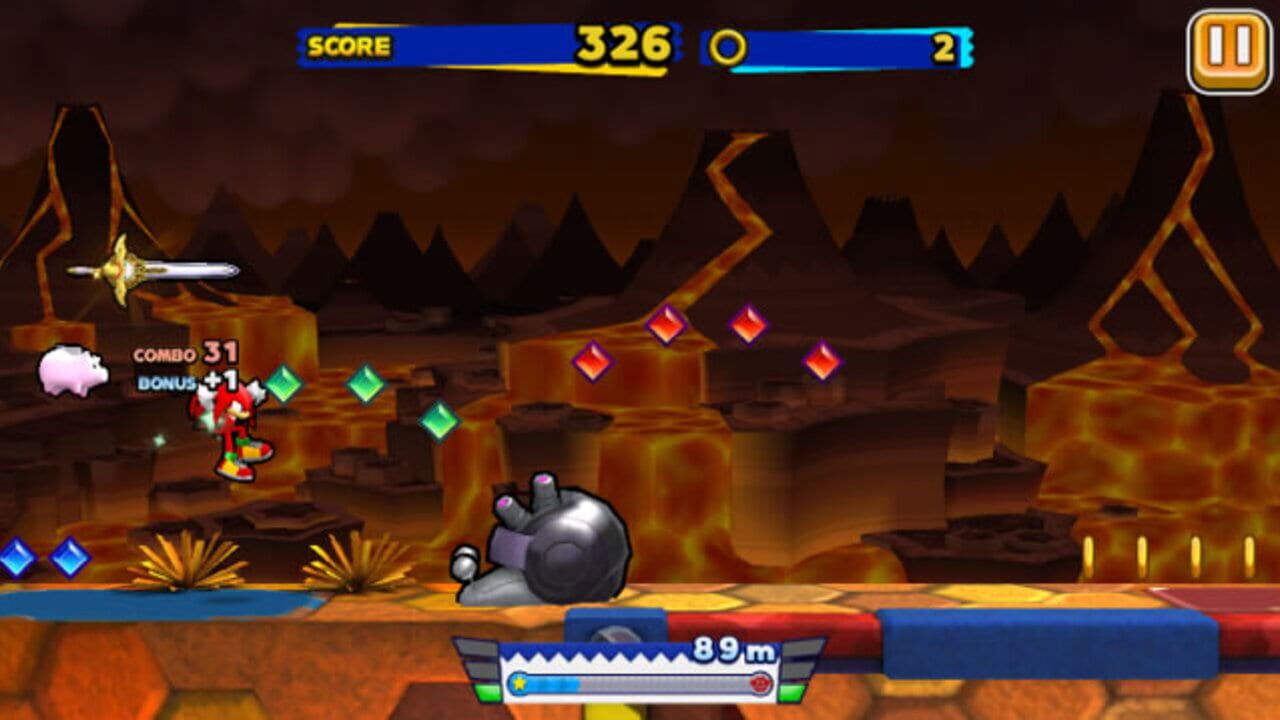
Sonic Runners is Sonic Team's first Sonic game only for smartphones. It was a free-to-play side-scroller where your character runs forward on their own and you jump, with new characters added in updates and Chao as helpers.
It soft launched in Canada and Japan in February 2015. It was downloaded over five million times and still failed commercially, and a Sega slide called it a "stalling title". Sonic Runners Adventure carried the idea on in 2017.
Sonic Boom Dash (2015)
Oct 8, 2015

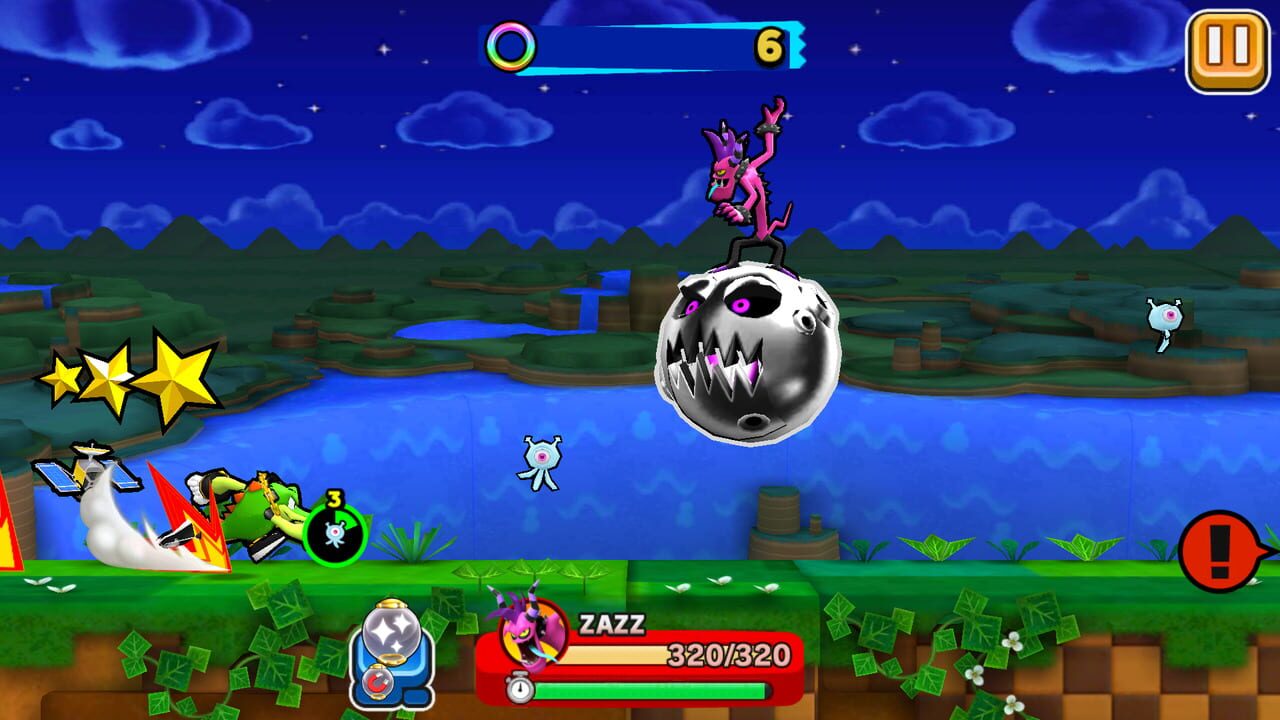
Sonic Boom Dash, first called Sonic Dash 2: Sonic Boom, is the sequel to Sonic Dash, built around the Sonic Boom TV show. It soft launched in Canada, then got a full iOS launch in October and a full Android launch later.
The iOS version worked with the Apple Watch through a companion app, in case running on one screen was not small enough.


Mario & Sonic at the Rio 2016 Olympic Games (2016)
Feb 18, 2016Mar 18, 2016Apr 8, 2016Apr 9, 2016
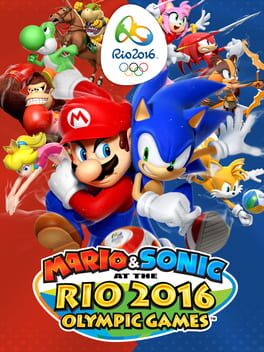
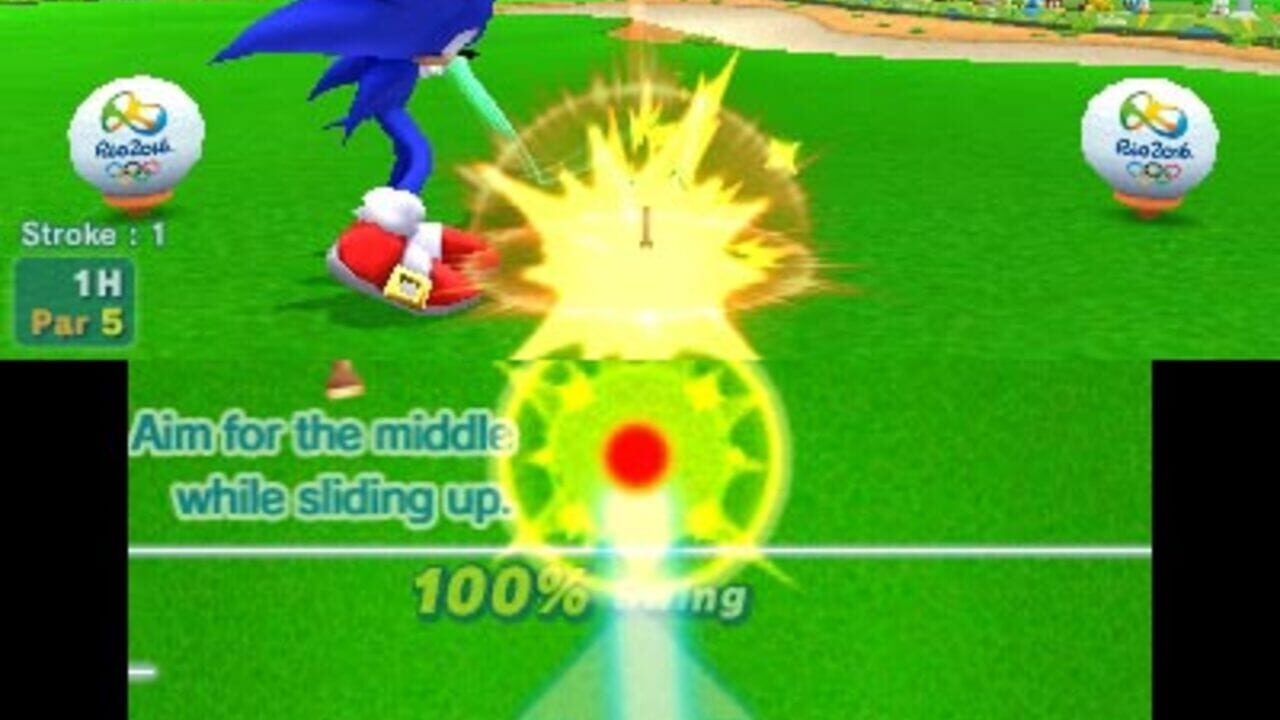
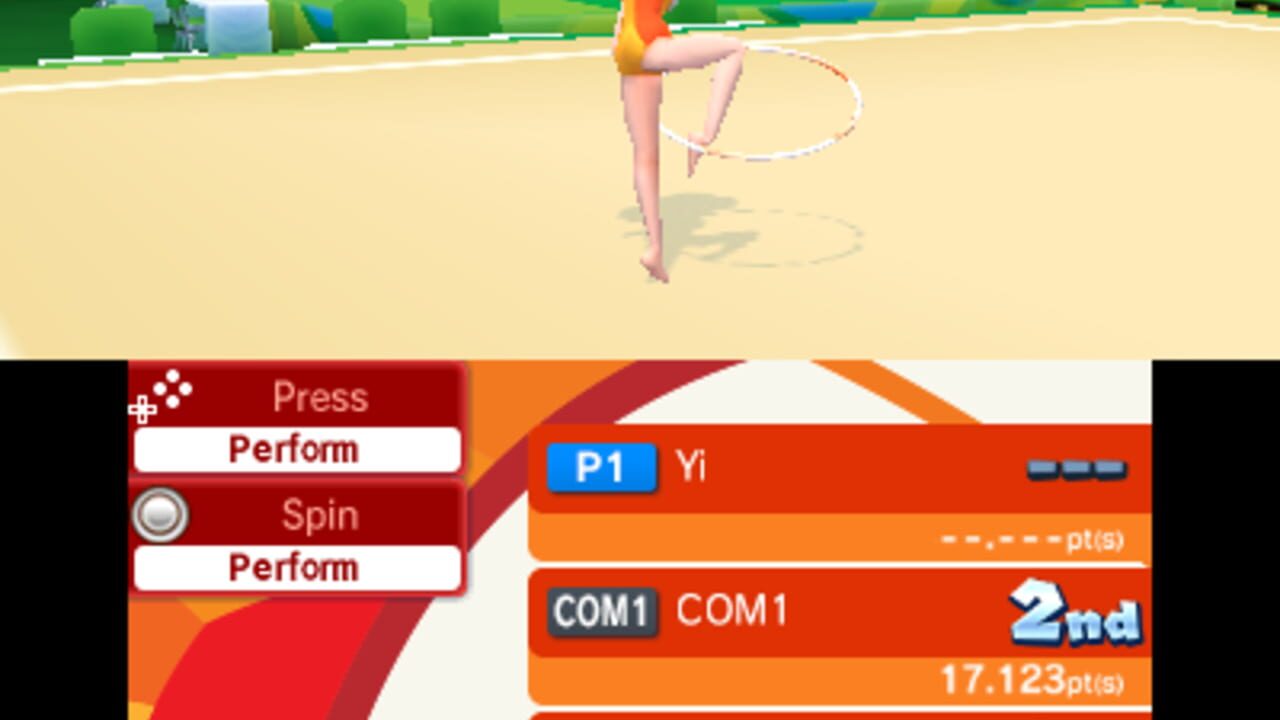
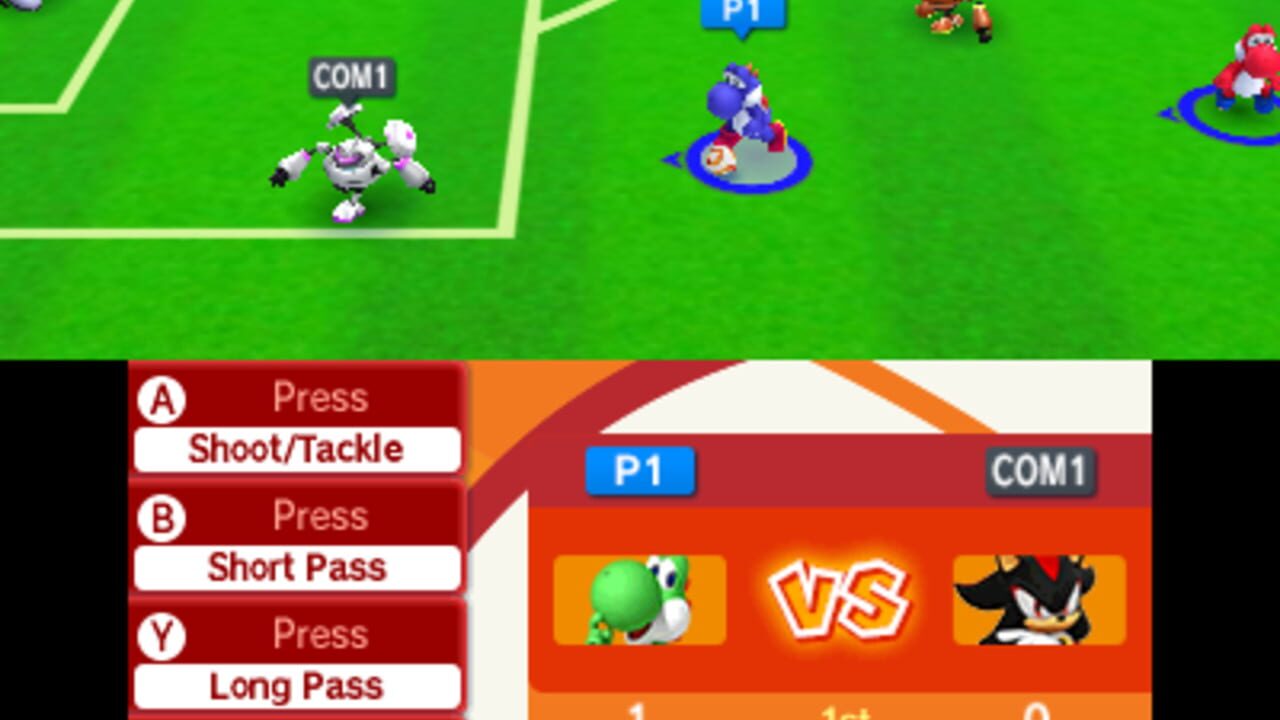
Rio 2016 reached arcades first, then the 3DS, and the Wii U followed on June 24, 2016. There are 42 playable characters from both series, plus Miis. New faces include Diddy Kong, Nabbit and Wendy O. Koopa.
On 3DS only Mario, Sonic and Miis can enter every event, and on Wii U all the returning characters can. New guests get one event each. It was first shown on the Japanese Nintendo Direct site on May 30, 2015.
Sonic Boom: Fire & Ice (2016)
Sep 27, 2016Sep 30, 2016Oct 1, 2016Oct 27, 2016
Fire & Ice is the second 3DS Sonic Boom game and the last game in that line so far. Amy joins Sonic, Tails, Knuckles and Sticks, and you swap between them at will. Fire and ice now run through the levels and through each character's abilities.
Shattered Crystal got poor reviews, and fans of classic Sonic struggled with its long exploration levels, so the team changed course. The game was aimed at children aged 7 to 11. It also has special stages, challenge rooms and local multiplayer.


Sonic Runners Adventure (2017)
Jun 10, 2017Aug 9, 2017
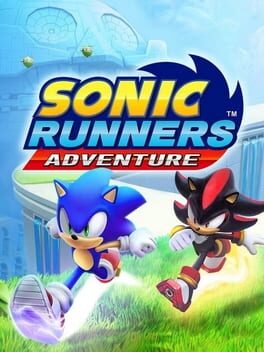
Sonic Runners Adventure is Gameloft's follow-up to Sonic Runners, an endless runner with nine characters who each have their own abilities. Levels are based on places from Sonic Generations and Sonic Lost World.
You tap to dodge obstacles and enemies as your character runs ahead. It reached the whole world on August 9, 2017.


Sonic Mania (2017)
Aug 15, 2017Aug 29, 2017

Sonic Mania is a tribute to the Genesis games made for the 25th anniversary. It has 13 levels, some rebuilt from older games and five brand new. You play Sonic, Tails or Knuckles, and Sonic has a new drop dash. Christian "Taxman" Whitehead led it, a fan who first worked for Sega on the mobile remakes of the Genesis games.
PagodaWest Games and Headcannon handled art, levels and audio, and the look sits between Genesis and Saturn. It sold over one million copies within a year. Sonic Mania Plus came in July 2018 and added Mighty the Armadillo and Ray the Flying Squirrel, 25 years after their arcade debut.


Sonic Forces: Speed Battle (2017)
Nov 2, 2017
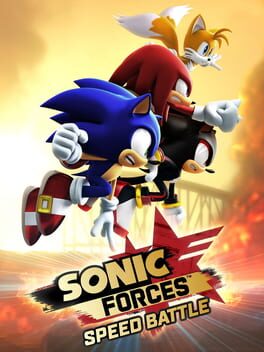
Speed Battle, now just called Sonic Forces on phones, is a multiplayer racing game built on the same idea as Sonic Dash. Four players sprint down 3D tracks at the same time, and you swipe to change lanes, jump or slide.
Rings raise your top speed as you run, and dash pads give quick bursts. The Android version arrived on November 15, 2017. It shares a name with the console game five days later and very little else.


Sonic Forces (2017)
Nov 7, 2017Nov 9, 2017Nov 7, 2017Nov 7, 2017Nov 9, 2017
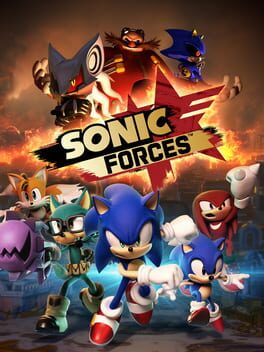
Sonic Forces has three playable characters: Classic Sonic, Modern Sonic and a custom Avatar you build yourself, with gadgets and items. Classic Sonic has the spin dash and drop dash, and Modern Sonic plays like Sonic Unleashed and Sonic Colors. It marks the 25th anniversary too.
Takashi Iizuka says years of fan-made characters gave him the idea for the Avatar. Green Hill Zone is back again. In Japan it sold 10,624 physical units in its first week across PlayStation 4 and Switch.


Team Sonic Racing (2019)
May 21, 2019
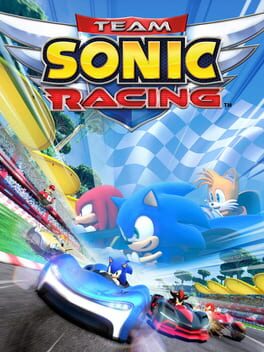
Team Sonic Racing is Sumo Digital's third Sonic racer, and you win as a team of racers working together. Takashi Iizuka came up with the co-op idea, and Sumo used Sonic Heroes as a reference. Unlike the All-Stars games, it has only Sonic characters, 15 of them.
You can race with four players locally or twelve online, and up to three can play Team Adventure. A leaked Sumo Digital memo revealed the game in January 2018, a few months before Sega confirmed it in May.


Mario & Sonic at the Olympic Games Tokyo 2020 (2019)
Nov 1, 2019Nov 5, 2019Nov 8, 2019Nov 8, 2019
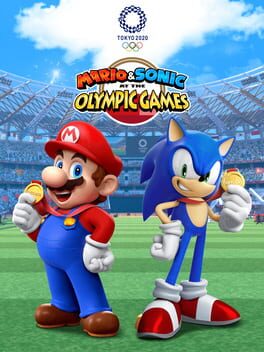
Tokyo 2020 is the sixth and final Mario & Sonic game. New events include karate, skateboarding, sport climbing and surfing, and old favourites such as boxing and swimming return. There are thirty-two playable characters, and you can play online.
An arcade version followed in 2020, and the game was delisted from the Nintendo eShop on March 31, 2026.


Sonic Frontiers (2022)
Nov 8, 2022Jun 23, 2026
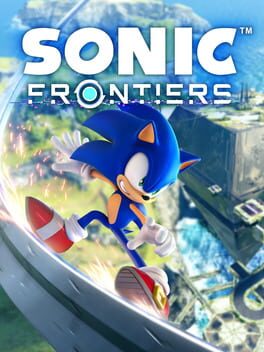
Sonic Frontiers is the first open world Sonic game. You run across islands collecting Chaos Emeralds, which you need to beat the Titans, and you fight robots with moves such as the new Cyloop. You also upgrade speed, attack, defense, ring capacity and the boost gauge.
Takashi Iizuka wanted it to set the model for future games, the way Sonic Adventure did. Sage, a new rival, drags Eggman into a place called Cyber Space. It sold five million copies as of 2026, and a Switch 2 Definitive Edition came on June 23, 2026 for the 35th anniversary.


The Murder of Sonic the Hedgehog (2023)
Mar 31, 2023
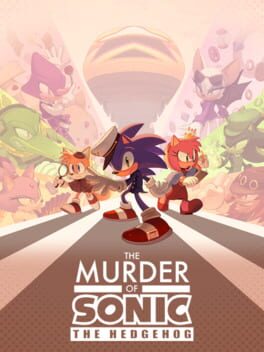
The Murder of Sonic the Hedgehog is a free visual novel from the Sega Social Team, released on Steam. Amy throws a birthday murder mystery on a train, and a staged game turns serious when the group finds Sonic on the floor.
You talk to the cast and click through each train car for clues. The game passed one million downloads in its first week and two million by May. Tails plays the detective and Amy the journalist, and Sonic gets the toughest part: staying still.


Sonic Prime Dash (2023)
Jul 13, 2023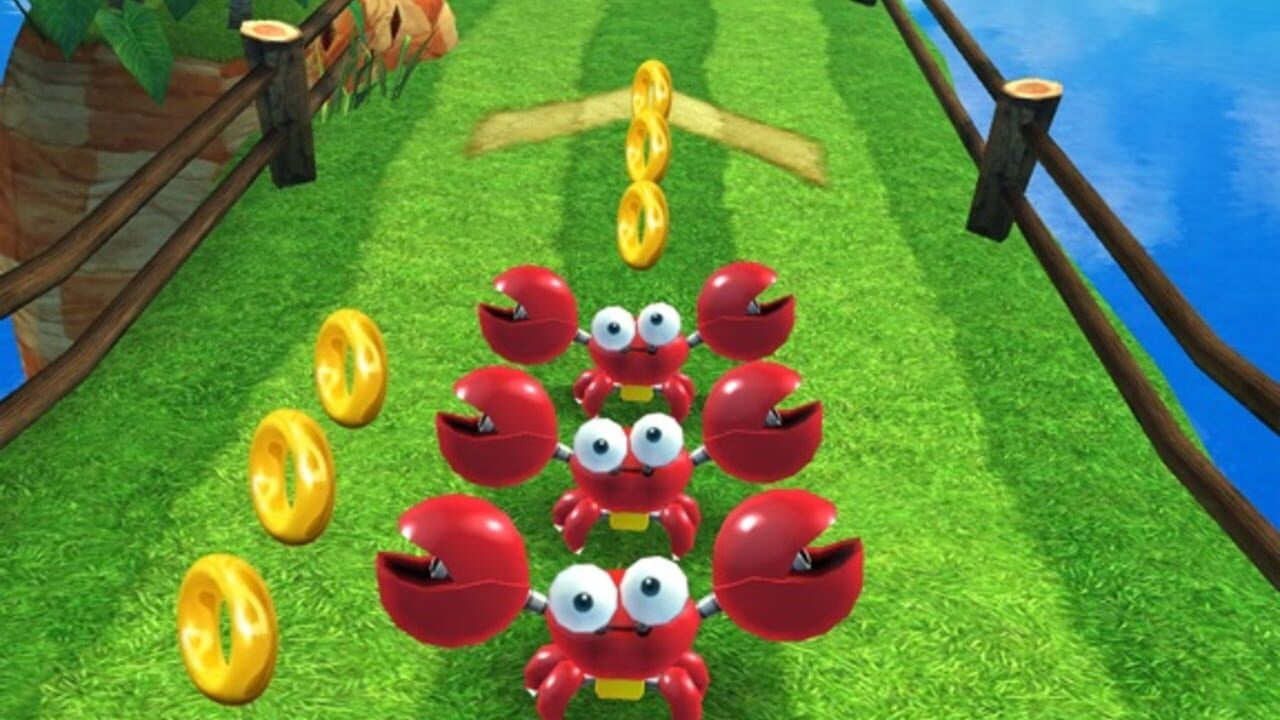

Sonic Prime Dash is a version of Sonic Dash based on the Netflix series Sonic Prime, and you need a Netflix membership to play it. It has boss battles from the show and a shortcut to Sonic Prime on Netflix, and there are no in-app purchases.
So a Sonic game is now something you can get with a TV subscription.
Sonic Superstars (2023)
Oct 17, 2023
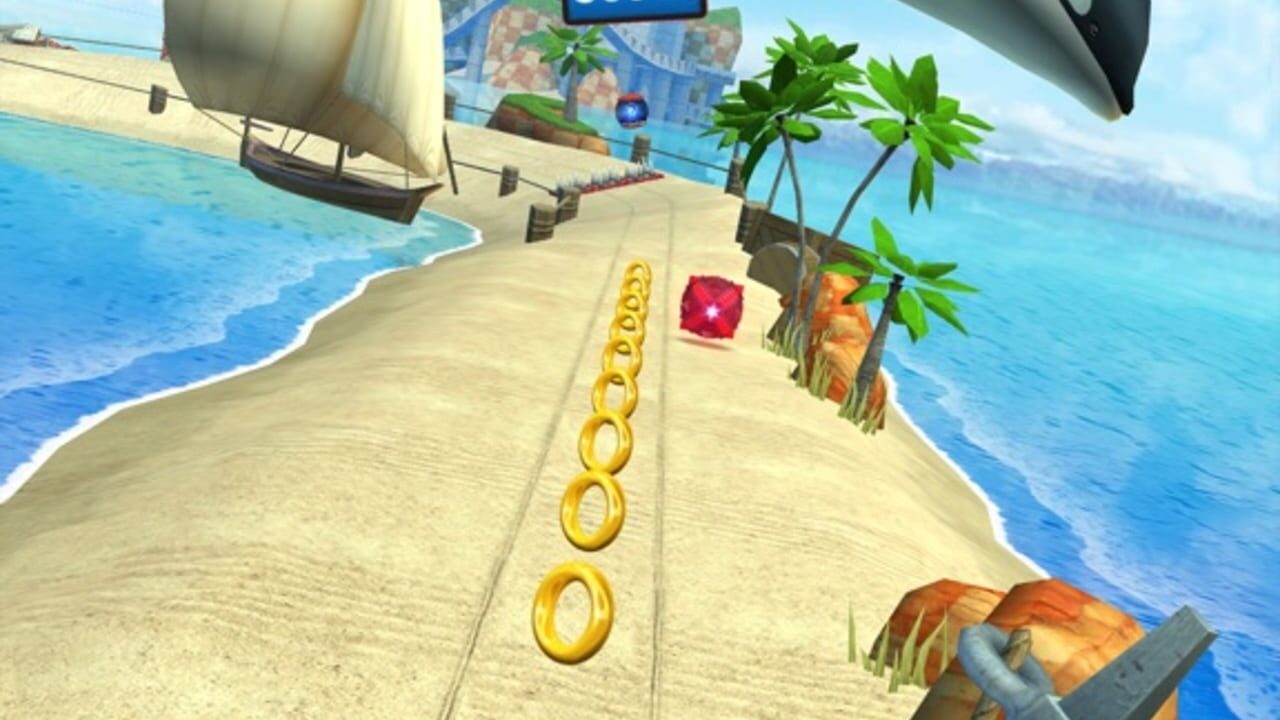
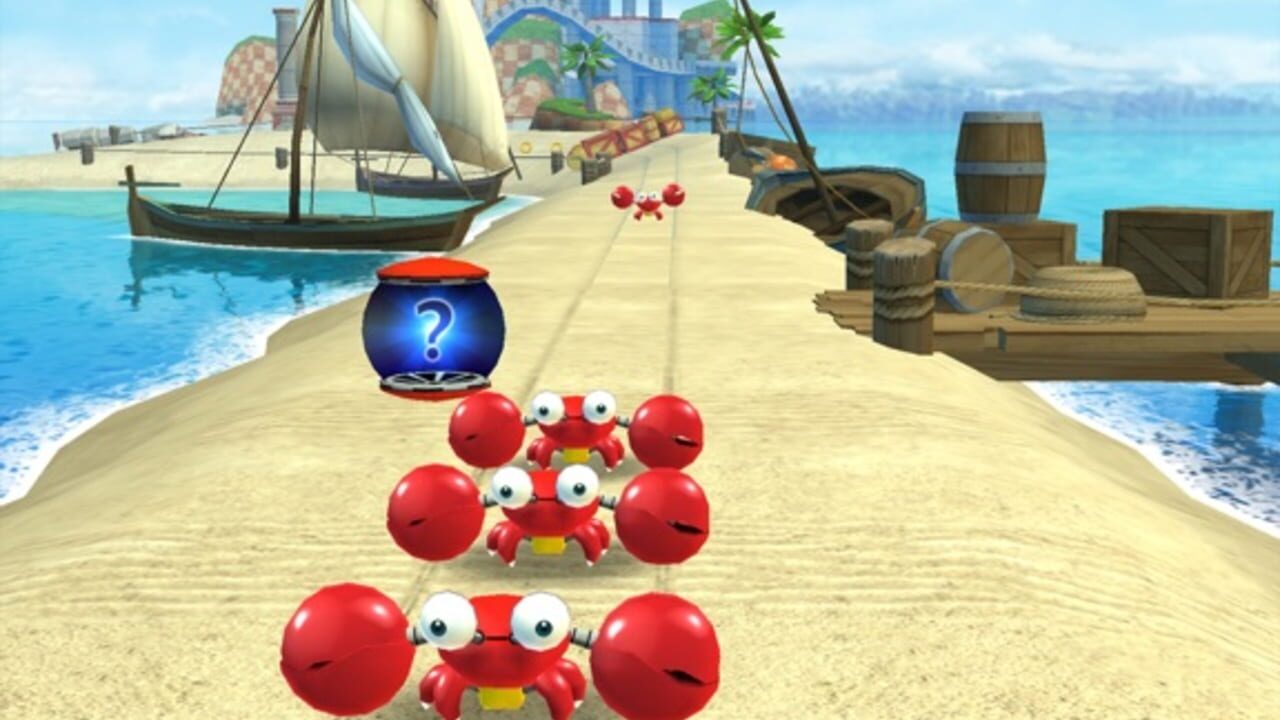
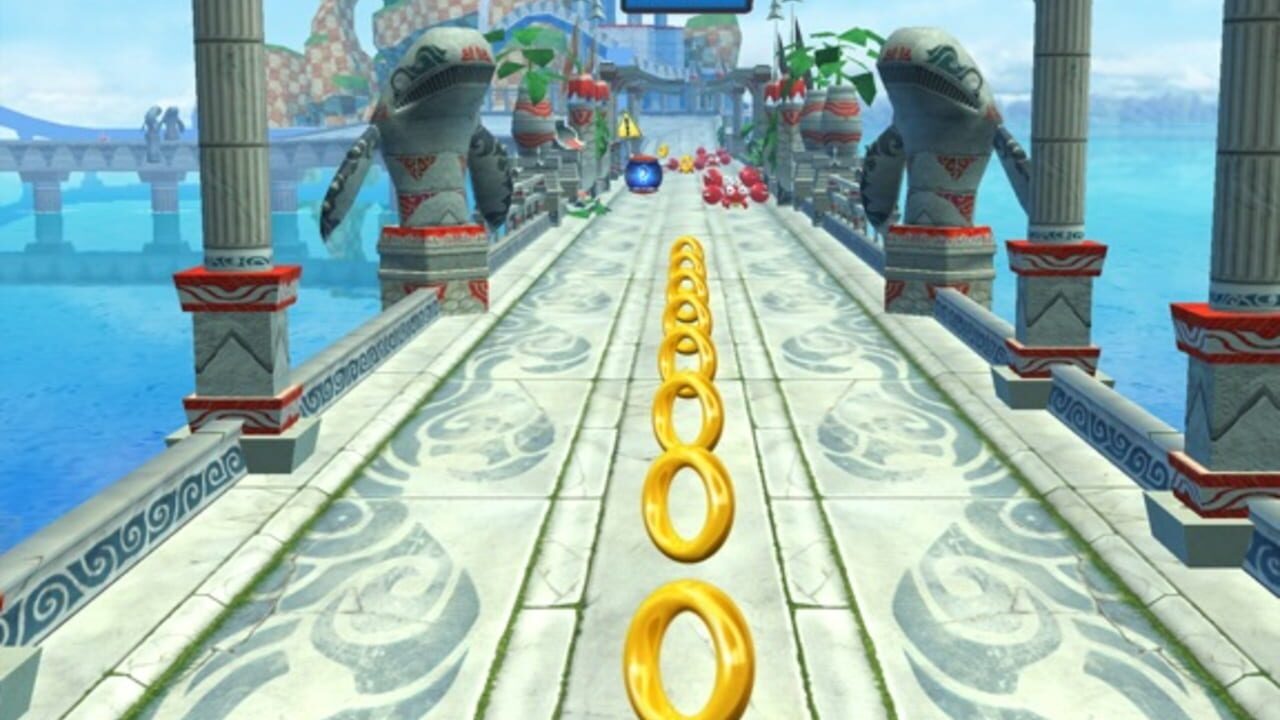
Sonic Superstars is a new side-scroller in the Genesis style from Arzest and Sonic Team. You play Sonic, Tails, Knuckles or Amy against Eggman and Fang the Hunter, and new Chaos Emerald powers push you to find all seven.
Arzest was founded by Sonic co-creator Naoto Ohshima, and this is his first Sonic game since Sonic Adventure. It started in 2021 after plans for another game with the Sonic Mania team fell through. Sales reached 2.43 million by June 2025.


Sonic Dream Team (2023)
Dec 5, 2023

Sonic Dream Team is Hardlight's 3D platformer for Apple Arcade, the first 3D Sonic on mobile. Six characters run through Reverie Haven collecting Dream Orbs, with levels shaped like rollercoasters and half pipes.
It took under 2 years to make. Updates kept coming, with Shadow added in December 2024 and his own mini campaign in March 2025.


Sonic X Shadow Generations (2024)
Oct 25, 2024Jun 5, 2025
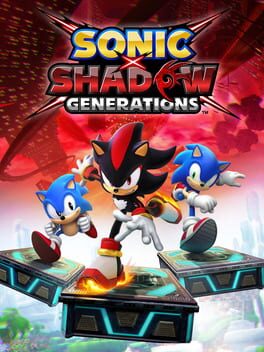
Sonic X Shadow Generations gets its own place here because it pairs a remaster of Sonic Generations with Shadow Generations, a new game you can only get in this package. The remaster adds the Casino Night pinball DLC, hidden Chao to rescue and the Drop Dash, with a re-recorded script.
Shadow Generations runs parallel to the 2011 story, with Shadow travelling through time to face Black Doom and shifting between side-scrolling and 3D. It sold two million copies by January 2025 and launched with the Switch 2 on June 5, 2025. It is the second game to star Shadow, 19 years after his first.


Sonic Racing: CrossWorlds (2025)
Sep 25, 2025Dec 4, 2025
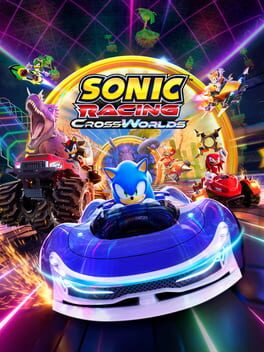
CrossWorlds is a kart racer whose new idea is the CrossWorld, which sends racers through a Travel Ring to another track in the middle of a race. Random frenzy modifiers can kick in there, and the track changes on the final lap with new hazards or paths.
It drops the team racing of Team Sonic Racing from normal play. It has the biggest cast of any Sonic racer. The rings came from the Sonic films and from producer Ryuichi Taki's memories of driving through long tunnels. A Switch 2 version arrived on December 4, 2025.


Sonic Rumble Party (2025)
Nov 5, 2025

Sonic Rumble Party is a party battle royale from Sega with Sonic Team, first announced in May 2024 and first named Sonic Rumble. Up to 32 players start, and half go out after the first round.
A closed beta ran from May 24 to 26, 2024, and delays pushed the game back from a placeholder date of February 28, 2025. By November 2025 it had passed 15 million players, a long way from one hedgehog and one button in 1991.


Never released in English
- Sonic Eraser (1991, Sega Genesis) - SegaSonic the Hedgehog (1993, arcade)