These are the 102 Star Wars games for consoles, computers, arcades and VR, plus the biggest mobile games, in US release order from the 1982 Atari game to the 2026 racer. Spin-offs are marked, and small phone, browser and learning games are left out.
Star Wars: The Empire Strikes Back (1982)
 19821983

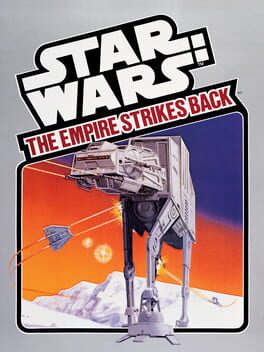
This was the first licensed Star Wars video game, and Parker Brothers built it around the walkers on Hoth. You fly a snowspeeder and shoot the walkers as they march across the screen. A damaged walker changes color, from black through gray, red and orange to yellow, so you can see how close each one is to falling.
An Intellivision version followed in 1983. Reviews at the time were mixed, though Video magazine liked its "zingy graphics". Computer and Video Games gave it 46% looking back in 1989. Four decades of walkers have ignored the lesson about tow cables since.


Star Wars: Jedi Arena (1983)
Feb 1, 1983
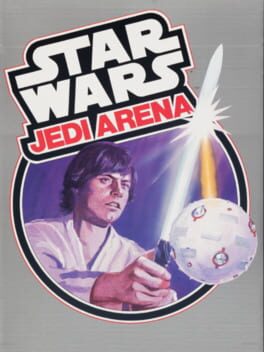
Jedi Arena is the first video game in the series to feature lightsabers, and Rex Bradford programmed it for Parker Brothers. You block and fire back at the Seeker ball from the Jedi training scene, aiming with the direction your lightsaber points. There are four difficulty levels.
Modern critics often call it one of the worst Star Wars games of all time. Early critics liked the sound effects and disliked the abstract combat.


Star Wars (1983)
1983May 5, 19831984 198719881989

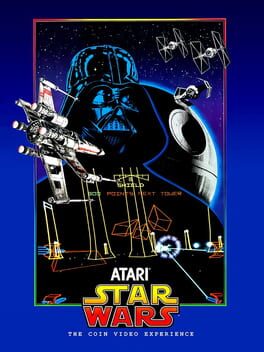
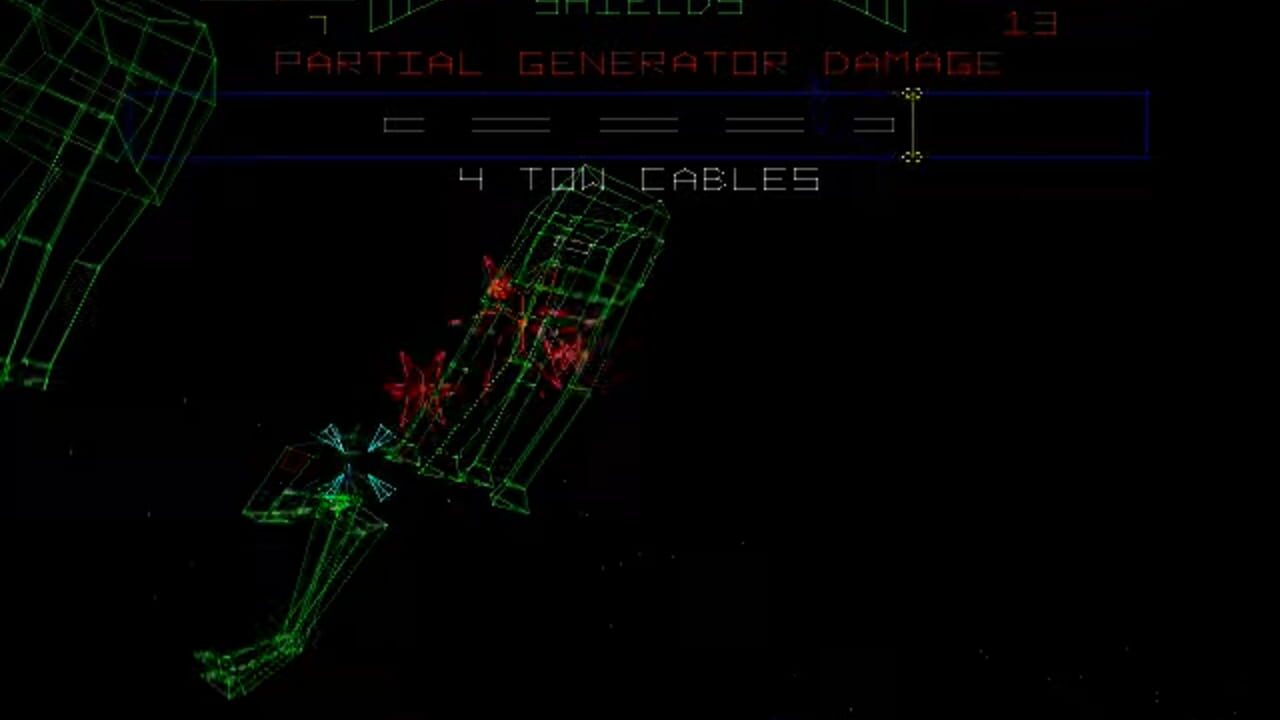
Atari's arcade game puts you in Luke's X-wing as Red Five, flying from a first-person perspective. Speech synthesis copies the actors from the film, and your shield only takes a set number of hits before the next one ends the game. The final run is the trench on the Death Star.
It has appeared on lists of the greatest video games of all time. Parker Brothers, Domark and Broderbund published home ports, and the home versions reached Atari 2600, Commodore 64, ZX Spectrum, Amiga and many other machines.


Star Wars: Return of the Jedi: Death Star Battle (1983)
198319841984
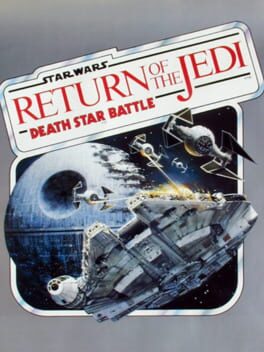
Death Star Battle was the first video game based on Return of the Jedi, and you fly the Millennium Falcon. In the first stage you shoot TIE fighters while you wait for a gap in the energy shield. In the second you shoot parts of the Death Star until the reactor is exposed.
Sinclair Research put it in a software pack with the ZX Spectrum+ in 1985.


Star Wars: Return of the Jedi (1984)
Sep 1, 19841988

This is Atari's second Star Wars arcade game, and it drops the first game's cockpit view for a scrolling shooter. The last stretch flies the Millennium Falcon inside the Death Star, through tunnels to the reactor core and back out past the explosion. Beat it and the game loops with a higher difficulty, which is rough on anyone who assumed one exploded Death Star was enough.
Domark released home computer versions from 1988 to 1990, and the arcade game has come back several times as an unlockable extra or a replica cabinet.


Star Wars: The Empire Strikes Back (1985)
Mar 1, 19851988

Atari's lesser-known arcade sequel was sold as a conversion kit for the original Star Wars cabinet. You play Luke again in first-person battles, and the first section sends you hunting Imperial Probe Droids. A swarm of TIE fighters comes next.
Domark ported it to the Amstrad CPC, BBC Micro, ZX Spectrum, Atari ST, Commodore 64 and Amiga in 1988.

Star Wars (1991)
 Nov 15, 1991Nov 15, 1991Mar 26, 1992
 19931993

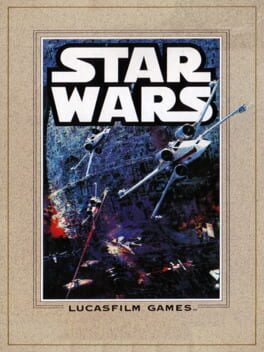
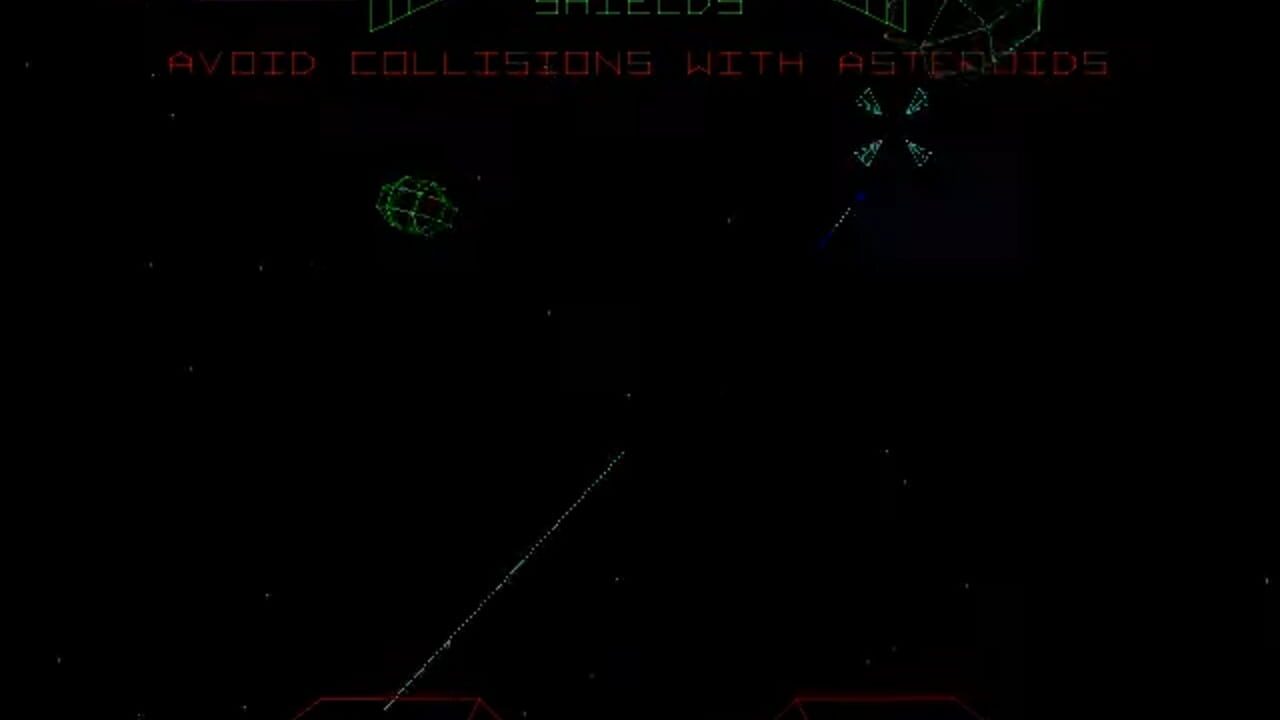
Victor Musical Industries released this in Japan, and JVC brought it to the NES in North America that same month. It retells the first film as a side-scroller, and it got a mail order hint book at launch.
NMS Software made the Game Boy port for Capcom, and Tiertex made the Game Gear and Master System versions. Limited Run Games reissued the NES and Game Boy versions on June 28, 2019.
Japan got it on Famicom in 1991.


Star Wars: The Empire Strikes Back (1992)
Mar 1, 19921992Mar 12, 19931992

This NES sequel makes you play as Luke the whole way. Unlike the previous game, Luke is the only playable character, and he gains Force powers as the game goes on.
A Game Boy version followed in January 1993.
You fight with a blaster pistol or a lightsaber, and you board a snowspeeder for the Battle of Hoth. The ending differs from the film: you rescue Han Solo and defeat Darth Vader in combat to finish the game. Japan got it on Famicom in 1992.


Super Star Wars (1992)
Nov 1, 1992Apr 2, 1993Dec 18, 19921994Aug 10, 2009Sep 18, 2009 Sep 18, 2009Nov 17, 2015Nov 24, 2015

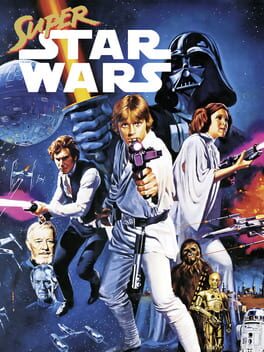
Super Star Wars is a run and gun that turns the first film into a hard side-scroller. Short scenes between levels tell a cut-down version of the story, and later stages let you play as Han or Chewbacca. The music was converted from the film scores to the Super NES sound chip with in-house software.
A PC port was almost finished when LucasArts canceled it in 1995, and a Mega Drive version was canceled too. PS4 and Vita players got it in November 2015.


Star Wars: X-Wing (1993)
Feb 1993Mar 4, 1993
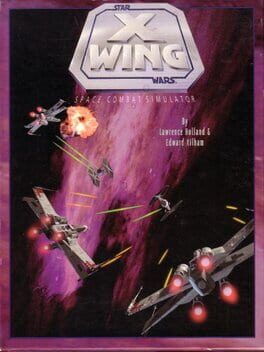
Lawrence Holland and Edward Kilham's Totally Games designed X-Wing for LucasArts, and it is one of the first games to use 3D polygon graphics for spaceships. It was also the first non-adventure game with the iMUSE music system. You fly tours of duty for the Rebels, and a failed operation can be flown again.
It became a best-seller. The Imperial Pursuit and B-Wing expansions came out in 1993.


Super Star Wars: The Empire Strikes Back (1993)
Nov 12, 1993Dec 17, 1993Feb 24, 1994Aug 24, 2009Aug 24, 2009Oct 2, 2009
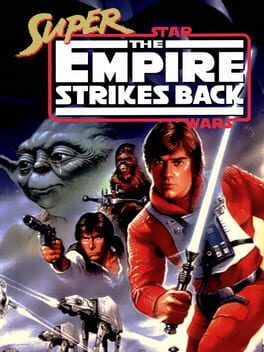
The second Super game plays close to the first and adds a double jump. Nintendo had no part in publishing it this time.
It reached the Wii Virtual Console in North America on August 24, 2009, alongside the other two Super games.
Luke, Han and Chewbacca all come back, though the character select is gone, and each one now has a primary and a secondary weapon.


Star Wars: Rebel Assault (1993)
Nov 25, 1993
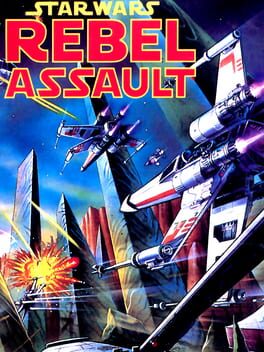
Rebel Assault is the first CD-ROM only game from LucasArts, and it put film footage on the PC. You play a young pilot called Rookie One, and the game uses digitized footage, film music and full speech. It plays as a rail shooter with 15 levels, and only level 9 is on foot.
Sega CD and 3DO versions followed.


Star Wars Chess (1993)
19931994
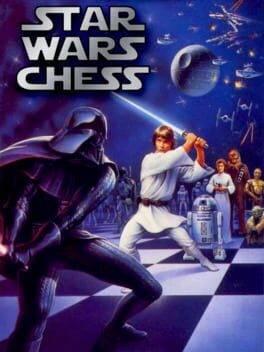
The Software Toolworks built this on the Chessmaster idea of a strong chess game with extras, and the extras here are 72 animated capture sequences. Each piece is a Star Wars character, and each capture plays a short cartoon fight. The director of those scenes said that sometimes the good guys won and sometimes they lost, which is more than the Stormtroopers can claim.


Star Wars Arcade (1994)
Jun 7, 1993Aug 1, 1993Apr 1, 1994Nov 14, 1994Nov 21, 1994Dec 3, 1994
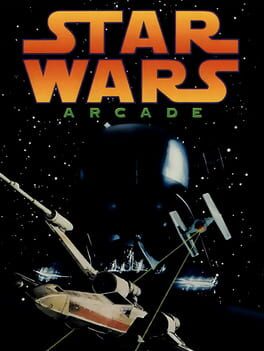
Sega built this on the Model 1 board that also ran Virtua Fighter and Virtua Racing. You fly an X-wing or a Y-wing in first or third person against Imperial forces.
The 32X launched with the home port, called Star Wars Arcade, in 1994. Sega came back to the license for Star Wars Trilogy Arcade and Racer Arcade, both further down this list.
Japan got it on arcade in 1994.


Star Wars: TIE Fighter (1994)
Jan 1994Jul 20, 1994May 31, 1998
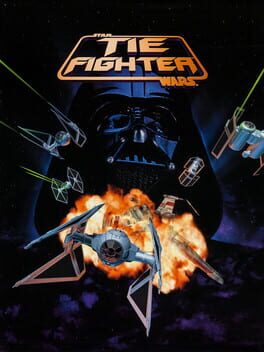
TIE Fighter puts you on the Empire's side. It runs on the X-Wing engine with Gouraud shading and new ships and features. An included novella and the strategy guide name your pilot Maarek Stele. TIE fighters have no shields in the films, and nobody in the Imperial briefing room seems to think that is a problem.
Some critics place it among the greatest video games of all time. The Defender of the Empire expansion arrived in 1994.


Super Star Wars: Return of the Jedi (1994)
Nov 1, 1994Mar 30, 1995Jun 23, 1995Sep 7, 2009Oct 16, 2009Oct 16, 2009
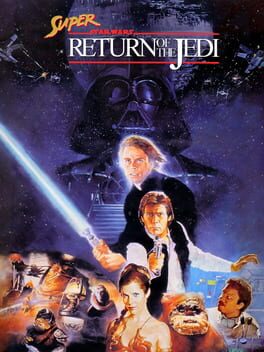
The third Super game finishes the film trilogy. Electronic Gaming Monthly named it Best Movie-to-Game of 1994.
Realtime Associates made the Game Boy and Game Gear ports for THQ in 1995, and EGM and GamePro both called it the best Game Gear game of 1995.
Bosses include Jabba the Hutt, the Rancor and the Emperor, and Leia's look and playstyle change as the plot moves on.


Star Wars: Dark Forces (1995)
Jun 199519951996Jun 1995Mar 8, 1995Nov 30, 1996Jan 31, 1997Mar 4, 1998Sep 16, 2009Apr 29, 2010
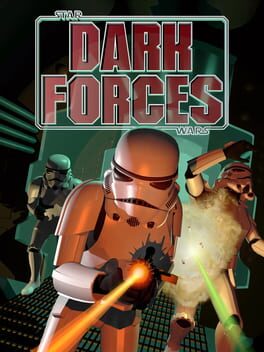
Dark Forces turned Star Wars into a first-person shooter. You play Kyle Katarn, a mercenary working for the Rebels who uncovers the Empire's Dark Trooper Project. The Jedi engine was built for this game, and it added floors above floors and the ability to look up and down, both uncommon in shooters at the time.
The PlayStation version came out on November 26, 1996 to weaker reviews for its graphics and frame rate. Nightdive Studios made the remaster, which came out for Switch, PS4, PS5, Windows, Xbox One and Xbox Series X/S on February 28, 2024.


Star Wars: Rebel Assault II: The Hidden Empire (1995)
1995Nov 24, 199519961996Nov 30, 1996Dec 27, 1996

The sequel swaps computer footage for people. LucasArts' magazine called it the first media to use live-action actors in the Star Wars universe since Return of the Jedi. It runs on the INSANE engine, a fair name for shooting live-action Star Wars for a PC game.
Critics liked the visuals and many disliked the controls. Each finished mission gives you a password.

Star Wars: Shadows of the Empire (1996)
Dec 2, 1996Mar 1, 1997Sep 17, 1997Feb 3, 1998
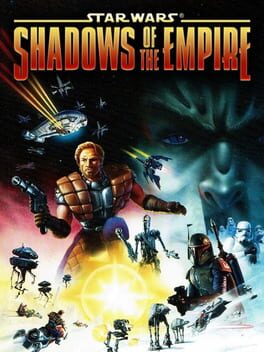
Shadows of the Empire came out of a multimedia project with a book and a soundtrack. The team dropped the film heroes as the lead and built on a minor character from the book, Dash Rendar. You fly a snowspeeder on Hoth, run through third-person levels and collect hidden tokens for challenge points.
Reviews were mixed, but it was the third best-selling Nintendo 64 game of 1997, with more than one million copies sold. A Windows version followed in 1997.


Star Wars: Yoda Stories (1997)
Mar 12, 1997Dec 19991999

Yoda Stories is a small adventure where Yoda sends Luke on short missions. Finish one and you get a score, then choose to replay the mission or start a new game.
Torus Games ported it to Game Boy Color in December 1999. IGN called that version "one of the technically lamest and structurally annoying Game Boy games ever developed". Yoda himself would tell you to try not, on this one.
Star Wars: X-Wing vs. TIE Fighter (1997)
Apr 29, 1997
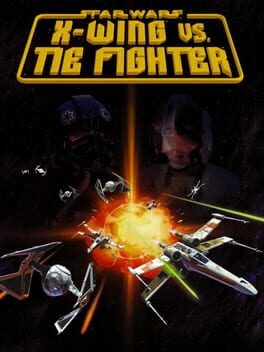
Totally Games built this one mostly for multiplayer, with up to eight players in free-for-all, team and cooperative modes. It runs on Windows, needs a joystick and brings texture mapping to the ships.
It shipped without a story-driven campaign, and players asked for one. The Balance of Power expansion added story campaigns.


Star Wars Jedi Knight: Dark Forces II (1997)
Oct 9, 19971997Sep 16, 2009
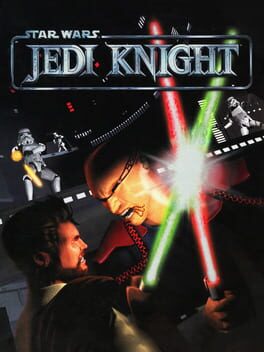
Kyle Katarn comes back with a lightsaber. The Sith engine supports 3D acceleration, and the game has twenty-one levels. The story branches and uses live actors in full motion video. Force powers split by rank into light and dark.
It has been cited as one of the best video games of all time.


Monopoly Star Wars (1997)
Oct 21, 1997Oct 31, 1997
Artech Studios made this for Hasbro Interactive, and C-3PO narrates, voiced by Anthony Daniels. A starship stands in for each player.
It won the 1998 Software Publishers Association Award for Best Use of Visual Arts in Multimedia, but all that animation slowed the game down. Anyone who has played Monopoly knows it did not need help there.


Star Wars: Masters of Teräs Käsi (1997)
Nov 25, 1997
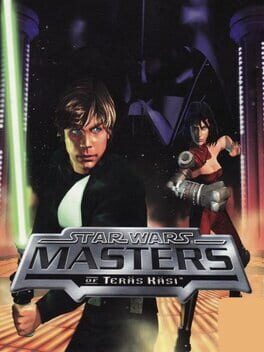
This was both the first fighting game and first PlayStation title for LucasArts, and the team learned the hardware as they went. You fight with weapons or bare hands, and you can sidestep with up and down on the controller.
Reviewers disliked the sluggish movement and unbalanced moves, though the mix of weapons and hand-to-hand combat got praise.
Star Wars Jedi Knight: Mysteries of the Sith (1998)
Feb 17, 19981998Sep 16, 2009
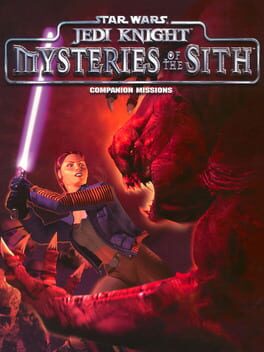
This expansion to Dark Forces II adds a new single-player story and fifteen multiplayer maps. It also brings colored lighting, new textures and models, and better AI to the same engine.
The cutscenes now run on the 3D engine, in place of the full motion video of the base game. It reached Steam in September 2009.


Star Wars: Rebellion (1998)
Mar 25, 19981998

Rebellion is a real-time strategy and 4X game about running the whole galactic war. In the UK and Ireland it was called Star Wars Supremacy. A name that makes the Rebels sound like they have an awkward branding problem.


Star Wars: DroidWorks (1998)
Oct 21, 1998
DroidWorks is an edutainment game on the same engine as Jedi Knight. You build droids, and the missions teach energy, force, motion, simple machines, light and magnetism. The landscape is the obstacle, and only certain droid types can pass it.
It got high praise, sold well and won numerous awards.
Star Wars: Rogue Squadron (1998)
Dec 3, 1998Mar 29, 2016Jan 15, 1999Aug 27, 1999
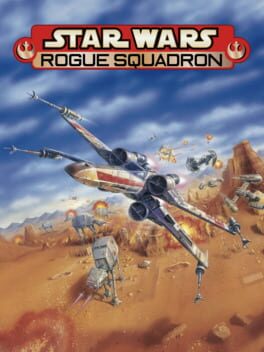
Rogue Squadron began with a single snowspeeder level in Shadows of the Empire. Factor 5 built the engine and the music while LucasArts handled story and gameplay. It plays from behind your ship as an arcade flight game.
It was one of the first games to use the Nintendo 64 Expansion Pak, for a higher resolution. Critics liked the flight controls and disliked the distance fog and missing multiplayer.
The Nintendo 64 version followed on December 8, 1998.


Star Wars Trilogy Arcade (1999)
19981998
Sega's rail shooter runs on the Model 3 board and came out shortly after the film special editions. You pick which film's mission to play first, and each mission has three parts: the Yavin battle, Hoth and Endor.
The boss fights use the flight stick as a lightsaber. Against Boba Fett you reflect his blaster shots to knock him into the Sarlacc pit. He has terrible luck around that pit.
Japan got it on arcade in 1998.
Star Wars: X-Wing Alliance (1999)
Mar 23, 1999
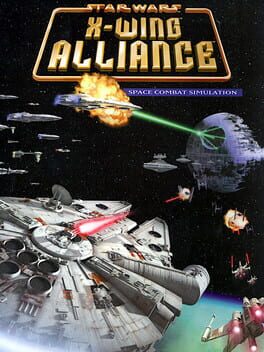
The last X-Wing game follows the Azzameen family of space traders. It is the first in the series with full voiceover and in-flight dialogue, and it adds full 3D cockpits.
The second Death Star battle has you in the Millennium Falcon's cockpit. Your progress also shows in the souvenirs collected in Ace's room.


Star Wars: Episode I: The Phantom Menace (1999)
May 18, 1999Jun 4, 1999Sep 14, 1999Sep 24, 1999
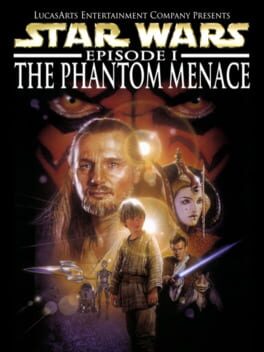
The film's tie-in is played largely from a top-down view, and you can talk to and trade with characters between fights. It was among the first 3D Star Wars games with lightsaber duels.
The PlayStation version reached PS4 and PS5 on January 16, 2024.
You control Obi-Wan Kenobi, Qui-Gon Jinn, Queen Amidala or Captain Panaka depending on the level.


Star Wars Episode I: Racer (1999)
May 18, 1999Jun 4, 1999Jul 21, 1999May 18, 1999Jun 4, 1999Dec 15, 1999Apr 4, 2000Aug 4, 2000Jun 23, 2020Oct 27, 2020
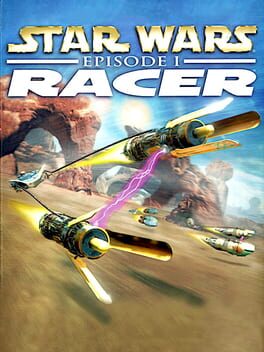
Racer takes the podracing sequence from The Phantom Menace and builds a whole game on it. Jake Lloyd and Lewis MacLeod play Anakin and Sebulba again.
In 2011 it held the Guinness record as the best-selling sci-fi racing game, at 3.12 million units. An HD version reached Switch and PS4 in June 2020.


Star Wars: Pit Droids (1999)
Sep 13, 1999Sep 18, 19992012
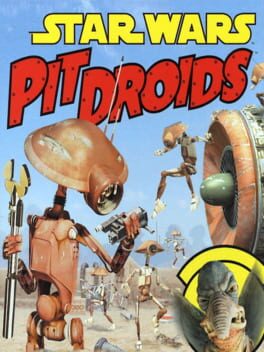
Pit Droids is an educational puzzle game. You steer the droids through road blocks and junk heaps, and you can build your own puzzles to trade online. An iOS version came out on February 9, 2012. The droids have about as much sense here as they do in the film.


Star Wars: Force Commander (2000)
Mar 21, 2000
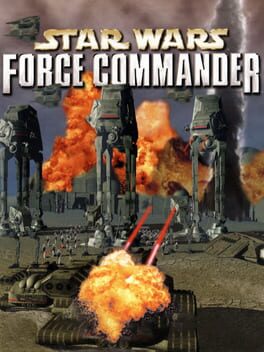
Force Commander is the first Star Wars strategy game rendered fully in 3D. Peter McConnell remixed John Williams's score with hard rock and techno, a sentence nobody in 1977 saw coming.
Critics named poor controls as the main problem. You can play the campaign, replay scenarios or set up Skirmish battles for up to four sides.

Star Wars Episode I: Jedi Power Battles (2000)
Apr 4, 2000May 5, 2000
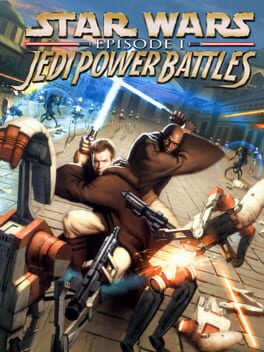
You pick one of five prequel Jedi and fight through ten levels, from the Trade Federation Battleship to Darth Maul on Naboo. Jumping puzzles fill most of the levels, and the jumps are the part players remember.
A Dreamcast version came out on October 4, 2000, and the Game Boy Advance got it in 2001. Ki-Adi Mundi was a Dreamcast exclusive until the remaster.
Aspyr's remaster reached Windows, Switch, PS4, PS5, Xbox One and Xbox Series X/S on January 23, 2025, and Ki-Adi Mundi is playable on every version now.


Star Wars: Racer Arcade (2000)
20002000
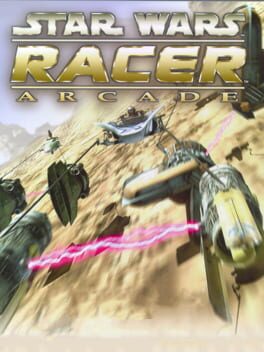
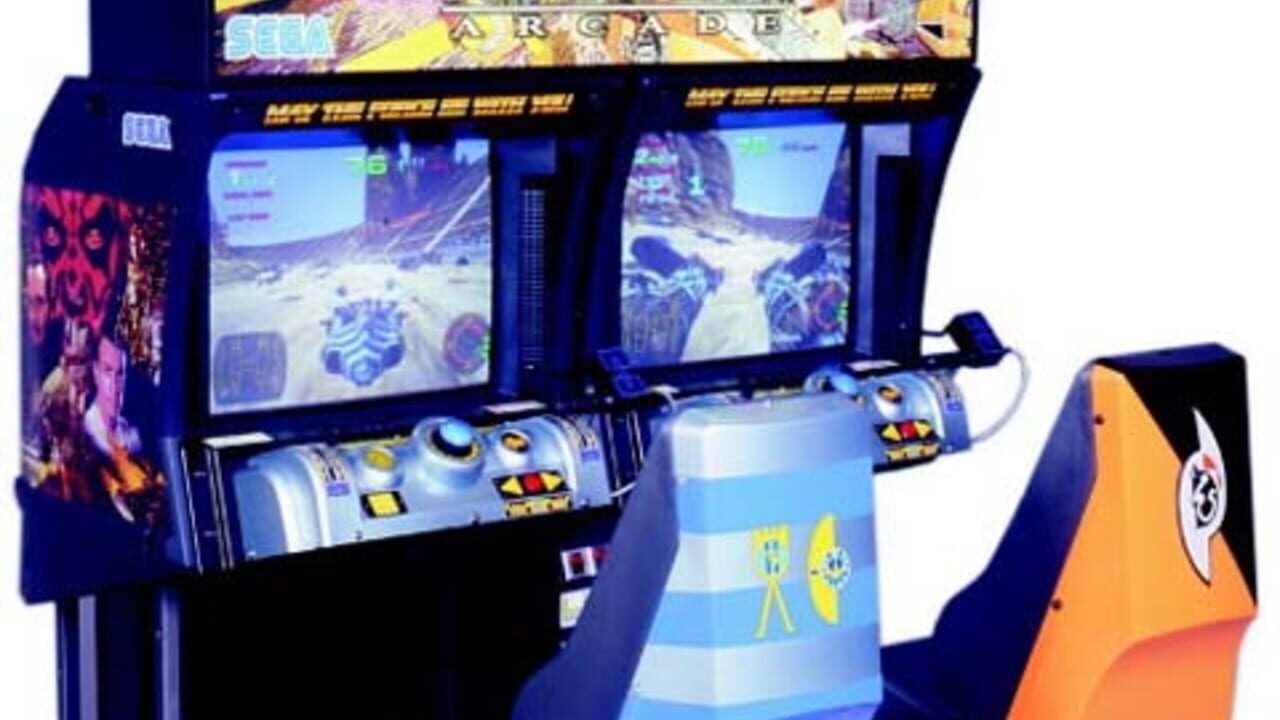
Sega's podracer runs on the Hikaru board. It has four tracks: Tatooine Bantha Tracks, Etti IV Smuggler's Cove, Malastare Pixelito Challenge and the Tatooine Boonta Eve Classic.
You steer with two throttle controls, and the deluxe cabinet has a 50-inch screen in a body molded like Anakin's podracer. Up to four cabinets could be linked for multiplayer. Japan got it on arcade in 2000.

Star Wars: Demolition (2000)
Nov 16, 2000Dec 15, 2000Nov 19, 2000Dec 15, 2000

Demolition is vehicular combat with Star Wars characters. Each round adds an enemy: the first has one, the second two, and so on. You bet credits on your odds before a round, and Boba Fett skips the vehicle and fights with only his jetpack.
A Dreamcast version came out four days later. PS4 and PS5 owners got it in 2023.

Star Wars Episode I: Obi-Wan's Adventures (2000)
Nov 24, 2000Nov 27, 2000

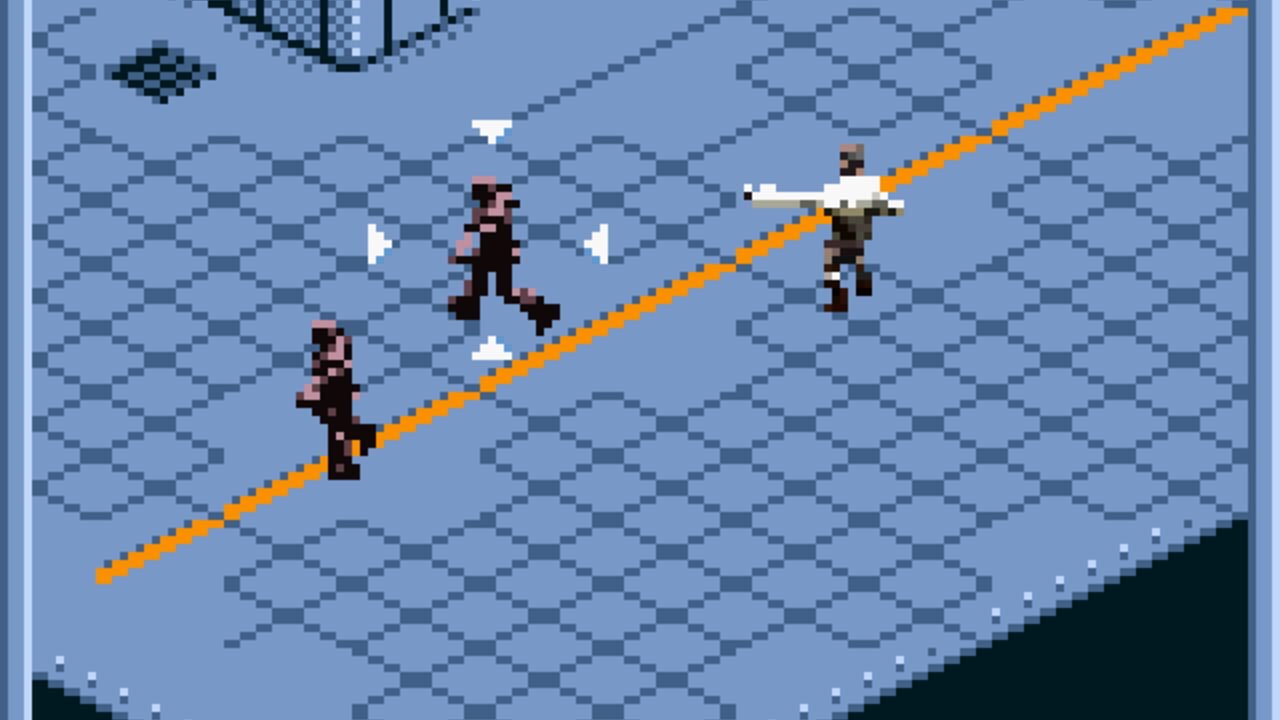
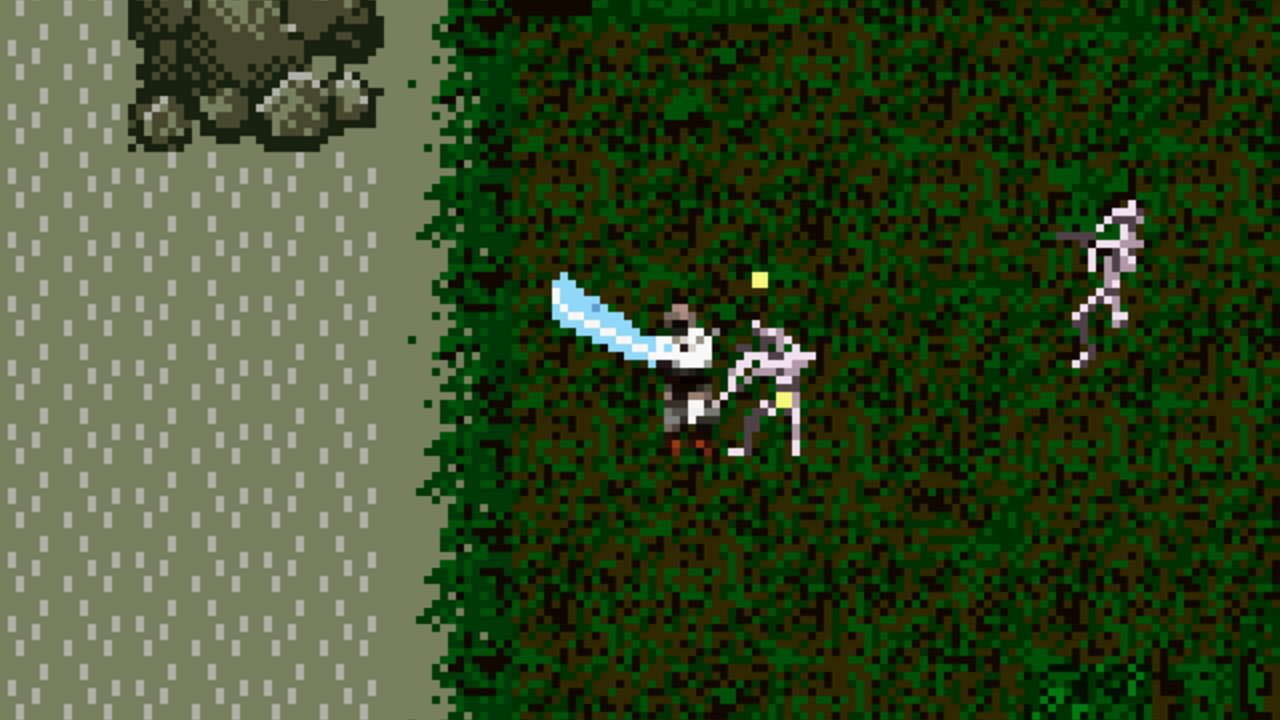
HotGen developed this for THQ, under a deal that let THQ turn LucasArts licenses into Game Boy Color games. You play Obi-Wan through the film up to Darth Maul, and the Force also moves objects out of your way.
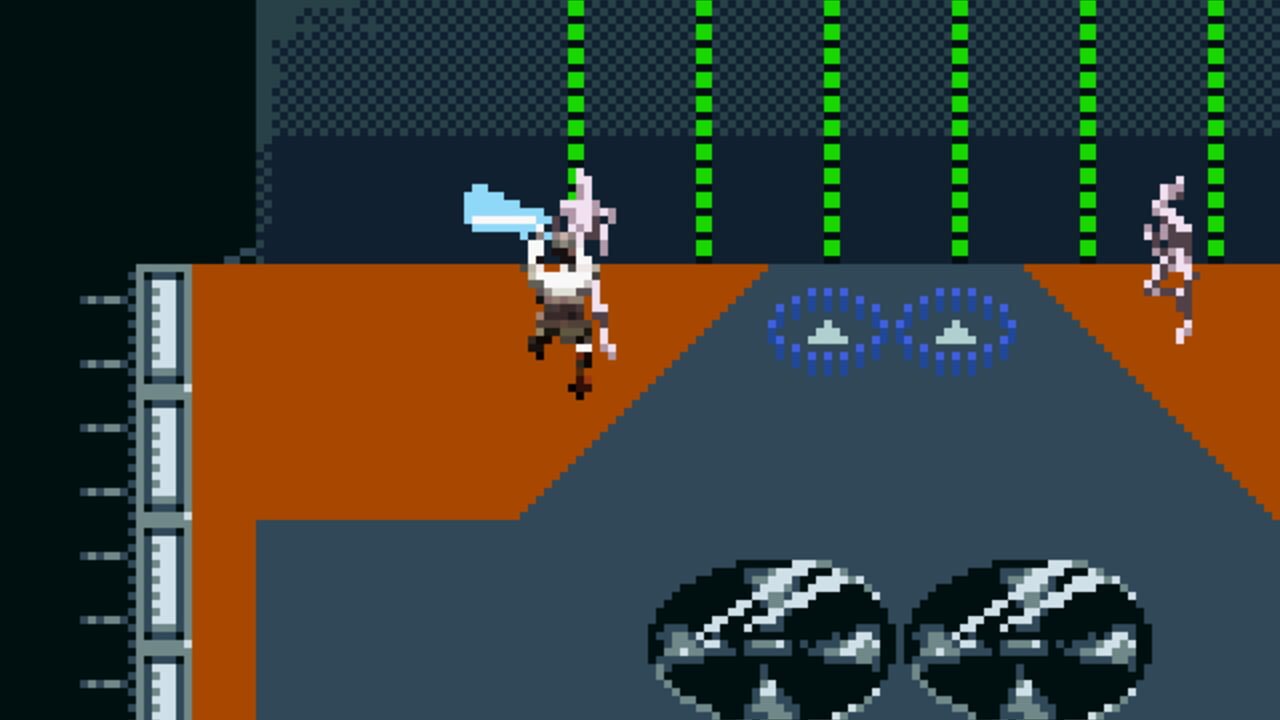
It is an isometric action game with side-scrolling sections, and the nine levels have different difficulty settings.
Star Wars Episode I: Battle for Naboo (2000)
Dec 14, 2000200120012001
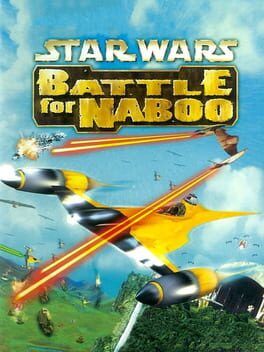
Battle for Naboo is a spiritual successor to Rogue Squadron, on a new engine with land and water combat as well as air combat.
The Nintendo 64 version got good reviews, though critics disliked the Episode I setting. The Windows port in March 2001 did worse.
You control air, land and water vehicles depending on the level, and some levels let you change craft partway through. Seven bonus power-ups are hidden around the game.


Star Wars: Starfighter (2001)
Feb 21, 2001Mar 23, 2001Jan 22, 2002Feb 8, 2002Jul 8, 2009Apr 28, 2015May 4, 2015
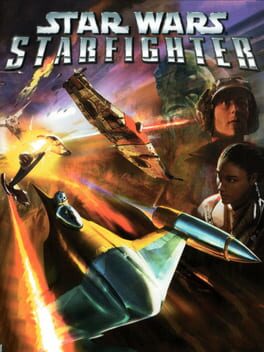
You team up with three starfighter pilots to stop the invasion of Naboo. Rhys Dallows of the Naboo Royal Space Fighter Corps opens the story, and you have full control of pitch, yaw and roll.
The Xbox got a Special Edition on November 15, 2001, and an arcade version followed in 2003.


Star Wars: Super Bombad Racing (2001)
Apr 25, 2001
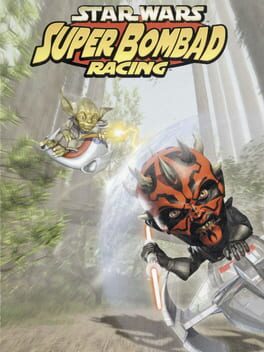
Super Bombad Racing is a kart racer with super deformed characters with big heads and small bodies. Jake Lloyd voices Anakin and Ahmed Best returns as Jar Jar Binks.
Dreamcast, Windows and Mac versions were canceled after weak PS2 sales. Copies signed by George Lucas were raffled off, the only time anyone has won a Jar Jar prize on purpose.
Star Wars: Galactic Battlegrounds (2001)
Nov 13, 2001Jan 17, 2001Nov 23, 2002Nov 4, 2002Nov 4, 2002
LucasArts and Ensemble Studios made it on the Genie engine from Age of Empires and Age of Empires II. It plays like Age of Empires with Star Wars armies.
The Clone Campaigns expansion came out on May 14, 2002, with two new factions, two days before Attack of the Clones reached cinemas. Both came together in the Saga box set.


Star Wars Rogue Squadron II: Rogue Leader (2001)
Nov 9, 2001Nov 18, 2001May 3, 2002
Rogue Leader was a launch title for the GameCube, and it showed what the machine could do. Critics praised the graphics, sound and gameplay and missed multiplayer. Each of the ten levels sets objectives like search and destroy or protection.
Gold medals on all 15 levels and the training missions open Ace Mode. Denis Lawson, Wedge in the films, recorded new lines.


Star Wars: Obi-Wan (2001)
Dec 19, 2001Mar 28, 2002
Obi-Wan was announced on May 13, 1999, as a PC game, and PC Gamer rumored it as a Jedi Knight sequel with mouse-controlled lightsabers. It became an Xbox action game instead, and reviews were mixed.
You swing the lightsaber by moving the stick in set motions, and one Force power slows the area around you.


Star Wars Racer Revenge (2002)
Feb 12, 2002Apr 28, 2015Jan 15, 2016

Rainbow Studios made this sequel to Racer. Sebulba wants revenge on Anakin eight years after their race, which is a long time to stay angry about a podrace. Prize money rises with Watto's Bribes, a bonus for the number of pods you destroy.
It reached PS3 on April 28, 2015, and PS4 on January 15, 2016.

Star Wars: Jedi Starfighter (2002)
Mar 11, 2002May 13, 2002May 4, 2015Jan 15, 2016

This sequel to Starfighter adds Force weapons. You hold a button while the screen turns purple and let go before it turns white. Nym comes back, exiled from his base on Lok by the Trade Federation.
A PS4 version arrived in 2016 with trophies and HD upgrades.


Star Wars Jedi Knight II: Jedi Outcast (2002)
Mar 26, 2002Mar 28, 2002Jun 27, 2002Sep 16, 2009Nov 5, 2002May 22, 2003May 15, 2012Nov 19, 2002Nov 22, 2002Sep 24, 2019
Jedi Outcast moved to id Tech 3, and the lightsaber combat became the main focus after the first few missions. Kyle Katarn starts the game with no connection to the Force, then gets it back.
It got universal acclaim for the story and the lightsaber combat. Switch and PS4 ports came out in 2019.


Star Wars: Episode II: Attack of the Clones (2002)
May 30, 2002Jun 21, 2002
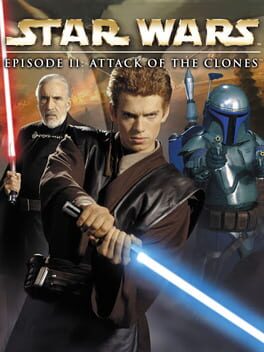
David A. Palmer Productions made this for THQ, with 11 levels and Obi-Wan, Mace Windu and Anakin as heroes. Some levels are 3D first-person vehicle chases, such as the Coruscant speeder chase.
Game Informer gave it 1/10 and called it "the dark side of gaming." Metacritic has it at 38 out of 100.
Star Wars: The Clone Wars (2002)
Oct 29, 2002Dec 10, 2002Apr 22, 2003
Pandemic Studios developed this for LucasArts. It opens with the Battle for Geonosis from Attack of the Clones and follows Anakin and Obi-Wan into the war, including the evacuation of a Republic outpost on Rhen Var.
Tom Kane and Grey Griffin voice Yoda and Padmé, the same roles they played on Cartoon Network. PS2 followed on December 10, 2002, and Xbox on April 22, 2003.
Star Wars: The New Droid Army (2002)
Nov 8, 2002Nov 29, 2002

Helixe developed this action game for THQ. There are no health items, so you stand still or meditate to recover. Standing still is a brave plan in a war with droids.
Anakin looks into rumors of a new Separatist droid that lightsabers cannot hurt, and the trail runs through the Cortosis Droid Factory on Metalorn to Count Dooku.
Star Wars: Bounty Hunter (2002)
Nov 22, 2002May 27, 2015Jan 15, 2016

LucasArts was asked for an Episode II game and chose Jango Fett. It is a prequel to Attack of the Clones, and it picks up from the comic Jango Fett: Open Seasons. The scanner switches you to first person to look for bounties.
The GameCube version followed on December 5, 2002. Aspyr's enhanced version reached Switch, PS4, PS5, Windows, Xbox One and Xbox Series X/S on August 1, 2024.


Star Wars Galaxies (2003)
Jun 26, 2003Oct 31, 20032006
Galaxies is an online role-playing game, and the base game is called An Empire Divided. Cities could grow and add garages, cloning facilities, hospitals and cantinas. You could be an entertainer or a trader as easily as a bounty hunter.
The New Game Enhancement update in November 2005 cut the professions down to nine and made combat real-time. The expansions were Jump to Lightspeed in 2004, then Rage of the Wookiees and Trials of Obi-Wan in 2005.


Star Wars: Knights of the Old Republic (2003)
Jul 16, 2003Sep 12, 2003Nov 19, 2003Dec 5, 2003Sep 5, 2009Sep 7, 2004Nov 2, 2004May 30, 2013Nov 10, 2021Nov 11, 2021
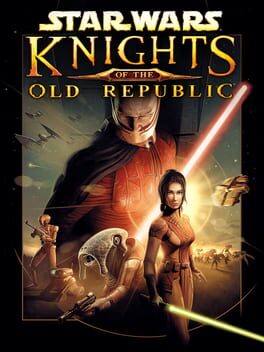
LucasArts offered BioWare a game tied to Attack of the Clones, or one set thousands of years before the prequels. BioWare took the old days. Casey Hudson directed, James Ohlen designed and Drew Karpyshyn wrote it.
You pick from three classes, Scout, Soldier or Scoundrel, and Jeremy Soule composed the music. Windows followed on November 19, 2003, and a Switch version on November 11, 2021.


Star Wars Jedi Knight: Jedi Academy (2003)
Sep 16, 2003Sep 19, 2003Nov 7, 2003Sep 16, 2009Sep 16, 2003Apr 29, 2004Nov 18, 2003Nov 21, 2003Sep 2, 2004Mar 26, 2020
Jedi Academy is the fourth and final Jedi Knight game. You build a custom lightsaber from a hilt and one of five blade colors, and you pick a fighting style after the first few missions.
Vicarious Visions made the Xbox version, and Aspyr published Switch and PS4 ports in March 2020.


Star Wars Rogue Squadron III: Rebel Strike (2003)
Oct 21, 2003Nov 7, 2003Nov 21, 2003
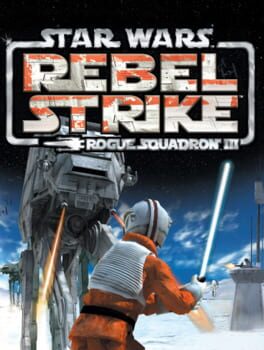
The third game adds ground vehicles and on-foot levels, a first for the series. Critics praised the intensity and hated the clunky on-foot missions. Luke Skywalker is a fine pilot and, here, a poor pedestrian.
The team threw out the Rogue Leader engine code to start over. Metacritic has it at 75 out of 100.


Star Wars: Flight of the Falcon (2003)
Nov 18, 2003
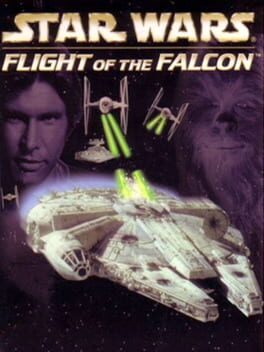
This shooter has 14 missions based on the films. Critics panned the lagging graphics and long levels, though they liked the music and sound. The Falcon did the Kessel Run faster than some of these levels.
You fly as Han and Chewbacca in a 3D shooter while they try to pay off their debt to Jabba the Hutt.


Star Wars: Battlefront (2004)
Sep 17, 2004Sep 21, 2004Sep 24, 2004Sep 21, 2004Sep 22, 2004Sep 24, 2004Oct 7, 2004Sep 21, 2004Sep 22, 2004Sep 22, 2004Jul 19, 2005Jul 29, 2005
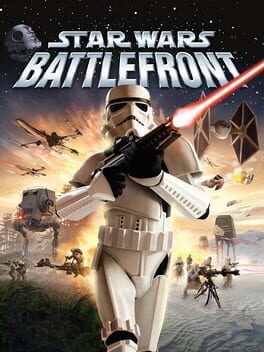
Pandemic Studios built the first Battlefront, and it came out alongside the Star Wars Trilogy DVD set. You fight in big battles from the films as an ordinary soldier.
Critics praised the multiplayer and marked down the single player and AI. A Mac port came in July 2005.
Aspyr ported it with Battlefront II in the Star Wars: Battlefront Classic Collection on March 14, 2024.

Star Wars Trilogy: Apprentice of the Force (2004)
Sep 21, 2004
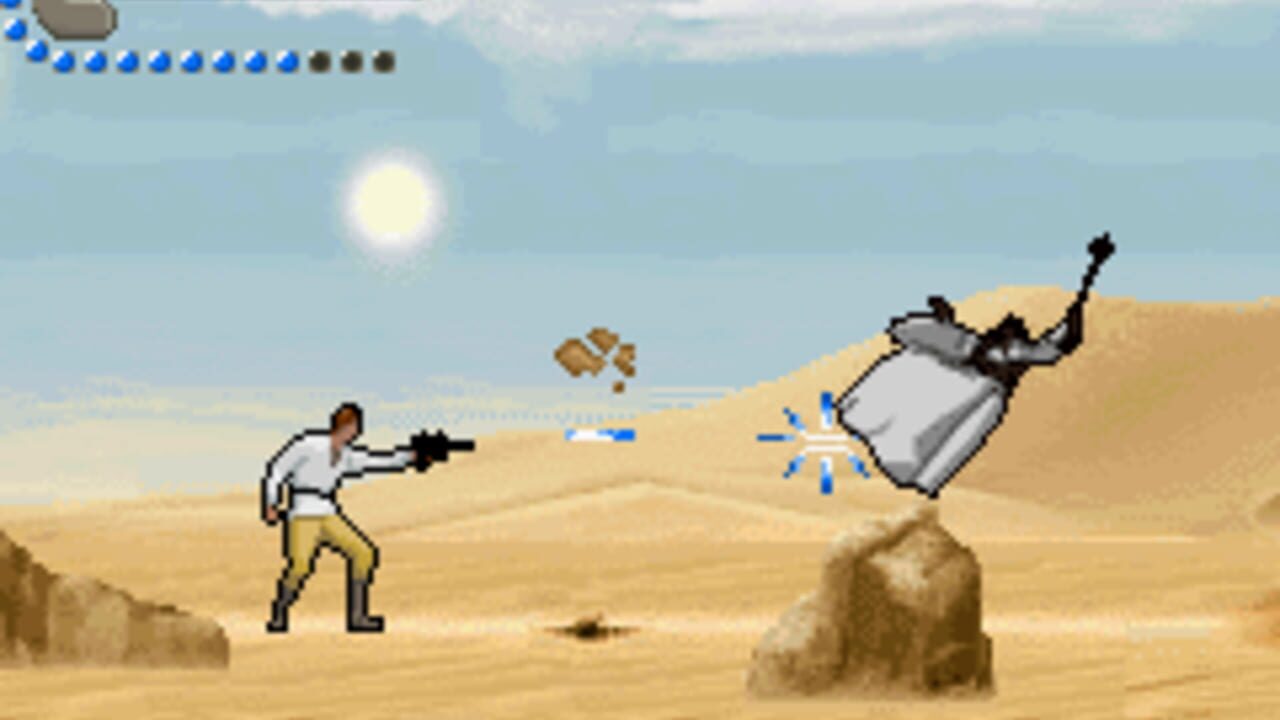
This platformer follows Luke through the original trilogy. You start with jumps and a blaster and earn the lightsaber. It uses the engine of the GBA Prince of Persia: The Sands of Time.
Some stages put Luke in a ship for vehicle combat, and others have you protect R2-D2 or Princess Leia.
Star Wars: Knights of the Old Republic II: The Sith Lords (2004)
Dec 6, 2004Feb 11, 2005Feb 15, 2005Feb 8, 2005Feb 11, 2005Feb 15, 2005Aug 23, 2012Jul 21, 2015Dec 18, 2020Jun 8, 2022
BioWare offered Obsidian the Star Wars license, and development began in October 2003. You play The Exile, five years after the first game. Critics liked the morally ambiguous writing.
It also launched in an incomplete state. Windows followed on February 8, 2005, and a Switch version on June 8, 2022.


Star Wars: Republic Commando (2005)
Feb 17, 2005Mar 4, 2005Mar 1, 2005Mar 4, 2005Jul 8, 2009Apr 6, 2021
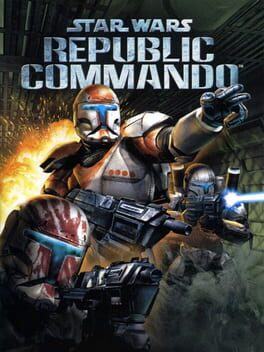
You play RC-1138, known as Boss, the leader of Delta Squad, in a first-person tactical shooter. Your squad is Scorch the explosives expert, Fixer the hacker and Sev the sniper. Jesse Harlin's dark military score breaks from the John Williams sound.
Switch and PS4 owners got it on April 6, 2021.


Lego Star Wars: The Video Game (2005)
Mar 29, 2005Apr 22, 2005Mar 29, 2005Apr 22, 2005Jul 7, 2005Apr 5, 2005Apr 22, 2005Aug 23, 2005Sep 7, 2005Oct 25, 2005Nov 4, 2005
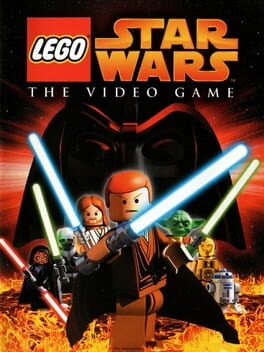
Traveller's Tales adapted the three prequel films in Lego form, with a bonus level from A New Hope. Griptonite Games made the Game Boy Advance version.
A GameCube version came out on 26 October 2005. Darth Maul has never looked as friendly as he does in plastic.


Star Wars: Episode III: Revenge of the Sith (2005)
May 5, 20052015
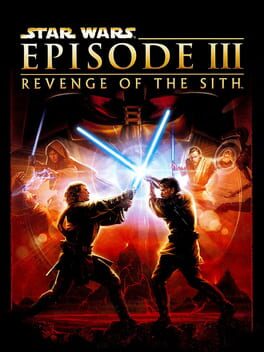
This action game has 17 levels and over 12 minutes of footage from the film. Fast, strong and critical attacks make up the combat. Co-op has Anakin and Obi-Wan together, and one mode adds Cin Drallig and Serra Keto at the Jedi Temple.
A PS3 re-release came on April 28, 2015, in North America.


Star Wars: Battlefront II (2005)
Nov 1, 2005Oct 31, 2005Oct 31, 2005Nov 1, 2005Jan 26, 2006Oct 31, 2005Nov 1, 2005Nov 1, 2005Nov 1, 2005Apr 6, 2006
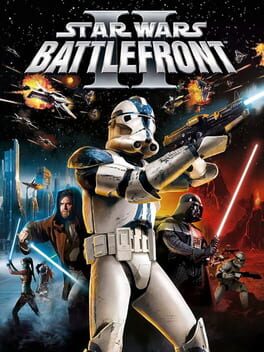
Battlefront II adds a story campaign told by a veteran clone and later Stormtrooper. Savage Entertainment made the PSP version.
Reviewers praised the story. Aspyr ported it with the first game in the Star Wars: Battlefront Classic Collection on March 14, 2024.
It also brought in Heroes, a special class that lets you play famous characters from the films.


Star Wars: Empire at War (2006)
Feb 16, 2006Feb 17, 2006Apr 2, 2007Apr 19, 2007
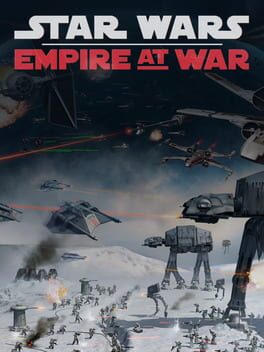
Petroglyph's real-time strategy game has battles on land and in space, and Darth Vader becomes a special TIE fighter unit in space. The campaign covers the Rebels getting the X-wing, Kashyyyk and the Battle of Yavin.
The Forces of Corruption expansion came out in October 2006. An active modding community still works on it.


Lego Star Wars II: The Original Trilogy (2006)
Sep 12, 2006Apr 17, 2007
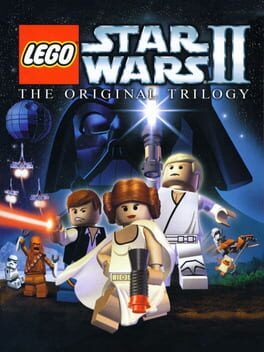
The second Lego game covers A New Hope, The Empire Strikes Back and Return of the Jedi. It sold over 8.2 million copies by May 2009, and critics enjoyed the humor.
The Game Boy Advance and Nintendo DS versions from Amaze Entertainment were panned.
Lego Star Wars: The Complete Saga combines the first two Lego Star Wars games, so it covers the first six episodes. It came out on November 6, 2007. Force Lightning and Force Choke are new, and Chewbacca rips off arms. They are Lego arms, and they click back on.


Star Wars: Lethal Alliance (2006)
Dec 5, 2006Dec 7, 2006Dec 8, 2006
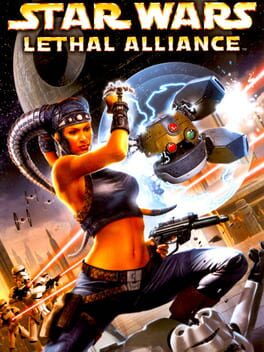
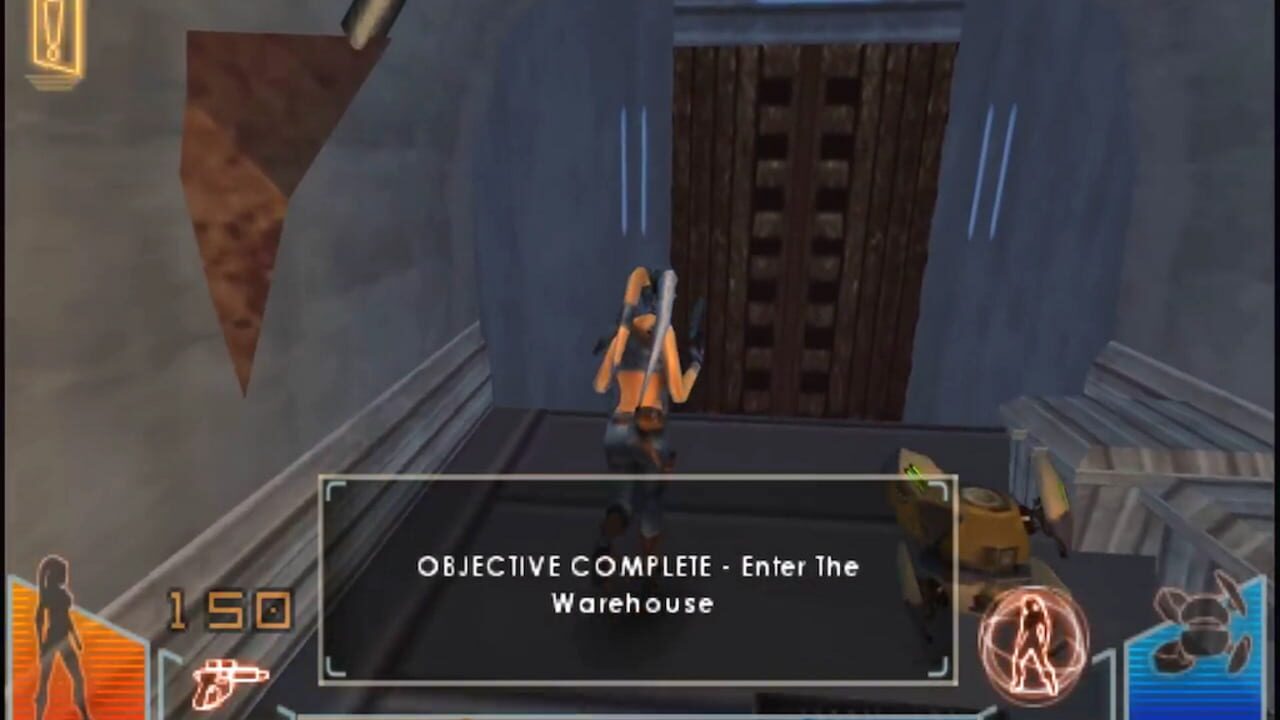
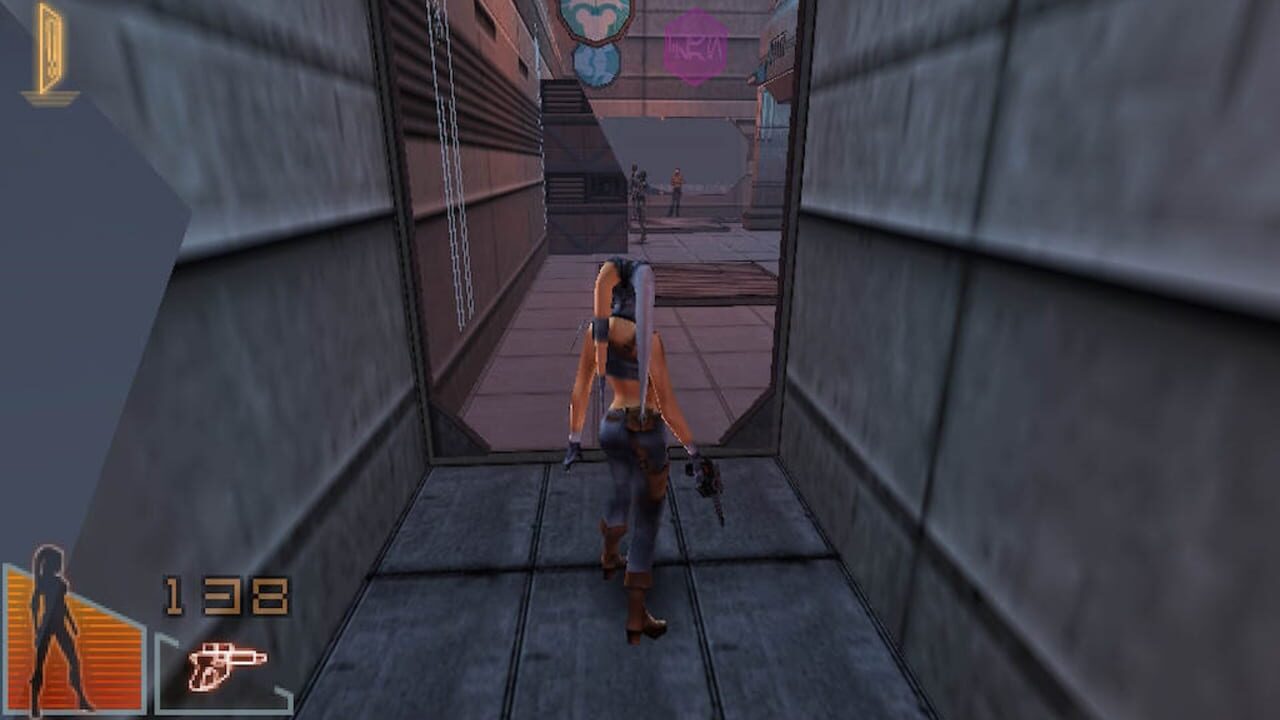
Ubisoft Montreal and Ubisoft Casablanca developed it. Zeeo the droid helps Rianna with control panels, a ride-able platform and a shield. The DS version makes use of the touch screen.
You play Rianna in third-person action, with acrobatic moves and combination attacks alongside Zeeo.
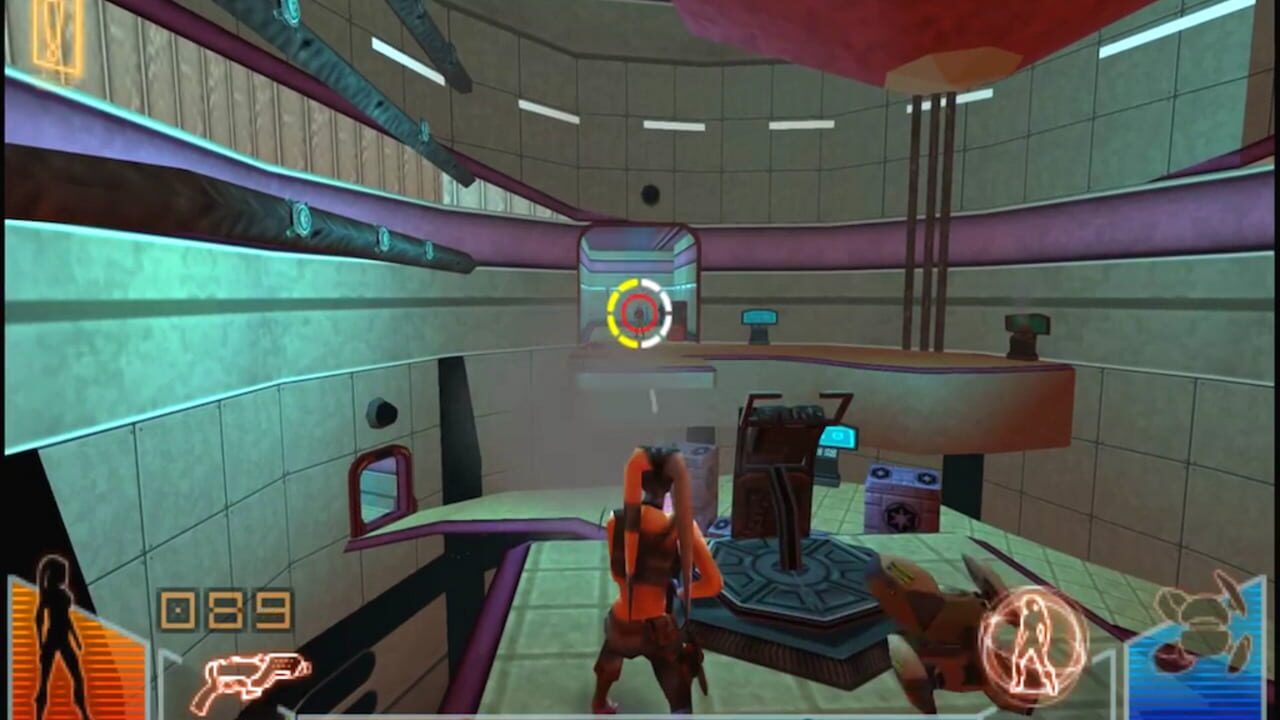
Star Wars Battlefront: Renegade Squadron (2007)
Oct 9, 2007Nov 9, 2007
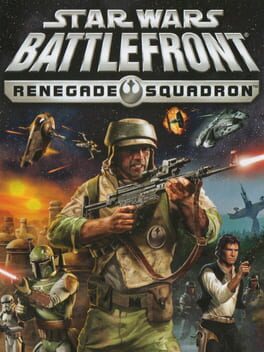
This was the first handheld-only Battlefront. Critics liked the customization and online play and found the single-player brief. It was one of the first games in a bundle with the redesigned PSP.
Each side has a set number of reinforcement tickets, and you win by capturing every command post or running the other team's count down to zero.


Star Wars: The Force Unleashed (2008)
Sep 16, 2008Sep 19, 2008Sep 16, 2008Sep 16, 2008
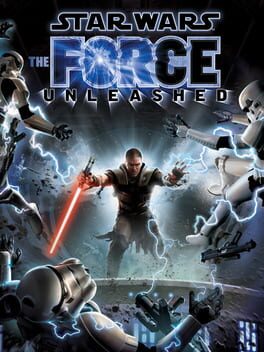
The Force Unleashed bridges the first two trilogies, and you play Darth Vader's secret apprentice. The PS3 and Xbox 360 versions run on the Ronin engine with dynamic destruction. It sold over 1,000,000 copies in its first month.
Critics liked the story and physics and disliked the linear play. The Ultimate Sith Edition with extra content arrived in November 2009, and Switch owners got the Wii version remastered on April 20, 2022.


Star Wars: The Clone Wars: Lightsaber Duels (2008)
Nov 11, 2008Nov 14, 2008
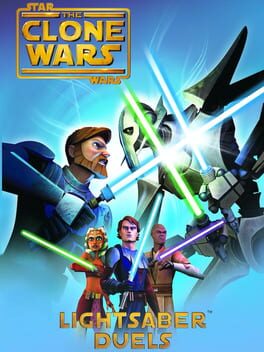
This Wii fighter ties to the animated series. Campaign Mode lets you fight only as Anakin, Obi-Wan or Ahsoka. Reviews were mixed.
Quick time events can appear in a duel, and the right gestures win them.


Star Wars: The Clone Wars: Jedi Alliance (2008)
Nov 11, 2008Dec 11, 2008
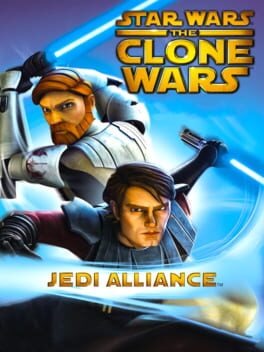
Jedi Alliance is the DS partner to Lightsaber Duels, released on the same day. Hands-on jobs, like cutting a hole in a door or hacking a panel, are stylus minigames.
Movement, combat and quick time events all run on the touch screen.
Star Wars: The Clone Wars: Republic Heroes (2009)
Oct 6, 2009Oct 6, 2009Oct 9, 2009Oct 6, 2009Oct 6, 2009Oct 6, 2009Oct 6, 2009Oct 6, 2009Oct 6, 2009Oct 9, 2009

Republic Heroes follows the show, with the scientist Kul Teska building a superweapon for the Separatists. It holds 46% on Metacritic, with the fixed camera, repetitive play and dull story taking the blame.
It is a co-op game, and depending on the level you control two Jedi or two clone troopers.


Star Wars Battlefront: Elite Squadron (2009)
Nov 3, 2009Nov 6, 2009
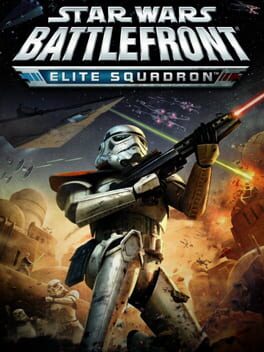
Rebellion Developments made the PSP version, following Renegade Squadron. Instant Action has only four players, usually one per faction.
You fight on foot, in ground vehicles or in space, and once a capital ship's shields are down you can board it and fight inside.

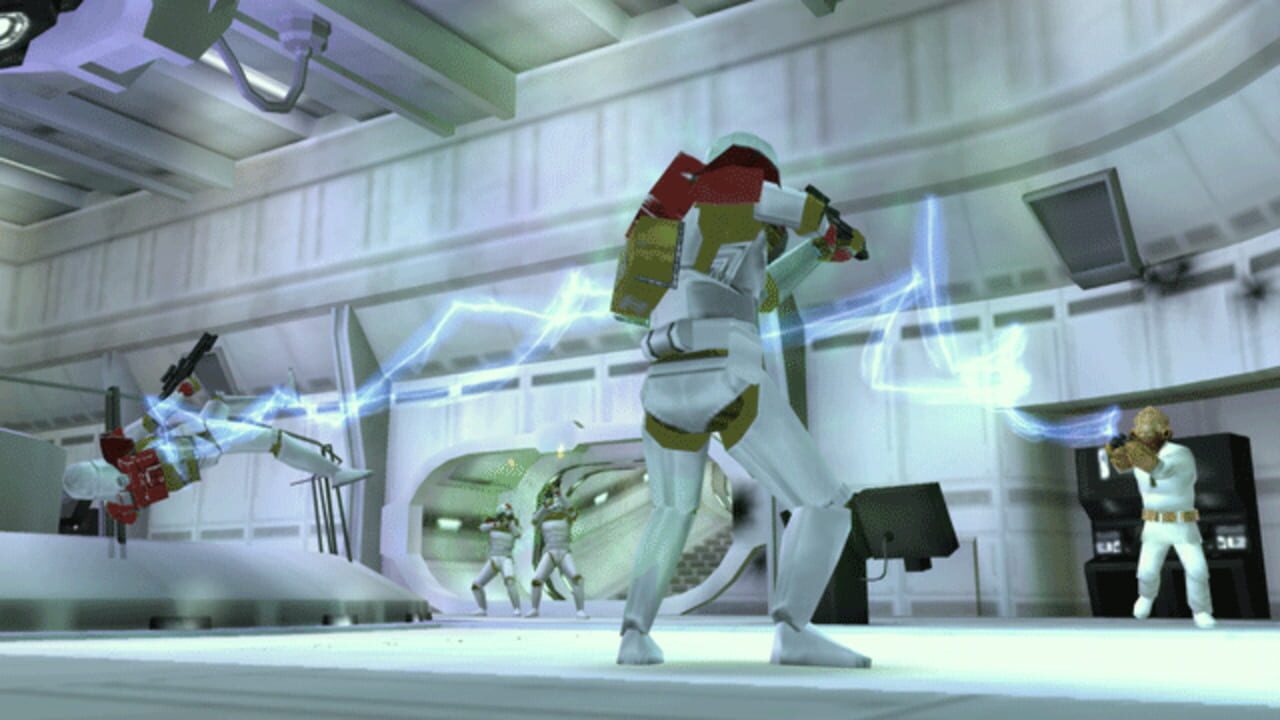
Clone Wars Adventures (2010)
Sep 15, 2010

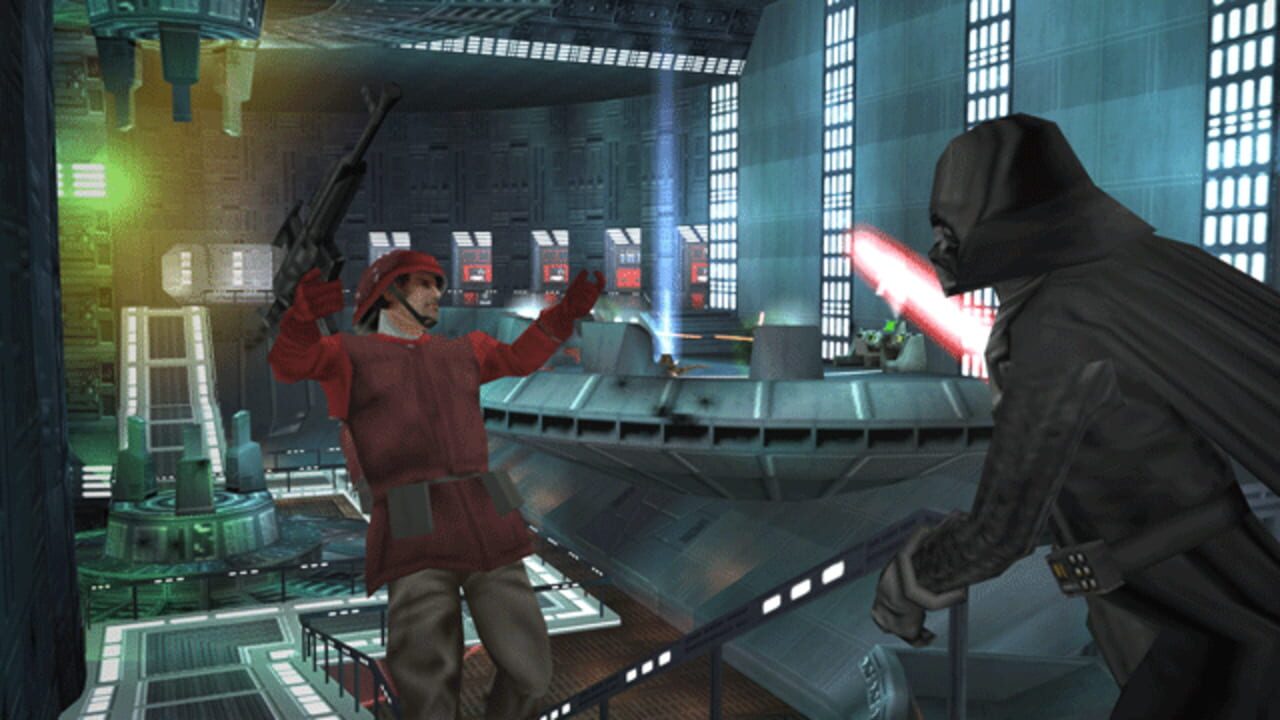
Clone Wars Adventures was an online virtual world based on the animated series. It was free to play, and it passed 10 million registered players. Members got dual lightsabers and a deluxe house.
Star Wars: The Force Unleashed II (2010)
Oct 26, 2010Oct 29, 2010Oct 26, 2010
Sam Witwer plays Starkiller again. Critics praised the graphics and sound and disliked the short length. A third game was planned and canceled.
Starkiller now fights with dual lightsabers, and experience from enemies and artifacts raises his powers and traits.


Lego Star Wars III: The Clone Wars (2011)
Feb 28, 2011Mar 22, 2011Mar 25, 2011Mar 22, 2011Oct 27, 2011Nov 14, 2011Mar 22, 2011Mar 25, 2011Mar 22, 2011
The third Lego game upgraded the engine to hold more than 200 moving units on screen. It opens with the Geonosian Arena battle from Attack of the Clones. A 3DS version came out on March 27.
Scene swap lets you switch between teams in separate locations, and some battles have you command large ground armies.


Star Wars: The Old Republic (2011)
Dec 20, 2011Dec 20, 2011Mar 1, 2012Dec 20, 2024Dec 20, 2024Dec 20, 2024
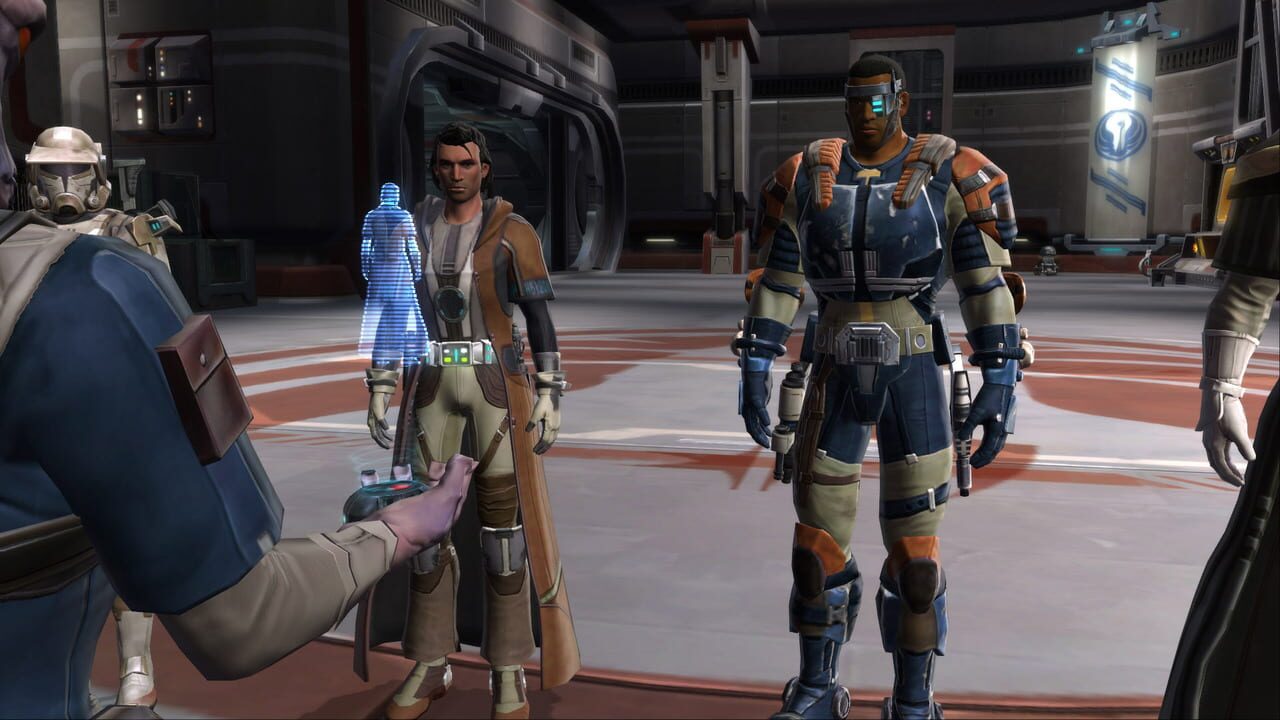
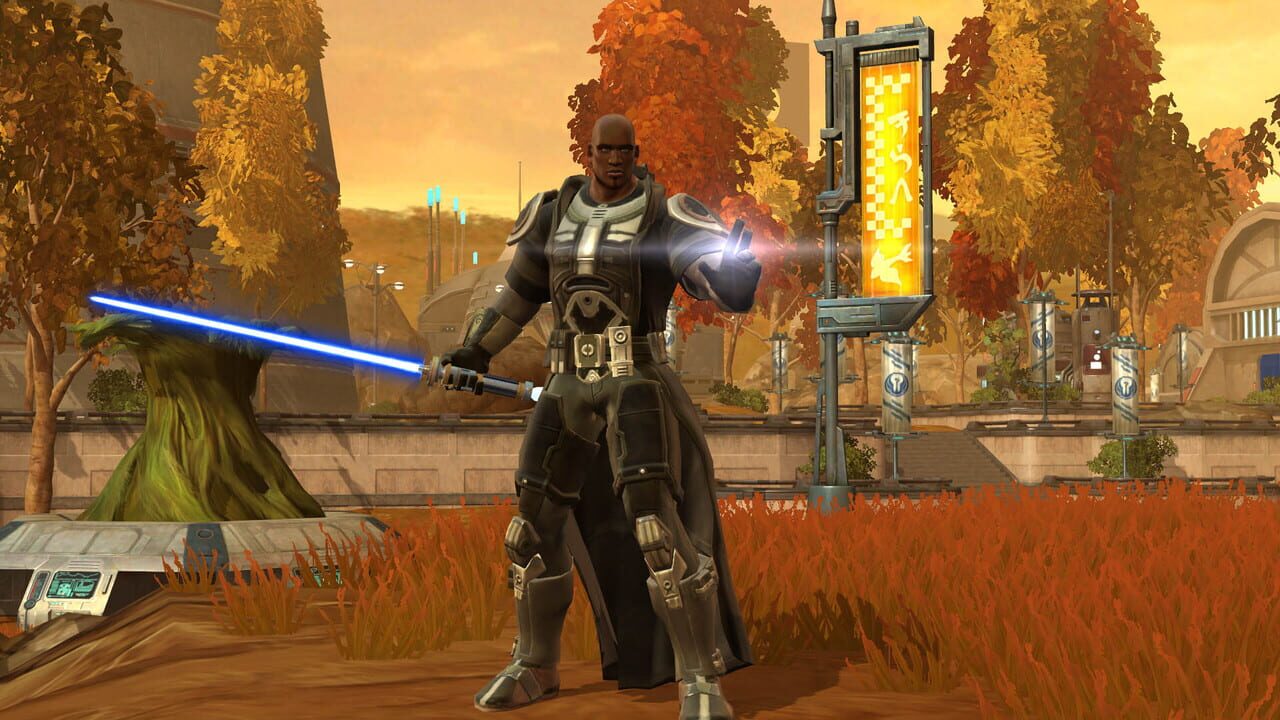
BioWare's online role-playing game has fully voiced dialogue and companion characters, and every player gets their own starship. It is estimated to be one of the most expensive games ever developed, and that was before anyone bought a house on Coruscant.
Expansions run from Rise of the Hutt Cartel in 2013 to Legacy of the Sith in 2022.

Kinect Star Wars (2012)
Apr 3, 2012Apr 3, 2012Apr 5, 2012Apr 5, 2012
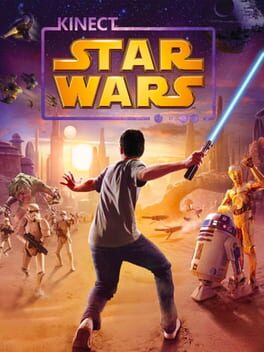
Terminal Reality developed it for LucasArts and Microsoft Studios. You play with your body, which is how most people found out they were low on Force. In Jedi Destiny you swing a lightsaber with gestures, and in the speeder sections you hold your arms out to go faster.
It was the last game published by LucasArts before Disney halted internal development a year later.


Angry Birds Star Wars (2012)
Nov 8, 2012Oct 29, 2013Nov 1, 2013Oct 29, 2013Nov 15, 2013Nov 22, 2013
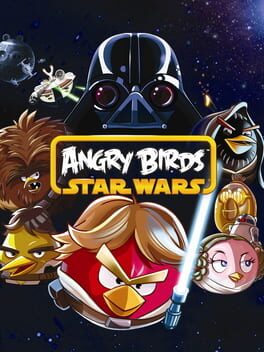
Rovio put the birds in the original trilogy, with its characters playing Star Wars roles. Mobile players downloaded it over 100 million times. A red bird as Luke is not the strangest casting Star Wars has tried.
Activision's console ports came in late 2013 and got negative reviews.


Star Wars Pinball (2013)
Feb 27, 2013May 14, 2013Jul 11, 2013Sep 19, 2013Sep 19, 2013

Pinball tables sold alone and as add-ons for Zen Pinball 2. The first set has tables for The Empire Strikes Back, The Clone Wars and Boba Fett. More packs followed for each new film, up to the Solo Pack in 2018.


Angry Birds Star Wars II (2013)
Sep 19, 2013
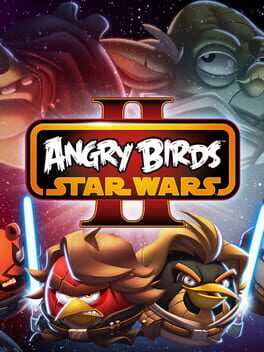
The sequel moves to the prequel trilogy, and ten Star Wars characters are played by Angry Birds characters. Critics were generally positive.


Star Wars: Tiny Death Star (2013)
Nov 7, 2013
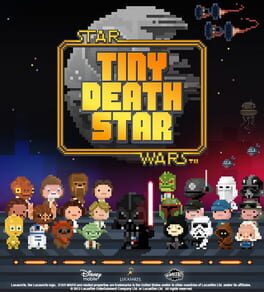
Tiny Death Star is NimbleBit's Tiny Tower with a Star Wars skin. Commercial floors sell products by themselves, even while you are away. Disney removed it from all app stores, which NimbleBit found out without notice. Palpatine would have called that good management.


Star Wars Commander (2014)
Aug 23, 2014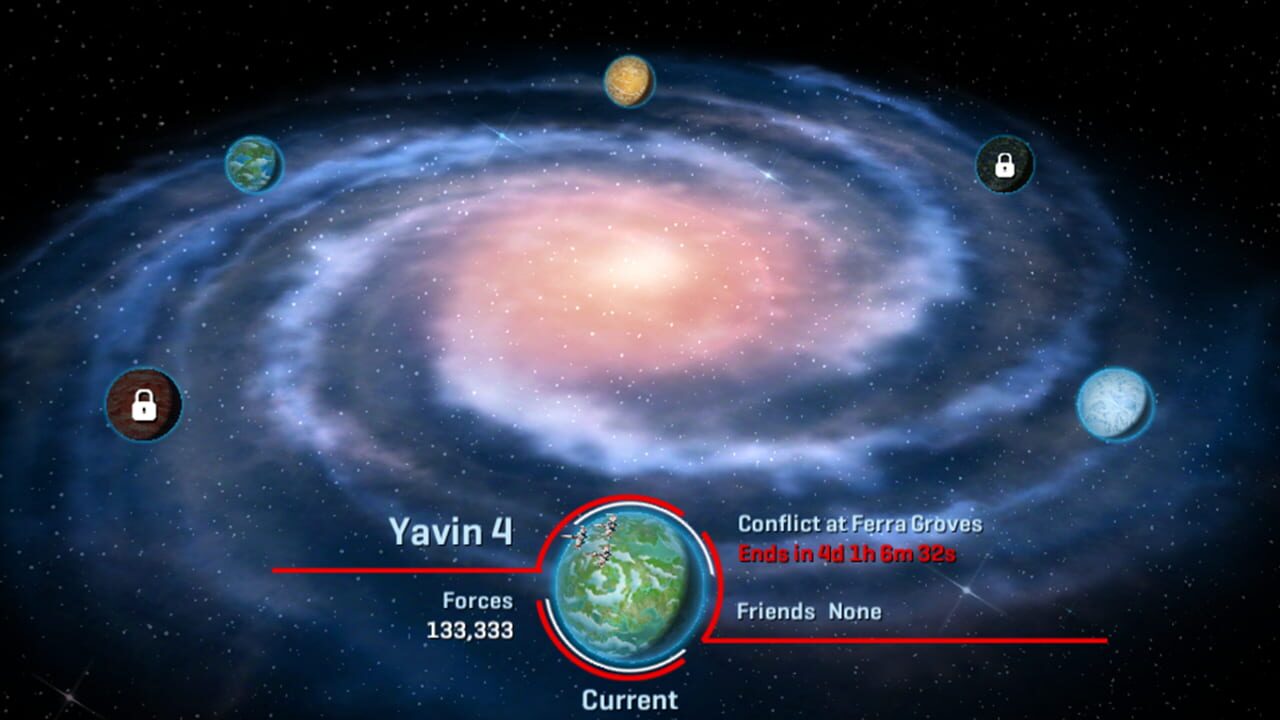
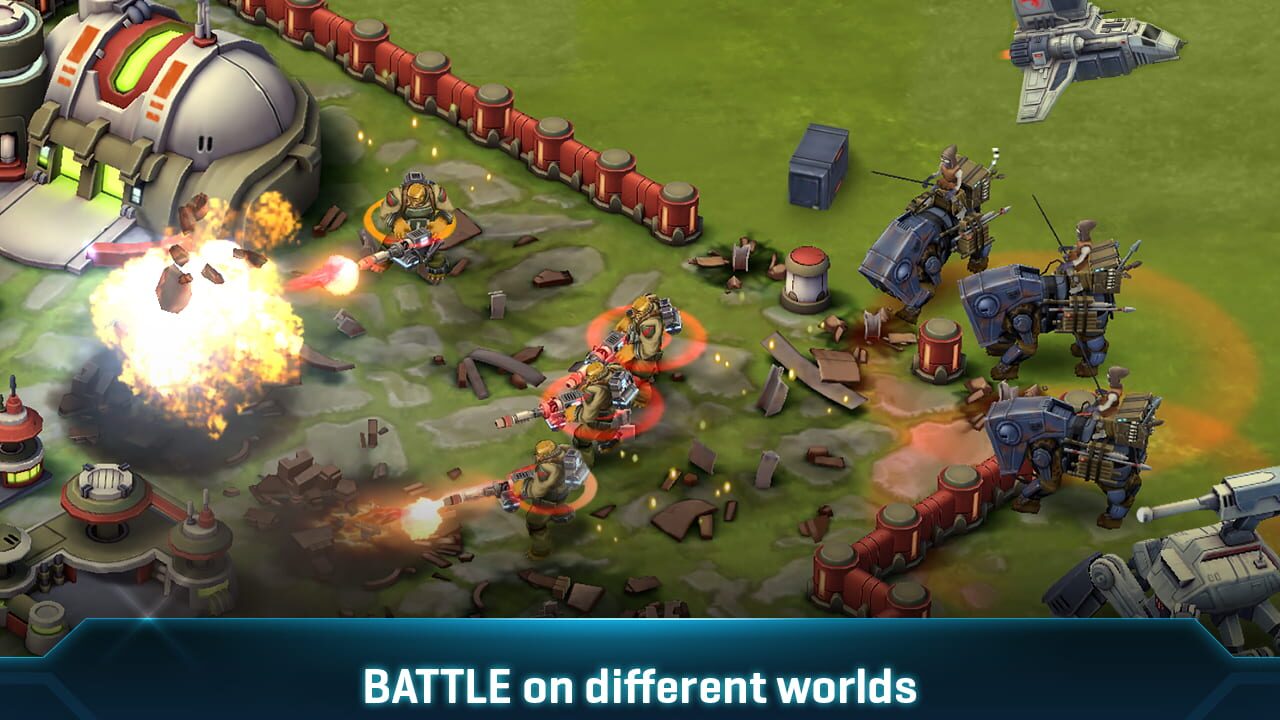
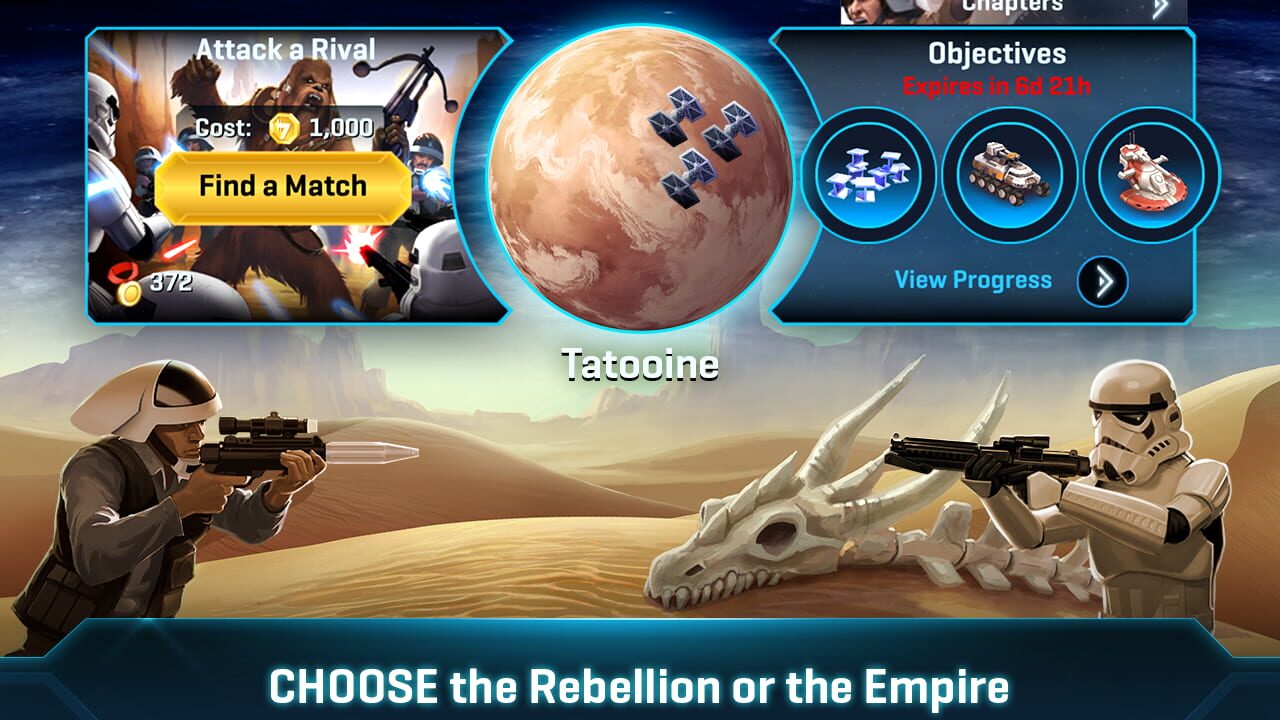
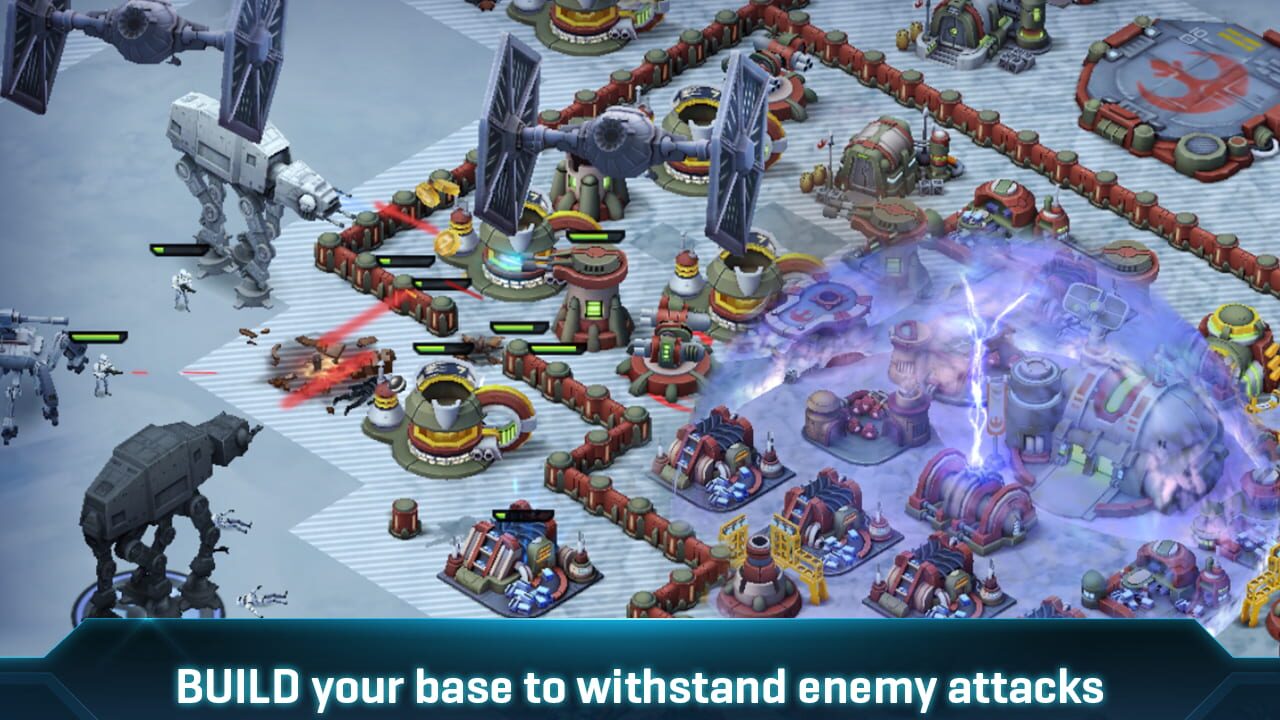
Commander was a freemium strategy game from Disney Mobile. You build a base and raid others, and a battle lasts two minutes at most. The game ended on June 12, 2020.
It plays like Clash of Clans: you upgrade buildings by attacking other players, and medals set how strong your opponents are.
Star Wars Battle Pod (2014)
Oct 8, 2014Jan 2015

Bandai Namco's rail shooter was unveiled at New York Comic Con. Its scenarios follow major battles from the original trilogy, and one has you playing Darth Vader. Another version adds a T-70 X-wing mission from The Force Awakens.
The cabinet came with a dome screen or, in a smaller sit-down version, a flat screen.


Disney Infinity 3.0 (2015)
Aug 28, 2015Aug 30, 2015
Disney Infinity 3.0 is the third and final game in the toys-to-life series, and the one that added Star Wars. Ninja Theory, Sumo Digital and others helped Avalanche Software. It has the only four-player local play set in the line.
Lightsabers joined the combat with the Star Wars characters, and Luke can use blaster and lightsaber together to juggle enemies in the air.


Star Wars: Uprising (2015)
Sep 10, 2015
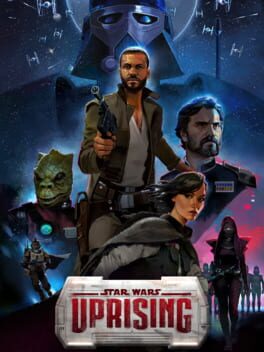
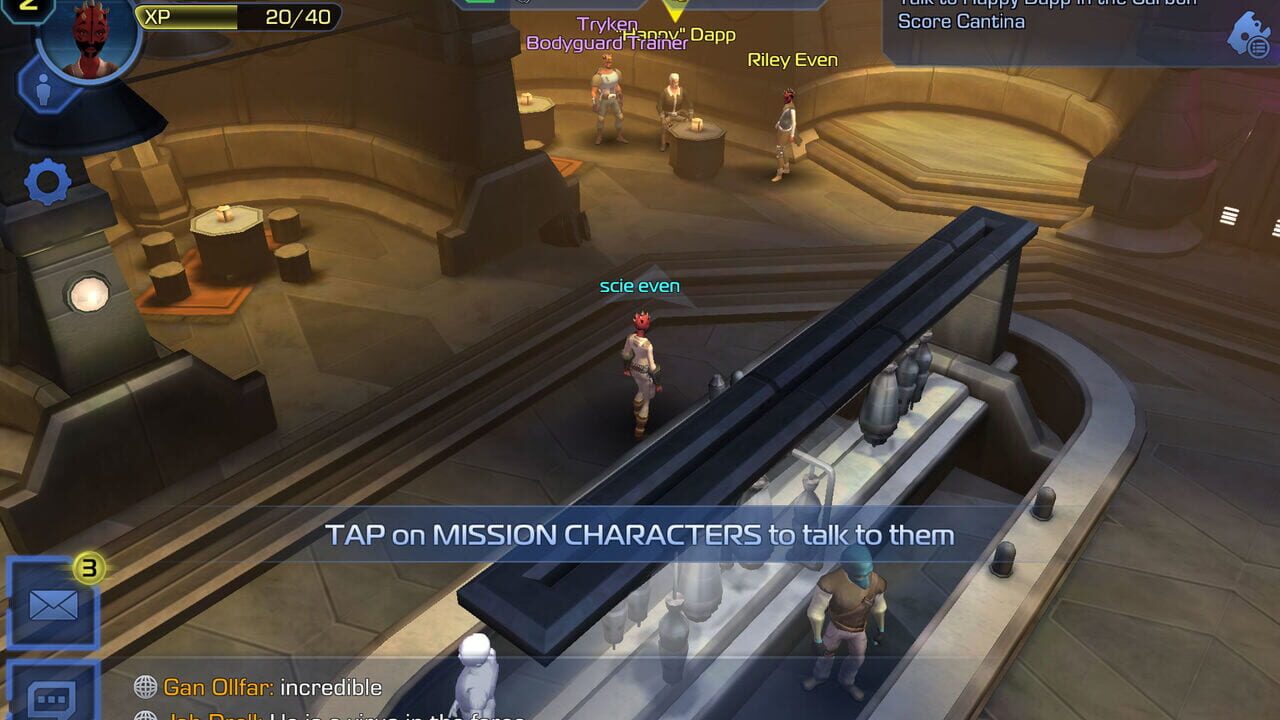
Kabam's action role-playing game is set shortly after Return of the Jedi, with Imperial Governor Adelhard locking down the Anoat Sector. Its servers shut down on November 17, 2016. The uprising lasted 14 months, which beats most of the ones in the films.
Adelhard hides Palpatine's death and refuses to accept the fall of the Empire, so smugglers, crime lords and nobles form their own rebellion.
Star Wars Battlefront (2015)
Nov 17, 2015Nov 19, 2015Nov 20, 2015
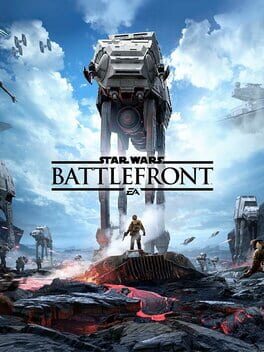
EA's reboot was made by DICE, and critics praised the visuals and sound and marked it down for little content at launch and the season pass. It sold more than 14 million copies. Fighter Squadron is a starship mode where the first team to 100 kills wins.


Star Wars: Galaxy of Heroes (2015)
Nov 24, 2015
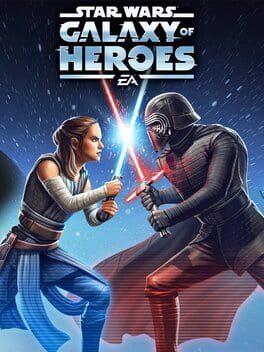
Galaxy of Heroes is a mobile collectible RPG with turn-based battles led by speed. A Windows version arrived on April 18, 2024.
You earn shards from battles to unlock heroes, and each character can reach seven stars.


Lego Star Wars: The Force Awakens (2016)
Jun 28, 2016Jun 28, 2016Jun 28, 2016Jun 28, 2016Jun 28, 2016Jun 28, 2016Jun 28, 2016Jun 28, 2016Jun 28, 2016Jun 28, 2016Jun 28, 2016Jun 28, 2016Jun 28, 2016Jun 28, 2016Jul 28, 2016
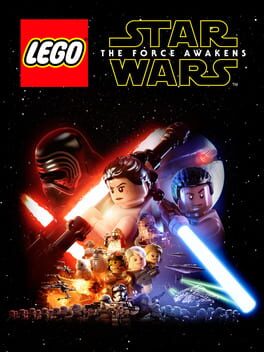
TT Fusion made the Lego version of the seventh film. It got 12 DLC packs, and the first explains how C-3PO got his red arm. Few arms get their own DLC. It was the last Lego game for PS3, Xbox 360 and Wii U.


Star Wars: Force Arena (2017)
Jan 12, 2017
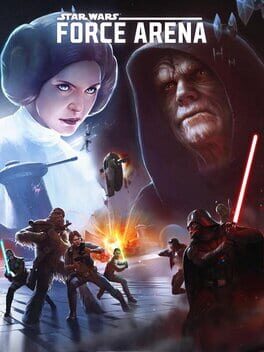
Netmarble's player versus player strategy game reached 6.5 million players by its first anniversary. It shut down on January 12, 2019, two years to the day.
An update on August 14, 2017 added Clone Wars content, and the New Republic era followed on November 9, 2017.


Star Wars Battlefront II (2017)
Nov 17, 2017Nov 17, 2017Nov 17, 2017
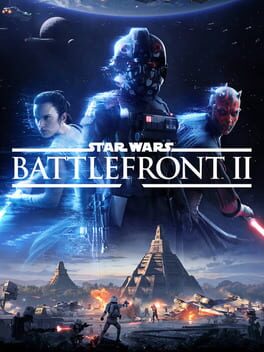
Critics liked the multiplayer and disliked the campaign, microtransactions and progression system. Free updates then brought in a large number of new players, and those updates ended on April 29, 2020.
A Celebration Edition with all the cosmetics came out on December 5, 2019.


Vader Immortal (2019)
May 21, 2019Aug 25, 2020
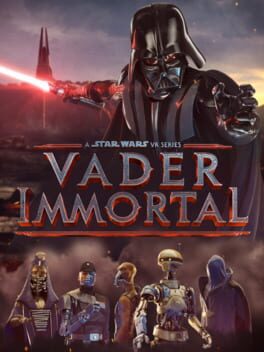
Vader Immortal is three virtual reality chapters. You are a Force-sensitive smuggler taken captive by Darth Vader. That is still safer than being one of his admirals. The last chapter came out on November 21, 2019, and PlayStation VR got it on August 24, 2020.
Each chapter focuses on different abilities, and a dojo lets you practice against waves of enemies with a lightsaber and Force powers.


Star Wars Jedi: Fallen Order (2019)
Nov 15, 2019Nov 24, 2020Jan 12, 2021
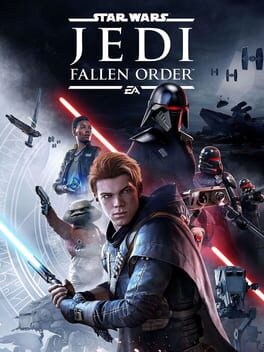
Fallen Order began as an original title with no link to Star Wars, until EA suggested the action would suit the license. Stig Asmussen directed it, and the combat and levels draw on Metroid Prime, Dark Souls and The Legend of Zelda: The Wind Waker.
Cameron Monaghan plays Cal Kestis, and Ben Burtt voices BD-1. PS5 and Xbox Series X/S versions came on June 11, 2021.


Star Wars: Squadrons (2020)
Oct 2, 2020Nov 25, 2020
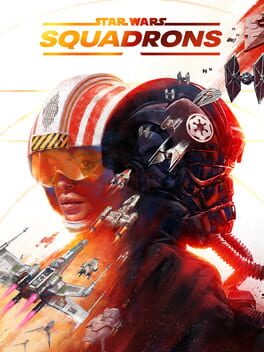
Squadrons is a space combat game played only from the cockpit, and you move power between weapons, shields and engines. It brought X-Wing style flying back after two decades. It sold more than 1.1 million digital copies by October 2020.
The campaign is set after Return of the Jedi and alternates between the New Republic's Vanguard Squadron and the Galactic Empire.


Star Wars: Tales from the Galaxy's Edge (2020)
Nov 19, 2020
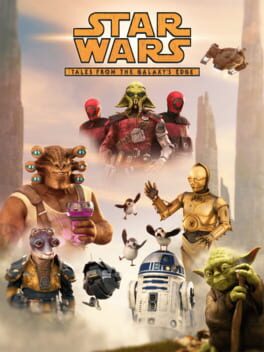
This VR shooter is inspired by the Galaxy's Edge land at Disneyland and Disney's Hollywood Studios. The Last Call add-on followed in 2021, and the Enhanced Edition reached PlayStation VR2 on February 22, 2023.
You play a droid mechanic who crash lands on Batuu, and the bartender Seezelslak tells stories from different eras of Star Wars.


Lego Star Wars: The Skywalker Saga (2022)
Apr 5, 2022
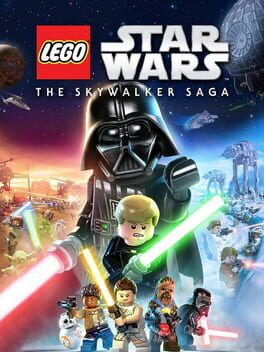
The Skywalker Saga adapts all nine films. It sold more than 3.2 million copies in two weeks, and critics liked the humor and level design. Technical issues and no online multiplayer drew complaints. Palpatine came back for this one too, somehow.
Each episode has five main story missions, for 45 levels in all, and there are 380 playable characters.


Star Wars Jedi: Survivor (2023)
Apr 28, 2023Sep 17, 2024
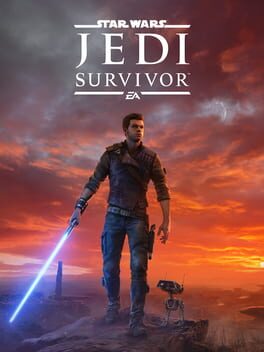
Cal returns in a bigger game with AI companions. Development took three and a half years under Stig Asmussen, and critics called it an improvement on Fallen Order. It was the last game from EA's 10-year exclusive deal. PS4 and Xbox One versions came on September 17, 2024.


Star Wars: Hunters (2024)
Jun 4, 2024Jan 27, 2025

Hunters was a free-to-play arena shooter from Zynga for squads. It shut down on October 1, 2025, after about 16 months.
It is set between Episode VI and Episode VII, in arenas inspired by Star Wars locations.


Star Wars Outlaws (2024)
Aug 30, 2024Sep 4, 2025
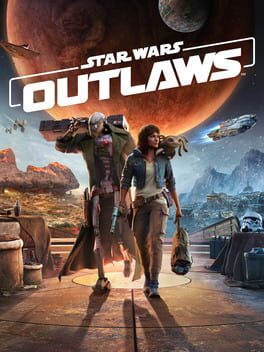
Massive Entertainment's open world game follows Kay Vess, played by Humberly González, with Dee Bradley Baker as her companion Nix. The team had help from ten other Ubisoft studios.
Reviews were generally positive, but sales missed Ubisoft's expectations. A Switch 2 version came out on September 4, 2025.


Star Wars: Beyond Victory (2025)
Oct 7, 2025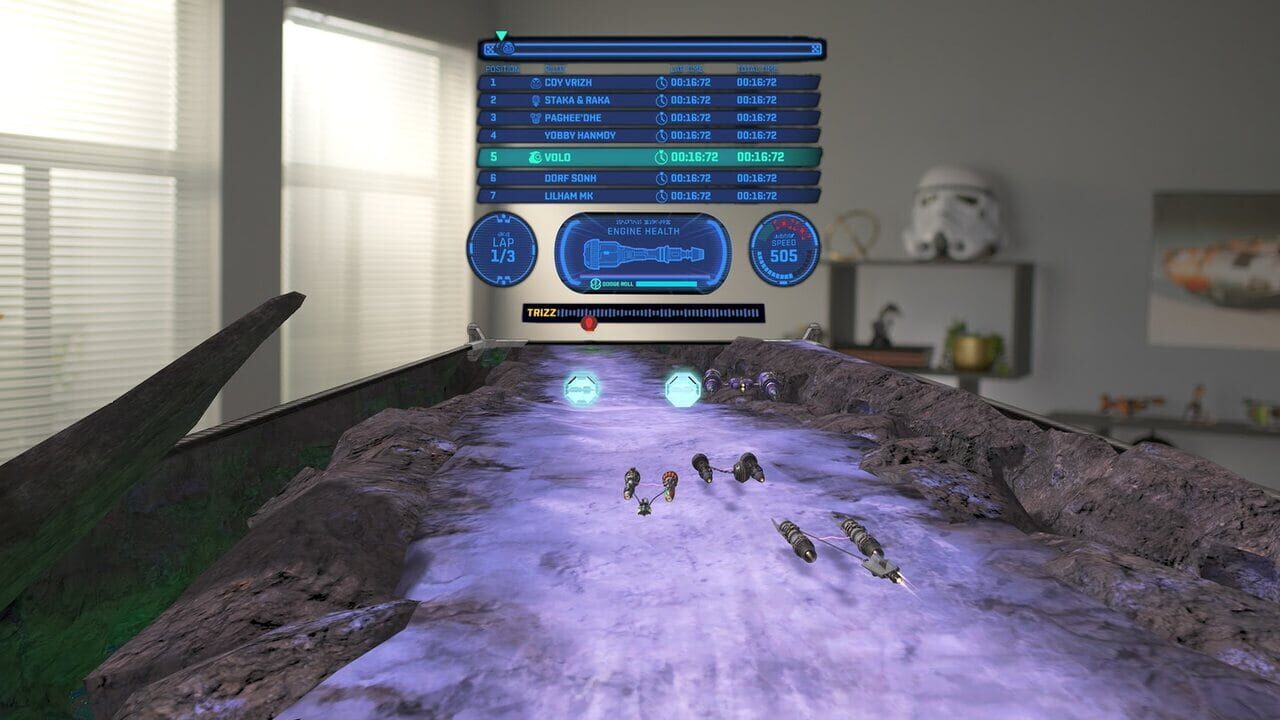

Beyond Victory is a VR game for Meta Quest 3 and Quest 3S, and the newest of the Quest Star Wars games.
Monopoly: Star Wars Heroes vs. Villains (2026)
Jun 30, 2026

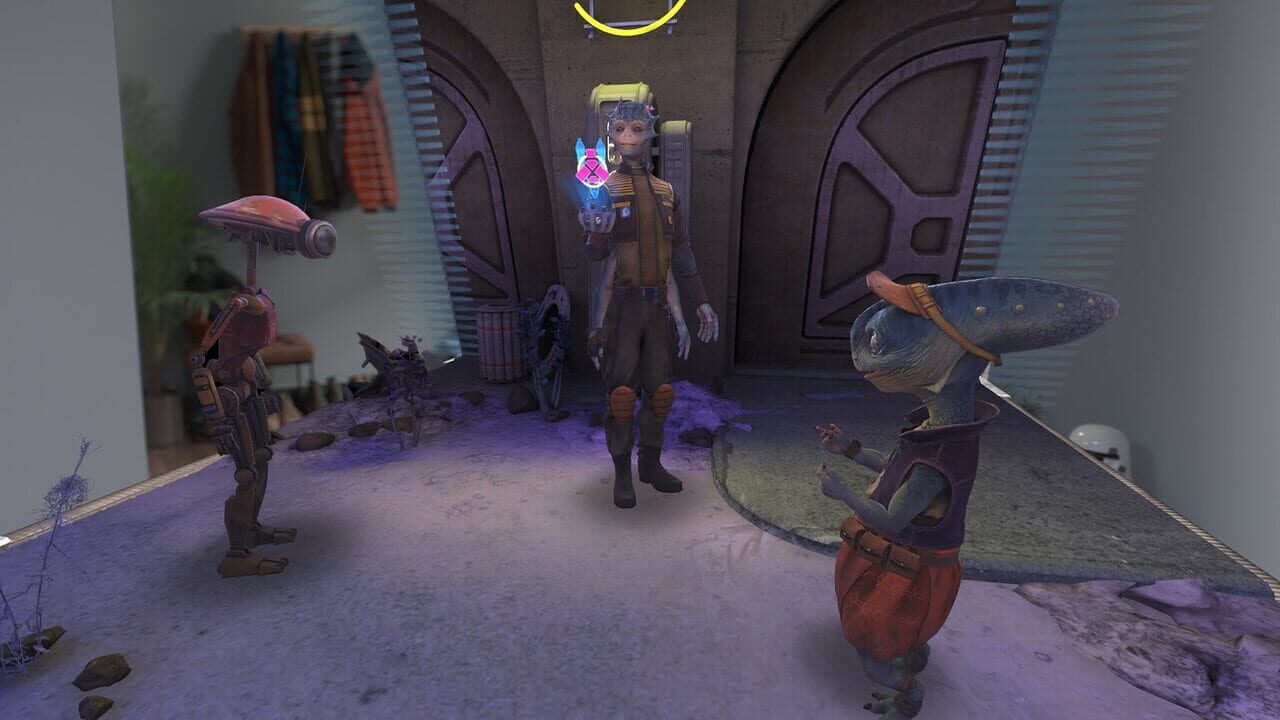
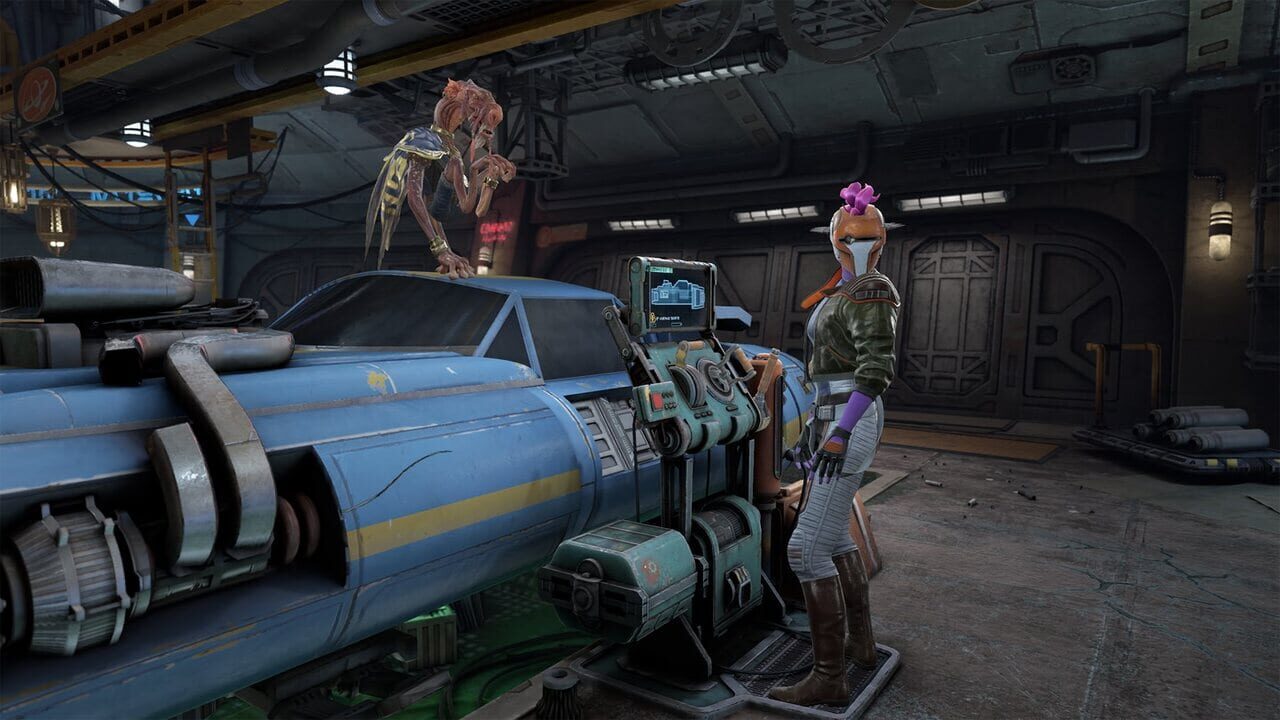
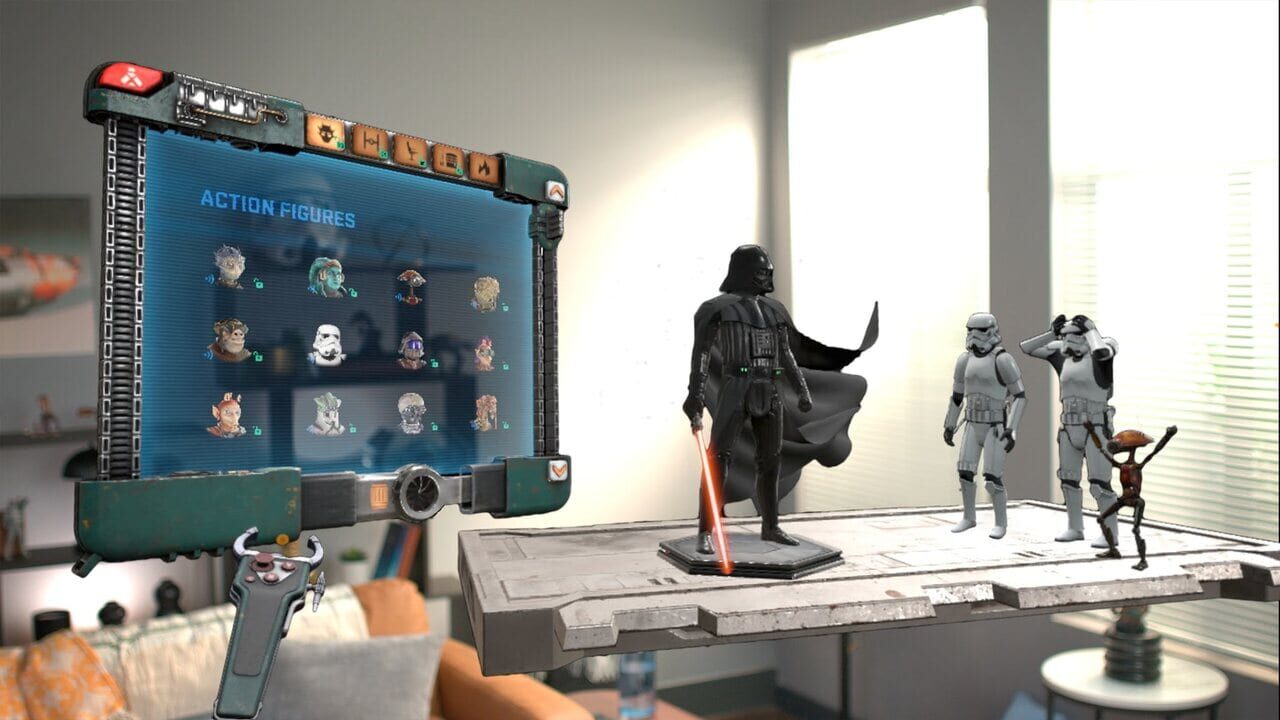
Monopoly returned to the galaxy 29 years after Monopoly Star Wars, this time on Windows, PS5, Xbox Series X/S, Switch and Switch 2.


Star Wars Zero Company (2026)
Aug 27, 2026
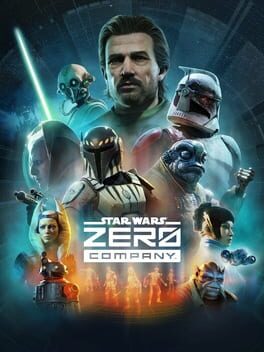
Zero Company is a turn-based tactics game from Bit Reactor, and the studio has former Firaxis staff who worked on XCOM. It began as a pitch set in the Titanfall universe. You can set Hawks' gender, appearance and voice.
It sold one million copies in its first month.


Star Wars: Galactic Racer (2026)
Oct 6, 2026
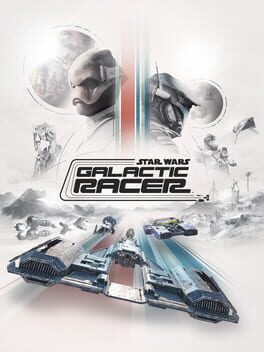
Fuse Games made this racer for Secret Mode. Shade is your racer, and the plan to save Pax is to humiliate Kestar out of the League. Fuse employs about 75 developers.
Podracing fans have now waited 24 years since Racer Revenge for this, and Lucasfilm Games was involved in the creative decisions from the start.


Never released in English
- Star Wars (1987, Famicom) - Star Wars: Attack on the Death Star (1991, PC-9801 and X68000)