There are 30 Street Fighter games that came out in the USA, listed here in US release order from the 1987 arcade game to Street Fighter 6 in 2023. Spin-offs are marked.
Street Fighter (1987)
 Aug 30, 1987
 1987
 1987
 Dec 7, 2006

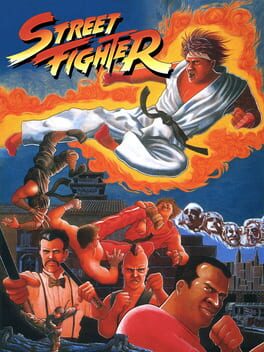
Takashi Nishiyama directed it, and he built the idea from the boss battles of his earlier beat 'em up Kung-Fu Master. You play Ryu and fight through five countries. The commands for special moves were left off the arcade instruction card, so you had to find them yourself. The title came from the Sonny Chiba film The Street Fighter.
Keiji Inafune, best known for Mega Man, got his start at Capcom drawing the character portraits here. The deluxe cabinet had pneumatic pads that read how hard you hit them. Players often punched the pads, sometimes injuring themselves, which is the most sincere review an arcade game can get. The TurboGrafx-CD port was called Fighting Street.


Street Fighter 2010: The Final Fight (1990)
Aug 8, 1990Sep 1, 1990Feb 26, 2014Sep 4, 2014Oct 2, 2014Oct 15, 2014Dec 18, 2014Jan 15, 2015

This one is an action platformer for the NES, with no one-on-one fights at all. You destroy a target in each stage to gather the energy that opens a portal to the next one, and the portal only stays open for a limited time. Ken shoots straight ahead or upward, and a flip jump lets him aim down.
The English version changed the hero's story so he would pass as Ken from Street Fighter. The Japanese hero is an unrelated character named Kevin. In the English plot, Ken retired 25 years after winning the circuit and became a gifted scientist, a career change nobody at the dojo saw coming.


Street Fighter II: The World Warrior (1991)
Feb 1991Feb 6, 1991
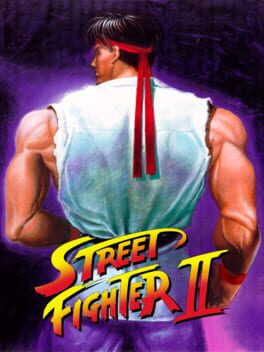
Yoshiki Okamoto and Akira Yasuda designed it after working on Final Fight. It kept the six buttons and the command-based special moves of the first game, and you now pick from a cast with a distinct fighting style for each character. Linked attacks that can't be blocked came about more or less by accident, and combos became part of fighting games from then on.
More than 200,000 arcade cabinets were sold. The Super NES version reached North America on July 15, 1992, and more than 6.3 million cartridges were sold. It stayed Capcom's best-selling single software game for the next 20 years.


Street Fighter II: Champion Edition (1992)
Mar 18, 1992Jun 12, 1993Nov 26, 1993Nov 10, 2009Nov 16, 2009Dec 18, 2009 Dec 18, 2009

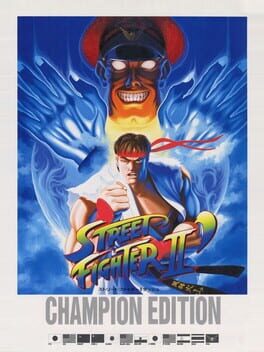
This is the first of several updated versions of Street Fighter II. The four Grand Masters, Balrog, Vega, Sagat and M. Bison, become playable, and they are toned down from the computer-only versions of the first release. It is also the first game in the series with mirror matches, so you can fight a clone of your own character.
The original eight fighters were balanced further for competitive play. Stages got new color palettes, and some endings were redone. The Genesis got Street Fighter II: Special Champion Edition in September 1993, which is based mostly on this version and also lets you play with Turbo rules.


Street Fighter II Turbo: Hyper Fighting (1992)
Dec 10, 1992Dec 21, 1992Aug 2, 2006
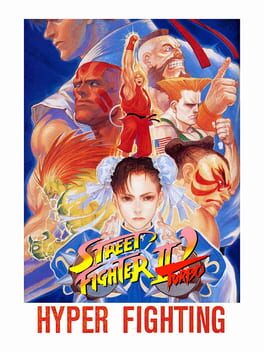
Capcom made this second upgrade in response to the bootleg editions of the game. It was sold as an upgrade kit for Champion Edition cabinets. It is faster, some characters have new special moves, and the balance is tighter. Faster play means special moves and combos need more precise timing. Turbo is the last Street Fighter II arcade game on the original CP System hardware.
The Super NES version came out on August 1, 1993, and it includes Champion Edition as its "Normal" mode. That version also went on the Super NES Classic Edition in 2017.


Super Street Fighter II: The New Challengers (1993)
Sep 10, 1993Oct 1994Sep 30, 1994
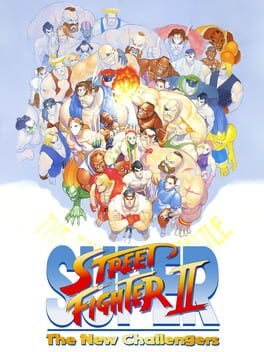
Four new fighters join the cast: Fei Long, Cammy, T. Hawk and Dee Jay. This is the first game on Capcom's CP System II hardware, and the graphics and audio are more sophisticated. The HUD, stages and portraits are new. The music and sound effects were remade, and a new announcer came in. A new scoring system tracks combos, first attacks, reversals and recoveries.
The home versions arrived on July 7, 1994. The Genesis cartridge was 40-meg and the Super NES one 32-meg, and a newspaper listed the cost as about $80, which was a lot of mowed lawns. Players also complained that the game was slower than Hyper Fighting.


Super Street Fighter II Turbo (1994)
Mar 23, 1994Q1 1994Apr 5, 1994Nov 6, 1994Nov 13, 1994Nov 23, 1994Nov 23, 19941995May 5, 1995Jun 1, 1995Jun 2, 19951996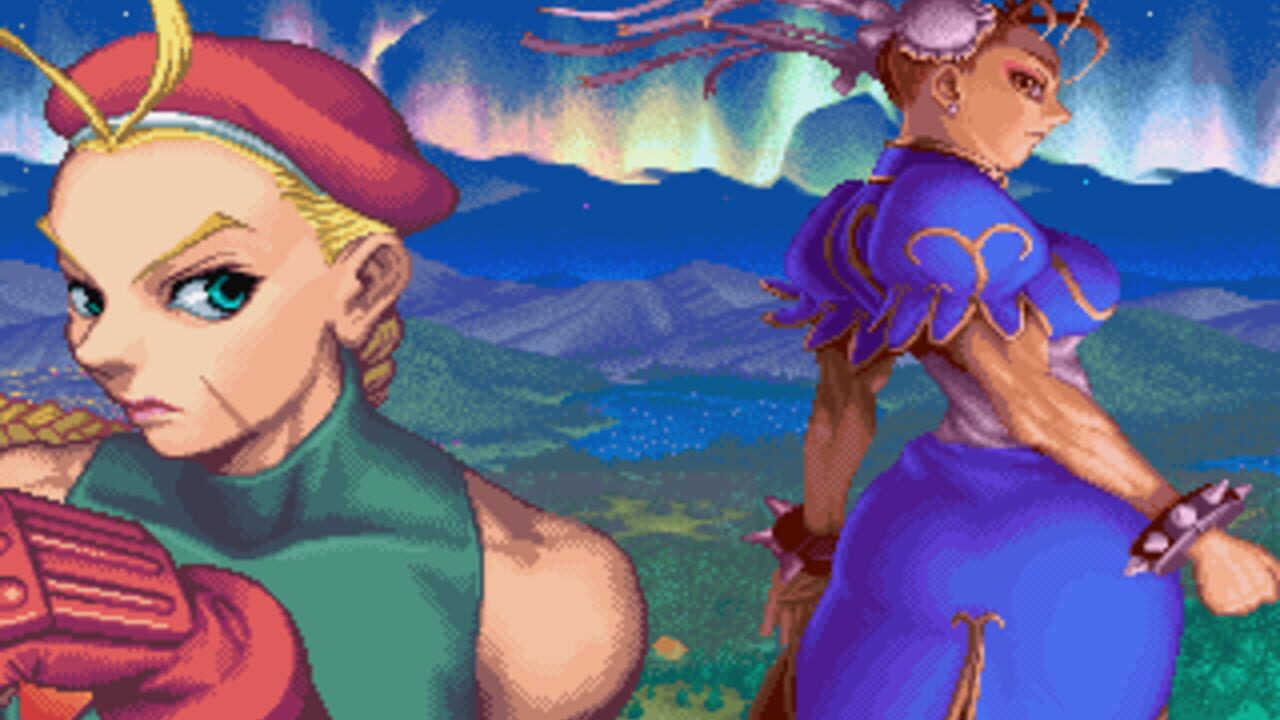
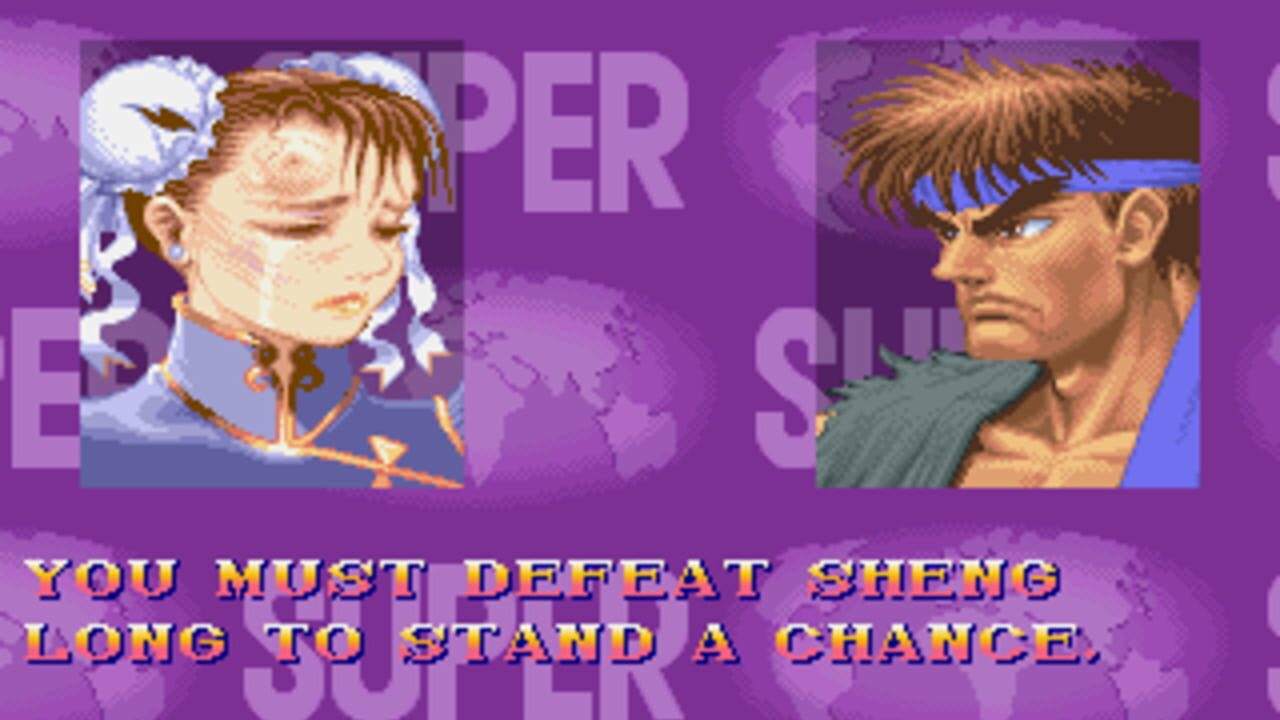
Super Turbo brought in super combos and air combos. Akuma made his first appearance here as the series' first secret character. You enter a code on the player select screen to use him. It was also the first Street Fighter arcade game with an adjustable speed setting, which answered the complaints about the slower Super.
It sold less than earlier versions of Street Fighter II, though critics liked it and it had a major impact on the competitive fighting game community. The 3DO got a port the same year. Super Street Fighter II Turbo HD Remix is a 2008 remake for PlayStation 3 and Xbox 360.


Street Fighter: The Movie (1995)
Mar 19951995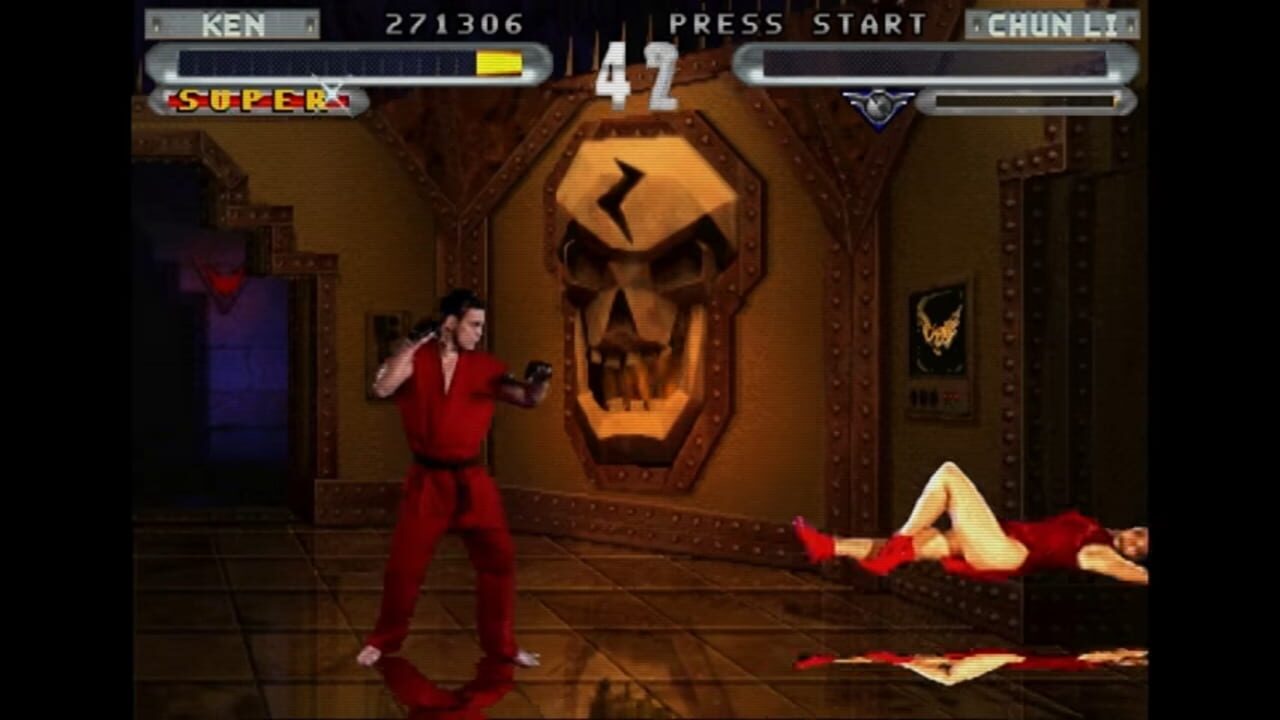

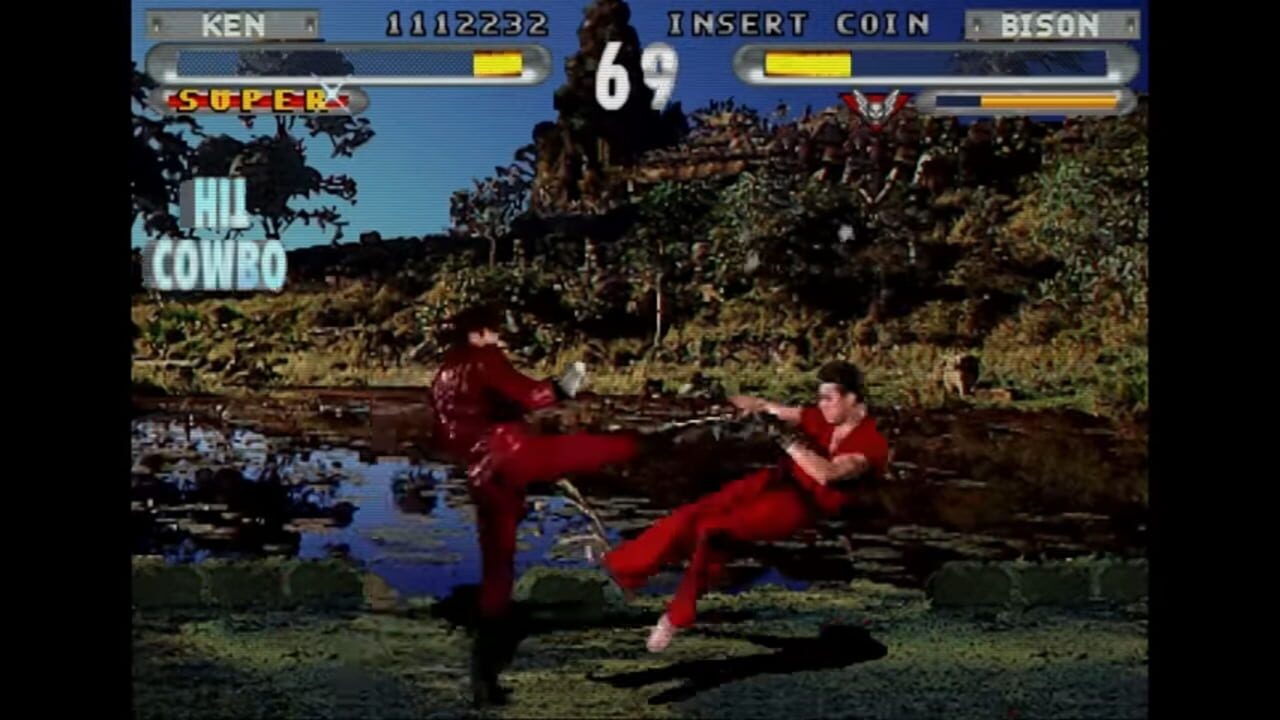
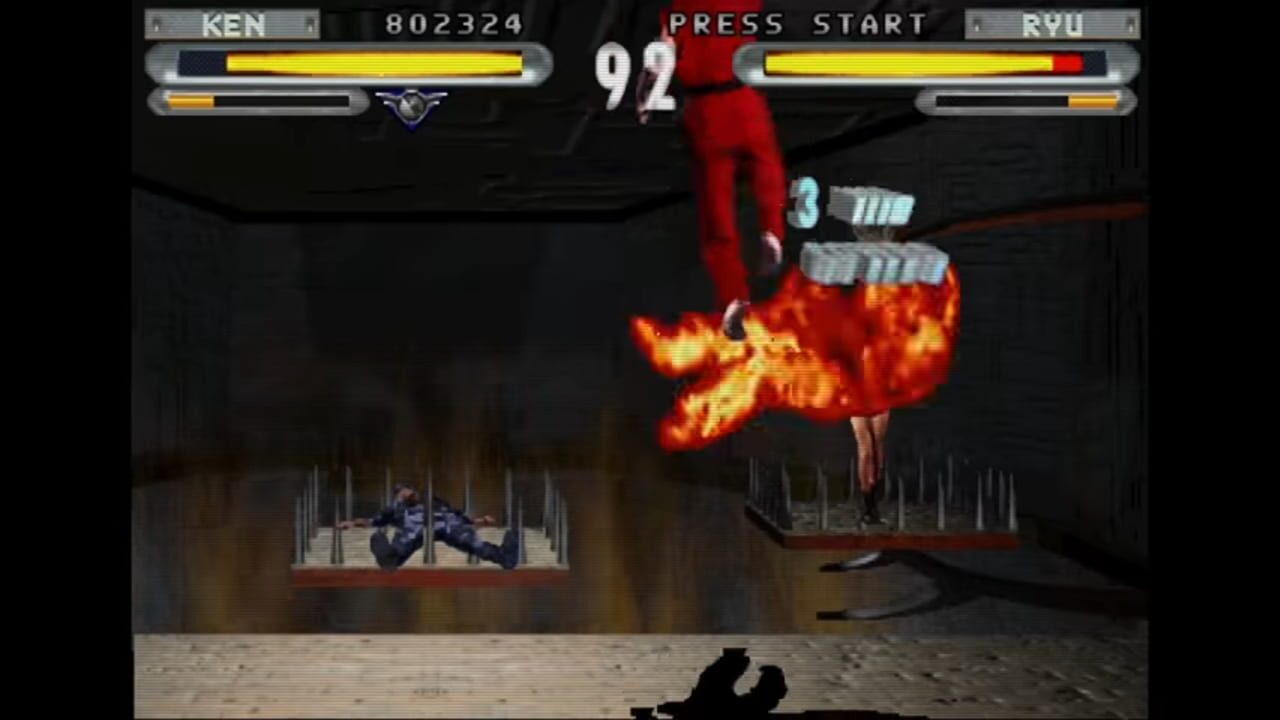
Incredible Technologies made this arcade game for Capcom, based on the 1994 film, and it uses digitized images of the film's cast. Critics widely panned it. Akuma is a regular character for the first time in any game. Many returning fighters got new special moves, including Guile's "Handcuff", based on a glitch in the original Street Fighter II.
Jean-Claude Van Damme was only available for four hours, so stuntman Mark Stefanich also plays Guile. Raul Julia is credited as Bison, but his likeness appears only in archive footage from the film. Getting four hours of a movie star is more than most arcade games ever had.
Street Fighter: The Movie (1995)
Aug 11, 1995Nov 1995Aug 11, 1995Sep 5, 1995Sep 5, 1995Aug 23, 1995
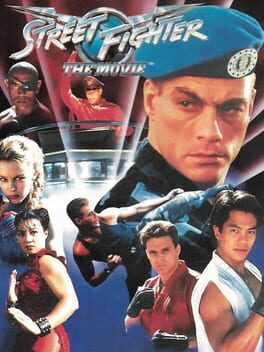
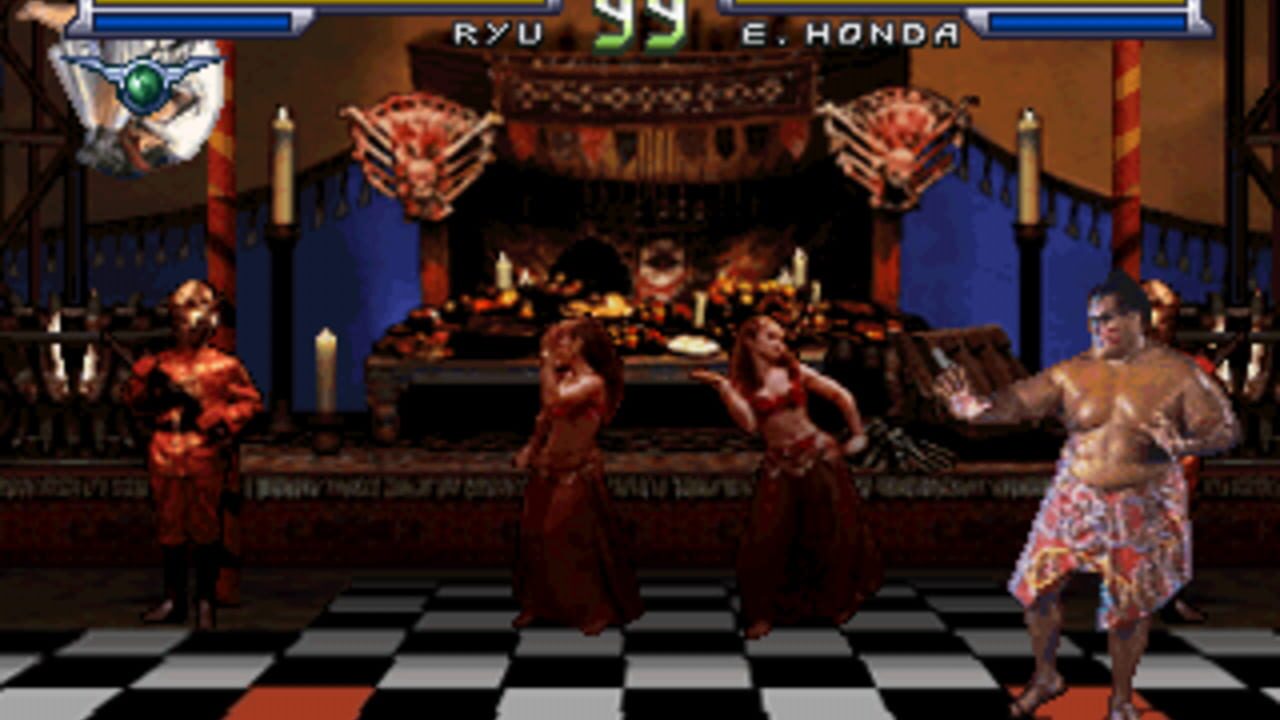
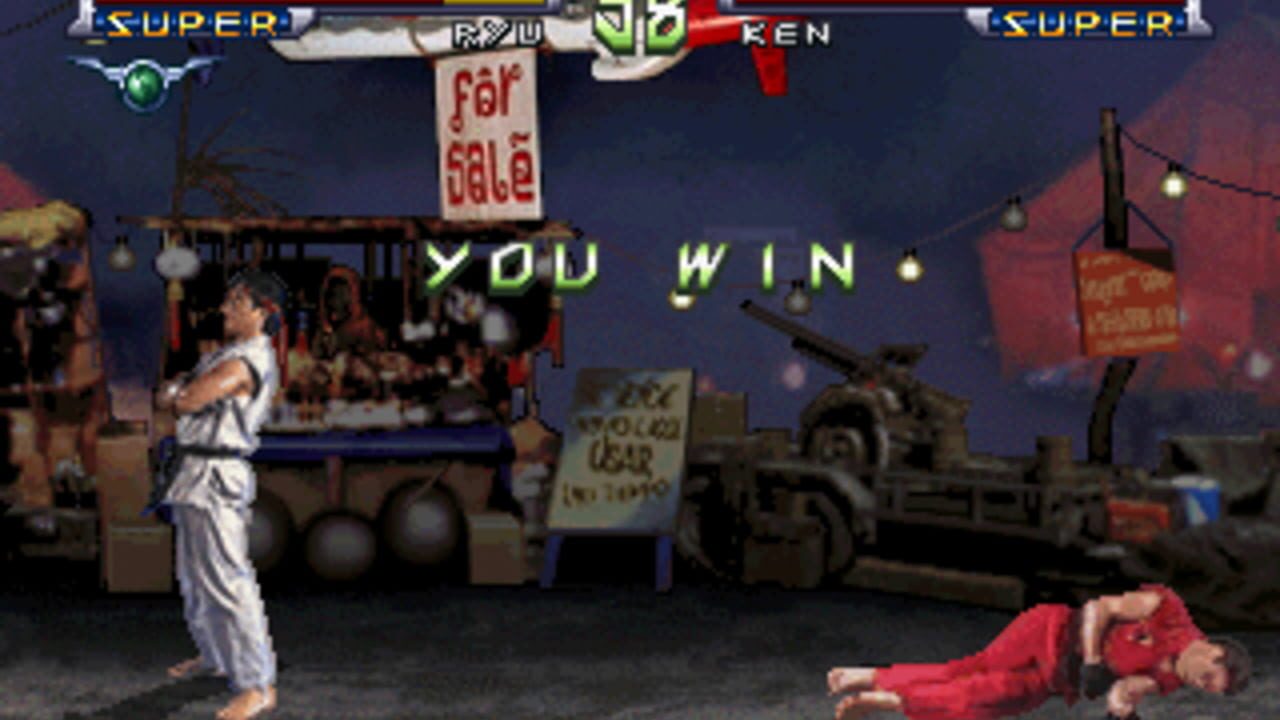
This game has the same title as the arcade game, but it is not a port. Capcom made it in Japan, and Acclaim released it in North America on Saturn and then PlayStation. The digitized film cast is the same. The sprites were processed differently and the backgrounds are all different. Japan called it Street Fighter: Real Battle on Film, to keep it apart from the Street Fighter II Movie game.
It sold out in retail stores within a month of its North American release, and it received mostly negative reviews. Not all of the reviewers realized it wasn't a conversion of the arcade game. A Sega 32X version was announced and never released.
Street Fighter Alpha: Warriors' Dreams (1995)
Jun 5, 1995Jun 27, 19951995
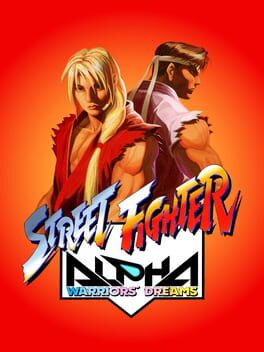
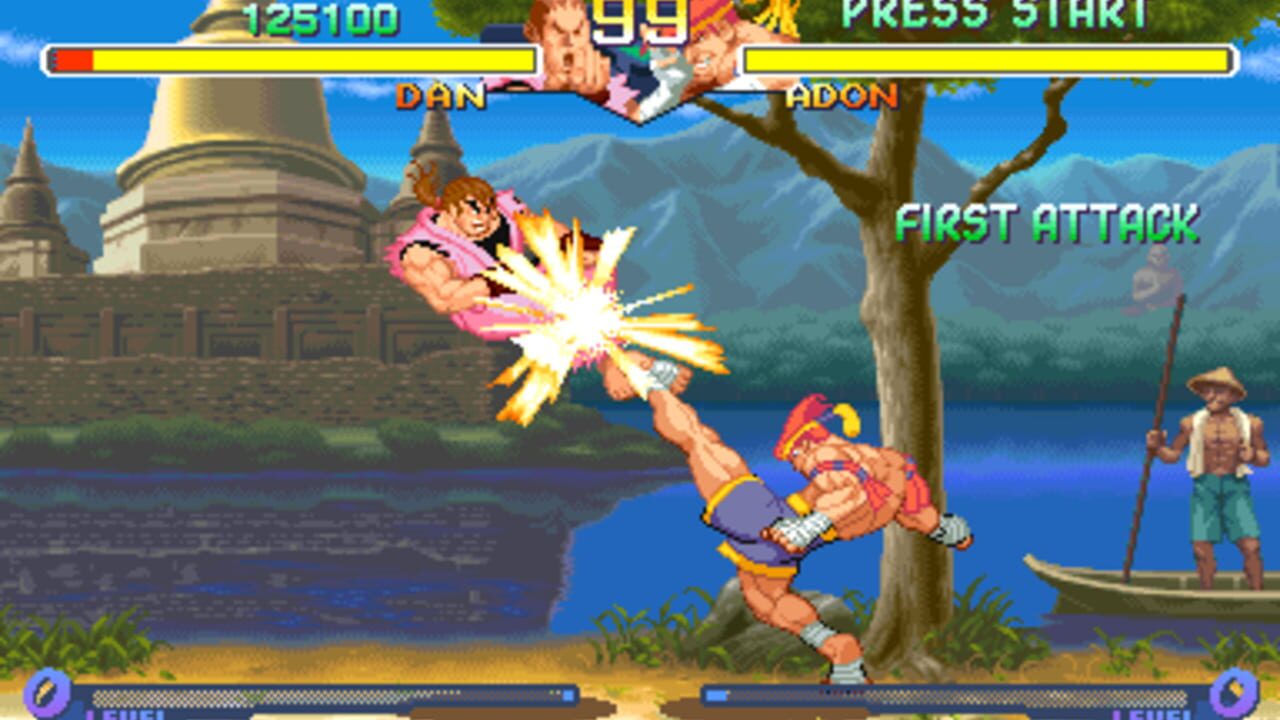
This was the first all-new Street Fighter since 1991. It is a prequel to Street Fighter II, with younger versions of the cast and characters from the first Street Fighter and Final Fight. It adds a three-level Super Combo gauge and the Alpha Counter, a counterattack you use after blocking. Birdie and Adon are playable for the first time, and Dan shows up as Capcom's parody of two SNK fighters.
The prototype name was Street Fighter Classic, then Street Fighter Zero. Capcom's public relations people in North America disliked that one because it sounded very negative. The PlayStation version followed on February 8, 1996, and the home versions were the first console Street Fighter games with a Training Mode.


Street Fighter Alpha 2 (1996)
Feb 27, 1996Feb 29, 1996Mar 6, 1996
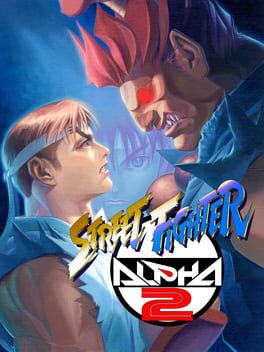
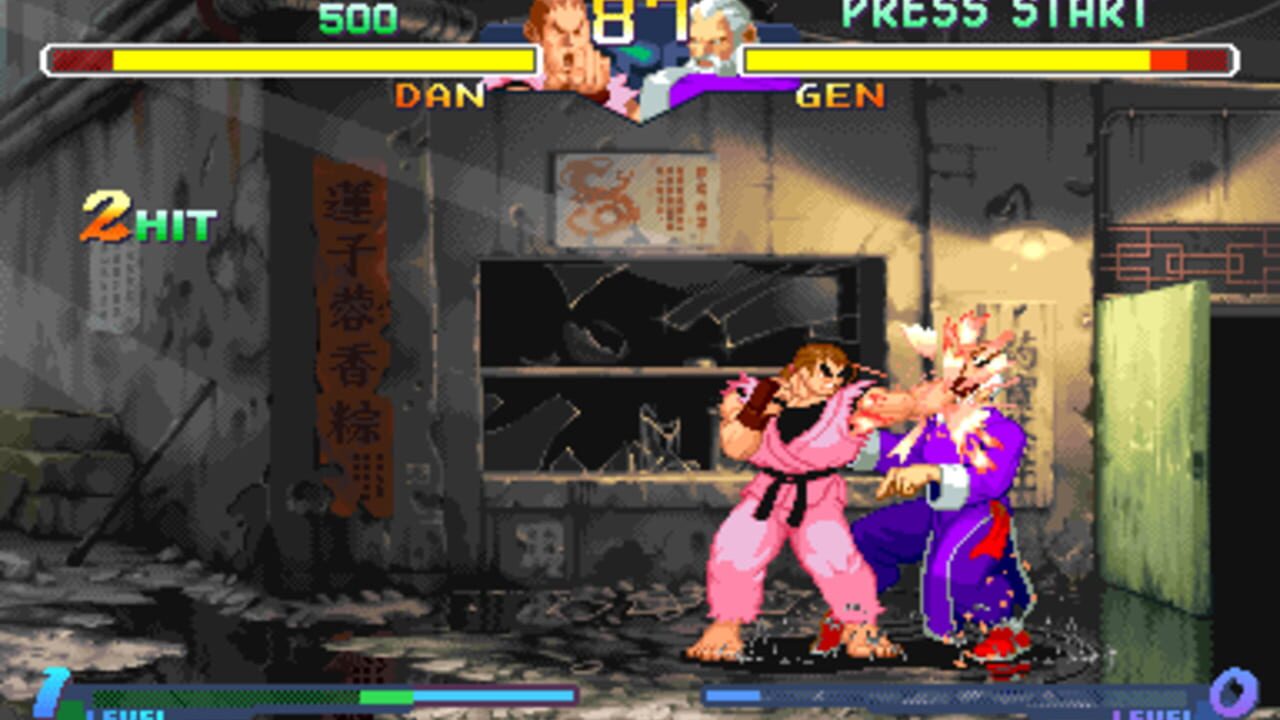
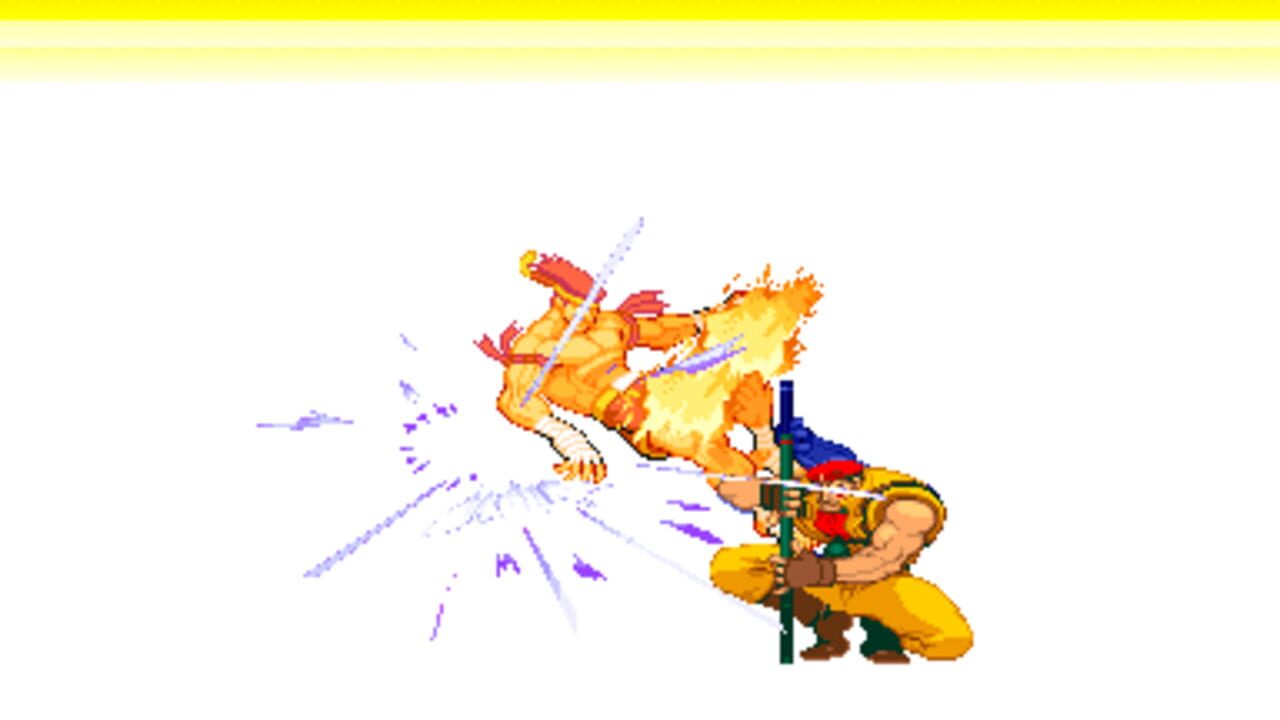
The sequel has new attacks, stages and endings. The main new feature is the Custom Combo, which replaces the Chain Combos of the first Alpha. With the gauge at level 1 or above you start one with three buttons, then chain any basic and special moves until the timer gauge runs out. Shinji Mikami was a senior planner on it.
It reached PlayStation and Saturn on November 1, 1996, and the Super NES on October 28, 1996. Street Fighter Alpha 2 Gold is the updated version, and it was part of Street Fighter Collection for PlayStation and Saturn.
Super Puzzle Fighter II Turbo (1996)
May 31, 1996Jun 20, 1996Jul 1997Nov 30, 1996Dec 6, 1996Apr 1997Dec 6, 1996Feb 28, 1997Apr 1997Jul 22, 2015
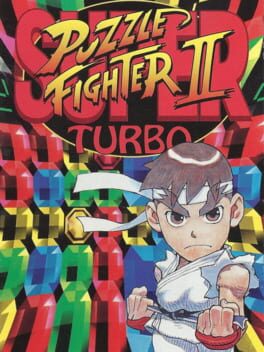
The title is a joke on Super Street Fighter II Turbo, since no other Puzzle Fighter games existed at the time. Capcom made it as a response to Puyo Puyo 2, which was sweeping the Japanese arcade scene. Gems only clear when a Crash Gem of the same color touches them, which can set off huge chain reactions. Clearing gems drops Counter Gems on your opponent's side.
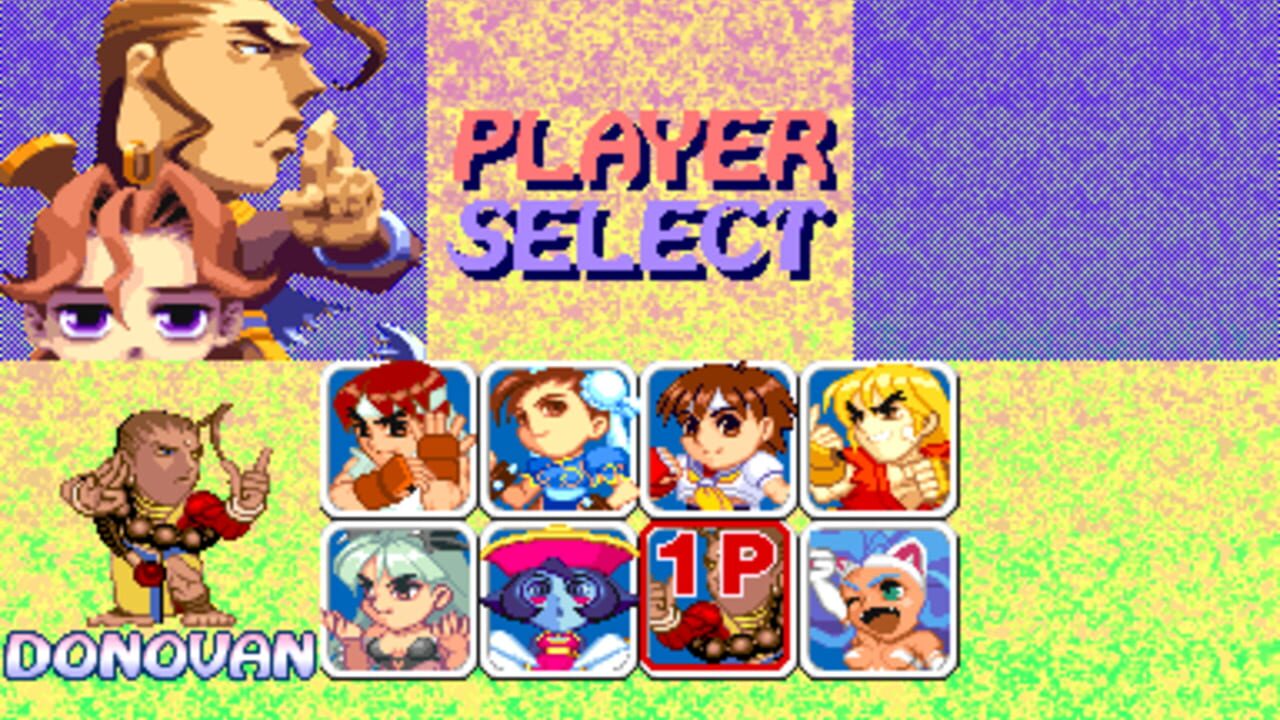
Fighters from Street Fighter Alpha 2 and Darkstalkers fill the roster. Ryu's attack pattern is the second easiest in the game, a hard way to treat the star of the series. The PlayStation version reached North America on January 22, 1997.


X-Men vs. Street Fighter (1996)
Sep 9, 1996Sep 10, 1996Oct 4, 1996Nov 27, 1997Feb 26, 1998Jun 11, 1998Jun 11, 1998 Q1 2001

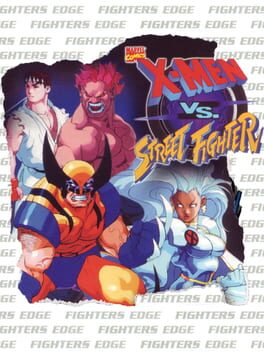
This is Capcom's third fighting game with Marvel characters and the first formal installment in the Marvel vs. Capcom series. You pick two characters and switch between them in tag team battles. Matches are a single round instead of the usual best of three.
Critics praised the gameplay and sprite animation. The PlayStation version came out on June 11, 1998, without tag team battles, because of the console's limits, and reviews were mixed to negative. A tag game without the tag is a bold thing to put on a shelf. Marvel vs. Capcom Fighting Collection: Arcade Classics has the arcade version.


Street Fighter EX (1996)
Mar 31, 1997Dec 19, 1996
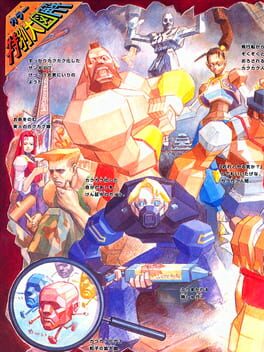
Arika made this with Capcom, and it is the first game in the series with 3D polygon graphics, though you still fight on a 2D plane. Capcom kept Street Fighter III in 2D and put its 3D work here. Cast members like Ryu, Ken and Chun-Li fight alongside new characters made for this game. Super Canceling starts here, and Street Fighter III borrowed it.
The original has 17 characters. The updated arcade version is Street Fighter EX Plus, and the PlayStation version, Street Fighter EX Plus α, reached North America on October 23, 1997, with the roster at 23.


Street Fighter III: New Generation (1997)
Feb 28, 1997Mar 5, 1997
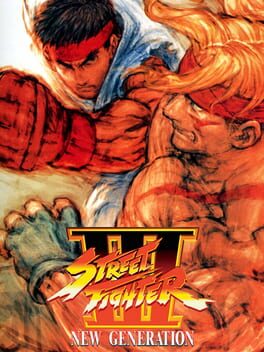
This sequel to Street Fighter II drops every earlier character except Ryu and Ken, and Alex leads an all-new roster. Gill takes over from M. Bison as the boss. The CD-ROM-based CP System III hardware allowed more elaborate 2D graphics, and Capcom stayed in 2D even with 3D fighting games so popular. Capcom said development took more than two years.
Parrying replaces aerial guards here, and you pick a Super Art for your fighter. The only home version was Street Fighter III: Double Impact for Dreamcast, a two-in-one with 2nd Impact, out in North America on June 20, 2000.


Super Gem Fighter Mini Mix (1997)
Sep 4, 19971997
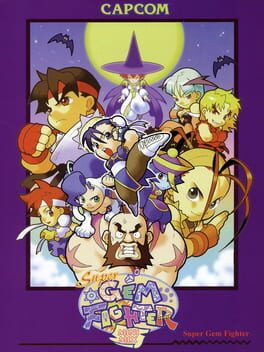
Japan knows this one as Pocket Fighter. It takes the super deformed characters from Super Puzzle Fighter II Turbo and puts them in a real fighting game. You collect gems during matches to power up. Flash Combos, also called Costume Combos, let you land a four-hit combo with the punch and kick buttons.
Ibuki is the only playable Street Fighter III character. Akuma goes looking for a new place to practice after his island is turned into an amusement park, which is a harsh way to lose a training spot. The PlayStation version reached North America on August 3, 1998.


Street Fighter III: 2nd Impact (1997)
Oct 18, 1997Sep 30, 1997
The second Street Fighter III keeps the cast of the first game and adds Hugo and Urien. Yun and Yang become separate characters. Akuma appears as a secret character. EX Specials are new: spend some of the Super Art gauge and press two attack buttons of the same type to power up a special move.
Hugo is based on Andore, an enemy from Final Fight, who was modeled after André the Giant. He was planned for the first game, and his stage is there in New Generation. Double Impact lets you play as Gill and Shin Akuma, who are computer-controlled in the arcade version.


Marvel Super Heroes vs. Street Fighter (1997)
Jun 25, 1997Aug 27, 1997Oct 22, 1998Feb 23, 1999Feb 25, 1999May 1, 1999
This is the second game in the Marvel vs. Capcom series, and it replaces much of the X-Men cast with characters from other Marvel properties. The big addition is the Variable Assist, which calls your off-screen partner in for one special move without changing who you control. Assists stayed in the series from here.
Memory limits cost the PlayStation version its tag team battles, the same cut the last game took, and it came out on February 23, 1999. Critics were mixed on it. The collection version lets you control Cyber-Akuma and Norimaro.


Street Fighter EX2 (1998)
Jun 11, 1999May 26, 1998Dec 22, 1999Dec 30, 19991999
The main new feature is the Excel Combo, short for extra cancel. Blanka and Vega join from Street Fighter II, along with two new characters, the special agent Sharon and the swordsman Hayate. Former Namco composers Takayuki Aihara, Shinji Hosoe and Ayako Saso wrote the music.
Street Fighter EX2 Plus came to arcades on June 29, 1999, and added Meteor Combos, stronger Super Combos that need all three stocks of the gauge. The PlayStation version reached North America on May 25, 2000, with a Director mode and a satellite-smashing bonus game, because a fighter's week should include some light space demolition.
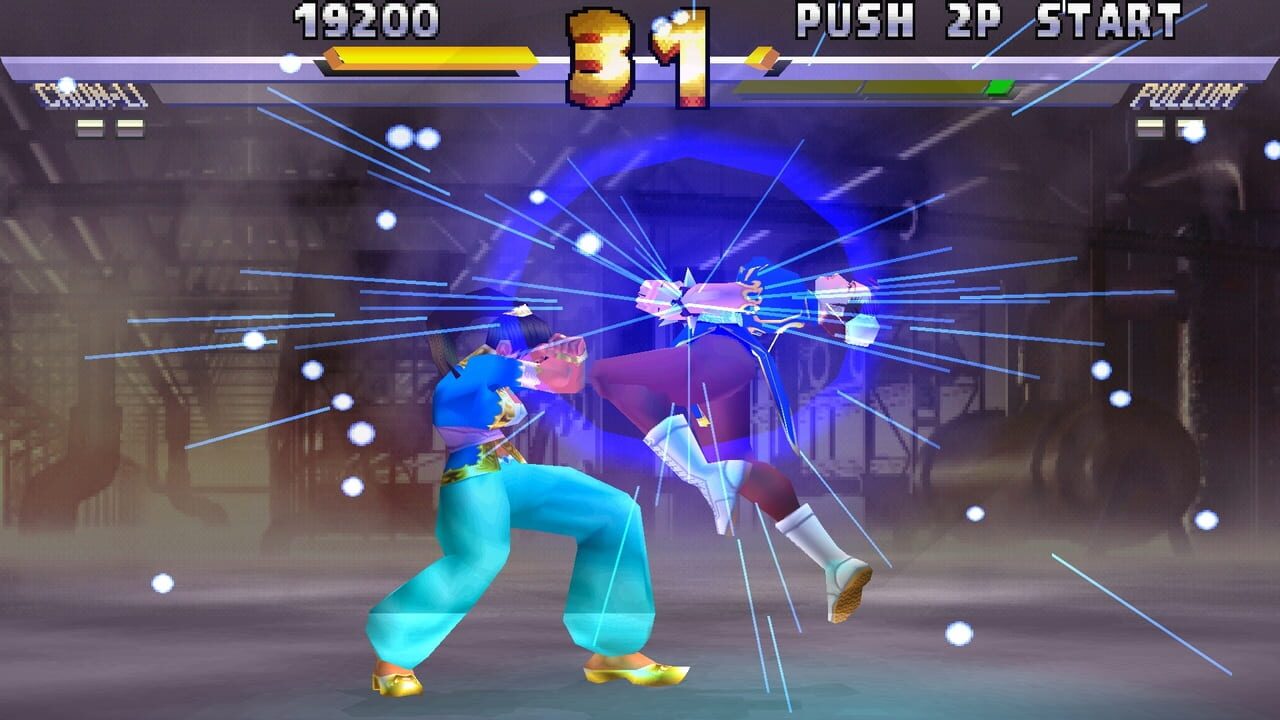
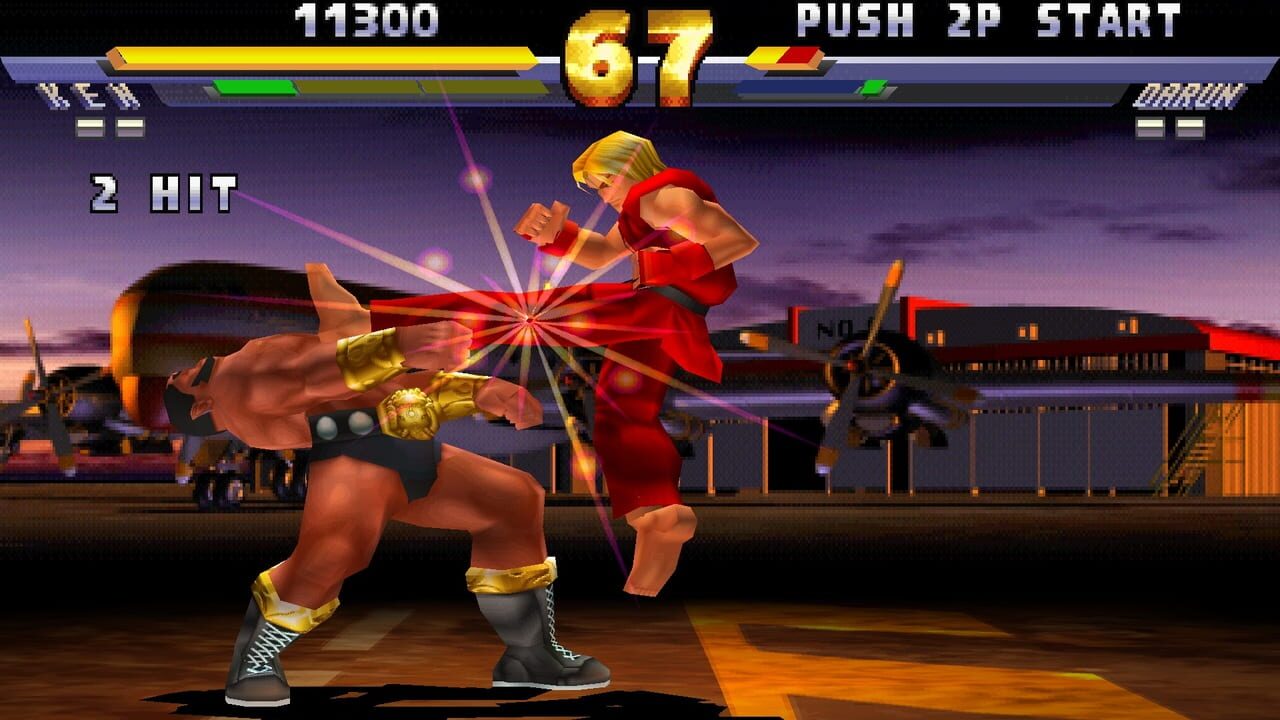
Street Fighter Alpha 3 (1998)
Jun 29, 1998Jun 29, 1998Jul 10, 1998Sep 4, 1998
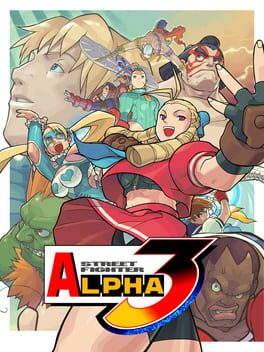
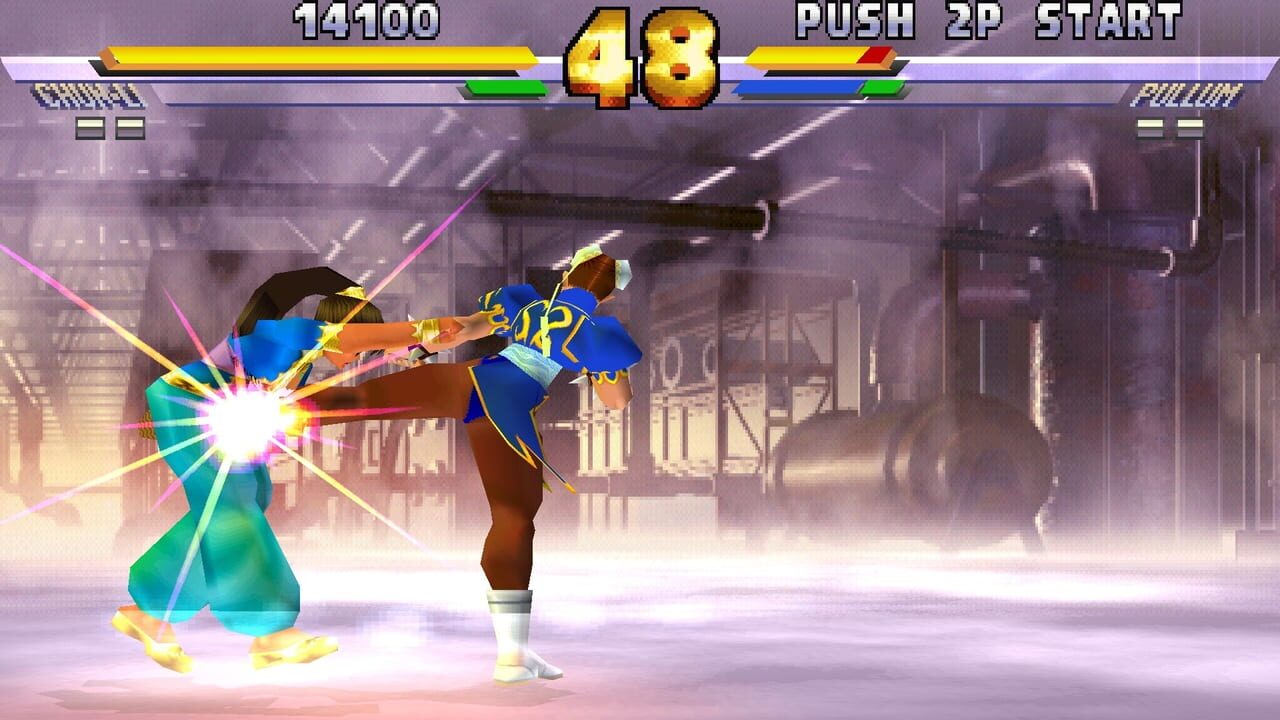
Alpha 3 grows the roster again and lets you choose a fighting style called an ism. A-ism follows the earlier Alpha games with a three-level gauge. X-ism is simple and based on Super Street Fighter II Turbo, with one powerful Super Combo. V-ism gives you custom combos like Alpha 2.
The PlayStation version arrived on May 5, 1999, and added an exclusive World Tour mode. The Dreamcast version followed on May 24, 2000. The Game Boy Advance version added Yun, Maki and Eagle. Street Fighter Alpha 3 MAX for PSP has 39 playable characters. Capcom Fighting Collection 2 has Street Fighter Alpha 3 Upper.


Street Fighter III: 3rd Strike (1999)
May 12, 1999Jun 8, 19991999
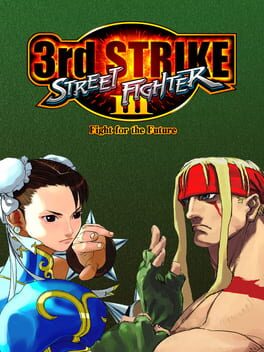
3rd Strike adds five new characters, including Chun-Li, and improves the parry system. Returning fighters got new stages and endings, and a Judgement System grades the winner after each match. The Dreamcast version came out on October 4, 2000.
It was not very popular on release, but it gained a large cult following years later. Its competitive scene gave us Evo Moment 37, the "Daigo Parry", often considered the most iconic moment in competitive gaming history. Street Fighter Anniversary Collection had it in 2004, and 3rd Strike Online Edition came to PlayStation 3 and Xbox 360 in 2011.


Street Fighter EX3 (2000)
Mar 4, 2000Oct 26, 2000Mar 2, 2001
Arika made this launch title for the PlayStation 2 in Japan, and it was the first Street Fighter on the console. The core gameplay matches the earlier EX games. The big change is Tag Battles, similar to Tekken Tag Tournament, which let you switch between characters.
Critical Parade calls your tag partner in to fight alongside you for a limited time, and Momentary Combo follows a special attack with another. Skullomania has a vertical projectile here. Sakura returns after sitting out the EX2 games. Arika released a spiritual successor, Fighting EX Layer, in 2018.
Street Fighter IV (2008)
Aug 12, 2008Jul 18, 2008Feb 12, 2009Feb 17, 2009Feb 20, 2009Jul 2, 2009Jul 3, 2009Jul 7, 2009Mar 10, 2010
This was the first original main entry after eleven years. Dimps and Capcom made it, with Yoshinori Ono as producer. It feels similar to Super Street Fighter II Turbo, with a few features from 3rd Strike. New systems are Focus Attacks, which absorb a single hit, and Ultra Moves.
The PlayStation 3 and Xbox 360 versions arrived on February 17, 2009, and the Windows version on July 7, 2009. It received universal acclaim. All versions of Street Fighter IV have sold over 9 million units. This is also where the series moved to English voice acting.


Super Street Fighter IV (2010)
Apr 27, 2010Apr 28, 2010Apr 30, 2010
This update adds 10 new fighters for a total of 35, including Juri, along with Dudley, Ibuki and Makoto from Street Fighter III. Car and barrel challenges return, and only one Ultra can be selected at a time. The Nintendo 3DS got Super Street Fighter IV: 3D Edition on March 27, 2011.
Arcade Edition added Yun, Yang, Evil Ryu and Oni. In 2010 Yoshinori Ono said, "I have no intention of carrying on Street Fighter IV into Hyper Street Fighter IV or Ultra Street Fighter IV". Ultra Street Fighter IV came out on June 4, 2014, with five additional characters, and nobody should plan a vacation around a producer's promise.


Street Fighter X Tekken (2012)
Mar 6, 2012Mar 8, 2012Mar 8, 2012Mar 9, 2012May 11, 2012Oct 19, 2012Oct 23, 2012Oct 25, 2012Oct 25, 2012
Capcom made this crossover, with Namco involved more in licensing the Tekken cast, and it plays like 2D Street Fighter with projectile moves such as the Hadouken. You fight in teams of two and build a three-section Cross Gauge. The story mode is about a mysterious object called the Pandora.
Critics liked the roster and deep mechanics, but it fell short of Capcom's sales expectations. Capcom also drew criticism for charging for characters that were already on the game disc. The Windows version came out on May 11, 2012, and the PlayStation Vita version on October 23, 2012.


Street Fighter X Mega Man (2012)
Dec 17, 2012

Seow Zong Hui started this as a fan game in Singapore, and Capcom took notice after a beta at EVO 2012. Capcom took over funding, marketing and quality assurance and gave it away as a free download on the 25th anniversary of Street Fighter. It plays like the NES Mega Man games.
Street Fighter characters such as Blanka, Chun-Li and Ryu replace the Robot Masters as bosses, and beating one gives you a weapon based on their attacks. It stayed on PC because Zong Hui did not have a license for console development. An update on January 28, 2013, added a password save.


Street Fighter V (2016)
Feb 16, 2016Feb 16, 2016Feb 16, 2016
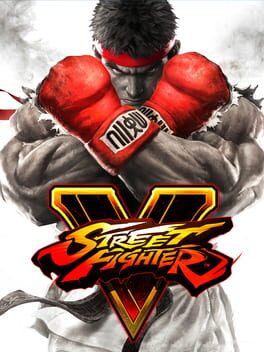
Capcom built this one in Unreal Engine 4, with help from Dimps. It came out as a console exclusive for PlayStation 4 alongside a Windows version. The V-Gauge is new and builds as you take attacks, and V-Skills are special attacks unique to each fighter.
Reviews at launch praised the graphics and gameplay but criticized the lack of content. Arcade Edition in 2018 did better with an Arcade Mode, and Champion Edition in 2020 has all the fighters and stages from the first four seasons. As of June 2026 it has sold 8 million units, the best-selling Street Fighter on home consoles.


Ultra Street Fighter II: The Final Challengers (2017)
May 26, 2017
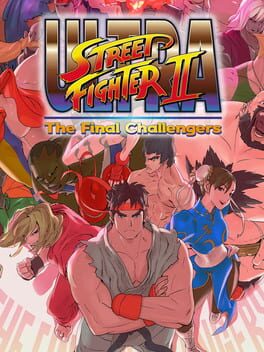
Capcom released this update of Super Street Fighter II Turbo on the Nintendo Switch to celebrate the series' 30th anniversary. Evil Ryu and Violent Ken are new to the Street Fighter II roster. You can play with the classic pixel art or the updated high-definition art.
Critics praised the visuals and criticized the price, the Way of the Hado mode and control problems with the Joy-Con. As of 2018 it had crossed 500,000 sales. That makes it the eighth version of a game from 1991.


Puzzle Fighter (2017)
Sep 27, 2017Nov 22, 2017

Capcom Vancouver made this free-to-play successor to Super Puzzle Fighter II Turbo for Android and iOS, with characters from several Capcom franchises. Gems were the main currency. You used them to buy items or skip wait times, and you could buy more with real money.
It launched in November 2017 and lasted less than a year. In-game purchases were disabled on April 23, 2018, and players received 10,000 gems for free on the way out. The game was delisted on July 1, 2018.


Street Fighter 6 (2023)
Jun 2, 2023
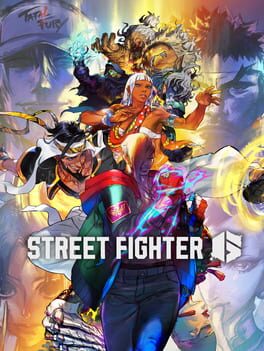
This is the first Street Fighter since Street Fighter III to be fully developed by Capcom, built on the RE Engine with rollback netcode and cross-platform play. The Drive Gauge is the main addition, and it has five techniques you have to choose between. The three modes are Fighting Ground, World Tour and Battle Hub, and World Tour is a single-player story mode.
Street Fighter 6 Years 1-2 Fighters Edition came out on June 5, 2025, alongside a Nintendo Switch 2 version as a launch title. As of June 2026, the game has sold over 7 million units worldwide.


Never released in English
- Street Fighter II Movie (1995), PlayStation and Saturn - Street Fighter Online: Mouse Generation (2008), PC