All 24 Tomb Raider games are here in US release order, from the 1996 original to Tomb Raider Reloaded in 2023. Spin-offs and the one remake are marked.
Tomb Raider (1996)
 Oct 24, 1996
 Nov 14, 1996
 Jan 24, 1997Nov 14, 1996Nov 22, 1996Jan 19, 1997Nov 14, 1996Nov 22, 1996Feb 14, 1997Jul 2002Aug 13, 2009Sep 1, 2010
 Nov 28, 2012

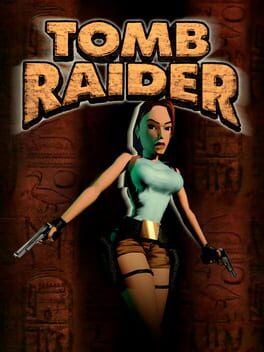
Lara Croft is an archaeologist-adventurer hired by businesswoman Jacqueline Natla to find an artefact called the Scion of Atlantis. British studio Core Design built its levels on a 3D grid inspired by the structure of Egyptian tombs. That grid is how you judge a jump, and the PlayStation version saves through floating crystals that work once each. Wolves, bats and a T-Rex stand between you and the exit. The T-Rex did not get the memo that this was an archaeology game.
It sold seven million units on PlayStation and stayed the best seller of the franchise until the 2013 reboot. The 1998 expansion Unfinished Business added new levels.
Aspyr remastered the first three games in one 2024 collection, with Unfinished Business and The Golden Mask included. You can switch between enhanced and original graphics and between classic and modern controls, and the original tank controls are a menu toggle. New touches include camera lock-on, health bars for bosses and a photo mode. Some critics found the modern controls annoying and others called the tank controls clunky. It reached Switch 2, iOS and Android on March 12, 2026.


Tomb Raider II (1997)
Nov 21, 1997Nov 21, 1997Feb 25, 1998Nov 21, 1997Nov 21, 1997Jan 22, 1998Jan 1, 1998Aug 27, 2009Sep 7, 2011
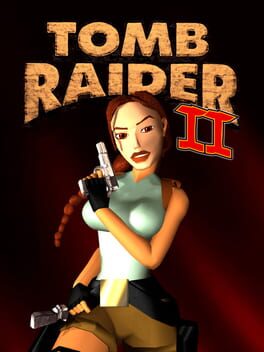
Lara hunts the magical Dagger of Xian in competition with an Italian cult. The moves grow here: she can climb ladders, ride a speedboat in Venice and a snowmobile in Tibet, and light dark rooms with flares. You can also save anywhere, a big relief after the first game's crystals.
It sold nearly seven million copies, and the expansion The Golden Mask sends Lara to Alaska. Fans best remember Winston the butler, who follows Lara around Croft Manor and can be locked in the walk-in freezer. The remaster freezes him into a block of ice and gives you an achievement. He has been in that family's service far too long to quit over it.


Tomb Raider III (1998)
Dec 1998Oct 19, 1999Nov 20, 1998Nov 24, 1998Dec 24, 1998Nov 20, 1998Nov 24, 1998Mar 4, 1999Sep 17, 2009Mar 9, 2011
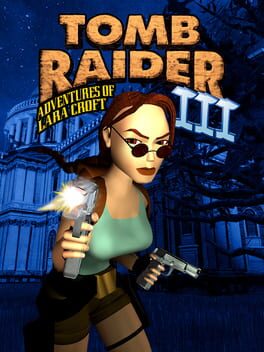
Also known as Adventures of Lara Croft, this one sends Lara after four pieces of a meteorite scattered across the world. After India, you can play the South Pacific, London and Nevada in any order before the last stop in Antarctica. Lara adds a crawl, a monkey swing and a sprint to her moves.
The upgraded engine brought coloured lighting and triangular polygons. PlayStation saves are back to using Save Crystals, but you carry them and spend one wherever you like. Watch the water: piranhas can kill Lara within seconds, and the sea in Antarctica is too cold to swim for more than a few seconds. It sold around six million copies. A stand-alone follow-up, The Lost Artefact, came out in 2000 on Windows and Mac.


Tomb Raider: The Last Revelation (1999)
Nov 24, 1999Dec 3, 1999Dec 24, 1999Nov 24, 1999Dec 3, 1999Jul 19, 2000Mar 24, 2000Mar 25, 2000Jul 19, 2000Jun 12, 2000Oct 15, 2009Jan 26, 2011
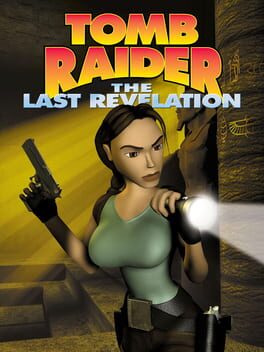
The game opens with a teenage Lara in 1984, exploring Angkor Wat with her mentor Werner Von Croy. Back in the present she accidentally sets the Egyptian god Set free and has to lock him up again. Blaming the intern is not an option when you are the whole expedition.
New moves include swinging on ropes, climbing poles and using a scope to aim. The music was composed by Peter Connelly, and it sold over five million copies. The Dreamcast port arrived in March 2000 and was criticised for poor technical performance. A year after the first collection, Aspyr did The Last Revelation, Chronicles and The Angel of Darkness. The team took player feedback into account, added photo mode options and kept the original graphics as an option. It also wanted to keep the darker atmosphere of the three games.


Tomb Raider (2000)
Jun 7, 2000Jul 6, 2000
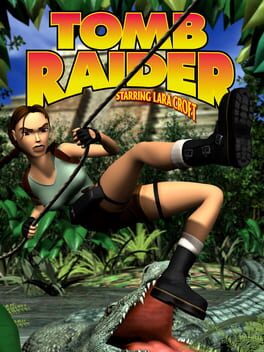
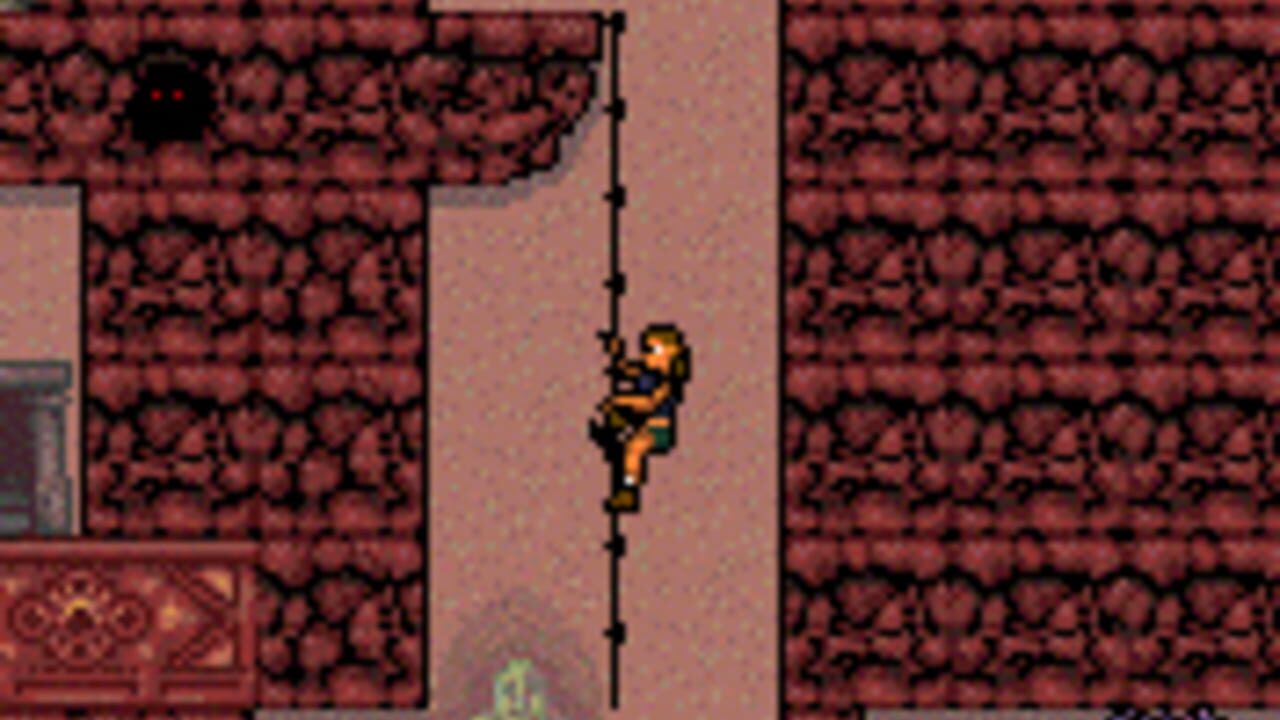
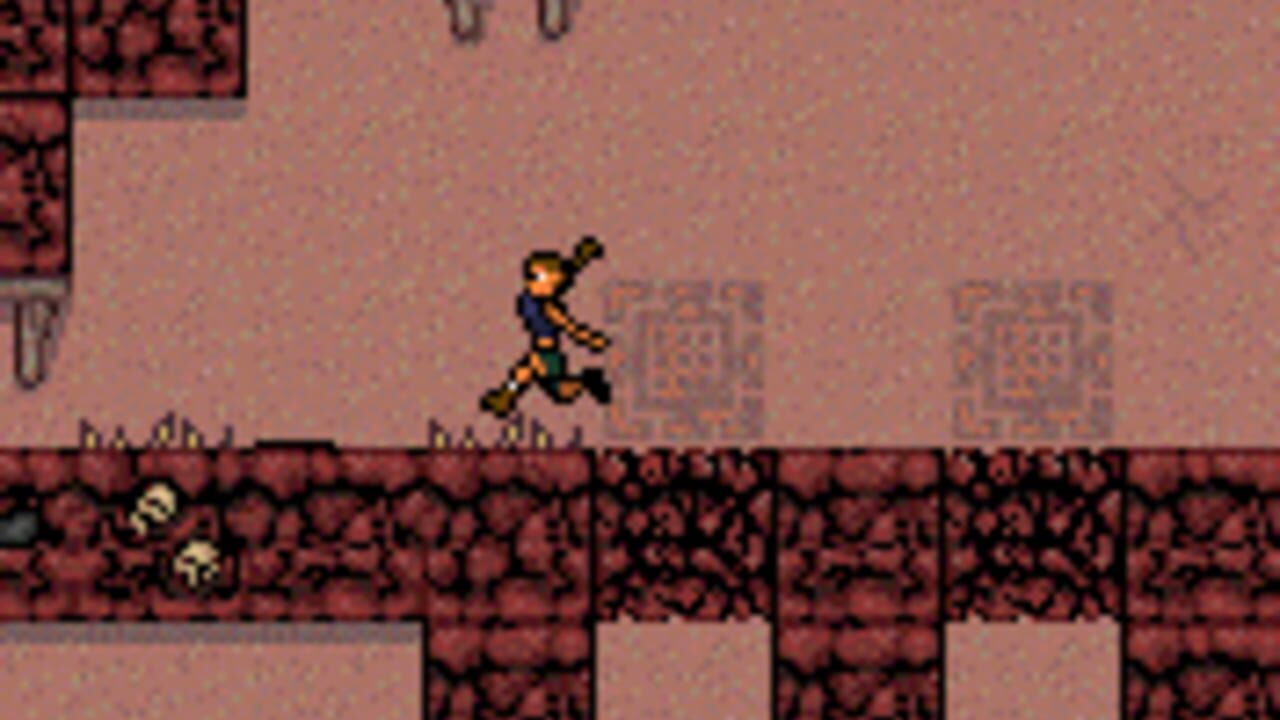
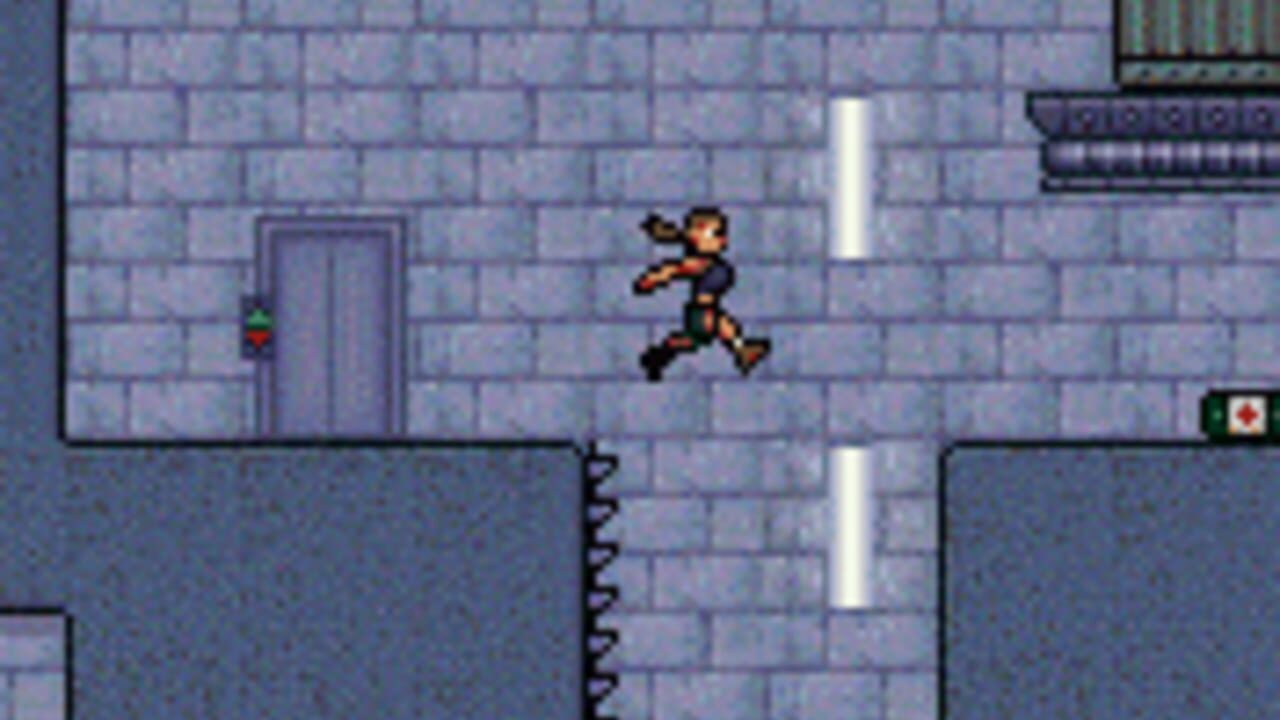
Also known as The Nightmare Stone, this was Lara's first game on Nintendo hardware. Core Design made it for THQ. It trades 3D for 2D side-scrolling platforming and puzzles across 14 levels in five areas, with Lara trying to keep treasure hunters away from the Nightmare Stone.
Lara still has up to 25 moves, including ledge grabs and backflips. Her animations number over two thousand, and at 48 pixels her sprite is far bigger than other heroes on the system. Critics praised how well it copied the main games. We wrote more about it in our [Game Boy Color retrospective](/articles/tomb-raider-gbc).


Tomb Raider: Chronicles (2000)
Nov 17, 2000Nov 26, 2000May 31, 2001Nov 24, 2000Nov 26, 2000Jan 19, 2001Nov 26, 2000Dec 15, 2000Jun 20, 2001Jul 26, 2001Jan 12, 2011
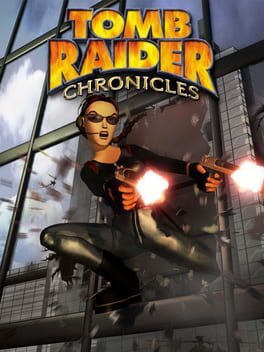
With Lara presumed dead, her friends trade stories about her at a memorial, and you play those stories. They take you to Rome, the coast of Russia, an island near Ireland and a corporate building in New York City. One of them has a teenage Lara follow Dunstan to an island haunted by demonic forces. A new trick is walking a tightrope.
It was the last Tomb Raider on the original engine, and the team had little enthusiasm for the project. At 1.5 million copies it is among the worst sellers of the series. The Windows version includes a level editor, which gave PC players the tools to build their own tombs.


Tomb Raider: Curse of the Sword (2001)
Jun 25, 2001Aug 17, 2001

This sequel to the first Game Boy Color game was published by Activision. Core Design developed it too, and lead programmer Dan Scott enhanced the engine of the earlier game.
During a theft at a museum, Lara is cut by a powerful sword. Her blood on the blade makes her body the one a cult needs to bring back an evil New Orleans magician named Madame Paveau. The chase ends in the Bahamas.


Tomb Raider: The Prophecy (2002)
Nov 12, 2002Nov 15, 2002Dec 6, 2002
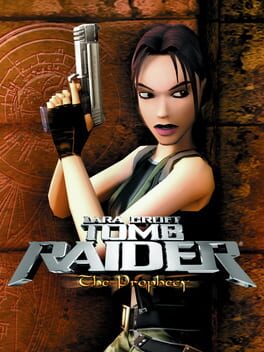
Ubi Soft Milan developed this one and Ubi Soft published it, which took handheld Tomb Raider away from side-scrolling. It plays from a top-down isometric view, with Lara searching temples for keys to a world-destroying power.
The new angle called for a new fight system. An auto-lock makes combat easier, and you pick between three weapons: handguns, Uzi pistols and golden guns. Lara still runs, jumps and climbs. The series would not use this isometric view again until Lara Croft and the Guardian of Light in 2010.


Tomb Raider: The Angel of Darkness (2003)
Jun 20, 2003Jul 4, 2003Oct 23, 2003Jul 1, 2003Jul 1, 2003Oct 23, 2003Dec 18, 2003May 6, 2004
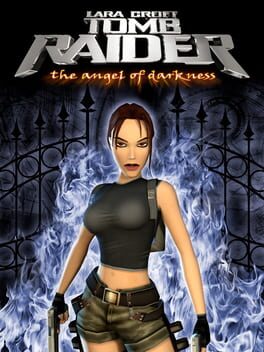
Lara is the suspect in the murder of her former mentor Werner Von Croy, and the trail runs through Paris and a black magic cult. This was Core Design's move to a new console, with stealth and character growth added to the platforming. You also play as Kurtis Trent, whose sections lean on combat. The London Symphony Orchestra performed the score.
The game was delayed into 2003, and critics faulted its poor controls, camera and technical issues. It sold 2.5 million copies, but it was planned as the first of a new trilogy that never came. Core Design lost the series after it. The remaster restores cut dialogue and some gameplay, so it is the version to try.


Tomb Raider: The Osiris Codex (2003)
Nov 20, 2003Nov 20, 2003

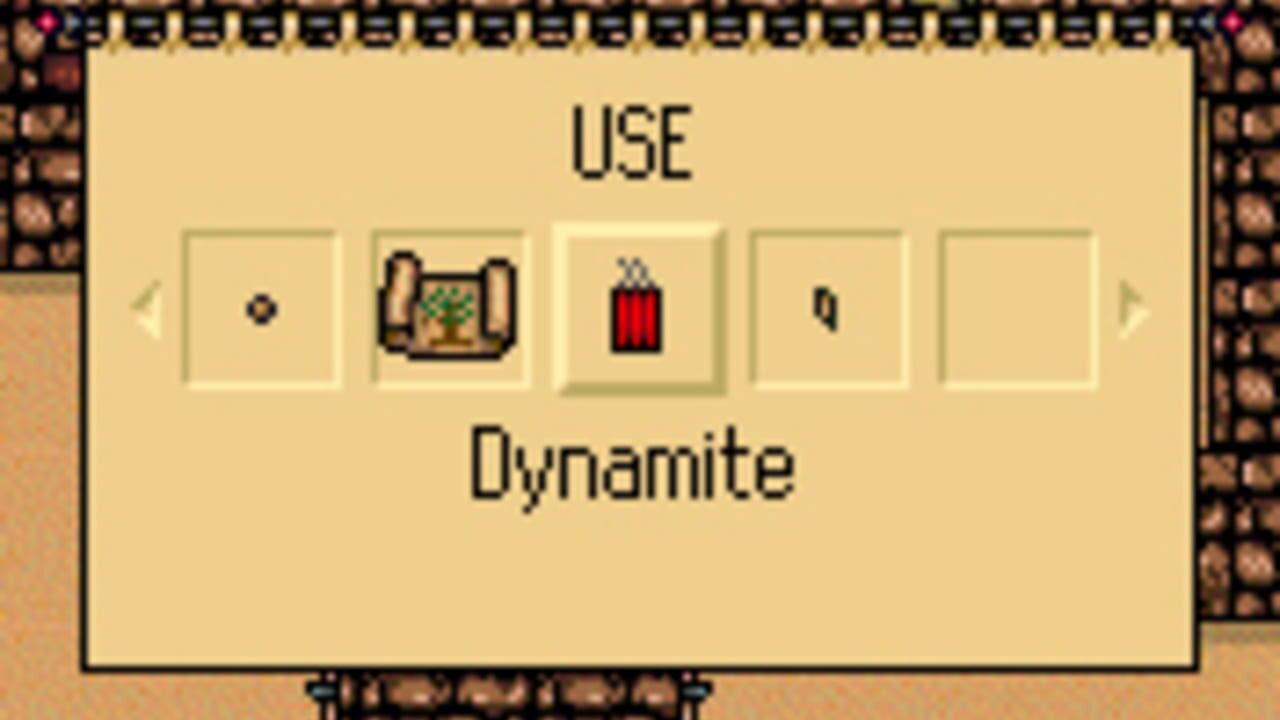
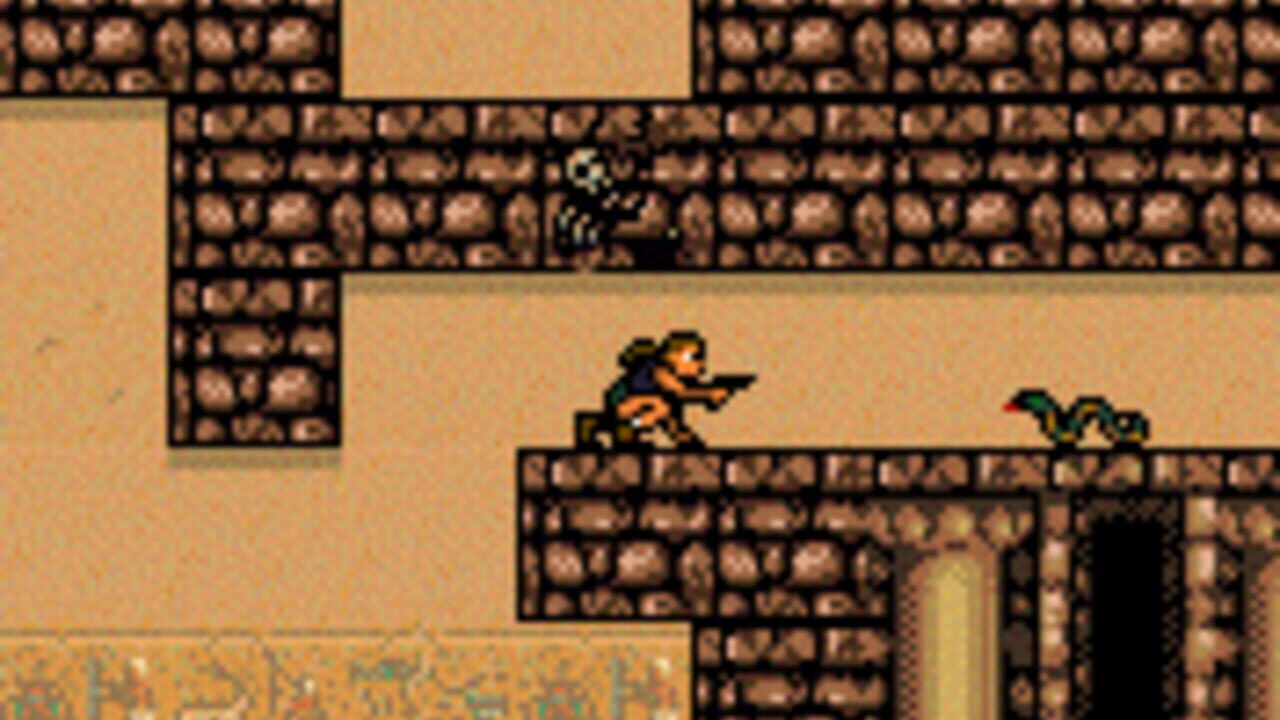
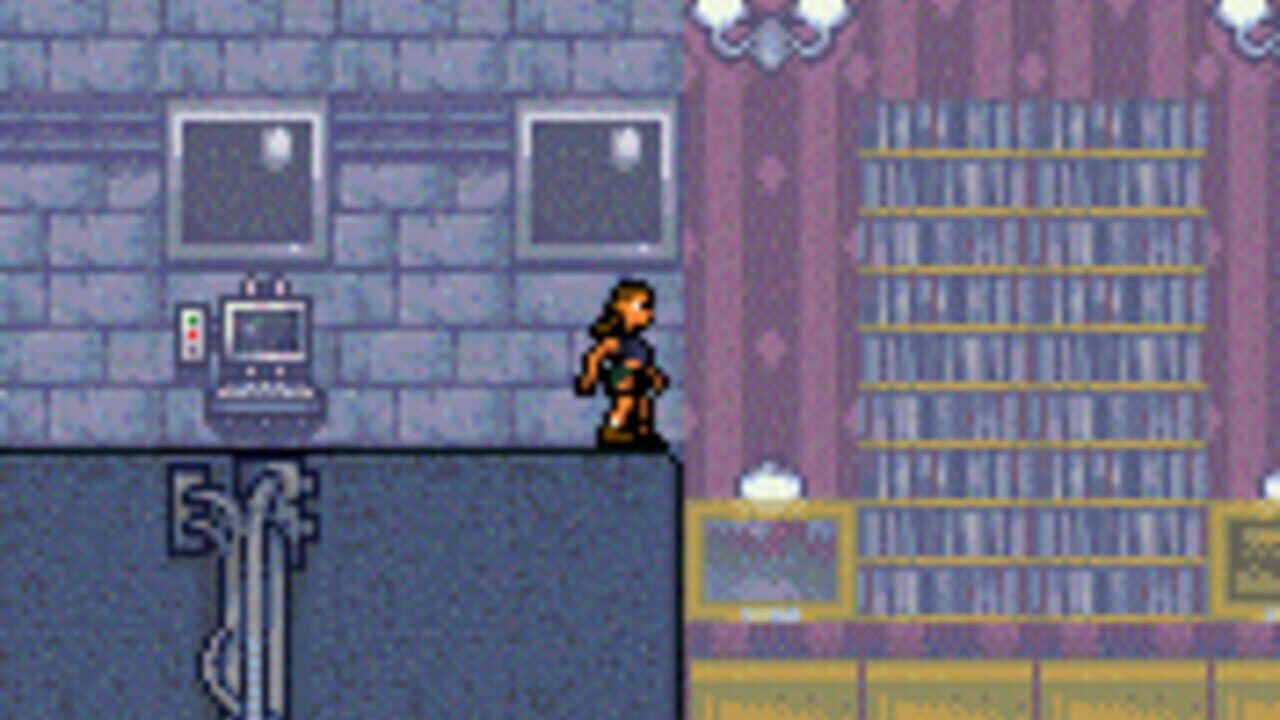
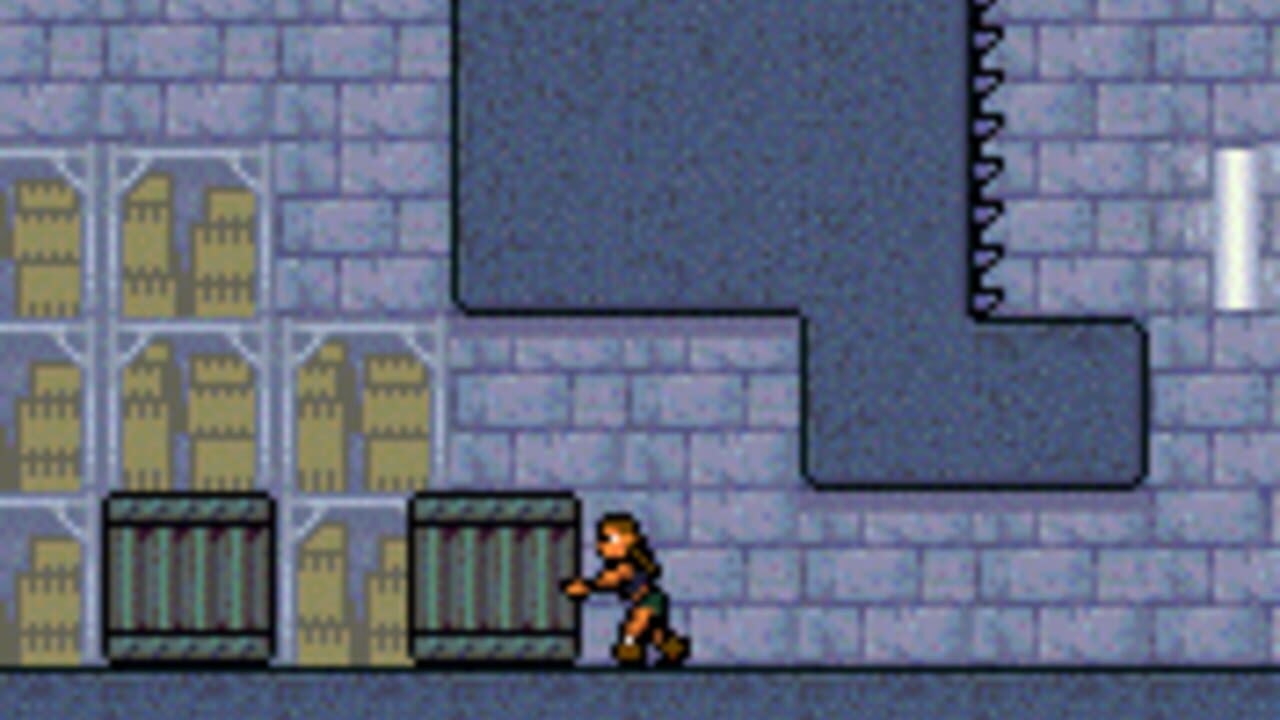
This was the first of the Tomb Raider phone games. Lara works for an anonymous employer and comes home from Egypt with a fabled manuscript. Like the two phone games after it, it is a small side-scroller with traps and puzzles, far from the console games of the time.
Tomb Raider: Quest for Cinnabar (2004)
May 2004May 2004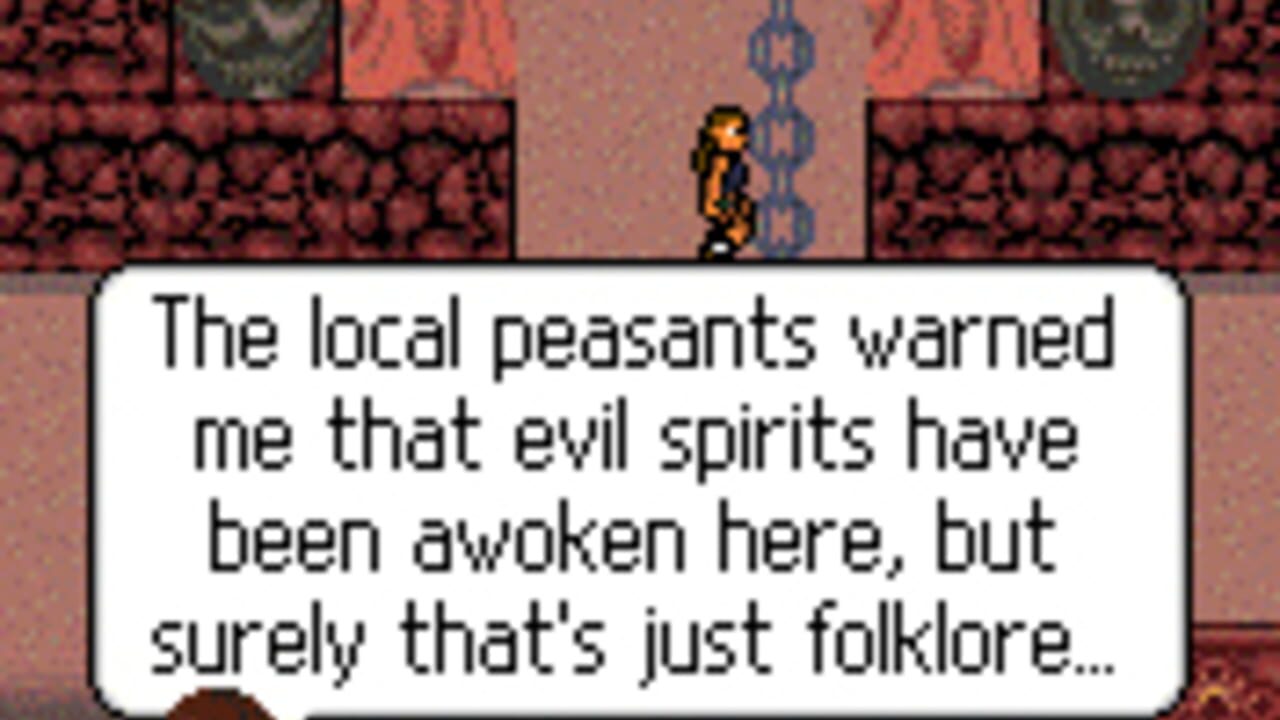

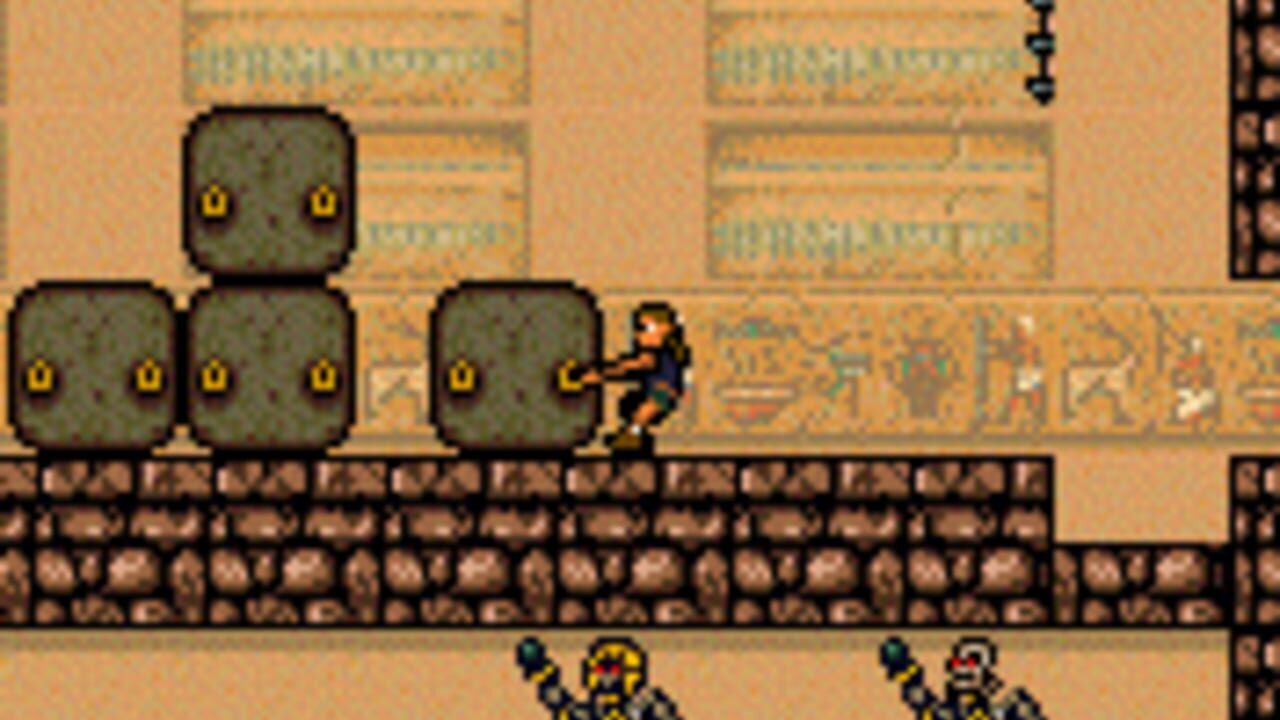
The second phone game picks up right after the first. Lara's employer sends her straight to Tibet, where she has to find a priceless ancient vase of Cinnabar in a monastery high on an escarpment.
It stays a side-view scroller with guns, items and puzzles, and you guide Lara through fifteen levels of jumping and climbing before she can take the Cinnabar back to England.
Tomb Raider: Elixir of Life (2004)
Nov 2004Nov 2004

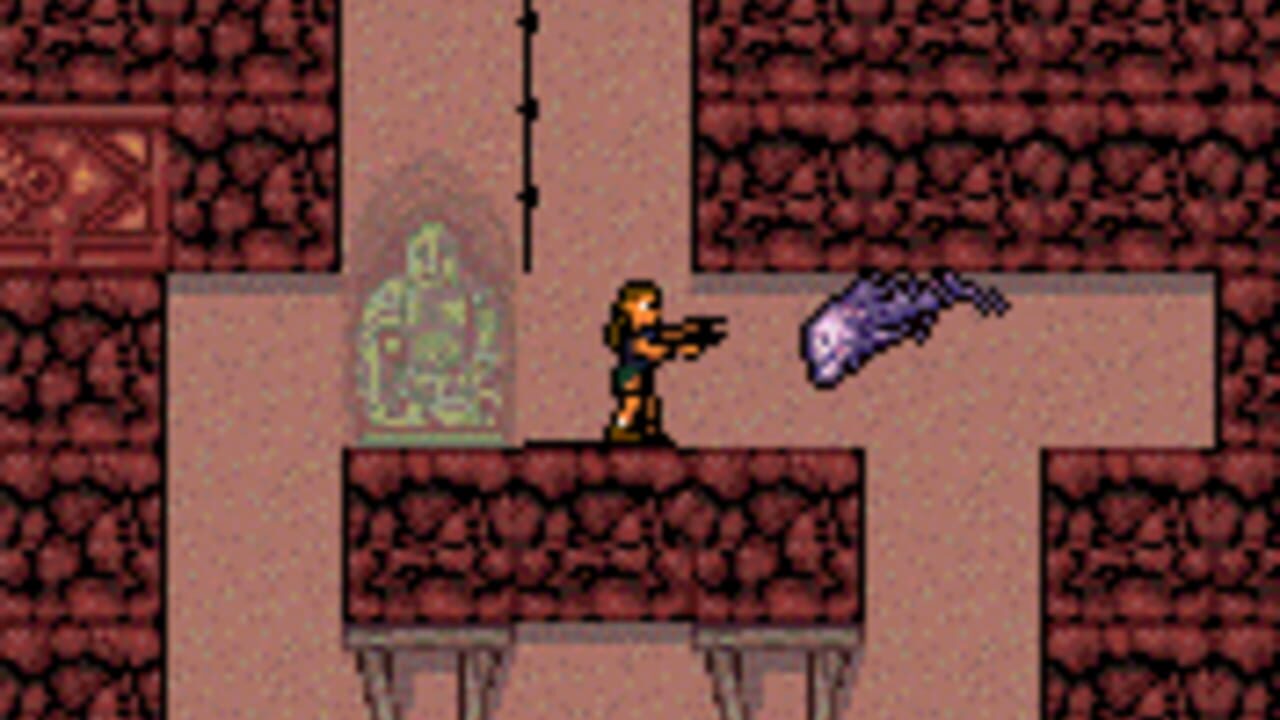
Elixir of Life came straight after Quest for Cinnabar in the same year and closed the first run of phone games. Lara is back to running, jumping and solving puzzles on a small screen.
UK viewers had their own side branch at the time. The interactive TV service Sky Gamestar carried the three Tomb Raider: Apocalypse episodes and then Tomb Raider: The Temple of Anubis in 2005.
Tomb Raider: Legend (2006)
Apr 7, 2006Apr 11, 2006 Apr 13, 2006Mar 29, 2007May 25, 2009Apr 7, 2006Apr 11, 2006Apr 13, 2006Oct 5, 2006Mar 22, 2011Mar 25, 2011Mar 31, 2011Sep 22, 2011

Eidos moved the series to American developer Crystal Dynamics, and Lara's creator Toby Gard came back to help redesign her. Legend is a reimagining that starts a new story around the plane crash that Lara and her mother survived as a child. It went from slow grid jumps to a grappling line, motorbike races and quick time events.
It sold over six million copies and helped revitalise the brand. The Xbox 360 version was the series' first on that console generation, and later versions reached PSP in June and Game Boy Advance and DS in November. The DS one mixes 3D environments with 2D sprites.
The Tomb Raider Trilogy, a 2011 Classics HD collection, puts Legend, Anniversary and Underworld on PlayStation 3. It was the first time Legend and Anniversary appeared on that console, since both had to be ported for the set. The two downloadable episodes from the Xbox 360 version of Underworld are not included. It is the one set with the whole Legend story in it.


Tomb Raider: The Action Adventure (2006)
Nov 21, 2006Dec 5, 2006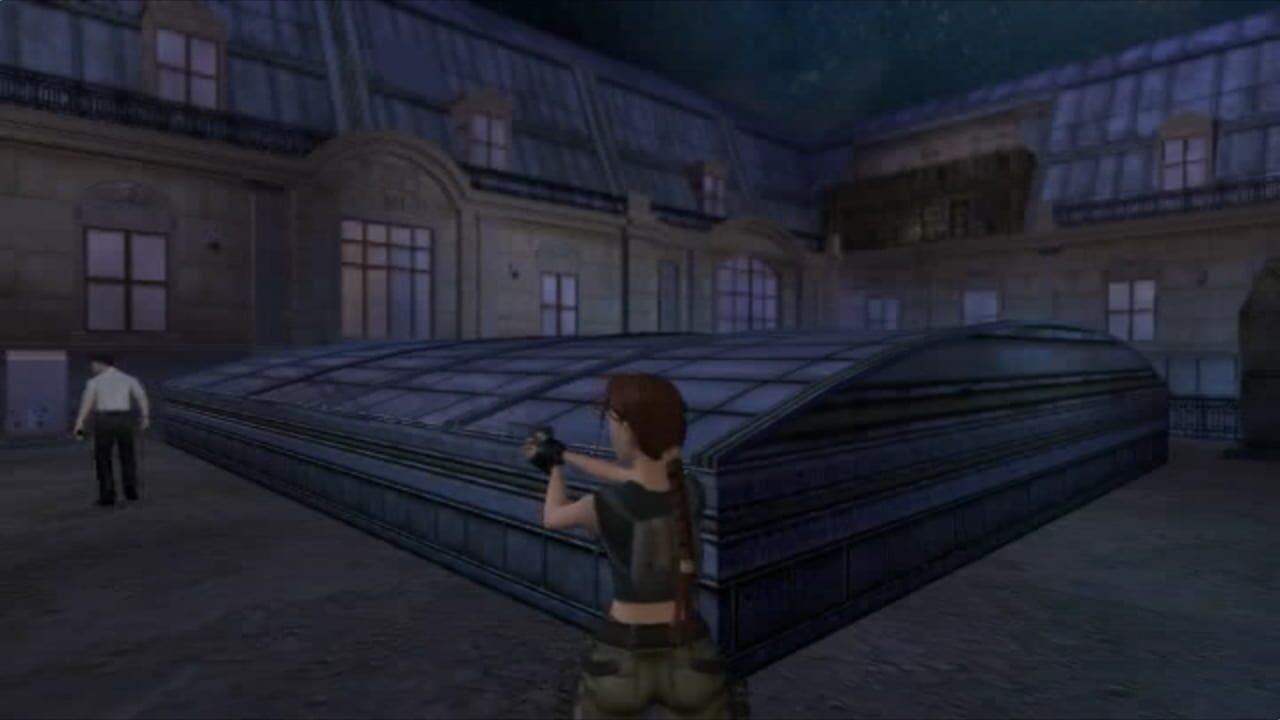
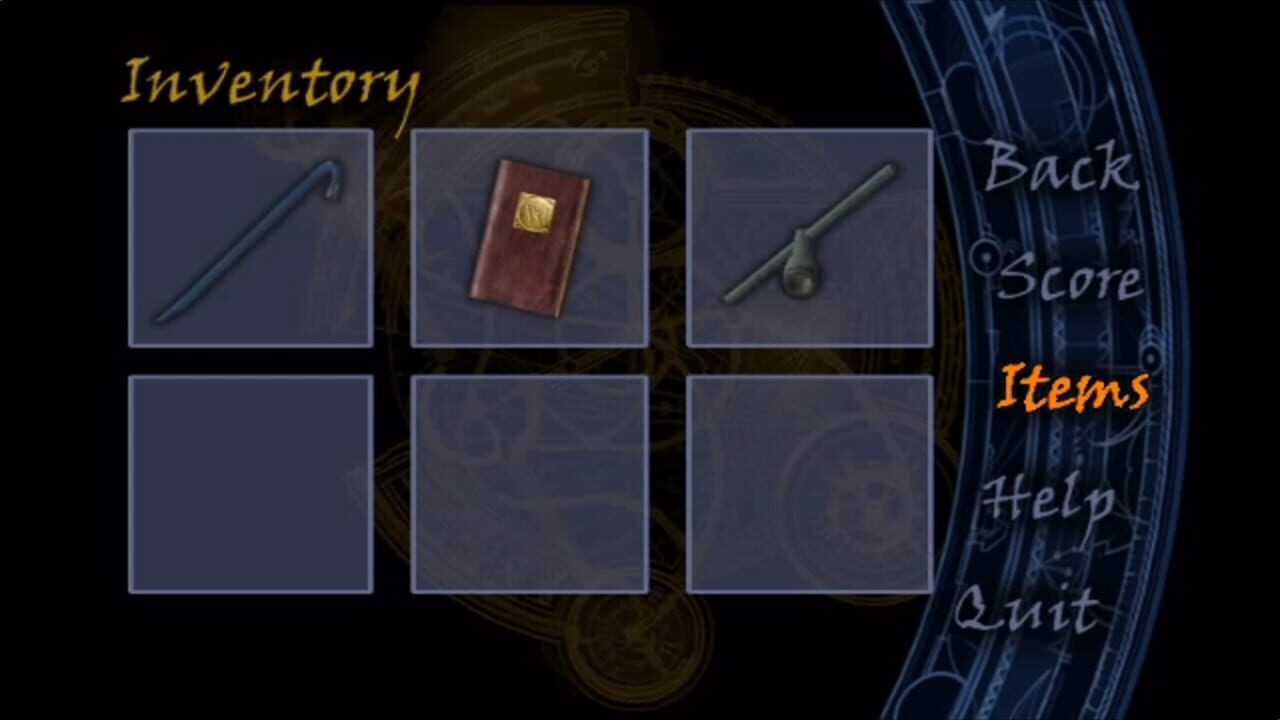
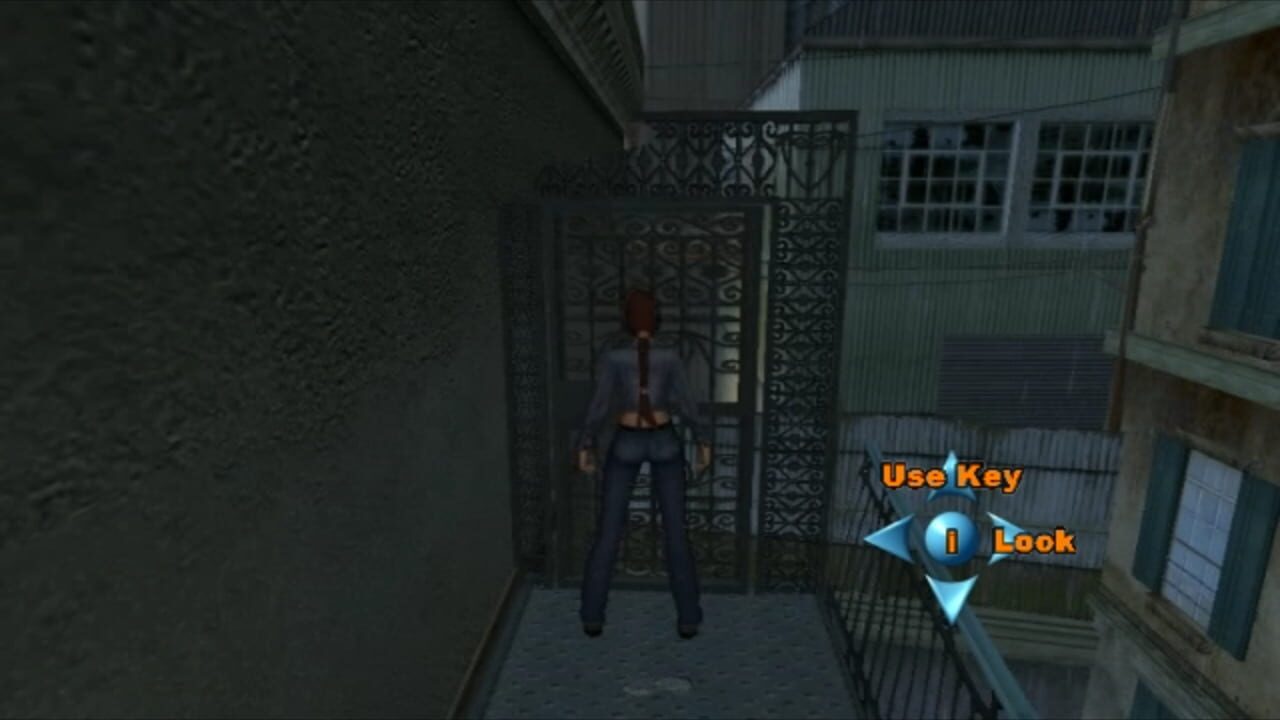
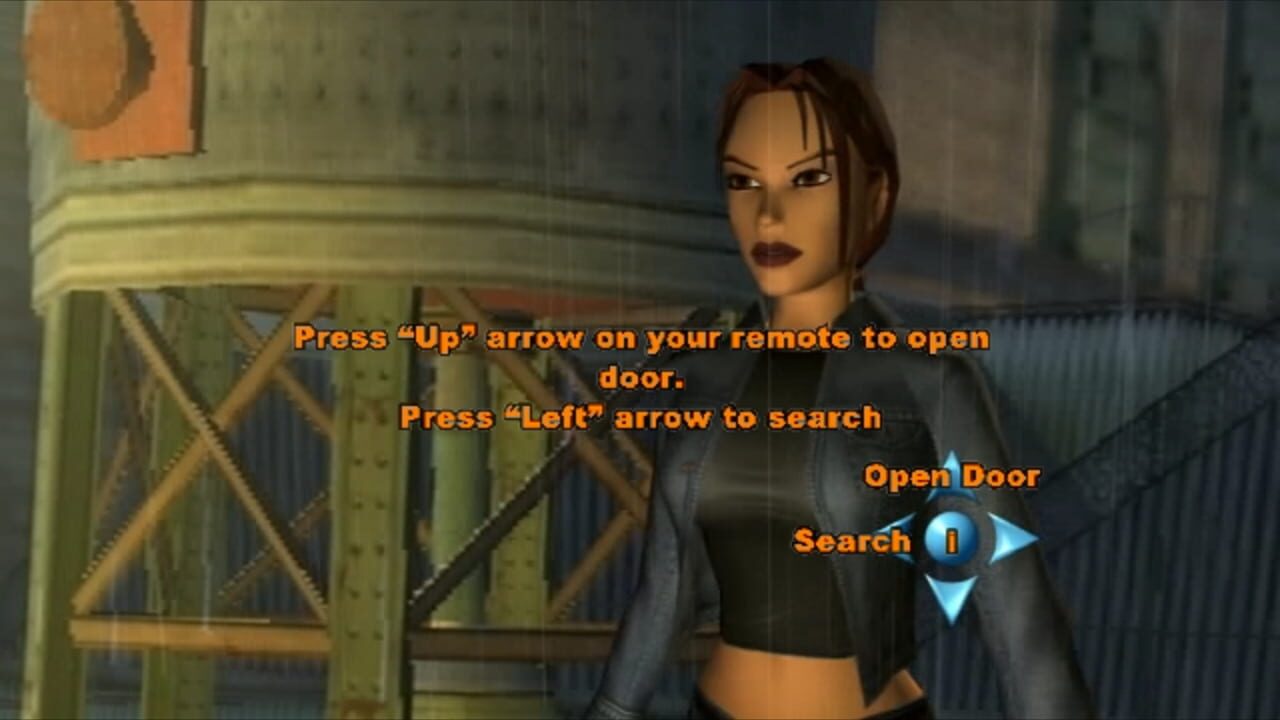
Yes, a Tomb Raider game for a DVD player. It is an interactive movie built from footage of The Angel of Darkness, so you watch Lara move and pick what she does at certain moments. Your remote is the controller, and it has never felt so overqualified.
The same year also gave us Tomb Raider: Puzzle Paradox.
Tomb Raider: Anniversary (2007)
Jun 1, 2007Jun 5, 2007Mar 27, 2008Jun 5, 2007Aug 9, 2007Oct 26, 2007Nov 2, 2007Mar 27, 2008Oct 23, 2007Oct 26, 2007Mar 27, 2008Jan 30, 2008Feb 15, 2008Mar 22, 2011Mar 25, 2011Mar 31, 2011Sep 22, 2011
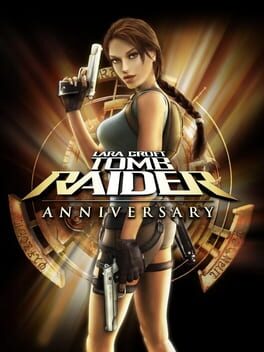
This is a remake of the first game. Crystal Dynamics used the Legend engine to rebuild the gameplay and levels, and Toby Gard expanded the story. Core Design had been making its own remake, but that was cancelled after the studio's sale to Rebellion in 2006.
The quest for the Scion is the same. The team wrote the moment she kills Larson to show her crossing a line. Critics called it a worthy remake, yet at 1.3 million copies it ended up the worst seller of the franchise. An Xbox 360 port came because fans asked, and a Wii version followed in November.


Tomb Raider: Underworld (2008)
Nov 18, 2008Nov 21, 2008Dec 4, 2008Jul 7, 2009Nov 18, 2008Nov 21, 2008Dec 4, 2008Jan 29, 2009Sep 22, 2011Jun 14, 2012Jun 26, 2012Jan 15, 2013
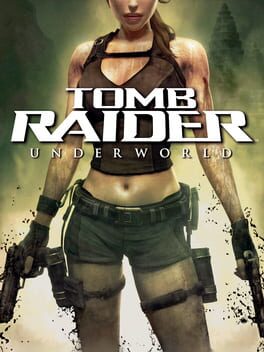
The direct sequel to Legend sends Lara after Mjolnir, the key to the realm of Helheim. It finishes the Legend story, with motion capture used on Lara's moves for the first time. Levels are less linear than before, and Lara's PDA offers tips and a sonar map of the area.
It got mostly positive reviews, though the camera and combat drew complaints. It sold below expectations and still passed three million copies. The PS2 and Wii versions have smaller environments, the DS version is a 2D side-scroller, and the story waits for a follow-up in the upcoming Tomb Raider: Catalyst, planned for 2028.


Lara Croft and the Guardian of Light (2010)
Aug 18, 2010Aug 19, 2010Sep 28, 2010Sep 29, 2010Dec 16, 2010Dec 22, 2020Jun 23, 2023
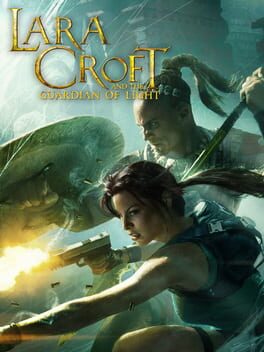
Crystal Dynamics dropped the Tomb Raider name and went arcade. You see the action from a fixed perspective, like classic isometric games, and you shoot, collect gems and chase high scores. In co-op, one player is Lara and the other is a 2,000-year-old Mayan warrior named Totec. He waited two thousand years and still ended up as player two.
High scores earn new weapons and upgrades, and there is a single-player campaign. It sold more than one million copies. It began on Xbox Live Arcade and reached PlayStation Network and Steam on September 28. On Switch it comes in The Lara Croft Collection from 2023.


Tomb Raider (2013)
Mar 5, 2013Apr 25, 2013Mar 5, 2013Jan 23, 2014Apr 27, 2016Feb 12, 2026
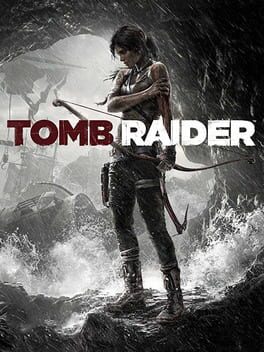
The second reboot starts Lara's story over. She is a young archaeology graduate on her first expedition, looking for the lost kingdom of Yamatai. The game moves between camps across the island using a hub-and-spoke layout and adds survival to the climbing. It was the first main game with multiplayer and the first published by Square Enix.
Critics loved it, except for that multiplayer mode. It sold over 14.5 million units, the most of any Tomb Raider. Phone owners got a small extra that year: Lara Croft: Reflections, a collectible card game for iOS.
Less than a year after the 2013 game came the Definitive Edition on PlayStation 4 and Xbox One, a graphically updated version with new control features, a higher framerate and all the downloadable content. Windows got it in April 2024 through the Microsoft Store, Switch and Switch 2 got it in November 2025, and Feral Interactive ported it to iOS and Android in February 2026.


Lara Croft and the Temple of Osiris (2014)
Dec 9, 2014Dec 22, 2020Jun 29, 2023
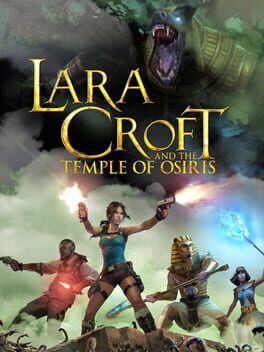
The sequel to Guardian of Light keeps the fixed isometric camera and raises co-op to four players. You choose between Lara, Carter Bell, Isis and Horus.
Reviews liked the chaotic co-op, puzzles and bosses and disliked the loading and how hard it is to read during co-op. Like its predecessor, it is on Switch in The Lara Croft Collection.


Lara Croft: Relic Run (2015)
May 25, 2015May 28, 2015

This is a free-to-play endless runner from Simutronics. Lara goes looking for fellow archeologist Carter Bell after the events of Temple of Osiris, and you tap enemies to shoot them while she runs.
Its campaign has 120 levels spread across three biomes. Hit an obstacle and the run ends, unless you spend an Ankh to continue from a checkpoint. The Android version passed 10 million installs.


Lara Croft Go (2015)
Aug 27, 2015Dec 3, 2016Dec 4, 2016
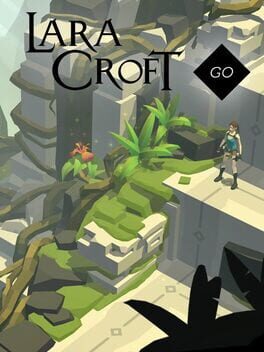
Square Enix Montreal followed its 2014 game Hitman Go with this turn-based puzzle game. Lara is a puzzle piece on a board: she moves one step along connected lines, then the snakes, traps and boulders take their turn.
The team used the classic Tomb Raider look, rebuilt from memory. It reached PlayStation 4 and Vita in December 2016, and Steam the same month. Reviews were generally positive.


Rise of the Tomb Raider (2015)
Nov 10, 2015Nov 10, 2015Jan 28, 2016Feb 9, 2016Feb 9, 2016Oct 11, 2016Oct 11, 2016Nov 19, 2019
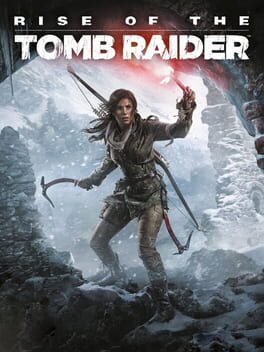
Lara goes to Siberia to find the legendary city of Kitezh before the paramilitary group Trinity gets there. The timed Xbox exclusive deal drew criticism, and PlayStation 4 owners waited until October 2016. Lara climbs with her ice axe, and the team added more puzzles and challenge tombs with fewer quick time events.
The 20 Year Celebration edition added Blood Ties, a combat-free walk through Croft Manor. It had sold 11.8 million units by November 2021, and a Switch 2 version arrived on June 9, 2026.


Shadow of the Tomb Raider (2018)
Sep 14, 2018Nov 19, 2019Jul 23, 2021
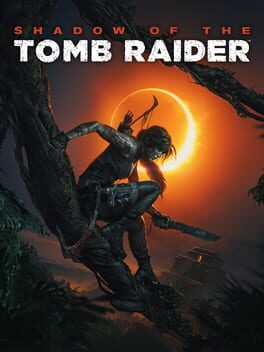
The last game of the Survivor trilogy takes Lara through South America to the legendary city of Paititi, racing Trinity while trying to stop a Mayan apocalypse she set off herself. Lara has a habit of this, as Set could tell you.
Stealth matters here. You can retreat into stealth or use hallucinogenic arrows on enemies, and challenge tombs give rewards. It sold over 8.9 million units after a slow start. Mac and Linux got it in November 2019, and Switch 2 in October 2026.


Tomb Raider Reloaded (2023)
2022Feb 14, 2023

Emerald City Games built this free-to-play top-down shooter for phones after a soft launch in a few countries between 2020 and 2022. It goes back to the classic look of Lara, with a story based on her hunt for the three parts of the Scion.
This makes it the third game about Lara's hunt for the Scion, after the 1996 game and Anniversary. Legacy of Atlantis, due in 2027, makes four. You would think someone would write down where they put it.
Next up are two new games: Legacy of Atlantis, a second remake of the 1996 original, due February 12, 2027, and Catalyst in 2028. Neither is out yet, so neither has an entry here.