The 15 Wolfenstein games are listed here in US release order, from the 1981 original to the two 2019 spin-offs, and spin-offs and expansion disks are marked.
Castle Wolfenstein (1981)
 Sep 19811983Jul 1, 1984

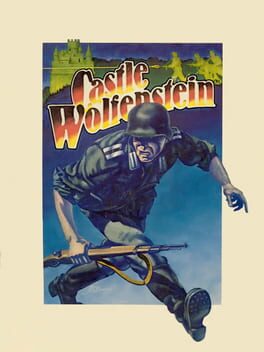
Castle Wolfenstein was written by Silas Warner and published by his company Muse Software, and it is one of the earliest games based on stealth mechanics. You play an Allied prisoner of war held in the castle during World War II. A dying prisoner gives you a pistol with 10 rounds and three grenades, and your job is to find the Nazis' secret war plans and escape.
Warner took the idea from the 1961 film The Guns of Navarone and the 1980 arcade game Berzerk. You can sneak past guards, impersonate them or hold them at gunpoint and frisk them. Picking a chest takes from 10 to 255 seconds, where a second is one footstep of an onscreen guard. Patience was a combat skill in 1981. Ports followed on Atari 8-bit computers in 1982, Commodore 64 in 1983 and MS-DOS in 1984.


Beyond Castle Wolfenstein (1984)
Jun 1984
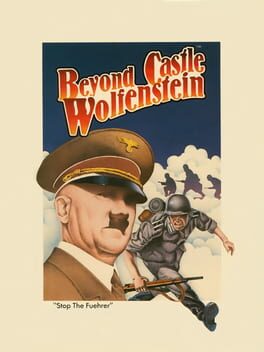
Beyond Castle Wolfenstein is a direct sequel, and Warner had help this time from Eric Ace and Frank Svoboda III. You start in disguise as a German officer on the top floor of Hitler's secret Berlin bunker. You have to find a bomb hidden inside, place it outside the room where Hitler is meeting his staff, and escape before it explodes.
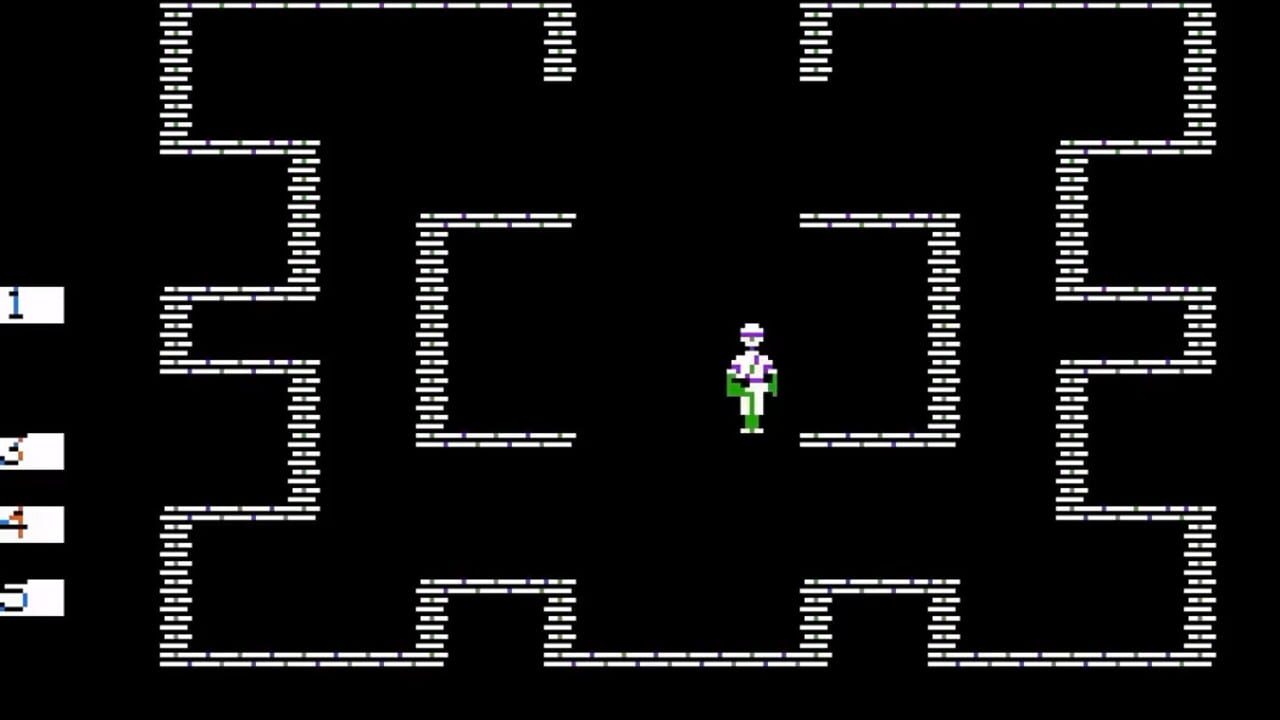
Guards stop you and ask for the correct pass, which varies by floor, or you can offer a bribe. You can drag bodies out of sight, and a dagger replaces the first game's grenades for silent kills. Some supply closets have combination locks you crack with the number keys, listening for a click. This was the second and final Wolfenstein from Muse Software.
Wolfenstein 3D (1992)
May 5, 1992

John Romero suggested remaking Castle Wolfenstein as a fast-paced action game, and id Software bought the rights to the name. You play Allied spy William "B.J." Blazkowicz, armed with only a knife, a Luger and eight bullets at the start, and you fight your way out of the castle. John Carmack's engine used ray casting, and the game went on to popularize the first-person shooter. The first episode was free under the shareware model, to drive interest in paying for the rest.
It sold over 250,000 copies by the end of 1995, the year id released the source code for free. The Super Nintendo port came out without swastikas or blood, and giant rats replaced the dogs. Hitler's mustache had to go as well. Today you can play a full version of the game on the submarine in Wolfenstein II: The New Colossus.


Spear of Destiny (1992)
Sep 18, 1992 1993
 Oct 2009

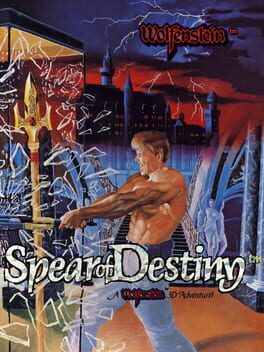
Spear of Destiny is a stand-alone expansion for Wolfenstein 3D, made by id Software and sold as a retail game through FormGen. It is a prequel. B.J. has to recapture the Spear of Destiny from the Nazis after it was stolen from Versailles, and legend says the spear makes whoever holds it invincible.
It plays largely the same as Wolfenstein 3D, with 21 levels in total, two of them secret. The enemies are the same, and there are five new bosses, among them Trans Grosse, the elder brother of Hans and Gretel Grosse from the first game. The final boss is the Angel of Death, whose last words are "You may wield the Spear." Considering what you went through to get there, that is generous of him.


Spear of Destiny Mission 2: Return to Danger (1994)
Jun 1, 1994
FormGen, id Software's commercial distributor, made this expansion disk for Spear of Destiny and marketed it as an "Accessory Game". It replaces all 21 maps of the original game and nearly all of the textures, enemy sprites, weapons and sound effects.
The story is told only in the manual: after you stole the Spear at the end of the original game, the Nazis stole it back. The levels are more barren than id's, and nearly all the textures are the same shade of blue. The dogs have a blue-and-tan coat and stand as tall as a normal human.
Spear of Destiny Mission 3: Ultimate Challenge (1994)
Jun 1, 1994
FormGen's second disk came out the same year and works the same way. The Nazis steal the Spear back again and you have to claim it one last time, this time through another set of 21 replacement maps. The ending is unchanged from the original game.
Guards here wear forest-green uniforms and the guns are sapphire-blue. Between them, the two packs have B.J. stopping a plot to build a nuclear weapon or summon demons. The next new Wolfenstein from another company would not come until 2001.
Return to Castle Wolfenstein (2001)
Nov 21, 2001Nov 30, 2001Aug 3, 2007Apr 2002Mar 16, 2002May 6, 2003May 15, 2003 Dec 25, 2003May 27, 2003Jun 6, 2003

Gray Matter Studios pitched this sequel to id Software, and Activision published it. It is essentially a complete retelling of Wolfenstein 3D on a modified Quake III engine. B.J. escapes from Castle Wolfenstein, then looks into the SS Paranormal Division's Operation Resurrection, which unearths the remains of a dark knight called Heinrich the First.
The levels are designed after actual German castles and villages, and the supernatural parts send you against zombified knights whose shields deflect your bullets. Nerve Software made the multiplayer mode, with four classes: lieutenant, medic, engineer and soldier. Consoles got two separate versions two years later, Tides of War on Xbox and Operation Resurrection on PlayStation 2. The two-player co-op mode is exclusive to Xbox.


Wolfenstein: Enemy Territory (2003)
May 29, 2003Mar 22, 2005

Enemy Territory was planned as an expansion pack to Return to Castle Wolfenstein. Problems with the single-player part changed that, and Splash Damage's multiplayer portion came out as a freeware standalone game.
Two teams, Allies and Axis, attack or defend mission objectives. You pick from five classes: engineer, soldier, field ops, medic and covert ops. Experience points earn new abilities, and some of those stay with you when you change class. The whole source code was released in August 2010. The game reached Steam on April 26, 2022, and gog.com on October 20, 2022.


Wolfenstein RPG (2008)
Sep 30, 2008May 11, 2009

Fountainhead Entertainment made this phone game for EA Mobile, with John Carmack back as the sole programmer. It follows the recipe of Doom RPG: first person and turn-based. You turn at 90 degree angles and move space by space, and one step from you lets everyone else in the area take one step too. An iOS version came in 2009 with new comic-book style graphics.
B.J. is captured and held in The Tower while investigating the Axis Paranormal Division, and the game treats that with little respect. It has a minigame called Chicken Kicking. You can also punch Hitler portraits in the face to make his toupee pop off. By now the series has a real interest in that man's grooming.


Wolfenstein (2009)
Aug 18, 2009 Aug 19, 2009Aug 21, 2009Aug 18, 2009Aug 19, 2009Aug 21, 2009Oct 13, 2009

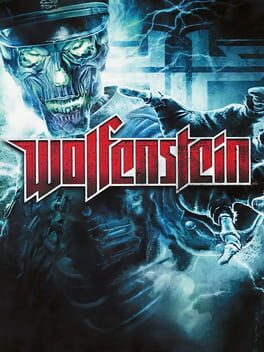
Raven Software made this loose sequel to Return to Castle Wolfenstein on an improved id Tech 4. B.J. works with the Kreisau Circle resistance group in the German town of Isenstadt, and he carries the Thule Medallion. The medallion opens the Veil, a vision mode that highlights enemies and explosive barrels and shows hidden doorways. Nachtsonne crystals add powers such as slowing down time.
Critics liked it, but it sold a combined 100,000 copies within its first month. It was the final game id Software oversaw as an independent developer, and the final game in the series published by Activision. ZeniMax Media had bought id in June 2009. Rights issues took the game off digital stores in 2014.


Wolfenstein: The New Order (2014)
May 20, 2014May 20, 2014Jun 5, 2014May 20, 2014Jun 5, 2014May 20, 2014May 20, 2014Jun 5, 2014May 20, 2014Jun 5, 2014
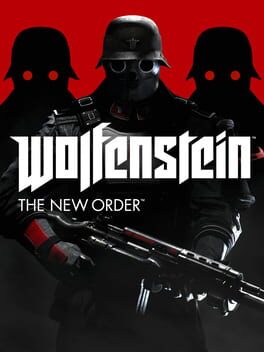
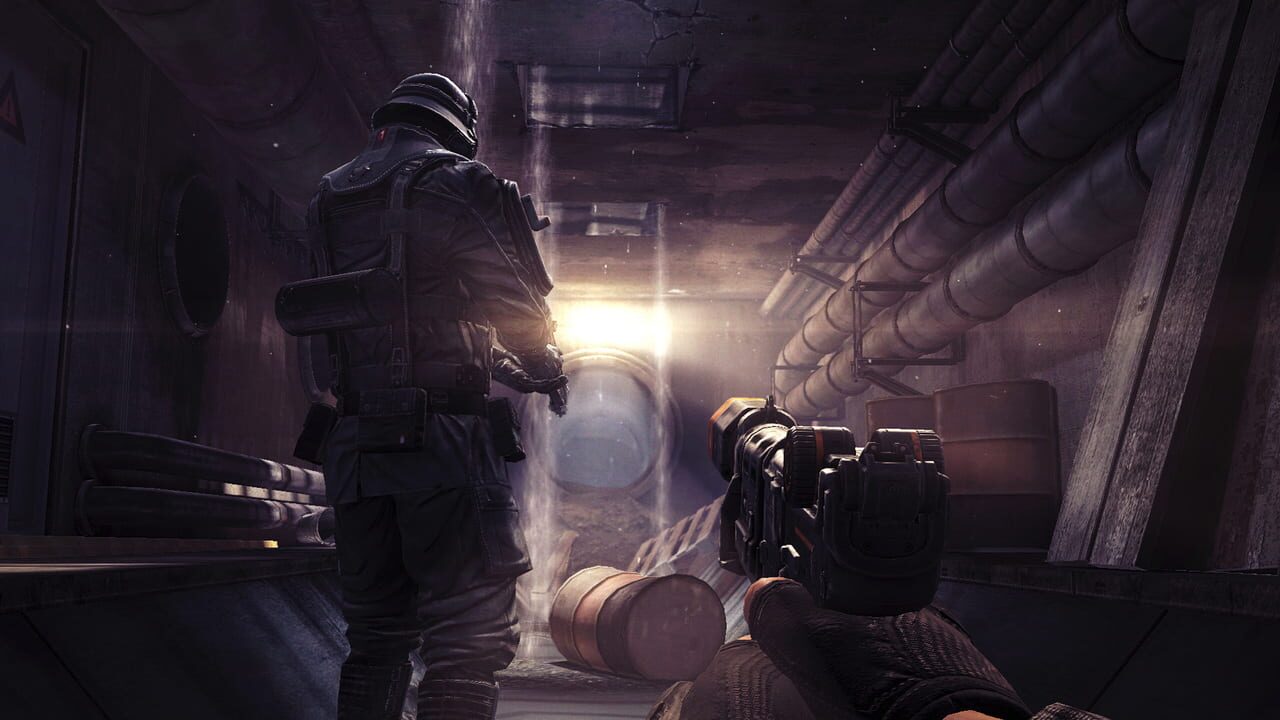
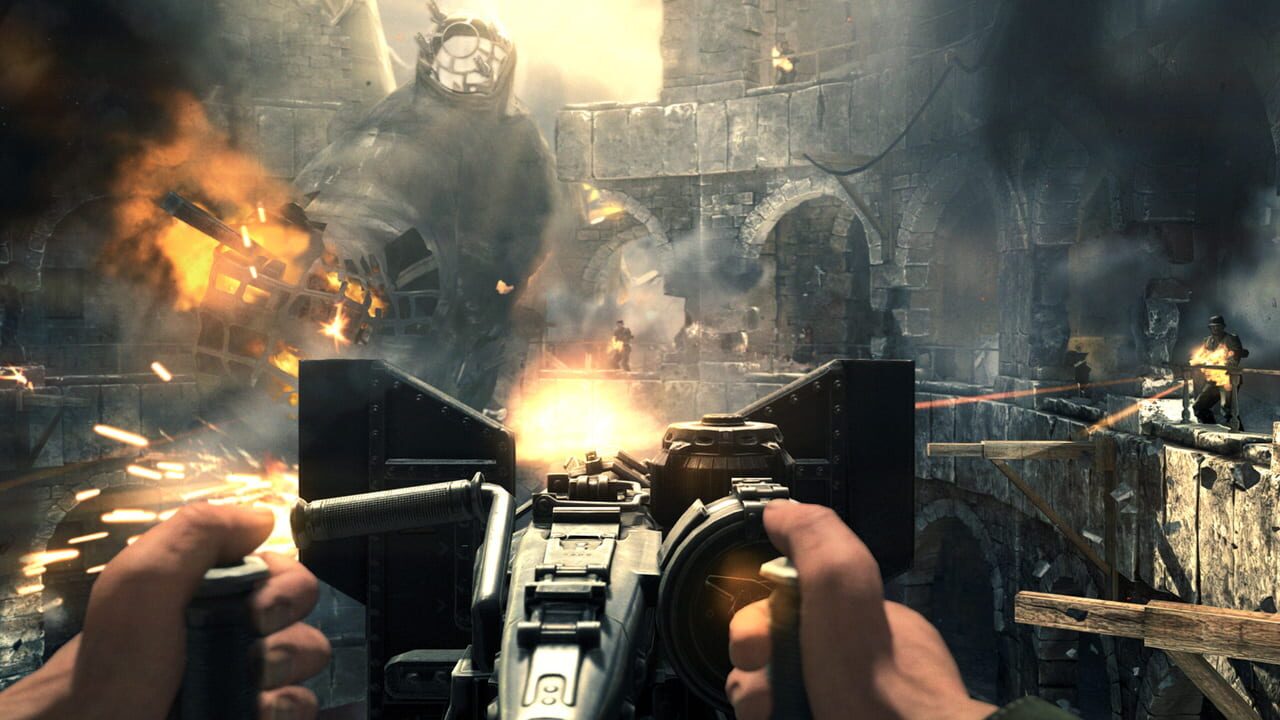
MachineGames took over the series here, with development starting in 2010 after id Software gave it the rights. The prologue is set in 1946 and ends with a head injury that leaves B.J. in a Polish mental hospital for fourteen years. He wakes up in 1960 to find that the Nazis won the war and occupied the United States in 1948.
Most weapons can be dual wielded, and you can sneak up on enemies or start a firefight. A choice in the prologue, about which comrade dies, creates two timeline versions of the story. The team also gave B.J. real character development for the first time. As Pete Hines of Bethesda said of the old games, "He's just the guy that you play".

Wolfenstein: The Old Blood (2015)
May 5, 2015
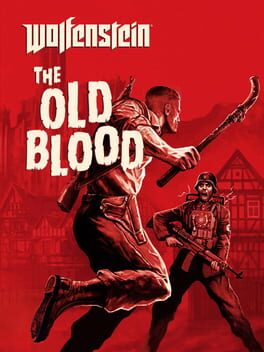
The Old Blood is a stand-alone prequel expansion to The New Order, and you do not need to own The New Order to run it. It is set in 1946, just before that game's prologue. B.J. and Agent One go into Castle Wolfenstein to find a folder with the location of Deathshead's compound, and both get captured.
It changes little from the basic gameplay of The New Order, but it has the feel of a B-grade film, down to a logo like a 1950s horror film poster. The second half moves to the village of Wulfburg and its zombies, called shamblers. Find the bed hidden in each chapter and you get a Nightmare Level built like Wolfenstein 3D, so even B.J.'s bad dreams are retro.


Wolfenstein II: The New Colossus (2017)
Oct 27, 2017Nov 23, 2017Oct 27, 2017Jun 29, 2018
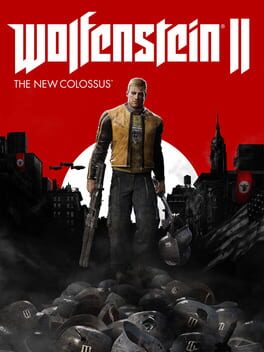
The seventh main entry takes place in 1961. B.J. goes into a Nazi-occupied America to start a revolution, and the trip takes in the ruins of Manhattan, Roswell and New Orleans. It runs on id Tech 6, and you can now dual-wield any combination of weapons. Mick Gordon returned as composer, joined by Martin Stig Andersen.
At one point B.J. goes to Venus to audition for a propaganda film produced by Adolf Hitler, a scene that was heavily censored for Germany. It won Best Action Game at The Game Awards 2017, and Panic Button's Nintendo Switch version followed in June 2018. Freedom Chronicles, a collection of three downloadable content packs, came after launch.


Wolfenstein: Youngblood (2019)
Jul 25, 2019Jul 25, 2019Nov 19, 2019
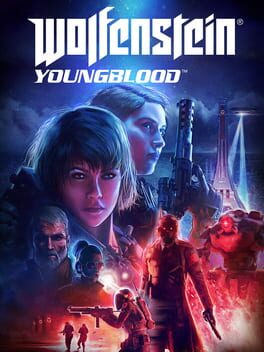
Youngblood is set 19 years after The New Colossus. B.J. vanishes in 1980, and his twin daughters Jessie and Zofia go to Nazi-occupied Neu-Paris to find him. You play one twin in first person, and the other is a second player or an AI partner.
MachineGames made it with Arkane Studios' office in Lyon, and it began as a narrative adventure about only one twin. Reviews were mixed: critics felt it was a step down from previous installments, though some praised the combat. It came to Switch, PlayStation 4 and Xbox One a day after Windows, and it was a launch title on Stadia in November 2019.


Wolfenstein: Cyberpilot (2019)
Jul 26, 2019
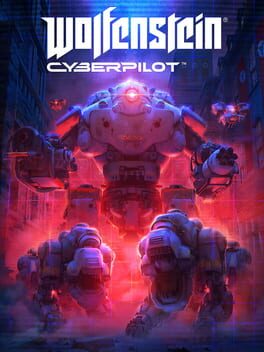
Cyberpilot is a virtual reality side story, set a week before Youngblood. You play a computer hacker working for the French Resistance. Arkane Studios in Lyon did most of the work, with MachineGames providing additional development.
Hacking lets you take over Nazi war machines and turn them on their own soldiers. There are four levels and three machines to pilot: the Panzerhund, the Zitadelle and a small drone for a stealth mission. After years of running from Panzerhunds, you finally get to drive one. Between missions you can explore a Resistance bunker. Reviews were mixed.