Sega spent the 1990s telling America that "Genesis does what Nintendon't". On January 31, 2001, it announced the end of the Dreamcast and said it would make games for everyone else's consoles. The GameCube reached North America on November 18 that year, and one of its launch games was Super Monkey Ball, Sega's first game published for a Nintendo home console.
Sega kids took that one personally. They had spent a decade laughing at Mario, and now their company was working for him. Nintendo kids enjoyed every minute of it, and the bus ride home turned into Dreamcast vs GameCube.
The GameCube sold 21.74 million consoles to the Dreamcast's 9.13 million, more than two to one. Dreamcast fans will tell you that number is unfair, because Sega gave up on its console about a year and a half after the American launch. In this article we will find out who really won.
The Dreamcast won launch day
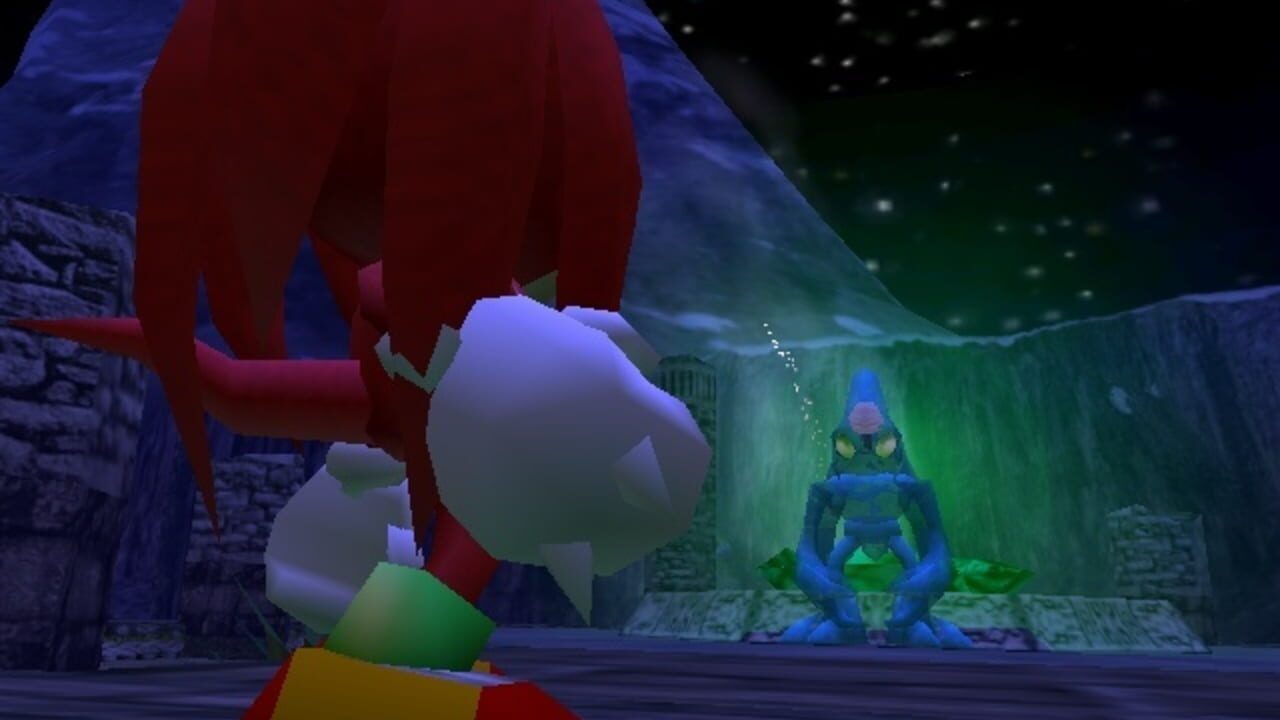
The Dreamcast wins the race to the store. It reached North America on September 9, 1999, and Sega's marketing called it "9/9/99 for $199". Sega sold more than 225,132 consoles in 24 hours and took $98.4 million. Peter Moore called it "the biggest 24 hours in entertainment retail history". The 19 launch games included Sonic Adventure and Soulcalibur.
The GameCube turned up on November 18, 2001, more than two years later, at the same $199. Nintendo shipped over 700,000 consoles for the launch, but there was no Mario game that day, a first since the Famicom. Sega sent out its mascot. Nintendo sent its mascot's brother, in Luigi's Mansion.
The GameCube had the stronger hardware
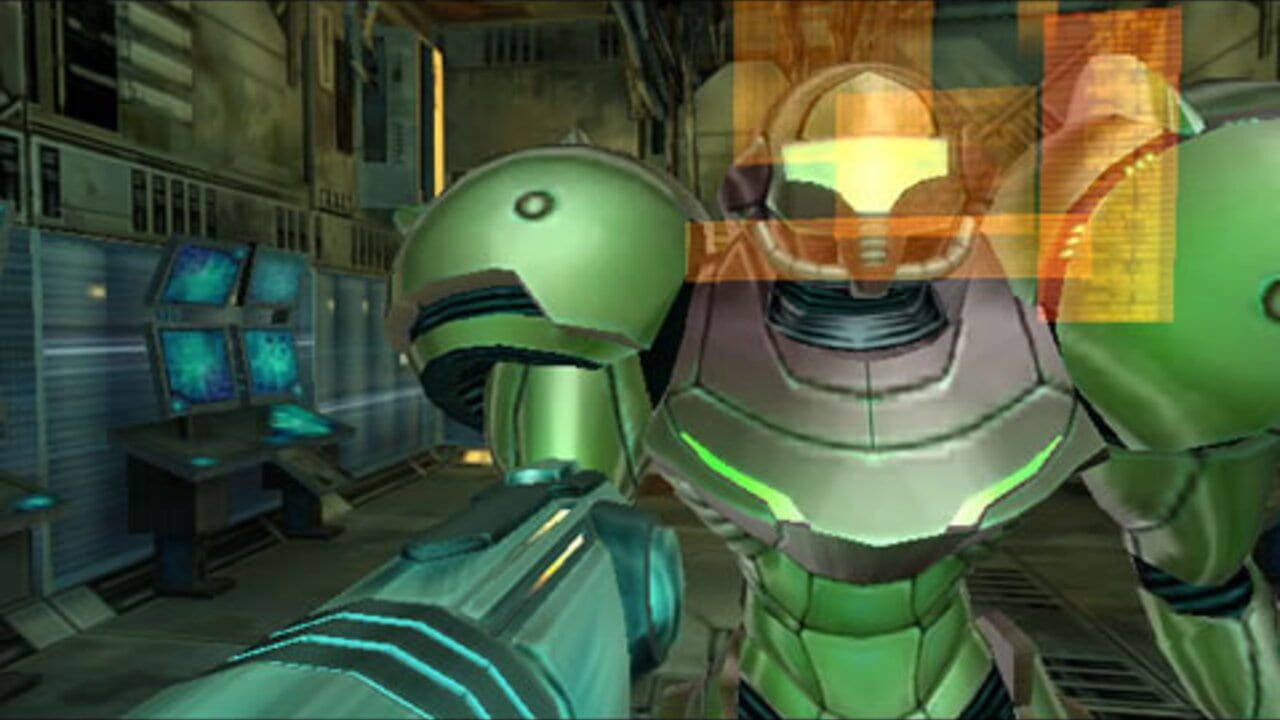
The GameCube wins on power, as a console built years later should. Its processor ran at 486 MHz against 200 MHz for the Dreamcast, and it had 24 MB of main memory against 16 MB. Players agree the GameCube was the stronger machine, and plenty call the Dreamcast underpowered.
Dreamcast owners have a comeback. Its picture was sharp, and players say the games still look amazing today, especially through the VGA adapter. Load up Metroid Prime and that comeback gets a lot quieter.
Soulcalibur made the Dreamcast an arcade at home

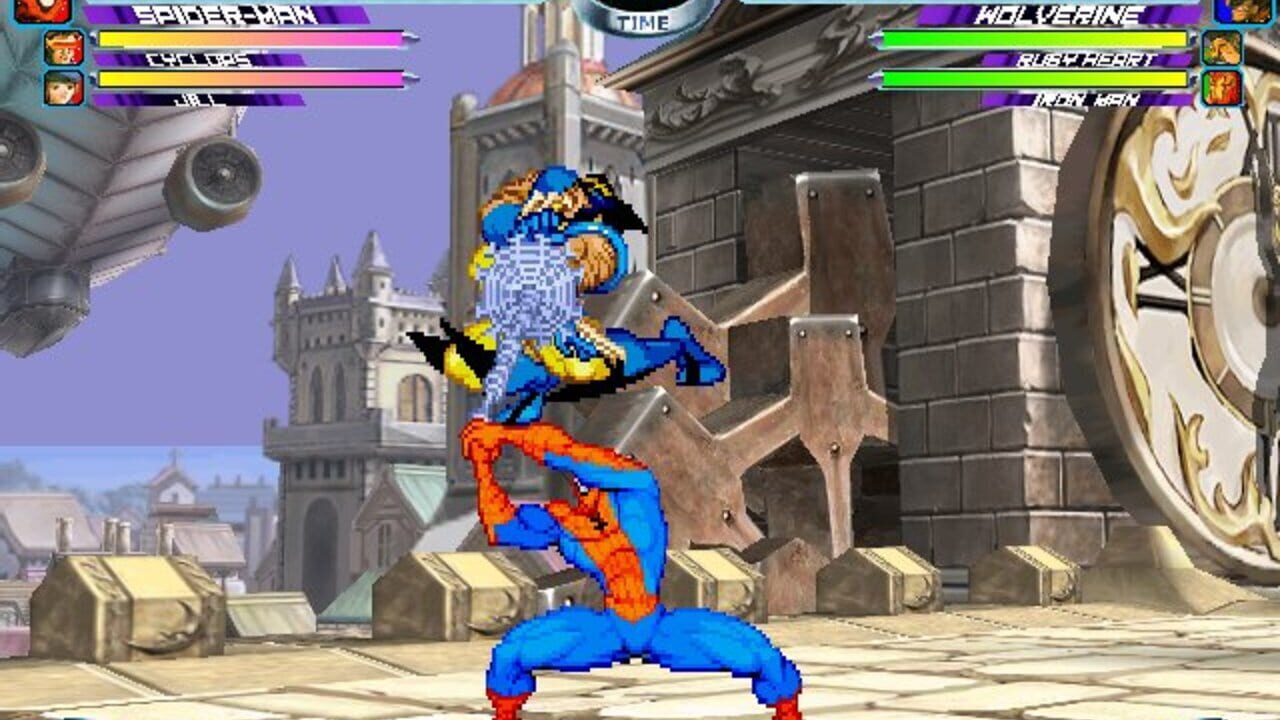
The Dreamcast wins the arcade fight. Soulcalibur holds a 98 rating on Metacritic, and it is one of the few home ports that beat its arcade original. Crazy Taxi was the same story. Retro Gamer's Damien McFerran remembered playing it in the arcade "knowing full well that a pixel-perfect conversion (and not some cut-down port) was set to arrive on the Dreamcast".
Players who owned one still describe it as having Sega's arcade in the living room. Marvel vs. Capcom 2 reached the Dreamcast in 2000, two years before the PlayStation 2 and Xbox, and it skipped the GameCube altogether. Nintendo's best reply was Soulcalibur II, which has Link in the GameCube version. A boy in green with a sword is a good reply, but Sega got there first.
The Dreamcast had a modem in the box
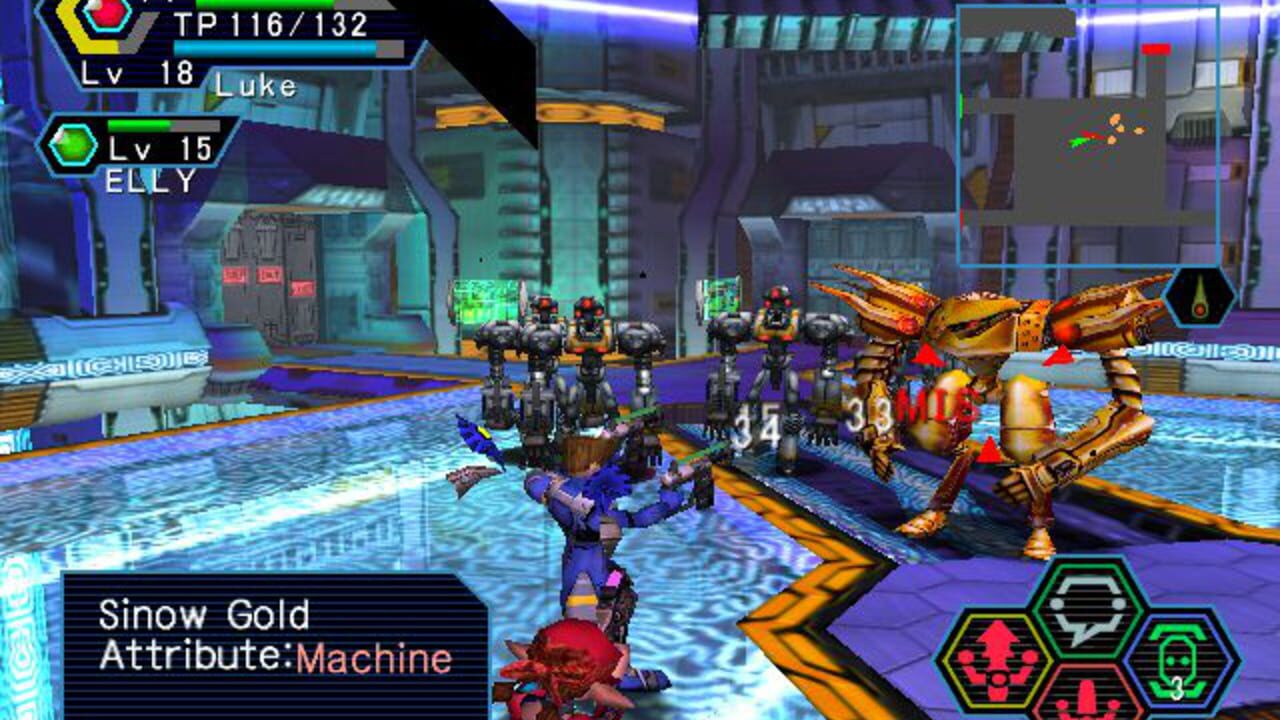
The Dreamcast was the first console with a built-in modem. It added $15 to the cost of each console, and Sega chairman Isao Okawa's own staff argued against it. Okawa did it anyway. In Japan every Dreamcast came with a free year of internet access, which he paid for personally.
That bet gave us Phantasy Star Online, the first successful online RPG on a console, and SegaNet, which launched in the US on September 7, 2000, at $21.95 a month. Players still bring it up whenever anyone credits a later console with inventing online play.
The GameCube needed an adapter that you bought separately, and very few games used it. Most of its internet play came from Phantasy Star Online, a Dreamcast port, so even here Nintendo was borrowing from Sega. The Dreamcast takes this one easily.
Sonic moved in with Nintendo

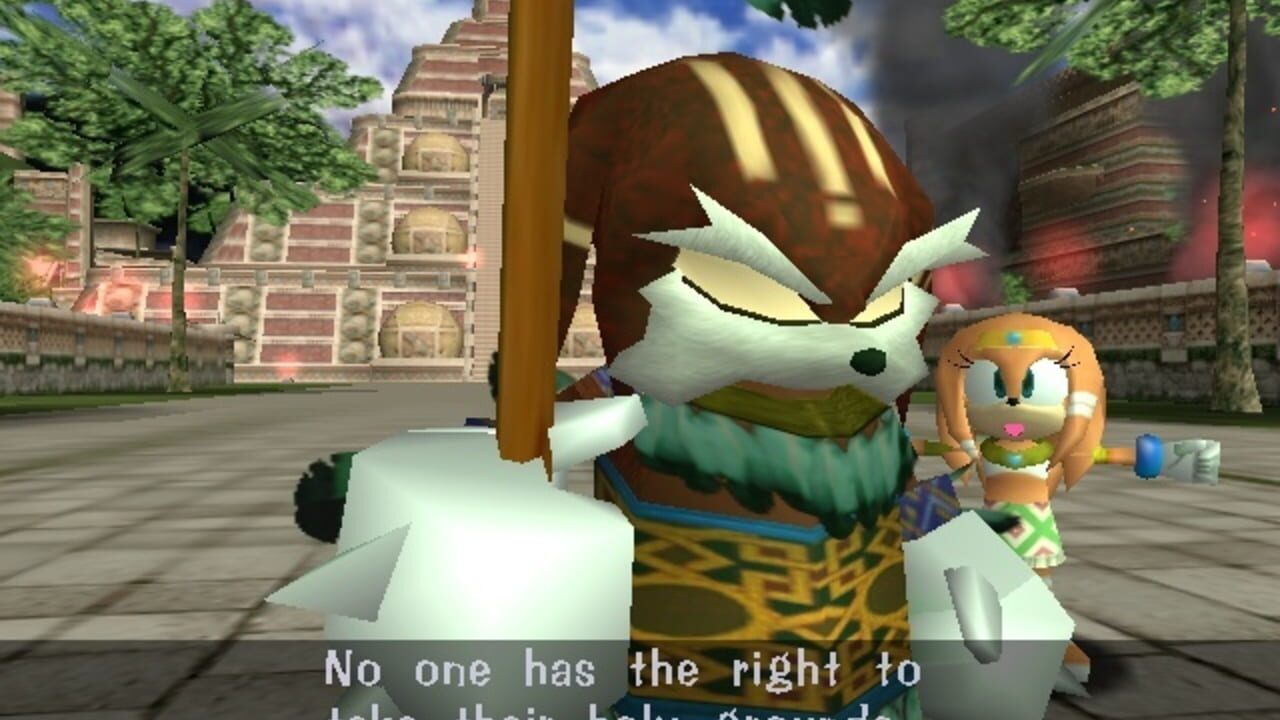
The GameCube wins this one, and Sega fans can look away. Sonic Adventure 2 came out on June 19, 2001, the last Sonic game for a Sega console. The port, Sonic Adventure 2 Battle, reached the GameCube in December of that year as the first Sonic game on a Nintendo console. It sold 1.7 million copies, the best-selling third-party game on the system.
Kids who grew up with a GameCube met Sonic there, and many of them still call those ports some of the best games they played. The rest of the Dreamcast followed. Sonic Adventure arrived in 2003, Skies of Arcadia Legends came out in January that year, and Nintendo and Sega made F-Zero GX together, the first significant game collaboration between the two old enemies. Being a Dreamcast owner in 2003 meant watching your shelf get re-released on the other side.
Four controllers and Melee
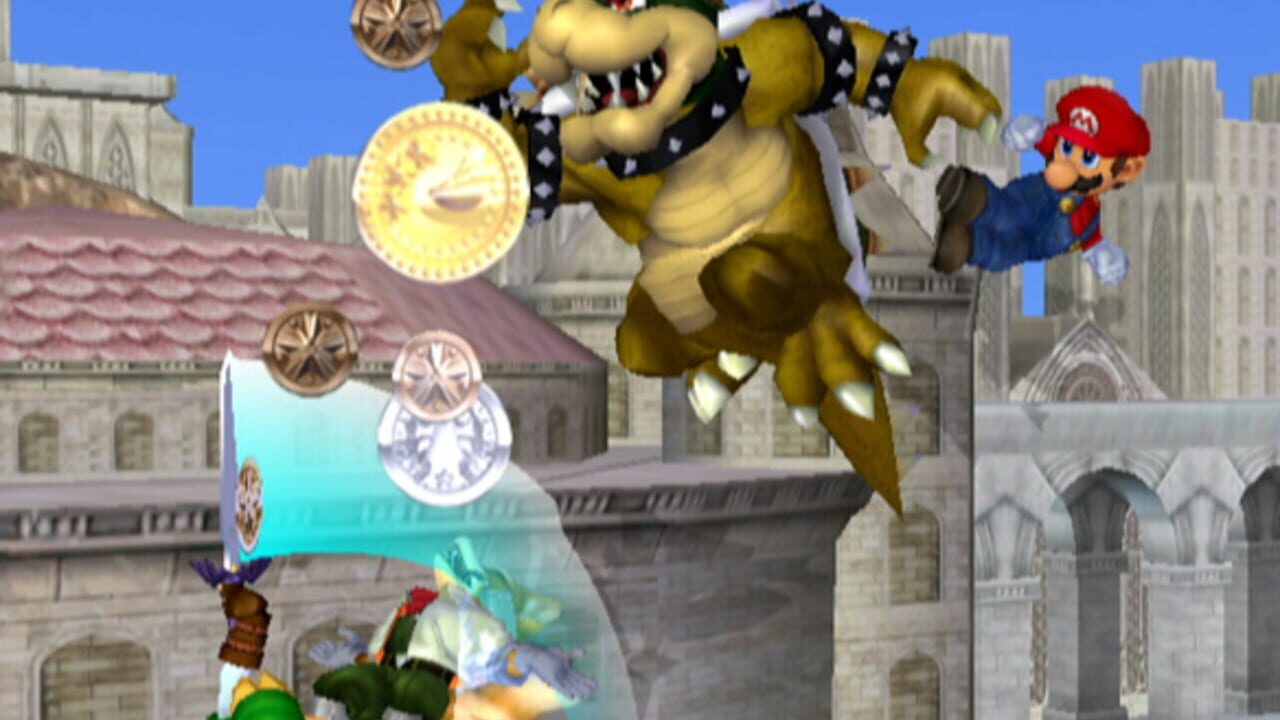
Both consoles have four controller ports, so this fight comes down to what you put in the drive. The Dreamcast has Power Stone, which is a riot. The GameCube has Super Smash Bros. Melee, the best-selling game on the console at 7.09 million copies, and Mario Kart: Double Dash at 6.88 million.
Melee never went away. It has a competitive scene that kept going well beyond the game's original lifespan, and Nintendo sold it in a $99.99 bundle with the console in August 2005. The GameCube wins this round, and it will probably still be winning it at the next tournament.
Nintendo's own games carried the GameCube
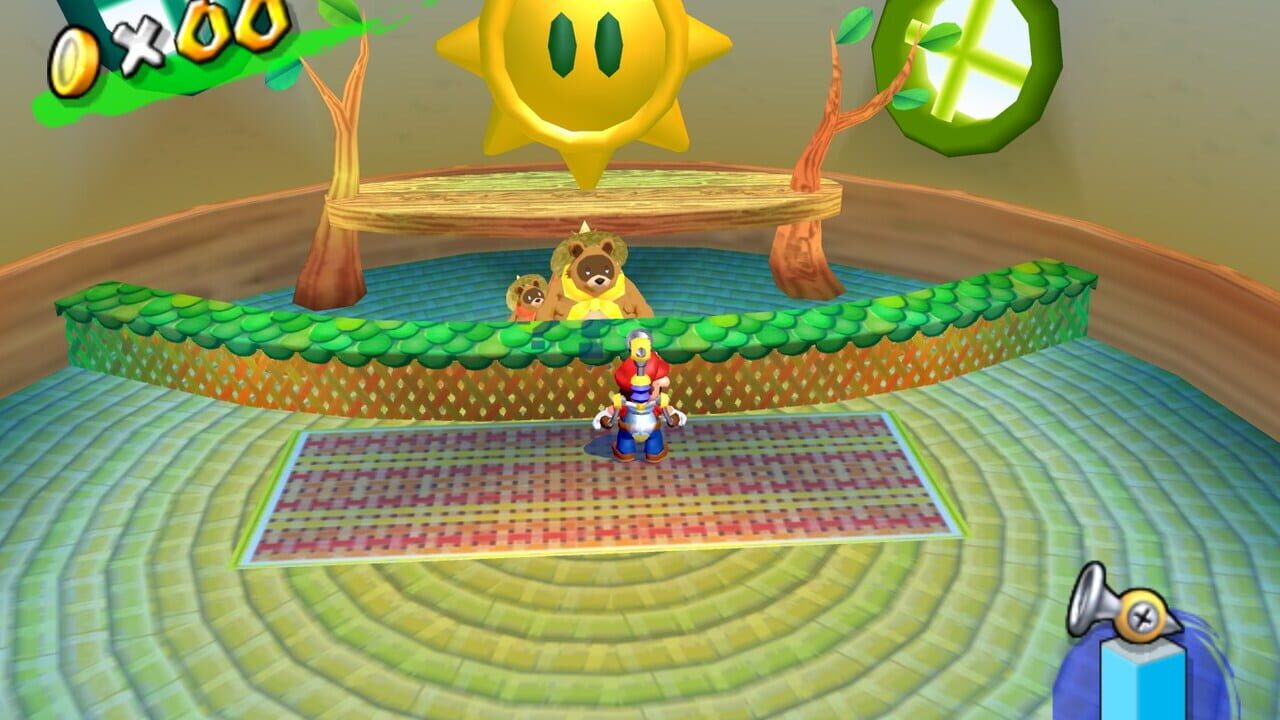
Super Mario Sunshine sold 5.91 million copies. The Wind Waker sold 4.6 million, and Metroid Prime sold more than 2.8 million. Pikmin and Luigi's Mansion both started here too.
Players rate that library very highly, and they say the first-party games almost never miss. The Dreamcast's best seller was Sonic Adventure at 2.5 million copies, which is a fine number until you stand it next to Mario. For big-name games, the GameCube wins.
Nothing on the GameCube is as strange as Seaman
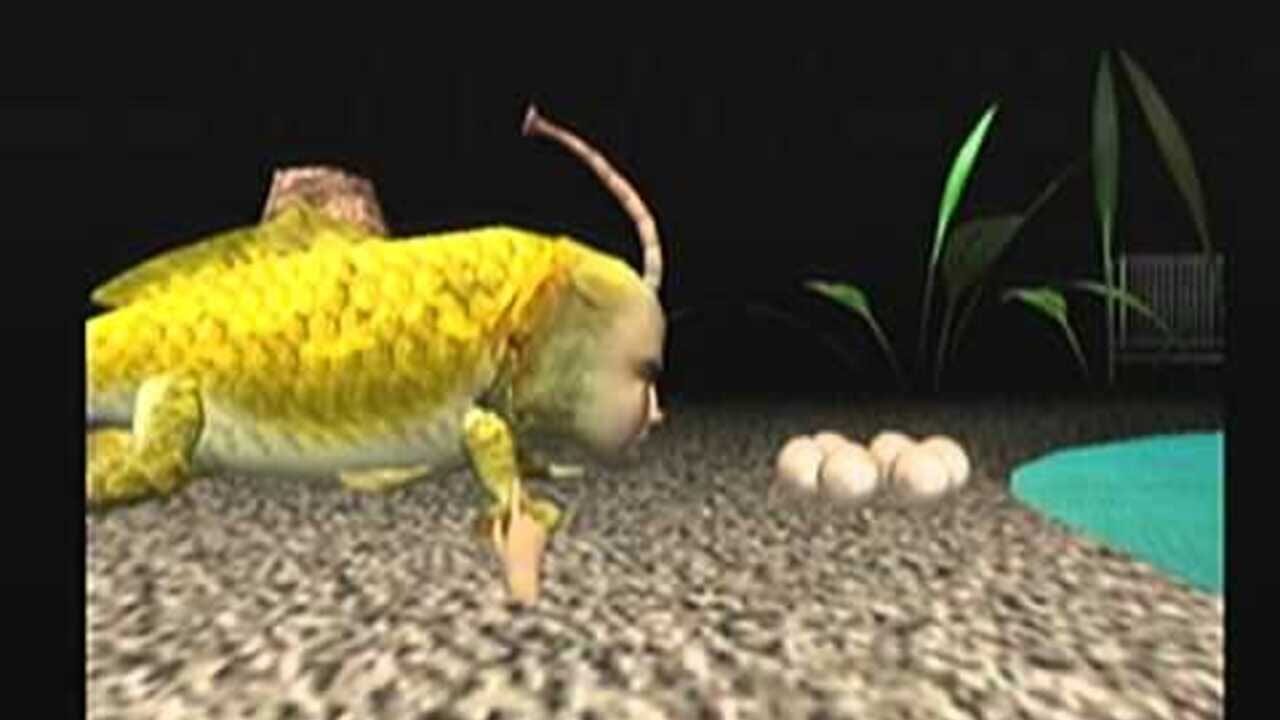
The Dreamcast wins for pure nerve. Seaman has you talking through a microphone to a fish-like creature, and it was the third best-selling Dreamcast game in Japan. The creature asks for your birthday and then tells you what happened on that date. Mario has never once asked.
Space Channel 5 stars a space reporter who fights aliens by copying their dance moves. Jet Set Radio was the first game with a cel-shaded art style, in 2000, two years before The Wind Waker made the look famous on the GameCube. Players still point to the Dreamcast as the home of the odd idea, and it had more of them than its short life should have allowed.
Shenmue was the biggest bet of the generation
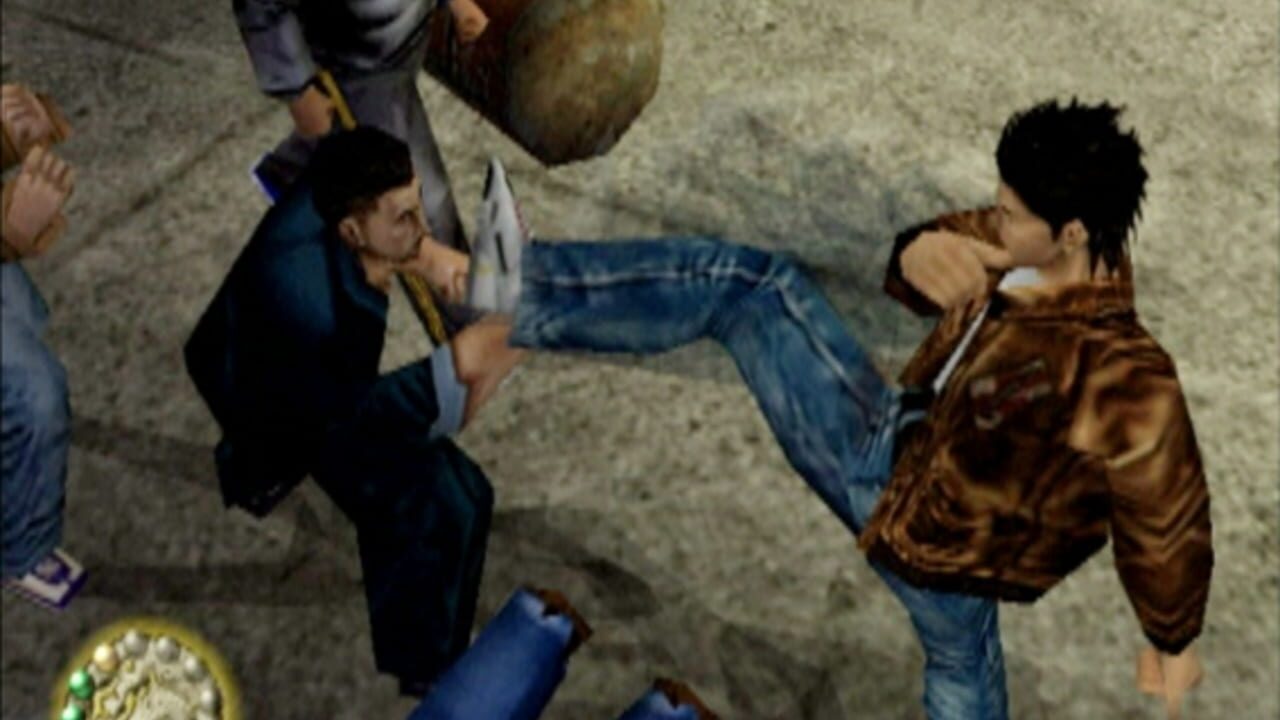
Shenmue was the most expensive video game ever developed at the time. It was reported to have cost $70 million, and creator Yu Suzuki later said the figure was closer to $47 million including marketing. It sold 1.2 million copies and still lost money, since the Dreamcast had too few owners for it to pay off.
Shenmue II then came out on the Dreamcast only in Japan and Europe. American owners were left waiting at the docks. It is a sad story, but no game on the GameCube ever tried anything that big, so the Dreamcast keeps this round.
The Dreamcast ran out of time
The GameCube wins the long game. Electronic Arts announced before launch that it would not make Dreamcast games, so there was no Madden. Sales fell as Sony built up the PlayStation 2, and players remember the moment that console was announced as the moment people lost interest. Sega cut the price to $149 and then $99, and it still had an estimated 930,000 unsold consoles in April 2001.
The Dreamcast was discontinued on March 31, 2001, with over 600 games made for it. Fans call it a masterpiece that was gone too soon. The GameCube lasted until February 2007. It had trouble of its own, because third-party support was limited and big teenage hits like Grand Theft Auto skipped it, but a quiet shelf beats an empty one.
The GameCube pad beats the Dreamcast pad

This one is not close. Players call the GameCube controller comfortable, and plenty name it the best controller ever made. Nintendo has supported it on every home console since, and it re-issued the pad for Smash on Wii U in 2014 and for Ultimate on Switch in 2018. The WaveBird, released in 2002, added wireless radio play from up to 6 meters away.
The Dreamcast pad does not have many friends. Players call it awful and laughably bad to hold, and they still ask why the cable comes out of the bottom. You could dock two memory cards in it, which was clever, and you could not make it comfortable, which was the problem.
The VMU was clever and the Game Boy Player was useful
The Dreamcast's memory card, the VMU, held 128 kilobytes and had its own screen. It plugged into the controller, showed you plays in NFL 2K and let you raise virtual pets from Sonic Adventure. Edge praised it as second-screen technology years before anyone cared. Players remember it as a tiny Game Boy, though many also remember the battery dying and the screen doing very little.
The GameCube's answer was the Game Boy Player, which plays Game Boy, Game Boy Color and Game Boy Advance cartridges on your TV. Players still use theirs today. The VMU has the better idea, and the Game Boy Player has the better library, so the GameCube wins it on the games.
A burned CD was all a Dreamcast pirate needed
Sega built the GD-ROM, a disc of up to 1 GB, and the industry saw the Dreamcast as one of the most secure consoles around. Then a hacker group called Utopia found a flaw in the MIL-CD format in June 2000, and games burned onto CD-Rs ran with no modding at all. Players say that anyone could copy any game, and some blame that for hurting the console.
The GameCube used its own miniDVD format, which held up to 1.5 GB. Players complain that the tiny discs limited storage, and they had a point against the PS2. They still held 50% more than a GD-ROM, and playing burned copies meant modding the console first. The GameCube takes this round.
The kids' console had the scariest games
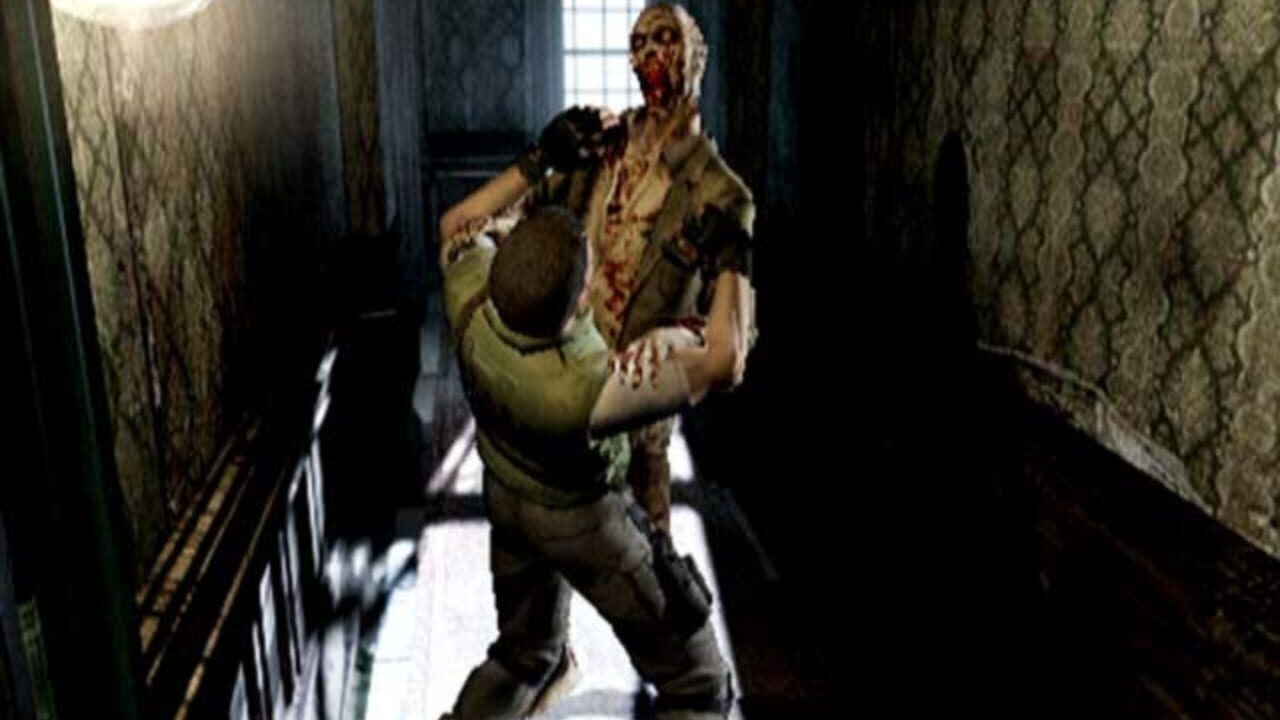
The GameCube got criticism for its toy-like design, and players remember it being written off as a console for kids. It has a handle, after all. The Dreamcast looked like the grown-up choice, and it had Resident Evil Code: Veronica, a new Capcom game, in March 2000.
Then Capcom signed an exclusivity deal with Nintendo. The result was the 2002 Resident Evil remake, which Shinji Mikami made because he felt the original had not aged well. Eternal Darkness added a Sanity meter that faked errors on your TV and your GameCube, and Resident Evil 4 started on the console in 2005. The console with the handle wins the horror round.
The Dreamcast refuses to die
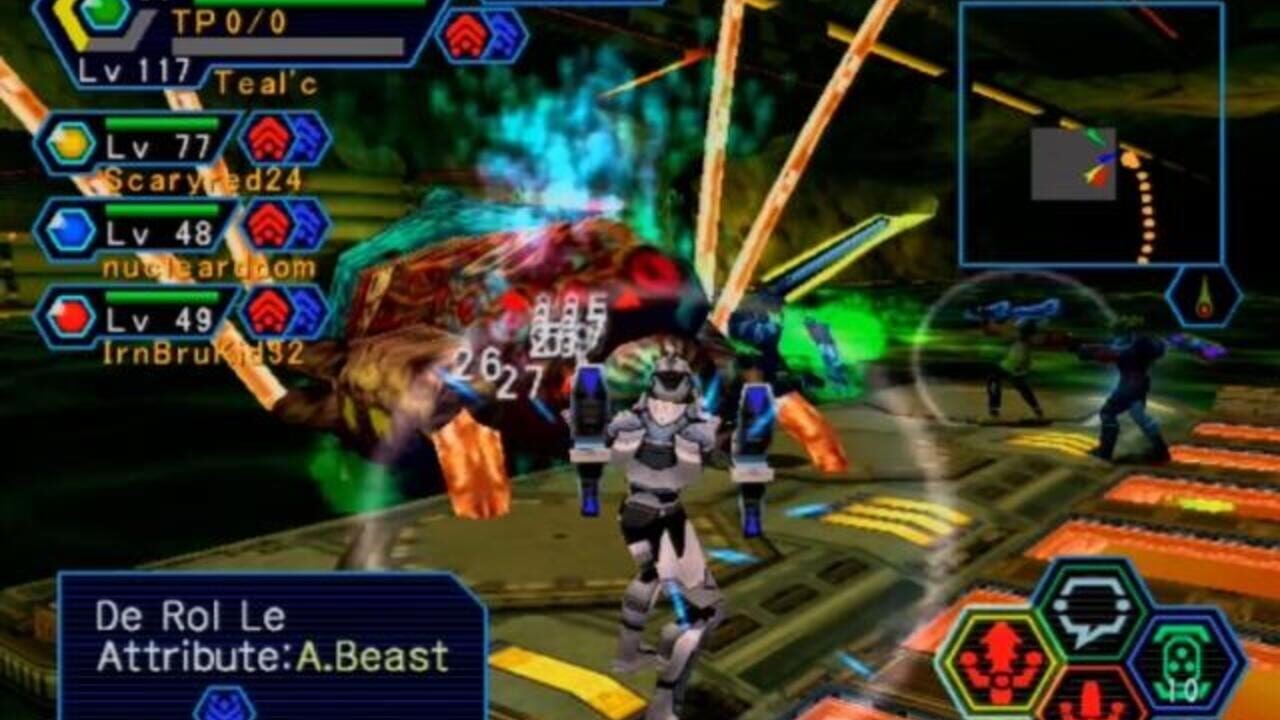
Sega shut down the servers for Phantasy Star Online on March 31, 2007, for both the Dreamcast and GameCube versions. Dreamcast fans did not accept that. The console remains popular with homebrew makers, who built private servers to keep its online features running and still write unofficial software for it. You can still go online on a Dreamcast today. This round goes to the fans, so it goes to Sega.
The GameCube wins on resale
Nintendo's console holds its value, and the same game often costs more on the GameCube. A loose copy of Code: Veronica X sells for $180 on GameCube, against $24 for Code: Veronica on Dreamcast. Phantasy Star Online Episode I & II Plus goes for $120 and the Dreamcast's Phantasy Star Online for $20. Skies of Arcadia Legends is $100, and Skies of Arcadia is $85.
The rarest GameCube games go higher, with Cubivore at $280 and Gotcha Force at $222. The Dreamcast has a few pricey games of its own. Cannon Spike sells for $217 and Illbleed for $175. It also has one upset, because Sonic Adventure 2 on Dreamcast is $95 and Battle on GameCube is $42. The big names stay cheap on both sides, with Soul Calibur at $18 and Metroid Prime at $18.
Which one wins?
The GameCube wins on paper. It sold more than twice as many consoles and its games are worth more on the shelf. None of that settles anything. If a Dreamcast was the last Sega console in your house, or a GameCube with a handle was the one you carried to your friend's place, that console is still yours. What made it special was the memories you made with it, and no sales chart can reach those.