In November 2002, Capcom held a surprise press conference in Japan and announced five new GameCube games. Nintendo was far behind the PS2, and the biggest of the five, Resident Evil 4, was going to stay on the GameCube. Its director, Shinji Mikami, talked up the deal himself. Then on October 31, 2004, more than two months before the game came out, Capcom said it was coming to the PS2 as well. Industry sources called it a betrayal.
GameCube owners took that one hard. They had spent three years hearing that their console was for little kids, and now the PS2 kids were getting their best game too. Lunch tables had been split over GameCube vs PS2 since 2001, and this did not calm anyone down.
The PS2 sold 160 million consoles to the GameCube's 21.74 million, more than seven to one. GameCube fans will tell you that number proves nothing, because they had Melee and everyone else was busy watching movies. In this article we will find out who really won.
The PS2 got a year's head start and kept it
The PS2 wins the race to the store. It reached North America on October 26, 2000, and the GameCube followed on November 18, 2001. Sony shipped 10 million PS2s in under 15 months, and by October 2002 it had sold 40 million worldwide. Nintendo sold only 4.7 million GameCubes in the console's first year.
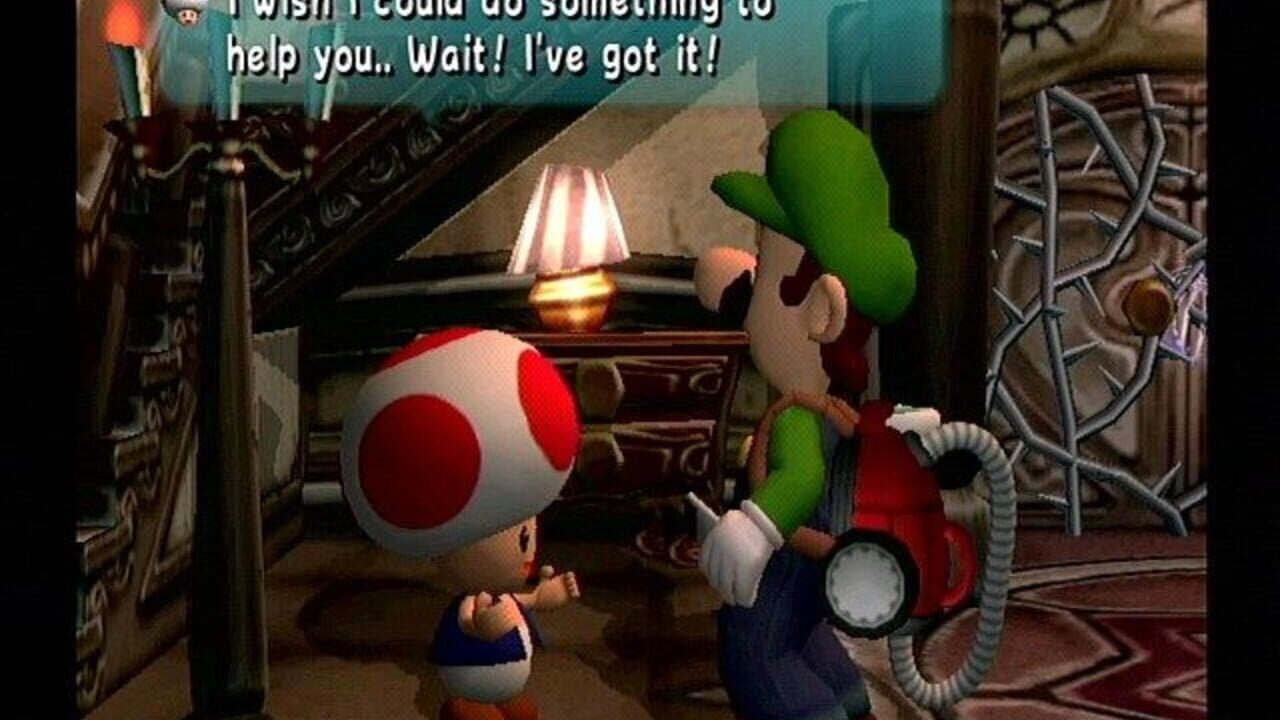
Nintendo's best card was price. The GameCube launched at $199, which was $100 less than the PS2. The launch games were a harder sell, because this was the first Nintendo home console since the Famicom with no Mario game on day one. You got Luigi and a vacuum cleaner instead, and a vacuum cleaner can only clean up so much of a 13-month lead.
The PS2 was your DVD player and the GameCube wasn't
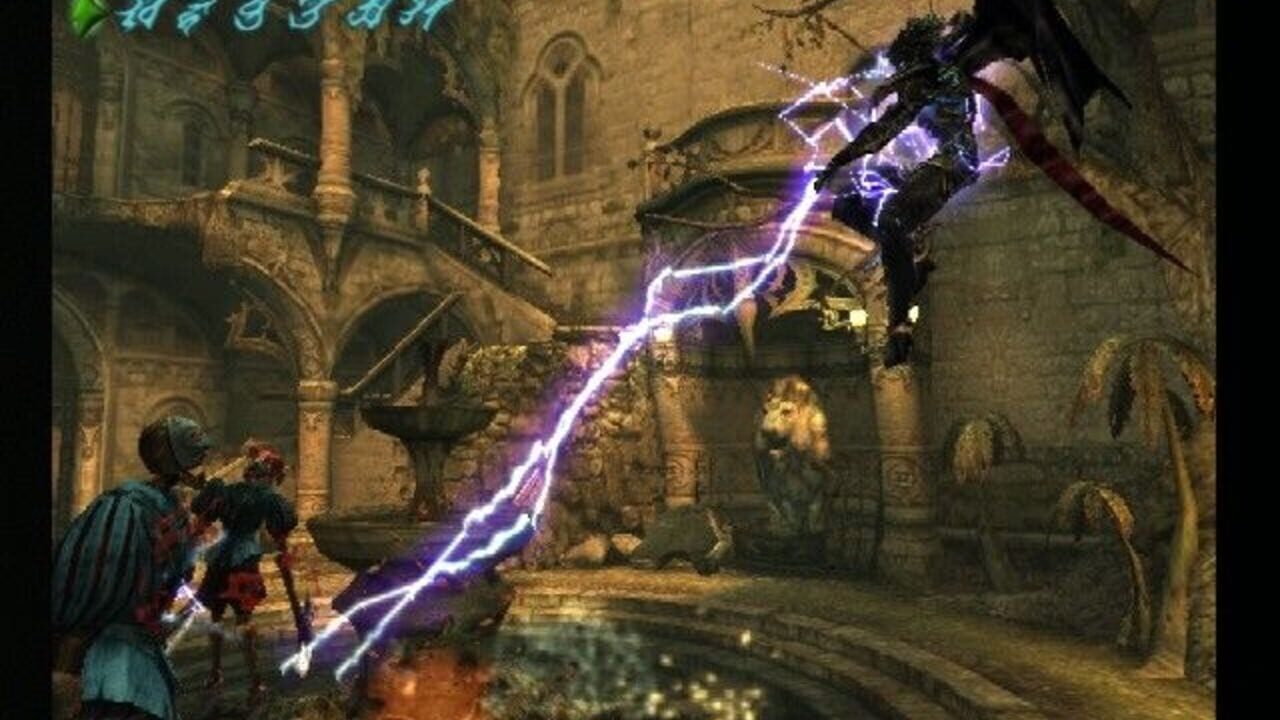
The PS2 wins the living room. It played audio CDs and DVD films, and for a lot of people it was the first DVD player in the house. Kids who wanted one had an easy pitch for their parents, and players still remember making it. You could finish a level of Devil May Cry and put on a movie without getting up.
Most GameCube models could not play DVDs or CDs at all. Panasonic did build one that could, the Q, with a stainless steel case and a carrying handle like the GameCube. It came out only in Japan at ¥39,800, and low sales ended it in December 2003.
The GameCube was the stronger machine
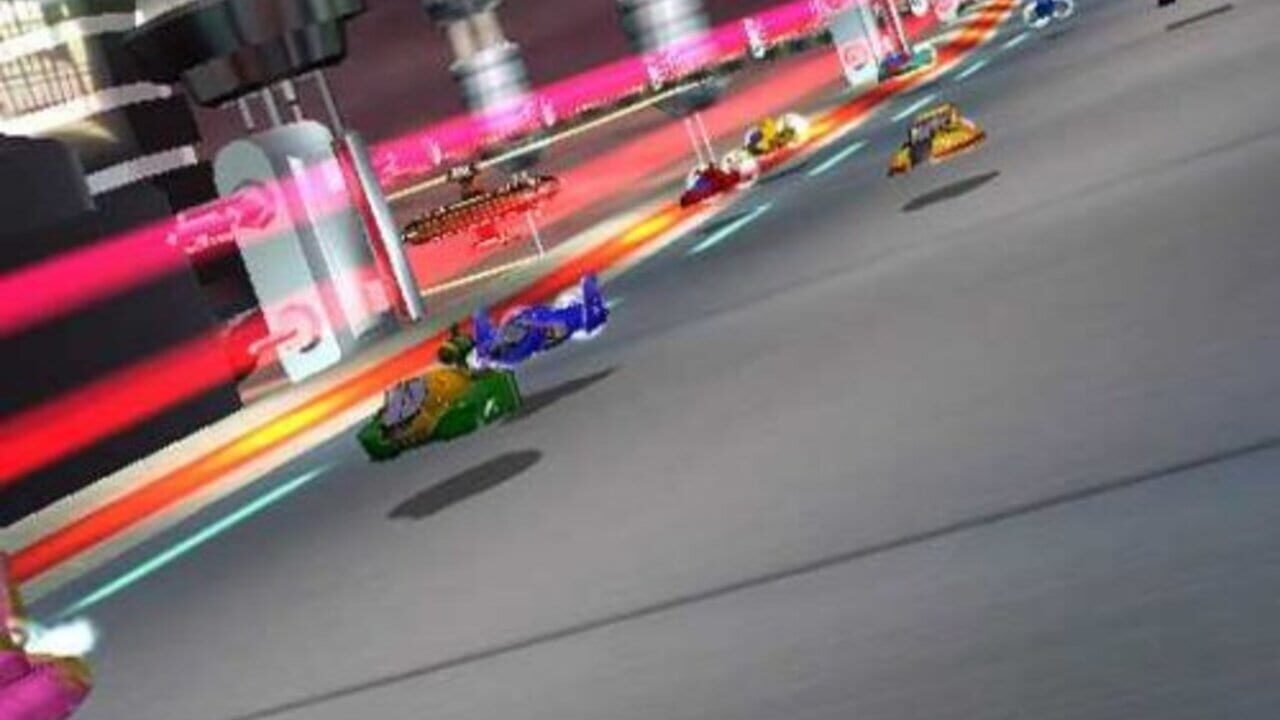
The GameCube wins on power. Its Gekko processor ran at 486 MHz against 294.912 MHz for the PS2's Emotion Engine, and players who know the hardware agree it sat above the PS2 and below the Xbox. Plenty of them say most GameCube games look better.
It didn't change the result. The PS2 sold nearly triple what its rivals sold combined, weaker hardware and all. Put F-Zero GX on anyway, because the GameCube earned this one.
Resident Evil 4 played better on the GameCube
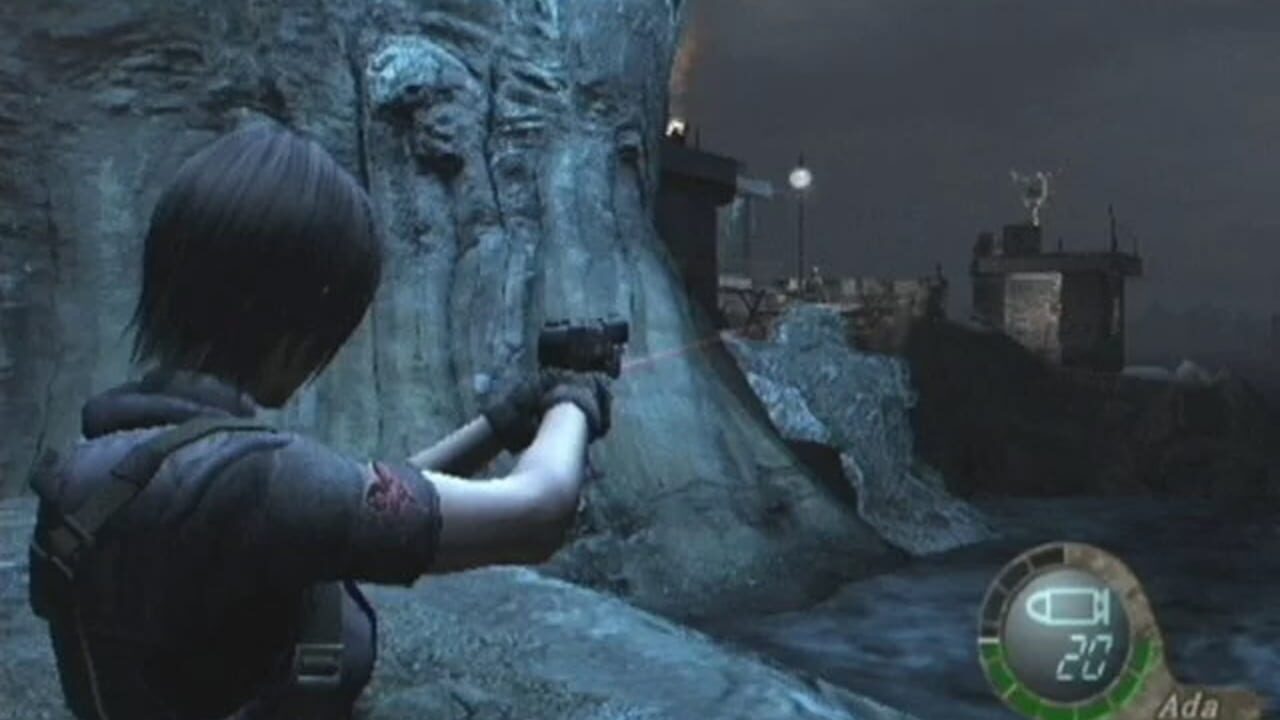
The GameCube keeps this round, even after Capcom broke the deal. The game came out on January 11, 2005 on the GameCube and on October 25, 2005 on the PS2. Players who tried both say the PS2 port looks a lot worse and runs less smoothly.
PS2 owners did get something back. Their version added Separate Ways, a new scenario for Ada Wong, and both versions scored 96/100 on Metacritic. The PS2 version also outsold the GameCube one, with over 2 million copies against 1.6 million. In the end only one of those five games stayed a GameCube exclusive, a shooter that flopped, and nobody at the lunch table was bragging about it.
Mini discs cost the GameCube space and gave it speed
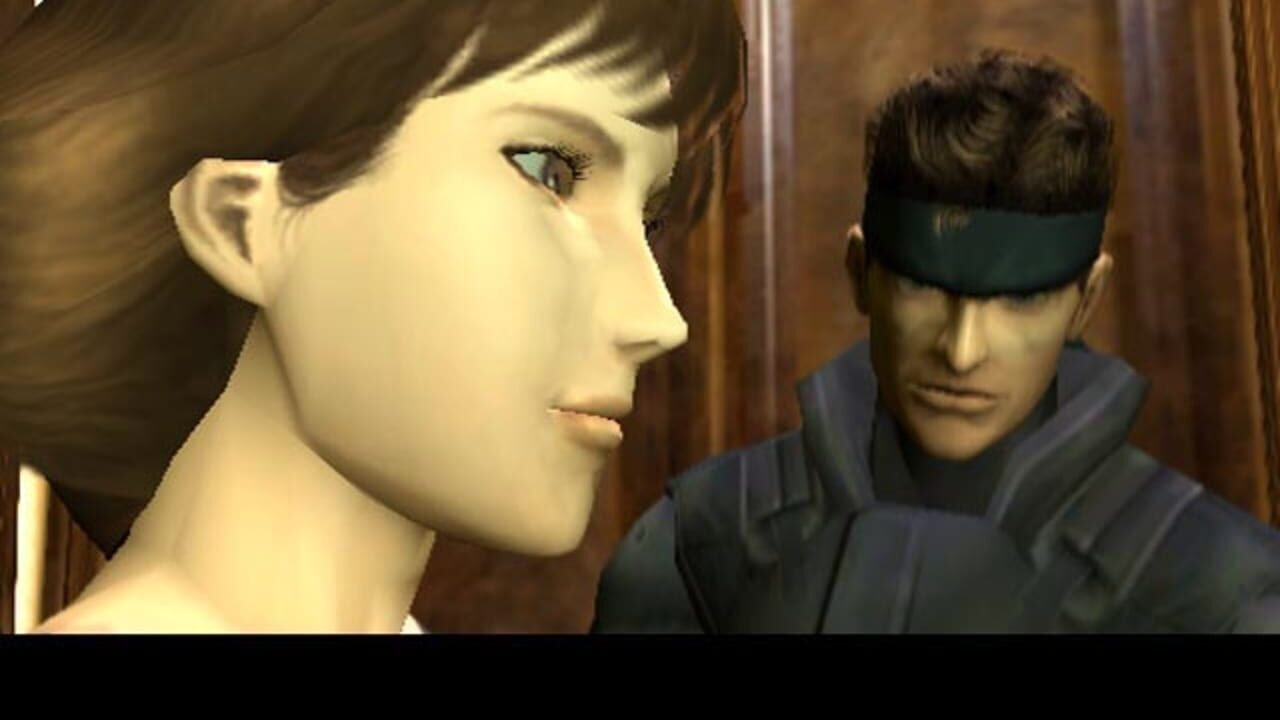
The PS2 wins on space. A GameCube disc held up to 1.5 GB and a standard DVD held 4.7 GB. Players still bring up how tiny those discs were, and how some ports needed two of them.
The GameCube wins on speed. The same little discs gave it short load times, and players who owned both remember it loading faster than the PS2. If you value your afternoon more than your shelf space, this round goes to Nintendo.
Four controller ports made the GameCube the party console
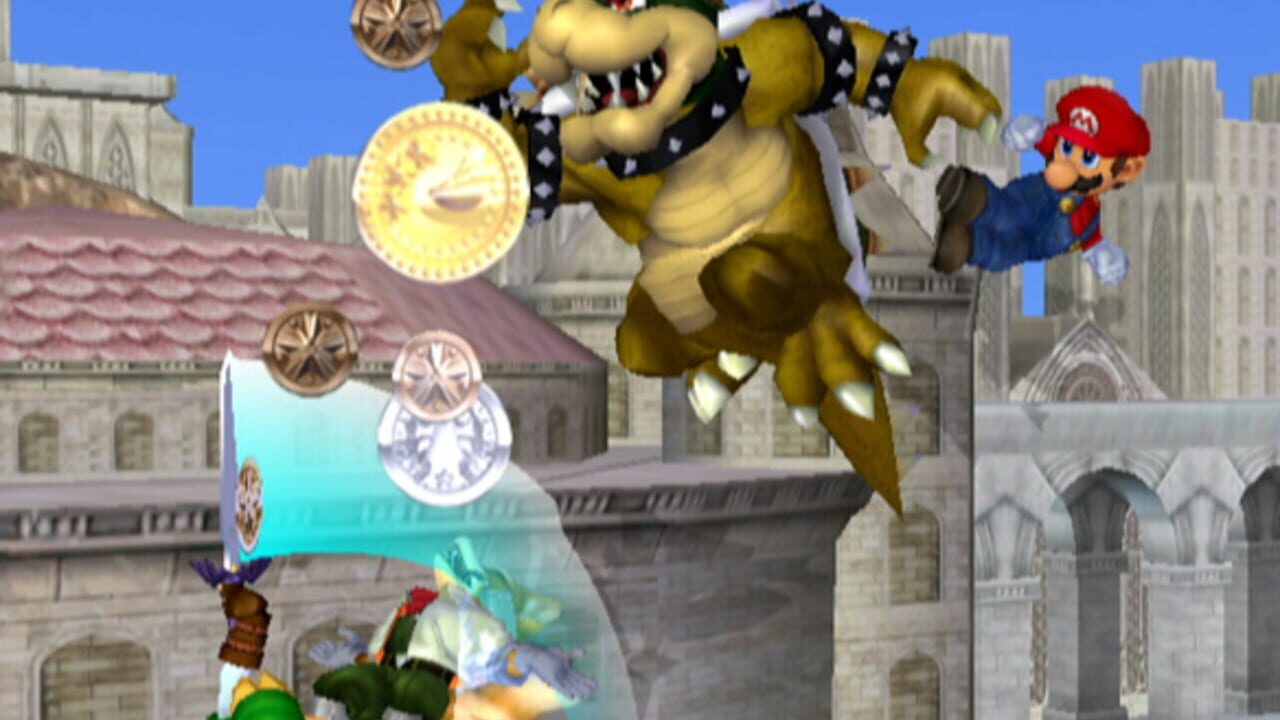
The GameCube wins the sleepover. It had 4 controller ports on the front, and PS2 owners had to go out and buy a multitap to get four players in.
Super Smash Bros. Melee came out on December 3, 2001 and became the GameCube's best-selling game at 7.09 million copies. Mario Kart: Double Dash!! came second at around 7 million. In August 2005, Nintendo bundled Melee with the GameCube for $99.99, and fans have kept its competitive scene alive long after the console left the shops.
The GameCube controller still has fans today

The GameCube wins the pad fight. That big green A button in the middle is the one thing everybody remembers, and in 2002 the WaveBird became the first wireless gamepad from a console maker. Fans call the GameCube pad the best controller ever made, and people still plug it into a PC or a Switch to play Smash.
It has its critics. Some players find it uncomfortable and say it is hopeless for shooters. The DualShock 2 had its own trick, with 255 levels of pressure on its buttons. Hardly anyone remembers that part, while Smash players still pay for a GameCube pad.
The PS2 had the bigger library by miles
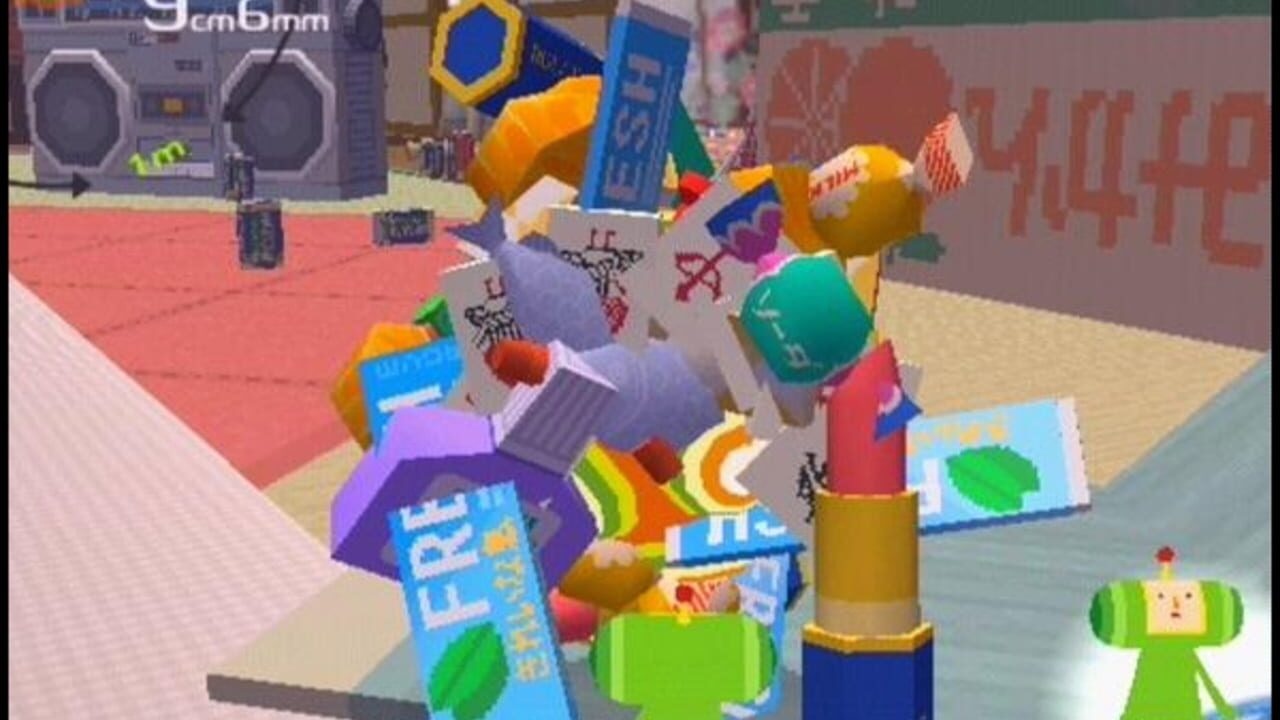
The PS2 wins the library. It had over 4,000 game titles and 1.54 billion copies sold, and players still rank it among the greatest game libraries of all time. The GameCube's third-party support was limited, and some developers skipped it altogether.
The PS2 also stayed around far longer. Nintendo discontinued the GameCube in February 2007, and PS2 games kept coming until November 2013.
The GameCube had fewer games and more great ones
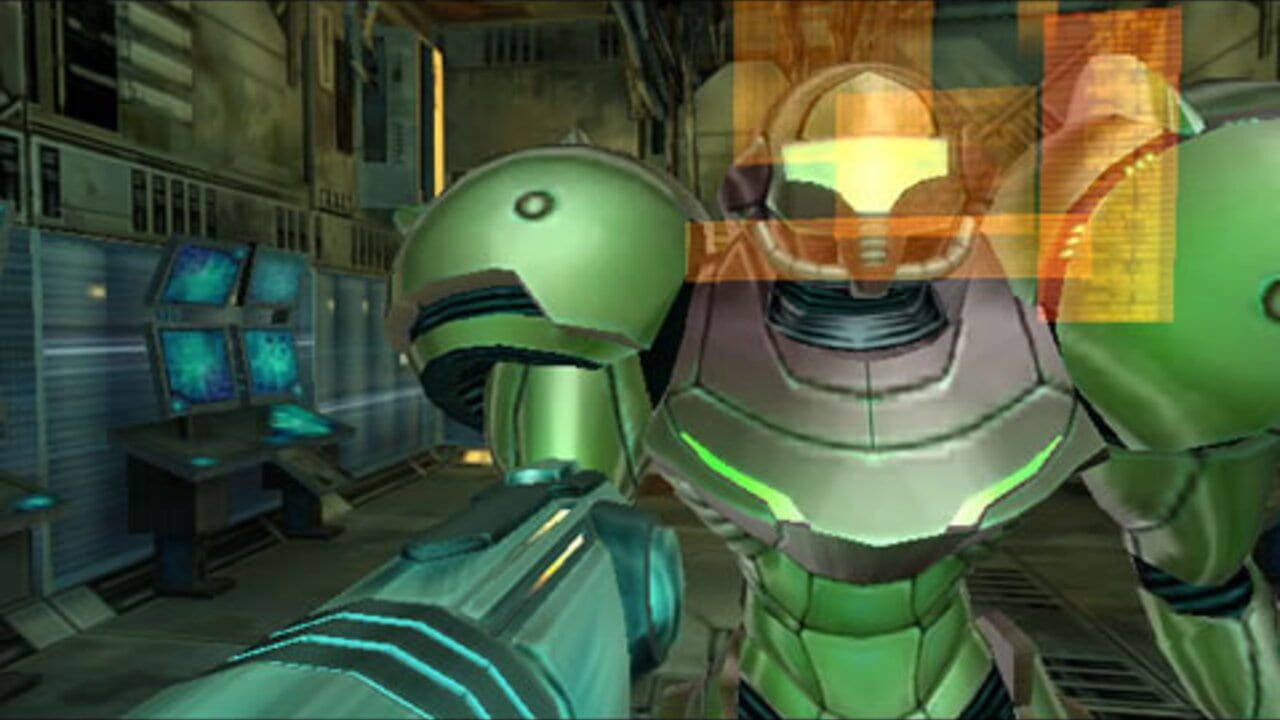
The GameCube wins on hit rate. Fans say it had fewer games and a bigger share of great ones, and that you dig through far less shovelware to find them.
Metroid Prime is the proof they reach for. It won numerous Game of the Year awards and sold 2.84 million copies. Animal Crossing, Luigi's Mansion and Pikmin all began on the GameCube too.
Grand Theft Auto went to the PS2 and the GameCube got called a toy
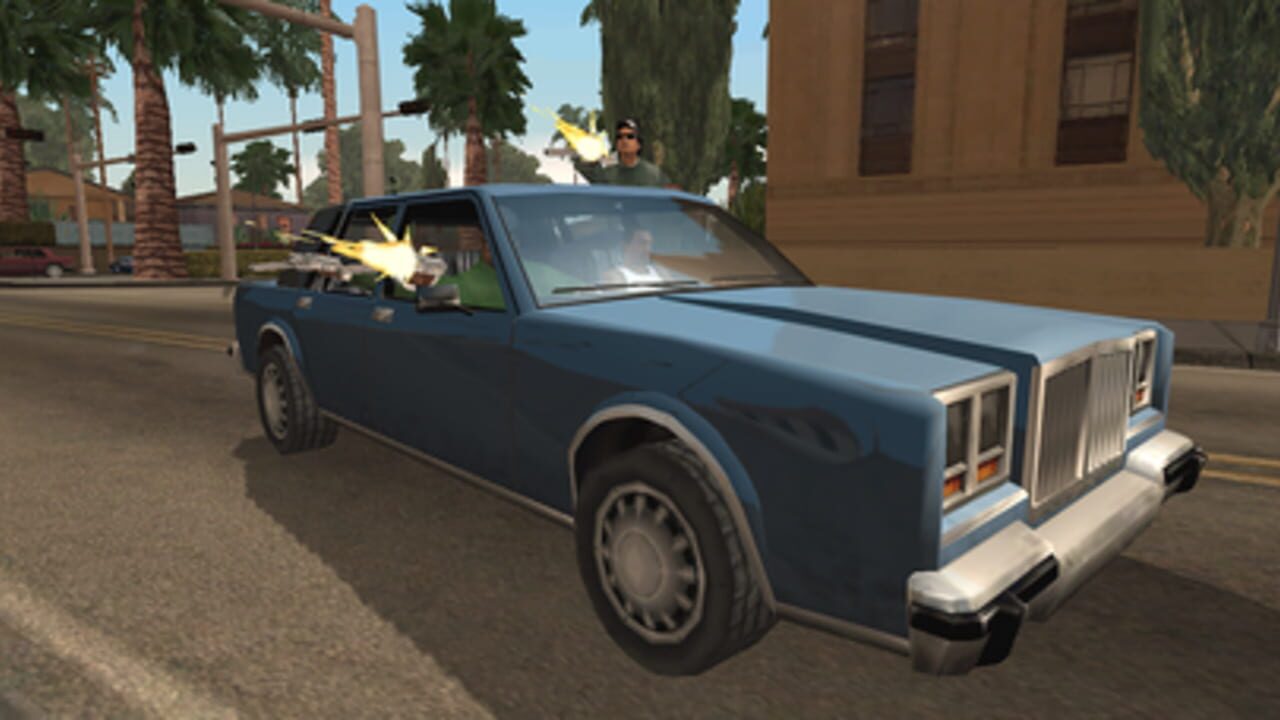
The PS2 wins the teenagers, and it wins them easily. The blockbuster Grand Theft Auto series never came to the GameCube, and San Andreas became the best-selling PS2 game at 17.33 million copies. Nintendo's family image pulled it towards a younger market, a minority of players at the time.
The look of the console didn't help. Critics went after its toy-like design, and a purple box with a handle was a hard thing to defend at school. Players remember it as the kiddie console. In June 2003 the GameCube had a 13% market share against 60% for the PS2.
GameCube games aged better
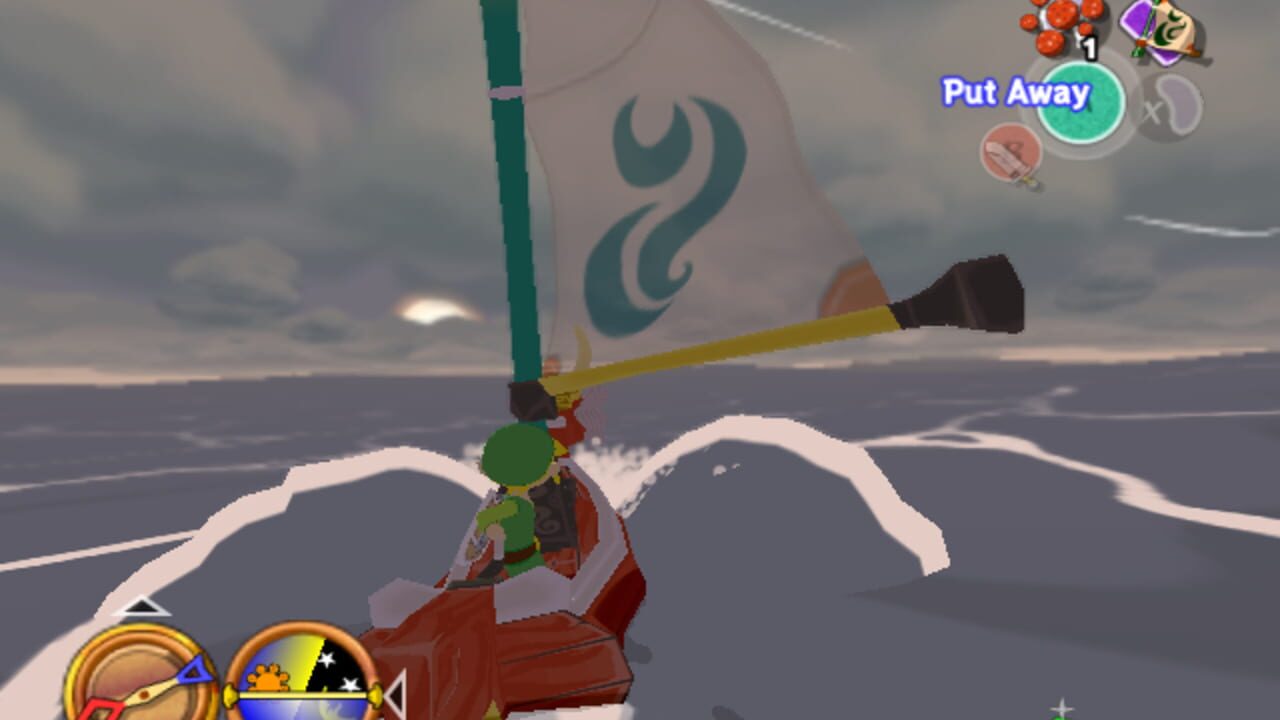
The GameCube gets the last laugh here. When Nintendo showed the cartoon look of The Wind Waker, critics derisively dubbed it "Celda". The art split players, and the game sold 4.6 million copies against 7.6 million for Ocarina of Time.
Then twenty years went by. Players now say GameCube games have aged better than PS2 games, thanks to their art direction, and they say The Wind Waker hasn't aged at all. The kids who laughed at it are buying it now.
The PS2 was the RPG console
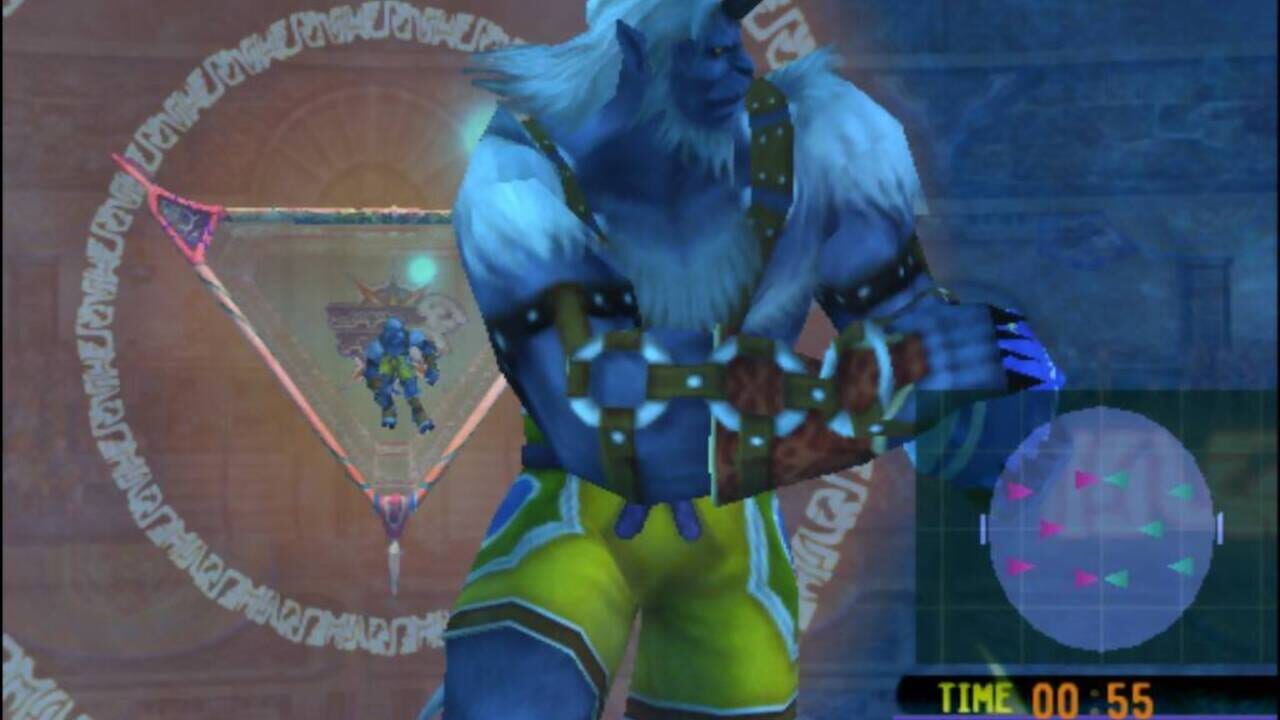
The PS2 wins this one by a long way. Final Fantasy X shipped over 8.5 million copies on the console, and RPG fans still call the PS2 the best selection of RPGs in history.
GameCube owners weren't left with nothing. RPG fans still recommend Tales of Symphonia, Baten Kaitos and Skies of Arcadia Legends, and Tales sold 953,000 copies on the GameCube. Even that one got a PS2 port in Japan.
The PS2 got further online
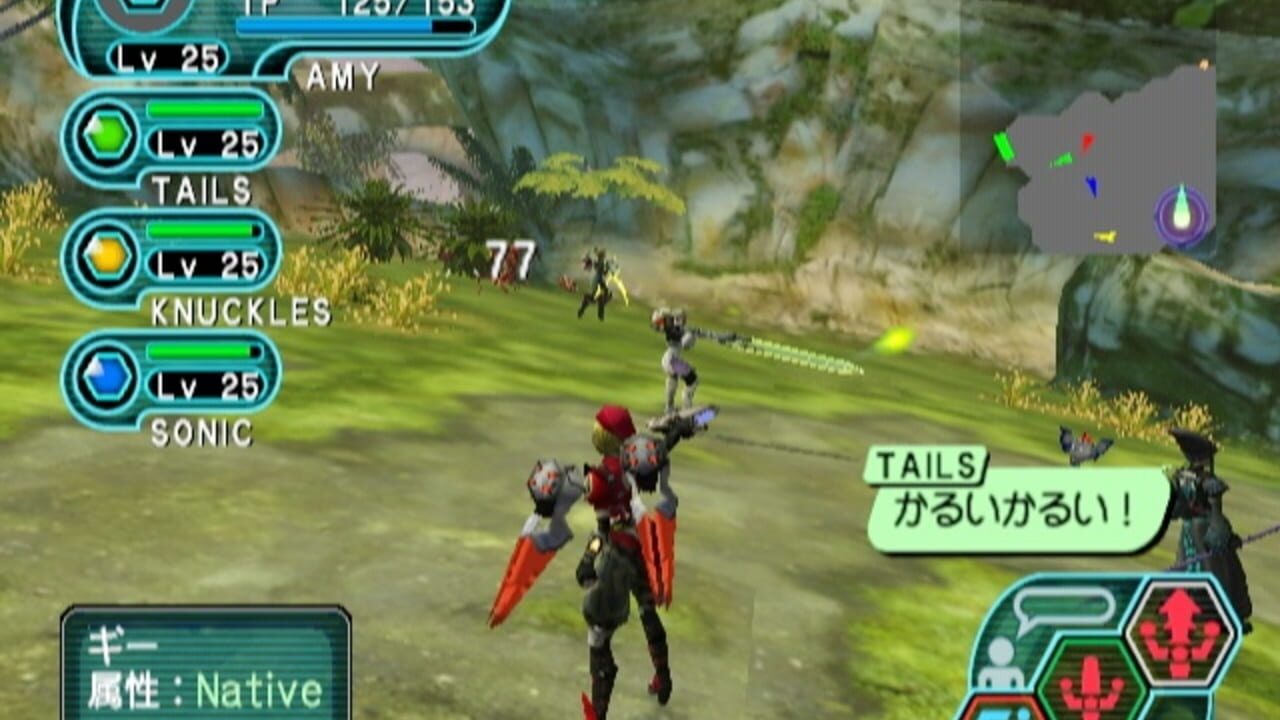
The PS2 wins a small fight here. Both consoles needed an adapter, and in early 2004 only about 2.6 million of the 25 million PS2s in North America were equipped for online play. On the GameCube, only select games went online at all. Players remember Phantasy Star Online as the one exception.
The PS2 played your PS1 collection
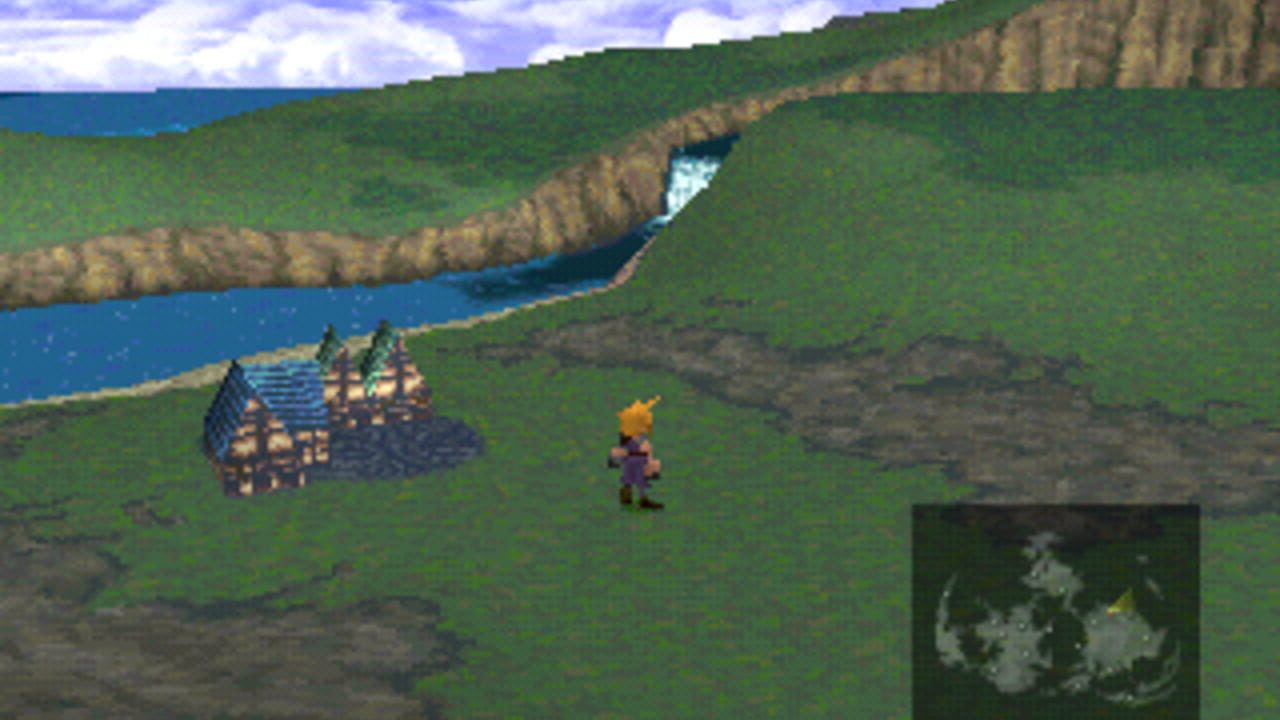
The PS2 wins on old games. It was backward-compatible with almost all original PlayStation games, and plenty of families chose it for that reason.
Nintendo's answer was the Game Boy Player, an add-on that put Game Boy, Game Boy Color and Game Boy Advance cartridges on your TV. It was a great add-on, but it was a separate purchase.
The GameCube is the one that still turns on

The GameCube wins the long run. Owners call it indestructible, and many still have the one they got as kids. PS2 owners tell a sadder story, because the fat model tends to stop reading discs over time. If you have ever seen a disc read error, you already know the feeling.
The GameCube is easier on a handheld

The GameCube wins the retro handheld fight too. Players report that GameCube games are usually easier to emulate than PS2 games and run better on the same device.
GameCube games hold their value better

The GameCube wins on resale, as Nintendo nearly always does. Players have complained for years about how expensive GameCube games are, and the sold prices back them up. Loose copies sell for about $150 for Twilight Princess, $149 for Pokémon XD, $145 for Chibi-Robo and $142 for Fire Emblem: Path of Radiance. Mario Kart: Double Dash!! is $65, The Wind Waker is $60 and Melee is $50.
The same game often shows the gap. Resident Evil 4 sells for $33 on GameCube and $9 on PS2, so the Capcom deal has one happy ending. SSX Tricky is closer, at $25 and $20.
The PS2 has rare games of its own, with Kuon at about $600 and Rule of Rose at about $488. Its hits are cheap, though. Final Fantasy X is about $7, San Andreas is $13 and Persona 4 is $25. That is bad news for sellers and good news for anyone with a PS2 and a free weekend.
Which one wins?
Add it up and the PS2 takes it, with more consoles sold and far more games to play. It makes no difference to anyone who spent their teens on a floor with three friends and four GameCube pads. The console you grew up with is the best one ever made, whichever box it was. Sales charts can't touch the nights you spent on it, or the people you spent them with.