Nintendo planned The Legend of Zelda: Twilight Princess as a GameCube game for November 2005. Then Shigeru Miyamoto suggested using the new Wii Remote to aim its arrows, and Nintendo delayed the game to put it on the next console too. It became a Wii launch game in November 2006, and the GameCube copy arrived that December as the console's last first-party game.
GameCube owners had waited a year and still got it after the new console did. That Christmas, every Nintendo kid had the same question for their parents, and it came down to GameCube vs Wii.
The Wii shipped 101.63 million consoles and the GameCube sold 21.74 million, more than four for every one. GameCube fans will tell you that number is all bowling, and that real games felt better on a real controller. In this article we will find out who really won.
The Wii is a GameCube with a faster engine
Open the two up and you find the same family. The Wii's processor uses the same PowerPC design as the GameCube's Gekko chip, and its graphics chip is an updated version of the GameCube's Flipper. Nintendo pushed the processor from 486 MHz to 729 MHz and the graphics chip from 162 MHz to 243 MHz.
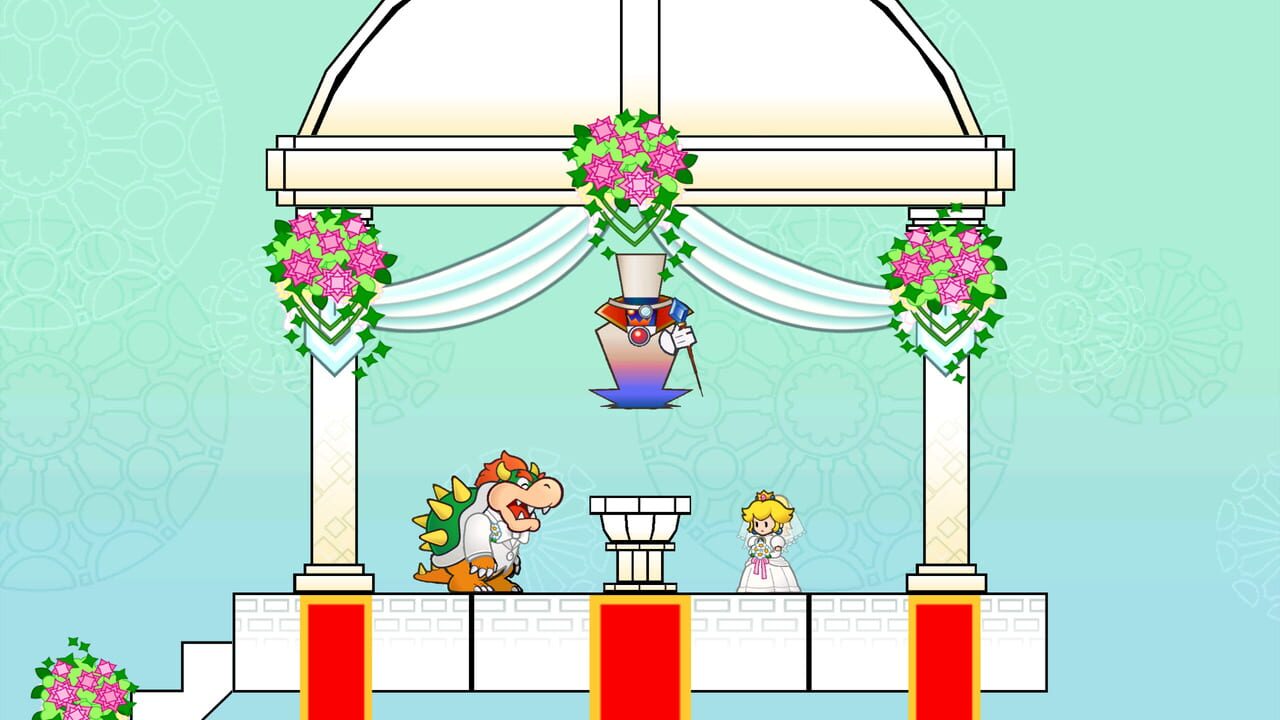
Players have a blunt name for the result: an overclocked GameCube. That means a chip run faster than it used to, and it is close to the truth. The Wii was about 1.5 to 2 times more powerful than the GameCube and the least powerful of the major home consoles of its generation. Super Paper Mario began as a GameCube game and was reworked for the Wii. The Wii takes this round, but only just.
Wii Sports beat everything the GameCube ever did

Wii Sports reached 82.90 million copies with the bundled ones counted, more than three times the number of GameCubes ever sold. The GameCube's best seller, Super Smash Bros. Melee, sold 7.09 million.
Wii Sports and Wii Fit get the credit for bringing in casual, female and elderly players, and residents at retirement homes formed their own bowling leagues. Nobody's grandmother ever asked for a WaveBird. Satoru Iwata had told investors to expect 50 million GameCubes by March 2005, and the console had reached fewer than half of that by the end of 2006. The Wii wins this one easily.
The GameCube pad beat waving your arms
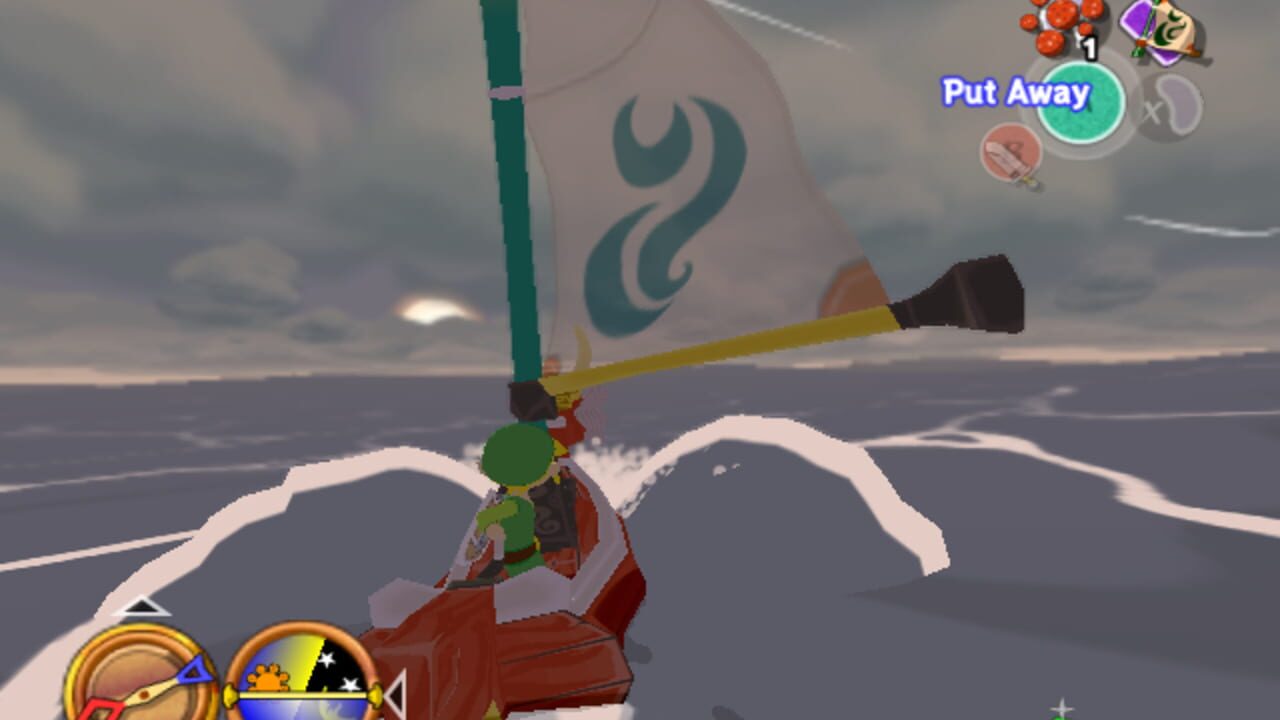
Plenty of Nintendo fans never warmed to the Wii Remote. Players call motion controls a gimmick, and they get angrier when a game forces them on you. Swinging your arm to swing a sword was great fun for about one Christmas.
The GameCube controller lasted. The WaveBird version came out in 2002 and is called the first modern wireless gaming controller, working from 20 feet away. Nintendo built four ports for the pad into the first Wii, and years later it reissued the controller and made adapters for the Super Smash Bros. games of 2014 and 2018. Owners of both consoles still pick it over the remote. The GameCube wins the controller fight.
The Wii pointer made shooters feel new

The Wii Remote did have one trick that no stick could match. It reads the Sensor Bar by infrared, and you aim by pointing at the TV. Retro Studios spent a year tuning those controls for Metroid Prime 3: Corruption, and the work delayed the game several times.
Players rate pointer aiming as the best shooter control on any console, and they say nothing beats it for Pikmin. The funny part is where it came from. Nintendo patented an early motion control prototype for the GameCube, and Factor 5 tried it while making Star Wars Rogue Squadron II: Rogue Leader. GameCube fans can claim the idea, and the Wii still gets the round.
Twilight Princess is better on the GameCube
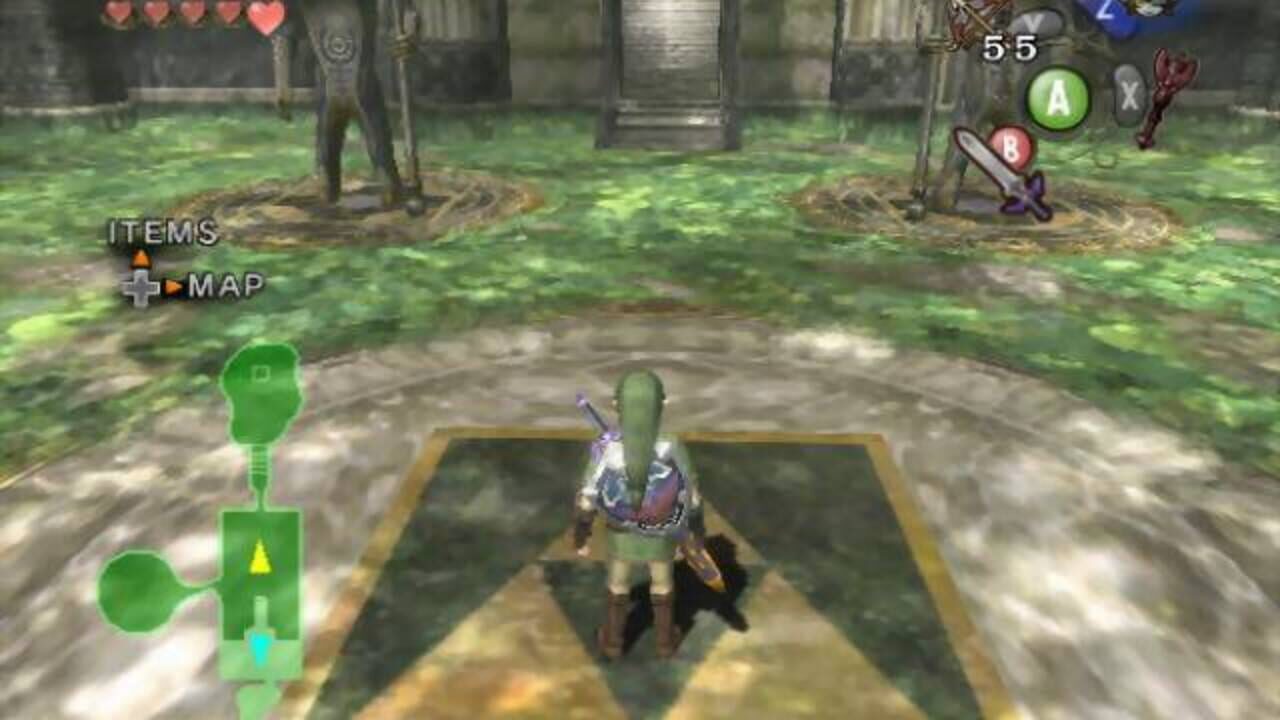
This is the one big game both consoles share, so the fight is fair. A right-hand swing felt wrong with a left-handed Link, and the team had no time to rebuild his model. So they flipped the whole Wii game into a mirror image. Link became right-handed, and east and west swapped places. The official guide had to print mirror-image maps in the back for GameCube players.
The Wii copy sold far better at the time, with 412,000 sold in the United States in November 2006, or 87% of Wii launch sales. Players who have tried both still say the GameCube version is the one to play, and the later HD remaster was based on it. GameCube players also control the camera freely, while the Wii needs a special lookaround mode. The GameCube wins the game it was promised.
Melee beat Brawl
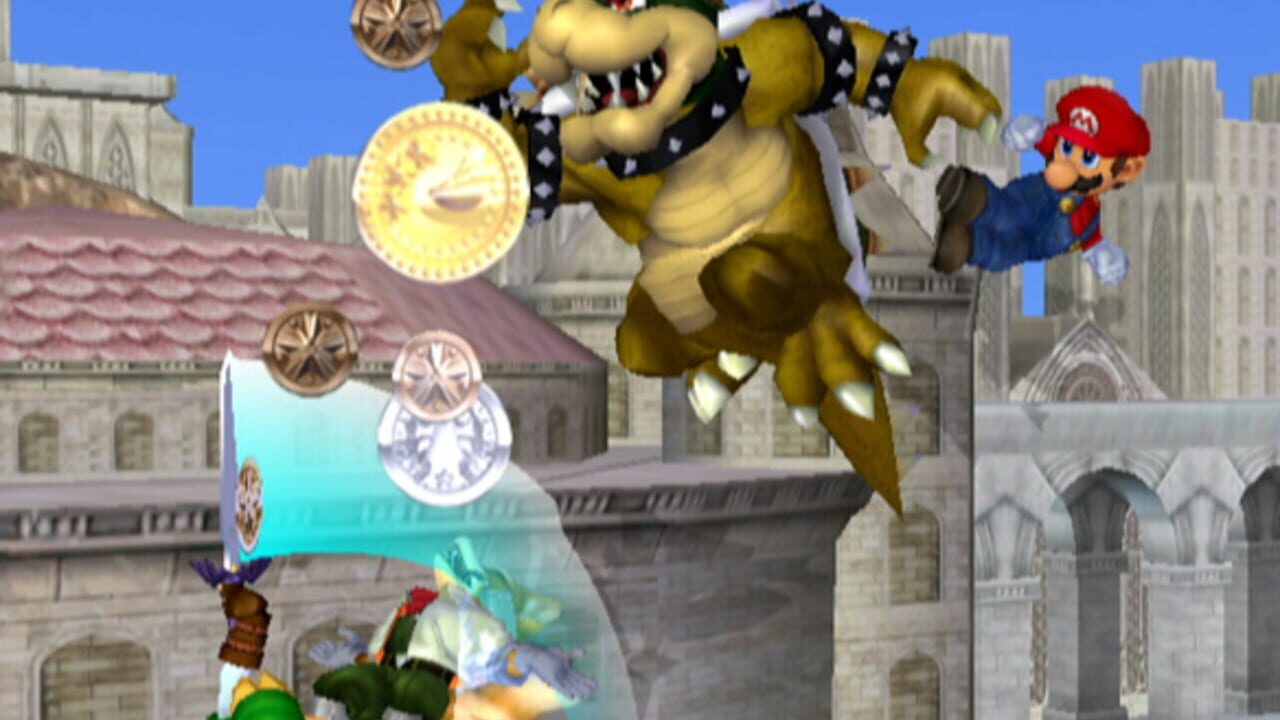
Brawl won the sales fight, with 13.32 million copies against 7.09 million for Melee. It sold 874,000 on launch day in the United States and added online battles to the series.
It didn't matter to the people who loved Smash the most. Players say Brawl felt slower and that the changes, like random tripping, went down badly. Melee is the one many people consider the most competitive game in the series, and it was at Evo in 2007, then again in 2013 after a charity vote. Wii owners could plug in a GameCube pad and play it anyway, which tells you who won.
Super Mario Galaxy beat Super Mario Sunshine

Super Mario Galaxy has 97 out of 100 on Metacritic, sold 12.80 million copies and was the first Nintendo title to win the BAFTA for Best Game. Super Mario Sunshine sold over 5.5 million, and GameSpot named it the most disappointing GameCube game of 2002. Sunshine has fans, and they will tell you about the water pack for hours.
Even here the GameCube was in the room. Galaxy's round planets came from Super Mario 128, a GameCube tech demo shown in 2000, and Mario's spin was first planned for a swivel of the GameCube stick. The Wii wins this round anyway.
The Wii got online and the GameCube needed an adapter

The Wii was Nintendo's first console with native Internet connectivity. The GameCube needed a broadband or modem adapter, and only select games used it. Mario Kart Wii let up to 12 people race online and sold over 37 million copies. Mario Kart: Double Dash sold around 7 million.
Nintendo shut that service down on May 20, 2014, and Brawl and Mario Kart Wii lost their online modes with it. Double Dash never needed a server. It has two riders in each kart and LAN play for up to sixteen players, and it works the same as it did in 2003. The Wii wins this round on the day and loses it on a long enough timeline.
The first Wii is also a GameCube
The launch Wii has four GameCube controller ports and two memory card slots under its top panel, and its drive takes GameCube discs. Buy one and you own two consoles. The only thing you give up is the Game Boy Player, which needs the GameCube's Expansion Slot.
Check the model before you pay. The Family Edition of 2011 and the Wii Mini of 2012 do not support any GameCube hardware or software, and players warn buyers about it constantly. The first model is the one to get, and it wins this round.
The Wii had more shovelware and more hidden gems
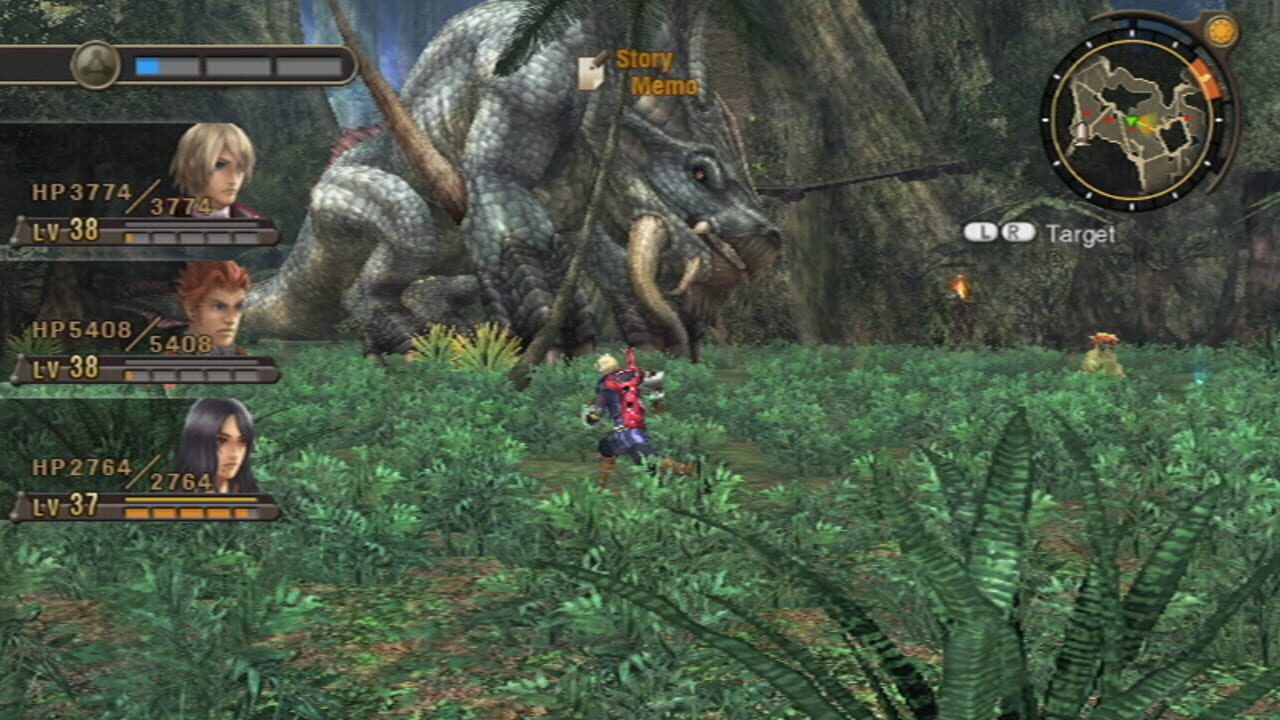
Wii owners took a lot of abuse for their shelf. Players describe it as a shovelware console, full of cheap games made for people who didn't normally play, and they have a point. Even its fans admit the junk was there, then point to the gems underneath it. Xenoblade Chronicles is the one they mean.
The GameCube had the opposite problem. Compared to its rivals its third-party support was limited, and Grand Theft Auto and several key shooters never came to it. So neither shelf had everything. This round is a draw.
A modded Wii replaced the whole shelf
Nintendo closed the Wii Shop in January 2019 and stopped repairing Wii consoles in February 2020. Fans had already moved on. The Homebrew Channel, an unofficial app menu, runs on the console, and players say a modded Wii is a great way to keep both libraries on one machine. On PC, the Dolphin emulator runs both consoles, and it takes its name from the GameCube's development code name.
No GameCube owner ever got a deal that good from one console. The Wii wins the afterlife.
GameCube games hold their value better
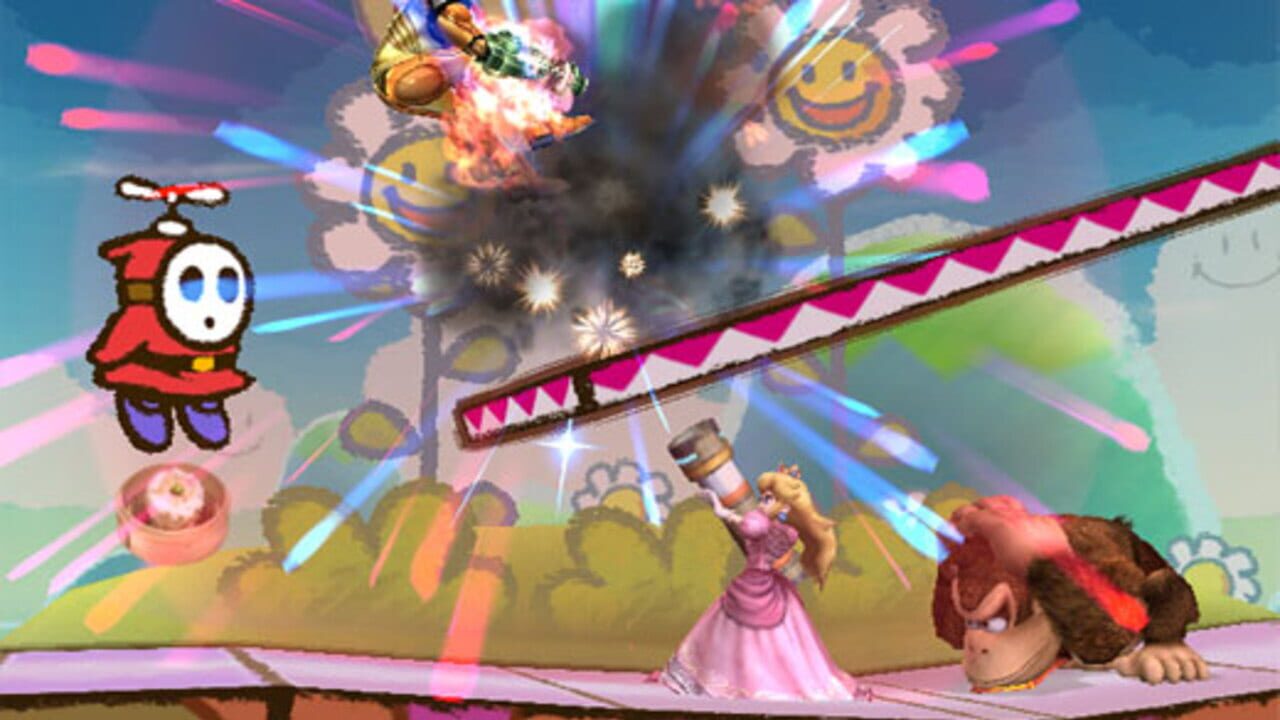
Line up the matching games and the GameCube wins almost every time. A loose copy of Melee typically sells for $50 and Brawl for $15. Double Dash goes for $65 and Mario Kart Wii for $29. Sunshine costs $34 and Galaxy, the better game, costs $15. Twilight Princess on GameCube is the big one at $150, and players often settle for the Wii copy because the GameCube disc costs so much more.
The Wii has a few pricey games of its own. Rhythm Heaven Fever sells for $113 and Metroid Prime Trilogy for $92. Those are the exceptions. Xenoblade Chronicles is $18, and Fire Emblem shows the pattern, with Path of Radiance at $142 on GameCube and Radiant Dawn at $85 on Wii.
Which one wins?
The Wii wins on paper. It sold more, reached more people and plays the GameCube's own games. It doesn't matter. If you had a purple box and a Melee disc, that box is yours, and no sales chart can argue with it. Your friends on the floor, four controllers and one TV are what made it special. The same goes for the family who bowled every Christmas on a Wii.