Resident Evil drops you in a mansion full of zombies and other monsters and asks you to get out alive. You explore and solve puzzles with a small inventory, seen through fixed camera angles over pre-rendered backgrounds, with tank controls to move. Its inventory and save systems became rules for the whole genre, and it is credited with defining survival horror.
Plenty of games chased that feeling, and some found their own way to it. These are the 25 games players recommend most to Resident Evil fans, ranked by how many different people named each one.
25 Games Like Resident Evil Where You Have to Survive the Horror
Rule of Rose (2006)
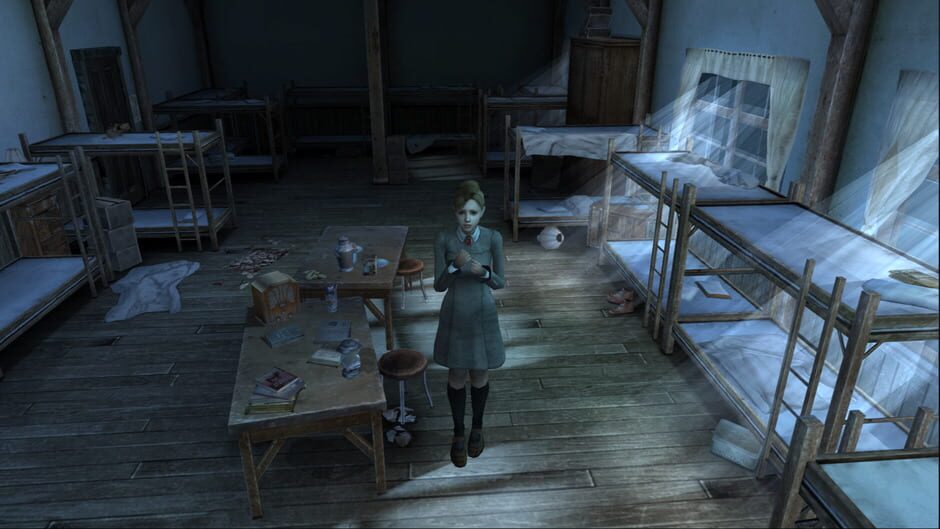
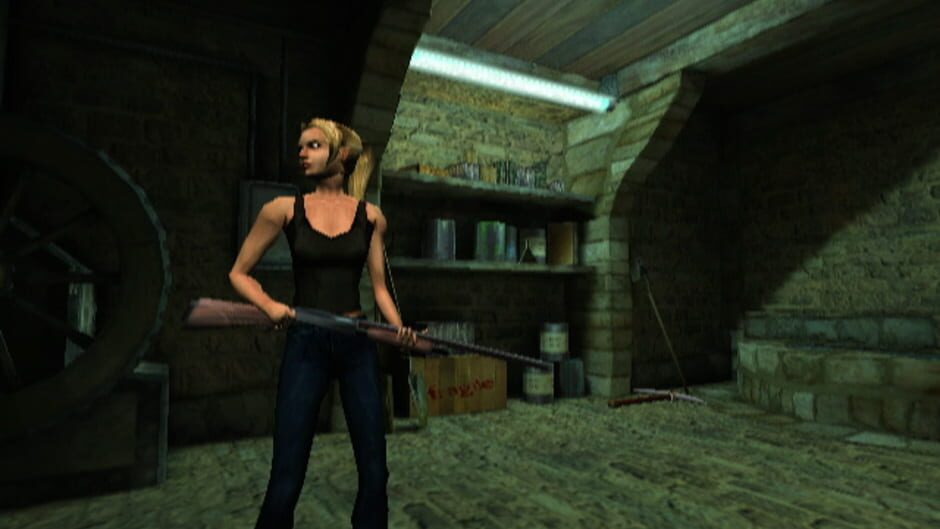
Rule of Rose is a survival horror game set in Britain in 1930. You guide Jennifer, a nineteen-year-old woman trapped in a world run by young girls who call themselves the Red Crayon Aristocrats. Like Resident Evil, it has you exploring and gathering items while enemies and bosses turn up along the way. Each chapter opens with a homemade storybook tied to its plot.
The big difference is the fighting. Combat is almost all melee, with improvised weapons like kitchen knives and pipes, and running away often works better than standing your ground. Your dog Brown can track down items for you and growl to distract enemies. The story is the reason to play, and PS2 horror fans keep naming it. Play it on PS2.
Dead Space (2008)

Dead Space puts you on a mining spaceship overrun by monsters called Necromorphs. You play engineer Isaac Clarke from a third-person view, solving puzzles and scraping together ammunition and equipment to survive. Its creator, Glen Schofield, wanted to make the most frightening horror game he could imagine, and he drew on Resident Evil 4 to do it.
The big difference is space itself. In the vacuum Isaac has a limited air supply, and some areas have zero gravity, where both Isaac and some enemies jump between surfaces. Nodes you find on the ship upgrade your weapons and your suit. Critics praised its atmosphere and its sound design, and it went on to sell over one million copies. Play it on PS3.
The Suffering (2004)
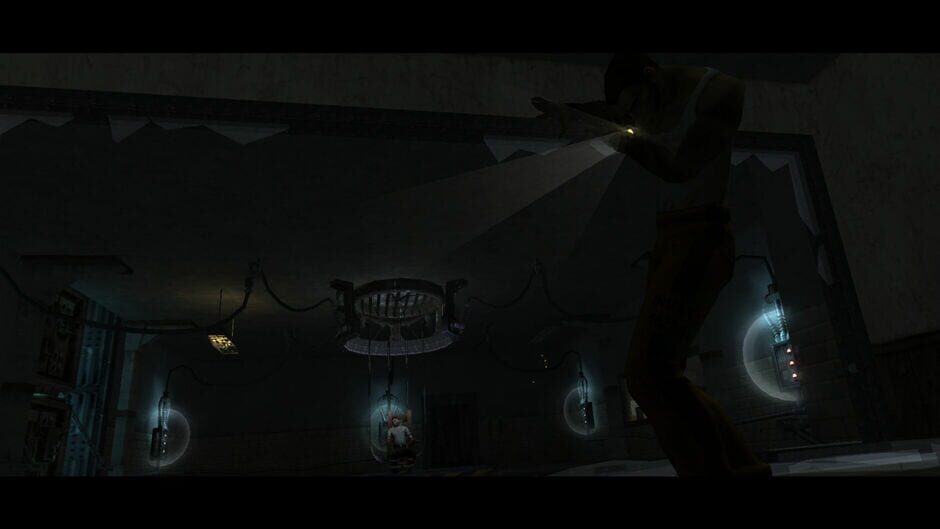
The Suffering casts you as Torque, a prisoner on death row for murdering his ex-wife and two children, a crime he has no memory of. Like Resident Evil, you get by on the ammunition, maps and health tablets you find. Most of the monsters stand for the execution methods once used on Carnate Island, the prison's home. Three endings each reveal a different version of the murder, depending on your choices.
The big difference is the pace. Its designer, Richard Rouse III, calls it action horror rather than survival horror like Resident Evil, and the guns run up to a flamethrower and M2 Brownings. As Torque kills, an insanity meter fills on screen. PS2 horror fans name it often. Play it on PS2.
Eternal Darkness (2002)
Eternal Darkness: Sanity's Requiem follows several characters across two millennia and four places on Earth as they face an ancient evil that wants to enslave humanity. As in Resident Evil, you carry an inventory of weapons and items for puzzles, and some items combine with others, or with magick, for new effects. Players who love Resident Evil call it the closest thing to it among GameCube exclusives.
The big difference is the sanity meter. When it drops, sanity effects start to confuse you and often break the fourth wall. Silicon Knights built it on Lovecraftian horror and avoided making a survival horror game on purpose. Critics loved it, but it sold less than 500,000 copies. Play it on GameCube.
Kuon (2004)
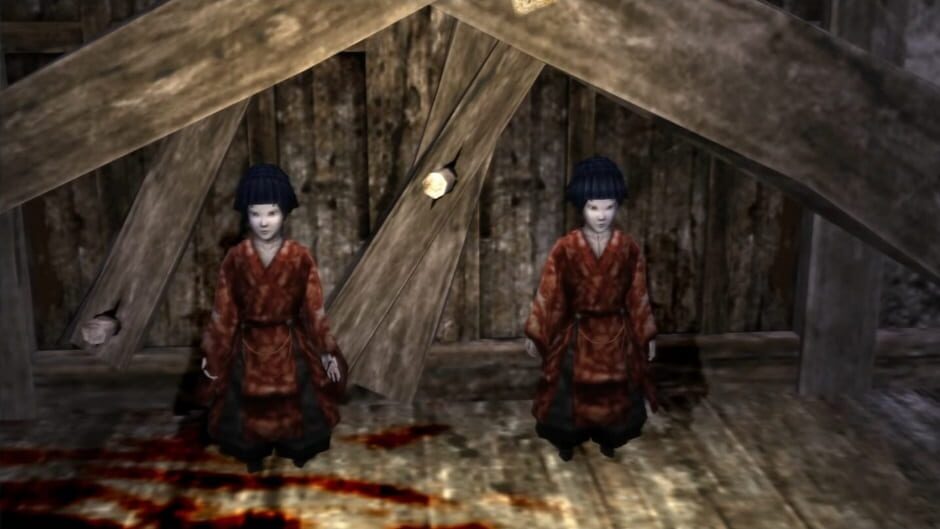
Kuon is a survival horror game from FromSoftware, set in Japan's Heian period. Three characters explore Fujiwara Manor in Kyoto during an outbreak of monsters, seen from a fixed overhead camera. Like Resident Evil, you solve puzzles and find key items to move on. You walk slowly by default, and running draws more enemies, since many of them are drawn by noise.
The big difference is the weapons. Each of the three heroes fights with a blade or a fan instead of a gun, plus spell cards that either fire an attack or summon a creature to fight for you for a while. Its creator wanted a dark story built on Japanese kaidan ghost stories. Critics praised its atmosphere and faulted its controls. Play it on PS2.
Overblood (1996)
Overblood is one of the earliest survival horror games set in full 3D. One academic study calls it the first survival horror game to use a fully three-dimensional world. You start as Raz Karcy, freed from a cryogenic container by a system malfunction, and you can switch the camera between first and third person, which some puzzles need. Players still name it among the PS1's horror picks.
The big difference is how slow it is. Critics found too much time spent wandering corridors and opening doors. Switching between three playable characters to solve puzzles was the idea they liked most. IGN said it tries to recreate the mood of Resident Evil but never quite gets there. Play it on PS1, PS3 or PSP.
Chaos Break (2000)
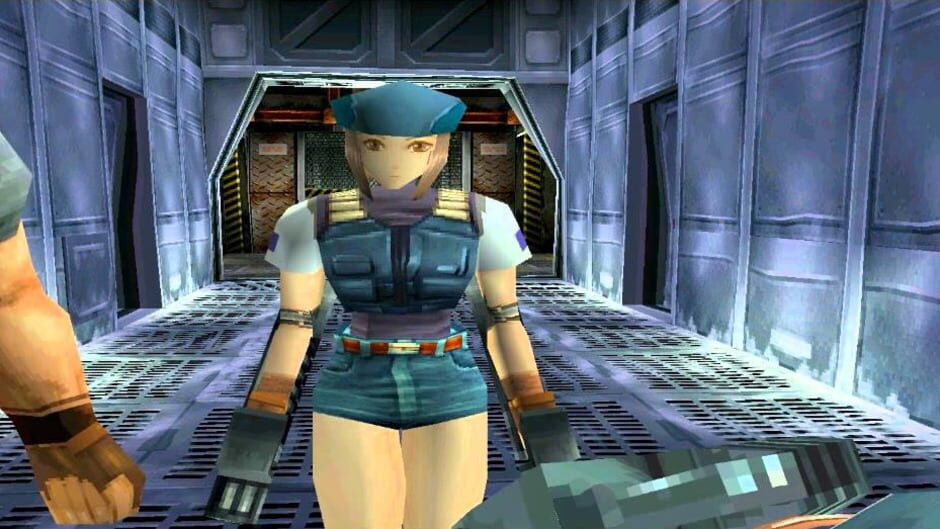
Chaos Break is a third-person shooter survival horror game from Taito. It is set in an abandoned, contaminated biochemical laboratory on an isolated island, where alien parasites, mutated staff and the lab's robot security drones are waiting. Like the keys in Resident Evil, clearance cards and data CDs open the way forward, and you collect them as you go.
The big difference is that shooting comes first. You make progress by defeating enemies, and the horror side lives at the computer terminals, where you save your game and read the emails of the staff who worked there before the outbreak. It is short on story and long on monsters to shoot. Players still bring it up as a PS1 horror pick. Play it on PS1, PS3 or PSP.
Haunting Ground (2005)
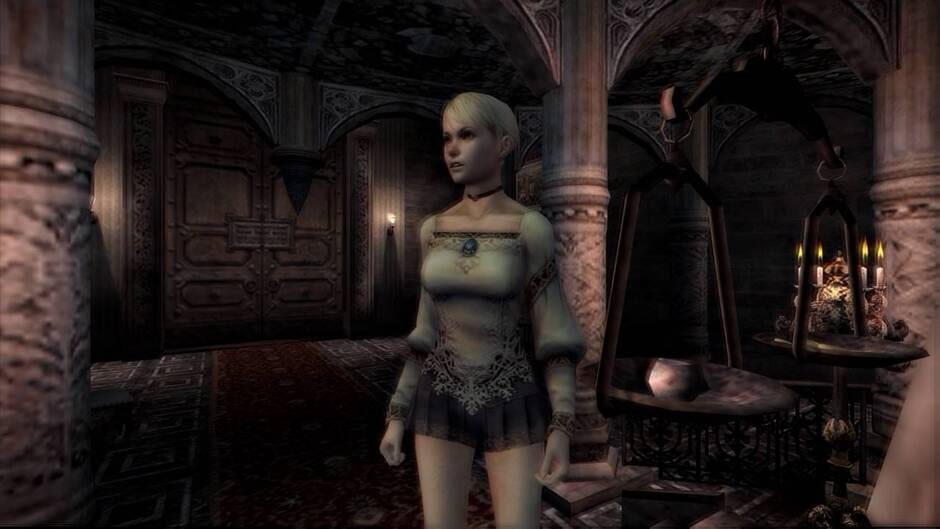
Haunting Ground is a survival horror game from Capcom, the makers of Resident Evil. You play Fiona Belli, a young woman who wakes up in the dungeon of a castle after a car accident. A White Shepherd named Hewie becomes her friend, and together they search for a way out and for the truth about the castle. It is often called a spiritual successor to the Clock Tower series.
The big difference is that Fiona can barely fight. She can kick and tackle, but mostly you hide from pursuers and give Hewie commands. You pet and feed him to earn his trust, since you need him to survive. Critics praised the presentation and found the gameplay repetitive. PS2 horror fans name it often. Play it on PS2 or PS3.
Nightmare Creatures (1997)
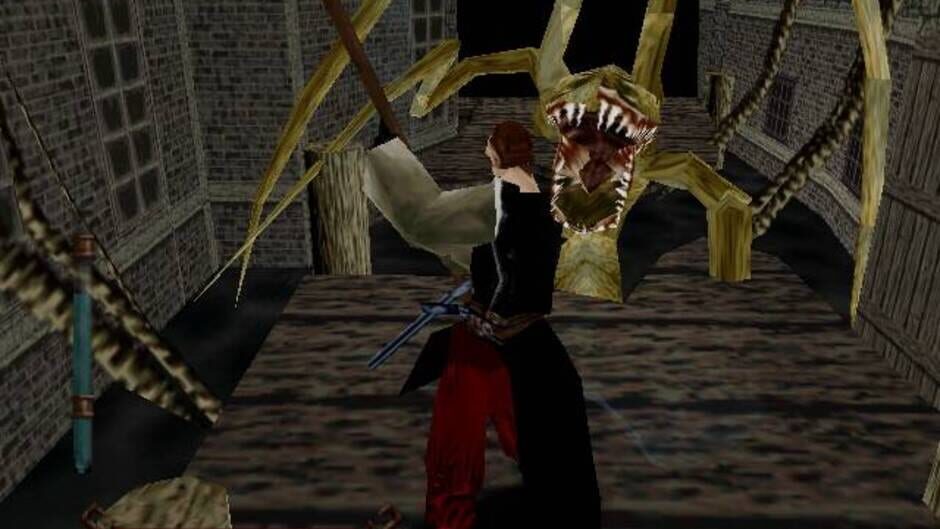
Nightmare Creatures is a survival horror game set in a London overrun by grotesque monsters, made by a devil-worshiping cult called the Brotherhood of Hecate. The dead are waking from their graves, too. You play Ignatius, a priest and occult expert, or Nadia, and fight with your main weapon plus pistols, mines, fire bombs and spells.
The big difference is how much fighting there is. An adrenaline bar drains your health when it runs out, so you have to keep seeking out battles and winning them. Critics praised the spooky atmosphere and the monster designs, and agreed it is extremely difficult. The N64 version lets you turn the adrenaline meter off. Play it on PS1, N64, PS3 or PSP.
Siren (2003)

Siren fills its stages with shibito, deadly zombie-like creatures, and each stage asks you to reach an exit, find an item or subdue them. Like Resident Evil, you pick up items that tell you more about the plot. You can also hide in cupboards and lock doors to keep the shibito out. In Europe it is known as Forbidden Siren.
The big difference is sightjacking. Your characters can see and hear what a nearby shibito sees and hears, which shows you where it is, but you cannot move while you do it. The game pushes you to avoid the shibito more than fight them. Critics praised the story and atmosphere but criticised the gameplay. Play it on PS2, or later on PS3 and PS4.
Fear Effect (2000)
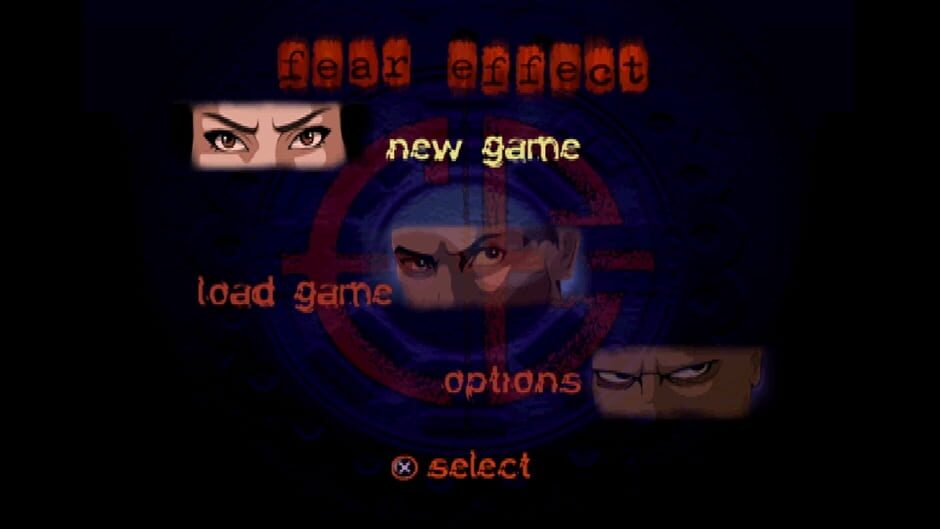
Fear Effect puts you in Hong Kong in 2050 as three mercenaries, Hana, Deke and Glas. Its controls work like the tank controls of classic survival horror, and puzzles sit between the action sequences, the same rhythm as Resident Evil. It mixes survival horror with stealth, so you can sneak behind a guard for a stealth kill.
The big difference is the gunplay. You can run and shoot at the same time, and with a gun in each hand you can hit several enemies at once. Your life bar is a pulsing EKG that beats faster and turns red as you take damage, and it gives the game its name. Critics praised its cinematic presentation and found it difficult. Play it on PS1 or PS3.
Chase the Express (2000)
Chase the Express, called Covert Ops: Nuclear Dawn in North America, puts you aboard an armoured train as a NATO officer. Your job is to rescue hostages and stop a terrorist group that threatens to use nuclear weapons on Europe. You explore car by car under fixed cameras, finding keys to open new carriages and saving at item boxes, much like Resident Evil. Players describe it as a Resident Evil style game set on a train.
The big difference is the stealth it borrows from Metal Gear Solid. Enemies raise the alarm if they spot you, so sneaking around them is often smarter. Your choices at key moments change what happens later and which ending you get. IGN praised the graphics but criticised the controls. Play it on PS1.
Vampire Hunter D (1999)
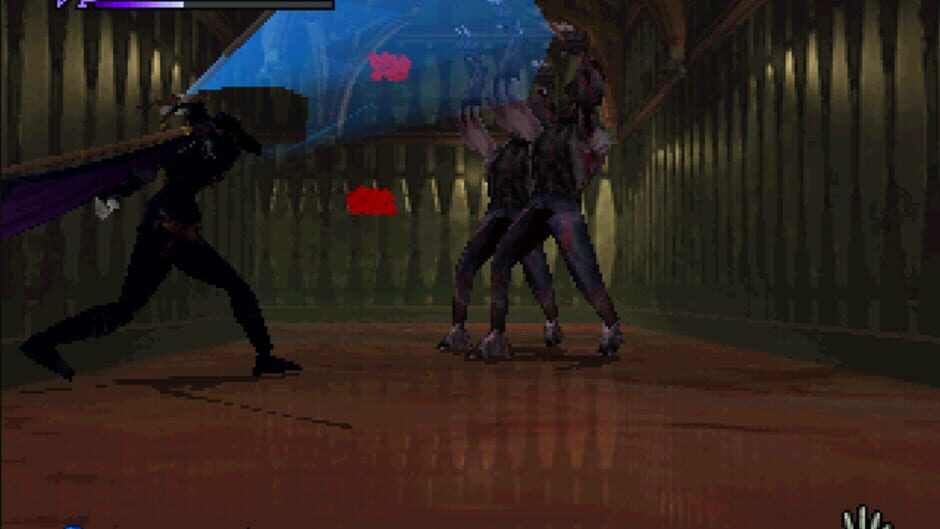
Vampire Hunter D is based on the books and films of the same name, and it is one of the few survival horror games about vampires. Like early Resident Evil, it puts polygon characters on pre-rendered backgrounds. You explore a castle, collecting items and keys and solving puzzles to move on. The story follows the film Vampire Hunter D: Bloodlust and mostly takes place inside Camila's castle.
The big difference is the sword. D fights monsters and bosses up close, and his Left Hand can absorb damaged enemies or heal him. Reviews were mostly unfavourable, but players who like Resident Evil style games still recommend it. Three endings depend on what you do. Play it on PS1.
The Evil Within (2014)

The Evil Within was directed by Shinji Mikami, the creator of the Resident Evil series. You fight disfigured, nightmare-like enemies from a third-person view with guns and melee weapons, and ammunition is very scarce. A safe house called Safe Haven has a save point and storage safes you open with keys you find. It plays the same role as a Resident Evil save room.
The big difference is that the world itself changes. Scripted events and your own actions transform locations, and they can teleport you to new areas. Green Gel lets you upgrade Sebastian's skills, from more ammunition to extra health, and the Agony Crossbow fires bolts that can freeze or explode enemies. Players tell Resident Evil fans they will love it. Play it on PS3 or PS4.
Alone in the Dark: The New Nightmare (2001)
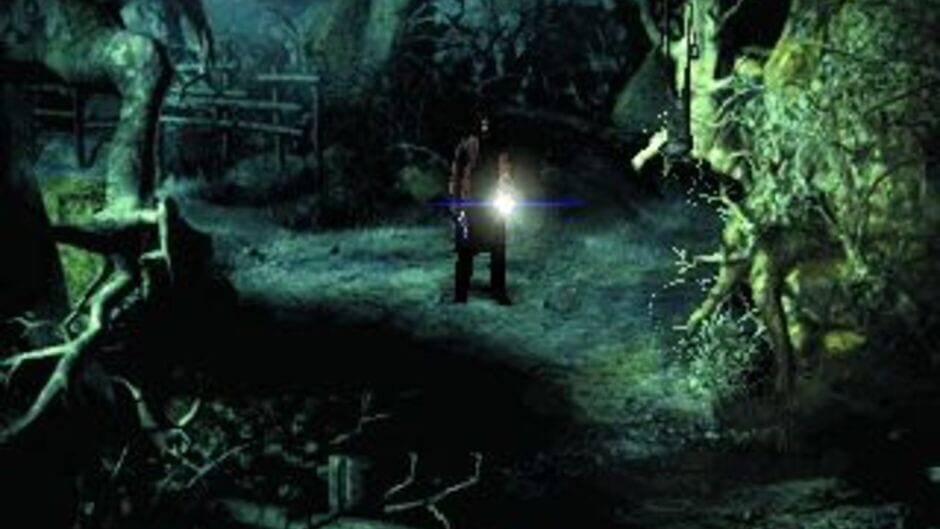
In The New Nightmare you choose between two heroes. Edward Carnby fights monsters with his trusty double-barrelled revolver, while Aline's side leans on puzzles. Like Resident Evil, it puts 3D characters on 2D pre-rendered backdrops. Players tell Resident Evil fans they will like it.
The big difference is light. The Creatures of Darkness are averse to it, so your flashlight can push some of them back, and you kill them with magnesium bullets and phosphorus shells. The developers built an unusual graphics engine so the flashlight could light the pre-rendered rooms and cast shadows on them. Play it on PS1, PS2, PS3, PSP or Game Boy Color. The PS2 version came out only in Europe.
Obscure (2004)
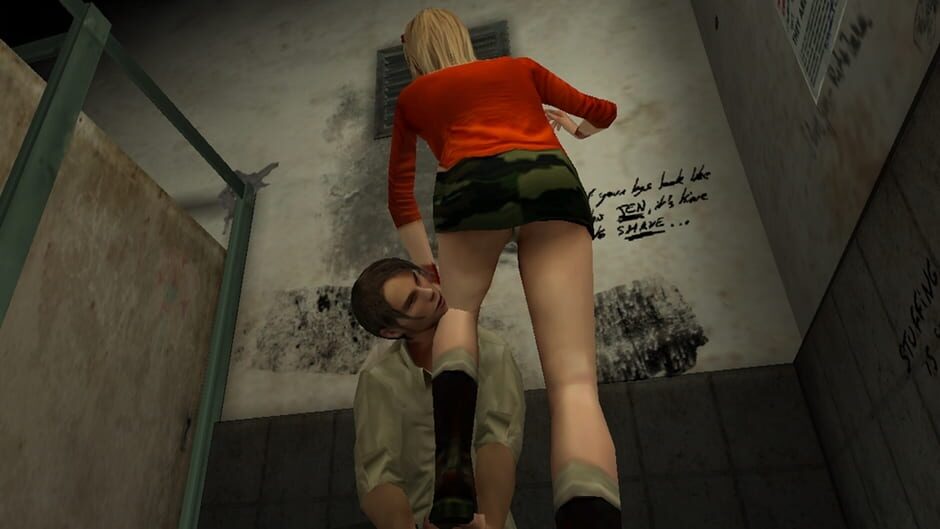
Obscure follows five students of Leafmore High School as they look into strange happenings on campus. The monsters there are sensitive to light. Flashlights weaken them and direct sunlight kills them, and you can tape a flashlight to any firearm. Like Resident Evil, you combine the items you find to survive.
The big difference is the cast. You control one student at a time while the computer or a second player runs the others, so two friends can play the whole story together. If someone dies, you carry on with the students who are left. Critics gave it mixed reviews, while players keep pointing horror fans to the first Obscure. Play it on PS2.
Koudelka (1999)
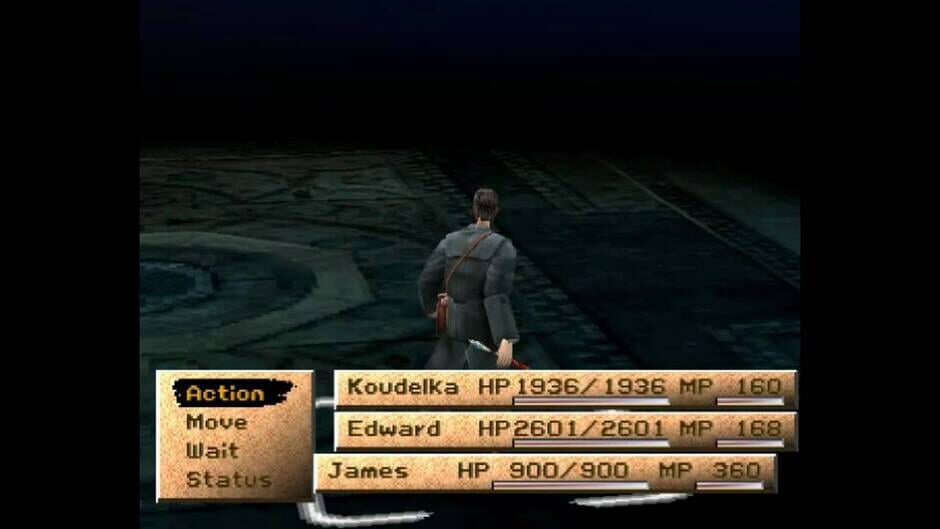
Koudelka is set in the haunted Nemeton Monastery in Wales. Exploring it feels like early Resident Evil, with a 3D character walking through pre-rendered rooms under fixed camera angles. You solve puzzles along the way and can only carry a limited number of items. The staff travelled to Wales for research, and all the dialogue is spoken in English.
The big difference is the battles. Fights start as random encounters and play out turn by turn on a grid, and weapons break after a number of uses. Koudelka became the foundation of Sacnoth's Shadow Hearts series. Players recommend it to fans of Resident Evil style games who want more RPG in the mix. Play it on PS1.
Galerians (1999)
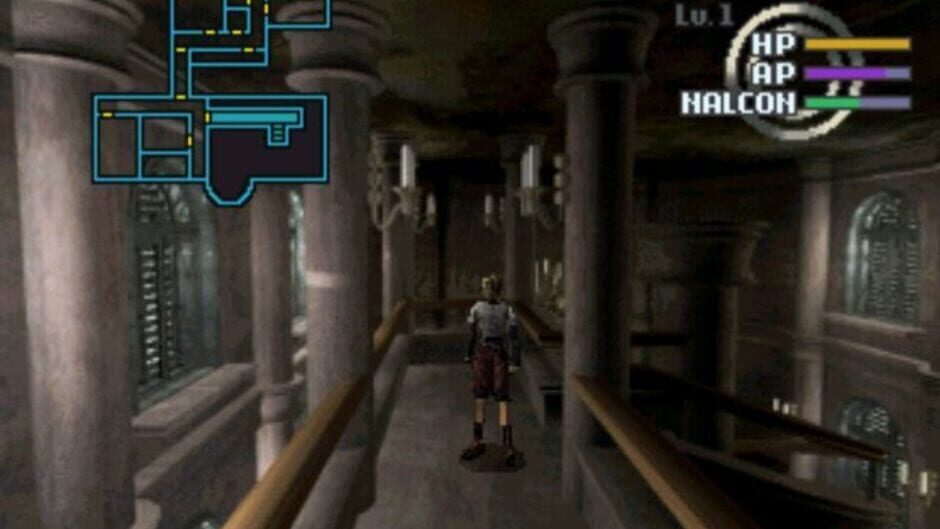
Galerians is a survival horror game in the vein of the early Resident Evil games, with tank controls and items and clues that open new areas. You play Rion, a boy who wakes up in a hospital in the 26th century with no memory, and who soon discovers he has psychic powers. The hospital is running human experiments to unlock psychic potential.
The big difference is that there are no guns. Rion fights with psychic powers fed by drugs called PPECs, and enemies leave no items or experience, so avoiding them is often best. If his AP meter fills, he loses control and kills normal enemies in a single blow. One early review praised its high production values and its thought-provoking story. Players still recommend it to fans of RE-style games. Play it on PS1.
Fatal Frame (2001)
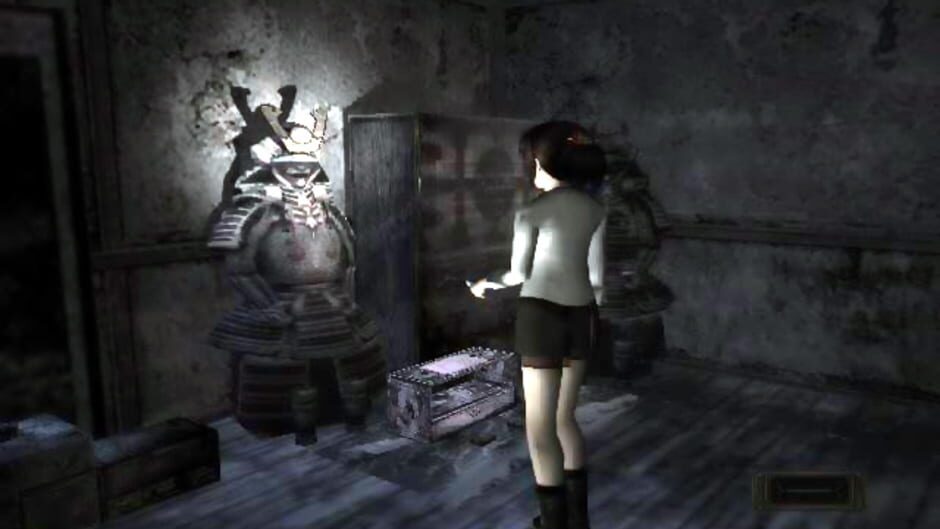
Fatal Frame sends Miku Hinasaki into the haunted Himuro Mansion to find her brother Mafuyu. Like Resident Evil, you explore room by room under a semi-fixed camera and pick up documents and tapes that fill in the story. Its director, Makoto Shibata, wanted to create the scariest gaming experience possible. In North America it was sold as being based on a true story.
The big difference is your weapon, a mystical camera. You fight hostile ghosts by viewing them through the Camera Obscura. Critics praised the atmosphere and the camera mechanic. Players also point to the sequels once the first one hooks you. Play it on PS2 or PS3.
Martian Gothic: Unification (2000)
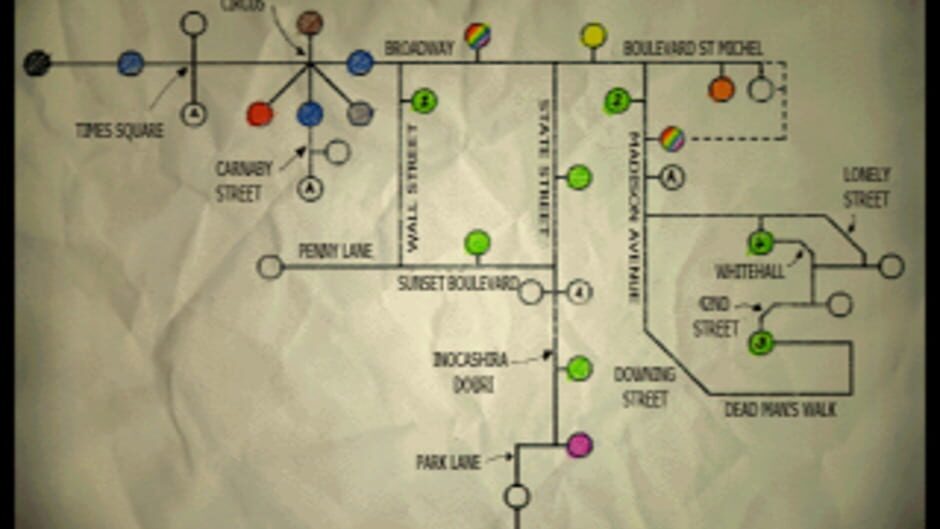
Martian Gothic plays very much like Resident Evil, with fixed camera angles, tank controls, limited ammunition and key items to find. It is set in 2019 at Vita-01, a research station on Mars, where the crew has been killed and come back as bloodthirsty zombies. It leans on puzzles and exploration more than combat.
The big difference is the writing. It comes from the team behind Dreamweb, so it relies heavily on writing and puzzles, and the base throws ghosts and floating corpses at you along with the zombies. Reviews were mixed, and players describe it as a rougher, cheaper Resident Evil set on Mars. Play it on PS1.
Cold Fear (2005)

Cold Fear stars Tom Hansen, a US Coast Guard guardsman who boards a Russian whaler in the Bering Strait. A mysterious parasite has turned the crew into zombie-like creatures. You can play from a fixed camera or over the shoulder, and infected enemies keep getting back up until you destroy the brain, with a headshot or a stomp.
The big difference is the ship. On deck the whaler sways in a storm, which makes aiming harder unless Tom grabs a ledge to steady himself. Critics compared it unfavourably to Resident Evil 4, released the same year, and it sold only 70,000 copies across three platforms in the US by February 2006. PS2 horror fans still name it often. Play it on PS2.
Parasite Eve II (1999)
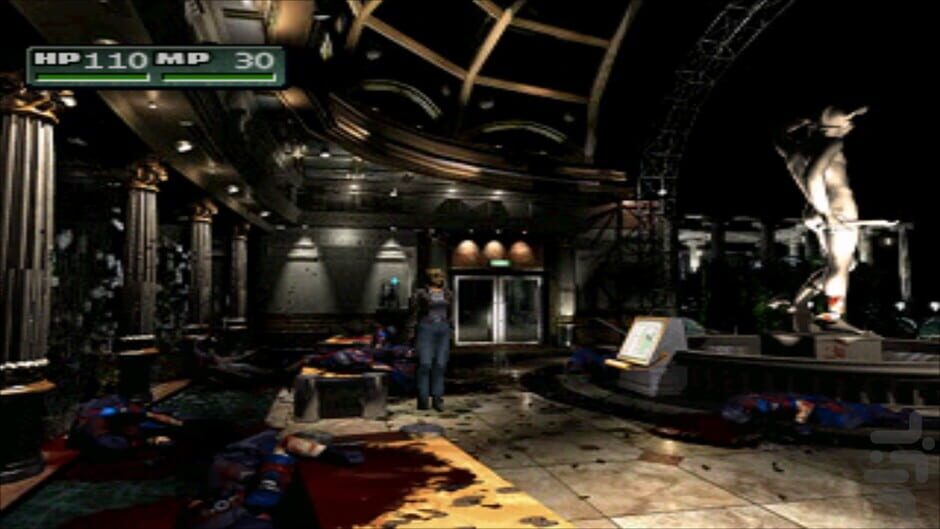
Parasite Eve II was written and directed by Kenichi Iwao, who wrote the first Resident Evil. Aya Brea returns with tank controls and a camera that stays on one view of each room, and battles run in real time. Enemies wander in plain view, so you can plan around them or avoid them.
The big difference is what stays from the RPG side. Defeating enemies earns EXP to unlock Aya's parasite energy abilities, and you choose which ones come first. You can find, buy or make gear such as body armour and ammunition. Critics liked it but called the controls outdated. Players say it is the more Resident Evil-like of the two Parasite Eve games. Play it on PS1, PS3 or PSP.
Parasite Eve (1998)
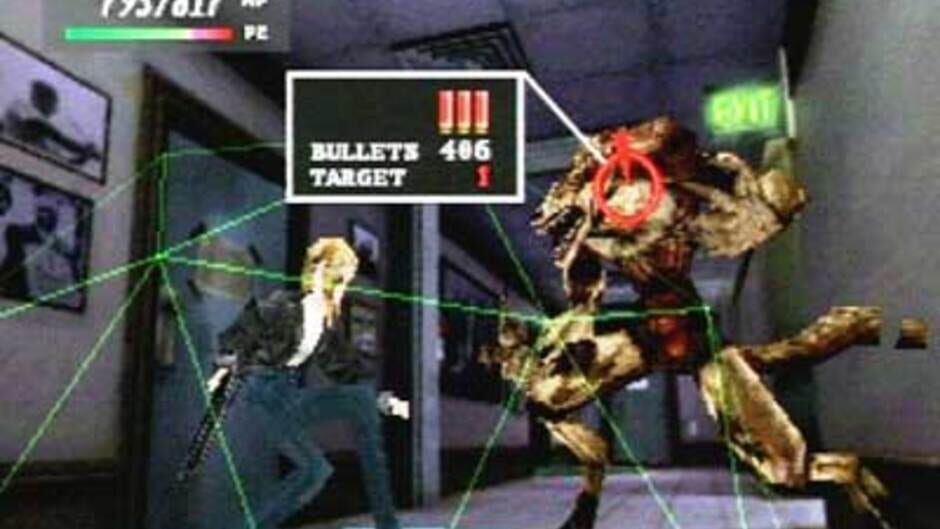
Parasite Eve follows New York City police officer Aya Brea over six days in 1997. She tries to stop Eve, a woman who plans to destroy the human race through spontaneous human combustion. PlayStation Magazine described it as a hybrid of Final Fantasy VII and Resident Evil, and players sum it up as Resident Evil with RPG elements.
The big difference is the combat. Enemies appear on the same screen you walk around on, and fights use a pausable real-time system with an Active Time Bar. While you wait for your turn, you move Aya to dodge attacks, then aim inside a dome that shows your weapon's range. Its director, Takashi Tokita, called it a cinematic RPG. Play it on PS1, PS3 or PSP.
Dino Crisis (1999)
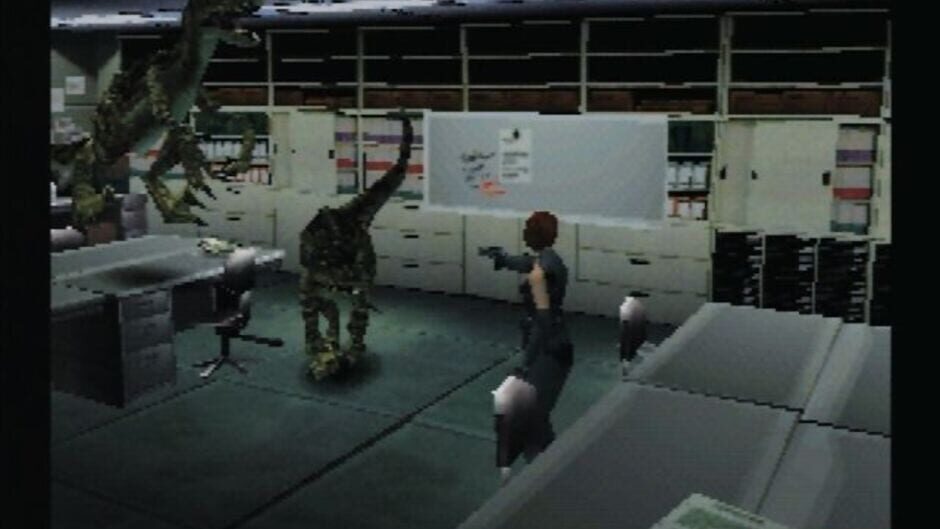
Dino Crisis was made by the team behind Resident Evil, including director Shinji Mikami, and critics described it as "Resident Evil with dinosaurs". You play Regina, a special operations agent sent to a secluded island research facility that turns out to be overrun with dinosaurs. You fight through it and solve puzzles to discover its secrets and escape alive with your team.
The big difference is speed. The dinosaurs are quick and smart, which is why Capcom marketed it as panic horror instead of survival horror. It also swaps pre-rendered backgrounds for real-time 3D rooms. The PlayStation version sold more than 2.4 million copies. Play it on PS1, PS3 or PSP.
Silent Hill (1999)
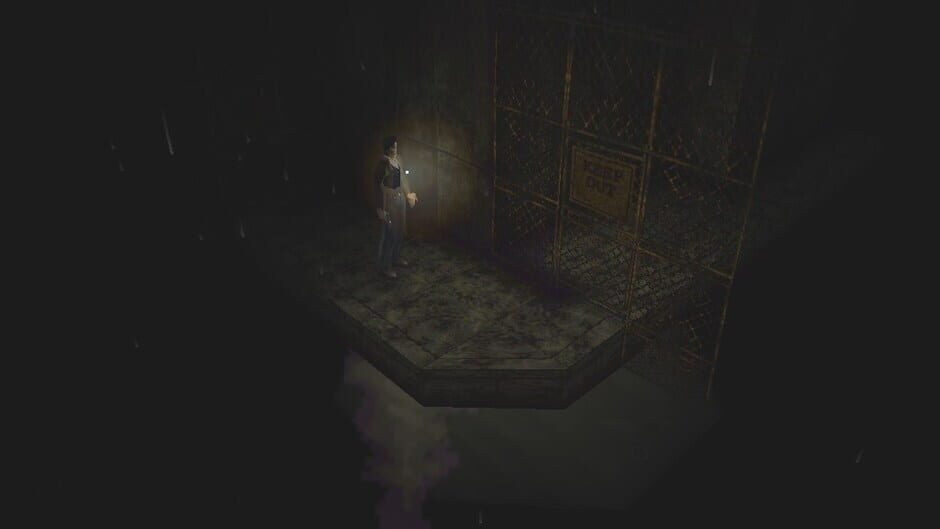
Silent Hill follows Harry Mason as he searches a monster-filled American town for his missing adopted daughter, Cheryl. He confronts the monsters with both melee weapons and firearms, between puzzles. There is no on-screen health bar, so you check Harry's health in a menu, just like the early Resident Evil games.
The big difference is the kind of fear. Harry is an everyman with no combat training, and the town is real-time 3D wrapped in fog and darkness that hide the PlayStation's limits and build the mood. It moved survival horror away from B movie horror toward psychological horror. Five endings depend on what you do, one of them a joke. Players recommend it to Resident Evil fans more than any other game. Play it on PS1, PS3 or PSP.
Which one to play
There you have it, the whole list of games like Resident Evil. Some copy its mansions and tank controls closely, and others keep only the fear.
If you want the classic Resident Evil feel, start with Dino Crisis or Parasite Eve II. If you want horror that gets under your skin, play Silent Hill or Fatal Frame. For more shooting, go for Dead Space or Cold Fear. If you want an RPG with a horror story, try Parasite Eve or Koudelka. And if you like hidden PS1 gems, Galerians and Chase the Express are waiting.