You finish a great game, start the next one, and something is off. The new game did nothing wrong, but it has to follow an act it can never match. These are the games players say spoiled whatever they played next.
Burnout 3: Takedown (2004)

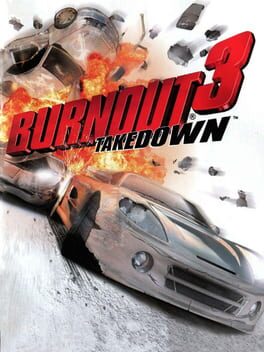
Burnout 3 let you slam your rivals off the road and paid you in boost for doing it. Every racing game since has asked you to be polite. The slow motion crashes were so good that crashing stopped being a failure and started being a hobby.
Players say the whole genre fell short afterward. Racing games got prettier, but none of them pays you for ruining someone's day at 150 miles an hour, and that is very hard to forgive.


Chrono Trigger (1995)

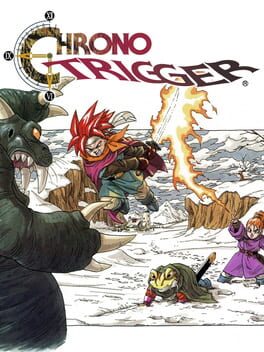
Chrono Trigger let you see the monsters before the fight. It sounds small until you go back to other RPGs of the time, walk three steps across an empty field and get dragged into a battle by something invisible.
The art, music and story were so far ahead that every other JRPG had to live with the feeling of being a slightly worse version of it. Some players blame it for spoiling the whole genre, and they have not forgiven it. They have also not stopped replaying it, so the grudge is going well.


Deus Ex (2000)

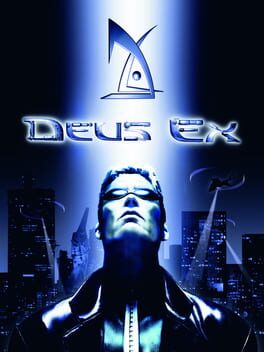
Deus Ex gave you more than one way into a room, and after that a single corridor felt like an insult. Players who found it young never stopped comparing first person games to it, and many of those games were doomed from the first locked door.
The hunt for a replacement is still going. Dishonored is the name fans bring up, and they will tell you it comes close. Meanwhile they look up at the ceiling in every game they play, checking for a vent.


Hollow Knight (2017)


Hollow Knight raised the bar for a whole genre, and the genre has been jumping for it ever since. After its world and its movement, other metroidvanias felt shallow, and players admit they spend the first hour of each new one comparing.
The funny part is how many of them hated it at first. They quit, sometimes for months, then came back for no good reason and fell in love. It is a very rude way to find your favorite game: it beats you up, waits for you to come crawling back, then ruins all its competition.


Titanfall 2 (2016)

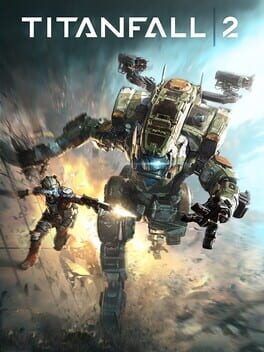
Titanfall 2 let you move so fast and so freely that other shooters started to feel like wading through mud. You would reach a wall in the next game and stand there, a little sad, because you could not run along it.
Players who went straight from it into Destiny 2 or Call of Duty felt the drop at once. Some just wished they could fly around the map, which is not a setting most shooters offer.


The Elder Scrolls III: Morrowind (2002)

Morrowind spoiled a whole group of Bethesda fans, and they have been telling everyone about it ever since. They will say it had atmosphere, tension and towns that looked nothing like each other, and that every RPG since has felt a bit off.
Skyrim gets the worst of this. Mention it near one of these players and clear your afternoon. You will hear how it was dumbed down, why the old dice rolls were good for you, and why missing a rat from one foot away built character.


Sekiro: Shadows Die Twice (2019)

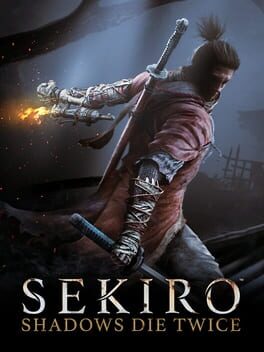
Sekiro taught you to fight with timing, then sent you back to games where you hit one button until the enemy falls over. It feels like going from sword fighting to hitting a fence with a stick.
Its own family took the worst of it. Players who loved the older Souls games now warn each other about the order, because play Sekiro first and Bloodborne or Dark Souls 3 can feel oddly clumsy. Only this game could leave you missing being kicked in the chest by a samurai.


Red Dead Redemption 2 (2018)

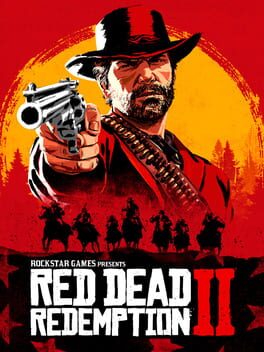
After Red Dead Redemption 2, other open worlds started to look like cardboard. Its world felt alive, so the next one felt empty, however many question marks it scattered across the map.
Assassin's Creed caught most of the damage. Players who were happily enjoying Odyssey took a short break for Arthur Morgan, came back and could not stop comparing the two. The other common symptom is wanting to replay Red Dead instead of starting anything new, a strange reward for a game where opening a drawer takes about a week.


Doom (2016)

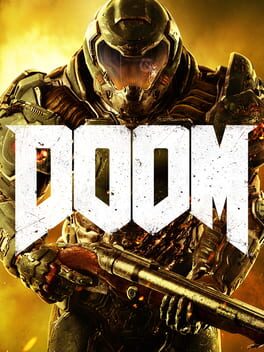
Doom made other guns feel like they were firing peas. A few hours of its shooting, and the weapons in most other shooters felt weak. You would empty a whole rifle into something in the next game and politely wait for it to notice.
It also made you feel powerful and then gave you a real fight anyway, which a lot of players had stopped expecting. Other shooters still want you crouched behind a crate, nervously checking your health. After Doom, the crate feels like an embarrassing phase you went through.


The Legend of Zelda: Breath of the Wild (2017)

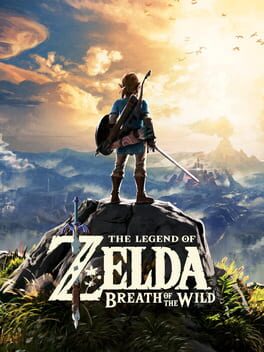
After Breath of the Wild, every cliff became a personal insult. You would walk up to a rock in another game, push the stick forward and remember that this hero cannot climb. Kratos can kill a god, but a waist-high ledge is apparently a job for someone else.
It changed how open worlds felt too. The usual template of markers and chores started to feel like having your hand held through a theme park. Horizon Zero Dawn was often the next game on the pile, and a lot of players who went from one to the other could not settle into it.


The Witcher 3: Wild Hunt (2015)

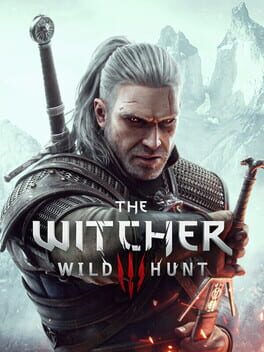
The Witcher 3 ruined the side quest. You went in expecting to fetch a stranger's necklace and came out upset about a family you met ten minutes ago. Once side quests had real stories attached, the errands in Skyrim and other Bethesda games looked thin, and plenty of longtime fans found they could not go back.
Dragon Age: Inquisition had the bad luck of being next on the pile. Players who moved straight on from Geralt found it hard to stomach, and that poor game never asked for the comparison.


Dark Souls (2011)

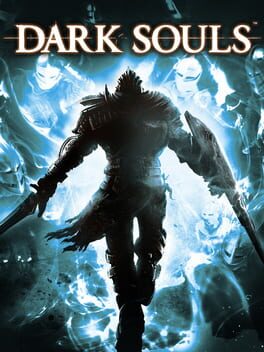
Dark Souls had one nasty side effect. After it, other action RPGs felt like mindless hack and slash, and walking around in any other third person game felt wrong. You would swing a sword in some perfectly nice adventure and feel insulted that nothing was trying to kill you properly.
The cure is slow. Players talk about getting over Dark Souls the way you talk about getting over a breakup, and the ones who are still in deep can't enjoy much else until it fades. Luckily the only known treatment is playing Dark Souls again, which helps nobody.