In the early 1990s, a Nintendo team led by Satoru Okada built a handheld prototype with a color screen and a 32-bit processor. They called it Project Atlantis. The team was not satisfied with it, so it went on the shelf. Years later Okada came back to it and dropped the 32-bit chip to get a console into stores sooner. That cut-down machine was the Game Boy Color.
The missing power came back in the Game Boy Advance, less than three years after the Color reached America. Some kids begged for the new one right away. Others stayed loyal to their Atomic Purple Color, and the back of the school bus was split over GBA vs GBC.
The GBA can show 511 colors at once and the GBC can show 56. It plays GBC cartridges too. Ask anyone who still carries a Color and they will tell you those numbers mean nothing. In this article we will find out who really won.
The GBA plays GBC games, and the GBC can't return the favor
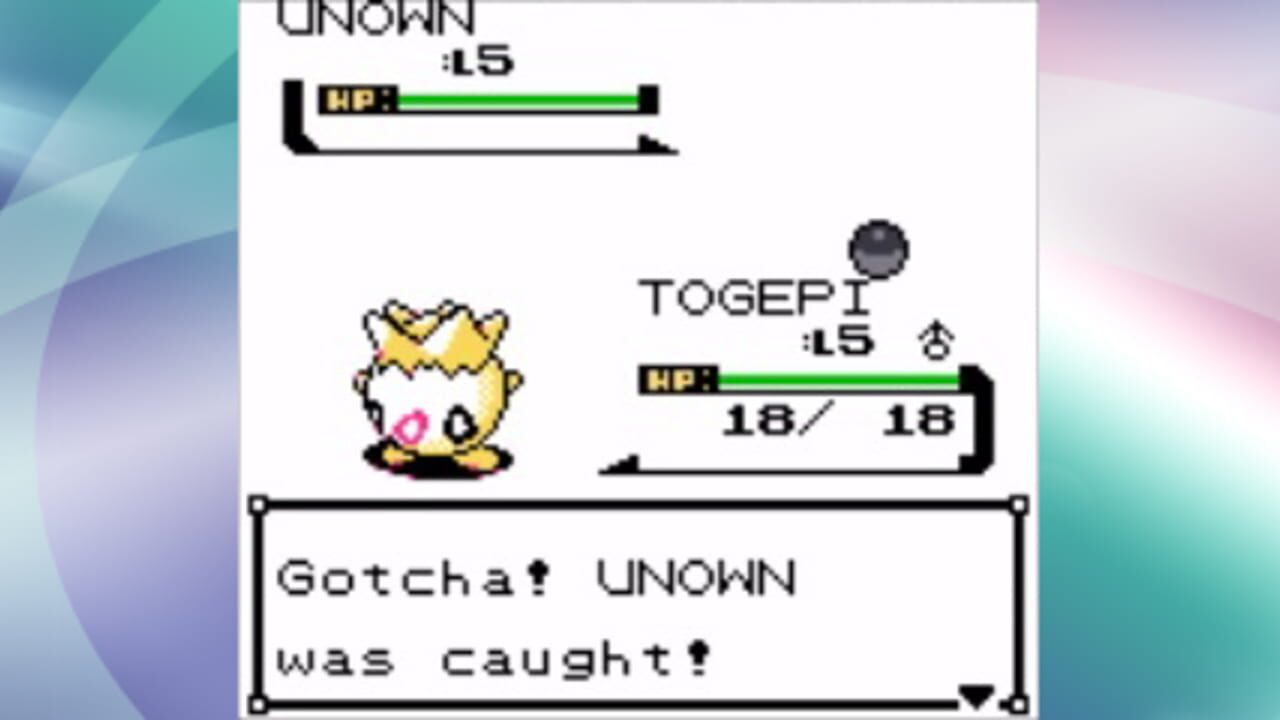
Put Pokémon Crystal in a GBA and it runs. The GBA takes Game Boy and Game Boy Color cartridges, and the shoulder buttons let you switch between the normal picture and a stretched fullscreen one. The GBC can't run a single GBA game.
Players who want one console for everything give the same advice: get the GBA. This is the easiest point in the article.
GBC games still look best on a GBC
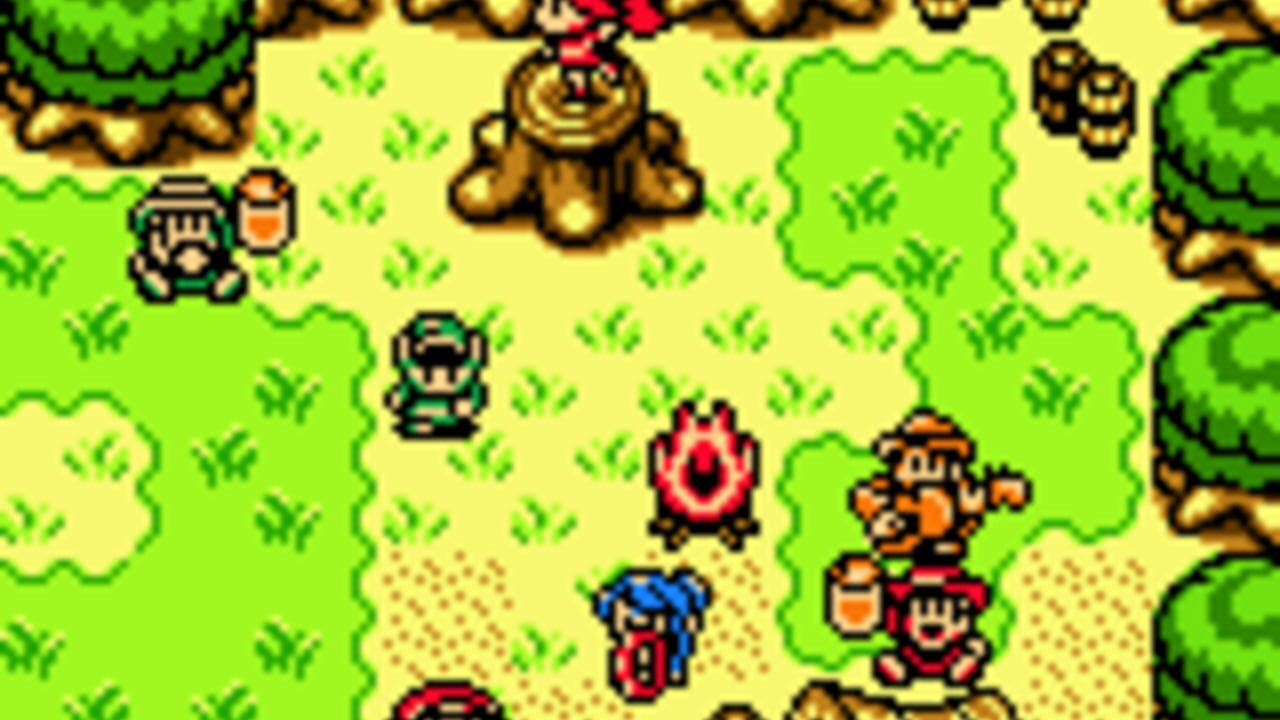
A GBC game is 160 by 144 pixels, close to a square. The GBA screen is 240 by 160, a wide rectangle. On a GBA, The Legend of Zelda: Oracle of Seasons either sits in a small box with borders around it or gets stretched sideways.
Plenty of players who own both keep the Color for its own games. They like how it feels in the hand and they don't like black bars or a tiny picture. The GBC wins on home turf.
The GBA has the power of a Super Nintendo
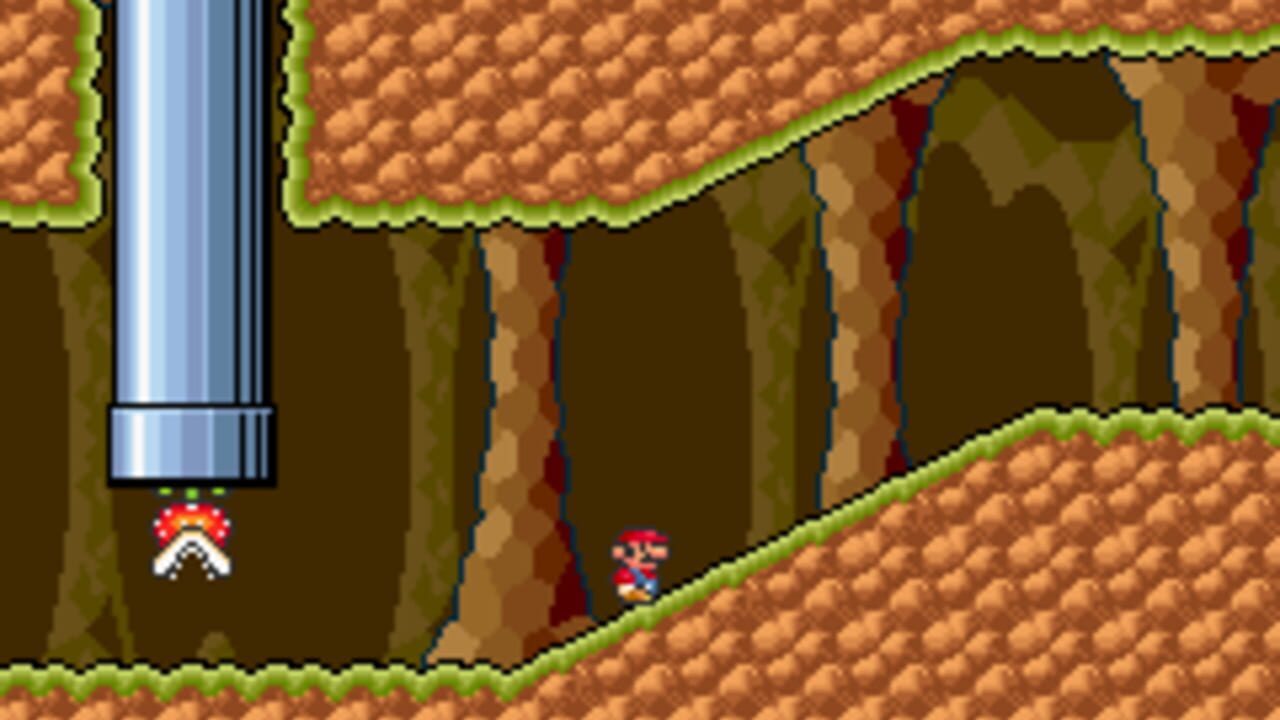
The GBC is an 8-bit console running at up to 8.4 MHz. The GBA has a 32-bit processor at 16.8 MHz and hardware comparable to the Super Nintendo. That is why its library is packed with Super Nintendo style RPGs and the Super Mario Advance remakes.
It also added L and R. The GBC has A, B, Start and Select. IGN criticized where the GBA's shoulder buttons were placed, but a console with awkward shoulder buttons still beats a console with none. This fight goes to the GBA by a mile.
The GBC screen is dark, and the GBA screen is darker
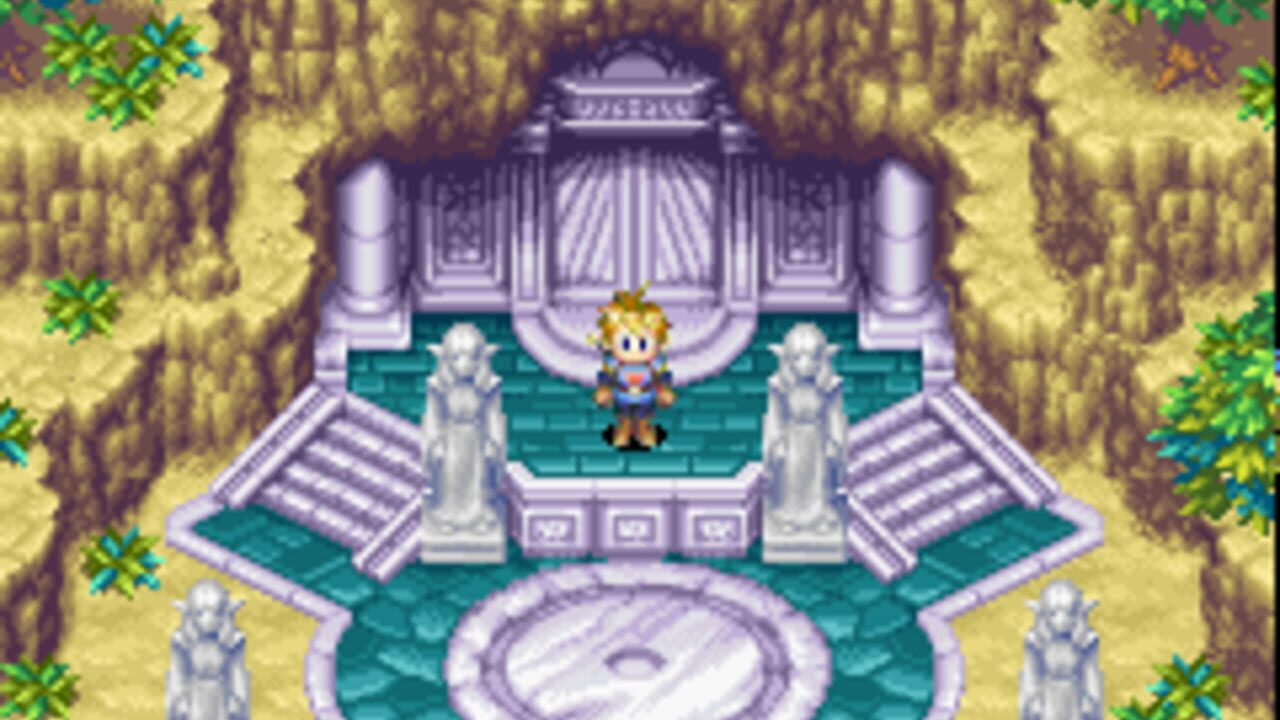
Neither console has a light. Both use a reflective screen, so you need a lamp or a window. Fans love the picture on the GBC but admit it gets dark.
The original GBA is worse. Players remember it as darker than the Game Boys before it, and they say developers pushed GBA colors far past normal to fight the dim screen. Play one of those games on a modern screen and the colors look too bright. The GBC takes this one, though both of them lose to a dark car at night.
The GBA sounds tinny

The GBC has the classic Game Boy sound: 2 pulse channels, 1 wave channel and 1 noise channel. The GBA kept those and added dual 8-bit channels for stereo sound.
More channels did not help. Players still complain that GBA games sound thin and tinny, even on headphones, and that music from Super Nintendo games lost a lot on the way over. The GBC sounds like what it is, a small machine making happy beeps, and that has aged better. Point to the Color.
The GBA has the better library
The Color has more than 900 titles of its own, and that list has some gems. Ask around about the whole library and players put the GBA well ahead, especially outside of Pokémon. Some will even tell a newcomer to skip the GBC.
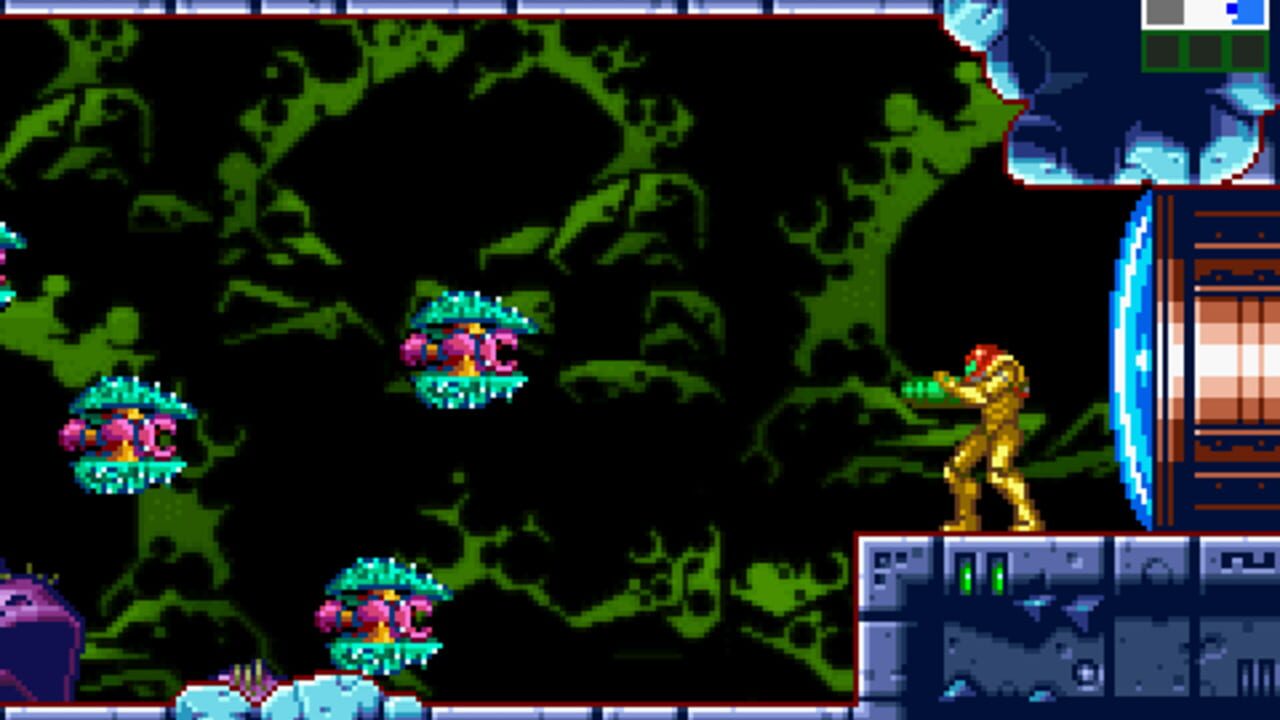
Metroid: Zero Mission, Advance Wars, Fire Emblem and Golden Sun are all there. If you only care about the games, this point goes to the GBA, and since the GBA plays the Color's games as well, it isn't a fair fight.
The GBC won a few fights anyway
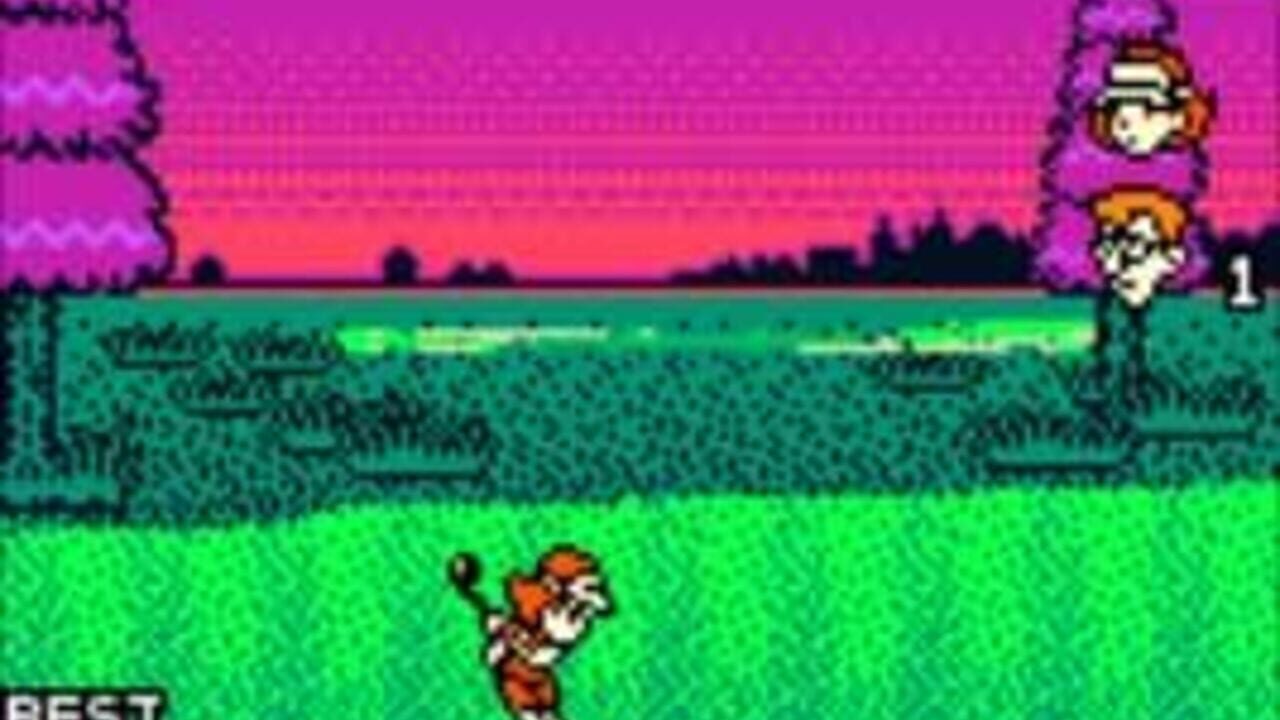
Mario Golf is the famous one. There is a GBA Mario Golf, and players still pick the GBC game over it. Players also rate the first two Harry Potter games on the GBC very highly, and the second one, Harry Potter and the Chamber of Secrets, was the last GBC game released in North America, on November 15, 2002.
It doesn't always go that way. Players rave about Mario Tennis: Power Tour on the GBA, so the tennis court belongs to the newer console.
Both hold their value, but GBA Pokémon costs more

Both are Nintendo handhelds, so nobody loses much on resale. Pokémon sets the top price. Gold and Silver are the best-selling games made mainly for the GBC, at 23 million, and Ruby and Sapphire top the GBA at 16 million.
A loose Pokémon Crystal cartridge typically sells for $175. A loose Emerald goes for $250. Gold is $60 and Ruby is $95. If you want to catch them all on real carts, the Color is the cheaper hobby by a small margin. Neither one is cheap.
The GBC fits your pocket, the GBA fits your hands

The GBA is 144.5 mm wide and the GBC is 78 mm wide. The GBC is taller at 133.5 mm, and it is the thicker one at 27.4 mm against 24.5 mm. They weigh almost the same, 138 g for the GBC and 140 g for the GBA.
Most players find a horizontal handheld more comfortable, especially with bigger hands, and on a long Advance Wars 2 mission you will feel it. The Color's shape still has a lot of fans, though, and new handhelds are sold on feeling like one. Call it a draw, and let your hands decide.
The GBA gets more out of the same batteries

Both take 2 AA batteries. The GBC runs for up to 10 hours and the GBA for up to 15. That is 5 extra hours from a stronger console, which is a nice trick. Your parents would have noticed.
A modern screen fixes both
An IPS screen is a sharp, backlit panel you fit inside the old shell. Players fit new screens in both consoles, and they say they play them more for it. It wipes out the dark screen problem on each side, so the choice comes back to which shape you want to hold.
Which one wins?
The GBA wins on paper, with more power, a bigger library and the Color's own games on top. It doesn't matter. If a Color was the first thing you ever owned that played Pokémon in your bedroom, no clock speed is going to talk you out of it. That console is yours, and the part worth keeping is the road trips and the sleepovers you spent with it.