In 1994 arcades got Killer Instinct, a fighting game running on hardware called Ultra 64. That was also the name of Nintendo's next console, and the game was meant to be part of the North American launch. Then the console was delayed. Killer Instinct came home in 1995 on the old SNES instead, so the console that was supposed to be replaced got the new console's launch game.
A lot of kids who wanted an N64 already had a SNES under the TV, so this fight started at home. Some traded the old console in. Others kept it plugged in next to the new one, and they have been arguing about N64 vs SNES ever since.
The SNES sold 49.1 million consoles and the N64 sold 32.93 million. N64 fans wave that away, because no SNES game ever did what Super Mario 64 did. In this article we will find out who really won.
SNES games have aged better than N64 games
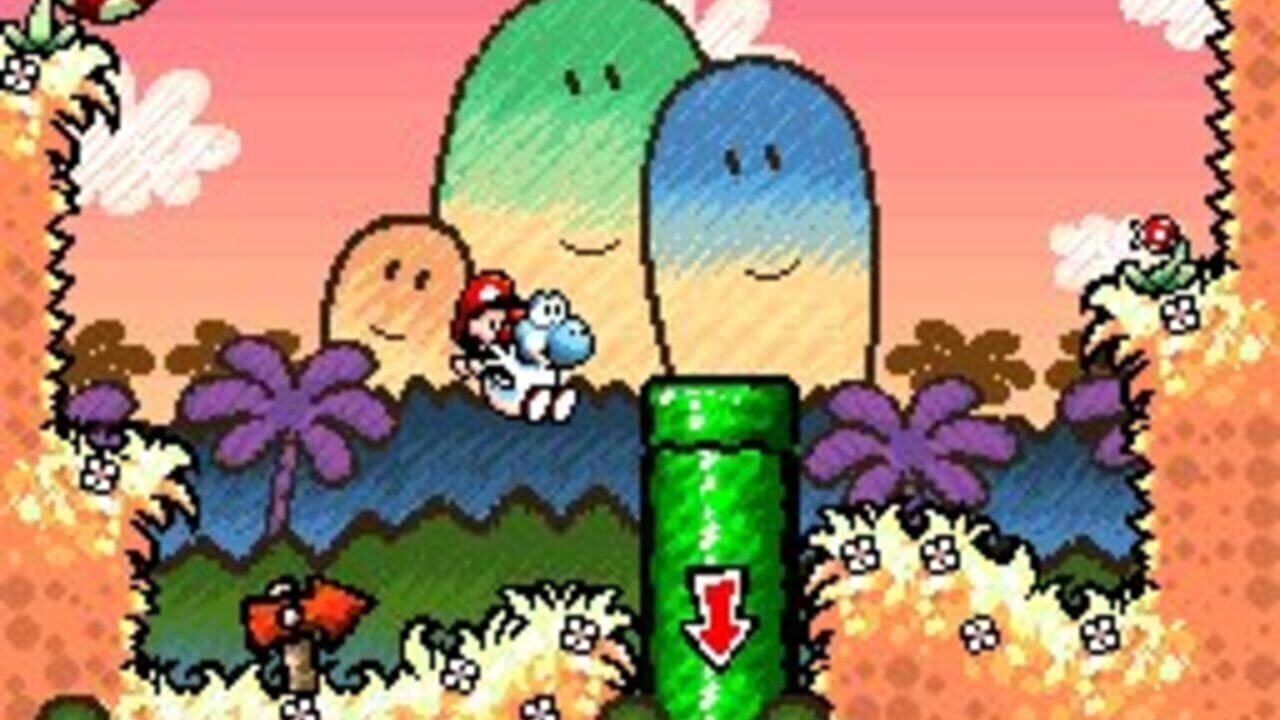
The SNES wins this one, and plenty of N64 fans admit it. Players say 16-bit games have aged much better than early 3D games, and sprites still look good on a modern TV. N64 games are a harder sell. Even people who loved the console say the blurry textures are hard to look at now.
Indie developers have picked a side too. Players point out that modern pixel art games look a lot like SNES art, while few modern games try to copy the N64 look. Yoshi's Island came out in 1995 and could pass for a new indie game today.
Super Mario 64 was a jump the SNES could never make
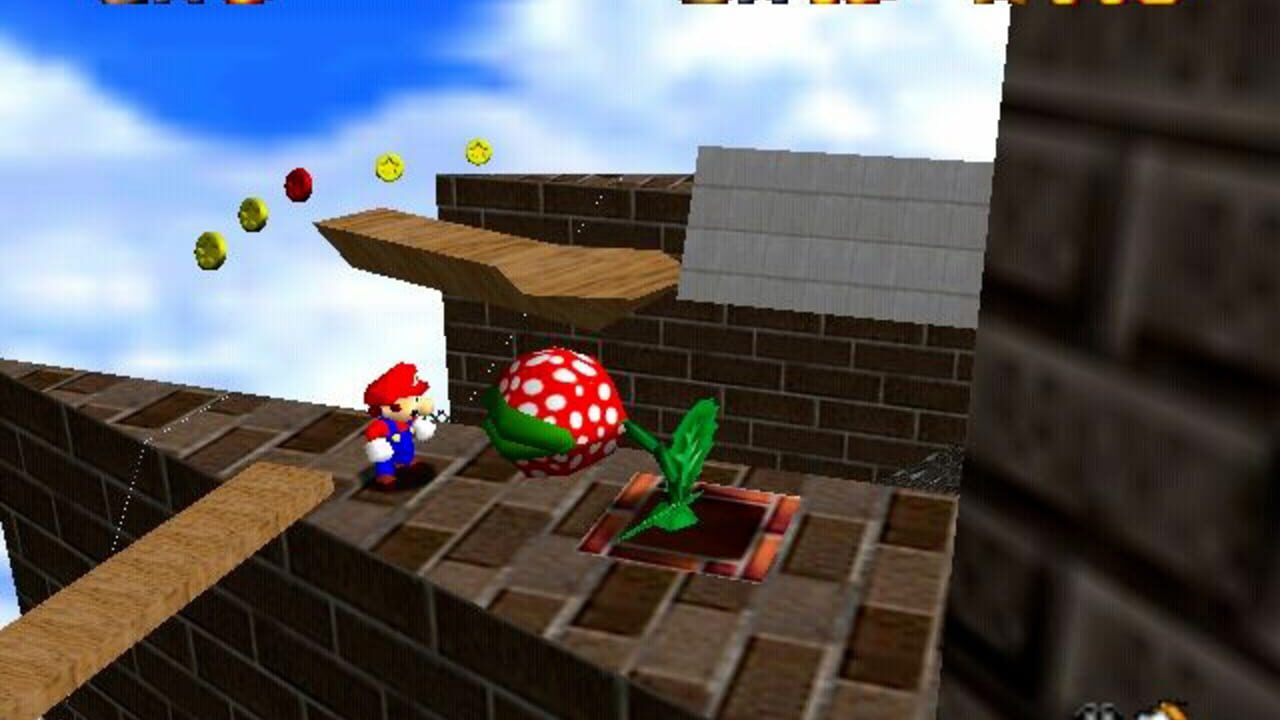
The N64 wins this one easily. Players who moved from one console to the other still call the jump mindblowing, and Super Mario 64 is the game they name. Time named the N64 its Machine of the Year for 1996. Mario 64 became the best-selling N64 game, with nearly twelve million copies sold by 2015.
The SNES did try. Star Fox was the first Nintendo game to use polygonal graphics, and it needed a Super FX chip in the cartridge to do it. Nintendo started Star Fox 2 for the SNES, canceled it and made Star Fox 64 instead. Super Mario World sold more than twenty million copies, far more than Mario 64, but it had nothing to show a kid who had just run around a 3D castle.
The SNES had the better pad and the N64 had the better idea
Comfort goes to the SNES. Its pad has A, B, X and Y in a diamond and two shoulder buttons, and players still call it great. The N64 controller splits the room. Plenty call it awful, and plenty of others have never understood the hate.
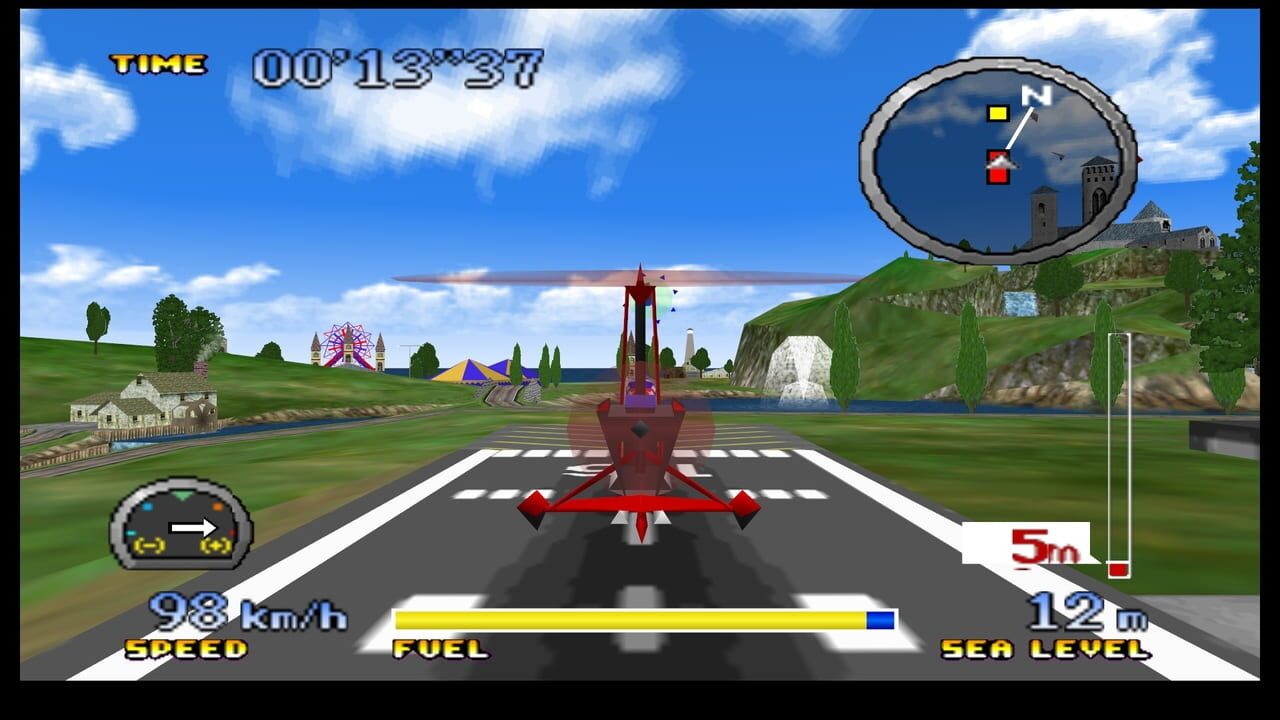
Nintendo seems to have known which pad was the one to beat. Hold the N64 controller by its two outer grips and you get the SNES setup, which Nintendo meant for 2D games. Move your left hand to the center grip for 3D. The N64 controller was the first to include a thumbstick as a standard feature, and Pilotwings 64 shows why you wanted one. The N64 gets the history and the SNES gets your thumbs.
The SNES was the RPG console and the N64 lost Square

This goes to the SNES without a fight. It has EarthBound and Final Fantasy VI, and Chrono Trigger was the second best-selling game of 1995 in Japan. Then storage got in the way. Square and Enix had planned to release Final Fantasy VII and Dragon Warrior VII on the N64, and both switched to Sony's console because of storage constraints.
Players felt that. They say the N64 was never a platform for RPGs and couldn't follow what the SNES had done. Many RPG fans call the PlayStation the true successor to the SNES and went where Square went. Paper Mario is lovely, but it is one game.
Zelda is the closest fight between these two

Players recommend A Link to the Past and Ocarina of Time in the same breath. Ask for the best 2D Zelda and you get the first one. Ask which game took the series into 3D and you get the second.
The numbers lean one way. Ocarina of Time is the highest-rated game on Metacritic and GameRankings, and it sold more than seven million copies. A Link to the Past had sold 6.5 million by 2004, and that count includes the Game Boy Advance version. The N64 wins this on points.
Four controller ports made the N64 the party console
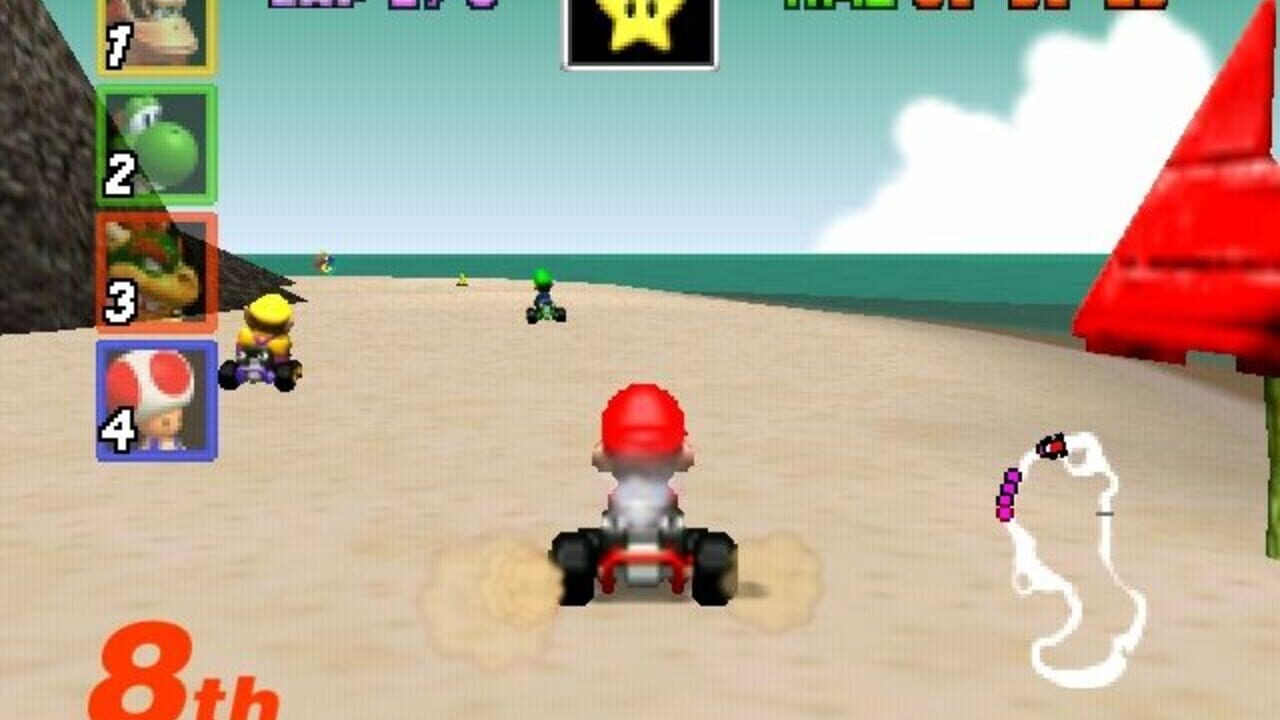
Super Mario Kart supports two players, with the second player on the bottom half of the screen. The N64 had four controller ports, and Mario Kart 64 used all of them. Nintendo's Peter Main said the four-player mode had "become a focal point for group entertainment". It sold 9.87 million copies against 8.76 million for Super Mario Kart.
GoldenEye 007 sold over eight million, with up to four players on a split screen. Players remember the N64 as the best console of its generation for local multiplayer. On a SNES your other two friends waited on the sofa and criticised your driving. The N64 wins.
Rare made the best of both consoles
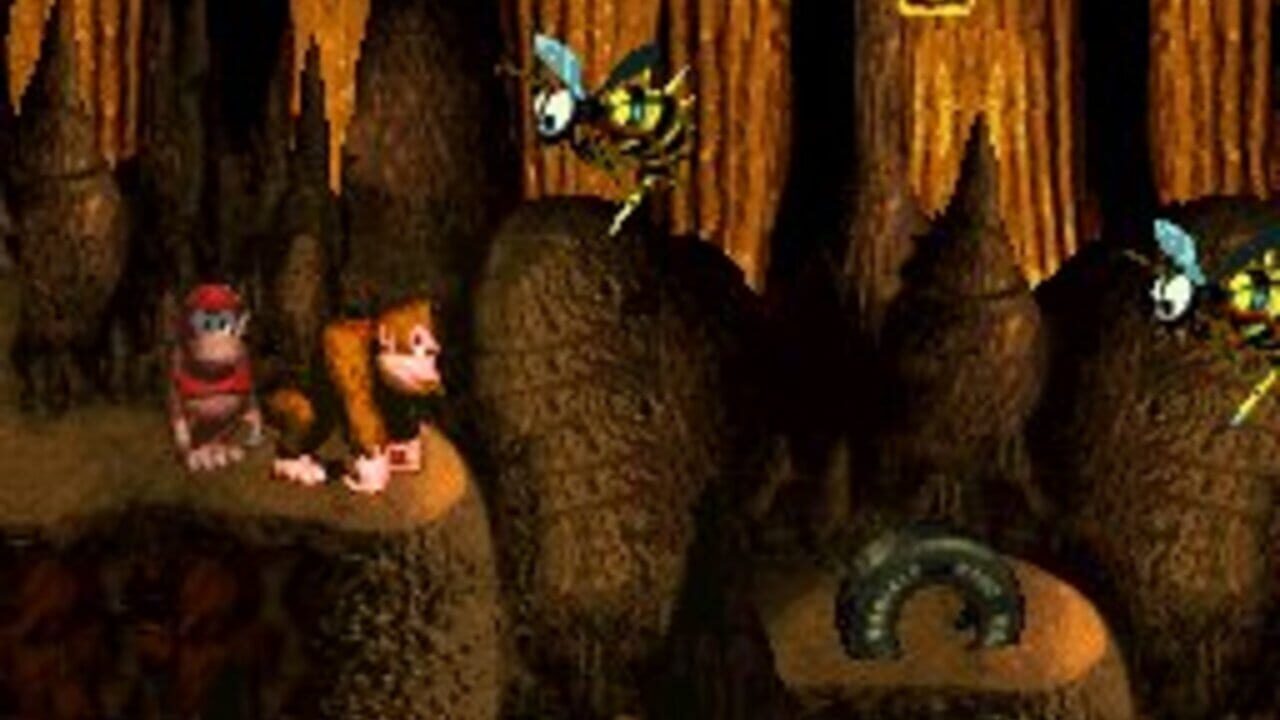
Call this one a draw, because the same studio shone on both. Rare bought Silicon Graphics workstations to render 3D models, and the result was Donkey Kong Country in 1994. With 9.3 million copies sold, it is the third-bestselling SNES game. Silicon Graphics was also the company Nintendo worked with to build the N64, so SNES owners got a look at what was coming.
Nintendo then bought a large minority stake in Rare. The studio kept making games for the old console, with Donkey Kong Country 3 arriving in 1996, the year the N64 came out. Then it moved on to GoldenEye 007 and Banjo-Kazooie. Players say Rare was on fire on both consoles, and neither side can claim the studio for itself.
The SNES has more than four times as many games

The SNES got 1,755 games and the N64 got 388. Nintendo kept key third-party developers like Capcom, Konami and Square on the SNES. On the N64, cartridge cost and storage limits pushed third parties away, and it had to lean on Mario, Zelda and Rare.
Players say the library is the N64's weak spot, and they have a point. Its best games are brilliant and you run out of them quickly. The SNES still has Super Metroid and Kirby Super Star waiting after you finish the famous ones. The SNES wins by a long way.
The SNES sounds better
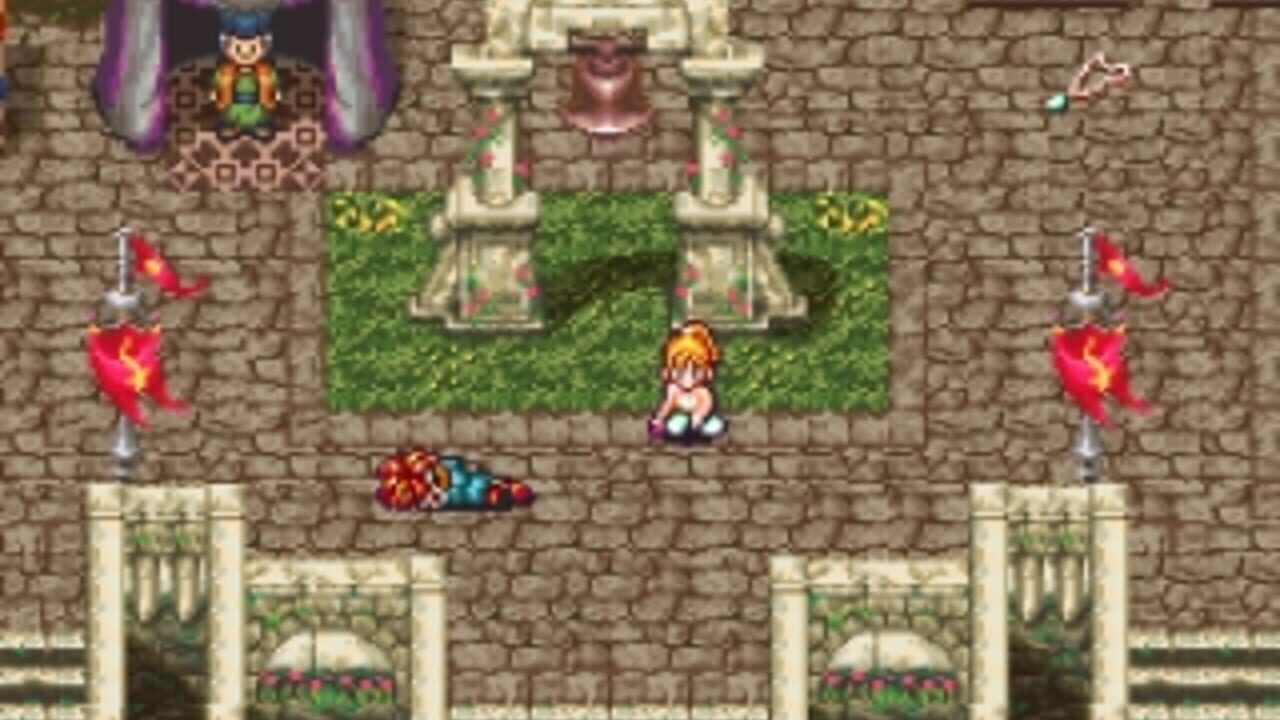
The SNES has eight voices of 16-bit samples, and composers made the most of them. The Chrono Trigger soundtrack spanned three discs in its 1995 commercial pressing. N64 developers worked with a cartridge of 64 MB at most, and that limit forced shorter music tracks. Banjo-Kazooie shows that a good composer could still get there, but the SNES wins this round.
The N64 is the harder console to play today

Buy a cheap retro handheld and SNES games run fine. The N64 is where those devices start to struggle. Players report wonky audio, slow games and a lot of tweaking from game to game. If you want Perfect Dark to play the way it did, an original N64 is still the safest bet. The SNES wins, and N64 owners can at least say their console was harder to copy.
The SNES wins on resale at the top and the N64 costs more for the hits
Both consoles are Nintendo, so both hold their value. The SNES takes the top end. A loose copy of Aero Fighters typically sells for $1,826, EarthBound for $400 and Chrono Trigger for $260. The most expensive N64 game in our sold prices is Super Bowling at $650, and Paper Mario goes for $90.
The famous N64 carts cost more than their SNES cousins. Super Mario 64 is $39 against $18 for Super Mario World. Mario Kart 64 is $43 against $30 for Super Mario Kart. GoldenEye 007 is the bargain of the pair at $28.
Which one wins?
On paper the SNES wins: more consoles sold, more games and the pricier carts. None of that matters. If the SNES was the one under your TV, no sales chart can talk you out of it, and the same goes for the kid with an N64 and three friends on the floor. The console you grew up with is yours. What made it special was the memories you made with it.