Sega and Nintendo entered the home console business on the same day. On July 15, 1983, Sega's SG-1000 and Nintendo's Famicom both went on sale in Japan. A few years later Sega took the fight to America and hired Bruce Lowry, Nintendo of America's vice president of sales, to run the new office. He had worked for Nintendo of America and liked the combination of words, so he named his division Sega of America.
In America, the kid with a Master System was the odd one out at every sleepover. In Britain and Brazil, the odd one was the kid with the Nintendo. The answer changed with the country you lived in, and every school had its own version of NES vs Sega Master System.
The NES went on to outsell the Master System nearly five to one. Sega fans will tell you that number only shows who had the better lawyers. In this article we will find out who really won.
The Master System had the better hardware
The Master System was the newer machine, and it shows. Sega released the Mark III, the Japanese version, in October 1985, more than two years after the Famicom. It could put 32 colors on screen from a palette of 64, while the NES showed 25 from 54. It had 8 KB of RAM against 2 KB on the NES, and 16 KB of video RAM against 2 KB.
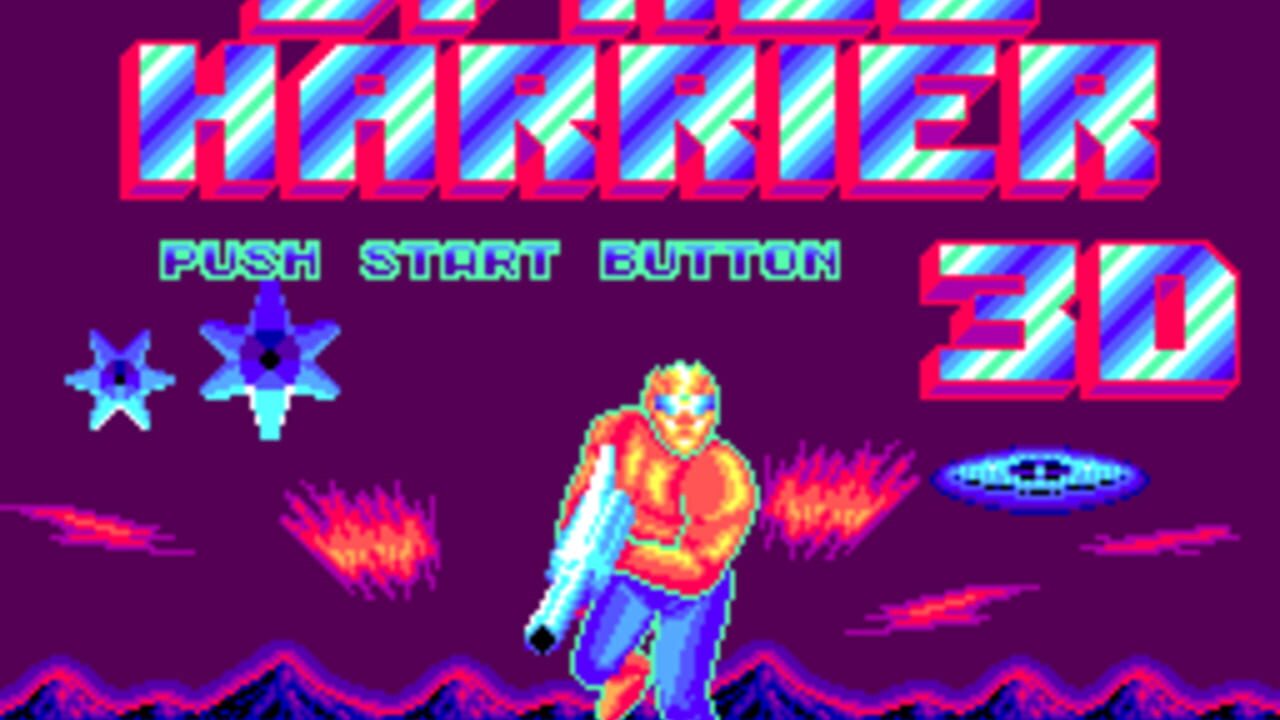
Sega used that power early. Space Harrier came out on the console in 1986, on the first two-megabit cartridge made for it. Players who owned a Master System remember it as the prettier console, and the colors alone win this round for Sega.
The NES kept the third-party games

Better hardware doesn't help much without games to run on it. Nintendo required that games for the Famicom not be published on other consoles, and that rule hit Sega hard. In America, Sega had only two third-party publishers, Activision and Parker Brothers, and both deals ended in 1989. The team behind Phantasy Star knew they could not rely on outside help, because Sega's market share was one-tenth of Nintendo's.
The numbers show the damage. The Master System had about 300 games worldwide against more than 500 on the NES, and North America got just over 100 of them. Mega Man and Castlevania stayed on the Nintendo side. Nintendo's rules ended in a 1991 settlement with the Federal Trade Commission, which was no help to a console that was gone from America by early 1992. The NES wins this round, and it wasn't a clean win.
Super Mario Bros. settled it in most homes

The NES had Mario. More than 40 million copies of Super Mario Bros. were sold on the NES by 1994, and Super Mario Bros. 3 sold more than 17 million. No Master System game came near those numbers.
Even Master System fans give this one up. Players who owned both say the NES had the better library, with more games people wanted. The Master System has great games, but the NES has more of them on every shelf.
Alex Kidd was no Mario

Sega needed a mascot, and before Sonic it had Alex Kidd. Alex Kidd in Miracle World was built into many editions of the Master System, so plenty of owners never paid for it. You punch rocks and buy motorbikes, and you die if you lose a game of rock, paper, scissors. Mario stomped turtles. Alex Kidd lost to a hand gesture.
Players who grew up with it still love it. Sonic finally gave Sega the right mascot on the Master System in 1991, built into later consoles in Europe. In North America that game was the console's swan song. Mario takes this round.
Phantasy Star got to America first

Sega built Phantasy Star to answer Dragon Quest, and it came out in Japan two days after Final Fantasy. It has a female hero and 3D dungeons, on a four megabit cartridge that was large for the time. The battery backup drew praise, and it also pushed the price up.
It reached America in November 1988. Dragon Warrior didn't arrive until August 1989, and Final Fantasy took until July 1990. For a while the best console RPG in American shops was on the console nobody had. Players still name it as the reason to pick a Master System over an NES. The NES ended up with more RPGs, but Sega wins this round for getting there first.
Golden Axe Warrior could not beat Zelda

Sega's answer to The Legend of Zelda was Golden Axe Warrior, and nobody was fooled. IGN put it in an article called "A History of Gaming's Most Shameless Rip-Offs". Players call it a Zelda clone to this day, and some will tell you it looks better than the game it copied.
Looking better was never enough. Zelda came in a gold cartridge and sold 6.51 million copies. It also brought battery saves to players around the world. Golden Axe Warrior is a fun game with a famous name on it. Zelda wins.
Sega brought the arcade home
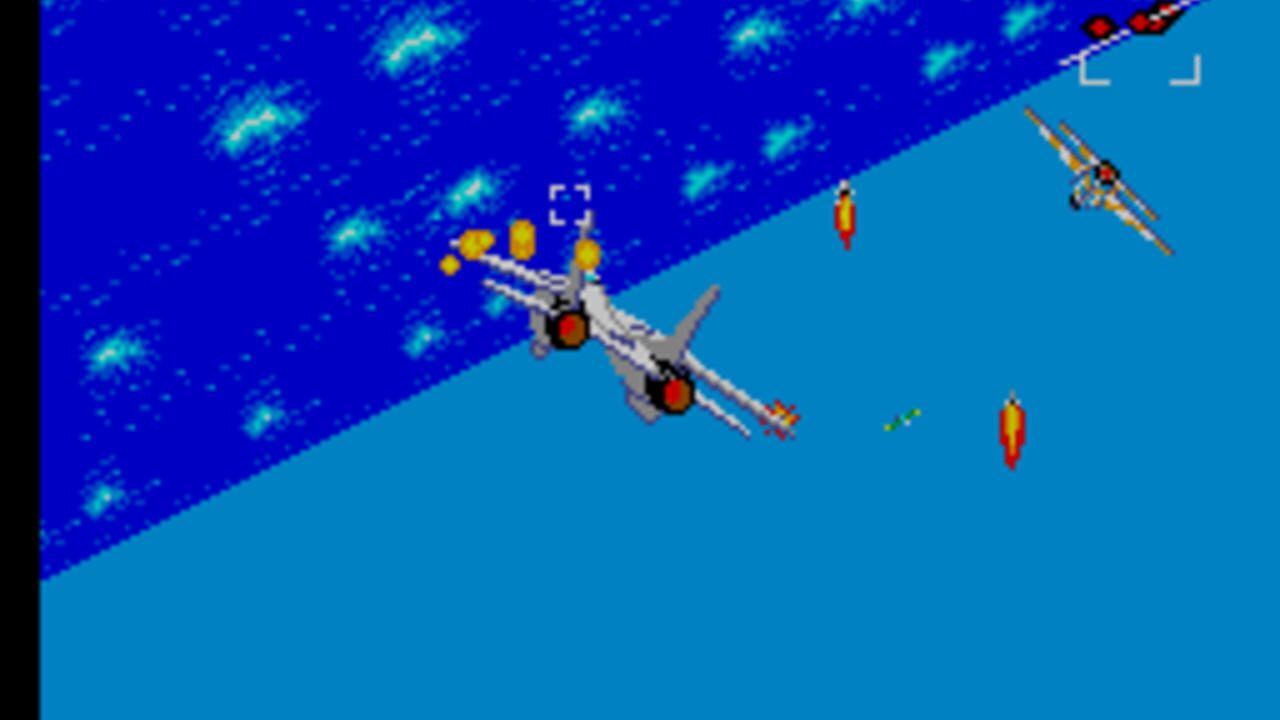
Sega owned its arcade hits, and the Master System got them. The American console shipped with Hang-On on its pack-in cartridge. Out Run followed in 1987, and one magazine said it had "all the thrill power of the arcade version". In the late 80s, Master System arcade ports were some of the most faithful around.
Players remember choosing the console for these games, After Burner above all. Not every port held up, and many games on both consoles were worse on Sega's. For a kid who loved the arcade, this was still the console to have.
Only Japan got the good Master System sound
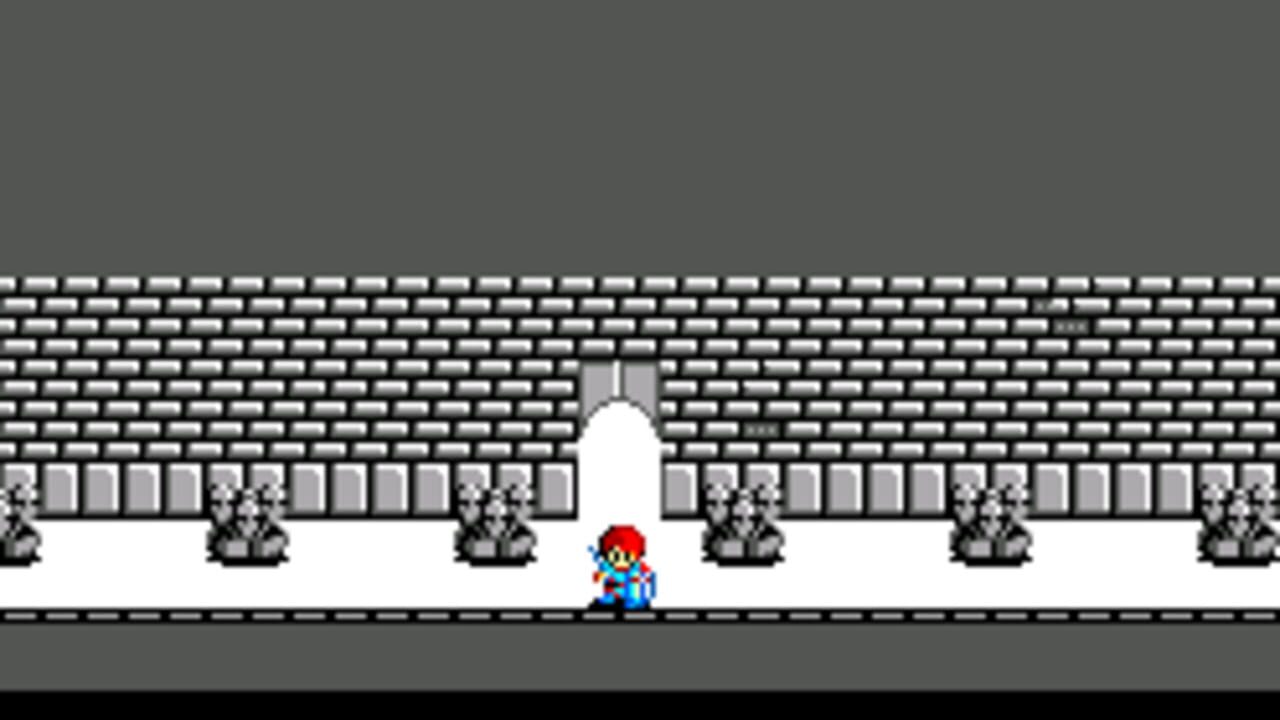
Sound is the one hardware fight Sega lost in the West. The Master System has three square wave channels and one noise channel. The NES has five channels, including a triangle wave and samples.
Sega had an answer. The Japanese Master System came with a Yamaha FM chip built in, and Western models left it out. So the best Master System music never left Japan. The NES takes this one on channels.
The NES pad was better, and Sega forgot the pause button

Nintendo's D-pad came from Gunpei Yokoi's Game & Watch handhelds, and it replaced the bulky joysticks of older consoles. Sega's controller is a rectangle with a D-pad and two buttons. That D-pad can feel unresponsive and it breaks easily.
Standard Master System controllers have no pause button at all. If the phone rang, you got up, crossed the room and pressed it on the console. There is one good fix: Genesis pads plug straight into a Master System. The NES wins this round without getting off the couch.
Nintendo sold a robot and Sega sold out to Tonka

After the 1983 crash, American shops didn't want video games. Nintendo got around that by selling a toy. R.O.B. the robot had only two games, Gyromite and Stack-Up, and it is remembered as a successful Trojan Horse of marketing. By the end of 1986 Nintendo had sold over a million NES consoles in the United States, nearly ten times what the Atari 7800 and Master System sold.
Sega's answer was odd. In 1987 it sold the American rights to the Master System to Tonka, a toy company with no experience of electronic entertainment systems. Tonka blocked several popular Japanese games and bought fewer chips during a shortage. Sega took the rights back, and production in North America stopped by early 1992 at between 1.5 million and 2 million sold. Nintendo controlled 80 percent of the market. Sega lost this round to a robot.
Duck Hunt beat everything Sega had in the box

Both consoles had a light gun. The first American Master System came with the Light Phaser for $200, and it works with 13 games. The basic NES set cost $99.99 with Super Mario Bros. in the box, and the Zapper had Duck Hunt, which sold 28.3 million copies. Masahiro Sakurai called it "the most-sold shooting game in the world".
Sega did have the cooler toy. The SegaScope 3-D glasses used active shutters to make games like Space Harrier 3-D look three-dimensional, and a pair typically sells for $50 today. Most kids never saw them. Every kid saw that dog laughing.
The Master System's best games are still being discovered

This is where Sega fans get their revenge. Wonder Boy III: The Dragon's Trap won Electronic Gaming Monthly's Best Game of the Year award for the Master System in 1989, and it was good enough to get a full remake in 2017. Sega Power rated Castle of Illusion the best Master System game of all time in 1990.
Most of America missed all this. Players who grew up with an NES are only now finding the Master System library, and they are surprised by how good it is. An NES fan has played everything. A Master System is still full of games you have never tried, so Sega takes this round.
Europe picked Sega

Nintendo's early plans in Europe were weak, and the Master System took over. By 1990 it was the best-selling console in Europe. Sega sold 918,000 consoles there that year against Nintendo's 655,000. In the United Kingdom alone, Virgin Mastertronic sold 150,000 Master Systems against 80,000 for Nintendo. Australia bought 250,000 in 1990.
Nintendo caught up with a Teenage Mutant Hero Turtles bundle, and by 1993 the NES had 7.26 million active users in Europe to the Master System's 6.25 million. The Master System held on in the UK, Belgium and Spain. Players there remember it as the console everybody had, and it kept getting new games like Sonic the Hedgehog 2 in 1992 and Streets of Rage 2 in 1994. Nintendo needed the Turtles to catch up, so we give this one to Sega.
Brazil never stopped buying the Master System
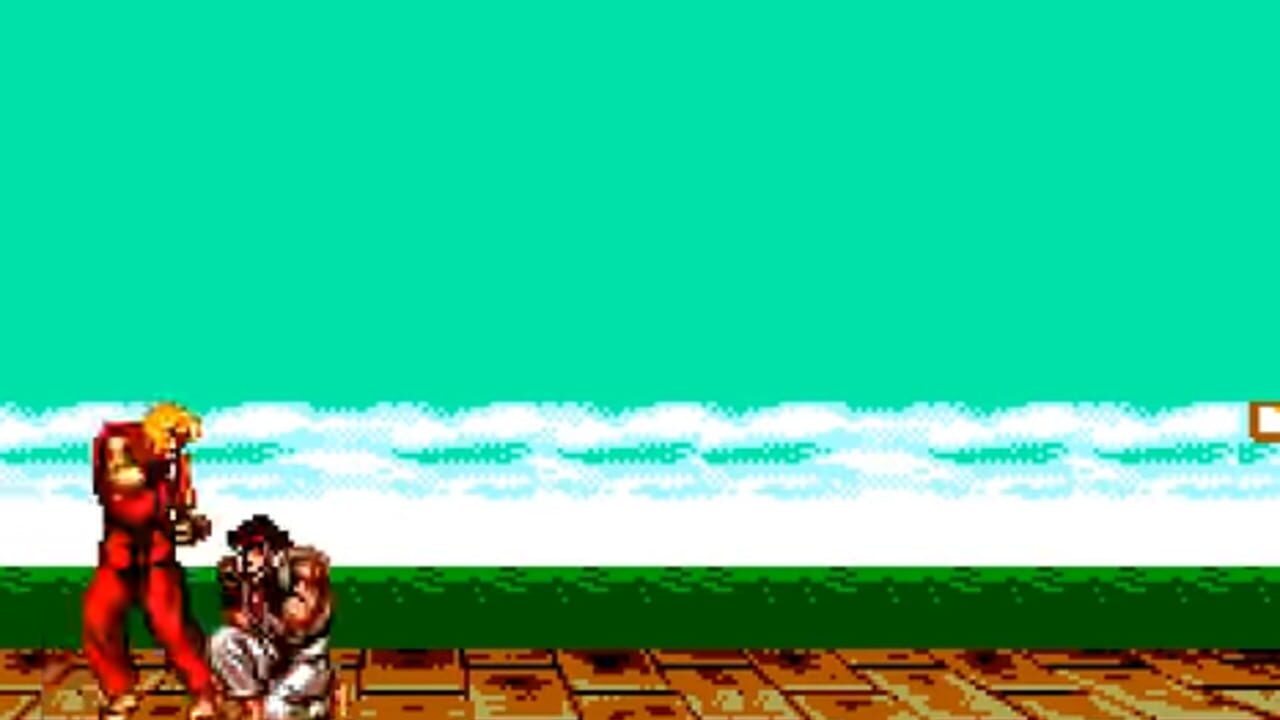
Tectoy, a Brazilian toy startup, launched the Master System in Brazil in September 1989. Nintendo did not arrive until 1993. Tectoy claimed 80% of the Brazilian video game market, and it made the console its own. Wonder Boy games became Monica's Gang games, after a local comic, and Street Fighter II: Champion Edition got a port. Castle of Illusion was Tectoy's best-selling Master System game.
Tectoy said it had sold 8 million Master System units by 2016. The NES stopped in 1995. Master System consoles are still on sale in Brazil. This is the biggest win Sega has in this whole fight, and Nintendo never got close.
The NES wins on resale

Nintendo collectors pay the big money. A loose copy of Little Samson typically sells for $2,434 and Panic Restaurant for $947. The rarest American Master System games stop much lower. Sonic the Hedgehog, the swan song, goes for $599 and James Buster Douglas Knockout Boxing for $350.
Famous NES games sold in such huge numbers that they stay cheap. Super Mario Bros. sells for $19 and The Legend of Zelda for $32. Phantasy Star goes for $70 and Golden Axe Warrior for $160, so the clone costs five times the game it copied. Few American kids bought those carts, and collectors are paying for that now.
Which one wins?
On paper the NES wins, with more consoles sold and far more games. It doesn't matter. If a Master System sat under your TV, that was your console, and no sales chart can change it. Nobody remembers an 80 percent market share. You remember the bosses at rock, paper, scissors and the friend who came over to play, and those memories are what made it special.