The Nintendo 3DS family sold 75.94 million units, and Nintendo discontinued it on September 16, 2020. Its shop closed in 2023 and its online services in 2024, so the 3DS is now a fully offline machine, and the cartridges are the whole library.
That has done strange things to prices. Most games are still cheap, while the consoles themselves suddenly cost more used than they did a year earlier.
Pick the model for the games you want

There are six models: the Nintendo 3DS, 3DS XL, 2DS, New 3DS, New 3DS XL and New 2DS XL. The 2DS keeps the same hardware and plays the same DS and 3DS games, but it lacks the 3D screen and comes as a flat slate rather than a clamshell.
The New models, from October 2014, matter more. They added a C-Stick and extra ZL and ZR shoulder buttons, and a few games, such as Xenoblade Chronicles 3D, are exclusive to the New 3DS with no support for earlier models. So if you want every cart to run, buy a New model.
The small New 3DS is the one with faceplates

At first, only the XL version of the New 3DS was released in North America; Nintendo of America said the face plates were not enough of a reason for the smaller one. It finally arrived on September 25, 2015, in an Animal Crossing: Happy Home Designer bundle with two faceplates and an amiibo card. That is why a standard New 3DS is the harder one to find there.
Screens are a lottery on the New models, too. Some units have IPS panels for one or both screens, most still have the older twisted nematic panels, and there is no known link between the model number or production date and the panel. If it matters to you, ask the seller which panel the unit has.
Your console's region decides your games
All Nintendo 3DS consoles are region locked, so a 3DS game bought in one region only plays on hardware from that region. A Japanese 3DS cannot play American or European 3DS carts unless it is modified.
DS cartridges are the exception, because they stay region-free on a 3DS. So buy the console from the region whose games you want, and treat imports of 3DS carts as a separate shelf for a separate machine.
The shop is closed, so the cart is the only copy
The Nintendo 3DS eShop closed on March 27, 2023, and Nintendo Network online services were discontinued on April 8, 2024. Anything that was sold only as a download can no longer be bought.
That makes some physical editions matter more than they used to. Fire Emblem Fates came as two physical versions, with the third storyline, Revelation, sold as downloadable content. A special edition with all three storylines and an art book came out alongside them, sold out within a day of pre-orders and got a second run. Loose copies of that special edition sold for a typical $400 from spring to late summer 2026.
Used consoles cost more than they did a year ago
At the end of 2025, a used 3DS XL that you could have picked up a year earlier for under $100 was fetching upward of $250, and New 3DS XL models were selling for $200 to $350 used. Part of the reason is homebrew. Many of the 3DS handhelds on resale sites have already been hacked, and those pre-modded units sell at a high rate.
The going rates at the start of 2026 give a sense of the ladder. An original 3DS sold for around $150 on average, a 3DS XL for about $200 and a New 3DS XL for between $250 and $300, while the 2DS was the cheapest at about $120. Handhelds tied to The Legend of Zelda, Pokémon or Metroid ran from $400 to as much as $1000.
So check what you are getting. A modified console is a different thing from a stock one, and the listing should say which it is. If all you want is to play, the 2DS plays exactly the same carts for the least money.
Fakes are far less common than on the DS
Fake Game Boy and DS games exist in abundance, but fake 3DS and Switch games are far less common. That is a relief after the DS, where the Pokémon games were copied on an industrial scale.
Less common doesn't mean never, so the usual rules still apply. Buy from sellers who show the actual cart, and be careful with any expensive game priced well below what it normally sells for.
Most of the library is cheap
The famous games sold so well that they cost very little. Loose Mario Kart 7 sold for a typical $13 in December 2025, Super Mario 3D Land for a typical $12 in May 2025, and The Legend of Zelda: A Link Between Worlds for a typical $20 in June 2026. Paper Mario: Sticker Star went for a typical $13 in summer 2025.
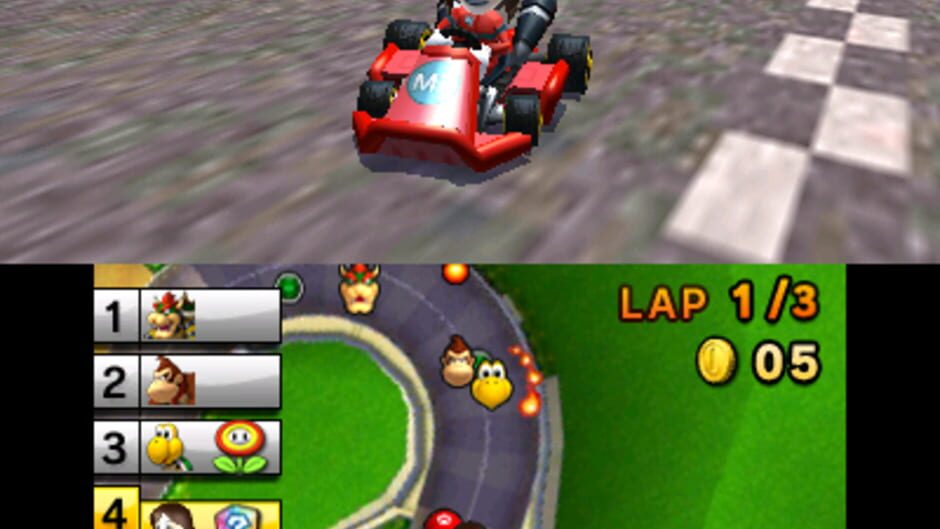
Boxed copies barely cost more. A boxed Mario Kart 7 sold for a typical $14 in December 2025, a dollar above the loose cart. Even Xenoblade Chronicles 3D, the New-only game, went for a typical $19 loose in 2025.
Pokémon is cheap here, unlike on the DS
On the DS, the main Pokémon games cost well over $100 loose. On the 3DS they are ordinary. Loose Pokémon X sold for a typical $35 in December 2025, and Pokémon Ultra Sun for a typical $40 the same month.
That makes the 3DS the cheap way into the series on a Nintendo handheld. The money in this library sits somewhere else, in another monster-collecting series.
Yo-kai Watch is the expensive series
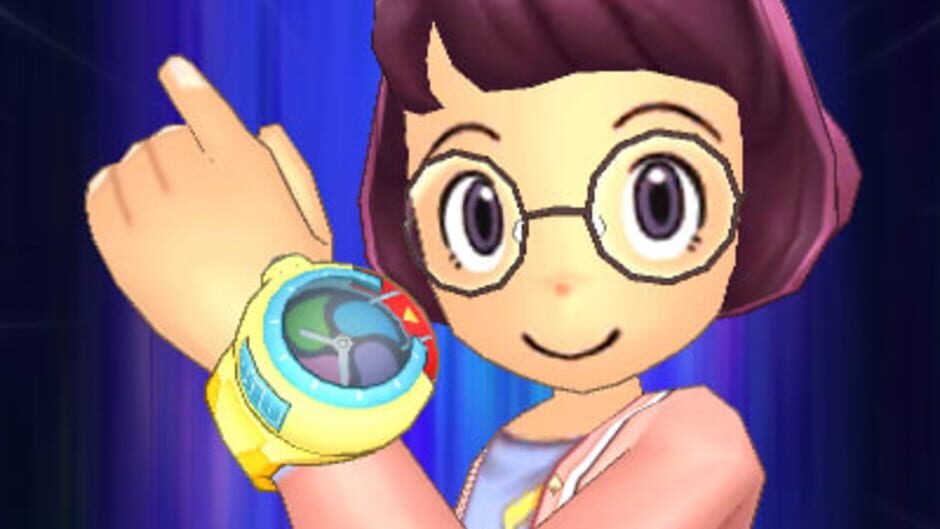
Yo-kai Watch copied the Pokémon habit of releasing an updated version of each generation, and the updated versions cost the most. Yo-kai Watch 2 came out first as Bony Spirits and Fleshy Souls, which sold for a typical $30 and $32 loose in 2025 and 2026. The third version, Psychic Specters, went for a typical $220 loose in 2026.
Yo-kai Watch 3, released in 2018 as one of the last big 3DS games, is the top of the series: a typical $406 loose from 2025 into 2026. The Blasters spin-off Red Cat Corps sold for a typical $215 loose over the same stretch.
A new version elsewhere can pull a price down
A game that only exists on the 3DS keeps its price because there is no other way to play it. Tomodachi Life is the clearest case: it reached a peak of more than $150 on average in 2024 and was still selling for between $100 and $110 in April 2026, when a Switch follow-up, Tomodachi Life: Living the Dream, came out.
Within months the old cart got cheaper. Loose copies sold for a typical $64 in late summer 2026. So before you pay a premium for a 3DS exclusive, check whether a remake or sequel is on the way.