Sony told the world about its first handheld before E3 2003, and boss Ken Kutaragi called it the "Walkman of the 21st century". Nintendo had ruled handhelds since the Game Boy in 1989, and now its GameCube was struggling. In February 2004, Hiroshi Yamauchi, the old president who had just stepped aside, said of Nintendo's strange new two-screen machine: "If the DS succeeds, we will rise to heaven, but if it fails we will sink to hell".
Within a couple of years, the back of the school bus was split over DS vs PSP. You had a stylus in your hand or a tiny PS2 with a widescreen. Your friend had the other one, and neither of you ever admitted they had a point.
The DS sold 154 million units and the PSP sold over 80 million, close to two to one. Ask anyone who carried a PSP and they will tell you that number means nothing. In this article we will find out who really won.
The PSP was a PS2 in your pocket

When it came out, the PSP was the most powerful portable console ever made. It had a 4.3-inch screen at 480 × 272 pixels and 32 MB of main memory. The DS had two 3-inch screens at 256 × 192 and 4 MB of main memory. Players who were there still talk about holding a PS2 in their hands, and nobody ever said that about a DS.
God of War: Chains of Olympus is the game to show a doubter. It is the highest-rated PSP title on Metacritic, and its developer Ready at Dawn kept asking Sony to raise the PSP's clock speed. Sony released a firmware update that let games use the full 333 MHz. The PSP wins this round by miles.
The touchscreen gave the DS games nothing else could play
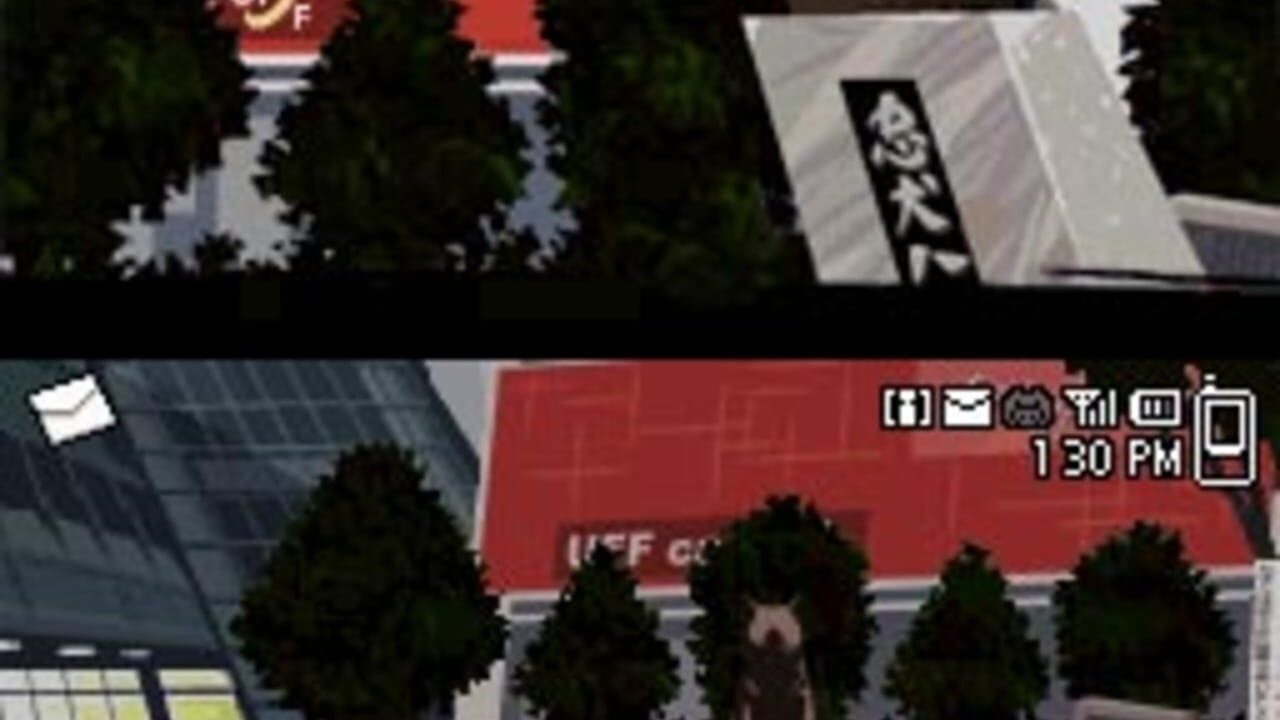
Nintendo's North American slogan was "Touching is good." It sounded like a joke, and then the games turned up. Players say the DS may have felt cheap and weak, but its games were built around that hardware and you could not get them anywhere else.
The World Ends with You is the best example. Combat runs across both screens at once, and you attack by making motions on the touchscreen or by shouting into the microphone. Try that on a PSP. Writer Jeremy Parish went further and said the DS "had basically primed the entire world for" the iPhone. The DS takes the round for ideas.
Nintendogs and Brain Age reached people who never played games

The DS launched in North America at $149.99, and the PSP followed on March 24, 2005 at $249. Nintendo cut its price to $129.99 on August 21, 2005, one day before Nintendogs came out.
All versions of Nintendogs went on to sell 23.96 million copies, while hardcore players sneered at it. Brain Age sold 19.01 million. In 2006 Nintendo reported that 44% of DS owners were female, and most Nintendogs players were women. Sony never got your mom to do sums on a PSP. The casual crowd is the main reason the DS pulled ahead, so this round goes to Nintendo.
The DS library blew the PSP out of the water

New Super Mario Bros. sold over 30 million copies. Mario Kart DS sold 23.60 million and Pokémon Diamond and Pearl sold 17.67 million. The DS also pulled in more third-party developers than the PSP from early on.
Players see a difference in what those games were. On the DS, Zelda and Mario were their own new games. On the PSP, plenty of the best-known titles were watered-down side stories or ports. Even PSP fans complain that Sony had the hardware and never backed it with enough games of its own. The PSP has a good library, but the DS wins this one.
The UMD was the PSP's worst idea

A UMD holds up to 1.8 GB, and that was the reason to use one. It also spins. WWE SmackDown! vs. Raw 2006 had load times of up to two minutes for certain scenes, which is long enough to lose a wrestling match in real life. Sony added a cache for UMD data on models after the 1000, and later games could install data to the Memory Stick.
Players remember the discs as fragile and blame them for the loading. A DS game card goes in and the game starts. The DS wins this round easily, and anyone who has heard a UMD drive wake up in a quiet room will agree.
UMD movies flopped and the PSP was still the best media player
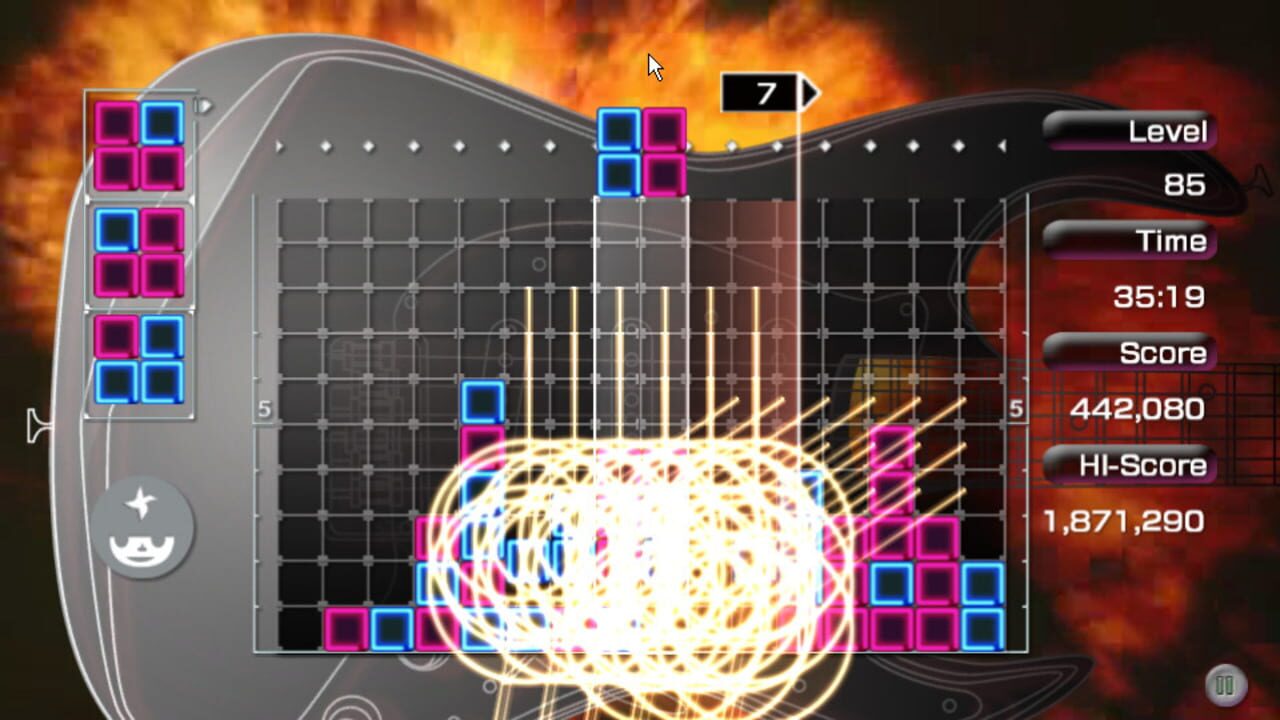
Kutaragi's Walkman line turned out to be half right. Early North American PSPs came with the film Spider-Man 2 on UMD Video, and Sony hoped films would sell on the format. They didn't. Poor sales pushed Universal and Paramount to pull their support, and in 2006 Wal-Mart reportedly began phasing out shelf space for UMD movies.
The PSP was still a brilliant way to pass a train ride. It played MP3s from launch, and players remember filling a Memory Stick with films and using the console as a portable video player. On a DS you could listen to the sound of a stylus. The PSP takes this one, and Lumines with headphones on is the best argument for it.
The DS Lite battery made the PSP look thirsty

This fight is short. The DS Lite gives 15–19 hours of play. The original PSP gives about three to six hours of gameplay, and from the PSP-2000 on, Sony cut the battery from 1800 mAh to 1200 mAh to make the console slimmer. Players mocked the PSP's battery life at the time and they still rave about the DS Lite's.
You could finish a whole Professor Layton on one charge and still have enough left for the trip home. The PSP needed a socket by lunchtime. The DS wins.
Monster Hunter made the PSP a giant in Japan

The PSP's biggest win is one most Western kids missed. Monster Hunter Portable 2nd G, known here as Freedom Unite, sold 670,000 copies on its release day in Japan. In the week of March 24–30, 2008, the PSP nearly outsold all the other consoles in the country combined, at 129,986 units.
Monster Hunter Portable 3rd then sold 2.58 million copies in two weeks and reached 4.8 million in Japan. Players who followed it say this one series kept the PSP in Japanese bags and gave developers a reason to stay. The DS never had an answer, and the PSP takes this round.
Grand Theft Auto split the two right down the middle
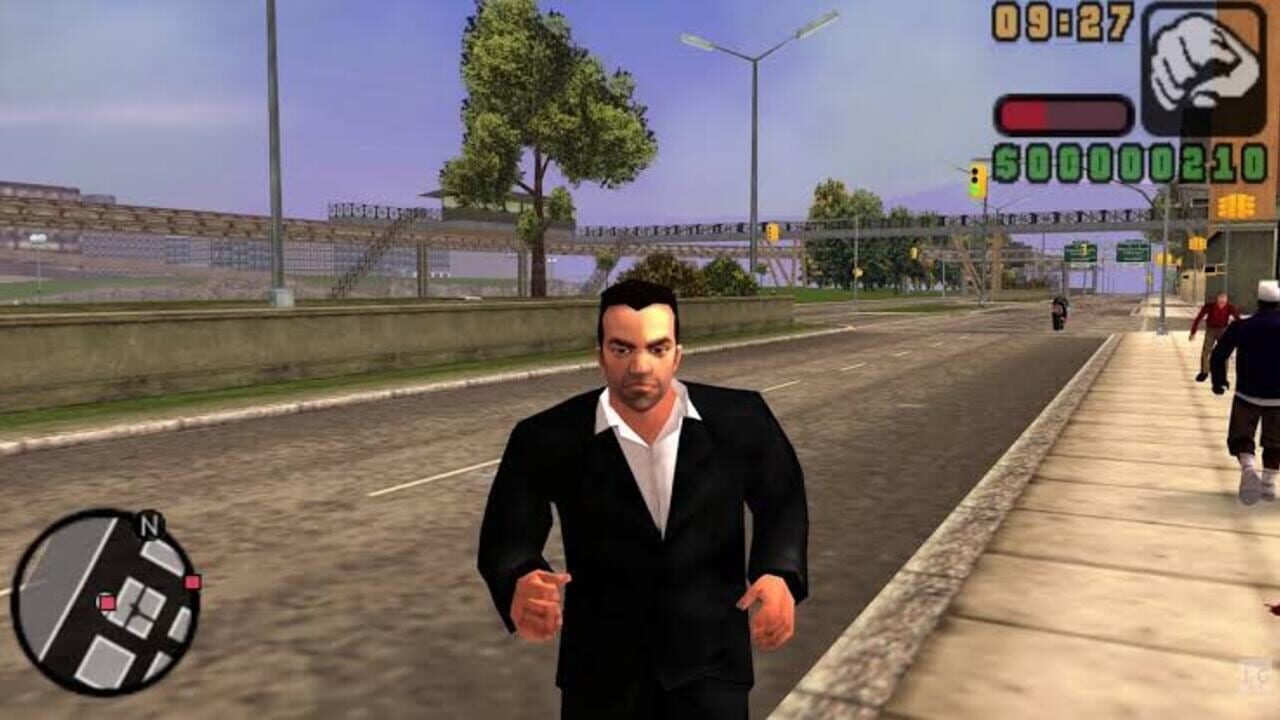
Grand Theft Auto: Liberty City Stories is the best-selling PSP game, at 7.5 million copies. A whole 3D Liberty City on a handheld was the kind of thing the DS could not do.
Then Rockstar made Chinatown Wars for the DS, and it scored 93/100 on Metacritic, the highest score on that site for a DS game. The PSP version got updated graphics, extra missions and new radio stations, and it still scored 90/100. The stylus minigames, like unscrewing a car panel, turned into simpler button presses. The DS has the better review and the PSP has the better sales, so call this a draw.
RPG fans won whichever one they bought
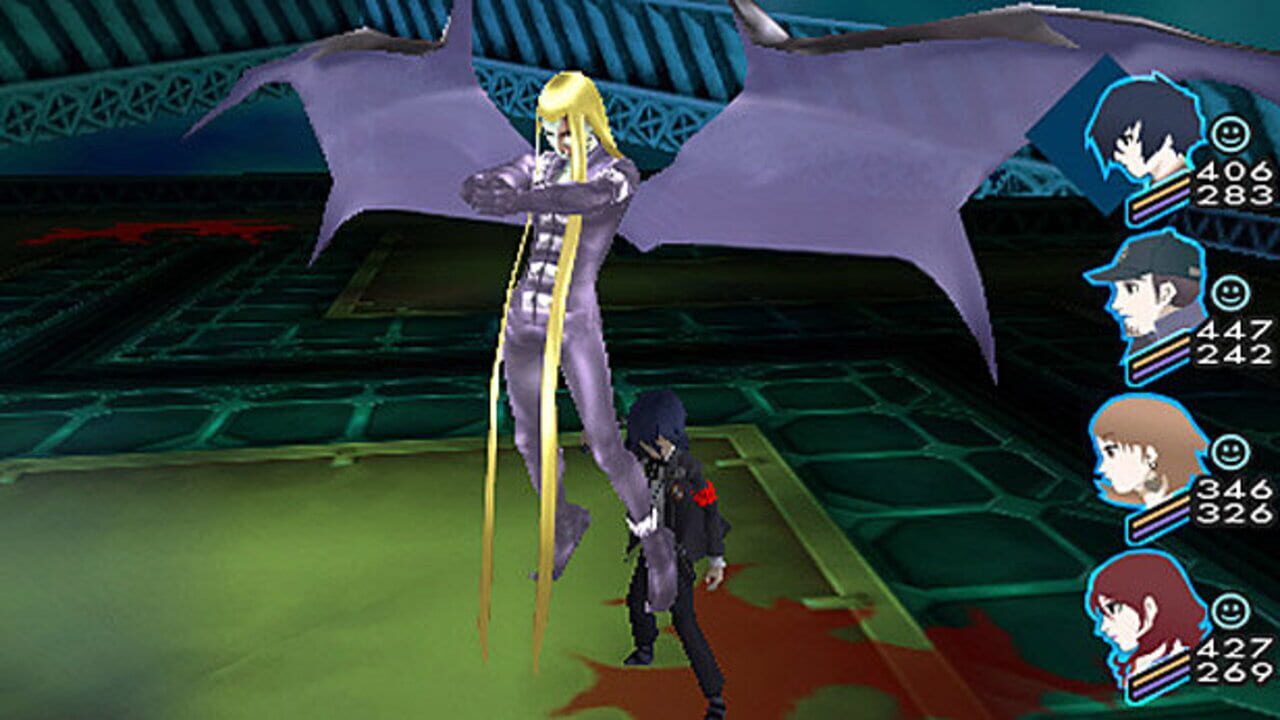
When big console RPGs got expensive to make, players saw the developers move to handhelds, and both of these did well out of it. The DS got Chrono Trigger and Dragon Quest IX, which sold over five million copies. The PSP got Persona 3 Portable, Final Fantasy Tactics: The War of the Lions and Crisis Core: Final Fantasy VII, which sold 2.1 million.
Fans of the genre treat the two as one long golden age, packed with original games and remakes of old favorites. If you only have room for one, Persona 3 Portable will eat as many hours as you give it. This round is a draw.
The PSP's nub was bad and one stick was never enough
Sony's first concept had no analog stick at all, and the little nub on the final PSP-1000 didn't please everyone. Players call it awful and weird, and many say the lack of a second stick hurt the PS1 and PS2 style games people wanted. God of War's control scheme had to be reconfigured for the smaller number of buttons.
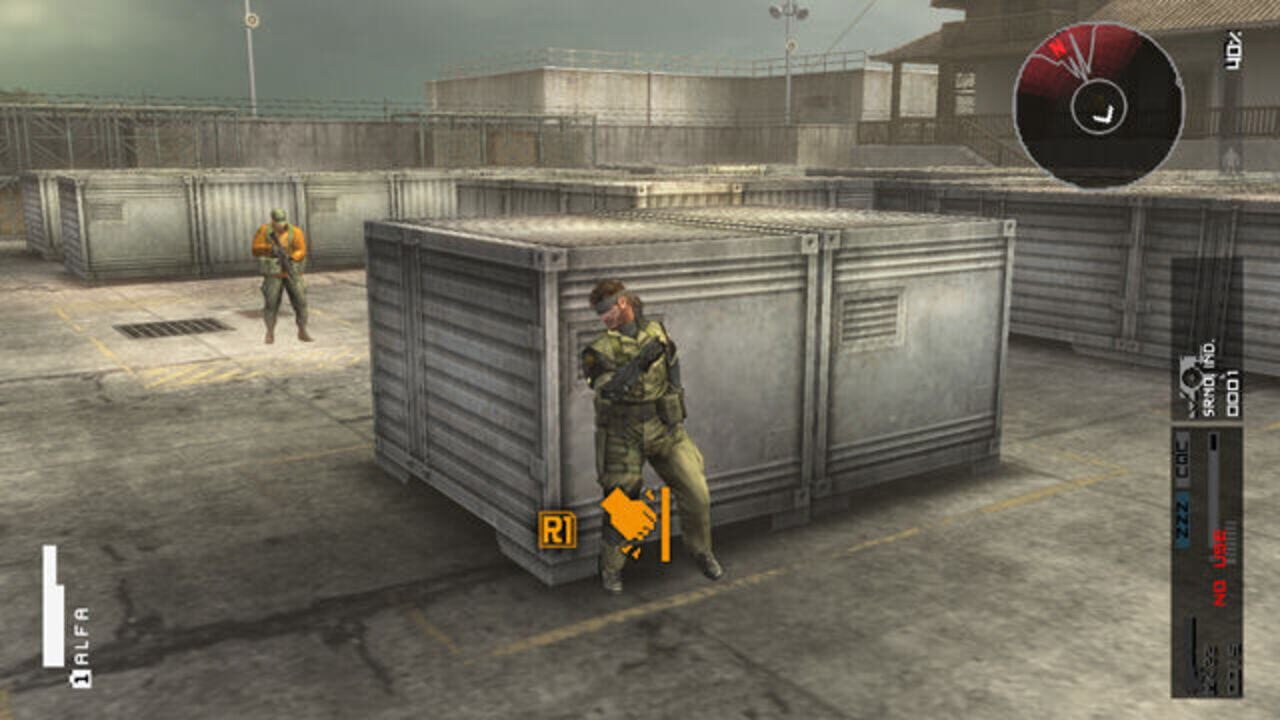
Hideo Kojima still made Peace Walker, the seventh mainline Metal Gear game, for the PSP, and players still put up with it. The DS had no stick at all, so it never tried those games. It's a low score for both, but a bad nub still beats no nub. The PSP edges it.
Download Play shared one game card with the whole room
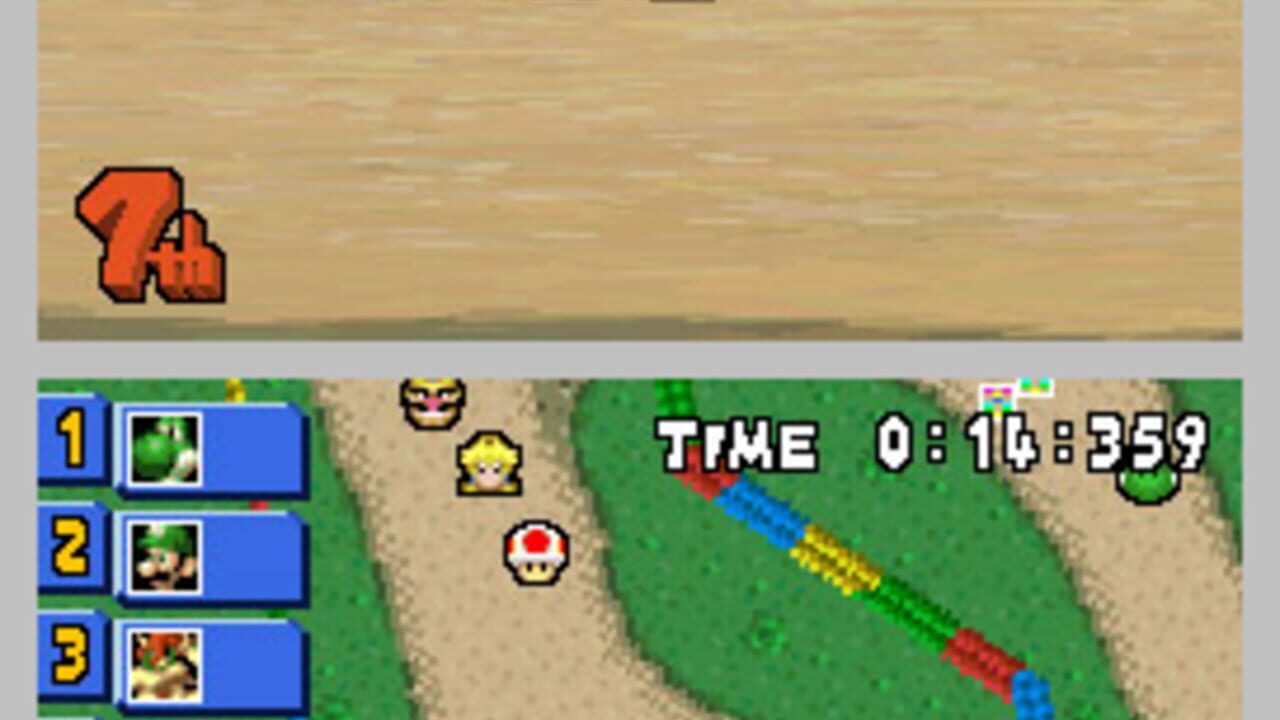
With Download Play, a group of DS owners could play a multiplayer game using only one game card. If your friend owned Mario Kart DS, you were in the race too, and your parents never had to know. PictoChat was built into the console, so a classroom full of DS owners could send each other drawings.
Nintendo Wi-Fi Connection was also free, and it launched in November 2005. PSP owners had good wireless games too, but most of them needed a copy each. For kids with no money, the DS wins this.
The PSP was the better console to hack
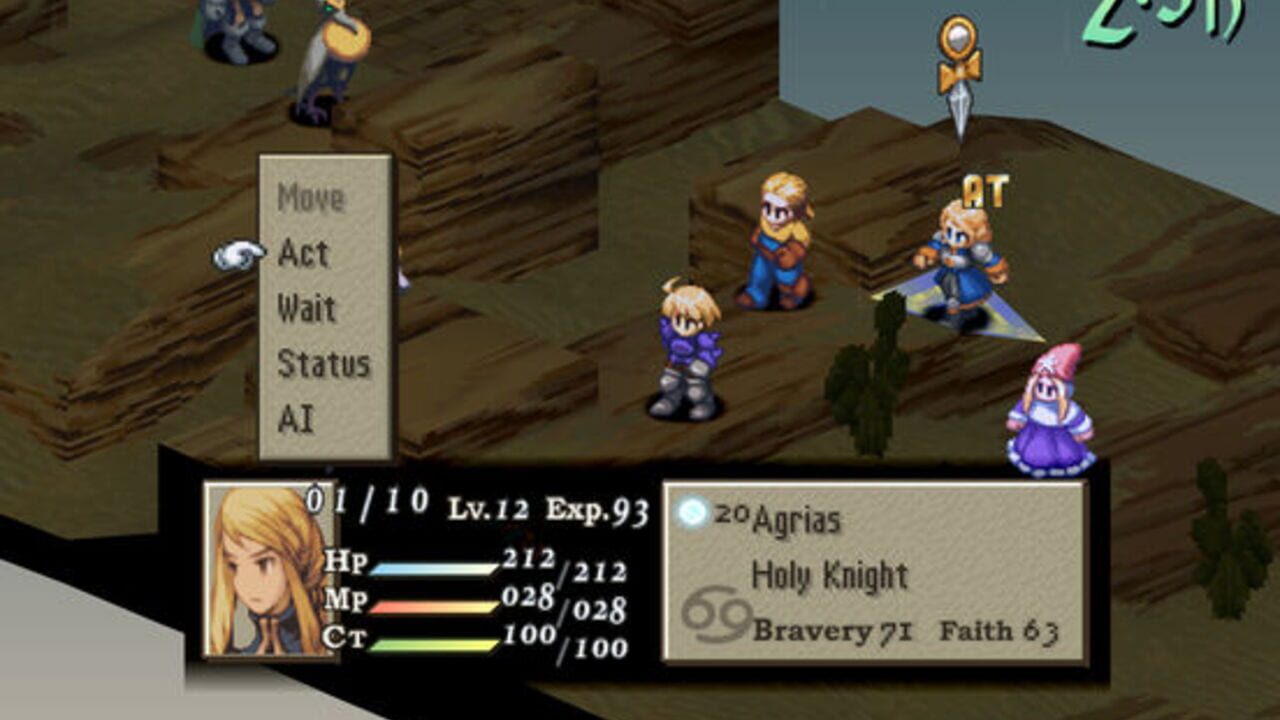
Hackers took the PSP apart early. On June 15, 2005 they put its code online, and Sony spent the year releasing firmware updates to shut them out. Custom firmware won in the end. Homebrew emulators appeared for the NES, SNES, Game Boy Advance and Sega Genesis, and a modded PSP could run PlayStation games from a disc image.
Players remember it as an amazing emulation machine, and some say that was the only reason to buy one. War of the Lions could share a Memory Stick with half of your childhood. The DS had the R4 cartridge, which Nintendo fought with raids from late 2007, and Japan outlawed sales of it in 2009. The R4 was great for DS games, but it could never match a PSP as a retro console. The PSP wins.
The DS folded shut and the PSP screen paid for it
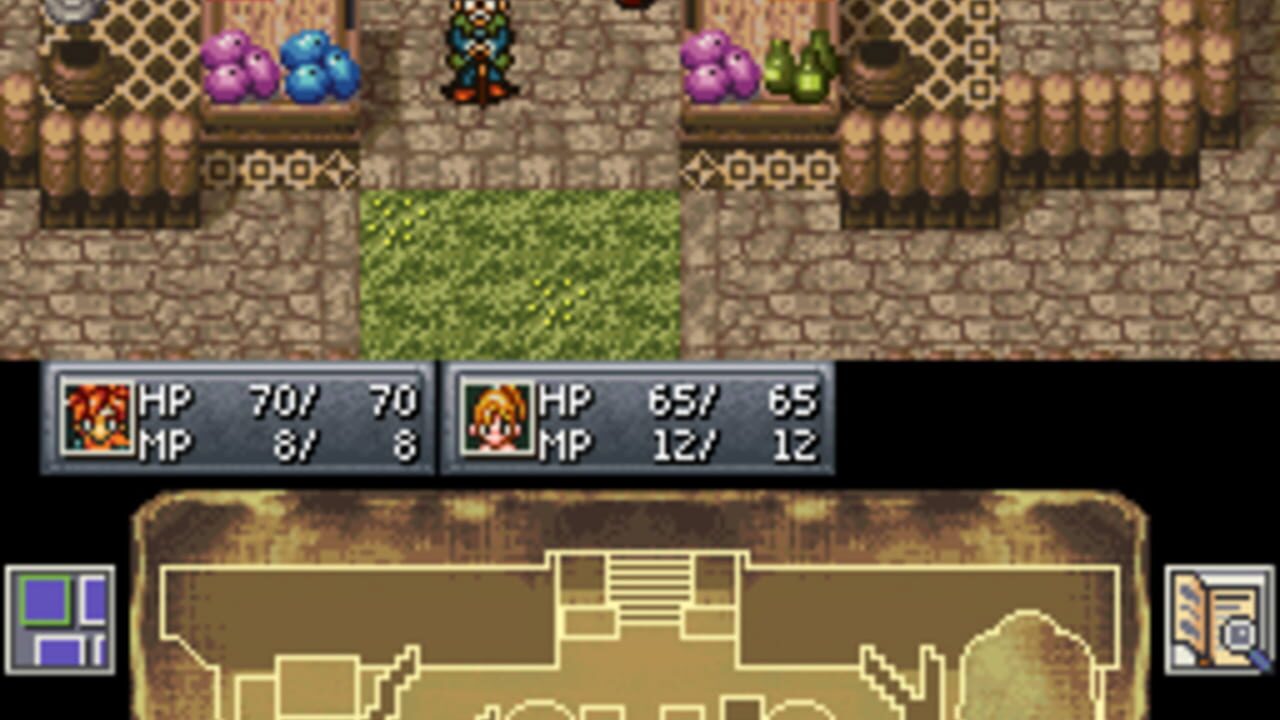
The PSP looked like the future, and its big bare screen went straight into your pocket with your keys. Owners accepted scratches as part of life. DS owners closed the lid and stopped thinking about it. That is a small win for the DS, and it kept Chrono Trigger looking clean for years.
The DS still needs real hardware

Twenty years on, this fight has flipped. Retro handheld owners say the DS is hard to play on a single screen and the PSP is easy on a good device. Plenty of them keep an old DS around for it. Objecting in Phoenix Wright with a real stylus still feels right.
That leaves the PSP as the easier console to enjoy today and the DS as the one you still want to own. Both have a good claim, so nobody takes this round.
The DS wins on resale
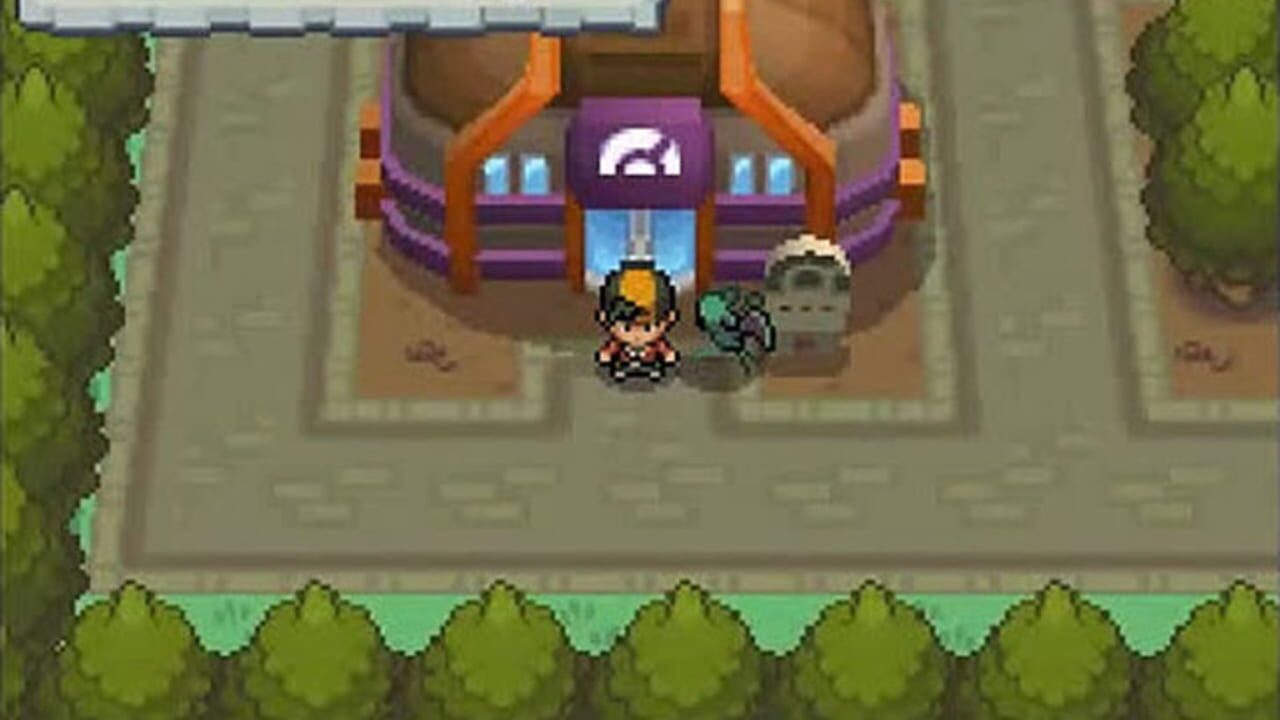
Nintendo's old games hold their value, and the DS is no exception. A loose copy of Pokémon HeartGold typically sells for $162, Pokémon Platinum for $130 and Chrono Trigger for $84. The most expensive DS game in our sold prices is Solatorobo: Red the Hunter at $200, while the PSP's top game is Persona 2: Innocent Sin at $125.
PSP prices are kinder. Persona 3 Portable goes for $69, Liberty City Stories for $14, Daxter for $11 and Lumines for $7. You can build a great PSP shelf for the price of one Pokémon cartridge.
Which one wins?
The DS wins on paper, and the gap is huge. The PSP is still the best-selling handheld ever not made by Nintendo, and it only looks like a loser standing next to one of the biggest consoles of all time. None of that should bother you. If a PSP or a DS lived in your school bag, it was yours, and no sales chart can reach that. What made it special was the long trips, the swapped games and the friends beside you, and those memories belong to you.