Sega helped design the PlayStation by accident. Sony's team could not decide whether their console should focus on 2D sprites or 3D polygons. Then they watched Sega's Virtua Fighter take off in Japanese arcades, and the direction became "instantly clear". Sony's president later said he was grateful, because Sega had proved 3D games could work "just at the right time".
The two consoles reached Japanese shops a week apart, and soon fans on both sides of the Pacific were split over PS1 vs Sega Saturn. You stayed loyal to the company that gave you Sonic, or you trusted the new console from the people who made your Walkman.
The PlayStation went on to outsell the Saturn eleven to one. Saturn owners will point at a shelf of Capcom fighters and shooters and tell you that number proves nothing. In this article we will find out who really won.
Sega's surprise launch handed the PlayStation America

Sega had told America the Saturn would arrive on September 2, 1995. Then, at the first E3 on May 11, Tom Kalinske announced a $399 price and said 30,000 consoles had already shipped to a few chains for immediate release. Best Buy and Walmart had not been told. KB Toys answered by refusing to carry the Saturn at all.
Sony named its own price at the same show: $299. The PlayStation arrived on September 9 and sold more in two days than the Saturn had in five months. Saturn owners got only two new games in all that time. Sega cut its price to $299 on October 2, but players still name the angry shops and the extra $100 as the moment Sega lost the West. Sony won this round before its console reached a single shelf.
The PlayStation was built for 3D and the Saturn had to fake it

Sony built its console entirely around 3D triangles. The Saturn drew quadrilaterals, and the big criticism at the time was that it used 2D sprites to simulate 3D space. Hideki Sato, who led its development, later regretted not using Sega's Model 1 arcade hardware as the base. He had been too worried about leaving behind developers who worked with sprites. The writer Steven L. Kent called it "a 2D console that did a good job with 3D objects".
You could see the difference in the racing games. Ridge Racer helped launch the PlayStation in America, and some critics put it ahead of the arcade Daytona USA. The Saturn's home version of Daytona was "reviled for its choppy frame rate and flickering polygons". Players still say the same game usually looks better on the PS1, and 3D was what everyone wanted to buy. Sony takes this one.
Two processors made the Saturn a nightmare to program

The Saturn's power came from two Hitachi SH2 processors running at 28 MHz. Getting both to work at full speed was the hard part. Yu Suzuki, the head of Sega AM2, said "only 1 in 100 programmers" were good enough to do it. Early on, outside developers had no useful tools and had to write in assembly language.
Sony had no experience making games, so it needed outside teams and made game production as streamlined as it could. Players still call the Saturn a pain to code for, and say the PS1 was far simpler. A console that only one programmer in a hundred can use is a hard sell to the other ninety-nine.
The Saturn is the 2D king

Then the Saturn gets its revenge. The PlayStation had no direct 2D support, and the Saturn came from a company that had spent years making sprites look good. Ken Humphries of Time Warner Interactive said the Saturn was worse at polygons and better at sprites. His company's Primal Rage had 64 colors for each dinosaur on Saturn and 16 on PlayStation.
Players who owned both call the Saturn a 2D powerhouse, and they agree sprite games look and play better on it. Guardian Heroes is the kind of game they mean. Once you put pixels on the screen, this round is over.
Capcom's fighters belonged on the Saturn

The Saturn had a cartridge slot for extra memory, and Capcom used it. X-Men vs. Street Fighter was the first game announced for the 4 MB RAM cartridge, and the Saturn port was praised for keeping the arcade experience. The PlayStation port removed the tag team battles, which is a bold thing to do to a tag team game. Players agree the Capcom fighters are closer to the arcade on Saturn. The catch is that this Saturn version never officially came out in North America.
Sega's own arcade games were strong too. Virtua Fighter 2 ran at 60 frames per second at a high resolution, and it was regarded as better than the competition on PlayStation. Sony's best answer was Tekken, which passed Virtua Fighter in popularity and became the first million-selling PlayStation game. Tekken fans can have that. For arcade ports, the Saturn wins.
Radiant Silvergun made the Saturn the shooter console

In 2015, Keith Stuart of The Guardian wrote that "the Saturn has perhaps the strongest line-up of 2D shooters and fighting games in console history". Players agree, and Radiant Silvergun is the game they name first. It stayed a Saturn game at home until it was ported to the Xbox 360 in 2011.
The PlayStation still has a good shelf of its own, with Einhänder and G-Darius near the top. Fans give it that respect, and then they hand the shooter crown to the Saturn anyway.
The Saturn had the better pad

Fighting game fans still want a Saturn pad. Players love the six buttons on top and the round d-pad, and many call that d-pad the best ever made. Nobody has ever said that about Sony's.
Sega had the next idea too. Sonic Team built the 3D Pad for Nights into Dreams because the standard pad could not handle flying, and it came with an analog stick and analog triggers. Justin Towell of GamesRadar wrote that it "set the template for every successful controller that followed". The Saturn takes the pad round.
In Japan the Saturn won the first battle

The West only saw a console in trouble. Japan saw a hit. Sega's first 200,000 Saturns sold out on the first day, and Virtua Fighter sold at nearly one copy per console. By the end of 1994 the Saturn had sold half a million against 300,000 for the PlayStation.
Virtua Fighter 2 went on to sell 1.7 million copies in Japan. Nearly two years in, Sony's president still called the race "very close". The Saturn finished with 5.75 million sold in Japan, more than the N64's 5.54 million, and it was Sega's best-selling home console there. Sega wins this round on home ground.
Final Fantasy VII beat Panzer Dragoon Saga

Sega knew where the war was going. It planned Panzer Dragoon Saga to compete with Final Fantasy VII, believing the best RPG would win, and it aimed to sell 1.5 million copies. Final Fantasy VII sold almost 10 million. Sega first made only 20,000 North American copies of Panzer Dragoon Saga, and around 1,000 for Europe.
It is the most acclaimed Saturn game, and many publications call it one of the greatest ever made. Hardly anyone got to play it. The other RPGs went the same way. Working Designs, which brought Japanese Saturn games to America, moved to the PlayStation after a public feud with Sega's Bernie Stolar. Grandia came out on the Saturn in Japan only, and an online petition with several hundred signatures never brought it west. Sony wins easily.
The Saturn never got its Sonic
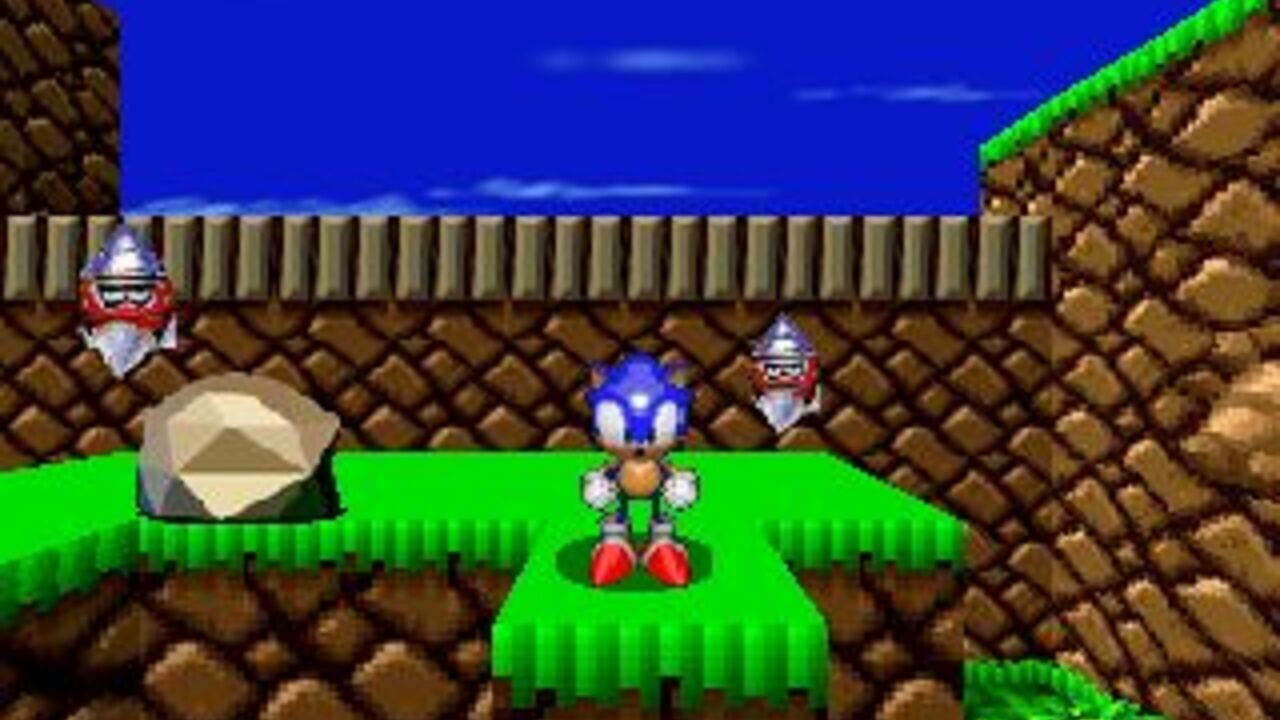
Sonic helped make the Genesis, and Sonic X-treme was meant to be his first 3D game. The team worked between 16 and 20 hours a day to reach a December 1996 deadline, two key people fell ill, and Sega canceled it in early 1997. The Saturn ended up with no original Sonic platformer. Owners got a port of Sonic 3D Blast, the Sonic Jam collection and a racing game, Sonic R.
Nights into Dreams is one of the most important Saturn games, but it was no Sonic. Sony had never made a console before, and by 1996 it had Crash Bandicoot. Sony takes this one too.
Tomb Raider started on the Saturn and got away

Sega struck a deal for a head start in Europe, and Tomb Raider came out there on the Saturn first, on 24 October 1996. It did Sega little good. Lara Croft became an early gaming icon, and the game helped the PlayStation far more. When bugs turned up in all versions, the team fixed them for the PlayStation and PC.
Resident Evil went the other way. It came to the Saturn in July 1997, well over a year after the PlayStation, because Capcom was hesitant about the hardware. The port is good and it added a battle mode and new enemies, but everyone had already moved on to talking about Resident Evil 2. Symphony of the Night and Wipeout 2097 also got Saturn ports, with mixed results. Sony wins the shared games.
The PlayStation had the library and the Saturn left its best in Japan
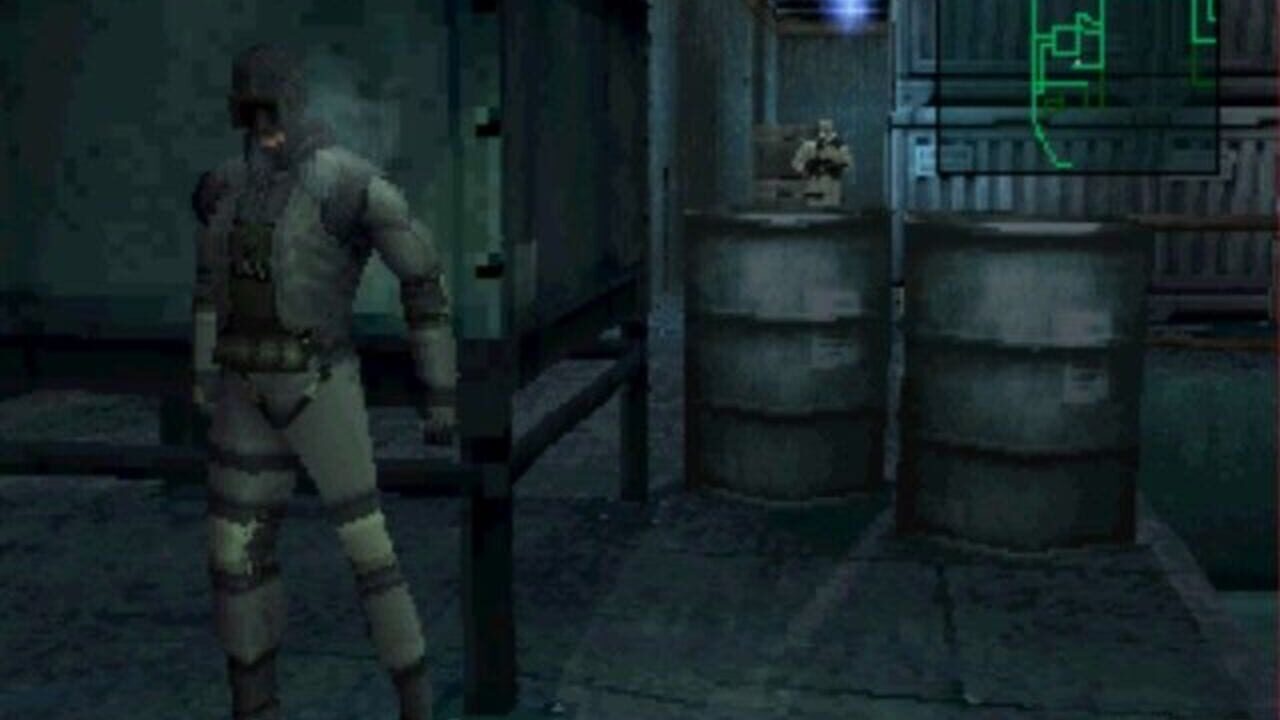
Around 7,900 games were published for the PlayStation. By late 1996 there were about 400 PlayStation games in development against around 200 for the Saturn. Players remember a bigger and stranger library, with something on the shelf for everyone.
The Saturn's real library was overseas. Players say the biggest games were only released in Japan, and Sakura Wars is the usual example. Stolar did not help, because he was against bringing over Japanese games he thought would not represent the console well. If you read Japanese and lived in Tokyo, you might call this round a draw. Everyone else gave it to Sony.
Sega walked away from the Saturn first
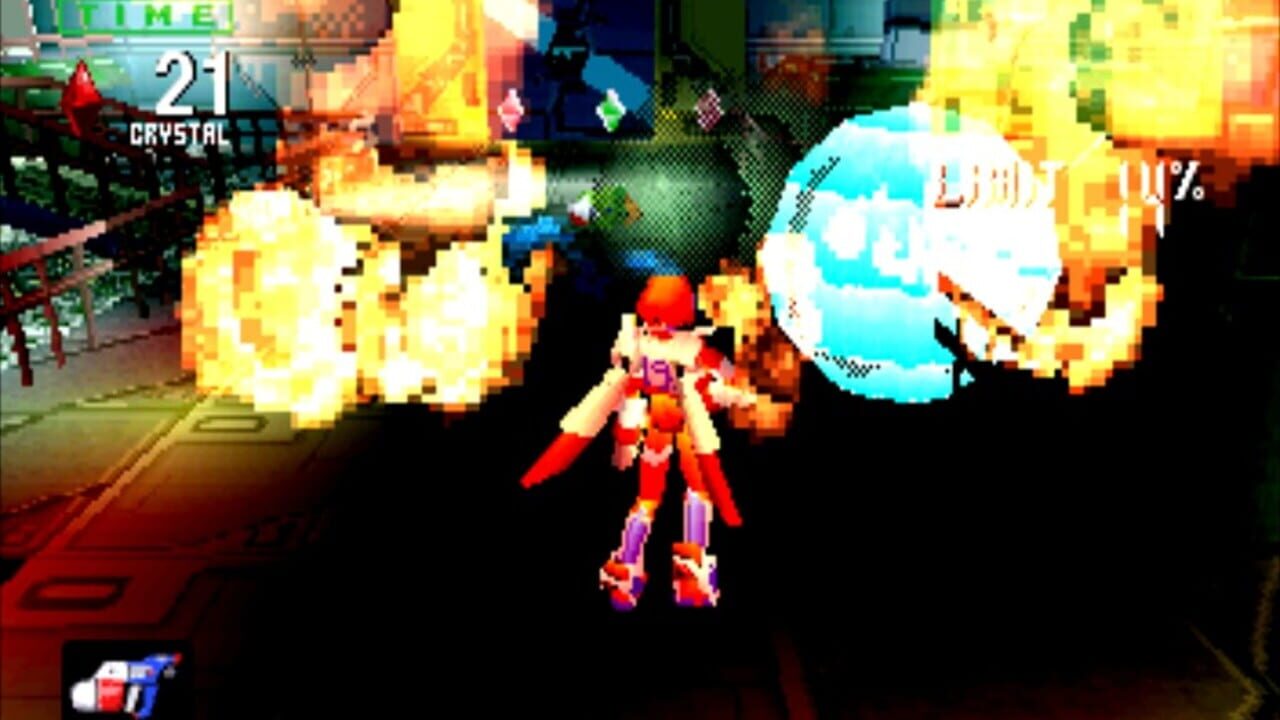
At E3 in 1997, Stolar said in public that "the Saturn is not our future". From March to September 1997, Saturn shipments in North America fell to 50,000, down from 800,000 in the same months a year earlier. Sega discontinued it in North America in 1998, and Burning Rangers came out late in limited numbers. Stolar later said "That was a battle that we weren't going to win."
Sony kept making the PlayStation until 23 March 2006. Sega had already left the console business by then.
The Saturn wins on resale

Sega's small print runs make Saturn owners look smart today. A loose copy of Panzer Dragoon Saga typically sells for $763. Magic Knight Rayearth goes for $480, Burning Rangers for $300 and Shining Force III for $166. Players say Saturn games cost so much because so few people bought them.
Sony sold too many games for that. The PlayStation's top game in our sold prices is The Misadventures of Tron Bonne at $235, and Final Fantasy VII and Metal Gear Solid each go for $25. Even the same game shows the gap. Resident Evil is $105 on Saturn and $40 on PlayStation.
Which one wins?
The PlayStation wins on paper, and it is not close. It sold eleven times as many consoles and had the games the world wanted. None of that matters if a Saturn sat under your TV. It was your console, and what you loved was never the sales chart. It was Virtua Fighter 2 with a friend on the second pad, and those memories were never up for a vote.