Some ideas turned up years before the rest of gaming knew what to do with them. You saw one once, at a friend's house or on a rented disc, and spent the next decade wondering why nothing else did it. These are the features players still bring up.
Chrono Trigger (1995)

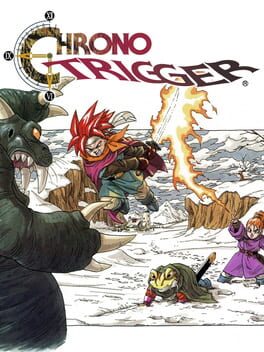
Chrono Trigger gave us New Game Plus. You finished the game and started again with everything you had earned, then flattened the early monsters like a grown-up at a kids' karate class. Before this, the end of an RPG meant the end of your party.
It also has multiple endings, and that mattered on a cartridge in 1995. You could keep going back to see what else the story had in it. Time travel is a good excuse for playing the same game five times.


Prince of Persia: The Sands of Time (2003)

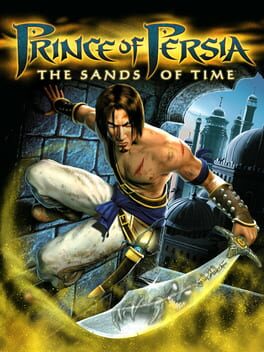
Fall into a pit here and you press a button to rewind time. Players coming from platformers, where a death sent you back to a checkpoint, could not believe it. Your worst jump of the night was now a thing that never happened.
Other games went back to telling you to get better, and we all still reach for that rewind button after a bad day at work.


Grand Theft Auto: San Andreas (2004)

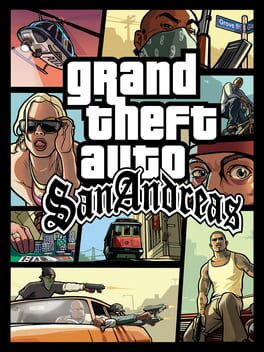
CJ got fat or skinny depending on how much you ate and worked out. You could turn him into a gym monster or feed him until the walk to the car counted as cardio. Players were amazed that a crime game had become a fitness tracker.
The people around the city noticed too, and they reacted to the shape you had put him in. Plenty of players hit the gym before they started the next mission, and for some of us that is the most exercise anyone in the house did that year.


Perfect Dark (2000)

Perfect Dark filled its multiplayer with bots that had different personalities, and you could pick how they looked too. Having no friends over stopped being a problem. You could now lose to a computer dressed however you liked.
The options went far past that. Maps and rules could all be changed, the sort of thing players expected from a PC server, sitting on an N64 cartridge. Plenty of modern shooters still give you a single slider for bot difficulty, so an N64 game is still ahead of them.


Metroid Prime (2002)

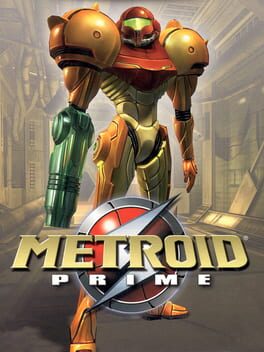
Metroid Prime puts you inside Samus's helmet and means it. Rain and steam landed on the visor as you walked through them. Fog up a piece of glass in a game today and nobody says a word, but in 2002 people put down the controller and stared.
When a bright flash went off close to you, her face showed in the visor for a moment. It only lasts a second and you can play for hours without seeing it. Players who did see it never forgot it, and some of them walked back into the steam on purpose.


Metal Gear Solid 3: Snake Eater (2004)

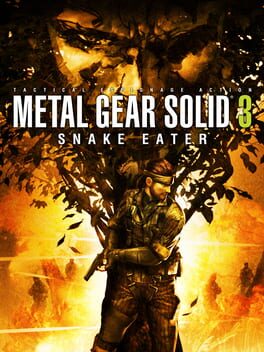
The End is an ancient sniper and one of the hardest bosses in the game. You could fight him, or you could save, wait a real week and come back to find he had died of old age. Setting the console clock ahead worked too.
So the best stealth strategy in the history of the series was going outside for seven days. Your enemy trained for decades to end up beaten by your calendar. Few bosses have ever lost a fight to you being busy with other things.


The Legend of Zelda: Majora's Mask (2000)

Majora's Mask gives you three days before the moon lands, then lets you rewind and do it all again. Time loop games are everywhere today, and this one was doing it on the N64. It turned a Zelda game into a to-do list with a very firm deadline.
The clever part is what the townspeople do during those days. They all keep their own schedules, so you could follow someone around and learn their problems. Players called it one of the first towns that felt alive, and you are the only person in it who knows the sky is falling. Nobody listens, because nobody ever listens to a kid in a mask.


Pokémon Gold and Silver (1999)


Gold and Silver put real time on a Game Boy. The game had a day and night cycle tied to a clock, and a lot of players still remember the first time their screen turned to night. On a handheld, in the 90s, that felt like a magic trick.
The time of day changed which Pokémon you could find, so catching some of them meant being awake when they were. Nobody had cleared this with parents.


Deus Ex (2000)

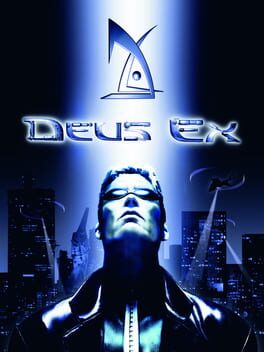
Most shooters of the time gave you one hallway. Deus Ex gave you a problem and let you sneak past it or shoot through it. Two friends could play the same mission and tell completely different stories about it at school the next day, one of them proud and the other one wanted by the police.
The choices you made in conversations and missions could change the game around you. That freedom was the part players had never seen before, and it still feels generous today. You also spent a lot of time in air vents, a tradition the whole genre has kept.


Super Mario 64 (1996)

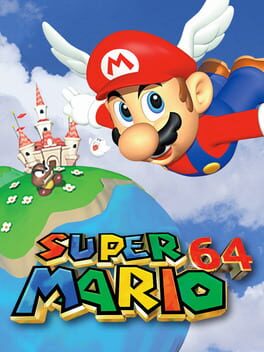
The feature here is the one we all stopped noticing. You pushed a stick and Mario could go anywhere. That sounds like nothing now, but for players raised on side-scrollers it was the moment games changed, and some kids spent their first hours running around the castle grounds with no interest in any star.
The levels and Mario's moves were built around that analog stick, and players say it still feels best on the N64 pad. So much of what the game worked out became standard in 3D games. The camera took a little longer to get there, but Lakitu was doing his best.


Eternal Darkness (2002)


Eternal Darkness has a sanity meter, and when yours ran low the game started messing with you instead of your character. A controller error popped up while monsters attacked you. You checked the cable anyway, and the game had won.
The worst one was a screen that said it was deleting your saves. Your character woke up a moment later and your heart took a little longer. Sometimes your head just fell off in the middle of a fight, which is a rude way to end a Tuesday.


Max Payne (2001)

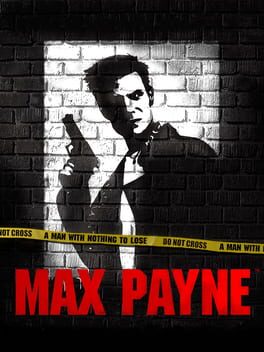
Max Payne gave you bullet time, a button that slowed the whole gunfight down. You dived sideways through a doorway with both guns going while the bullets crawled past you. Players remember the first time they pressed it the way other people remember their first car.
Bullet time also made you look terrible with total clarity. You could misjudge a dive, hit a wall face first and watch the whole thing happen in slow motion. Before long, half the action games around had a slow motion button of their own.


Red Faction (2001)


Red Faction let you blow a hole in a wall or a floor, then keep firing until you had dug your own tunnel. Doors became a suggestion. Plenty of players forgot about the mission and just tested what would break.
In multiplayer you could dig tunnels and build sniper nests in spots the map makers never planned. Your friend's perfect hiding place was one rocket away from being a much bigger hiding place. Players are still waiting for shooters to pick the idea back up.


Metal Gear Solid (1998)
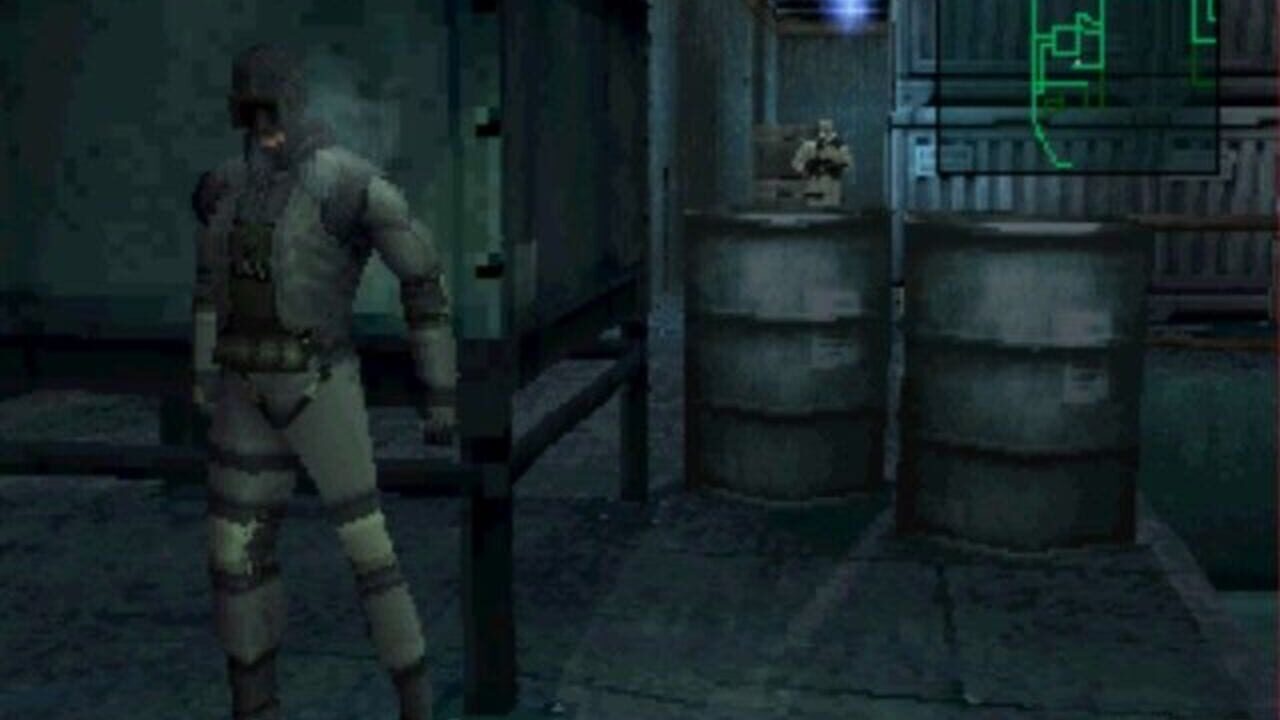

Psycho Mantis looked through your memory card and commented on the other games you had saved. He then dodged your attacks as if he could read your mind, and the way to beat him was to plug your controller into the second port. The fix was on your side of the TV, so you had to get off the couch to win a boss fight.
The same game asked you for a codec frequency, and that number was printed on the back of the CD case. You could search the whole game for it while the answer sat next to you on the carpet. Players still talk about how the game reached past the TV screen and into the room.