Old games did things to us that no studio would try today. We lost hours to them, we complained, and we came back the next night. These are the mechanics players still bring up, with love or with a long sigh.
The Turbo Tunnel: Battletoads (1991)

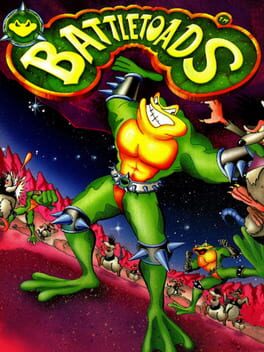
Battletoads is all good fun until the Turbo Tunnel. Players tried it again and again, and plenty of them gave up right there.
You learn the walls by heart or you hit them, and the game has no interest in your feelings and very few continues. Bring a second player and you have twice the crashes. Modern games would add a skip button and a kind message.


The Cat Hair Moustache: Gabriel Knight 3 (1999)

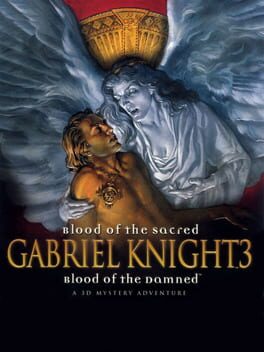
In Gabriel Knight 3 you have to make a fake moustache out of cat hair, so you can pass as a man who does not have a moustache. Players bring this one up first when they talk about adventure game logic, and they still sound hurt.
Chasing a cat through a hole is only one early step, which tells you how the rest goes. No modern player would make it to step two without opening a walkthrough.


Burn Every Bush: The Legend of Zelda (1987)

Progress in the first Zelda can hide behind a random bush or a plain bit of wall, and the game barely hints at which one. Players who go back say it is hard to finish without a guide.
Kids back then had time to try everything, so they burned the whole map and bombed the rest. The real final boss was your parents' phone bill.


Beat It Twice: Ghosts 'n Goblins (1986)

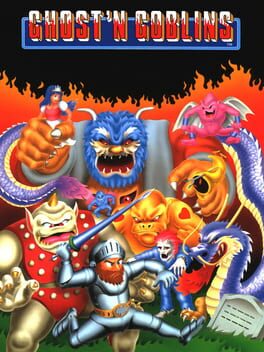
You fight through all of Ghosts 'n Goblins, reach the end, and find out you have to go through the game twice to get the real ending. The first ending is a trick, and the game is proud of it.
You earned that trip through the graveyard with your armor falling off at the first touch. Try this in a new release and the review score would be gone by lunch.


Locked Jumps and Knockback: Castlevania (1987)

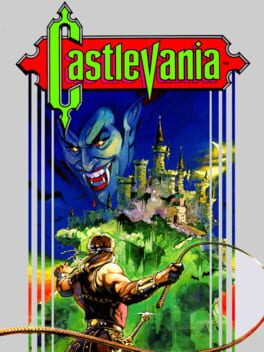
Once you jumped in Castlevania, the jump was final. You could not change direction in the air, so you had to commit before you left the ground.
Get hit and the knockback threw you backward, and old stages put a pit right behind you. The Medusa heads knew where all the pits were. You could do everything right and still watch Simon sail off a ledge with the calm of a man who has given up.


Corpse Runs: EverQuest (1999)

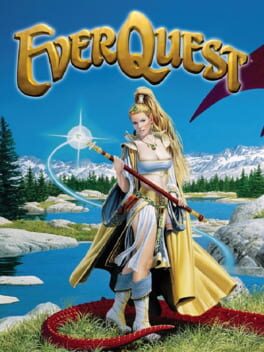
Die in EverQuest and you lost experience, sometimes enough to lose a level. Your body stayed where it fell, with your gear still on it, and you had to go back for it.
That trip was the corpse run. You crept in with nothing, past the thing that had just killed you, hoping it was looking the other way. Modern online games drop you at a graveyard with what feels like an apology.


Passwords: Mega Man 2 (1989)

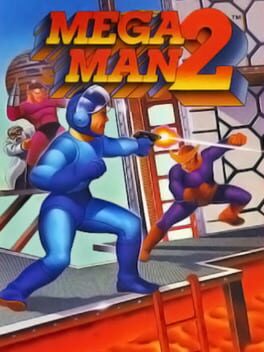
Mega Man 2 has no save file. Old games like it gave you a password to write down, and players remember whole notebooks of them. Your progress lived on whatever scrap of paper was close to the TV.
Lose the paper and your save was gone, along with your trust in your little brother. A smudge could cost you just as much, because a dot and a coffee stain look alike at bedtime.


Dead Ends: King's Quest V (1990)

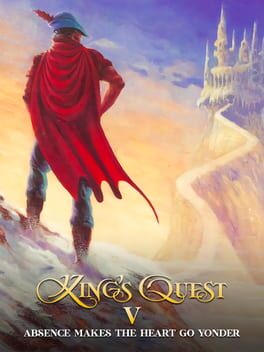
Sierra adventures were known for dead ends. A game could become unwinnable with no warning, and you might not find out until hours later. King's Quest could leave you stuck with a puzzle you could no longer solve.
So you wandered the kingdom, trying everything on everything, looking for an answer that stopped existing on Tuesday. Keep old saves was the only walkthrough that ever helped.


The Cutscene Before the Boss: Final Fantasy X (2001)

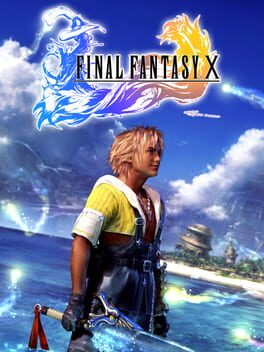
Some bosses in Final Fantasy X have long unskippable cutscenes before them. Lose the fight and you sit through it all again. Yunalesca is the one players still groan about. You learned that scene by heart, and you never once wanted to.
Old Final Fantasy games could leave hours between save points, so one bad fight took your evening with it. A new game asks if you want to skip the scene. An old one asked if you had cleared your schedule.


Summons You Sit Through: Final Fantasy VII (1997)

Knights of the Round takes minutes to play out, and you have to watch the whole thing. It was thrilling the first time. Thirteen knights, one enemy, and a very long wait.
Players remember leaving the room mid attack and coming back to find it still going. By the tenth use you had read the whole manual, and the boss had aged more than you had.


HM Moves: Pokémon Red and Blue (1998)

To get past one small tree, a Pokémon on your team had to know Cut. To cross water, one had to know Surf. Those HM moves took up move slots you wanted for fighting, so players caught some poor creature just to carry them.
You did not love it, and it still carried you across the ocean. Later Pokémon games got rid of the problem, and that creature retired with no thanks from anyone.


Pausing for Boots: The Legend of Zelda: Ocarina of Time (1998)

The Water Temple has a bad name, and the layout is only part of it. In the Nintendo 64 version you pause to put on and take off the Iron Boots, and this dungeon wants them on and off all the time. Menu, boots on, sink. Menu, boots off, float.
The 3DS remake made the boots a button item. A single menu change did what years of therapy could not.


The Three Day Clock: The Legend of Zelda: Majora's Mask (2000)

Majora's Mask runs on a loop of three days, and the clock keeps going while you explore, talk and get lost. When time runs out, you rewind and do it again. Some players love this game's world and still could not play it with the clock ticking.
Being rushed by a deadline is one thing. Being rushed by the moon feels personal. Modern open worlds let the end of the world wait for weeks while you pick flowers.


Tank Controls and Ink Ribbons: Resident Evil (1996)

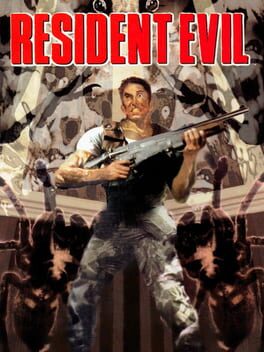
Resident Evil punished you twice. Pressing up walked your character the way they were facing, so a narrow corridor felt like parking a small car. Tank controls stopped plenty of players cold, and some still can't get their heads around them.
Then came saving. You had to save at a typewriter, and each save used up an ink ribbon. Some players still hate the limit, while others say the game is better for it. Nobody else in gaming has ever stared that hard at a typewriter.


Random Fights: Final Fantasy (1990)

You took a few steps in Final Fantasy, the screen flashed, and you were in a fight. You won, took a few more steps, and the screen flashed again. Players who go back to the old RPGs call these random fights tiresome, and they are not shy about it.
A modern game would show you the monster on the map first so you could walk around it. Here the map said the next town was just over the hill, and your party got there an hour later with a new level and a bad attitude.