The Wii U was a commercial failure. With 13.56 million units sold, it is Nintendo's lowest-selling home console, and Nintendo discontinued it on January 31, 2017, about a month before the Switch arrived.
That failure makes it one of the friendliest consoles to collect. The library is small, the best games are cheap, and the only real dangers are a controller with a short battery and a console that may have quietly rotted in a drawer.
The physical library is small enough to finish
The Wii U had around 800 games at a generous estimate, and only around 200 of them had a physical release. The rest were download-only, about 75% of the whole library.
That makes a complete set of discs a realistic goal. One collector who finished the full European set in 2020 said it wasn't all that expensive and 90% of the games were easy to find.
Power it on before you buy it

Wii U consoles left unused for years can fail with error code 160-0103, a problem with the system memory. The culprit appears to be the console's eMMC memory chips, which can corrupt if they aren't powered up regularly, and consoles with Hynix chips seem more prone to it. Owners have reported it after keeping a Wii U in a drawer for five years or more.
So never buy an untested Wii U from a seller who can't switch it on. A console that boots to the menu today is a much safer buy, and once it is yours, turn it on every so often.
The GamePad is half the console
The GamePad is the Wii U's main controller, with its own touchscreen, and its short battery life was one of the console's most criticised features. The standard battery is 1500mAh, and Nintendo later sold a 2550mAh pack that stretches play to between five and eight hours.
A loose black GamePad on its own sold for a typical $74 in spring 2026. So if a cheap console comes without one, the GamePad will cost you most of what you saved. Check that it charges and pairs before you pay.
Buy the 32 GB model if you can
The Wii U came in two sets. The Basic set has a white console with 8 GB of storage, and the Deluxe set has a black console with 32 GB. With the shop closed, the extra space matters less for downloads, but updates and saves still need room.
Both models take SD cards of up to 32 GB and USB hard drives of up to 2 TB, so the Basic isn't a dead end. It is simply the one that needs an extra drive sooner.
It is a Wii as well
The Wii U is backward compatible with Wii software and accessories, so the Wii discs on your shelf work on it too. For a collector of both, one console covers two libraries.
What it doesn't do is play GameCube games, which only the earliest Wii models handled. If GameCube discs are part of your plan, keep an original Wii for them.
The Wii U is region-locked
Like the 3DS before it, the Wii U is region-locked, so it only plays games from the region where it was bought. A Wii U bought in the US won't play a Japanese or European disc.
That makes imports a separate shelf for a separate console. It was also the last Nintendo home console to work this way, since the Switch dropped region locking.
The shop and the servers are gone
The Wii U eShop closed on March 27, 2023, and the download-only games, about three quarters of the library, went with it. Nintendo then shut down its free online network on April 9, 2024, disconnecting Wii U and 3DS consoles from online services.
Fans have kept some of it alive. Pretendo Network is a free, open-source replacement for the servers, but connecting to it typically involves installing homebrew firmware. For a disc collector, the lesson is simpler: the discs are the part of the Wii U that still works the way it did.
Switch ports made the big games almost free
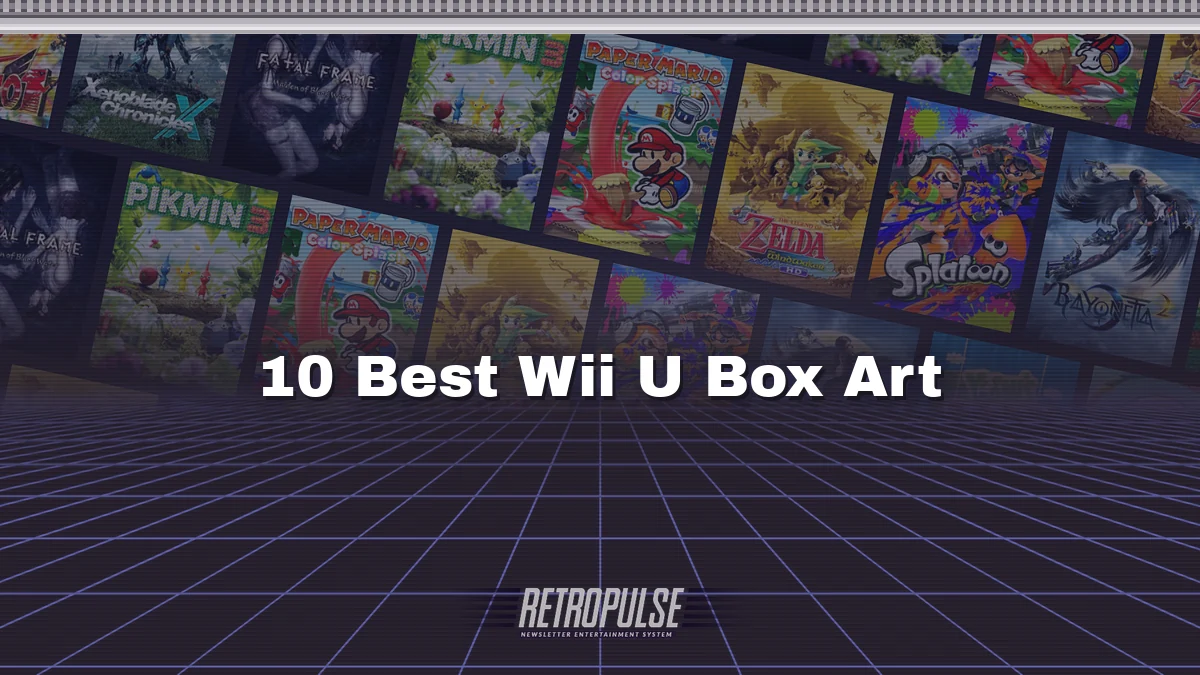
Most of the Wii U's exclusive games were ported to the Switch, and the Wii U discs of those games now cost next to nothing. Loose Super Mario 3D World sold for a typical $8 in early 2026, Mario Kart 8 for a typical $10 in summer 2026, and Splatoon for a typical $10 at the same time.

The pattern runs right through the library. Donkey Kong Country: Tropical Freeze went for a typical $11 loose, Pokkén Tournament for a typical $9 and Xenoblade Chronicles X for a typical $13 in 2025 and 2026. The Wonderful 101 sold for a typical $11 loose in 2025. That is a shelf of excellent games for the price of one new one.
A few games still hold their value
Not everything collapsed. The Legend of Zelda: The Wind Waker HD sold for a typical $45 loose in late summer 2026, and Game & Wario, built entirely around the GamePad, went for a typical $60 loose from late 2025 into 2026.
So check before you assume a Wii U game is cheap. The ones built around the GamePad, or the ones collectors still want on disc, kept a price the ported hits lost.
The expensive shelf is mostly games nobody bought
The costliest Wii U games are rarely the good ones. The collector who finished the European set said almost all expensive Wii U games are poor shovelware you can skip unless you want a full set, while most of the good titles are still cheap and easy to find.
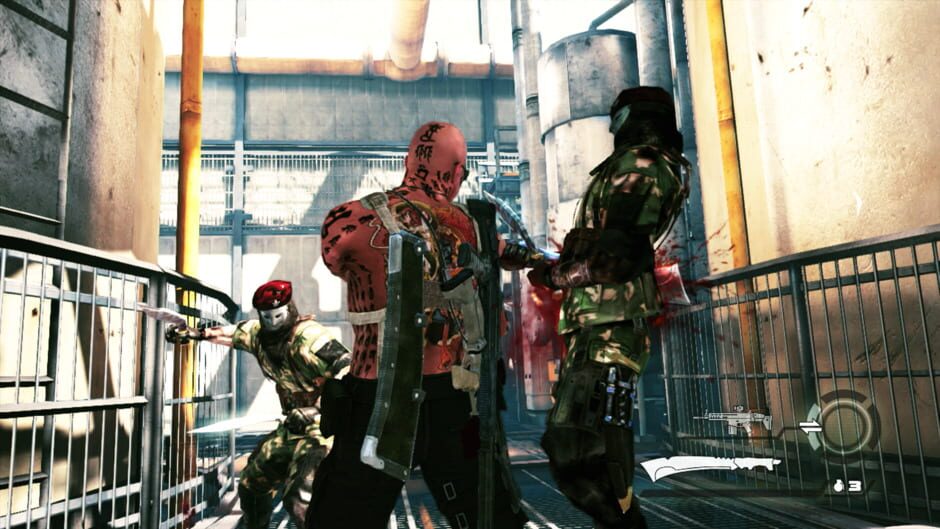
Devil's Third is the exception that proves it. GameStop only reserved four hundred and twenty copies to sell online, and copies in shops were extremely hard to find. Boxed copies sold for a typical $230 from April to September 2026, which makes it a Wii U game whose price comes from scarcity rather than anything about the game (a sentence its fans will forgive, eventually).