Some links on this page are affiliate links.
The AYANEO Pocket Micro is a 3.5 inch 3:2 Android handheld that plays everything up to Wii well. It came out in September 2024 at $190. Inside is the MediaTek Helio G99 with 6 GB of RAM.
Who it's for
Buy it if
- You want to play everything up to Wii, plus some PS2.
- You want it in a jeans pocket: the front is 156 x 63 mm.
Skip it if
- You want PS2 games: it scores 50 out of 100, so many games struggle.
- You only play up to PS1: handhelds under $60 do that.
AYANEO Pocket Micro videos
What it plays
Plays up to: Wii. Chip: MediaTek Helio G99.
Scores out of 100. 100 means the system runs at full speed with no known issues on this device. 80 or more plays well (green), 50 to 79 plays partly (yellow).
What owners say
- People point to it as a premium GBA handheld: the 3:2 screen shows GBA games at exactly 4x, with no black bars.
- The d-pad and face buttons get the warmest words: soft, quiet and precise for 2D games. A few owners found the d-pad mushy.
- The metal body feels premium, and even people who sold it praise the build.
- Comfort splits people. Several find the square corners and flat edges tiring, while others, often with smaller hands, play for hours without trouble.
- It runs lighter PS2 and GameCube games, but people call both systems hit or miss on this chip.
- The size splits opinion. Some say it is far bigger than the name suggests, others carry it in a pocket every day.
- Full price feels high to many for what it plays. The Antec Core Micro is the same handheld under another brand and often sold for much less in Europe.
- No headphone jack is the most repeated complaint. A USB-C audio adapter does not fix it: owners say the controls stop working while one is plugged in.
- The analog sticks stand out from the body. Owners say they get bumped by accident and the caps come loose, so some fit aftermarket caps.
- The battery is small for the chip, and sessions with demanding systems end early.
- The bottom speakers sound thin.
“Personally, I have a Pocket Micro for GBA. Not large or anything but has a great 3:2 screen.”
“The only Ayaneo I have is the Pocket Micro, which is in many ways impressive, but it has issues that I don't think should exist in a premium product.”
“I have AYANEO Pocket Micro that is usable mainly for basic systems like GBA, and I would love to have something super simple like MinUI on android.”
What the MediaTek Helio G99 runs
- PS2 and GameCube: Game by game. Owners report most lighter games running at the original resolution, while heavy action and racing games stutter.
- Wii: A good share of Wii games run once the emulator settings are tuned.
- 3DS: Lighter games such as RPGs run well. Demanding 3D games are hard work for it.
- Vita: A fair number of Vita games run. Some 3D games show broken textures, and the usual fix, a custom graphics driver, only exists for Qualcomm chips.
- Switch: Light Switch games and indies at best, and some owners say not even that. Big 3D games are out of reach.
What the specs mean
3:2 screen
GBA games fill it edge to edge. Home consoles from NES to PS2 were 4:3, so they show bars at the sides.
Based on: Display math: native screen shapes of each system
GBA at exactly 4x
240 x 160 times 4 is the screen's own 960 x 640, so GBA pixels stay perfectly even with no filter and no bars.
Based on: Display math: native resolution x whole-number scale = screen resolution
Same chip as 5 other handhelds
The MediaTek Helio G99 also powers the AYANEO Pocket Micro Classic, GAMEMT EX8, KinHank K59, KT-R1 and more. The same chip means similar speed, though memory and cooling can differ.
Based on: Our handheld database (chip field)
Small battery for its class
Only 3 of 103 Android handhelds in our database have a smaller battery than this 2,600 mAh (the middle one has 5,000 mAh). The heavier the system you run, the sooner it runs out.
Based on: Our handheld database: battery of 103 Android handhelds
6 GB of memory is tight for Switch
The Switch has 4 GB of memory of its own. An emulator has to hold all of it and Android on top, so with this much, larger Switch games are the first to fail.
Based on: Hardware fact: the Switch has 4 GB of RAM (inference from it)
Digital triggers
The GameCube's triggers were pressure sensitive, and a few games use a light press, such as spraying while you walk in Super Mario Sunshine. Here the triggers are on or off.
Based on: Hardware fact: GameCube controller triggers are analog; this device is not listed with analog triggers
Shoulder buttons in a row
L1 and L2 sit side by side along the top edge instead of stacked. PS2 games that need L1 and L2 together mean sliding one finger between them.
Based on: Layout data (shoulder button layout)
D-pad on top, sticks below
The d-pad has the natural thumb spot, which suits 2D games. In 3D games your thumb lives on the lower stick.
Based on: Layout data (d-pad placement)
DS on one screen
DS games show both screens shrunk side by side, or one big screen you swap. The touch screen stands in for the stylus.
Based on: Layout data: single screen with touch
No headphone jack
Audio goes over Bluetooth or the speakers. Bluetooth adds a delay you can notice in rhythm games.
Based on: Layout data; Bluetooth audio latency is a known limit of the standard
Android 13
Besides emulators it runs Android games and game streaming apps, from your PC or the cloud.
Based on: Operating system data
Rating
How we score: what it plays 30%, how many players own and recommend it 20%, screen 15%, price compared with handhelds that play as much 10%, controls 10%, size and weight 10%, battery size for its chip 5%. What owners say moved it up 0.05.
Good
- Plays everything up to Wii well
- Hall effect sticks, so no stick drift
- Metal shell
Not so good
- No video out
- Small 2,600 mAh battery
Screen fit
Screen: 3.5 inch, IPS, 3:2, 960 x 640.
| System | Original | Sharpest scale | Screen filled |
|---|---|---|---|
| Game Boy | 160 x 144 | 4x (640 x 576) | 60% |
| GBA | 240 x 160 | 4x (960 x 640) | 100% |
| NES and SNES | 256 x 224 | 2x (512 x 448) | 37% |
| Genesis | 320 x 224 | 2x (640 x 448) | 47% |
| PS1 and N64 | 320 x 240 | 2x (640 x 480) | 50% |
| DS, one screen | 256 x 192 | 3x (768 x 576) | 72% |
| PSP | 480 x 272 | 2x (960 x 544) | 85% |
Whole-number scales keep every pixel the same size. Bold rows fill the screen with a perfect fit. Screen 960 x 640.
Size
156 x 63 x 18 mm, 233 g. Fits a jeans pocket
- AYANEO Pocket Micro (156 x 63 mm)
- iPhone 15 (71.6 x 147.6 mm)
True scale, front view. Jeans pocket = front no bigger than an iPhone 15 Pro Max in a case (160 x 82 mm).
Specs
| Performance | |
|---|---|
| Chip | MediaTek Helio G99 |
| CPU | Cortex-A76 |
| Cores | 8 |
| Clock speed | 2.0 GHz - 2.2 GHz |
| GPU | Mali-G57 MC2 |
| RAM | 6 GB LPDDR4X |
| Cooling | Yes |
| Screen | |
| Size | 3.5" |
| Type | IPS |
| Resolution | 960 x 640 |
| Refresh rate | 60 Hz |
| Pixel density | 329 ppi |
| Aspect ratio | 3:2 |
| Touch screen | Yes |
| Dual screen | No |
| Controls | |
| D-pad | Cross, Upper placement |
| Analog sticks | Yes |
| Stick layout | Double, symetrical |
| Hall effect sticks | Yes |
| L3 / R3 | Yes |
| Shoulder buttons | Side By Side |
| Rumble | Yes |
| Gyroscope | Yes |
| Connectivity | |
| Storage | 128 GB |
| SD card | Yes |
| Wi-Fi | Yes (5) |
| Bluetooth | Yes (5.2) |
| USB-C | Yes |
| Video out | No |
| Headphone jack | No |
| Build | |
| Form factor | Horizontal |
| Dimensions | 156 x 63 x 18 mm |
| Weight | 233 g |
| Battery | 2600 mAh |
| Shell | Metal (Aluminum) |
| Speakers | Bottom |
| Software | |
| Operating system | Android |
| Android version | 13 |
| Custom firmware | GammaOSNext |
Questions
Can the AYANEO Pocket Micro play PS2 games?
Some. PS2 scores 50 out of 100, so it depends on the game. Game by game. Owners report most lighter games running at the original resolution, while heavy action and racing games stutter.
Can it play GameCube games?
Yes, GameCube scores 80 out of 100.
Is the AYANEO Pocket Micro good for GBA?
Yes. GBA games scale to exactly 4x and fill the whole 960 x 640 screen.
Does it have a headphone jack?
No. Use Bluetooth headphones or the speakers.
How big is the battery?
2,600 mAh. The middle Android handheld in our database has 5,000 mAh.
Can it connect to a TV?
No, it has no video out.
How much does the AYANEO Pocket Micro cost?
It launched at about $190 in Sep 2024. Prices on the used market change, so check current listings.
Price and newer models
$190 at launch $120 to $250
Newer in the same line: the AYANEO Pocket Micro Classic (Mar 2025) and the AYANEO Pocket Micro 2 (Jul 2026). Compare before you buy this one new.
Compared with
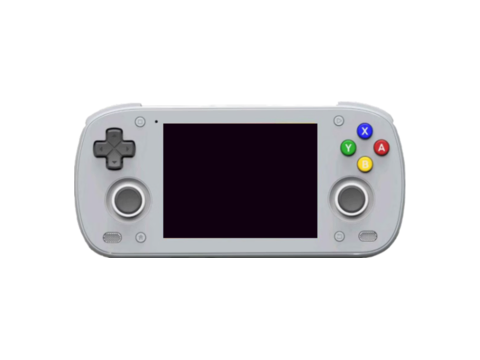
Similar handhelds
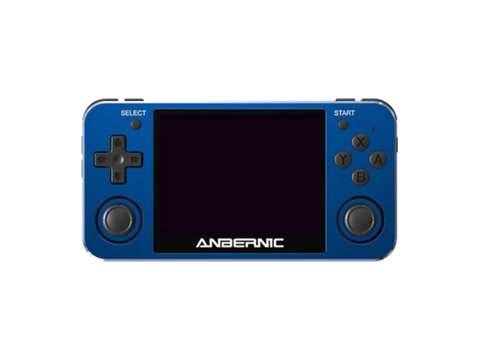
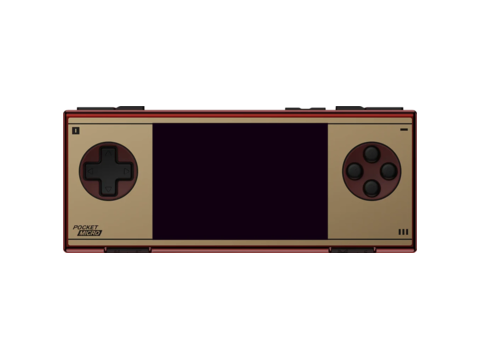
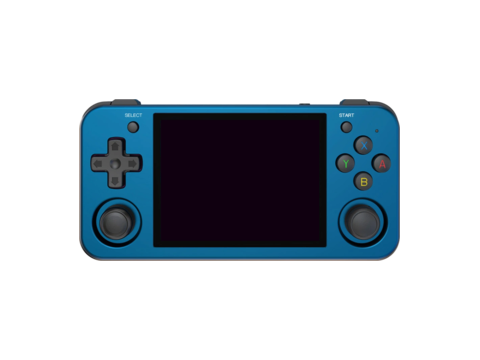
Specs and emulation scores from the retrocatalog.com handheld database. The score out of 10 is our own.