Castlevania started on the Famicom Disk System in September 1986, and the cartridge version reached North America in 1987. You took a vampire hunter through a castle full of classic horror monsters, one hard level at a time, and Konami spent the next decade making that idea better on every machine it could find.
Then the series changed shape. The later games opened Dracula's castle into one big map to explore, and players borrowed half the series' name to describe a whole genre. Castlevania also went 3D on the Nintendo 64 and the PS2, spent years on Nintendo's handhelds, and got a full reboot in 2010.
We surveyed players on the series and on metroidvanias in general. An expanded version counts with the game it expands, so the two Nintendo 64 games are one entry. Here are the 25 best Castlevania games.
25. Castlevania: Lords of Shadow 2 (2014)
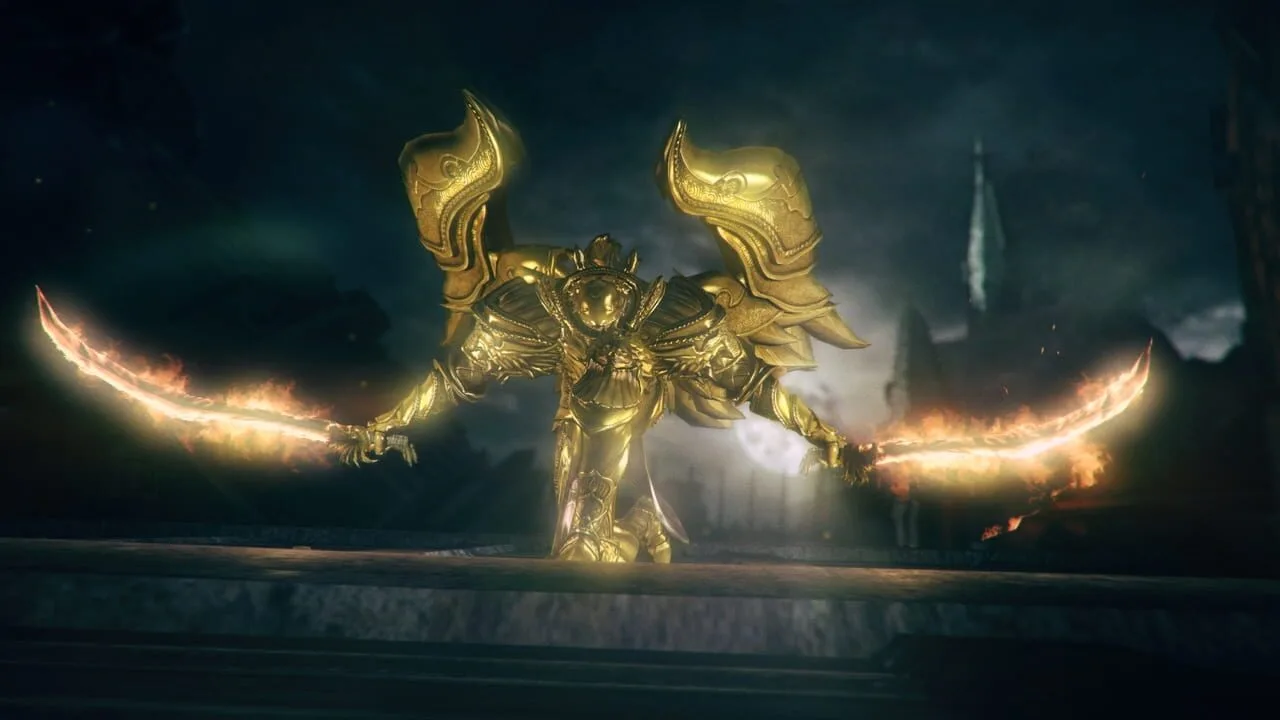
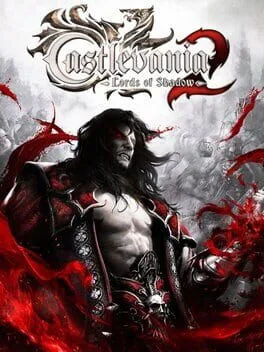
Lords of Shadow 2 came out in late February 2014 in North America and Europe. The developers wanted you to play as Dracula for the first time in the series, and they wanted to finish the story the first Lords of Shadow started. They also felt that game was too linear, so the sequel has an open world.
Critics praised the combat and the visuals, and they went after the story and the forced stealth. The medieval castle went over well and the modern day city did not. Dracula, lord of the night, sneaking past guards is a hard sell. Players name it less often than any other game on this list.
24. Castlevania: Harmony of Despair (2010)
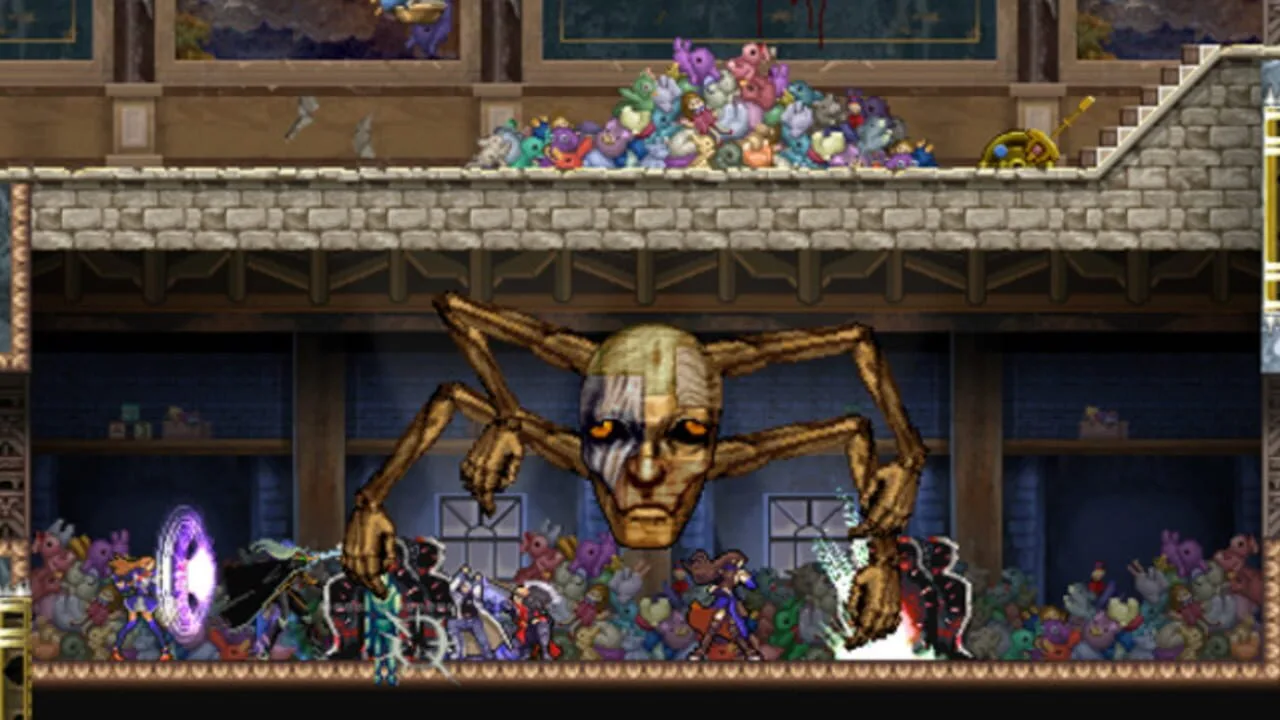
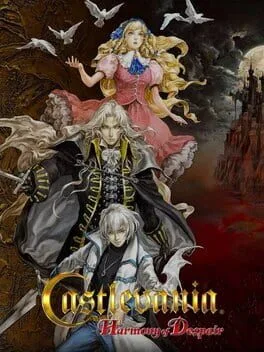
Harmony of Despair came out on August 4, 2010 on Xbox 360, and the PS3 version followed on September 27, 2011. It is a co-op game that plays like the Boss Rush mode of the earlier 2D games, with a boss at the end of each stage. Heroes from older games make up the cast, including Alucard and Soma Cruz. You can zoom the map in and out in real time without stopping the action.
The PS3 version has local multiplayer for up to four players, and the Xbox 360 version only has online co-op. Chapter 10 recreates the map of the original 8-bit Castlevania. The players who bring this one up tend to love it.
23. Castlevania: The Adventure ReBirth (2009)
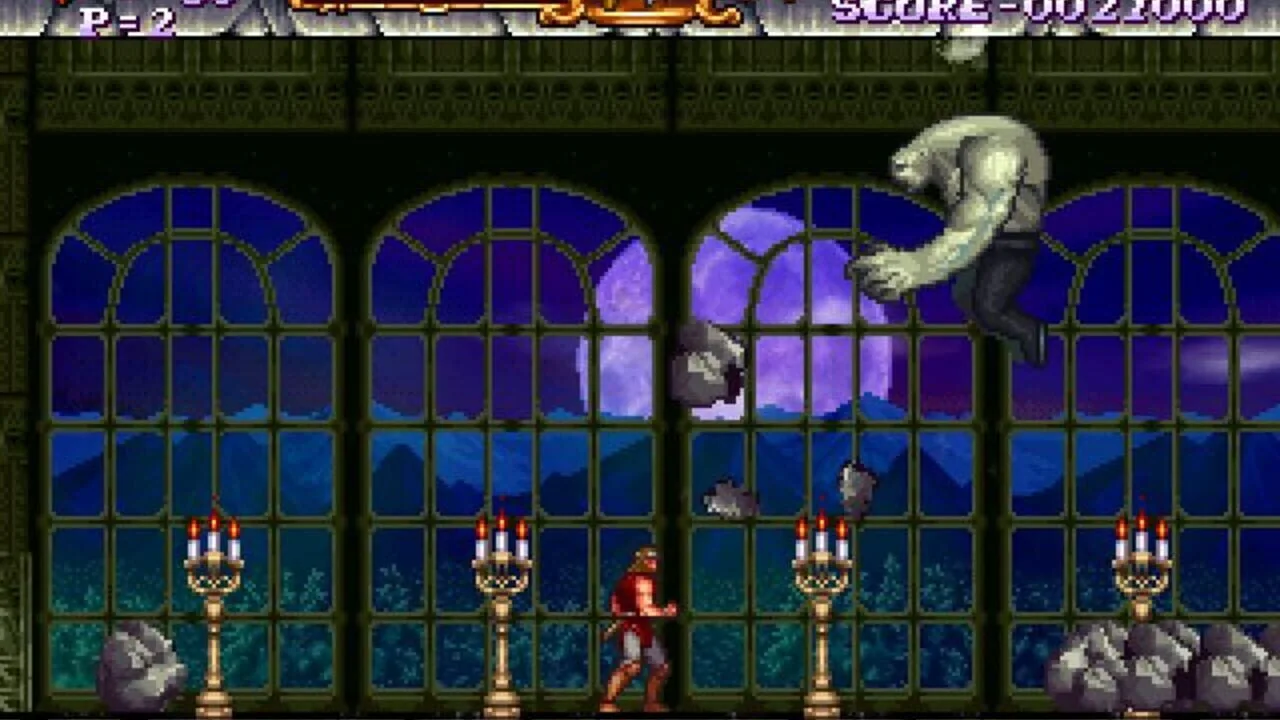
The Adventure ReBirth is a loose remake of the first Game Boy game, sold as a WiiWare download. It came out on October 27, 2009 in Japan. You play Christopher Belmont across six areas. The original had no sub-weapons, and this version has five, powered by hearts. The last whip upgrade shoots fire for a short time, which beats anything the Game Boy version offered.
Manabu Namiki composed the soundtrack, and he worked on the other games in the ReBirth series too. It only existed as a WiiWare download, so it is one of the harder games here to play today. Players still name it with their Wii favorites.
22. Castlevania Legends (1997)
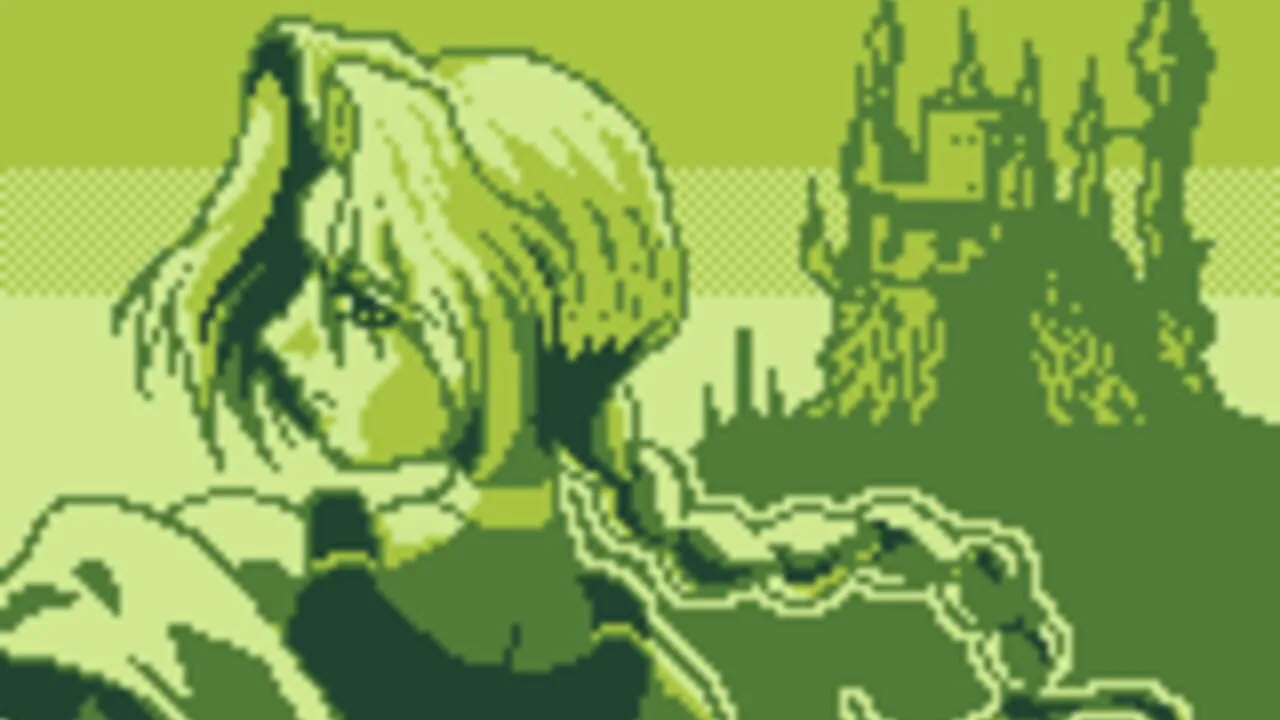
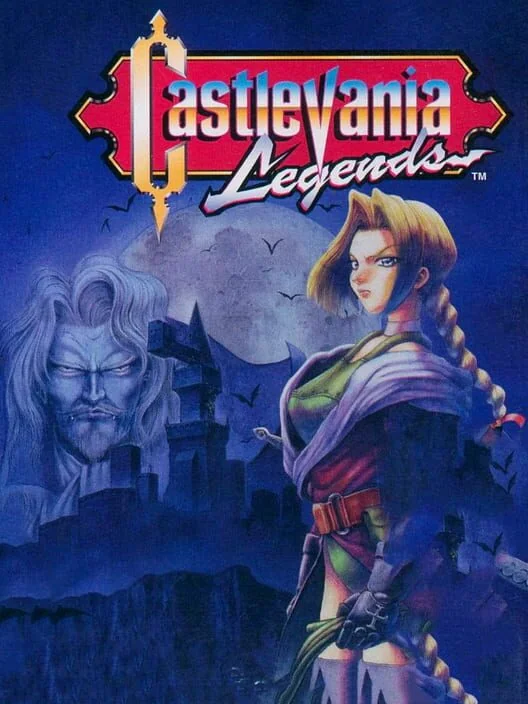
Castlevania Legends was the third Castlevania on the Game Boy, released in Japan on November 27, 1997. Europe and North America got it on March 11, 1998. The story starts in 1450 and follows Sonia Belmont, the first vampire hunter of her clan, through five stages of Dracula's castle. Burning Mode makes her invincible for ten seconds, and it also makes her faster and stronger.
Konami planned it as the first game in the series timeline. Koji Igarashi later removed the game from the series timeline, and few games have been fired from their own franchise so politely. Reviews were mixed to negative, with complaints about the low difficulty and the short length. Game Boy players still name it when they list games for the system.
21. Castlevania: The Adventure (1989)
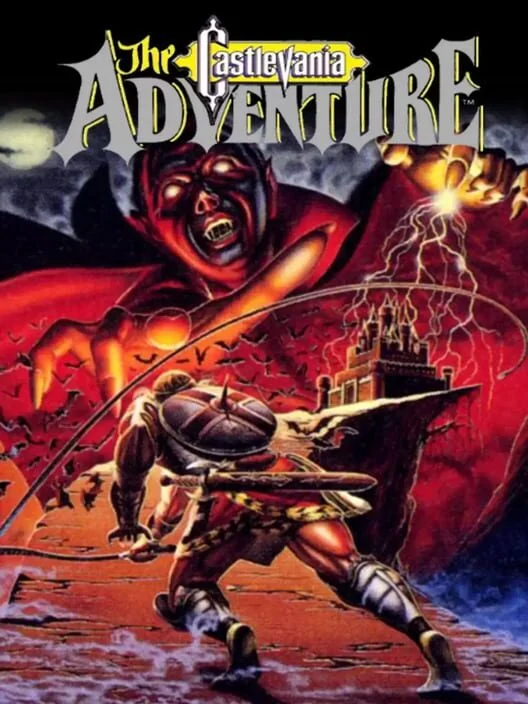
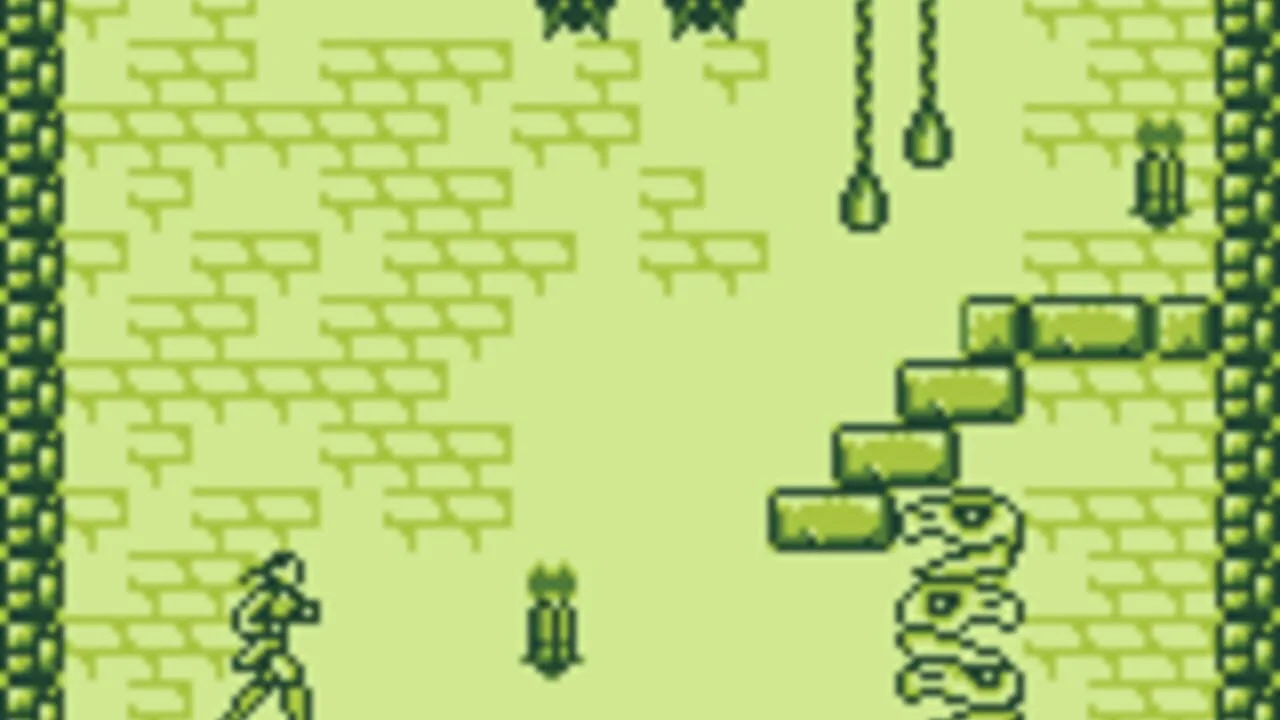
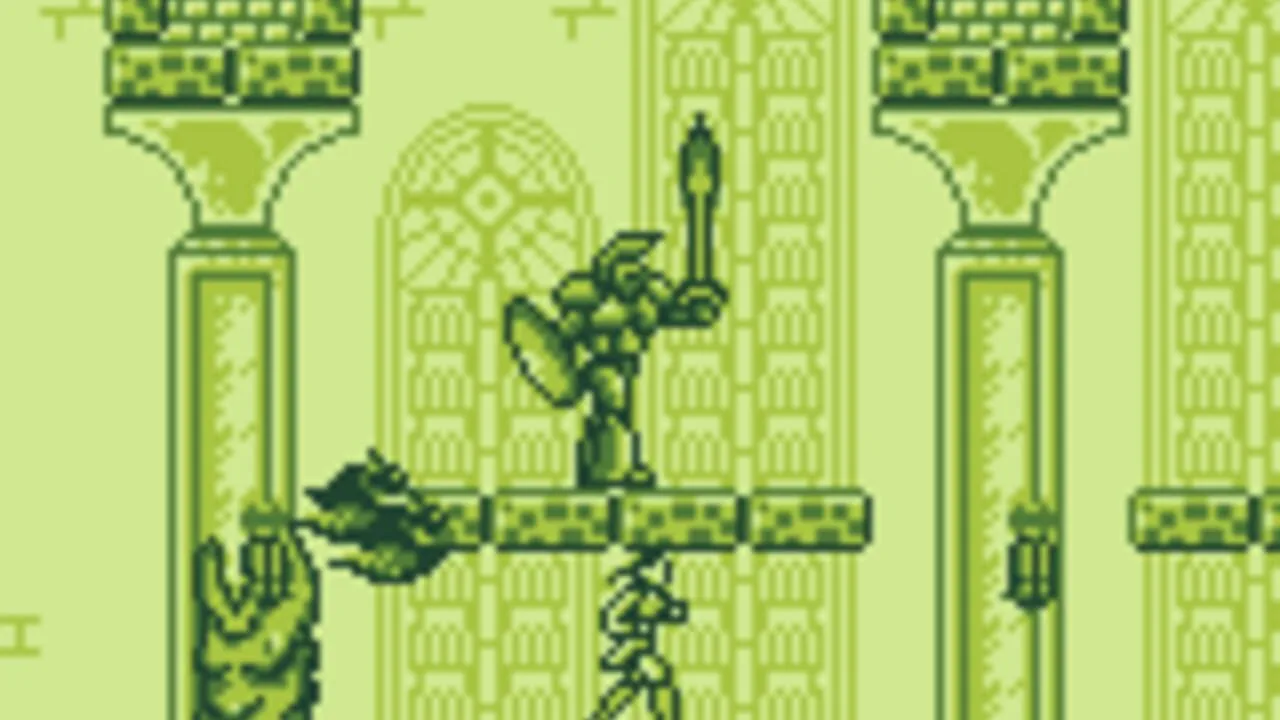
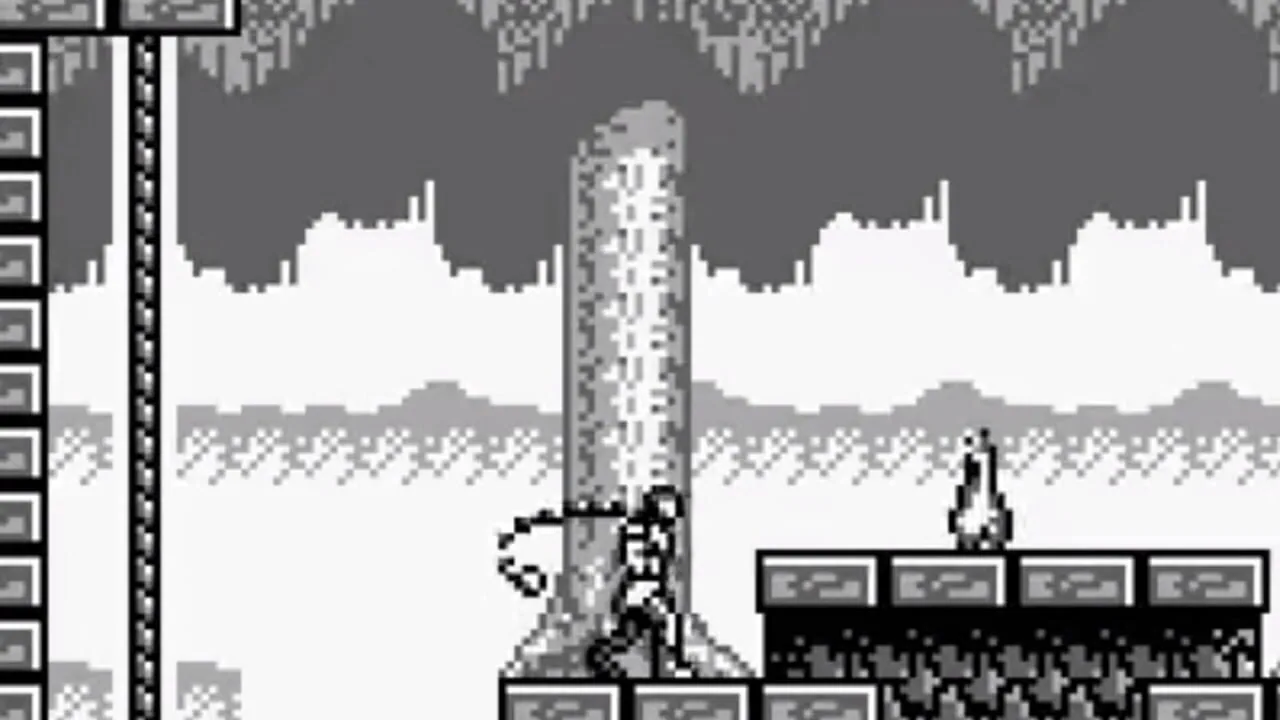
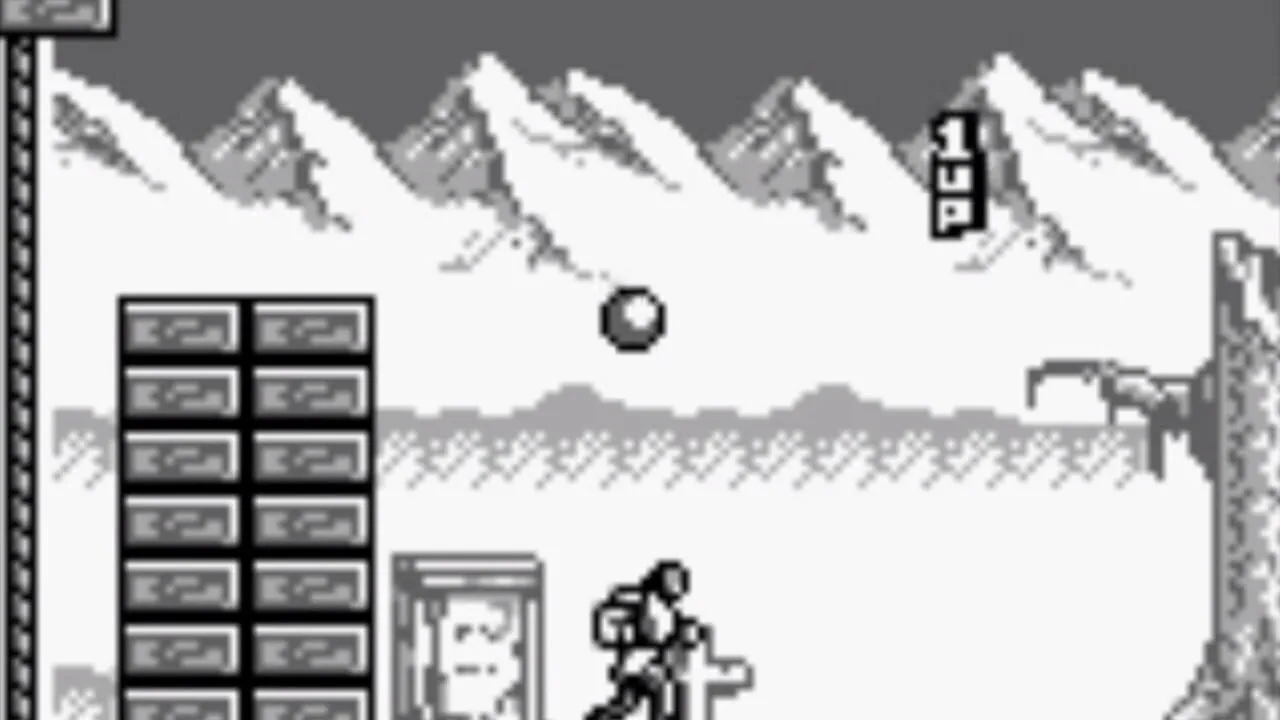
The Adventure came out on the Game Boy on October 27, 1989 in Japan. North America got it in December 1989. It was the first Castlevania on a handheld console. You play Christopher Belmont, the ancestor of Simon Belmont, through four stages. There are no sub-weapons at all, and any enemy damage will downgrade your whip.
That whip rule is the part people remember. Lose your upgrade to one bat and the next few minutes get long. The sequel fixed most of what was wrong here, and that sequel sits a few places above it. The original is included in the Castlevania Anniversary Collection, the easy way to try it now.
20. Castlevania Chronicles (2001)
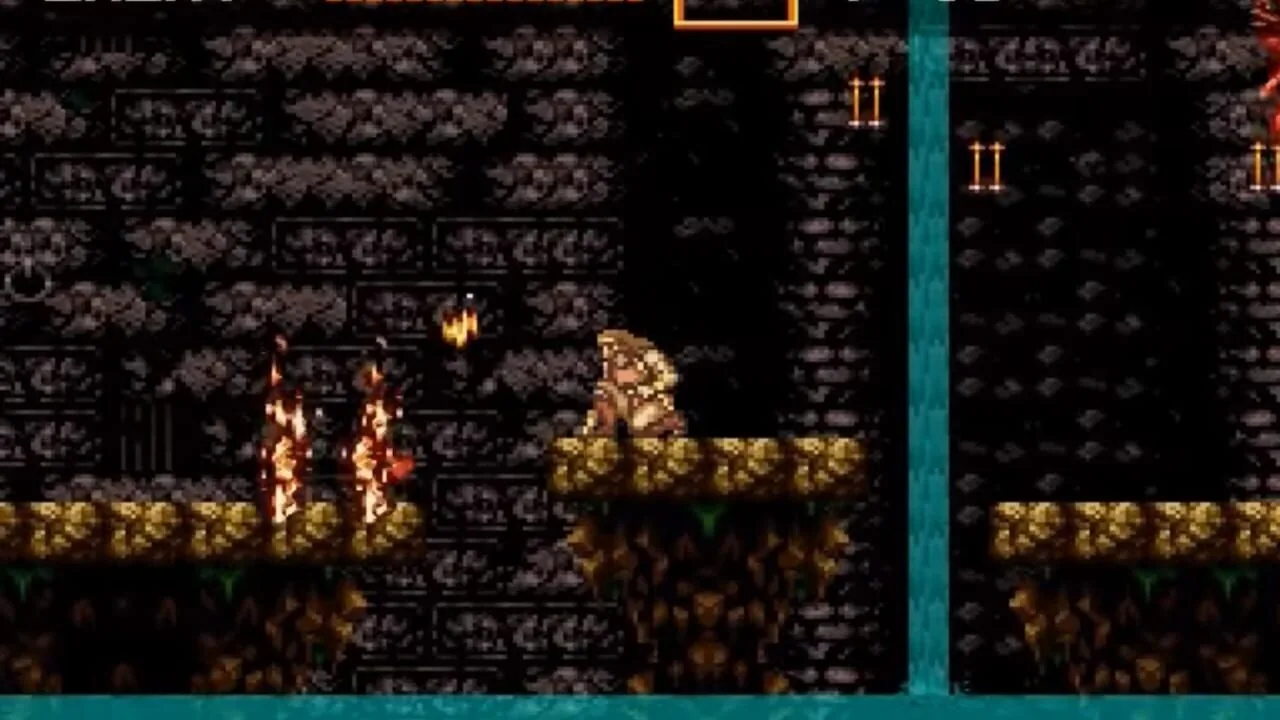
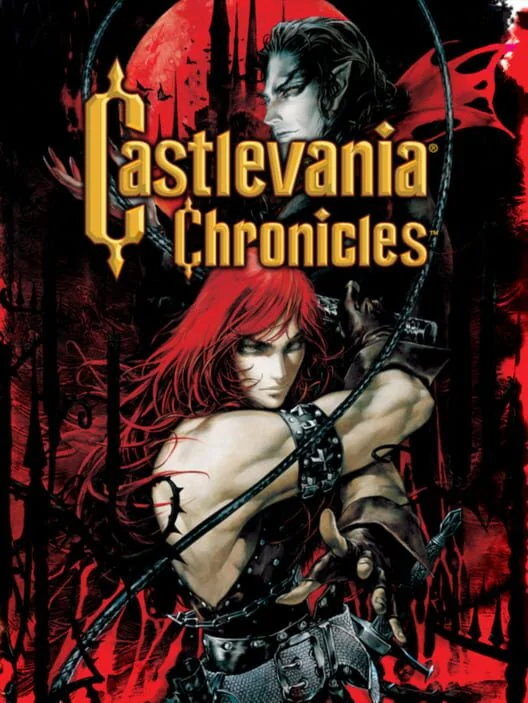
Castlevania Chronicles reached the PlayStation in North America on October 9, 2001, but the game inside it is older. Original Mode is a direct port of the 1993 game for the X68000 home computer, which was itself a remake of the first Castlevania. Arrange Mode adds a new intro and updated sprites. It also has new arrangements of the music by Sōta Fujimori.
The American and European versions added an art gallery with artwork by Ayami Kojima and an interview with Koji Igarashi. Most English players had never seen the X68000 game, so this was their first look at it. Players still put it on their PS1 lists.
19. Castlevania: Bloodlines (1994)
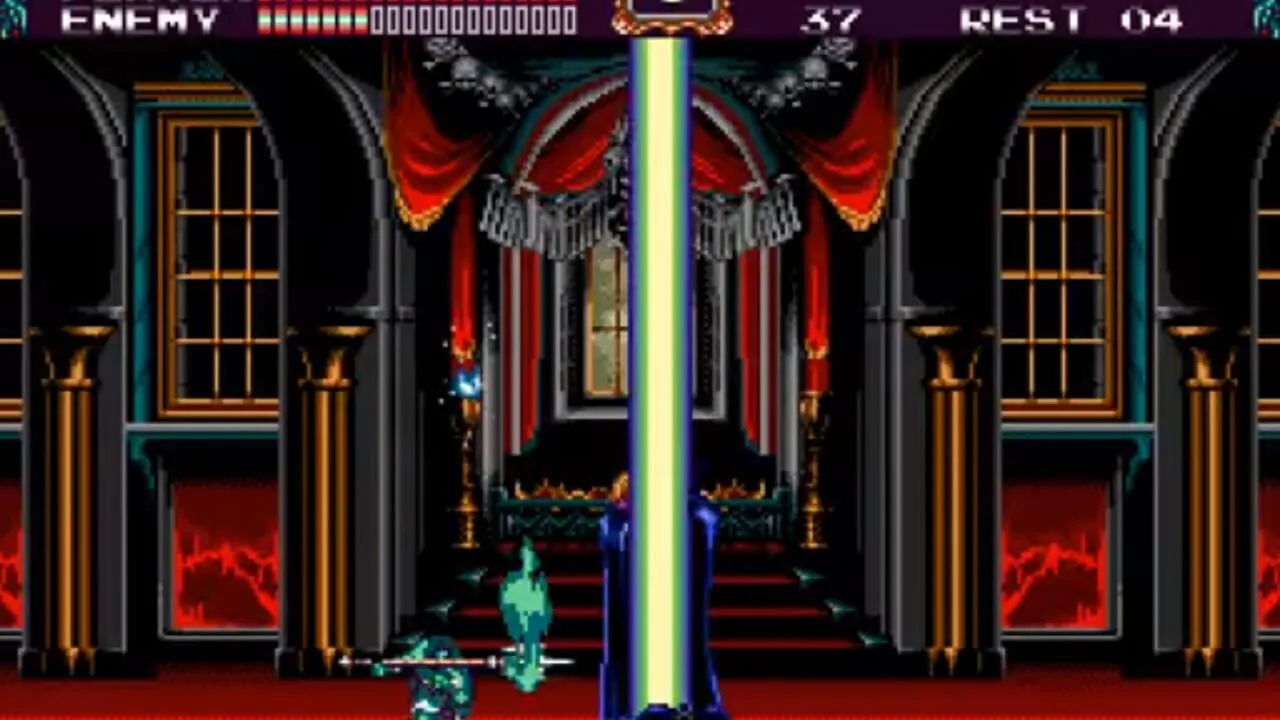
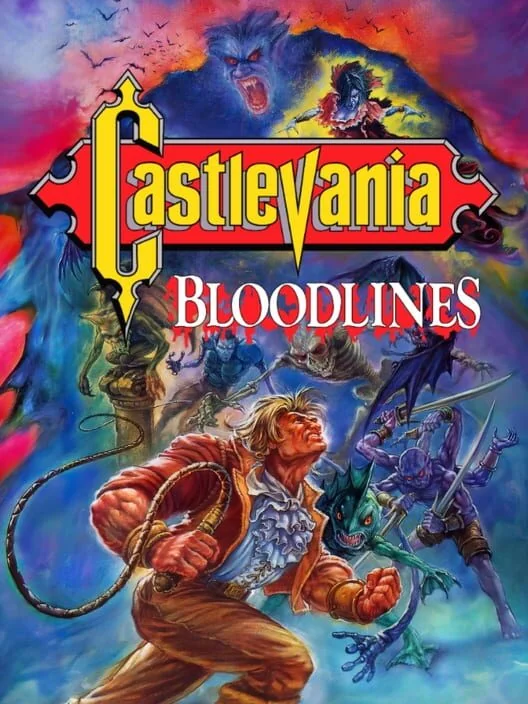
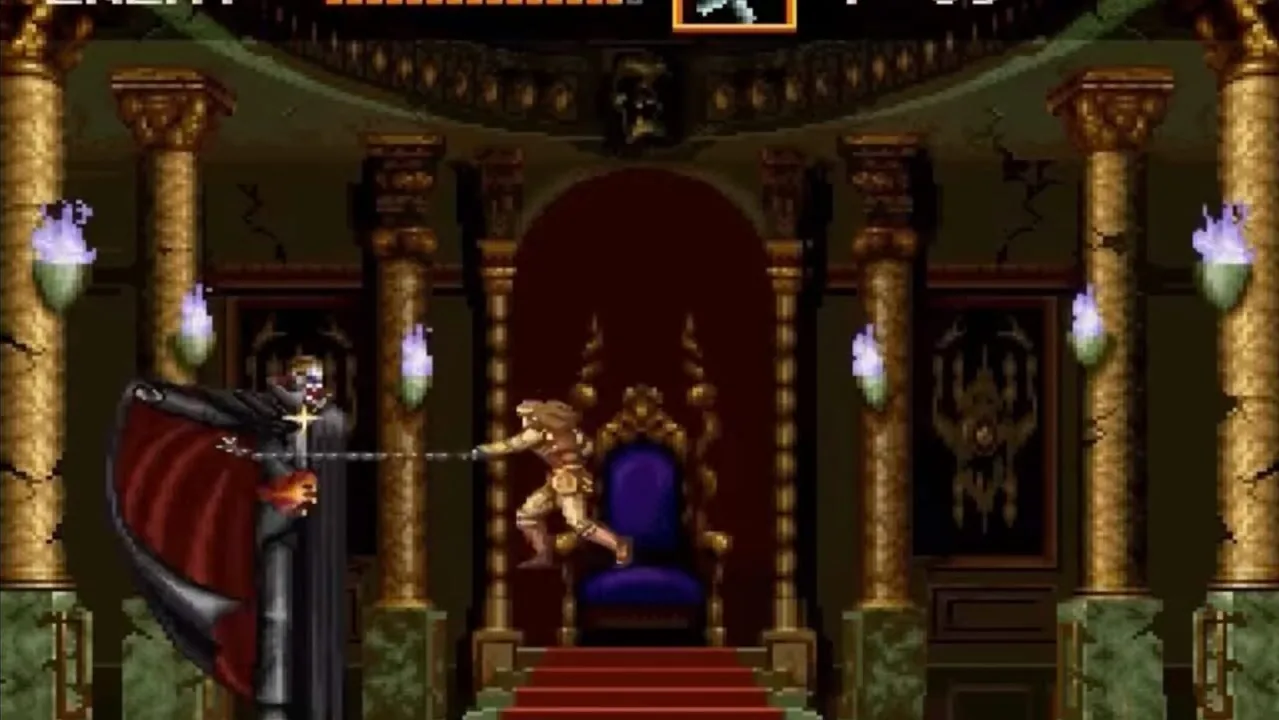
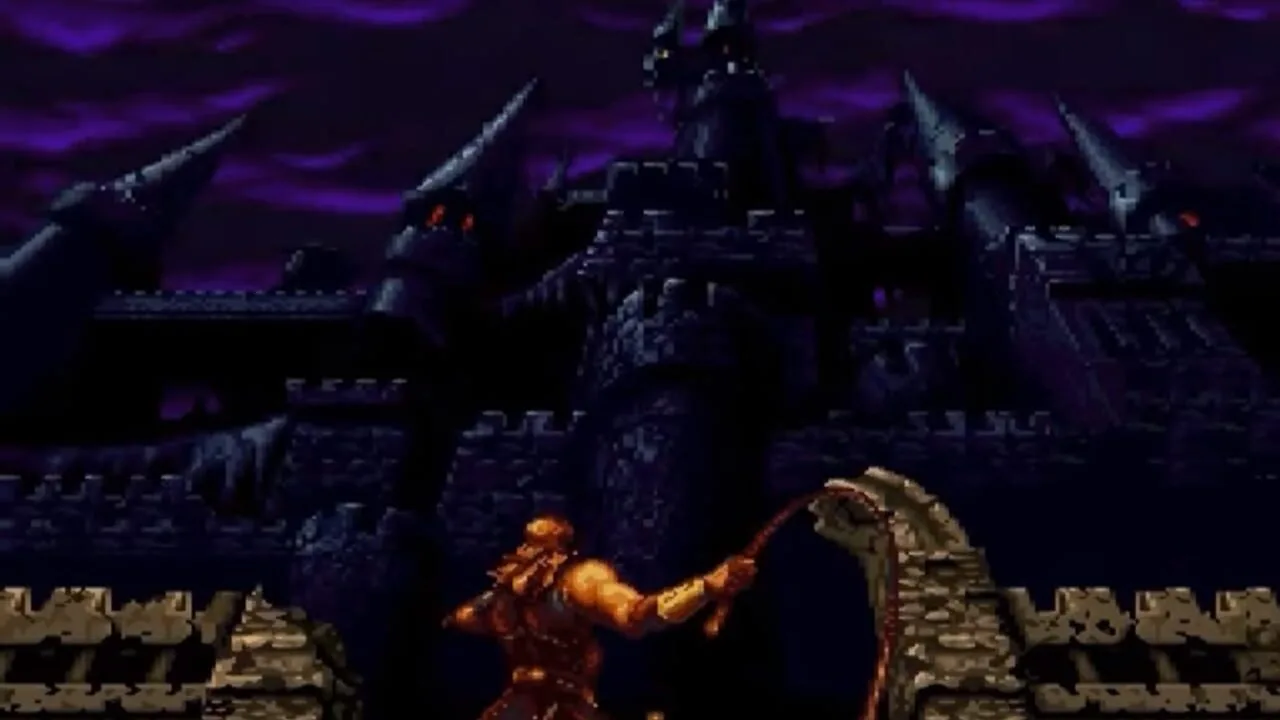
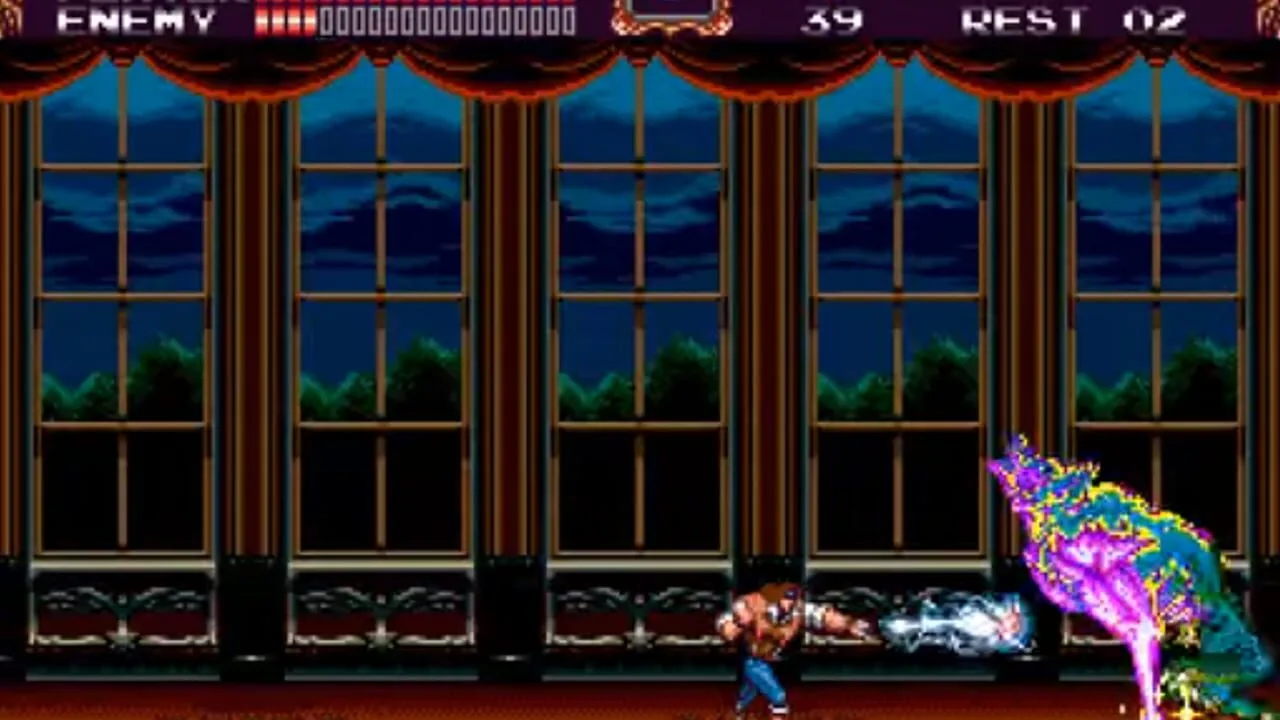
Bloodlines came out on the Sega Genesis on March 17, 1994, the only Castlevania on that console in this list. It takes place in 1917, after the vampire Elizabeth Bartley starts World War I to bring back her uncle, Dracula. Blaming the Great War on one Transylvanian family is a bold bit of history. You pick John, who swings past gaps with his whip, or Eric, who makes high jumps with his spear, and some parts of the game split into different paths depending on your choice.
It was the first Castlevania with music by Michiru Yamane, who became a regular series composer. Players who like the classic style rate it highly.
18. Castlevania III: Dracula's Curse (1989)
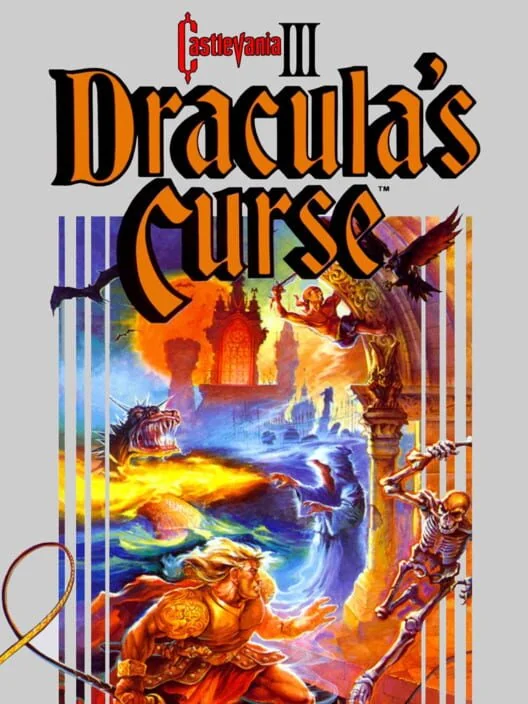
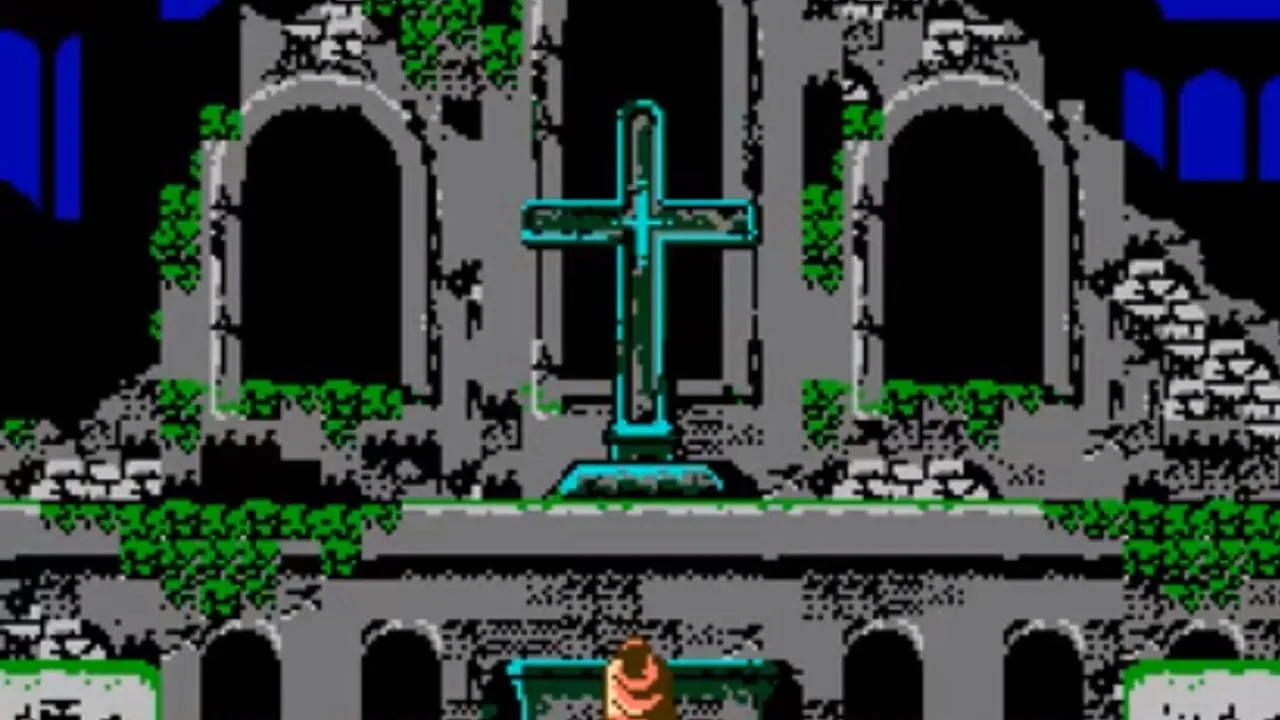
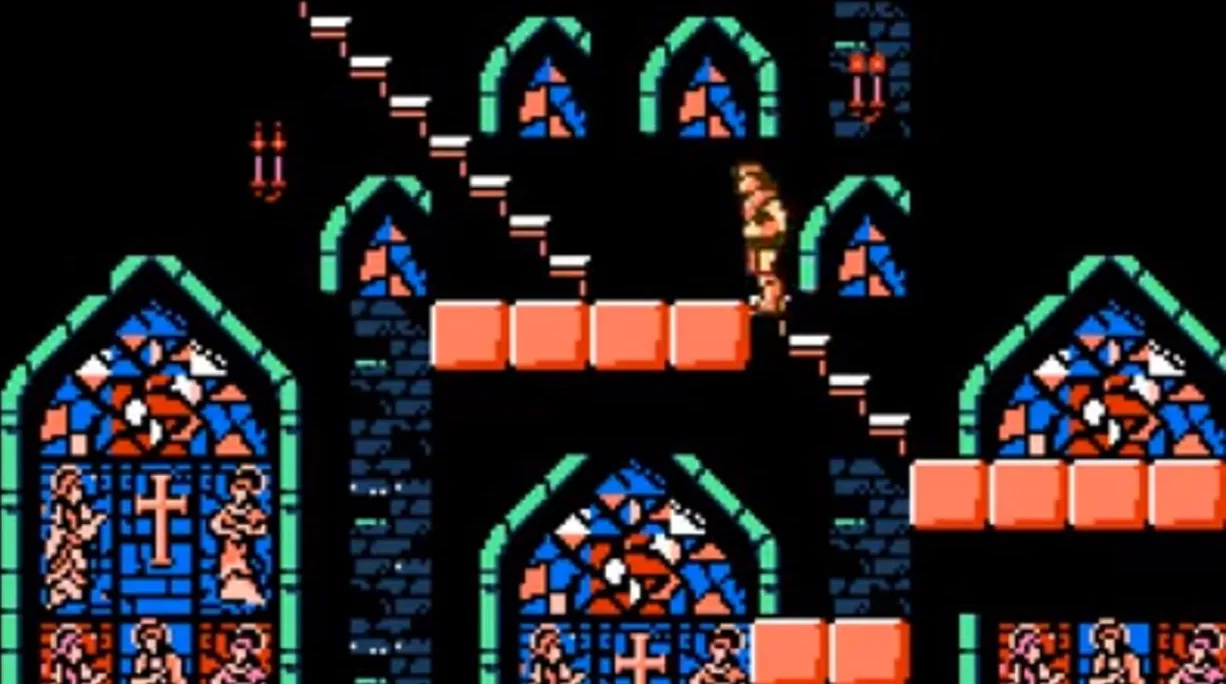
Dracula's Curse came out on the Famicom on December 22, 1989. North America got it on September 19, 1990. It is the third numbered game and a prequel, set a few centuries before the original. You play Trevor Belmont, who can bring one of three companions along, and branching paths lead to different endings and new playable characters. The first two seasons of the animated 2017 Castlevania television series are based on it.
The Japanese cartridge has a VRC6 chip for extra sound. Western NES consoles could not support it, so the American music had to be changed. This spot is lower than its reputation, because our survey has far more console players than NES players. Players who want the old-school challenge send you here anyway.
17. Castlevania II: Belmont's Revenge (1991)
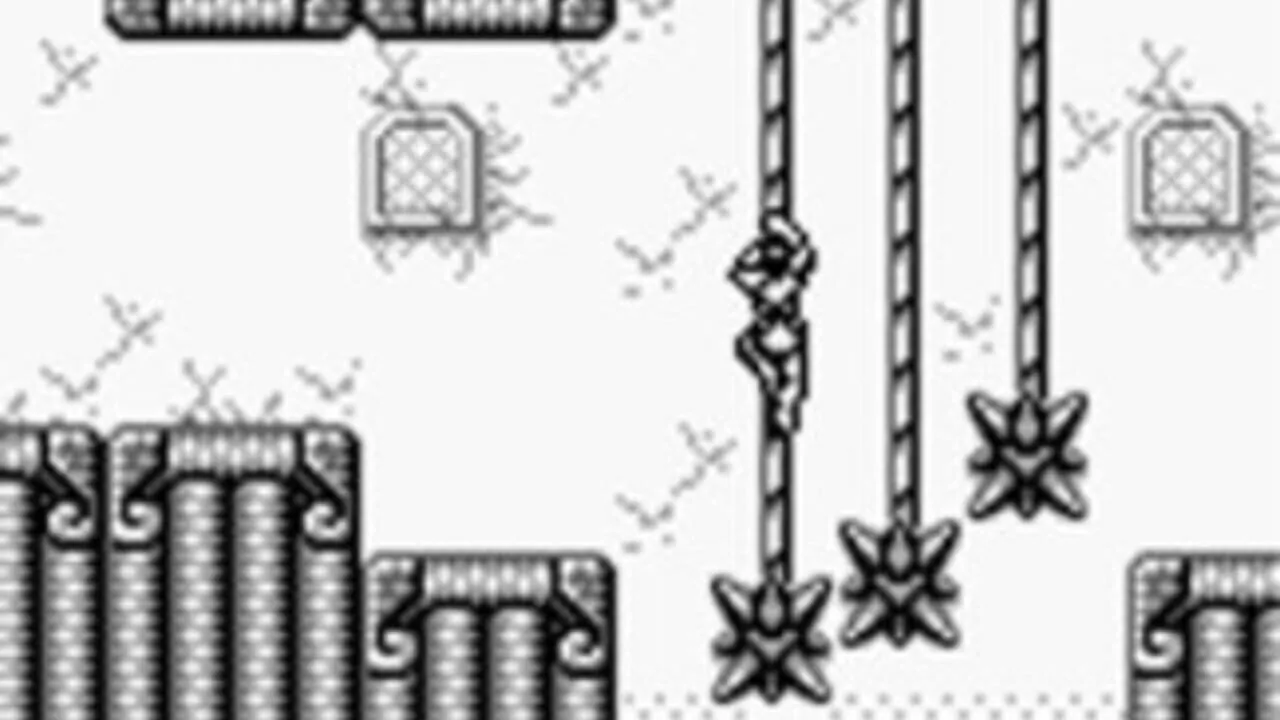
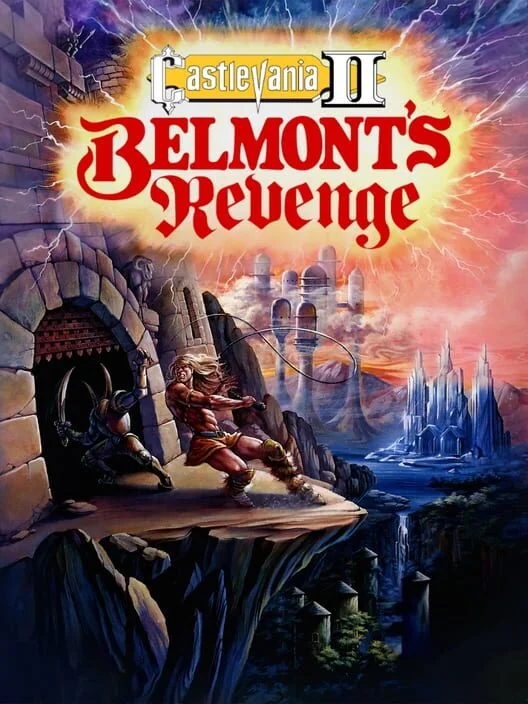
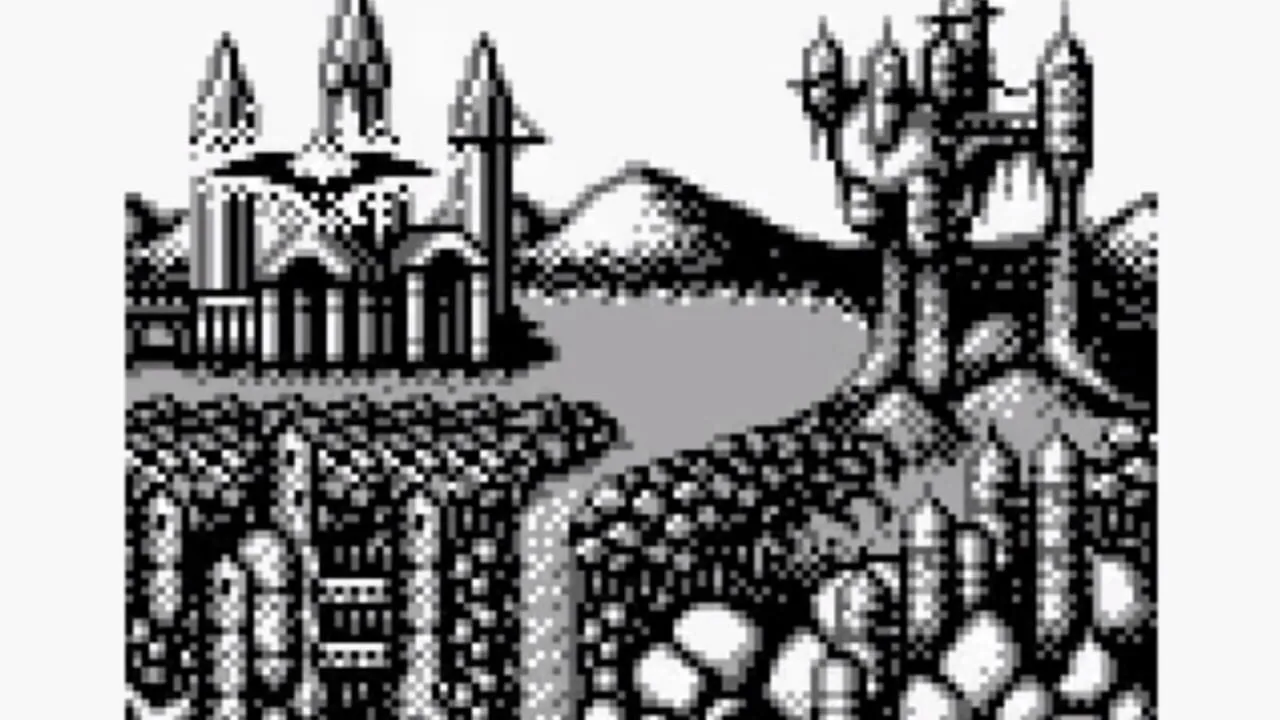
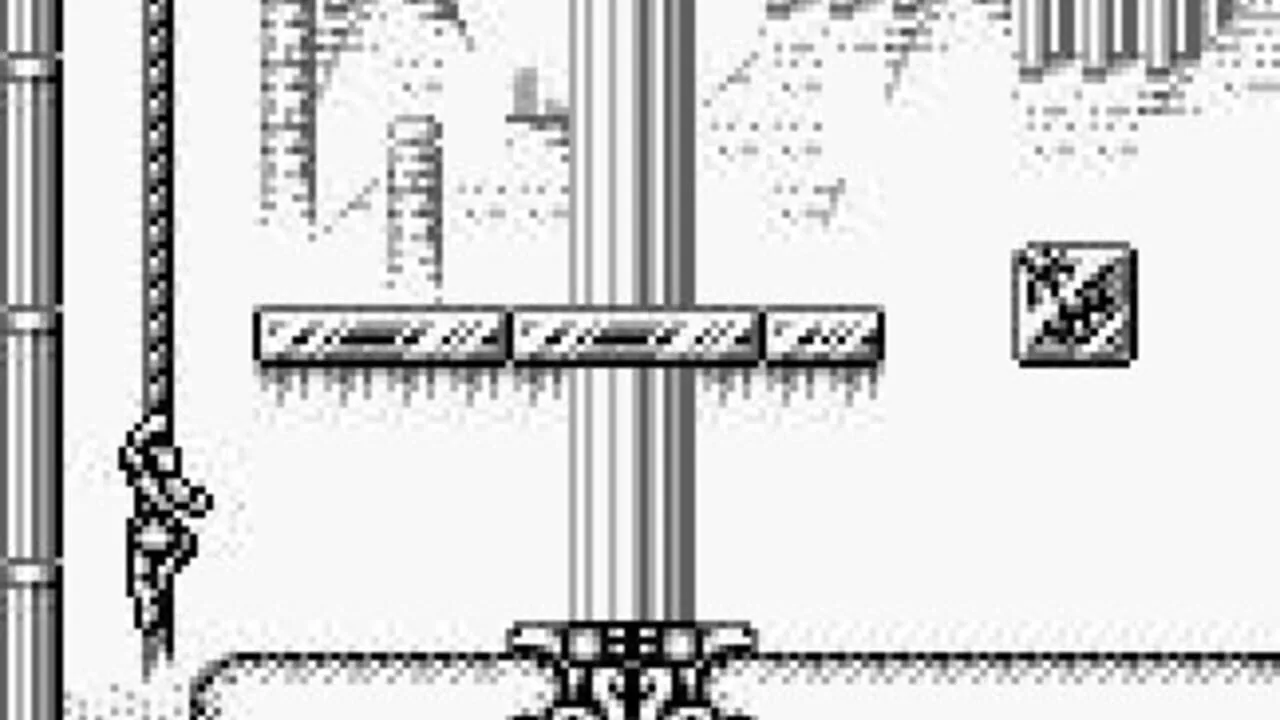
The second Game Boy Castlevania came out on July 12, 1991 in Japan. It fixed the first one. There are four levels, each in its own castle with a theme such as air or crystal, and you can play them in any order, similar to Mega Man. Sub-weapons are back too, in the form of holy water and axes. The Japanese version has a cross where the American one has an axe.
Players say it looks and sounds great for a Game Boy cart, and it comes up far more often than the first game. You can play it on the Castlevania Anniversary Collection.
16. Castlevania: Mirror of Fate (2013)
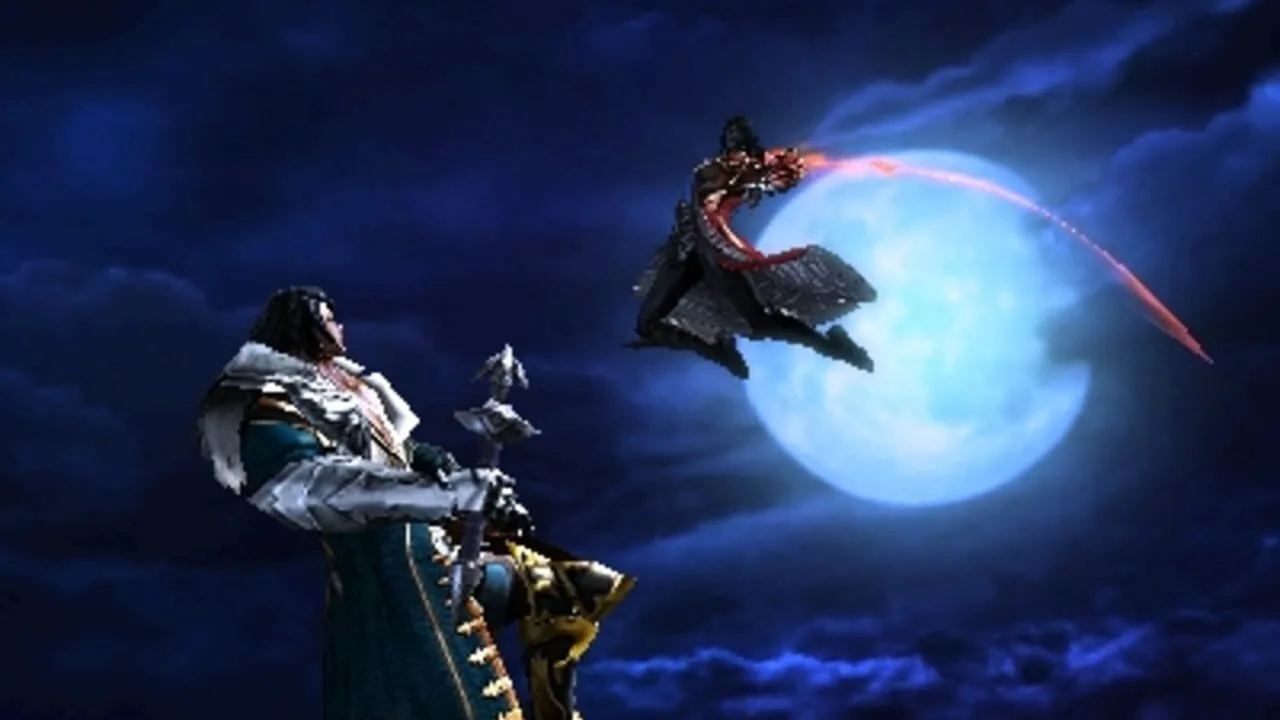
Mirror of Fate came out on the Nintendo 3DS on March 5, 2013 in North America. Its full title has Lords of Shadow in it too, and it is a direct sequel to the 2010 reboot. It returns to side-on Castlevania play in a labyrinthine castle. You control multiple characters, including Gabriel Belmont and his son Trevor, as you piece together the story of Dracula's return.
Trevor learns that he is Dracula's son, which is a rough thing to find out in a game with this many whips. Reviews were mixed to positive, with praise for the visuals and the combat and complaints about the story and level design. Among the Lords of Shadow follow-ups, it is the one players rank highest.
15. Castlevania: Harmony of Dissonance (2002)
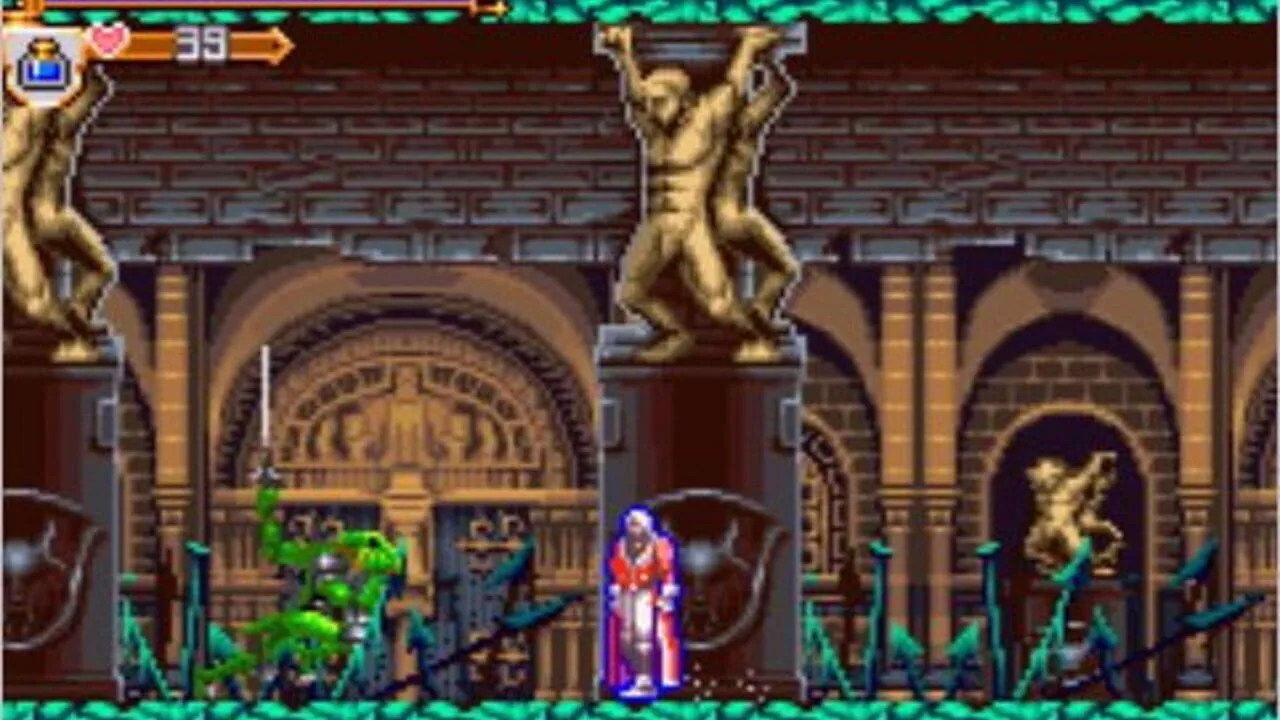
Harmony of Dissonance was the second Castlevania on the Game Boy Advance, released in Japan in June 2002 and in the West later that year. You play Juste Belmont. His friend Maxim is possessed, and the ending you get depends on what you do about it. There are three endings to find.
Koji Igarashi set out to fix the two things he disliked about the launch game: the controls and the dark graphics. It shows, because this one is much brighter. Critics gave it positive reviews at the time. Of the three GBA games it is the one players name least often.
14. Super Castlevania IV (1991)
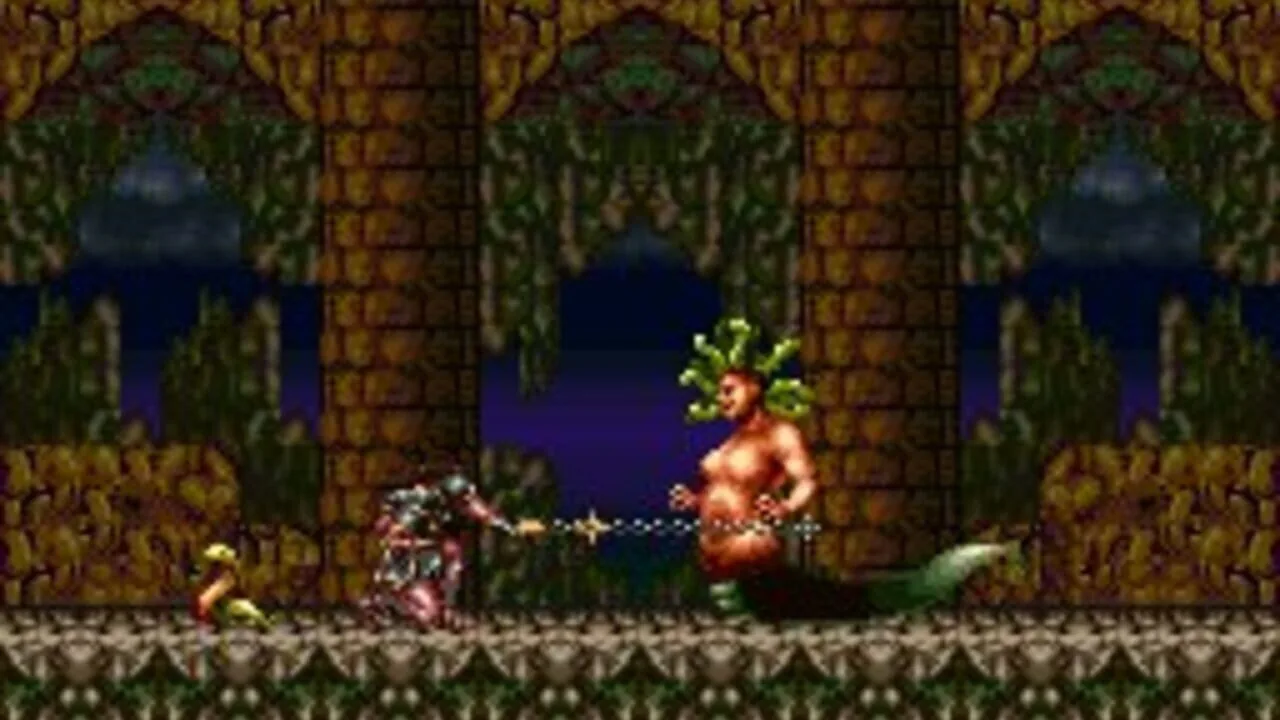
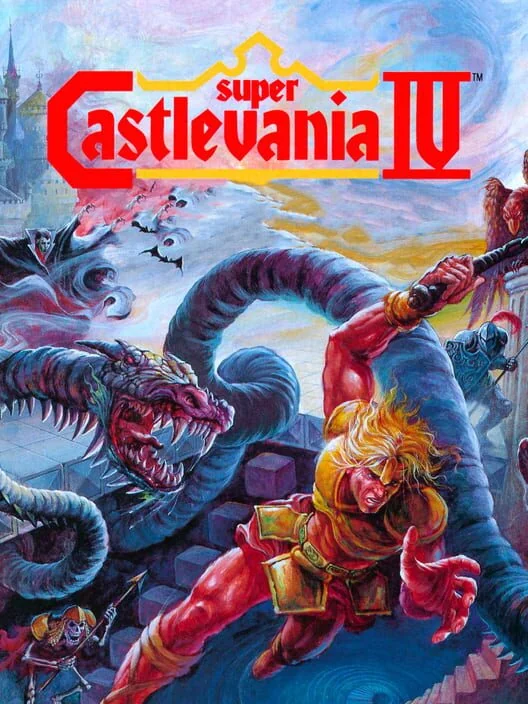
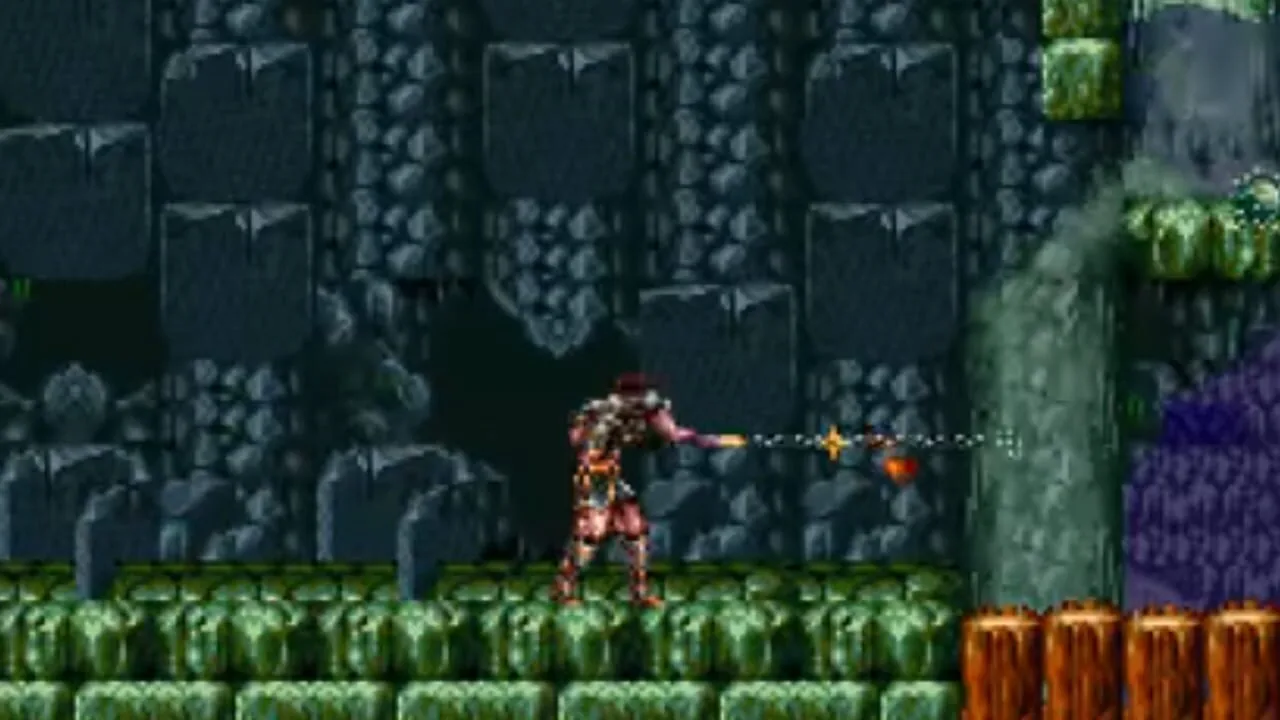
Super Castlevania IV came out on the Super Nintendo on October 31, 1991 in Japan. North America got it in December 1991. You play Simon Belmont through eleven levels, and the big change is the whip. It attacks in eight directions, it goes limp to block projectiles and it latches onto rings so you can swing over gaps. Director Masahiro Ueno only considers it a remake of the original to some extent.
Masanori Adachi and Taro Kudo wrote the music, and it uses Mode 7 for the big spinning effects the Super Nintendo was known for. Game Informer said it perfected the classic formula. Players who love the classic games put it near the top of that run. It was also included on the Super NES Classic Edition in September 2017.
13. Castlevania II: Simon's Quest (1987)
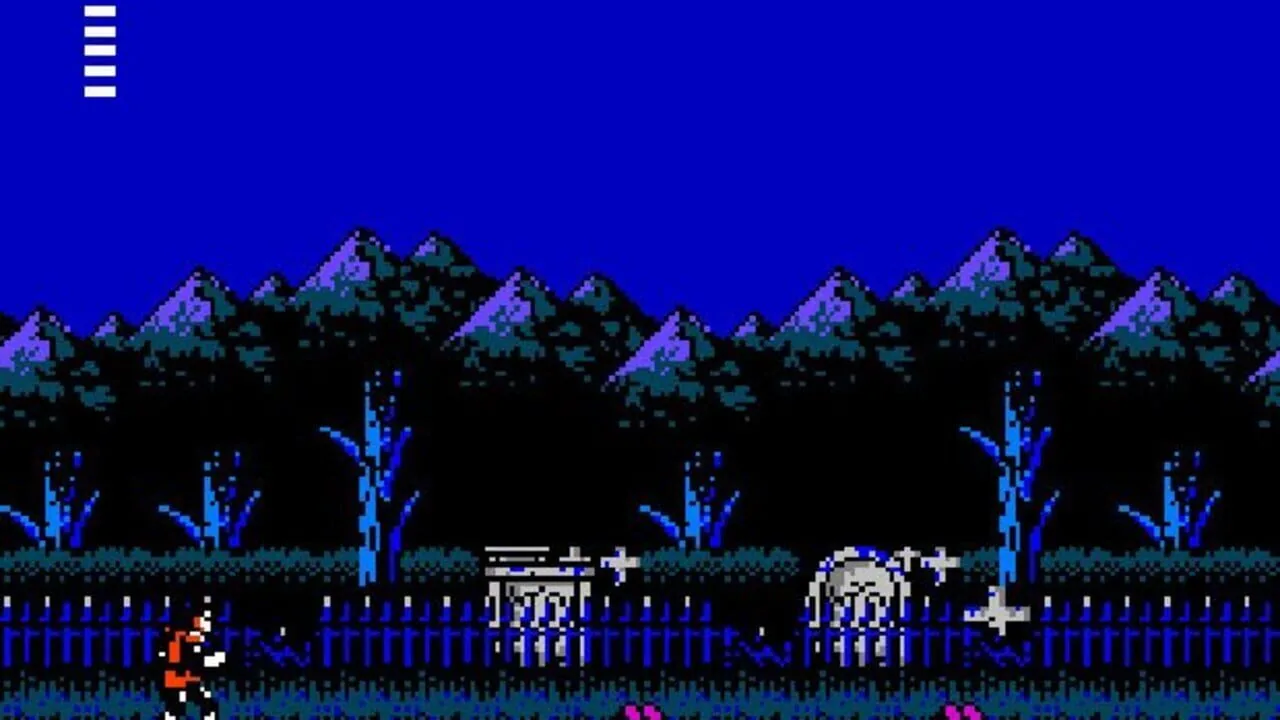
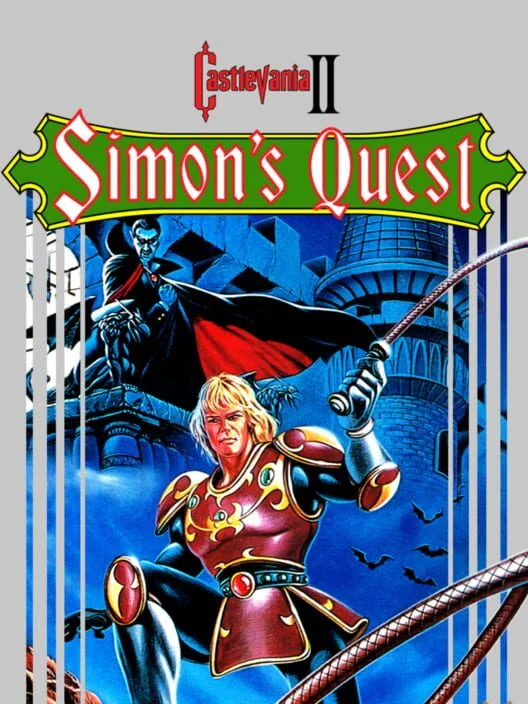
Simon's Quest came out in Japan on August 28, 1987, and North America got it on the NES on November 24, 1988. It is set seven years after the first game. Dracula's body has been split into five parts, and Simon must find them and bring them to the ruins of the castle. It has a world map you can explore and revisit, along with an Experience Rating system.
Townspeople give you clues or lies, and Koji Igarashi later revealed that the liars in the Japanese version were deliberate. The English version added poorly translated clues on top. You needed a guide or a miracle. Retrospective reviews have been more critical of the backtracking and the easy bosses, and players still rank it above most of the NES and Game Boy games on this list.
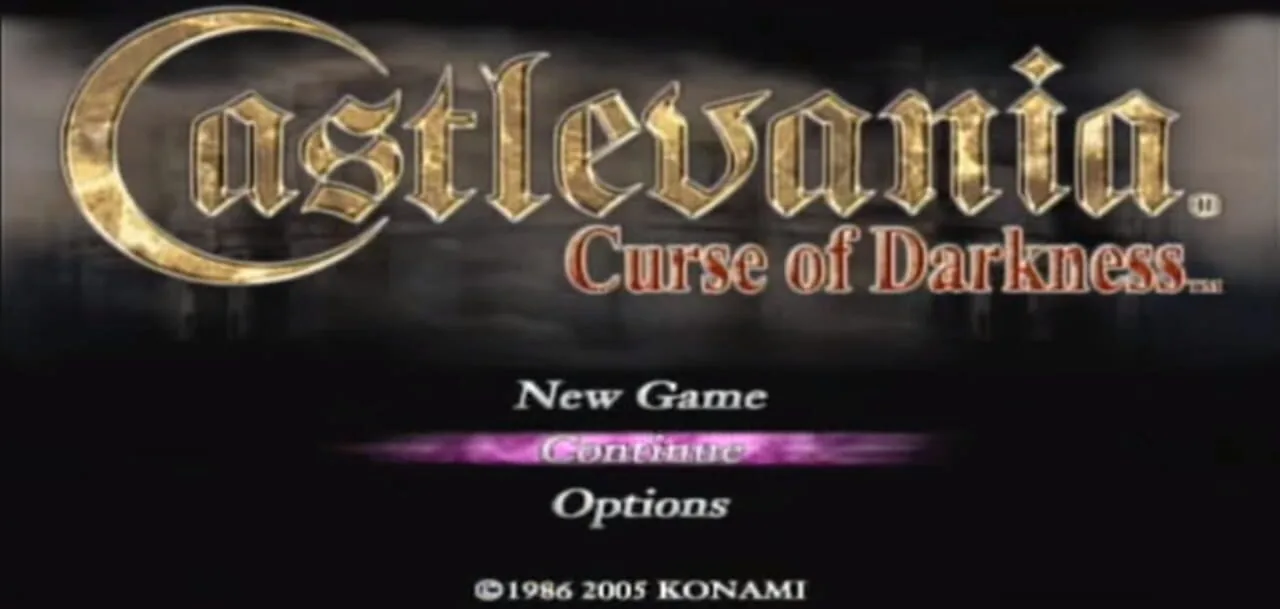
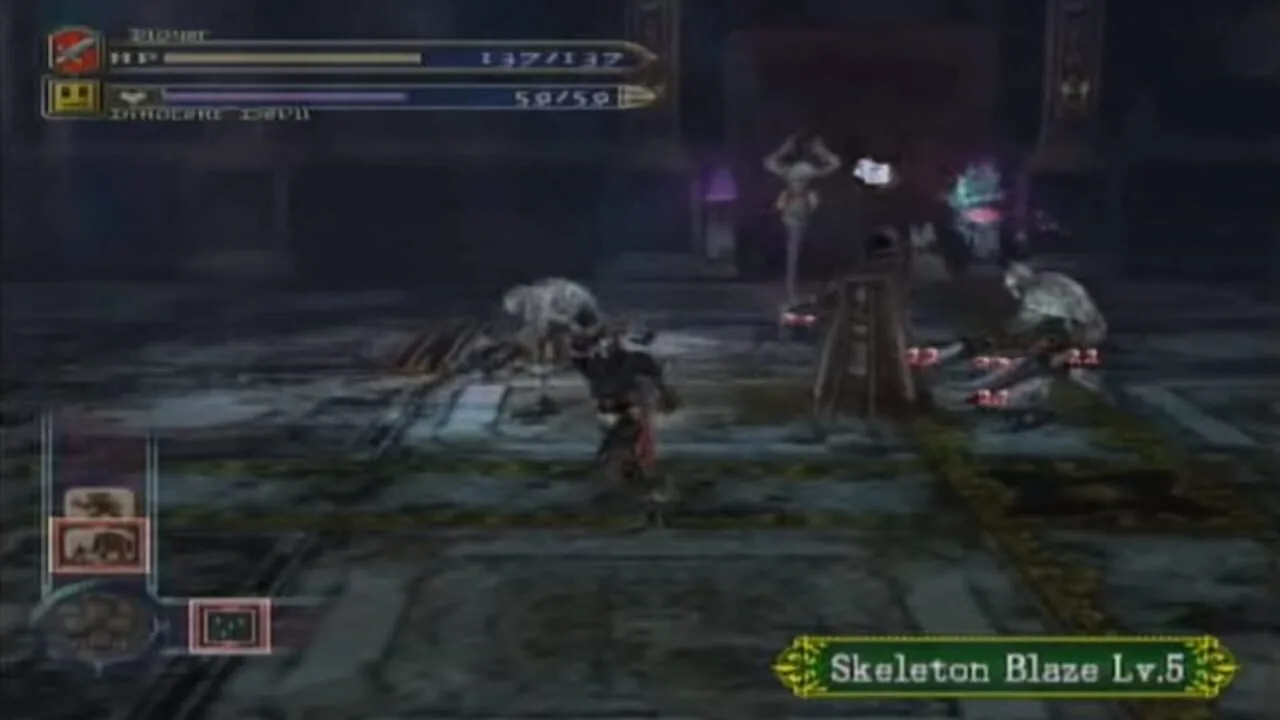
12. Castlevania: Curse of Darkness (2005)
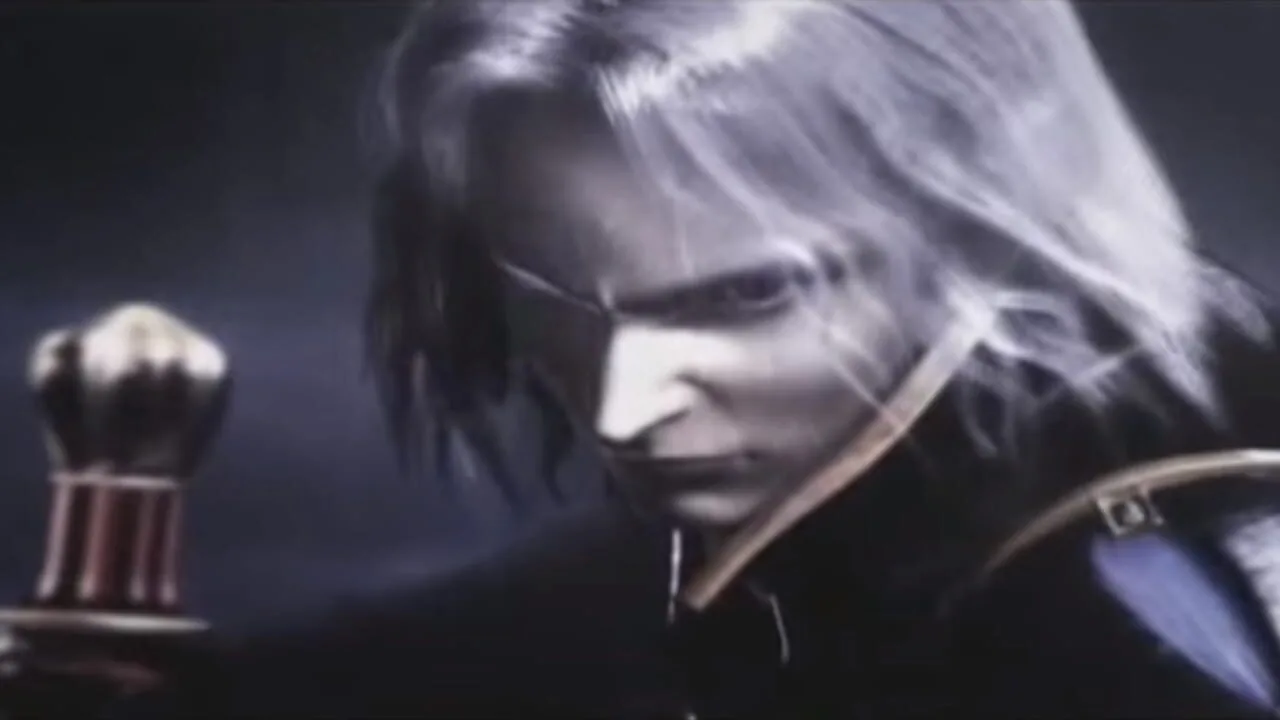
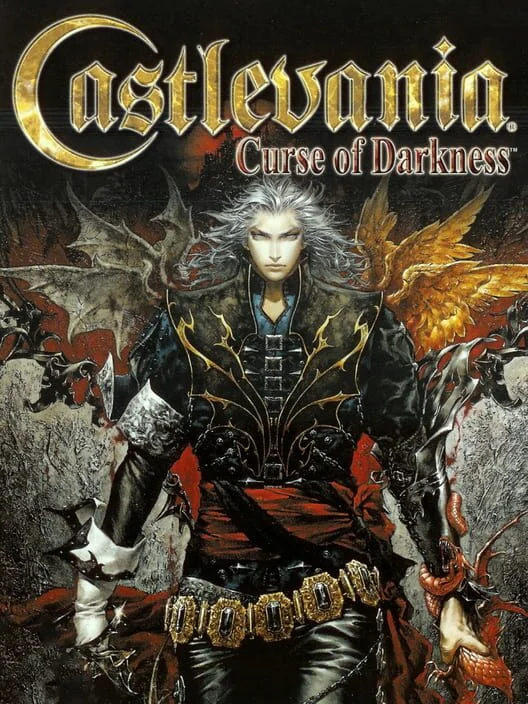
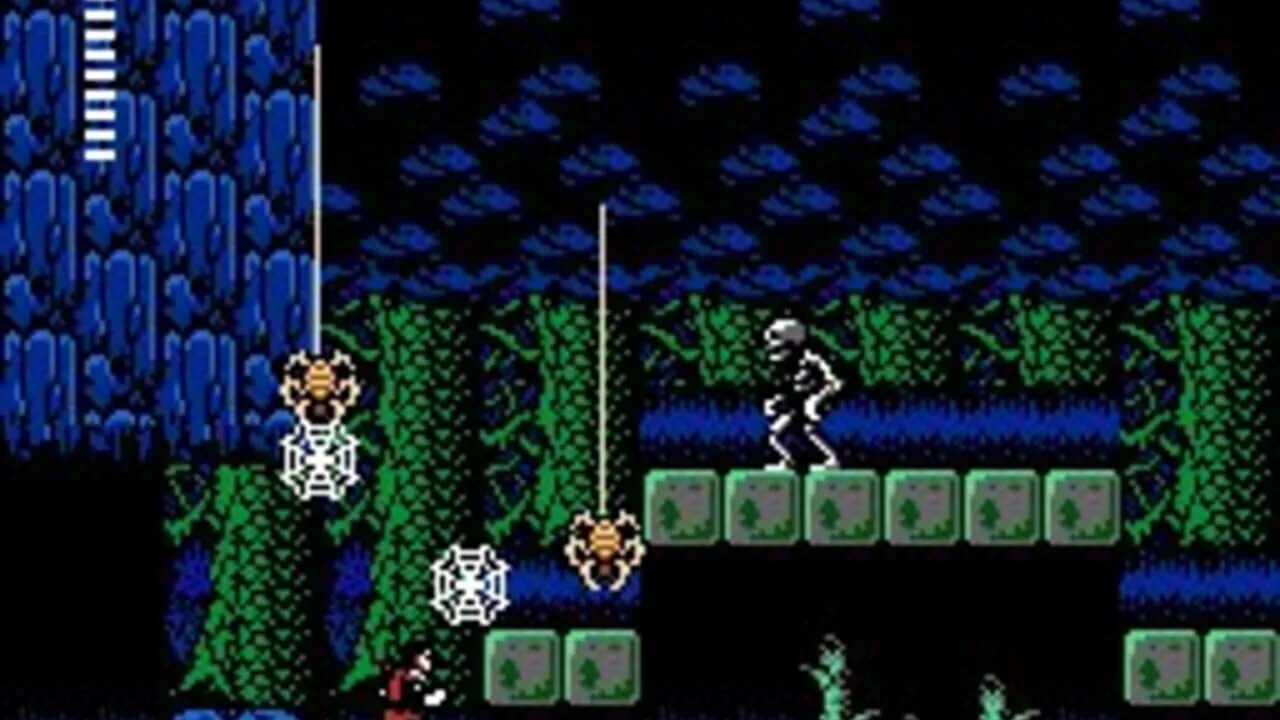
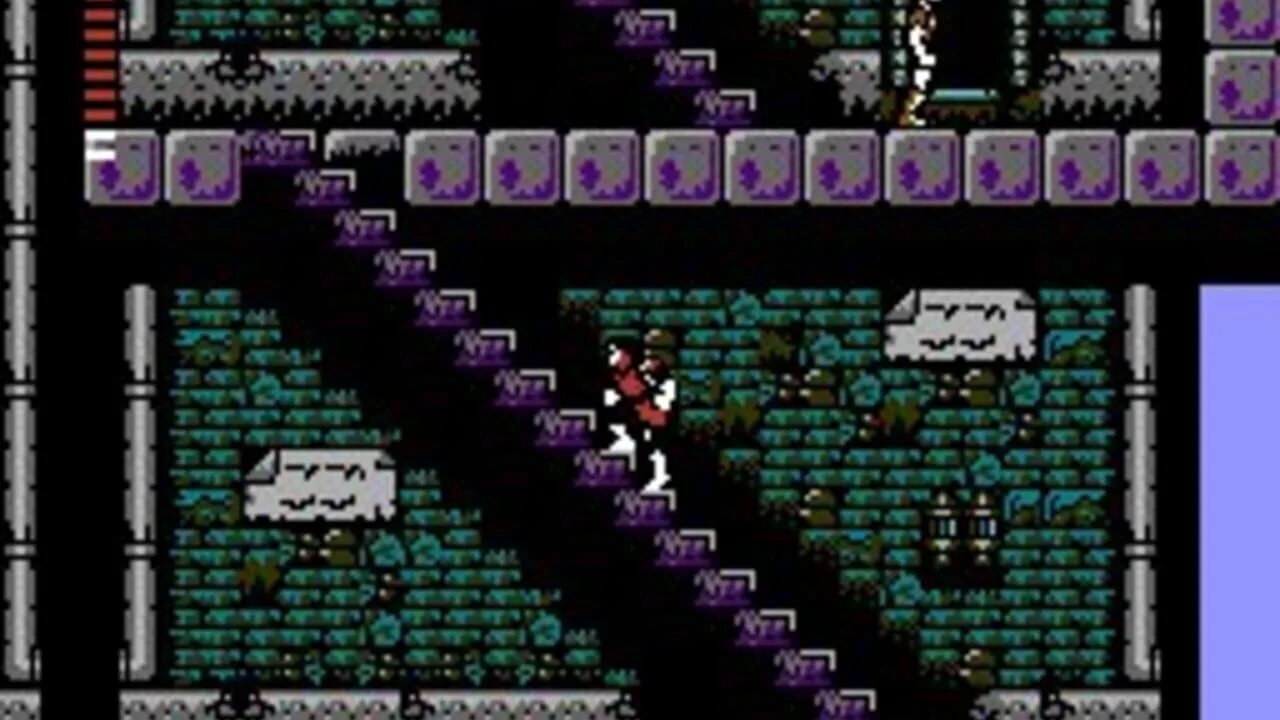
Curse of Darkness continues the story of Dracula's Curse. You play Hector, a Devil Forgemaster out for revenge on his rival Isaac after Hector's fiancée is burned at the stake. Hector raises Innocent Devils, demonic creatures that help in fights and solve puzzles. Much of the game takes place outside Dracula's castle, in forests and mountains.
Reviews were mixed to positive, with praise for the combat and complaints about repetitive level design. The music is another strong Michiru Yamane score, this time with guitars back in it. Series artist Ayami Kojima returned as well. Players still put it on their PS2 lists.
11. Castlevania: Lords of Shadow (2010)
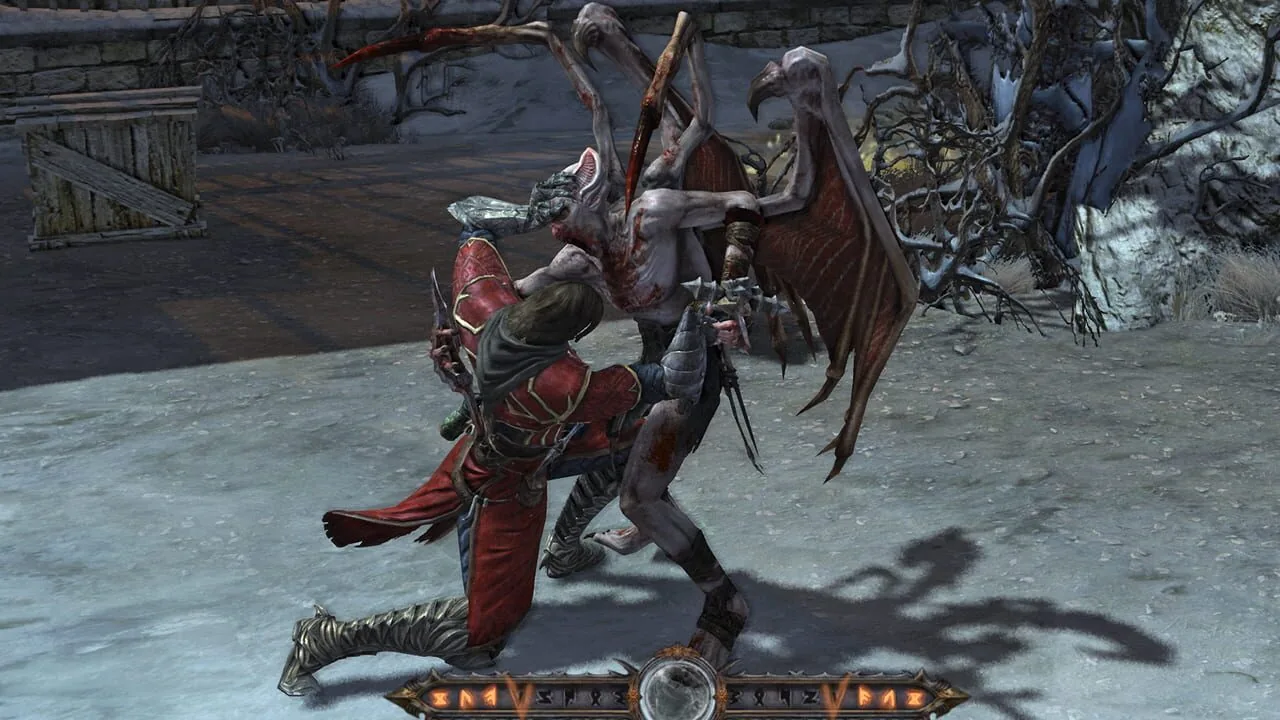
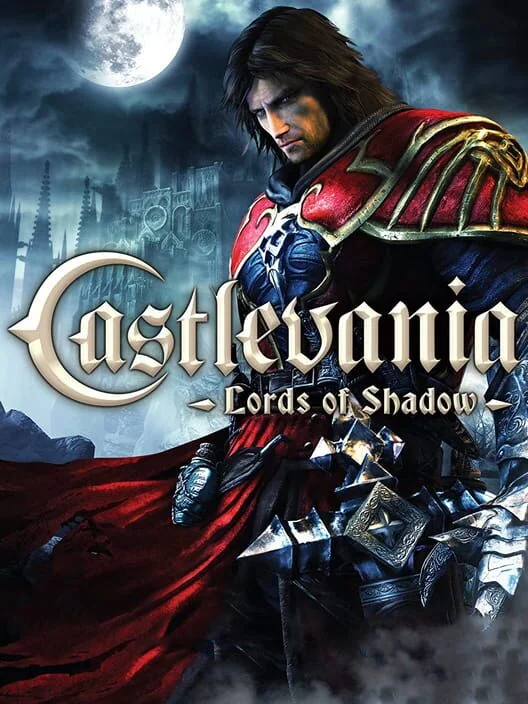
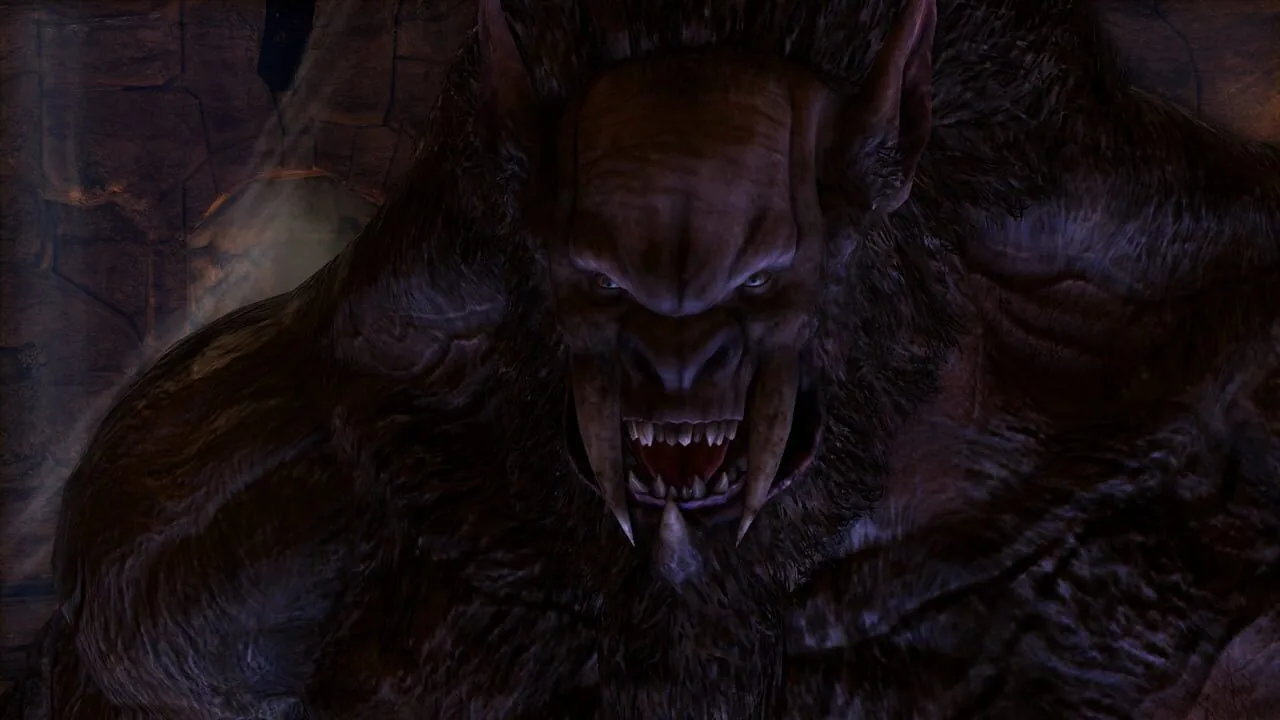
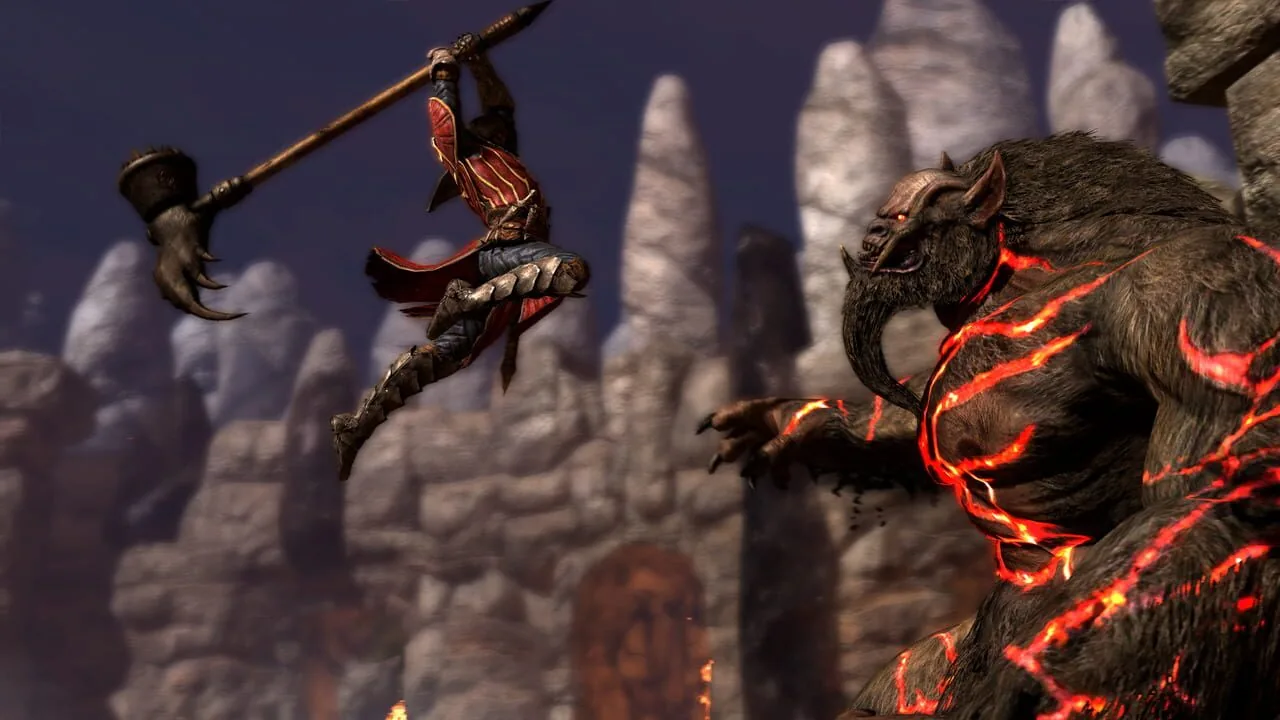
Lords of Shadow came out on October 5, 2010 for PlayStation 3 and Xbox 360, and it is a reboot of the whole series. Set in Southern Europe during the Middle Ages, it follows Gabriel Belmont on his quest to defeat the Lords of Shadow and bring back his wife. It was first announced with no connection to Castlevania at all, so the change of direction would stay a secret. You get up to forty unlockable combos with the Combat Cross.
The game sold well and reviews were positive, with praise for the story and the combat. Óscar Araujo's score was acclaimed too. Plenty of players enjoyed it, and it is the highest of the modern games here.
10. Castlevania (1986)
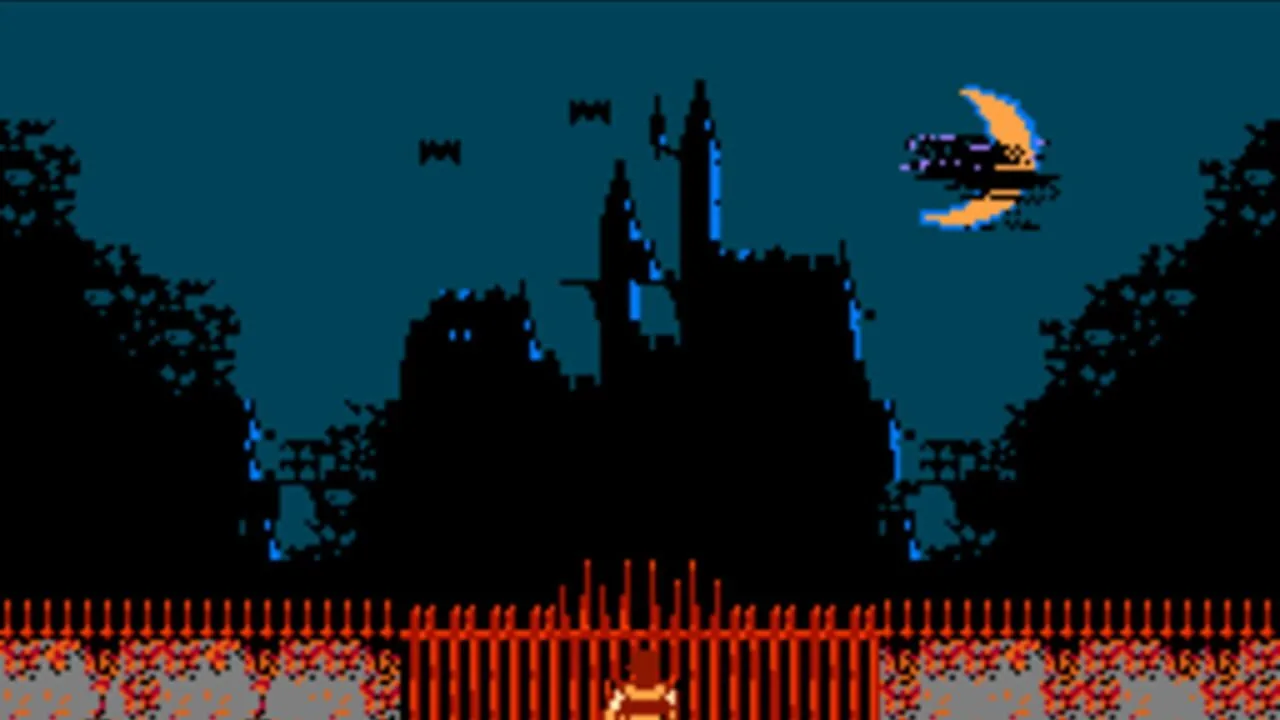
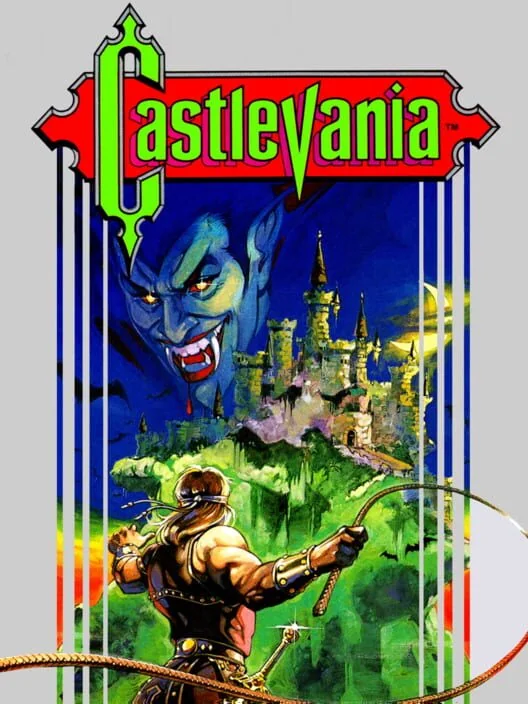
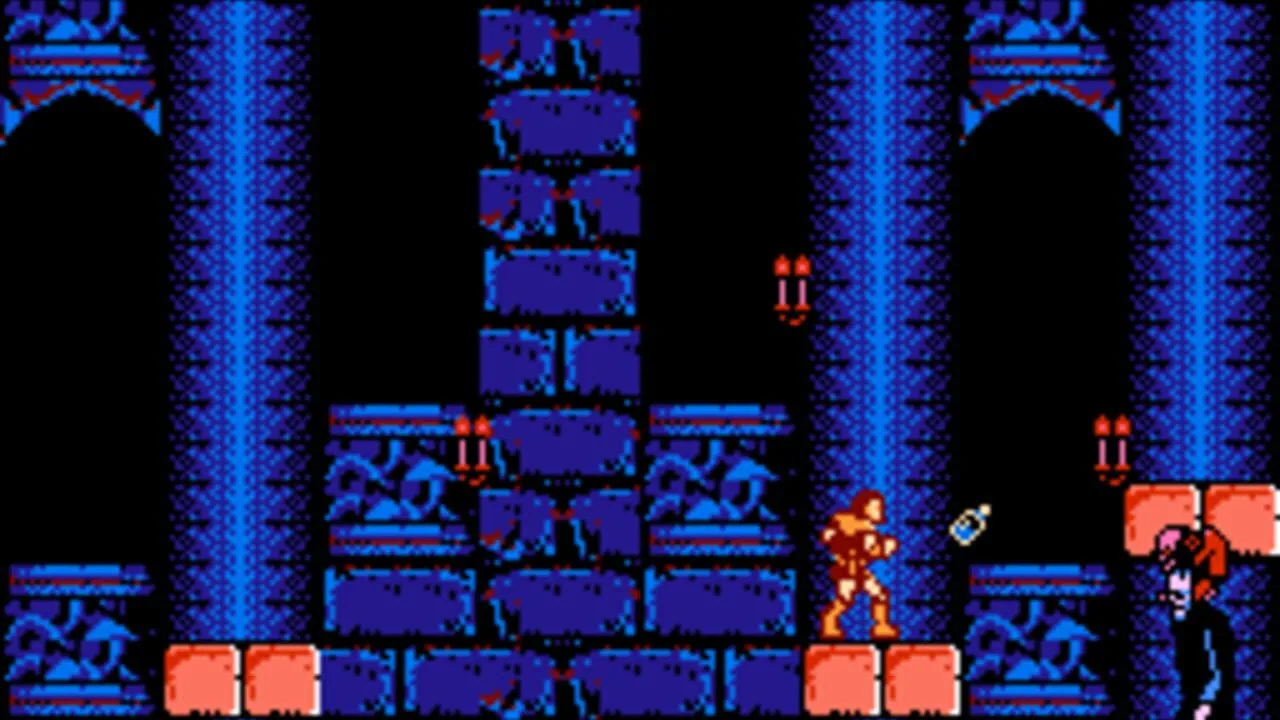
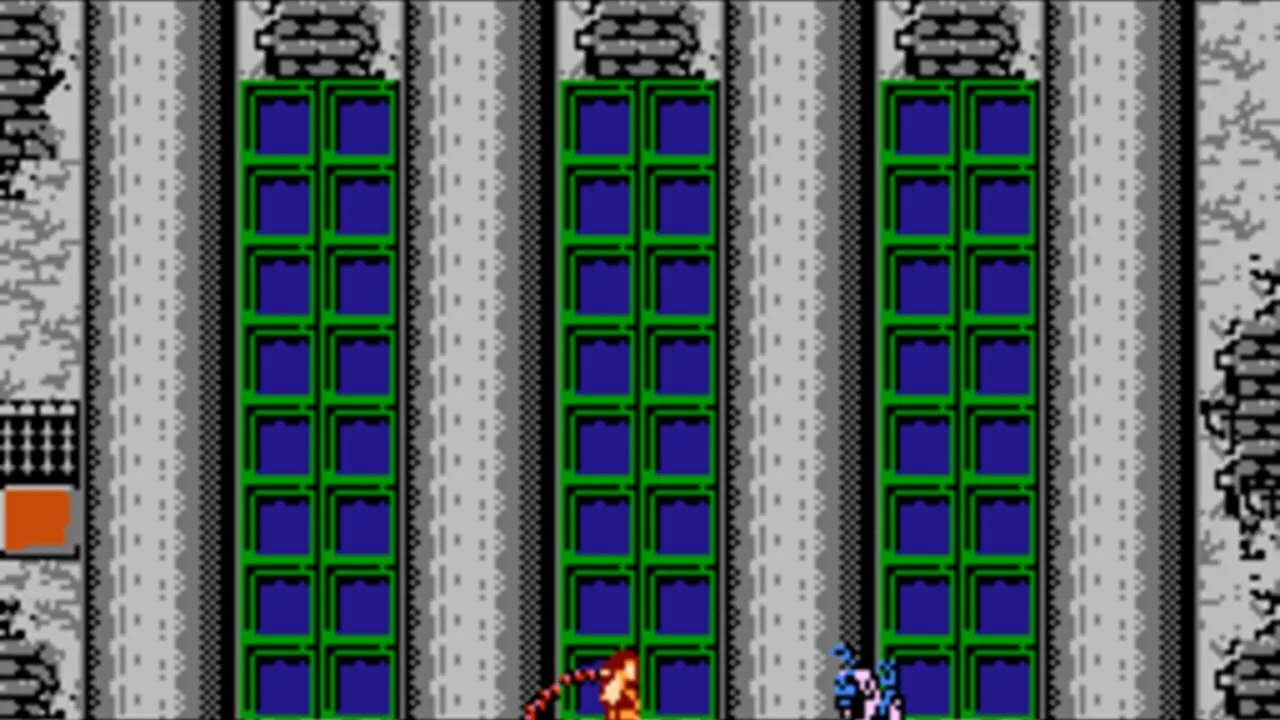
The one that started it came out on the Famicom Disk System in September 1986, then on NES cartridge in North America in 1987. Hitoshi Akamatsu directed it. You fight through blocks of the castle, each ending with a boss themed after a classic horror movie monster, such as Frankenstein's monster or the Grim Reaper. You can only carry one sub-weapon at a time, and losing a life loses it.
It was a commercial success, and journalists praised the music and the difficulty. They were right about the difficulty. Of the three NES games it is the one players rank highest here, and it beats most of the series that came after it.
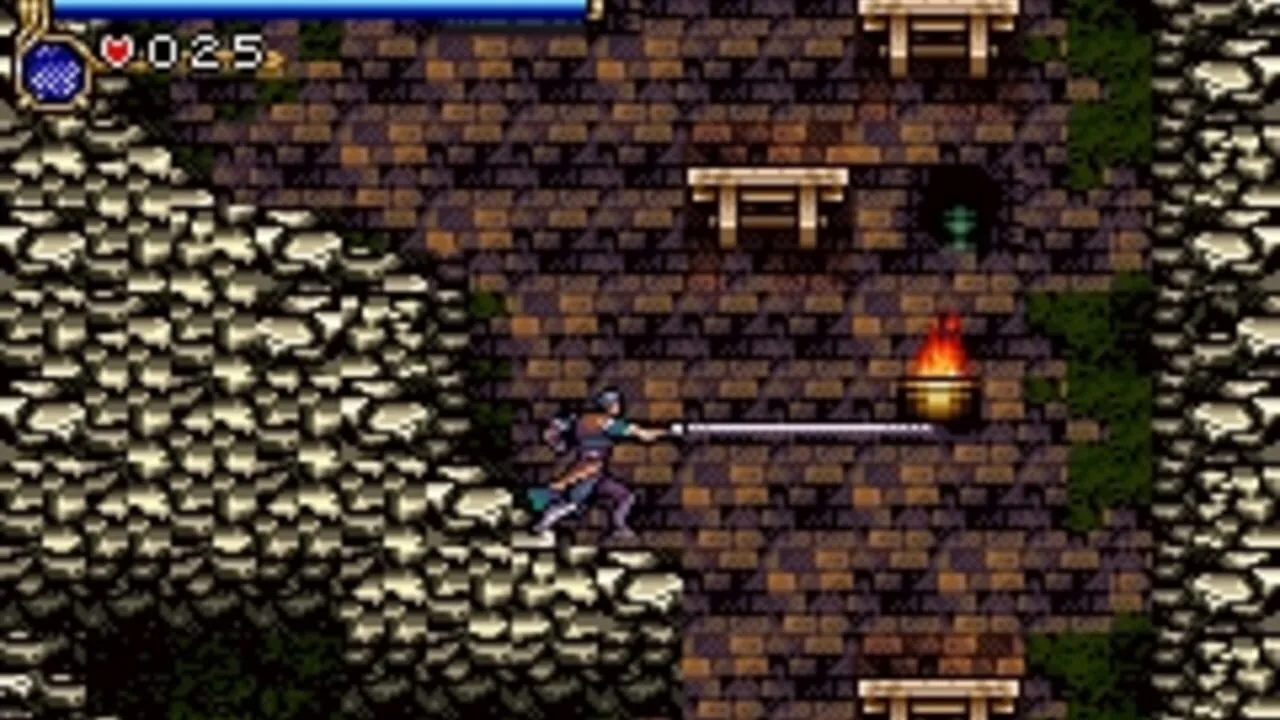
9. Castlevania: Circle of the Moon (2001)
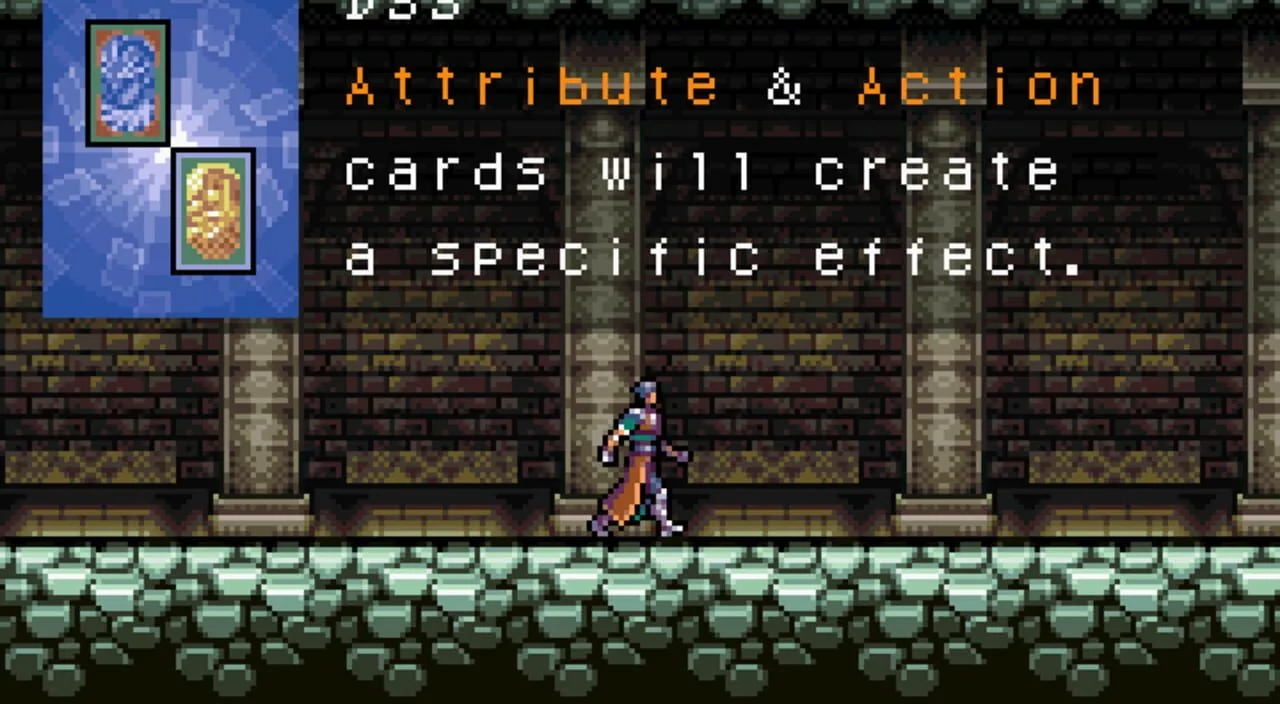
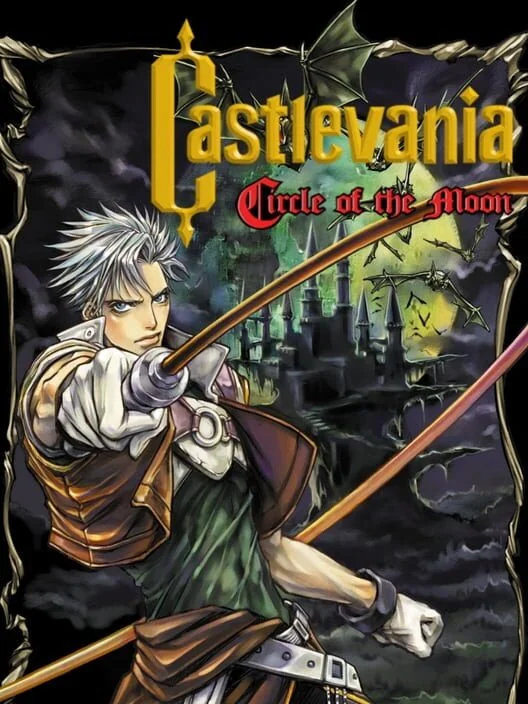
Circle of the Moon was a launch title for the Game Boy Advance, developed by Konami Computer Entertainment Kobe as a stand-alone game. It is set in 1830 Europe, and you play Nathan Graves in a cast mostly new to the series. Combine the right pair of cards and you get a specific effect. Finding them all is half the game.
It sold 500,000 units worldwide, a big number for a launch game on a new handheld. The one complaint everyone remembers is the dark graphics, which were hard to see on a Game Boy Advance with no backlight. Players still put it on their GBA must-play lists.
8. Castlevania: Lament of Innocence (2003)
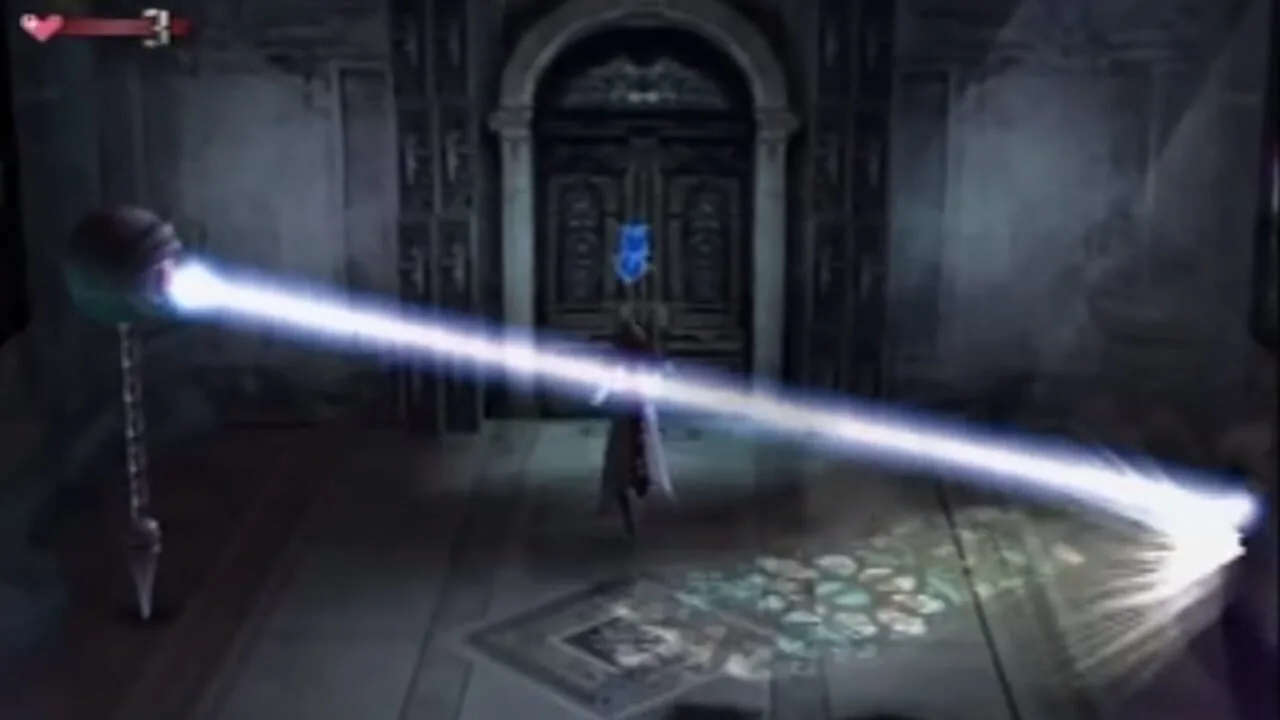
Lament of Innocence was the first Castlevania on the PlayStation 2 and the third to use a 3D style of gameplay. It came out in Japan and North America in late 2003. It is also chronologically the first game in the series, so this is where the Belmonts' war with Dracula begins.
Reviewers criticized the hallways and rooms as repetitive, and the camera got mixed reactions. Game Informer called it a great new beginning with room for improvement. Players put it on their lists of PS2 favorites, often right next to Curse of Darkness. A long corridor has never stopped a Belmont.
7. Castlevania: Legacy of Darkness (1999)
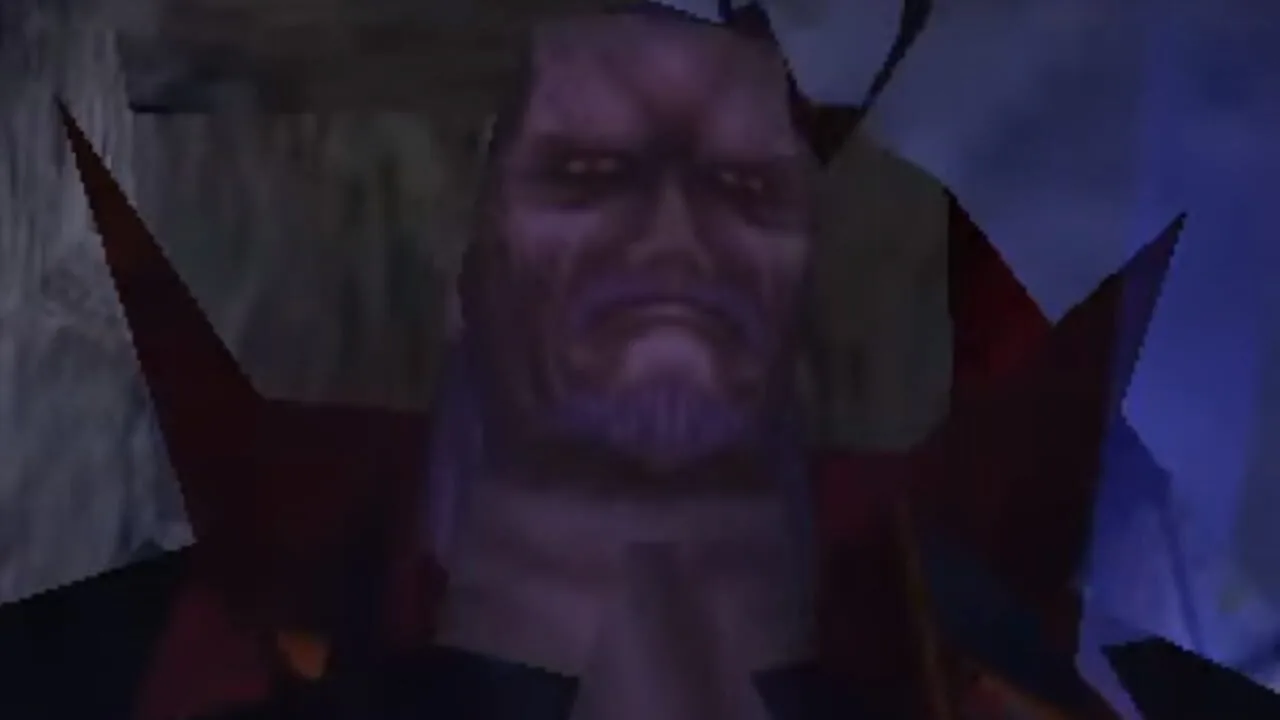
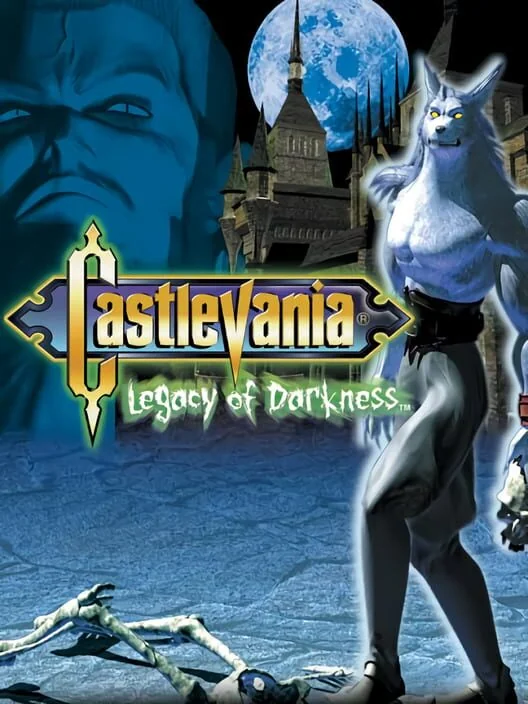
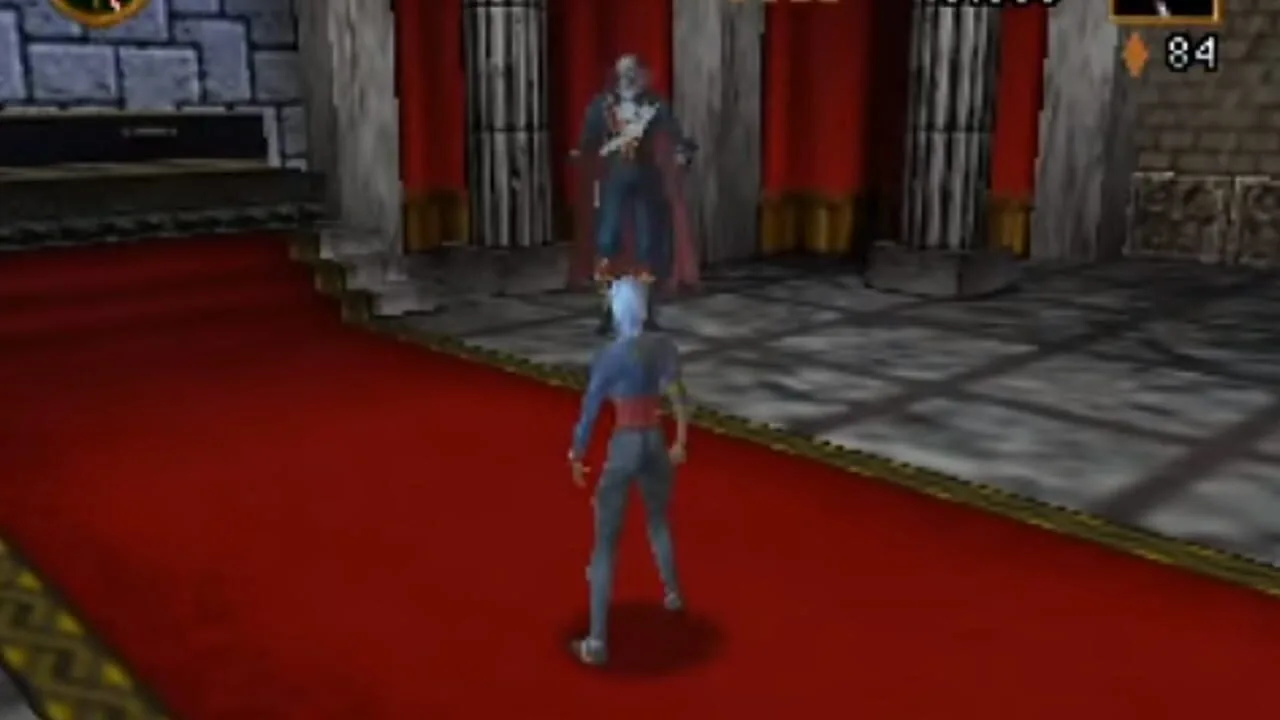
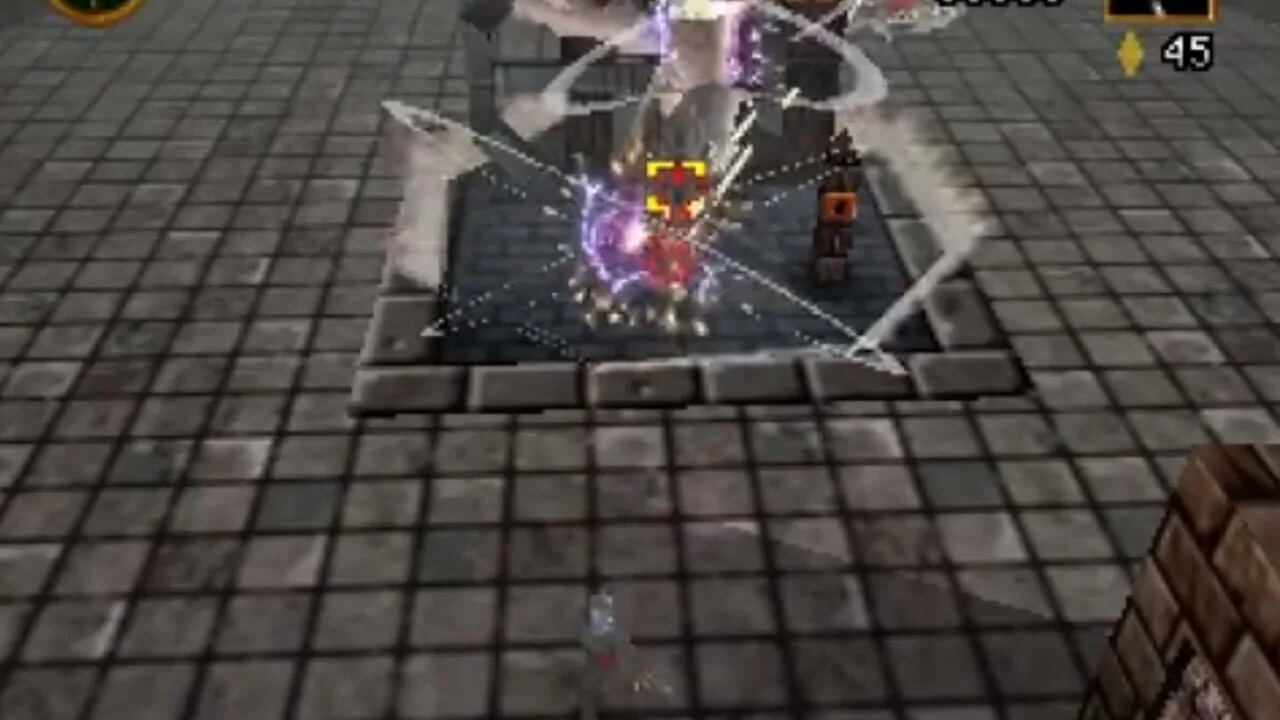
The Nintendo 64 had two Castlevanias in one year, and they are one game on this list. Castlevania, often called Castlevania 64, came out on January 26, 1999 as the first 3D game in the series. Legacy of Darkness followed later that year as a prequel and expanded version. Its main story belongs to Cornell, a man-wolf who appears nowhere in the first release. It also has a revision of the original game with improved graphics.
A big part of the challenge is jumping from platform to platform in 3D, on a Nintendo 64 camera. A hedge maze chainsaw guy is waiting for you too. Players who grew up with these games love them, and they know the rest of the fan base does not.
6. Castlevania: Portrait of Ruin (2006)
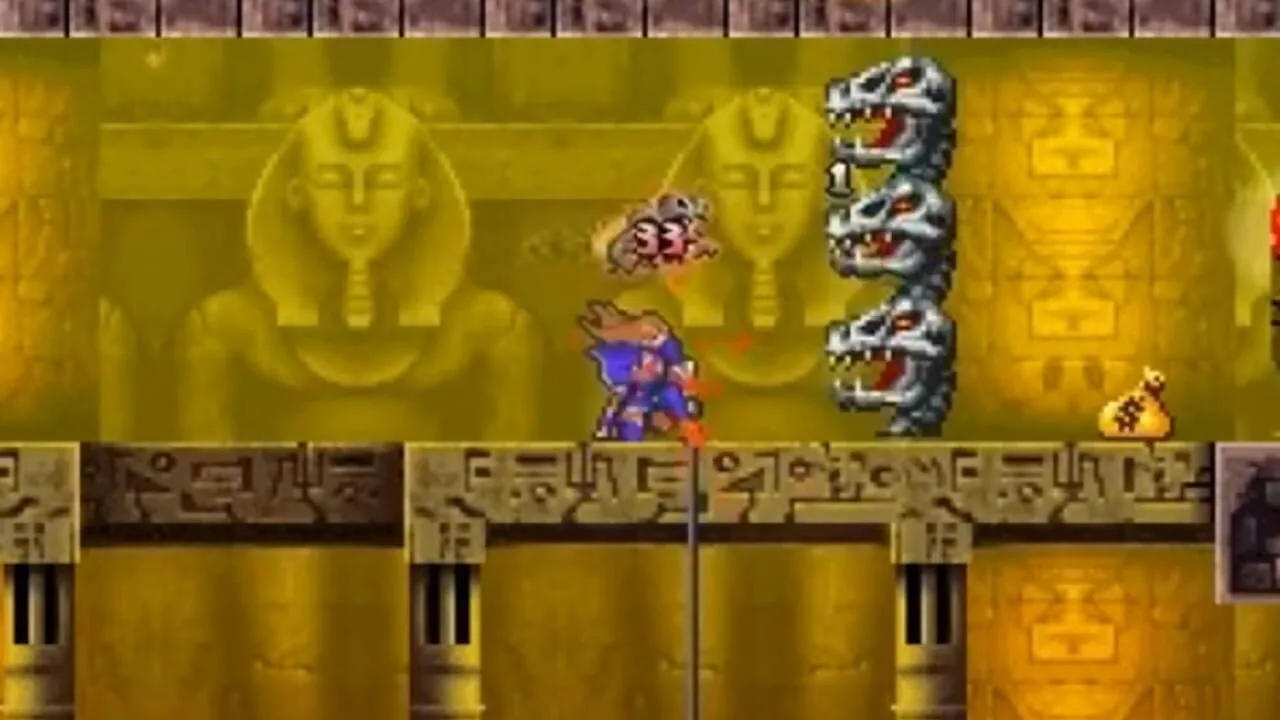
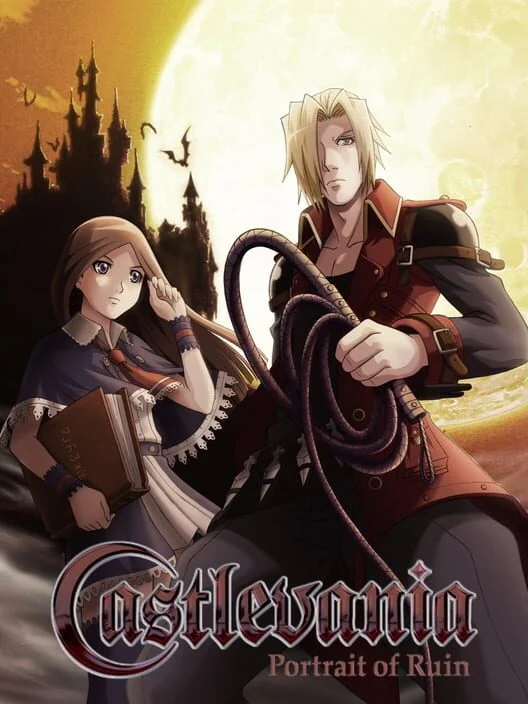
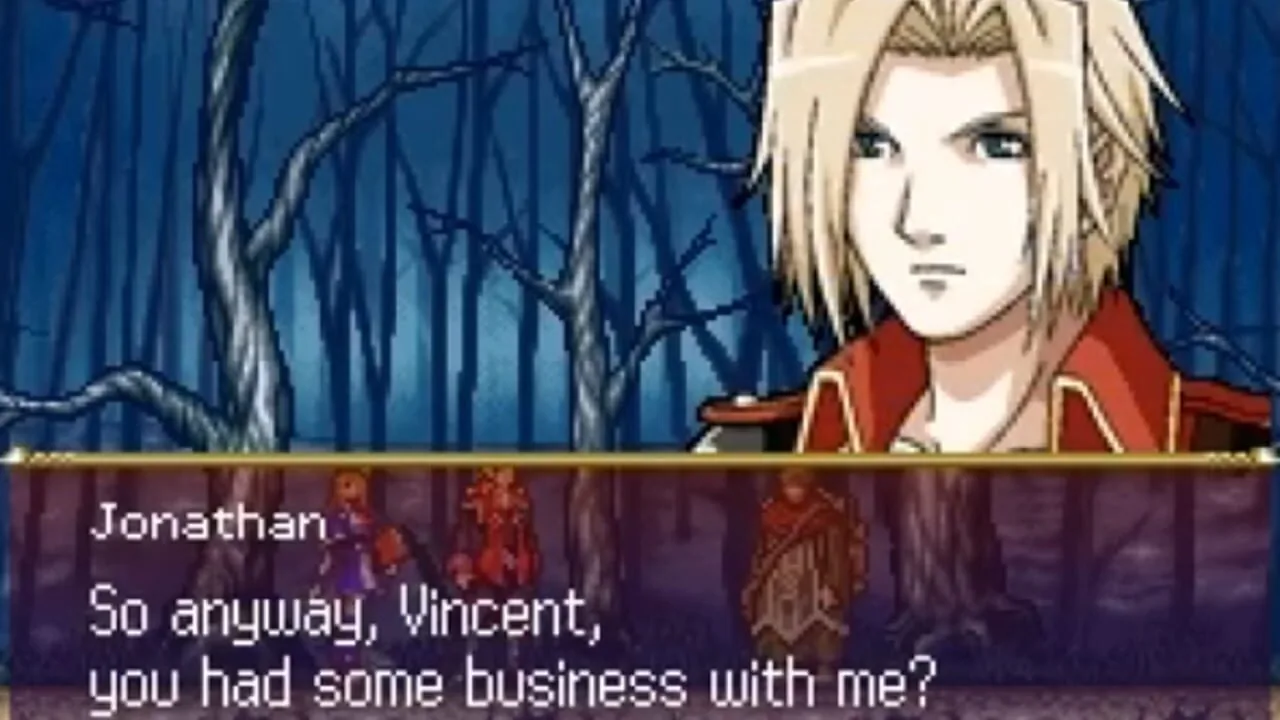
Portrait of Ruin is set in Europe during World War II, and it follows Jonathan Morris, the son of John Morris from Bloodlines, and Charlotte Aulin as they try to stop a vampire from resurrecting Dracula. You swap between the two heroes as you go, and some parts need them both. It is a 2D Metroidvania with more than one ending, and the bad one finishes as a game over.
Critics praised the soundtrack and the cooperative mechanics, and it won awards as one of the best DS games. There is a Boss Rush mode for one or two players and an Old Axe Armor mode where you play as the enemy of that name. Of the three DS games it comes third here, but it has a smaller group of fans who prefer it to the other two.
5. Castlevania: Order of Ecclesia (2008)
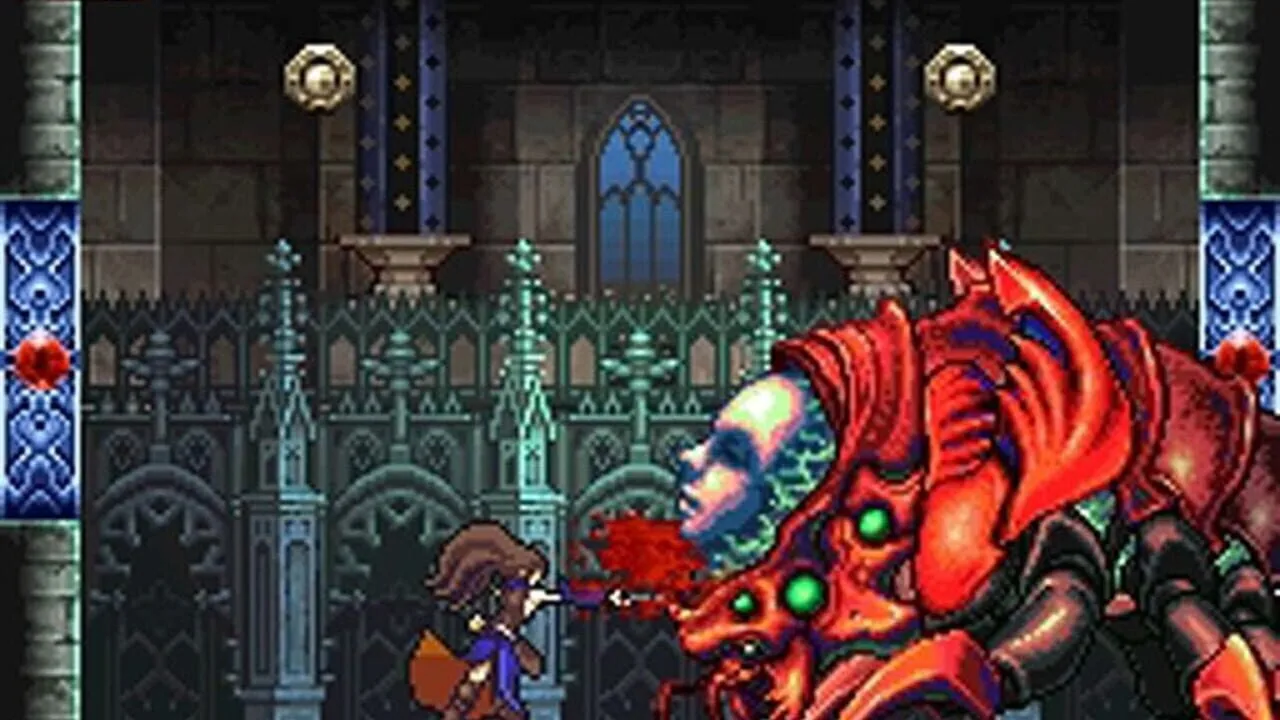
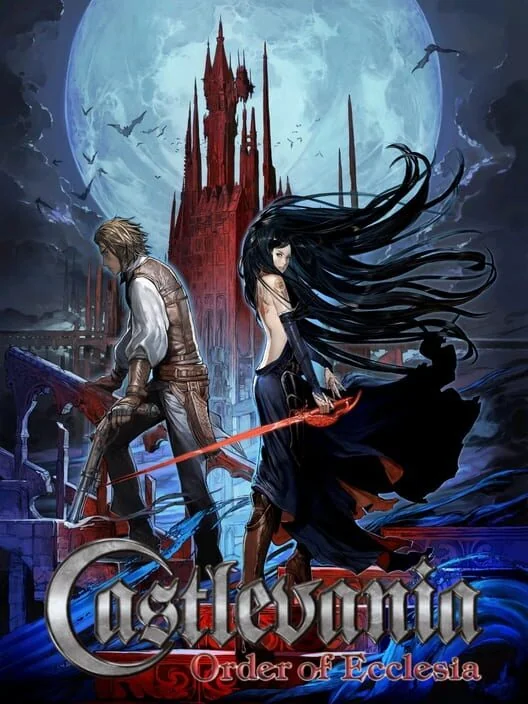
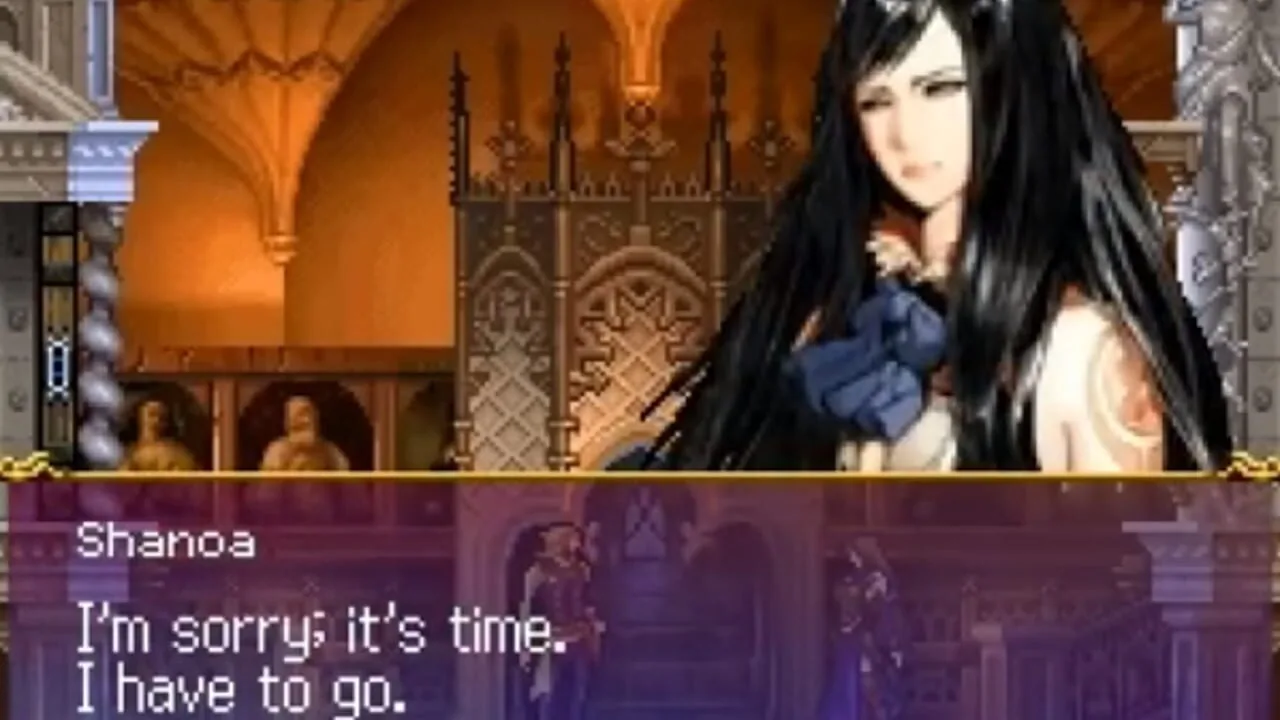
Order of Ecclesia was the last of the three DS games, directed by Akihiro Minakata with Koji Igarashi as producer. You play Shanoa, a member of the Order of Ecclesia and the chosen vessel for Dominus, a triad of magical glyphs based on Dracula's power. Glyphs are your weapons here, and the Glyph Union technique calls a more powerful attack based on the ones you have equipped.
It came from the same team as Portrait of Ruin, and it gave the DS run a fresh lead and a new attack system. Plenty of players call it the best of the three.
4. Castlevania: Rondo of Blood (1993)
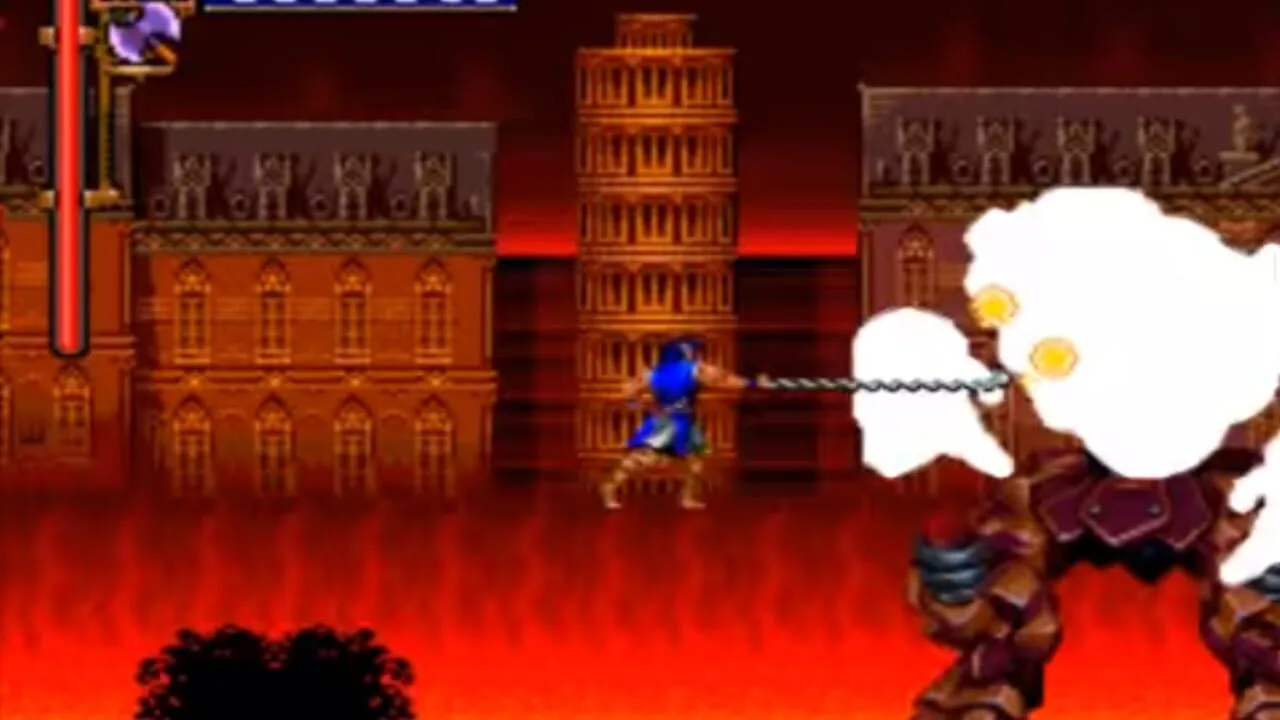
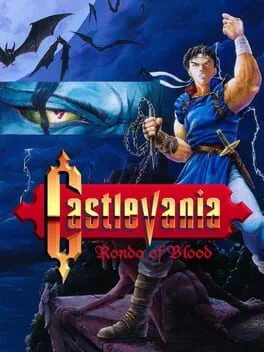
Rondo of Blood came out only in Japan on October 29, 1993, for the PC Engine. English players had to wait, and The Dracula X Chronicles on the PSP was the first time it was released outside Japan. That version came out on October 23, 2007 in North America. It is a remake with 2.5D graphics and it has the original Rondo of Blood localized into English inside it, so the two count as one here. The SNES remake, Castlevania: Dracula X, is a different game.
Symphony of the Night is the direct sequel, which is one more reason to play this first. Players who prefer the classic levels call it the best of them, and players on the PSP keep recommending The Dracula X Chronicles.
3. Castlevania: Dawn of Sorrow (2005)
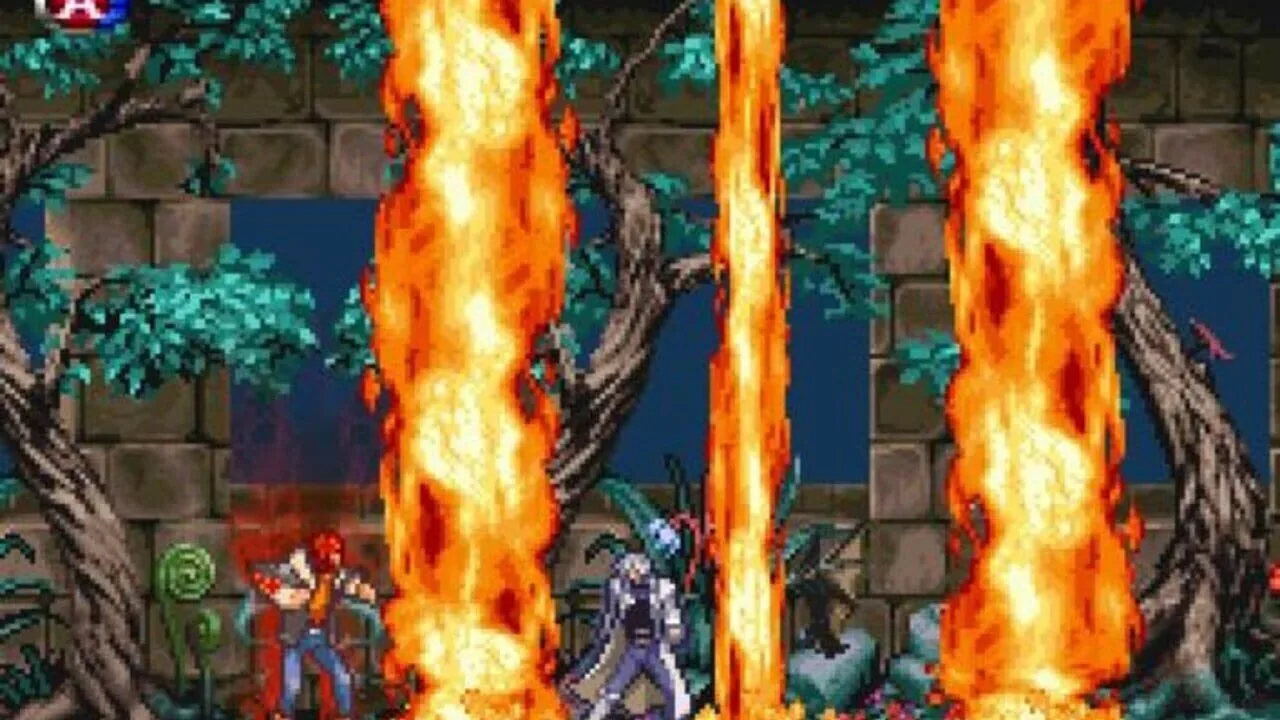
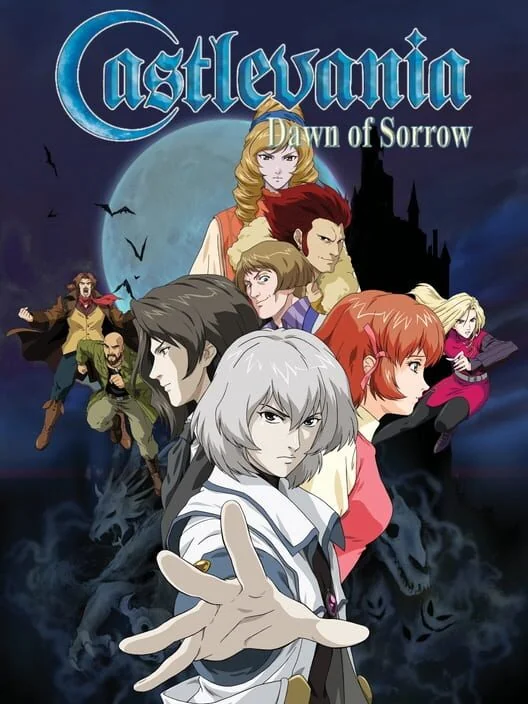
Dawn of Sorrow was the first Castlevania on the Nintendo DS and the sequel to Aria of Sorrow. Koji Igarashi led the team and wrote the story. Soma Cruz learns that his powers were only dormant and goes after Celia, the head of a cult that seeks the resurrection of the dark lord. You equip three kinds of soul, one of each at a time.
It sold more than 15,000 units in its first week in Japan and 164,000 in the United States in its first three months. Many players pick it as their favorite of the three DS games, and the soul system is what they talk about.
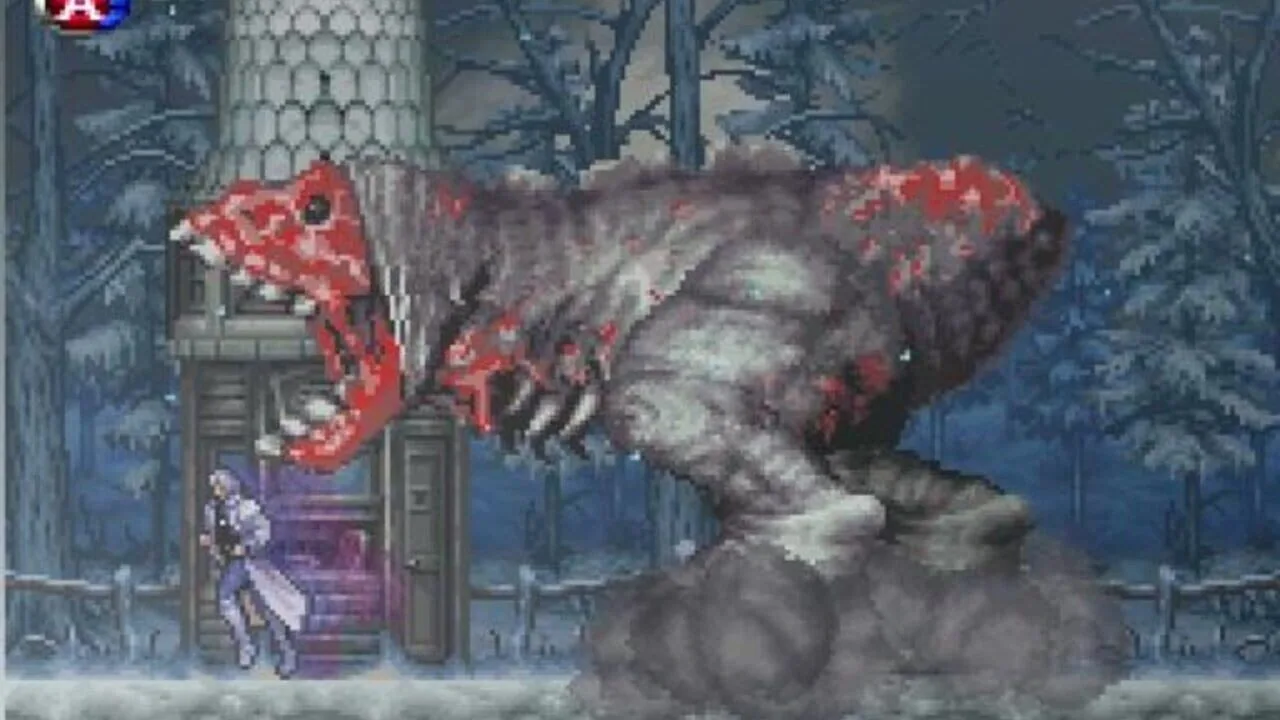
2. Castlevania: Aria of Sorrow (2003)
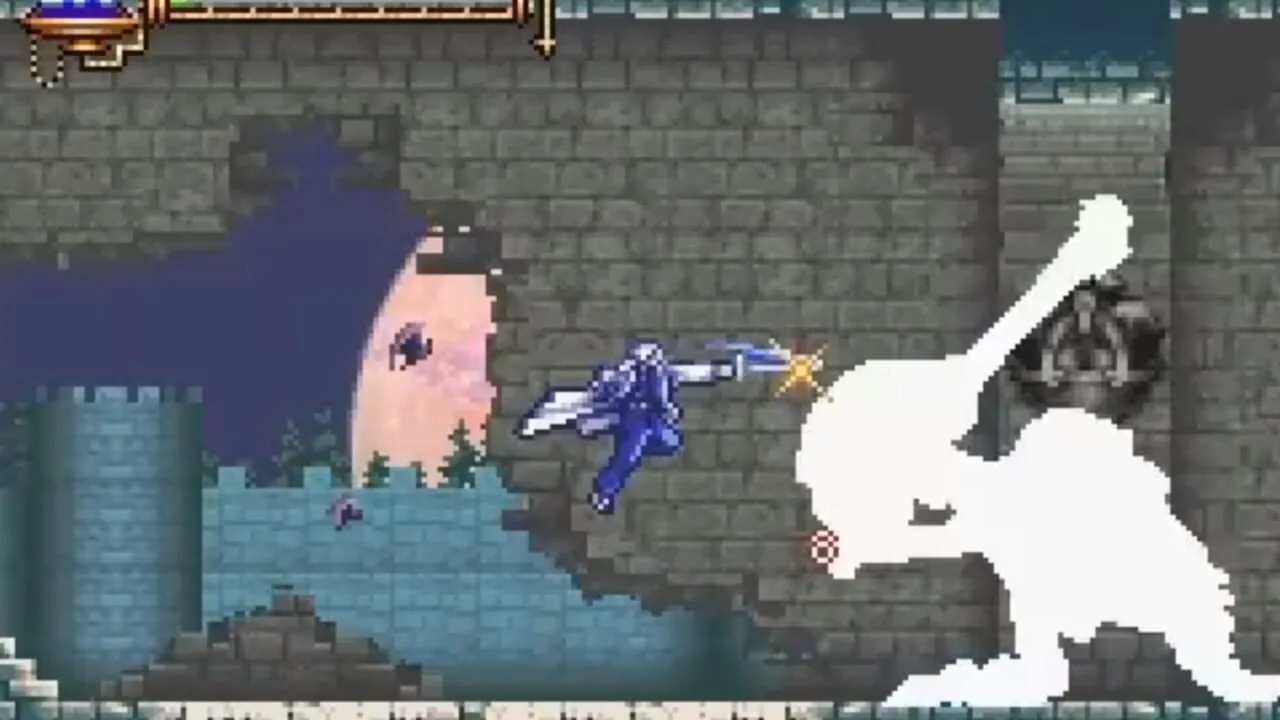
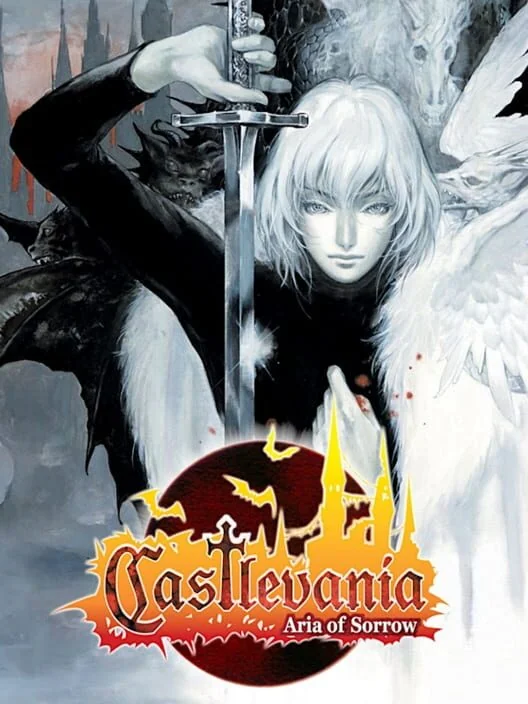
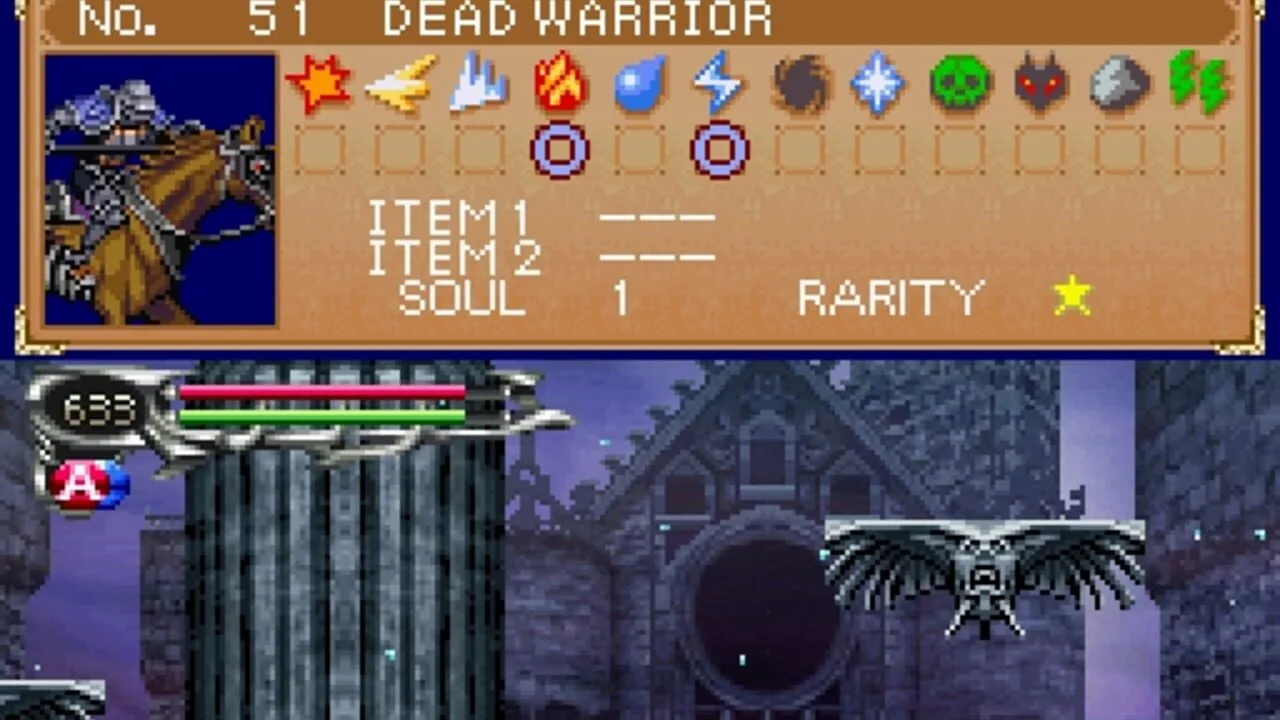
Aria of Sorrow came out in May 2003 for the Game Boy Advance, with Koji Igarashi producing and Junichi Murakami directing. You play Soma Cruz, and the main idea is the Tactical Soul System, which lets you take the powers of the monsters you beat. Michiru Yamane returned to compose the music alongside Takashi Yoshida and Soshiro Hokkai.
It sold poorly in Japan, with 27,000 units nearly one month after release, and did far better in the United States, with more than 158,000 units in three months. Critics praised the visuals and the level design, and some considered it the best Castlevania since 1997. Players rank it among the very best in the series, well ahead of the rest of the handheld games.
1. Castlevania: Symphony of the Night (1997)
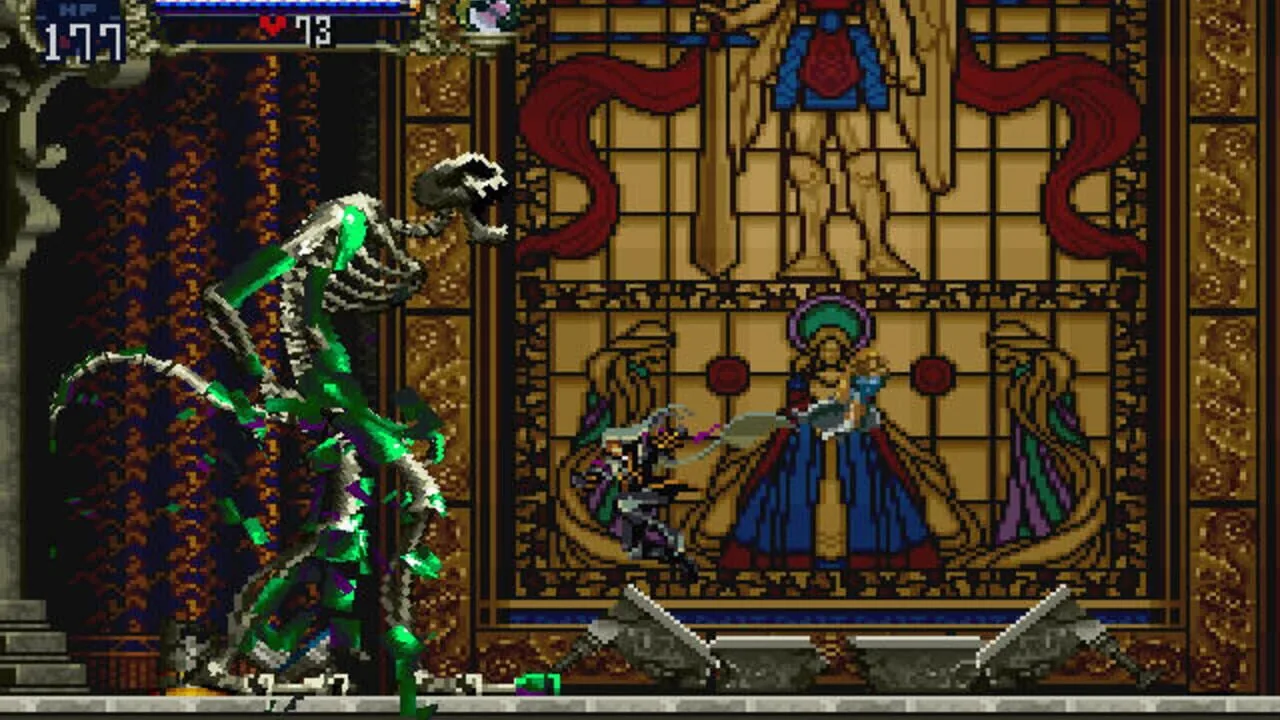
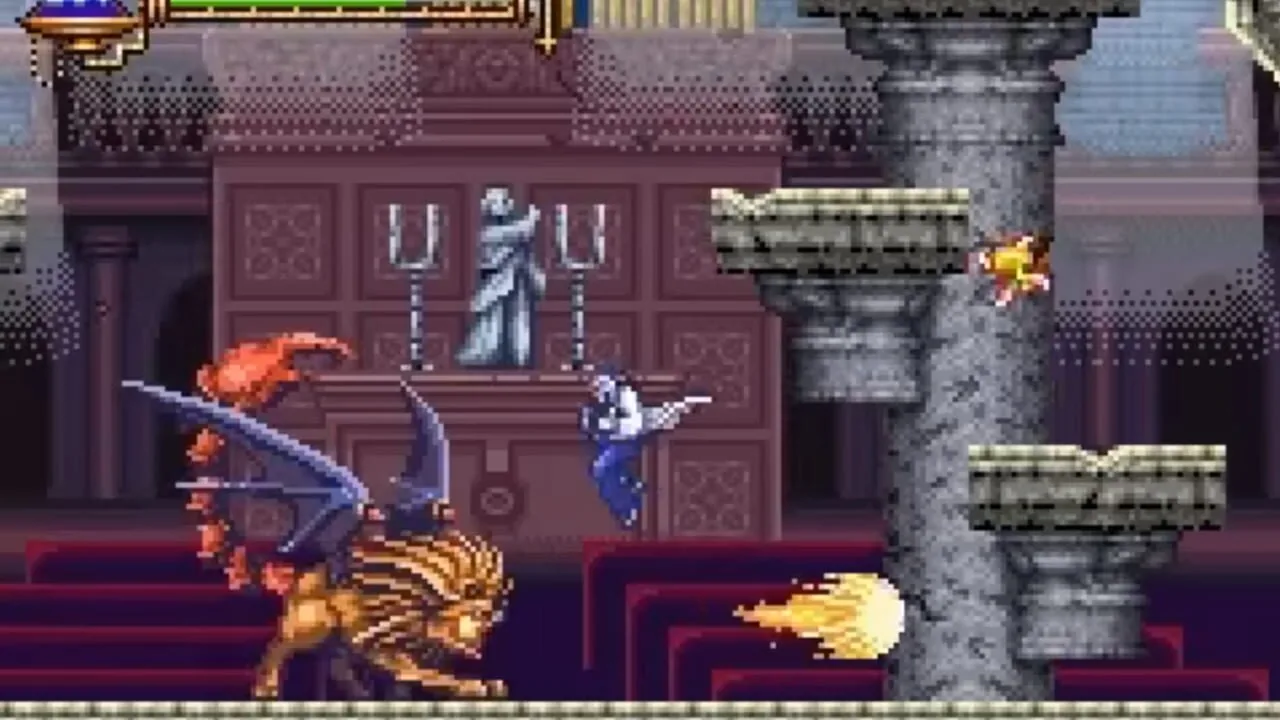
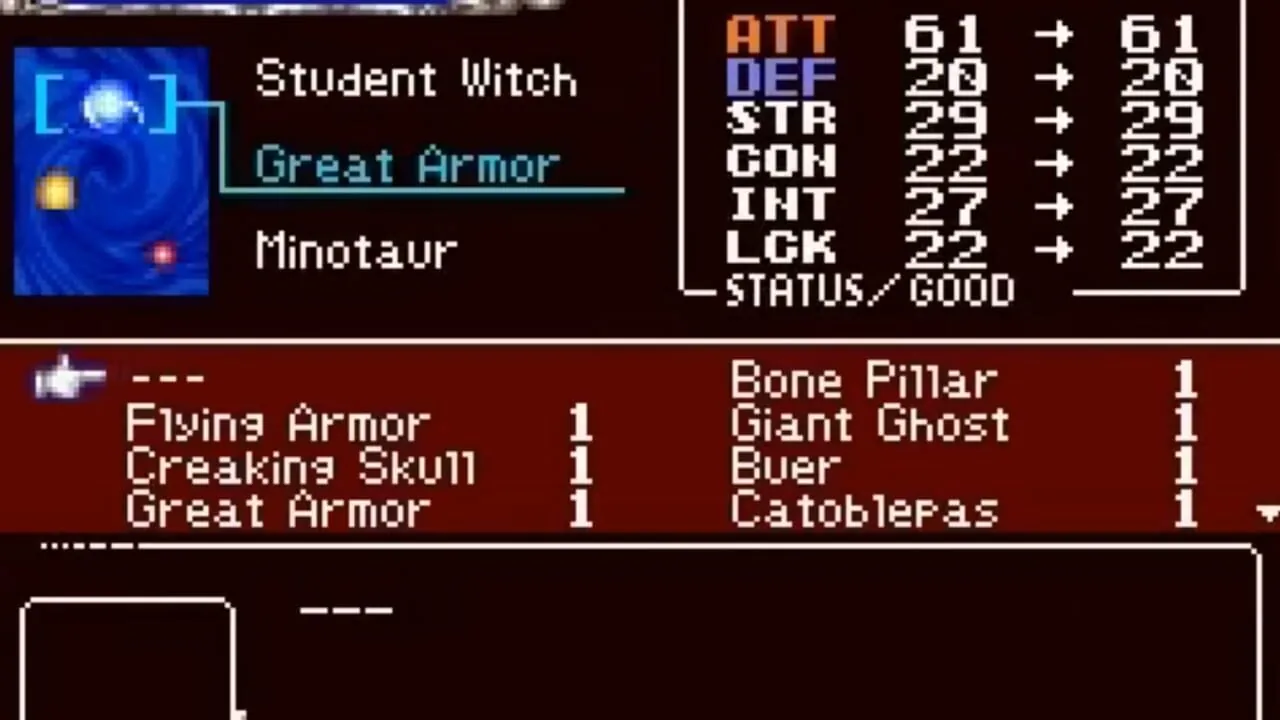
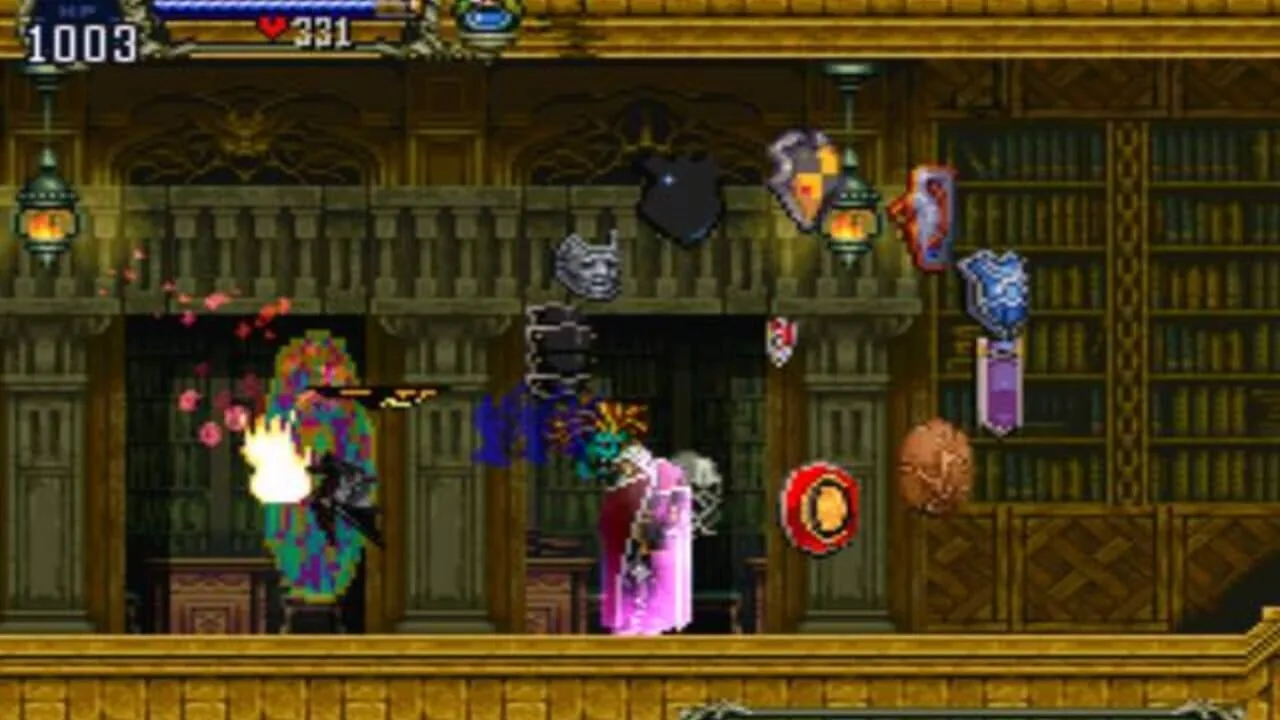
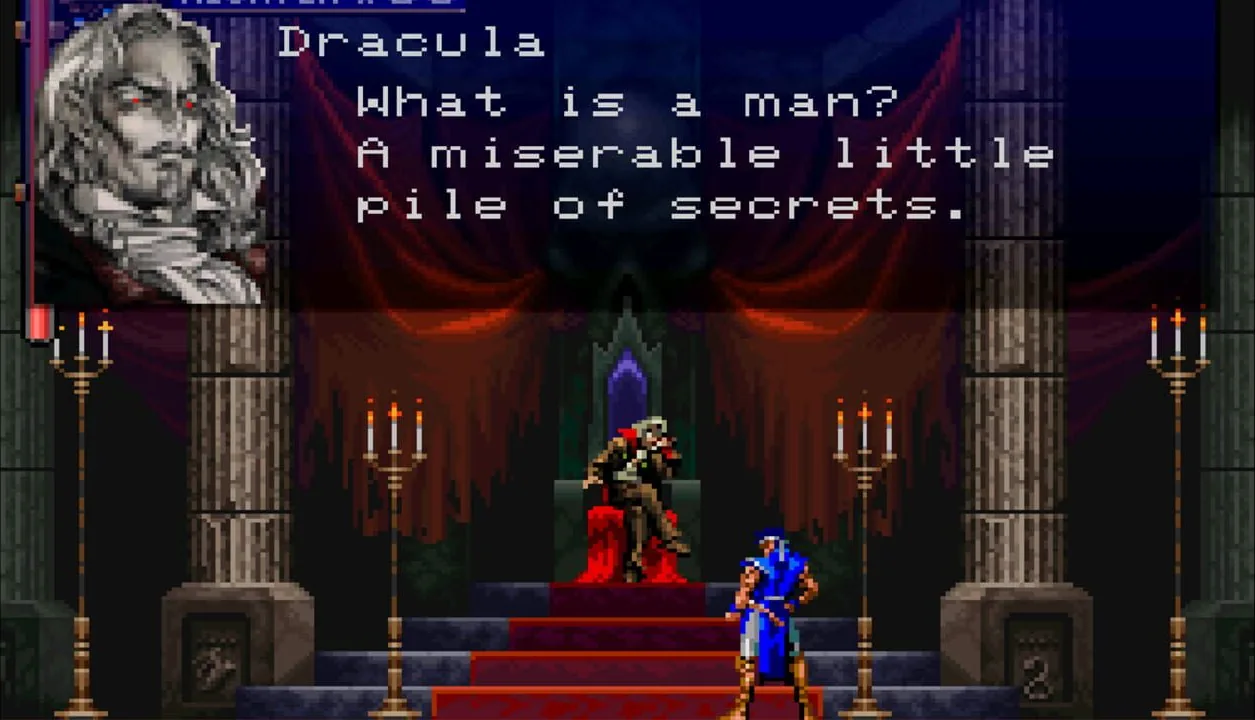
Symphony of the Night is the direct sequel to Rondo of Blood, directed and produced by Toru Hagihara with Koji Igarashi as assistant director. You play Alucard, Dracula's son, exploring the castle with stats to raise, such as strength and luck. Reach the right point and the game reveals its second half, the Inverted Castle, an upside-down version of Dracula's castle with new enemies and bosses.
It sold poorly at first, then word of mouth made it a sleeper hit, with over 700,000 units sold in the United States and Japan. Critics often cite it as one of the best video games of all time, and the only real complaint is the voice acting. Players rank it well ahead of everything else in the series, and many call it the best in the series.
Which one to play
There you have it, the whole list of the best Castlevania games. The top of the list belongs to the games built around one big castle, and the classics below them still hold up.
If you are unsure, start with Symphony of the Night. If you want more of it on a handheld, go to Aria of Sorrow and then Dawn of Sorrow. Traditional fans should play Rondo of Blood and Super Castlevania IV. If you want a 3D Castlevania, try Lords of Shadow first. Co-op fans have Portrait of Ruin. The hidden pick is Curse of Darkness, for the Innocent Devils.