The Game Boy Advance got new Zelda and Metroid games and Advance Wars, all on a handheld that fit in a pocket. These are the 100 best Game Boy Advance games.
Final Fantasy is missing on purpose. The game started on the NES, so it stays off.
100. Bionicle Heroes (2006)
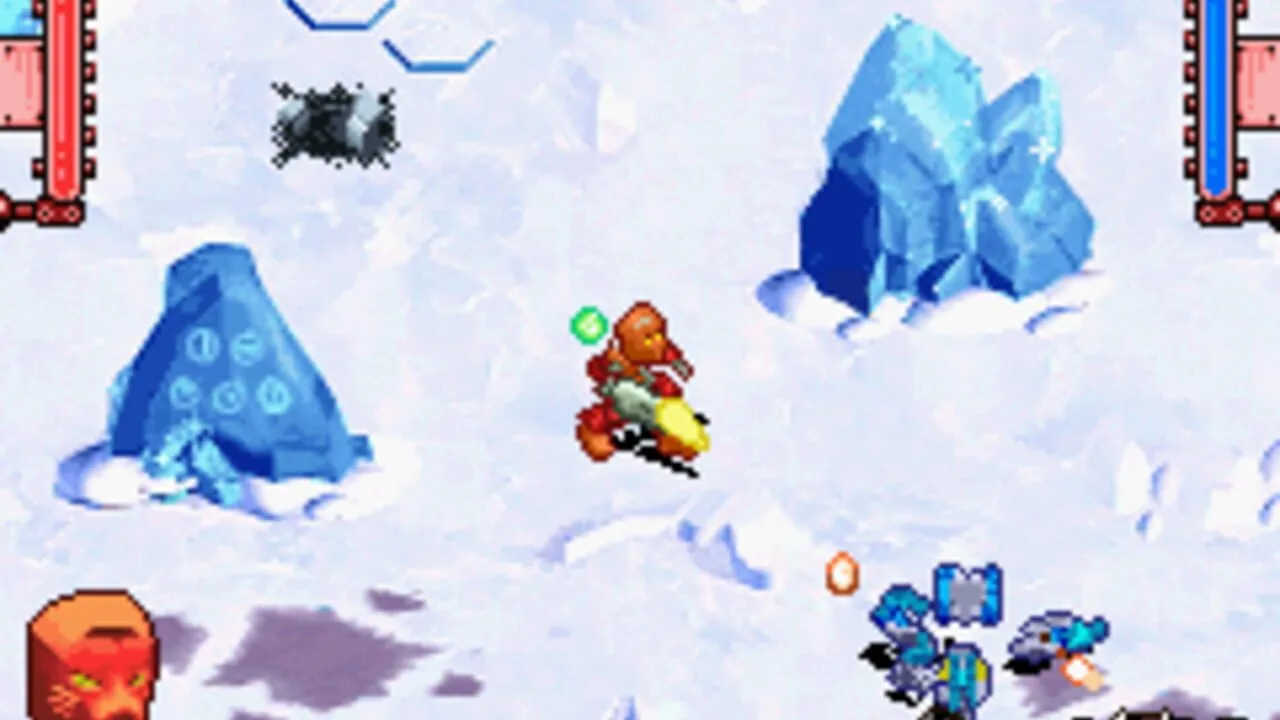
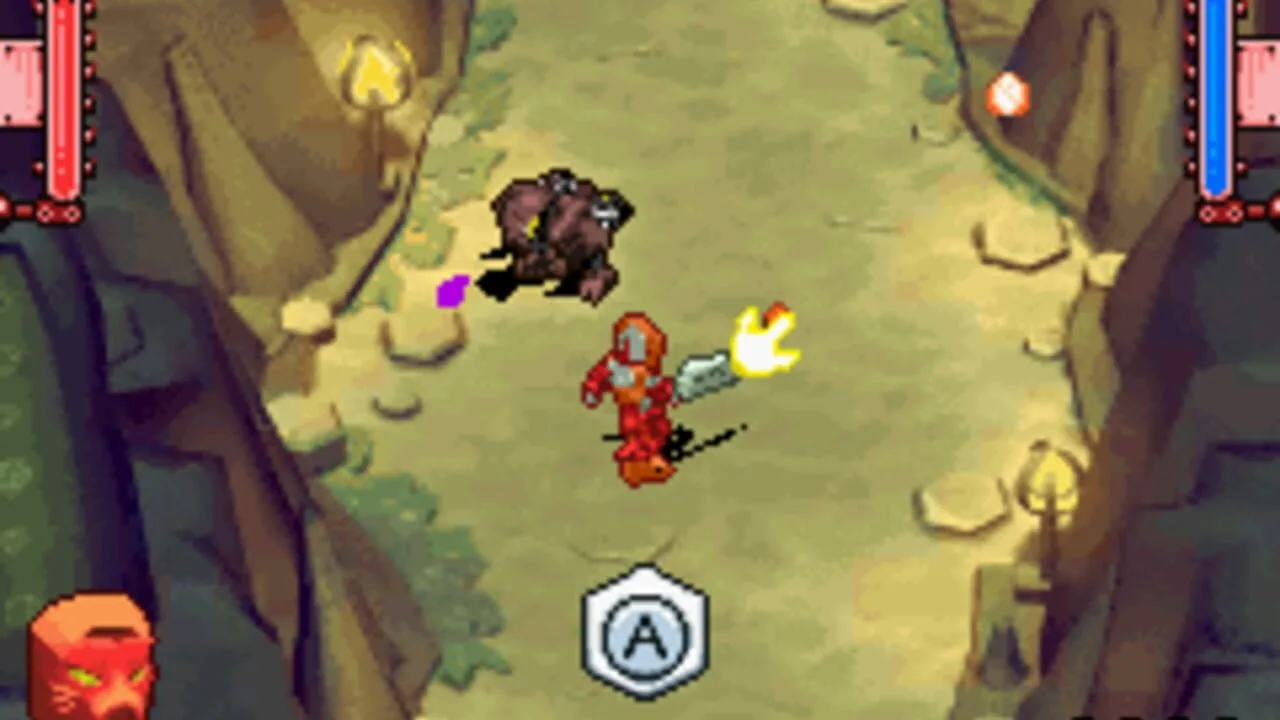
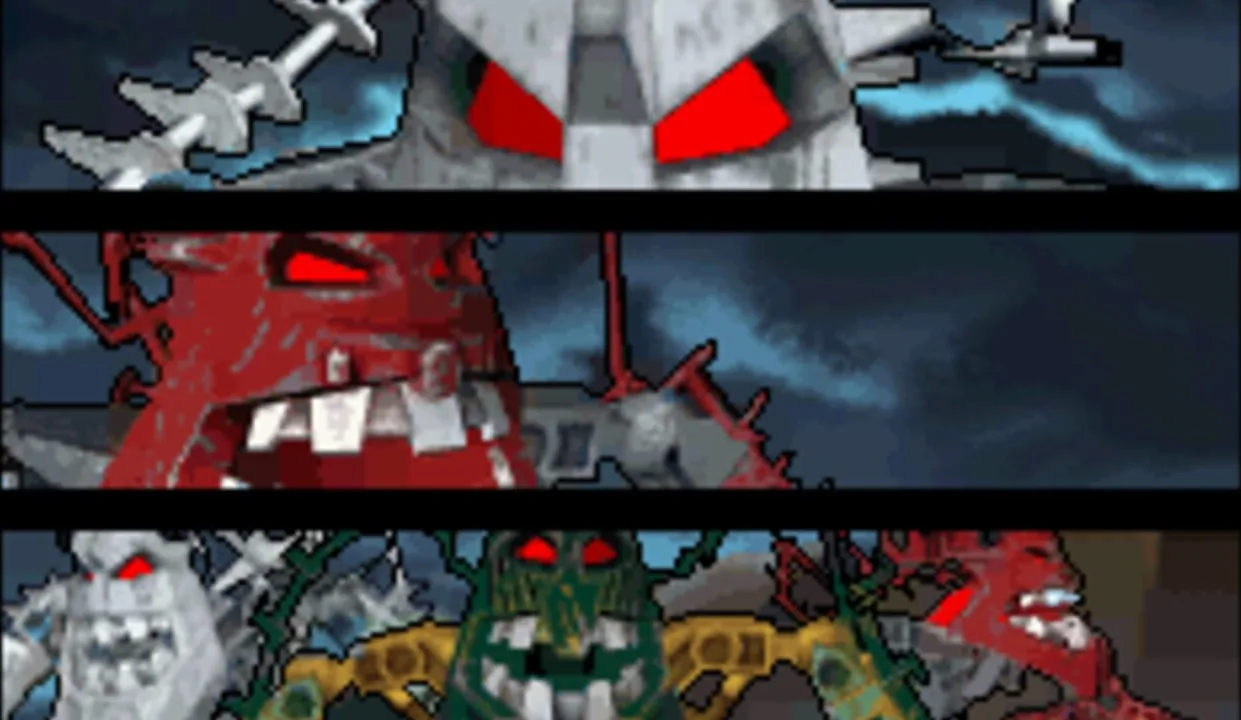
In the GBA version of Bionicle Heroes you play the Toa Inika team on the island of Voya Nui, recovering the Mask of Life that the Piraka gang stole while enslaving the Matoran. The GBA game is a run 'n' gun shoot 'em up, while the home console and PC versions are third-person shooters. Unlike the console and DS versions it uses a top-down perspective, across six zones followed by a final showdown.
Amaze Entertainment developed the handheld versions in 2006, and Traveller's Tales made the home versions. Initially the console version was set to be a first-person shooter, but concerns over its ESRB rating shifted it. A Lego game worrying about its rating is the most 2006 sentence on this list.
99. Racing Gears Advance (2004)
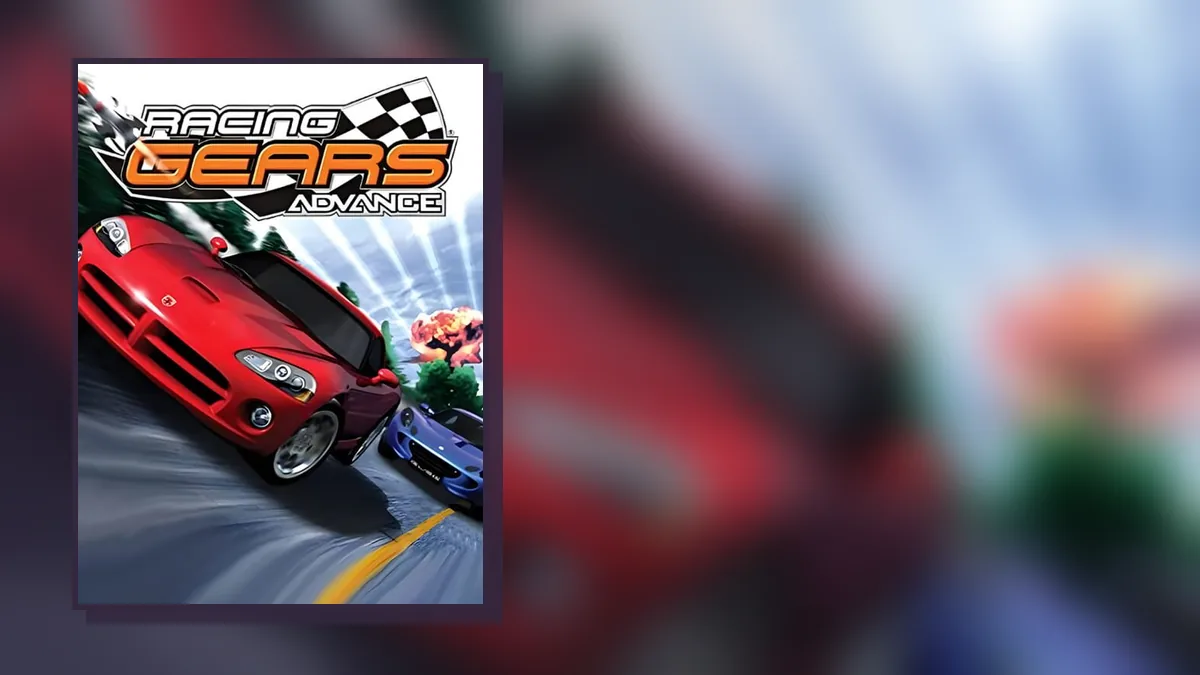
Racing Gears Advance puts you in 12 officially licensed supercars from manufacturers such as Dodge and Lotus. You slide through tough turns and stop a rival in their tracks with a well placed rocket. Your car can be upgraded, and the right tires matter, because the Racing Gears League goes on whether it rains or snows.
Neil Voss, known for his earlier work on Tetrisphere and The New Tetris, composed the soundtrack. Critics gave it positive reviews. You can also team up with friends for multiplayer racing. It is the kind of racer that rewards short sessions, and it fits a handheld better than most licensed car games from the same period.
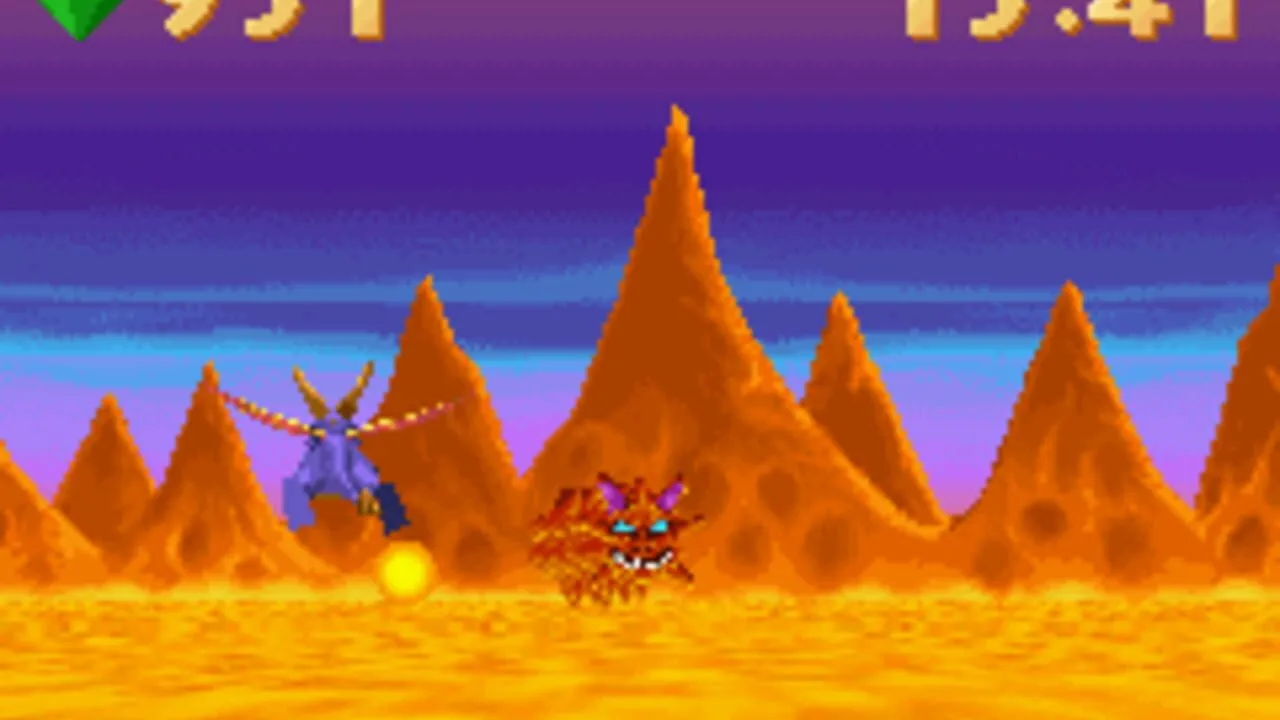
98. Spyro: Season of Ice (2001)
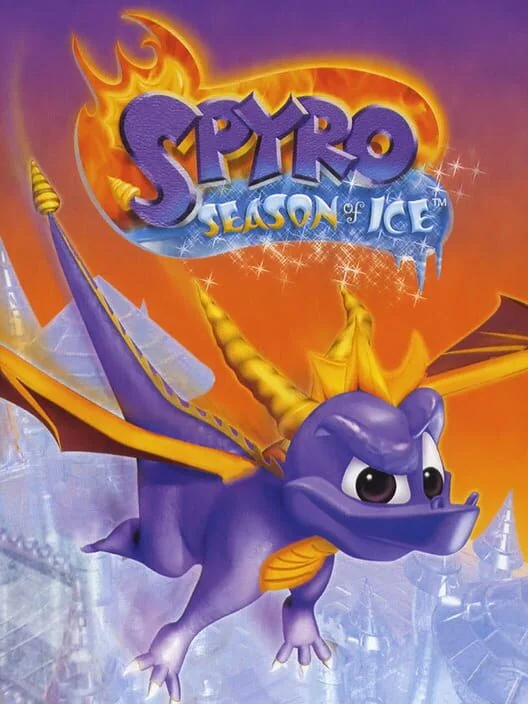
Season of Ice is the first Spyro game that Insomniac Games did not make, and the first one on the Game Boy Advance. The PlayStation games used another view, while this one uses an isometric overhead camera, though Spyro keeps his flame breath and glide. The flying bonus levels use Mode 7 technology to create a 3D-like perspective.
The goal is to release fairies from their ice prisons and move from realm to realm before defeating Grendor. Portals link the realms to levels with enemies and water that Spyro can drown in, and some lead to a long horizon where he flies. Money Bags guards some portals and lets Sparx through for a fee, the only fair toll booth in the series.
97. Star Wars: Episode III - Revenge of the Sith (2005)
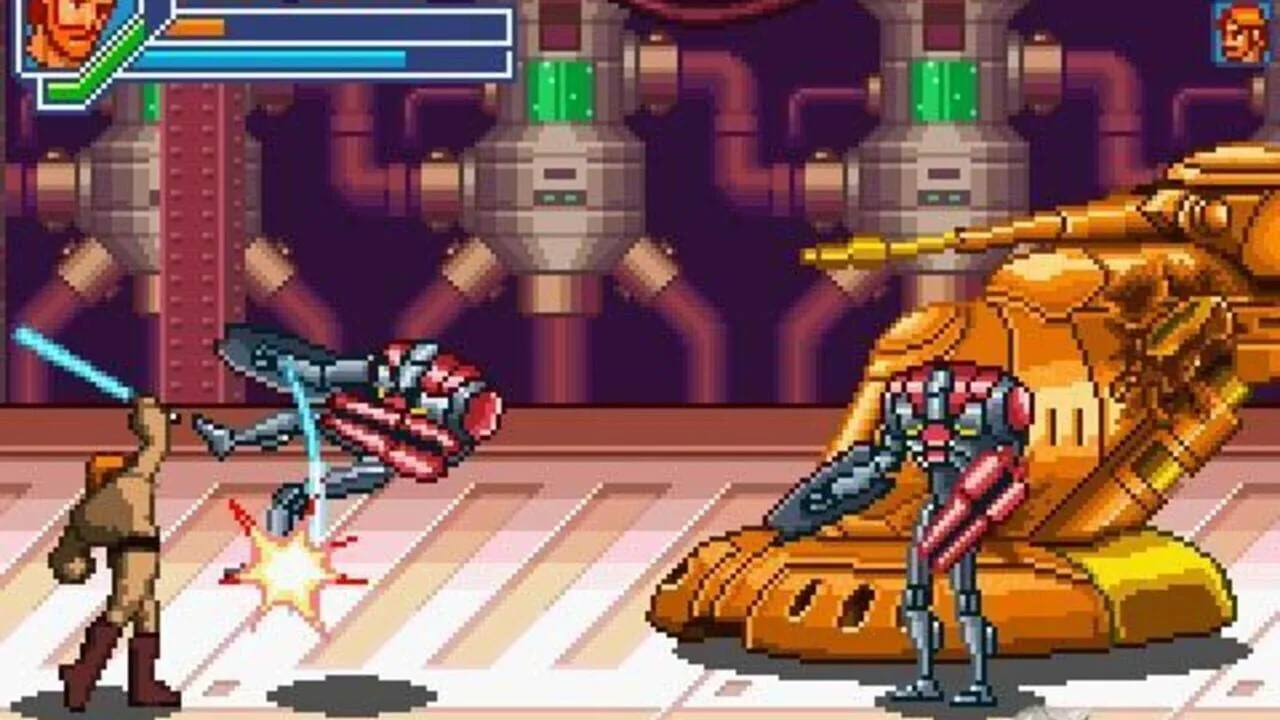
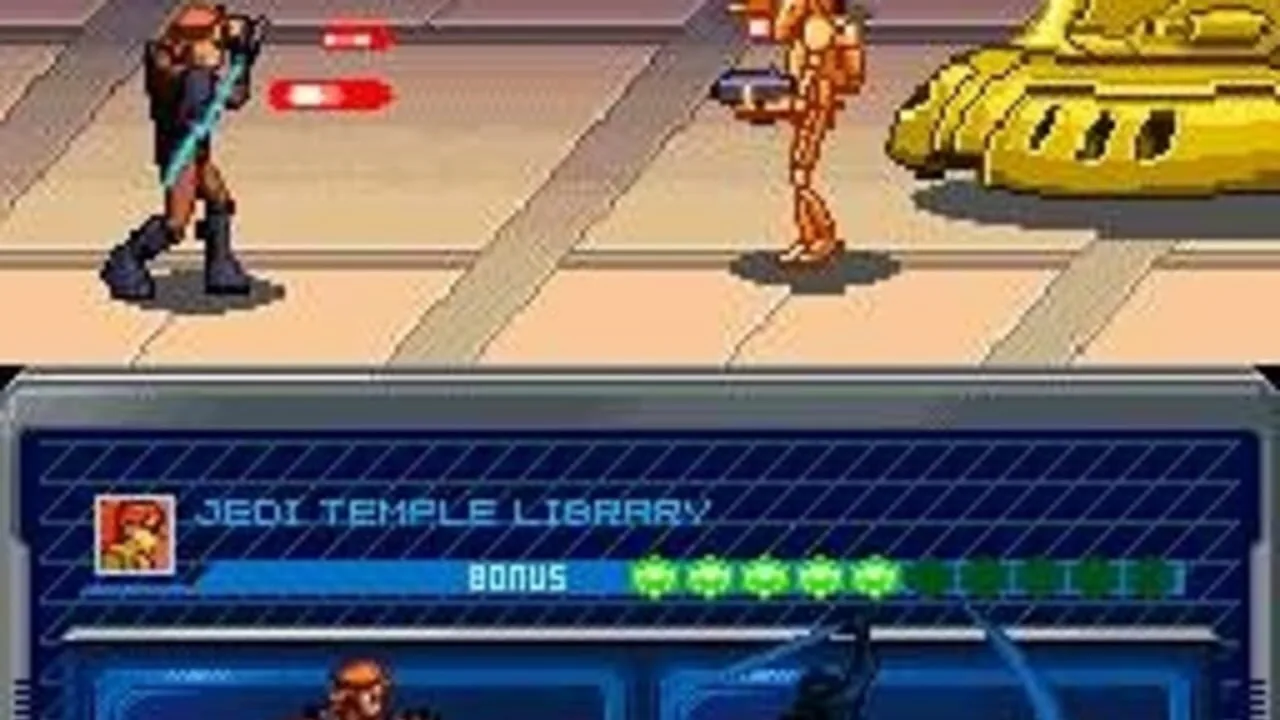
The Clone Wars rage on between the Republic and the Separatists. The kidnapped Supreme Chancellor Palpatine needs rescuing by Obi-Wan and Anakin. Ubisoft's Montreal studio developed the Game Boy Advance and Nintendo DS versions, and each one was built to use the strengths of its handheld.
The game was released on May 5, 2005, for consoles including the Game Boy Advance and Nintendo DS. On the home versions there are 17 levels, interlaced with over 12 minutes of footage from the film as cutscenes. A few levels involve boss battles against characters with melee weapons, who can usually only be damaged after you carefully recognize and block an attack, which is the game's best idea.
96. DK: King of Swing (2005)
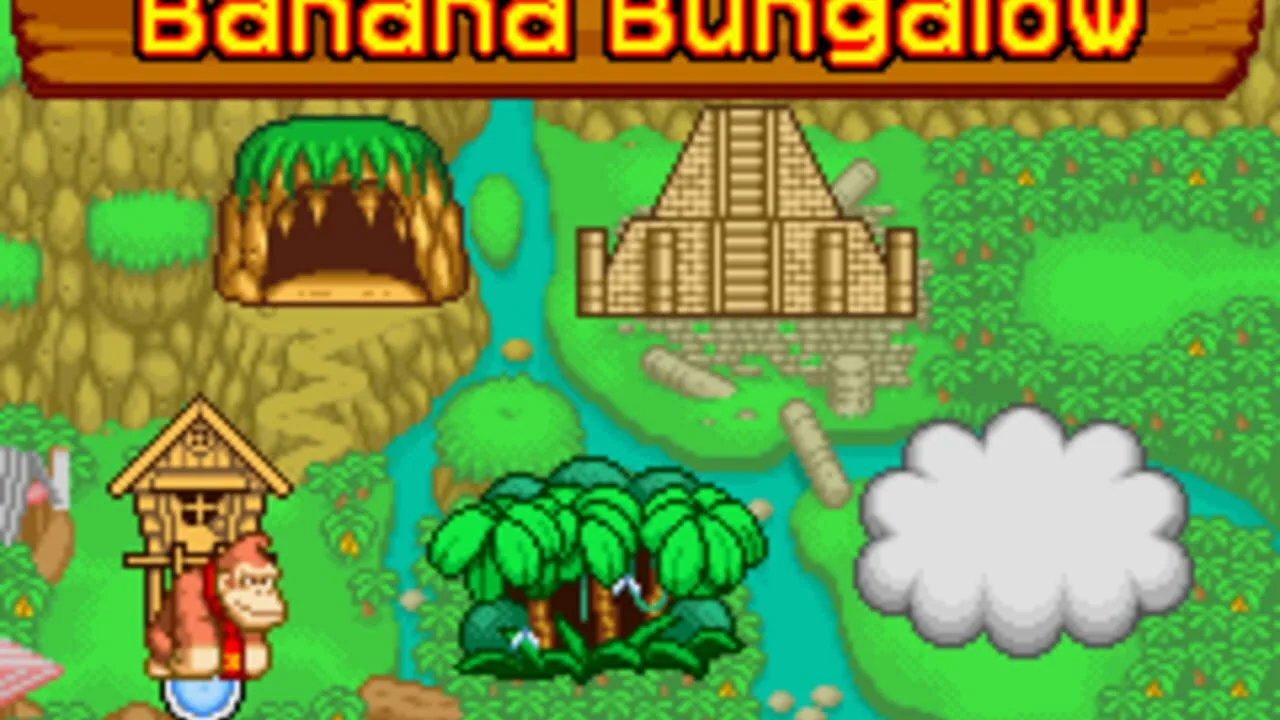
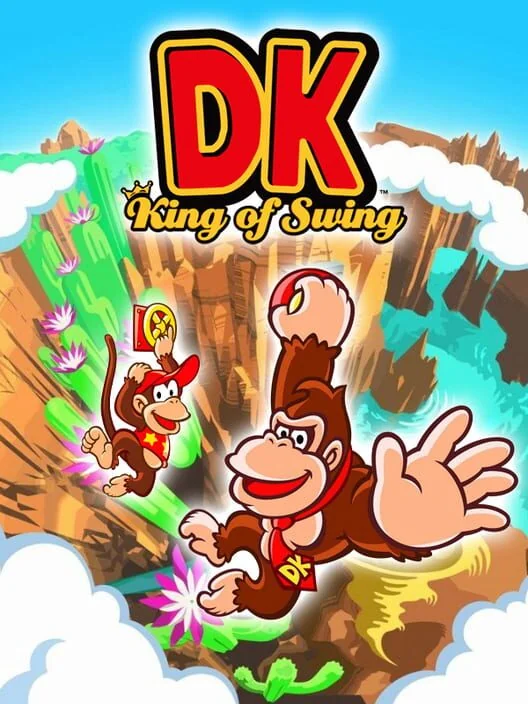
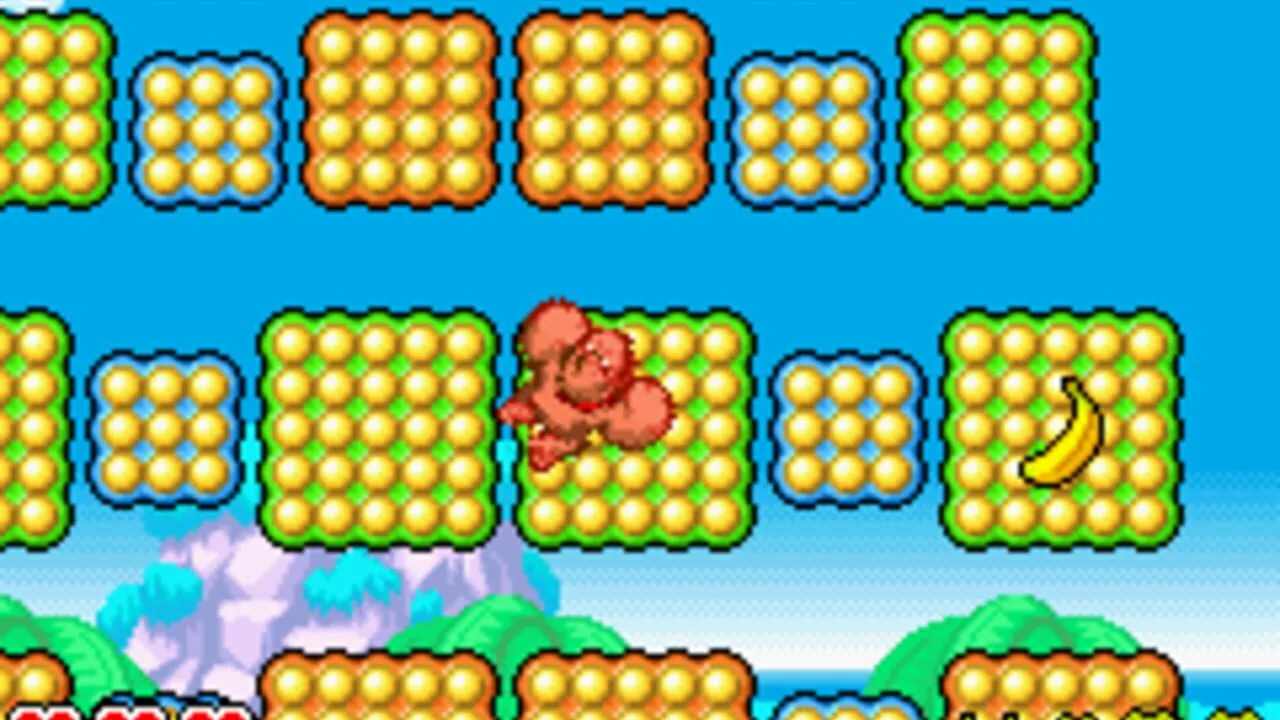
The ceremony to choose the king of the jungle is supposed to be the biggest day of the year, but King K. Rool has made off with the winner's medallion. Donkey Kong swings through the jungle to get it back and rescue his friends from K. Rool's minions. You swing through the trees and spin to build momentum for a big leap.
Known in Japan as Swinging Donkey, it was re-released for the Wii U's Virtual Console in Japan and North America in November 2014 and in Europe and Australia in January 2015. A sequel, DK: Jungle Climber, was released for the Nintendo DS in 2007. It received favorable reviews and was generally considered an improvement over King of Swing.
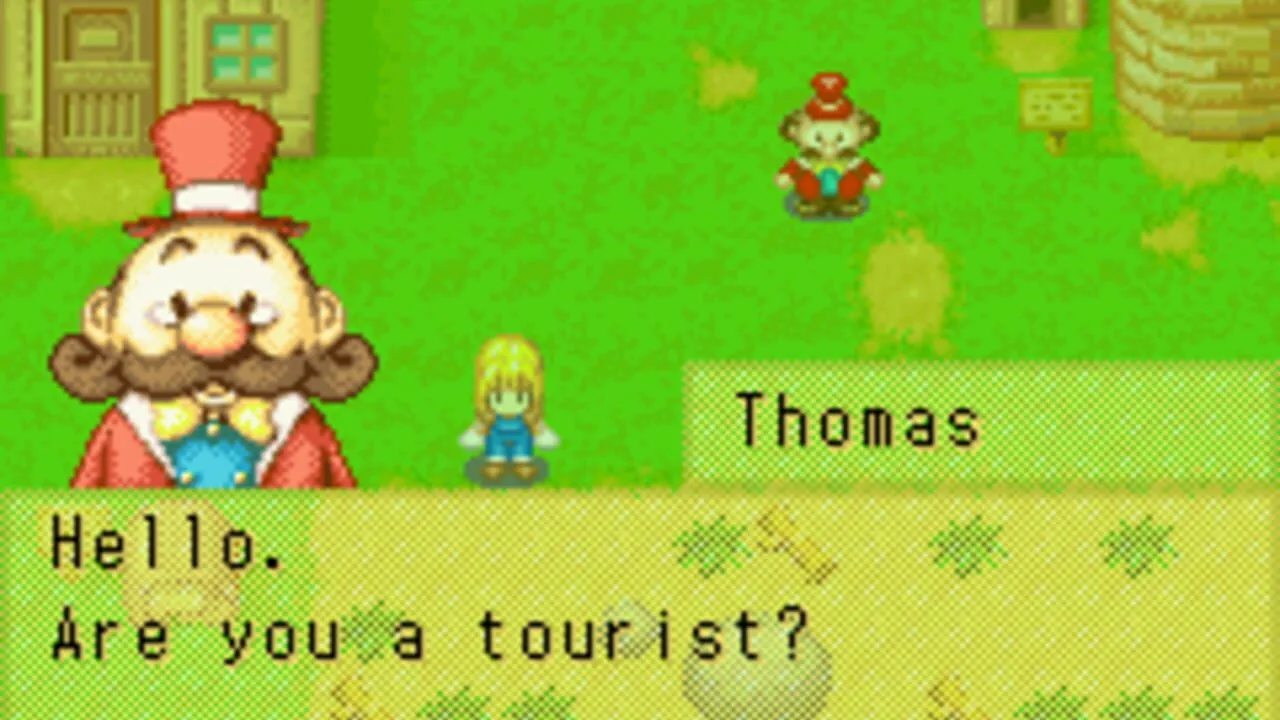
95. Harvest Moon: More Friends of Mineral Town (2003)
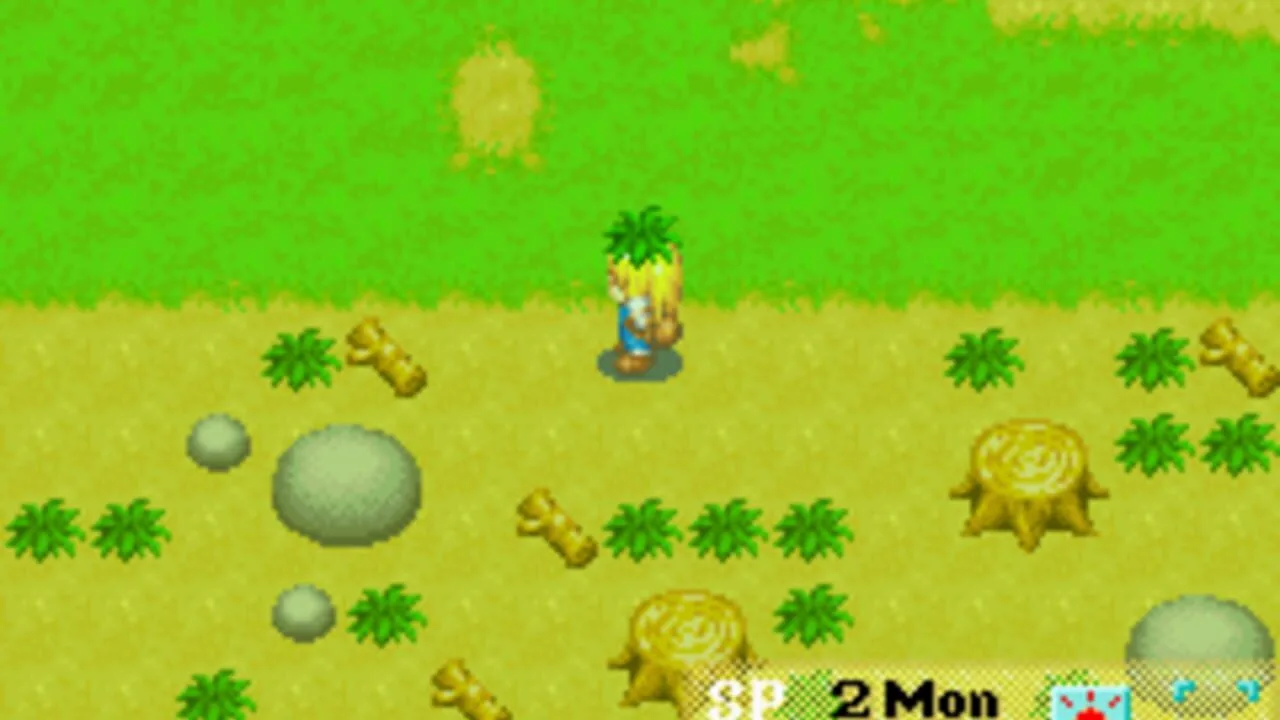
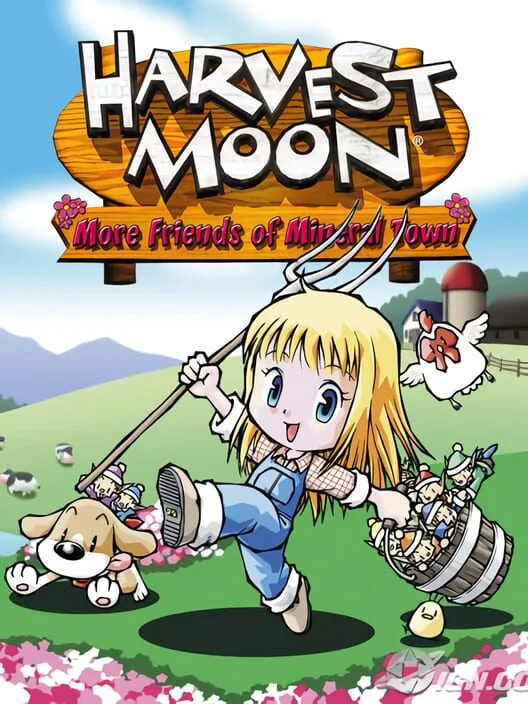
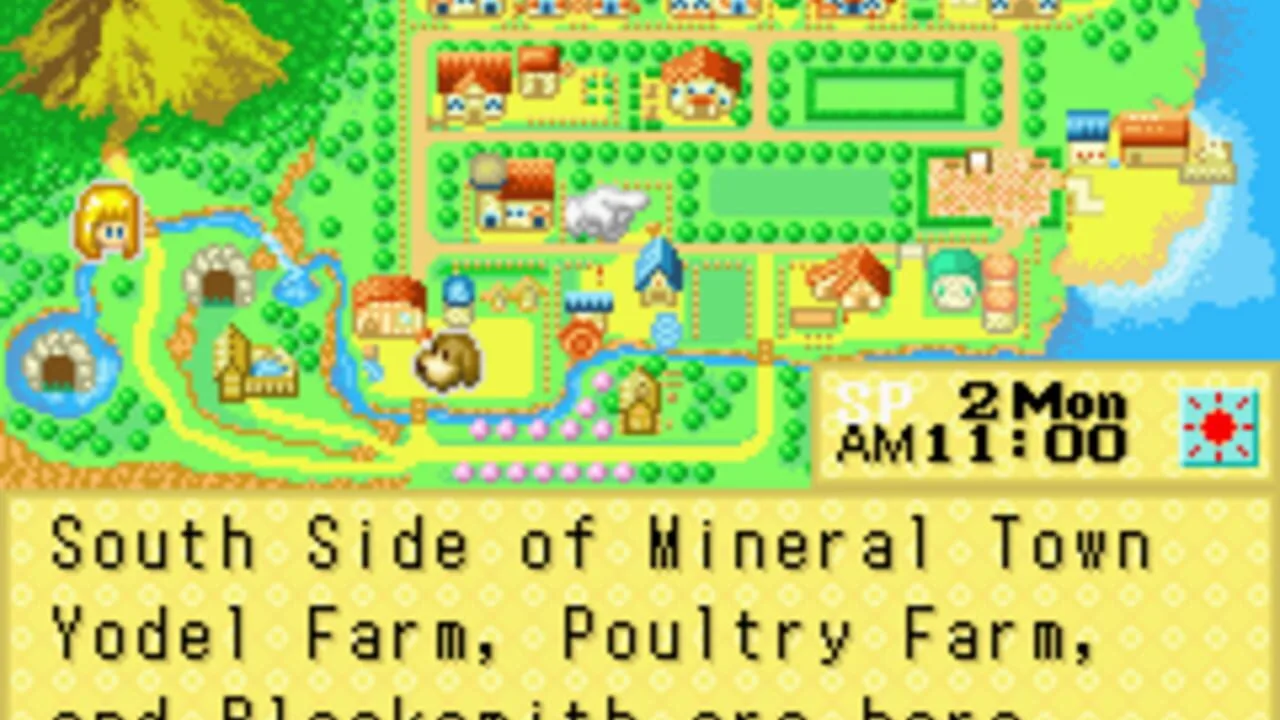
More Friends of Mineral Town builds on the first Harvest Moon: Friends of Mineral Town, and you play as a girl who has moved from the city to farm. You take part in growing crops and managing livestock, then finding a husband and raising children.
The original was the first Game Boy Advance game of the Story of Seasons series and a remake of Harvest Moon: Back to Nature, and many critics praised it as the best entry of the series. It was released in Japan in April 2003 and in North America in November 2003, then reached the Wii U Virtual Console in June 2015. A 3D remake came to the Nintendo Switch as Story of Seasons: Friends of Mineral Town.
94. Crash Bandicoot 2: N-Tranced (2003)
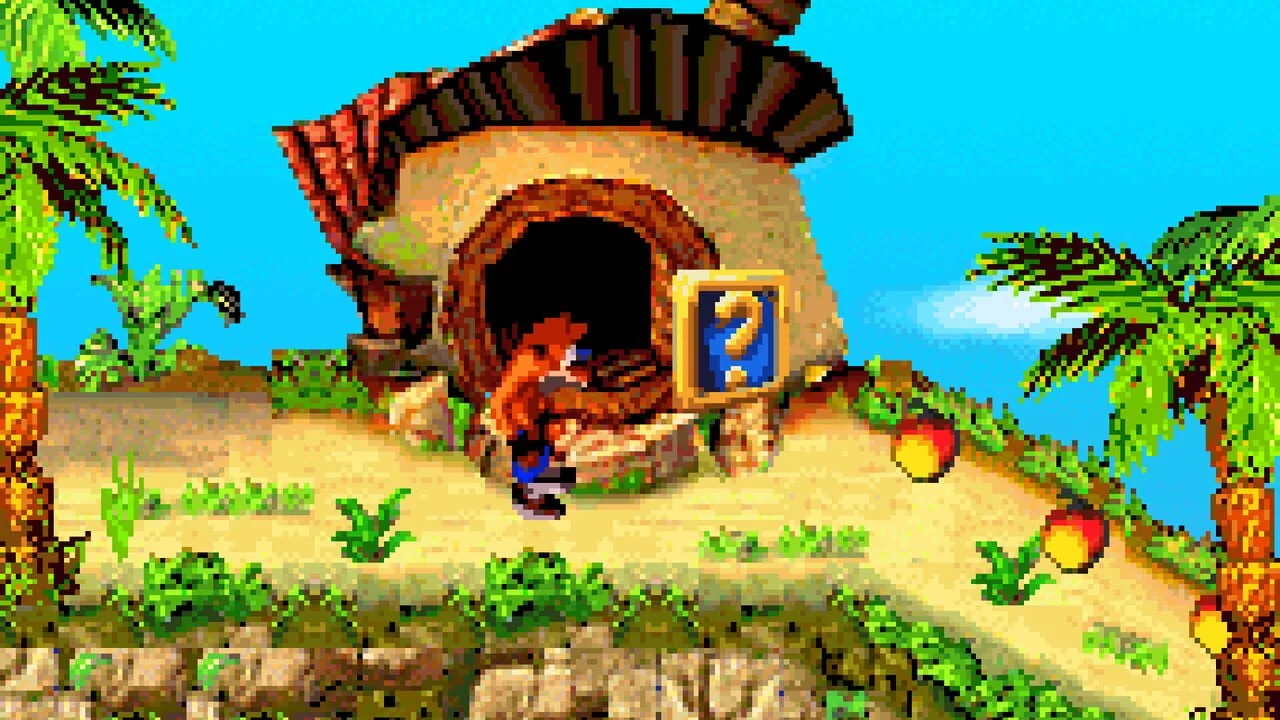
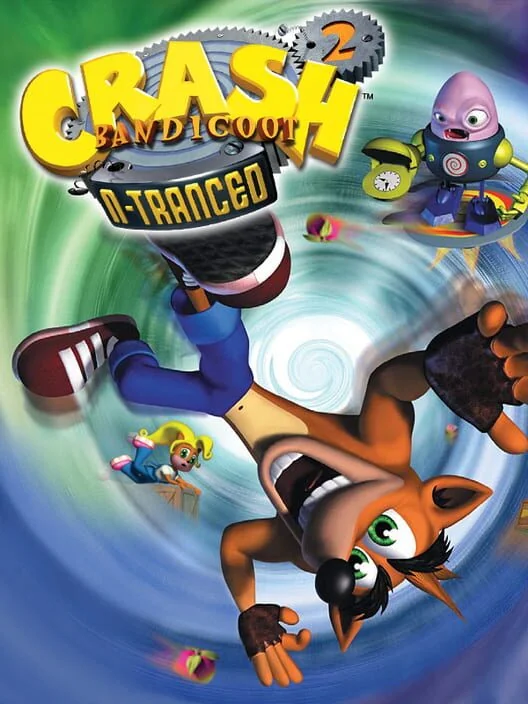
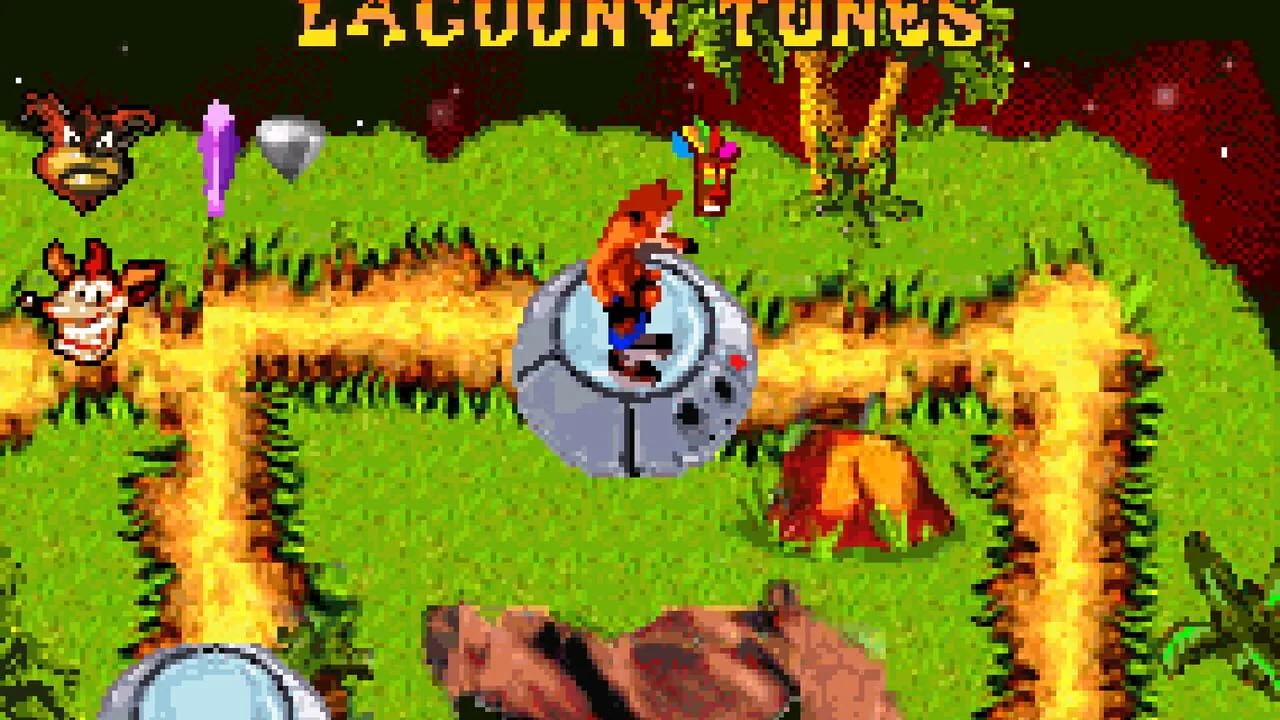
Crash Bandicoot 2: N-Tranced is the sequel to Crash Bandicoot: The Huge Adventure and the eighth installment in the Crash Bandicoot series. With N. Trance's help, Tropy kidnaps Coco and Crunch to turn them evil. Crash must travel to N. Trance's twisted realm to rescue them. You use Crash's spin and jump moves across 24 different levels.
Critics received the game positively and praised its level variety and presentation, but criticized the gameplay for being largely identical to The Huge Adventure. Vicarious Visions developed it and Universal Interactive published it. It sits at the bottom of this list only because the other 99 are so strong, and it is still a very good platformer to pick up.
93. Lufia: The Ruins of Lore (2002)
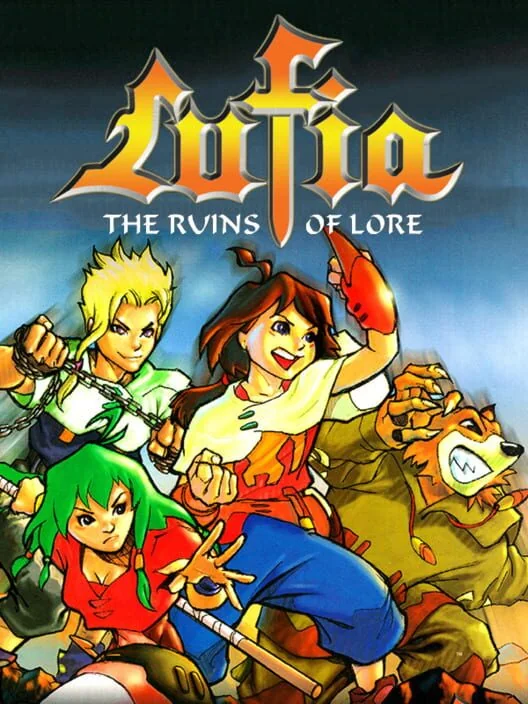
This chapter of the Lufia saga follows Eldin and two friends who want to be hunters and set out in search of treasure and end up trying to uncover the secrets of the ancient ruins and stop Ragule, a leader hungry for power, from bringing back an ancient beast. It is the fourth title in the Lufia series and was released as a gaiden, or side story. It does not feature many elements common to the main series.
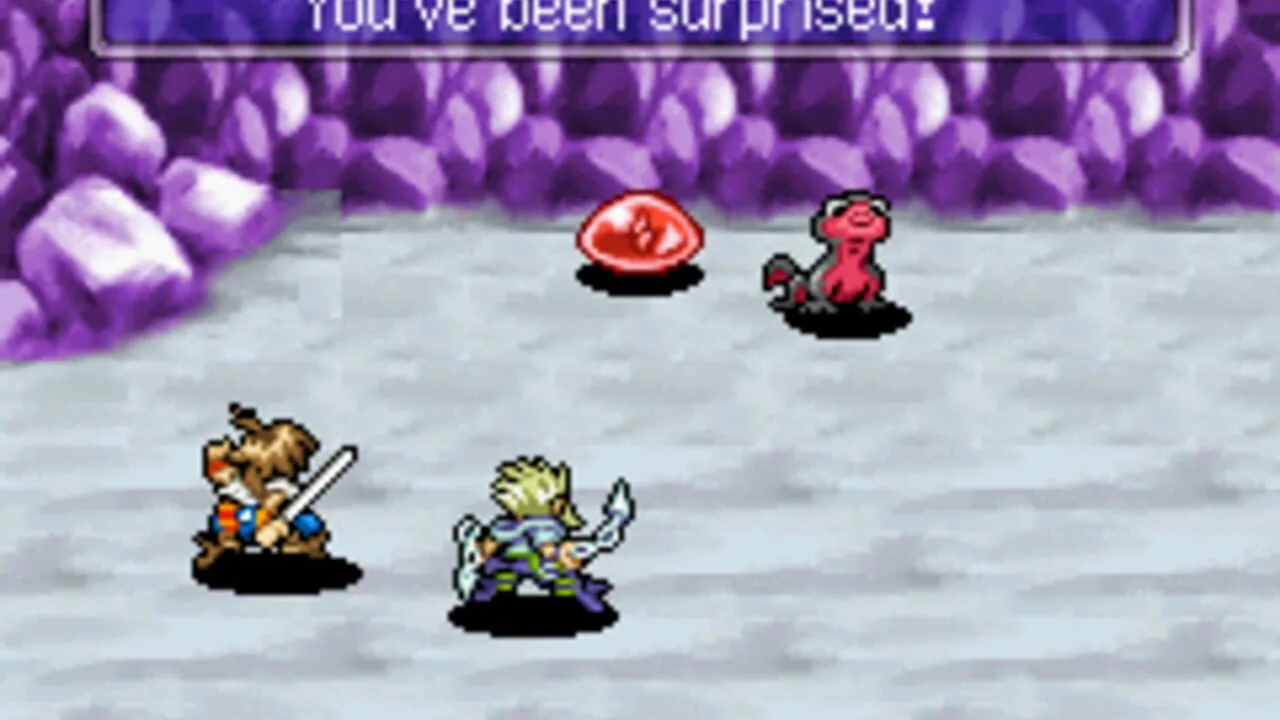
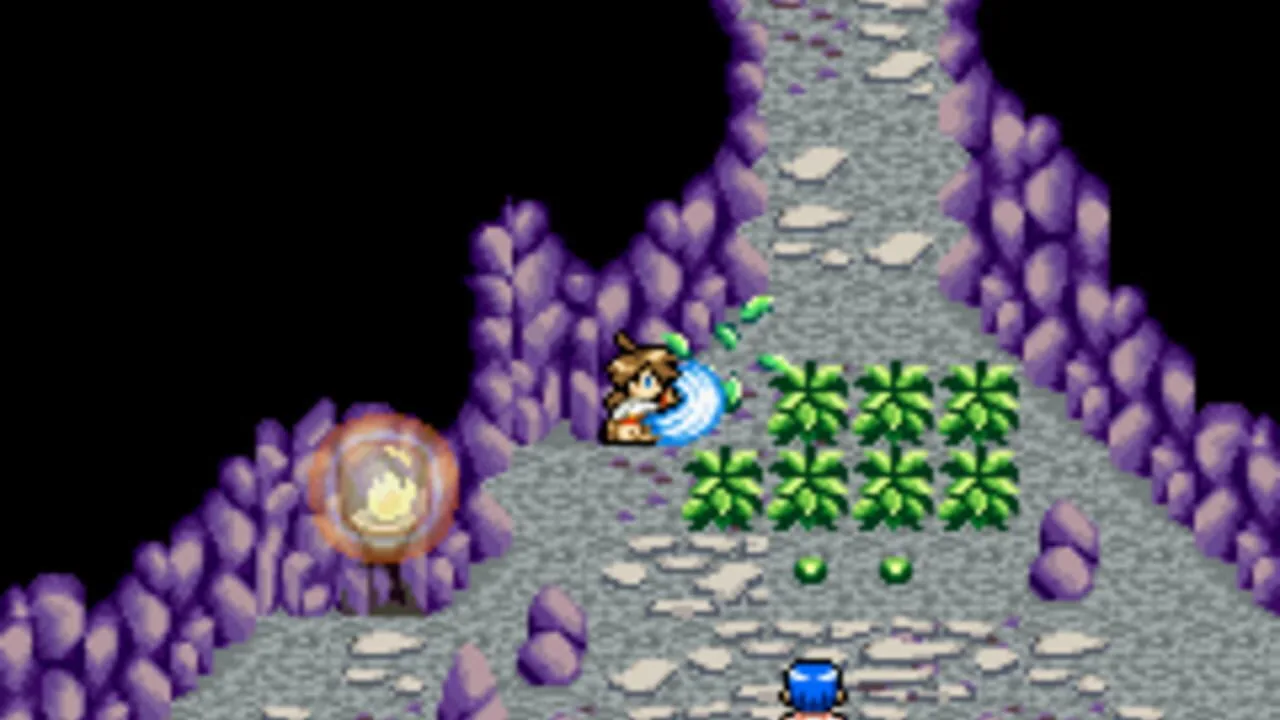
Unlike typical console RPGs, the battles are not random: monsters are displayed in the dungeon along with the characters, and combat starts when they touch. Nintendo Power awarded it only 3.4 out of five, while Metacritic gives it 76/100 and GameRankings 71%.
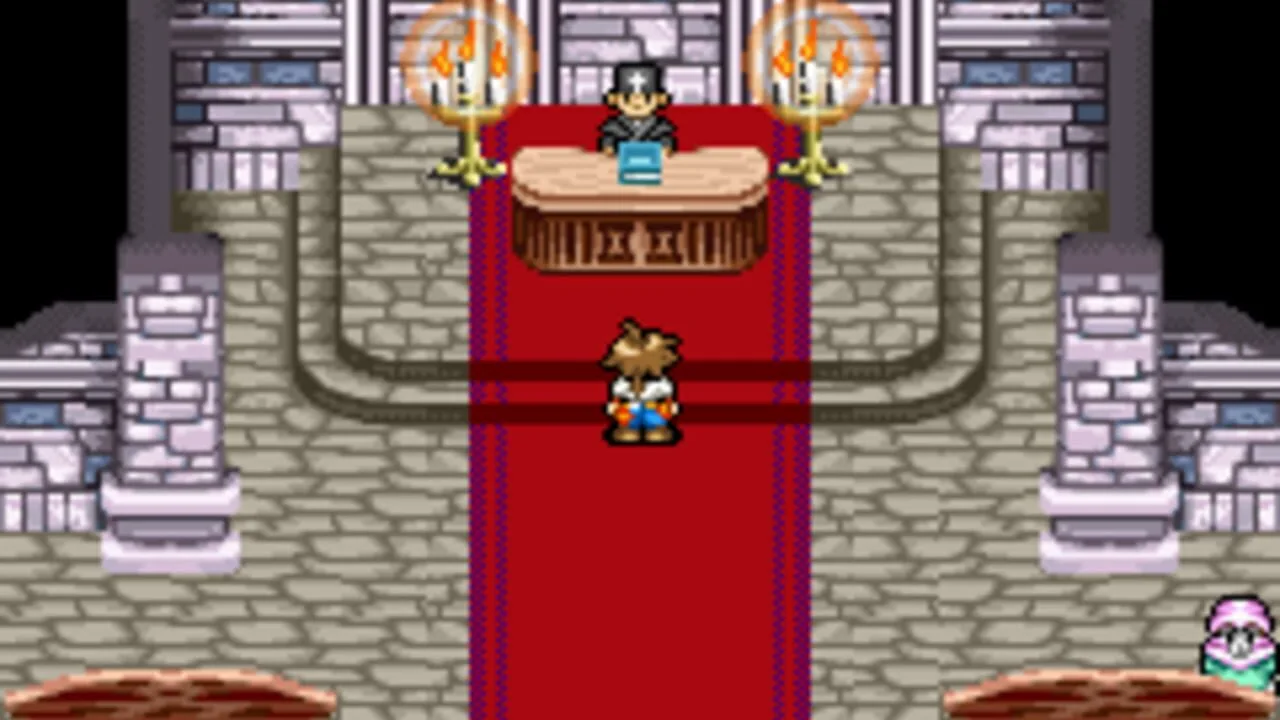
92. Medabots: Metabee (2002)
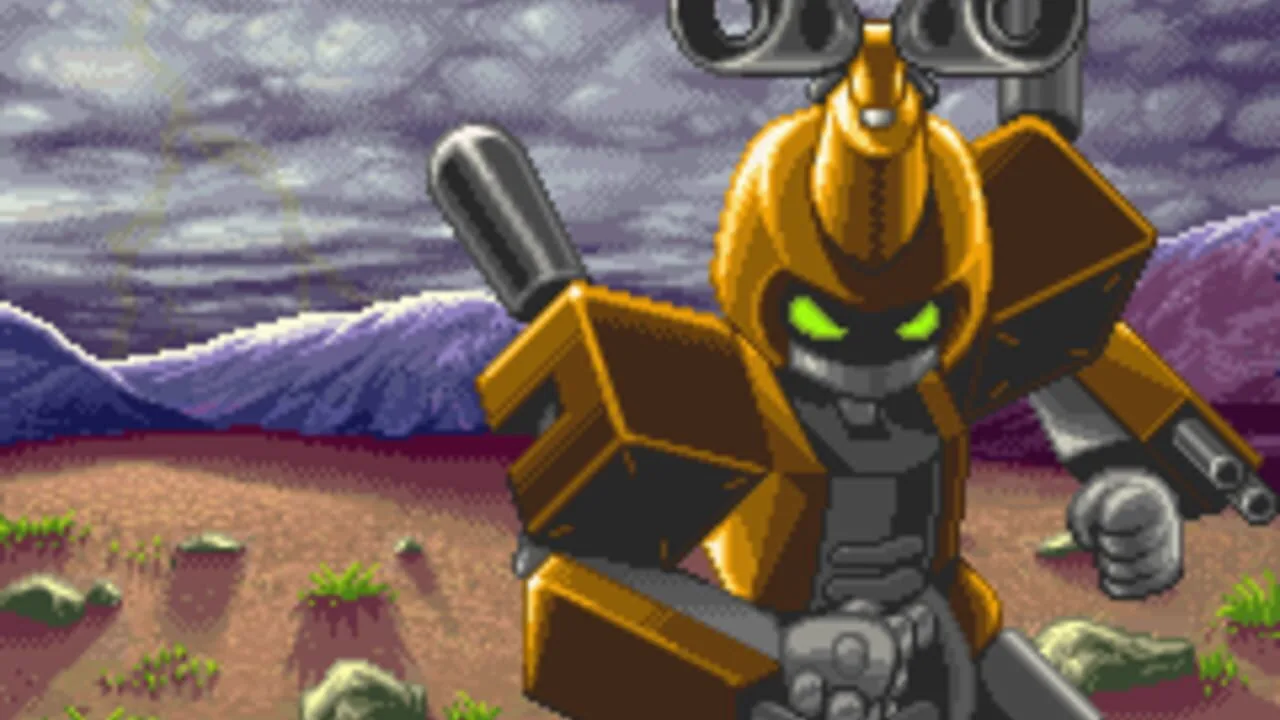
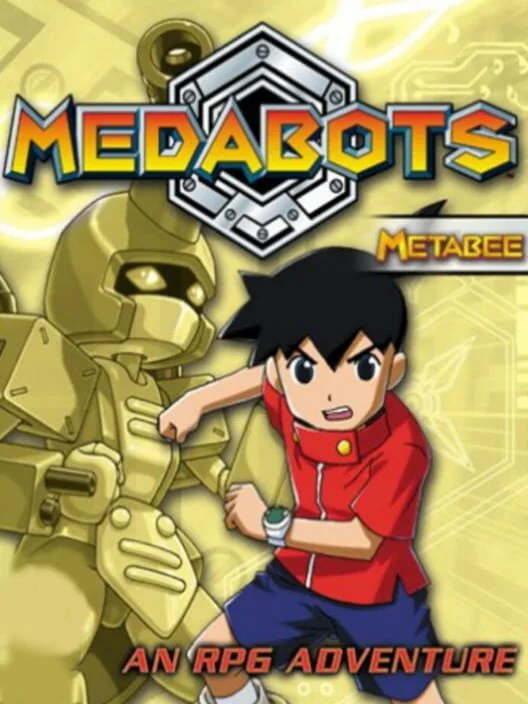
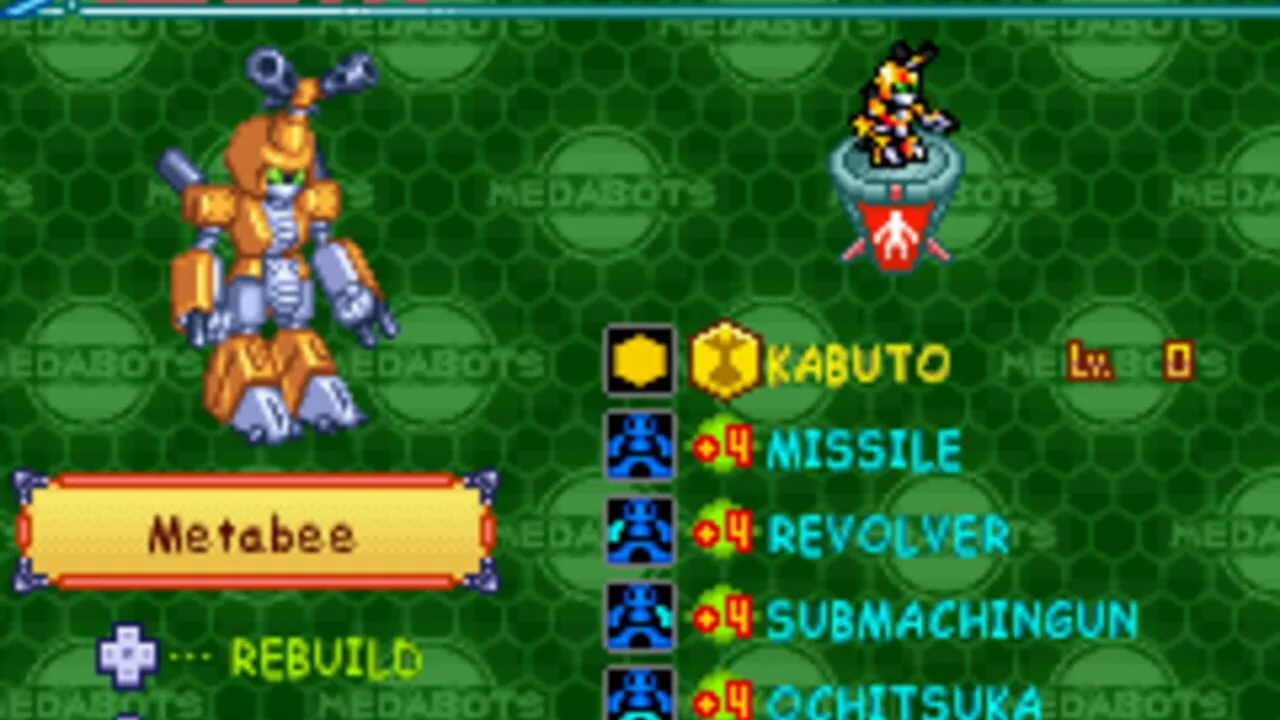
Ikki starts out as a Medafighter and tries to save Riverview City from the evil Rubberobo Gang. His friends and the Phantom Renegade help him solve mysteries, and you control Medabots from the Medabots TV animated series. The goal is to become the number one ranked Medafighter.
The series was adapted into a Japanese anime that aired on TV Tokyo from July 2, 1999, to March 30, 2001. Nelvana licensed and localized it into English for broadcast on YTV in Canada and Fox Kids and ABC Family in the United States from 2001 to 2004. A manga was serialized in the children's magazine Comic BomBom in Japan. Most of the games came out on Nintendo platforms.
91. Onimusha Tactics (2003)
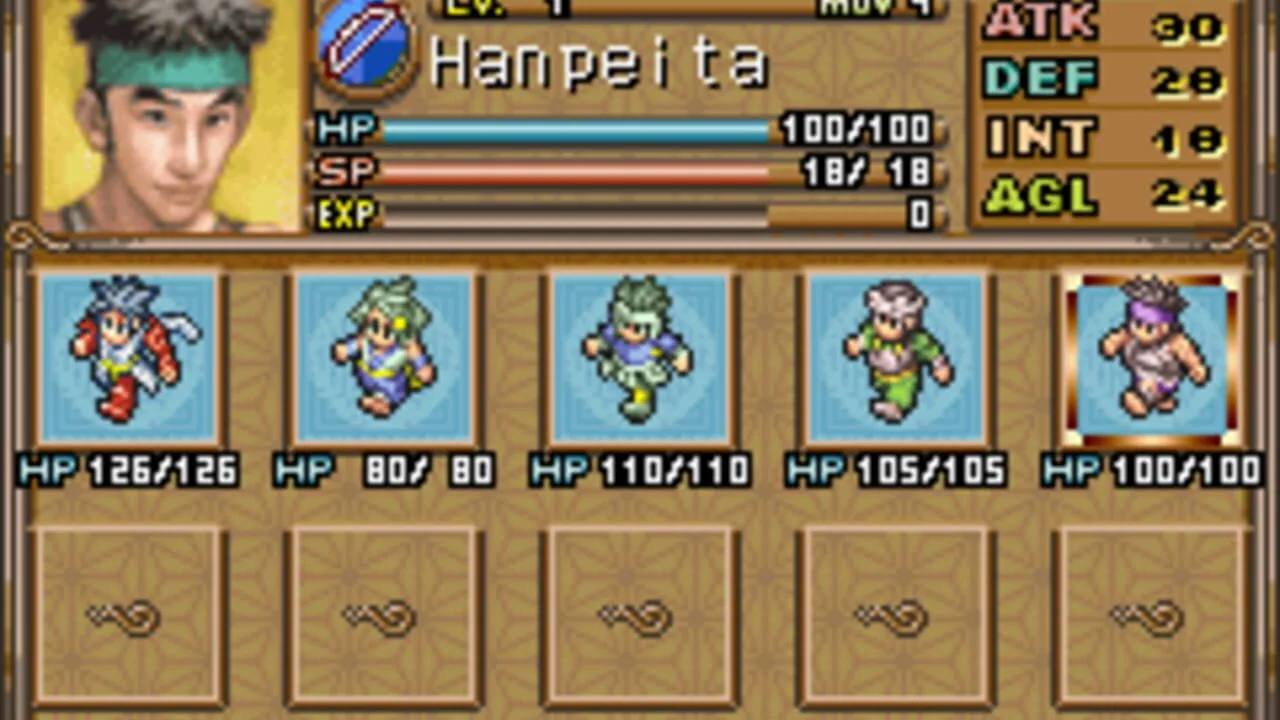
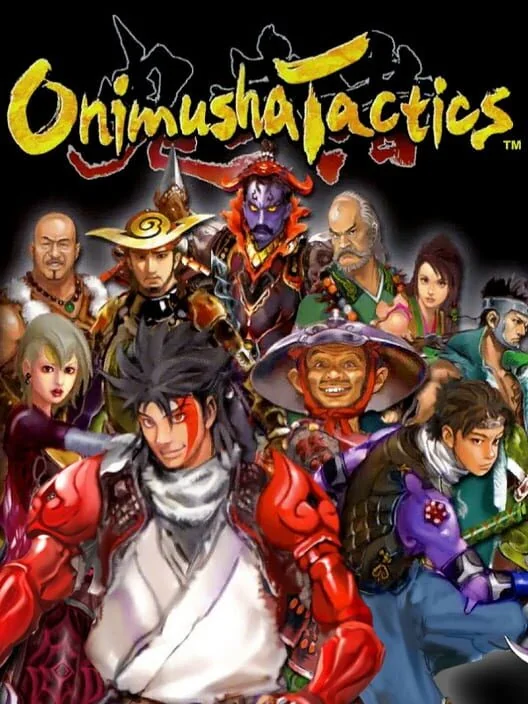
Onimusha Tactics is a turn-based strategy game in which you bring a squad of no more than 10 people into each level. There are no items to buy or sell, but you can equip and customize gear. Upgrades come from enemy souls that the Oni Gauntlet absorbs. New weapons and armor are found or created through the fusion of Genma Stones.
Each item needs its own recipe before it can be fused. The animals in the game correspond with the Chinese celestial animals that represent the Cardinal directions. One critic was critical of the cartoonish graphics that contrasted with the dark story. If that does not put you off, it is a more thoughtful strategy game than the name suggests.
90. Advance Guardian Heroes (2004)
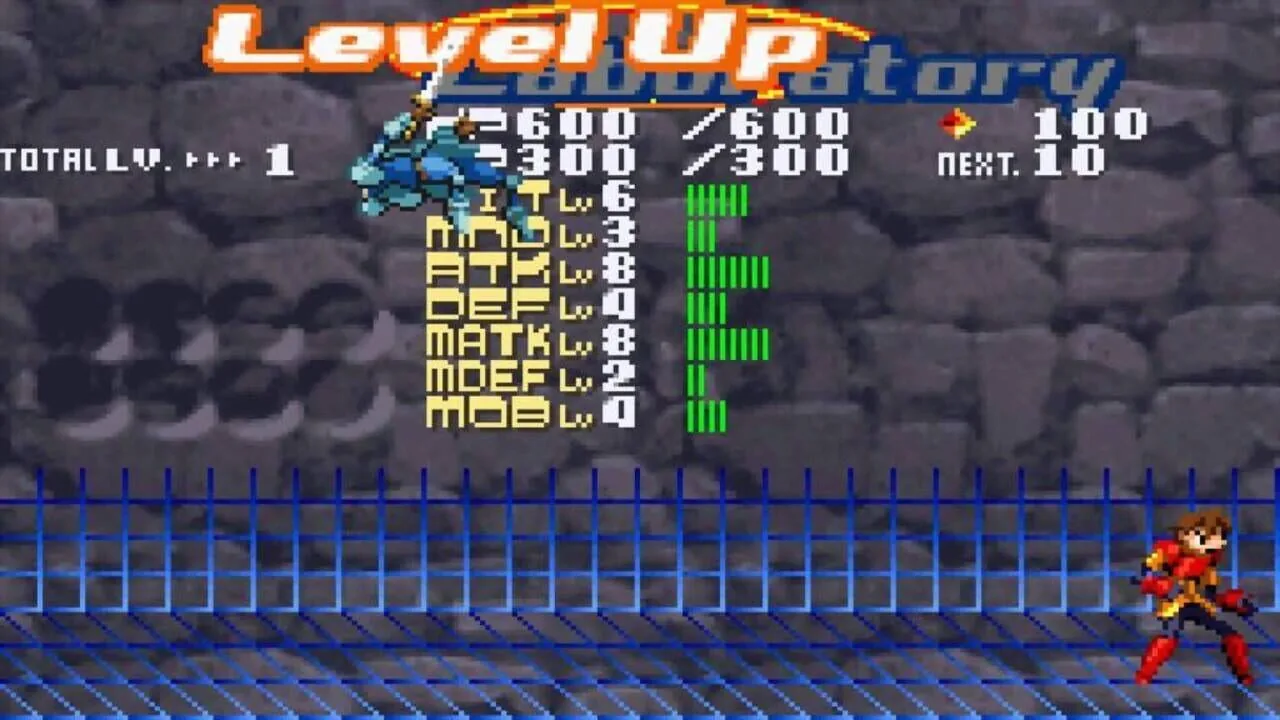
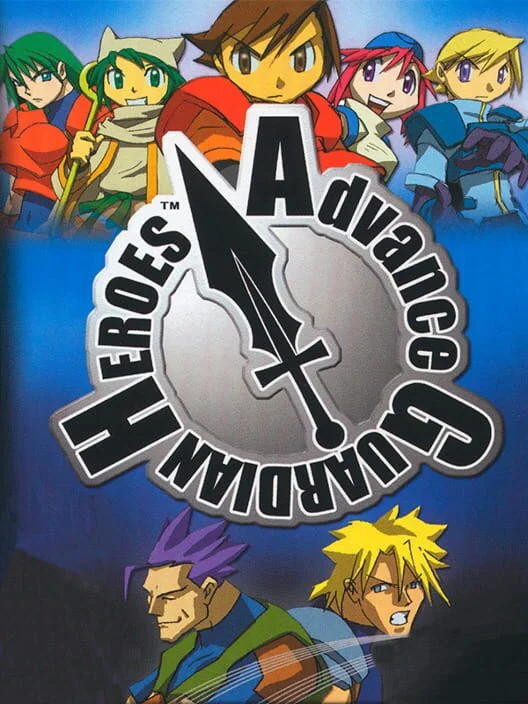
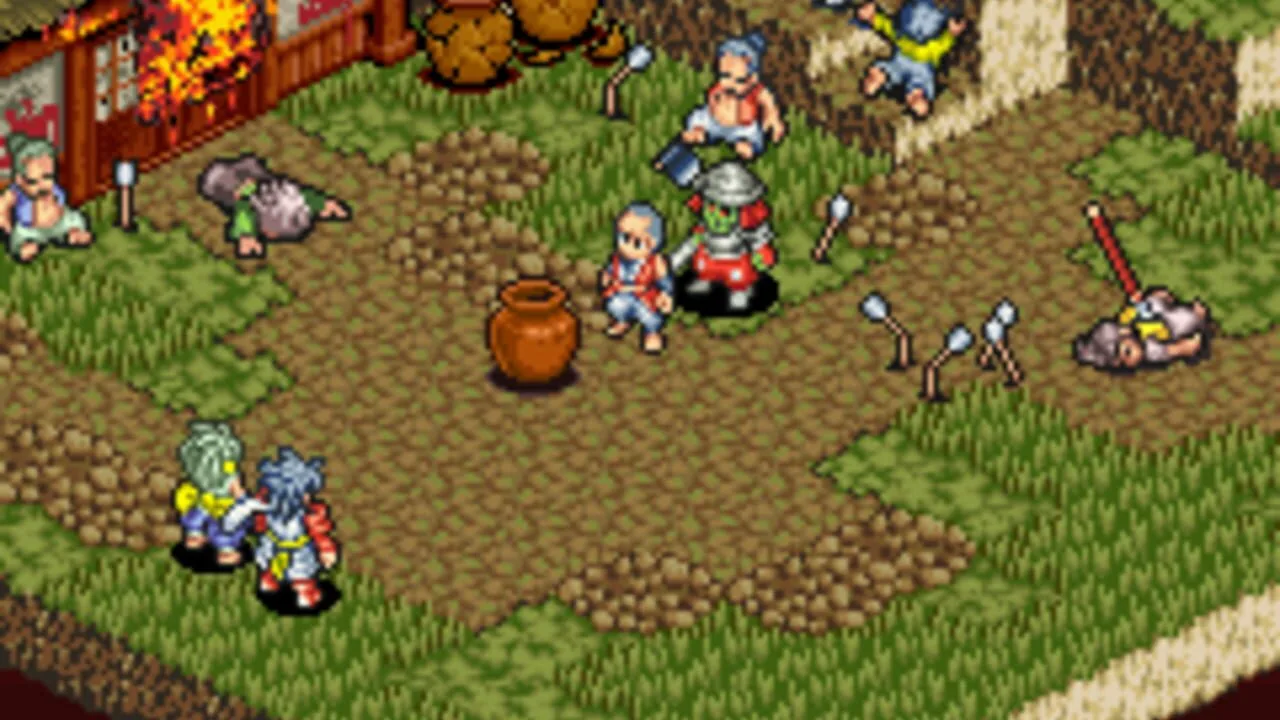
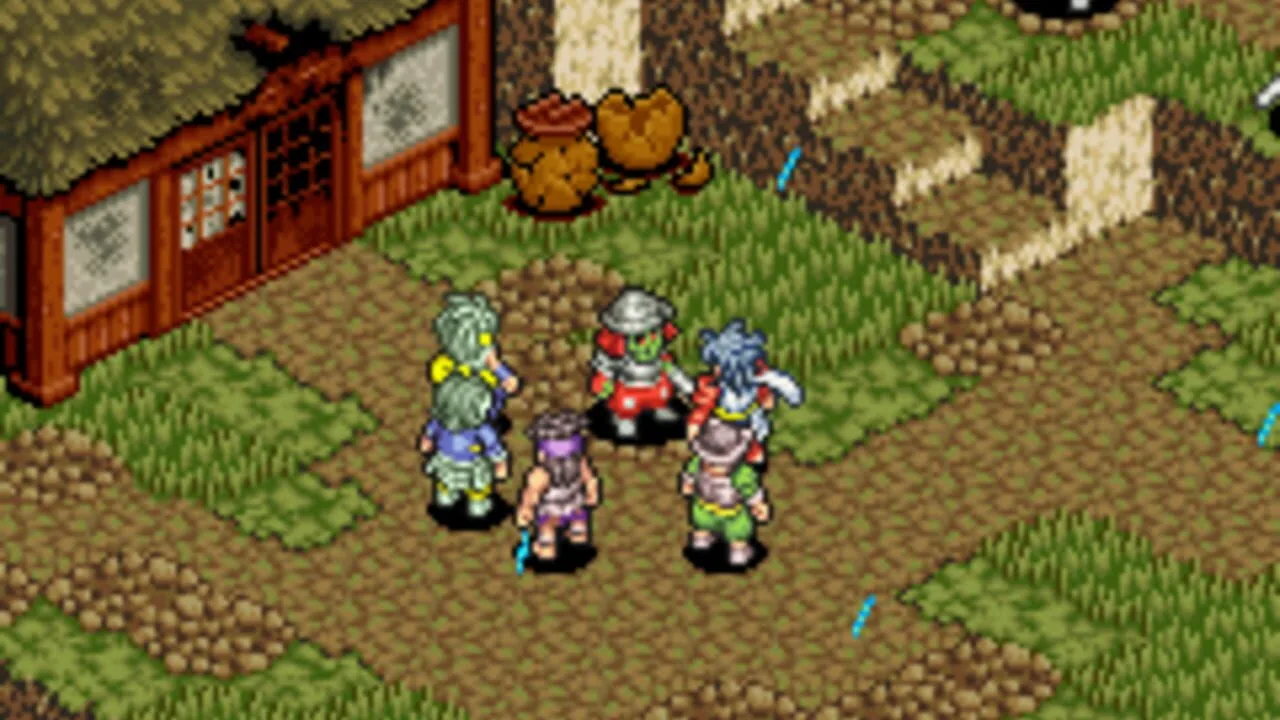
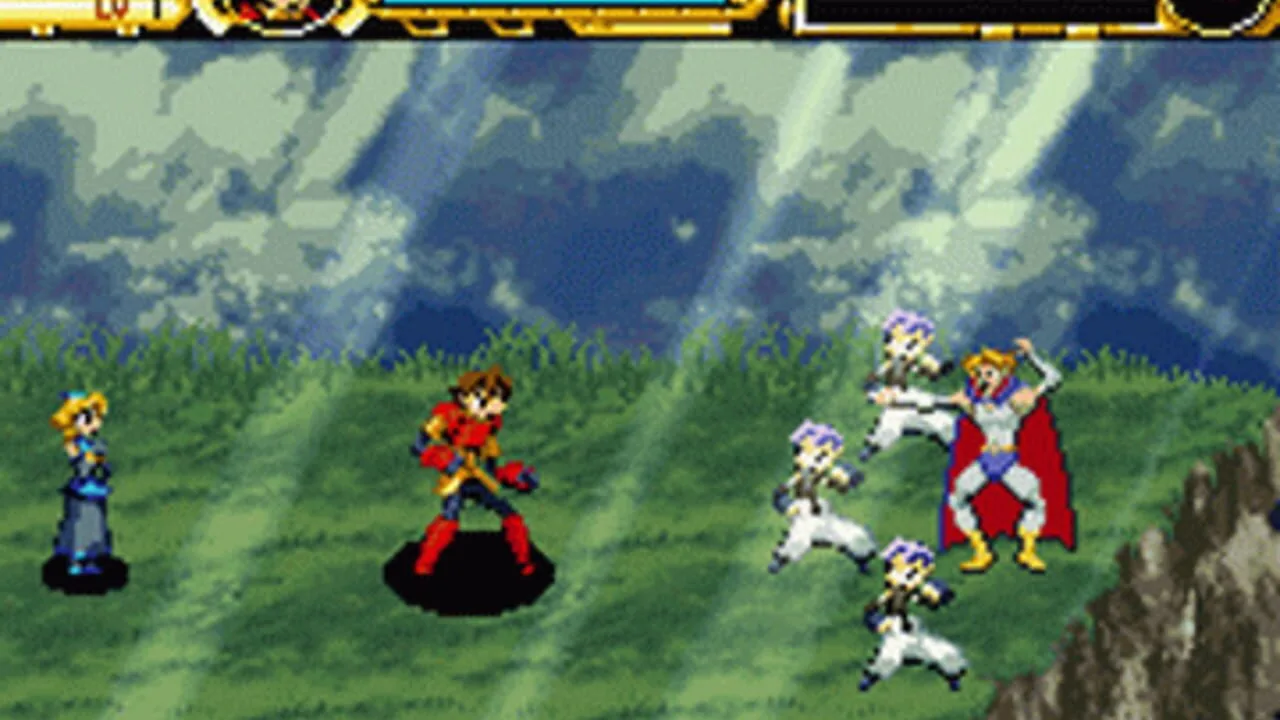
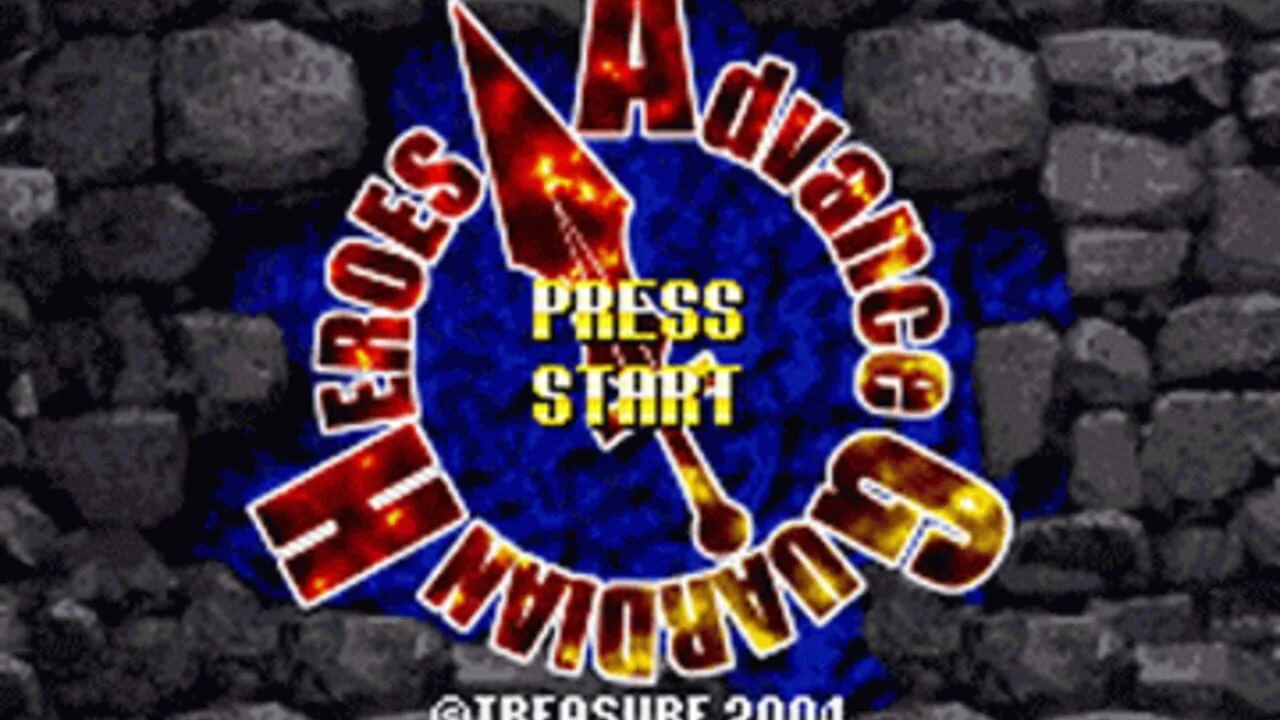
Advance Guardian Heroes is a sequel to Guardian Heroes on the Sega Saturn, developed under license from Sega. It is not a plain side-scrolling fighter. It has more than 20 playable characters and 160 powerful moves, and each fighter has unique abilities you can upgrade as you progress. Unlike the first game, you can use almost every unlocked character in the main story as well as in the other modes.
In the story, the few remaining resistance forces call upon the power of the Undead Hero once again, with one young soldier giving up his body to serve as its vessel. It came out in Japan on September 22, 2004. North America got it on September 14, with Ubisoft handling the release outside Japan. Europe followed on February 18, 2005.
89. Mega Man Zero 3 (2004)
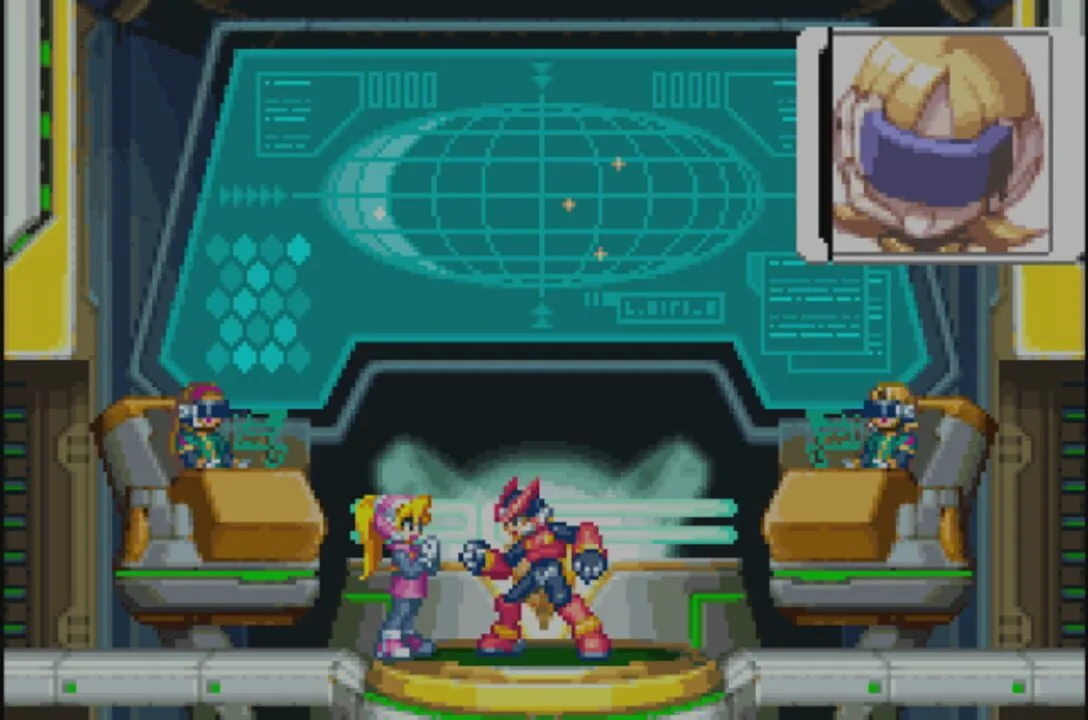
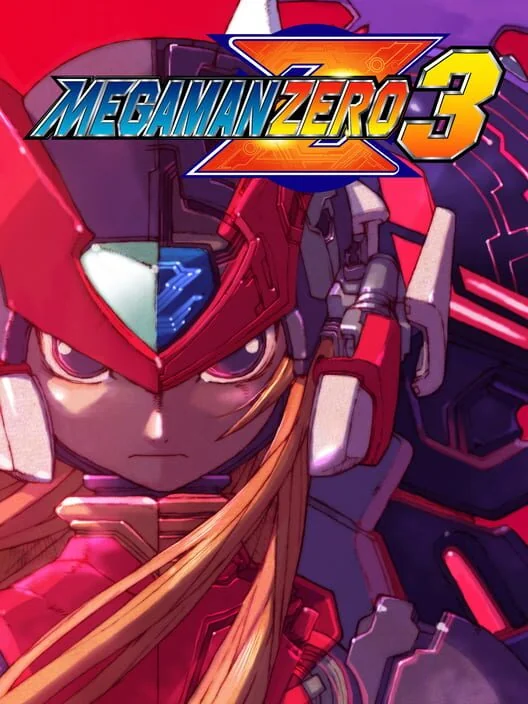
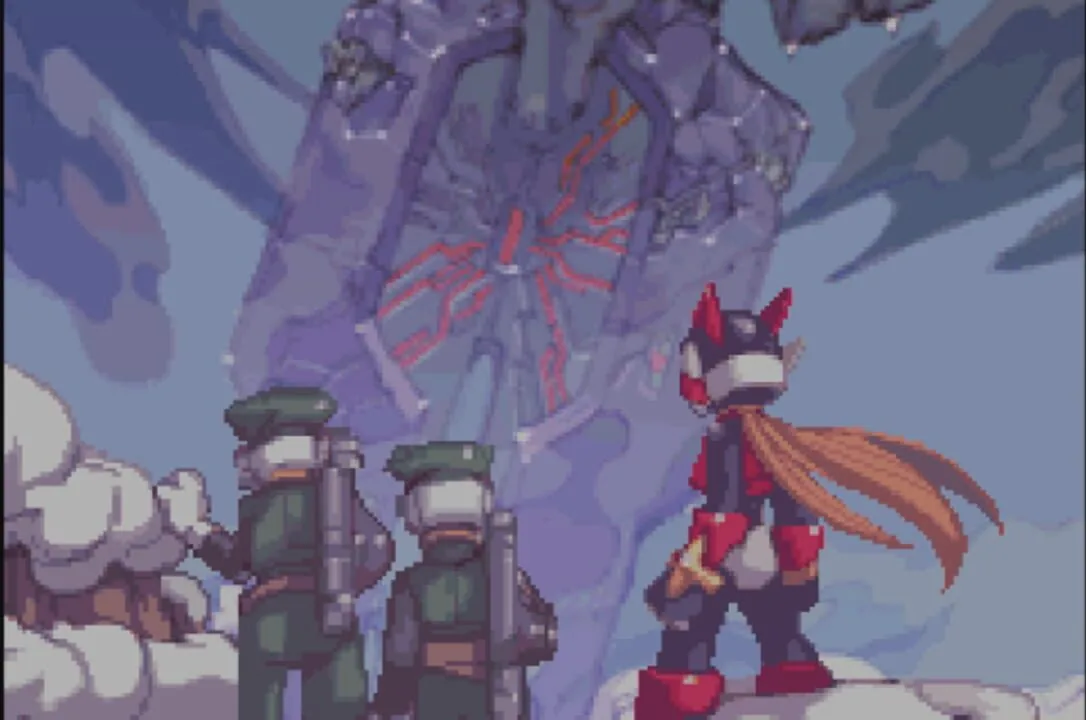
Mega Man Zero 3 is the third chapter in the series. It has a new customization system in which you equip Zero with chips that change his attributes and abilities, though only one of each type of chip can be equipped at a time. The Recoil Rod, a pair of tonfa-like weapons, replaces the rod from Mega Man Zero and Mega Man Zero 2, and Zero now jumps at double his normal height. Only two Satellite Elves can be equipped at once.
He marches into Arcadia to defeat the evil Omega. Critics gave it positive reviews, with praise for the combat and level design, though some criticized its similarities to previous titles. In February 2020 it came to modern consoles in the Mega Man Zero/ZX Legacy Collection.
88. Dragon Ball Z: The Legacy of Goku II (2003)
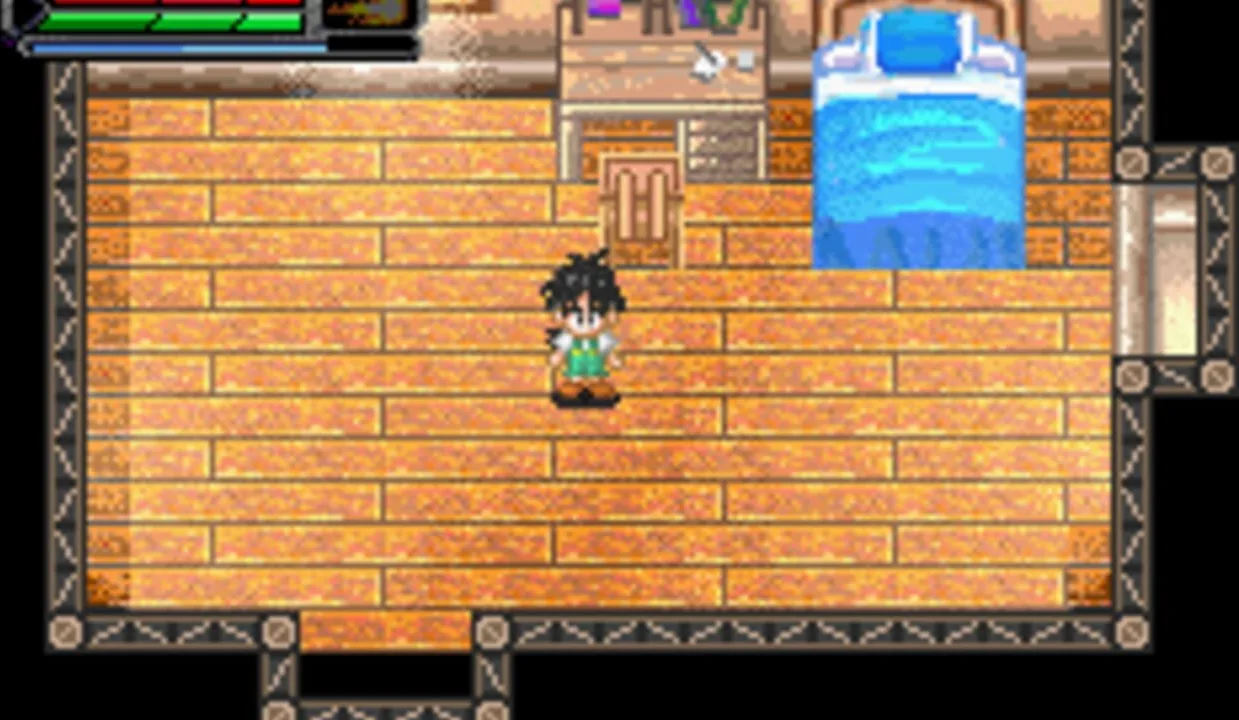
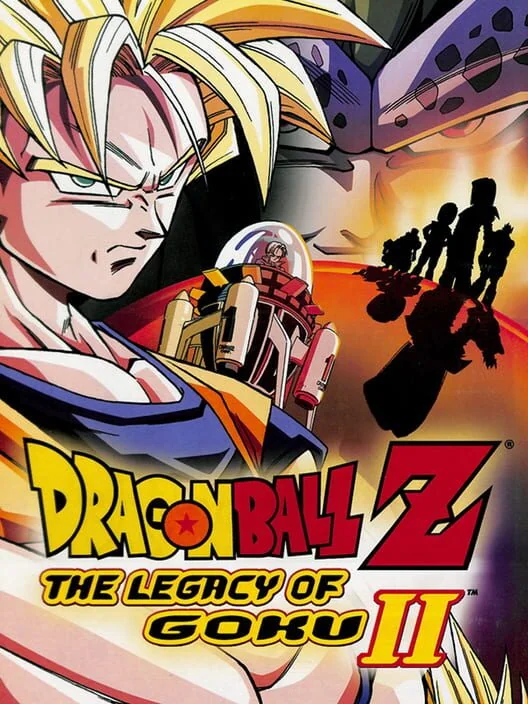
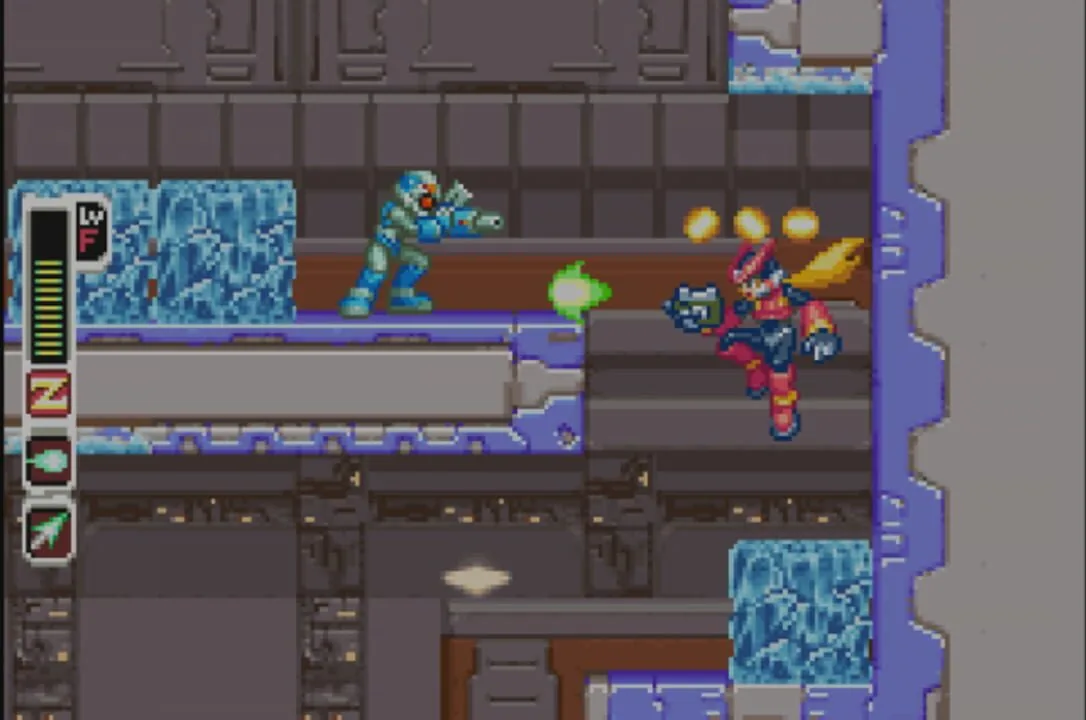
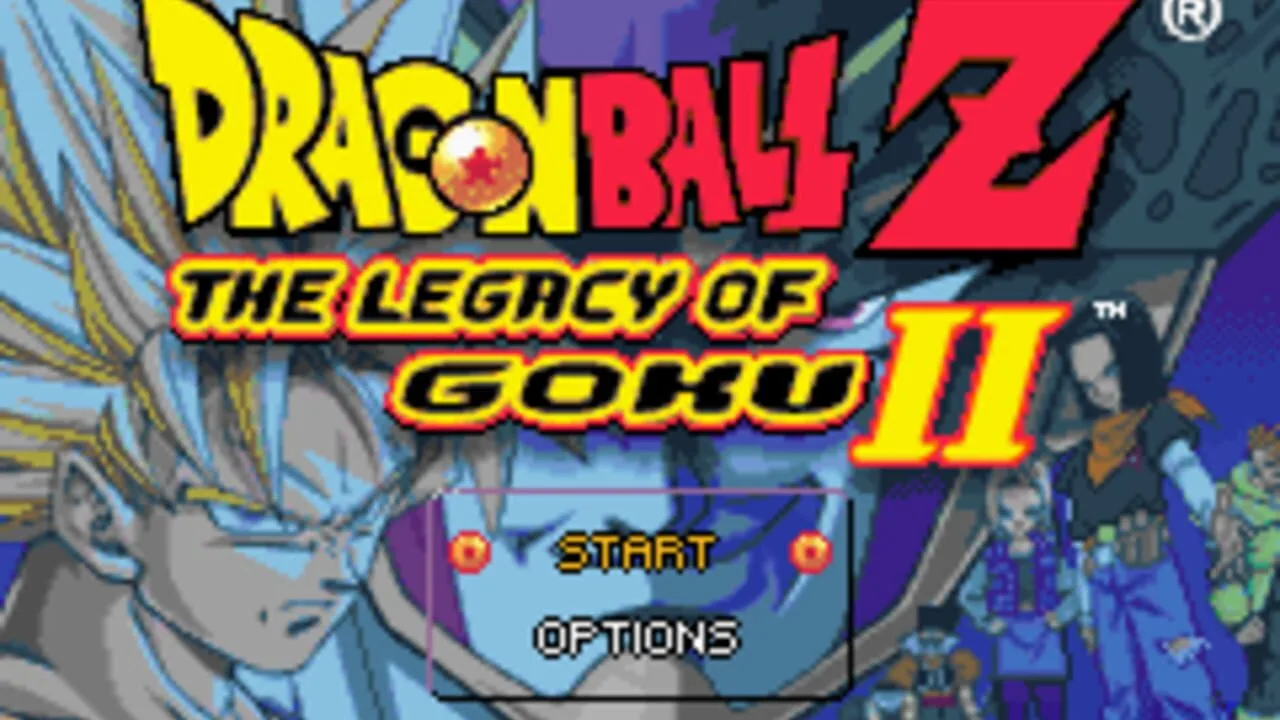
The Legacy of Goku II picks up where the first game left off and runs to the end of the Cell Games Saga, when Gohan defeats the evil android Cell. It introduced transformations, which make characters temporarily stronger at the cost of slowly draining their energy, and the scouter, which lets you look up other characters' stats. It also added charged melee attacks and capsules that boost your stats.
Despite the title, this entry featured the most limited play as Goku. It was released in North America on June 17, 2003. Europe got it on August 1. Japan got it on July 23, 2004. It is the only Dragon Ball Z game developed in the United States to be released in the franchise's country of origin.
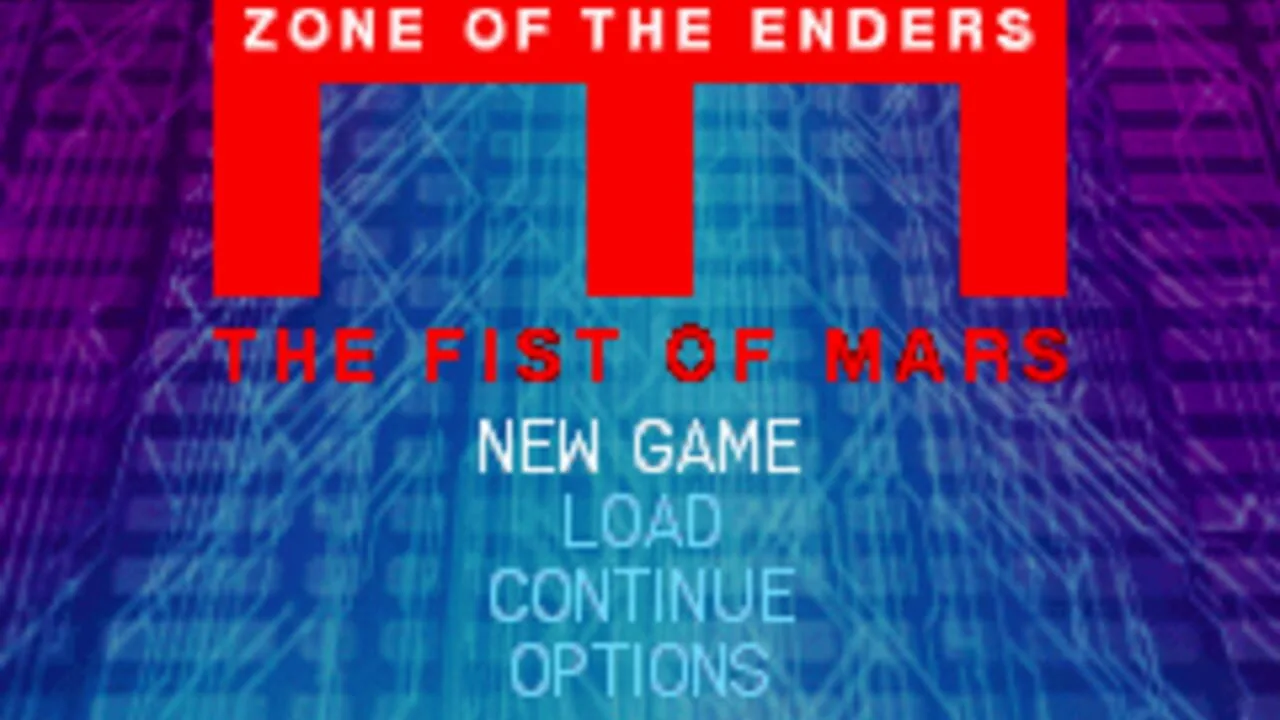
87. Zone of the Enders: The Fist of Mars (2001)
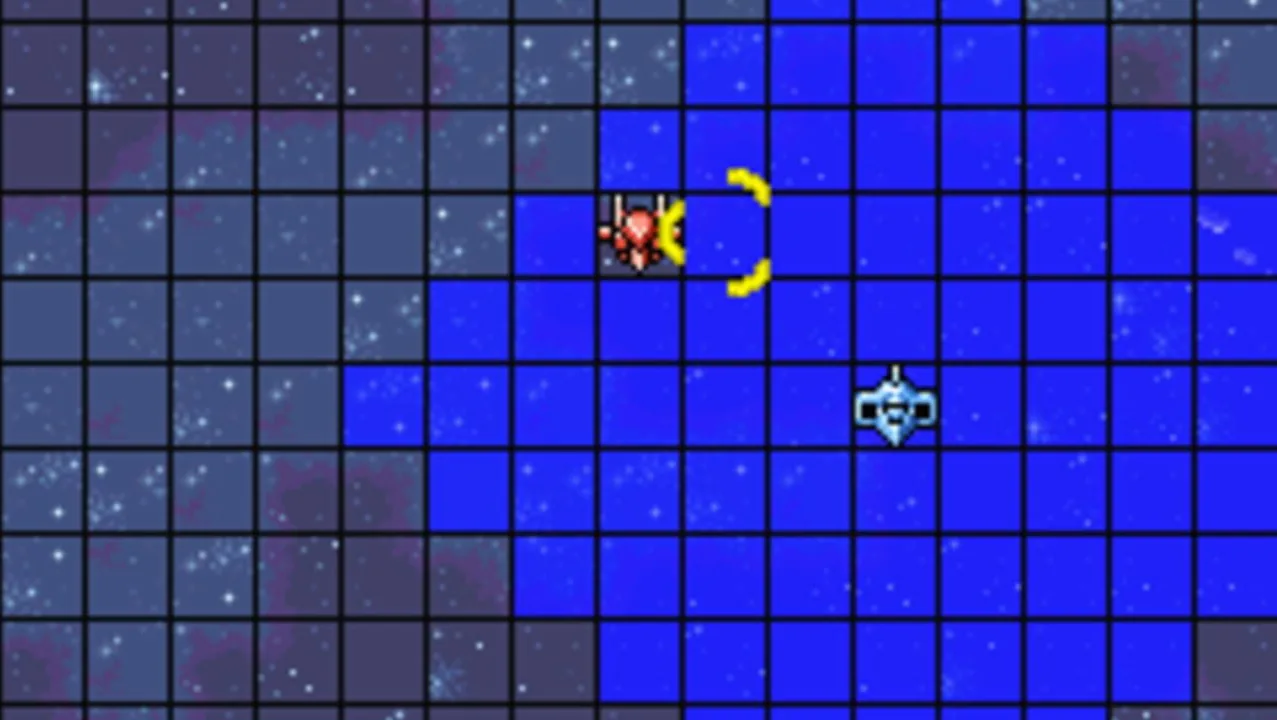
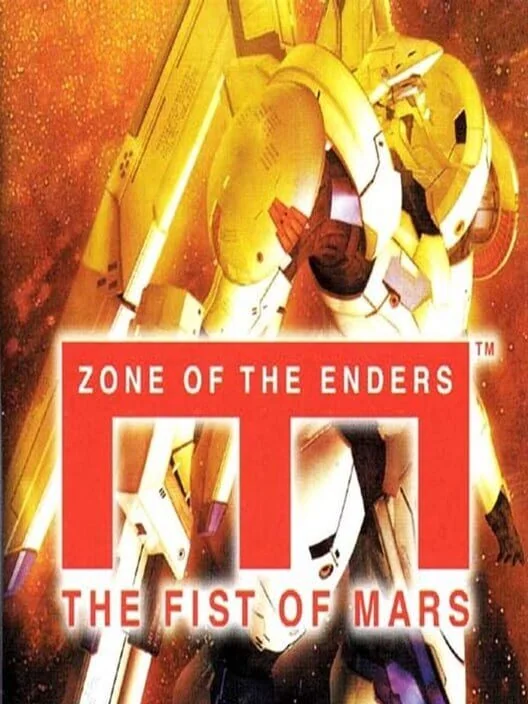
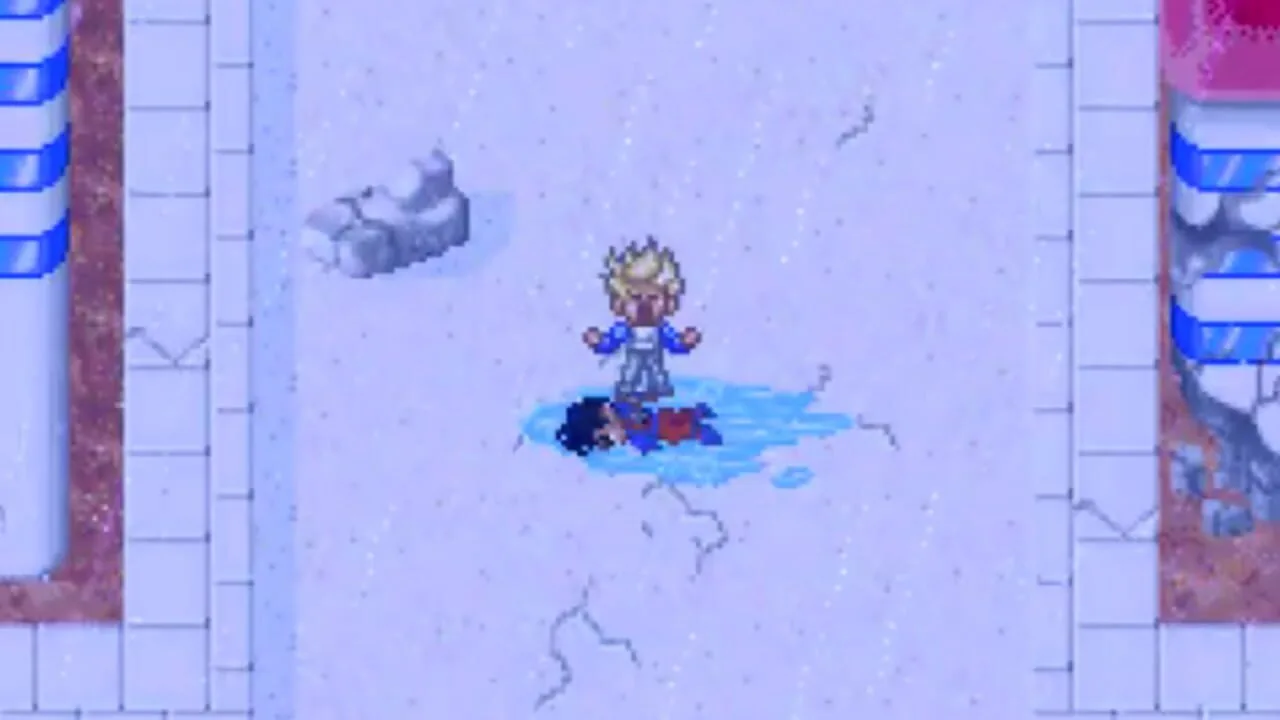
The Fist of Mars is a turn-based strategy game in 2-D, adapted from the PlayStation 2 title. You command an army of tanks and giant anime-styled robots called LEVs and fight to free Mars as part of the underground resistance. You select your actions with care, move across large battlefields and think tactically when engaging enemies.
Battle experience makes you more powerful, and you can optimize and upgrade your units. A directory of terms and characters is available. You can save at any point during combat and skip story scenes completely. For a strategy game on a handheld, those comforts matter a great deal, and few others from the era offer them.
86. Shaman King: Master of Spirits (2004)
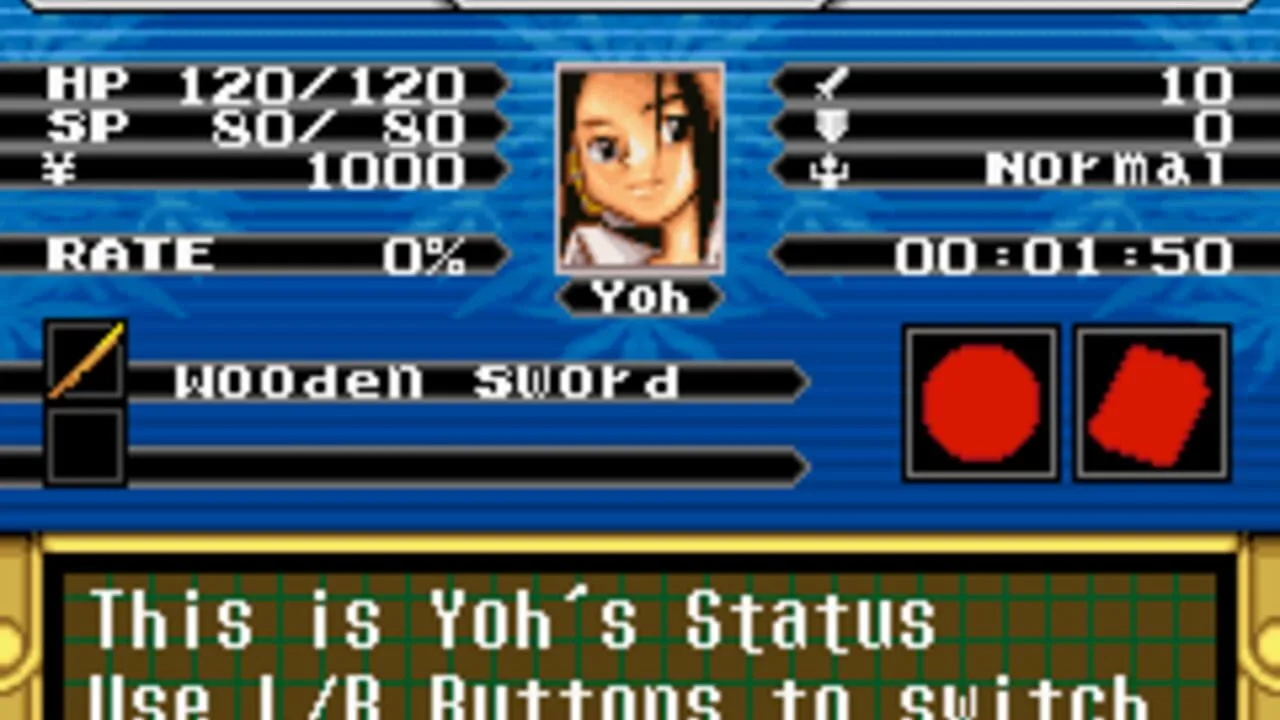
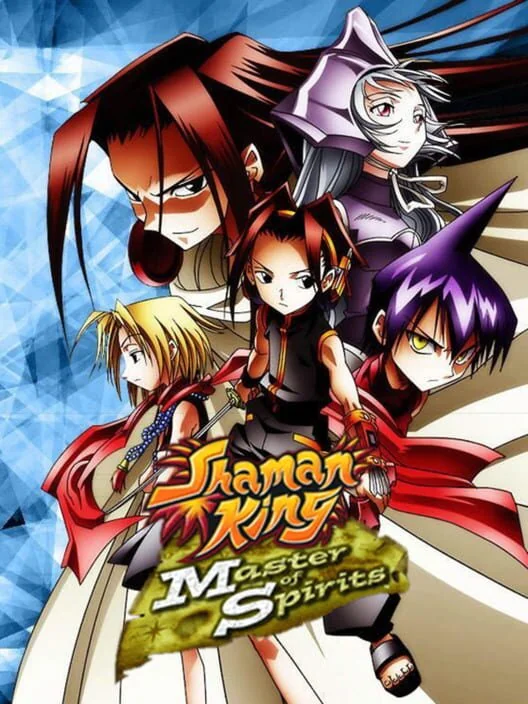
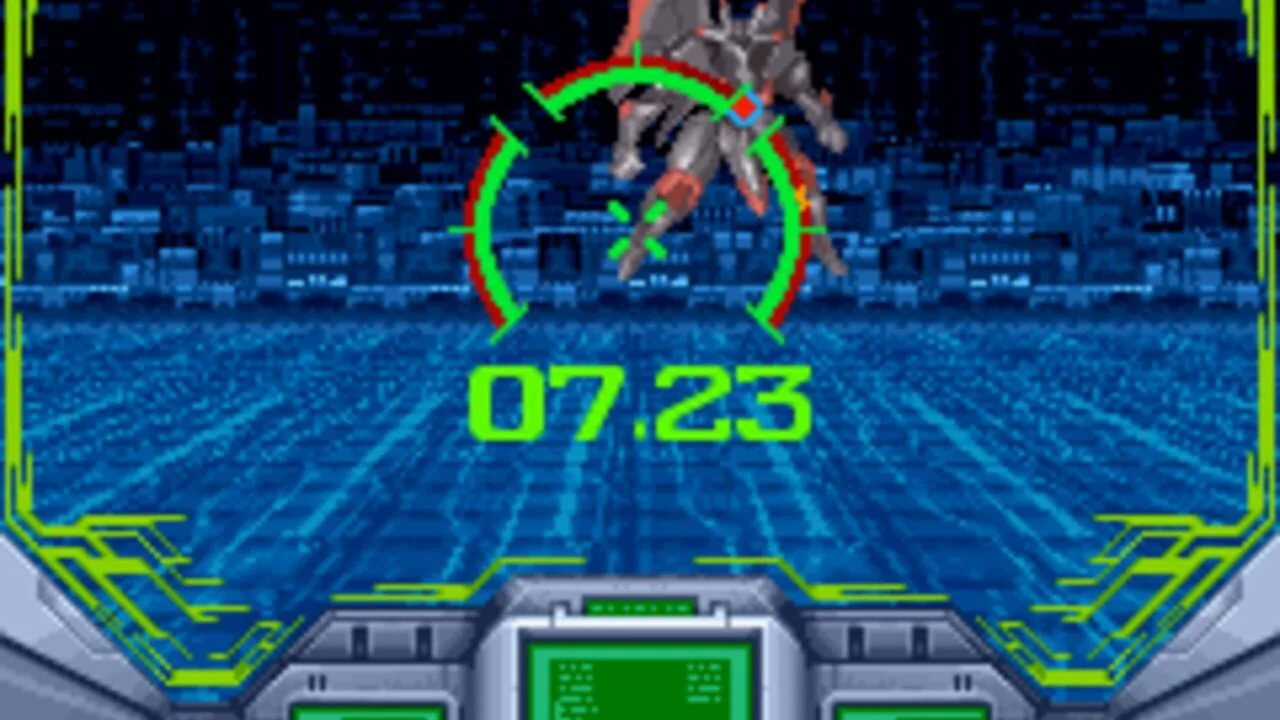
Shaman King: Master of Spirits is a Metroidvania game developed by Konami Computer Entertainment Japan and published by Konami, and the first Shaman King game developed for the Game Boy Advance in America. It was made to accompany the English dub by 4Kids Entertainment. You play Yoh Asakura from the manga and TV anime series.
Yoh and his friends are advancing in the Shaman Tournament to defeat Hao when they run into a man named Magister, who plans on resurrecting the demon king Mephias. With the help of his friends and their Guardian Ghosts, Yoh must stop Magister at all costs. It came out in North America on November 9, 2004. Europe got it on September 16, 2005.
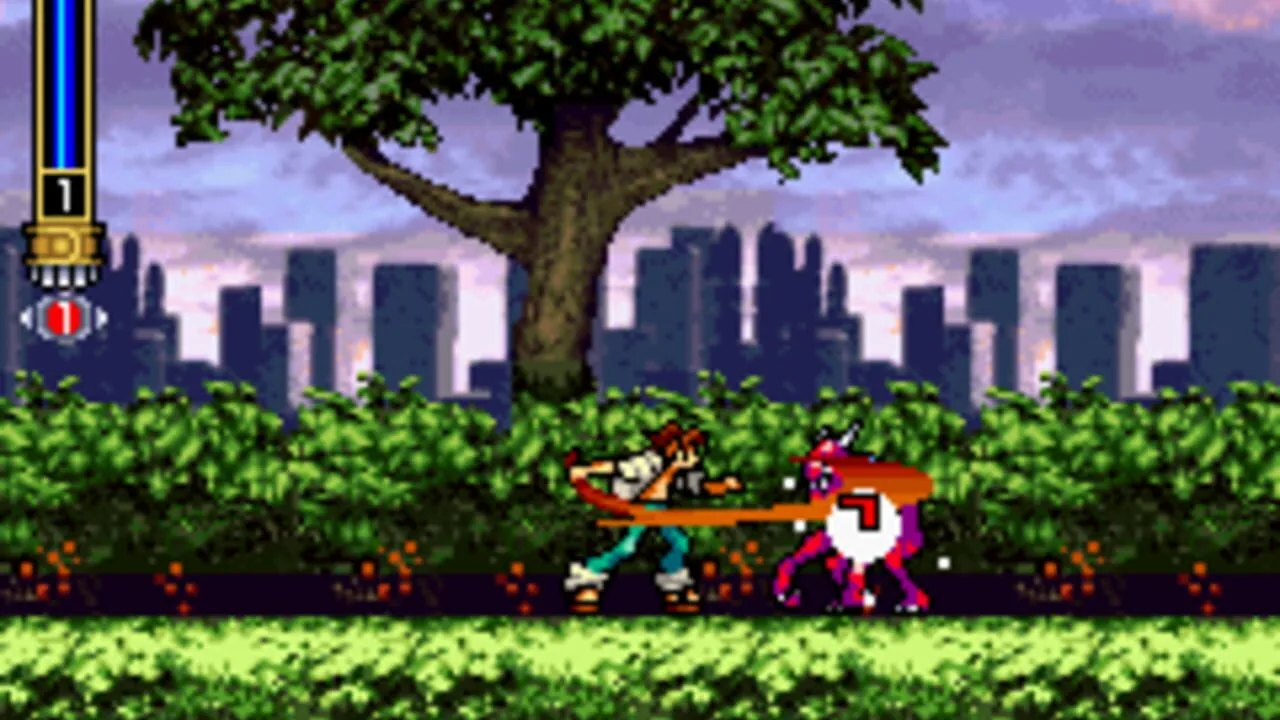
85. Klonoa: Empire of Dreams (2001)
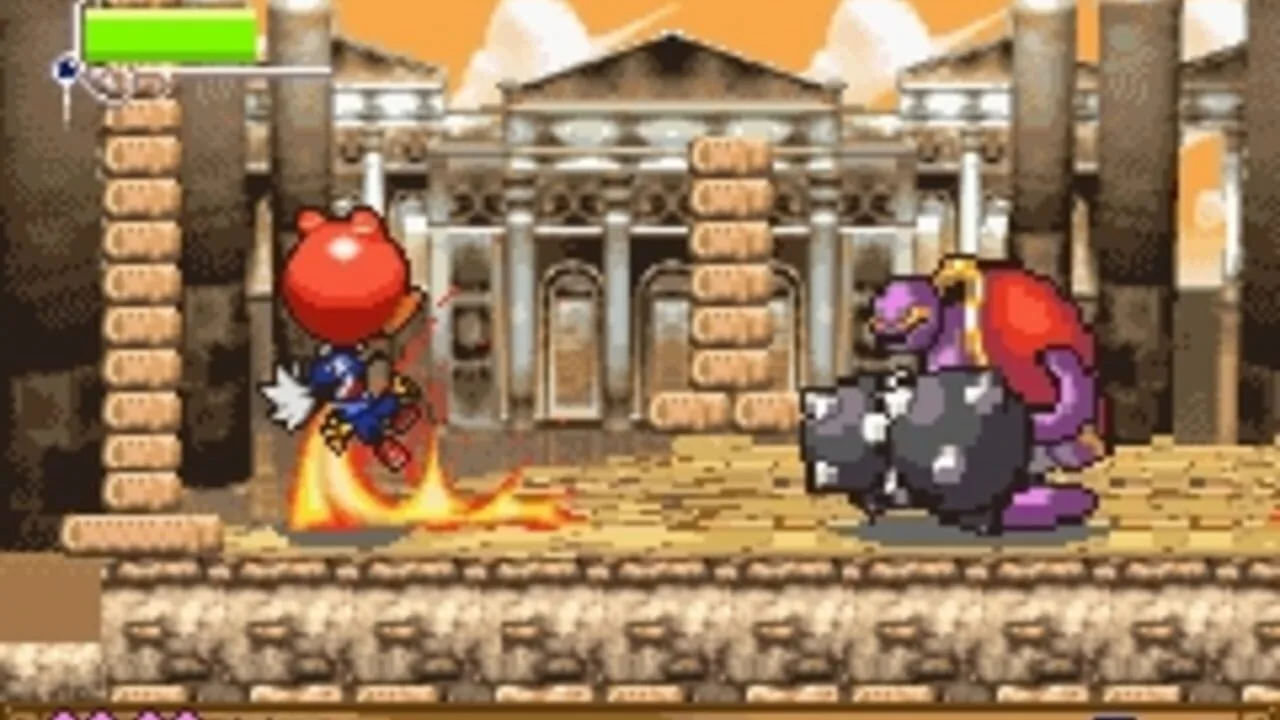
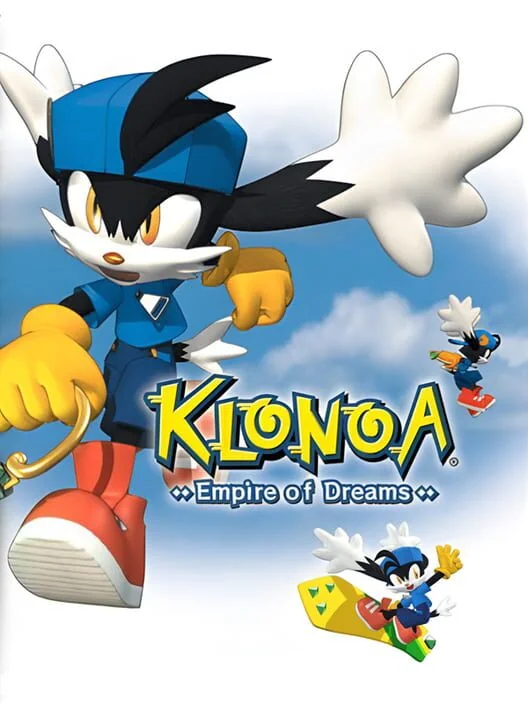
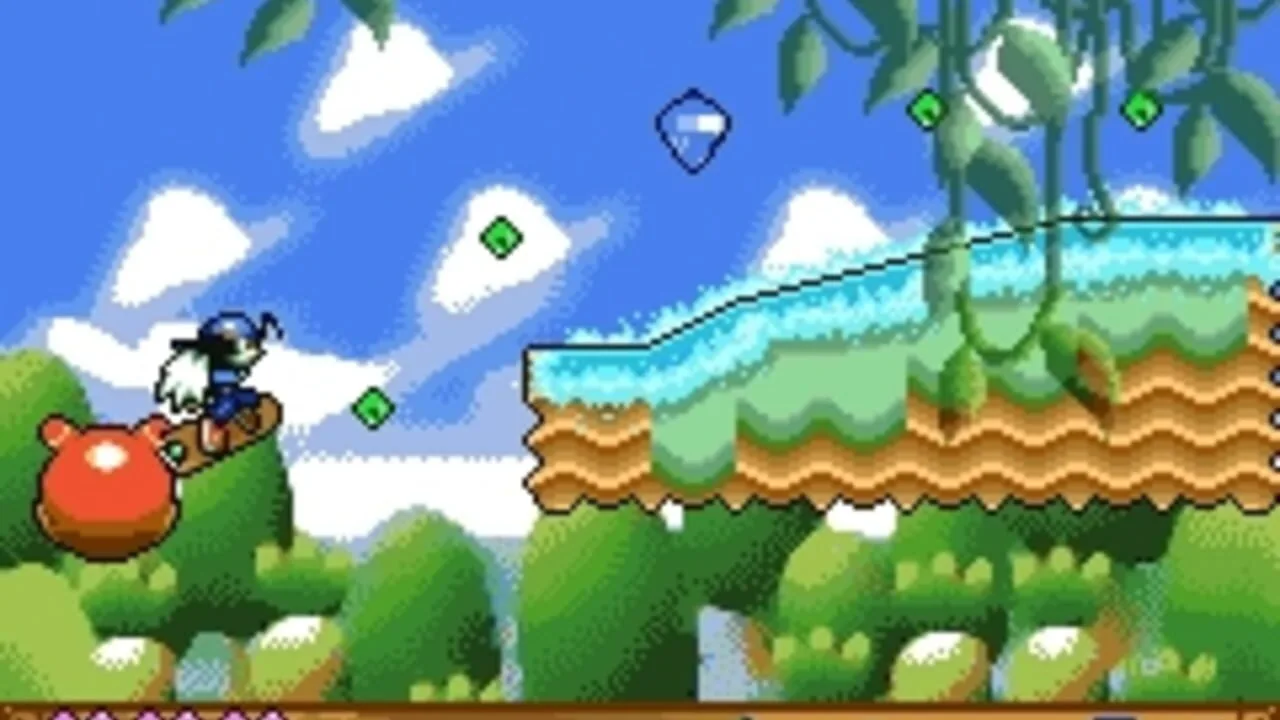
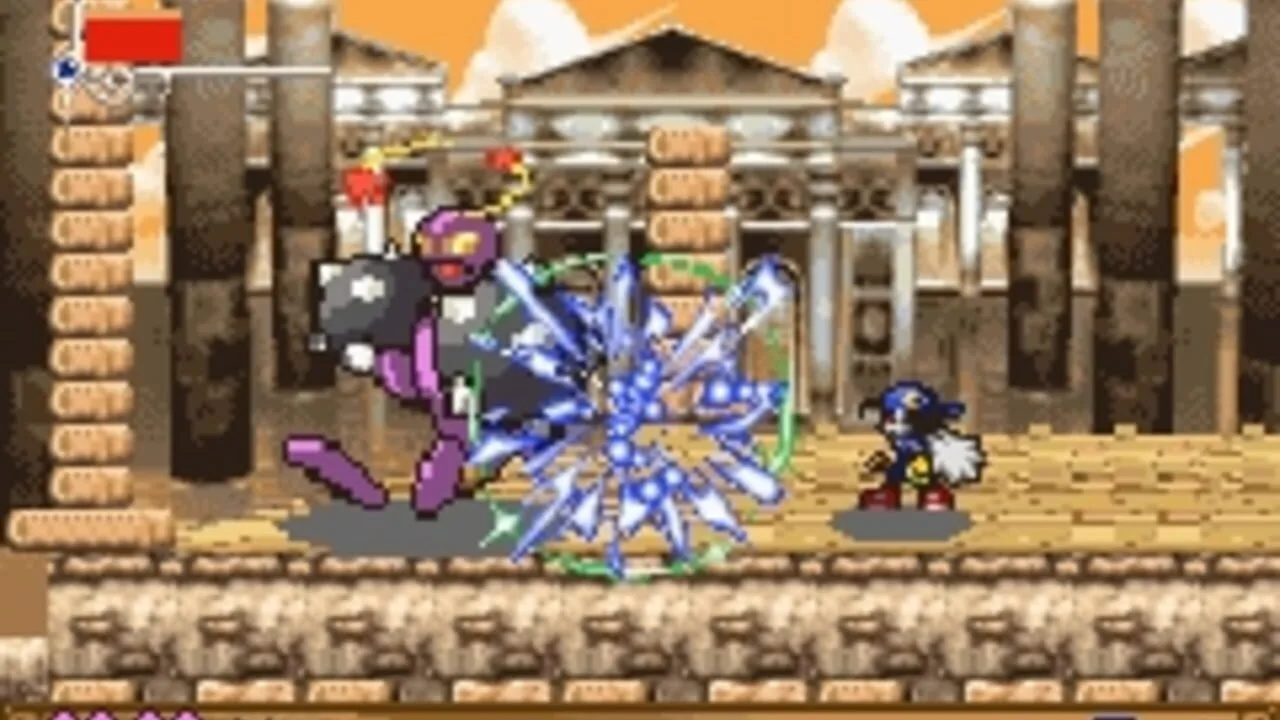
Klonoa: Empire of Dreams is a 2001 puzzle-platform game published by Namco for the Game Boy Advance. It falls between Klonoa: Door to Phantomile and Klonoa 2: Lunatea's Veil and takes place in the Empire of Jillius. Klonoa uses his Wind Ring to draw an enemy in and lift it over his head, then throws it like a projectile or double-jumps off it. He can also pick up large square blocks and place them wherever you choose.
Holding the jump button makes him flap his ears and float for a short time. Each stage ends at an exit that opens after you collect three stars. It was developed jointly by Namco and produced by Hideo Yoshizawa, who had worked on all the previous Klonoa games.
84. Super Robot Taisen: Original Generation (2002)
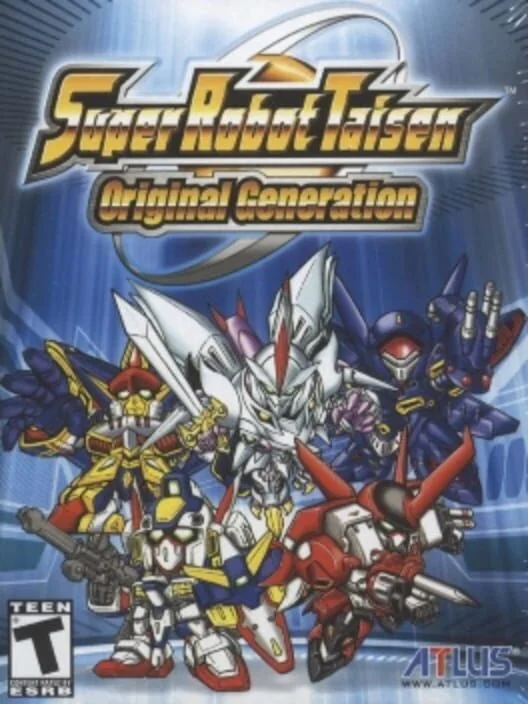
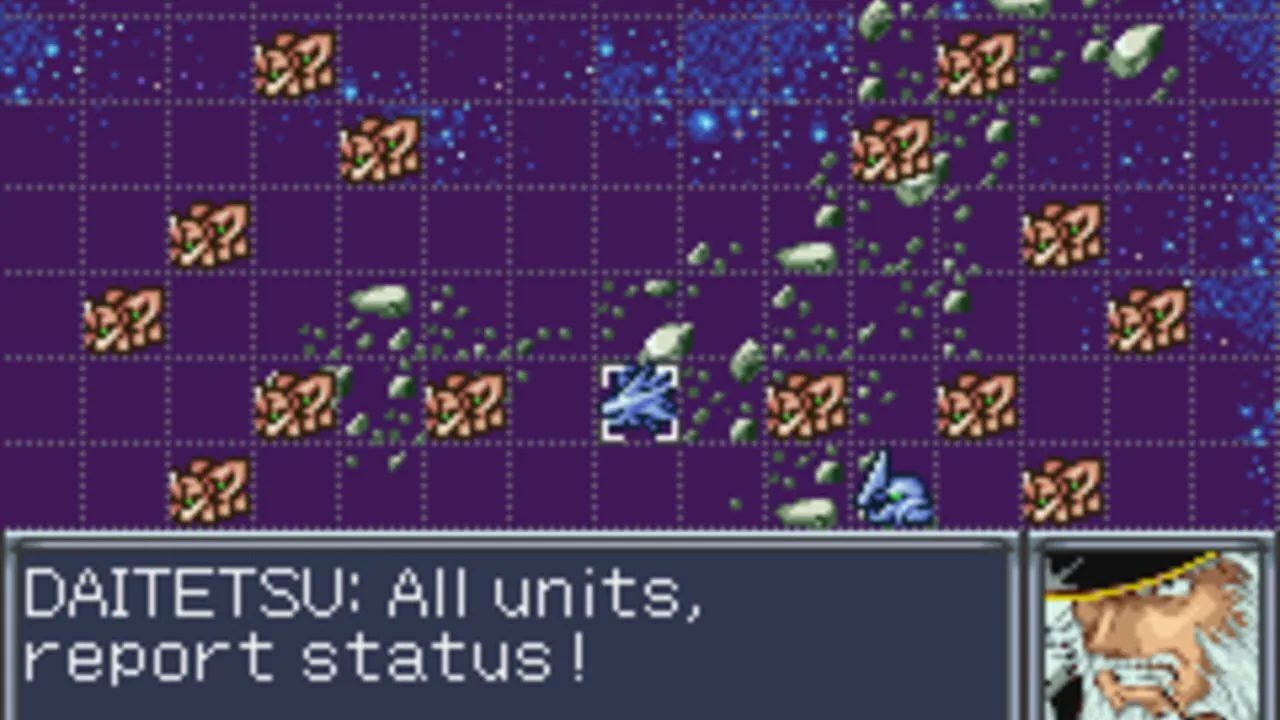
Super Robot Taisen: Original Generation was developed by Banpresoft and published by Banpresto in Japan, Atlus in North America and 505 Games in Europe. It stars original characters created by Banpresto, and like the earlier Super Robot Wars Gaiden it uses no licensed mecha or characters at all.
The story begins two hundred years after the start of the Space Era, when civilization began expanding into space. It was released in Japan on November 22, 2002. The United States got it on August 8, 2006. It sold well in Japan. A sequel followed in Japan on February 3, 2005. An enhanced remake of both games came to the PlayStation 2 on June 27, 2007.
83. Drome Racers (2002)
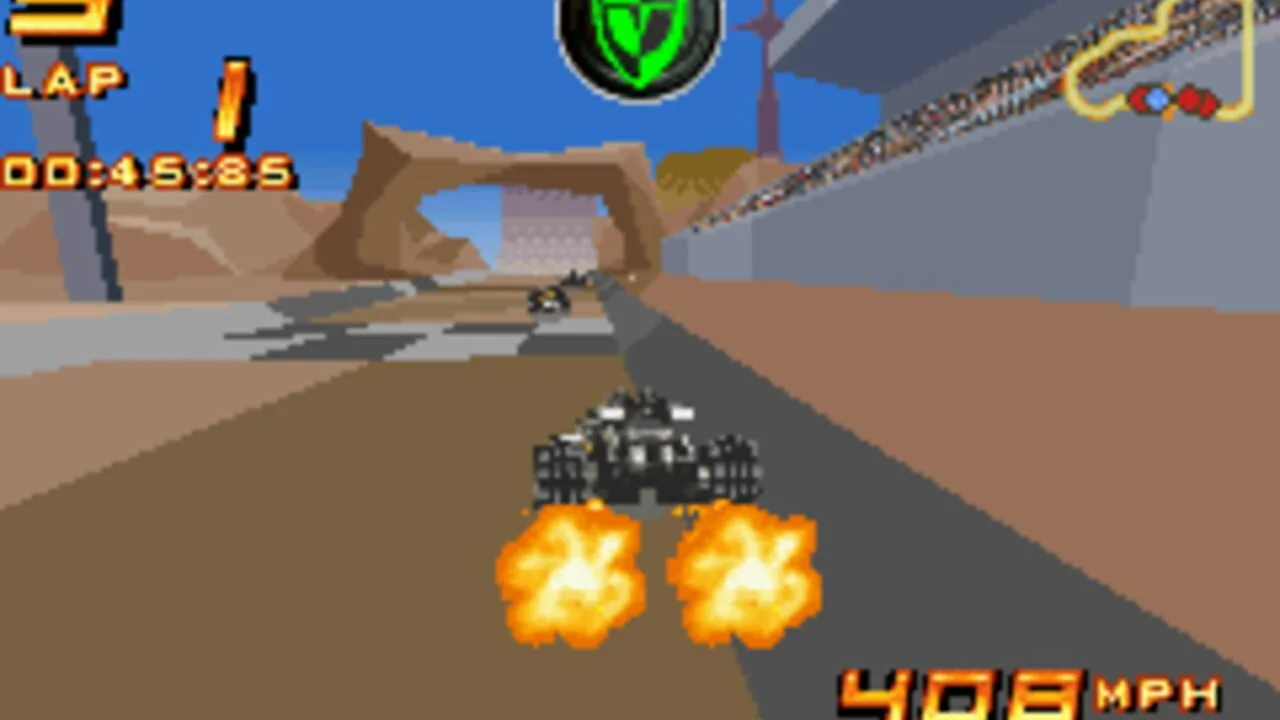
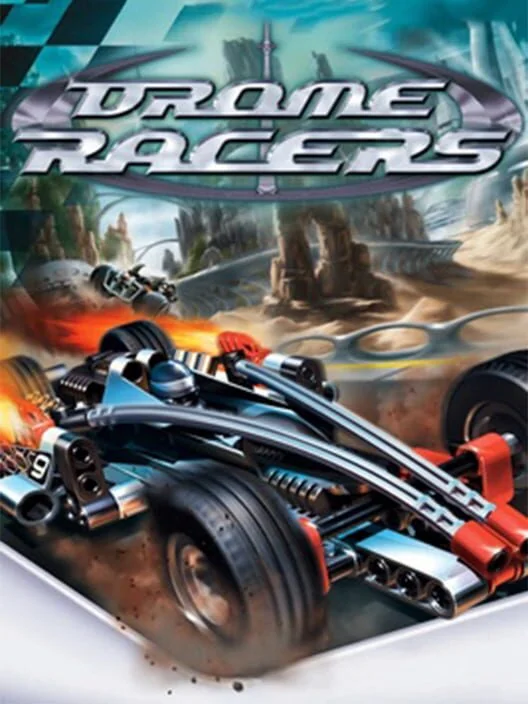
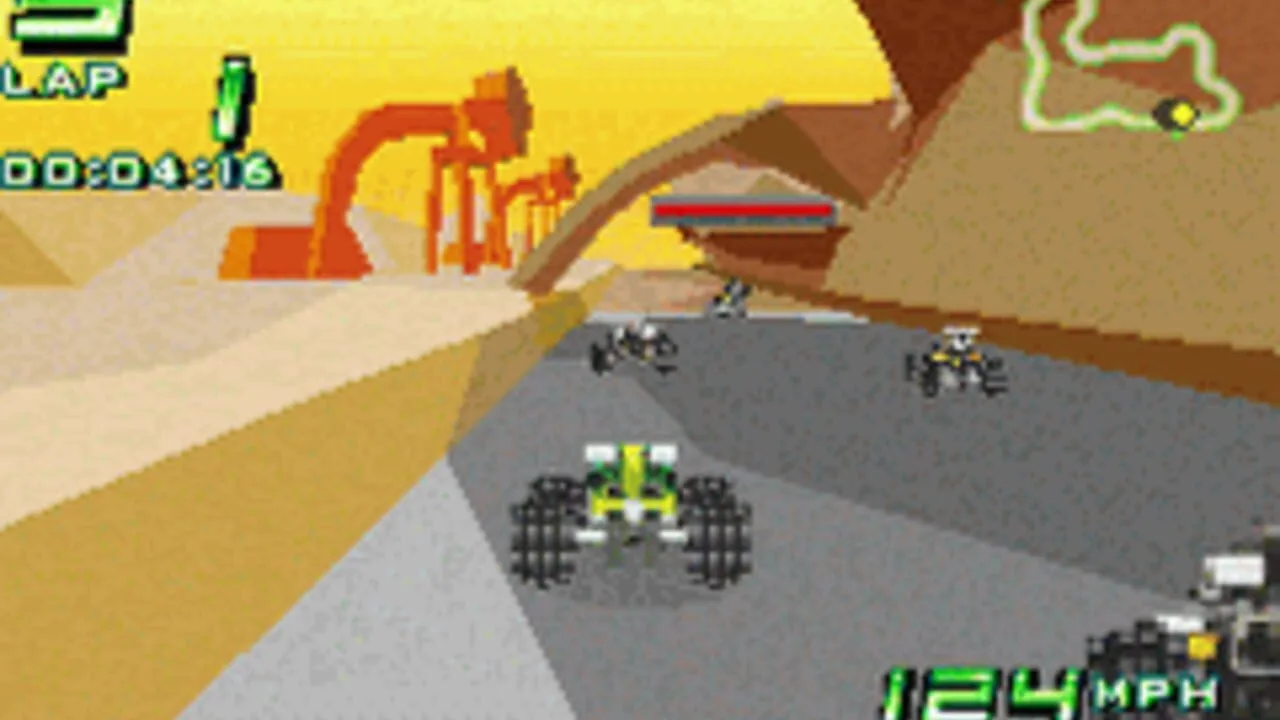
Drome Racers is a racing game for the Game Boy Advance that came out as a spin-off of the console version, published by THQ. You enter the Drome Championship and race through Multi-Challenge Racing, where each race is a seamless set of stages mixing City and Canyon tracks. The machines come from new cars in the 2002 LEGO Racers line of construction toys.
It is the third Lego racing game, released a year after Lego Racers 2. If you finish behind, the leader is awarded a head start in the next race by the same margin. The overall winner is the first to cross the finish line in the final race of the series. Cars can be upgraded with a stronger engine and better tires.
82. F-Zero: GP Legend (2004)
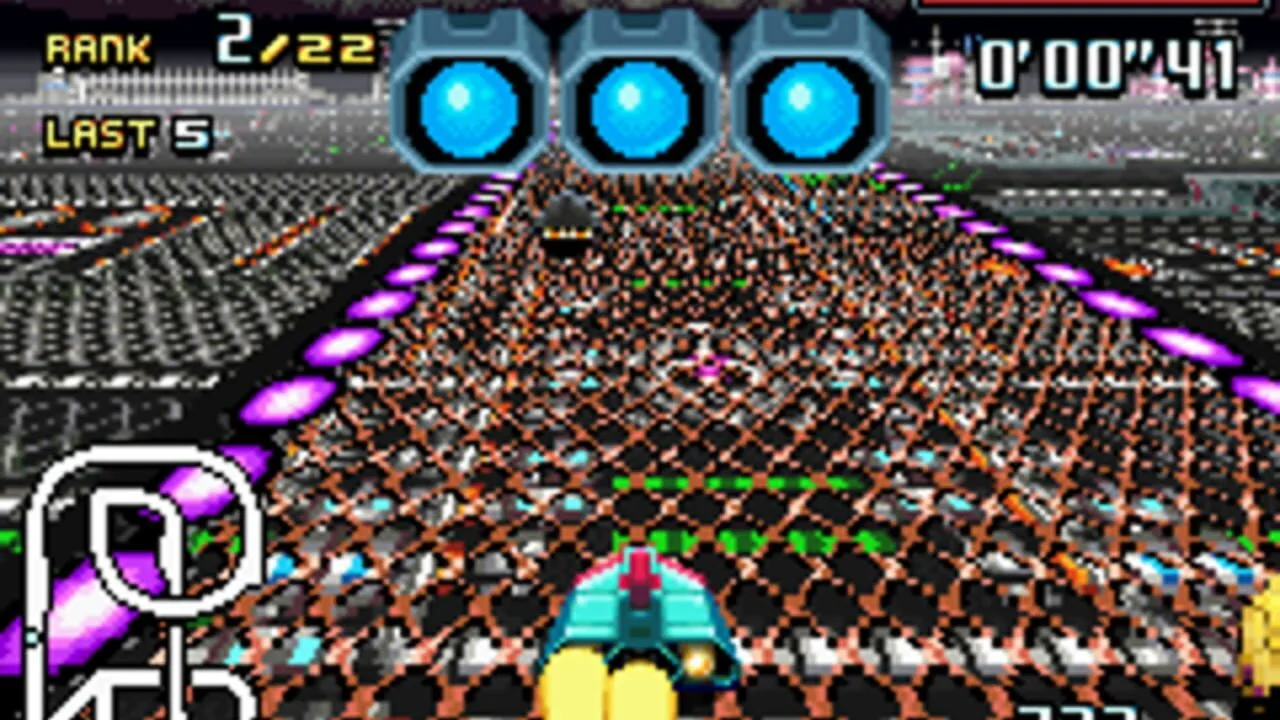
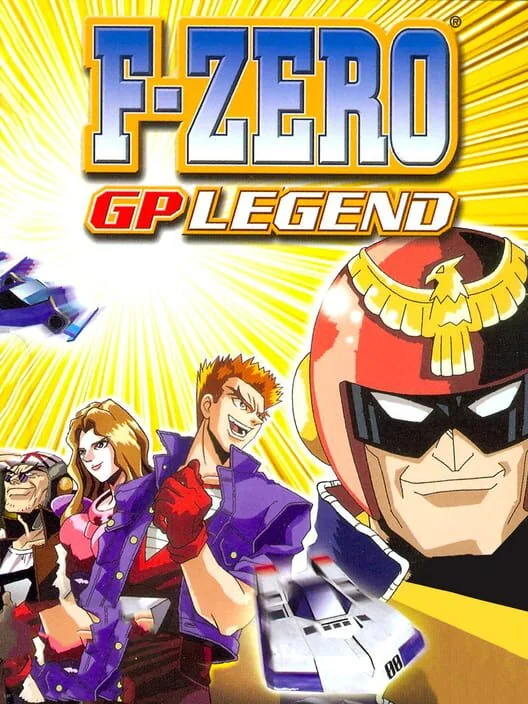
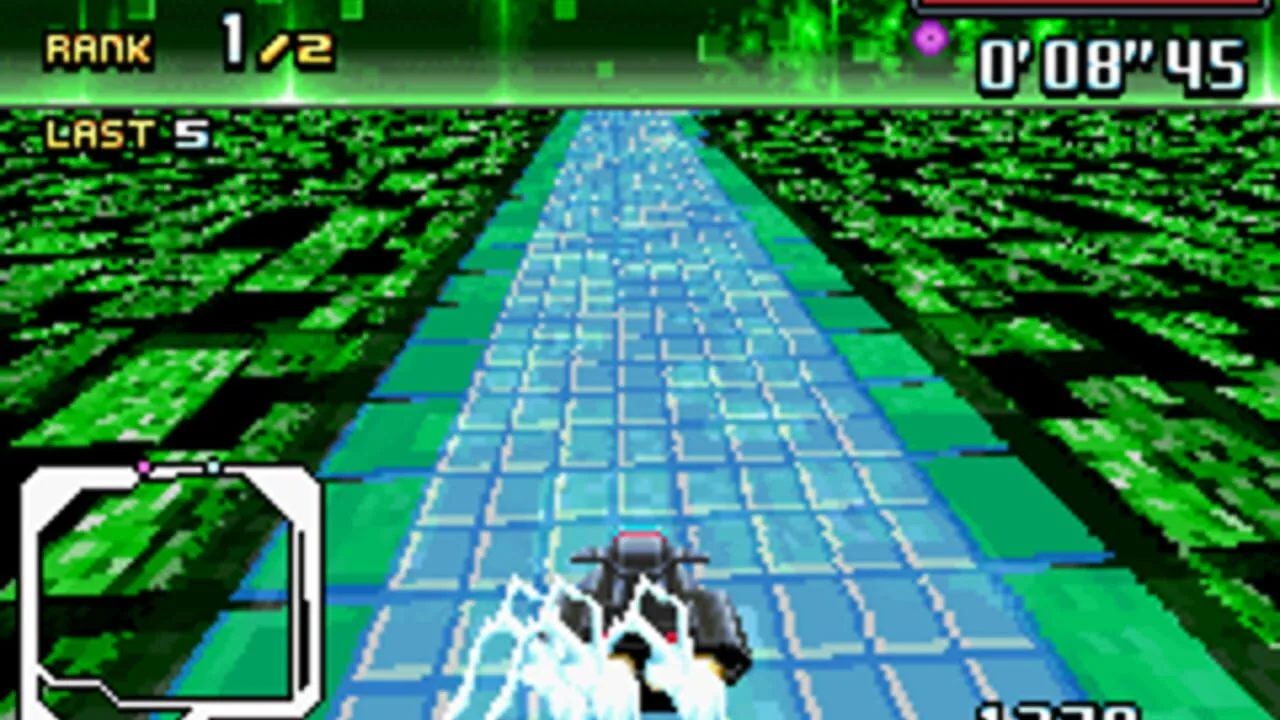
F-Zero: GP Legend is based on the anime of the same name, and it was released in Japan in 2003 and in Europe and North America in 2004. You pick one of eight characters, among them Captain Falcon and the evil lord Black Shadow, through Grand Prix cups and time trials that span multiple planets. Up to three friends can join you in multiplayer.
You press A to accelerate and B to brake. The shoulder buttons drift. Single-Pak play needs only one copy, with each player using a different colored Dragon Bird on one course, Big Blue - Calm Sea. A sequel, F-Zero Climax, came out only in Japan in 2004.
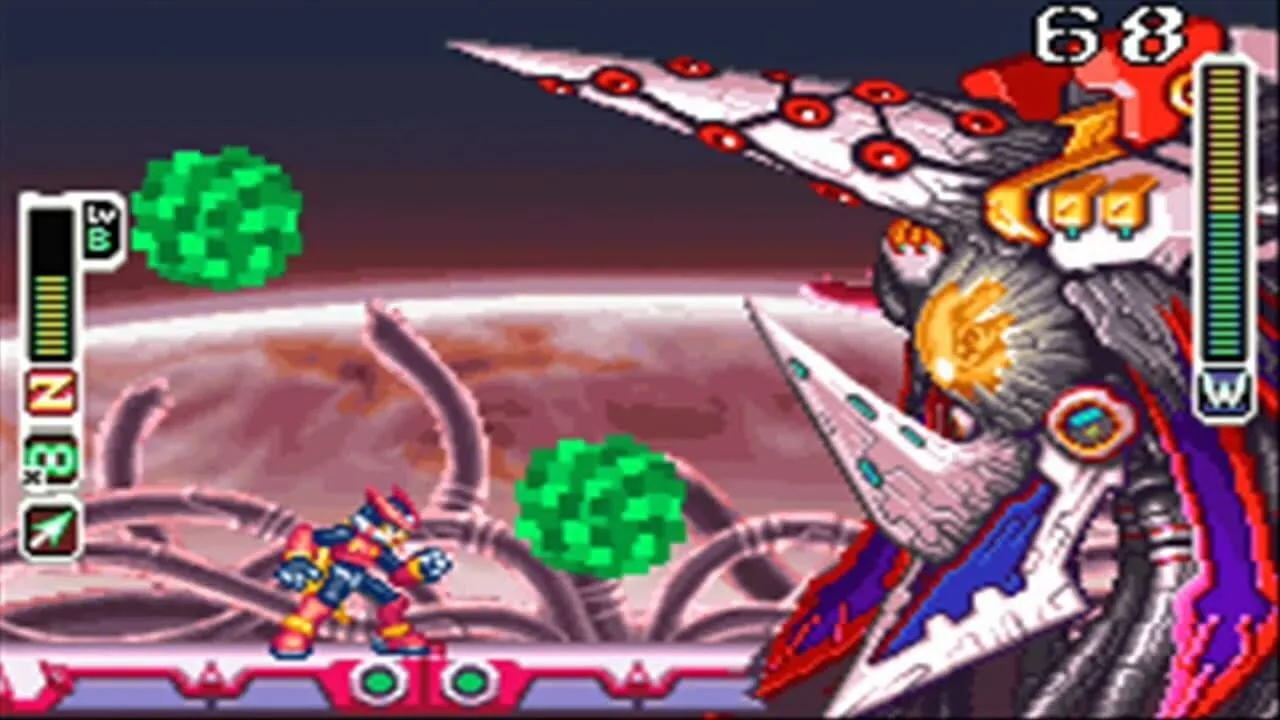
81. Mega Man Zero 4 (2005)
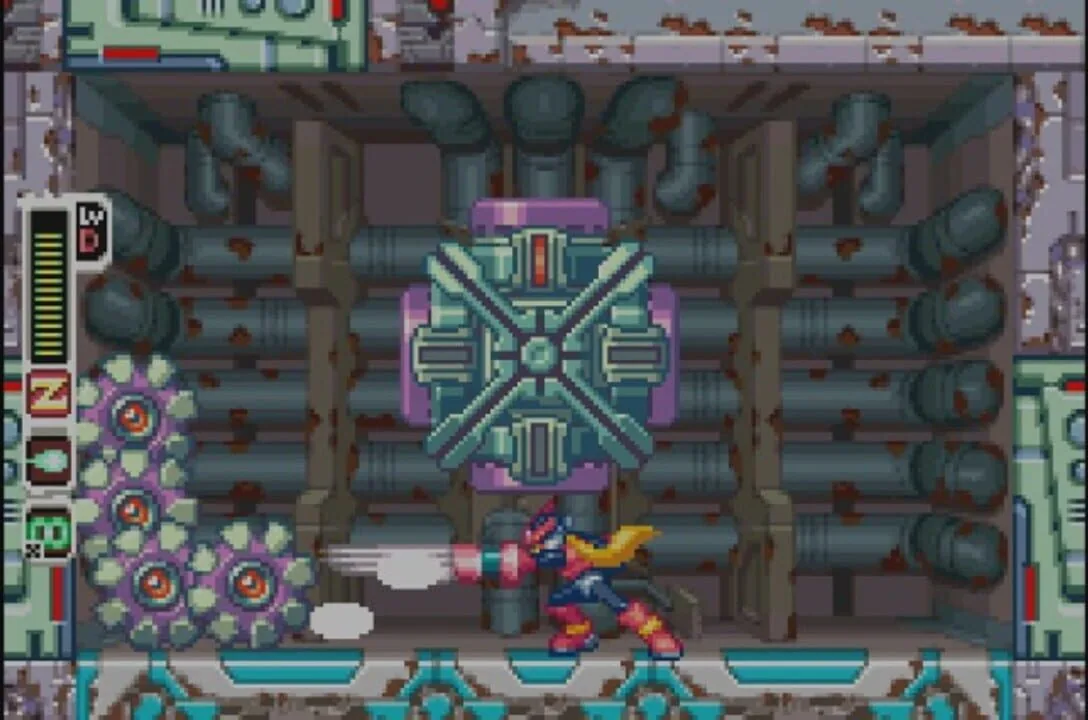
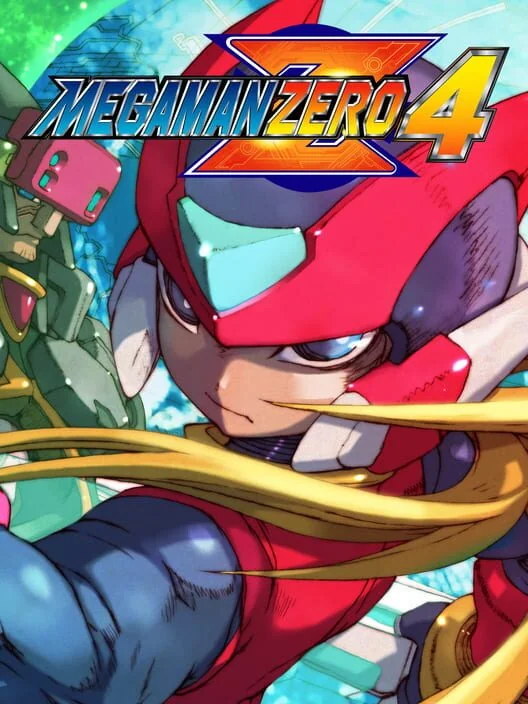
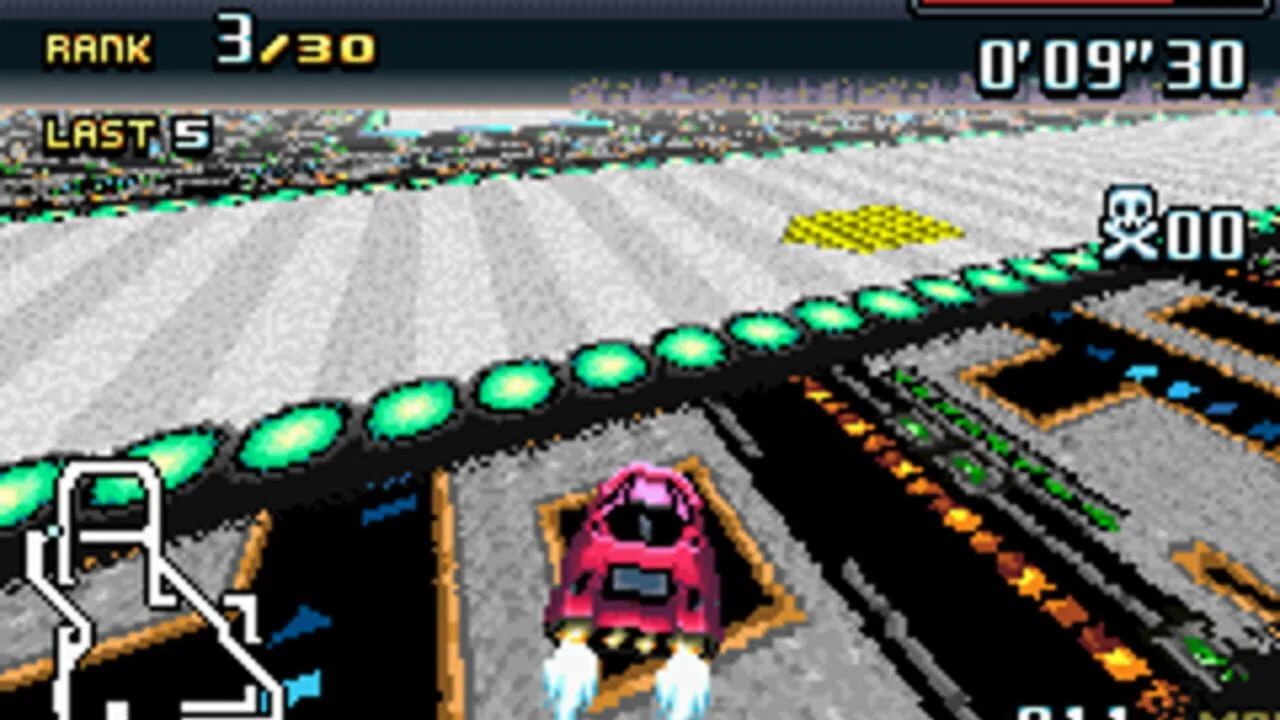
Capcom and Inti Creates made Mega Man Zero 4 for the Game Boy Advance in 2005. As the last of four Zero games, it gave Zero the first Mega Man subseries with a proper conclusion. A new weapon, the Zero Knuckle, lets Zero steal enemies' weapons and use them himself, and he can alter the weather before entering one of the eight main levels.
Some stages have secret passages you can only reach by setting the weather to hard. As the fourth outing is also the last, the story of Zero ends here. Since its release it has come to the Nintendo DS family as part of the Mega Man Zero Collection in 2010 and the Wii U Virtual Console in 2016.
80. Bomberman Tournament (2001)
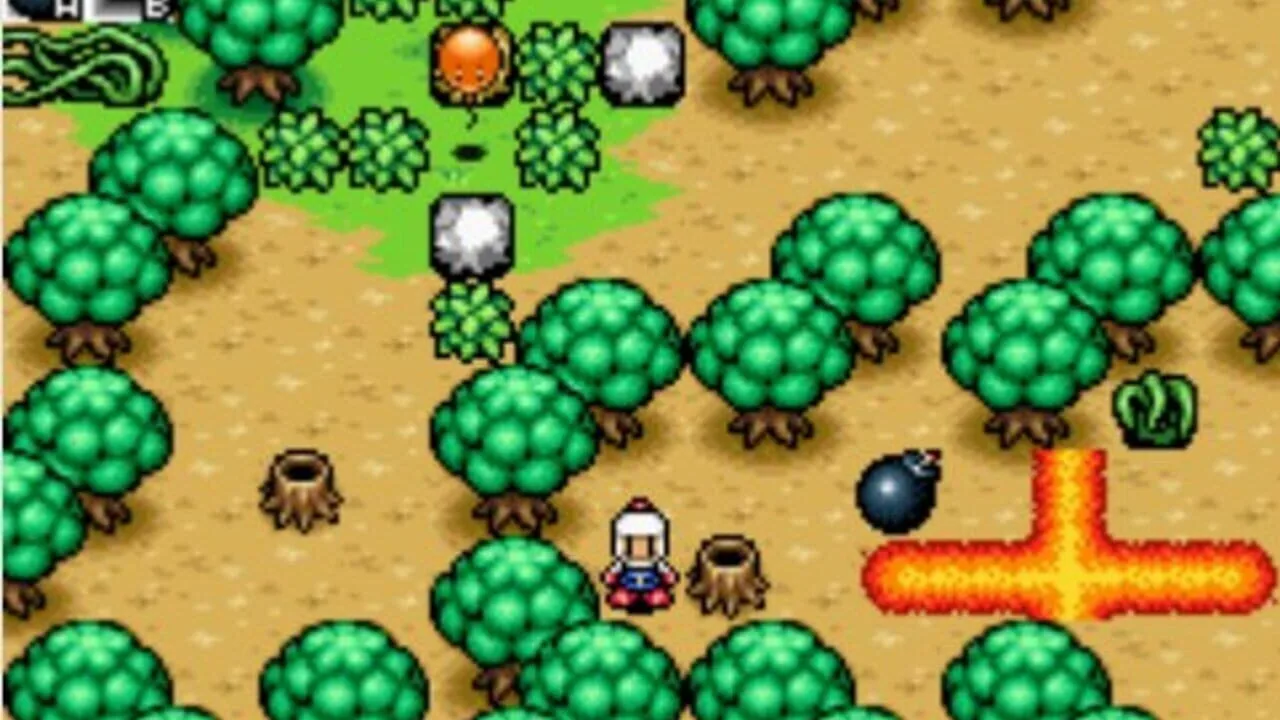
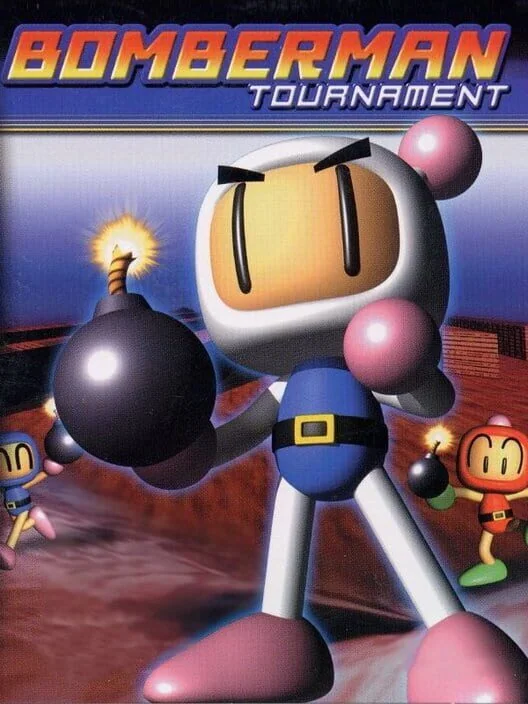
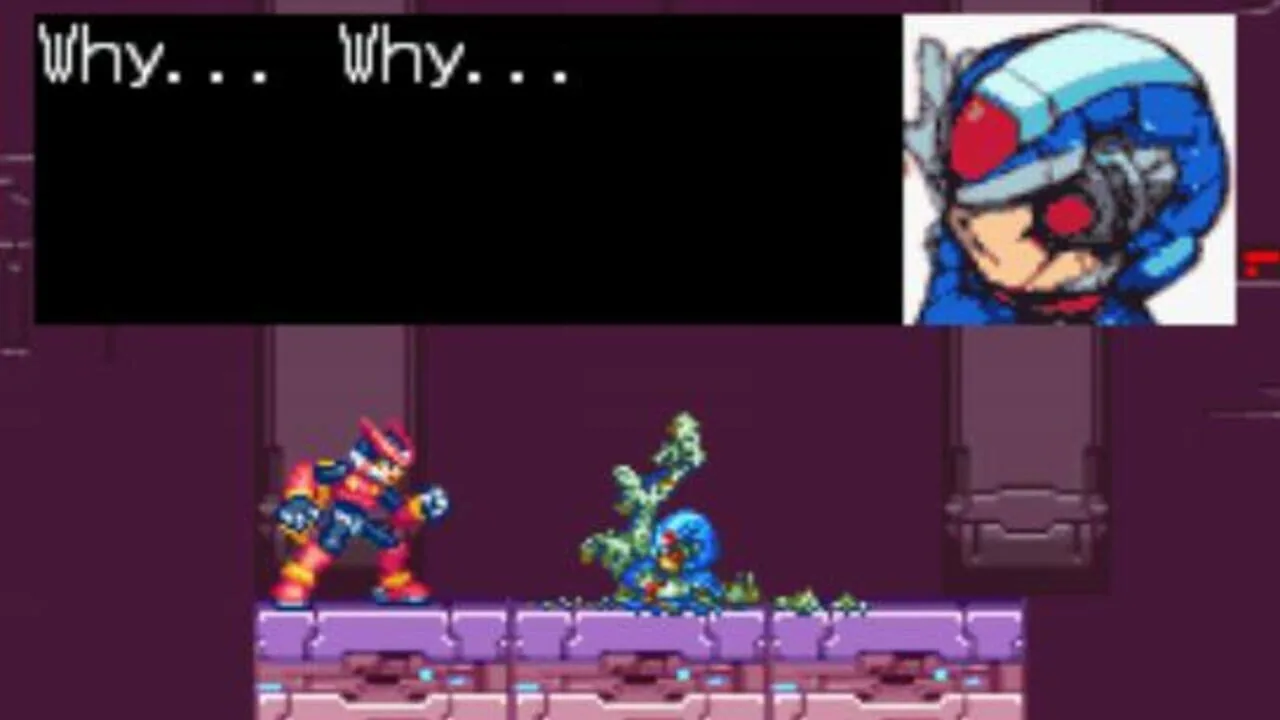
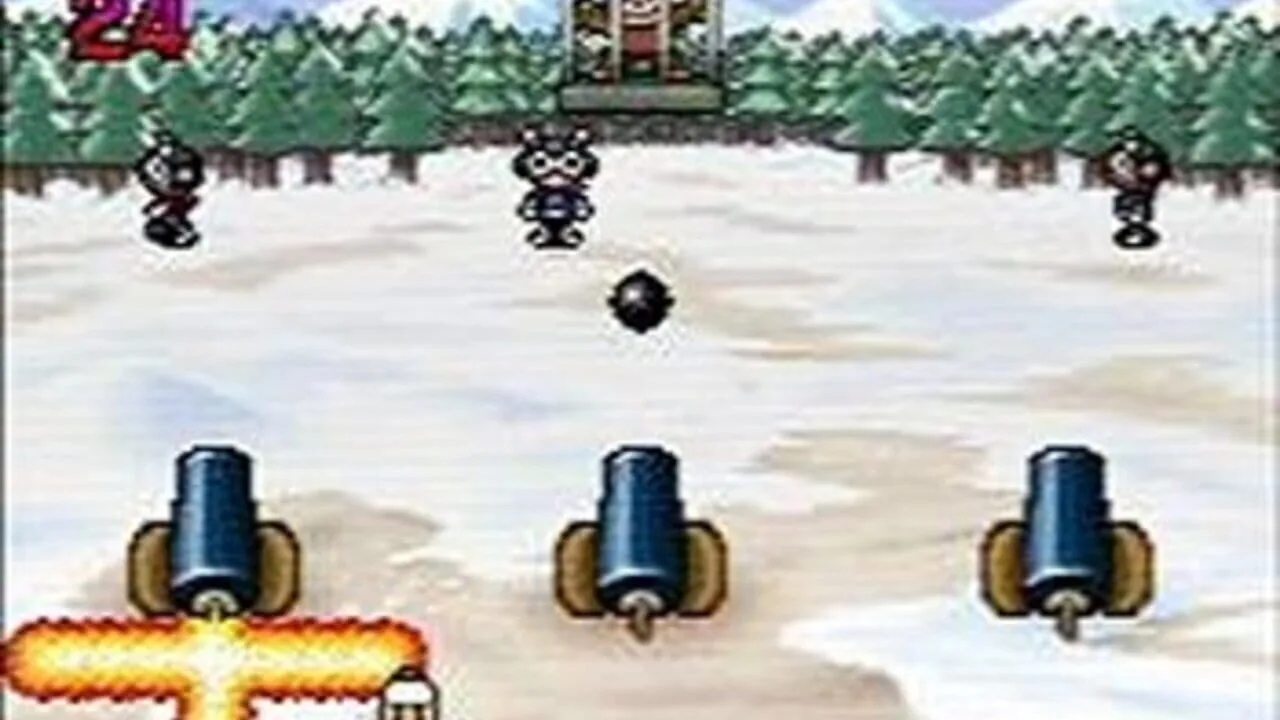
An S.O.S. from space says planet Phantarion is in trouble. In the opening cutscene five meteors, the five Dastardly Bombers from Super Bomberman 2 and Super Bomberman 3, hit the planet. Bomberman is then sent by Ein to save Phantarion and find Max, who was pulled into a dark circle. Up to 4 players can take part in the multiplayer blastfests, and there are 8 interactive battlefield mazes.
The game was developed by Hudson Soft. Each of its six environments has few rectangular features but is detailed with other things, such as trees that topple over. It is a light, quick pick-up game with a real adventure behind the bombs, which is why players keep naming it among the system's best multiplayer picks.
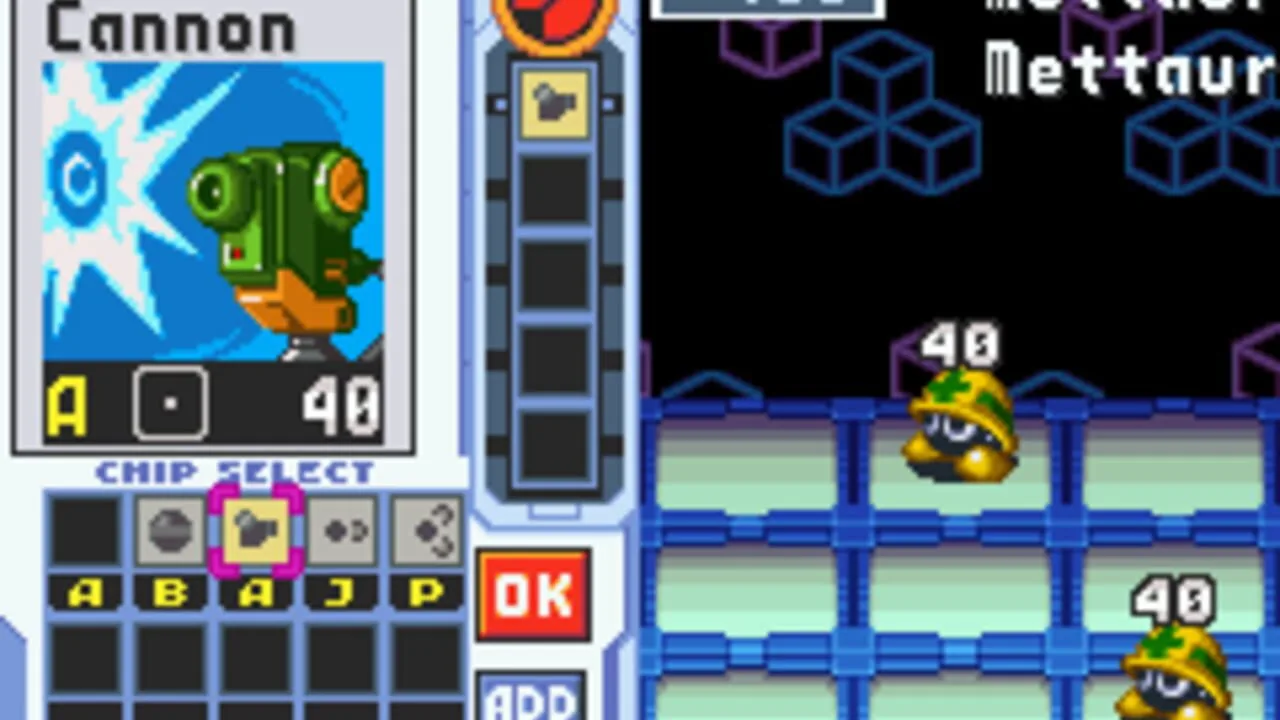
79. Mega Man Battle Network 3 (2002)
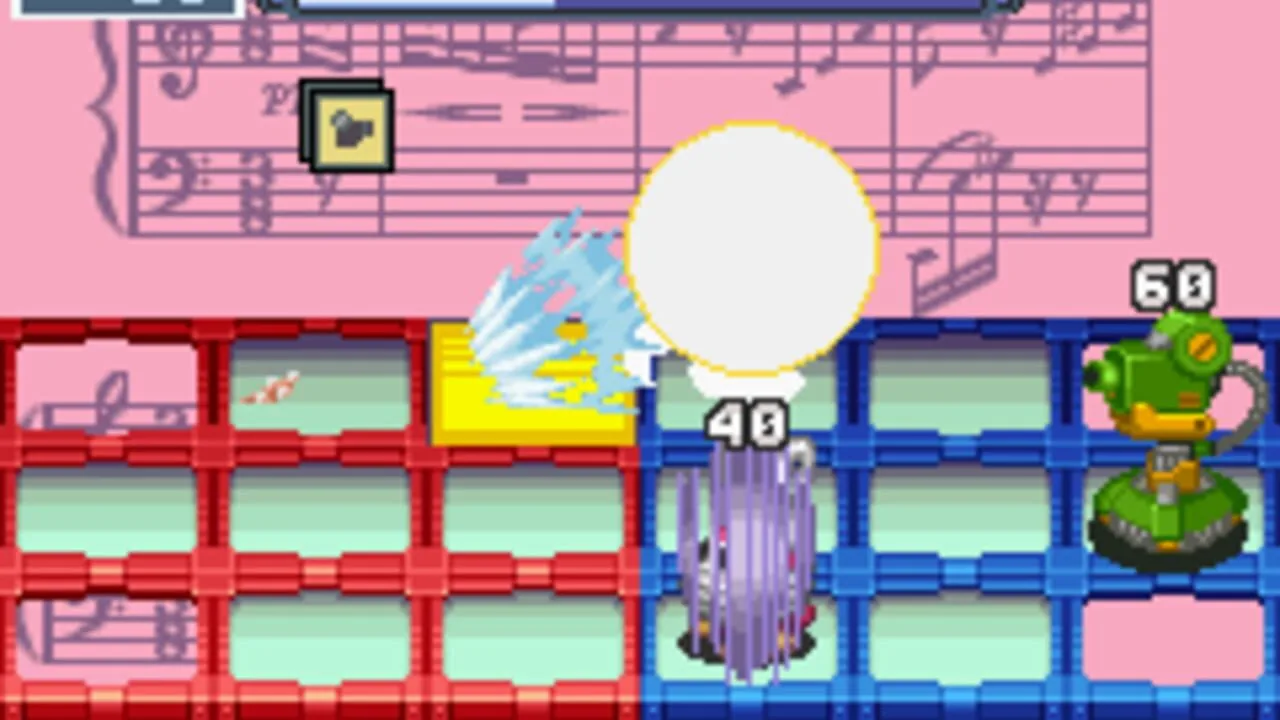
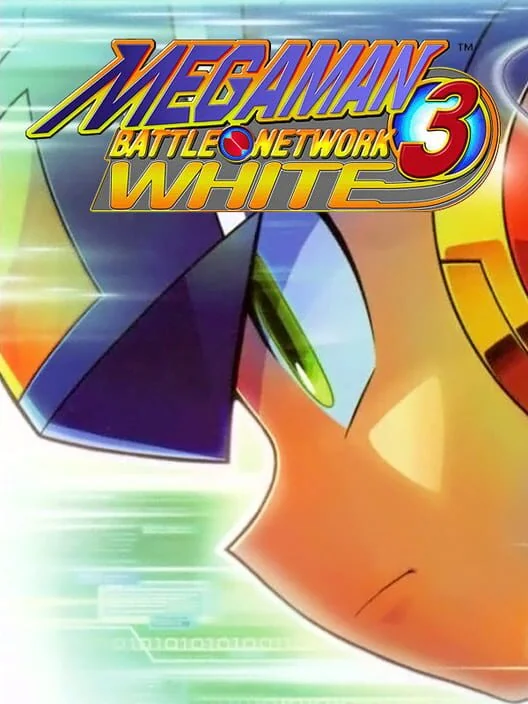
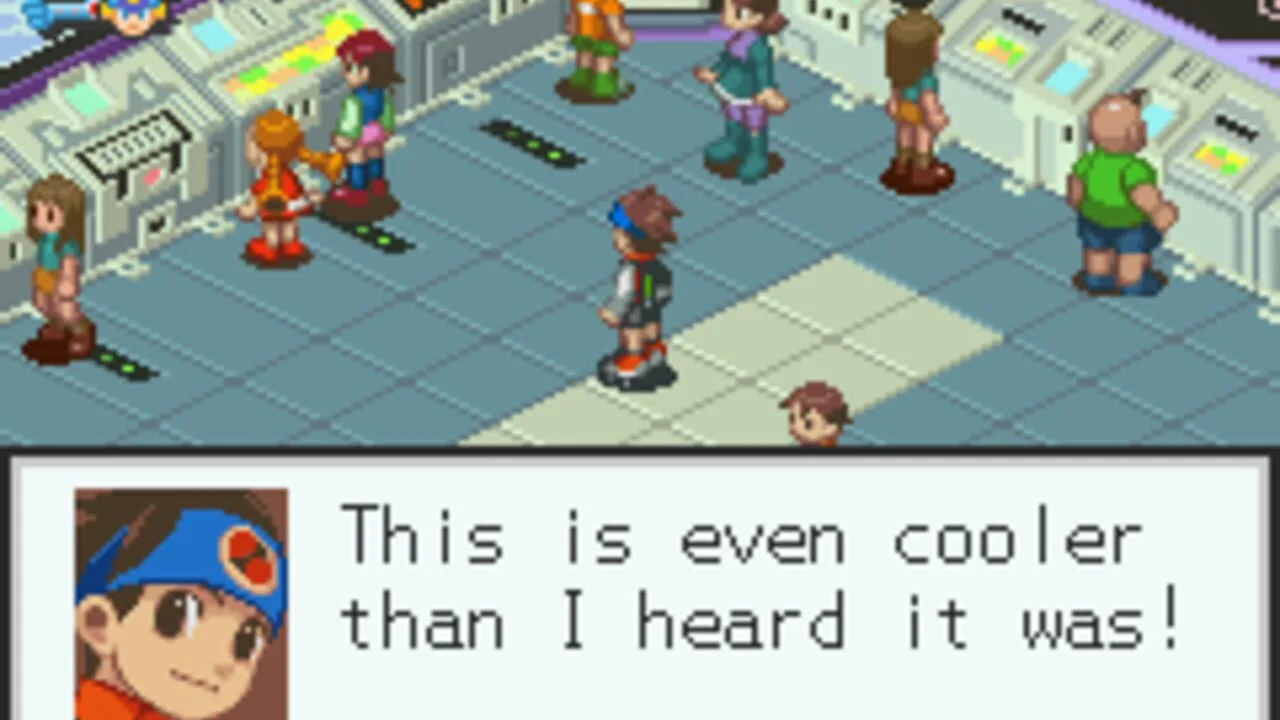
Mega Man Battle Network 3 is the third game in the series, released in 2002 in Japan and 2003 in North America. Dr. Wily has returned to reform the evil organization WWW and seeks to release Alpha, a prototype version of the Internet that went berserk after becoming corrupted by bugs. To do it he needs the TetraCodes, the passwords to the firewalls Alpha is trapped behind.
The White Version has exclusive Giga Class chips that only its Mega Man can use, and you can trade chips between players using the Blue or White versions. Other differences include exclusive bosses and a unique battle style for each version. Wily gets the codes anyway with the help of Bass.EXE, and Lan confronts him straight after.
78. Shining Soul (2002)
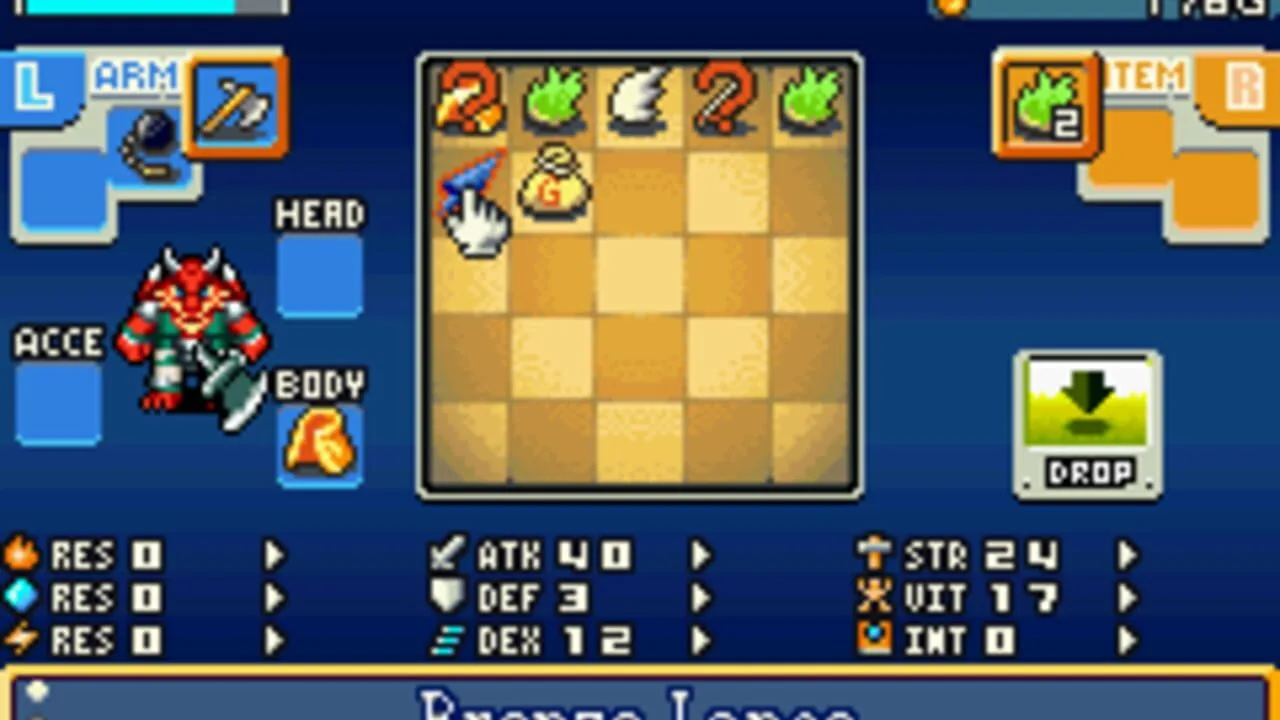
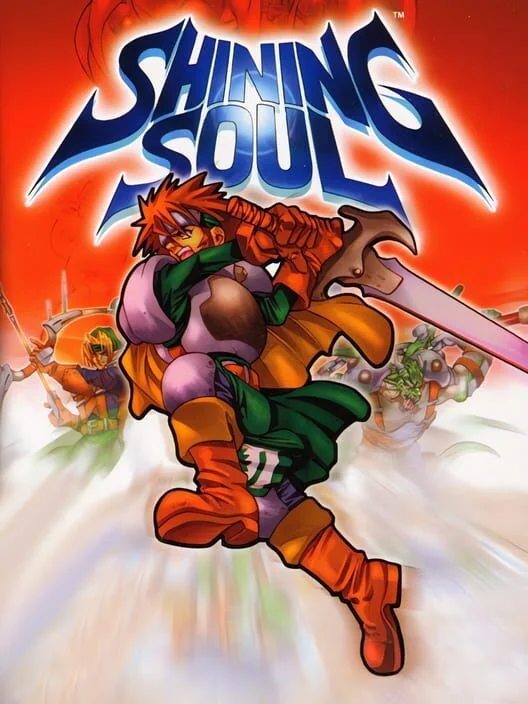
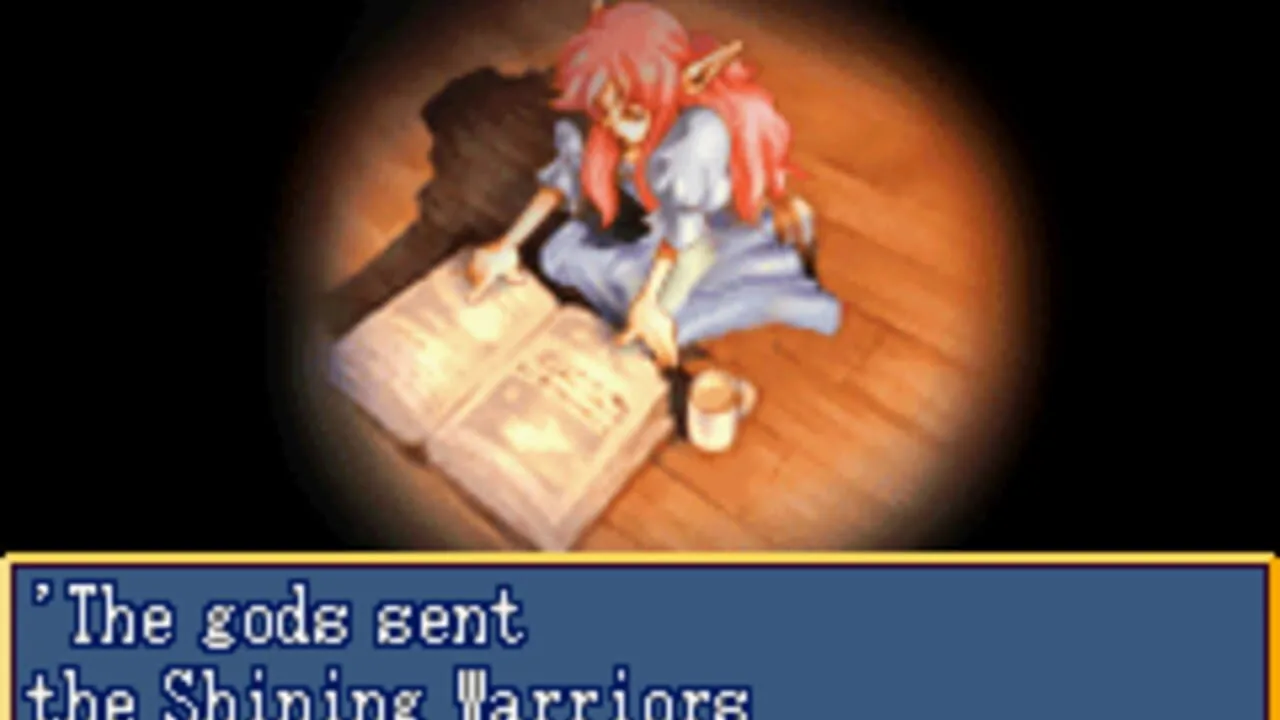
Shining Soul is a reboot of the Shining series. You are caught in a struggle between the Dark Dragon and the Shining Fleet, a group of warriors. In the final stage of the war you play one of four classes, such as the fighter or dragonute. You can customize your weapons and armor, then explore alone or with three friends.
It was followed by a sequel, Shining Soul II, in 2003. Both games were re-released in Japan in early 2006 as part of the Game Boy Advance Value Selection. GamePro gave it 4/5 for graphics and 3.5/5 for sound. A rougher dungeon crawler than most of this list, it still has a loyal following.
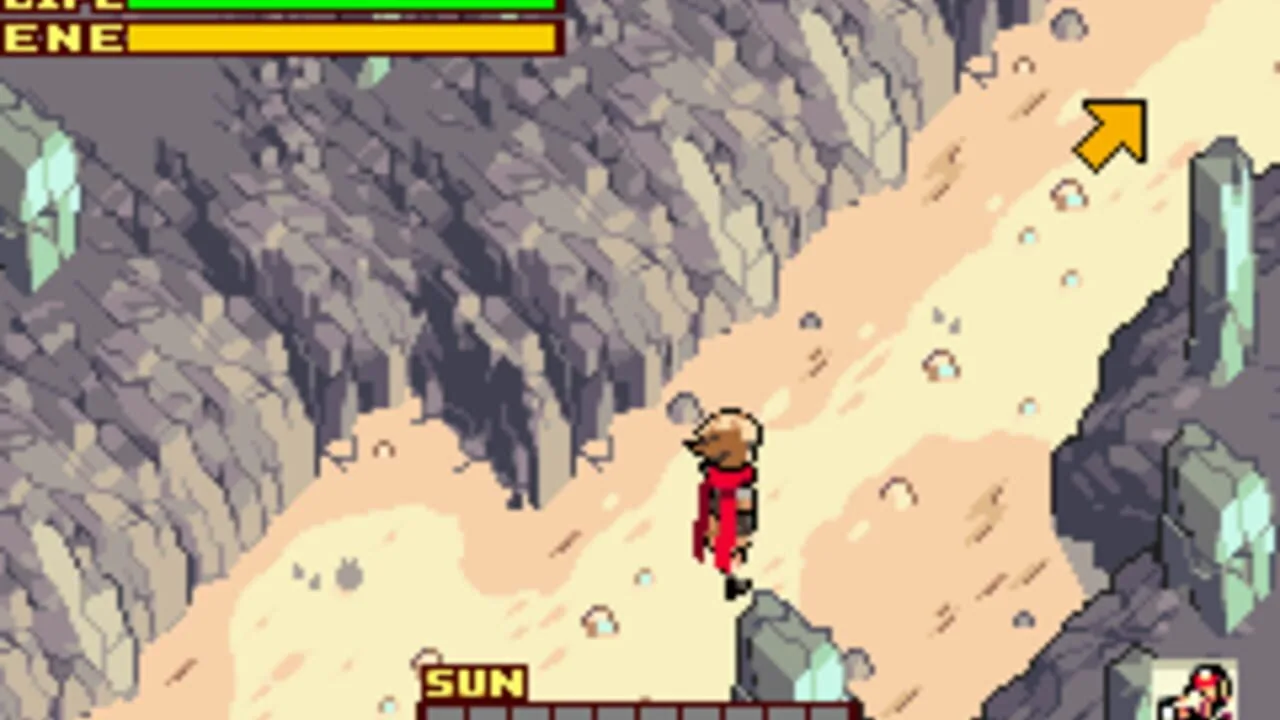
77. Boktai 2: Solar Boy Django (2004)
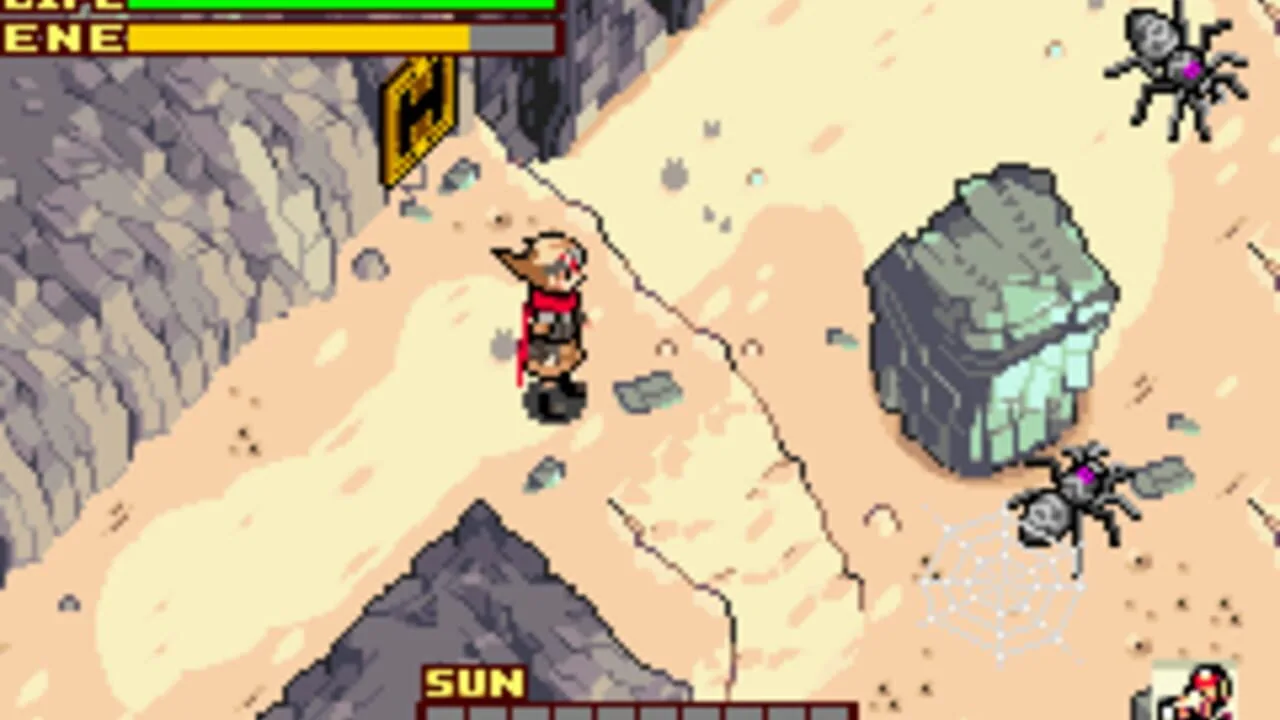
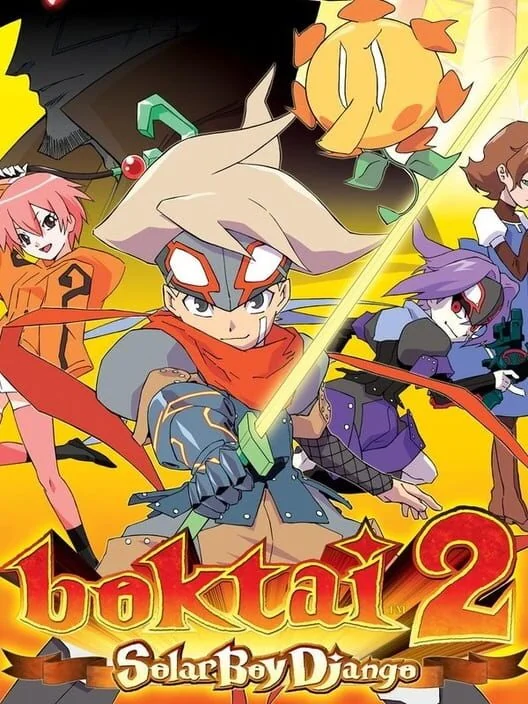
Boktai 2 continues the story of Django the Solar Boy, whose mission is to rid the world of vampires and demons. It is the sequel to Boktai: The Sun Is in Your Hand, released in North America and Japan in 2004 and in Europe in 2005. The solar sensor on the cartridge returns, and sunlight lets you charge up and combine more than 60 weapons and items.
Unlike in the first game, you do not start over from the beginning after finishing it, and like the first game it has a minigame unlocked by completing the game twice. Lita runs the item shop, and her job changed because she also tends the solar tree and now sells fruit. She is the only shopkeeper who does gardening.
76. The Urbz: Sims in the City (2004)

You begin as a humble window washer in Miniopolis and are quickly pulled into the greedy tycoon Daddy Bigbucks's scheme to take over the city. The Game Boy Advance and Nintendo DS versions have their own storylines, which are a sequel to the handheld version of The Sims Bustin' Out from 2003.
It is the third Sims game for consoles and the second not to be released for Microsoft Windows, after a planned PC port and sequel were cancelled due to mediocre sales. For the console versions, the music group The Black Eyed Peas provided several music scores translated into Simlish, and they appear as guest Urbz. EA Trax contracted them while the publisher wanted more publicity for the game.
75. Kururin Paradise (2002)
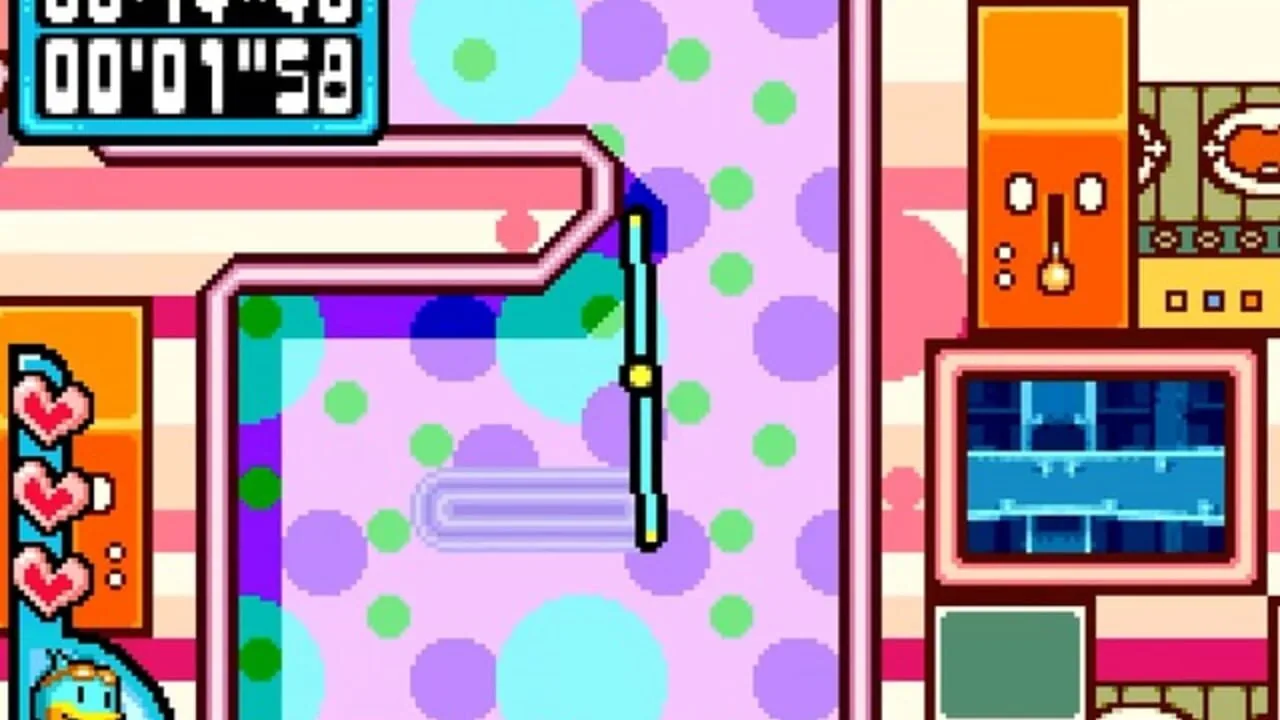
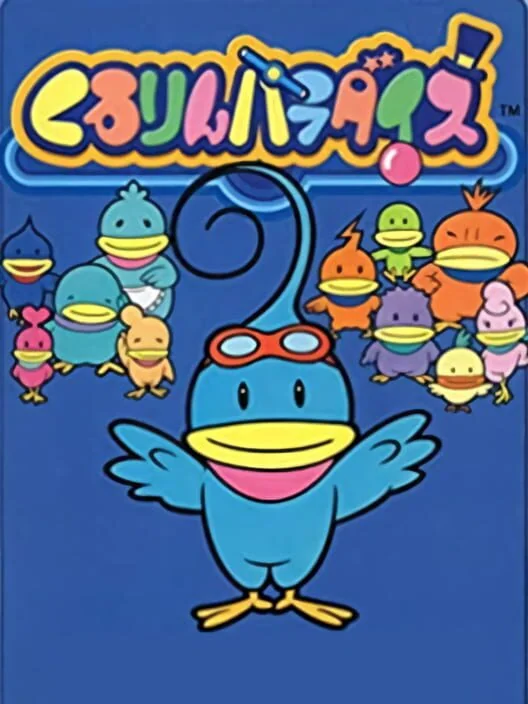
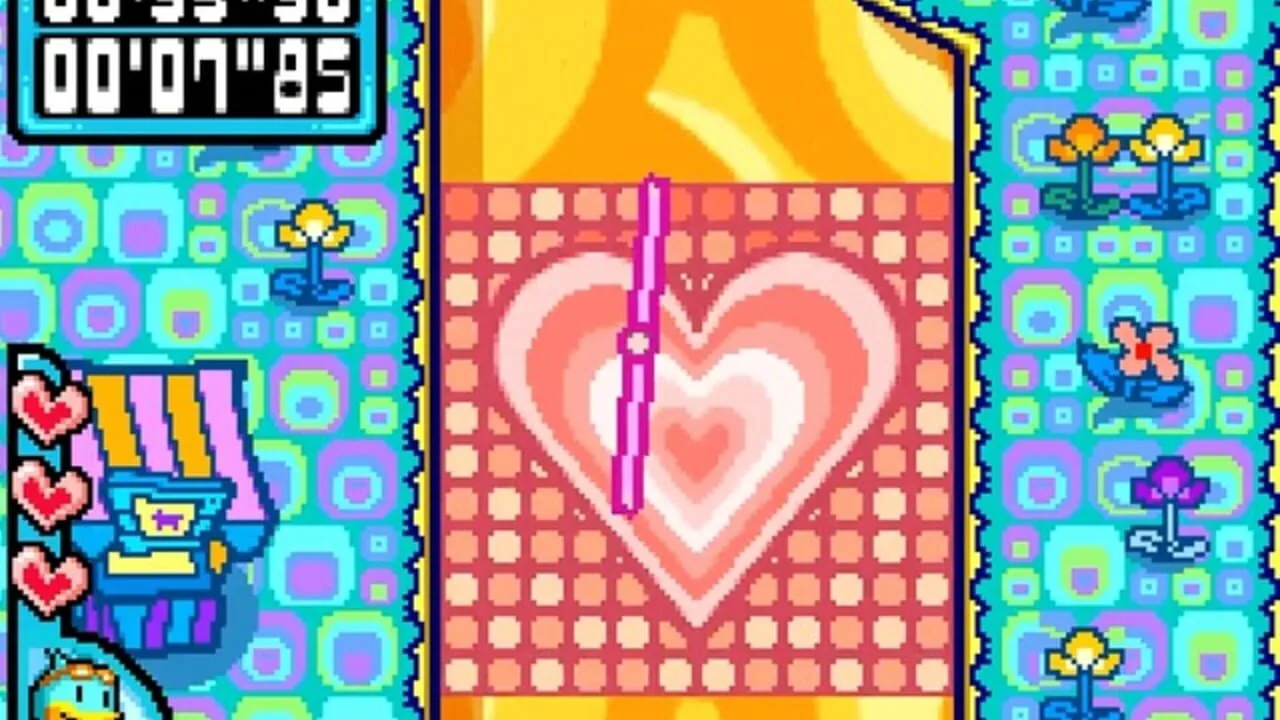
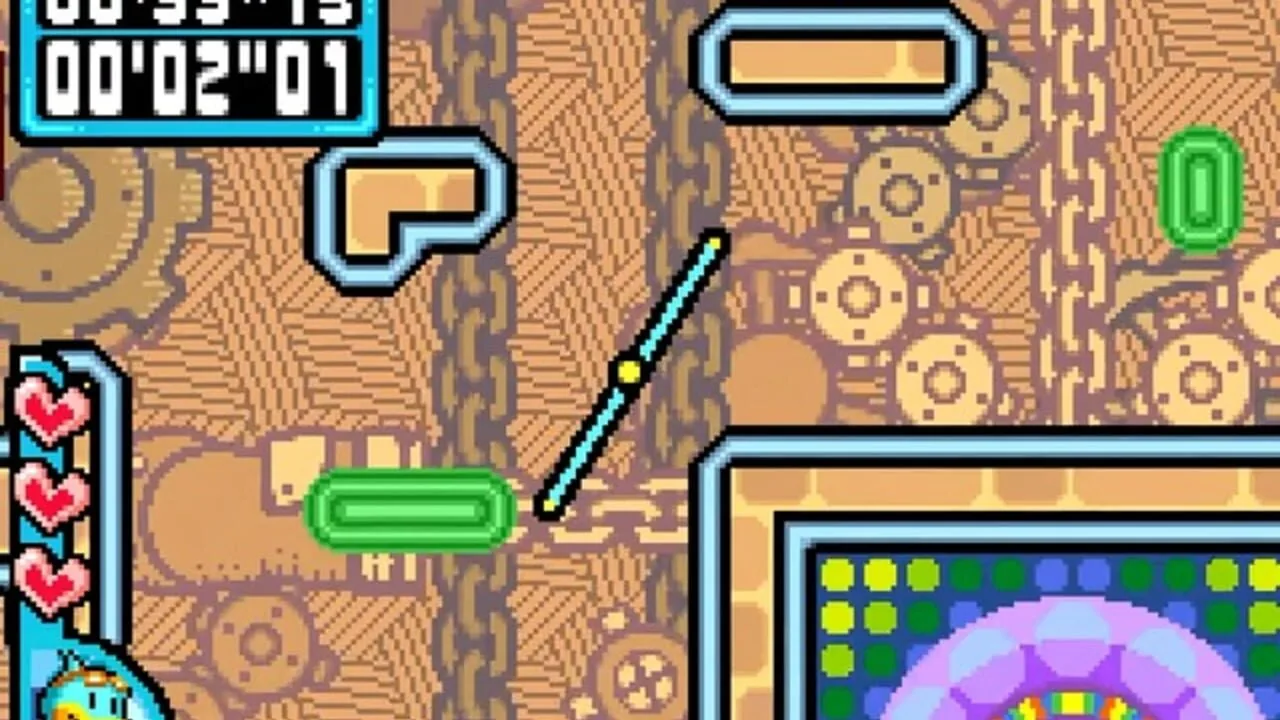
Kururin Paradise is the second entry in the Kururin series and the sequel to Kuru Kuru Kururin, a maze navigation puzzle game about steering a constantly spinning stick-shaped robot without touching walls. Spring objects change the direction of rotation, and an unlockable ability speeds the rotation up. You have three hit points, and after three collisions the level restarts.
It was released exclusively in Japan on December 6, 2002. A North American release revealed at E3 was later canceled. Reviews were generally positive, with praise for the new mechanics and minigames and for its increased difficulty. It first got an international release through Nintendo Classics on October 14, 2026. Almost all of the game is in Japanese.
74. Mega Man Battle Network 3 Blue (2002)
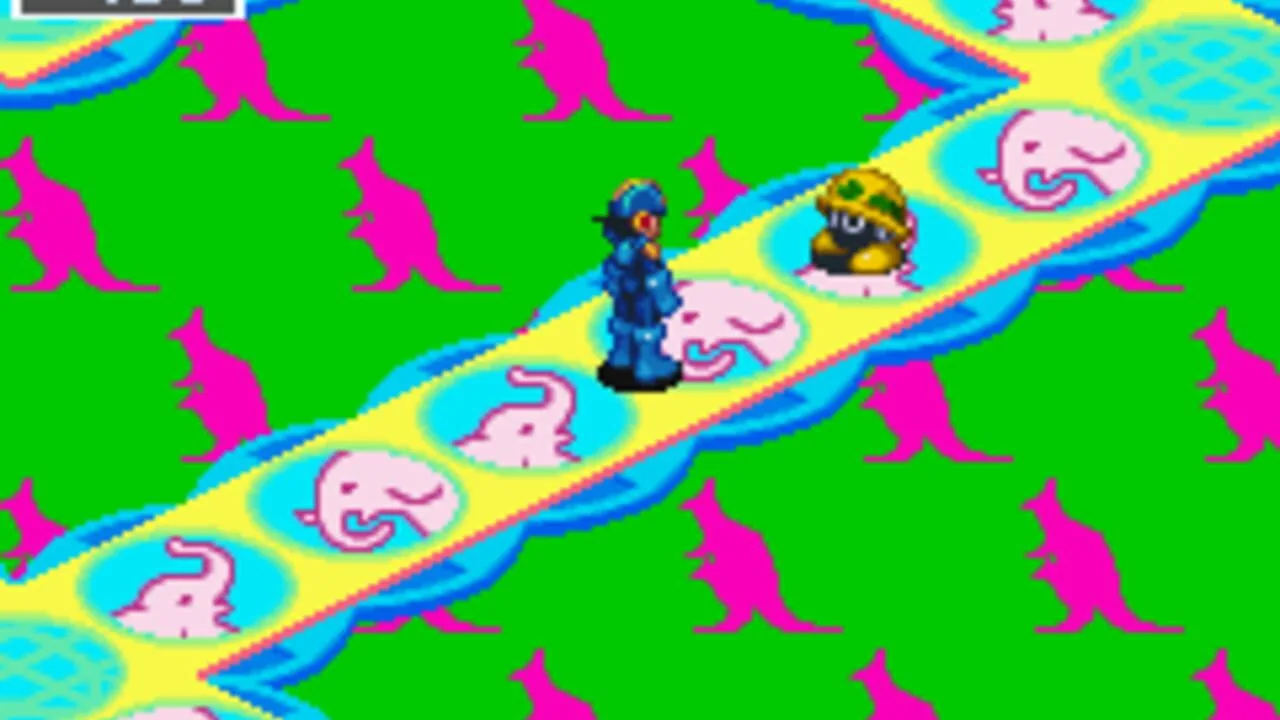
Mega Man Battle Network 3 Blue is one of two complementary versions of the third game. In North America and Europe the White and Blue versions were marketed simultaneously, though not in Japan, where the game was first released in a single version. Blue players join Mega Man.EXE and his pal Lan to keep the net safe from cyber mayhem in the biggest Battle Network adventure so far.
A Black Version with new areas and optional bosses was released some months after the Japanese original. The game was re-released on the Wii U Virtual Console in Japan on December 17, 2014. North America got it on May 14, 2015. It later came to the Mega Man Battle Network Legacy Collection in 2023.
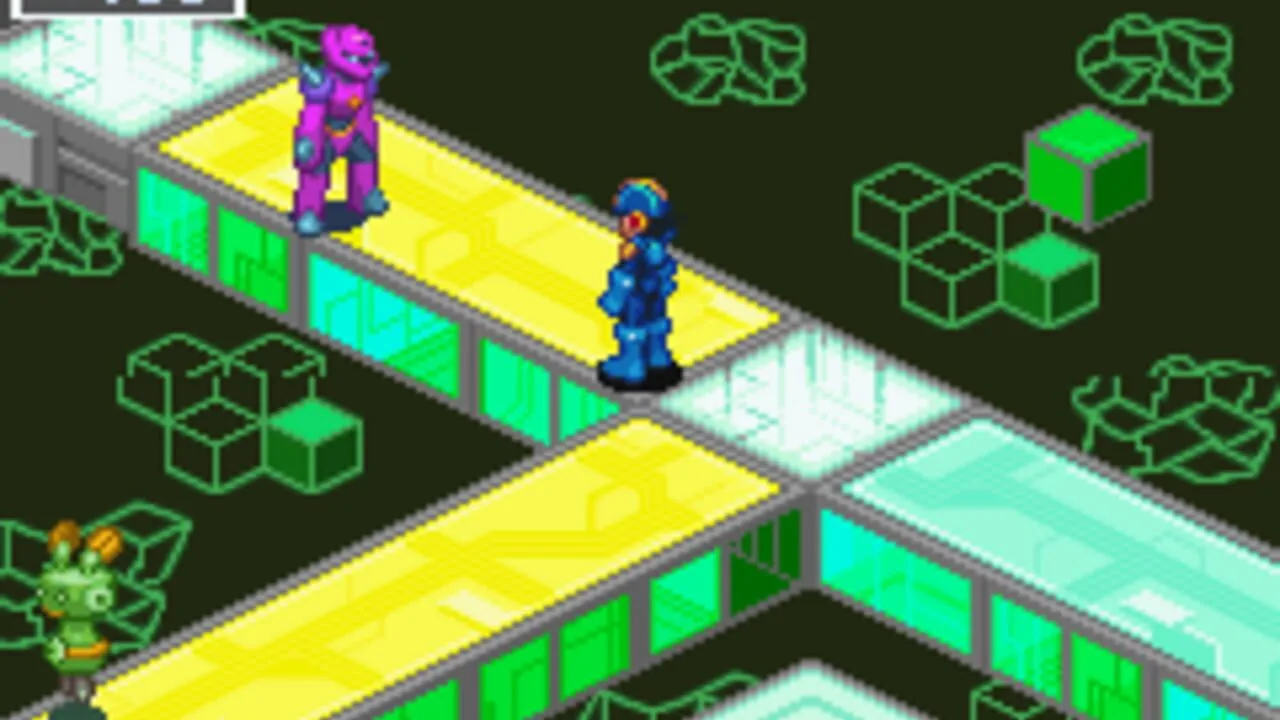
73. Fire Pro Wrestling (2001)
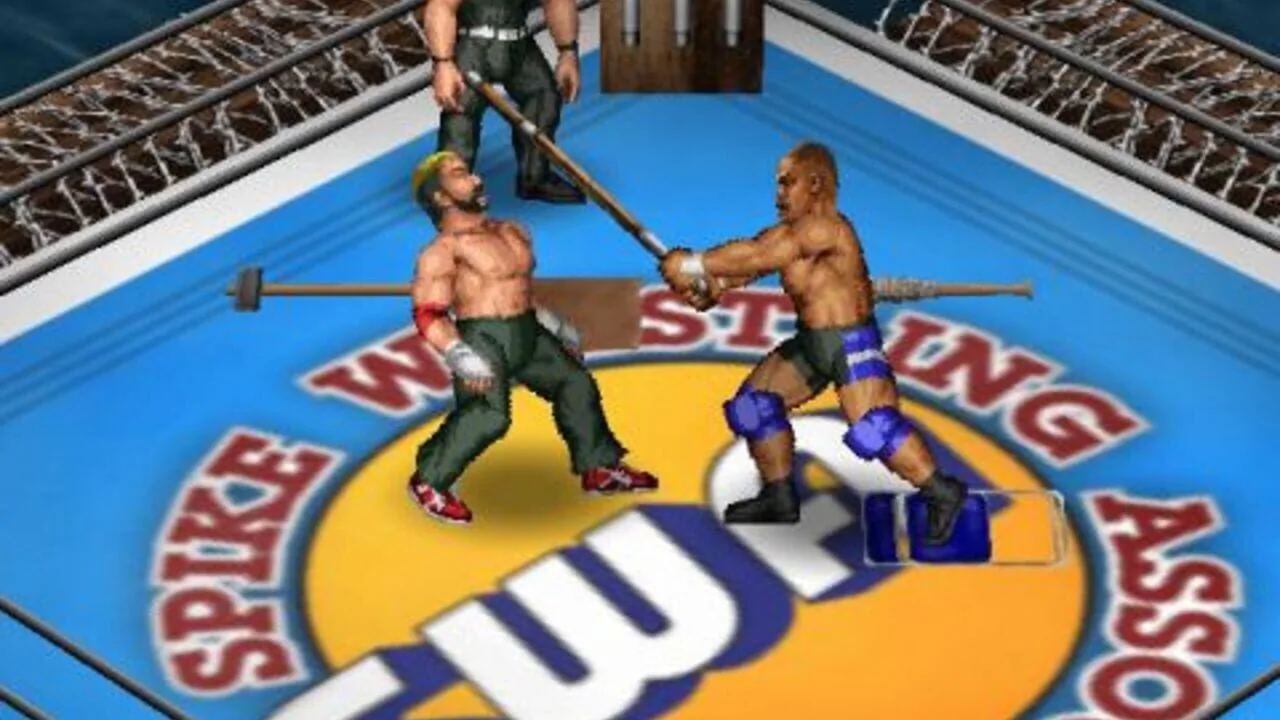
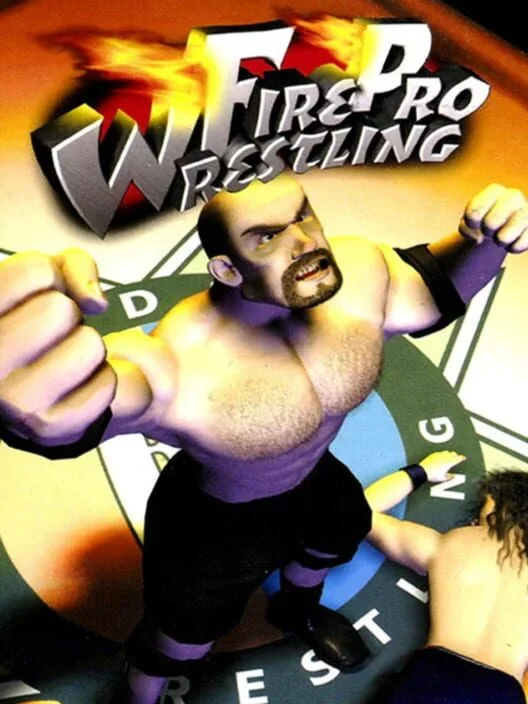
Fire Pro Wrestling was the first Fire Pro game to receive an official release outside of Japan, and a direct sequel, Fire Pro Wrestling 2, followed in 2002. As with other games in the series it is not licensed by any major promotion and uses likenesses of existing wrestlers with fake names. The Bionic Man Steve Majors is a fictionalized version of Stone Cold Steve Austin. Nobody is allowed to say that out loud, so everybody does.
The game features over a hundred characters, with strikes on the A button and grapples on B. Tournaments and leagues pit you against up to 15 and 63 opponents, and the create-a-wrestler mode lets you build a character from more than 1,200 different techniques and hundreds of body parts.
72. The Legend of Zelda: Four Swords (2002)
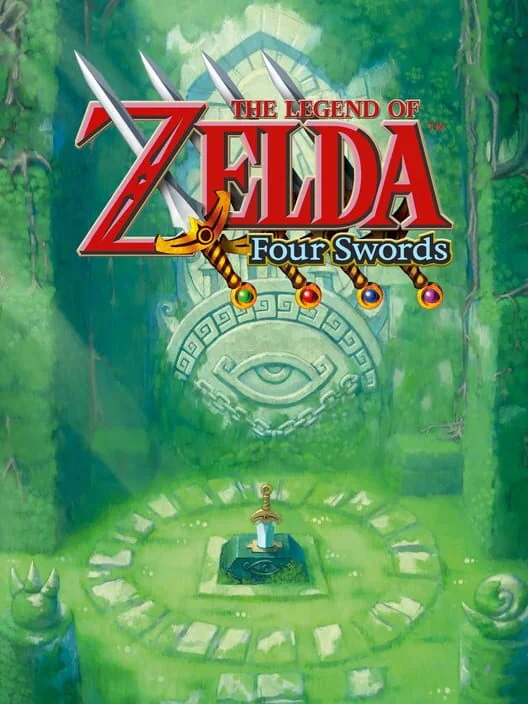
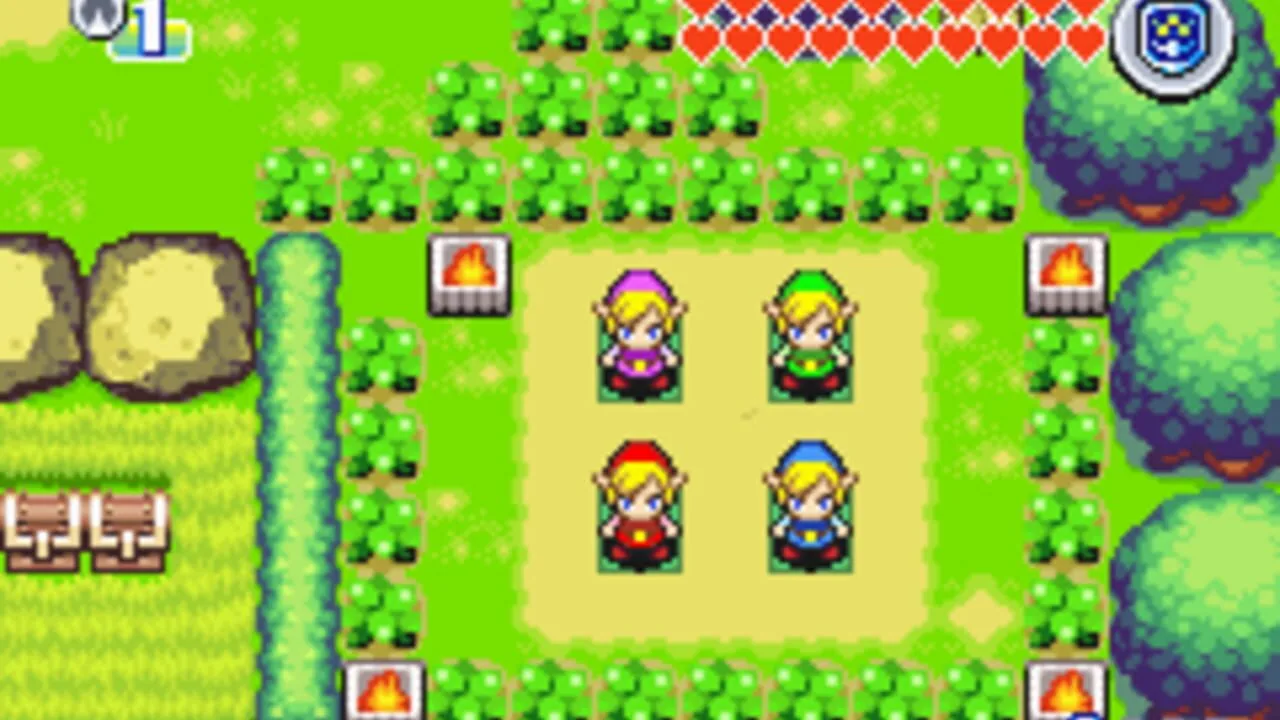
Four Swords is a multiplayer Zelda game, released as a pair with The Legend of Zelda: A Link to the Past on the Game Boy Advance. You need at least two people to play, the dungeons are randomly generated, and it has many features not seen in the series. Players collect as many Rupees as possible while solving puzzles and fighting enemies.
Once the players have enough Rupees, the Great Fairy gives them a key to open the unlockable level, and at the end of each level the one who collects the most Rupees wins. The series it belongs to is one of the best-selling video game franchises of all time, having sold over 150 million copies as of September 2024.
71. V-Rally 3 (2002)
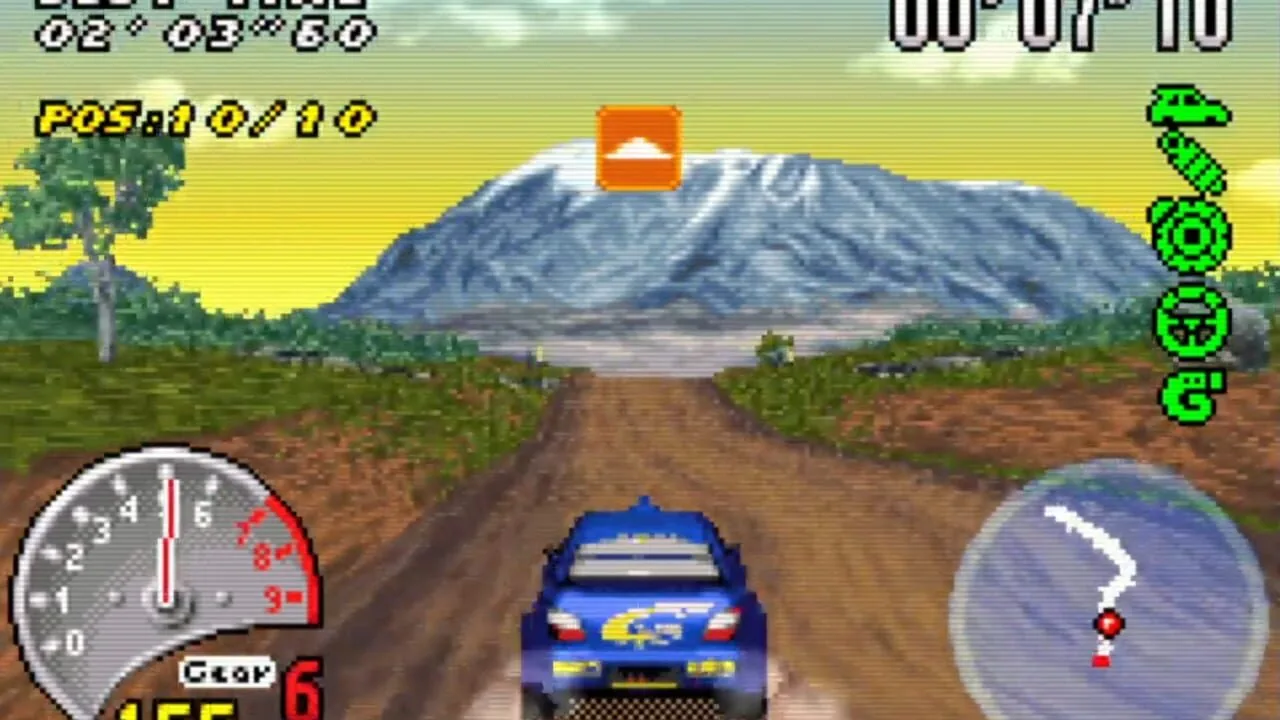
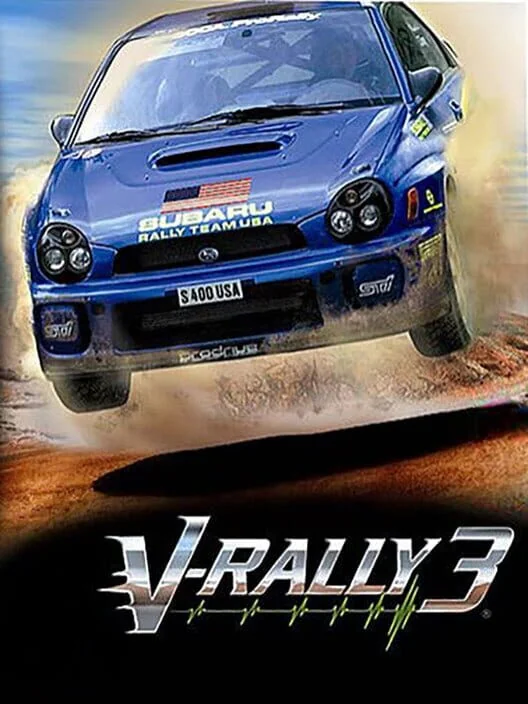
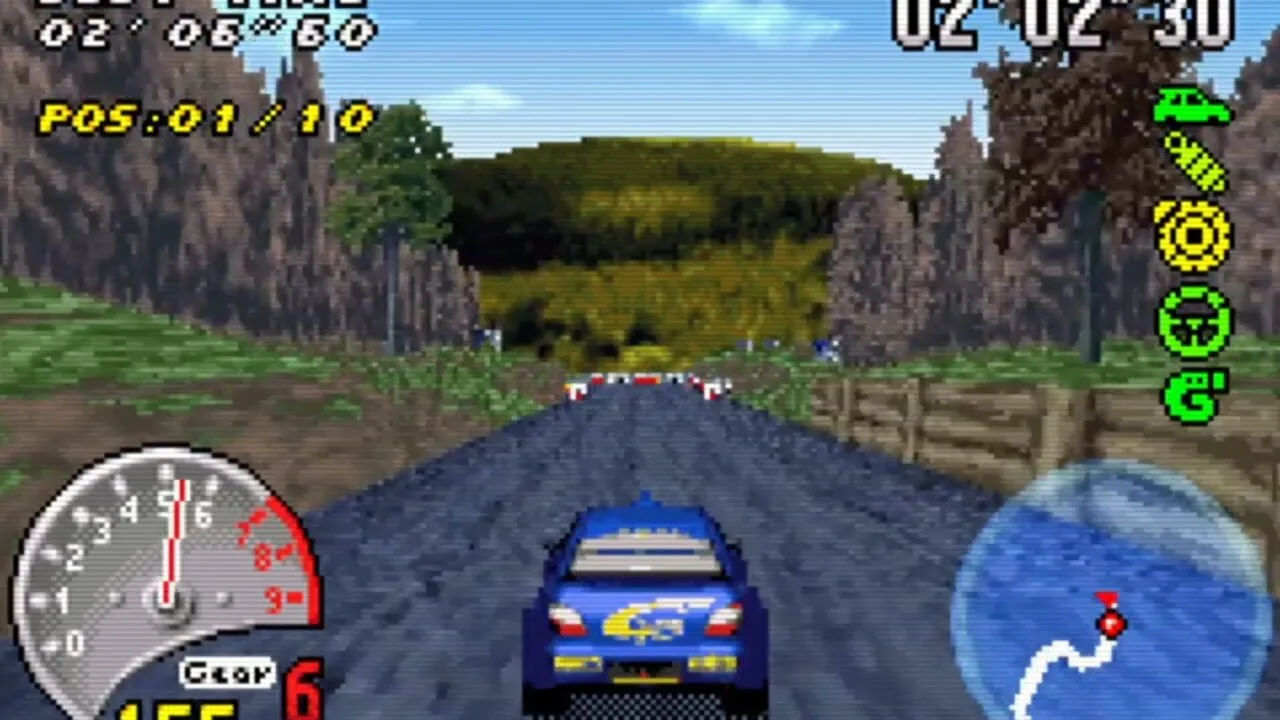
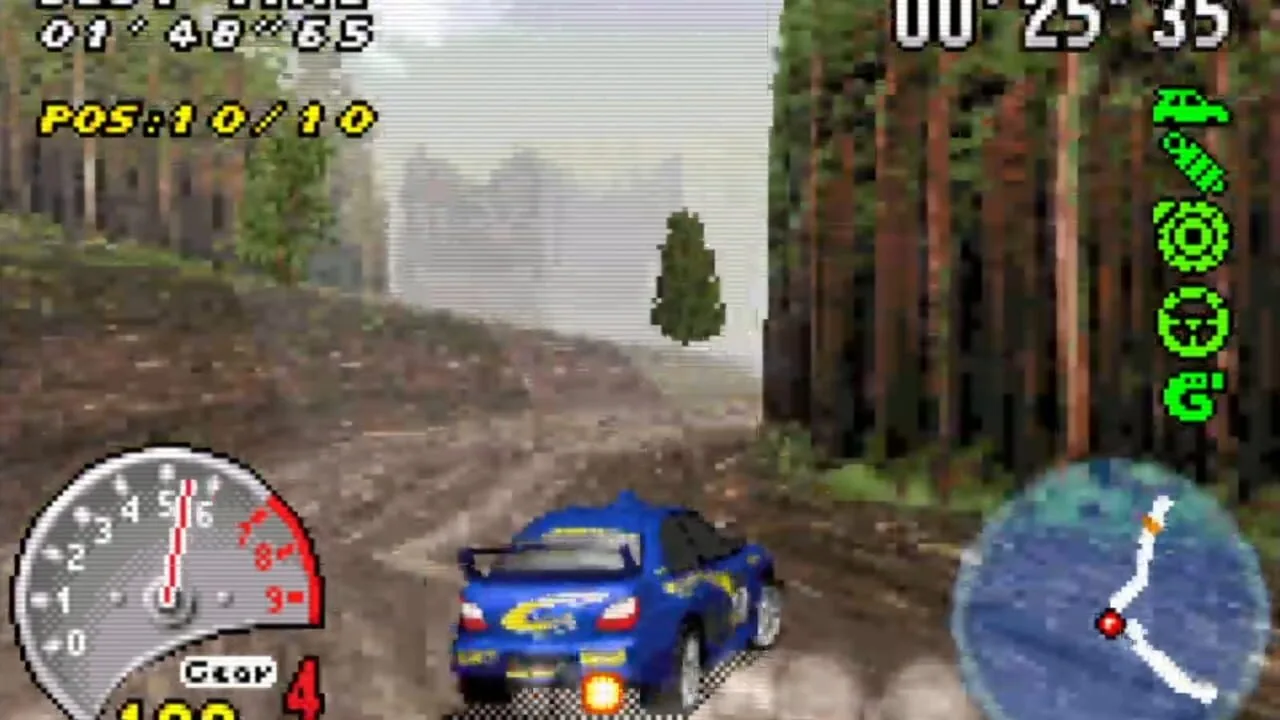
The Game Boy Advance version of V-Rally 3 is an adaptation of the console game, with its own selection of cars and modes, plus a graphics engine that suits the handheld. The console game was developed by Eden Studios and published by Infogrames Europe, and it is the sequel to V-Rally 2 from 1999. It came out for the PlayStation 2 and Game Boy Advance in 2002. The Xbox and GameCube got it in 2003.
The game received favorable reviews, and it was followed by V-Rally 4 in 2018. On the console it focuses on a career mode in which you race bots across an endless number of seasons and try to become the champion.
70. Riviera: The Promised Land (2002)
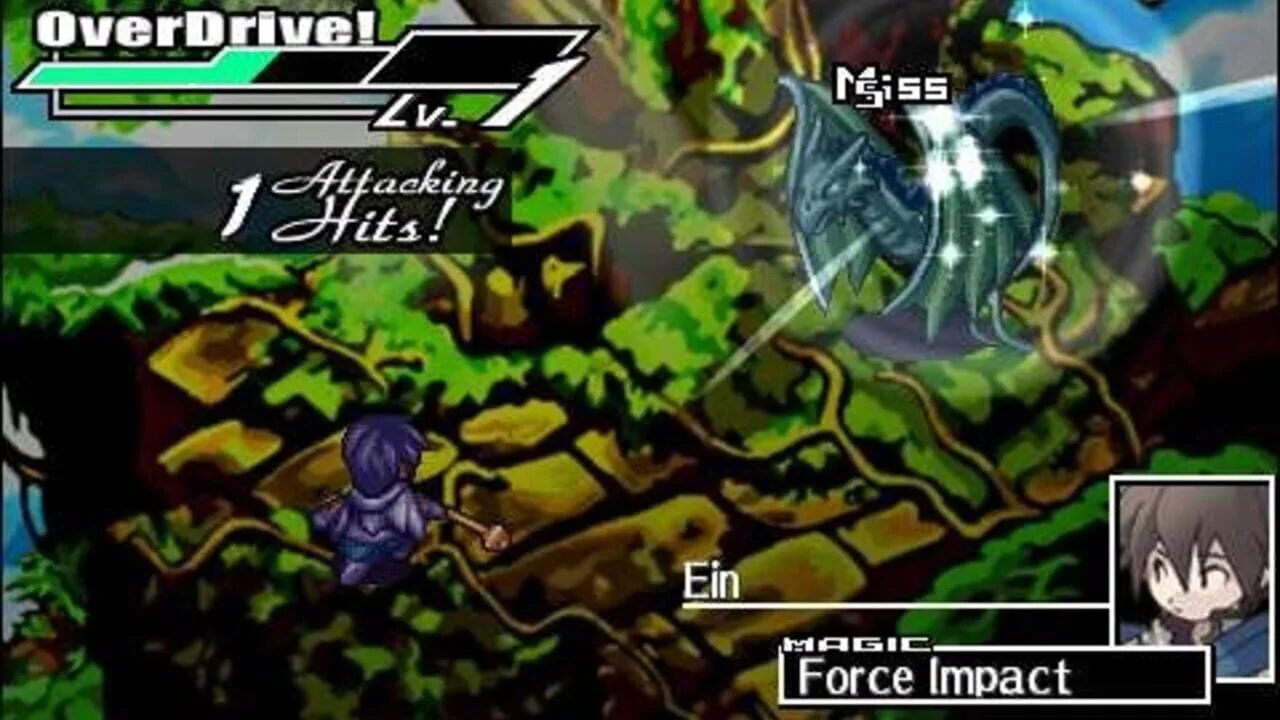
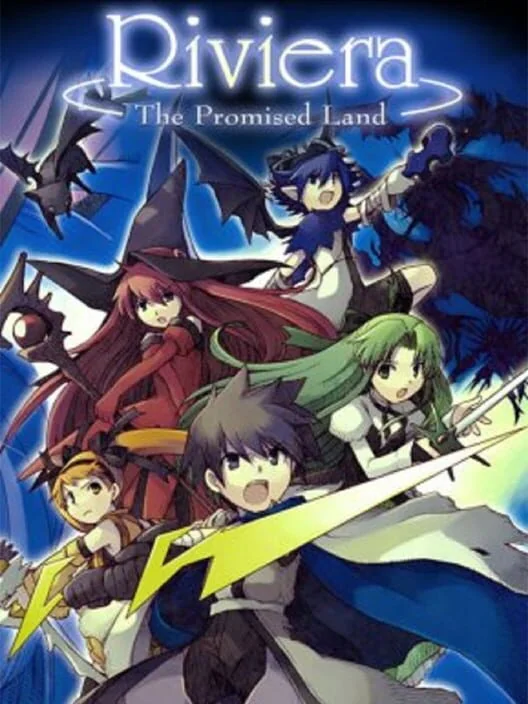
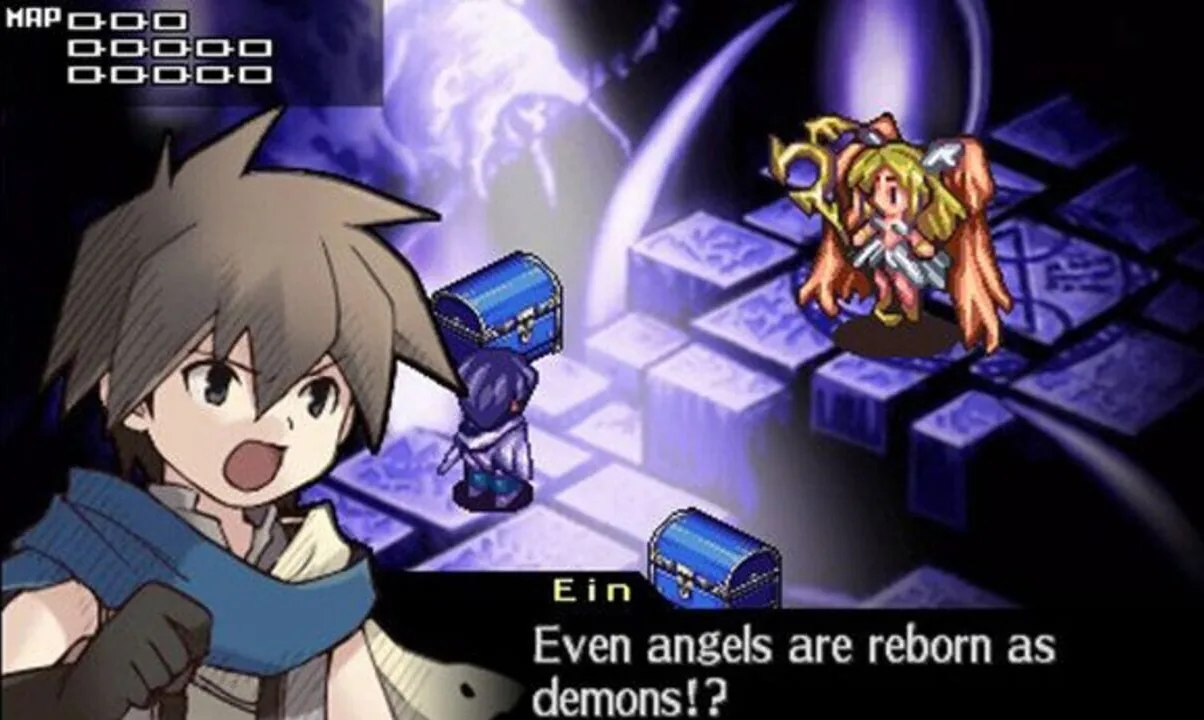
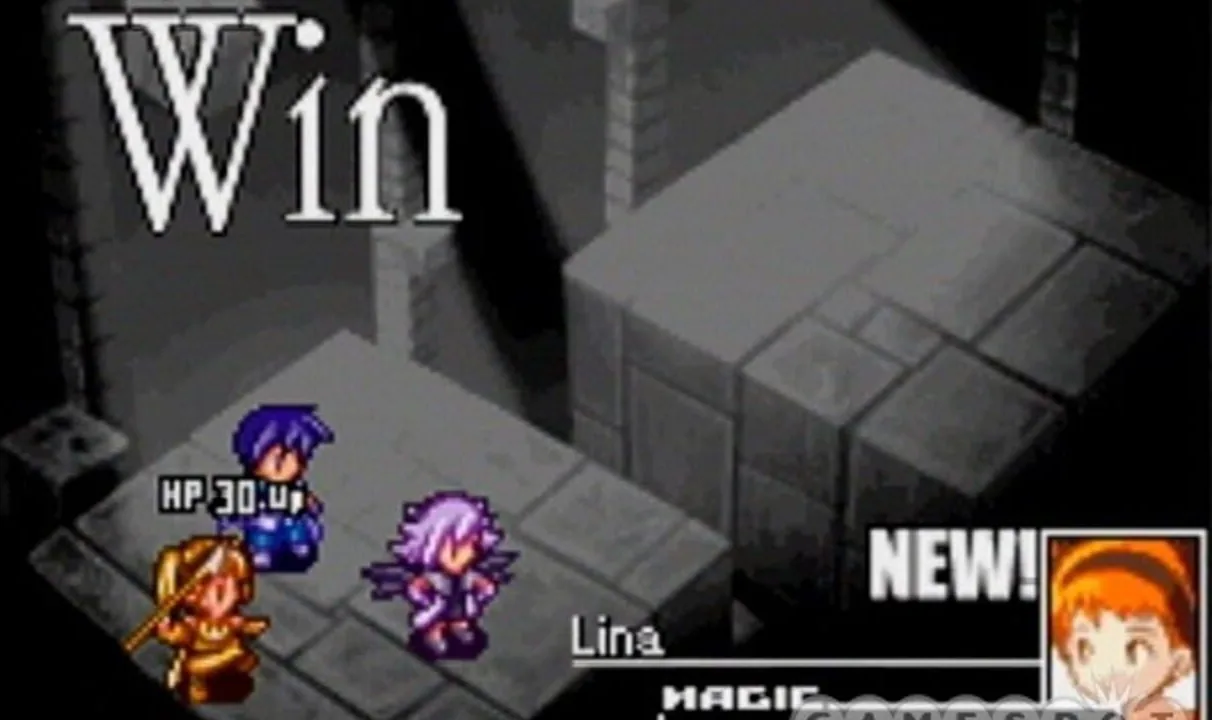
In Riviera: The Promised Land you follow two warriors armed with godly weapons to defeat demons for good. The game offers more than 30 hours of play and several endings, and its item system makes items work differently depending on which character equips them. Instead of moving freely with the directional buttons, you control Ein through triggers shown on the screen, in two modes.
It was originally released for the WonderSwan Color as the first episode of the Dept. Heaven series, then ported to the Game Boy Advance in 2004, with Atlus USA releasing it in North America in 2005. An enhanced remake came to the PlayStation Portable in November 2006, and an HD remaster released for Windows in July 2024.
69. Danny Phantom: Urban Jungle (2006)
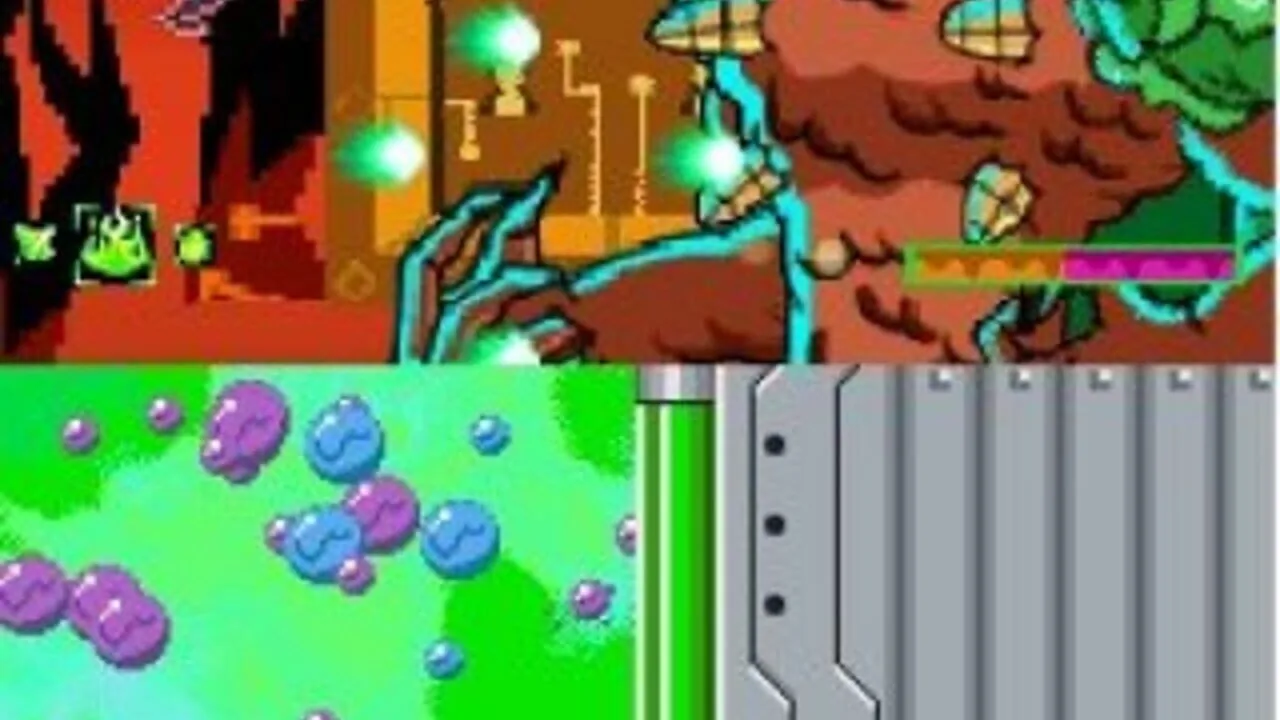
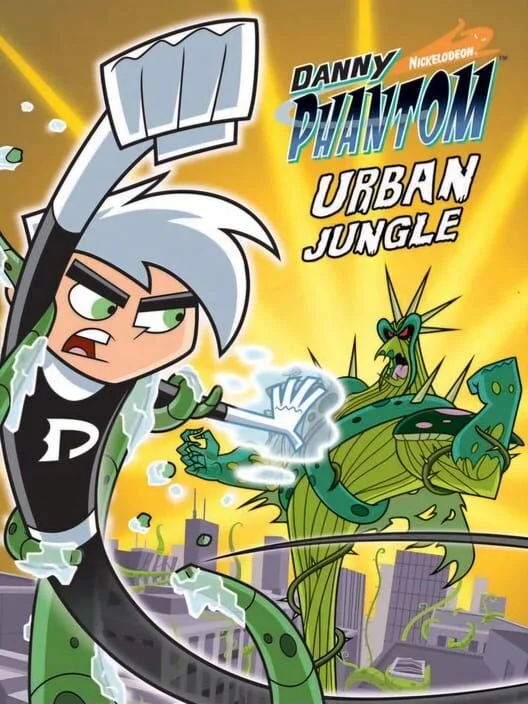
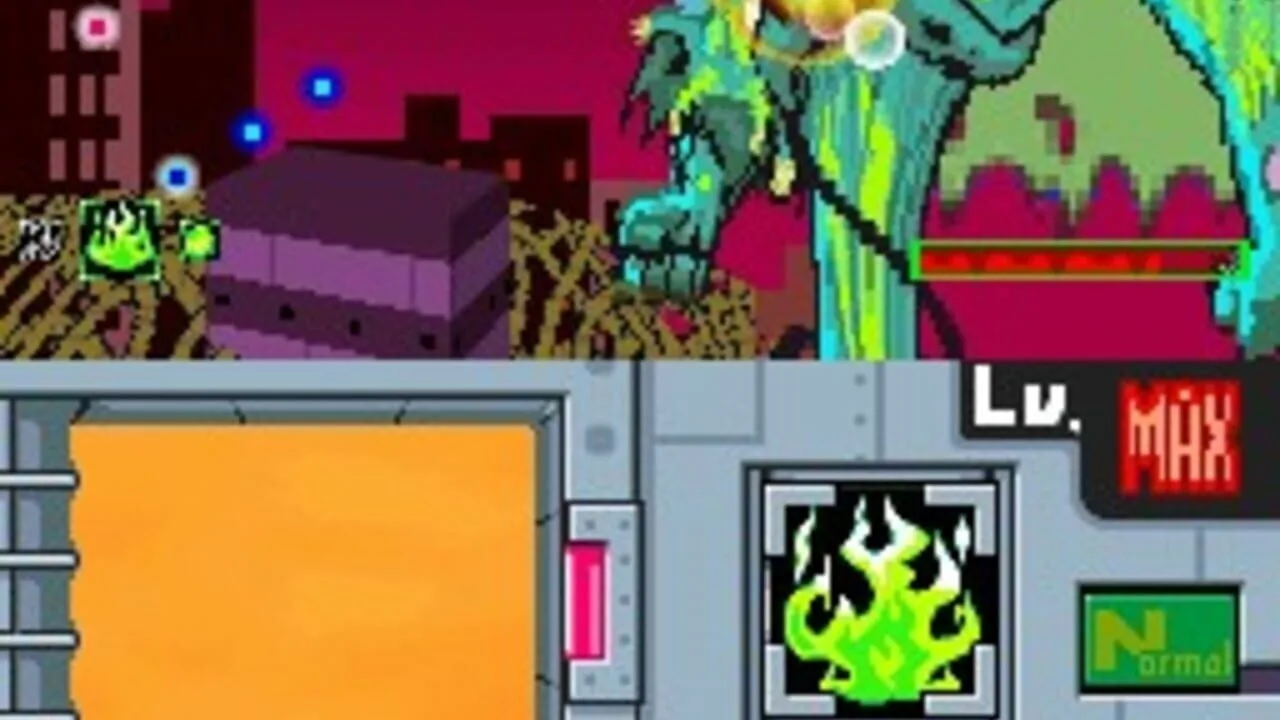
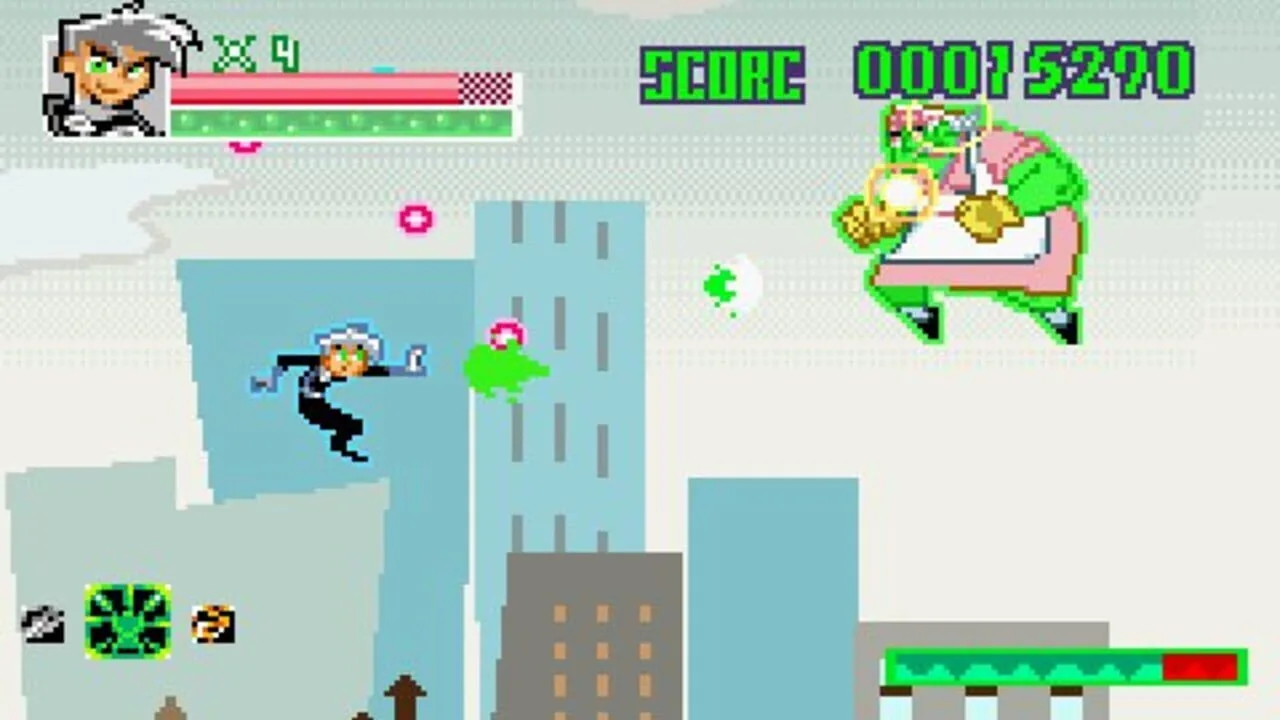
Danny Phantom: Urban Jungle is based on an episode of the Nickelodeon series Danny Phantom. It is the second video game for the series, after Danny Phantom: The Ultimate Enemy. A new eco-ghost named Undergrowth has turned Amity Park into a real urban jungle overrun with monstrous vegetation.
Danny has to travel to the Ghost Zone to learn a new Freeze Power, then fight through ghostly 3-D worlds in frenzied shooter action. He also pilots the Fenton Flier, which comes from new inventions out of the Fenton lab. The game is the quickest way into the series for fans of the cartoon, and its shooter action gives a licensed game some real bite.
68. Tales of Phantasia (2003)
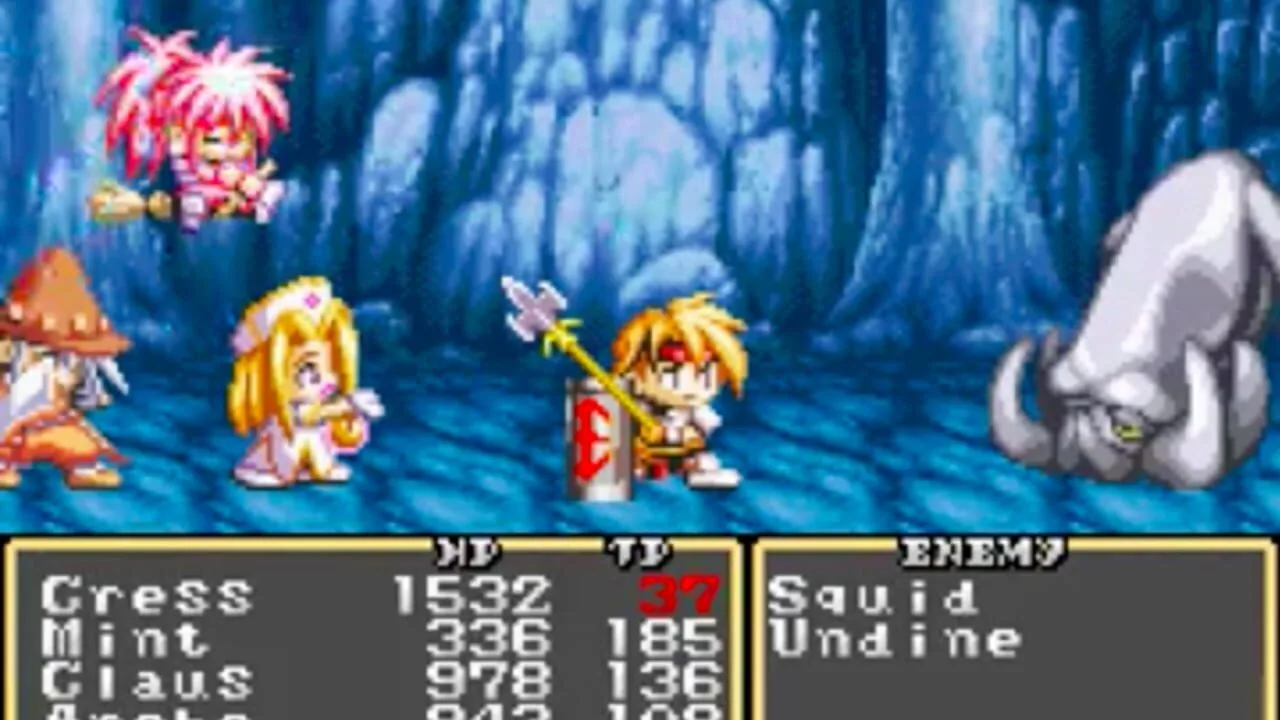
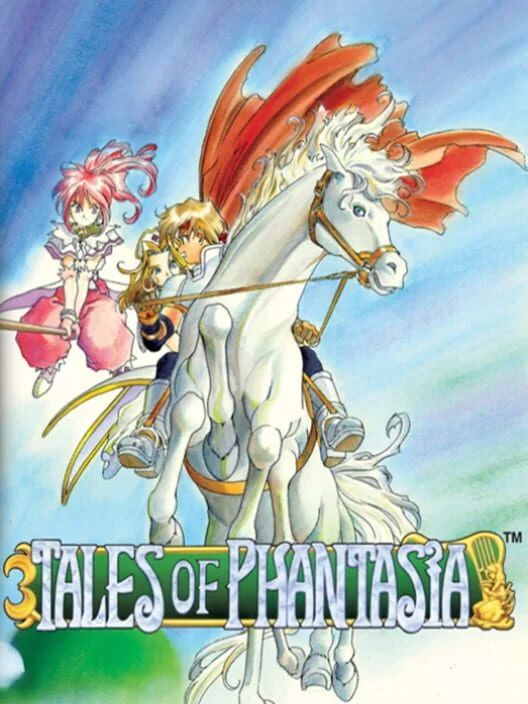
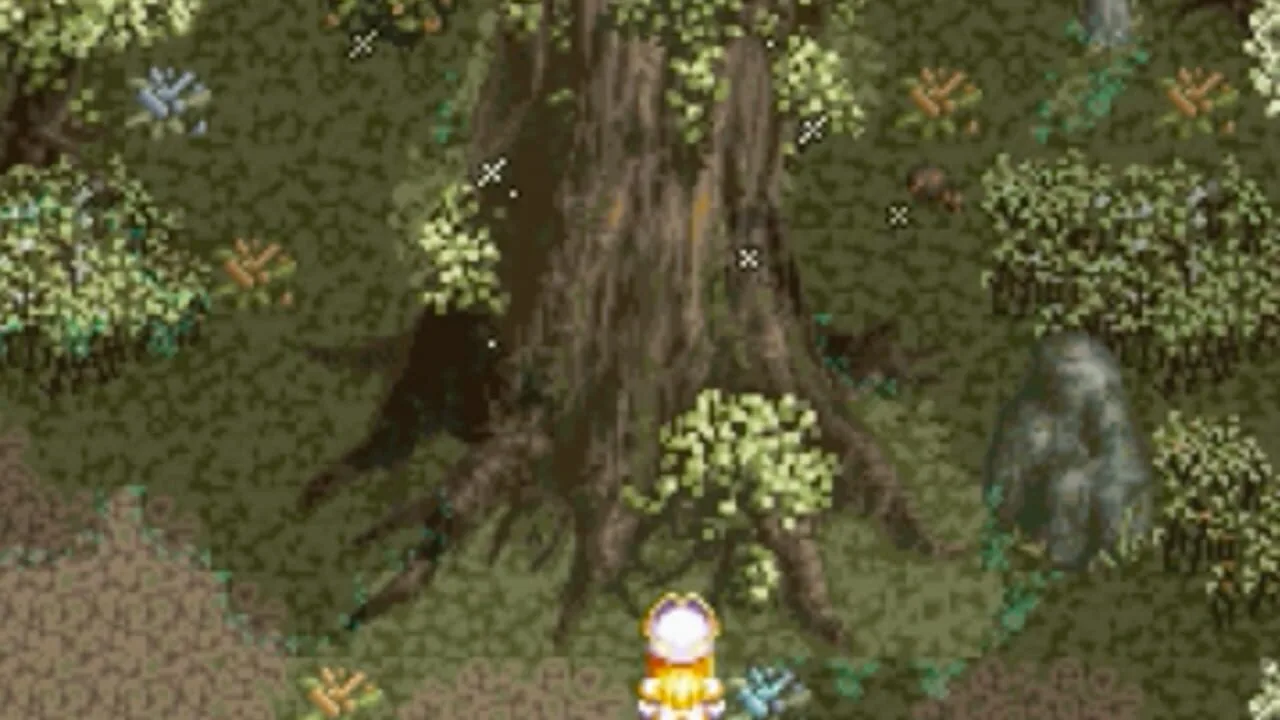
Tales of Phantasia was originally released only in Japan in December 1995, and it is the first title in the Tales series. The Game Boy Advance version is based on the PlayStation versions, with fewer random encounters and gameplay tweaks, but it keeps the original opening and a two-dimensional world map.
Its battle system is not turn-based. You directly control only the main character in real time, and the rest of the party can be set to passive or active, and you can force them to move or cast from the pause menu. The original attracted attention for its original battle system and its use of voice acting. It sold over 1.3 million units in Japan alone, and a short anime series followed in 2004.
67. Pokémon Sapphire Version (2002)
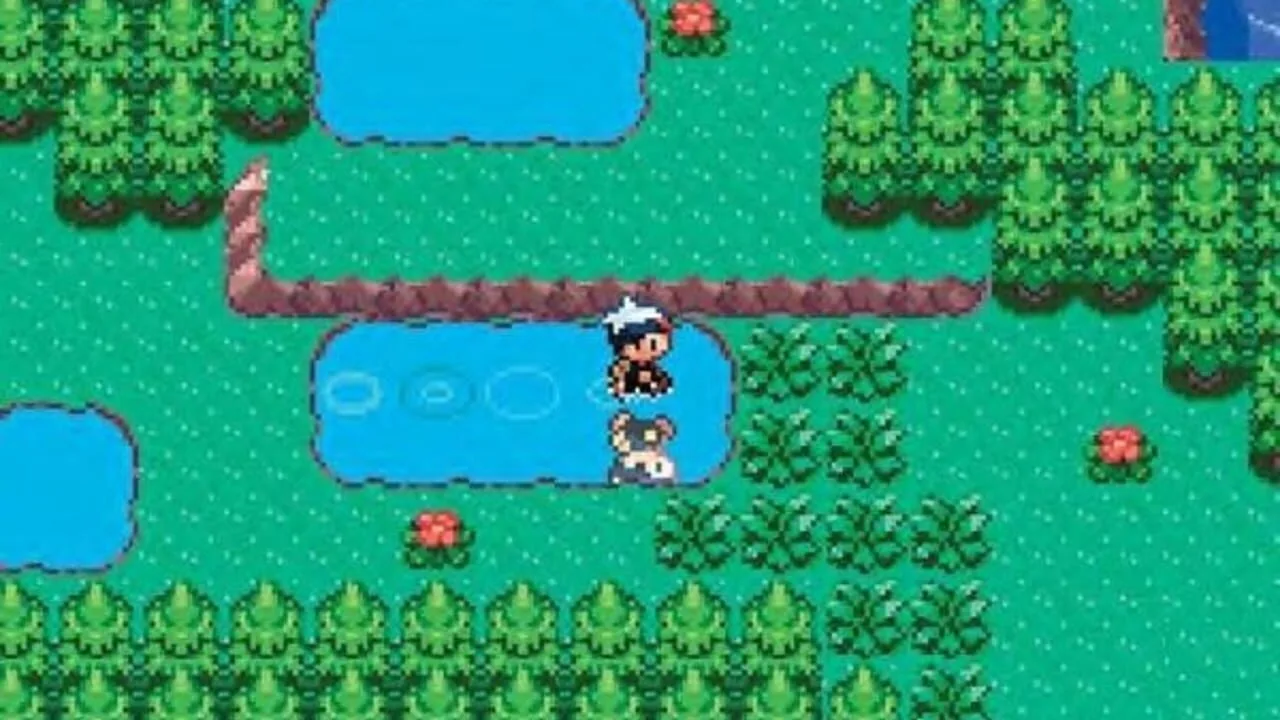
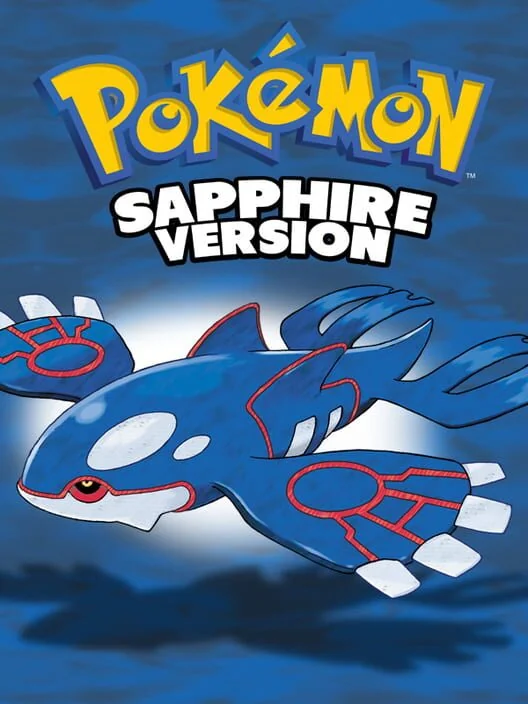
Pokémon Sapphire and Ruby were published in Japan by The Pokémon Company in late 2002, the first mainline games to have that distinction. The big change in battles is double battles, in which each side uses two Pokémon at once. Multi battles were added alongside them, with two trainers to a side, each controlling one of the two Pokémon sent out.
The developers said they focused on the original one-on-one battles and added double battles only as a new challenge. IGN praised the deep design and said double battles greatly increased the strategic aspect. Remakes called Pokémon Omega Ruby and Alpha Sapphire came to the Nintendo 3DS in November 2014, exactly twelve years to the date after the originals.
66. The Lord of the Rings: The Third Age (2004)
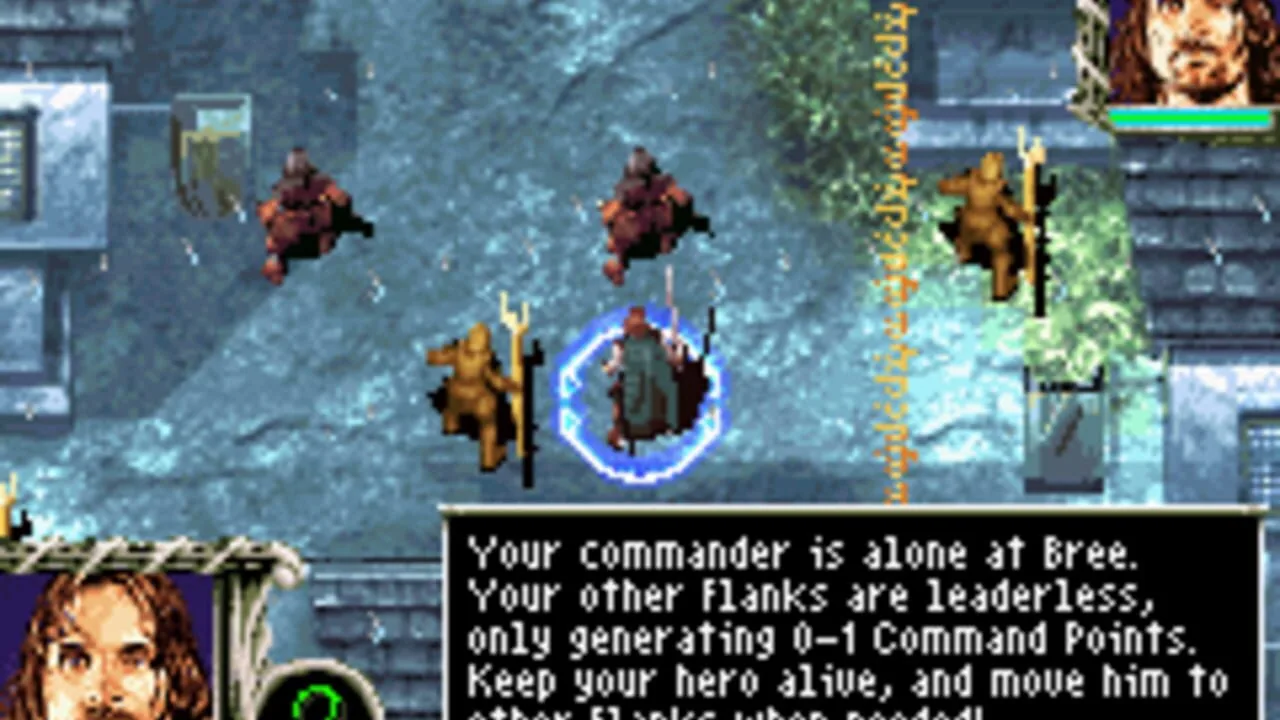
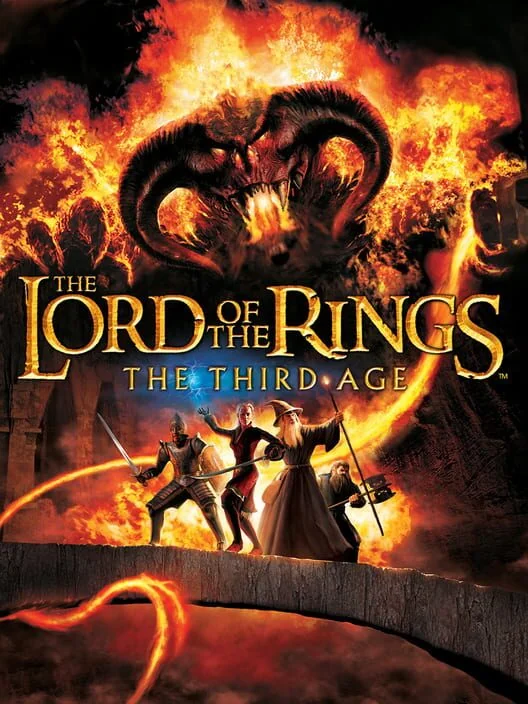
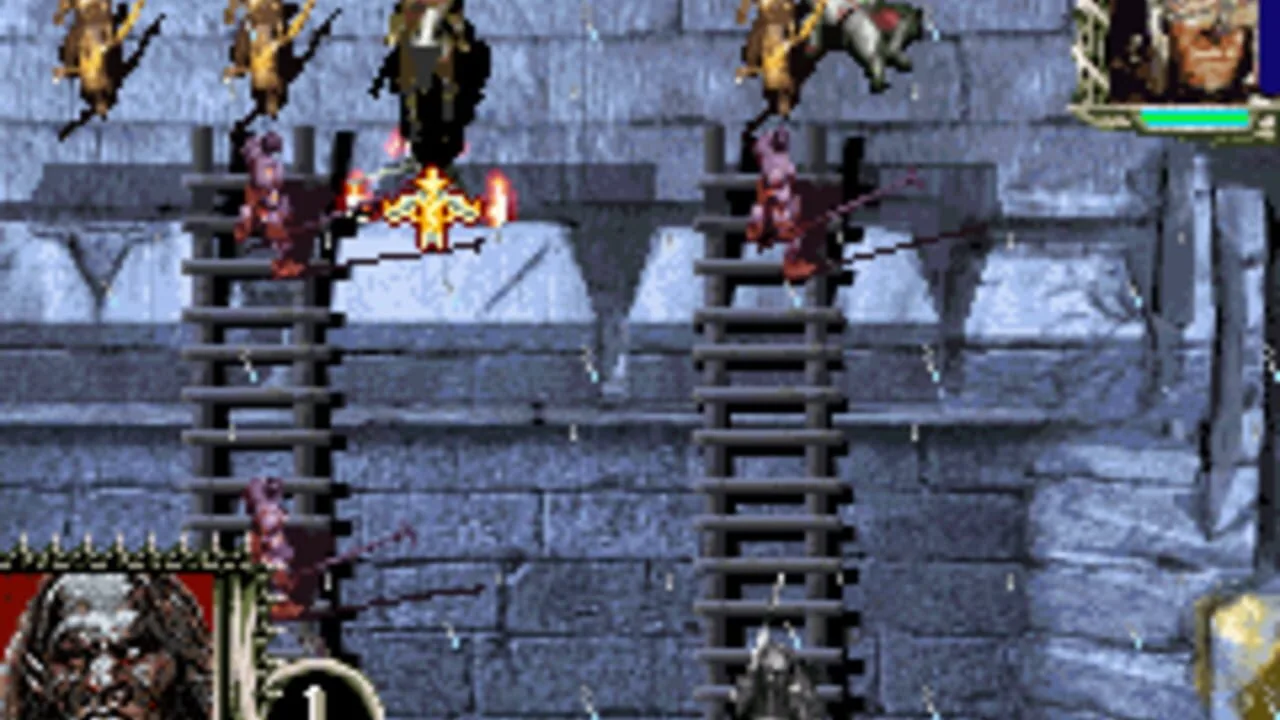
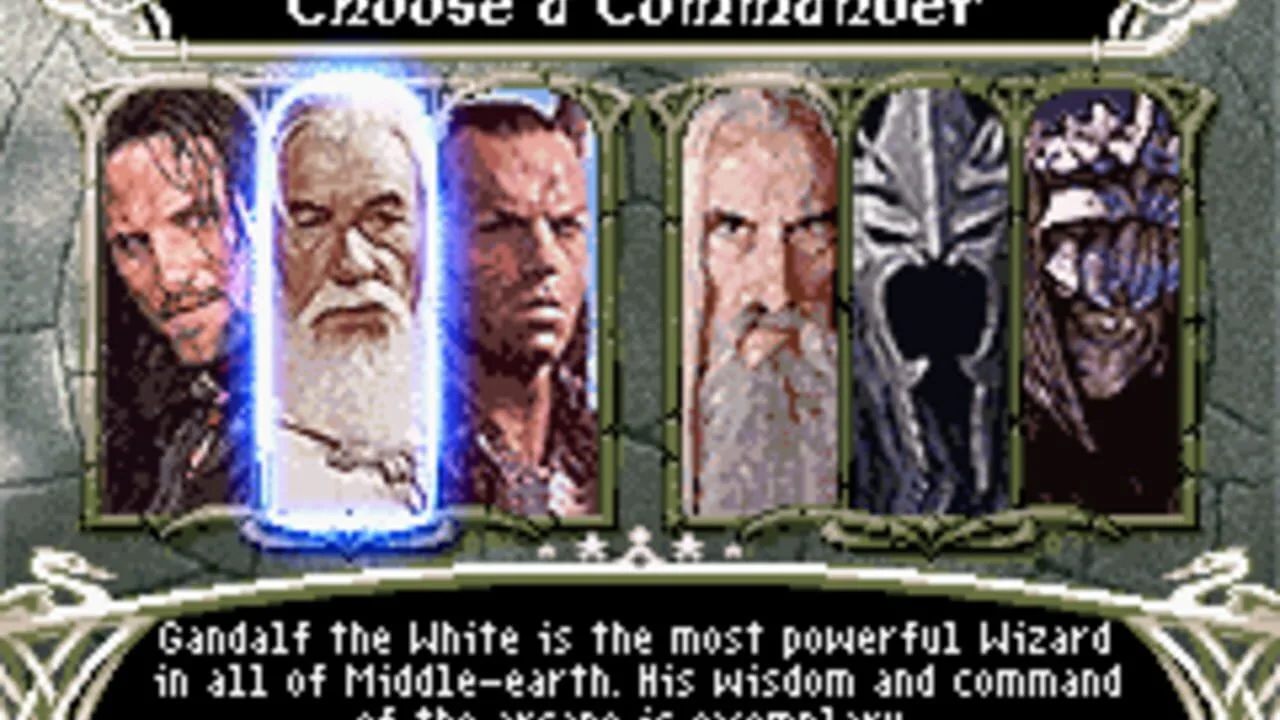
On Game Boy Advance, The Lord of the Rings: The Third Age is a turn-based tactics game published by Electronic Arts in 2004. It is the handheld version of a role-playing game of the same name for the GameCube and PlayStation 2. There is a Good campaign and an Evil campaign, and in each one you pick a commander.
As you complete missions you spend experience points on skills and equipment upgrades for your primary and secondary heroes. All the missions in a given episode must be completed to move on to the next portion of the trilogy. On Sauron Mode, heroes who fall in battle are unavailable for the rest of the campaign, which gives every fight real weight.
65. Rhythm Tengoku (2006)
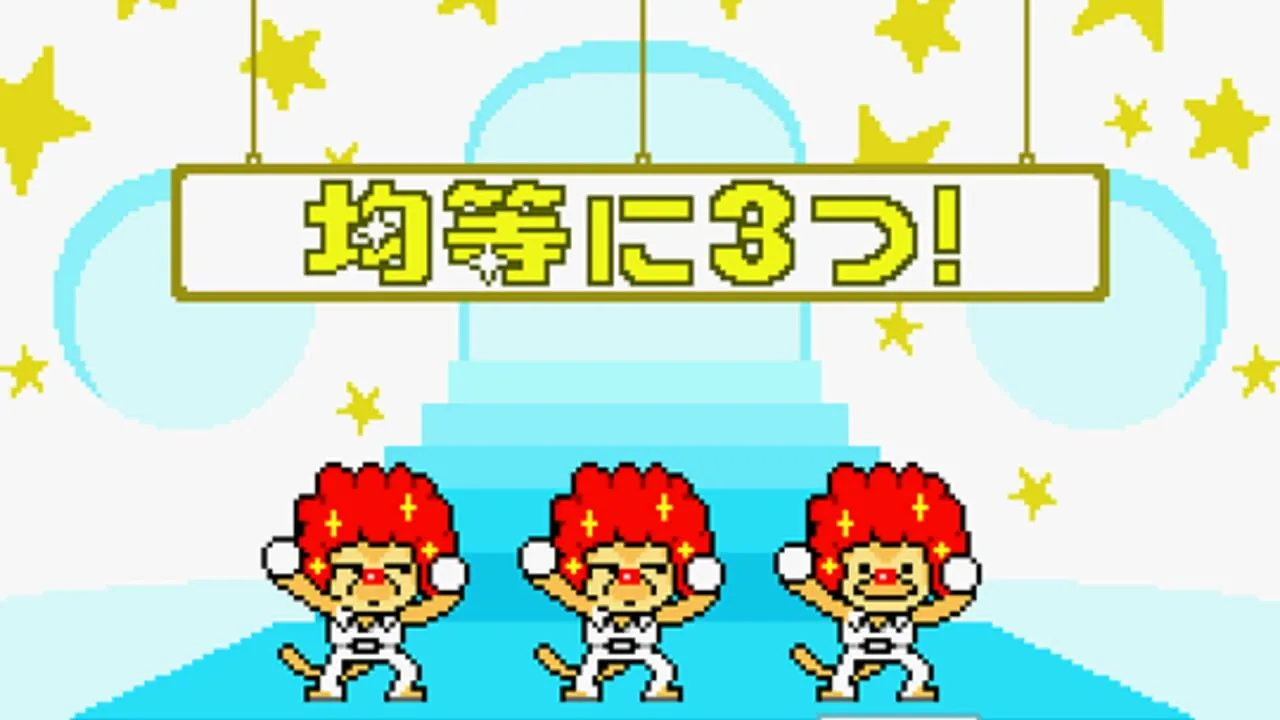
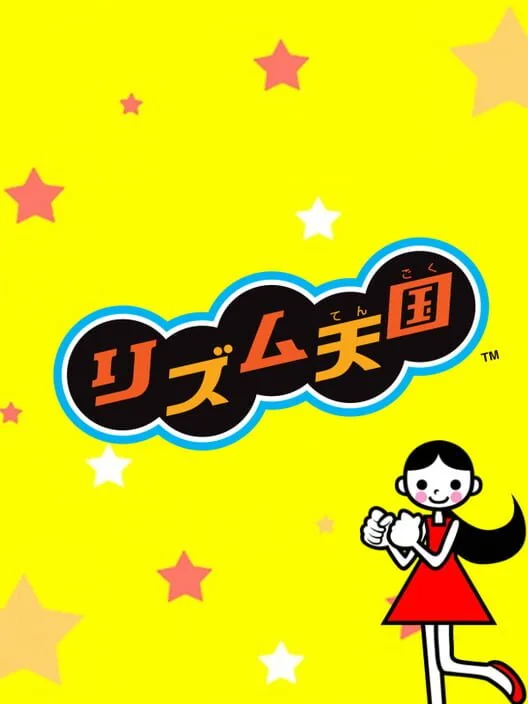
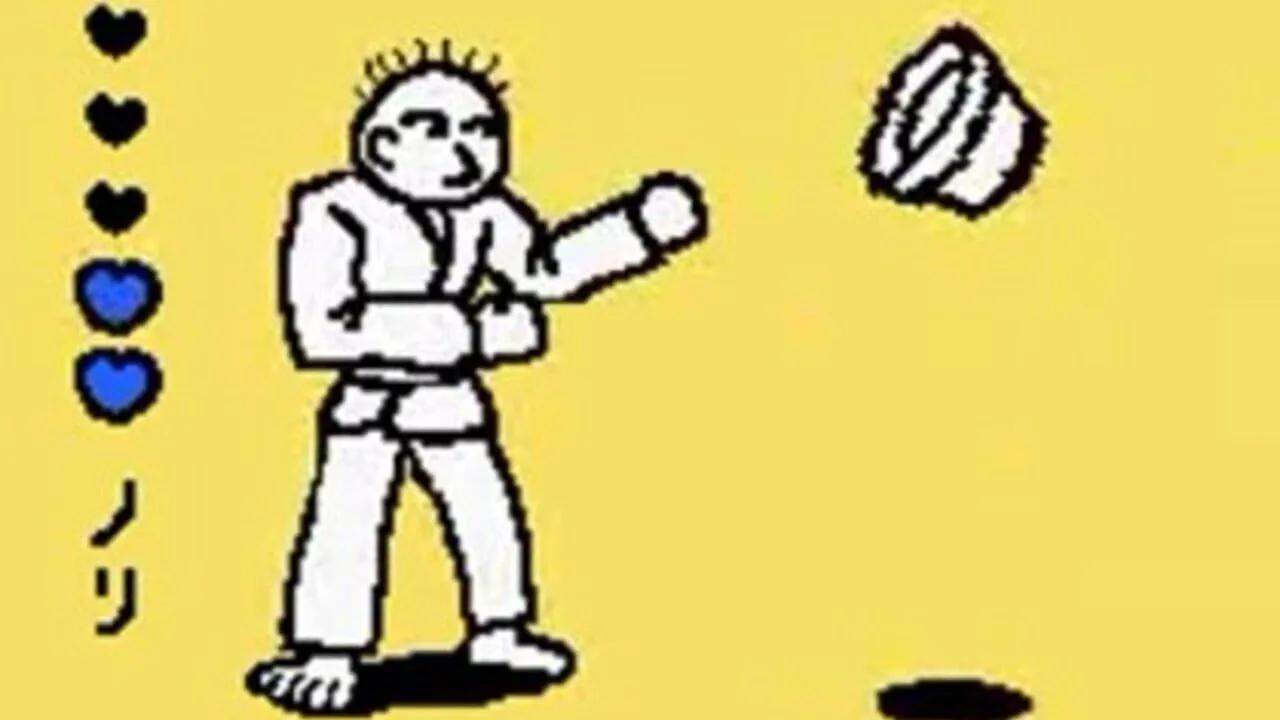
Rhythm Tengoku was developed by Nintendo R&D1, the team behind WarioWare, and it mixes minigames with rhythm game elements and unusually high-quality music for a GBA game. It has eight stages, each with five rhythm games plus a remix of the previous five, for 48 minigames in total. It came out on August 3, 2006 only in Japan, and it was the last first-party game released for the console, a fitting final note.
The idea came from its composer Tsunku, who proposed it to Nintendo because he believed they could do a better job than he could. A 2002 prototype for a drum sequencer became a Sound Test mode and 19 drum lessons. It is the first in the Rhythm Heaven series, which has four international sequels.
64. Hamtaro: Ham-Ham Heartbreak (2002)
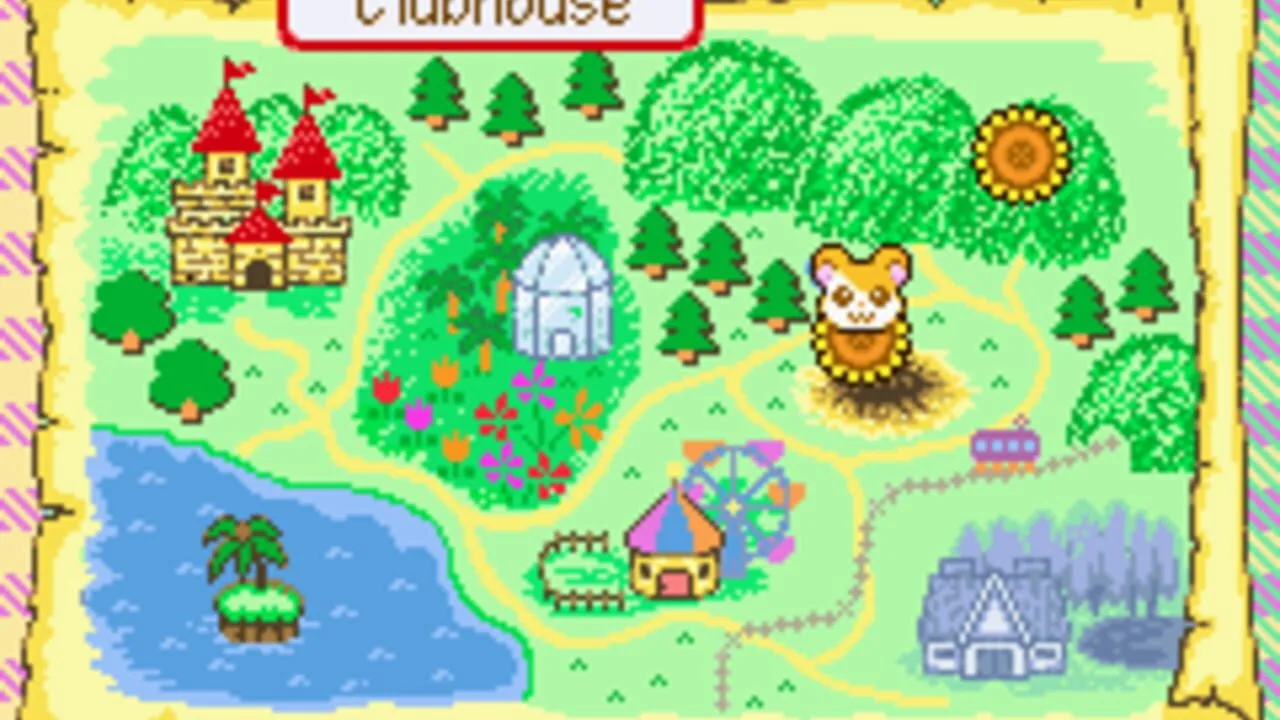
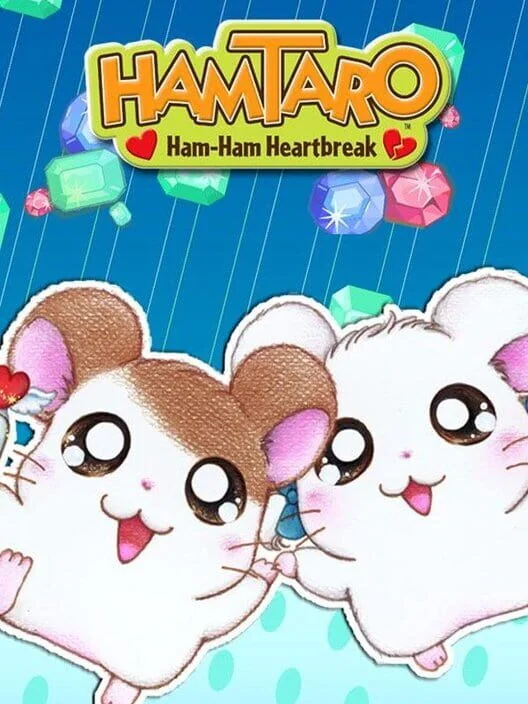
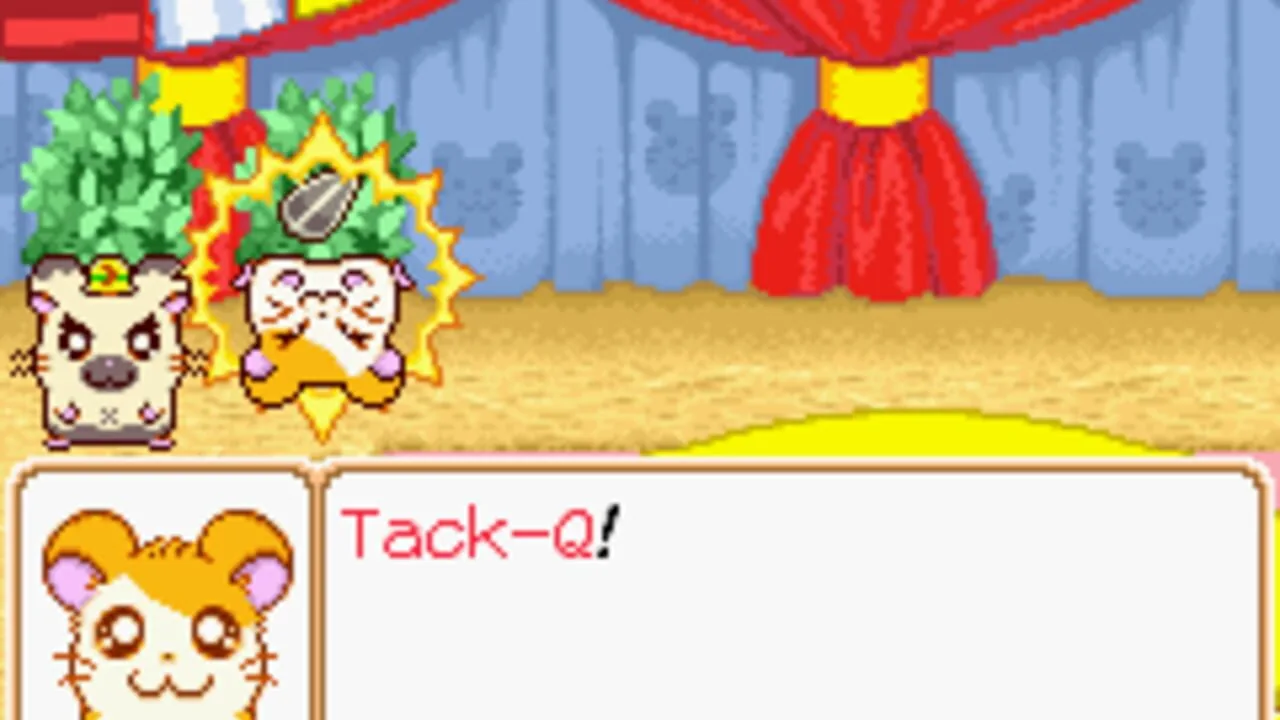
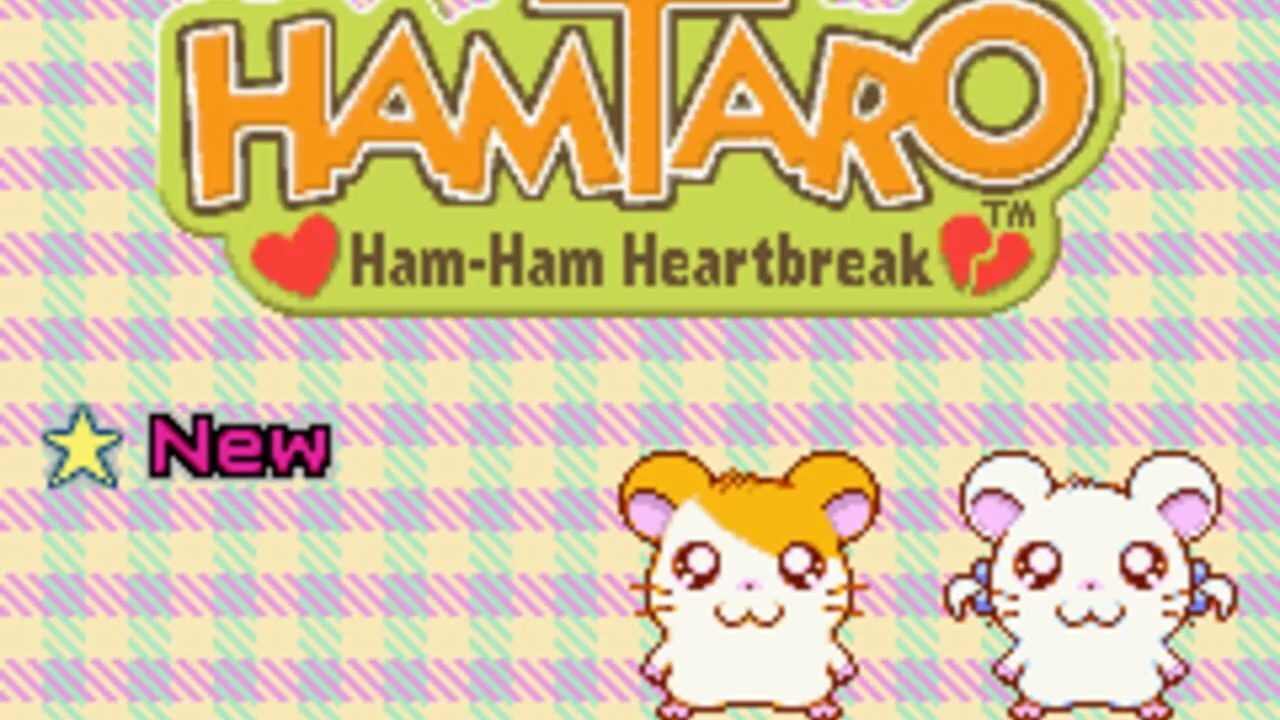
All the hamsters are bickering, and Spat, a meddling troublemaker, is the reason. He tells fibs and causes heartache everywhere. Hamtaro and Bijou follow him to get everyone talking again. Spat is one of several new Ham-Hams seen only in this game, along with his opponent Harmony, and hamsters are not the only characters, since other animals appear too.
It was the second Hamtaro game released in America and Europe, but the third in Japan, where it came out on May 31, 2002. North America got it on April 7, 2003. Europe got it on June 27, 2003. Some Ham-Chats, like Perksie, only have value in conversations. The villain tells fibs, the lowest crime in a world where everyone is a hamster.
63. F-Zero: Maximum Velocity (2001)
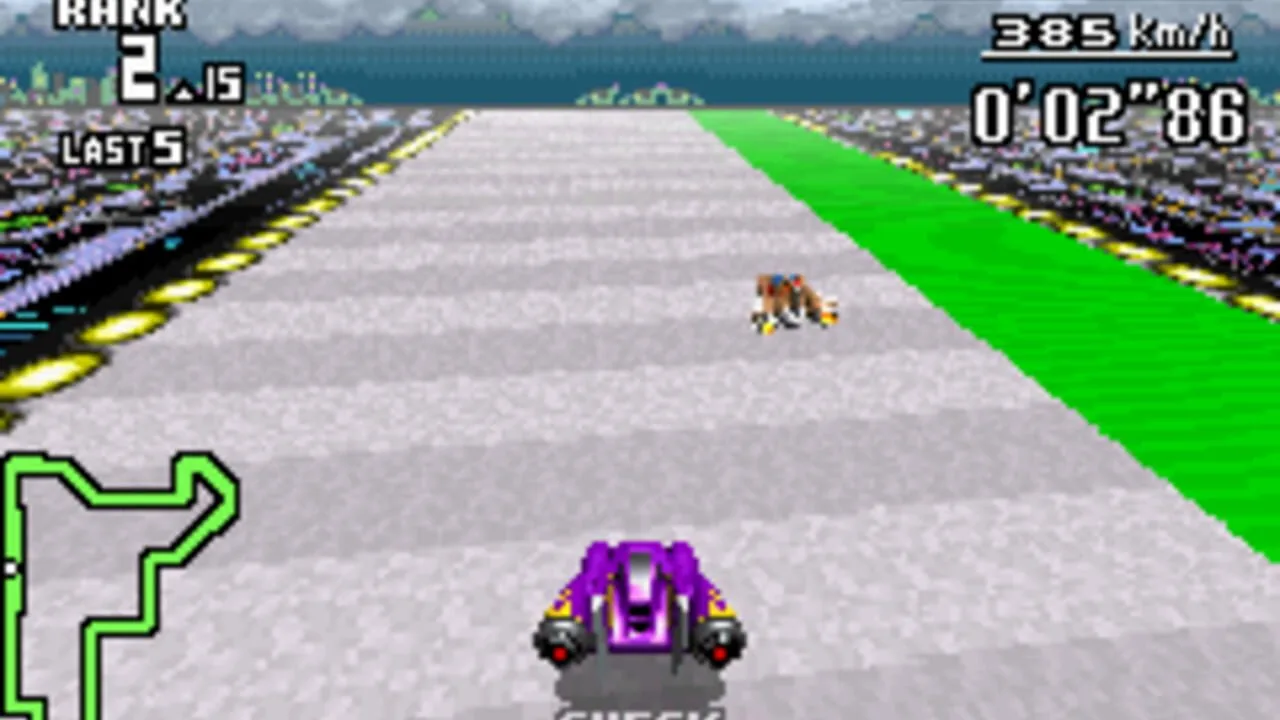
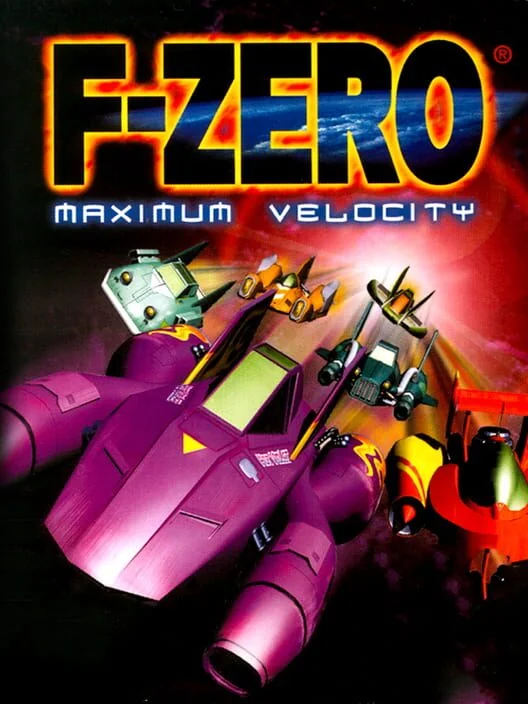
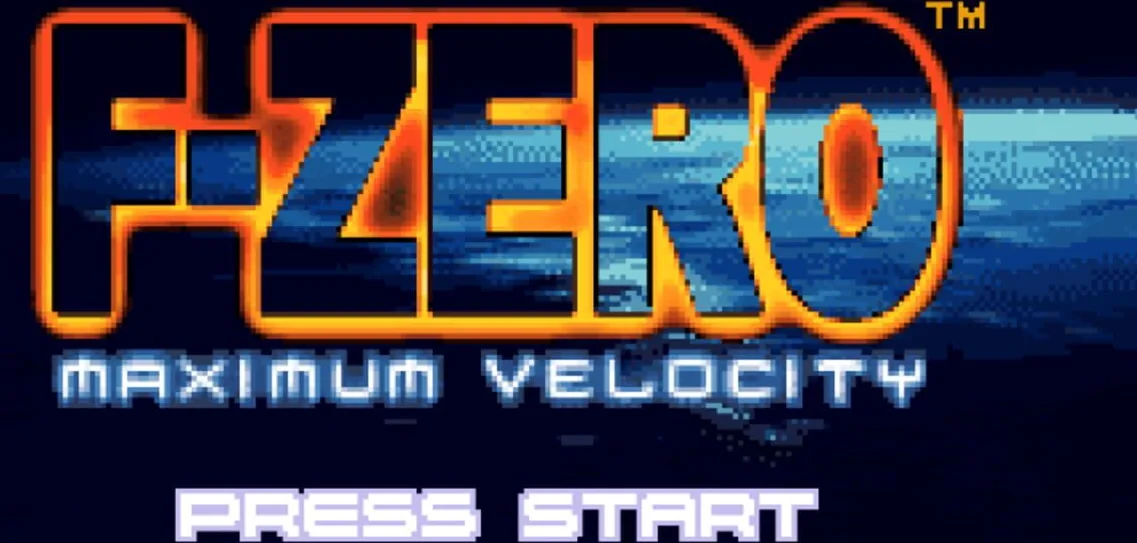
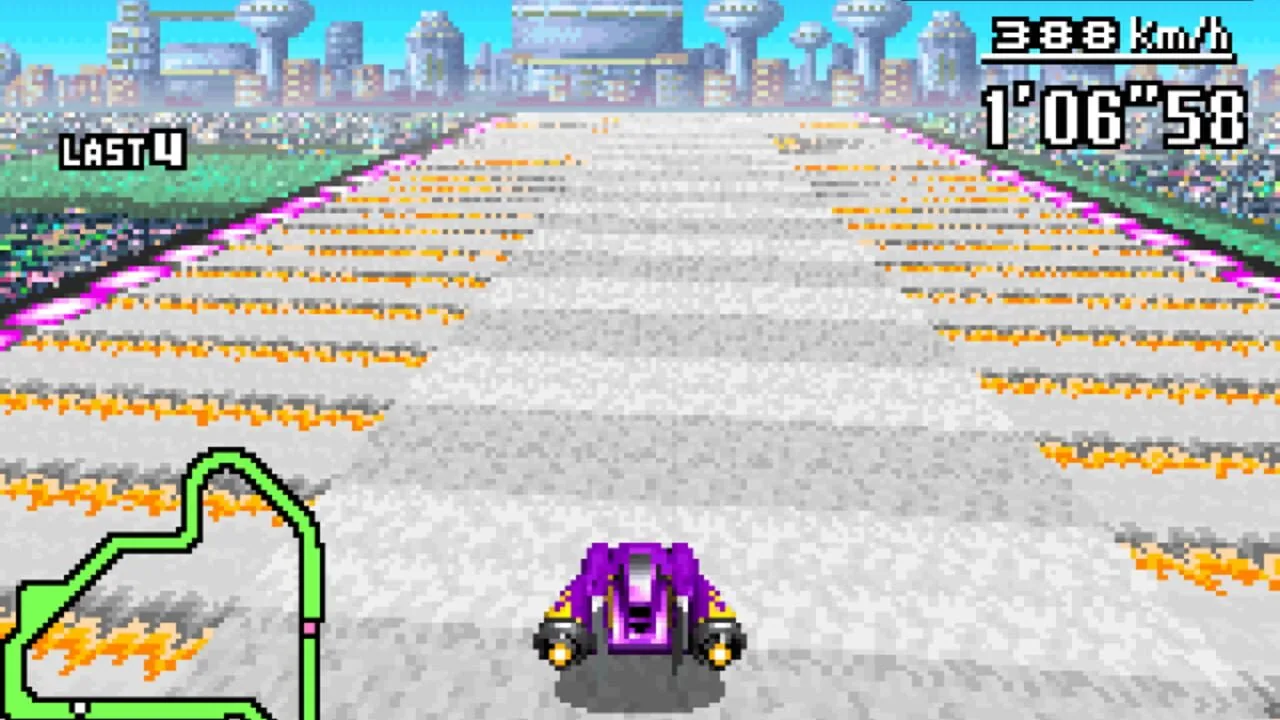
F-Zero: Maximum Velocity brings new vehicles and tracks made for the Game Boy Advance. It was one of the first games developed by NDcube. Like the original F-Zero for the SNES, it implements a pseudo-3D racing view. Time Attack is limited to one special course, the Synobazz Championship Circuit.
Multiplayer works with a single cartridge, because only one player needs to have one. Everyone drives a generic craft on one level, Silence, which has no background music unlike most other F-Zero games. Silence and Fire Field are the only areas to return from previous games. After a race, the players' ranking data are mixed and shared. GamePro gave it 4.5/5 for graphics and 5/5 for fun factor.
62. Banjo-Kazooie: Grunty's Revenge (2003)
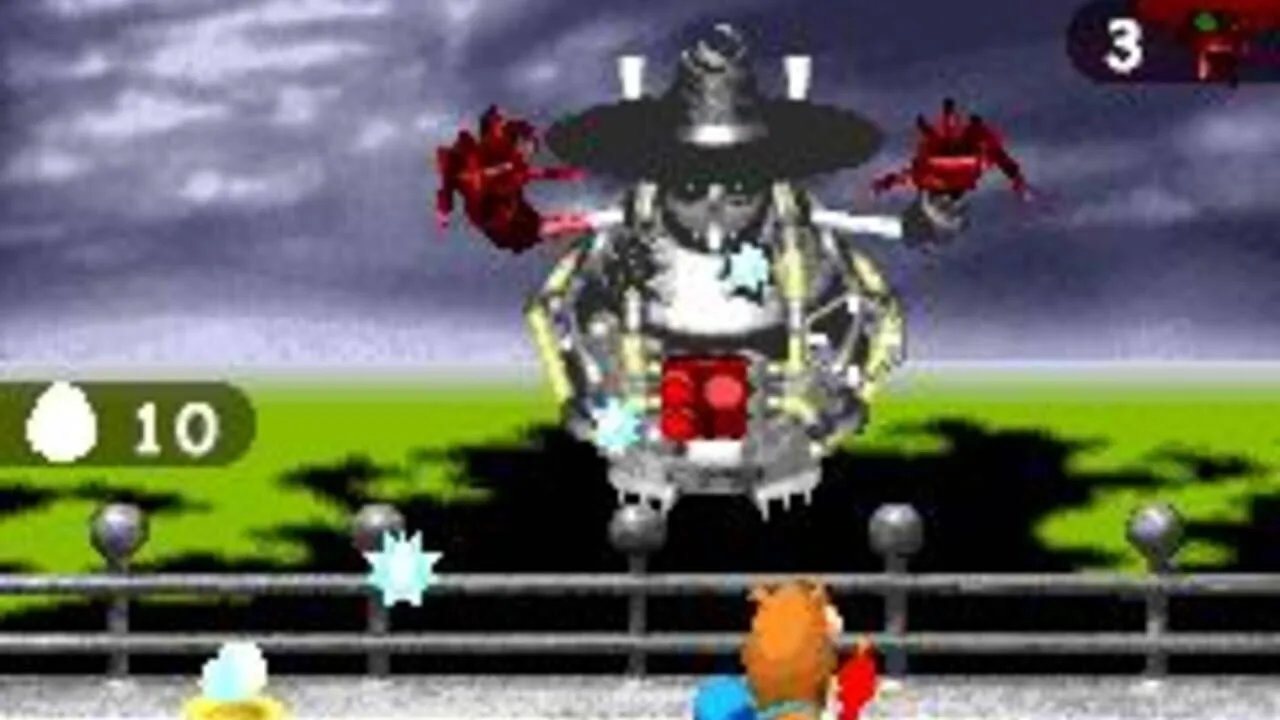
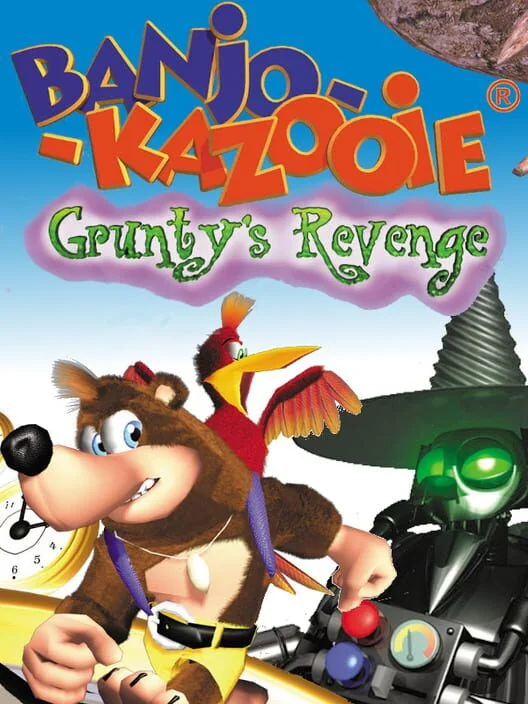
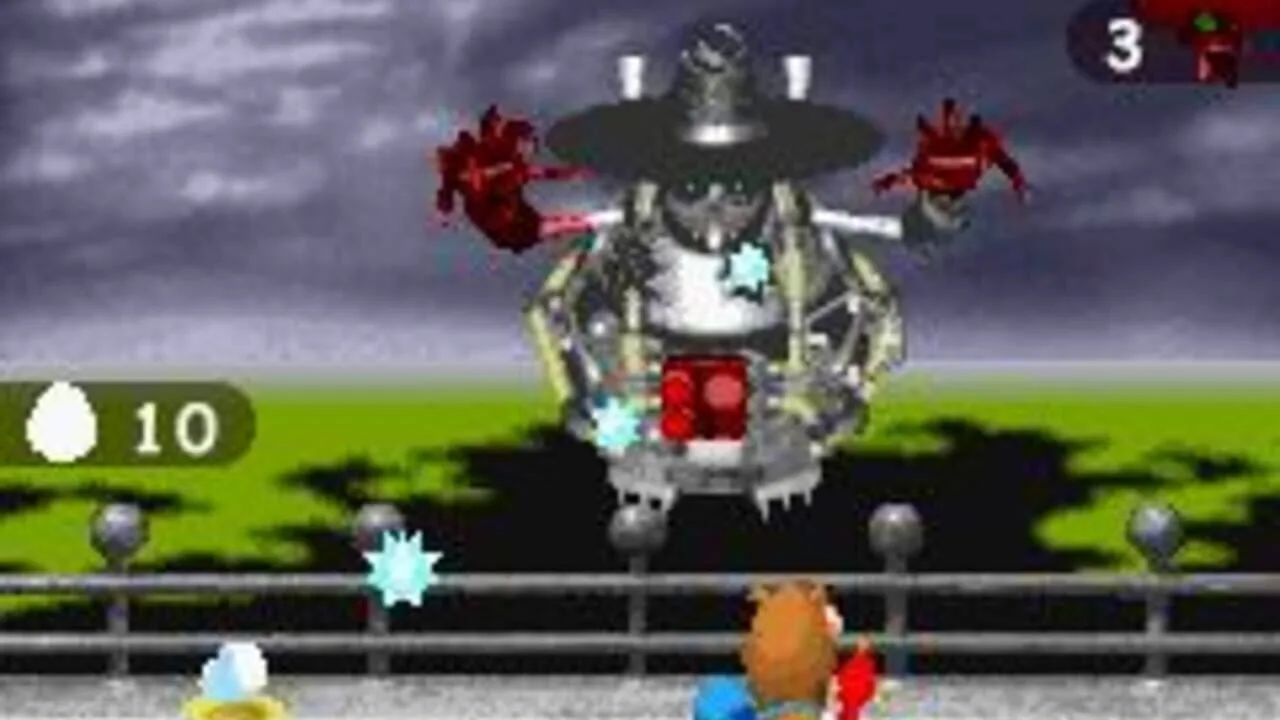
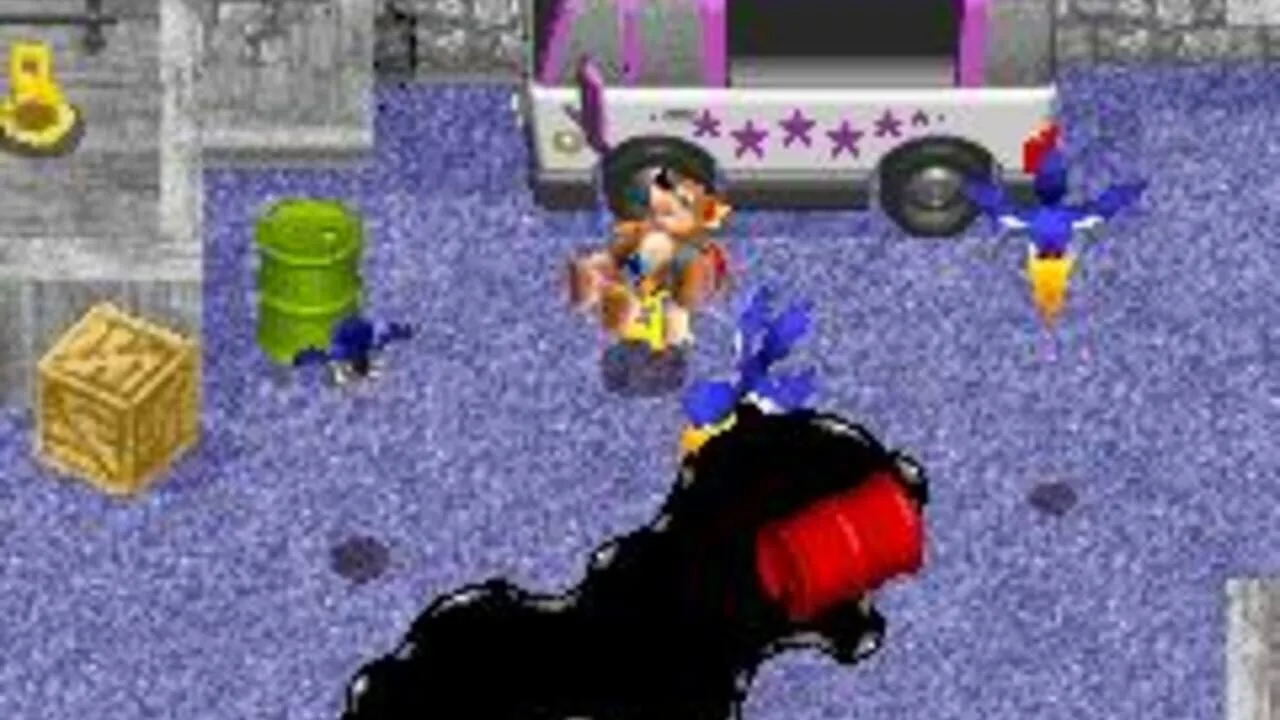
Grunty's Revenge was first titled Grunty's Curse and planned for the Game Boy Color with a different plot. Rare was working on the sprites when production halted in late 1999, and it was revived after Nintendo released the GBA. It was the first game in the series not published by Nintendo, and Microsoft's purchase of Rare in 2002 did not affect the plans to develop it.
It came out in North America on 15 September 2003 and in Europe on 24 October. Collecting golden musical notes lets Banjo buy three additional abilities from a mole named Bozzeye. It received mixed reviews: the visual style and gameplay were praised and favorably compared to the N64 games, while the low difficulty and short length were criticized.
61. Scurge: Hive (2006)
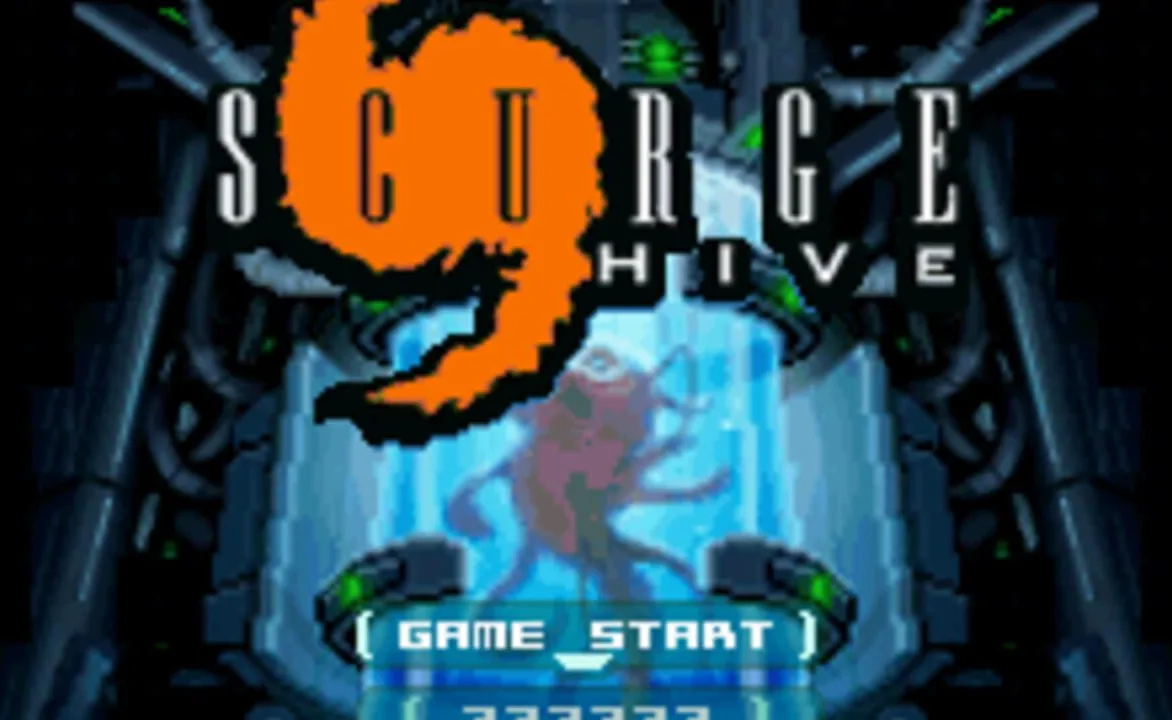
Scurge: Hive is an action-adventure game by Orbital Media, released for the Game Boy Advance and Nintendo DS in 2006. You play Jenosa Arma, a bounty huntress sent to hunt a parasite called the Scurge, which can rapidly adapt to and infect biological and mechanical systems, including you. She is contracted by the military on a rescue and salvage mission to Confederation Research Lab 58 on planet Inos.
Her suit resists infection but can only slow it down. She is infected the moment she first meets the Scurge, and you race against the clock as the parasite takes over her body. The story establishes an atmosphere that is highly detailed for a portable game. The ending leaves the door open for a sequel.
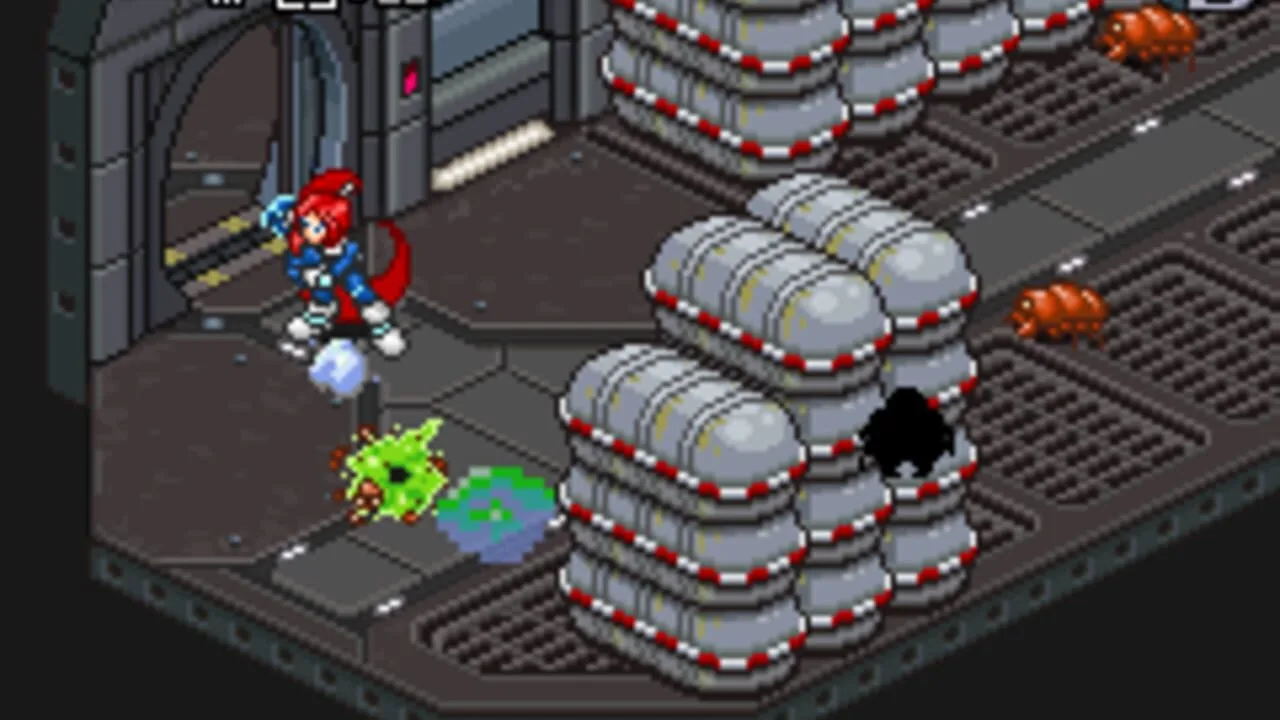
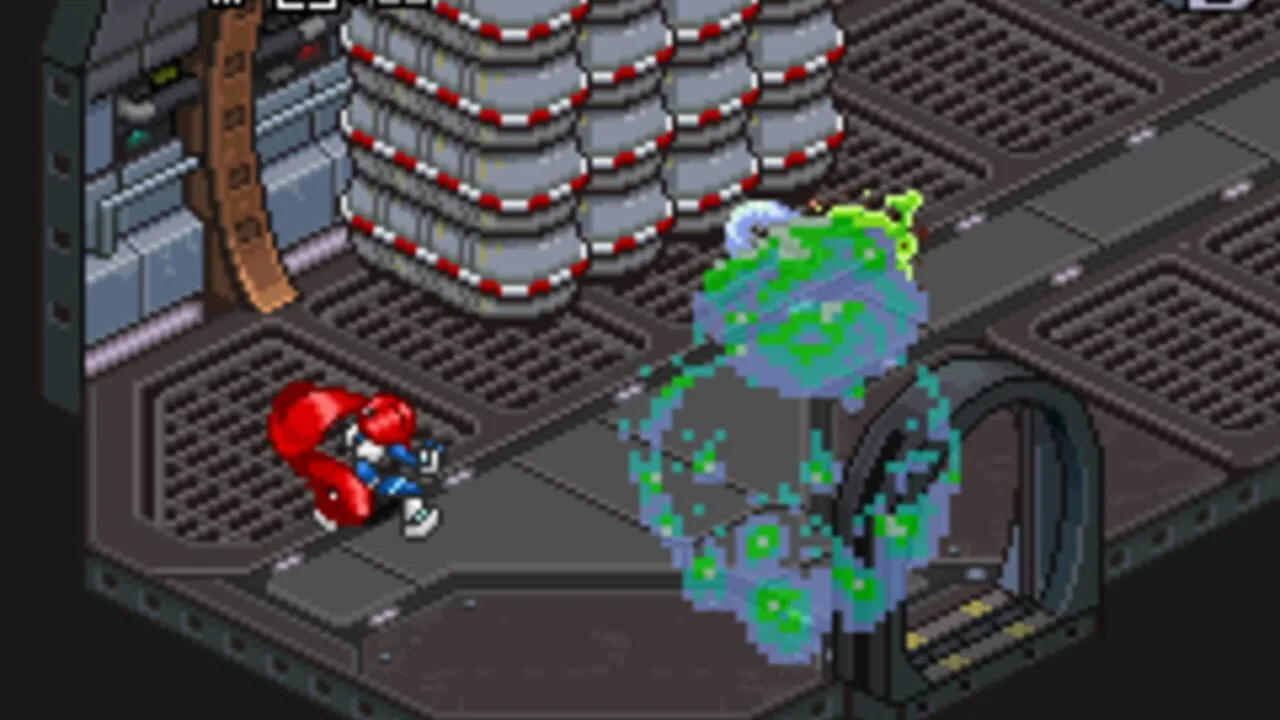
60. The Sims Bustin' Out (2003)
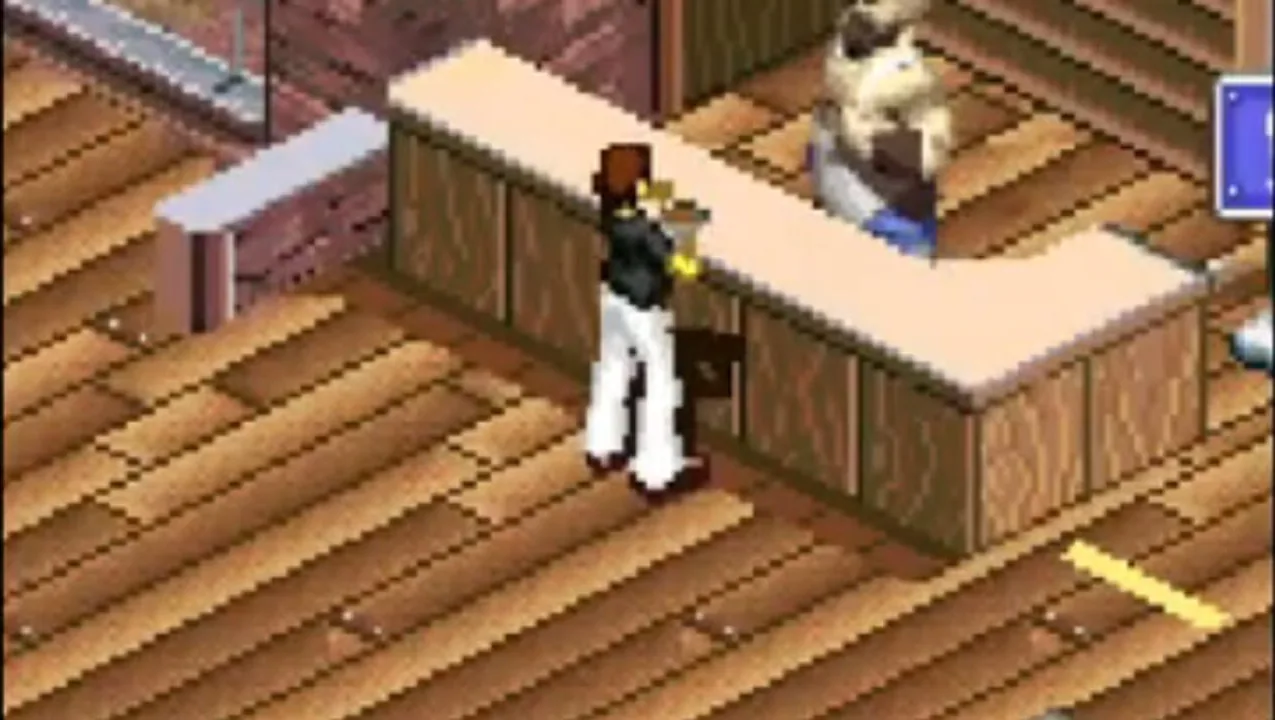
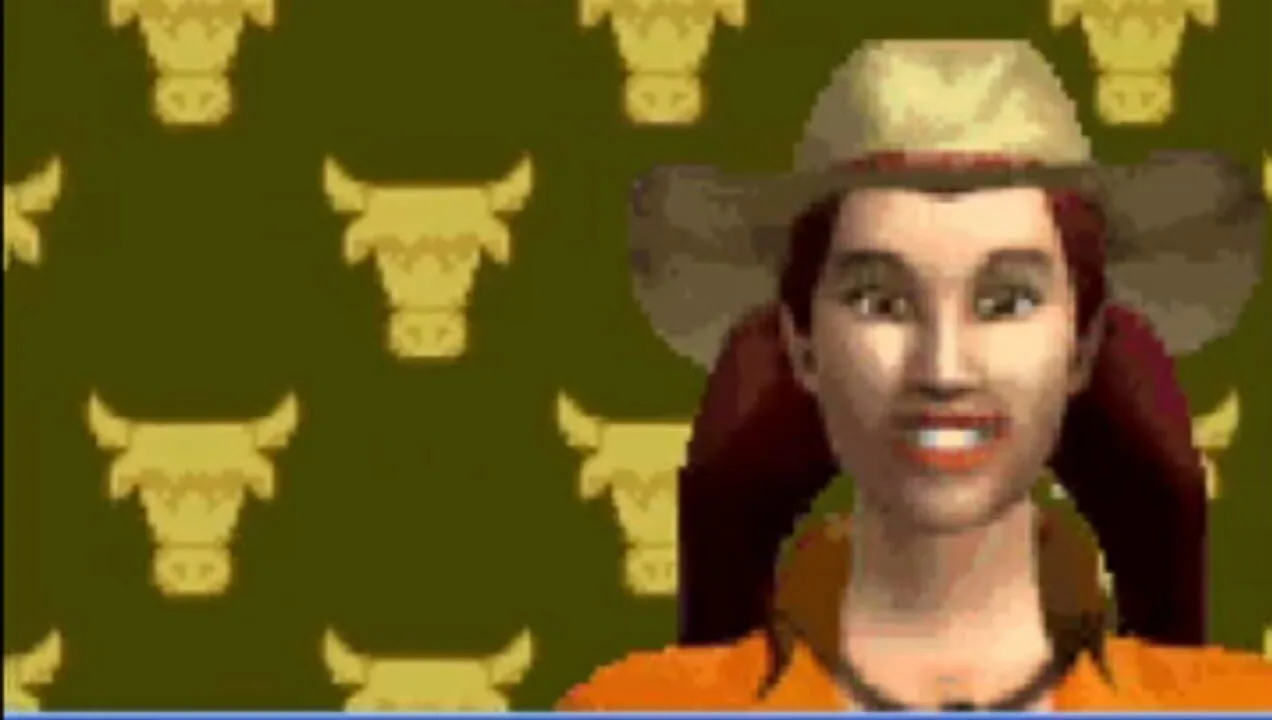
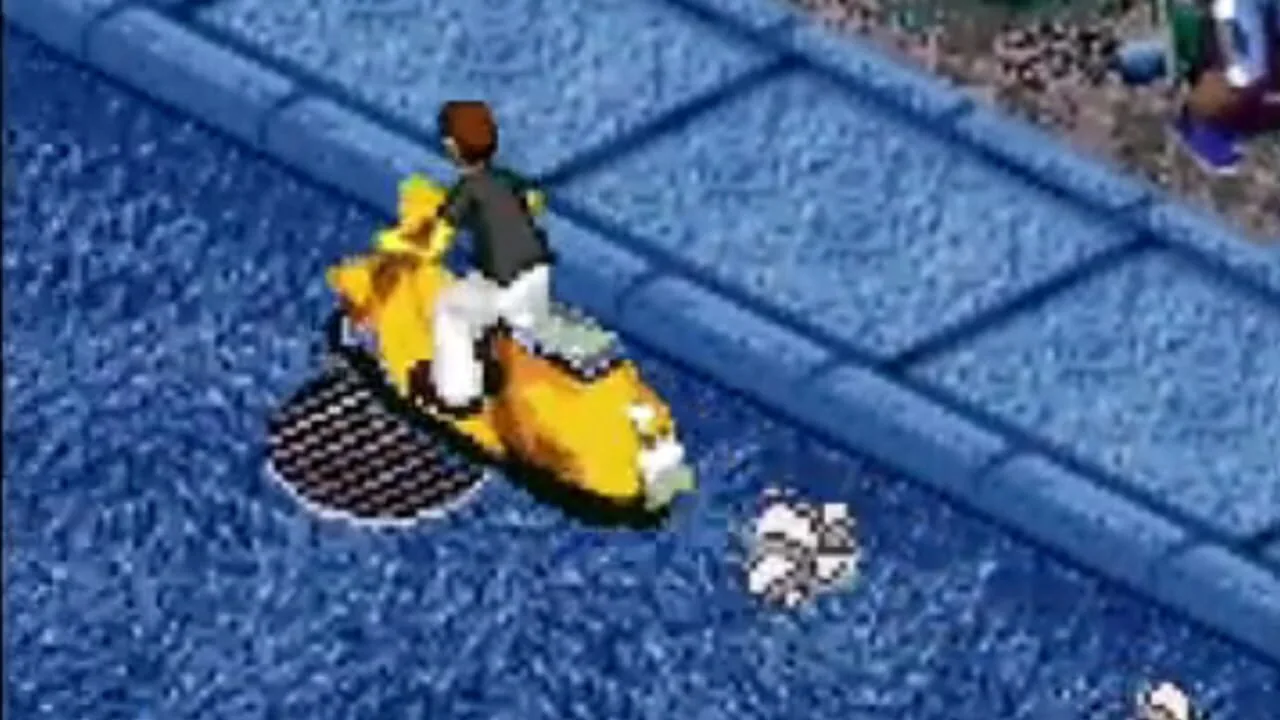
The Sims Bustin' Out is a 2003 social simulation developed by Maxis and published by Electronic Arts. It is the second title in The Sims console series and the first not released alongside a Windows version. Instead of the point-and-click selection used in every earlier Sims title, this version lets you control your Sim directly with the directional pad.
The game adds features from expansion packs such as Livin' Large and Superstar, and Sims can leave the house to visit places like Shiny Things Lab or Casa Caliente. The Game Boy Advance version has its own storyline. The N-Gage version is largely the same, with an exclusive feature that lets Sims play classic games such as Snake. The Urbz: Sims in the City later served as its sequel.
59. Mega Man Battle Network 2 (2001)
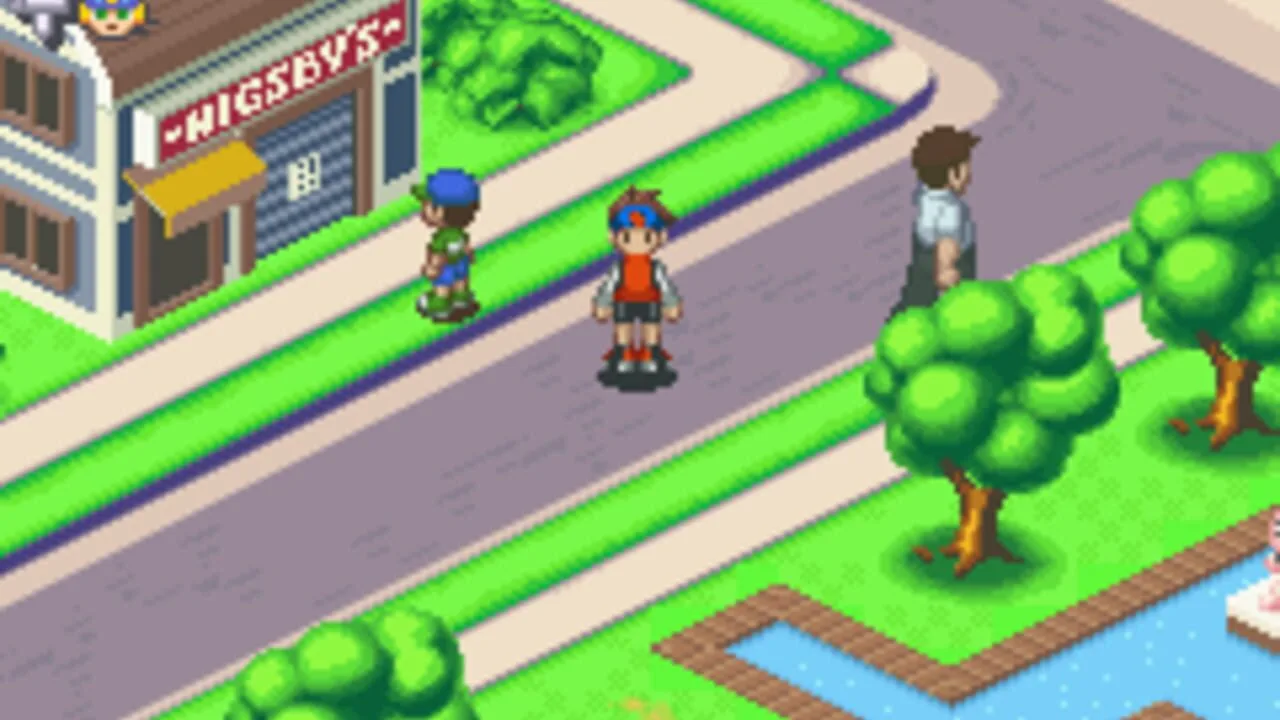
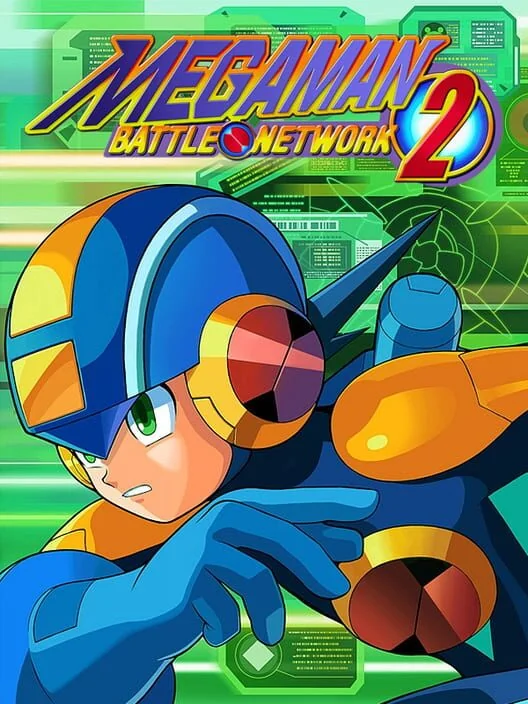
Mega Man Battle Network 2 sends Mega Man.EXE and his pal Lan after a new net crime organization whose computer hacking has created a quickly spreading virus. There are now 250 Battle Chips in single player mode. The game adds the SubChip, which works outside of battle, and lets you keep alternate active folders. It swaps the old armor system for a style system that changes how much damage you take and how you look.
Chip codes are no longer limited to the alphabet. It received generally positive reviews, with many praising it for improving upon the gameplay of Mega Man Battle Network. It has been re-released multiple times, including on the Wii U Virtual Console.
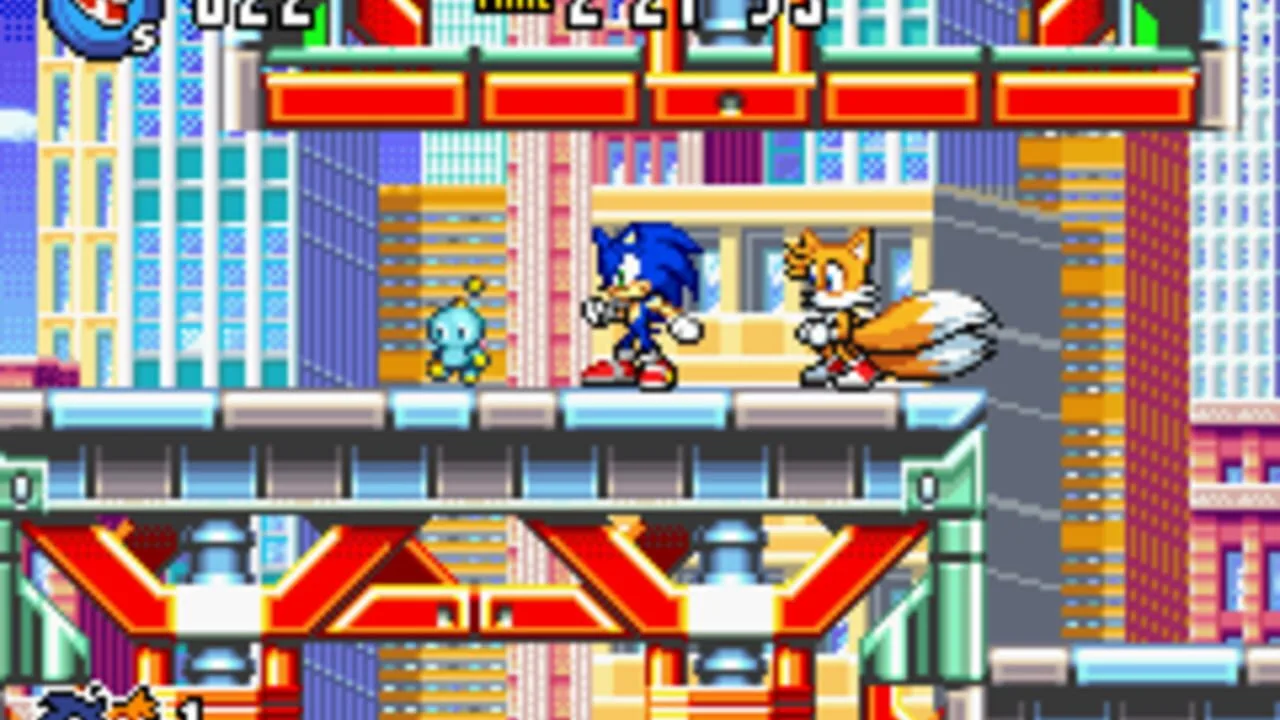
58. Sonic Advance 2 (2002)
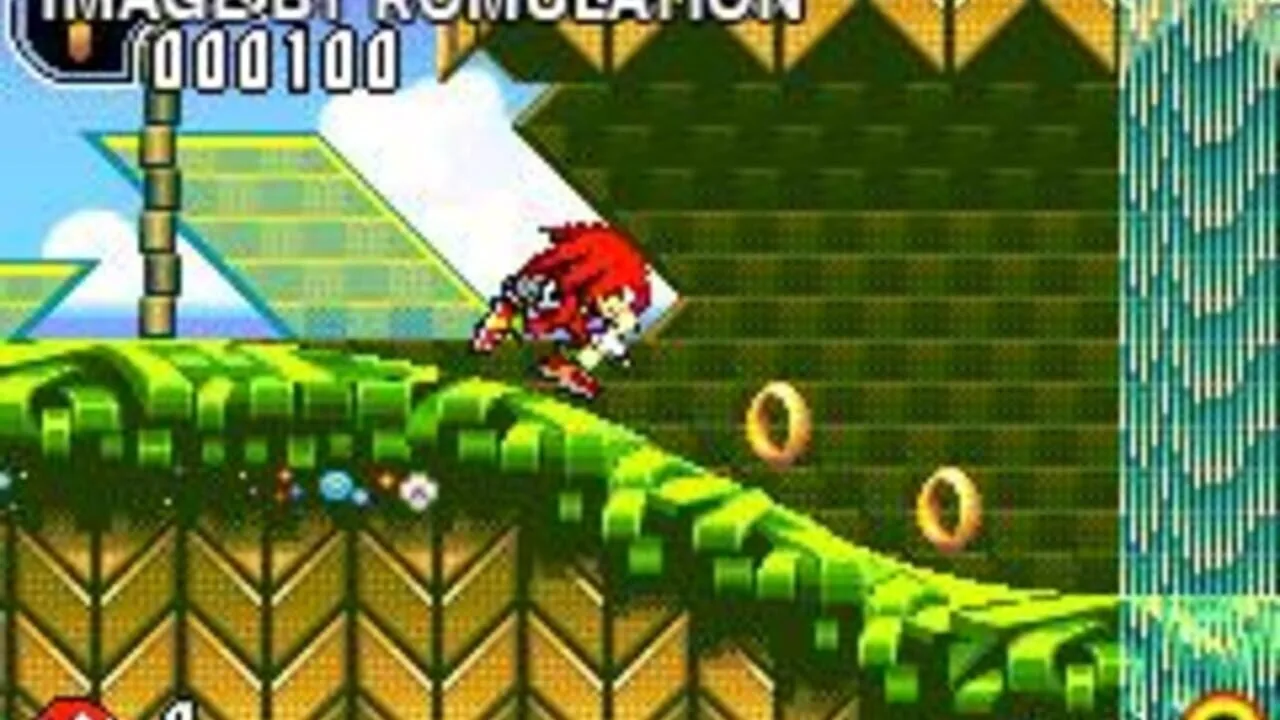
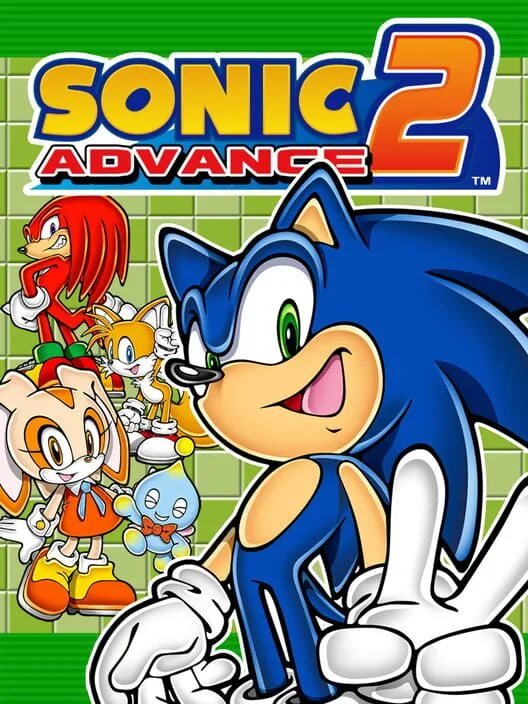
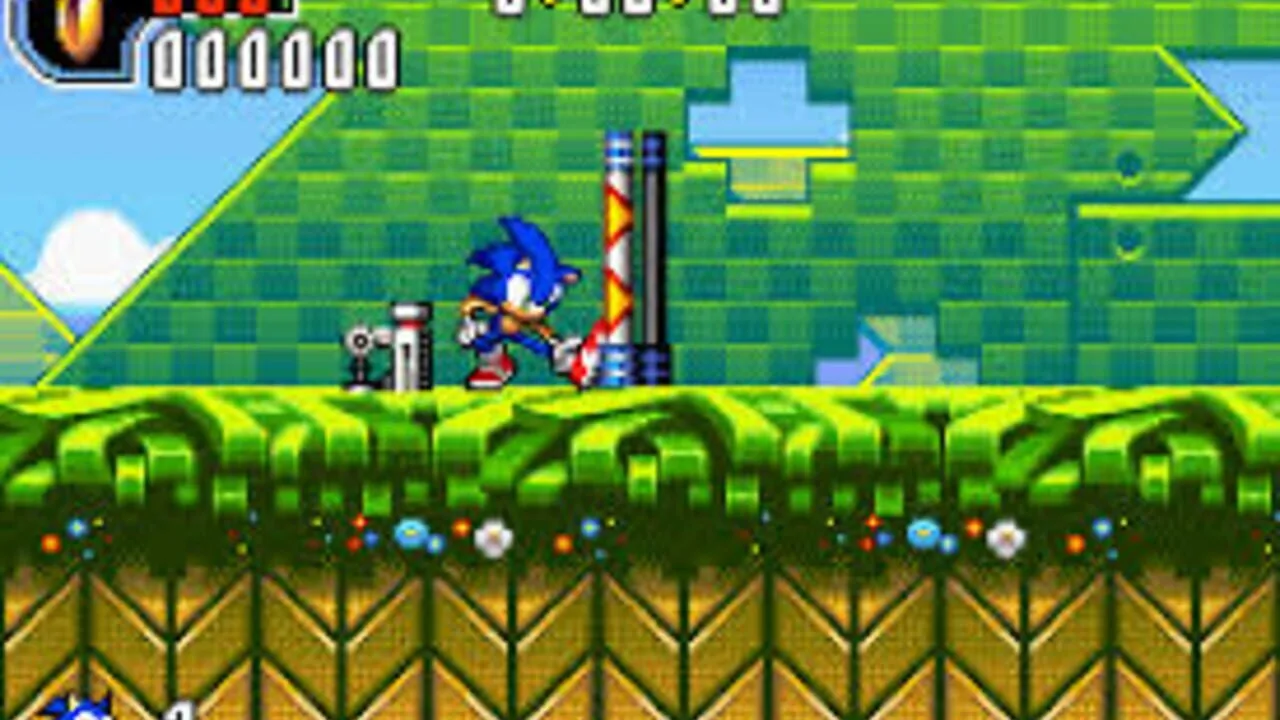
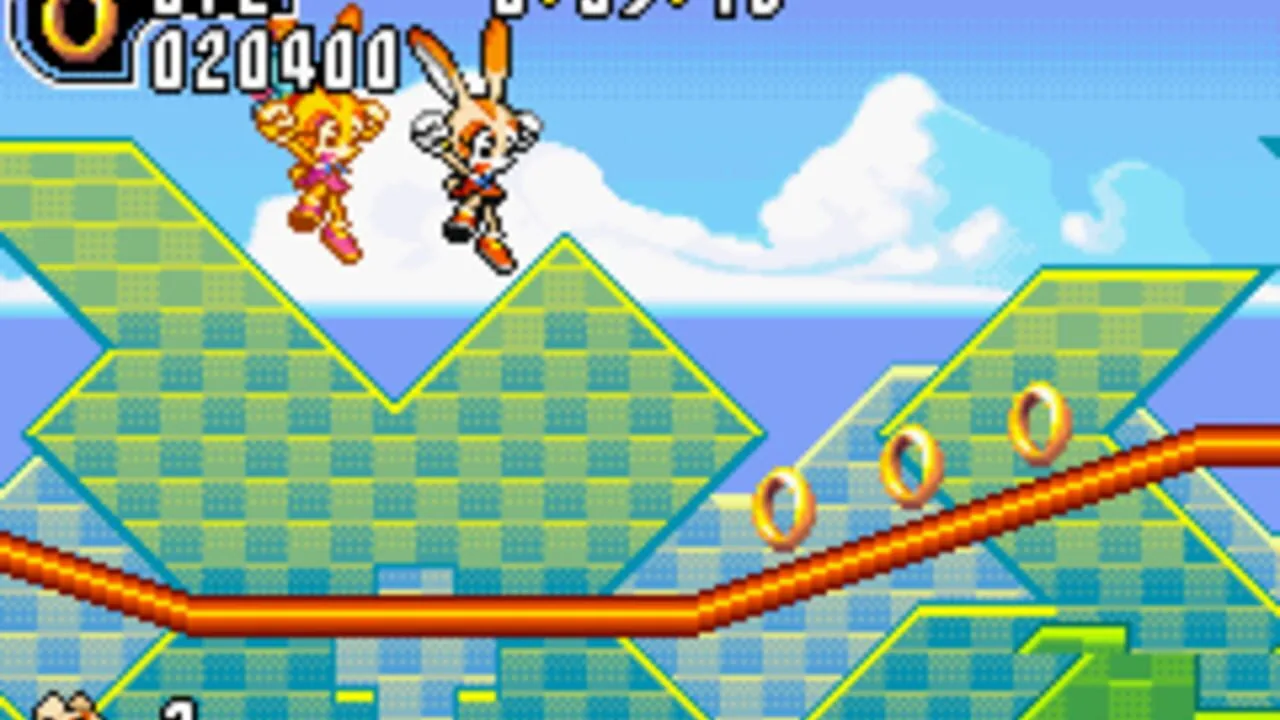
Sonic Advance 2 is the sequel to 2001's Sonic Advance. Sonic is joined by Tails and Cream the Rabbit, and each has unique moves for reaching certain areas, though you must finish the game as Sonic to unlock the others. Special rings hidden in each stage open a bonus stage, and the Chaos Emerald inside makes Sonic into Super Sonic for his final fight with Dr. Eggman.
Development began in February 2002 and the main period lasted eight months, using an updated version of the original's engine. The team aimed to make the game larger and faster-paced. It was released to positive reviews, and critics praised the updates and the improved replay value. Sonic Advance 3 followed in 2004.
57. Goodboy Galaxy (2023)
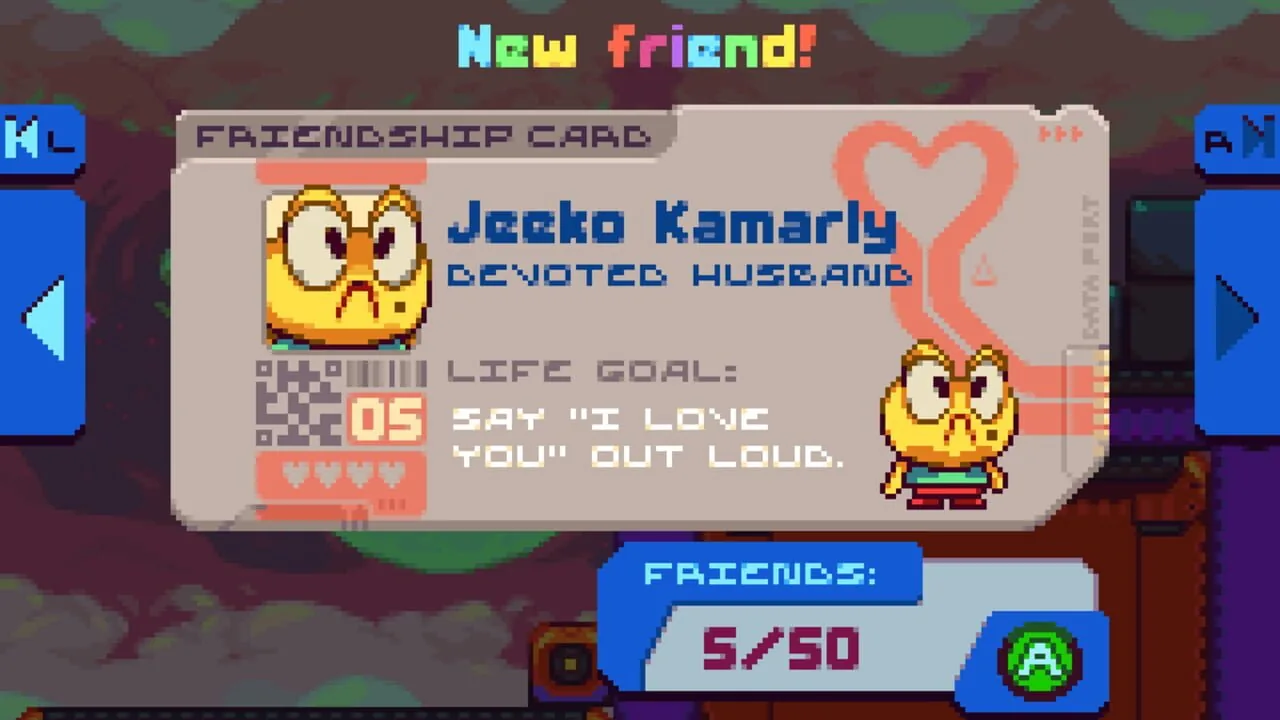
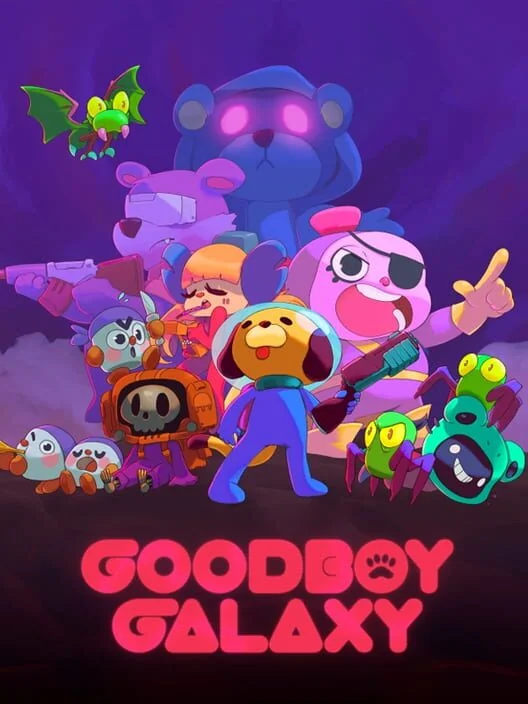
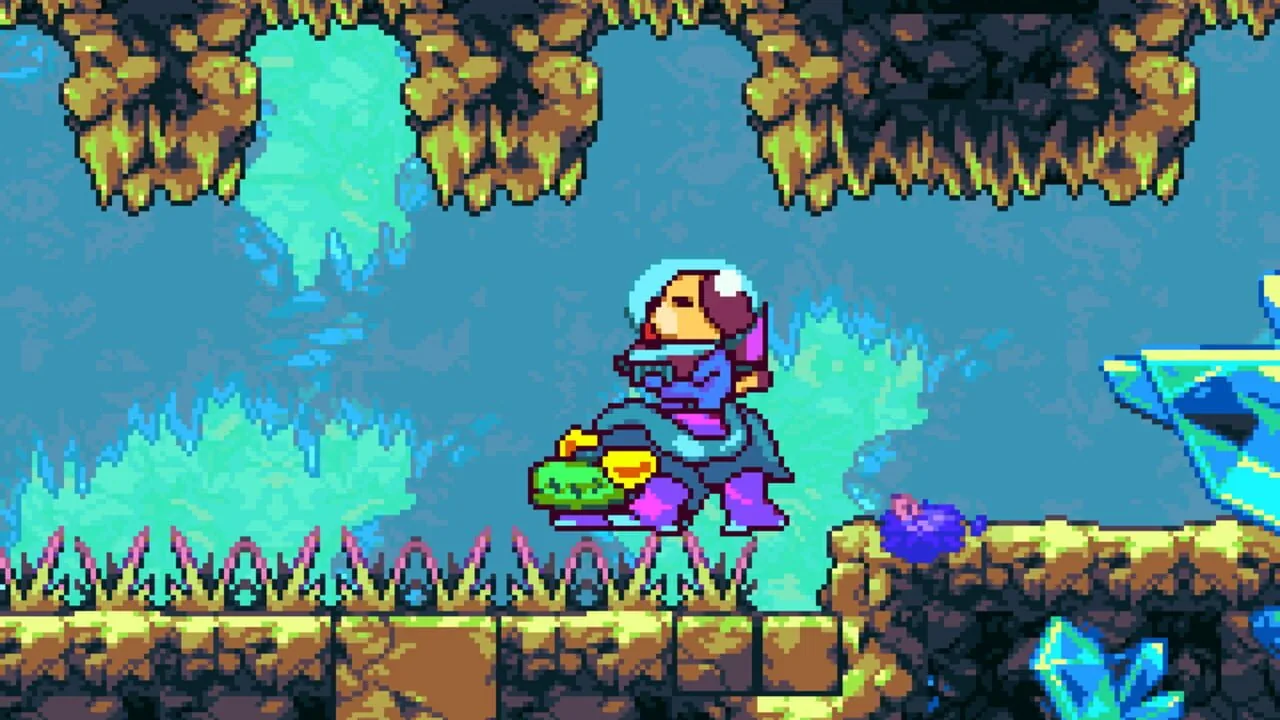
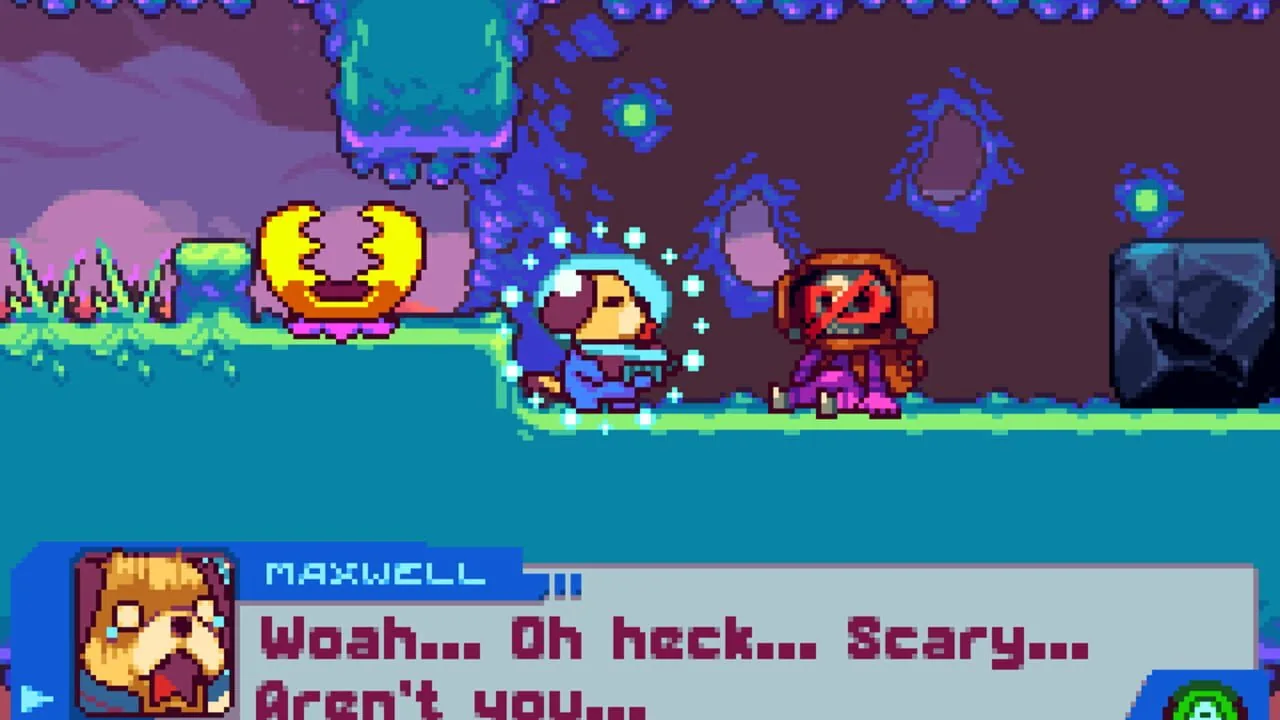
Goodboy Galaxy is a 2023 action-adventure game developed for the Game Boy Advance in celebration of its 20th anniversary by Rik Nicol and Jeremy Clarke. It is the first full commercial release for the system in over 13 years. You play Maxwell, a space-traveling dog stranded on an unknown planet after his ship is attacked, who needs every friend and weapon he can find.
The developers call it an exploration platformer inspired by Metroid and Cave Story. Multi-route levels hide over fifty characters to befriend and several secret areas. Your jet pack and blaster unlock the abilities that solve puzzles. Nicol and Clarke met at a mobile game studio in the Netherlands. A space dog is a more sympathetic hero than most of the humans on this list.
56. Metal Slug Advance (2004)
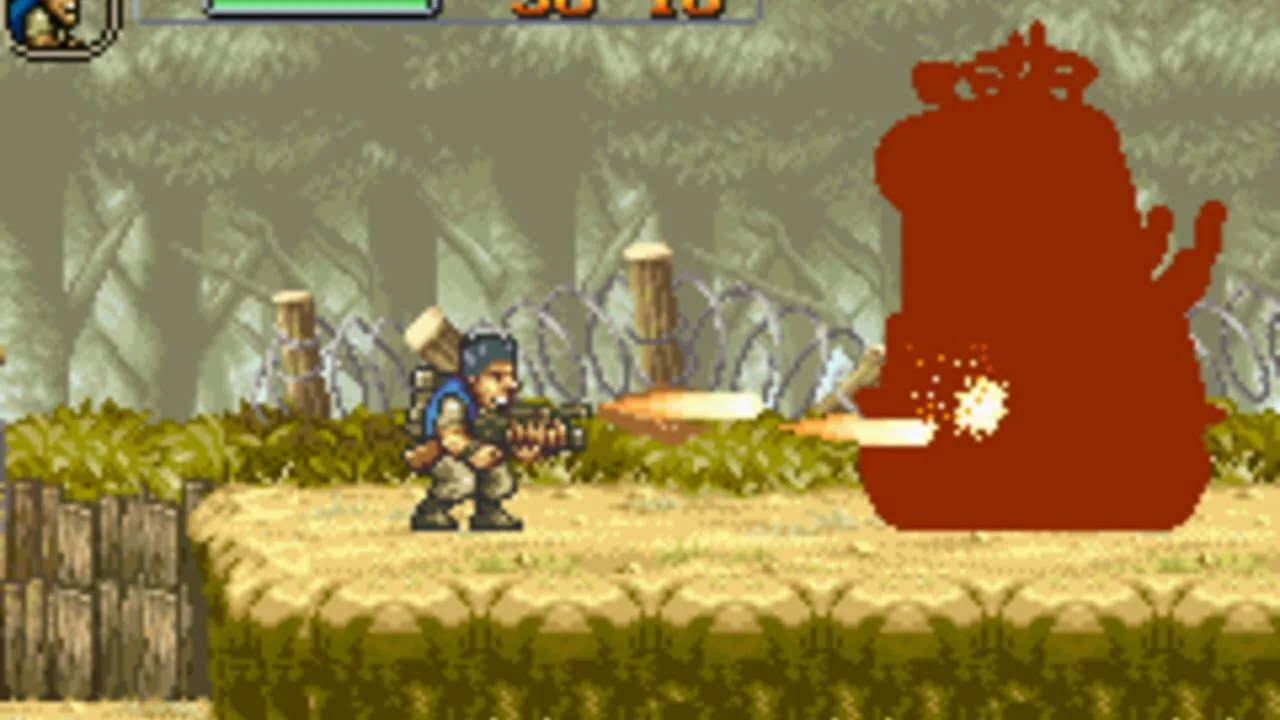
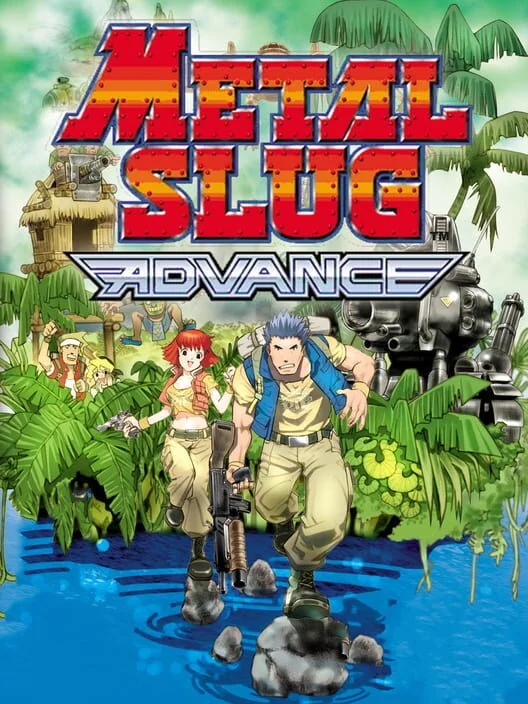
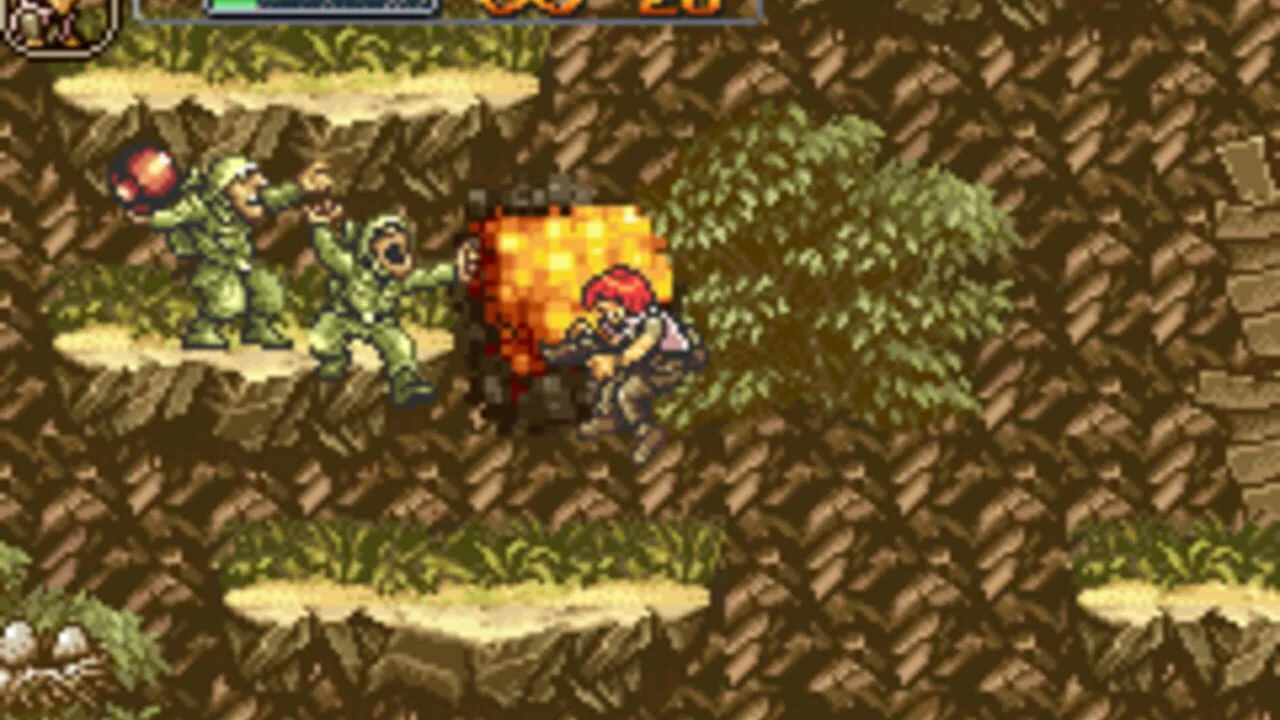
Metal Slug Advance is a 2004 run and gun game developed by Noise Factory and published by SNK Playmore. A survival training camp for new Peregrine Falcon recruits goes wrong when General Morden's troops parachute down and capture many of them. You play as either Walter Ryan or Tyra Elson, and you rescue hostages across five missions.
It adds two new systems. A life bar replaces the extra lives from every other Metal Slug game, and food items restore health. Cards turn up when you shoot certain parts of the background or free certain hostages, and more than 100 types of E-cards enhance your abilities. You still die instantly from being crushed or falling down a pit, which is the one thing the life bar cannot save you from.
55. Sigma Star Saga (2005)
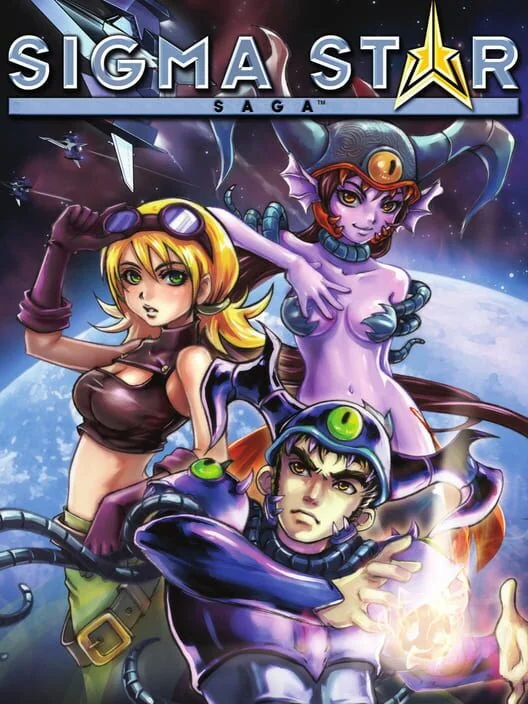
Sigma Star Saga is a 2005 game from WayForward, directed by Matt Bozon, that mixes a role-playing story with a space-shooter battle engine. Ian Recker is a decorated pilot who goes undercover to look into the Krill, the enemy humanity is struggling to survive against, and ends up in a moral dilemma. Weapons are customizable, with over 15,000 Gun Data combinations.
The branching storyline has four endings and 20+ hours of play. It came out in North America on August 16, 2005. Europe got it on June 23, 2006. Namco Hometek and Atari published it. Martin Schioeler composed the music. GameZone and the Detroit Free Press were more critical of the pacing and random battle interruptions, but few other games on the system pull off the same mix.
54. TMNT (2007)
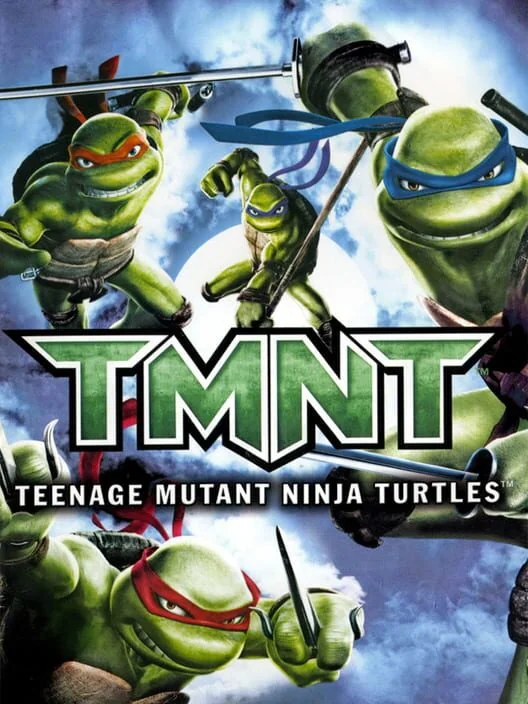
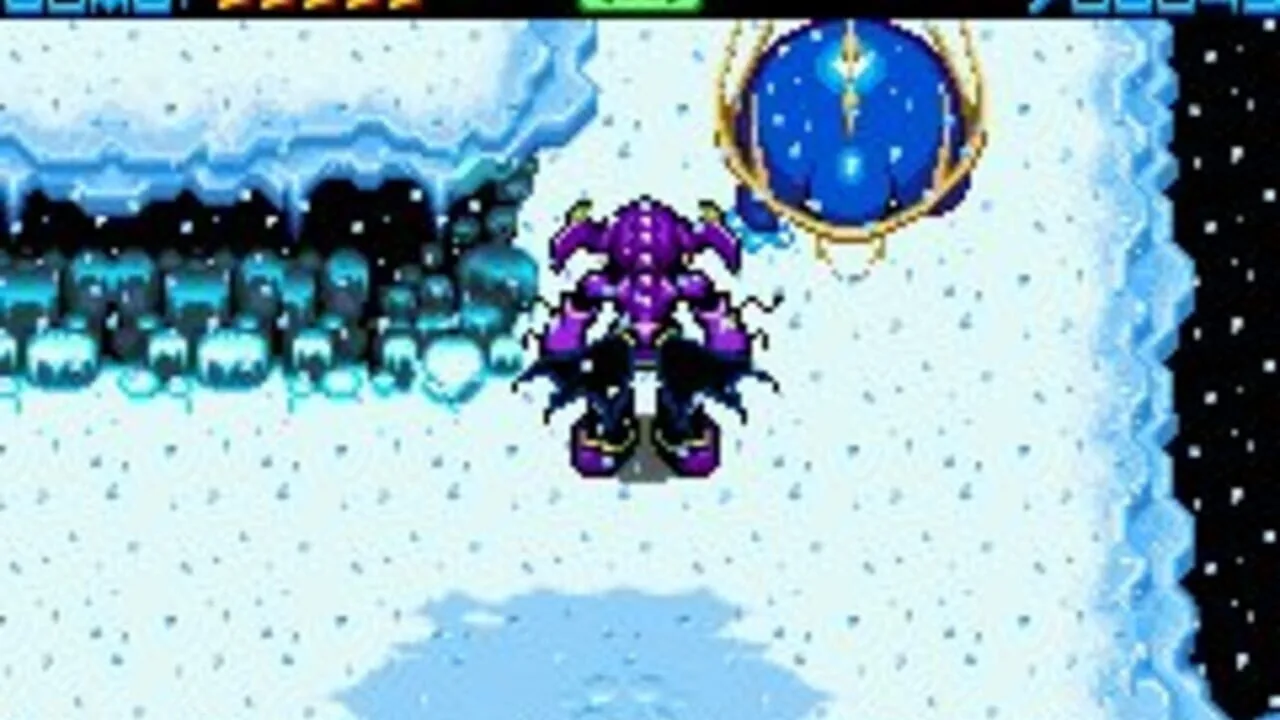
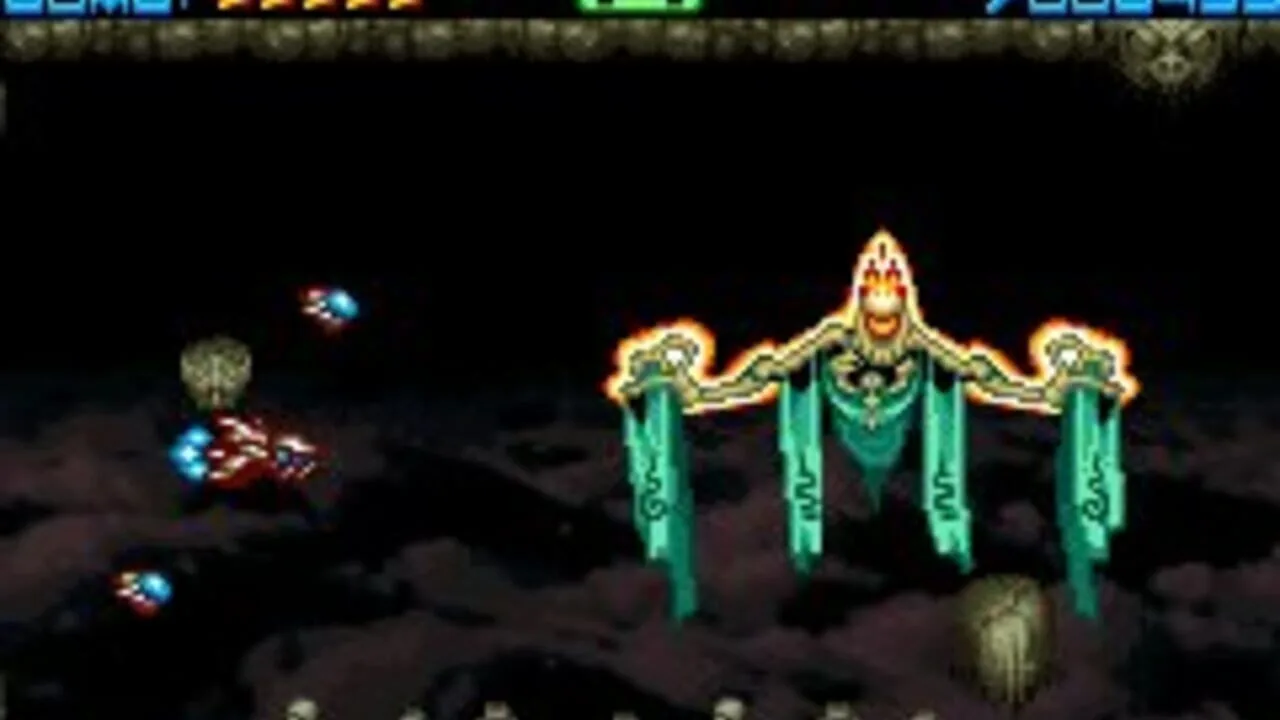
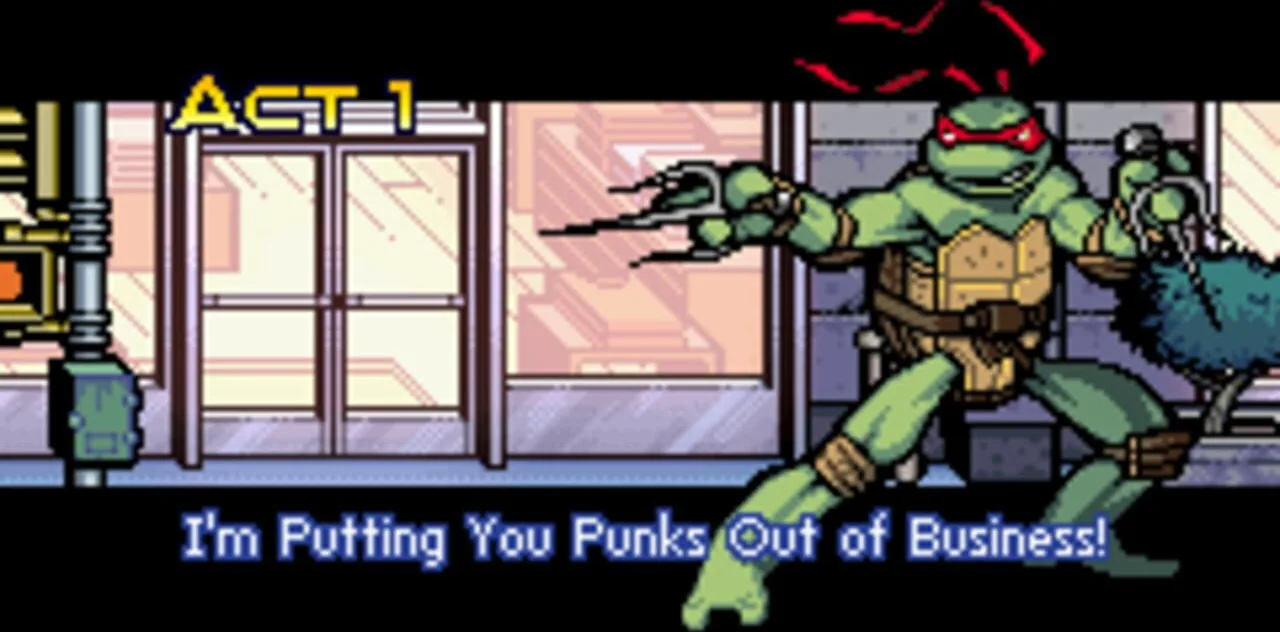
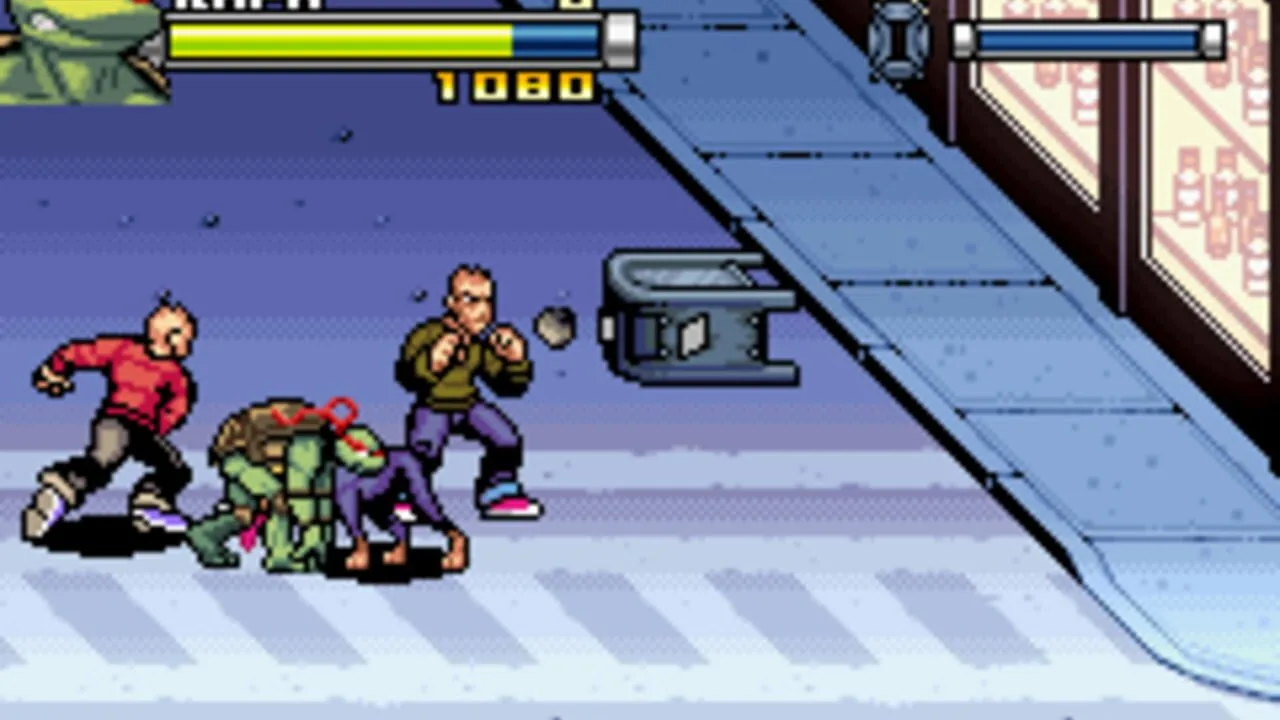
TMNT is a beat 'em up from Ubisoft Montreal, based on the 2007 CGI movie. It came out in North America on March 20, 2007. Australia and Europe got it a few days later. It arrived late, when the Nintendo DS was already deep into its prime, which makes it one of the last games published for the Game Boy Advance.
Another game with the same title came out on the home consoles and the DS, but this handheld version is vastly different from all of them. It is a 2.5-D side-scrolling beat 'em up with no three-dimensional gameplay whatsoever. The console game has acrobatic segments in the vein of Prince of Persia. It also has 16 story levels and 16 unlockable challenge levels.
53. Duke Nukem Advance (2002)
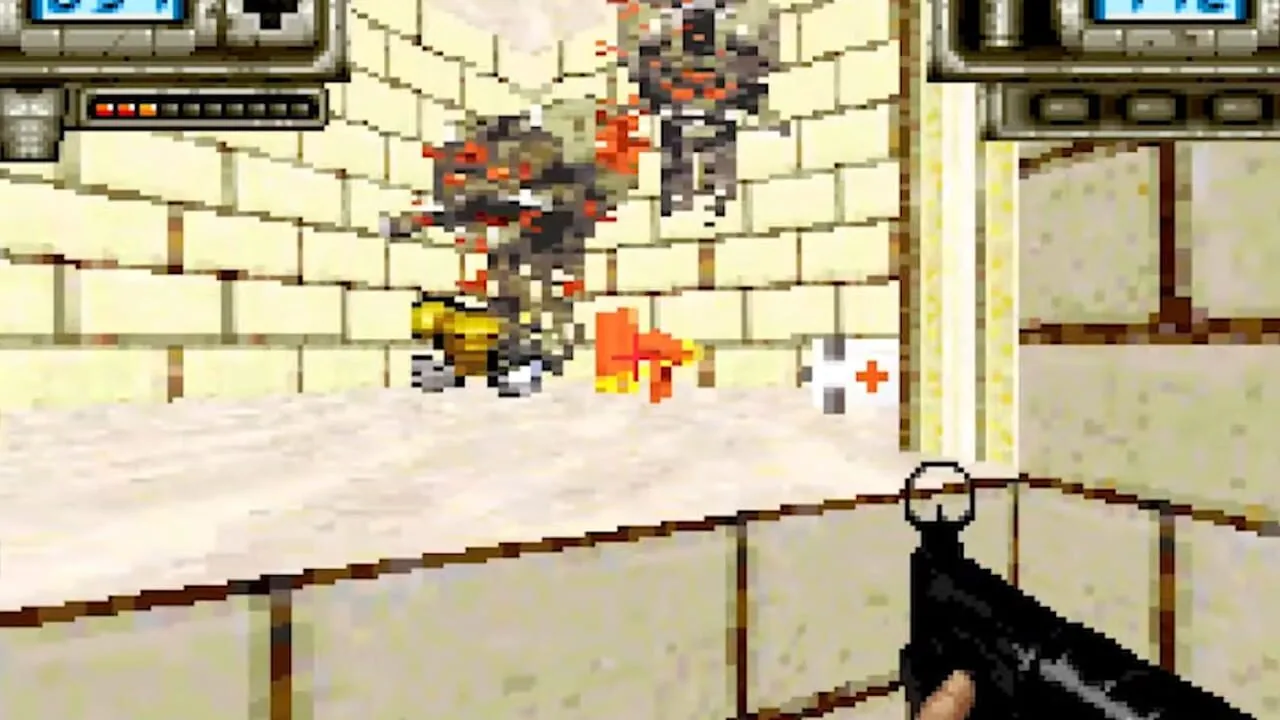
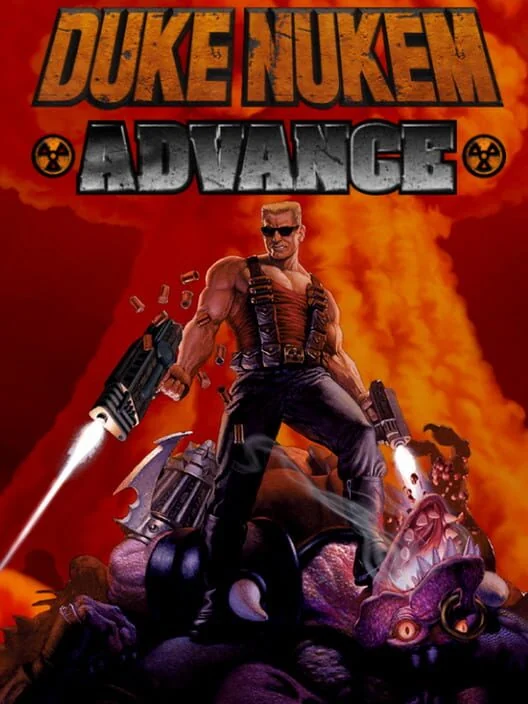
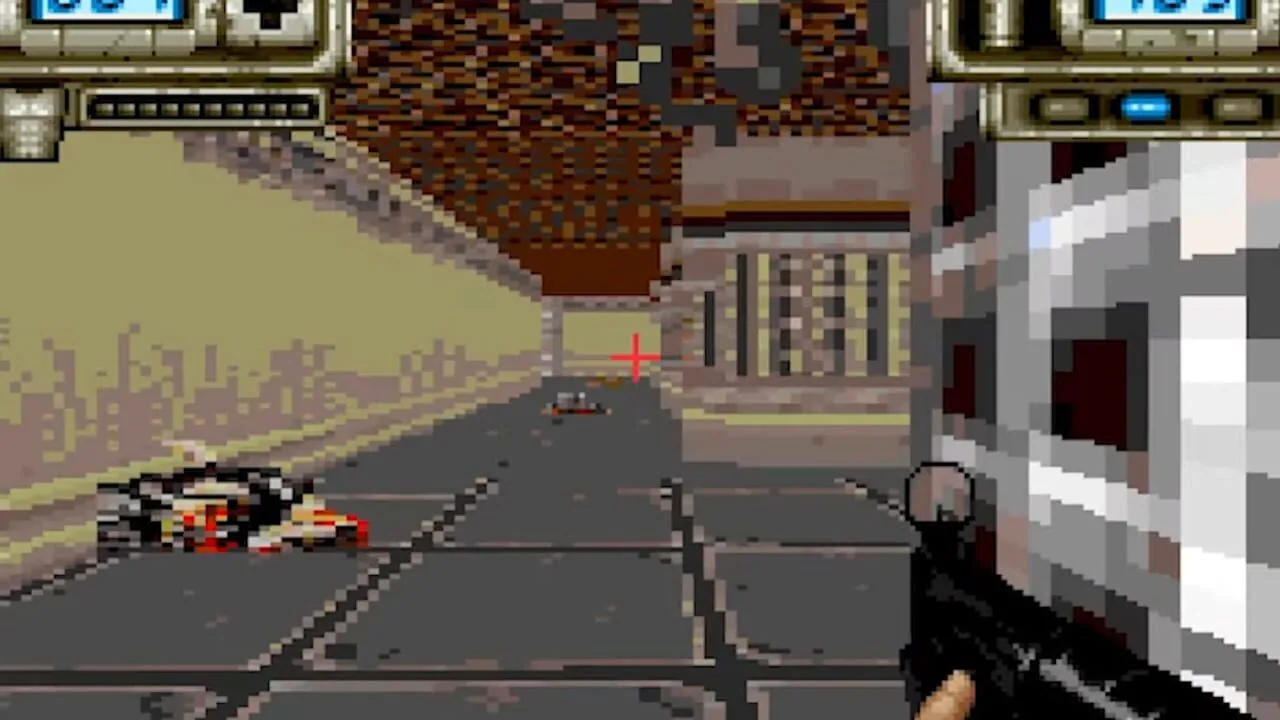
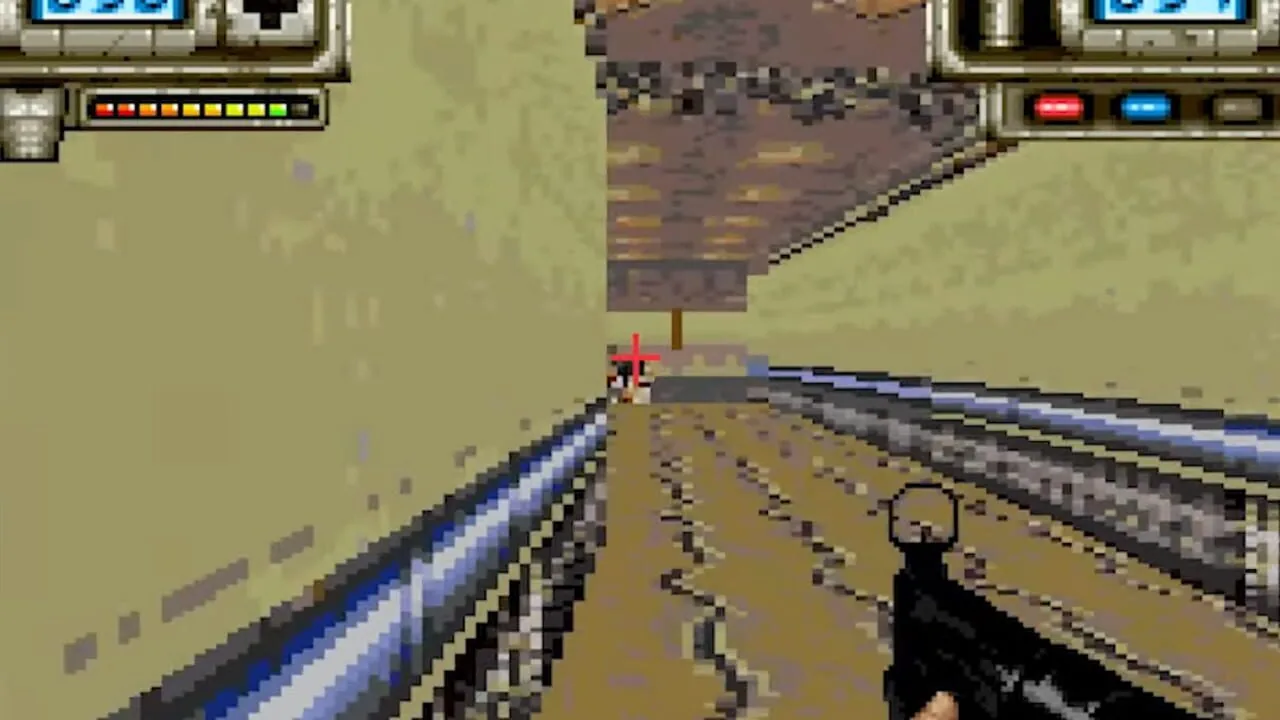
Duke Nukem Advance is a 2002 first-person shooter released for the Game Boy Advance. Many of the graphics and sounds are ported from Duke Nukem 3D, but it has an original storyline and levels. It counts as a spin-off. Duke works for General Graves and investigates Area 51 after reports of an alien infiltration, then follows the aliens to the Temple of Amun in Egypt.
Four difficulty levels are on offer from the start, and up to four players can battle with one copy each. You can save your progress after every level, with five save slots. The GBA has few buttons, so the game offers four different control setups. You can pan and zoom the map, and some secrets show up there. It received mostly positive reviews.
52. Pokémon Mystery Dungeon: Red Rescue Team (2005)
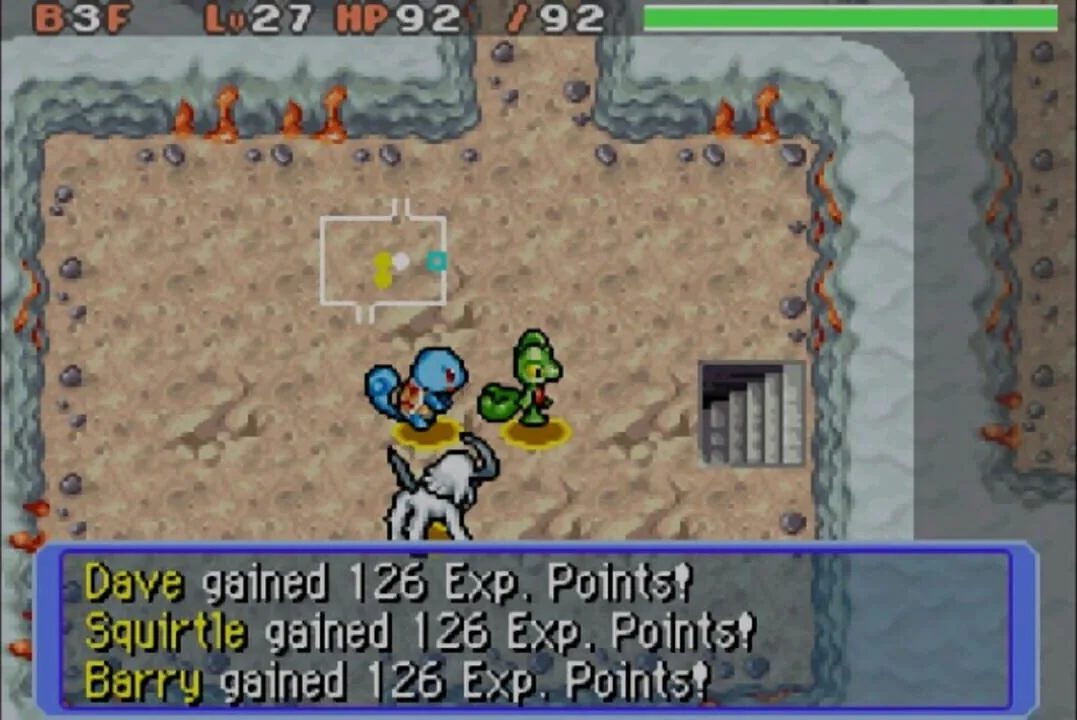
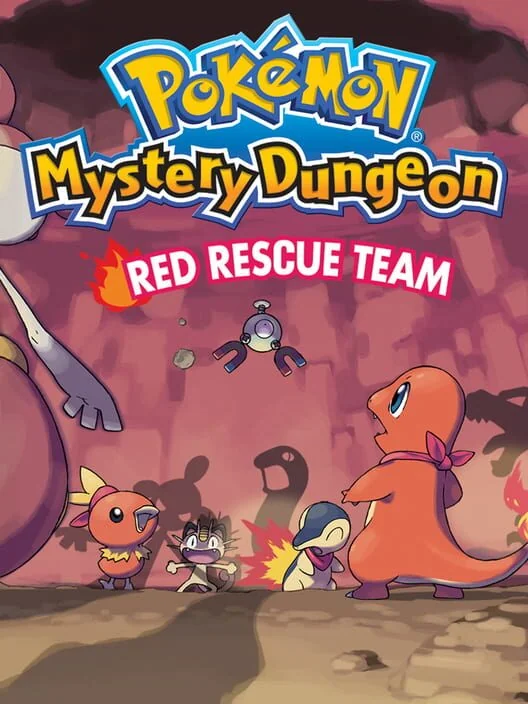
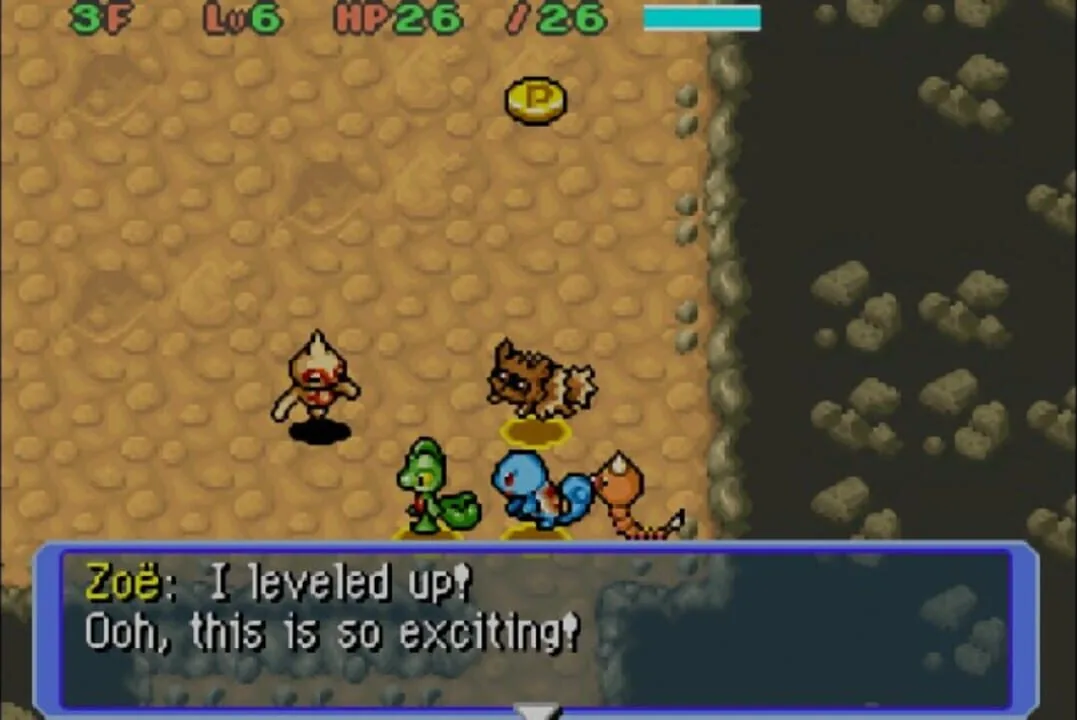
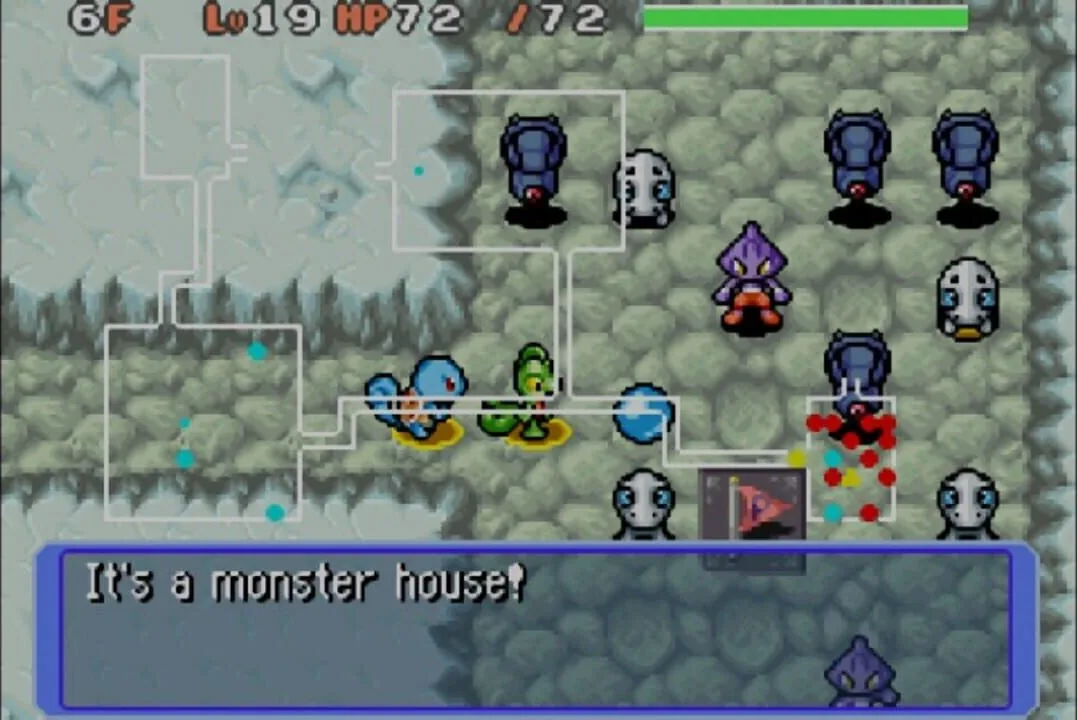
In Red Rescue Team you are a human who ends up in a Pokémon's body and runs rescue missions in randomly generated dungeons alongside a new partner. The gameplay is based on a classic roguelike, and soon after the first mission you can recruit other Pokémon you meet in the dungeon into your team.
Tsunekazu Ishihara had worked with the developer Chunsoft before, as producer of Tetris 2 + BomBliss, where he met director Koichi Nakamura. Red Rescue Team on the Game Boy Advance and Blue Rescue Team on the Nintendo DS were released in Japan in 2005 and worldwide in 2006. The series has since sold over 17.26 million copies.
51. Sonic Battle (2003)
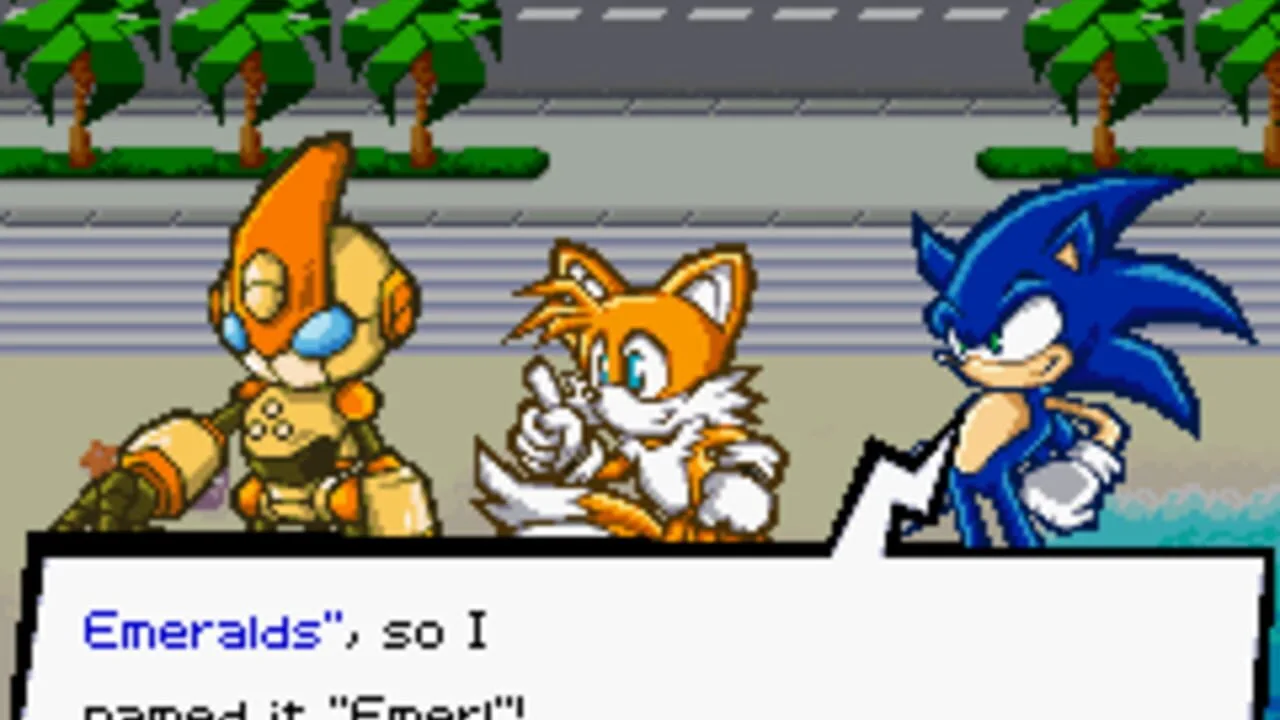
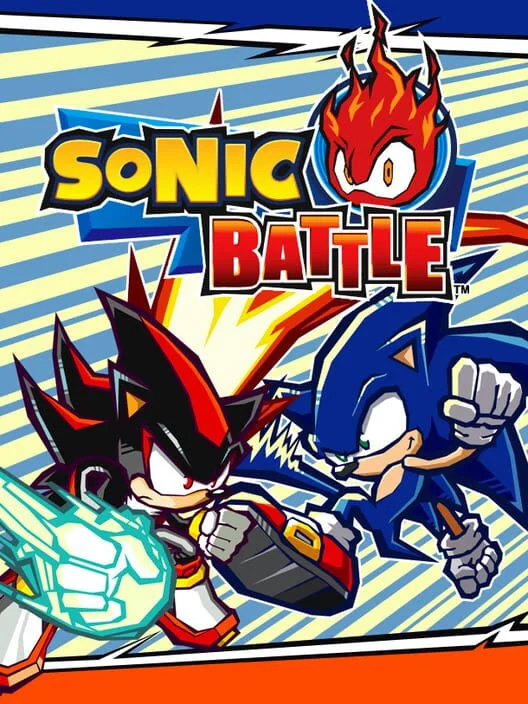
Sonic Battle is the second fighting game in the Sonic series, after Sonic the Fighters, and the first on a handheld. You fight as one of nine characters with special attacks and team-based assaults. You also create and train a fighting partner for 2-on-2 battles. Four players can duke it out. Sonic finds the Gizoid, which links with him after he shows off his abilities.
As they train, the group discovers that Emerl becomes stronger and gains more sentience with each Chaos Emerald he obtains. Minigames include Soniclash, where you knock opponents off the arena, and Knuckles' Mine Hunt, a single-player game based on Minesweeper. It came out in Japan in December 2003 and in North America and Europe in early 2004, to a mixed response from critics.
50. Double Dragon Advance (2003)
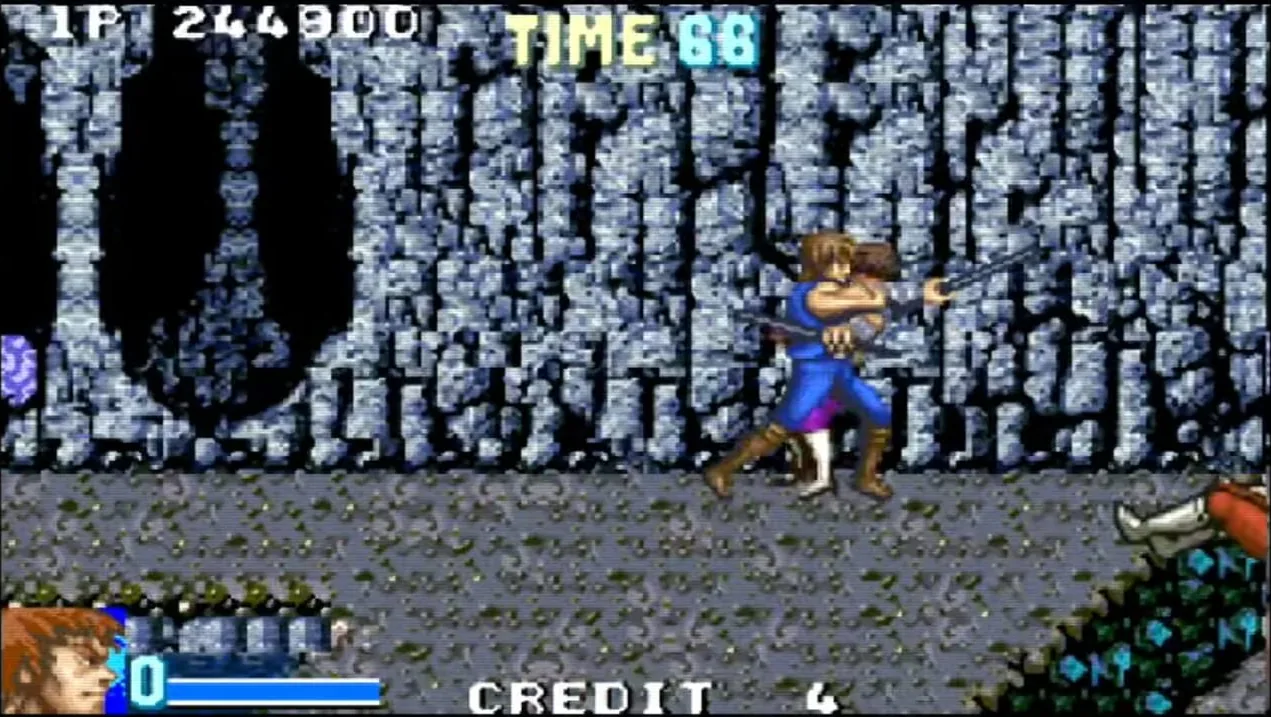
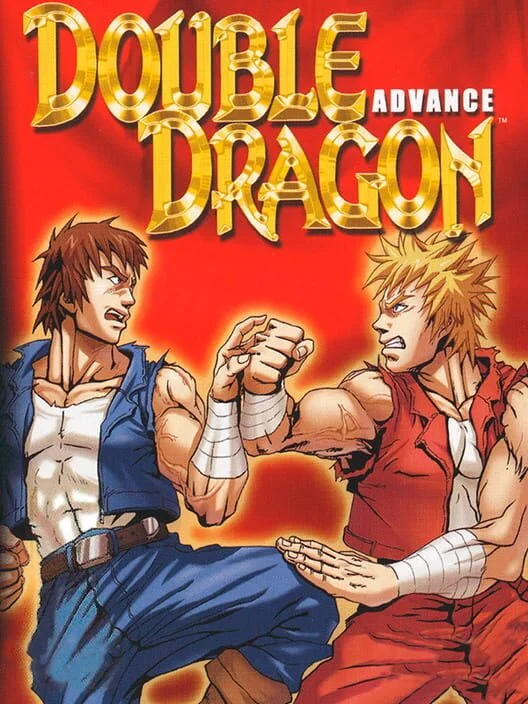
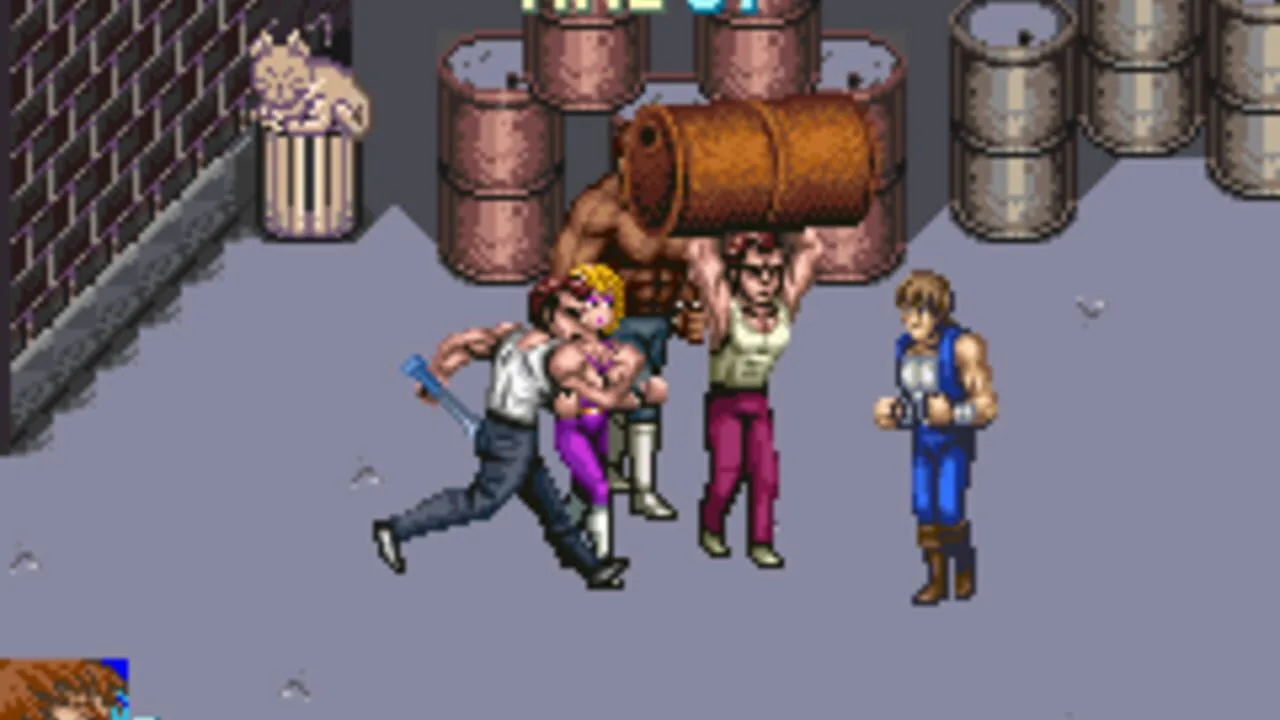
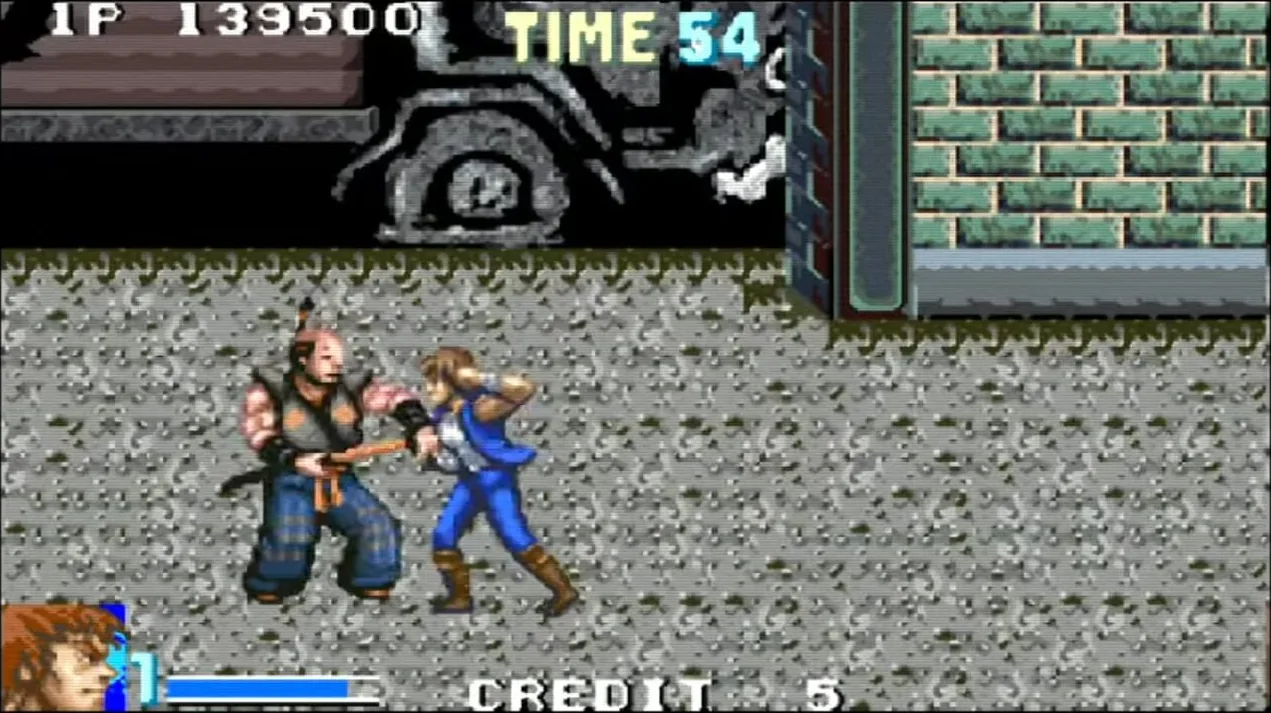
Double Dragon Advance, a side-scrolling beat 'em up, was developed by Million and published by Atlus. It is an enhanced remake of the original arcade game that pulls in elements from the whole series. Brothers Billy and Jimmy Lee fight through gang-filled stages to rescue Marian. New stages include a Chinatown and a fight atop a moving truck, followed by a cavern and a fortress before the final stage.
Most enemies from the first two arcade games return, along with new ones such as the Twin Tigers Hong and Huang. Former Technos employee Muneki Ebinuma designed it, having worked on Super Double Dragon. The Japanese version came four months after the North American one. The brothers rescue Marian yet again, because some plots are too good to retire.
49. Yggdra Union (2006)
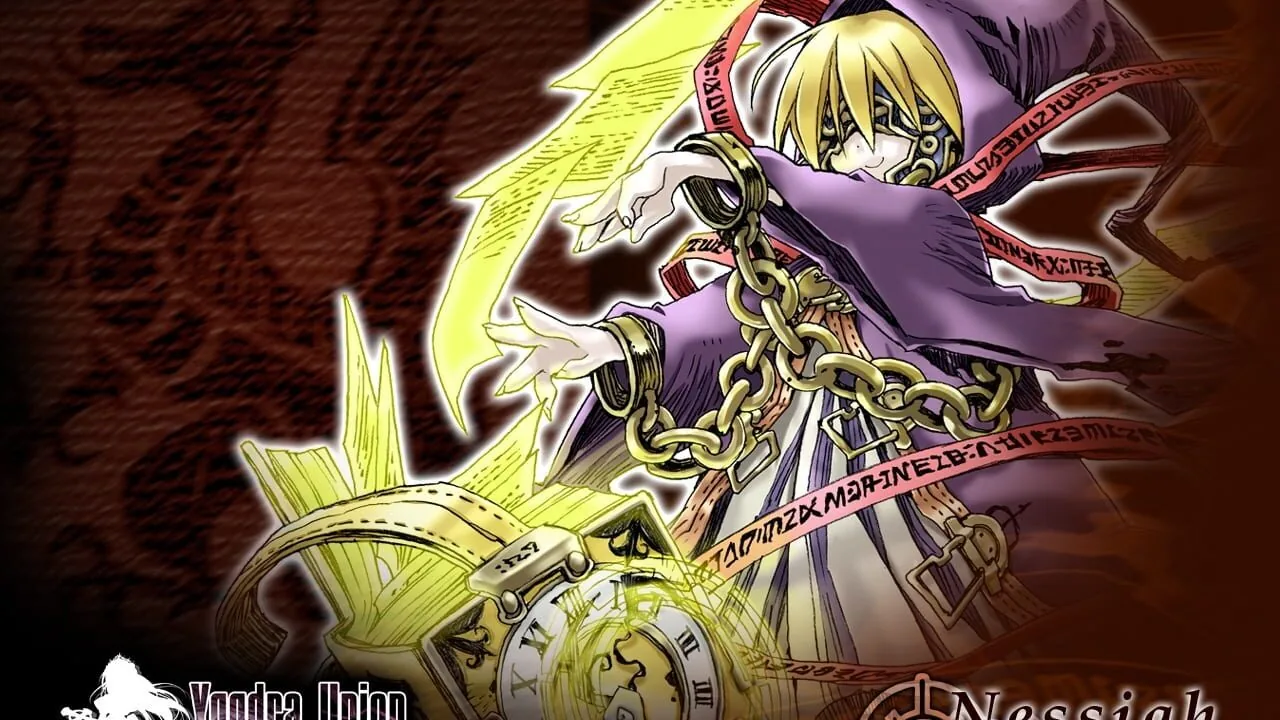
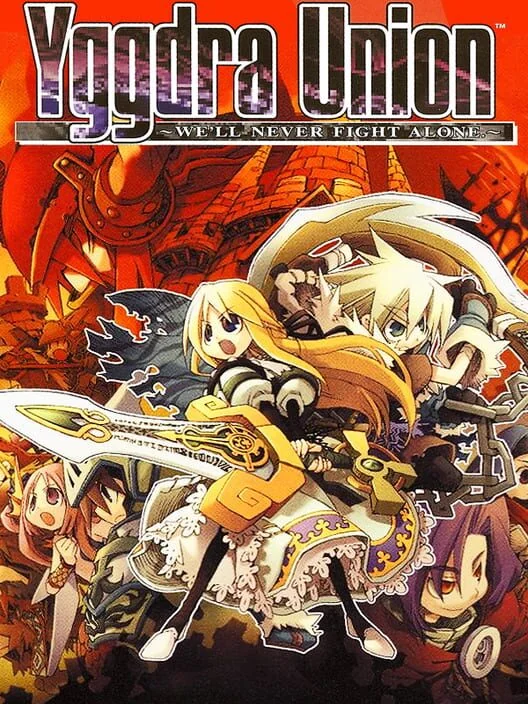
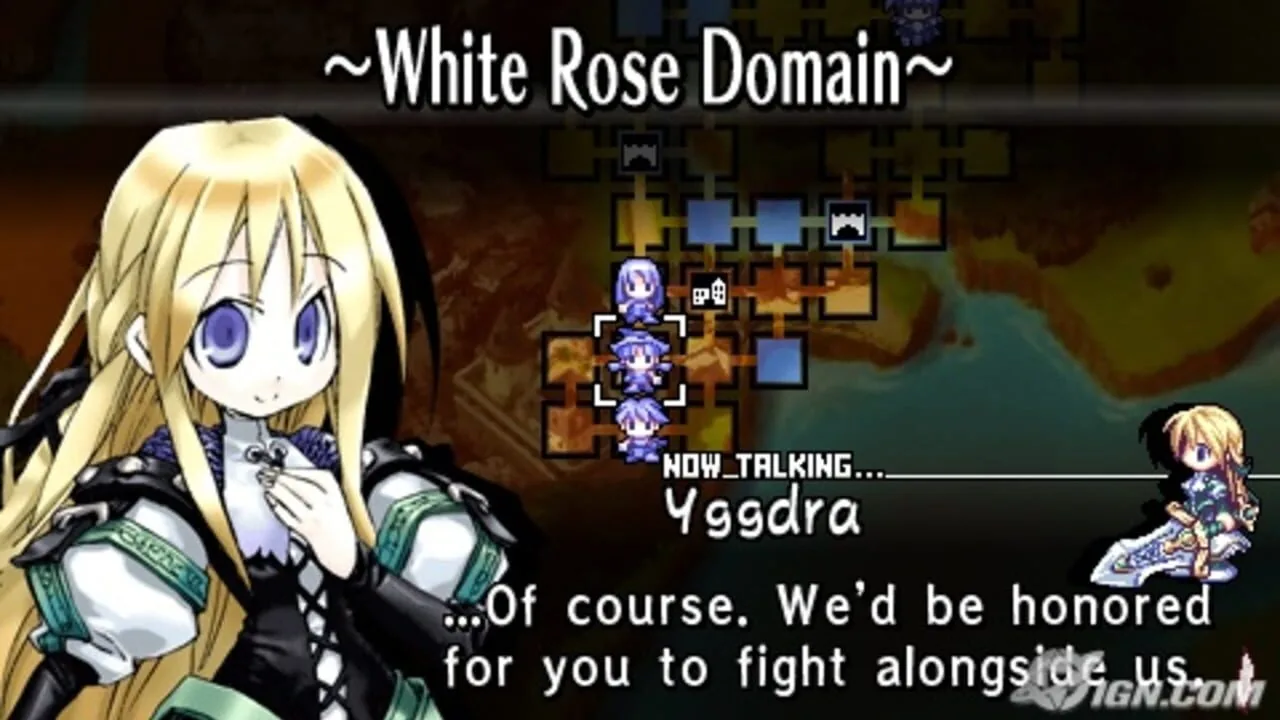
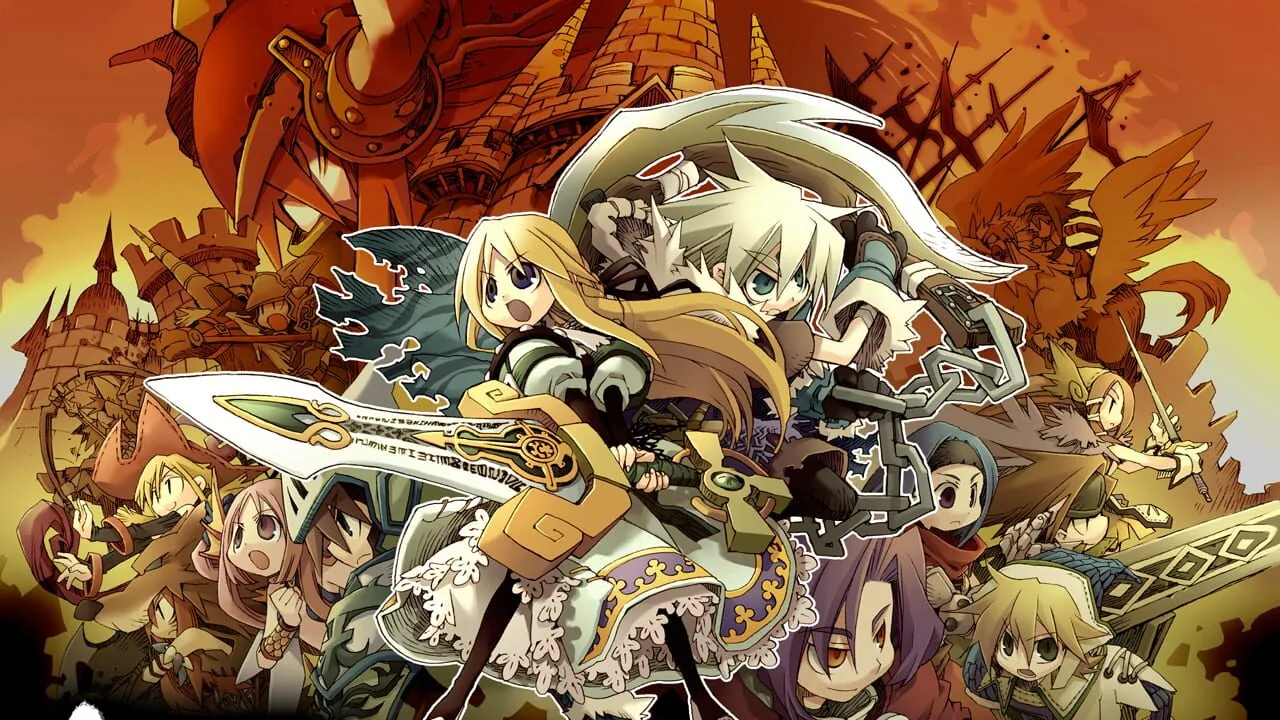
Yggdra Union: We'll Never Fight Alone is the second game in the Dept. Heaven series, a J-RPG. Bronquia has conquered Yggdra's kingdom and killed her family. She recruits the best warriors in the land to take it back and confront the Emperor of Carnage, Gulcasa. Forming unions lets more than one unit join a battle, with as many as eighty soldiers grouped into up to five clashes.
Linked unions arrive on the fifteenth battlefield and let units in the core union extend their pattern. The ending splits on your actions. Atlus USA localized and published both versions in North America, and the PSP version later tied the story to Riviera: The Promised Land as its prequel.
48. Fire Emblem: The Sacred Stones (2004)
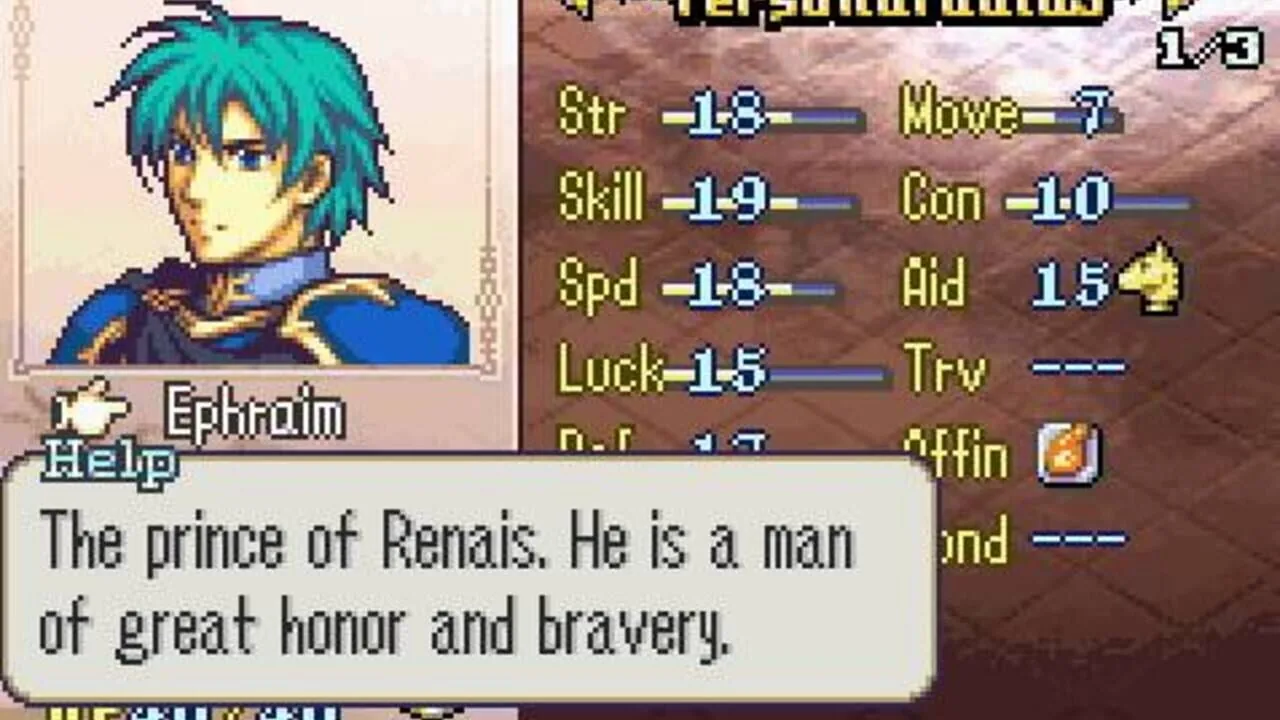
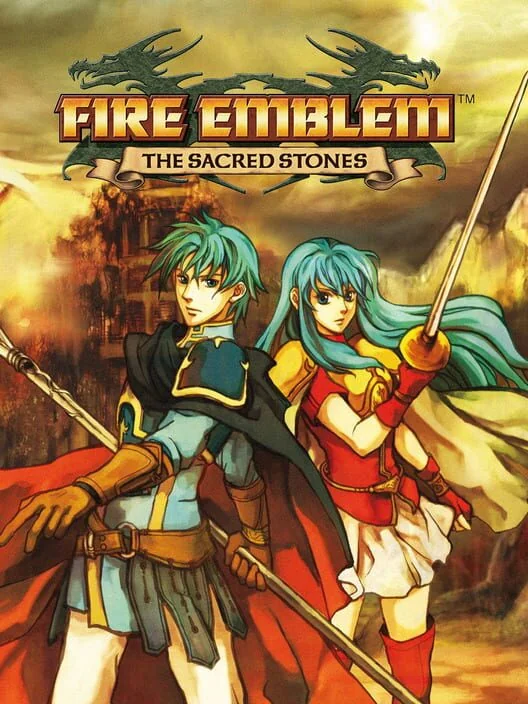
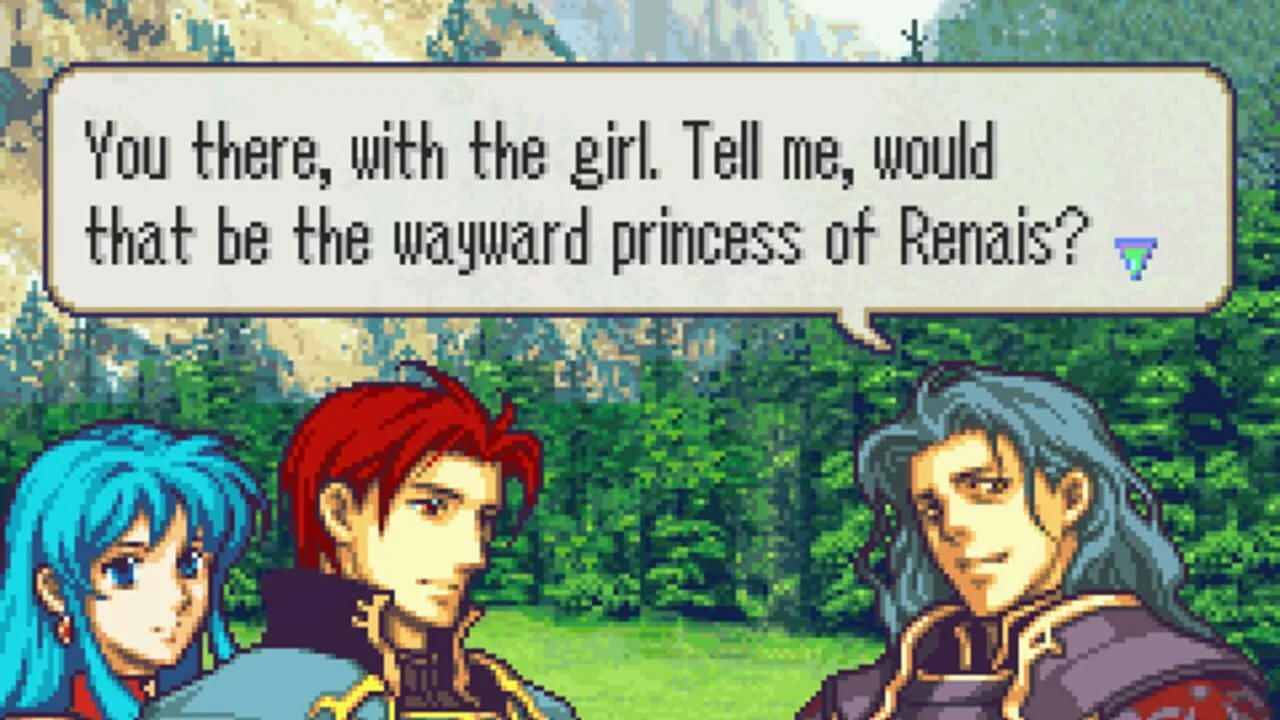
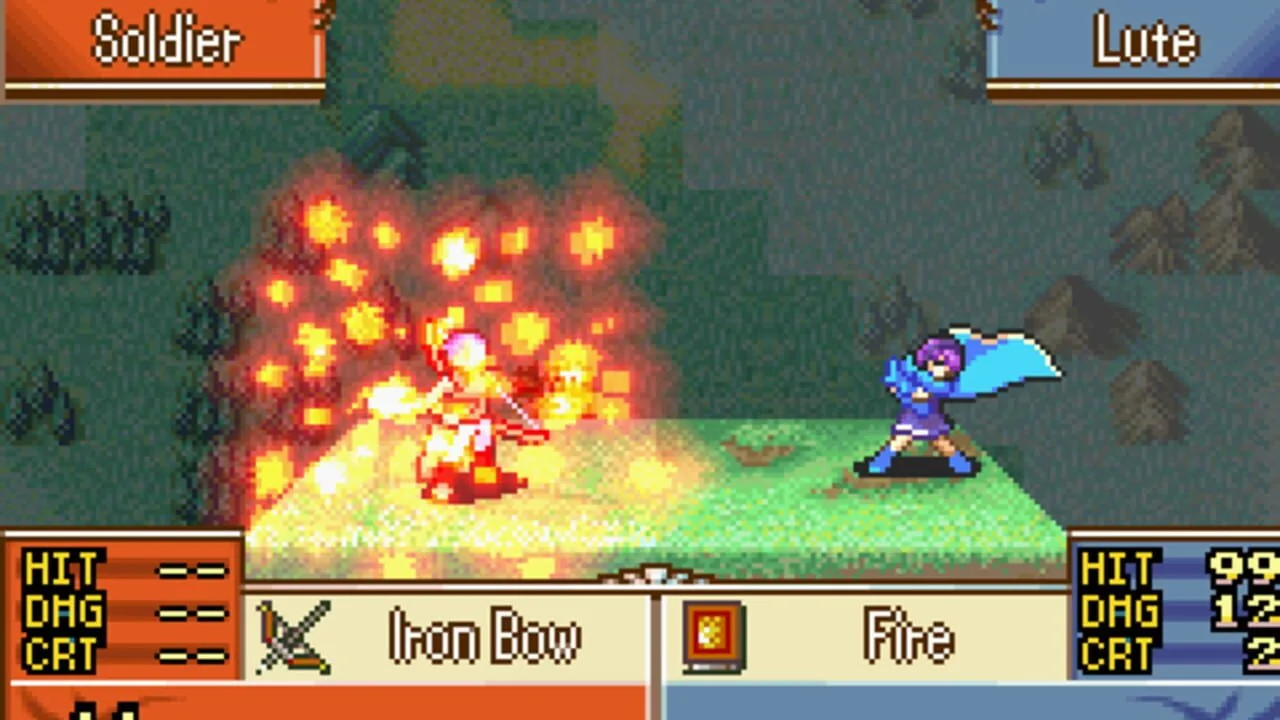
In The Sacred Stones you defend the nation of Renais against the invading Grado Empire. You plan your strategy and pick your units, then lead them into battle. Monsters in the Tower of Valni give your soldiers extra experience. Items from missions can be traded between units or sold at vendors on the world map, and all items degrade with use and break after a certain point.
It began as a side project alongside Fire Emblem: Path of Radiance. Freelance staff, including former Capcom developers, helped build it. It sold over 230,000 units during 2004, with a further 90,000 on its North American debut. Reception was positive for its story and gameplay, though many critics found it too similar to its predecessor.
47. Kirby & the Amazing Mirror (2004)
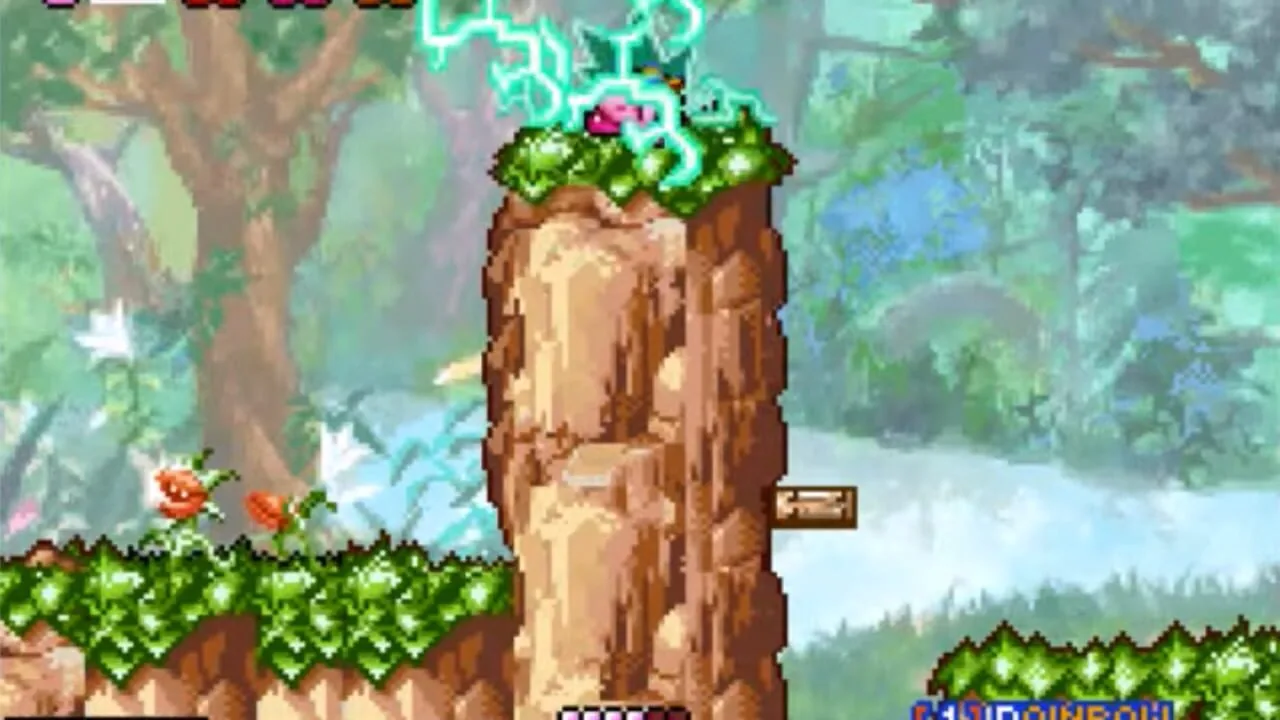
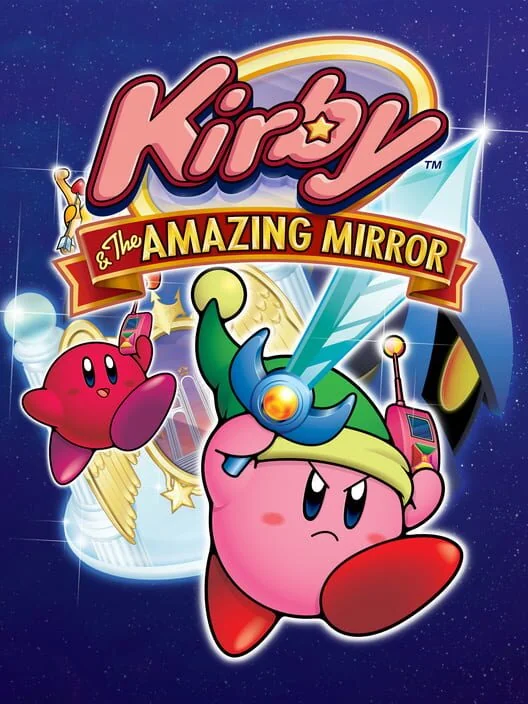
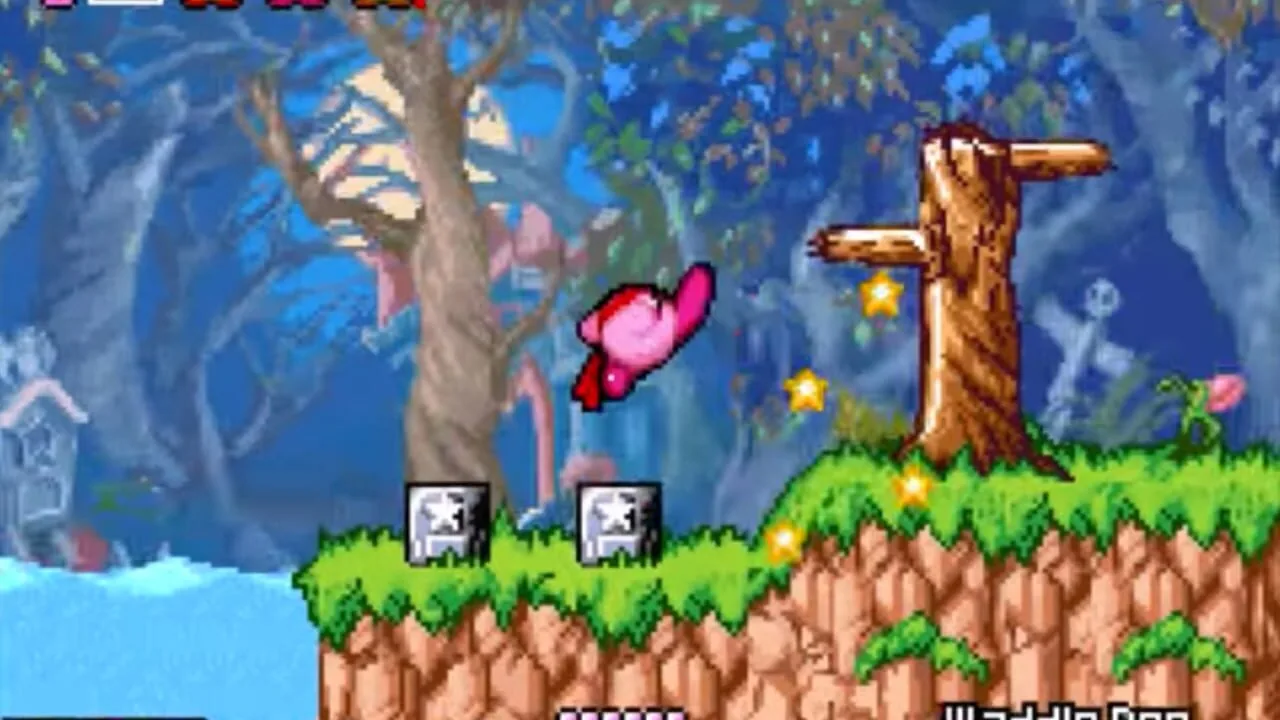
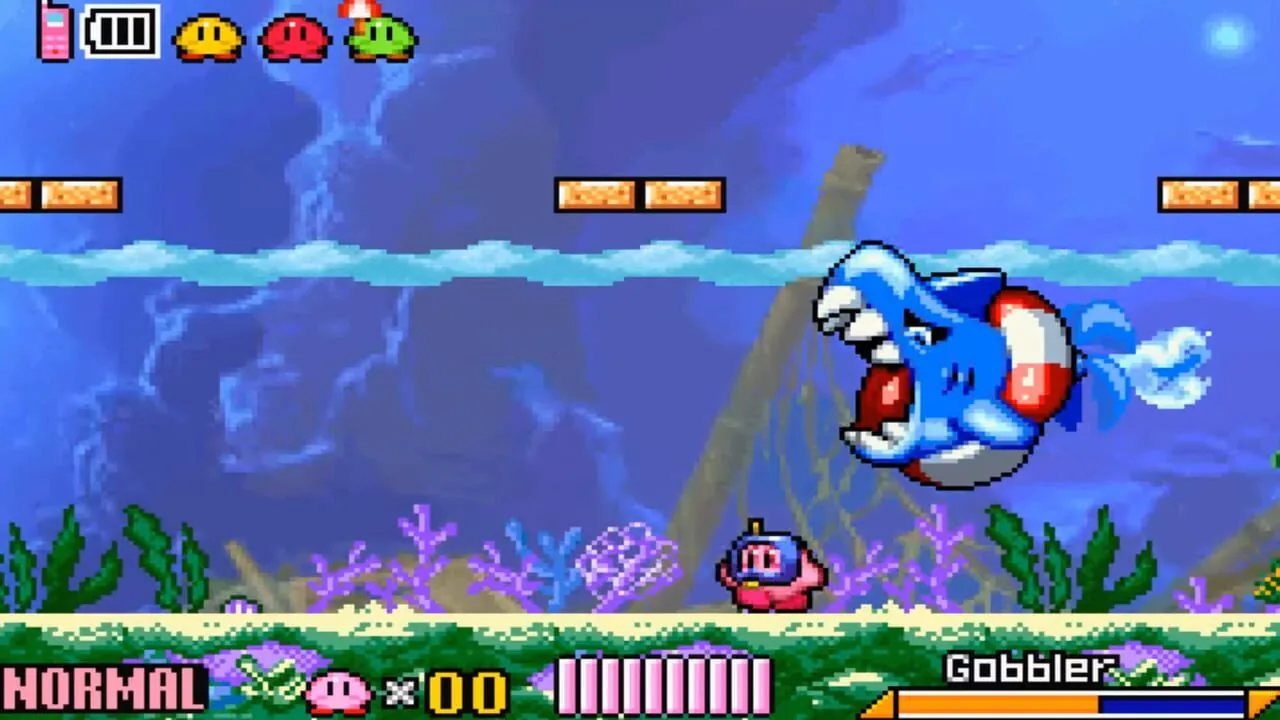
Kirby & the Amazing Mirror is the seventh mainline Kirby game, known for its Metroidvania playstyle and for being the first in the series with cooperative four-player multiplayer. From a hub the map branches out, and Kirby can go almost anywhere in almost any order if he has the proper power. Four alter egos can be called in as backup, each with new copy abilities.
Each area except the first has a major boss holding a shard of the broken Dimension Mirror. Dimps handled programming and design, while HAL Laboratory provided artwork and debugging. Spray paint can recolor your Kirby. In the United States it sold 620,000 copies and earned $19 million by August 2006. The graphics and sound were called cute, though not amazing.
46. Dragon Ball: Advanced Adventure (2004)
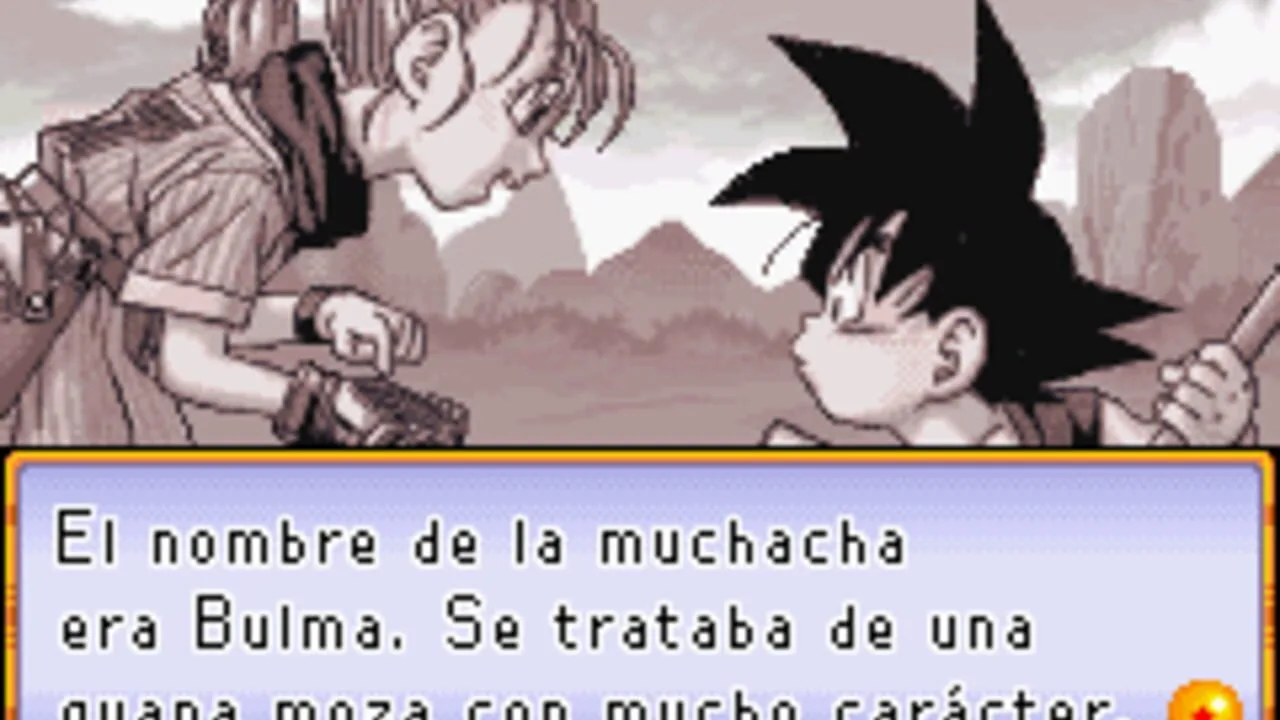
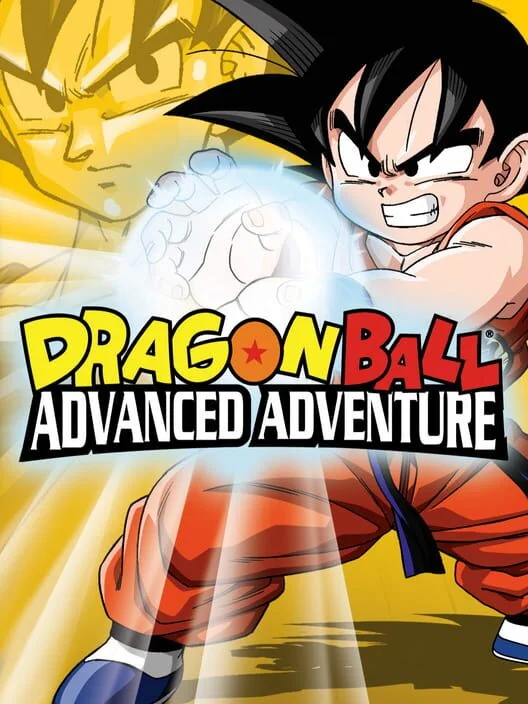
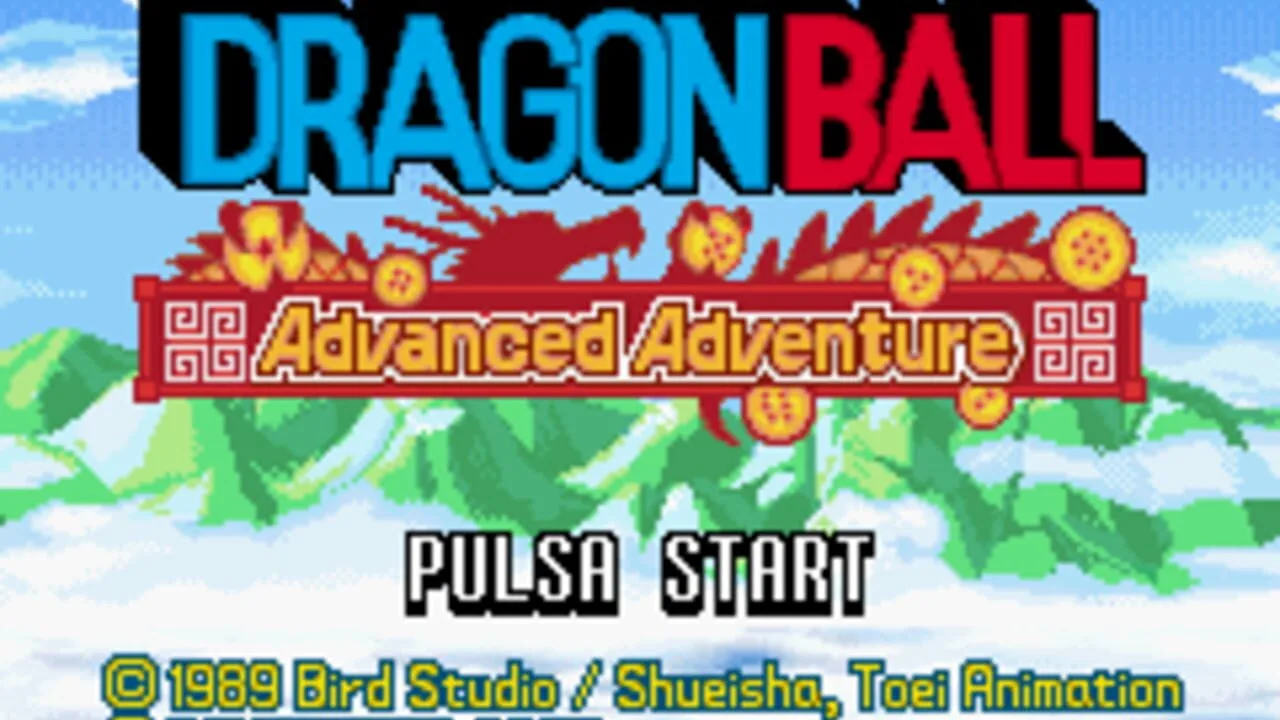
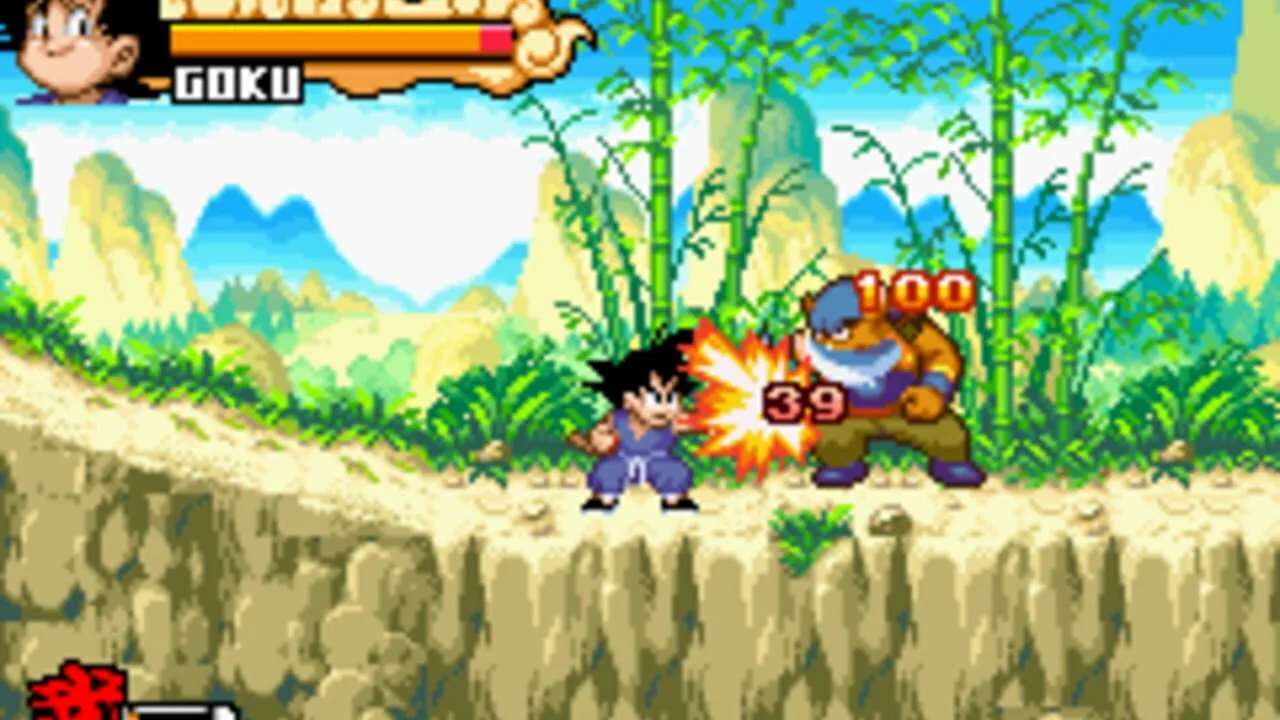
Dragon Ball: Advanced Adventure is a 2004 game developed by Dimps and published by Atari. The story mode follows the original manga, chronicling a young Goku across every story arc leading up to the battle against King Piccolo. It is a 2D side-scrolling beat 'em up with platforming levels and one-on-one battles. Clearing it unlocks Krillin.
A fighting mode lets you choose from a roster of 30 playable characters, and beating one in story mode unlocks them. Extra mode opens after Goku's story and unlocks minigames if you find all 54 items. Two players can face each other in the multiplayer mode. Hunting 54 items for a minigame is the series admitting that the real Dragon Balls were the collectibles all along.
45. Kuru Kuru Kururin (2001)
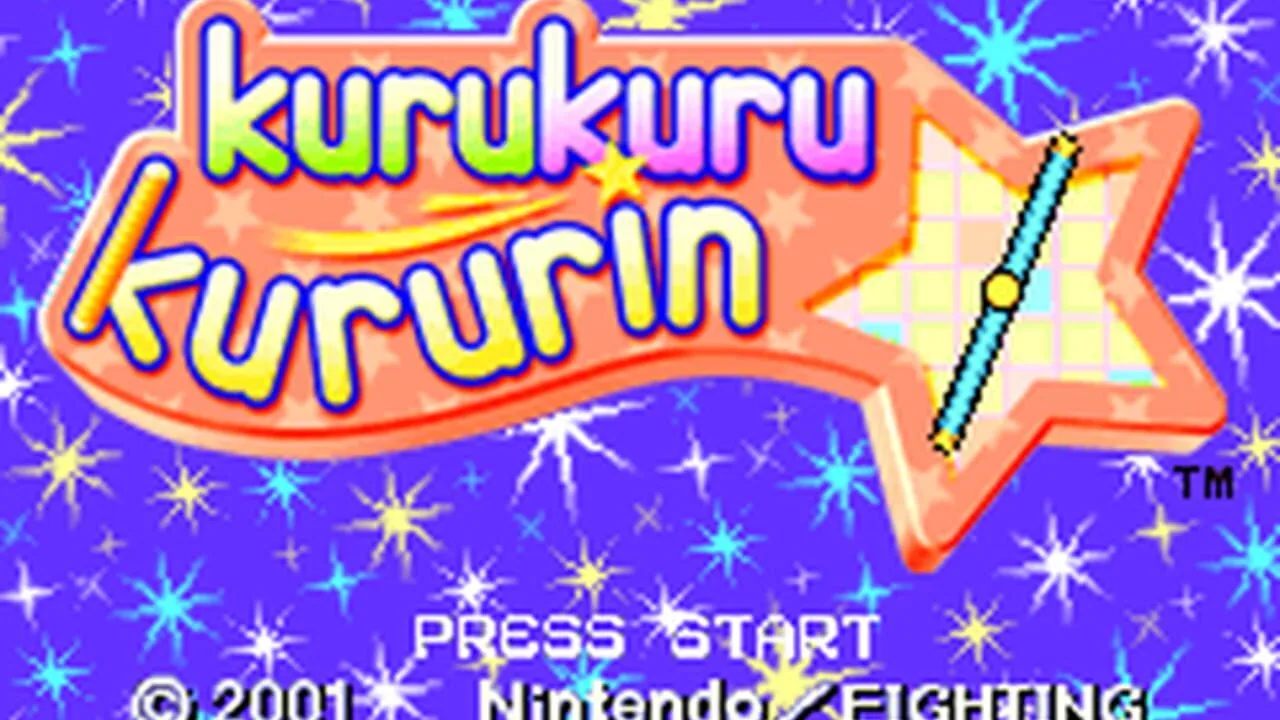
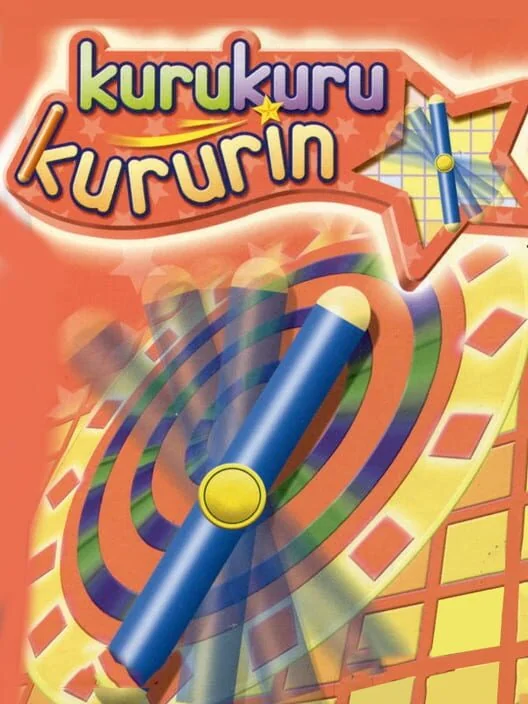
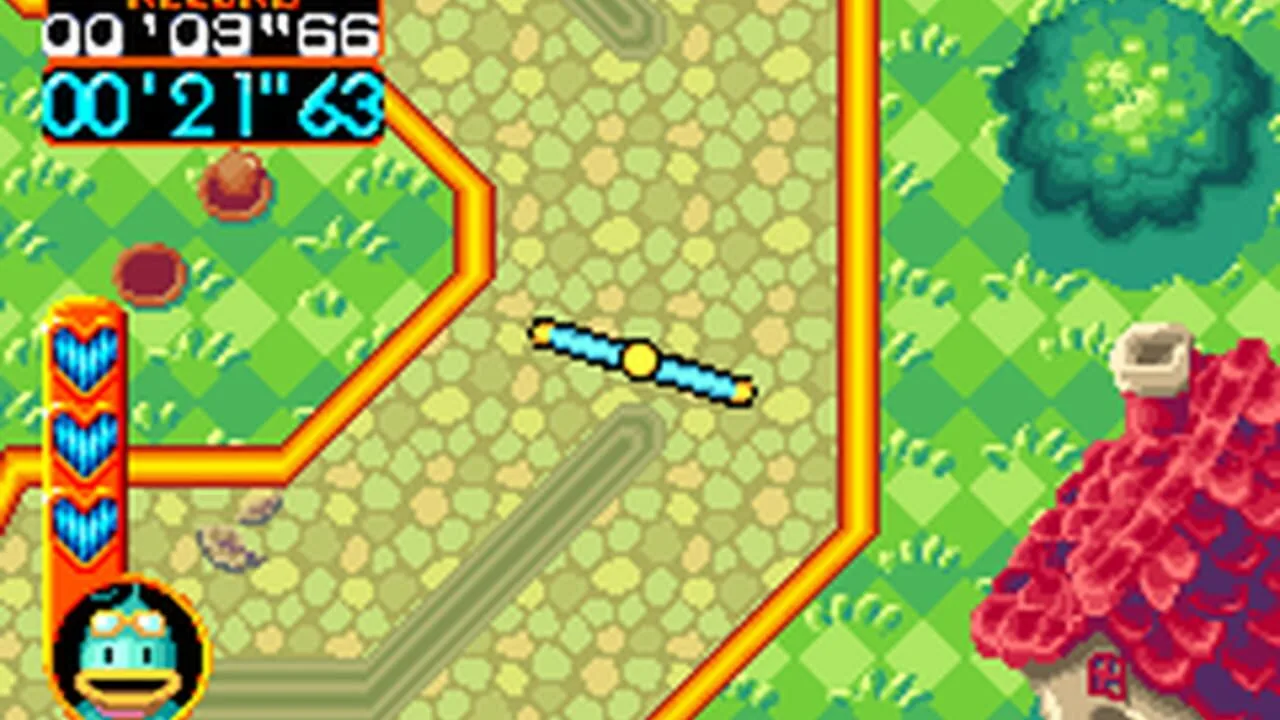
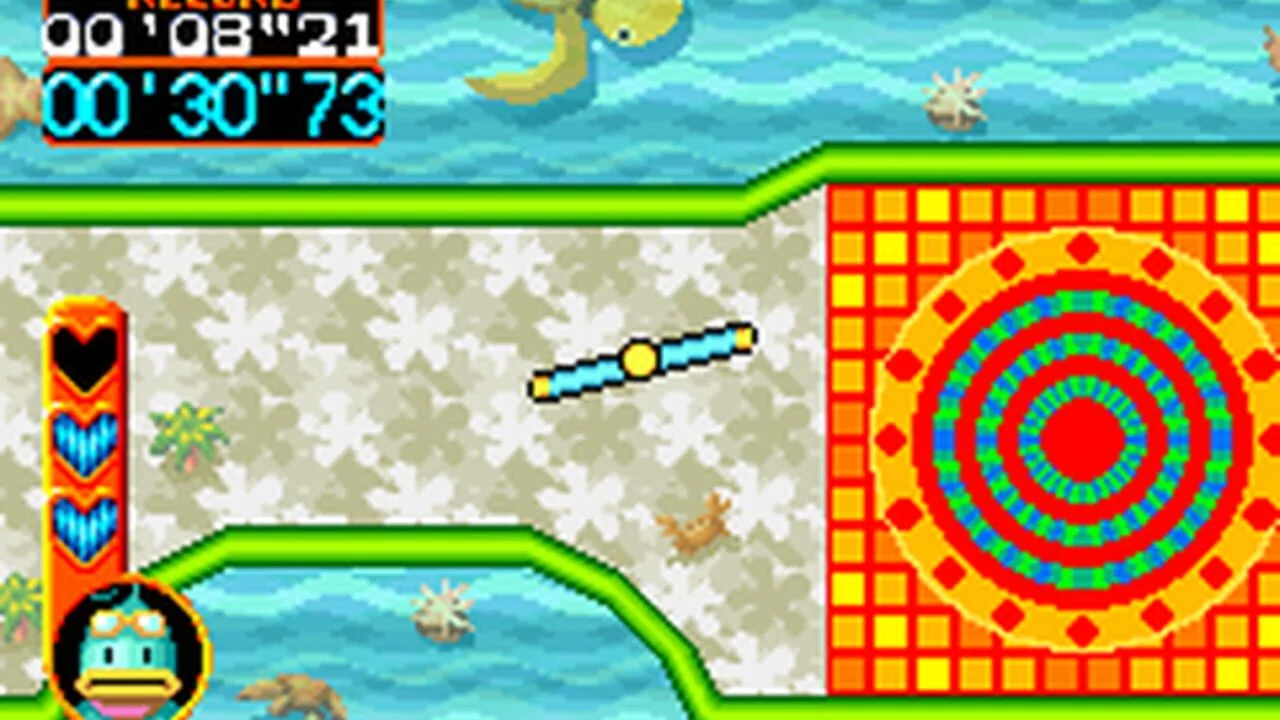
Kuru Kuru Kururin was a launch title for the system. You steer the Helirin, a stick-shaped helicopter with a slow-spinning propeller, around tight corners. The idea came from director Masato Toyoshima, who recalled maneuvering furniture while moving between apartments. Kururin's brothers and sisters have gone missing. He sets off to rescue them. Beginners can play on Easy mode, where the stick is only half its usual size.
It came out in Japan on March 21, 2001. Europe and Australia got it on June 22. Many critics complimented its addictive gameplay, and it sold 265,250 copies in Japan. Two Japan-only sequels followed, including Kururin Paradise. North America got it on the Wii U Virtual Console on February 11, 2016.
44. Pokémon Ruby Version (2002)
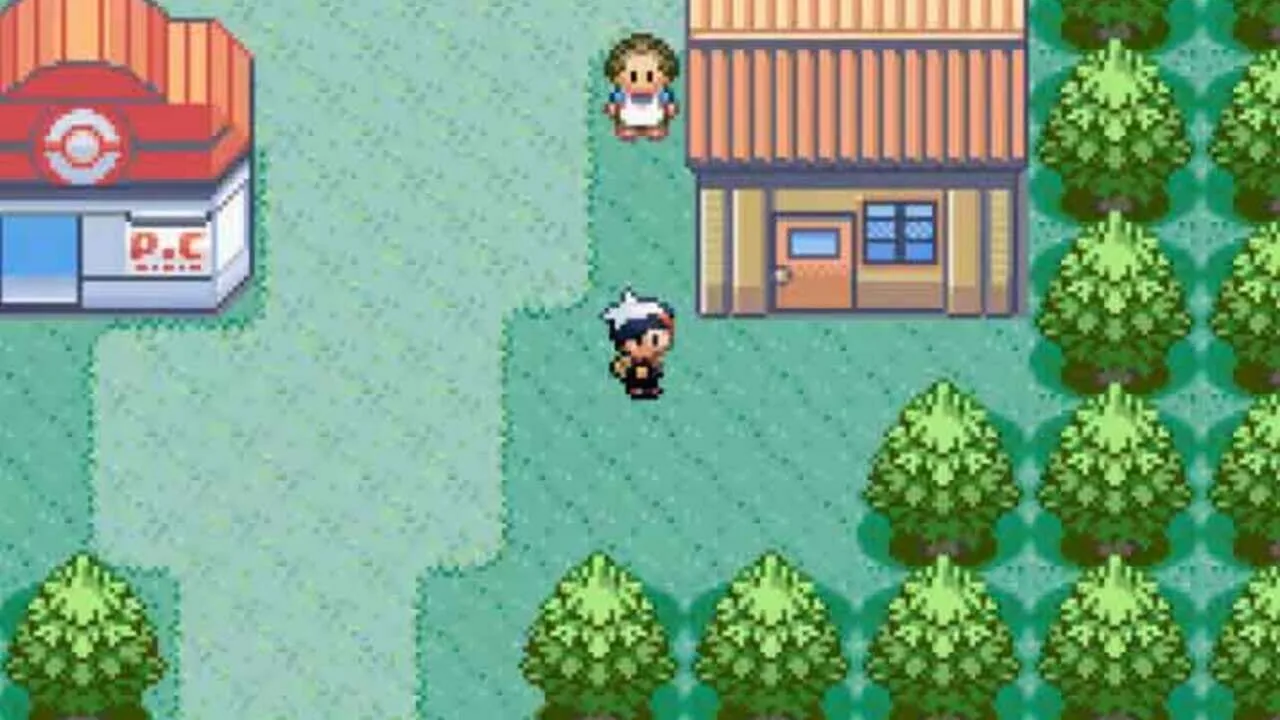
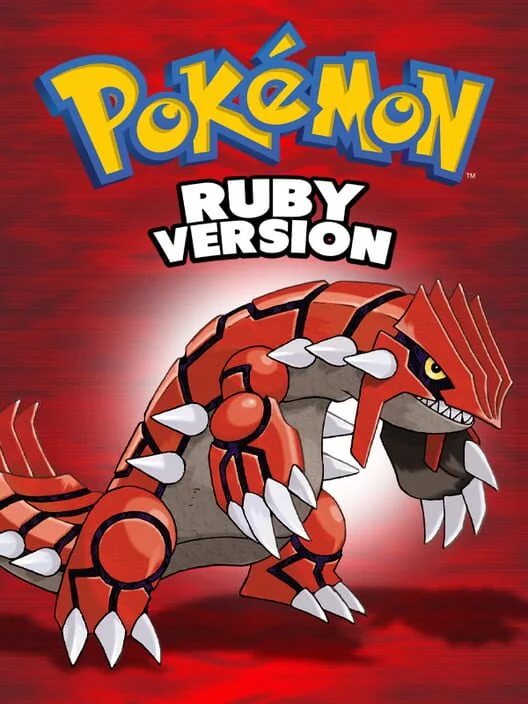
Pokémon Ruby is the sequel to Pokémon Gold and Silver and the first of the third generation, the advanced generation. It adds 135 new Pokémon and a deeper battle and training system. Hoenn is designed to be similar to Japan's island of Kyushu if rotated 90 degrees. Junichi Masuda directed it for Game Freak and Nintendo.
Ruby and Sapphire sold over 16.22 million copies and became the best-selling games for the Game Boy Advance, though they sold less than previous generations. Reviews were mostly positive, with praise for the new features and Pokémon designs, while critics were divided on gameplay and graphics. A third version, Pokémon Emerald, came two years later, and remakes arrived on the Nintendo 3DS in November 2014.
43. Shining Soul II (2003)
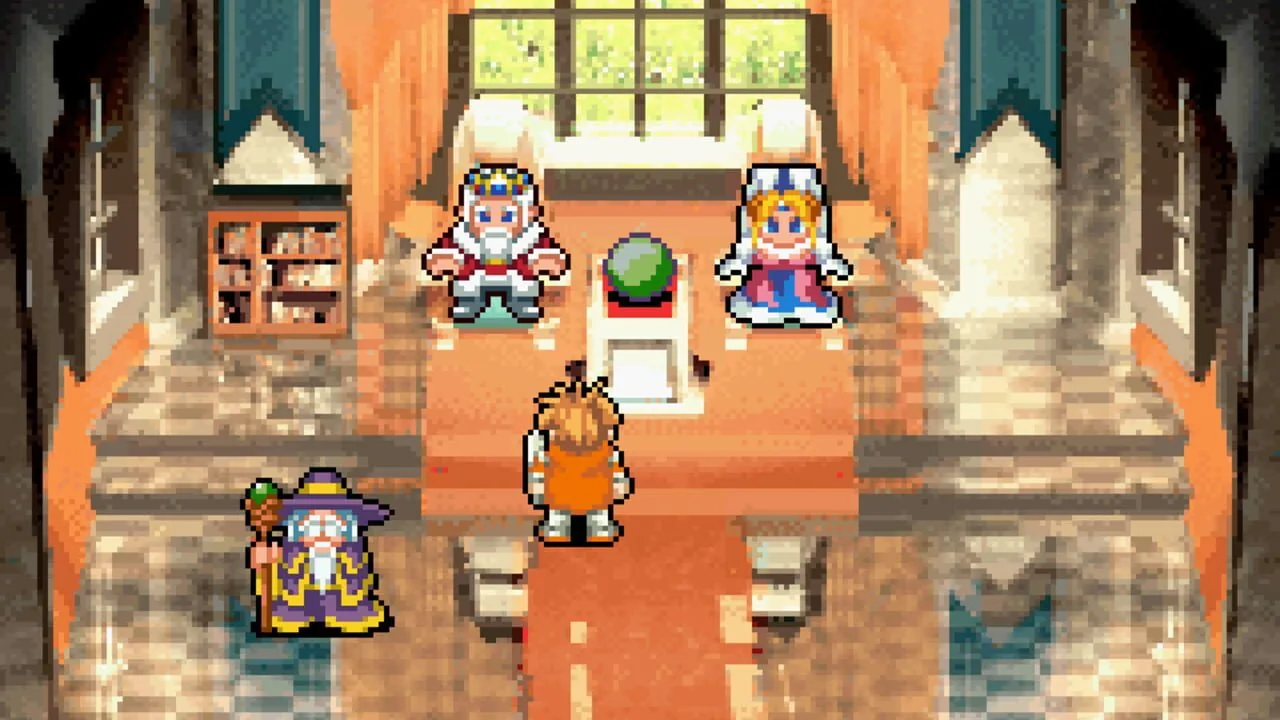
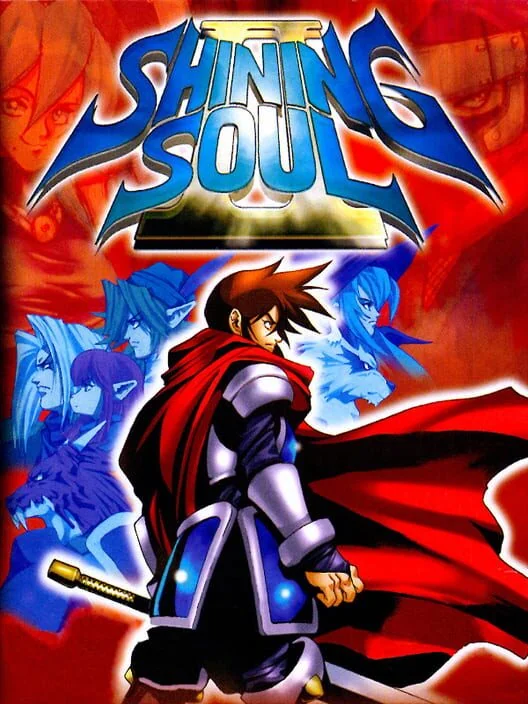
Shining Soul II was developed by Grasshopper Manufacture as the sequel to Shining Soul and is part of the Shining series. When monsters appear in the kingdom of Klantol, the king calls a tournament in the coliseum to find a hero. You pick a class such as Brawler or Ninja, and each has strengths and weaknesses in single-player or cooperative modes.
Each spell has its own spellbook, and only classes with that spell on their skills list can use it. The party can only move to the next area when every player character has either passed the exit point or died. That is the harshest group project policy in gaming. It was delayed by two months from February 24, 2004.
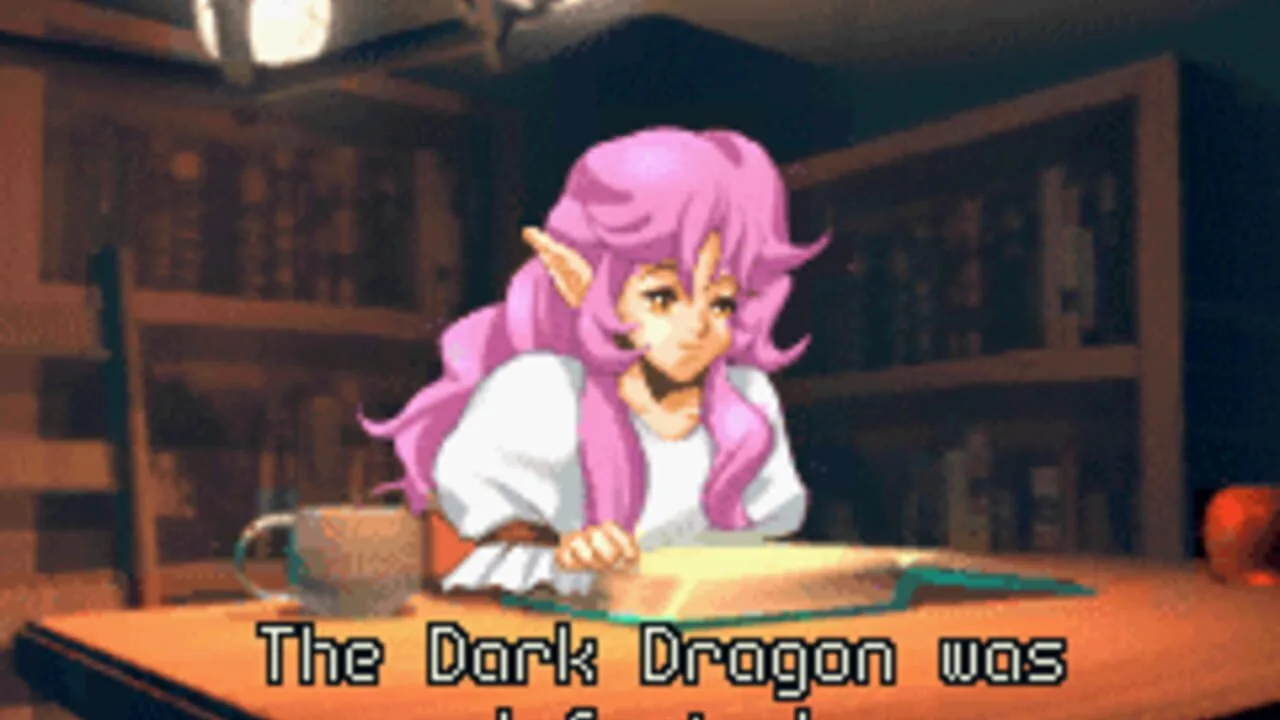
42. Summon Night: Swordcraft Story (2003)
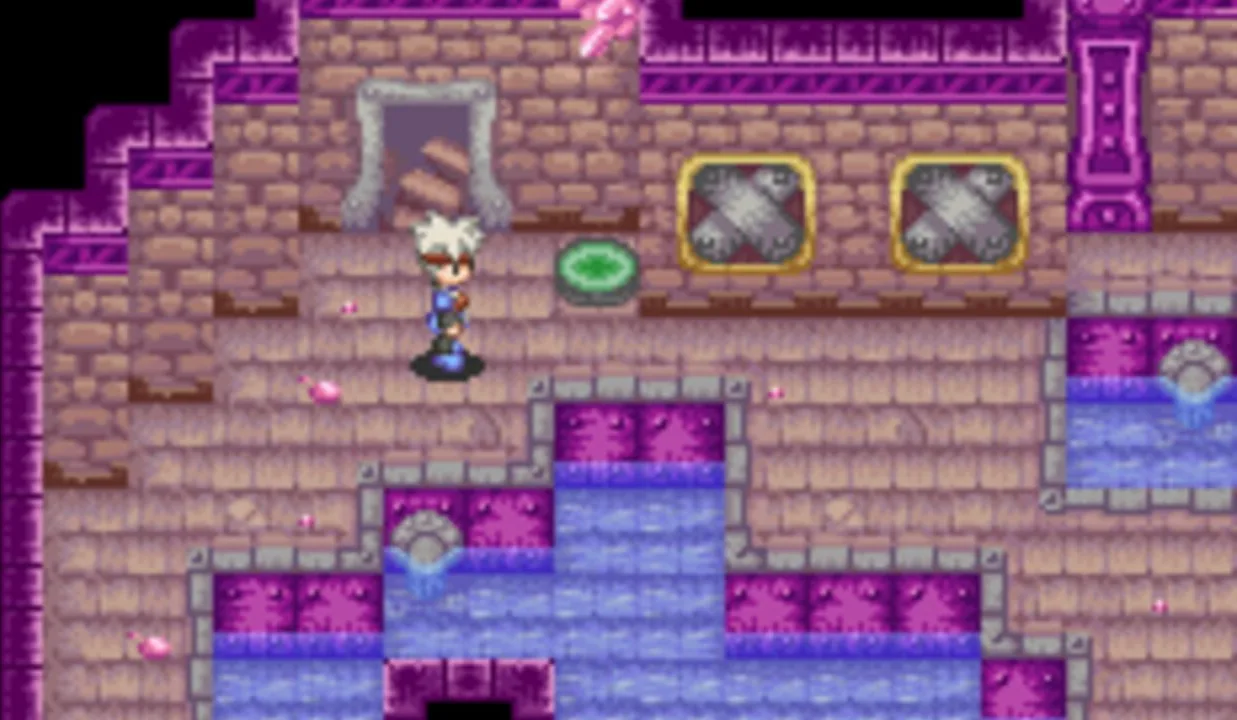
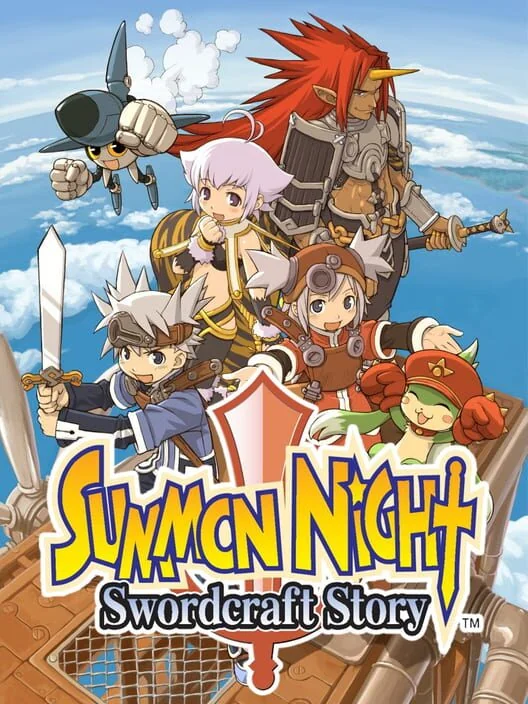
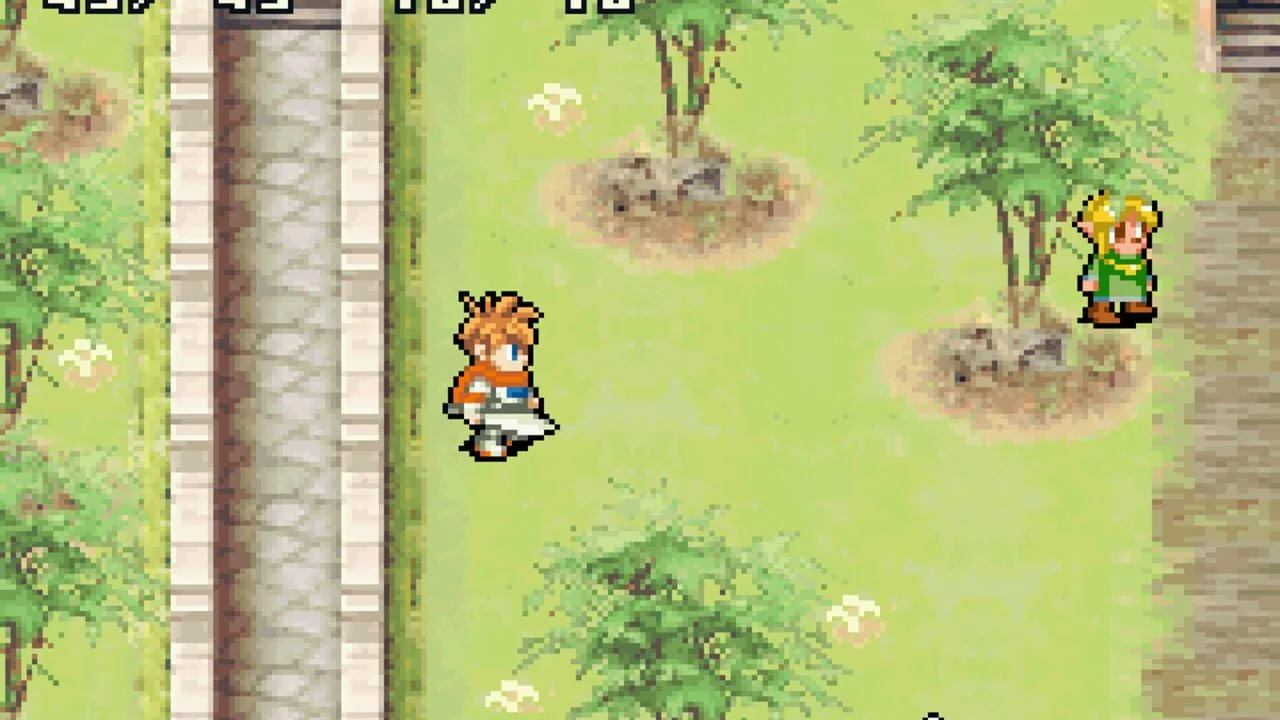
Summon Night: Swordcraft Story is an RPG set in Lyndbaum, a land linked to four magical dimensions where Summoners call forth spirits called Guardian Beasts. It was first released in Japan in April 2003 by Banpresto. Atlus released an English version in North America in July 2006. Its sequel, Summon Night: Swordcraft Story 2, followed in Japan in August 2004.
At night the player chooses whom to spend the evening with, which controls the next cutscene, and a unique ending cutscene depends on who you spent the most time with. Any weapon sacrificed returns only half of what was used to forge it. Razzy hopes to become Craftlord for one reason only: to fill Wystern with flowers.
41. Lady Sia (2001)
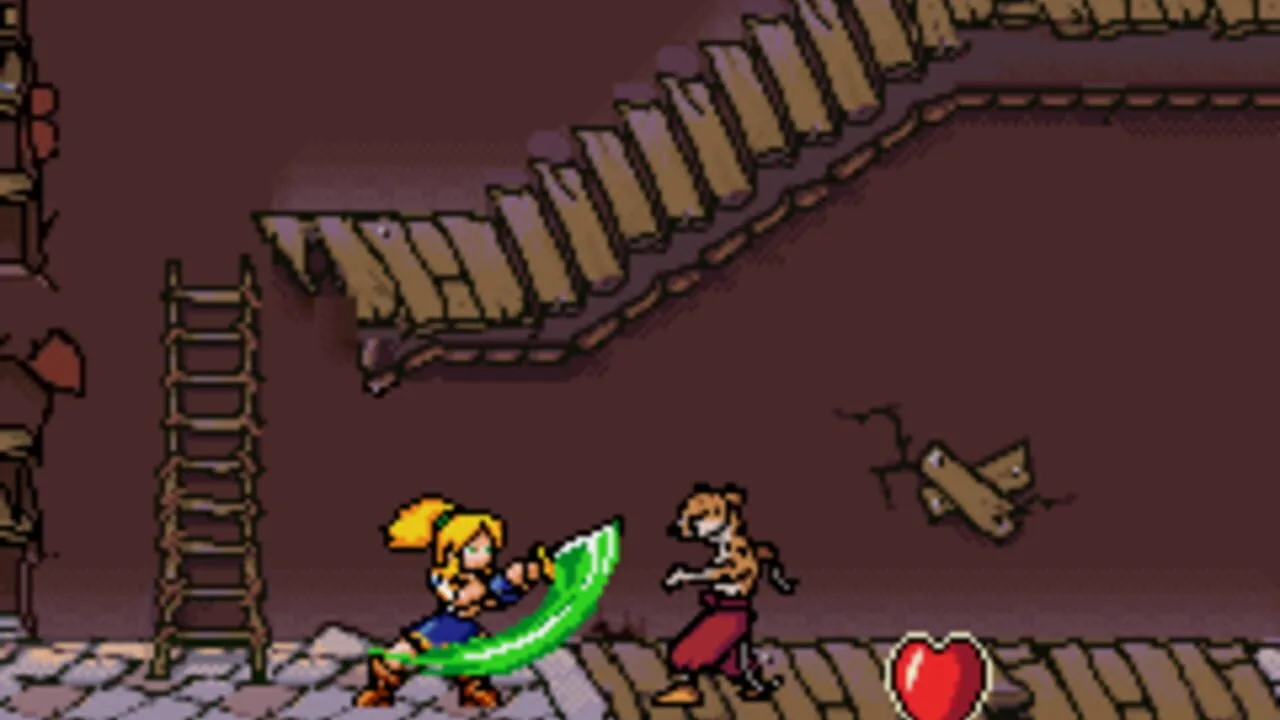
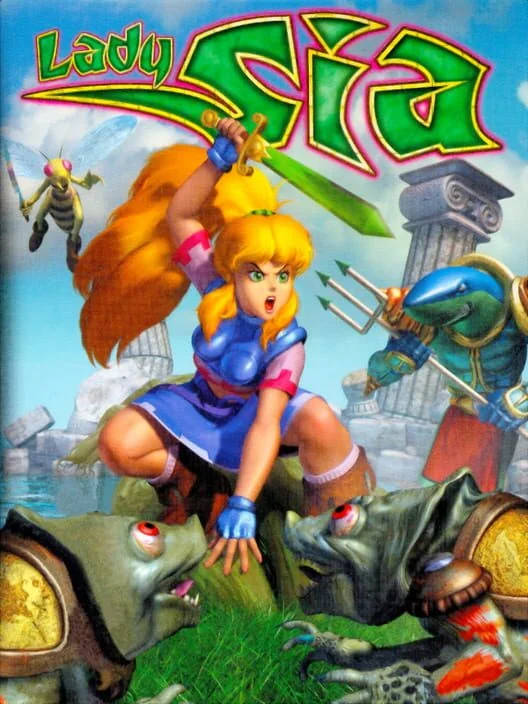
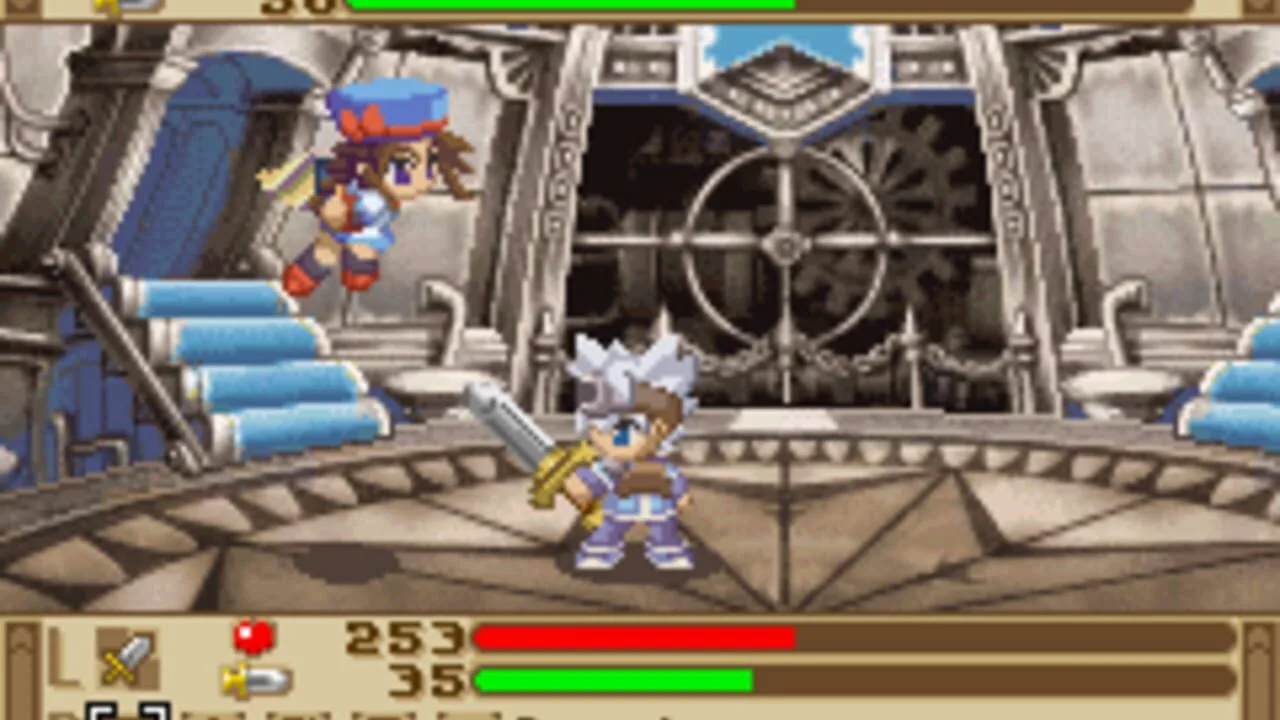
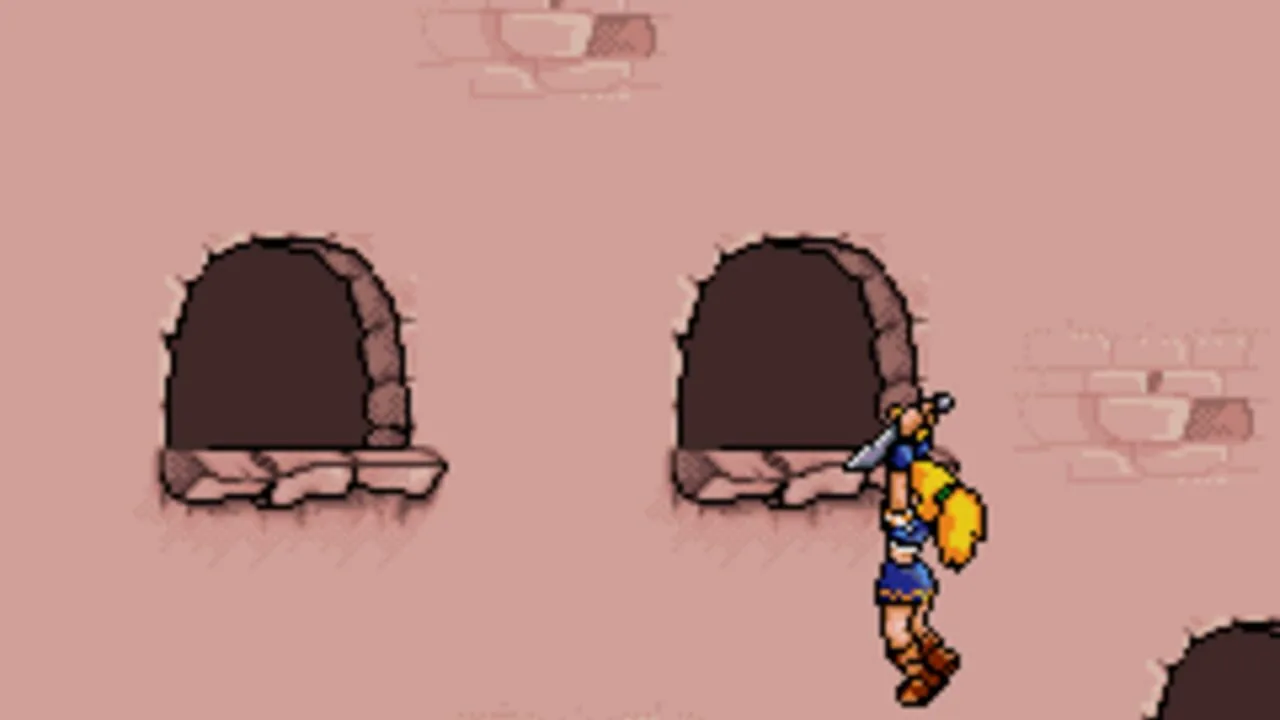
Lady Sia is an action game about the young Queen of Myriade, the only one convinced of the need to act when a race of beastmen invades. TDK Mediactive published it in the USA on October 15, 2001. Europe got it on October 19, 2001. You fight with an average sword in the first level but get Sia's jade sword back in the second.
Her magic starts as balls of energy shot in one of eight directions. Finish the first three levels of the second area and three more spells arrive. The Water Spell makes her invulnerable for ten seconds, and the Air Spell kills the closest enemy in one hit. Sia's shapeshifting is out of your hands, which makes her the only hero surprised by her own power-ups.
40. Gunstar Super Heroes (2005)
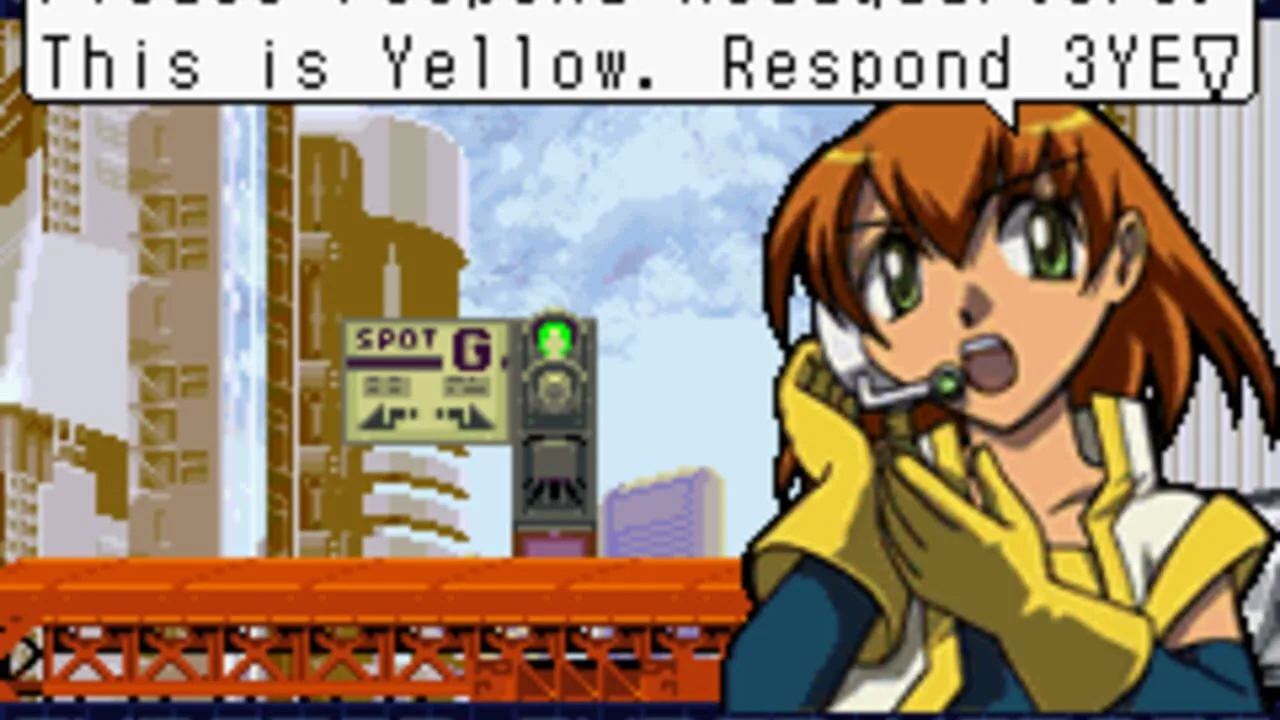
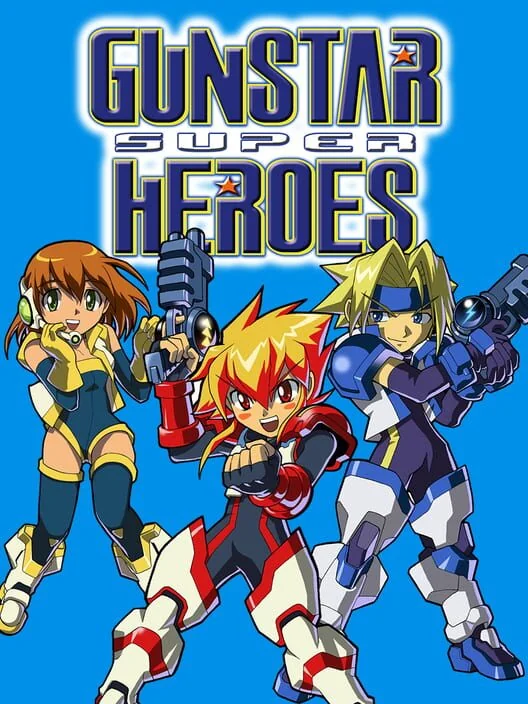
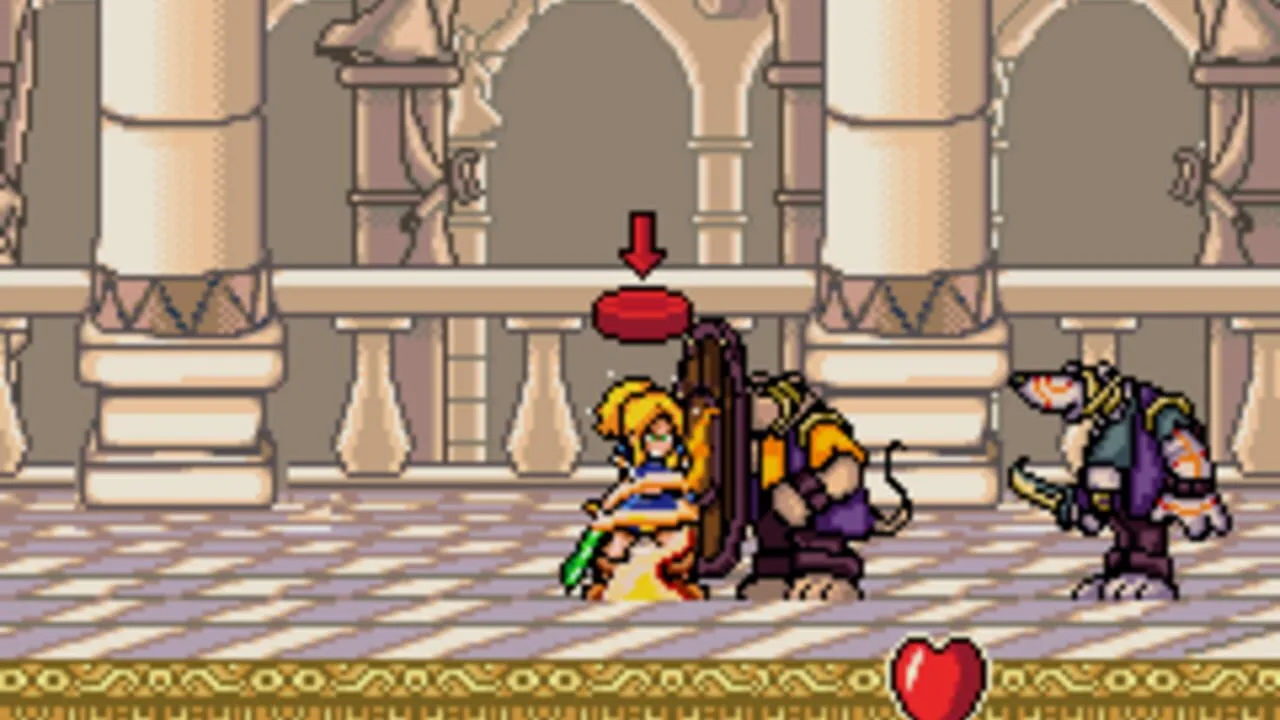
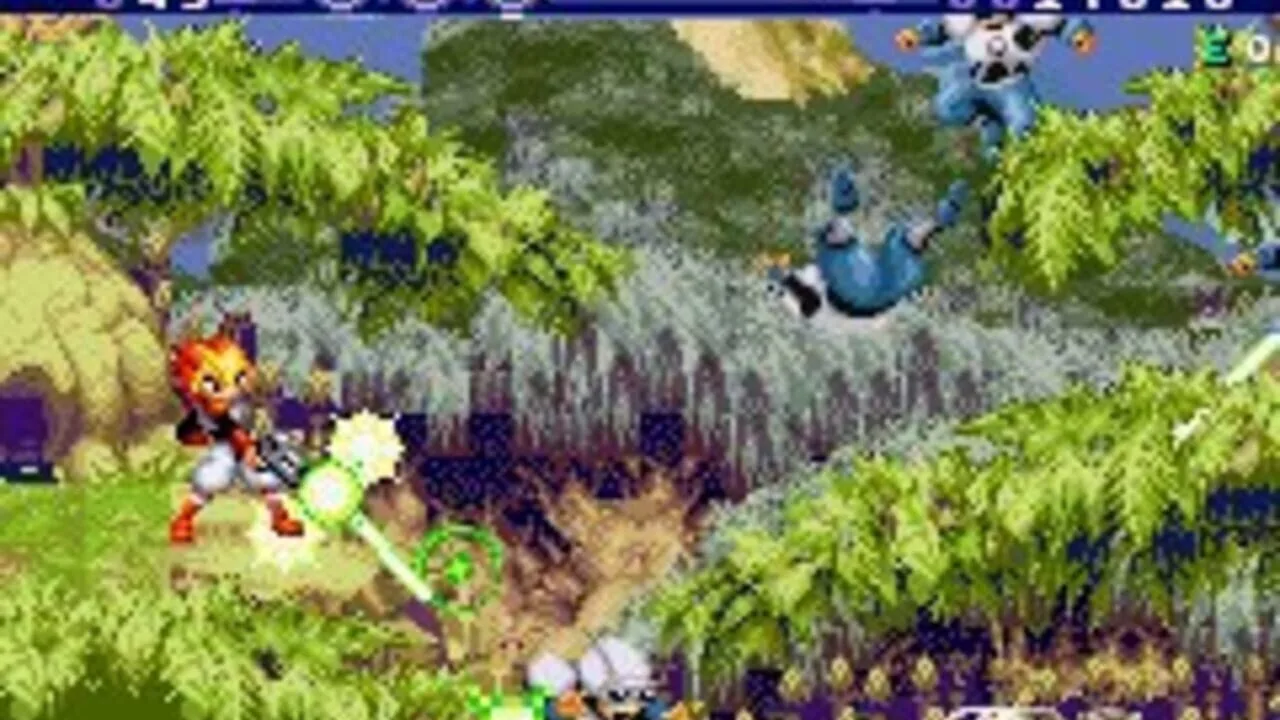
Gunstar Super Heroes is the sequel to the 1993 Sega Genesis game Gunstar Heroes, with a story set after the original and an expanded combat system. Blue and Red must keep a stone of great power from an evil empire that wants to resurrect the God of Ruin. They cover the same adventure on different paths. You get two different playthroughs. The story also changes with the difficulty you choose.
There are six levels, and the bosses fill the entire Game Boy Advance screen. Critics almost universally praised it as a compelling action game and gave it high scores. It earned an IGN Editors' Choice Award and several awards at E3 2005. It is the best run-and-gun shooter on the system.
39. Mario vs. Donkey Kong (2004)
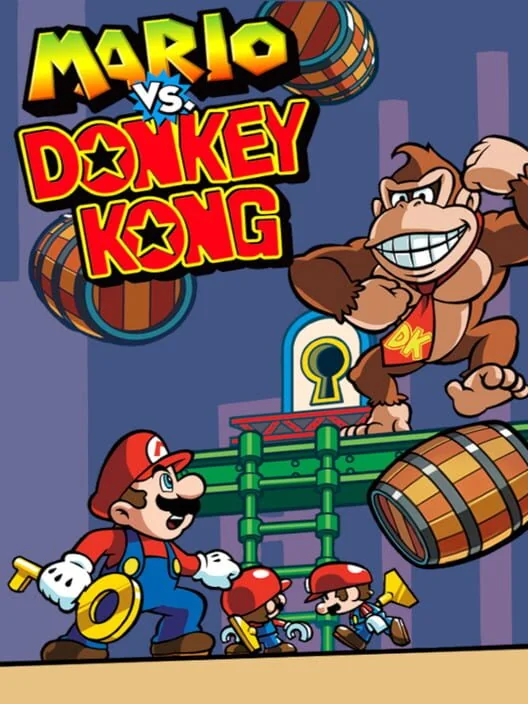
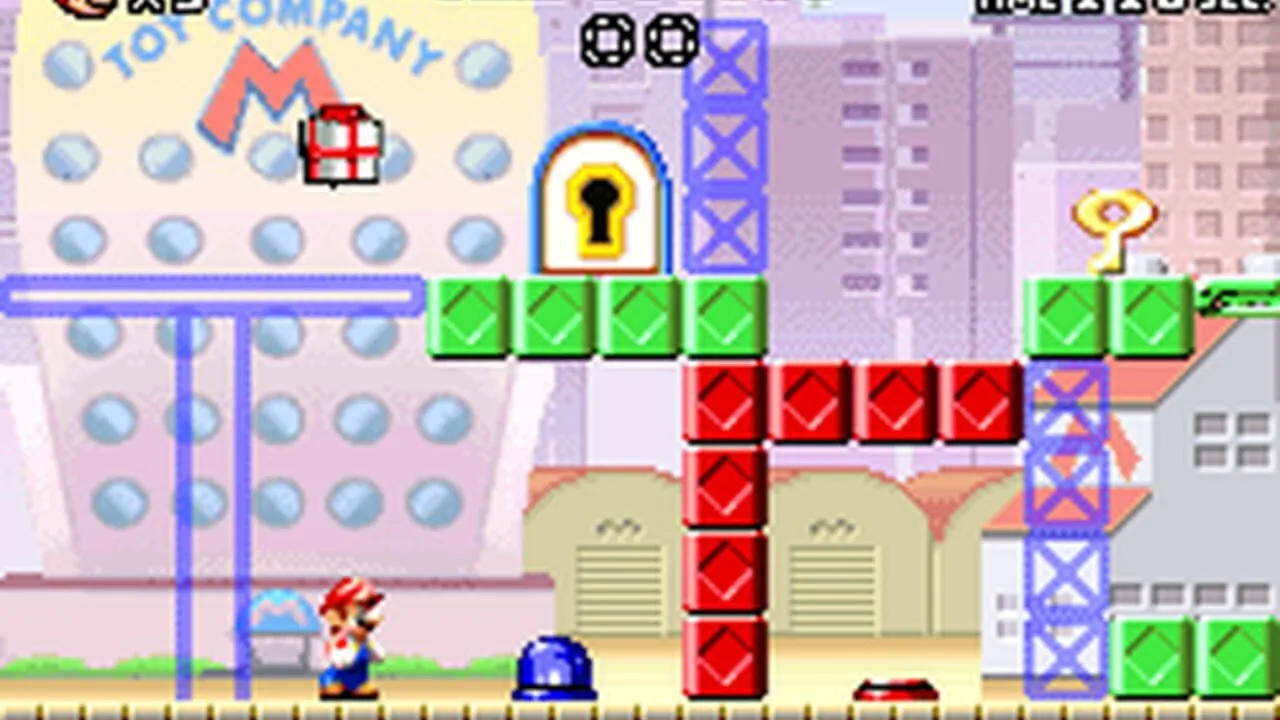
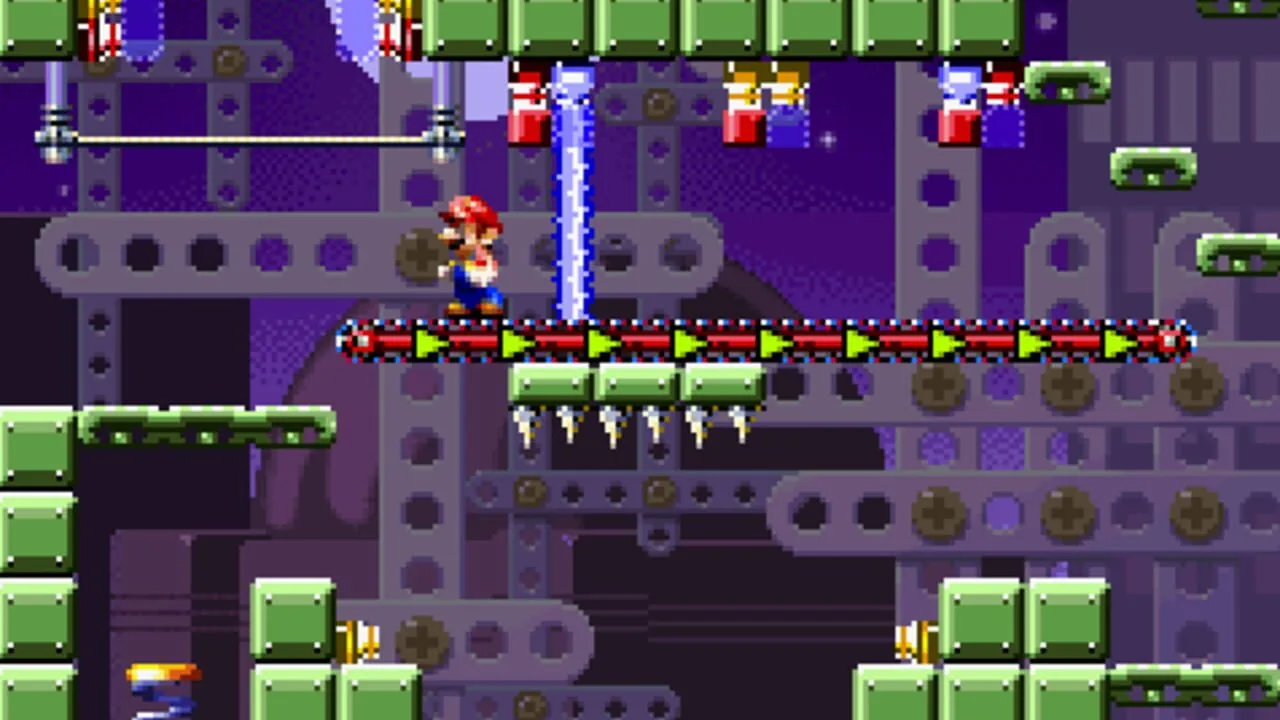
Mario vs. Donkey Kong is a 2004 puzzle-platform game developed by Nintendo Software Technology and published by Nintendo. It is the spiritual successor to Donkey Kong, which was released in 1994 for the Game Boy. Donkey Kong steals every Mini-Mario toy from the Mario Toy Co., and Mario goes after them one level at a time.
It received positive reviews, particularly for its gameplay and graphics. It came out in North America on May 24, 2004. Europe got it on November 19, 2004. It spawned a franchise of the same name, and the first sequel, Mario vs. Donkey Kong 2: March of the Minis, reached the Nintendo DS in September 2006. For a quick puzzle fix, it holds up well.
38. Dragon Ball Z: The Legacy of Goku (2002)
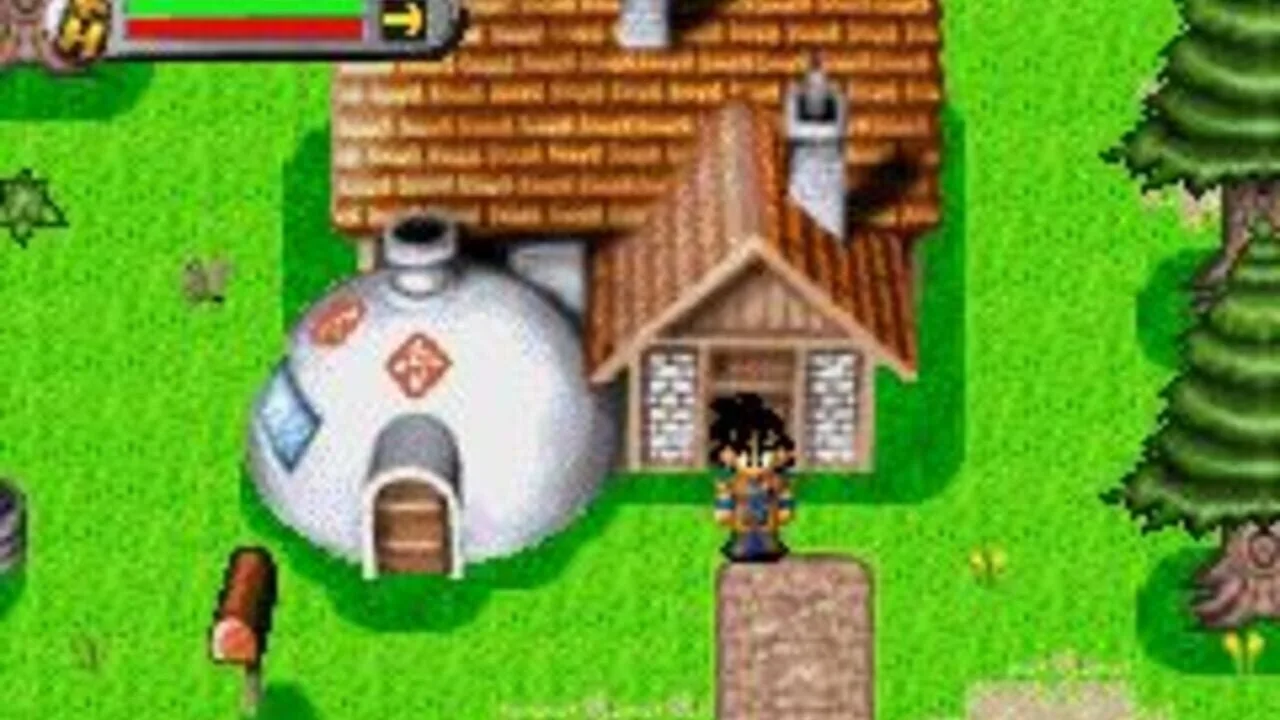
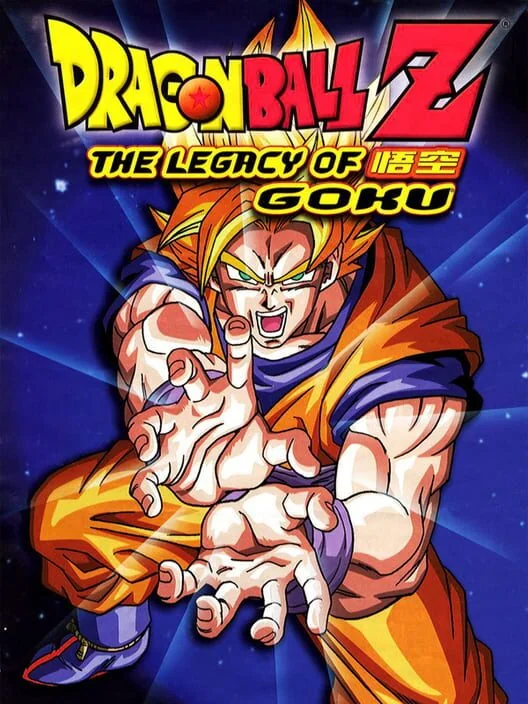
The Legacy of Goku is the first part of a trilogy and was published by Infogrames. It follows an RPG style and covers the story of Dragon Ball Z up until the destruction of the planet Namek, with Goku as the only playable character.
Goku travels through stages that include several locations on Earth and planet Namek, and he gains experience by defeating enemies and by completing simple missions. In the final stage he transforms into a Super Saiyan to defeat Frieza, the first introduction to character transformations in the series. It reached North America on May 14, 2002. Europe got it on October 4, 2002. Goku powering up for the finale is the oldest trick in the series, and it still works.
37. Ninja Five-O (2003)
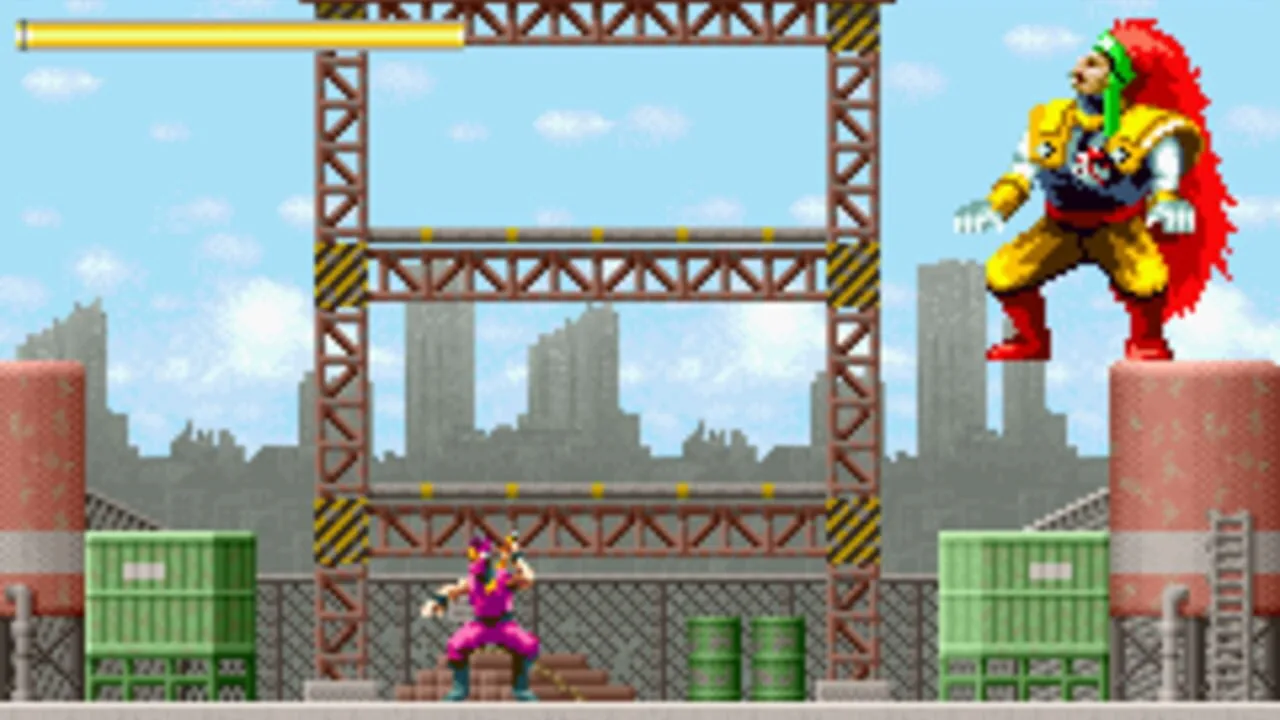
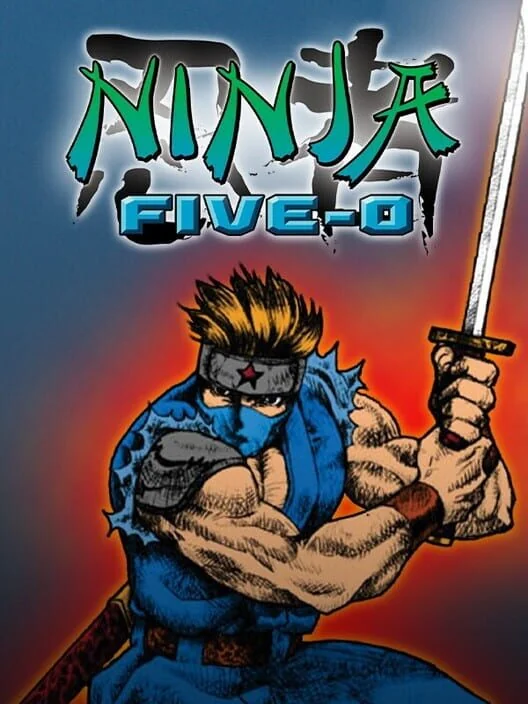
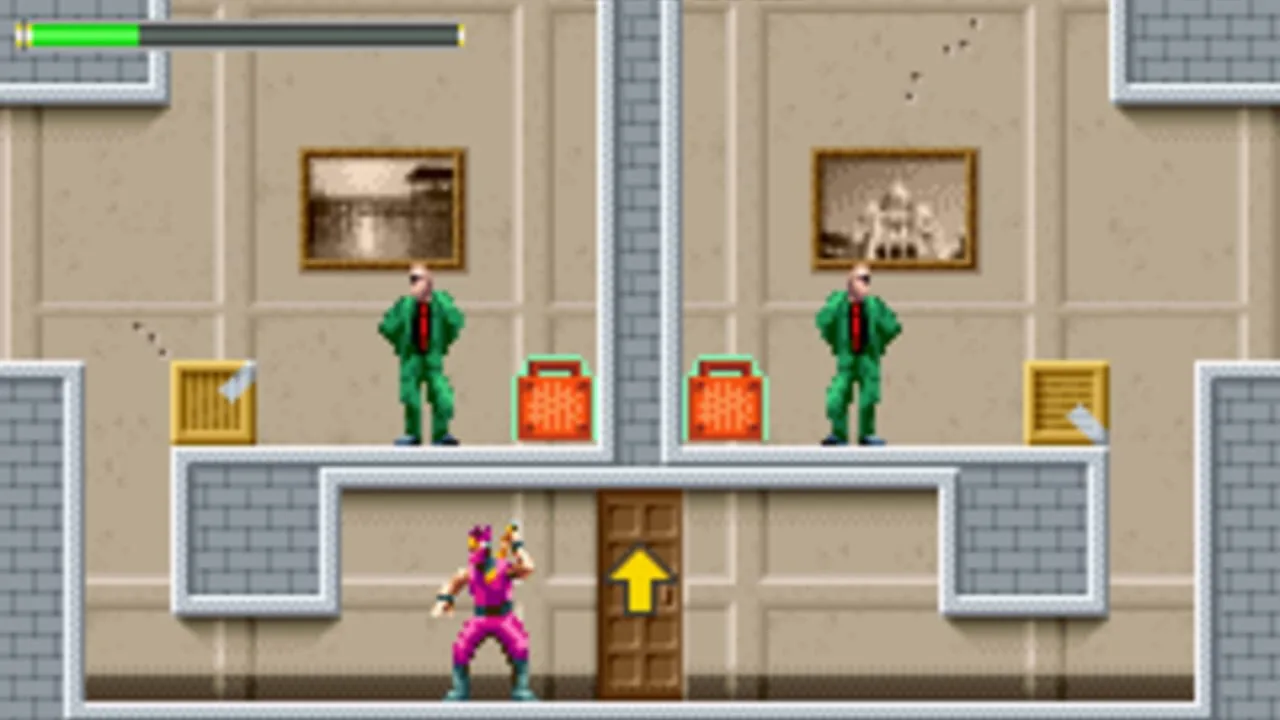
Ninja Five-O has you rescue hostages and defeat enemies using ninja swords and ninjutsu magic. The Kaginawa Wire is a grappling hook for hanging and climbing walls. Smash objects to uncover hidden power-ups and secret items. There are 6 missions covering 20 levels, and every level has a unique boss.
Konami announced it at Konami Gamers' Day in early 2003, and it came out for the Game Boy Advance in North America and Europe in April that year. Video game critics gave it generally positive reviews, but it failed to garner sales. That makes it an easy one to miss, and a quiet pick for anyone who likes stealth and a good grappling hook.
36. Mega Man Battle Network (2001)
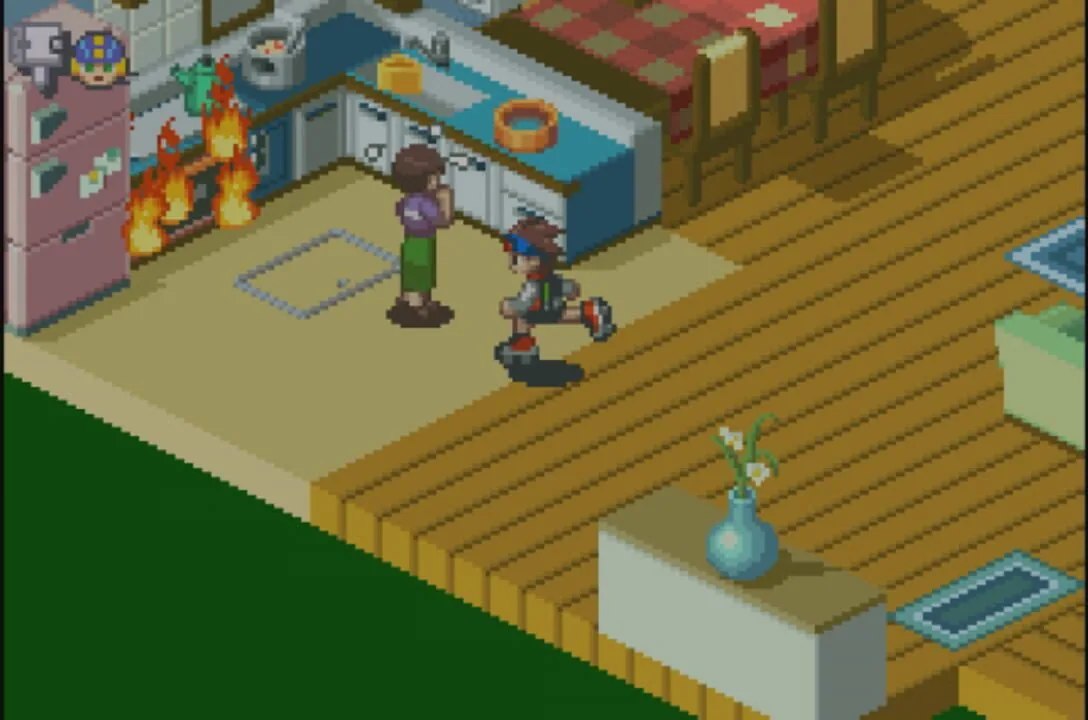
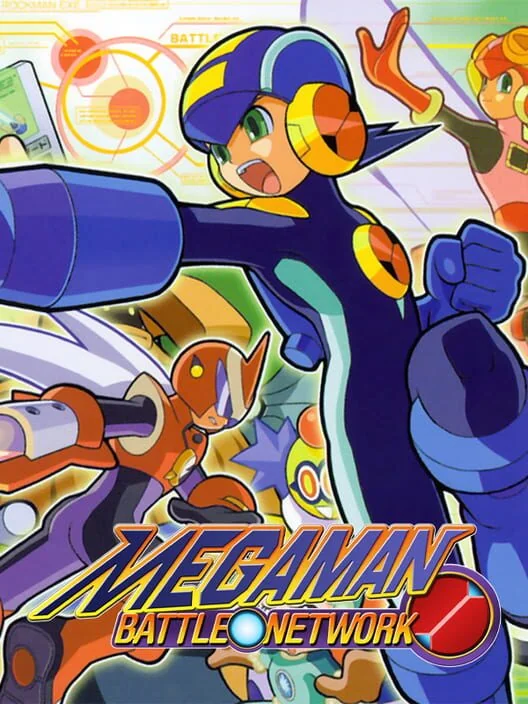
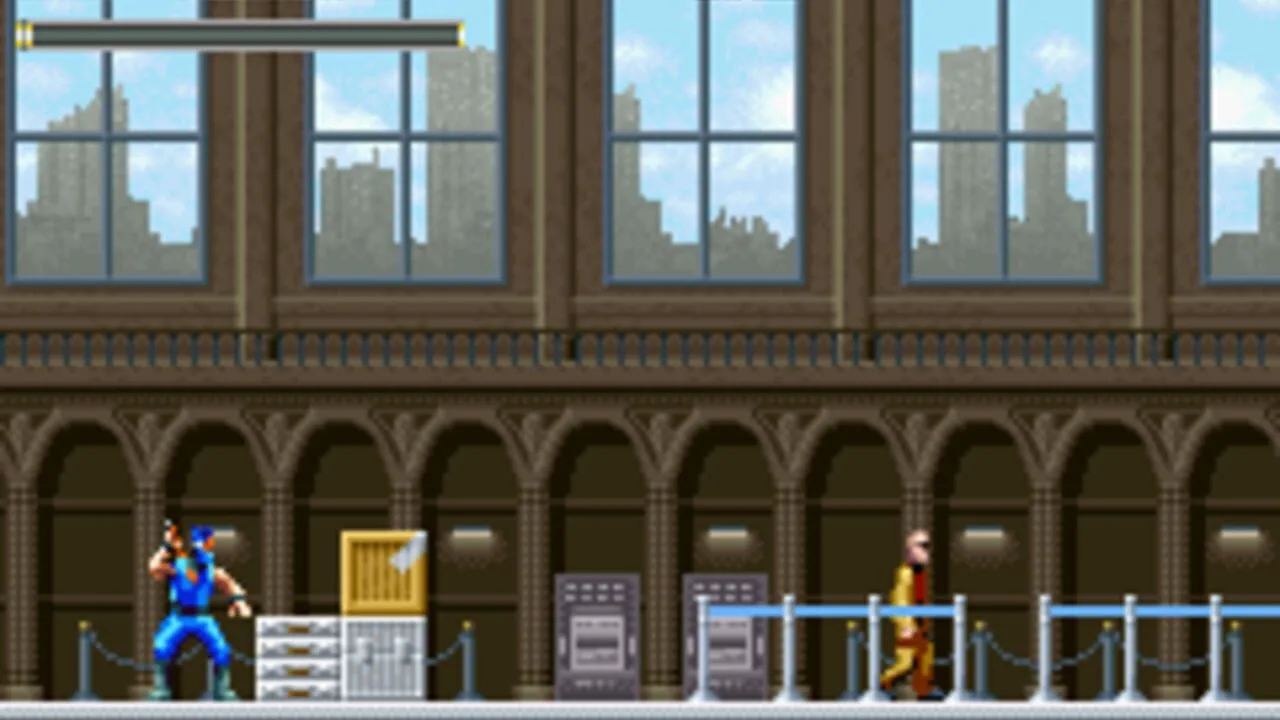
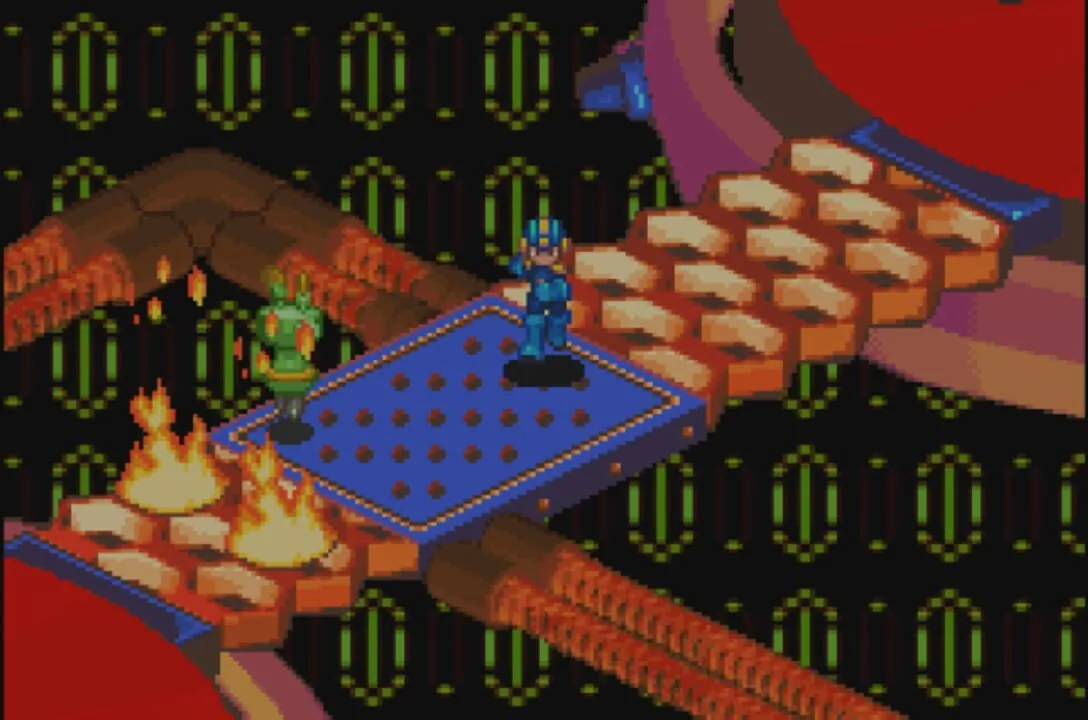
Mega Man Battle Network is the first game in its series and was a Game Boy Advance launch game in Japan on March 21, 2001. A young net-battler named Lan boots up his personal terminal, and the program living inside it is Mega Man.EXE. He fights computer viruses on the network in real time, and you collect more than 175 Battle Chips to give him new weapons.
Producer Keiji Inafune said the team wanted younger gamers to identify with it, with a setting resembling the real world and a gameplay model that mixes traditional action and RPG. Critics gave it positive reviews, and many singled out the battle system. The hero is a program and the crime wave is computer viruses, which is a very 2001 problem.
35. Kingdom Hearts: Chain of Memories (2004)
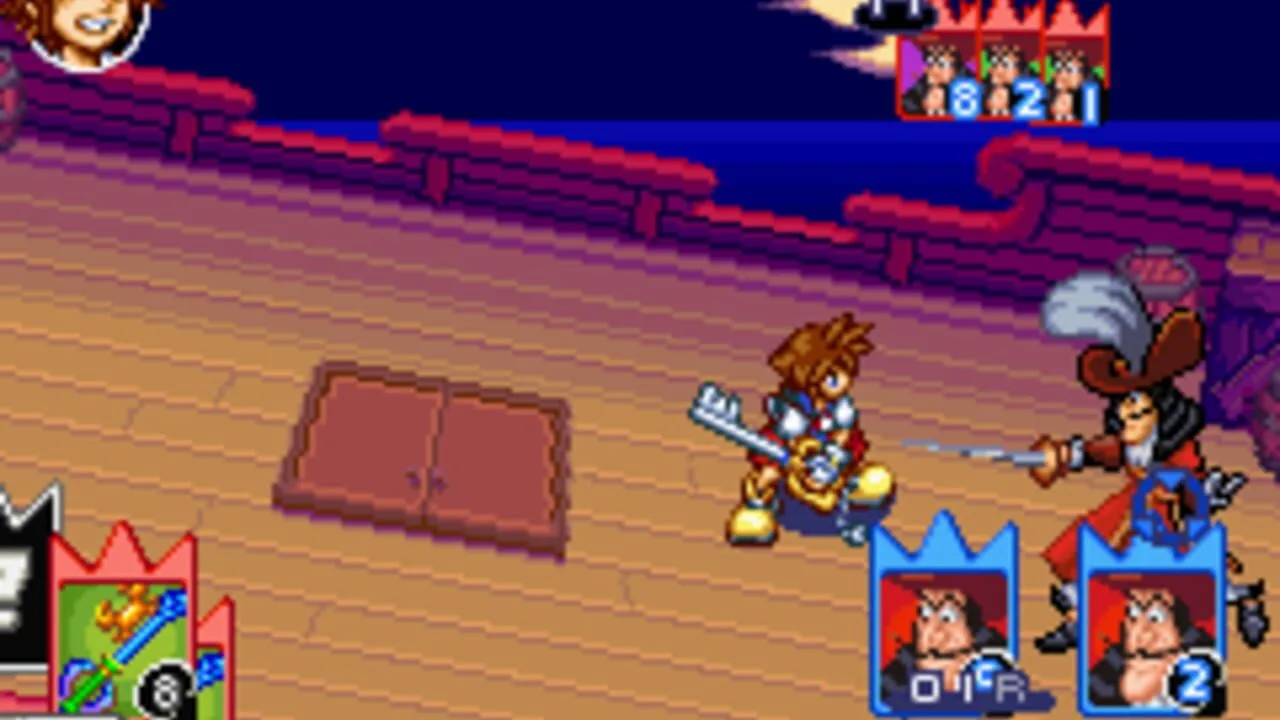
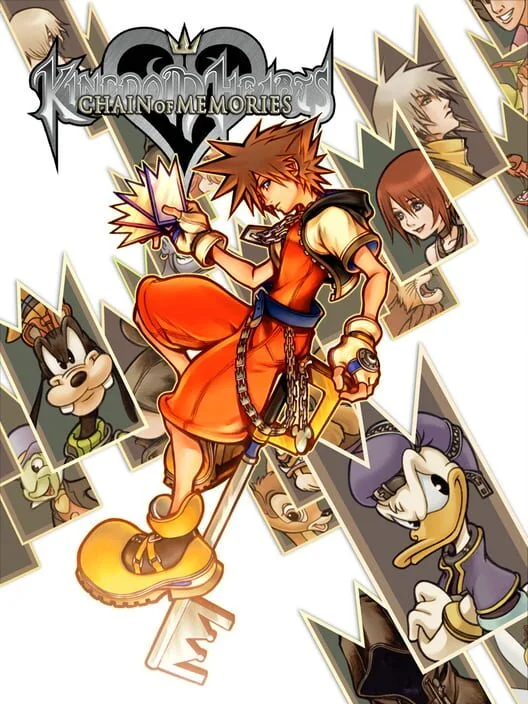
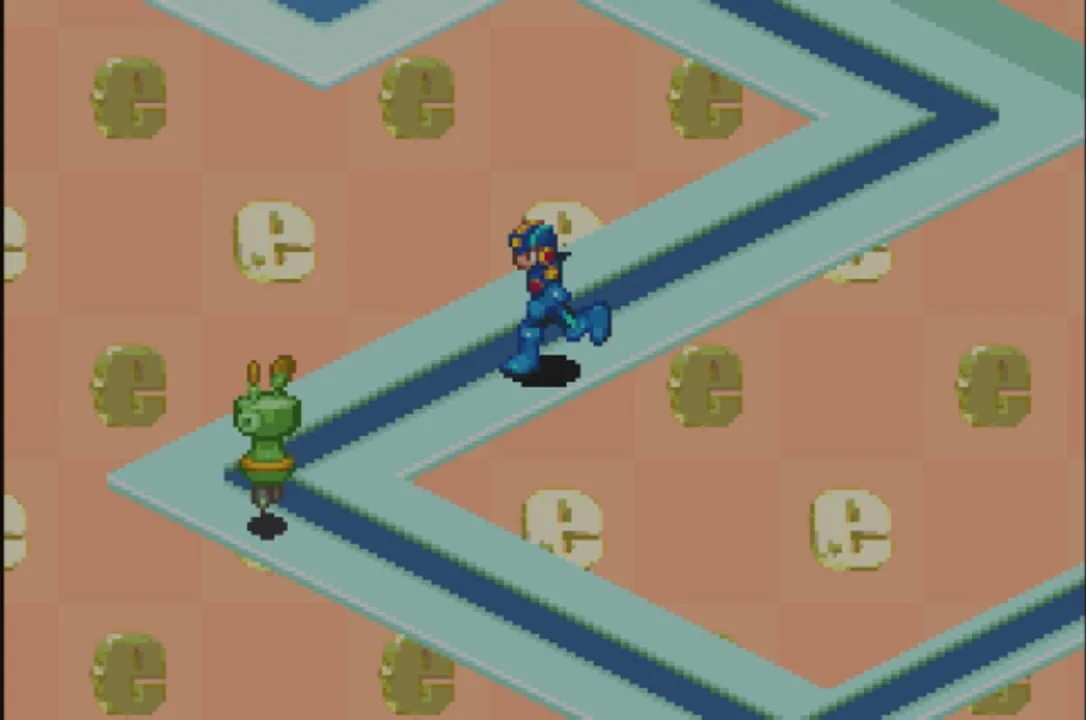
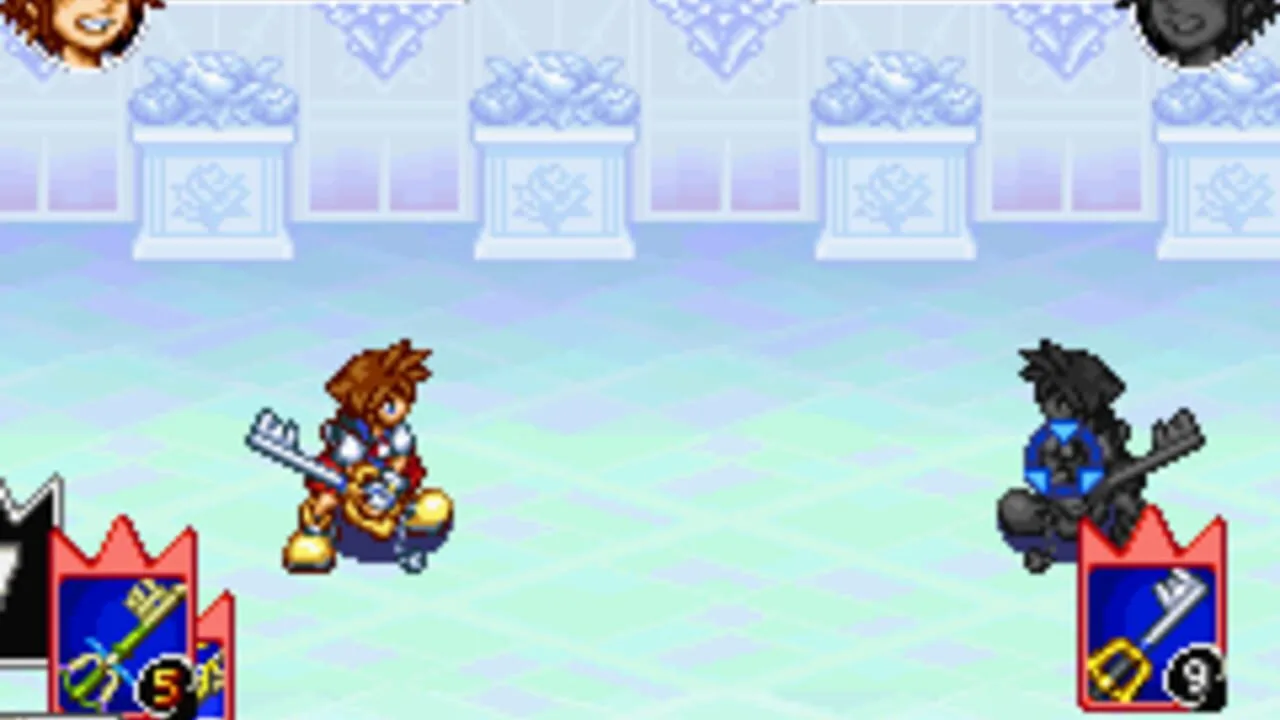
Chain of Memories is the second entry in the Kingdom Hearts series, a direct sequel that never left the Game Boy Advance. Square Enix published it and Jupiter developed it. It uses a card-based battle system instead of the first game's real-time combat. Breaking an opponent's card cancels that attack and briefly stuns the character. It was also one of the first GBA games with full-motion video.
Sora meets memory-based versions of the Disney characters he met before, and the plot differs from the first game. Critics praised the story and the FMVs, though the card battles drew criticism. When it debuted in Japan, the game sold over 100,000 units in 48 hours.
34. Summon Night: Swordcraft Story 2 (2004)
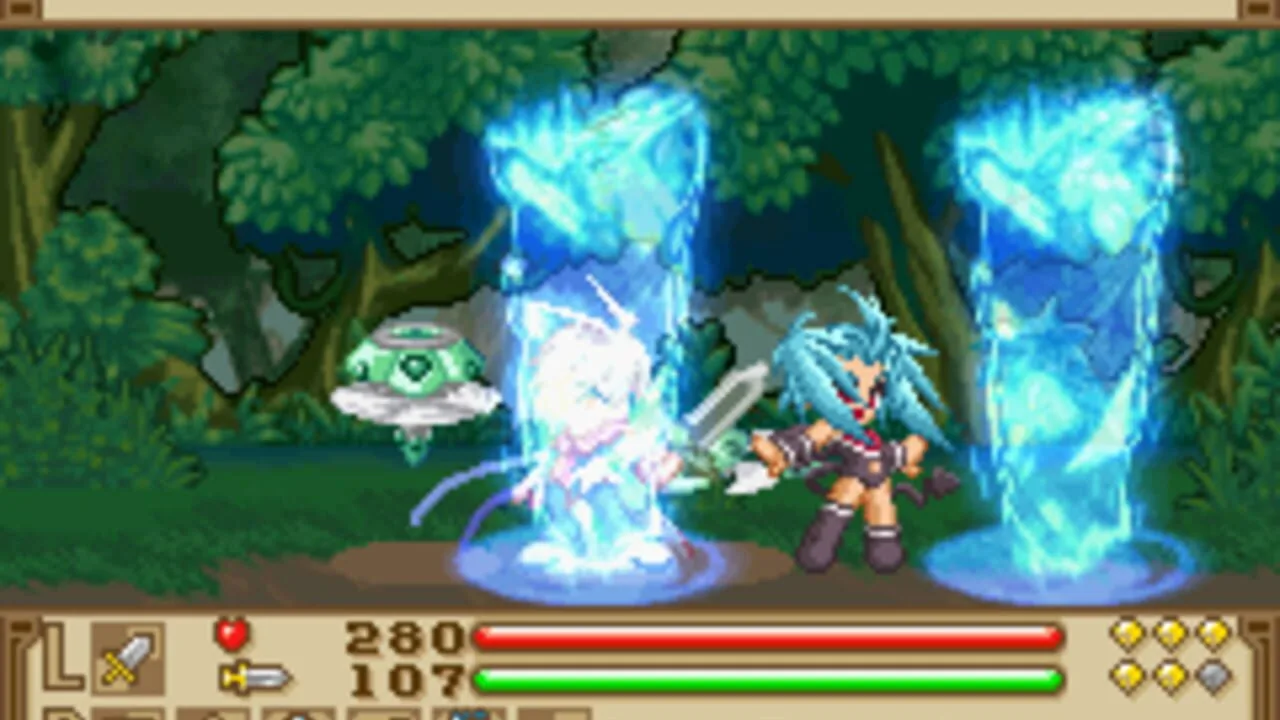
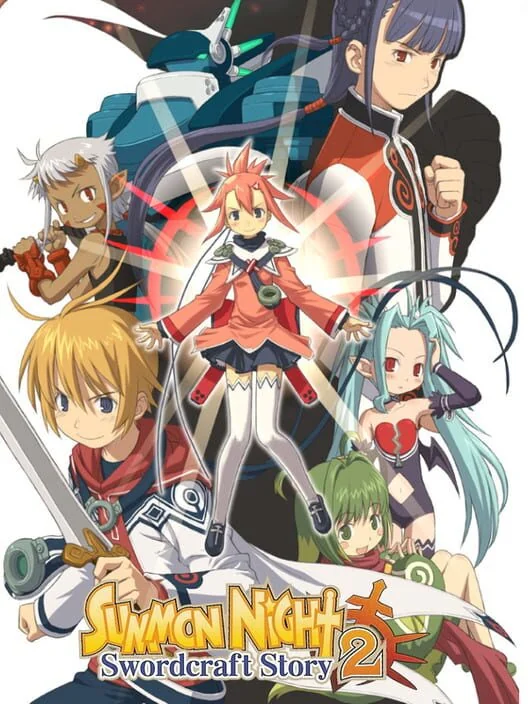
Swordcraft Story 2 is the sequel to Summon Night: Swordcraft Story. You play an orphan from the Colthearts clan, raised by a Craftknight and eager to become one. Your character bonds with a wild stray summon and sets off to reseal an abandoned ruin. To craft a weapon you need a Shapestone of one of five varieties, from the sword to the drill.
Each weapon type has its own use outside combat. Knuckles move boulders, drills break down walls and spears get items from trees. The game was first released in Japan by Banpresto in August 2004 and in North America by Atlus in October 2006. It received generally favorable reviews.
33. Harvest Moon: Friends of Mineral Town (2003)
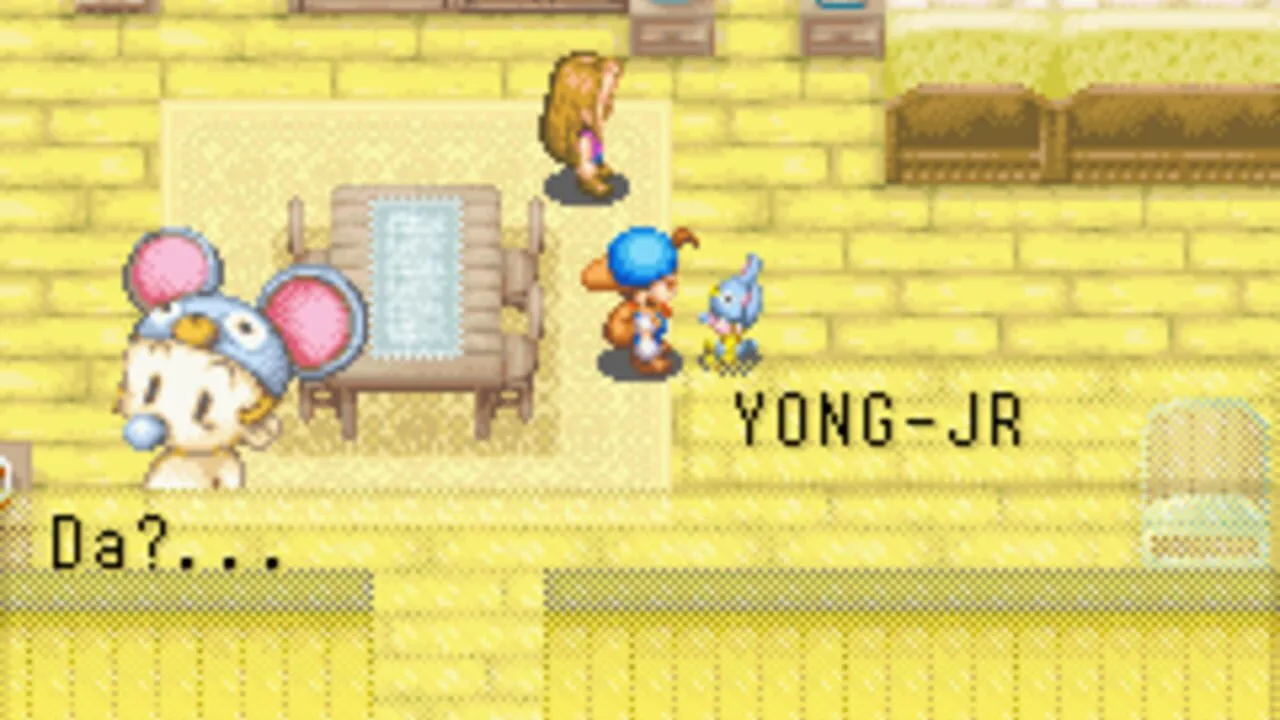
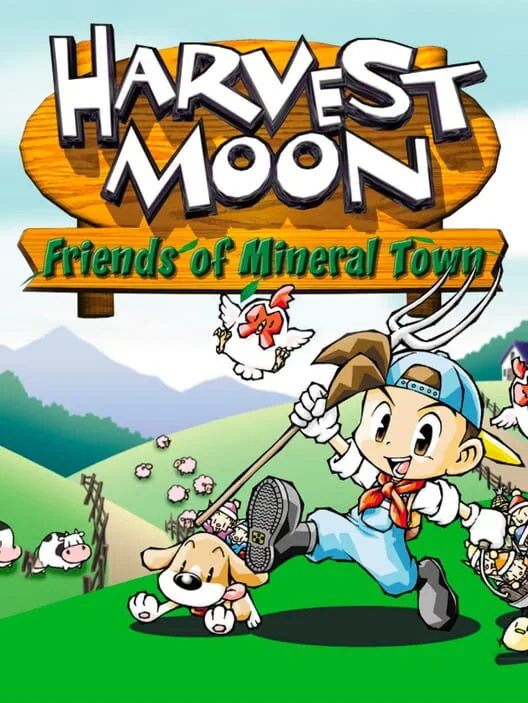
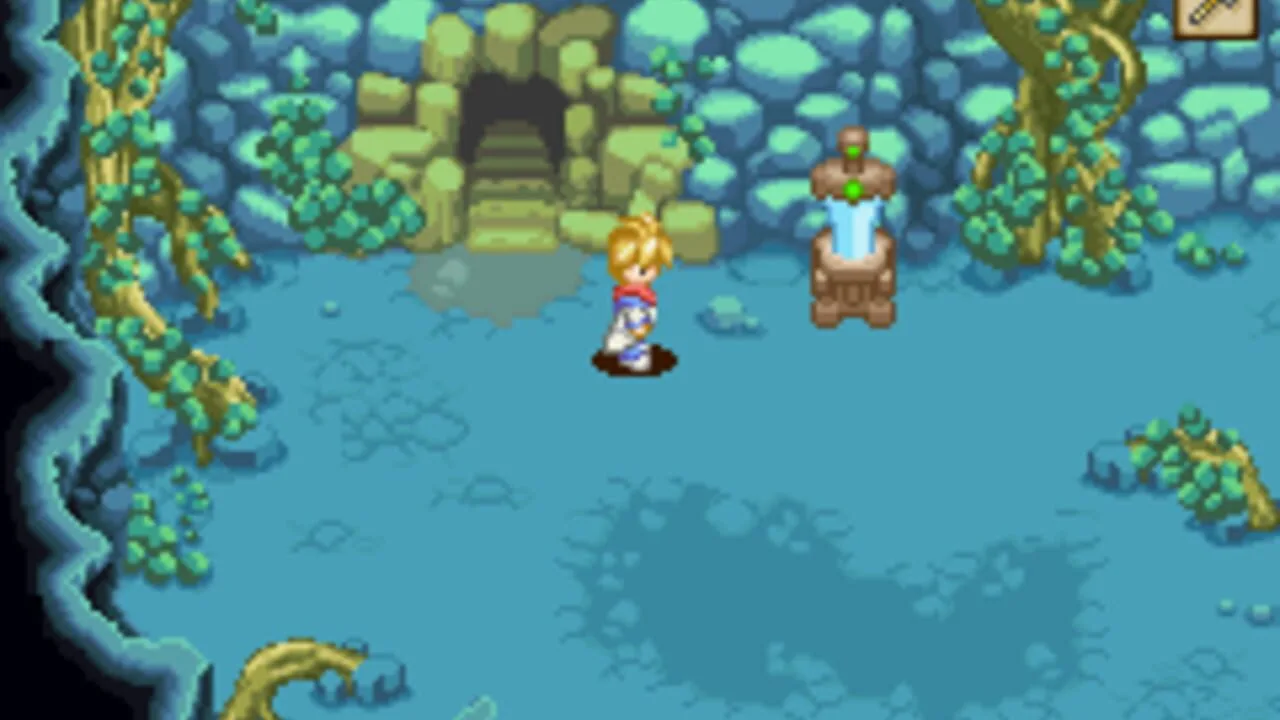
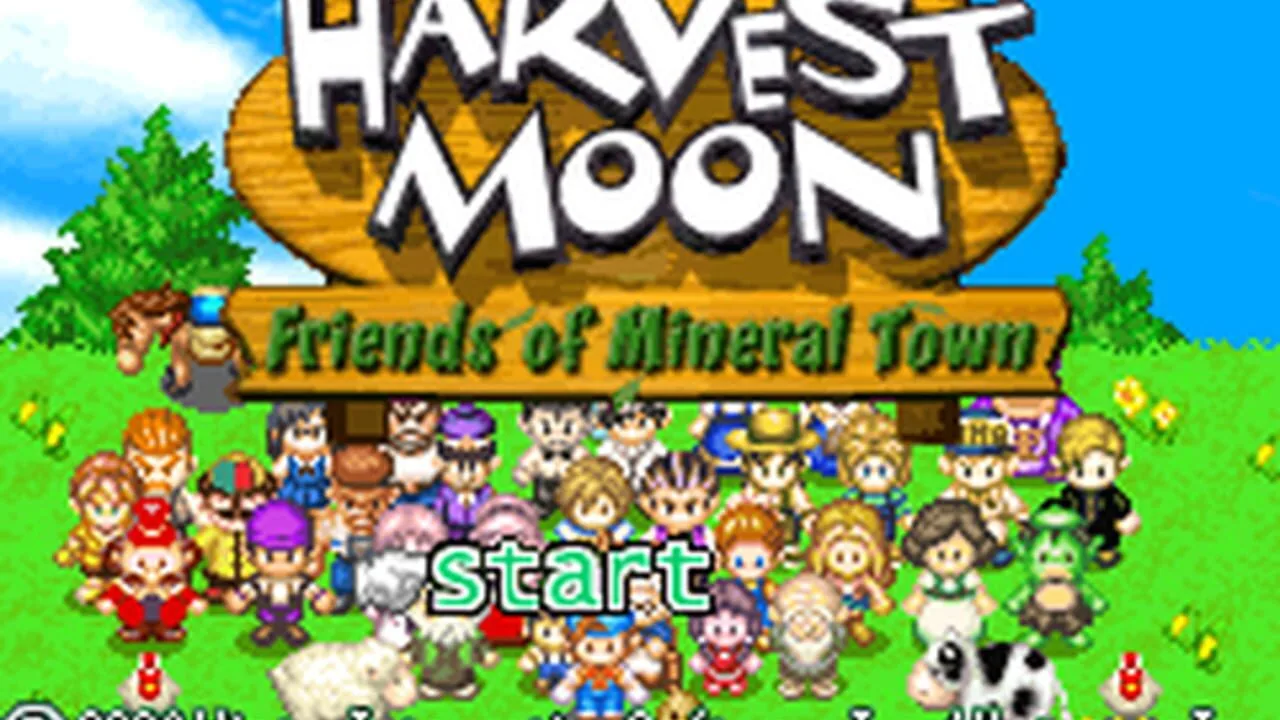
Friends of Mineral Town is the first Game Boy Advance game of the Story of Seasons series and a remake of Harvest Moon: Back to Nature. You start with a field of rocks and weeds and build it into a farm. The dog starts as a puppy and is fully grown after two months.
Many critics praised it as the best entry of the series, combining elements from the best-selling console entries and introducing many notable series staples. It came out in Japan in April 2003 and in North America that November. A 3D remake arrived on the Nintendo Switch as Story of Seasons: Friends of Mineral Town. Your dog grows up in two months, and your crops somehow take longer.
32. Castlevania: Harmony of Dissonance (2002)
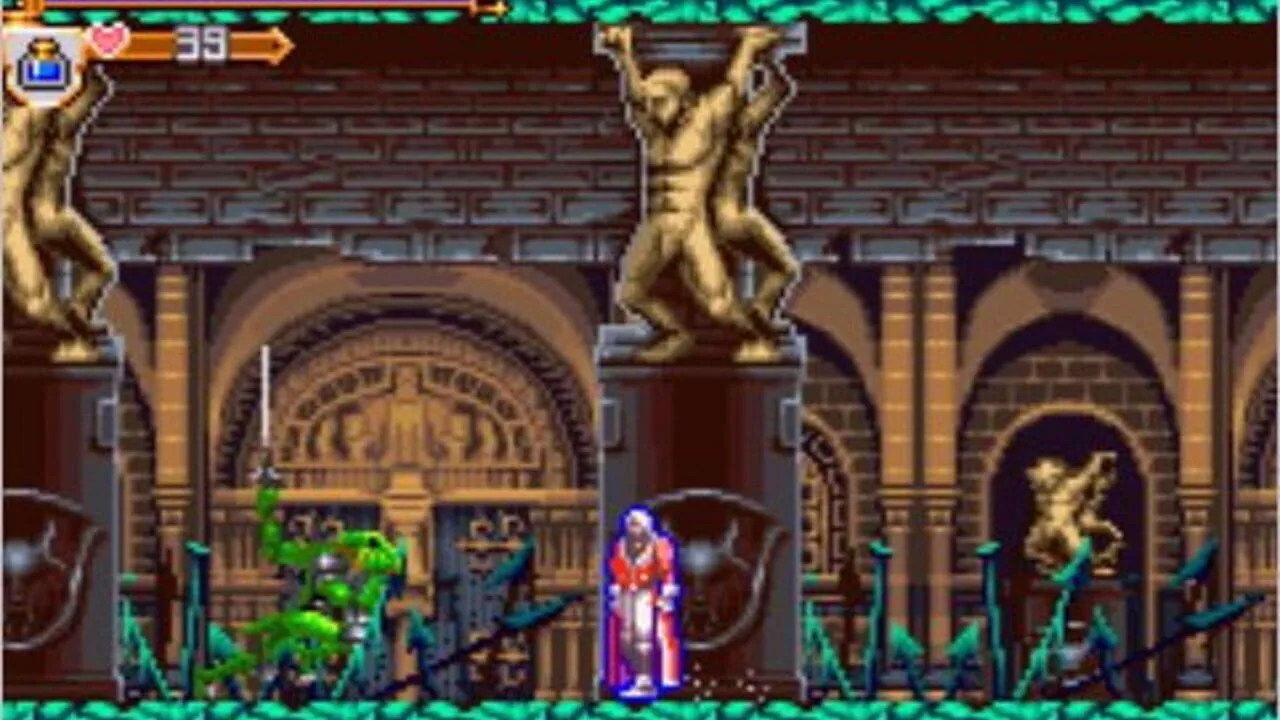
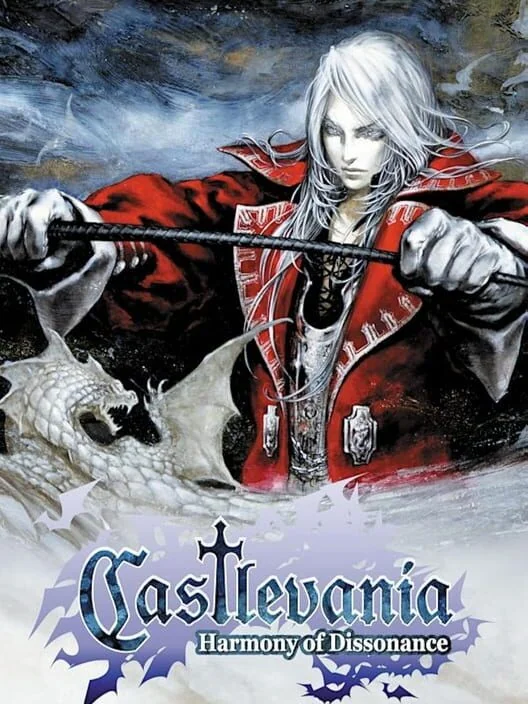
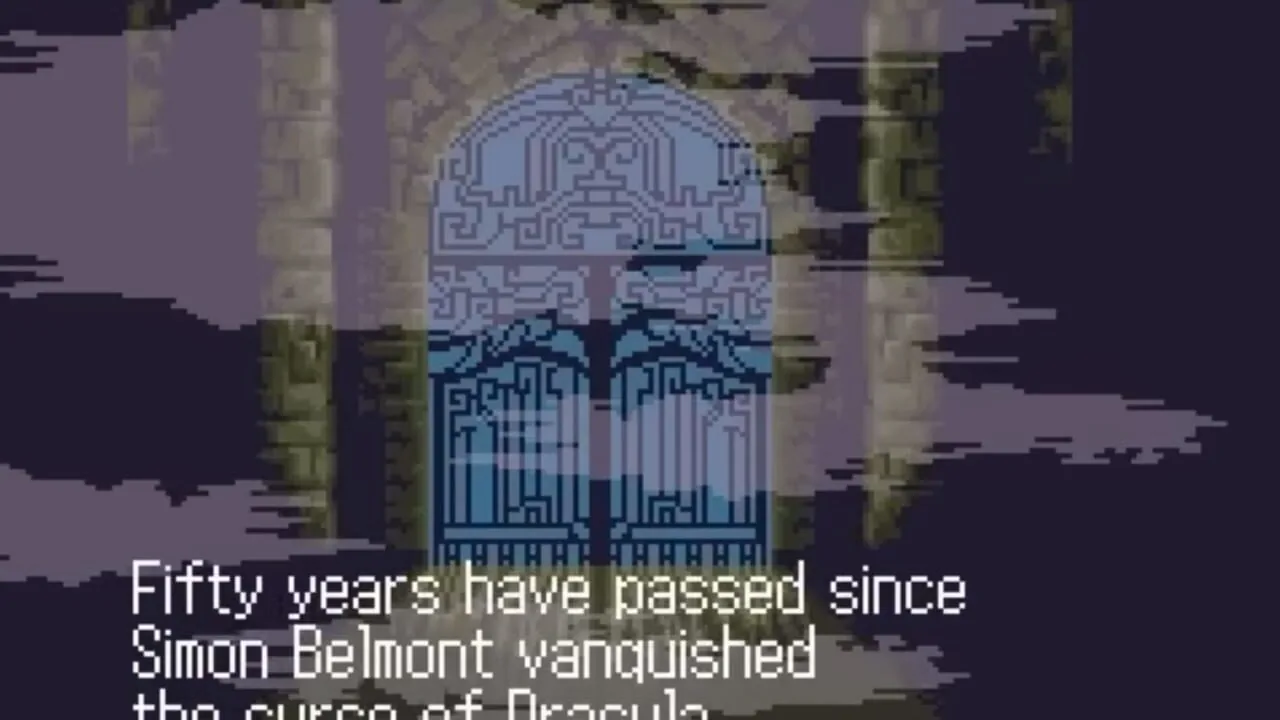
Harmony of Dissonance is the second Castlevania on the Game Boy Advance. Nearly fifty years after Simon Belmont's victory, his descendant Juste Belmont must acquire the relics of Dracula to find his missing childhood friend Lydie. The game came out in Japan in June 2002 and in North America and PAL regions later that same year.
Juste's friend Maxim cannot equip items and can only use his sword and a giant shuriken. In the first ending Maxim, possessed, has already bitten Lydie, and in the third he notices that Juste wore his bracelet and resists the possession. Two reviewers commented on how good it looked and sounded on a handheld. One said that it was not groundbreaking but remained accessible and easy to be drawn into.
31. Golden Sun: The Lost Age (2002)
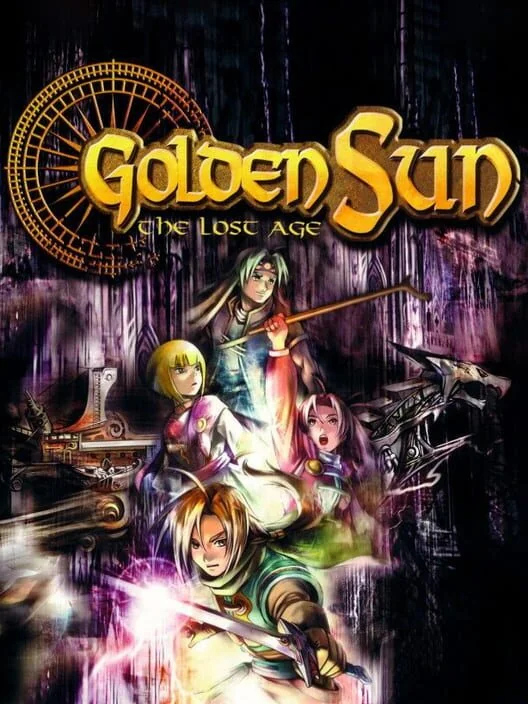
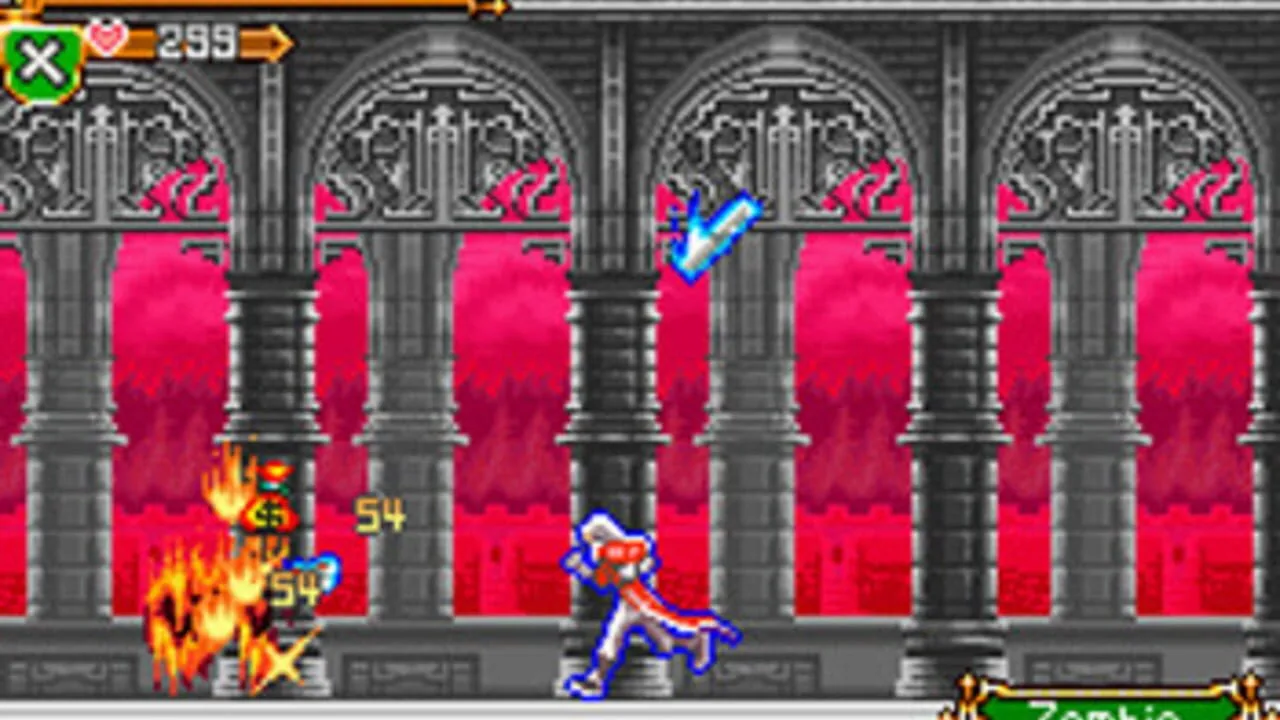
The Lost Age starts where Golden Sun ended, but you follow the party that was being chased, who are trying to light the last two lighthouses. You can transfer characters and items over with a password or the Game Link Cable, and you are rewarded for fully completing both games. There are eleven Djinn for each of the four elements to give out.
It is the second installment in the series. It came out in Japan on June 28, 2002. North America and Europe got it in 2003. A third game, Dark Dawn, came out in 2010 and is set thirty years after the two originals. Both games reached the Nintendo Classics service on January 17, 2024. Play them back to back and they feel like one very long adventure.
30. Sonic Advance 3 (2004)
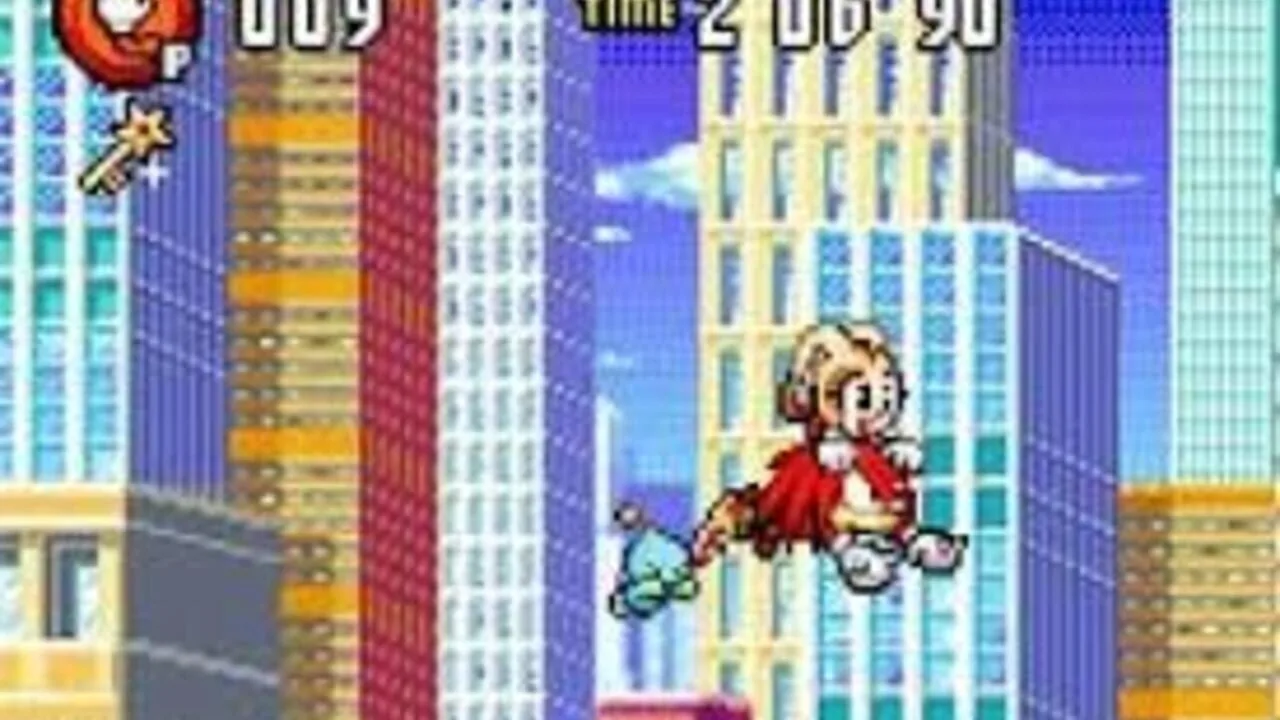
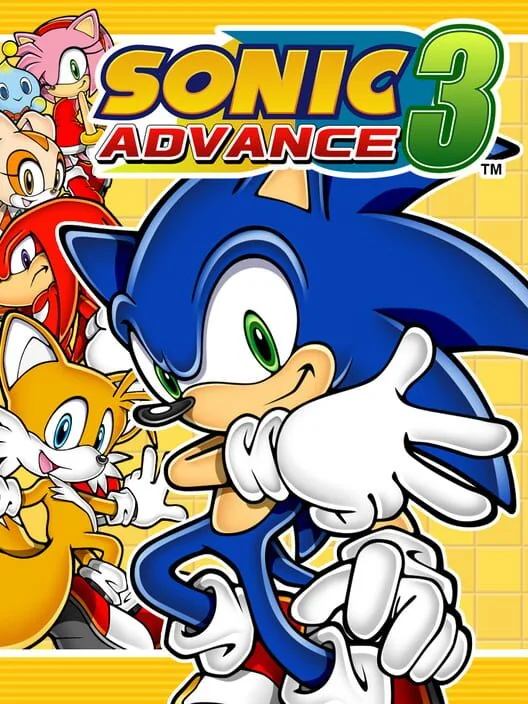
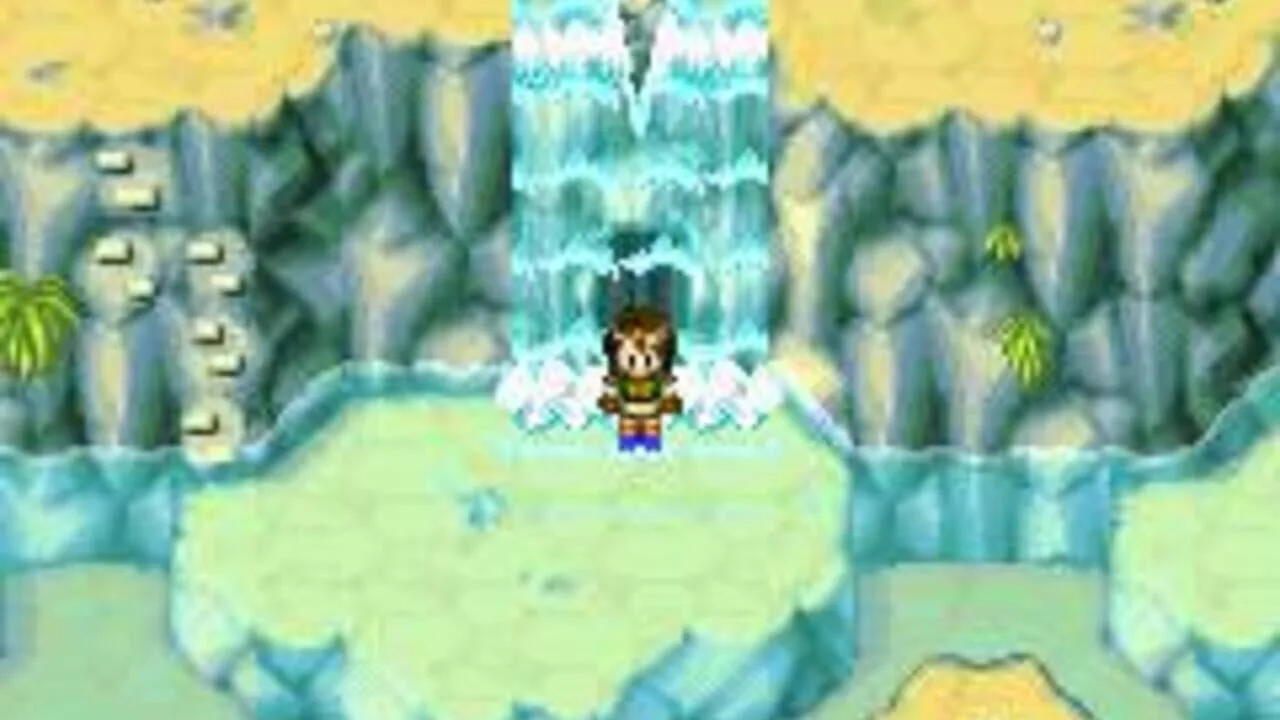
Sonic Advance 3 is the sequel to Sonic Advance 2. Sonic and Tails reunite with their friends to stop Dr. Eggman, and you can team up with any of five characters to gain special moves. Sonic adds speed, Tails adds jump power, Knuckles adds attack power, Amy brings her Piko Piko hammer and Cream lets you perform a homing attack.
It sold quickly upon release and received positive reviews from critics, who praised its gameplay and aesthetics, though they were more divided on the team-up dynamic. With a link cable, up to four players can battle each other in the multiplayer modes. It later came to the Wii U Virtual Console in Japan in May 2016. The partner system gives it more variety than the earlier two games.
29. Mario Tennis: Power Tour (2005)
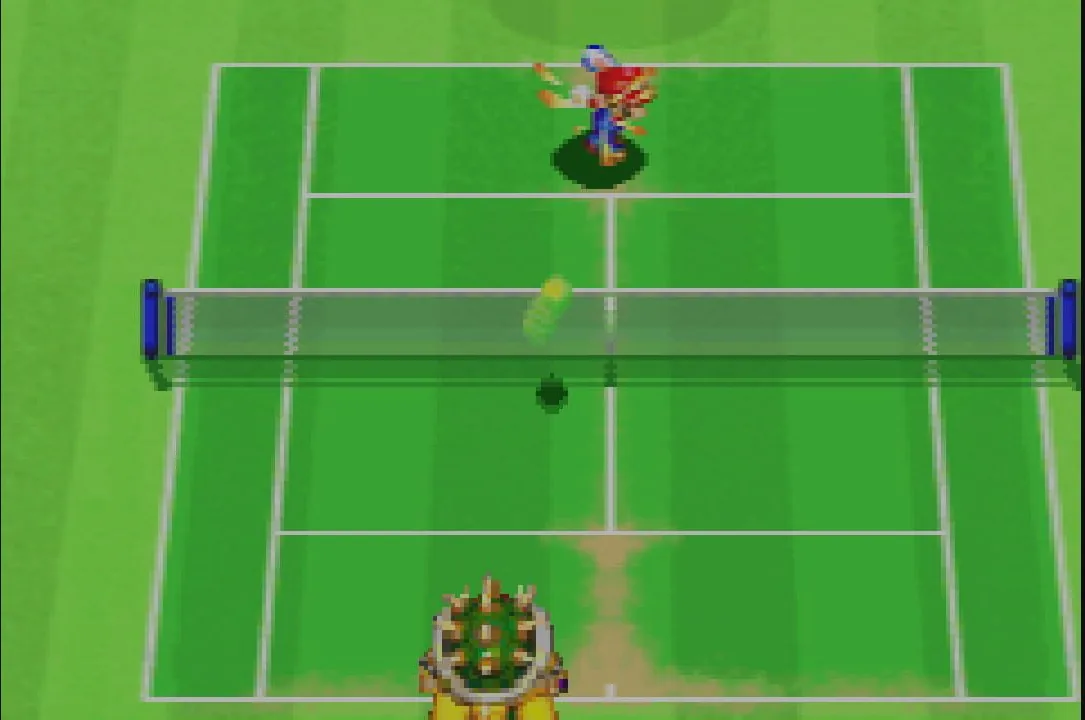
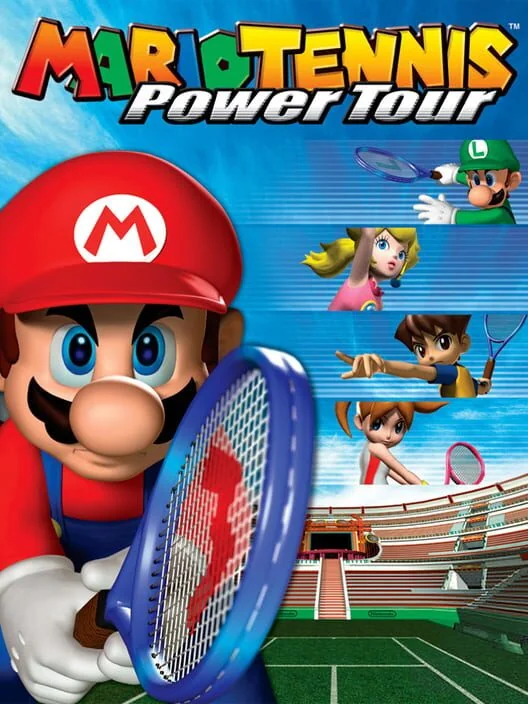
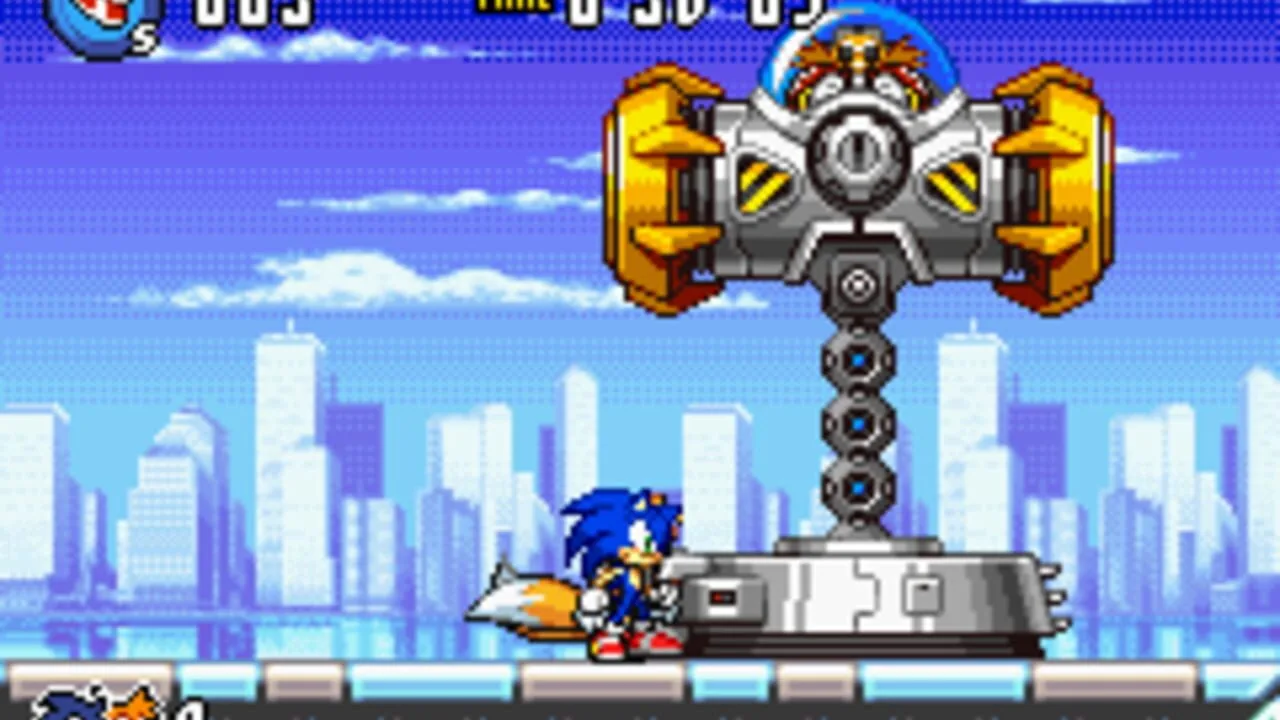
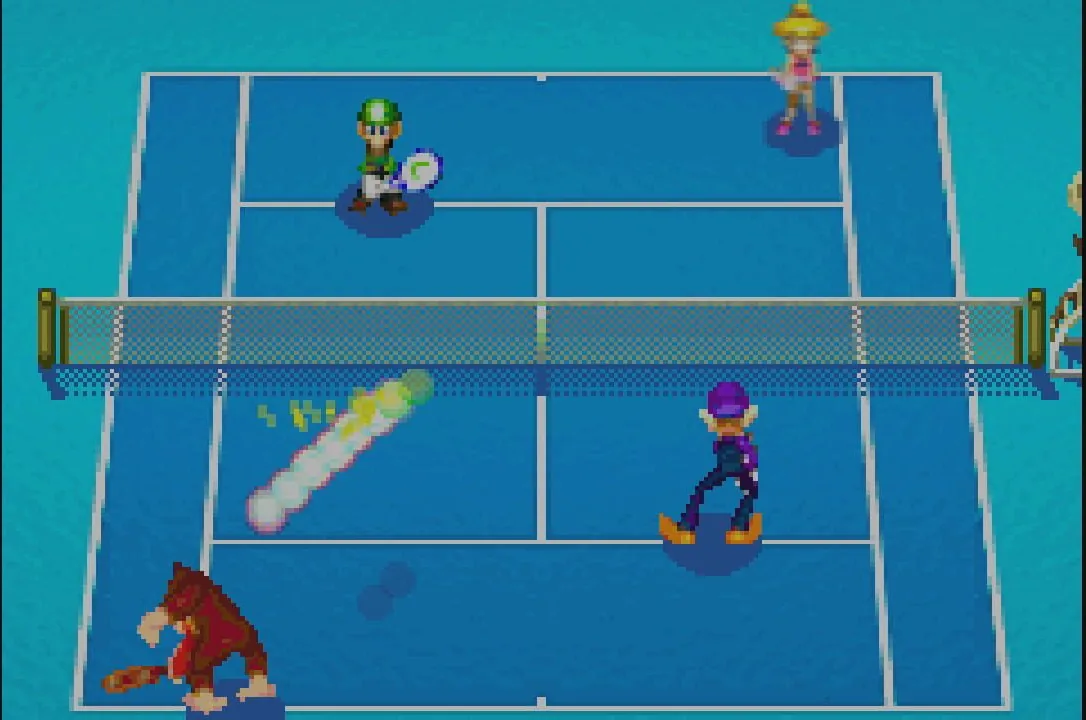
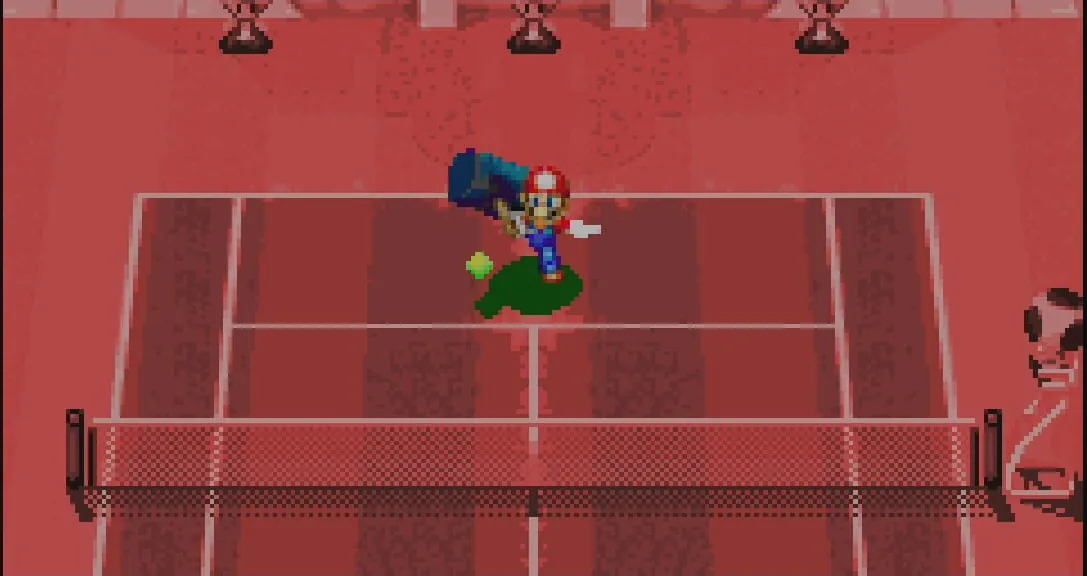
Power Tour is a role-playing tennis game. You train at the Royal Tennis Academy, gain experience through lessons and tournaments, and rise through the ranks. Matches are played in doubles and singles with mechanics such as topspin and slice, and each character has power moves. The two main characters to choose from are Clay and Ace. Unlike its predecessor, it lacks connectivity with the GameCube game Mario Power Tennis.
The game received positive reviews from critics, and several lauded it as one of the best Game Boy Advance sports games. It was re-released on the Wii U's Virtual Console in 2014. It is also the only game where Waluigi appears without Wario, and he seems fine about it.
28. Pokémon FireRed Version (2004)
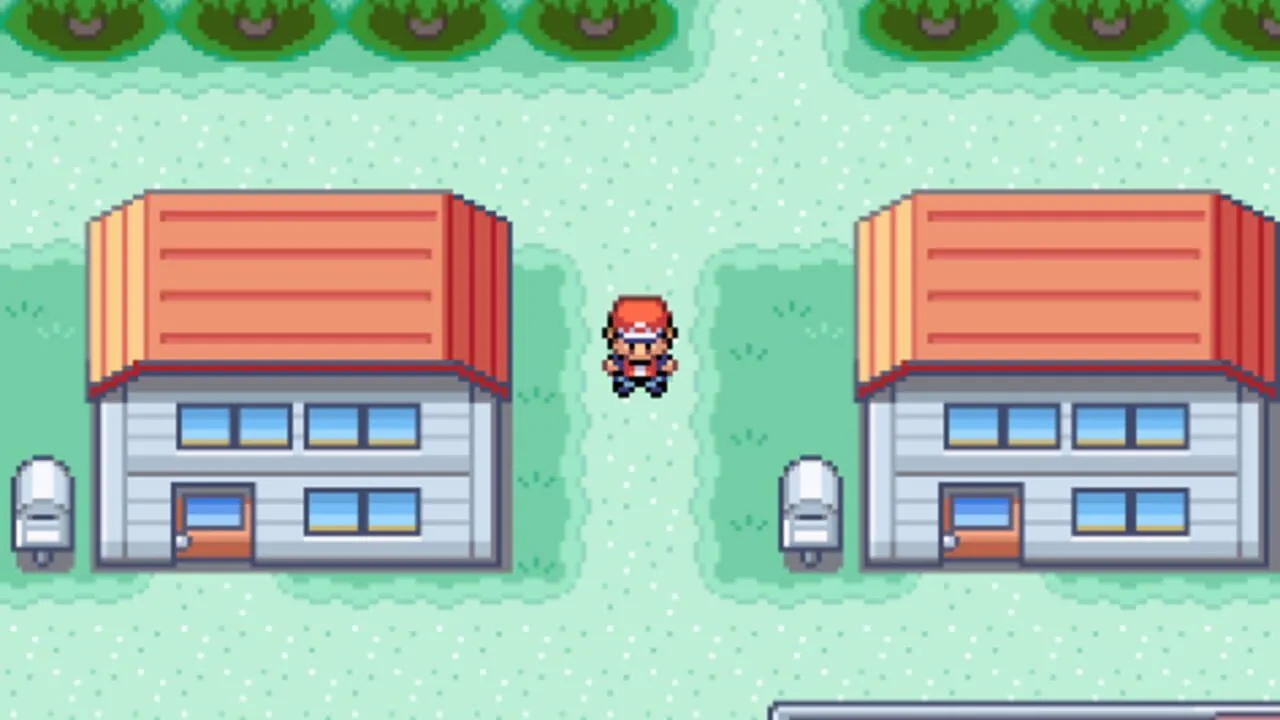
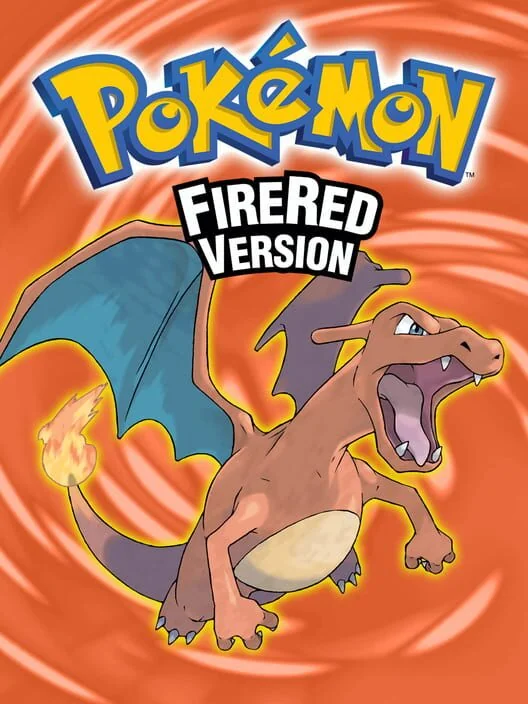
Pokémon FireRed and LeafGreen are the first enhanced remakes in the Pokémon franchise. They revisit the Kanto region from the original pair of games and add upgrades to bring them up to speed with other third-generation games. Game Freak developed them for the Game Boy Advance, and the Wireless Adapter originally came bundled with them.
They received mostly positive reviews, with an aggregate score of 81 percent on Metacritic. Most critics praised new features that kept the traditional gameplay of the series. The graphics and audio drew a more mixed reaction. Nearly two years after release, Nintendo remarketed them as Player's Choice titles. Your rival is every bit as smug as you remember.

27. Sword of Mana (2003)
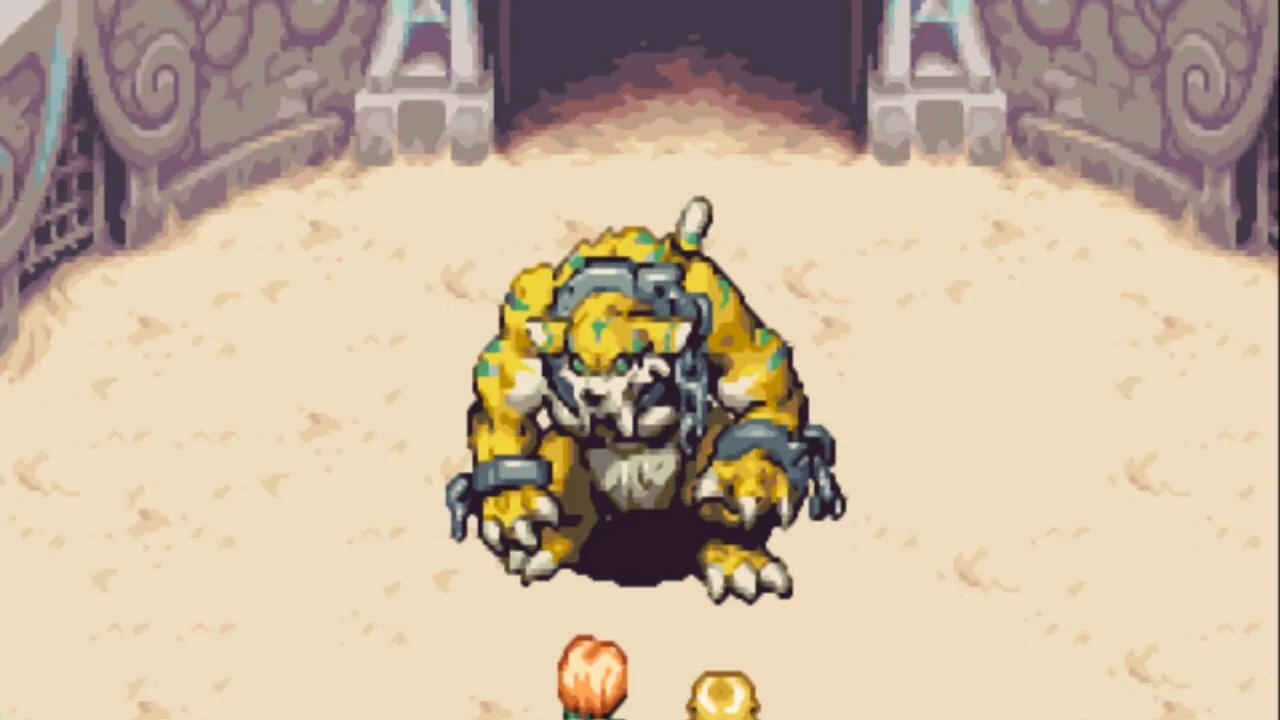
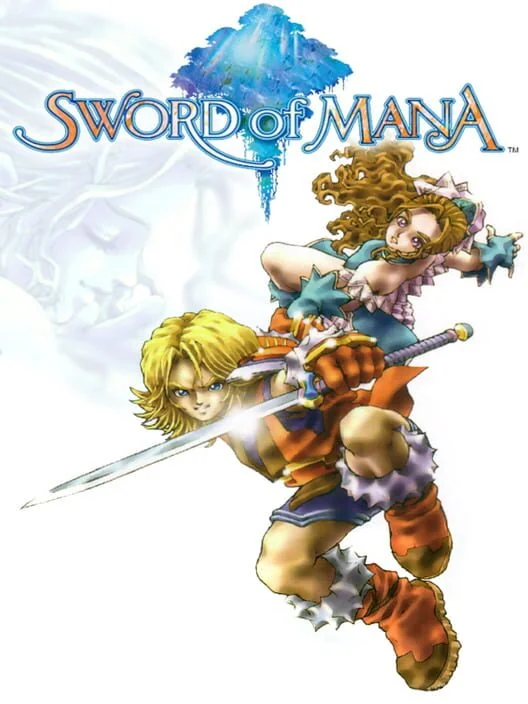
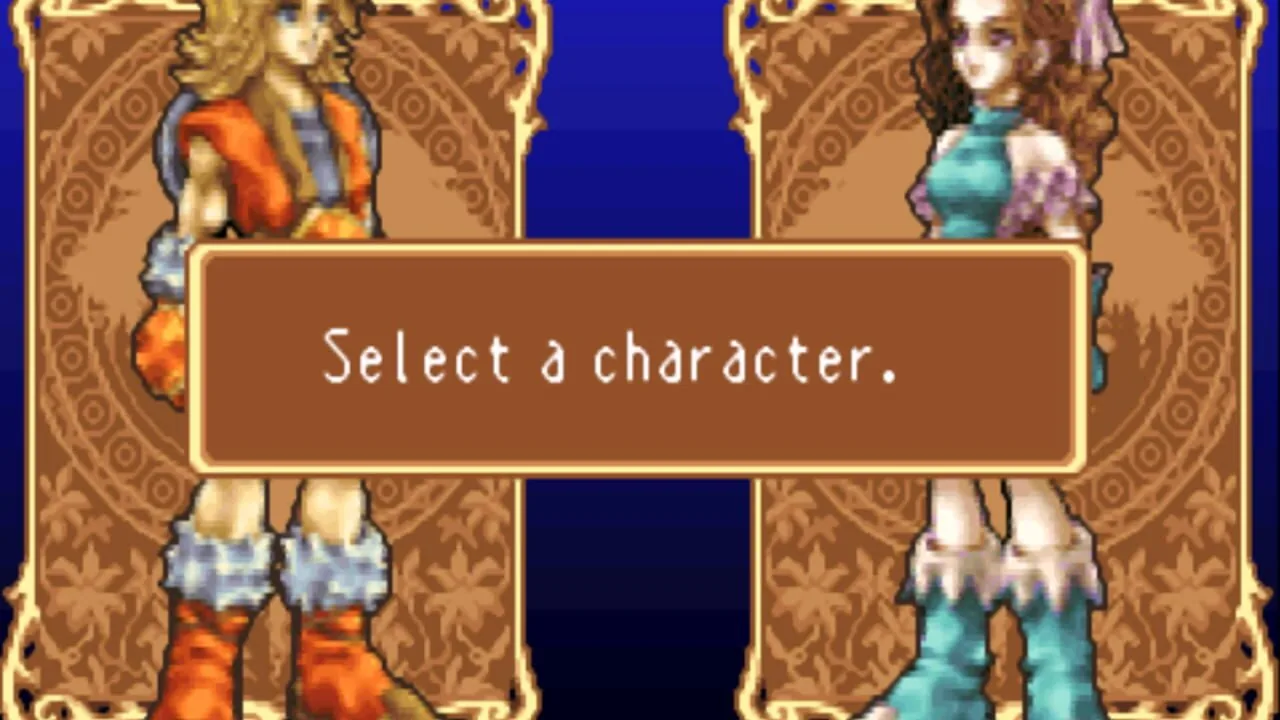
Sword of Mana is a 2003 action role-playing game from Square Enix and Brownie Brown. It is an enhanced remake of the Game Boy game Seiken Densetsu: Final Fantasy Gaiden, which was released as Final Fantasy Adventure in North America and Mystic Quest in Europe. The terrain is in color and you are no longer restricted to moving in four directions. You choose a gladiator avenging his parents or a young girl from the Mana Clan.
Series creator Koichi Ishii produced it. Reviewers praised the graphics and the improvements over the original, and the game got weakly positive reviews overall. Critics recommended it mainly to fans of the genre or the series. It is the way into the Mana series that reaches back to its very start.
26. WarioWare: Twisted! (2004)
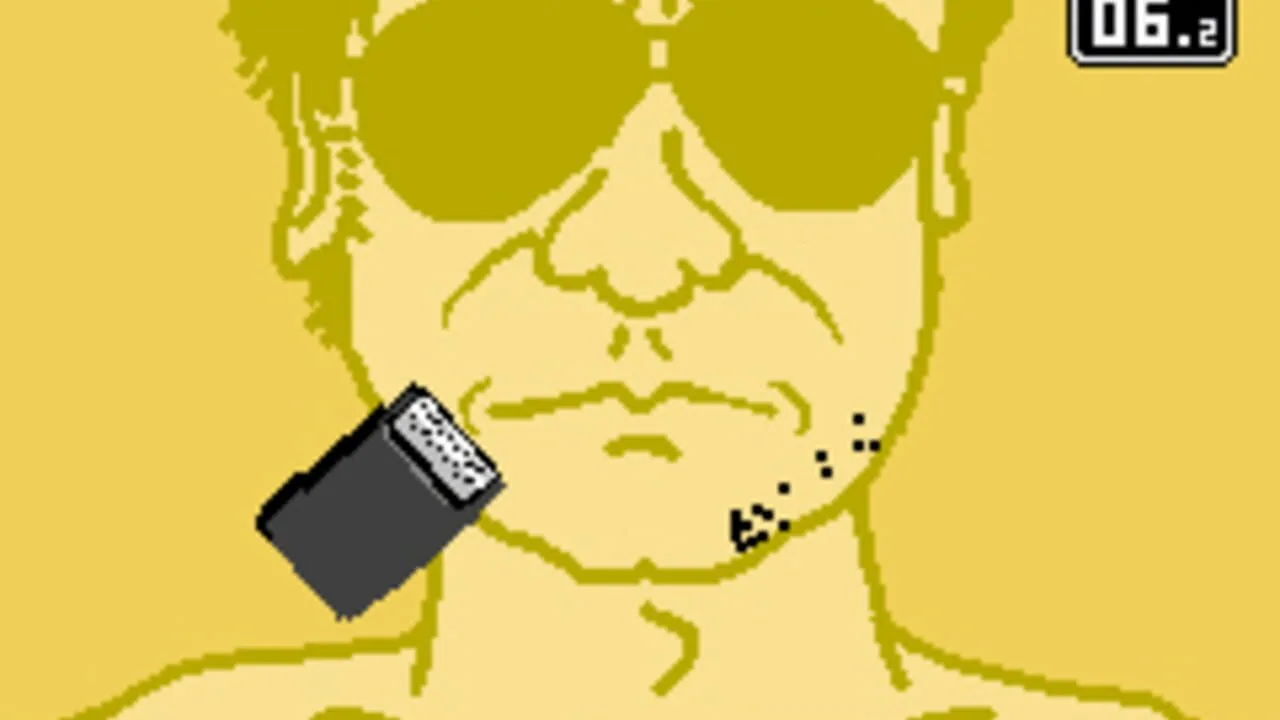
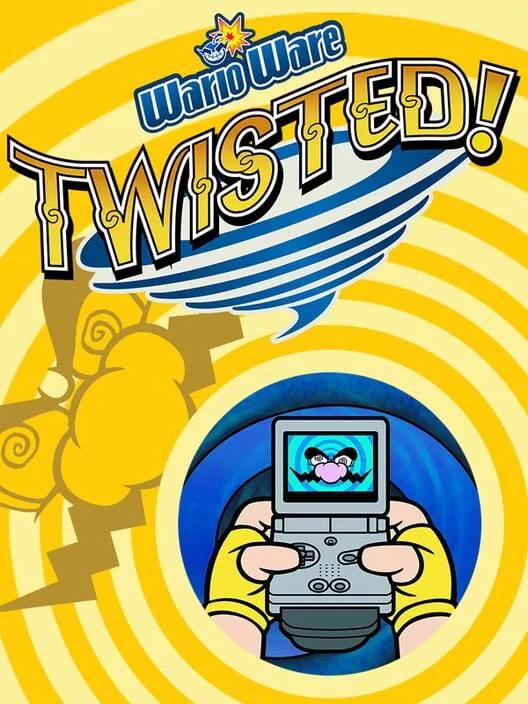
WarioWare: Twisted! has a gyro sensor. You play by rotating the system left and right. Wario discovers spin technology by accident and gets the developers back together to make a new batch of wild minigames. The gyro uses a piezoelectric gyroscope developed by NEC, and the game is one of only two on the system with force feedback, the other being Drill Dozer.
It came out in Japan on October 14, 2004. North America got it on May 23, 2005, making it the last Wario game on a Game Boy family system. Twisted! was critically acclaimed and won numerous awards. Reviewers found the gyro sensor innovative. Scoring changed too: the score counts games you won, where the earlier score was the number played.

25. Mario Golf: Advance Tour (2004)
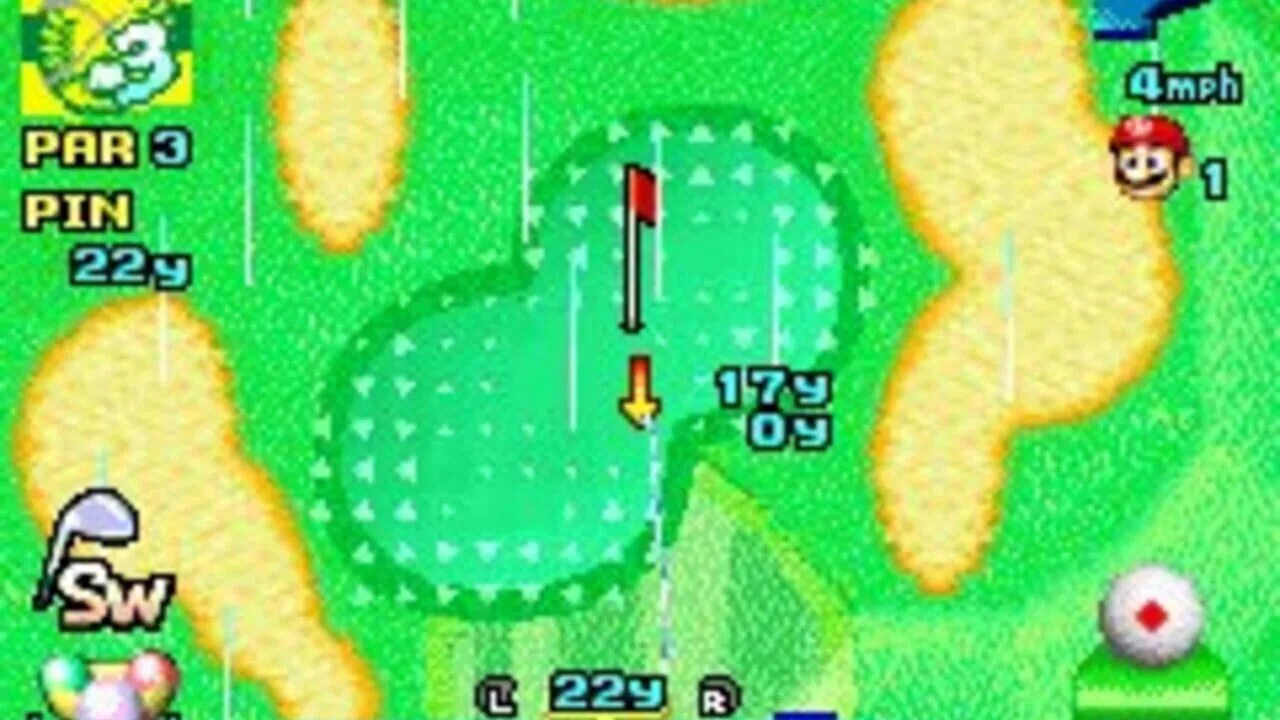
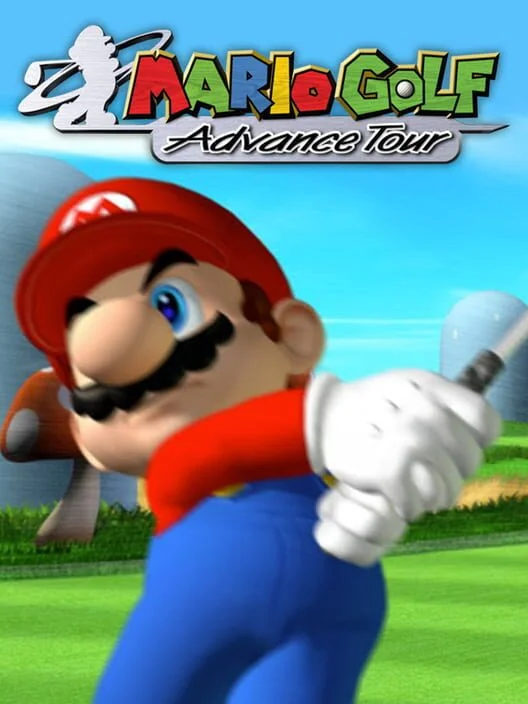
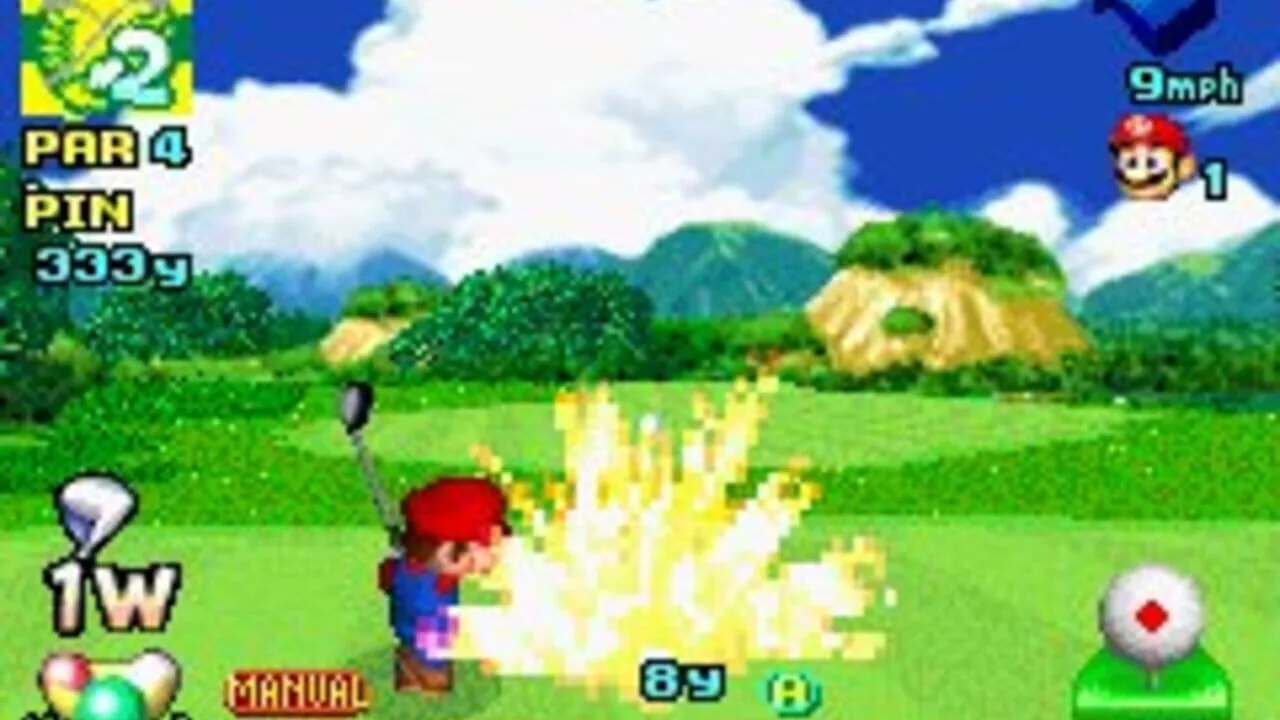
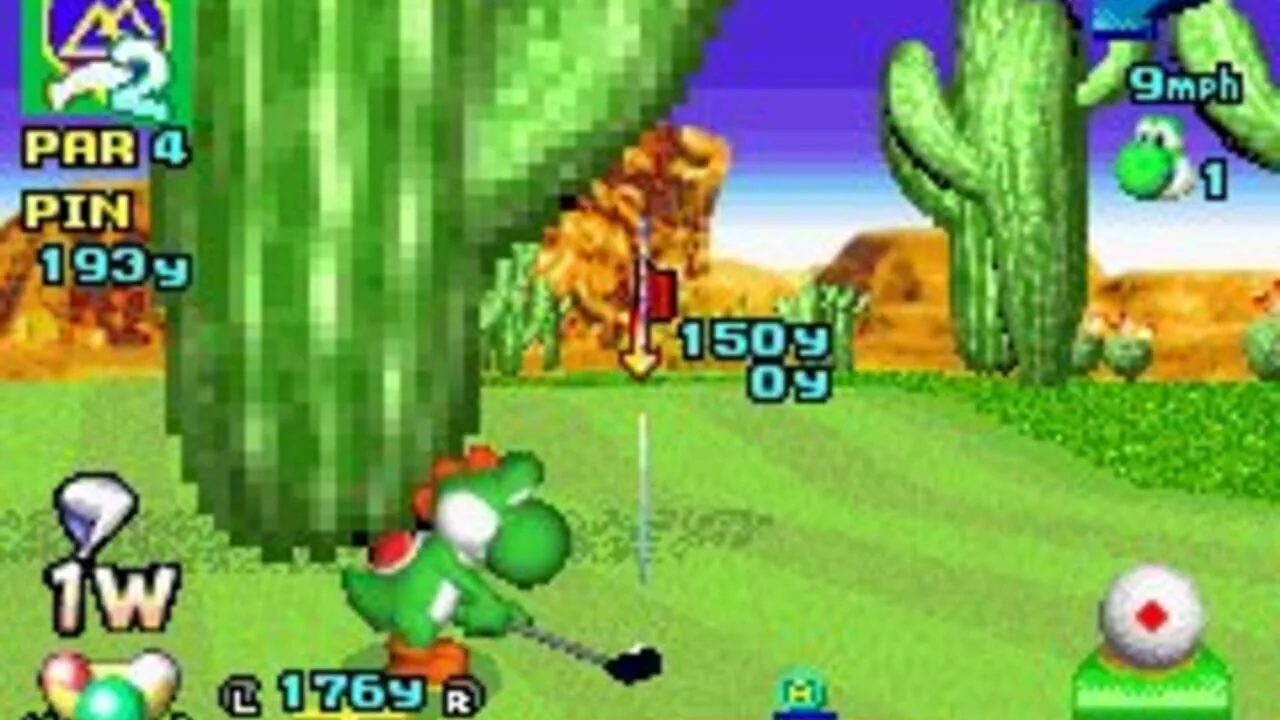
Advance Tour turns golf into a role-playing adventure. You talk to the locals at golf clinics and train in challenges like Club Slots and Go-Go Gates before taking on the country clubs. It is the sequel to the Game Boy Color version of Mario Golf and the Game Boy Advance counterpart of Mario Golf: Toadstool Tour.
Critics gave it positive reviews. They praised the RPG elements, the story mode, the depth of the gameplay and the presentation, and held back only for a lack of innovation compared to other Mario Golf games. The student lodging area is only accessible in the Marion course, which is where Neil and Ella live. Players rank it ahead of Mario Tennis: Power Tour, which makes it the sports pick to start with.
24. Boktai: The Sun Is in Your Hand (2003)
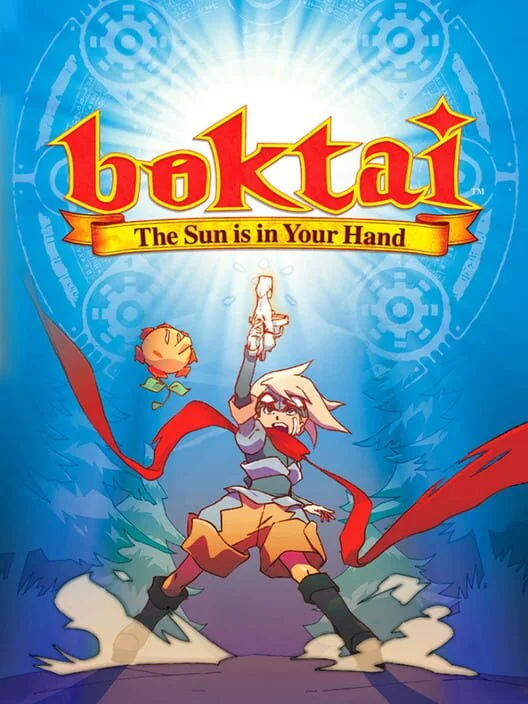
Boktai made novel use of a light sensor on the cartridge, which encouraged playing parts of the game in direct sunlight. Hideo Kojima, known for Metal Gear Solid, came up with the idea of fueling a videogame with sunlight. The amount of sun outside decides how much shows up in the adventure, so the more light you find, the stronger you get.
Both GBA sequels used a solar sensor on their cartridges, and a fourth game on the Nintendo DS was released outside Japan as Lunar Knights. A manga loosely based on the storyline ran in CoroCoro Comic from September 2003 to July 2007. It is the only game on the system that tells you to go outside, which is rude but also sound advice.
23. Dragon Ball Z: Buu's Fury (2004)
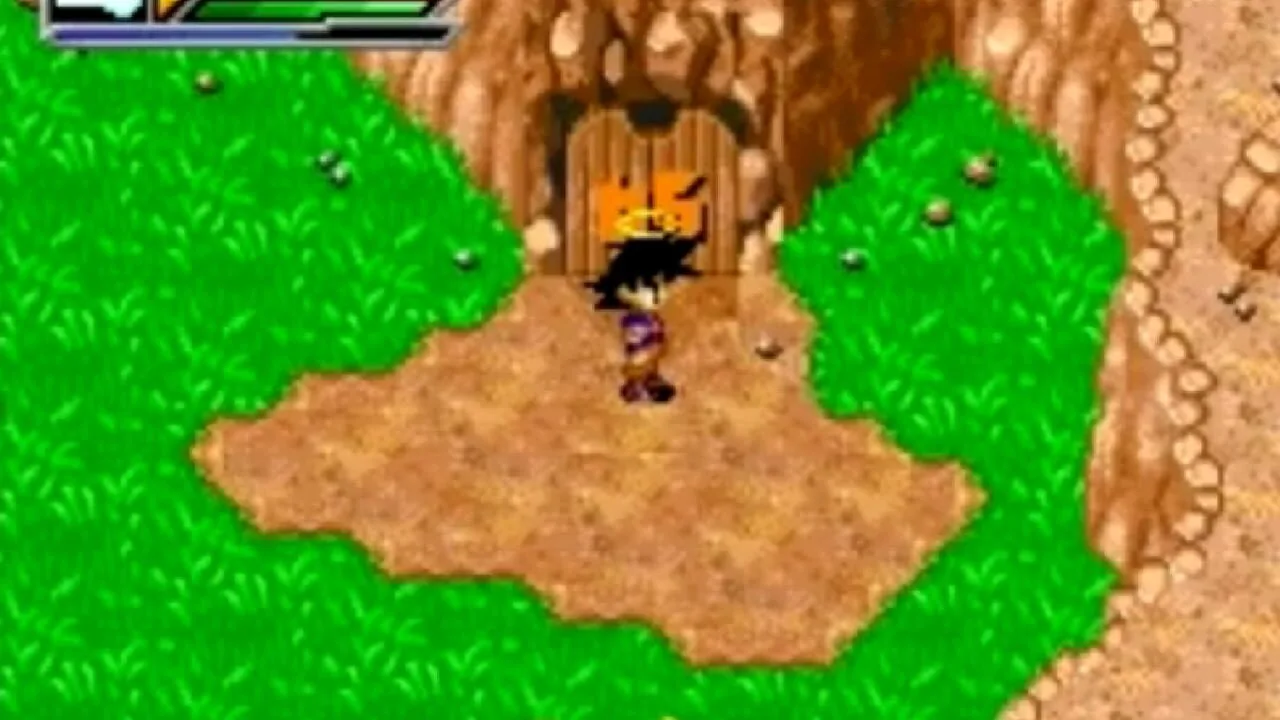
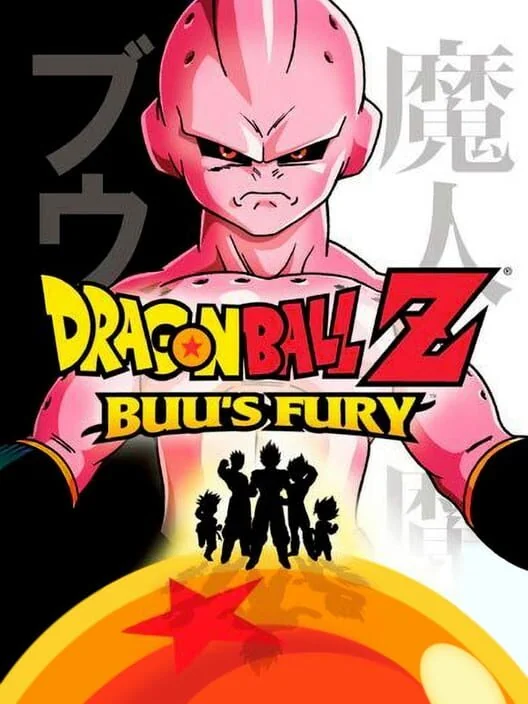
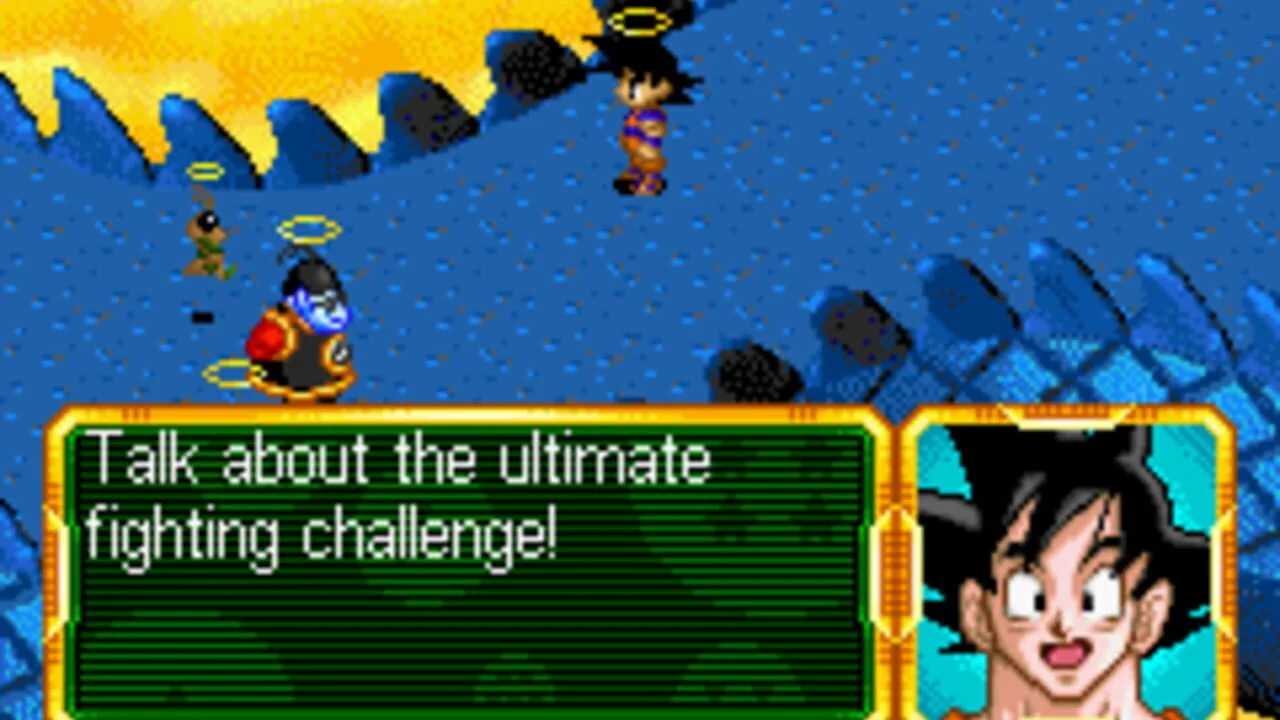
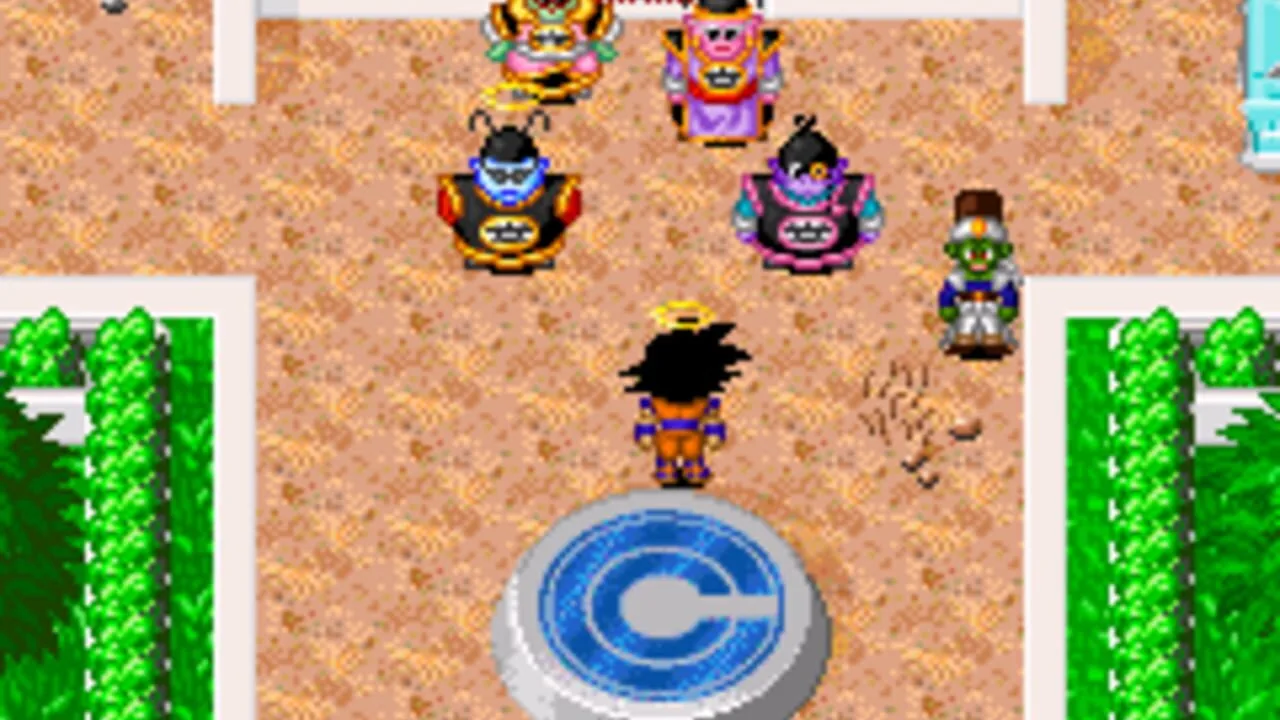
Buu's Fury is the third game in the Dragon Ball Z: The Legacy of Goku series and the sequel to The Legacy of Goku II. It covers the final parts of the Dragon Ball Z story, namely the battles with Majin Buu. It also adds equipment you can put on characters and stat points you can spend yourself.
Like the second game, its music is based on Bruce Faulconer's score for the FUNimation English dub. It came out in North America on September 14, 2004. It was re-released in 2006 as part of a GBA two-pack with Dragon Ball GT: Transformation on the same cartridge. It ranks above both Legacy of Goku games on this list. Nobody in this series has ever won a fight by staying calm.
22. Pokémon Pinball: Ruby & Sapphire (2003)
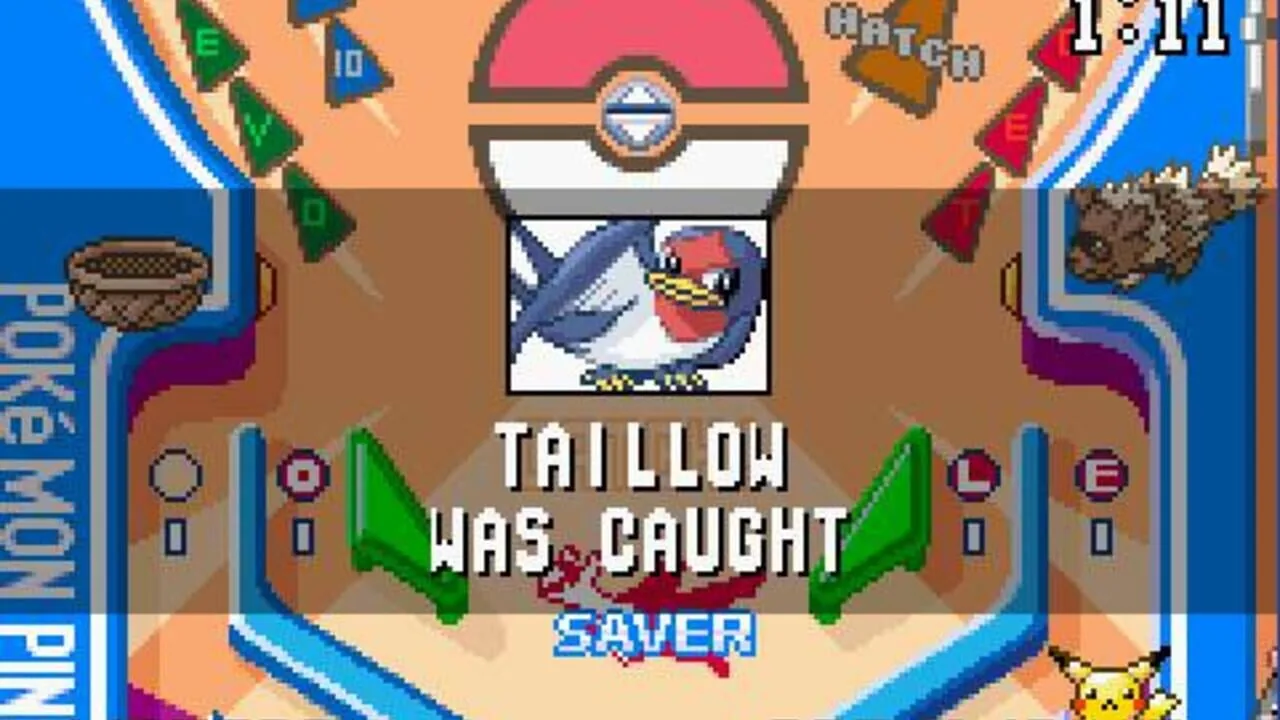
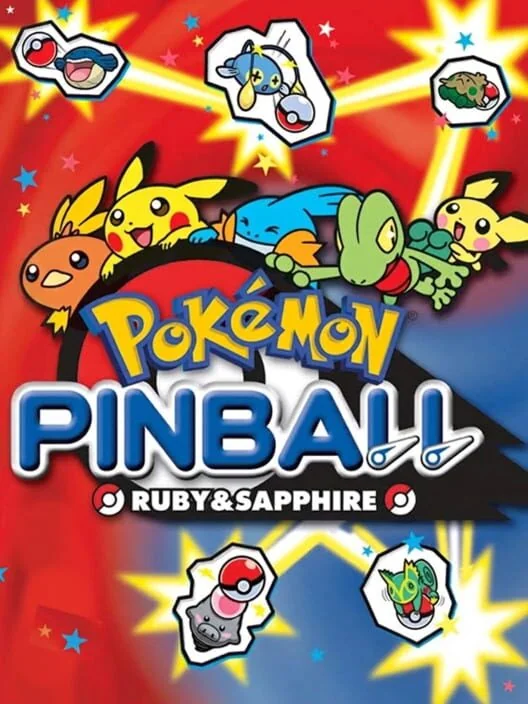
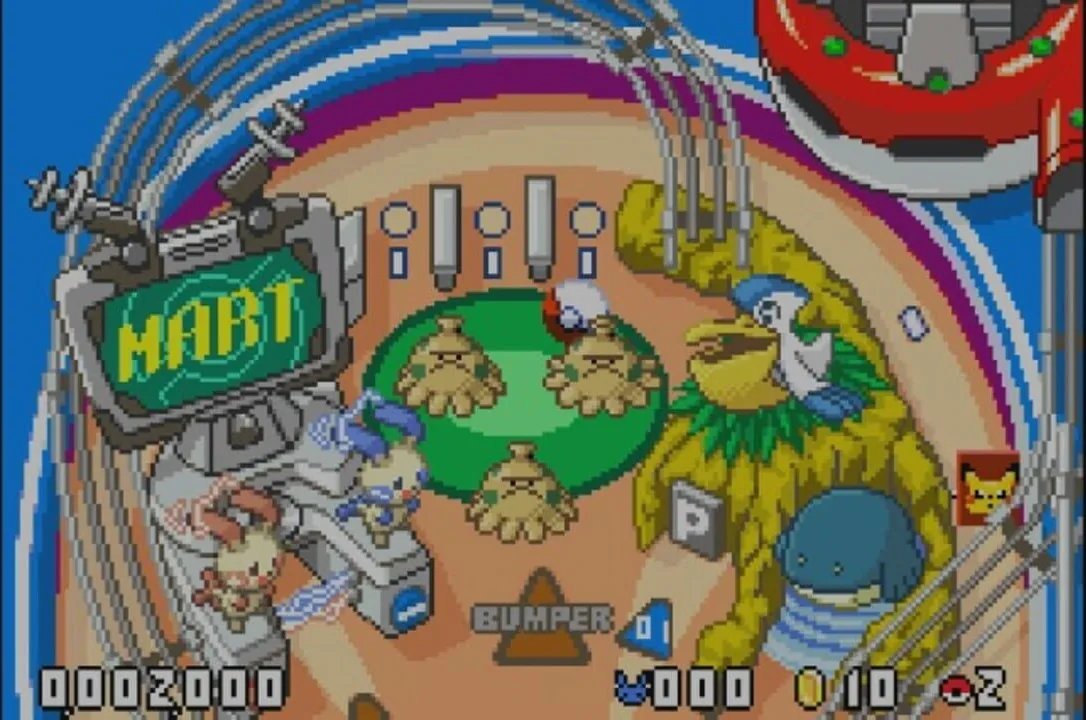
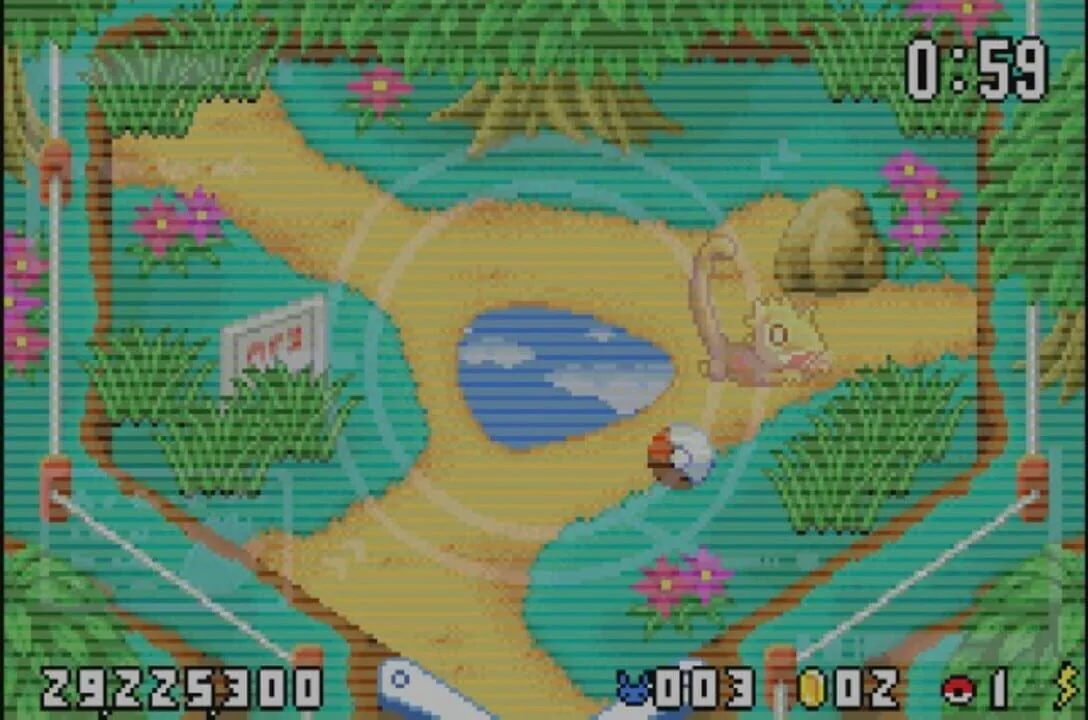
Pokémon Pinball: Ruby & Sapphire is based on Pokémon Ruby and Sapphire and is a sequel to Pokémon Pinball on the Game Boy Color. A Ball Saver returns a ball lost in the first moments of a round. One tile starts a bonus mode where you have thirty seconds to catch Jirachi, and it is the only way to add Jirachi to the Pokédex.
Metacritic gave it an aggregate score of 82/100, and IGN named it the Game Boy Advance Game of the Month for August 2003. It has sold over 1 million copies worldwide. Some reviewers found it an inferior pinball experience but thought Pokémon fans would enjoy it. In North America it launched to coincide with the fifth anniversary of Pokémon Red and Blue.
21. WarioWare, Inc.: Mega Microgame$! (2003)
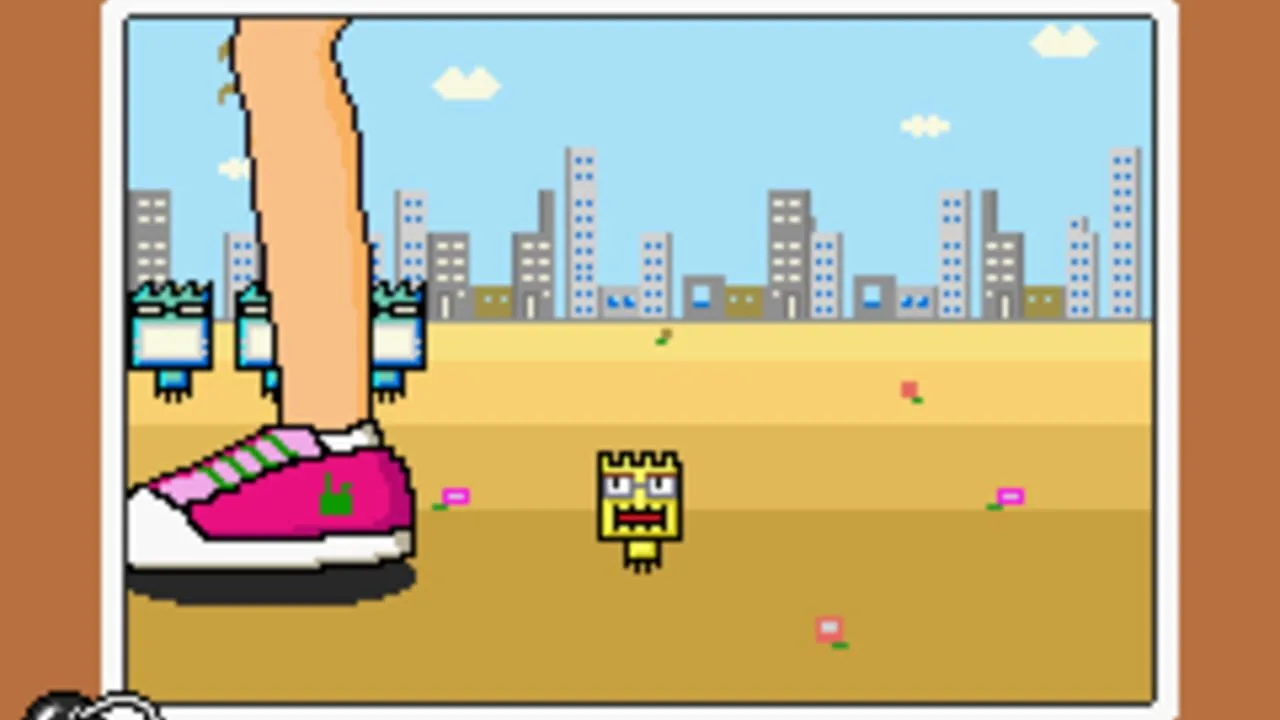
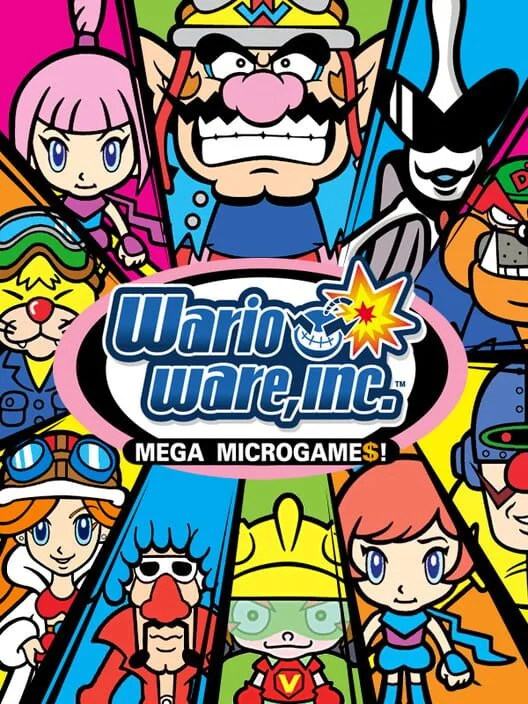
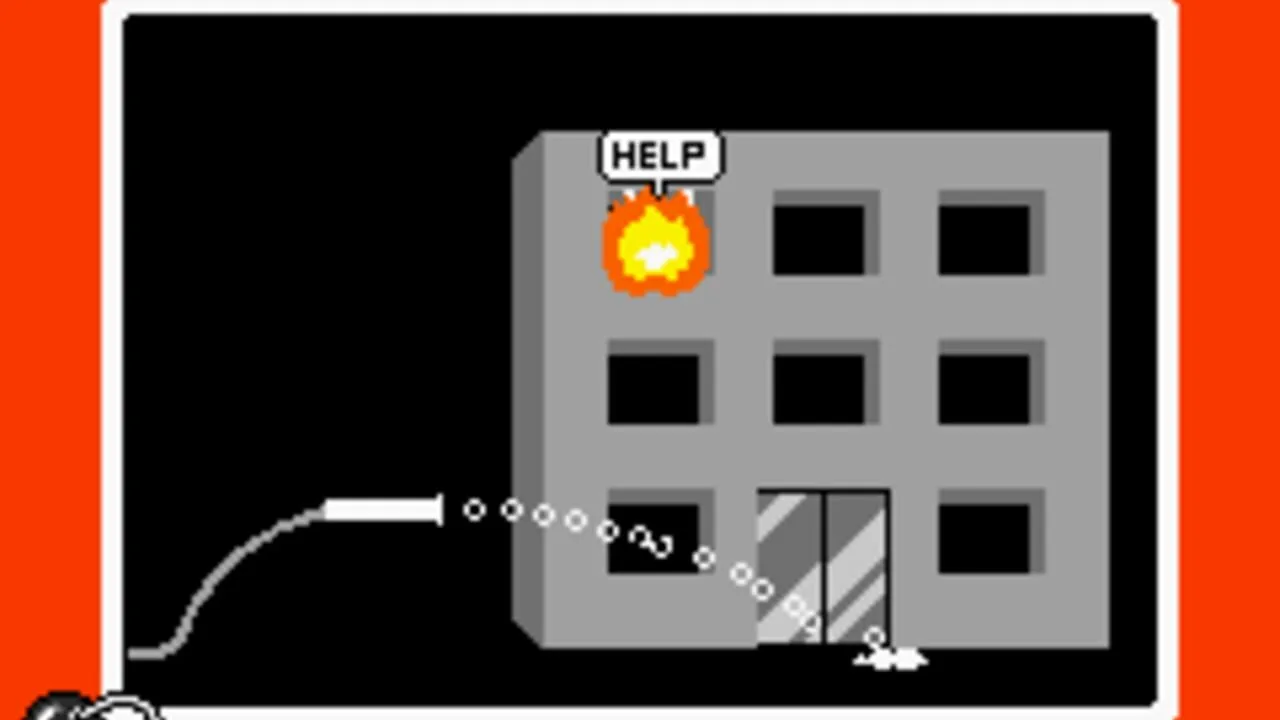
WarioWare, Inc.: Mega Microgame$! throws more than 200 bizarre microgames at you, all made by a crew of Wario's cronies. The concept was inspired by the Sound Bomber mode of Mario Artist: Polygon Studio for the Nintendo 64DD, and many of the games in that project were re-tooled into microgames.
Hirofumi Matsuoka directed and Takehiro Izushi produced. Wario Land 4 donated its music tracks and sound effects, including Wario's voice clips. It came out in Japan in March 2003 and in North America and Europe in May. It won GameSpot's Editor's Choice Award and the Most Innovative Game Award of 2003. Each round lasts about as long as a sneeze, and you will still say one more.
20. Tactics Ogre: The Knight of Lodis (2001)
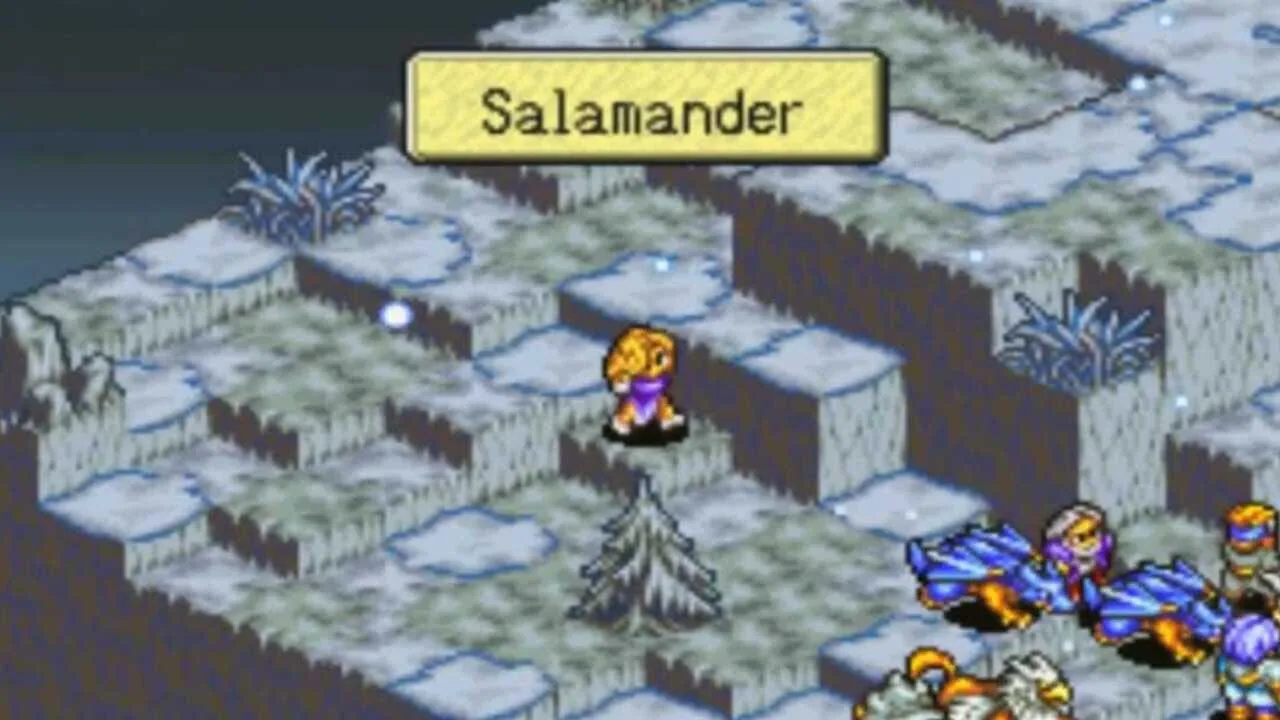
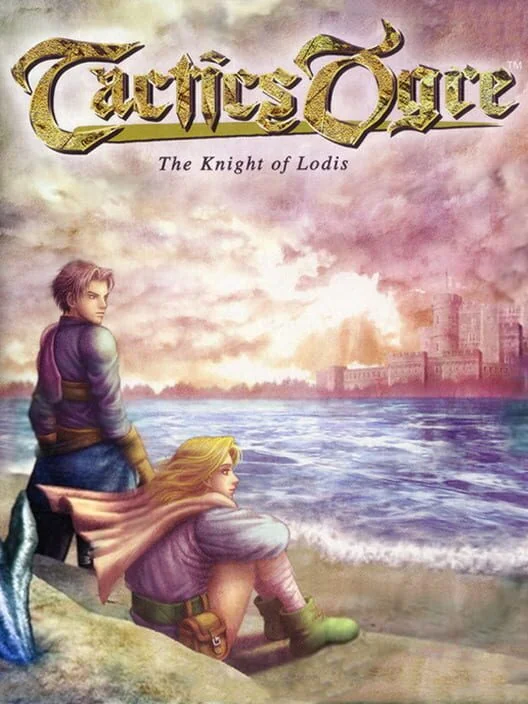
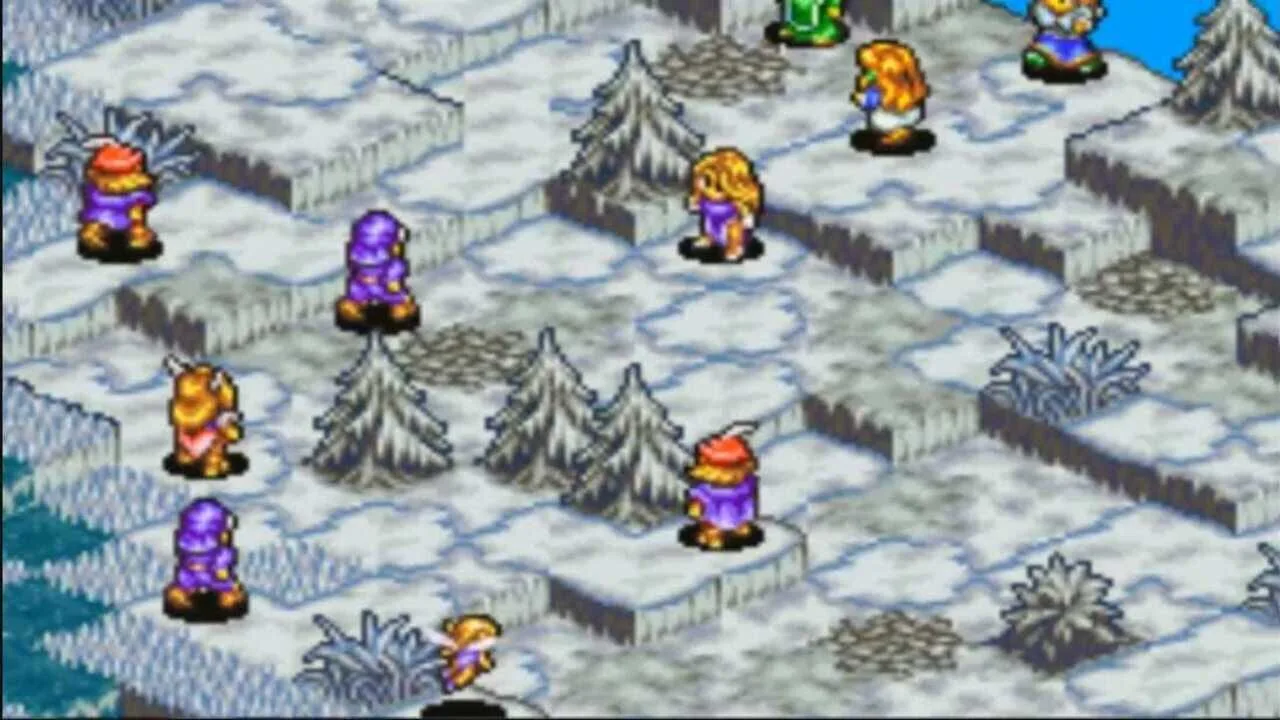
The Knight of Lodis follows the Lodis soldier Alphonse Loeher, who learns of his country's oppression of the neighbouring land of Ovis and turns against his former comrades. You start with only six units, and the classes depend on questions you answer at the beginning. The army can later grow far larger. The game promised more than 40 hours of play and several endings.
It came out in Japan in 2001 and in North America from Atlus in 2002. It is a prequel to the rest of the Ogre Battle series, and the last game Quest developed before Square took the company over. The same team went on to make Final Fantasy Tactics Advance. Reviewers liked its graphics and its story.
19. Mega Man Zero (2002)
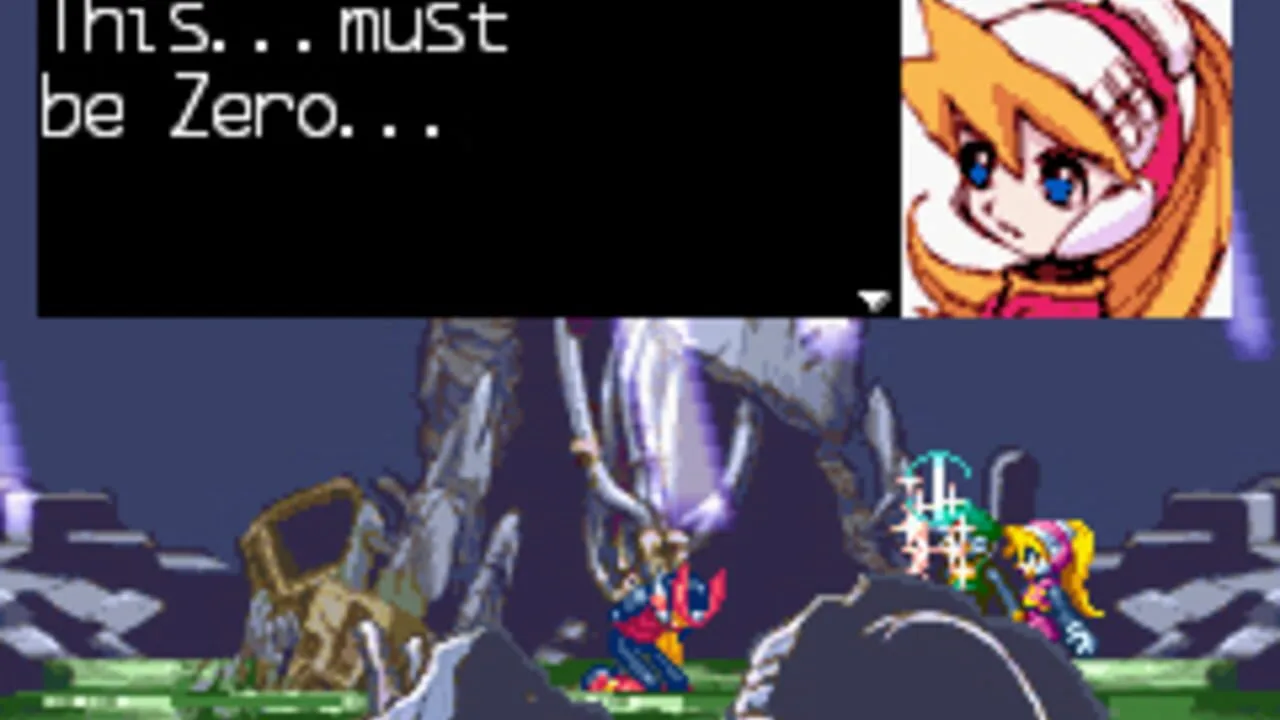
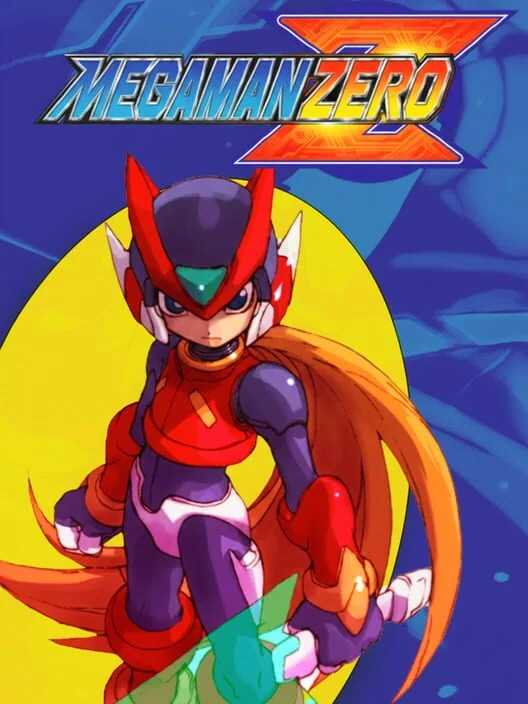
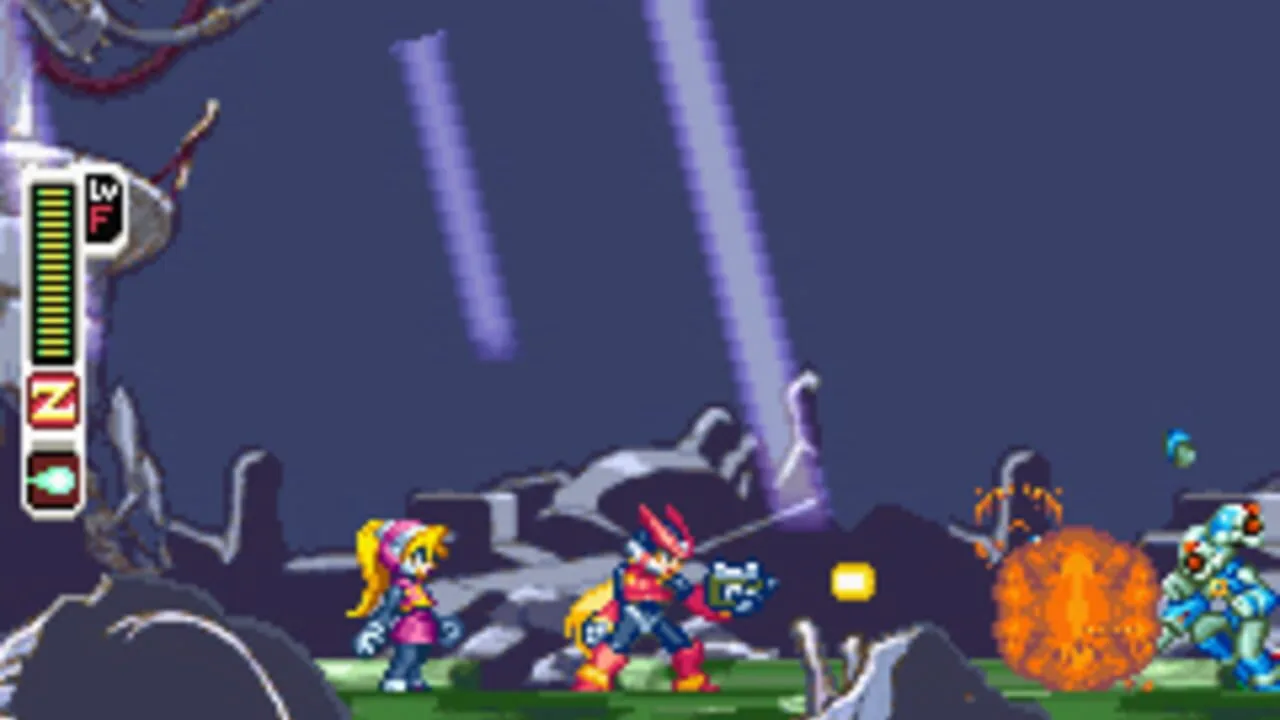
Mega Man Zero was produced by Inti Creates for Capcom, who gave the studio free rein. You play Zero, the reploid hero of the Mega Man X series, helping the exiled scientist Ciel find the source of a new reploid energy. The developers wanted to bridge the mechanical feel of the X series and the human feel of the Legends series.
They also aimed to make it among the most challenging games in the franchise, and the difficulty put off many critics, though most reviews were positive. You have only three lives to finish a mission before a game over. It sold strongly and led to three direct sequels on the GBA. A mission with three lives is polite in the way a locked door is polite.
18. Wario Land 4 (2001)
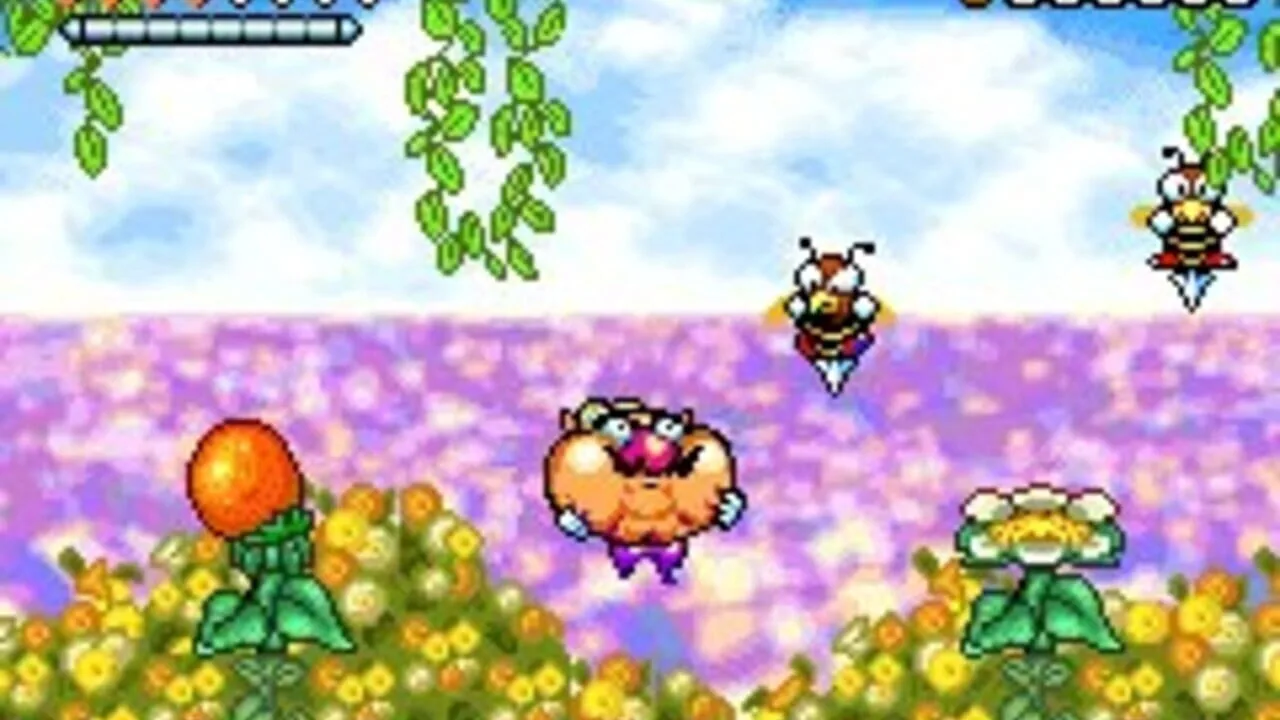
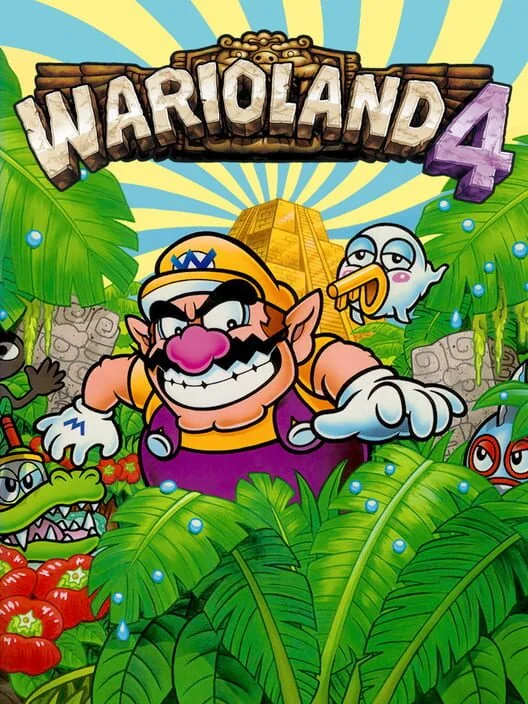
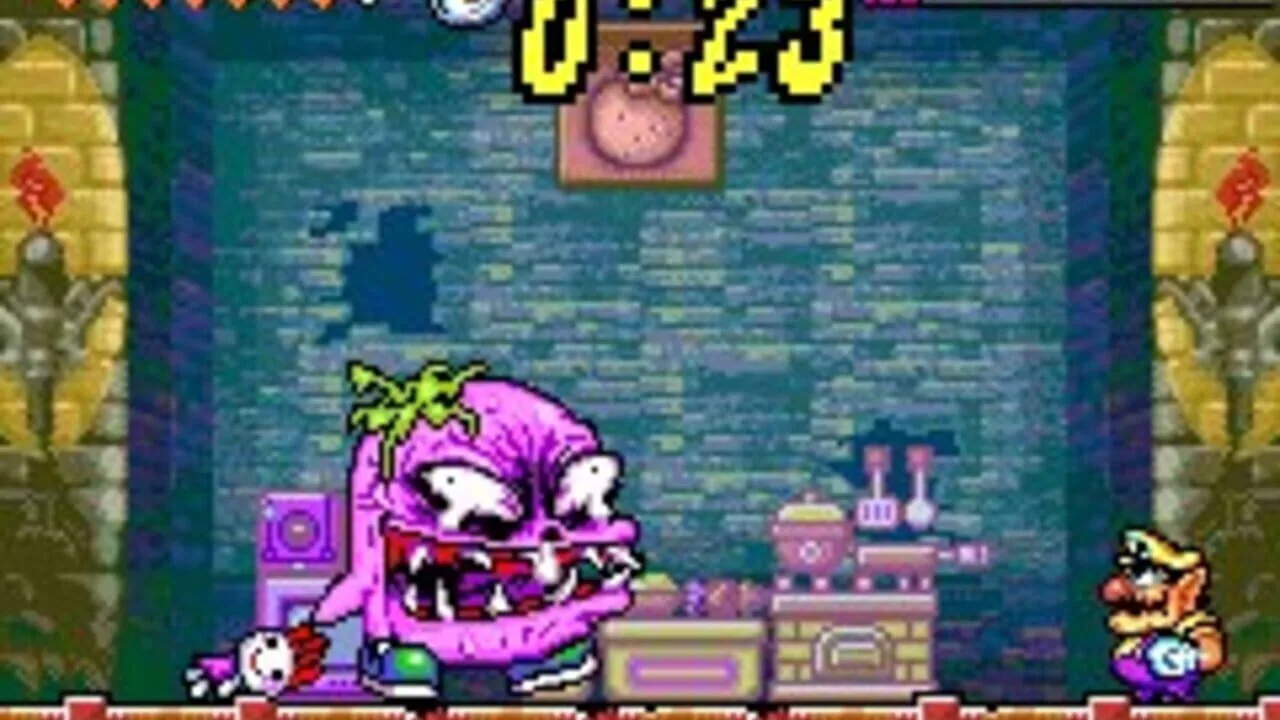
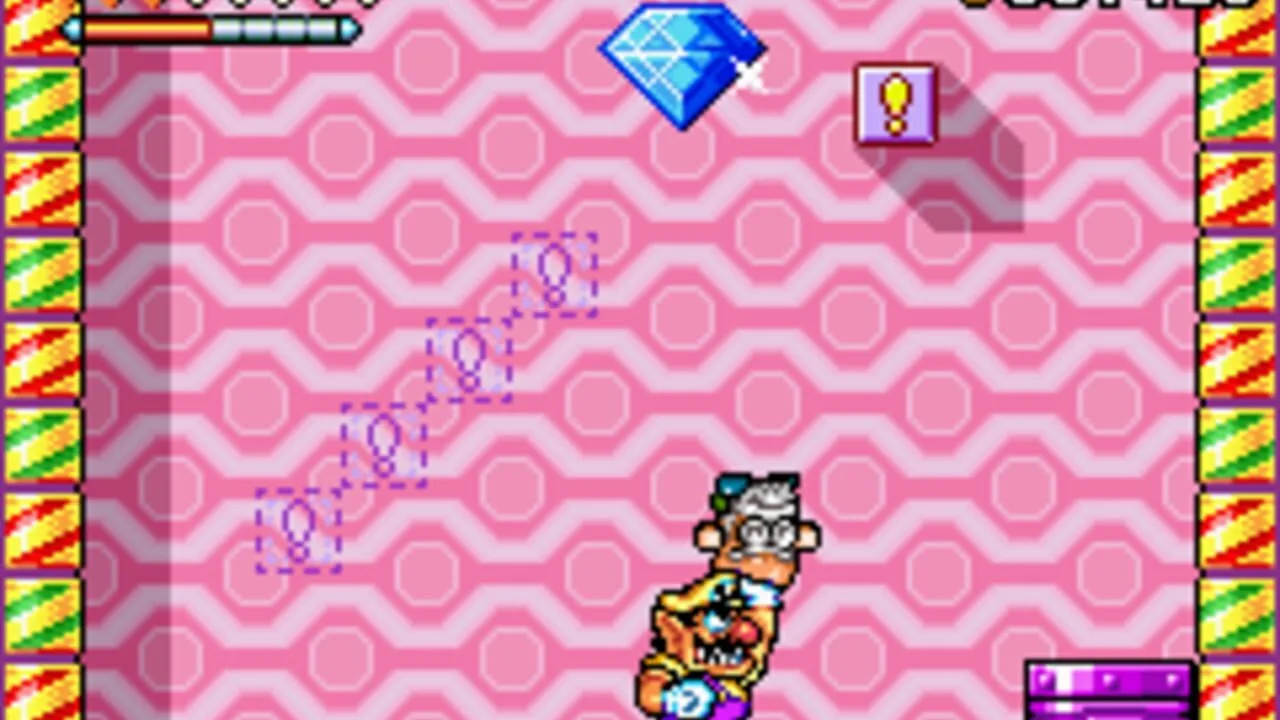
Wario Land 4 sends Wario into a legendary Pyramid of Gold to take all the treasure he can carry. He is no longer immortal, so bees can sting him, bats can bite him and fire can burn him. There are over twenty stages, and some hide CDs to hunt down along the way. A closed path can be reopened only by finding a Switch somewhere in the level.
It sold 2.2 million copies worldwide and received critical acclaim. It came out in Japan in August 2001 and internationally that November. Nintendo R&D1 reused its engine to create Metroid Fusion, and the game also inspired several indie games. So Wario and Samus are technically cousins.
17. Sonic Advance (2001)
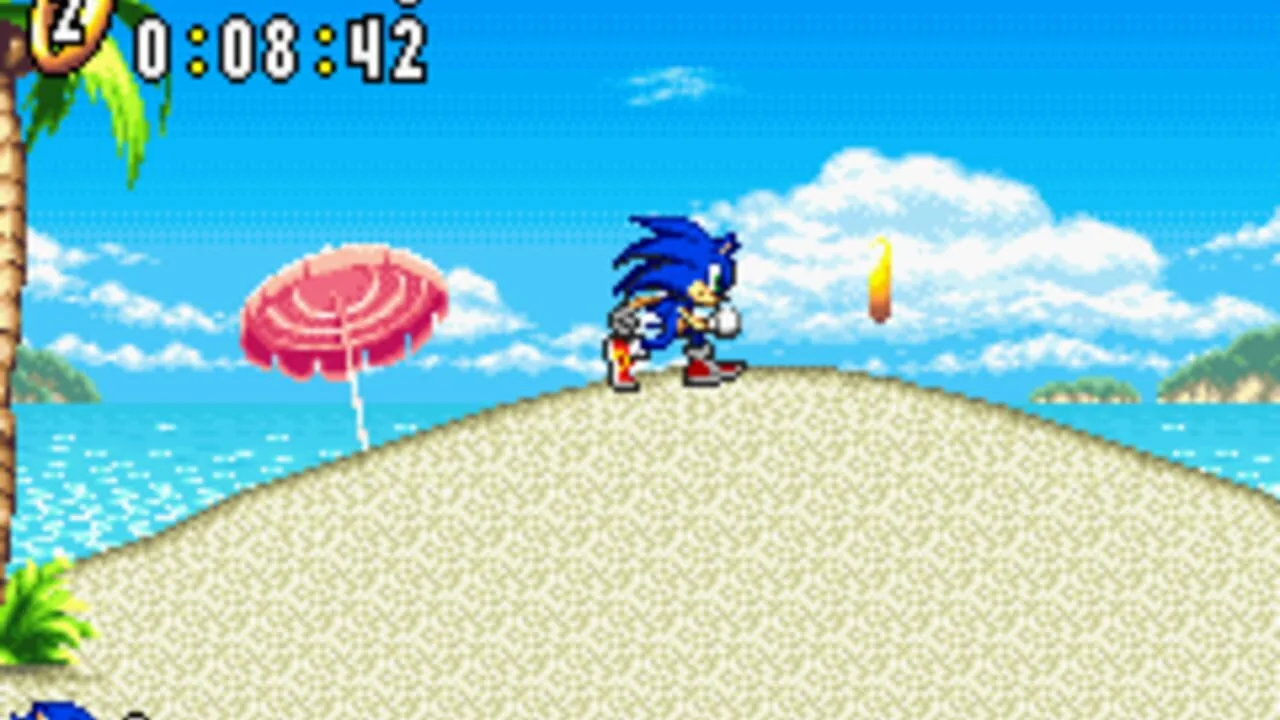
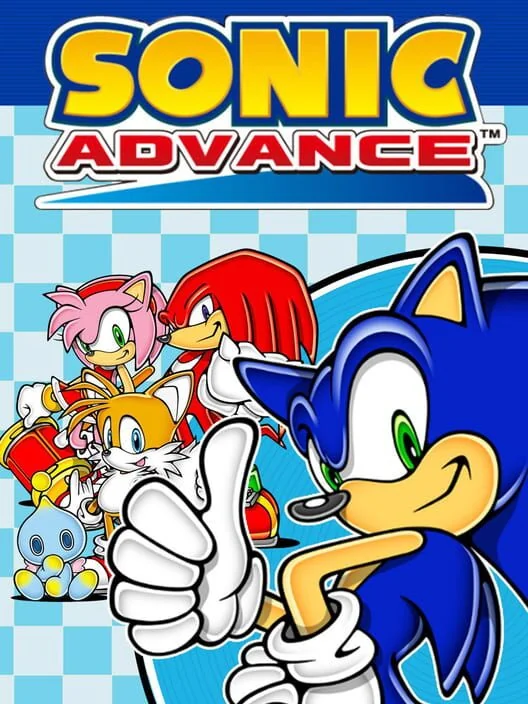
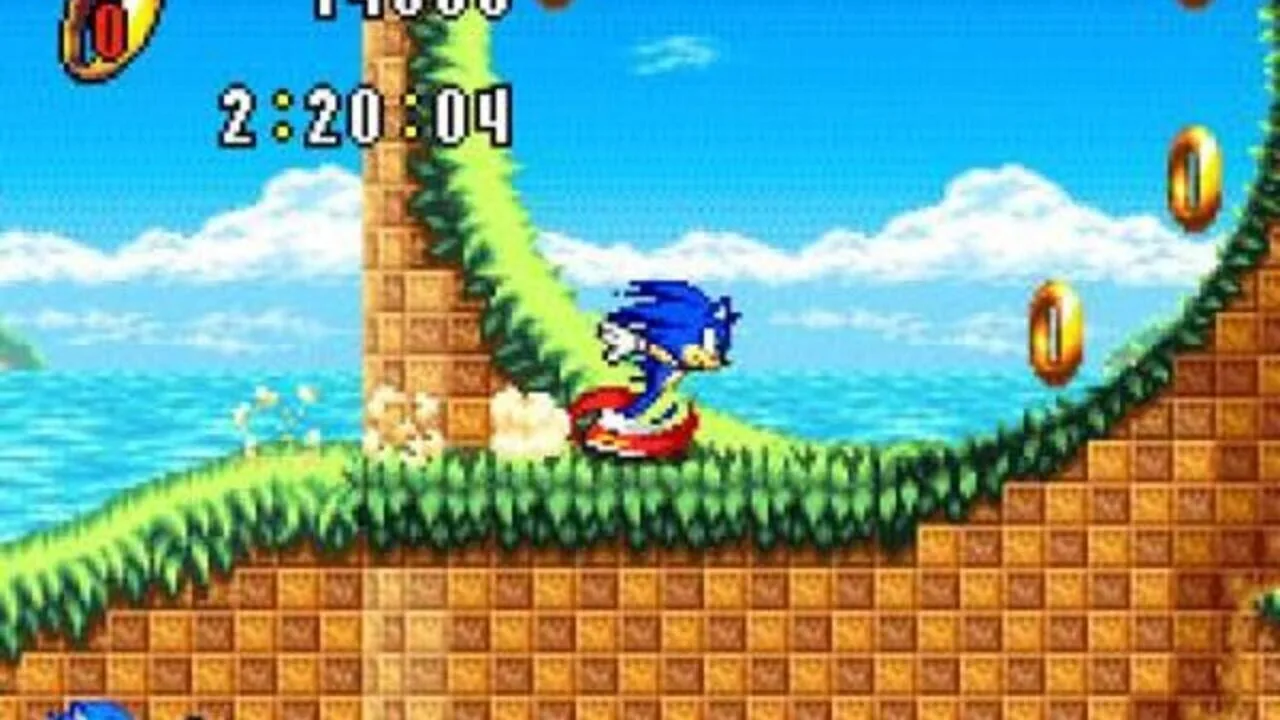
Sonic Advance was one of the first Sonic games on a Nintendo console, and it was made for the series' tenth anniversary. Sega had shifted to third-party software after the Dreamcast performed poorly. It hired Dimps to lead development. It was the first Sonic game from that studio. Reviewers liked the graphics and the faithfulness to the original Genesis games.
Criticism went to its short length and special stages. It was ported to Nokia's N-Gage in 2003 as SonicN. Two sequels followed on the GBA: Sonic Advance 2 and Sonic Advance 3. Few handheld Sonic games capture the speed of the Genesis originals as well as this one does.
16. Advance Wars 2: Black Hole Rising (2003)
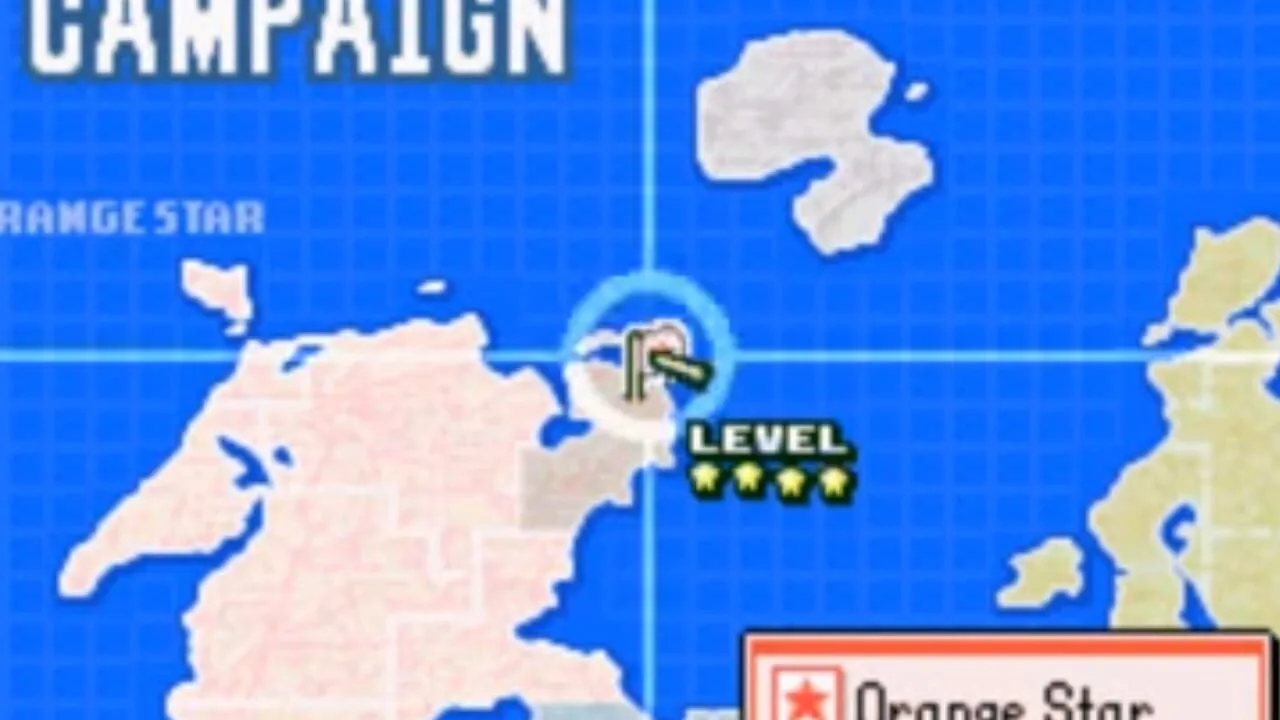
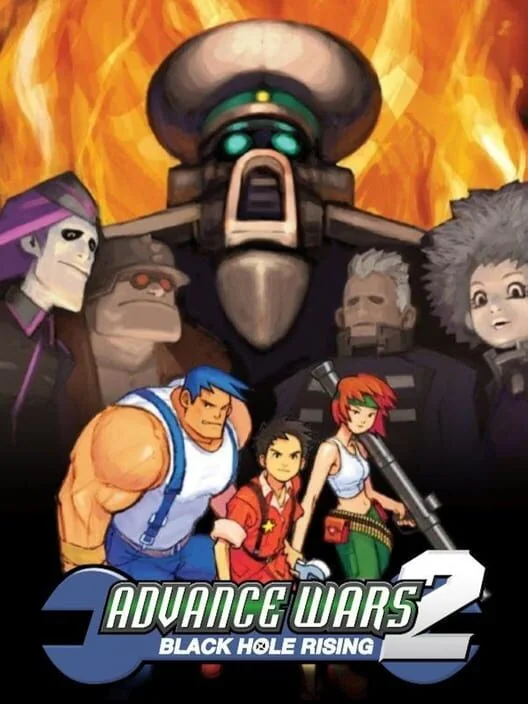
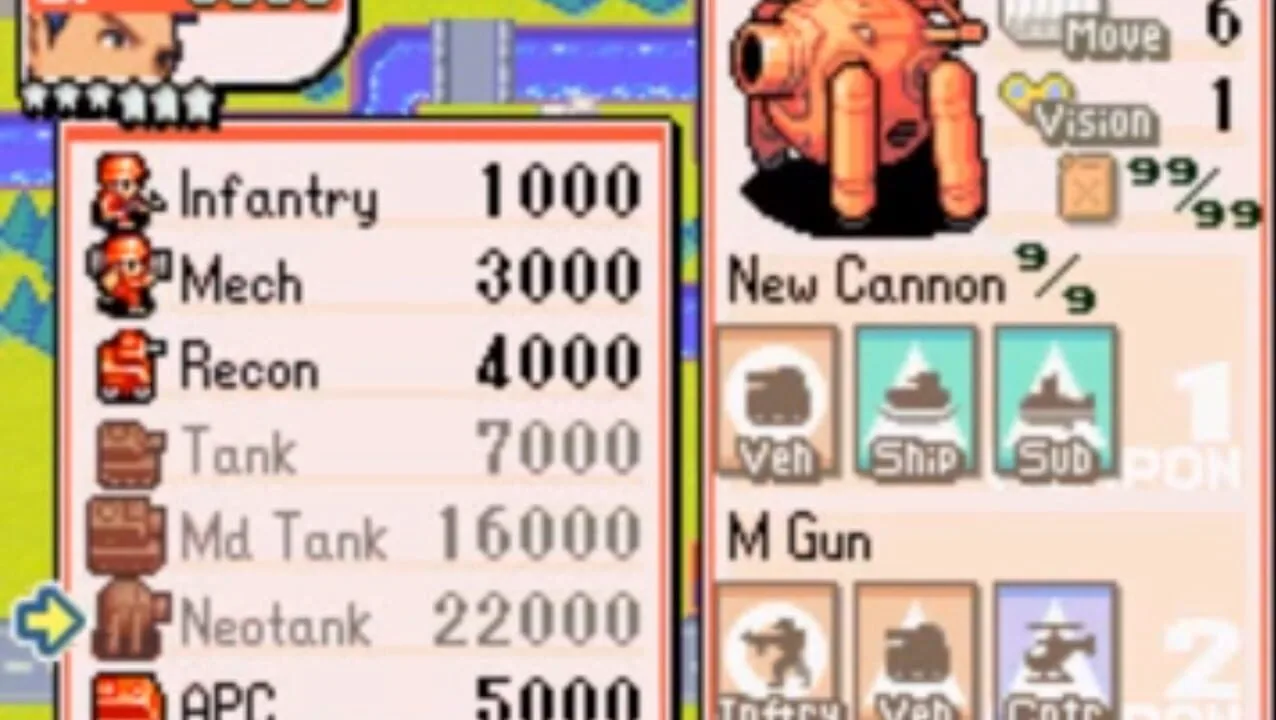
Black Hole Rising is nearly identical to Advance Wars in core gameplay, with a small change in graphical style and some content additions. New Black Hole buildings appear only in the campaign, and they create objectives such as destroying or capturing one of them. Hawke takes over as leader of the Black Hole army.
It came out in North America and PAL regions in 2003. The original Japanese release was canceled, and Japan later got both games on one cartridge, Game Boy Wars Advance 1+2. A Switch remake was announced at E3 2021 with the original game. The villains are an army named Black Hole, which at least is honest advertising.
15. Mario Kart: Super Circuit (2001)
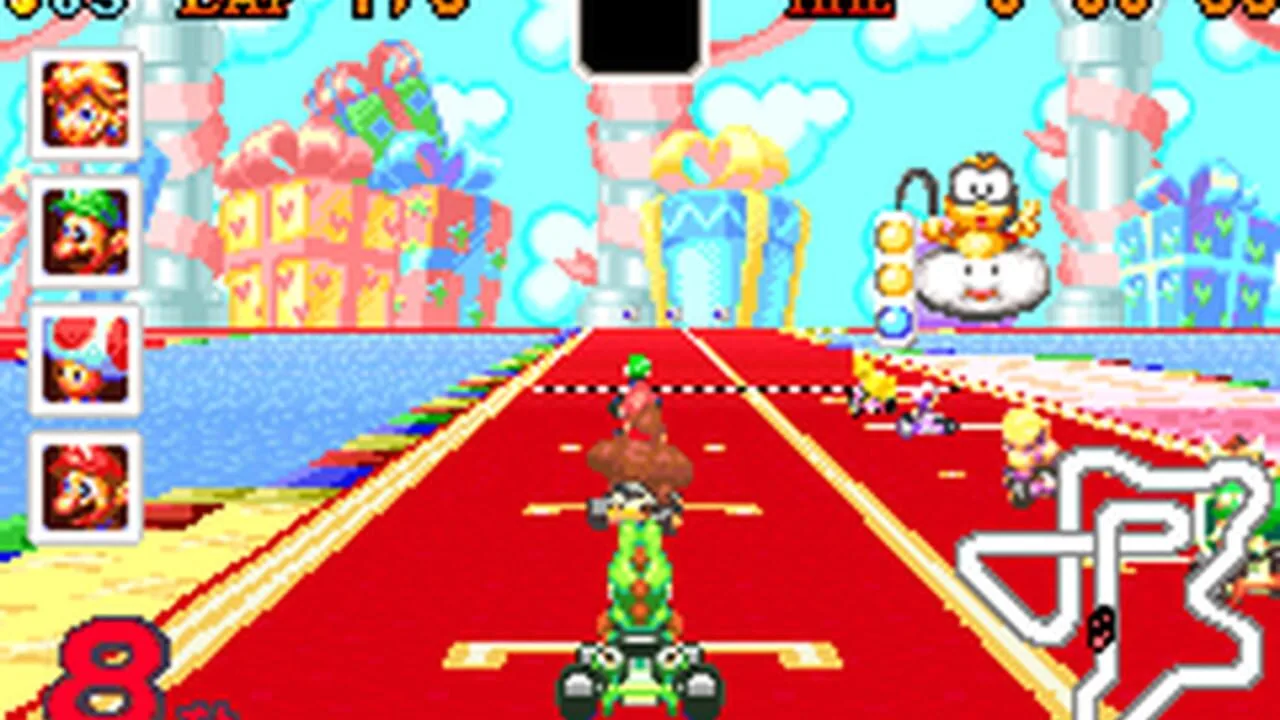
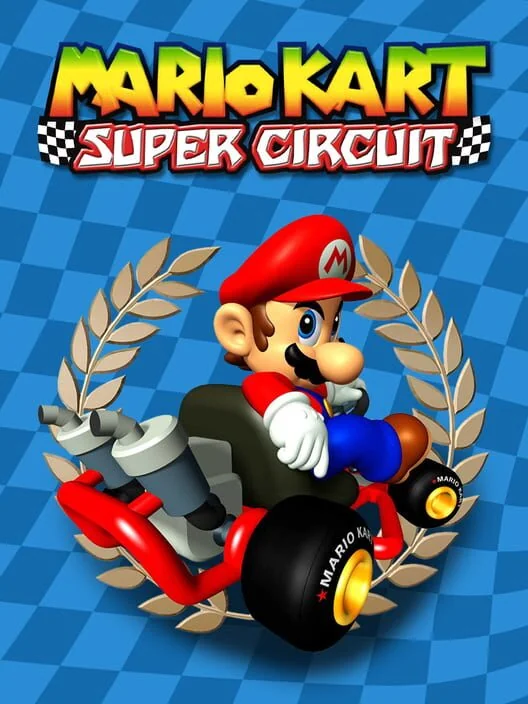
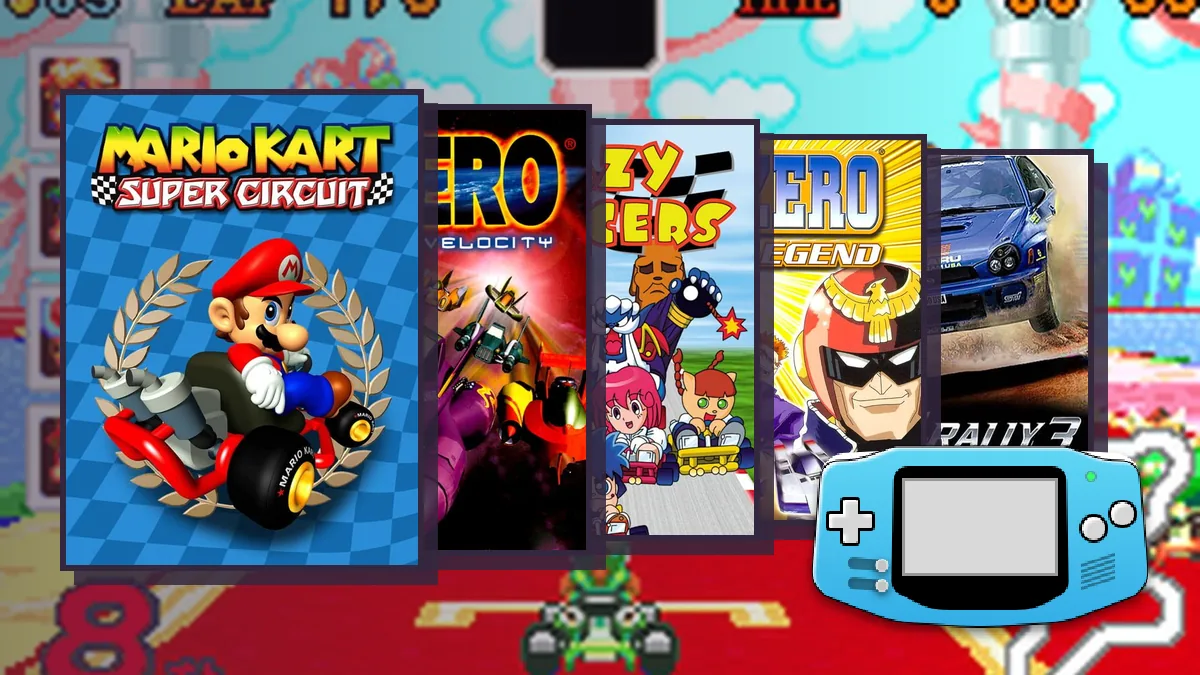
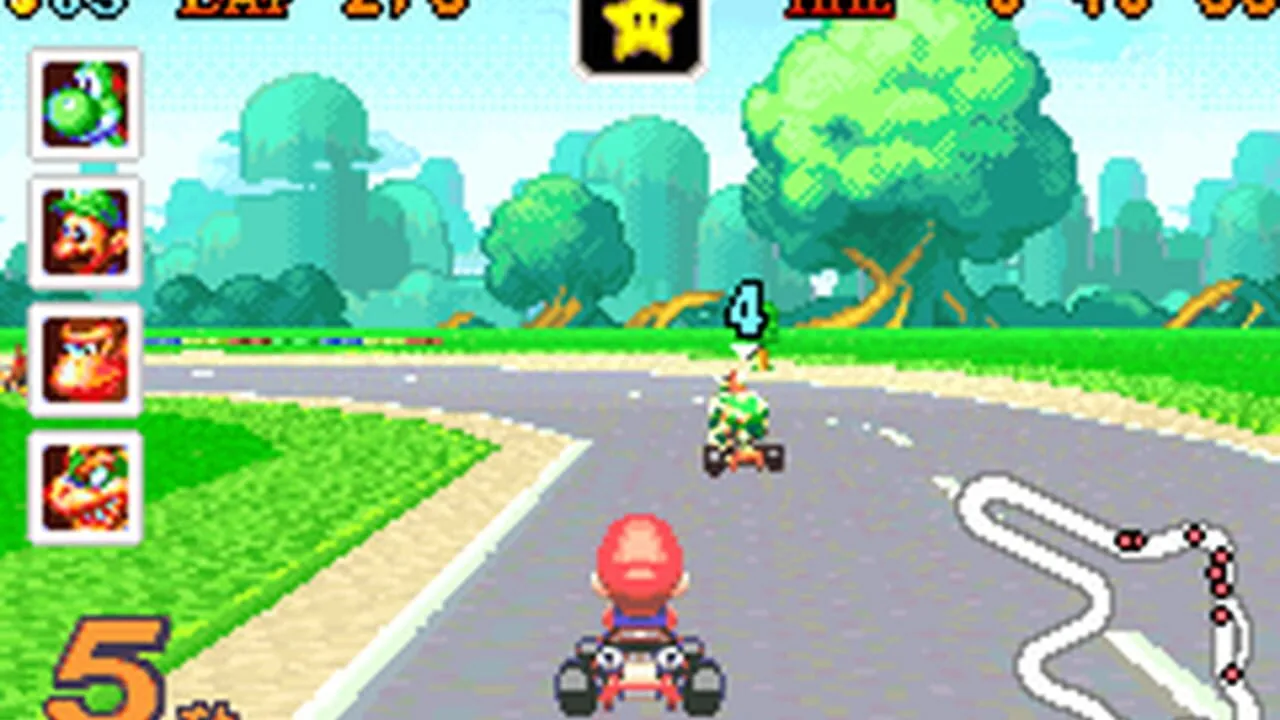
Super Circuit is the third Mario Kart game and the first on a handheld. Intelligent Systems built it, the only time the studio developed a Mario Kart. As in earlier games, you race opponents around tracks based on locales from the Super Mario platform games. The final look resembles Super Mario Kart, even though the style changed drastically from early demos.
Nintendo revealed it alongside the GBA in 2000 and released it in mid-2001. It sold 5.91 million copies worldwide, making it the fourth best selling GBA game. Retrospective critics rank it among the best GBA games, though among the lesser Mario Kart games because it lacked technical innovation. That still leaves a very good kart racer.
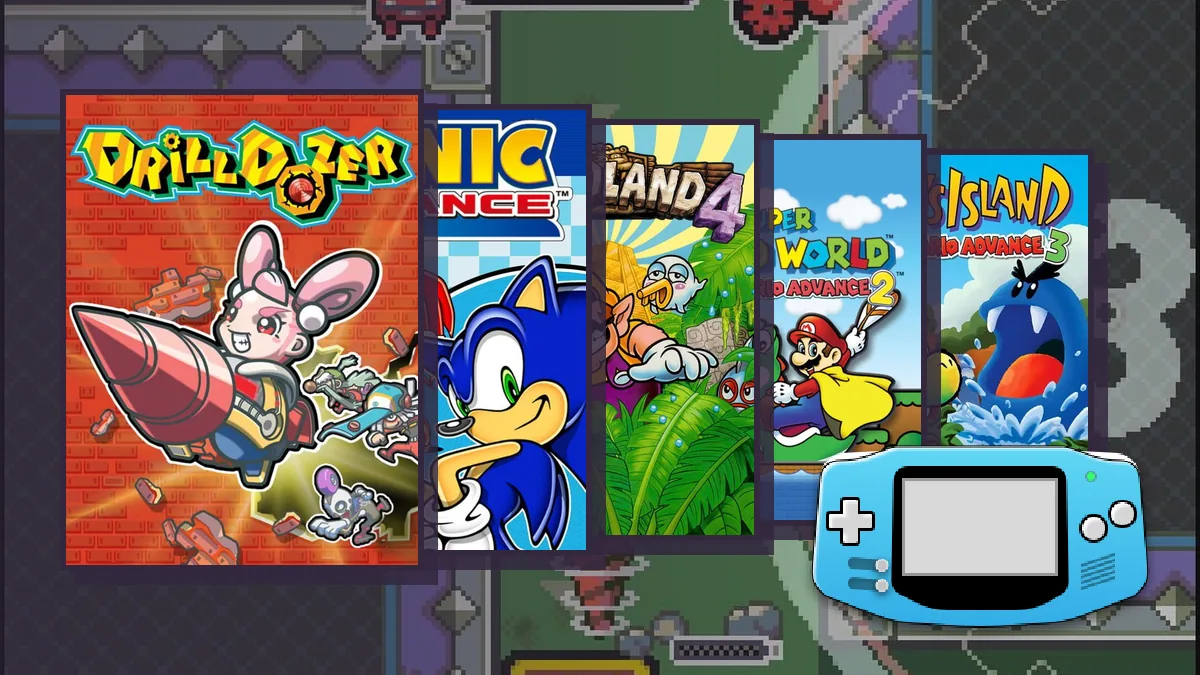
14. Drill Dozer (2005)
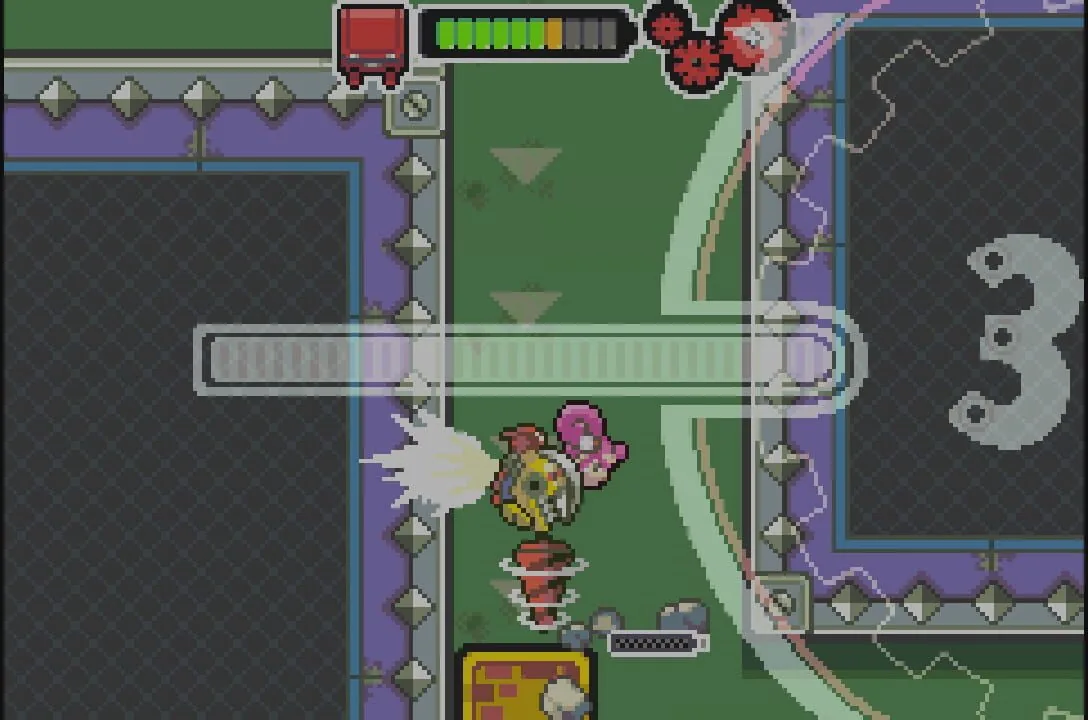
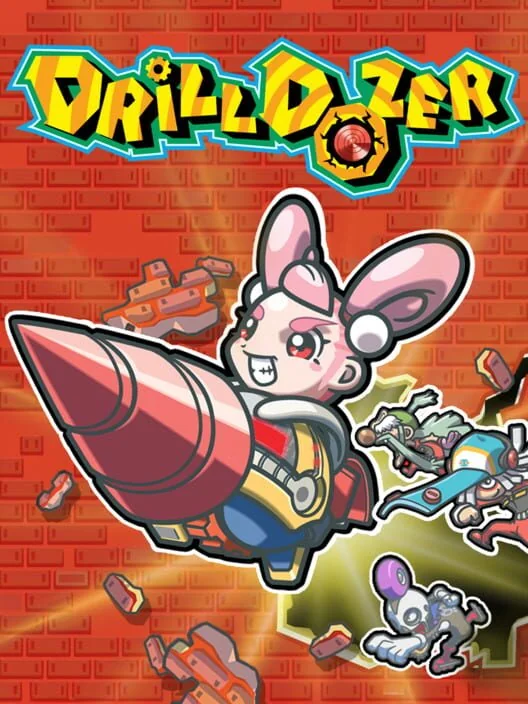
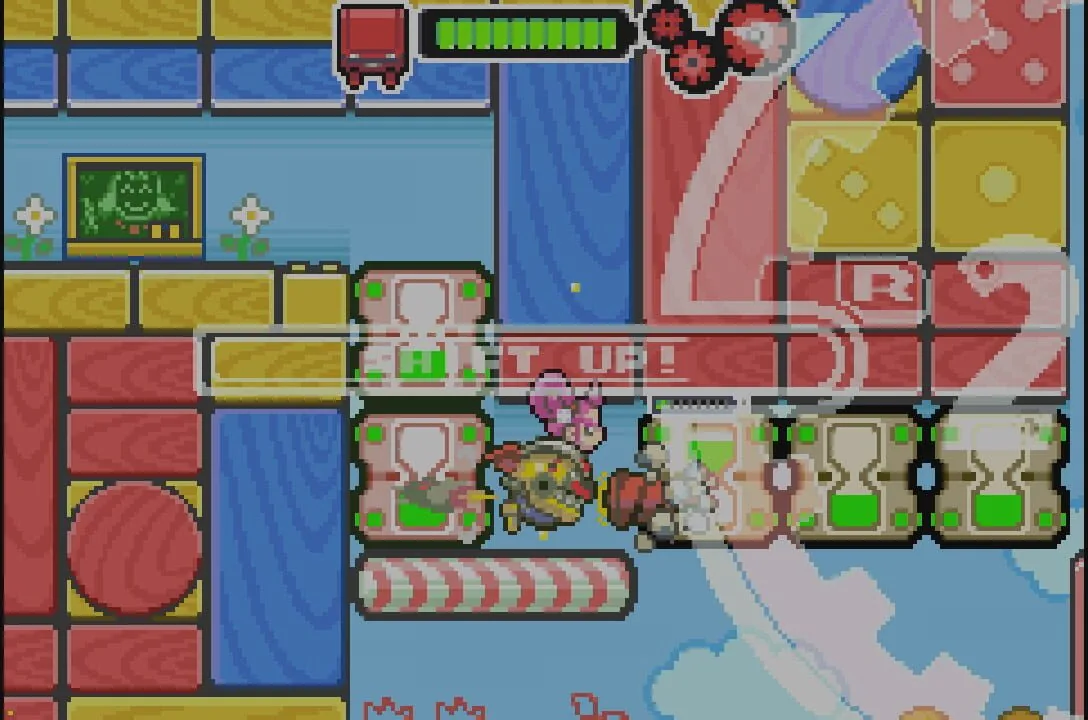
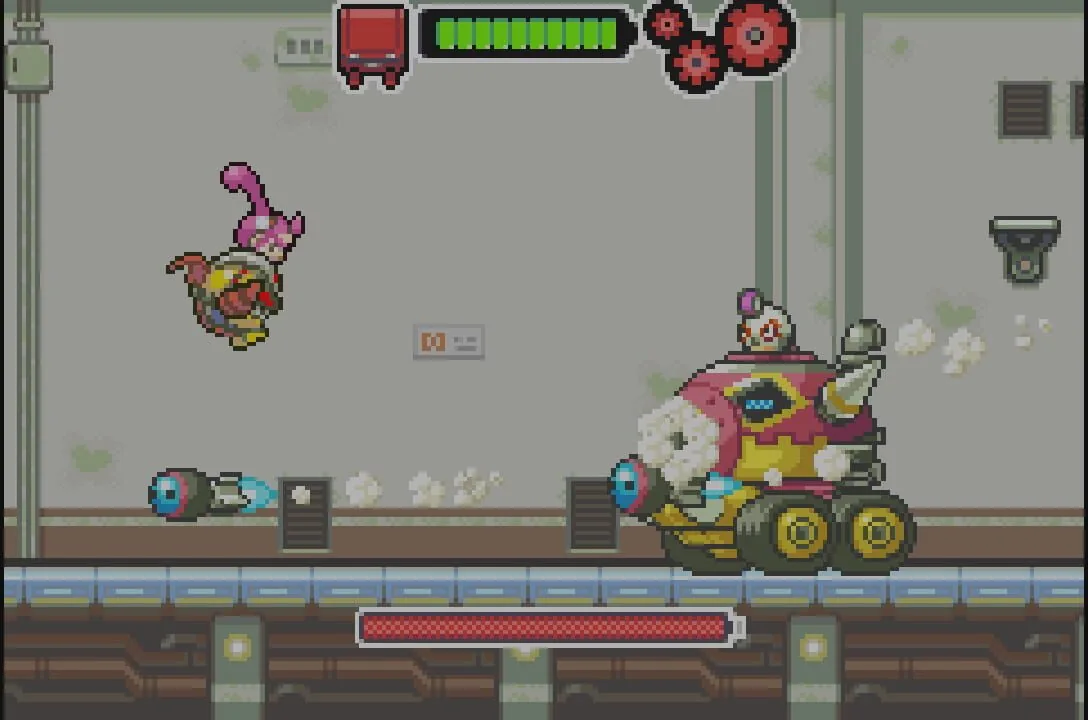
Drill Dozer is a platformer where the main move is a drill. Jill, the daughter of a crime boss, chases a rival gang that stole her family's heirloom in her mech, the Drill Dozer. One shoulder button spins the drill clockwise and the other counter-clockwise. You can drill into surfaces or screw in objects.
Director Ken Sugimori wanted an action game without traditional combat. Jill's hair was inspired by roll cakes, which makes her the most dessert-based design on the system. The game came out in Japan on September 22, 2005. North America got it on February 6, 2006. It sold poorly. Authors blame the Nintendo DS arriving at the same time and poor marketing.
13. Castlevania: Circle of the Moon (2001)
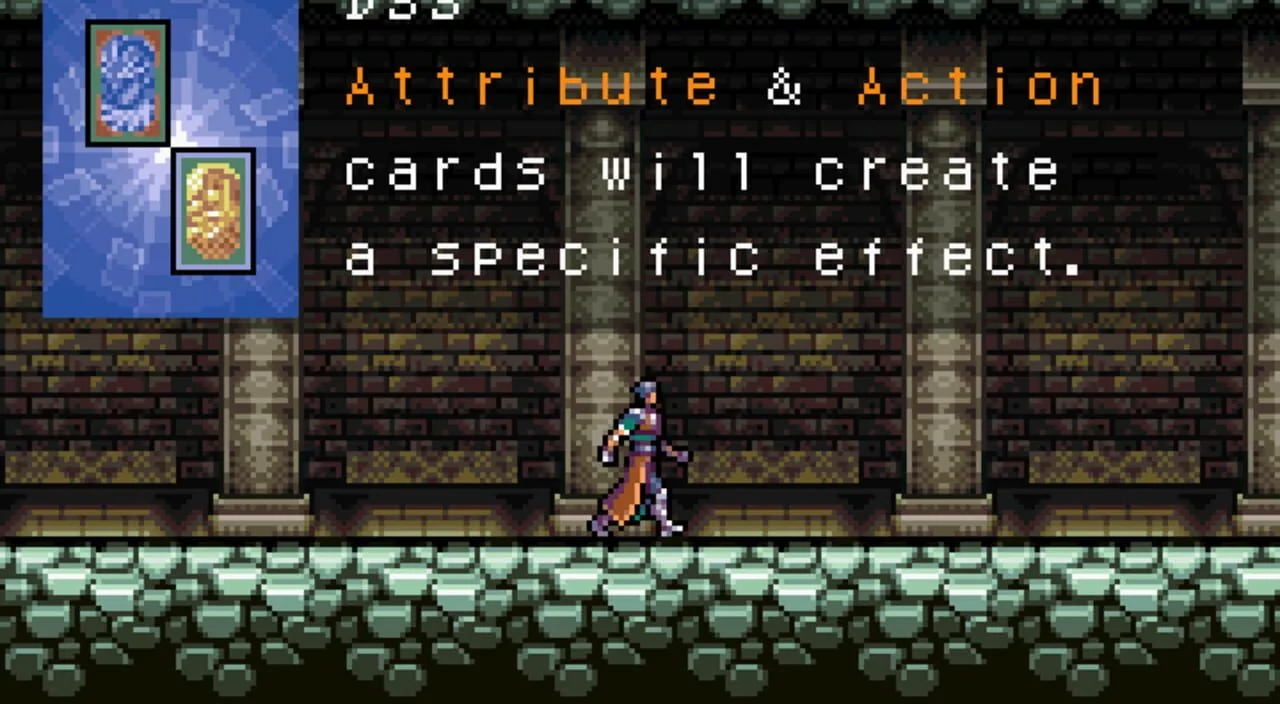
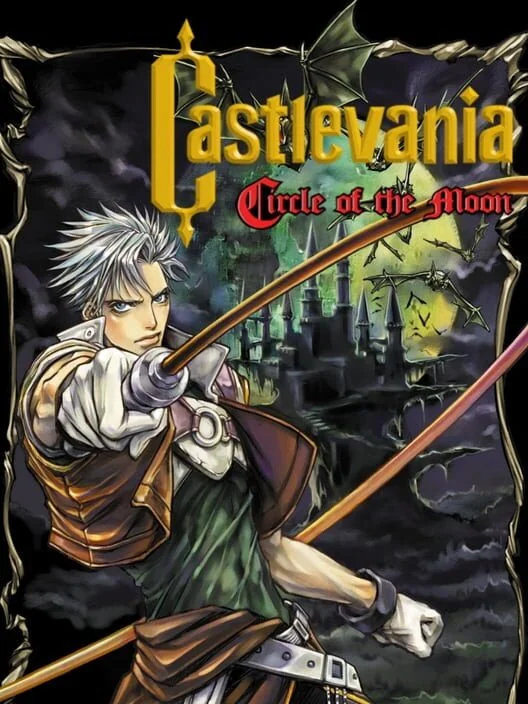
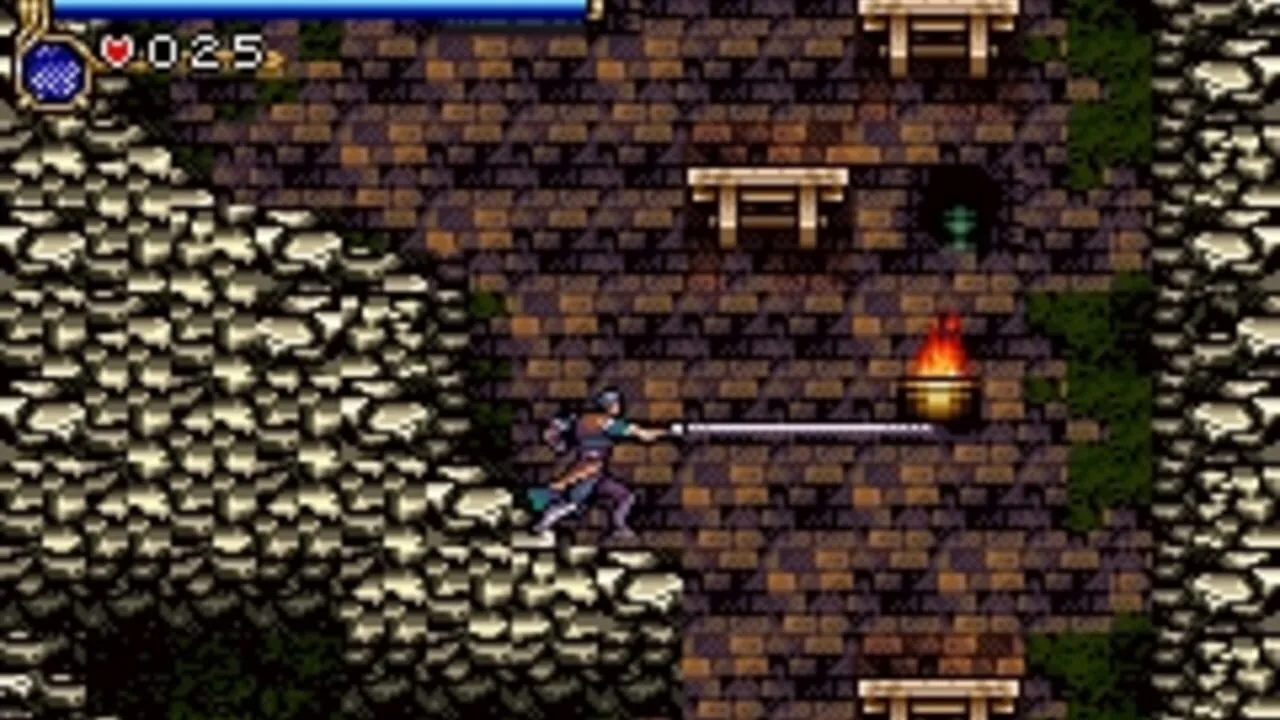
Circle of the Moon was a launch title for the Game Boy Advance, developed by Konami Computer Entertainment Kobe. It was the first Castlevania to follow the action role-playing style of Symphony of the Night. The story is set in 1830, in an old castle on the outskirts of the Austrian Empire.
It sold 500,000 units worldwide and received critical acclaim for its level design and scope. One critic called the visuals too dark. The designer of the follow-up, Harmony of Dissonance, cited flaws in the control scheme that he wanted fixed in the next game. Circle of the Moon is rougher than its successors, and it is still the one that proved the formula worked on a handheld.
12. Astro Boy: Omega Factor (2003)
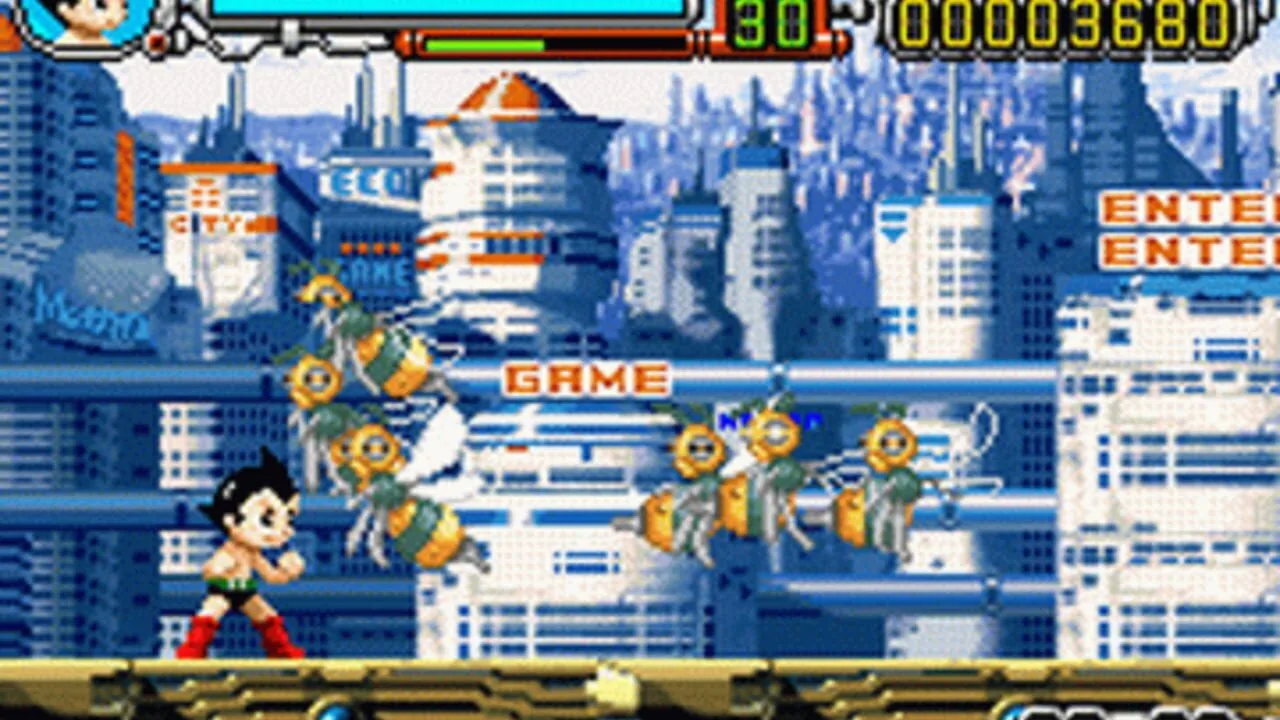
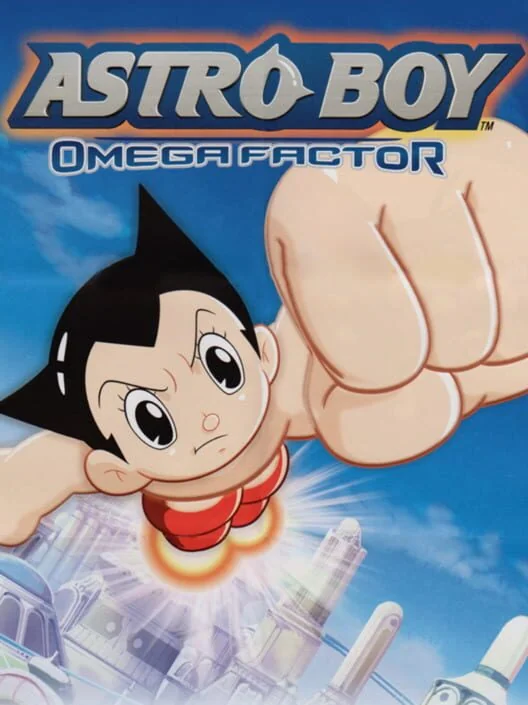
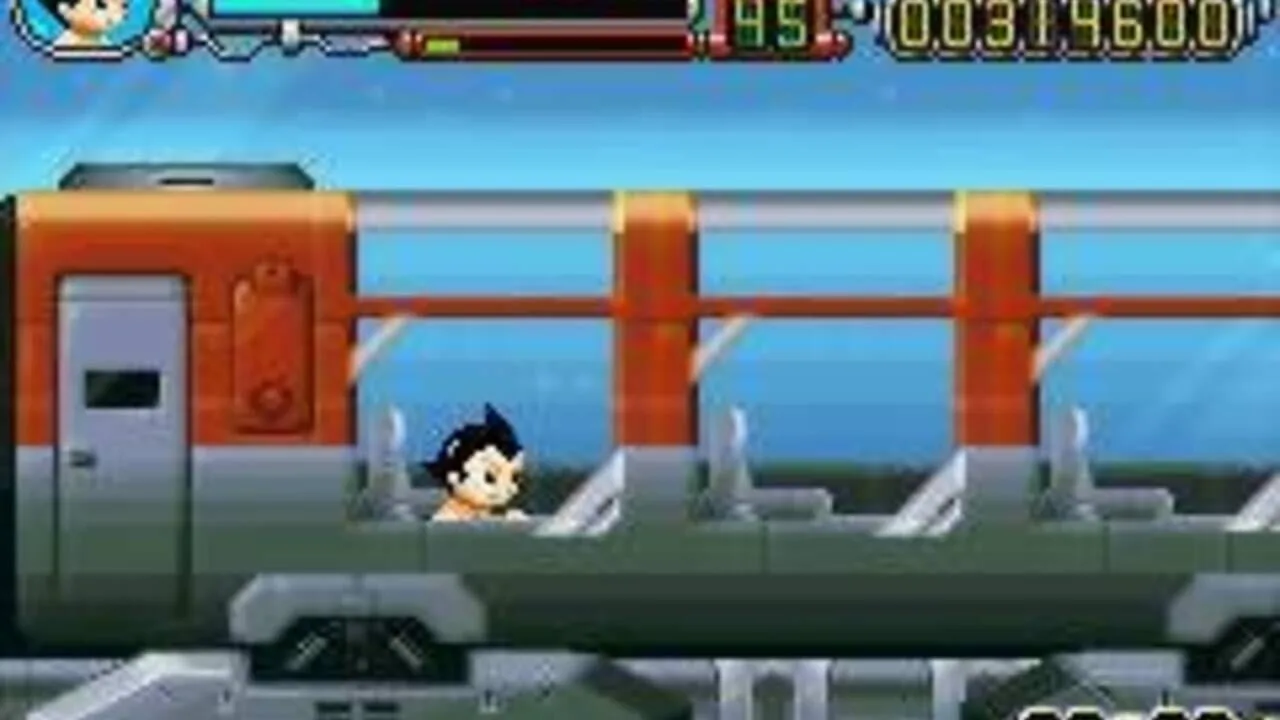
Astro Boy: Omega Factor is based on Osamu Tezuka's manga and anime franchise Astro Boy. Treasure and Hitmaker co-developed it as part of a collaboration between Sega and Tezuka Productions. Astro uses his seven super abilities against enemies such as Atlas and Blue Knight.
It came out in Japan on December 18, 2003. North America got it on August 17, 2004. The delay let it coincide with the premiere of the Astro Boy TV series that year, and Treasure used the time to improve the game. Critics gave it positive reviews and praised the visuals. Most licensed games get rushed out the door, and this one got a delay and a polish.
11. Pokémon Emerald (2004)
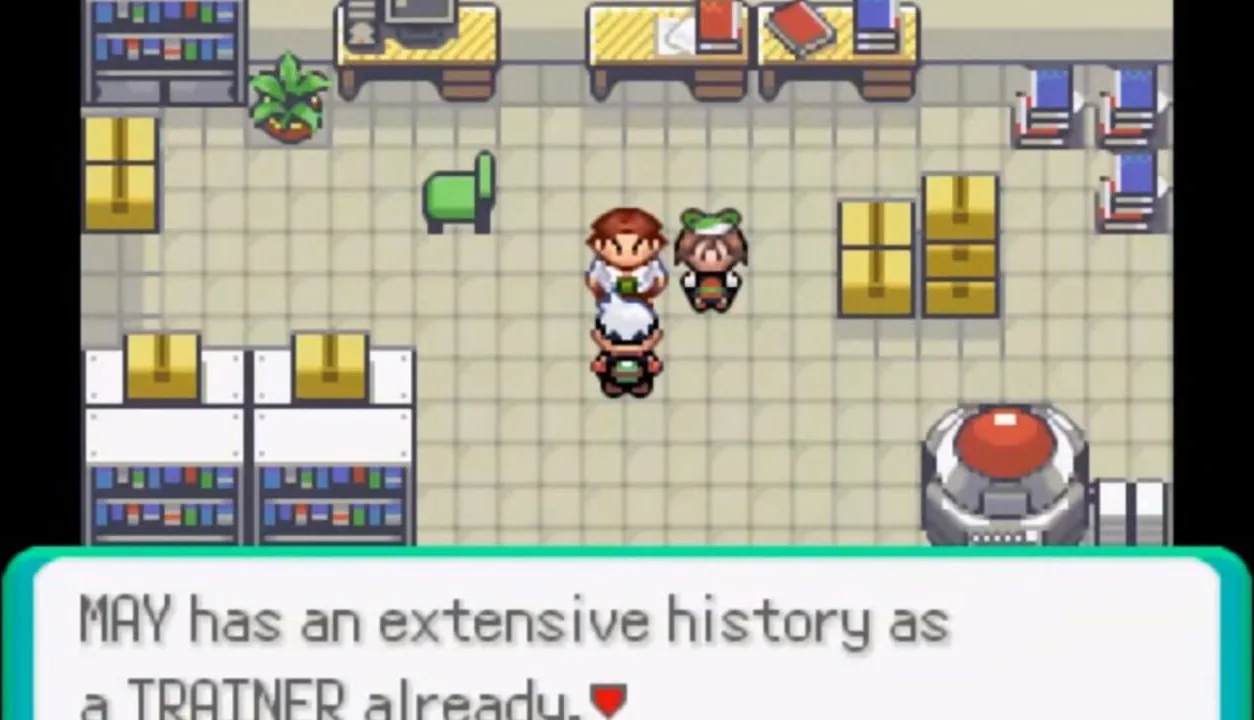
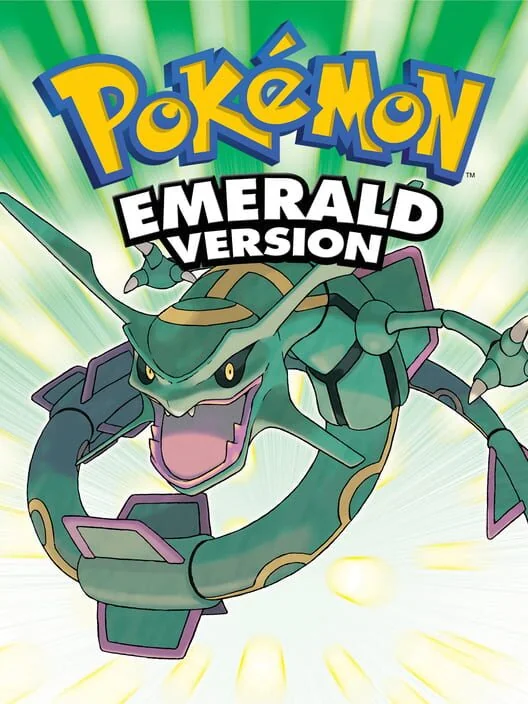
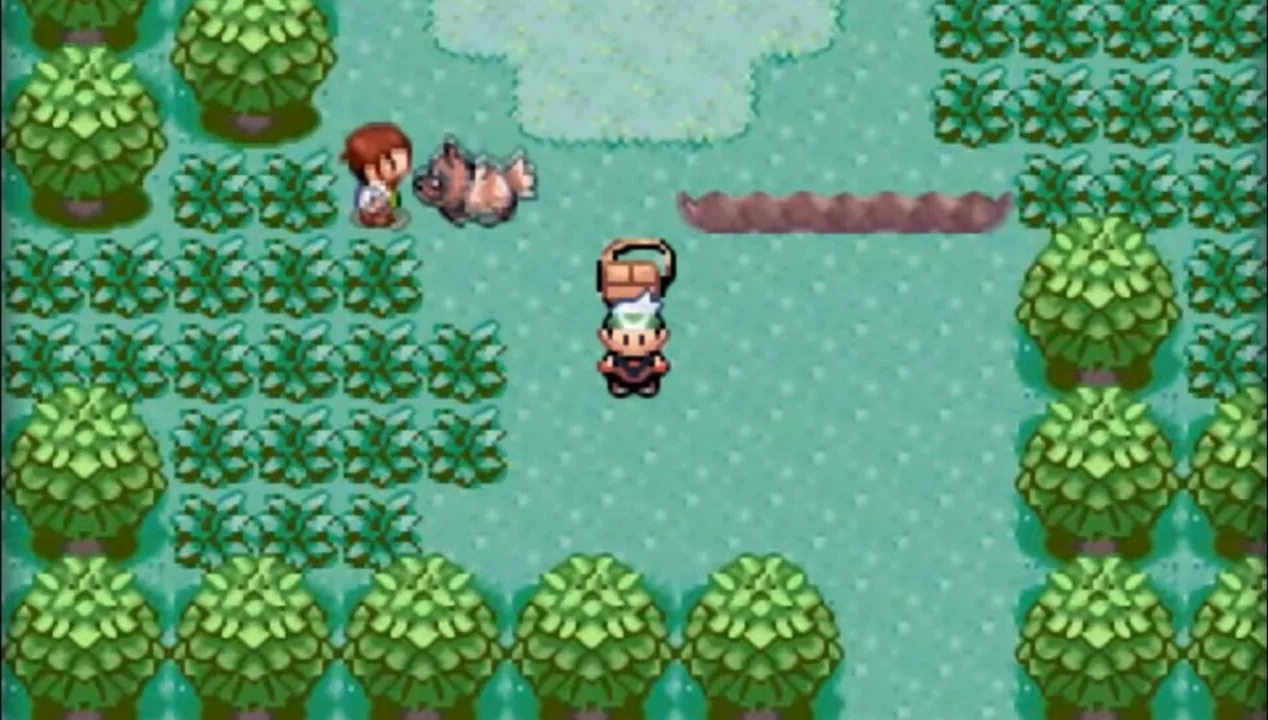
Pokémon Emerald is the sister game to Pokémon Ruby and Sapphire, and it gives the Hoenn adventure a longer main story with small changes to the look of the world. Completing the post-game battle areas awards Battle Points, which you spend on prizes for use in and out of battle. In a fight, the faster Pokémon strikes first.
It came out in Japan in 2004 and reached the rest of the world in 2005. The Japanese version worked with the Nintendo e-Reader, but that feature was cut from the English release because of its lack of success. Reviewers received it well, and of the three Hoenn games on this list, Emerald ranks highest.
10. Final Fantasy Tactics Advance (2003)
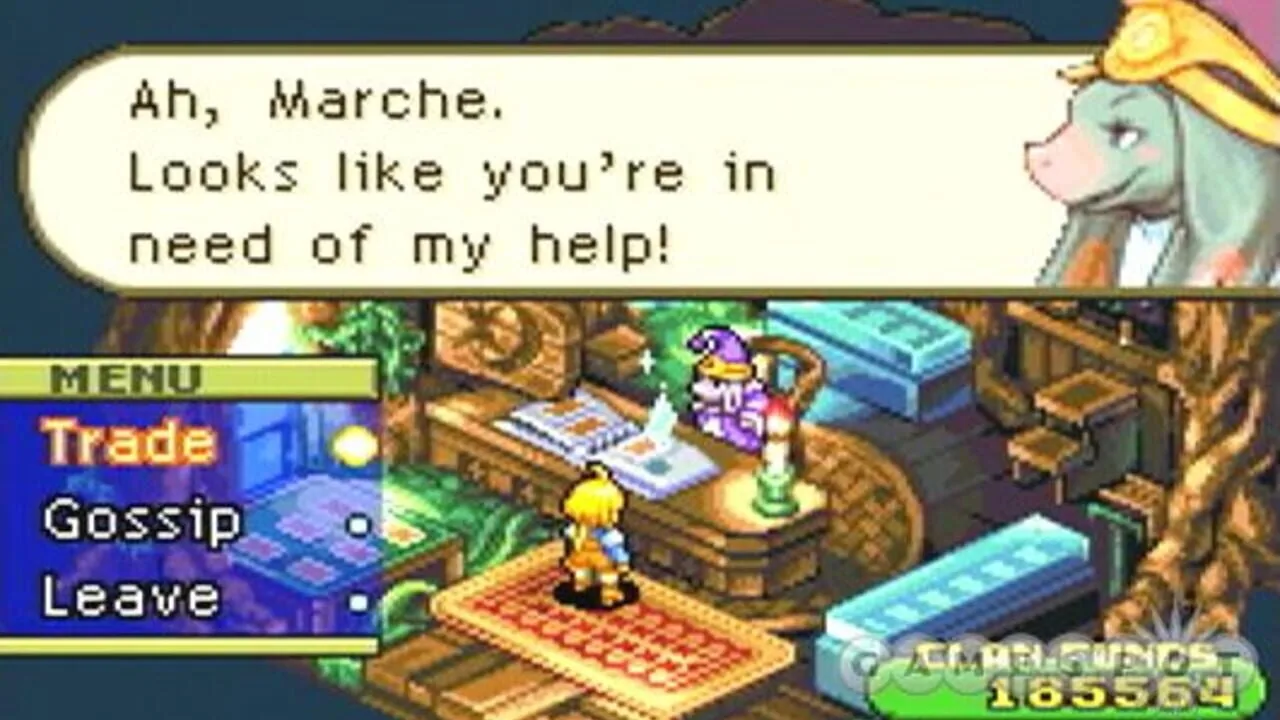
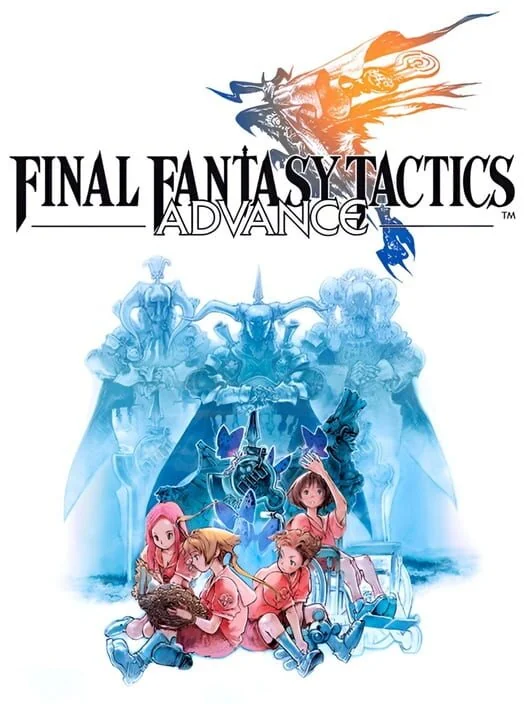
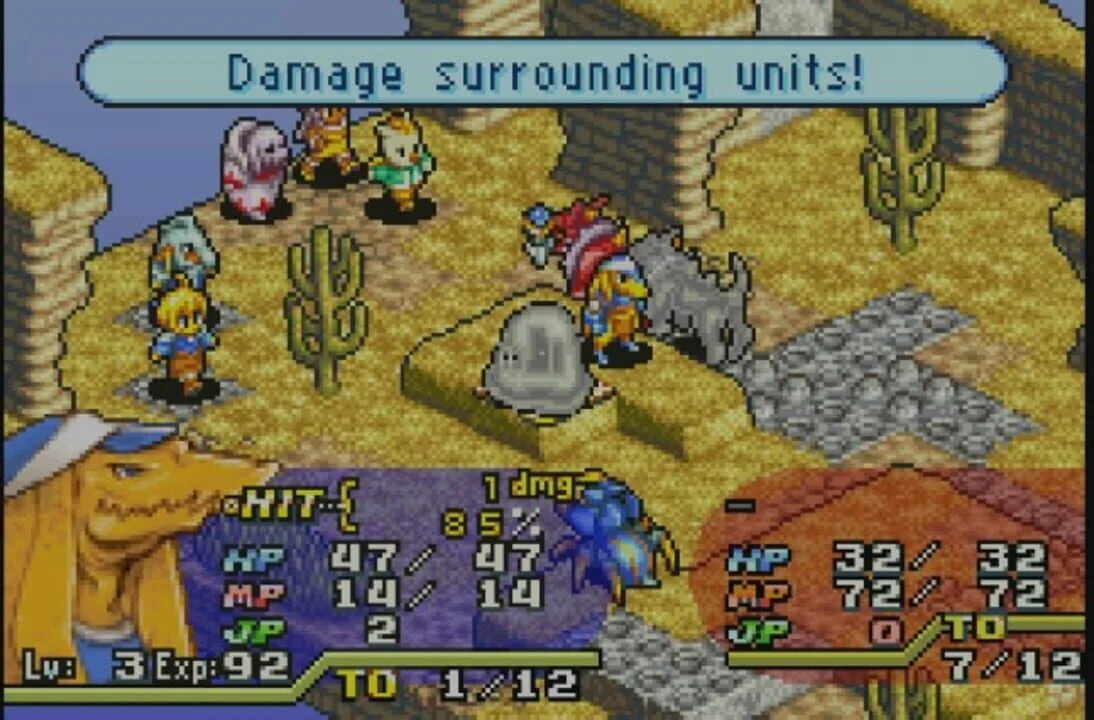
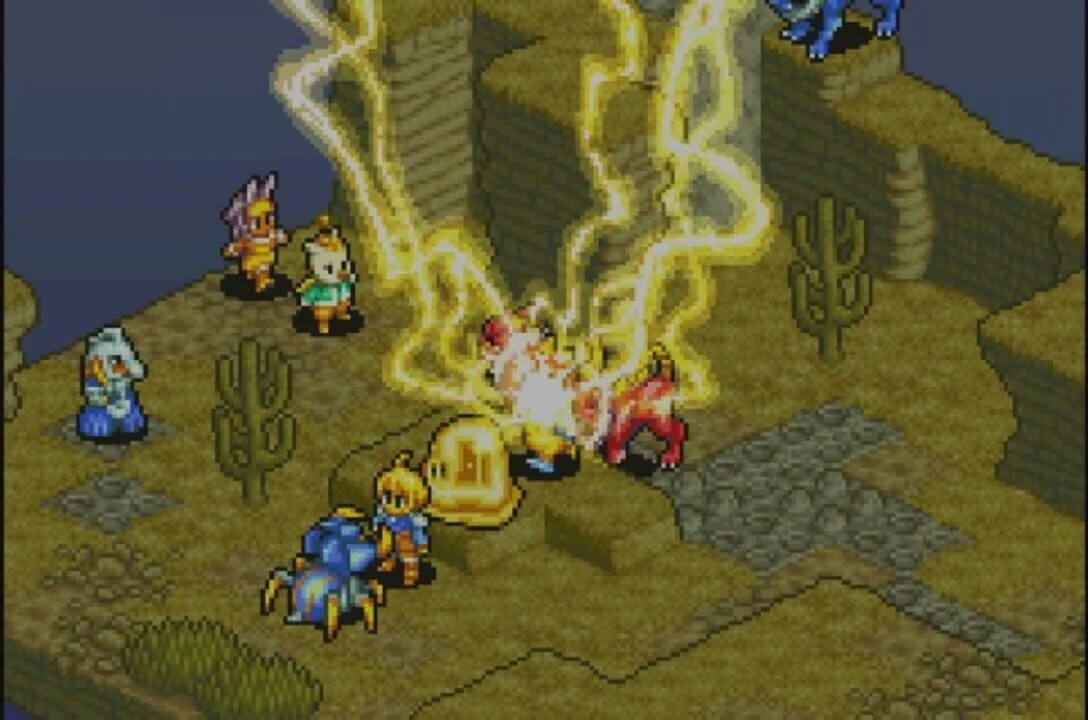
Final Fantasy Tactics Advance is a tactical role-playing game about Marche, a boy who lands in the world of Ivalice. His first ally is Montblanc, a Moogle clan leader. Several staff from the original Tactics returned, including Matsuno as producer and Hitoshi Sakimoto as lead composer.
The story and art design were tailored for a younger audience, and the game still sold over one million copies worldwide. It met positive reviews. Pieces of it were reused in Final Fantasy XII, which came out in 2006, and a sequel followed on the Nintendo DS. For a long strategy game on a handheld, few GBA games hold your attention as well.
9. Mother 3 (2006)
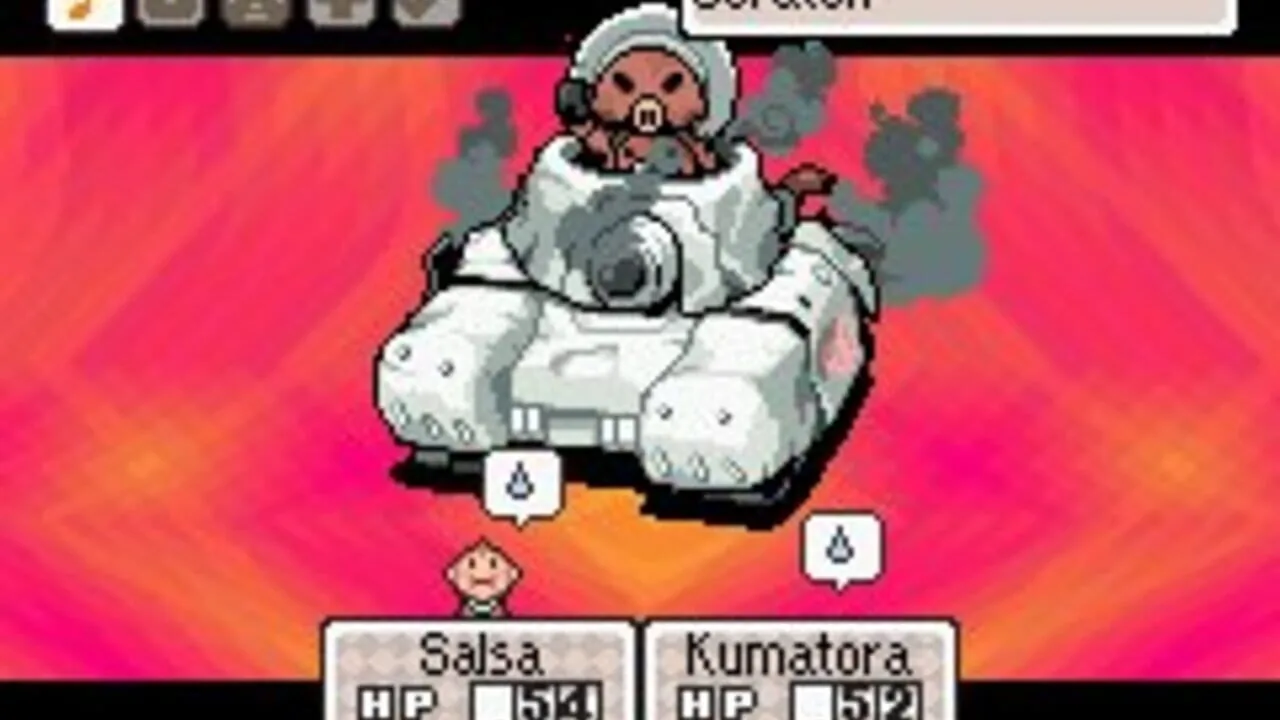
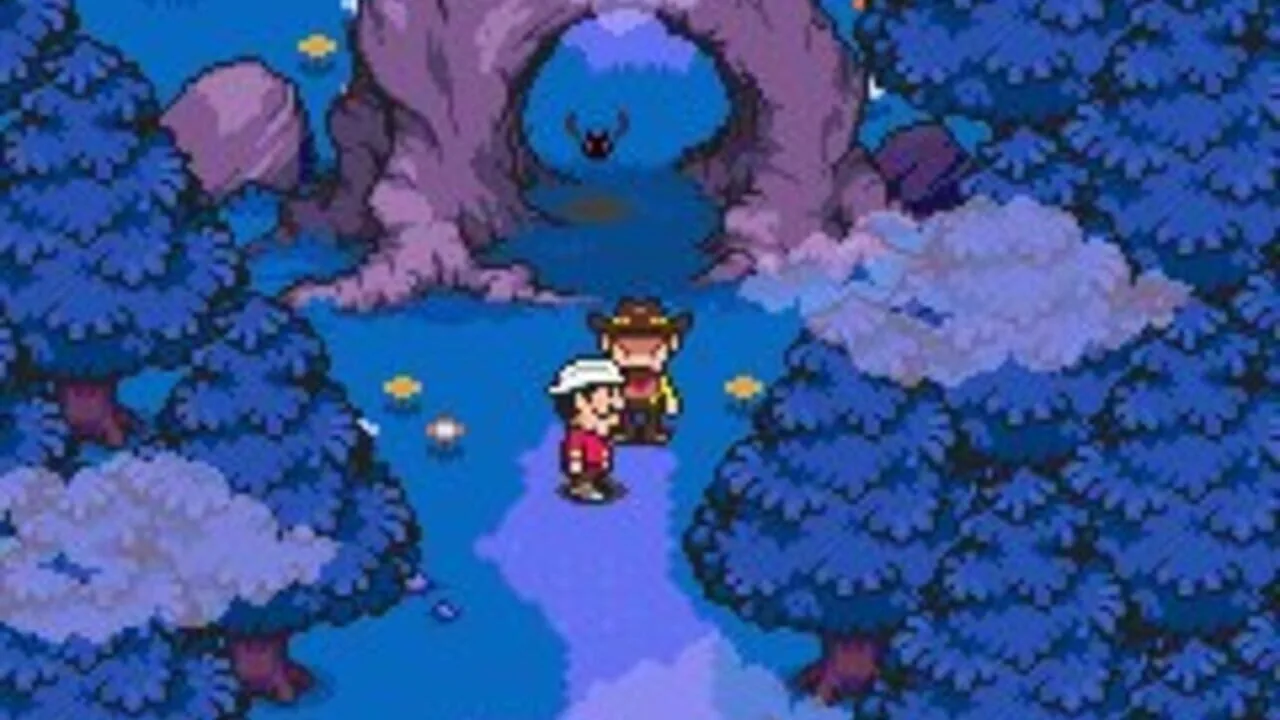
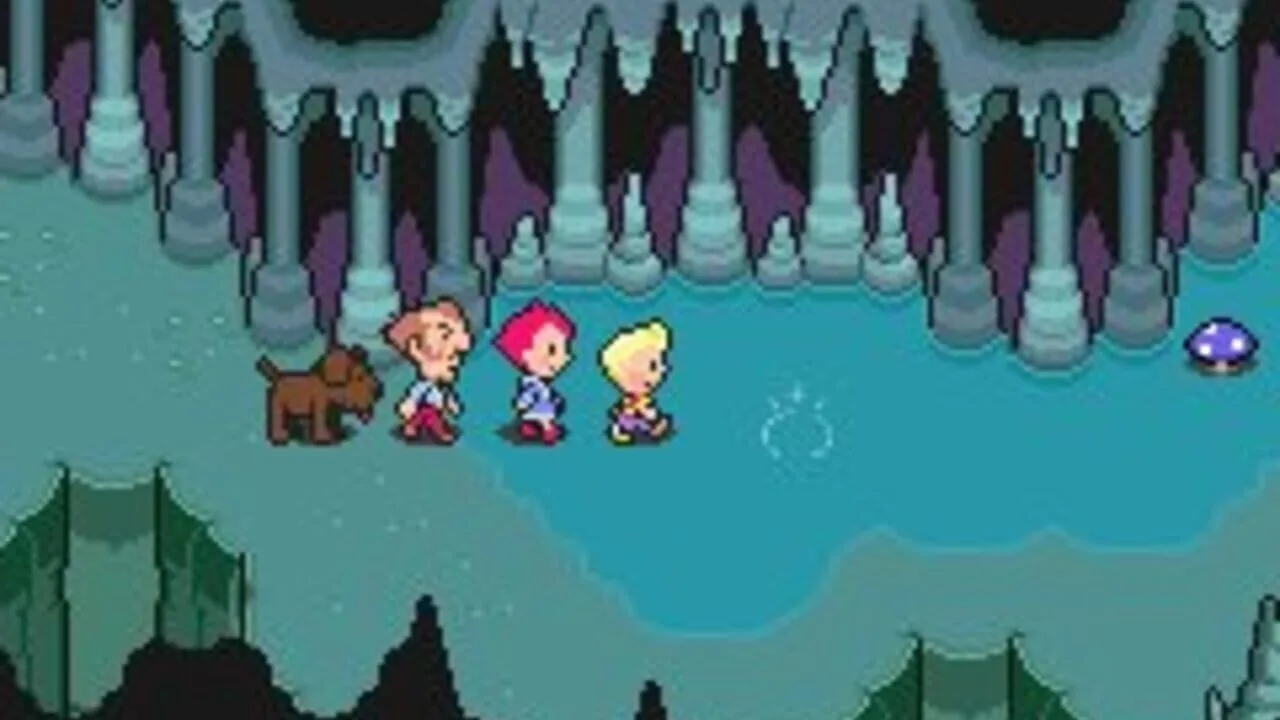
Mother 3 took twelve years and four consoles to make. It started on the Super Famicom, moved to the Nintendo 64 and its 64DD add-on, was canceled in 2000 and restarted in 2003 for the Game Boy Advance. The story follows Lucas, the younger son of a family in the village of Tazmily, and a tragedy that pushes him into a coming-of-age adventure.
Battles are turn-based, but you chain extra hits by pressing the button on the beat of the music, and each enemy has its own theme. English players got an unofficial fan translation in 2008 that passed 100,000 downloads within a week. The game was canceled once and finished anyway, which is more than most of us manage with a backlog.
8. Mario & Luigi: Superstar Saga (2003)
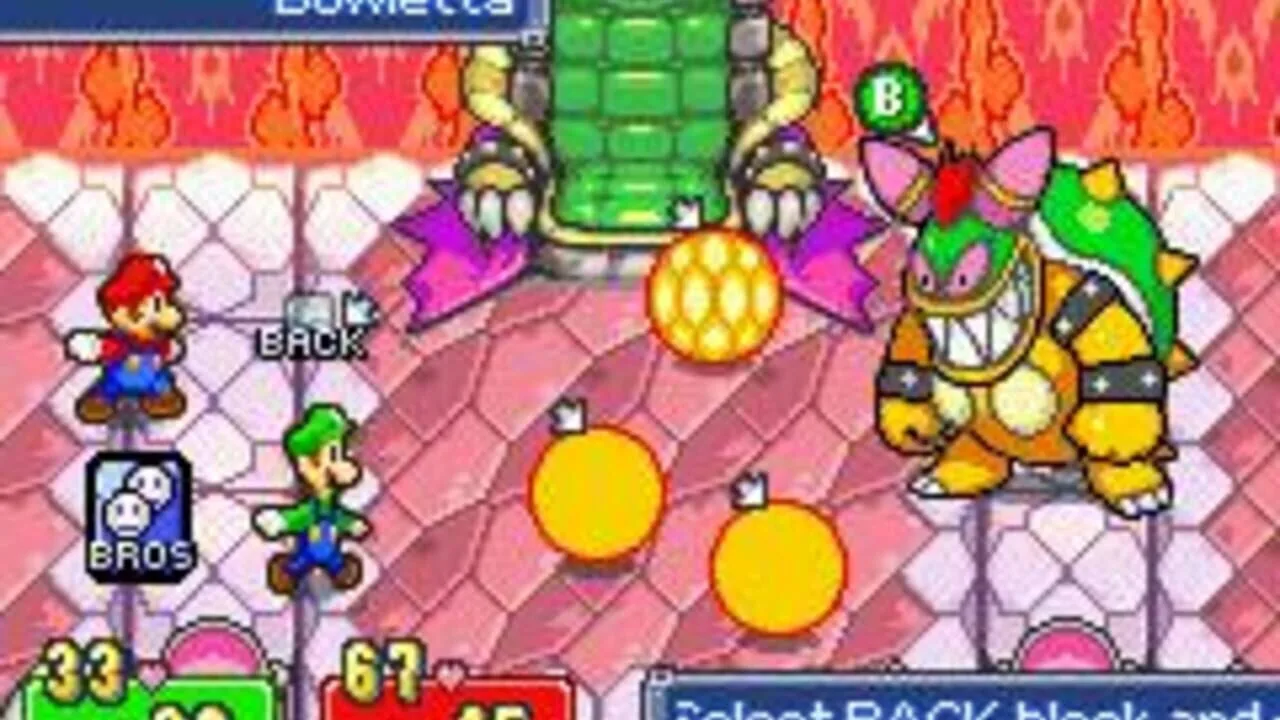
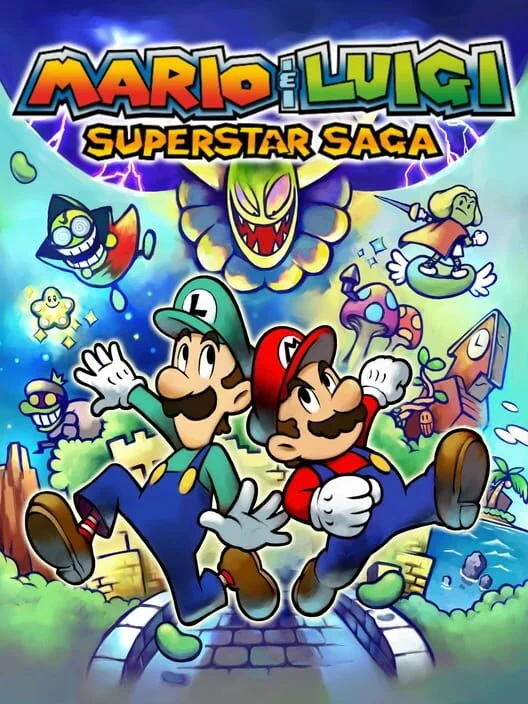
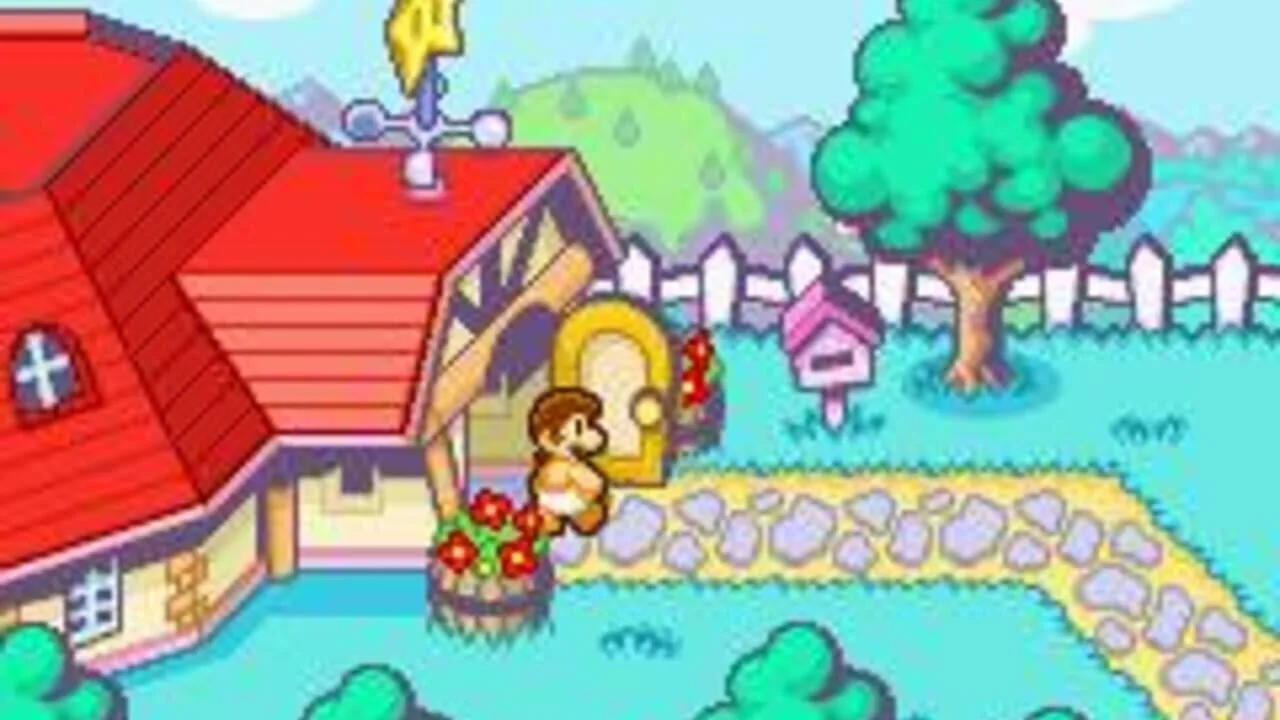
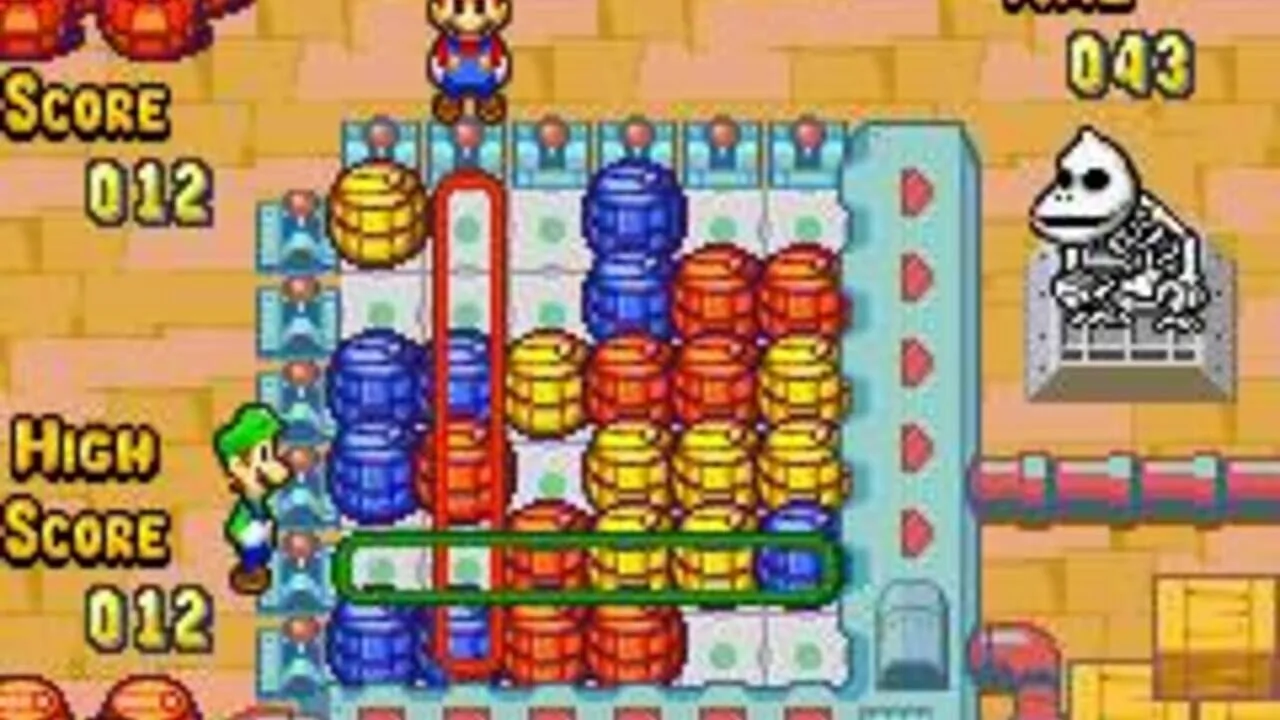
Superstar Saga sends the brothers to the Beanbean Kingdom to fight Cackletta and Fawful, who stole Princess Peach's voice. Bowser ends up helping them. Battles are turn-based, but you press buttons on time to dodge attacks or land bigger hits with elaborate attacks called Action Commands. You are never just watching menus.
Reviewers praised the writing and battle system when it came out. The game sold over 2 million copies and became a Player's Choice title. A follow-up, Mario & Luigi: Partners in Time, was released for the Nintendo DS in 2005. Critics have since ranked it among the best games on the Game Boy Advance, and it is the funniest role-playing game on the system.
7. Fire Emblem (2003)
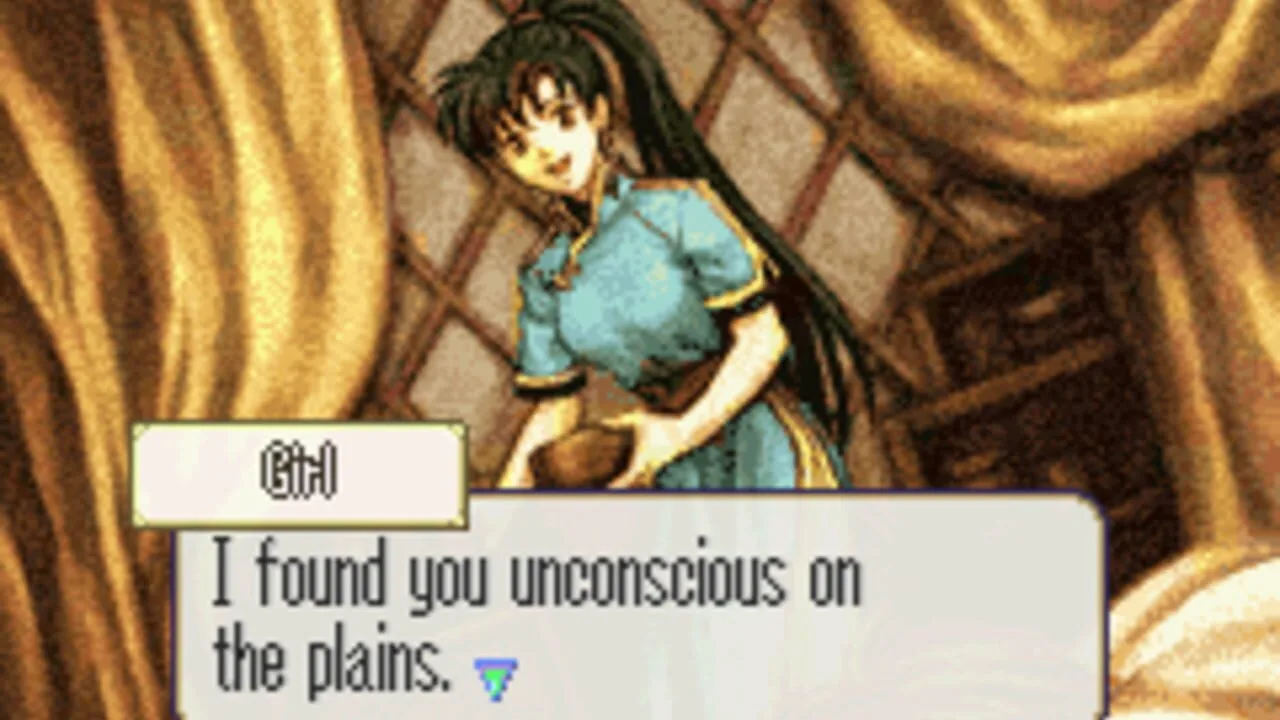
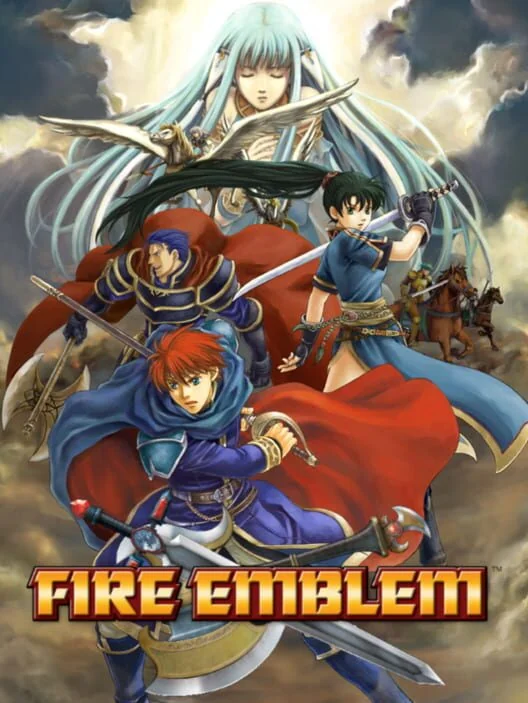
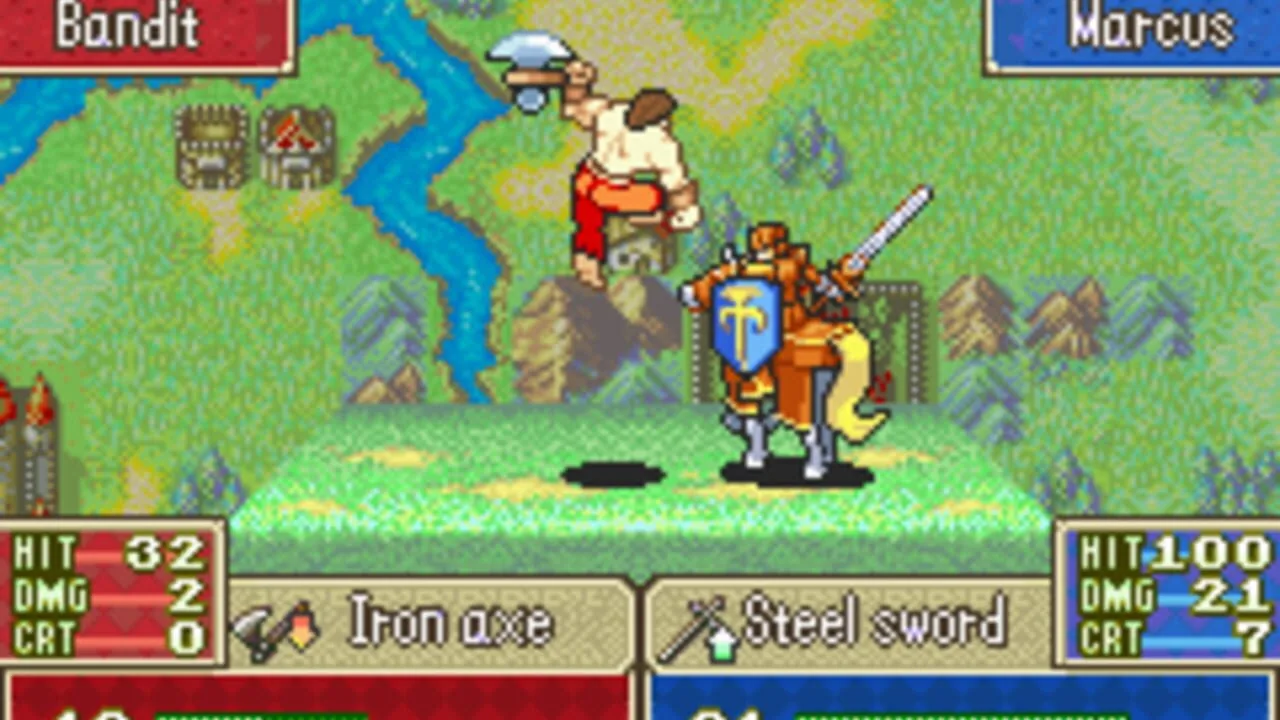
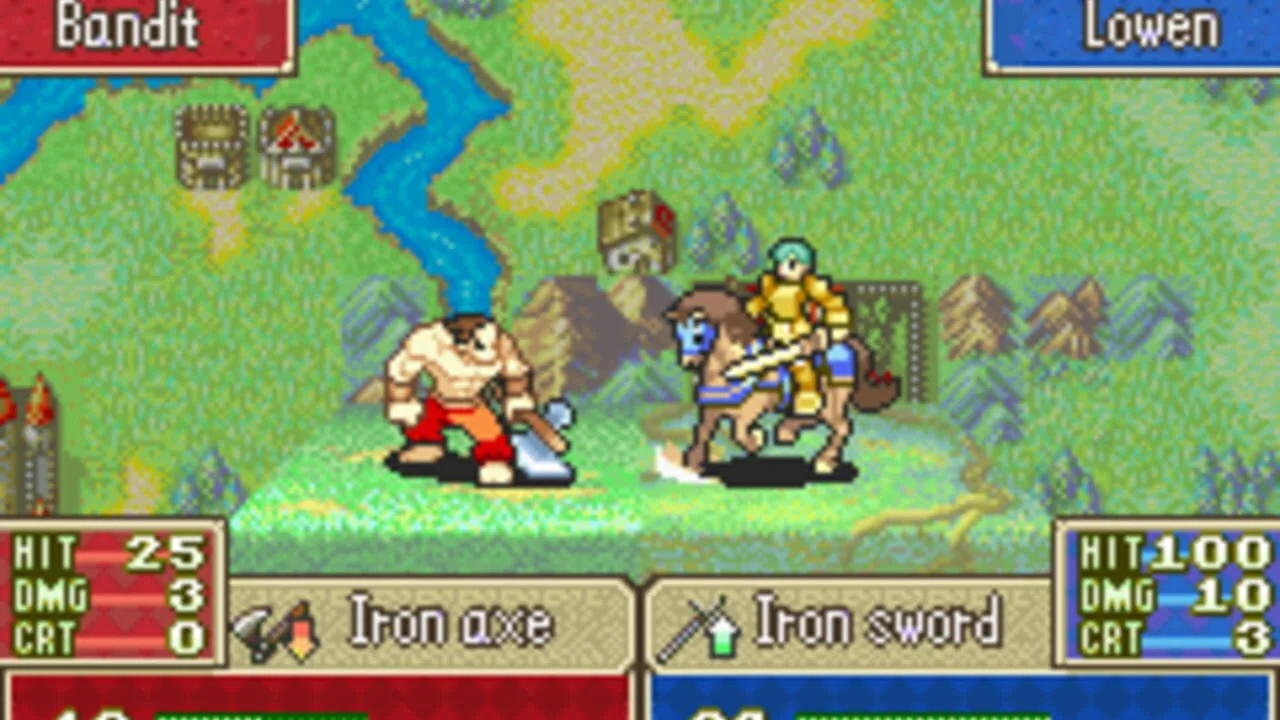
Fire Emblem was the first game in its series to reach both North America and Europe, so for much of the West this is where the series began. A prologue story teaches newcomers the basics before the real war starts. Units that fall in battle stay gone, which makes every move feel heavy. The series began on the Nintendo Entertainment System in 1990 and now has eighteen core entries.
The director said the game came West because of the international success of Advance Wars. Marth and Roy appearing in Super Smash Bros. Melee is also cited as a reason for the series' international release. Nothing tests your attachment to a character like losing them for good on turn nine, and players kept coming back anyway.
6. Castlevania: Aria of Sorrow (2003)
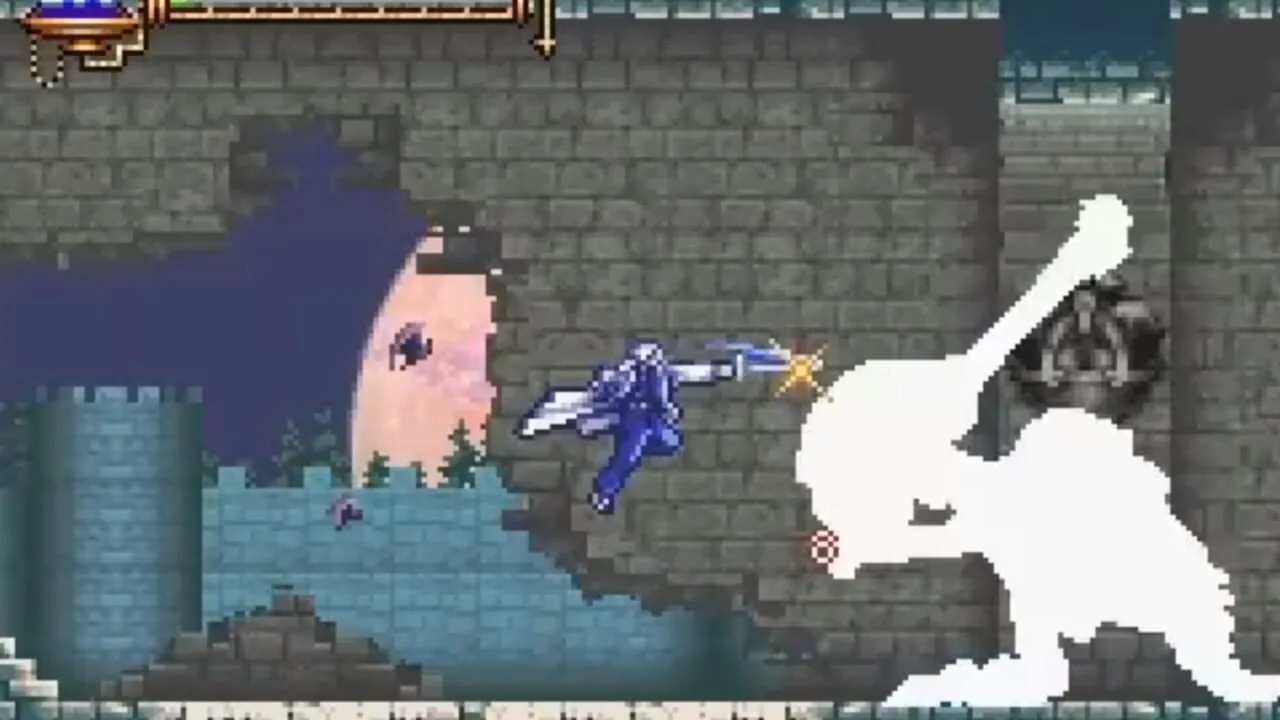
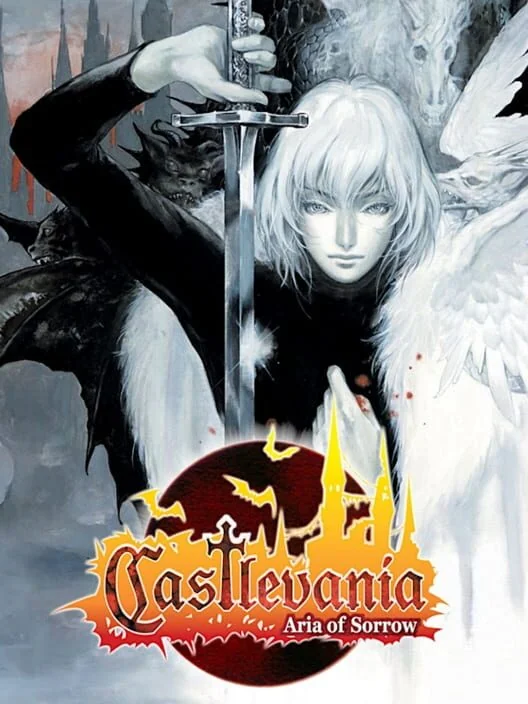
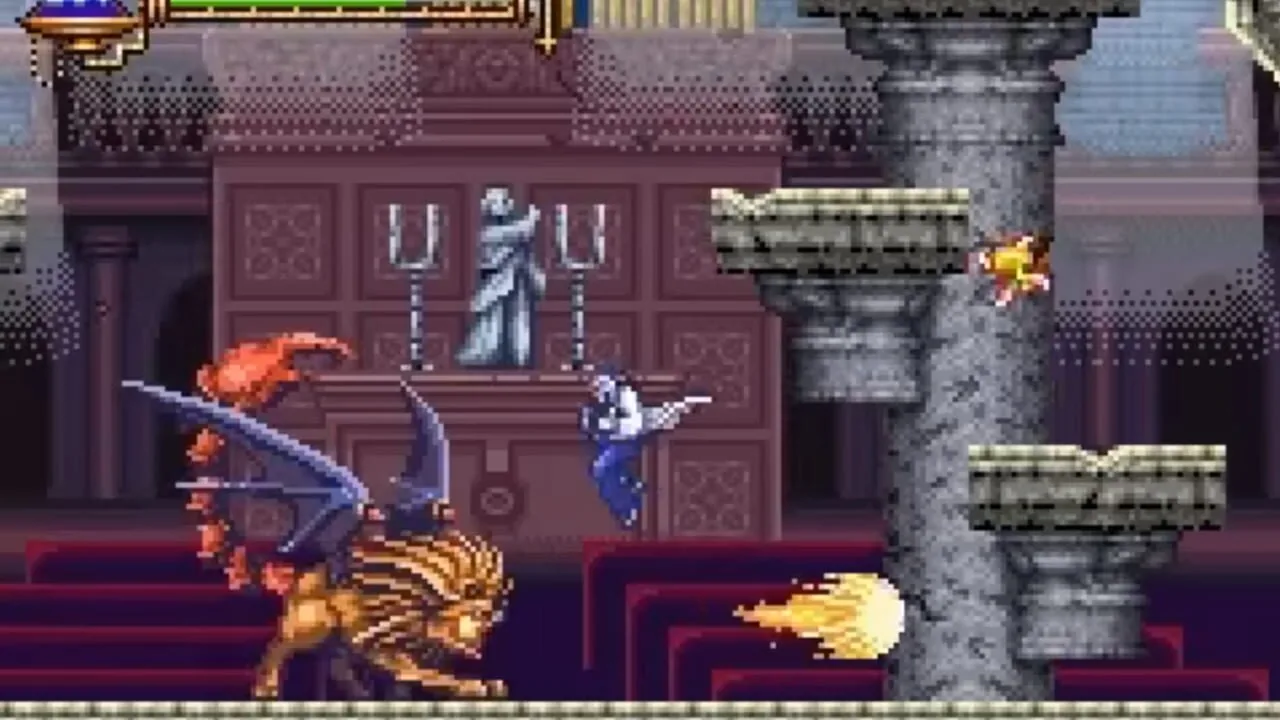
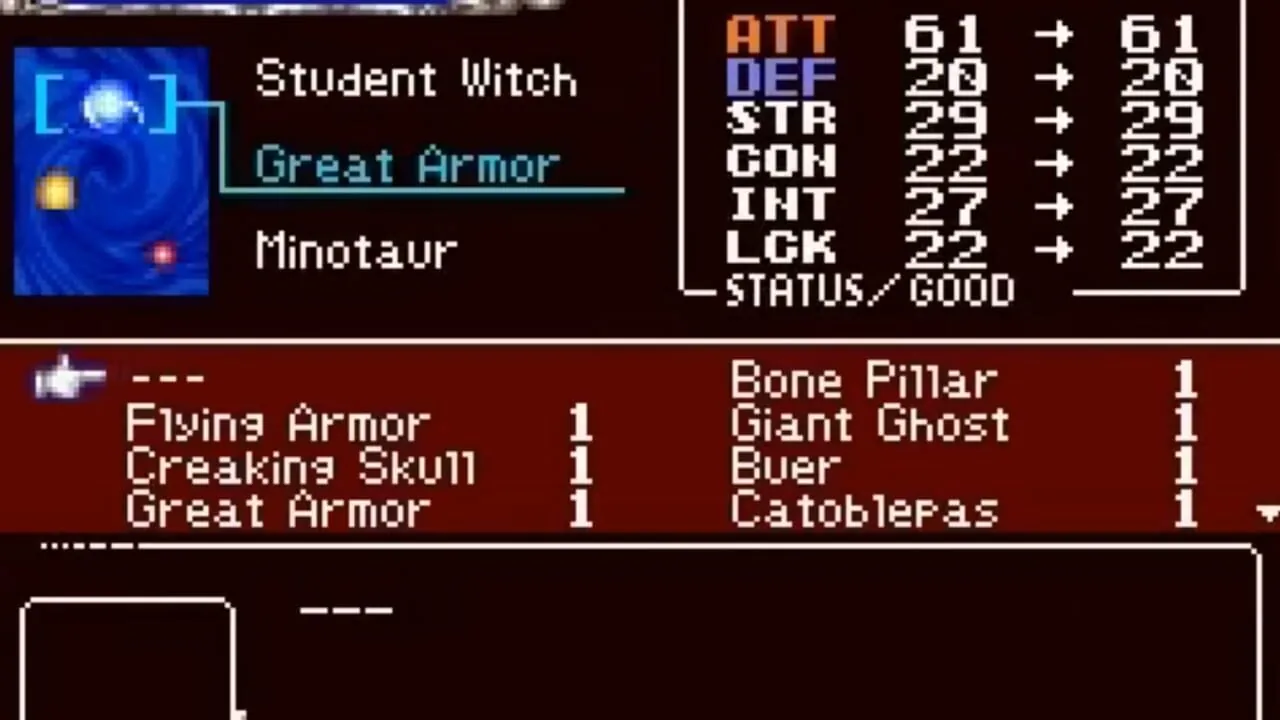
Aria of Sorrow is set in the year 2035. Soma Cruz blacks out while watching a solar eclipse and wakes up inside a mysterious castle full of monsters. Defeating them is how you build your kit, and critics singled out the Tactical Soul System for praise. Michiru Yamane returned to compose the music.
The game earned universal acclaim, and some critics considered it the best Castlevania since Symphony of the Night. It sold poorly in Japan but did well in the United States, with more than 158,000 units sold in the three months after release. Those numbers undersell how many players now call it the best handheld Castlevania, and this list agrees with them.
5. Metroid: Zero Mission (2004)
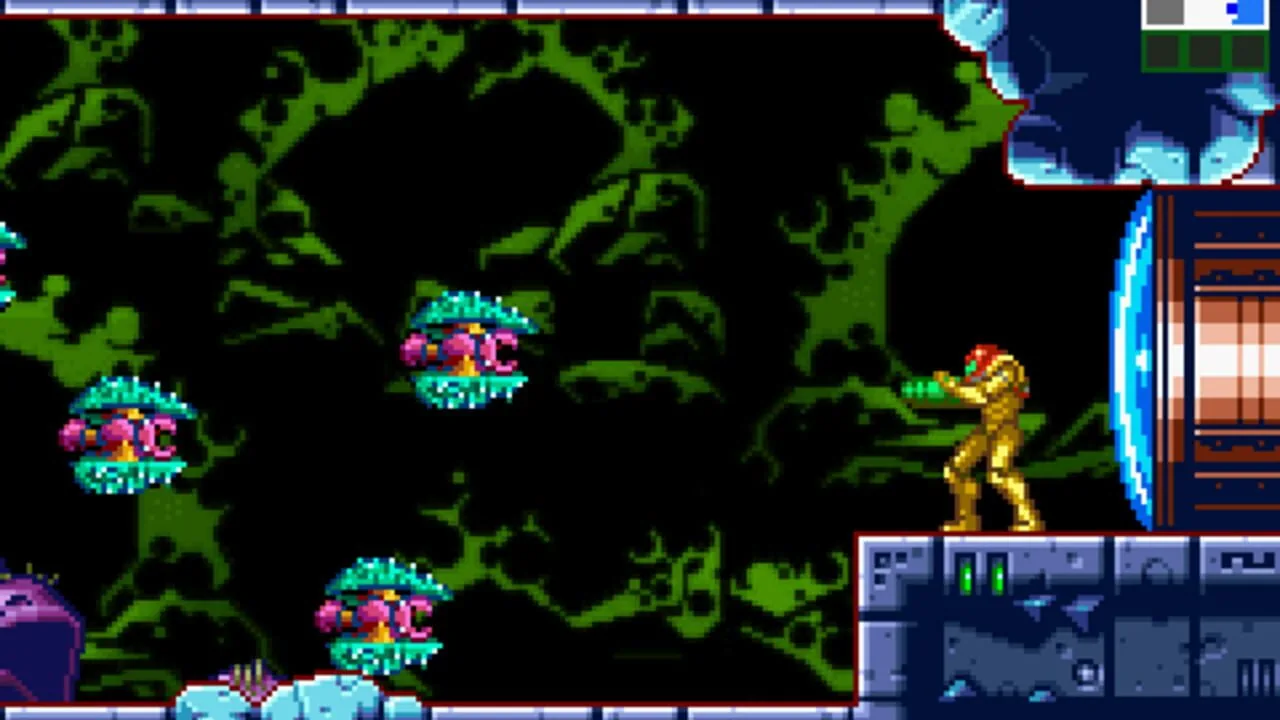
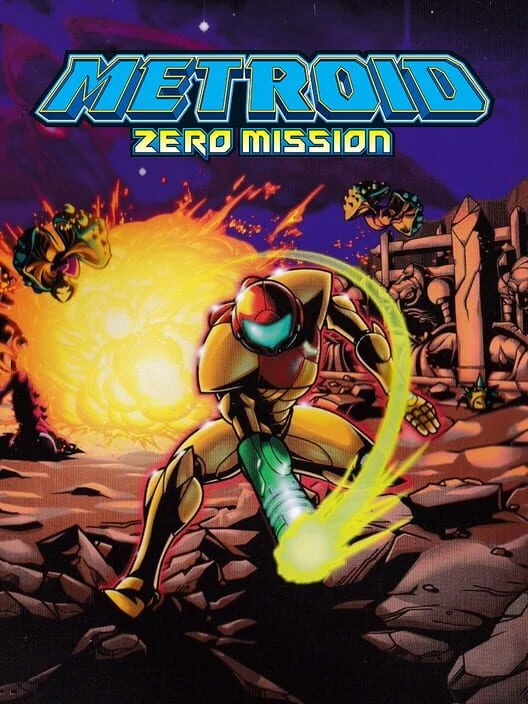
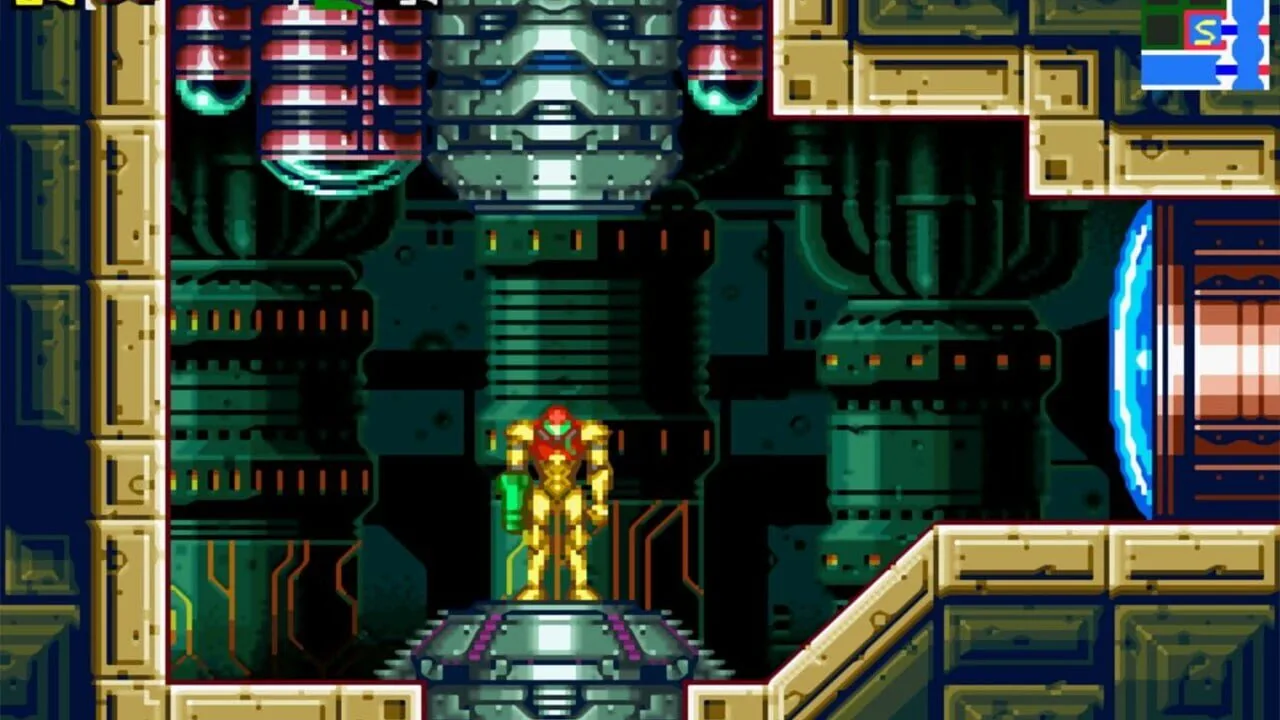
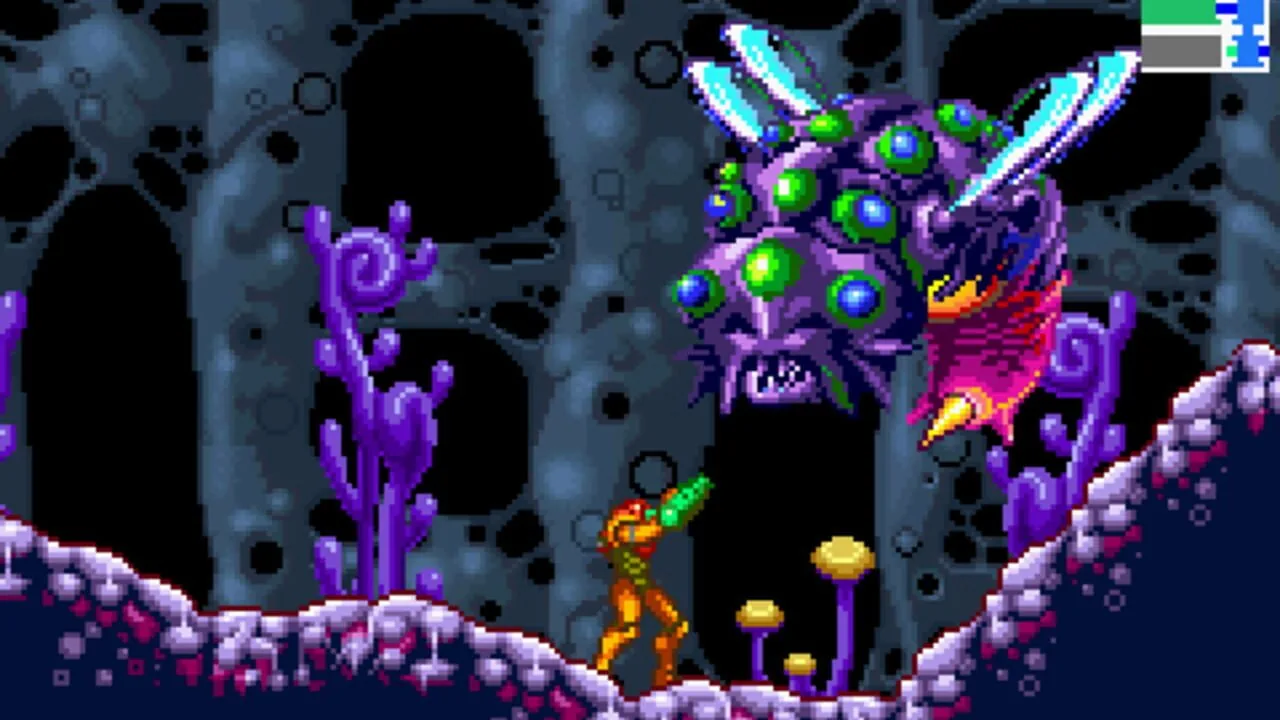
Zero Mission remakes the original Metroid with new content and improvements, and it tells the rest of Samus Aran's first mission on planet Zebes. Near the end comes a stretch where she is more vulnerable to damage, must crawl through ducts on her hands and knees without her Morph Ball mode, and carries only a weak pistol that briefly stuns enemies. Finishing the game unlocks an emulated copy of the original Metroid.
It uses a rebuilt version of the engine from Metroid Fusion, so the controls feel just as sharp. The usual complaint is length. IGN found it too short and too easy, which also makes it a friendly way into the series. Samus loses her whole arsenal to a pistol, and you feel every missing missile.
4. Advance Wars (2001)
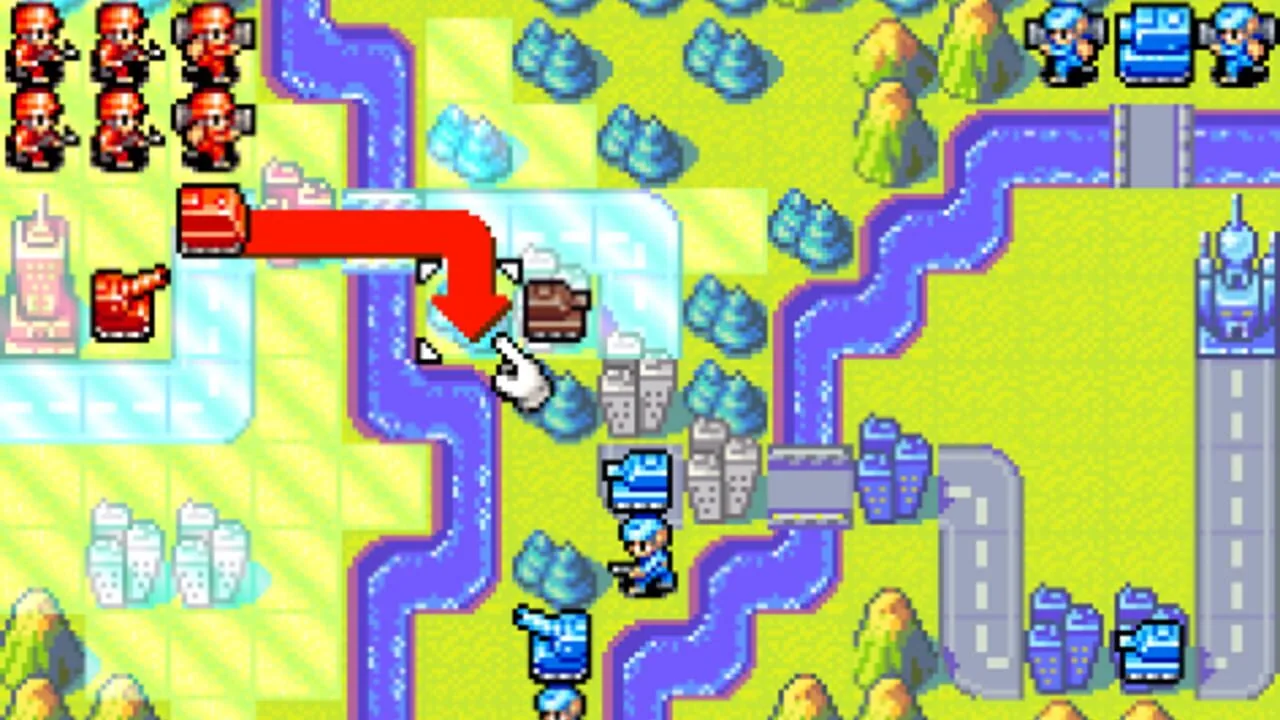
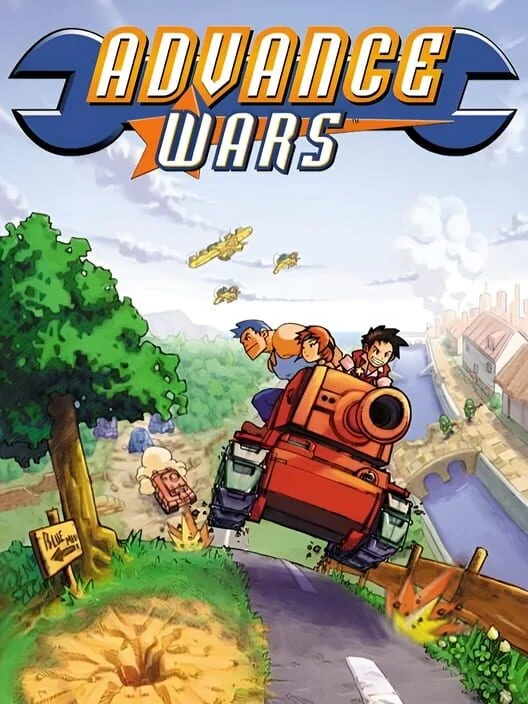
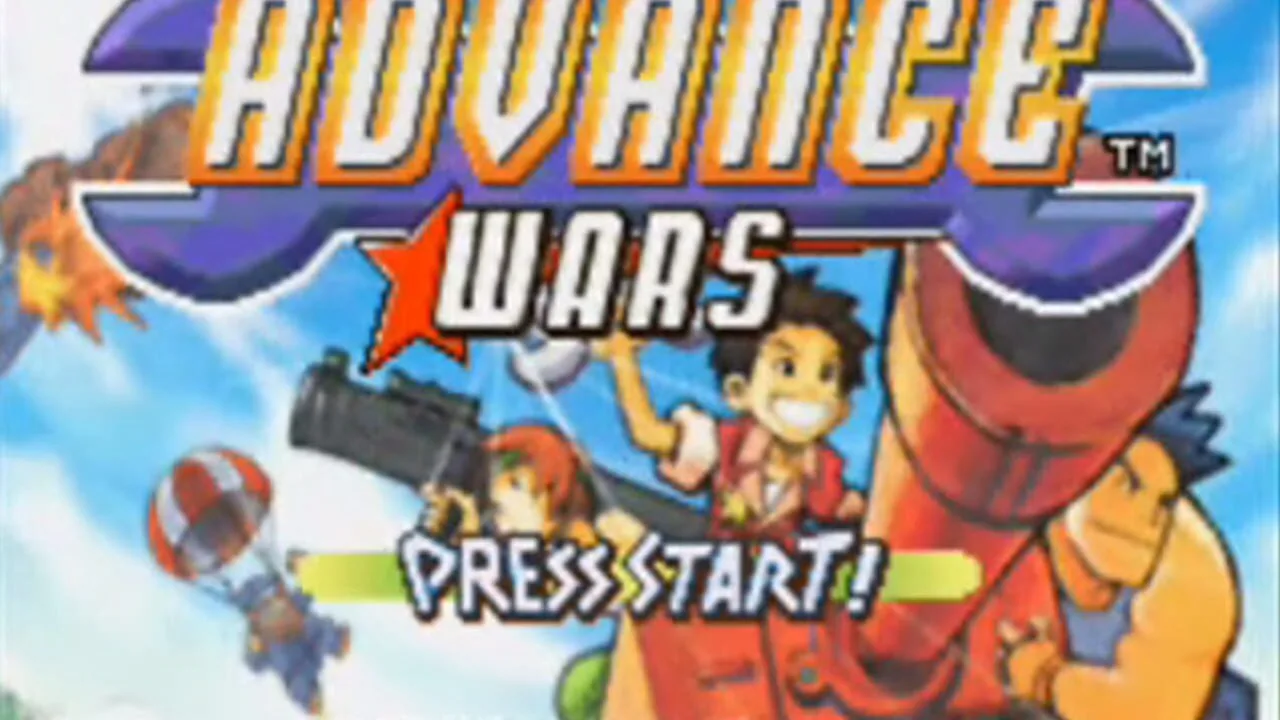
Advance Wars is a turn-based war game with cartoon armies and rules you can learn in one mission. Every unit has a job. The Mech has a bazooka that can only be fired at land vehicles, and artillery must remain still to attack anything in range. Terrain affects how far a unit moves and how well it defends, which makes a forest worth fighting for.
It is the first game in the Advance Wars sub-series, and it was released in America and Europe, but not Japan. It has been declared one of the greatest video games ever made. Nintendo remade it for the Switch in 2023, which tells you how well the original aged.
3. Metroid Fusion (2002)
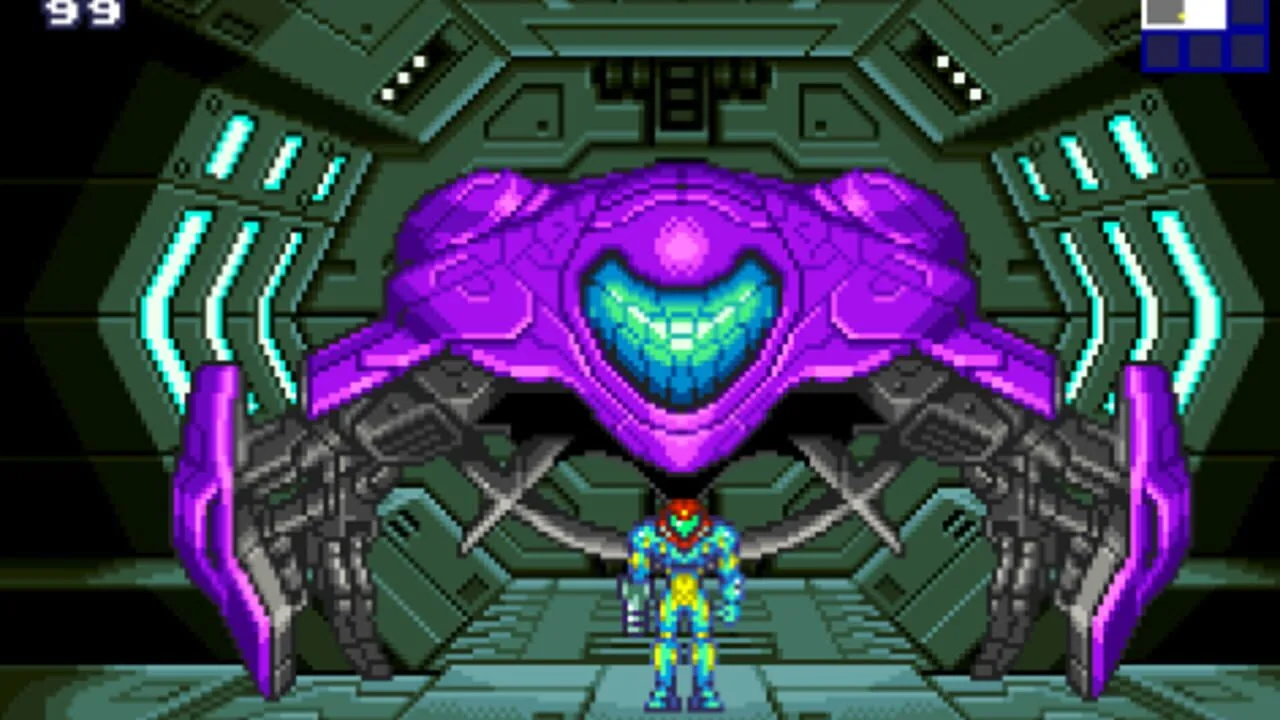
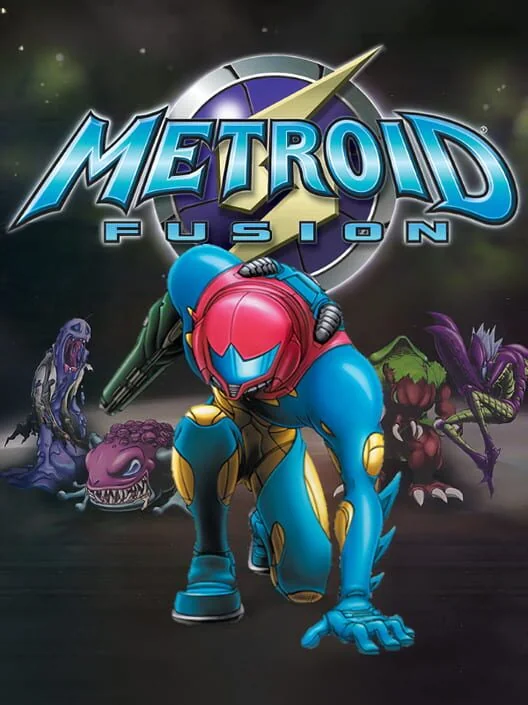
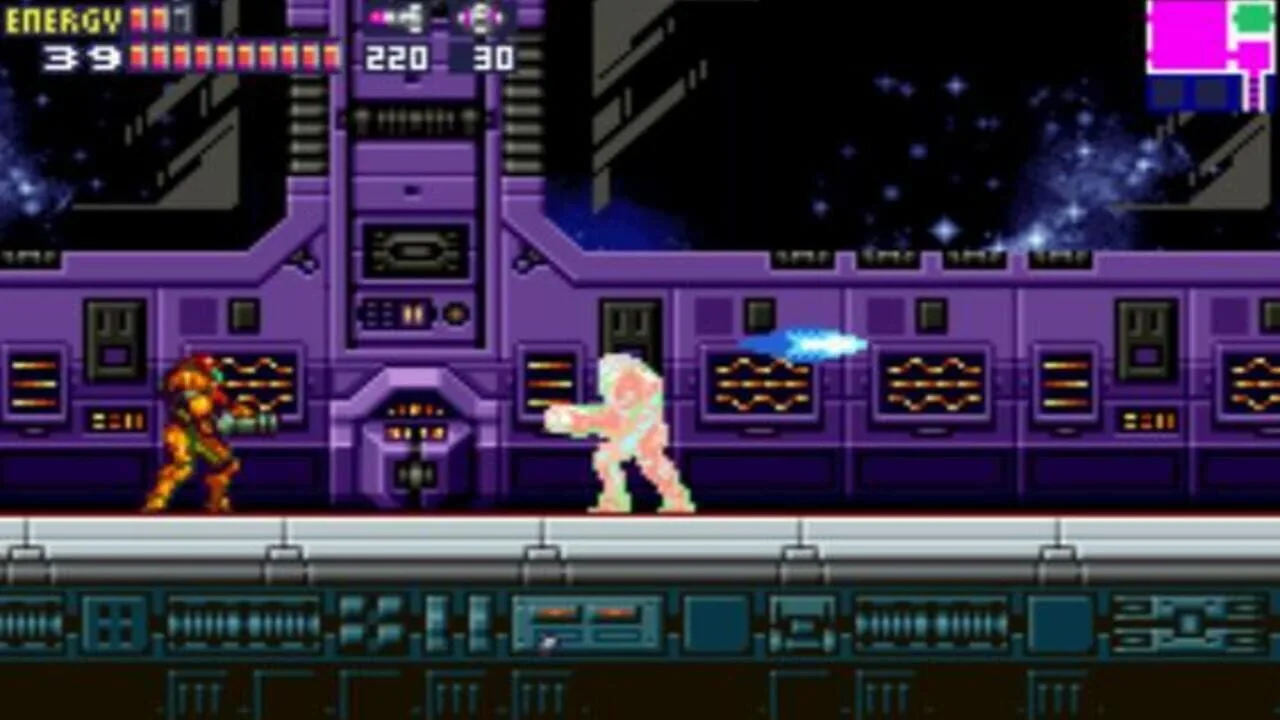
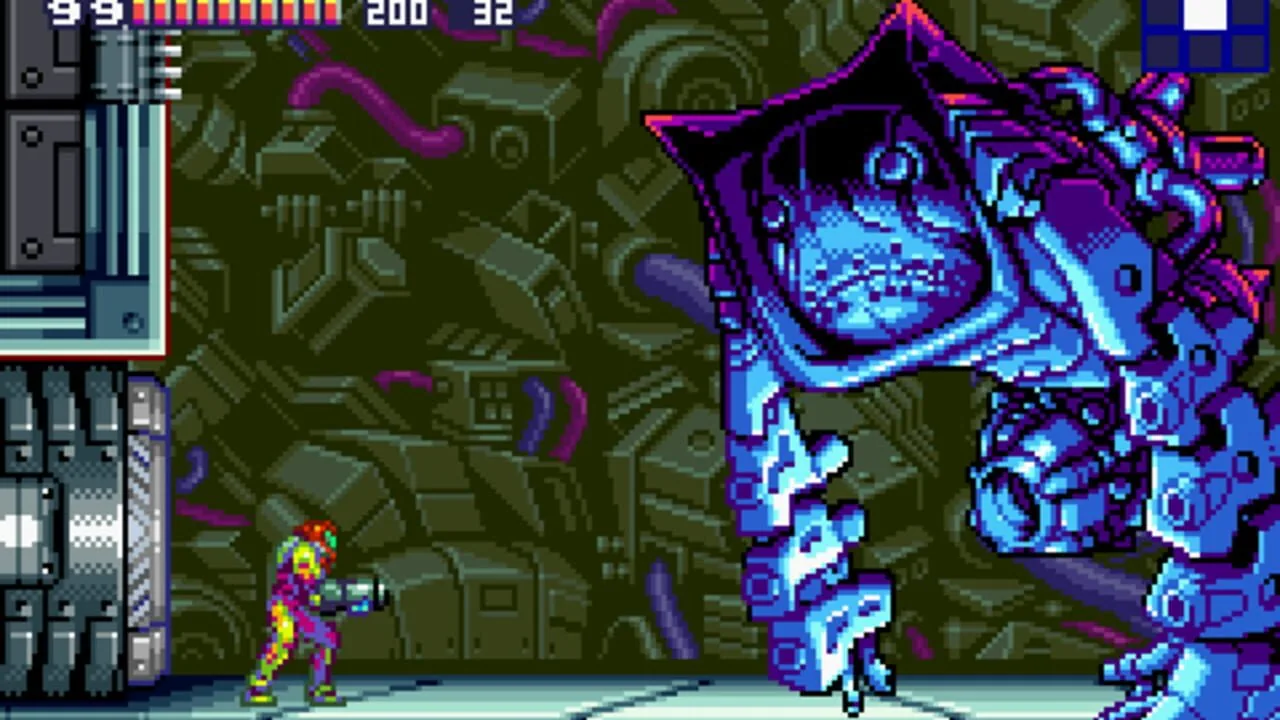
Metroid Fusion comes from Nintendo R&D1, the same team that made Super Metroid, and it plays like a tighter, more guided cousin of that game. Samus explores sectors of a research station, picks up new abilities and uses them to open doors that were shut before. Health and missile drops are replaced by X Parasites, which float out of enemies when they die.
It won Handheld Game of the Year from the Academy of Interactive Arts & Sciences. The composer wanted serious, ambient music rather than melody so the exploration themes would not get annoying. Its sequel, Metroid Dread, arrived in 2021 on the Nintendo Switch. Samus gets her health back from the very creatures trying to absorb her, which is a generous way to treat an enemy.
2. The Legend of Zelda: The Minish Cap (2004)
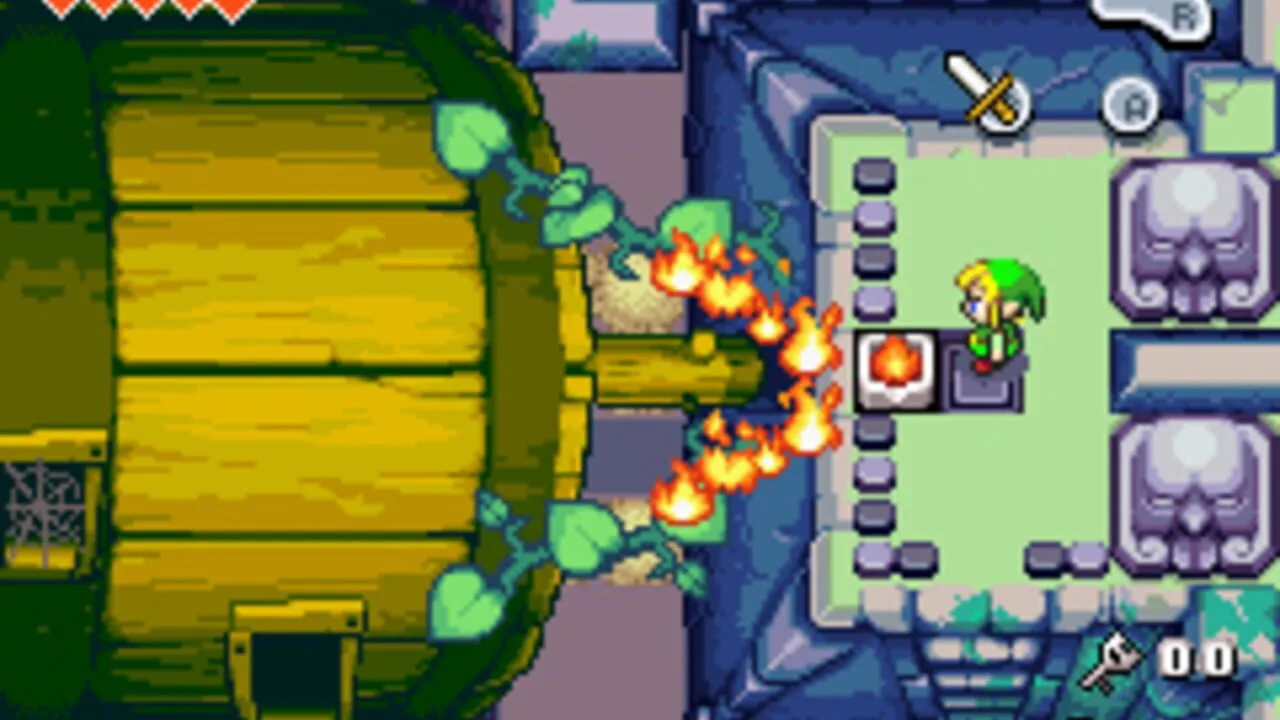
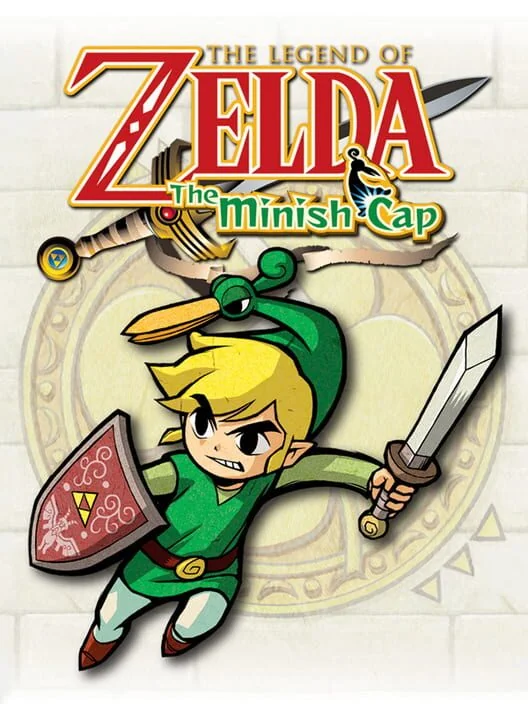
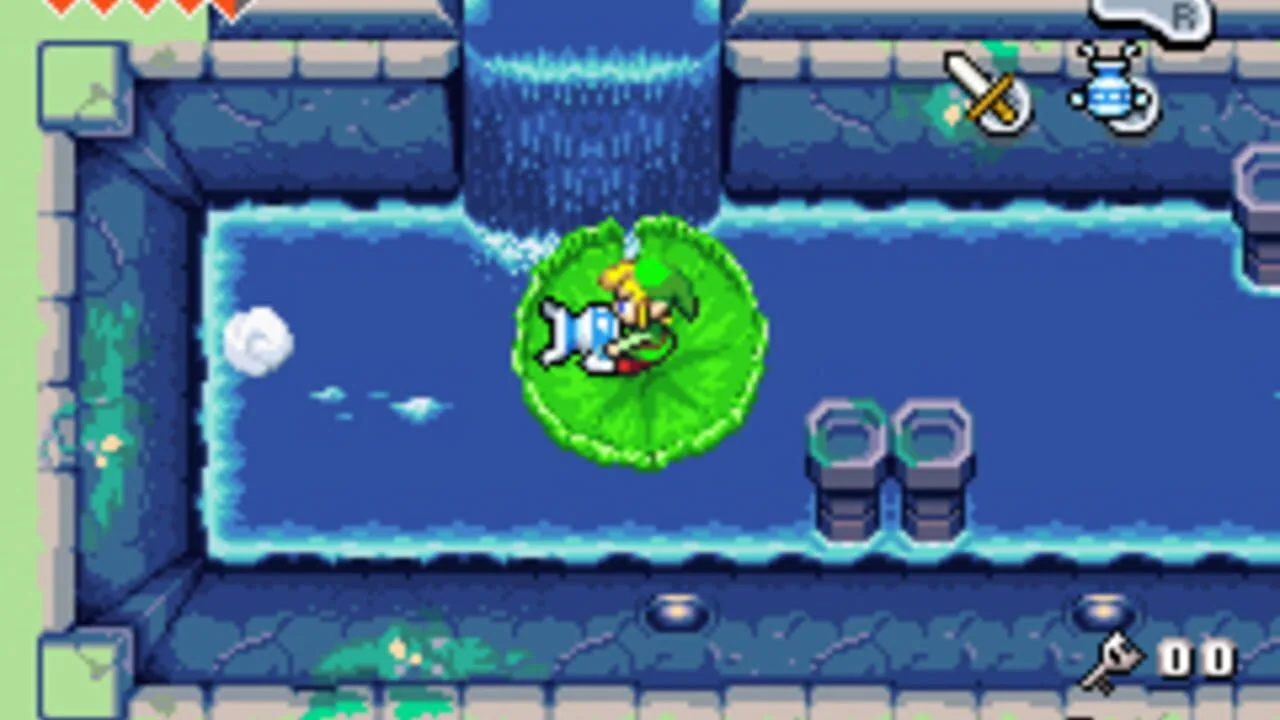
The Minish Cap is the twelfth entry in The Legend of Zelda series. Link can shrink to the size of the tiny Minish people, and a small portal he cannot use at normal size becomes a doorway. Matching Kinstone pieces open new paths or award prizes, which gives the side quests a reason to exist.
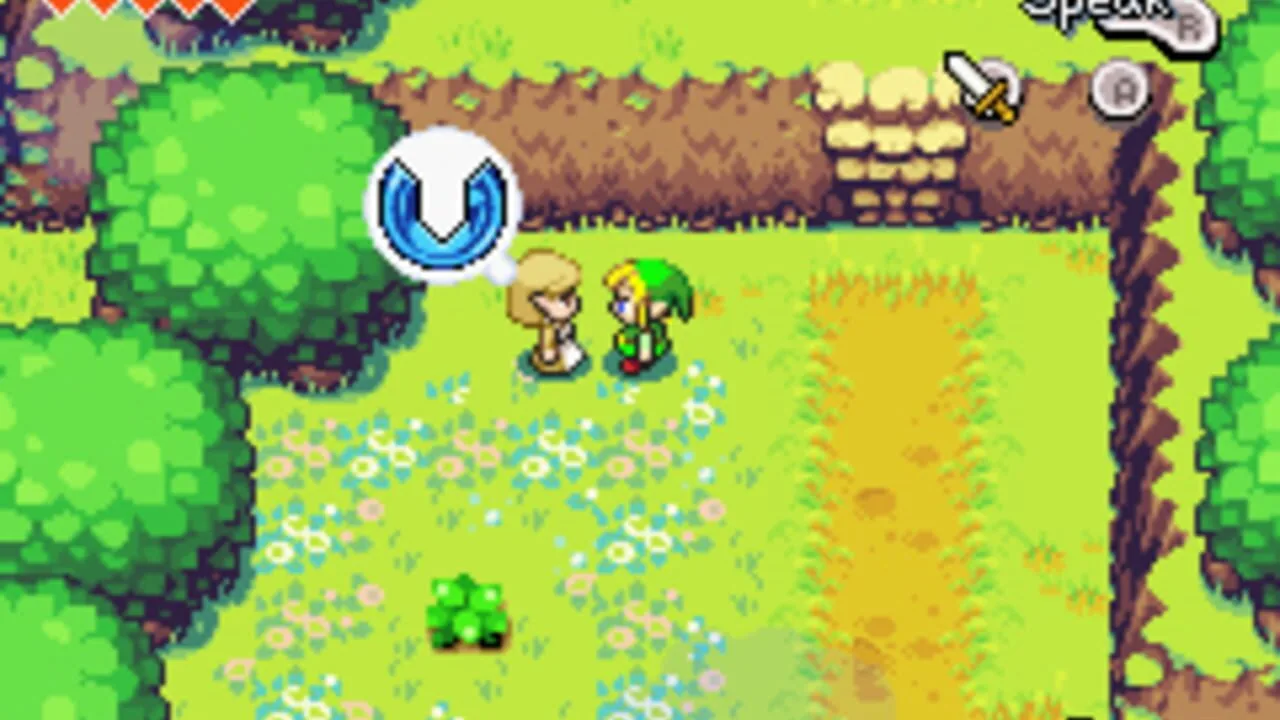
It came out in Japan and Europe in 2004 and in North America the following year. Aonuma was reportedly impressed by Hyrule Town and said it even surpasses Clock Town from Majora's Mask, high praise for a town drawn on a handheld. Players put it second among all GBA games, right behind Golden Sun. If you want a Zelda you can finish before the batteries die, this is the one.
1. Golden Sun (2001)
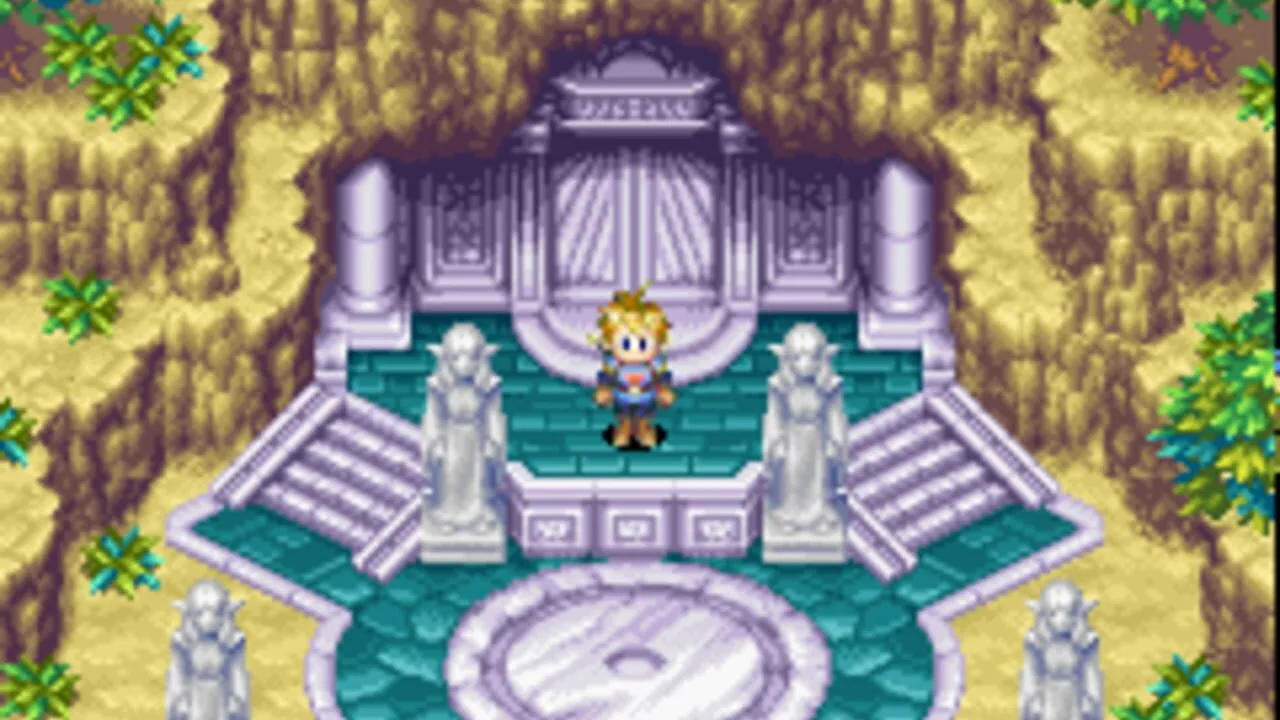
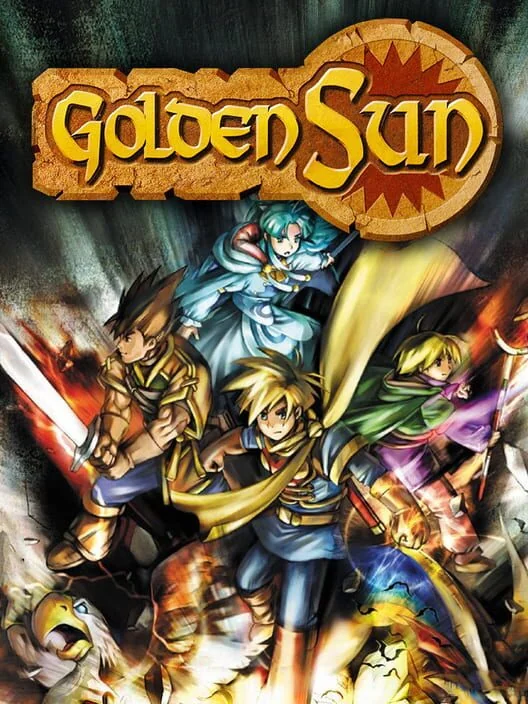
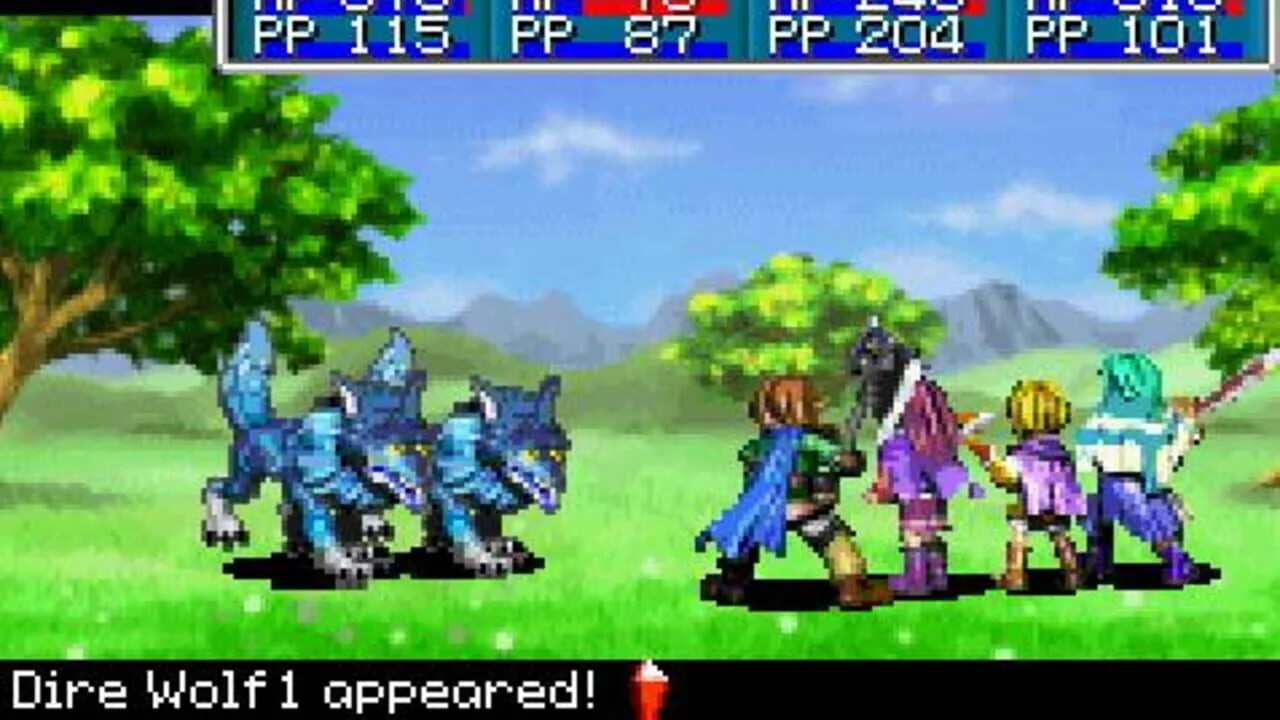
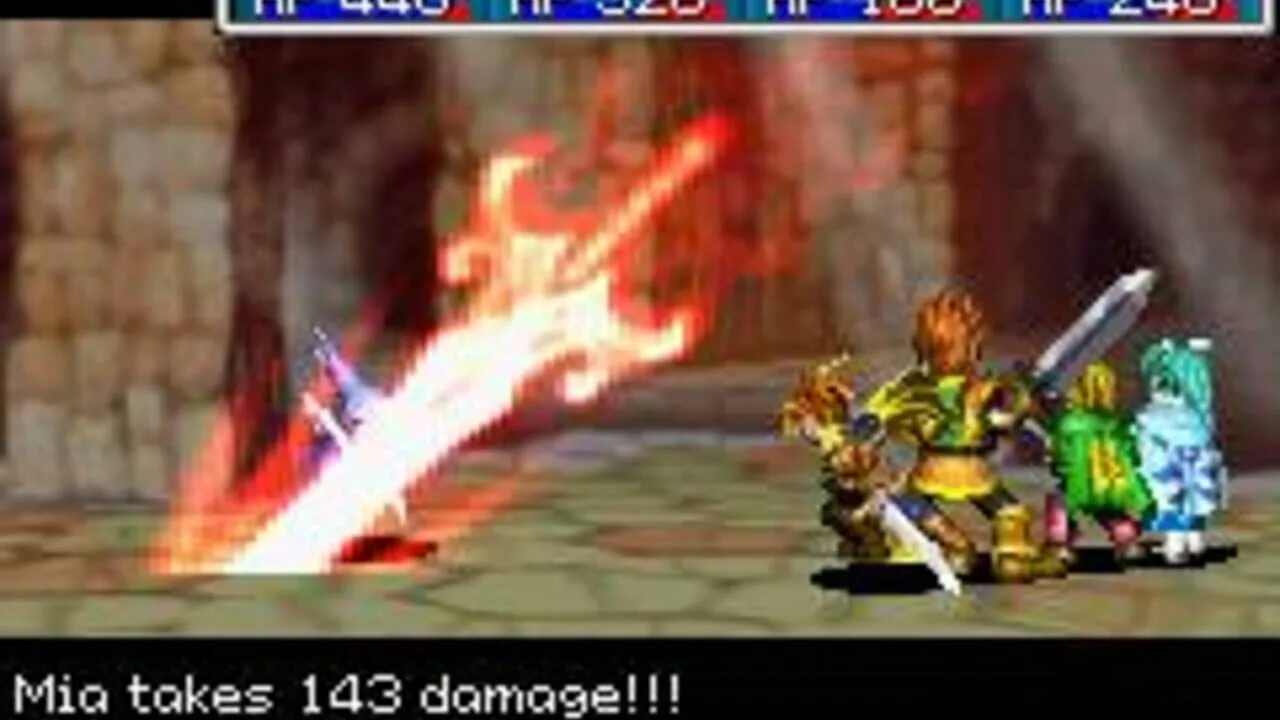
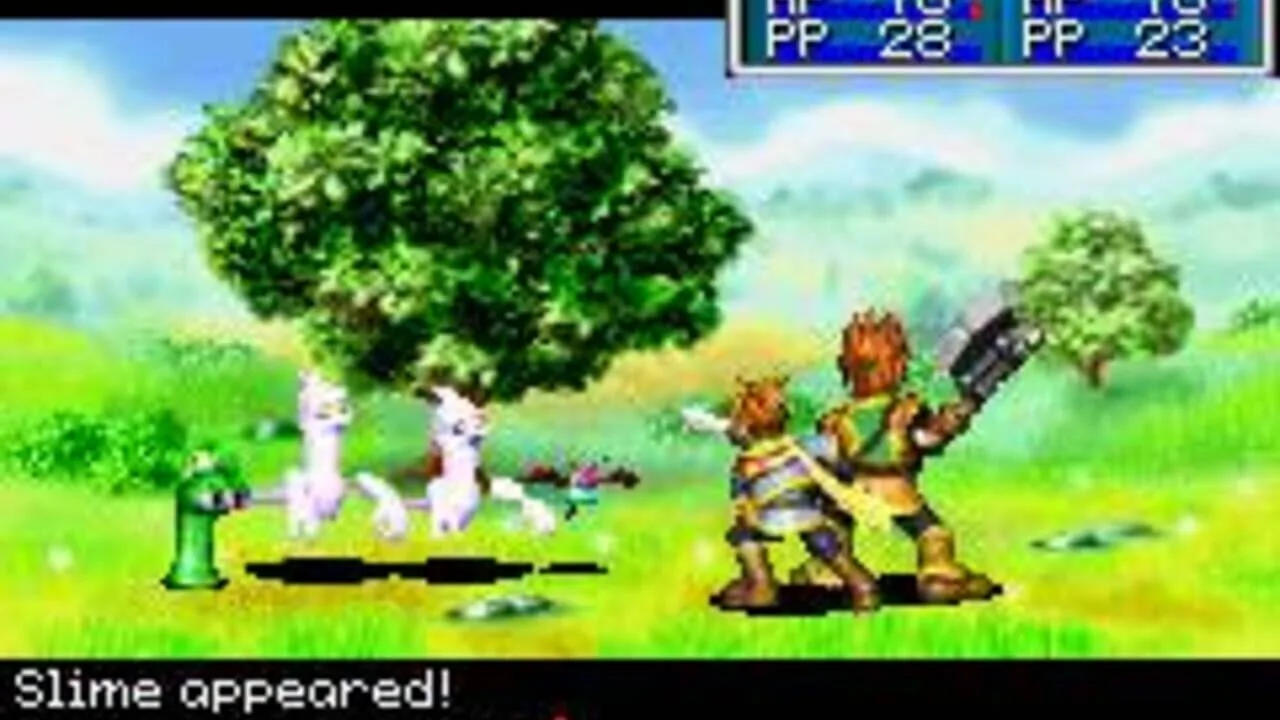
Golden Sun is a role-playing game about a group of adepts who are charged with preventing the power of alchemy from being released. You gather the elemental Djinn, and each one you attach to a hero changes what that hero can cast. The puzzles use the same magic, so a dungeon might ask you to shove a pillar with a spell or freeze a puddle to cross it.
Nintendo Power named it the Best GBA Game of 2001, and critics have kept it near the top of the system's best ever since. Players recommend it more than any other game on the console. The sequel, The Lost Age, followed a year later and is on this list too. Start here if you want one long adventure.
Every issue features one game worth playing, plus the latest retro news.