The most expensive Game Boy Advance game was made by Hudson Soft and published by Konami, two Japanese companies, and it never came out in Japan. Ninja Five-O went almost entirely unnoticed and disappeared from store shelves almost immediately. Further down sits a Tiny Toon Adventures game that was made in 2002 and then left on a shelf for years before a handful of copies showed up in American stores.
Every price below is a real eBay sale made between April 2024 and June 2026, never an asking price. For each game we took the sales of loose cartridges (the cart alone, no box) from its latest year of sales, or its latest two years when it sold too seldom for one, and used the middle price, so one wild auction can't push a game up the list. You only need the cartridge to play, so the loose price sets the order. Boxed prices only show up where enough boxed copies sold to mean something.
10. Ice Nine (2005)
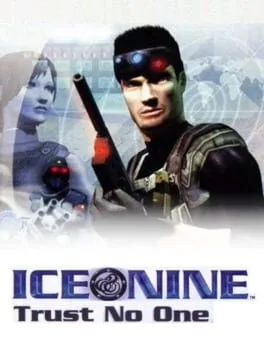
Loose carts of Ice Nine sold for a typical $134 across 16 sales between September 2024 and June 2025. It is one of the last first-person shooters on the Game Boy Advance. You play Tom Carter on a mission to stop a plot to steal a computer virus called Ice Nine, and along the way he uncovers a conspiracy inside the CIA.
It was supposed to be a tie-in with the film The Recruit, but the movie's commercial failure forced the game to change its name, and the plot stayed the same. Critics liked the graphics and the music and found the levels boring, so it holds a 44% average on GameRankings. The price comes from timing more than love: it arrived late in the Game Boy Advance's life, in 2005, and only in the US and PAL regions.
9. Pokemon LeafGreen (2004)

Loose carts of Pokemon LeafGreen sold for a typical $140 across 29 sales between February and March 2026, and boxed copies went for a typical $407 across 30 sales. LeafGreen and FireRed are remakes of the very first Pokemon games, Red and Green, and after the Elite Four they open up the Sevii Islands, a new area the originals never had. They were also the first games in the series to work with the Game Boy Advance Wireless Adapter, which came in the box.
None of this was scarce, either: the pair sold around 12 million copies. LeafGreen costs this much because people still want it. If you just want to play it, LeafGreen and FireRed came out digitally for the Nintendo Switch on February 27, 2026, for the series' 30th anniversary.
8. Tiny Toon Adventures: Scary Dreams (2005)
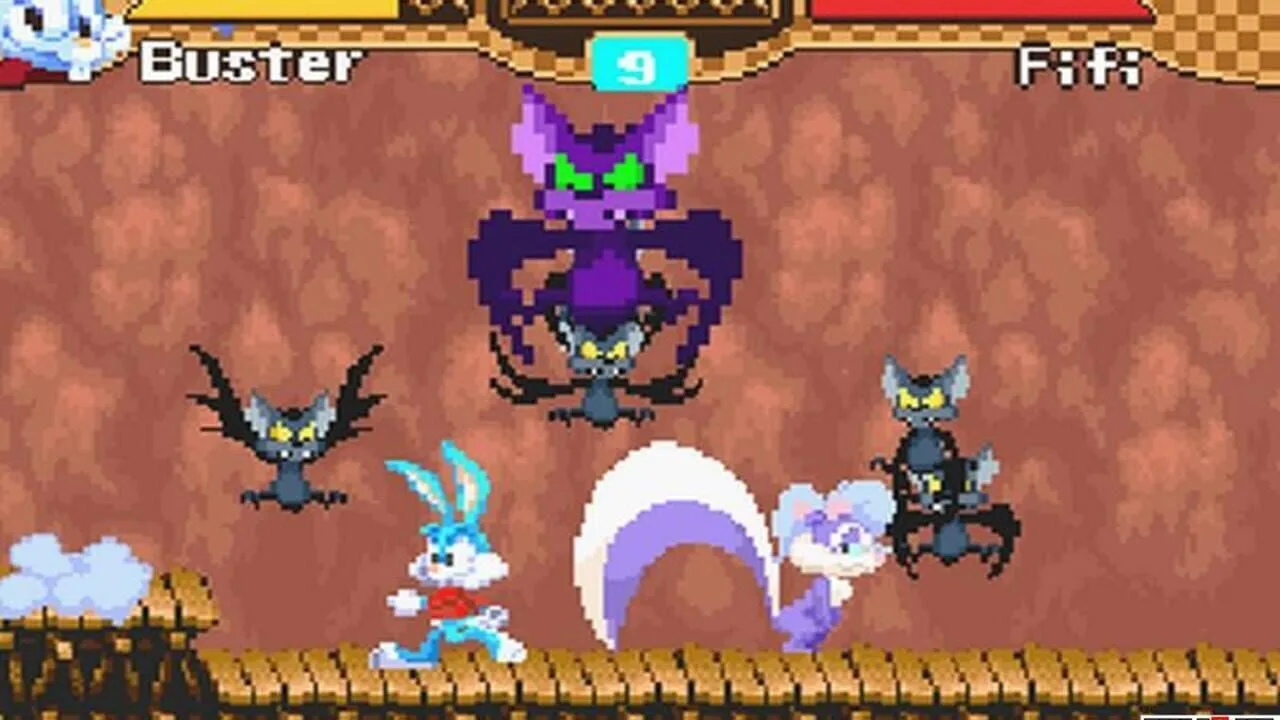
Loose carts of Tiny Toon Adventures: Scary Dreams sold for a typical $141 across 15 sales between January and October 2025, and boxed copies went for a typical $280 across three sales. Treasure developed it, and it came out in Europe on July 5, 2002 as Buster's Bad Dream. Buster Bunny is having bad dreams and wants them to stop, and a partner system lets him team up with Babs, Plucky Duck and the rest.
The North American version is the strange part. It began popping up on eBay and at small retailers in 2005, published by Conspiracy Entertainment and virtually unchanged from the European game. The box suggests the copies were made in 2002 and then sat on a shelf until they surfaced, and only a few of them ever reached the market. Three years in a warehouse, and it still turned up in time to become one of the priciest games on the system.
7. Sega Rally Championship (2003)
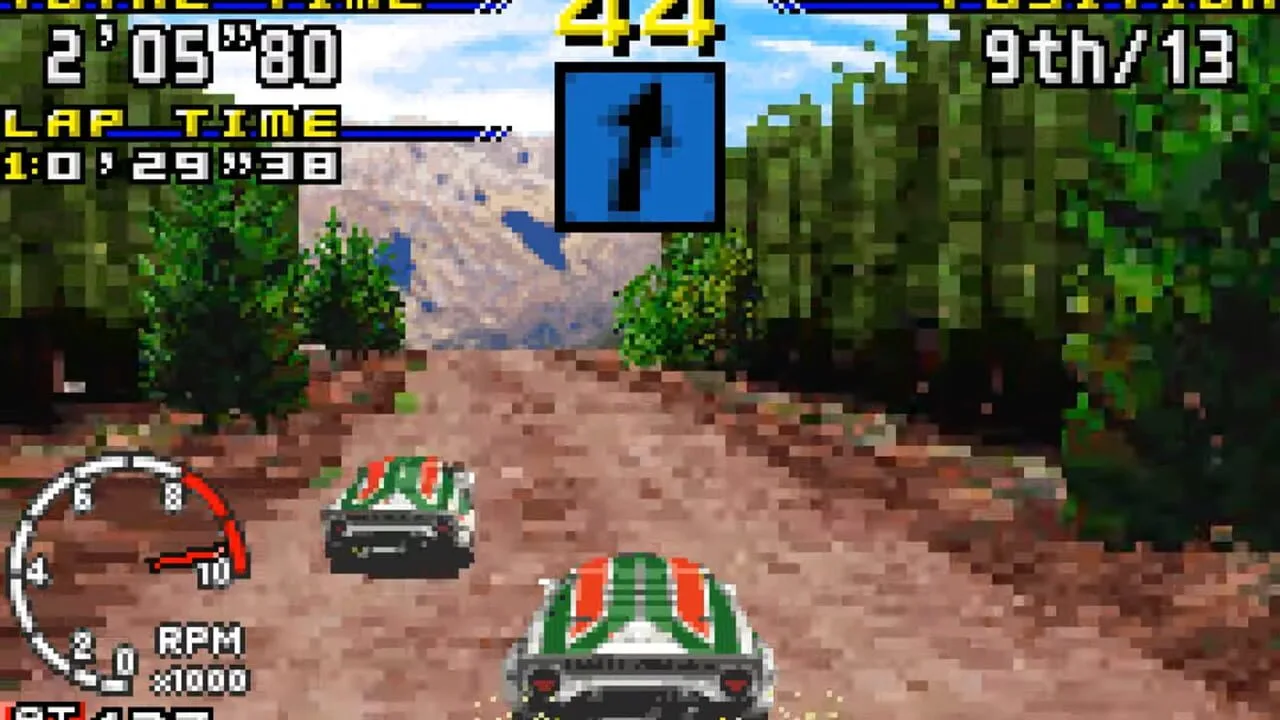
Loose carts of Sega Rally Championship sold for a typical $145 across seven sales between August 2024 and March 2025. It is a handheld version of the Sega arcade classic, with licensed rally cars from Subaru, Ford, Toyota and Mitsubishi on terrain that runs from dirt to snow, and you upgrade and repair your car as you go.
The US cart is extremely hard to find, even loose, and very few copies of any kind show up on eBay. Even the European version is hard to find.
6. DemiKids: Dark Version (2003)
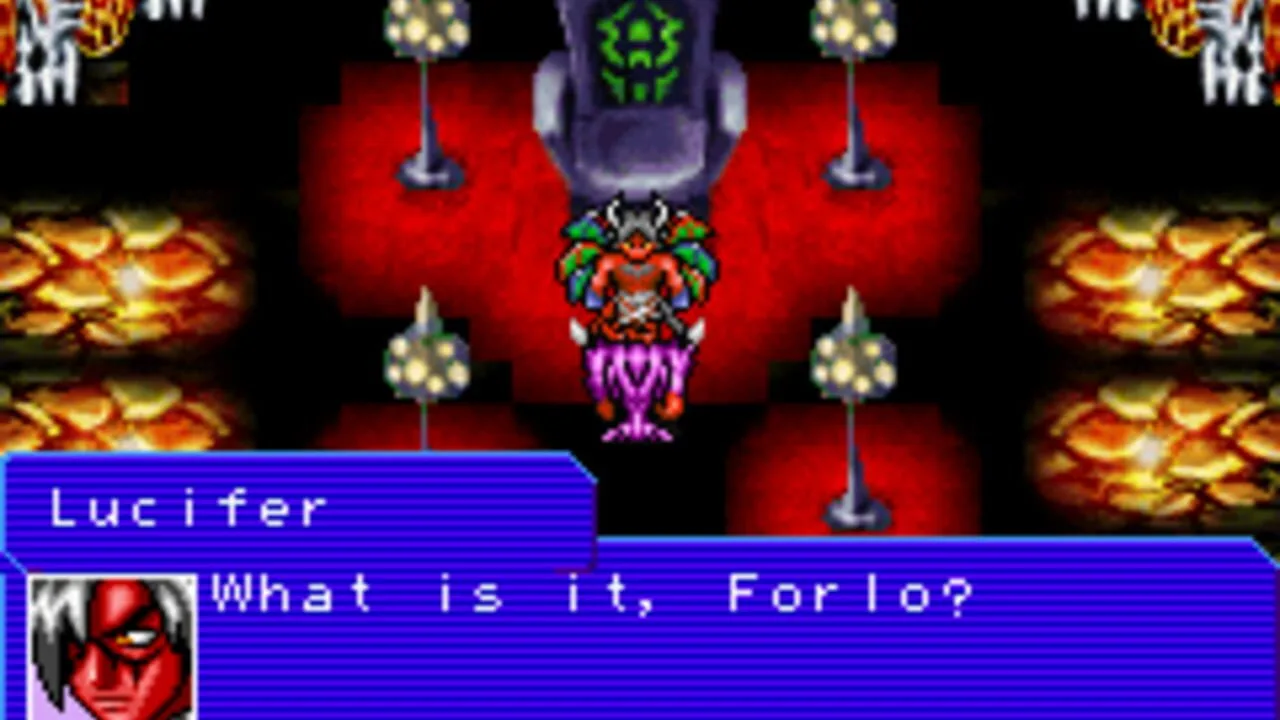
Loose carts of DemiKids: Dark Version sold for a typical $162 across 22 sales between November 2024 and November 2025, and boxed copies went for a typical $550 across three sales. DemiKids is Atlus's kid-friendly spin-off of Megami Tensei, most likely made in response to Pokemon, and Dark Version and Light Version are the only games in the series that ever came out in English. They reached North America on October 7, 2003.
In Dark Version, Akira is summoned by Lucifer to a land called Dem and tasked with erasing portals, with a dragon named Gale at his side. The kids don't fight themselves. Their demons do, and you can talk to a demon instead of fighting it to bring it over to your side.
5. Pocky & Rocky with Becky (2002)
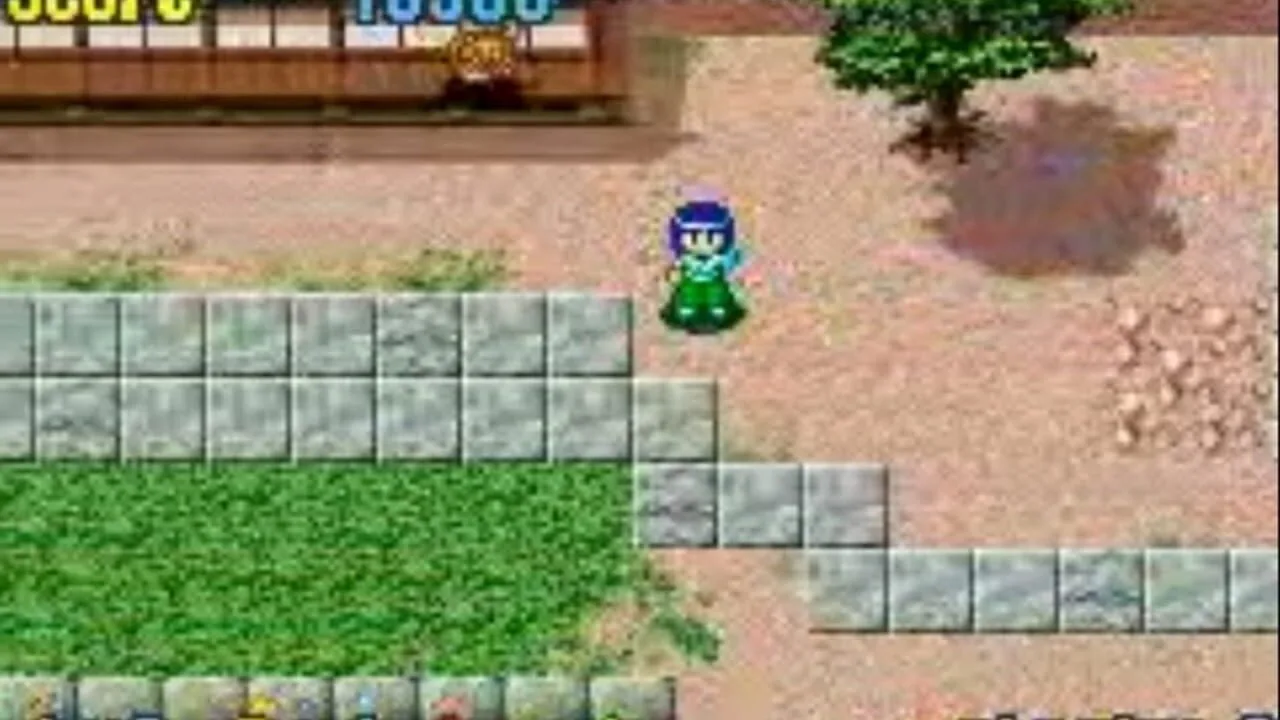
Loose carts of Pocky & Rocky with Becky sold for a typical $165 across 22 sales between April 2024 and March 2025, and the four boxed copies in that stretch went for a typical $1,025. Altron developed it, Natsume published it in North America, and instead of following the Super Nintendo games it plays like a sequel to the arcade original, KiKi KaiKai. You choose Pocky, Rocky the raccoon or Becky and go after a ghostly hydra that broke out of its seal.
It is also the easiest game in the series by far, and you can finish it in as little as 30 minutes. That gap between a $165 cart and a $1,025 boxed copy has a simple explanation: complete copies are among the hardest to find. For a cheaper go, it was later released on the Wii U's Virtual Console.
4. Boktai 2: Solar Boy Django (2004)
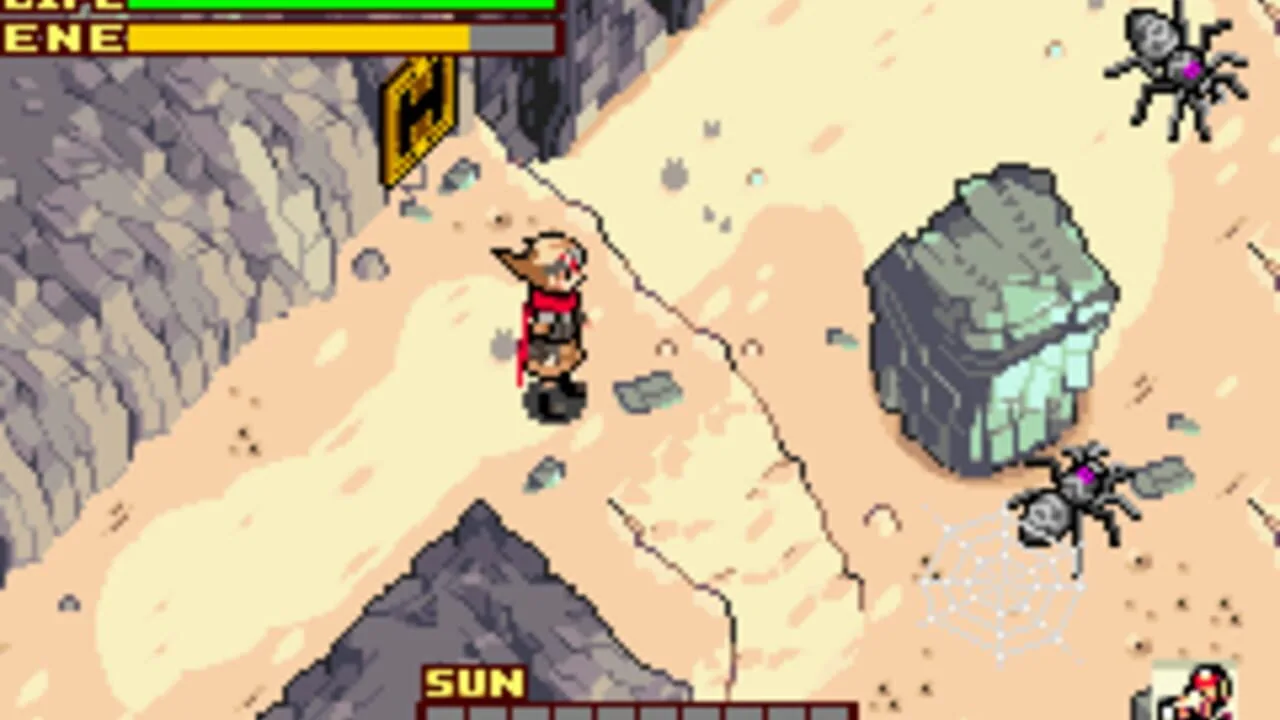
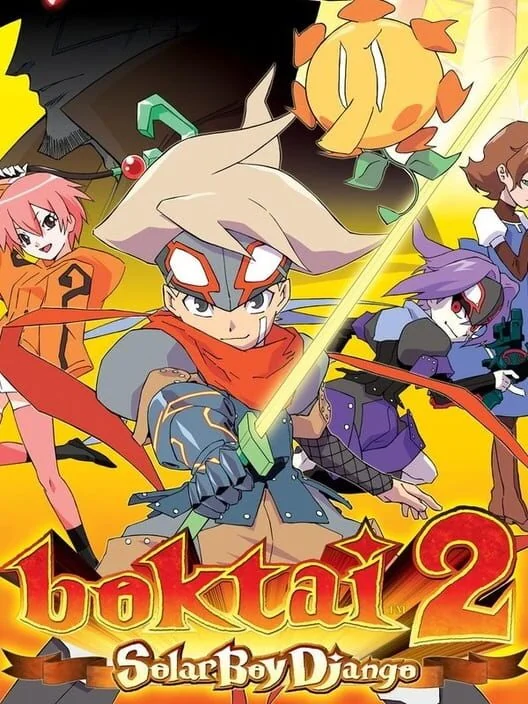
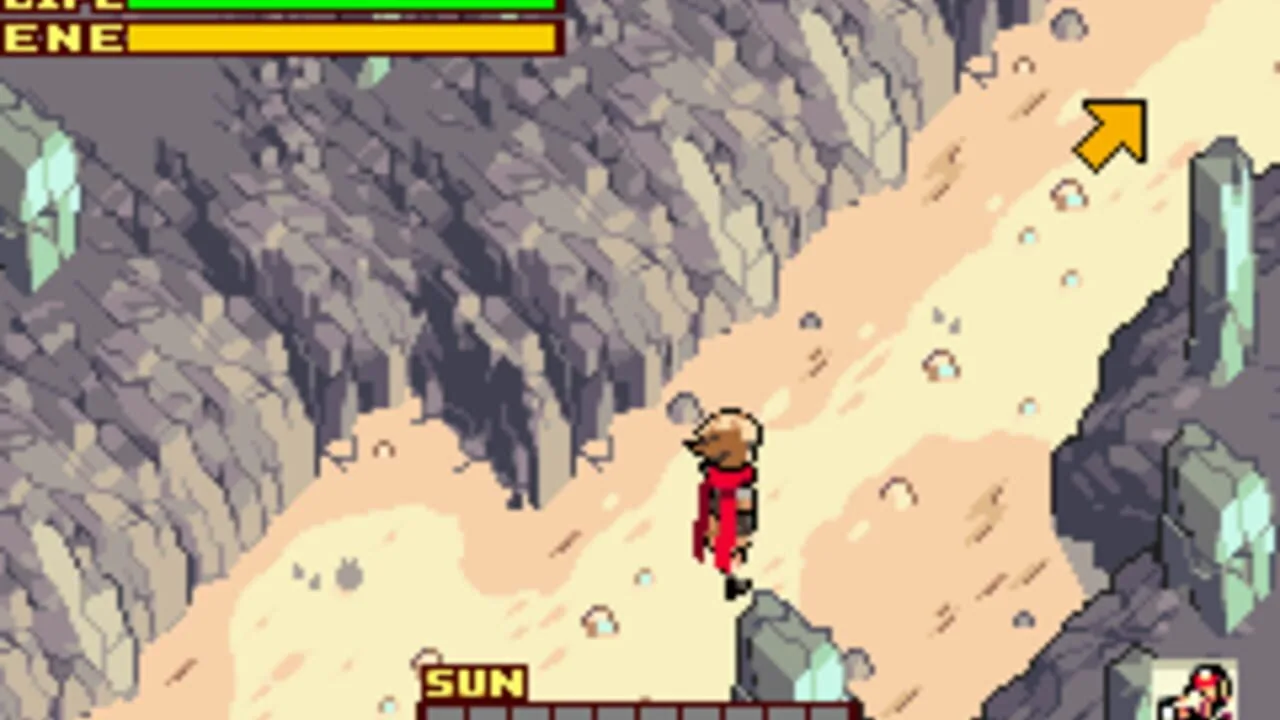
Loose carts of Boktai 2: Solar Boy Django sold for a typical $168 across 29 sales between August 2024 and March 2025, and boxed copies went for a typical $265 across 16 sales. Like the first Boktai, the cartridge has a light sensor built in that measures the sunlight falling on it, and you power up more than 60 weapons and items by going outside.
This time a mysterious vampire steals Django's Gun Del Sol and uses it on him, so he spends the adventure enchanting ordinary weapons with the power of the sun instead. Konami slipped in a nod to its own Metal Gear, too: the Sneaking Suit is a reference to that series.
3. Urban Yeti! (2002)
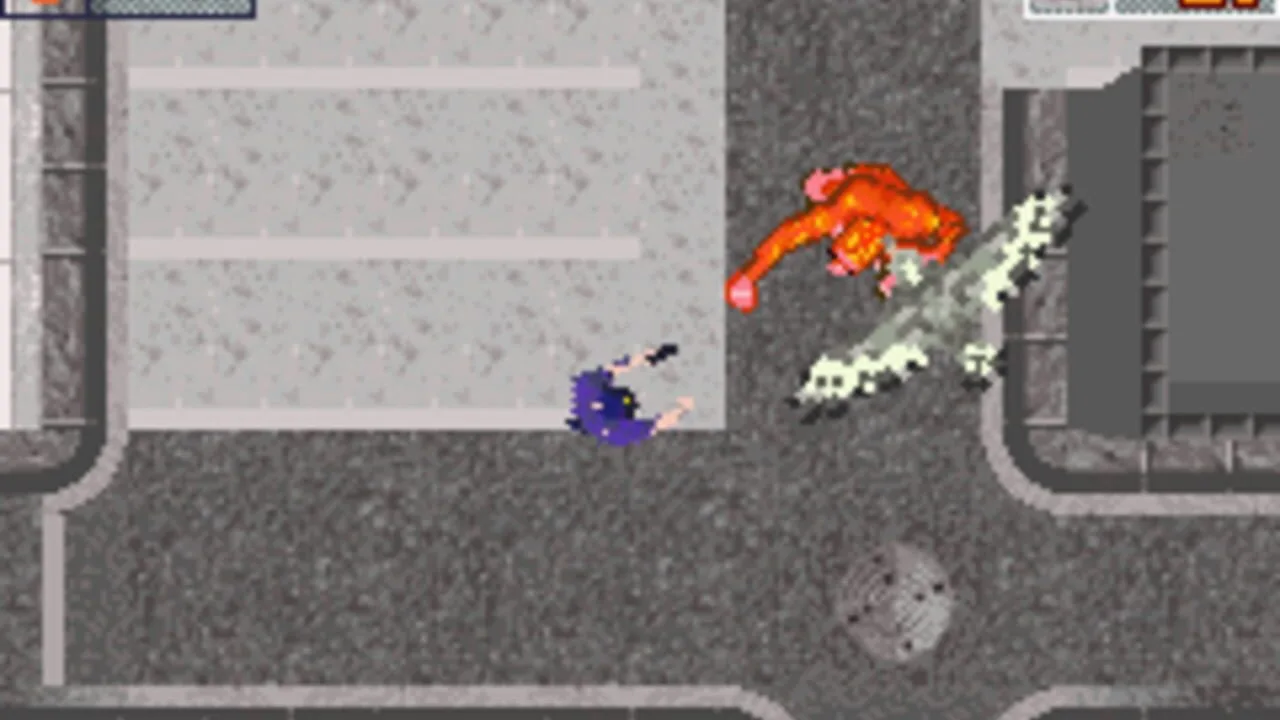
Loose carts of Urban Yeti! sold for a typical $170 across six sales between April and September 2025, and boxed copies went for a typical $317 across five sales. A yeti goes looking for a mate in a big city full of humans, seen from above like the early Grand Theft Auto games, and the missions are minigames, from Yeti Frisbee to running the local Yeti Kingdom of Eats restaurant.
Critics praised its humor and complained about its technical problems, and it has a 67% on Metacritic. Telegames published it, and its growing cult reputation, mostly for pure amusement, has kept its price on a steady rise. Is it a good game? Not really. Is it the third most expensive game on the system? Yes.
2. Pokémon Emerald (2004)
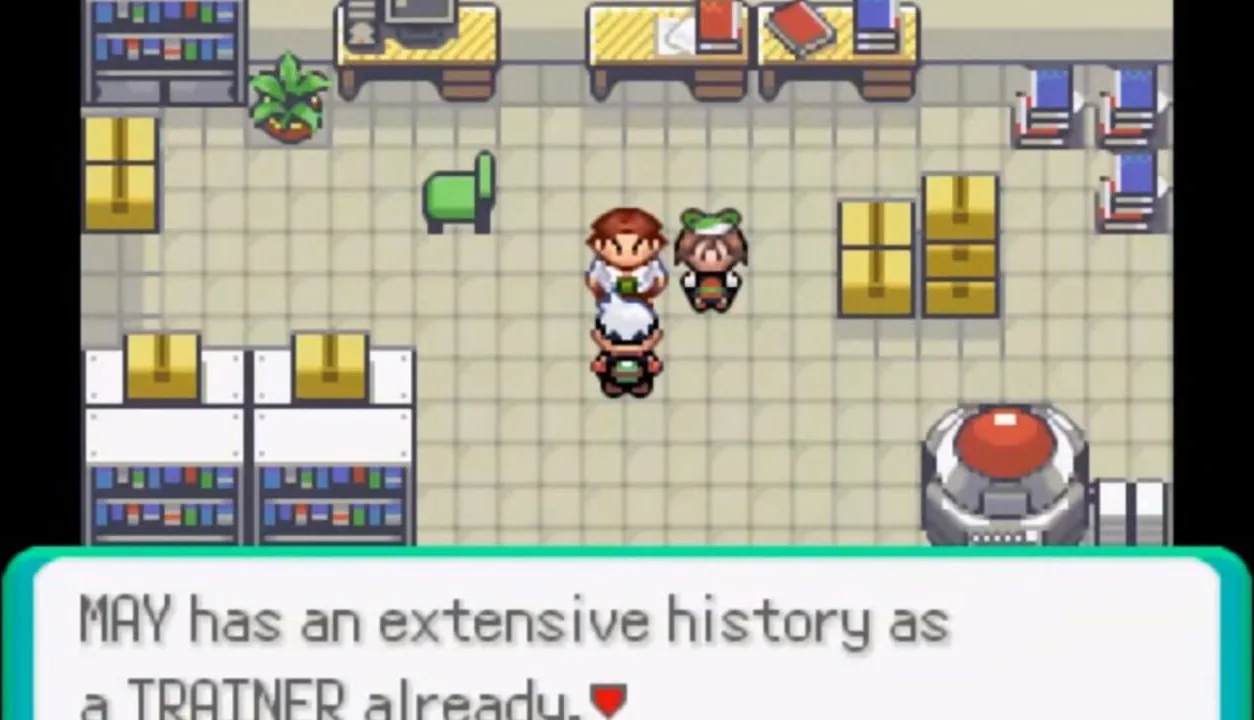
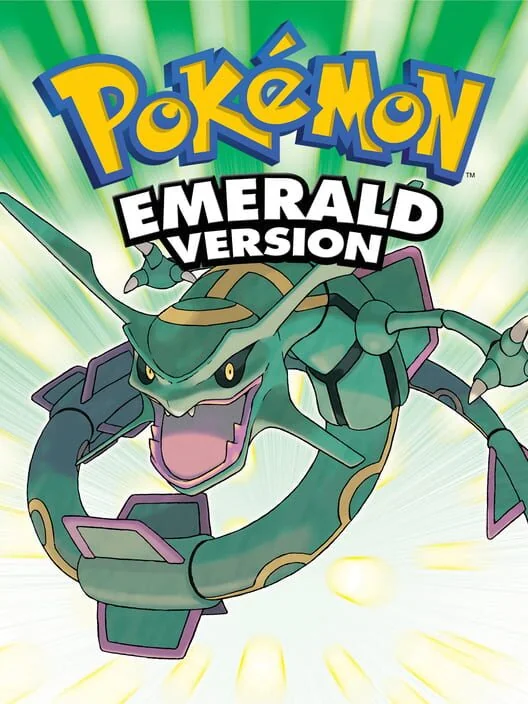
Loose carts of Pokemon Emerald sold for a typical $250 across 30 sales between March and April 2026, and boxed copies went for a typical $640 across 30 sales. It is the third version of Ruby and Sapphire and the last main series game on the Game Boy Advance, and it added the Battle Frontier, an expansion of the old Battle Tower, along with animations for the Pokemon in battle.
Pokemon games have always held their value, and Emerald is no exception. Japanese copies came with the wireless adapter in the box, and the English versions dropped it.
1. Ninja Five-O (2003)
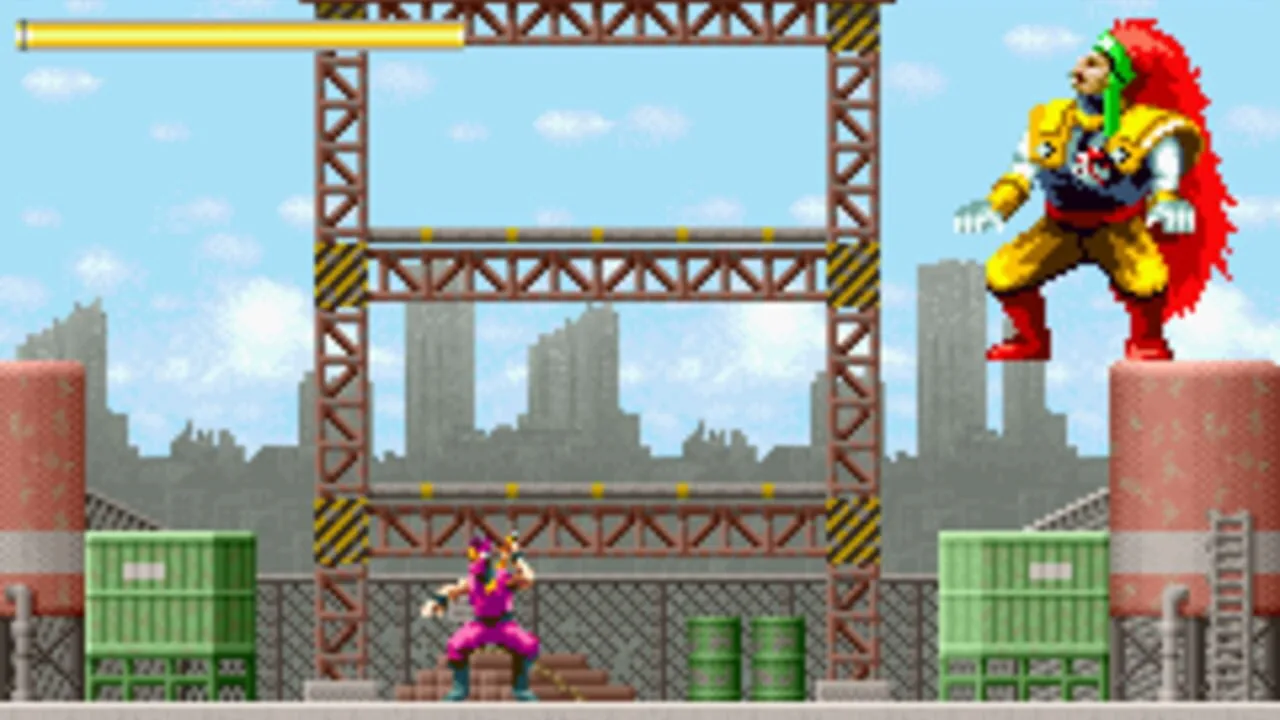
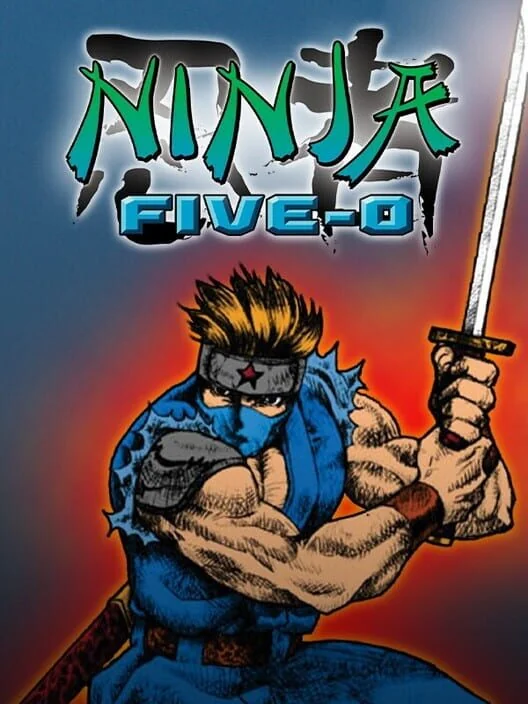
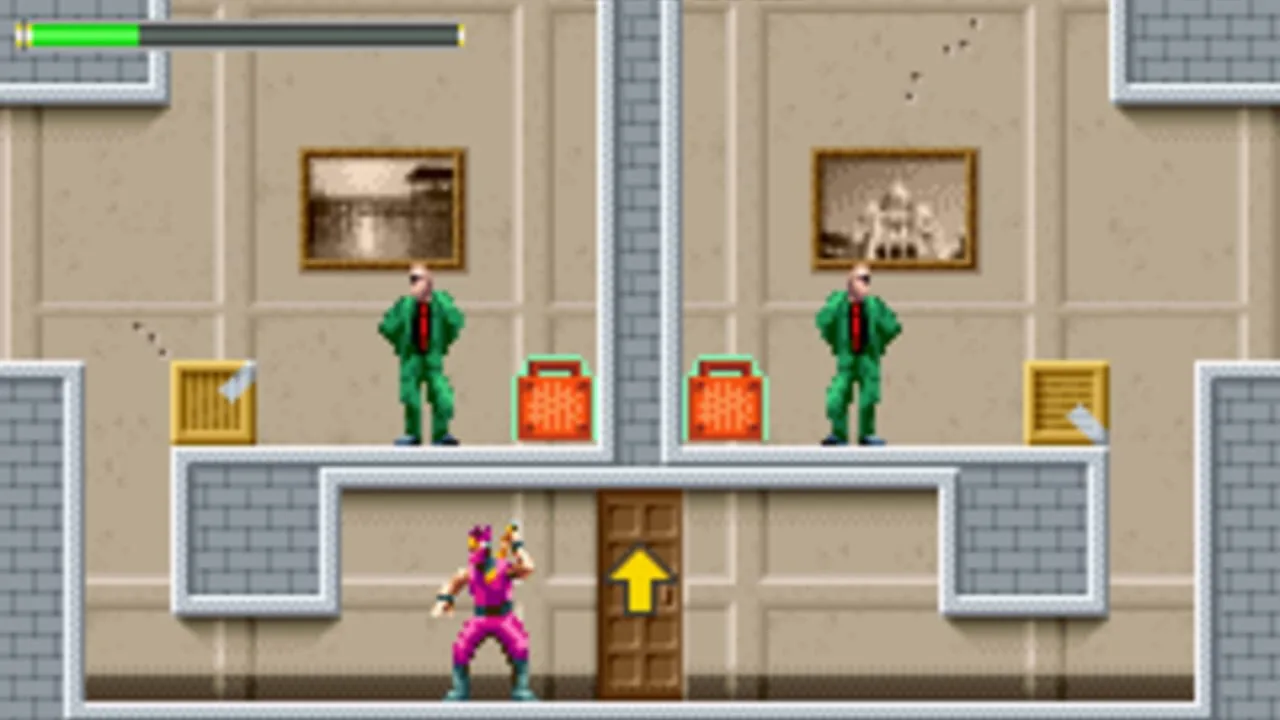
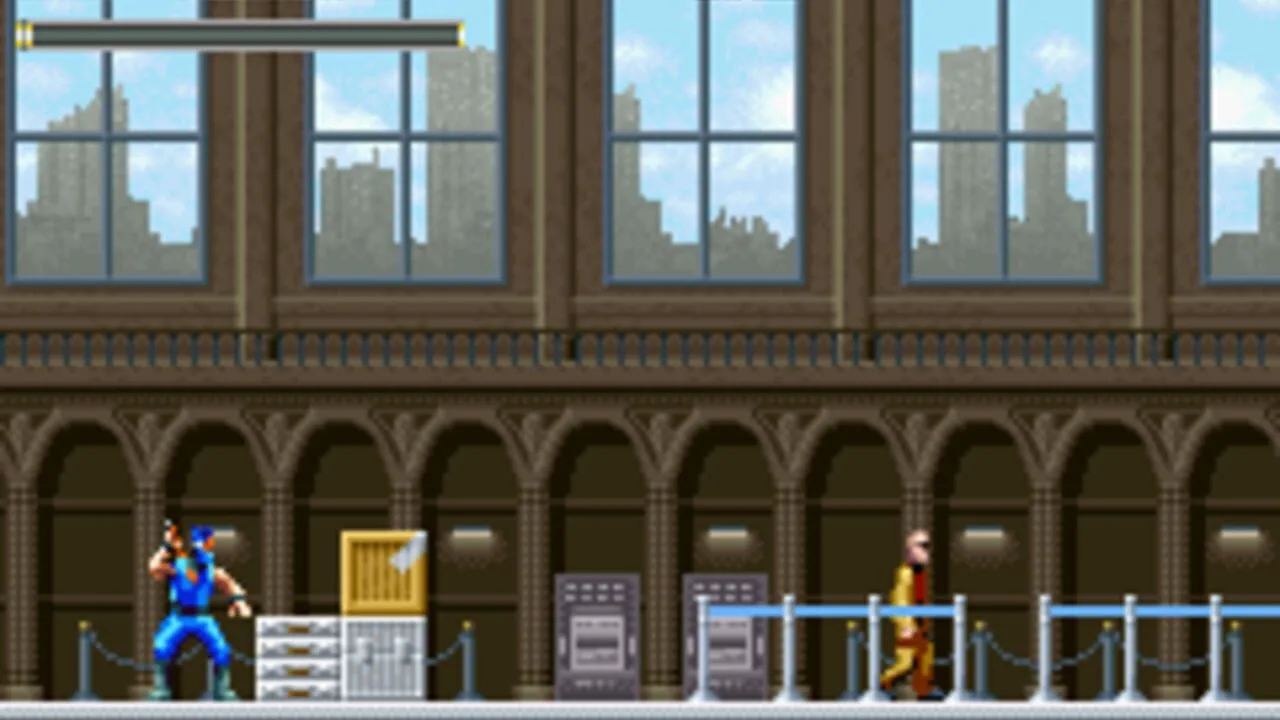
Loose carts of Ninja Five-O sold for a typical $322 across 30 sales between August 2025 and June 2026, and boxed copies went for a typical $800 across eight sales. You play Joe Osugi, a ninja cop who has to stop a terrorist group powered by mystical masks and rescue hostages in places like banks and airports. His best tool is a grappling hook that swings him from platform to platform, and once you get the hang of it, it's insanely fun.
Critics liked it, but it failed to sell, and its limited advertising didn't help. In 2007 you could still get a bare cart for a little over $20. Prices started to catch fire around 2011 and 2012, and they kicked into gear around 2016. You don't need the cart anymore, though, because the original was re-released on February 25, 2025 for the Nintendo Switch, PlayStation 4, PlayStation 5 and Windows.