The Game Boy Advance was a dream for RPG fans. It was close to a Super Nintendo you could carry, and the companies behind the great 16-bit RPGs used it for brand new games and for remakes of their old ones. Square made Final Fantasy Tactics Advance and brought back IV and VI, and Nintendo finally sent Fire Emblem overseas.
Pokémon moved to a new region, and Atlus brought over Japanese games most players never expected to see in English. One of the best never left Japan at all, so fans translated it themselves. Here are the 25 best GBA RPGs.
25. Pokémon Mystery Dungeon: Red Rescue Team (2005)
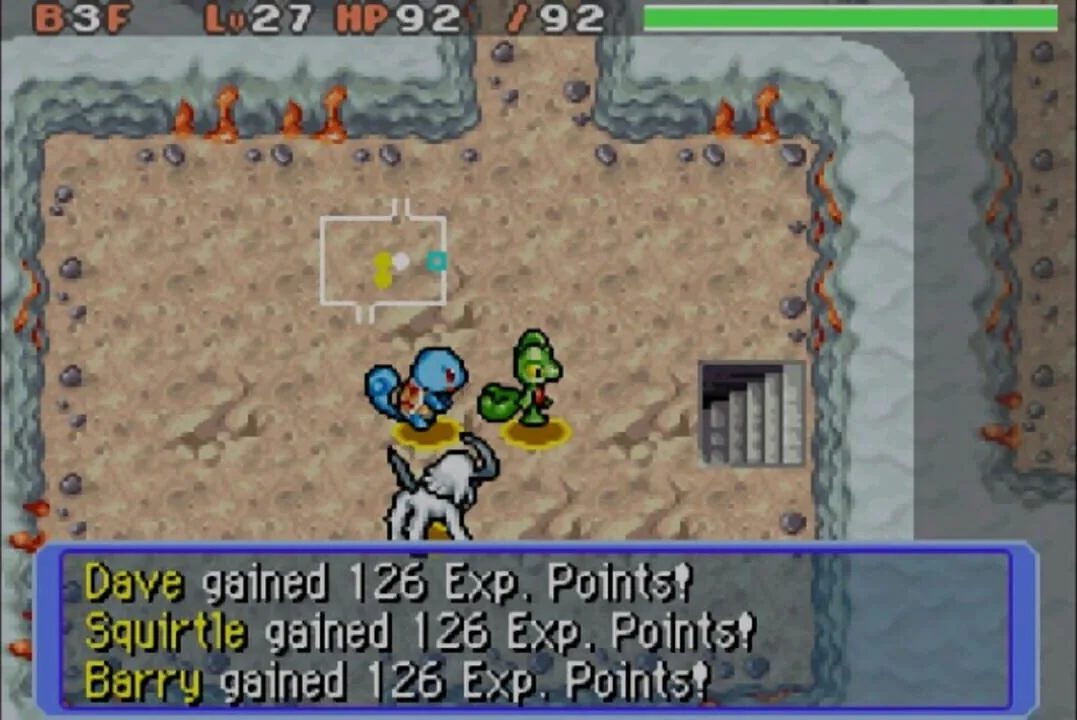
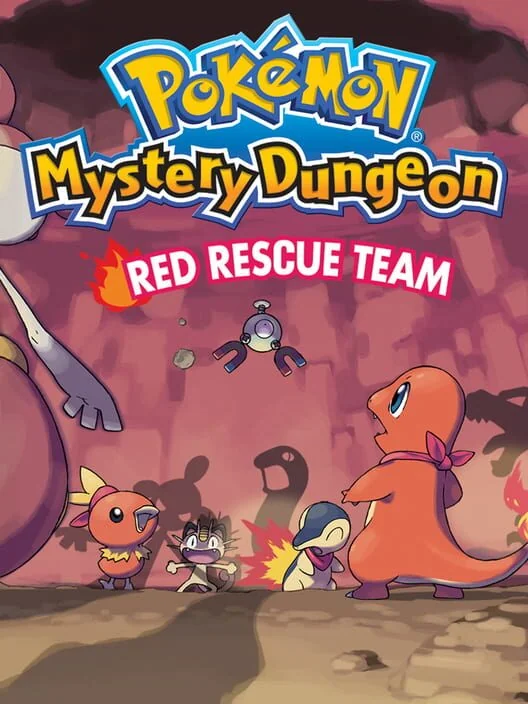
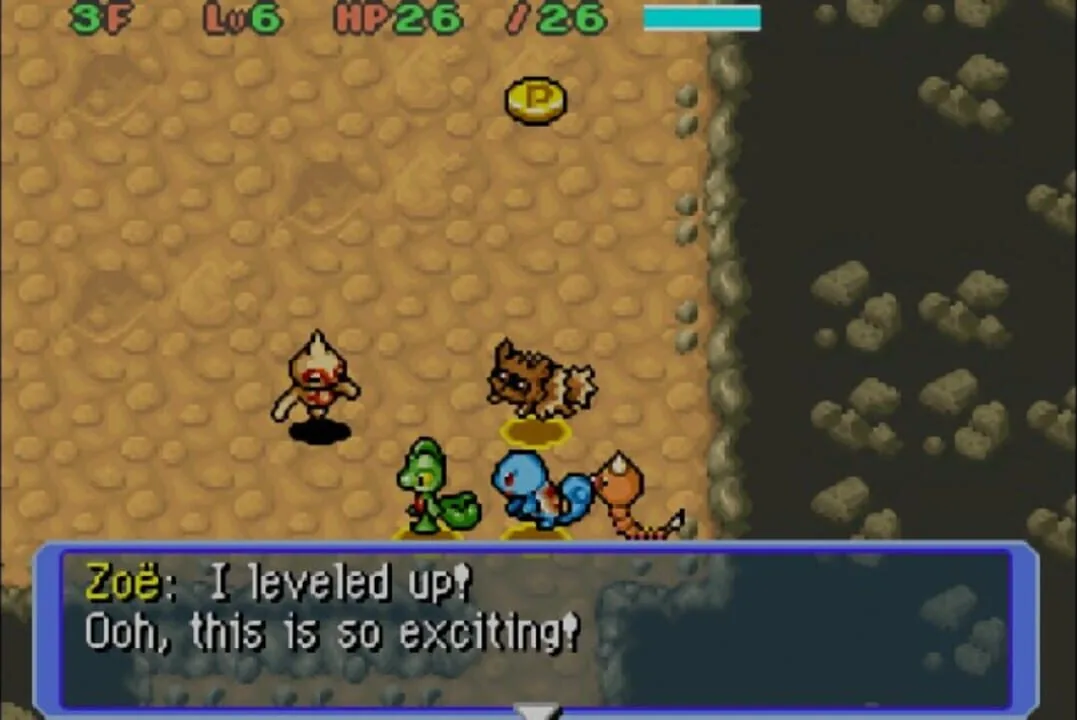
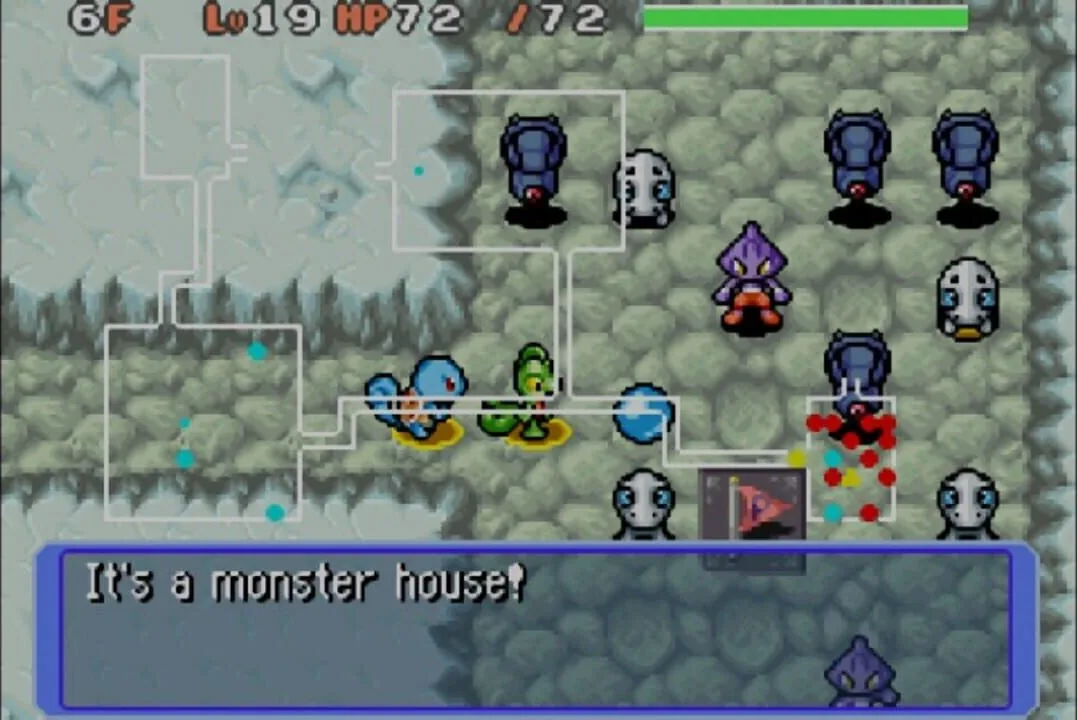
Red Rescue Team starts with a strange idea: you were a regular human, and now you are trapped in the body of a Pokémon in a world inhabited by Pokémon. With a partner at your side you go on rescue missions through randomly generated dungeons. The whole game is based on a classic roguelike, because Tsunekazu Ishihara had played Torneko's Great Adventure and was impressed with the genre's depth and quality.
It came out as an odd pair: Red Rescue Team on the Game Boy Advance and Blue Rescue Team on the Nintendo DS. Red is the version for the older handheld, and it is a friendly first step into a genre with a reputation for being cruel. If you have never played a dungeon crawler, start here.
24. Mega Man Battle Network 3 (2002)
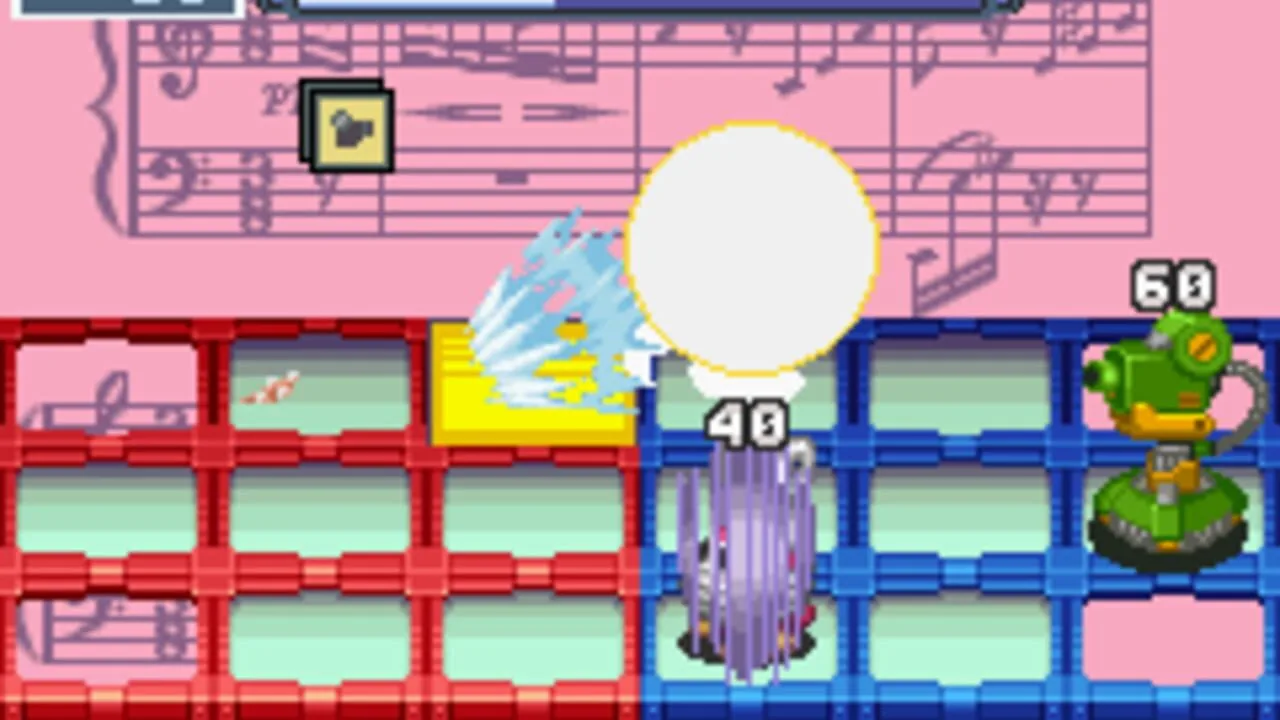
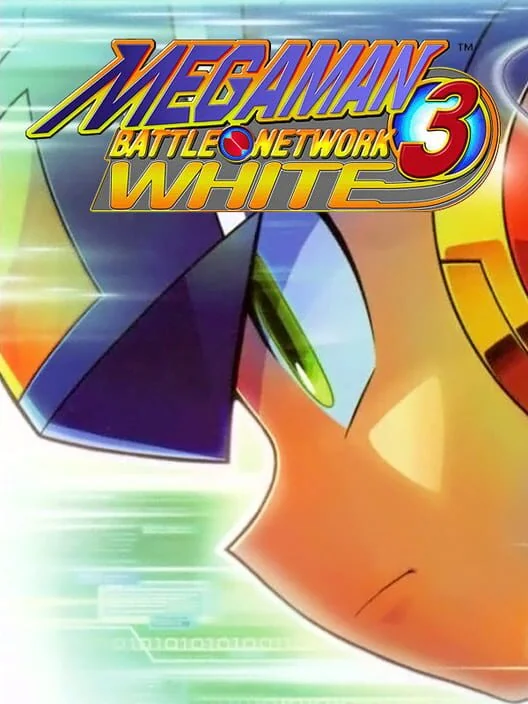
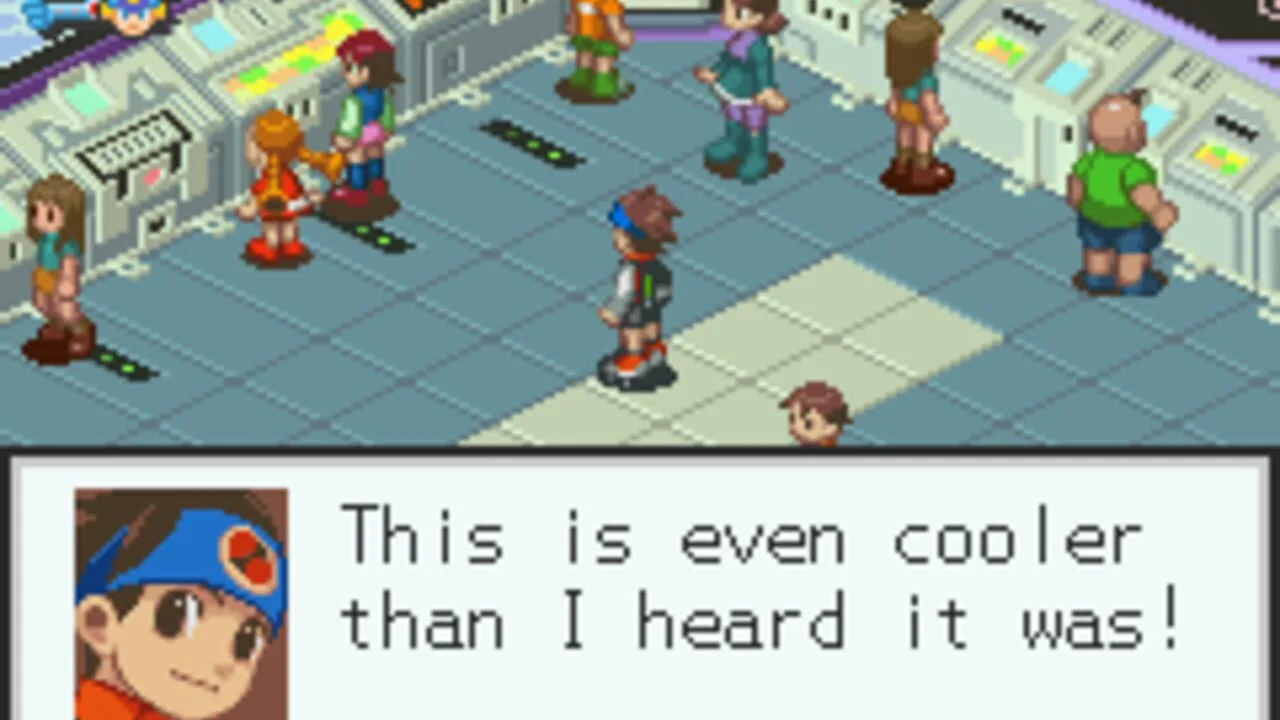
Battle Network 3 came out in Japan in 2002 and in North America in 2003, and in the West it was sold as two versions, White and Blue, with exclusive bosses in each. Doctor Wily is back with his gang WWW. This time he wants to release Alpha, a prototype version of the Internet that went berserk and was locked away, and to free it he needs the TetraCodes hidden behind its firewalls.
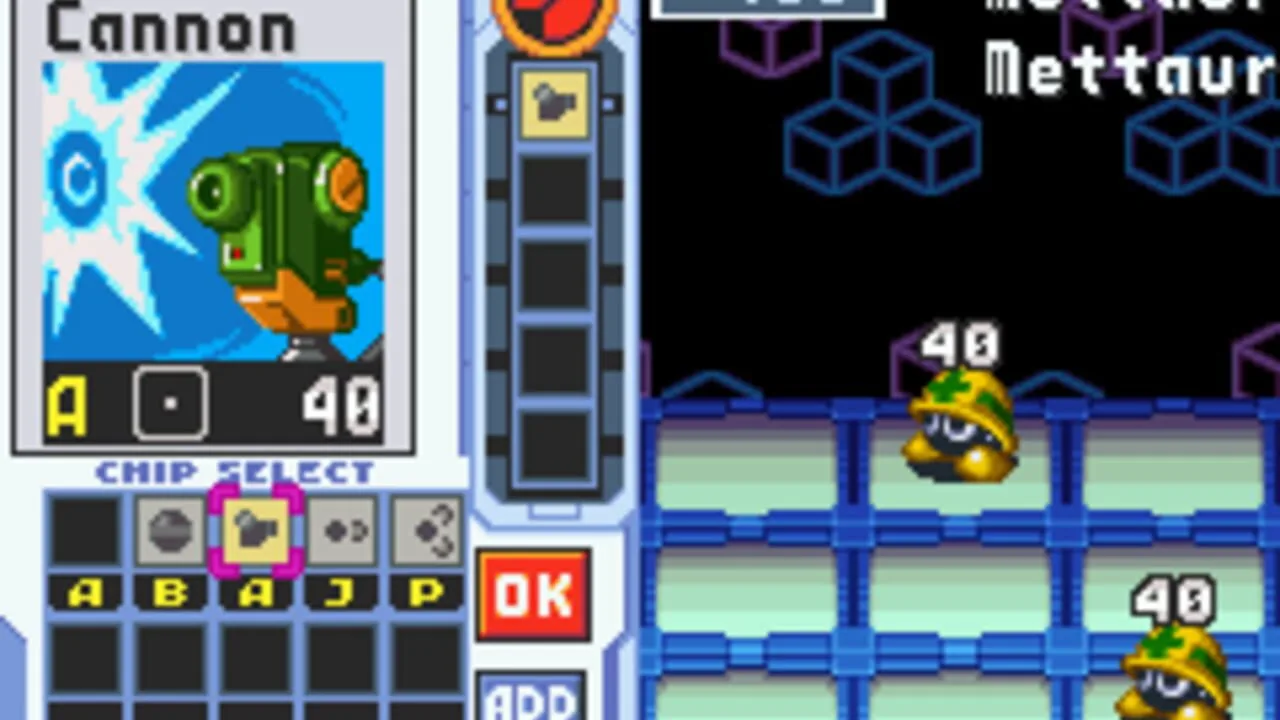
The third game is where the series found its best shape. You build a folder of Battle Chips, with no more than four of any one standard chip, and you can raise friendly viruses in a breeder by feeding them BugFrags. If you only play one Battle Network after the first, make it this one.
23. Yggdra Union (2006)
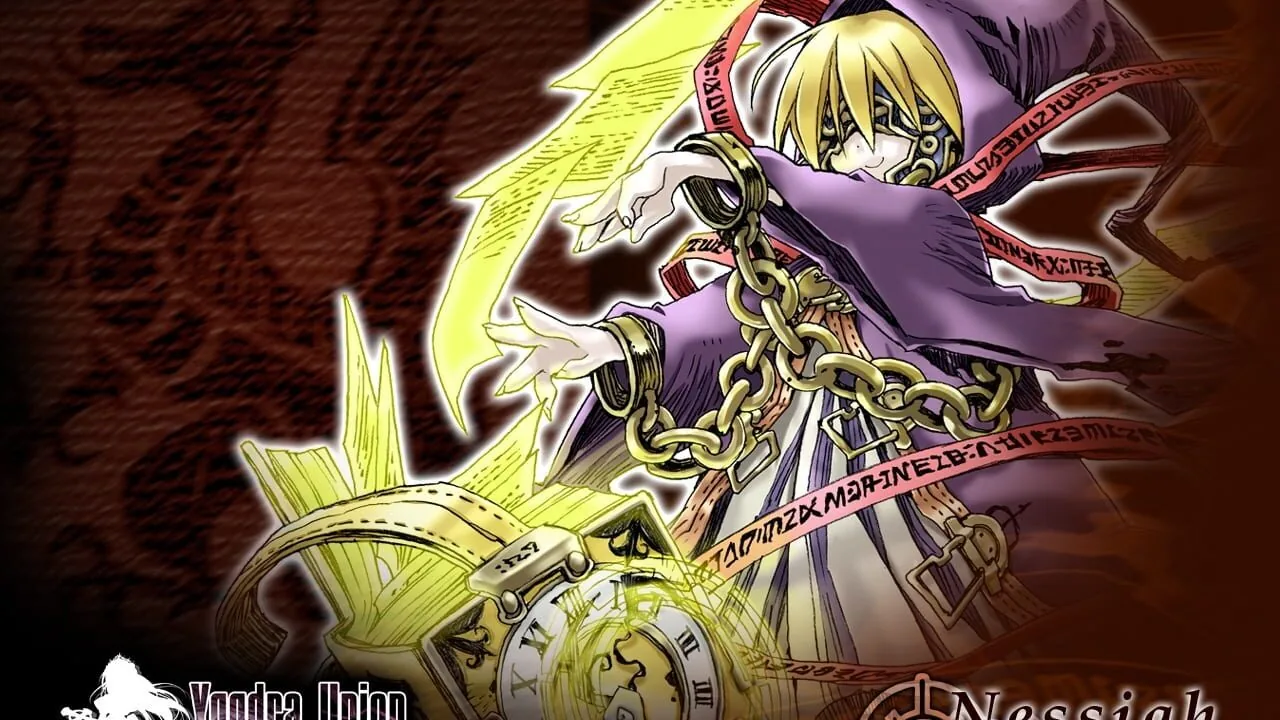
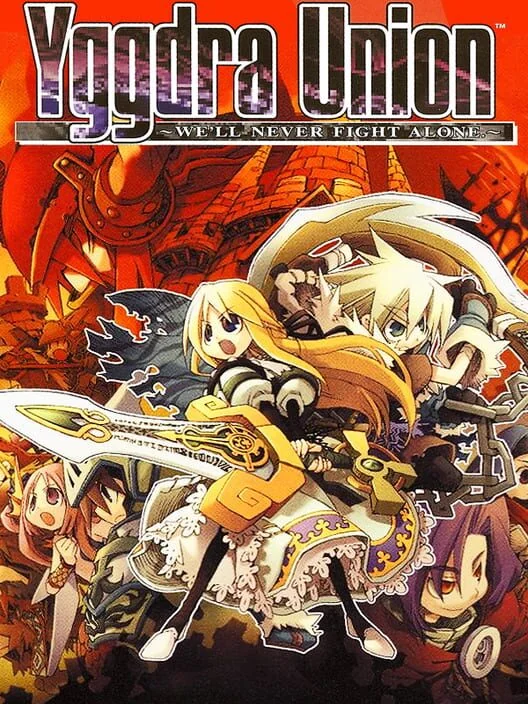
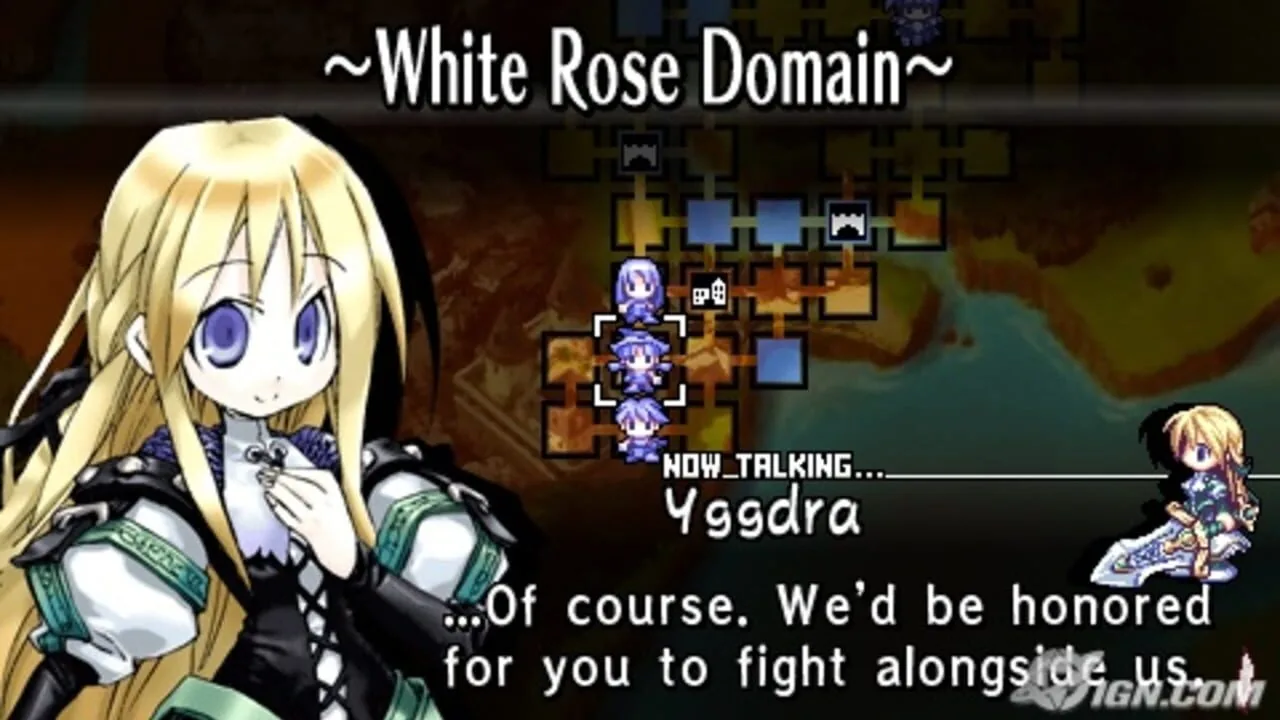
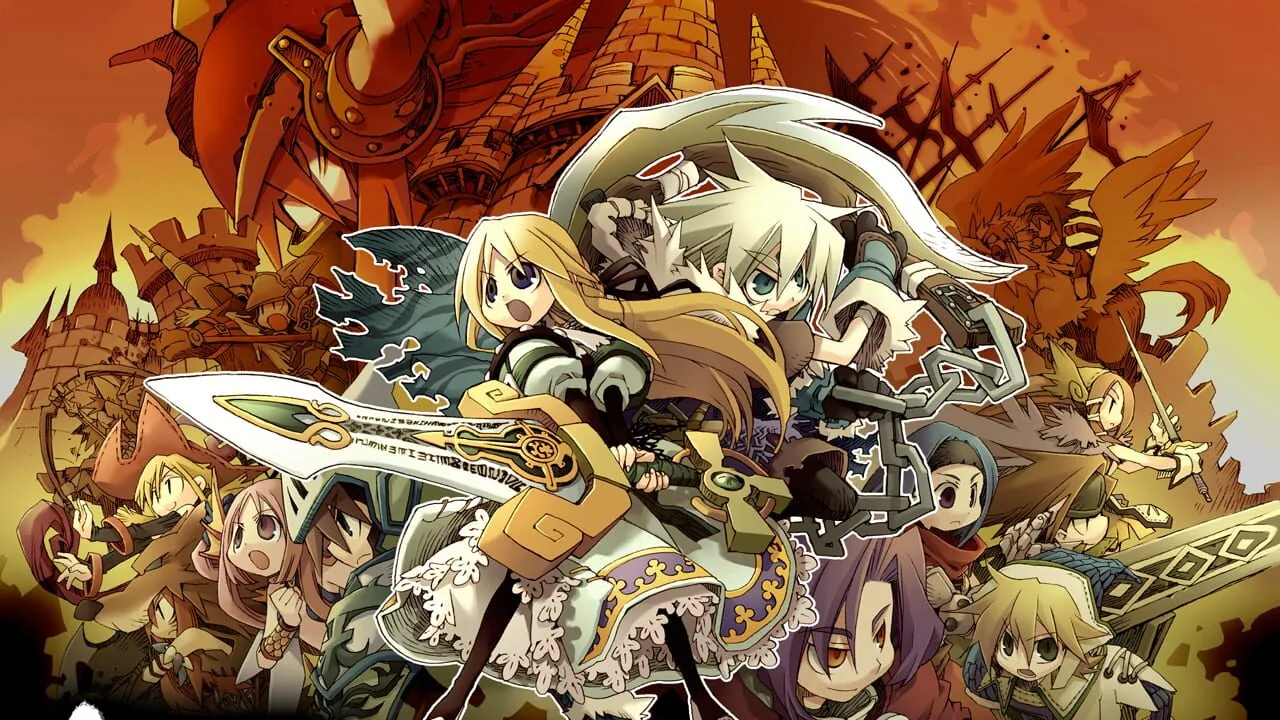
Yggdra Union is the second game in the Dept. Heaven series. A girl named Yggdra has lost her family, and her kingdom has been conquered by the Bronquia empire, so she recruits warriors to take it back from Gulcasa, the Emperor of Carnage. Units can join together into unions, and one fight can grow into a battle between as many as eighty soldiers. It was made by a team of fewer than 25 people, and its story turned out to be a prequel to Riviera: The Promised Land.
Atlus brought it to North America, and it is the strangest strategy game on this list. That is a big part of the appeal. It also came back much later, on Windows in 2023 and on the Switch in the West the same year, so it is far easier to find now than it was in 2006.
22. Fire Emblem: The Sacred Stones (2004)
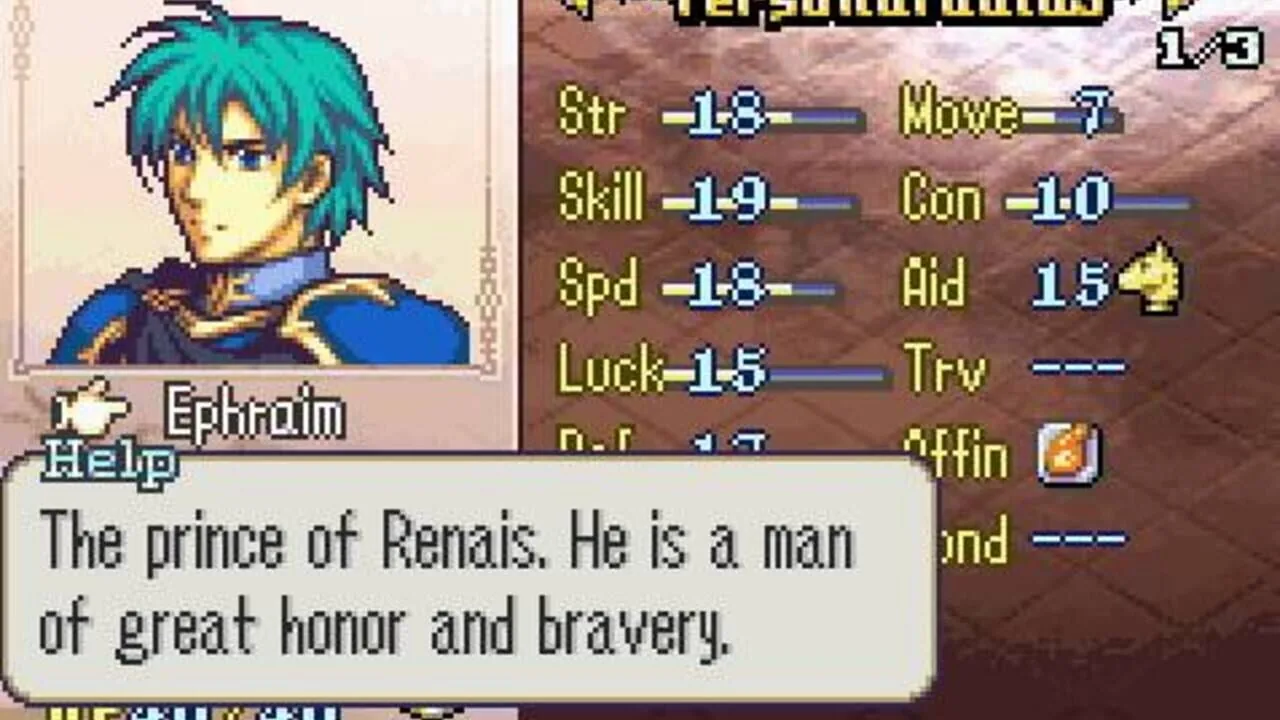
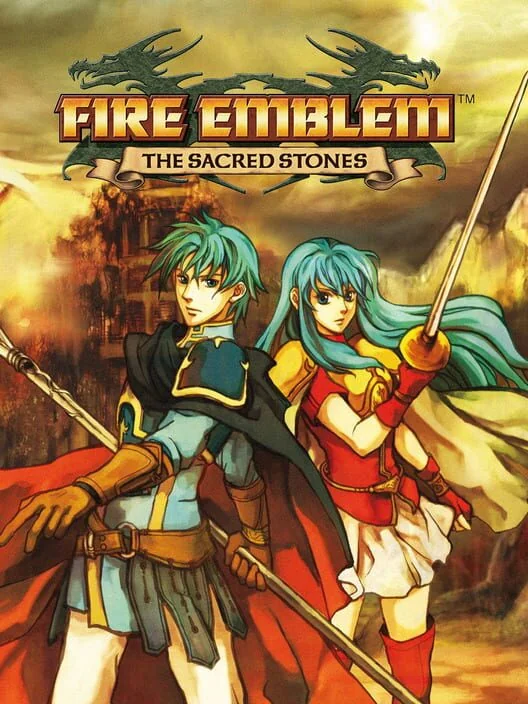
The Sacred Stones surprised even the people who made it. Intelligent Systems started it unexpectedly in 2003, next to Path of Radiance on the GameCube, after the staff thought they would not be making another entry for the Game Boy Advance. You protect the nation of Renais from the invading Grado Empire, and the characters were drawn by Sachiko Wada, who had worked on The Binding Blade and The Blazing Blade.
Critics liked it but said it was too similar to its predecessor, and that is a fair summary. The big change is a world map with the Tower of Valni, where your soldiers can gain experience fighting monsters. For a series known for punishing you, an extra training room is a kindness. Weapons still break after a set number of uses, so plan ahead.
21. Baldur's Gate: Dark Alliance (2004)
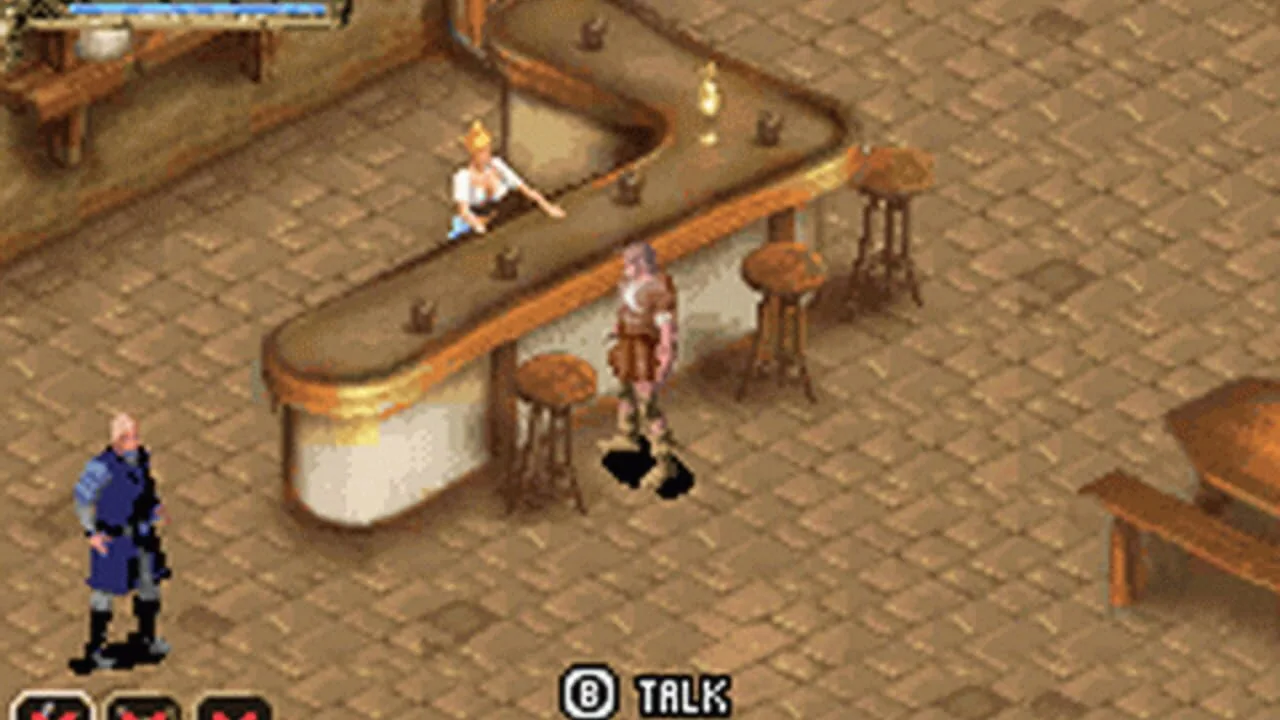
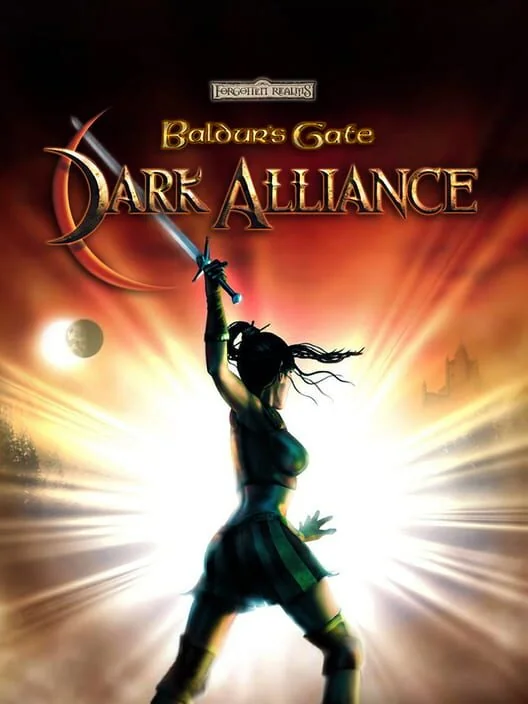
Dark Alliance started on the PlayStation 2, and it was well received on all four platforms it came to, the Game Boy Advance included. It is set in the Forgotten Realms of Dungeons & Dragons and uses the 3rd Edition rules. It was the first video game to use those rules in real time, and the PS2 version won Console Role-Playing Game of the Year at the AIAS awards.
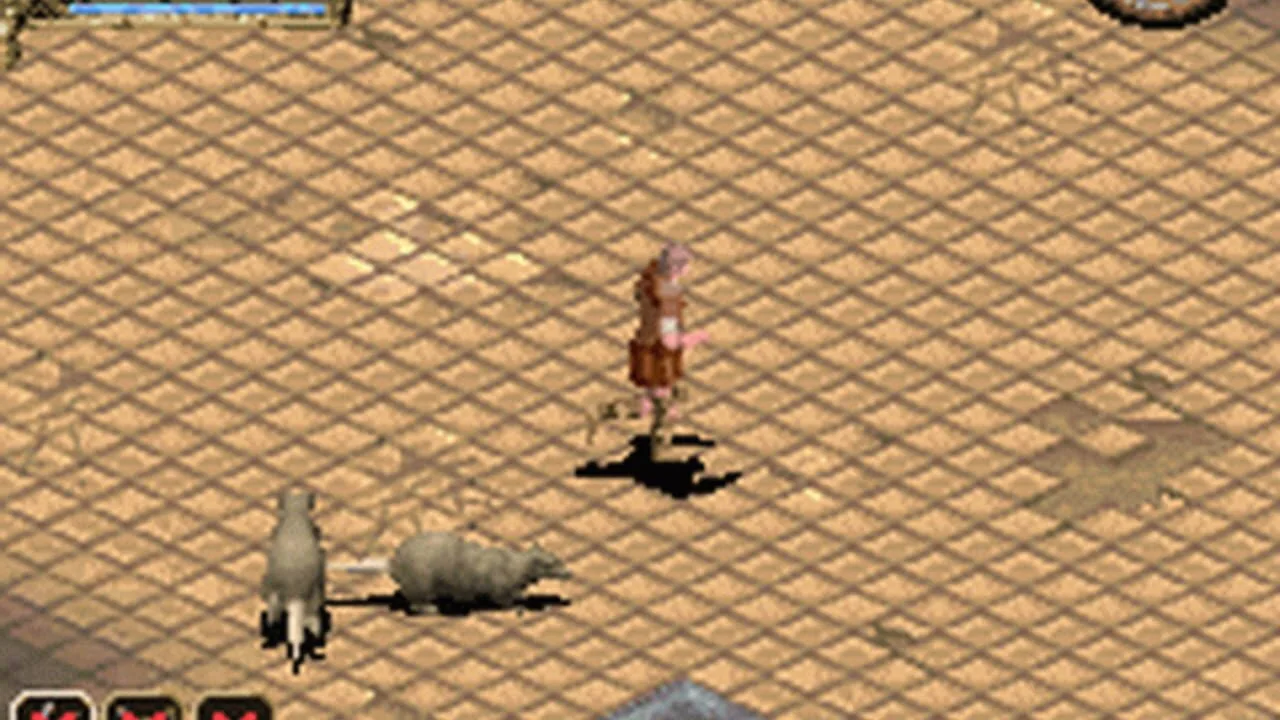
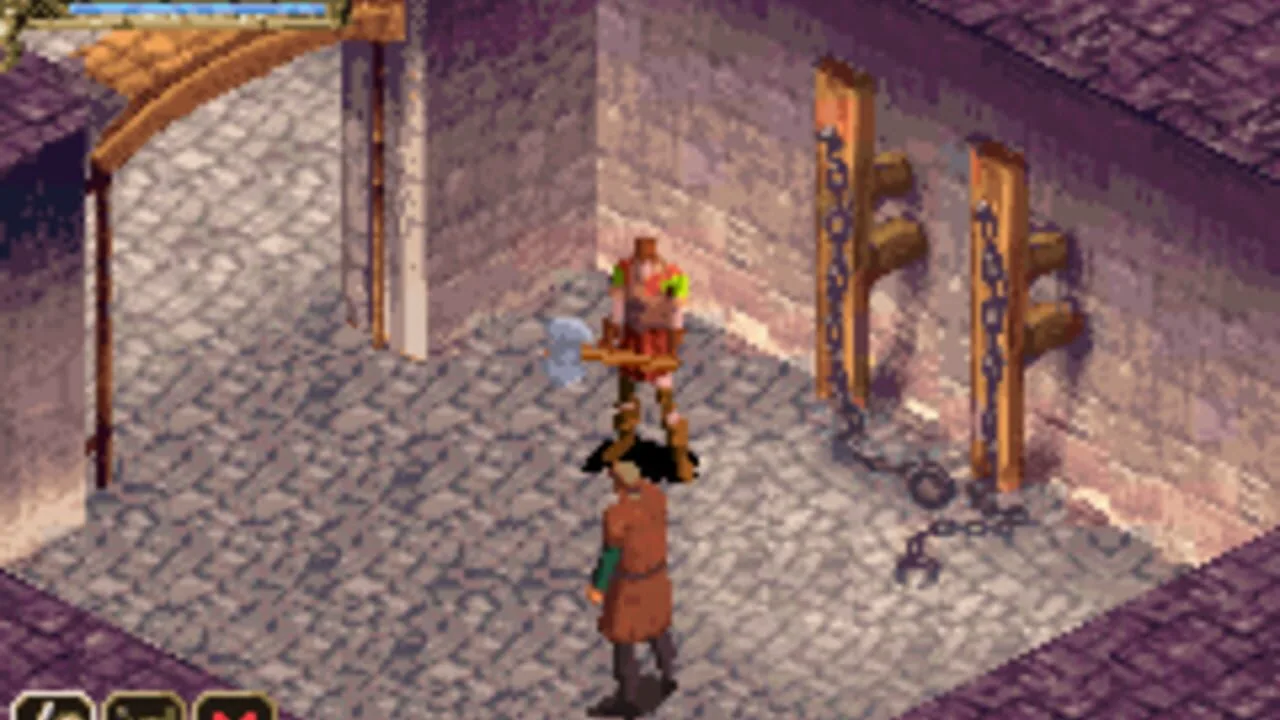
The handheld version trims things. You cannot jump, and there are no recall potions to warp back to town and sell your loot. What is left is a solid dungeon crawl that starts in the sewers near the Elfsong Tavern and ends up in the Sunset Mountains, fighting drow. It is a lot of game for a cartridge.
20. Shining Soul II (2003)
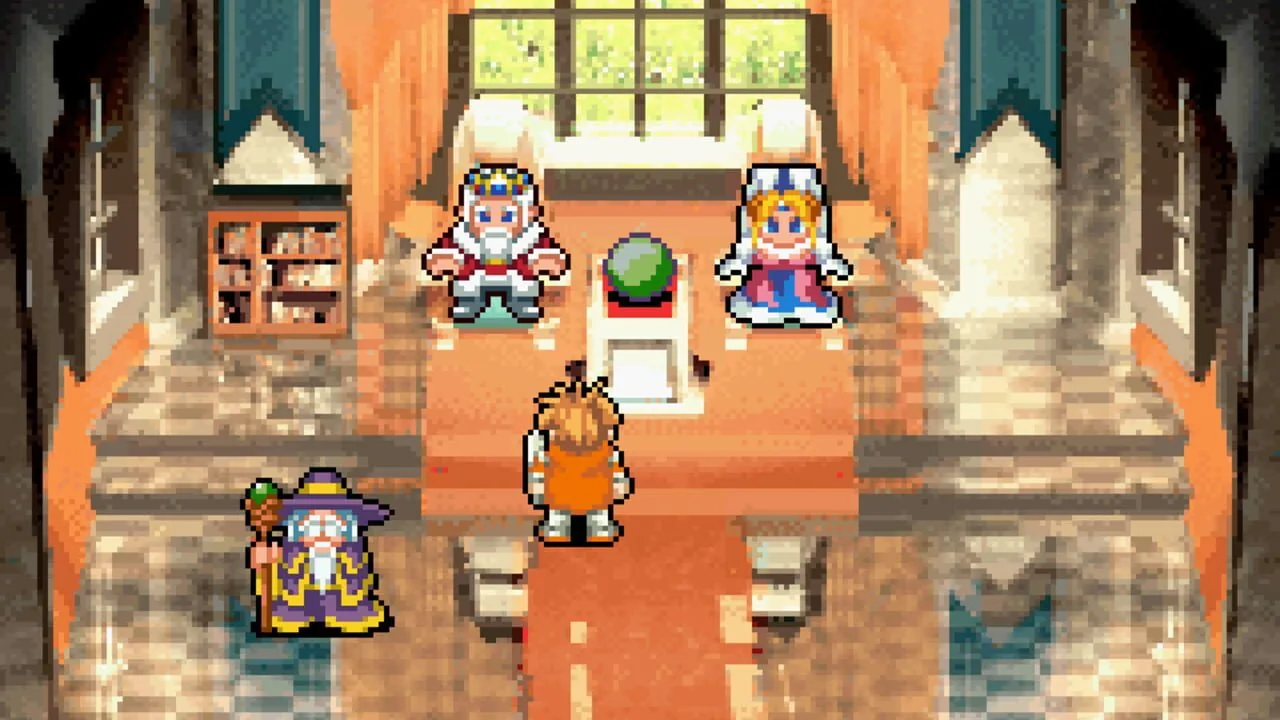
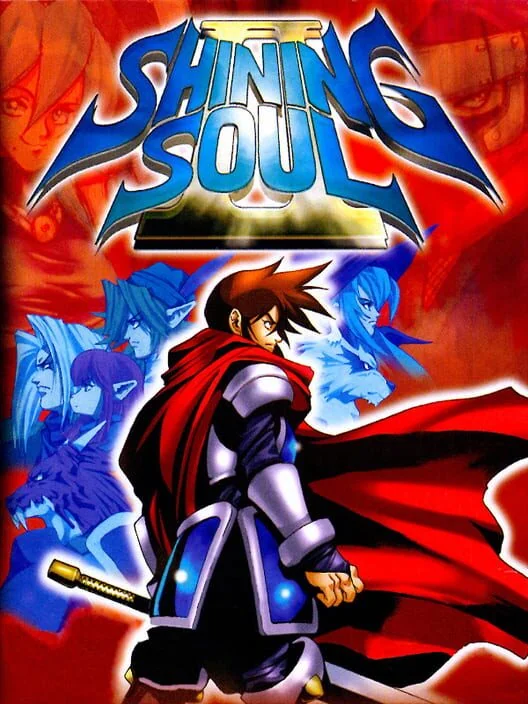
Shining Soul II was made by Grasshopper Manufacture, which is not the studio you expect behind a cheerful entry in the Shining series. Monsters are showing up in the kingdom of Klantol, so King Marcel holds a grand tournament to find a hero. You go in as a Brawler, a Priestess, a Dark Wizard or a Ninja, alone or in co-op with friends. Force Links can be combined into a Shining Force, a powerful weapon and a nod to the series it came from.
Players agree this is the Shining Soul to play. It is a simple loop of fighting and looting, and it does that loop well. Spellbooks add a bit of planning, because only classes with that spell on their skills list can use them.
19. Summon Night: Swordcraft Story (2003)
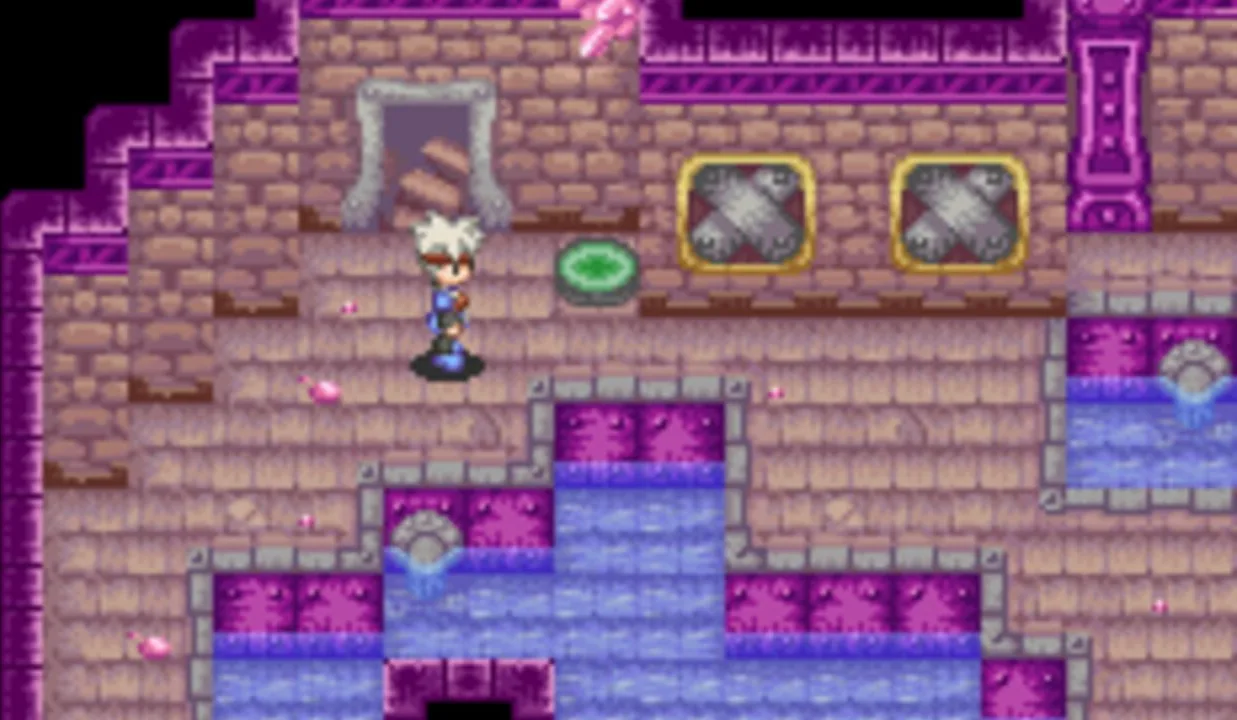
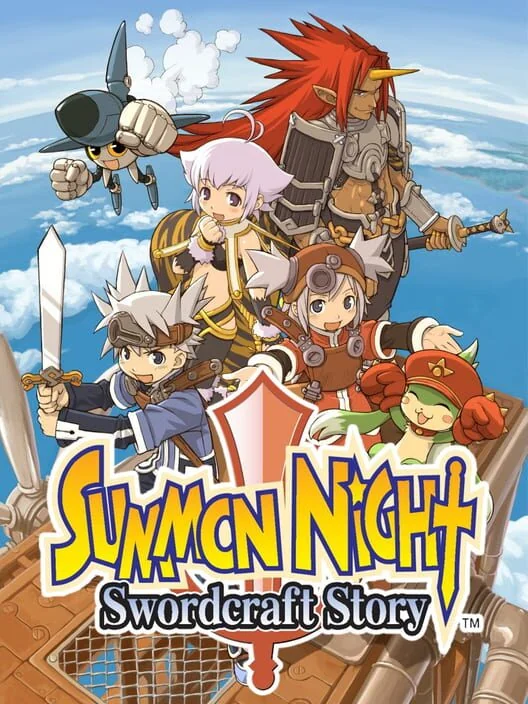
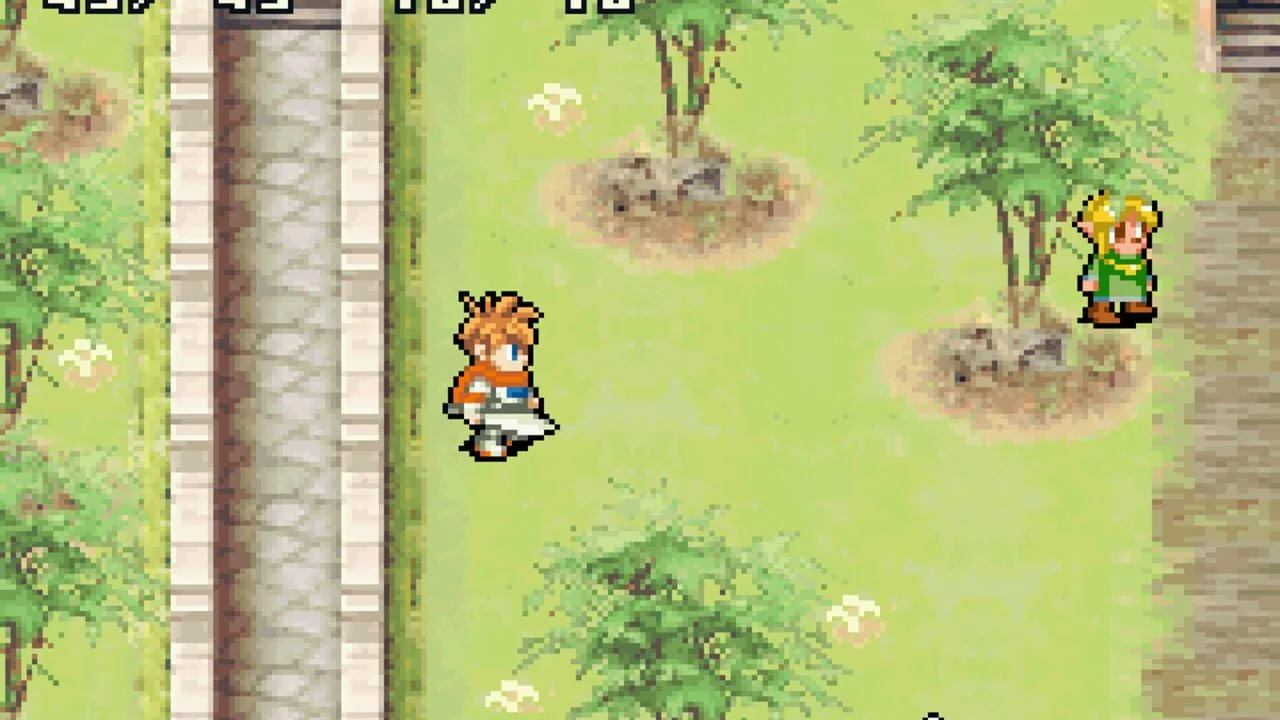
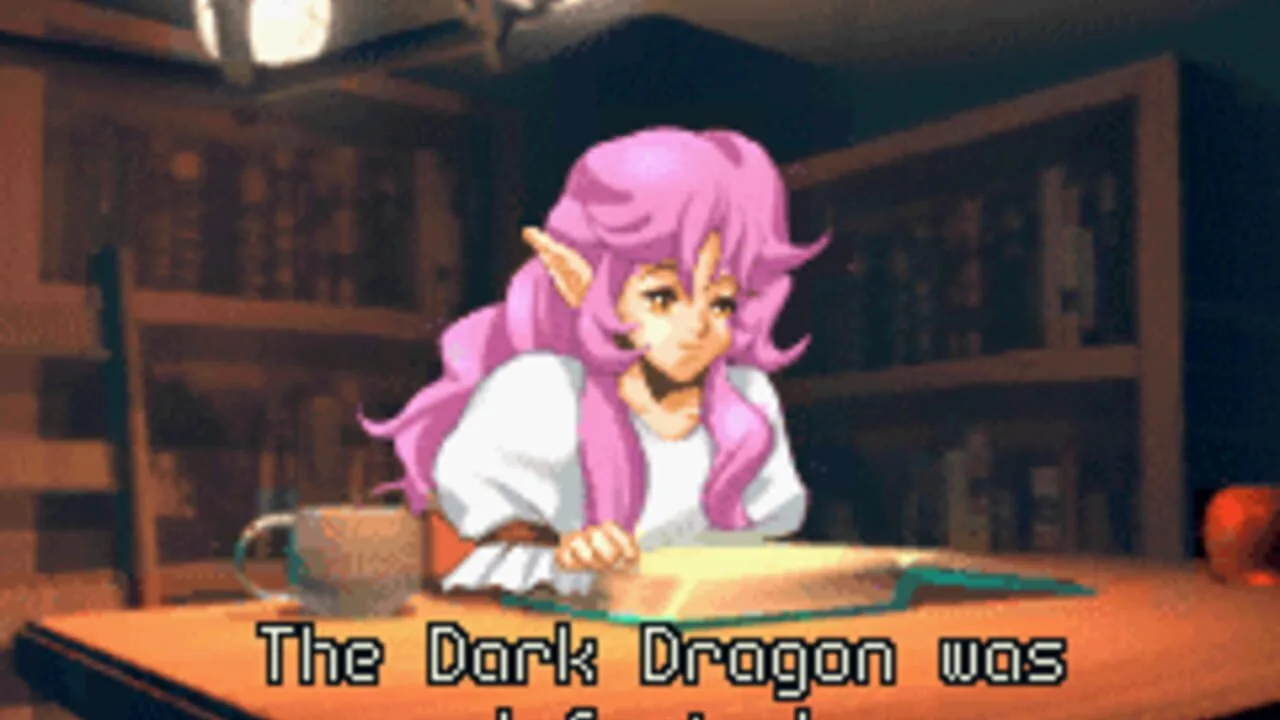
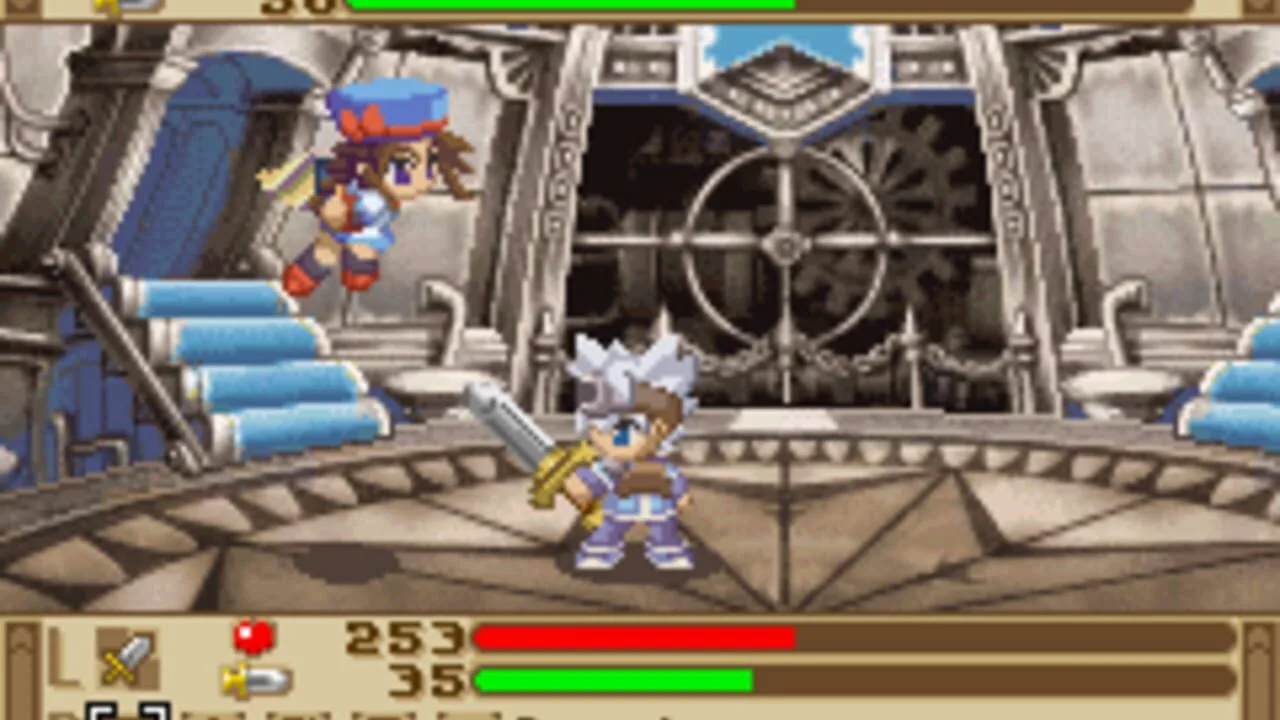
Swordcraft Story came out in Japan in April 2003 and reached North America in July 2006, when Atlus released it. It is set in Lyndbaum, a land linked to four magical dimensions, where Summoners call forth spirits called Guardian Beasts. In the city of Wystern young smiths compete to become Craftlord, and one rival, Razzy, wants the title for one thing only: to fill Wystern with flowers.
At night you choose whom to spend the evening with, and the ending cutscene depends on who you spent the most time with. Players who know the series say the first one is worth playing too, even if the sequel gets more love. Forge with care, though. Sacrificing a weapon only gives back half of what it took to make.
18. Dragon Ball Z: The Legacy of Goku (2002)
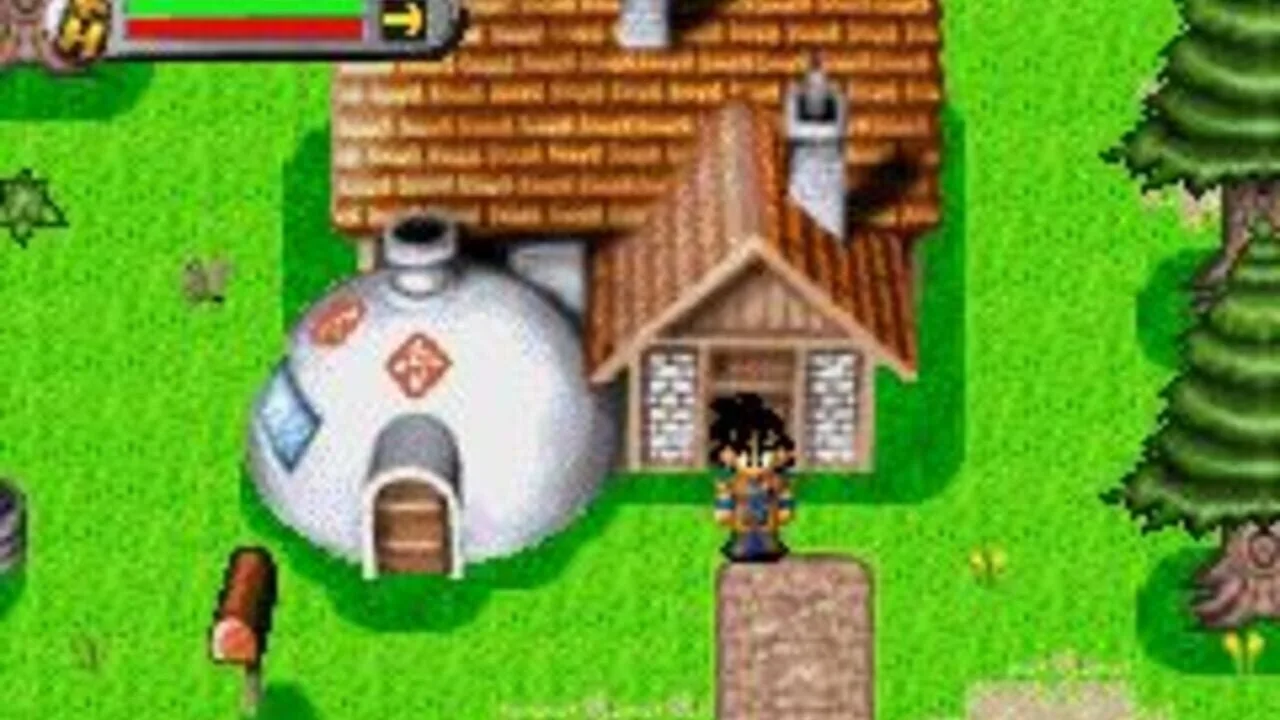
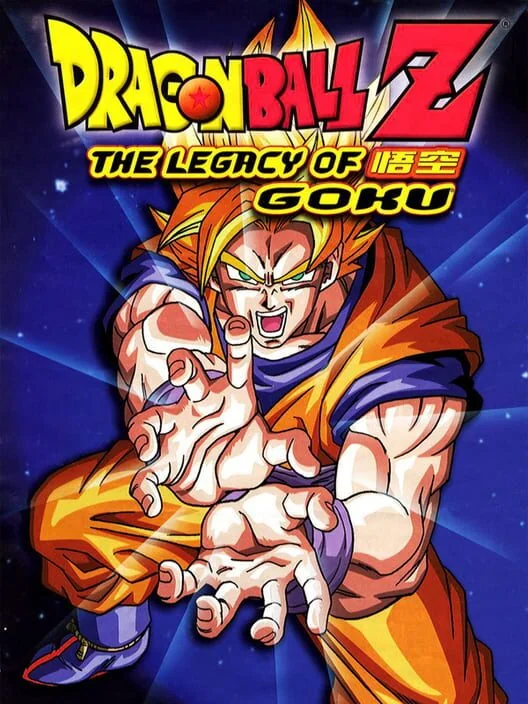
The Legacy of Goku came out in North America on May 14, 2002, published by Infogrames, and it was the first part of a trilogy. It covers Dragon Ball Z up to the destruction of planet Namek, and Goku is the only character you can play. You gain experience by beating enemies and by doing simple missions, and in the final stage Goku turns Super Saiyan to defeat Frieza.
It was also one of the first GBA games with full-motion video, which felt like a big deal on a cartridge. As a game it is the roughest of the three, and the sequel got a better reception from critics. Still, it started something, and the series got a lot better from here.
17. Mega Man Battle Network (2001)
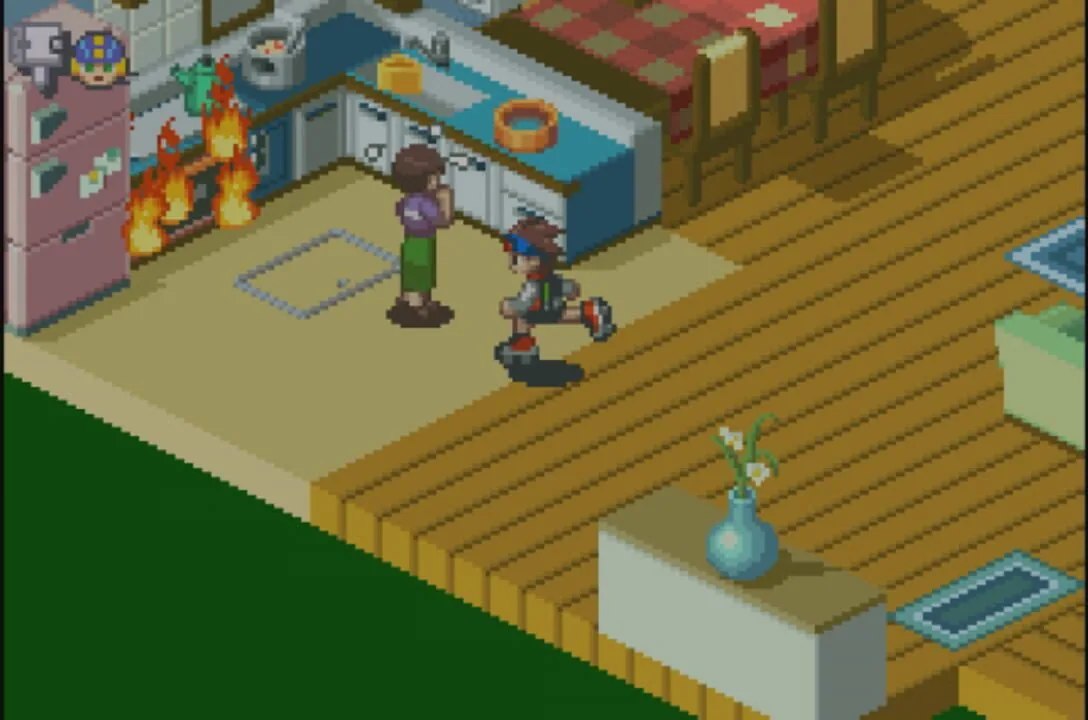
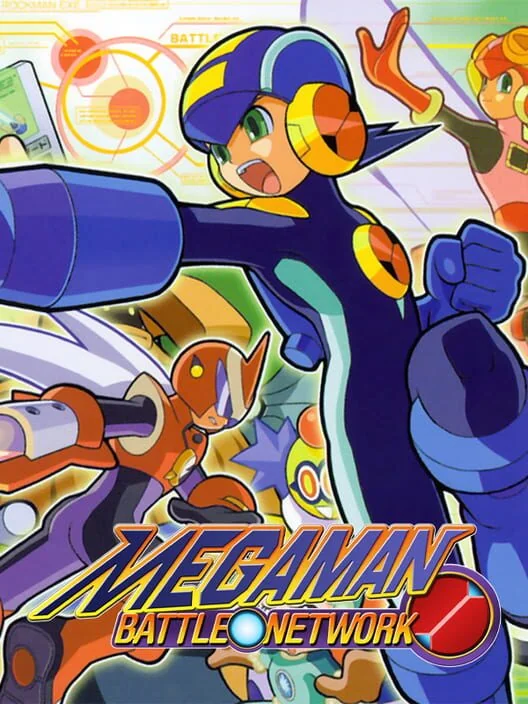
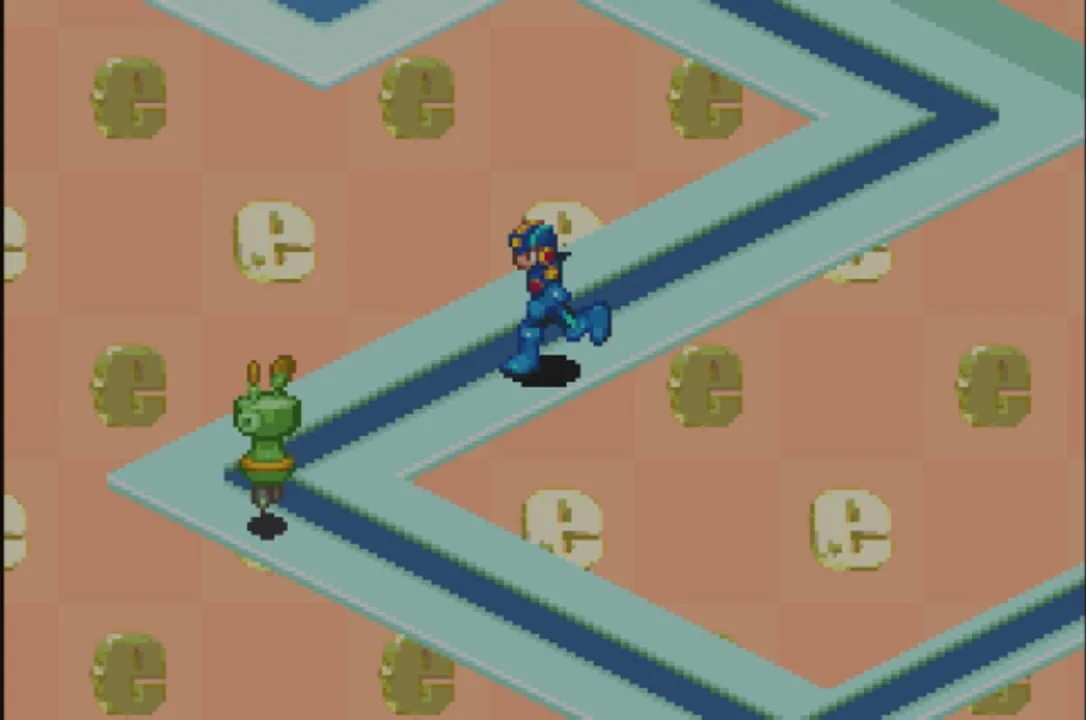
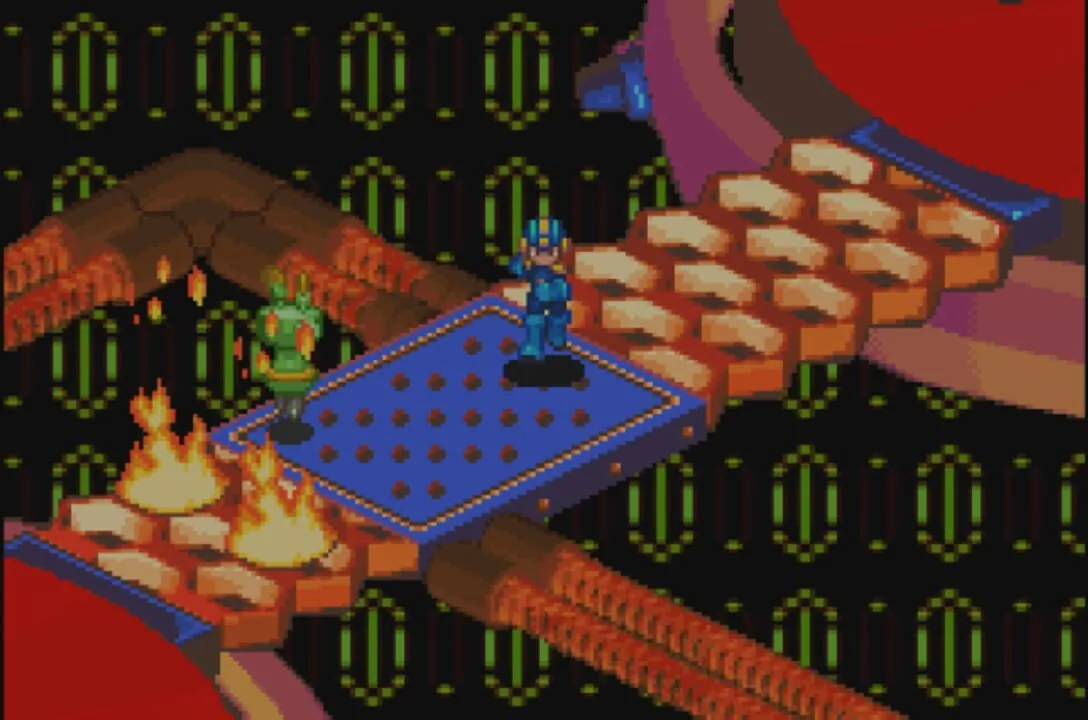
Battle Network was a Game Boy Advance launch game in Japan on March 21, 2001, and it reached North America and Europe later that year. Producer Keiji Inafune wanted it to speak to younger players, so it takes place in a setting resembling the real world, where a boy named Lan carries MegaMan.EXE around in a device called a PET. You fight viruses in real time and collect Battle Chips, over 175 of them.
The crimes get dark for a kids' game, all the way up to a bus rigged to explode. Looking back, Jeremy Parish of 1UP.com said the first game suffered from terrible plotting and unbalanced play design, and the sequels smoothed a lot of that out. It is still where the series began, and since 2023 it is part of the Mega Man Battle Network Legacy Collection.
16. Kingdom Hearts: Chain of Memories (2004)
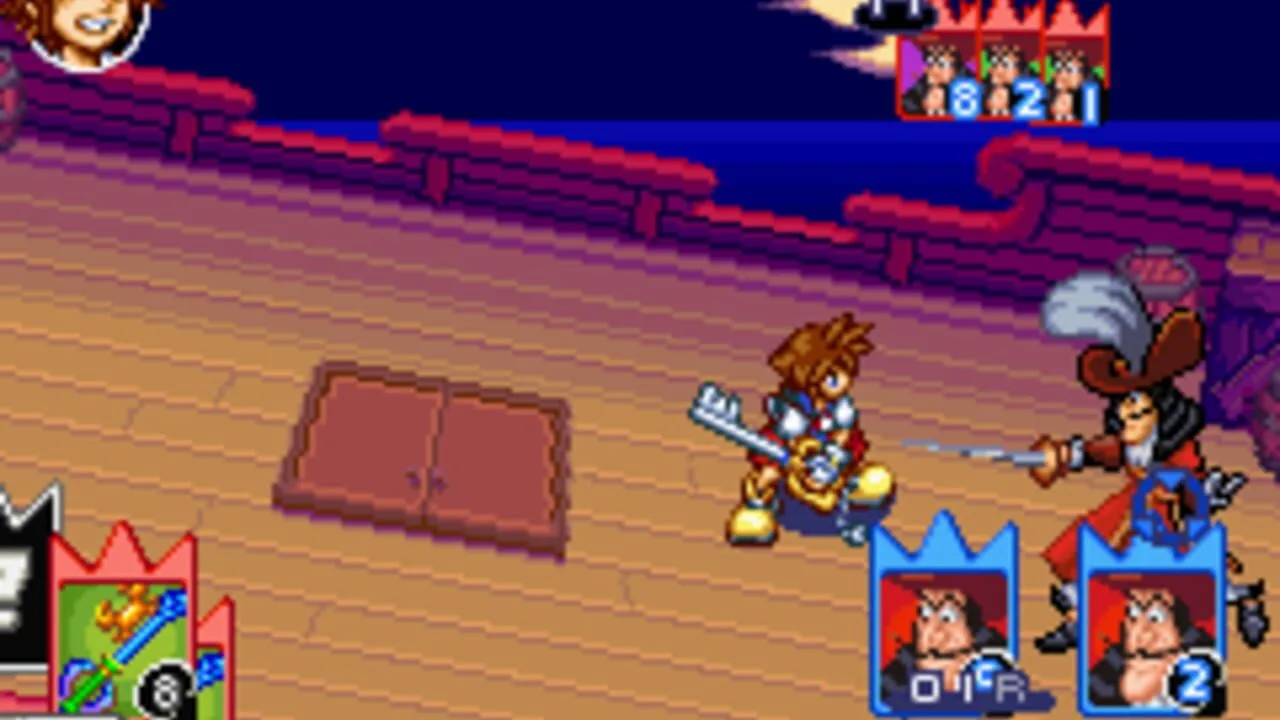
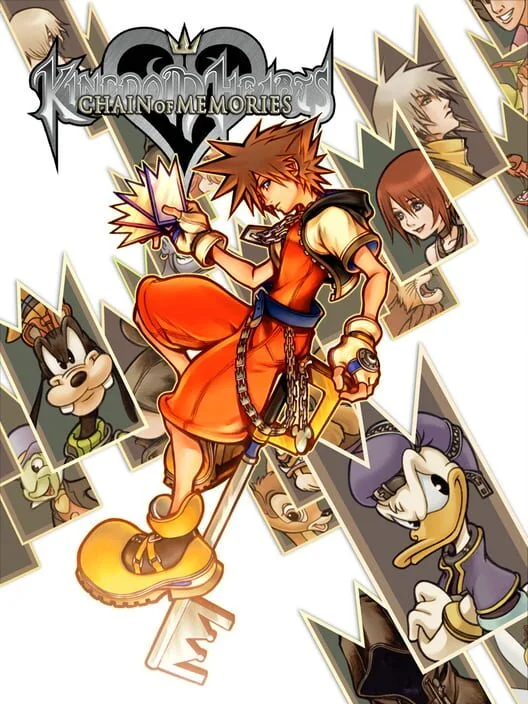
Chain of Memories is the second game in the Kingdom Hearts series, a direct sequel to the first, and it was made for the Game Boy Advance by Jupiter. Sora and his friends explore Castle Oblivion while fighting Organization XIII, a new group of villains. The Disney worlds he visits are built from memories, so their stories go differently than they did in the first game.
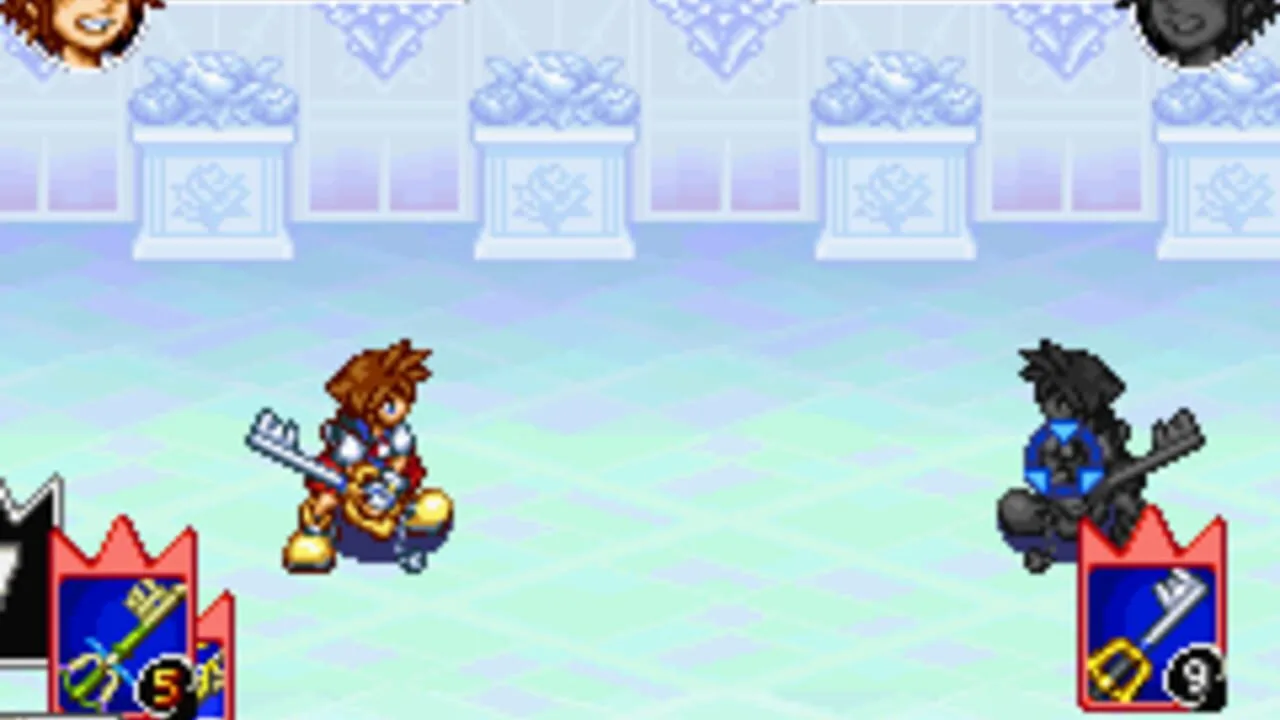
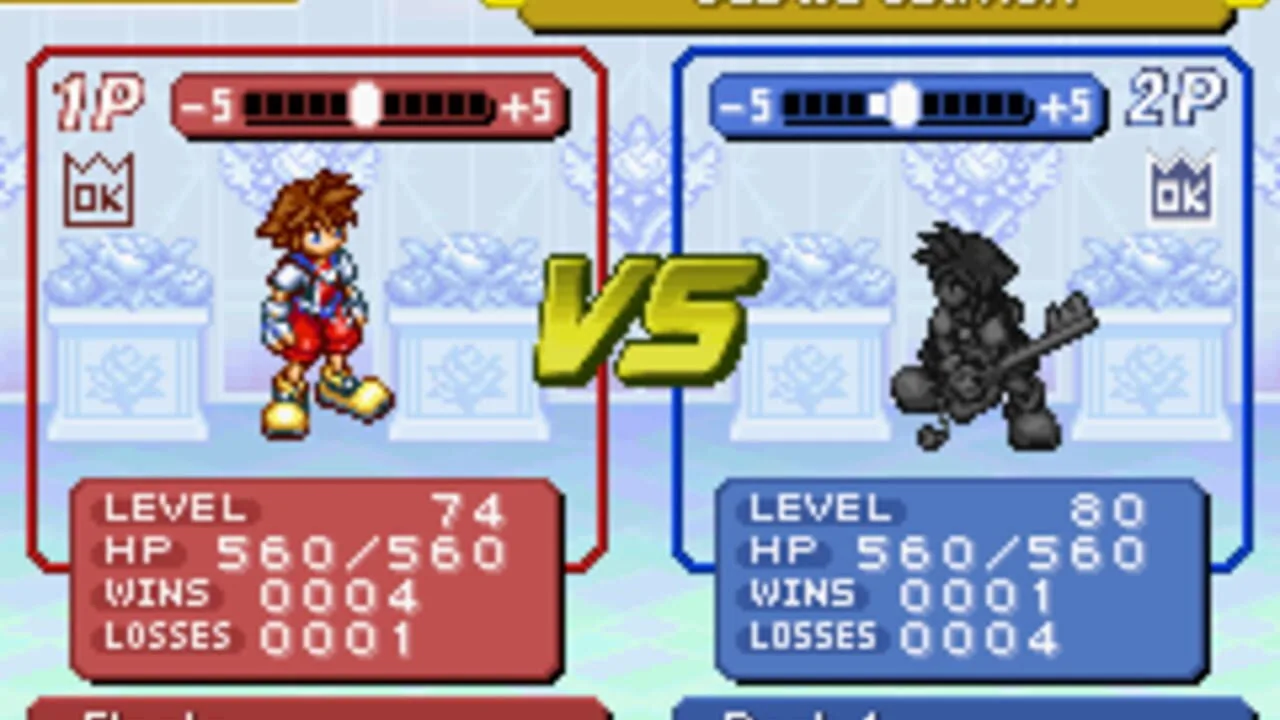
The big change is a card-based battle system in place of the real-time combat of the original. Critics praised the story and the FMVs, and criticized the cards. It still sold over 100,000 units in Japan in 48 hours. If you want the whole Kingdom Hearts story, you cannot skip it, and this cartridge is where it first appeared.
15. Summon Night: Swordcraft Story 2 (2004)
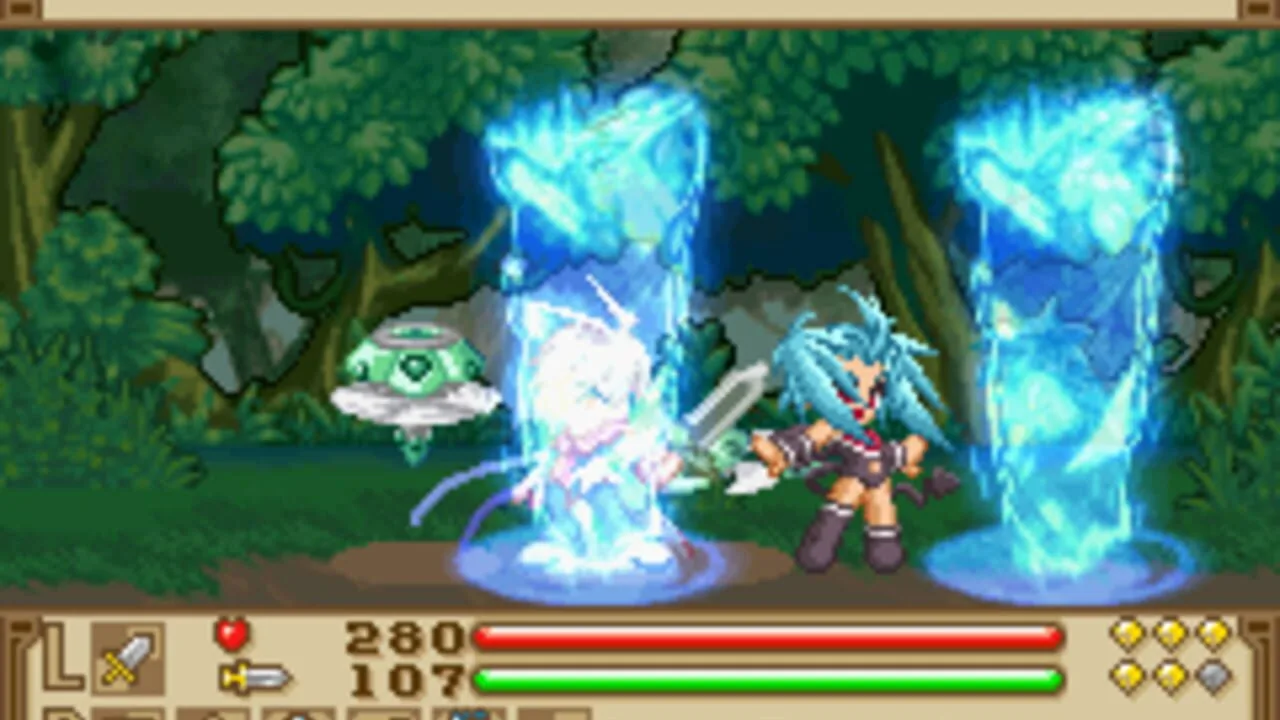
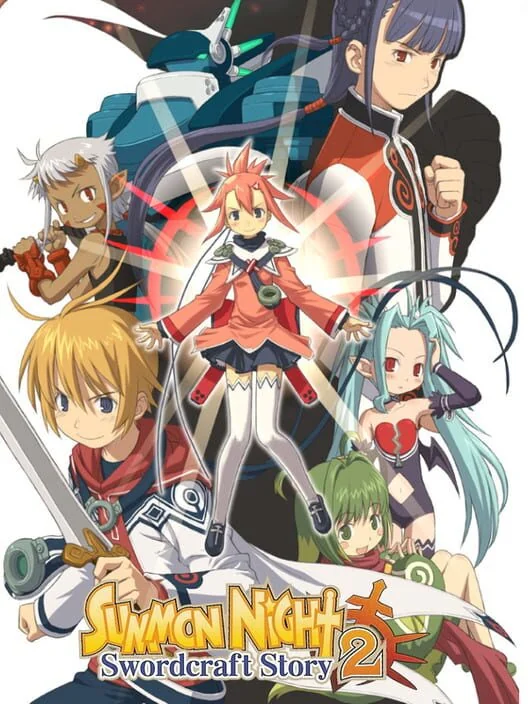
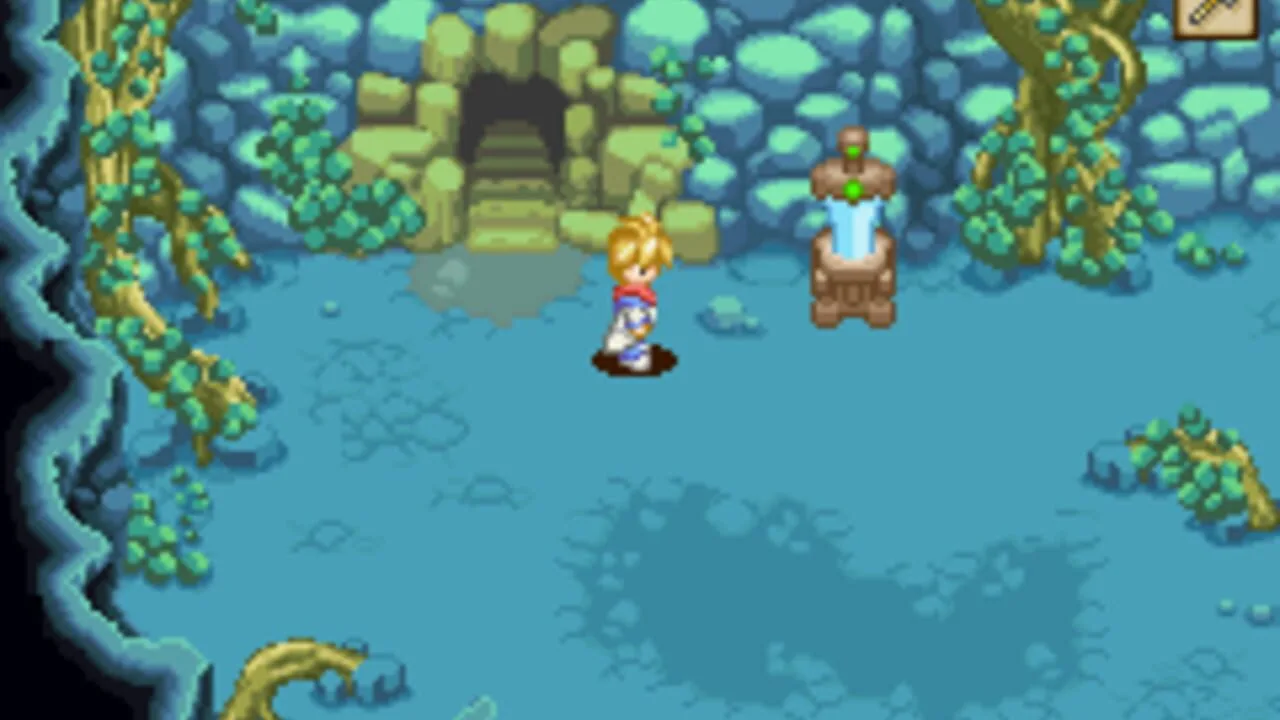
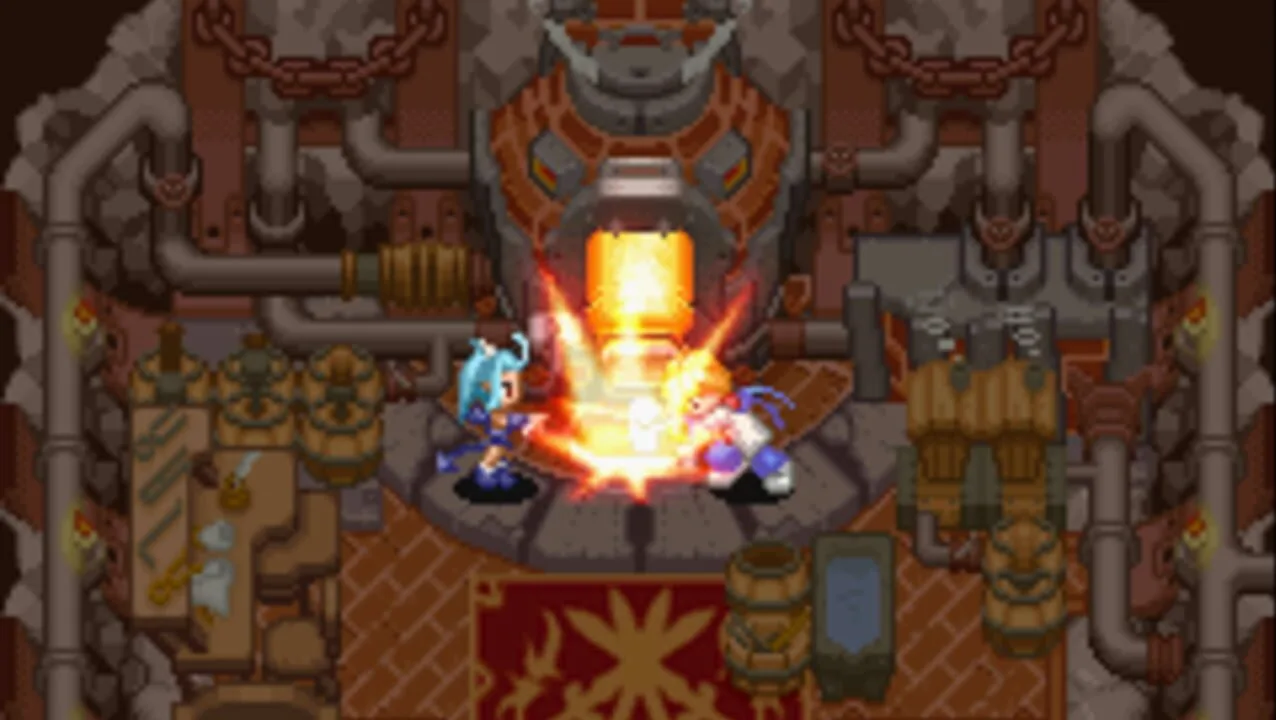
Swordcraft Story 2 came out in Japan in August 2004 and in North America in October 2006, again through Atlus. You play Edgar or Aera Colthearts, an orphan raised by a Craftknight, a smith who also fights. When a violent Summon Beast named Goura wakes up in an abandoned ruin, your hero ends up bound to a stray summon and sets out to reseal the ruins. Weapons start from a Shapestone, and the weapon types double as tools: knuckles move boulders and drills break down walls.
Players who know both games call them fantastic and lean toward this one. Critics found the story thin and the backtracking excessive, and Famitsu still gave it 34 out of 40. It is one of the most charming games on the system.
14. Pokémon Ruby Version (2002)
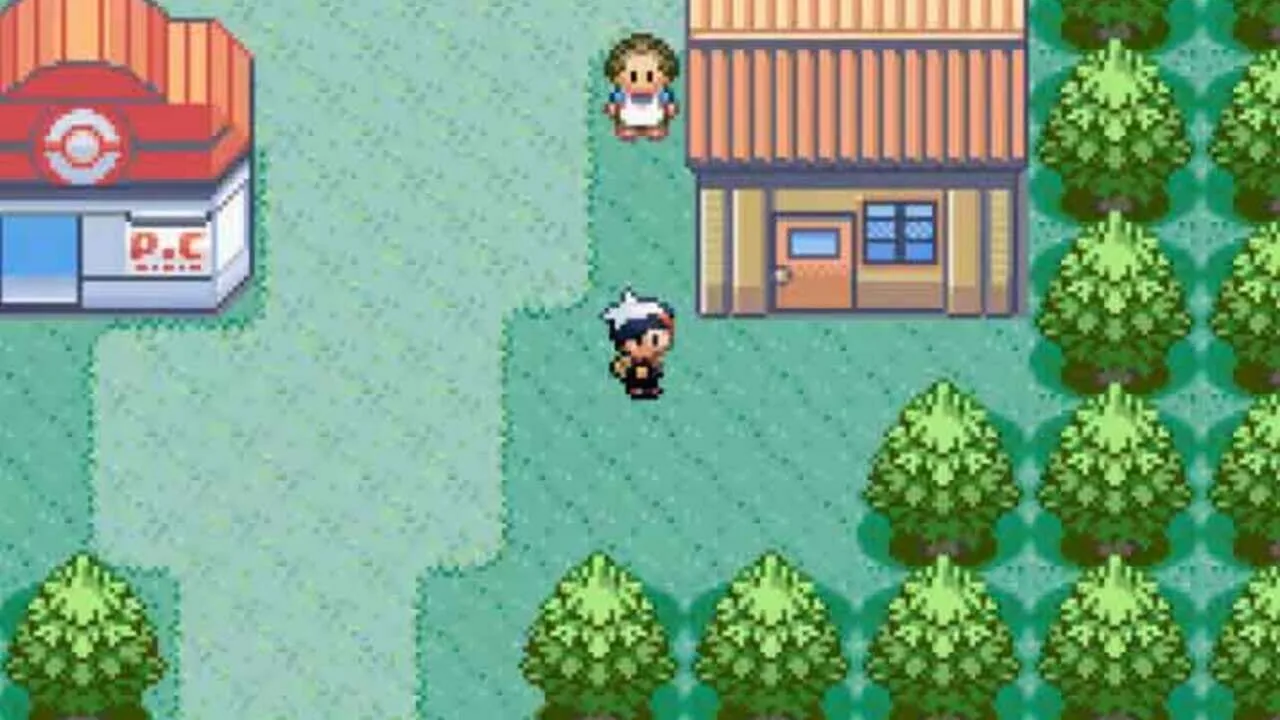
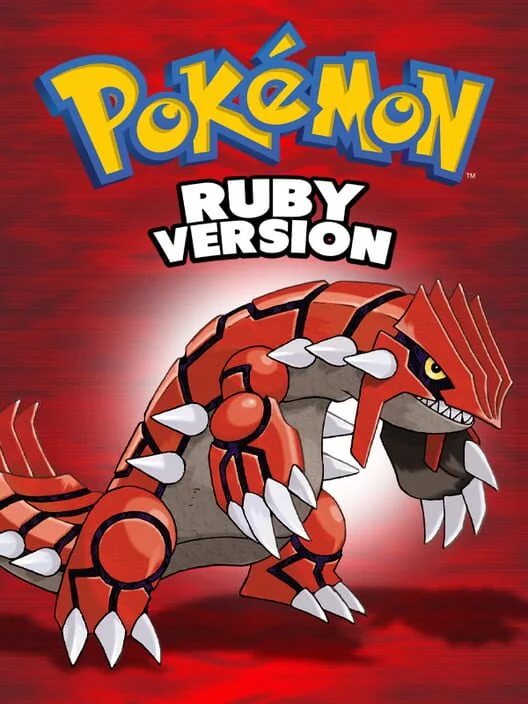
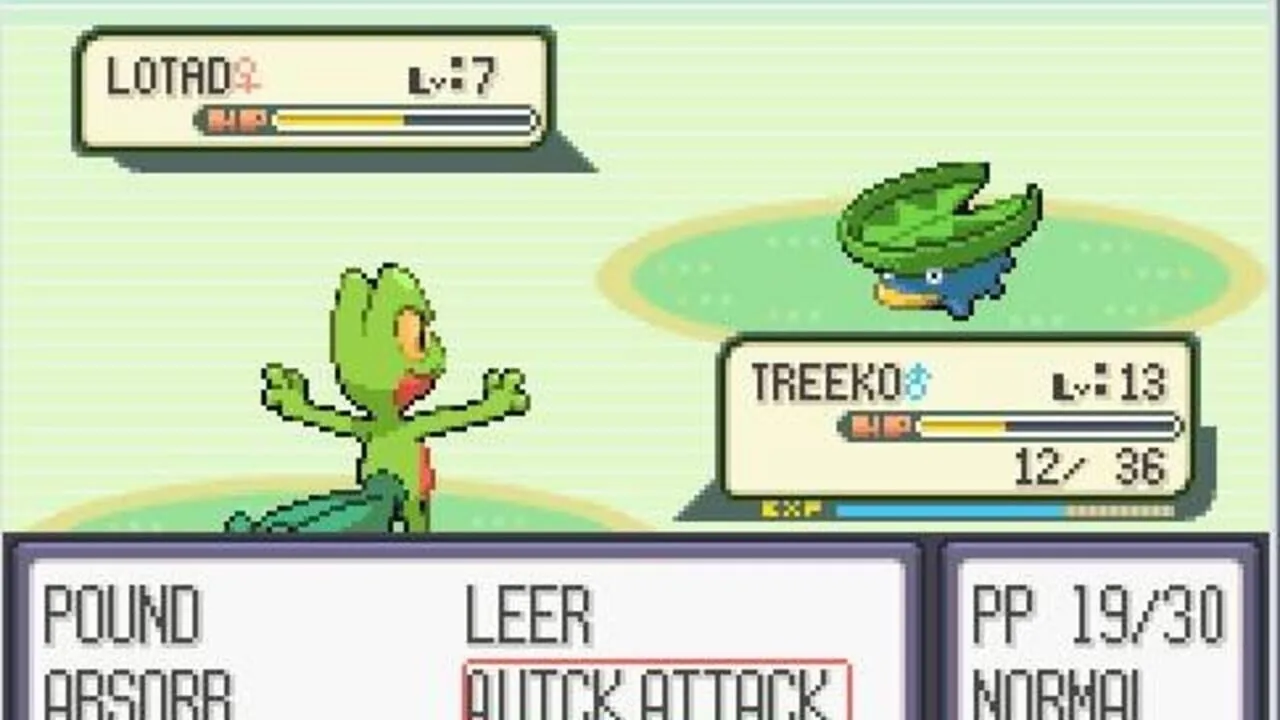
Ruby and Sapphire came out in Japan in late 2002 and around the world in 2003, and they started the third generation of Pokémon. They added 135 new Pokémon and the Hoenn region, which was designed to be similar to Japan's island of Kyushu if rotated 90 degrees. Double battles appeared for the first time, added as a "new challenge" that could grow if players liked it.
They were also the first games in the series that did not contain all of the Pokémon from the earlier generations. None of that hurt sales. With over 16.22 million copies sold, they became the best-selling game on the Game Boy Advance. Emerald, the third version, came two years later and ranks higher on this list.
13. Golden Sun: The Lost Age (2002)
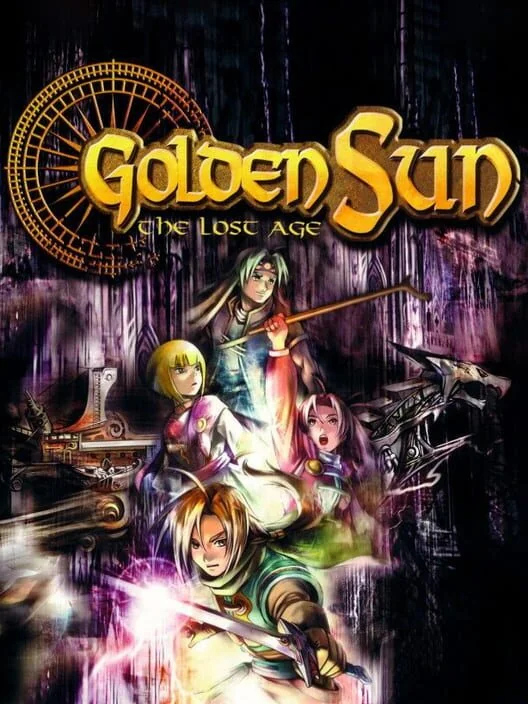
The Lost Age came out in Japan on June 28, 2002, and in North America and Europe in 2003. It picks up right near the end of the first game, but now you play the other side, the party the first game's heroes were chasing, as they try to light the remaining two lighthouses. You can carry your characters and items over from the first game with a password or a Game Link Cable, and completing both is rewarded.
Players tell newcomers to get both Golden Sun games. This is the bigger of the two, with eleven Djinn for each element to find on top of the ones from the first game. It has been on the Nintendo Classics service since January 17, 2024, which makes it easy to play today.
12. Sword of Mana (2003)
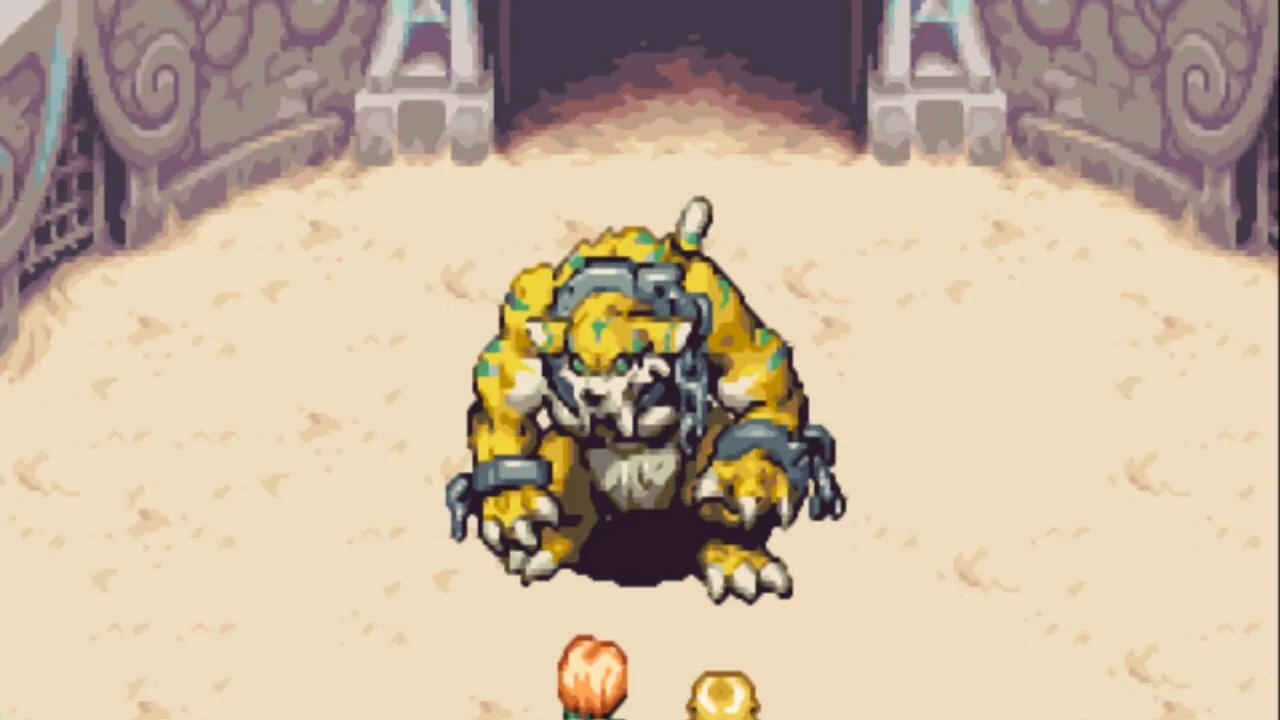
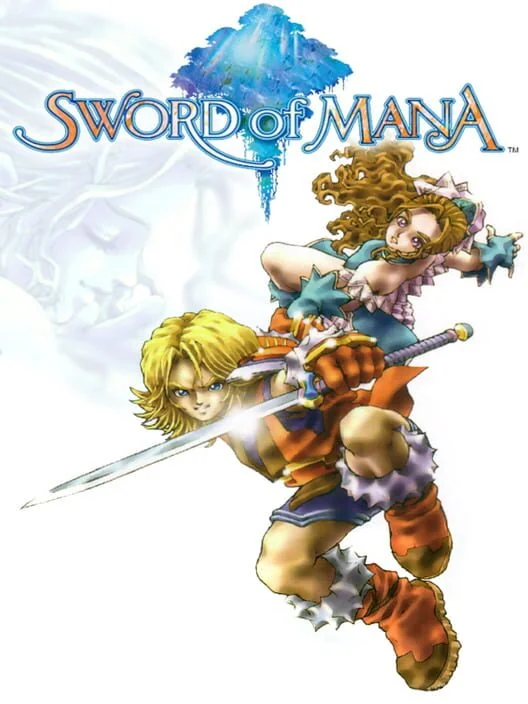
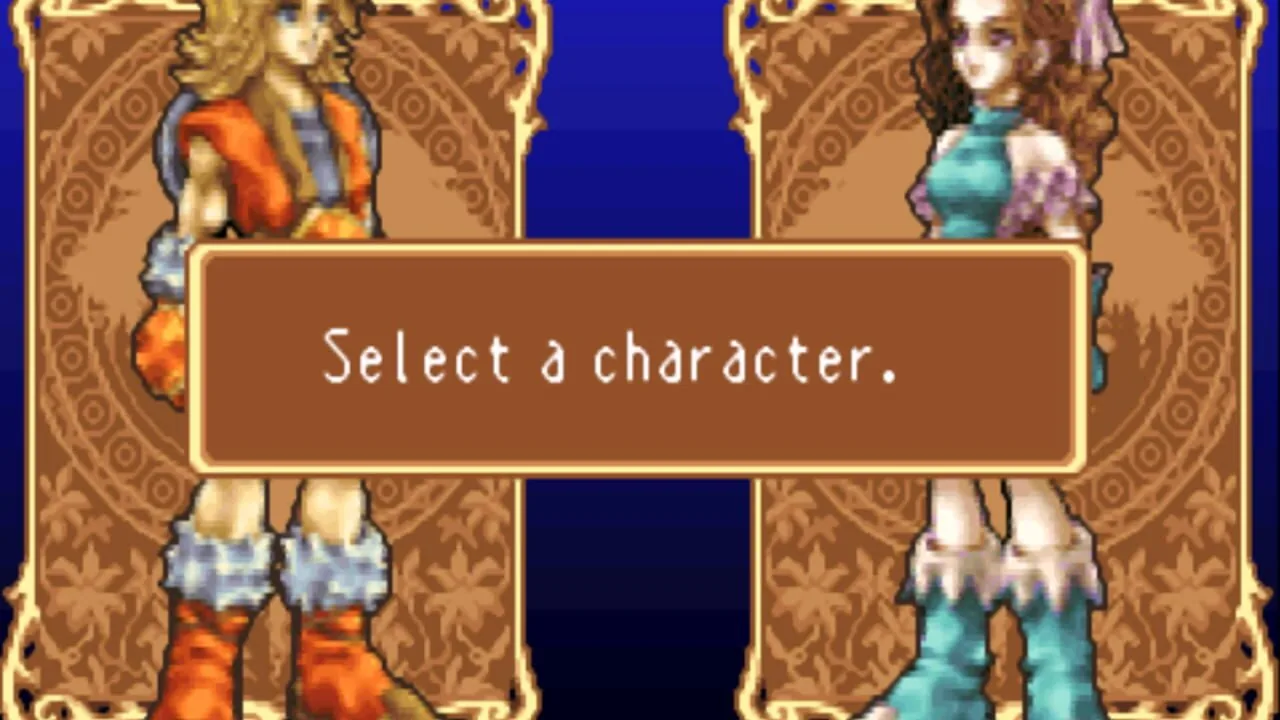
Sword of Mana is an enhanced remake of the very first Mana game, the Game Boy's Final Fantasy Adventure, known as Mystic Quest in Europe. Square Enix made it with Brownie Brown, a studio of people who had worked on the series at Square, and series creator Koichi Ishii produced it. You can follow the story of either the hero or the heroine, and the world is in color and no longer built from square tiles.
Reviews were only weakly positive. Critics praised the graphics and the changes to the original, and mostly recommended it to fans of the genre. That undersells how pretty it is. A gauge that fills up for one powerful attack adds some punch to the fights, and the art still looks lovely on a GBA screen.
11. Pokémon FireRed Version (2004)
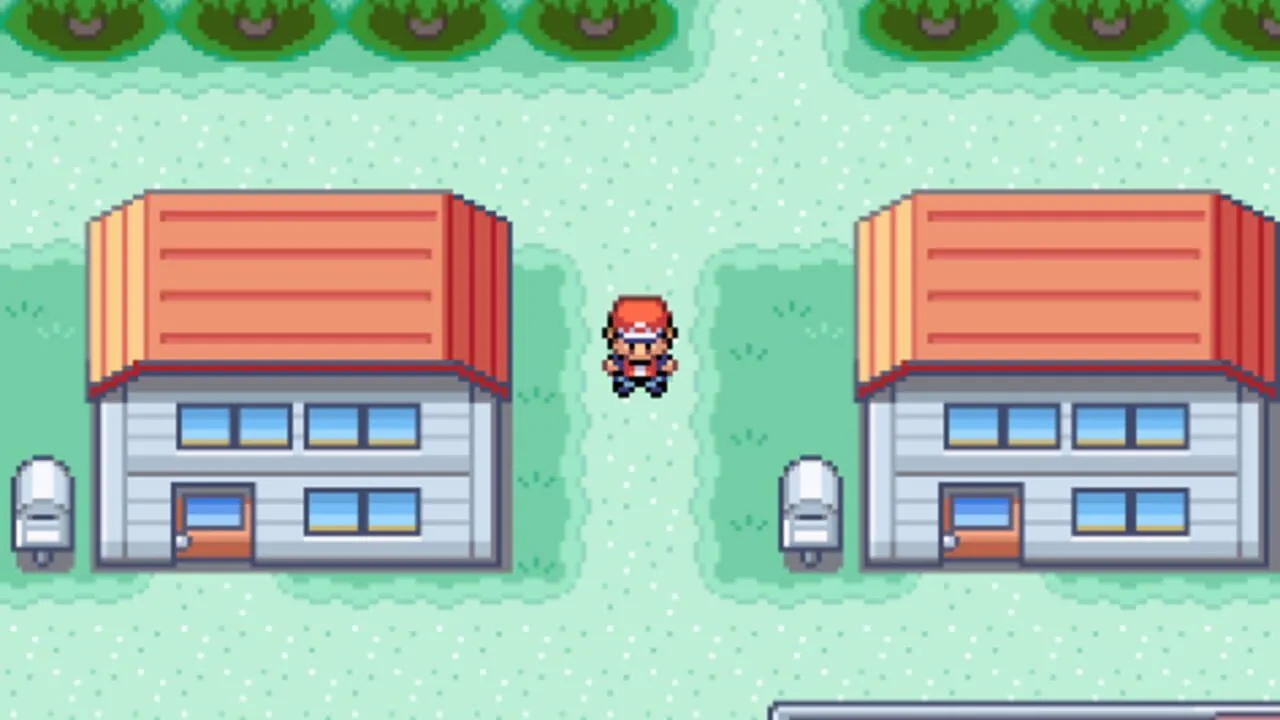
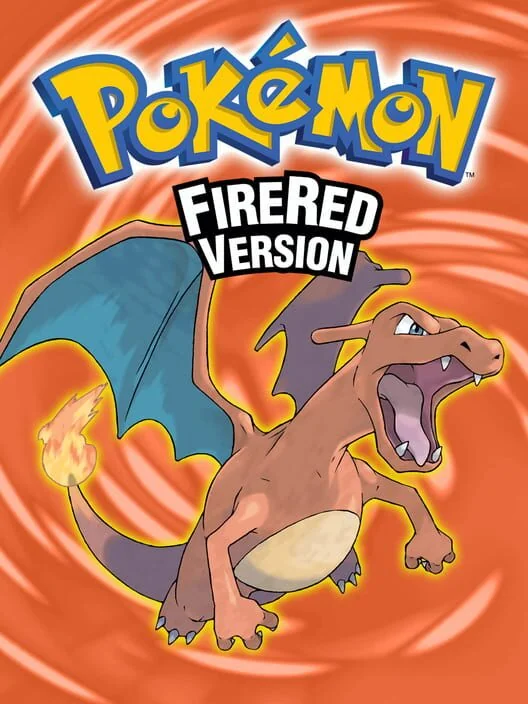
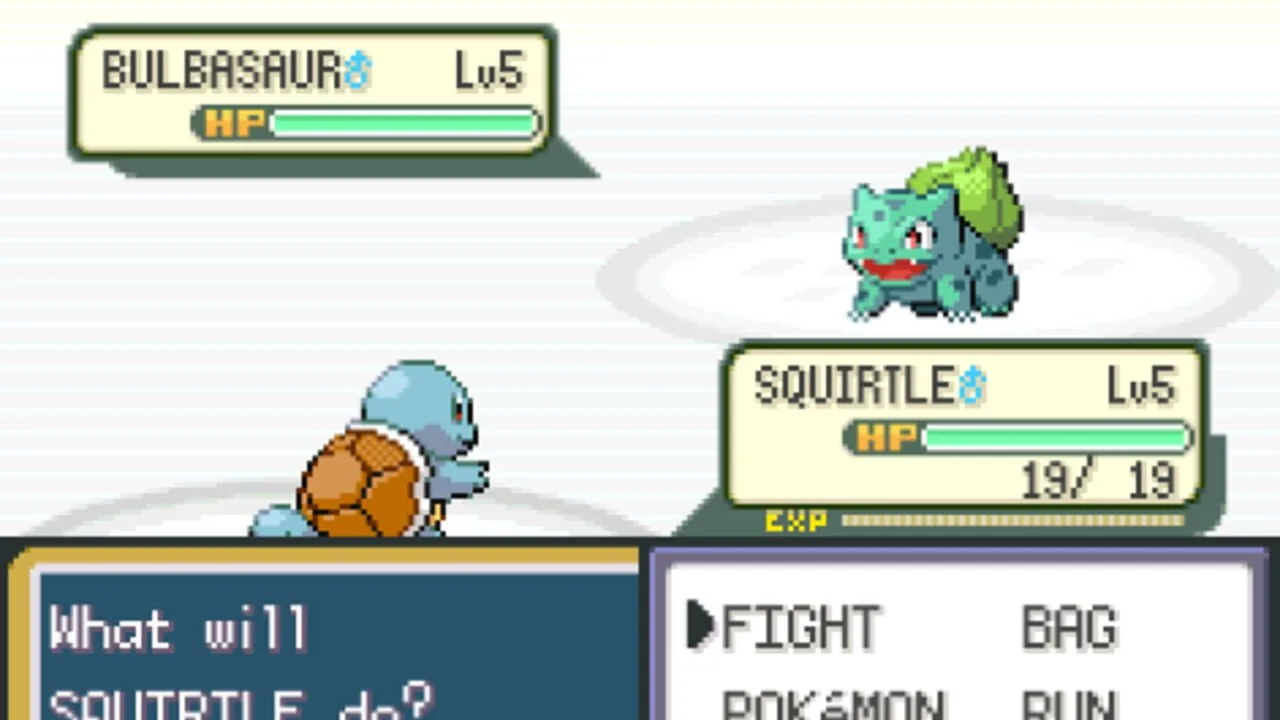
FireRed and LeafGreen were the first remakes in the Pokémon franchise. They revisit the original Red and Green with the same characters and story, brought up to speed with the newer games. Near the end you can also travel to the Sevii Islands, a new area based on Japan's Izu Islands that was not in the original Red and Blue. Early copies came with the Game Boy Advance Wireless Adapter, so you could trade without a Game Link Cable.
They became the second best-selling games on the Game Boy Advance, behind only Ruby and Sapphire. Some reviewers found the graphics too simple, but most critics praised how they added new features and kept the traditional gameplay. They were also released for the Nintendo Switch on 27 February 2026, for the series' 30th anniversary.

10. Final Fantasy IV Advance (2005)
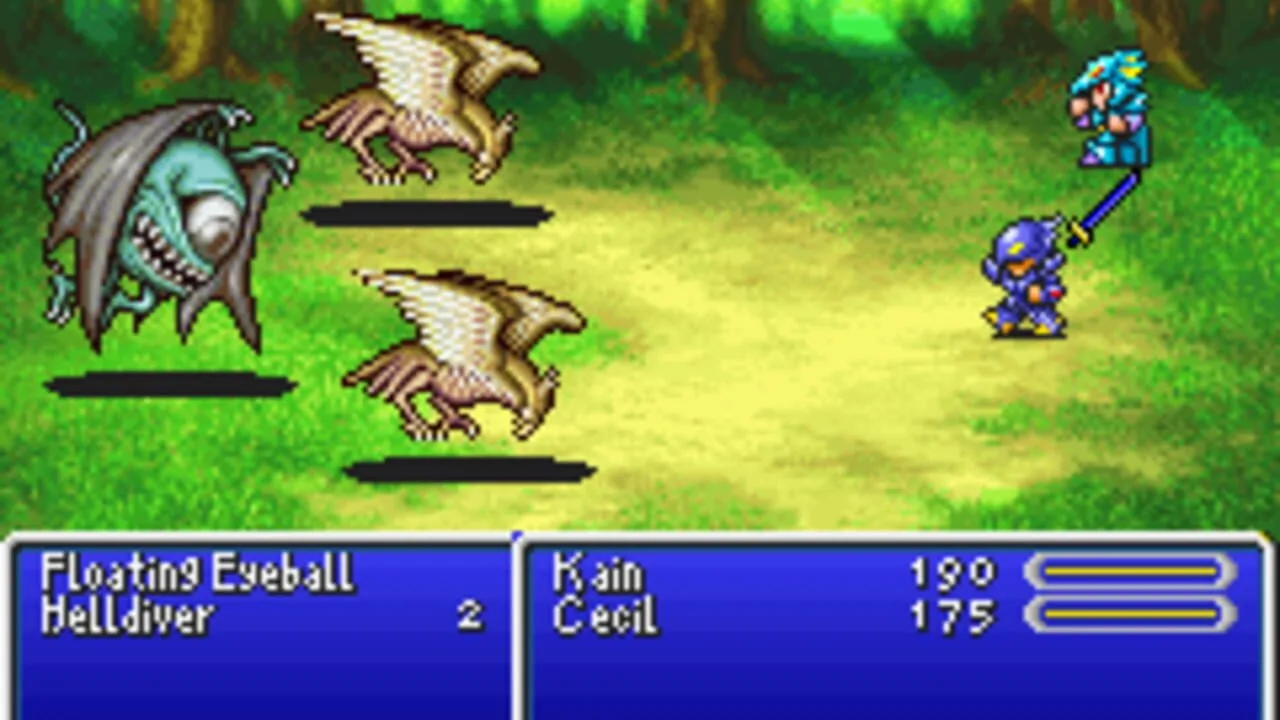
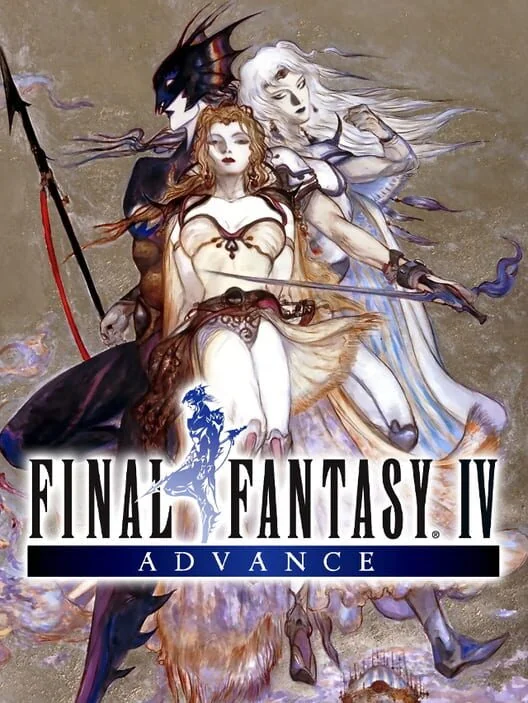
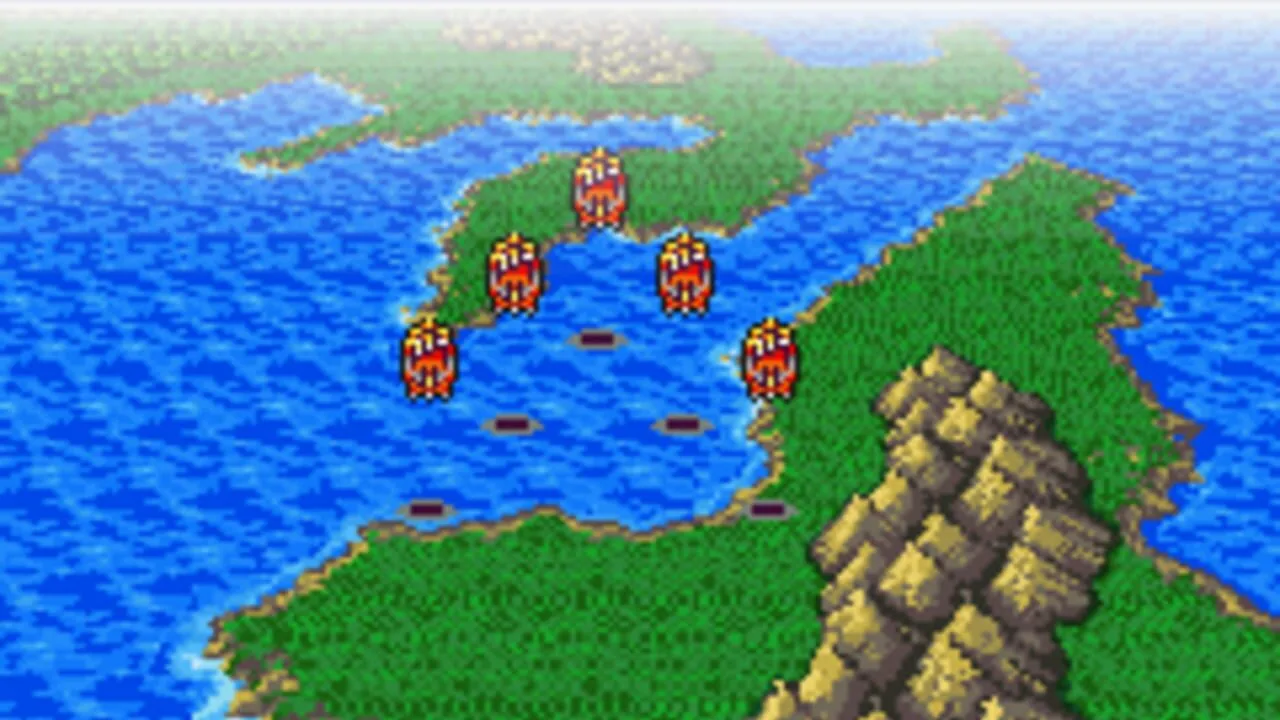
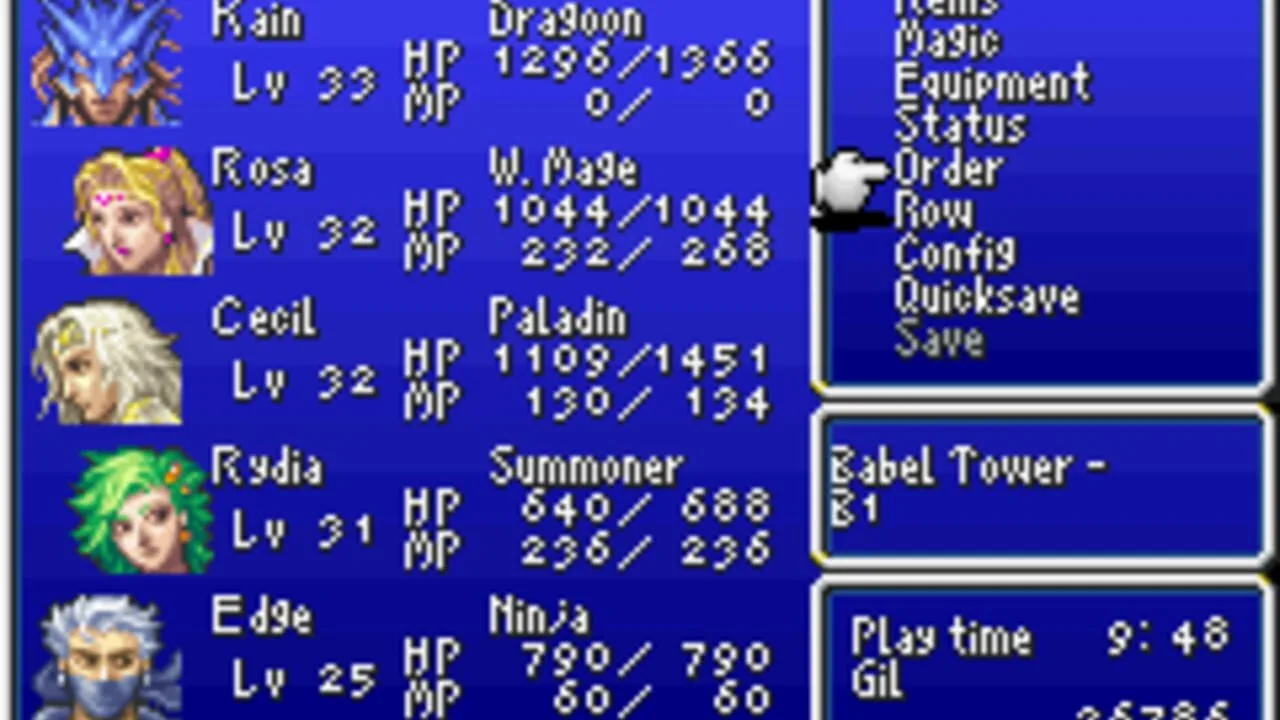
Final Fantasy IV first reached English players on the SNES under the name Final Fantasy II, because the real II and III had not come out outside Japan yet. The Advance version is largely based on the WonderSwan Color release. It adds character portraits in the text boxes and new dungeons with new bosses, and the script was translated again, closer to the original.
Many critics say this is the game that pioneered dramatic storytelling in an RPG, and it introduced the Active Time Battle system the series used for years. The GBA version also has a quicksave you can use anywhere, which is exactly what a handheld RPG needs. Across all its versions the game has sold more than four million copies.
9. Dragon Ball Z: Buu's Fury (2004)
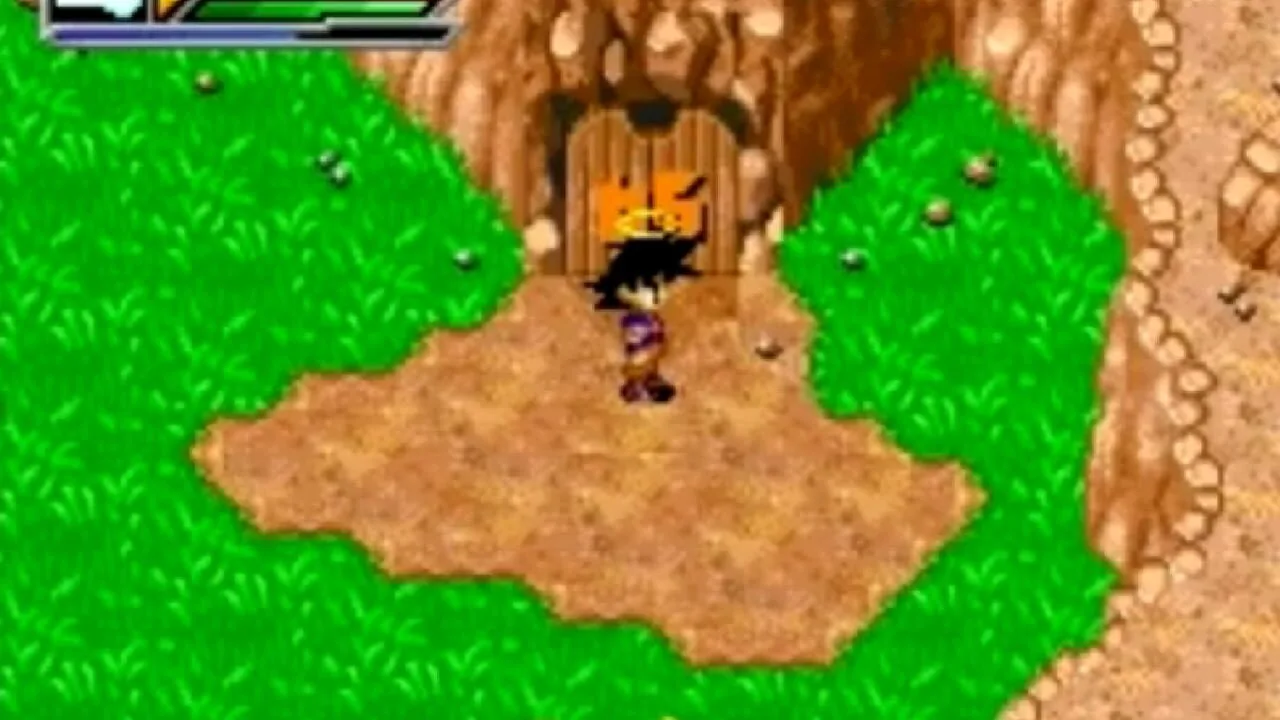
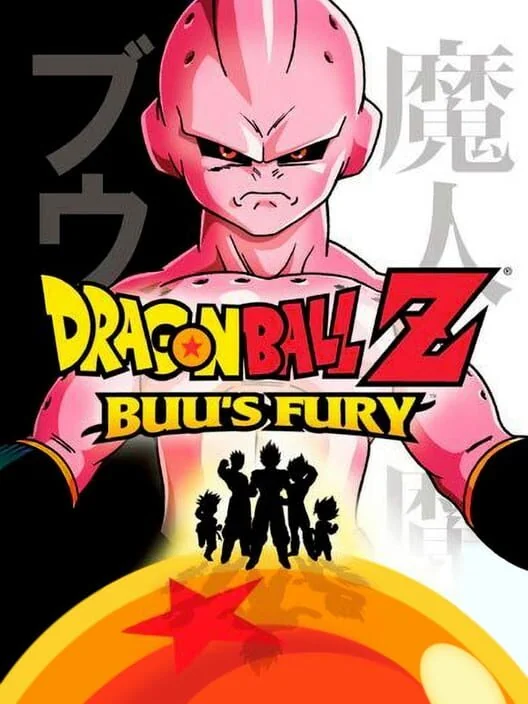
Buu's Fury is the third and final game in the Legacy of Goku series, released in North America on September 14, 2004. It covers the final part of Dragon Ball Z, the battles with Majin Buu. This time you get equipment that changes your stats, plus three stat points to spend yourself at every level. Fusions and Super Saiyan 3 are in too.
The music is based on Bruce Faulconer's score for the FUNimation English dub, and the dialogue is very close to the dubbed show. It plays like a season of the cartoon you can control. Players rank it nine places above The Legacy of Goku, and it is the Dragon Ball game to play on the GBA.
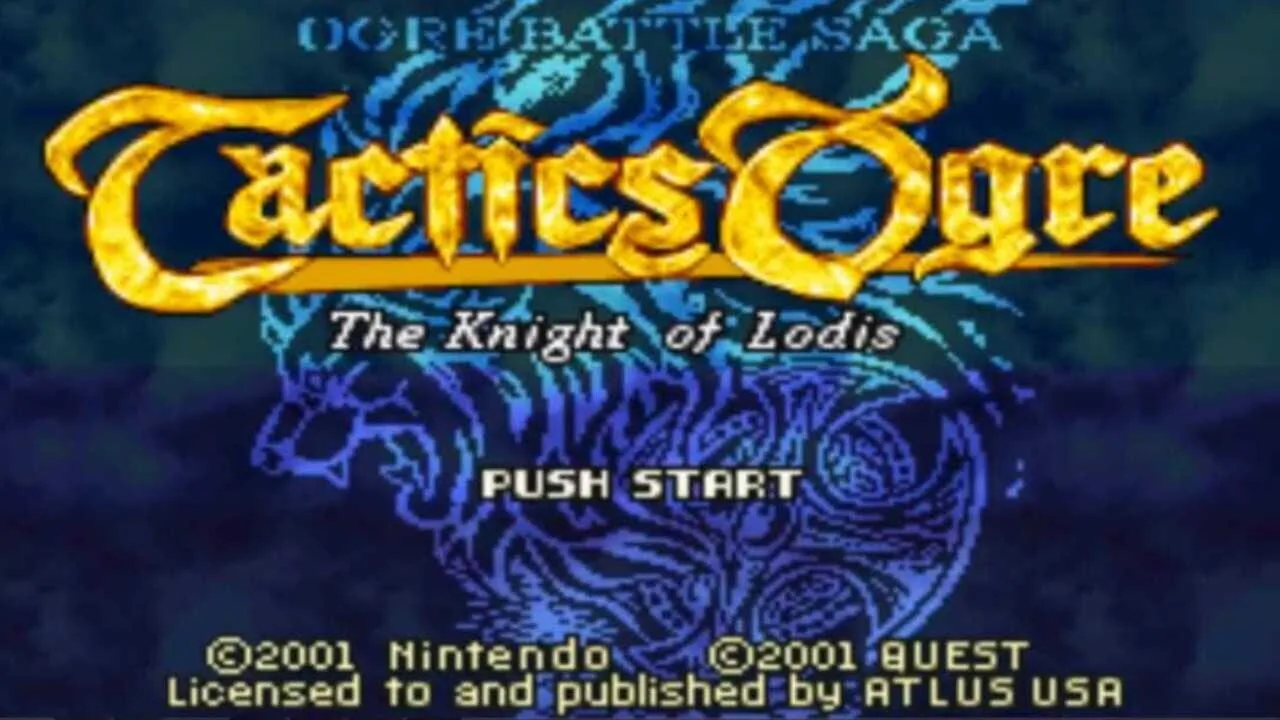
8. Tactics Ogre: The Knight of Lodis (2001)
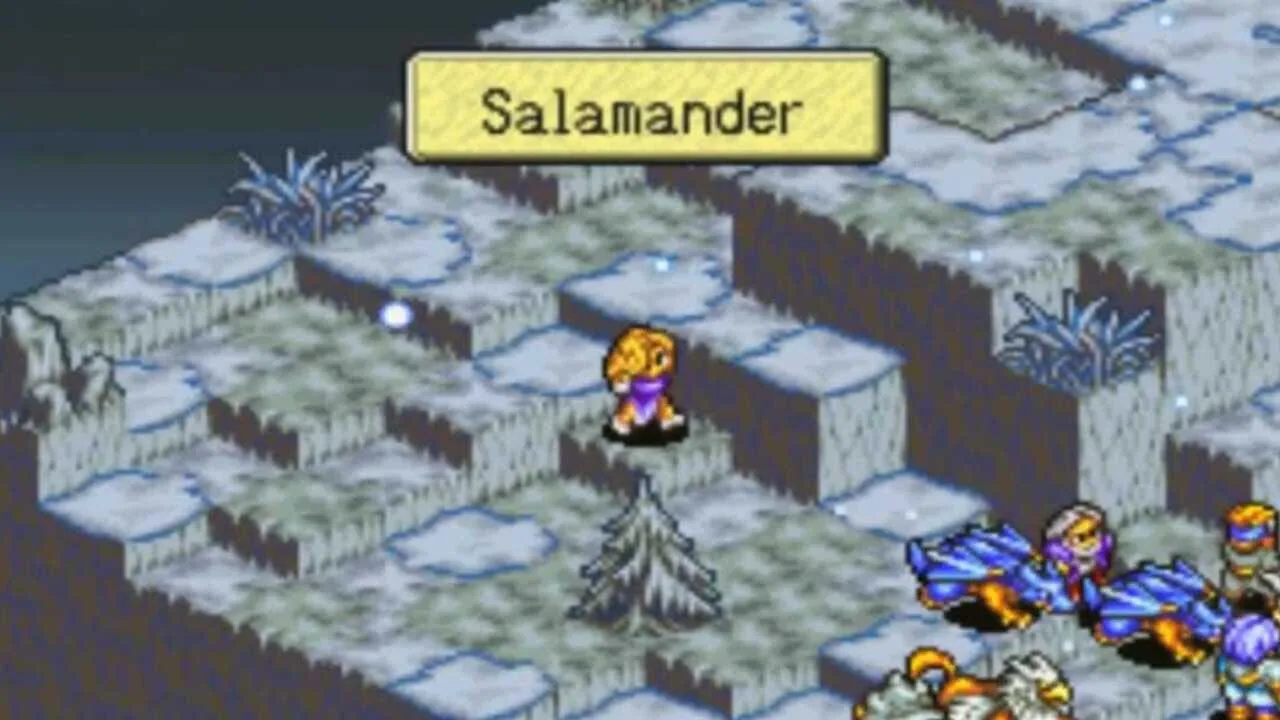
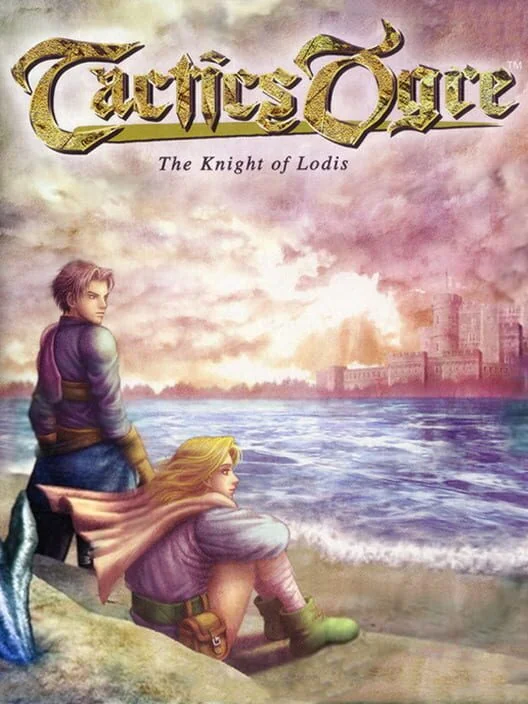
The Knight of Lodis came out in Japan in 2001 and in North America in 2002, published by Atlus USA. It is a spin-off of Tactics Ogre that works as a prequel to the rest of the Ogre Battle series, and it was the last game Quest made before Square bought the studio. You play Alphonse Loeher, a Lodis soldier who learns how his country oppresses the neighbouring land of Ovis and turns against his former comrades.
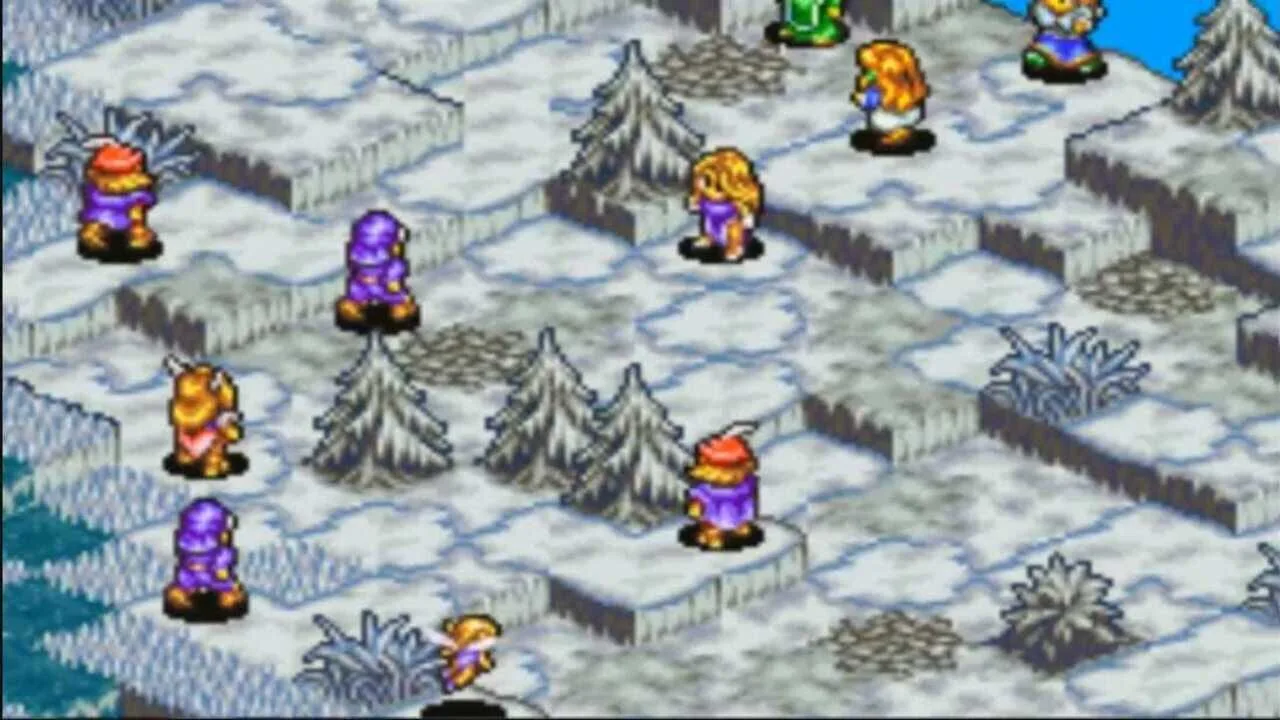
You start with an army of only six units, picked by how you answer questions at the beginning, and it can grow to 32. Height and terrain make movement a critical factor on each map. Hitoshi Sakimoto and Masaharu Iwata wrote the music. The same team went on to make Final Fantasy Tactics Advance, which ranks higher here, but this is the darker game of the two.
7. Final Fantasy VI Advance (2006)
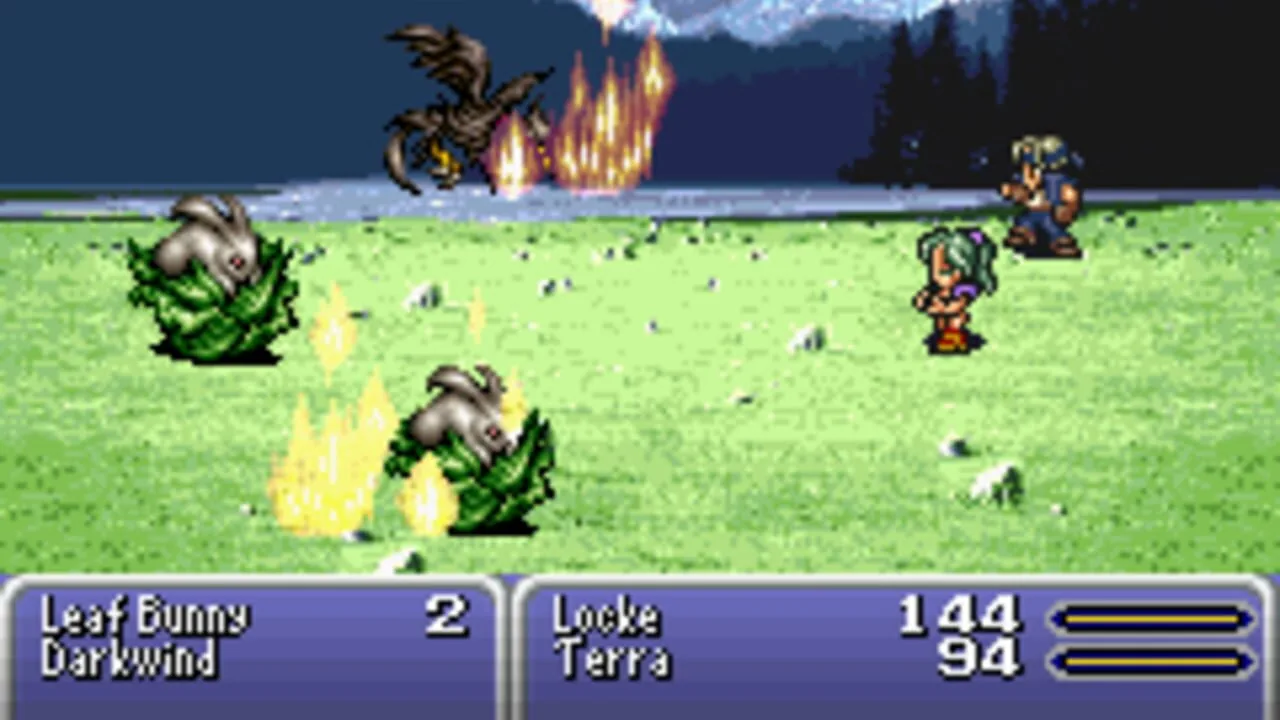
Final Fantasy VI was the last main Final Fantasy built from 2D sprites, and the first one directed by someone other than series creator Hironobu Sakaguchi. Yoshinori Kitase and Hiroyuki Ito took that role. Tose ported it to the PlayStation in 1999 and to the Game Boy Advance in 2006. It has fourteen permanent playable characters, the most of any main game in the series, and Kefka, a clownish villain driven insane by the experiment that made him a Magitek Knight.
Many critics rank it as the best entry in the series and one of the best video games of all time. Nobuo Uematsu's score is one of his finest, and Yoshitaka Amano's character designs are back too. It is the highest of the classic Final Fantasy remakes on this list, three places above IV Advance.
6. Pokémon Emerald (2004)
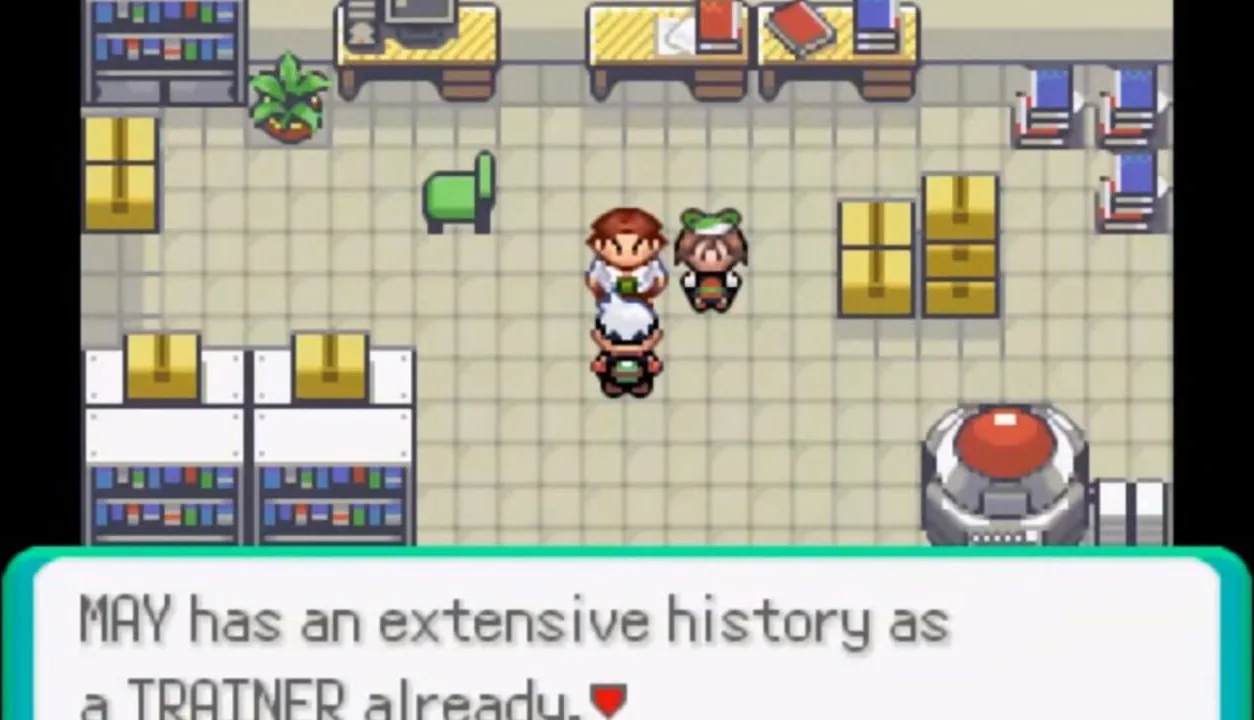
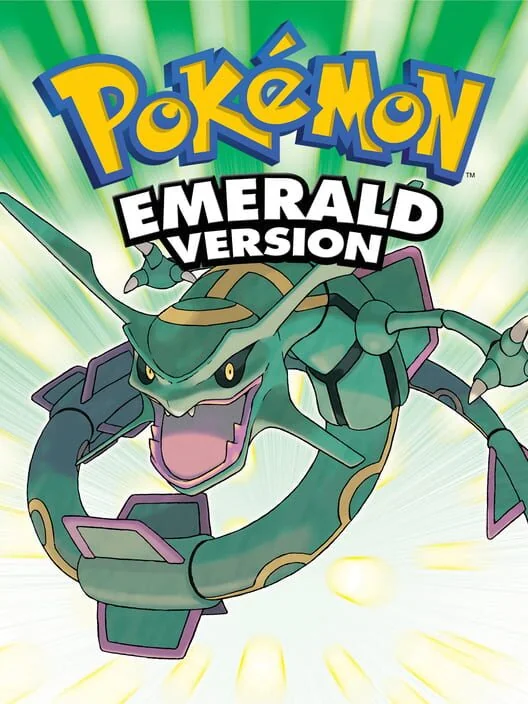
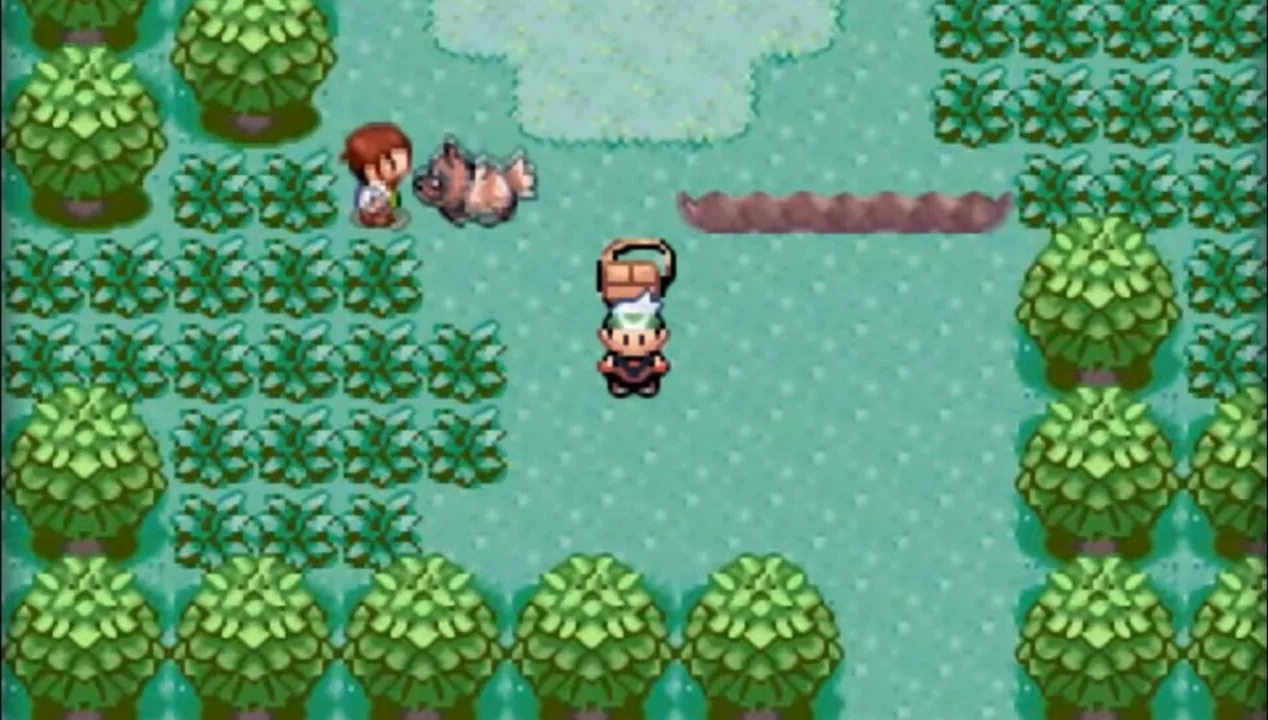
Emerald is the third version of Ruby and Sapphire, in the tradition Pokémon Yellow started for Red and Blue. It came out in Japan in 2004 and internationally in 2005. The main story got more depth and length, and the Pokémon got unique animations. You also face both Team Magma and Team Aqua, where Ruby and Sapphire only gave you one.
Completing the new battle areas earns Battle Points to spend on prizes, and that challenge is the reason to pick Emerald over the originals. Nintendo even held a competition to find the "Pokémon Emerald Ultimate Frontier Battle Brain", with the finalists competing at Seattle's Space Needle. If you only play one Hoenn game, play this one.
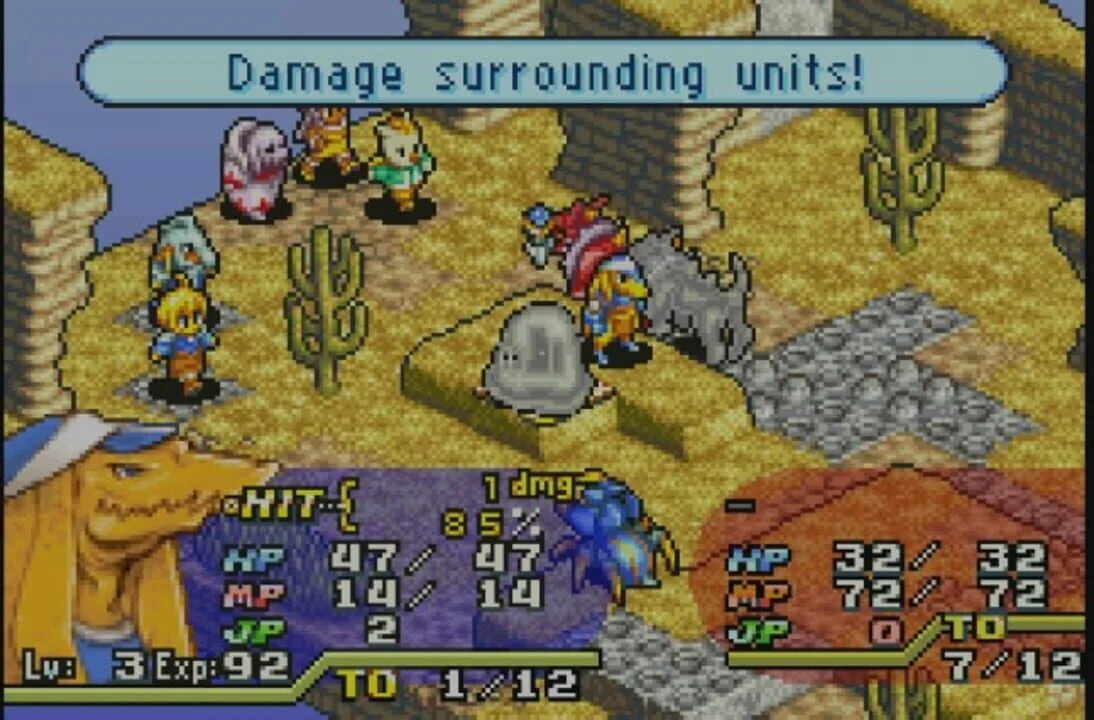
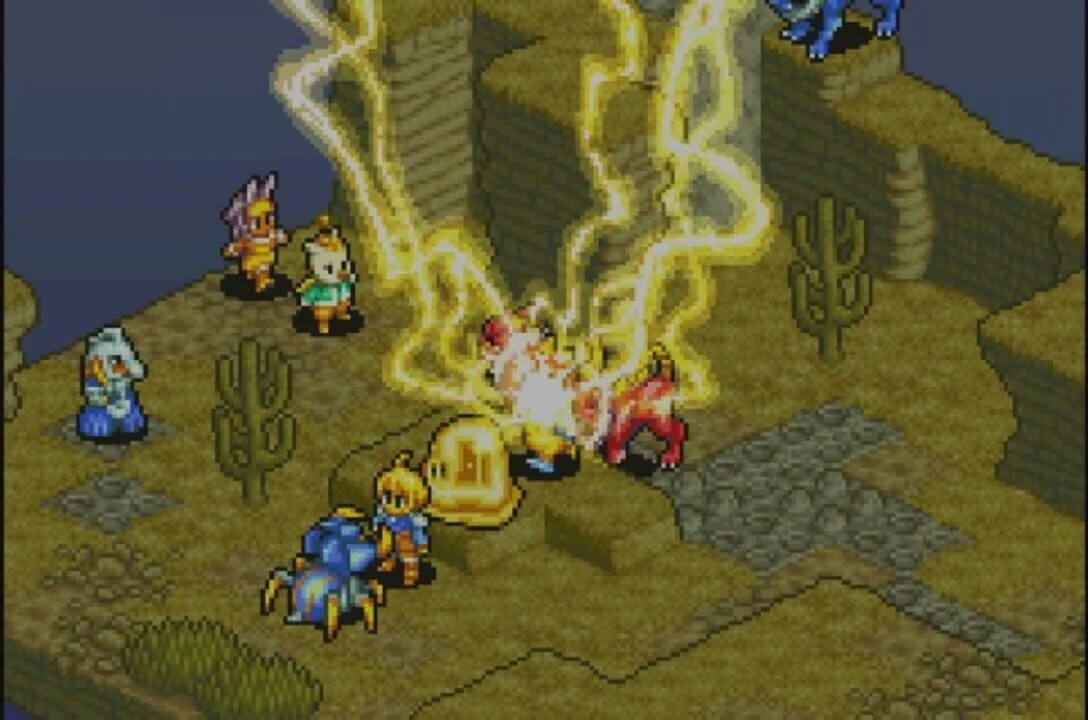
5. Final Fantasy Tactics Advance (2003)
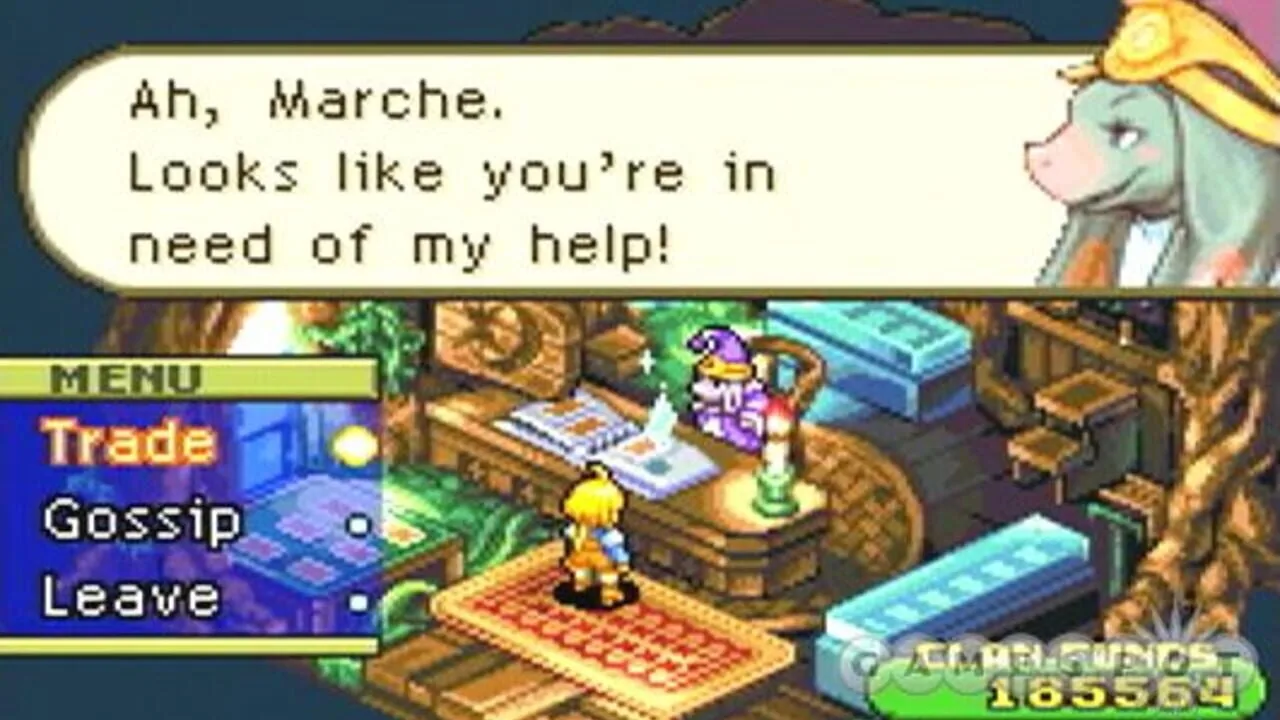
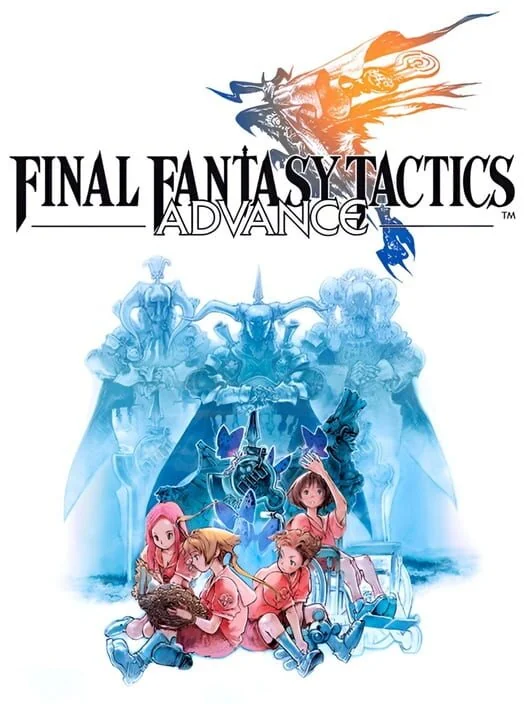
Tactics Advance follows Marche, a boy who is magically transported from his sleepy modern home to a strange kingdom where magic and adventure reign. It was made by the team behind The Knight of Lodis, and Matsuno came back from Final Fantasy Tactics as producer, with Hitoshi Sakimoto as lead composer. The story and the art design were tailored for a younger audience, and its Japanese release was one of the last from Square before the merger with Enix.
You place your troops on the battle map, each with a job class, and two players can battle and trade items over the link cable. It sold over one million copies worldwide. Ideas from it went into Final Fantasy XII, and a sequel, Grimoire of the Rift, followed on the DS in 2008.
4. Mother 3 (2006)
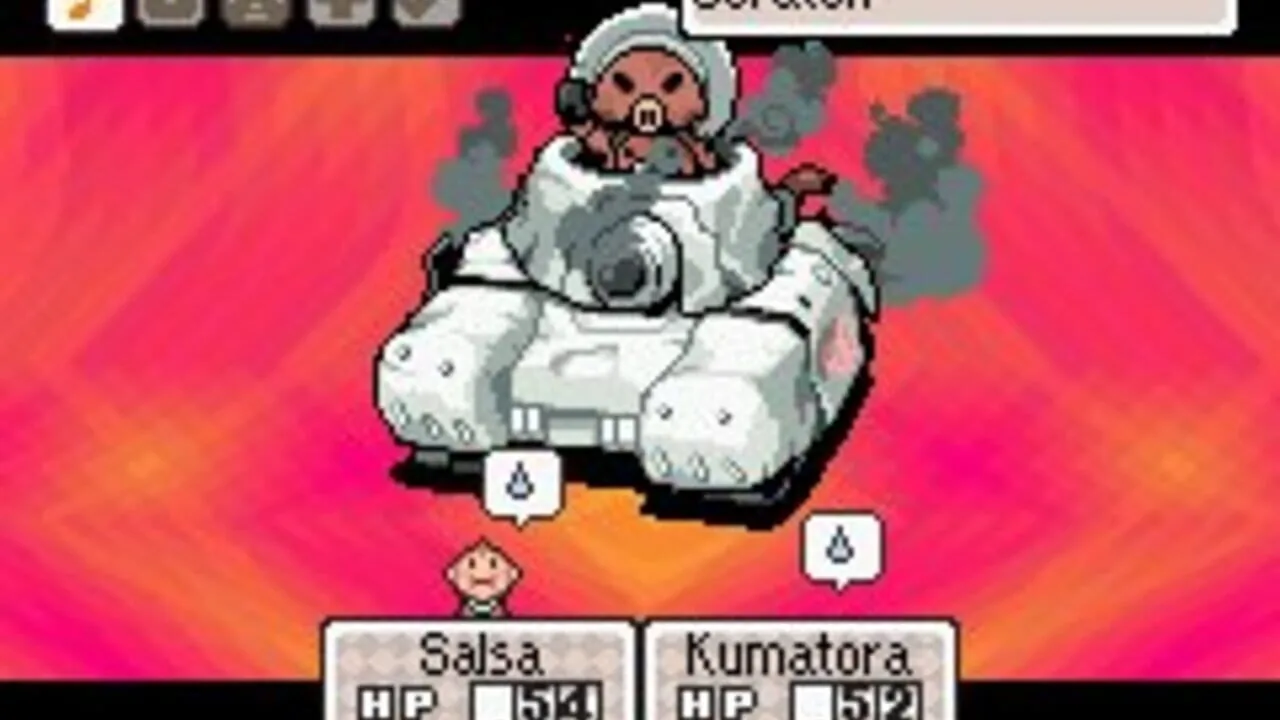
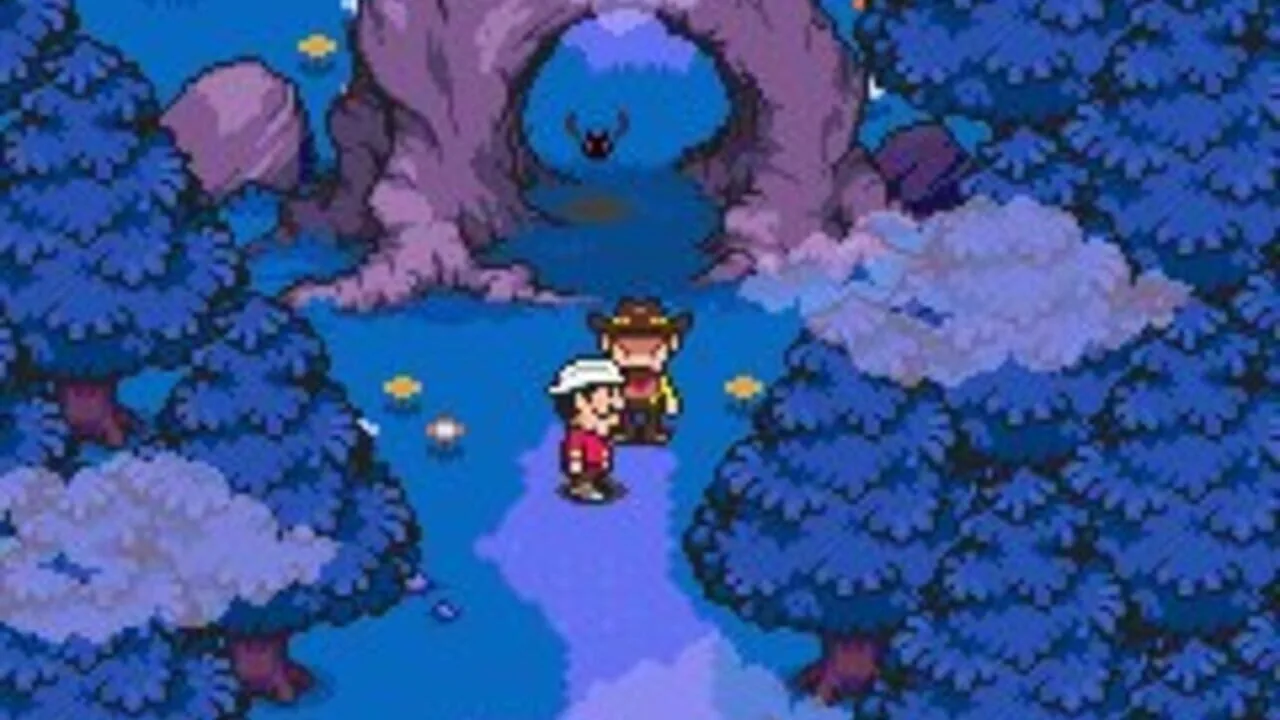
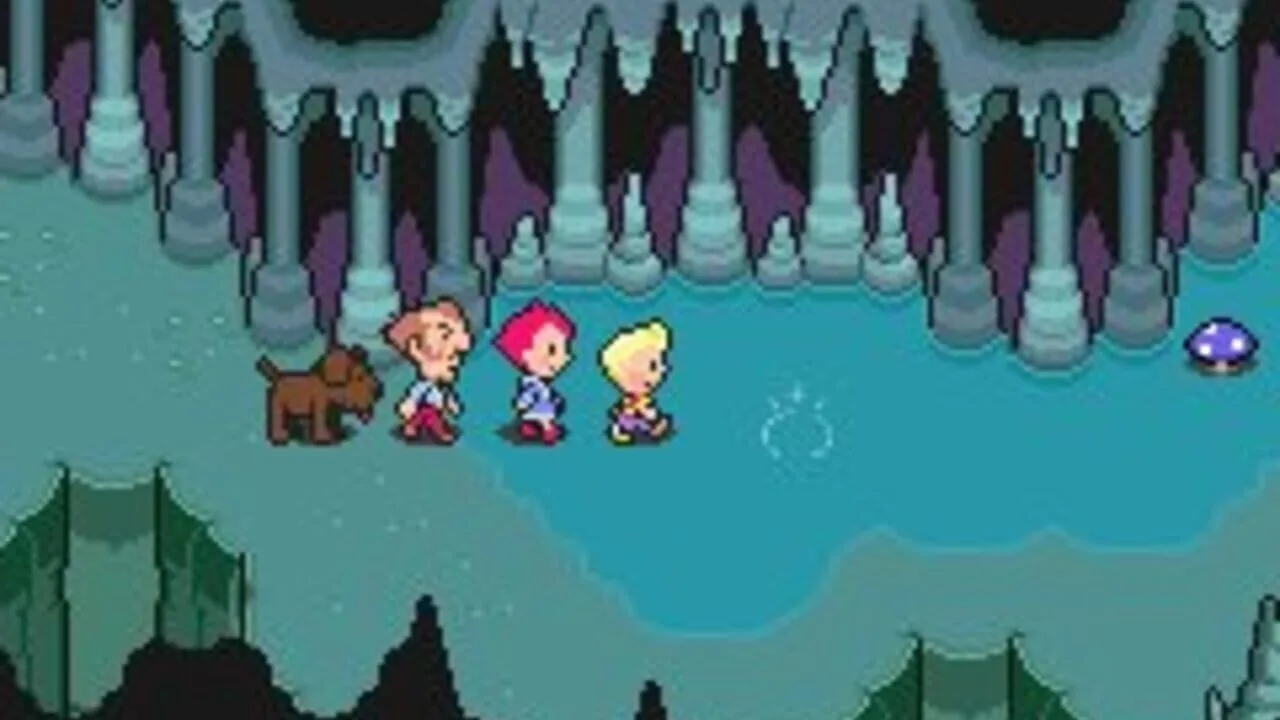
Mother 3 is the sequel to EarthBound, and its development spanned twelve years and four consoles. It began in 1994 on the Super Famicom, moved to the Nintendo 64 and its 64DD add-on as EarthBound 64, was canceled in 2000 and restarted for the Game Boy Advance in 2003. It tells the coming-of-age story of Lucas, the younger son of a family in the village of Tazmily, who sets out to find his missing brother and stop a group of masked men.
Nintendo never released it in English. Fans did, with an unofficial translation from the Starmen.net community in 2008 that got over 100,000 downloads within a week. In battle you can keep hitting an enemy by pressing the button in time with the beat of the background music. One player summed it up: "Nothing else on the GBA comes close".
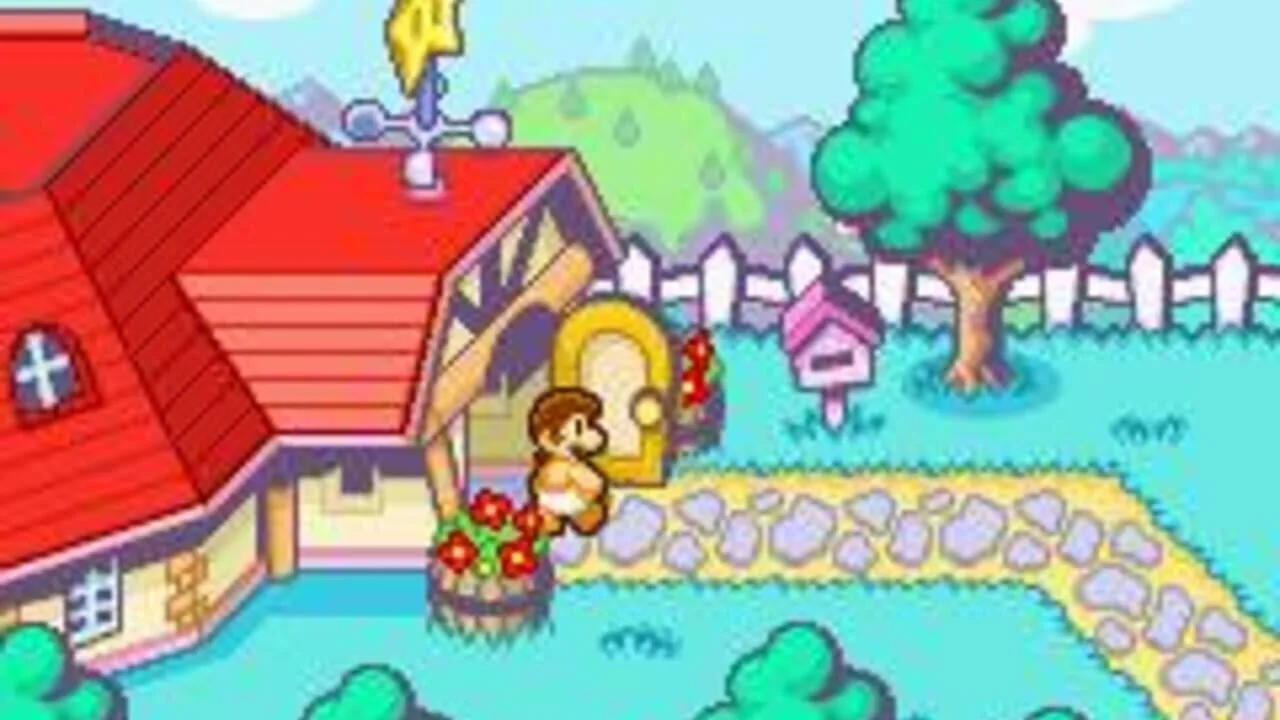
3. Mario & Luigi: Superstar Saga (2003)
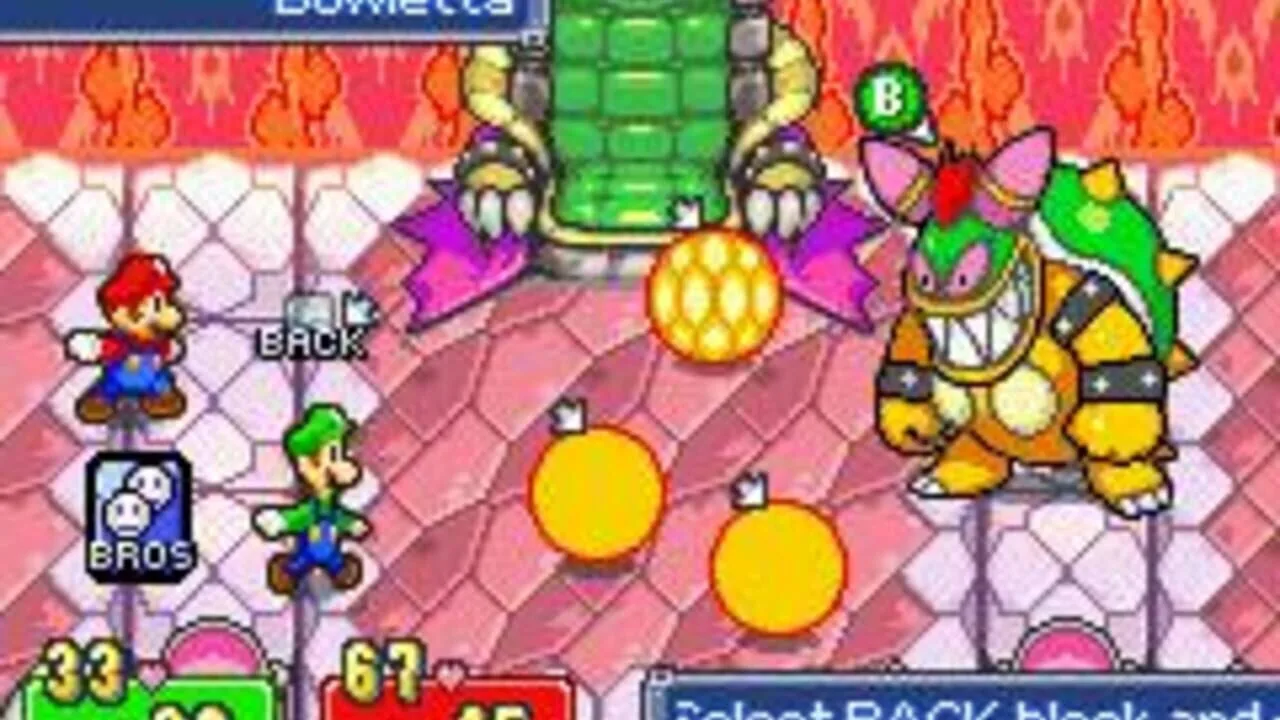
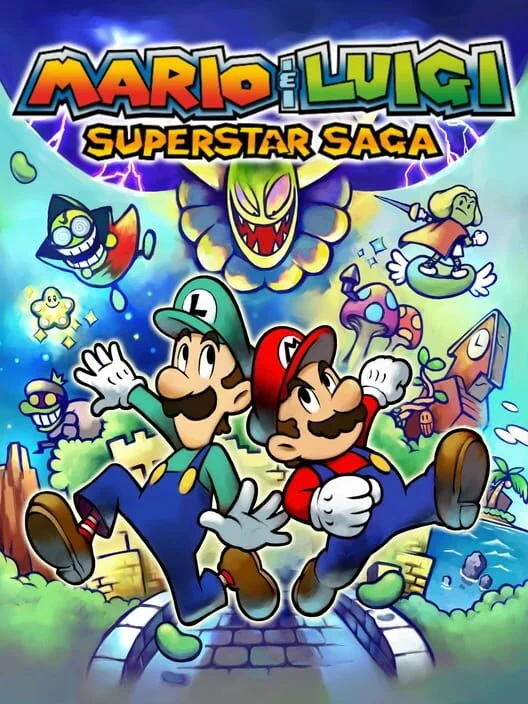
Superstar Saga is the first game in the Mario & Luigi series. The witch Cackletta and her henchman Fawful steal Princess Peach's voice and replace it with explosives that drop from her speech balloon when she talks. Mario and Luigi team up with Bowser and fly to the Beanbean Kingdom on his new airship to get it back. In the field you steer one brother and the other follows closely.
Battles put the emphasis on timing, with elaborate attacks called Action Commands. Critics praised the writing and the battle system, and it is still one of the funniest RPGs ever made, with Fawful stealing every scene he is in. It sold over 2 million copies and became a Player's Choice title.
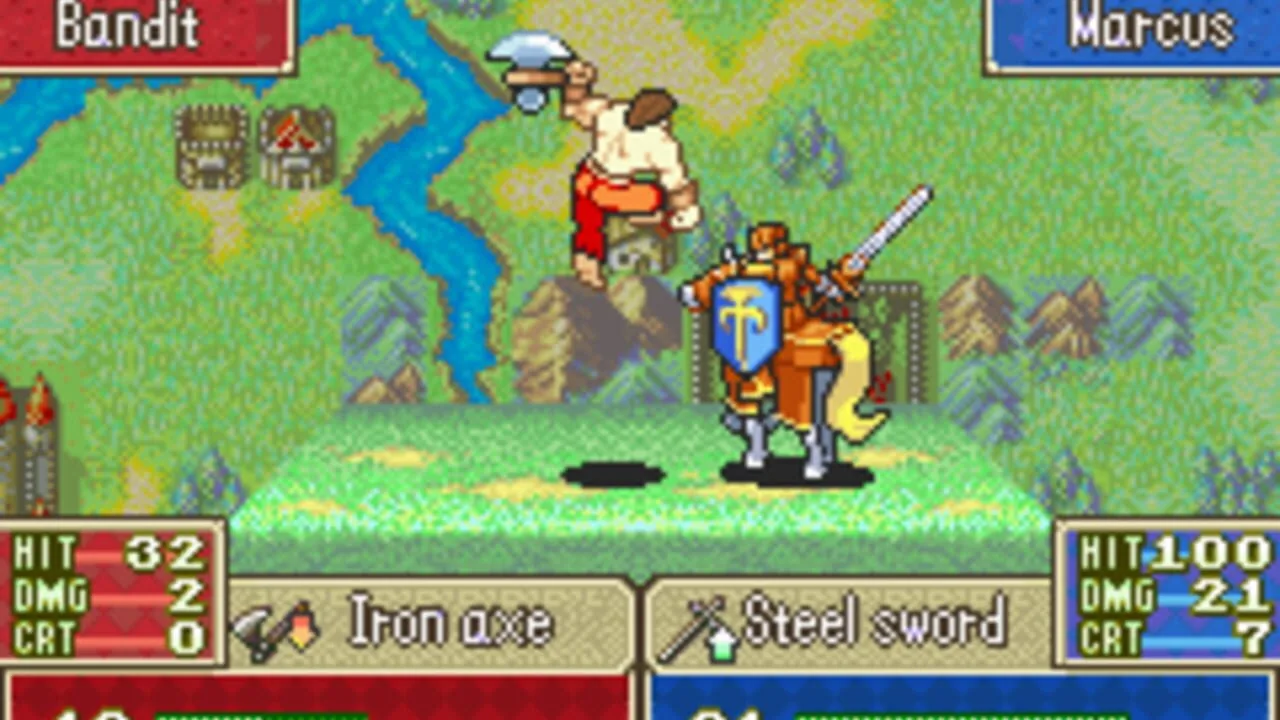
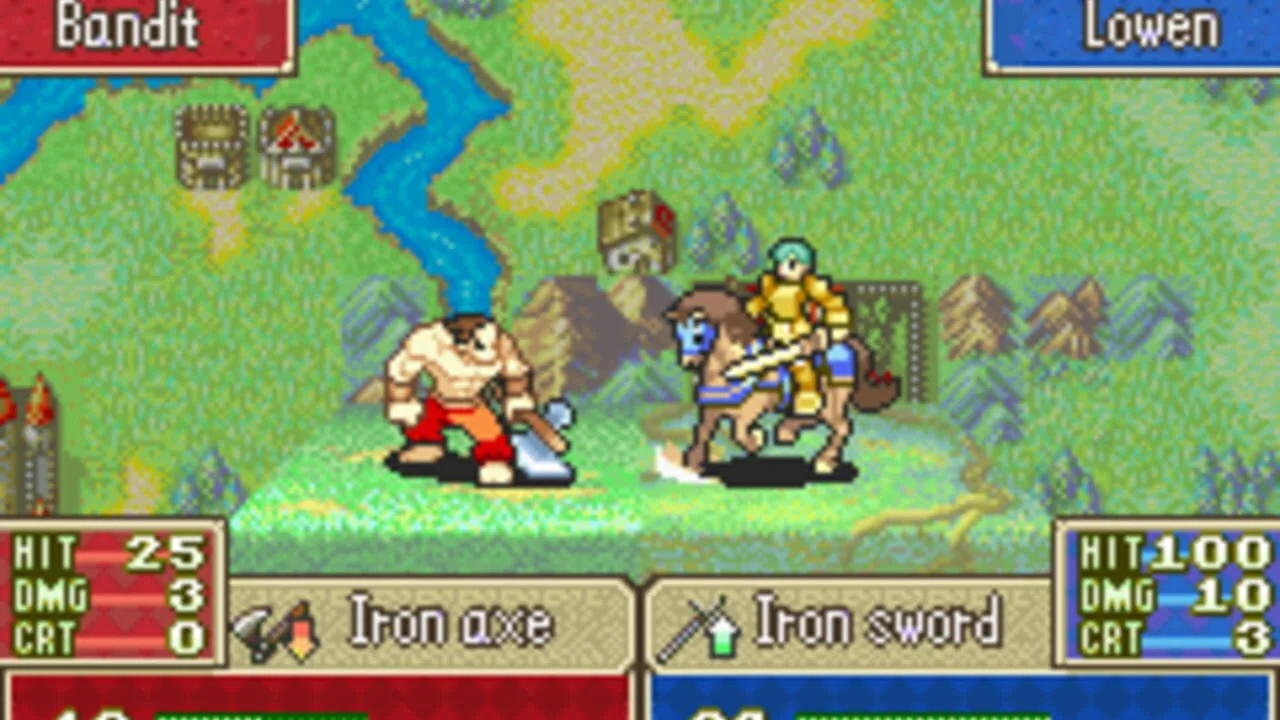
2. Fire Emblem (2003)
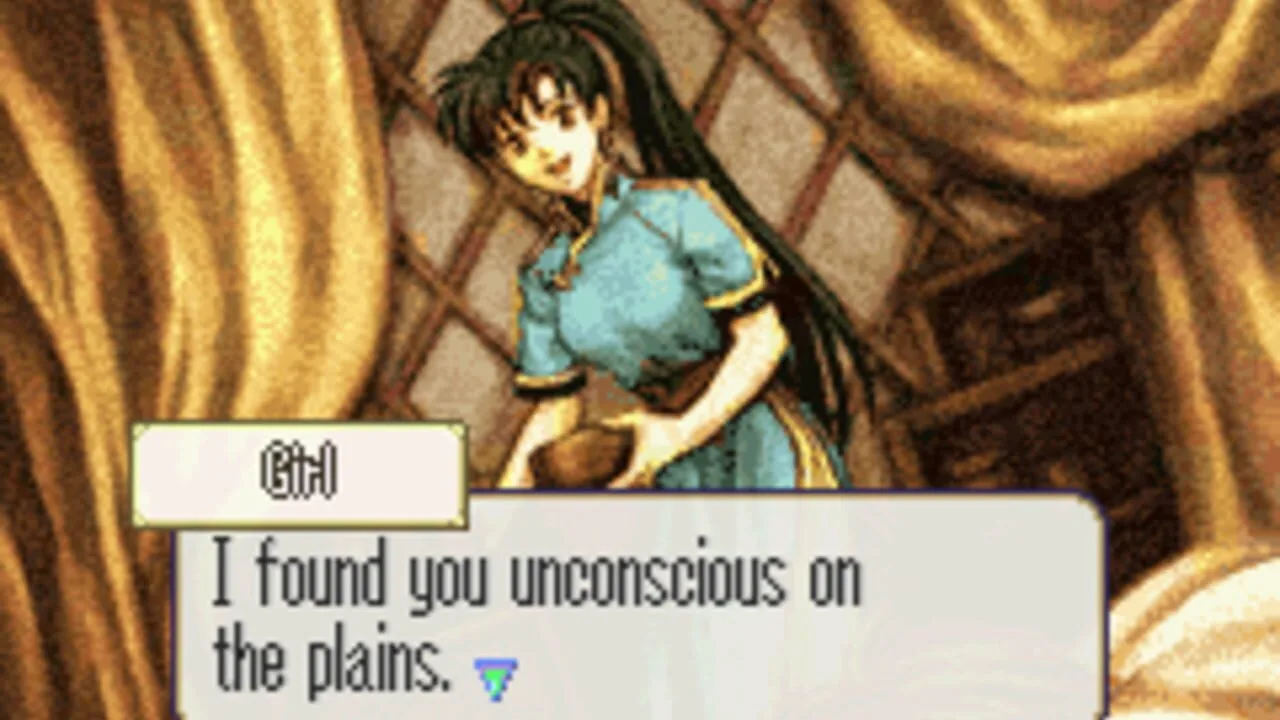
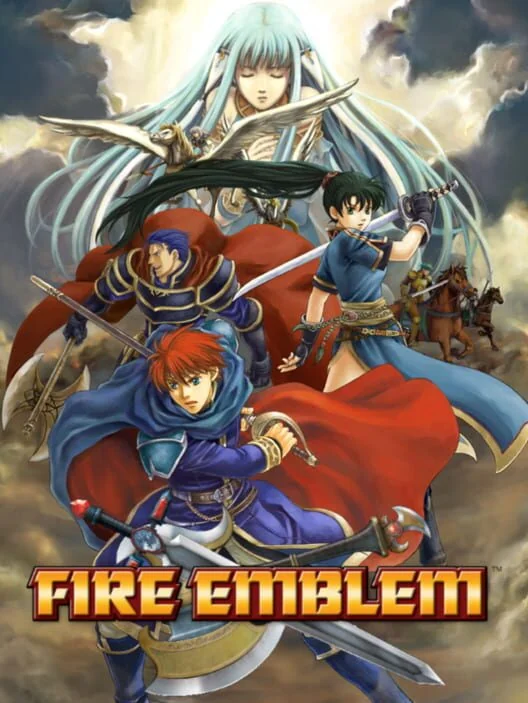
This Fire Emblem is the seventh game in the series and the first one released in both North America and Europe. Its director said that was because of the international success of Advance Wars, and Marth and Roy showing up in Super Smash Bros. Melee is also cited as a reason. It is a prequel to The Binding Blade, which is set twenty years later, and since Fire Emblem Heroes it has been called Fire Emblem: The Blazing Blade.
It opens with a prologue designed to teach newcomers the series and its tactical basics, which mattered a lot in the West. Your units level up and gain random points in their stats, so no two playthroughs build the same army. Players recommend it more than any other GBA RPG except one.
1. Golden Sun (2001)
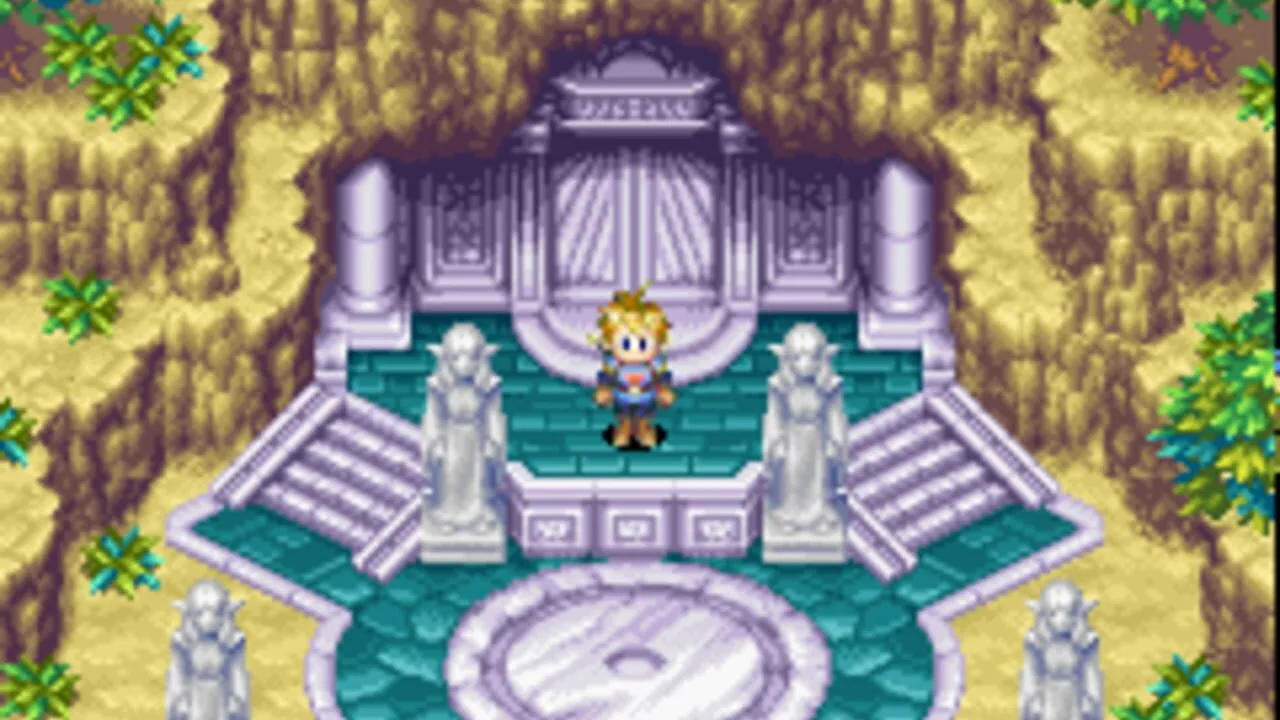
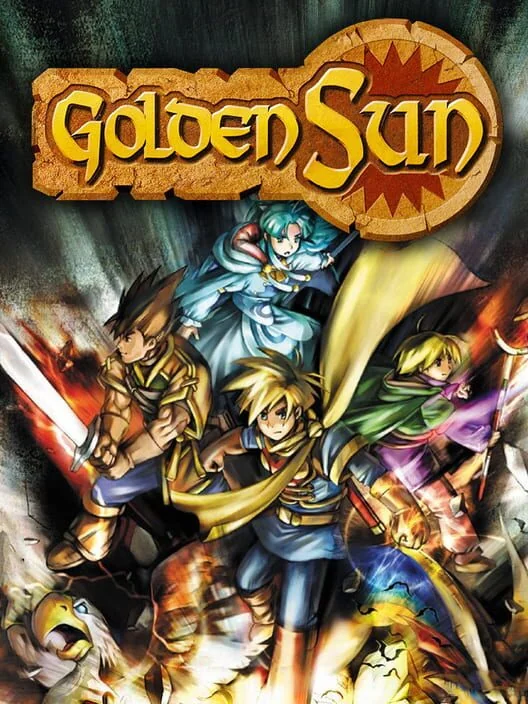
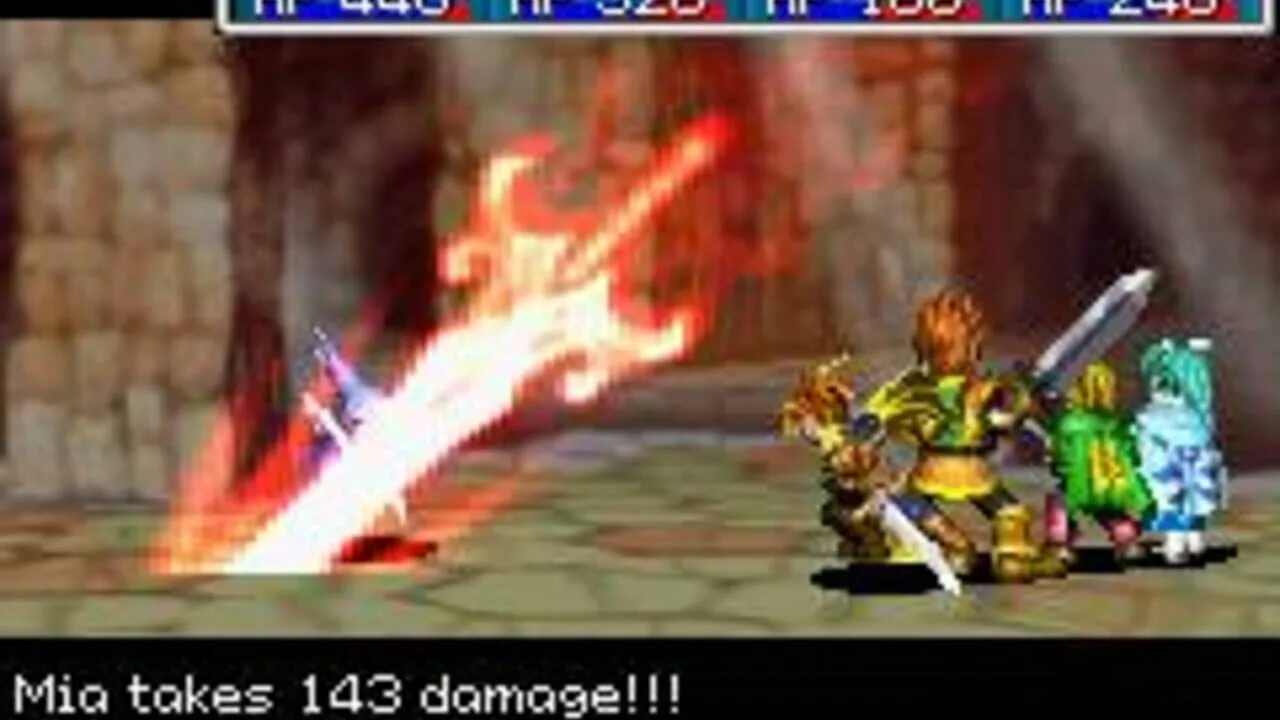
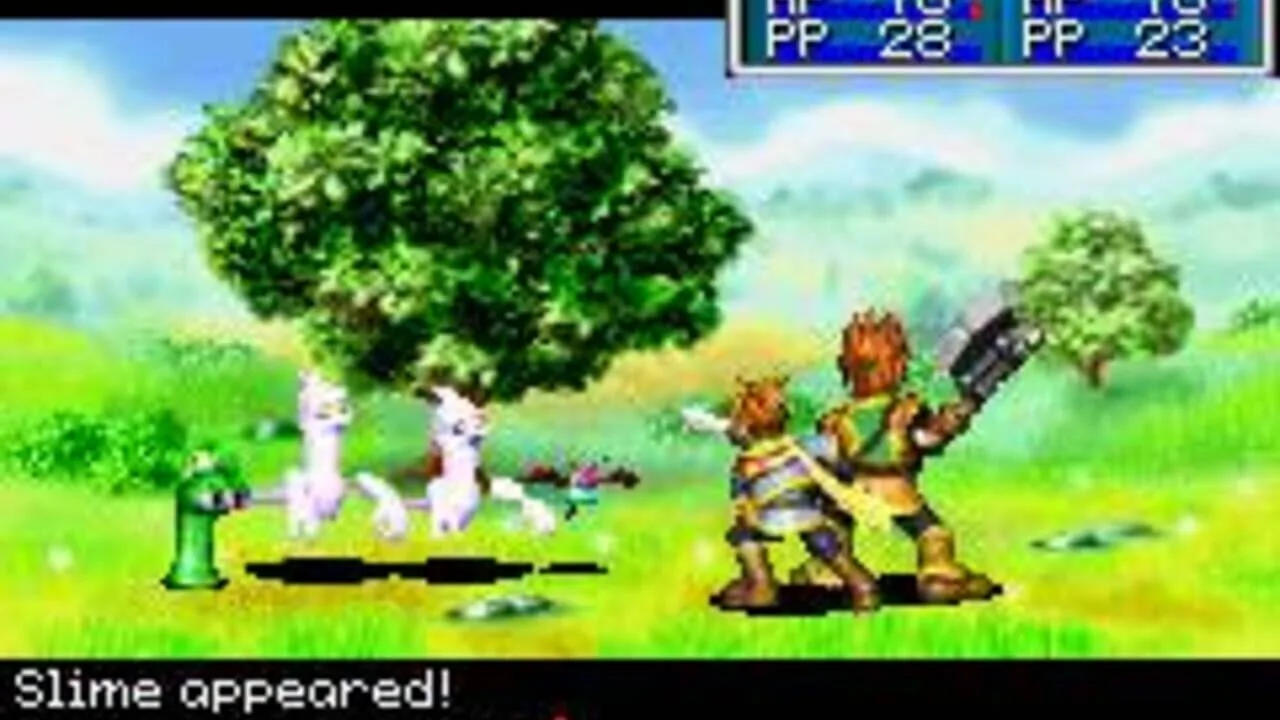
Golden Sun came out for the Game Boy Advance in 2001. You play Isaac, one of a group of magically attuned "adepts", and with his companions he journeys through the world of Weyard to stop a group from releasing a mysterious power called Alchemy. Along the way you gather Djinn, elemental creatures of fire, water, wind and earth, and combine them in unique ways for big magical effects.
It won Nintendo Power's Best GBA Game of 2001 and made IGN's Readers Choice Top 100 games ever at number 94. Players still call it a required play, and some pick it over Superstar Saga. It is the RPG players recommend most on the Game Boy Advance, nearly twice as often as Fire Emblem.
Which one to play
There you have it, the whole list of the best GBA RPGs. Most of them play just as well today as they did on a Game Boy Advance.
If you are not sure where to start, play Golden Sun and then The Lost Age. If you want a classic turn-based RPG, Final Fantasy VI Advance is the one. For strategy, start with Fire Emblem and move on to Tactics Advance. If you want to laugh, pick Superstar Saga. Pokémon fans should play Emerald. And for a hidden pick, try Summon Night: Swordcraft Story 2.