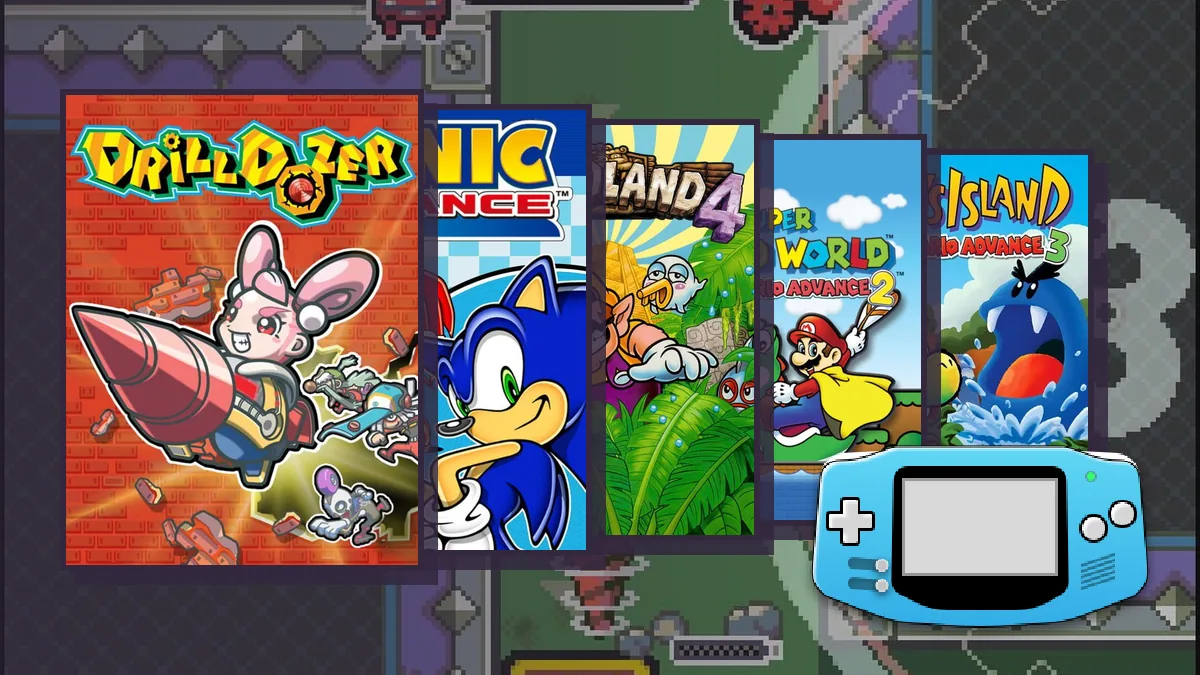
The Game Boy Advance was a wonderful place for platformers. Home consoles had moved on to 3D, and the GBA kept the 2D side-scroller alive on a screen you could carry. It arrived at a strange moment, too. Sega had shifted its focus to third-party software development, so Sonic could suddenly run on a Nintendo handheld. Rare kept making GBA games even after Microsoft bought the studio, and Donkey Kong Country got a second life on a cartridge.
Some of the best games here sold badly when they came out, and one of them arrived in 2023, long after anyone expected a new GBA game. Here are the 18 best GBA platformers.
18. Yoshi Topsy-Turvy (2004)
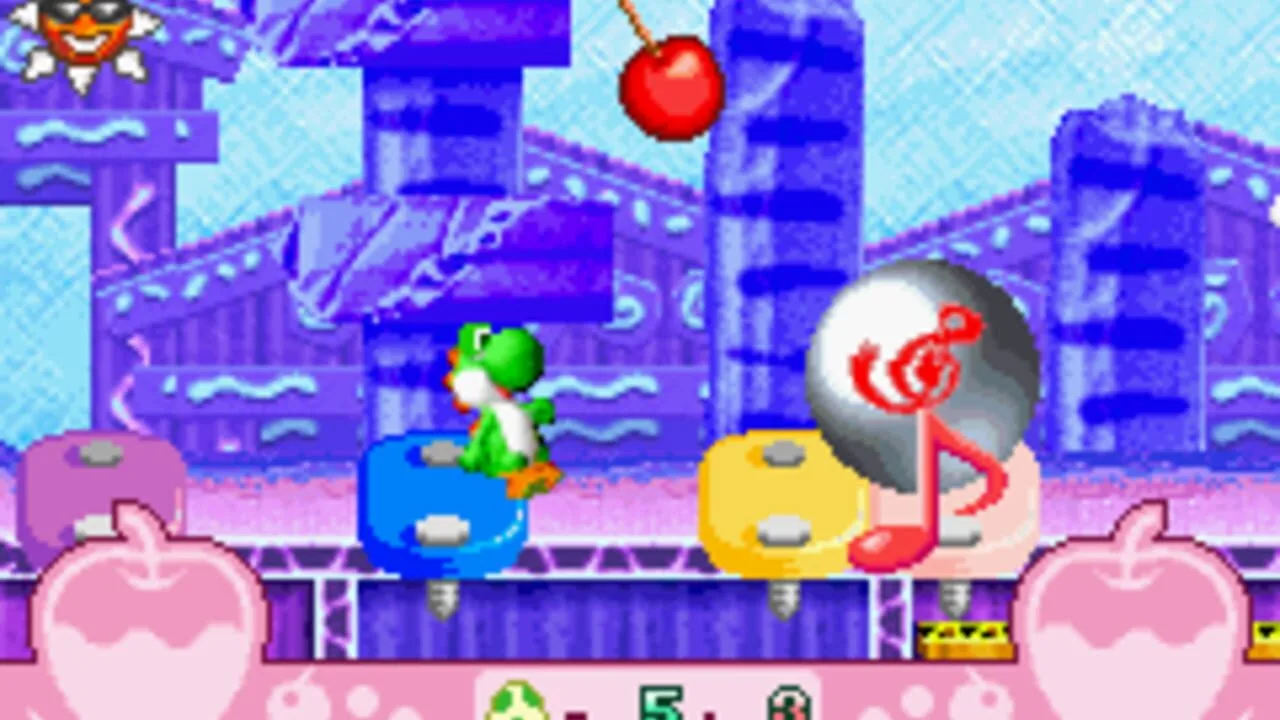
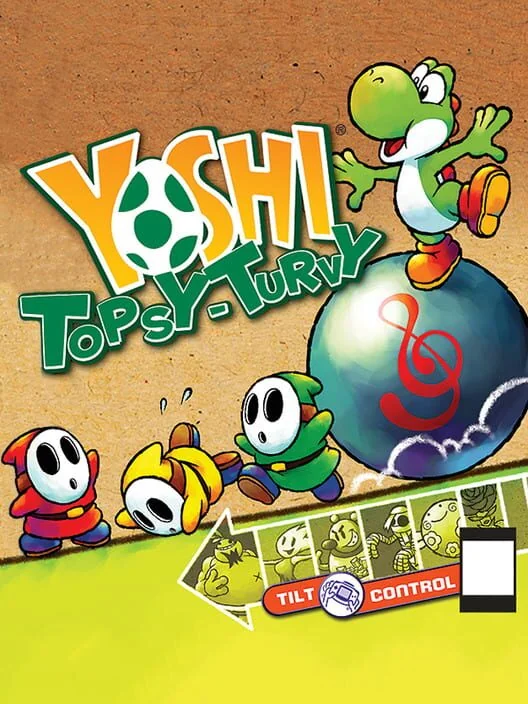
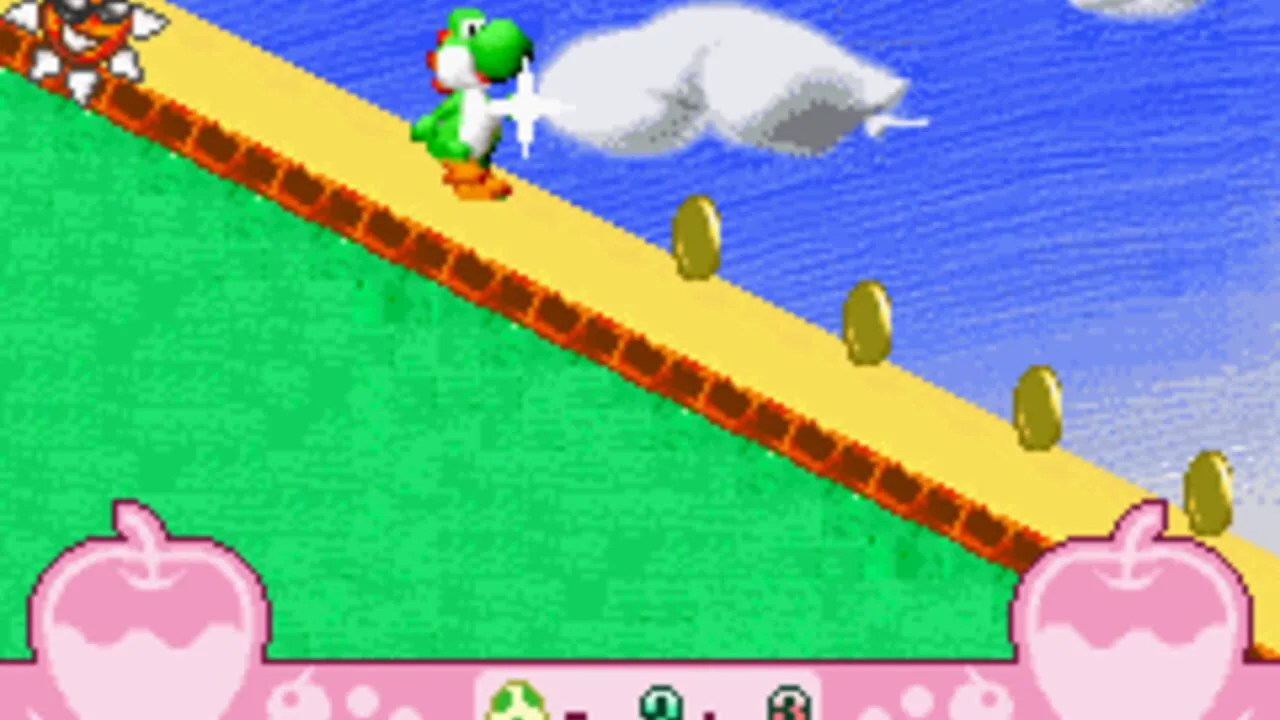
Yoshi Topsy-Turvy is played by turning the handheld itself. By tilting the Game Boy Advance left or right, the player can tilt the game area, causing enemies and other objects to slide as the direction of gravity changes. You still jump and eat with the buttons, so every level asks you to master button presses and tilt movements at the same time. In Japan it went by a grander name, Yoshi's Universal Gravitation.
Critics liked the look and the idea. They were less kind about its short length compared to other Yoshi games and its repetitive level design. It still earns the last spot on this list, because no other game here plays anything like it. Just do not try it on a bumpy bus.
17. Sabre Wulf (2004)
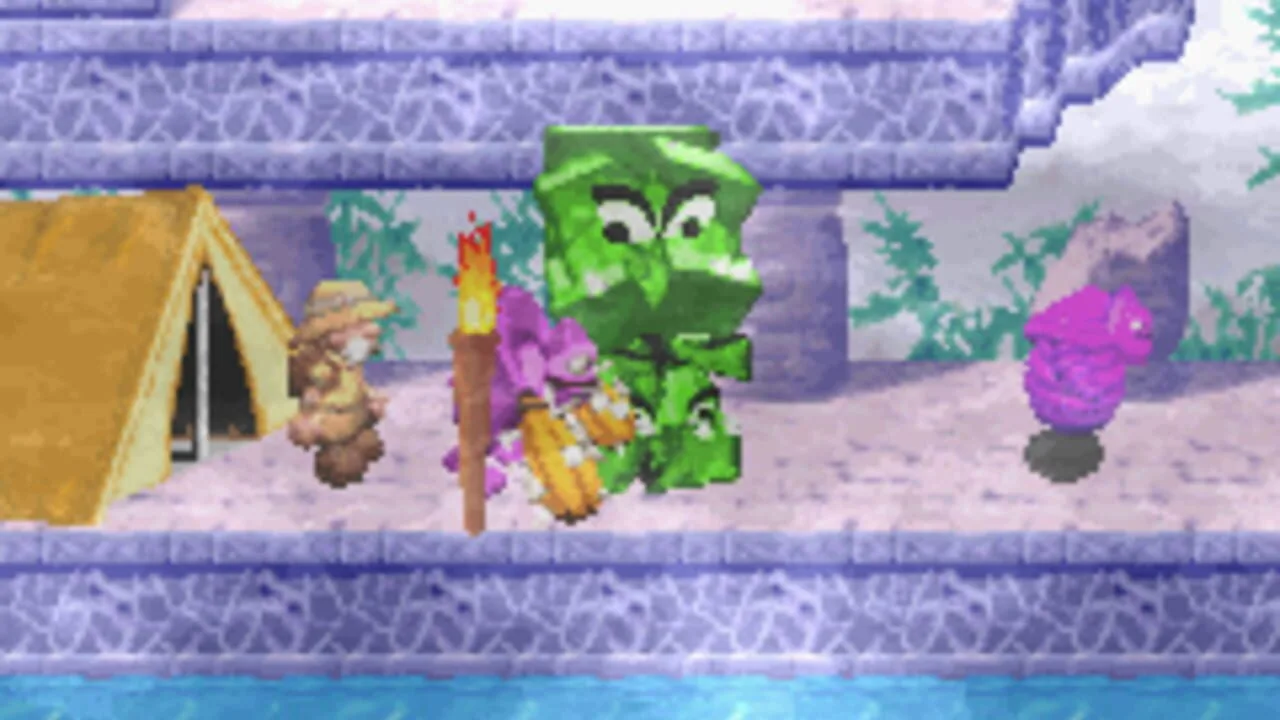
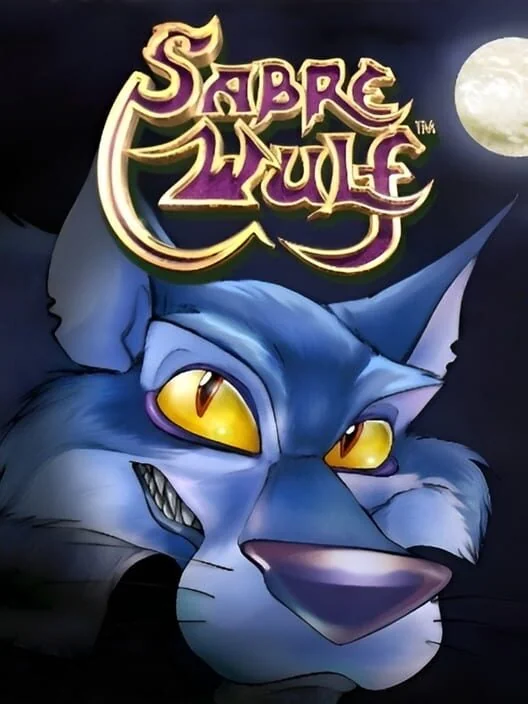
Sabre Wulf is Rare's 2004 remake for the Game Boy Advance, and it is a platformer with puzzles mixed in. The villain Dolittle-Goode steals the amulet and releases Sabre Wulf, who scares townspeople and steals treasure, so Sabreman has to set things right. When the wolf starts to chase him he shouts "run for it", and finishing a level earns a cheerful "smashing".
The title debuted at the 2001 Electronic Entertainment Expo and took until 2004 to ship. Reviews were generally favourable, and some reviewers praised its character animations, though others found the puzzles shallow and the play repetitive. Sales were lackluster, which is why so few people remember it. The ones who do still recommend it.
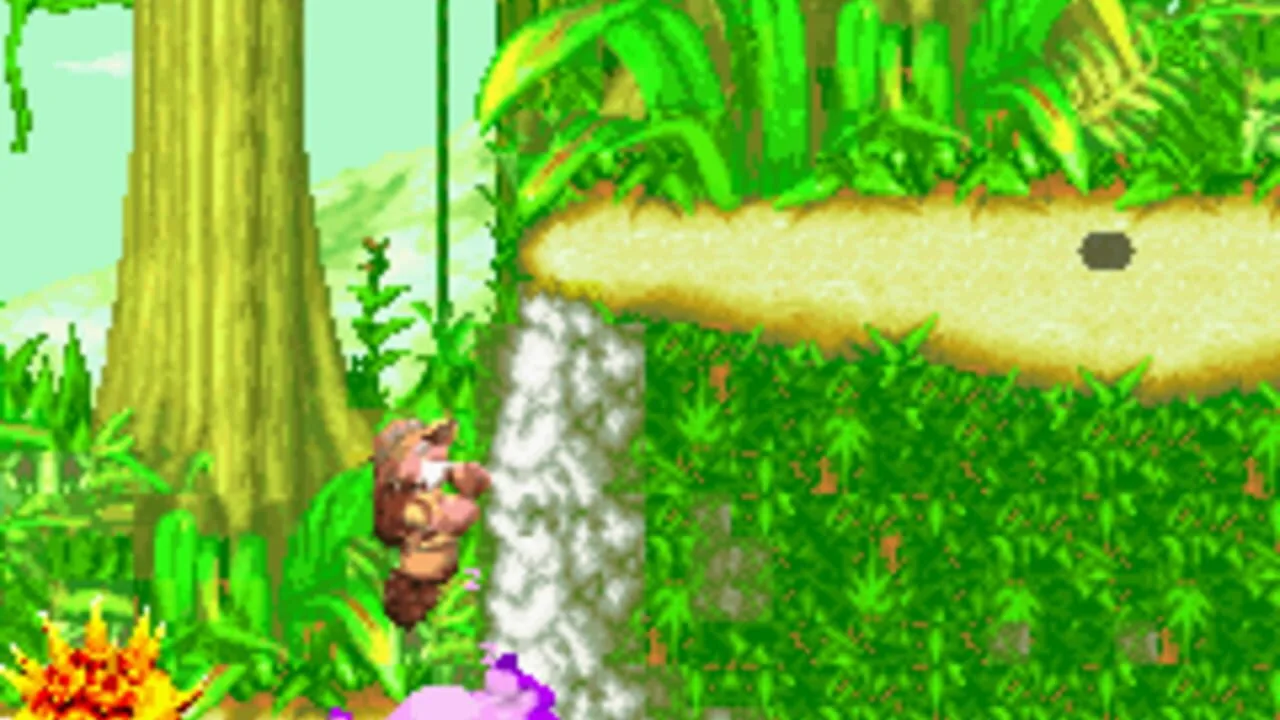
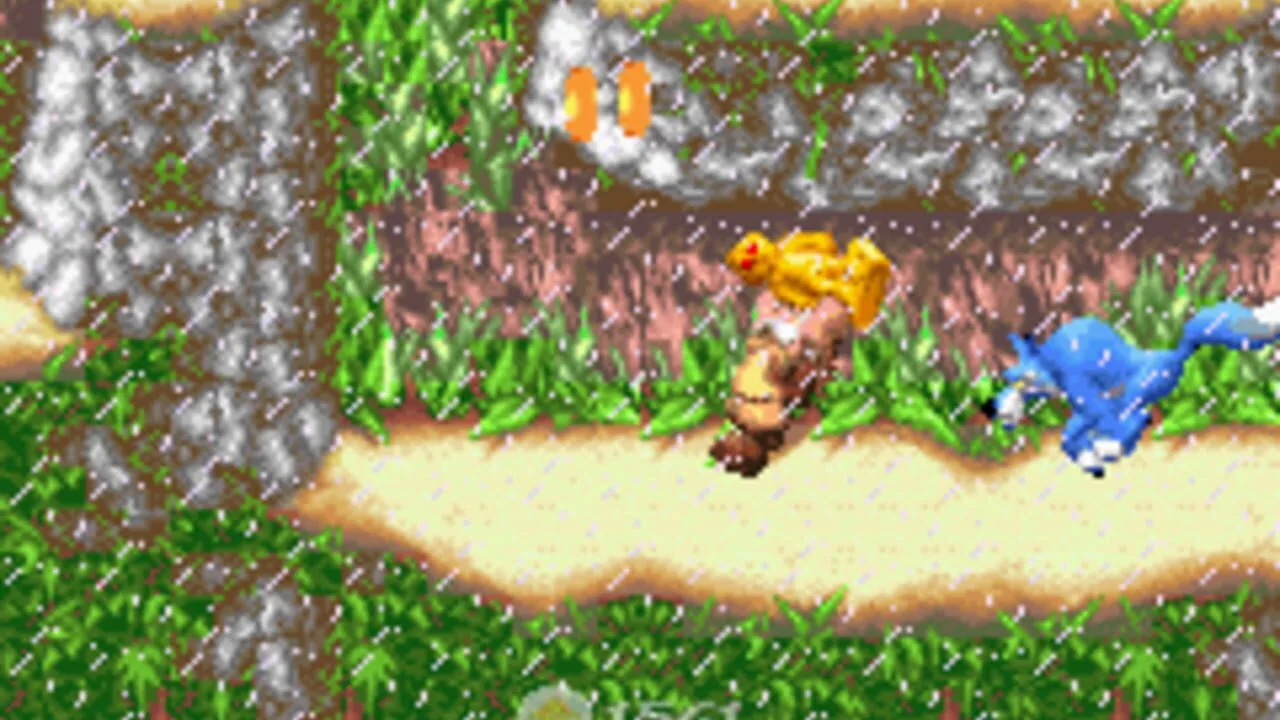
16. Kirby: Nightmare in Dream Land (2002)
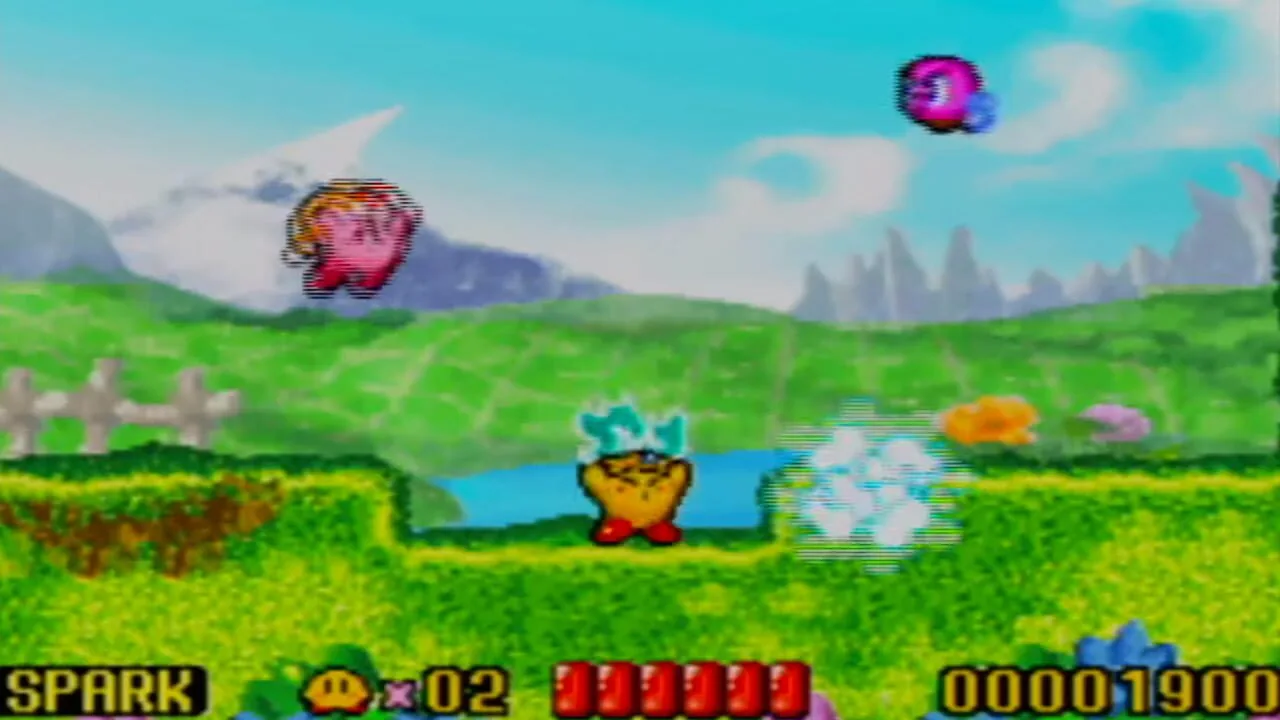
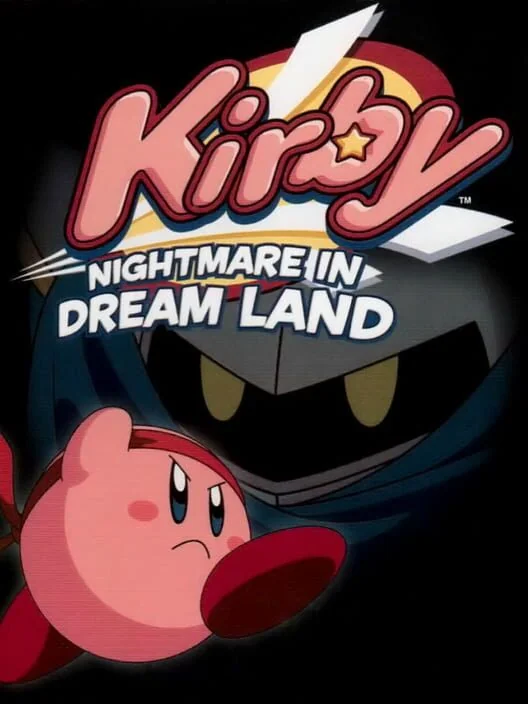
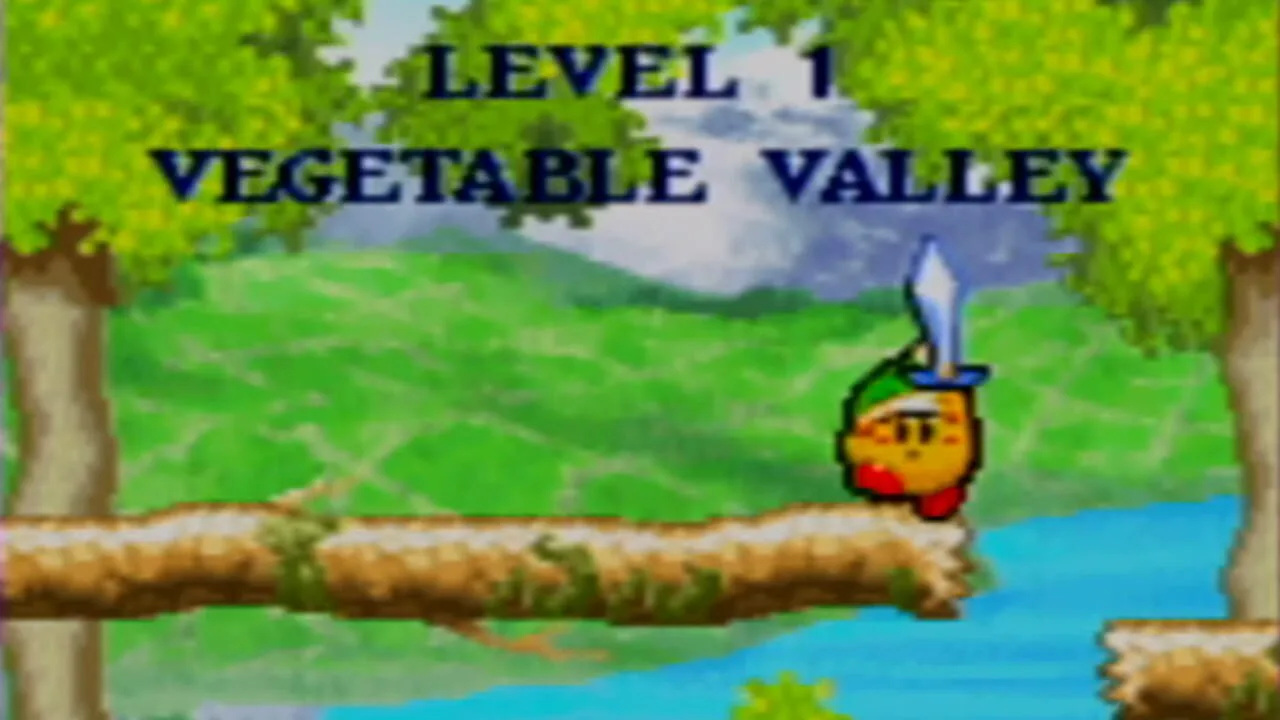
Nightmare in Dream Land is a remake of Kirby's Adventure, the 1993 NES game, rebuilt in 2002 for the Game Boy Advance with enhanced graphics and multiplayer support. That original matters a lot. It was the first Kirby game to include the Copy Ability, where Kirby eats an enemy and takes its power, and the first game to depict Kirby in color. Masahiro Sakurai directed it, and Sakurai had always planned him to be pink, much to the surprise of other staff.
The story is classic Kirby. King Dedede breaks the Star Rod and gives the pieces to his minions, and Kirby travels across Dream Land to put it back together. The original was commended for its tight controls and level variety, and the remake keeps both. It is the friendliest game on this list.
15. Crash Bandicoot 2: N-Tranced (2003)
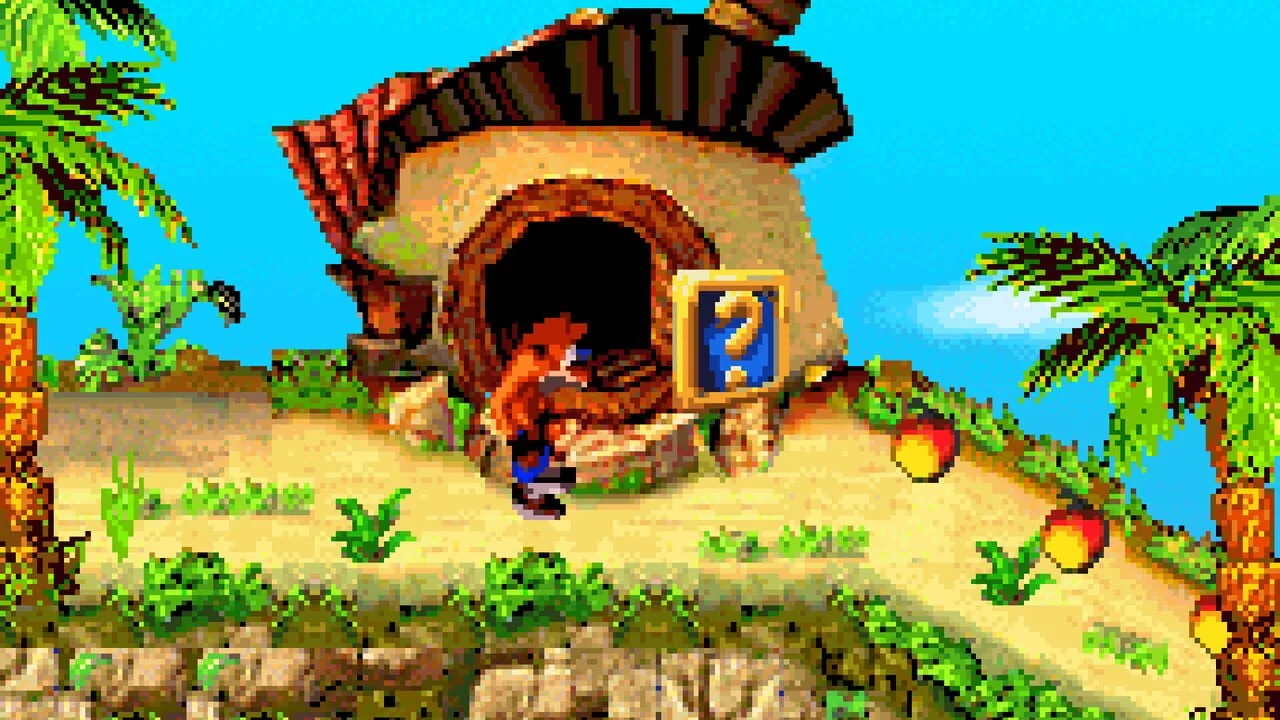
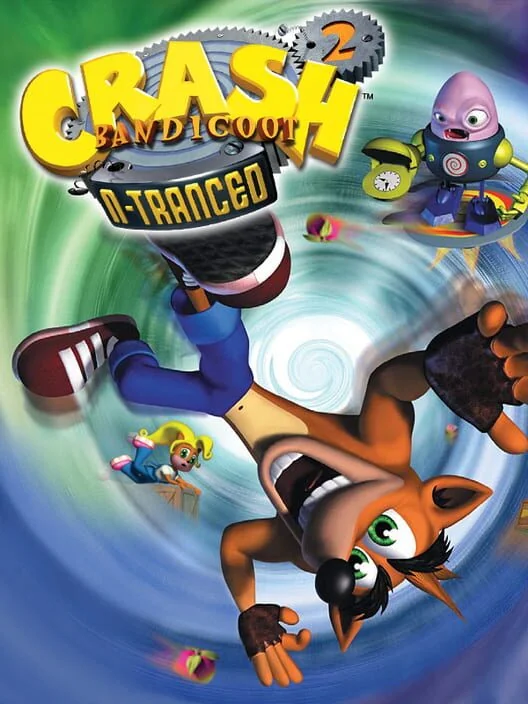
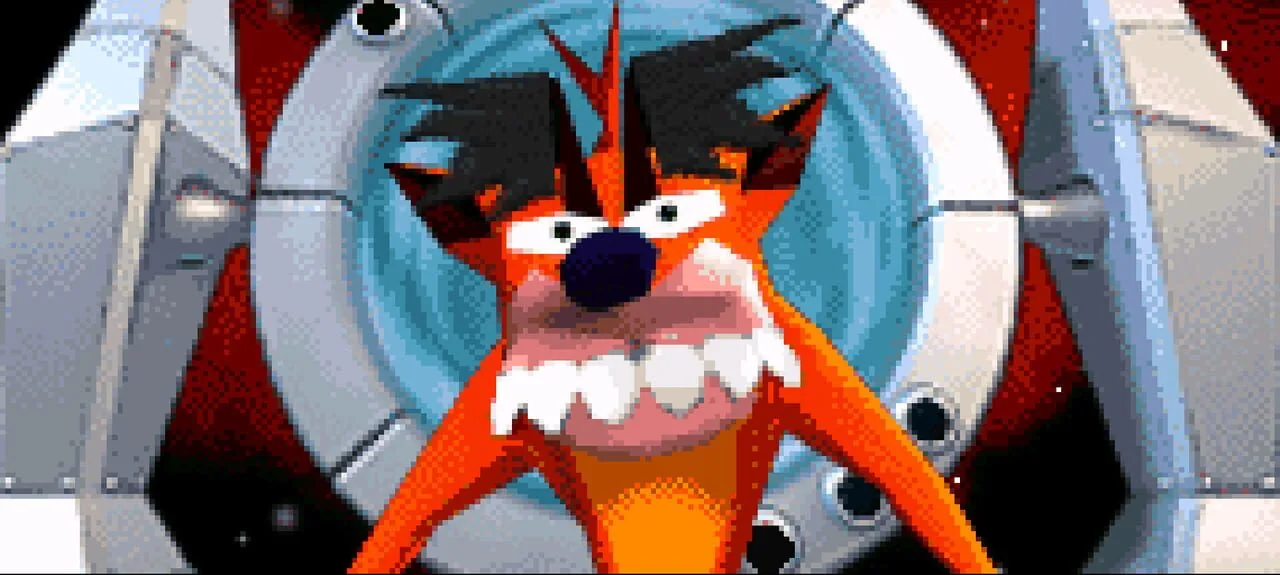
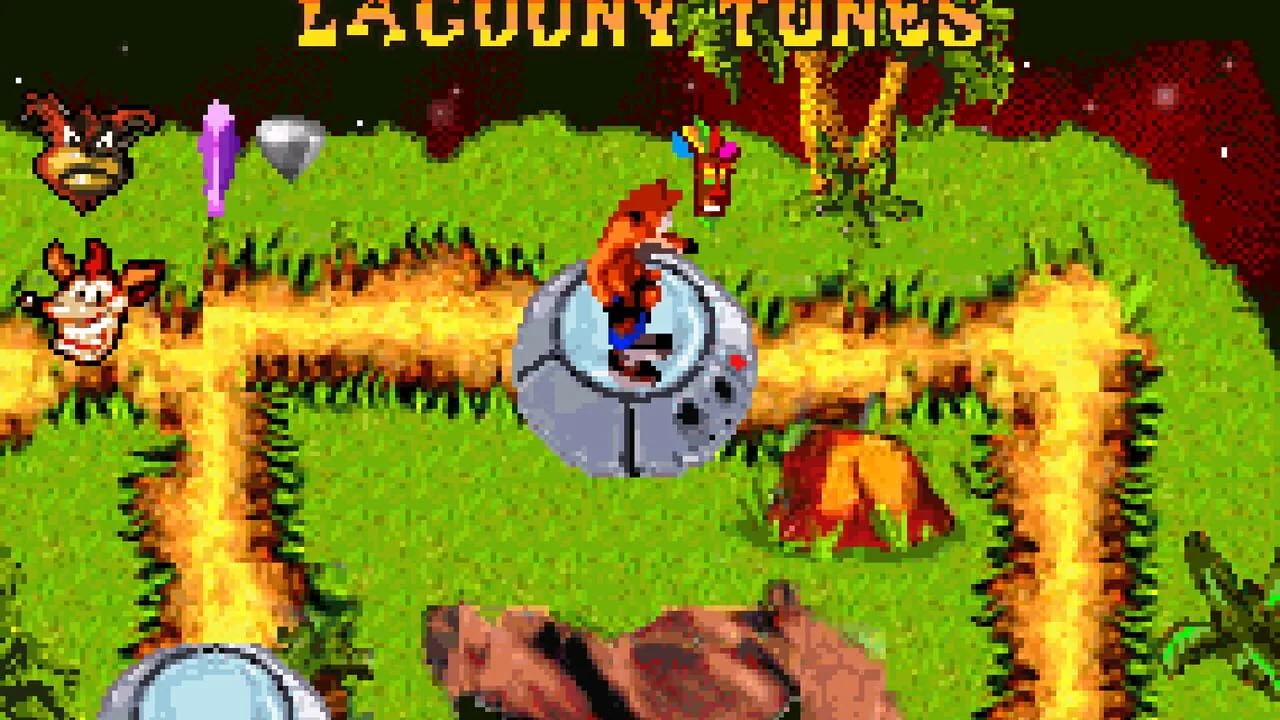
N-Tranced is Vicarious Visions' sequel to Crash Bandicoot: The Huge Adventure and the eighth game in the series. N. Tropy and a new villain, N. Trance, kidnap Coco and Crunch and brainwash them, so Crash sets off across 24 different levels to get them back. Most of it is classic side-scrolling, where you collect Wumpa Fruit and smash crates. Then it throws in quasi-3D chase sequences and isometric stages where you roll around inside a metallic sphere.
Critics praised the level variety and presentation. Their one complaint was that it plays almost exactly like The Huge Adventure. If you liked the first one, that is hardly a problem, and the vehicle levels keep things moving. At various points you fly a helicopter and even pilot a spaceship.
14. Spyro: Season of Ice (2001)
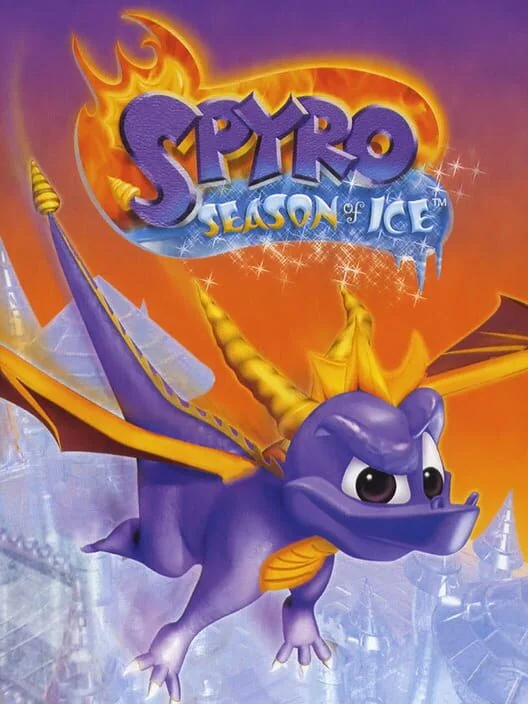
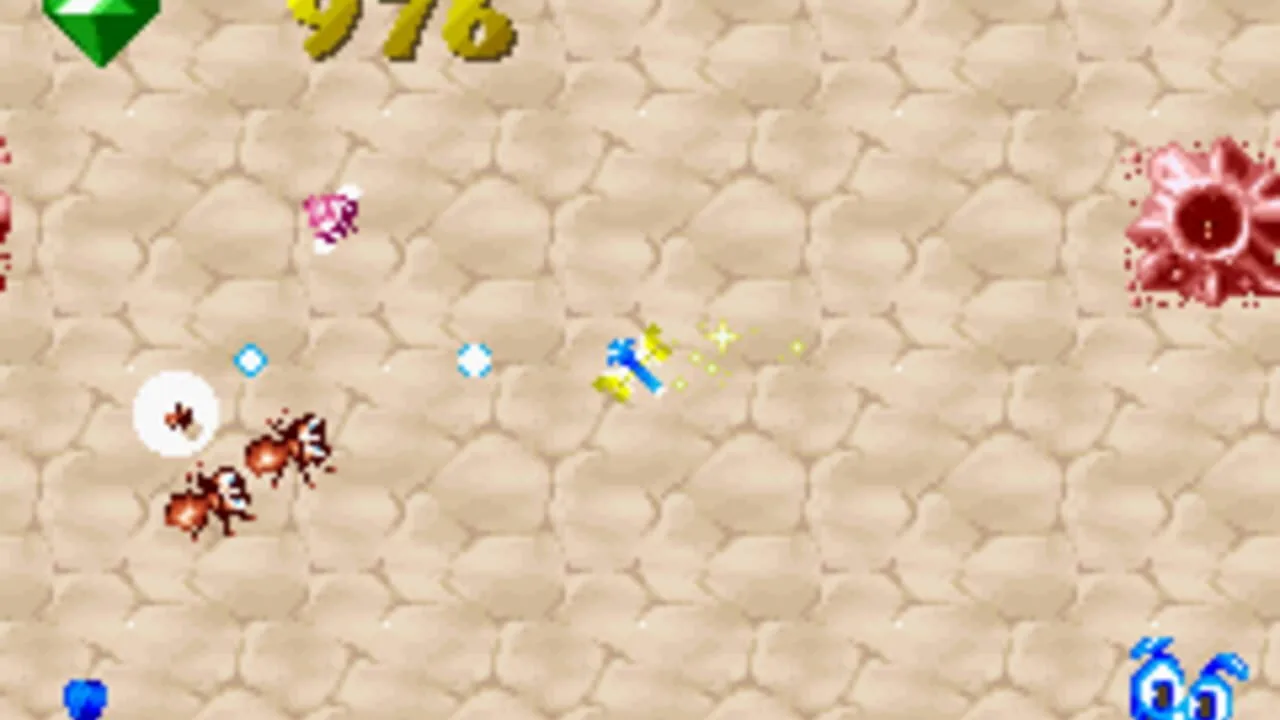
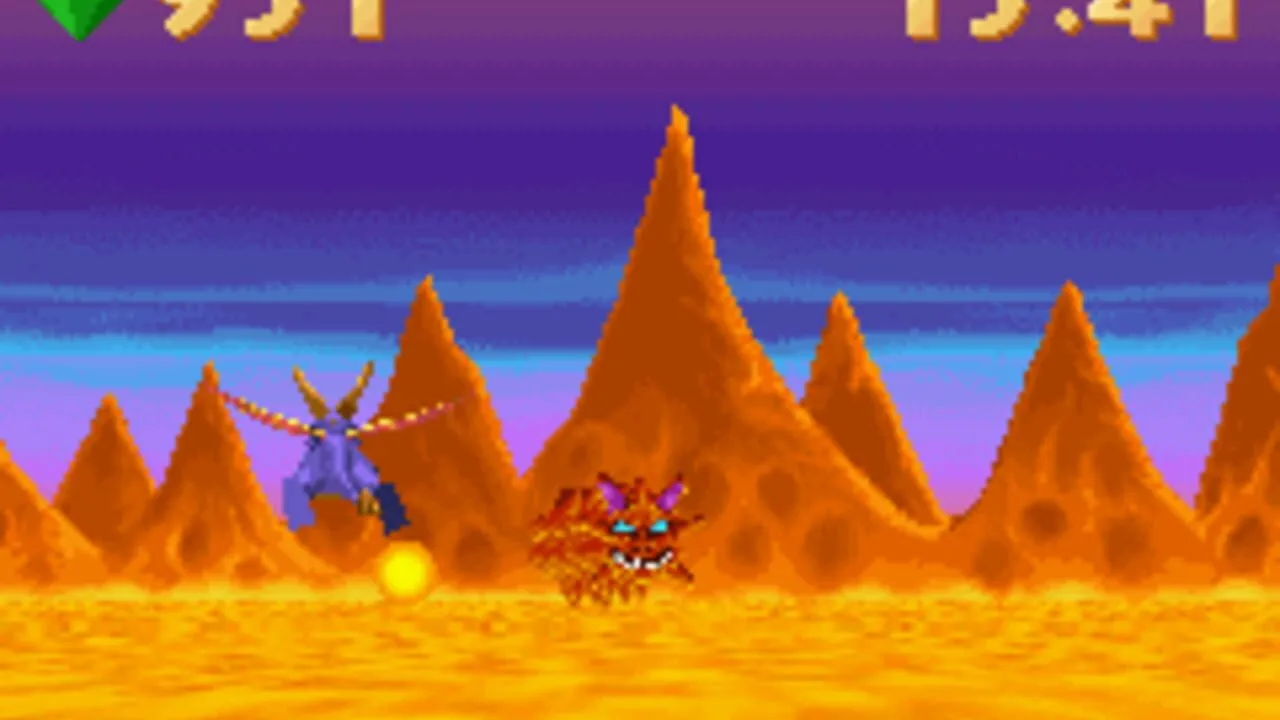
Season of Ice is the first Spyro game not developed by Insomniac Games and the first on the Game Boy Advance. The camera looks down from an isometric overhead angle, but Spyro keeps his flame breath and glide. Your job is to release fairies from their ice prisons and beat the villain Grendor twice. Some portals lead to flying levels that use Mode 7 to fake a 3D landscape, and Money Bags will let Sparx through certain portals for a fee.
Reviews were mixed, yet it sold 1 million copies in the United States by August 2006. A lot of kids clearly had this cartridge. If you collect every gem and fairy, a new portal opens to an extra game called "Dragonfly X", which is a nice reward for the completionists.
13. DK: King of Swing (2005)
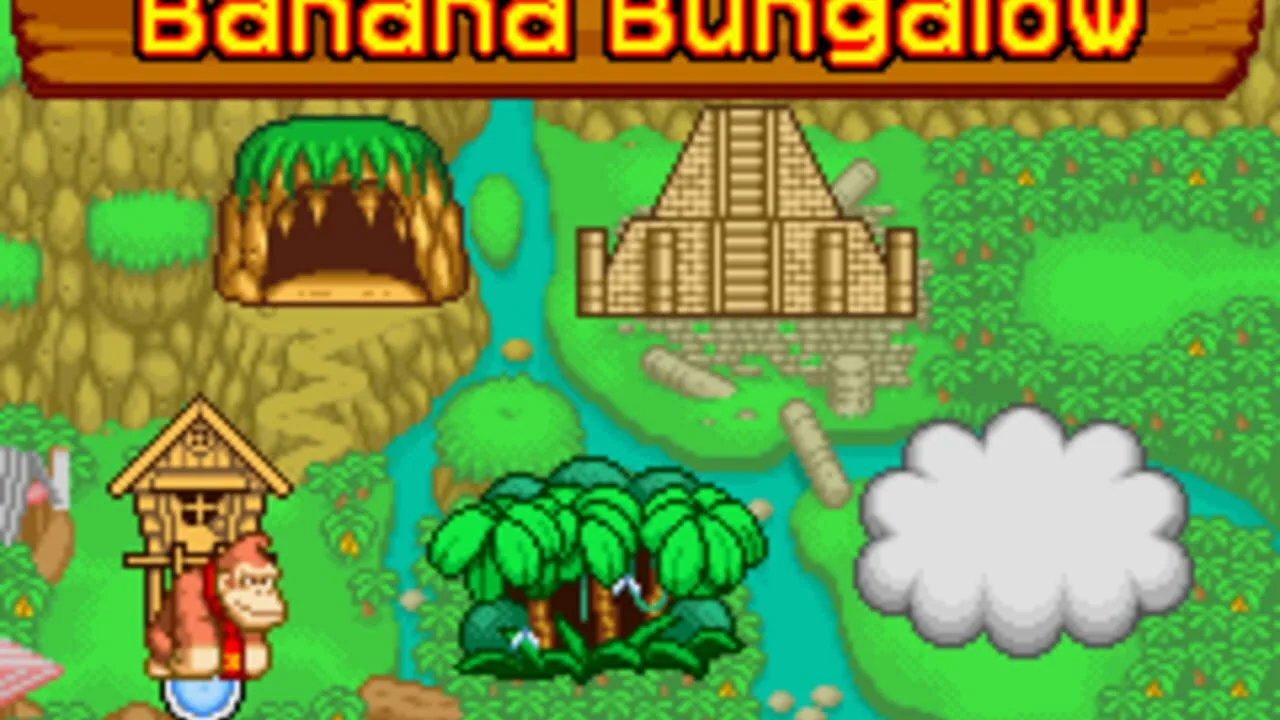
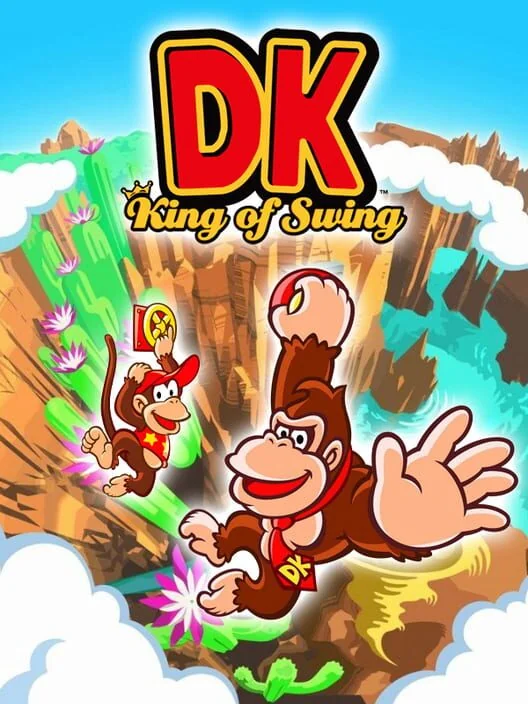
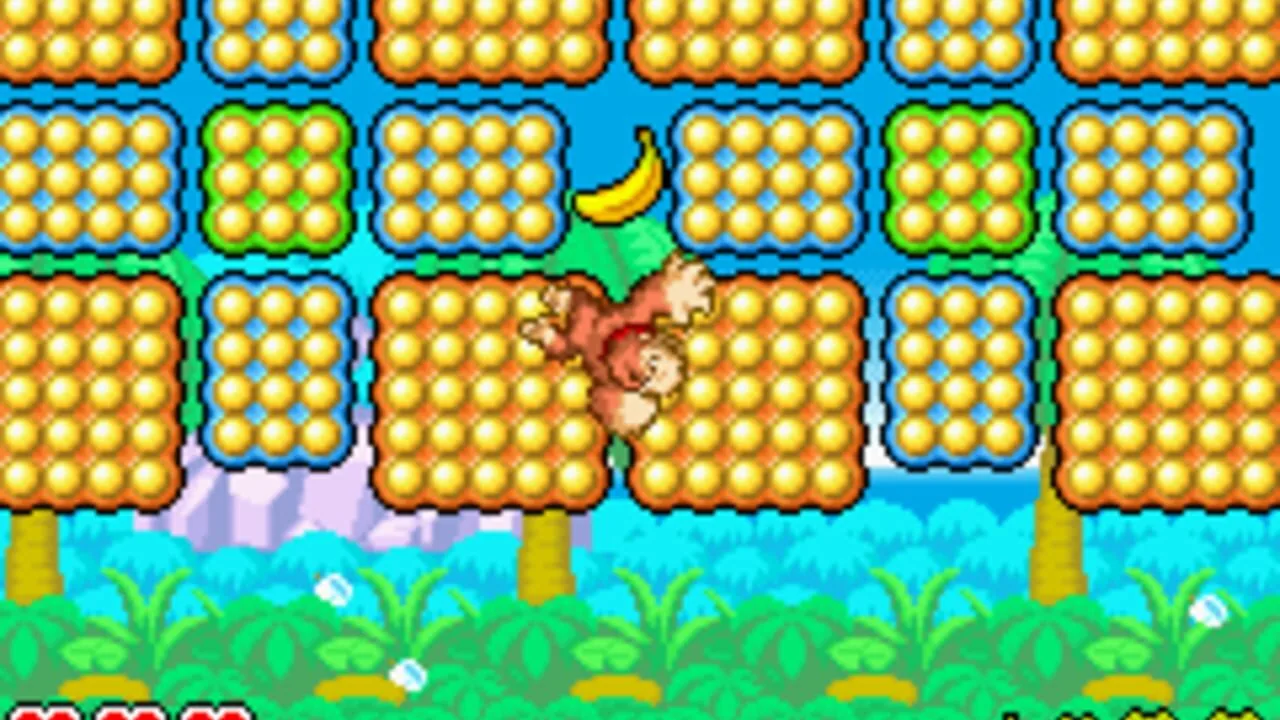
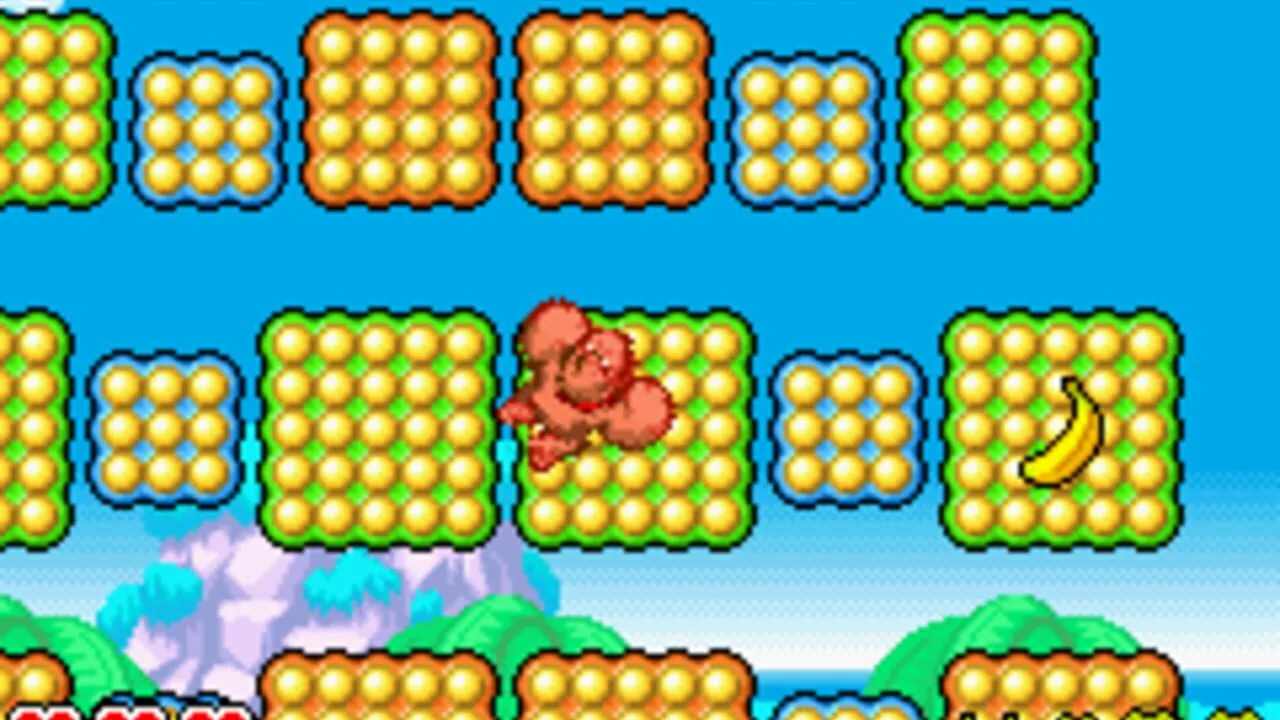
King of Swing barely lets Donkey Kong walk. A unique control system lets you swing through the trees and spin to build up momentum for a mighty leap. The story is a jungle ceremony gone wrong: it is time to choose the king of the jungle, but King K. Rool has stolen the special medallion meant for the winner. Along the way you rescue Diddy, Dixie, and Funky Kong from his minions.
The levels mix platforming with puzzles. You grab gears and spin to crank doors open, and some bolts loosen as you spin, so a careless move sends you falling. In Japan it was called Swinging Donkey. A DS sequel, DK: Jungle Climber, followed in 2007 and was generally considered an improvement over King of Swing.
12. Donkey Kong Country 3 (2005)
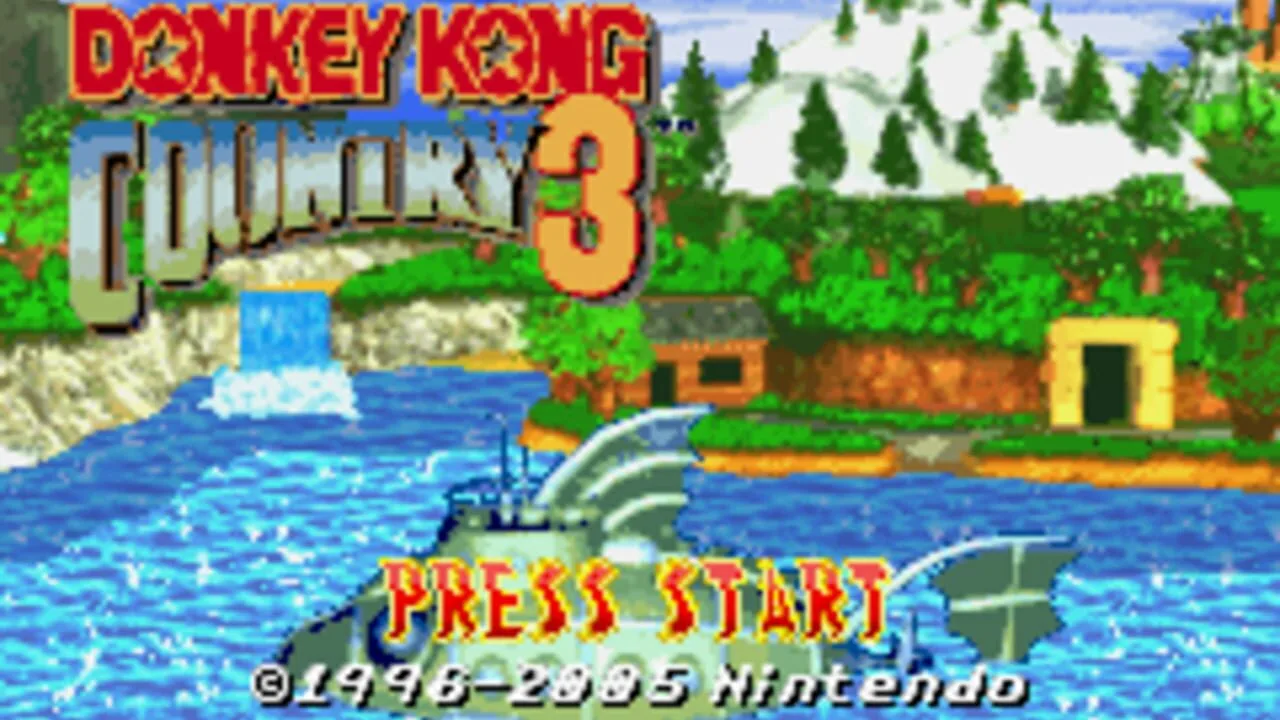
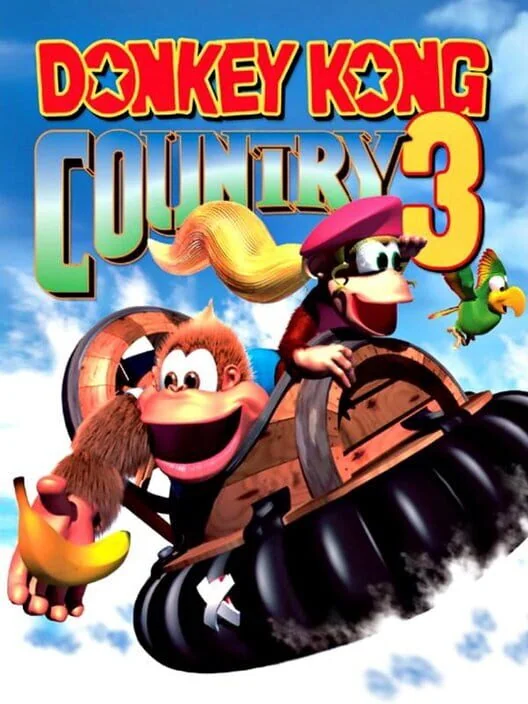
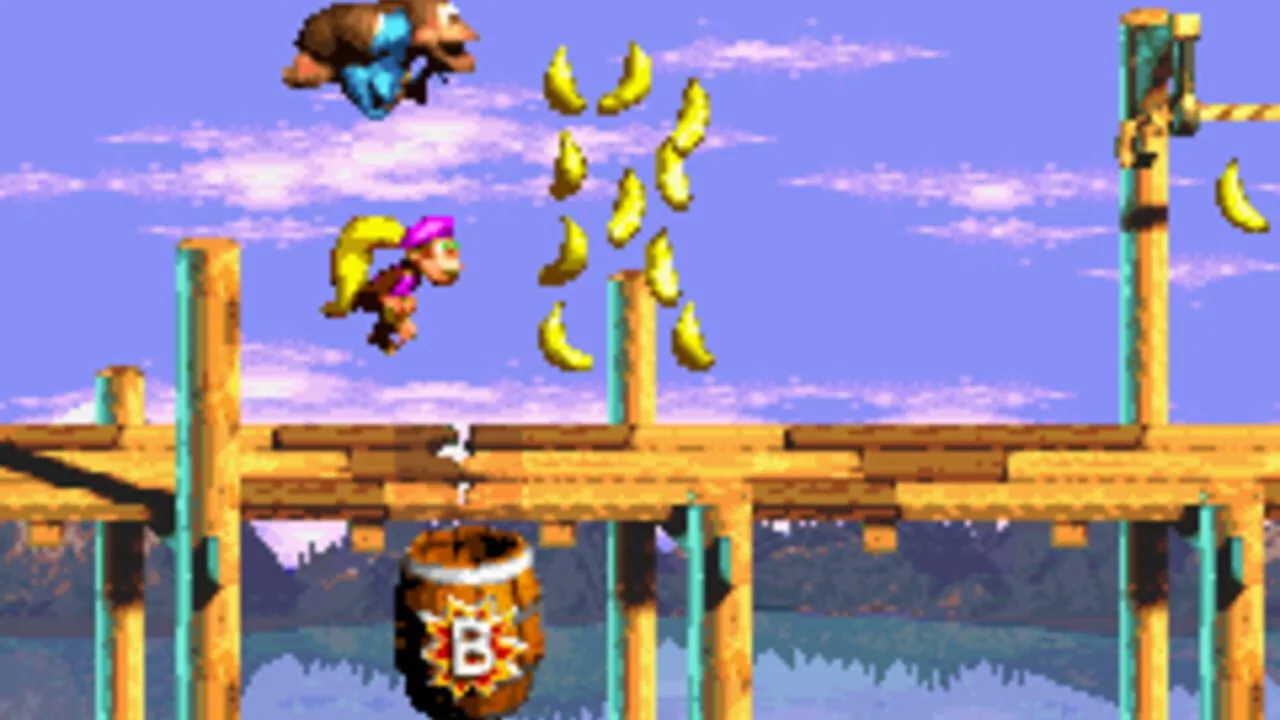
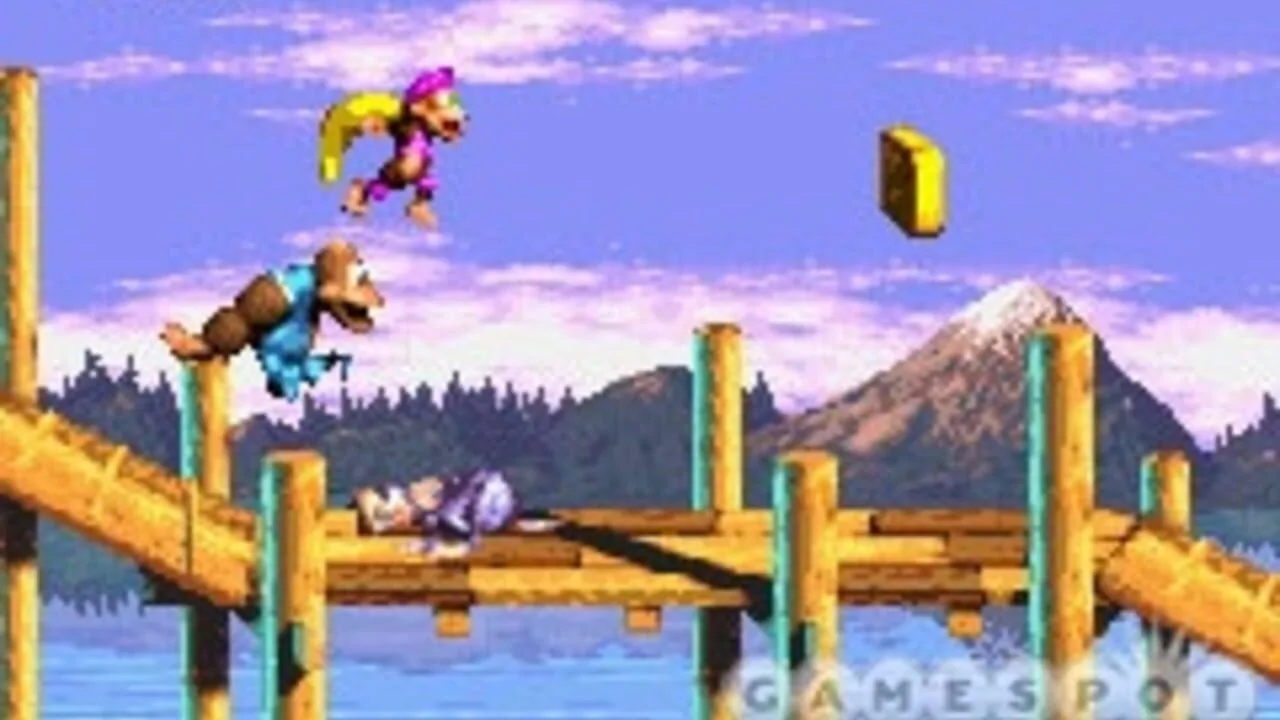
Dixie Kong's Double Trouble! is the third Donkey Kong Country and the sequel to 1995's Donkey Kong Country 2: Diddy's Kong Quest. It was re-released for the Game Boy Advance in 2005. Tim Stamper directed it. This time the Kongs head to the Northern Kremisphere, a fictionalized version of northern Europe and Canada.
Critics praised the visuals and various aspects of gameplay but noted a lack of innovation. One critic felt its music stands out the least of the three games, while still calling it an "impressive effort". The visuals still look sharp on the small screen, and a lot of players have yet to try it.
11. Klonoa: Empire of Dreams (2001)
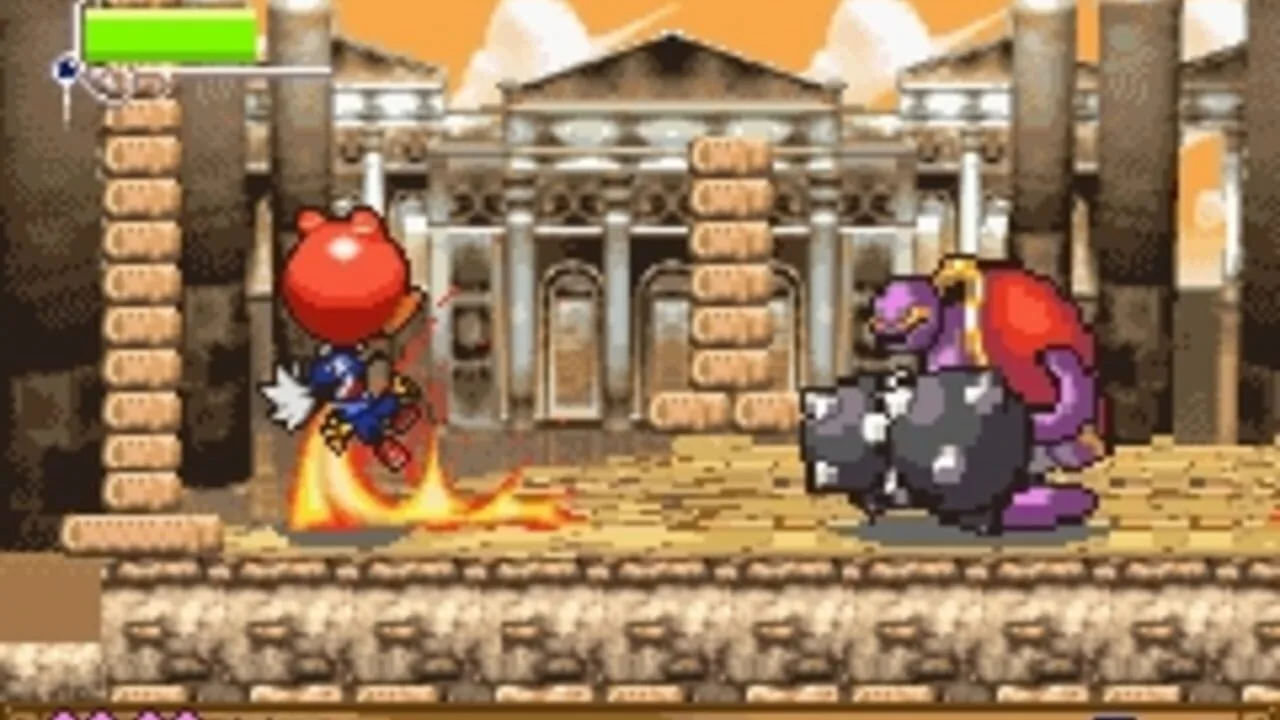
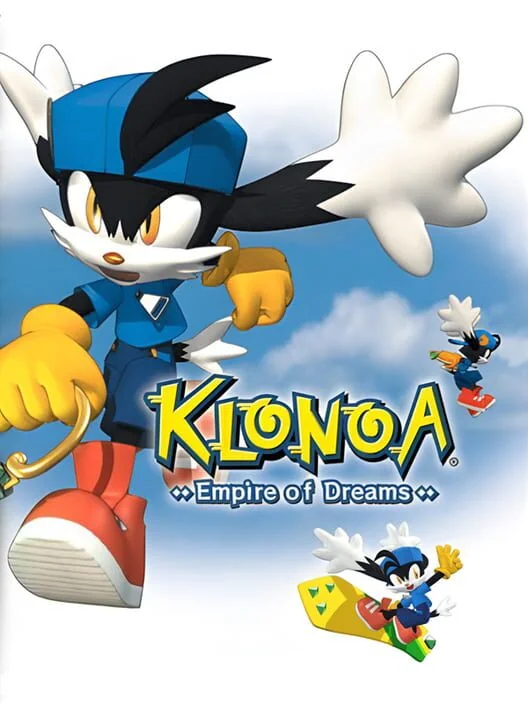
Empire of Dreams is a Klonoa side story, falling somewhere between Door to Phantomile and Lunatea's Veil. Klonoa wakes up in the Empire of Jillius and gets dragged before the emperor, who tells him he broke the sacred law of the kingdom by dreaming. The emperor suffers from insomnia, and he decrees that if he cannot dream, nobody can. A very relatable villain. To win his freedom, Klonoa has to defeat four great monsters.
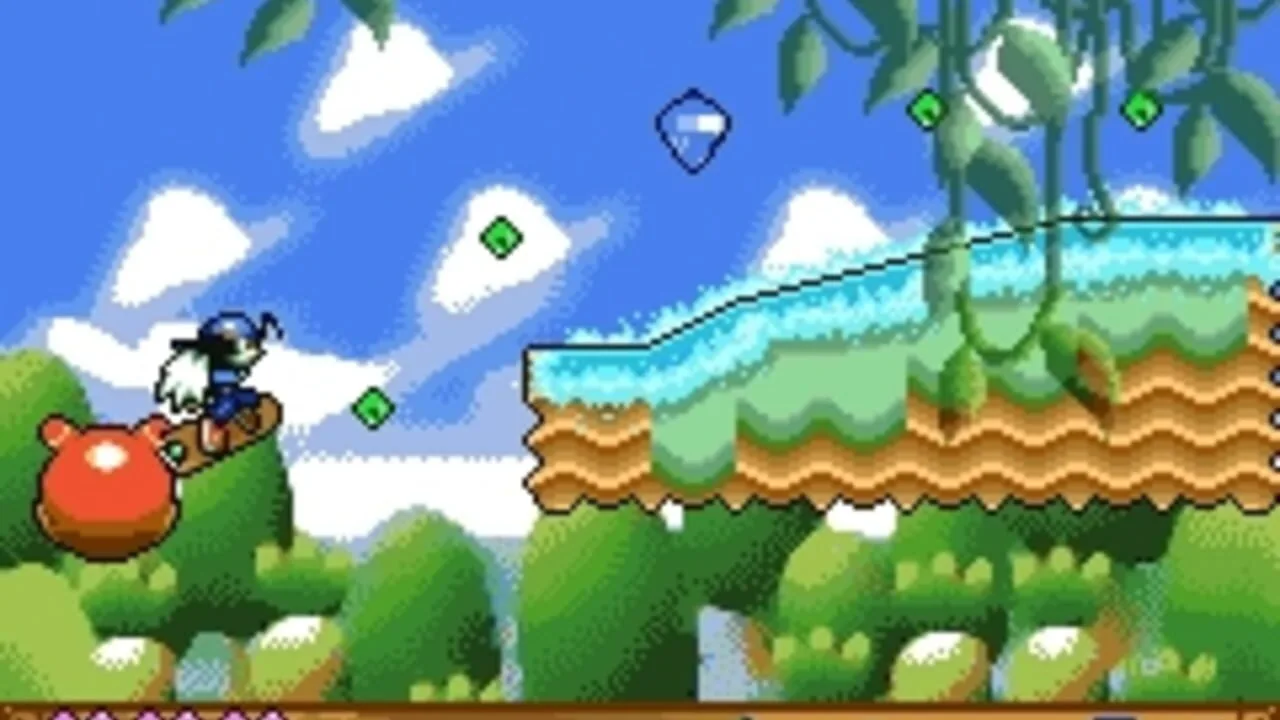
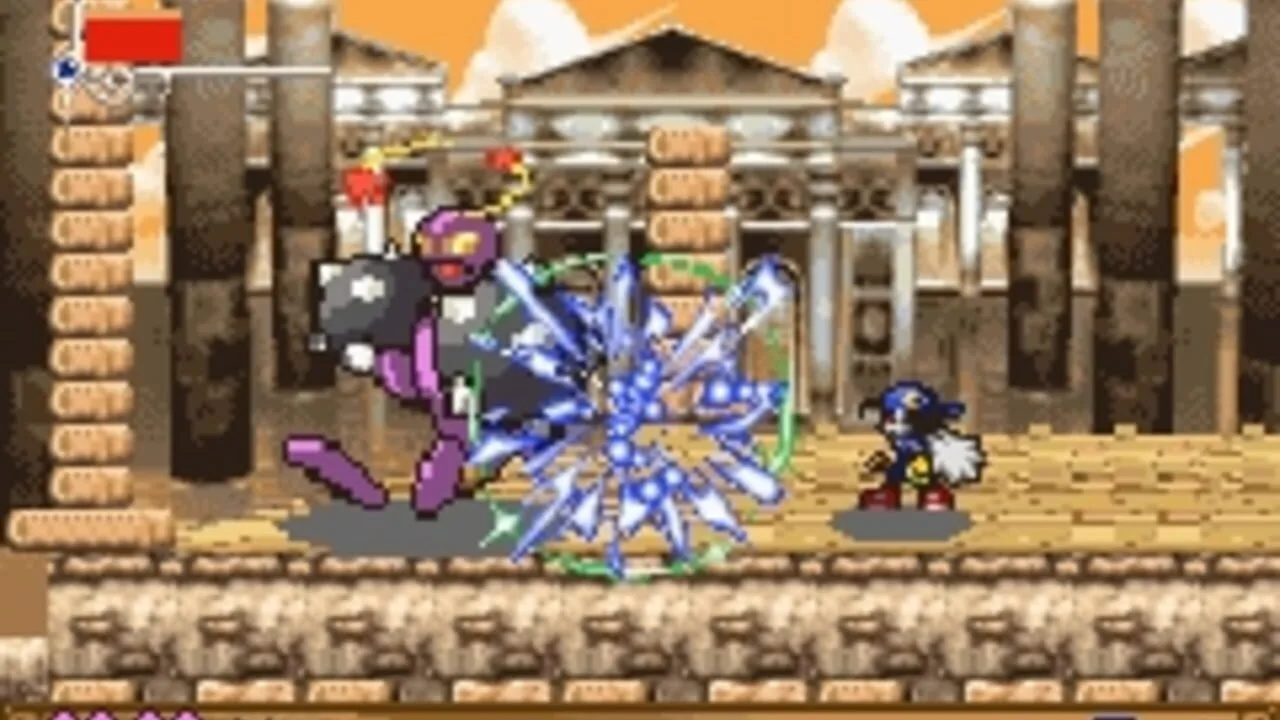
The play is cleverer than it looks. Klonoa's Wind Ring draws an enemy in so he can lift it over his head, then throw it or use it for a double-jump. You finish a stage by collecting three stars and finding the exit. Hideo Yoshizawa, who had worked on all the previous Klonoa games, produced it.
10. Banjo-Kazooie: Grunty's Revenge (2003)
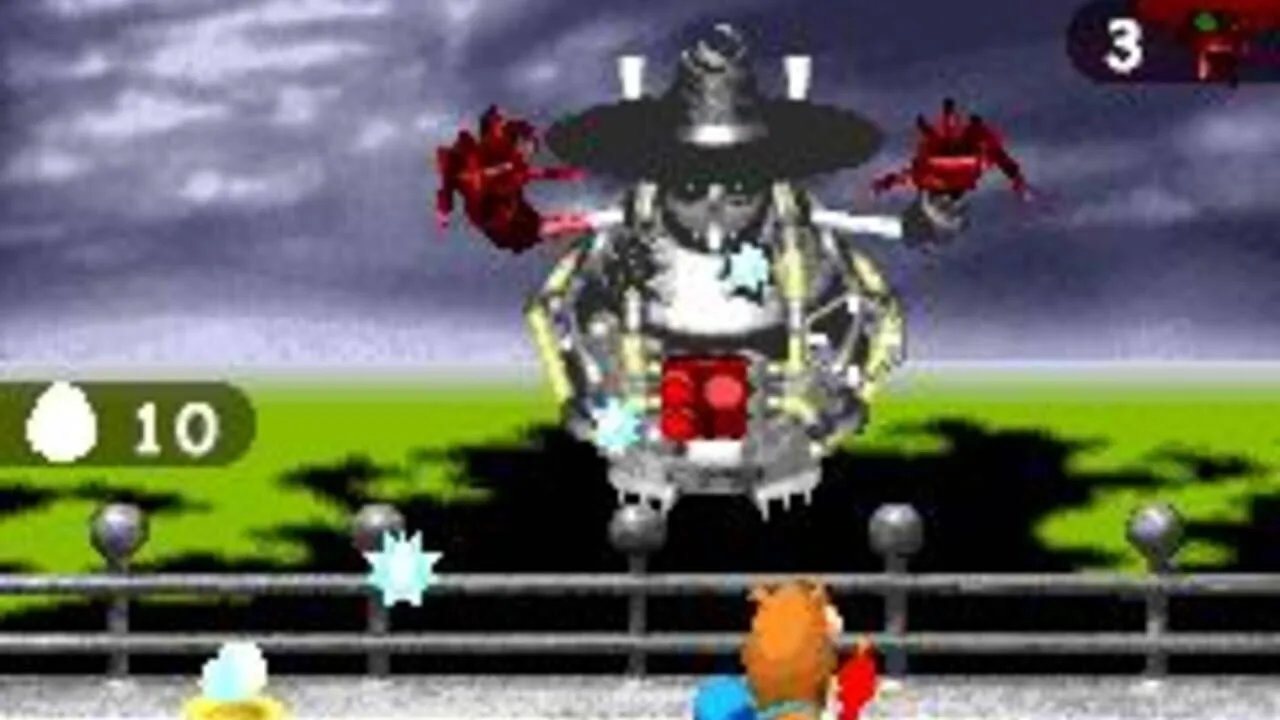
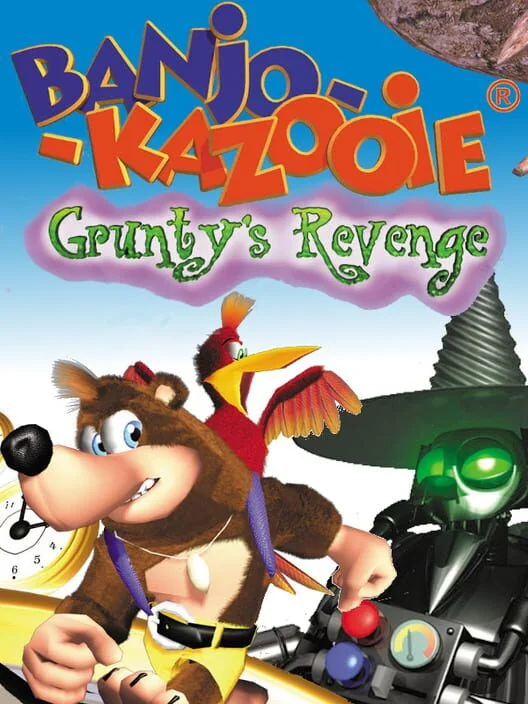
Grunty's Revenge started life as Grunty's Curse, planned for the Game Boy Color with a different plot. Rare halted production in late 1999 and revived it after Nintendo released the GBA. By then Microsoft had bought Rare, so THQ published it, making it the first game in the series not published by Nintendo. It came out in North America on 15 September 2003.
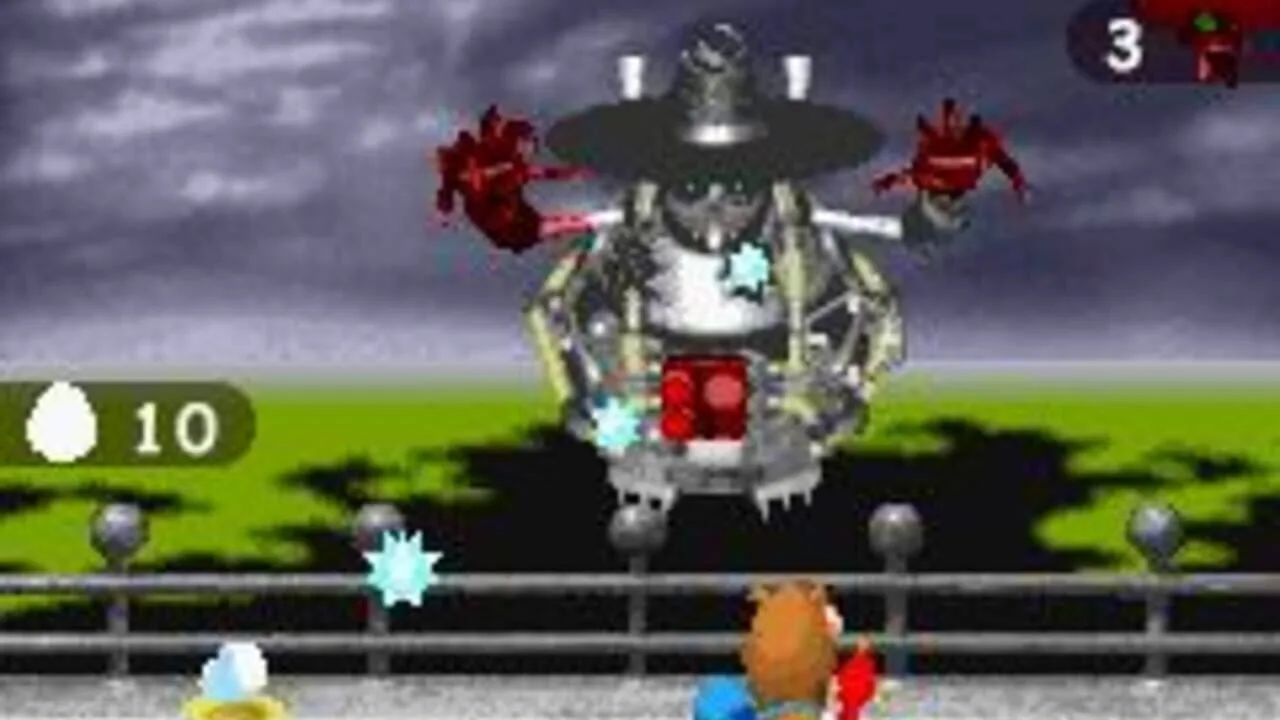
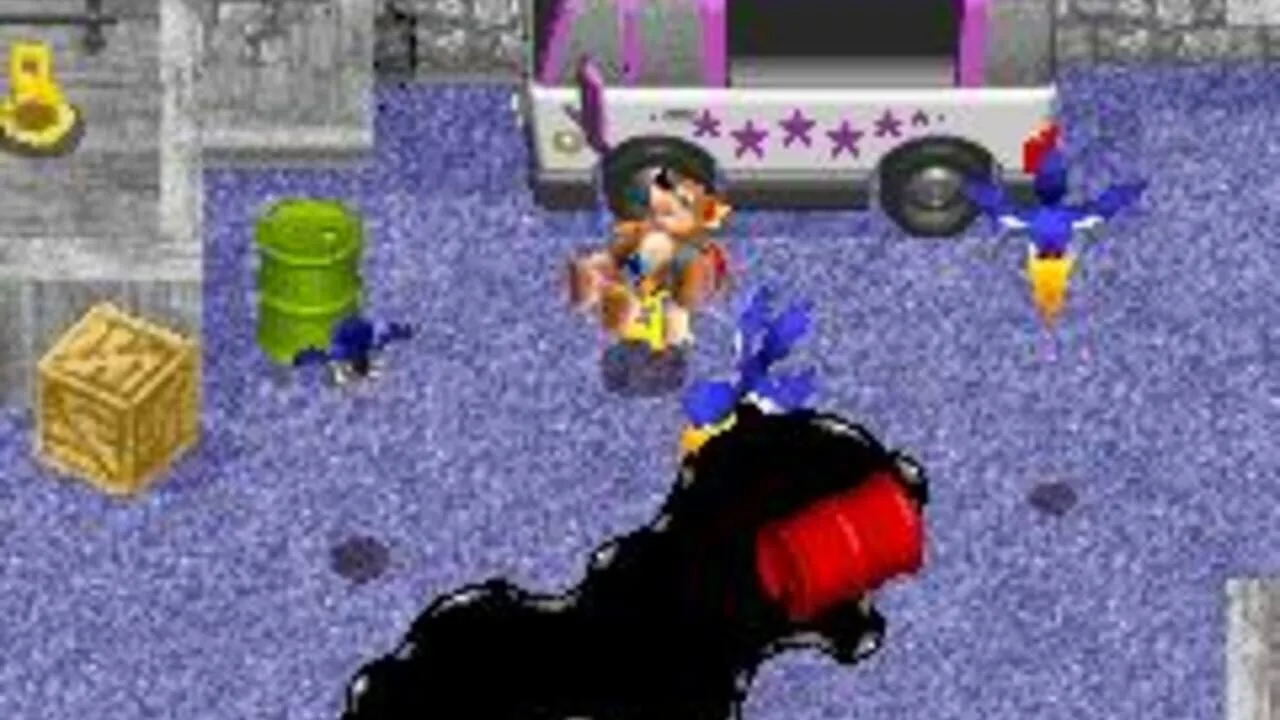
Gruntilda is back, and Banjo and Kazooie travel through time to stop her. Collecting golden musical notes lets Banjo buy three additional abilities from a mole named Bozzeye. Critics praised how its look and play compared to the N64 games, and they criticised its low difficulty and short length. For a young fan who wanted more Banjo, that was a fair trade.
9. Sonic Advance 2 (2002)
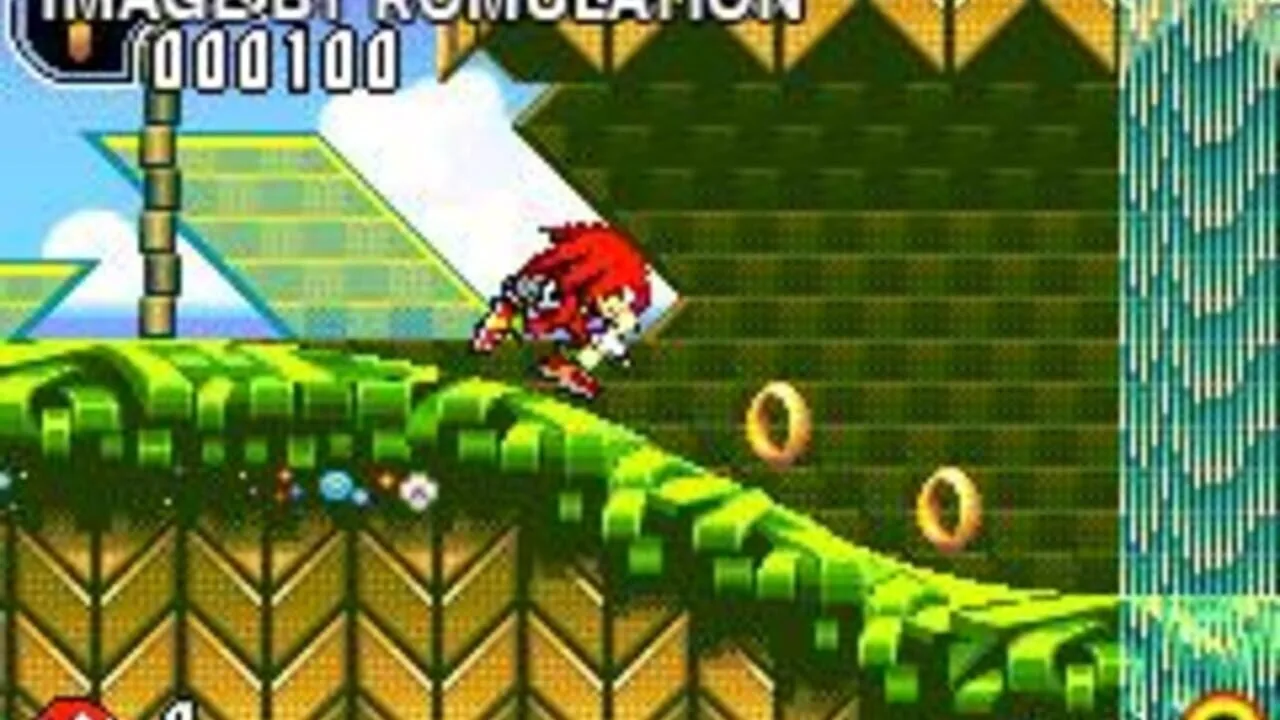
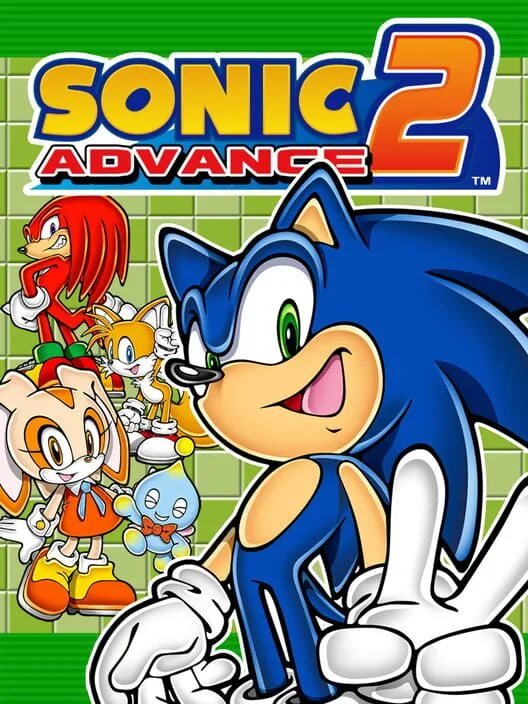
Sonic Advance 2 was programmed using an updated version of the original's game engine, and the team aimed to make the game larger and faster-paced than the original. You feel it from the first stage. Cream the Rabbit joins the cast as a new playable character, though you must complete the game as Sonic to unlock the others. Special rings hidden in each stage open the bonus stages, and the Chaos Emeralds turn Sonic into Super Sonic for the final battle with Dr. Eggman.
The main development period lasted eight months. Critics praised the updates over the original Advance and its improved replay value. Producer Yuji Naka said the team started on the concept right after the first game was done. If you like your Sonic at full speed, start here.
8. Goodboy Galaxy (2023)
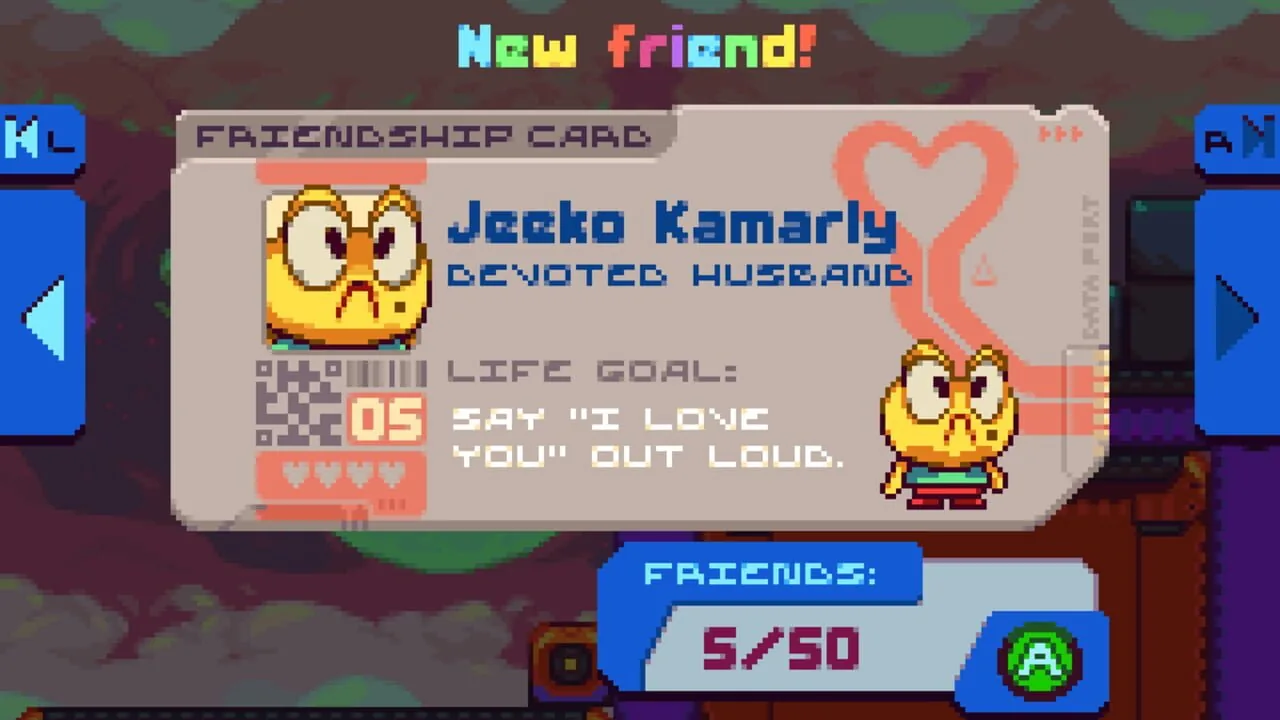
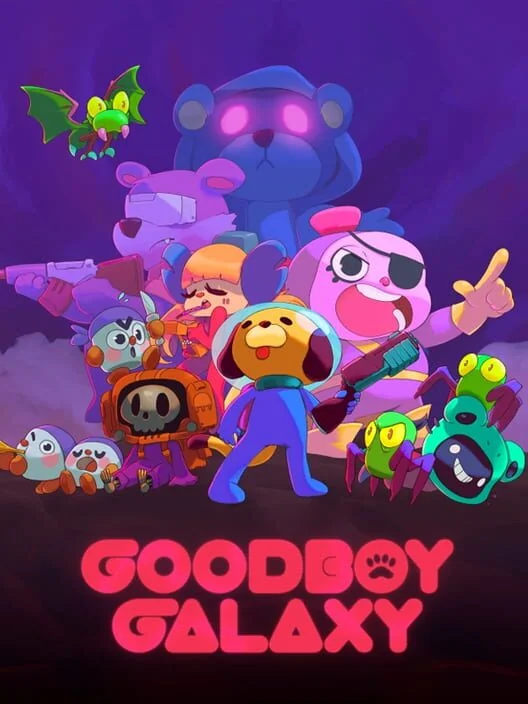
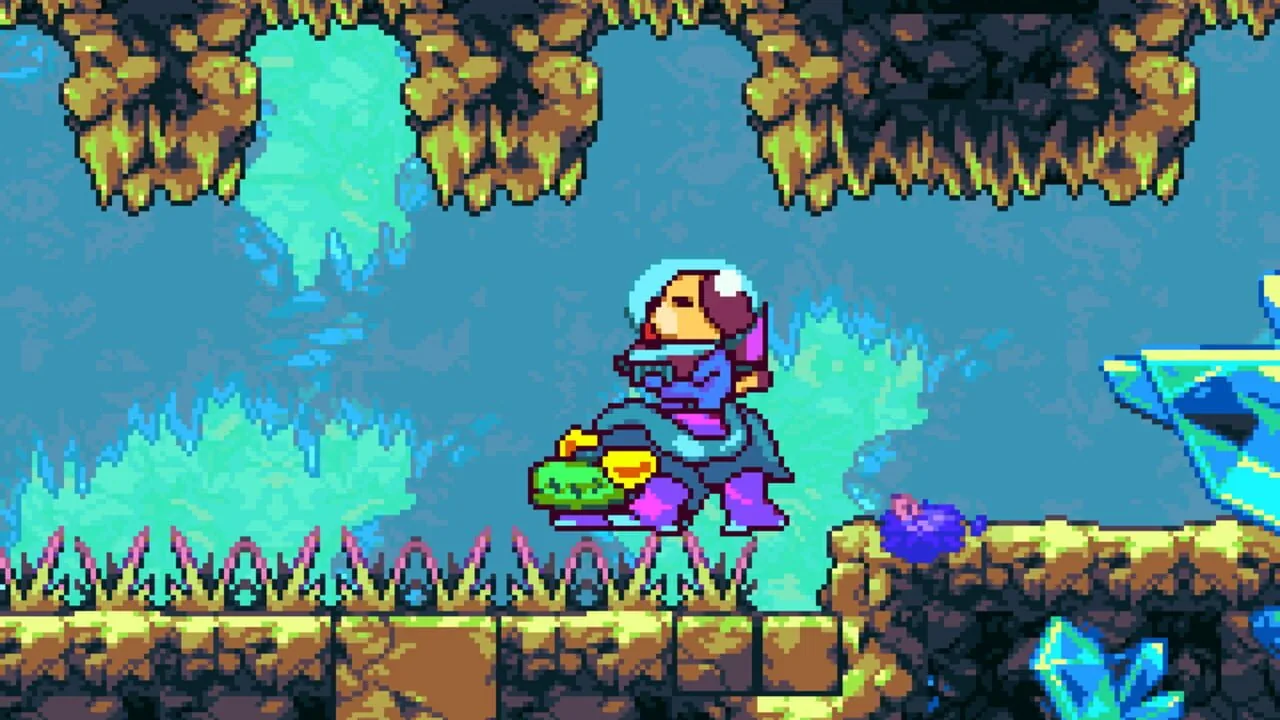
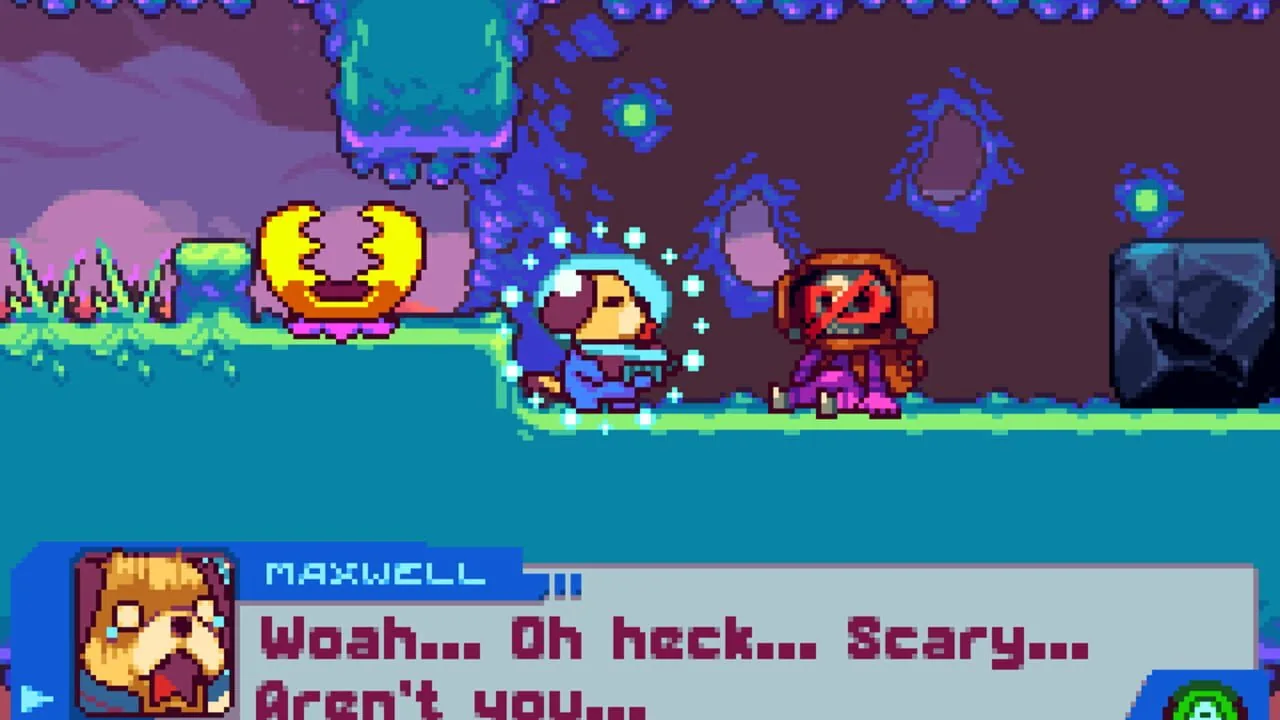
Goodboy Galaxy was made for the Game Boy Advance by Rik Nicol and Jeremy Clarke, and it is the first full commercial Game Boy Advance release in over 13 years. You play Maxwell, a space-travelling dog stranded on an unknown planet after his spaceship is attacked. He needs every weapon and friend he can find to get rescued, and there are over fifty unique characters to befriend.
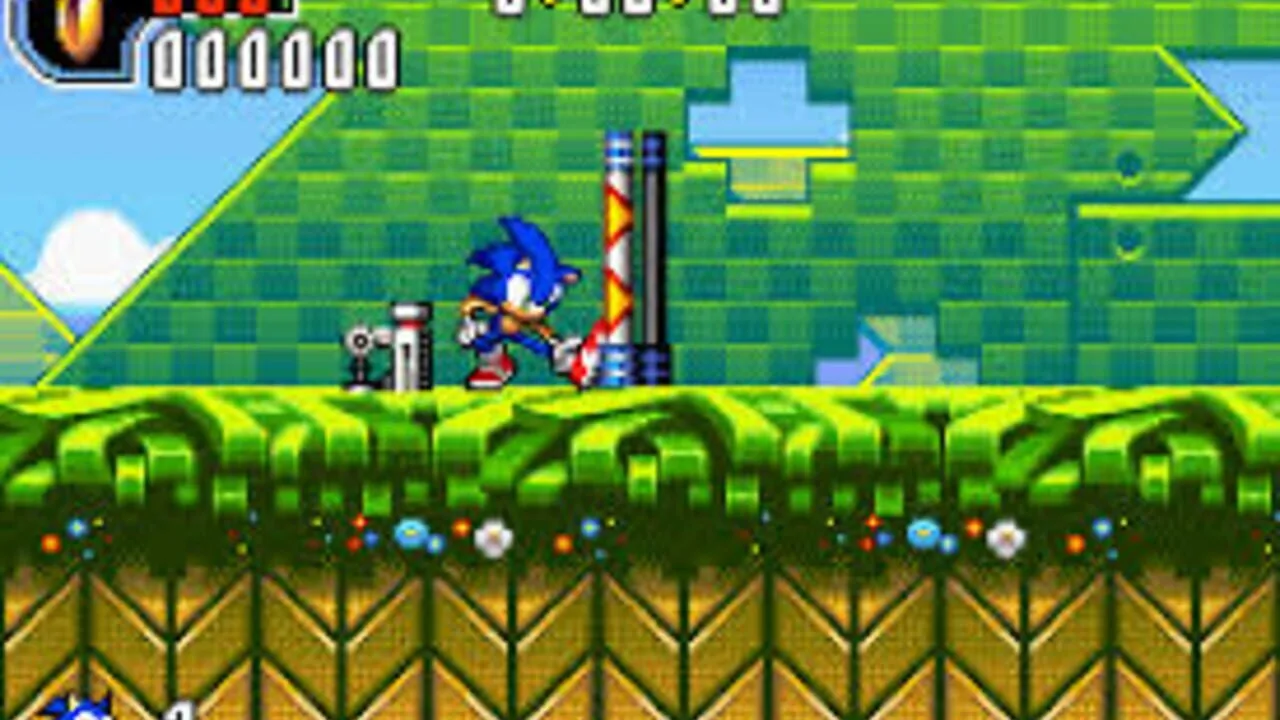
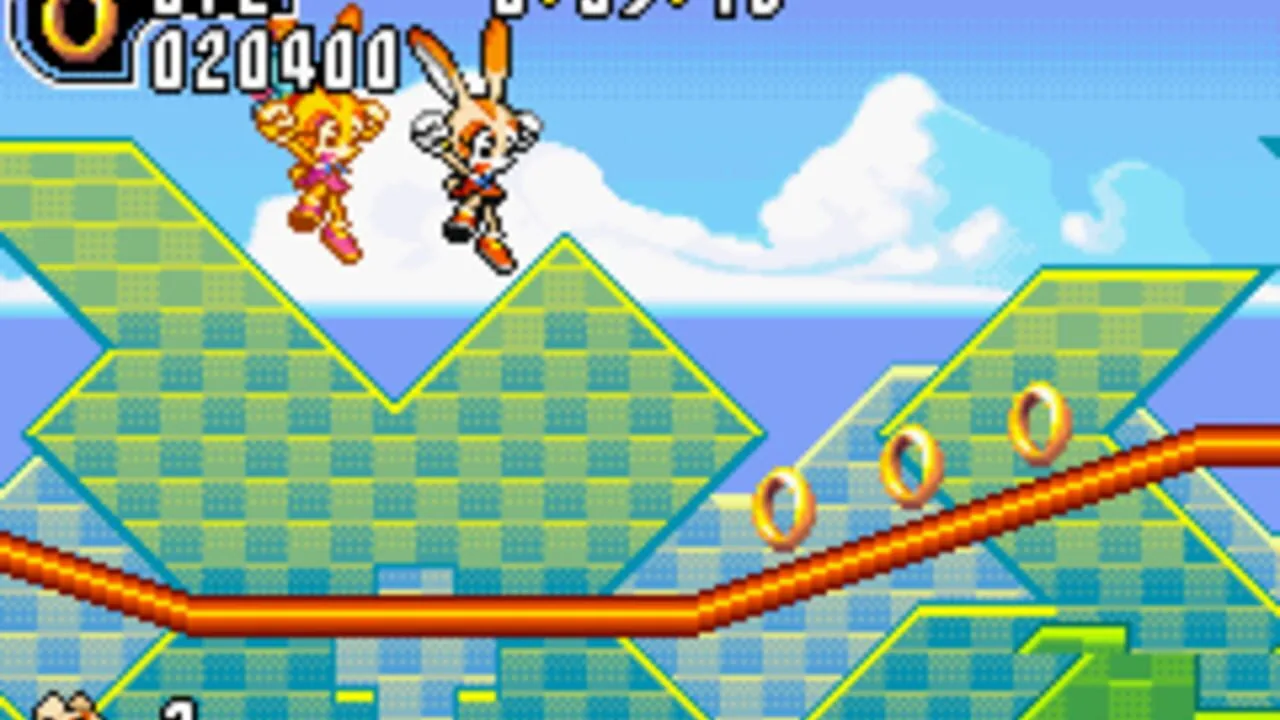
The developers describe it as an "exploration platformer", inspired by Metroid and Cave Story. Clarke is a big fan of Yoshi's Island and insisted on a similar cave level with waterfalls, and Sonic Advance 2 and Sonic Advance 3 inspired some of its background tricks. Crowdfunding raised £203,929 to finish it. A new GBA game this good, two decades late, is the best kind of surprise.
7. Donkey Kong Country (2003)
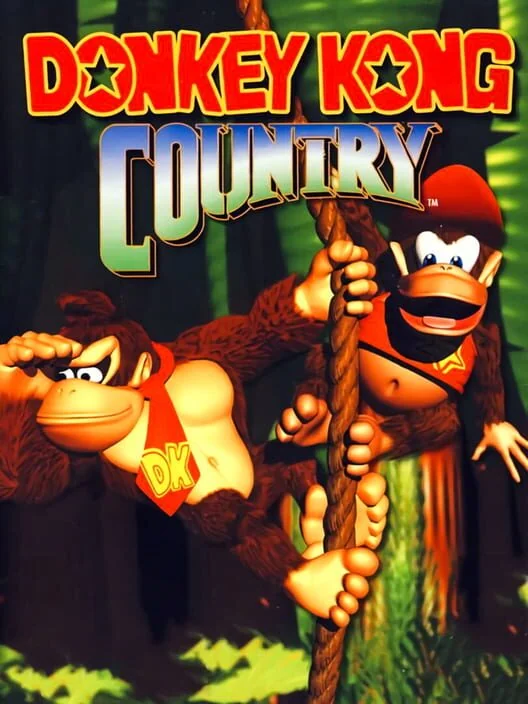
Donkey Kong Country came to the GBA in 2003 as a port of Rare's Super Nintendo hit. That original was a huge deal. It was one of the first home console games to feature pre-rendered graphics, made by turning 3D models into SNES sprites with little loss of detail. With 9.3 million copies sold worldwide, it is the third-bestselling SNES game, and it was the first Donkey Kong game neither produced nor directed by Shigeru Miyamoto.
Rare assembled 12 developers to work on it over 18 months. One of its composers wrote his favourite track after a recent breakup, which made him feel as if he was drowning. The boss theme was inspired by the Nine Inch Nails song "March of the Pigs". The GBA version puts all of that in your pocket.
6. Kirby & the Amazing Mirror (2004)
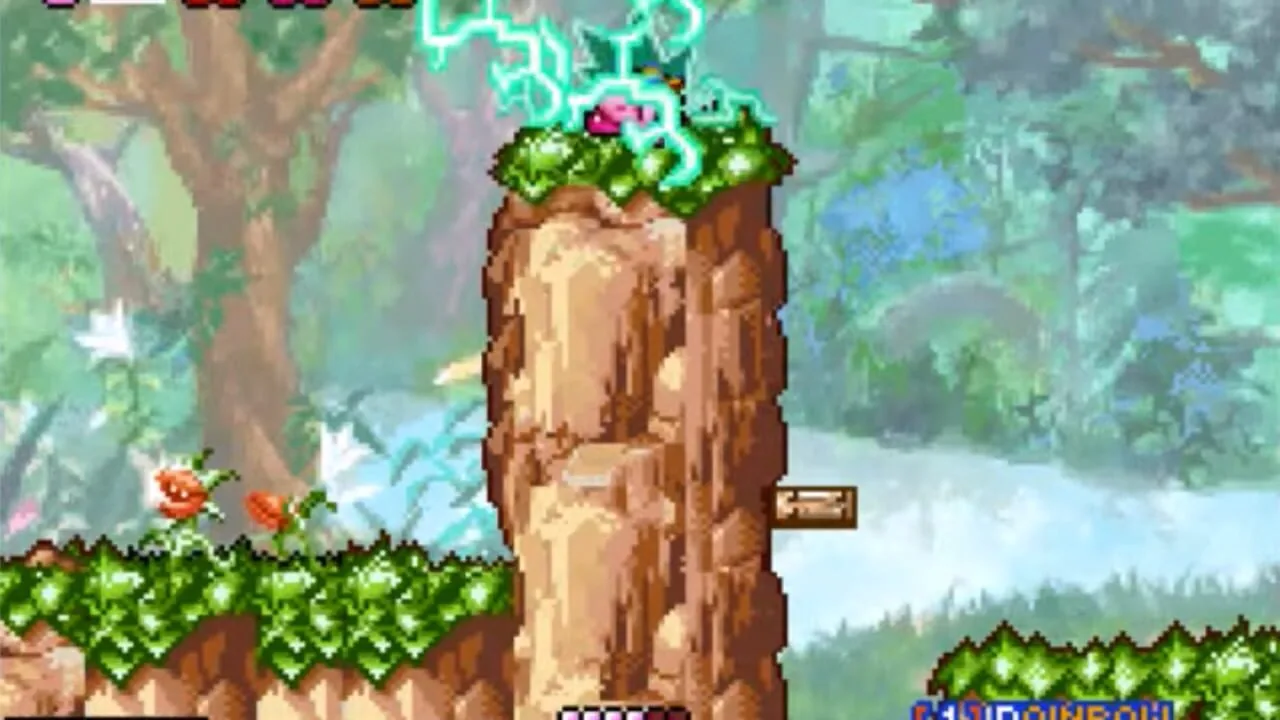
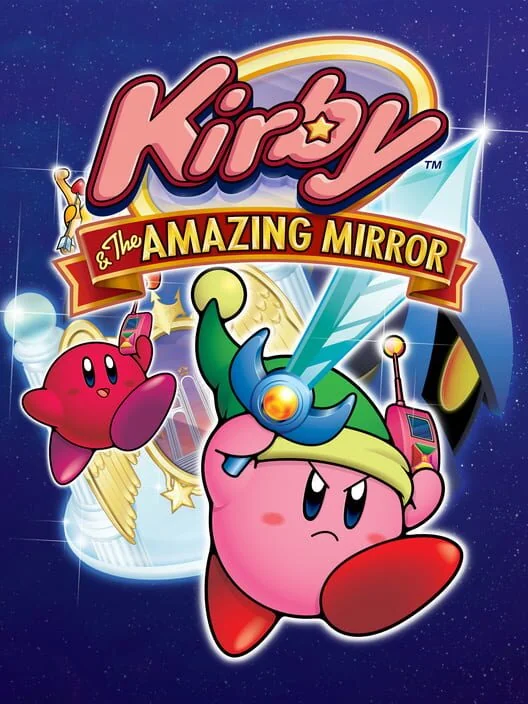
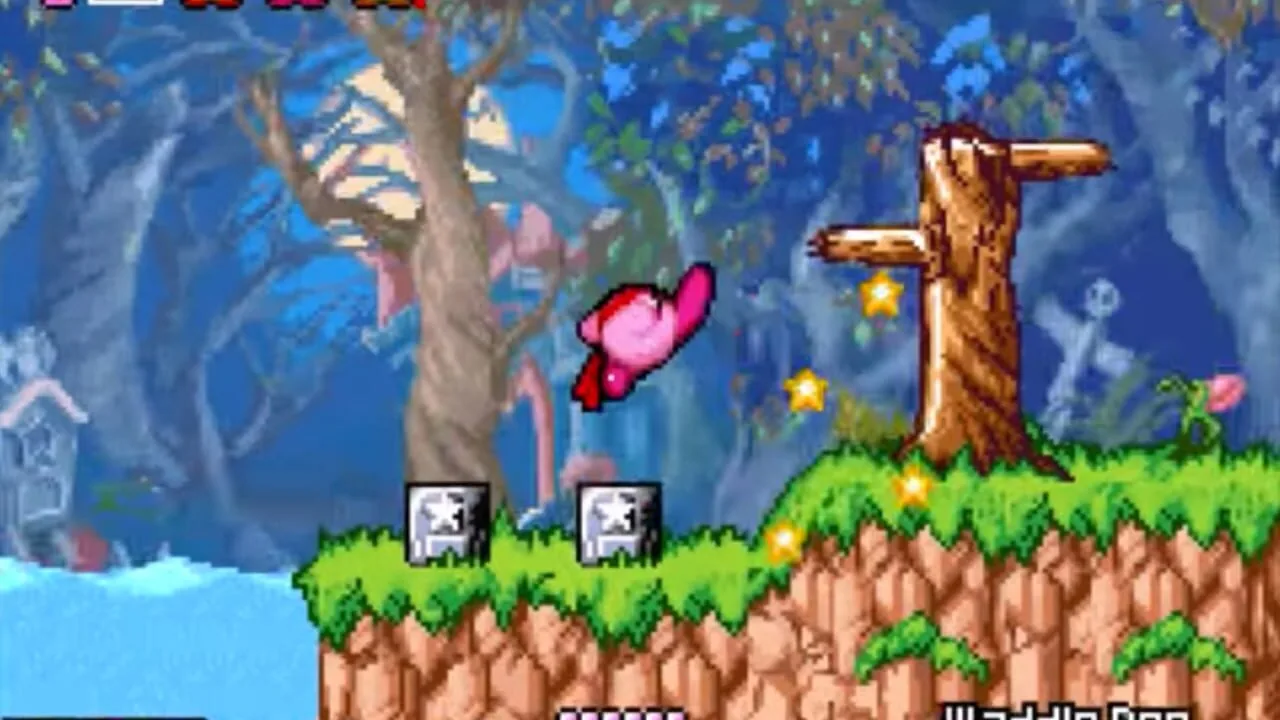
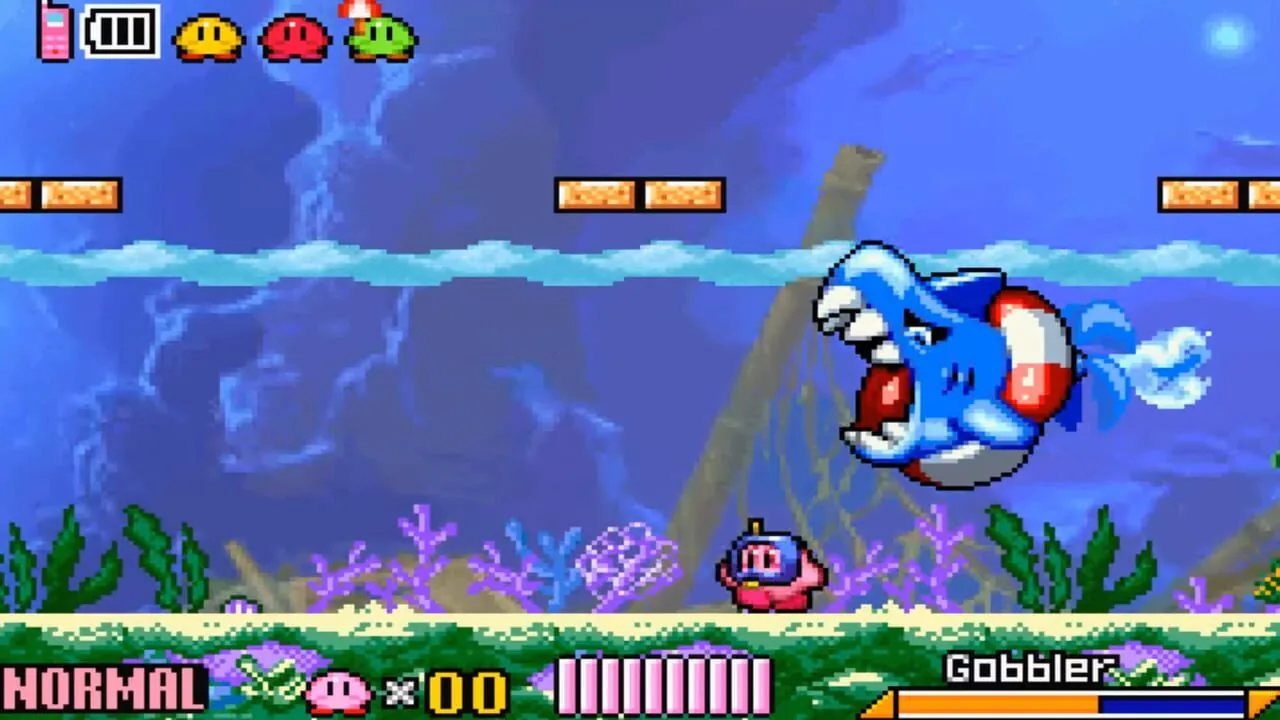
The Amazing Mirror is a Kirby game laid out like a Metroidvania. Dark Meta Knight traps Meta Knight inside the Dimension Mirror and breaks it into eight fragments. From the hub, the map branches out in several directions, and with the proper power Kirby can go anywhere in almost any order. Each area houses a major boss who holds a shard of the mirror.
As Kirby, you can call up one of four alter egos for help, and with friends it was the first Kirby to support cooperative four-player multiplayer. Hidden around the map are music sheets for a sound test and spray paint to recolor Kirby. In the United States it sold 620,000 copies by August 2006. Few Kirby games give you this much room to explore.
5. Mario vs. Donkey Kong (2004)
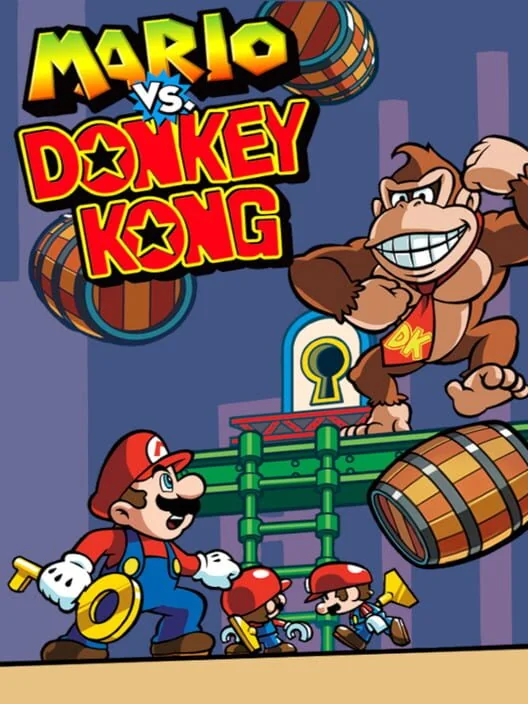
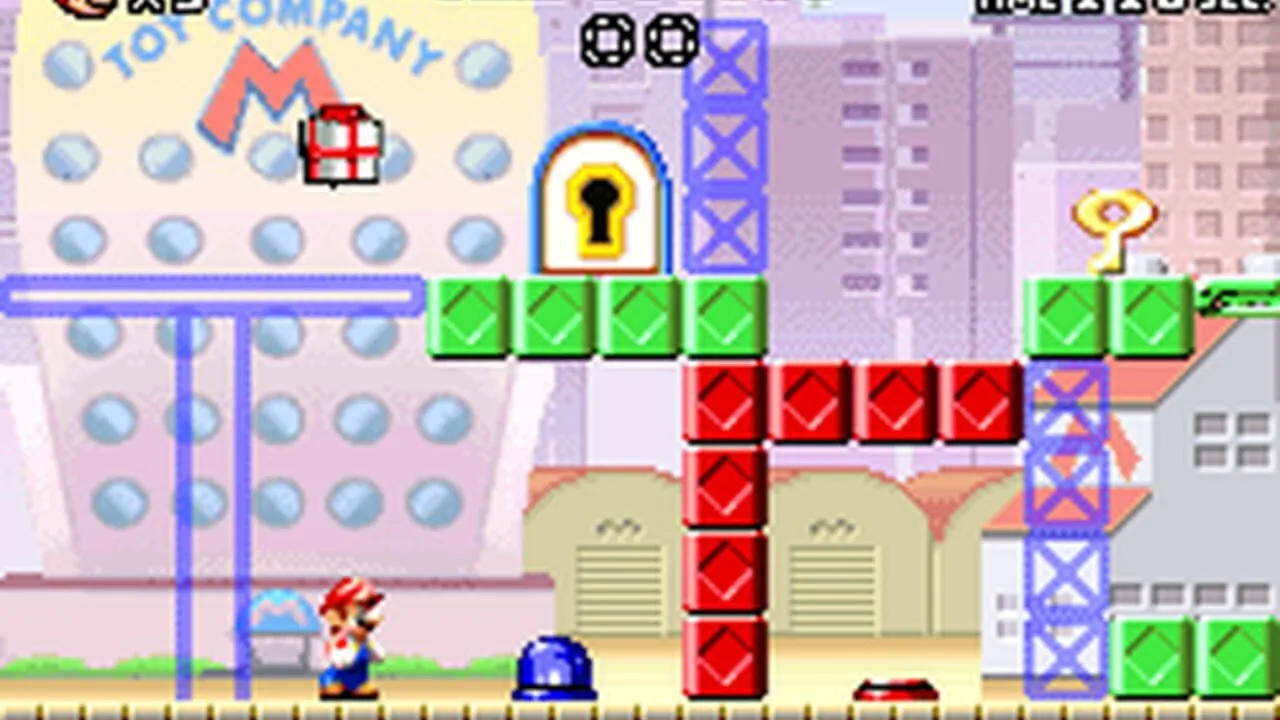
Mario vs. Donkey Kong begins with a very understandable crime. Donkey Kong sees a television advertisement for the Mini-Marios, falls in love with the toys and heads to the store, only to find that they are sold out. So he steals them all from the Mario Toy Co. Mario has to get them back, finding keys and releasing Mini Marios before time runs out.
It is a puzzle-platform game by Nintendo Software Technology and the spiritual successor to Donkey Kong, the 1994 Game Boy game. It grew out of Donkey Kong Plus, a title on display at E3 2002, and lost that version's Create-a-Level feature along the way. Reviews were positive. A DS sequel followed in 2006, and a Switch remake arrived in February 2024.
4. Sonic Advance 3 (2004)
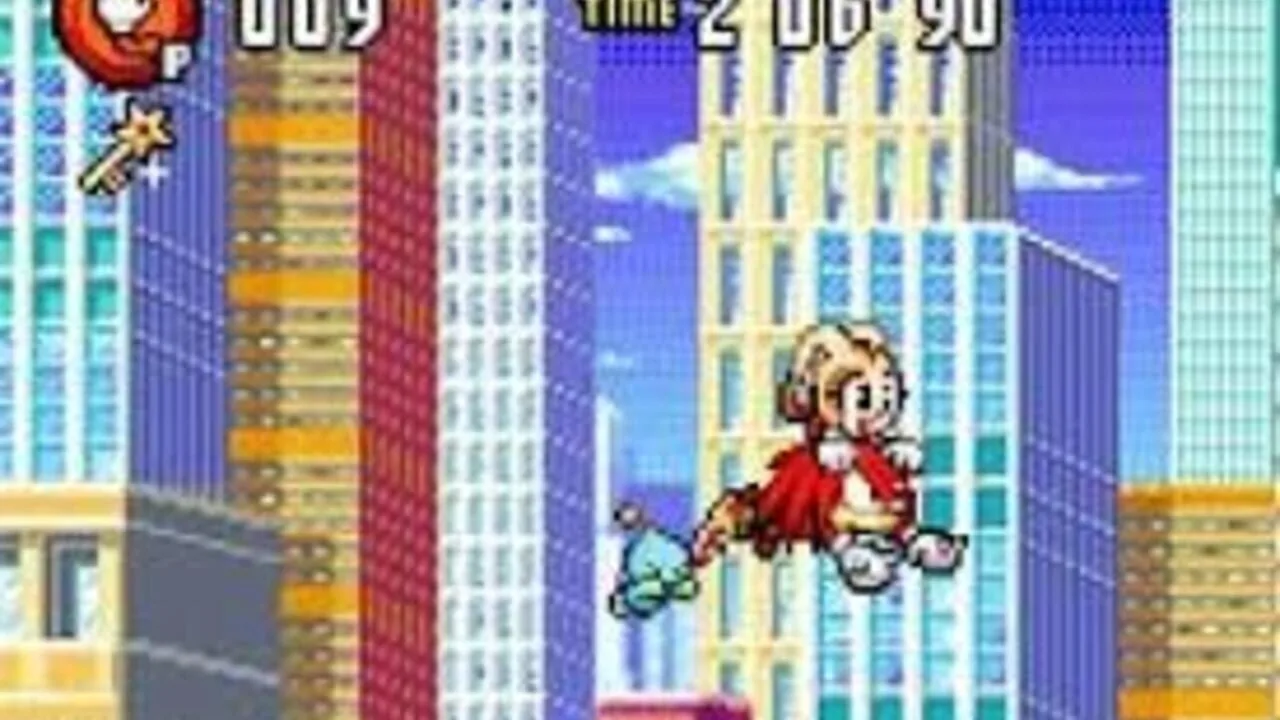
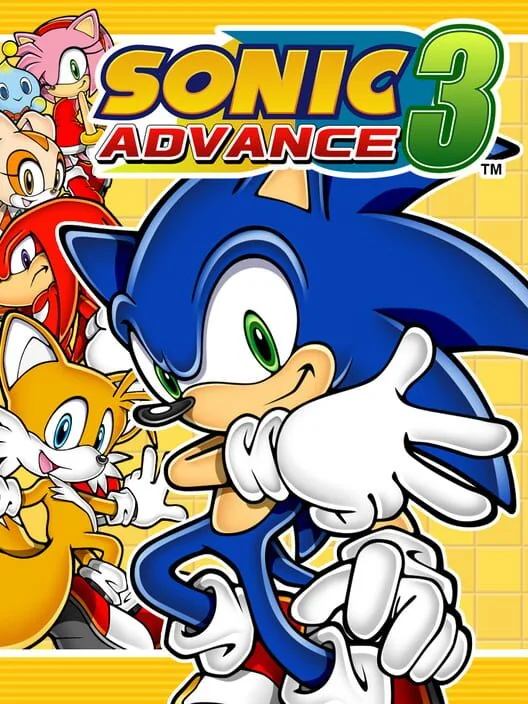
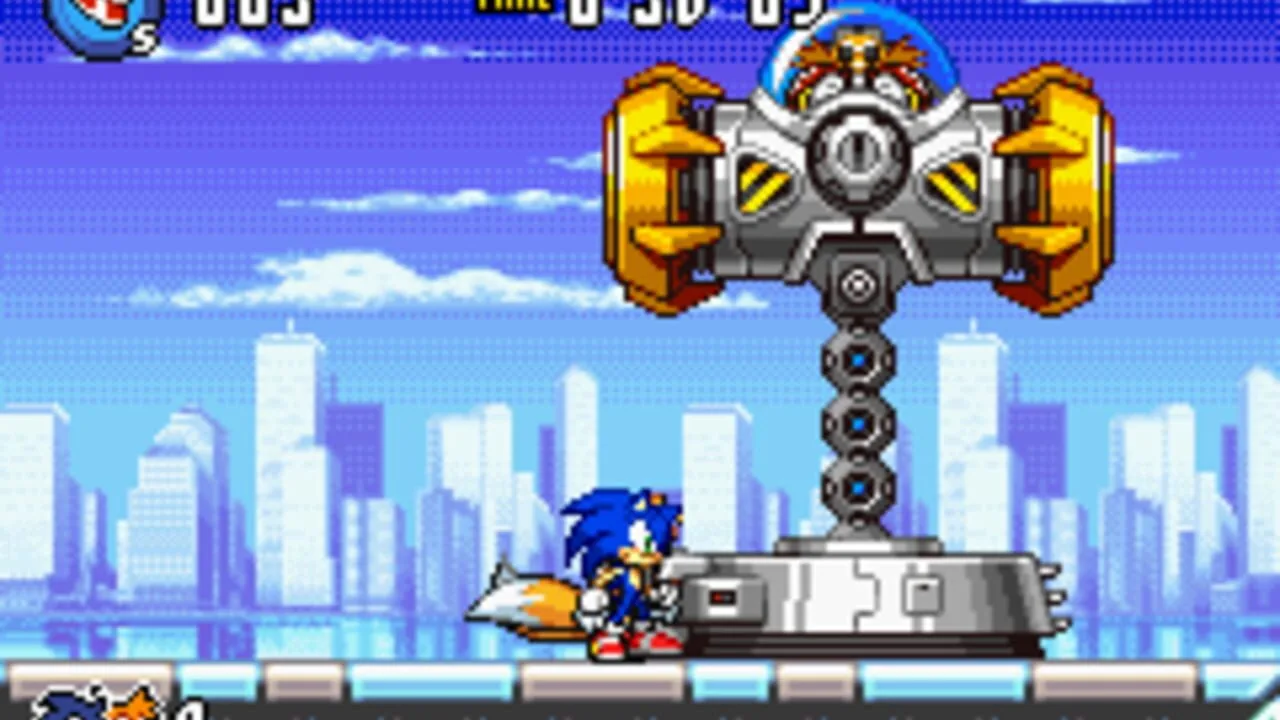
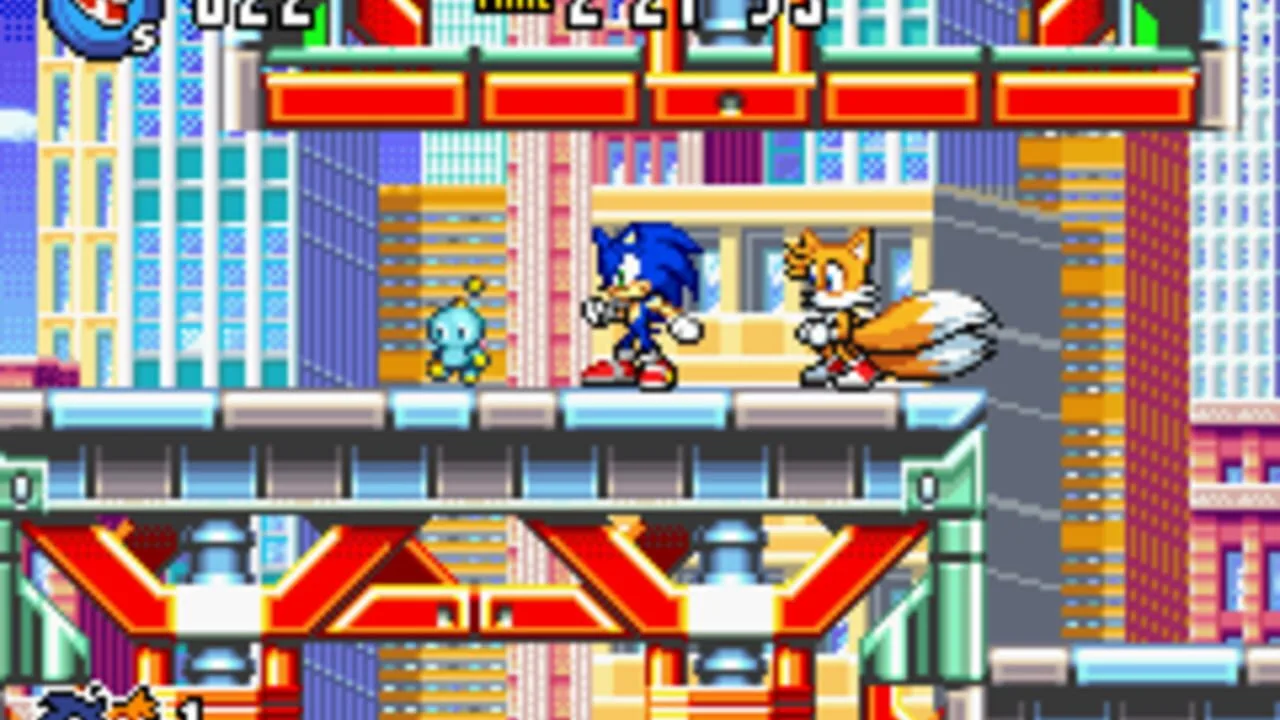
Sonic Advance 3 is built around pairs. You team up with any of the five characters, and your partner changes what you can do. Tails increases your jump power, Knuckles increases your attack power, Cream lets you perform a homing attack and Amy offers the Piko Piko hammer attack. Sonic, naturally, increases your speed. Dr. Eggman is at it again, and it takes the whole gang to stop him.
It sold quickly upon release. Critics praised its gameplay and aesthetics but were more divided on the team-up dynamic. With a Game Boy Advance link, you and three of your friends could battle it out in multiplayer modes. If the second game is about raw speed, this one is about picking your favourite duo.
3. Wario Land 4 (2001)
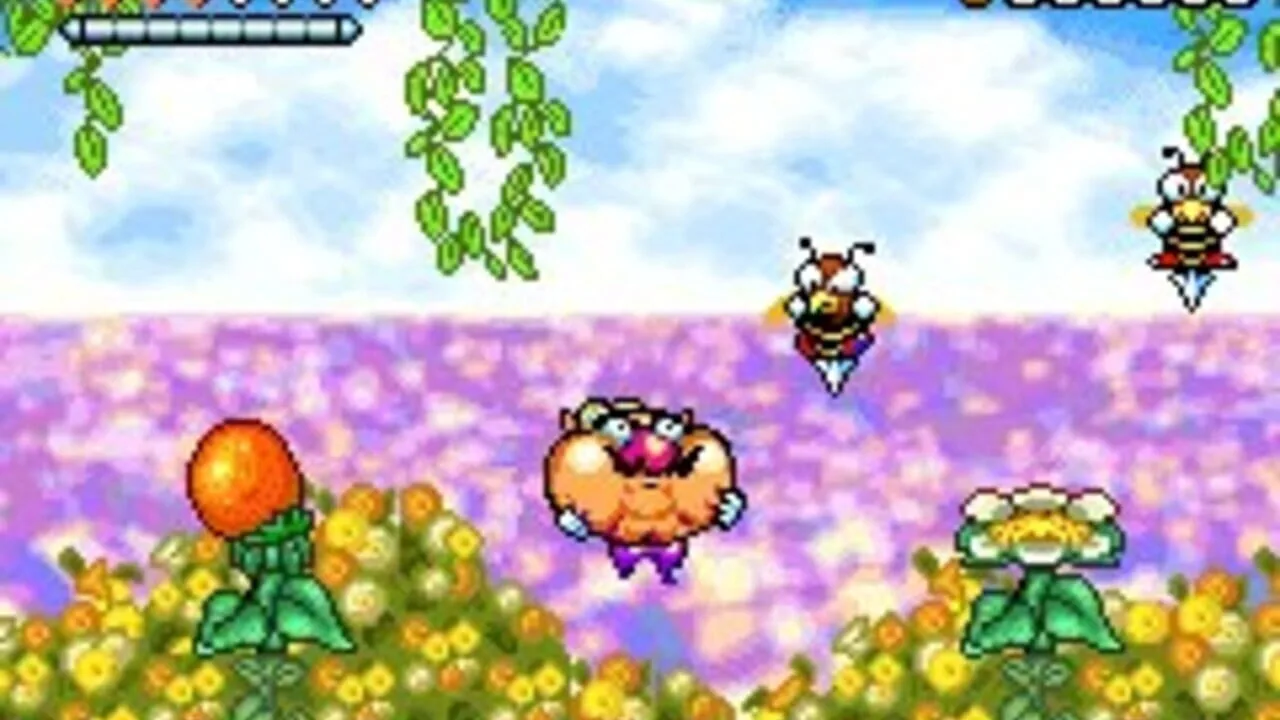
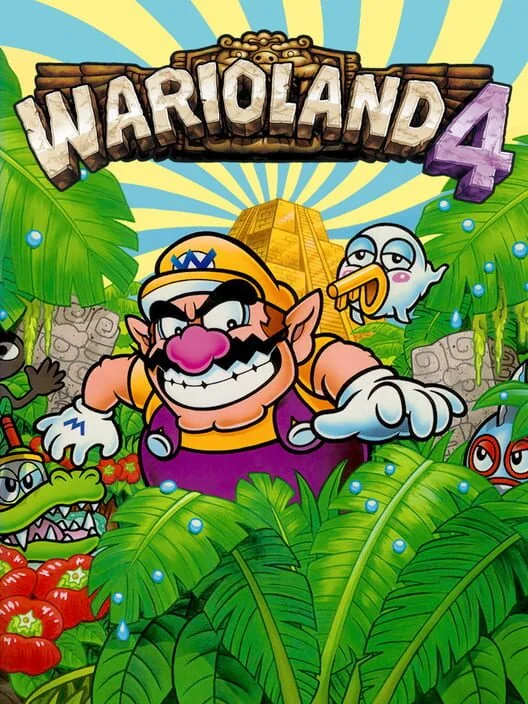
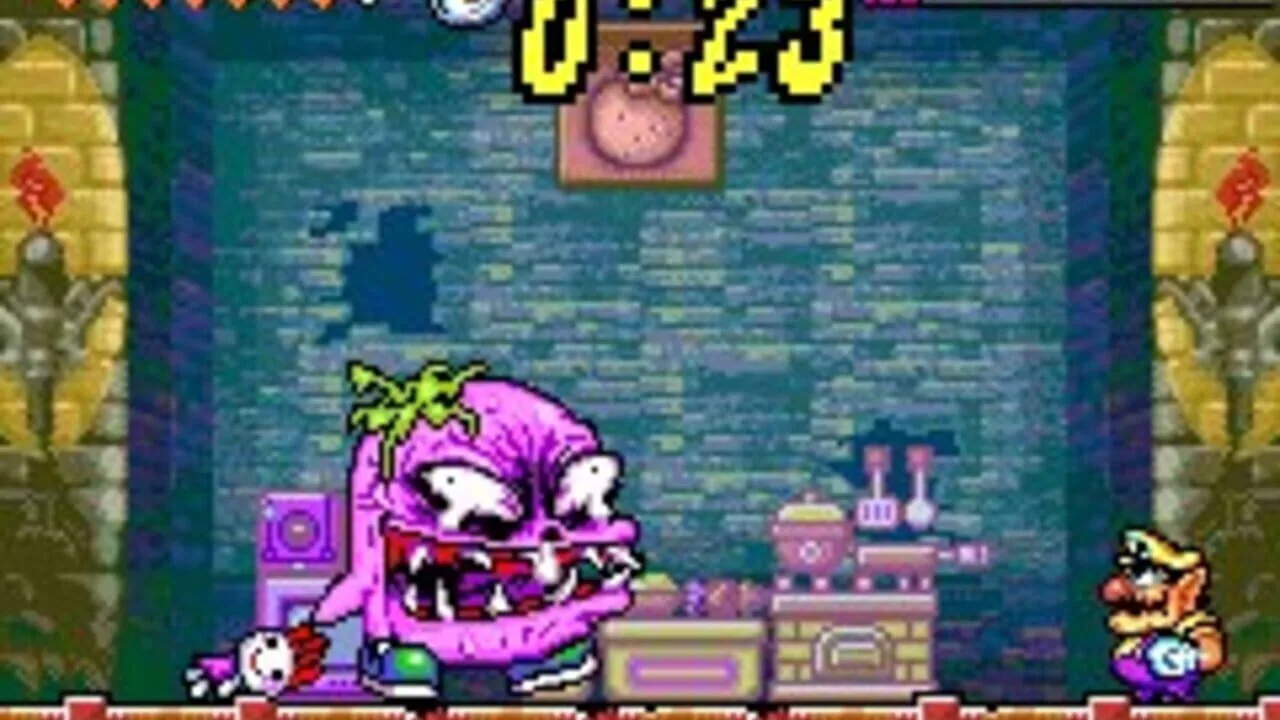
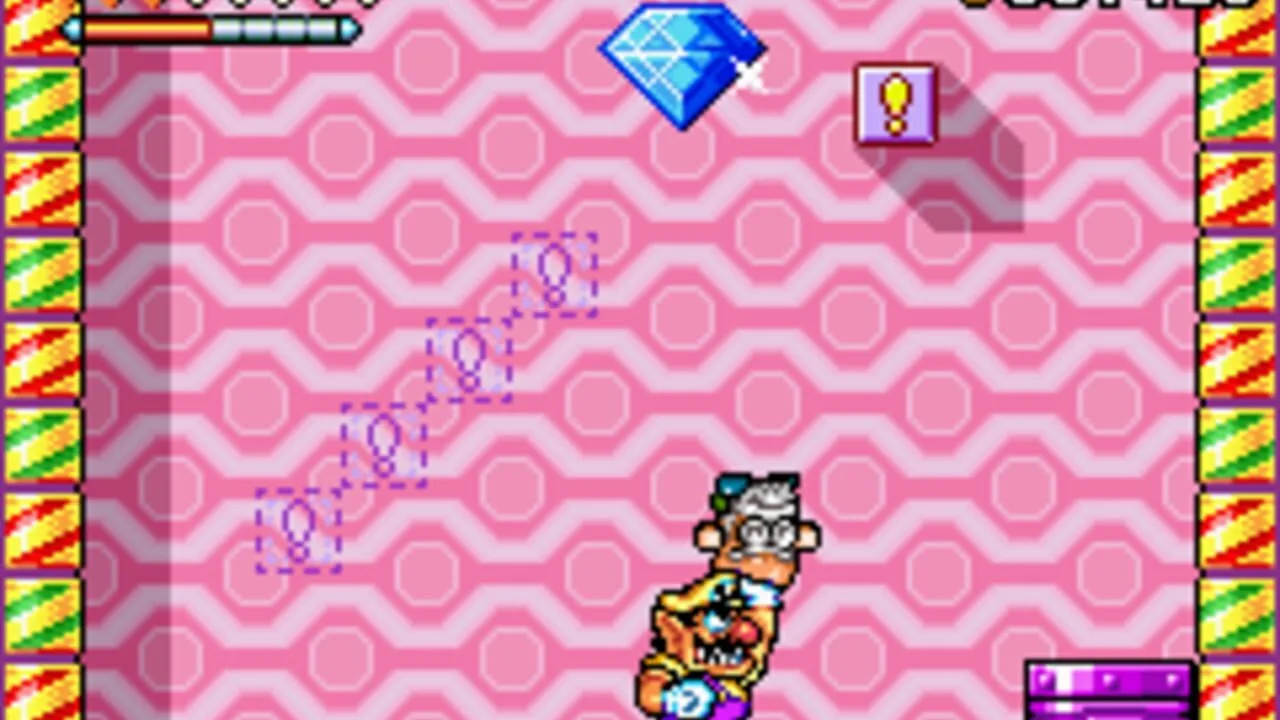
Wario Land 4 sends Wario into a legendary Pyramid of Gold because he read about the treasure and wants it all. That is his whole motivation, and it suits him. Wario is no longer immortal, so you have your work cut out across over twenty enormous stages. Along the way he gets stung by bees, zombified, bitten by bats and set on fire, and he hunts down CDs to listen to back home.
It was released in Japan in August 2001 and in November 2001 internationally. The game sold a total of 2.2 million copies worldwide and received critical acclaim. Nintendo R&D1 later used the Wario Land 4 engine to create Metroid Fusion, and it also inspired several indie games.
2. Sonic Advance (2001)
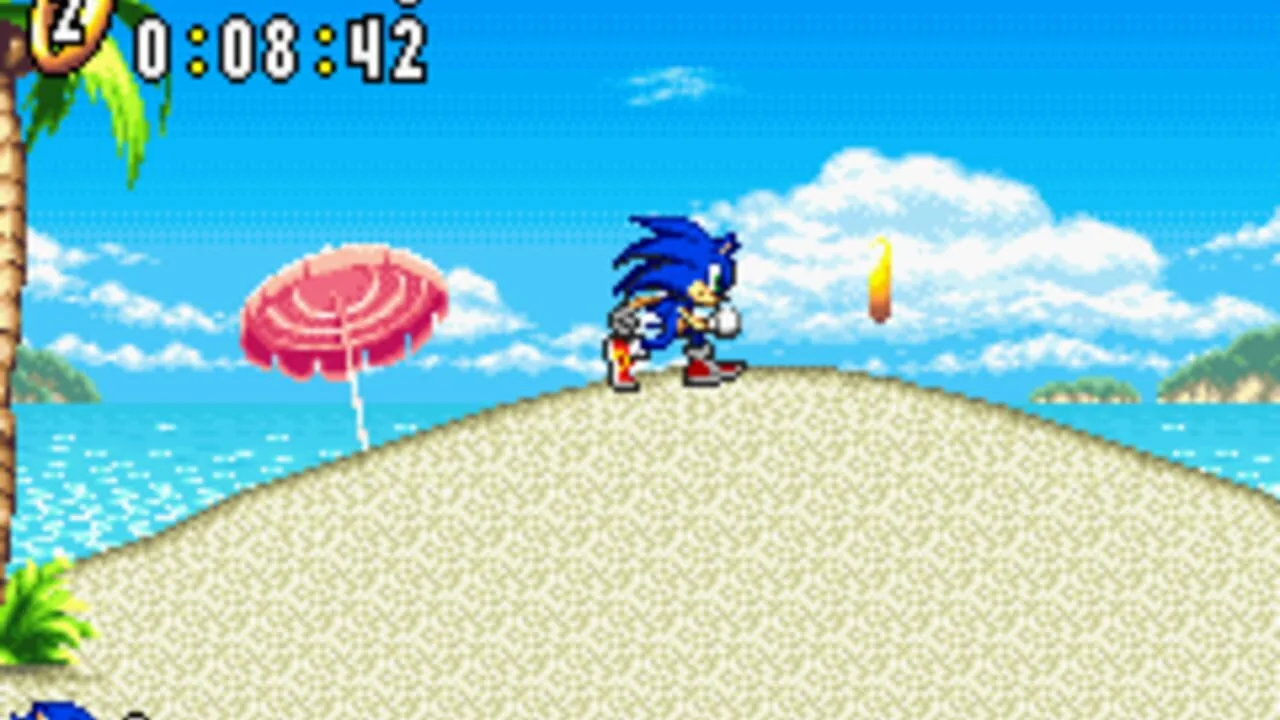
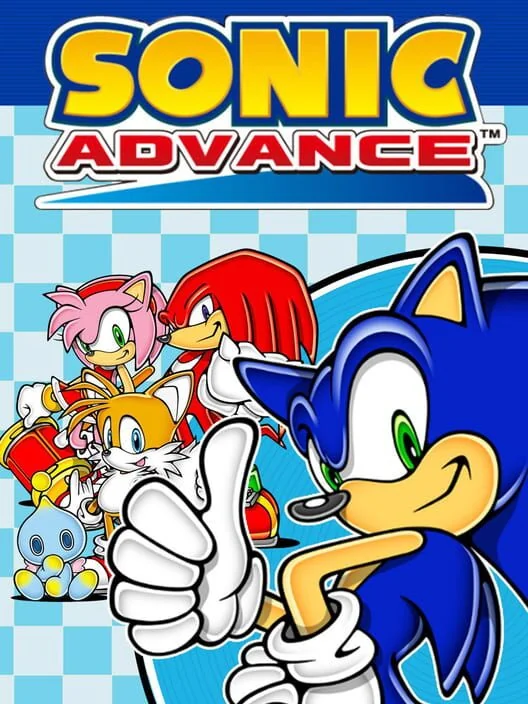
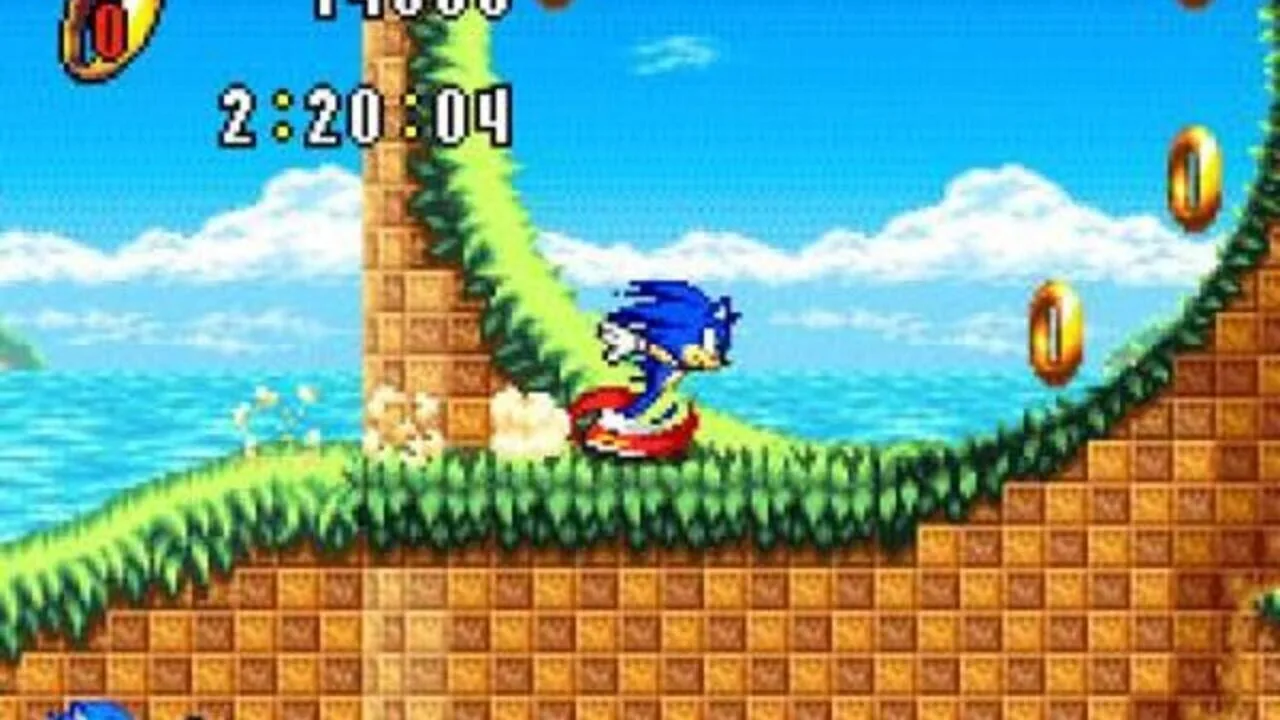
Sonic on a Nintendo handheld still sounds strange if you grew up in the 90s. Sonic Advance exists because of the poor performance of the Dreamcast, which pushed Sega into making games for other machines. It was one of the first Sonic games on a Nintendo console, produced for the series' tenth anniversary, and the first in the franchise made by Dimps. It has four playable characters and the first playable appearance of Amy Rose in a 2D title.
It borrows from the original Genesis games while using the post-Dreamcast character look from Sonic Adventure. Critics praised its faithfulness to the original Genesis games and criticised its short length and special stages. Players still recommend the three GBA Sonic games as a set, and this first one is where to start.
1. Drill Dozer (2005)
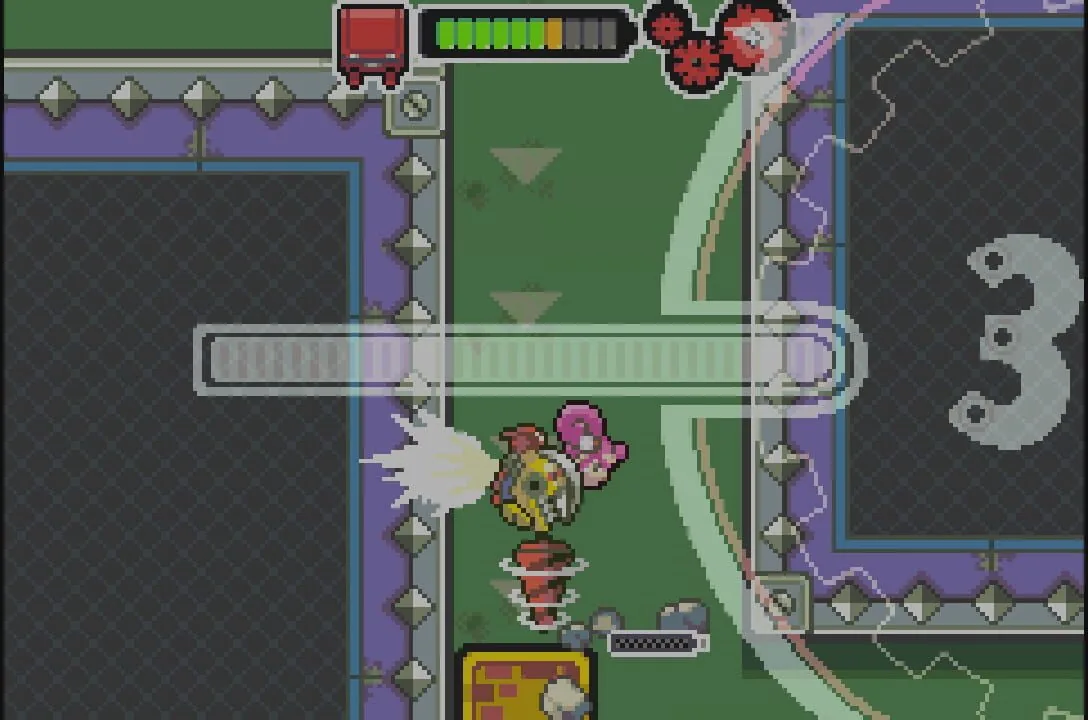
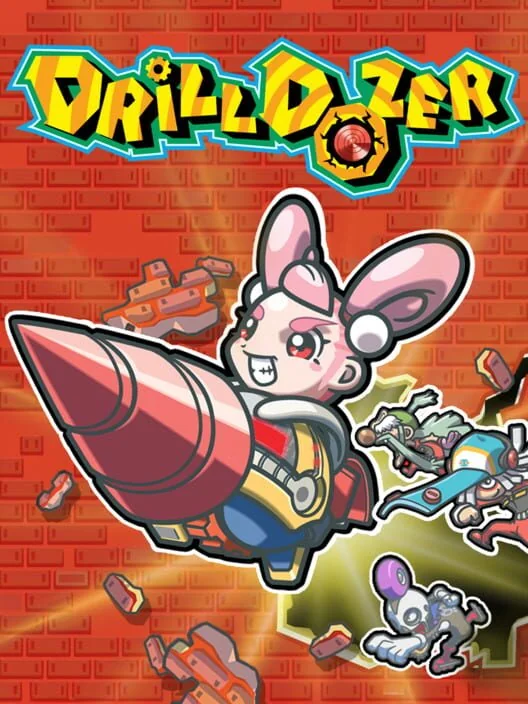
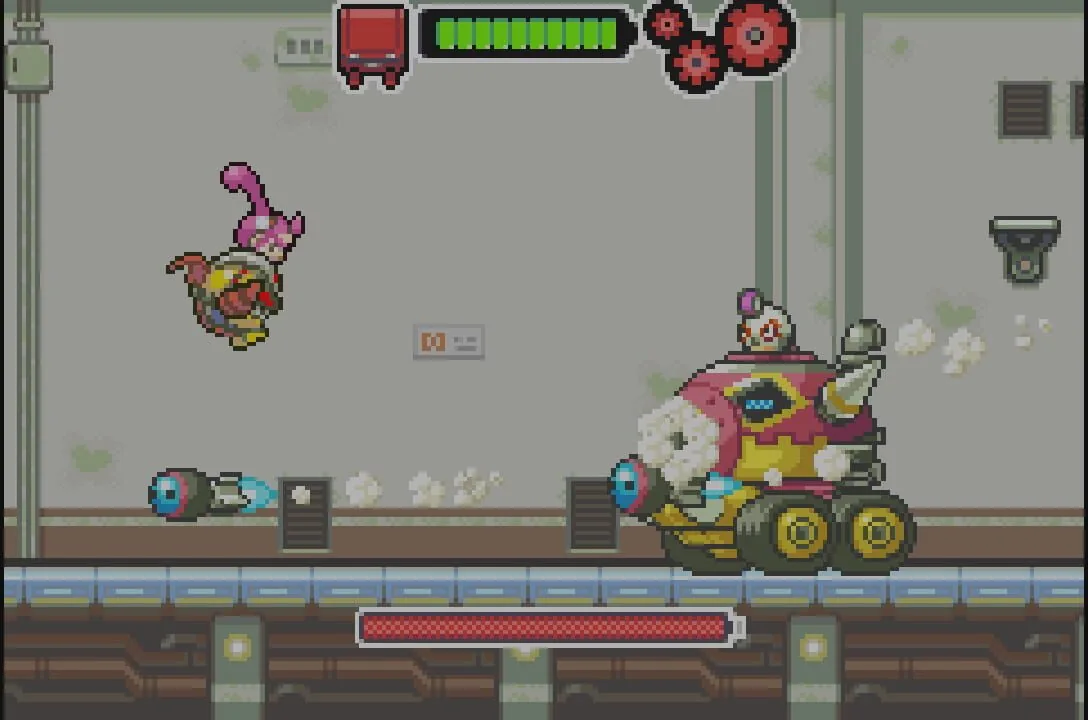
Drill Dozer is what Game Freak made when its staff wanted a break from Pokémon. Development began after Ruby and Sapphire, and Ken Sugimori directed it, the first game he directed since Pulseman in 1994. He wanted an action game that does not use traditional types of combat. You play Jill, the daughter of the leader of the Red Dozers bandit gang. A rival gang steals the family heirloom, and she chases them through six different areas in a mech with a giant drill.
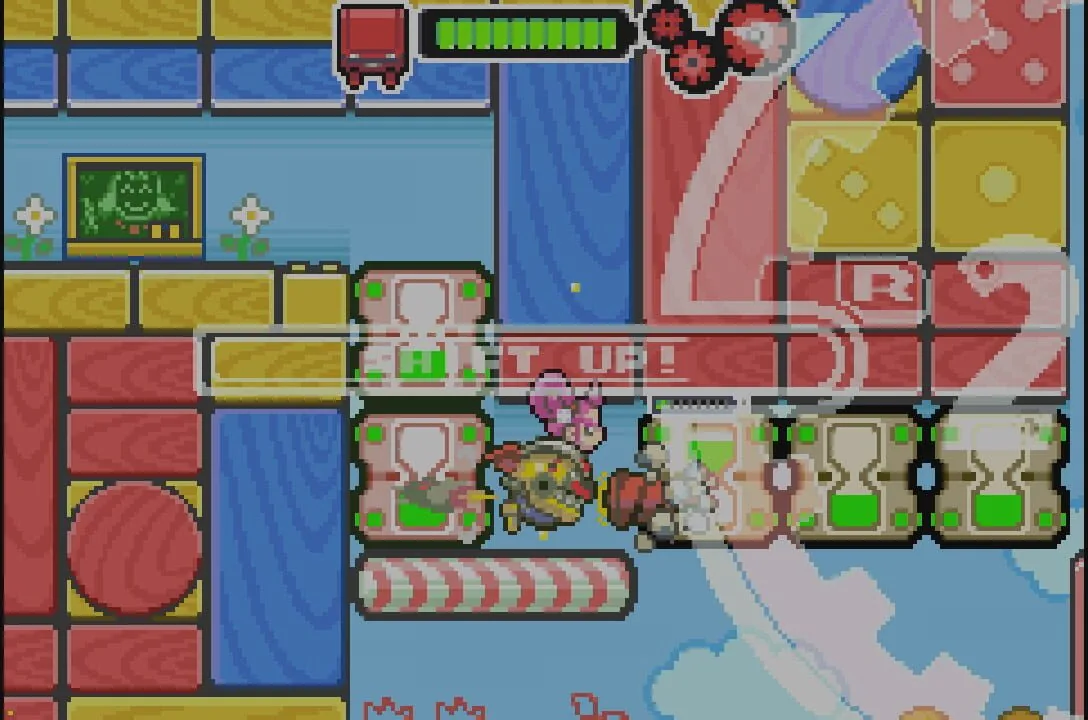
The shoulder buttons spin the drill, one clockwise and the other counter-clockwise, and you use it to fight enemies and drill into certain surfaces. Jill's hair was designed after roll cakes. It came out in North America on February 6, 2006, and it was a commercial failure next to the new Nintendo DS. Players recommend it more than any other GBA platformer.
Which one to play
There you have it, the whole list of the best GBA platformers. Even the bottom of this list is worth a cartridge slot.
If you are not sure where to start, play Wario Land 4. If you want something traditional, Sonic Advance and its two sequels play like the Genesis games. For the best game that sold badly, pick Drill Dozer. Donkey Kong fans should play Donkey Kong Country first and King of Swing after it, because it plays like nothing else in the series. For a hidden pick, Goodboy Galaxy is a brand new GBA game that holds its own next to the classics.