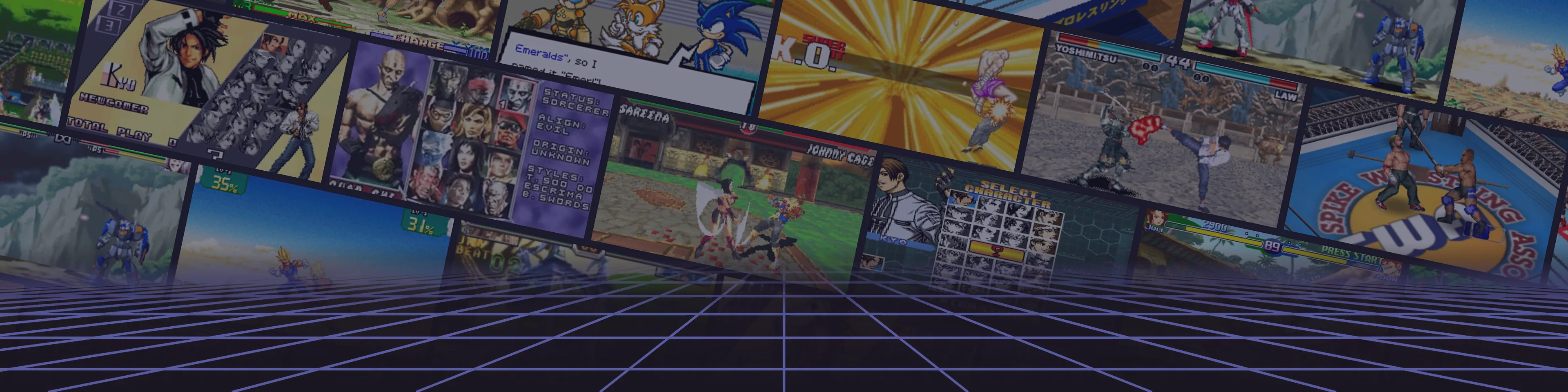
Fighting games on a Game Boy sounded like a joke before the Game Boy Advance. Then the GBA showed up with shoulder buttons and enough power to push big, smooth sprites around, and suddenly the arcade was in your backpack. The GBA only has four buttons used for attacks, so every studio had to work out how to squeeze a six-button game onto it, and some of the answers were clever.
Capcom brought Street Fighter, and Namco made a Tekken for it, the first Tekken on a Nintendo console. SNK's King of Fighters got two games built for the handheld. There is also a lot of anime in here, and some proper wrestling. Here are the 14 best GBA fighting games.
14. The King of Fighters EX: Neo Blood (2002)
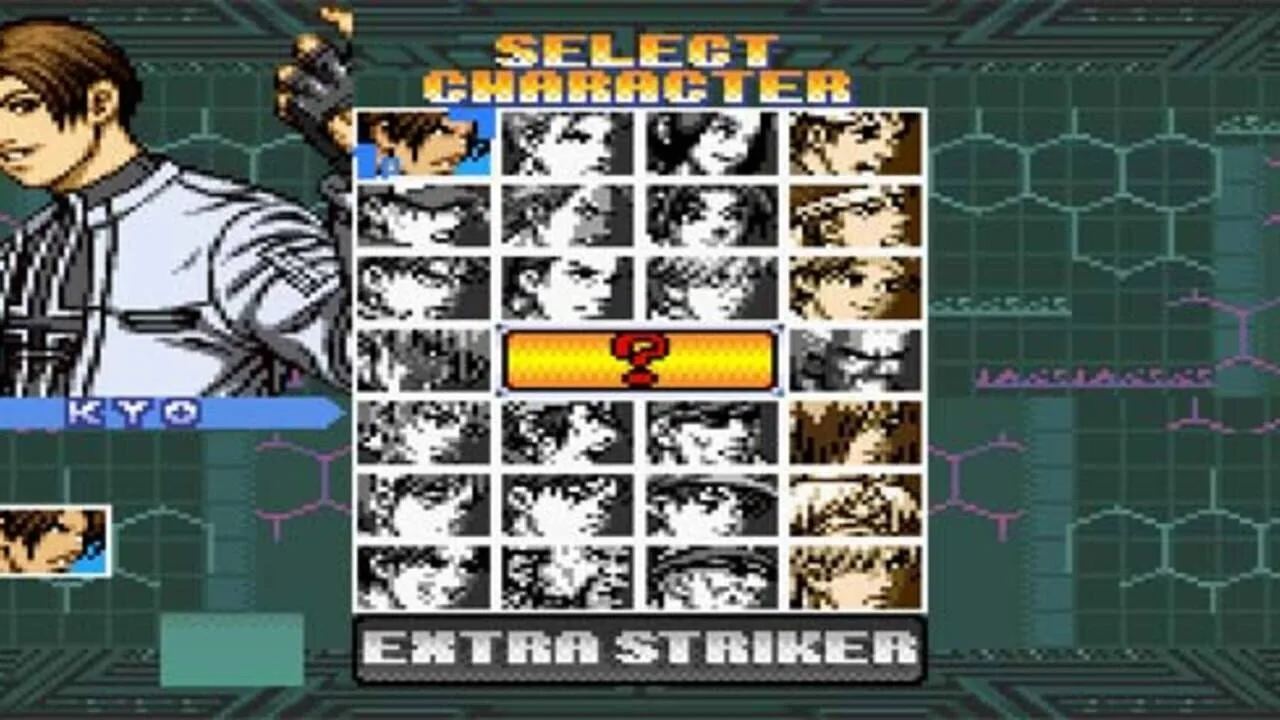
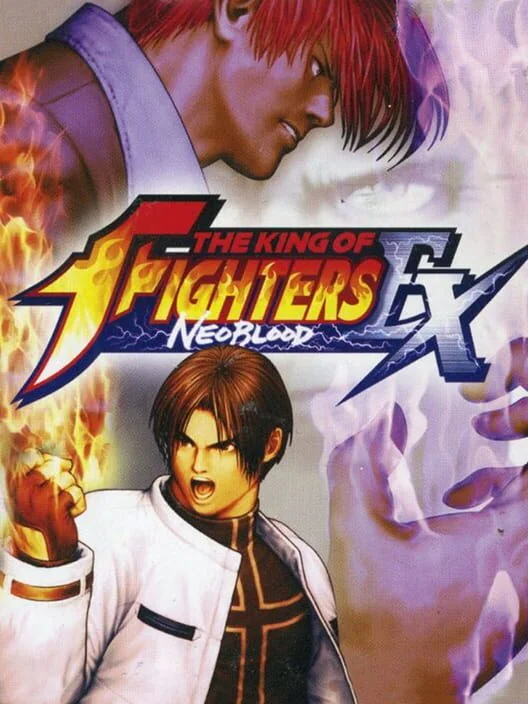
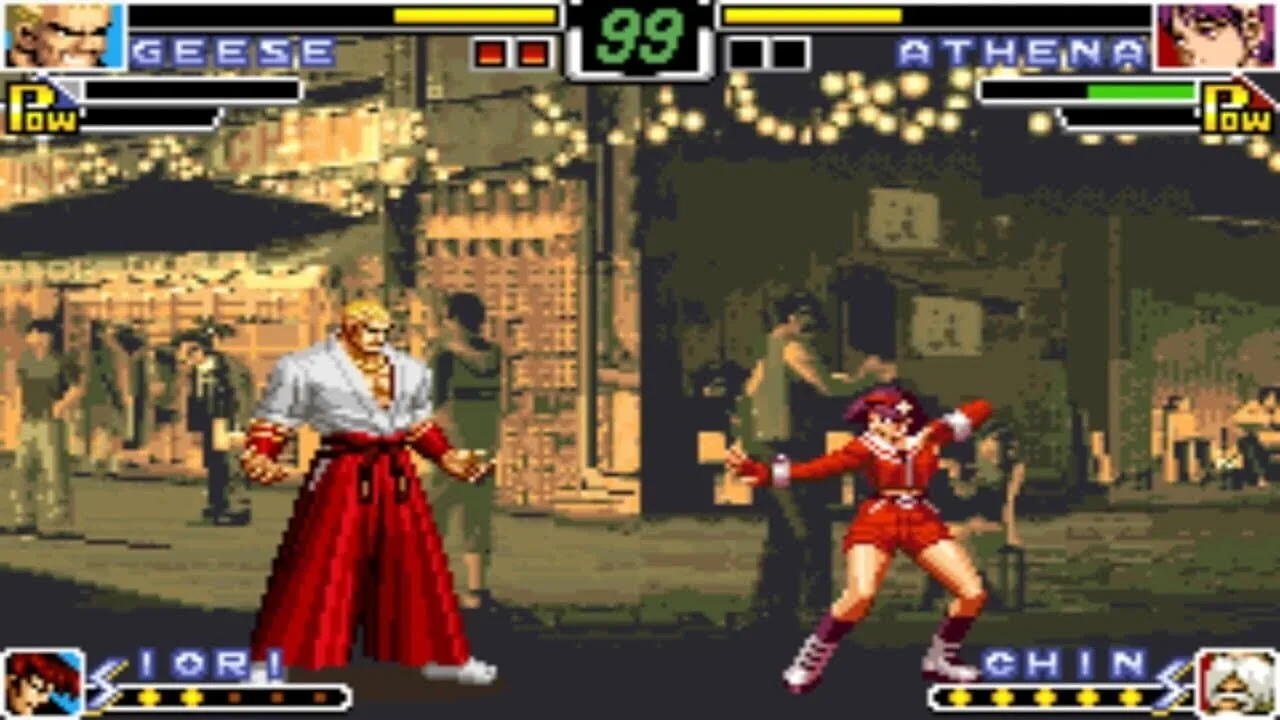
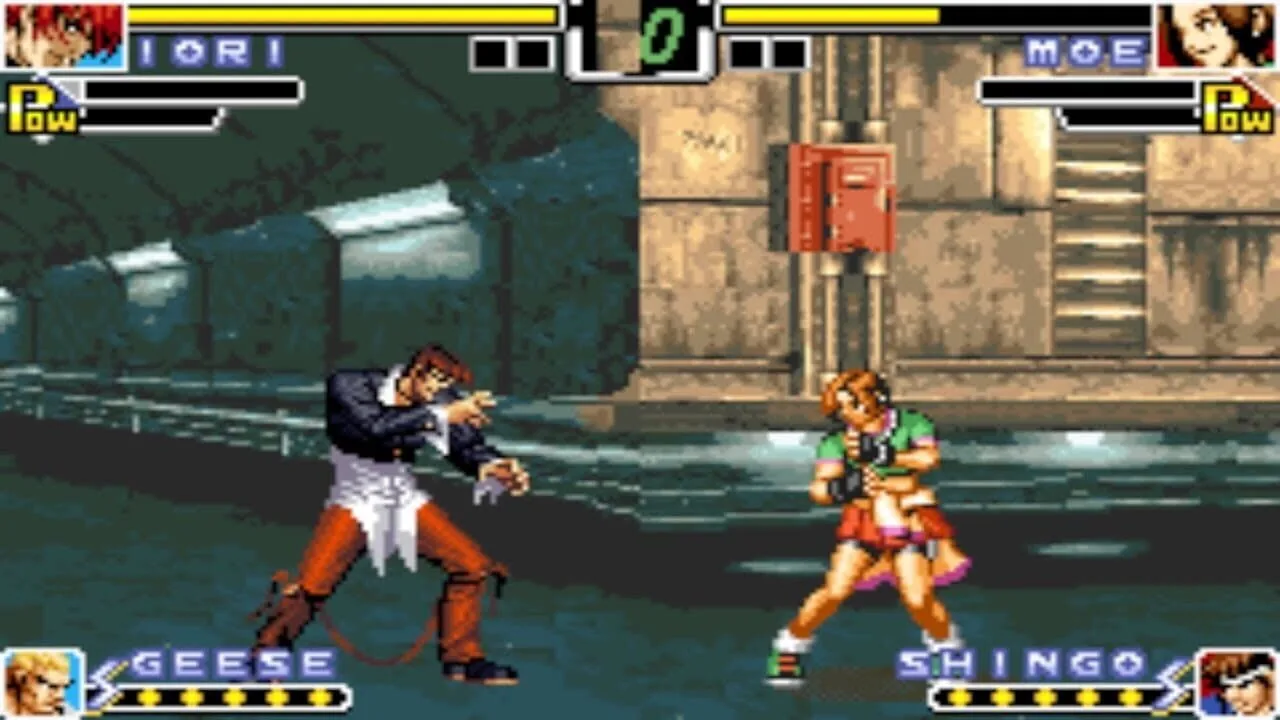
Neo Blood was developed by Playmore and Artoon in 2002 for the Game Boy Advance. Its systems and design come from The King of Fighters '99, but the cast and the story are its own: crime boss Geese Howard sets up a new tournament, and Kyo Kusanagi and his friends answer the call. Kyo's ally Moe Habana is a brand new character. SNK was going bankrupt while it was made, which somehow did not stop anything.
The team tried to properly adapt the original arcade controls to the GBA, and critics liked its controls and its cast. Fewer players name it than its sequel, and the ones who do pick it tend to name both EX games together, as one package. If you find this one first, it is a fine way in.
13. Mortal Kombat: Tournament Edition (2003)
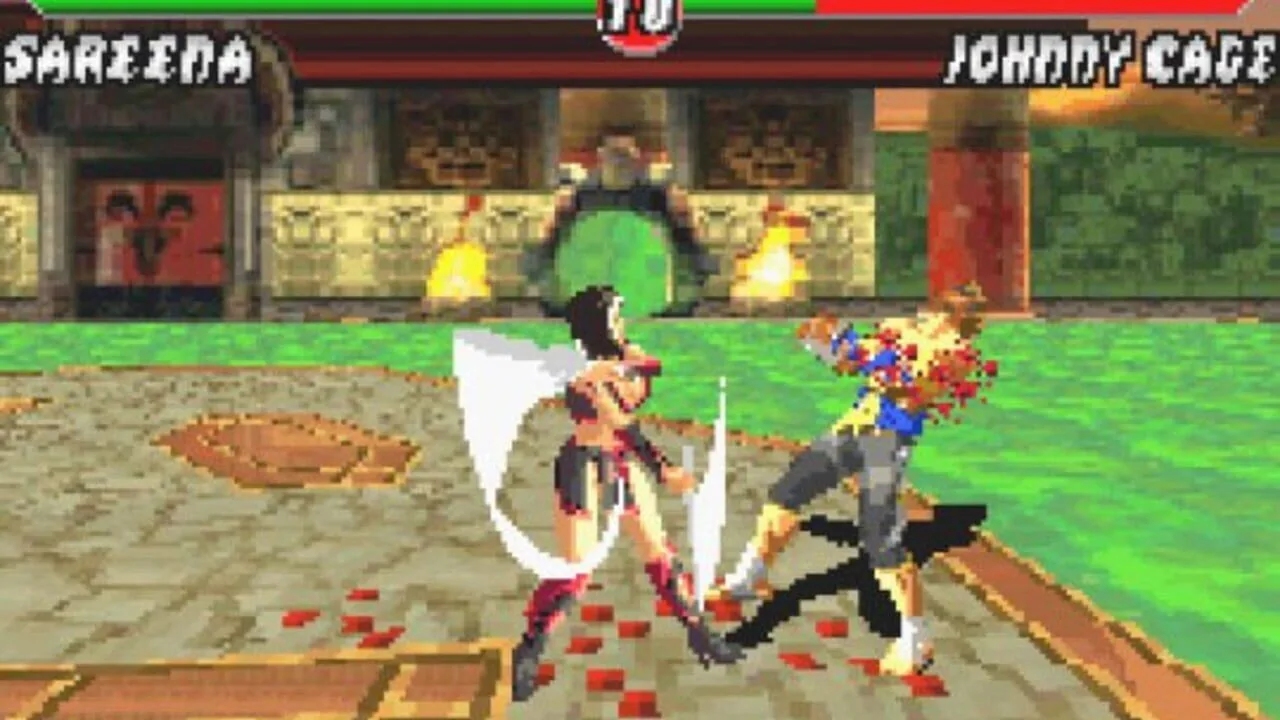
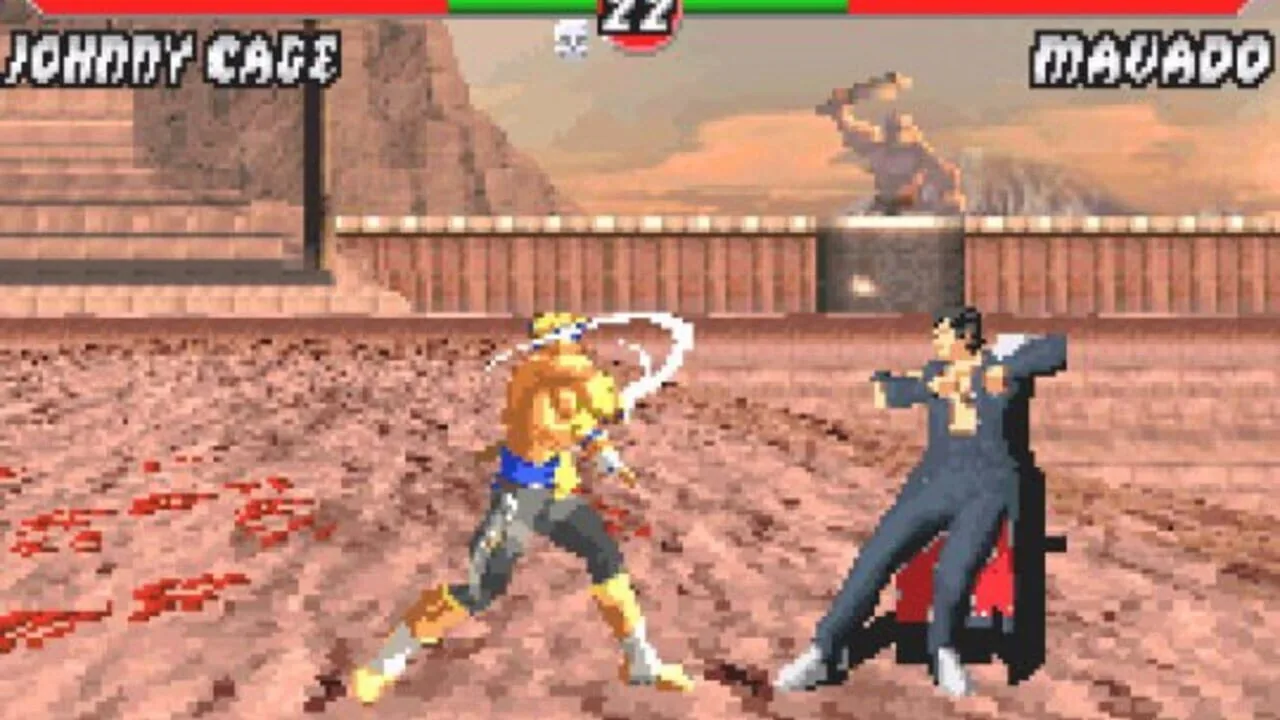
Tournament Edition is the second GBA version of Mortal Kombat: Deadly Alliance, released on August 25, 2003. It brings back characters left out of the first port and adds some that are not in any other version, including Sektor and Noob Saibot. It also adds three new modes, Tag Team among them, plus weapon Fatalities.
It was the first portable Mortal Kombat to feature 3D-style gameplay, even though the fighters are still 2D sprites. Players almost always name it together with Deadly Alliance, and the ones who do call the pair good. Both GBA versions were re-released as part of the Mortal Kombat: Legacy Kollection compilation in 2025, so this one is easier to play now than it has been in twenty years. Pick it over the first port if you can only have one.
12. Medabots AX: Metabee Ver. (2002)
Medabots AX came in two versions, Metabee and Rokusho, and in both of them Ikki Tenryou and his Medabot enter a tournament to win the ultimate Medabot. It plays differently from the earlier Medabots games. It is more of a platform fighting game, much like Digimon Battle Spirit, where you control the leader Medabot and use its parts and special abilities to win.
You still build your own Medabots from pieces won in battles, which is the part that hooks you. It never came out in Japan; instead an almost identical version called Medarot G was released there. Players who name it treat it as a personal favourite, one that not many people seem to know. The ones who played it have not forgotten it.
11. Mortal Kombat: Deadly Alliance (2002)
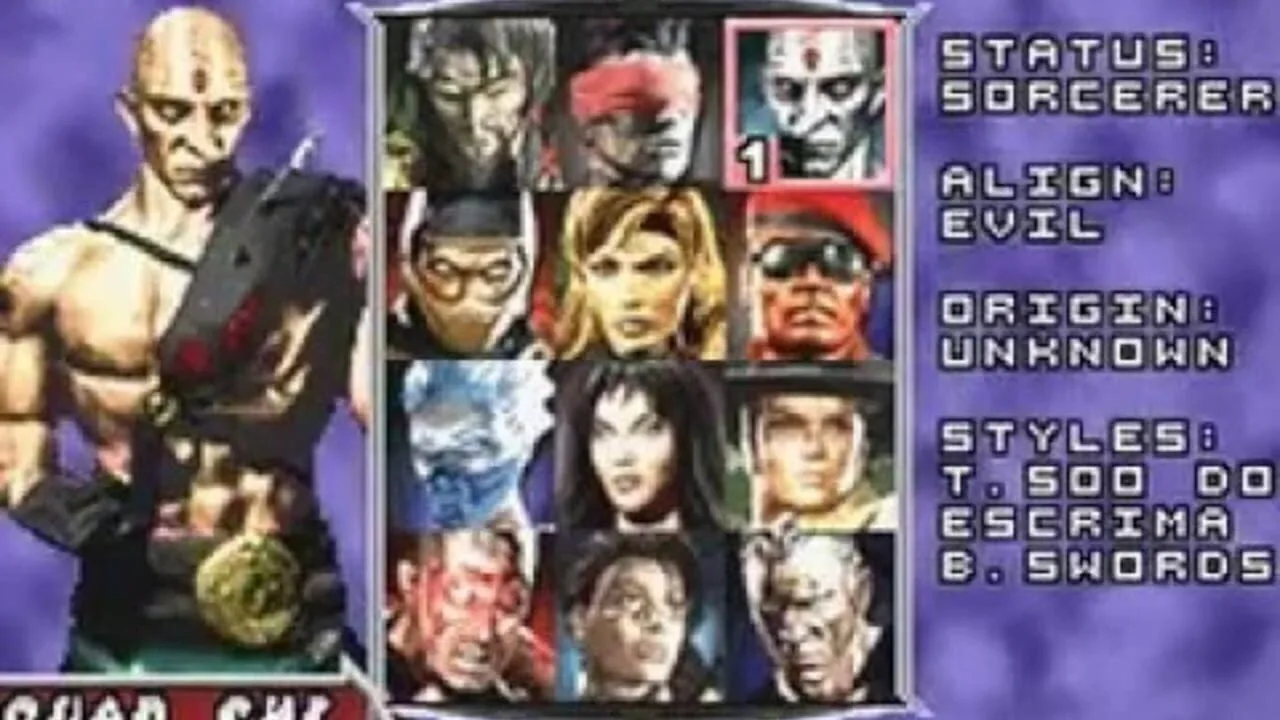
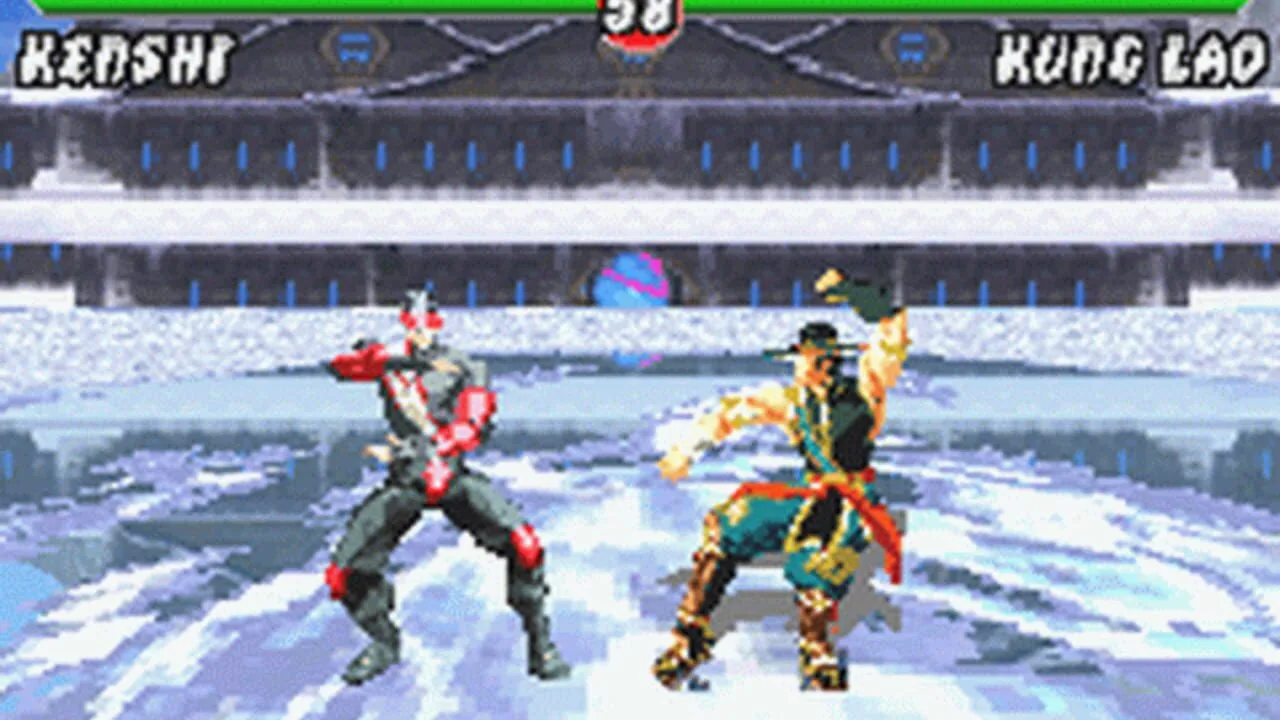
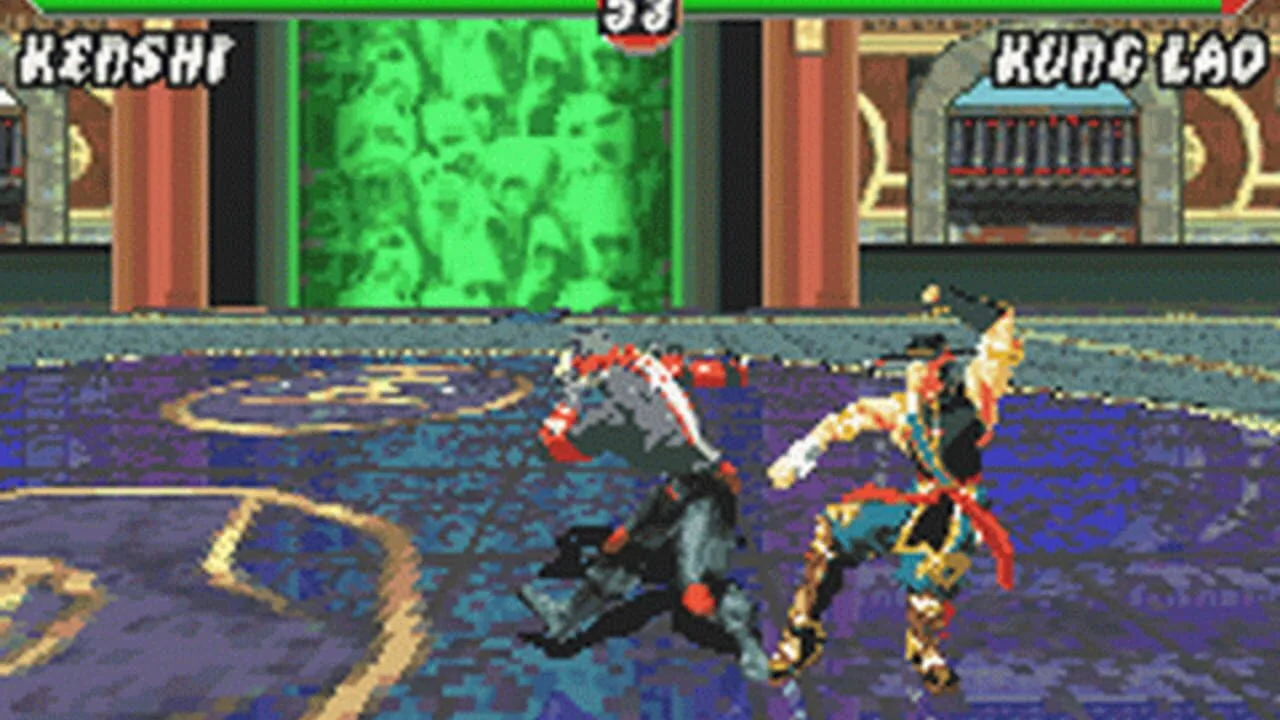
Deadly Alliance was the first all-new Mortal Kombat fighting game made only for home consoles, with no arcade version first. It is the fifth main game in the series, a sequel to Mortal Kombat 4, and the only main game where Liu Kang is not a playable character. On consoles it received positive reviews and gave every fighter entirely different fighting styles.
Due to hardware limitations, the GBA port features only 12 of the 21 playable characters, Scorpion and Sub-Zero among them. Players who know the GBA Mortal Kombats all give the same advice: skip Mortal Kombat Advance and play this one. It is the safe choice in a series that had a rough time on Nintendo's handheld.
10. The King of Fighters EX2: Howling Blood (2003)
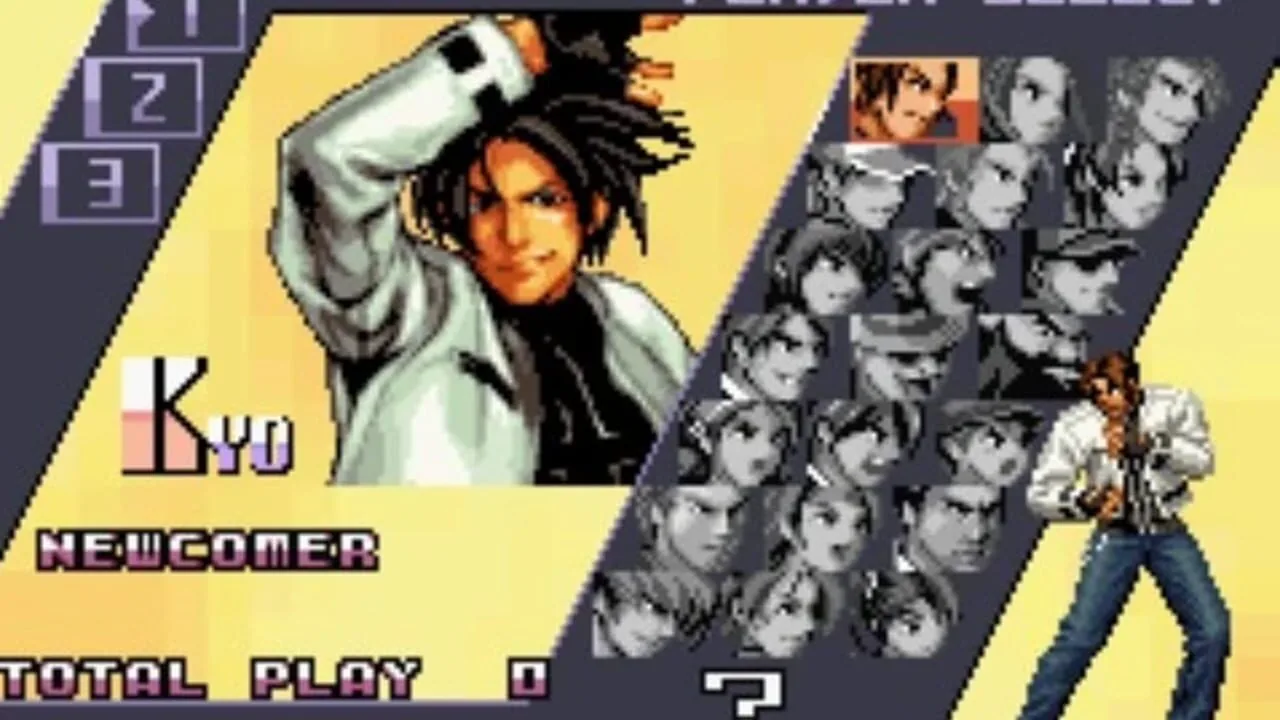
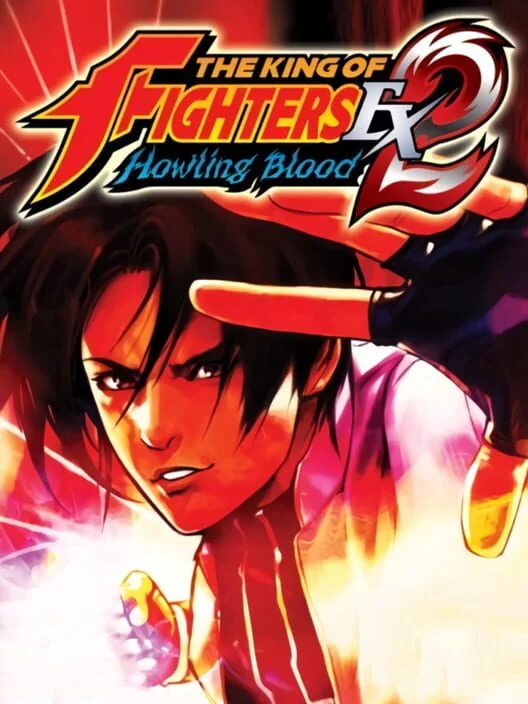
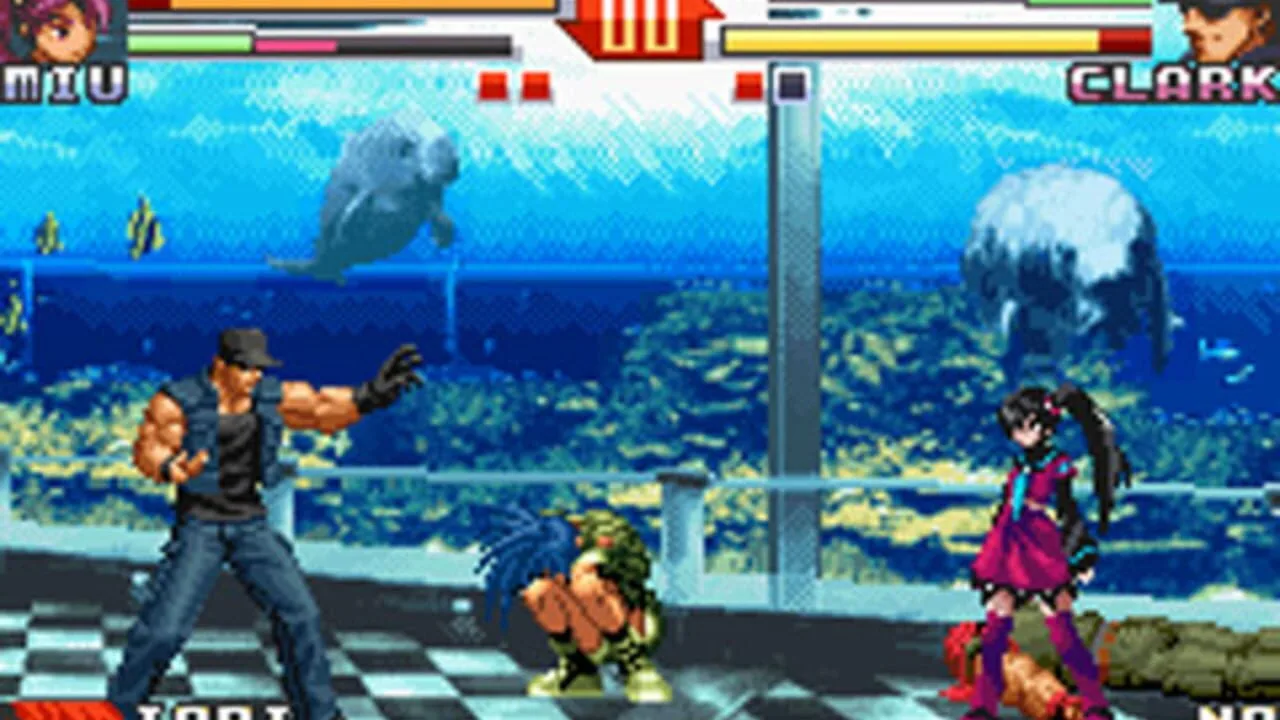
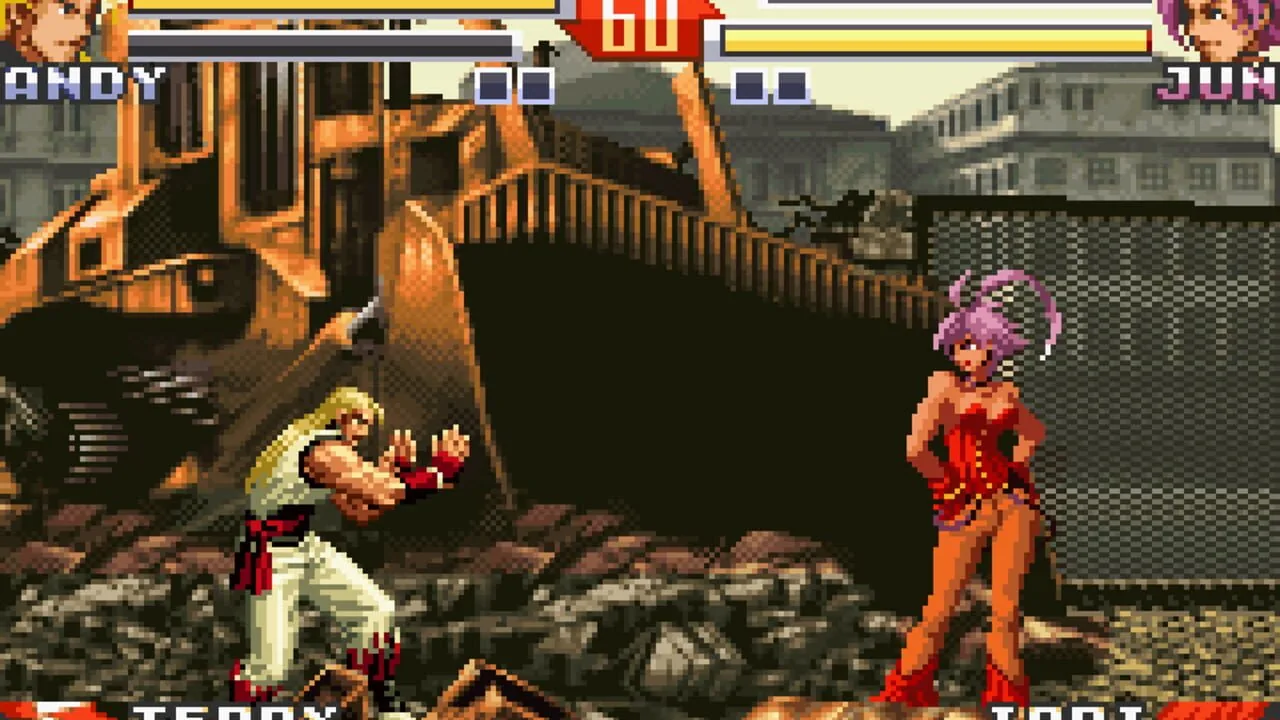
Howling Blood is the sequel to Neo Blood, developed by Marvelous Entertainment and published in the West by Atlus, arriving in North America on December 11, 2003. It takes most of its look and sound from The King of Fighters 2000, but the story is new: Kyo Kusanagi and his allies try to stop the revival of the demon Orochi.
You fight with a team of three, and supporting "Strikers" jump in to help. There are 21 playable characters, with an arcade mode and a story mode. Critics found it more accessible and improved over Neo Blood. Players who love it point at the controls, which work with the GBA's buttons instead of fighting them. It was later ported to the N-Gage as The King of Fighters Extreme, which is a sentence that needs no joke.
9. Guilty Gear X: Advance Edition (2002)
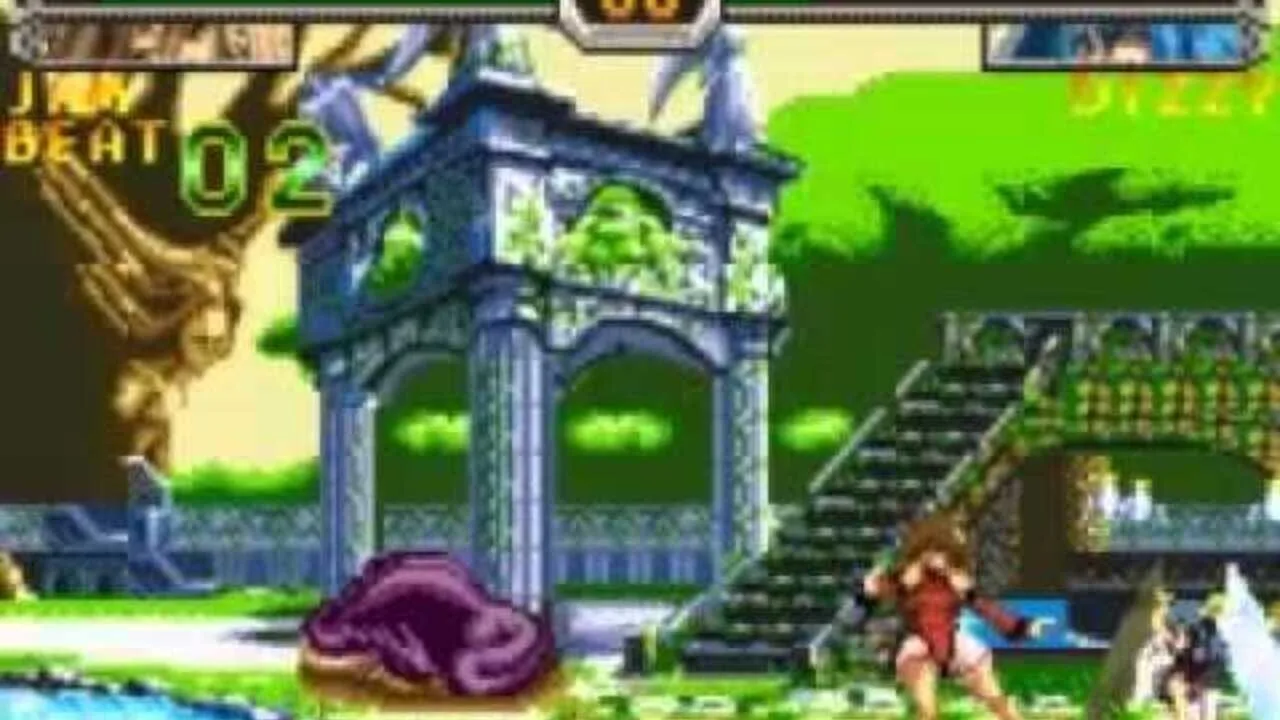
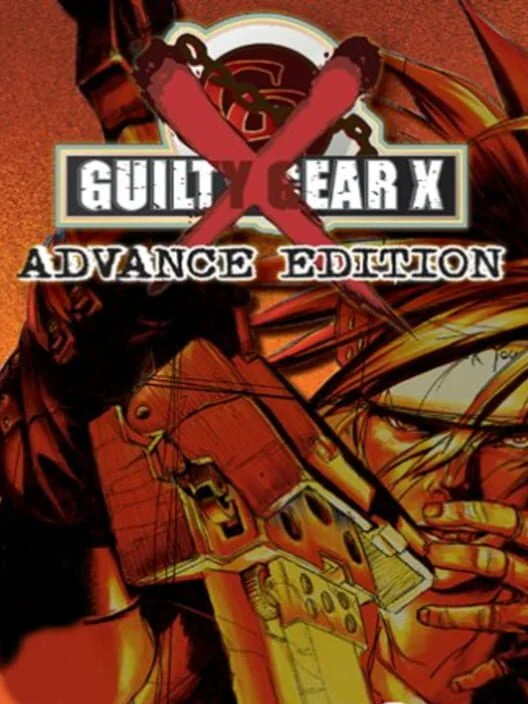
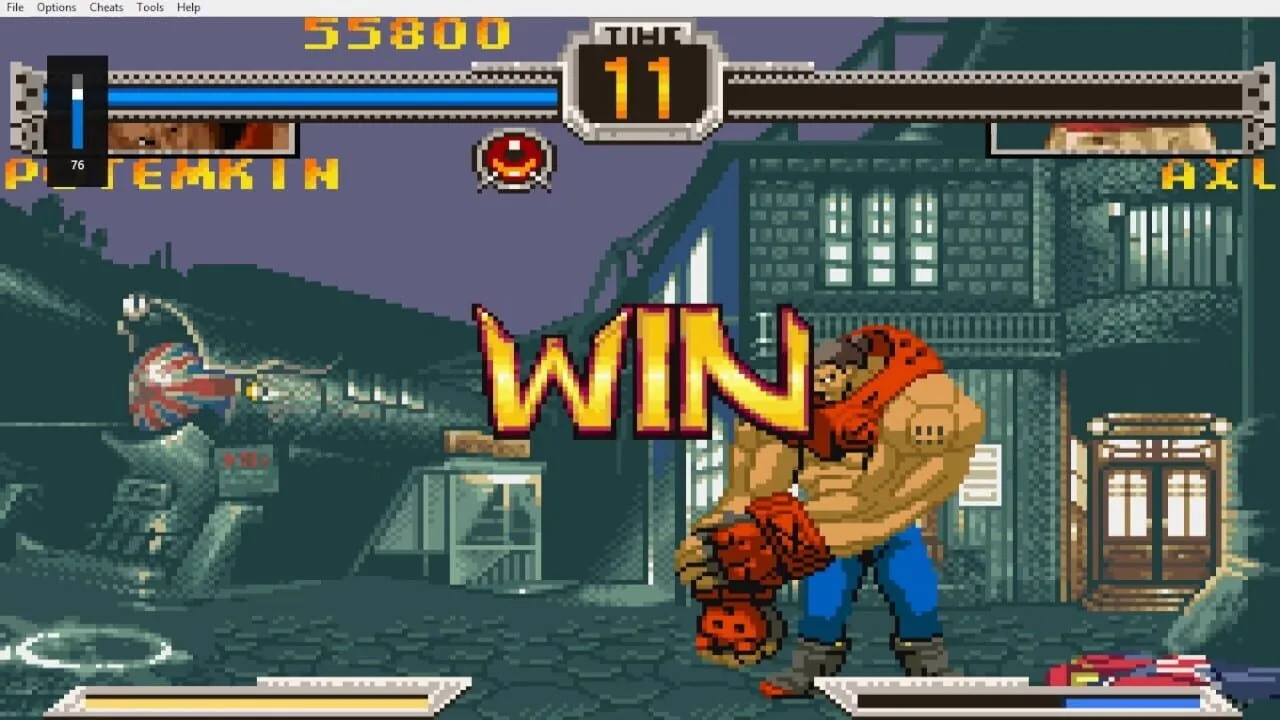
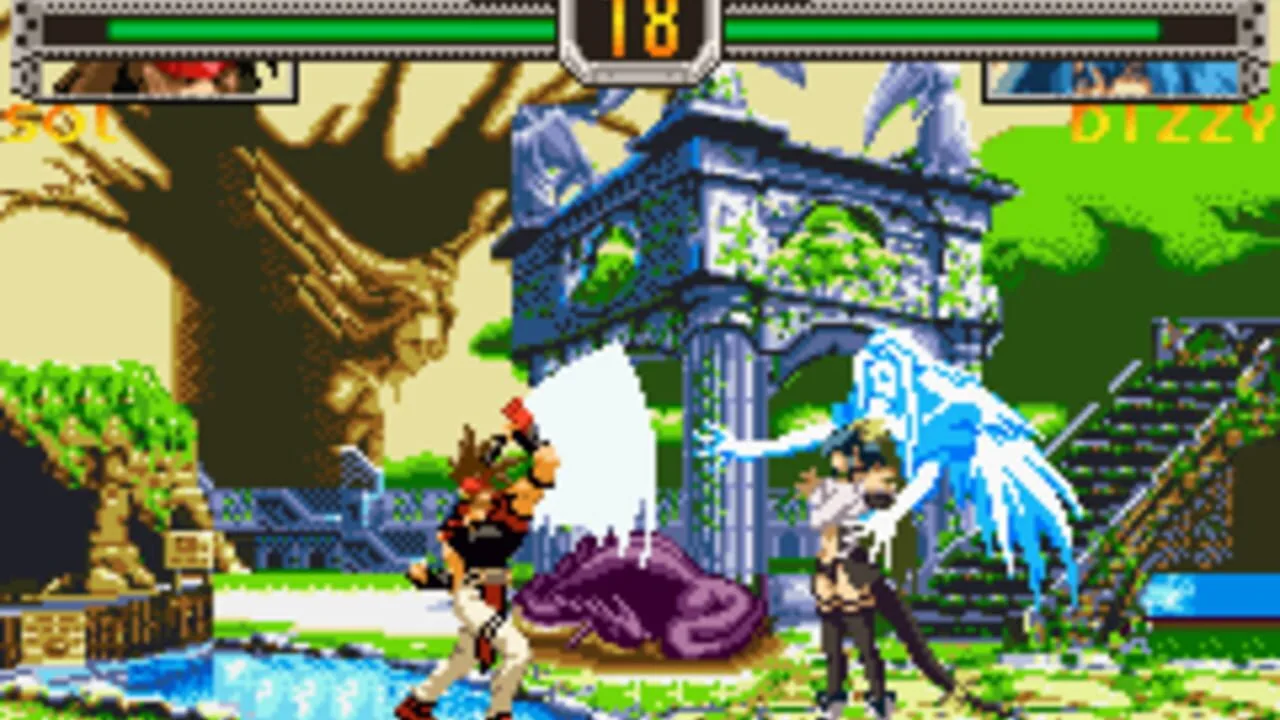
Guilty Gear X started in Japanese arcades in July 2000, then went to Dreamcast and PlayStation 2 before the Game Boy Advance version arrived in January 2002. Advance Edition was announced at Space World in August 2001. Of all the versions, the GBA one was the poorest-received, with the main complaints concerning ease and graphics.
So why is it here? Because players agree it controls well, and that matters more on a GBA than anything else. The computer is not much of an opponent, so this is a game for two players with a link cable, where its fast, strange fighters finally get to cut loose. The art is rough. The fighting underneath it is the real Guilty Gear.
8. Dragon Ball Z: Supersonic Warriors (2004)
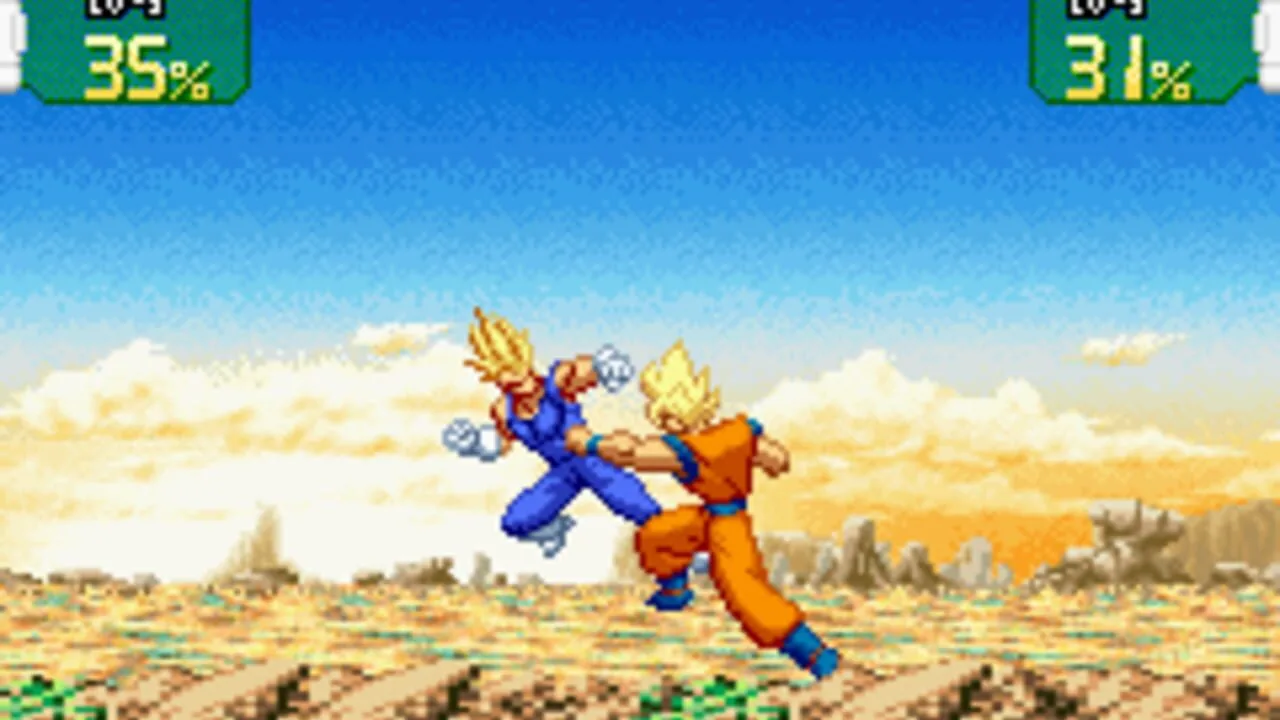
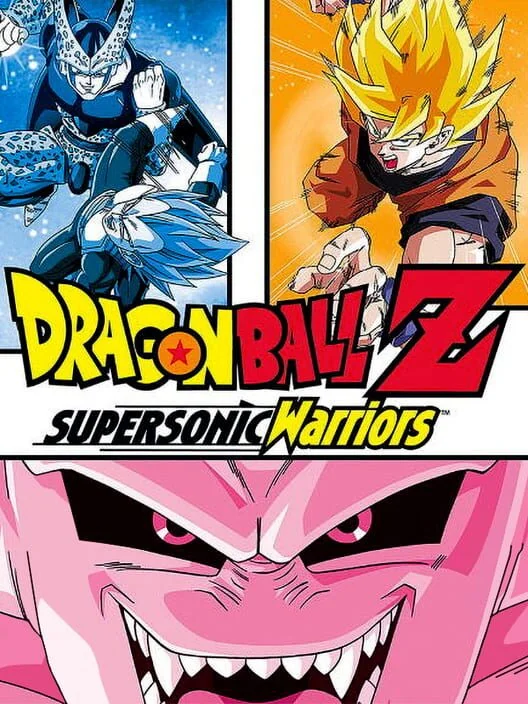
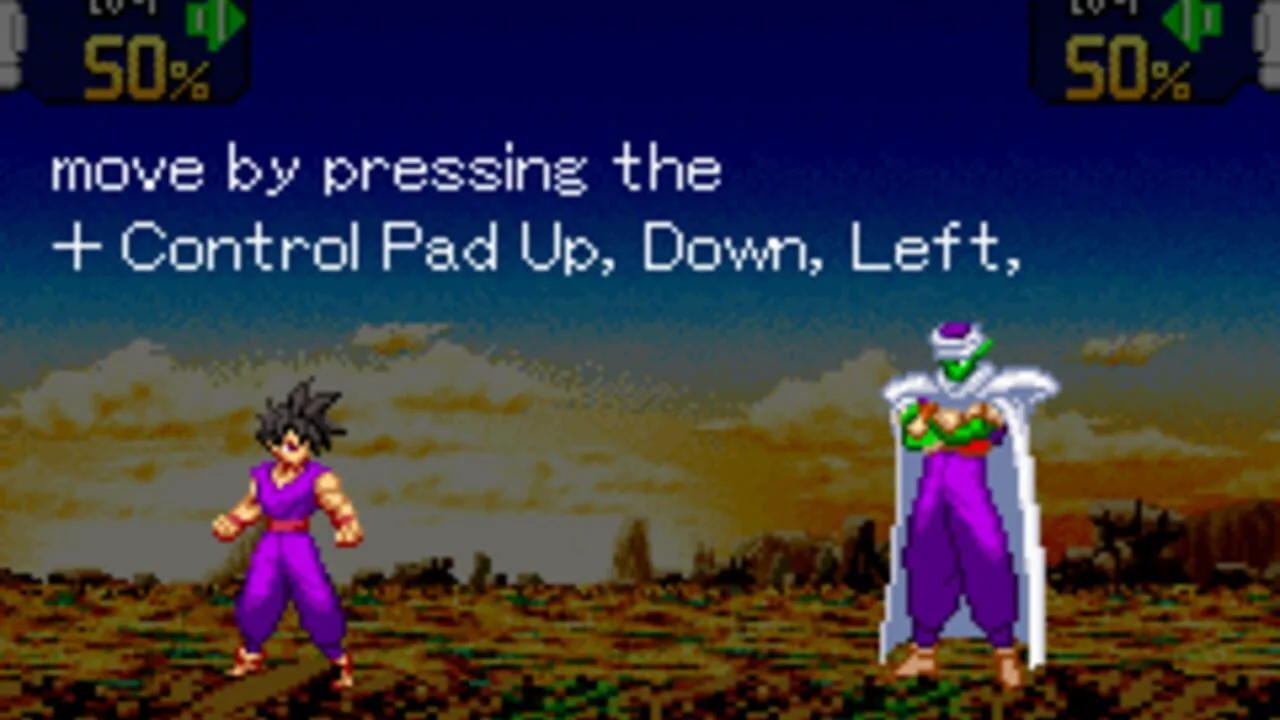
Supersonic Warriors was developed by Arc System Works and Cavia for Banpresto and came out for the Game Boy Advance on June 22, 2004. It pits two players, or two teams of up to three characters, against each other in large environments. You fire energy blasts and fly around the arena, and each character has three unique "Certain Kill" moves that change with where you are in relation to your opponent.
There are thirteen playable characters and sixteen stories, many of them "What If" outcomes to the Dragon Ball Z story. A sequel, Supersonic Warriors 2, was released in 2005 for the Nintendo DS. Players who recommend it usually name another GBA Dragon Ball game in the same breath, so if you liked Buu's Fury, this is the next stop.
7. Mobile Suit Gundam Seed: Battle Assault (2004)
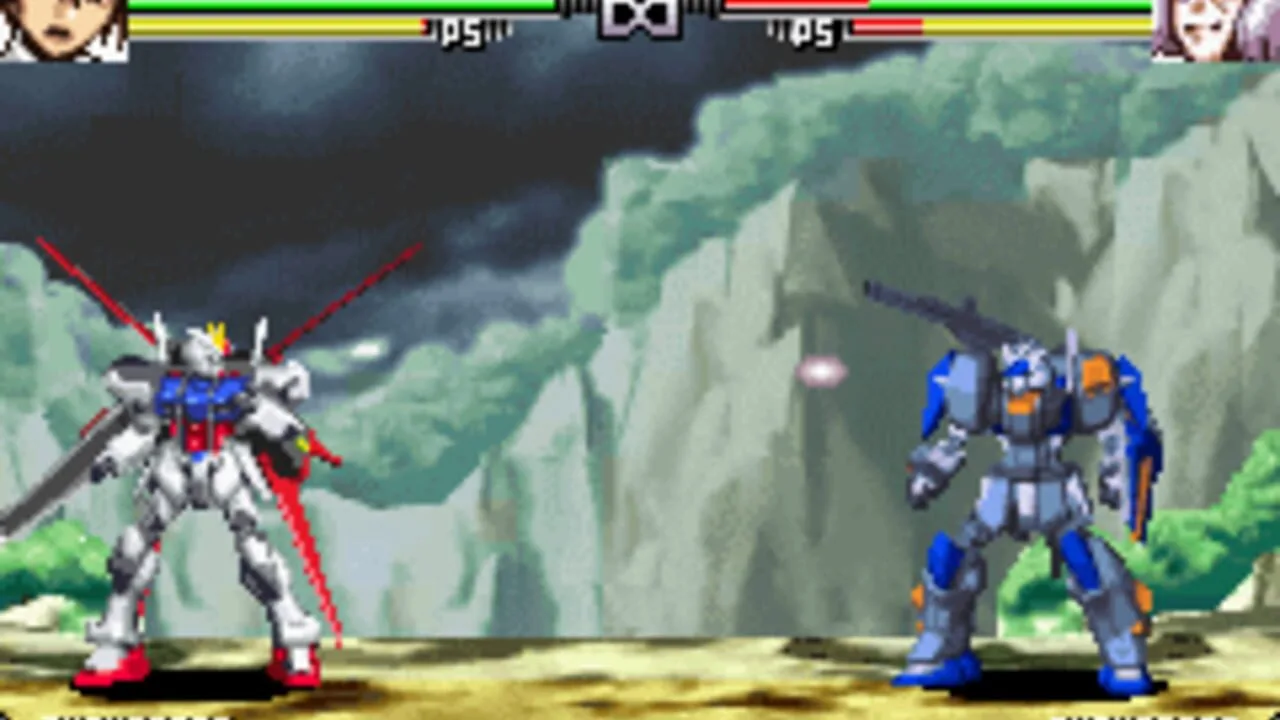
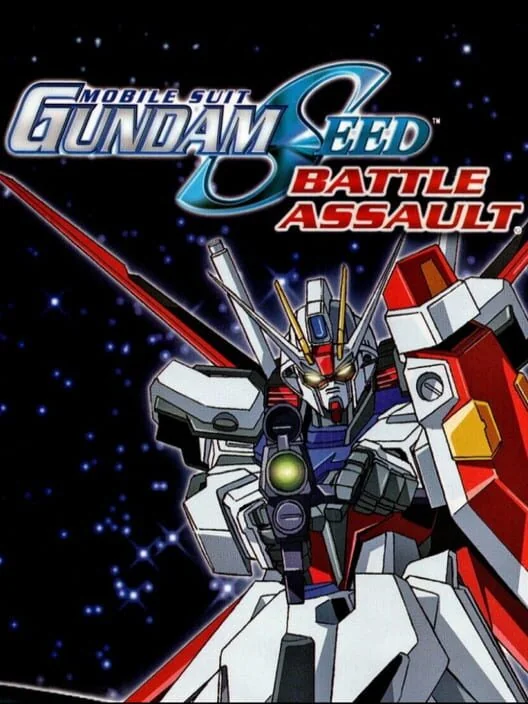
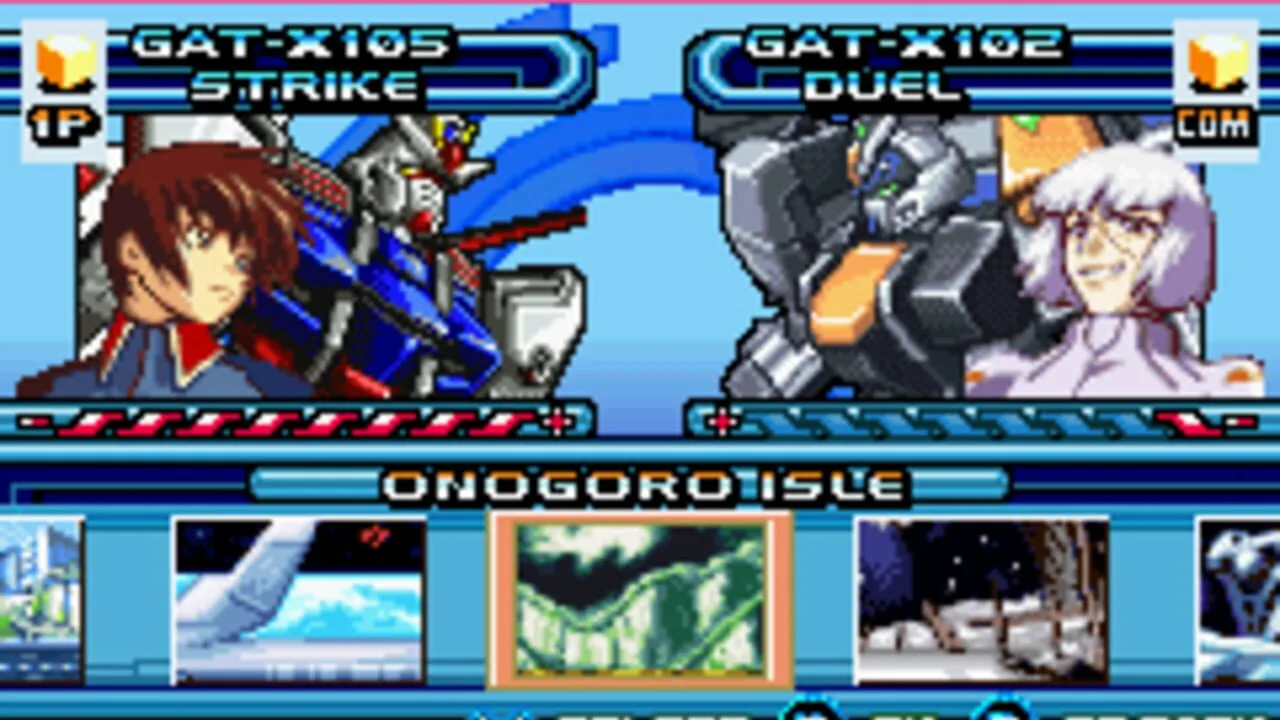
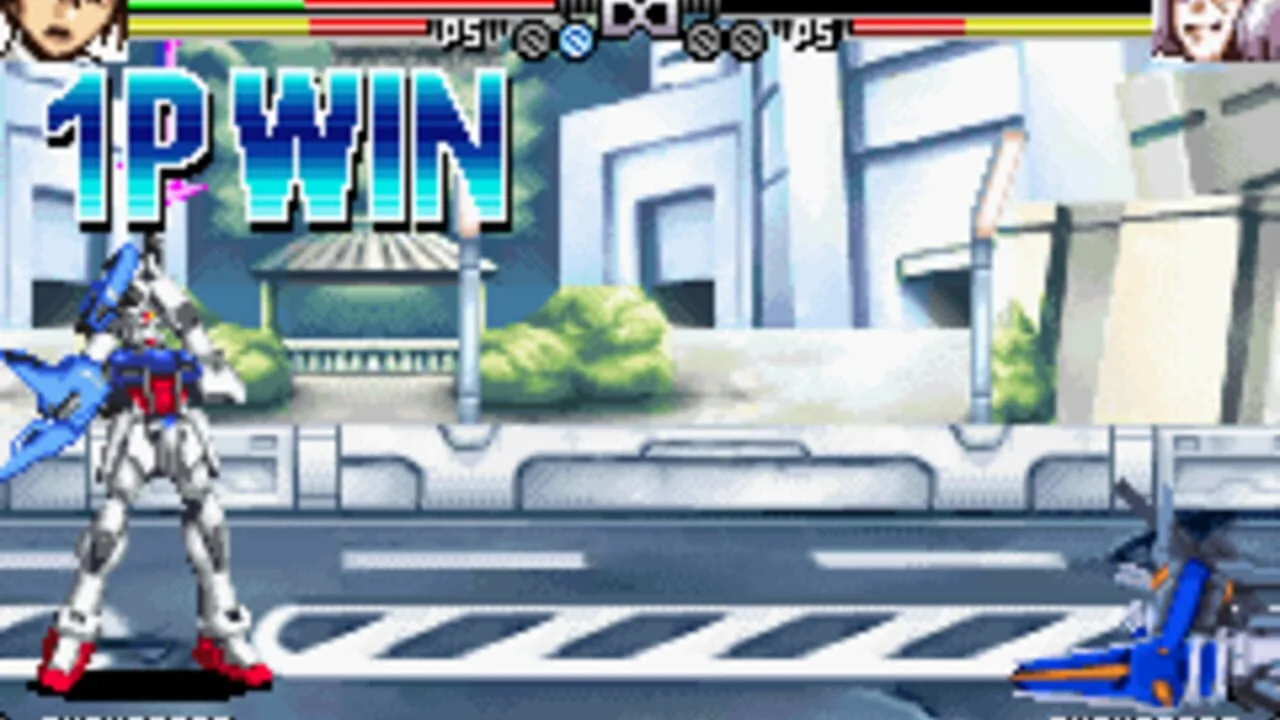
Gundam Seed: Battle Assault is part of the Battle Assault series of fighting games, first known as Gundam: The Battle Master, which appeared on two PlayStations and the Game Boy Advance. The series features mobile suits from several eras of the Gundam franchise and some non-traditional fighting game elements. This one is based on Mobile Suit Gundam SEED, which aired in Japan between 2002 and 2003 and began airing in the United States and Canada in 2004.
You do not need to know the show to enjoy it. Players describe it as a pleasant surprise, a game they expected little from and ended up liking a lot. Big robots punching each other on a tiny screen should not work this well.
6. Fire Pro Wrestling 2 (2002)
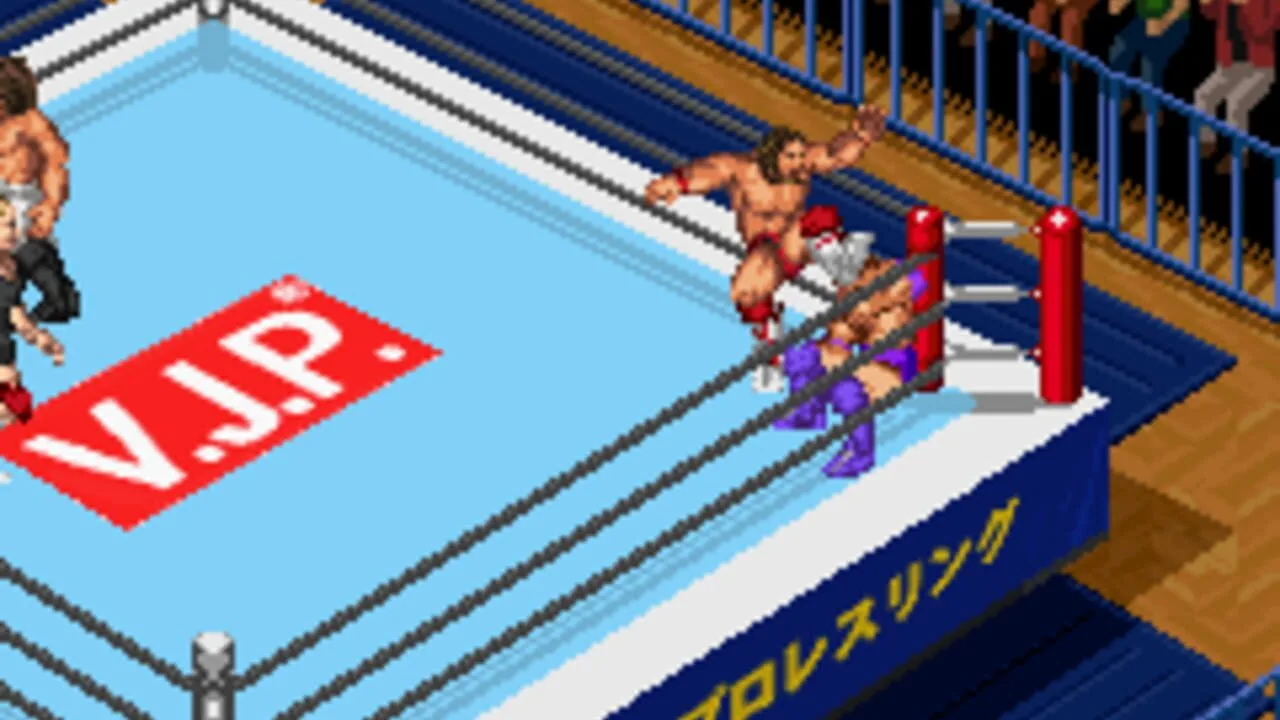
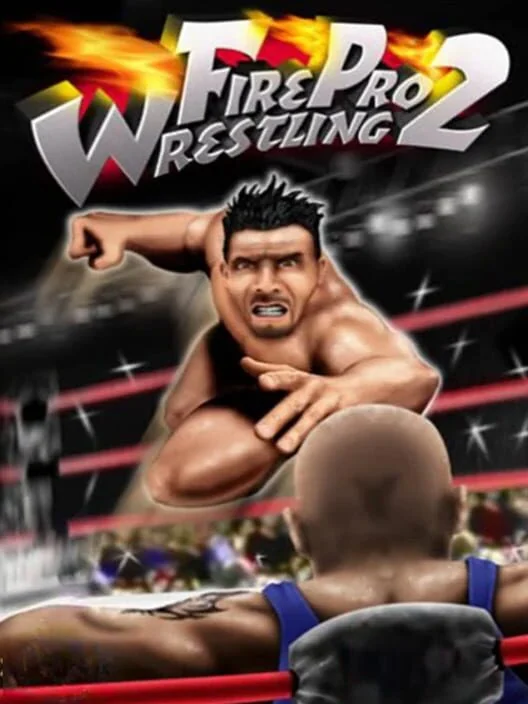
Fire Pro Wrestling 2 is a direct sequel to 2001's Fire Pro Wrestling, released in Japan as Final Fire Pro Wrestling: Yume no Dantai Unei! It came out in North America on September 23, 2002, developed by Spike and published by BAM! Entertainment. Despite the name, it is not the second game in the series; it is only the second one officially translated into English.
GameSpot named it the second-best Game Boy Advance game of September 2002, and it was a runner-up for the site's Best Sports Game on Game Boy Advance award that year, losing to Tony Hawk's Pro Skater 3. When players list the GBA's best games, it keeps coming up, and one player calls it "my all time fave". Wrestling fans who find it tend to stay a long time.
5. Fire Pro Wrestling (2001)
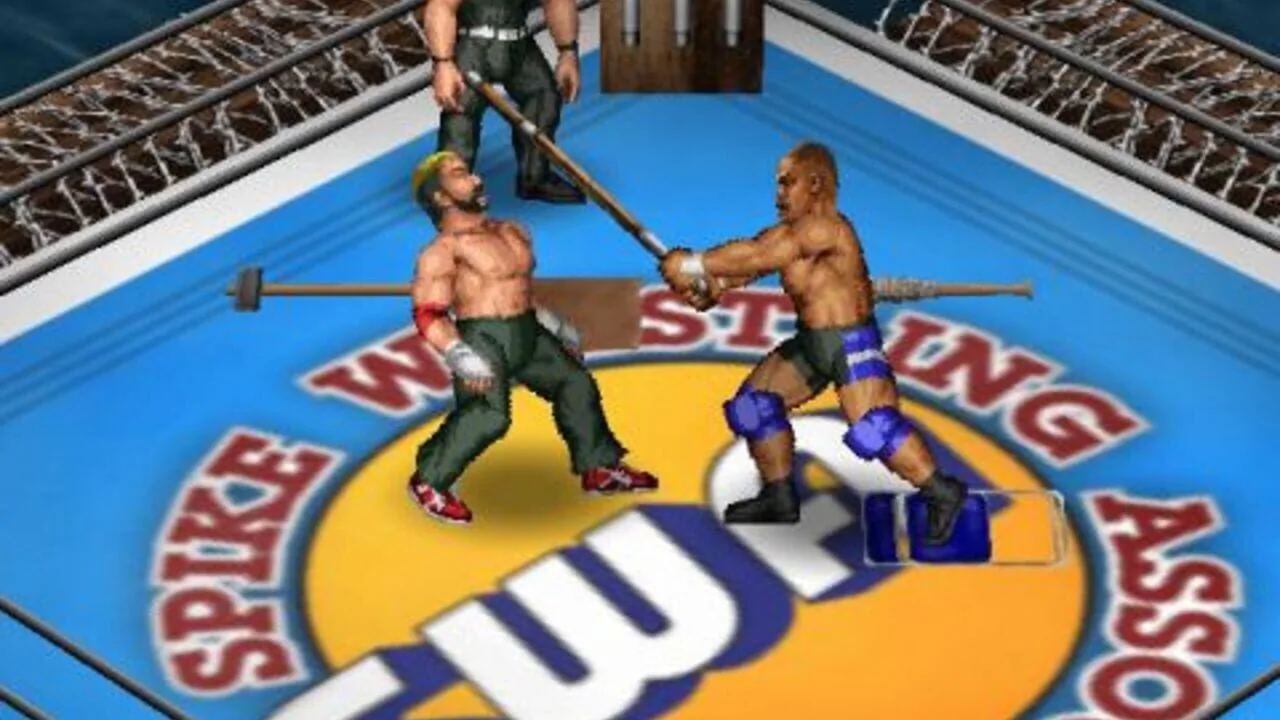
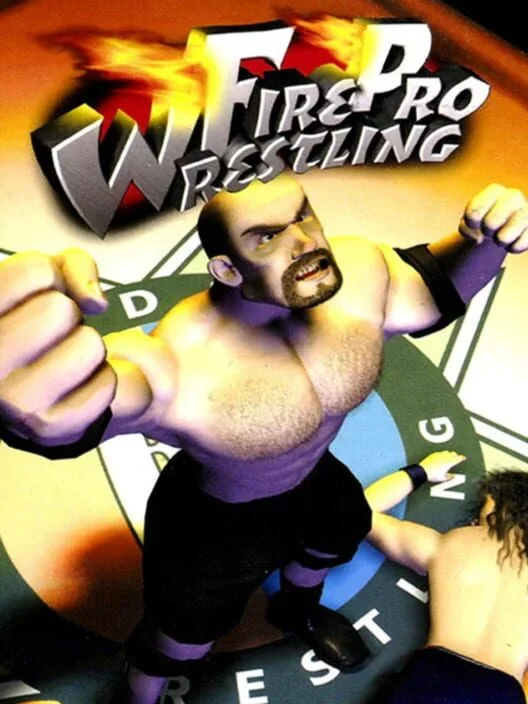
Fire Pro Wrestling was a launch title for the Game Boy Advance in Japan, and it was the first Fire Pro game to receive an official release outside Japan. It has no wrestling licence, so it uses likenesses of real wrestlers with fake names; The Bionic Man Steve Majors is a fictional Stone Cold Steve Austin. There are over a hundred characters, and mixed martial arts fighters are in there too.
A and B handle striking and grappling, and the game rewards strategy. The create-a-wrestler mode lets you build a character from more than 1,200 different techniques. In the audience mode the goal is not always to win but to please the crowd, by breaking out of pinfall attempts at the last second. Players still name this first one on its own, apart from the sequel.
4. Tekken Advance (2001)
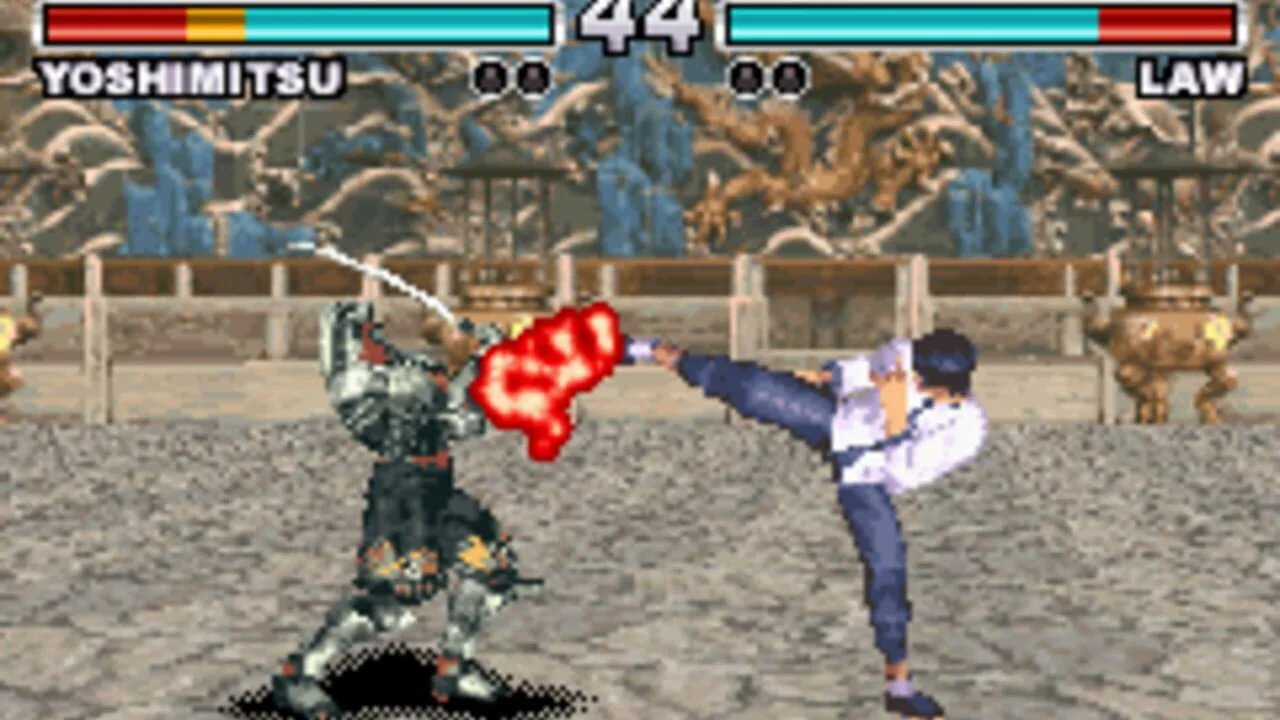
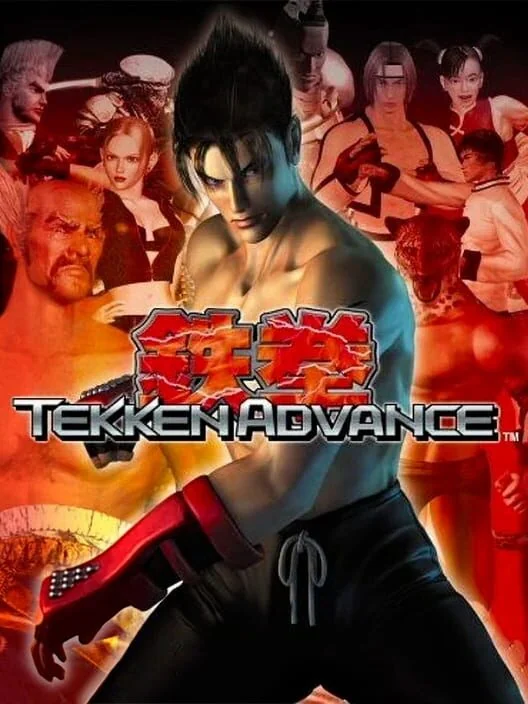
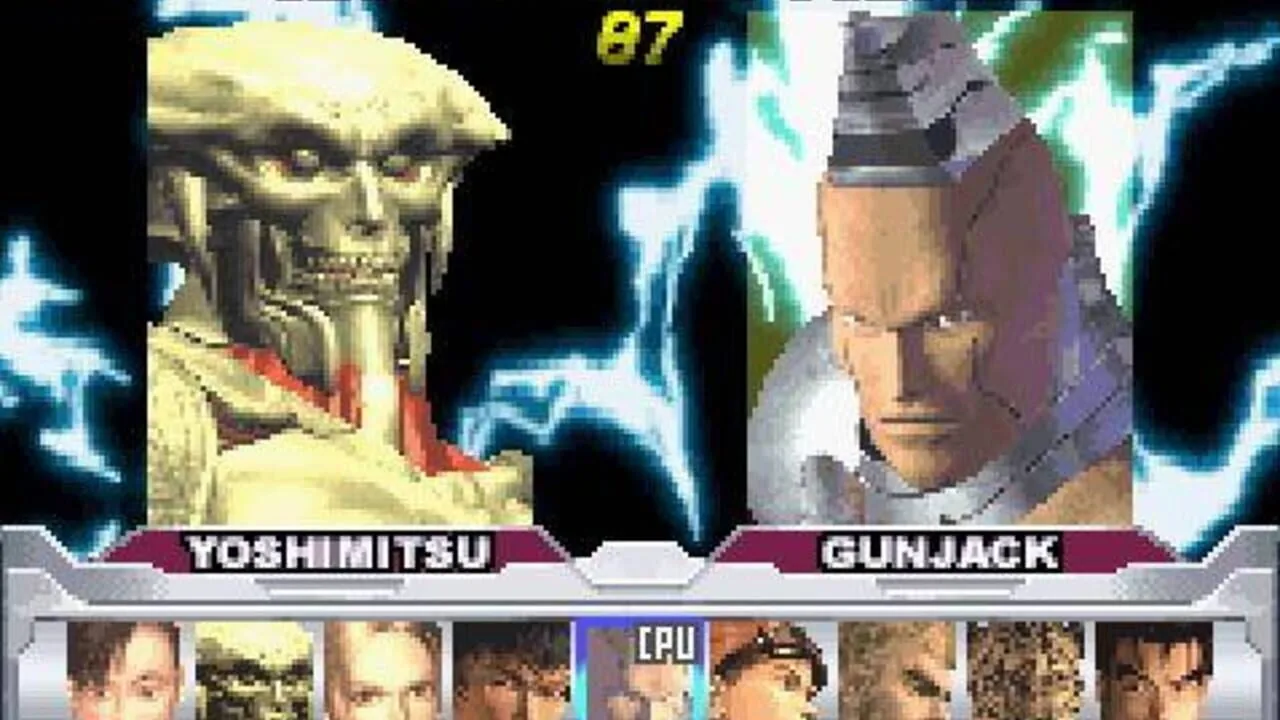
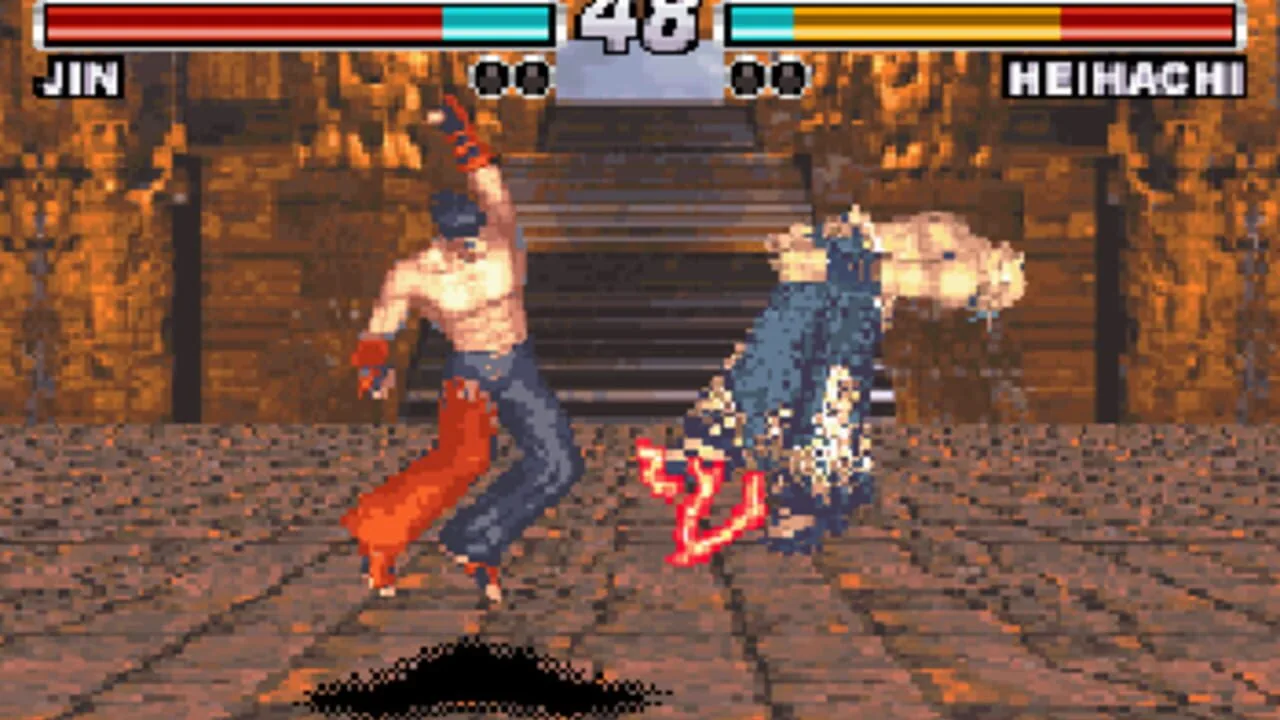
Tekken Advance was developed by Eighting and published by Namco, and it was the first Tekken game released on a Nintendo platform. Its characters are sprites based on Tekken 3's 3D models, while the menus and art style follow Tekken Tag Tournament. Kick sits on the A button and punch on B, and the shoulder buttons handle tagging and throws. There is even a side-step.
Most of the Tekken 3 starters are here, minus Eddy Gordo and Lei Wulong, with Heihachi Mishima as the one unlockable character and final boss. Hitoshi Sakimoto shares the music credit. It scored 82/100 on Metacritic. Players say the same thing again and again: they cannot believe Tekken works this well on a GBA.
3. Super Street Fighter II Turbo: Revival (2001)
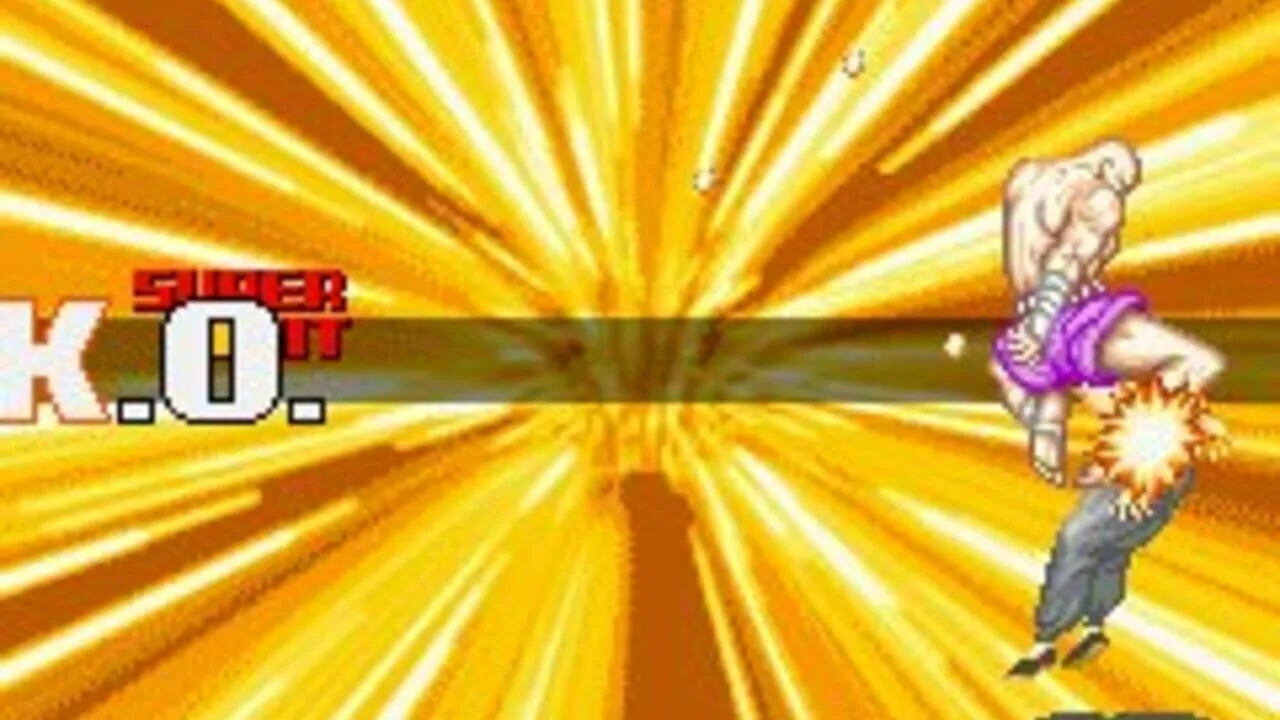
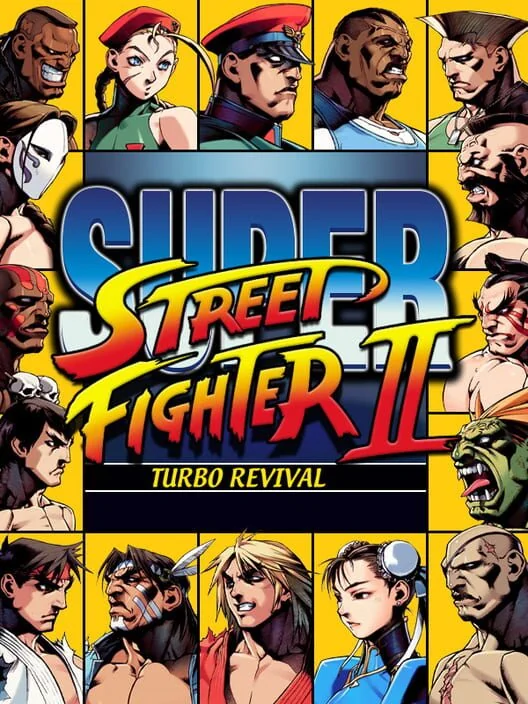
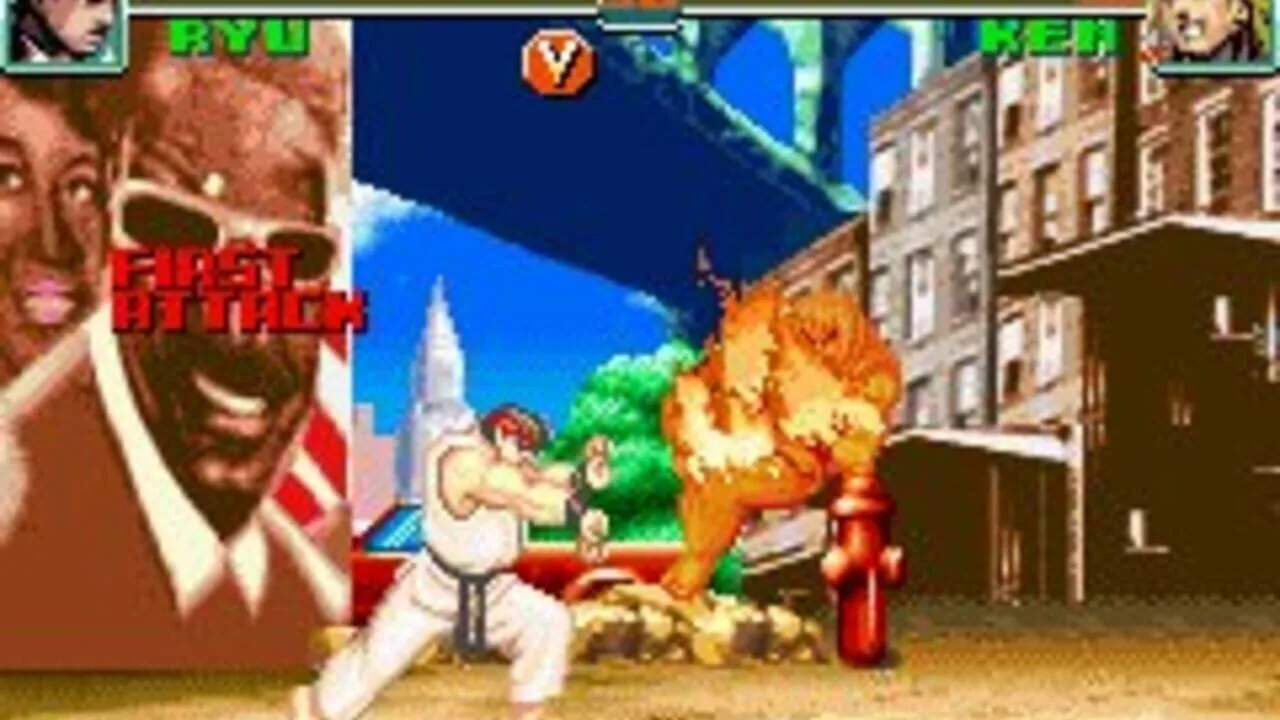
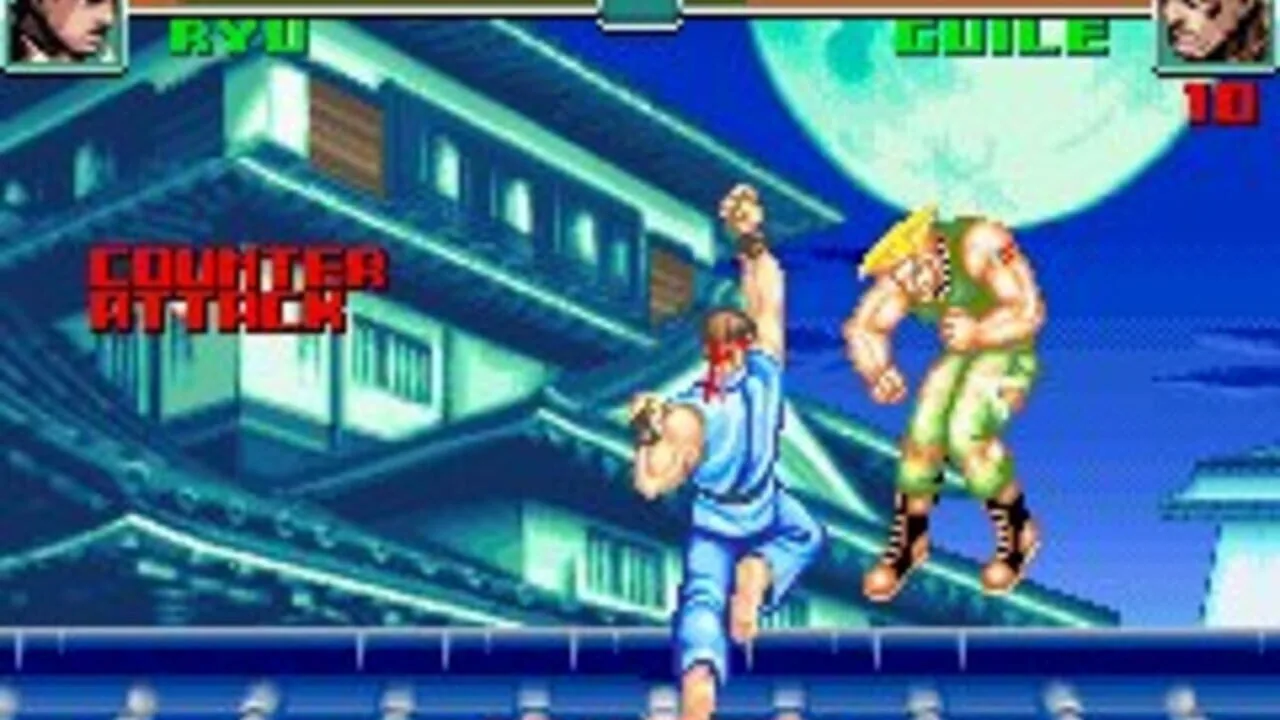
Revival is a port of Super Street Fighter II Turbo for the Game Boy Advance, released in Japan on July 13, 2001, with new character illustrations and a new title screen. Super Turbo is the version that had a major impact on the competitive fighting game community, and it was the first Street Fighter in arcades to feature an adjustable speed setting.
The GBA has only four attack buttons, but you can easily customise them, which helps a six-button game more than you would think. Players call it good and easy to recommend, the kind of game you keep in the cartridge slot for a quick match. It is the purest Street Fighter on the console, and the place to start if you grew up on the Super Nintendo.
2. Sonic Battle (2003)
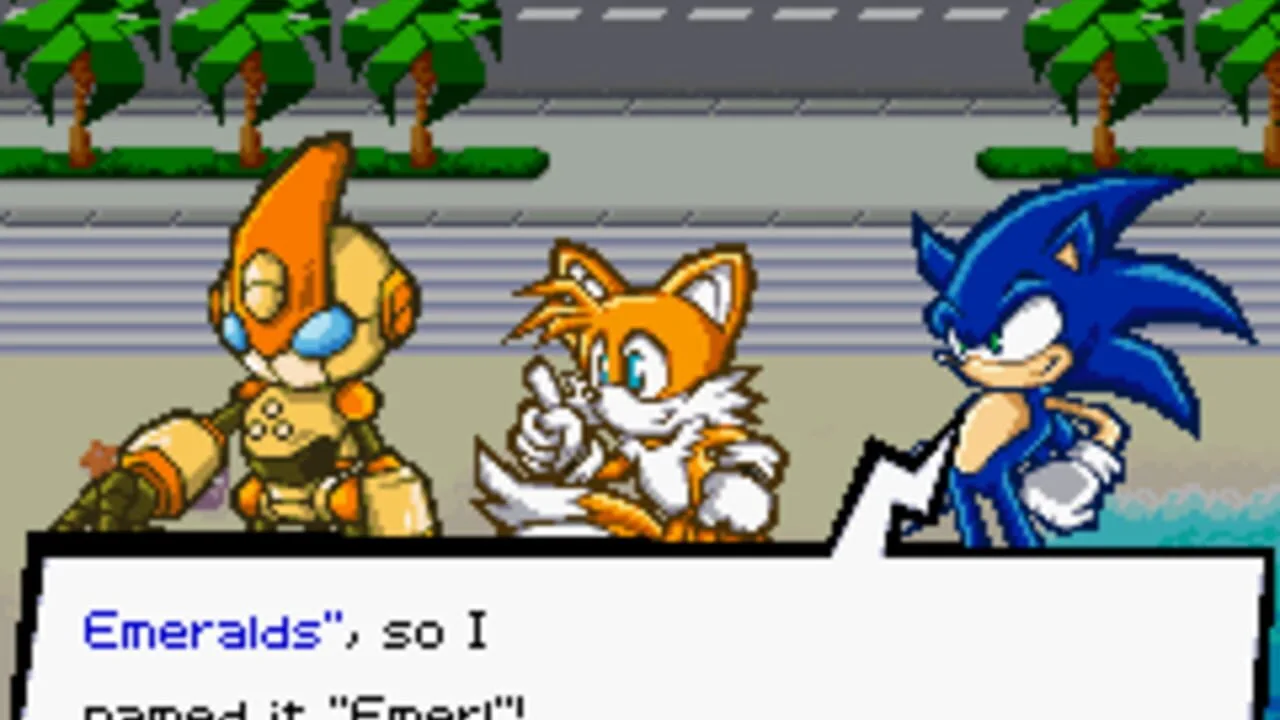
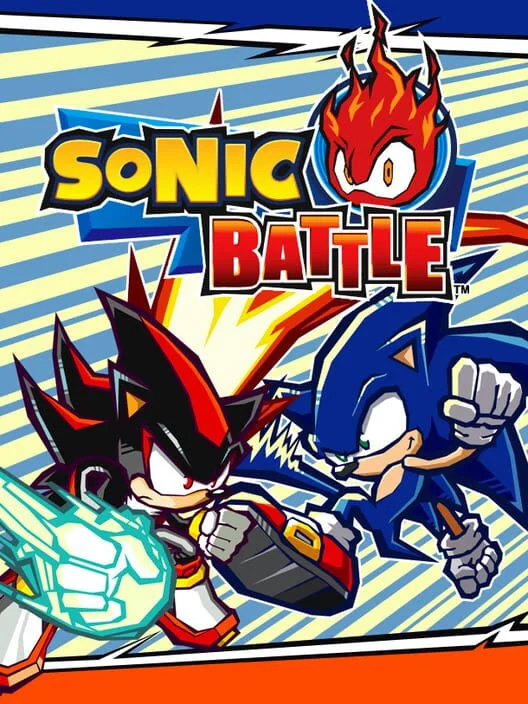
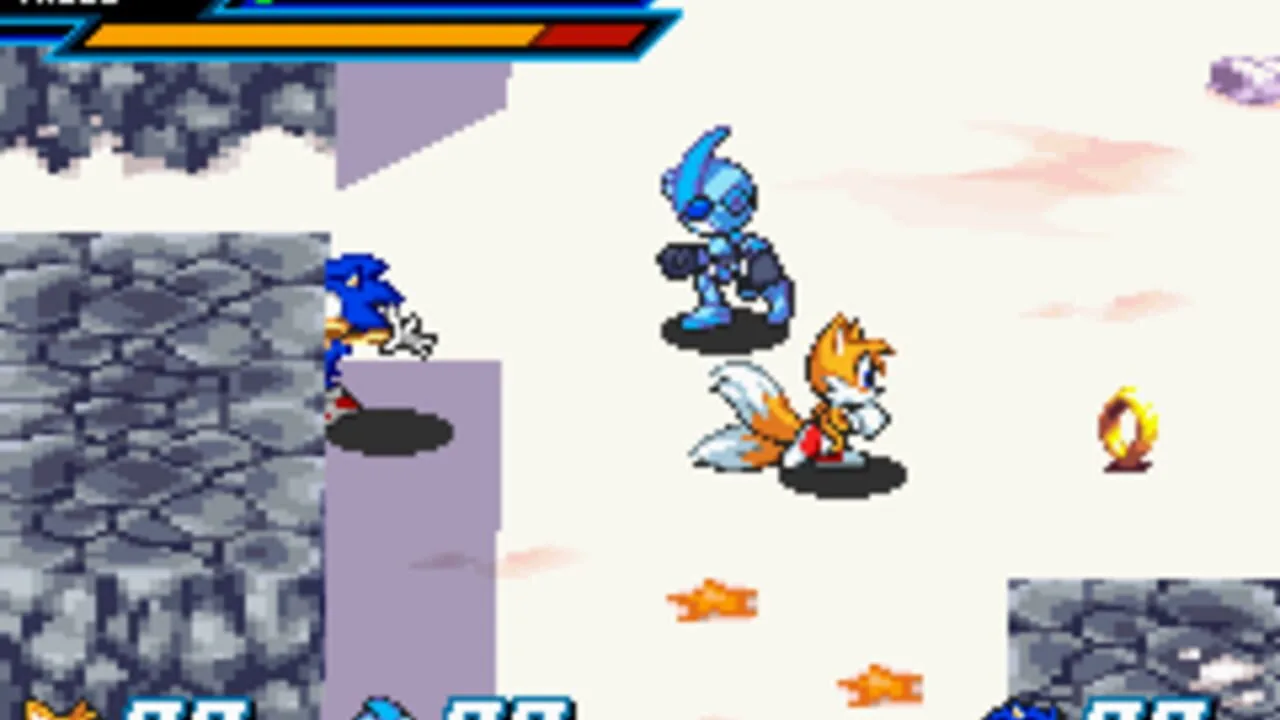
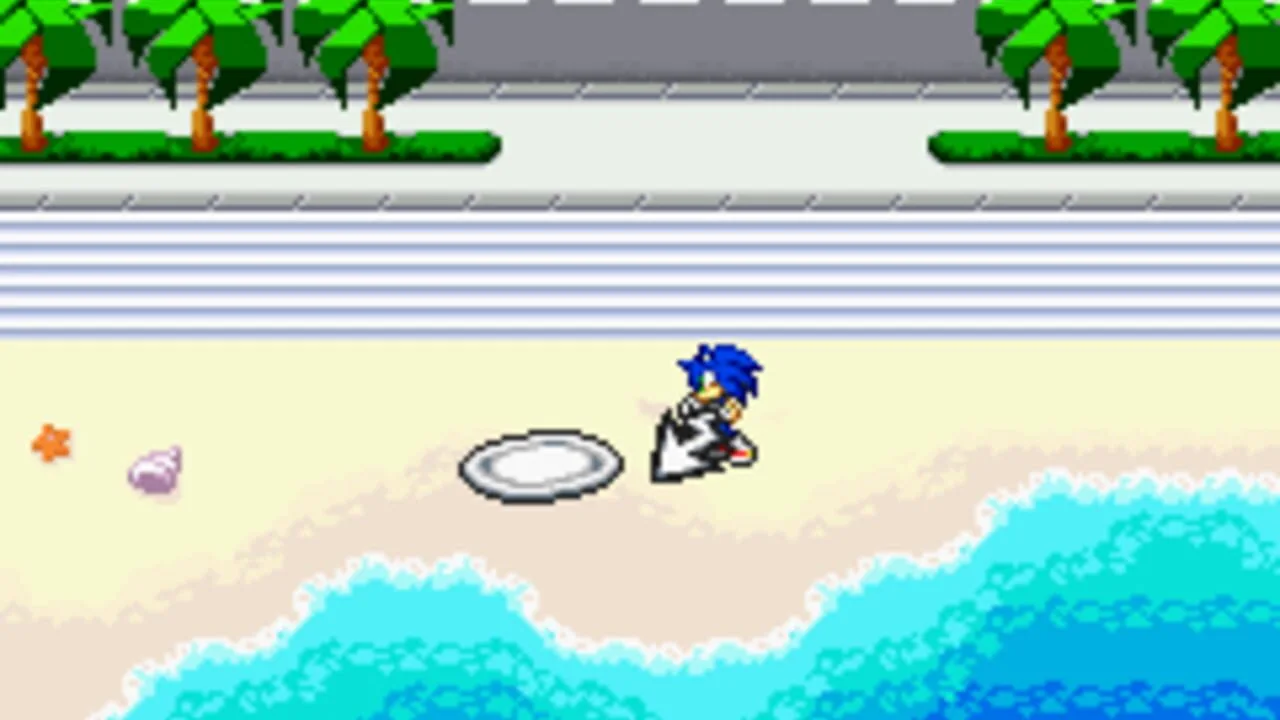
Sonic Battle is the second fighting game in the Sonic the Hedgehog series after Sonic the Fighters, and the first Sonic fighting game on a handheld. It was released in Japan in December 2003 and in North America and Europe in early 2004. Battles are fought in 3D arenas with up to four players, and you can create and train a fighting partner for 2-on-2 battles. The story follows Emerl, a robot who gets stronger with each Chaos Emerald he finds.
There is even a mini-game based on Minesweeper. Critics were mixed, but IGN said it had "enough stuff to make it one of the top original fighters on the Game Boy Advance system." More players named it than any other game on this list. They admit it is odd, and they love it anyway.
1. Street Fighter Alpha 3 (2002)
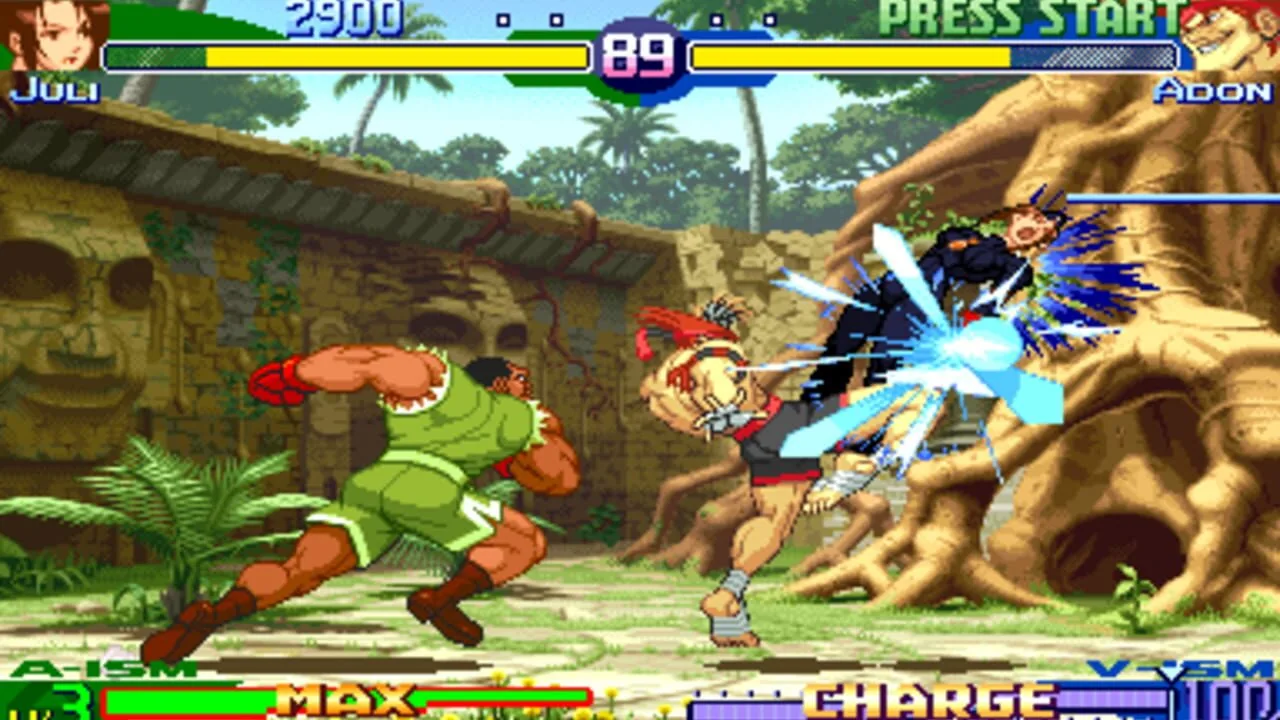
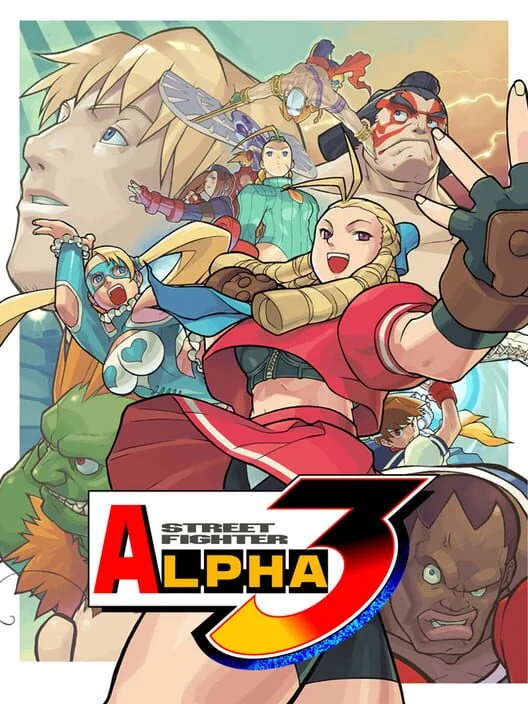
The GBA version of Street Fighter Alpha 3 was developed by Crawfish Interactive and released in 2002 as Street Fighter Alpha 3 Upper. It contains all of the characters from previous versions, plus three extras, among them Yun from Street Fighter III and Maki from Final Fight 2. Those additions were good enough that the later PSP version kept them.
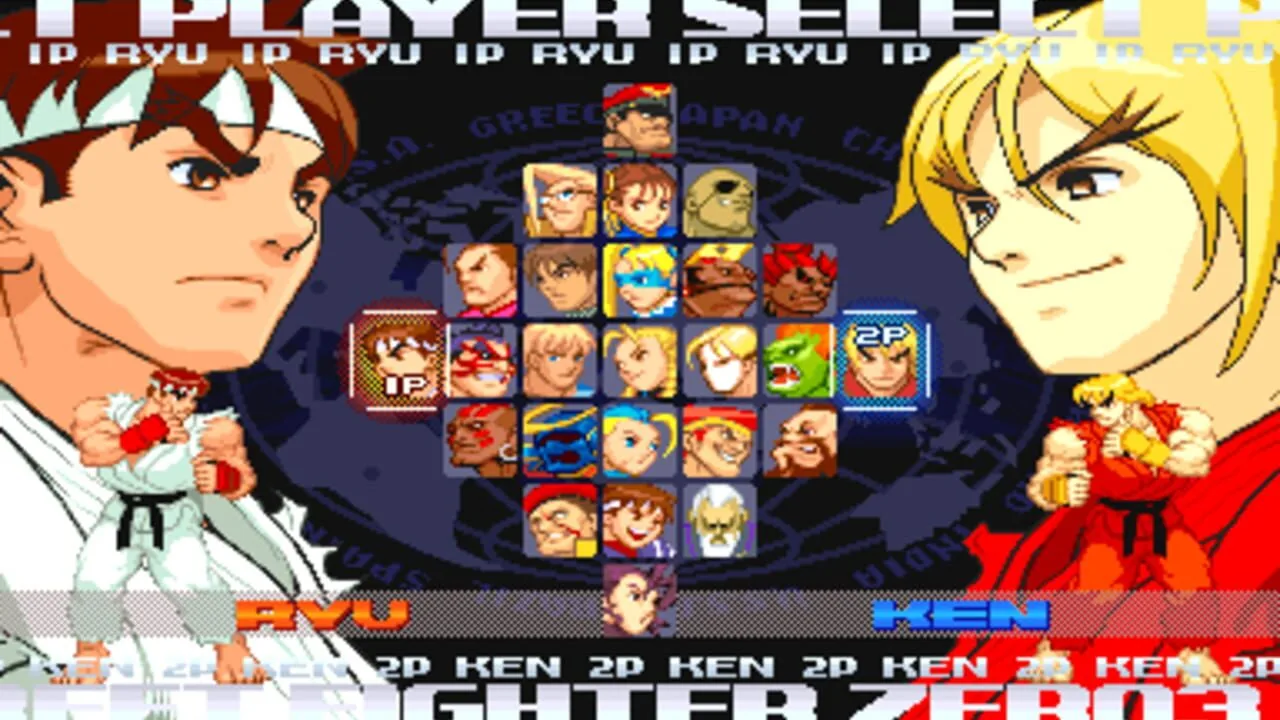
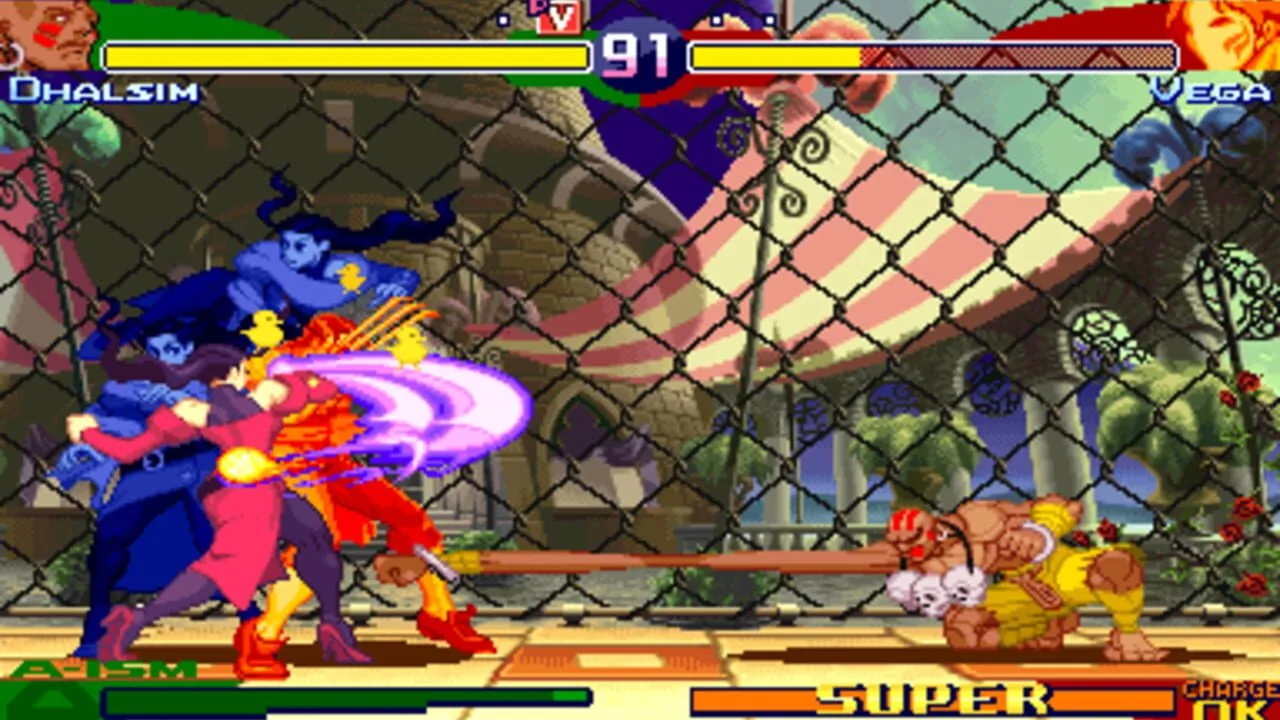
You pick a fighting style before each match, including X-ism, a simple style based on Super Street Fighter II Turbo. Players call it a good port and are amazed at what was crammed onto the cart. They also agree the controls take work. Players put it at the top of the list, just ahead of Sonic Battle, and it is the GBA fighting game with everything in it.
Which one to play
There you have it, the whole list of the best GBA fighting games. The top four would be worth carrying around on any handheld.
If you are not sure where to start, play Street Fighter Alpha 3. If you want something simpler and faster, Super Street Fighter II Turbo: Revival is the pick-up-and-play choice. For 3D fighting fans, Tekken Advance is the surprise. If you have friends with a GBA and a link cable, Sonic Battle is the party game. Wrestling fans should go straight to Fire Pro Wrestling 2. And for a hidden pick, try The King of Fighters EX2: Howling Blood.