The Game Boy Advance was the handheld where 2D action got a second life. Home consoles had gone 3D, and a lot of the people who made the great sprite games of the 90s brought their skills to a screen you could hold. Circle of the Moon was there on launch day, and Konami kept the Castlevanias coming. Capcom handed Mega Man to Inti Creates, who turned Zero into a series of his own.
Nintendo made two Metroids for it, and even Hideo Kojima showed up with a cartridge that needed actual sunlight. There are also some surprising shooters in here, from games nobody thought a handheld could run. Here are the 25 best GBA action games.
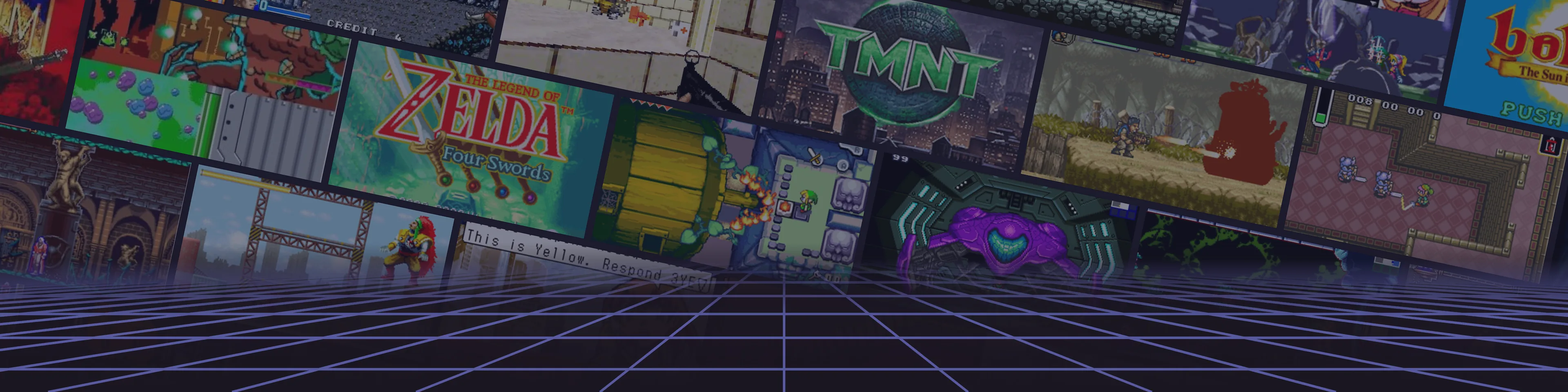
25. The Legend of Zelda: Four Swords (2002)
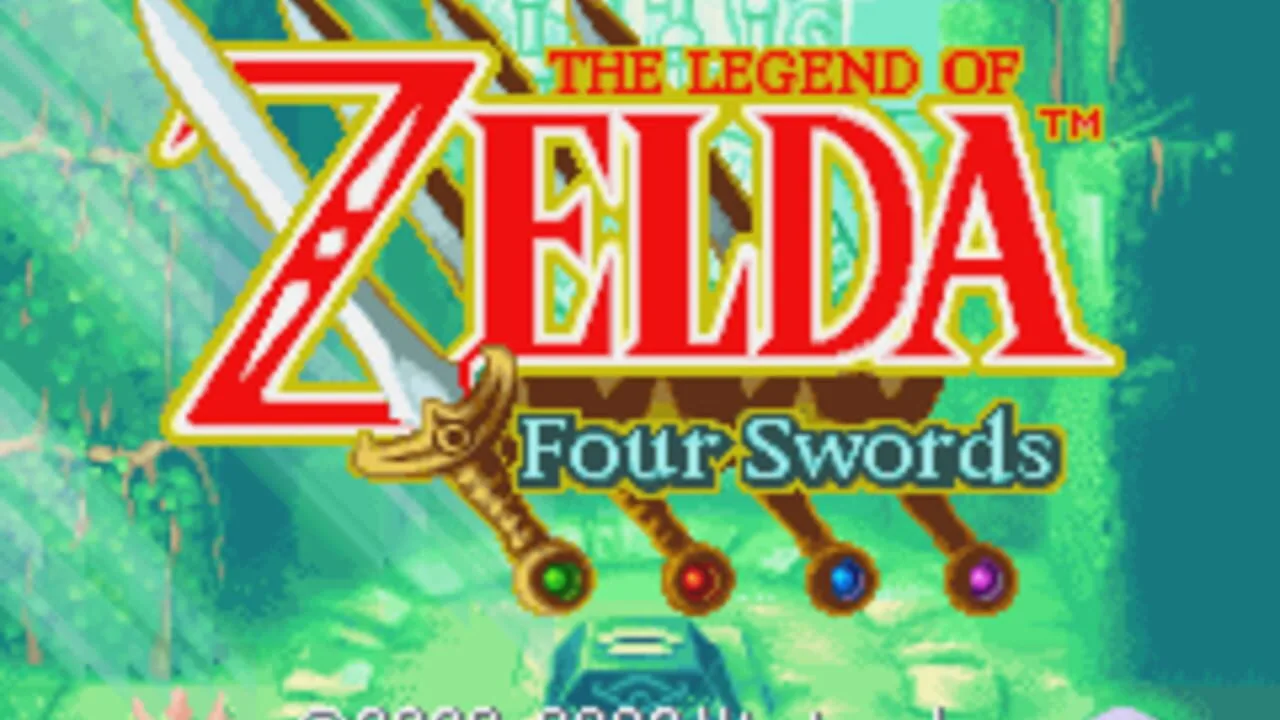
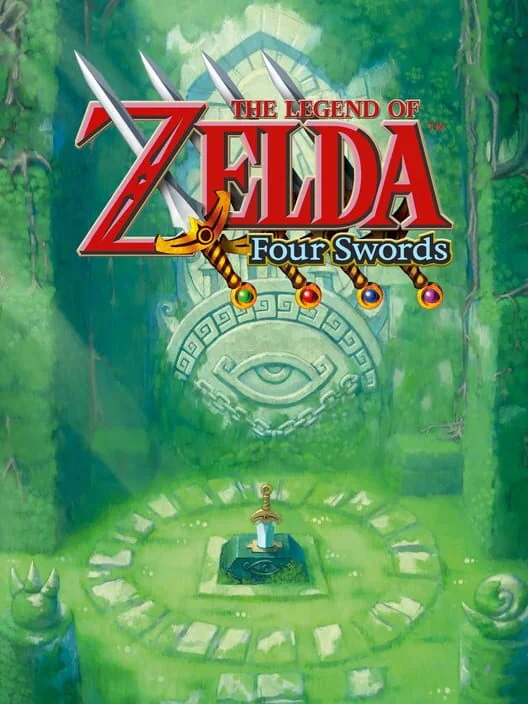
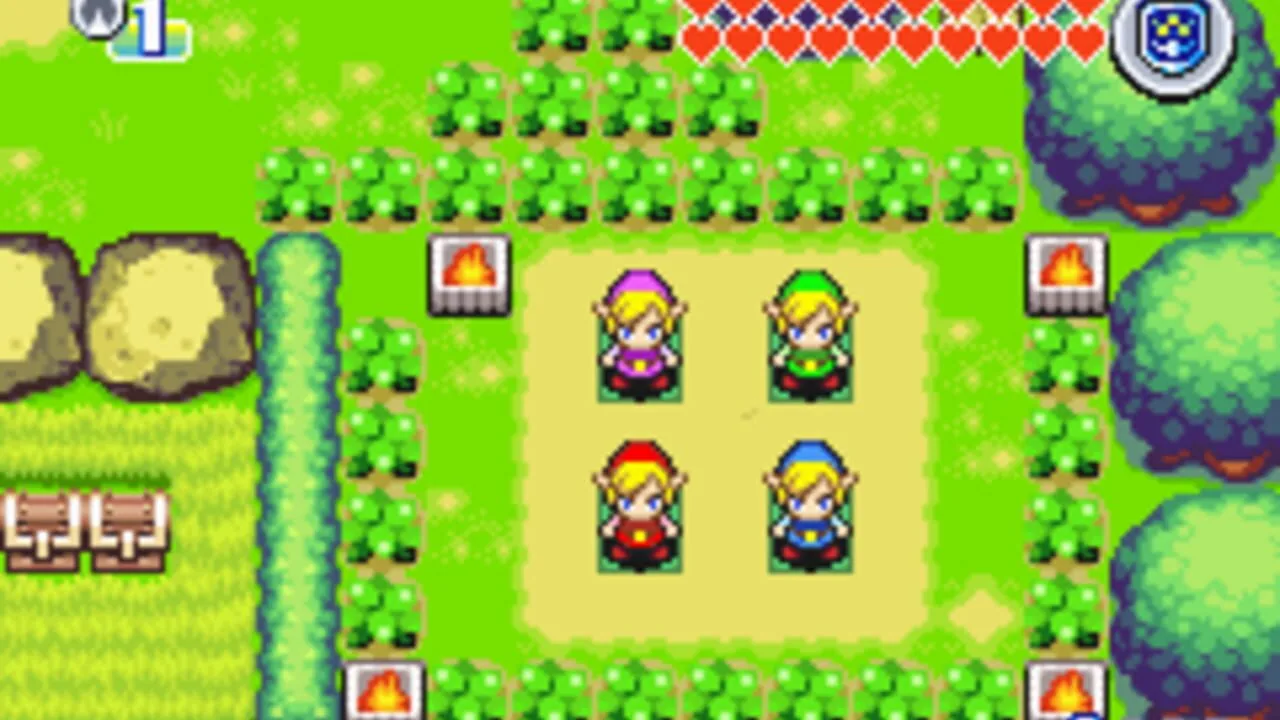
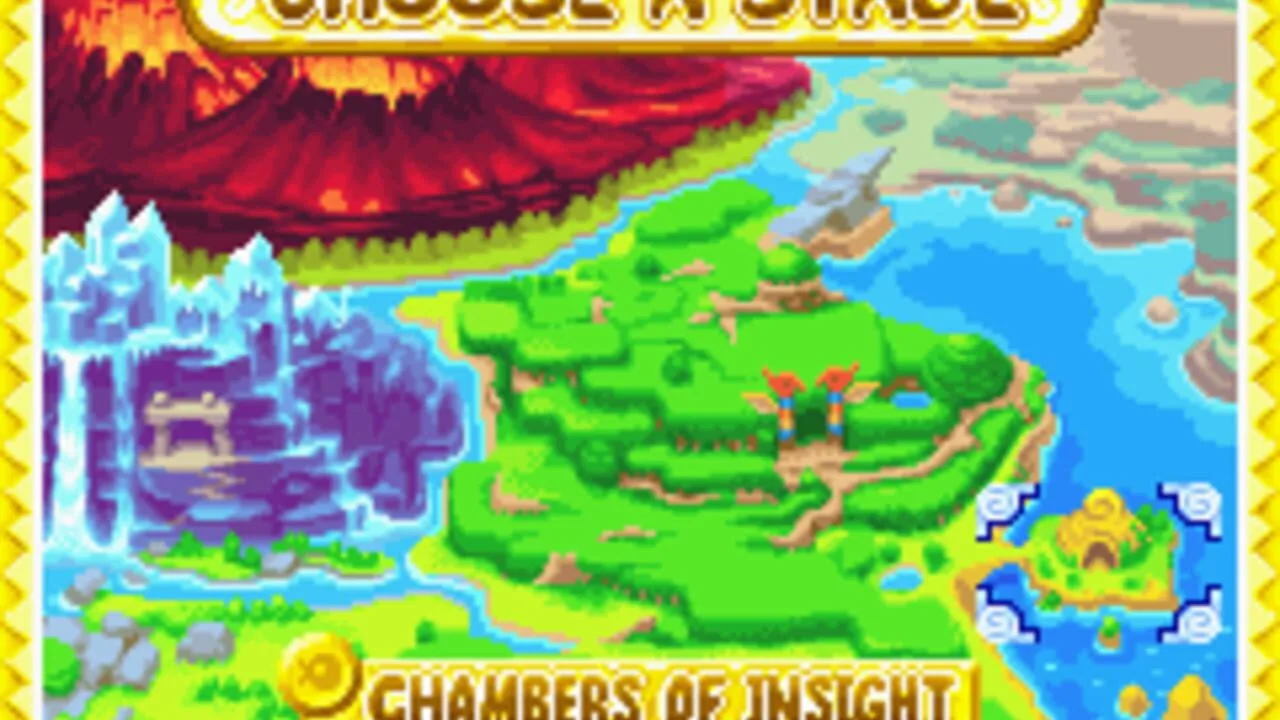
Four Swords came on the same cartridge as A Link to the Past, and it is a very different kind of Zelda. It is a new Zelda in which two to four players work through dungeons together, and the dungeons are randomly generated. You share the work of solving puzzles and beating enemies, but you also race each other for Rupees. Collect enough and the Great Fairy gives you a key to the next level, and whoever grabbed the most Rupees at the end wins.
The catch is that it needs at least two people, which made it a party game for kids who had friends with a GBA and a link cable. If you had that, it was a blast. Friendly arguments about who took the last Rupee were part of the deal.
24. The Lord of the Rings: The Two Towers (2002)
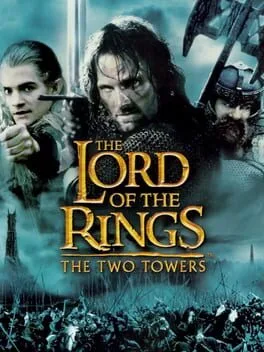
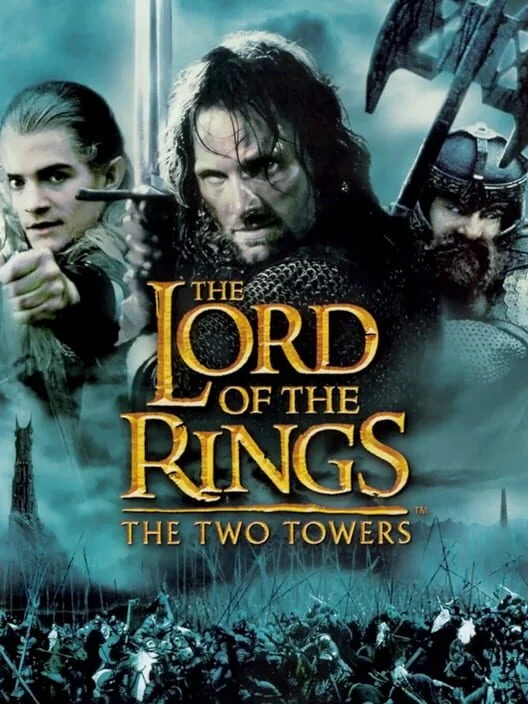
The GBA got its own 2D game of the same name, made by Griptonite Games. It came out in November 2002 for the Game Boy Advance, a few weeks after the PlayStation 2 version. Like the bigger game, it follows the first two Peter Jackson films, and you fight your way through the story one level at a time.
It is the least famous game on this list and the one players are most likely to have found by accident in a bargain bin. One player called the GBA Lord of the Rings games "quite underrated but had lots of content", and that is a fair way to sell it. It is a movie game that took its job seriously.
23. Danny Phantom: Urban Jungle (2006)
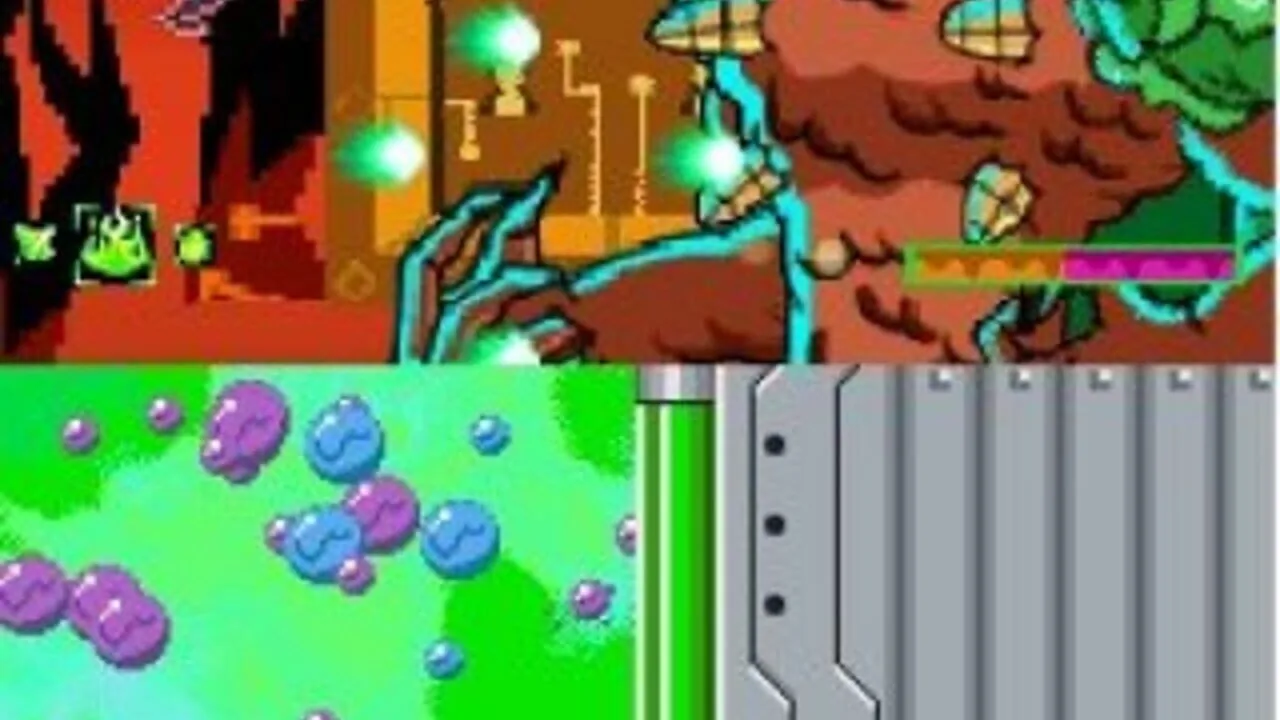
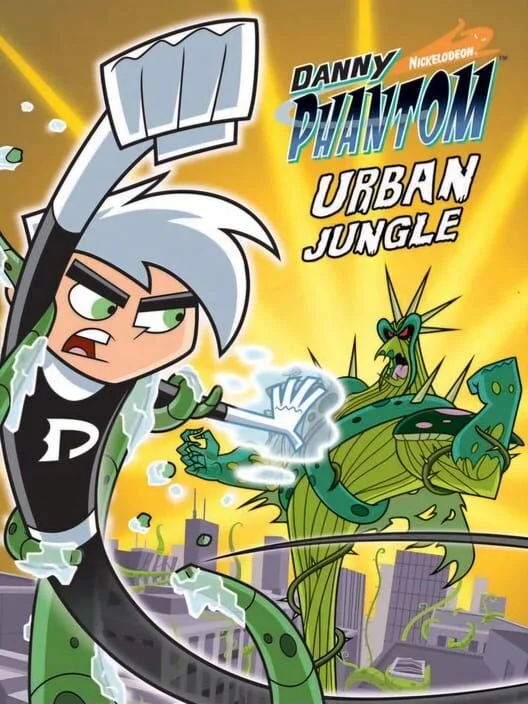
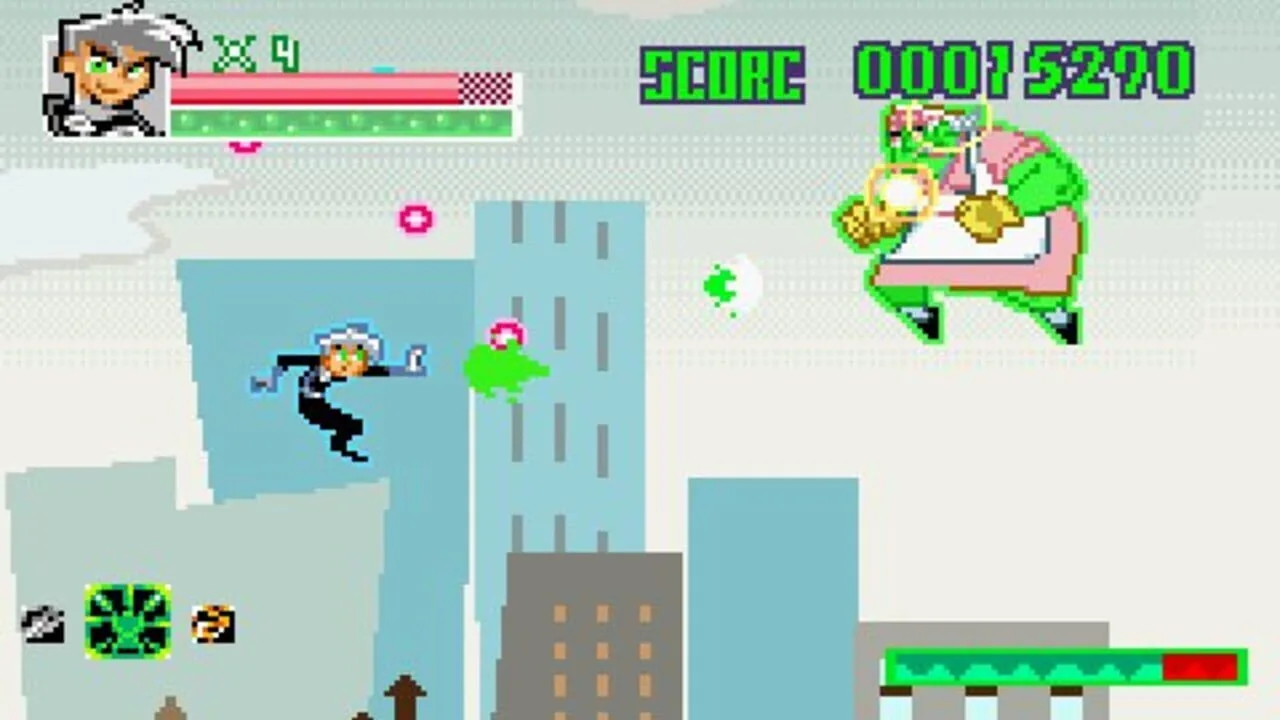
Urban Jungle is based on the episode "Urban Jungle" from the Nickelodeon cartoon, and it is the second Danny Phantom game, after The Ultimate Enemy. A new eco-ghost called Undergrowth has turned Amity Park into a real urban jungle, and Danny has to fight through thorns and monster plants to stop him. Along the way he travels to the Ghost Zone to learn a new freeze power and pilots the Fenton Flier.
The box promises "frenzied shooter action", and that is more or less what you get. A licensed cartoon game from late in the GBA's life had no business being on a list like this, and yet here it is. It made it the honest way, because enough players remembered it fondly to recommend it.
22. Doom (2001)
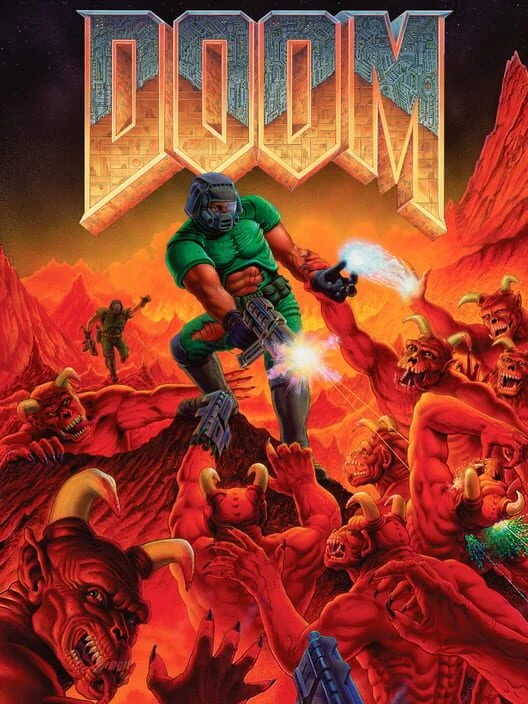
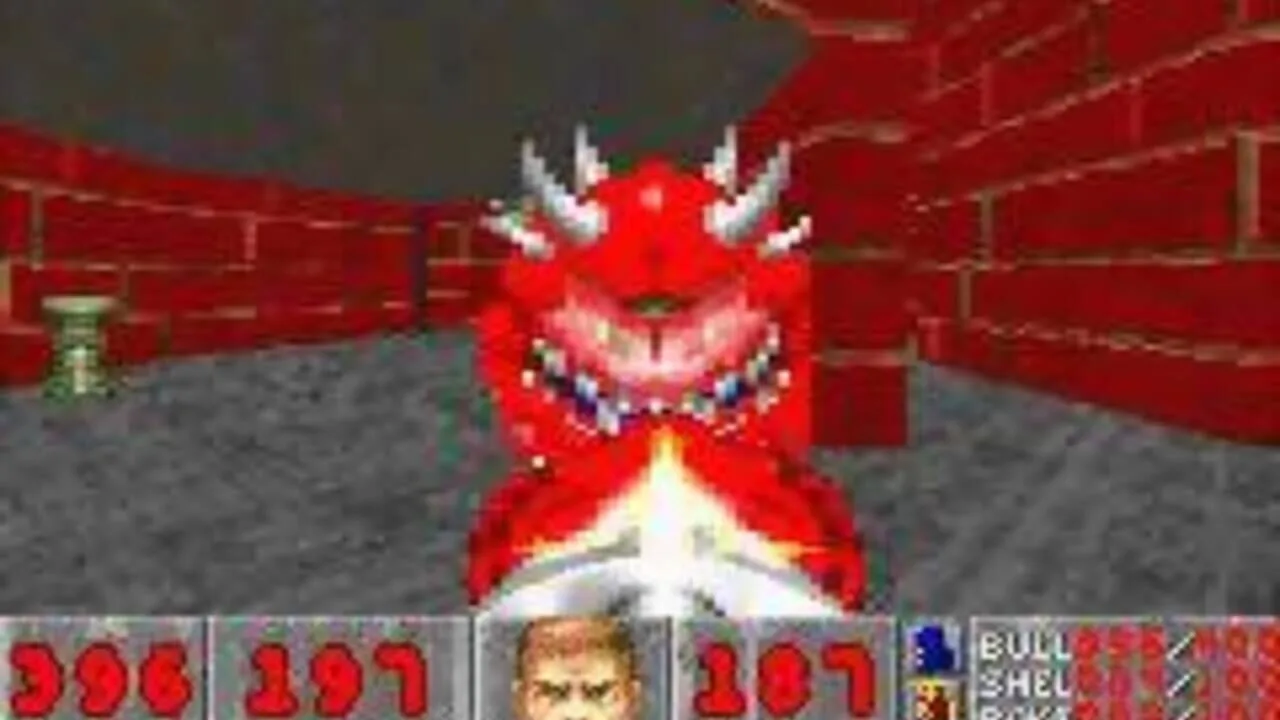
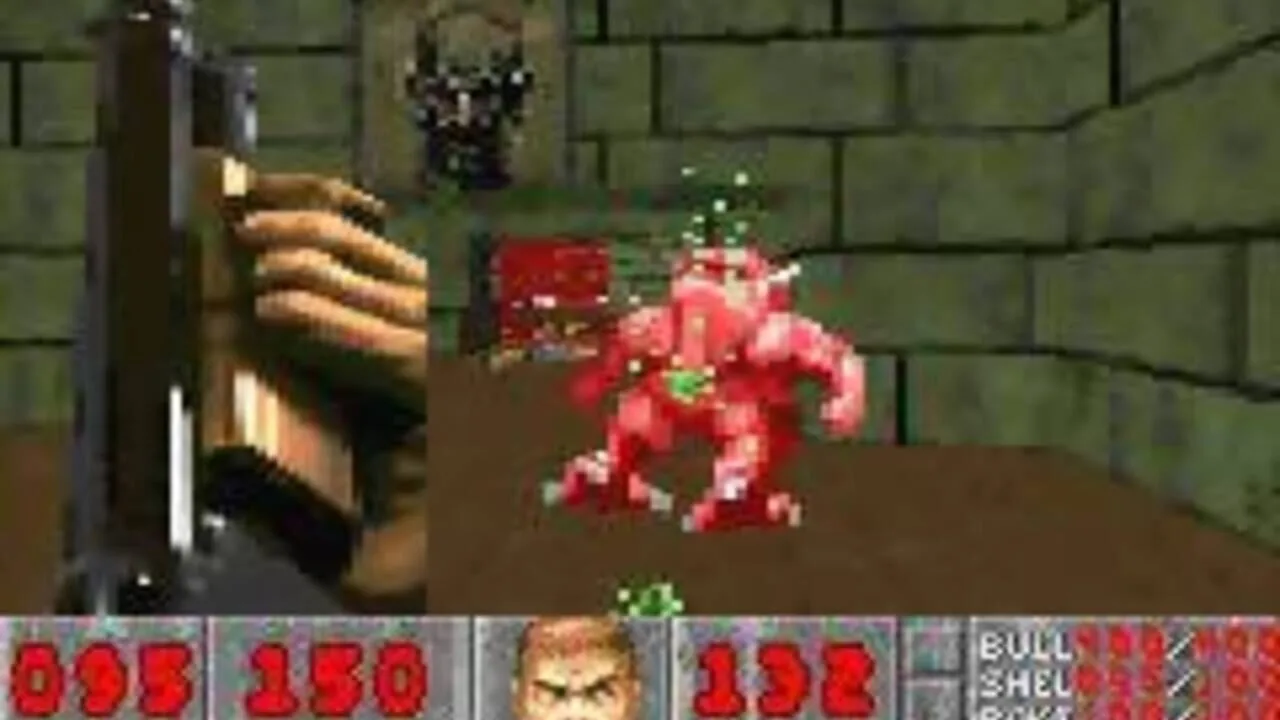
Doom is the game that has been called the "father" of first-person shooters, and it took until October 24, 2001 to reach the GBA in North America. The engine is based on the Atari Jaguar port, so some of the original levels are missing. In return, it has Link Cable support, which means you could play deathmatch with a friend on two handhelds.
It looks rough on the small screen, and the controls take some getting used to. That said, it is still Doom, running on a machine that fit in a jacket pocket, and that alone felt like a magic trick back then. Ask what to play on the GBA and Doom fans get the same answer: this one is a must.
21. Final Fight One (2001)
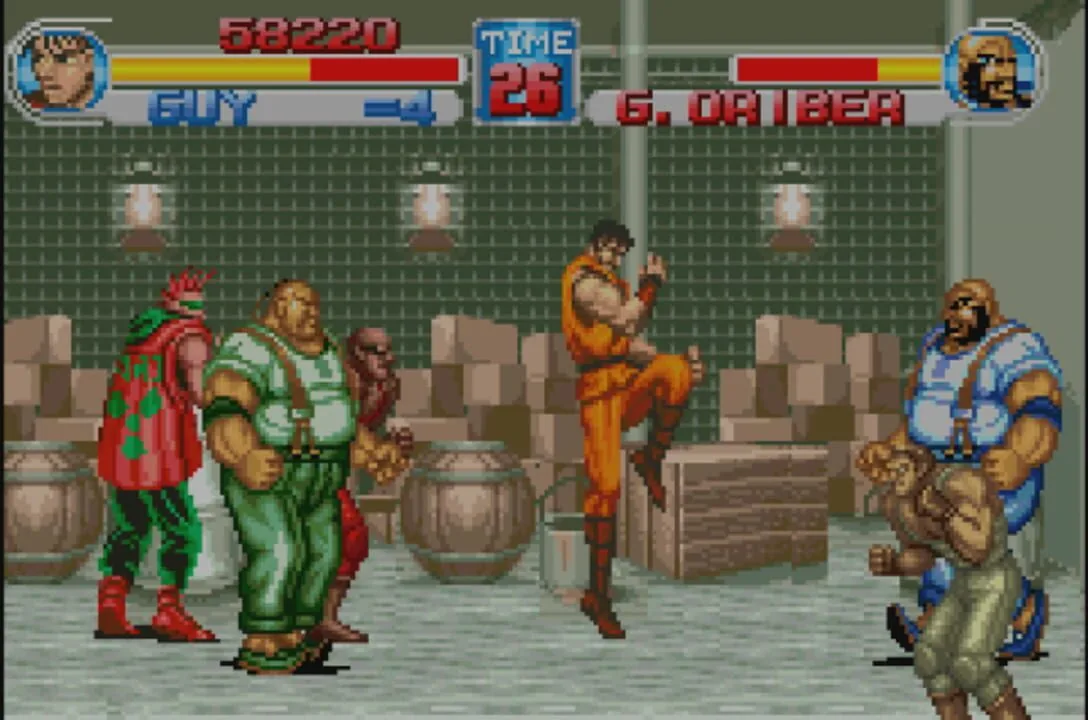
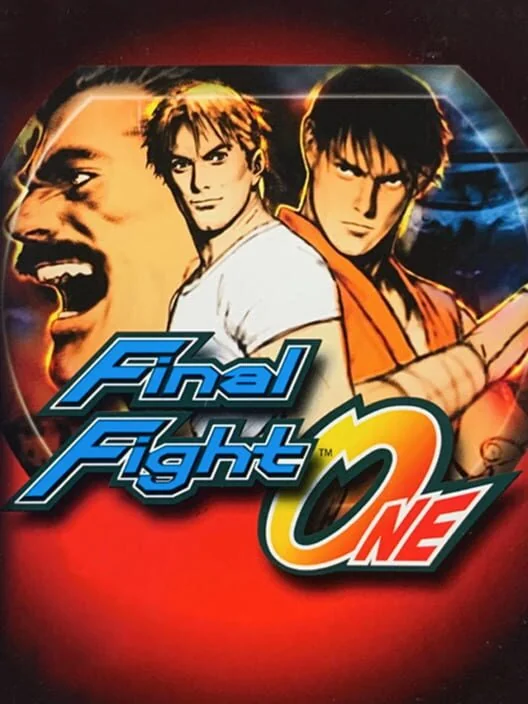
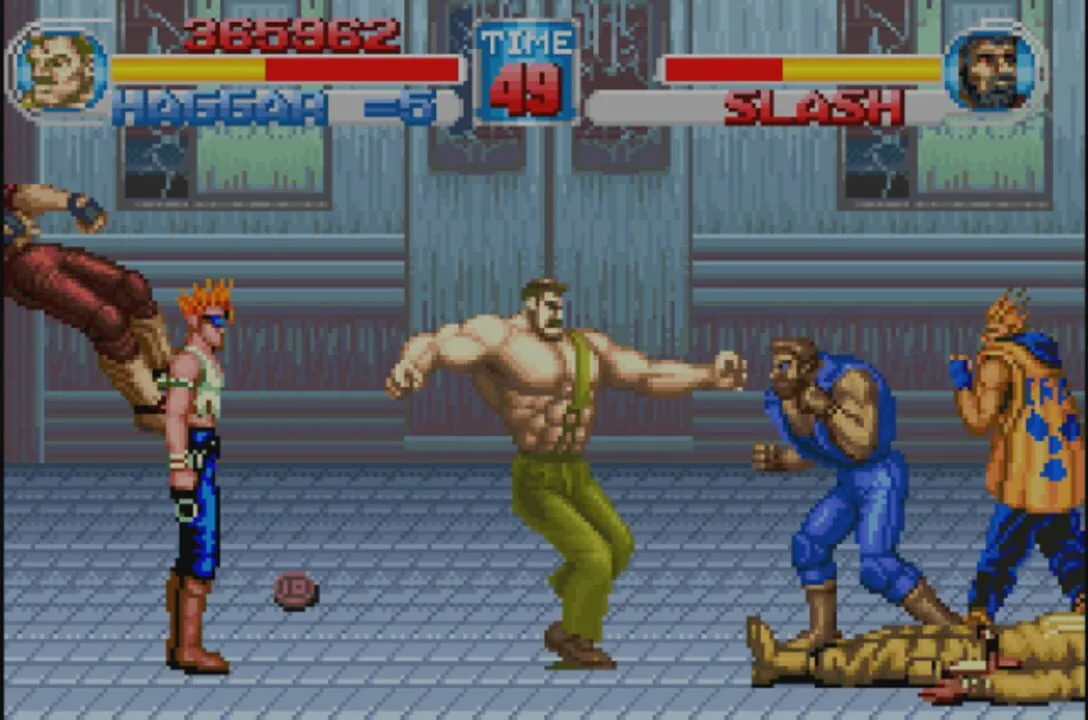
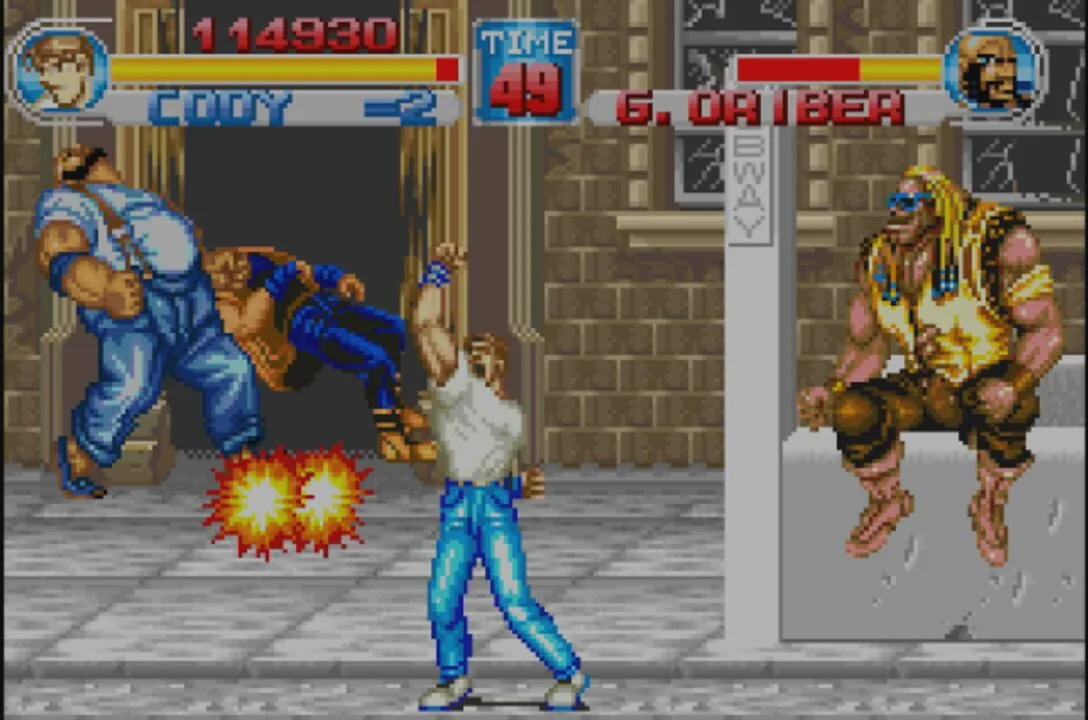
Final Fight was the highest-grossing arcade game of 1990 in Japan, and Sun-Tec's Final Fight One put it on the GBA in 2001. The plot is pure arcade: the Mad Gear Gang has kidnapped Jessica, the mayor's daughter, and Cody and Guy have to clean up Metro City to bring her back. You walk right and punch everyone who stands in your way.
That is all a brawler needs to be, and this one does it well. If you like a brawler, players say this is the one to grab on the GBA. It is short enough to finish on a bus ride, which is exactly how most of us played it.
20. Max Payne (2003)
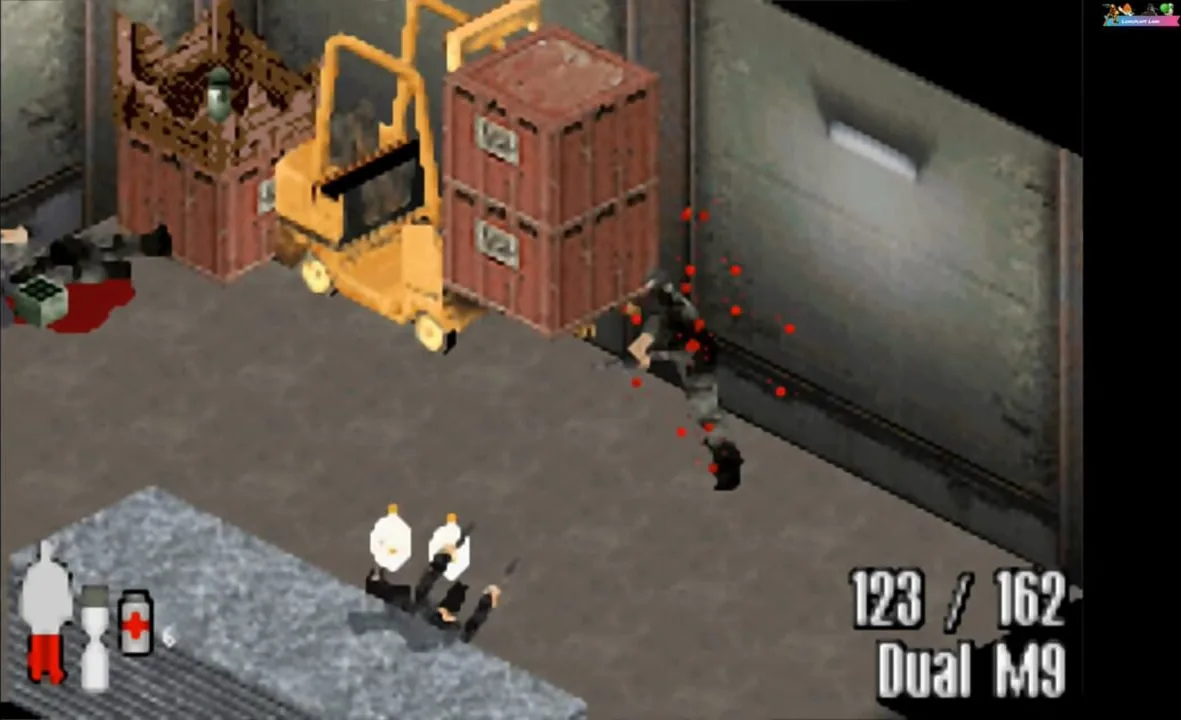
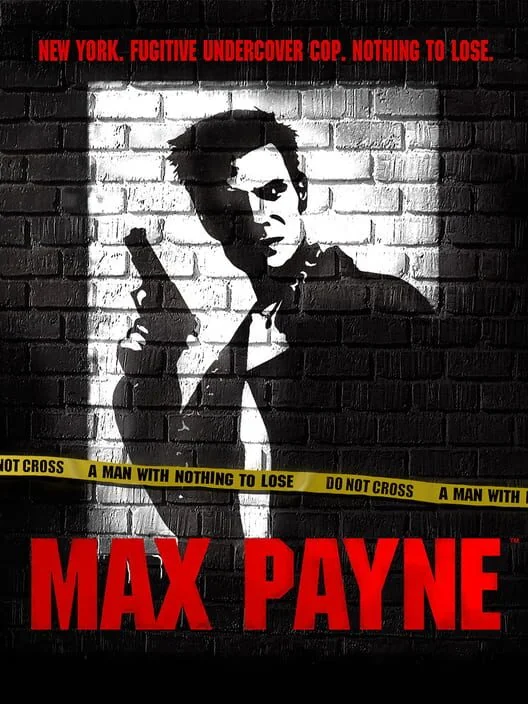
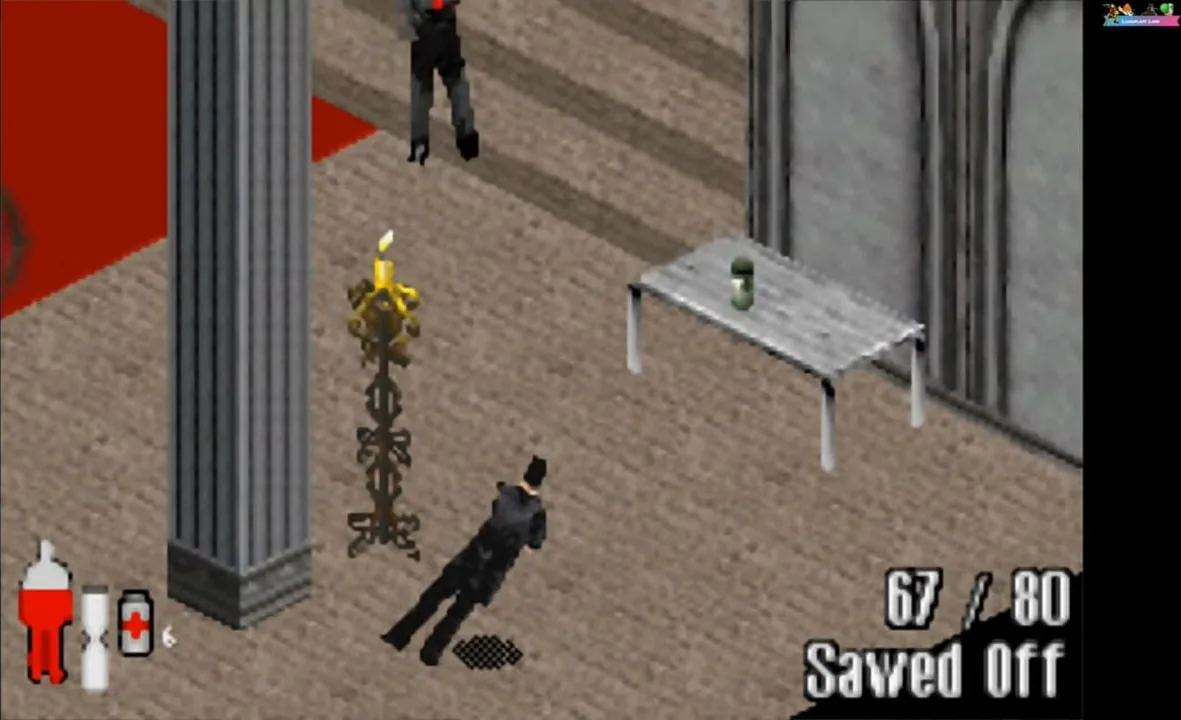
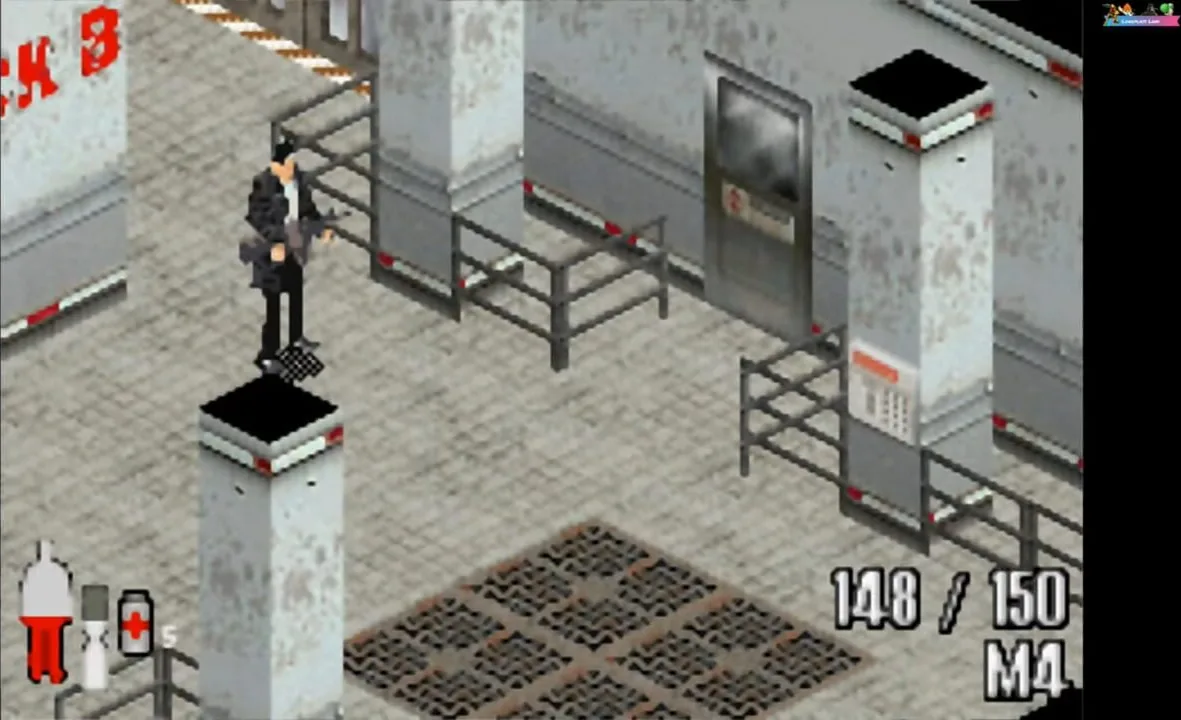
Max Payne first came out on Windows in July 2001, and the GBA version turns it into a third-person shooter seen from above. It keeps the two things that made the original famous. The story is told in graphic novel-style panels, a style drawn from hard-boiled detective novels by authors like Mickey Spillane, and you still get bullet time, which slows everything down while you dive through a room full of gunmen.
Squeezing a noir cop story with real cutscene panels onto a GBA cartridge was a bold move, and it mostly works. It has fans, too, and they still name it among their GBA favourites. It is grim and violent, the kind of game you hid from your parents.
19. Scurge: Hive (2006)
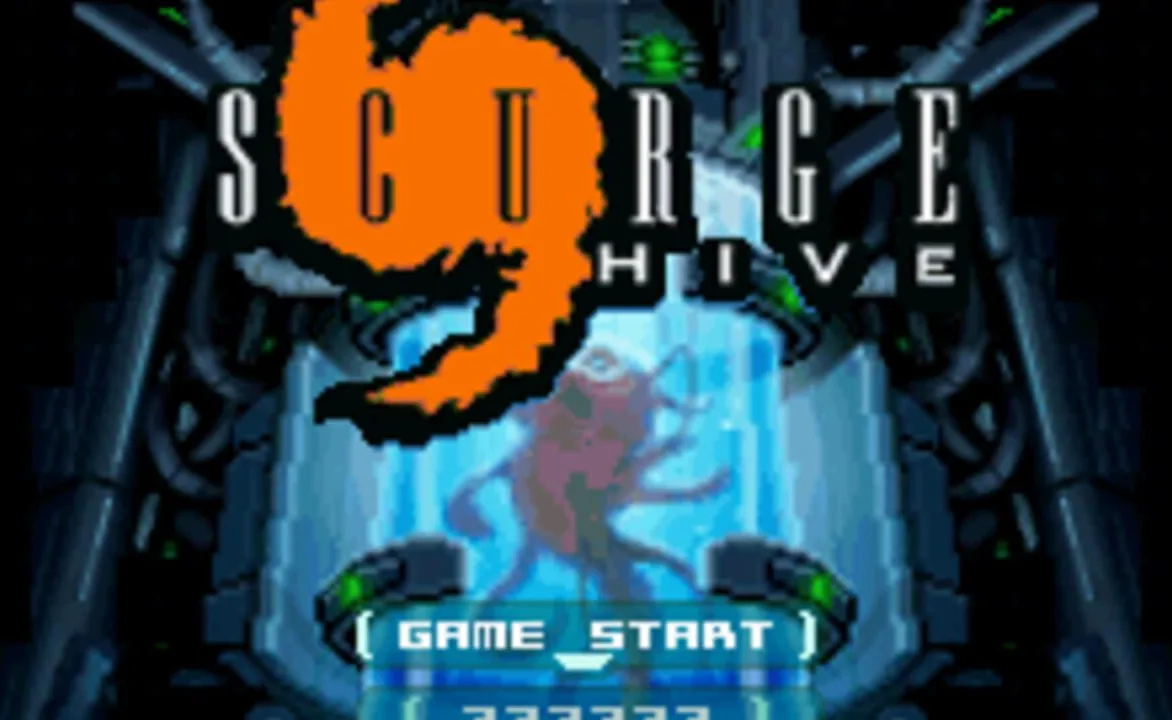
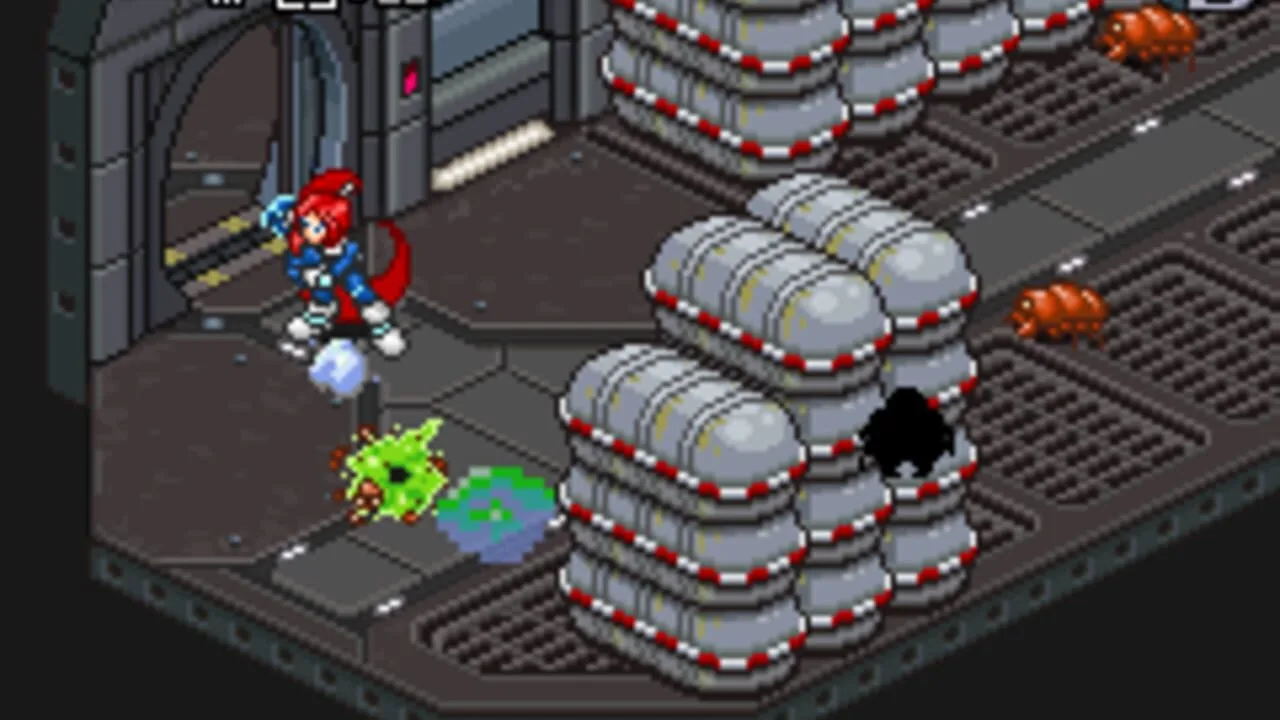
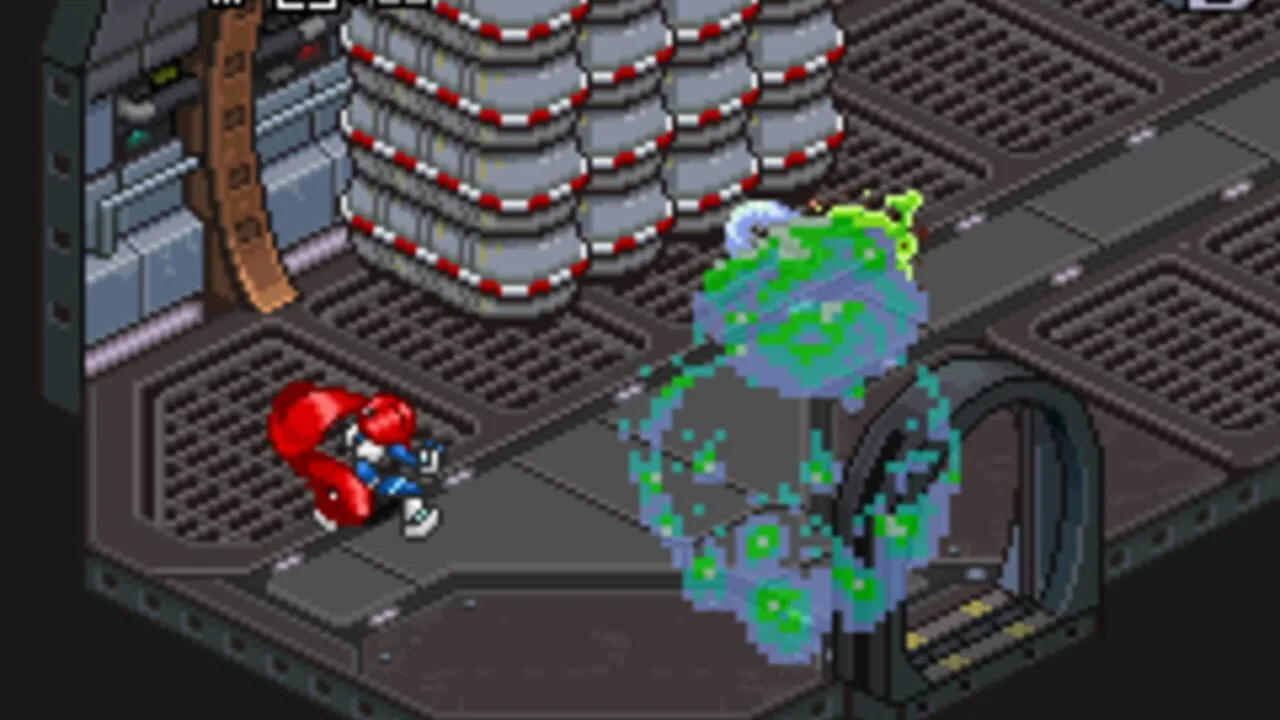
In Scurge: Hive you play Jenosa Arma, a bounty hunter who took a job against her instincts and is now trapped in a giant research lab in space. The lab is overrun by a parasite called Scurge, and she is infected with Scurge the moment she first encounters it. Her suit can only slow the infection down, so the clock is always running against you while you explore.
If that sounds a lot like Metroid Fusion, it is, though from a top-down angle. The story establishes an atmosphere that is highly detailed for a portable game, and the ending leaves the door open for a sequel that never came. Fans of Samus who have run out of Metroids should give it a go.
18. The Legend of Zelda: A Link to the Past (2002)
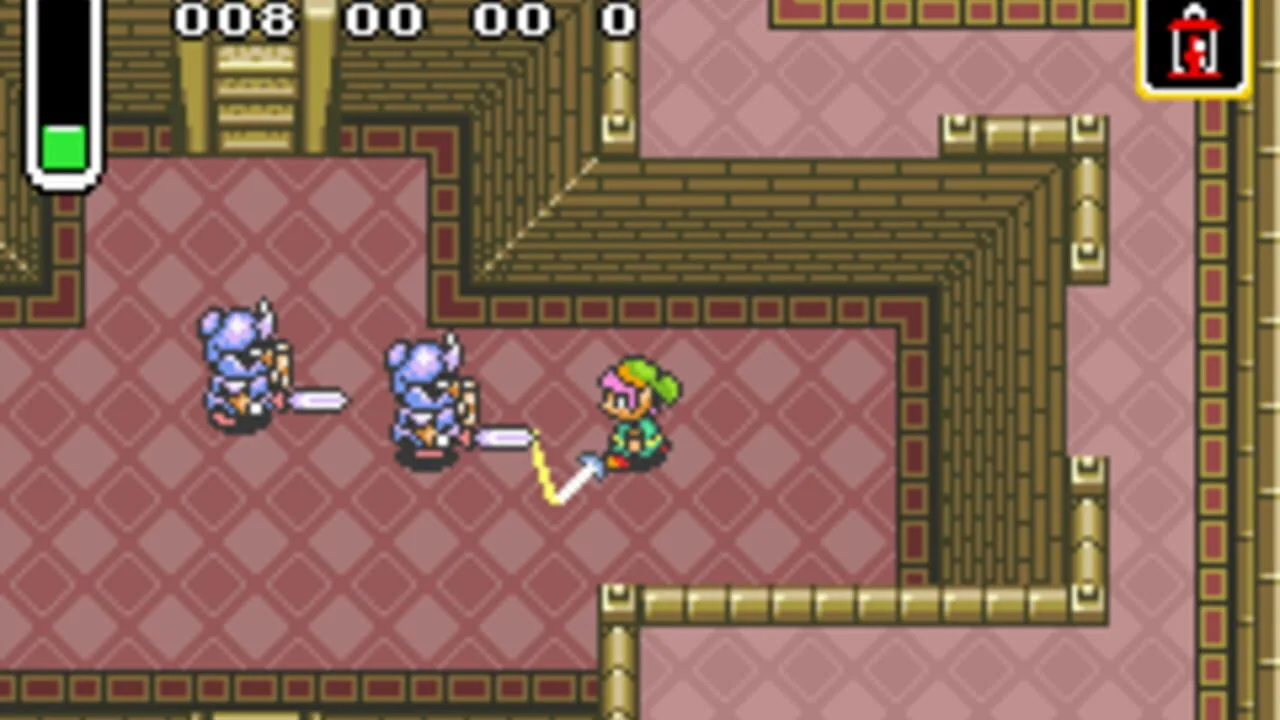
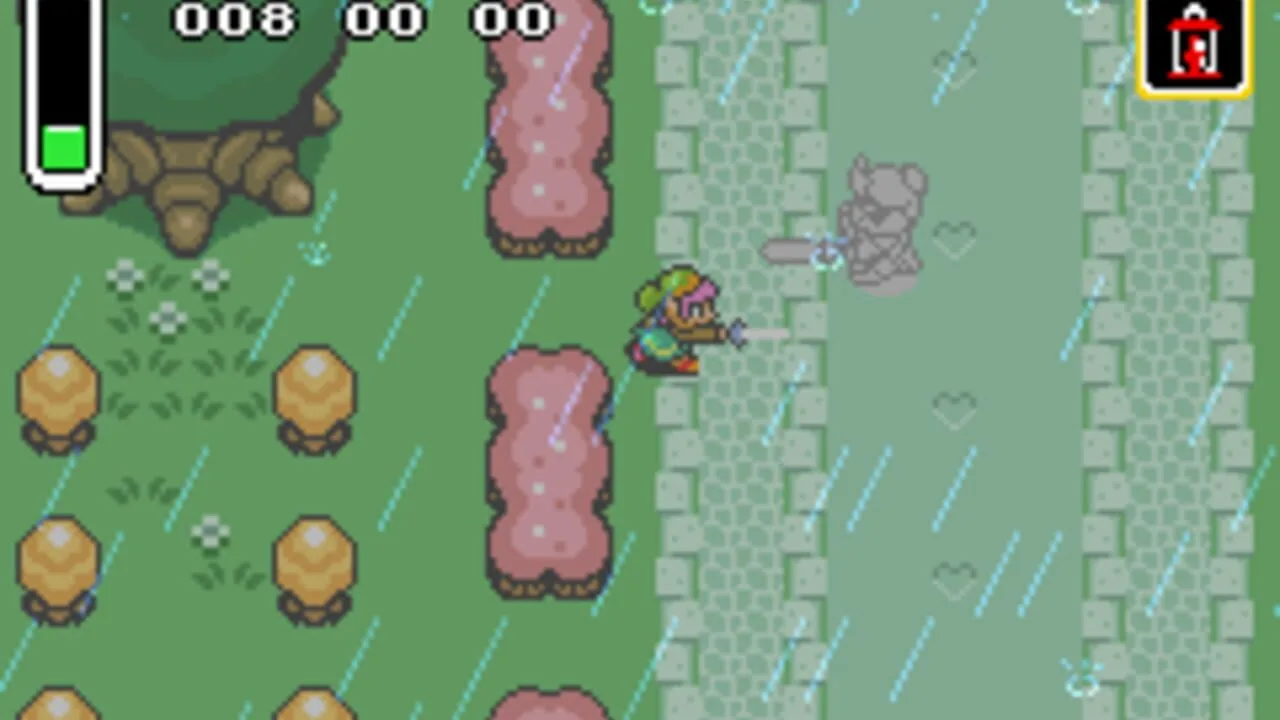
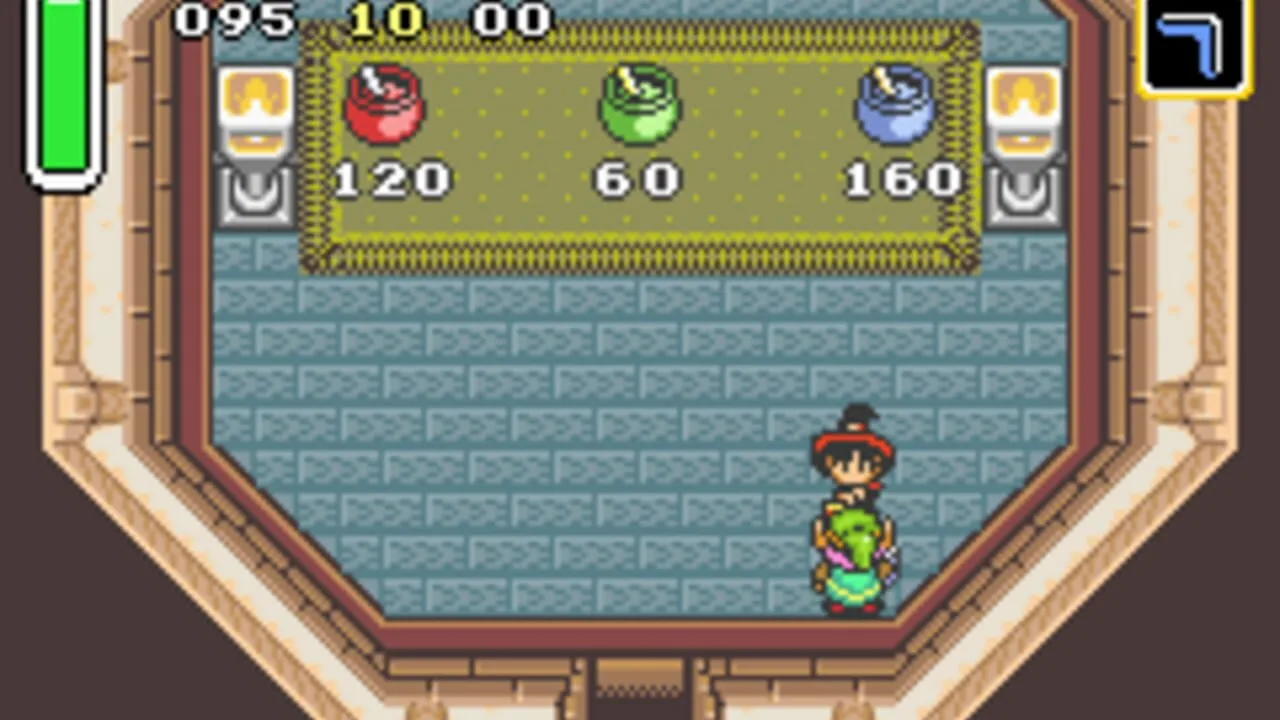
A Link to the Past started on the Super Nintendo in 1991, and the GBA port is close to the original. The art is reused from the Super NES version, with small changes like a reduction of the viewable playing area to fit the smaller screen. It also has something new: finish both this and Four Swords, and a new dungeon, the Palace of the Four Sword, opens in A Link to the Past.
It is one of the best Zelda games ever made, so it should be no surprise to see it here. When players pick the best Super Nintendo ports on the system, it sits next to Super Mario World. If you never played it on the Super Nintendo, this is a great way in.
17. Metal Slug Advance (2004)
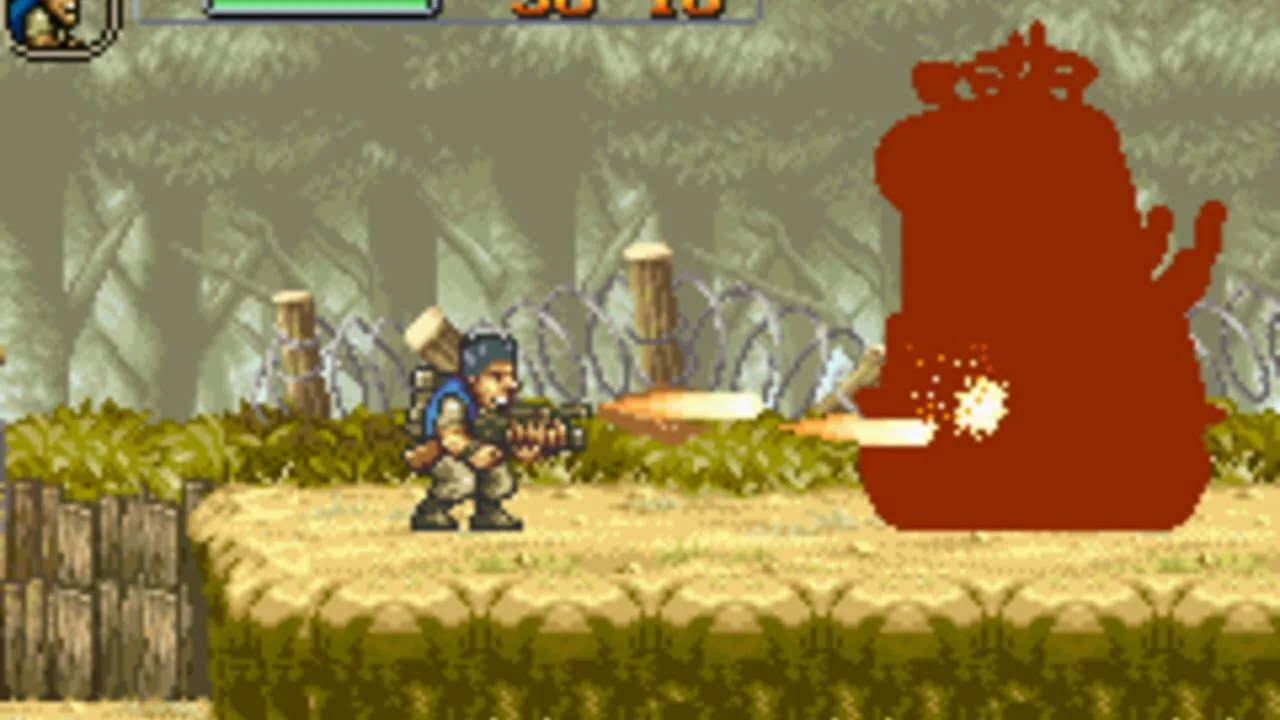
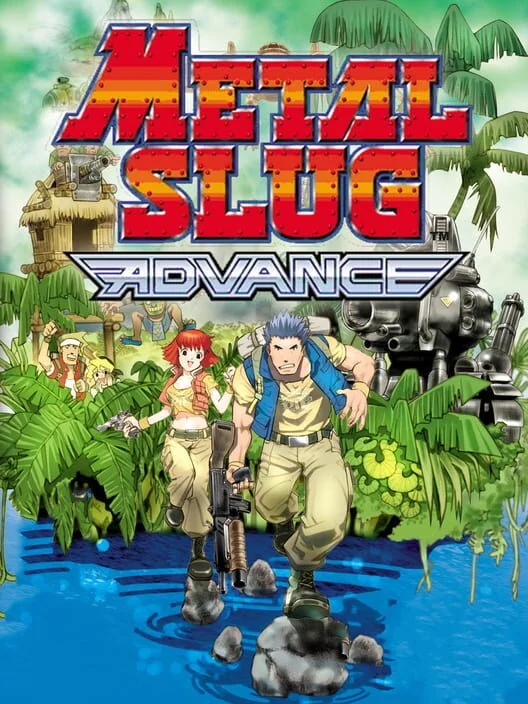
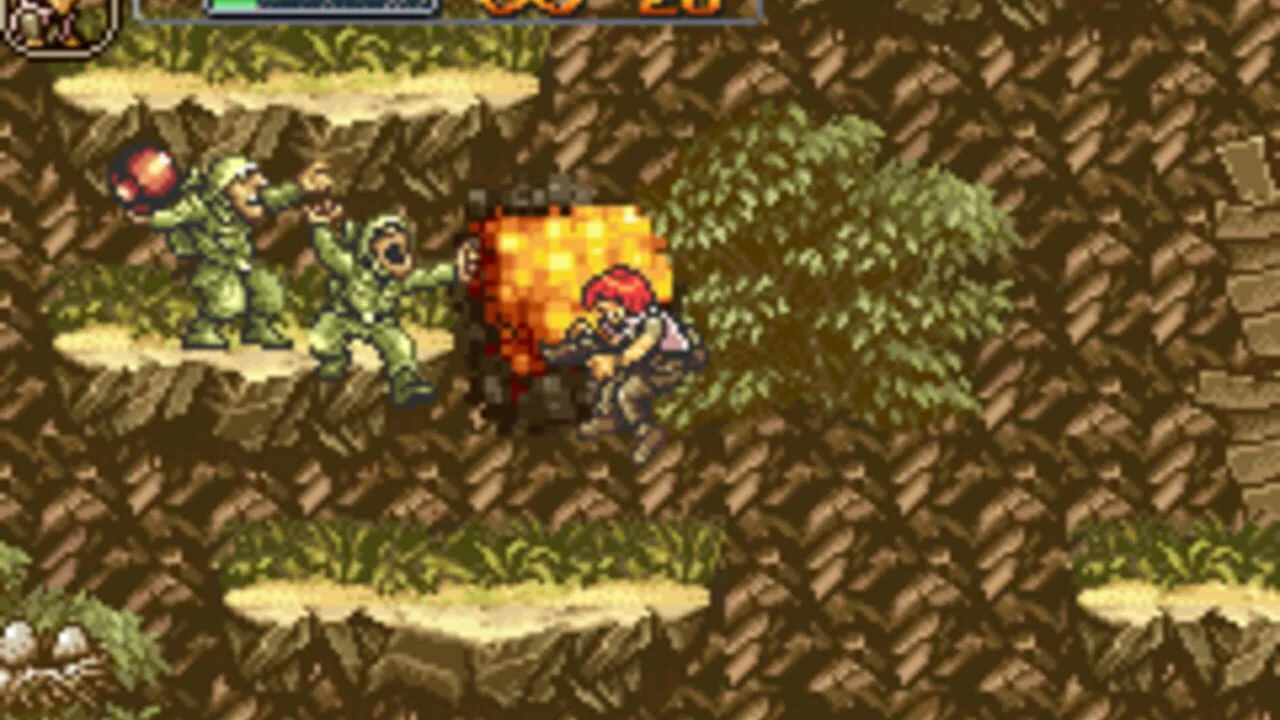
Metal Slug Advance puts the arcade run-and-gun series on the GBA with five missions of its own. You move out on foot or in Slug vehicles across rough ground and underwater bases, rescuing hostages and blowing up everything else. The new idea is the cards: there are more than 100 types of E-cards to collect, and each one makes your soldier a little stronger.
We love Metal Slug's detailed sprite work, and squeezing it onto a handheld was no small job. The cards also give you a reason to go back to old missions, which matters on a short game. It is a fine pick for anyone who wants arcade explosions without needing an arcade.
16. TMNT (2007)
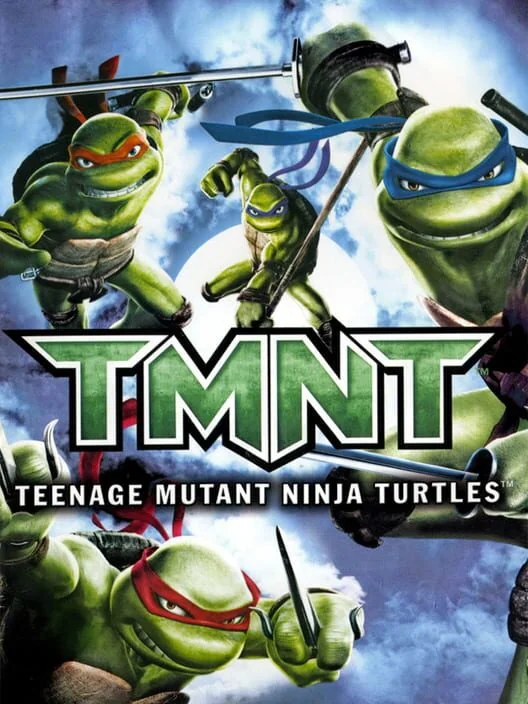
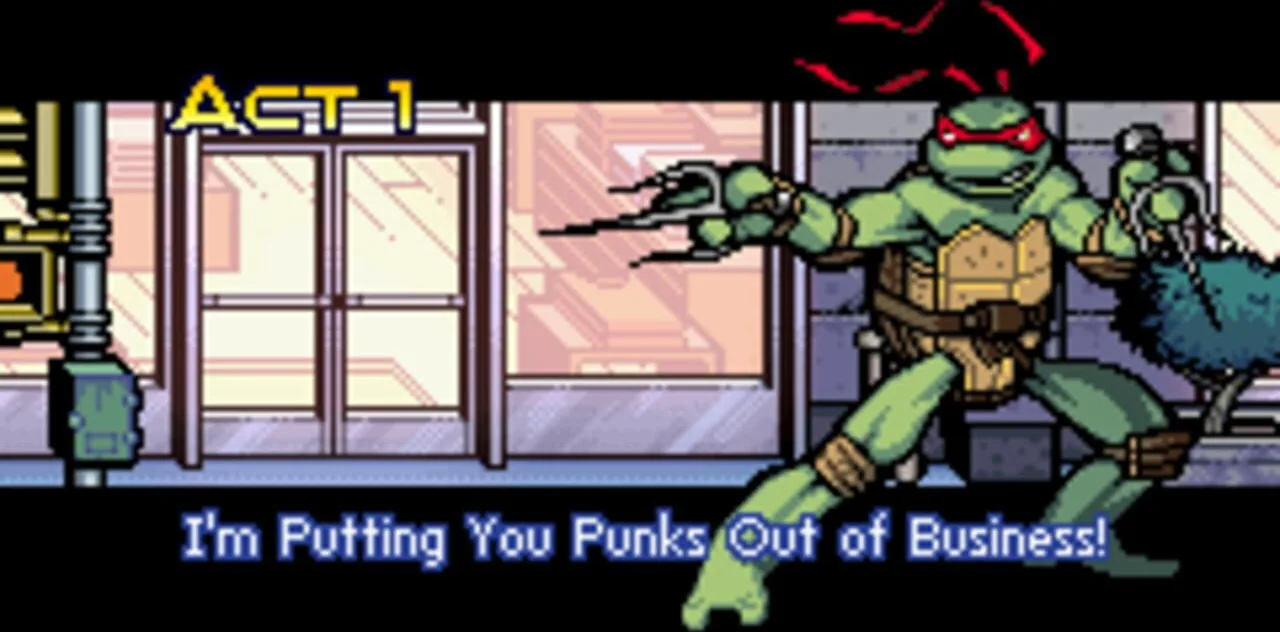
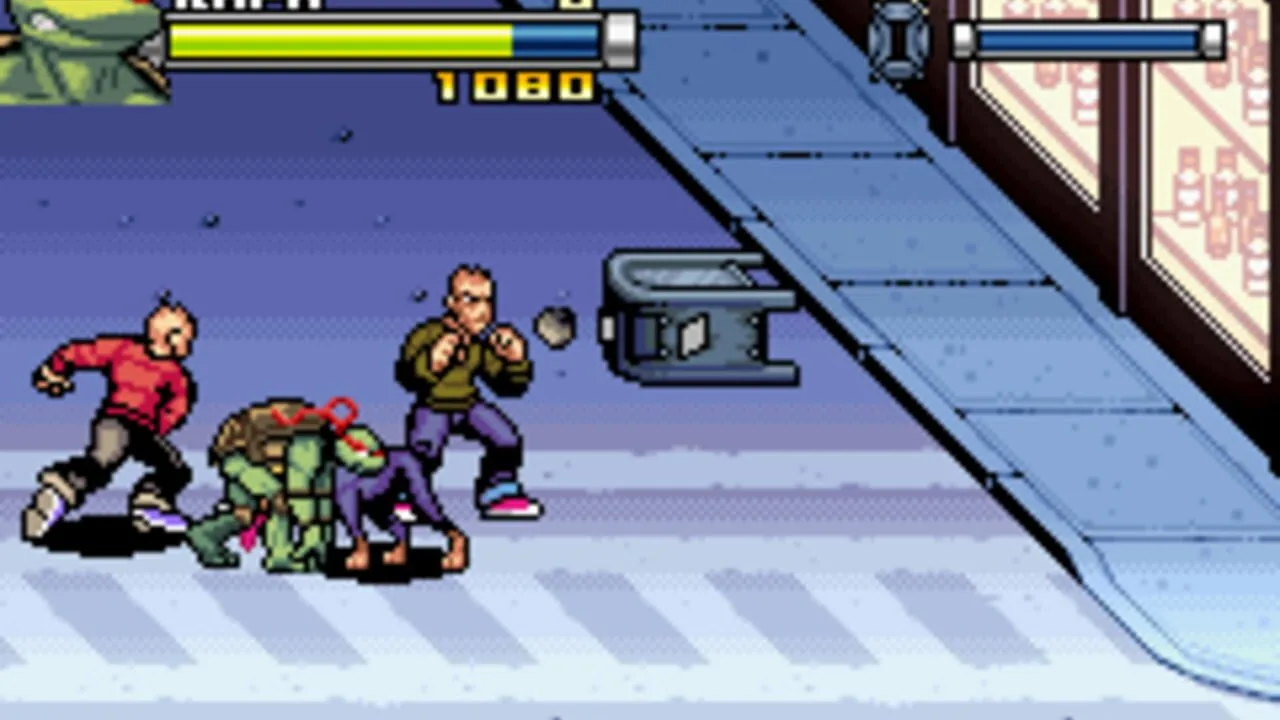
TMNT is a beat 'em up developed by Ubisoft Montreal, based on the 2007 CGI movie. It came out in North America on March 20, 2007, which made it one of the last games published for Game Boy Advance. The home consoles got a 3D game with the same name, but the GBA version is vastly different, a 2.5-D side-scrolling beat-'em-up with no 3D play at all.
That turned out to be good news. Instead of a shrunken copy of the console game, GBA owners got a proper side-scrolling Turtles brawler, the kind the series was always best at. It arrived when most people had moved on to the DS, so plenty of Turtles fans missed it.
15. Duke Nukem Advance (2002)
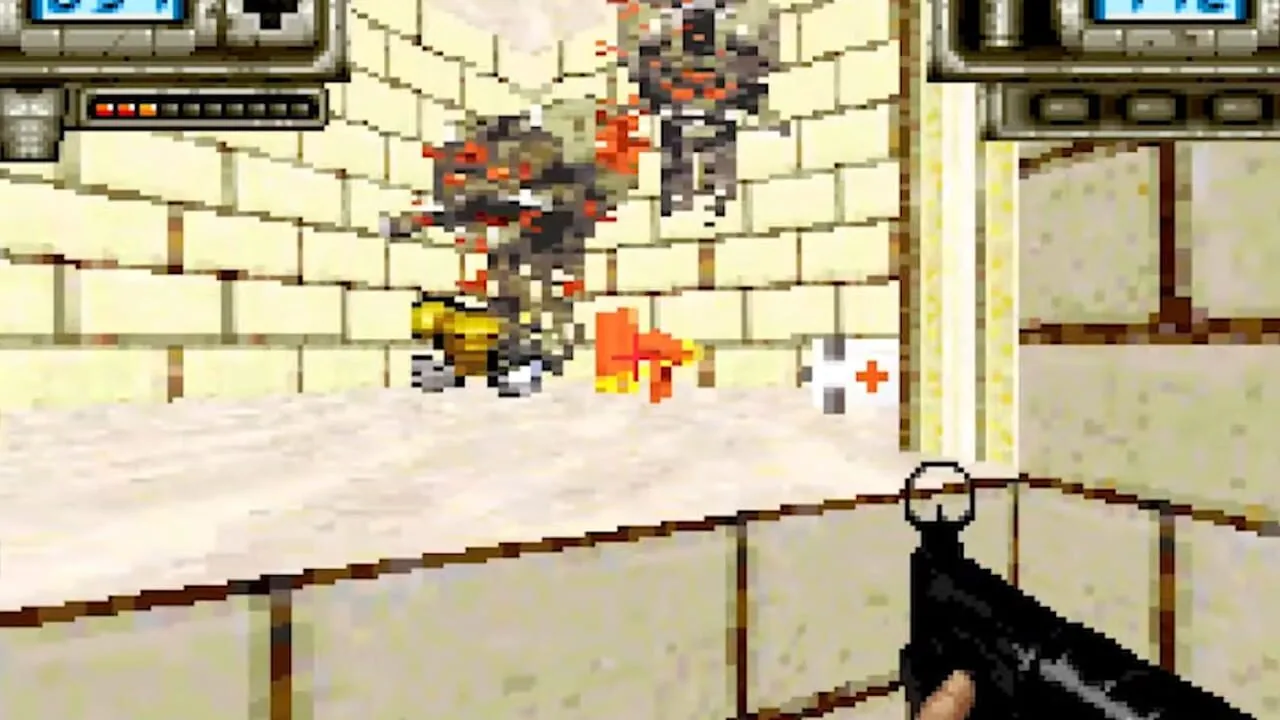
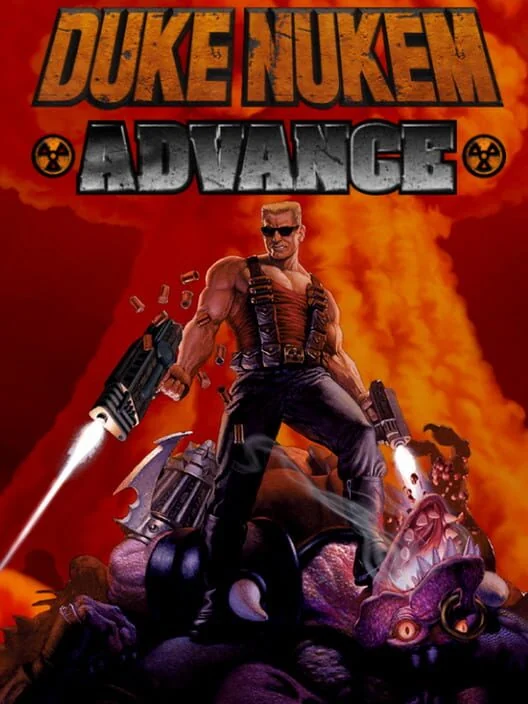
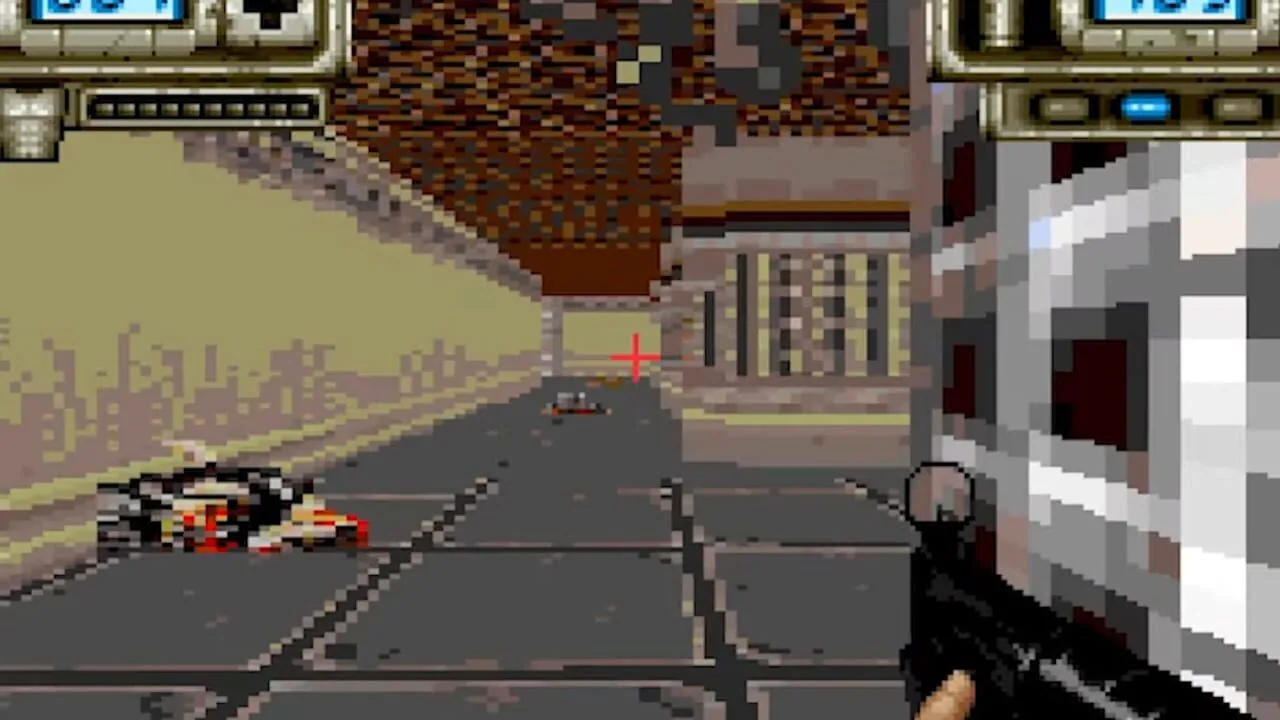
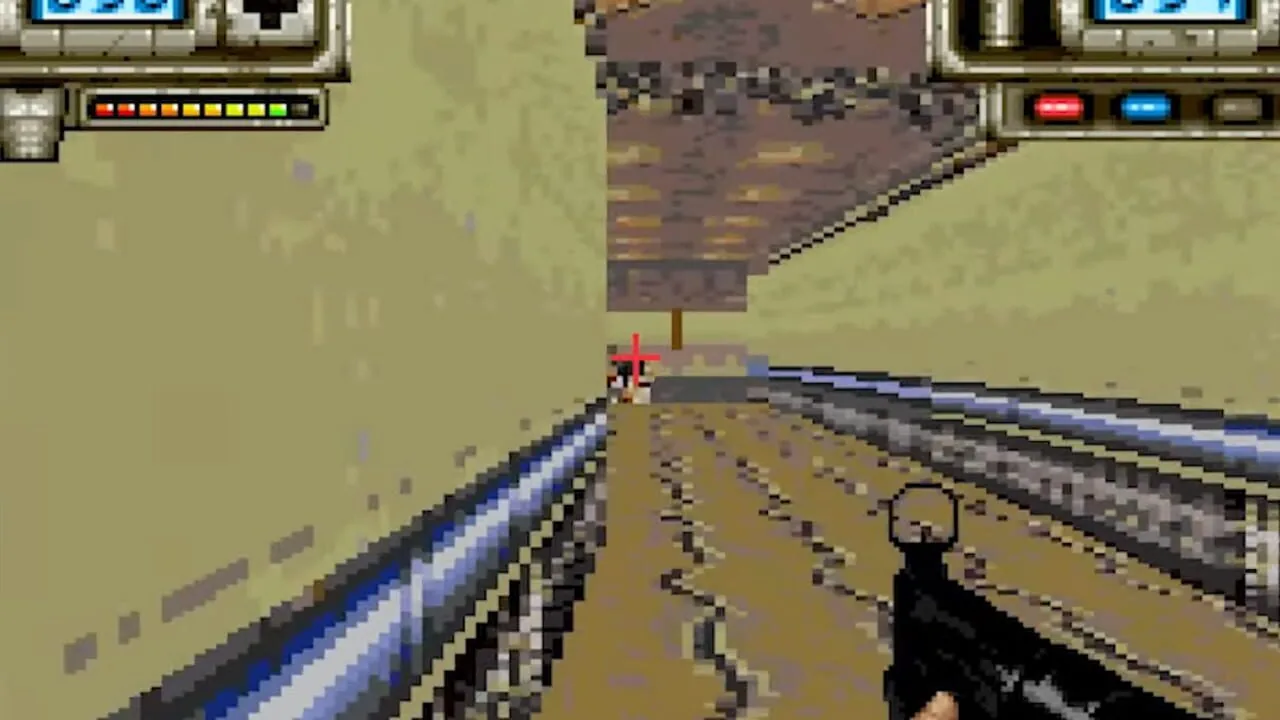
Duke Nukem Advance is a first-person shooter, and many of the graphics and sounds have been ported from Duke Nukem 3D. It is not a port, though. It has an original storyline and levels: alien scientists plot to take over the Earth, and Duke teleports to locations around the world to stop them, rescuing clones of the undercover agent Jenny one by one.
It received mostly positive reviews, and it holds up better than Doom on this list because it was built for the GBA from the start. Seeing Duke's swagger survive on a tiny screen is a treat on its own.
14. Double Dragon Advance (2003)
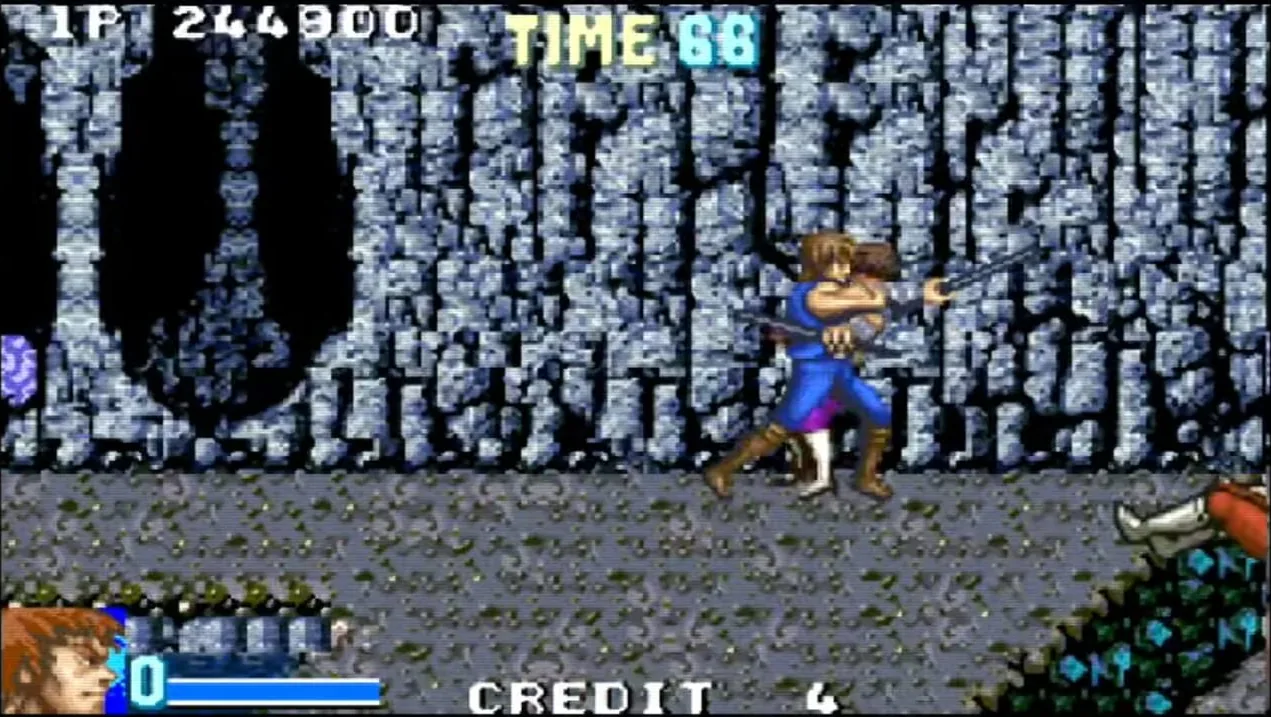
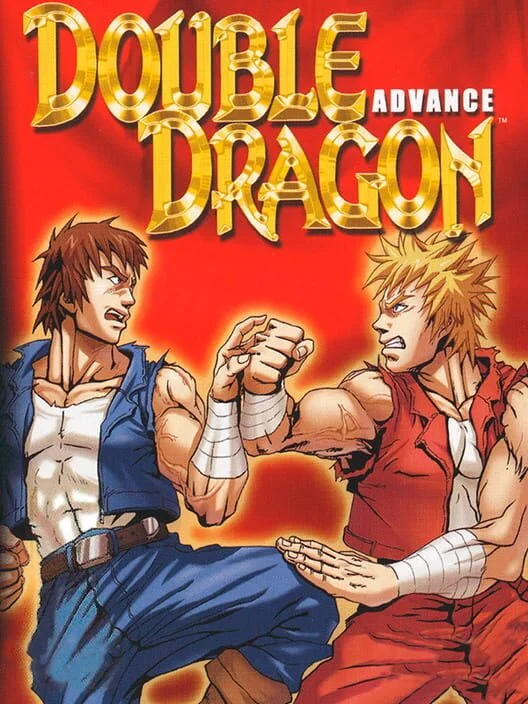
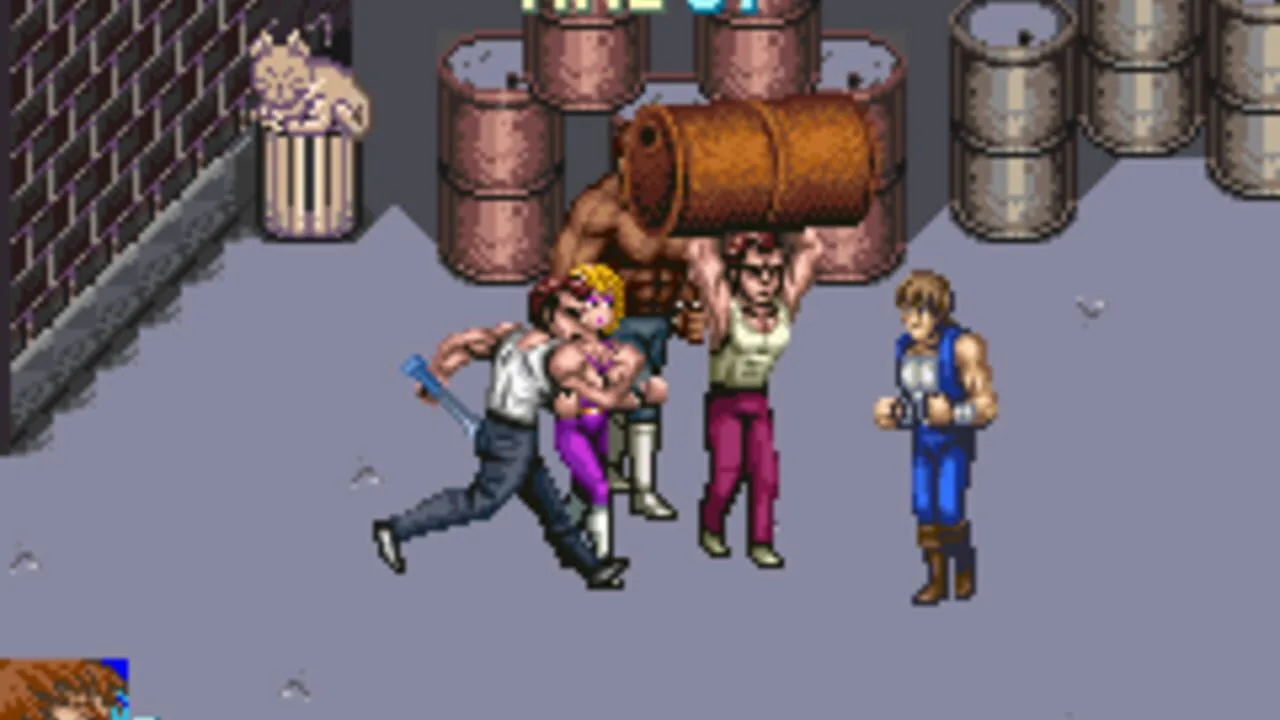
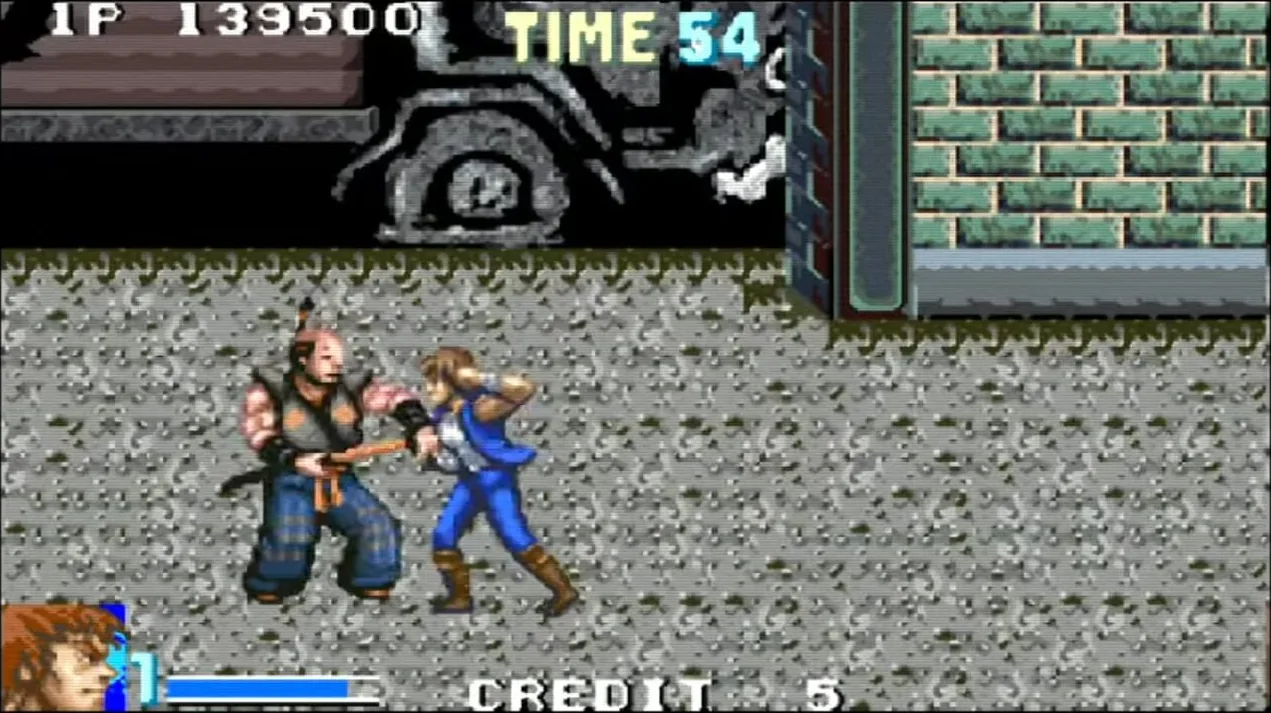
Double Dragon Advance was developed by Million and published by Atlus as an enhanced remake of the original arcade game, with elements from the whole Double Dragon series. Billy and Jimmy Lee fight through the city to rescue Marian from a gang. It adds a Chinatown stage and a fight atop a moving truck, both inspired by Super Double Dragon, and new enemies like the Twin Tigers.
It was designed by Muneki Ebinuma, a former Technos employee who had worked on Super Double Dragon, and it shows. This is a remake by someone who knew the series inside out. We think it is the best version of Double Dragon there is.
13. Dragon Ball: Advanced Adventure (2004)
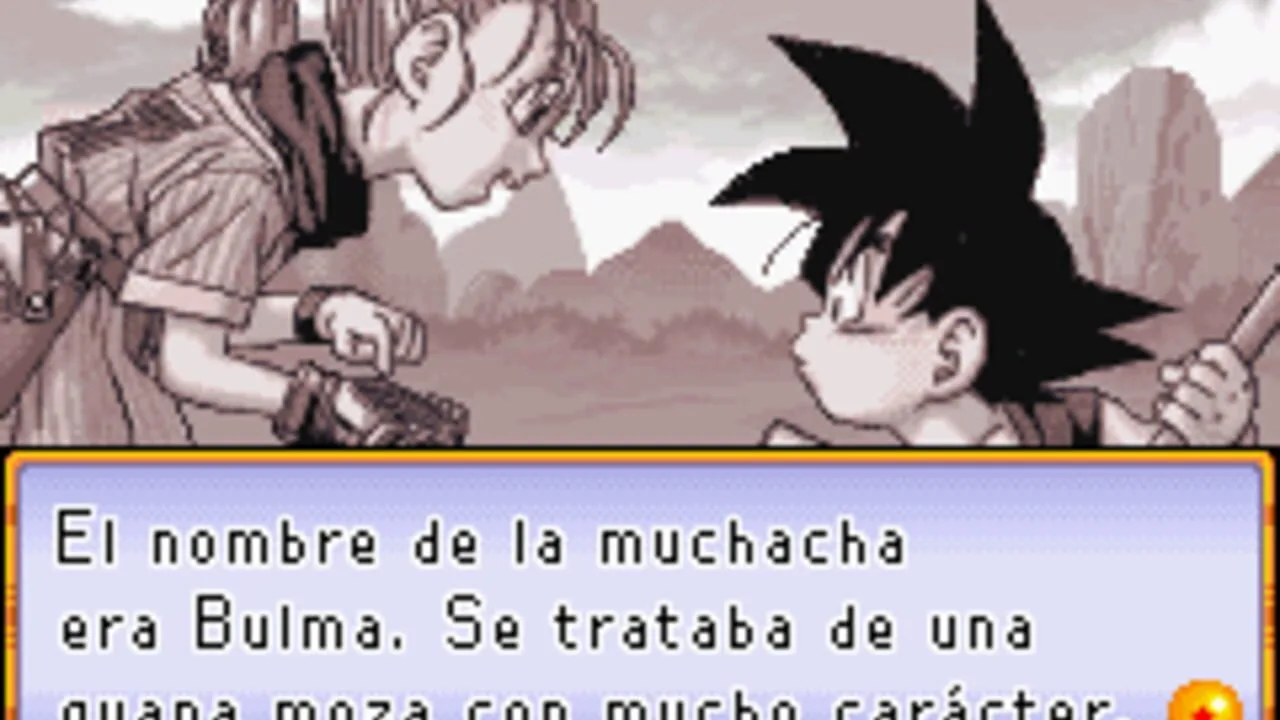
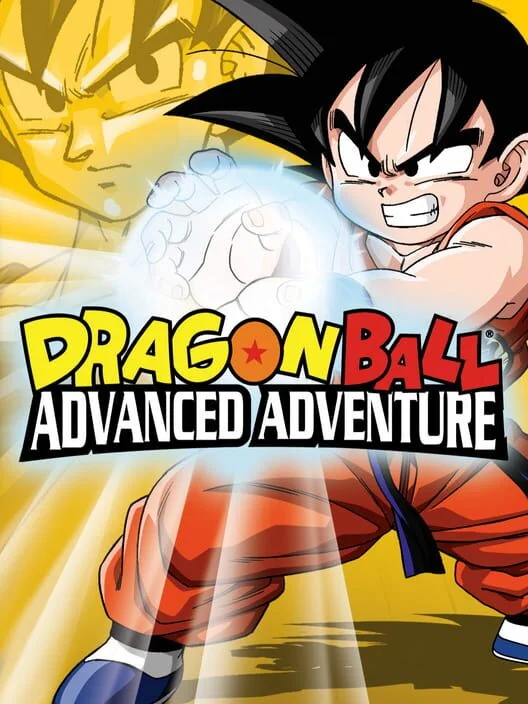
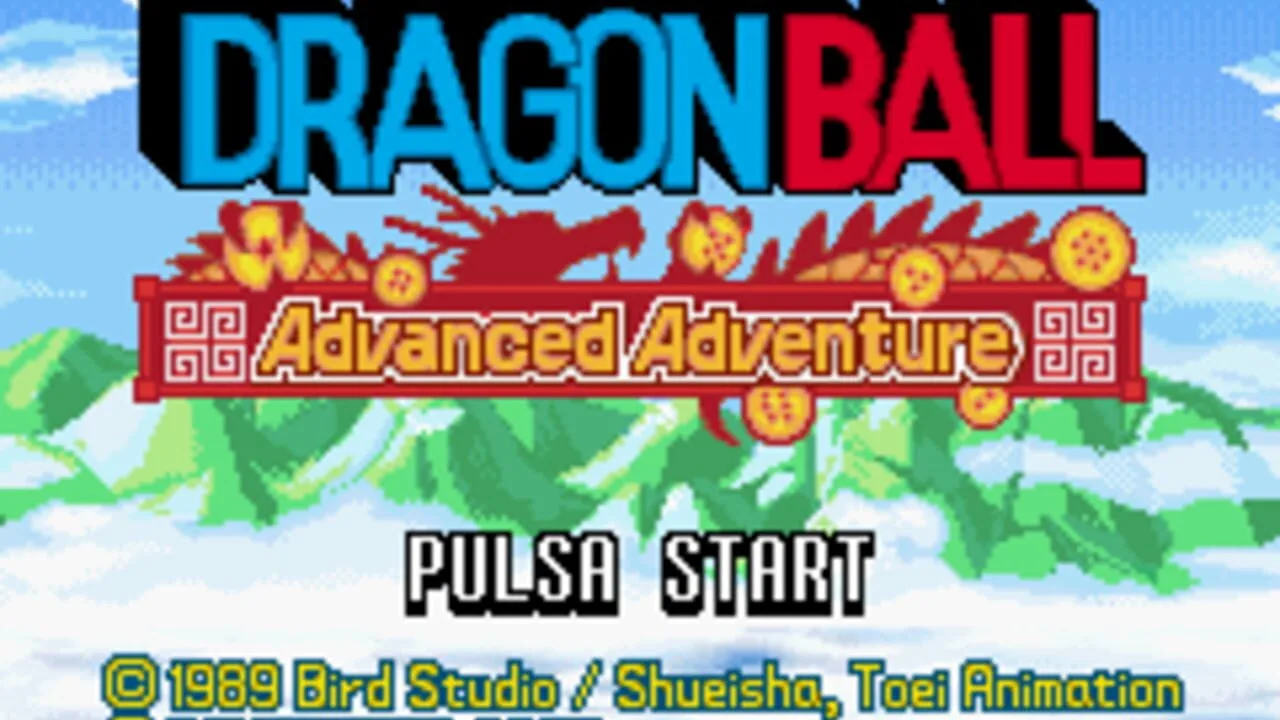
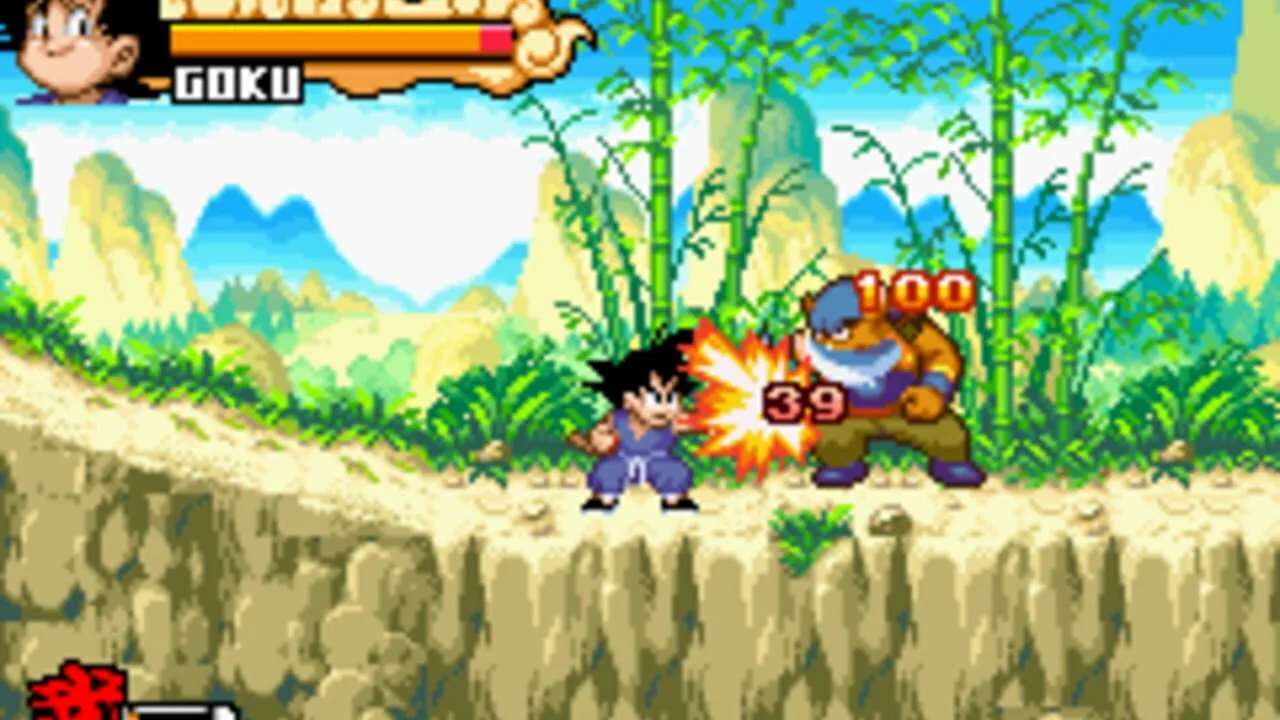
Advanced Adventure goes back to the very start of Dragon Ball, to Goku's first adventure as a kid. He defends the Earth from the Red Ribbon Army, fighting his way through side-scrolling stages with his staff and his fists. There are extra characters to unlock, and each of them has a portrait hidden in one of the levels that you have to find first.
Most Dragon Ball games are about the grown-up Goku and his screaming power-ups. This one remembers that the series began as a funny kung fu adventure, and it plays like one. If you only know the later fighting games, it is a nice surprise.
12. Lady Sia (2001)
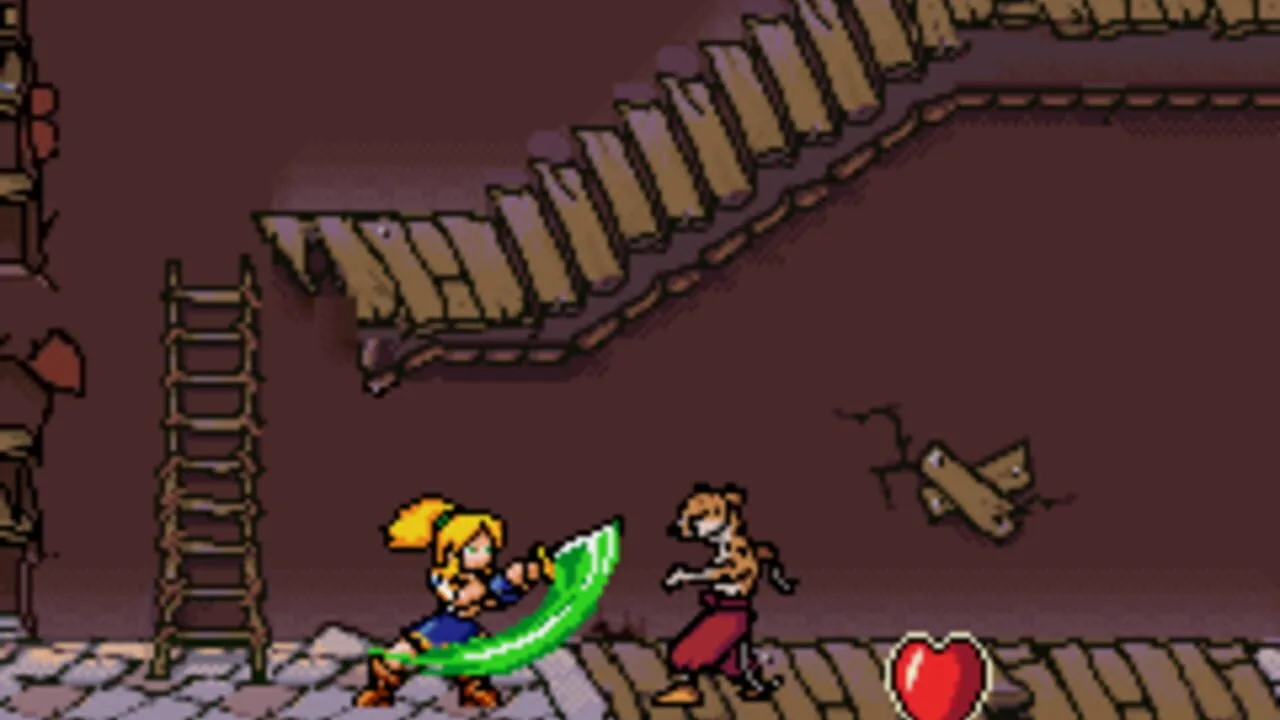
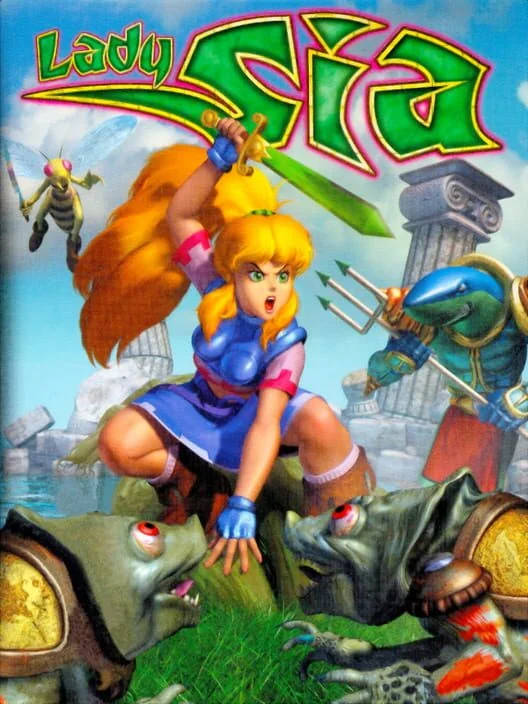
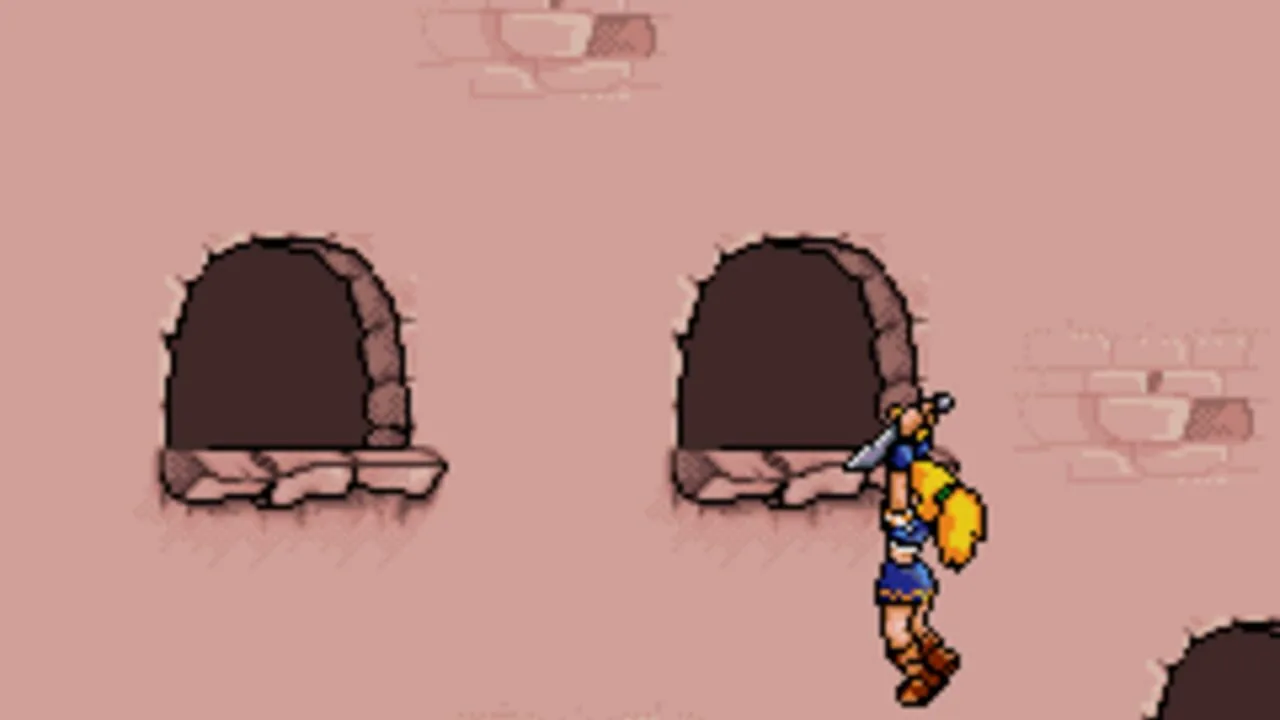
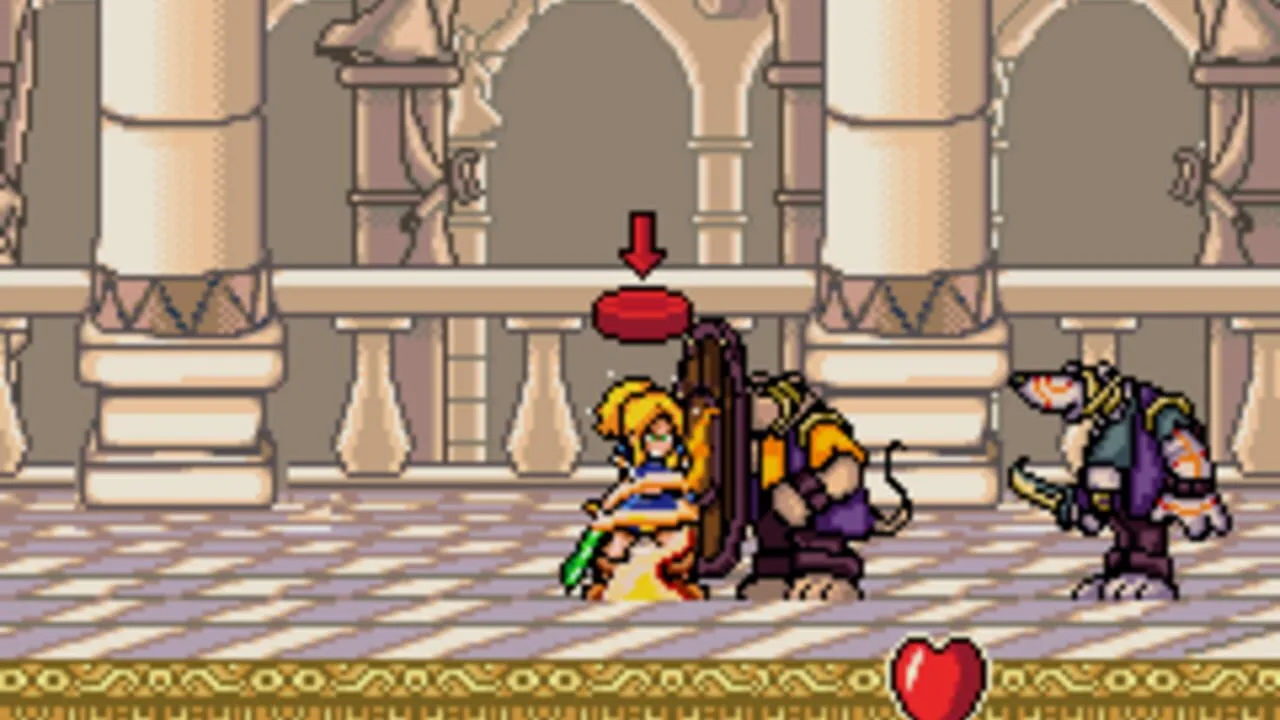
Lady Sia came out in the USA on October 15, 2001, published by TDK Mediactive. You play the young Queen of Myriade, who fights a race of beastmen called the T'soas with her sword and her magic. The spells grow as you go. The Water Spell makes Sia invulnerable for ten seconds, and the Fire Spell hits every enemy on the screen. In three of the four main boss battles she shapeshifts into a sasquatch form and fights up close.
Reviewers liked the variety but felt Sia's abilities needed fine-tuning. The spells were hard to cast, and GameSpy wrote: "They often cause her to slide off platforms or into enemies." It is rough around the edges, but a sword-swinging queen who turns into a sasquatch is hard not to like.
11. Gunstar Super Heroes (2005)
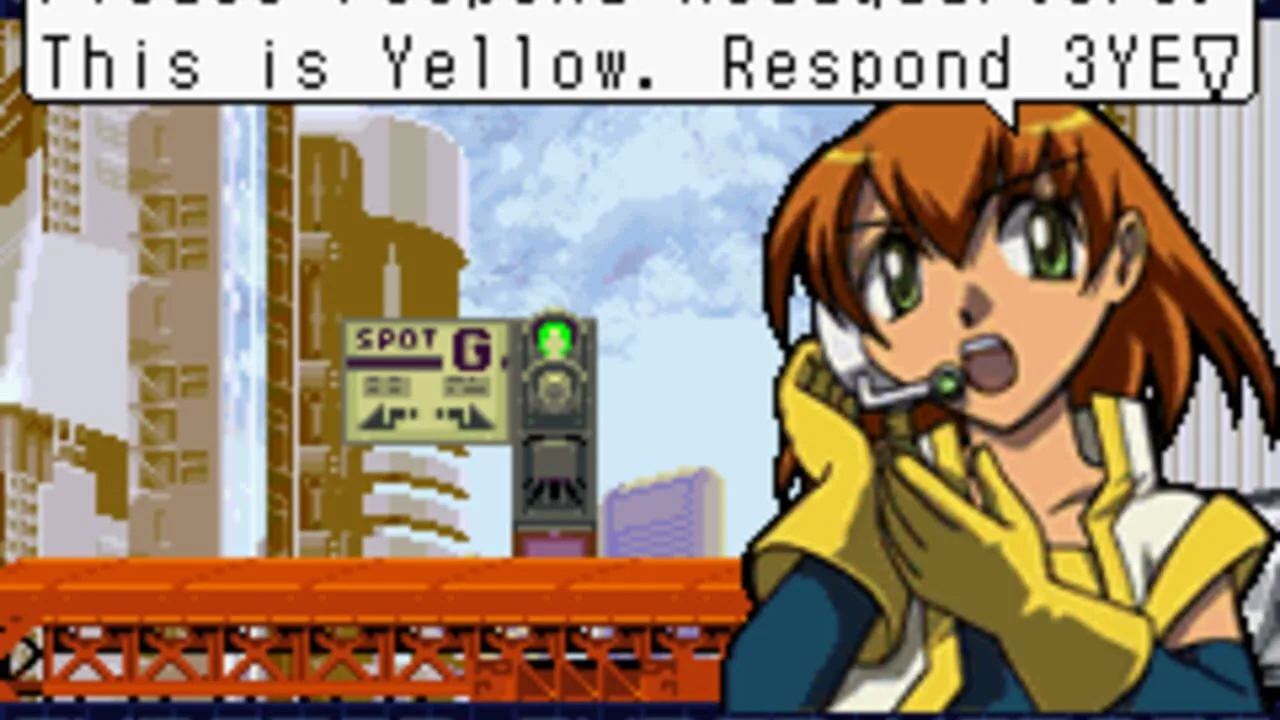
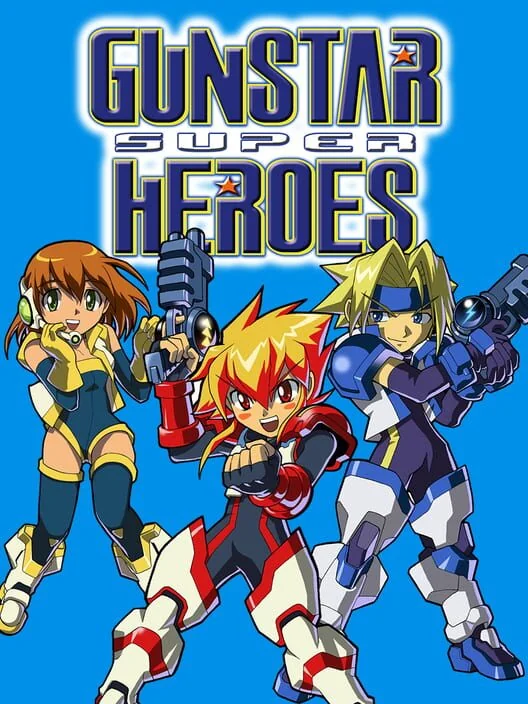
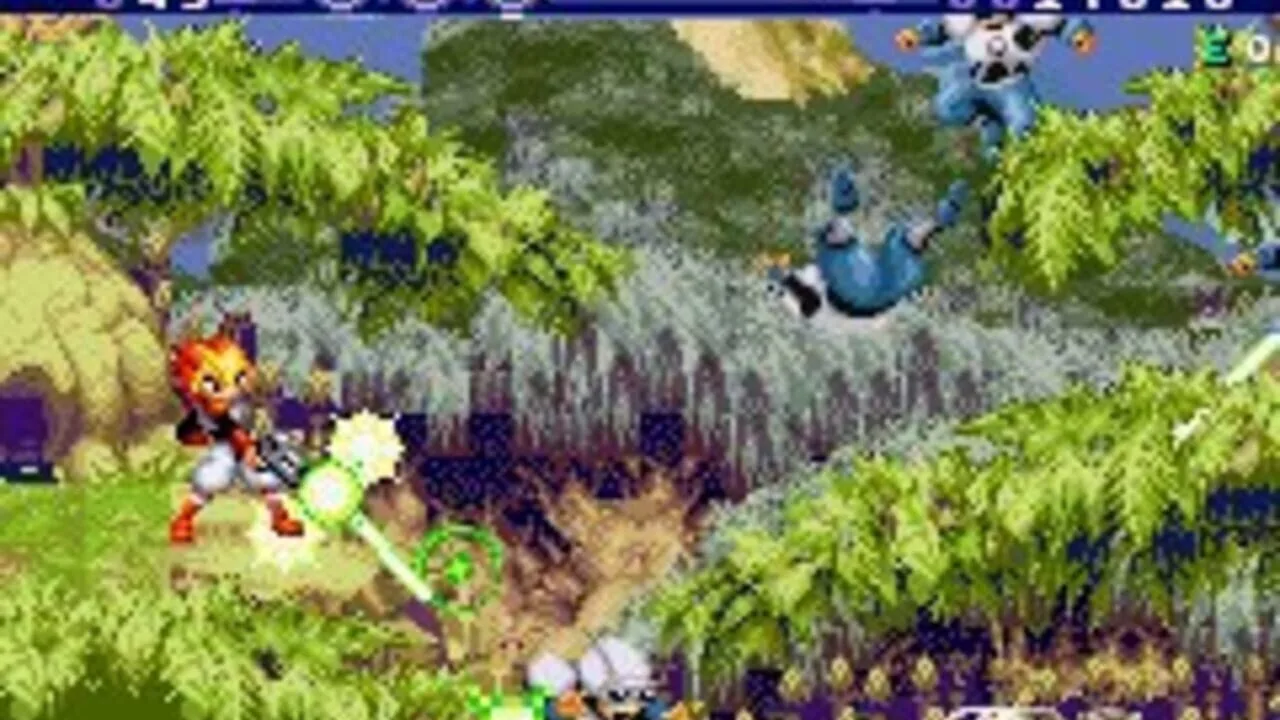
Gunstar Super Heroes is the sequel to the 1993 Sega Genesis game Gunstar Heroes, with an expanded combat system. Blue and Red take on the same adventure through different paths, so playing as each one is like getting two games. There are six wildly inventive levels, and the giant bosses fill the entire Game Boy Advance screen. The story even changes with the difficulty you pick.
It was almost universally praised by critics as a compelling action game, and it won several "Best GBA Game Of E3 2005" awards. If you ever wanted to see what a GBA could do when pushed hard, this is the game to show you. It is loud and gloriously over the top.
10. Ninja Five-O (2003)
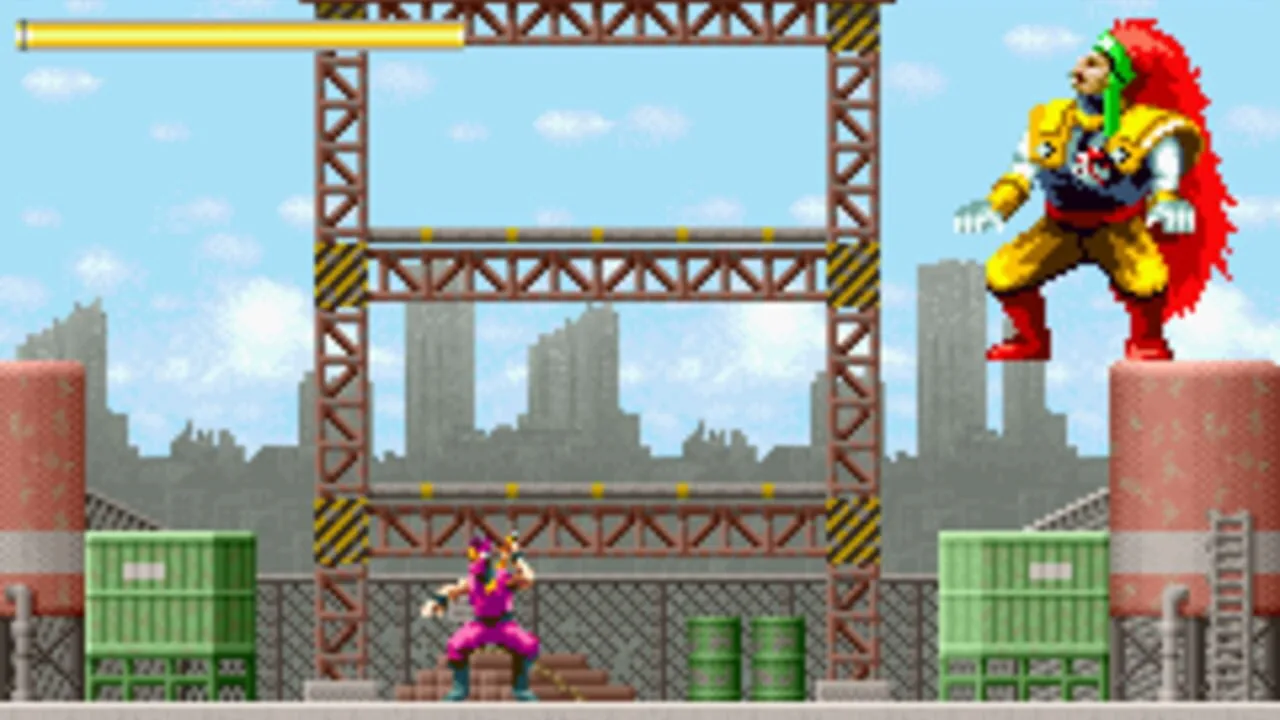
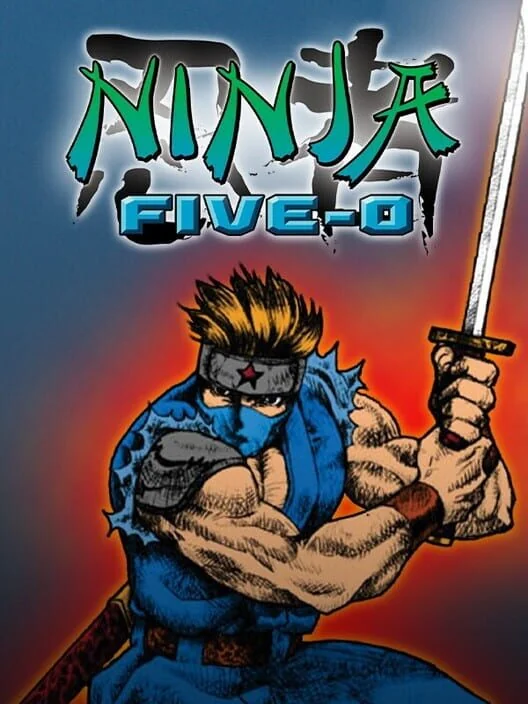
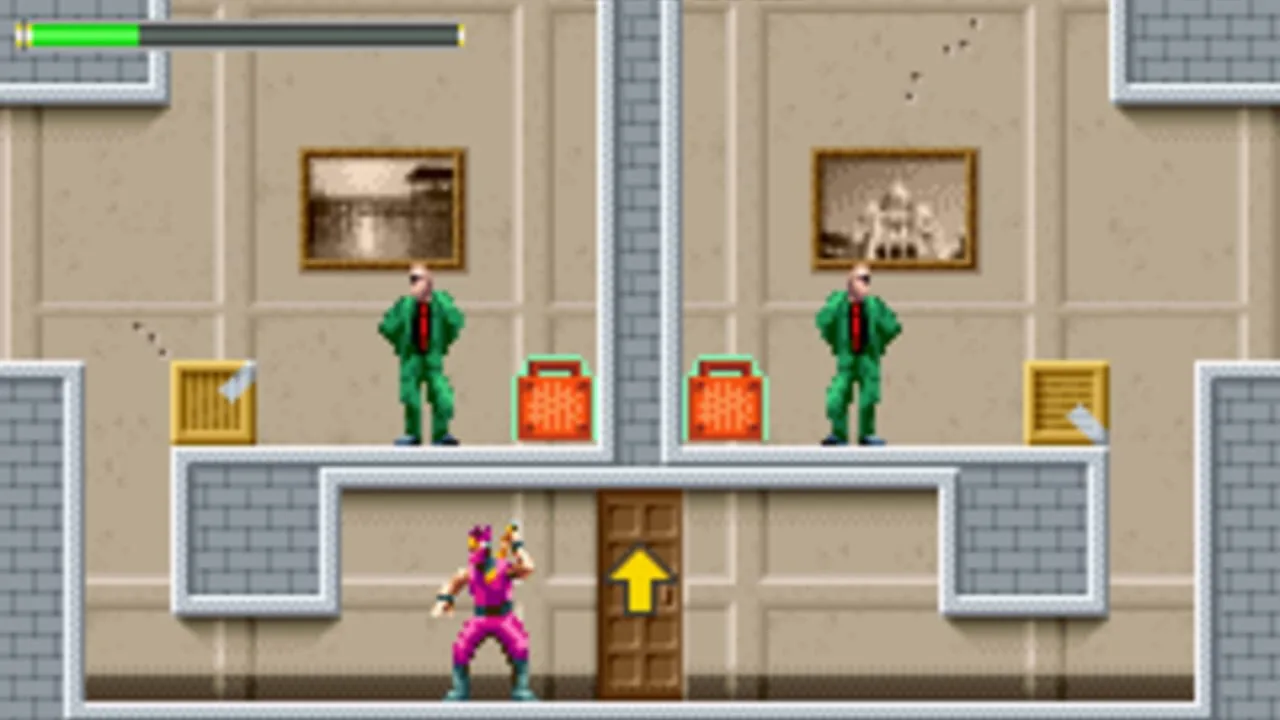
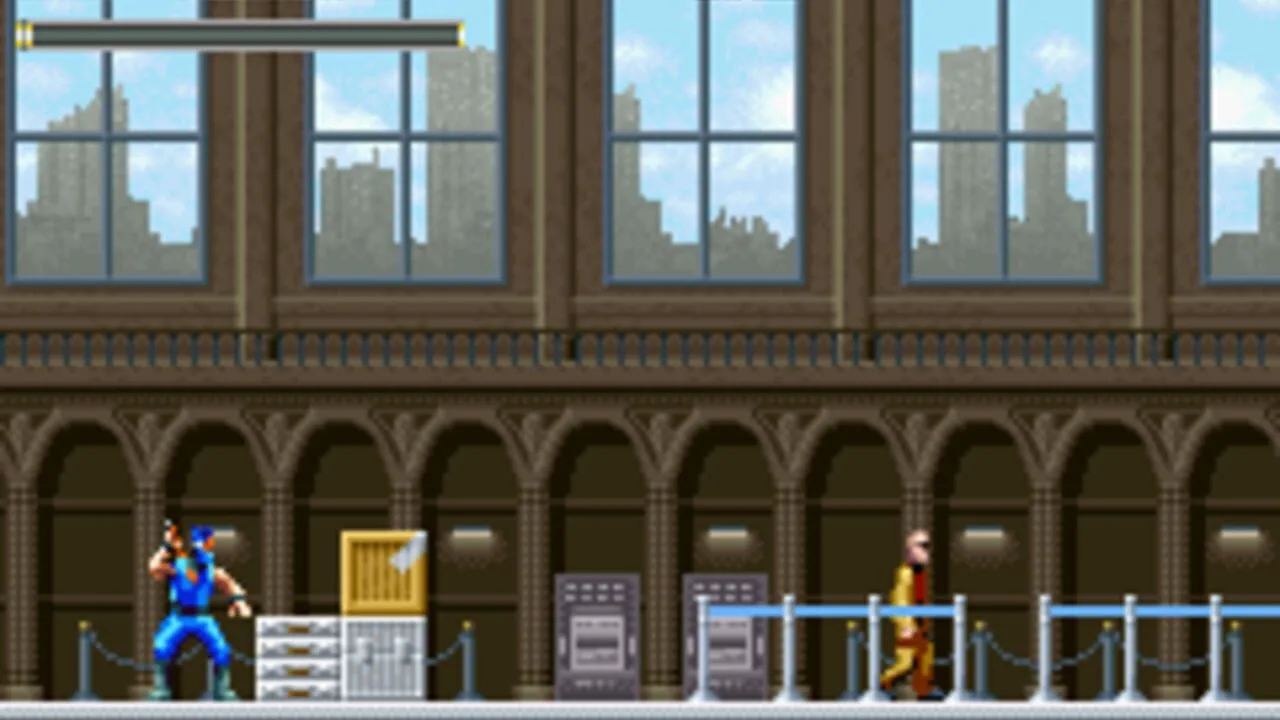
Ninja Five-O was first announced at "Konami Gamers' Day" in early 2003 and released for the Game Boy Advance in North America and Europe in April 2003. You play a ninja cop rescuing hostages with a sword and ninja magic. The star is the Kaginawa, a grappling hook you can use to hang, swing, climb walls and surprise enemies from above. There are six missions across 20 levels.
It received generally positive reviews from critics, but it failed to garner sales. That is a shame, because the grappling hook makes it feel like a lost cousin of Bionic Commando. It is the hidden gem of this list, and the one we would most like to put in more hands.
9. Castlevania: Harmony of Dissonance (2002)
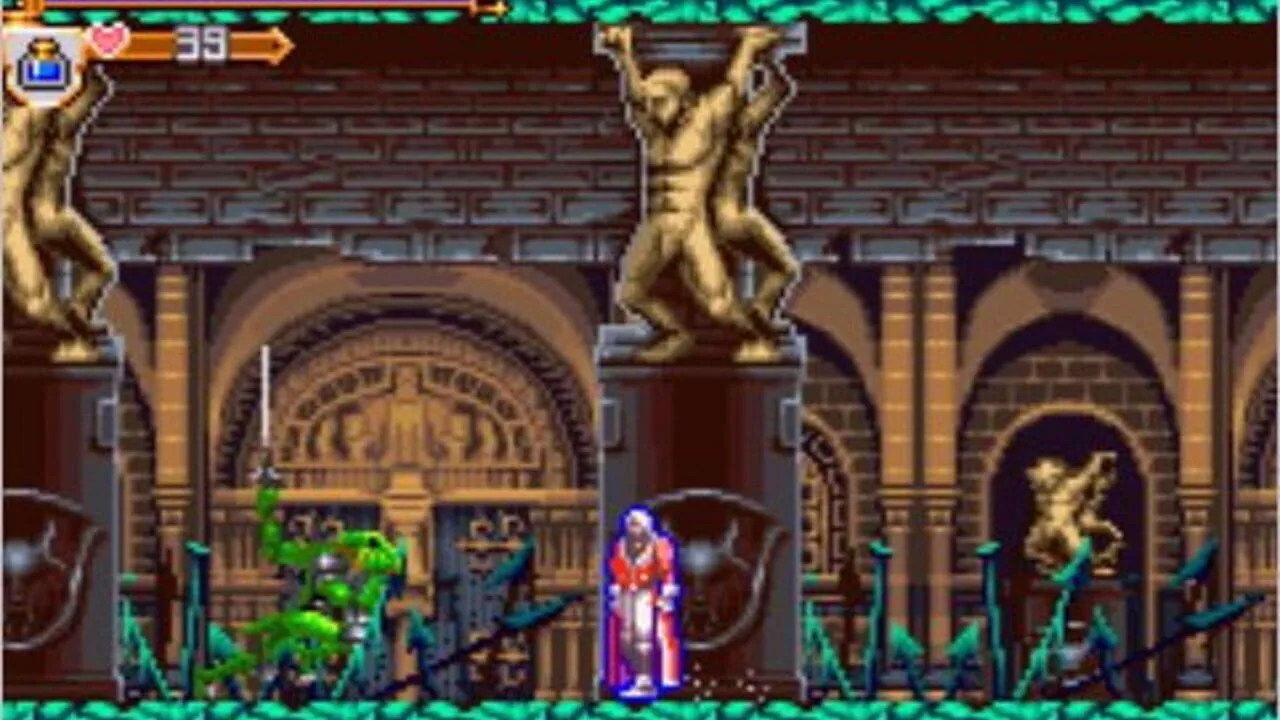
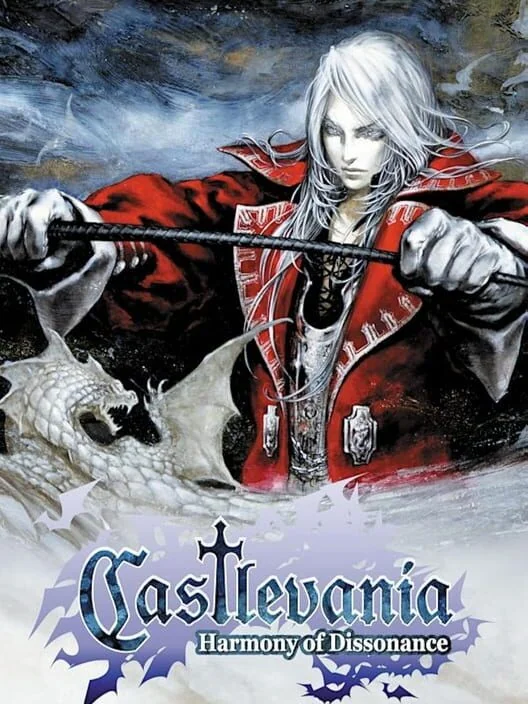
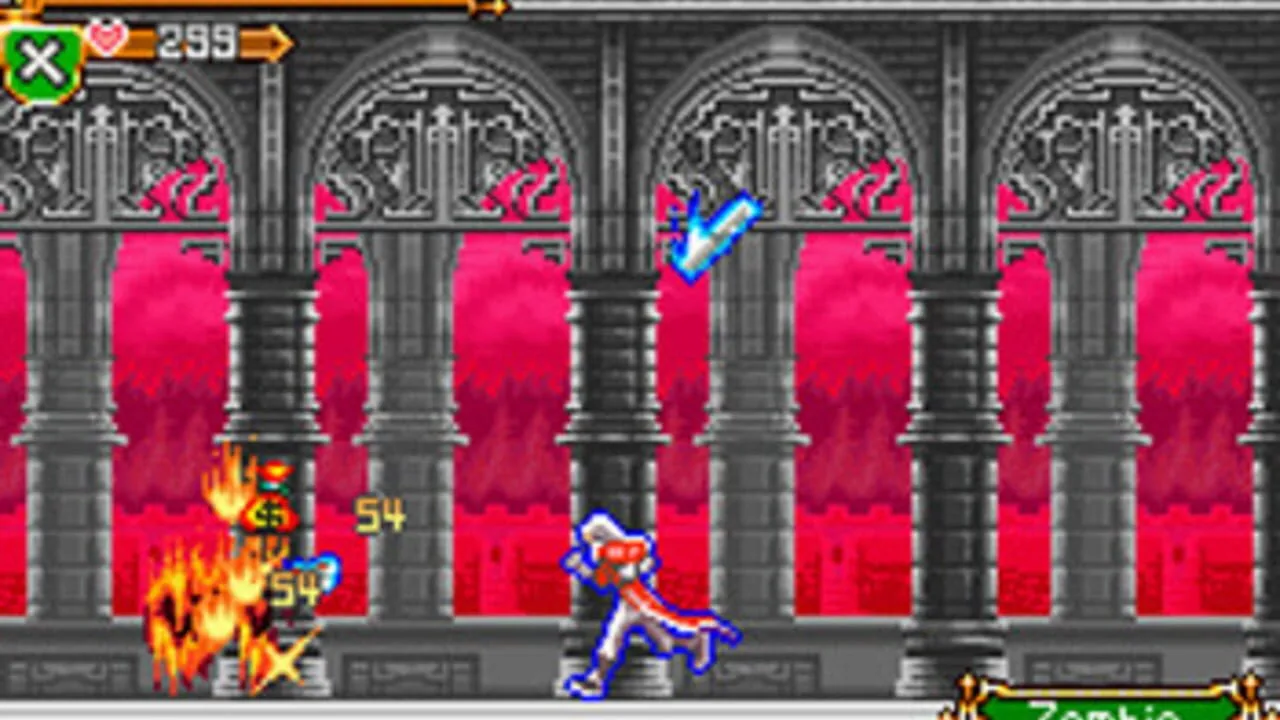
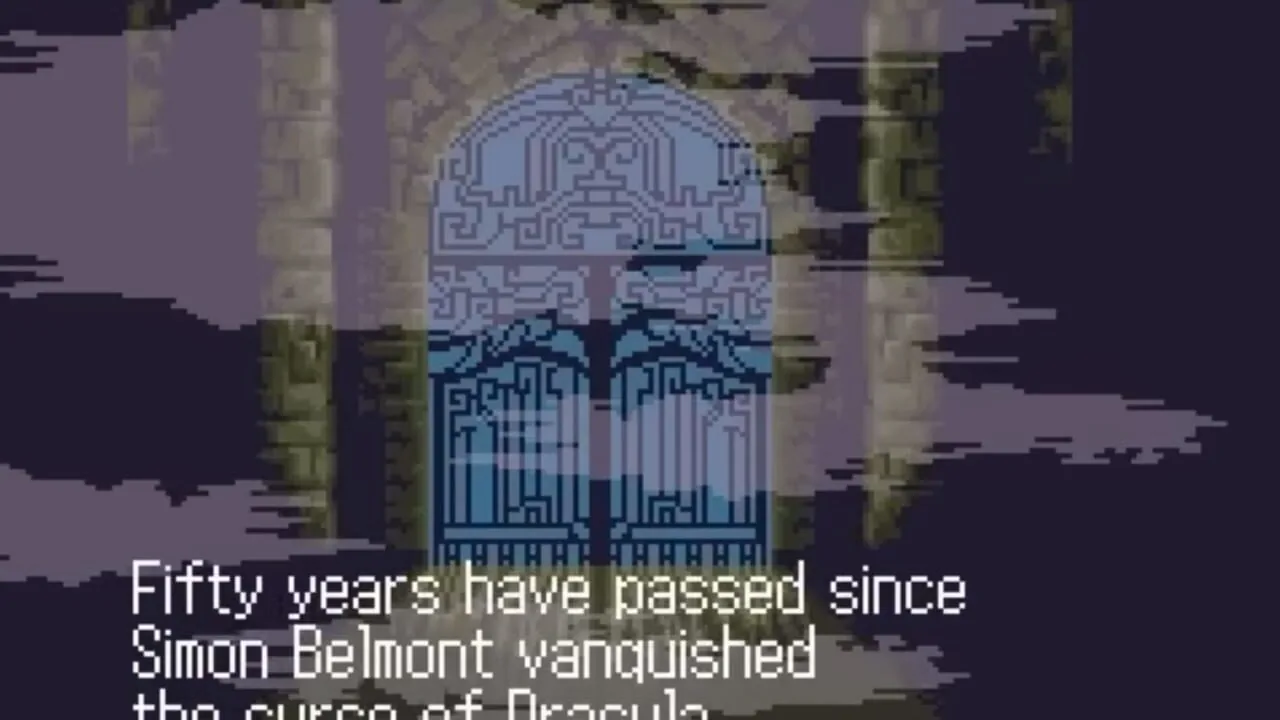
Harmony of Dissonance was the second Castlevania on the Game Boy Advance, released in Japan in June 2002 and in North America and PAL regions later that same year. Nearly fifty years after Simon Belmont saved the land, his descendant Juste Belmont must collect the relics of Dracula to find his missing childhood friend Lydie. Beat it and you can play as Maxim, who uses only his sword and a giant shuriken.
Koji Igarashi felt Circle of the Moon had flaws, mainly its control scheme and its dark graphics, and this game is the brighter for it. It received positive reviews from English-language critics. It often gets lost between the other two GBA Castlevanias, but it is a lovely castle to get lost in.
8. Boktai: The Sun Is in Your Hand (2003)
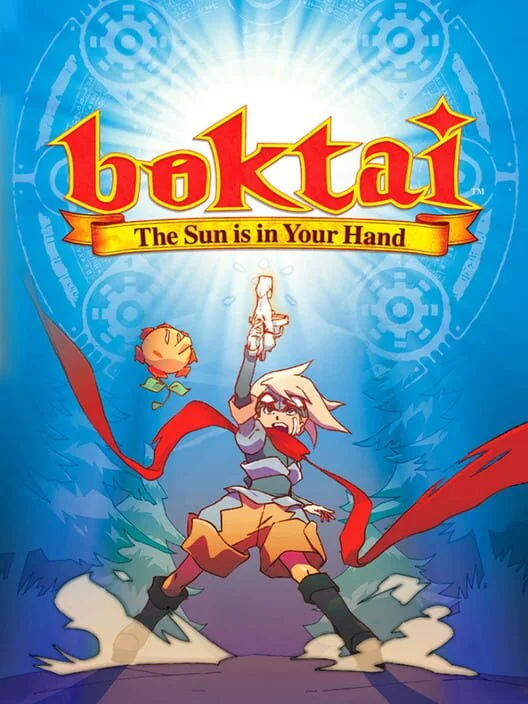
Boktai is Hideo Kojima's vampire-hunting action game, and it came with one of the strangest gimmicks a cartridge ever had. It made novel use of a light sensor on the cartridge, which encouraged playing parts of the game in direct sunlight. Your gun is fueled by sunlight, so the more sun you can get, the stronger you are in the game.
It is the only game on this list that told kids to go outside, and it meant it. Both GBA sequels used a solar sensor too, and a later DS game, Lunar Knights, carried the idea on. It is a sneaking, puzzle-solving sort of action game, and it is best played on a sunny day, obviously.
7. Mega Man Zero (2002)
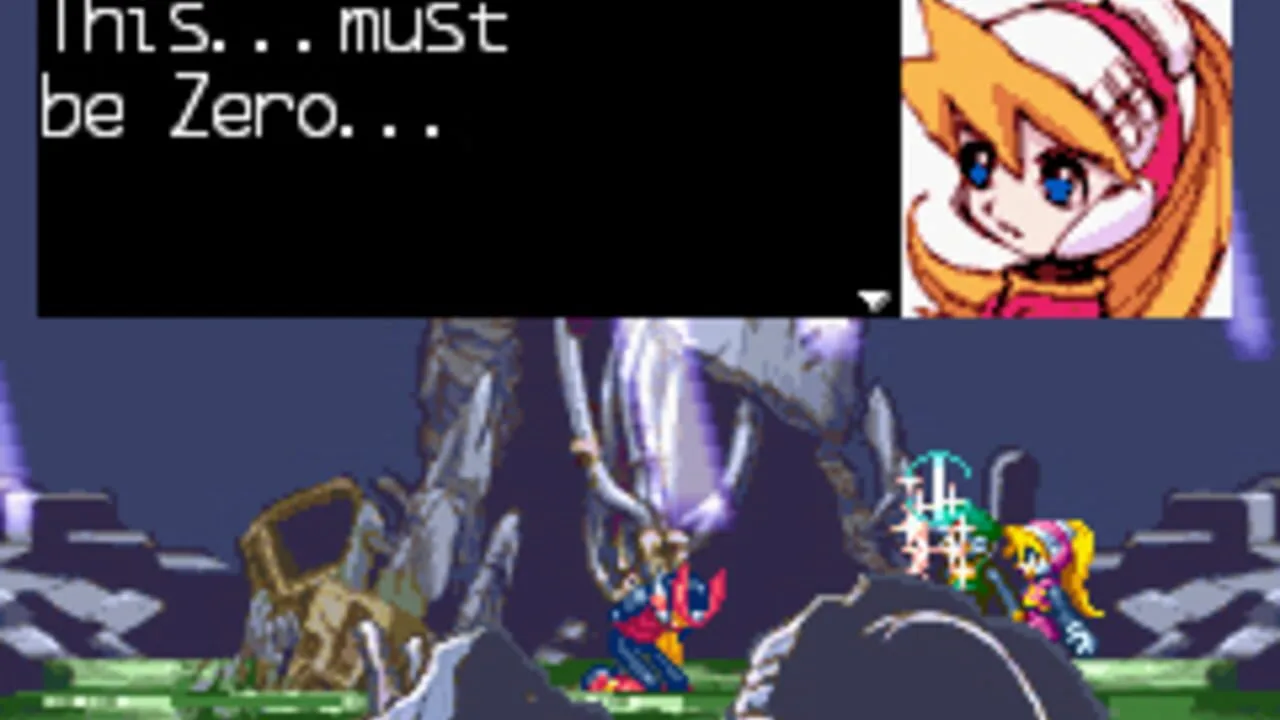
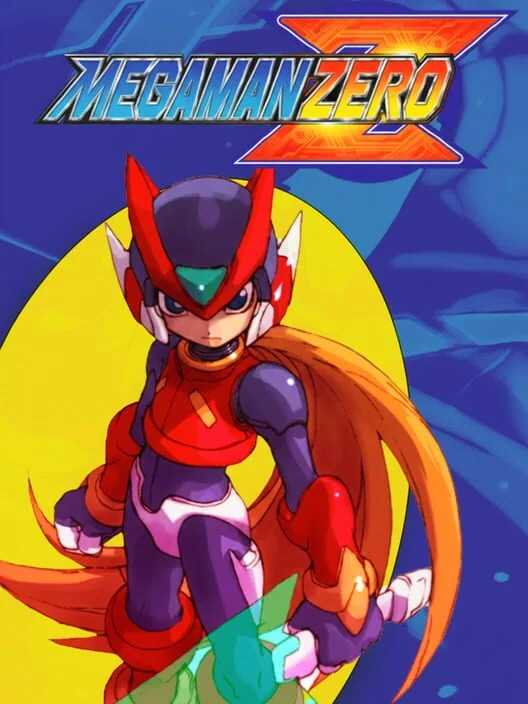
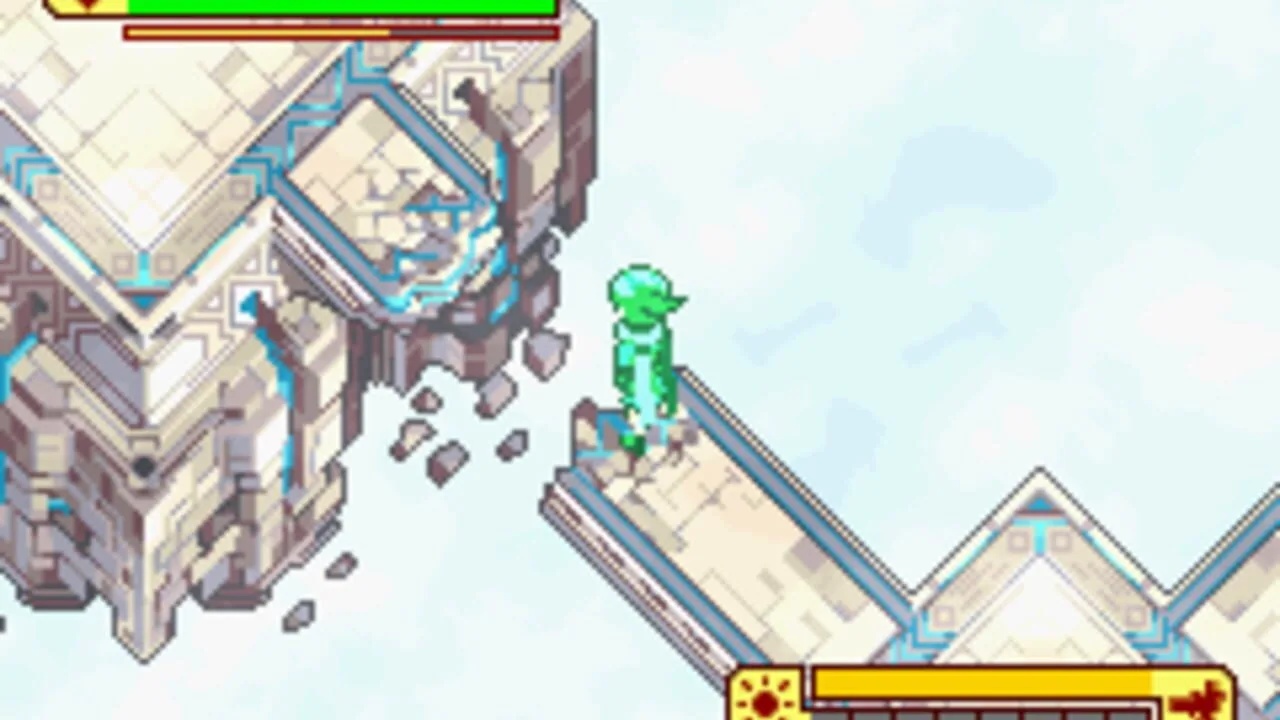
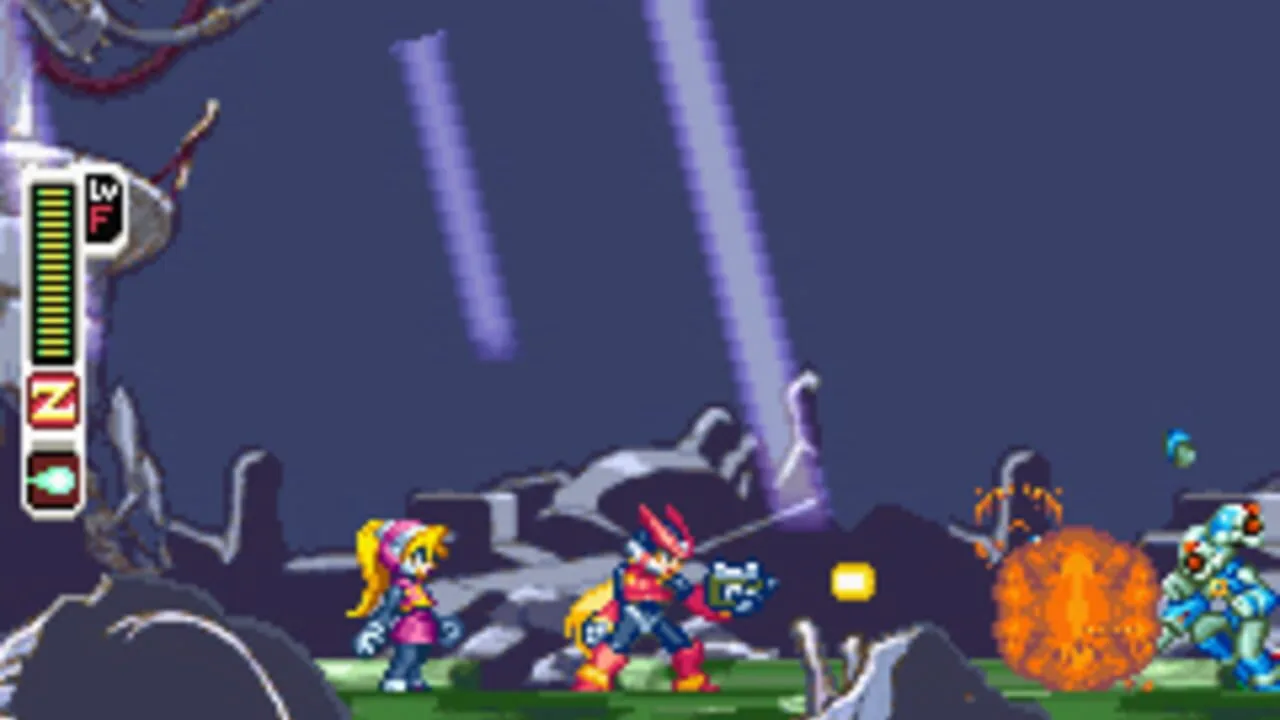
Mega Man Zero was made by Inti Creates for Capcom, who gave the studio free rein on the direction of the game. You play Zero, the hero of the X series, waking up after a century of sleep to help the scientist Ciel. The developers aimed to make it among the most challenging games in the franchise, and you have only three lives to complete a mission before a game over.
Critics praised the storyline and the tweaks to the classic Mega Man action, though many were put off by how hard it is. It sold well and went on to produce three direct sequels on the GBA. One fun bit of history: the team wanted the original X as the final boss, and swapped him for Copy X just one month before release.
6. Castlevania: Circle of the Moon (2001)
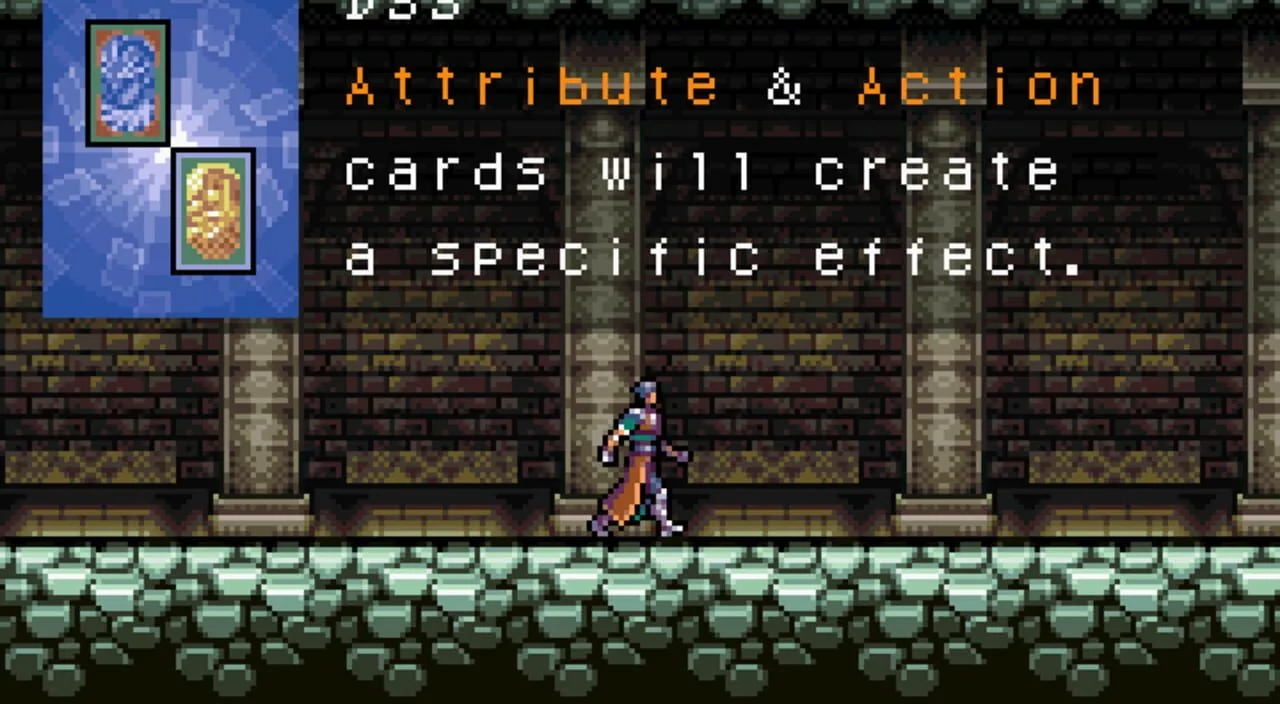
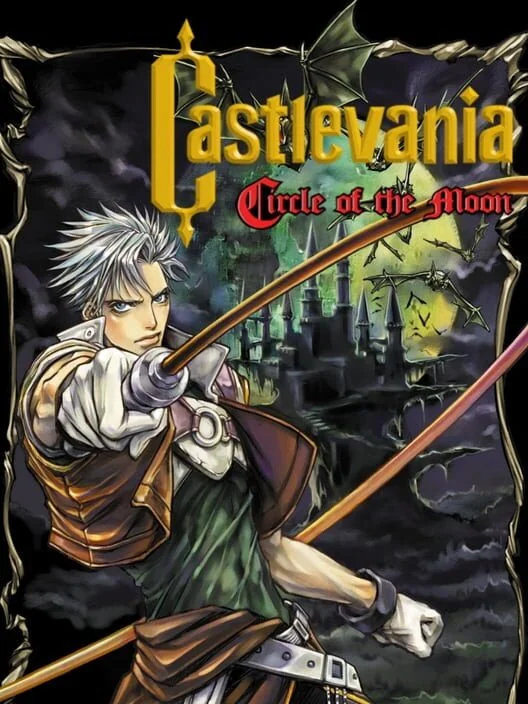
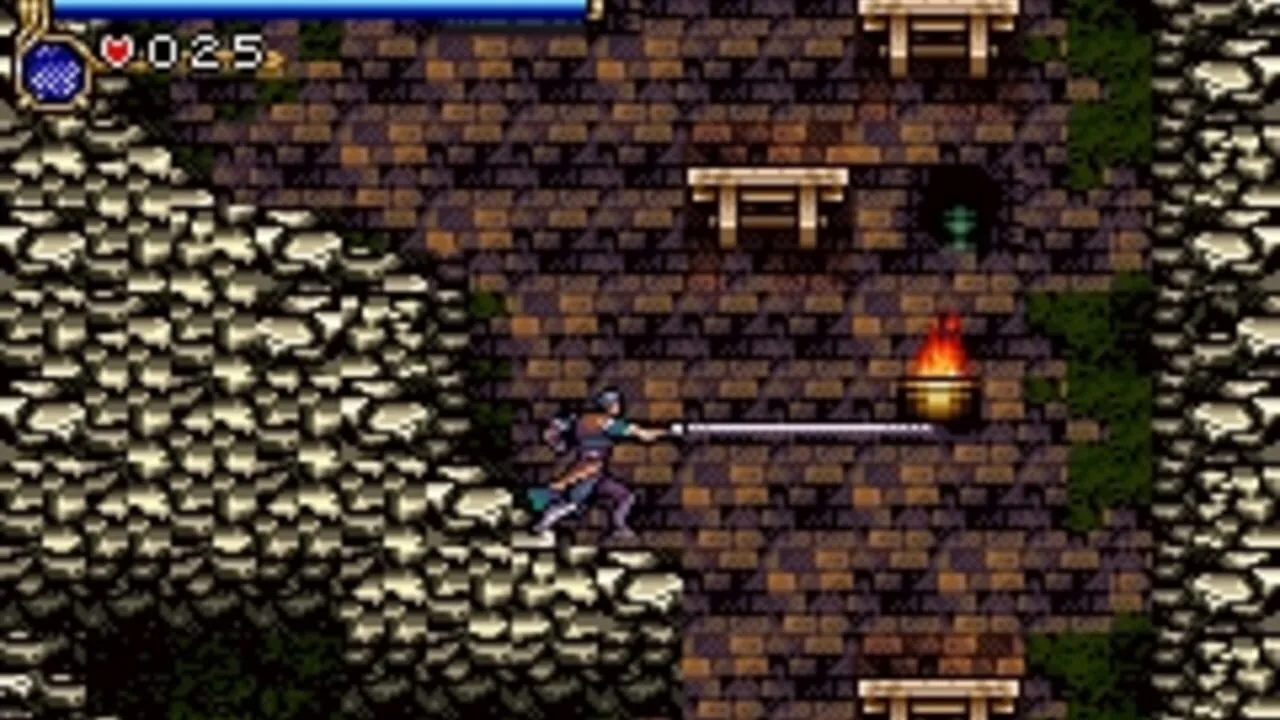
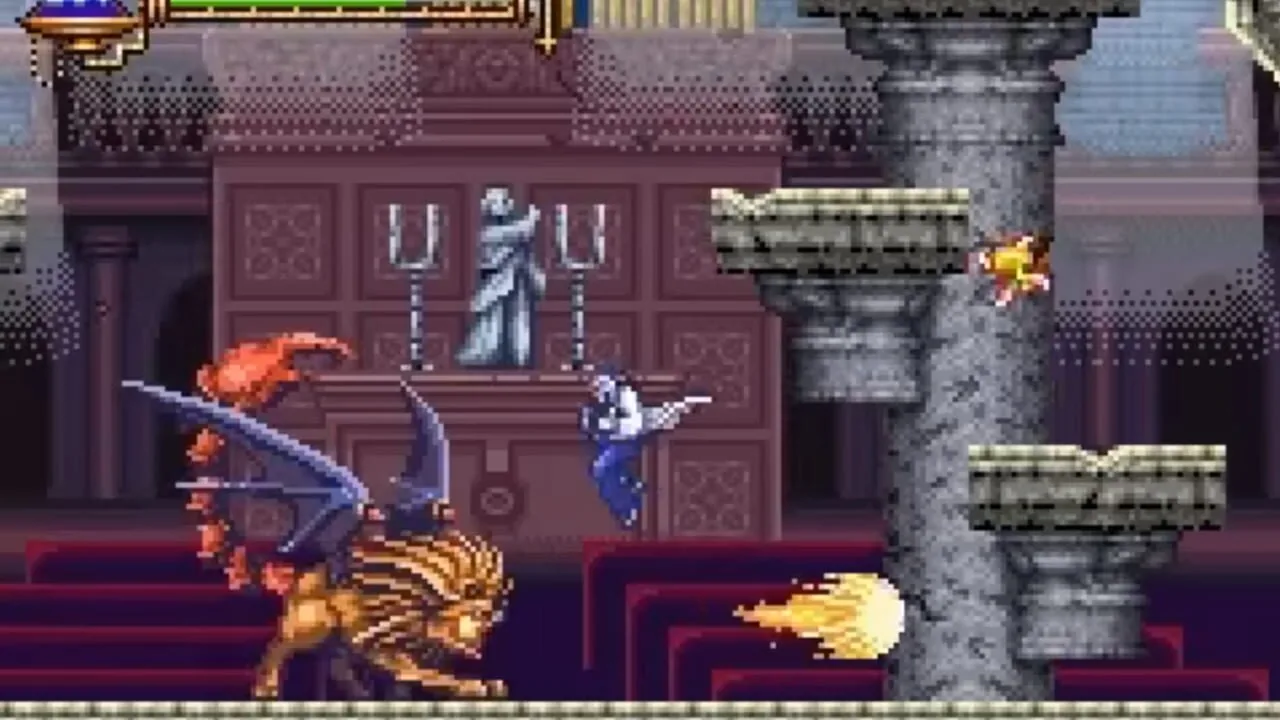
Circle of the Moon was a launch title for the Game Boy Advance, and the first Castlevania built on the action/RPG structure of Symphony of the Night. You play Nathan Graves, and his only weapon is the Killer Whip. The magic comes from the Dual Set-up System, where you combine two cards for new powers, like setting the whip on fire or summoning a fire demon.
It sold 500,000 units worldwide and received critical acclaim. Its one famous problem is how dark it looks, which was a real issue on the original GBA screen. Play it on a backlit screen today and that problem mostly goes away.
5. Astro Boy: Omega Factor (2003)
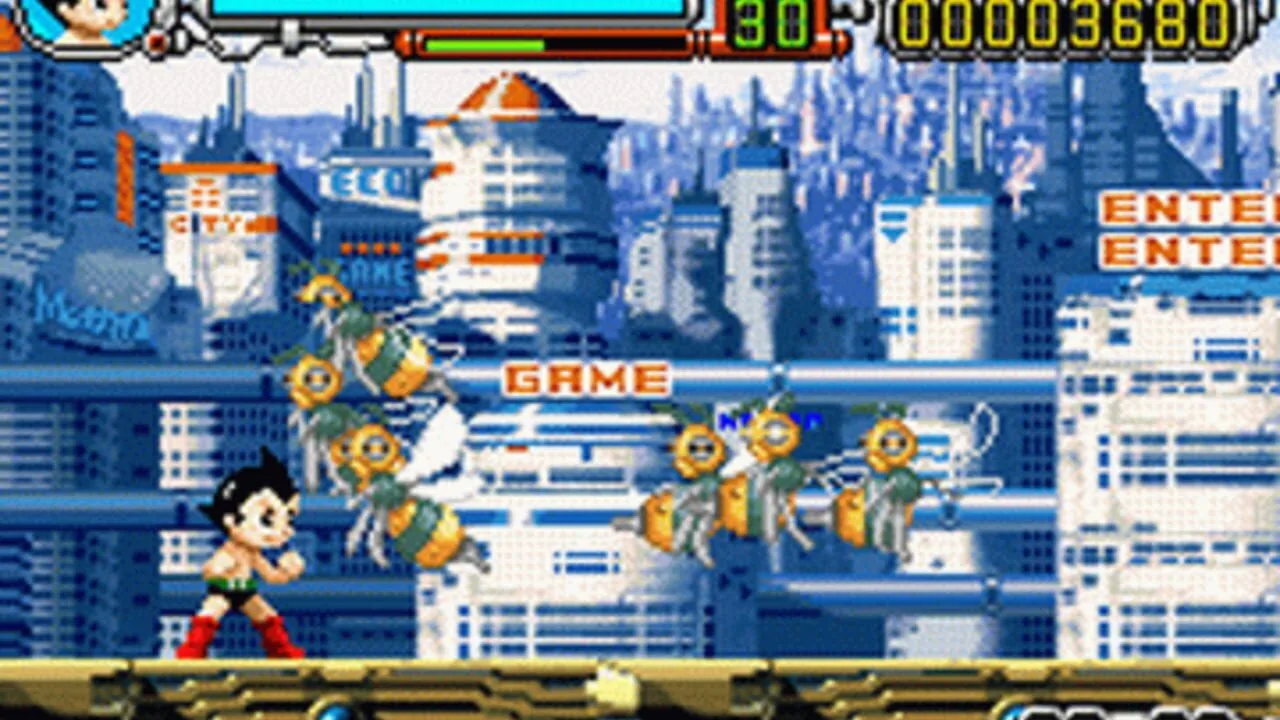
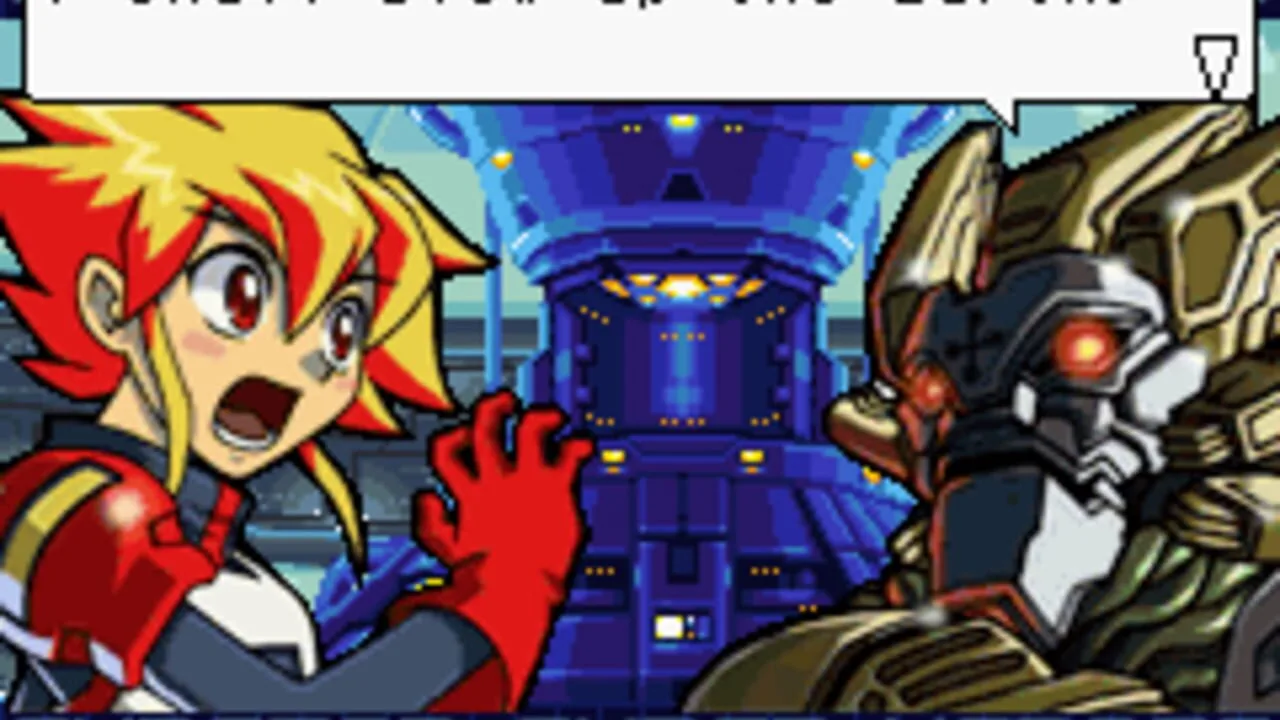
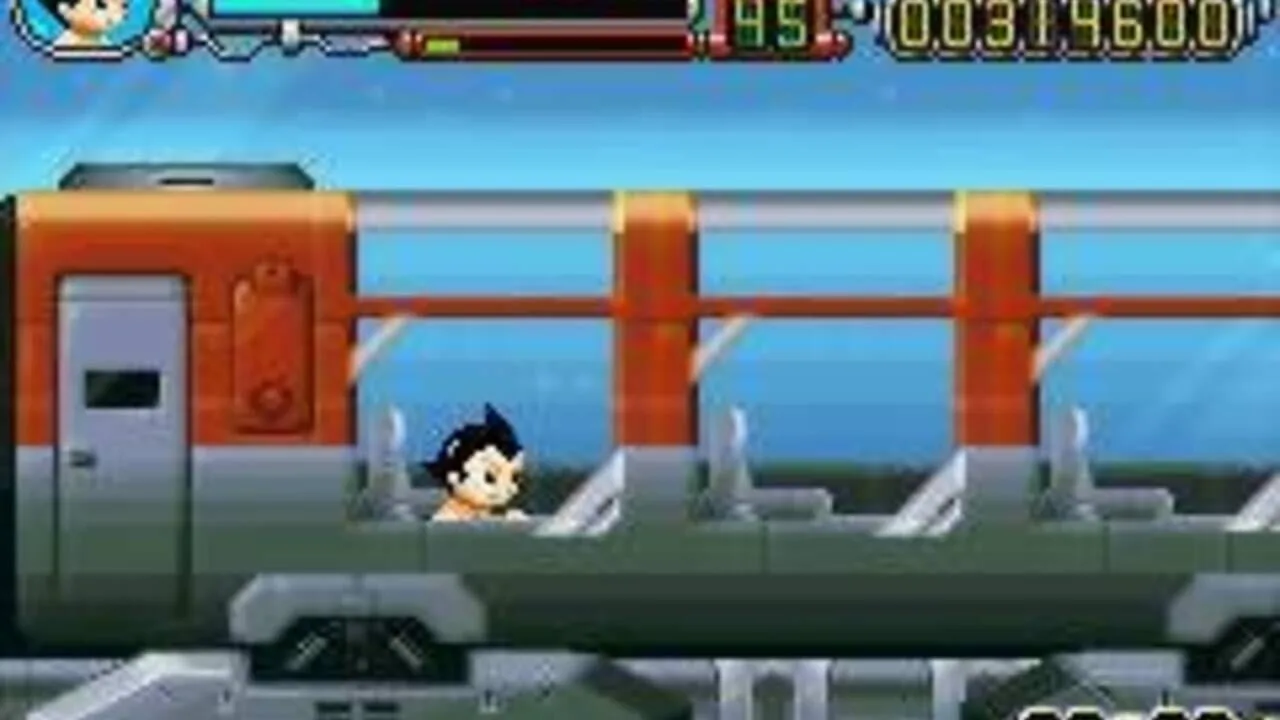
Omega Factor was co-developed by Treasure and Hitmaker for Sega and Tezuka Productions, based on Osamu Tezuka's Astro Boy. It came out in Japan on December 18, 2003, and in North America on August 17, 2004. The American release was delayed to coincide with the premiere of the Astro Boy TV series, and Treasure used that time to improve the game. Astro uses seven super abilities against more than 40 other characters from Tezuka's work.
The game received positive reviews from critics, with strong praise for its visuals. It is a side-scrolling brawler and a shooter at once, and it never stops throwing new ideas at you. Treasure fans already know it. Everyone else is missing one of the best games on the system.
4. Castlevania: Aria of Sorrow (2003)
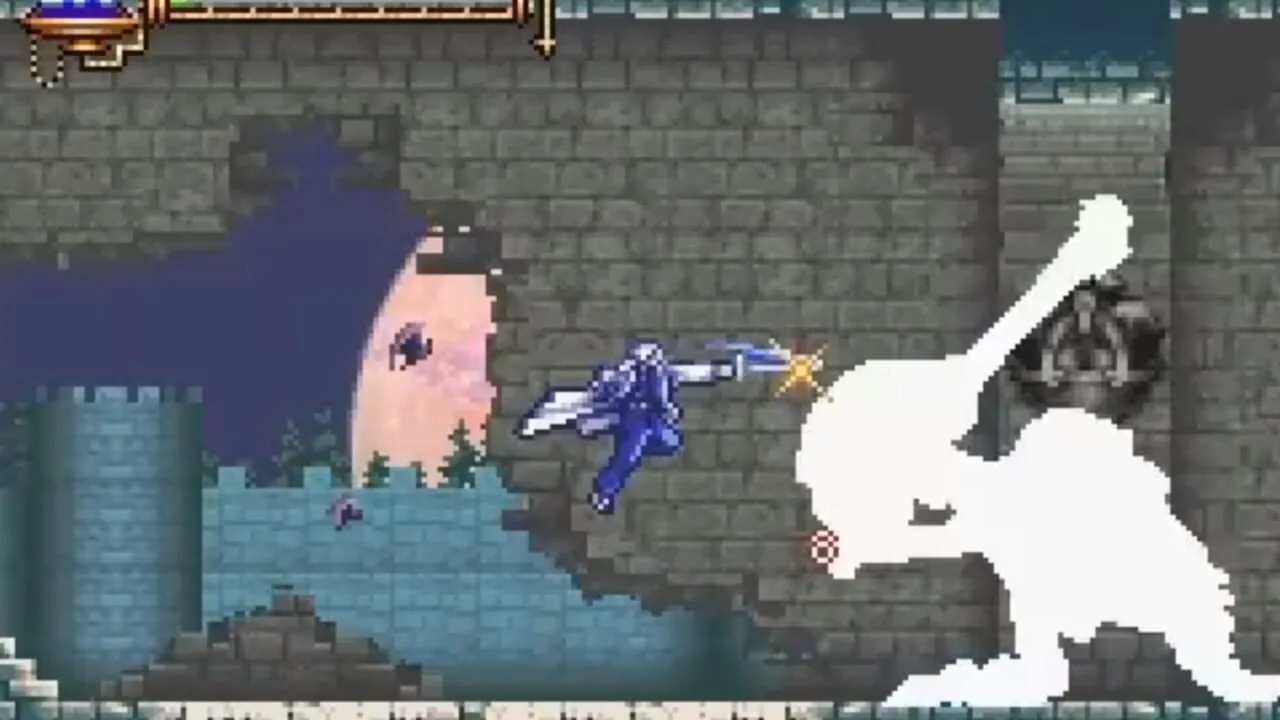
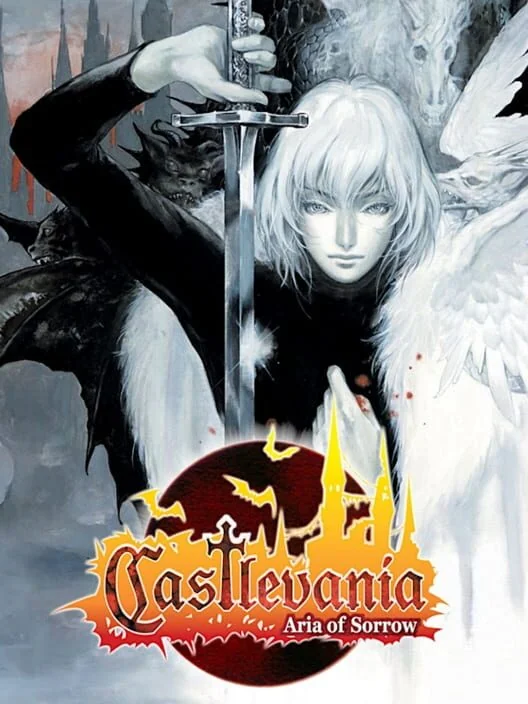
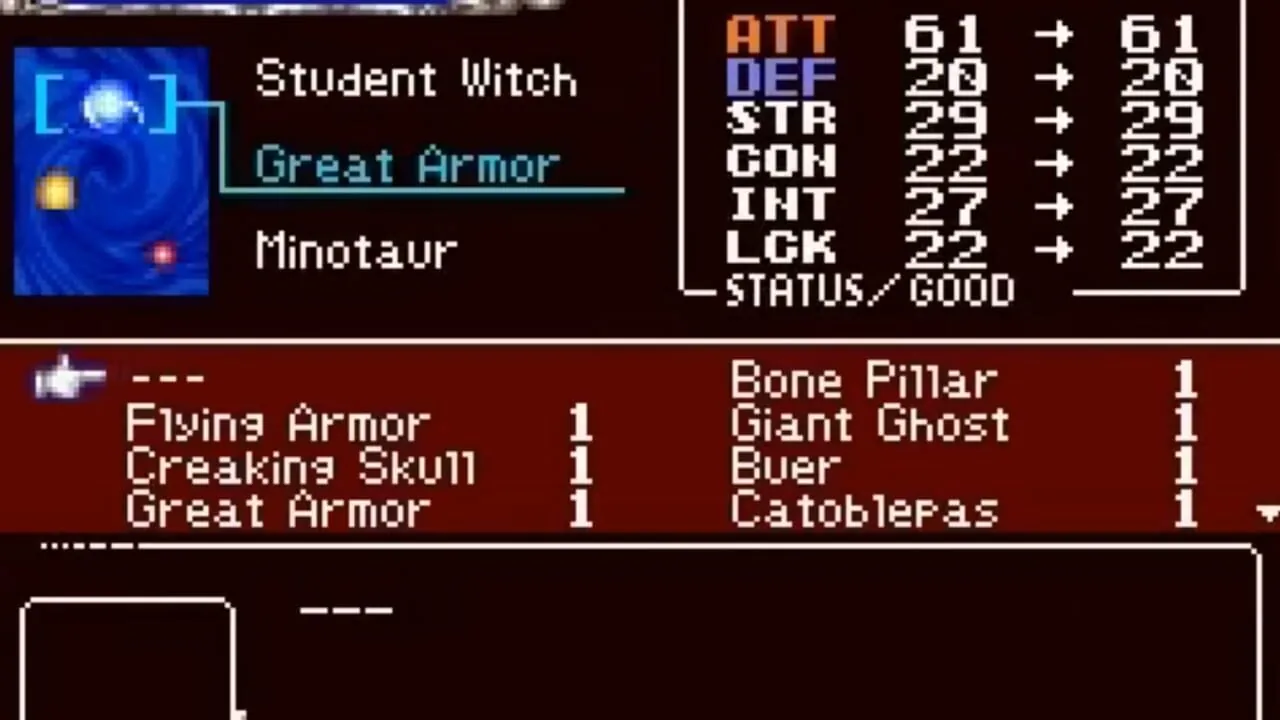
Aria of Sorrow moves Castlevania into the future. The year is 2035, and Soma Cruz blacks out during a solar eclipse, only to wake up inside a mysterious castle. Producer Koji Igarashi oversaw it, and Michiru Yamane returned to compose the music. Its big idea is the Tactical Soul System, which lets Soma take the powers of the monsters he defeats.
It received universal acclaim, and some critics considered it the best Castlevania game since Symphony of the Night. It sold poorly in Japan but did well in the United States, with more than 158,000 units sold in the three months following its release. A sequel, Dawn of Sorrow, came to the Nintendo DS in August 2005, which tells you how much people wanted more Soma.
3. Metroid: Zero Mission (2004)
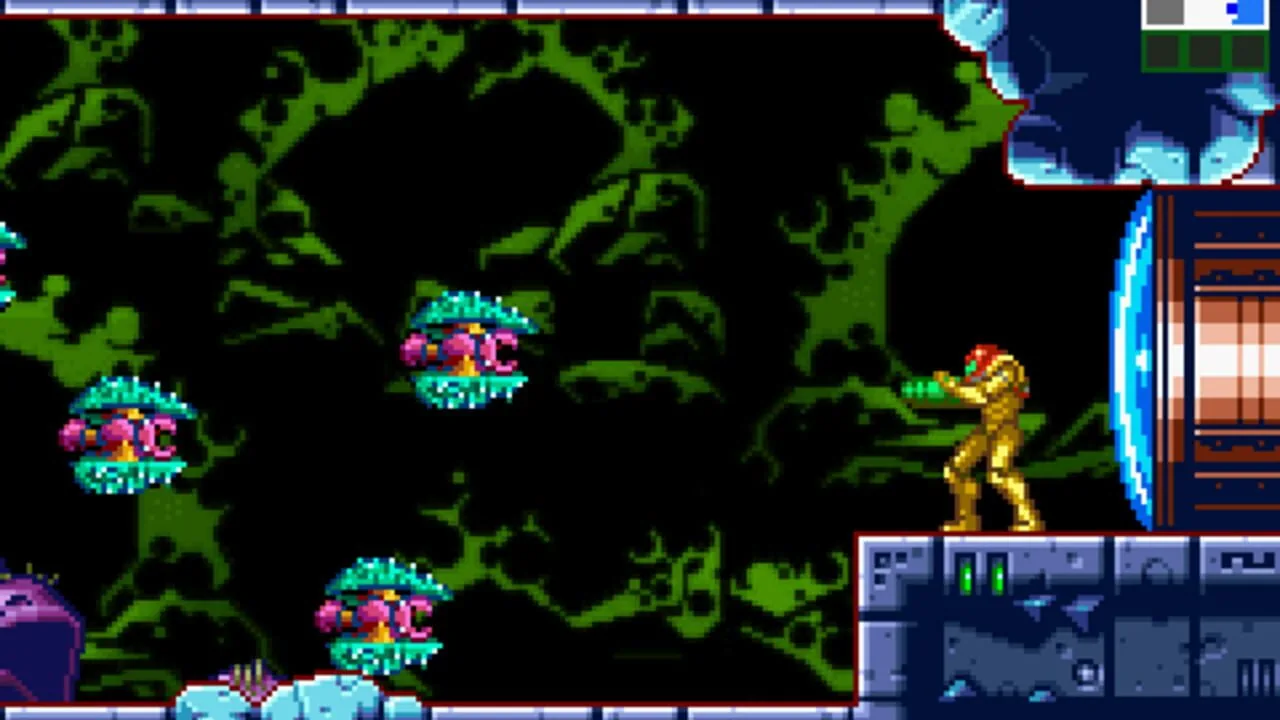
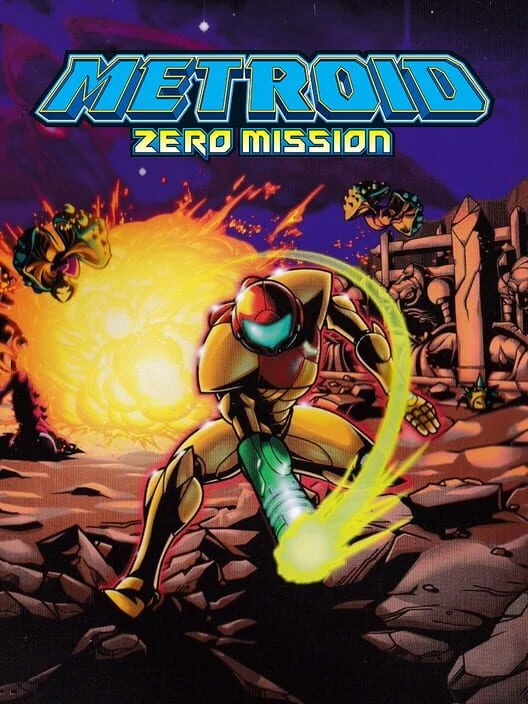
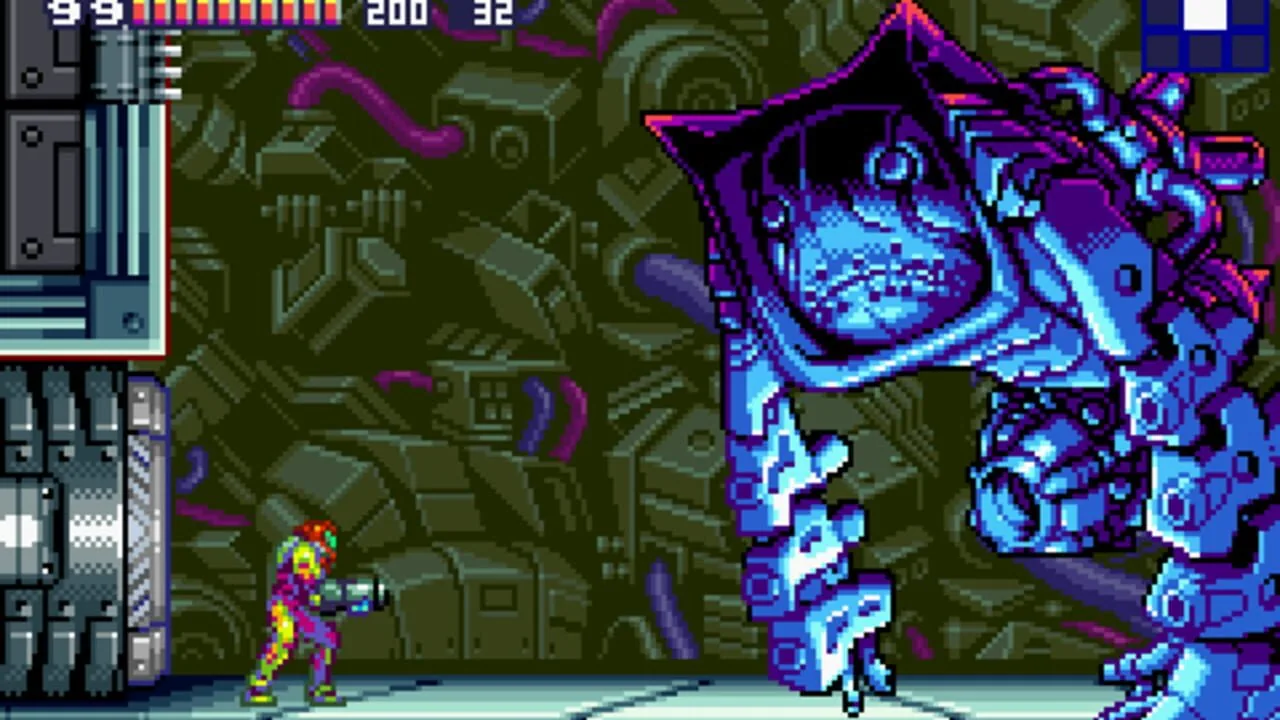
Zero Mission retells Samus Aran's first mission on planet Zebes, with all-new cut-scenes and action sequences. In one new sequence Samus is more vulnerable to damage, must crawl through ducts on her hands and knees, and her only weapon is a weak pistol that briefly stuns enemies. It runs on a rebuilt version of the game engine used for Fusion, and beating it unlocks an emulated version of the original Metroid.
IGN said it "looks, sounds, and plays absolutely wonderfully", but was too short and too easy. That is the only real complaint anyone has. As of February 2025, it had sold over 439,000 copies in the United States, and it is still the best way to play the first Metroid.
2. Metroid Fusion (2002)
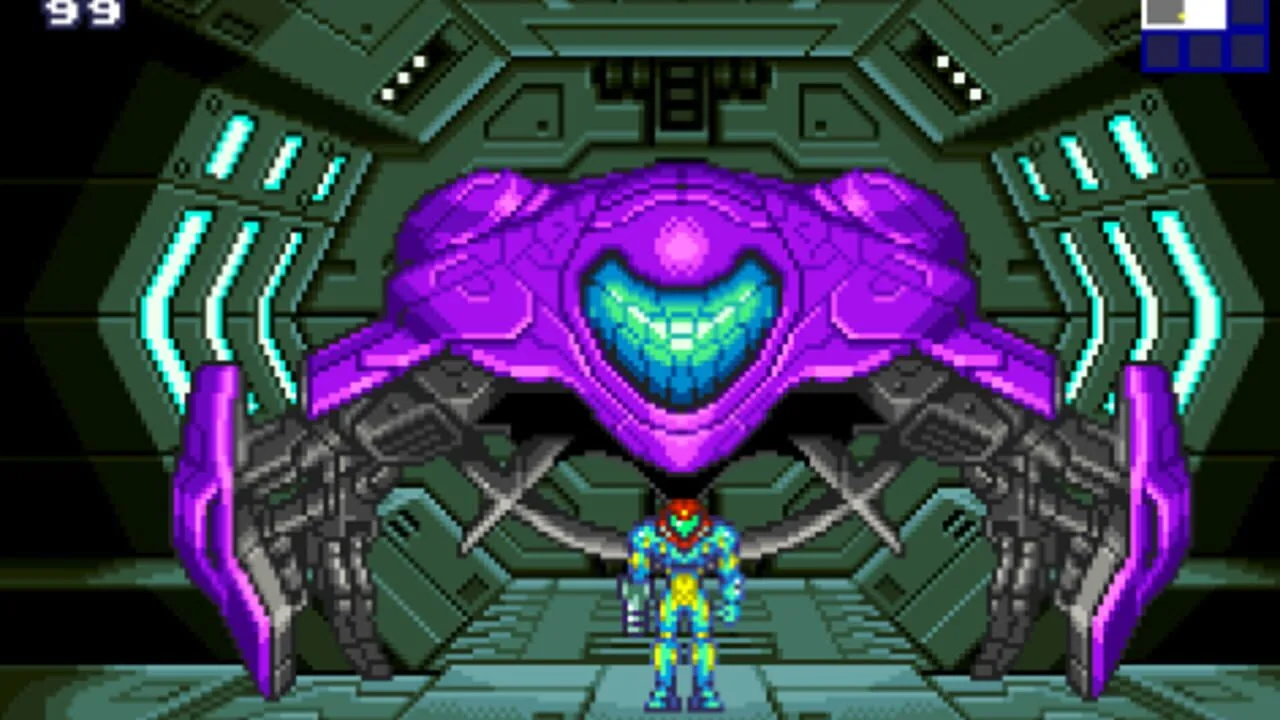
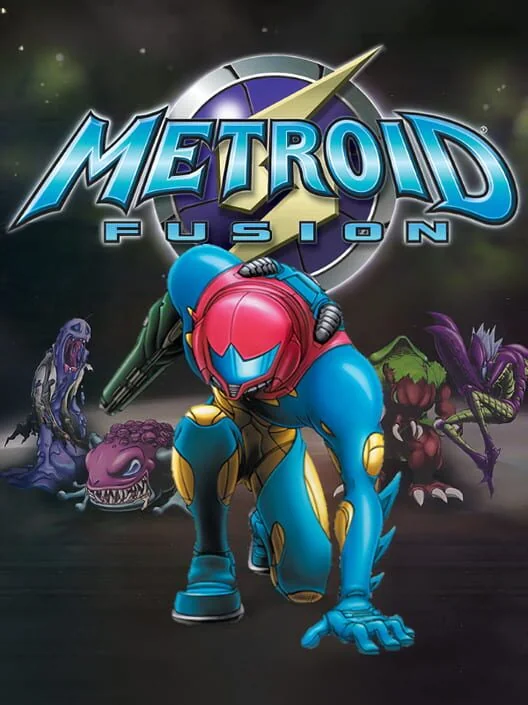
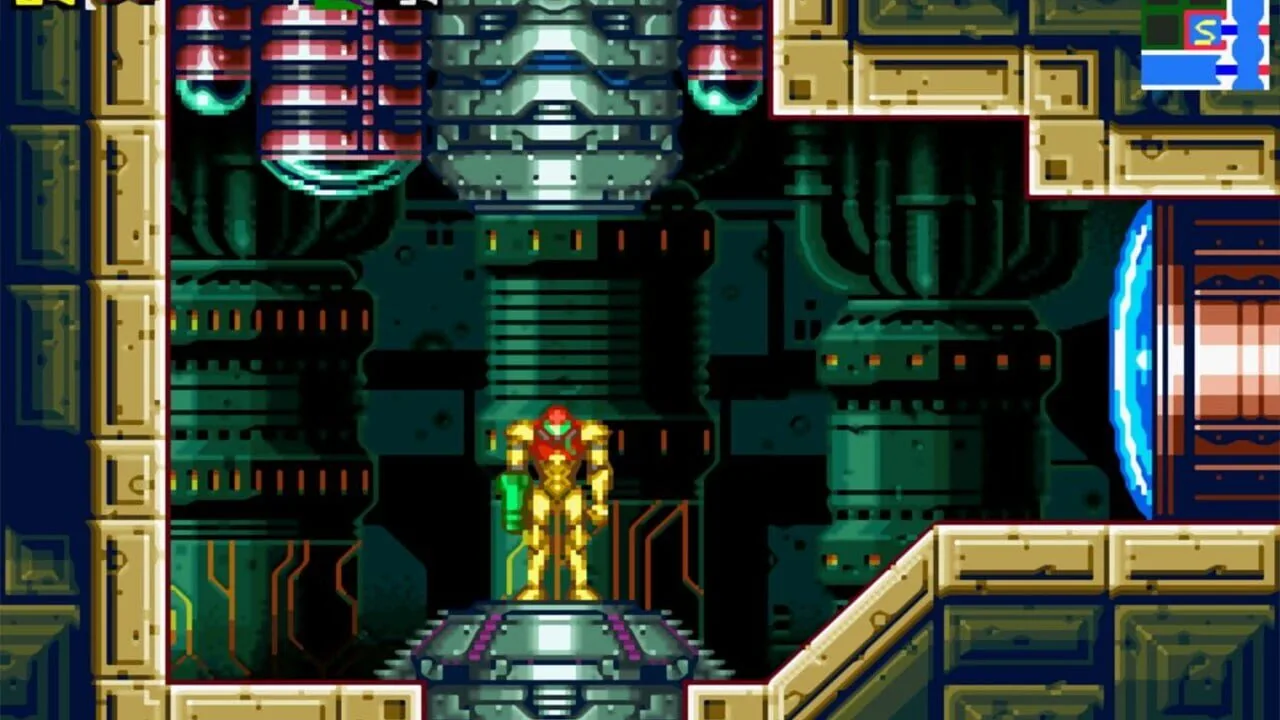
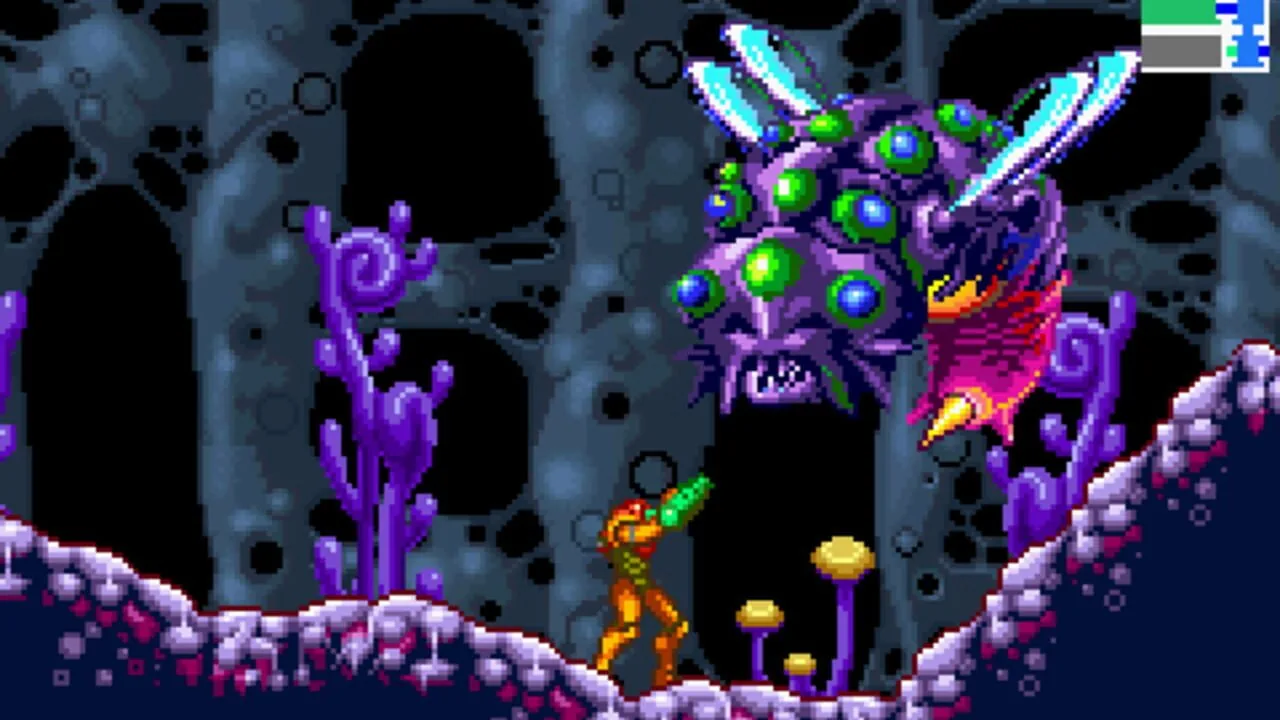
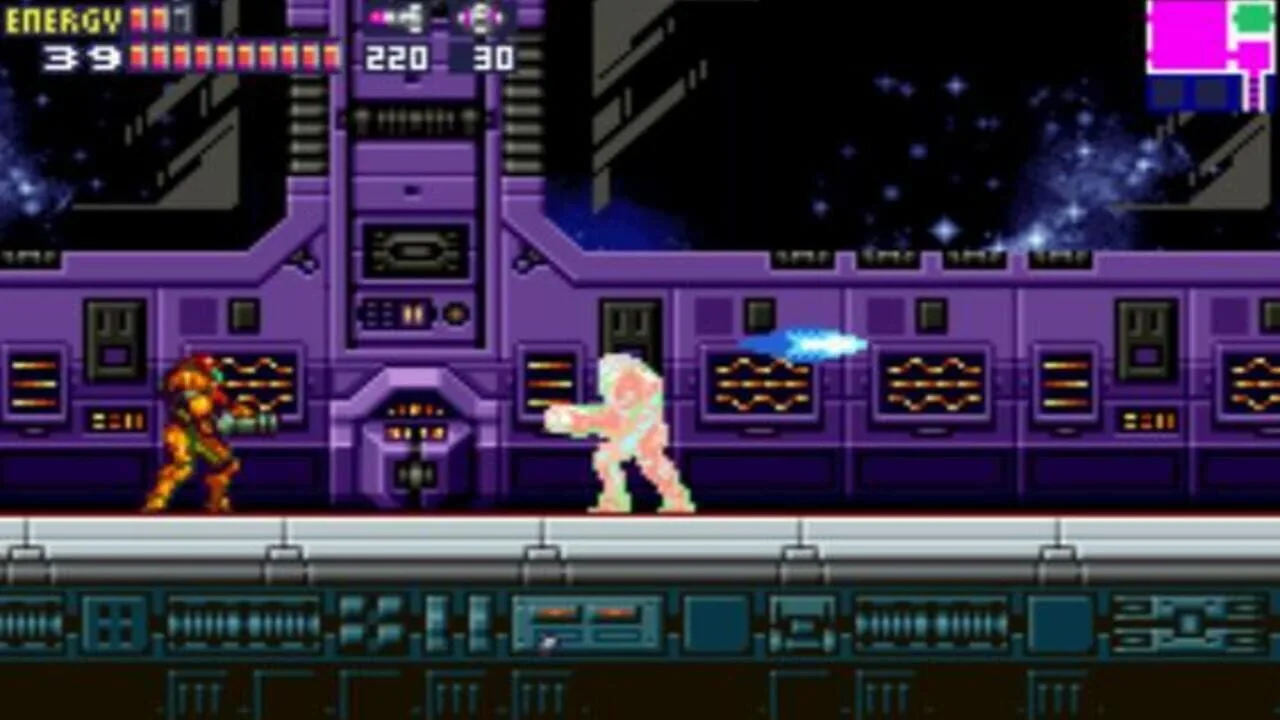
Metroid Fusion came out in North America on November 18, 2002. It was developed by Nintendo R&D1, the same team that created Super Metroid, and the controls and screen layout build on that game. The health and missile drops are replaced by X Parasites released after defeating enemies. Its music aims for "serious, ambient music rather than melody", which makes the space station feel very lonely.
It won Handheld Game of the Year from the Academy of Interactive Arts & Sciences and "Best Action Game on Game Boy Advance" from GameSpot. The shorter length and greater linearity got some criticism. A sequel, Metroid Dread, finally arrived in 2021, nearly twenty years later.
1. The Legend of Zelda: The Minish Cap (2004)
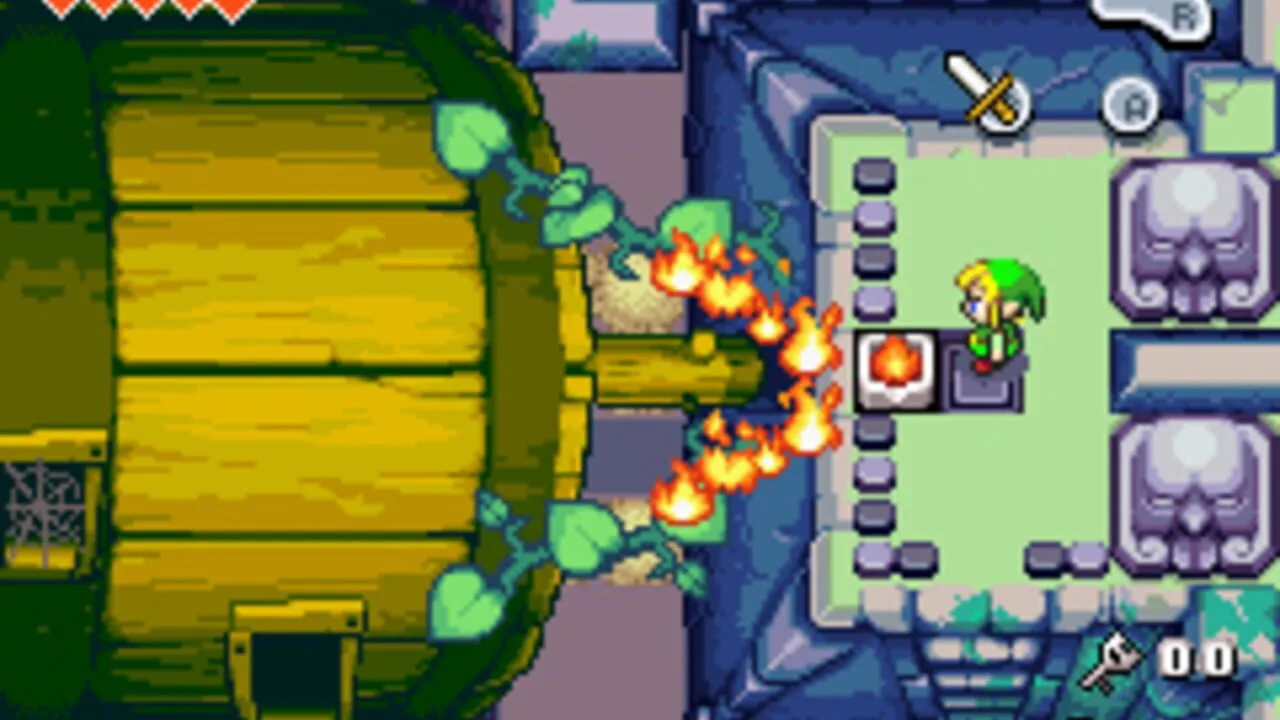
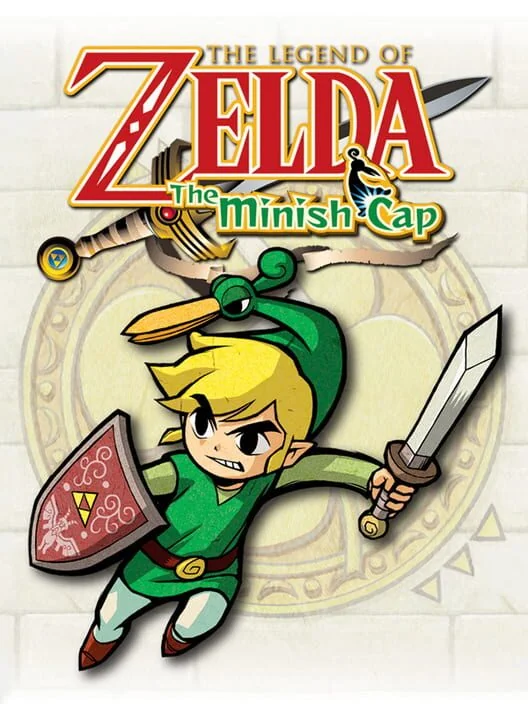
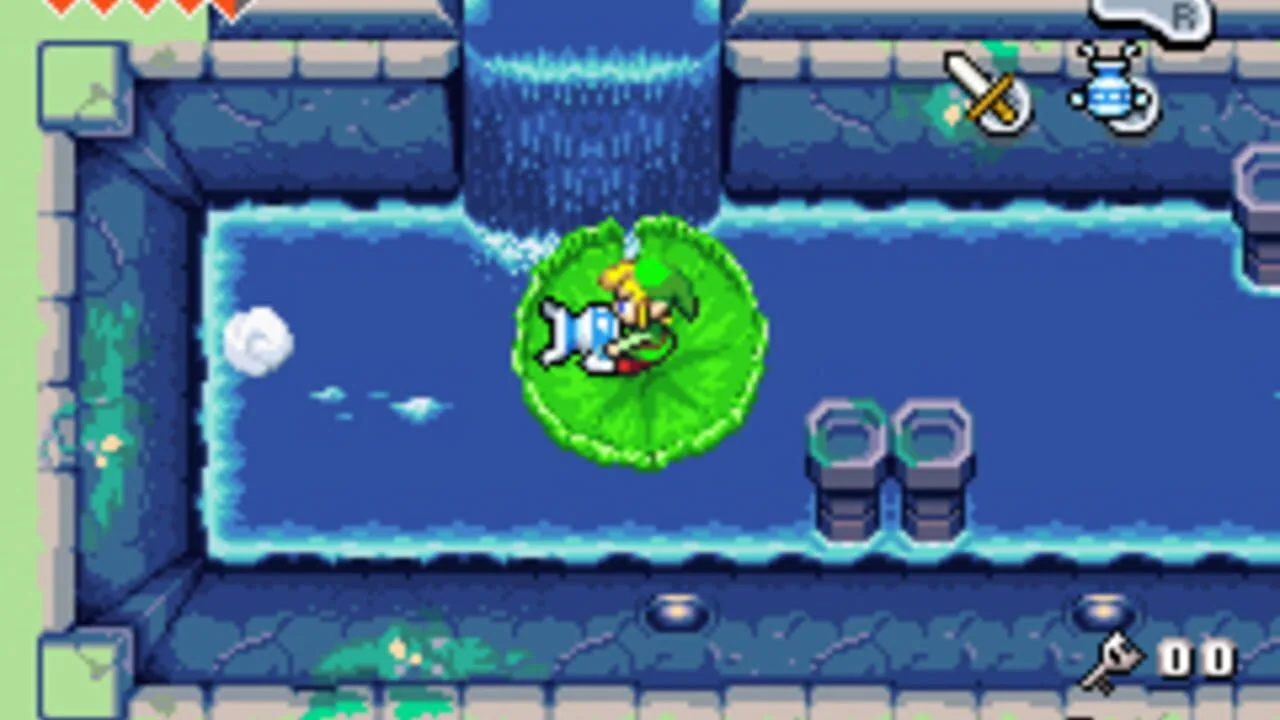
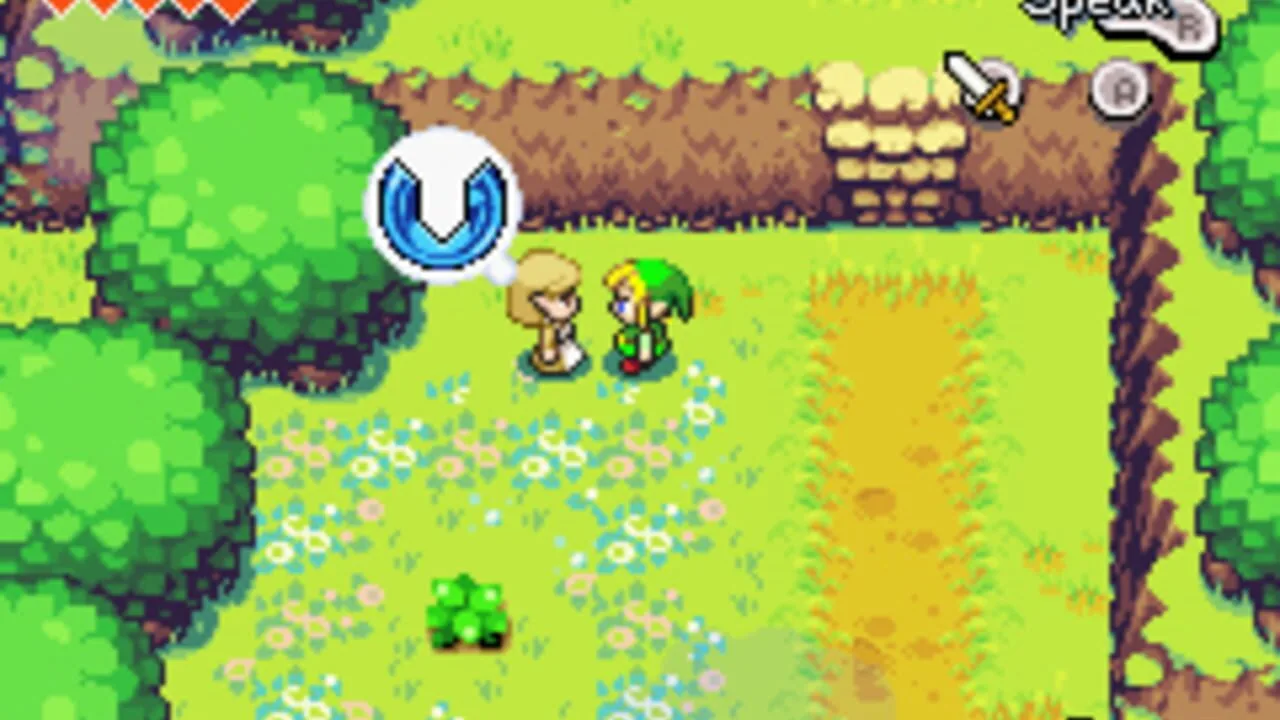
The Minish Cap was the twelfth entry in The Legend of Zelda series, released in Japan and Europe in 2004 and in North America and Australia the following year. It serves as a prequel to Four Swords, telling the origins of the villain Vaati. Its big idea lets Link transform into "Minish size" using portals throughout the world, so a mouse hole becomes a doorway. You also collect Kinstones, artifacts broken into two pieces, and fit the halves together with people around Hyrule.
The gust jar was inspired by a gourd from the novel Journey to the West, and Eiji Aonuma said Hyrule Town even surpasses Clock Town in Majora's Mask. It sold 1.76 million copies worldwide and received critical acclaim. Players recommend it more than any other GBA action game.
Which one to play
There you have it, the whole list of the best GBA action games. The top ten would hold their own on any console.
If you are not sure where to start, play The Minish Cap. If you like exploring a big map and slowly getting stronger, pick Metroid Fusion and then Zero Mission. For Castlevania, Aria of Sorrow is the one to play first. If you want something hard, Mega Man Zero will test you. For a game to share with friends, Four Swords is made for it. And for a hidden pick, try Ninja Five-O and its grappling hook.