Dragon Ball Z: Taiketsu was sold as the first Dragon Ball Z game to feature Broly, which wasn't true: he had already appeared a decade earlier in a game that only came out in Japan and Europe. It also has the lowest score of any Game Boy Advance game with enough ratings to count, 31 out of 100.
Not everything down here is that bad, though. Several of these games have players who will defend them, and one of them scored 83 out of 100 with critics when it came out.
We started with every Game Boy Advance game that has at least 10 ratings and an average under 55 out of 100, and ten games qualified. Then we weighed how far under that line each one sits against what players say about it, so a game players defend climbs out of the bottom spots.
10. Mario Pinball Land (2004)
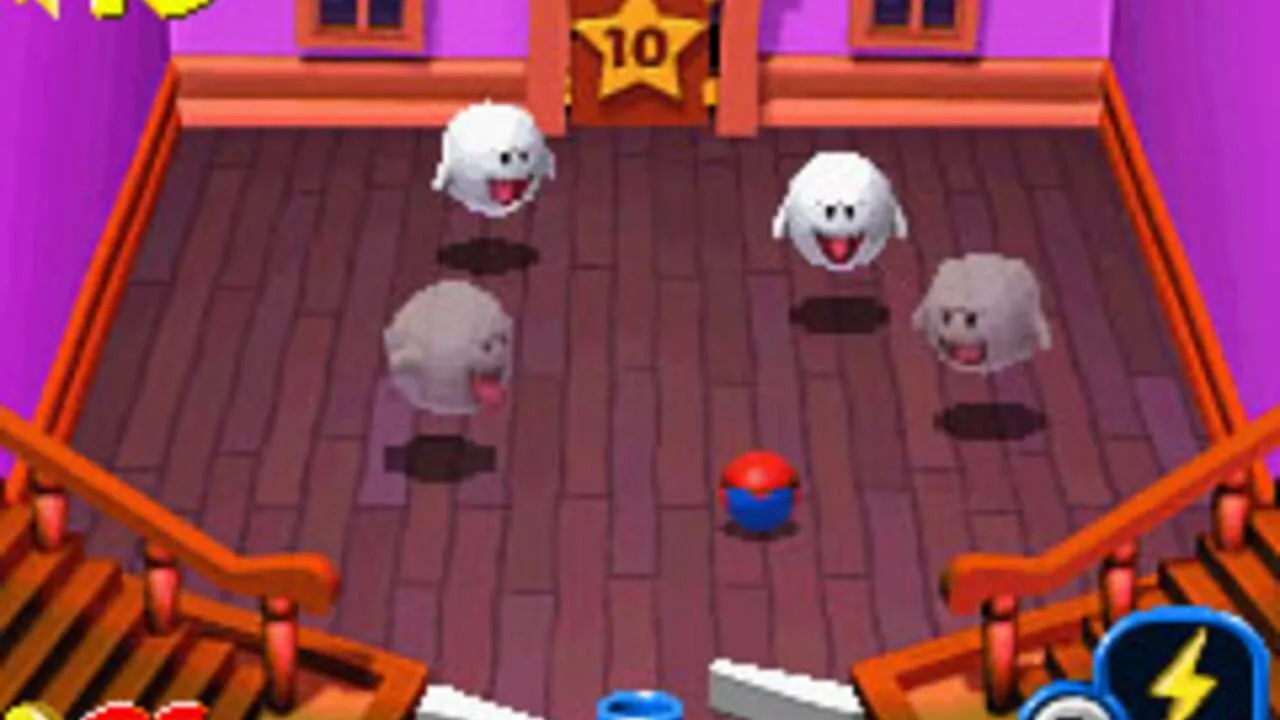
When Bowser kidnaps Peach and escapes to another dimension, a scientist turns Mario into a ball to chase him, and your flippers shoot him into doors that lead to new areas. Critics liked the presentation and the idea of mixing Mario with pinball, but they criticized its high difficulty and the way its tables reset, and some found it short. It averages 53 out of 100.
Players are much kinder. They call it a fantastic arcade pinball game, and that goodwill is why it opens this countdown instead of closing it. It even borrows a sound: the shine jingle from Super Mario Sunshine plays when your score comes up.
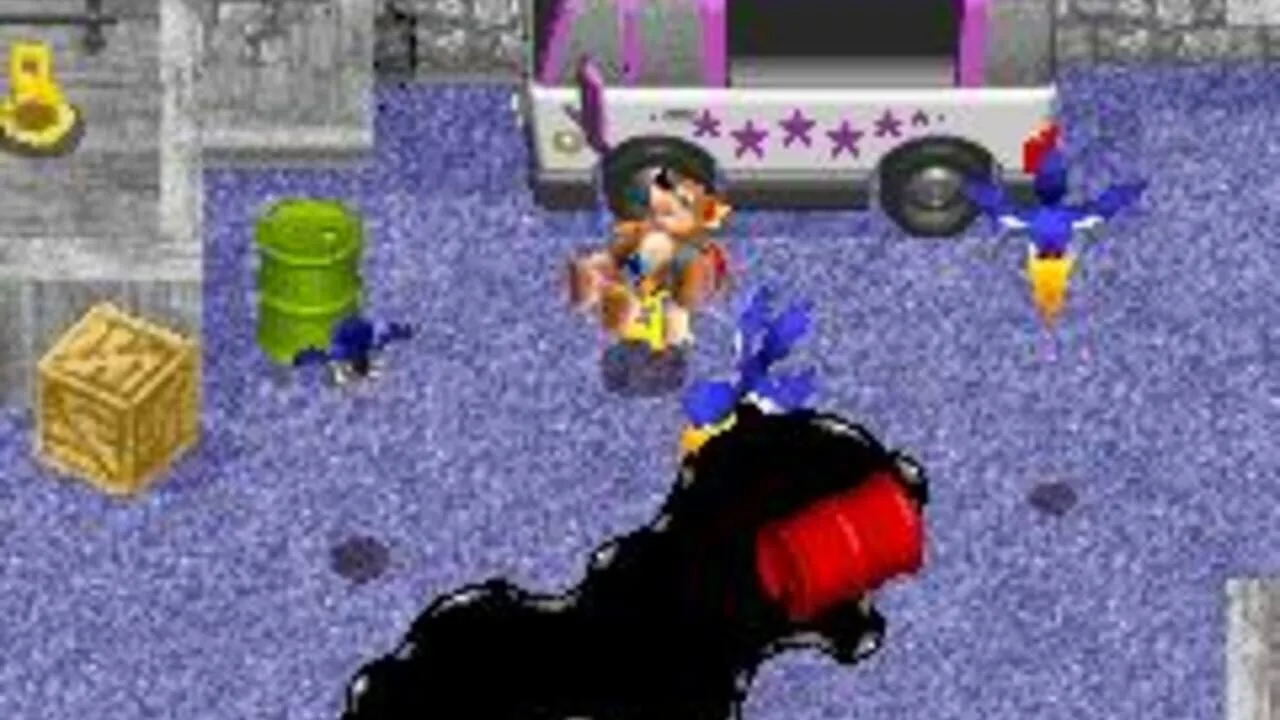
9. Banjo-Kazooie: Grunty's Revenge (2003)
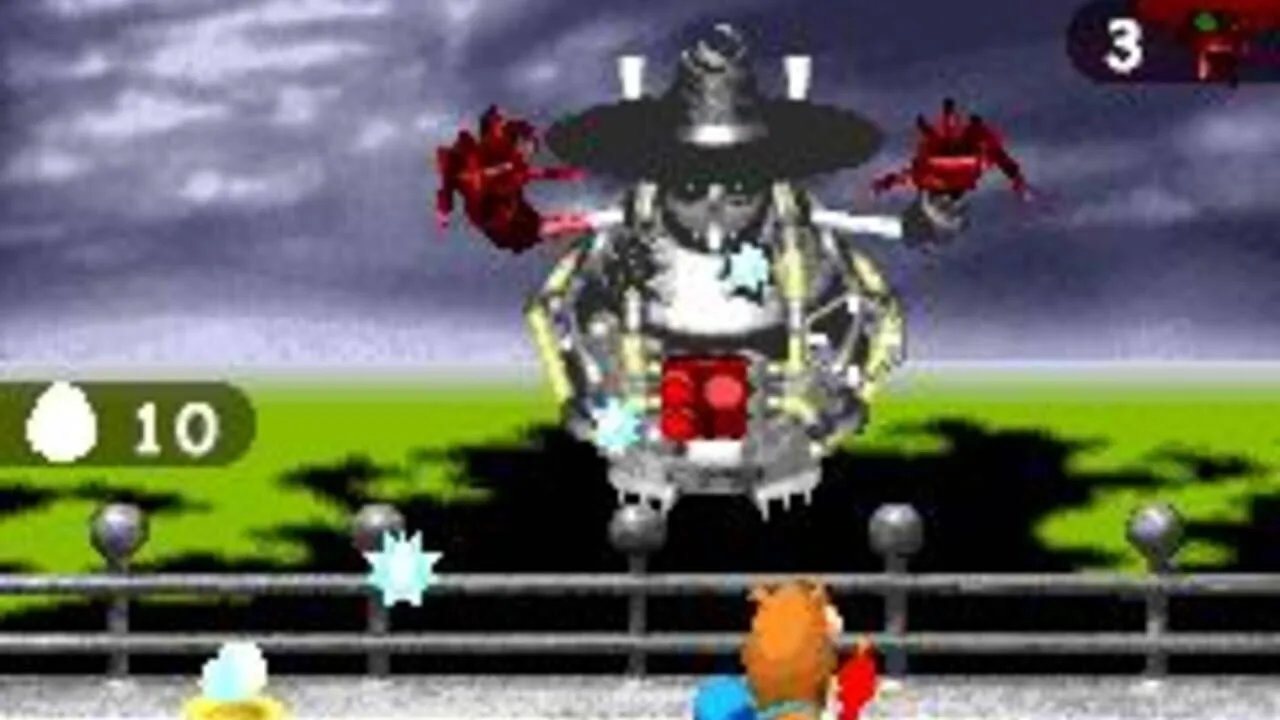
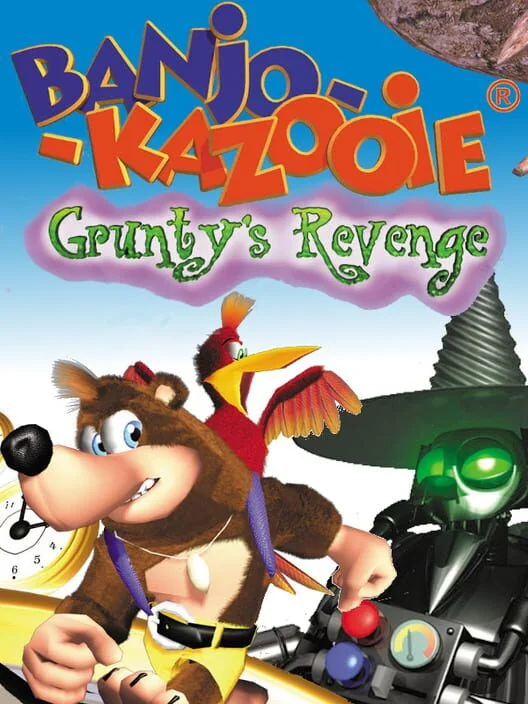
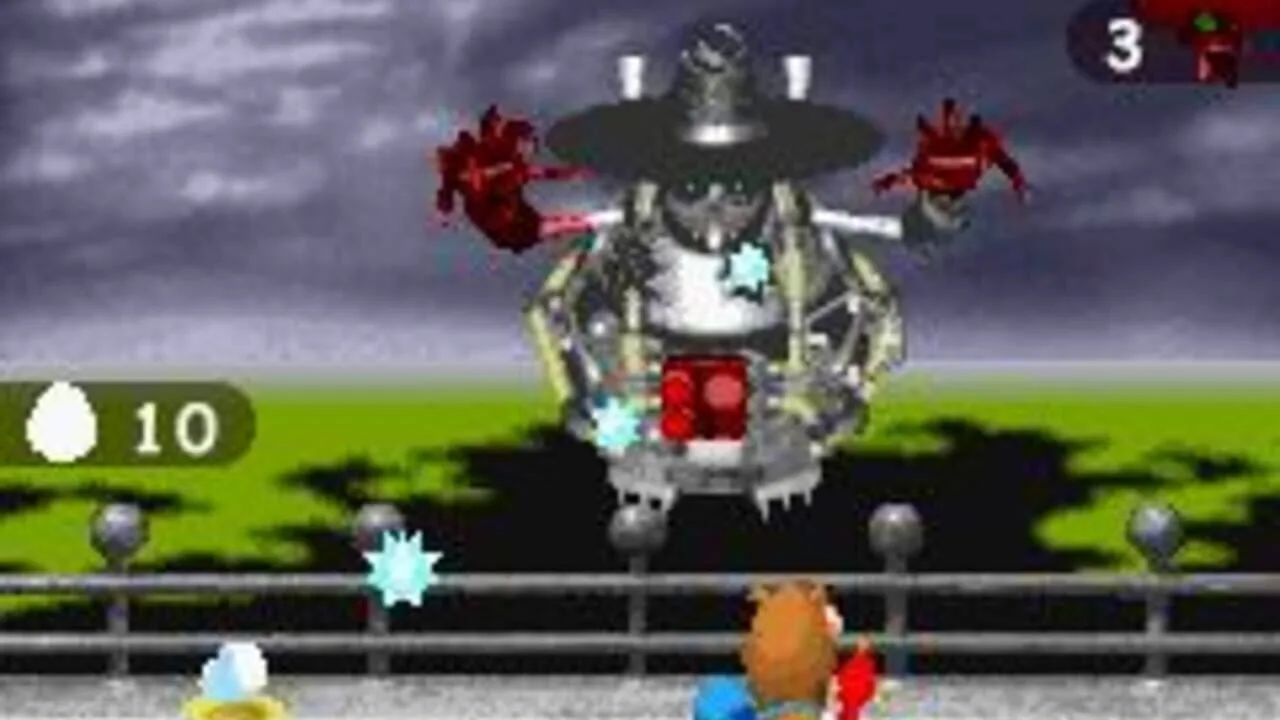
Grunty's Revenge takes place two months after Gruntilda fell from her tower, before the events of Banjo-Tooie. Her henchman Klungo builds a Gruntilda-shaped robot, the Mecha-Grunty, and her spirit moves in, ready for revenge. Reviews were mixed or average, although several reviewers applauded it as a splendid effort to bring Banjo-Kazooie to a handheld. It averages 54 out of 100.
Earlier builds of the game let you fly, with flight pads and red feathers, and both were gone by the time it shipped. Players still call it a fun, solid little Banjo game that does a great job of bringing the 3D collectathon into 2D.
8. Need for Speed: Underground (2003)
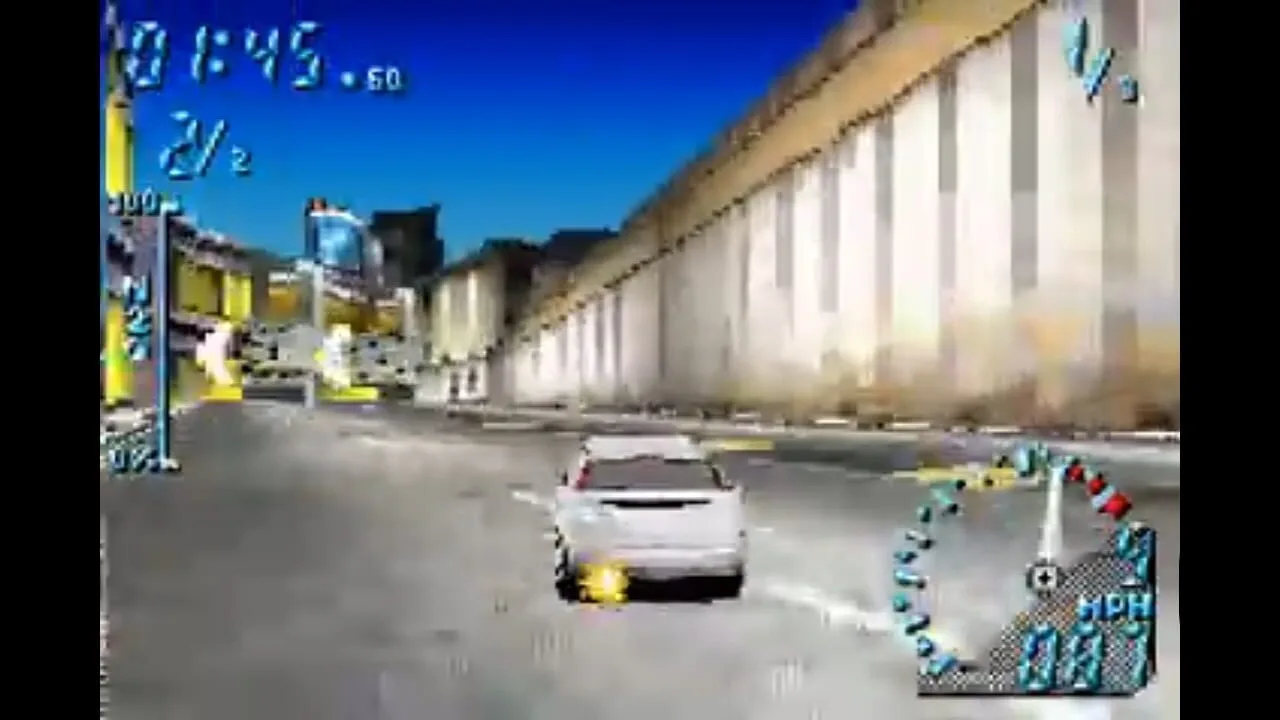
The Game Boy Advance version of Need for Speed: Underground keeps the gritty, dark side of racing from the home consoles. You race for money to spend on upgrades, and the garage holds fourteen licensed cars from makers like Ford, Toyota and Subaru, each of which you can customize with paint, bumpers, decals and rims.
Most races are the traditional kind, against up to three other drivers, with Drag and Drift challenges on the side. It averages 51 out of 100.
7. Yu-Gi-Oh! Dungeon Dice Monsters (2001)
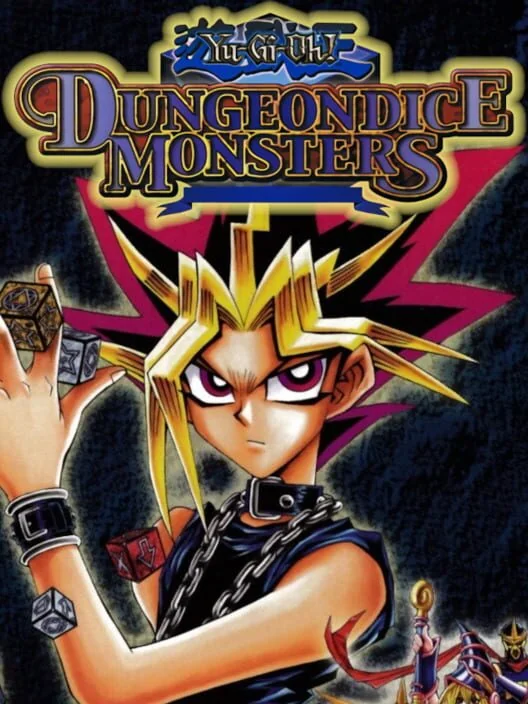
Dungeon Dice Monsters is played on a board of 13 by 19 tiles, with a Monster Lord at each end holding 3 Life Points, and you place magical dice on the board to build the dungeon. The story sends you through a dozen tournaments to face Duke Devlin, the man who created the game. Critics praised its strategy and criticized its missing story mode and its steep learning curve, made worse by the lack of a tutorial. It averages 50 out of 100.
A board game about dice, from a cartoon about cards, with no tutorial. Players who stuck with it say it gets really fun once it clicks, especially late in the game, when you can stock up on dice. It was even adapted into a real tabletop game.

6. Mega Man Battle Chip Challenge (2003)
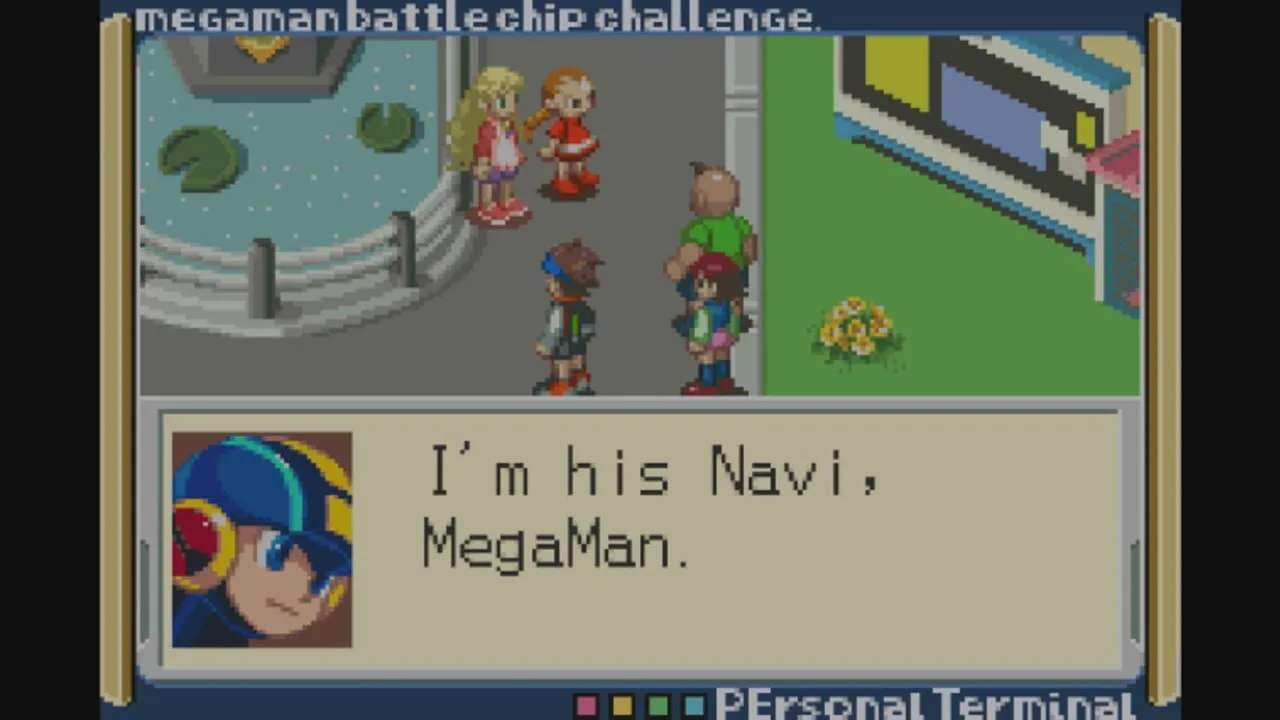
Battle Chip Challenge is a card battle spin-off of the Mega Man Battle Network series, made by Inti Creates for Capcom. Instead of the usual adventure, you enter the Battle Chip Grand Prix and fight it out with battle chips, and two players can link up. It averages 50 out of 100.
The same game came out in Japan on the WonderSwan Color on the same day as the Game Boy Advance one, and the GBA version reached North America and Europe the following March. One of its NetOps, Kai, is retroactively put on the overheating bus that Lan saved in the first Battle Network, which is why the towel on his head copies Lan's bandanna.
5. Naruto: Ninja Council 2 (2004)
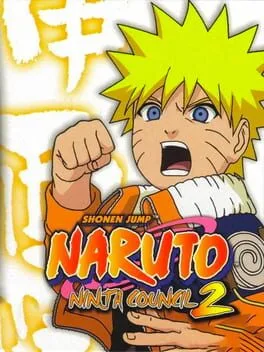
Ninja Council 2 is a sequel to the first Naruto game on the Game Boy Advance, with three times the stages and characters twice the size. You play as Naruto, Sasuke or Sakura through scrolling stages, and the link cable adds a two-player co-op mode and a four-player battle mode. It averages 52 out of 100.
Its fans are the kids who played it back then. Players who grew up with it still speak fondly of it, and that keeps it out of the bottom four.
4. Eragon (2006)
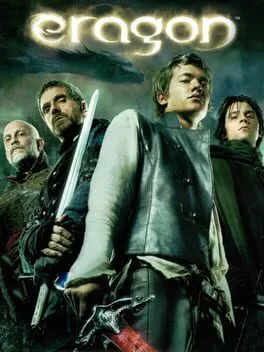
Eragon came out on November 14, 2006, timed for the film, and the Game Boy Advance got its own version, made by Amaze Entertainment. The game as a whole was received poorly by critics, who mostly gave it 4 to 6 out of 10, and its average of 49 out of 100 is shared with the console versions.
The GBA game is a different beast, centred on role-playing rather than combat, and the players who have played it say it's a decent one.
3. Rayman 3 (2003)
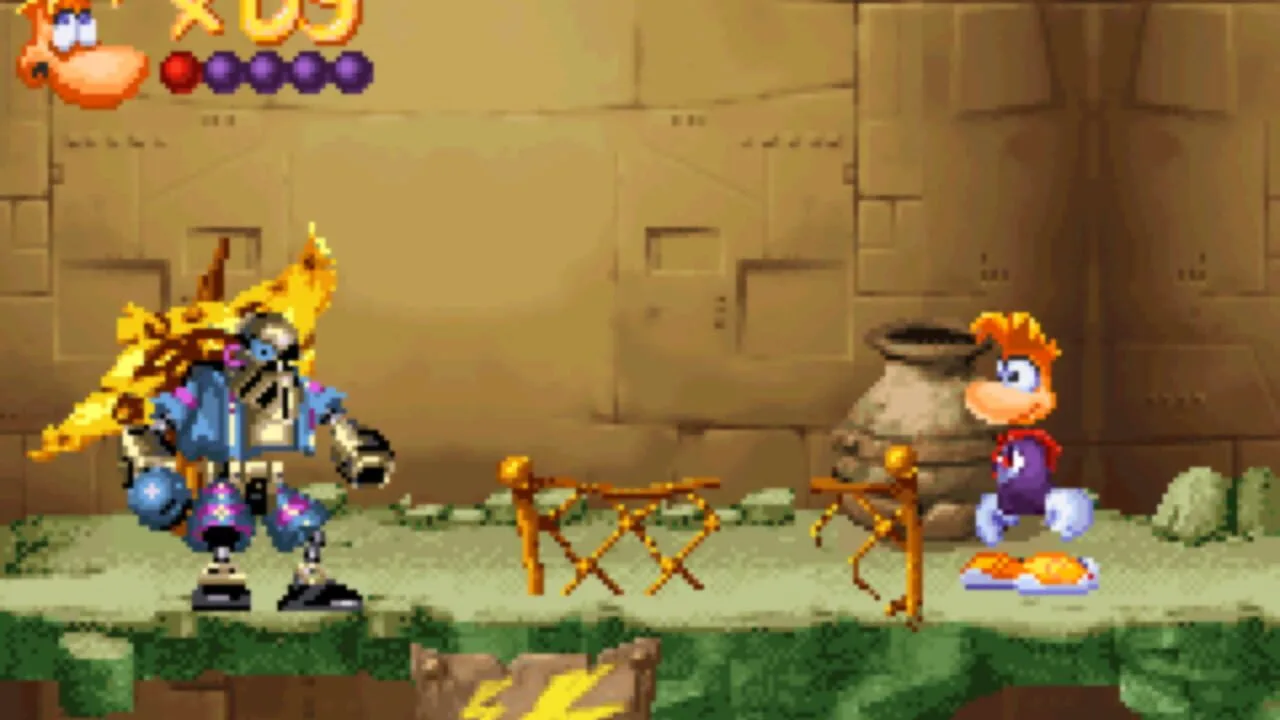
Rayman 3 on the Game Boy Advance is a traditional side-scrolling platformer, like its Game Boy predecessors, with items to collect for 100% completion and two 3D minigames involving jet skiing and kart racing. Critics liked it a lot more than the score suggests: the GBA version got 83 out of 100 at the time, ahead of the PlayStation 2 and GameCube versions. It averages 42 out of 100, though, from just 10 ratings.
Connect it to the GameCube version and you unlock a bonus level for every 100 of the 1000 Lums you collect, 10 in all. A programming error spoiled the rest of the plan: the GBA version never counts its final boss level as complete, so a GameCube minigame meant to be unlocked that way stayed locked. Twenty years later, players found cheat codes hidden in the GBA version.
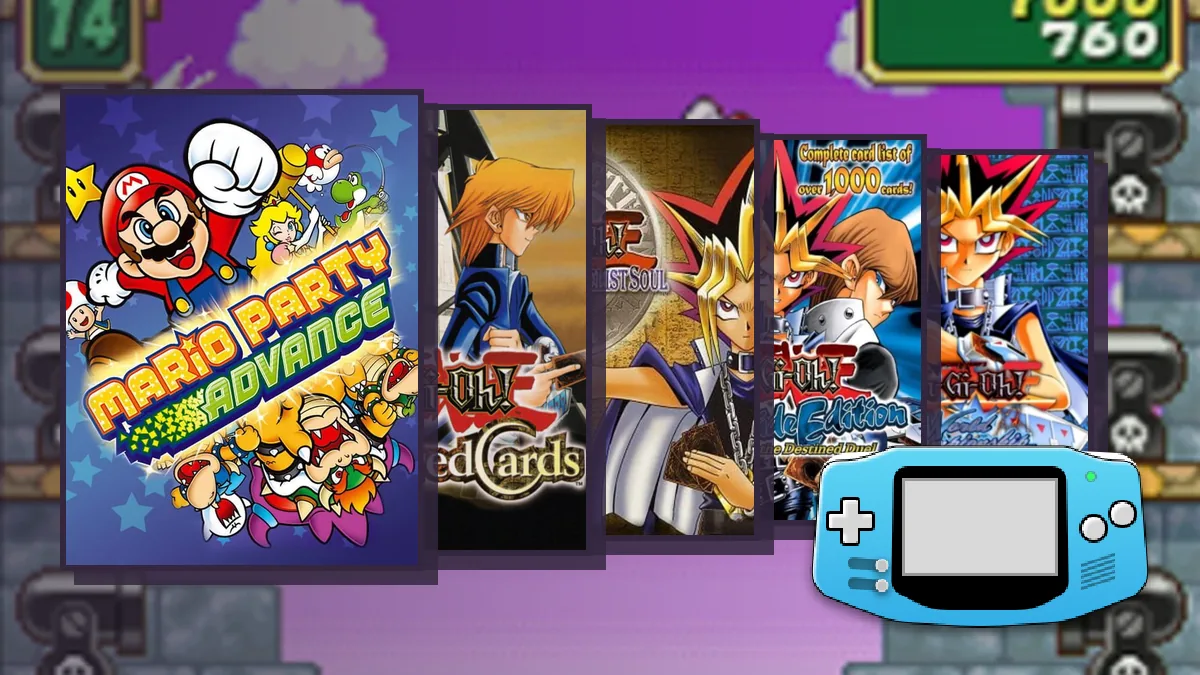
2. Mario Party Advance (2005)
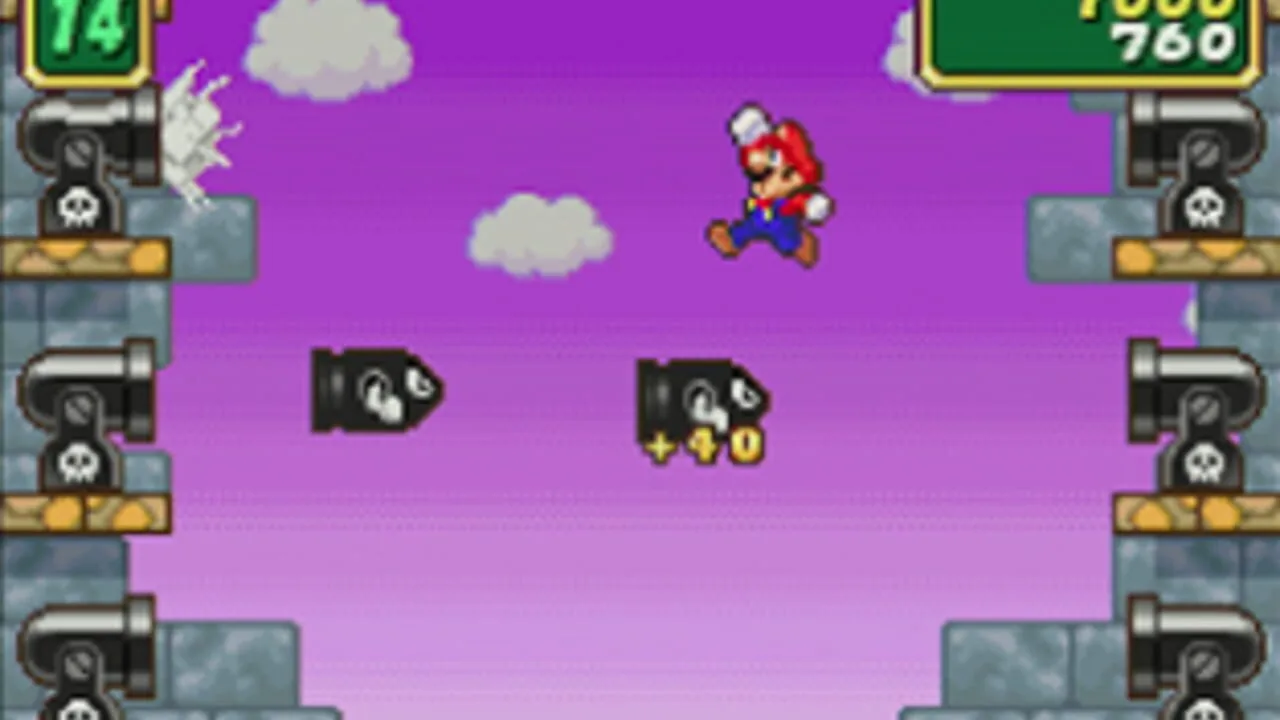
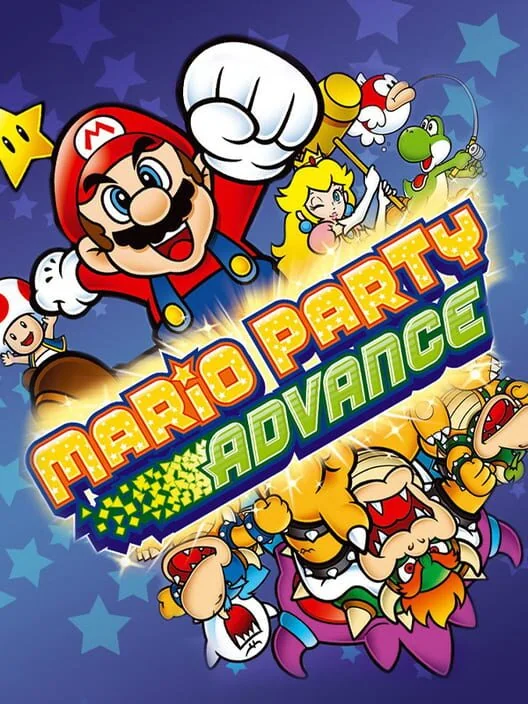
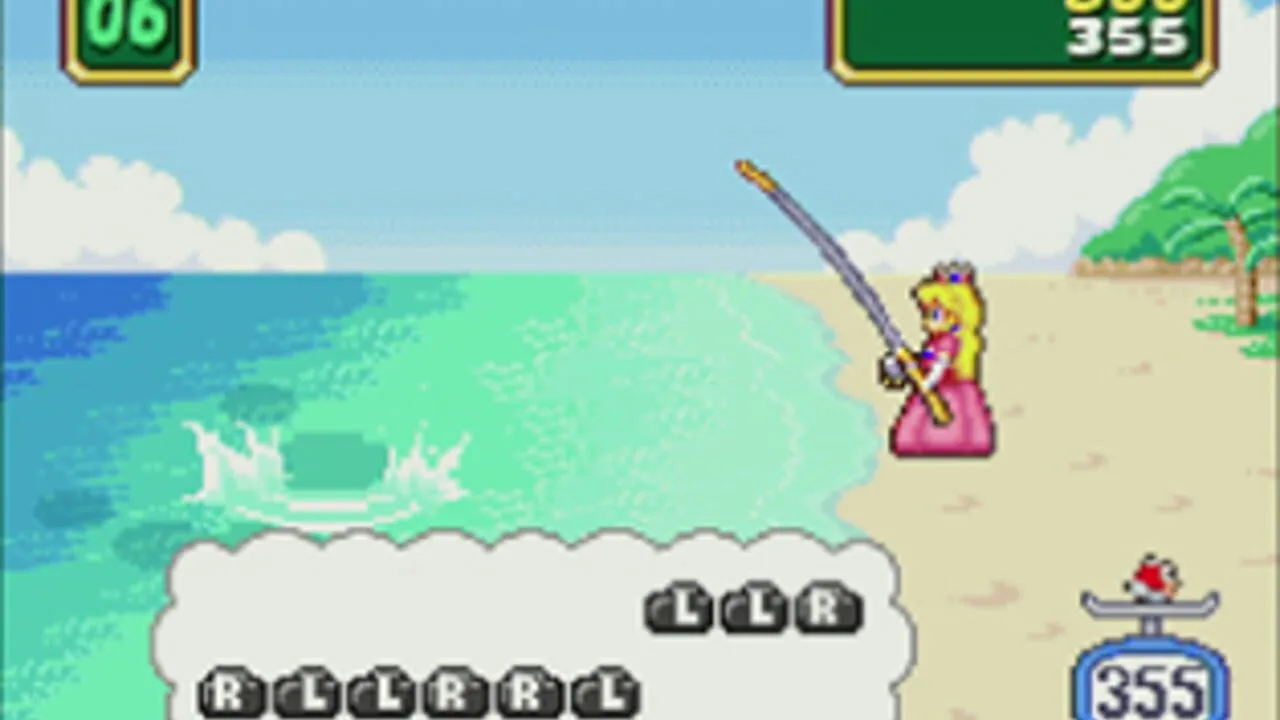
Mario Party Advance has 60 minigames and a pile of Gaddgets, little toys like the Finger X-Ray and the Compatibility Meter that you play with your friends in the real world. Its main mode, though, is a single-player trip around Shroom City. Many critics panned that single-player focus, and looking back, it is widely considered one of the worst games in the Mario Party series. It averages 35 out of 100.
Players point out that, despite the name, it's meant for solo play. A party game for one. The game data even hides an unused Gaddget called Toad Force V.
1. Dragon Ball Z: Taiketsu (2003)
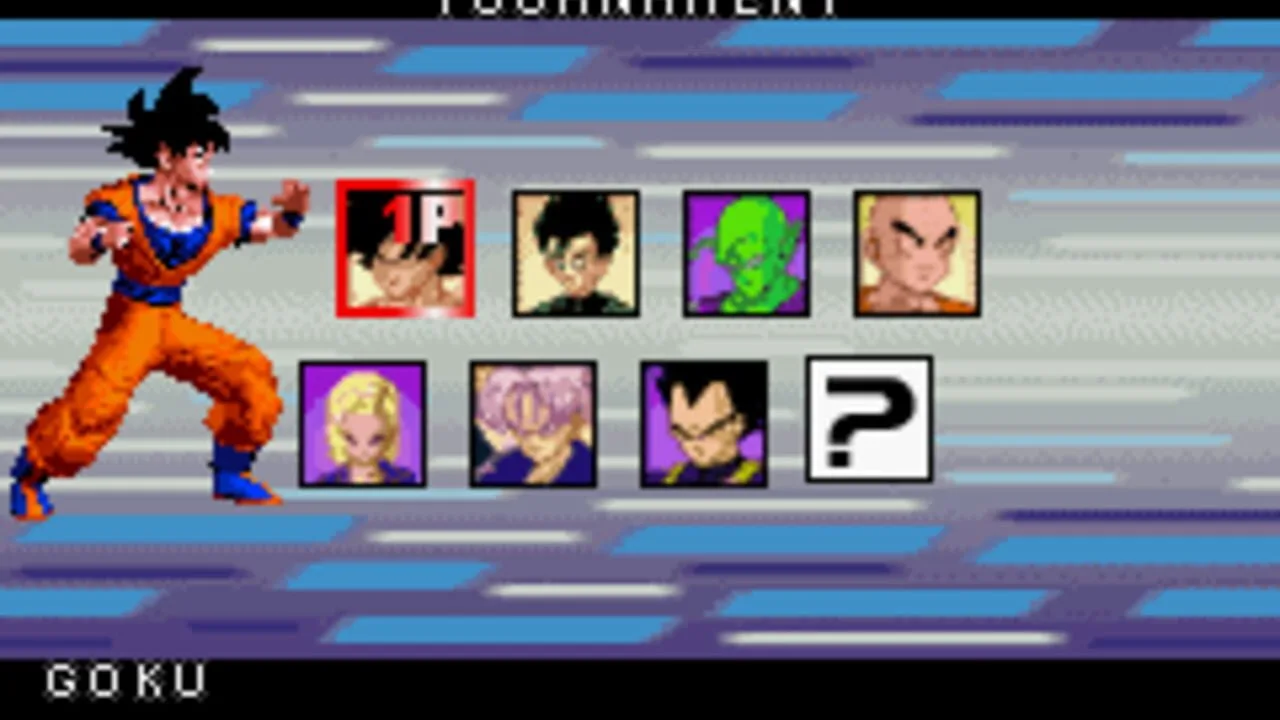
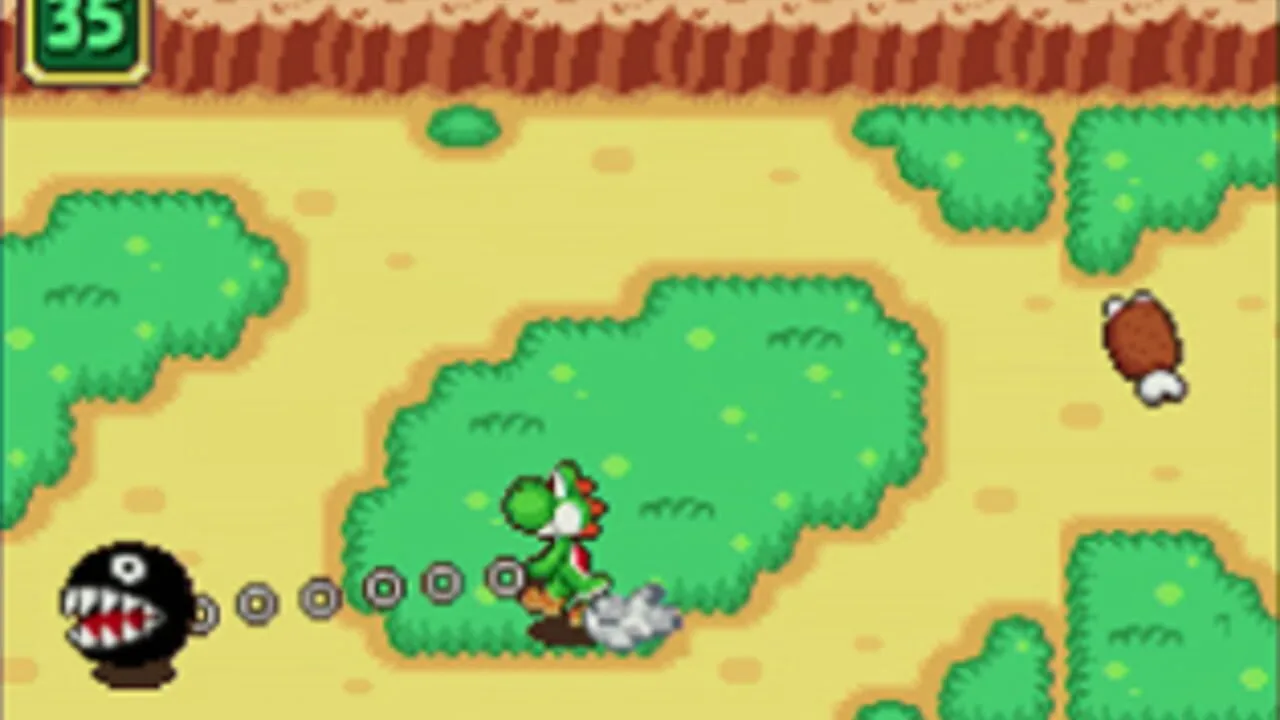
Taiketsu is a fighting game developed by Webfoot Technologies and published by Atari, with 15 characters including Goku and Broly. It met generally unfavorable reviews, with an aggregate score of 40%, and one magazine counted it among the worst video games based on an anime. It averages 31 out of 100, the lowest score on this list.
If the game detects a pirated copy, it shows a screen saying This game will not run on this hardware and refuses to play. Players who bring it up file it under the bad ones.