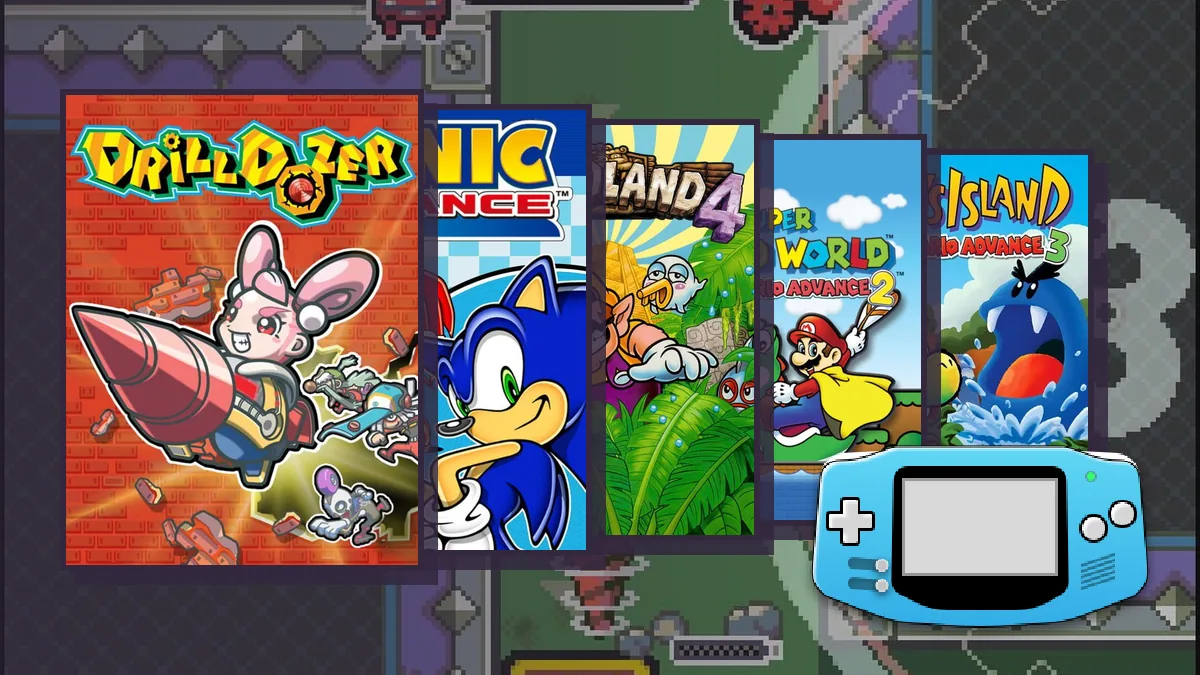
The Game Boy Advance was a wonderful machine for puzzle games, the kind you could finish a round of while the kettle boiled. Namco had Mr. Driller 2 ready for the Japanese launch day. Sega sent ChuChu Rocket!, the first game Sega ever published for Nintendo hardware. Capcom squeezed Puzzle Fighter onto a cartridge, and Puyo Pop let four friends link up for one big fight.
Some of the best ones never left Japan, and one of them only reached the rest of the world in October 2026. There are also a few puzzle games from bigger machines that held up surprisingly well on the small screen. Here are the 15 best GBA puzzle games.
15. Super Bust-A-Move (2001)
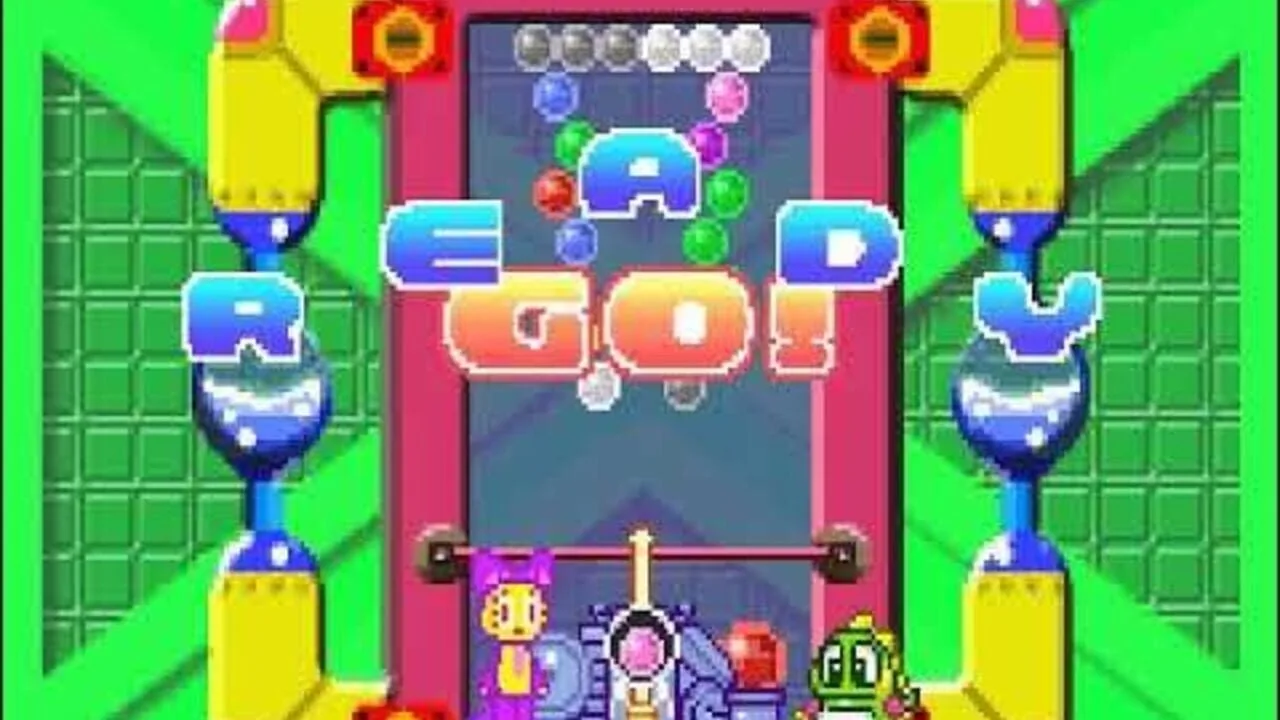
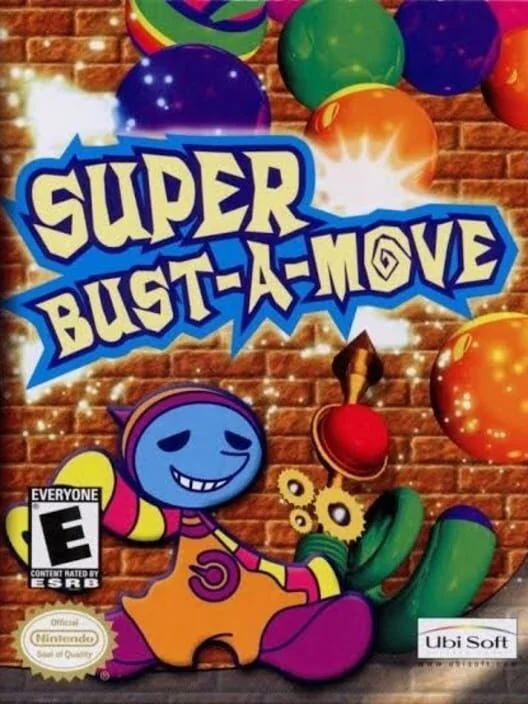
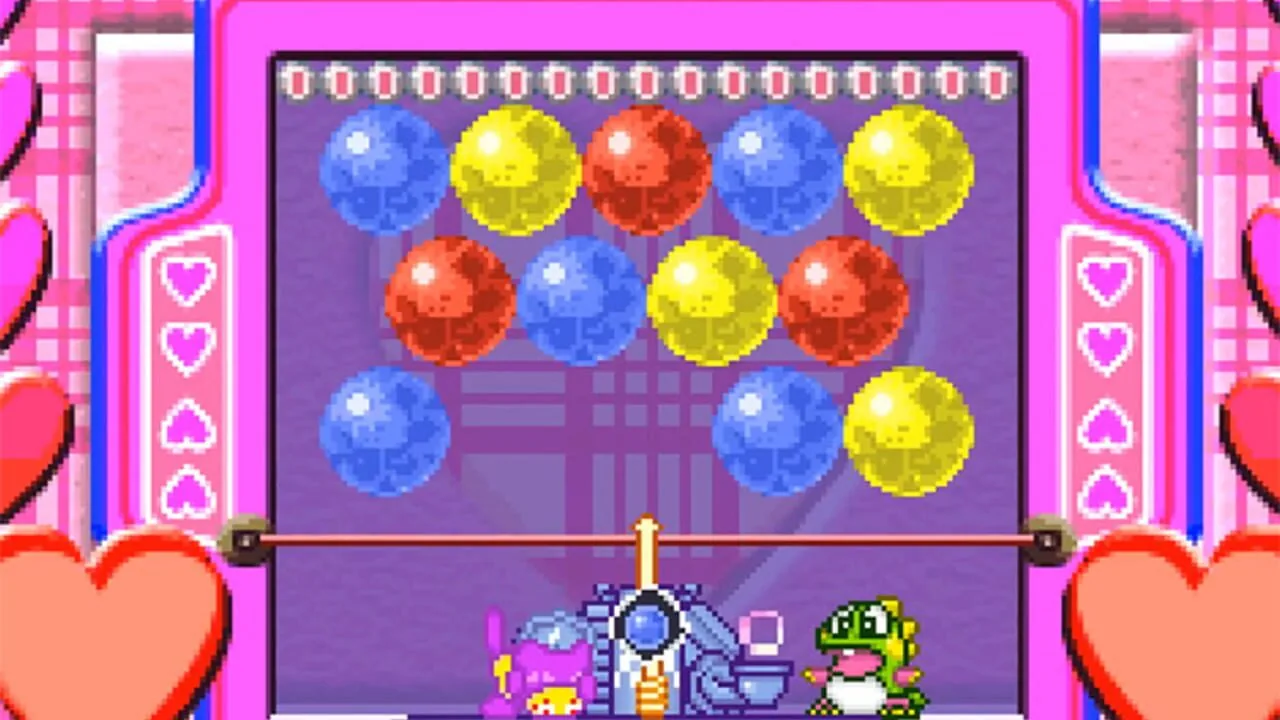
Super Bust-A-Move started on the PlayStation 2, where it came out on November 27, 2000. It reached the Game Boy Advance in 2001, and in Japan it was called Super Puzzle Bobble Advance. The idea is the one everyone knows from arcades: you aim a launcher at the bottom of the screen and fire colored bubbles at the pile above, and three of a color pop.
Its strangest claim to fame is the box. GameSpy put it on a 2003 list of the "Top Ten Worst Covers", and later versions switched to art of the game's actual cast. Inside, it is a clean and quick version of a puzzle game that never gets old, and it is the easiest one on this list to hand to someone who has never played a puzzle game.
14. Tetris Worlds (2001)

Tetris Worlds came out in 2001 for Windows and the Game Boy Advance, and it was THQ's first Tetris game. The GBA version was made by 3d6 Games, a different studio from the home versions. It is also the only version without the whispering female announcer, which is either a loss or a relief depending on how you feel about being whispered at by a puzzle game.
Critics had one big complaint. The game let you keep moving and turning a piece after it landed, which made it too easy, and GameSpot said it "broke Tetris". The GBA version has a secret, though. A hidden Popular Tetris mode is set up like the original game, and that is the mode to play.
13. Zooo (2004)
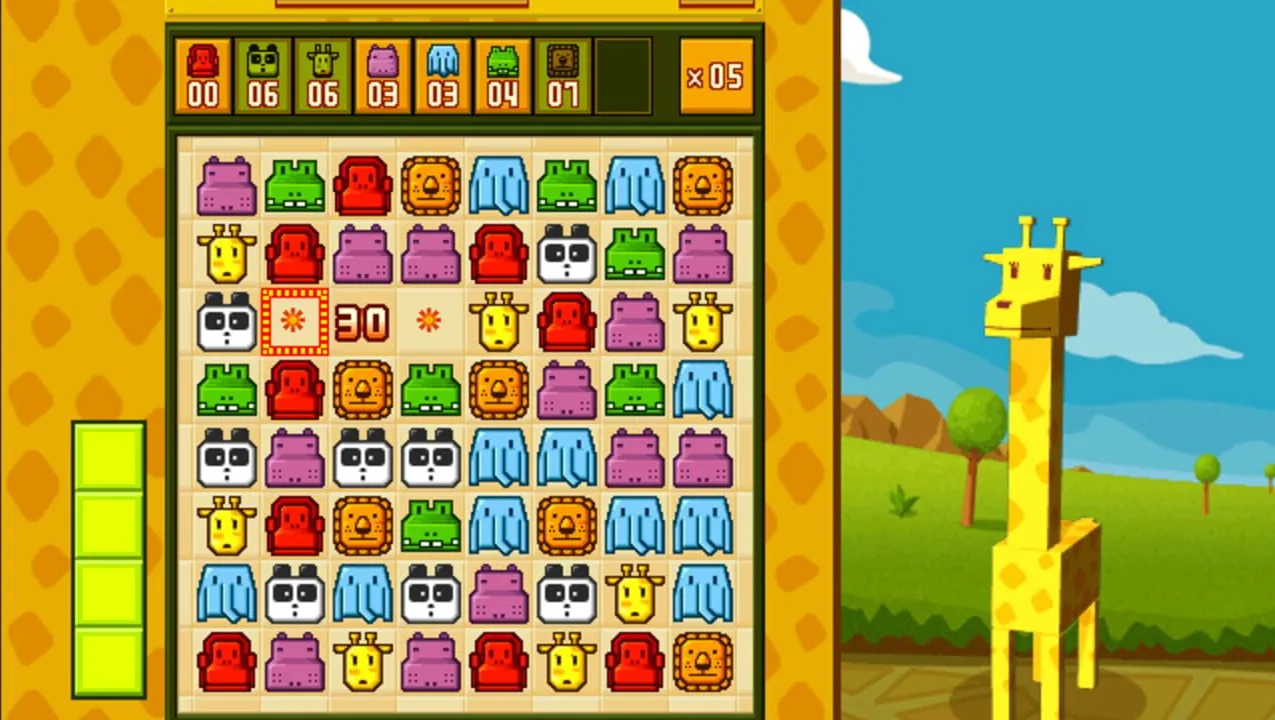
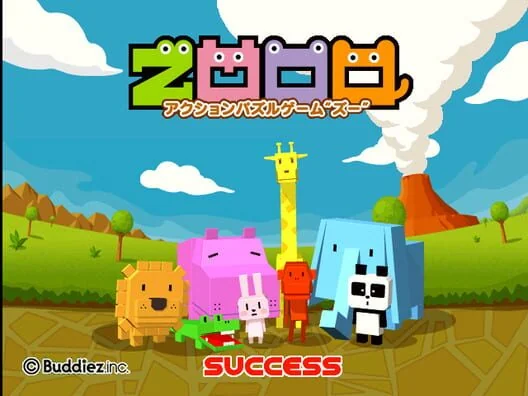
Zooo is the Game Boy Advance version of Zoo Keeper, a match-three game where you swap animal tiles to line up three of a kind and capture them. Success ported it to the Game Boy Advance, PlayStation 2 and Nintendo DS, and those versions are still the best-known form of the game. It is just as frantic on buttons as it later was with a stylus.
Capture 100 of one animal and the screen clears, with more points for every tile after that, so a good run gets faster and greedier. The reviewer Stuart Campbell found that one of its challenges could become impossible, because the new animals dropping in can make captures you did not want. It is the kind of puzzle game you play for ten more minutes, then ten more.
12. Polarium Advance (2005)
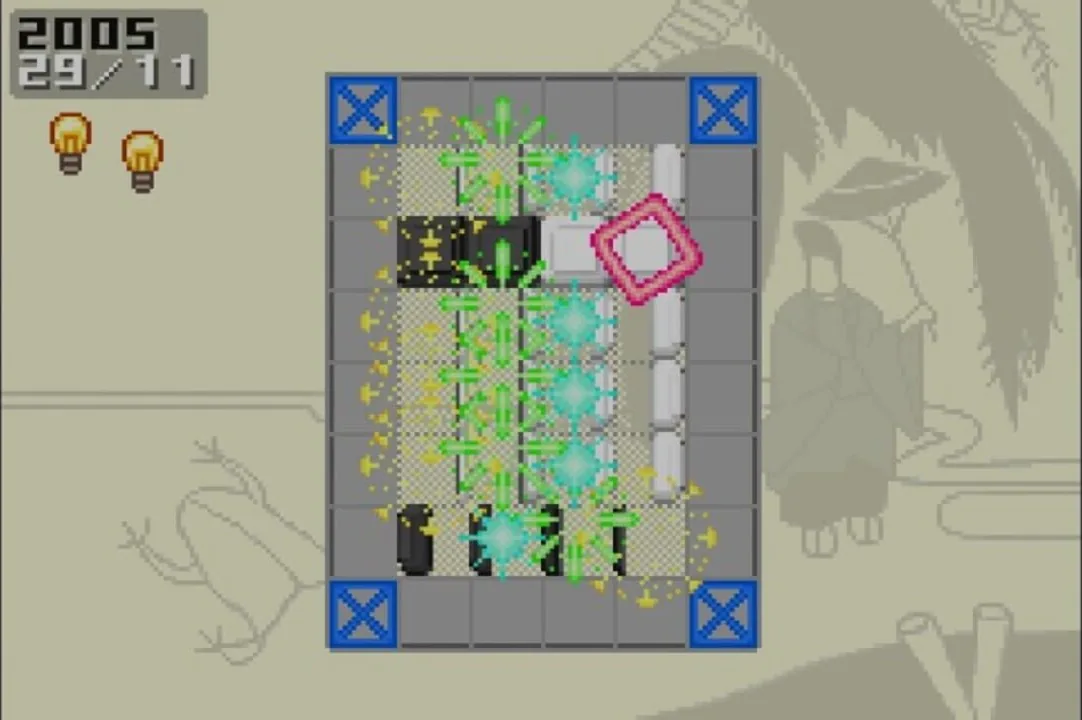
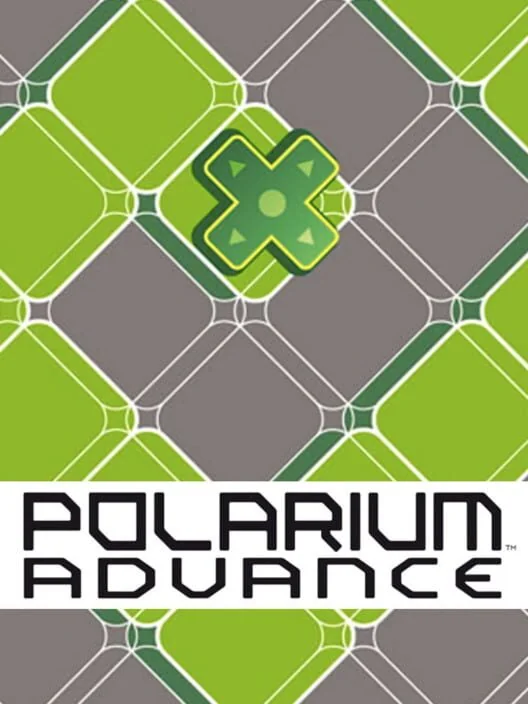
Polarium Advance has a funny history. It started development before the Nintendo DS game Polarium, yet it is not a sequel to it. It came out in Japan in October 2005 and in Europe in March 2006, and Atlus released it in North America in November 2006. You flip black and white tiles with one long line so whole rows turn the same color and vanish.
On the DS you drew that line with the stylus. Here you trace it with the D-pad, which sounds clumsy and turns out to be a nice, careful way to play. You can build your own puzzles, and more special tiles open up for them as you work through the main game. A version for China's iQue Game Boy Advance was fully translated and then cancelled because of piracy.
11. Boulder Dash EX (2002)
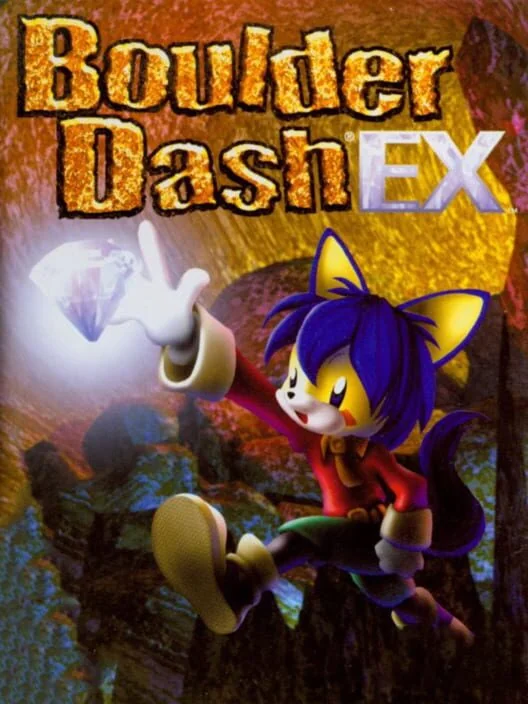
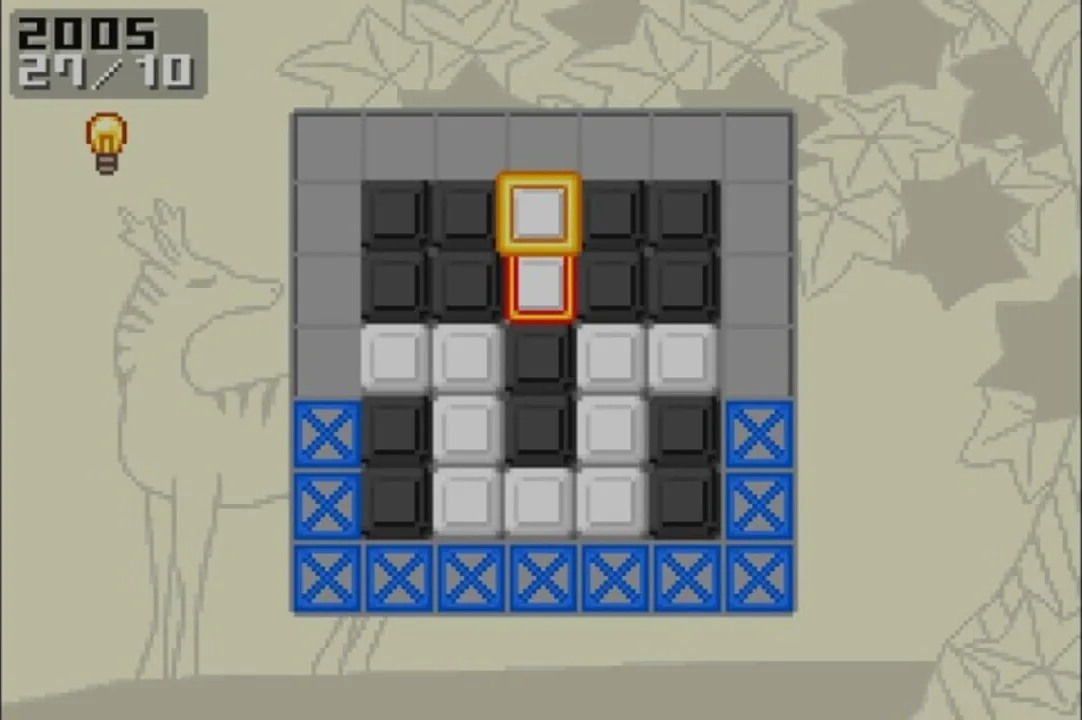
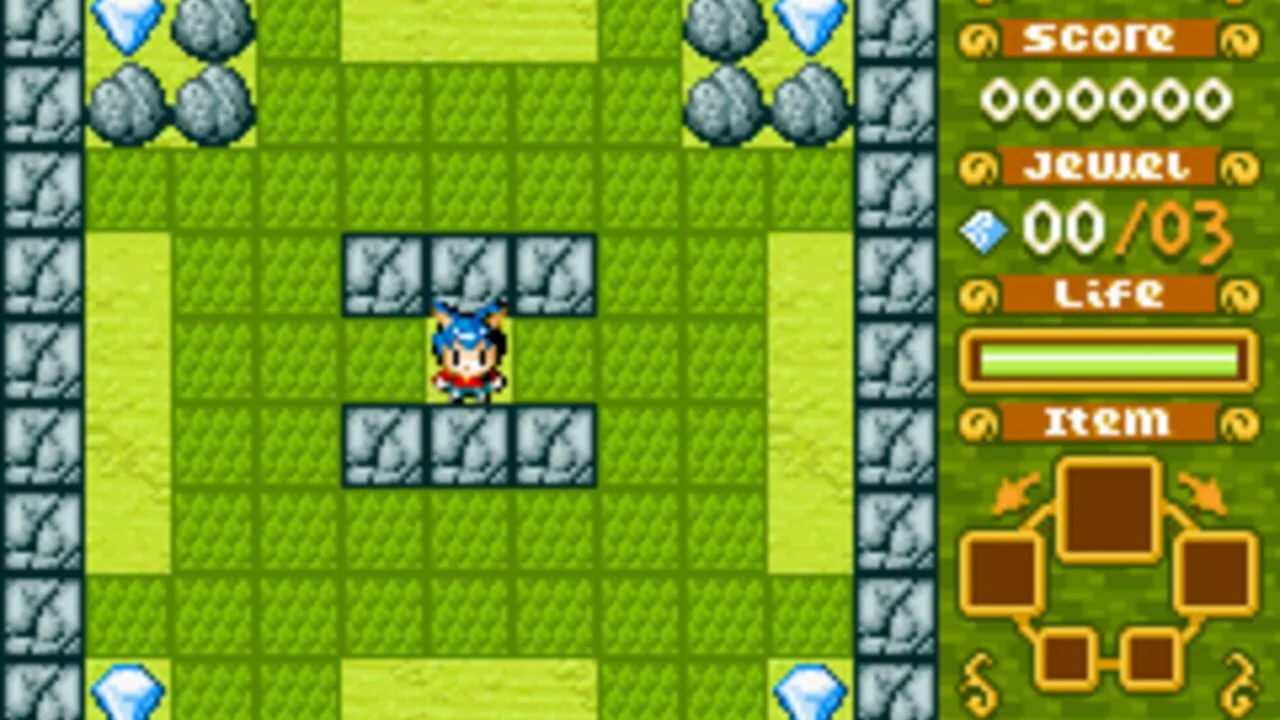
Boulder Dash EX is a remake of the arcade Boulder Dash, made by the Tokyo studio Vision Works and published by Kemco for the Game Boy Advance in September 2002. You dig through tunnels collecting gems, and every rock you dig under wants to land on your head. There are over 60 puzzles, and each one is really about the order you clear the dirt in.
The EX Game mode adds new enemies and items, plus anime-style cutscenes in which a boy named Alex sets out to rescue his friend Sonya from the Dark King. The story is silly and nobody minds. Underneath it is one of the oldest good ideas in puzzle games, and it works in short bursts on a handheld better than almost anything.
10. Denki Blocks! (2001)
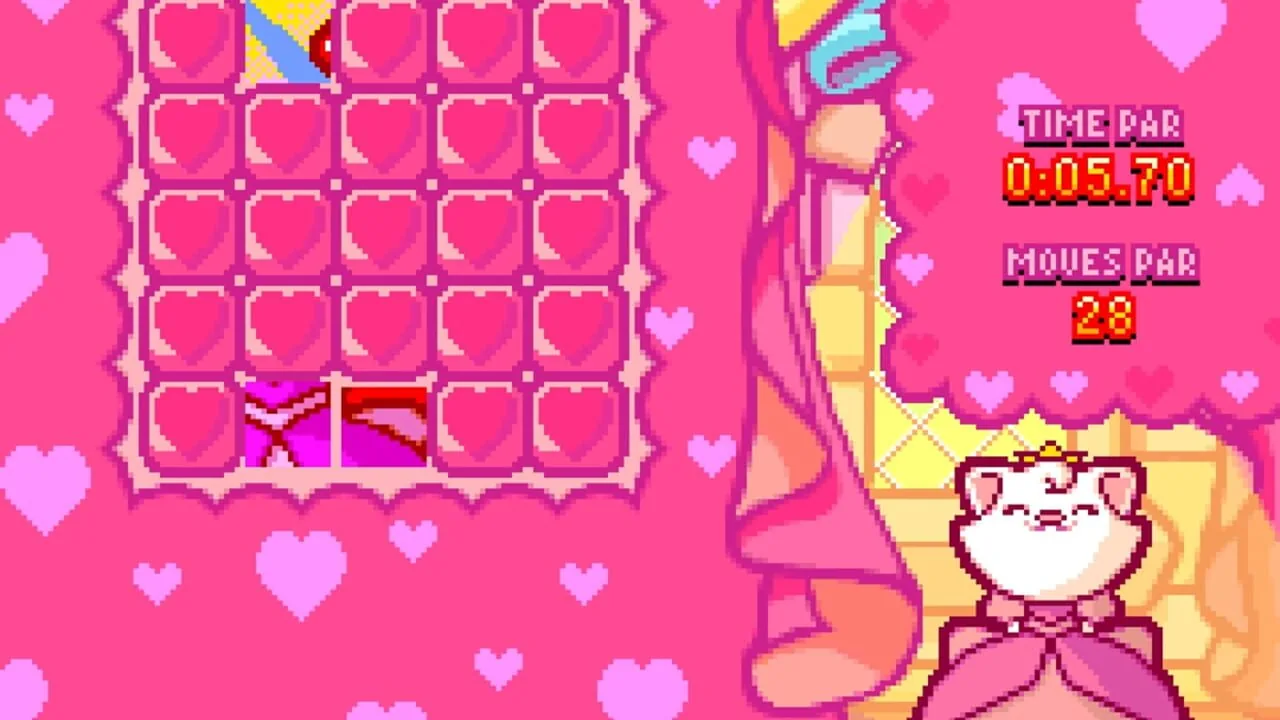
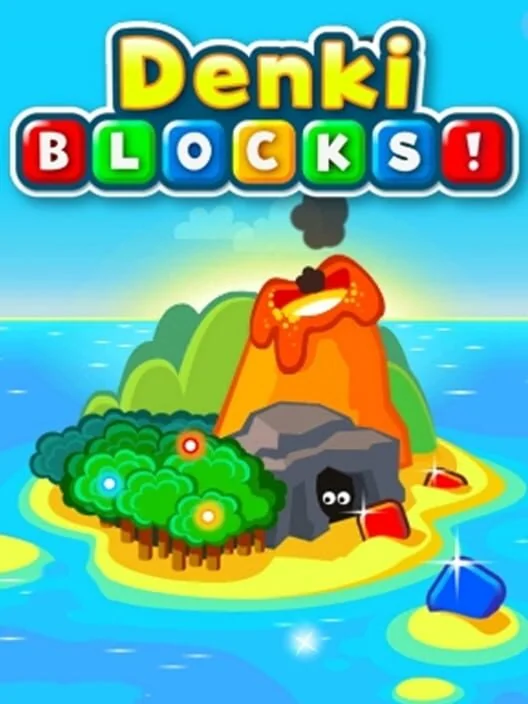
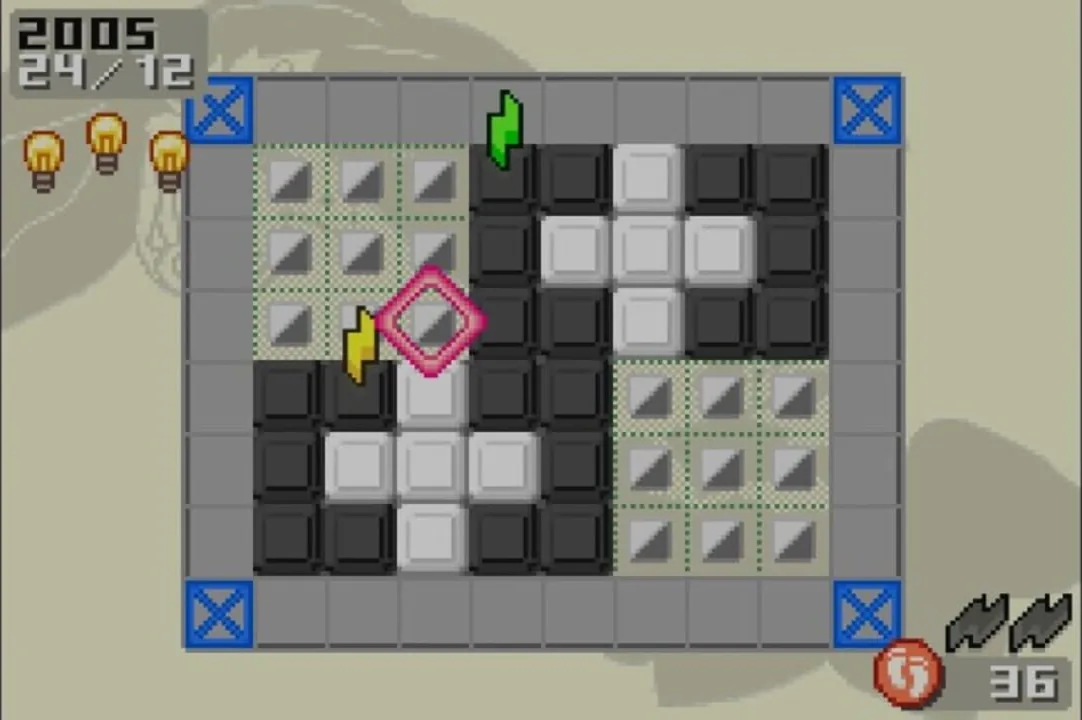
Denki Blocks! was made by the studio Denki, and Majesco brought it to the United States in 2002. You slide every block on the board at once, and blocks of the same color stick together when they touch. The goal is to build a shape, and since everything moves together, every move drags along pieces you did not mean to move.
Reviewers praised the gaily coloured graphics and the difficulty of the puzzles, and both hold up. It starts gentle and gets hard fast. Battle is a turn-based mode where players take turns joining every block of their own color. It was ported to the PlayStation Portable in 2011, which is a long wait for a game this good.
9. Mr. Driller 2 (2000)
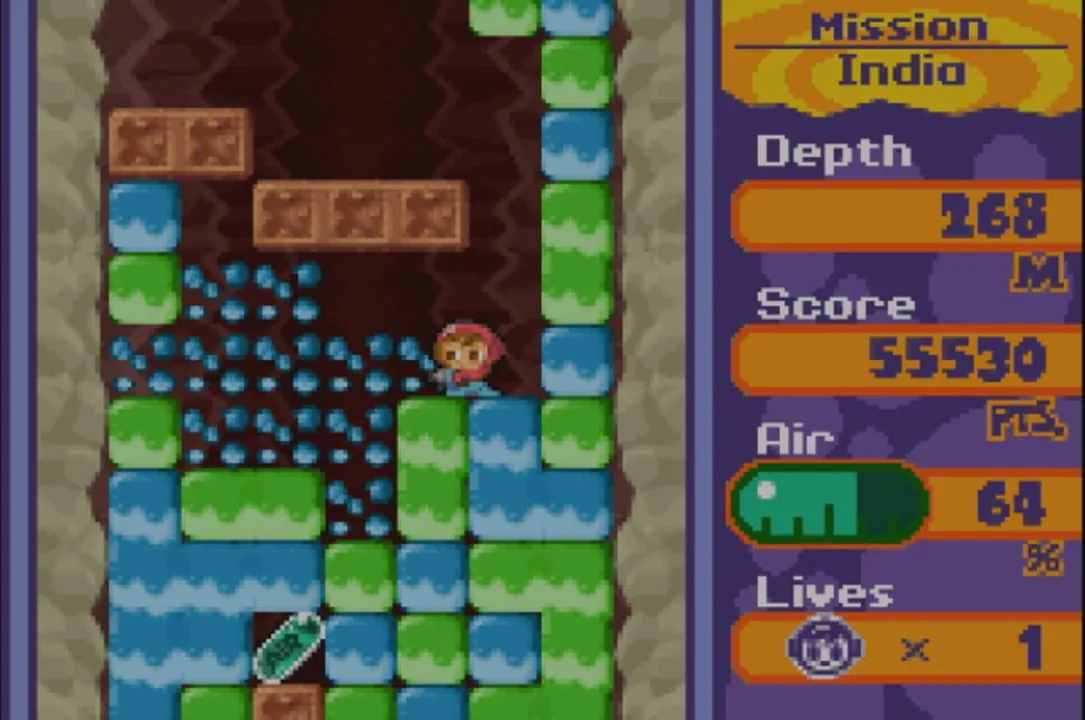
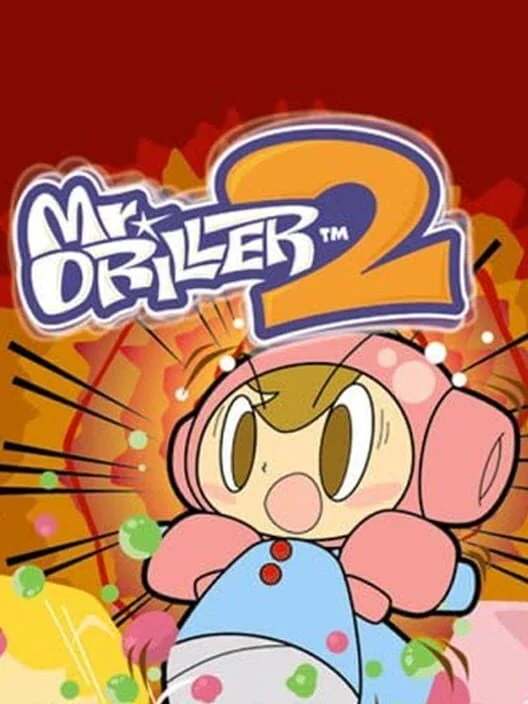
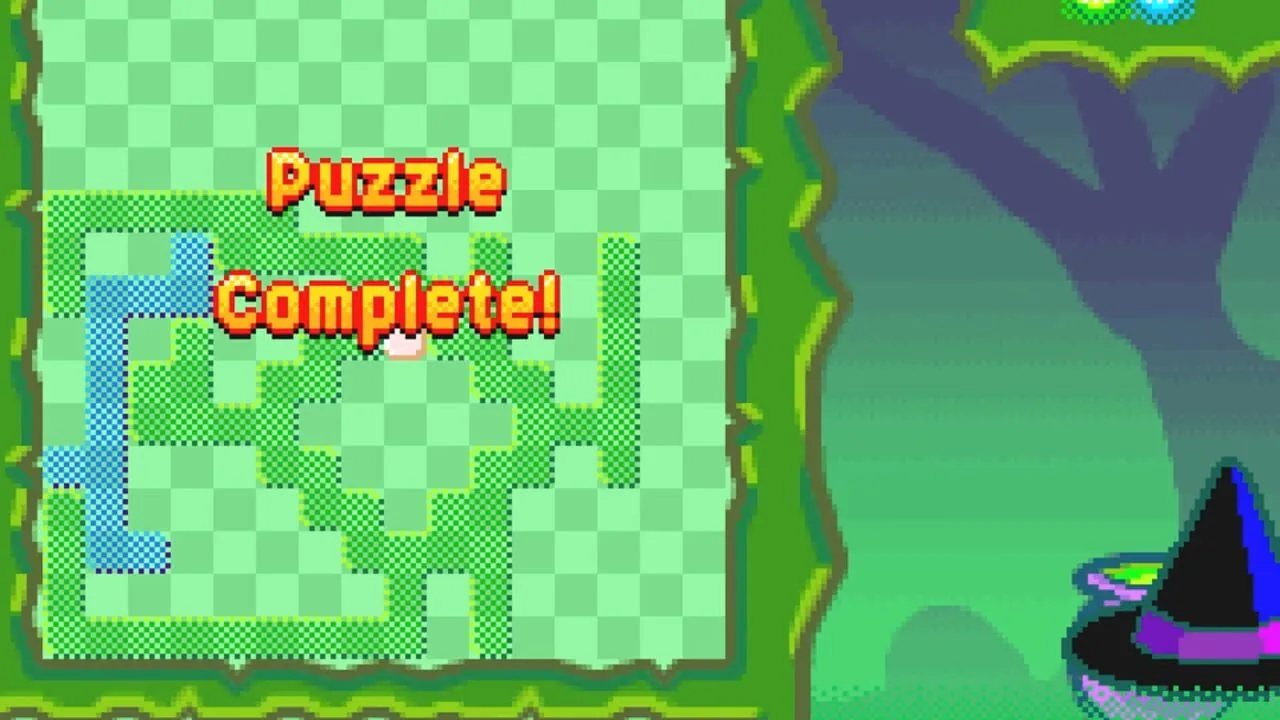
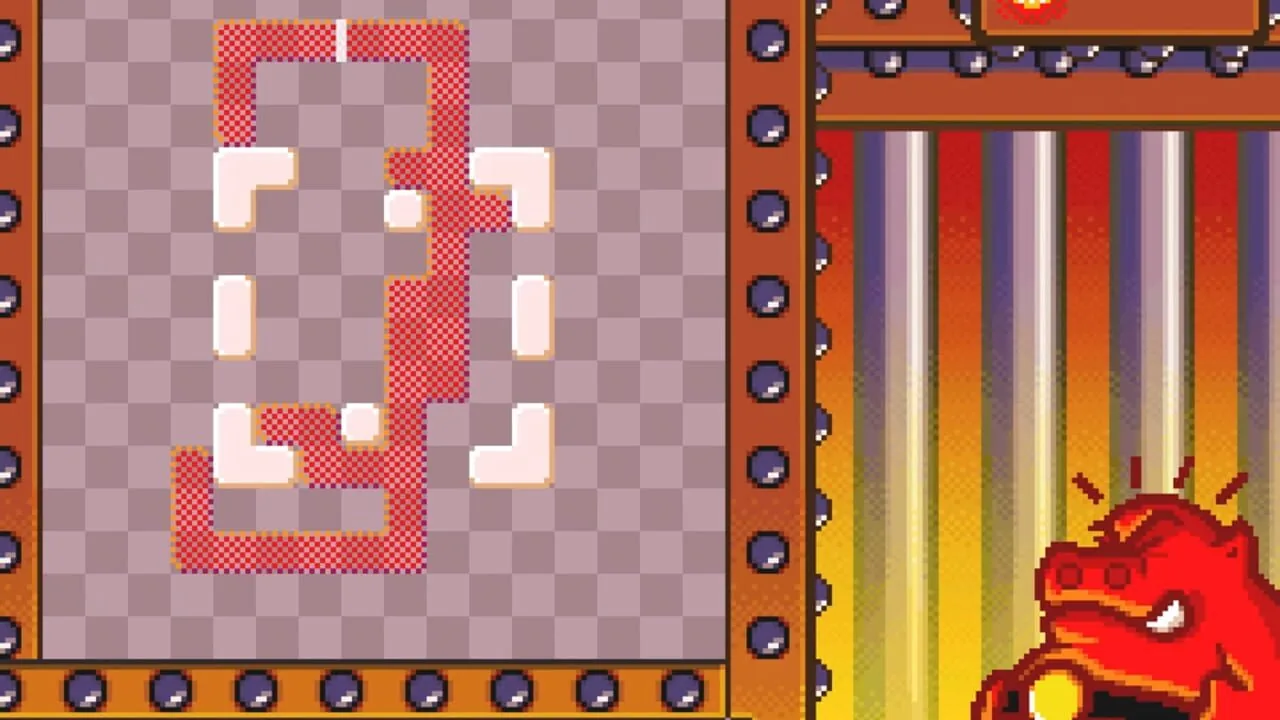
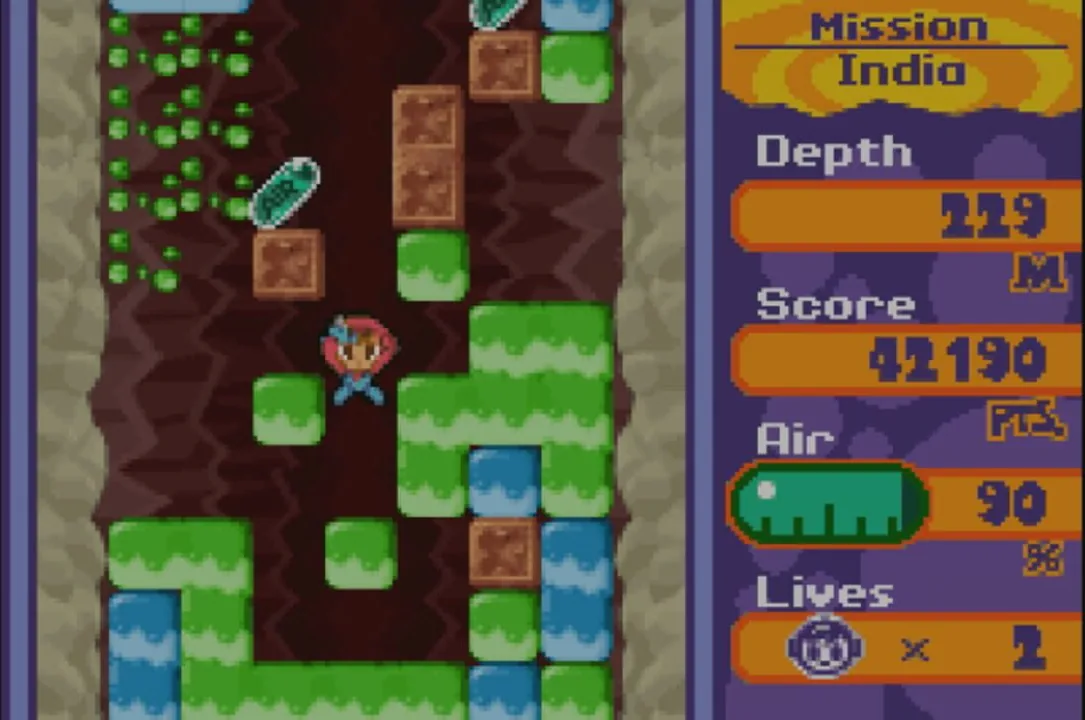
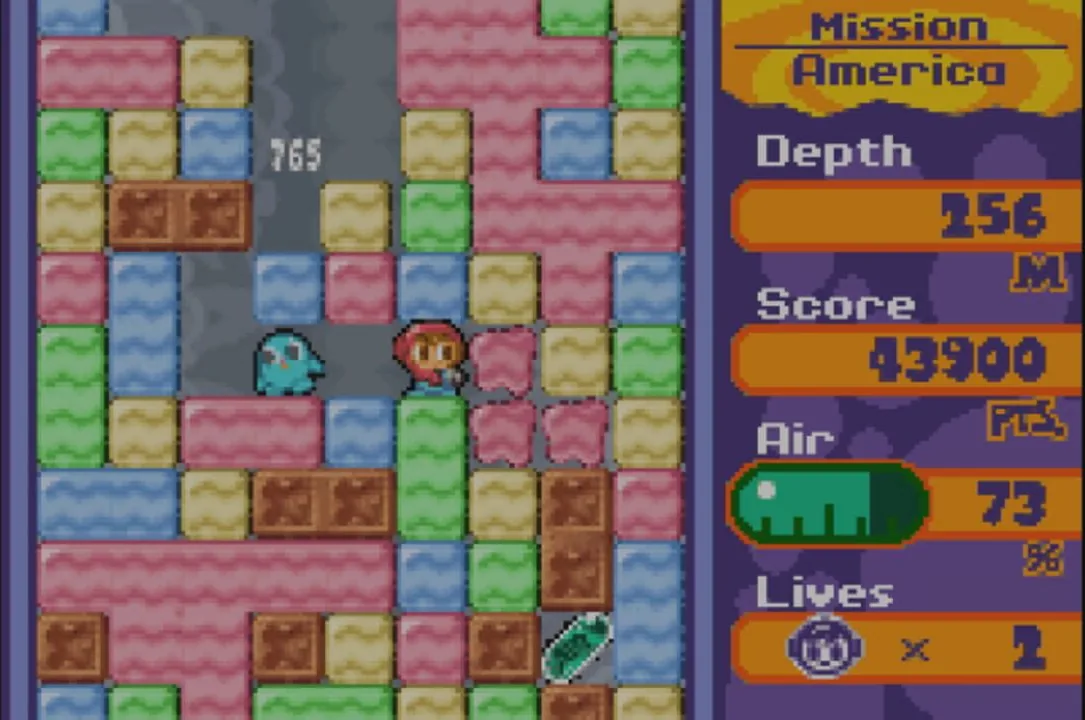
Mr. Driller 2 began in arcades as a 2000 puzzle game from Namco, and the Game Boy Advance version was out in Japan on March 21, 2001, the day the system launched there. Europe got it in January 2004 and North America not until April 2005, which is a long time to wait for a man with a drill. You dig straight down, and blocks of the same color join together, so every dig can bring a stack down on Susumu's helmet.
You also have to keep your air up by grabbing capsules, which turns a calm puzzle into a race. Every character gets a different cutscene when you finish a stage, and Go Shiina wrote the music. Mr. Driller never got the attention it deserved, and this is the easiest way to find out what everyone missed.
8. Puyo Pop (2001)
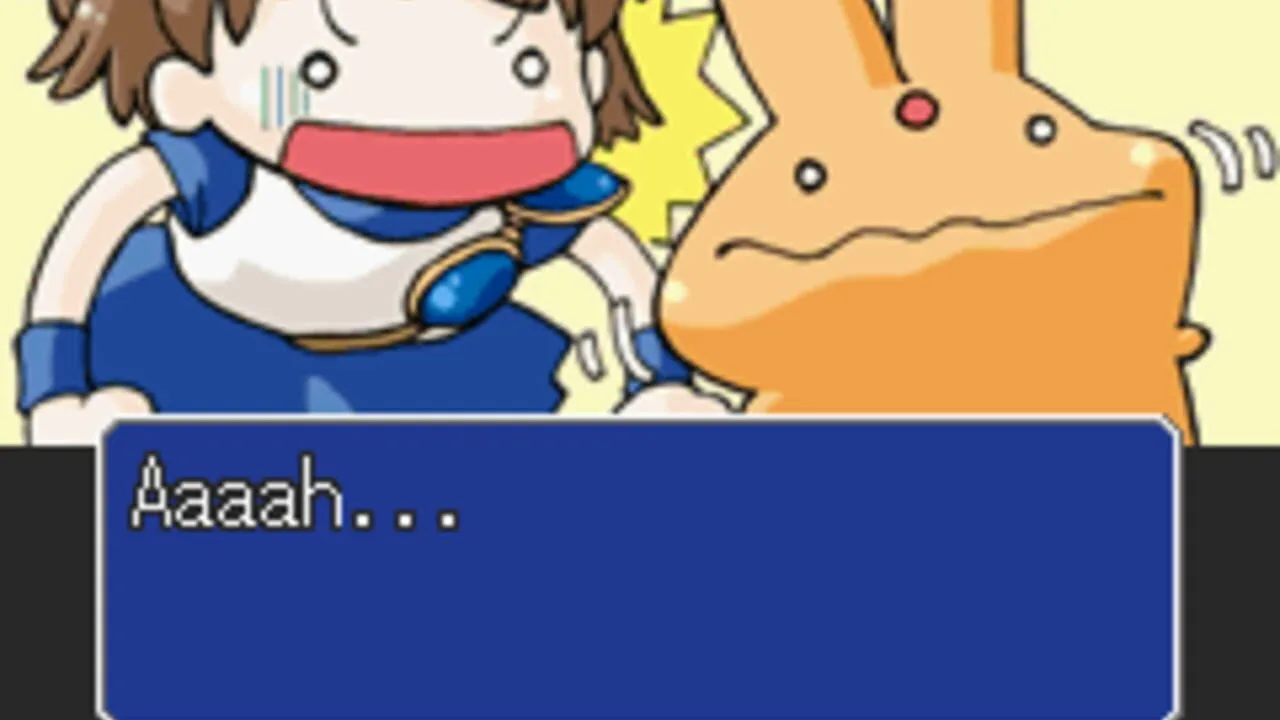
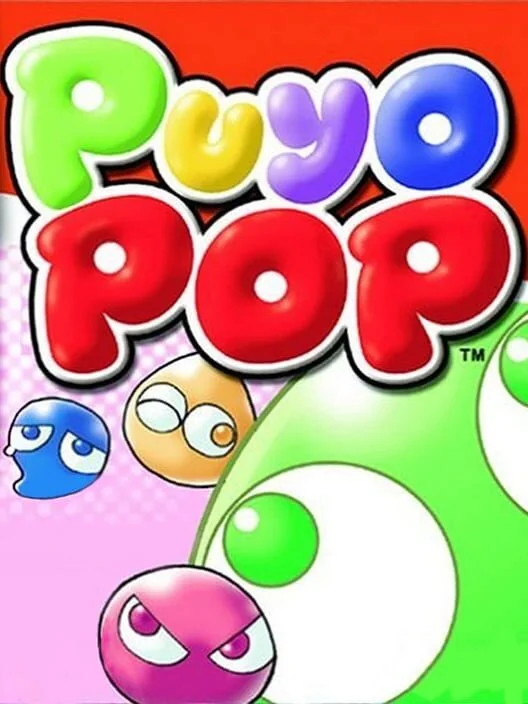
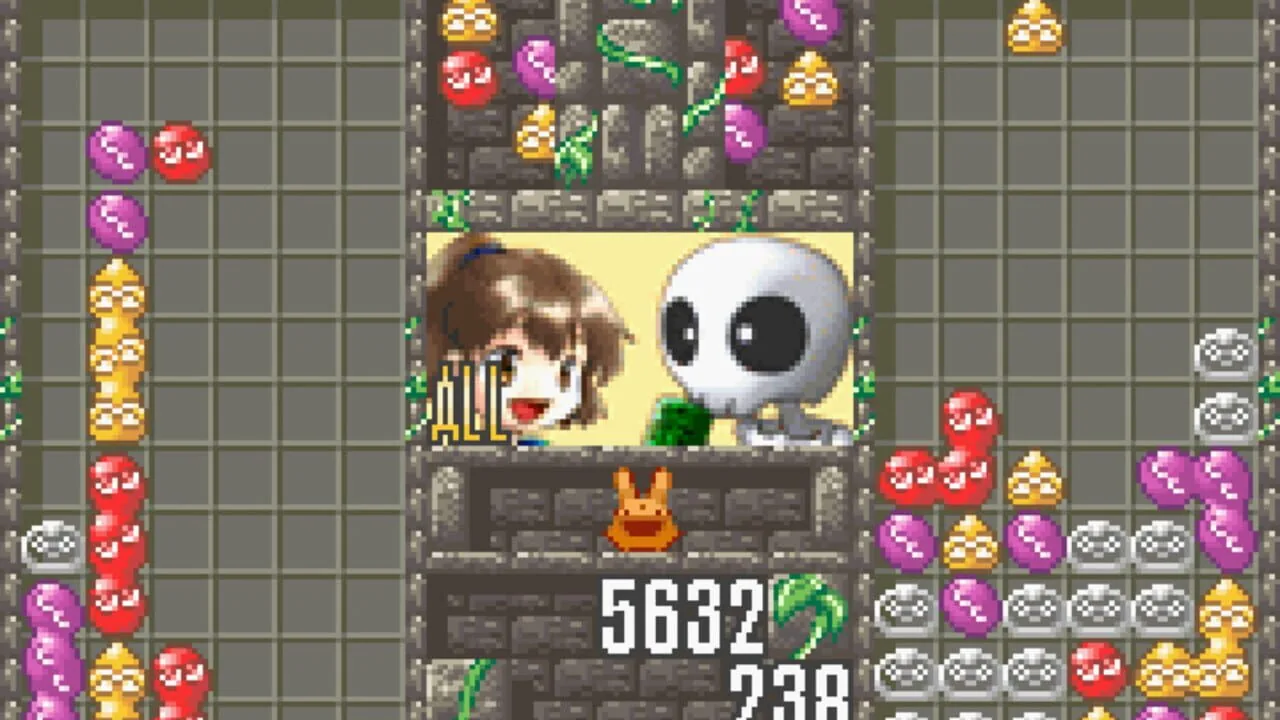
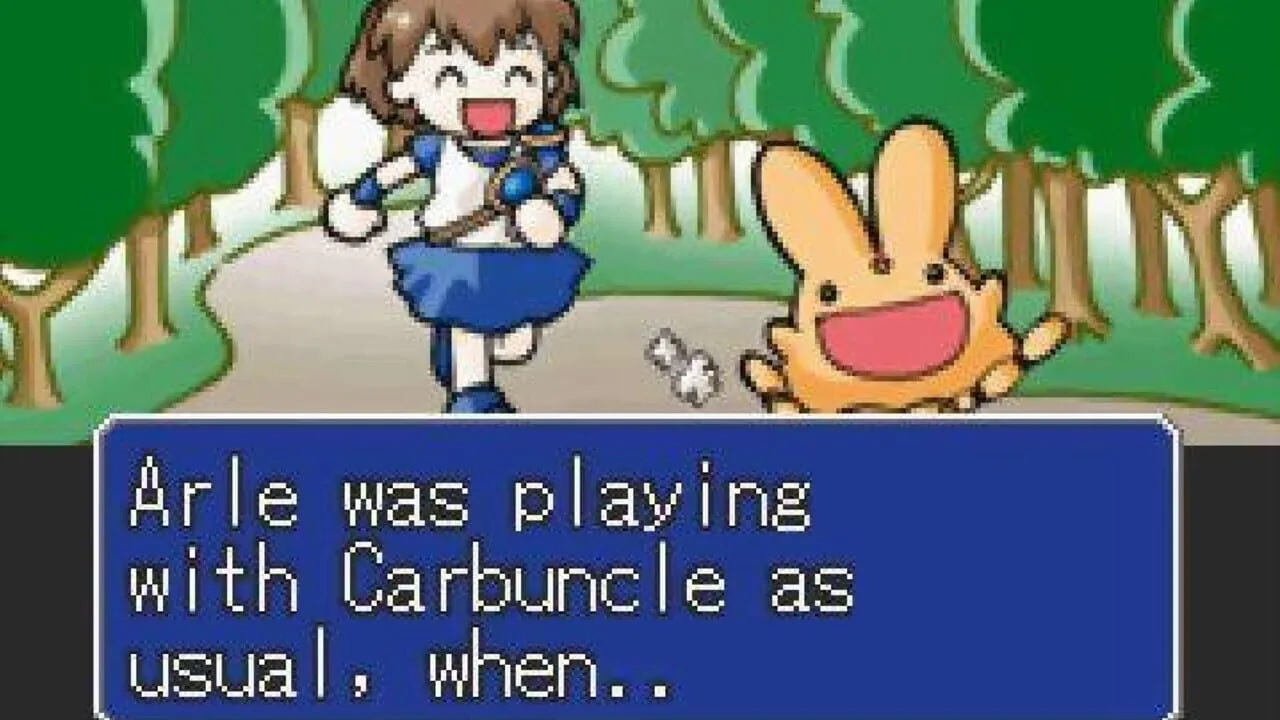
Puyo Pop is Puyo Puyo on the Game Boy Advance. Pairs of colored blobs fall from the top, four of a color pop, and every chain you set off dumps junk on your opponent. Its Japanese title refers to the four-player mode, and that mode became a staple of the later games. There are 20 cards to collect too, with character art and their voices.
It holds an 84 out of 100 on Metacritic, and IGN called it "a fantastic puzzle game that's enhanced simply by letting a development team exploit the Game Boy Advance's link capabilities as far as it can go." Players who like puzzle games keep recommending it as a really good Puyo Puyo. If you have friends with a GBA and a few link cables, this is the one to bring.
7. The Lost Vikings (2003)
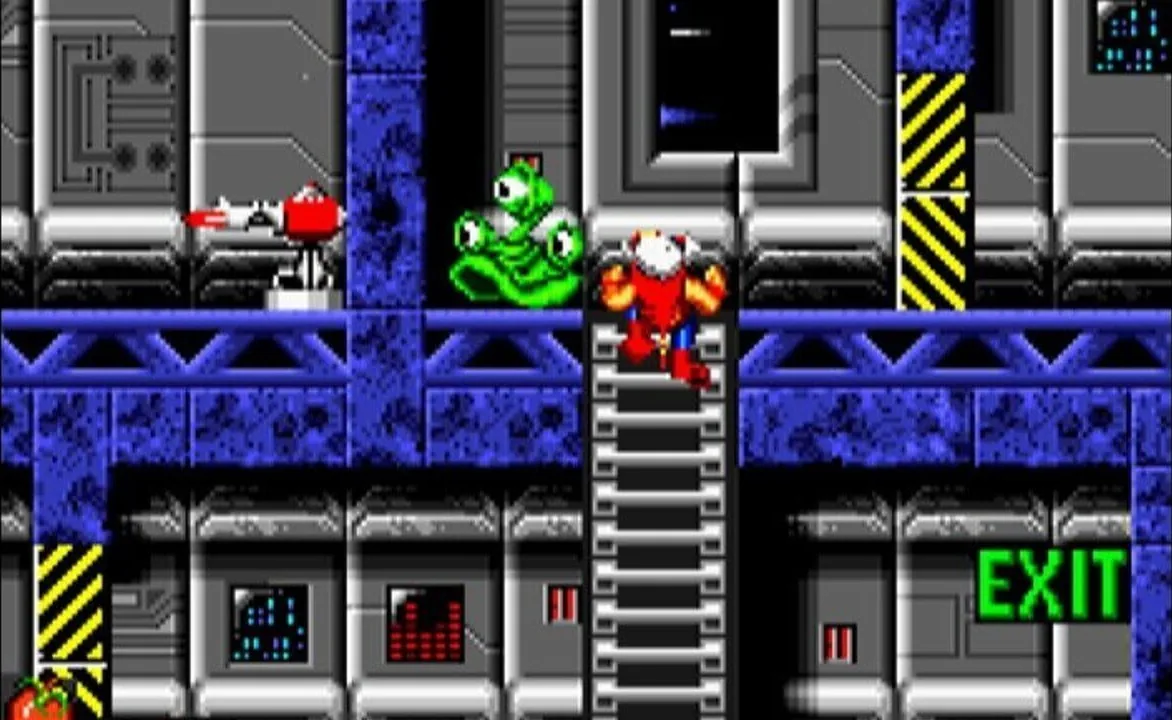
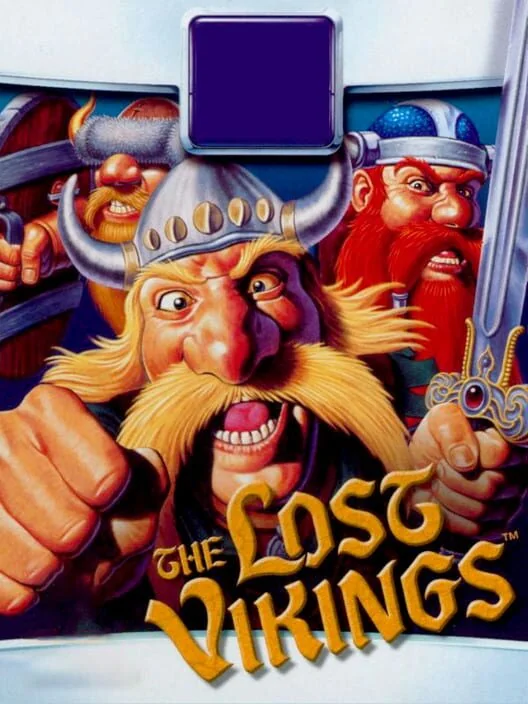
The Lost Vikings first came out on the Super NES, and Blizzard re-released it for the Game Boy Advance in 2003. Three Vikings each have one skill, and you switch between them to get all of them to the exit. Lemmings was the early influence, but the team found that bigger characters worked better and that players liked having direct control of the game characters.
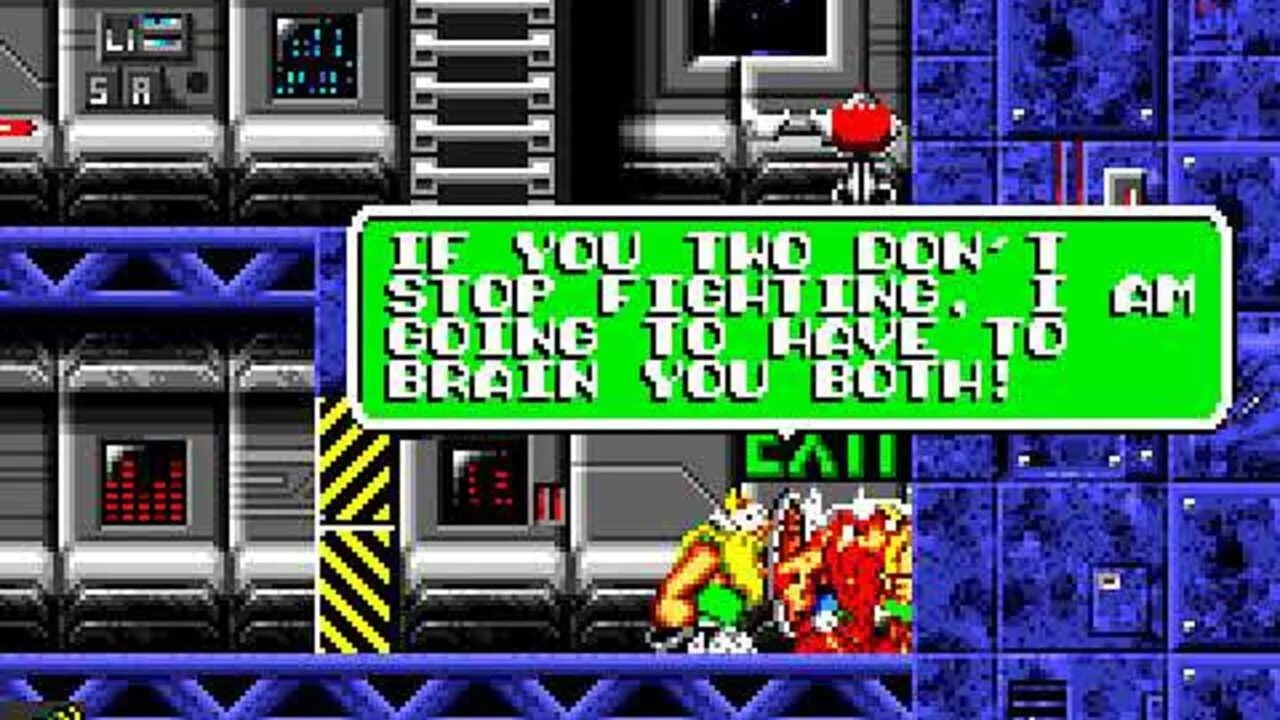
Erik is the runner and Baleog is the fighter. Olaf carries a big shield, and almost every room needs the whole crew working together. Players love it on the GBA, both people who played it first on other machines and people who found it there, and it has plenty of levels to get through. A sequel, The Lost Vikings 2, was released in 1997.
6. Super Puzzle Fighter II Turbo (2001)
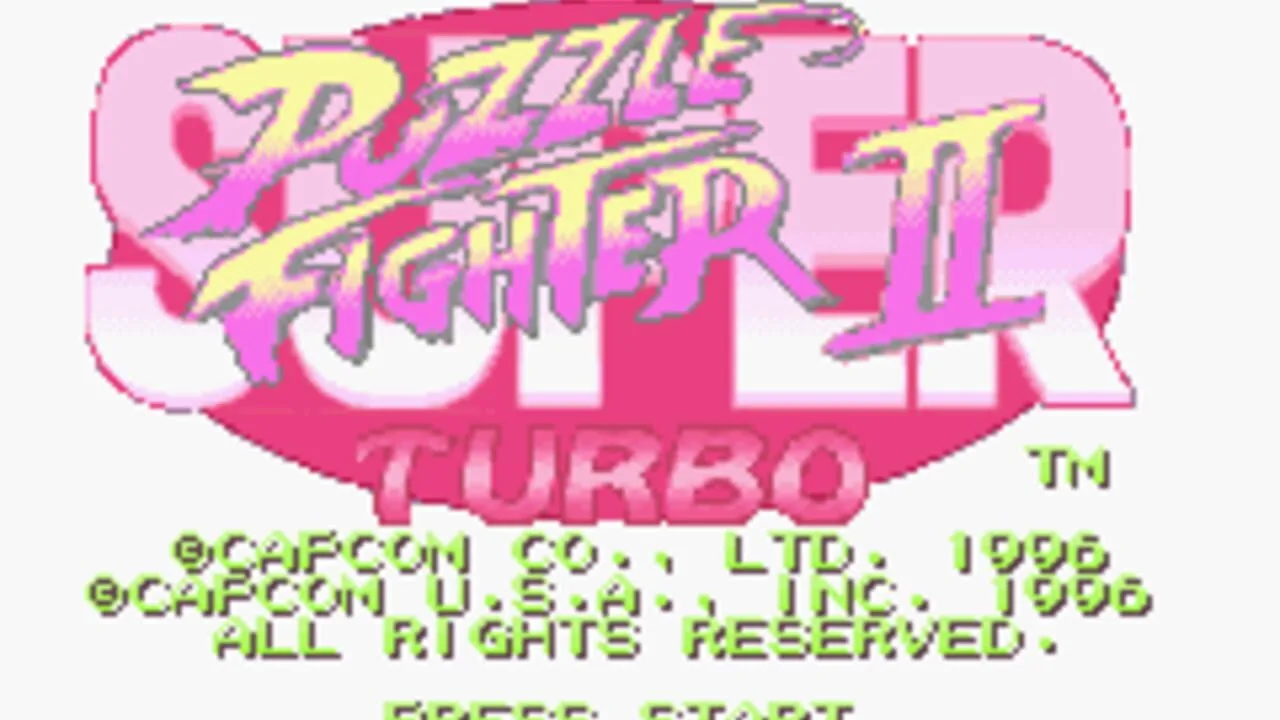
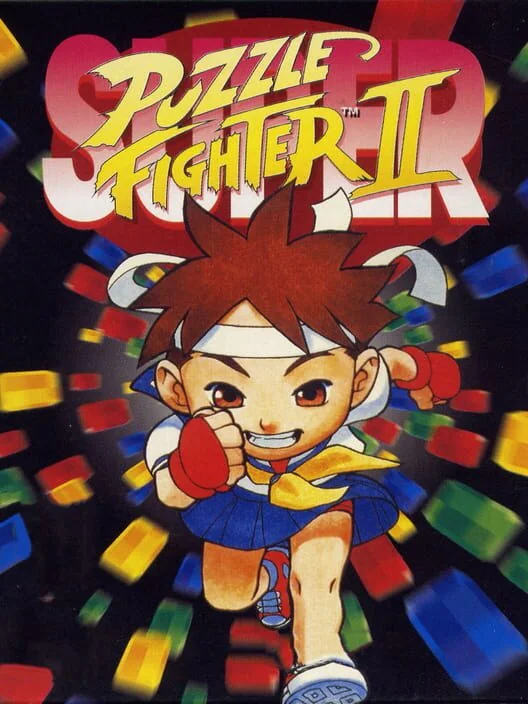
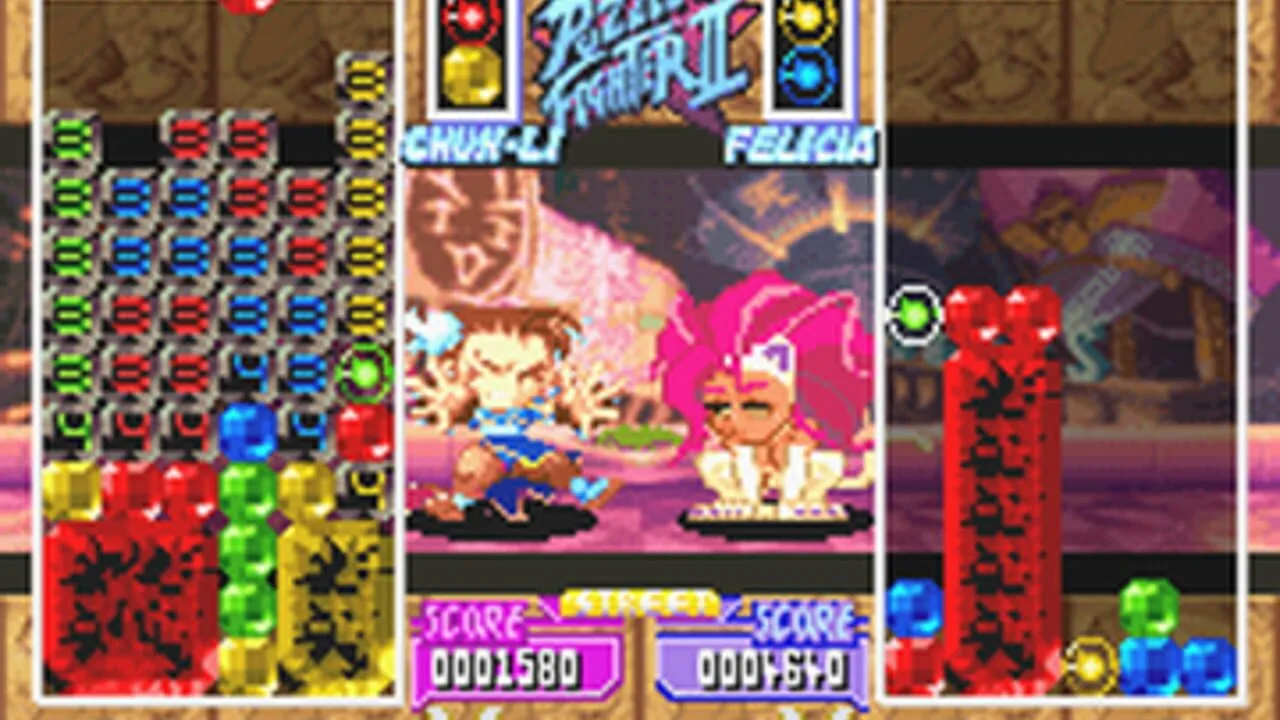
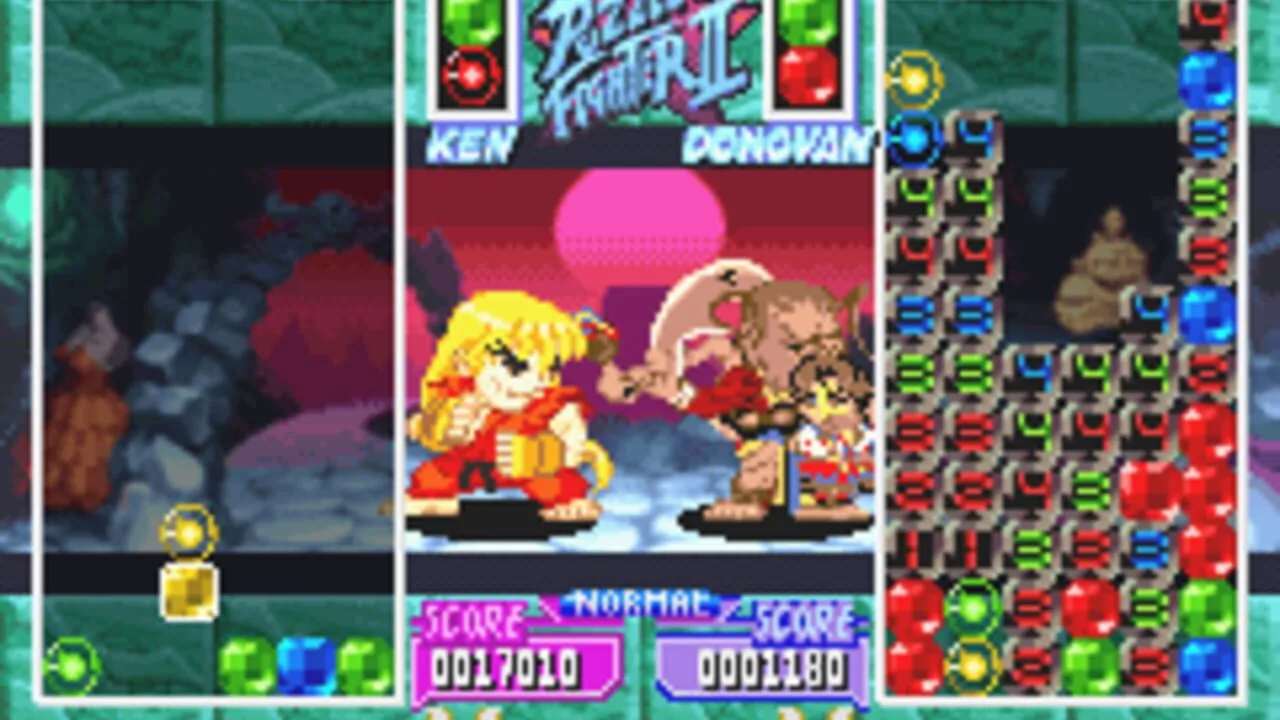
The name is a play on Super Street Fighter II Turbo, as there were no other Puzzle Fighter games at the time. Capcom made it as a response to Puyo Puyo 2, which had been sweeping the Japanese arcade scene, and borrowed its rule for countering garbage. The GBA port was handled by Atomic Planet Entertainment, a relatively small studio that worked on other compilations.
Gems only vanish when a Crash Gem of the same color touches them, so you build big blocks of color and break them all at once. Whatever you clear drops Counter Gems on your rival, and they count down to zero before they turn into normal gems. The cast comes from Street Fighter Alpha 2 and Darkstalkers, and the tiny fighters bopping each other beside the board are half the fun.
5. Kururin Paradise (2002)
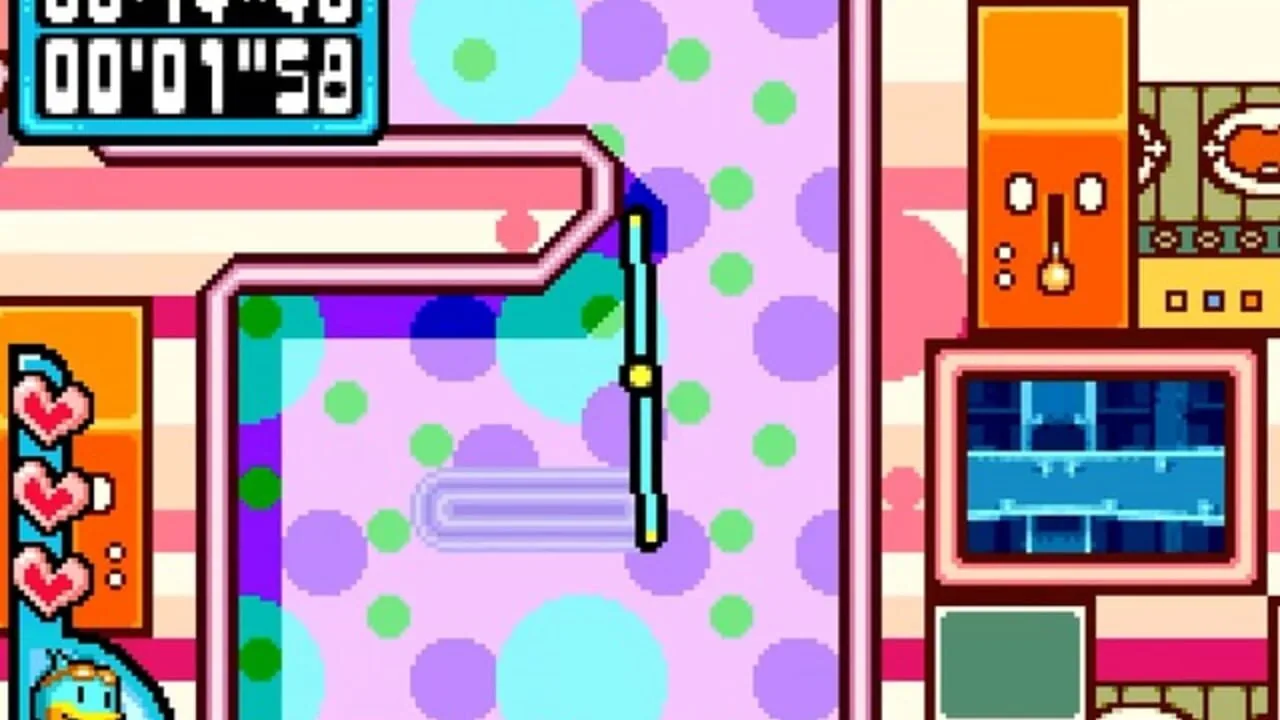
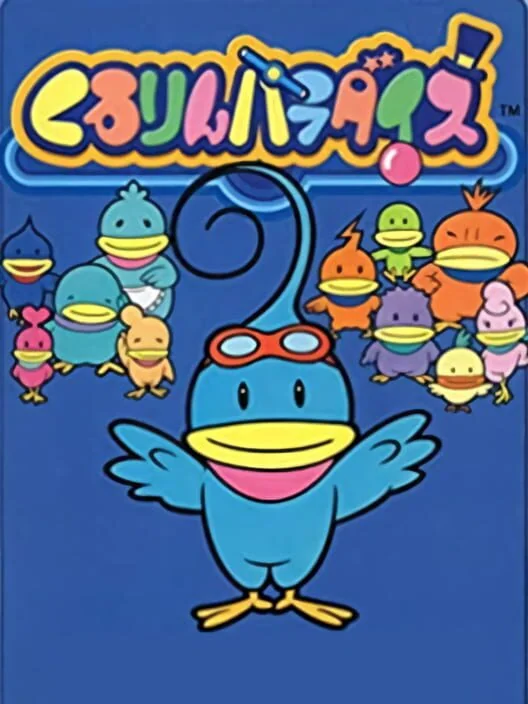
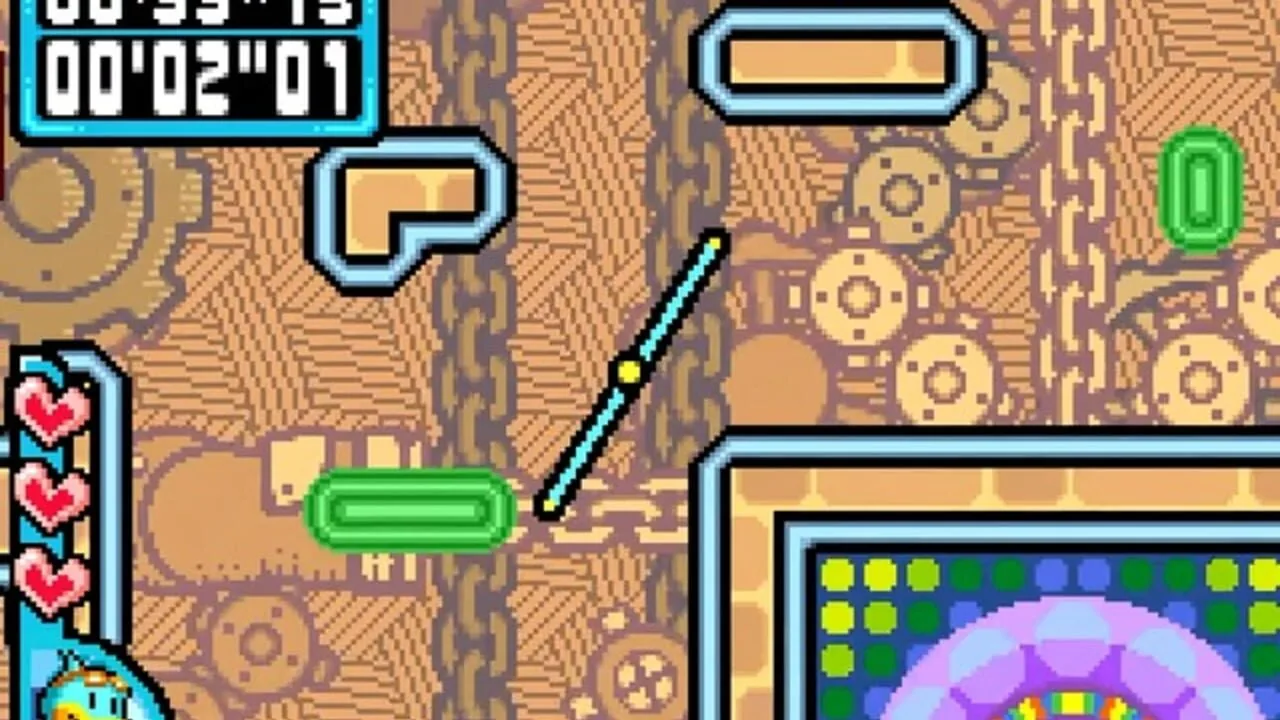
Kururin Paradise is the sequel to Kuru Kuru Kururin, released only in Japan on December 6, 2002. A North American release was revealed at E3 and later canceled, and the game got its first international release through the Nintendo Classics service on October 14, 2026. You still steer a spinning stick through mazes, but springs now flip the direction it turns, and you can unlock a faster spin.
Critics liked its new gameplay mechanics and minigames, and many thought the extra difficulty made it an improvement over the first entry. You get three hit points before a level restarts, and some levels have checkpoints that heal you without saving your place. Almost all of the game is in Japanese, but steering a stick needs no translation.

4. Super Monkey Ball Jr. (2002)
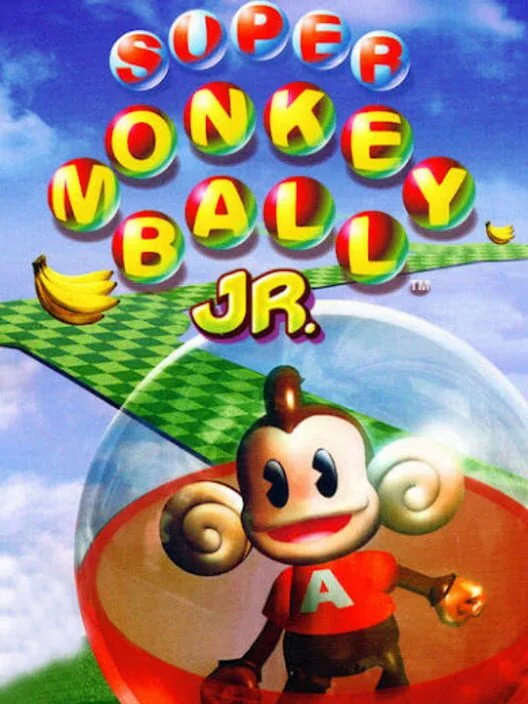
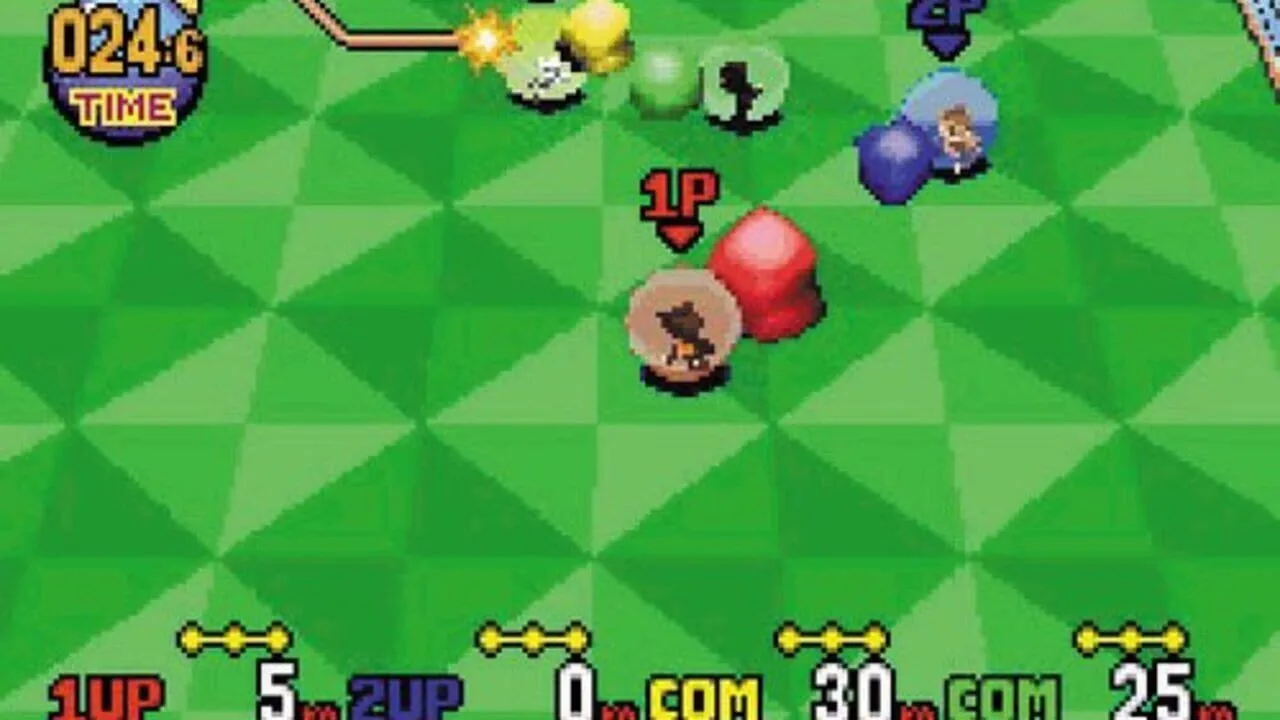
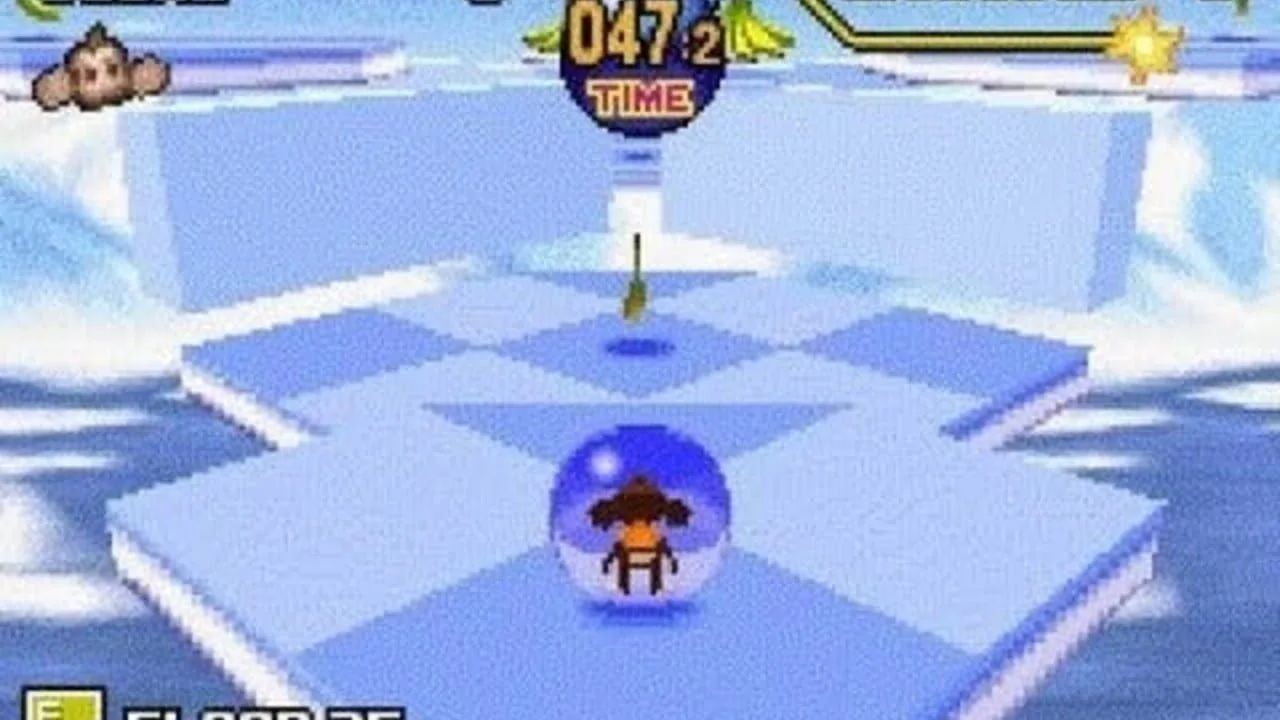
Super Monkey Ball Jr. was developed by Realism and Creations and published by Sega, and it came out in North America on November 20, 2002. It is one of the few GBA games that makes use of the system's 3D graphics, and it reuses levels from the other Super Monkey Ball games. You tilt the whole stage to roll a monkey in a ball to the goal, and the edges have no rails.
You can pick AiAi, MeeMee, Baby or GonGon. The party games include Monkey Duel, where two players race to the finish while grabbing any nearby bananas. It was the last game Creations made before Acclaim Entertainment bought the studio. That the GBA runs this at all still feels like a magic trick, and the tilting controls hold up.
3. ChuChu Rocket! (2001)
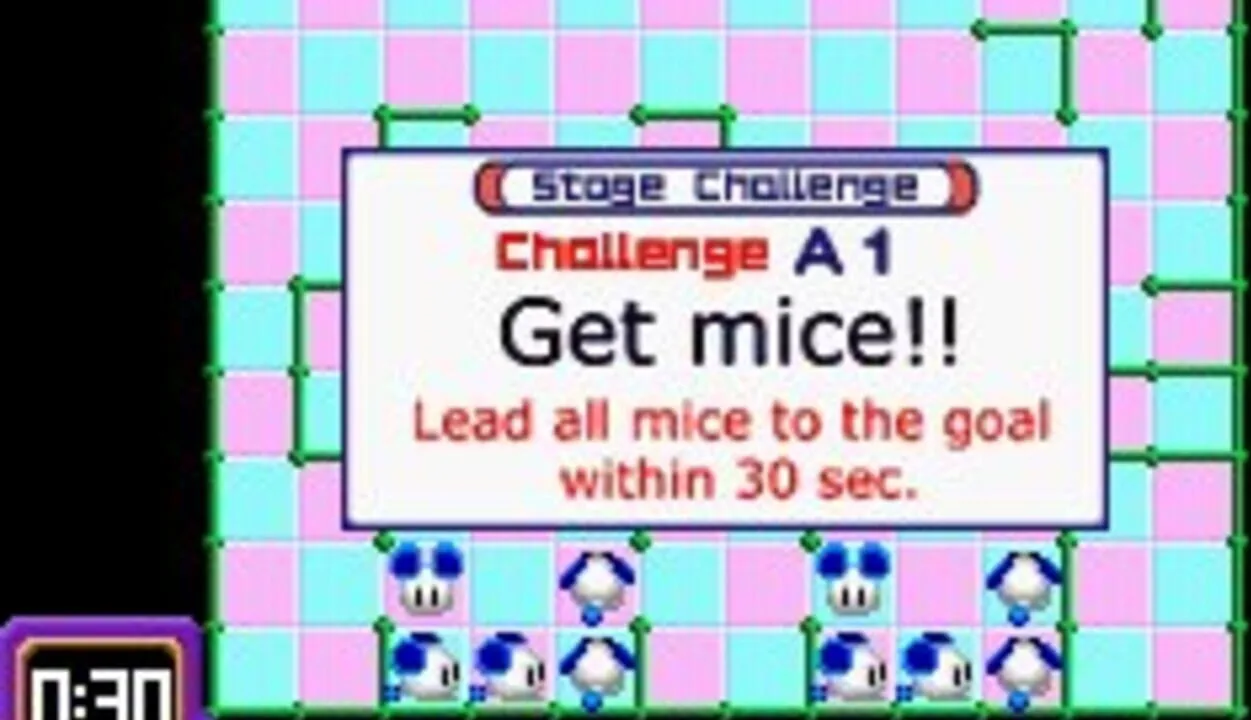
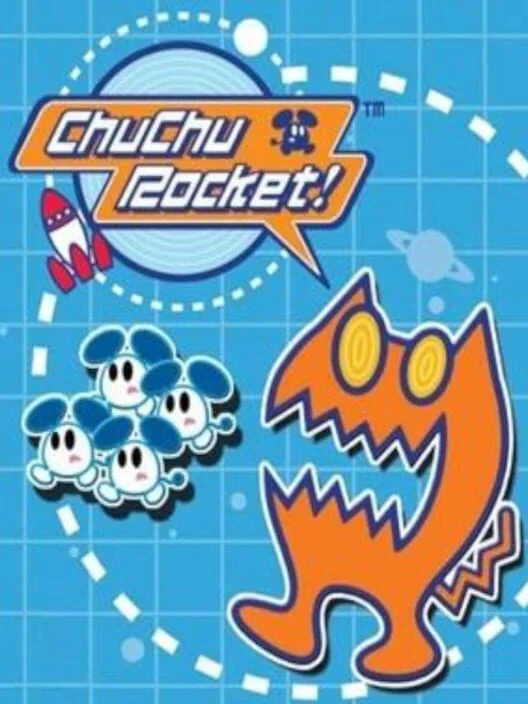
ChuChu Rocket! started on the Dreamcast, where Yuji Naka directed it partly to test the online functionality of the Dreamcast and Sega's servers. It came to the Game Boy Advance in 2001 as a launch game, and it gathered interest as the first game published by Sega for Nintendo hardware. Seeing Sonic Team's mice on a Nintendo handheld was a sign of how fast things had changed.
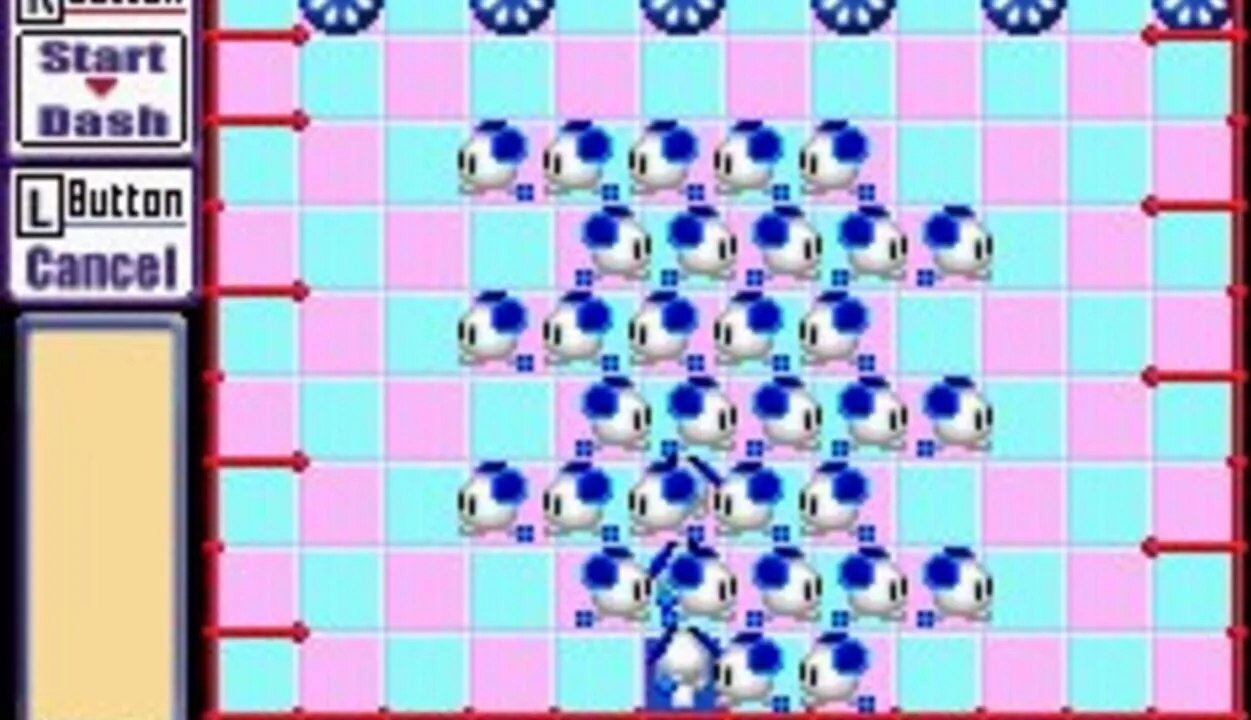
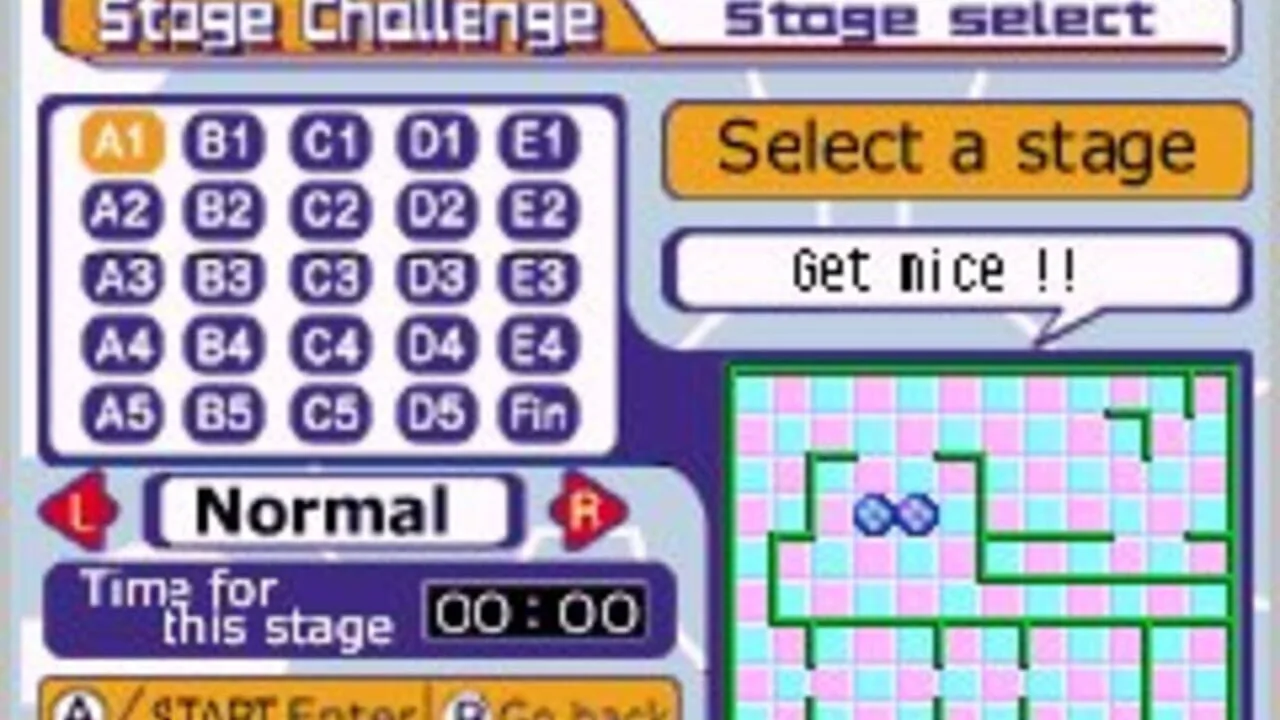
You place arrows on the floor to steer mice into your rocket and send cats toward your opponents' rockets. Critics loved the chaotic and addictive multiplayer, and on the GBA up to four systems can link up using only one cartridge, which made it easy to get a game going. There is a puzzle mode for playing alone too, and it is just as clever.
2. Mario vs. Donkey Kong (2004)
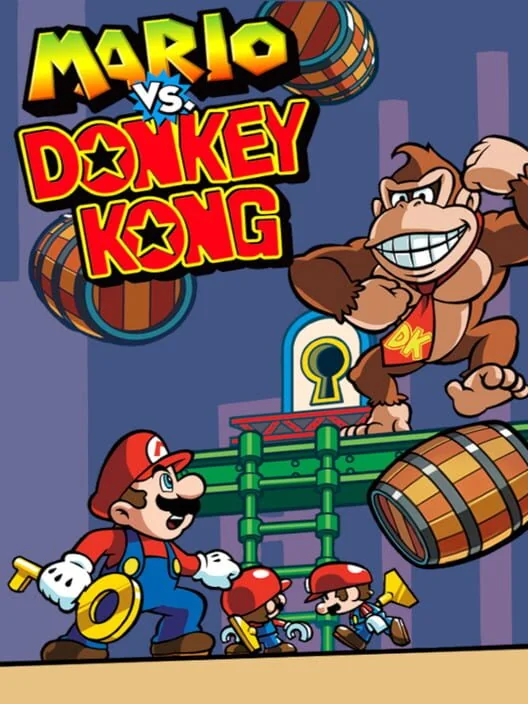
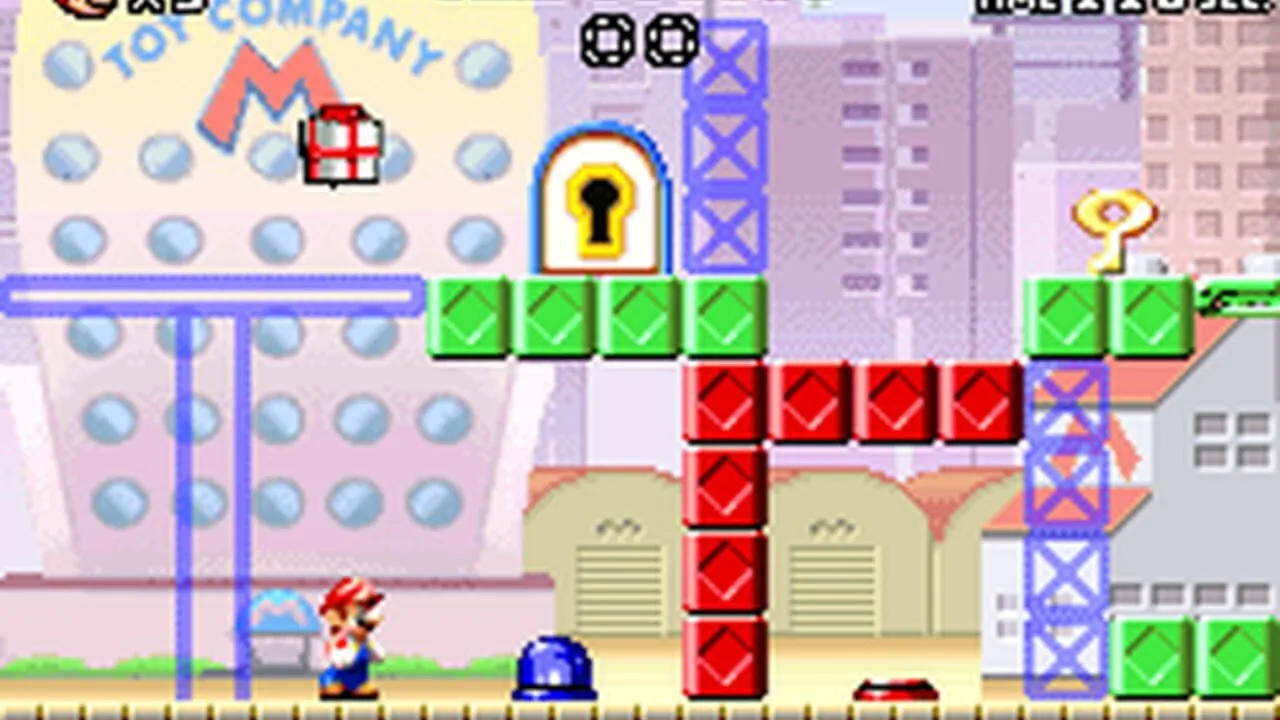
Mario vs. Donkey Kong is a puzzle-platform game developed by Nintendo Software Technology, and it is the spiritual successor to Donkey Kong, which was released in 1994 for the Game Boy. Donkey Kong sees a TV ad for the Mini-Mario toys, falls in love with them and finds them sold out, so he steals every one from the Mario Toy Co. Each level has you find a key and free a Mini-Mario before time runs out.
It grew out of Donkey Kong Plus, a title on display at E3 2002, and the Create-a-Level feature was cut and saved for the sequel. That sequel, March of the Minis, came to the Nintendo DS in September 2006, and a remake for the Nintendo Switch was released in February 2024. Players rank it far ahead of almost every other puzzle game on the system.
1. Kuru Kuru Kururin (2001)
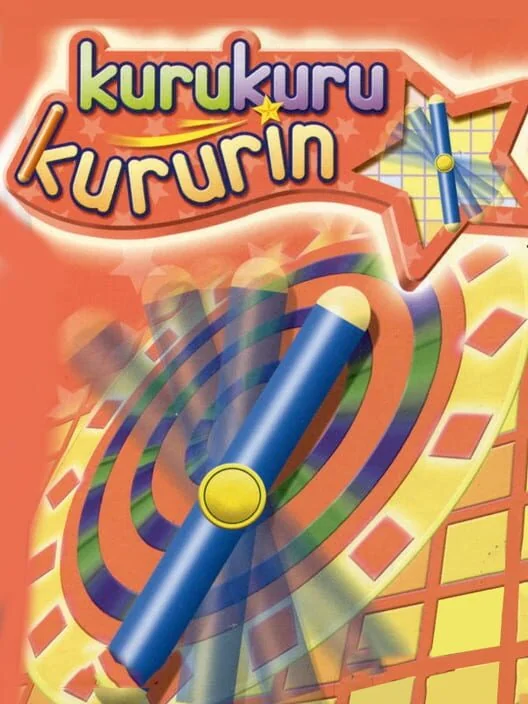
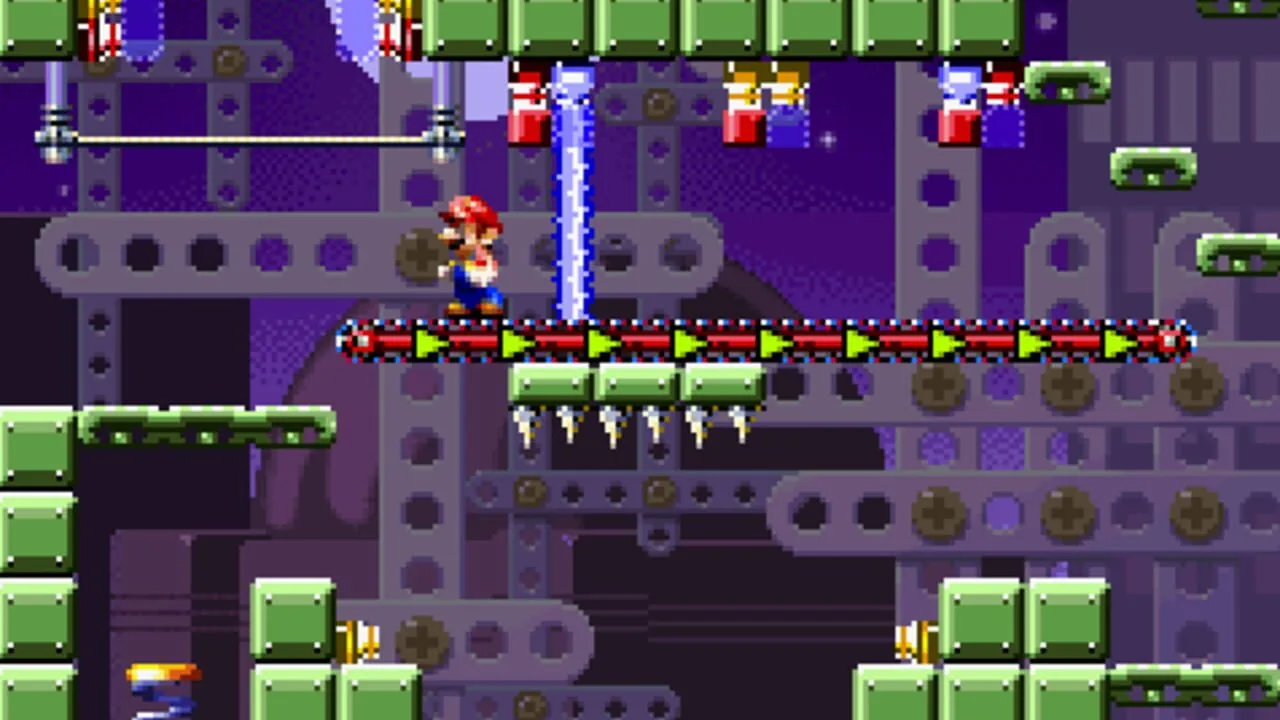
Kuru Kuru Kururin was released in Japan on March 21, 2001, and in Europe and Australia on June 22 as a launch title for the system. It was made by Eighting, the studio behind the Bloody Roar series, and it was Eighting's first game created in partnership with Nintendo. Director Masato Toyoshima got the idea from carrying long tables through the corners of rooms whenever he moved apartments, which may be the most relatable origin story in video games.
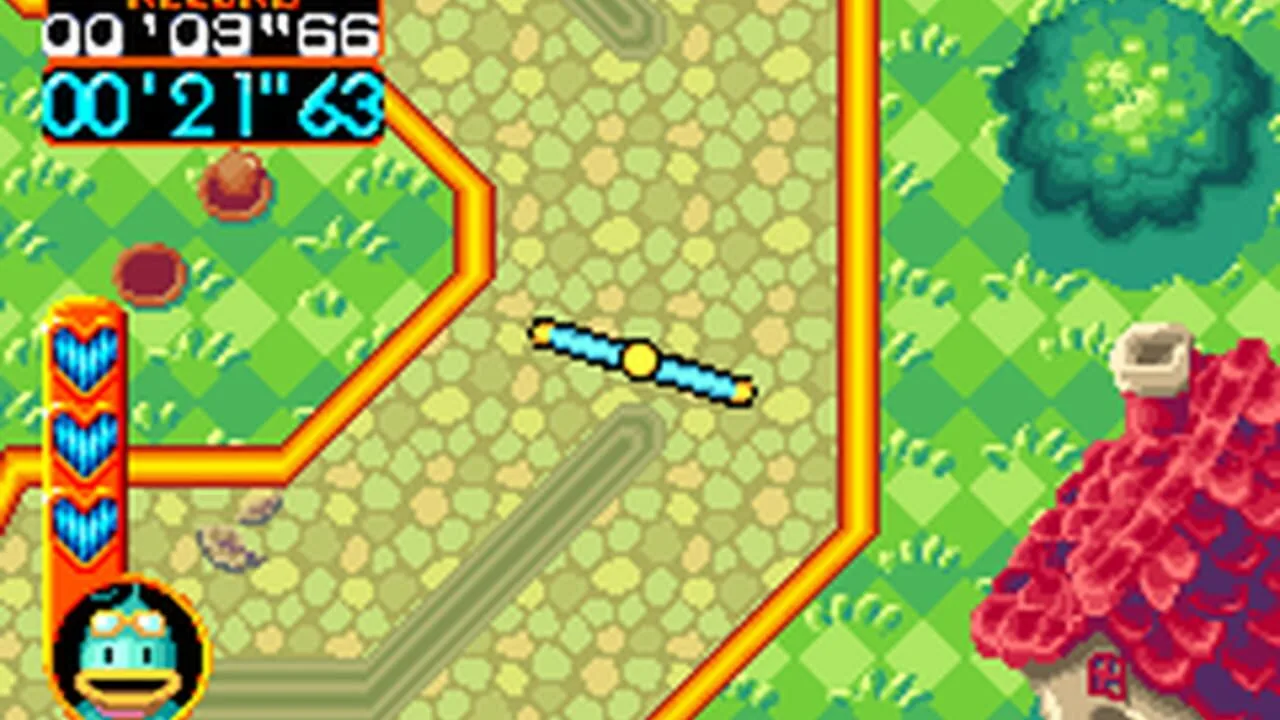
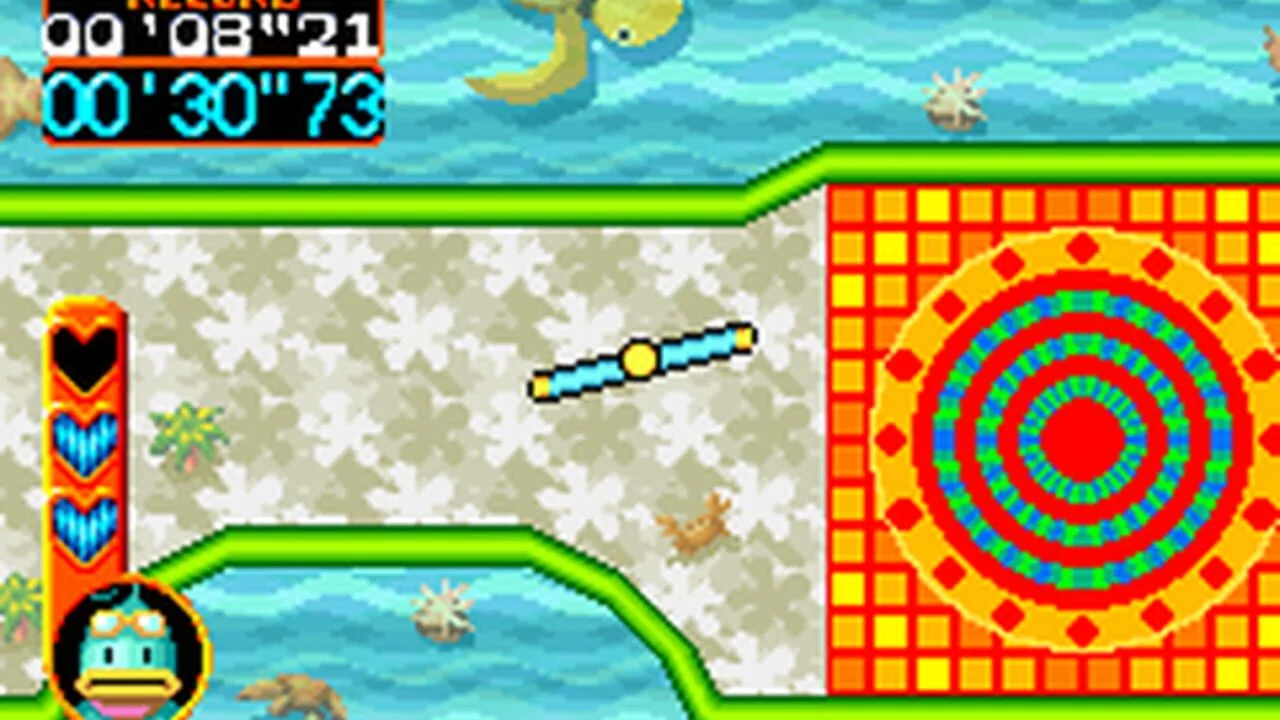
You pilot the Helirin, a stick-shaped helicopter with a slow-spinning propeller, through narrow mazes without touching the walls. Teacher Hare's training levels ease you in, and Easy mode cuts the stick to half of its usual size. Players recommend it more than any other GBA puzzle game. It has sold 265,250 copies in Japan, but North America did not get it until the Wii U Virtual Console in 2016.
Which one to play
There you have it, the whole list of the best GBA puzzle games. Even the bottom of this list is worth a slot in your bag.
If you are not sure where to start, play Kuru Kuru Kururin. If you want a puzzle game with some platforming in it, pick Mario vs. Donkey Kong. For playing with friends over a link cable, ChuChu Rocket! and Puyo Pop are the ones. If you like falling-block games, Super Puzzle Fighter II Turbo and Mr. Driller 2 will keep you busy. And for a hidden pick, try Denki Blocks!.