The Dreamcast was the console fighting game fans dreamed about in 1999. Under the hood, the Dreamcast shares the Naomi architecture of Sega's arcade board, so a lot of arcade fighters came home looking almost exactly like they did in the arcade. Capcom moved in for good. Its biggest tag team game was Capcom's first attempt at a fighting game outside of the CP System II and III hardware systems, and it was built for NAOMI and the Dreamcast together.
Sega brought its own Virtua Fighter, and SNK showed up for a pair of crossovers with Capcom. Some of the best games here are not one-on-one fighters at all. There are giant robots in here, and a boxing game with a famous ring announcer. Here are the 17 best Dreamcast fighting games.
17. Guilty Gear X (2000)
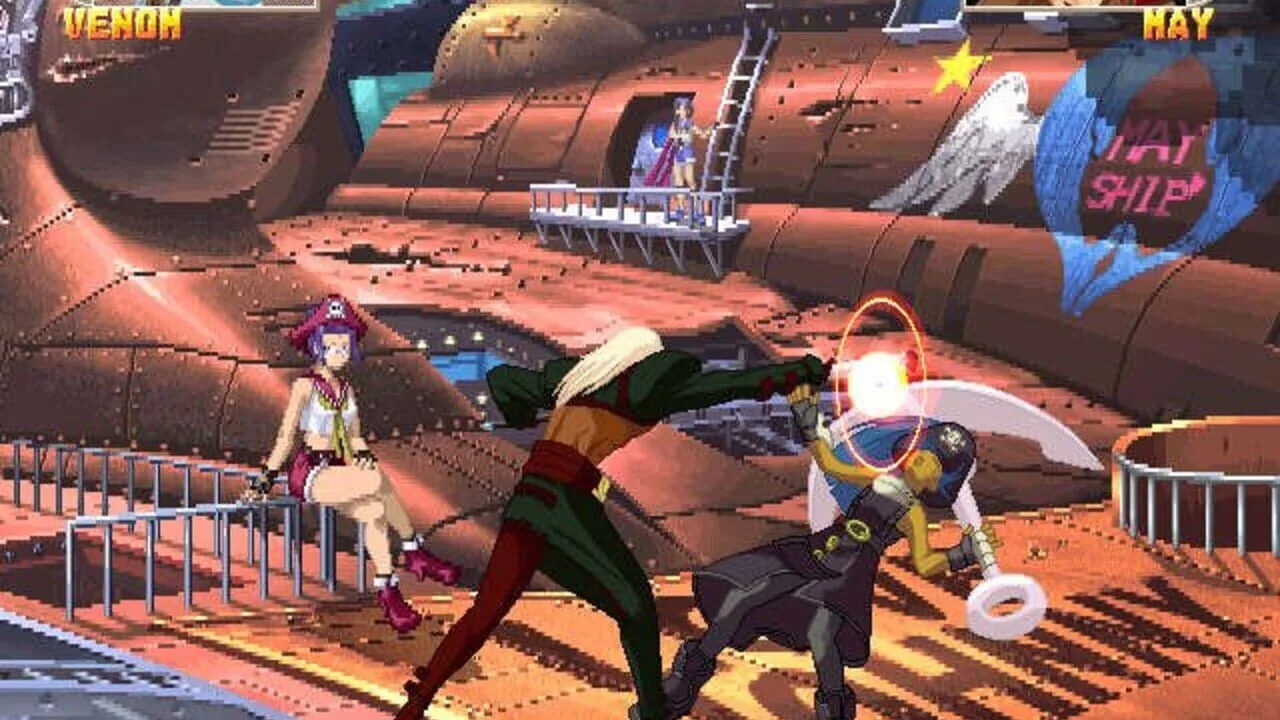
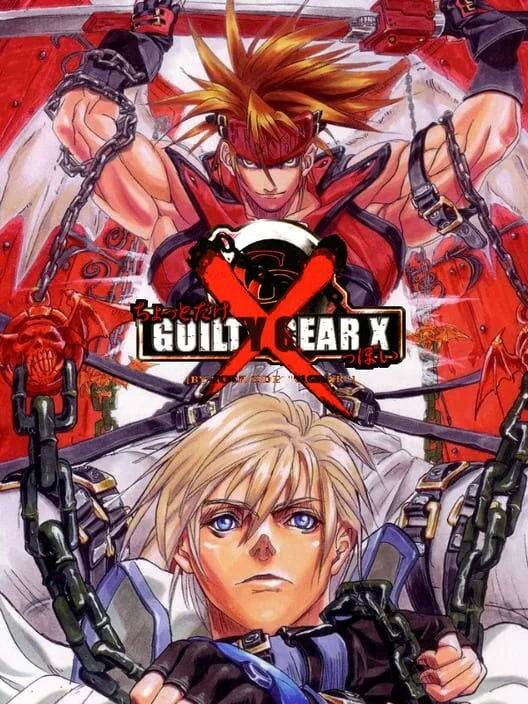
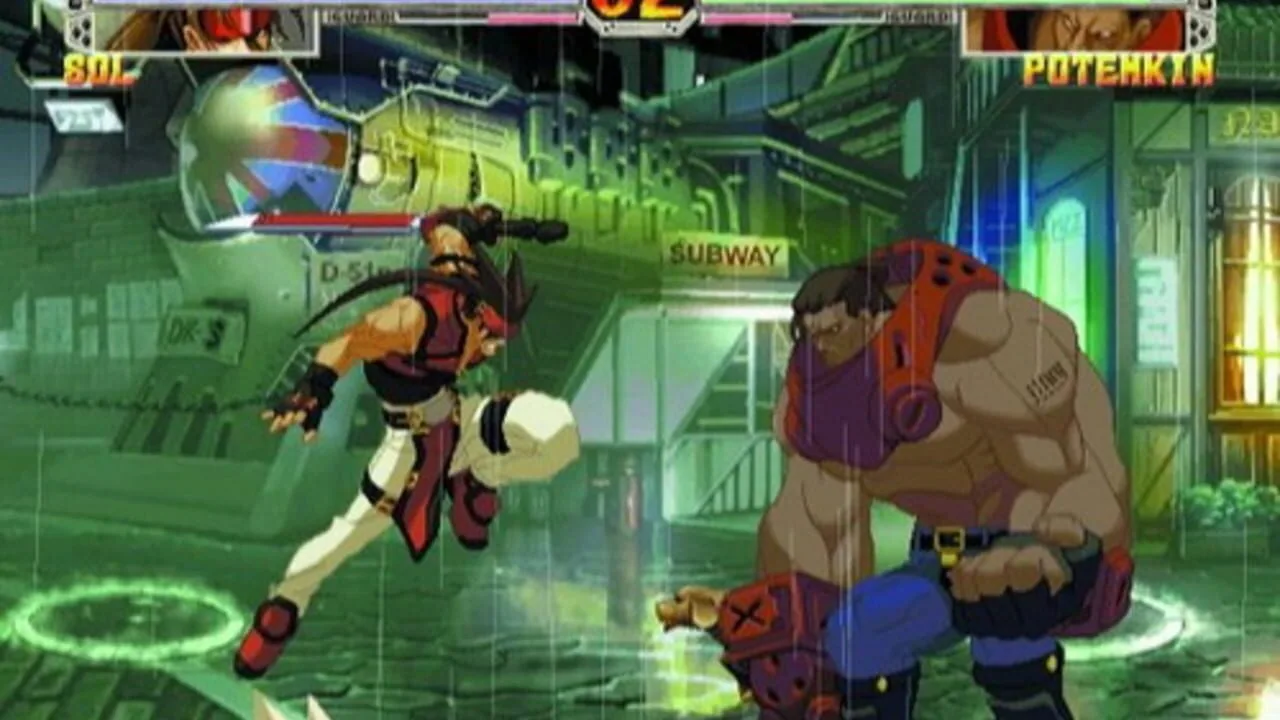
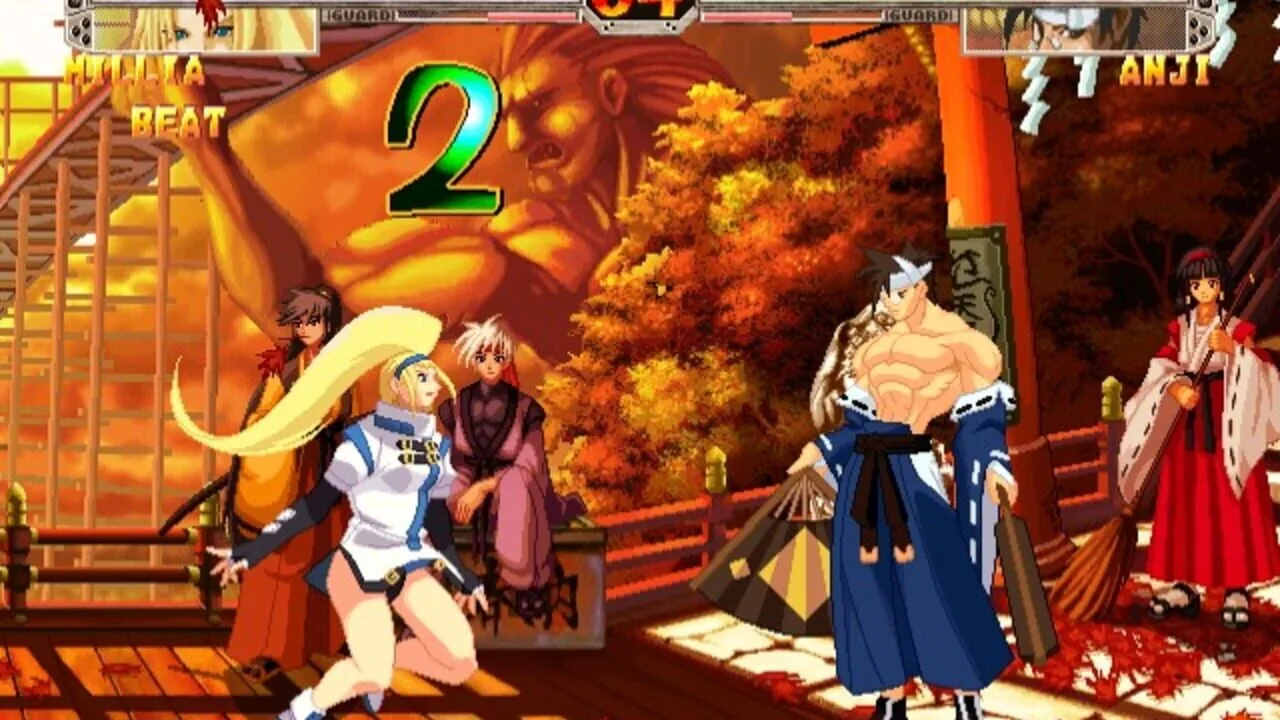
Guilty Gear X is the second installment of the Guilty Gear series. It was developed over a period of about two years after the first game's success, and it reached Japanese arcades in July 2000 before it was re-released on Dreamcast in December 2000. Ports to the PlayStation 2 and the Game Boy Advance followed.
The Dreamcast and PS2 versions have sold over 100,000 copies in Japan. Reviewers praised them for their graphics, controls and characters but criticized them for their lack of replay value. The arcade music came out as its own soundtrack album in September 2000, composed by Daisuke Ishiwatari.
16. Mortal Kombat Gold (1999)
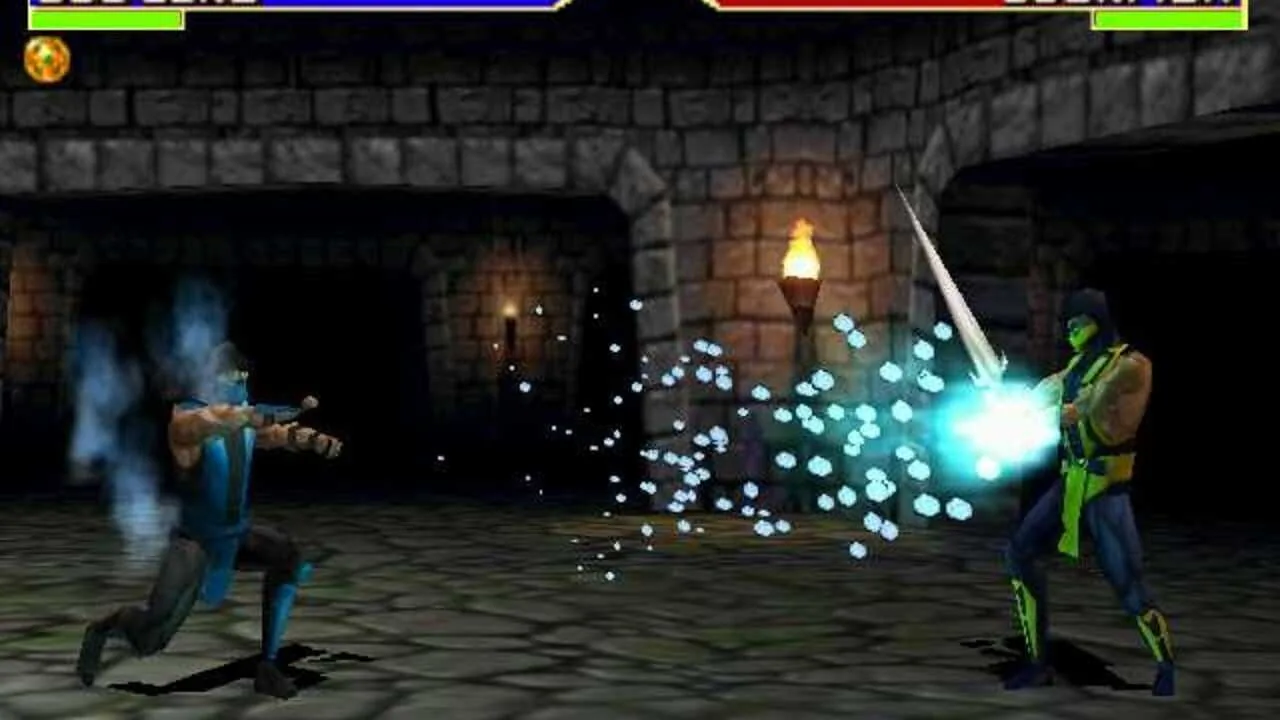
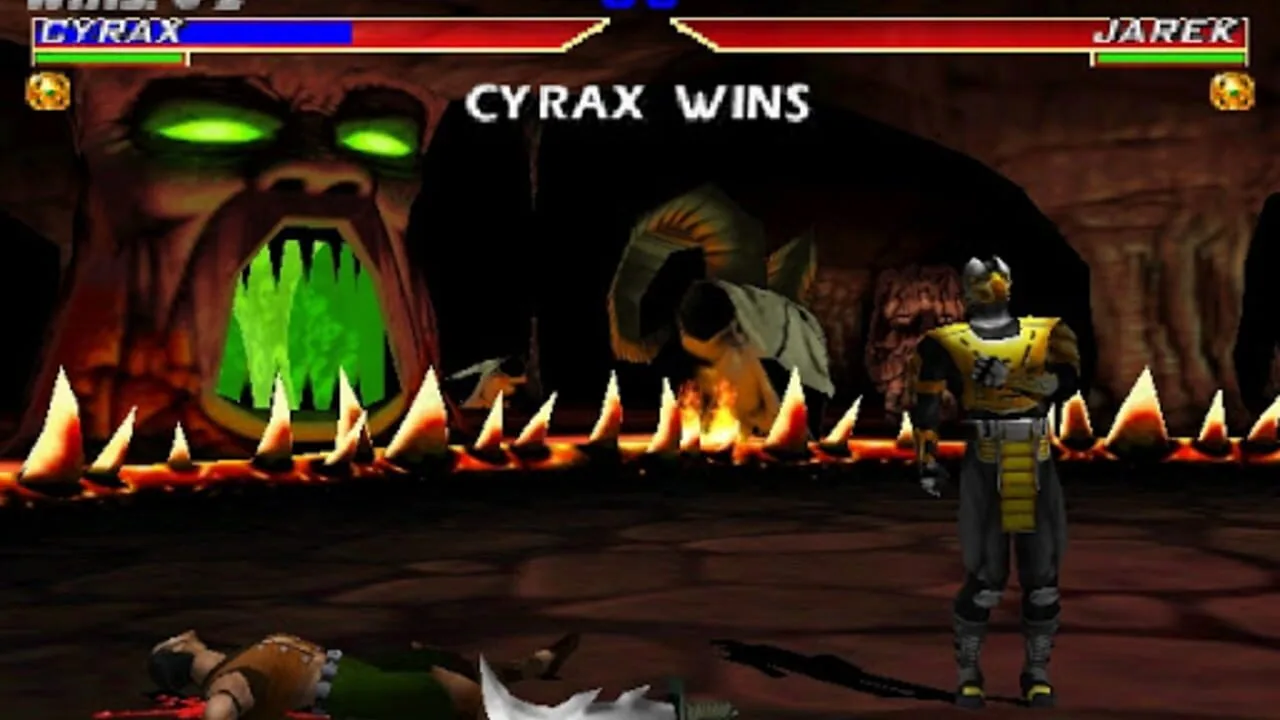
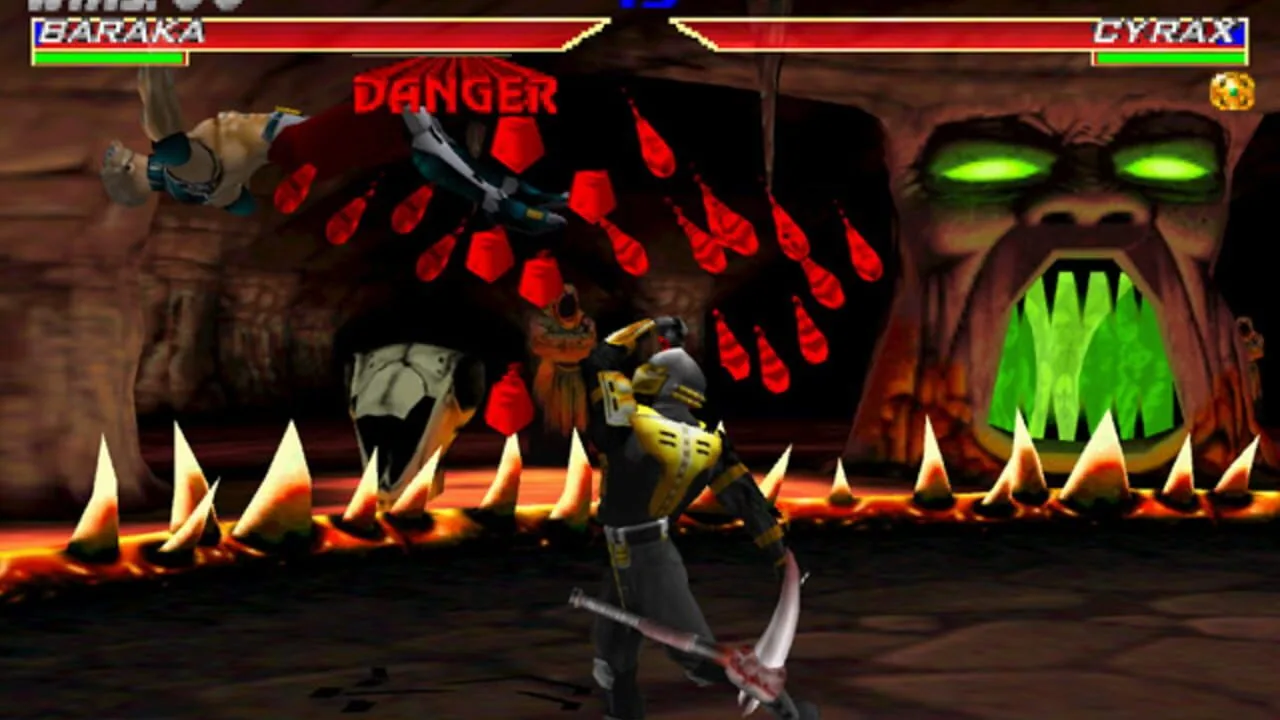
Mortal Kombat Gold is an updated version of 1997's Mortal Kombat 4. It was the first Mortal Kombat game to appear on a sixth-generation platform, and it is the only game in the series to be released for the Dreamcast. It adds several additional characters and stages not seen in Mortal Kombat 4, along with a new weapon selection mechanism.
Critics were lukewarm. They pointed at graphics inferior to the arcade version, weapons they found boring or useless and some game-breaking bugs and glitches. A later printing came on a red tinted disc instead of the gold one, which means there is a copy of Mortal Kombat Gold that is not gold. Still, for Mortal Kombat fans with a Dreamcast, this was the only way to rip out a spine on Sega's console.
15. Virtua Fighter 3tb (1999)
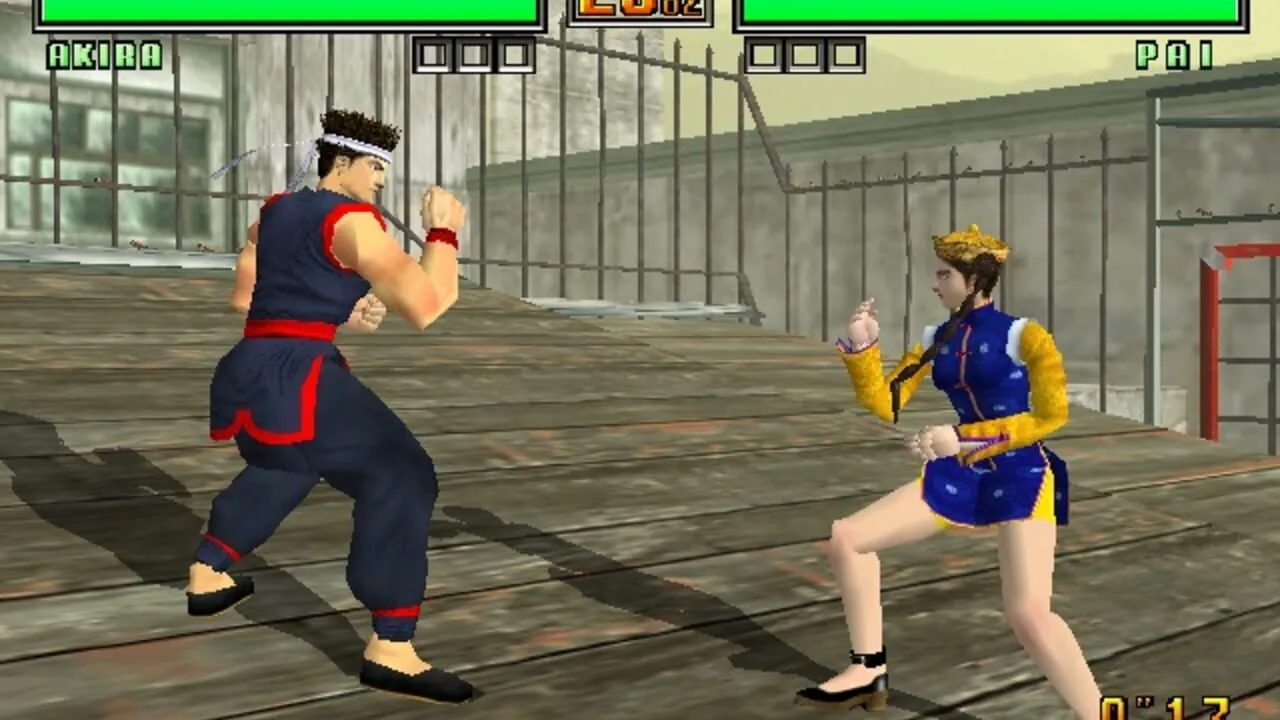
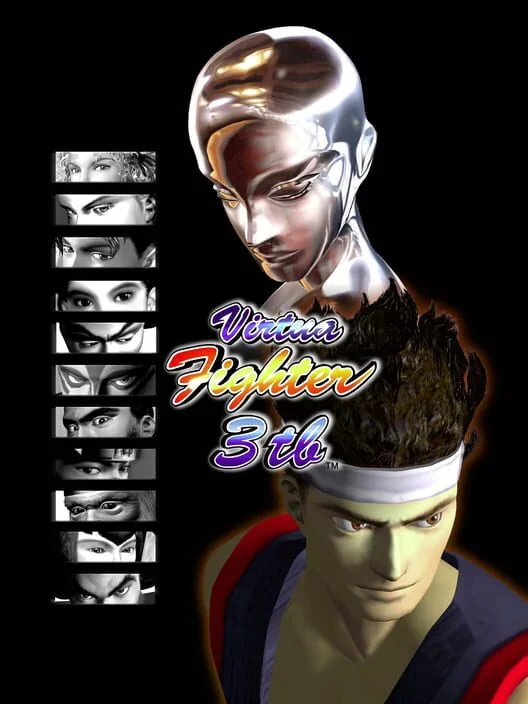
Virtua Fighter 3 was the first arcade game to run on the Sega Model 3 system board. Yu Suzuki's Sega AM2 made it, and it was a revolutionary game from a technical standpoint, with detailed graphics that earned widespread praise. In Japan it was the overall highest-grossing arcade game of 1997. A Sega Saturn port was announced and then cancelled.
The game came home instead as Virtua Fighter 3tb, an updated version which added team battles, ported to the Dreamcast by Genki. It brought two new characters, Aoi, who fights with aiki-jujutsu, and Taka-Arashi, a sumo wrestler from Japan. Reviewers liked its stages with varying elevations and the dedicated dodge button. You can still play it inside Like a Dragon: Infinite Wealth, in the game's arcades.
14. Street Fighter Alpha 3 (2000)
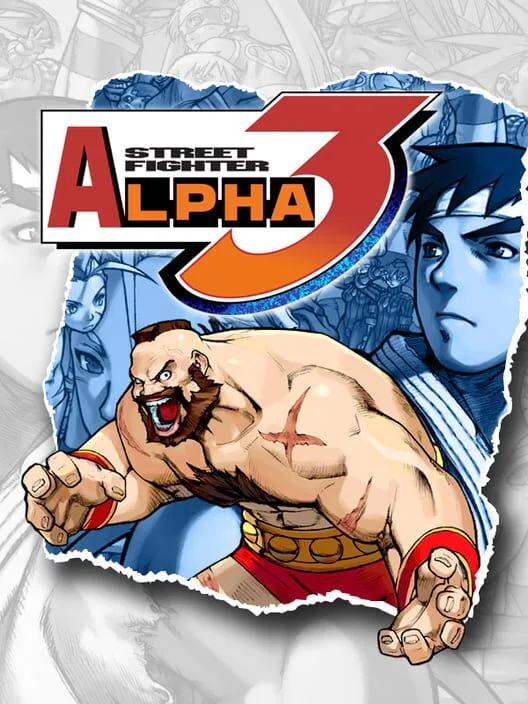
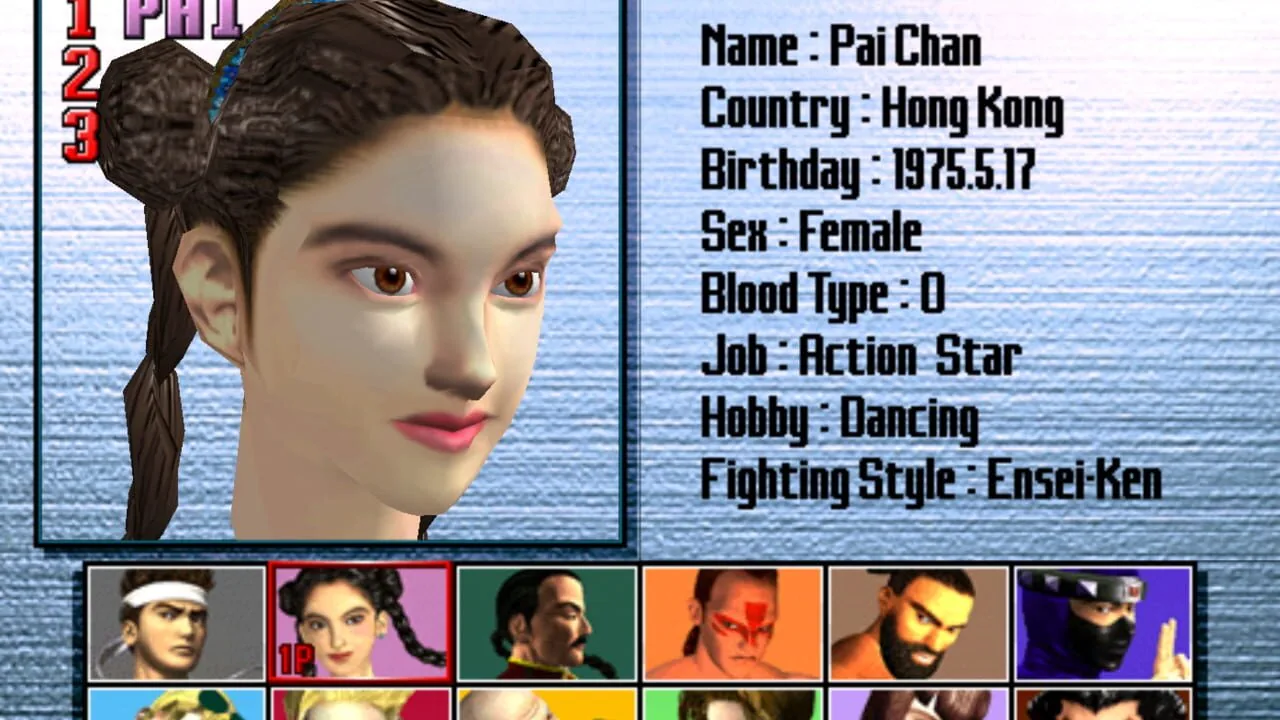
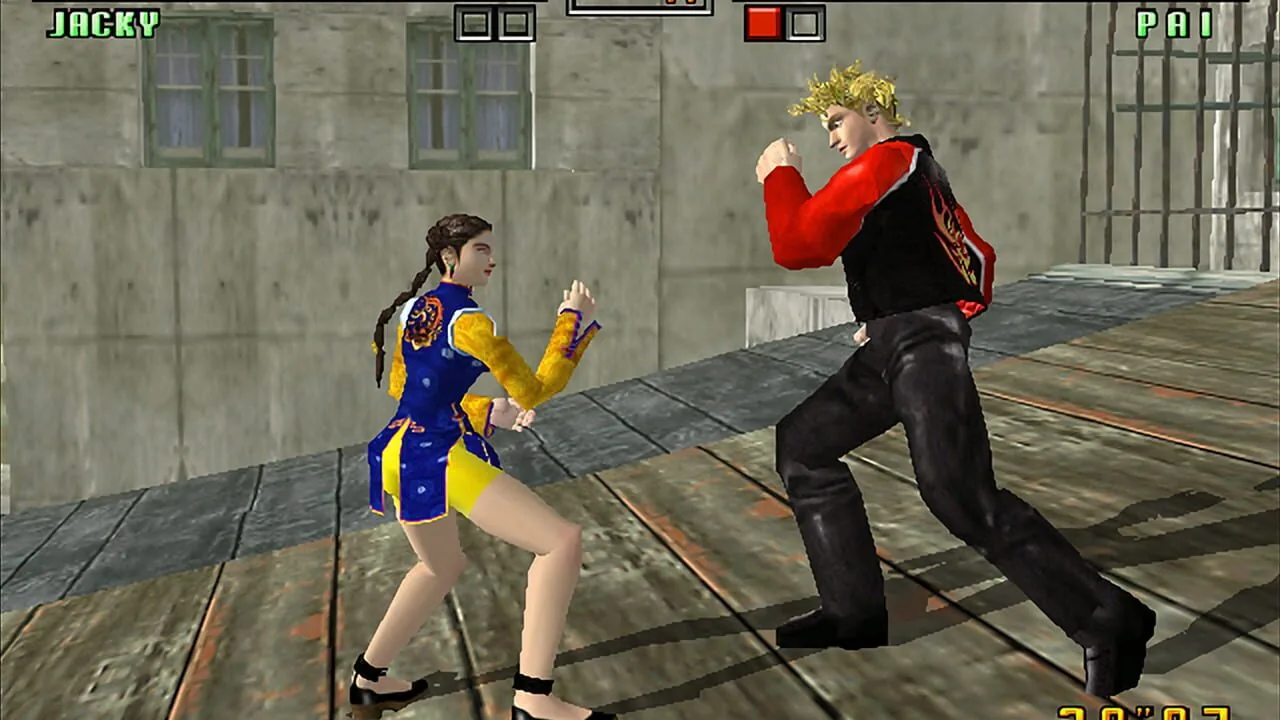
The Dreamcast version is called Street Fighter Alpha 3: Saikyo Dojo. It uses all the added features from the PlayStation version of the game, but it has a different World Tour mode. Before every fight you pick a style, or "ism". A-ism is the standard one from the earlier Alpha games, with a three-level Super Combo gauge and access to several Super Combo moves.
X-ism is a simple style based on Super Street Fighter II Turbo, with a single-level gauge and one powerful Super Combo. There are hidden modes too. Classic mode prevents the use of Super Combos, but your fighter also cannot be knocked in the air and juggled. In Japan the Dreamcast version was re-released as a mail order title via Dreamcast Direct.
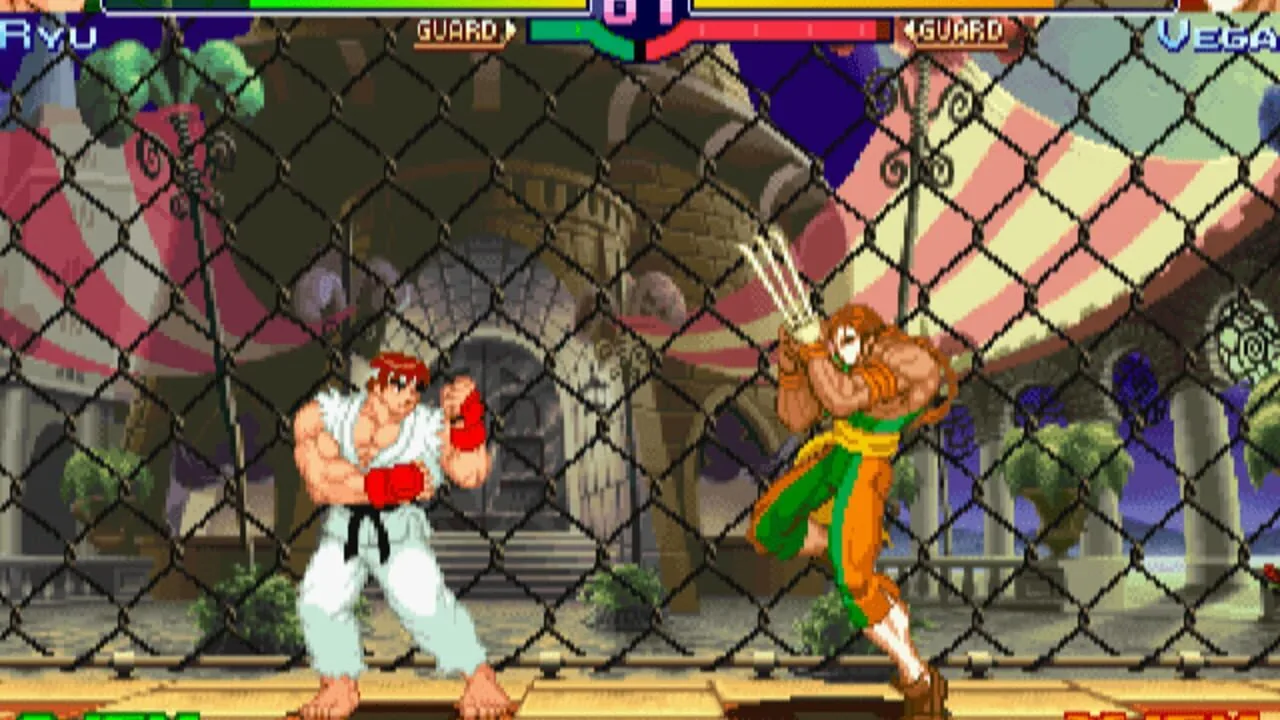
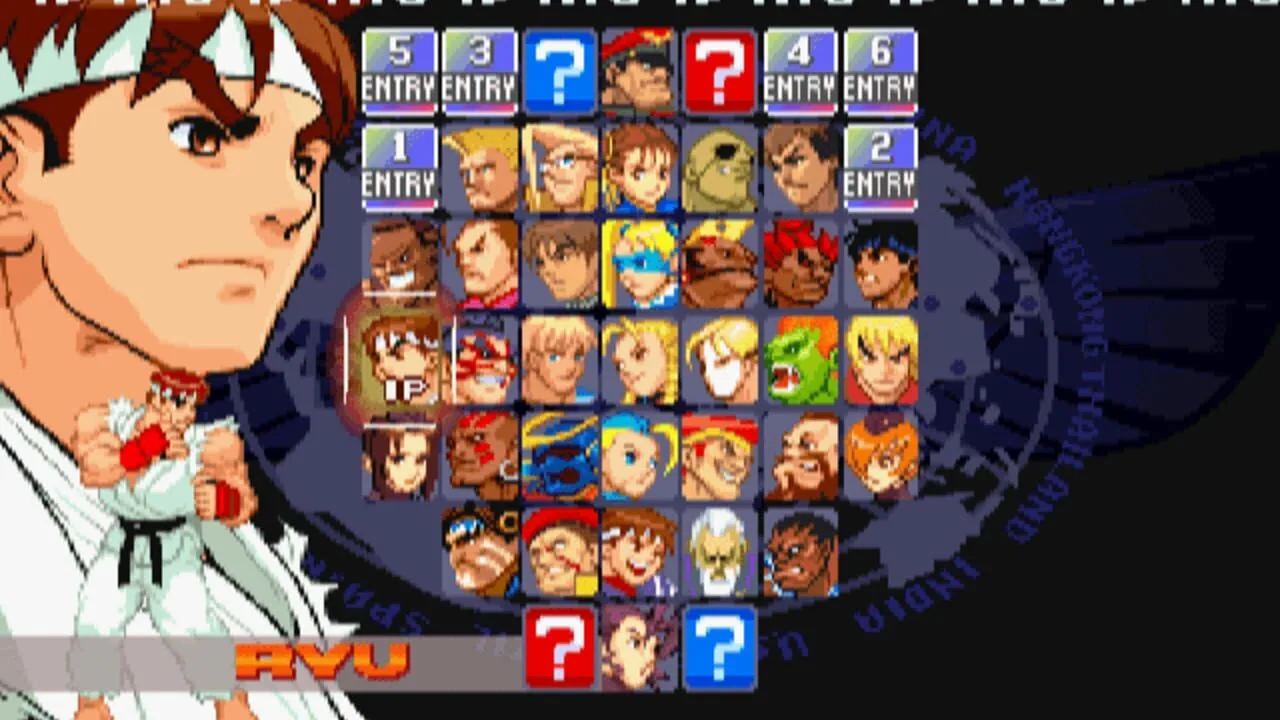
13. Capcom vs. SNK: Millennium Fight 2000 (2000)
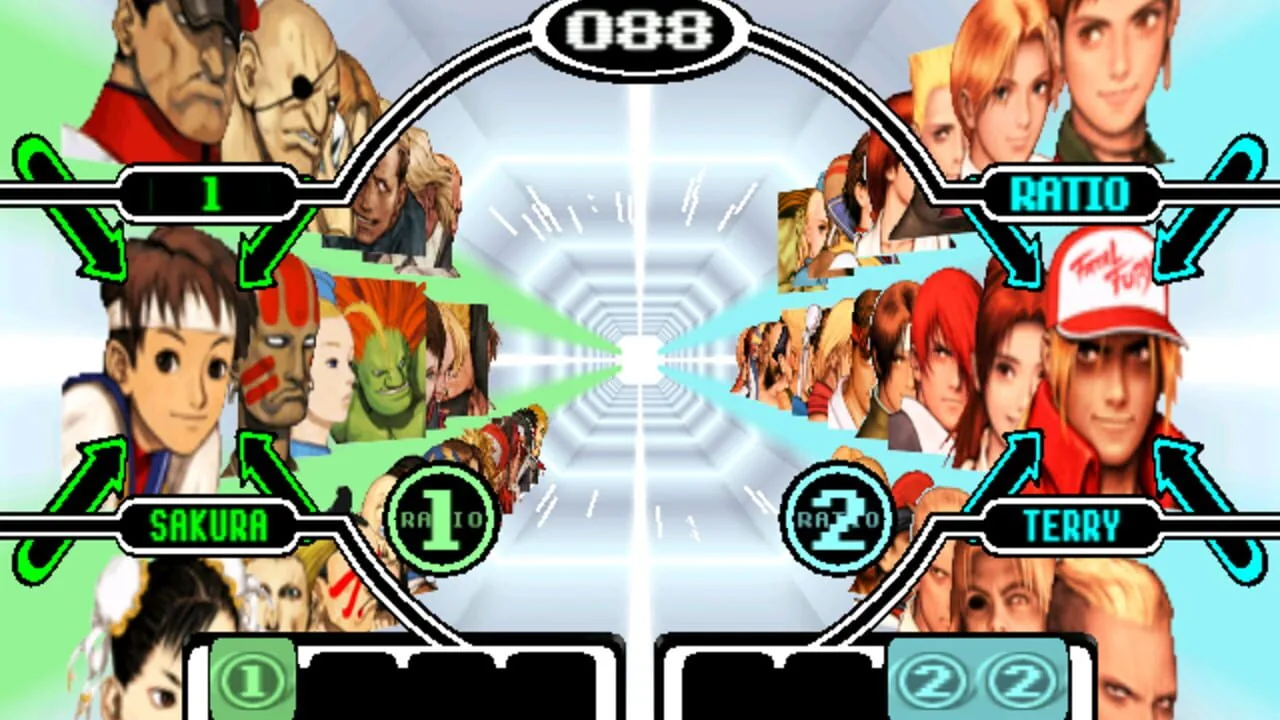
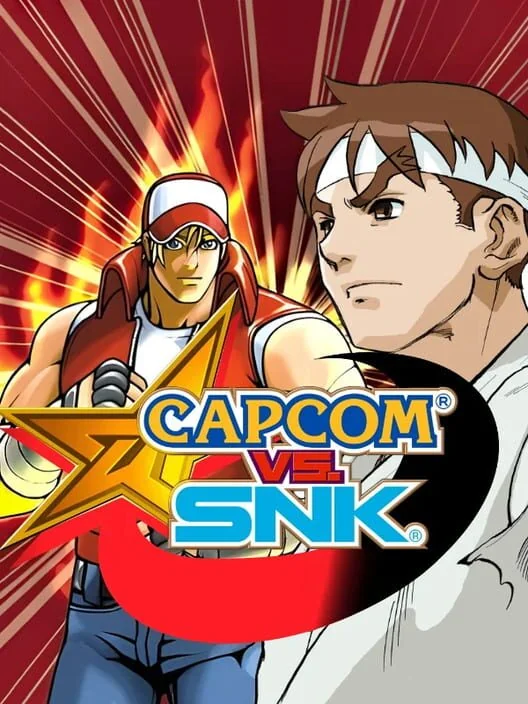
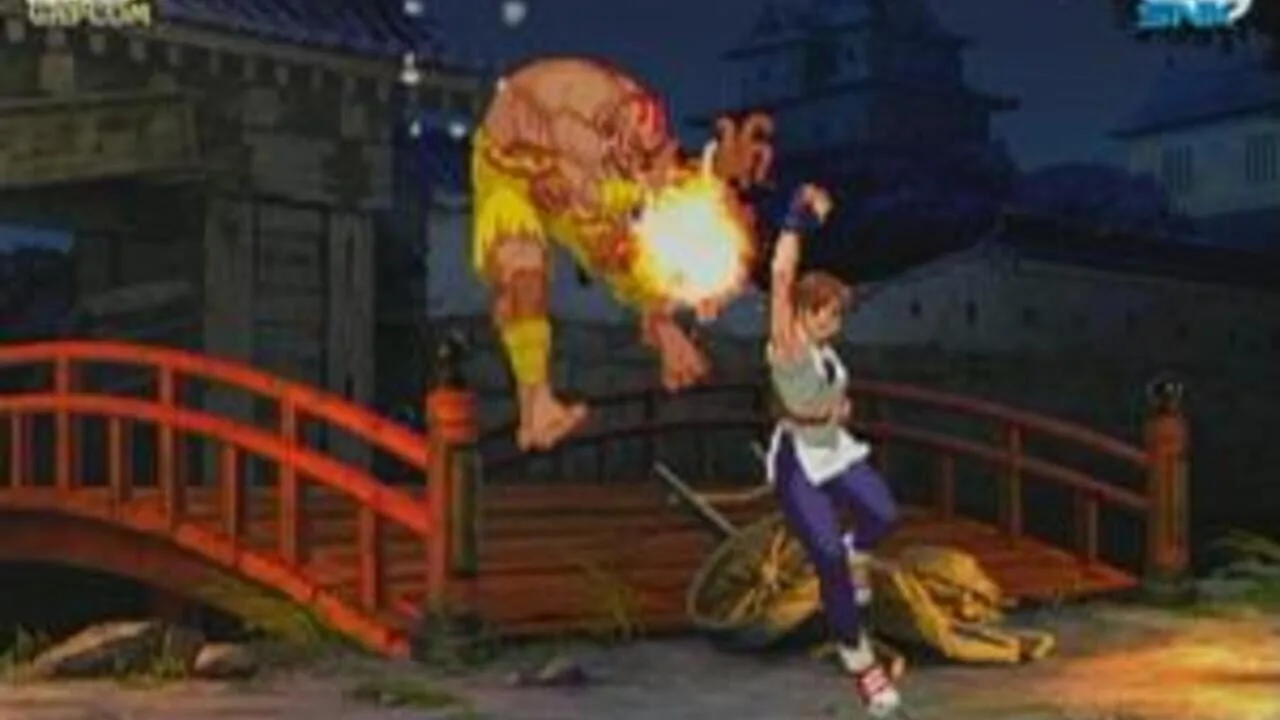
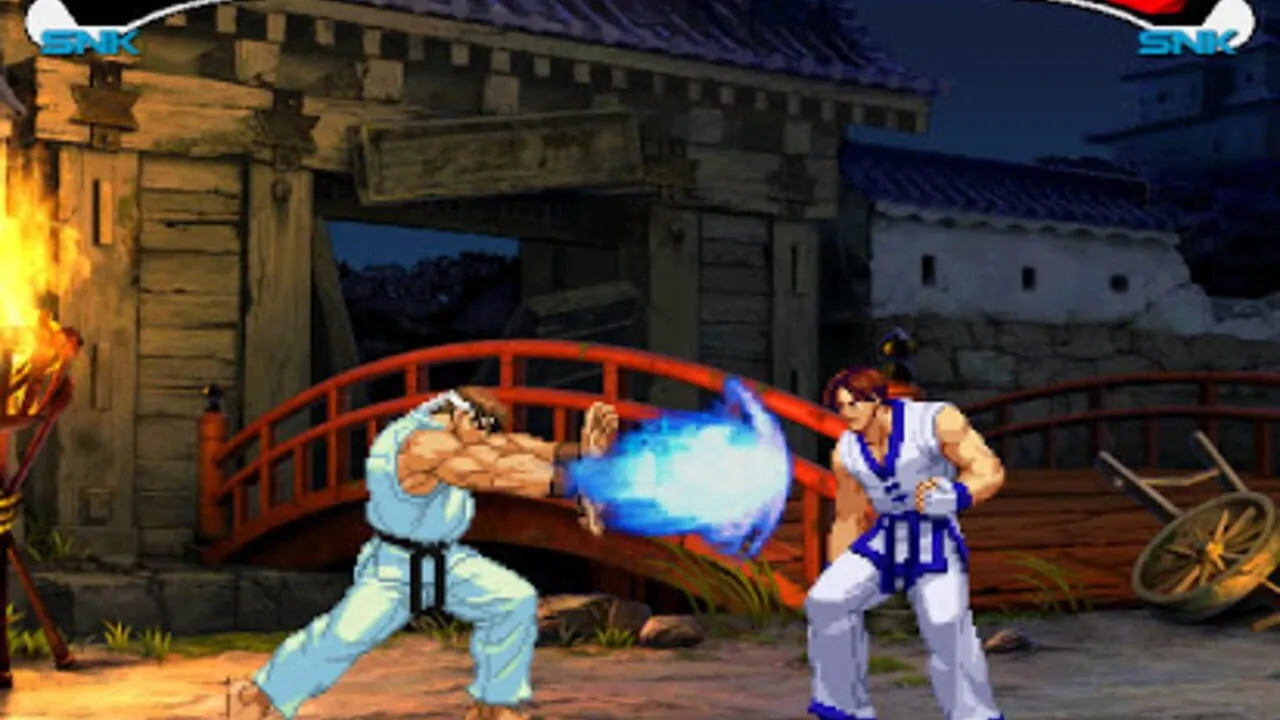
Capcom vs. SNK is a crossover fighting game Capcom made for arcades on NAOMI and later ported to the Dreamcast. It splits the two companies into two ways to play. The SNK Groove is based on the Extra mode from The King of Fighters '94 to '98, and the Capcom Groove is based on the gameplay system from the Street Fighter Alpha series.
Leon S. Kennedy and Mega Man were also intended to be playable characters but were cut to focus more on fighting game characters. There is a nice tribute in the Ryu fight, where each player jumps back from the center of the screen as a nod to the first Art of Fighting. An updated version, Capcom vs. SNK Pro, was only ported to the Dreamcast in Japan.
12. Virtual-On: Oratorio Tangram (2000)
Cyber Troopers Virtual-On Oratorio Tangram came out between 1998 and 2000 for arcades and the Sega Dreamcast. It is a fighting game where the fighters are giant robots called Virtuaroids. The mecha designs for the whole series were created by robot designer Hajime Katoki. A home version of the Twin Stick controller launched alongside the Dreamcast release.
The North American release lost a couple of features. The ability to create custom Virtuaroid colour palettes and multiplayer between two Dreamcast units using a link cable were both removed. Europe got nothing at all, since the Dreamcast version was not released in Europe. Very few arcade machines left Japan either, so for most players outside it, the Dreamcast disc was the only way in.
11. Capcom vs. SNK 2 (2001)
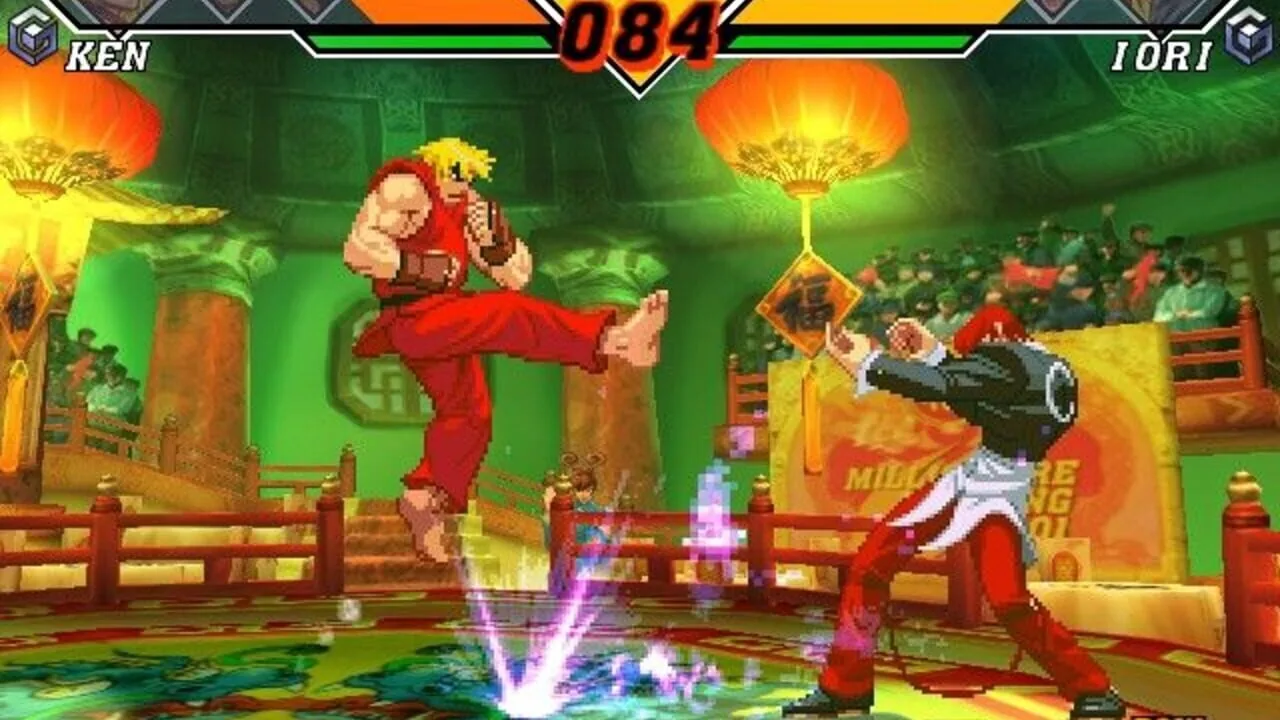
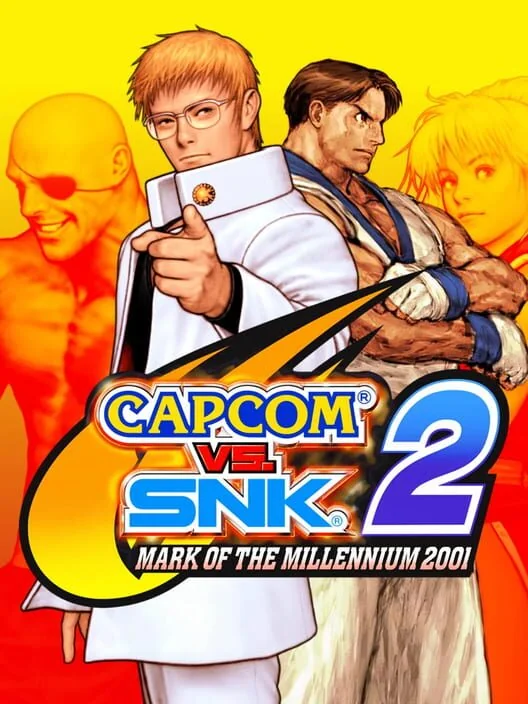
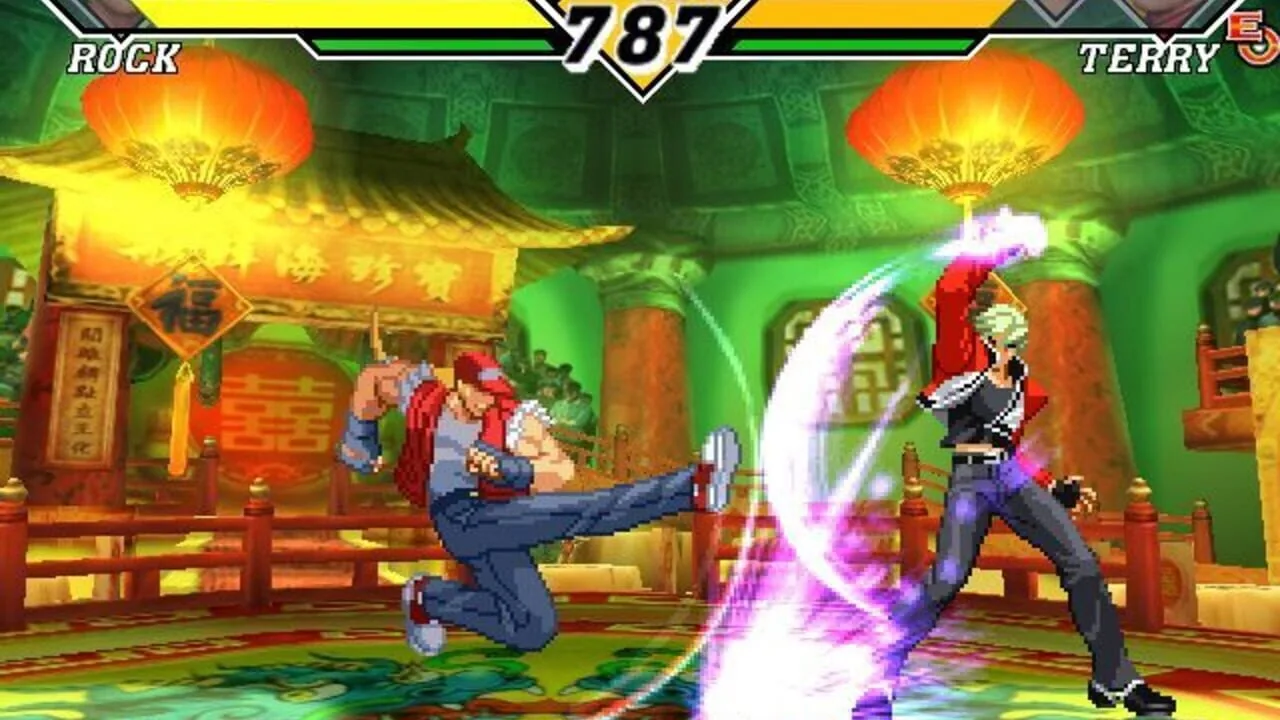
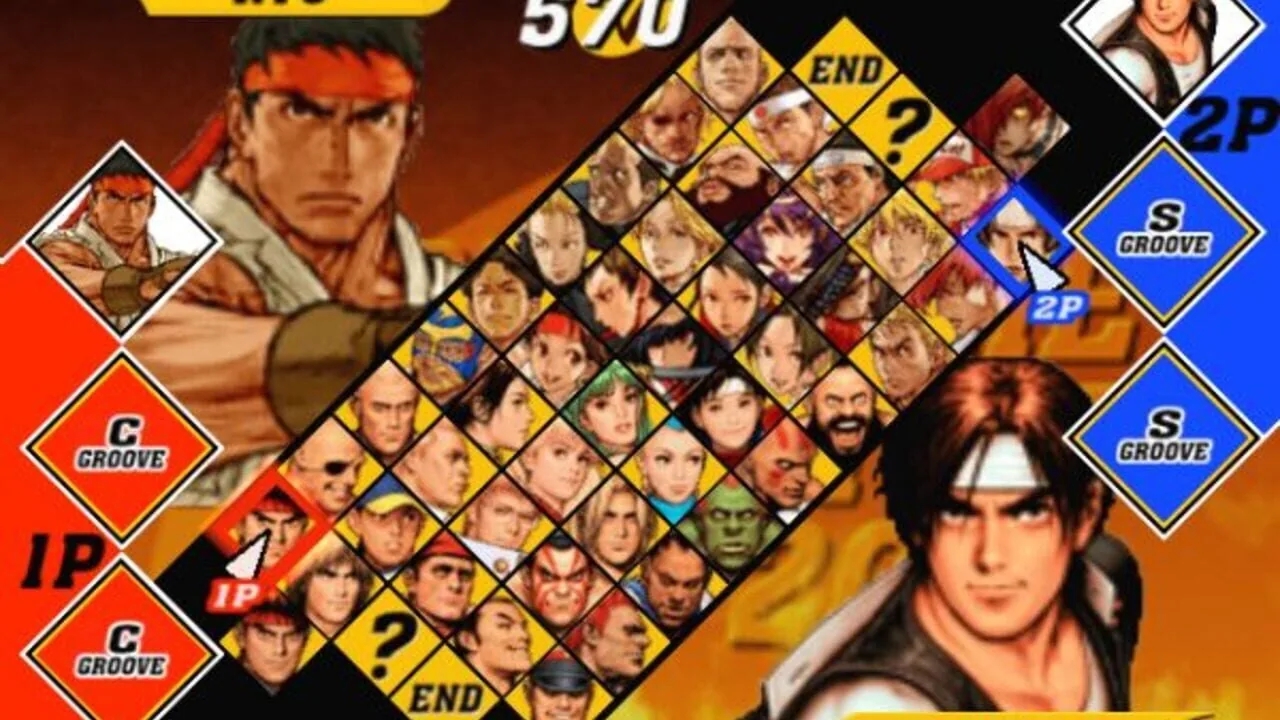
Capcom vs. SNK 2 was directed by Hideaki Itsuno and first released on NAOMI hardware in arcades. Teams can now have a maximum of three characters, as opposed to four in the first game. The Groove system was augmented with four new systems of play based on various Capcom and SNK fighting games, and the number of buttons went up from the Neo Geo standard of four to the six button system first seen in Street Fighter.
The console versions came out in Japan for the Dreamcast and PlayStation 2 on September 13, 2001. It was the first game ever to support online cross-platform play between two competing game consoles, although Dreamcast online cross-play with the PlayStation 2 was limited to Japan. Fighting with Ryu against a Japanese PS2 player from a Dreamcast is still a strange thing to read.
10. Street Fighter III: 3rd Strike (2000)
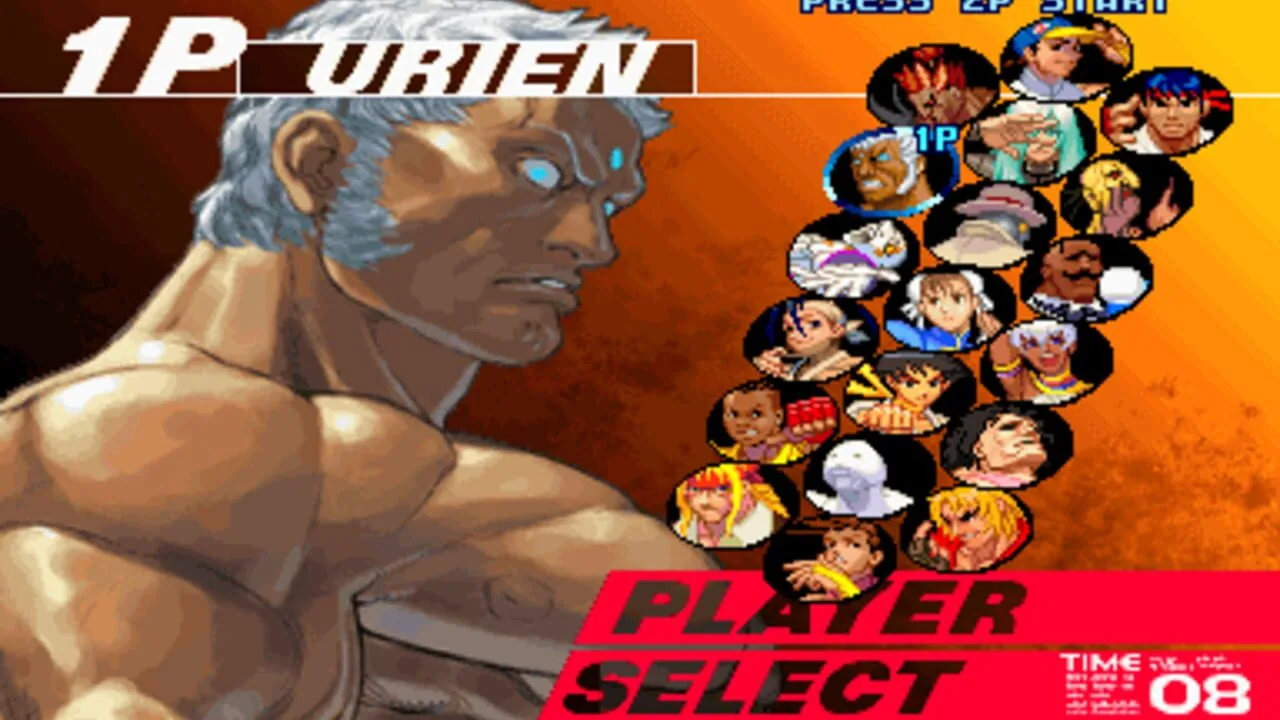
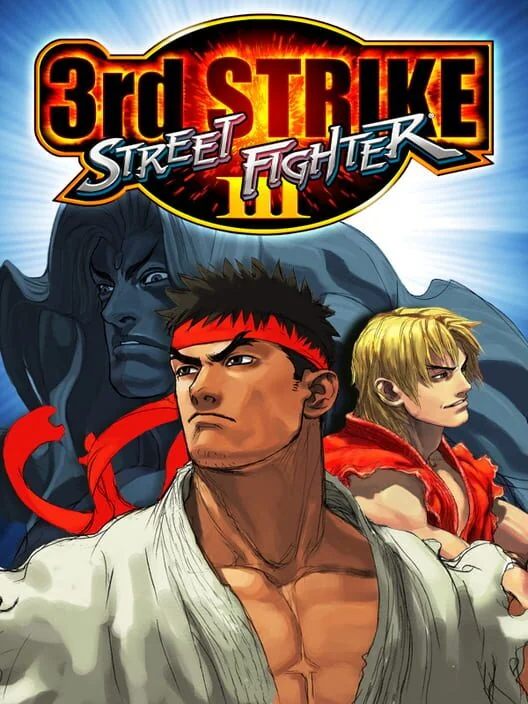
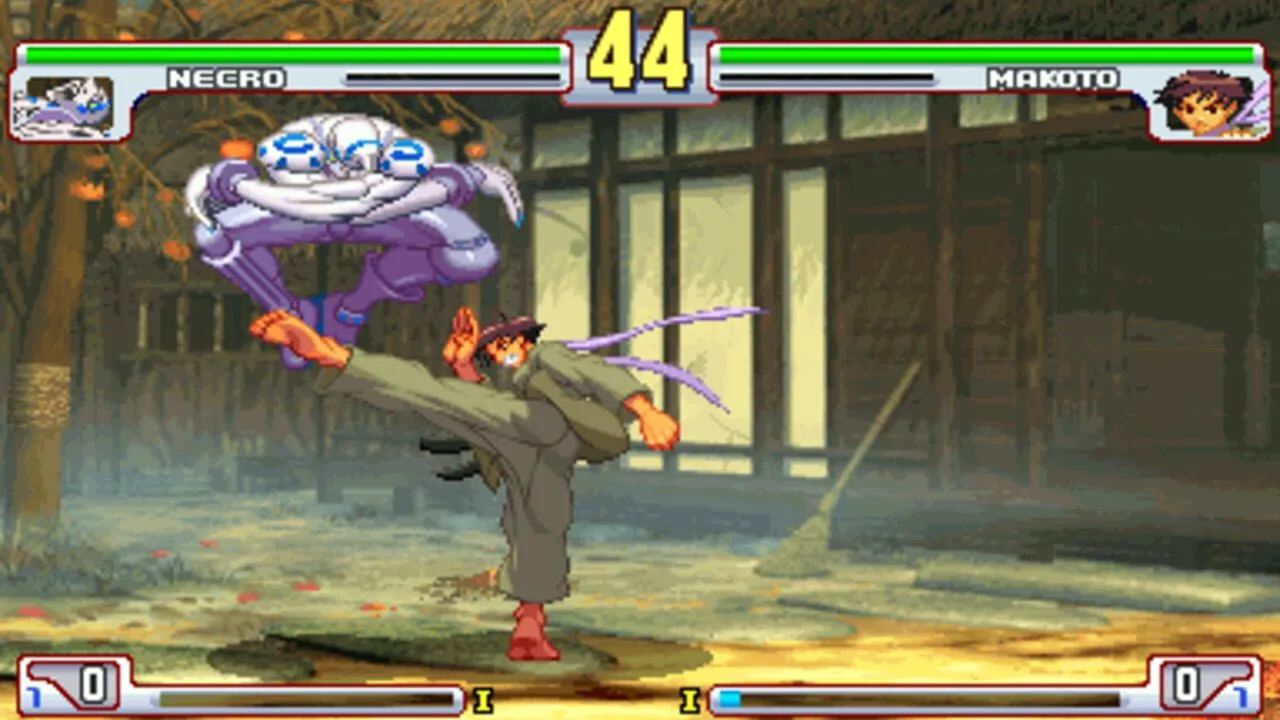
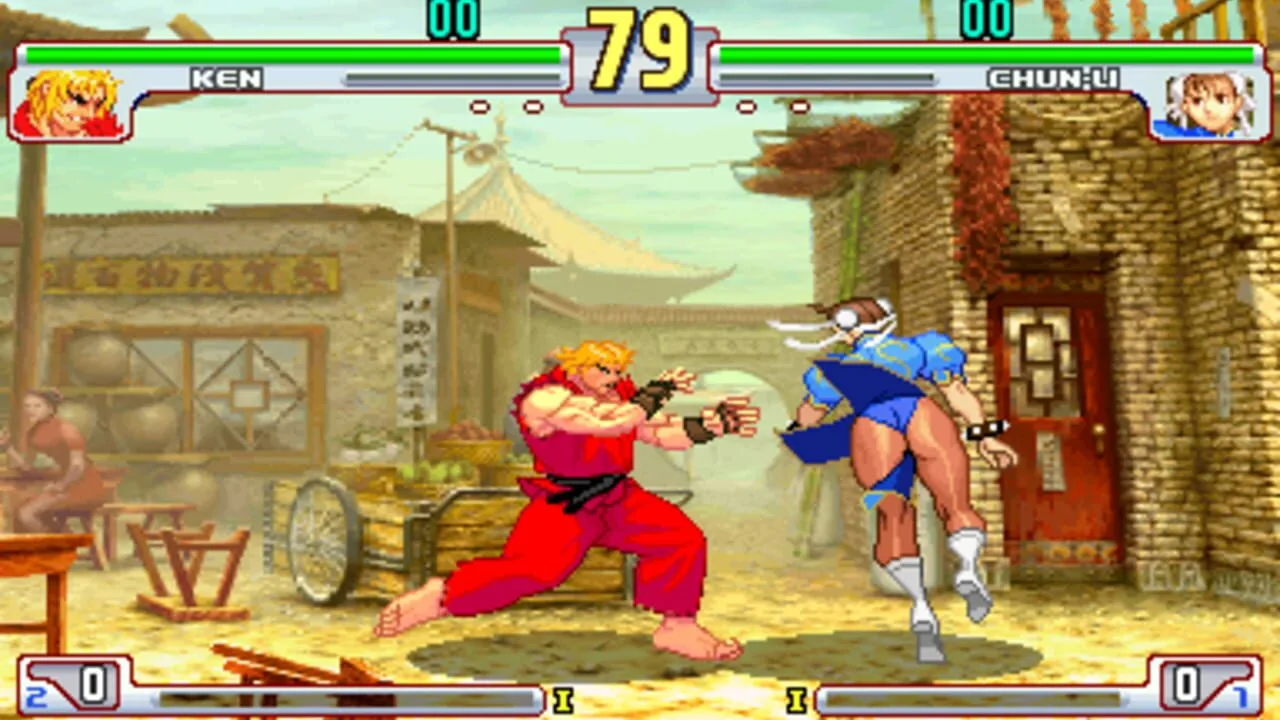
3rd Strike was not very popular upon release, but it gained positive reviews and eventually a large cult following years after release. The Dreamcast version was released in 2000. It has Arcade, Versus, Training (with normal and parry training) and Options modes, plus a "System Direction" mode that lets you adjust several of the game's features. Gill can be selected by the player, but only after fulfilling certain requirements.
All of the returning characters were given new stages and endings, and most got new voice actors. The new faces include Remy, a long-haired fighter from France, and Twelve, a shapeshifting soldier. The game also grades the winner of every match with its "Judgement System", based on offense, defense, techniques and extra points. It is a fighting game that hands out report cards, which is either motivating or upsetting.
9. Tech Romancer (2000)
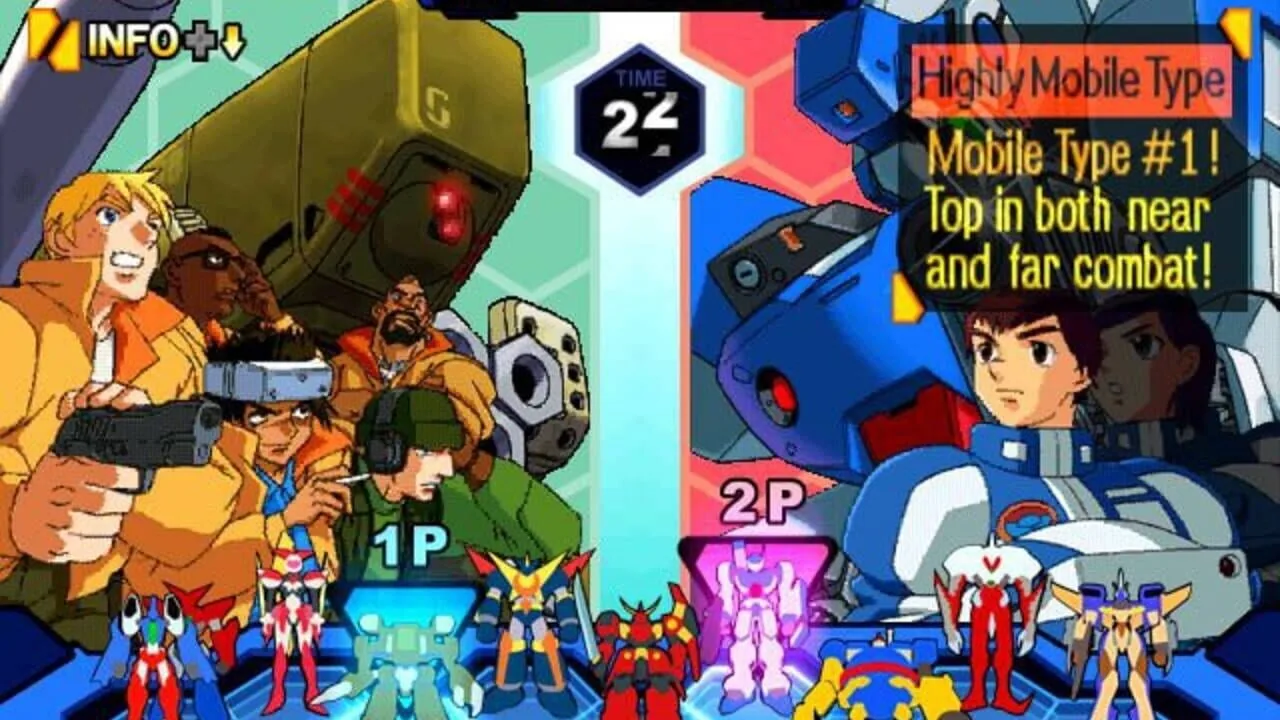
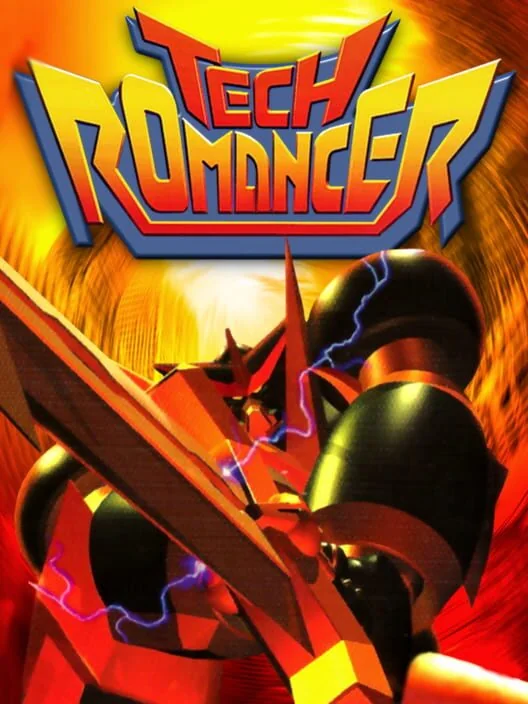
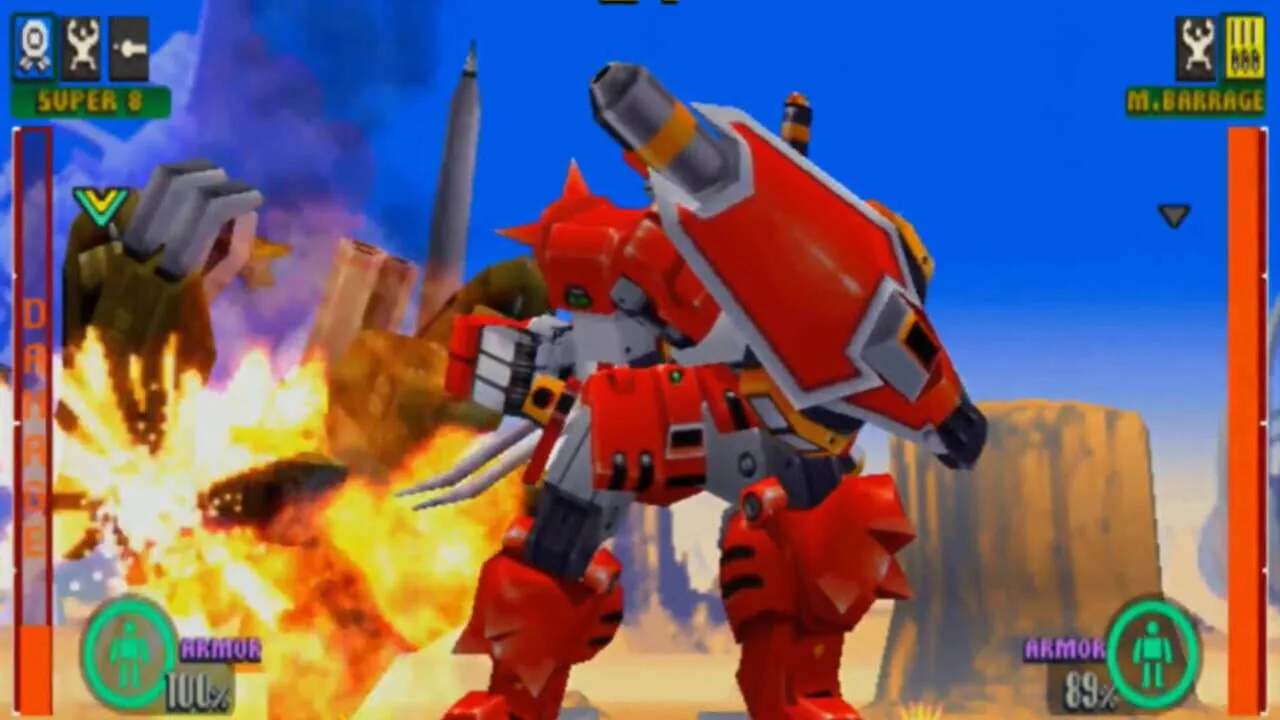
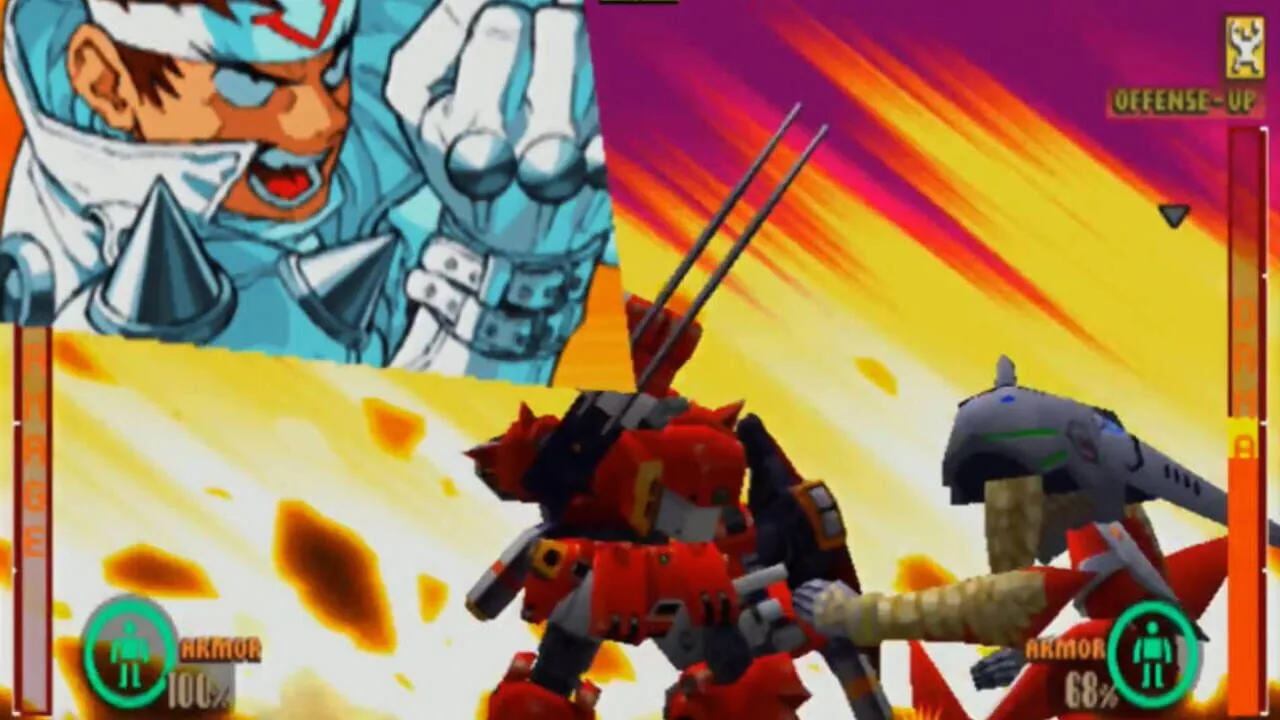
Tech Romancer is a robot fighting game that started in arcades and was later ported to the Dreamcast console. It is set in a far future of Earth, and it plays like an anime where every episode is a fight. Destroying the terrain releases power-ups, including weapons, armor or life, and a Hero Mode powerup that makes your mecha's attacks stronger. Various hidden mecha and pilots can only be used in Hero Challenge Mode.
In Japan, it was re-released as "Choukou Senki Kikaioh For Matching Service" because of its online functionality. Famitsu gave it 29 out of 40. GameSpot's James Mielke described the game as "a combination of great graphics and solid fighting fun", and Next Generation summed it up with "It's not often when we get to step into our favorite anime and beat some metal ass."
8. Ready 2 Rumble Boxing (1999)
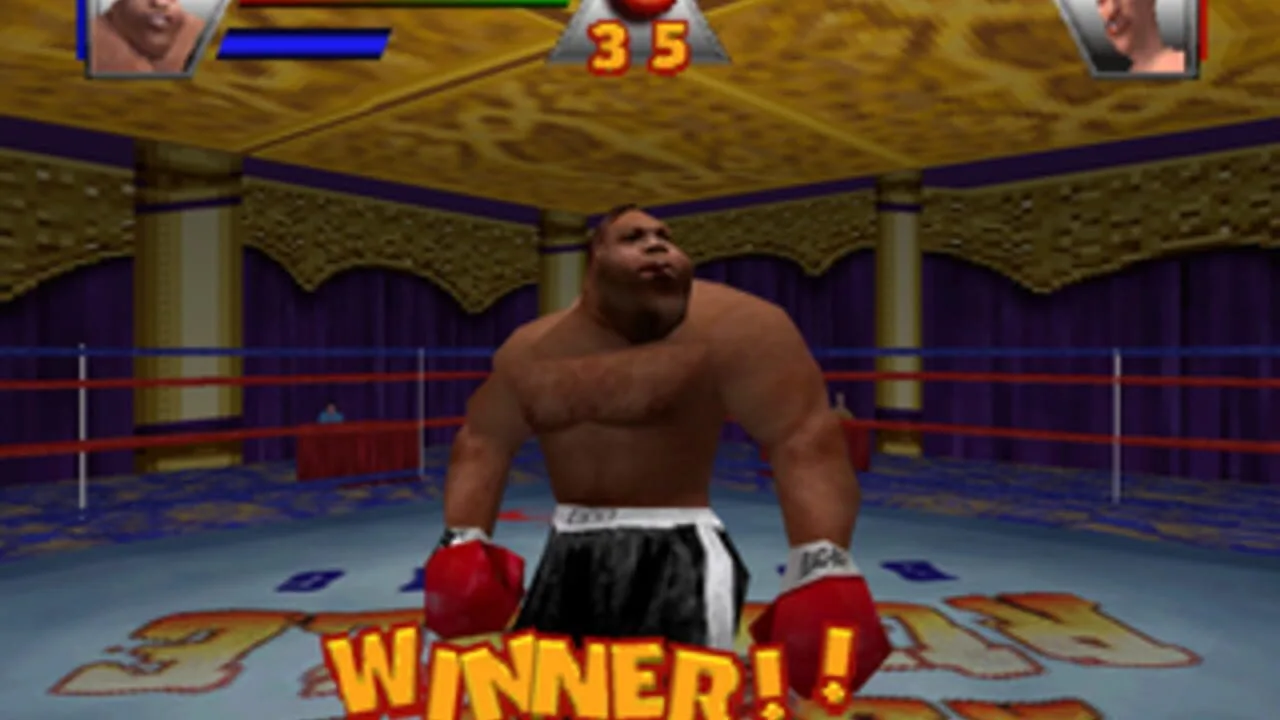
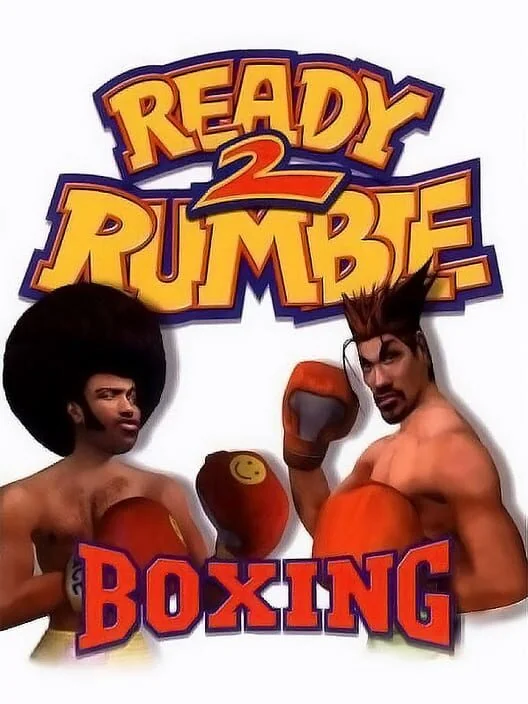
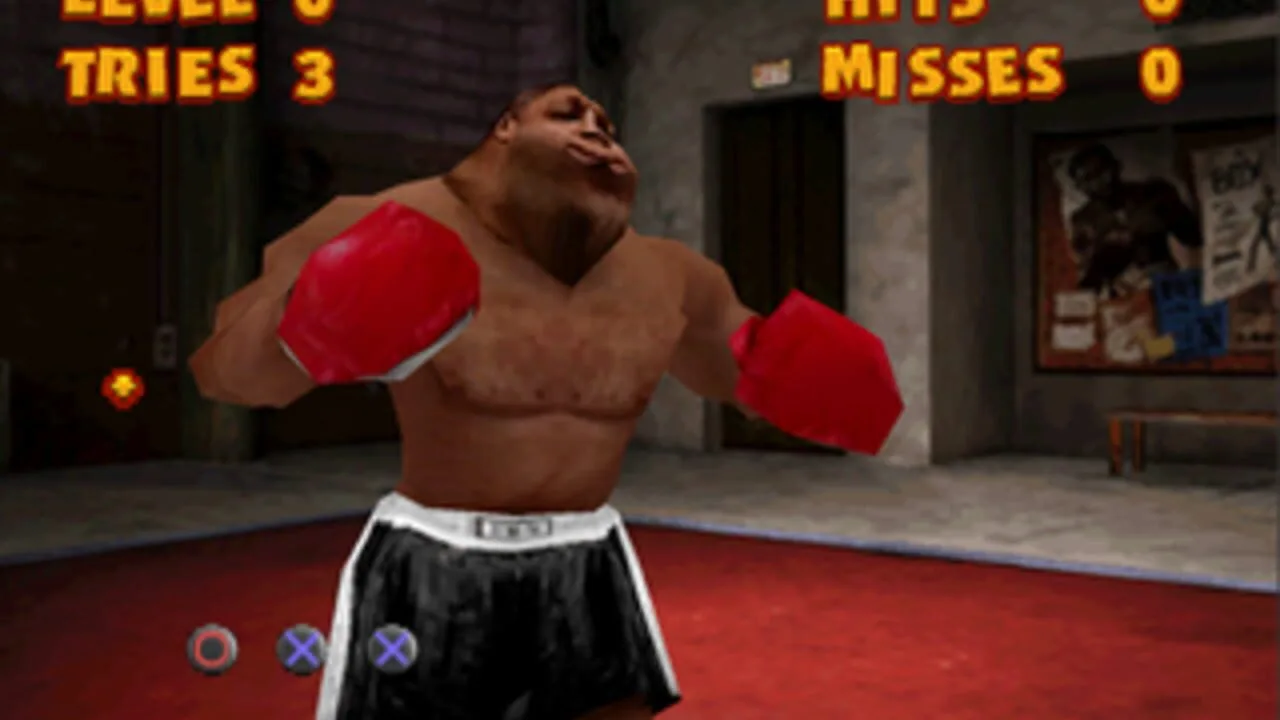
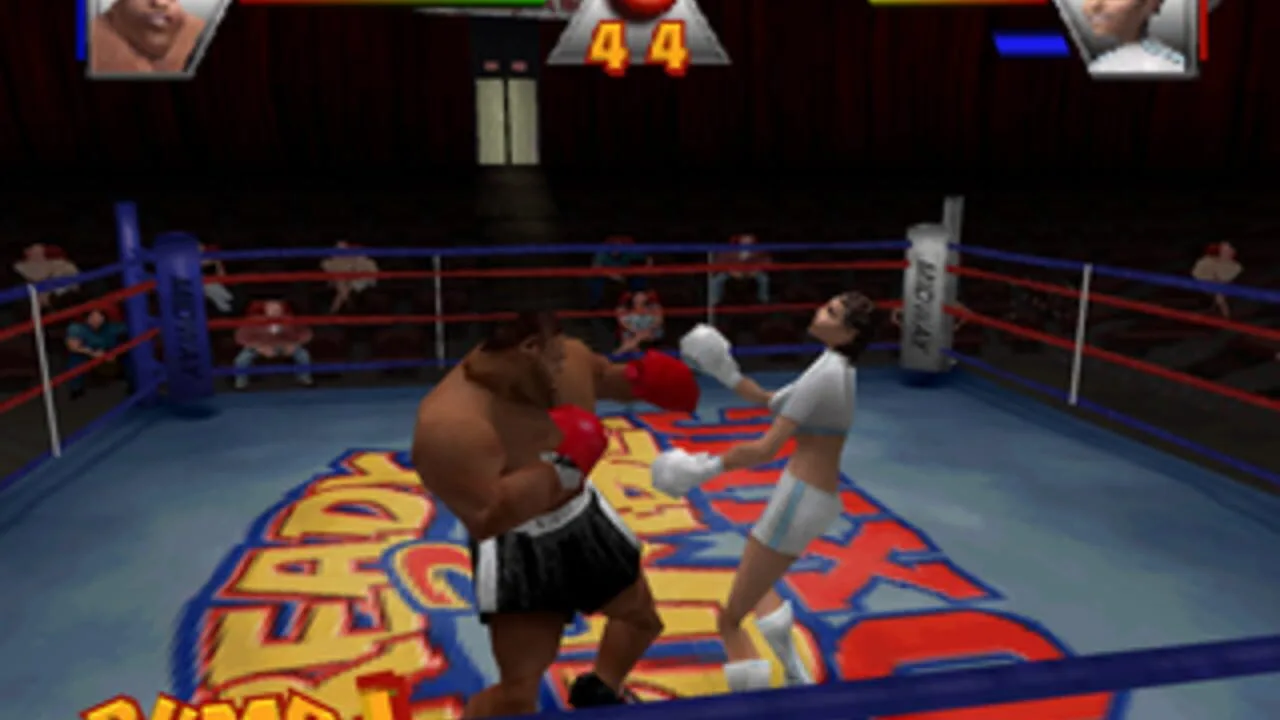
Ready 2 Rumble Boxing was developed for the Dreamcast using PCs equipped with 3dfx graphics cards. Like Nintendo's Punch-Out!! series, it has many characters with colorful personalities, and ring announcer Michael Buffer appears in the game as himself. Ports for the Nintendo 64 and PlayStation came out in November 1999, and it was followed by Ready 2 Rumble Boxing: Round 2 in 2000.
Players remember it as a great time on the Dreamcast. Reviewers liked it too, and European reception of the Dreamcast version was highly positive. One review put its only flaw well: "the game is easy to beat, and once you're done, you're done." For a boxing game built around big personalities, that is fair.
7. Marvel vs. Capcom: Clash of Super Heroes (1999)
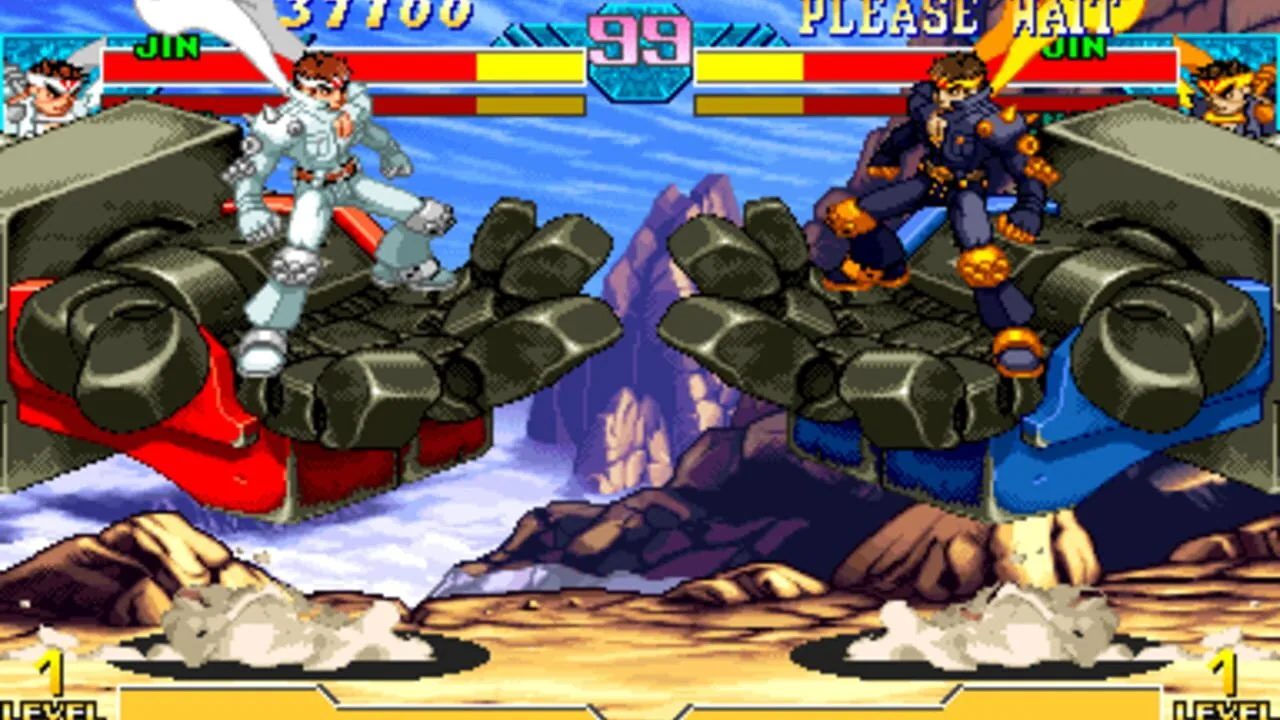
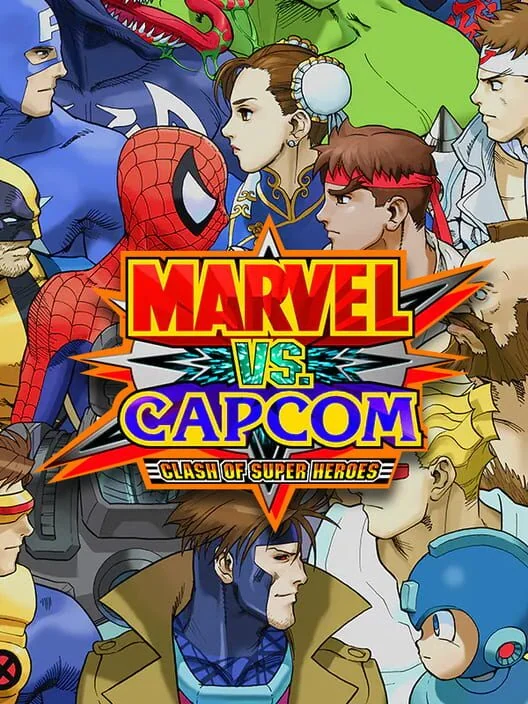
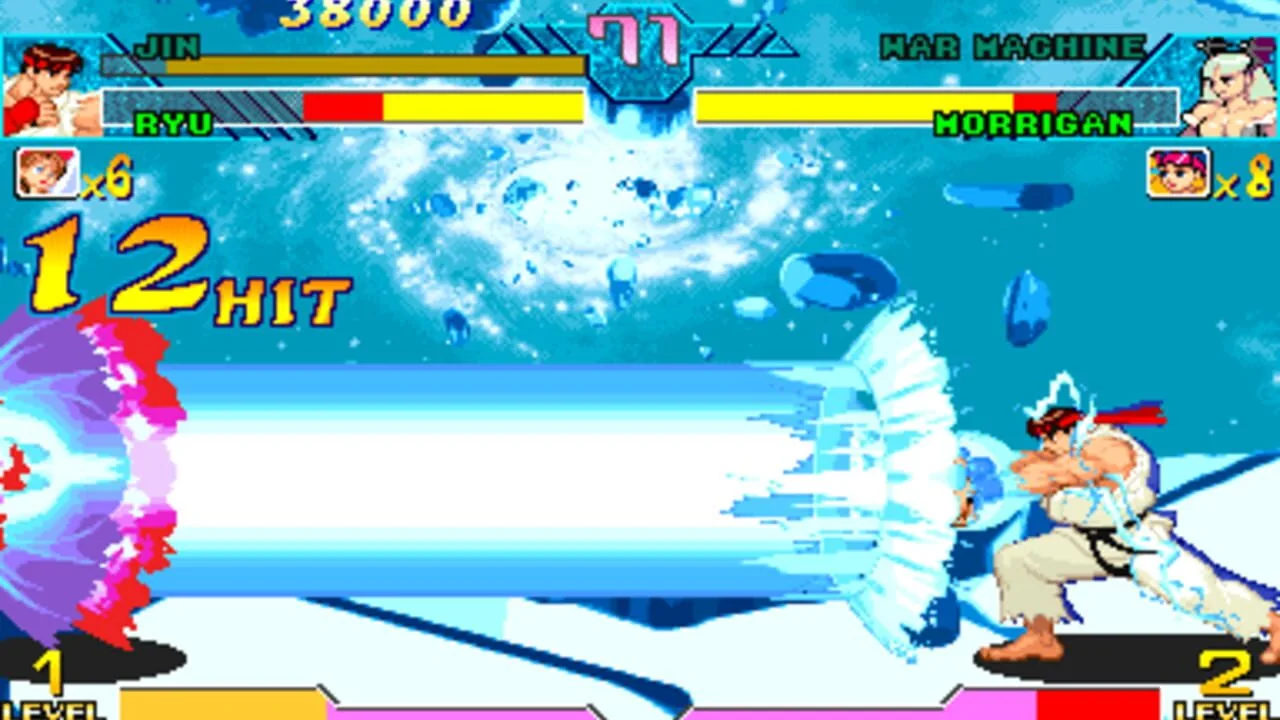
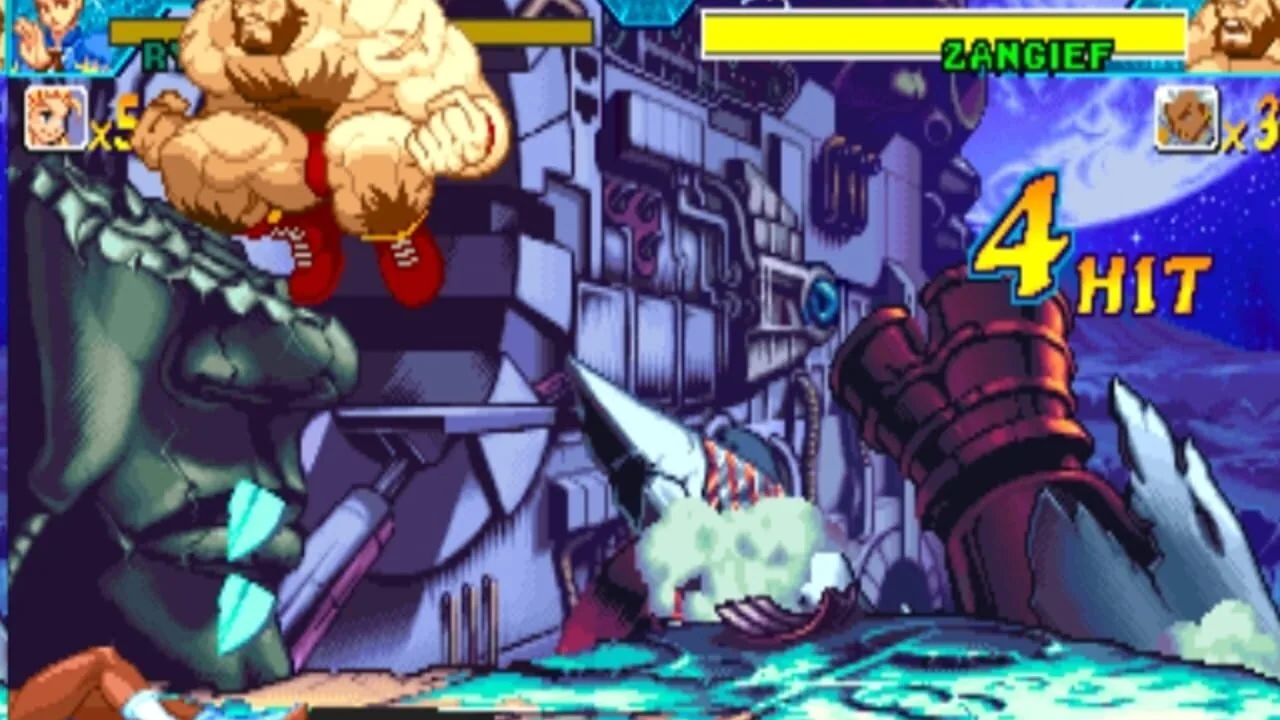
The first Marvel vs. Capcom is a 1998 crossover fighting game Capcom made for the CP System II arcade system. Earlier games in the series used only Street Fighter characters from the Capcom side. This one features characters from numerous Capcom video game franchises, rather than strictly Street Fighter characters.
The game was ported to the Dreamcast and PlayStation in 1999. The Dreamcast version was praised for its visuals, gameplay, and translation of the original arcade experience, and the PlayStation port received slightly less positive reviews than the Dreamcast version. It is the game that gets overshadowed by its sequel, which is a little like being the opening act for a band that sells out stadiums. It is still a great opening act.
6. Project Justice (2001)
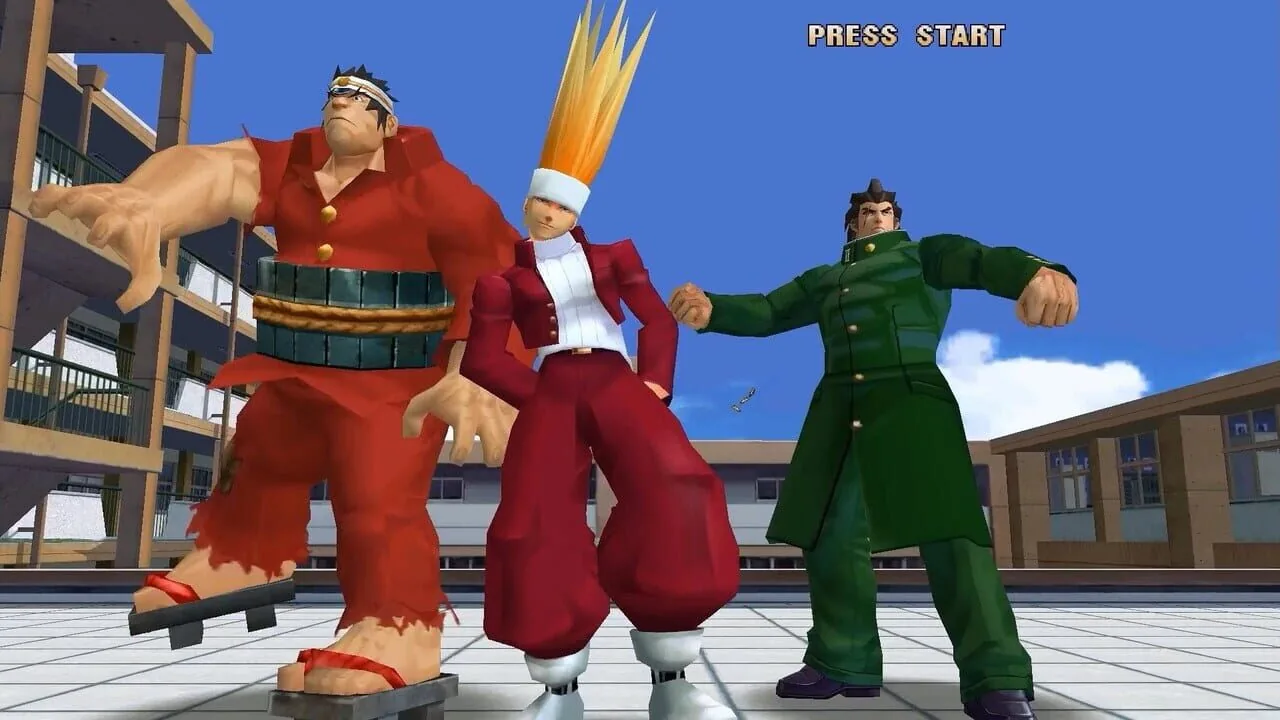
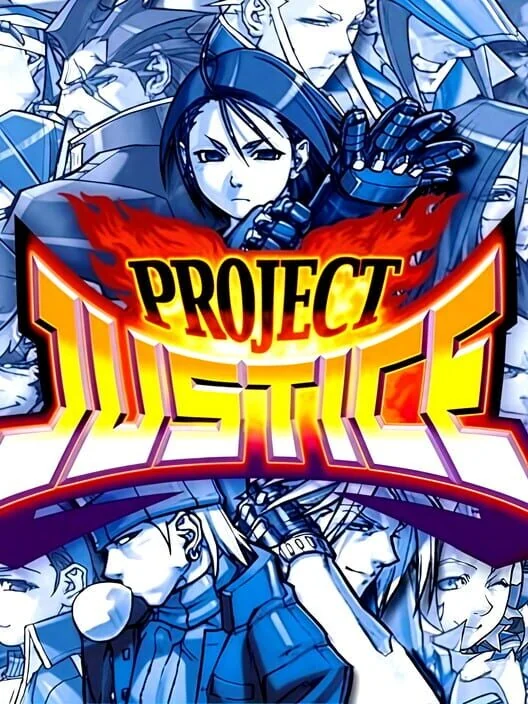
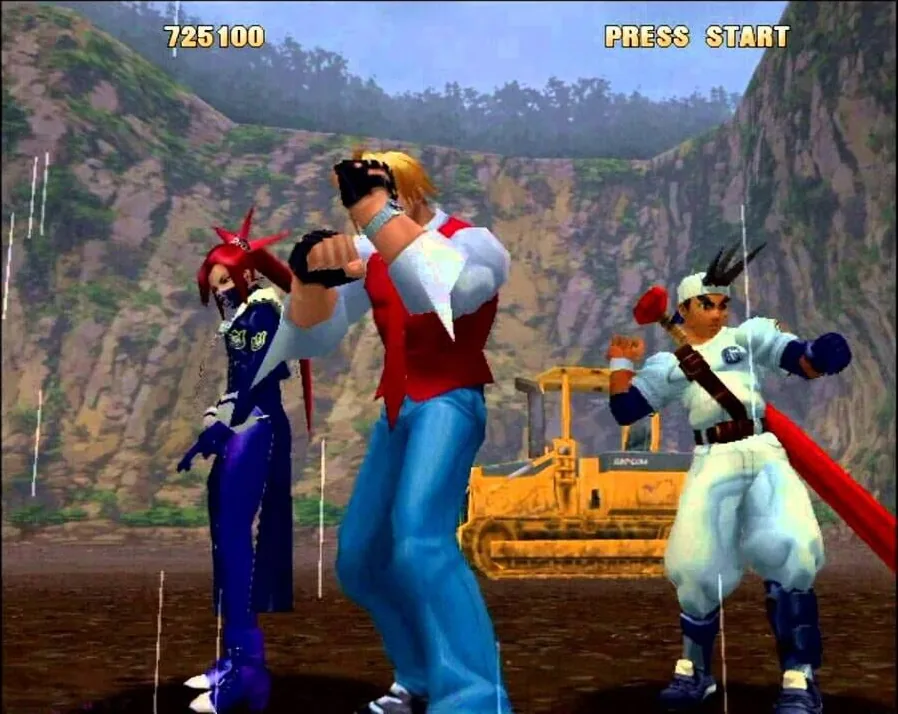
Project Justice is a 3D fighting game, the sequel to Rival Schools: United By Fate. The game is still a team fighter, but with teams of three characters instead of two. That allows a new attack, the Party-Up, a three-person attack that varies based on what school the character starting it is from. It came out on NAOMI and the Dreamcast in Japan first and around the world in 2001.
The Japanese Dreamcast version has a character creation board game that the other versions do not, because of the time it would take to translate the mode. Everyone else got several unlockable sub-characters instead. Players count Project Justice among their favorites.
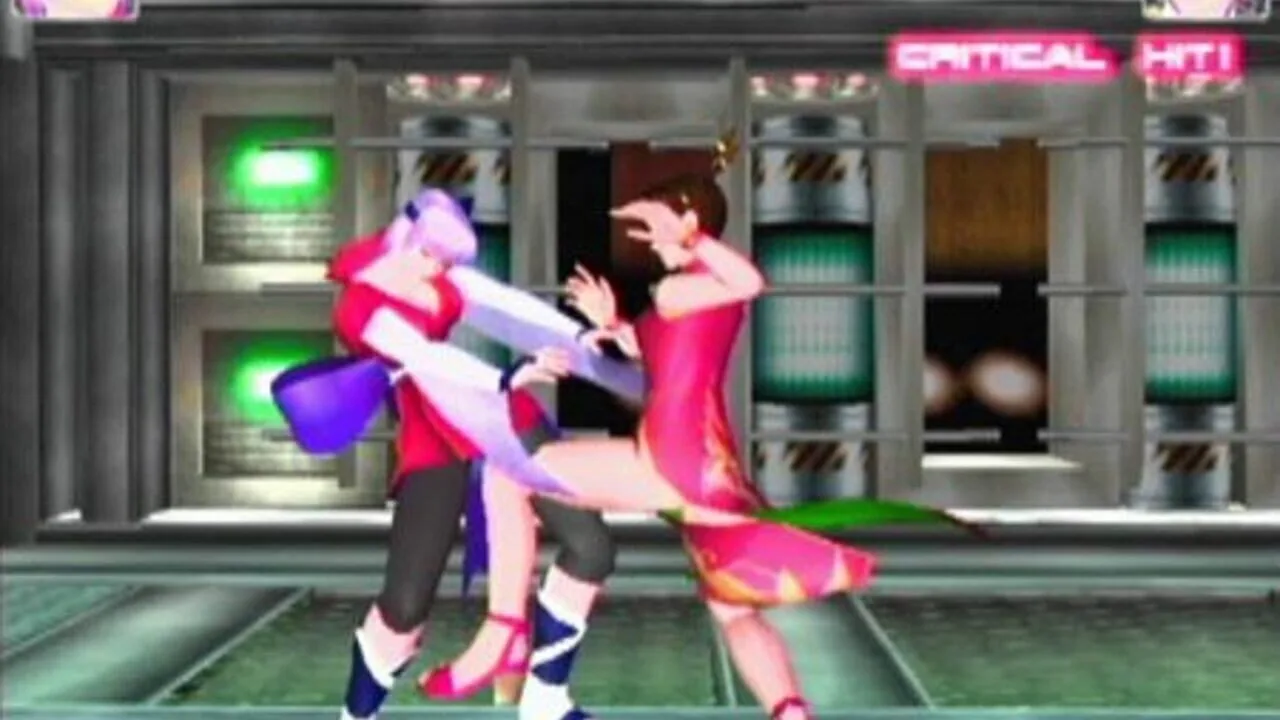
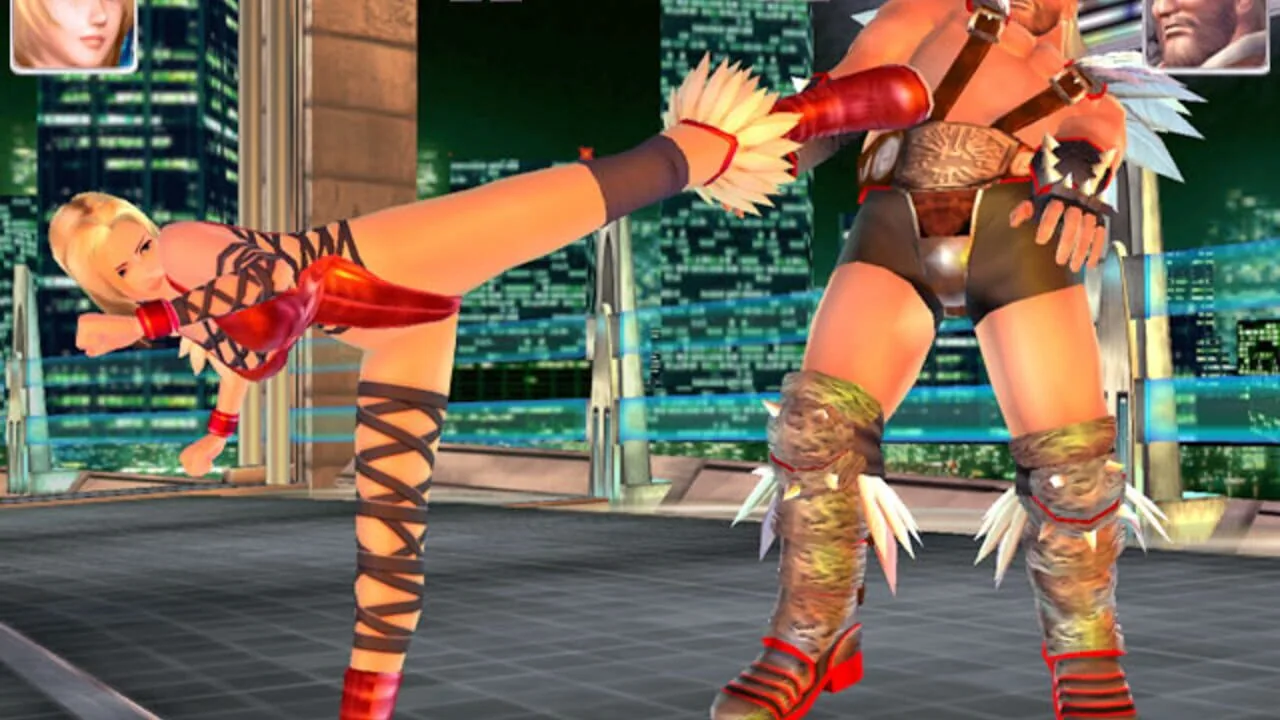
5. Dead or Alive 2 (2000)
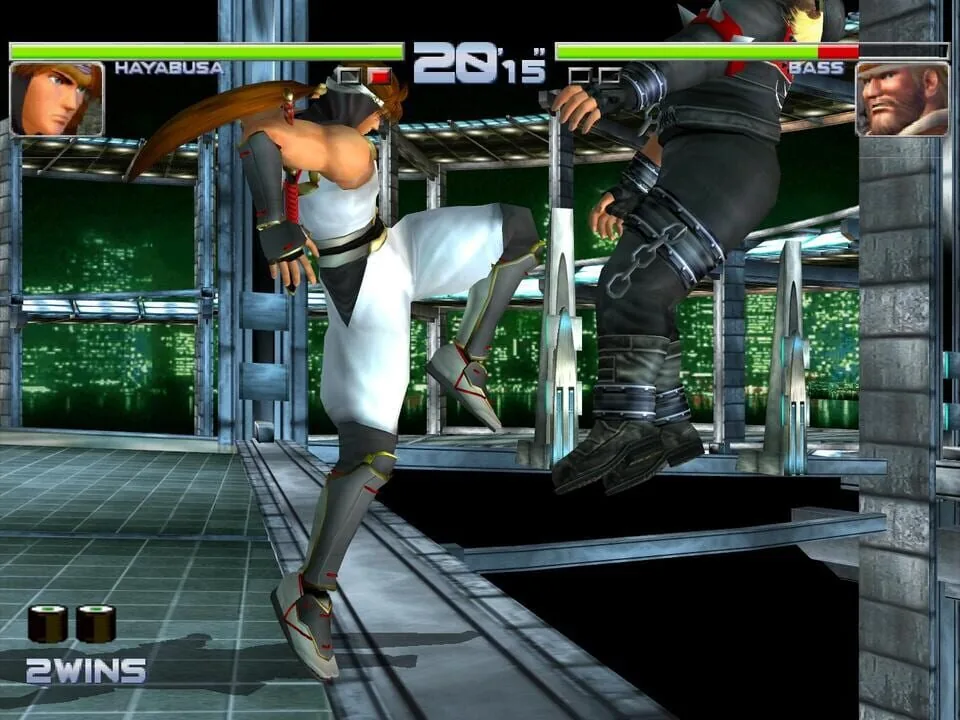
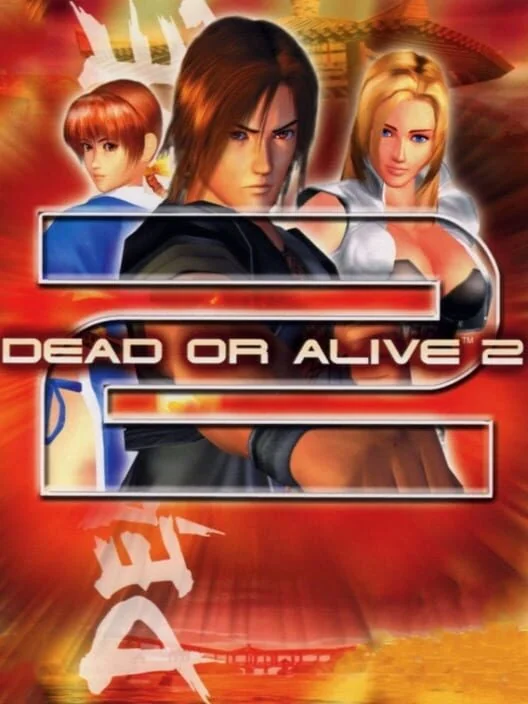
Dead or Alive 2 started in Japanese arcades and was ported to the Dreamcast and PlayStation 2 in 2000. It improved upon and popularized the concept of multi-tiered environments, and it ran on the Sega NAOMI hardware. You can juggle opponents into walls and knock them off landmarks for more damage. The Offensive Hold and Defensive Hold return, and the Defensive Hold lets you counter-damage an opponent.
By 2001, all versions combined had sold over 1.5 million units worldwide, and it is considered one of the greatest fighting games of all time. Players still hold it up as proof of how far ahead of the PlayStation the Dreamcast looked.
4. Power Stone 2 (2000)
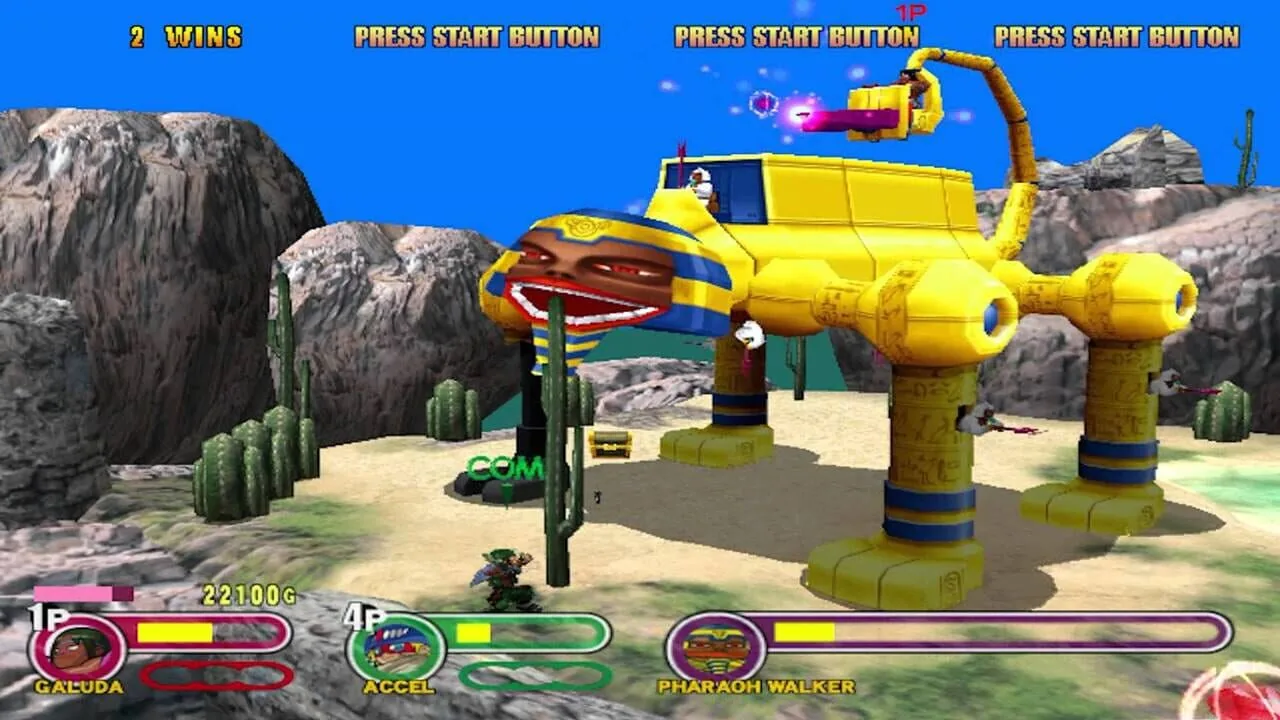
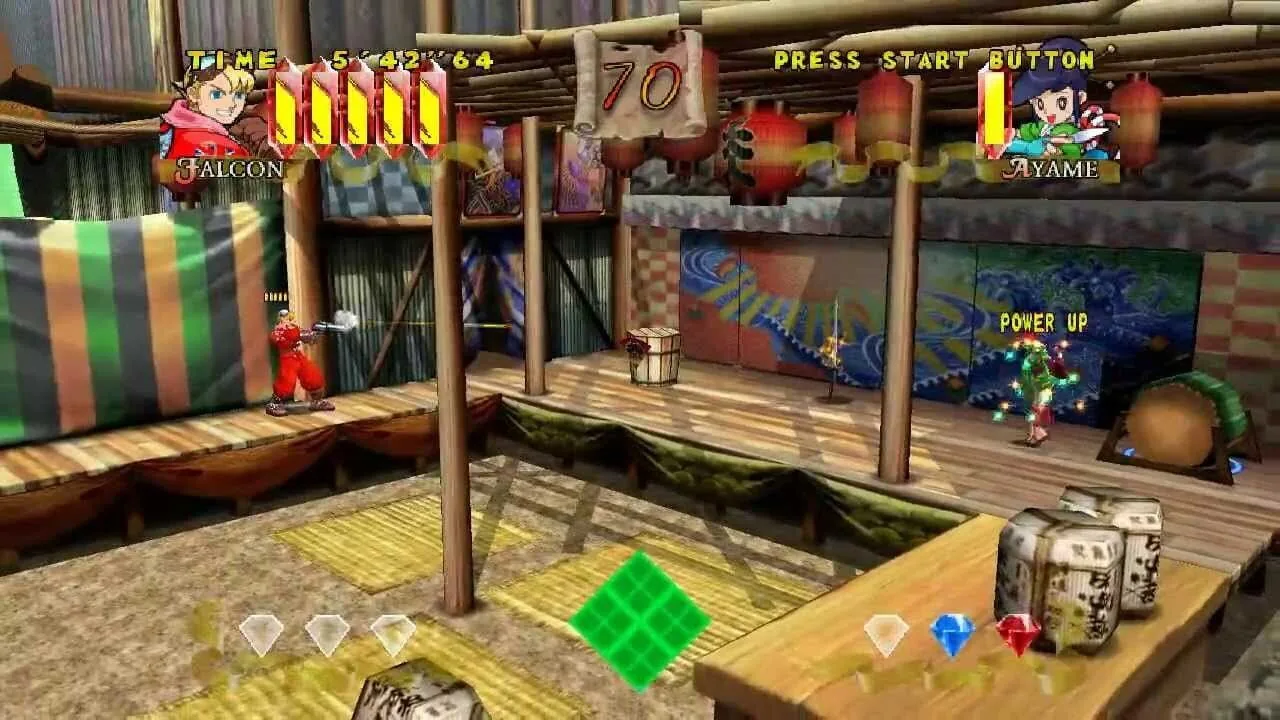
Power Stone 2 came out on the Sega NAOMI arcade system in April 2000, with a home port for the Dreamcast later that year. It built on the gameplay of the first game and changed a lot, from new character voices to a new, horizontal status bar. You cannot directly block incoming attacks, but you can dodge by tapping the control pad just before an enemy attacks. There are four different modes to play.
The Item Shop is where the game lasts. Many of the best or most entertaining items are available only there, so you keep playing to unlock more. Players loved it and played a ton of it with friends. Pride Falcon, Edward Falcon's father, is playable after unlocking him.
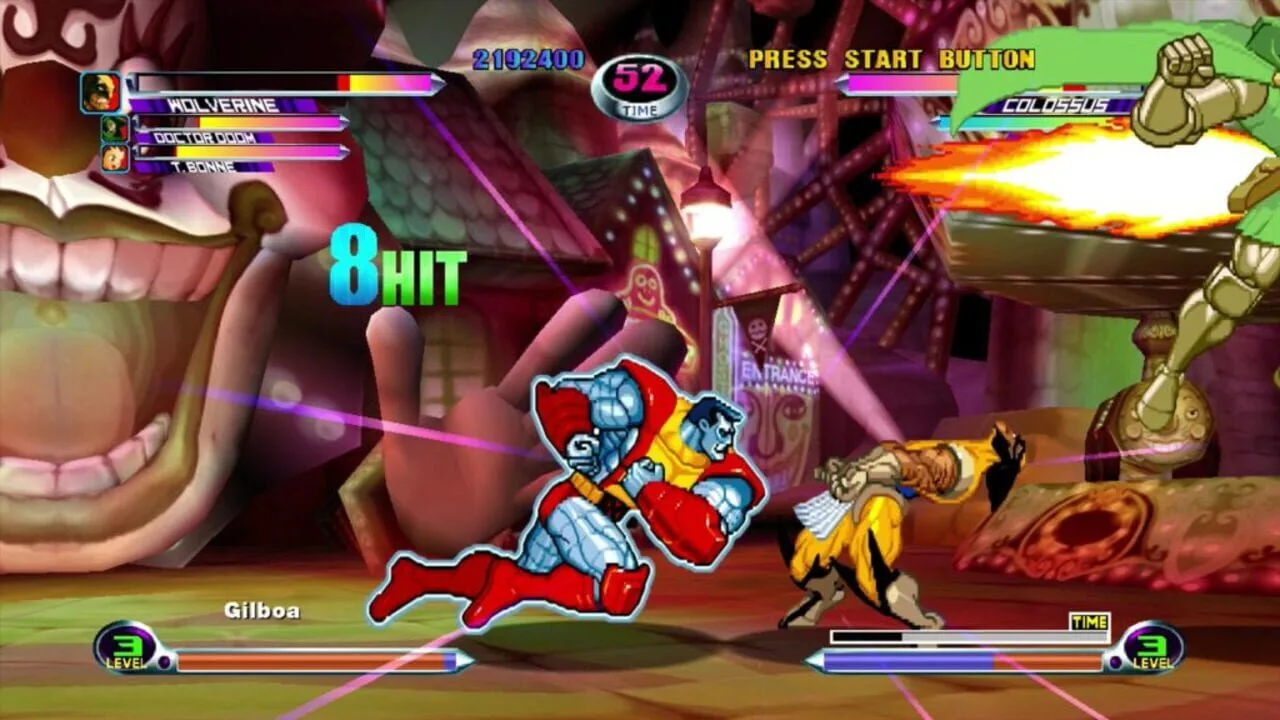
3. Marvel vs. Capcom 2: New Age of Heroes (2000)
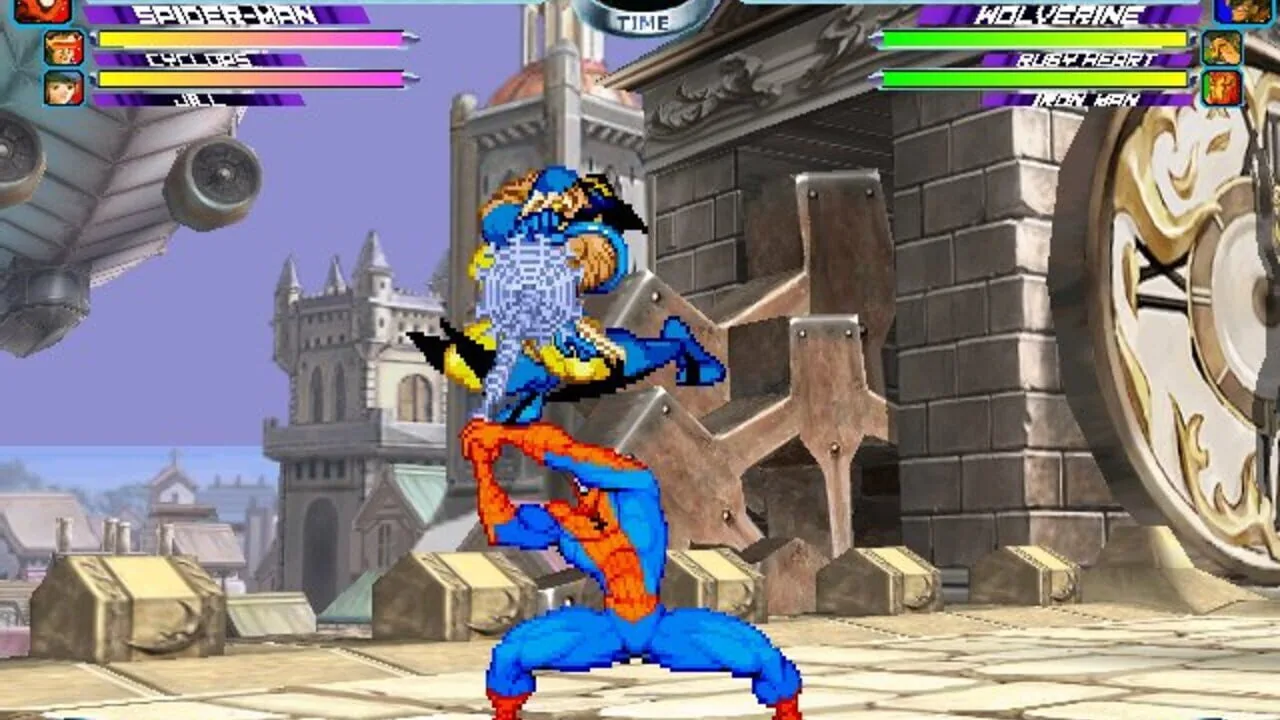
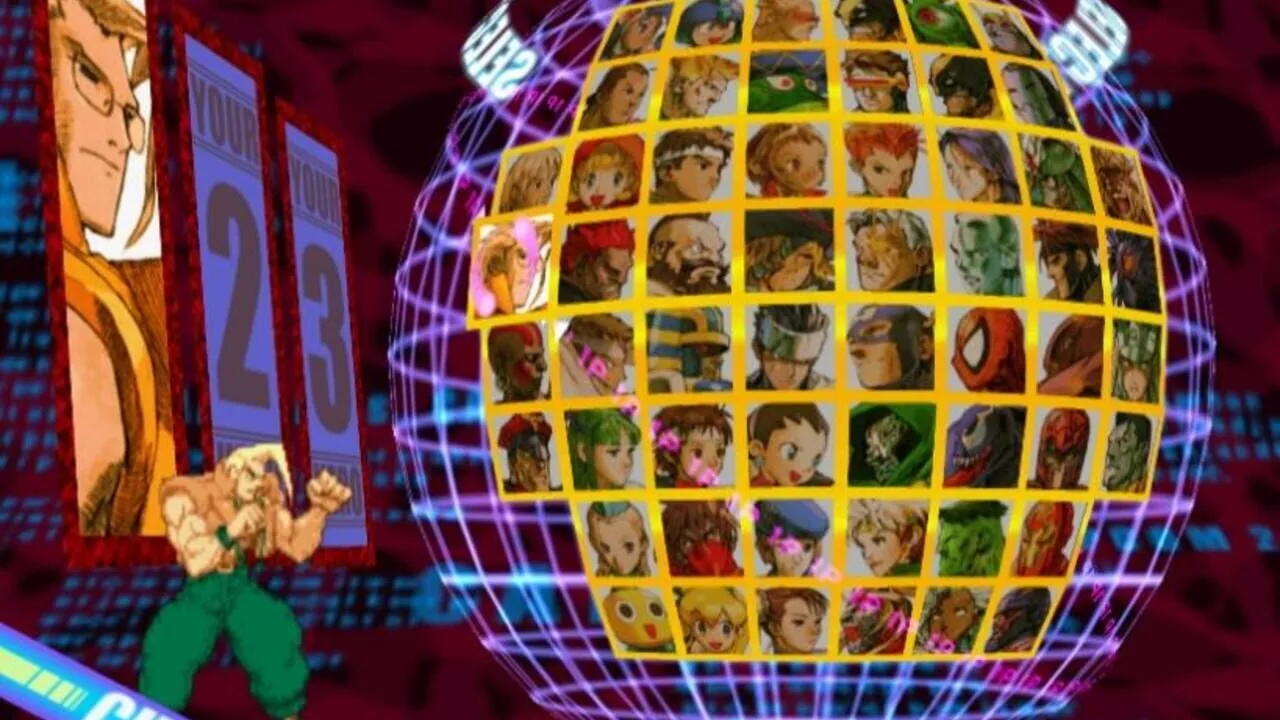
Marvel vs. Capcom 2 is a 2000 crossover fighting game Capcom developed for the Sega NAOMI arcade board and the Dreamcast. It was the first game in the series to feature 2.5D graphics, and its cast is enormous. It received critical acclaim for its frantic gameplay style, detailed backdrops and visuals. It was a runner-up for GameSpot's "Best Fighting Game" award of its year.
After it came out, Capcom lost the use of the Marvel Comics license, and the series went on a decade-long hiatus until Marvel vs. Capcom 3 in 2011. Players hold the Dreamcast version among the best fighting games they ever played. Any game that puts Servbot and Roll on the same roster as Zangief knows exactly what it is doing.
2. Power Stone (1999)
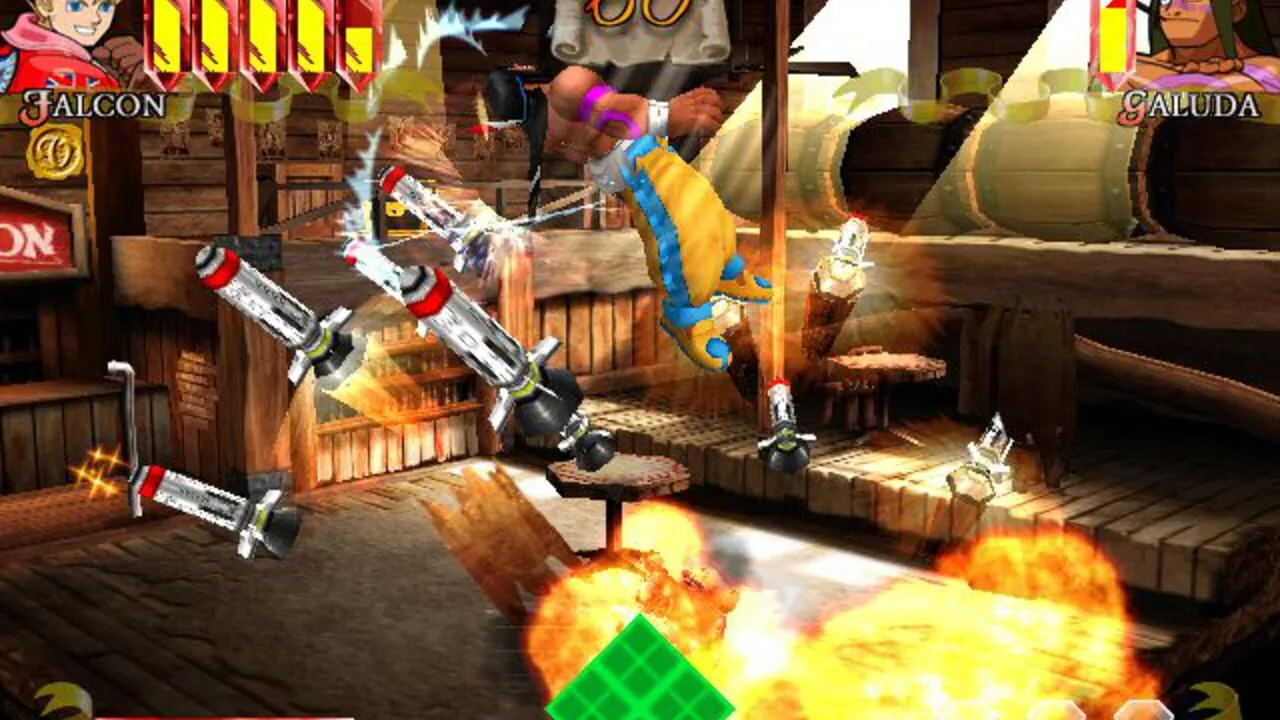
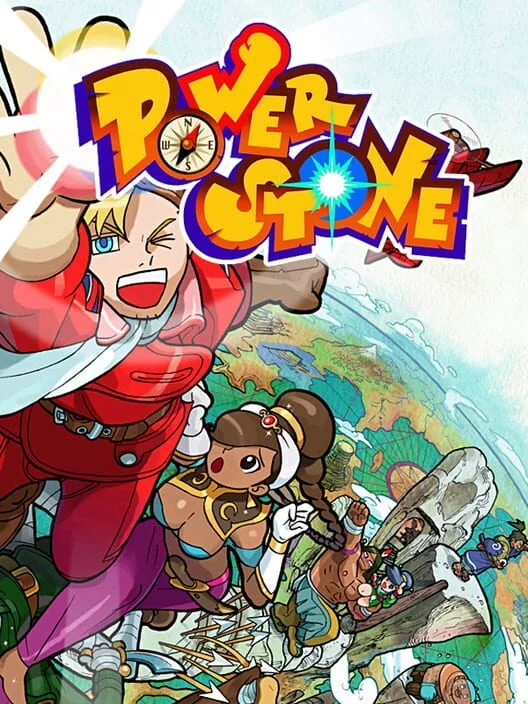
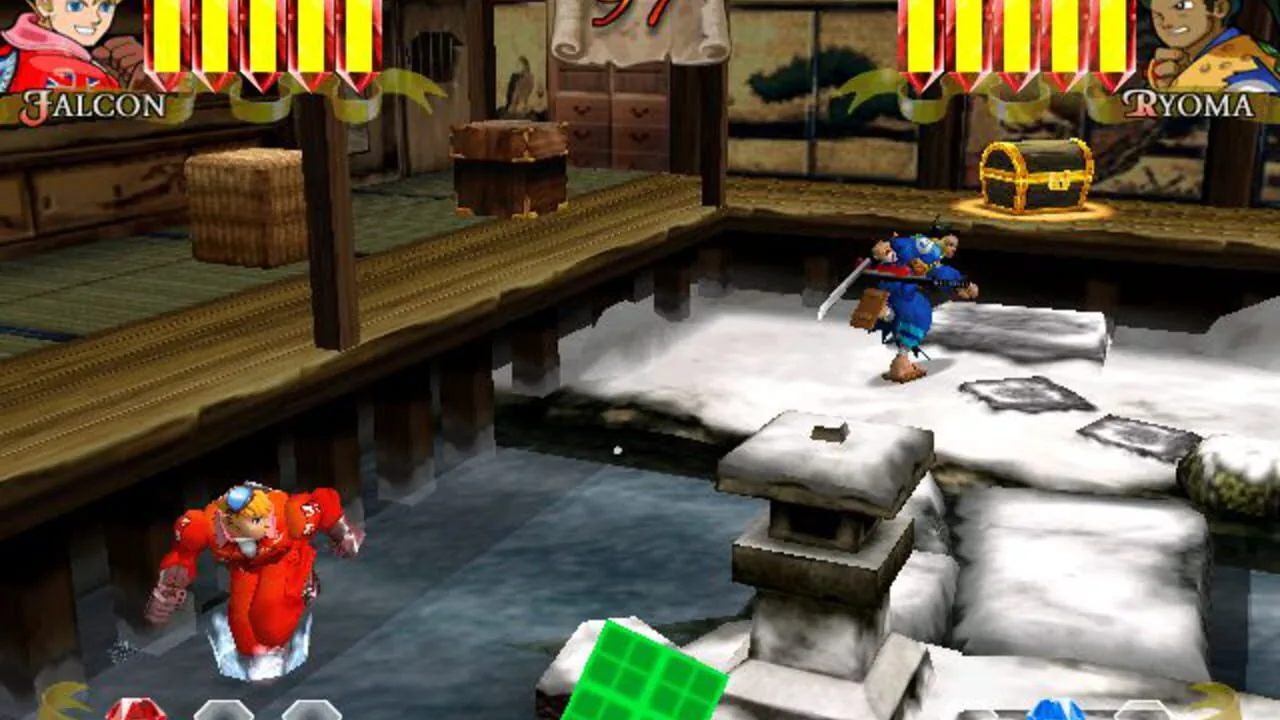
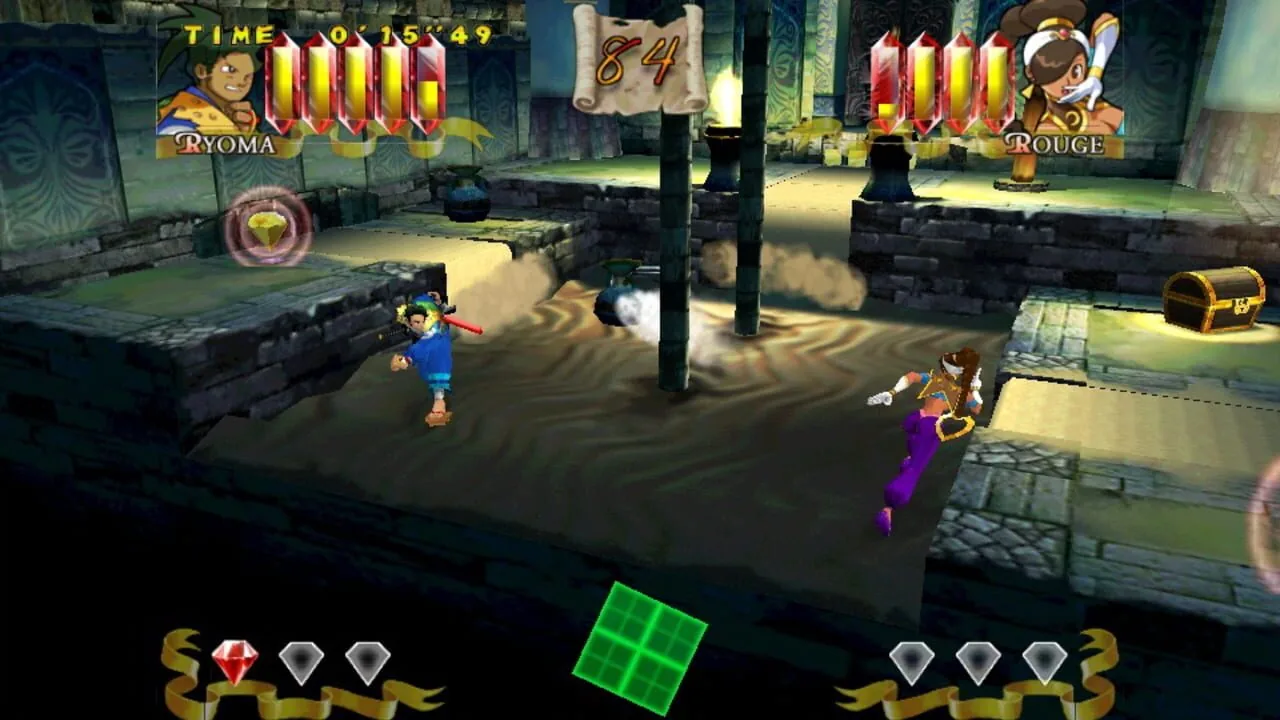
Power Stone is a 3D arena fighter. You pick a character and fight the others one at a time in various locales. Fill the power bar and your fighter changes into a powered-up form. The powered-up mode only lasts until the power bar is fully drained, and during it you can fire off a special attack or smaller special moves.
Both Power Stone games were later ported to the PlayStation Portable as Power Stone Collection in 2006. Wang-Tang's Power Fusions resemble moves from a Super Saiyan from Dragon Ball Z, which tells you a lot about who made this game and what they were watching. Players recommend it more than any other Dreamcast fighting game but one.
1. Soulcalibur (1999)
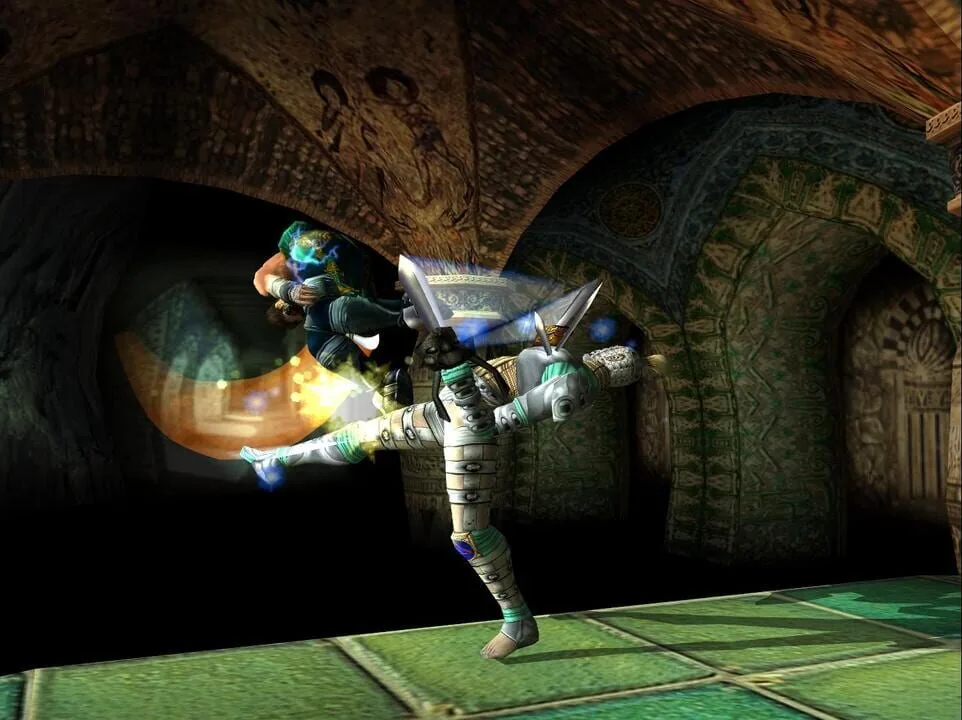
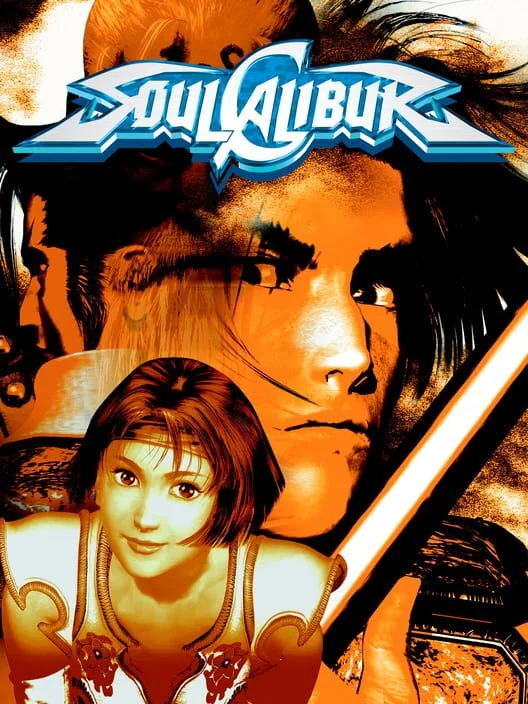
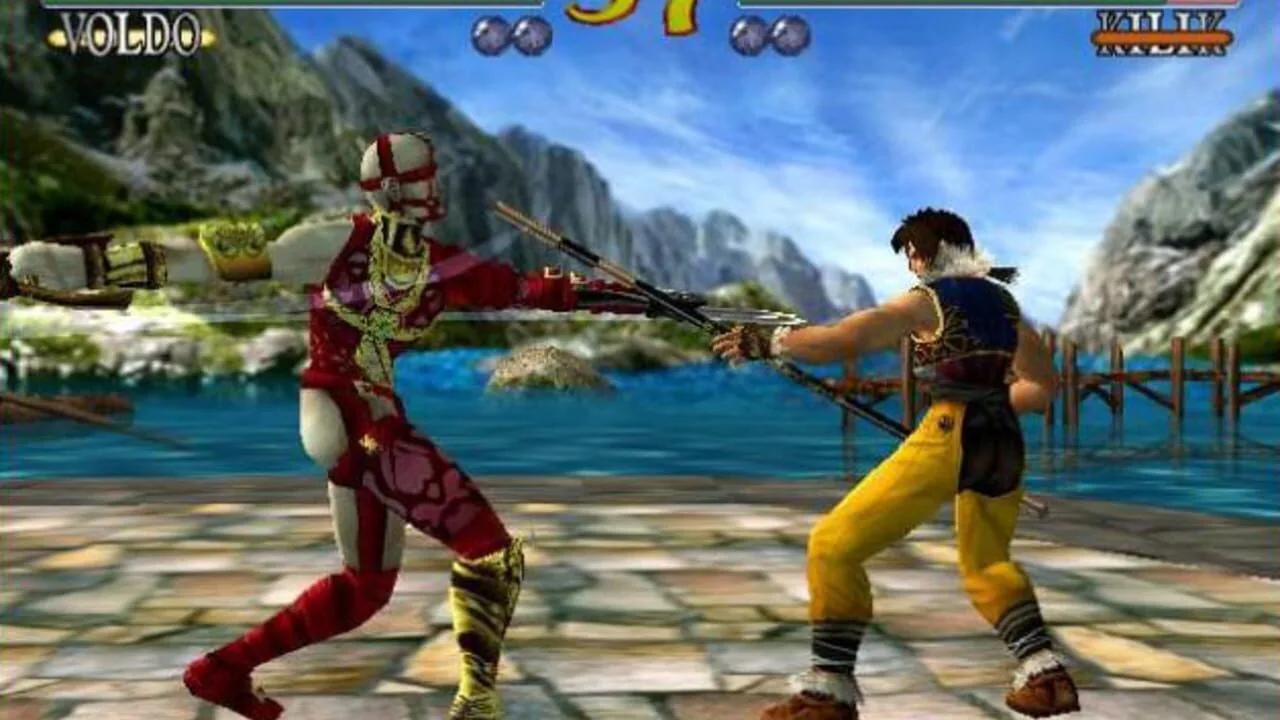
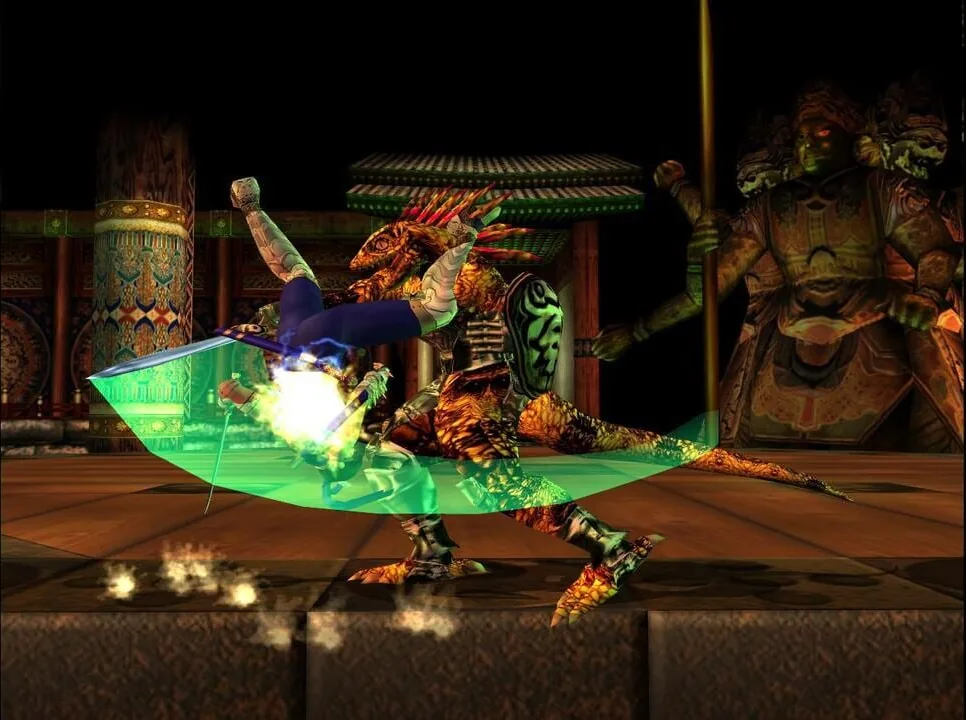
Soulcalibur is a weapon-based 3D fighting game developed by Project Soul and produced by Namco. It is the second game in the Soul series, after Soul Edge (1996). It first came out in arcades on July 30, 1998, and the Dreamcast port added new features and improved graphics. It is one of the few home console ports that outdid their arcade parent performance-wise, and it holds a 98 rating on Metacritic.
The North American version was released in September 1999 as a launch title for the Dreamcast. Its eight-way movement lets you walk around your opponent just by holding a direction. Players still talk about people beating it with the Dreamcast fishing controller, which may be the best compliment a fighting game ever got. Players recommend it more than any other Dreamcast fighting game.
Which one to play
There you have it, the whole list of the best Dreamcast fighting games. The top five are some of the best fighting games ever made.
If you are not sure where to start, play Soulcalibur. If you want classic 2D Street Fighter, 3rd Strike is the one. For a party with friends, put on Power Stone 2. If you like tag teams and chaos, Marvel vs. Capcom 2 is waiting. For 3D fighting with walls and ledges, try Dead or Alive 2. And for a hidden pick, Tech Romancer turns a robot anime into a fighting game.