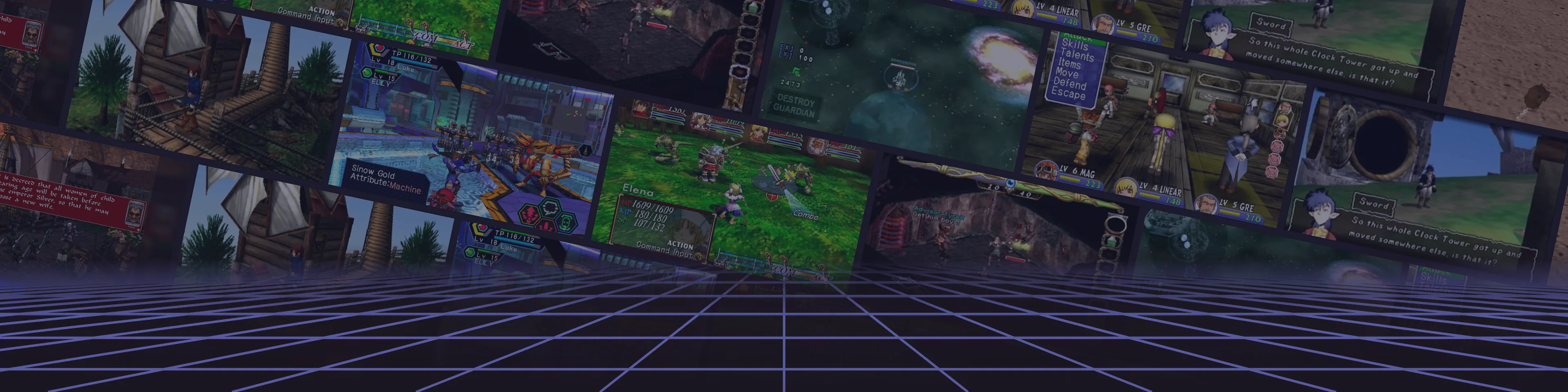
The Dreamcast had a slow start with role-playing games. The PlayStation already had a shelf full of them, and Sega's console spent its early days with very few. Before Silver came out, people hoped it would fill a gap in the catalog of role-playing games available on the Dreamcast.
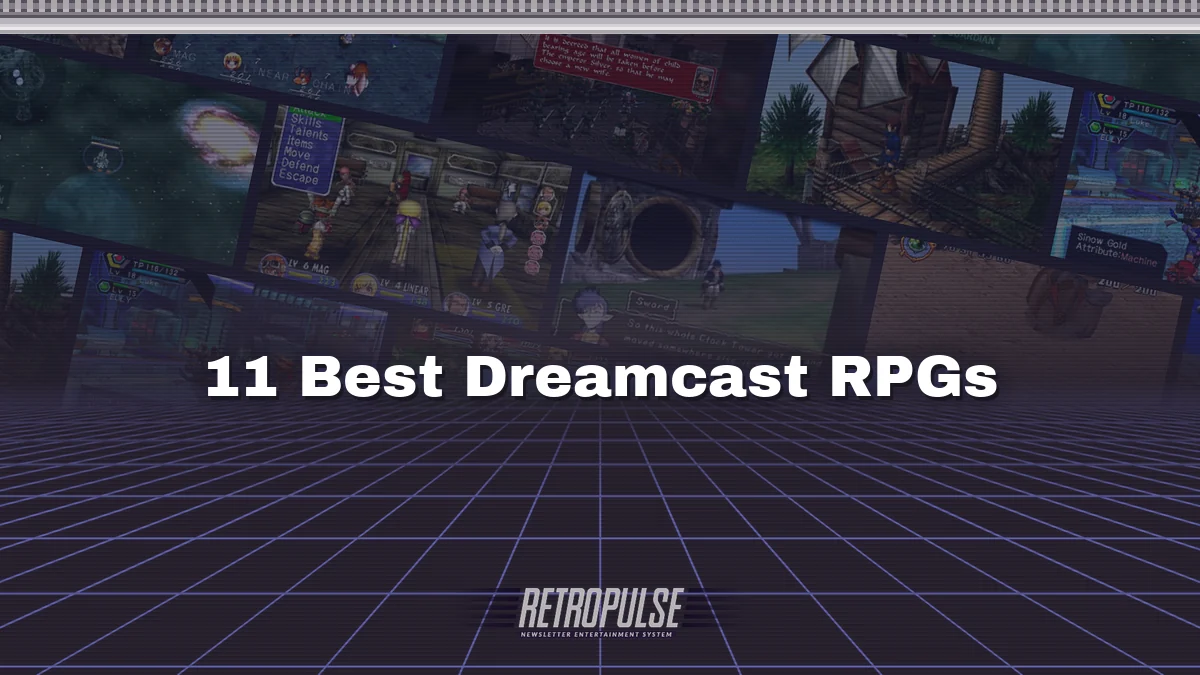
Then the good ones arrived. Sonic Team built an online RPG before high-speed connections were widely available. Game Arts took Grandia into full 3D. Smaller studios filled in the rest with stranger ideas, like a space shooter where your ship gets stronger and a game where you start life as a protist. Here are the 11 best Dreamcast RPGs.
11. Silver (2000)
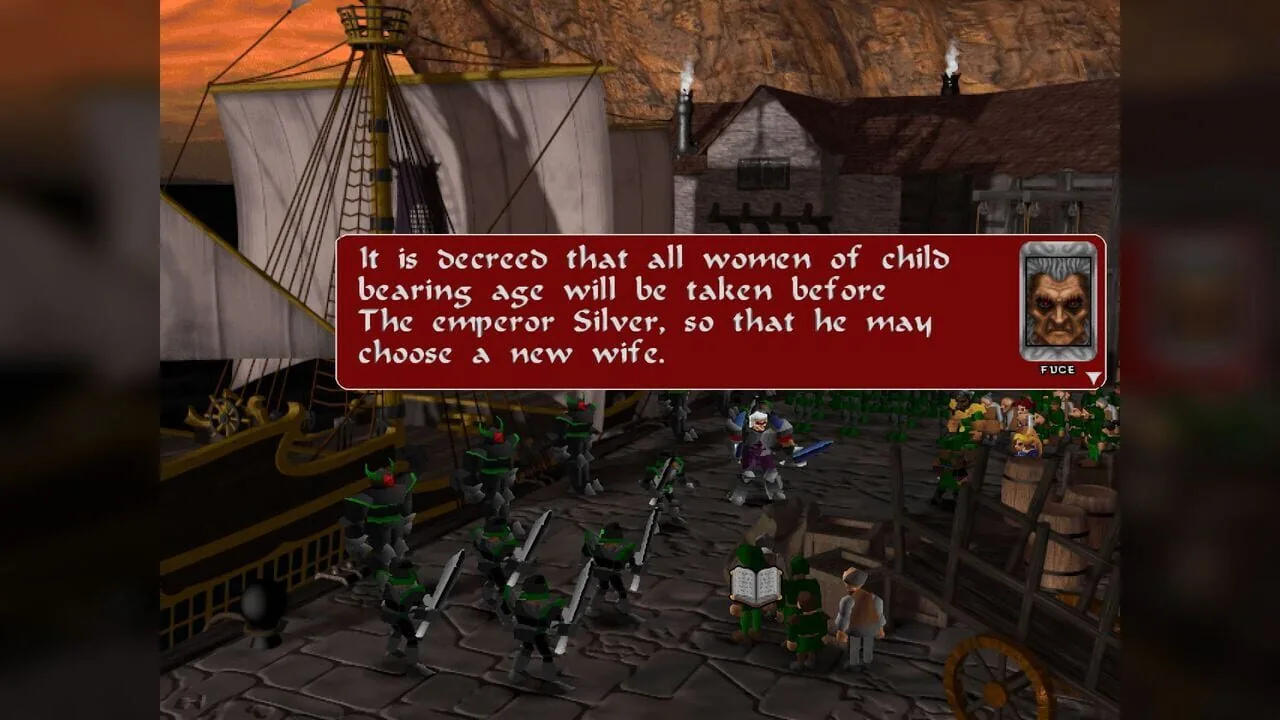
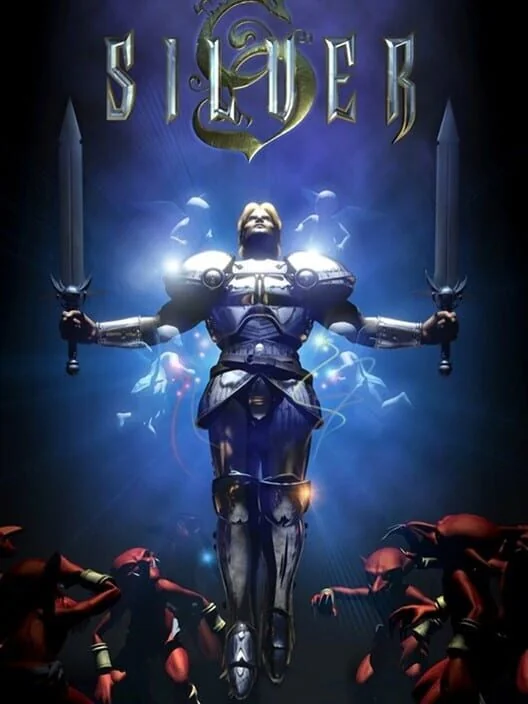
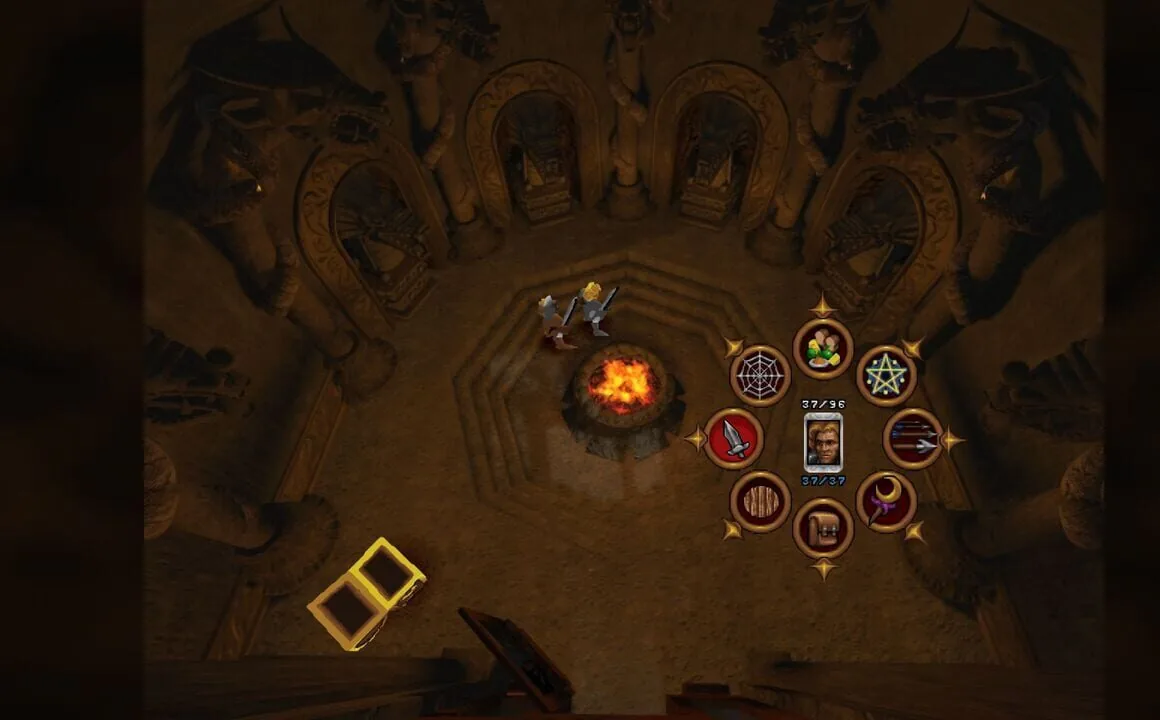
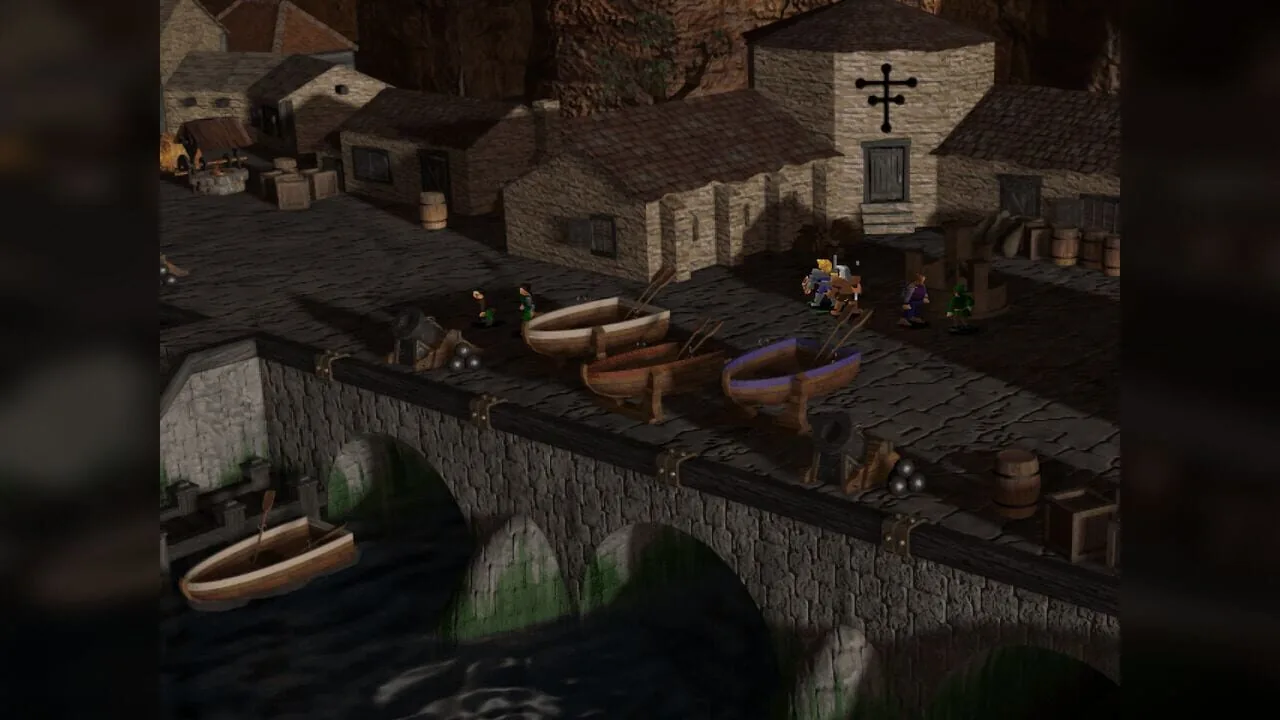
Silver is a fantasy action RPG in which you lead David and a small party of three to defeat the sorcerer Silver, who has kidnapped his wife Jennifer. The characters are 3D against prerendered backgrounds, seen from above. To beat Silver you have to collect eight orbs hidden across the game world. Fights happen in real time, and you aim attacks with the direction of the analog stick, a big change from the turn-based console RPGs of the time.
Critics praised the combat and the audio but found the save system and the map design frustrating. The music earned a nomination for the D.I.C.E. Award for Outstanding Achievement in Original Music Composition. A sequel was briefly developed by Spiral House and then dropped, so Silver stayed a one-off.
10. Evolution: The World of Sacred Device (1999)
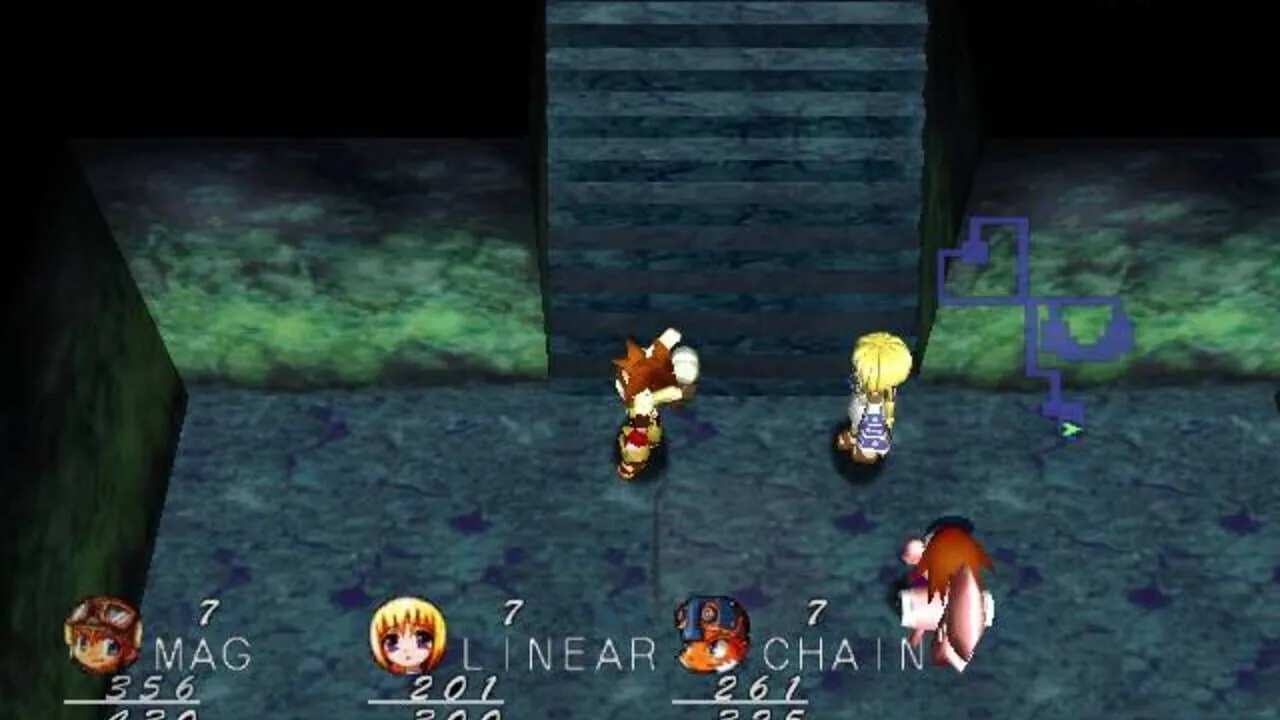
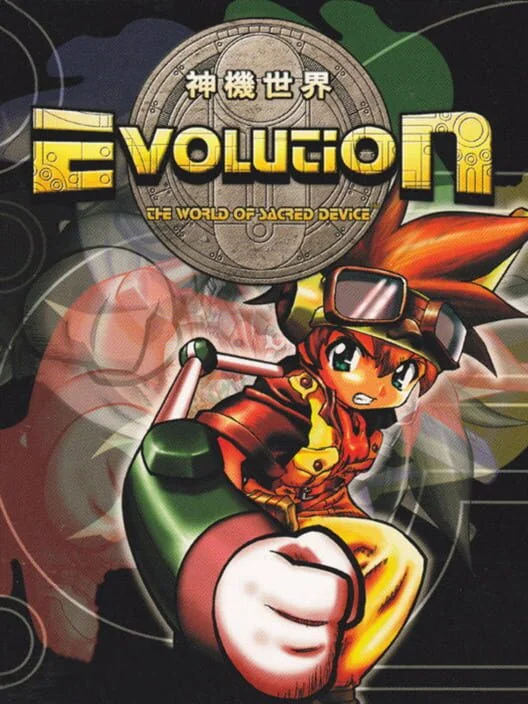
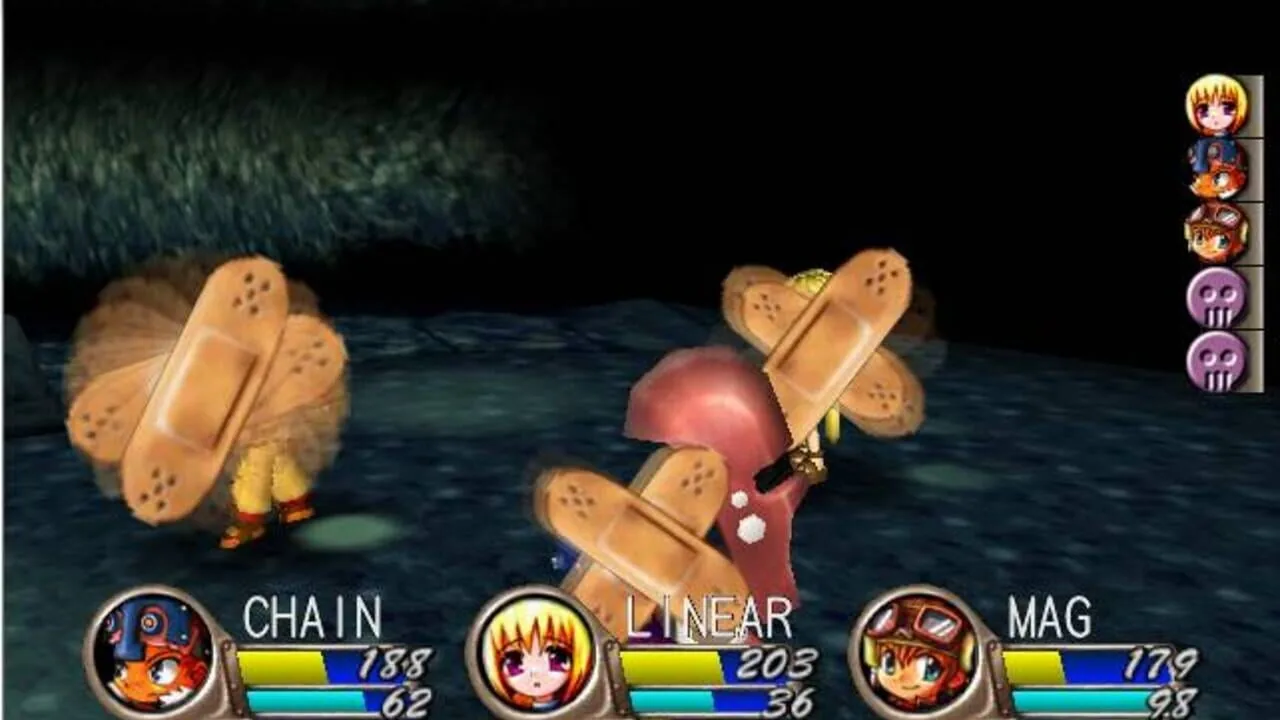
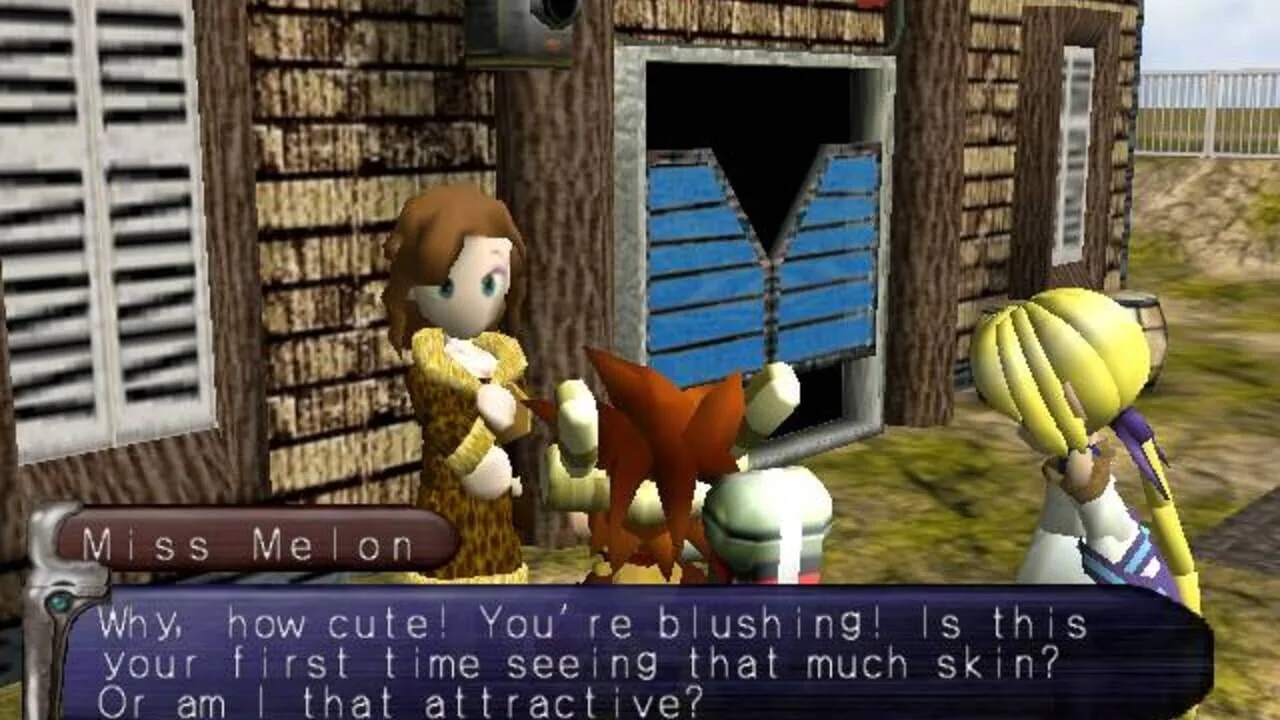
Evolution was developed by Sting and published by Ubi Soft in North America and Europe. You play Mag, who shares a mansion with the faithful butler Gre Nade and Linear Cannon, a mute girl who appeared at his doorstep three years before with a letter asking Mag to protect her. Winning a battle gives experience points and TP, which you spend to learn new skills.
The dungeons are the clever part, because their size depends on when you go in. A dungeon that has 9 floors if you enter it first will have 21 floors if you enter it as the penultimate dungeon, with tougher enemies and a stronger boss. For a while it was nearly the only RPG on the console, and a critic reviewing Time Stalkers told readers to get the "vastly superior" Evolution instead. It and its sequel were later packed together as Evolution Worlds on the GameCube.
9. Seventh Cross Evolution (1999)
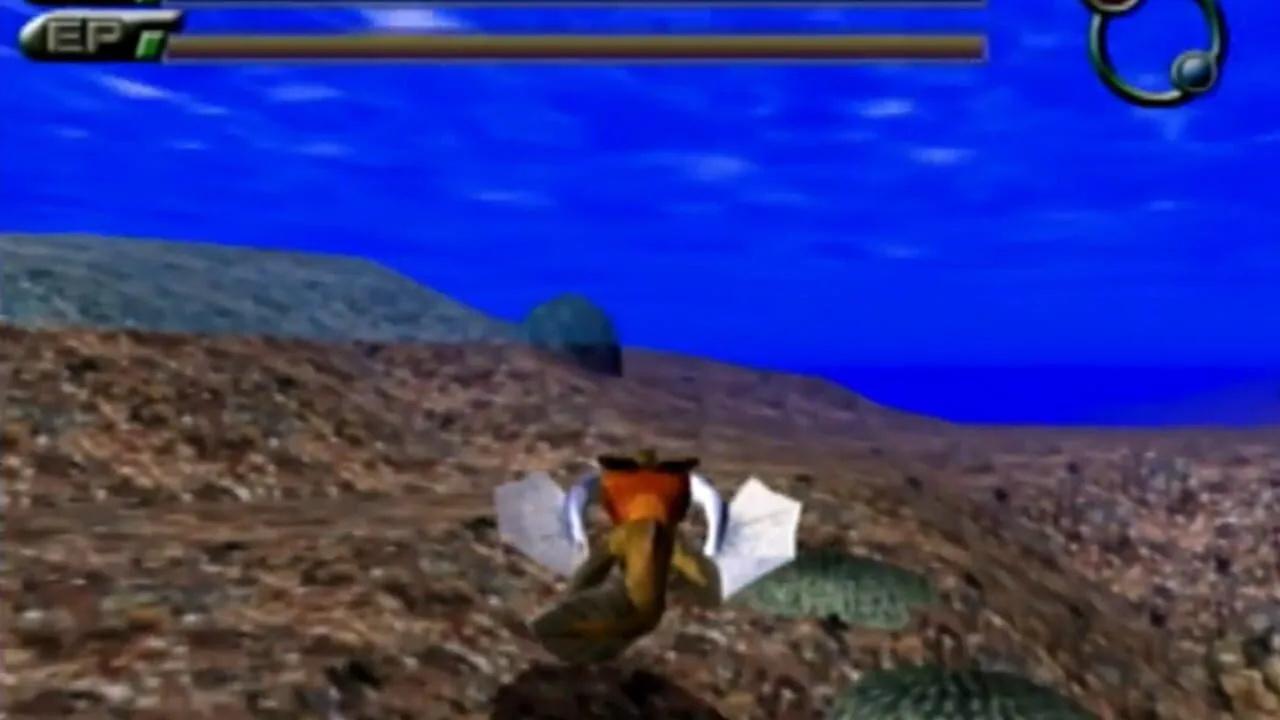
Seventh Cross was released in Japan on December 23, 1998, and it is the strangest game on this list. You begin as a protist, and by eating you progress through two other stages until you become an animal. The first stage is a lagoon where you avoid predators while you feed. There are six stages, each with a boss, in biomes ranging from the pond to a barren future.
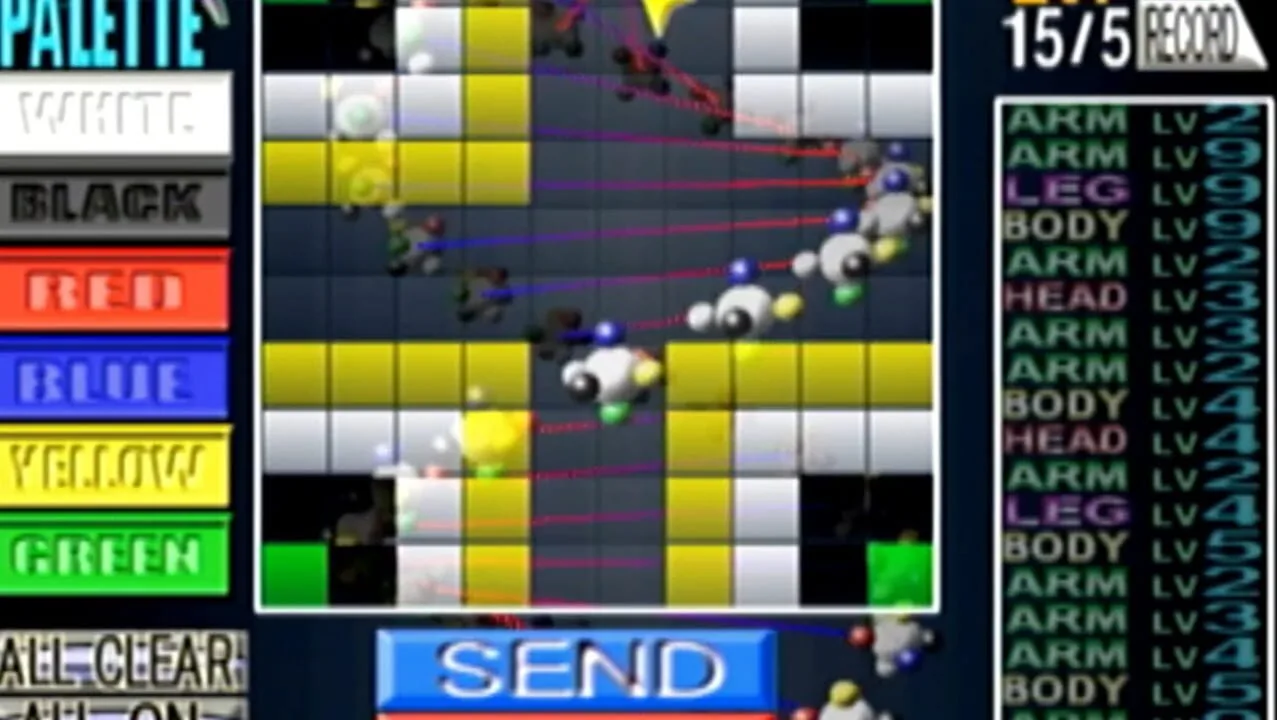
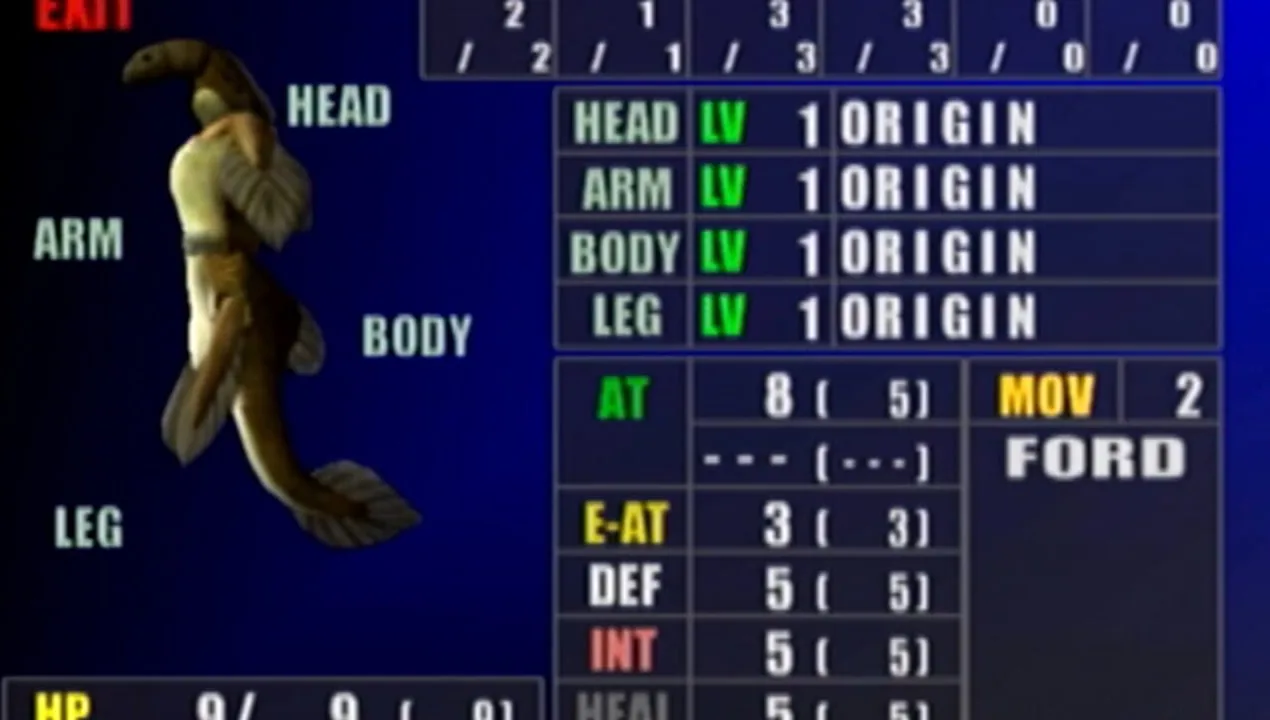
Evolving is the RPG part. At the start you pick six colors, mapped to offense, defense, psi power, intelligence, dexterity and healing. Arrange them in patterns on a 10×10 grid, with enough EVP saved up, and your creature gains a new part for its head, body, legs or arms. Which patterns give which parts remains unclear, even now. A sequel called Ninth Will was announced and then apparently cancelled.
8. Elemental Gimmick Gear (2000)
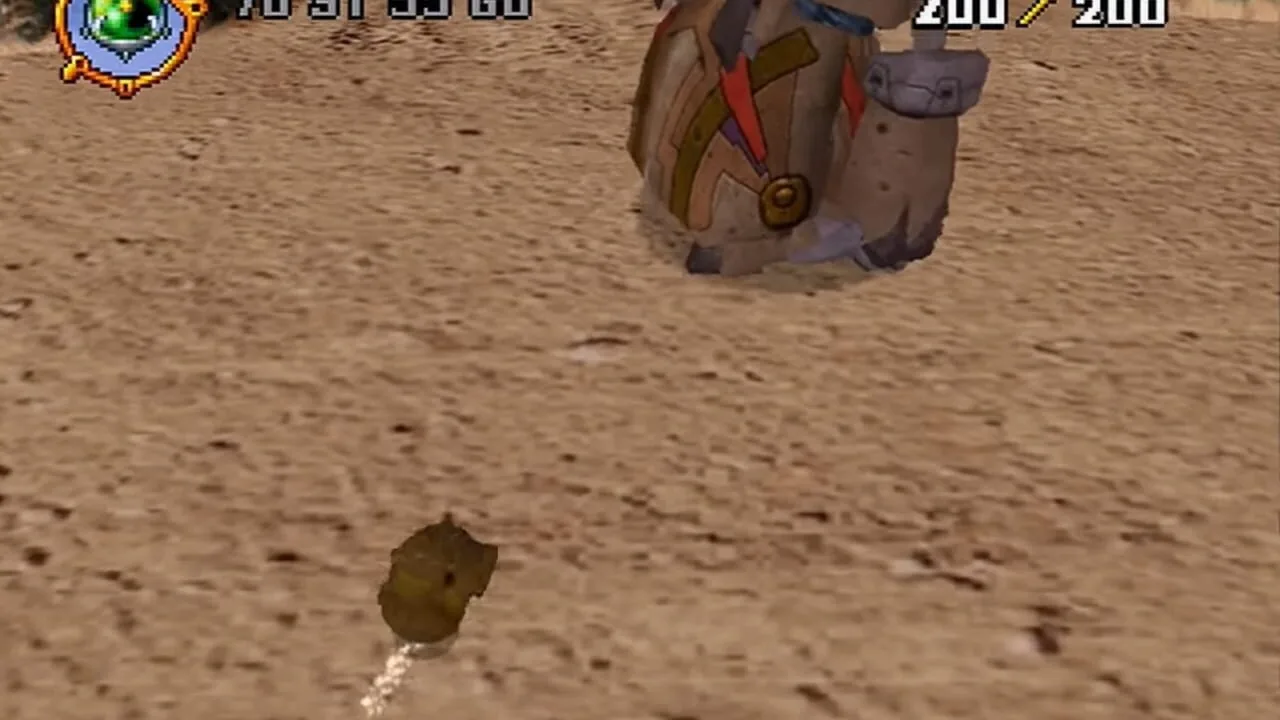
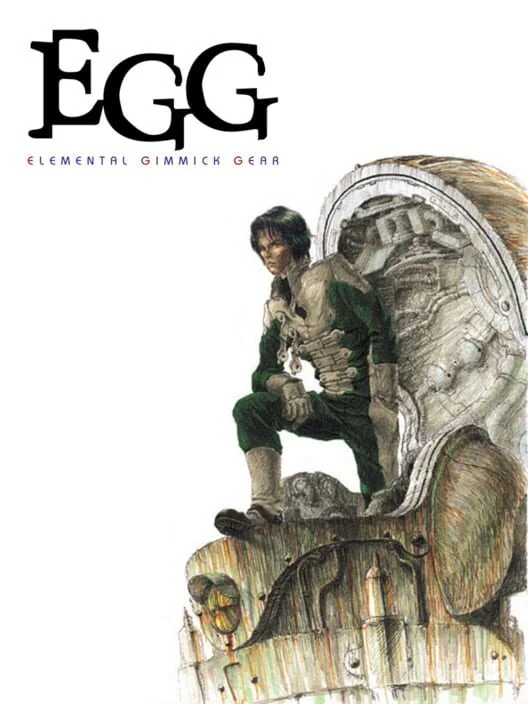
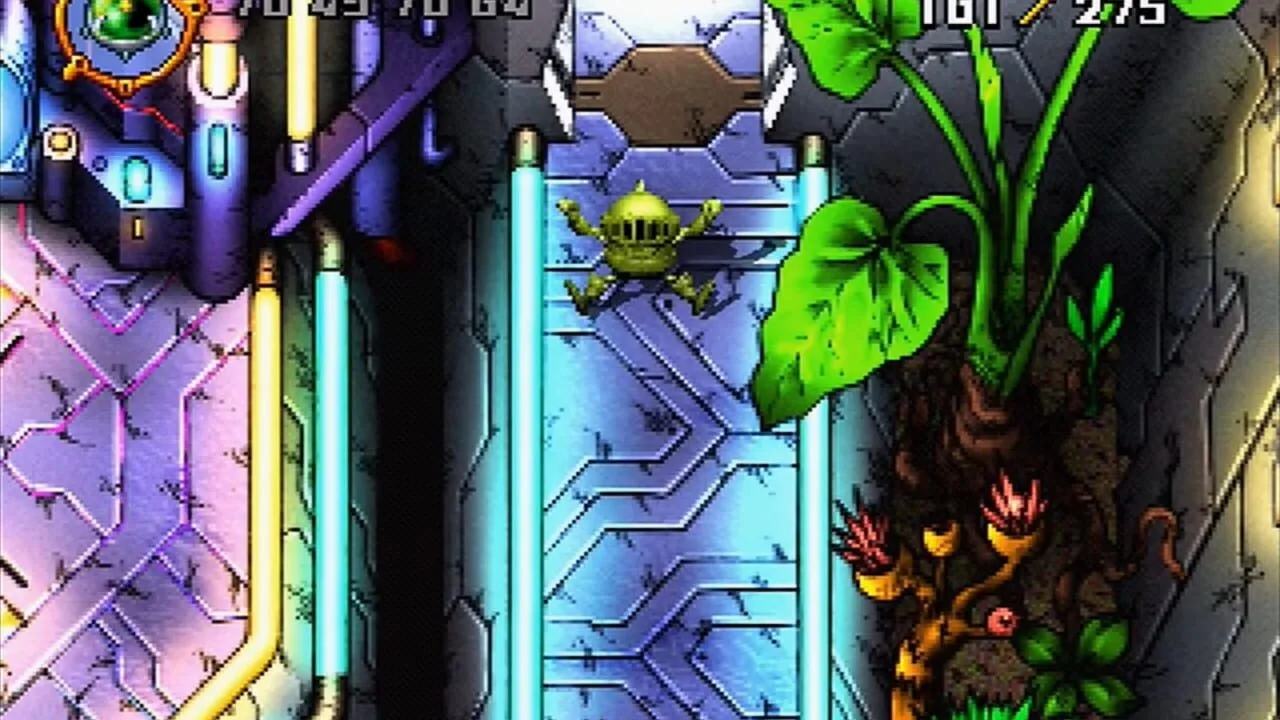
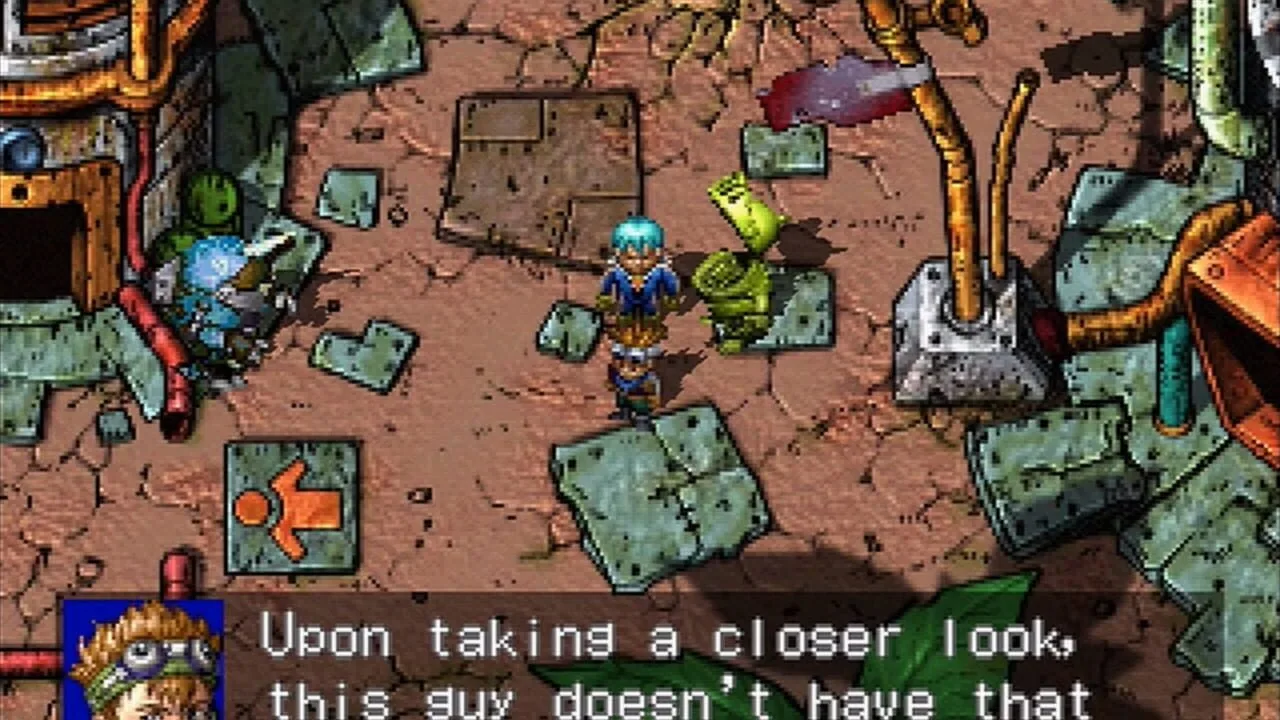
Elemental Gimmick Gear, or E.G.G., was developed by Birthday and published by Vatical Entertainment in the United States. It was originally intended to be a Sega Saturn title. Most of it is played from an overhead view in hand-drawn art, with nothing constructed from tile sets, and the boss battles switch to 3D. Between ruins full of switch puzzles there are races where you roll into an egg shape along rails.
The story begins 5,100 years before the game, when scientists find a sleeping man inside an egg-shaped machine. After the ruin wakes up and covers the land in fog, the Sleeper awakens with no memory and sets out to learn who he is. The poor translation and weak supporting cast hold the story back. Still, it is one of the only options available to those looking for a 2D Zelda on the Dreamcast.
7. Time Stalkers (2000)
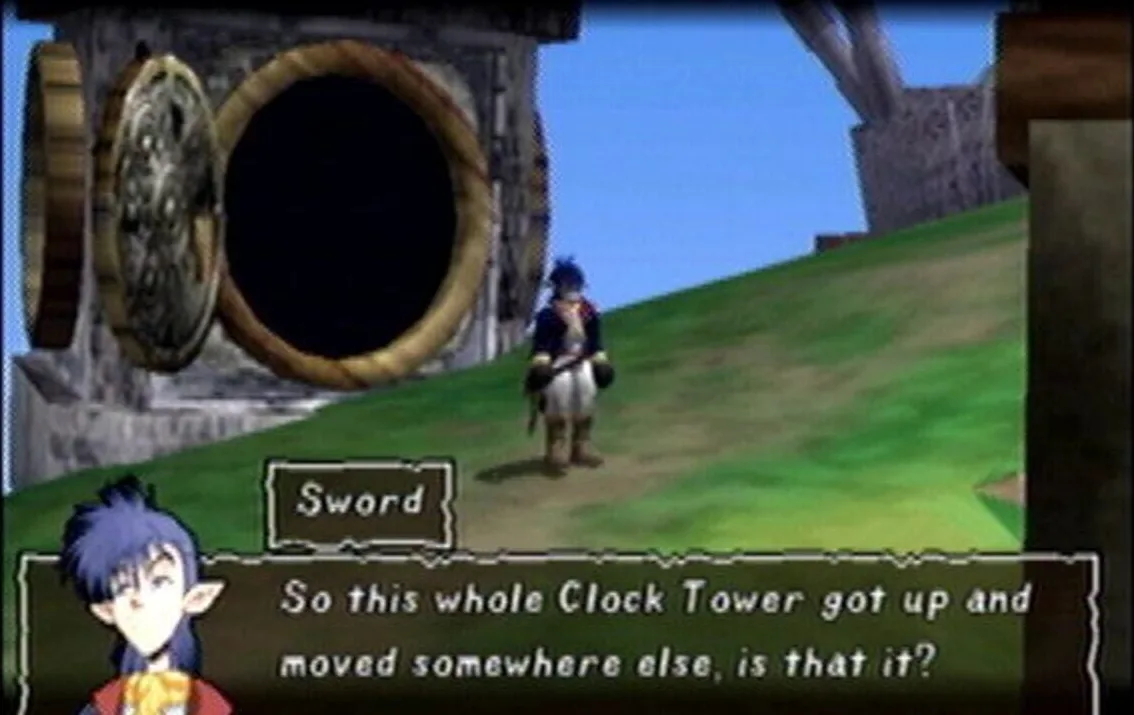
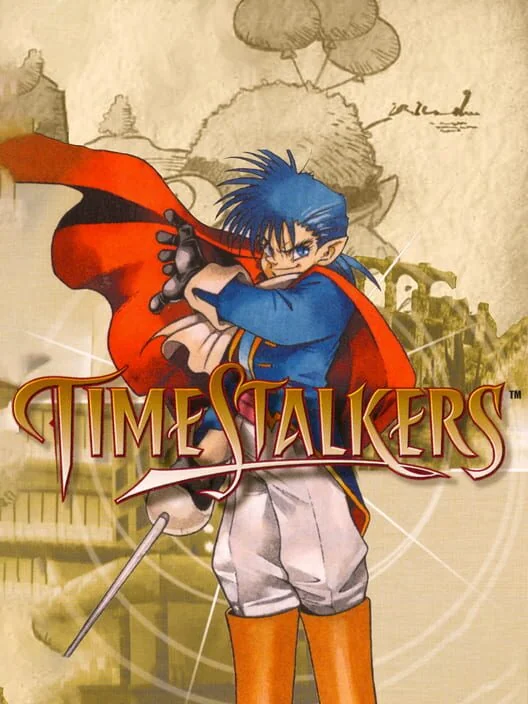
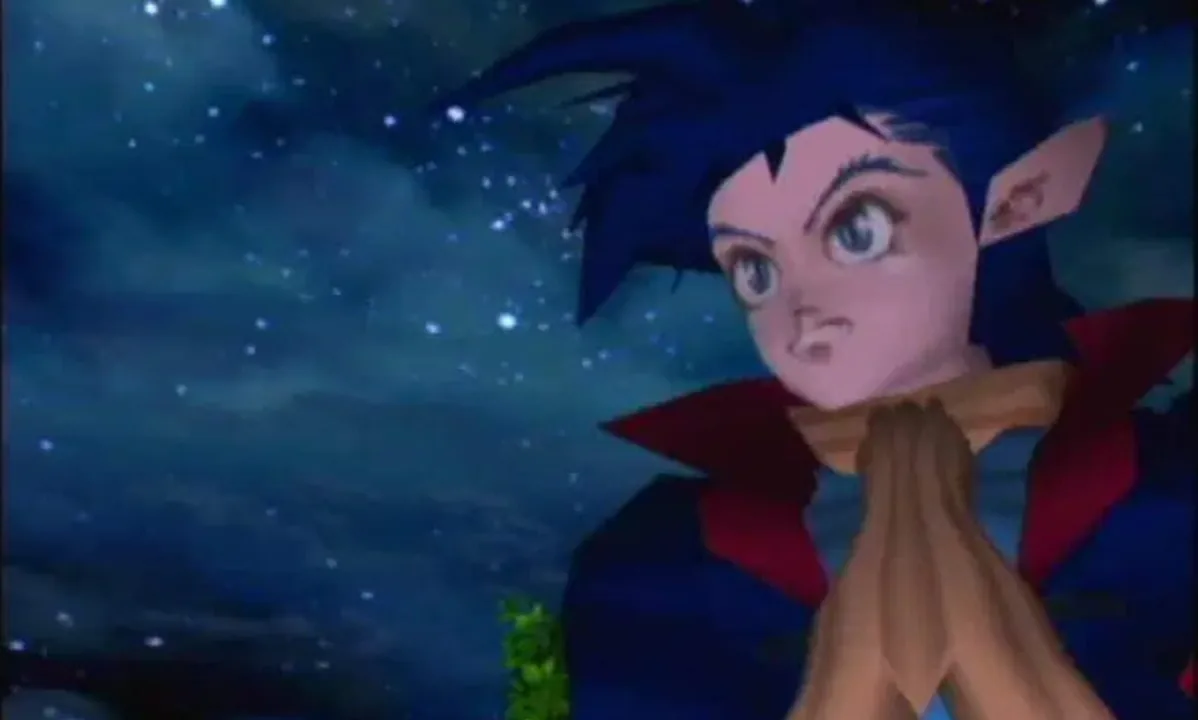
Time Stalkers is a Climax game, and the cast shows it. You play Sword, who chases an armored figure into a clock tower, finds a strange book and wakes up in a world mashed together from different places. As the story goes on, the world expands with more pieces, such as a prehistoric mountain and a modern-day city. Sword also teams up with other heroes, such as Nigel from Landstalker.
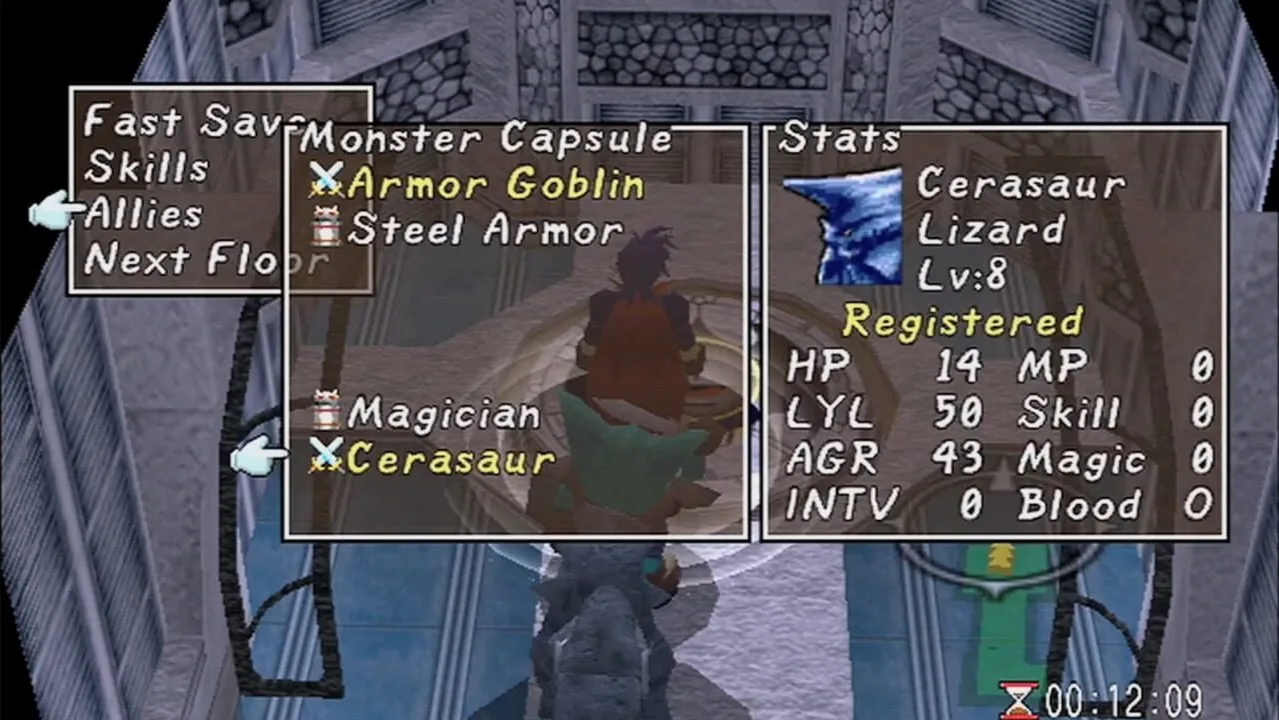
Your party mixes Climax characters with in-game enemies that can be collected and trained. IGN's Anoop Gantayat praised the unique overworld and the monster capture mechanic. A full run takes roughly 45 hours, and there are multiple endings. Not every critic was kind, and one sent readers back to Evolution. Players remember it as a roguelike dungeon crawler with random dungeons.
6. Evolution 2: Far Off Promise (2000)
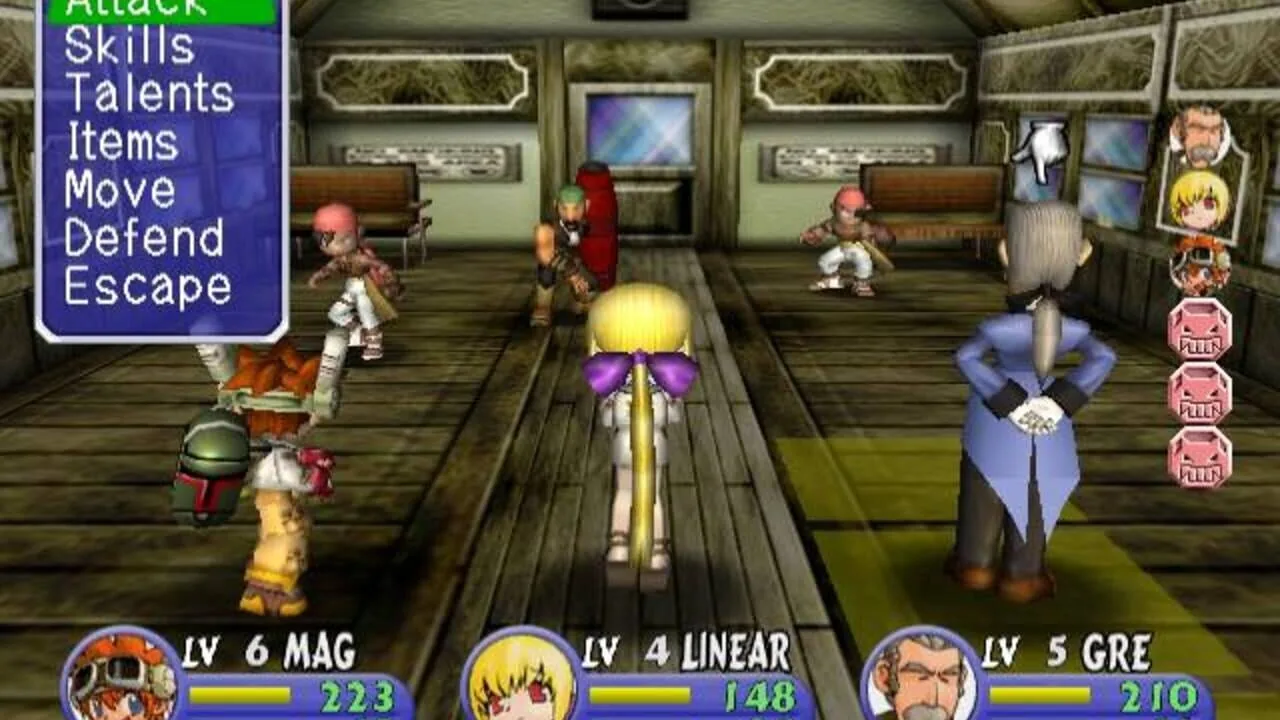
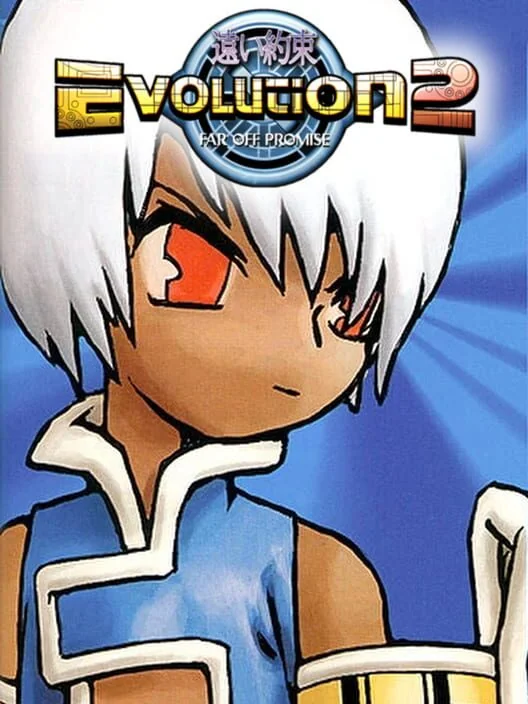
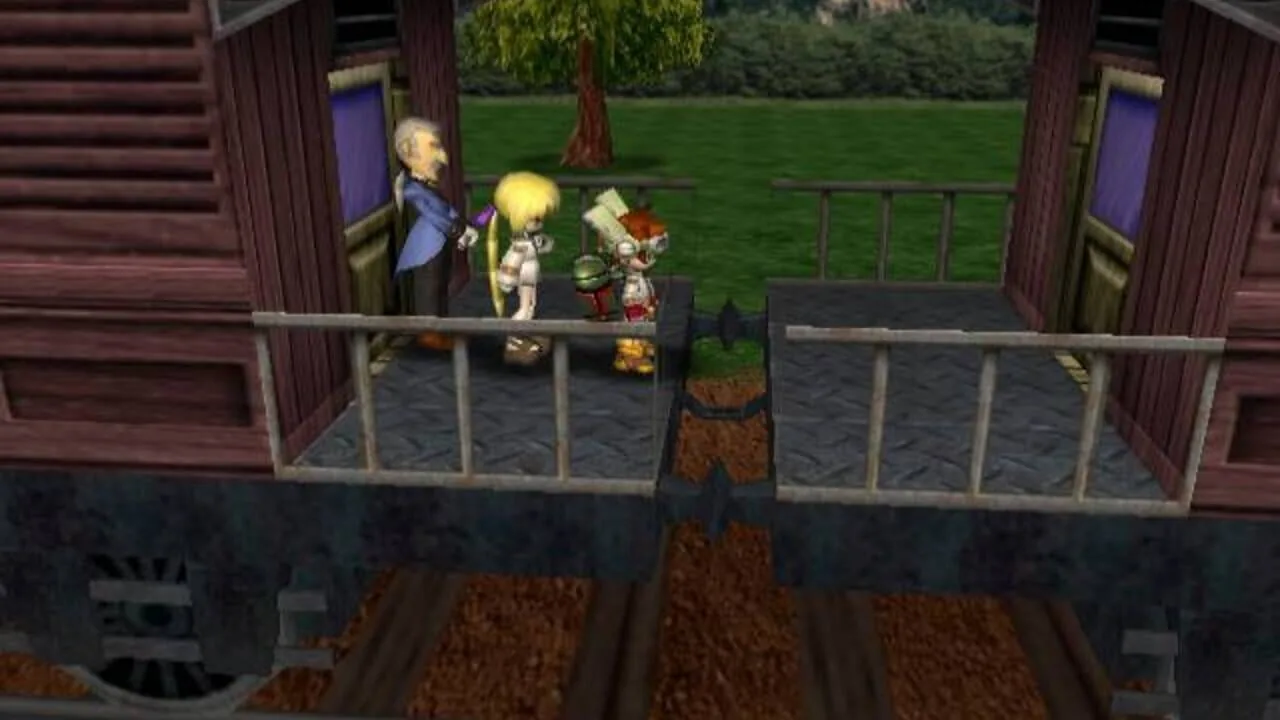
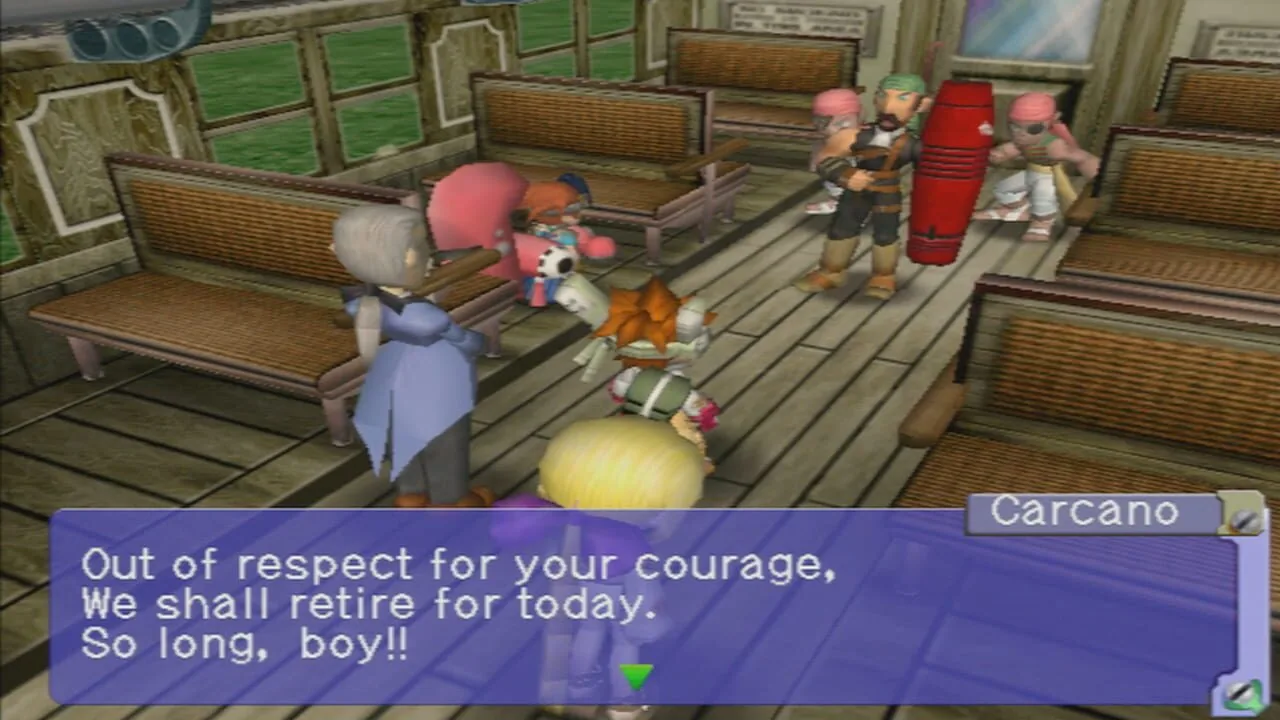
Evolution 2 is a sequel to Evolution: The World of Sacred Device, again developed by Sting and published by Ubi Soft in North America. Like the first game it is a dungeon crawler, but this time it has both random and predetermined dungeon maps. Mag pursues Linear and a figure named Yurka through a portal, and Yurka explains that he and Linear were created by an ancient civilization that had lost its desire to live.
In Europe it came out in 2001 as one of the last European Dreamcast games. One review said the gameplay is geared for younger adventurers, and hardcore role-players will want a deeper story. That is a fair warning for anyone who wants a long, hard RPG. Players rank it above the first game.
5. Armada (1999)
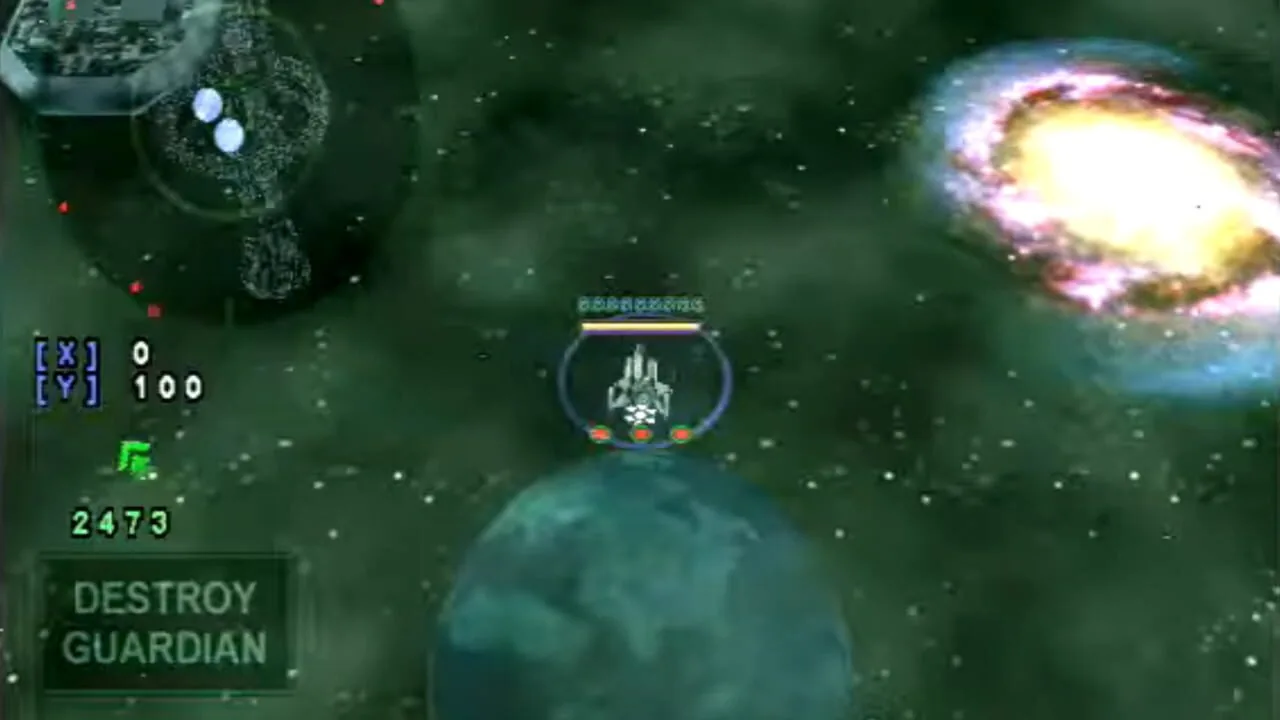
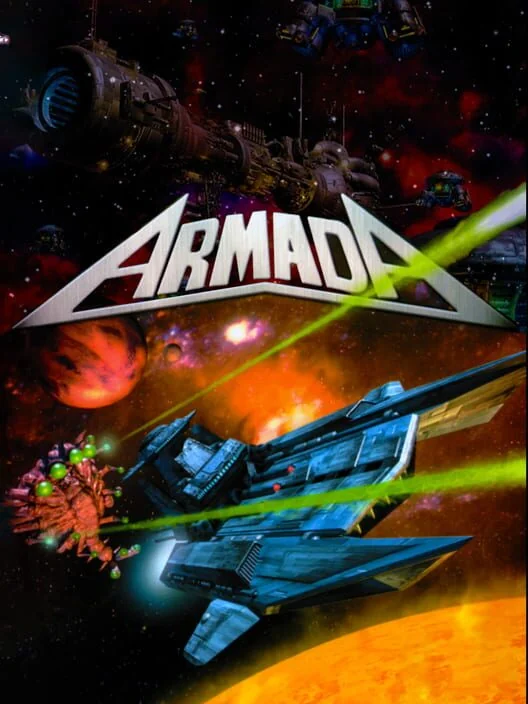
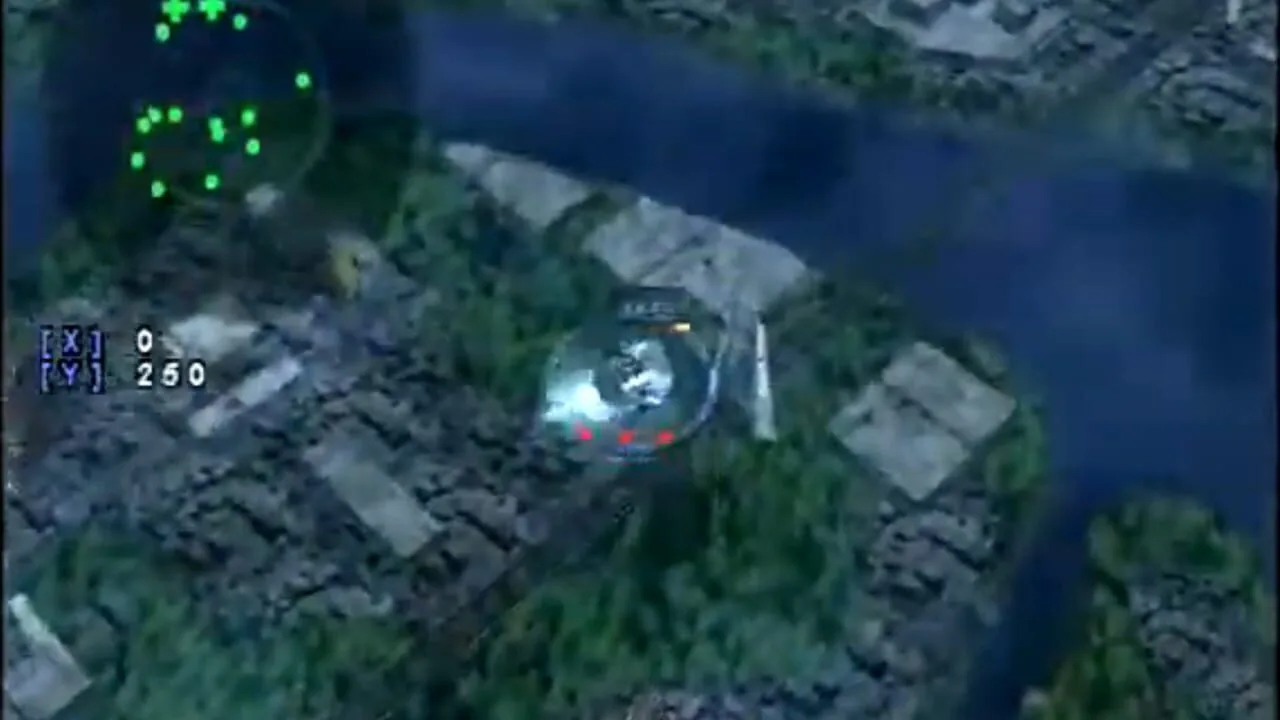
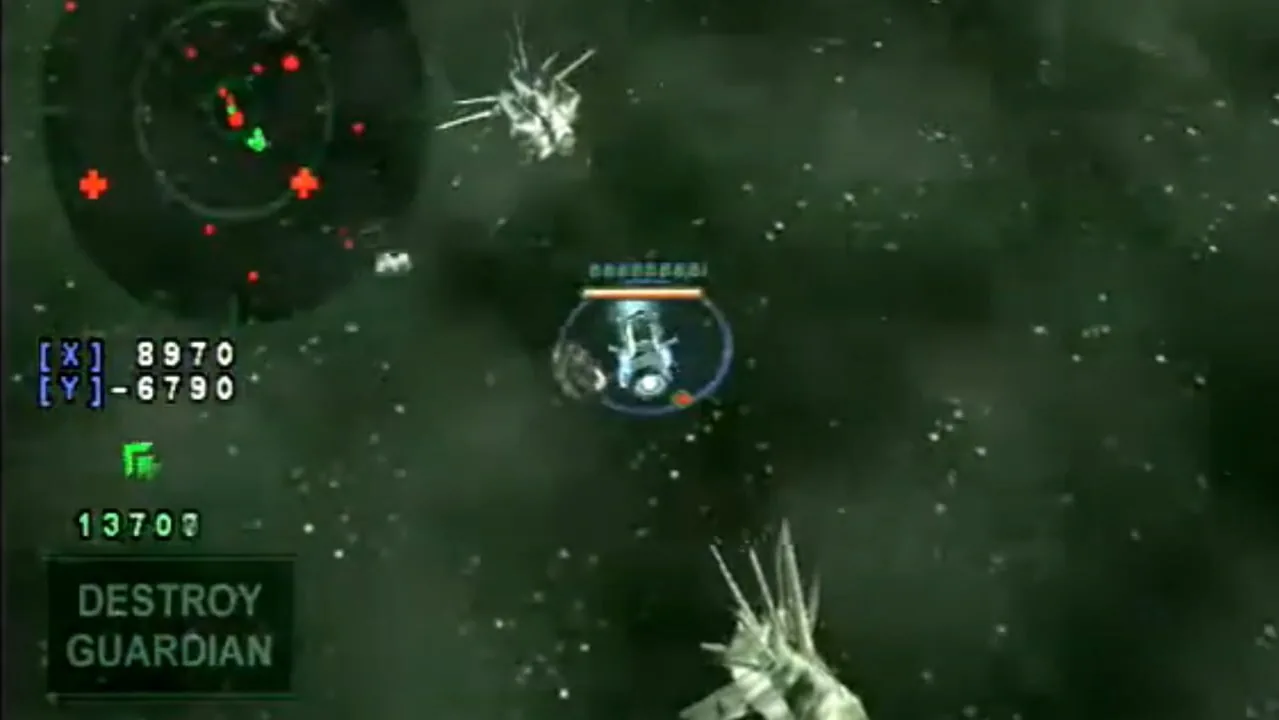
Armada is a shooter RPG that lets up to four players fly about the universe, taking missions and improving their ships between fights. The setup is bleak. Earth has been destroyed by the Armada, giant space aliens of unknown origin, and humanity has split into six groups in a shaky alliance against them.
Armada was developed by Metro3D, and in May 1999 it was revealed as a massively multiplayer online RPG. It was planned as a launch title for September 9, 1999, then slipped twice and reached stores on November 26, 1999, the day after Thanksgiving. It never came out in Japan. GamePro called it "a Dreamcast shooter fan's dream". Players describe it as a top-down space shooter with RPG elements on top.
4. Record of Lodoss War (2001)
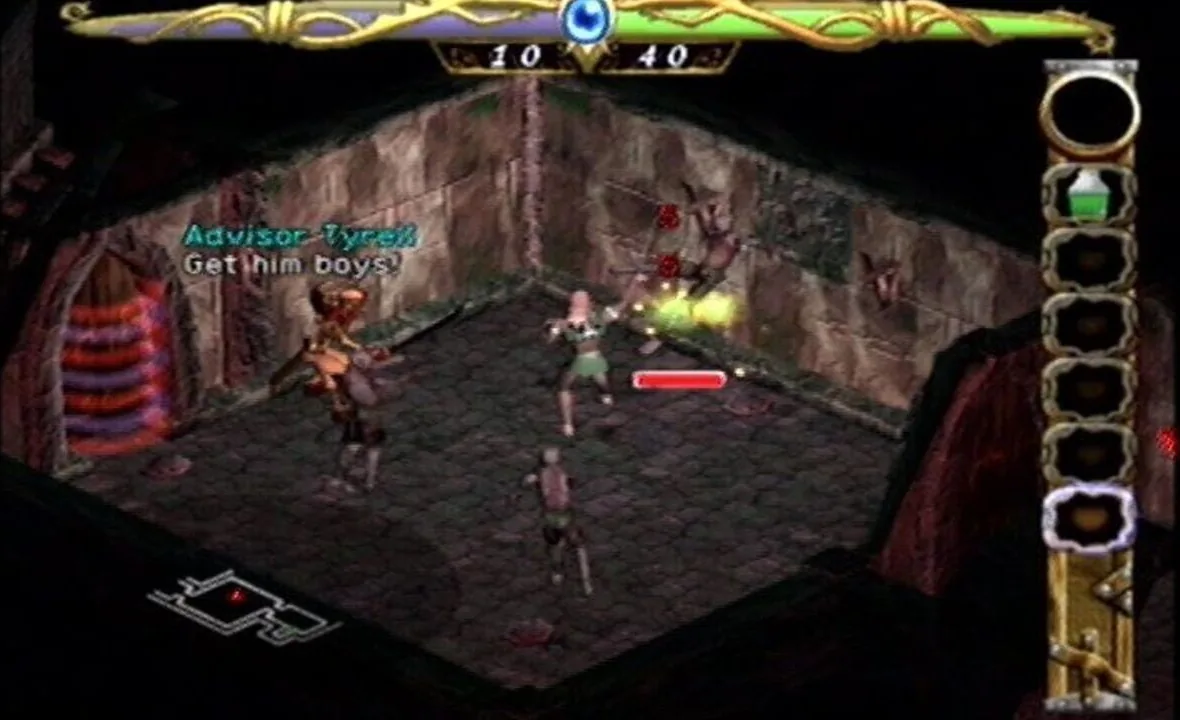
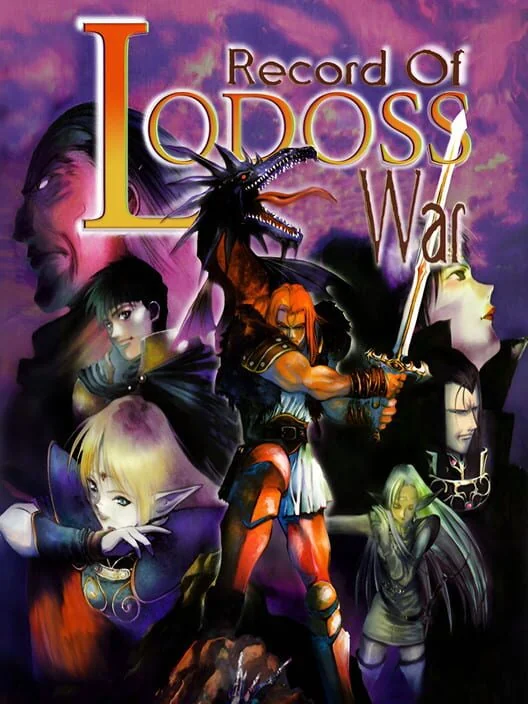
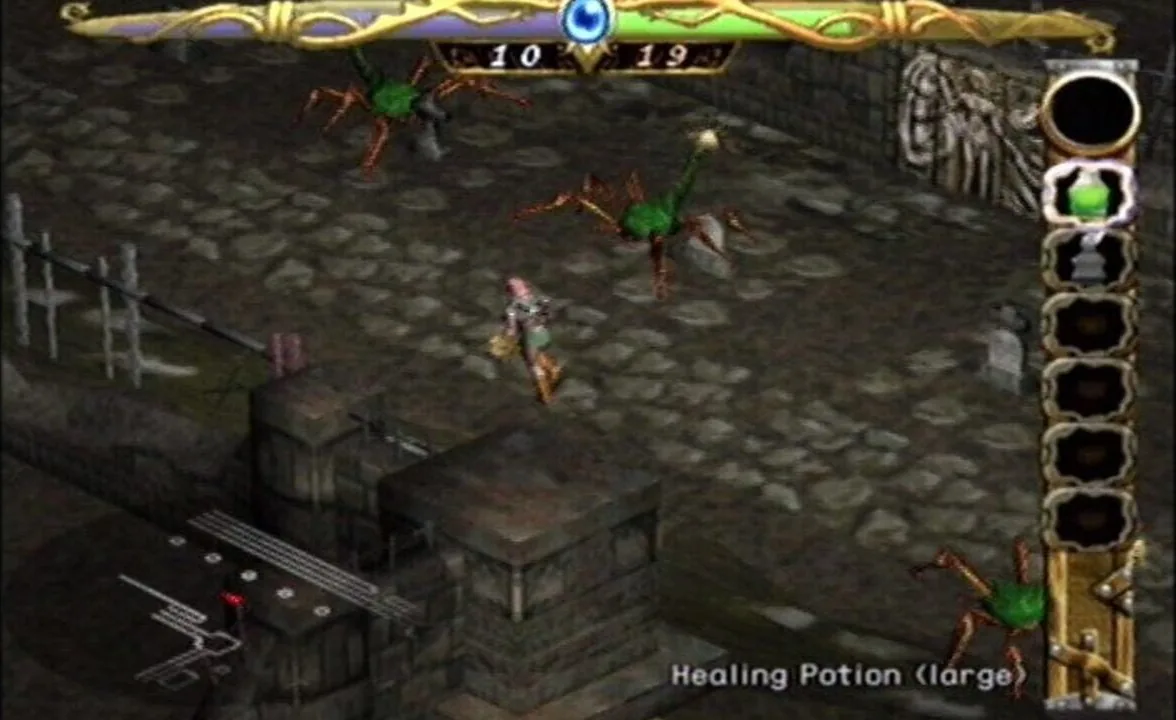
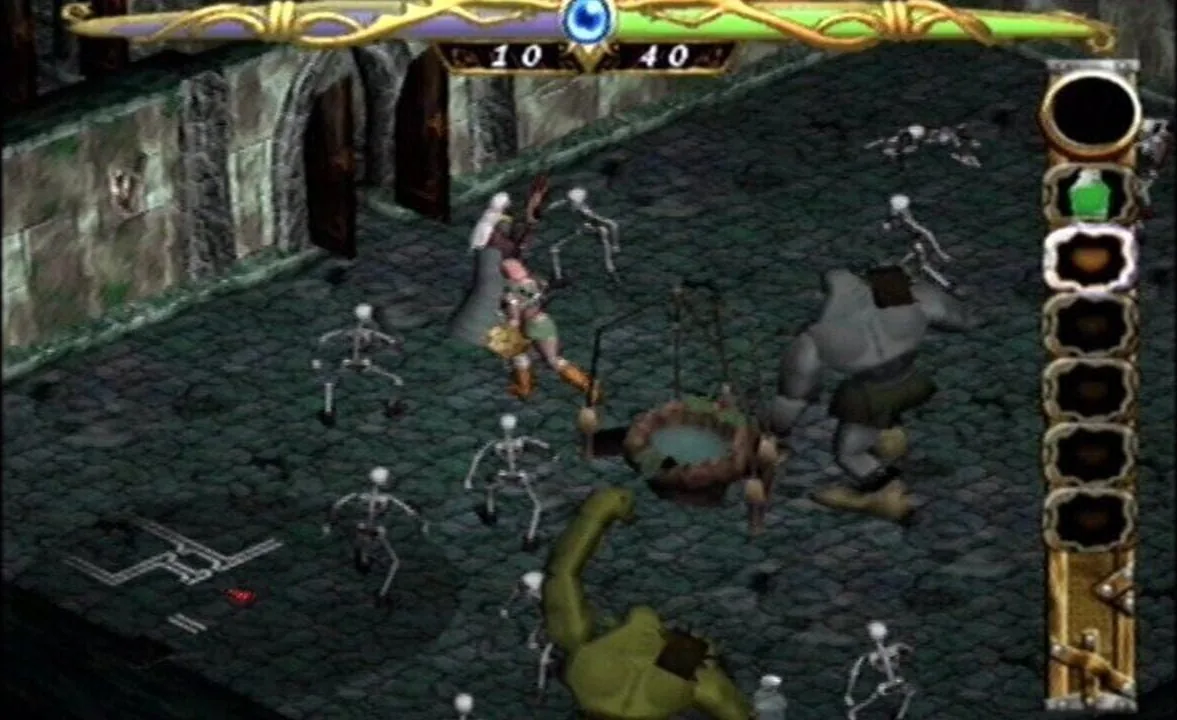
Record of Lodoss War on the Dreamcast is a straightforward dungeon crawler, similar to a Japanese take on Diablo. Players call it a hack and slash action RPG with Diablo vibes.
The story is much older than the game. Lodoss started as a series of tabletop RPG replays, and when the replay series went on to become a trilogy, Group SNE had to abandon the Dungeons & Dragons rules and create their own game. Kadokawa Shoten published those replays as paperbacks from 1989 to 1991, and the novels and the anime came after. You do not need to know any of it to play.
3. Grandia II (2000)
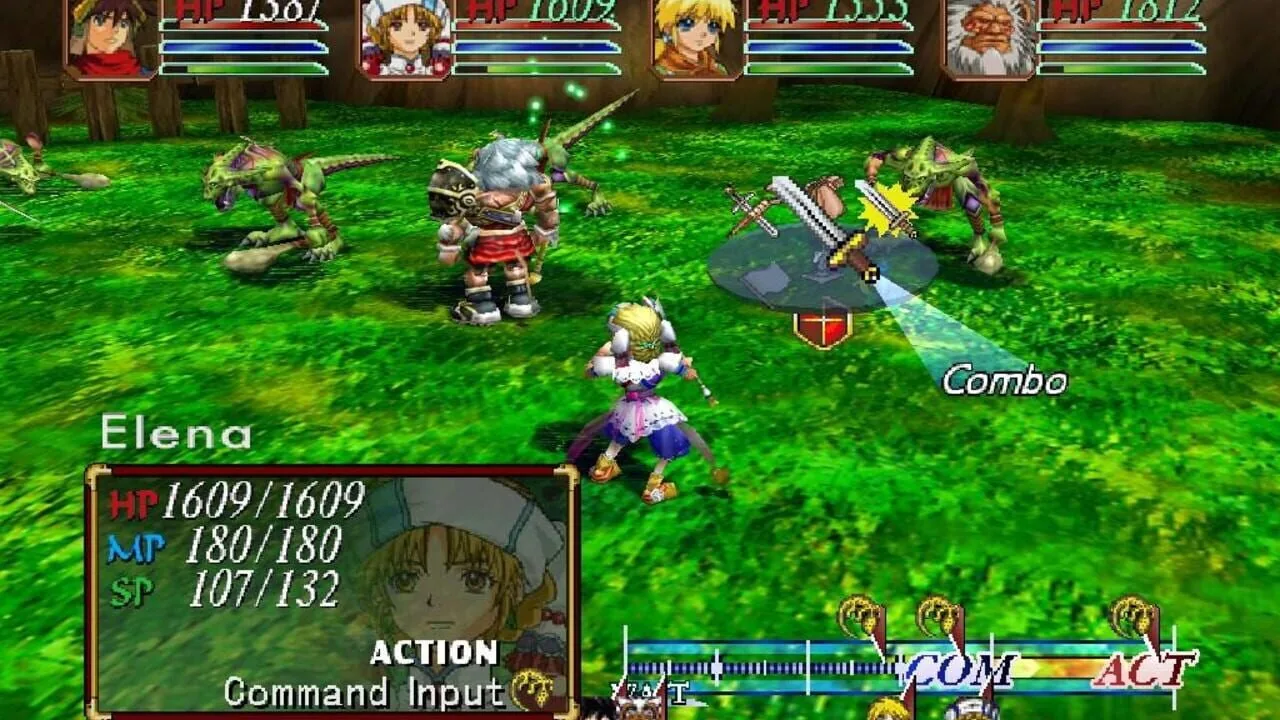
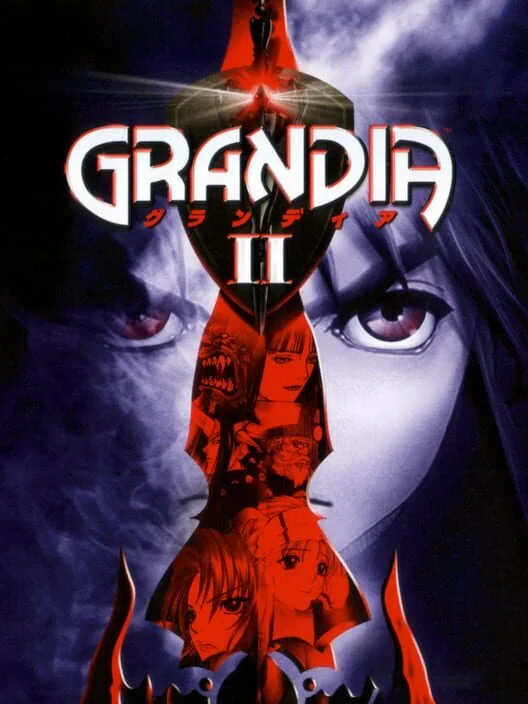
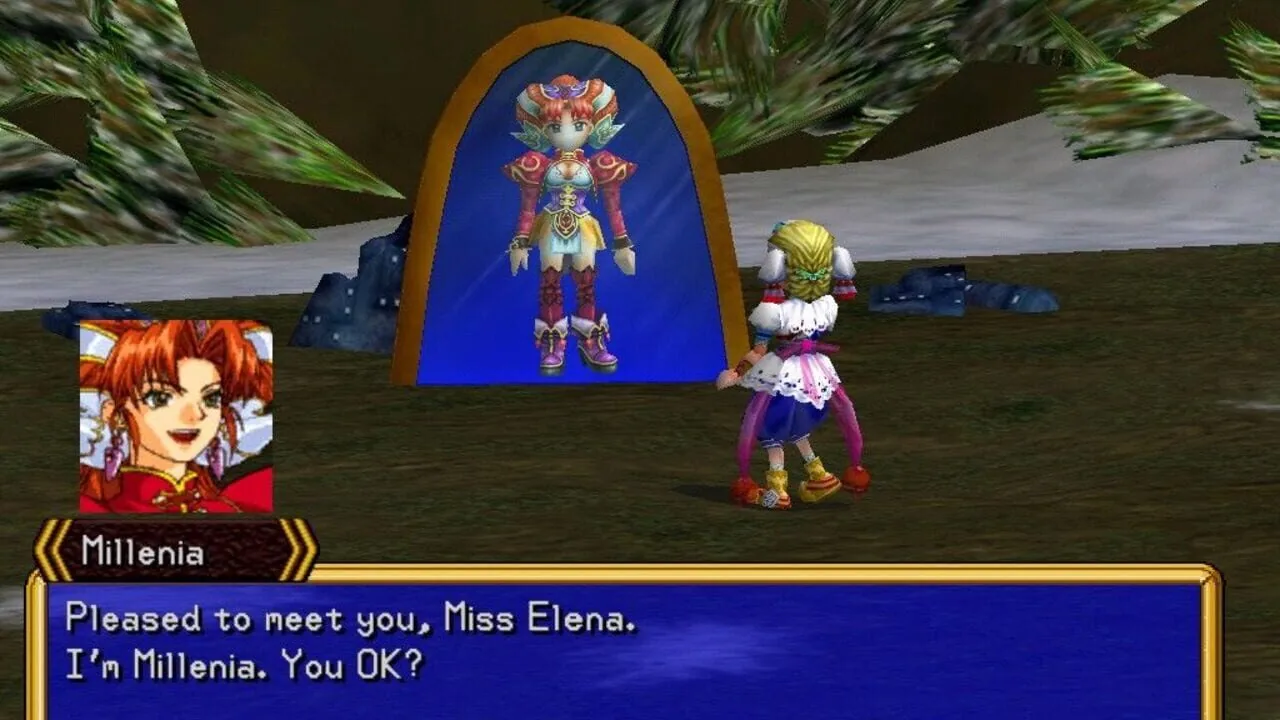
Game Arts released Grandia II in Japan in August 2000, and Ubi Soft published it in North America in December 2000 and in Europe in February 2001. It was meant to be a more "mature" game than the first, and it is the first in the series to feature fully three-dimensional graphics. You play Ryudo, who cares little for others besides himself at first.
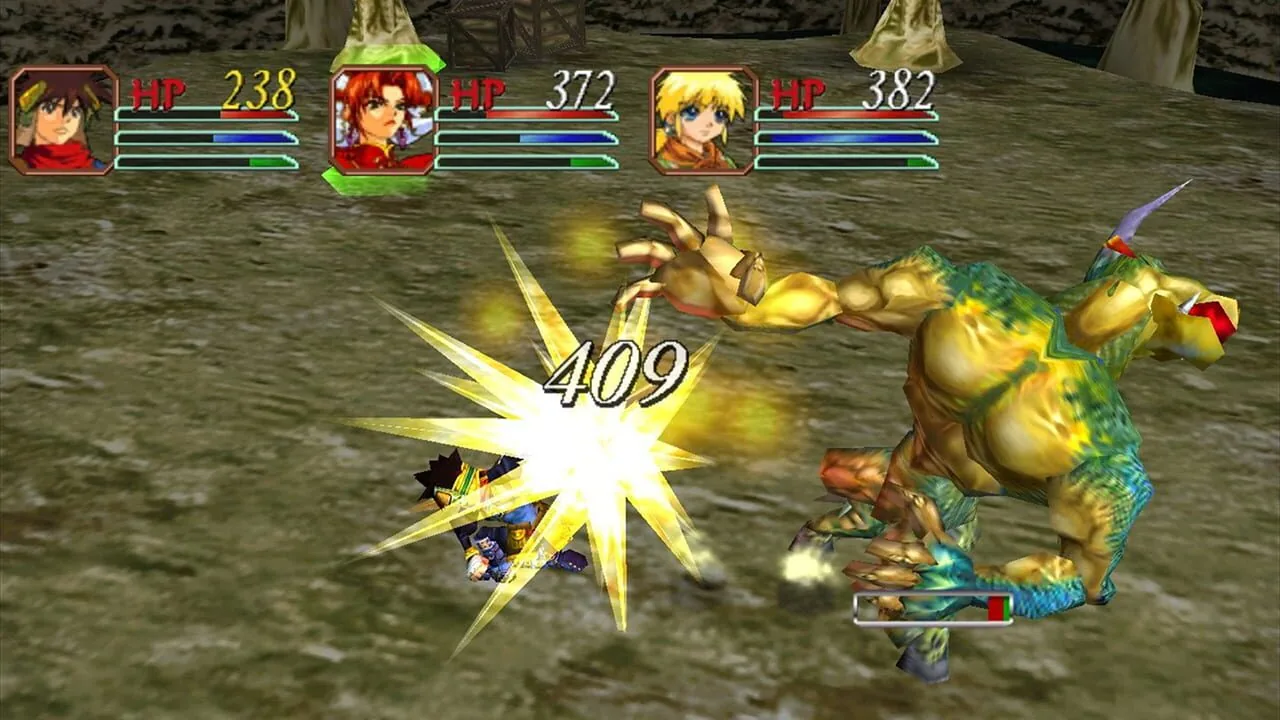
In battle, everyone moves along the IP gauge. If a critical lands during the opponent's action phase, it cancels the move and pushes the opponent's icon back, and timing those hits is the whole game. The Dreamcast version received a largely positive response, while the PS2 and PC ports were seen as inferior. Players agree the Dreamcast version is the one to play, and they love the combat most of all. The 2015 Anniversary Edition on Steam and GOG is based on the Dreamcast version.
2. Phantasy Star Online (2001)
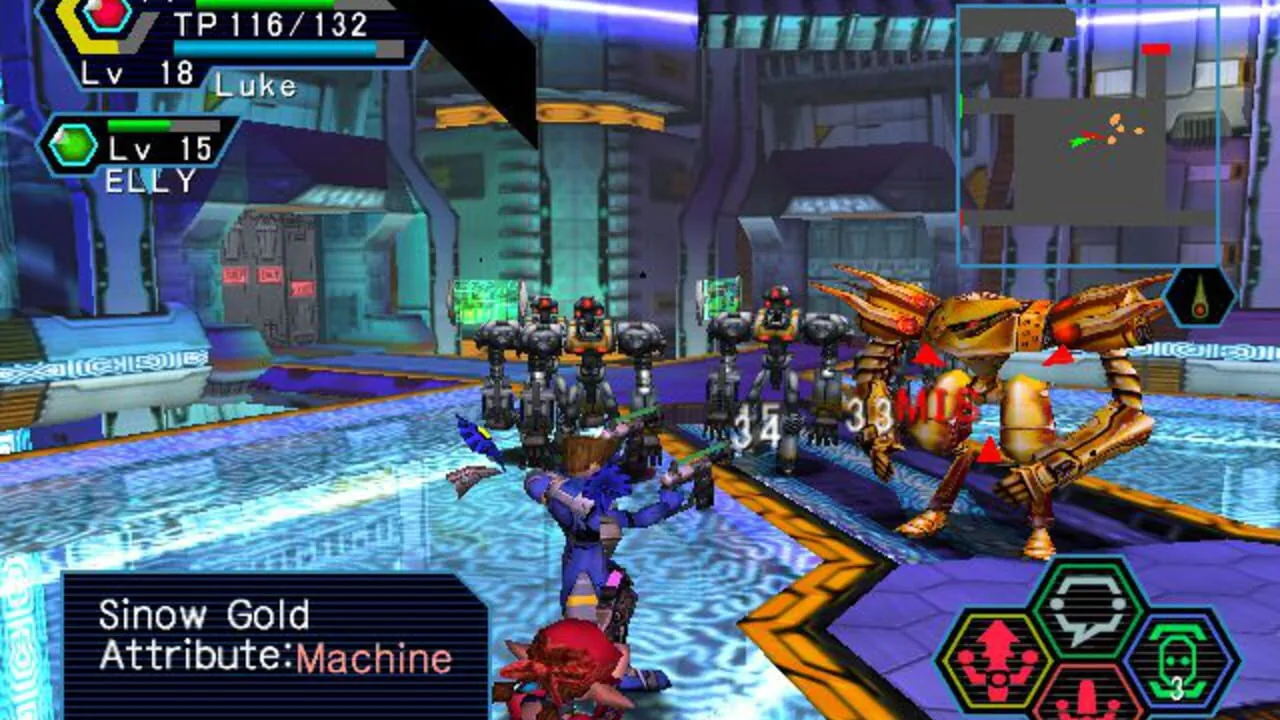
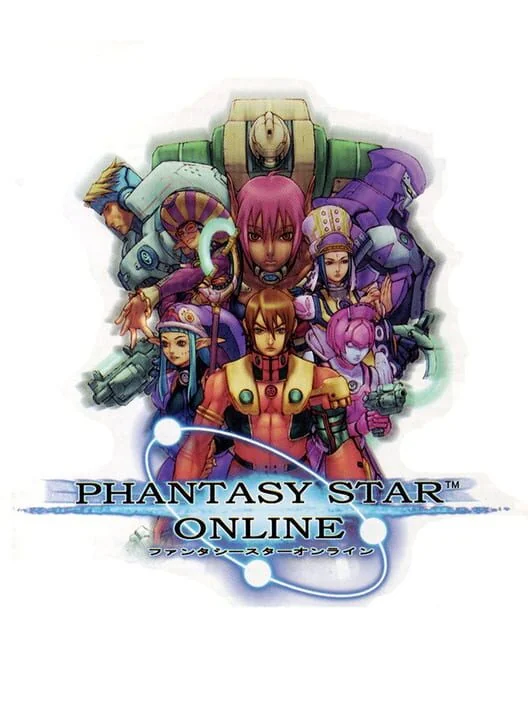
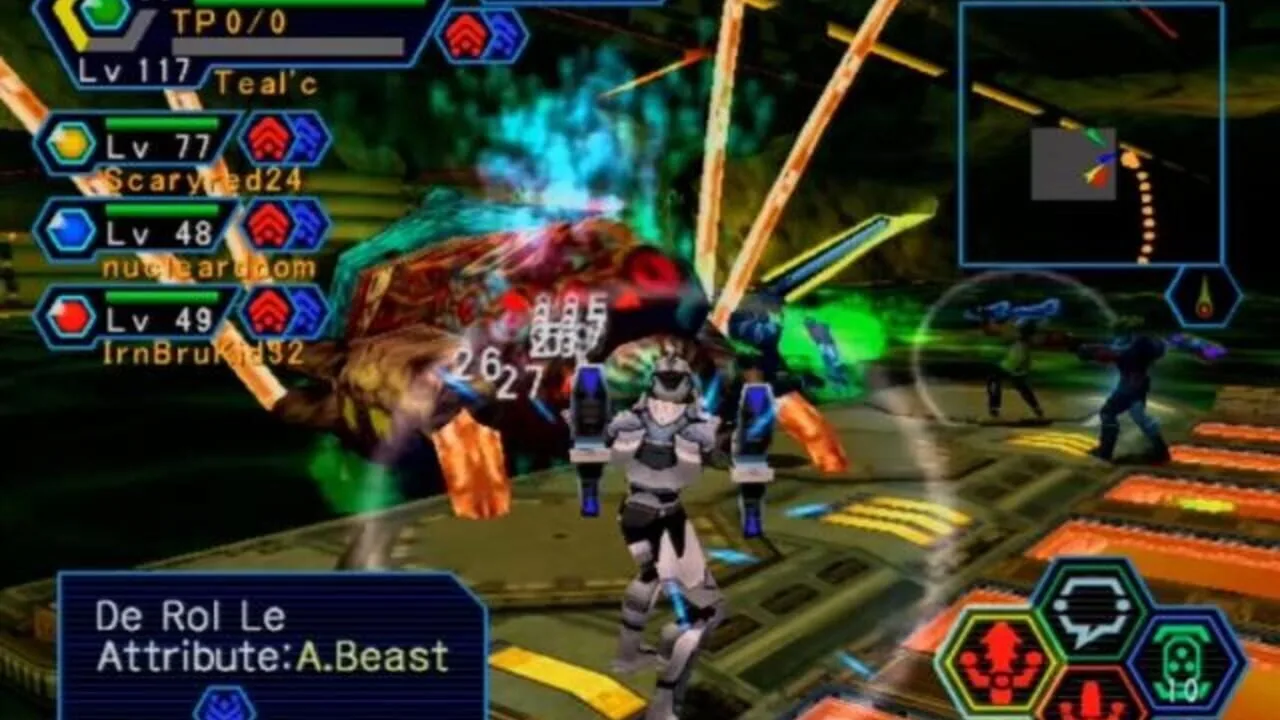
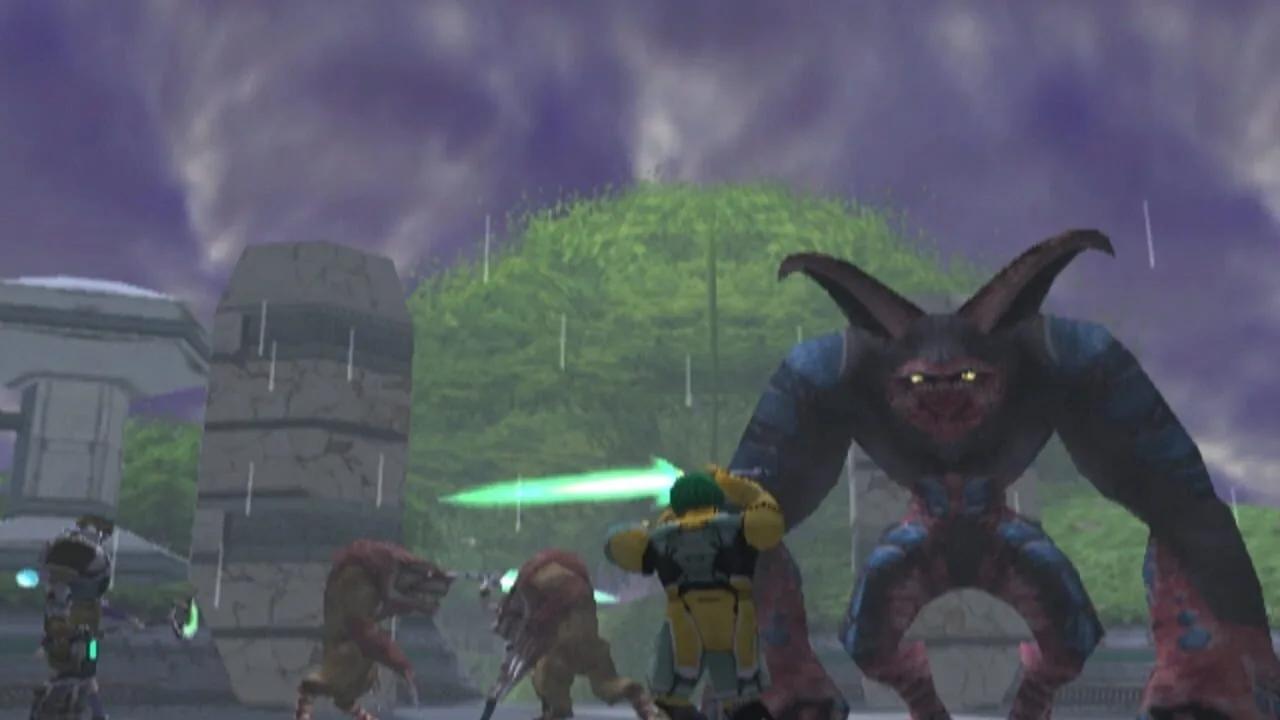
Believing online play was the future, Sega chairman Isao Okawa told Sonic Team to develop an online game for the Dreamcast, produced by Yuji Naka. Japanese internet service providers charged for dial-up access per minute, so Okawa personally paid for free internet access bundled with Japanese Dreamcasts. The result was the first successful online RPG for game consoles. Critics called the online play addictive but criticized the single-player mode.
It won the Japan Game Award for Game of the Year and influenced the Monster Hunter series. Sega rereleased it on the Dreamcast as Ver. 2 with expanded content, and later ported it to GameCube and Xbox. Players who were there remember playing it over a 56k modem, and they talk about the loot that kept them coming back.
1. Skies of Arcadia (2000)
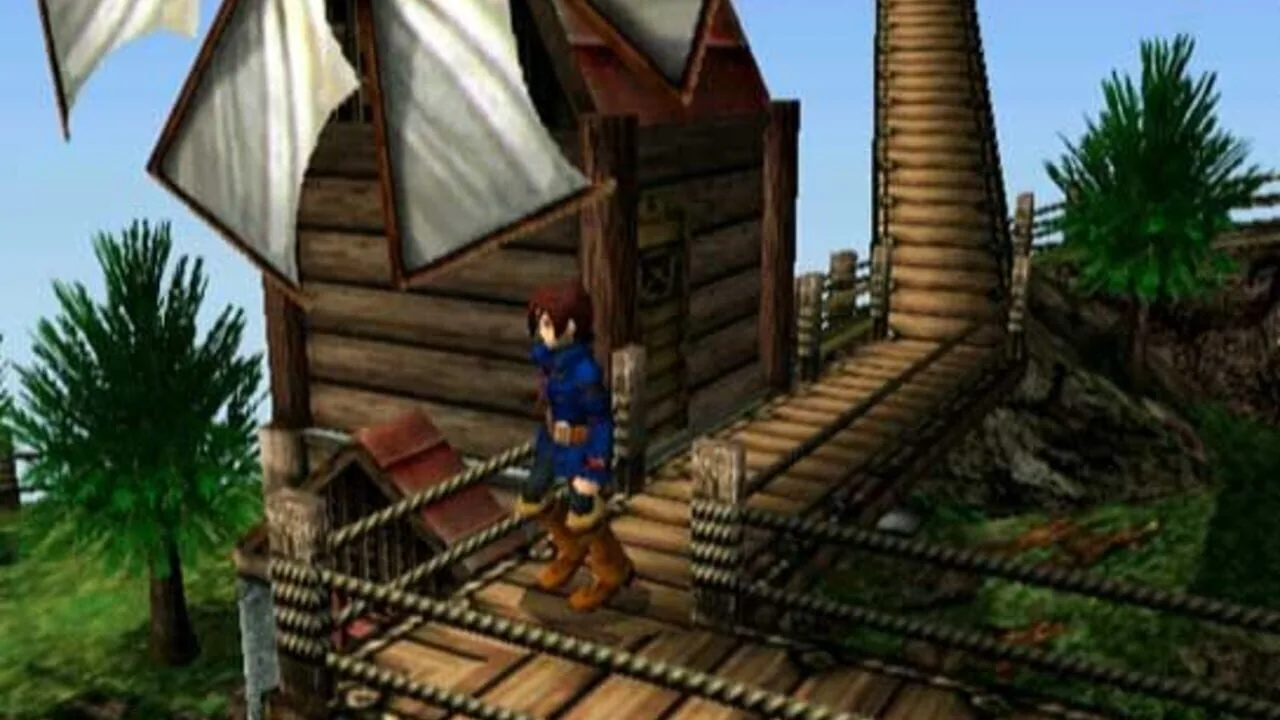
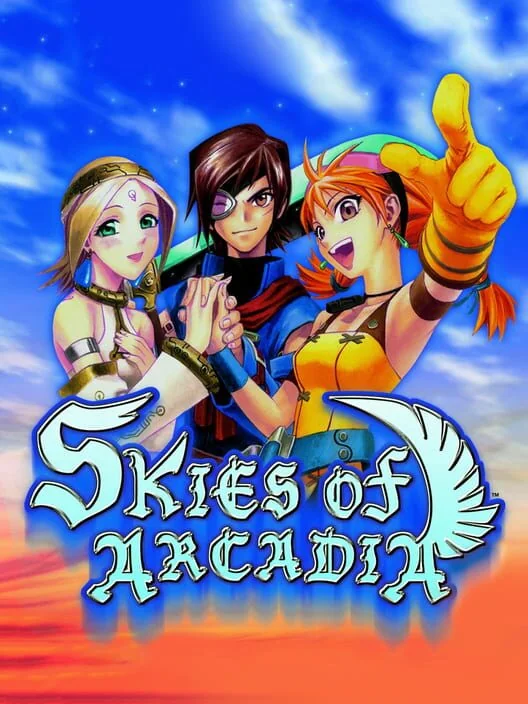
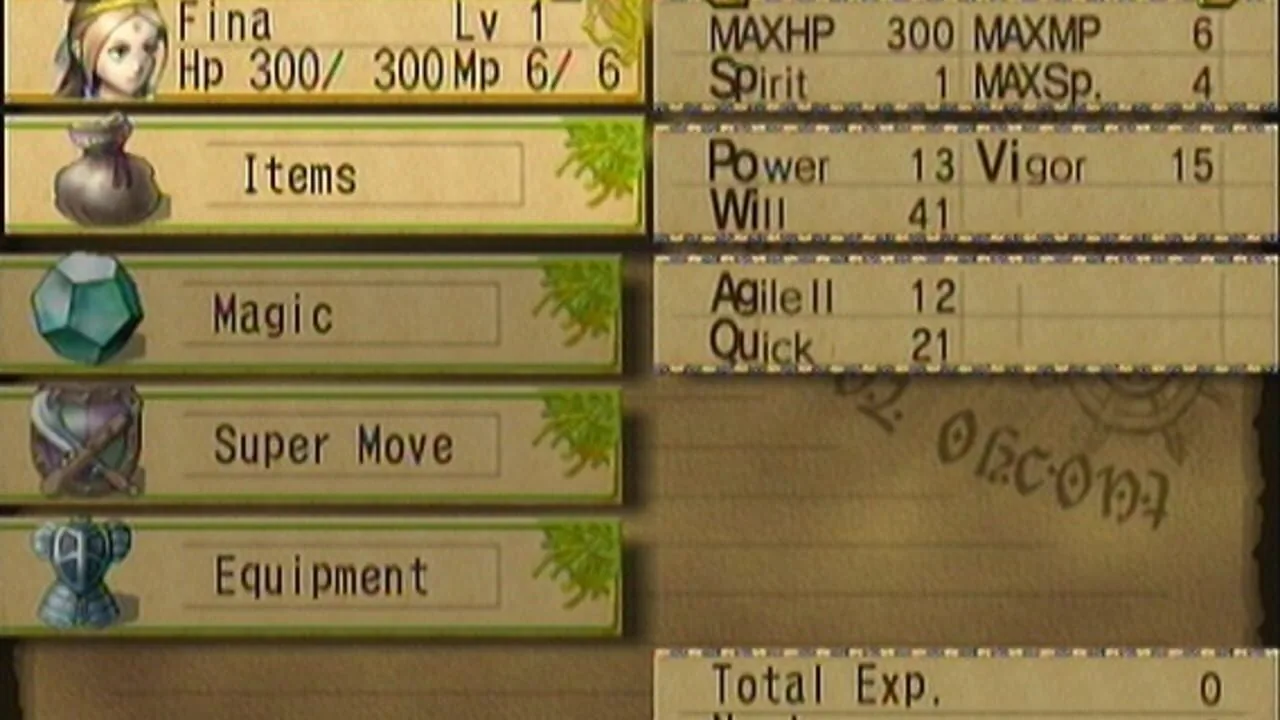
Skies of Arcadia is set in a world where continents float high above and people travel by airships. You play Vyse, who with his friend Aika belongs to the Blue Rogues, noble pirates who attack only Valuan war ships. Together with Fina, a girl on a mission she cannot explain yet, they end up fighting the empire's admirals across the whole world. The team included staff from Panzer Dragoon, Phantasy Star, Sonic the Hedgehog and Sakura Wars.
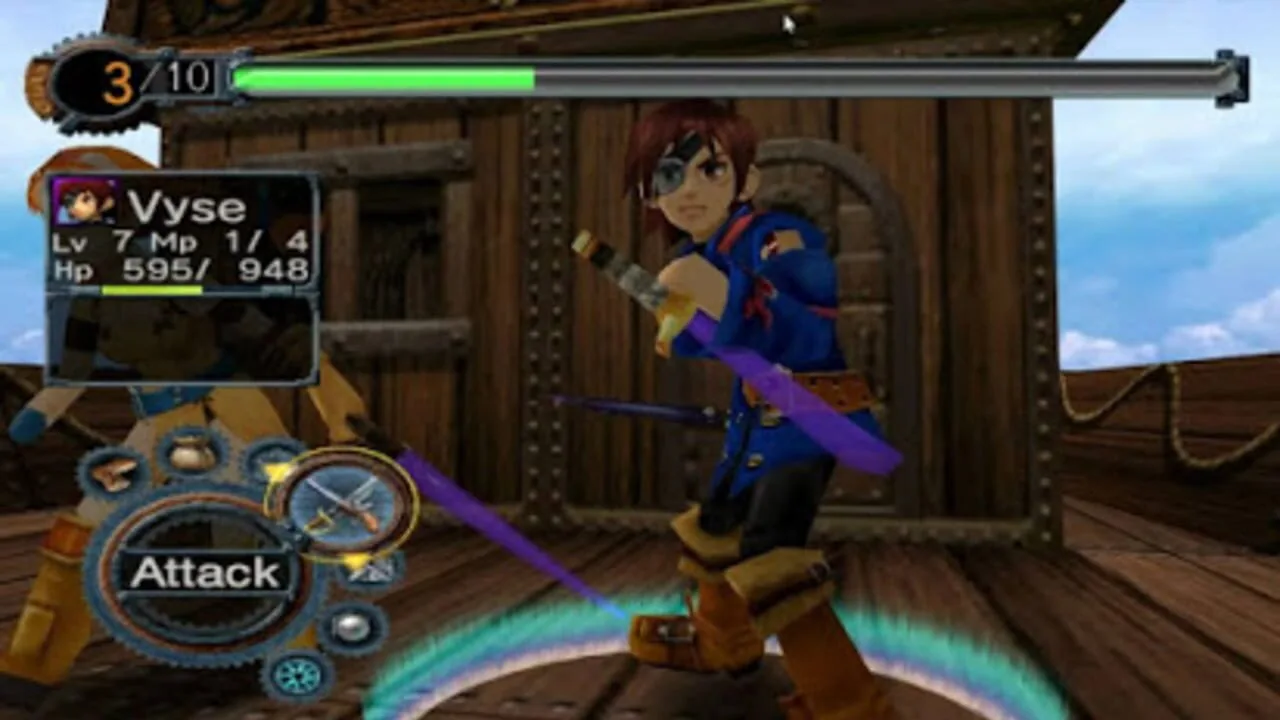
The battles are turn-based with experience points, but the focus is on exploration, flying your airship in 3D space. At a time when Japanese RPGs mostly showed darker worlds, Overworks wanted an optimistic hero, and Aika and Fina stand on equal footing with Vyse instead of waiting to be saved. Players love the sense of adventure and the sheer amount to explore. A GameCube port, Skies of Arcadia Legends, followed in 2002. Players recommend it more than any other Dreamcast RPG.
Which one to play
There you have it, the whole list of the best Dreamcast RPGs. The console did not get many, but the best of them still hold up.
If you are not sure where to start, play Skies of Arcadia. For a traditional turn-based RPG with a great battle system, pick Grandia II. If you want to play with other people, Phantasy Star Online is the one, and Armada takes up to four players on one console. For a 2D Zelda-style adventure, try Elemental Gimmick Gear. And for a hidden pick, Seventh Cross Evolution is unlike anything else on the Dreamcast.