Final Fantasy started in 1987 as a game created by Hironobu Sakaguchi, and it has been changing shape ever since. Almost all the numbered games have their own world and their own cast, and the battle system moves around from one to the next, so one fan's favourite is often another fan's least favourite. That argument is older than some of the people having it.
The series was a big deal at nearly all of its stages. It left 2D sprites behind after the sixth game, added voice acting on the PlayStation 2 and went online twice. Then it turned to fast real-time combat, and Nobuo Uematsu's music followed it for much of the way.
We surveyed players across the whole series and let the spin-offs in. A remake that plays as a new game counts apart from its original, and an expanded version counts as one game with the original. Here are the 25 best Final Fantasy games.
25. World of Final Fantasy (2016)
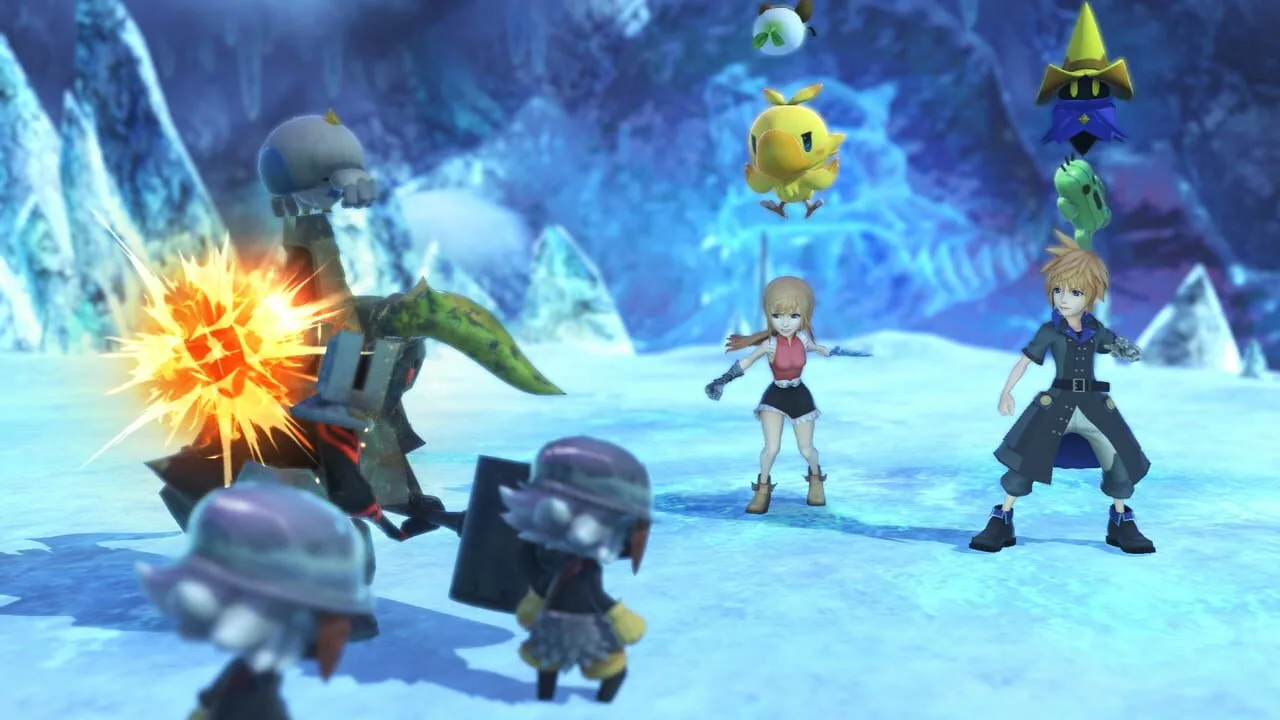
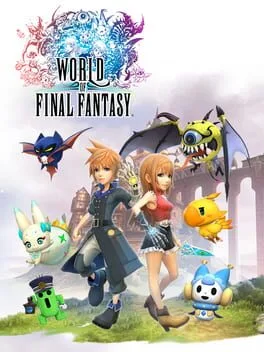
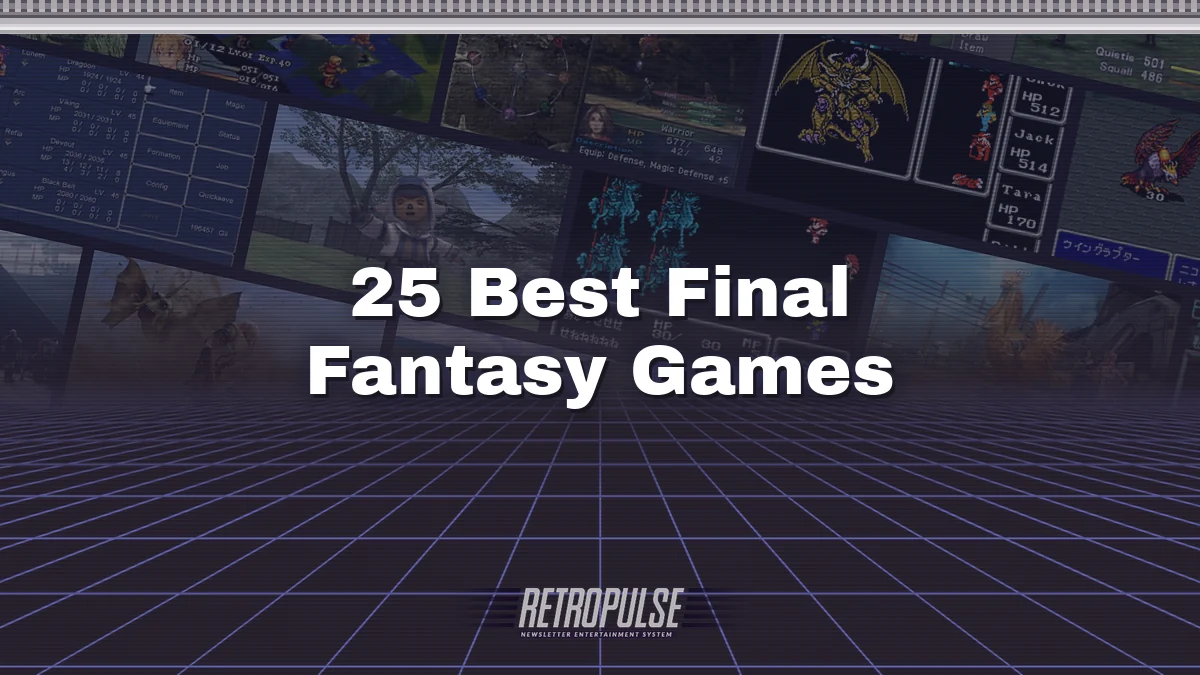
World of Final Fantasy came out on PlayStation 4 and PlayStation Vita in 2016 and reached Windows in 2017. It was meant to celebrate the series' 30th anniversary, and it was aimed at a wider and younger audience, with a light tone and stylized graphics. Hiroki Chiba directed and wrote it. Masashi Hamauzu composed most of the music, with arranged versions of classic themes mixed in.
Players describe a cute monster raising game, closer to Pokémon than to the rest of the series. The translators who first handled the classic characters came back to write their dialogue, which is a lot of care for a game this small and round.
24. Lightning Returns: Final Fantasy XIII (2013)
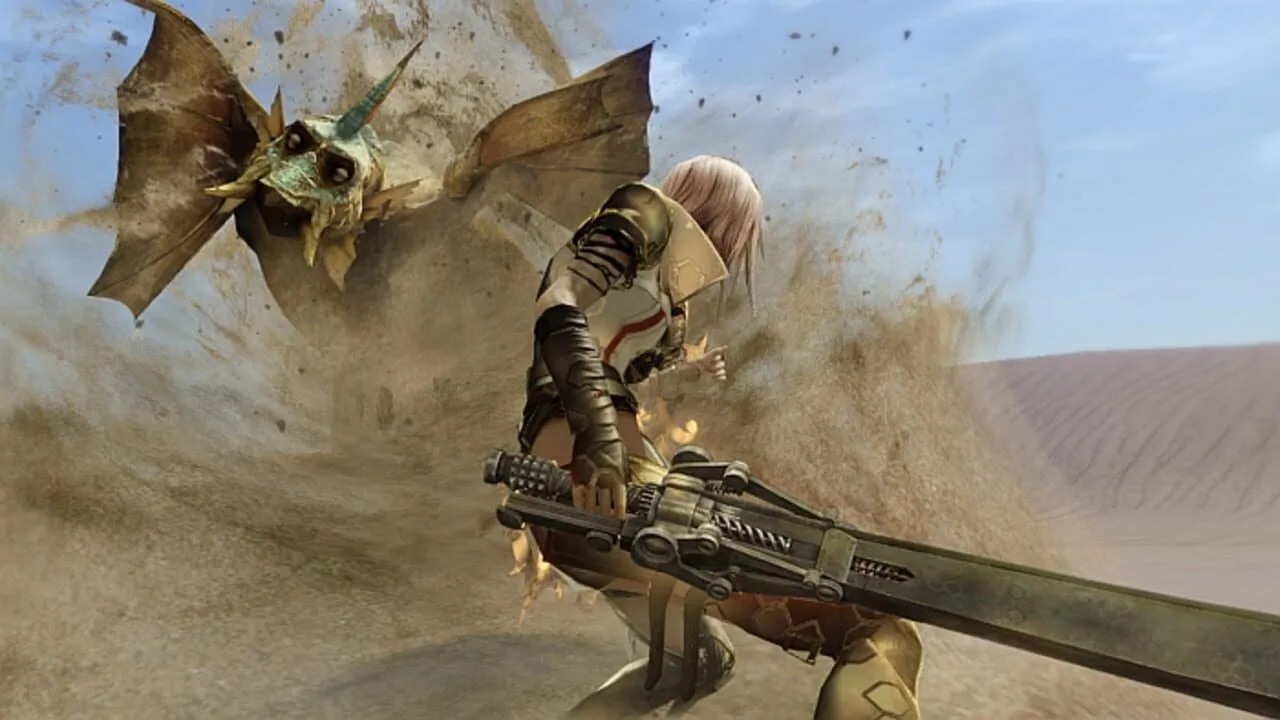
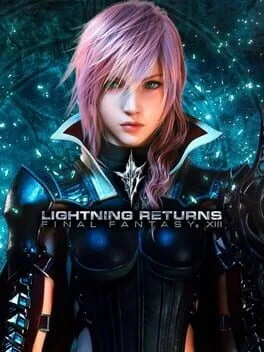
Lightning Returns concludes the story of Final Fantasy XIII. It came out in 2013 in Japan and 2014 in North America and PAL regions. Lightning wakes from hibernation thirteen days before the world's end, and the deity Bhunivelze chooses her to save the people who are left. The developers wanted to address the criticisms of the two earlier games while they finished her story. By May 2014 it had sold 800,000 copies.
Players bring up the timer first, and some of them gave up because of it, while the fans who stayed talk about how much fun the combat is. Saving a dying world on a deadline turns out to be stressful, which is at least accurate.
23. Final Fantasy VII Rebirth (2024)
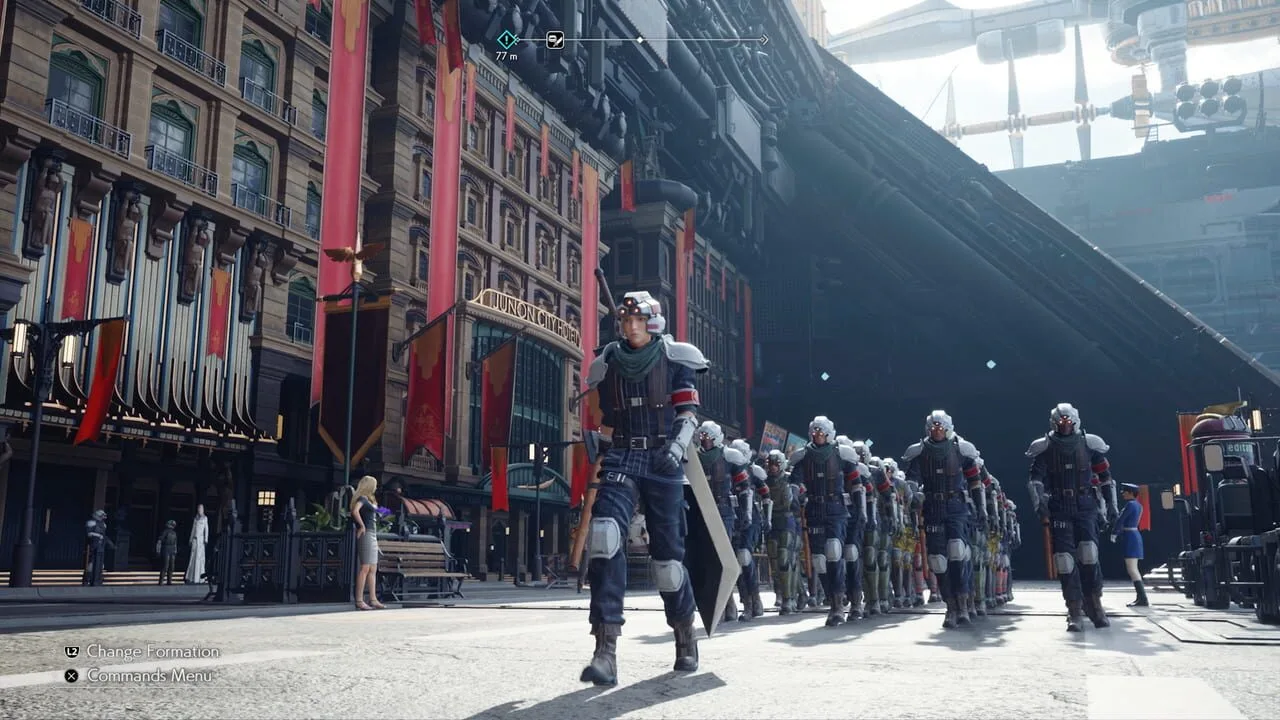
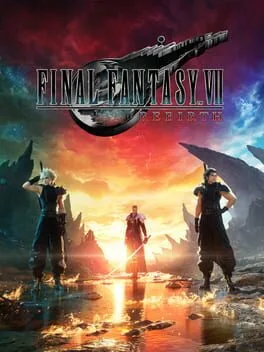
Rebirth is the sequel to Final Fantasy VII Remake and the second game in the trilogy remaking the 1997 PlayStation game. It came out on PlayStation 5 on February 29, 2024, and on Windows on January 23, 2025. The lead staff returned, with Tetsuya Nomura as creative director and Naoki Hamaguchi as director. It won multiple end-of-year awards, Game of the Year among them. The last part, Final Fantasy VII Revelation, is set for 2027.
It is this low because it is new and players have had the least time with it. The ones who have played it tell you to go straight from Remake into Rebirth, and some of them rate the pair above Final Fantasy XVI.
22. Final Fantasy XVI (2023)
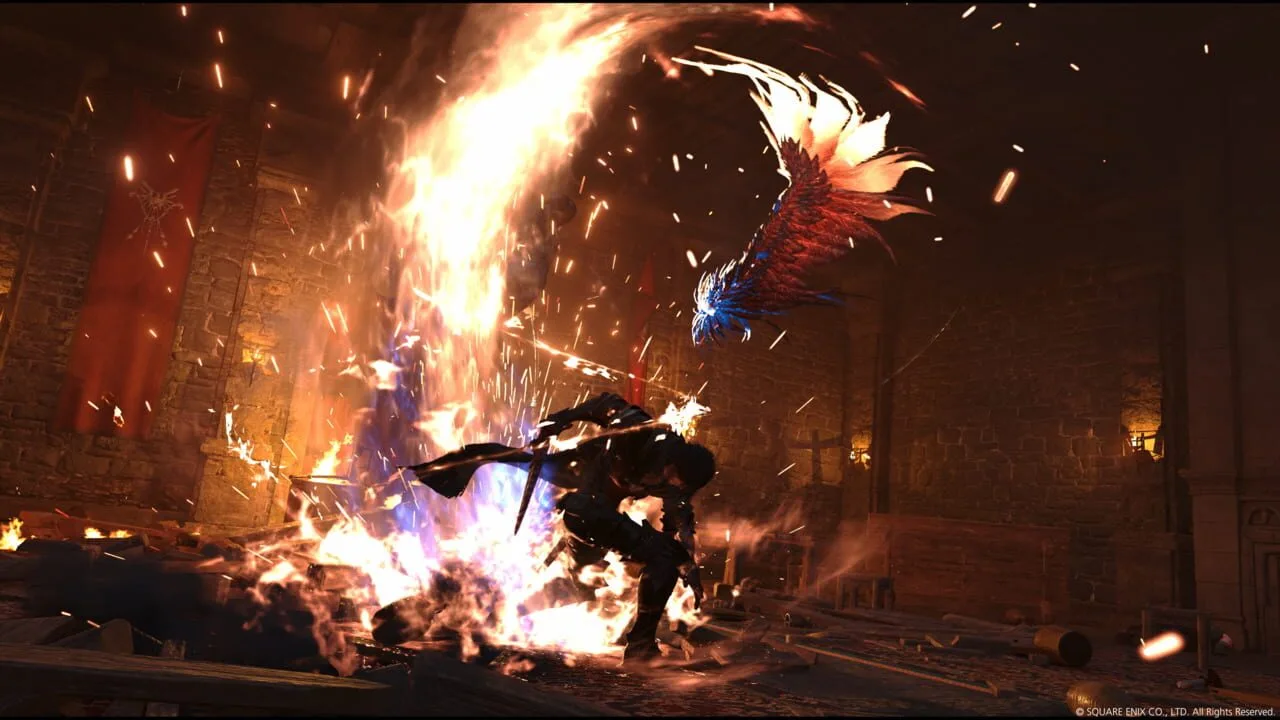
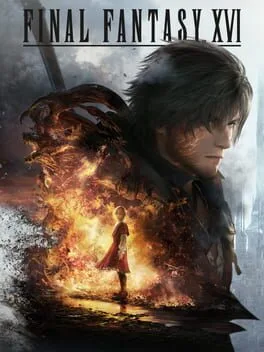
Final Fantasy XVI came out on PlayStation 5 first, then on Windows in September 2024 and Xbox Series X/S in June 2025. Naoki Yoshida produced it, and Capcom veteran Ryota Suzuki designed the battles. The hero is Clive, and the world is called Valisthea. Critics praised the story and the music, and they also complained about the lack of role-playing elements.
The game sold over three million units during its first week and still failed to meet Square Enix's expectations. That is a hard business to please. Players who recommend it do so warmly: they call it great, and they call its long build-up to the big villain one of the coolest around.
21. Final Fantasy Type-0 (2011)
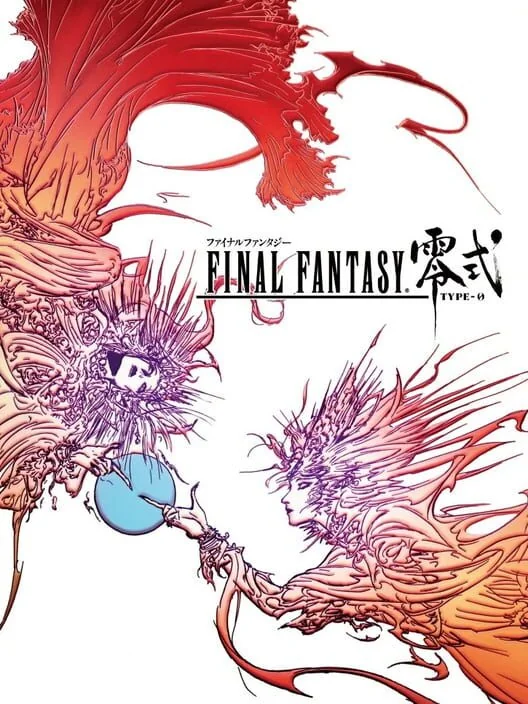
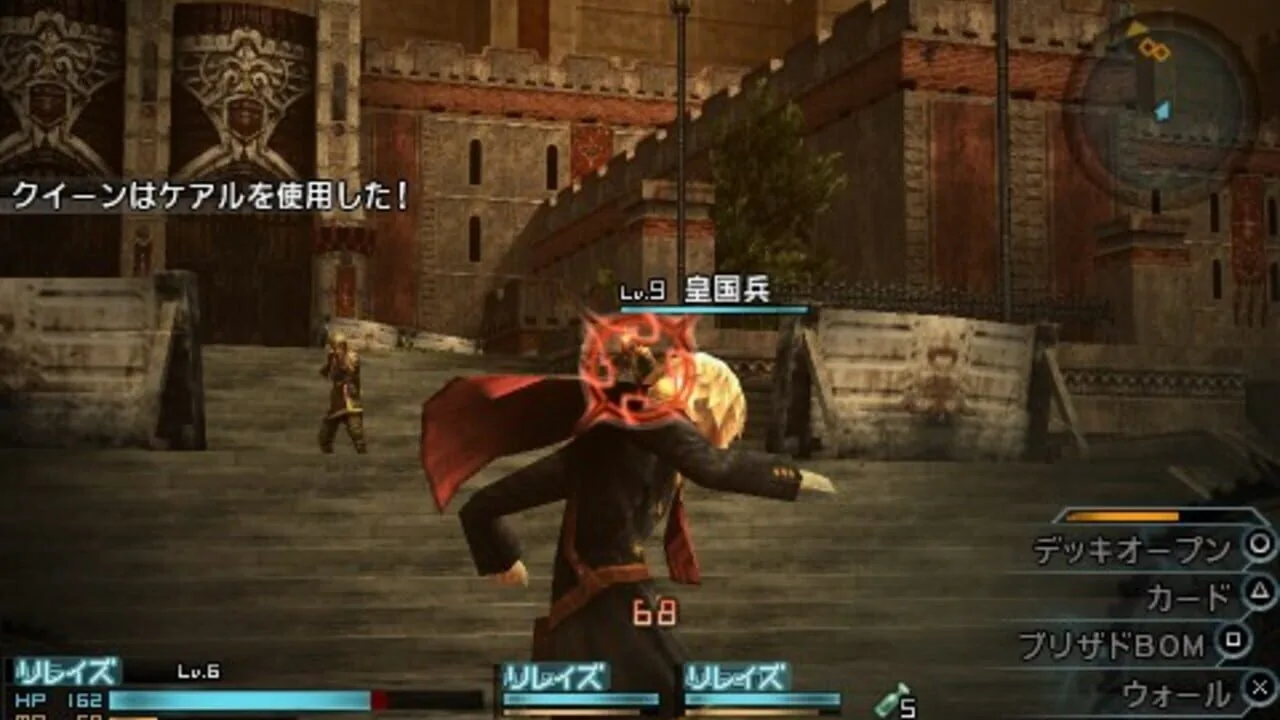
Type-0 was released in Japan on October 27, 2011, after starting life as Final Fantasy Agito XIII, a title announced for mobile phones and the PSP. Hajime Tabata directed it. The presentation was inspired by historical documentaries, and the story was written to be darker than other Final Fantasy titles. English players got a high definition remaster in March 2015.
Your cast is Class Zero, and the first twelve students include a flute wielder and a card wielder, sent off to a war anyway. Players agree it is an action game and very different from the other games in the series, so go in for the war story and expect something unusual.
20. Crisis Core: Final Fantasy VII (2007)
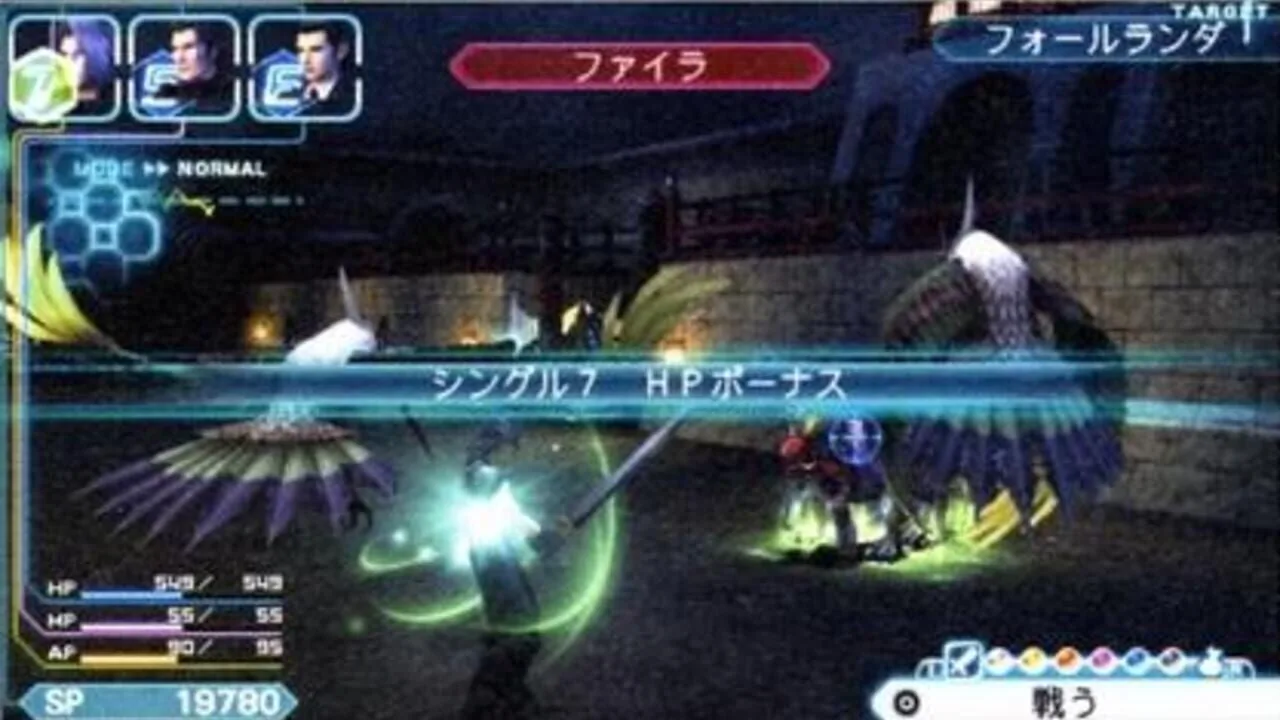
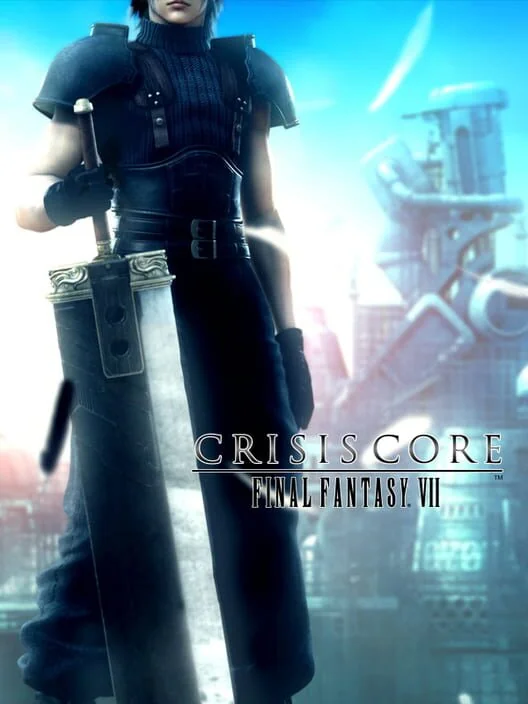
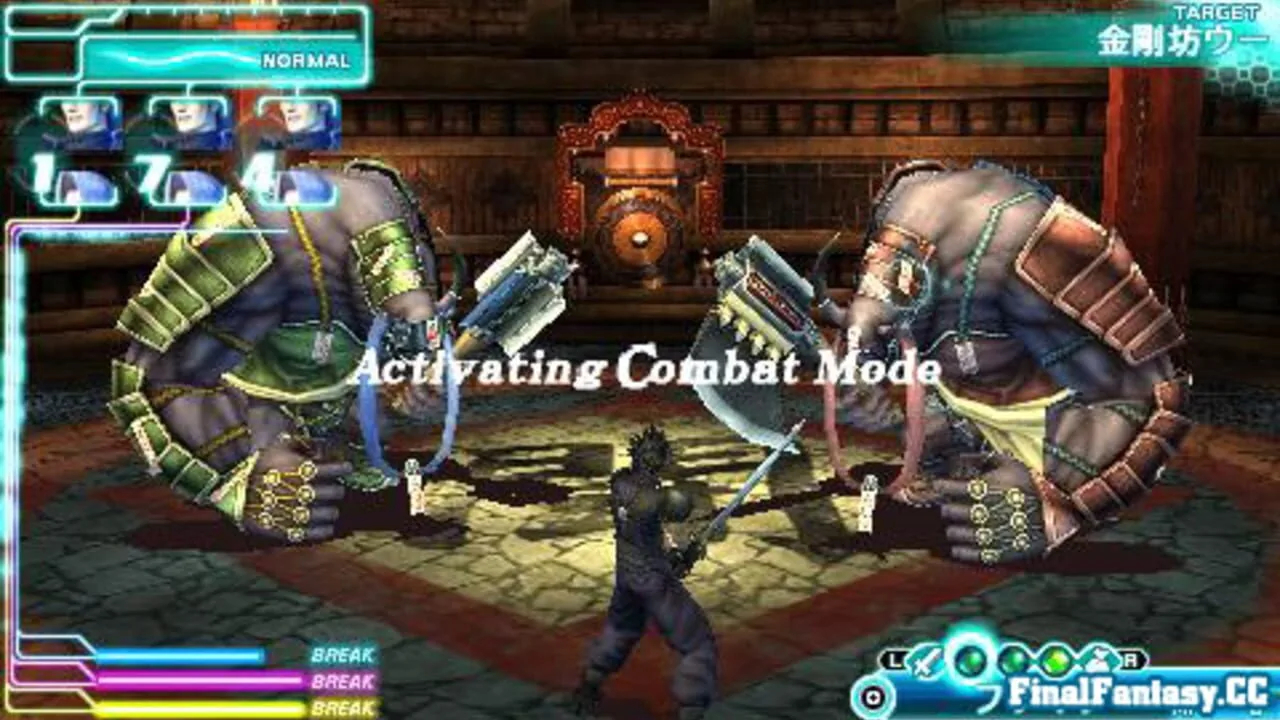
Crisis Core is the prequel to the 1997 game, and it follows Zack Fair, a young member of SOLDIER. Hajime Tabata directed it, with Tetsuya Nomura as creative producer. The staff first planned a PlayStation Portable port of the phone game Before Crisis, and they decided to make a new game instead. A number reel called the DMW spins by itself during play, and when the numbers line up as 777 Zack gains a level. It sold over two million units, and a remaster called Reunion arrived on December 13, 2022.
Players treat it as a companion piece. They tell you to play the 1997 game first, since this one spoils it, and then to take the two together.
19. Final Fantasy XIII-2 (2011)
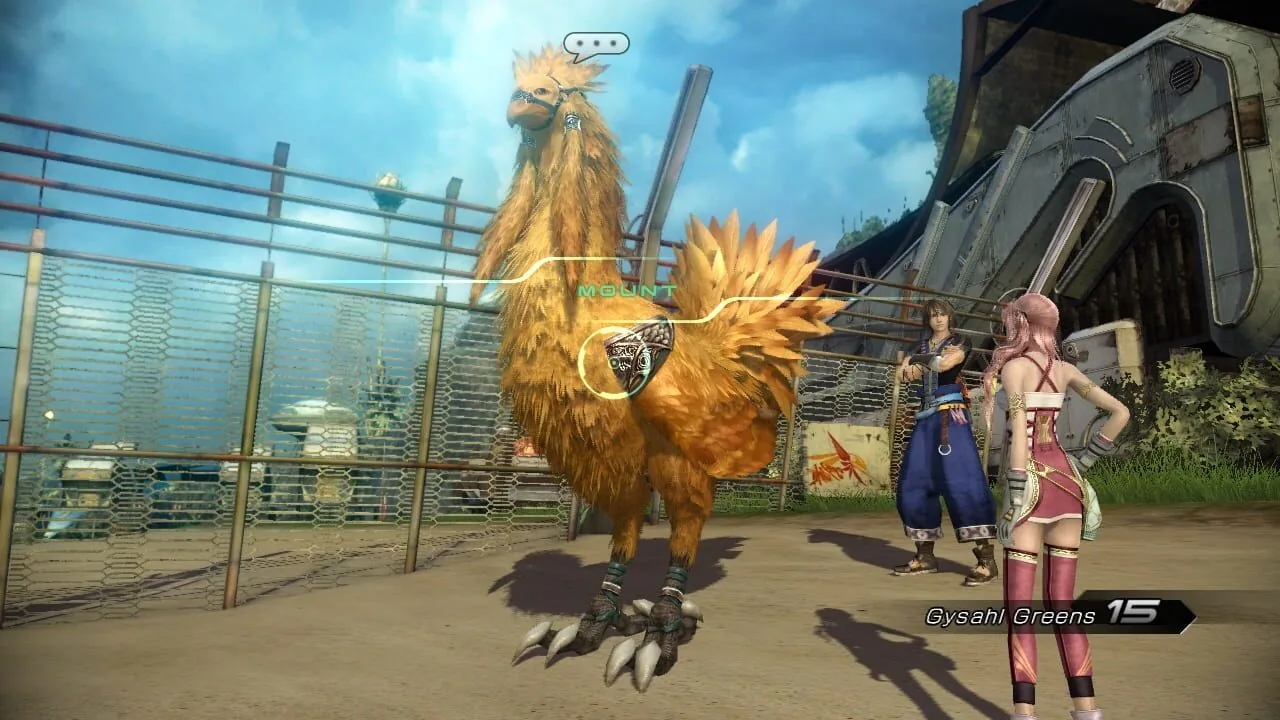
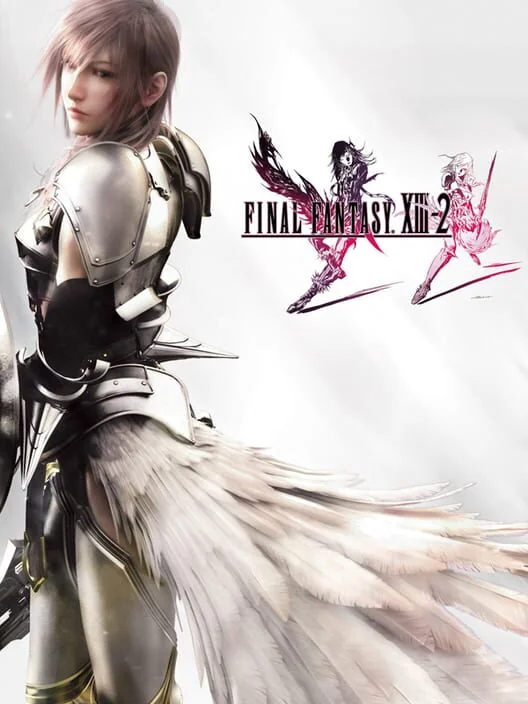
XIII-2 is a direct sequel to Final Fantasy XIII. It came out in 2011 in Japan and 2012 in North America and PAL regions, after about one and a half years of development. The team wanted a darker and more mysterious story, and tri-Ace was hired to help. Reviewers praised the gameplay and the lack of linearity, and they called the story weak and confusing. It sold 3.1 million copies worldwide by January 2013.
Most of the players who bring it up are cool on it, but a few of them rate the XIII games above the whole rest of the series. Those fans are out there, and they have heard your opinion already.
18. Final Fantasy II (1988)
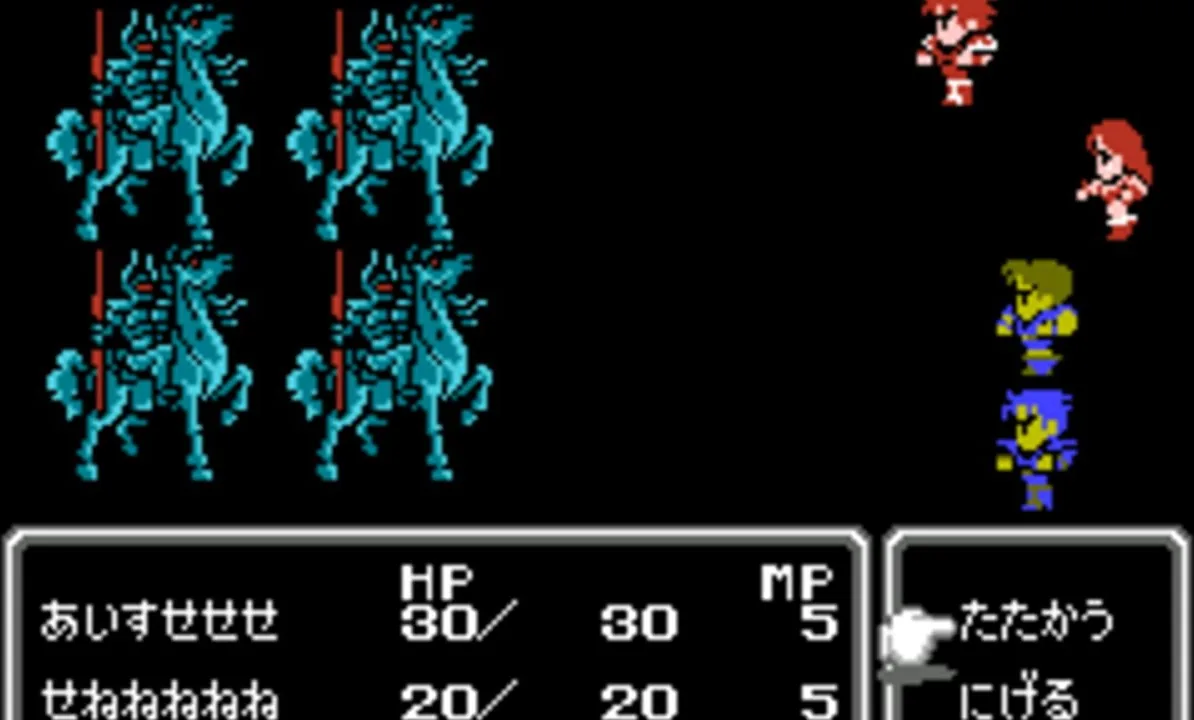
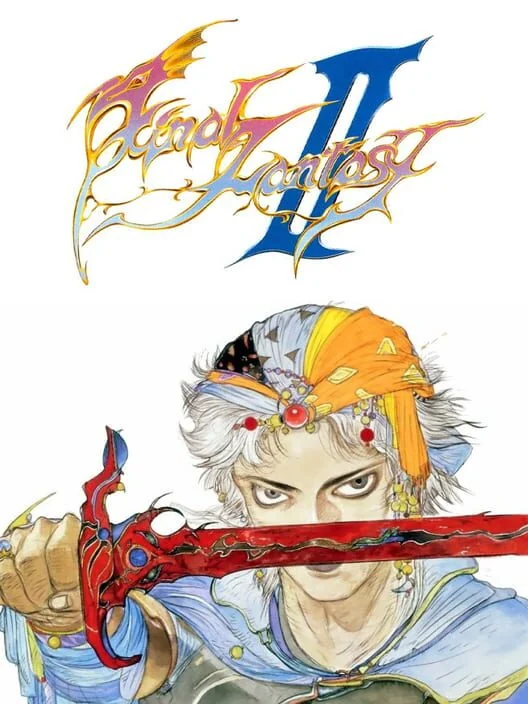
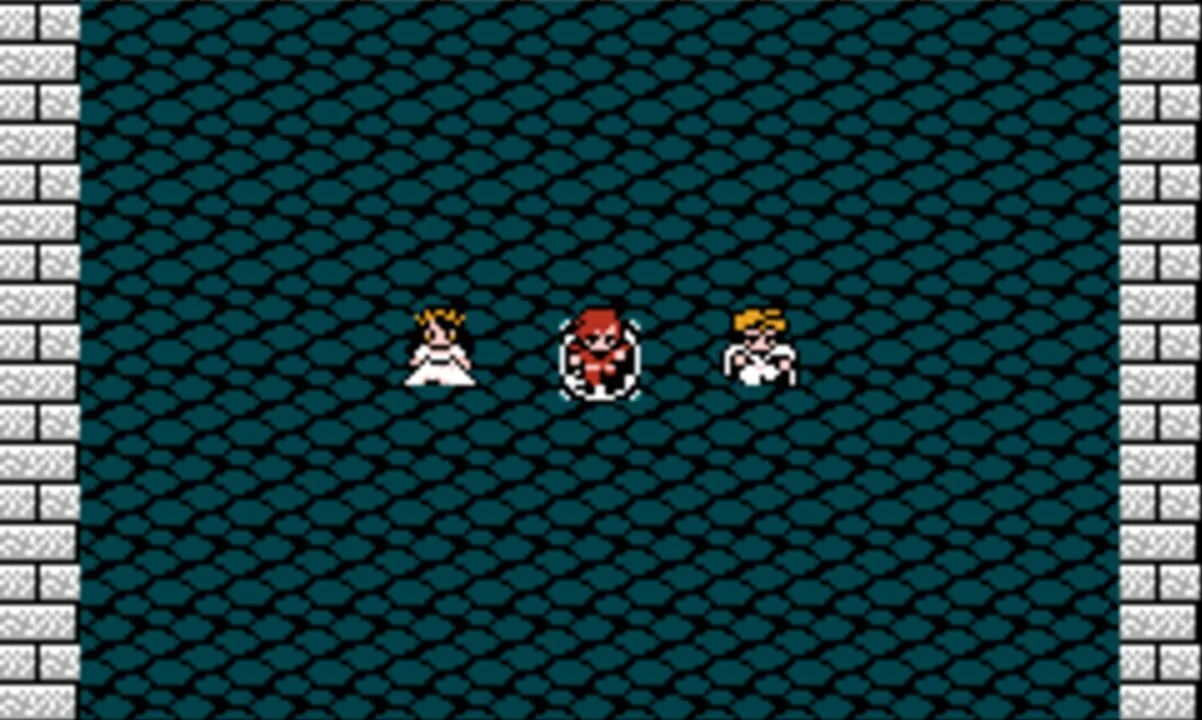
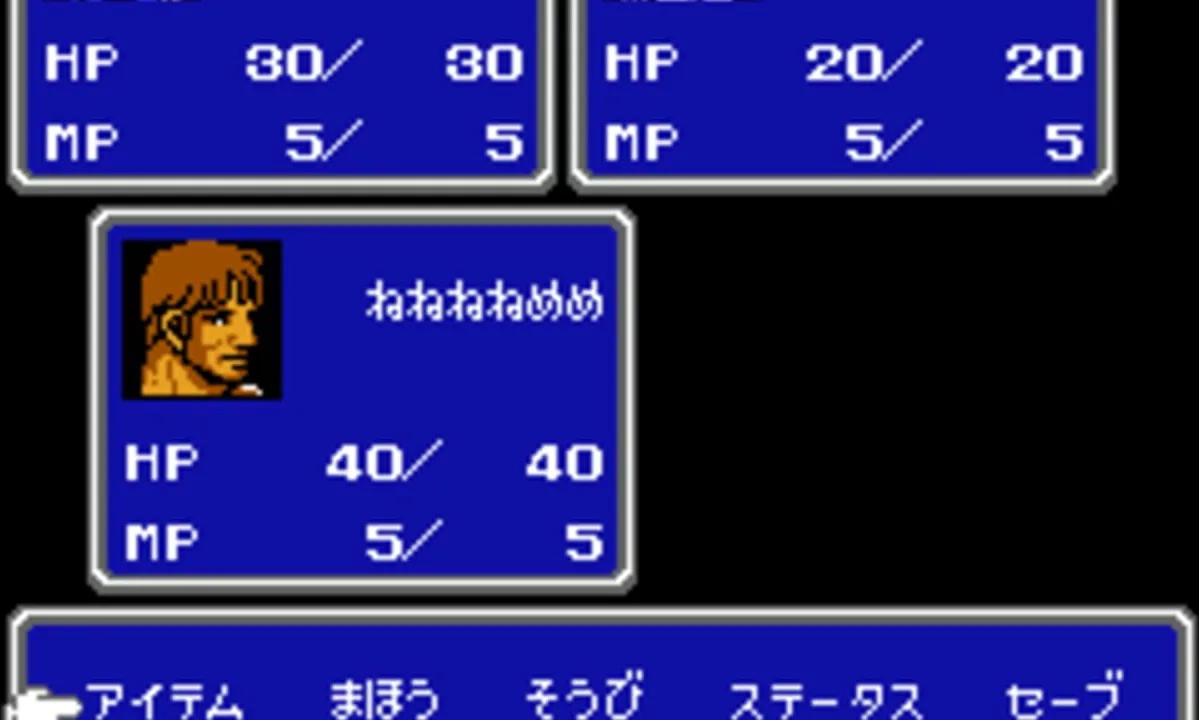
The second game was exclusive to Japan at first, and later versions went international, including the 2021 Pixel Remaster. Sakaguchi directed it again. The team wanted something different from the first game, so it took inspiration from The Empire Strikes Back for the story and redesigned the combat. Characters grow based on the actions they take in battle, and there are no ordinary levels to chase.
Reviewers call it one of the most divisive entries in the series, and players do too. Many of them will tell you to skip it. The kinder ones call it a failed but ambitious experiment and say that is what makes it interesting.
17. Final Fantasy XI (2002)
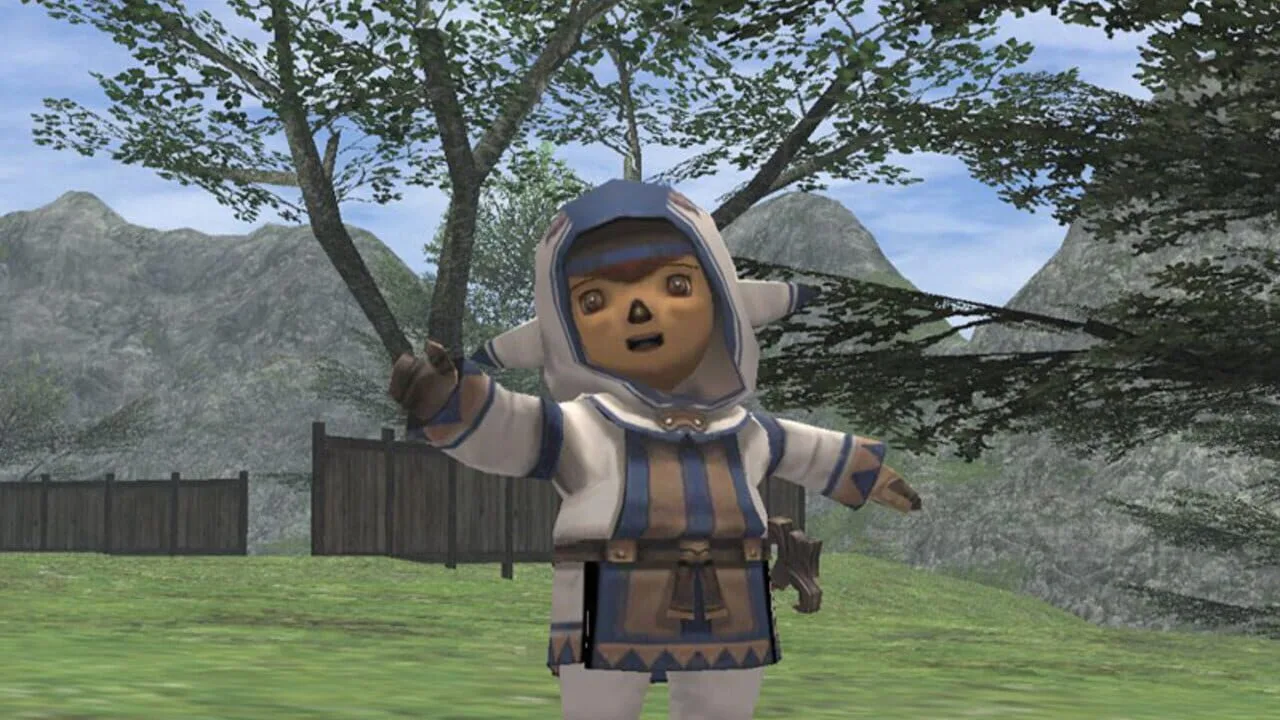
Final Fantasy XI is the first of the two online games. It was released in Japan on May 16, 2002, for PlayStation 2, and for Windows in November of that year. Hiromichi Tanaka designed and produced it. Battles take place in the world you walk around in, a first for the series. Five expansion packs followed, and it became the final active server on the PlayStation 2 online service. Support for that version ended on March 31, 2016.
Players who stayed talk about it in the language of addiction, and some measure it in years. Plenty of them will tell you it was time well lost, with a straight face.
16. Final Fantasy III (2006)
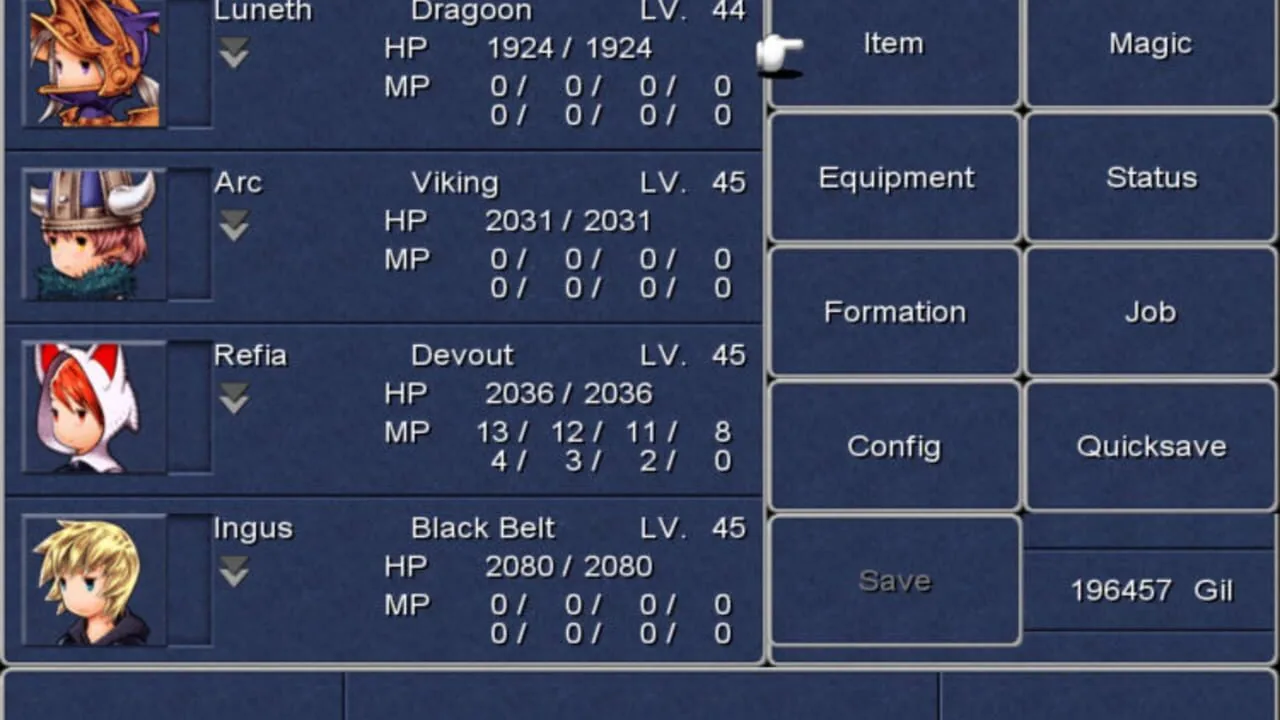
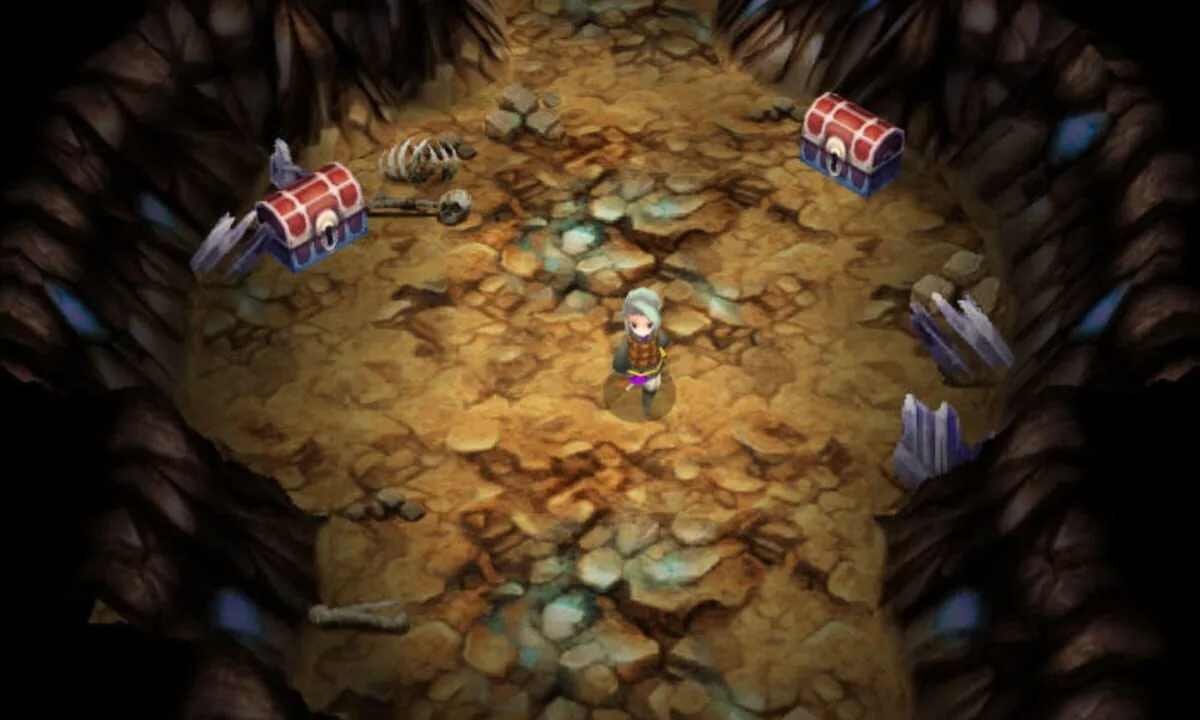
This entry is the 3D remake for the Nintendo DS, released internationally in 2006, because the original was not released outside Japan until 2021. The older game was the final contribution to the series from programmer Nasir Gebelli. It sold 1.4 million copies in Japan, with most of the praise going to its job system.
The players who pick it talk about the same thing, and they like how much there is to play with in the jobs. It is hard, by their account, but it is the place to see where that idea came from. The story moves slowly, so bring patience for the later dungeons.
15. Final Fantasy VII Remake (2020)
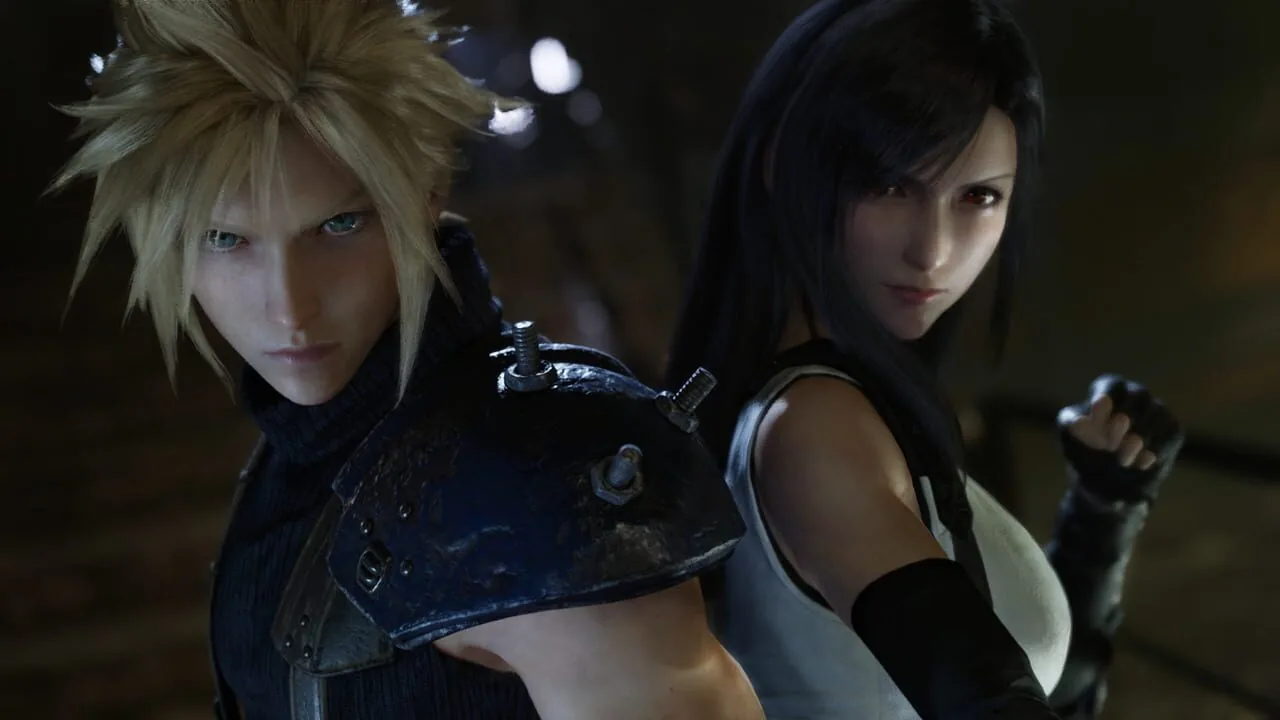
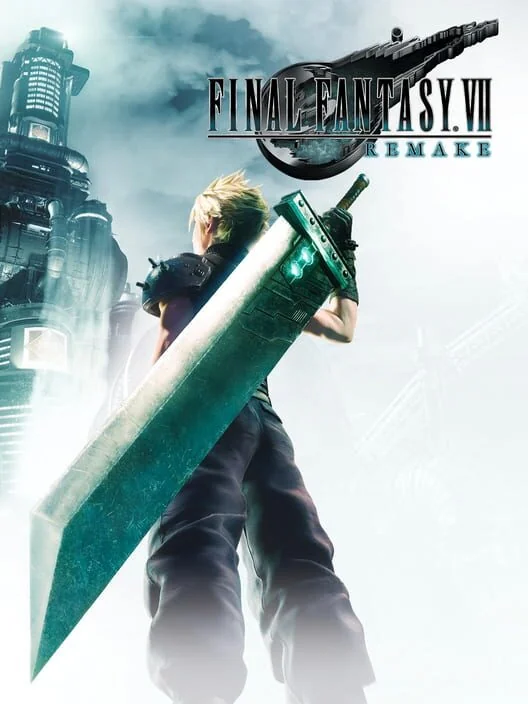
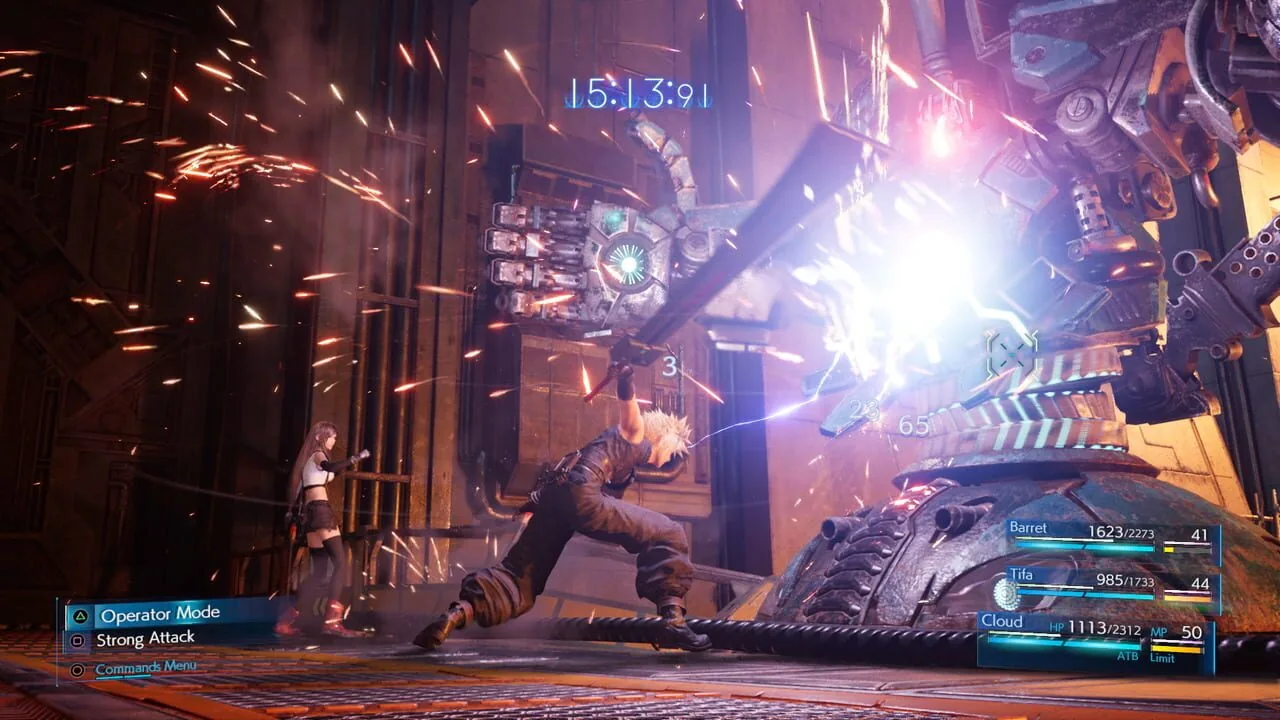
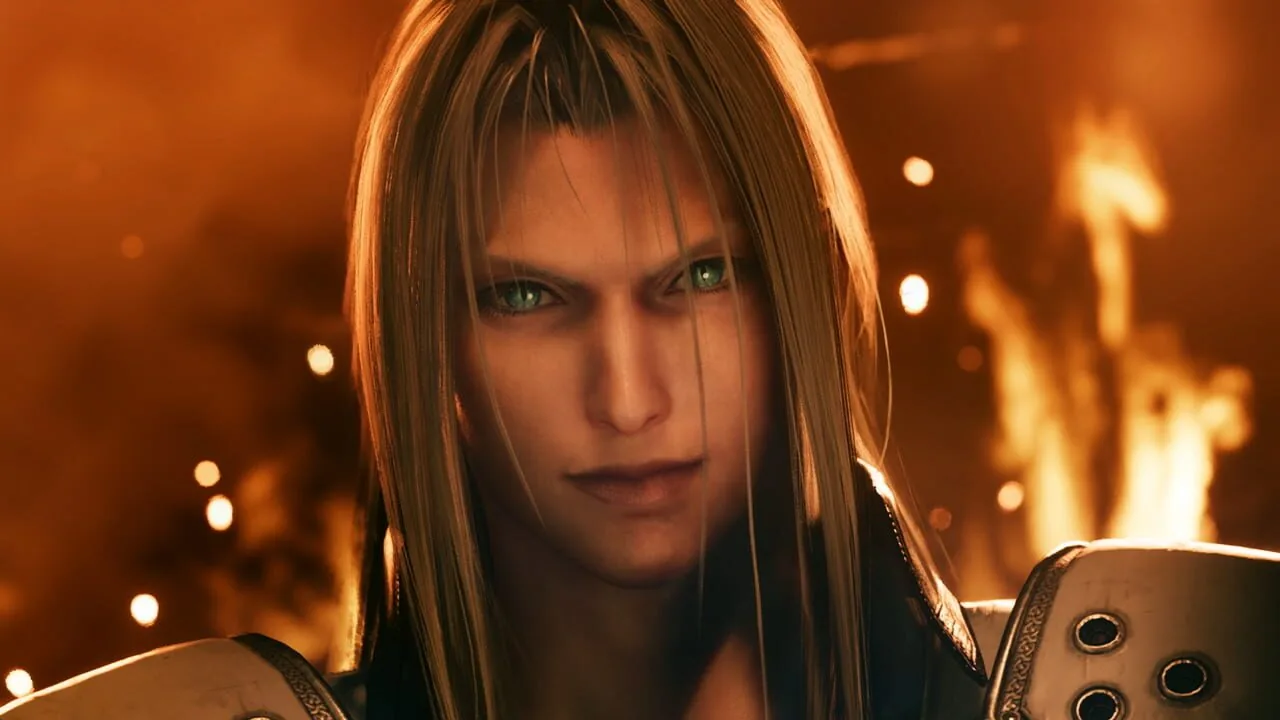
Remake is the first in a trilogy of games remaking the 1997 game. Tetsuya Nomura directed it, and Yoshinori Kitase, Kazushige Nojima, Motomu Toriyama and Nobuo Uematsu came back from the original staff. It uses fast-paced, real-time combat. Critics praised the expanded story and the battle system, and they criticised the linearity and the side quests. An enhanced version, Intergrade, came out in 2021.
Players rate it highly enough to send newcomers there, and they treat it and Rebirth as one thing to play in a row.
14. Final Fantasy XIV (2013)
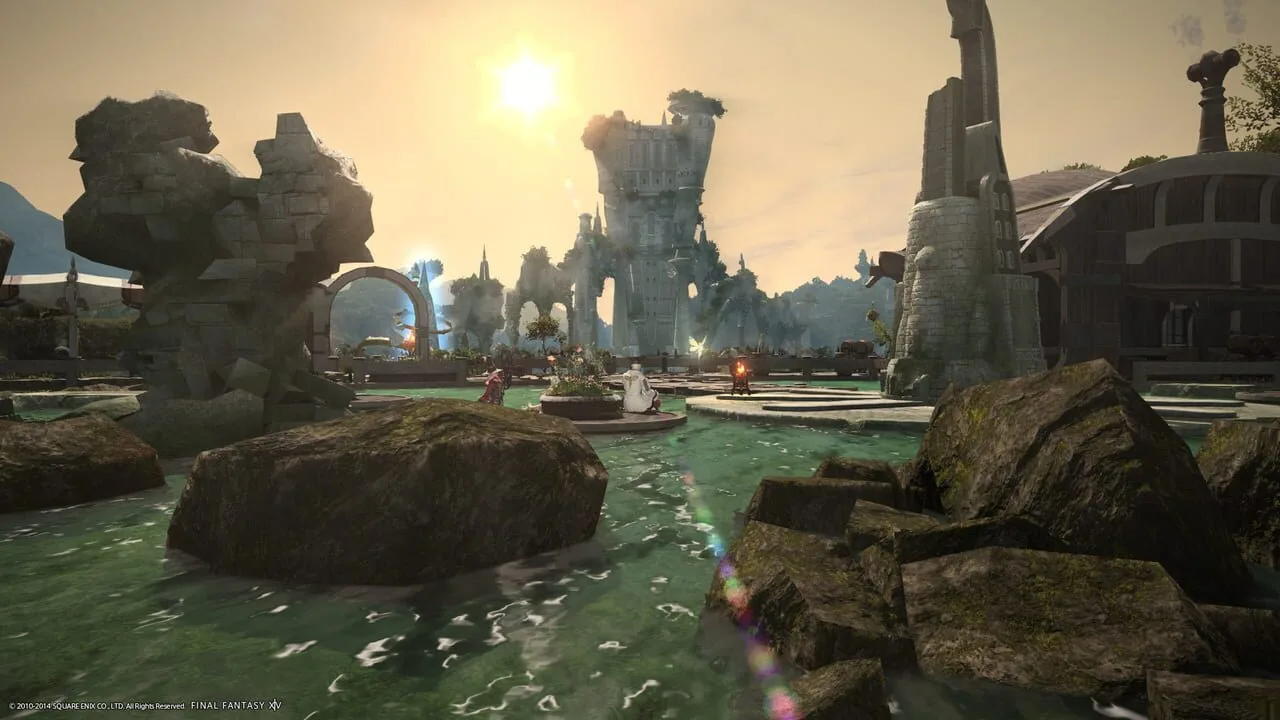
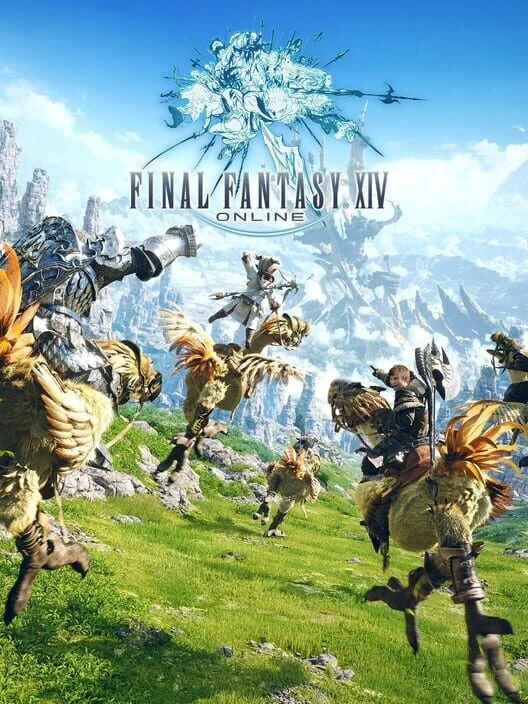
The original Final Fantasy XIV was a commercial and critical failure. A new team kept improving it while secretly building a replacement, known inside as Version 2.0, with a new engine and new servers behind it. The relaunch got largely positive reviews, critics commended producer Yoshida for an unexpected recovery, and Square Enix credited the game for part of its 2014 return to profitability.
People who avoid online games are the ones players most want to convince. They keep saying the same thing: the story is the reason to play. A massive online game sold on its plot is a strange pitch, and it seems to work.
13. Final Fantasy V (1992)
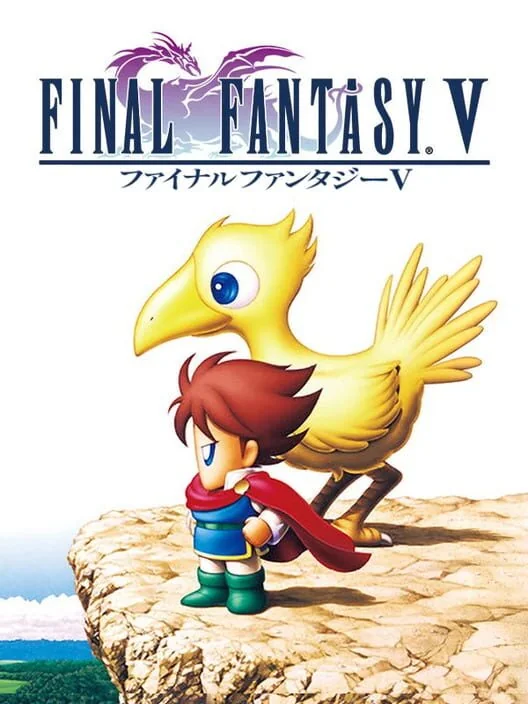
Final Fantasy V was released only in Japan at the time, and the Super Famicom version still sold more than two million copies. Your characters begin as Freelancers and get new jobs from crystal shards, an improved version of the system from Final Fantasy III. It was later ported to the PlayStation and the Game Boy Advance, and a Pixel Remaster arrived on November 10, 2021.
Players who love this one love the job system first, and they say the fun lasts through replays. The story is the lighter part of the deal. Its fans get oddly firm about one thing, which is that you must not skip it.
12. Final Fantasy (1987)
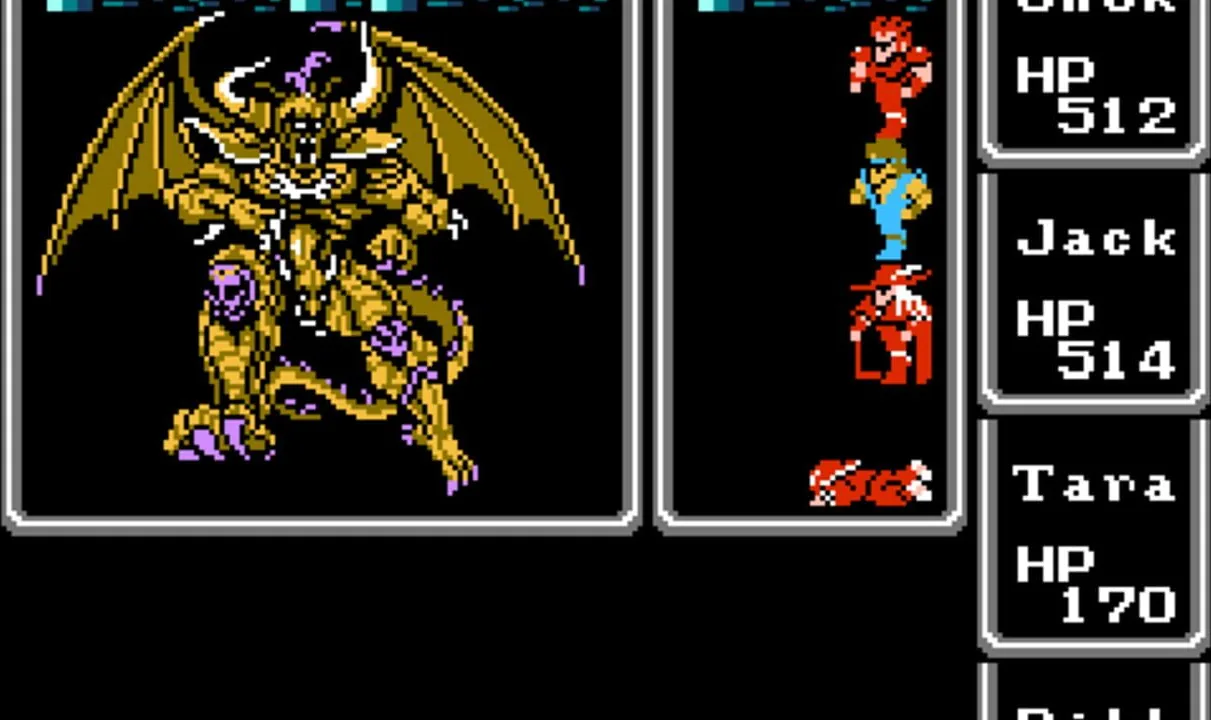
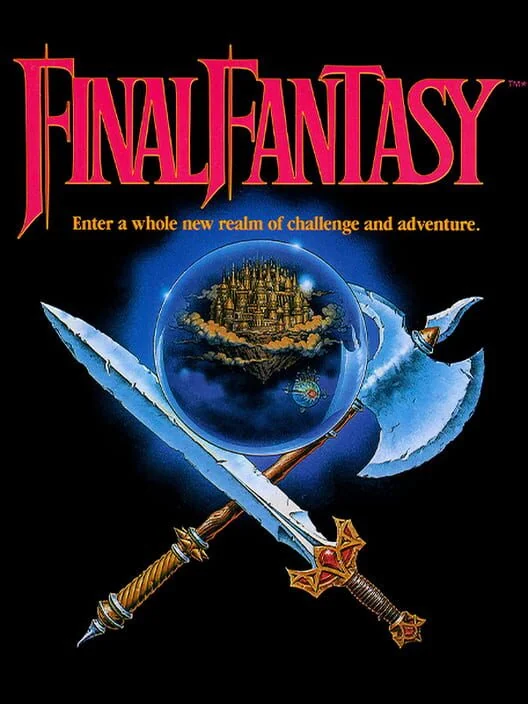
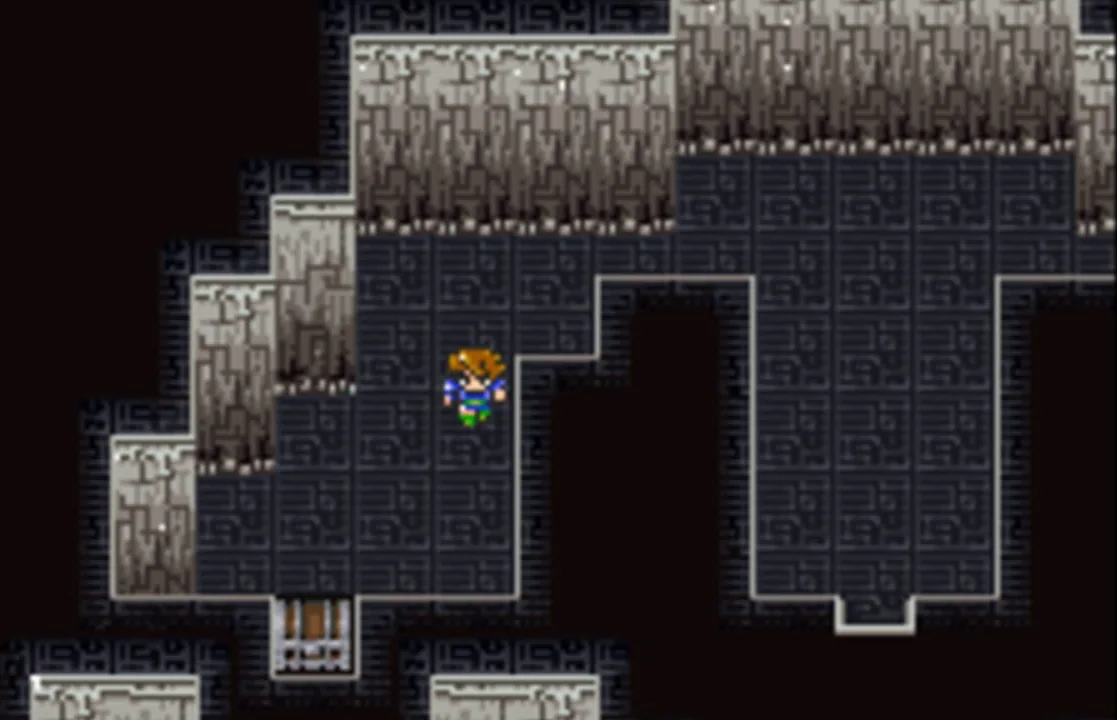
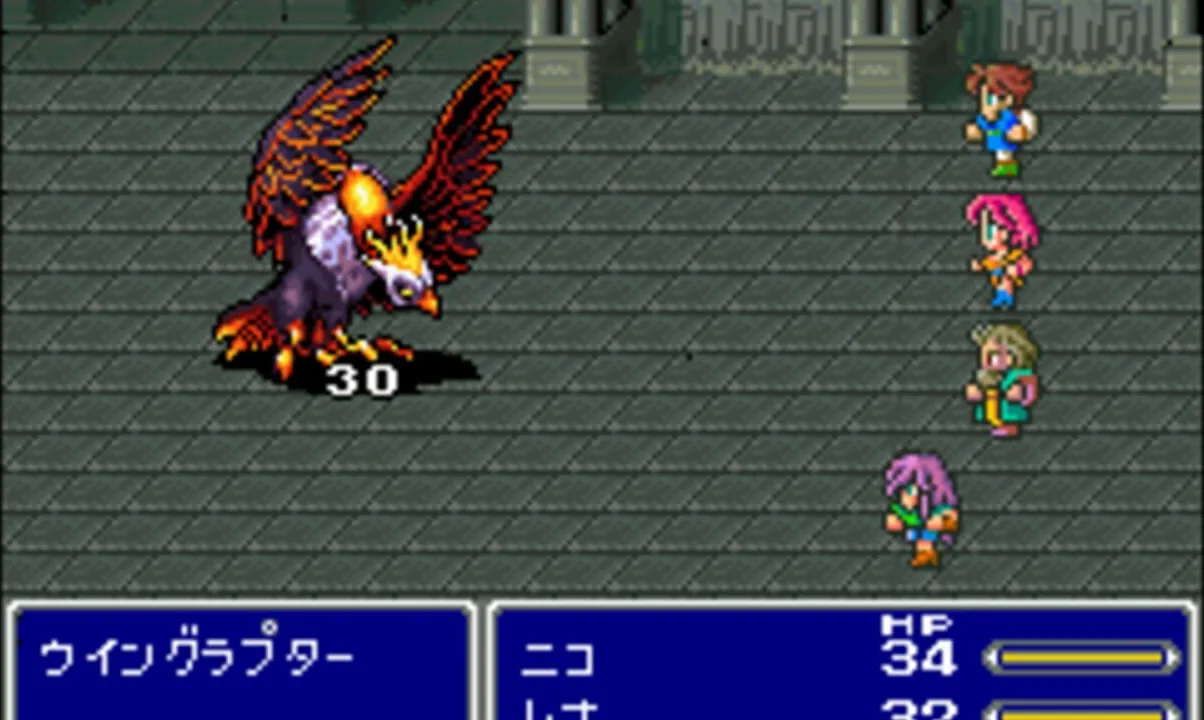
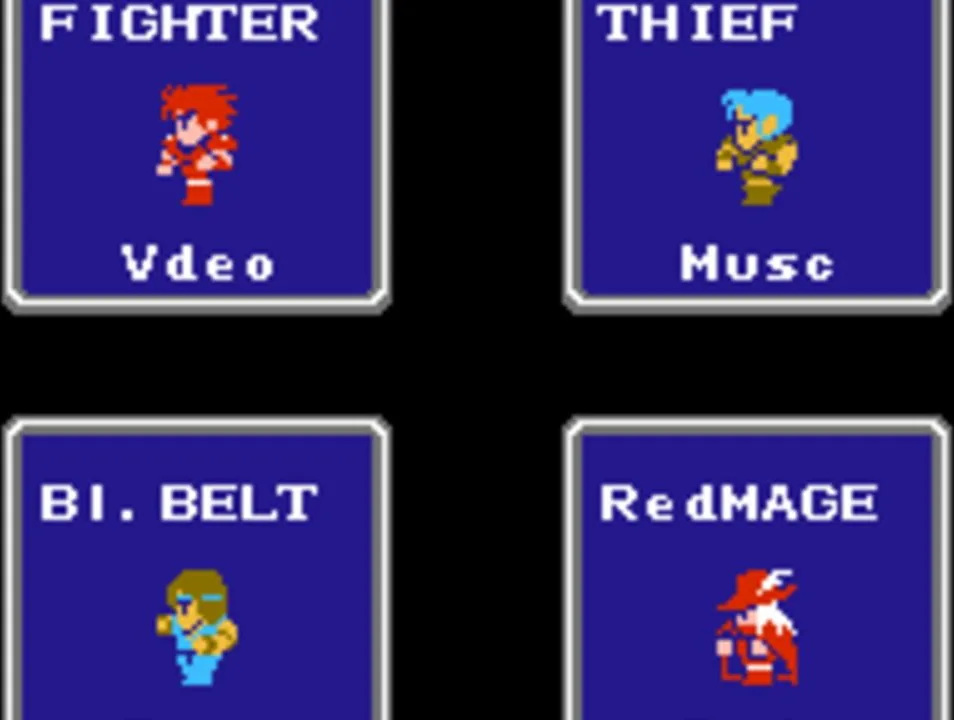
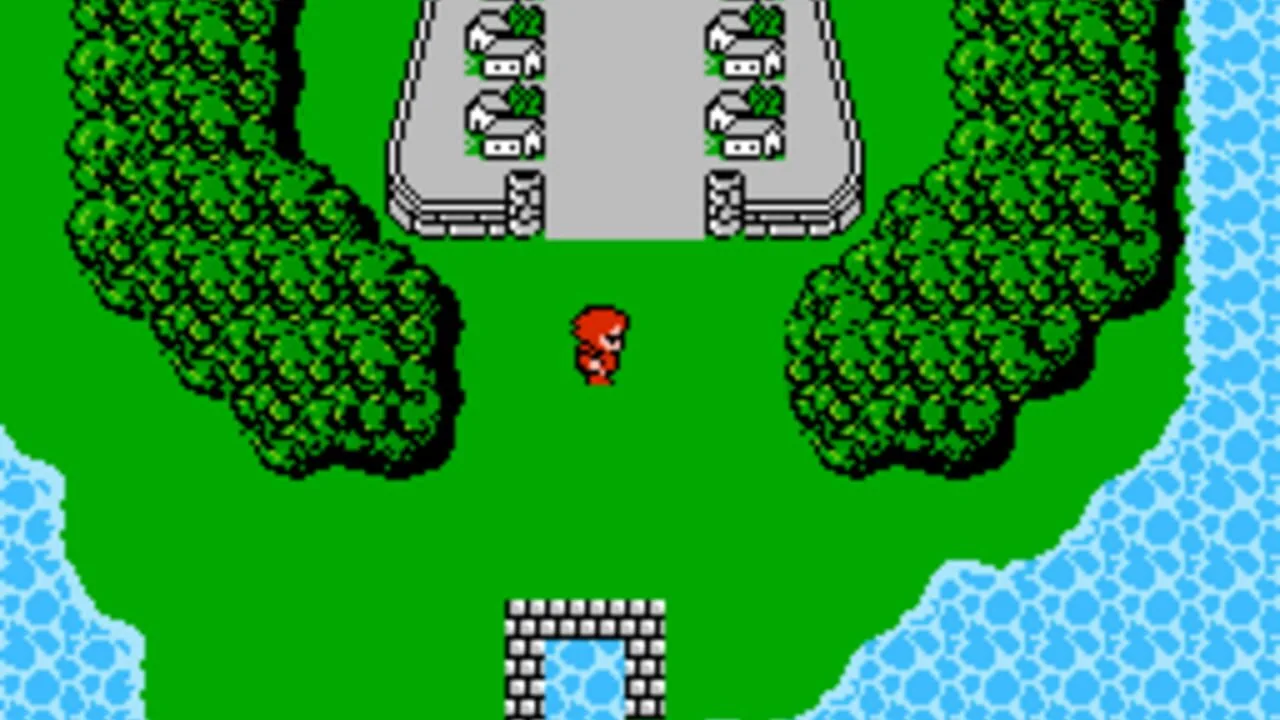
The first game had the working title Fighting Fantasy until trademark issues forced a change. It was a great commercial success, and all versions together had sold two million copies by March 2003. Each character may learn only three spells per level, and the amount of grinding was the main complaint from critics.
Players mostly recommend it as history. They say you play it to see where the series started, and to spot the lessons Square learned later. That is a polite way of saying it is old, though it did start all of this.
11. Final Fantasy X-2 (2003)
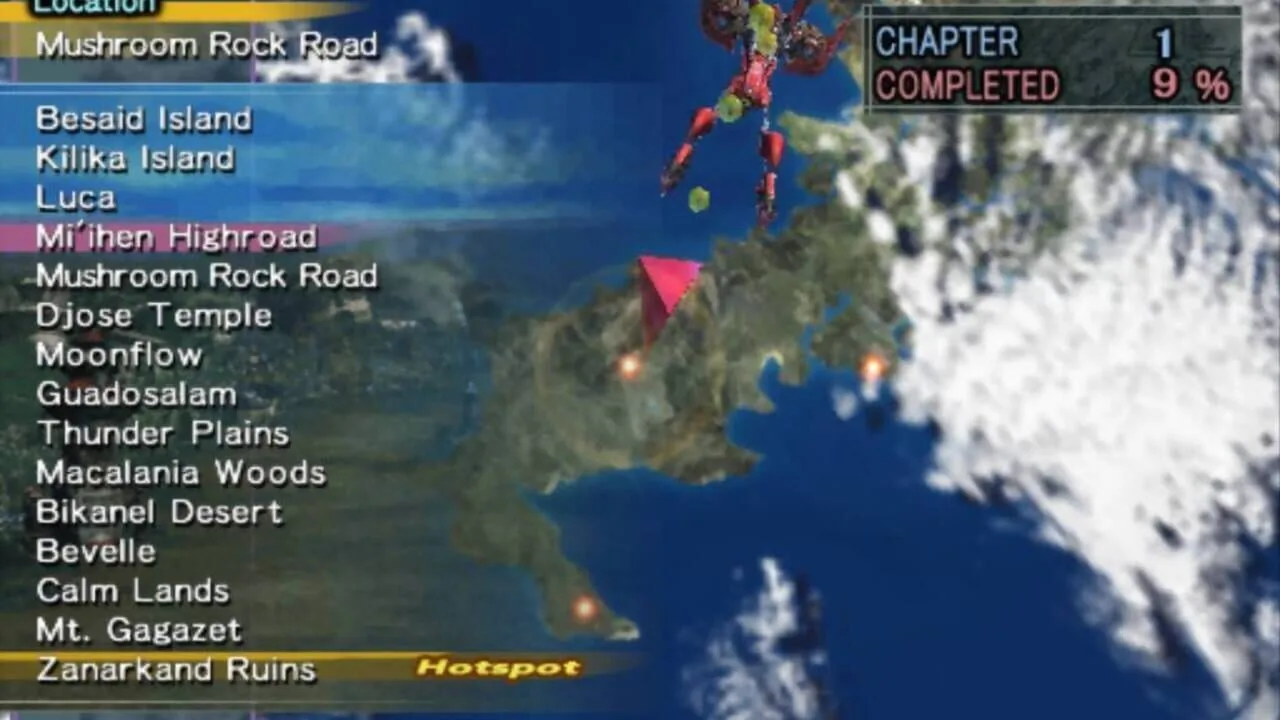
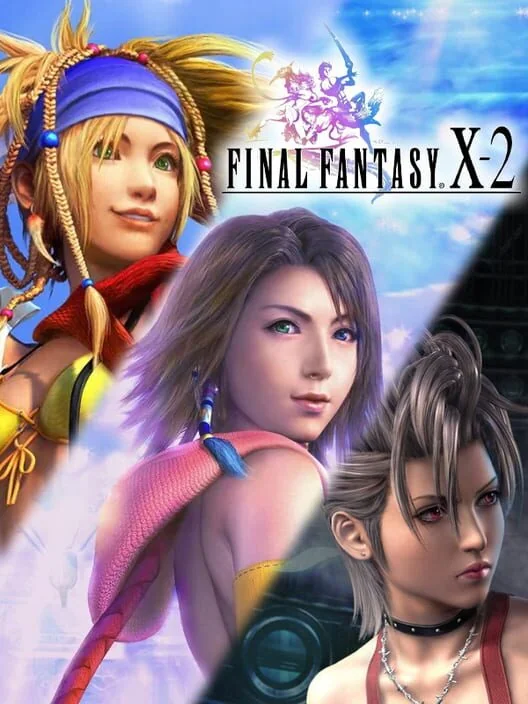
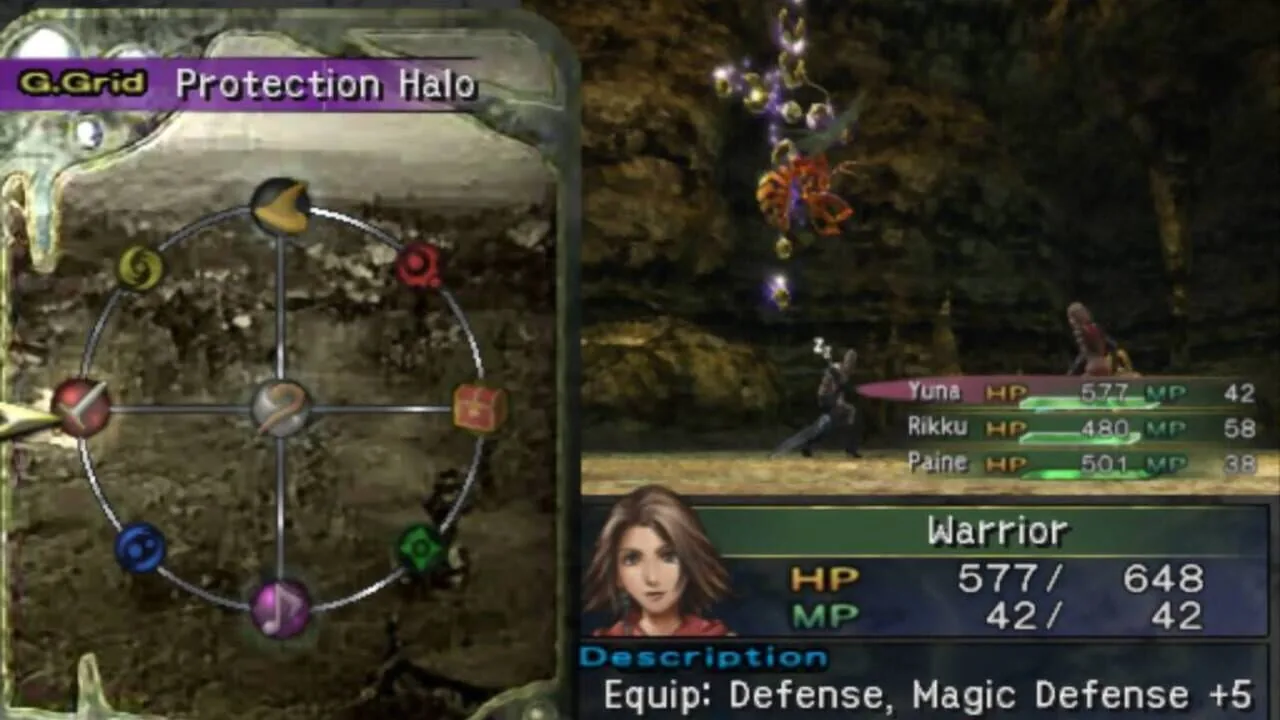
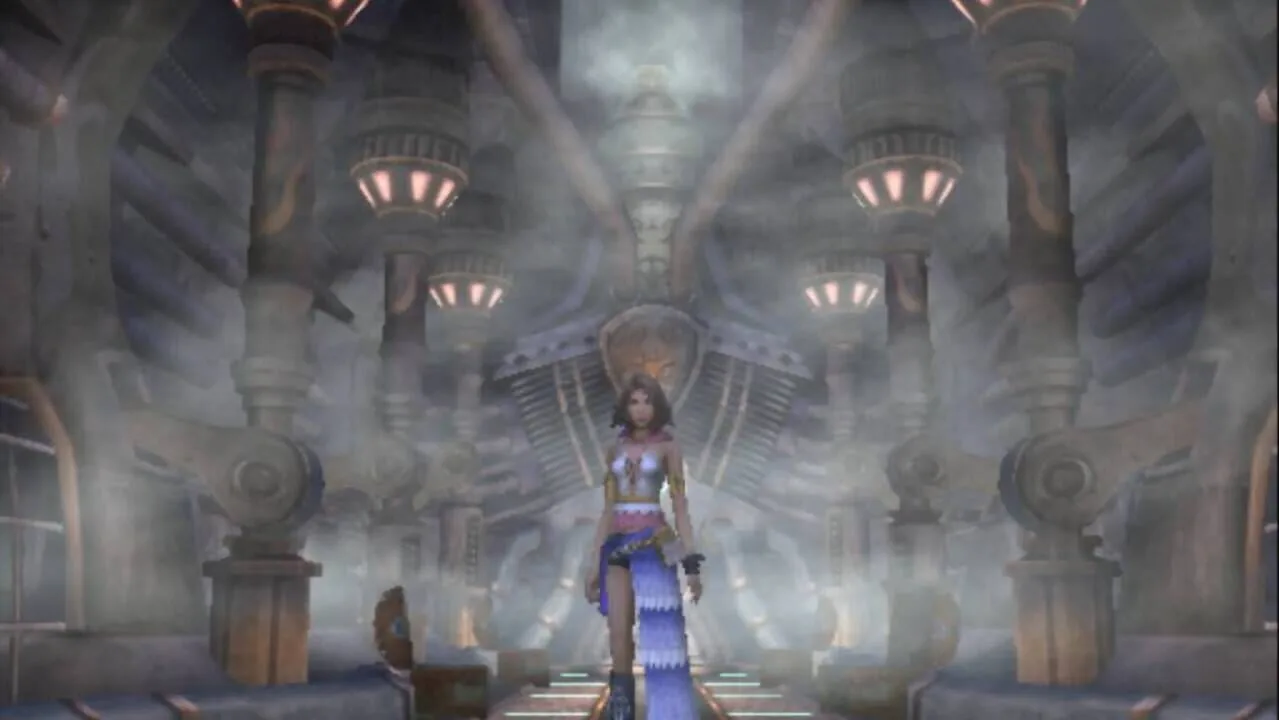
X-2 made Final Fantasy X the first game in the series with a direct game sequel. It has just three player characters and an all-female main cast, and the dresspheres let them change abilities during a fight. Noriko Matsueda and Takahito Eguchi wrote the soundtrack in place of Uematsu. It sold over 5.4 million copies on PlayStation 2, and it was the last game released by Square before the merger with Enix.
Players who defend it nearly always start with the combat, which several of them call the best in the series. The story gets a much rougher ride. You will find it paired with Final Fantasy X in the HD Remaster, so the argument is easy to settle yourself.
10. Final Fantasy Tactics (1997)
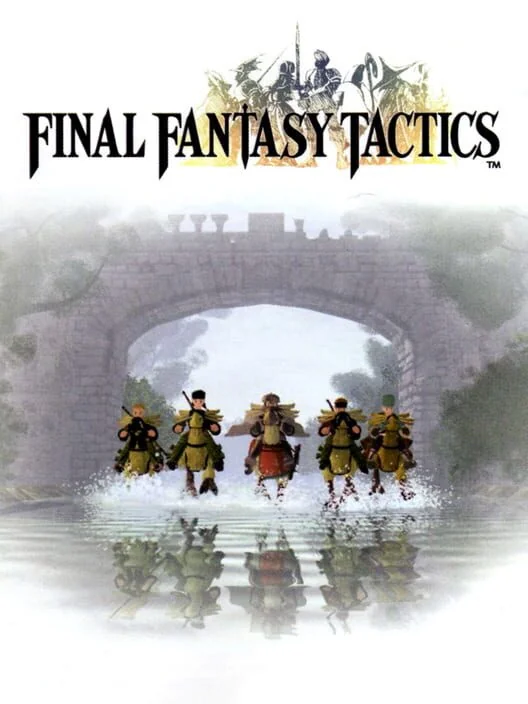
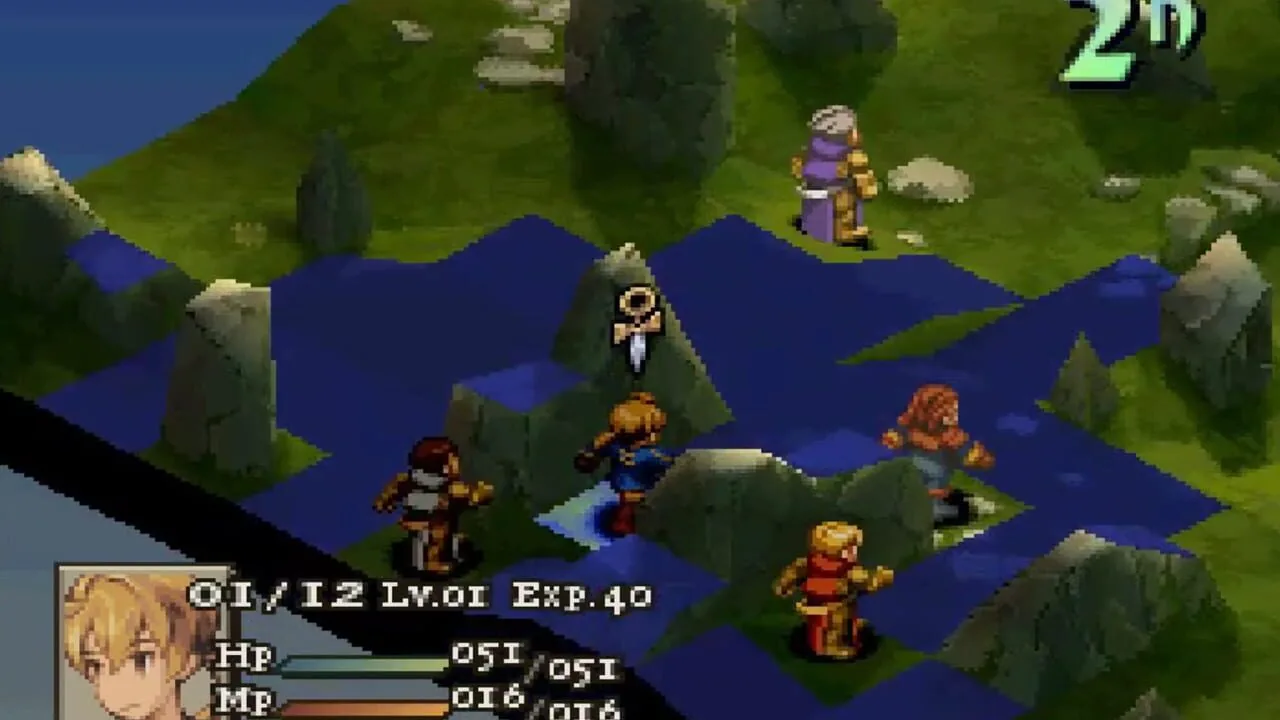
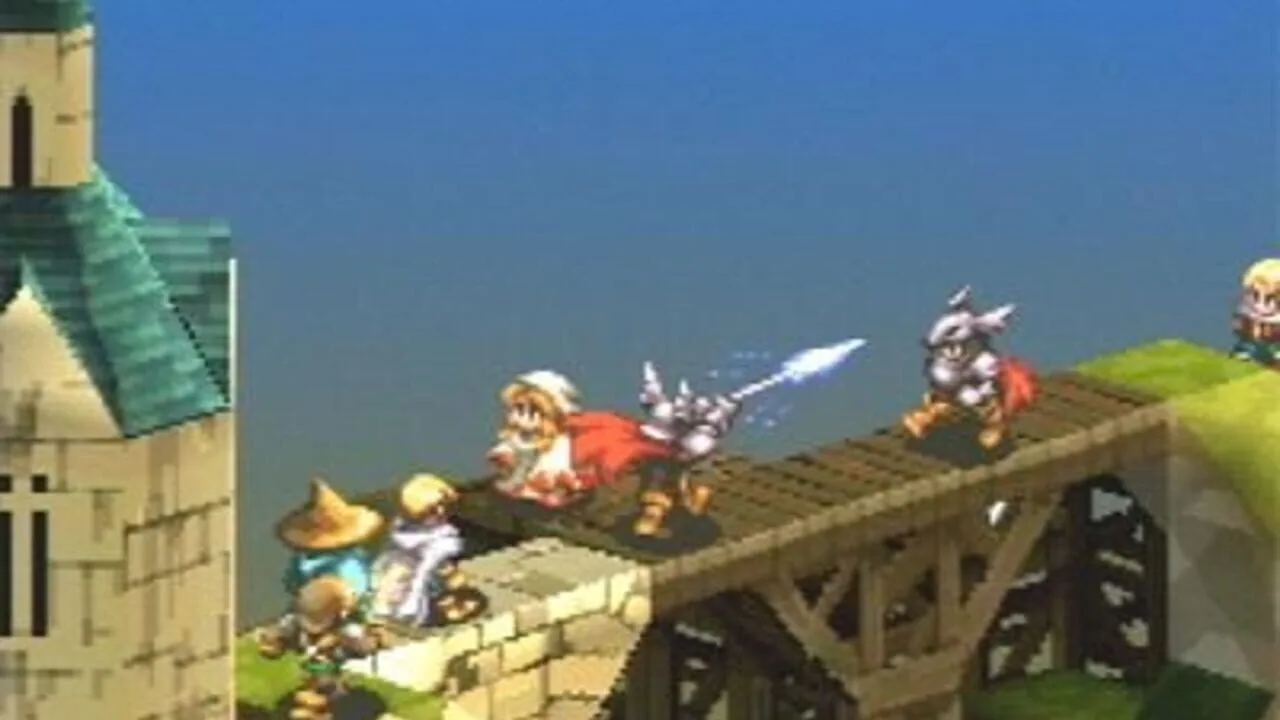
Tactics came out in Japan in June 1997 and in North America in January 1998. Yasumi Matsuno directed and wrote it, and the battles were designed by Hiroyuki Ito. Staff from the Ogre Battle series came too, including composers Hitoshi Sakimoto and Masaharu Iwata. The PlayStation version sold over 2.4 million copies worldwide by August 2011. An enhanced port, The War of the Lions, followed in 2007, and The Ivalice Chronicles arrived on September 30, 2025.
For plenty of players this is the favourite, and they say so in one flat sentence. It is the first entry set in the world later known as Ivalice, and it became a cult classic. Fans of it are very happy to explain why.
9. Final Fantasy XV (2016)
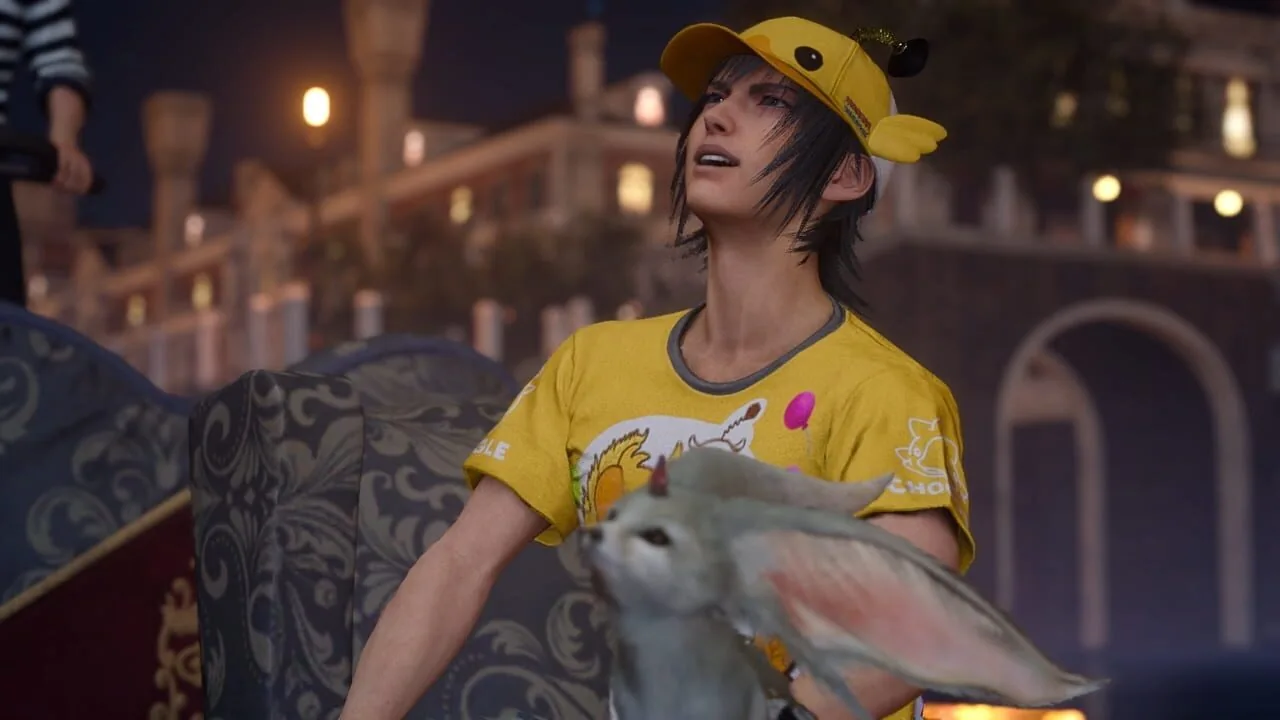
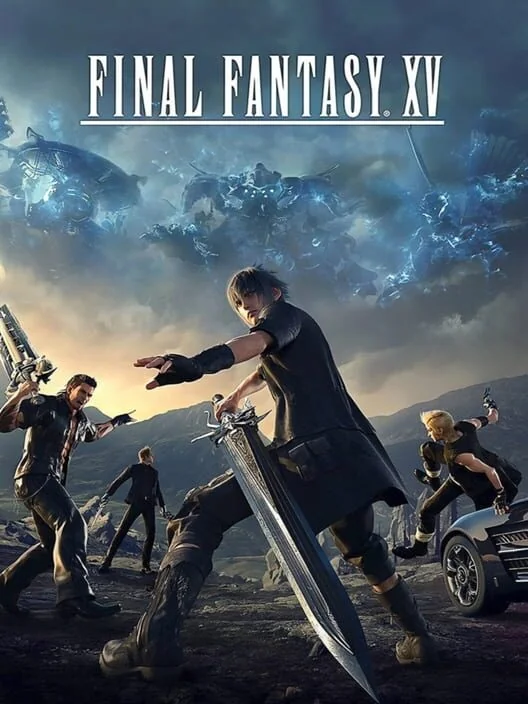
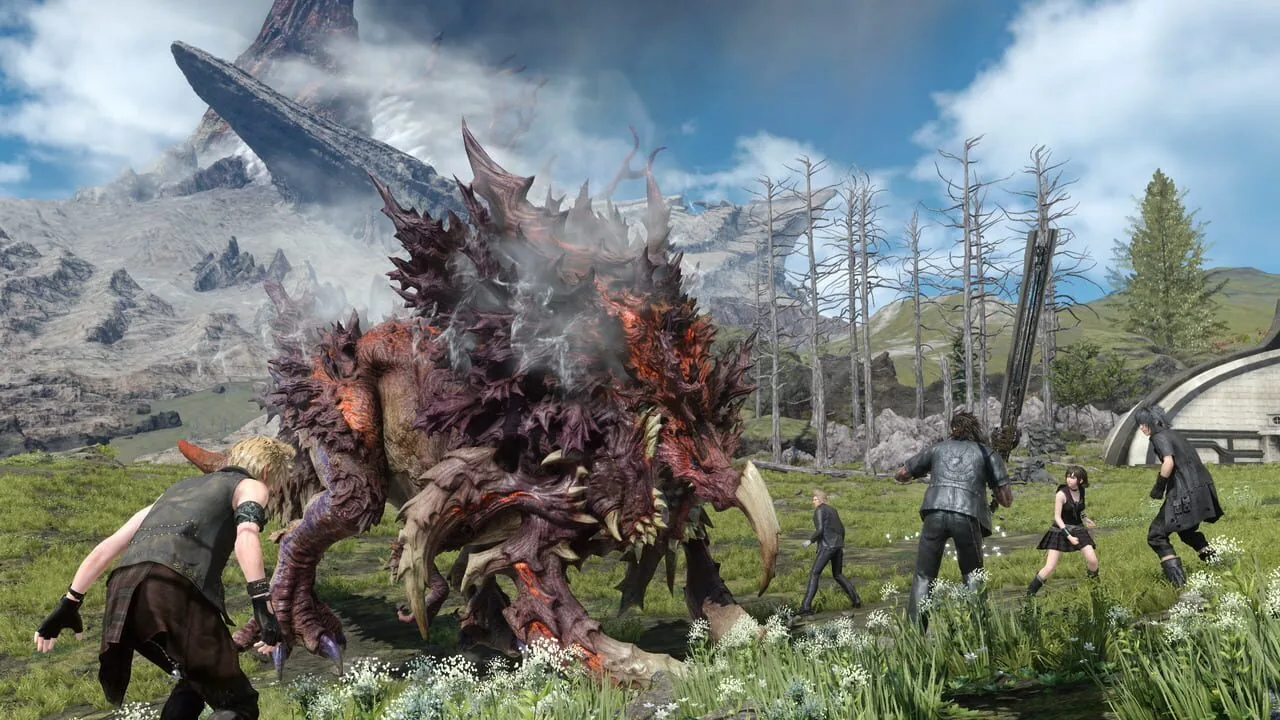
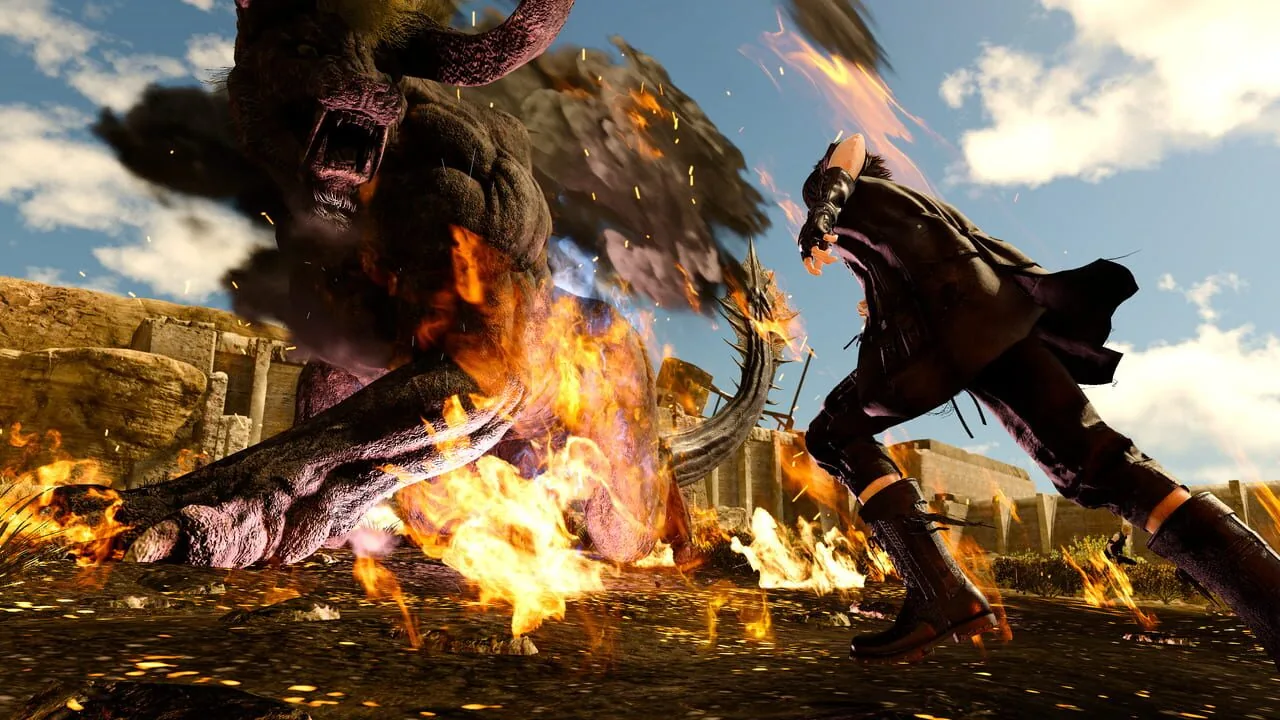
Final Fantasy XV began in 2006 as a PlayStation 3 spin-off called Final Fantasy Versus XIII, with Tetsuya Nomura as director. After six years it became the next main game, and Hajime Tabata took over. It finally came out for PlayStation 4 and Xbox One in November 2016. Critics praised the gameplay and the soundtrack, and the story got a mixed reception. It has sold ten million units.
Ten years of waiting would ruin most games, and this one still gets called a good way into the series. Players who love it admit the launch version and the patched version are different games, and many of them would disagree with each other about the combat.
8. Final Fantasy XIII (2009)
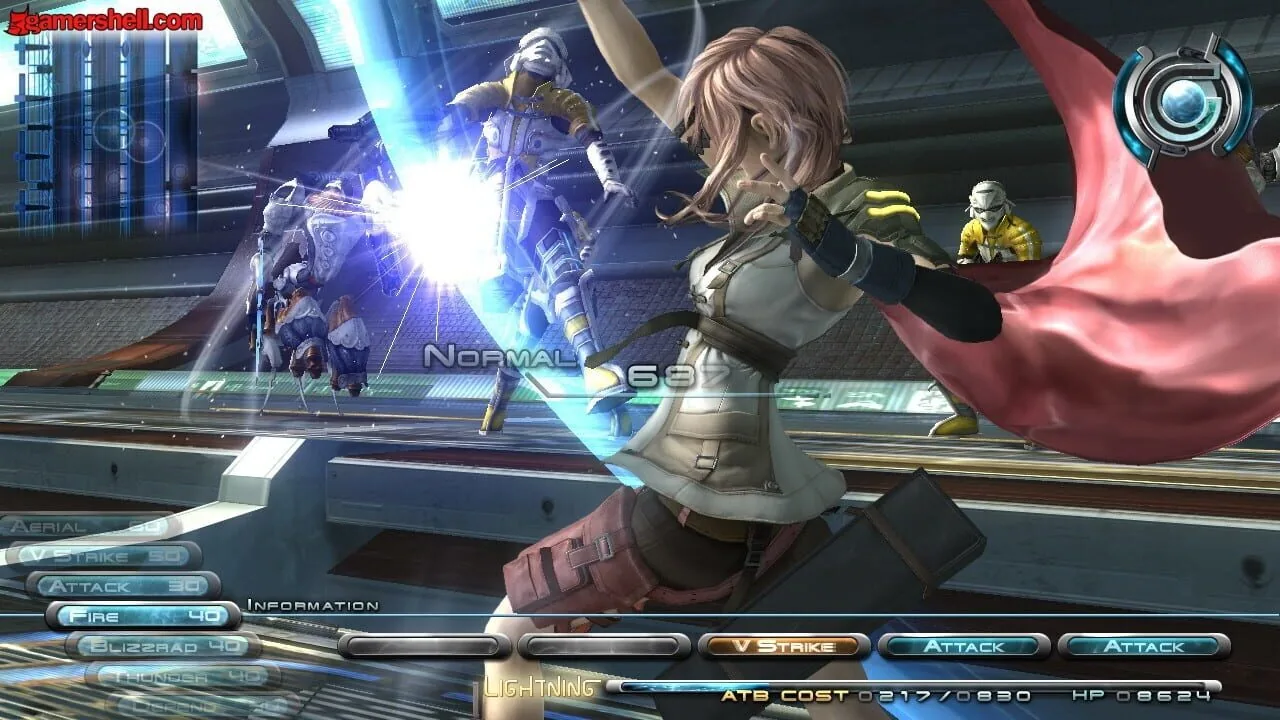
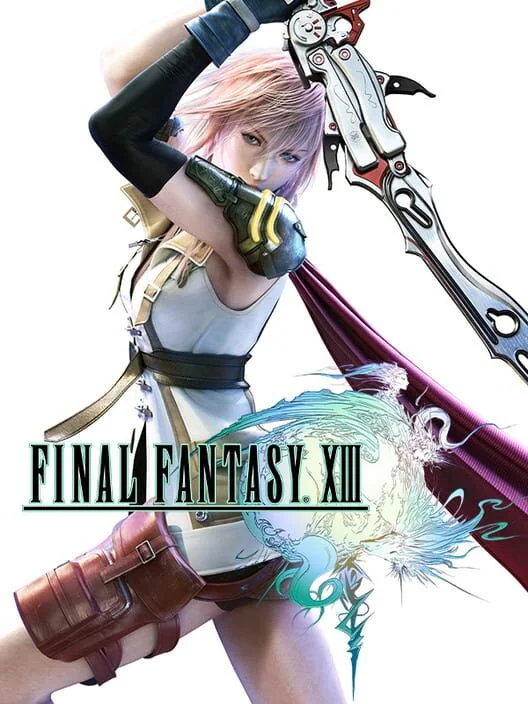
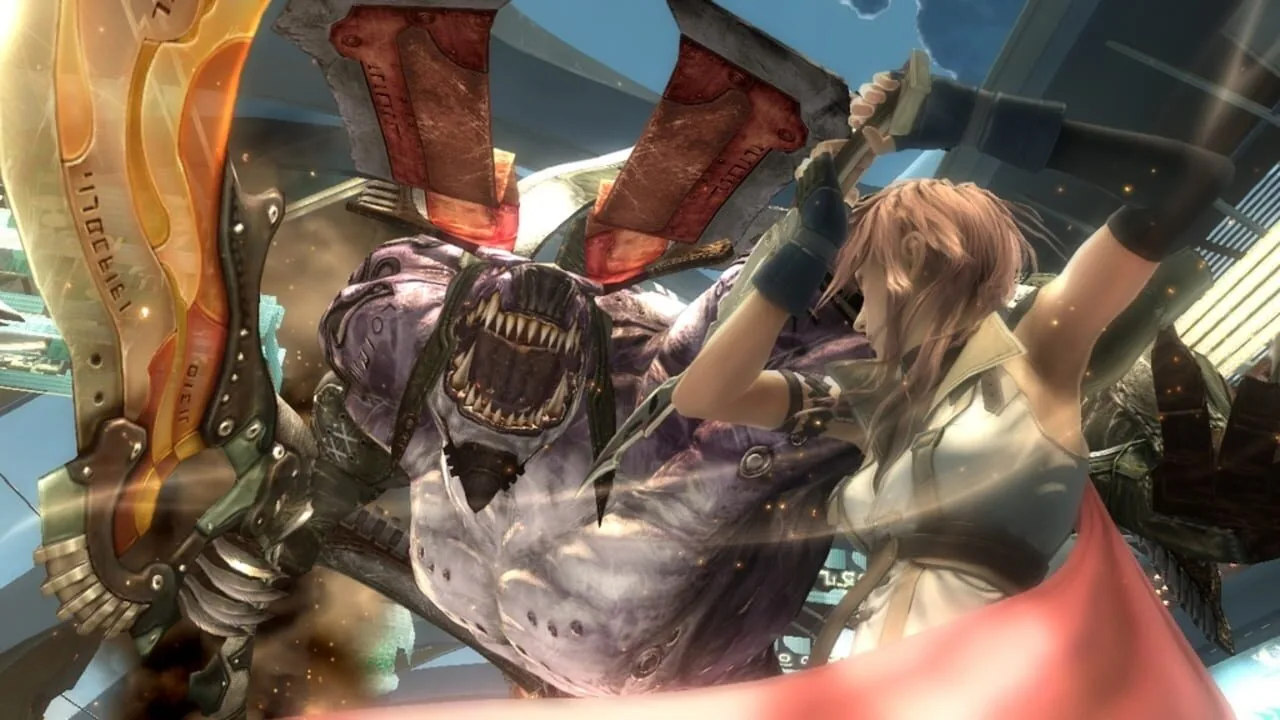
Final Fantasy XIII was released in Japan in December 2009 and internationally in March 2010. It has fast-paced combat and a Paradigm system that controls the abilities your characters use. The story follows Lightning, a former soldier fighting the government to save her sister. It sold 1.7 million copies in Japan in 2009, and that made it the fastest-selling title in the history of the series. Reviewers split on how linear it is.
Players fight over this one more than most. Some warn you away from it, and others defend it as a game that makes combat matter. Linear is the word you will hear most, and you will hear it from both sides.
7. Final Fantasy IV (1991)
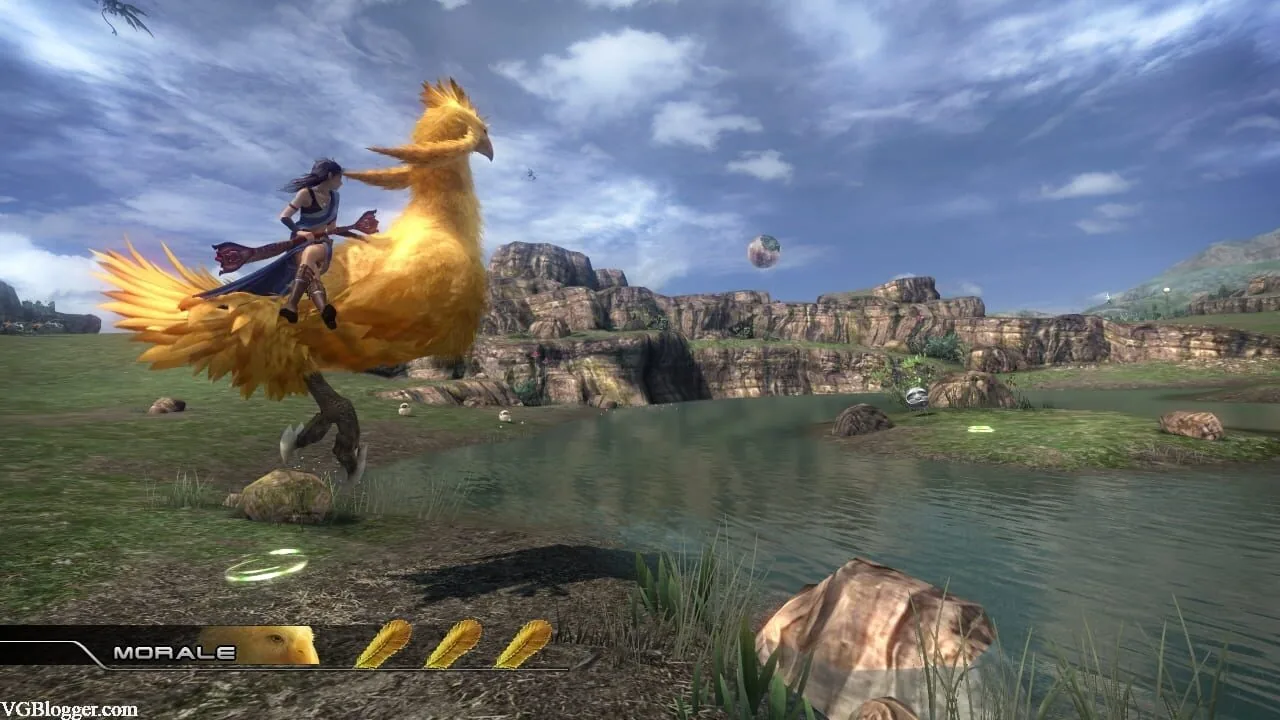
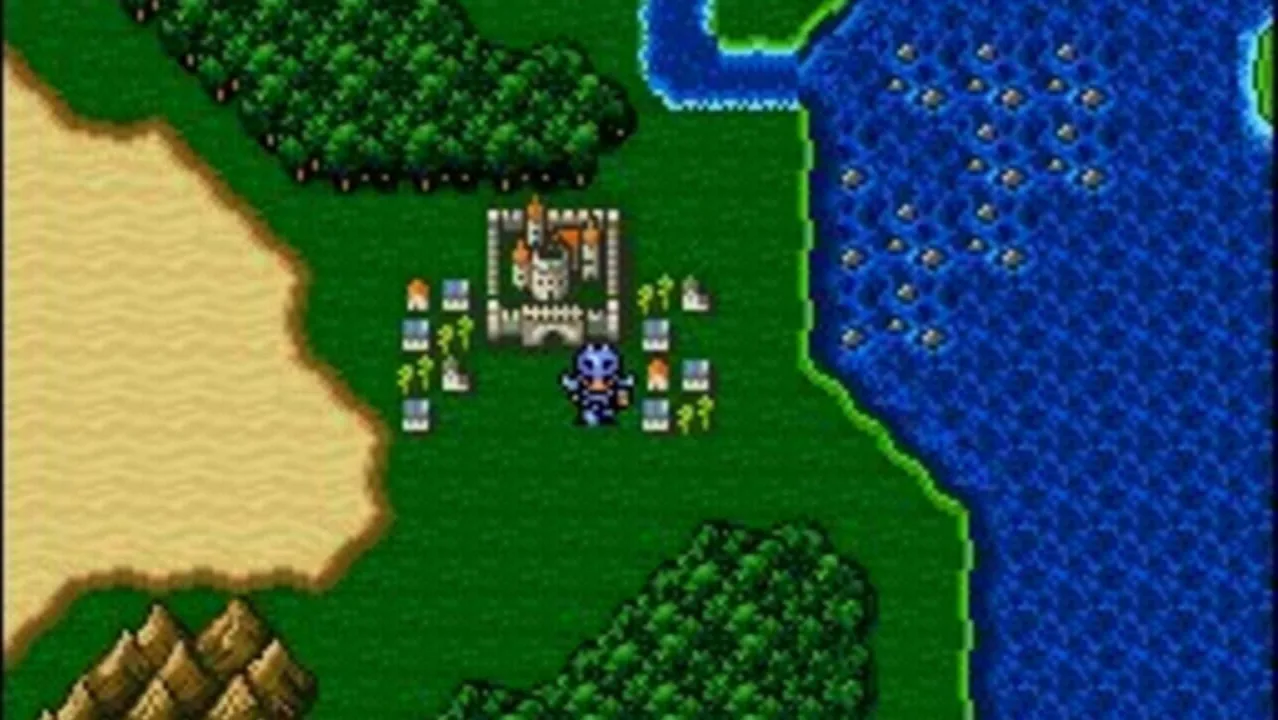
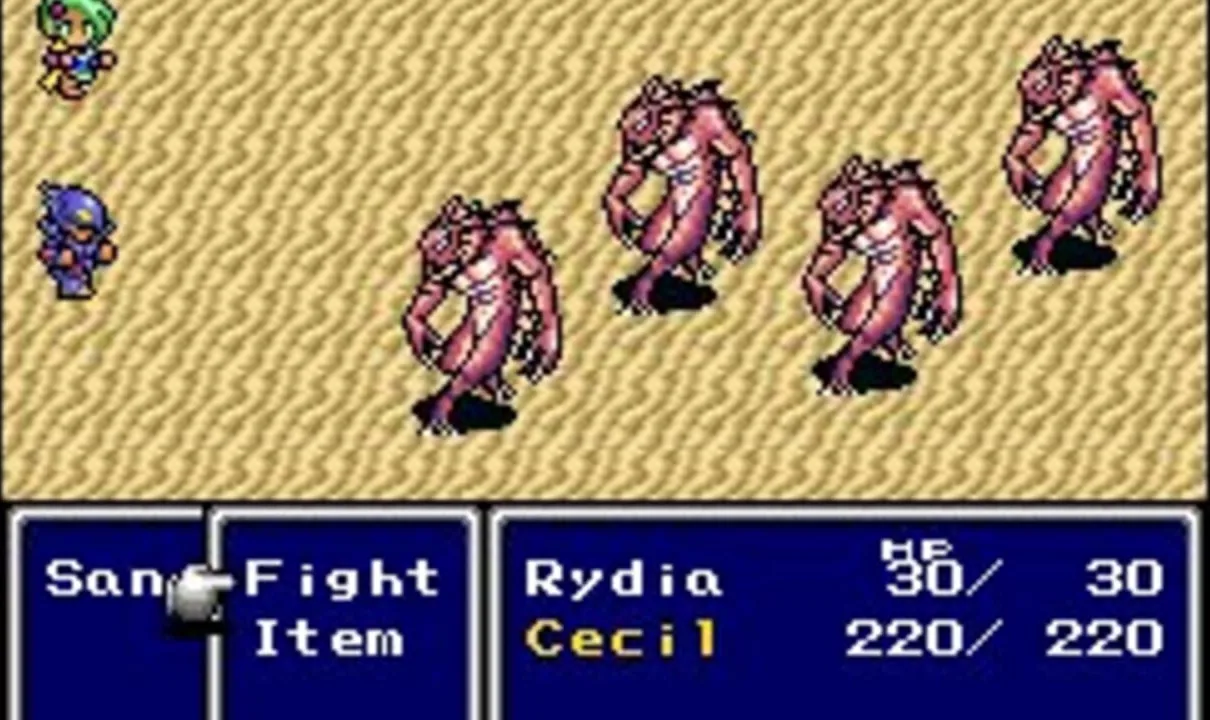
American players first knew this game as Final Fantasy II, because the real second and third games had not left Japan at the time. It introduced the Active Time Battle system, and it was praised for its story and characters. The 3D remake for the Nintendo DS came in 2007, The After Years followed as a sequel, and the Pixel Remaster arrived in 2021. The various versions have sold more than four million copies.
Players point to it as the first game in the series you should not miss. It has been ported to practically everything, so it is also one of the easiest to find. If you start here, you will know within an hour whether 16-bit role-playing games are for you.
6. Final Fantasy XII (2006)
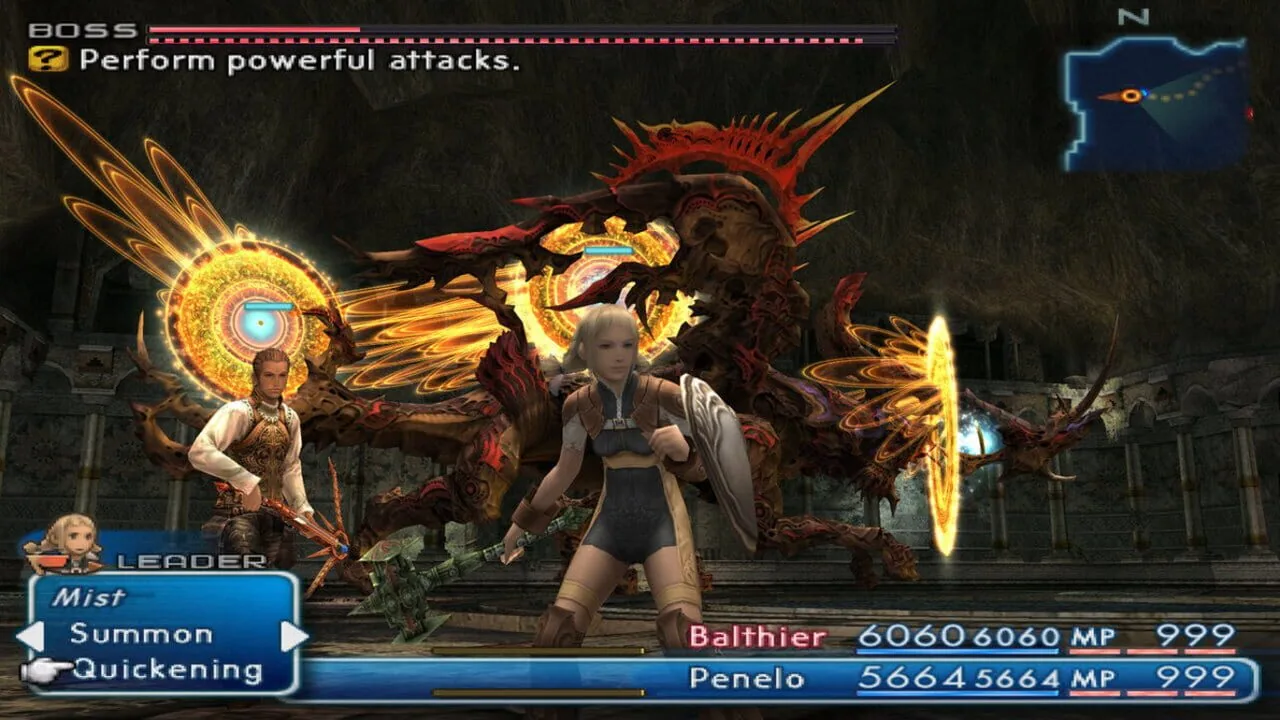
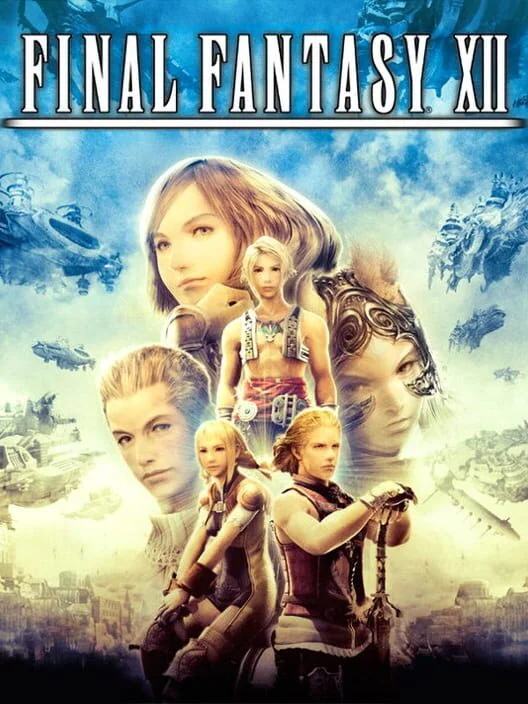
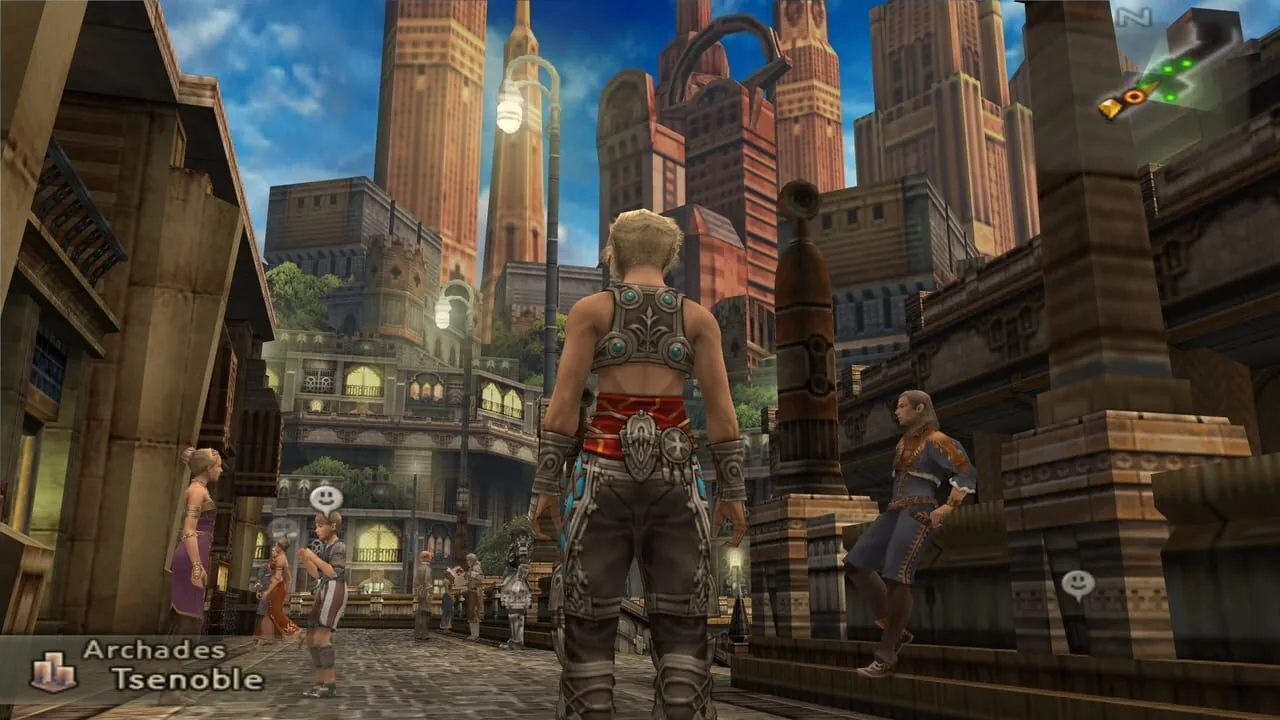
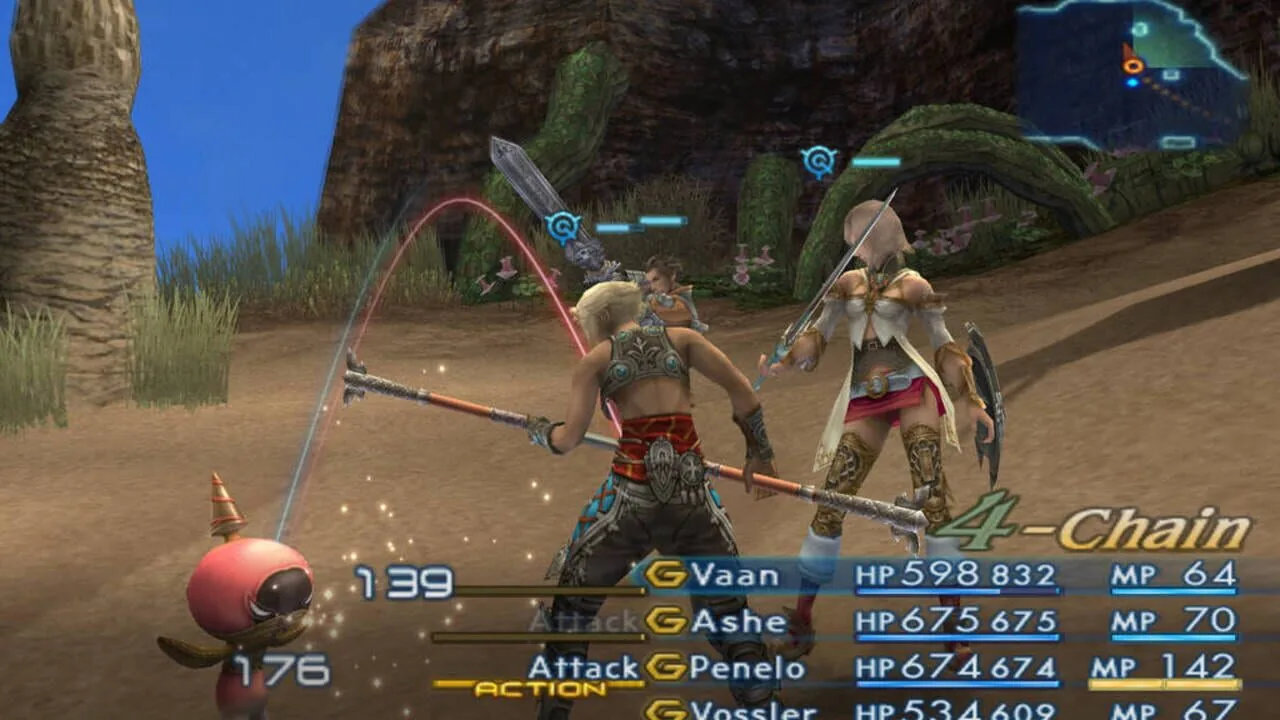
Leaving the online Final Fantasy XI aside, XII is the first main game with no random encounters, since you can see enemies in the world and choose to avoid them. You can control the camera too, with a full 360 degree view. It earned several Game of the Year awards and sold over six million copies on the PlayStation 2 by November 2009. The Zodiac Age, a remaster of the expanded version, came out in July 2017.
Players warn that it is not for everyone. The fans point you to The Zodiac Age and call it a favourite with real conviction, and the ones who bounced off older games often get on with this one. It also has Sanskrit words lifted straight into its world, for anyone who needed one more reason.
5. Final Fantasy VIII (1999)
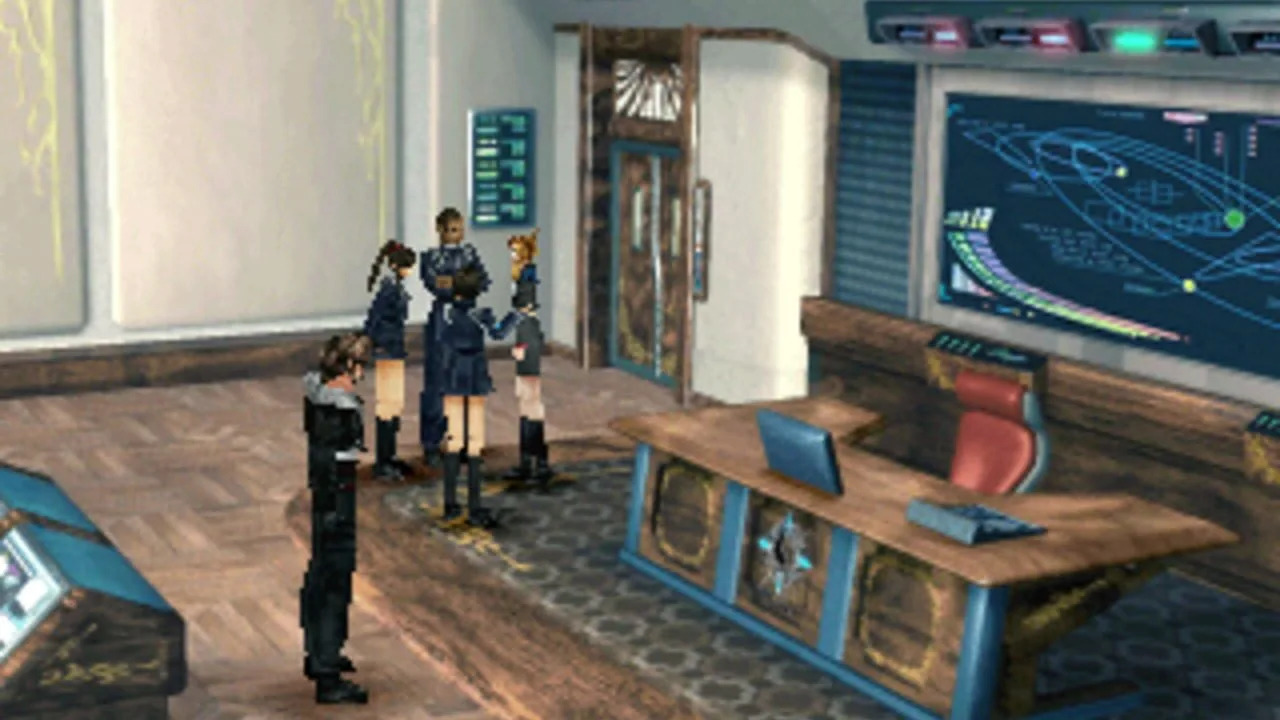
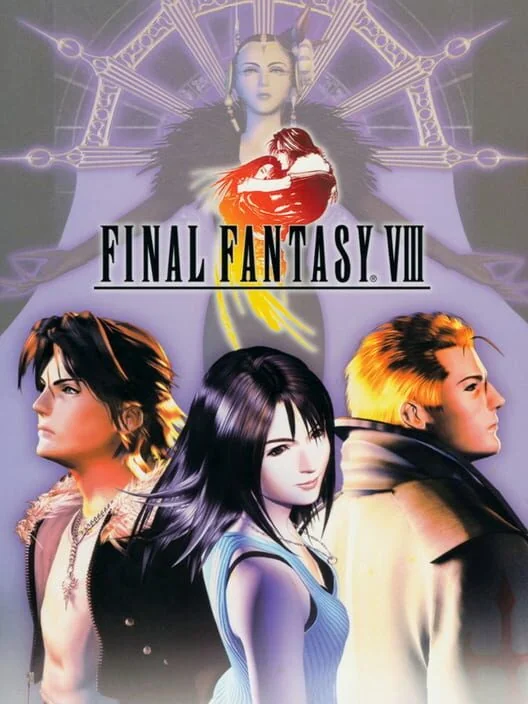
Final Fantasy VIII has Squall as its reluctant leader and a romance with Rinoa Heartilly at its centre. It was the first in the series to use realistically proportioned characters consistently, the first with a vocal piece as its theme and the first to drop magic points. Summoned monsters called Guardian Forces run the battle system. It grossed $151 million on its first day in Japan, and it had sold more than 9.6 million copies worldwide by August 2019.
Players are split on it harder than on anything near the top of this list. For some it is the favourite of the whole series, and others just never warmed to it. The junction system is usually why, in both directions.
4. Final Fantasy VI (1994)
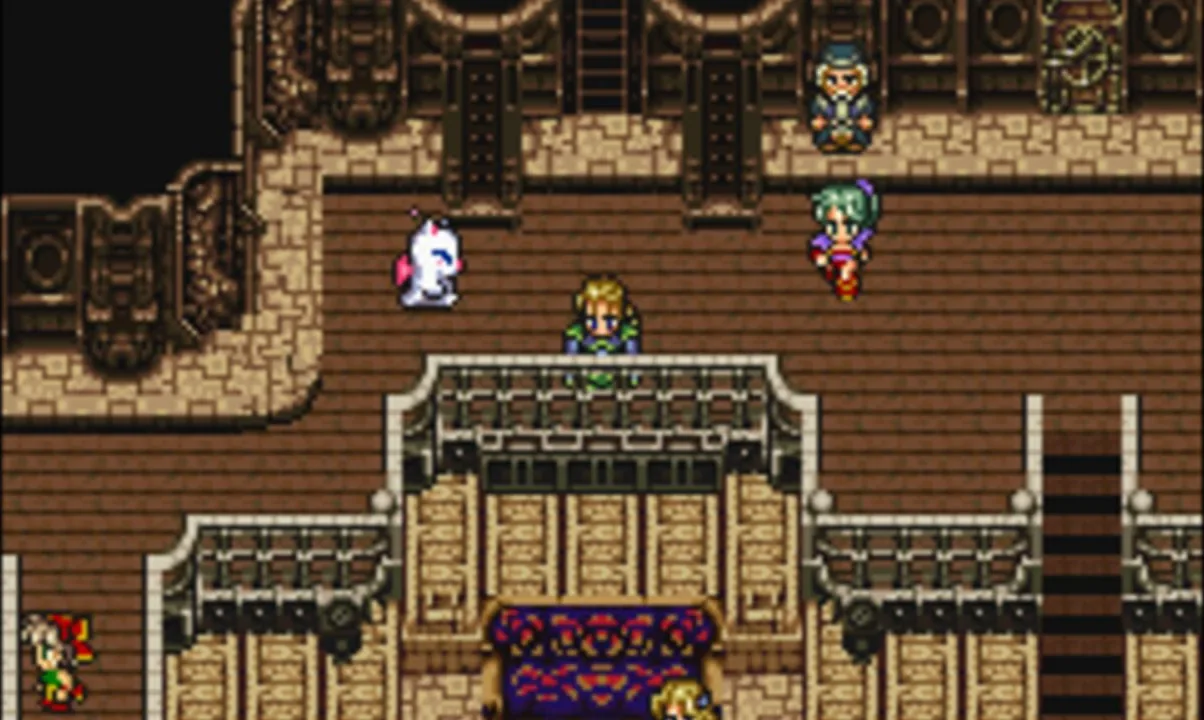
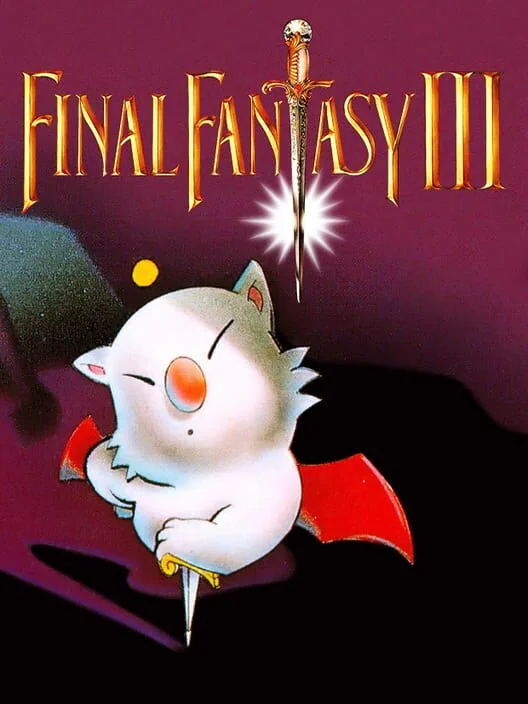
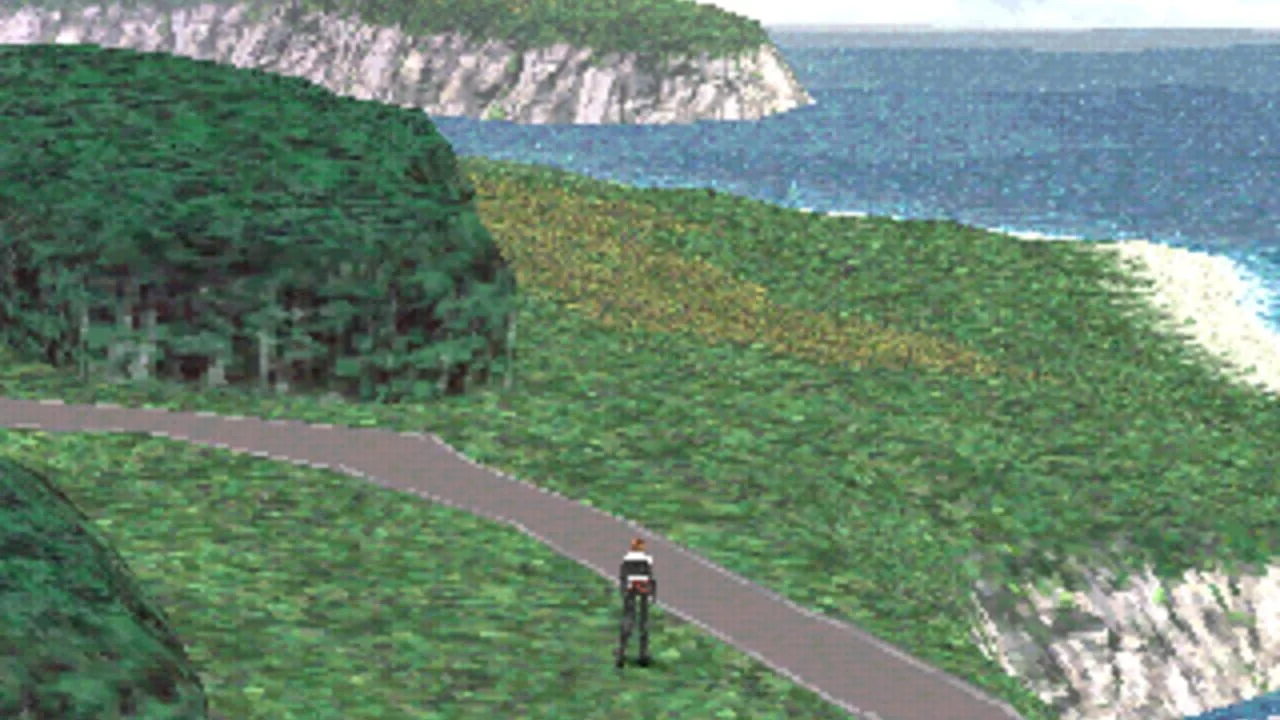
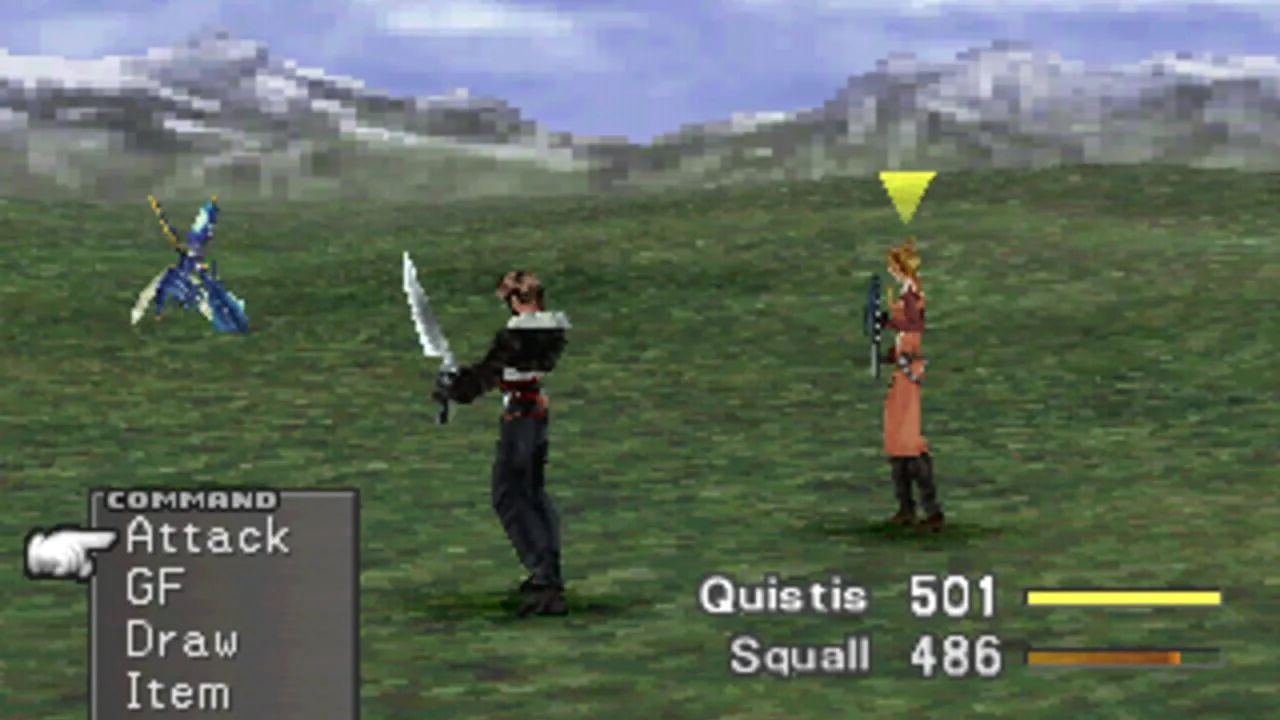
This was the final main game with 2D sprites, and the first not directed by Sakaguchi: Yoshinori Kitase and Hiroyuki Ito took over. Yoshitaka Amano returned as character designer and Uematsu wrote the score. Americans got it on the Super NES as Final Fantasy III, a name later versions dropped. It sold over 3.48 million copies across the Super NES and PlayStation versions by 2003.
Many critics have ranked it as the best entry in the series. Players come close to agreeing, and they call it the high point of 2D Final Fantasy and the one that has held up best. If you can get through this one and want more, the earlier games will still be there.
3. Final Fantasy IX (2000)
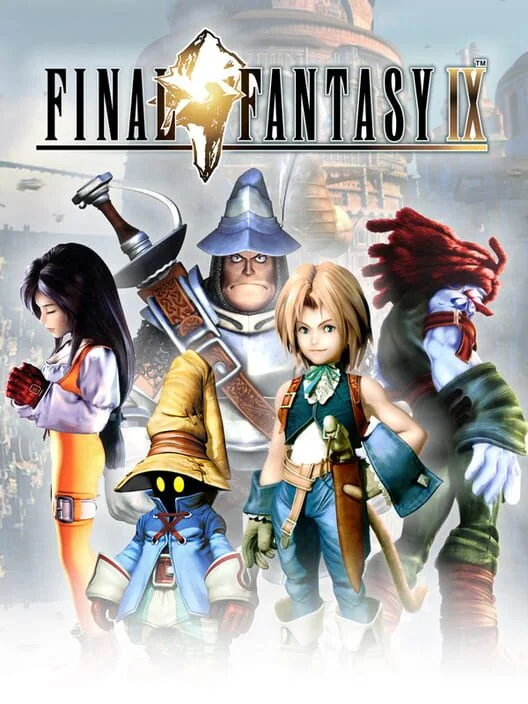
The developers saw IX as a look back at the series. It left the futuristic settings of the three games before it and returned to the medieval style of the older ones, and it was developed alongside Final Fantasy VIII. Active Time Events let you watch what is happening elsewhere in the world. It was the last main game with music composed solely by Uematsu, and it had sold 8.9 million copies by March 2025.
Players say it takes the best of what came before and puts old and new together better than any other game in the series. The people who love it are not shy. It is cute right up to the point where the black mages turn up and it starts asking what it means to be made for a purpose.
2. Final Fantasy X (2001)
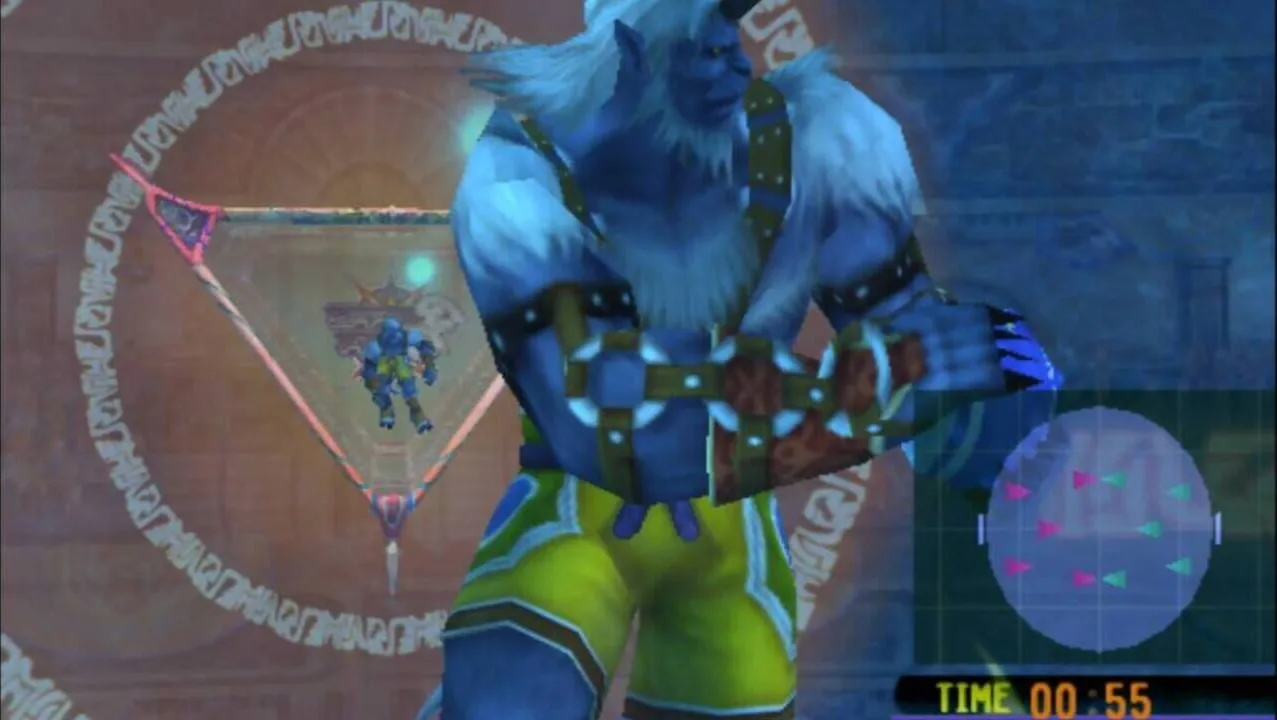
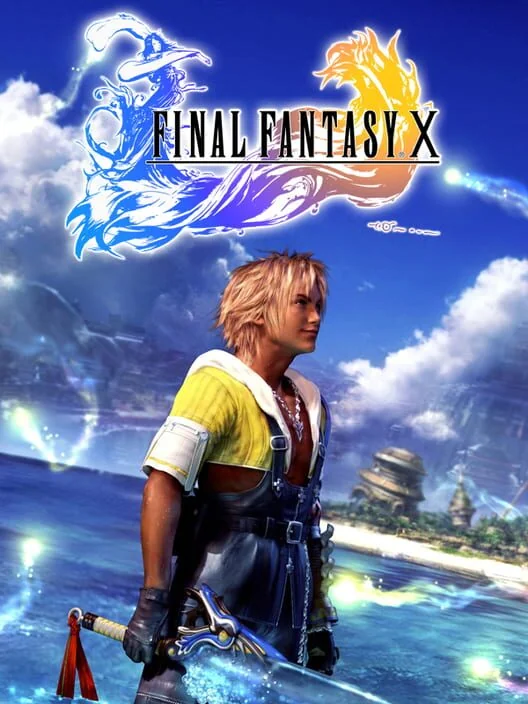
Final Fantasy X was the first in the series with fully three-dimensional areas and voice acting. Development began in 1999 with a team of more than 100 people, and Masashi Hamauzu and Junya Nakano joined Uematsu on the music. Its world, Spira, drew on Southeast Asia rather than the European style of the earlier games. It shipped over 8.5 million units worldwide on PlayStation 2.
Players send newcomers here first. They call it easy to get into, and they point to the HD Remaster, which has aged well. The team based the setting on places like Okinawa, and that tropical look still sets it apart.
1. Final Fantasy VII (1997)
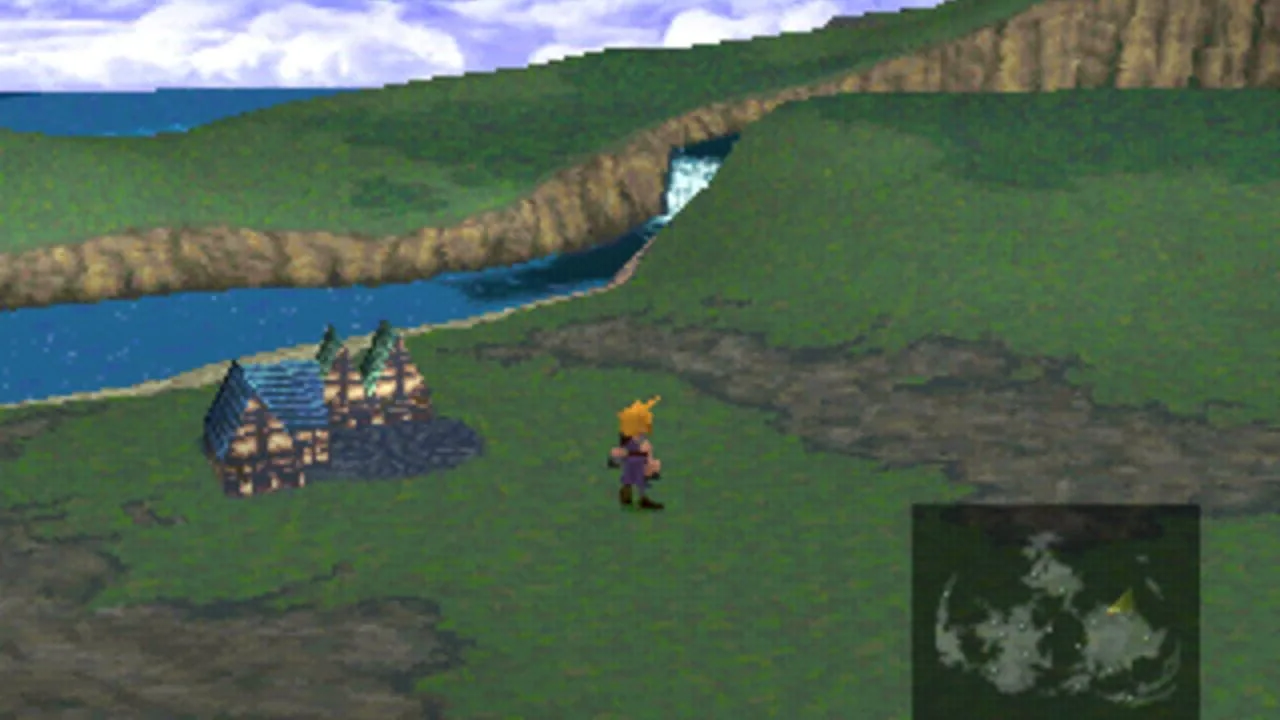
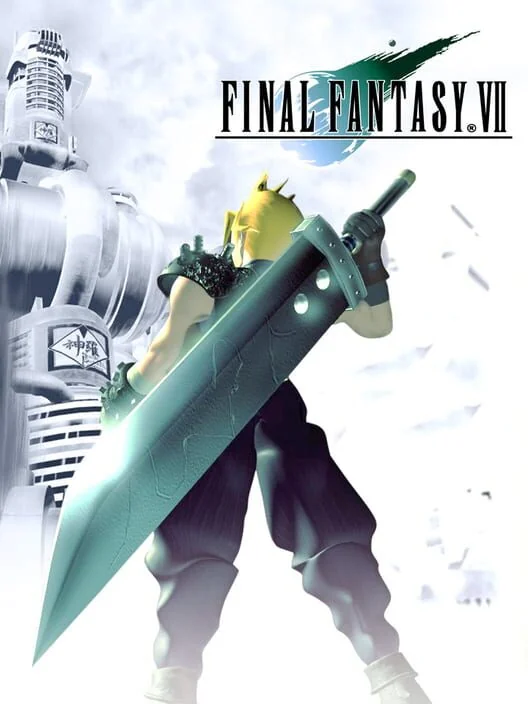
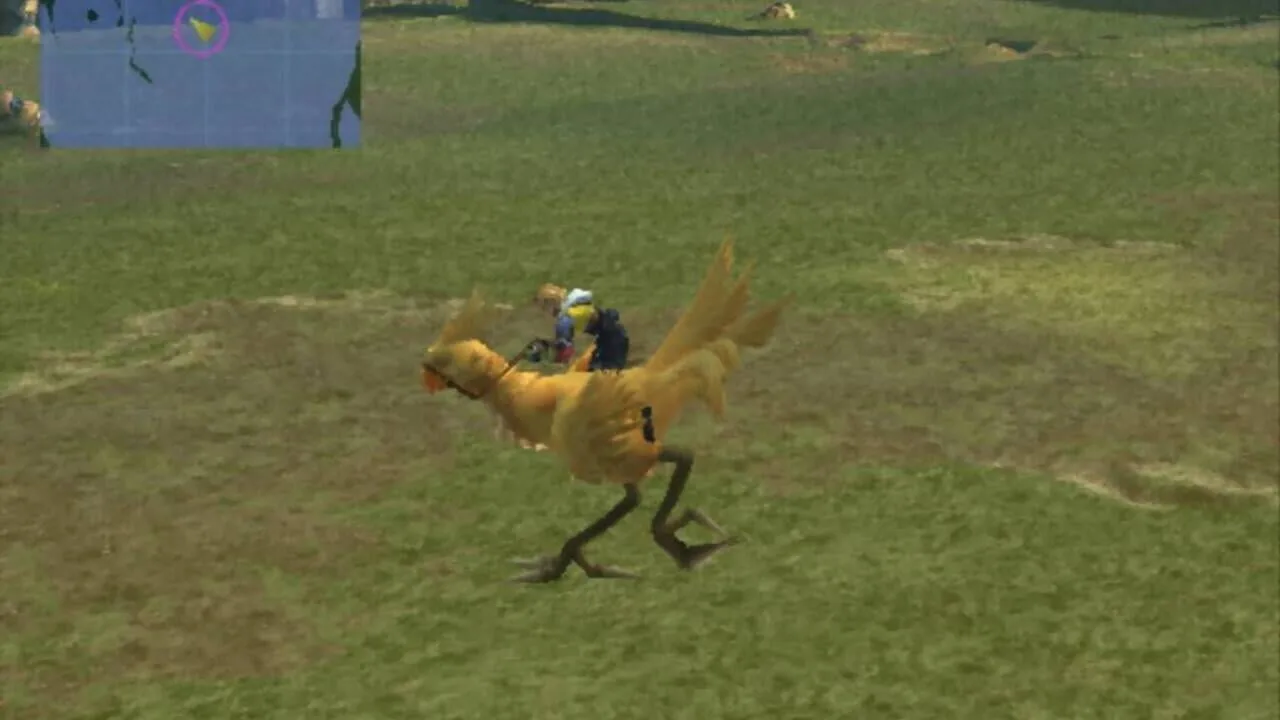
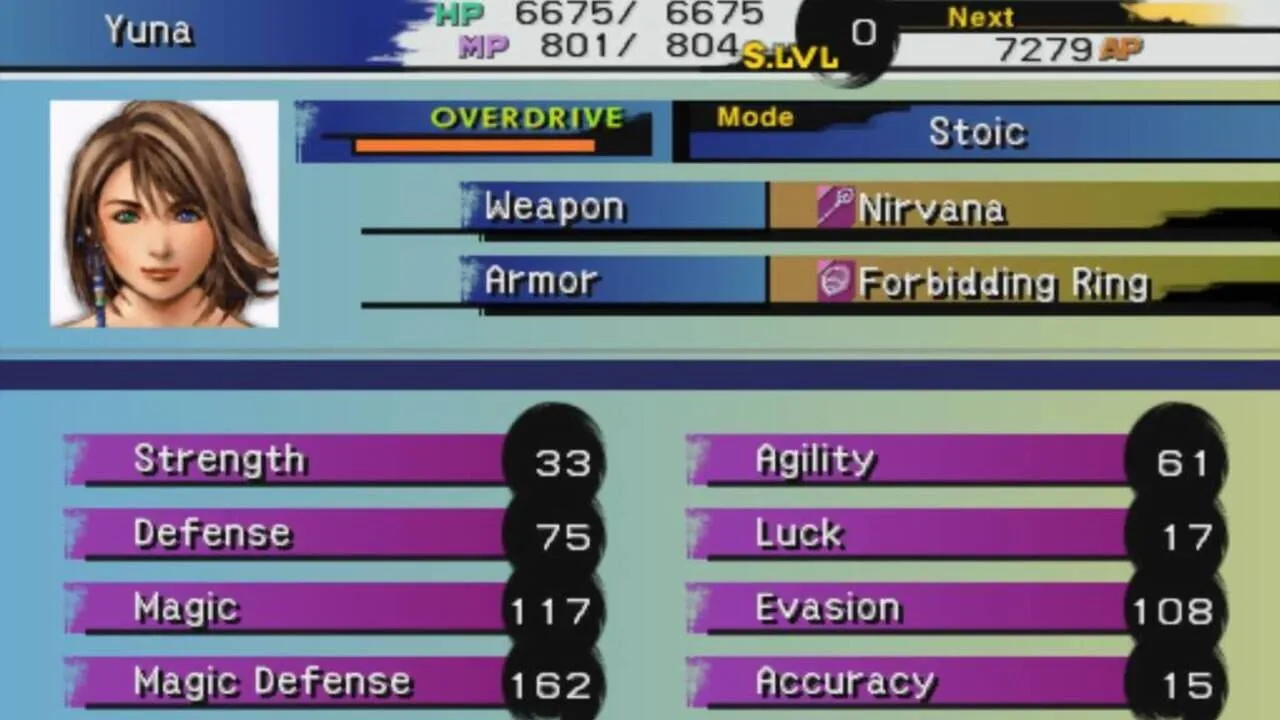
Development began in 1994, originally for the Super Nintendo Entertainment System, and it moved on to become the first game in the series with full motion video and 3D computer graphics. Sakaguchi produced it, Kitase directed and Uematsu composed. It was the first main game with a PAL release, and the combined development and marketing budget came to about US$80 million. It won numerous Game of the Year awards, and it is credited for boosting the sales of the PlayStation and popularizing Japanese role-playing games worldwide.
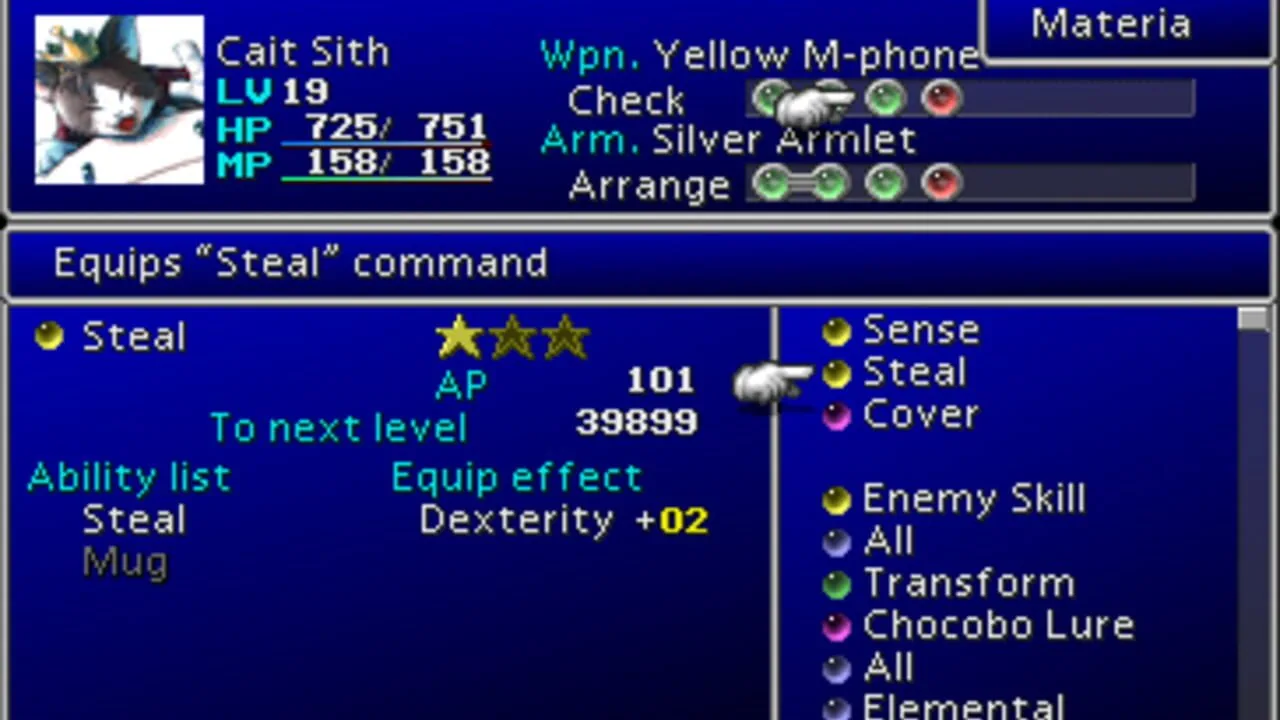
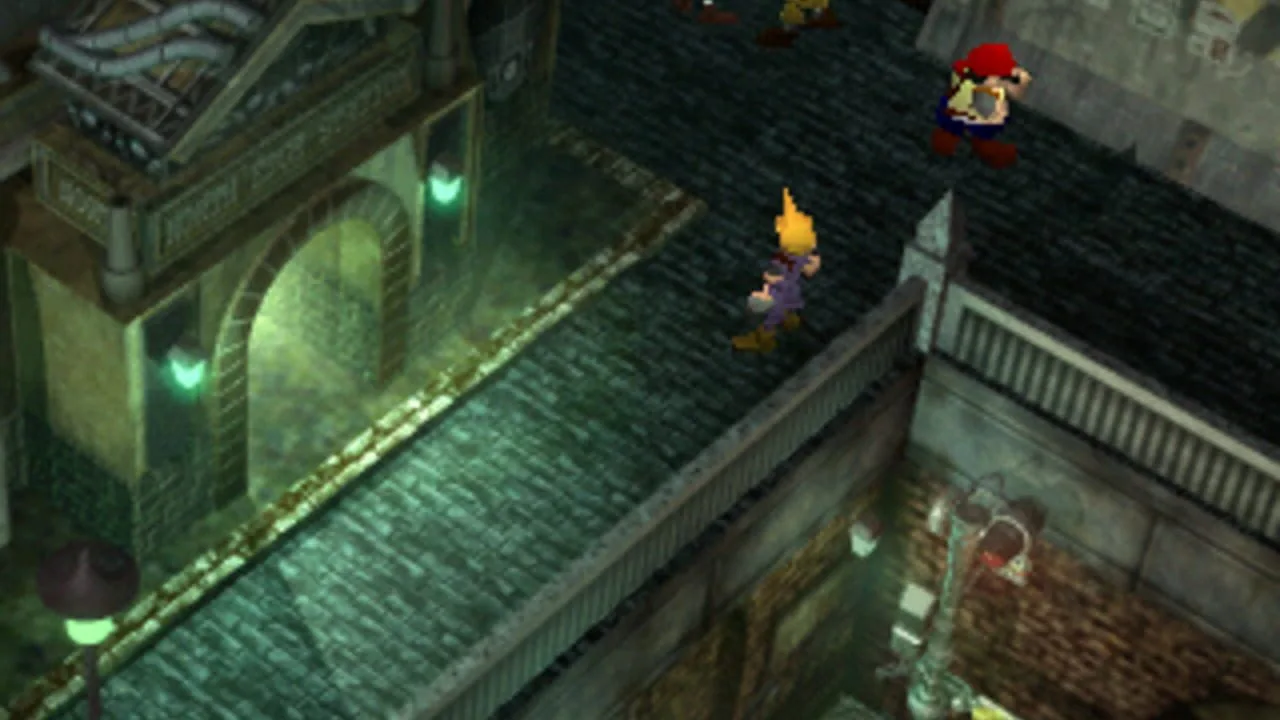
More players named it than any other game in the series. They will be the first to say those early 3D graphics have aged badly, and they name it anyway. The story has grown a whole subseries of its own and a remake trilogy, and that much devotion to one blocky mercenary tells you what it did to people.
Which one to play
There you have it, the whole list of the best Final Fantasy games. Almost all of them are worth your time, and fans will go on arguing about the order long after the servers shut down.
If you are unsure, start with Final Fantasy X, since players send newcomers there first. If you want the traditional experience, play Final Fantasy IX. For the best of the 2D games, go with Final Fantasy VI. If you love building a party, Final Fantasy V is the one. If you would rather think through a battle, play Final Fantasy Tactics. For a hidden pick, try Final Fantasy Type-0 and be ready for something different.