Fire Emblem started on the Famicom in 1990, and for more than a decade it belonged to Japan. You moved a small army around a grid, and a soldier who fell in battle stayed dead. English speakers mostly met it by accident. Marth and Roy turned up in Super Smash Bros. Melee with swords and no explanation. That helped get the Game Boy Advance game released in North America in 2003, and the series has been picking up new fans ever since. Today it runs from Super Famicom epics to a school life on the Switch, and most fans will tell you the one they started on is the right one. Here are the 17 best Fire Emblem games.
We surveyed players across the whole series and let the remakes and the Warriors spin-off in. Japan-only games count too. The versions of Fates count as one game.
17. Fire Emblem: Thracia 776 (1999)
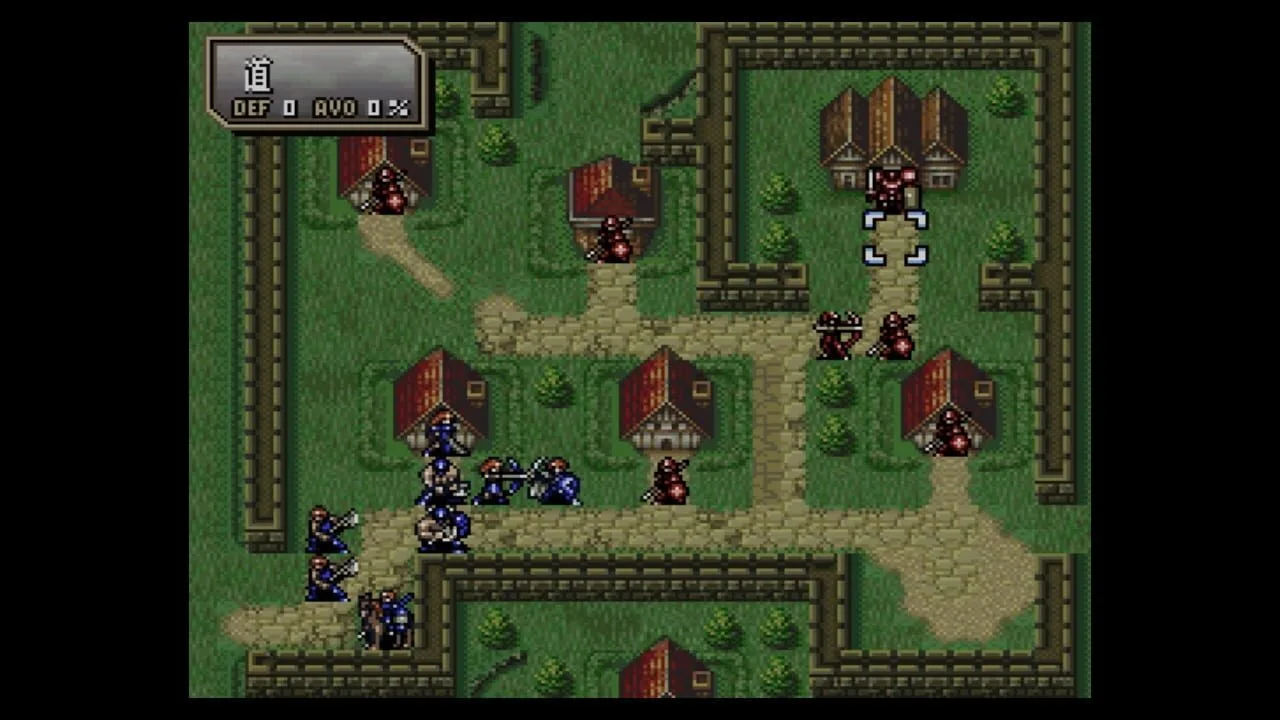
Thracia 776 is a Super Famicom game based within the storyline of Genealogy of the Holy War. It started in 1998 as a compact side project to Genealogy and kept growing, until the staff felt the need to make a full Fire Emblem game of it. Series creator Shouzou Kaga was the designer and scenario writer, and the music came from Yuka Tsujiyoko.
It got positive reviews, but it was one of the poorer selling games in the series, and no version has been released outside Japan. That explains the spot. Few of the players we surveyed ever got to it, so it sits last on a list where the games around it had a much bigger audience.
16. Fire Emblem Engage (2023)
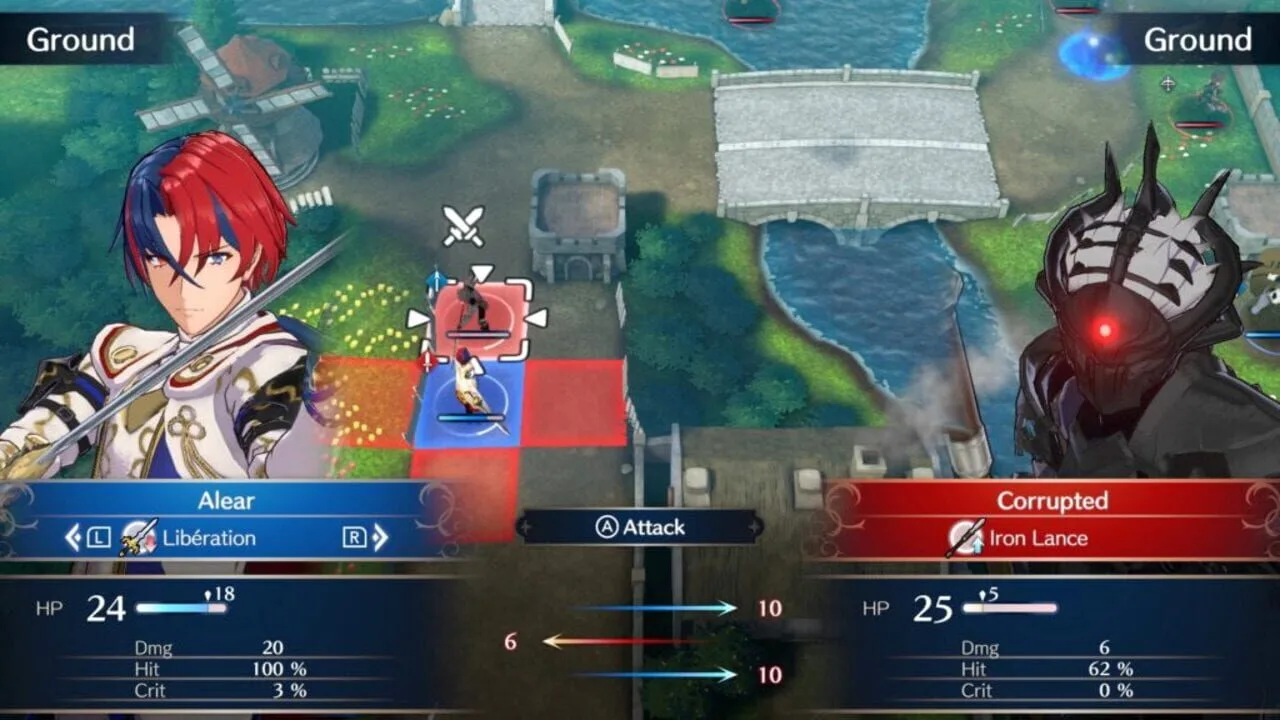
Engage is the Switch game where Alear, the Divine Dragon and main character, wakes up with amnesia and a memory of fighting alongside Emblem Marth a thousand years ago. Intelligent Systems wanted a fresh new art style, with colorful characters and 3D animation models in place of the 2D still portraits older games used for dialogue. It sold over 1.6 million copies in the three months after its release, so a lot of people were fine with the loud hair.
Critics liked the gameplay and called the story lackluster. Players say much the same thing: great fights, forgettable story. That is a fair trade in a strategy game, and the fights are the part you spend your time on. It sits this low because it is one of the newest games here and has had the least time to gather fans.
15. Fire Emblem: New Mystery of the Emblem (2010)
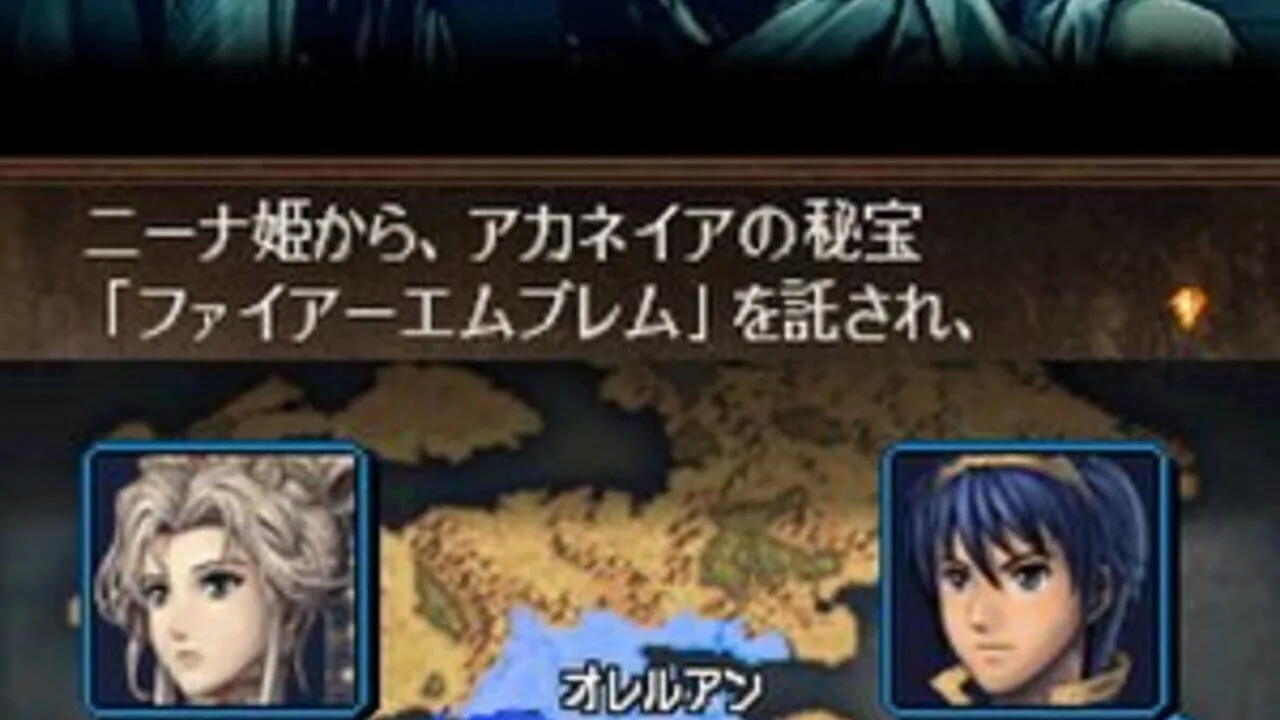
New Mystery of the Emblem is a DS remake, released in 2010, of the original story from Mystery of the Emblem. It adds a customizable Avatar as the main character alongside Marth. The developers created the Avatar so players would have an easier introduction, in case they knew nothing about Marth. There are seventy-four units to find, and only twelve can go into battle at any one time.
It is the last Fire Emblem game to remain exclusive to Japan, which is an odd fate for a game built to welcome new players. Players get to it through an English fan translation and a DS emulator. Reviews were generally positive, and it sold over 274,000 units.
14. Fire Emblem Warriors (2017)
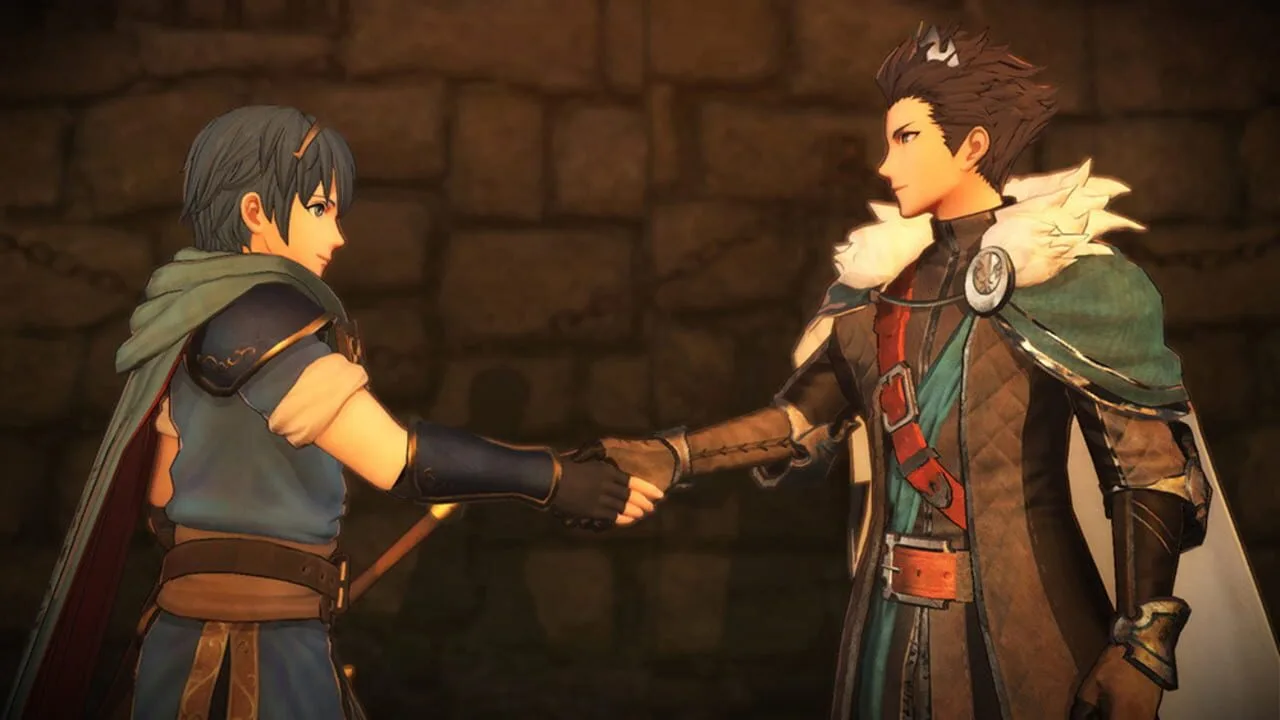
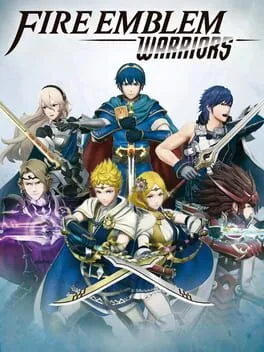
Fire Emblem Warriors is a crossover with Koei Tecmo's Dynasty Warriors, from director Hiroya Usuda and producer Yosuke Hayashi, who returned from Hyrule Warriors. Grid maps and careful turns are gone. You run through crowds of soldiers with heroes from across the series, and Awakening protagonist Chrom was the first character designed for it in both 2D and 3D. It sold over one million copies worldwide, on the New Nintendo 3DS and the Switch.
Critics were kind to the way it mixes the two series and less kind to its story. Players treat it as a spin-off you play for button mashing. If you already love these characters, it is a cheerful way to see them hit a few thousand people.
13. Fire Emblem: The Binding Blade (2002)
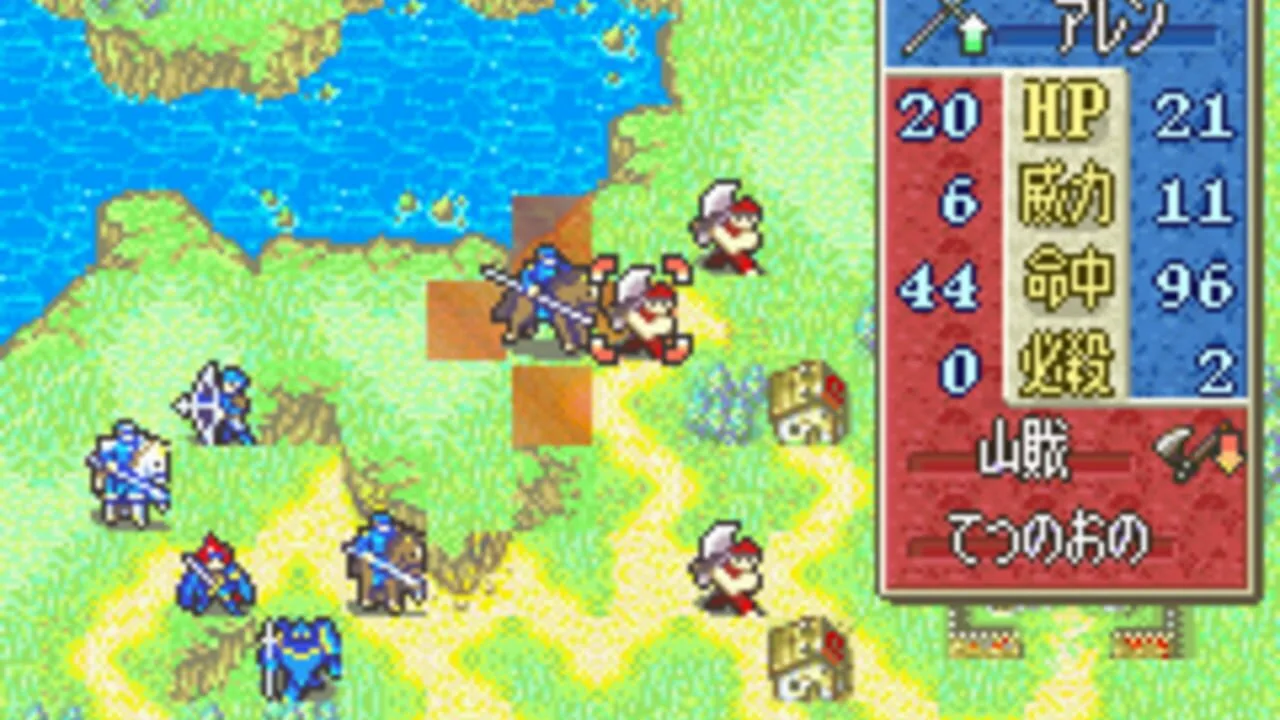
The Binding Blade began as a Nintendo 64 game called Fire Emblem: Maiden of Darkness. Changes at the company moved it to the GBA and scrapped nearly all of its original content. You play as Roy, who leads a growing army across the land of Elibe. Tōru Narihiro directed it, and it sold over 345,000 units.
It never came out overseas, but Roy's appearance in Super Smash Bros. Melee helped get its prequel localized. So Roy opened the door for the rest of the series and then stayed home. Players mostly reach it through fan translations on phones and portable consoles. Fewer people have played it than the GBA games that did get an English release, which is why it sits this far below them.
12. Fire Emblem: Genealogy of the Holy War (1996)
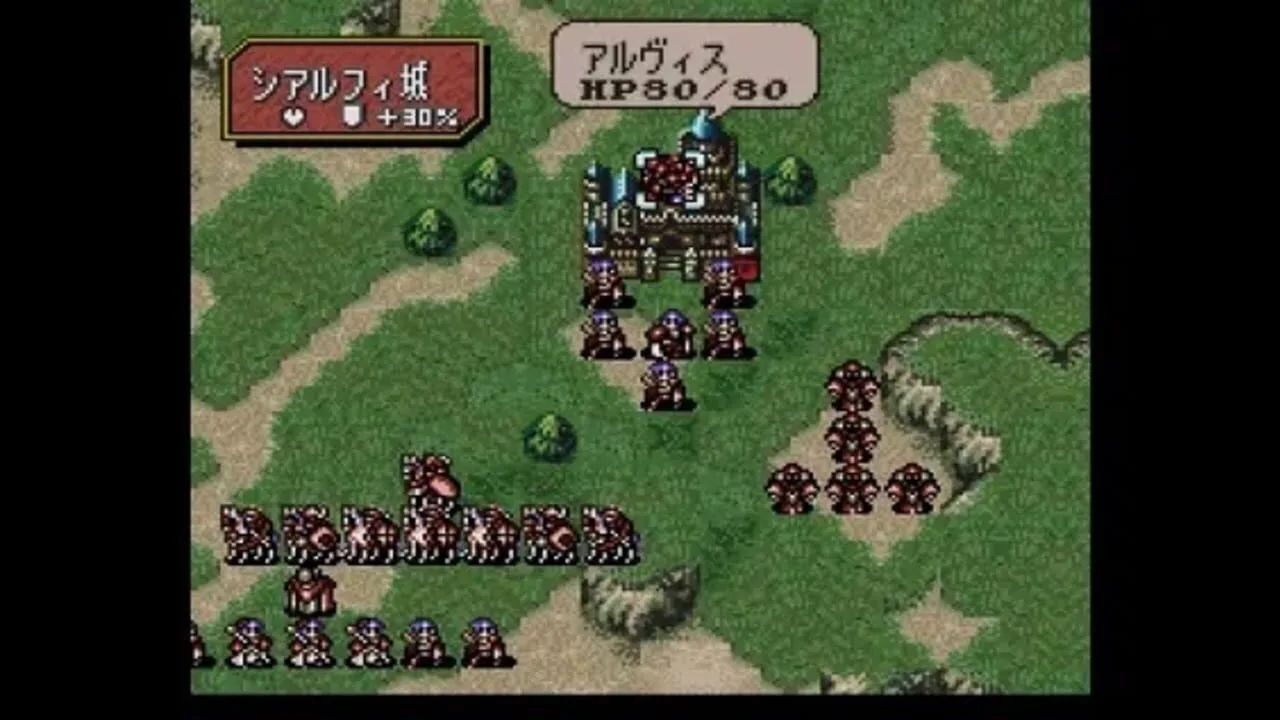
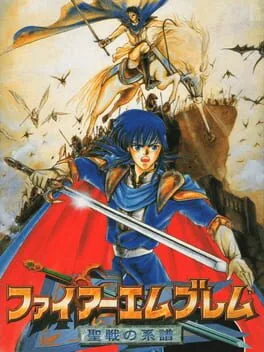
Genealogy of the Holy War is the fourth game in the series, and its story runs over two generations. The first follows the Grannvalian prince Sigurd, and the second follows his son Seliph as he works to defeat a cult and avenge his father. It added the Weapon Triangle and Support systems, both of which became part of how people think about this series. It was also the last Fire Emblem game produced by Gunpei Yokoi.
As of 2026, the game has yet to be released outside Japan, though an English fan translation exists. It sits low on a count of players because so few have played it. The ones who have put it with the strongest games in the series, and its story is the reason they bring up most. If you want a long tragic war story with a very big map, this is the one.
11. Fire Emblem: Mystery of the Emblem (1994)
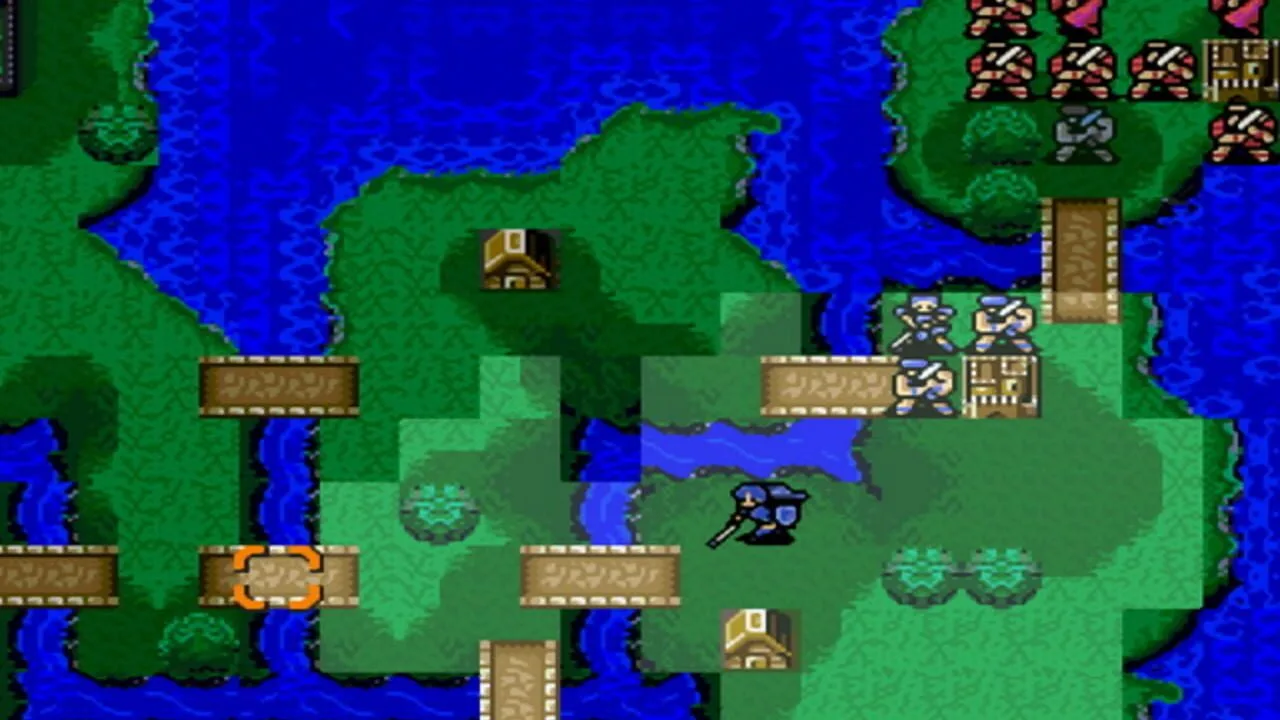
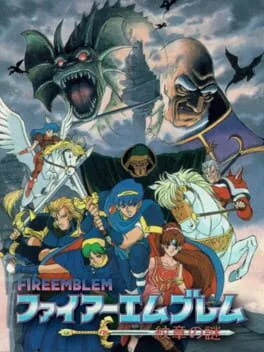
Mystery of the Emblem is the third game in the series and the first on the Super Famicom. Its story is divided into two parts. The first is a retelling of Shadow Dragon and the Blade of Light, and the second is an original sequel. The team first planned them as two separate projects, then merged the remake and the new story into one game.
It was huge at home. With 776,338 units by 2002, it was the best-selling title in the series to that date, and its first-week sales record stood until 2012. Few of the players we surveyed reach back this far, which is why a game that big in Japan sits this low.
10. Fire Emblem Gaiden (1992)
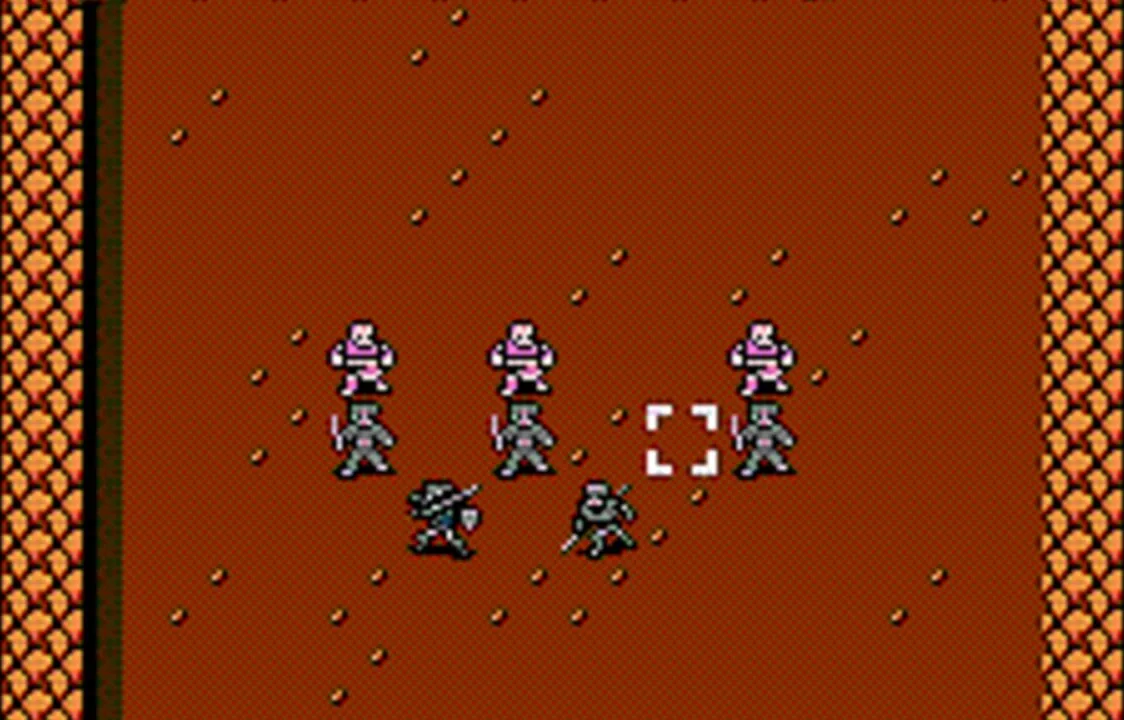
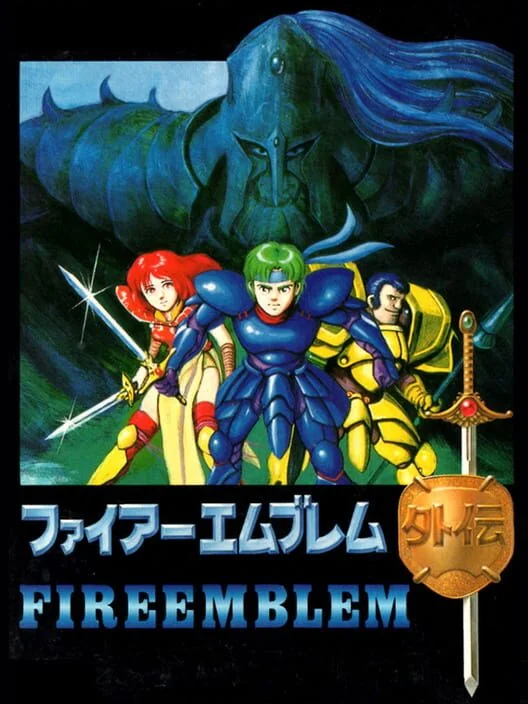
Gaiden is the second game in the series and the last on the Famicom, and it did things its own way. Kaga directed it, and his main concern was fixing the pacing of the first game and giving players a greater connection with the characters. The two main characters promote in their own way: Alm goes from fighter to hero, and Celica goes from priestess to princess.
It received mixed reviews from critics, and it was later compared to Super Mario Bros. 2 and Zelda II: The Adventure of Link as the "black sheep" of the series. Most players know it as the odd game Echoes was built on. It did not receive a Western release, so its 3DS remake is how nearly all of them met it.
9. Fire Emblem: Radiant Dawn (2007)
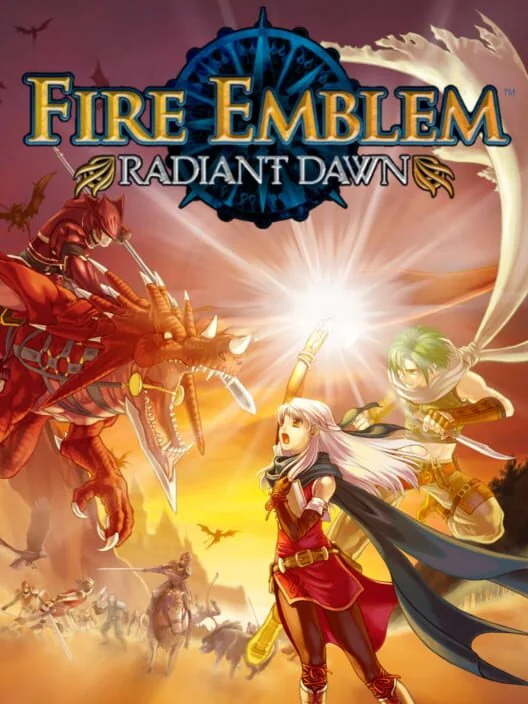
Radiant Dawn is the Wii sequel to Path of Radiance, released in 2007 in Japan and North America. Work began in 2005 after the success of the GameCube game, and it was meant to come out close to the launch of the Wii to boost sales of both. Its support system changed too: a unit can support any other unit, but each unit gets only one support relationship.
Critics praised the core gameplay, and they complained about the high difficulty and the lack of motion controls. Yes, there was a time when a strategy game could lose points for not making you wave a remote around. Players agree that it is a bad place to start, since it is a direct sequel. Play Path of Radiance first and it is a big, tough ending to that story.
8. Fire Emblem: Shadow Dragon (2008)
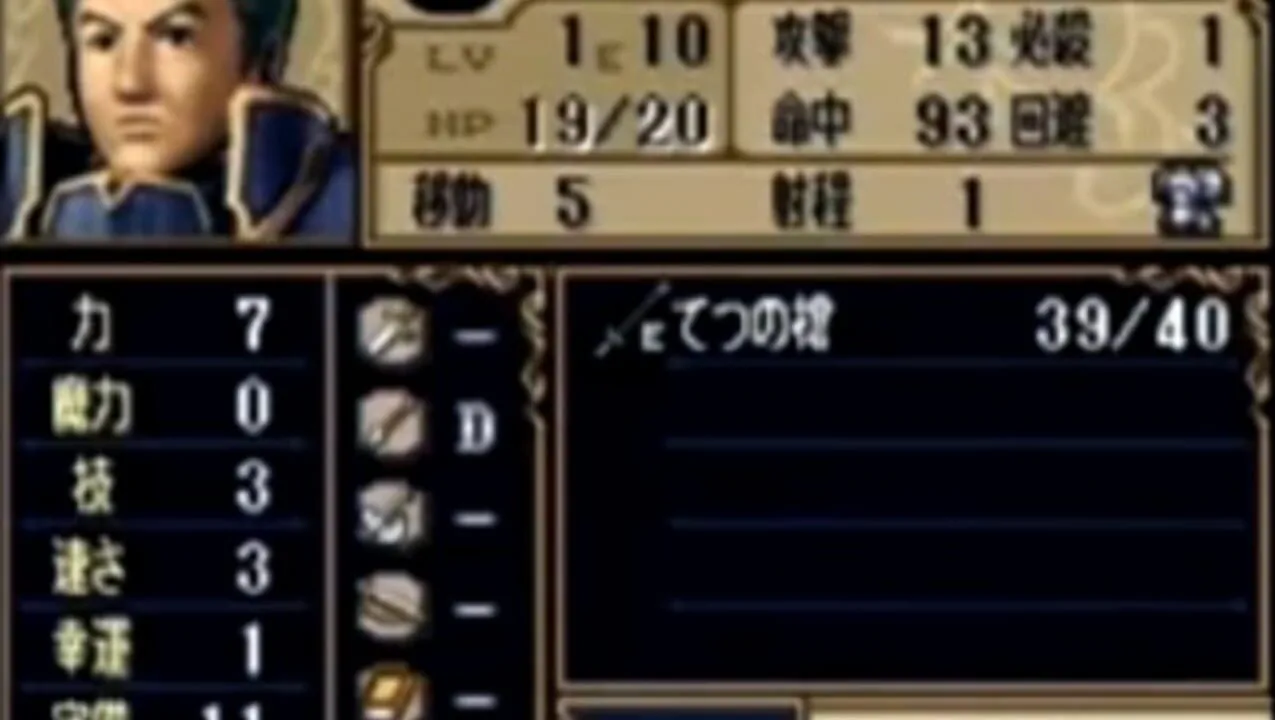
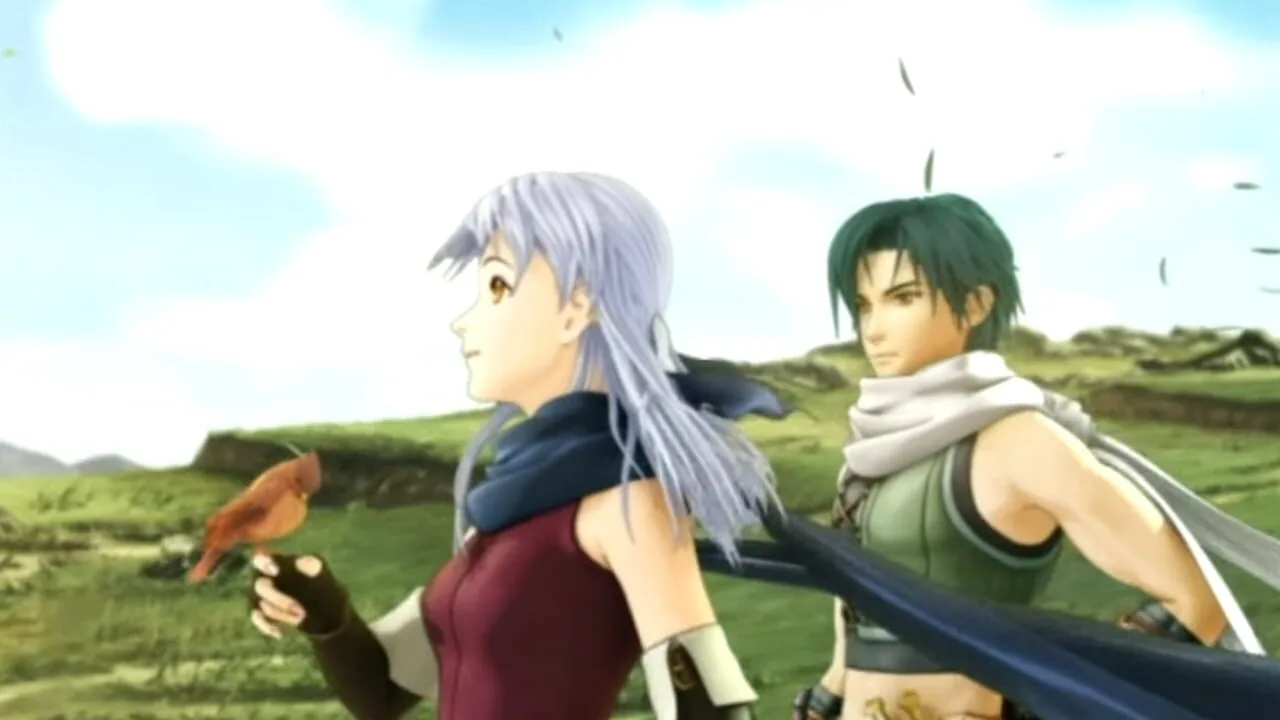
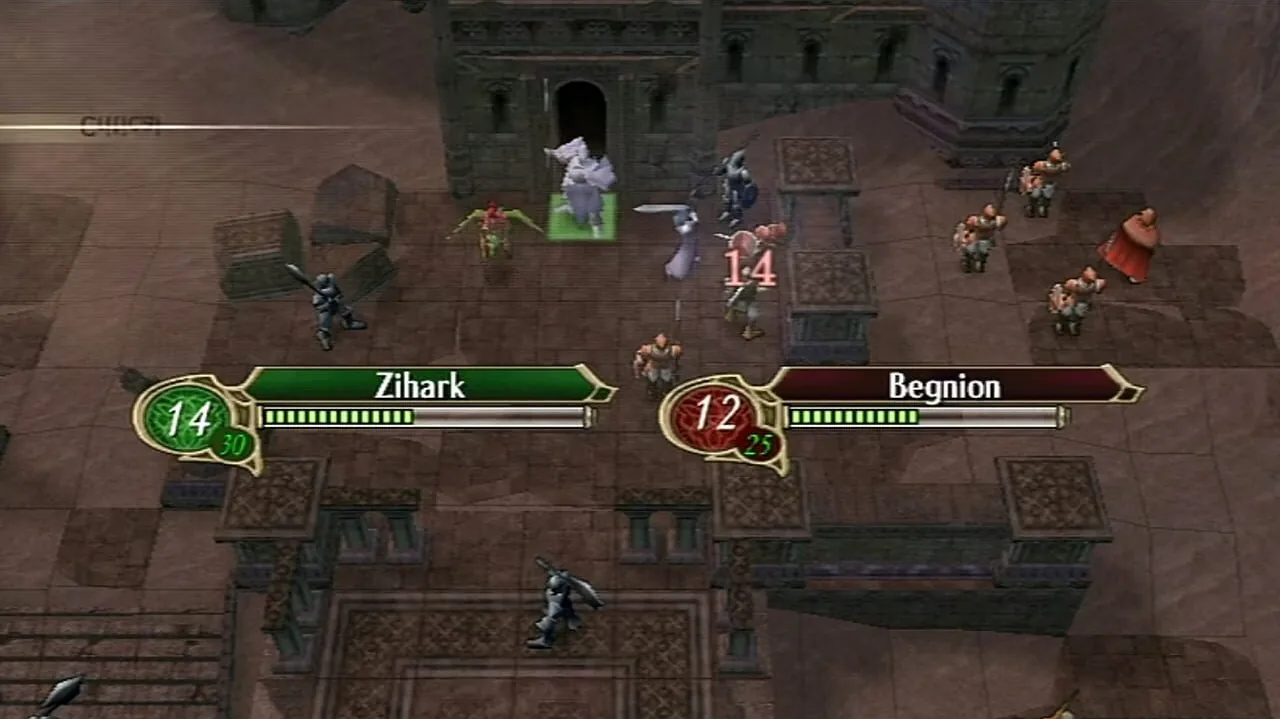
Shadow Dragon is the DS remake of the 1990 Famicom game that started the series. Marth returns to the mainland with a small band of soldiers to reclaim his kingdom and defeat Medeus. The remake added colored tiles for movement and attack range, the Weapon Triangle and a class swap feature. It also added online multiplayer, a first for the franchise, and original composer Yuka Tsujiyoko came back to remix the soundtrack.
Critics liked the balance, but sales remained low for a good while after launch. Players are hard on it. They say it shows its age and punishes people who are new to the series. It still earns the spot, because it lets you see where all of this began on a modern screen.
7. Fire Emblem: The Blazing Blade (2003)
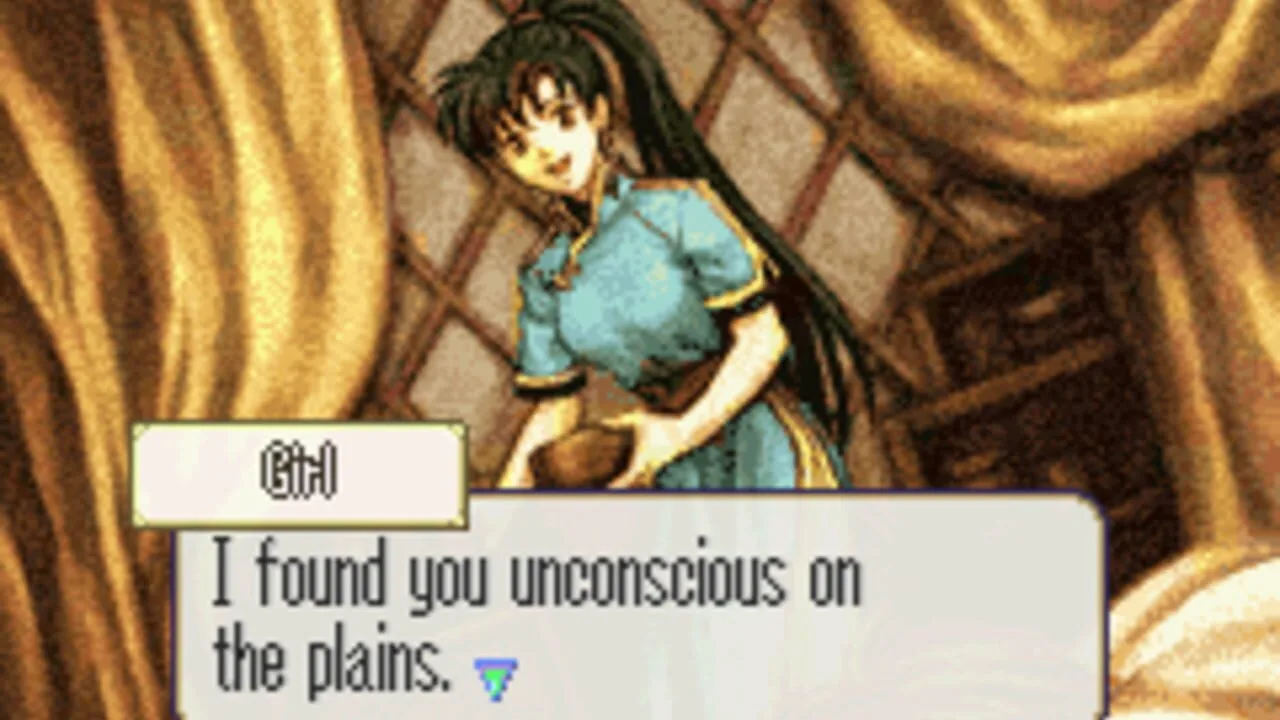
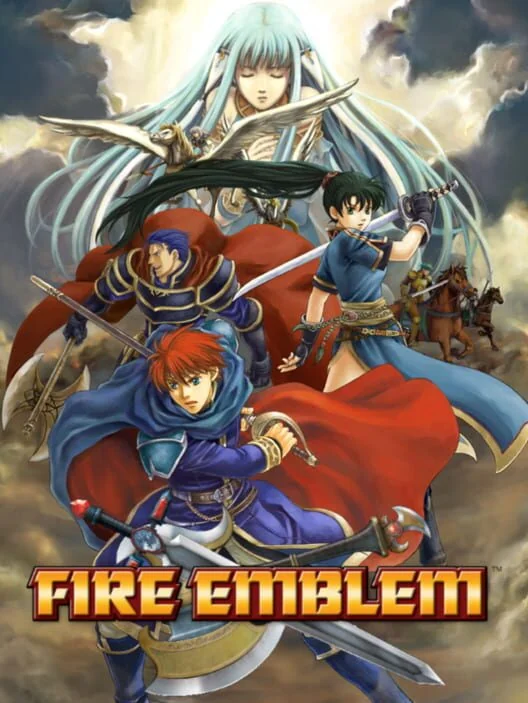
English players know this one simply as Fire Emblem, since it was the first game in the series released overseas. It came out in Japan and North America in 2003, and in Europe and Australia in 2004. It is a prequel to The Binding Blade, and it started as a companion game with a seven-month schedule that stretched as new features were added.
It got critical acclaim and established the series in Western markets, and that overseas success is why later games kept coming out in English. Players rate it among the best games on the GBA. For a lot of them it was the first Fire Emblem they ever played, and it still has the look many fans picture when they think of the series: little sprites hitting each other on a very green map.
6. Fire Emblem: Path of Radiance (2005)
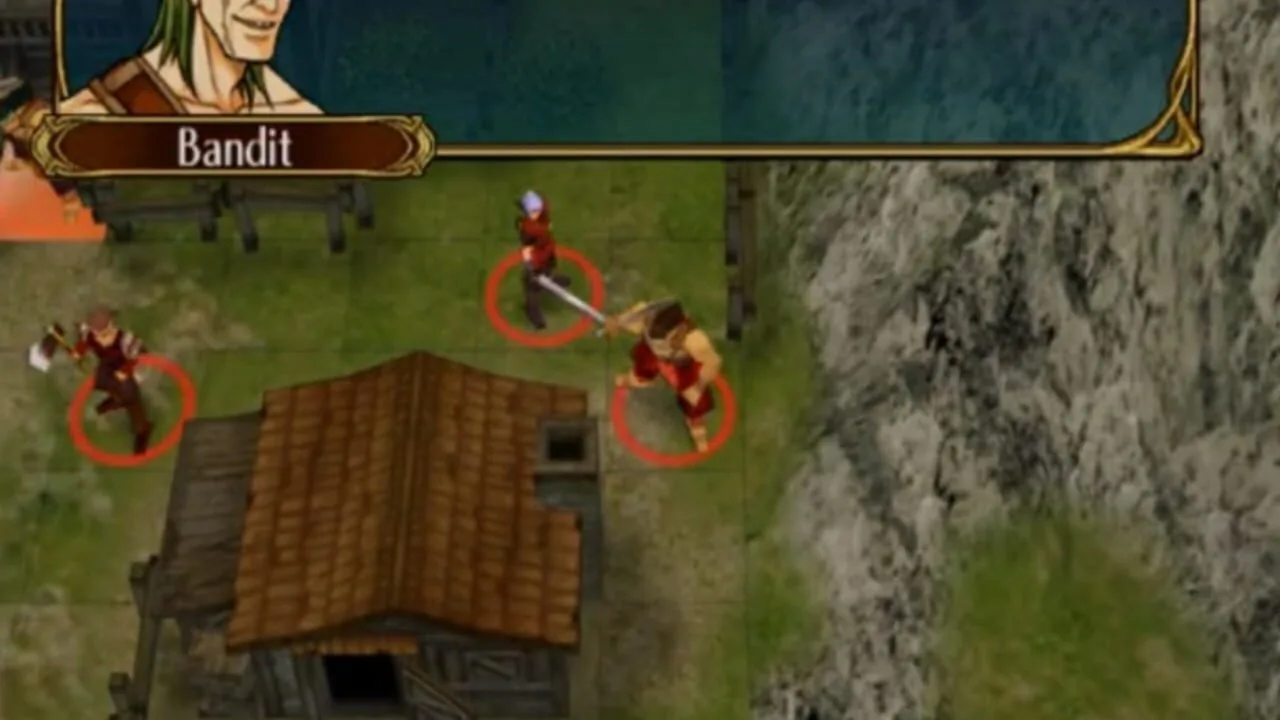
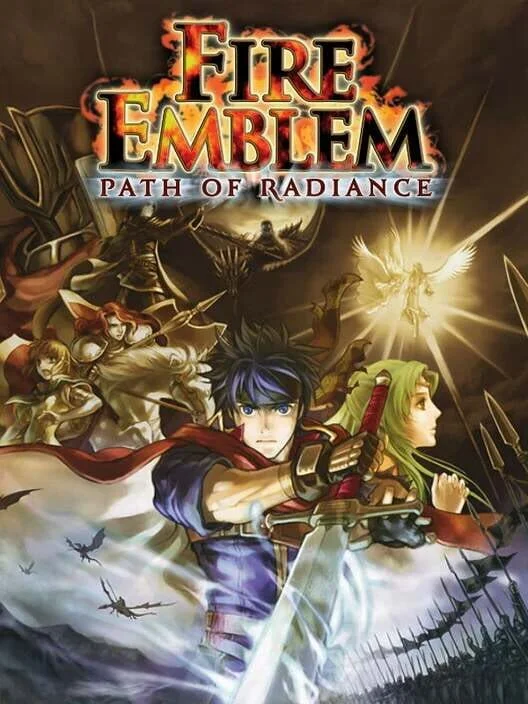
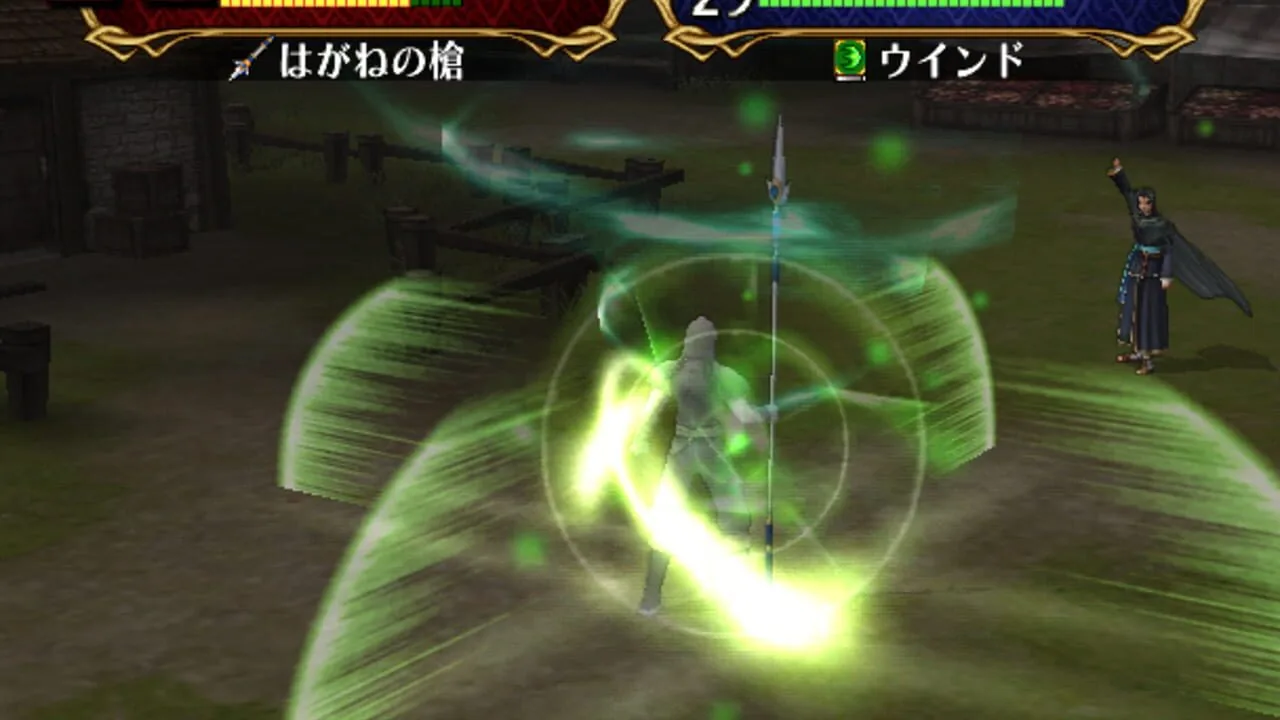
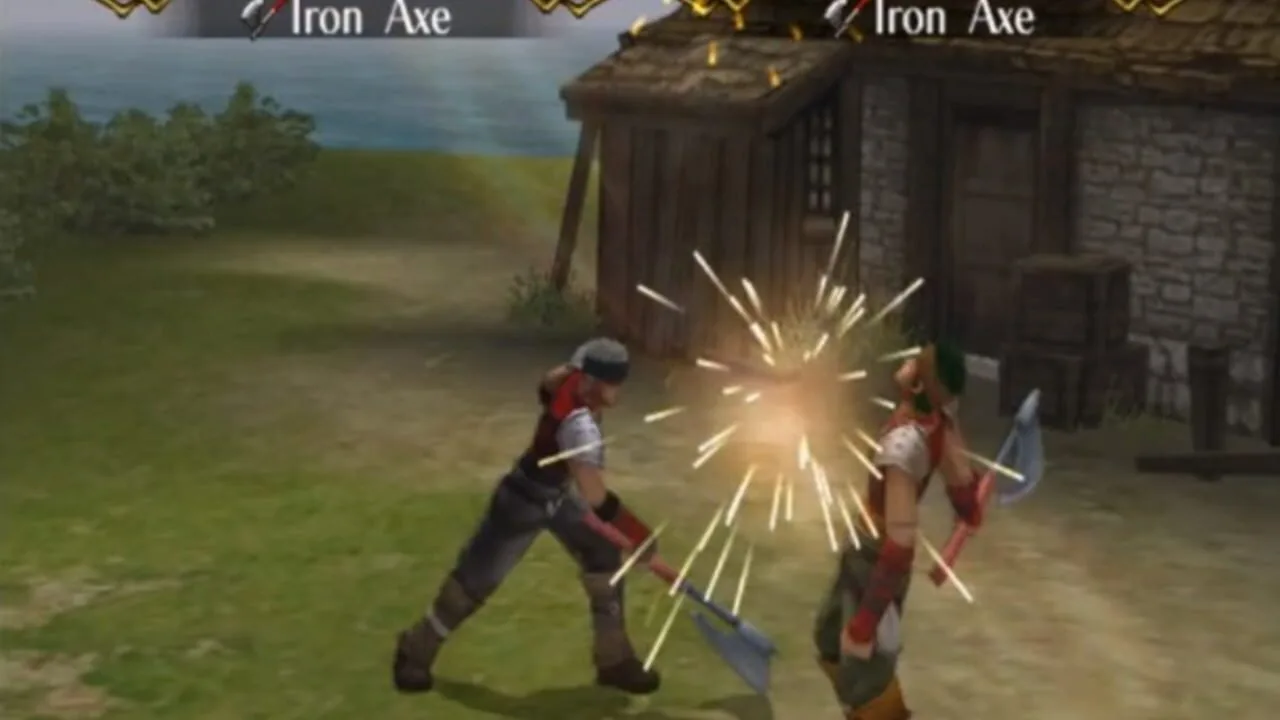
Path of Radiance was the first home console entry in the series since Thracia 776, and the first with 3D graphics, full motion cutscenes and voice acting. High development costs had kept the team off the GameCube until the overseas success of the GBA game changed its mind. The move to 3D was one of the biggest challenges of the project, especially getting from the overhead map view to a fight between two characters.
Critics liked the gameplay and story and marked it down for the graphics. Those graphics have not improved, but the game has fierce defenders. Players call it the best in the series, and some say it is where a first-timer should go. If you can find a way to play it, you will see why.
5. Fire Emblem: The Sacred Stones (2004)
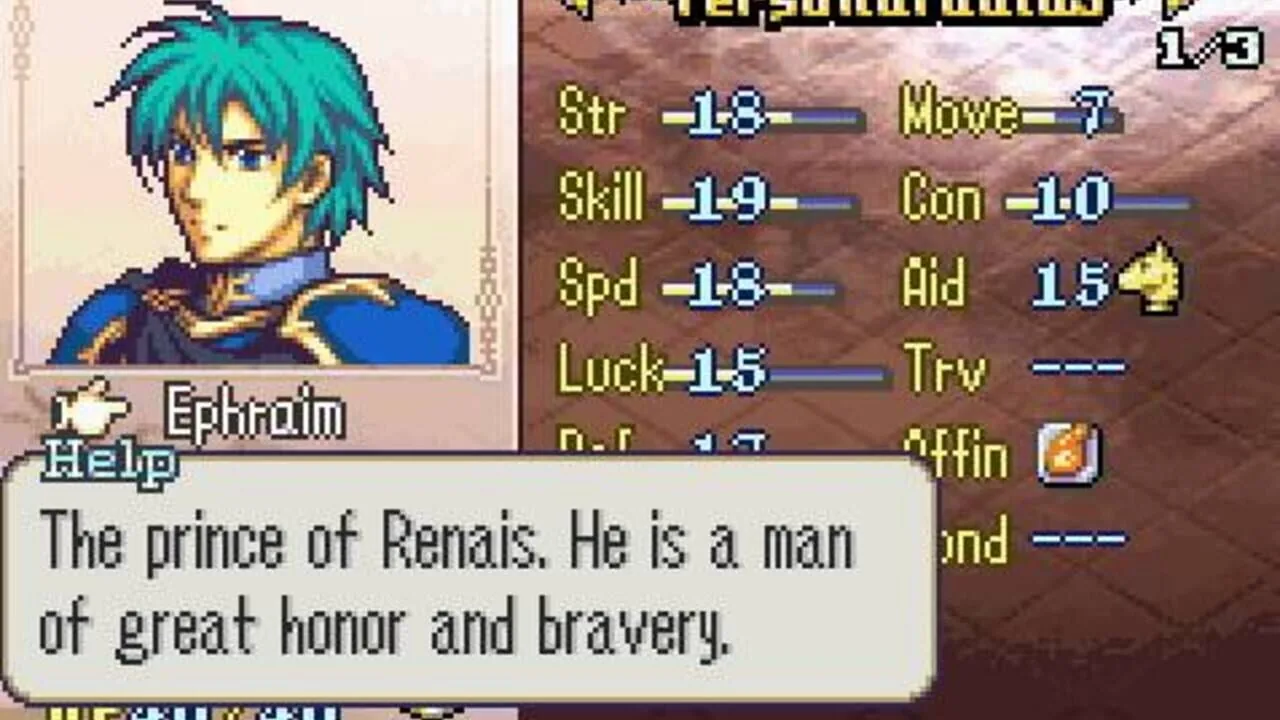
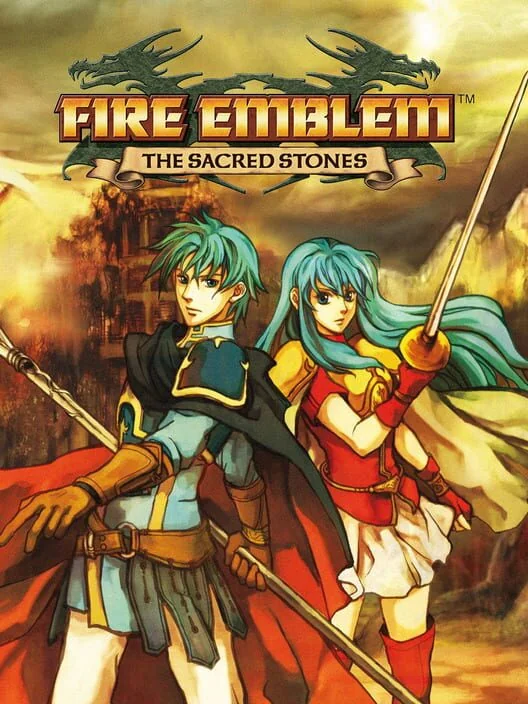
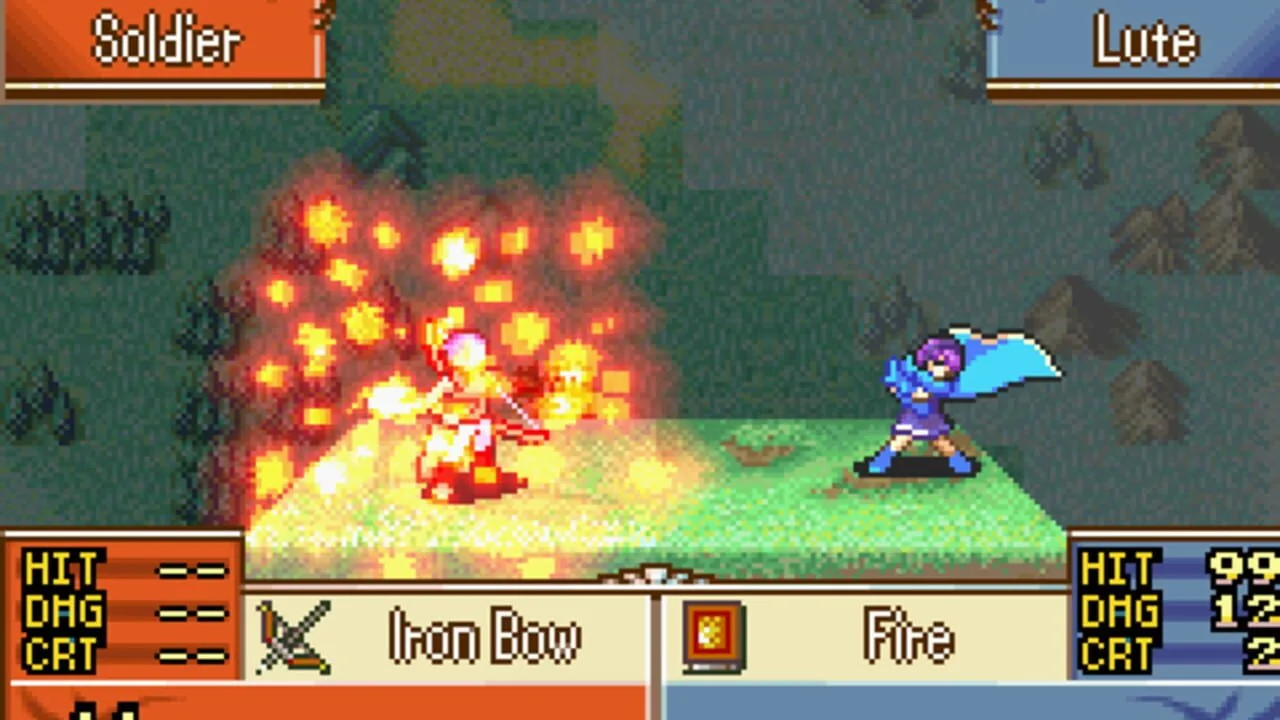
The Sacred Stones started unexpectedly in 2003, when the staff thought they would not be making another game for the Game Boy Advance. It ran alongside Path of Radiance as a side project, and it shares much of its look and mechanics with The Blazing Blade while borrowing ideas from Gaiden. It sold over 230,000 units during 2004, then a further 90,000 on its North American debut. Character designs came from Sachiko Wada, who had worked on The Binding Blade and The Blazing Blade.
Many critics said it was too similar to its predecessor, which is a strange thing to hold against a game when the predecessor was that good. Players who came in through the GBA games got hooked, and they still recommend it as a place to start.
4. Fire Emblem: Three Houses (2019)
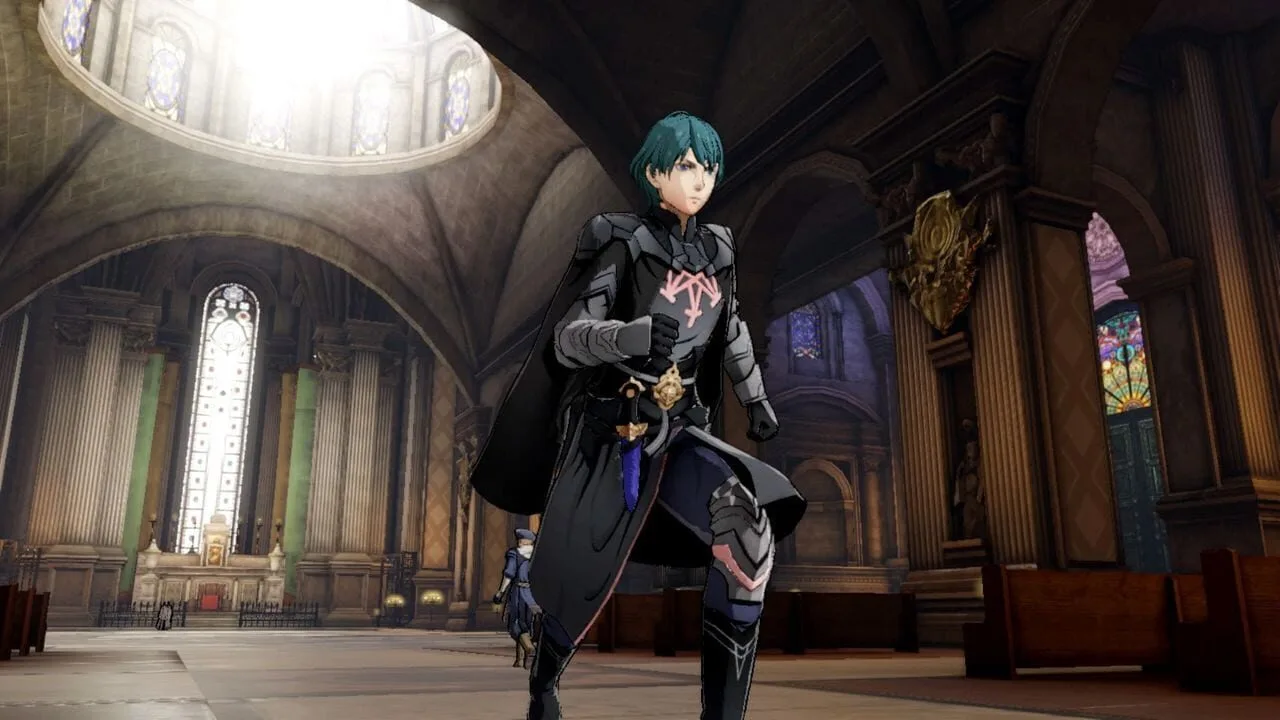
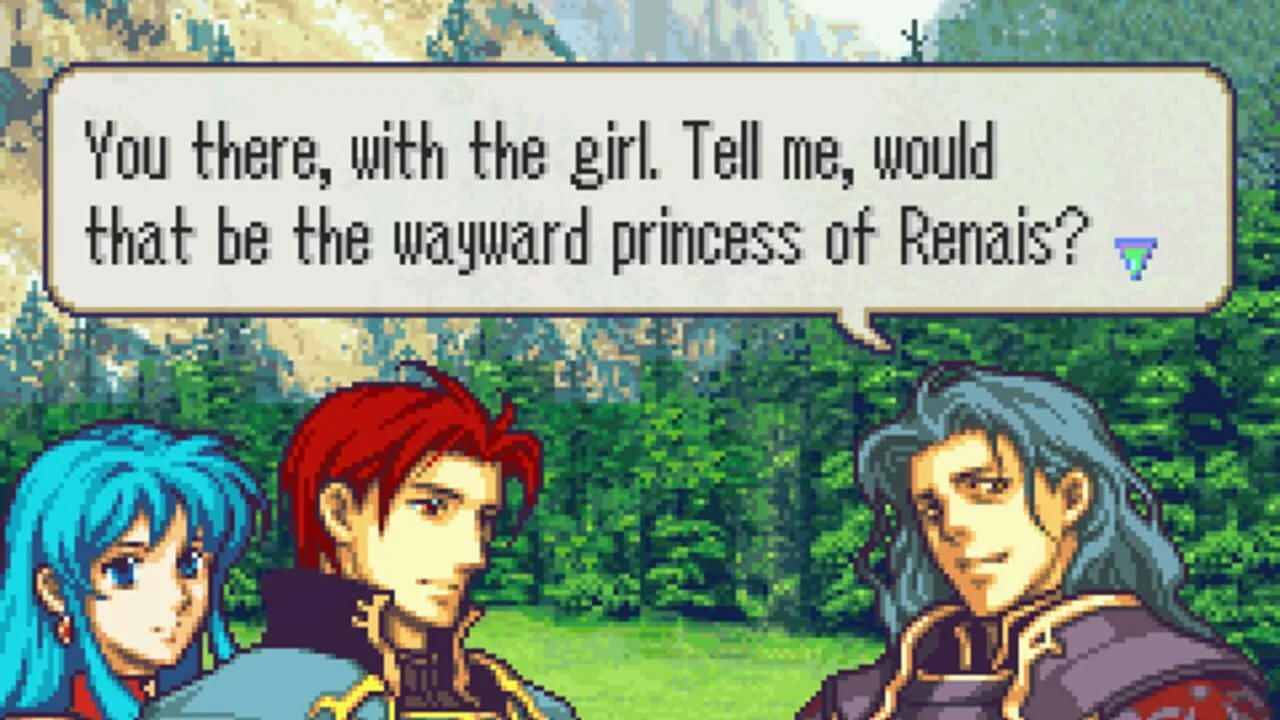
Three Houses is a collaboration between Intelligent Systems and Koei Tecmo, and the first entry for home consoles since Radiant Dawn. At Garreg Mach Monastery, Byleth chooses one of the three school houses, each aligned to a different nation of Fódlan, and that choice shapes the game. It won Best Strategy Game at The Game Awards 2019. By December 2022 it had sold 4.12 million copies, making it the single best-selling game in the franchise.
Players warn that it is unlike the rest of the series, and the school life between battles is what splits them. If you enjoy that side, you will stay for a very long time. If you do not, the battles will feel far apart. Fortune's Weave, a mainline game set in the same world, came out on September 17, 2026 for the Nintendo Switch 2.
3. Fire Emblem Echoes: Shadows of Valentia (2017)
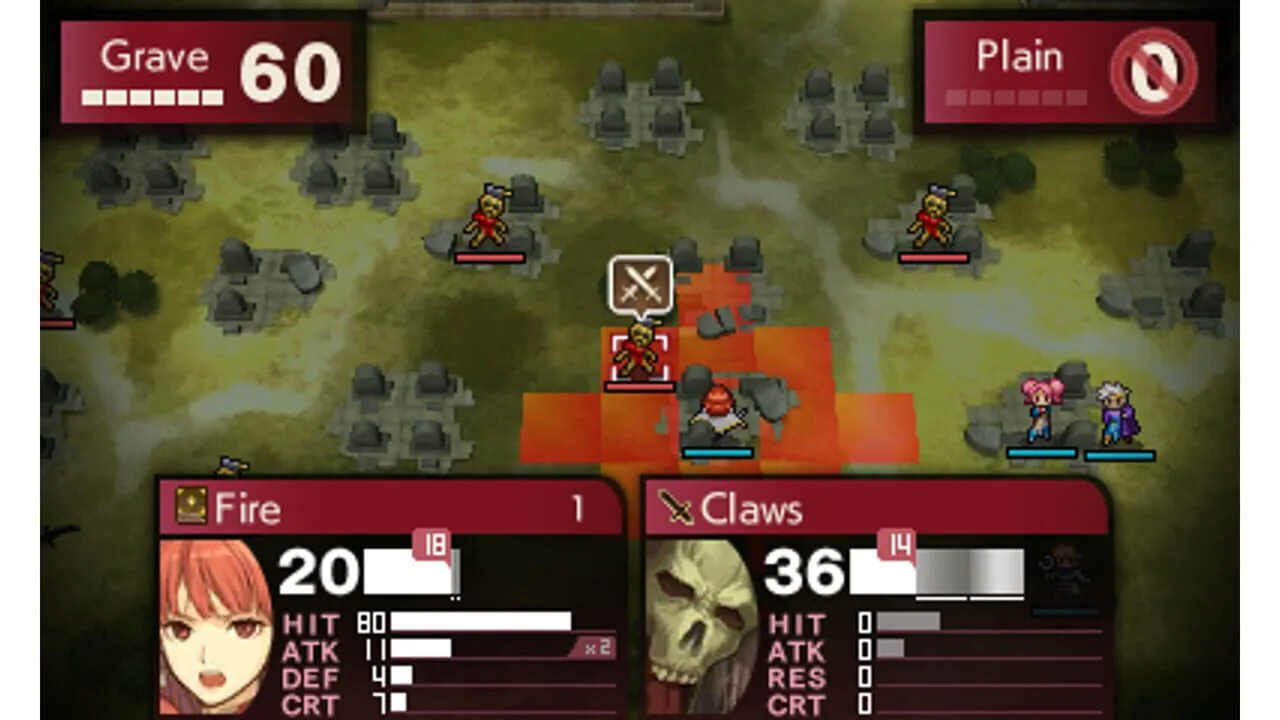
Echoes is a complete remake of Fire Emblem Gaiden, and unlike Gaiden it reached English players, localized by 8-4. Development began in 2015 after Fates was finished, and some staff wanted to bring back features that had been cut from that game. It keeps Gaiden's odd rules. Each unit can only carry one weapon, and mages must sacrifice a portion of their health to perform an action. You can also revive fallen units a limited number of times, which softens the usual heartbreak.
Players love its story. They also warn that its unusual mechanics make it a poor first game, since the rest of the series plays differently. Go in second and you will have a great time.
2. Fire Emblem Fates (2015)
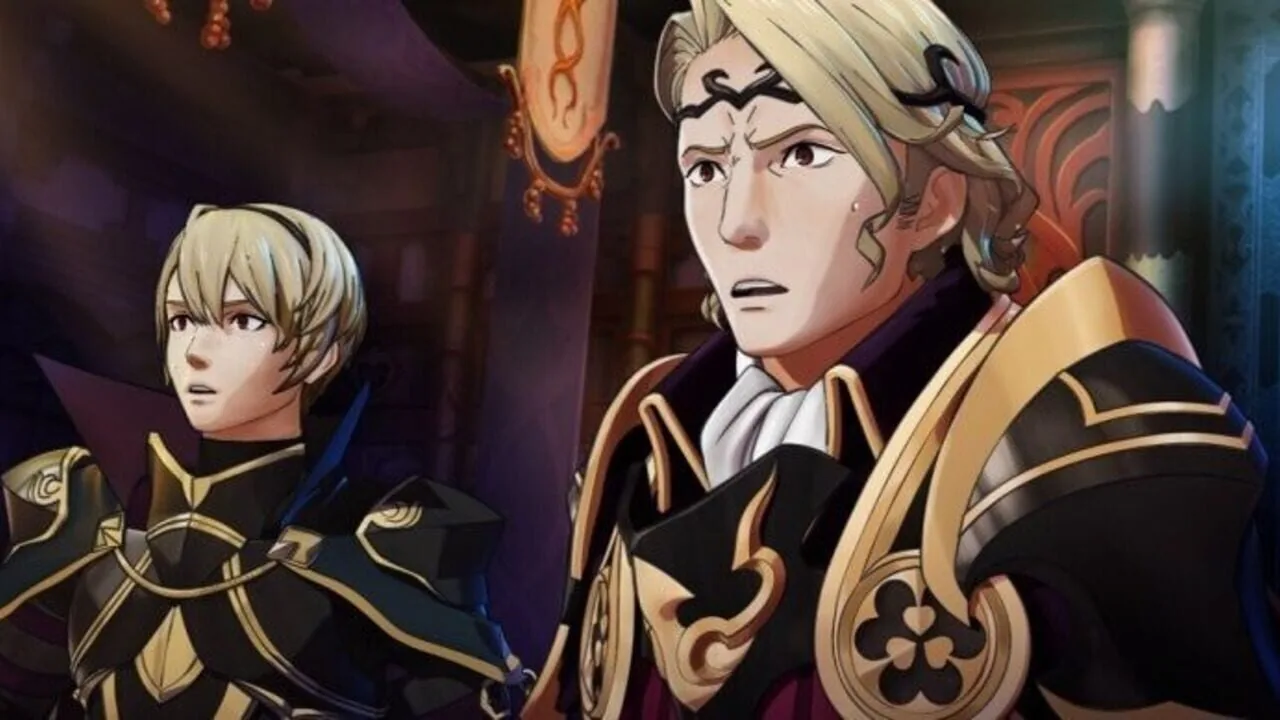
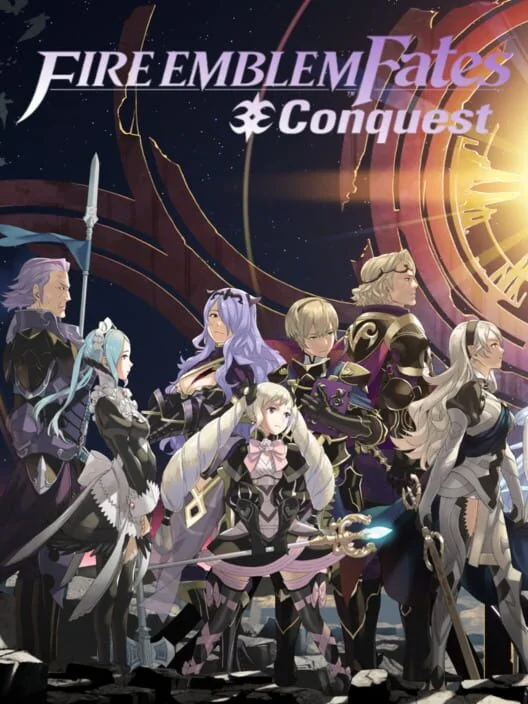
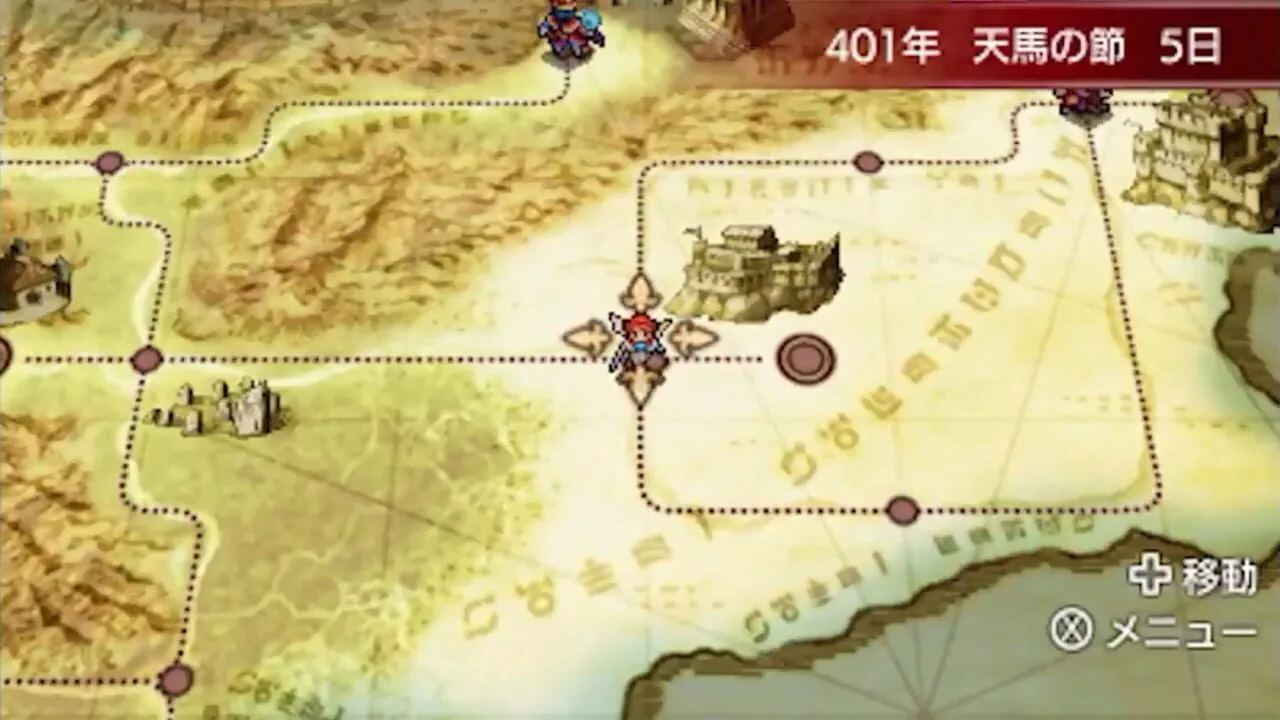
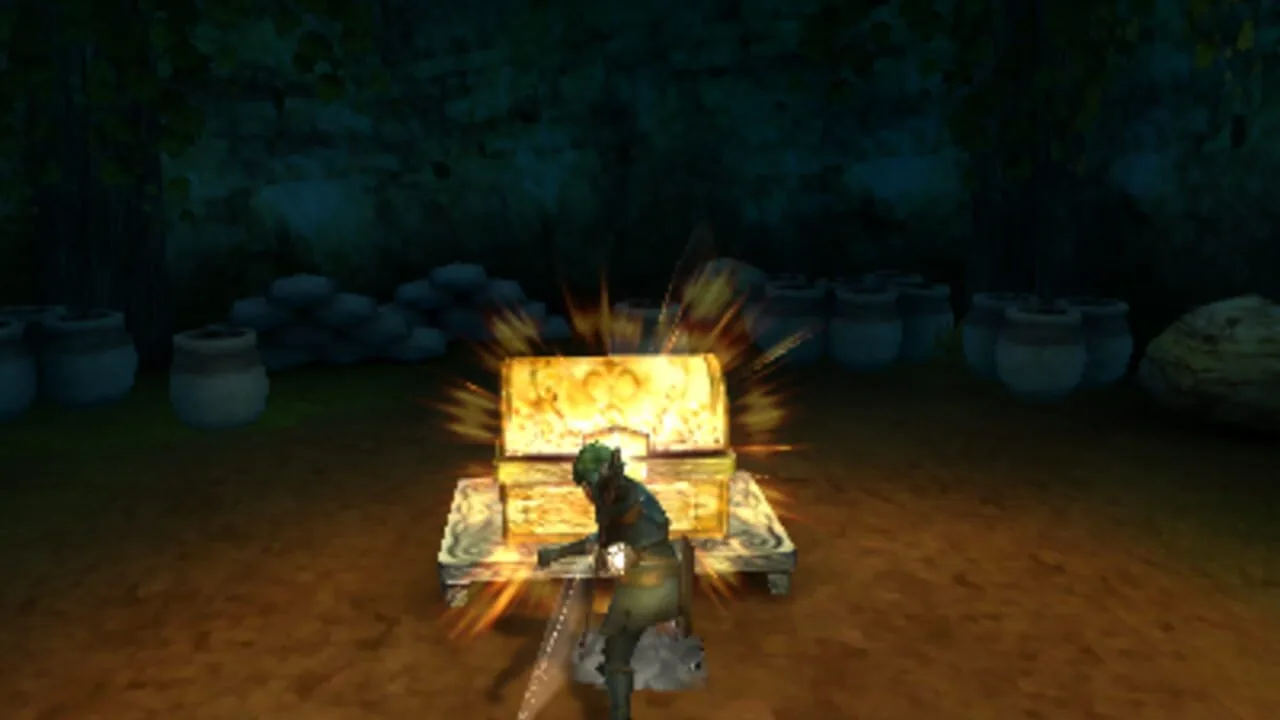
Fates came out in Japan in June 2015 and around the world in 2016, with the staff of Awakening back in their old roles. You play as Corrin, a member of the Hoshidan royal family who has to pick a side, and that choice is the difference between Birthright and Conquest. Birthright was generally seen as a good starting place for new players, Conquest was praised for its challenge, and Revelation sits between them. Buying all of them is how Nintendo turned one war into a small monthly budget.
Players split it down the middle. They praise the combat and the mechanics, and the maps of Conquest above all. They also find the story weak. It ranks this high because people care enough to keep arguing about it, and few games in the series give you better battles.
1. Fire Emblem Awakening (2012)
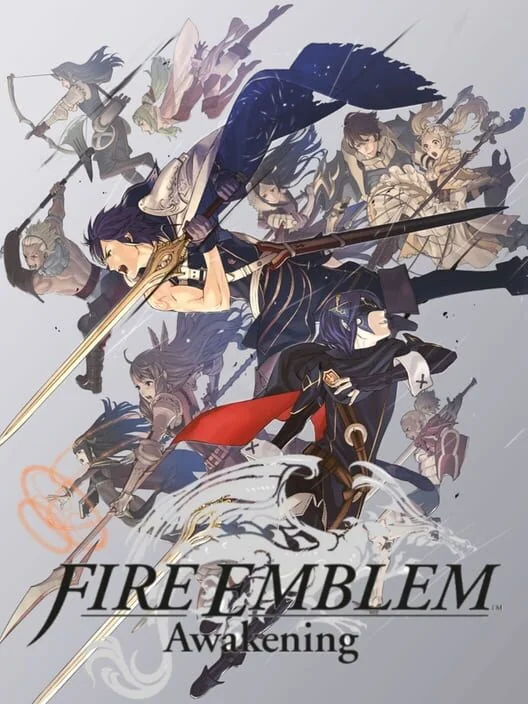
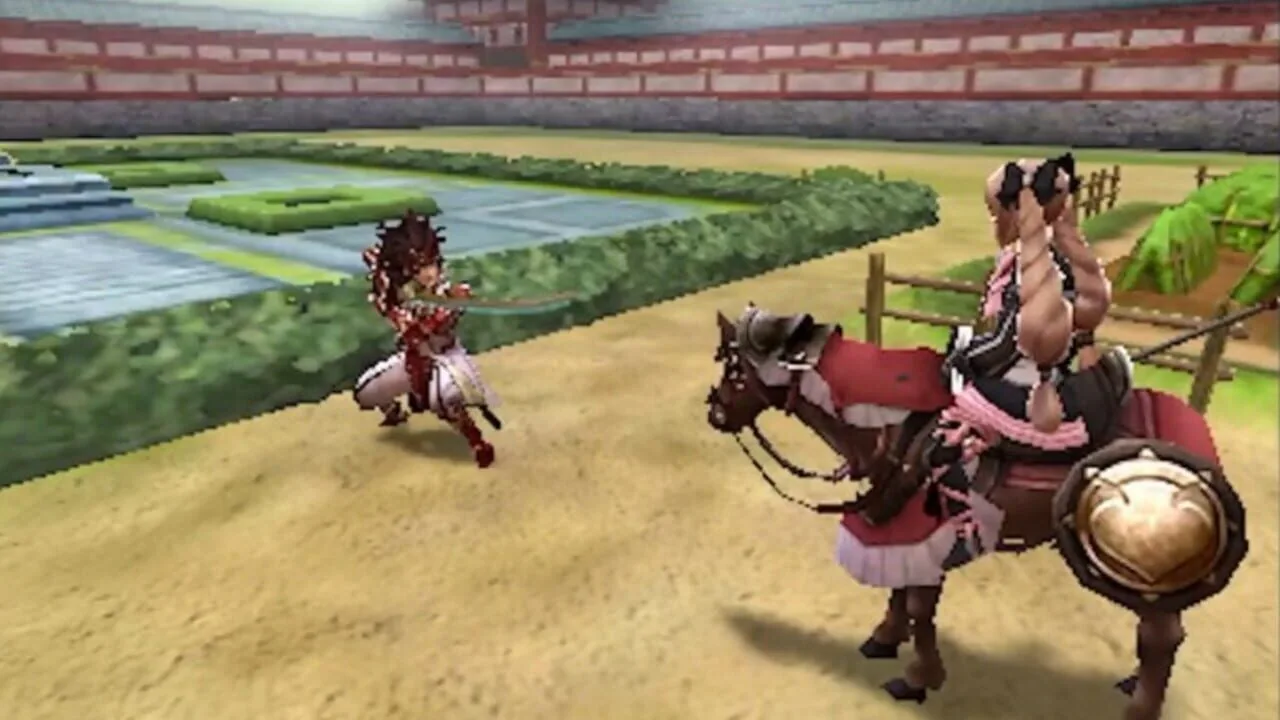
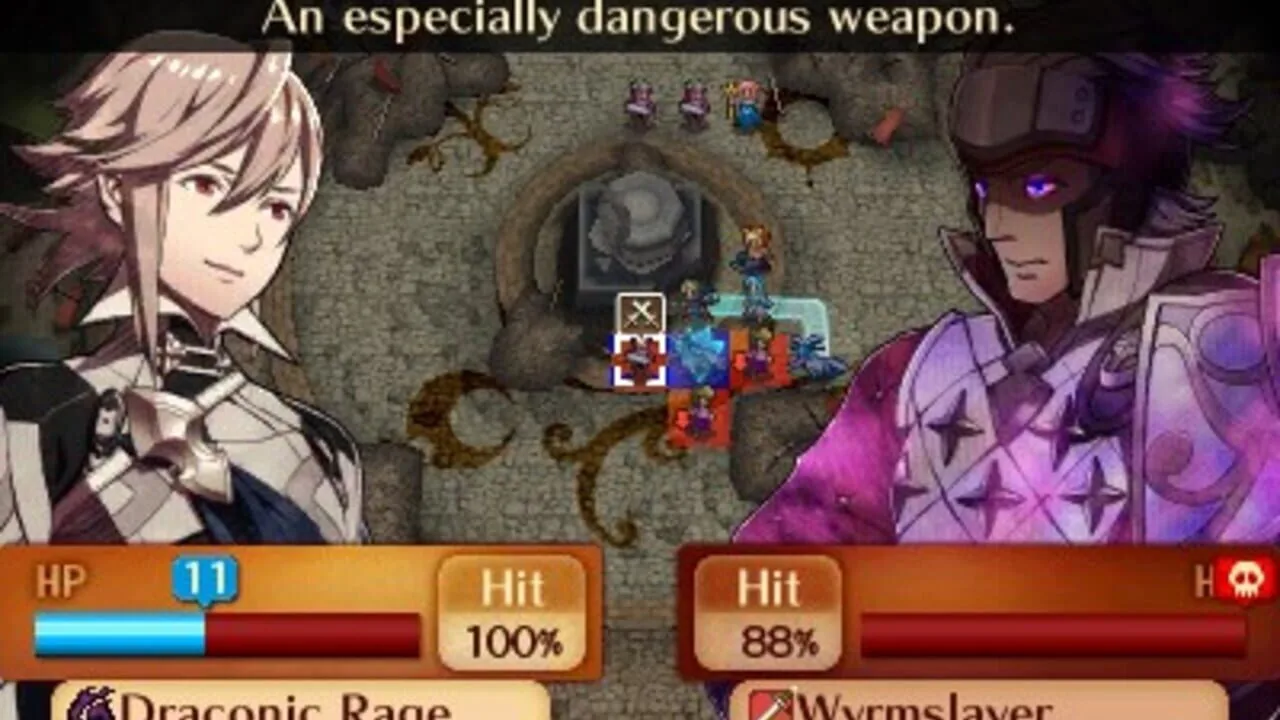
The series had seen declining sales, so Intelligent Systems designed Awakening as the possible last entry, with elements from all previous Fire Emblem games. It came out in Japan in April 2012 and in North America and PAL regions in early 2013. Relationships have a direct impact on battles here, with certain pairings granting bonuses like an automatic guarding action. In Classic Mode, defeated characters are gone for good, and critics praised how open it was to newcomers.
The last game turned into the rescue. Its success boosted sales of the 3DS and ensured the continuation of the series. More players named it than any other Fire Emblem game, and they call it the friendliest way in. They also love its characters and its story. It is often cited as one of the best games on the 3DS, and that is where our list ends too.
Which one to play
There you have it, the whole list of the best Fire Emblem games. Even the ones near the bottom have players who will talk your ear off about them.
If you are unsure, start with Fire Emblem Awakening, which is what players tell newcomers most often. If you want the traditional style, go with The Blazing Blade or The Sacred Stones. If you want the hardest battles, play the Conquest side of Fates, and if you want the best story, go with Echoes. If you own a Switch and like school life, Three Houses is the one. For a hidden pick, track down a fan translation of Genealogy of the Holy War.