The Genesis was Sega's home console, and for a few years it gave Nintendo a real fight. Sonic the Hedgehog made the Genesis a lot more popular in North America, and Sega used that moment well. It sent Sonic Team programmers to California to work with an American studio. A group of developers from Konami even chose the Genesis for their first game because of its powerful processor.
Konami itself made a Castlevania and a Contra just for this console. Yuzo Koshiro wrote techno for Sega's brawlers on a Japanese computer that was already outdated, and EA had the biggest hit in its history so far with a motorbike game where you punch people. Here are the 20 best Genesis games.
20. Castlevania: Bloodlines (1994)
Konami built Bloodlines as a unique Castlevania experience tailor-made for the Genesis, and it moves the series into the 20th century. Elizabeth Bartley, Dracula's niece, started the First World War to gather the human souls she needed to bring her uncle back. You chase her across Europe, and some parts of the game split into different paths depending on which character you pick. It was also the first Castlevania with music by Michiru Yamane, who brought her love of Bach to it and became a regular series composer.
Its story carried on years later in Portrait of Ruin on the Nintendo DS. Players who list their favourite Genesis games often put it right next to Contra: Hard Corps, and that is good company. If you only know the Castlevanias on Nintendo consoles, this is the one that got away.
19. Strider (1990)
Strider came out of a deal between Capcom and the manga publisher Moto Kikaku, and Capcom turned it into an arcade game. Sega released Strider for its own Genesis console in 1990. Of all the home versions, the Genesis one is considered the most successful, and Electronic Gaming Monthly gave it Game of the Year and Best Graphics that year. You play Hiryu, who can slide under obstacles and enemies by crouching and pressing jump. The music changes with the stage, from futuristic sci-fi action themes to baroque pieces.
Players still put it on their short lists of Genesis games to play. The slide makes Hiryu quick on his feet, and the awards show how much the Genesis version impressed people in 1990. It is short, so it suits a single evening.
18. Flashback (1993)
Flashback was directed by Paul Cuisset, who had made the adventure game Future Wars with Éric Chahi before. It started on the Amiga and was ported to the Genesis in 1993. It is a cinematic platformer in the style of Prince of Persia and Another World, and its animation came from video images traced onto transparencies. You play Conrad, whose memory was wiped by the Morphs. He has a pistol with unlimited ammunition and a force shield that soaks up a few shots before it needs recharging.
The game was a commercial and critical success, and Guinness listed it as the best-selling French game of all time. Genesis owners still name it when they list the games they loved on the console. It asks for patience, which makes it a nice change of pace on this list.
17. Comix Zone (1995)
Peter Morawiec at Sega Technical Institute first showed the idea in a 1992 demo video called Joe Pencil Trapped In The Comix Zone. The finished game came out in July 1995 in North America. It is a beat 'em up set inside the panels of a comic book, and the only item that heals you is iced tea. Sega of Japan sent back a note saying the game "embodied everything that was wrong with American culture".
Late in development, Sega's testers asked for a higher difficulty, and Morawiec later said he regretted following their advice. Critics praised the look and the soundtrack but called it hard and short. It came out too late in the console's life to sell well, then built a cult following. Players still recommend it. The testers got their wish, by the way: it is tough.
16. Ecco the Dolphin (1992)
Ecco the Dolphin got favourable reviews and became a bestseller on the Genesis. Two parts of how it plays are based on real dolphin habits. One button makes Ecco sing, which lets him speak with other cetaceans and work certain objects. The story goes back to Atlantis, which sank after a long war with the Vortex, and a time portal later sends Ecco back to the present.
He almost had a fancier name. Sega's marketing director Al Nilsen suggested Botticelli the Dolphin, because characters named after Italian artists were popular thanks to the Teenage Mutant Ninja Turtles. A sequel, Ecco: The Tides of Time, followed in 1994. Players who grew up with a Genesis still put the first game on their lists of the console's best, and it is still one of the strangest games Sega ever sold to kids.
15. Golden Axe (1989)
Golden Axe was an arcade game first, and it was ported to Sega's own Mega Drive/Genesis and Master System. Lead designer Makoto Uchida was fond of action movies, the Conan films most of all, and wanted to make a game in that spirit. One of the heroes is Gilius Thunderhead, an axe-wielding dwarf from the mines of Wolud whose twin brother was killed by Death Adder's soldiers. The Genesis version adds a fight on top of the arcade's: Death Adder's mentor, Death Bringer, is the true final boss.
Its success started a series, beginning with Golden Axe II in 1991. Players tend to name the whole series at once when they list Genesis games. The Genesis version has been on the Nintendo Classics service since 25 October 2021, so it is easy to try today.
14. Ranger X (1993)
Ranger X was developed by GAU Entertainment and published by Sega in 1993, and it is the least known game in this part of the list. Your pulse rifle never runs dry. The special weapons hit harder, but they drain a power bar, and that bar only recharges when Ranger X is in a bright light source. The levels turn into a hunt for light as much as a fight, and you learn to save the big guns for when they count.
Players who know it recommend it as a Genesis game to play, often next to the bigger names. It is a good pick once you have played the famous Genesis shooters and want something new.
13. Road Rash (1991)
Road Rash was one of the first games EA made after it decided to develop games internally. Its programmers, Dan Geisler and Carl Mey, had been hired to create a banked road effect for Mario Andretti Racing, an NES game at the time. The fighting was inspired by the violent behavior of Grand Prix motorcyclists during races. You punch the nearest rider, and holding a direction turns the punch into a backhand or a kick. Geisler named Hang-On as an influence and wanted the things it was missing, like hills and punching.
Road Rash was EA's most profitable title to date, and in 1996 GamesMaster rated the Mega Drive version 90th in its Top 100 Games of All Time. Players who loved the Genesis Road Rash games tend to name the whole trilogy, and the first one keeps its fans.
12. Landstalker (1992)
Landstalker was a critical and commercial success. You play Nigel, who sells a statue to a shop owner in the port town of Kalva and is then stopped by a wood nymph named Friday. She stays with him for the entire game. Their first trip through a dungeon ends with a fall into a river, and they wake up in the care of the red-furred bear-people of Massan.
A sequel was planned and then cancelled, and Dark Savior and Alundra are considered its spiritual successors. A spinoff, Lady Stalker, came out only in Japan on the Super NES in 1995. Landstalker has been re-released on the Wii Virtual Console in 2007, the Sega Genesis Mini in 2019 and Nintendo Classics in 2023. Fans of it on the Genesis still name it as their pick for the console.
11. Streets of Rage (1991)
Streets of Rage set up the conventions the series kept: two players fighting together and a techno soundtrack from composer Yuzo Koshiro. Its working title was DSWAT. None of the regular enemies are named in the game, they only have names in the Japanese manual, and only the bosses have a life bar you can see. It topped the UK Mega Drive charts on release and went on to be one of Sega's best-selling games.
Sega planned more sequels, and one for the Saturn by Core Design lost the Streets of Rage name after a disagreement about porting it to other consoles. It came out as Fighting Force. Players often name this one together with its sequels as Genesis must-haves, though they rank the sequel higher.
10. Aladdin (1993)
Disney's Aladdin was developed for the Sega Genesis by Virgin Games USA, Virgin Interactive's studio, and Sega published it in 1993. It is based on the Disney film released on November 25, 1992, directed by Ron Clements and John Musker. The film did so well that it led to two direct-to-video sequels and a television series, and the Genesis game was part of that wave.
Licensed games from that era were often a gamble, and this is one of the good ones. Players still put it on their lists of Genesis games, right next to Sega's own heroes. If you grew up with the film, it is the easiest game on this list to love.
9. Rocket Knight Adventures (1993)
Rocket Knight Adventures was designed by Nobuya Nakazato, who also designed Contra games such as The Alien Wars and Hard Corps. You play Sparkster, whose sword can hit enemies up close or send out energy shots that travel a short distance. Let go of the attack button and he bursts off in a rocket attack in any of eight directions, or spins on the spot if you press no direction. There are seven stages, and each one ends with a boss fight.
The villains have a starship called the Pig Star that can destroy planets, which tells you most of what you need to know about the tone. On Very Hard there are no continues at all. A sequel, Sparkster: Rocket Knight Adventures 2, came out on the Genesis in 1994. Players still recommend the first one.
8. Vectorman (1995)
Vectorman came out on the Genesis in late 1995 in North America and Europe, late in the console's life. A sequel, Vectorman 2, followed in 1996, but several attempts at a Vectorman 3 were abandoned. At least one stage was cut during development: Vectorman was going to ride a wicker rocket along a track, with scrolling columns used to make the rocket spin.
It has been re-released on many Sega compilations and on its own for the Wii Virtual Console, Steam, Sega Forever and Nintendo Classics, so it is not hard to find. When players put together a list of Genesis games for someone new, Vectorman is one of the names they add. It looks like a game made by people who knew the hardware well.
7. Sonic 3 & Knuckles (1994)
Sega Technical Institute in California started Sonic 3 in January 1993, shortly after Sonic 2 came out. It began as an isometric game, like what became Sonic 3D Blast, and turned into a regular 2D platformer because time was short. Sonic 3 and Sonic & Knuckles were planned as a single game until time and cartridge costs forced the team to split it. Sonic 3 & Knuckles is that single game put back together. Michael Jackson composed parts of the soundtrack and left the project uncredited, and sources still disagree on how much of his work stayed.
Critics generally felt Sonic 3 was the best game in the series so far, and the two games sold a combined four million copies. When players pick one game per console, this is often their Genesis choice. It came back in 2022 in Sonic Origins.
6. ToeJam & Earl (1991)
ToeJam & Earl parodies 1980s and early-'90s urban culture and is set to a funk soundtrack. Its design was inspired by Rogue, so it is often called an early roguelike. You can play it alone or with a second player, and critics praised its humor and the two-player mode most. It sold slowly at first, then became a sleeper hit, and Sega used its two heroes as mascots.
The sequel, ToeJam & Earl in Panic on Funkotron, was redesigned as a platform game because Sega preferred that genre, and it was a hit in 1993. In 2019 ToeJam & Earl: Back in the Groove came out, funded on Kickstarter, and it is essentially an enhanced remake of the first game. Players still name the original among the Genesis games they love most. It is the one on this list that plays best with a friend.
5. Contra: Hard Corps (1994)
Nobuya Nakazato led development and said the game was designed specifically for the Japanese Mega Drive market, against the idea that Konami had turned toward Western players. The story branches: your squad makes choices that change where it goes next, and those choices lead to multiple endings. Each playable character changes the tone, from serious with Ray to comedic with Brownie. You also get a new slide, done by holding the pad down diagonally and pressing jump.
The team based the alien lair on a visit to the Meguro Parasite Museum, which is one way to spend a work outing. The Japanese version gives you unlimited continues, the American one only five, and the European Probotector four, with robots in place of the soldiers. Players keep naming it as one of the Genesis games to play.
4. Shining Force (1992)
Shining Force was published by Sega for the Genesis, and its lead developer, Hiroyuki Takahashi, said it was chiefly inspired by Dragon Quest. Outside the fights, it plays like a traditional Japanese RPG along the lines of Final Fantasy or Dragon Quest, though there are no labyrinths and only a few puzzles to solve. You play Max, and the battles are where you spend most of your time.
It has been re-released many times, in Sega Smash Pack Volume 1 for the Dreamcast, in Sonic's Ultimate Genesis Collection and on Steam. A remake, Shining Force: Resurrection of the Dark Dragon, came to the Game Boy Advance in 2004, and the original joined Nintendo Classics in 2021. Players often recommend the first two Shining Force games together.
3. Streets of Rage 2 (1992)
Axel Stone and Blaze Fielding are back, joined by Max Thunder and Eddie "Skate" Hunter, the younger brother of Adam Hunter from the first game. It was made by a team from several companies, Ancient among them. Ancient's Ayano Koshiro was the lead graphic designer, and her brother Yuzo Koshiro composed the music using outdated NEC PC-8801 hardware and an audio programming language of his own. Each character has a Blitz Attack, done by double tapping a direction before attacking.
It got critical acclaim and sold well, and it has turned up on several lists of the greatest video games of all time. Players rank it above the first game, and it is often the game they name for the Genesis. One player put it plainly: "You NEEEEEDDD Streets of Rage 2".
2. Sonic the Hedgehog 2 (1992)
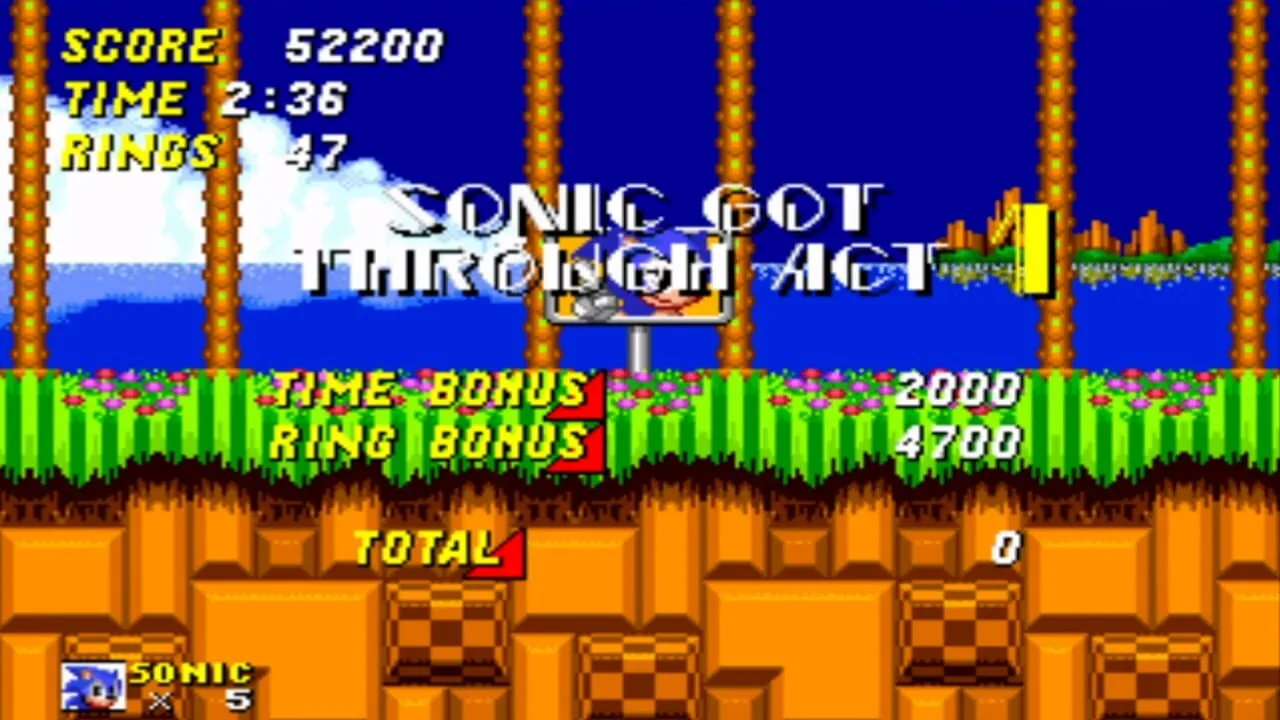
After the first Sonic made the Genesis far more popular in North America, Sega asked Mark Cerny, the founder of Sega Technical Institute, to start Sonic 2 in November 1991. Sonic Team members, including the programmer Yuji Naka and the designer Hirokazu Yasuhara, moved from Japan to California for it. Sonic 2 was meant to be faster and more ambitious, and the development had setbacks, from cultural differences between the Japanese and American staff to levels cut for time. Masato Nakamura of the J-pop band Dreams Come True wrote the music again.
It came out in November 1992, grossed over $450 million and sold six million copies by 2006, second only to the first game among Genesis sellers. A prototype found in 1999 helped start a whole community of people digging through game data. Players still play it and still pick it as their Genesis favourite.
1. Gunstar Heroes (1993)
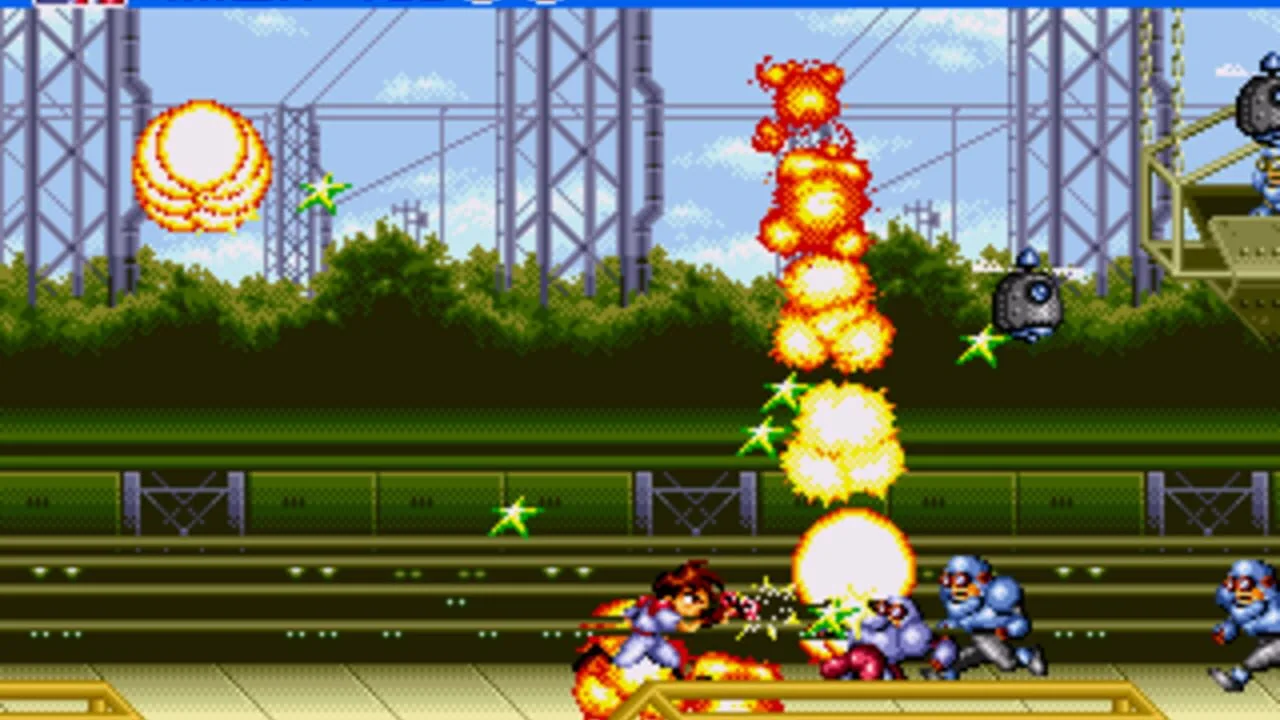
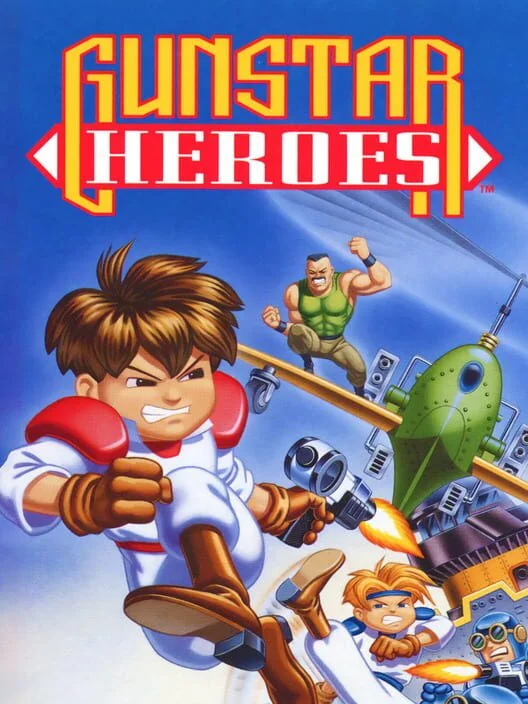
Gunstar Heroes was Treasure's first game. Its team started work while still at Konami in 1991, and they wanted to make it for the Genesis because of the console's powerful Motorola 68000 processor. You play Gunstar Red and Gunstar Blue, fighting an evil empire for control of a set of powerful gems. There are seven stages, and you can play the first four in any order. Critics praised its frantic action and advanced graphics.
It was later ported to the Game Gear and the Nintendo 3DS and got a sequel on the Game Boy Advance. M2, who made the Game Gear port, had wanted to port The Cliffhanger: Edward Randy and got Gunstar Heroes instead, which worked out fine for everyone. Players recommend it more than any other Genesis game, ahead of every Sonic.
Which one to play
There you have it, the whole list of the best Genesis games. The top ten would hold their own on any console of the time.
If you are not sure where to start, play Sonic the Hedgehog 2. If you want a brawler for two, pick Streets of Rage 2. For an RPG, Shining Force is the one. If you want something hard, Contra: Hard Corps will test you. And for a hidden pick, try Ranger X and its hunt for light.