Mega Man started on the NES in 1987, and Capcom made him for home consoles at a time when it mostly lived in arcades. The idea was easy to explain to a friend on the bus. You pick a stage, fight your way to the boss, and take its weapon for the next fight. From there the little blue robot went everywhere. He got a darker series on the Super NES, ruins to dig through on the PlayStation, and card battles on the Game Boy Advance. Few series have split into so many different kinds of game. Here are the 31 best Mega Man games.
We surveyed players across the whole series. Spin-offs and remakes sit right next to the numbered games. When players said Battle Network, Zero or Legends with no number, the first game got the credit, which helps those first games rank high.
31. Mega Man Star Force (2006)
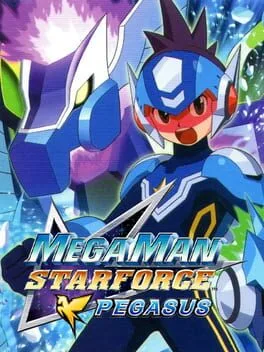
Star Force is a Nintendo DS game that takes the card battles of Battle Network and hands them to a new hero, Geo. Critics got stuck on that family likeness. It was often regarded as too similar to Battle Network, and mixed reviews followed. It was still a commercial success, selling nearly 600,000 copies in Japan by the end of 2007, and you could form a Brother Band with another player over the DS's wireless.
The players who found it are fond of it. It sits last because the games above it had far bigger audiences. A compilation of the Star Force trilogy arrived in 2026, so it is easier to find now than it has been in years.
30. Mega Man Star Force 3 (2008)
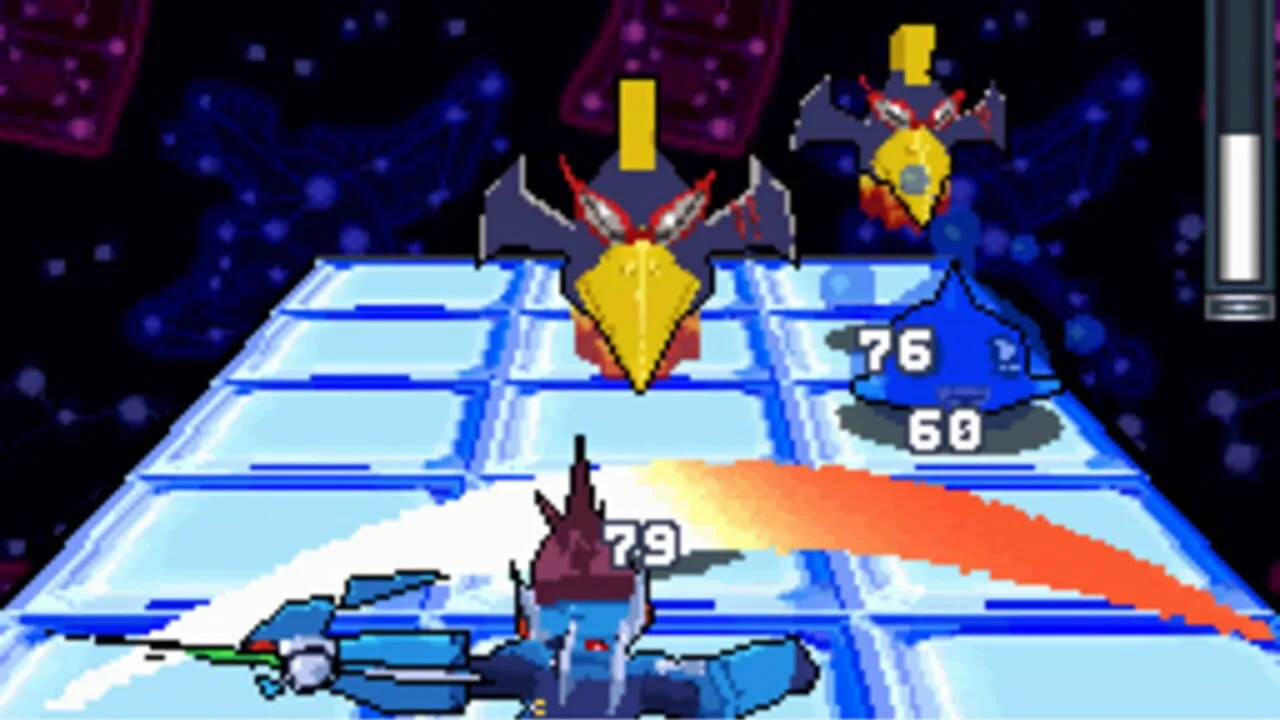
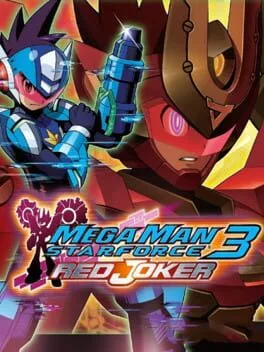
The last Star Force reached Japan on November 13, 2008. The United States got it on June 30, 2009, in two versions called Black Ace and Red Joker. You move left or right while enemies have a wider range of movement in front of you, and six cards appear at random each time you open the Custom Screen. Building a folder of cards is most of the game.
Fans of the series think a lot of this one, and it beats the first game here by a hair. A fourth game was in development and got cancelled because of low sales. That leaves this as the end of the road for Geo.
29. Mega Man: Maverick Hunter X (2005)
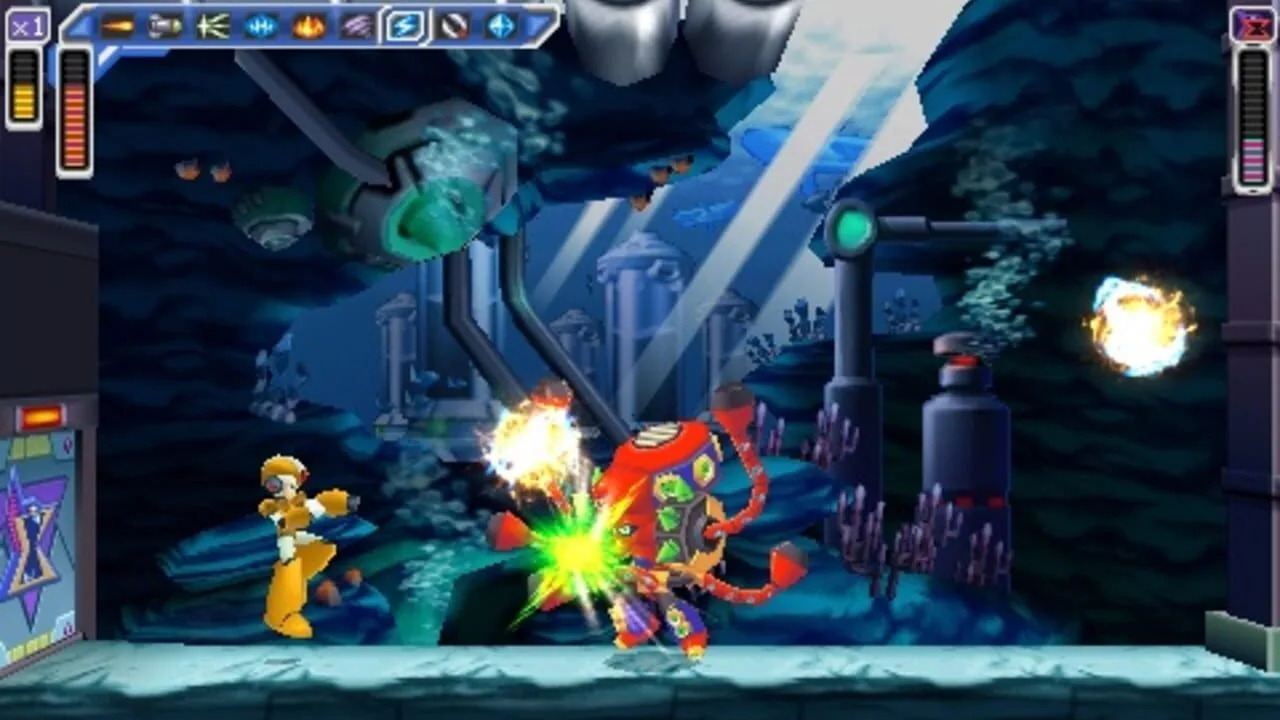
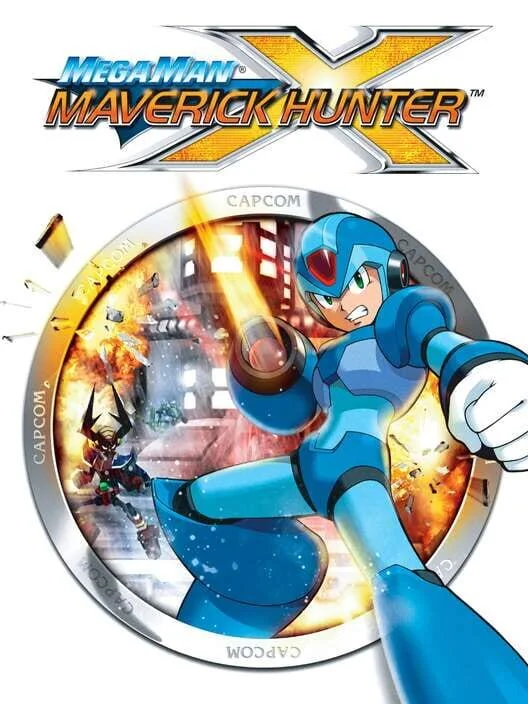
Maverick Hunter X is a PSP remake of the 1993 game Mega Man X. Keiji Inafune's team had to choose between making Mega Man X9 and a remake, and the new hardware won the argument. Japan got it on December 15, 2005. North America followed on January 31, 2006. It has voice acting and more on X's origins and his relationship with Sigma.
It was a commercial failure, and that led Capcom to cancel future remakes. Time has been kinder. It is now considered one of the best handheld games in the franchise, and players who own it can't say enough good things about how it looks and plays. Its biggest rival on this list is the game it remade.
28. Mega Man ZX Advent (2007)
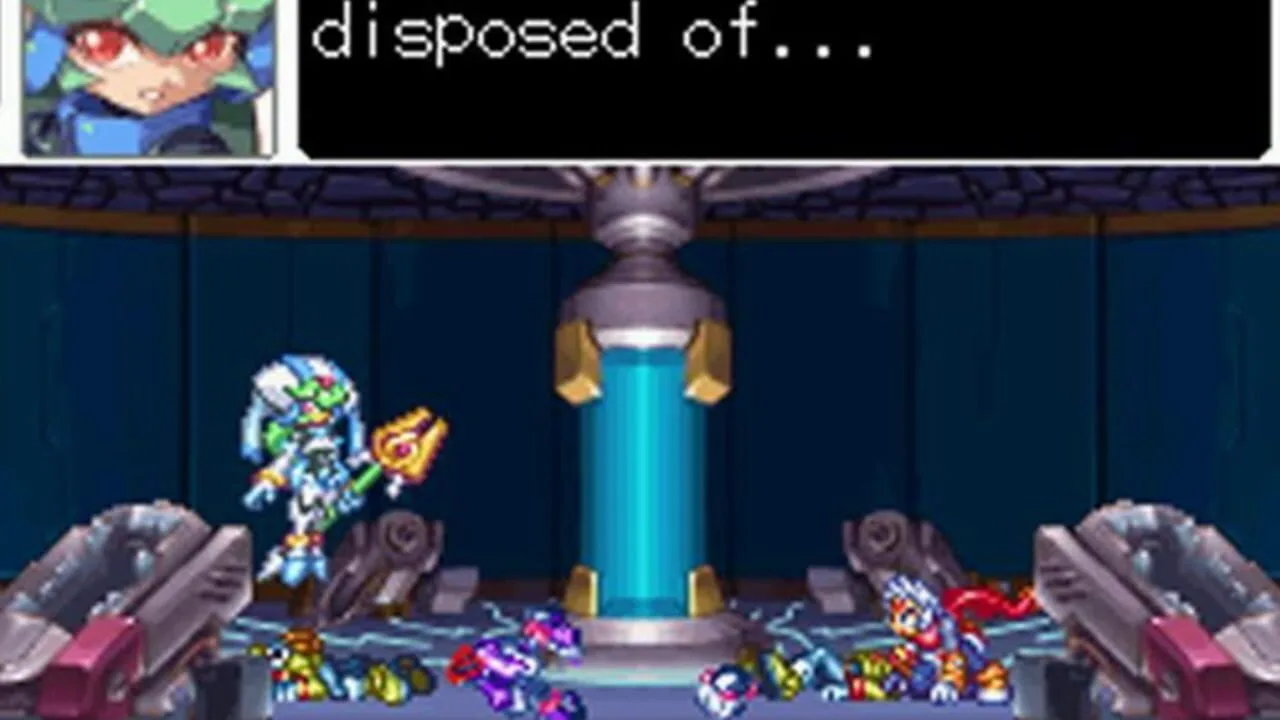
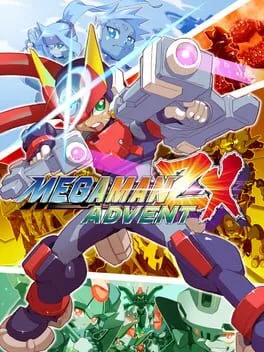
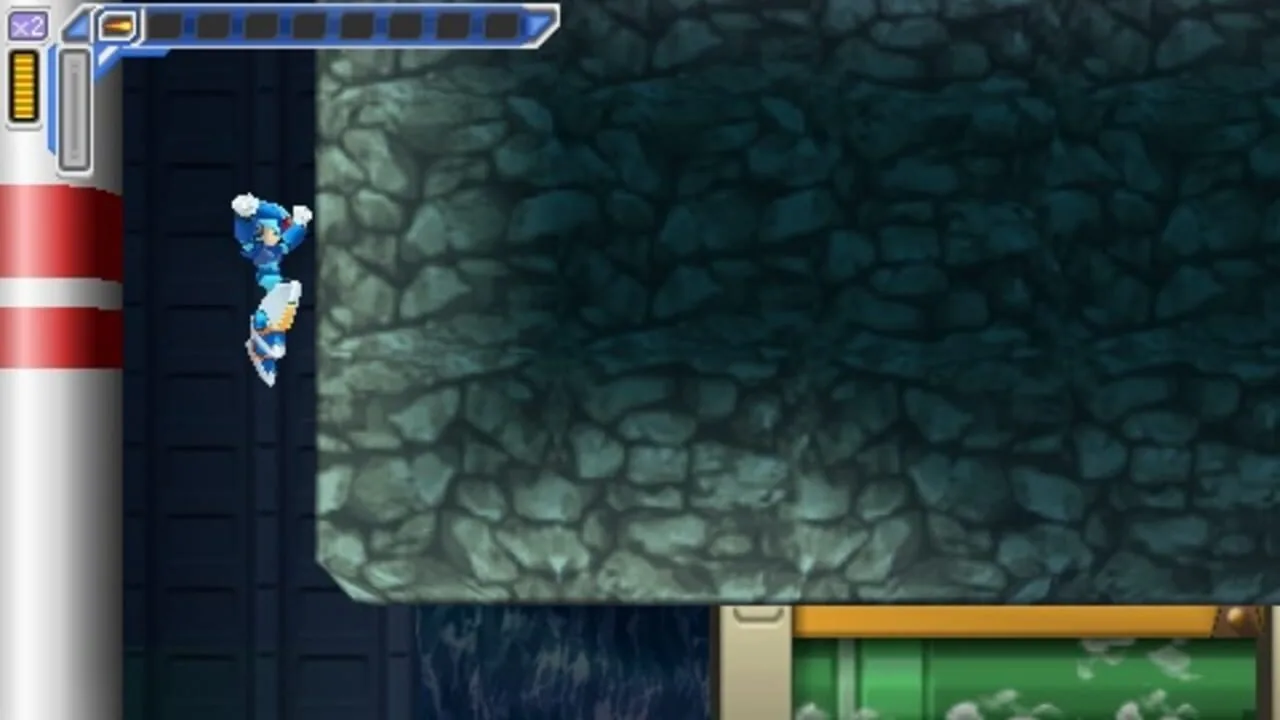
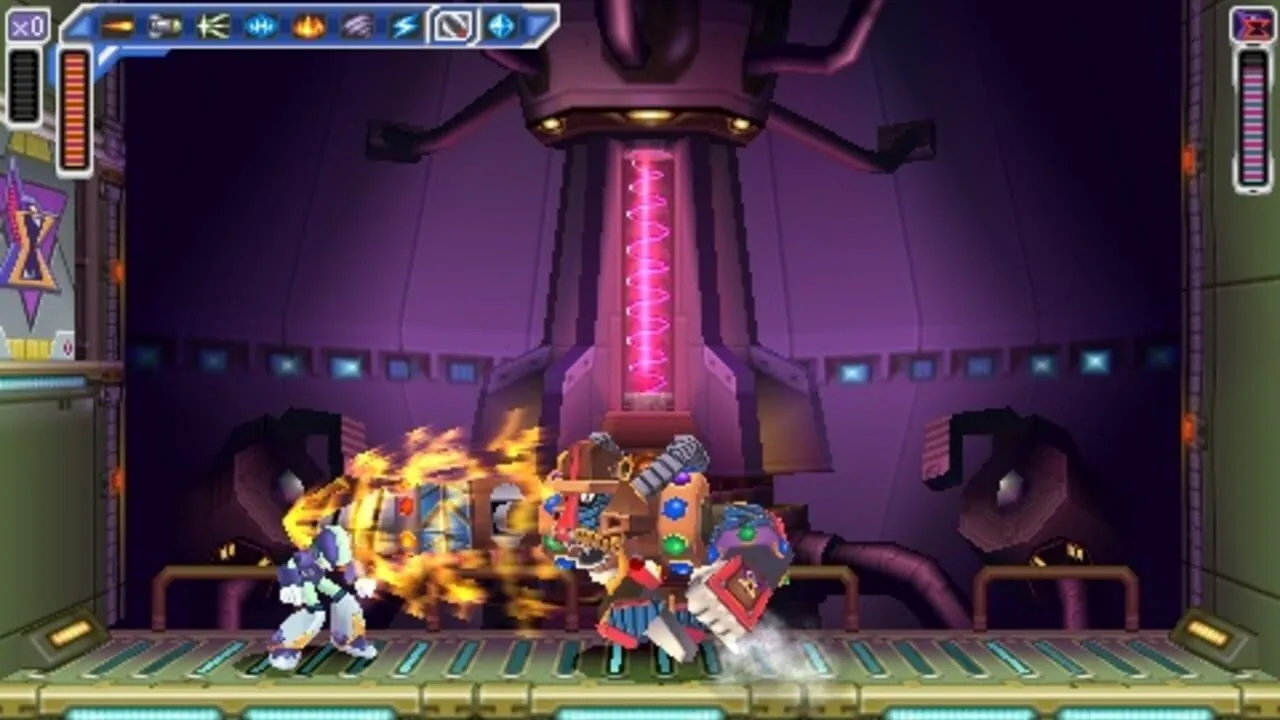
ZX Advent is the sequel to Mega Man ZX. It came out on July 12, 2007 in Japan. North America got it on October 23, 2007. You choose between two heroes again, but this time they have different intro levels and different styles of play. Most bosses can be used as playable forms after their first defeat, so a fight you lost twice may turn into a suit you wear for the next hour.
It turns up again and again on players' lists of favorite DS games, usually right behind the first ZX. Fans of the series tend to prefer whichever one they played first, and this one had fewer people there on day one.
27. Mega Man X8 (2004)
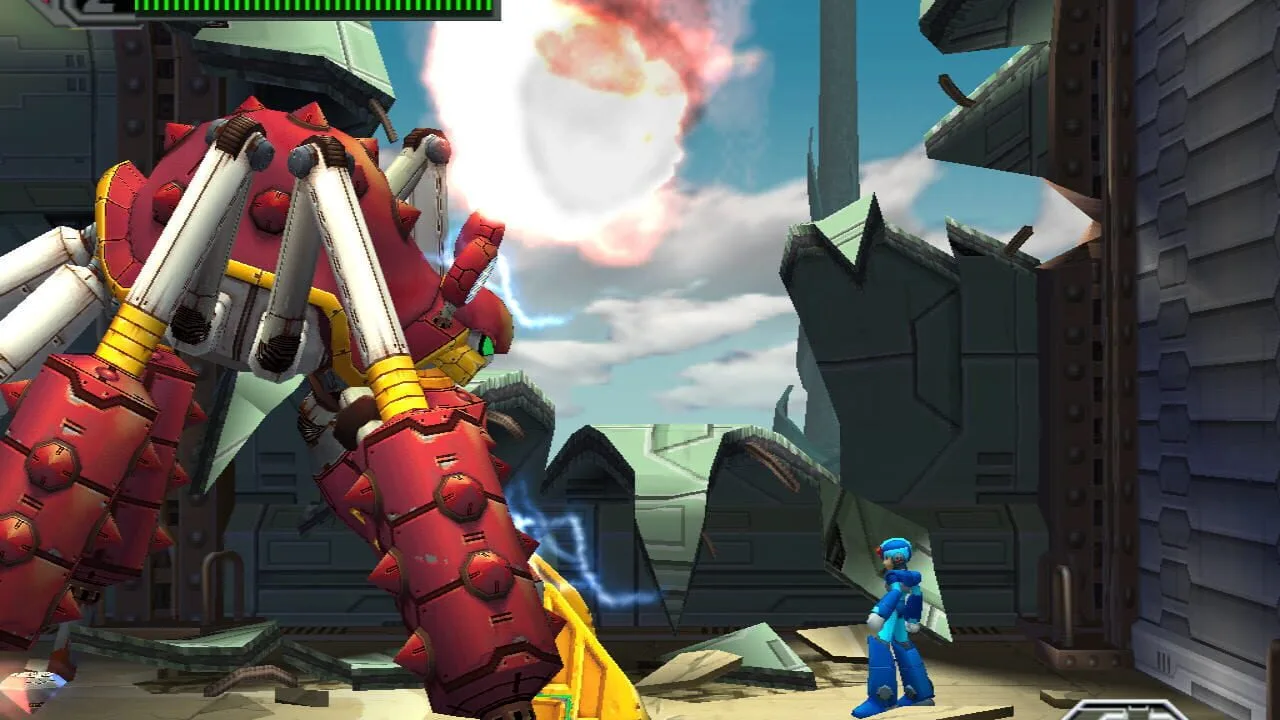
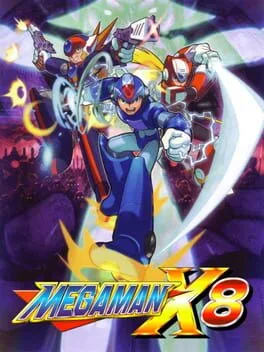
X8 came out in North America on December 7, 2004, on the PlayStation 2. It uses 3D graphics like X7, but the team went back to sidescrolling action, and that one choice fixed a lot. Critics had mixed feelings about its length and how the balance between X, Zero and Axl worked, though the visuals were praised for improving on X7.
Players who get to it through the collections are often pleasantly surprised. Not everyone agrees. It is considered an improvement over X6 and X7, but its low sales sent the X series on hiatus, which makes it the last one so far.
26. Mega Man X: Command Mission (2004)
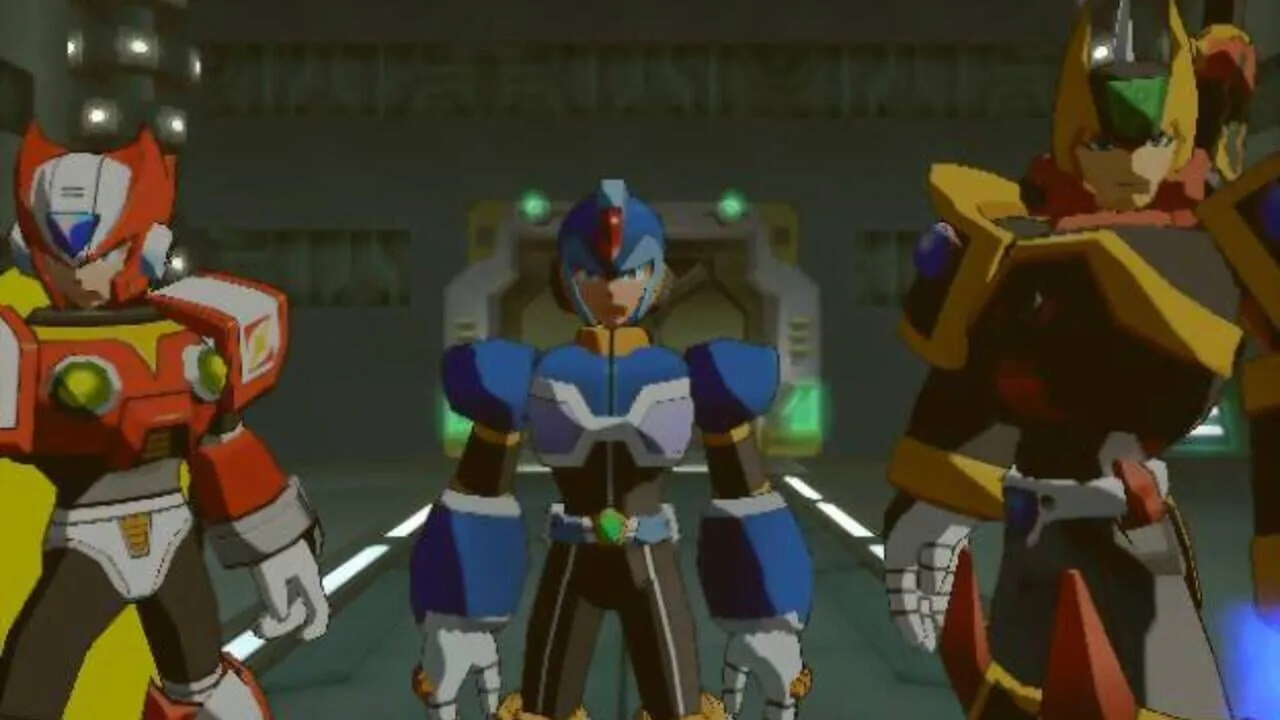
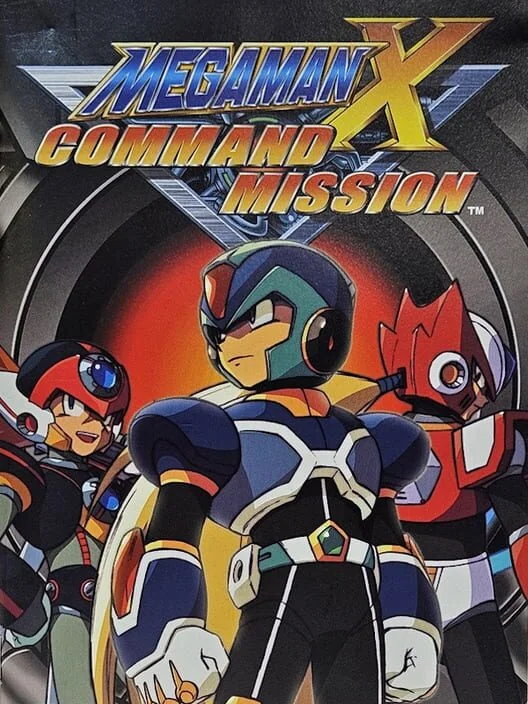
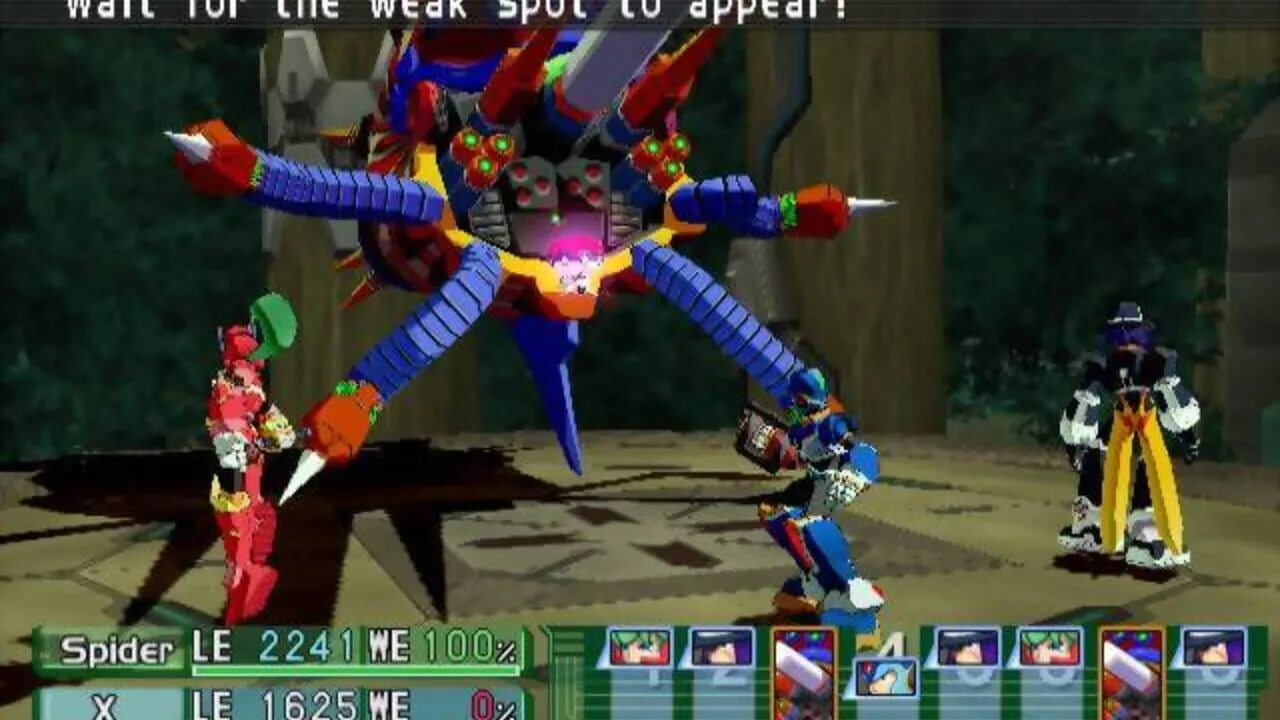
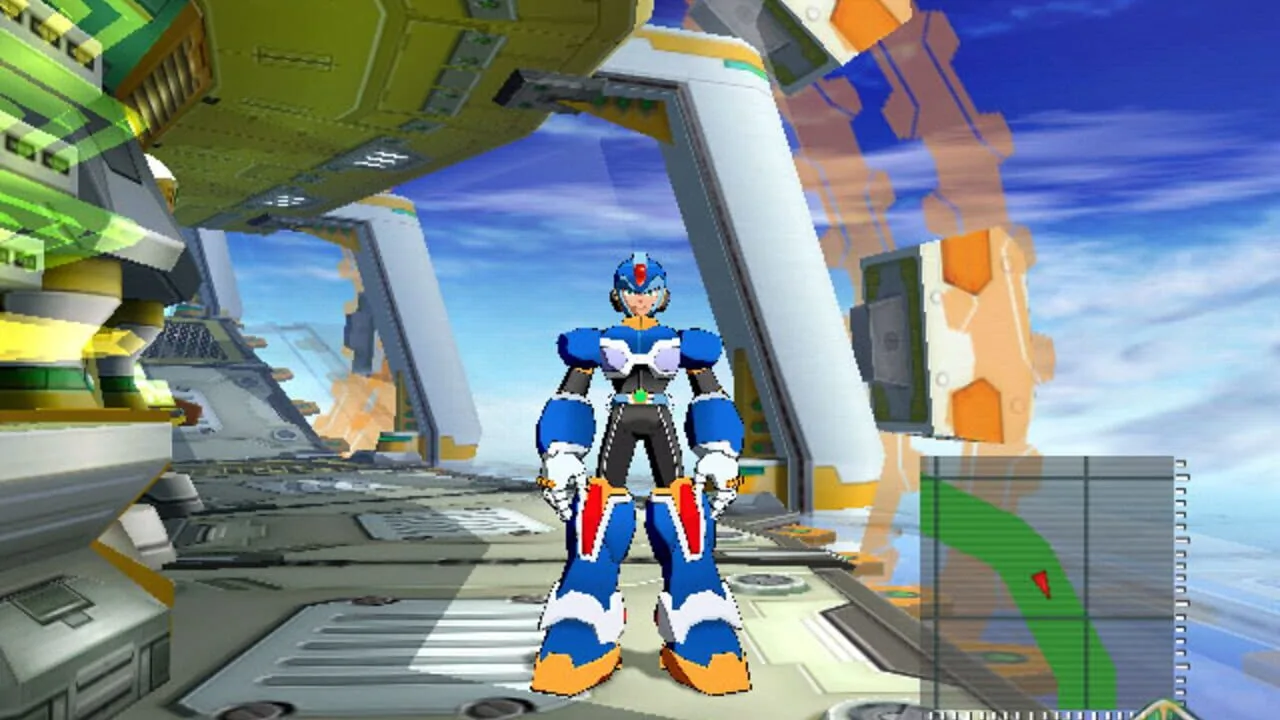
Command Mission is the X series as a role-playing game, released on GameCube and PlayStation 2, first in Japan on July 29, 2004. Many of the people who made it had worked on Capcom's Breath of Fire games, and it shows. The story jumps to the 23rd century and a metal called Force Metal, which you bolt onto your party to change their powers.
Reviews were mostly average. Critics liked the battle system and felt it never reached its potential. It still has fans on GameCube, where there were never many RPGs to go around. The battle system was inspired by Whack-a-mole, which is the most honest description of Mega Man's whole career.
25. Mega Man Powered Up (2006)
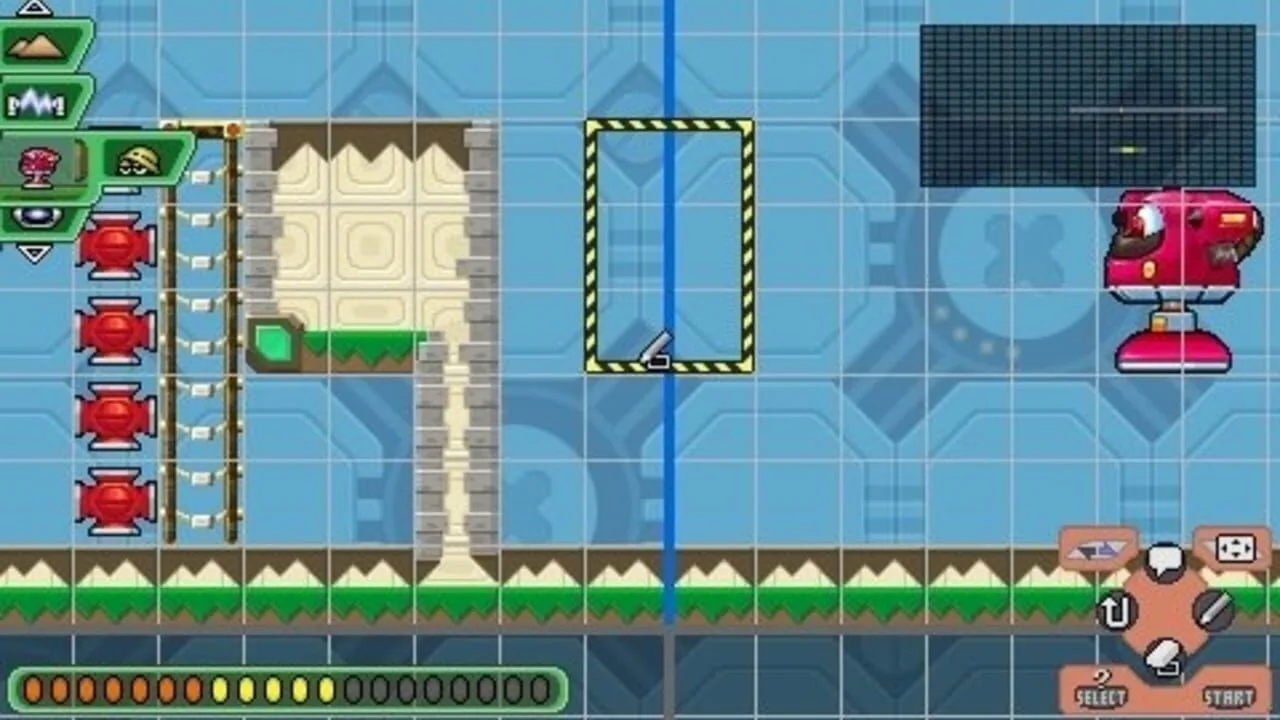
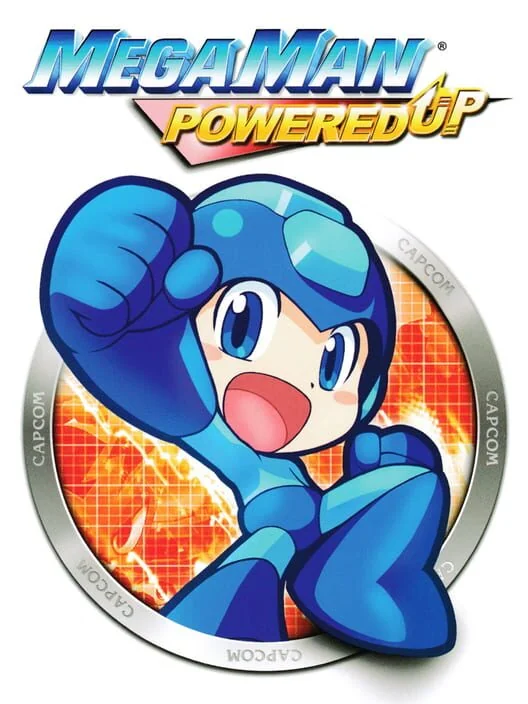
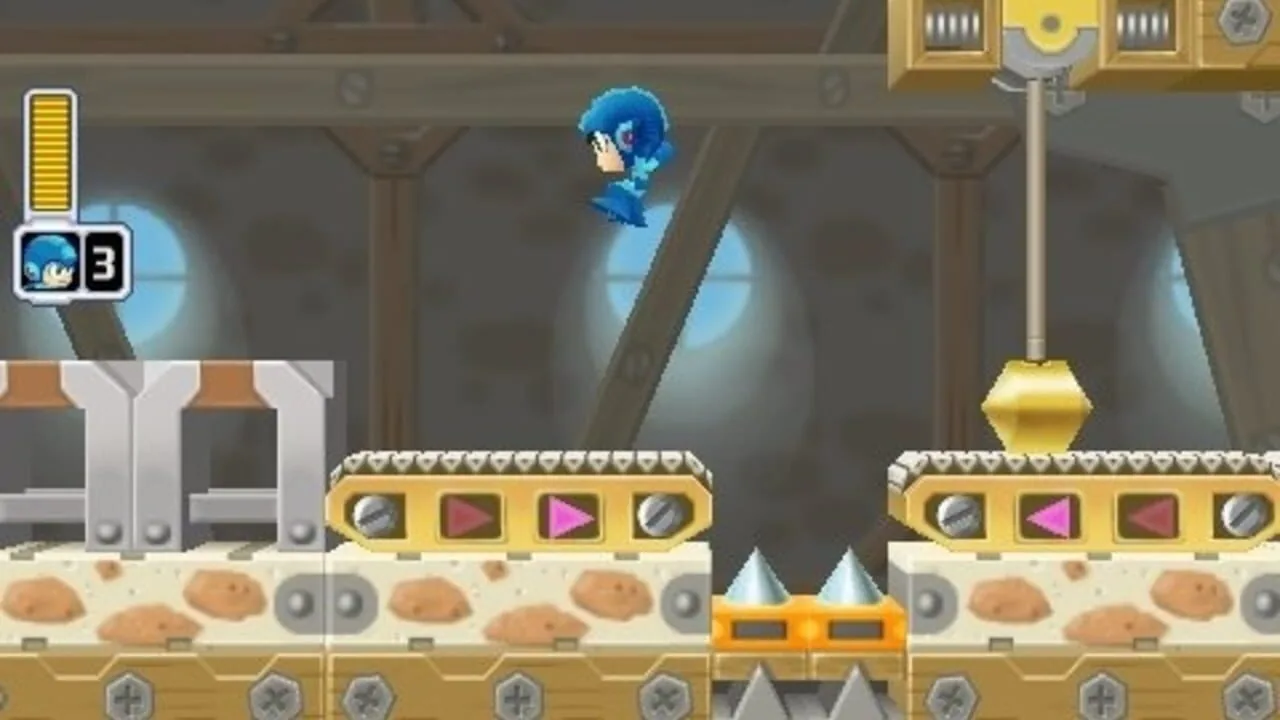
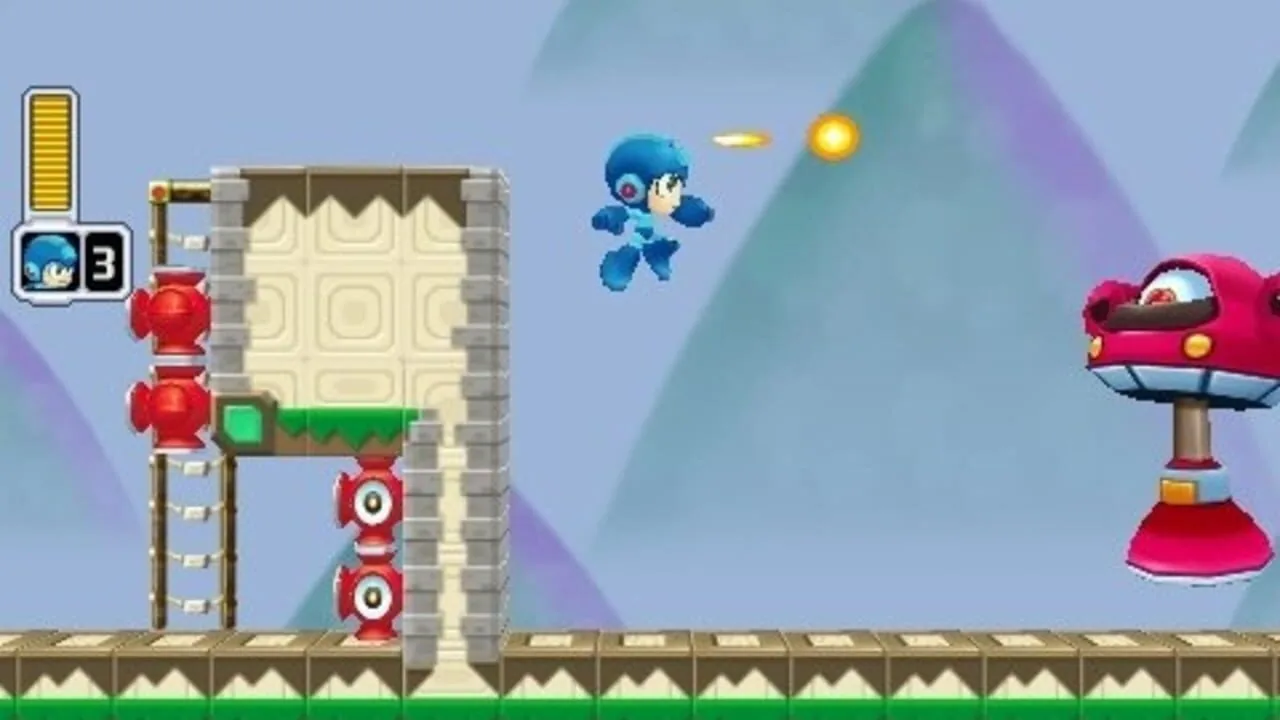
Powered Up is a PSP remake of the original Mega Man, released in March 2006. It has two styles of play. Old Style is close to the NES game with new graphics, while New Style uses the whole widescreen and adds voice acting and altered stages, with three difficulty modes for each stage. The big heads were a choice too, since they gave the team room for visible facial expressions.
It got positive reviews and sold poorly, especially in North America, and the planned Mega Man Powered Up 2 fell through. Players who found it love it. It is the friendliest way to see the first game, and you get to skip the parts that made people quit in 1987.
24. Mega Man 10 (2010)
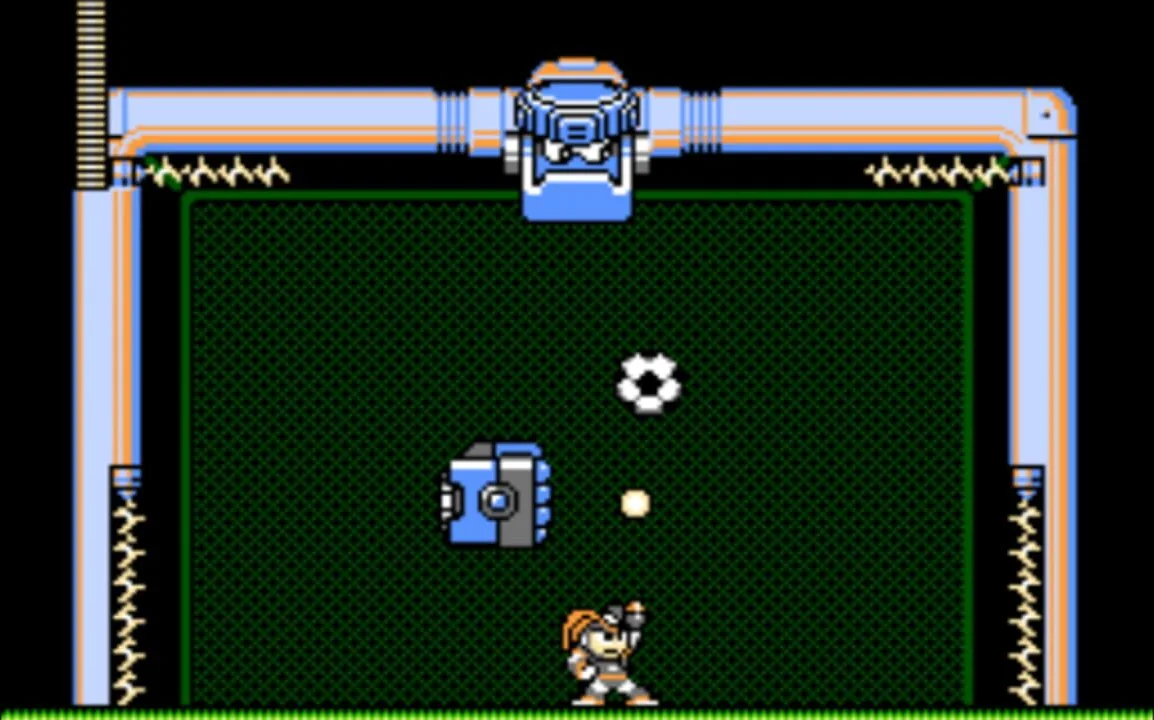
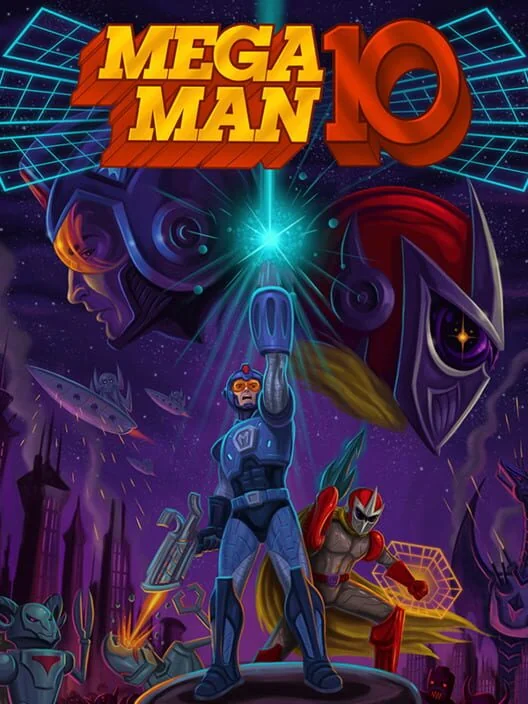
Mega Man 10 keeps the 8-bit look of Mega Man 9, and you can play as Proto Man right alongside Mega Man. His rapid-fire arm cannon does half the damage per shot, and he can't move while shooting. The story is about Roboenza, a virus that makes robots malfunction and rebel.
Inti Creates and Capcom made it together, and critics liked it while complaining that it played too much like the games before it. The whole series went on an eight year long hiatus after it, partly from fatigue. It sits below 9 because it is 9 again.
23. Mega Man Zero 2 (2003)
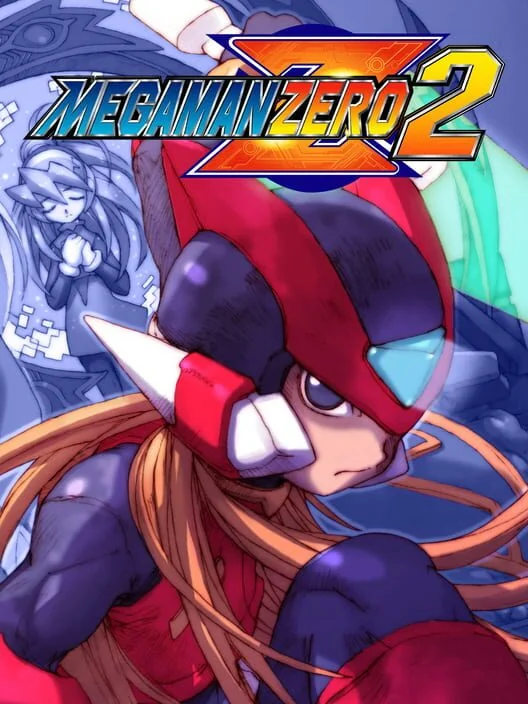
Zero 2 is the Game Boy Advance sequel that fixes what the first game got wrong. It brings back the Stage Select from the older Mega Man games, though you can only pick from four stages at a time. The Z-Saber has four upgrades, and the story widens out to the Dark Elf and an enemy called Omega.
Players who know the series single this one out, for how it plays and even more for how it sounds. It ranks low mainly because people tend to talk about the Zero games as a set, and the first game takes the credit. The game is on the Mega Man Zero/ZX Legacy Collection, which is the easy way to play it today.
22. Mega Man 5 (1992)
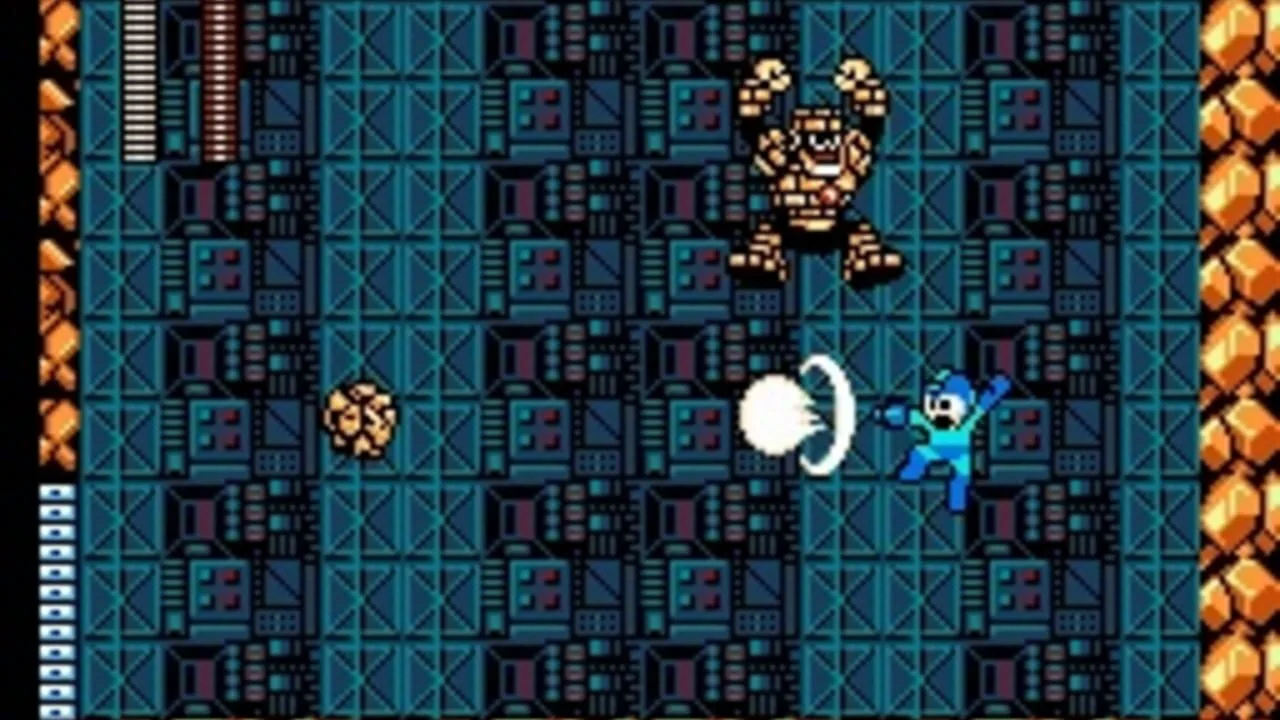
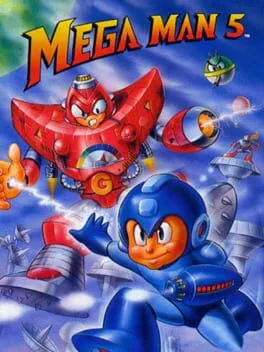
Mega Man 5 reached Japan on December 4, 1992. The story has Proto Man leading the bad guys, until a second Proto Man turns up to reveal the first as an imposter. It got good reviews for its graphics and music, and the usual complaint about a lack of innovation.
The extra here is Beat, a robot bird you earn by finding eight hidden boards in the stages. Those boards spell out M-E-G-A-M-A-N-V, so the hardest part of saving the world is apparently a spelling test.
21. Mega Man X5 (2000)
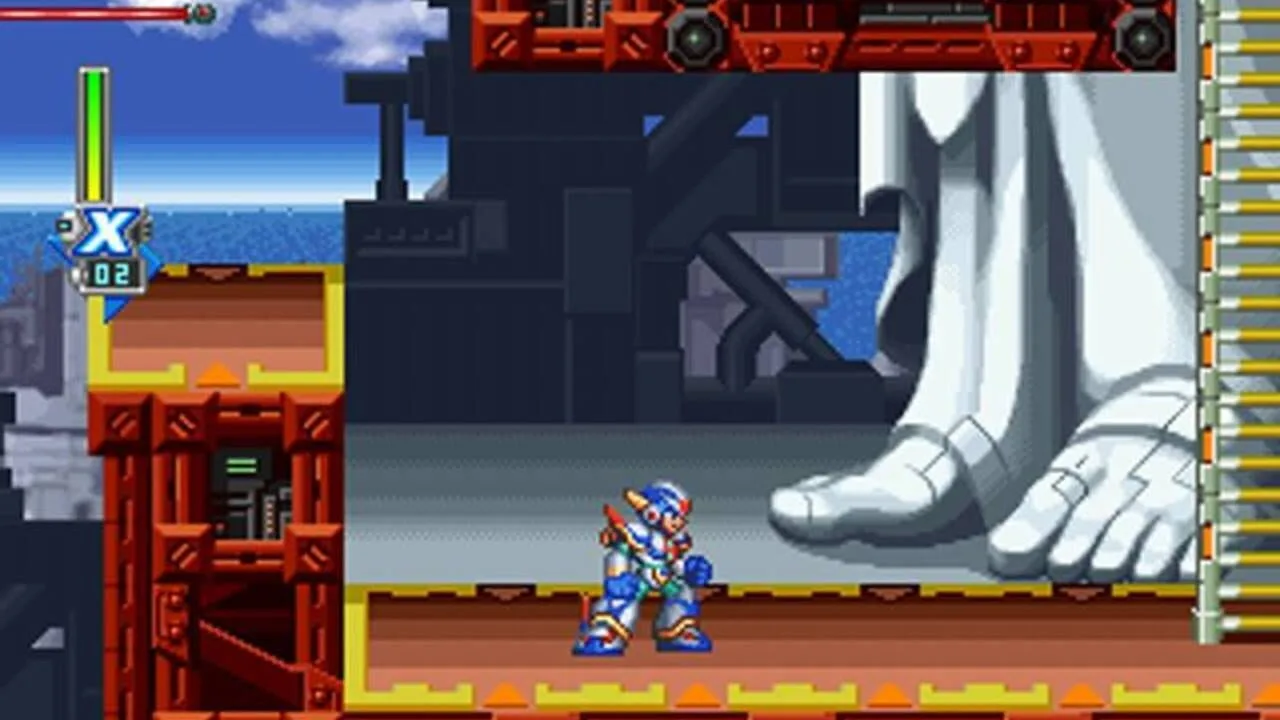
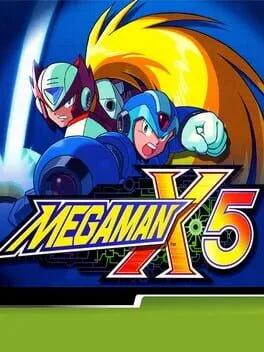
X5 arrived on the PlayStation in Japan on November 30, 2000. It was originally intended to be the final game in the X series. It was a commercial success, and critics agreed that it would satisfy diehard fans despite the stale formula. The endings change depending on who you are playing as when things fall apart.
It often comes up next to X4 when players list their PS1 favorites. It lands well below X4 here. The new villains and the focus on X's upgrades give it more to do than the games on either side of it.
20. Mega Man 11 (2018)
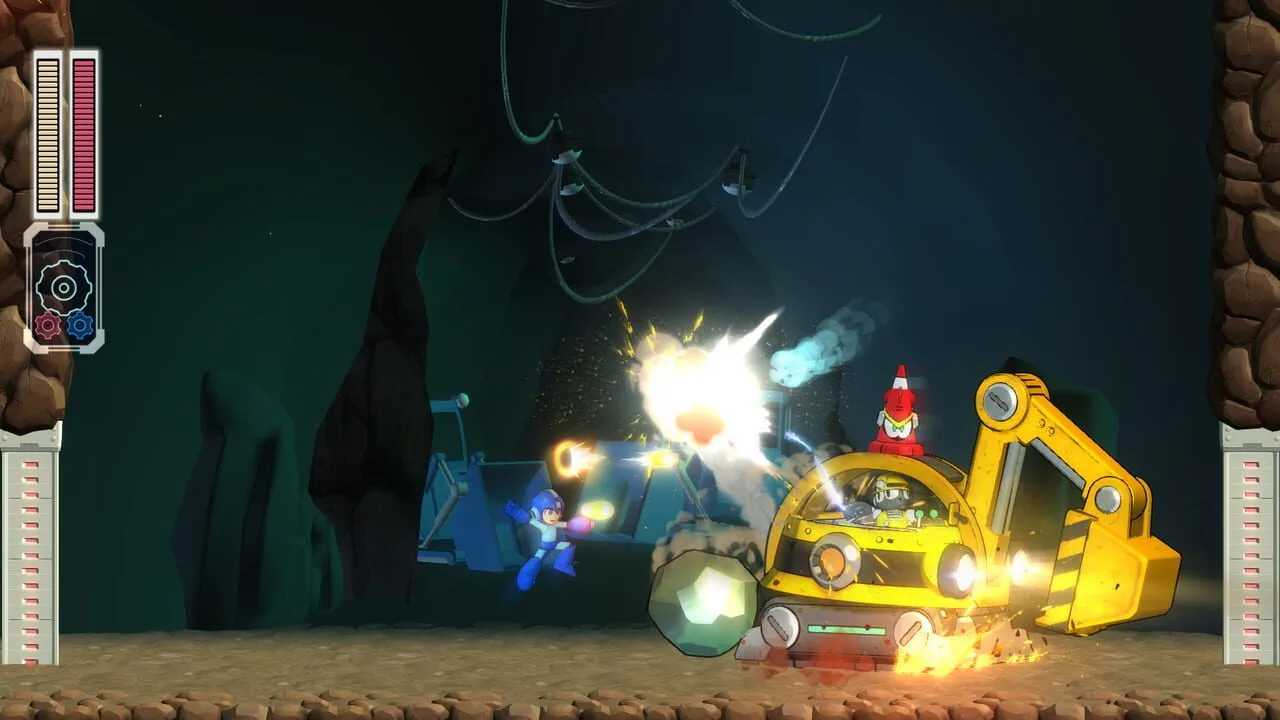
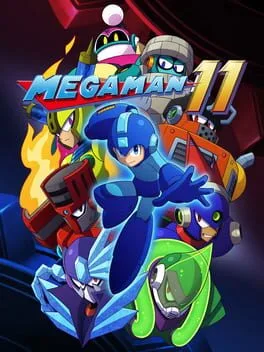
Mega Man 11 ended an eight-year hiatus in October 2018 on Nintendo Switch, PlayStation 4, Windows and Xbox One. It is the first new game in the franchise not to be produced or supervised by Keiji Inafune, who had left Capcom. It has a 2.5D look with 3D polygonal characters, and its new trick is a Double Gear System.
It got positive reviews for its graphics and boss battles, with complaints about difficulty spikes and long levels. It passed Mega Man 2 as the best selling game in the series in 2019. A sequel, Mega Man: Dual Override, is set for 2027. It sits this low because it is young, and most of the people we surveyed were talking before it existed.
19. Mega Man 9 (2008)
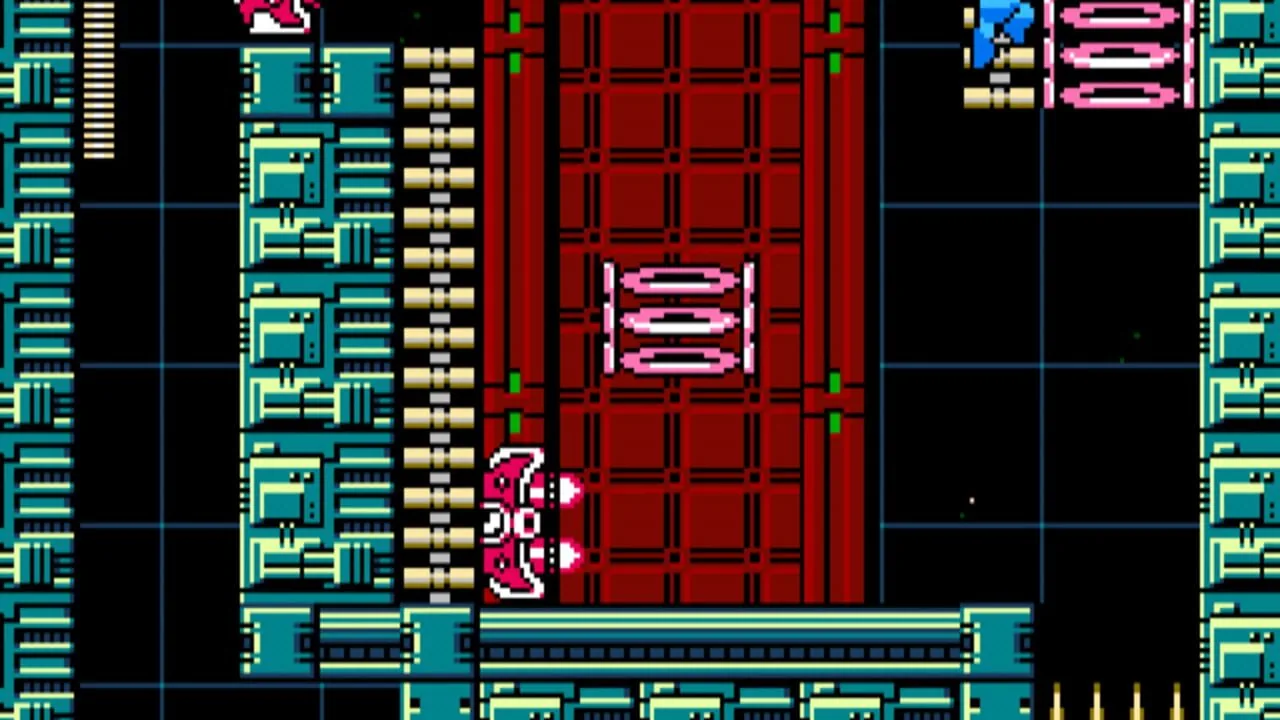
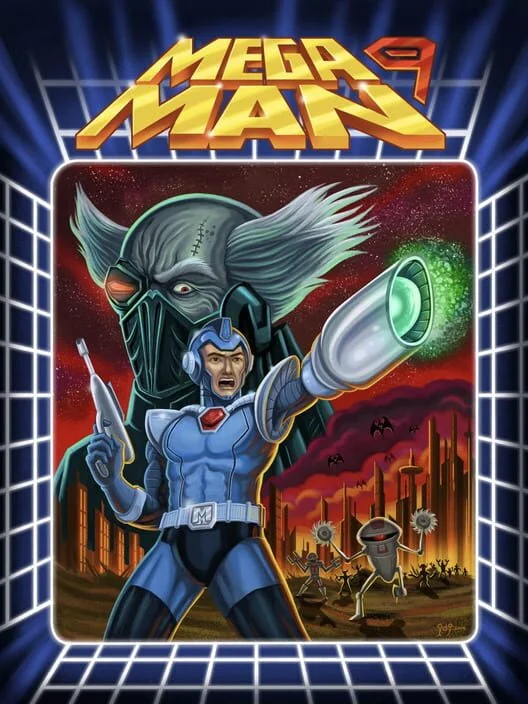
Mega Man 9 was a strange idea in 2008: a brand new game made to look and sound like the NES. It was the first game in the series with no physical release, and it came out as a download on WiiWare, PlayStation Network and Xbox Live Arcade. The team kept things as simple as possible so it would match Mega Man 2, and Keiji Inafune would scold them to "bring it back to the basics".
Its popularity led straight to a sequel, and fans took to it right away. There are challenges for beating a boss with only the Mega Buster and for clearing the game without taking damage, which tells you who it was made for.
18. Mega Man 6 (1993)
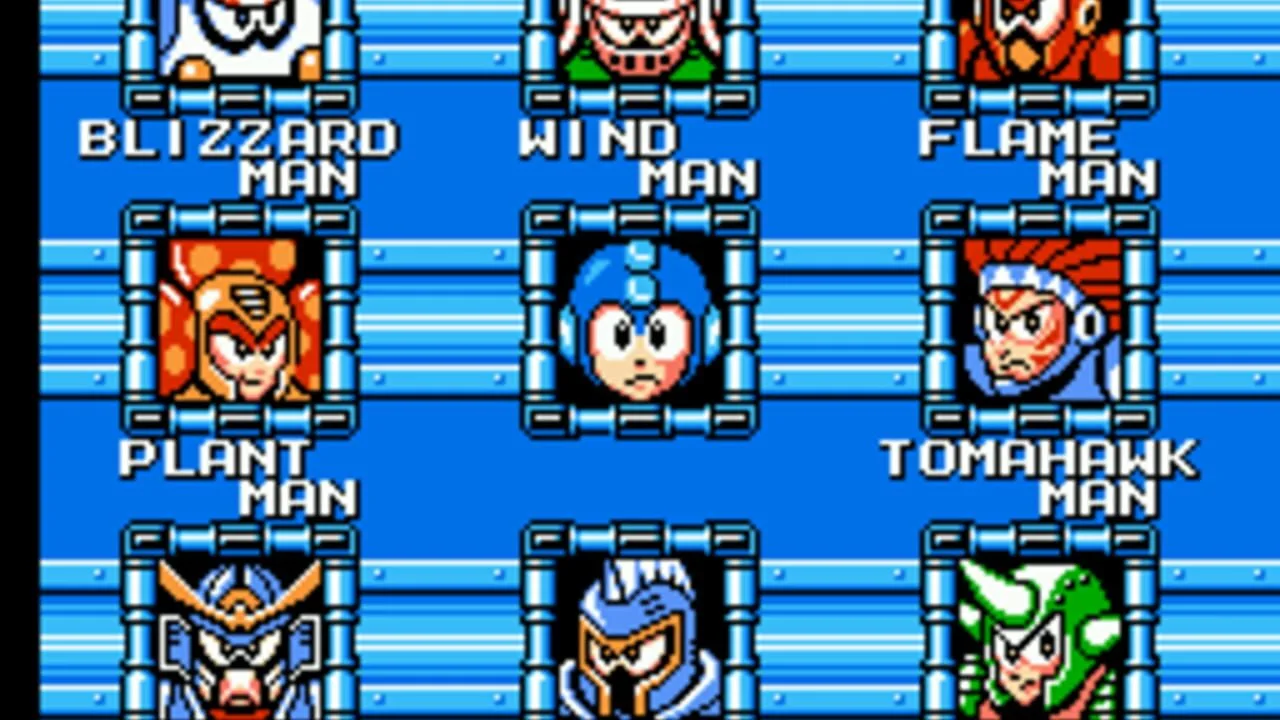
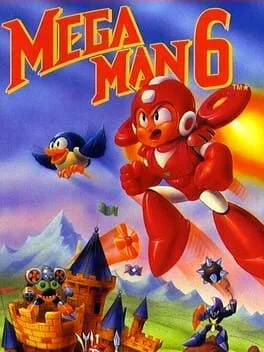
Mega Man 6 was the last in the series on the NES, and by then the Super Nintendo was taking over. Capcom decided not to publish it in North America, so Nintendo released it there in 1994. It is the first game in the series to have character design input from fans outside Japan, and the story is a robot tournament that goes about as well as you would guess.
Critics praised the gameplay and noted again that not much had changed. Its first release in Europe came on June 11, 2013, on the 3DS, nearly twenty years late. Somebody at that release party had a very long wait for Plant Man.
17. Mega Man X7 (2003)
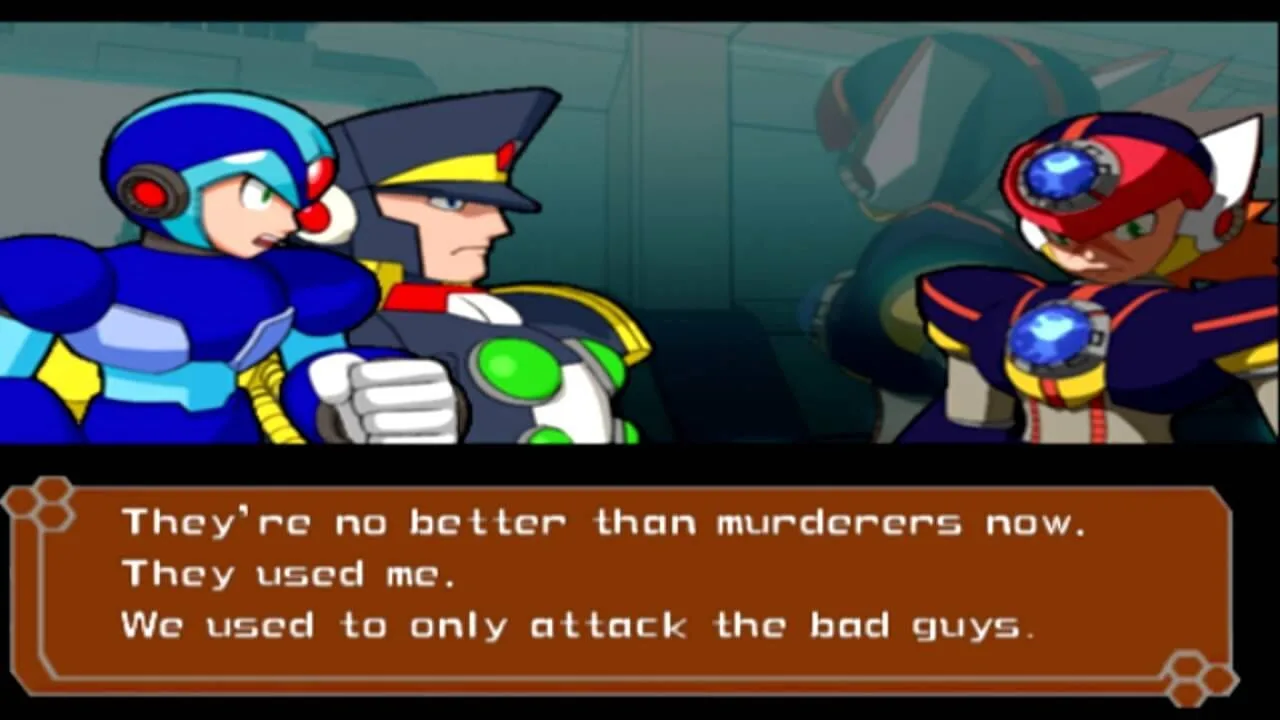
X7 hit the PlayStation 2 in Japan on July 17, 2003. It took the X series into 3D. It also brought in Axl, a new hero who deserts a group called Red Alert. X himself can't be played until you unlock him, a bold move in a game with his name on the box. Reviewers found the move to 3D well-intended but poorly executed, and they went after the camera and controls.
Players are blunter. Many call it the worst game in the series, and it sold poorly. It is on this list because the people who love Mega Man have strong opinions on it, and it has enough 2D stages left in it to show what it was trying to do.
16. Mega Man 4 (1991)
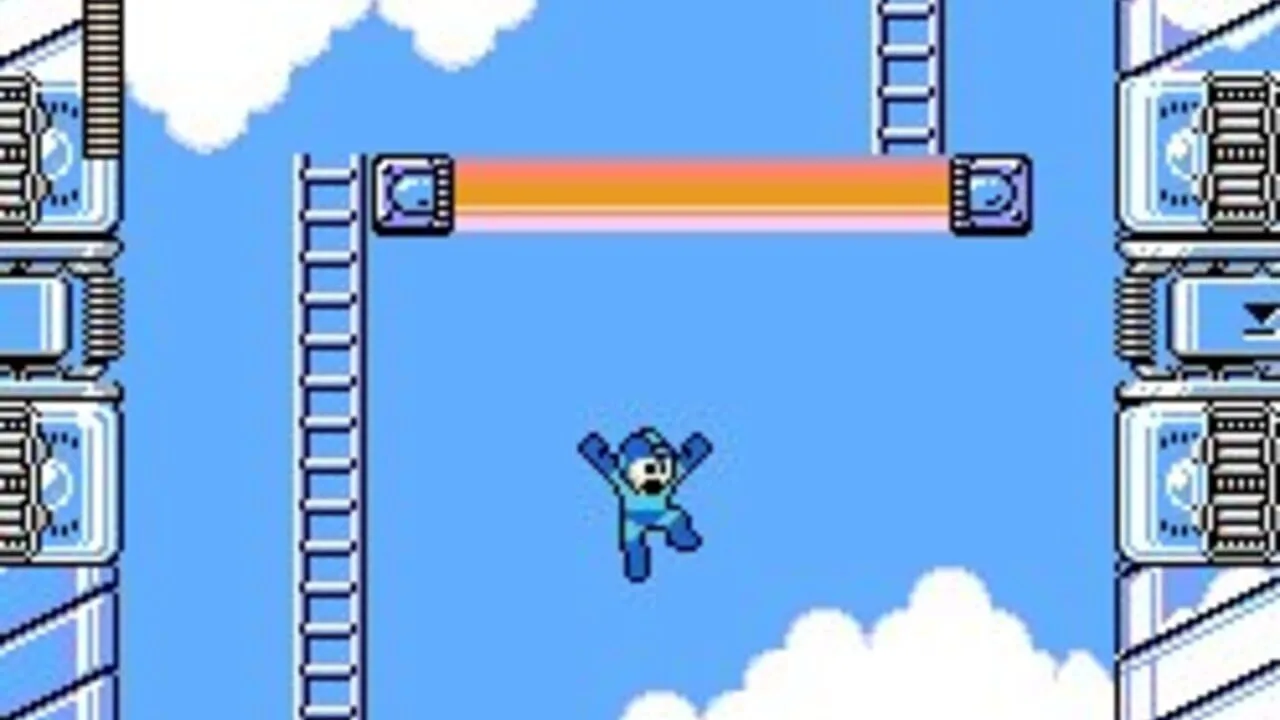
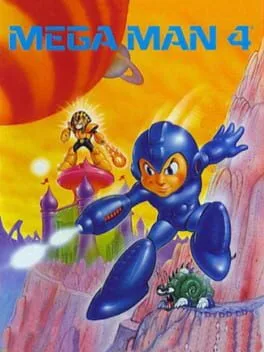
Japan got Mega Man 4 on December 6, 1991. North America got it the following January. It keeps the same action as the first three, with one big addition: hold down the fire button and the arm cannon charges up for a powerful shot. The team knew this would change the feel of the game.
Critics liked it and said it wasn't as good or as new as the games before it. Players are hard on the run from 4 to 6, and some say Capcom was going through the motions by then. The charge shot is the reason to play it.
15. Mega Man ZX (2006)
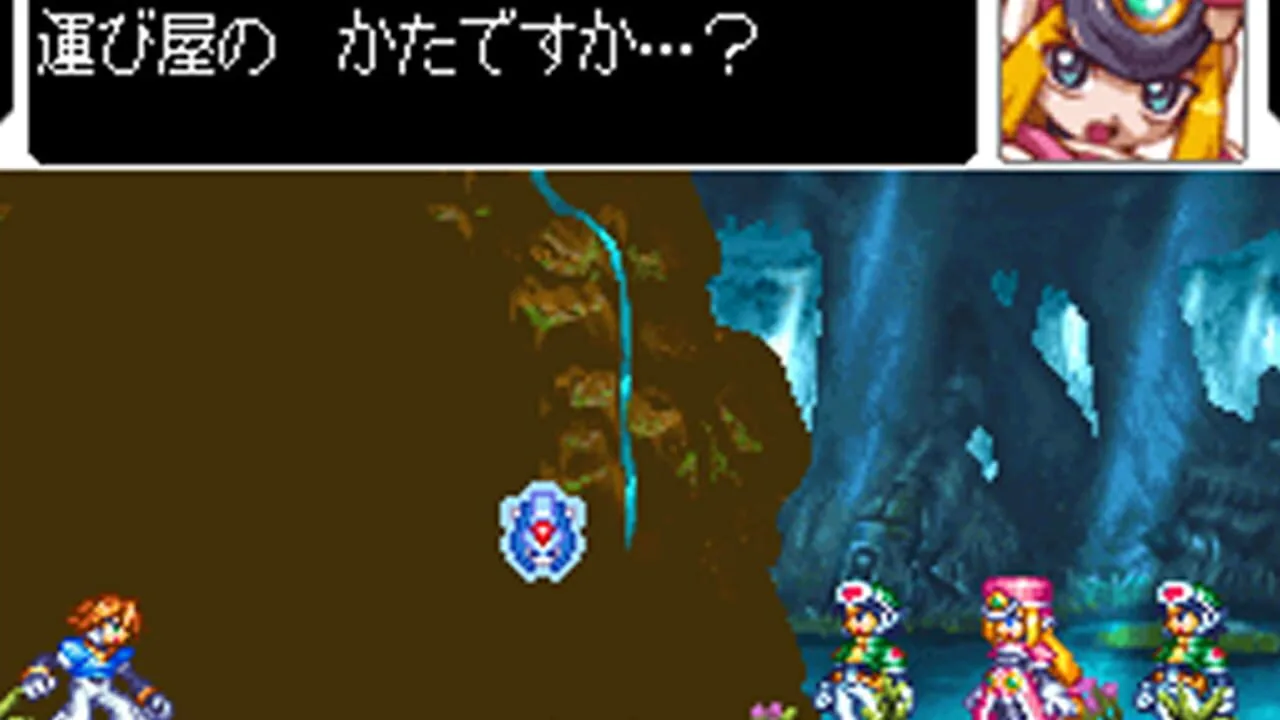
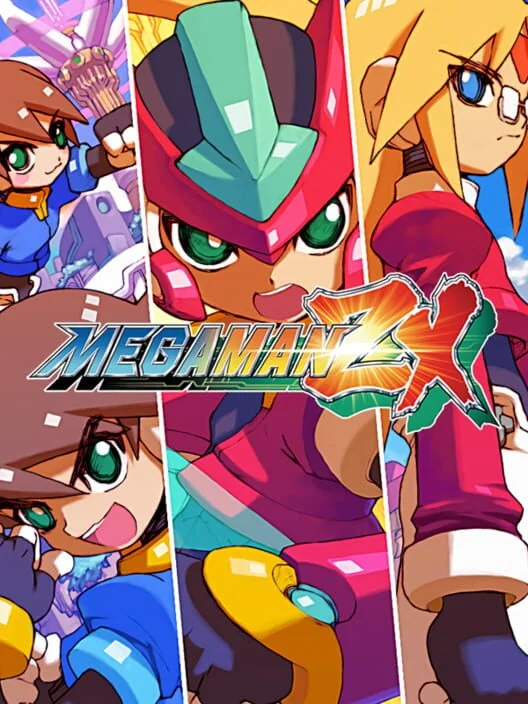
Mega Man ZX came out on the Nintendo DS on July 6, 2006 in Japan. The North American release followed on September 12, 2006. It has a more open world than the Zero games before it, and it is the first in the series to let you pick the hero's gender. You turn into different forms using Biometals, including ones based on X and Zero.
Players who tried it enjoyed it, and they often describe it as closer to a Metroid game than a Mega Man game. Critics liked the level design and split over how hard it is. Its one famous oddity is a hidden room you could only reach by putting a GBA cartridge into a DS or DS Lite.
14. Mega Man 8 (1996)
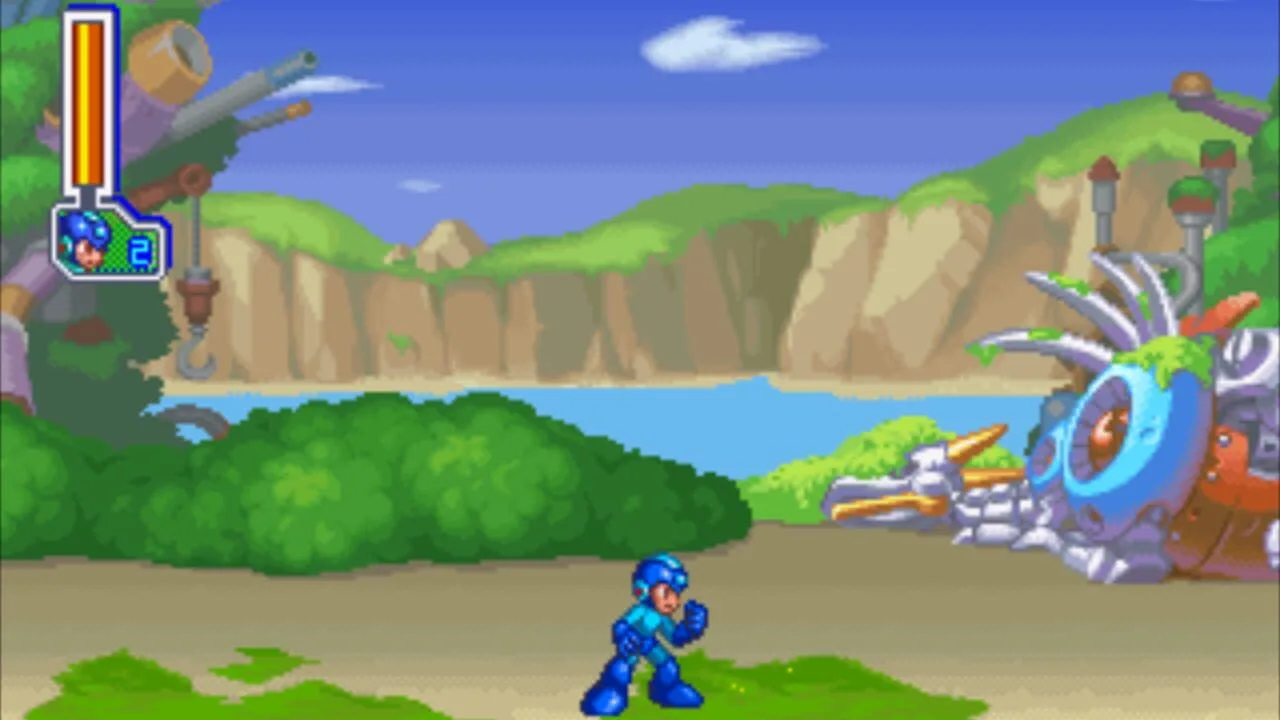
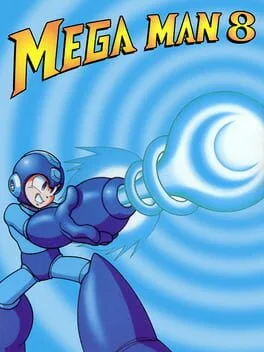
Mega Man 8 came out on the PlayStation in Japan in 1996, and a year later on the Sega Saturn. It is the first in the series on 32-bit consoles, with big cartoon graphics, full-motion video and voice acting. Hayato Kaji directed it, and Keiji Inafune produced.
Critics praised how it looks and complained that it didn't use the extra power for anything new. Players still bring it up. The English voice acting is famous too, and nobody involved would want it to be.
13. Mega Man 7 (1995)
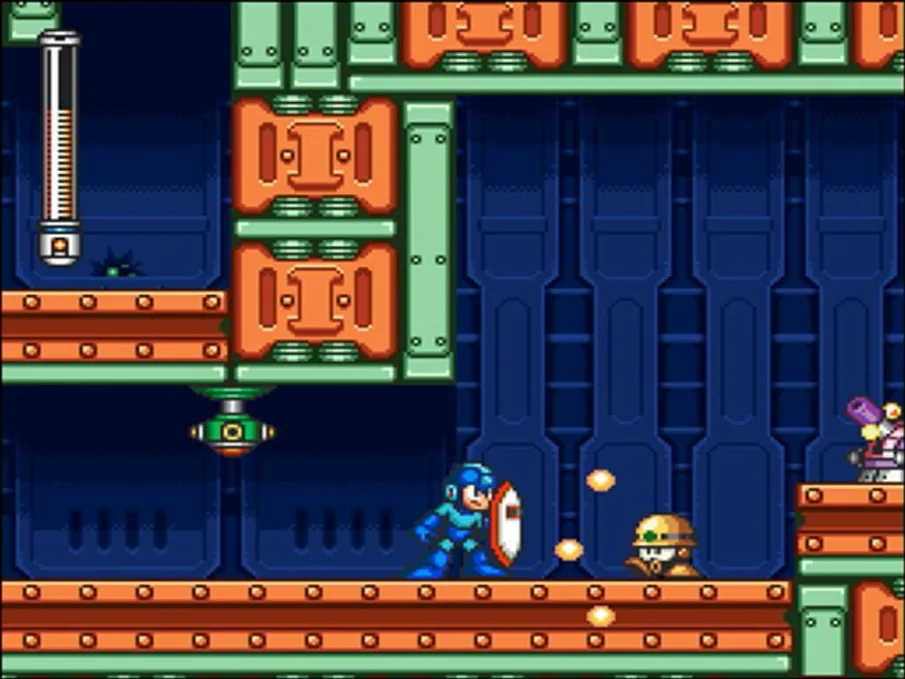
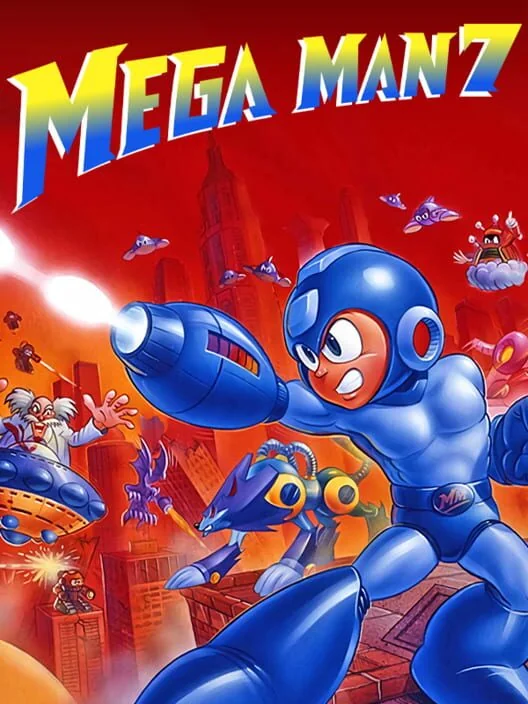
Mega Man 7 came out in Japan on March 24, 1995. It is the first and only numbered game in the original series on the SNES. According to its creators, it was only in development for a short time. The story picks up six months after Mega Man 6.
Critics called it competent and compared it badly with Mega Man X, which had come out on the same console over a year earlier. Being the older brother with a newer, faster sibling is hard. Fans have a soft spot for it anyway.
12. Mega Man Legends 2 (2000)
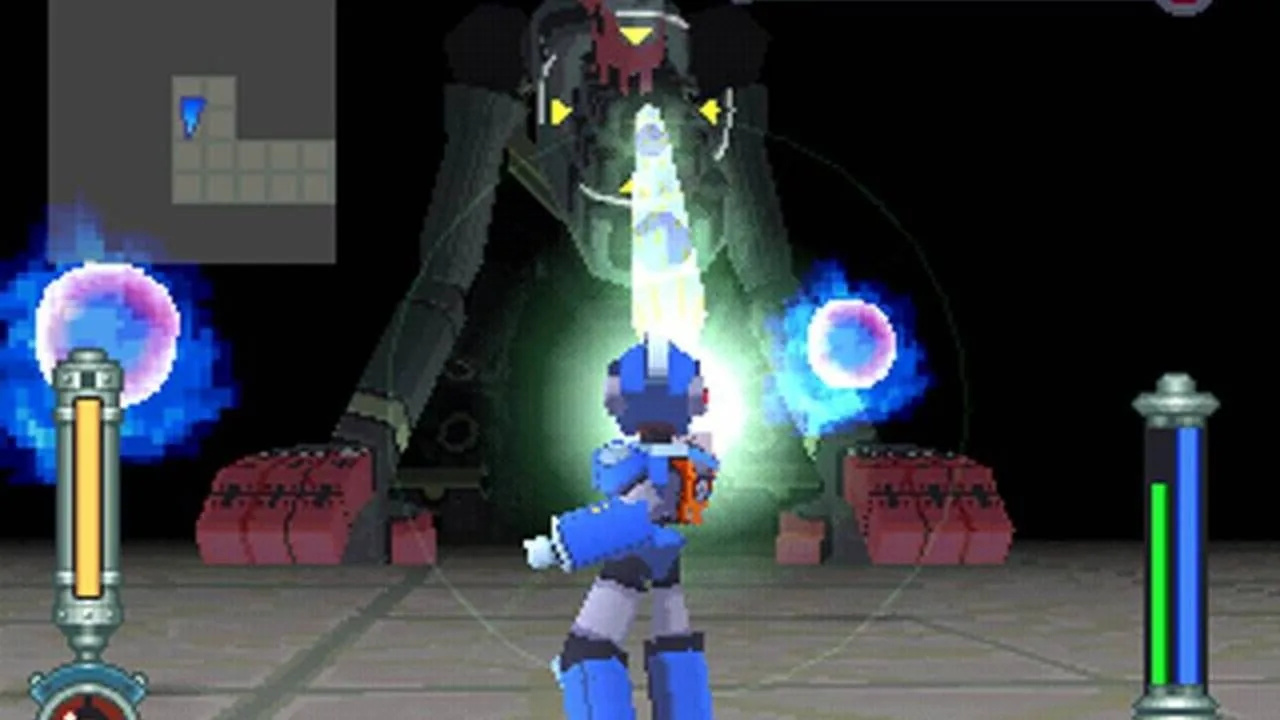
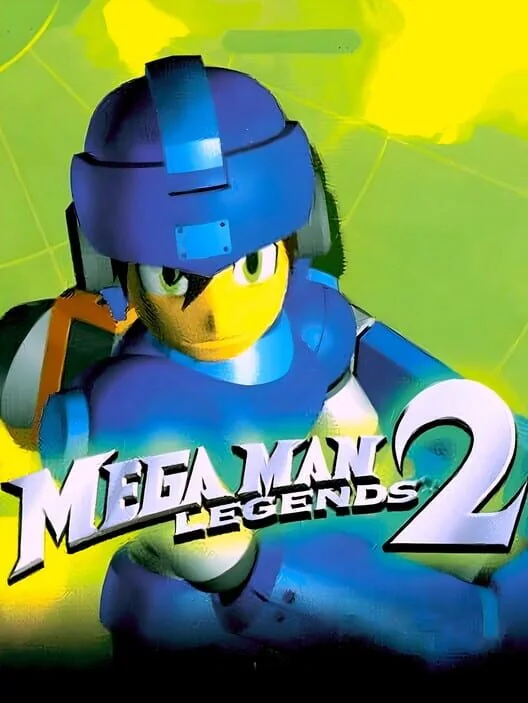
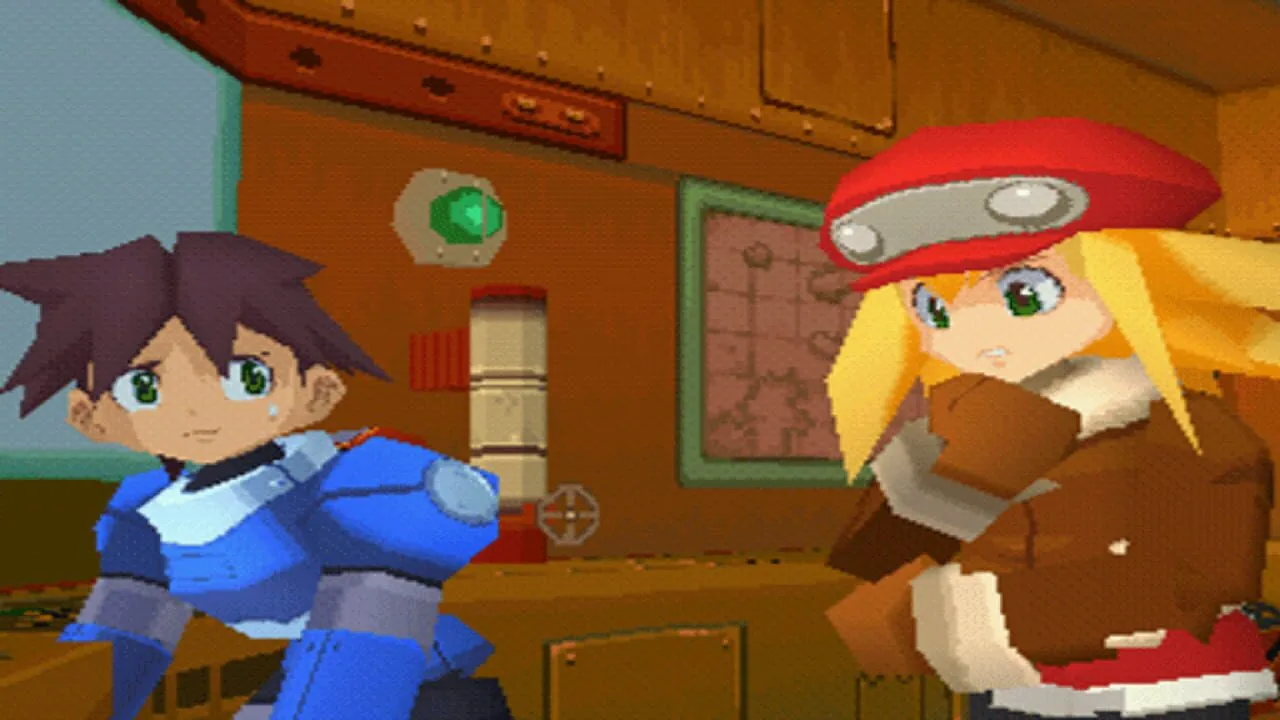
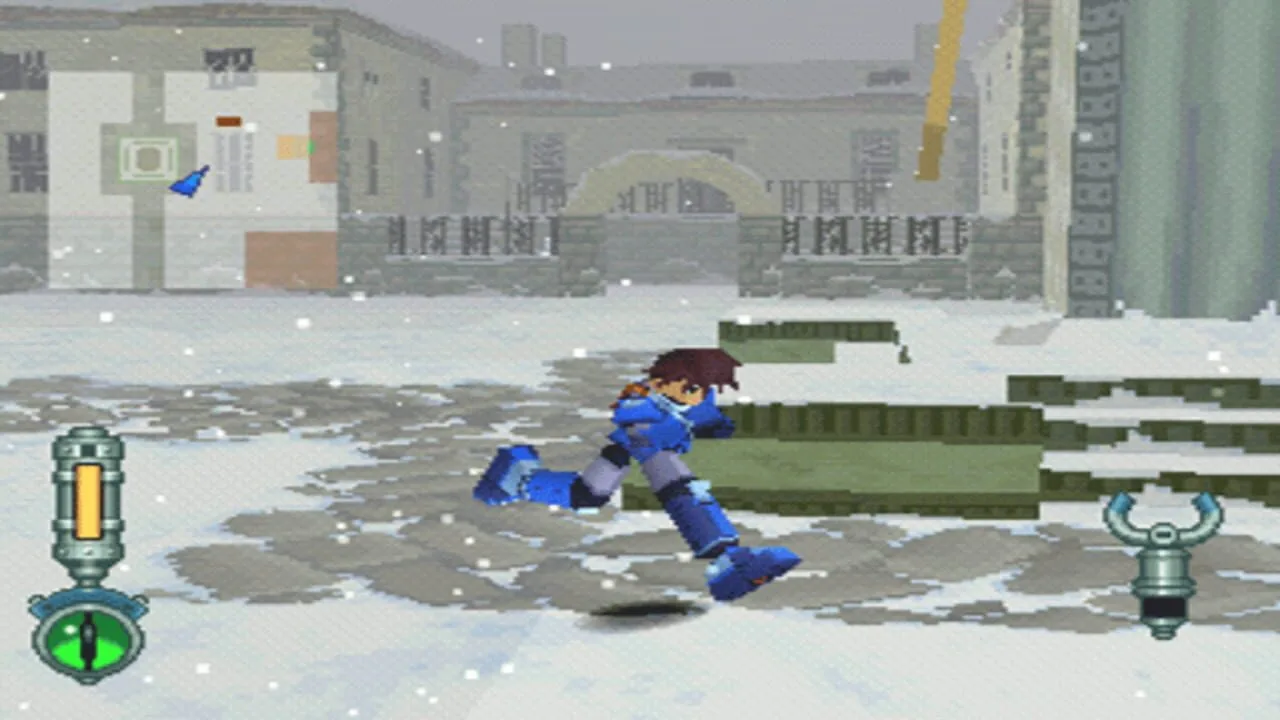
Legends 2 came out on the PlayStation in 2000 and spreads the digging across various islands, where the first game mostly stayed on Kattelox Island. Critics praised how the graphics and gameplay improved on the first game. There is an underwater dungeon too, where you get lighter and can jump higher.
The story is more complex than anything in the original series, and it was criticized for its cliffhanger ending. It still has people who replay it every few years. Most of them are hoping nobody at Capcom has forgotten how it ended.
11. Mega Man X6 (2001)
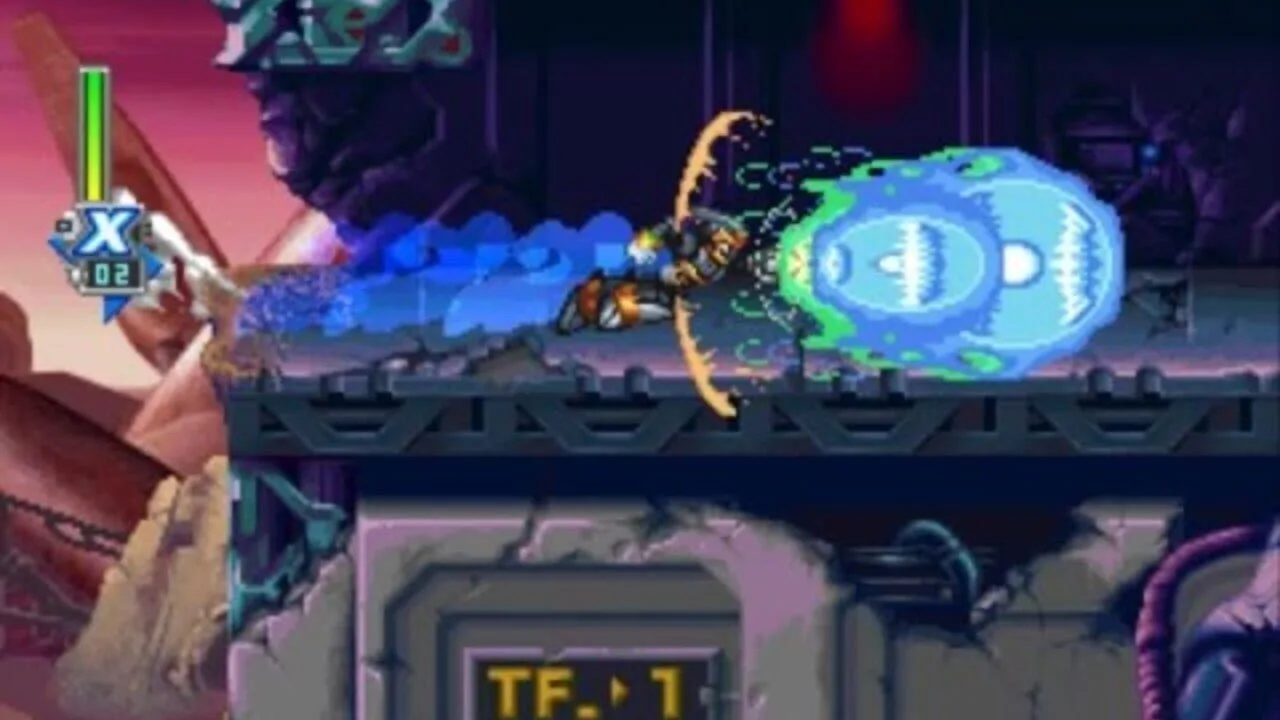
X6 came out on the PlayStation in Japan on November 29, 2001. It got mixed reviews for its recycled story and its high difficulty, and fans frequently regard it as among the worst games in the franchise. Its big idea is Nightmare Effects, which change a stage as you play, and it puts more weight on rescuing Reploids than the games before it.
So why is it this high? Players keep bringing it up. Even those who defend it admit it has plenty of level design problems, and others say it soured the series.
10. Mega Man Zero (2002)
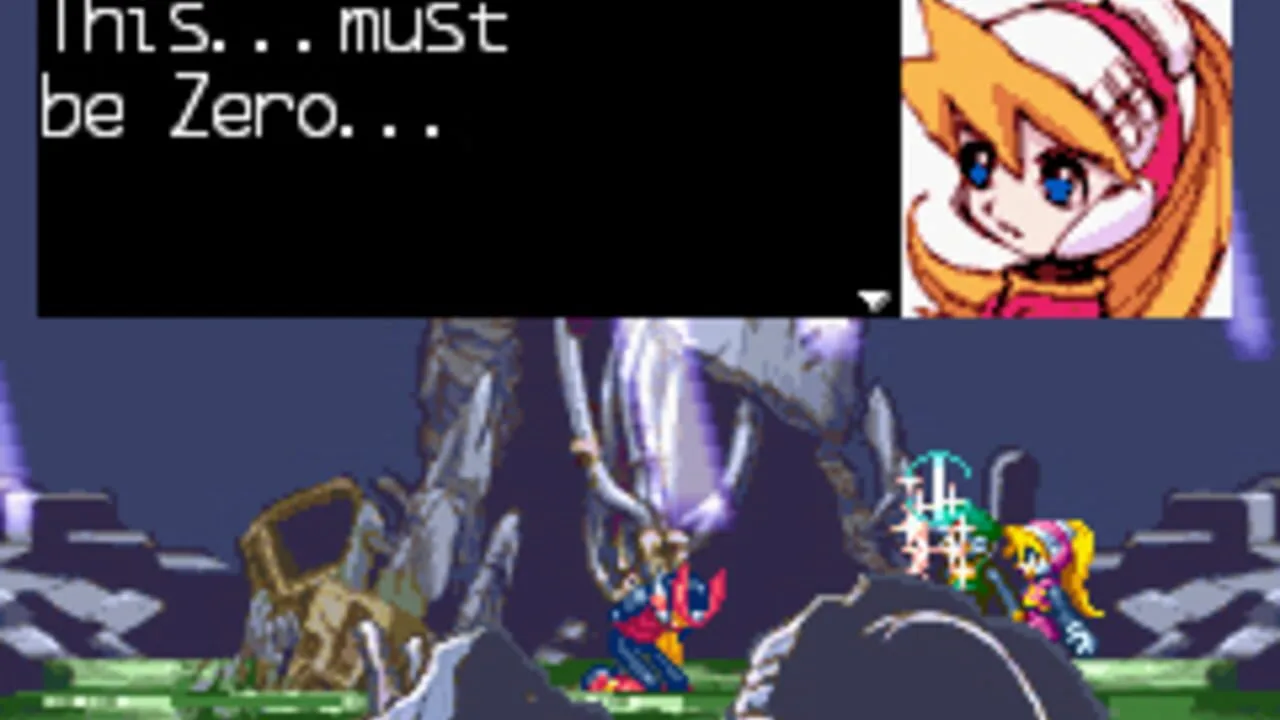
Inti Creates made Mega Man Zero for Capcom and had free rein on where to take it. The goal was to bridge the gap between the mechanical feel of the X series and the human feel of the Legends series. On the Game Boy Advance, that meant a sword, a resistance and a lot of game overs, with only three lives to finish a mission. The team also aimed to make it among the most challenging games in the franchise, and in a franchise that includes the first Mega Man that is a threat.
Players call it the roughest of the four Zero games, with a ranking system that can punish you. It sold well enough to get three direct sequels on the GBA.
9. Mega Man X3 (1995)
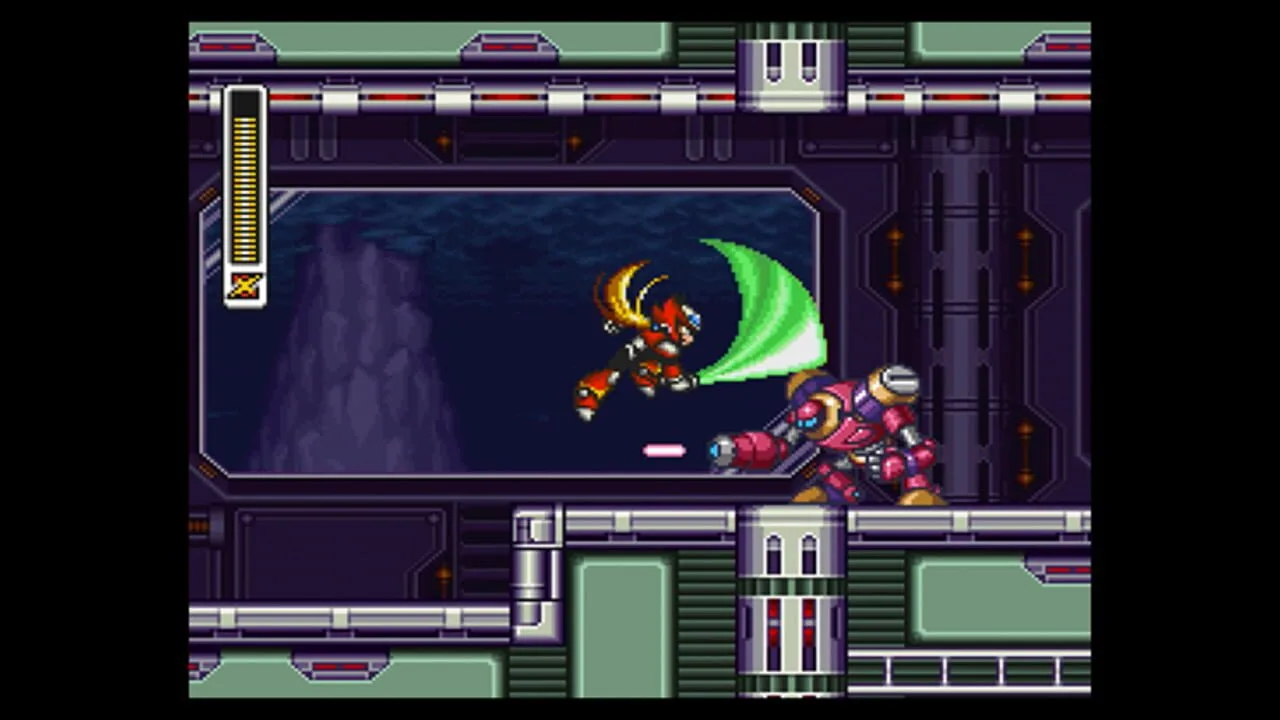
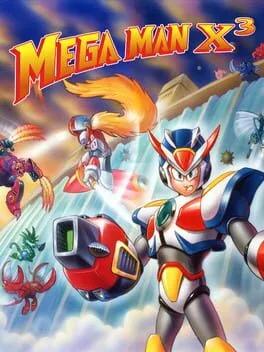
X3 reached Japan on December 1, 1995. Much of the design work went to Minakuchi Engineering, who had made most of the Game Boy Mega Man games. It is the first in the series where you can play as Zero, in a limited form. Critics liked that and the new upgrades for X. A version for the 3DO was planned and then canceled due to the failure of the console.
Players put it with the first two X games as the high point of the sub-series. The Legacy Collection release in 2018 made it easy to find.
8. Mega Man X2 (1994)
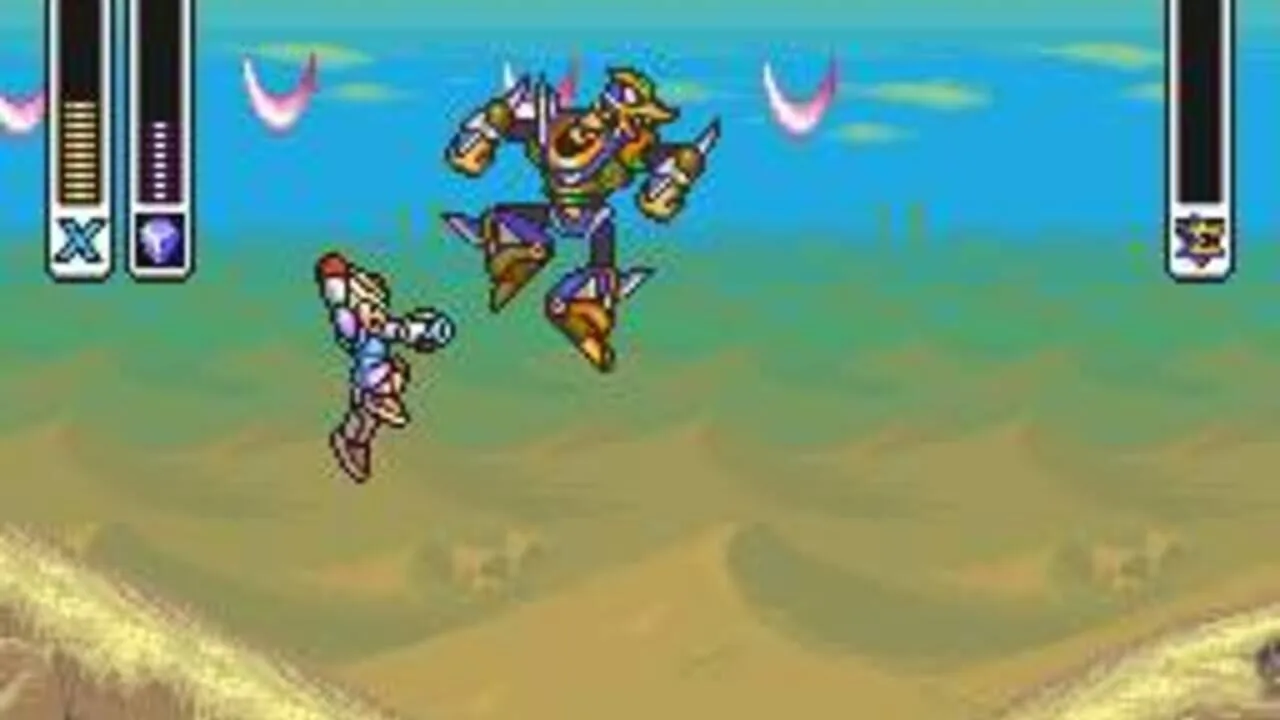
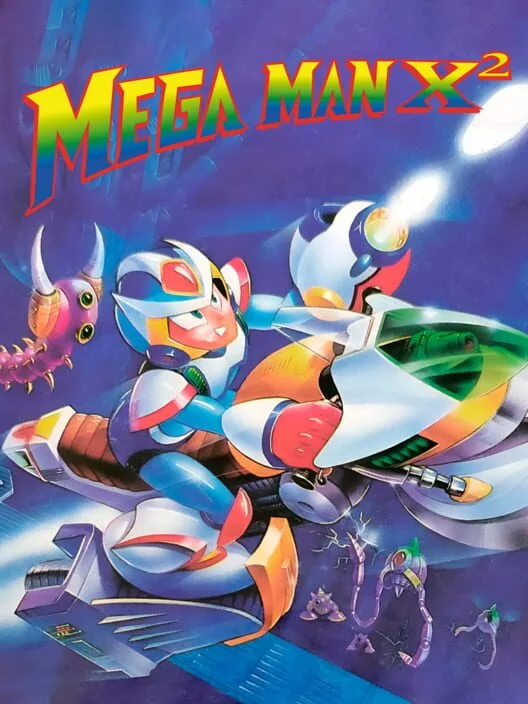
X2 came out in Japan on December 16, 1994, one year after the first. It is a direct sequel, and you still dash, scale walls and hunt for pieces of armor. Reviewers liked the presentation and were dismayed by the lack of changes.
Most players were fine with that. It is often the game they go back to with the first one, the two of them a pair you play when you want something you already know is good. It sits at 8 because the same people split their praise across the next game.
7. Mega Man Battle Network (2001)
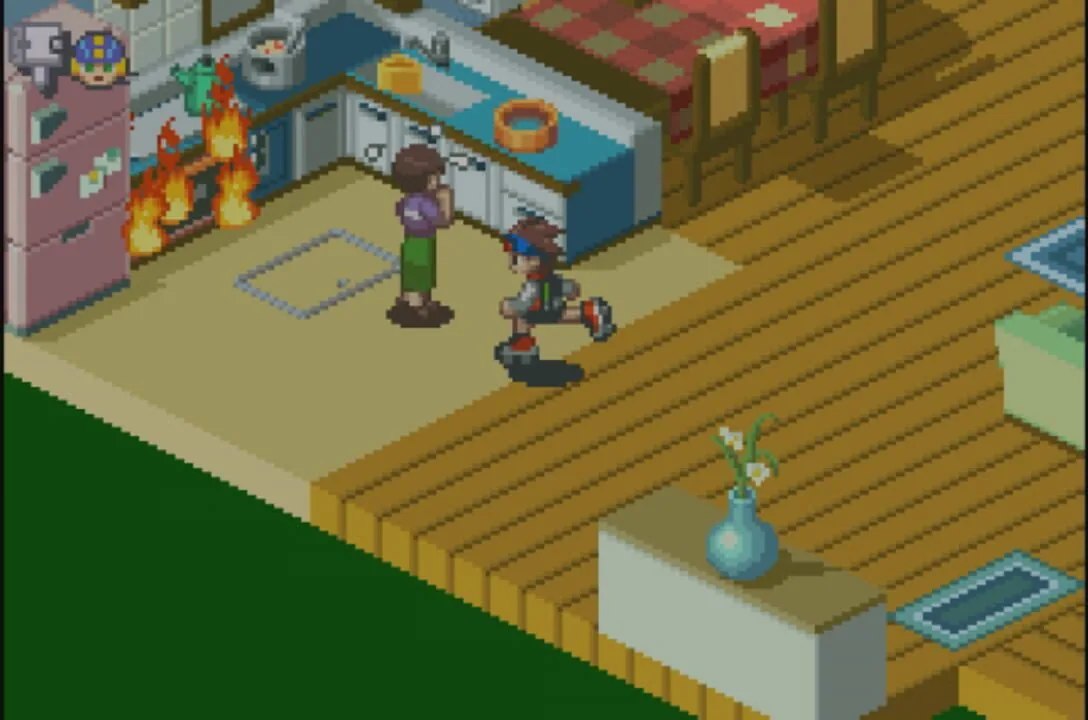
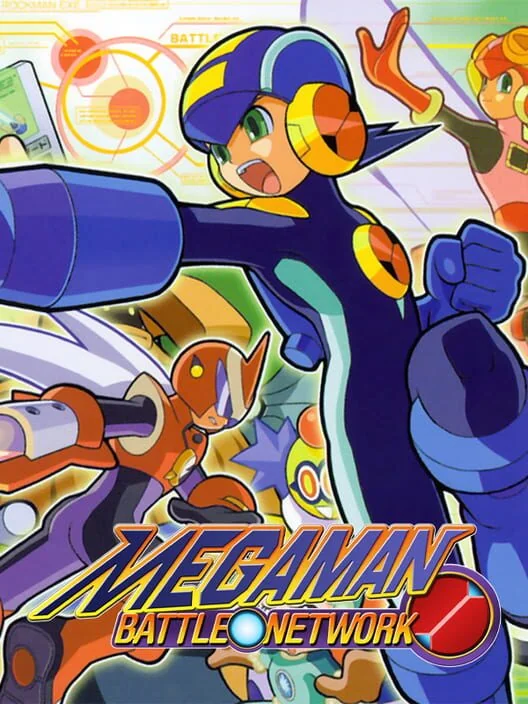
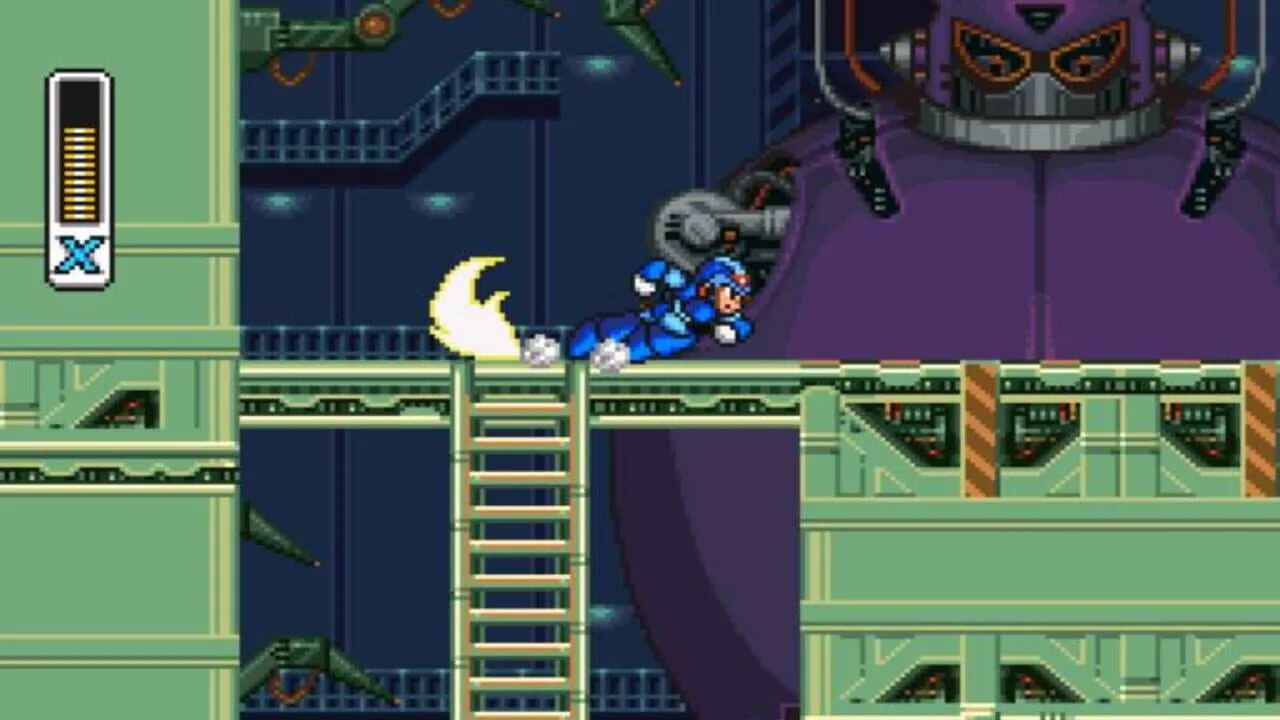
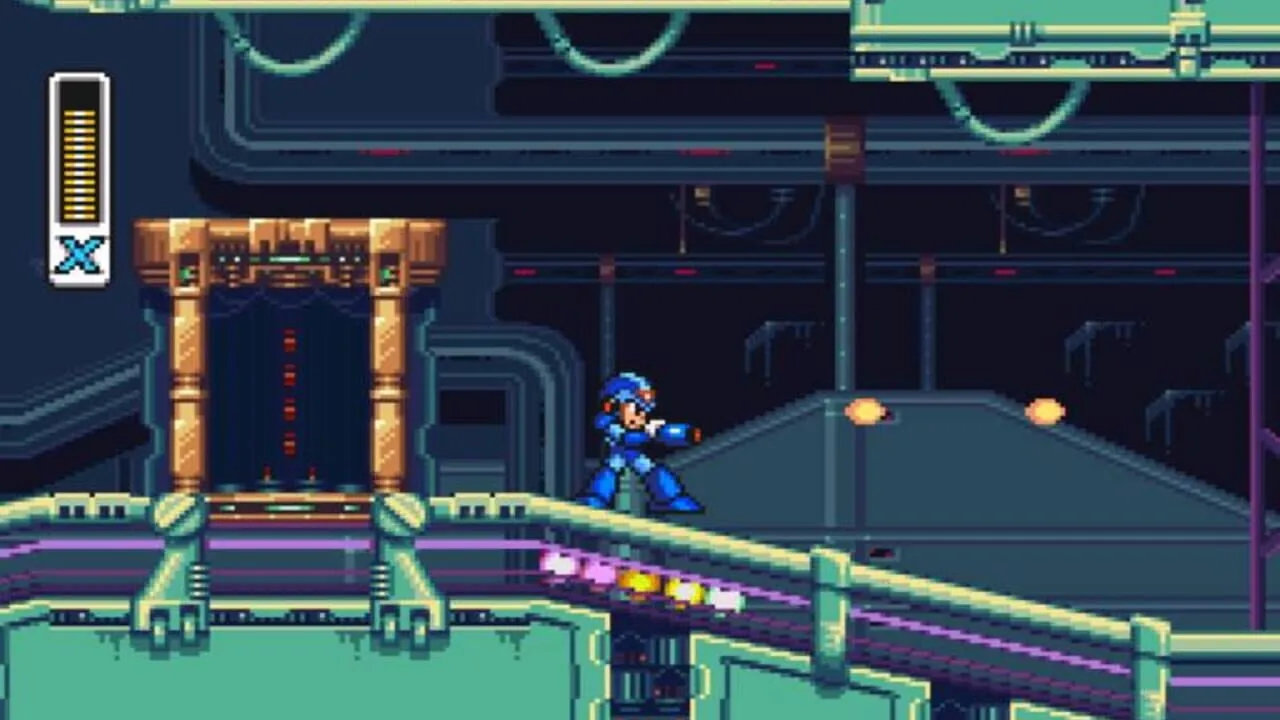
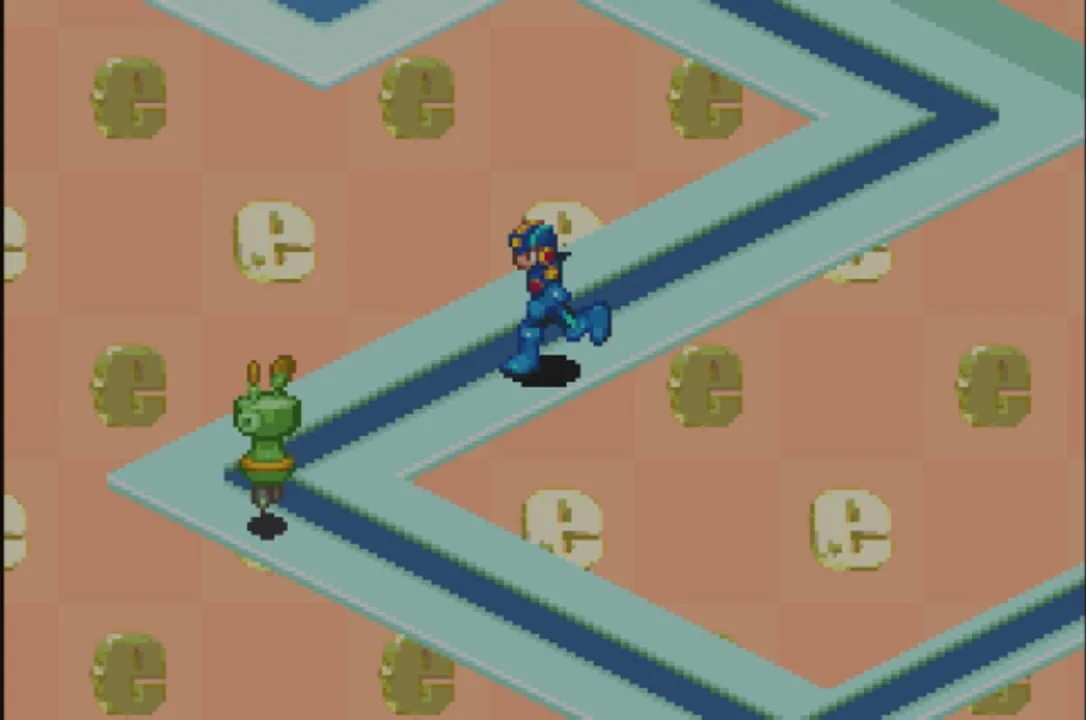
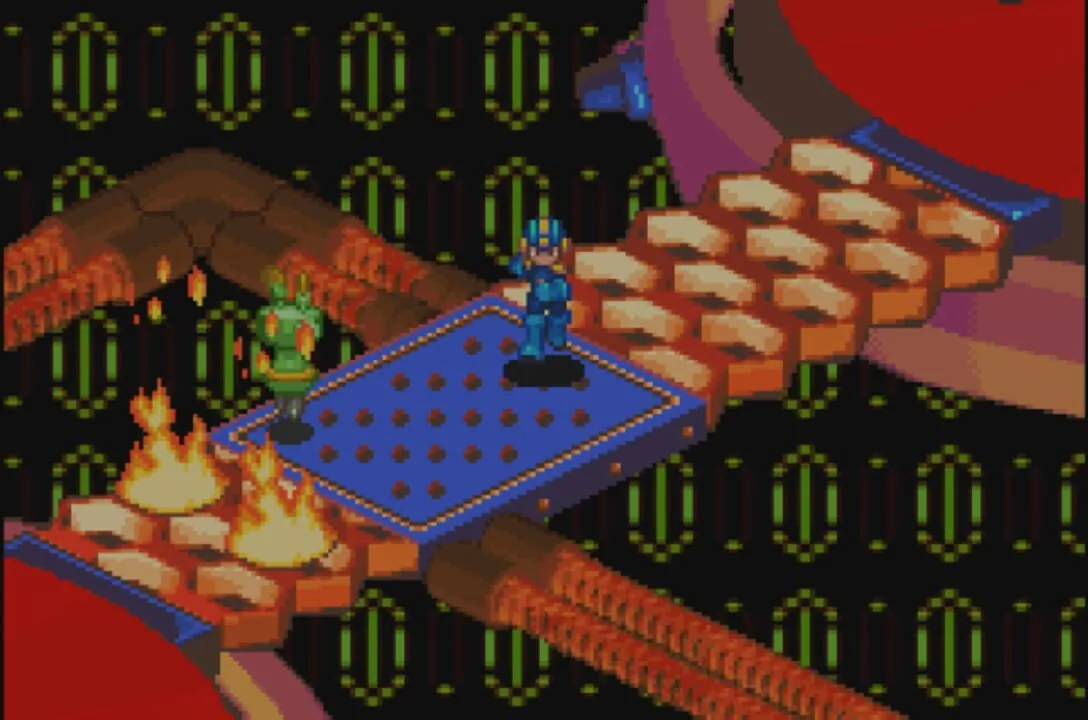
Battle Network was a launch game for the GBA in Japan on March 21, 2001. It threw out almost everything. Keiji Inafune said the team wanted it to identify with younger gamers, with a setting resembling the real world and a mix of action and RPG. The battle system was the big draw for critics. For a game aimed at younger gamers, it has a lot of school students turned into mindless slaves.
Players usually talk about Battle Network as one long series, and the first game holds this spot for all of them. It led to many sequels and the anime MegaMan NT Warrior. A Legacy Collection came out in 2023.
6. Mega Man 3 (1990)
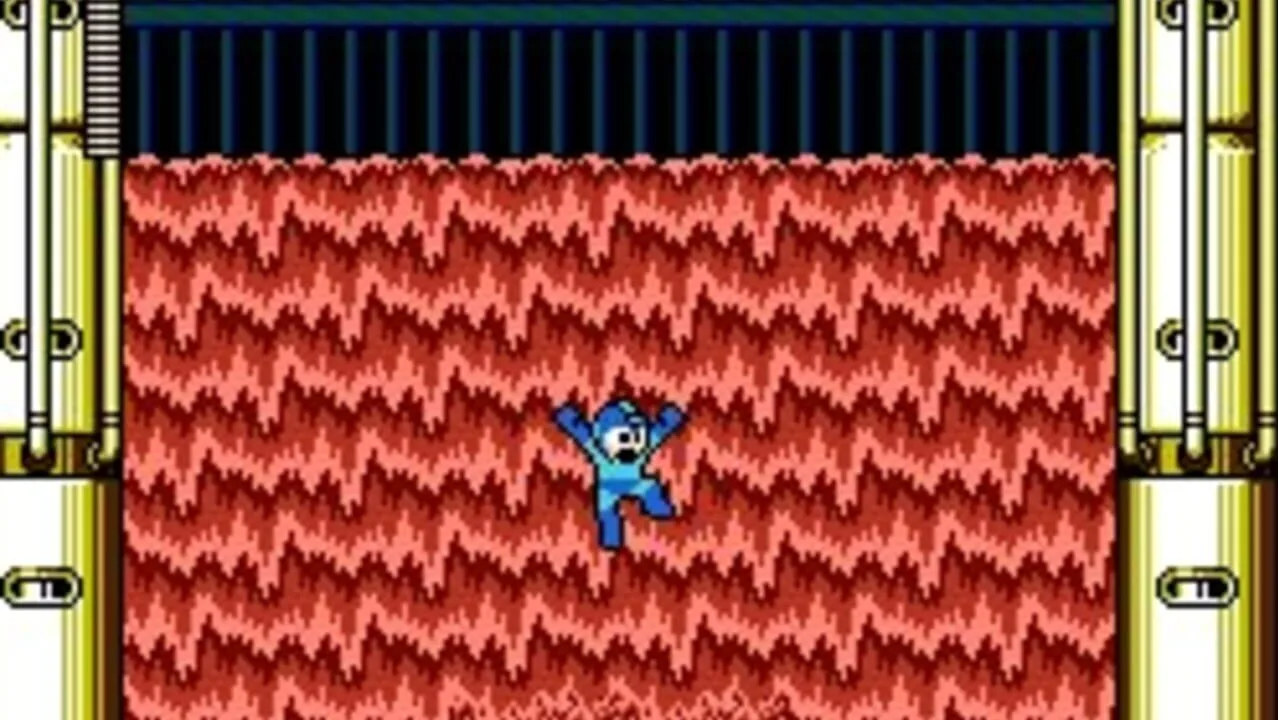
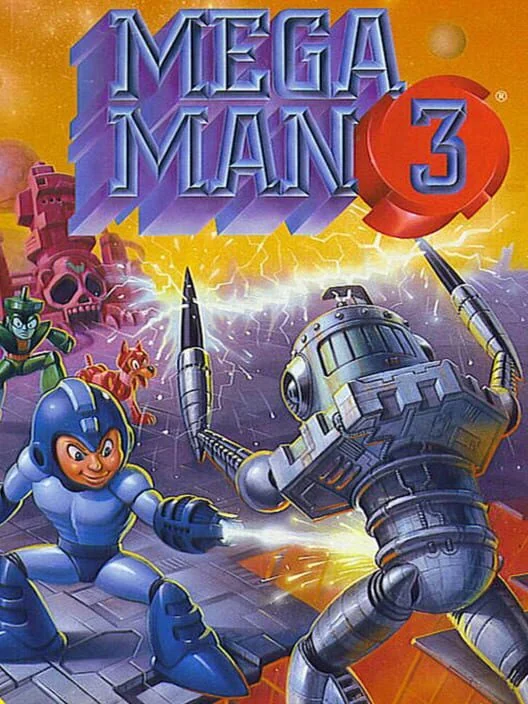
Mega Man 3 came out in Japan on September 28, 1990. It was a hard one to make. Keiji Inafune has called it very stressful because of the time limits and his bigger role. He said that with more time "we could do a lot of things better", and the company wanted it out. It sold 1.08 million copies and got positive reviews.
Players tend to name it in the same breath as Mega Man 2. Newcomers get warned that it is hard. You still get eight stages in any order, and that was plenty for most people.
5. Mega Man X4 (1997)
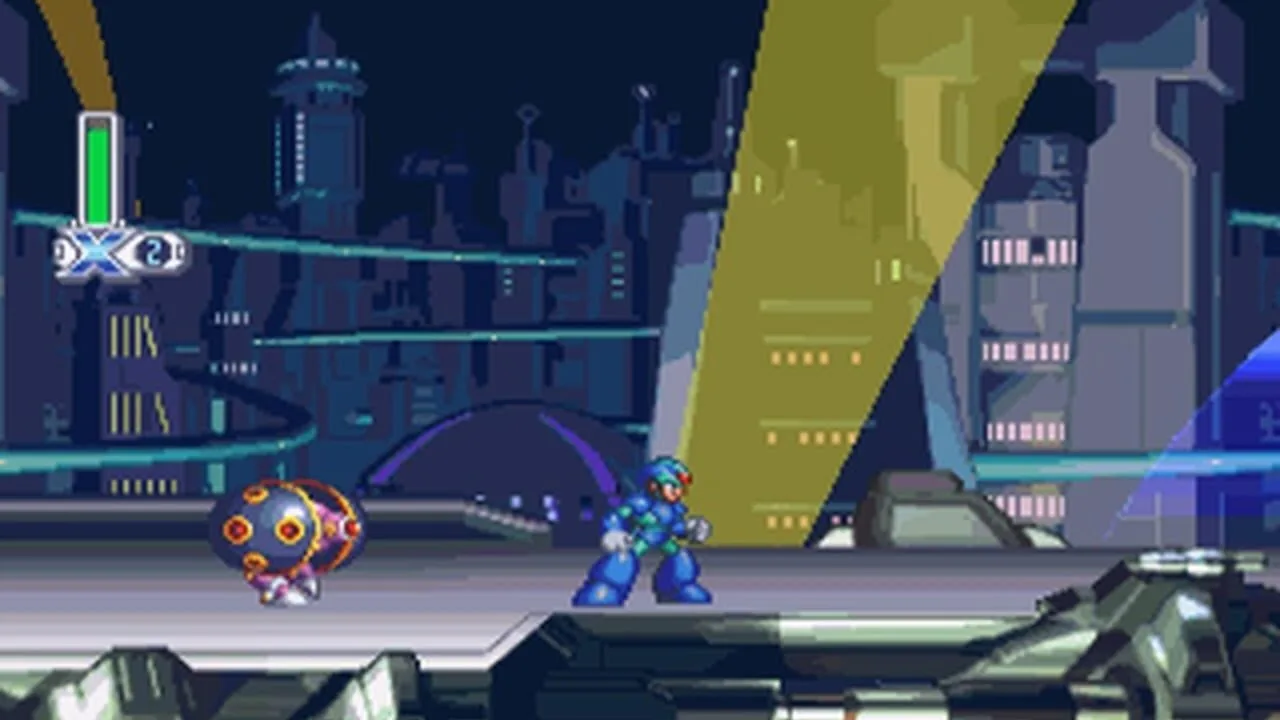
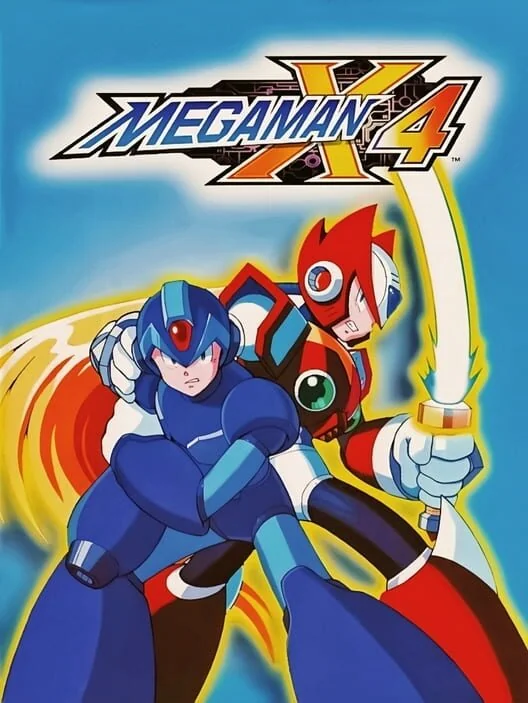
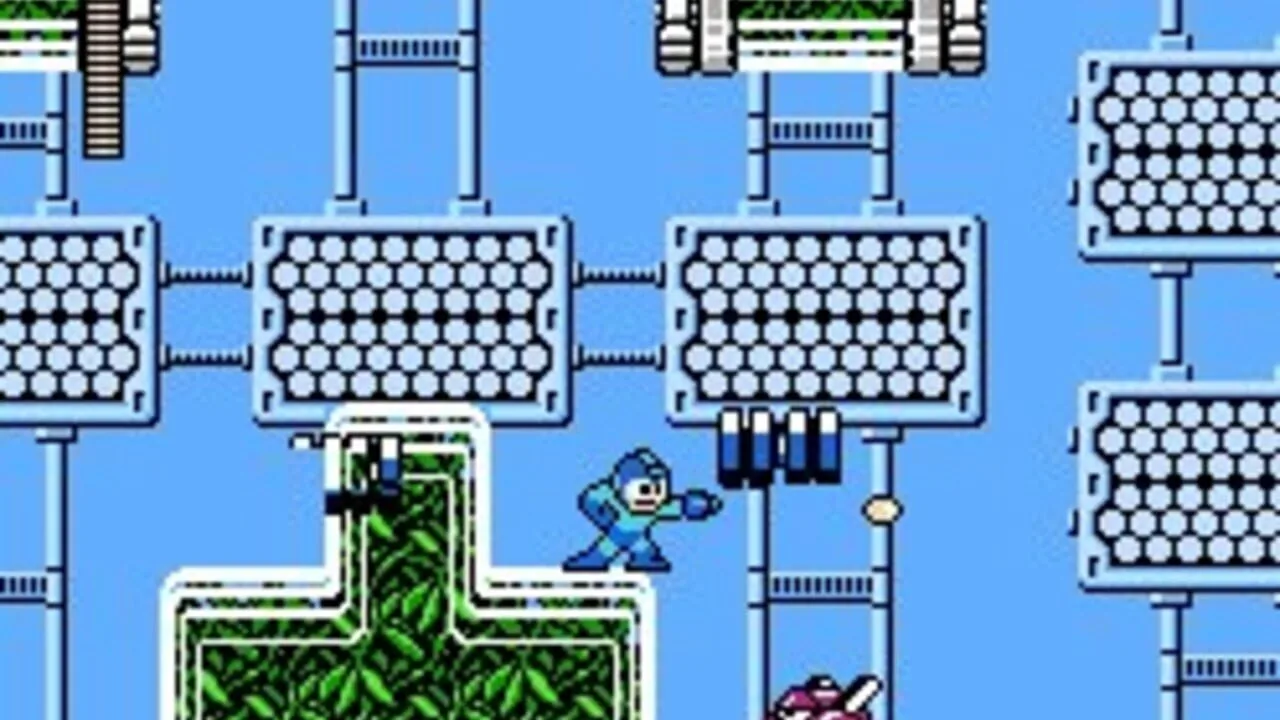
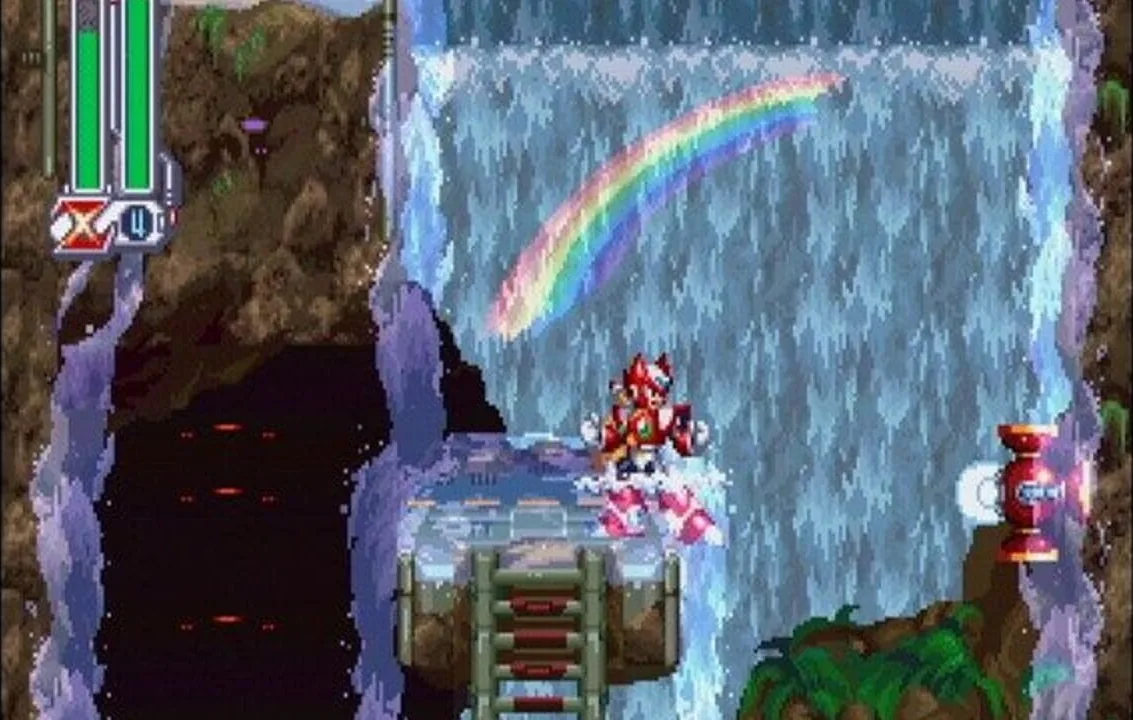
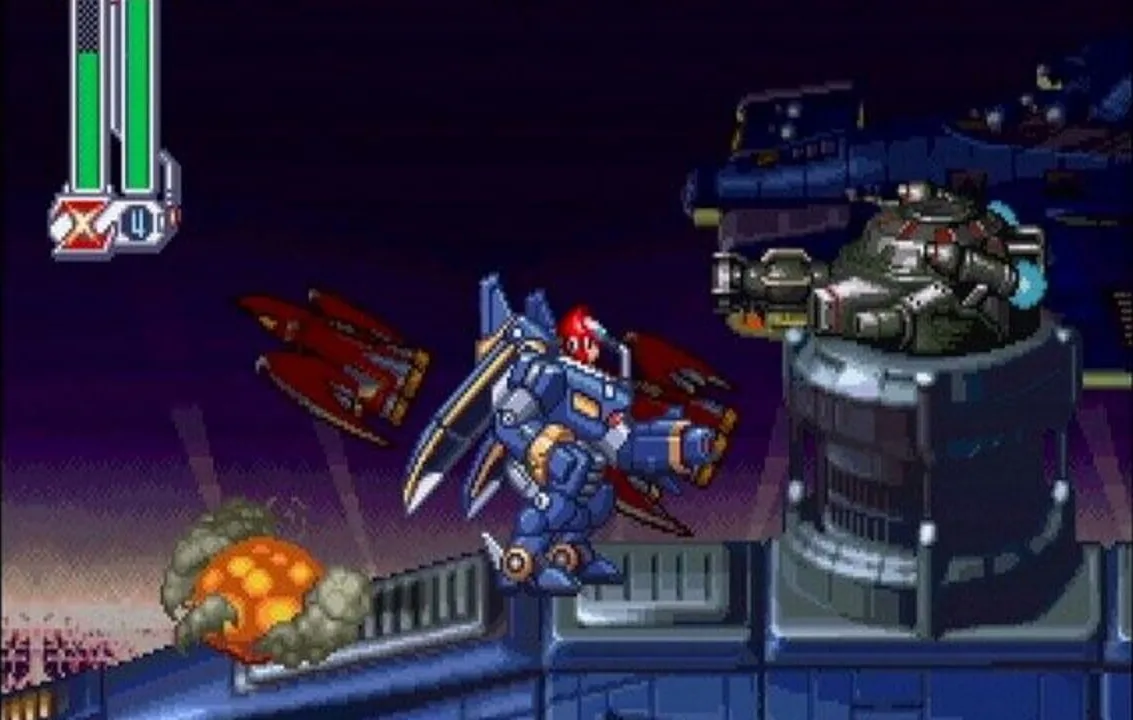
X4 was the first X game on the PlayStation and the Sega Saturn, and the two versions came out in Japan at the same time in 1997. The big change is that you can play the whole game as either X or Zero. Critics said that opened up a formula people thought was worn out. They also went after its notoriously poor English voice acting.
Some fans will argue that it beats the SNES games, and they will do it loudly. It's the top of the PlayStation X games by a long way, and it is one of the two games players most often suggest to a newcomer to the X series.
4. Mega Man Legends (1997)
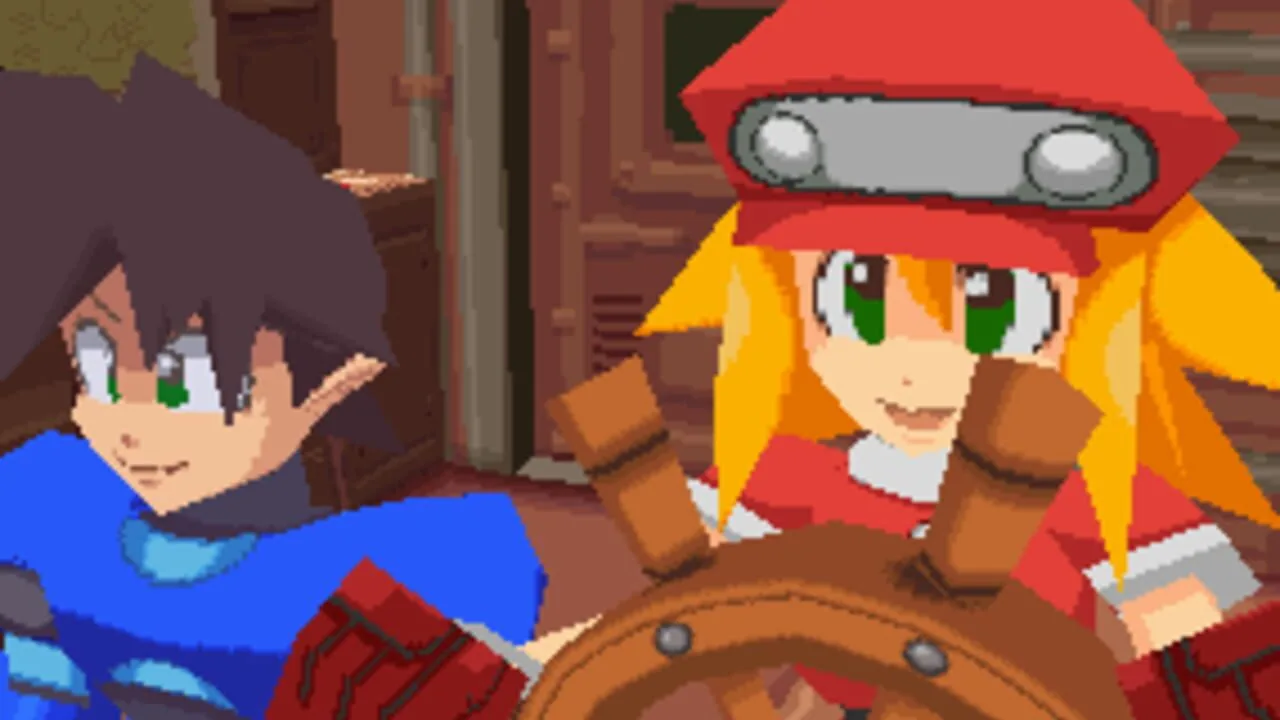
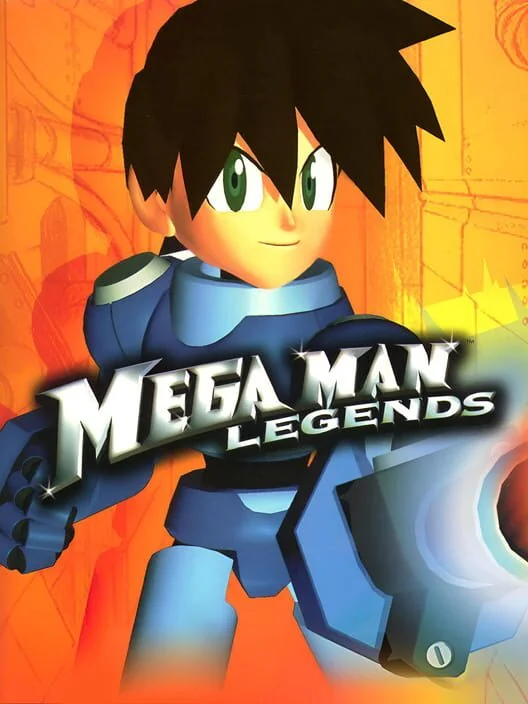
Legends took the series into 3D on the PlayStation in 1997 in Japan and in 1998 in North America. You play as a Digger who explores ruins in search of refractors, and Roll builds your weapons out of parts you find. You can only equip one special weapon at a time, and switching it means going to talk to Roll, which is a lot of paperwork for a hero.
Critics liked the move from 2D to 3D. The Nintendo 64 port was renamed Mega Man 64 in North America in 2001 and got less love. It still comes up when players name their favorite PS1 games.
3. Mega Man (1987)
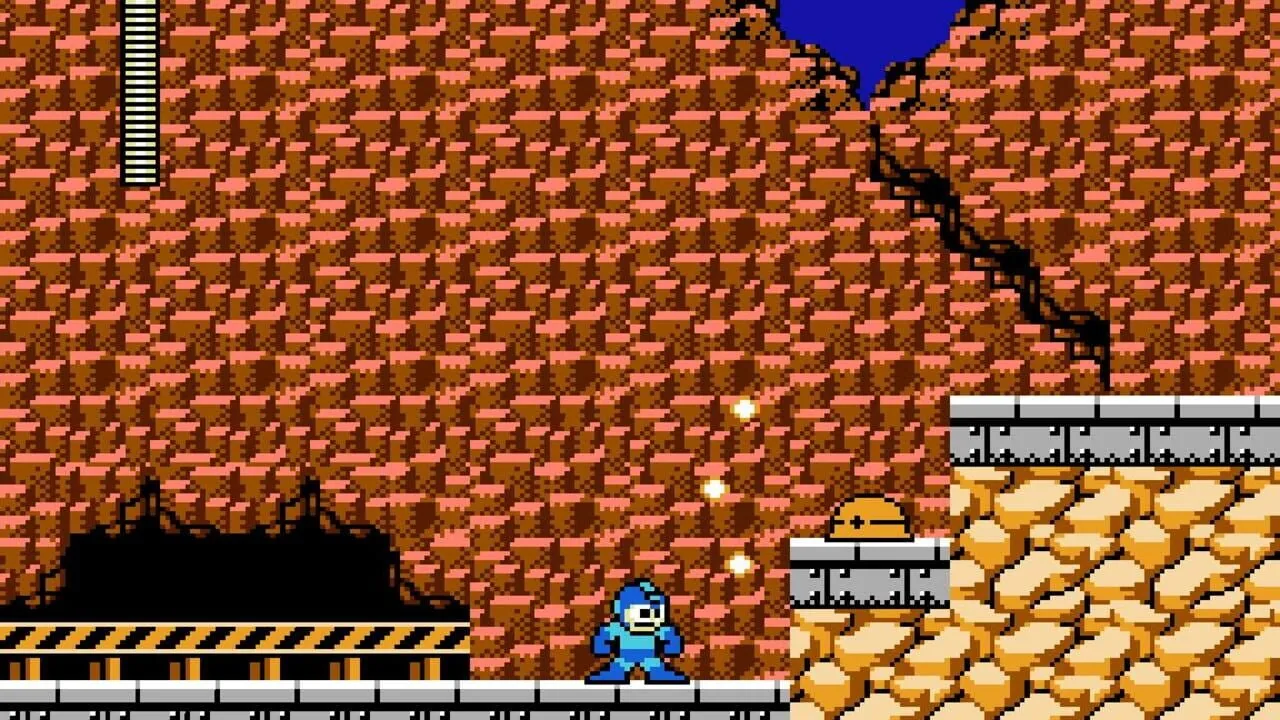
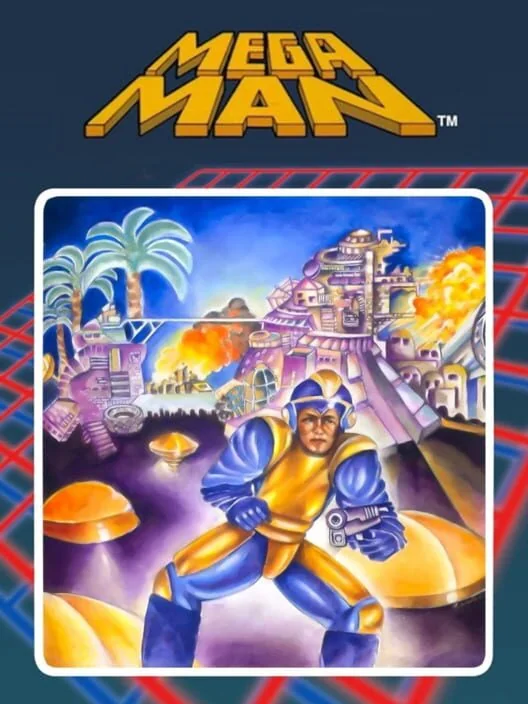
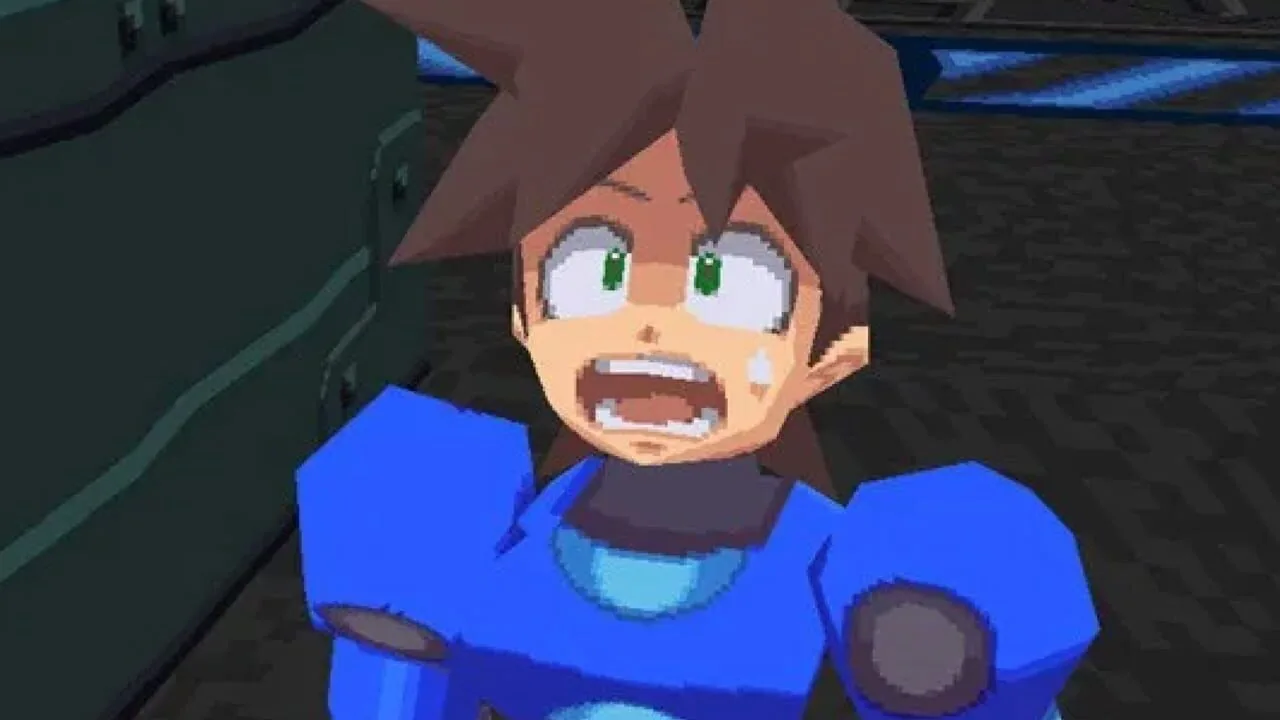
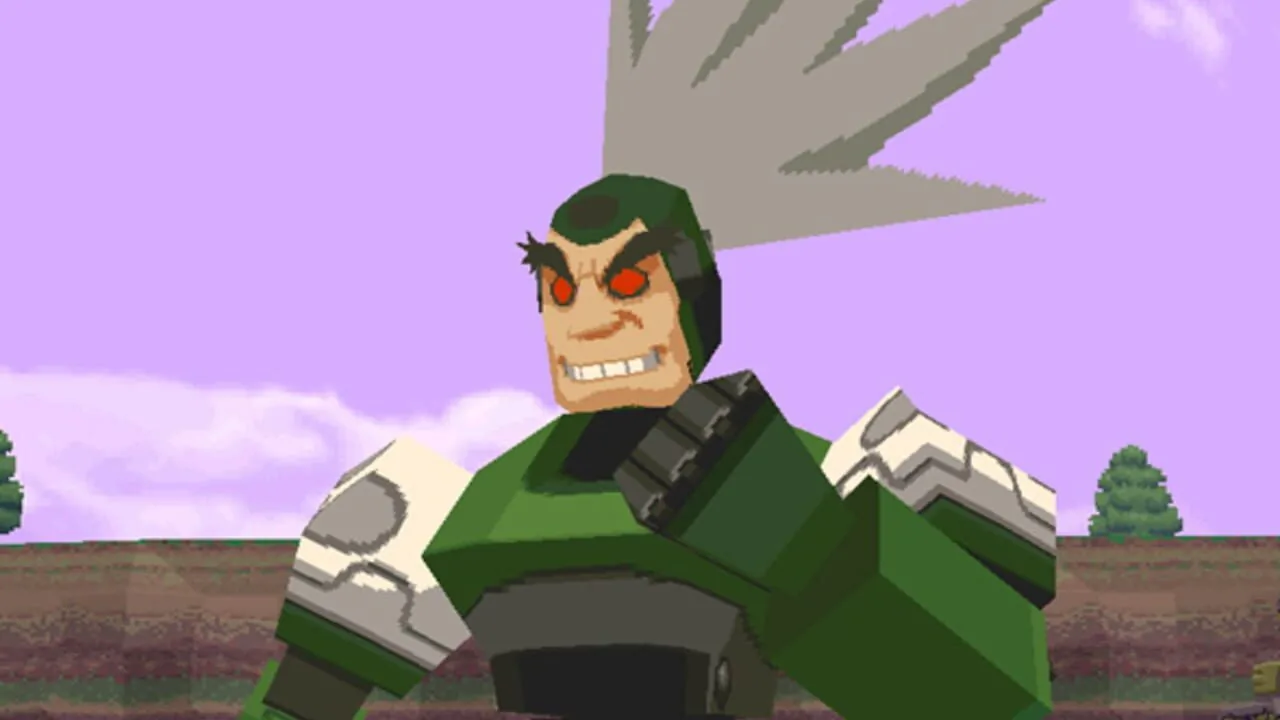
This is where it starts. Akira Kitamura directed the game with a small team, and it was a first for Capcom, made specifically for the video game console market. Nearly everything the series does comes from here, including the Robot Masters and the special weapon you win from each one. There are only six of them here, from Cut Man to Elec Man.
Players warn that it is rough, and plenty will tell you to skip it. Even so, you can see the whole idea of the series in one small game. It ranks this high because so many people started here.
2. Mega Man 2 (1988)
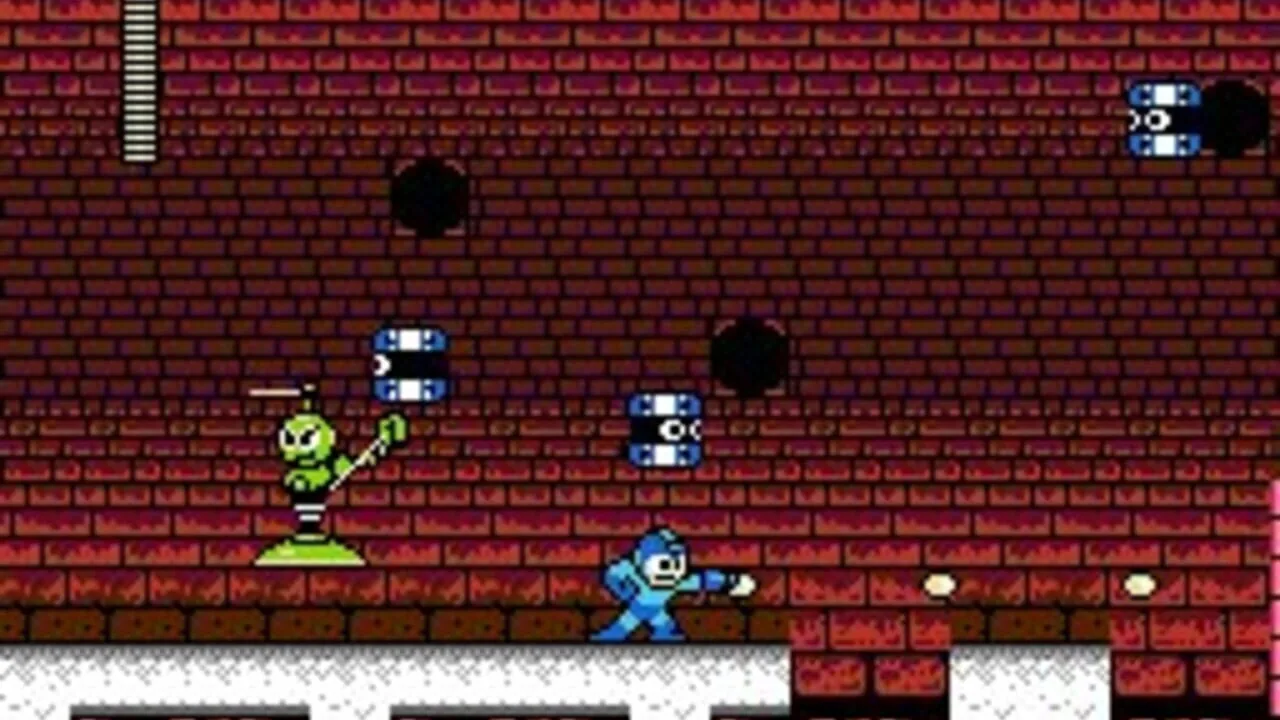
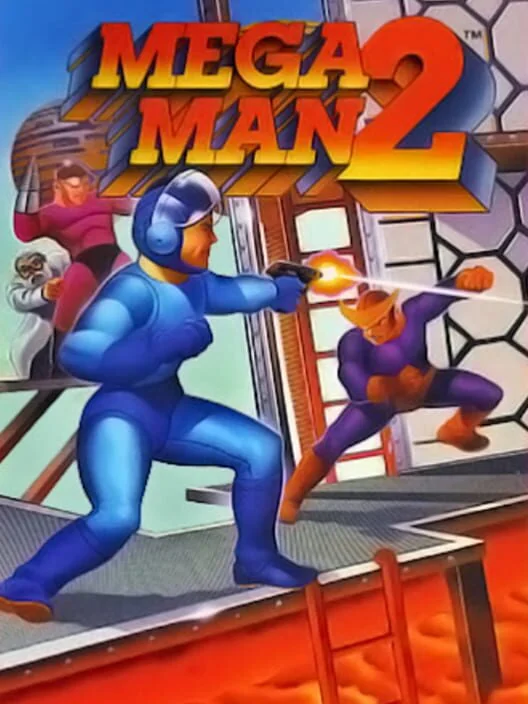
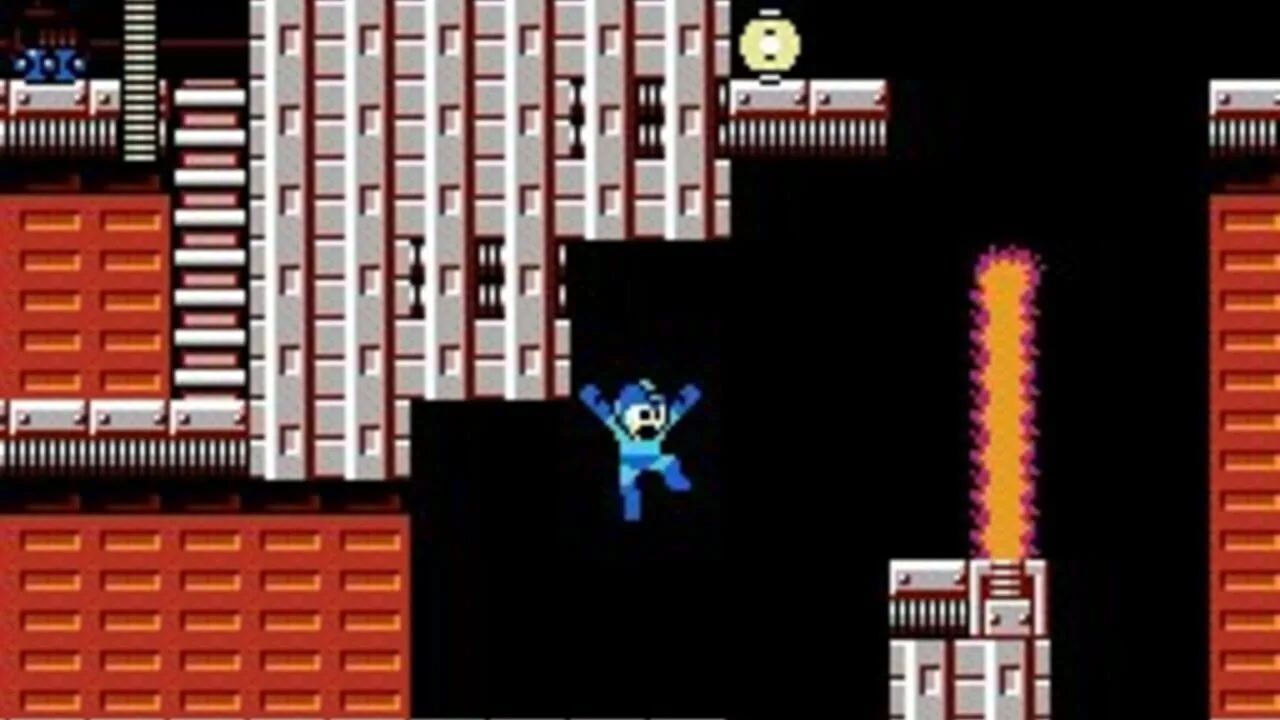
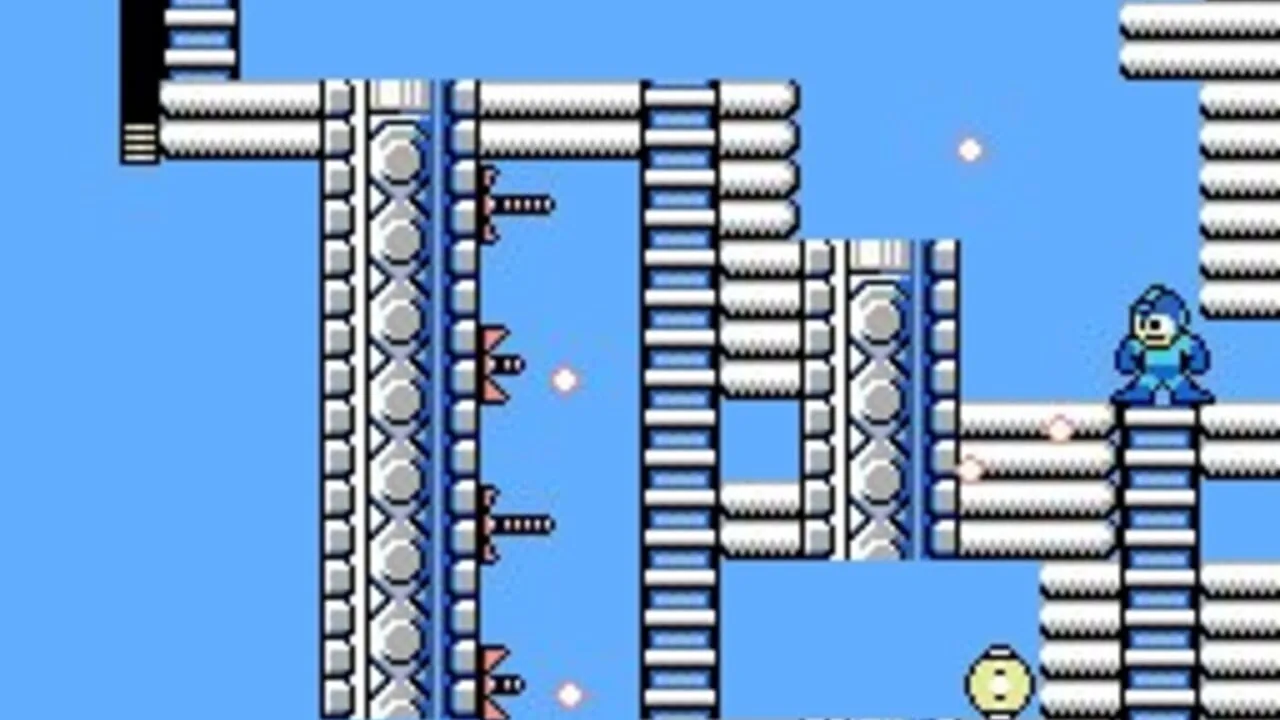
Sales of the first game were unimpressive, and Capcom let the team make a sequel anyway. They worked on it in their free time alongside other projects and used content left out of the first game. It came out in Japan in 1988 and in North America the following year, and it sold more than 1.51 million copies. It stayed the best selling Mega Man game until 2019.
Takashi Tateishi wrote the soundtrack, which has been called one of the greatest of all time. Ask where to start with the series and this is the name you hear most. It is the one that made the idea work, and it came very close to the top spot.
1. Mega Man X (1993)
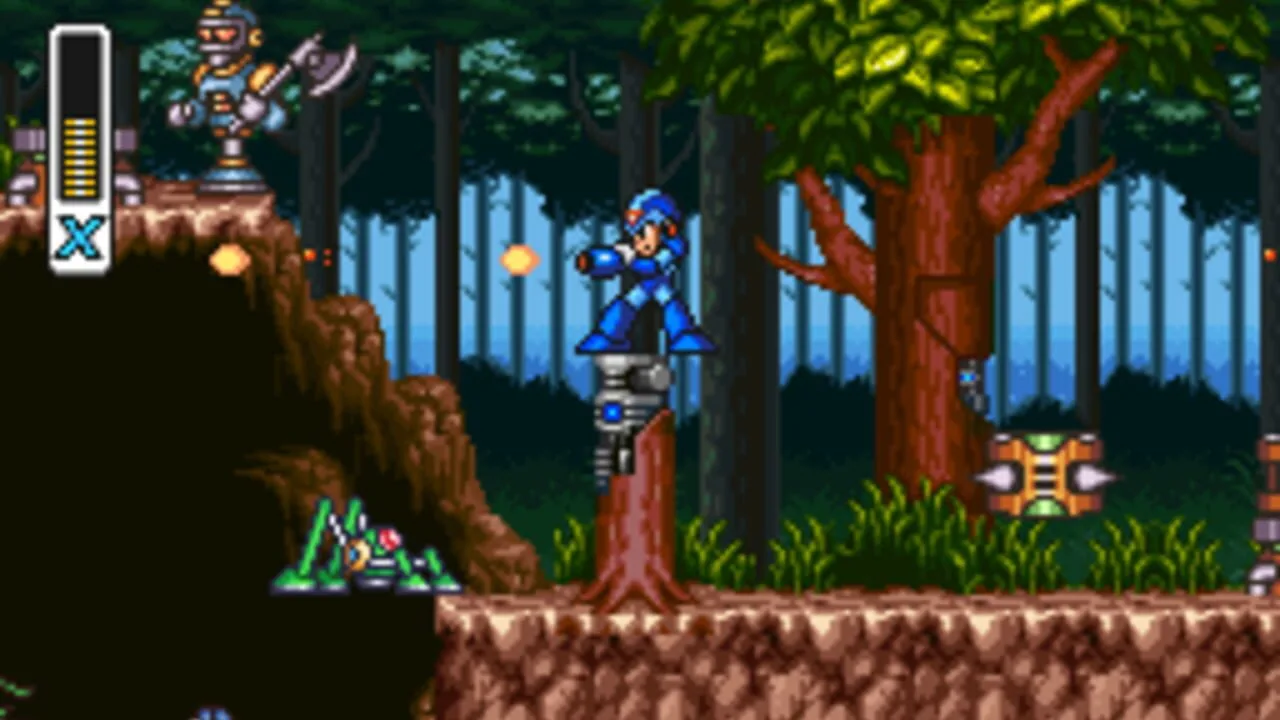
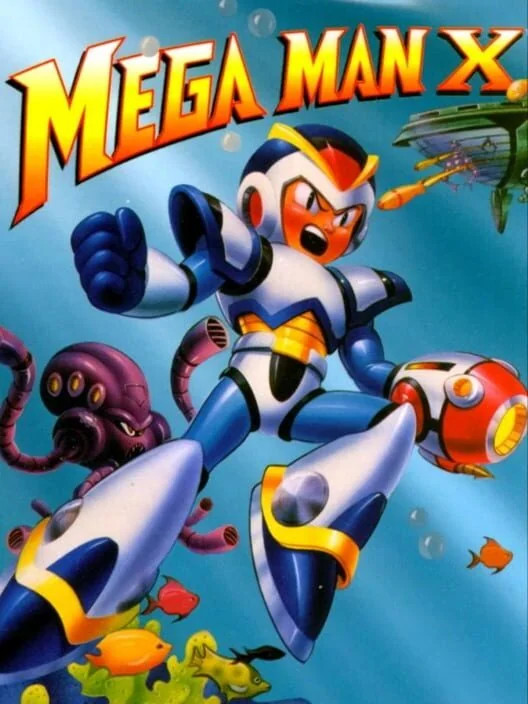
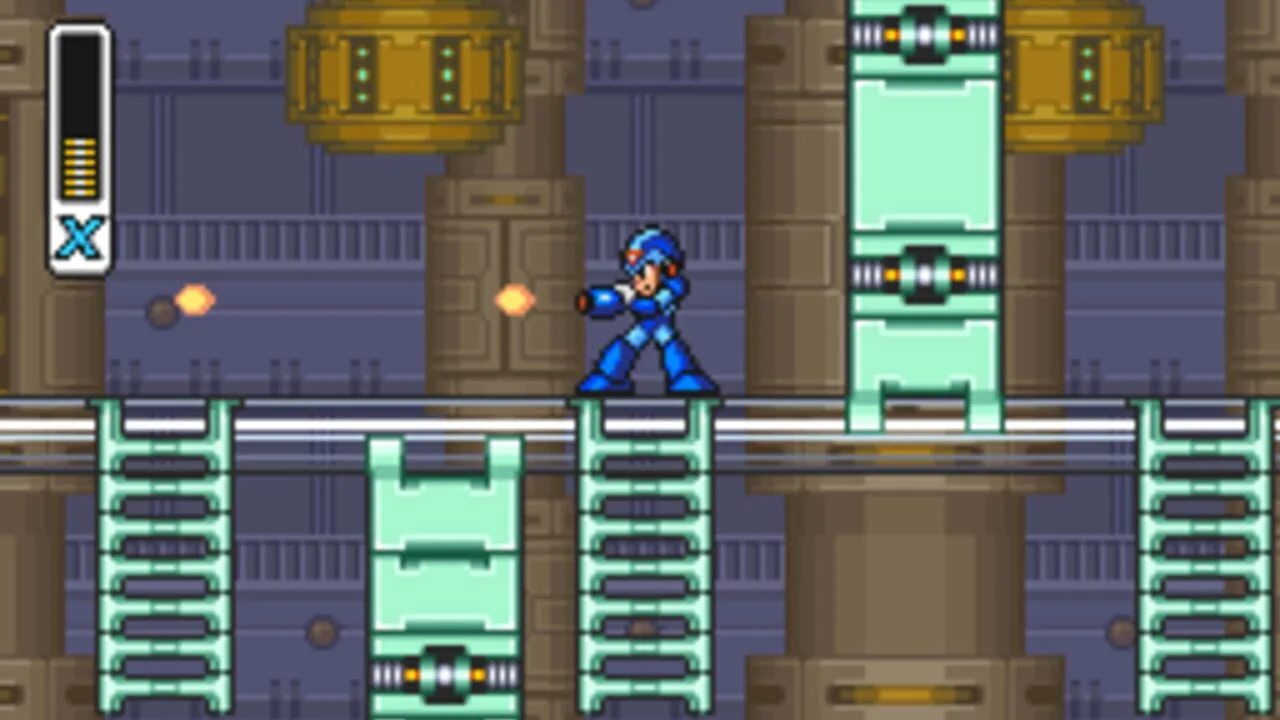
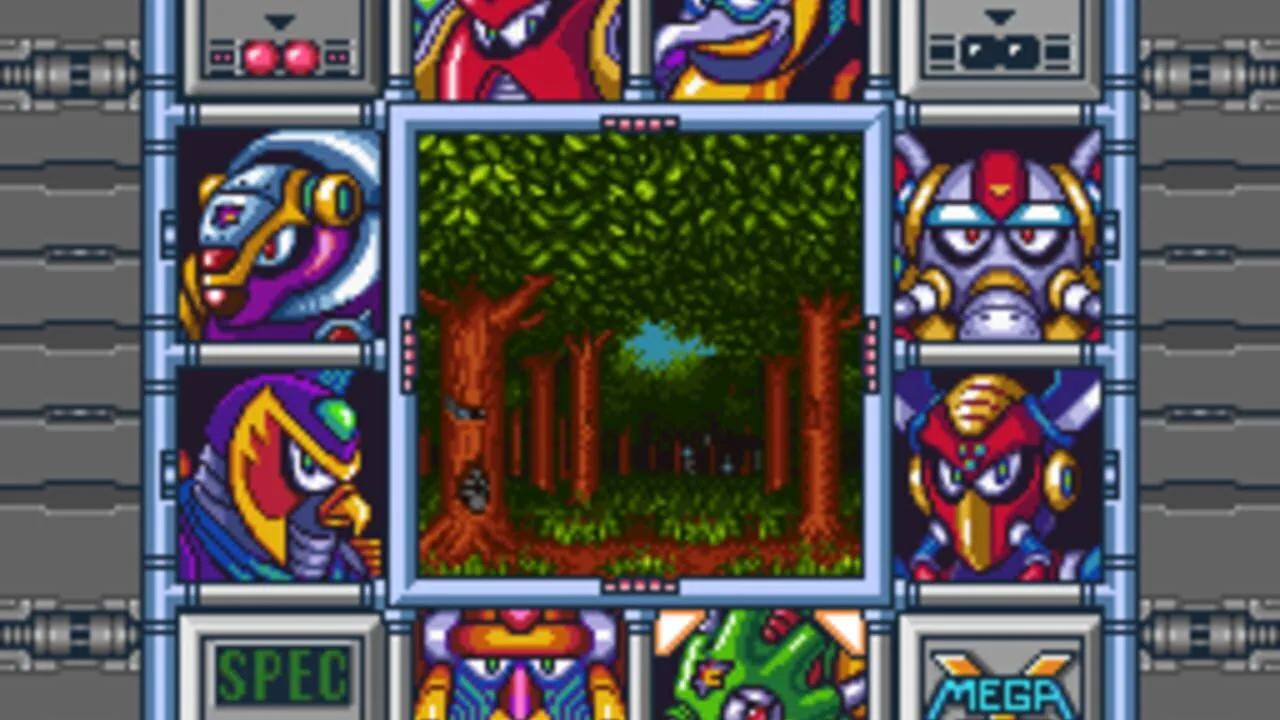
Mega Man X was the first Mega Man game on the Super NES, and the first in a new series. Keiji Inafune described it as reinventing Mega Man with more gameplay and a more mature story, while keeping the basic ideas. You can dash and scale walls, and the armor parts hidden in each stage make you stronger. The hero of the new series loses his first big fight and has to be saved by Zero, which is a brave way to open a game.
More players named it than any other game in the series, a little ahead of Mega Man 2. They call it the easiest way in. Some critics have listed it as one of the greatest video games ever made.
Which one to play
There you have it, the whole list of the best Mega Man games. Even the ones near the bottom have something the rest of the series doesn't, and that is rare for a series this long.
If you are unsure, play Mega Man X. If you want the traditional game, start with Mega Man 2 and go on to Mega Man 3. If you want something different, Legends has the ruins and Battle Network has the card battles. If you want it hard, the Zero games are waiting. For a hidden pick, try Maverick Hunter X on the PSP, and see how good a remake of the top game on this list can be.