The NES is where a lot of us learned to jump. Before it, platform games mostly lived in arcades, one screen at a time. Then Super Mario Bros. arrived in 1985, the screen started scrolling, and every publisher with a license spent years trying to catch up.
Capcom answered with a blue robot and, a little later, with Scrooge McDuck. Konami sent a hero with a whip into Dracula's castle. Tecmo gave its ninja a story told in cutscenes, which felt like watching a cartoon you were also playing. Even the movie games got good, which still feels like a rule being broken. Here are the 16 best NES platformers.
16. Bionic Commando (1988)
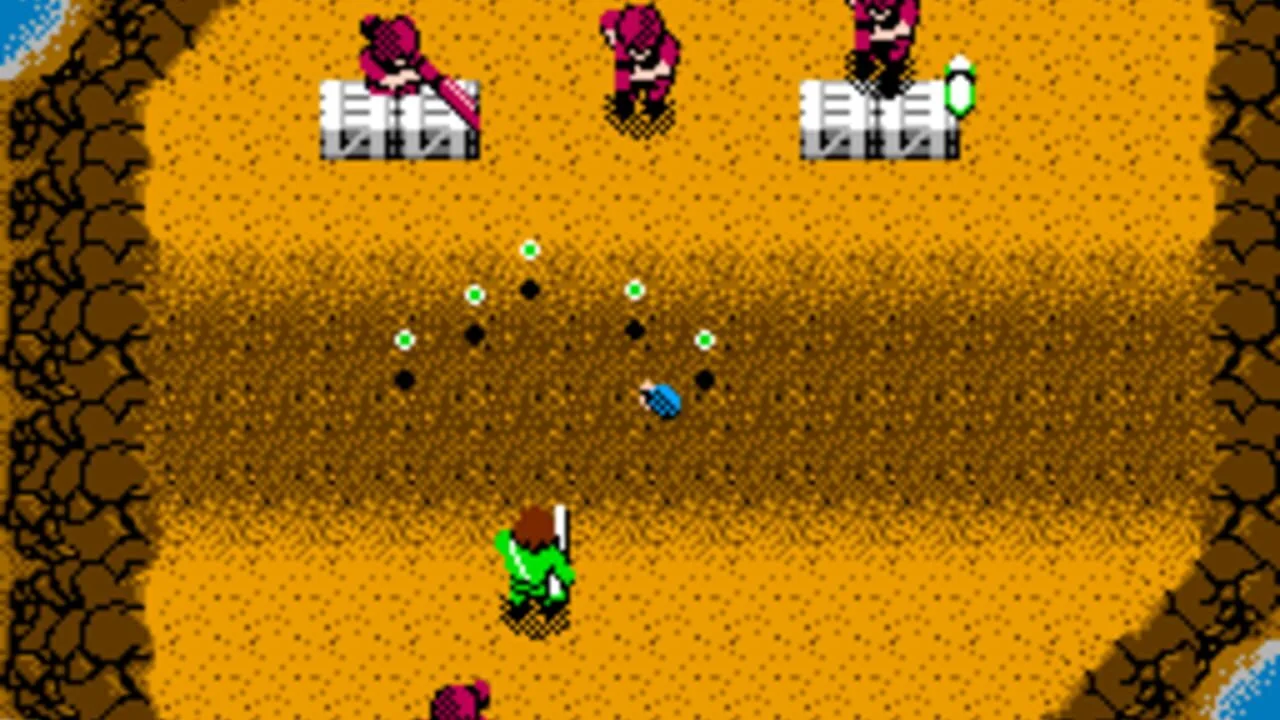
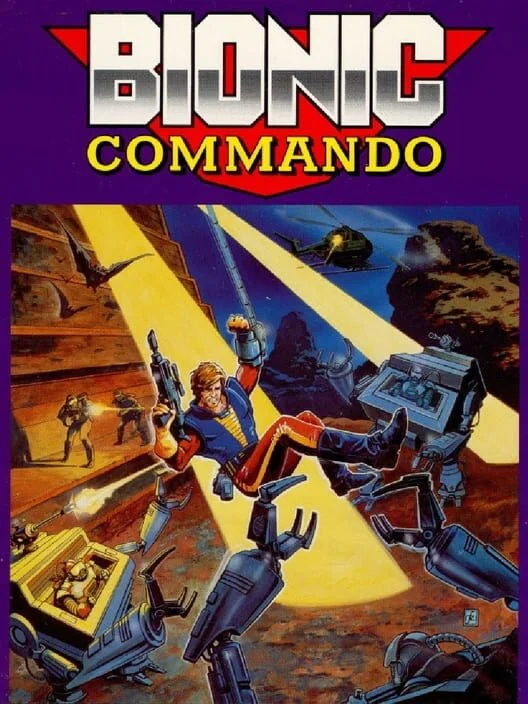
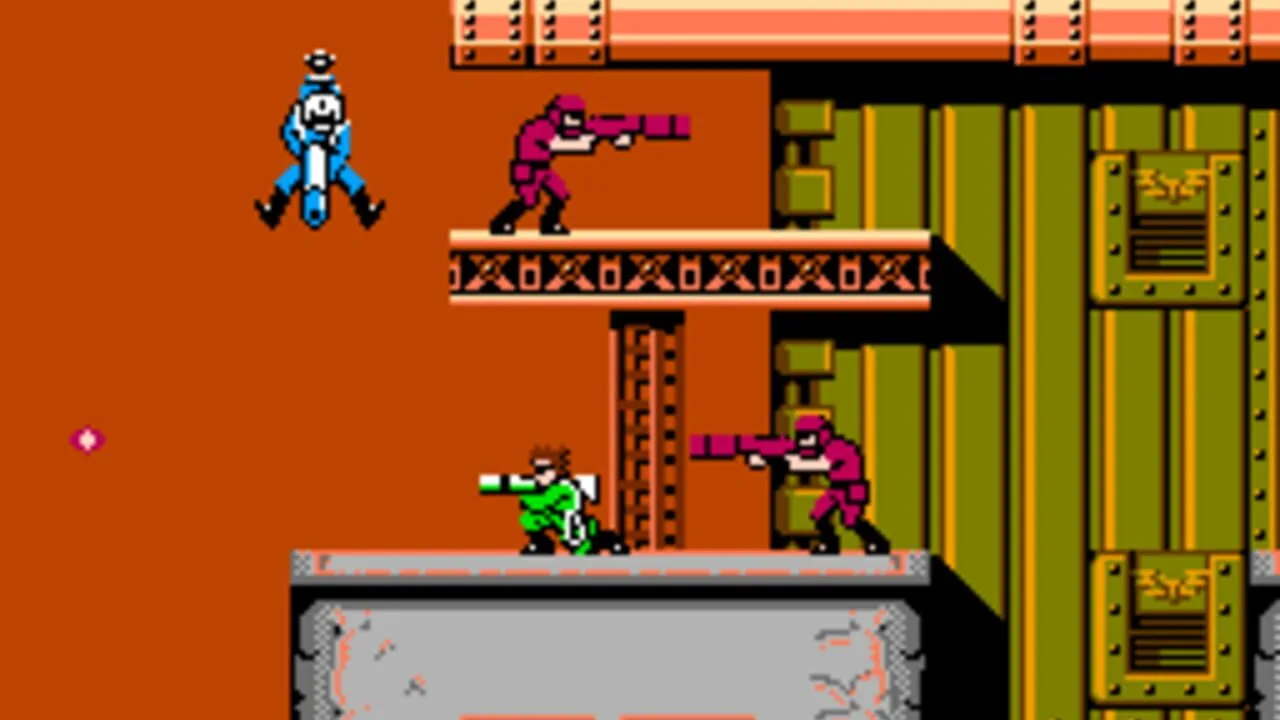
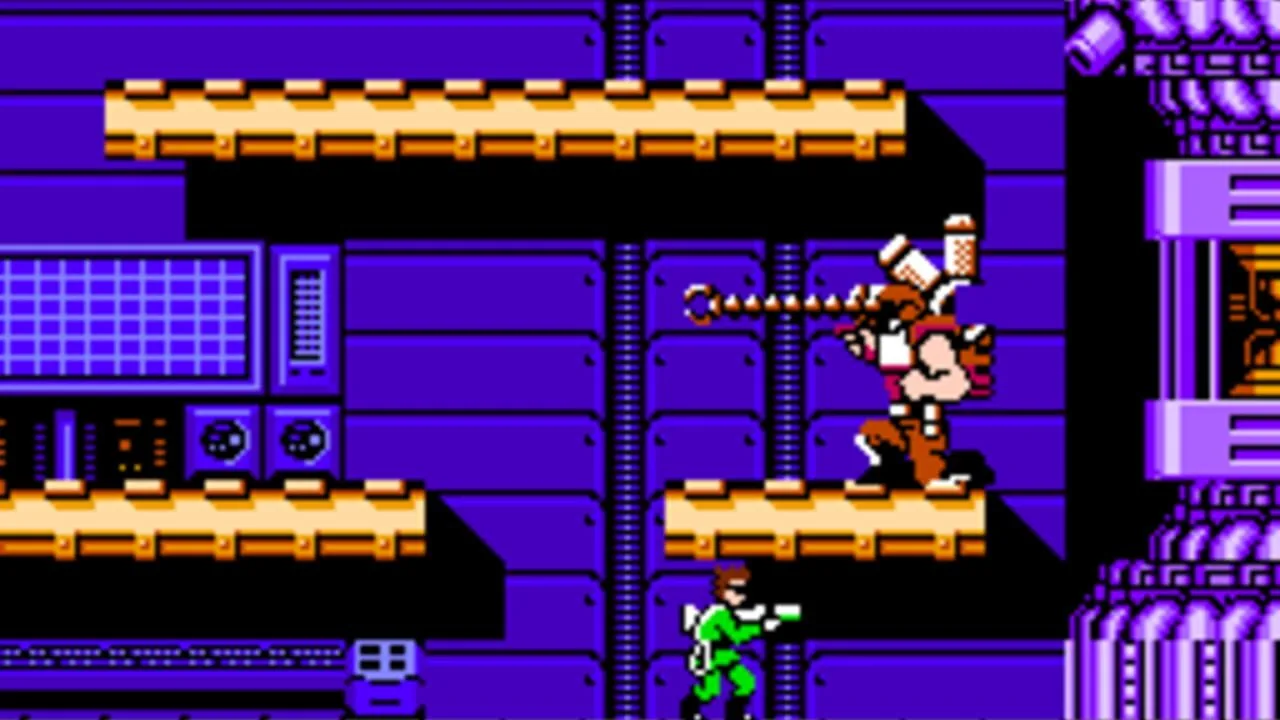
The arcade Bionic Commando had a stellar concept and not much else, so for the NES Capcom created an entirely new game around it. Your soldier, Rad, cannot jump at all. The A button fires out the bionic arm, and you get around by grabbing things and swinging, sometimes with split-second timing. Between stages you move across a world map, and running into a green truck drops you into a short overhead shootout.
Then there is the ending. The villain the enemy army is trying to bring back, Master-D, turns out to be Adolf Hitler, and in Japan the game was called Top Secret: Hitler no Fukkatsu. You get one shot at his getaway chopper, and his portrait explodes in a gory mess. The escape timer even warns that the "base will explod in 60 seconds". Nothing else on the NES plays like it.
15. Mega Man 3 (1990)
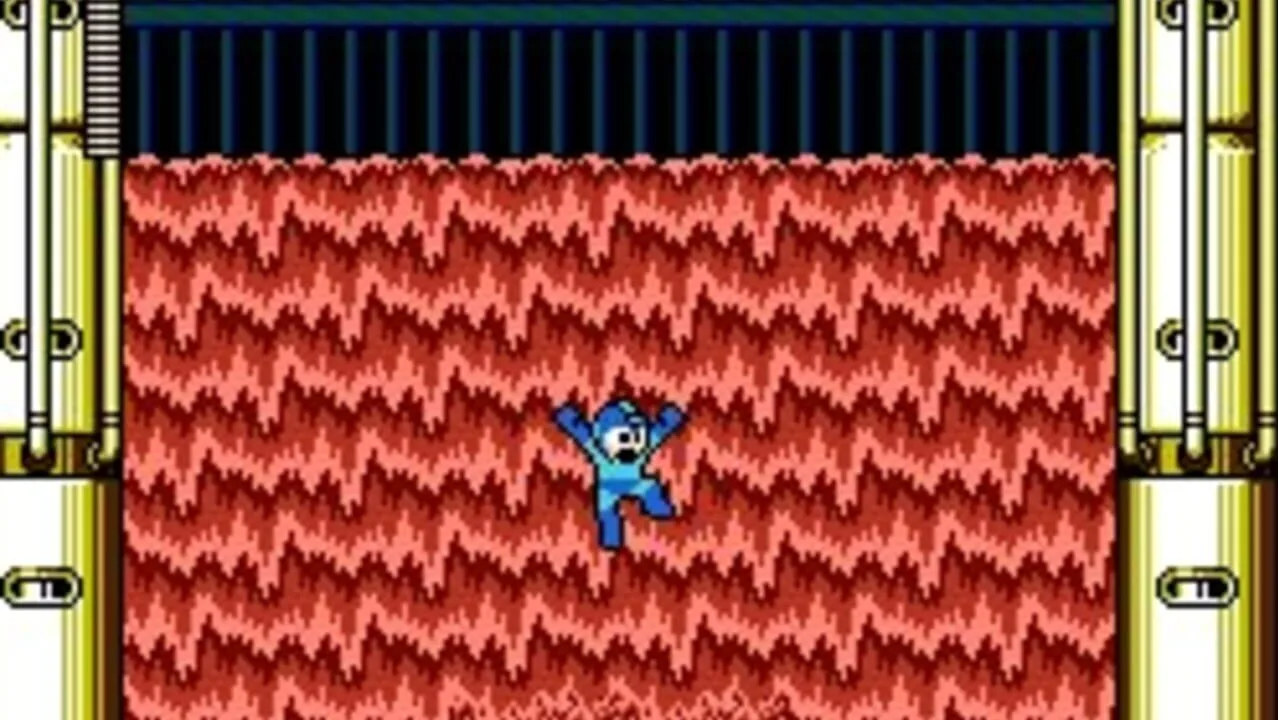
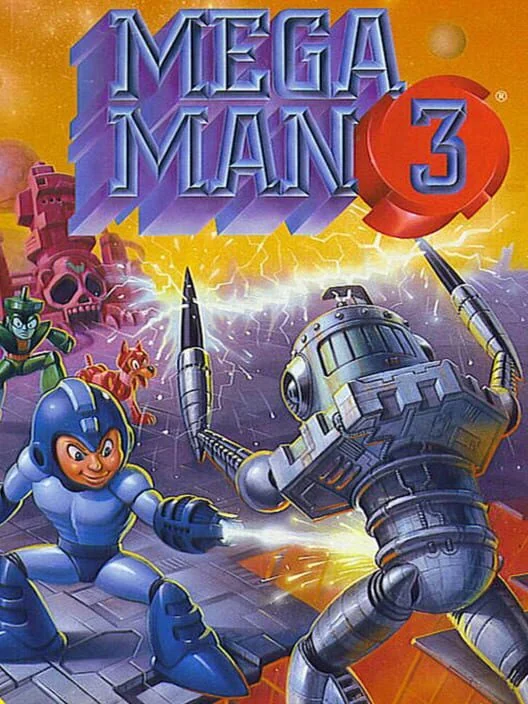
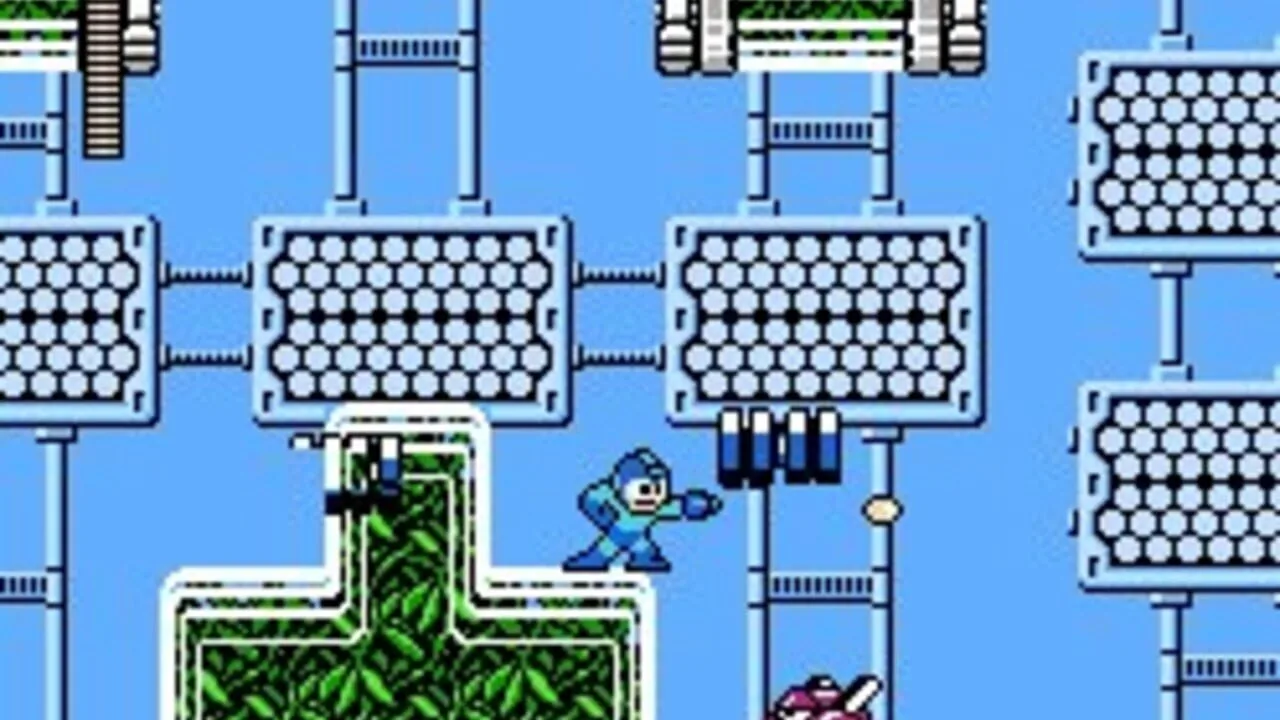
Mega Man 3 came out in Japan on September 28, 1990, and reached North America later that year. It keeps the gameplay of the first two games, and you still pick your way through eight selectable stages. Making it was hard on the team. Keiji Inafune has called its creation very stressful, mostly because of time constraints. He said, "I knew that if we had more time to polish it, we could do a lot of things better."
You would never guess it from playing. Mega Man 3 sold 1.08 million copies, and reviews were positive. Players who recommend the series tend to name it in the same breath as Mega Man 2, and the two make a natural pair for a weekend. Mega Man 4 followed in 1991.
14. Little Samson (1992)
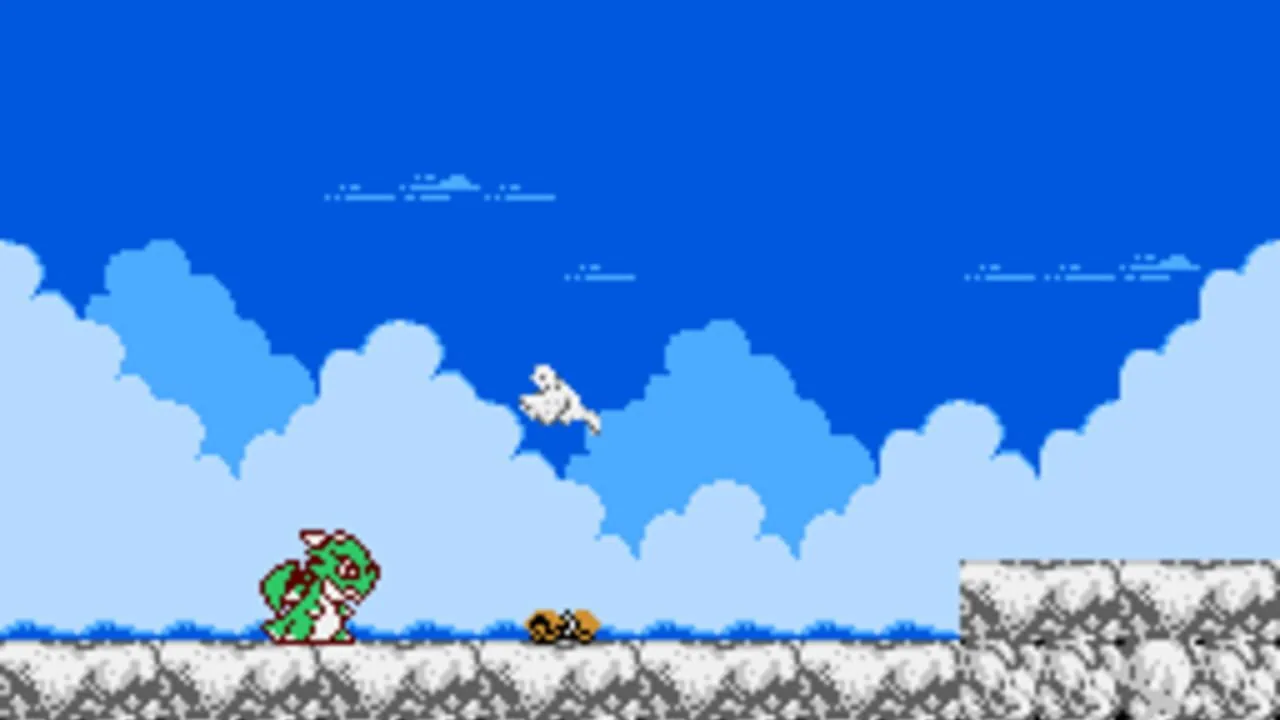
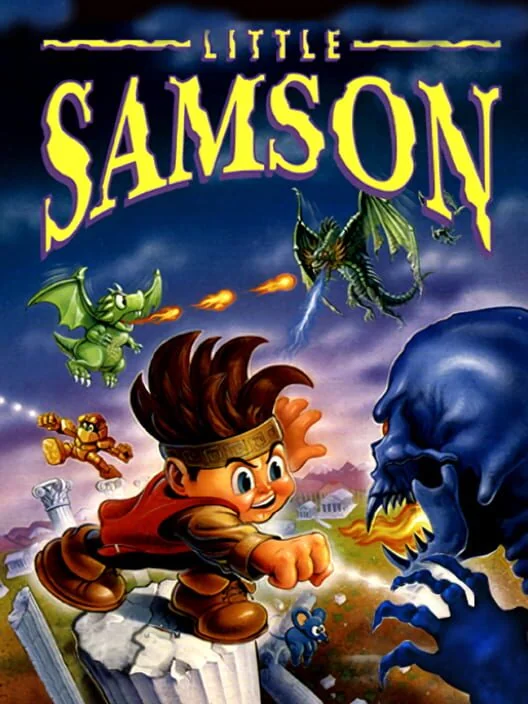
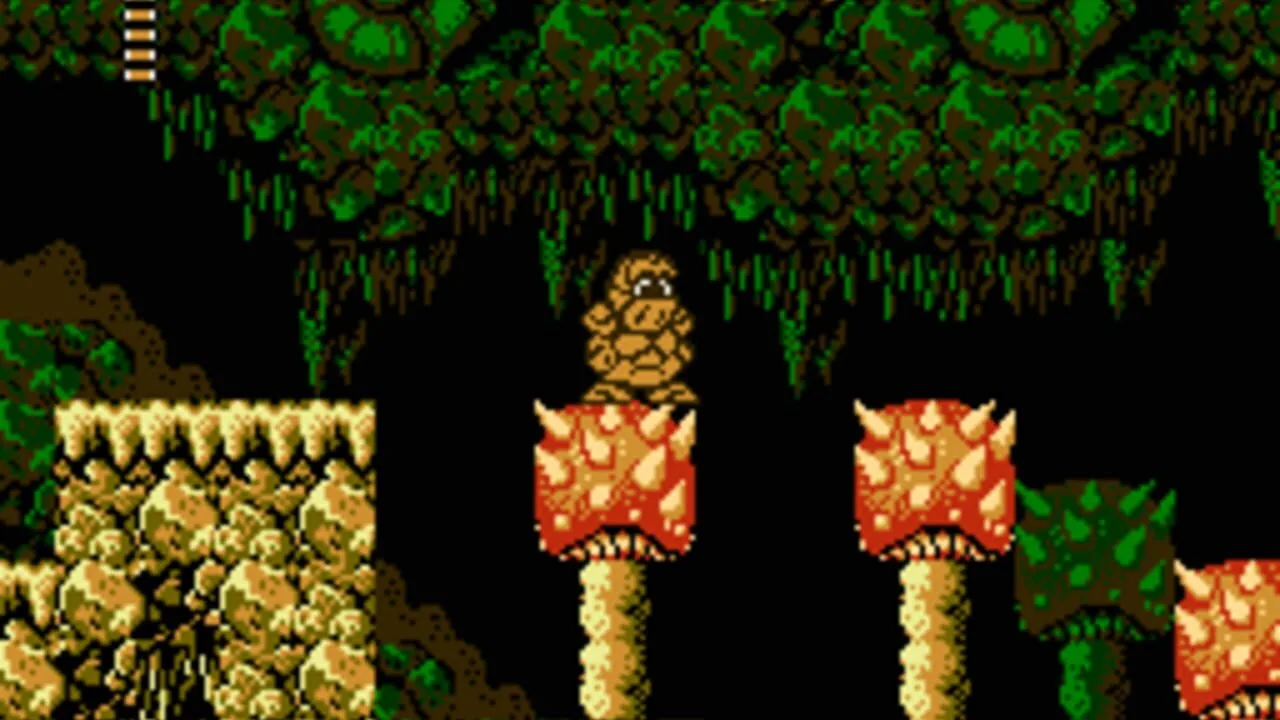
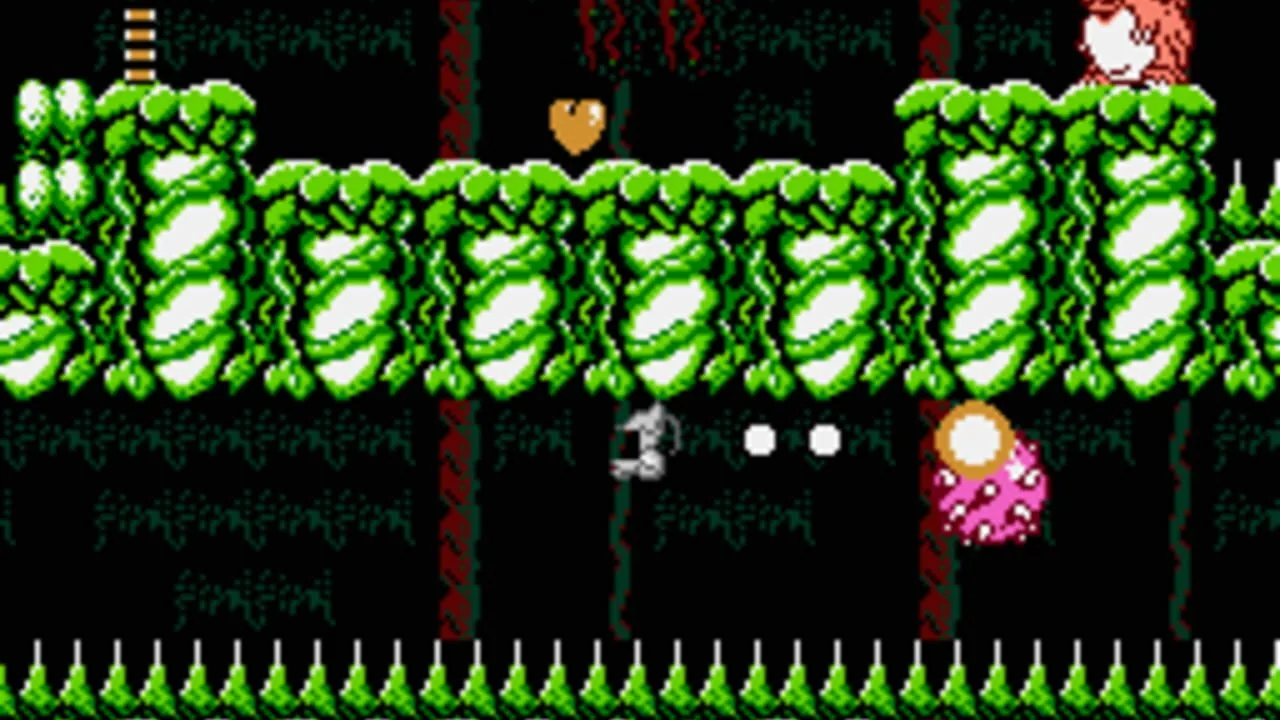
Little Samson came out in 1992, when the NES was on its way out. Taito published it, and very little is known about Takeru, the studio that made it. Its director, Shinichi Yoshimoto, had worked as a designer on Ghouls 'n Ghosts and Strider. You start with four heroes, and each gets an introductory stage of their own. Samson climbs walls and ceilings and throws bells. Kikira the dragon can fly for a few seconds. Gamm the golem walks on spikes, and K.O. the mouse fits through tiny gaps.
After that you can swap between all four at will from the pause menu, and critics noted that swapping added an element of strategy to the action. It looks fantastic, too. Samson does a full twirl on even the tiniest jump. Today it is considered one of the best NES games, a nice ending for a hero who never got a sequel.
13. Castlevania III: Dracula's Curse (1989)
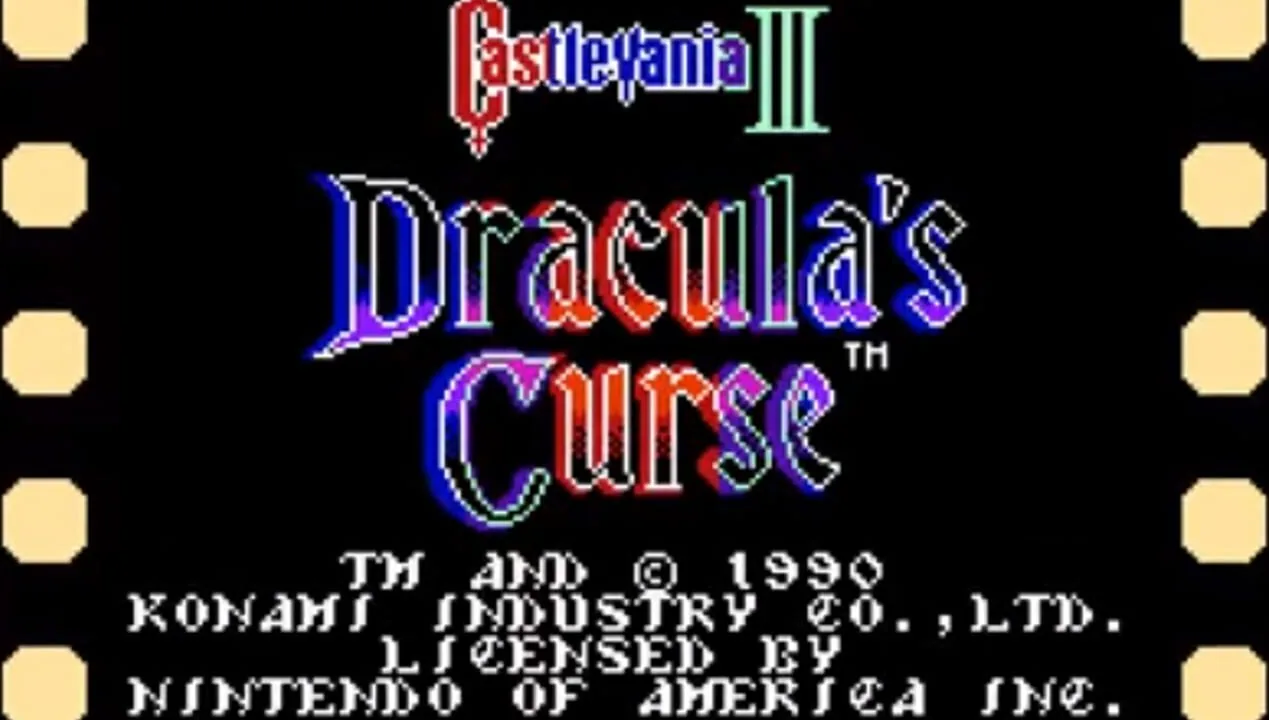
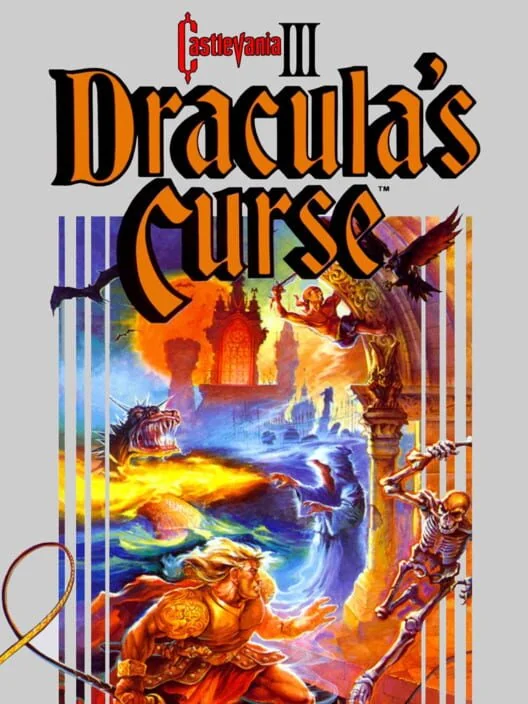
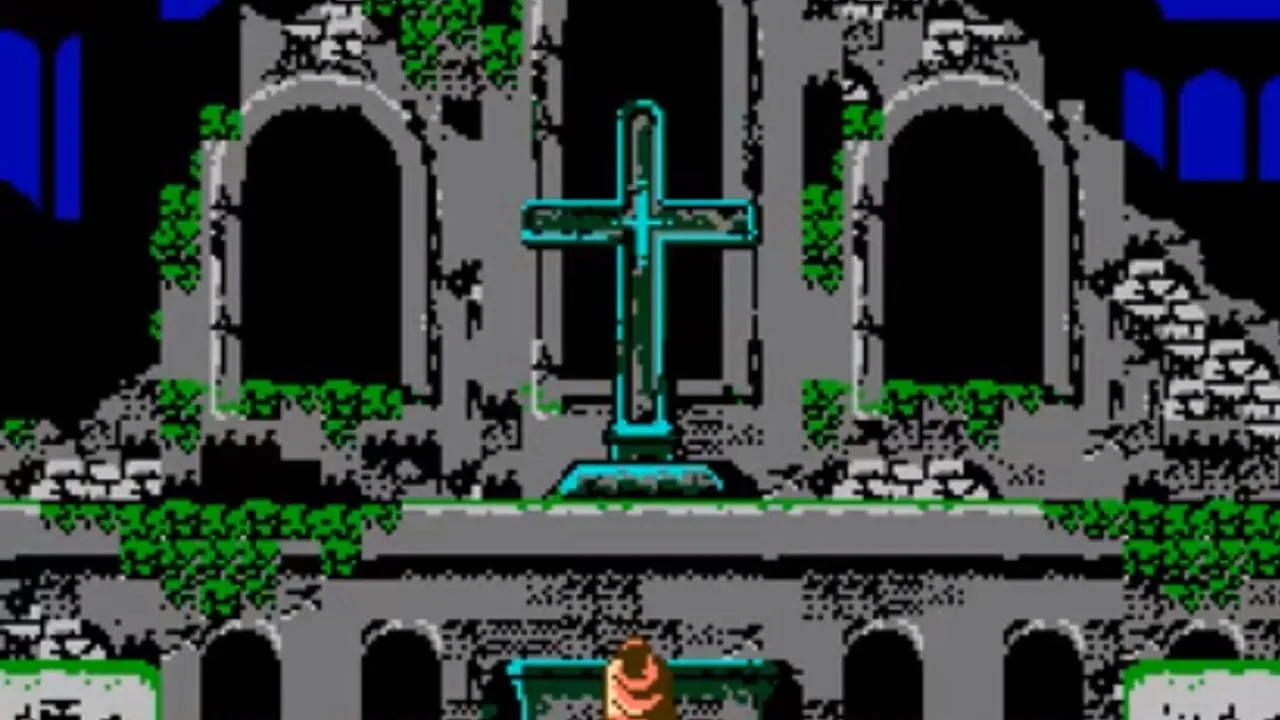
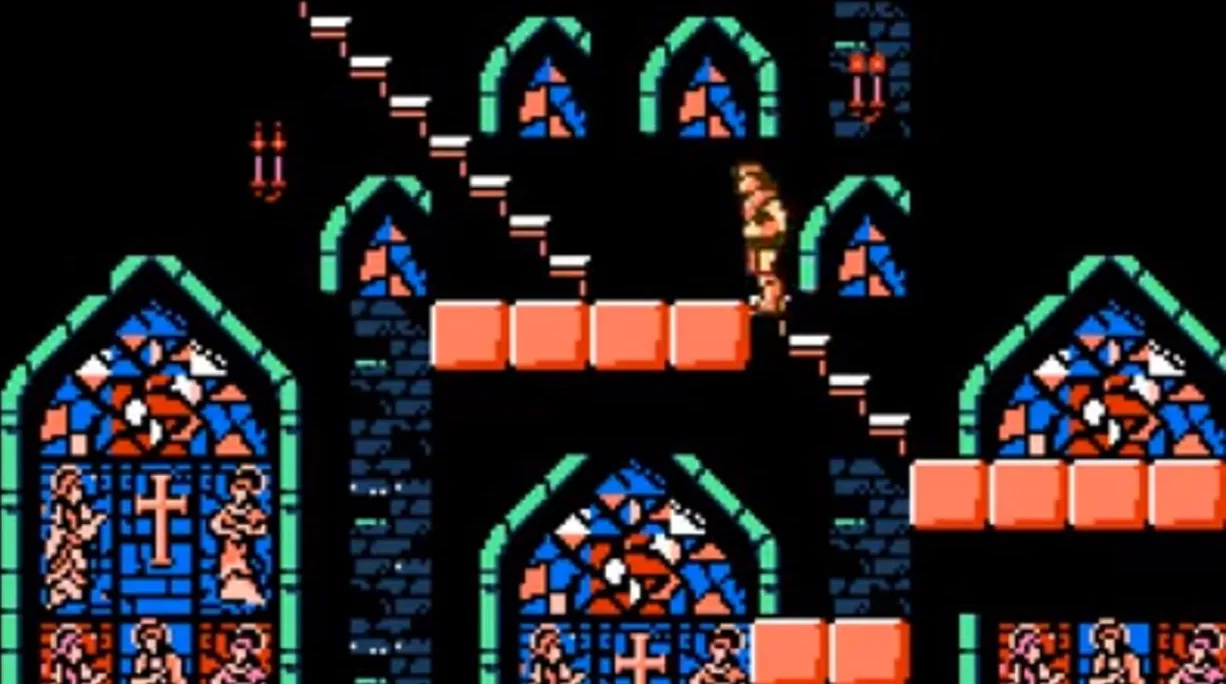
Castlevania III: Dracula's Curse came out in Japan on December 22, 1989, and in North America on September 19, 1990. It is a prequel, set a few centuries before the first game. You play as Trevor, and you can bring along one of three companions, one at a time. After the first level the road starts to split, and at several points you choose between two branching paths.
In Japan it was called Akumajō Densetsu, and it had different music hardware inside. Western NES consoles could not support external sound chips, so the North American release replaced the VRC6 with Nintendo's MMC5. Critics still called it a great return to roots, and the soundtrack got a lot of the praise. Its story later became the first two seasons of the 2017 Castlevania animated series.
12. Super Mario Bros. 2 (1988)
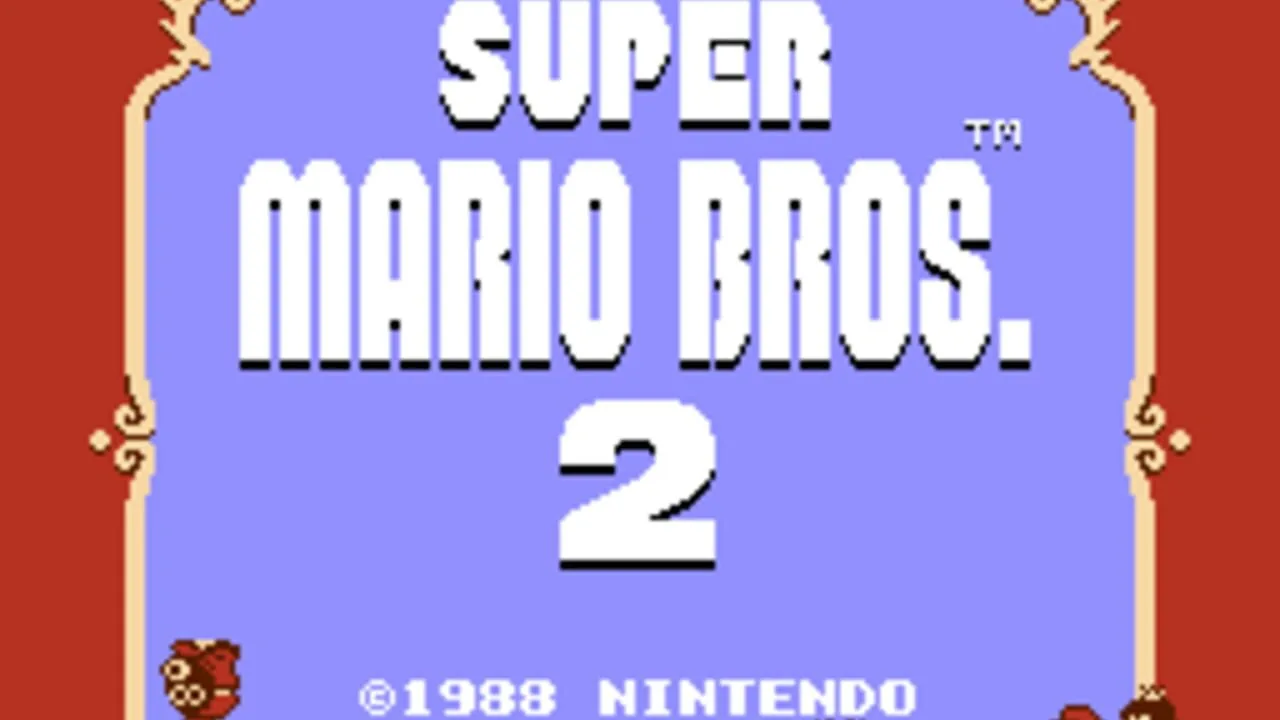
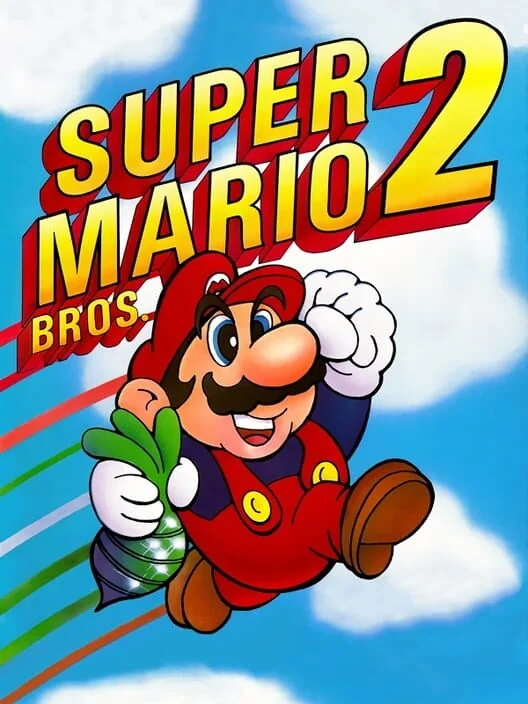
Japan got a different Super Mario Bros. 2 first, a version of the original with advanced difficulty. Nintendo of America found it too similar to the first game and too frustrating for American players. So the West got a reworked Yume Kōjō: Doki Doki Panic, a Famicom Disk System game made as an advergame for a Fuji Television expo, with the Mario characters dropped in.
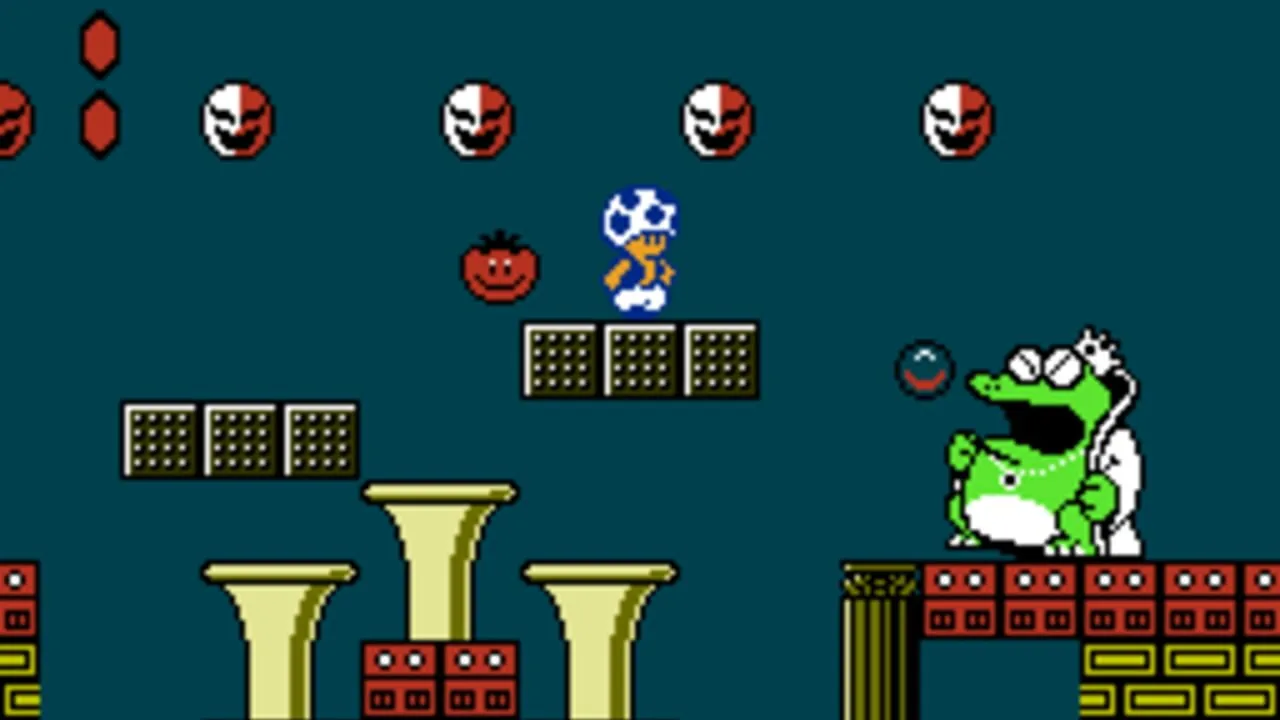
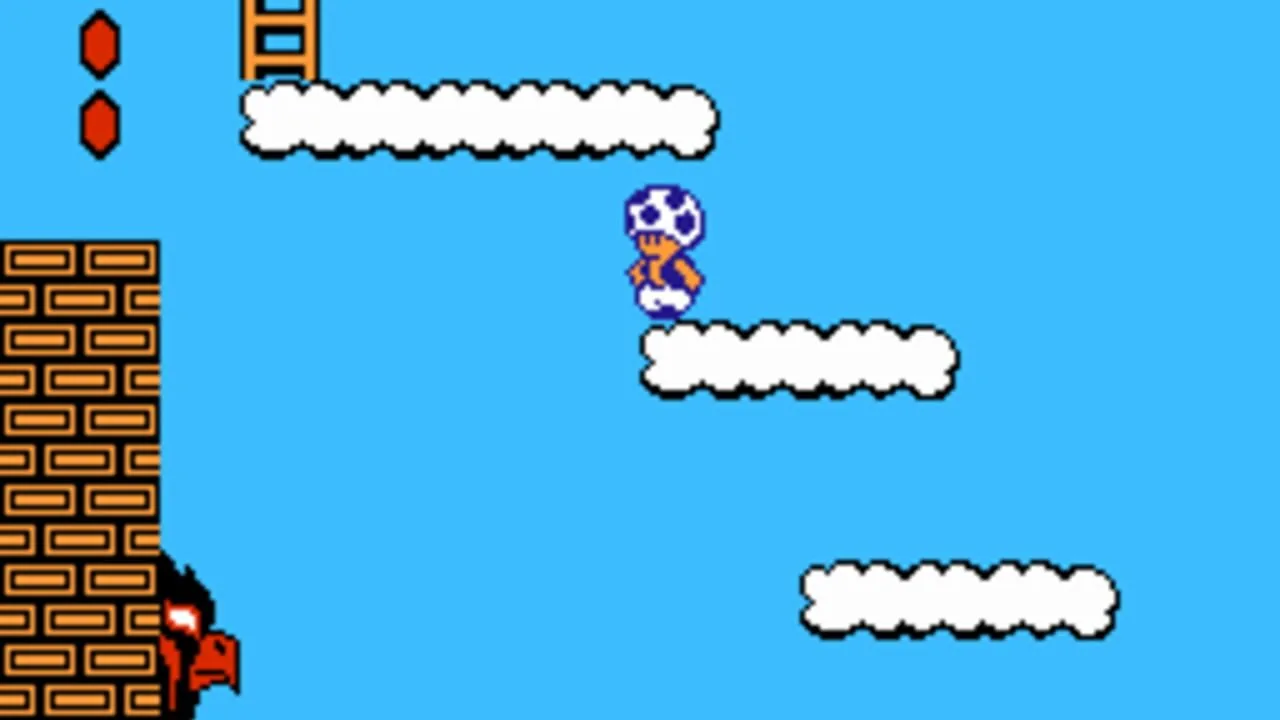
It came out in North America on October 9, 1988, and it plays like no other Mario. You pick from 4 characters, the princess included, and you pick up and carry things to throw at enemies. The screen can even scroll right to left. The villain is a frog named Wart. It became the fifth-best-selling game on the NES, and whether it counts as a real Mario is an argument it won a long time ago.
11. Metal Storm (1991)
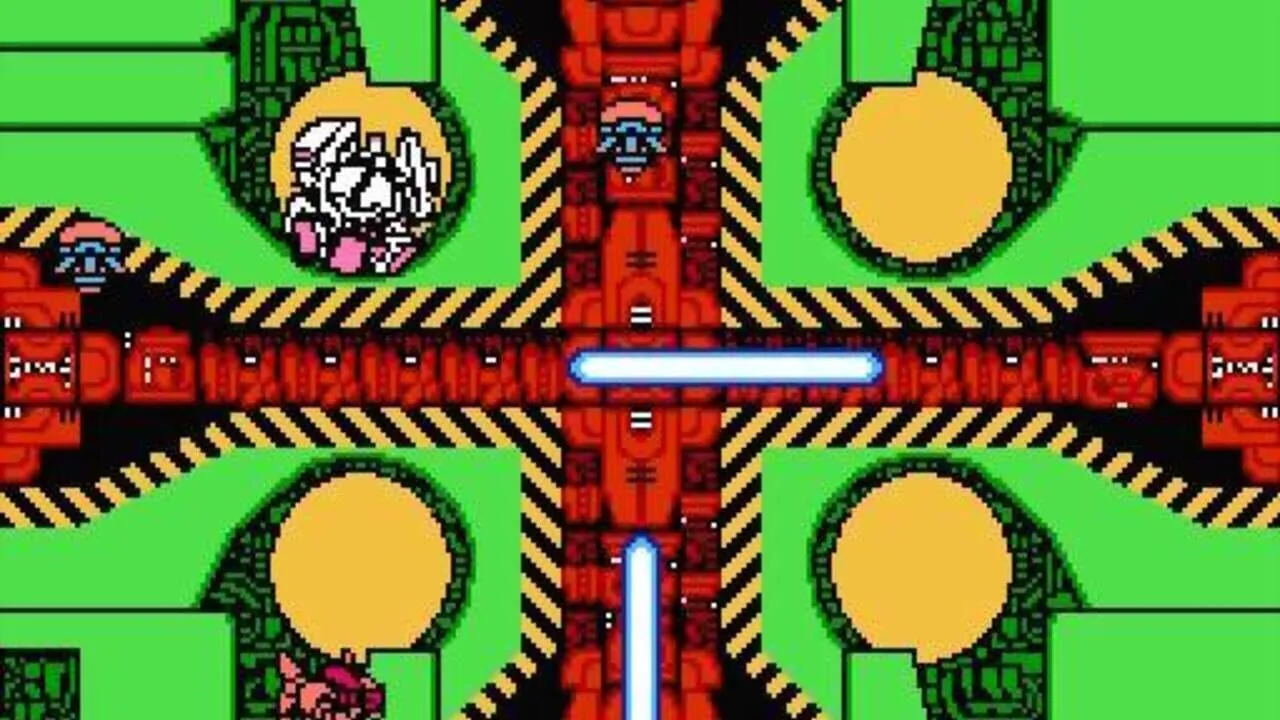
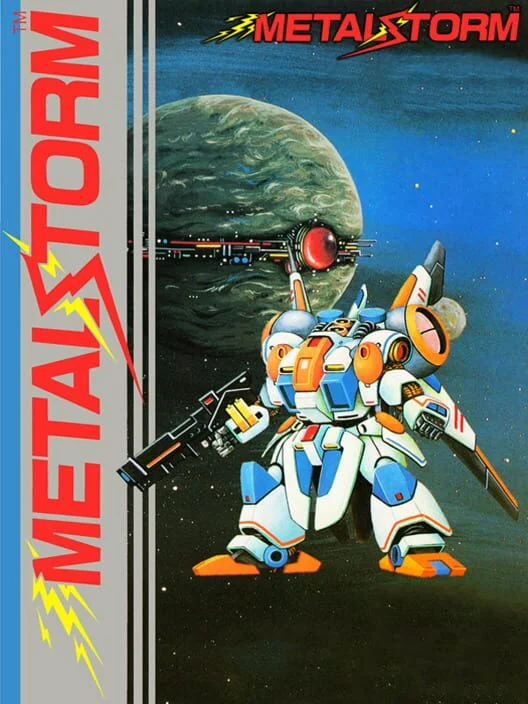
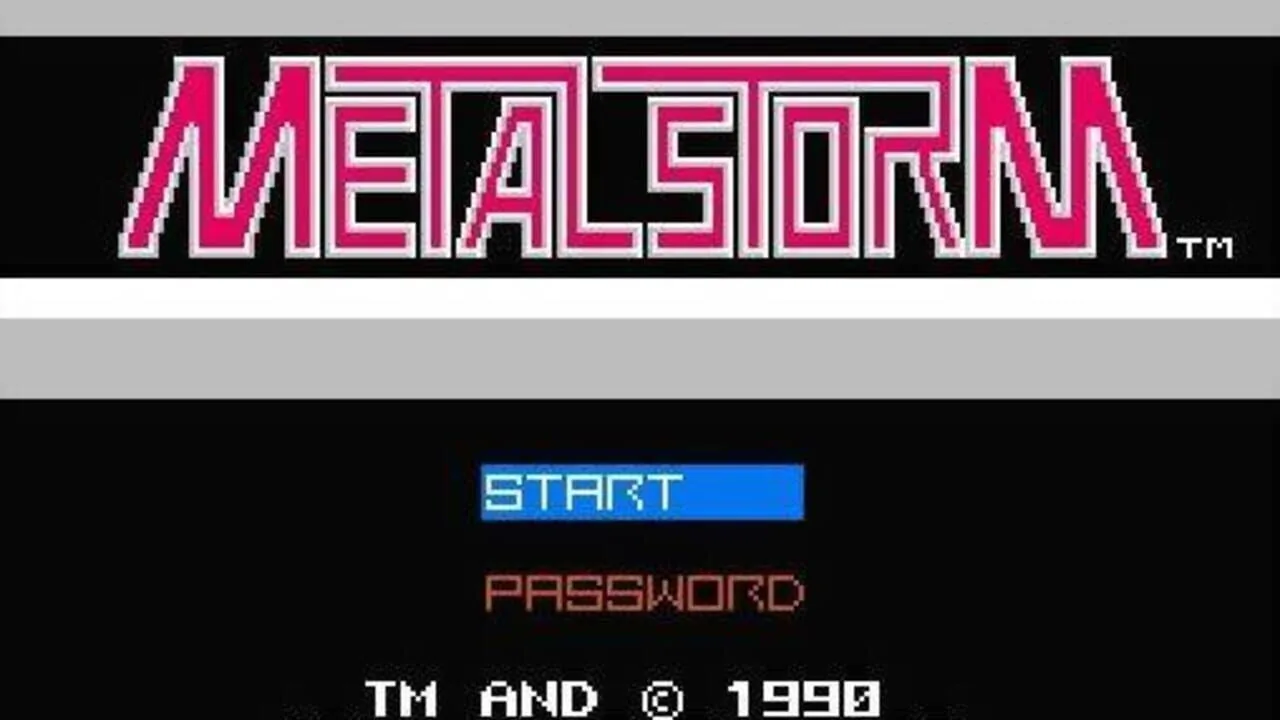
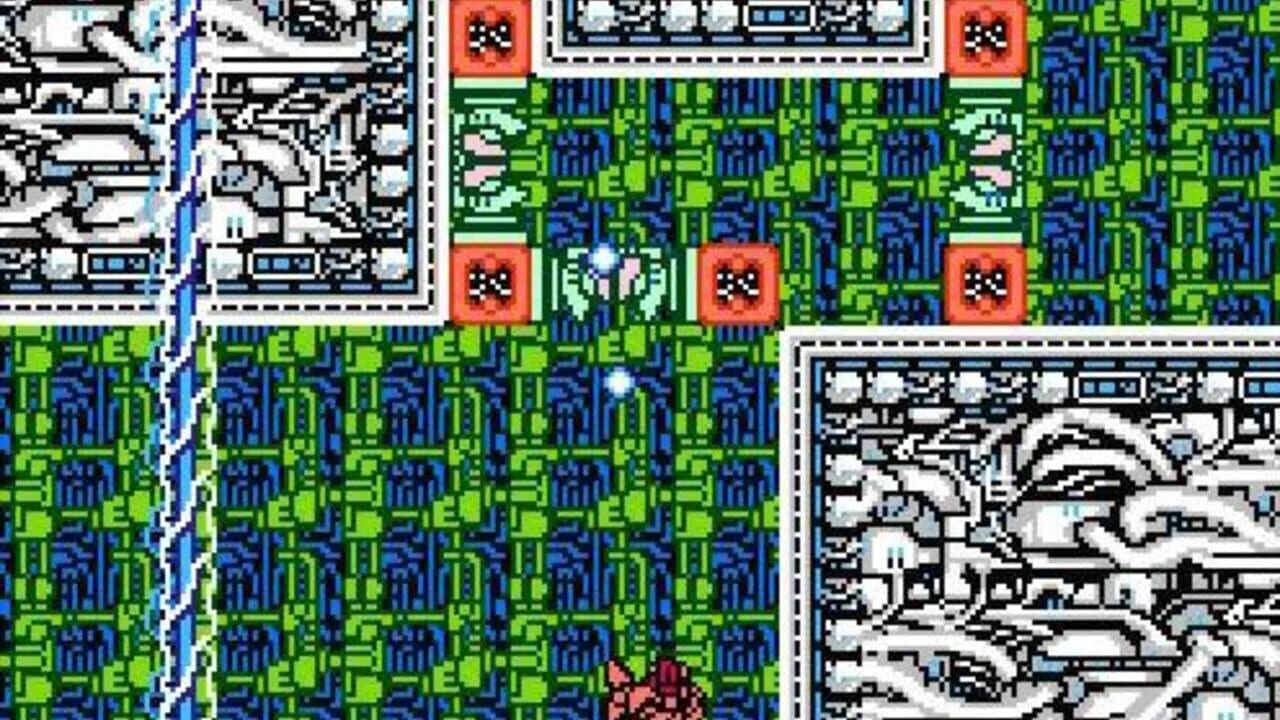
Metal Storm is Irem's NES game from 1991, and it is built on one idea. Hold up and press jump, and your robot, the M-308 Gunner, flips gravity and runs along the ceiling. Press down and jump to come back. You cannot flip again in midair, so every jump has to be planned before your feet leave the floor.
The first level already has enemy mechs that flip when you do, so you learn to watch your head right away. There are seven levels, none of them too long, and nearly every boss needs the gravity trick to beat. Clear the game once and an expert difficulty opens up. It looks great, too, bright and smoothly animated in the way late NES games could be. It is one of the least known games on this list, and one of the easiest to love.
10. Mega Man (1987)
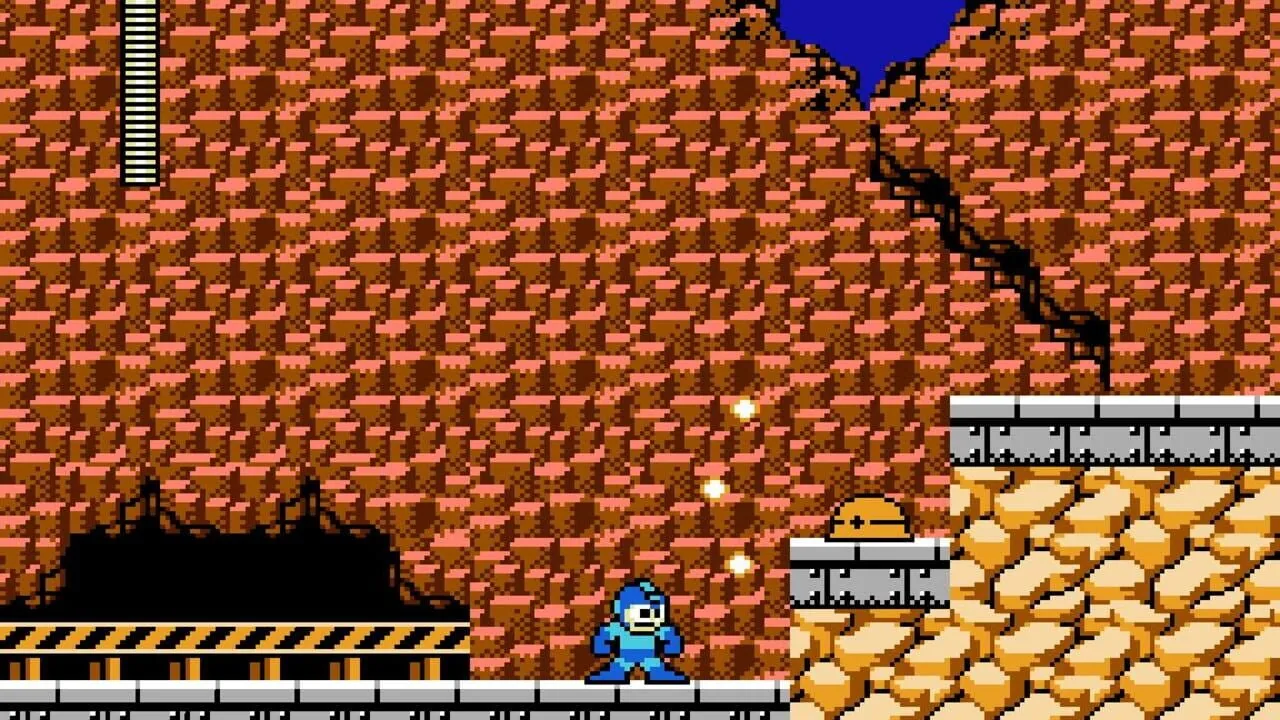
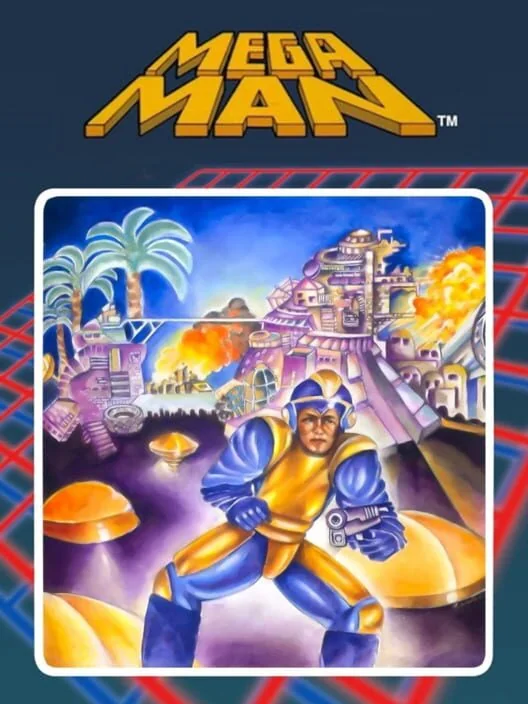
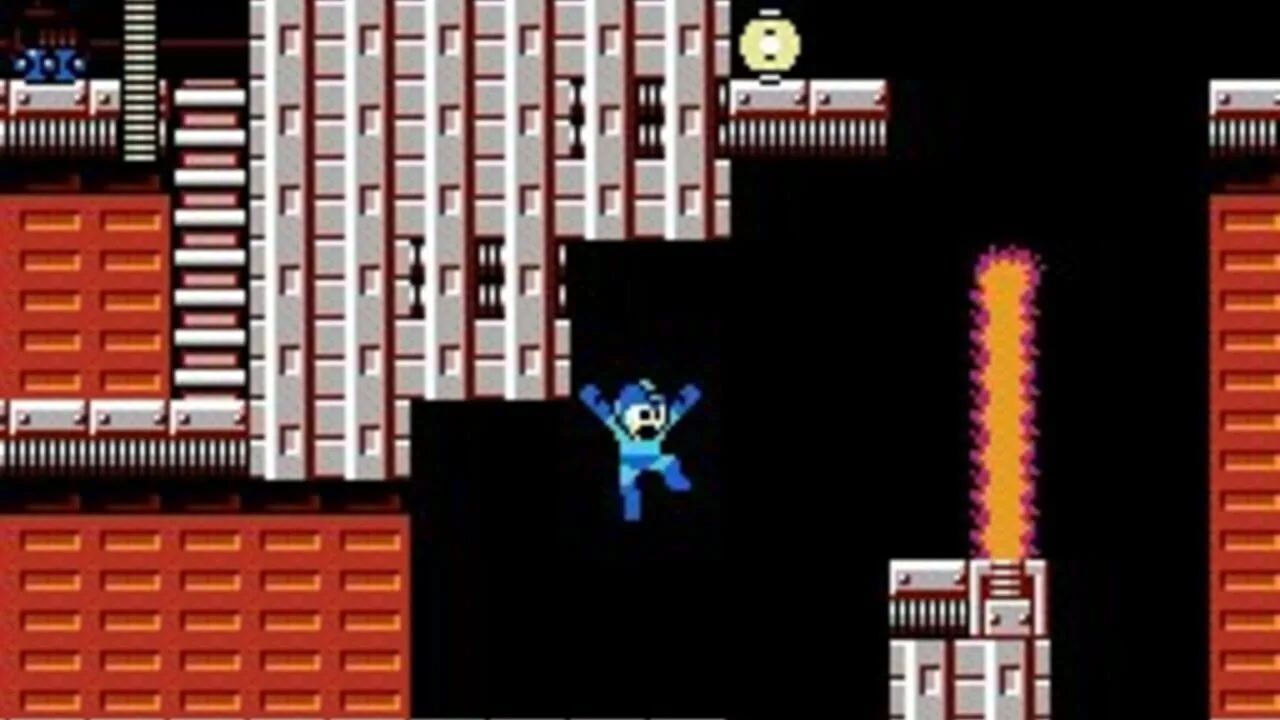
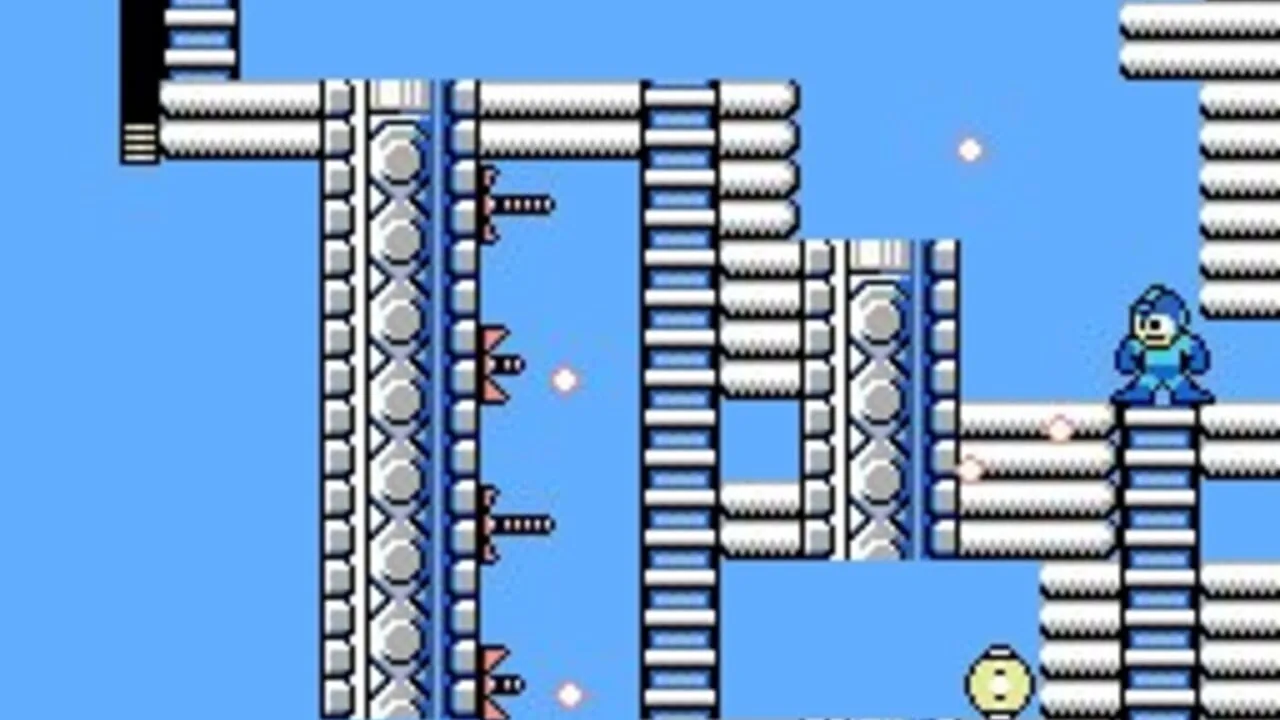
Mega Man was made by a small team specifically for the home console market, a first for Capcom, which had mostly focused on arcade titles. Akira Kitamura directed it. You choose the order in which you face six Robot Masters, from Cut Man to Elec Man, and every boss you beat gives you a special weapon.
The weaknesses follow playground logic. Cut Man is weak to Guts Man's weapon because rock beats scissors. Mega Man could originally crouch, but the team took it out because it made enemy shots harder to judge. Sales of the first game were unimpressive, and Capcom let the team make a sequel anyway. That turned out to be a very good call. It is rougher than the games that came after it, but every idea the series lived on for the next decade is already here.
9. DuckTales (1989)
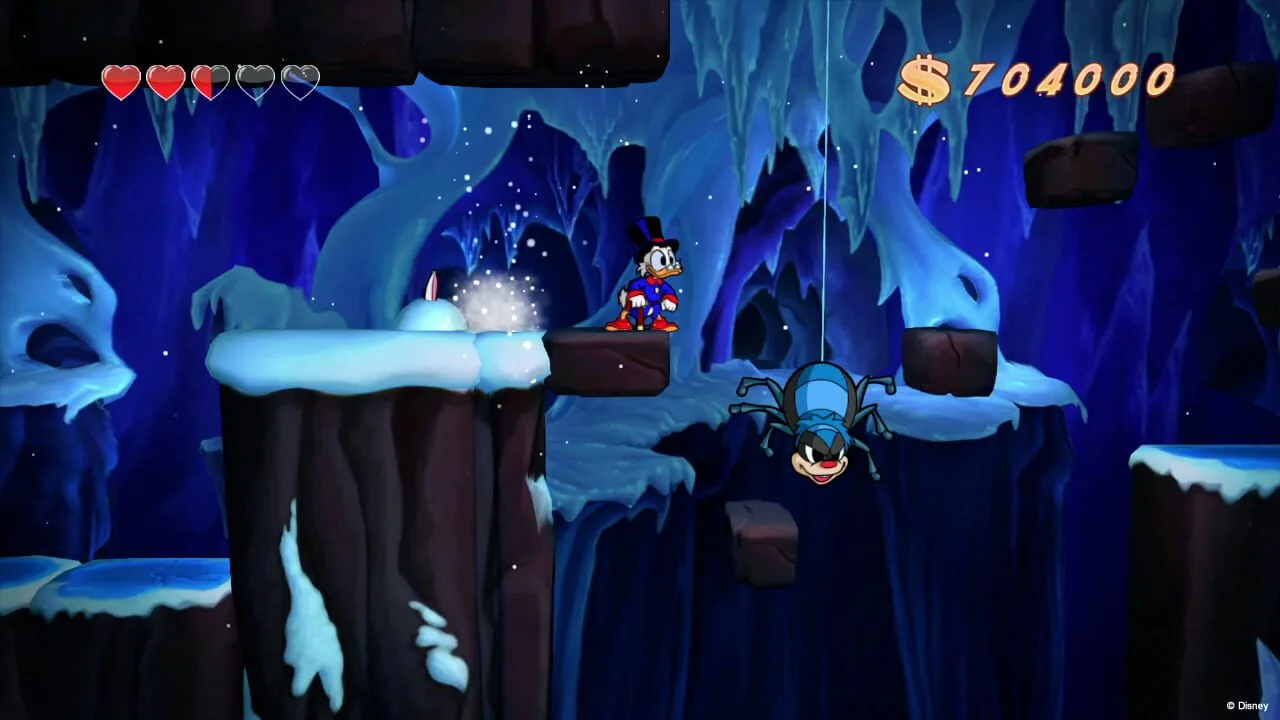
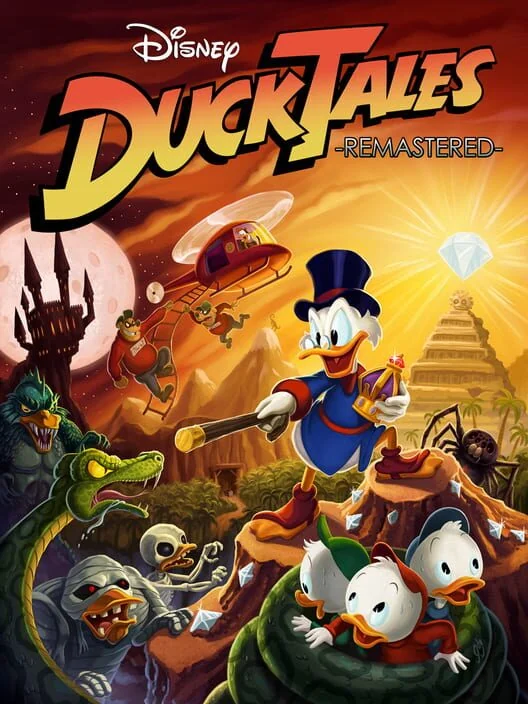
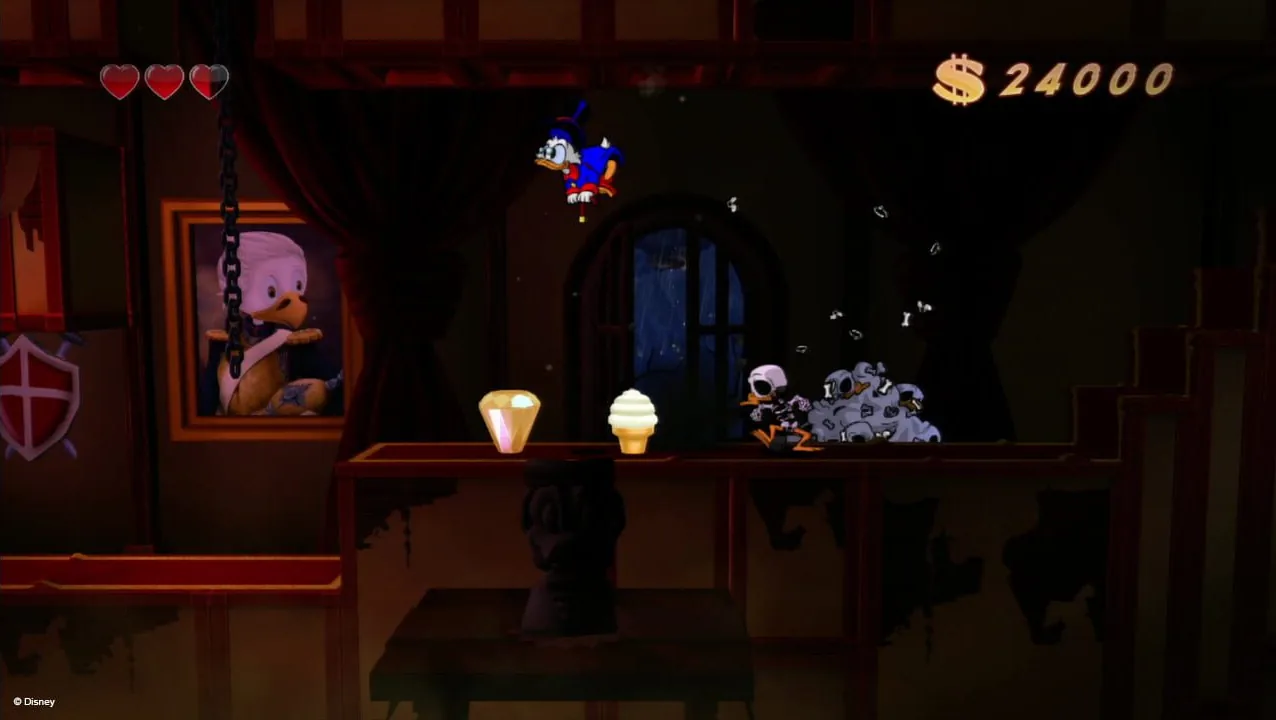
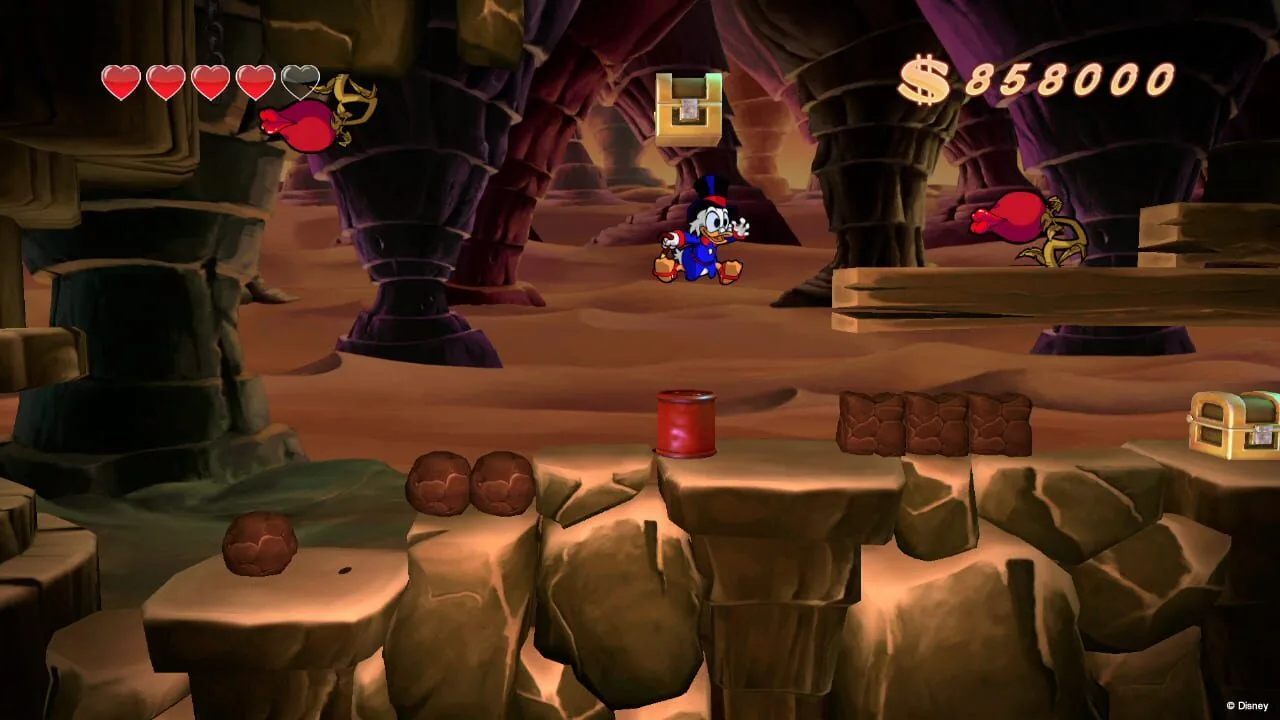
DuckTales came out for the NES in North America in 1989, and a Game Boy version followed in 1990. It was produced by key people from the Mega Man series, and you can feel it in how tight it plays. Scrooge McDuck bounces on his cane like a pogo stick, and he can swing it to knock things around.
It sold over a million copies on each system and became Capcom's best-selling title on both. A sequel, DuckTales 2, followed, and years later it got an HD remake with the show's surviving voice cast. The original still has its fans. One player asked to choose between the two said they would "rather play it on the NES". It is short, and that is part of the charm, since a lazy afternoon is enough to see the whole thing.
8. Batman: The Video Game (1989)
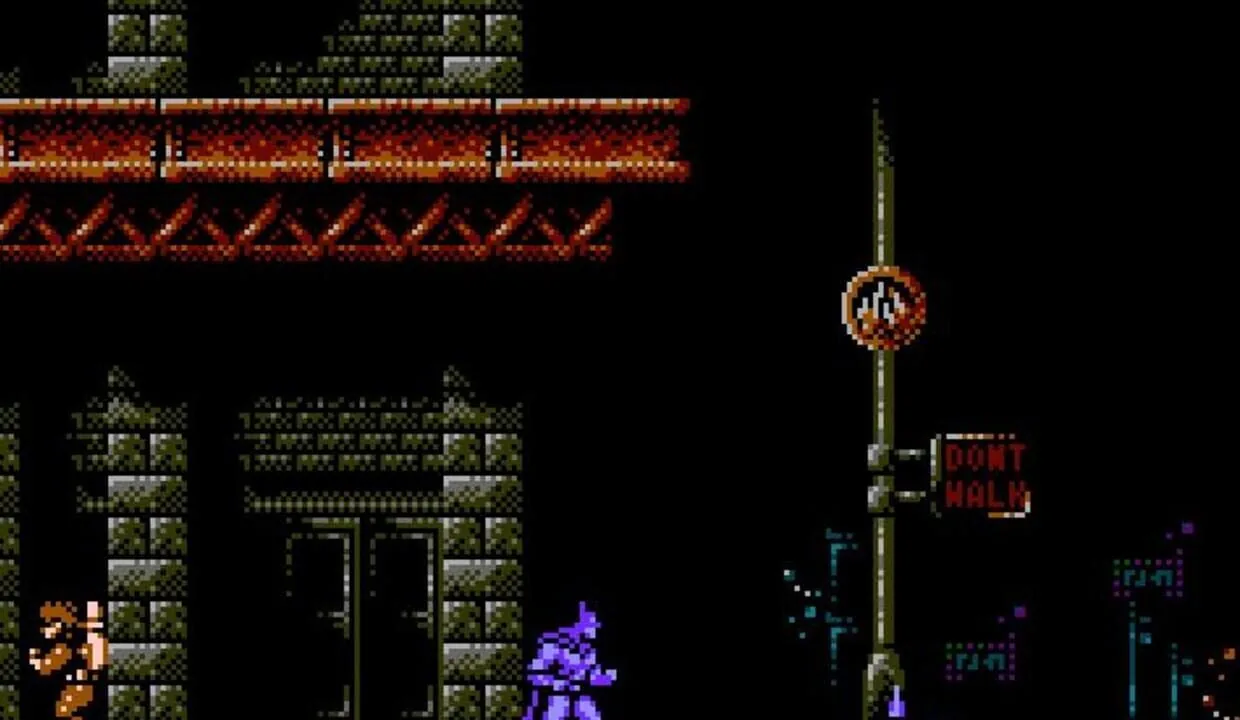
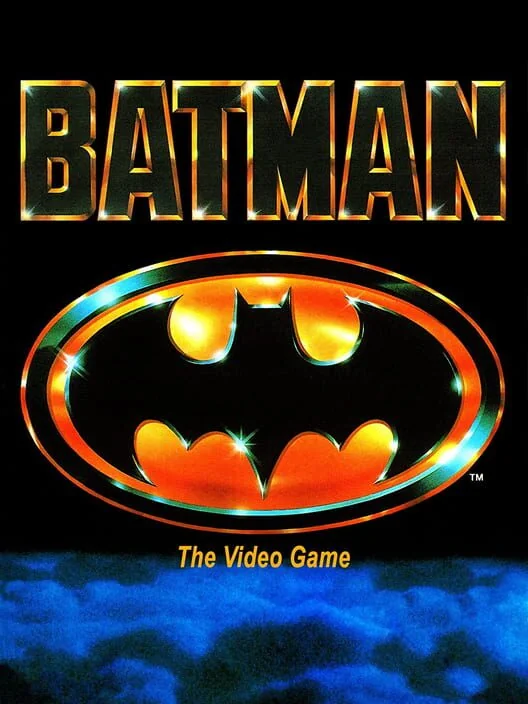
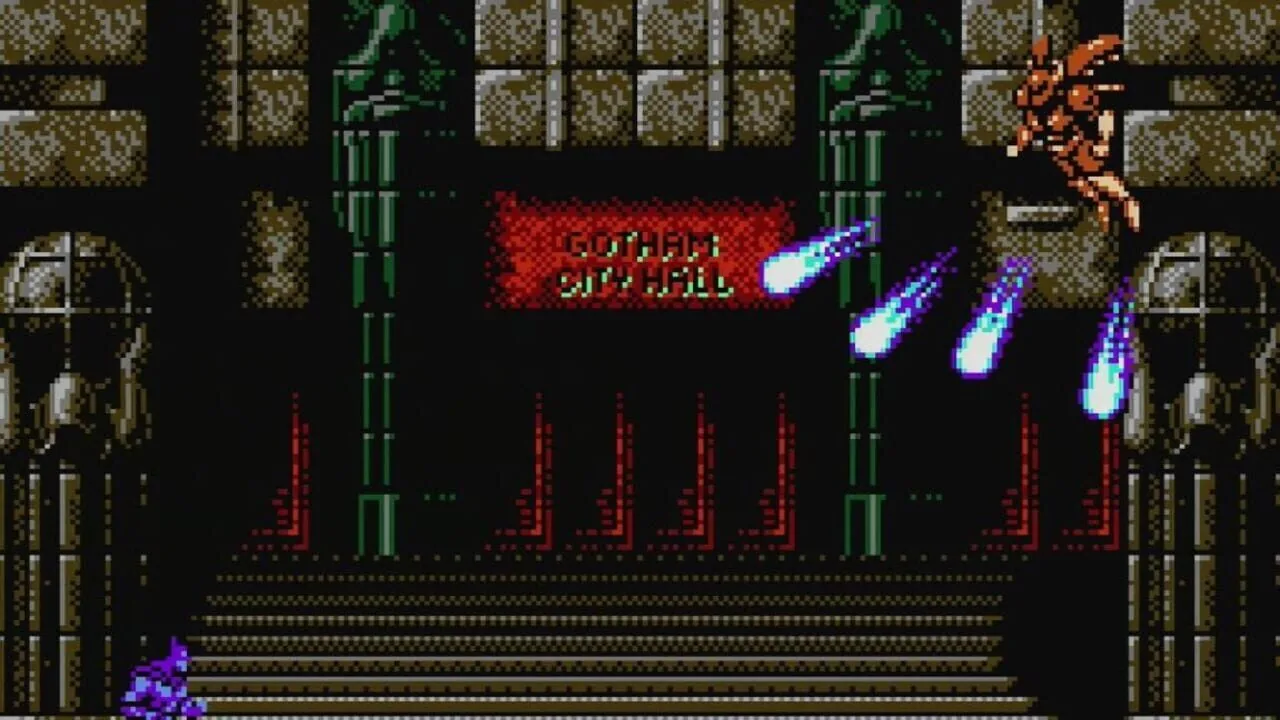
Sunsoft paid Warner Brothers US$1 million for the Batman license, and its staff got to visit the movie's set in London to understand the look and feel of the film. What they made is a platformer with five levels, and it is dark in every sense. The backgrounds fade into darkness instead of ending at a wall, so Gotham feels bigger than the screen.
The best part is the wall jump. Press jump again at the right moment and Batman kicks off a wall, and each level asks for more precise jumping than the last. Sunsoft regulars Nobuyuki Hara and Naoki Kodaka wrote the music, and it is some of the best on the console. Oddly, there is no proper fight with the Joker. Batman just walks into his office at the end and socks him in the jaw.
7. Super Mario Bros. (1985)
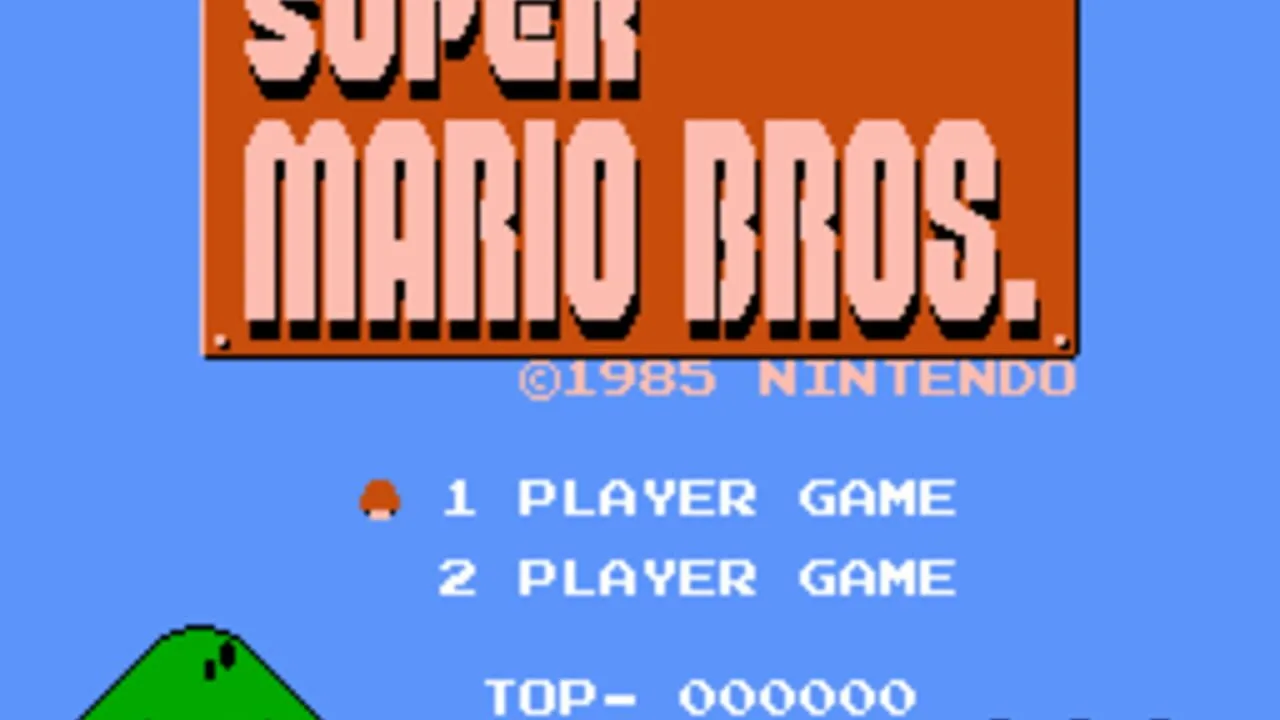
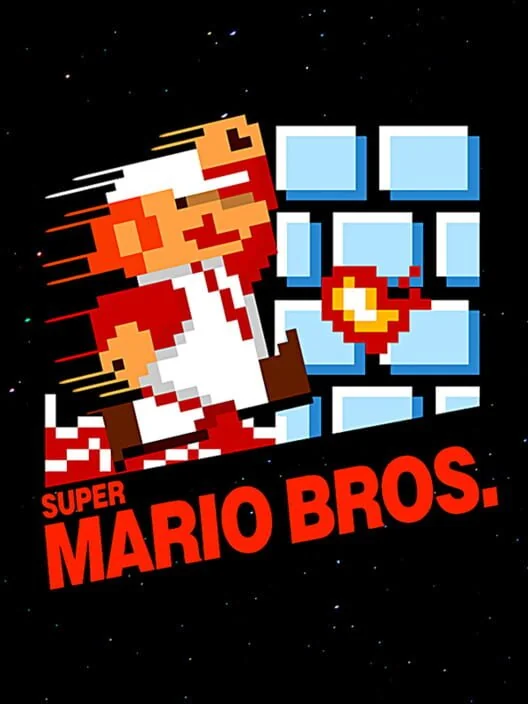
Super Mario Bros. came out on the Famicom in September 1985, and the NES version reached North America that year. Shigeru Miyamoto directed it as the successor to the 1983 arcade game Mario Bros. The team built World 1-1 as a tutorial, so you learn the whole game in the first minute without reading a word.
It has sold more than 58 million copies, and Koji Kondo's soundtrack is often named among the best video game soundtracks. It sits seventh here because players who recommend NES platformers reach for one of its sequels first. That is not a knock on it. It is the game nearly everyone has already played, and people tend to recommend the ones you might have missed.
6. Blaster Master (1988)
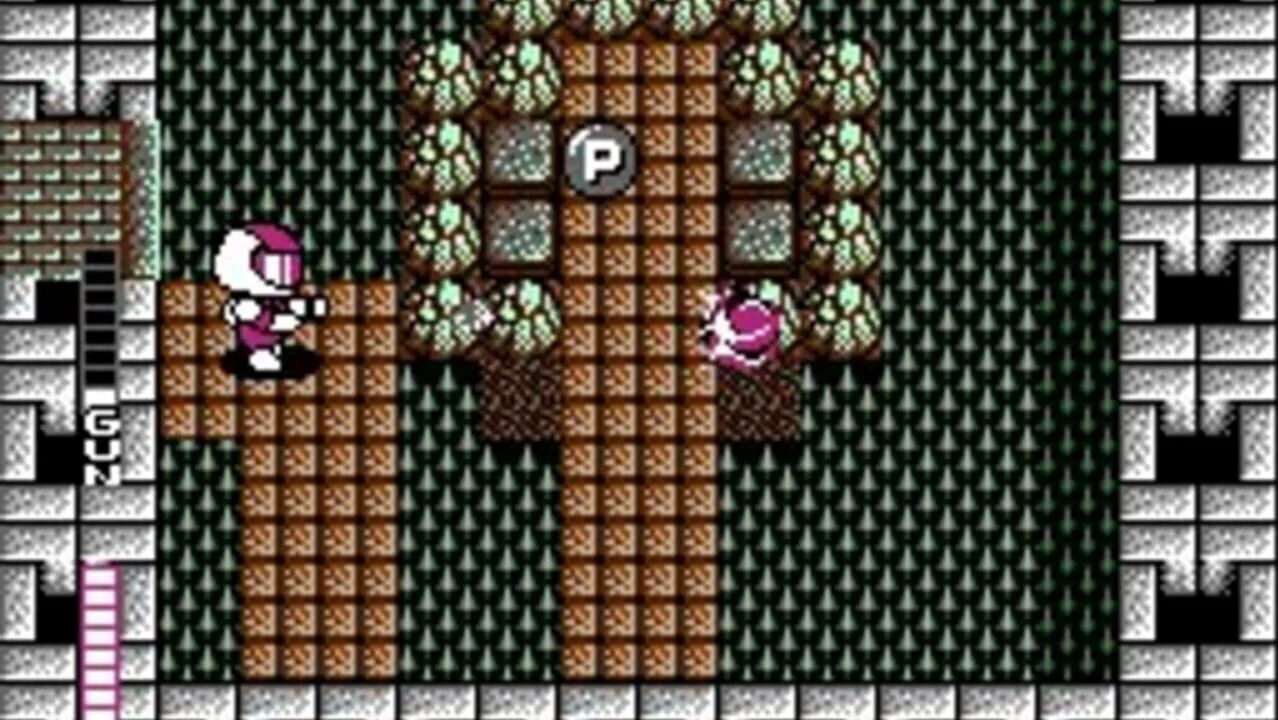
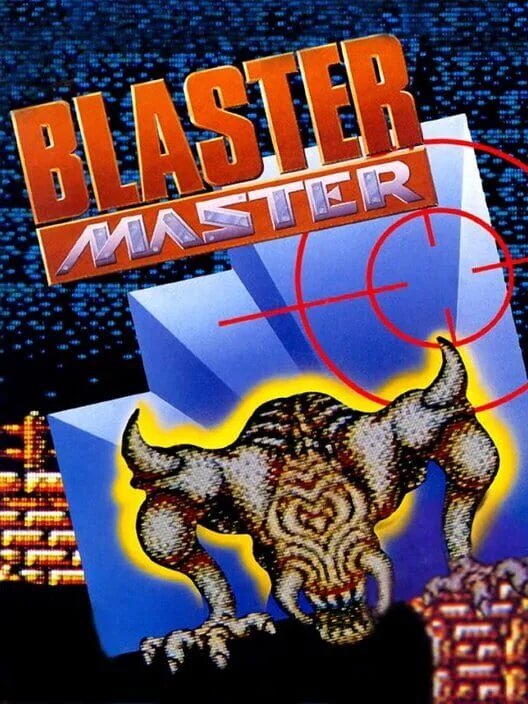
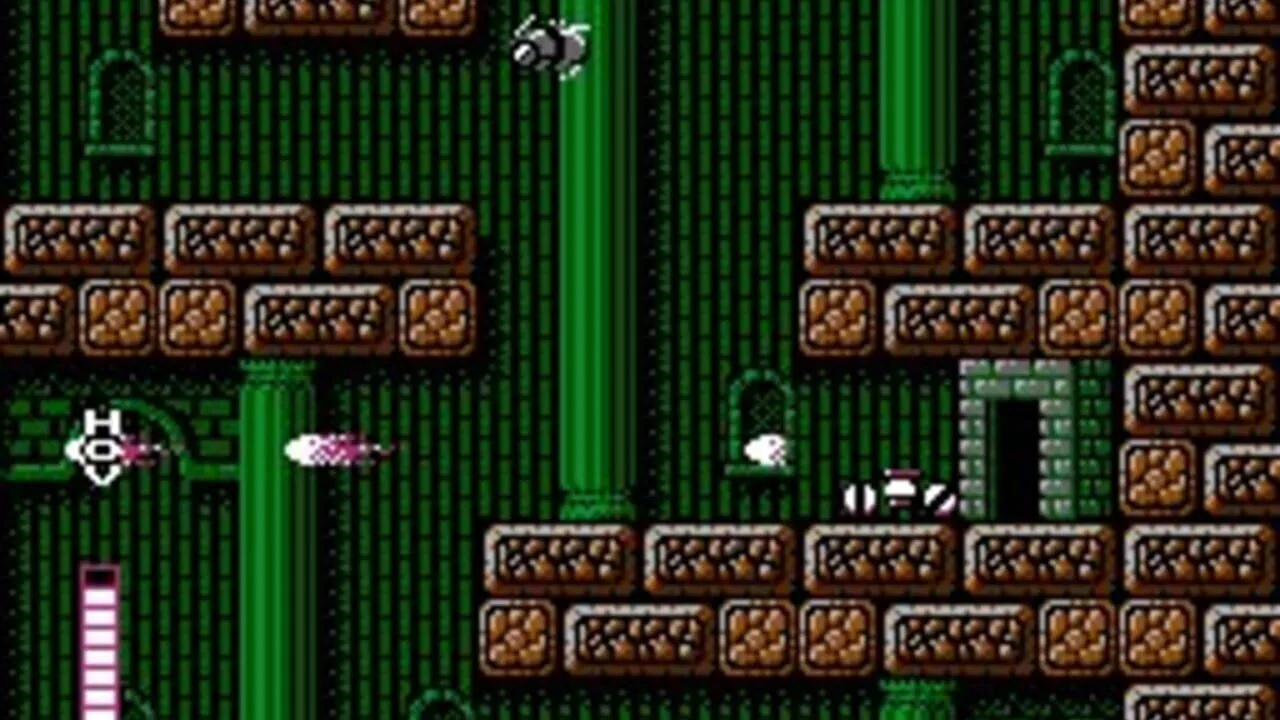
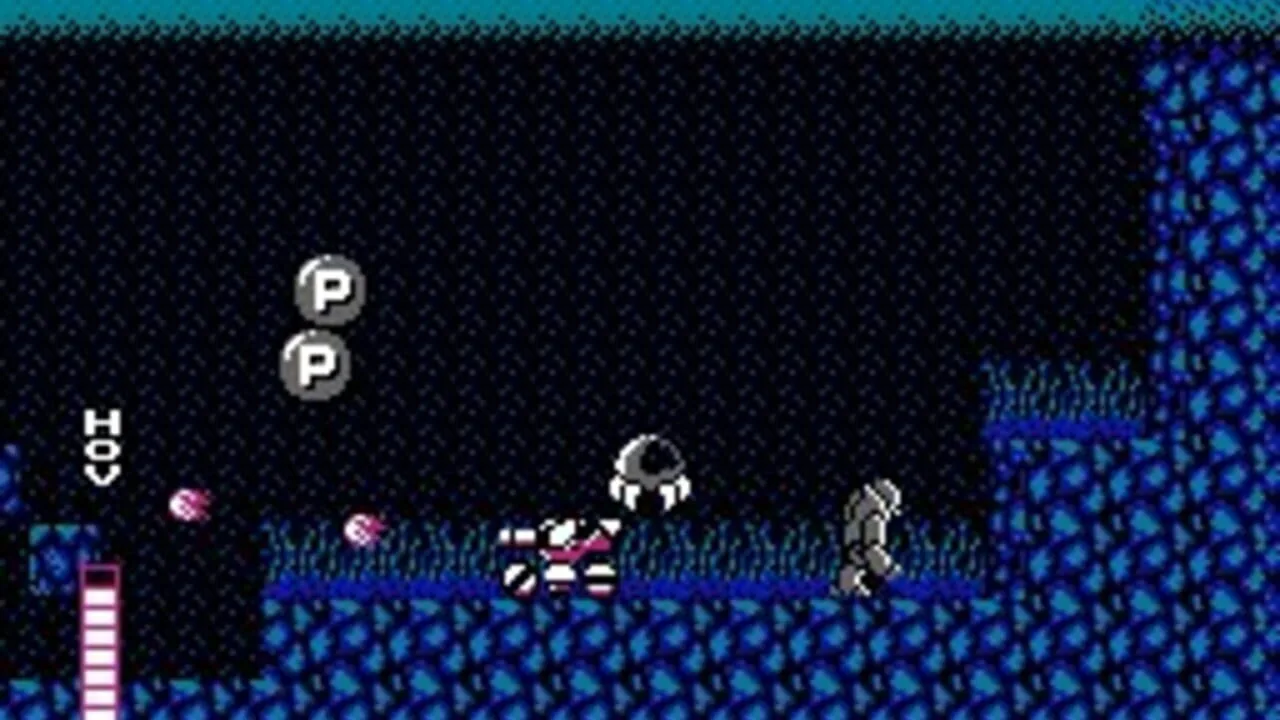
Blaster Master was made at Sunsoft by a part-time team of about five people, with Kenji Sada as team leader and main programmer. Sada came up with its big trick, switching between side-view platforming and top-down sections. The top-down parts let Jason shoot in all directions and gave the team room for huge bosses.
Yoshiaki Iwata designed the map, and he made one you can move around freely between areas. He wanted players to feel the excitement of finding something after a hard search. Naoki Kodaka wrote the music. Reviews praised its smooth controls and clean graphics, and complained about the high difficulty and the lack of passwords or save points. Without them, one bad boss fight can send you a long way back, and you will remember that boss.
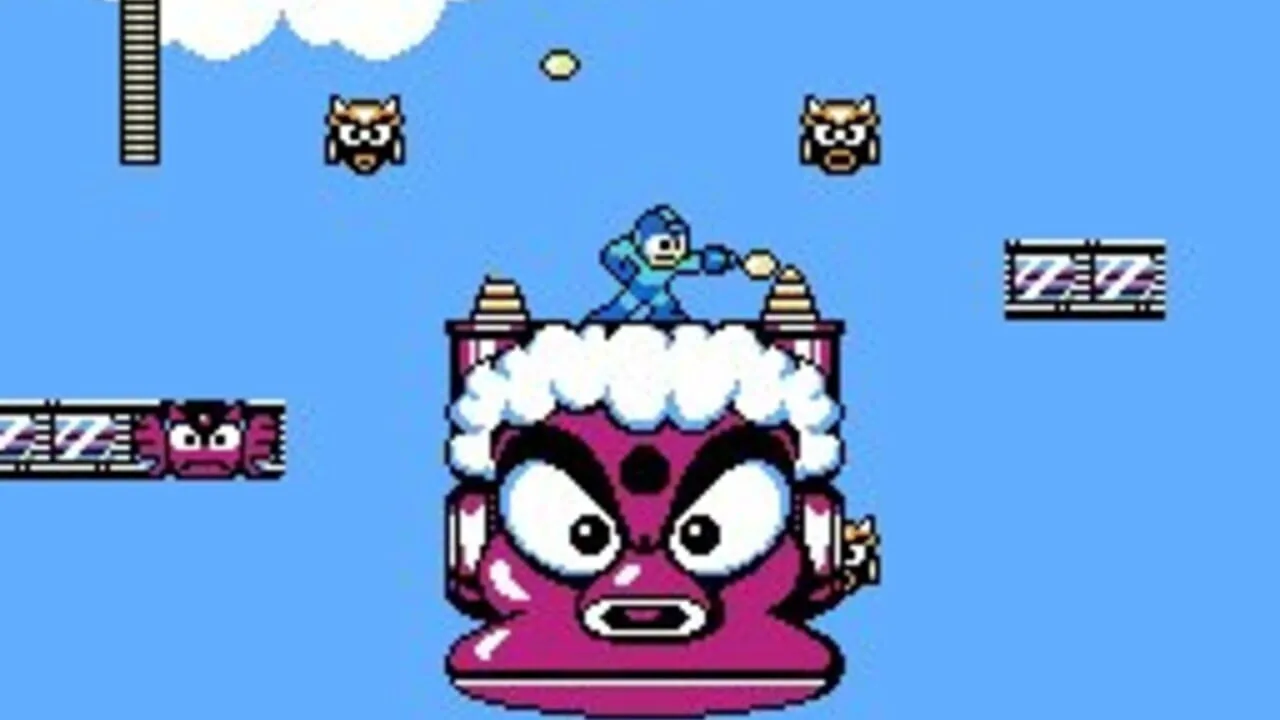
5. Mega Man 2 (1988)
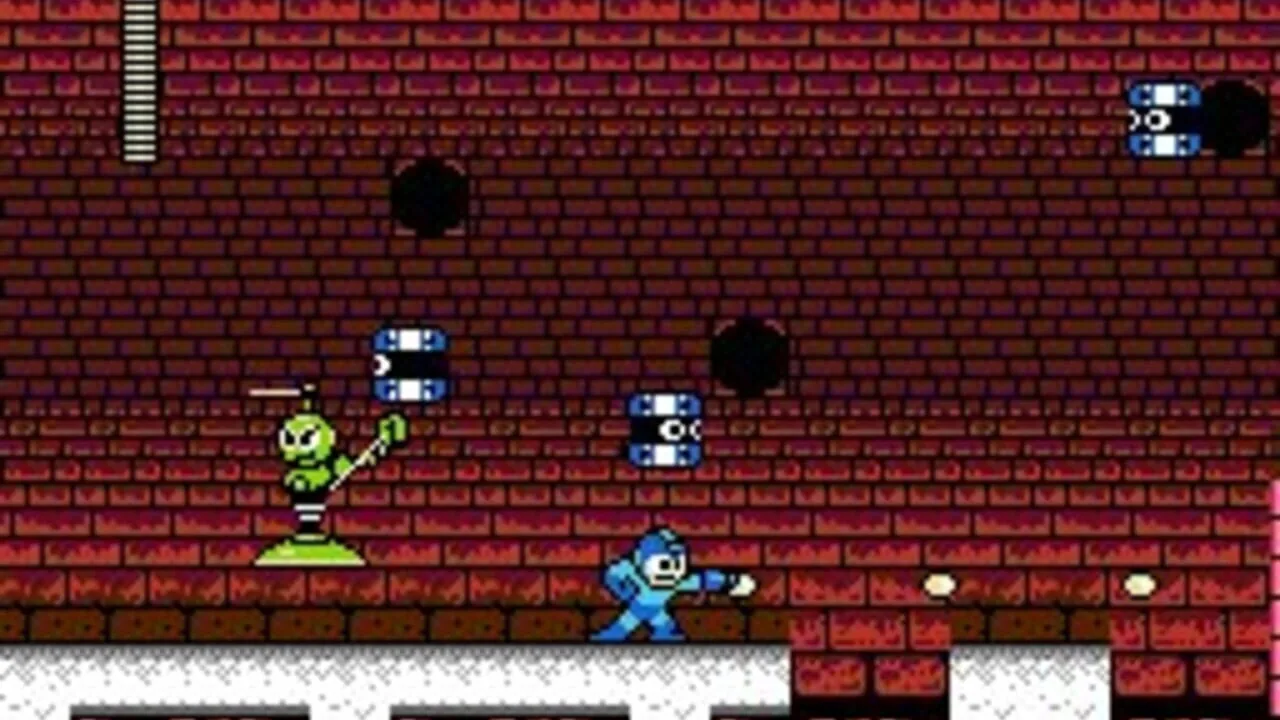
Sales of the first Mega Man were unimpressive, but Capcom let the team make a sequel. The team kept working on other Capcom projects and built Mega Man 2 in their free time, using content cut from the first game. Development took only three to four months, with "20-hour days" to get it done.
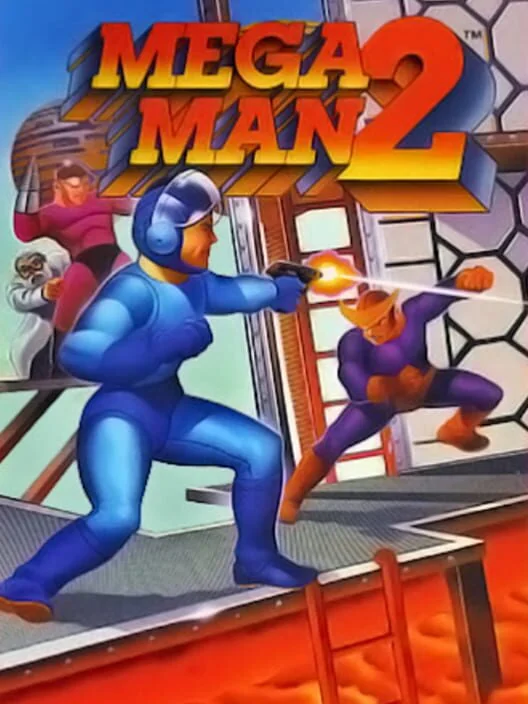
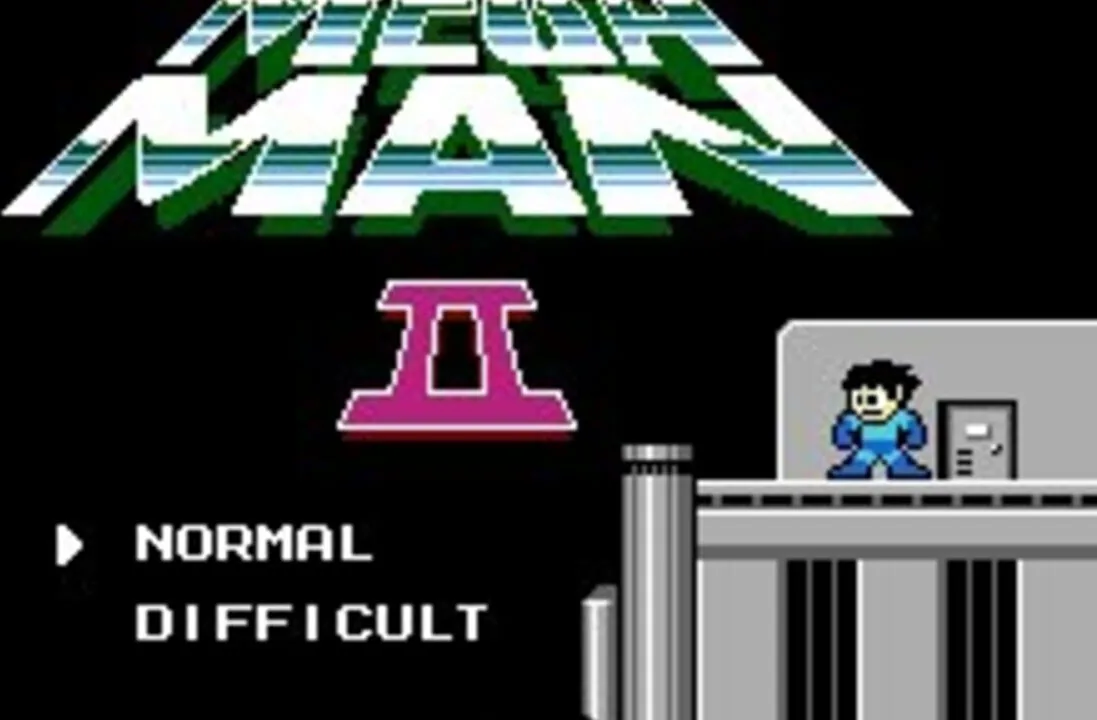
It came out in Japan in 1988 and in North America and Europe over the following years. Takashi Tateishi composed the music, and the soundtrack is considered one of the greatest of all time. The Western release added a "normal" setting that made the weapons more powerful. The North American box shows Mega Man firing a pistol, which he never does in the game. It sold more than 1.51 million copies and was the best-selling Mega Man game until Mega Man 11 in 2019.
4. Ninja Gaiden (1988)
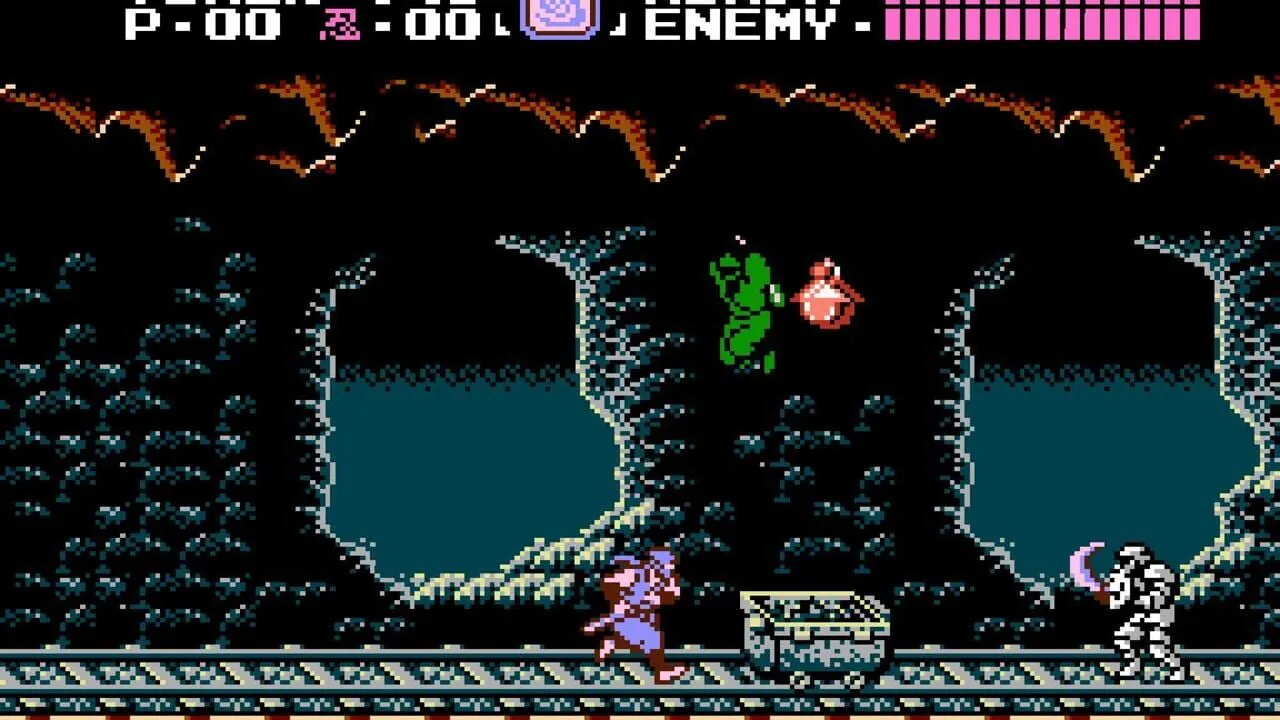
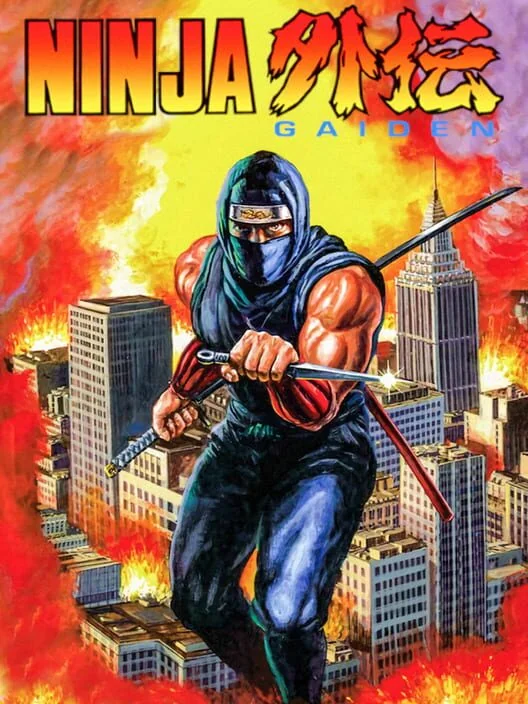
Ninja Gaiden came out in Japan in December 1988 and in North America in March 1989. Tecmo made it alongside an arcade beat 'em up of the same name, but the NES game is its own thing. It tells an elaborate story through anime-style cutscenes, which Tecmo trademarked as "cinema screens". Ryu Hayabusa finds a letter from his father, Ken, who was seemingly killed in a duel.
Ryu can spring off walls and climb up between them, and the action is fast and very responsive. It is also hard, especially in the later levels. Tecmo followed "the philosophy that the user would throw a game away if it wasn't hard enough", and the last stages make sure you know it. Director Hideo Yoshizawa called it his most commercially successful project, with over 1.8 million cartridges sold.
3. Kirby's Adventure (1993)
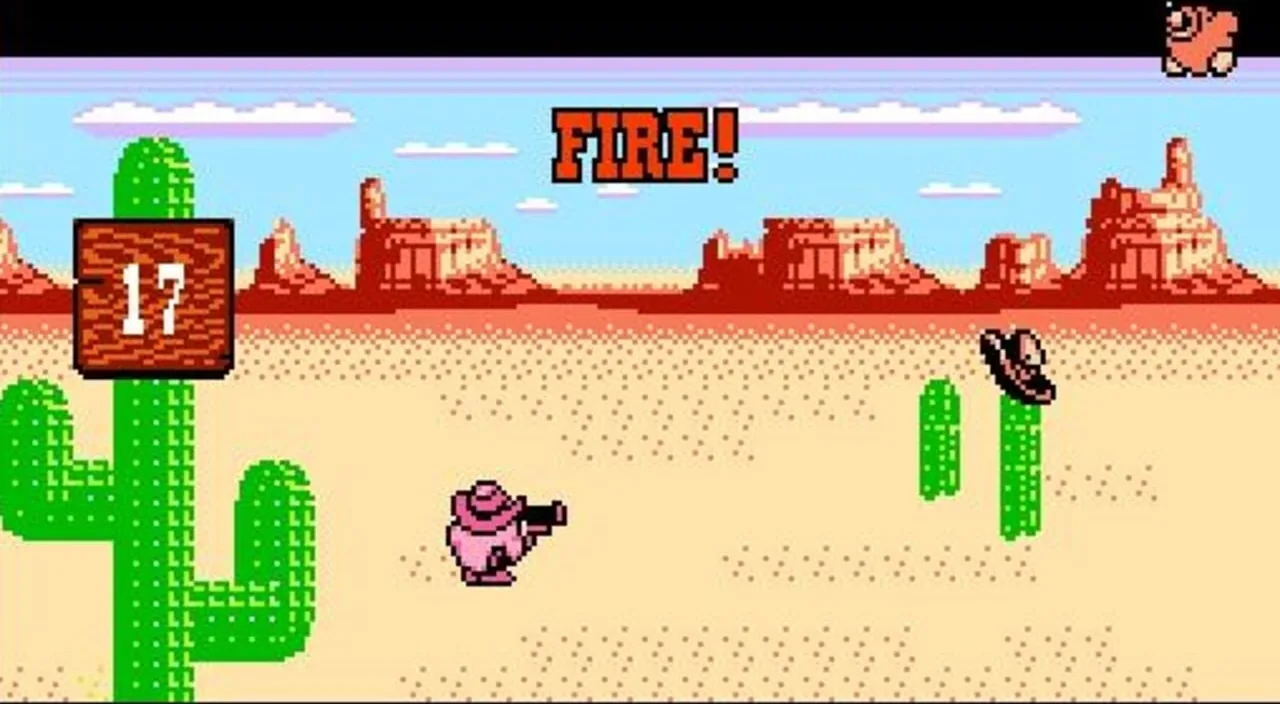
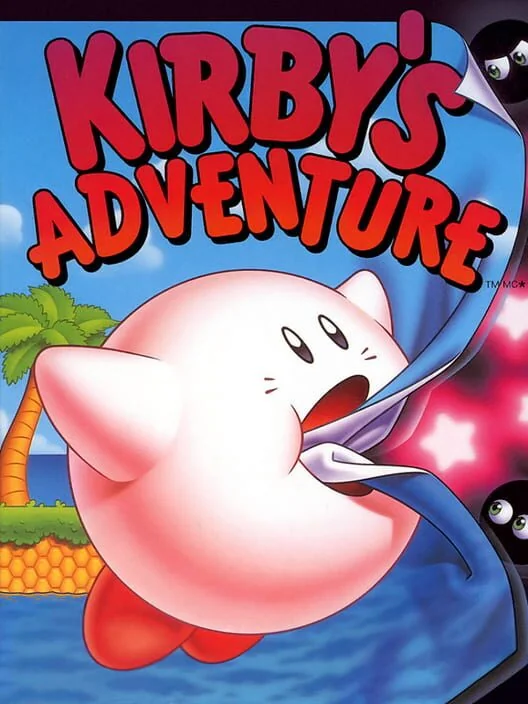
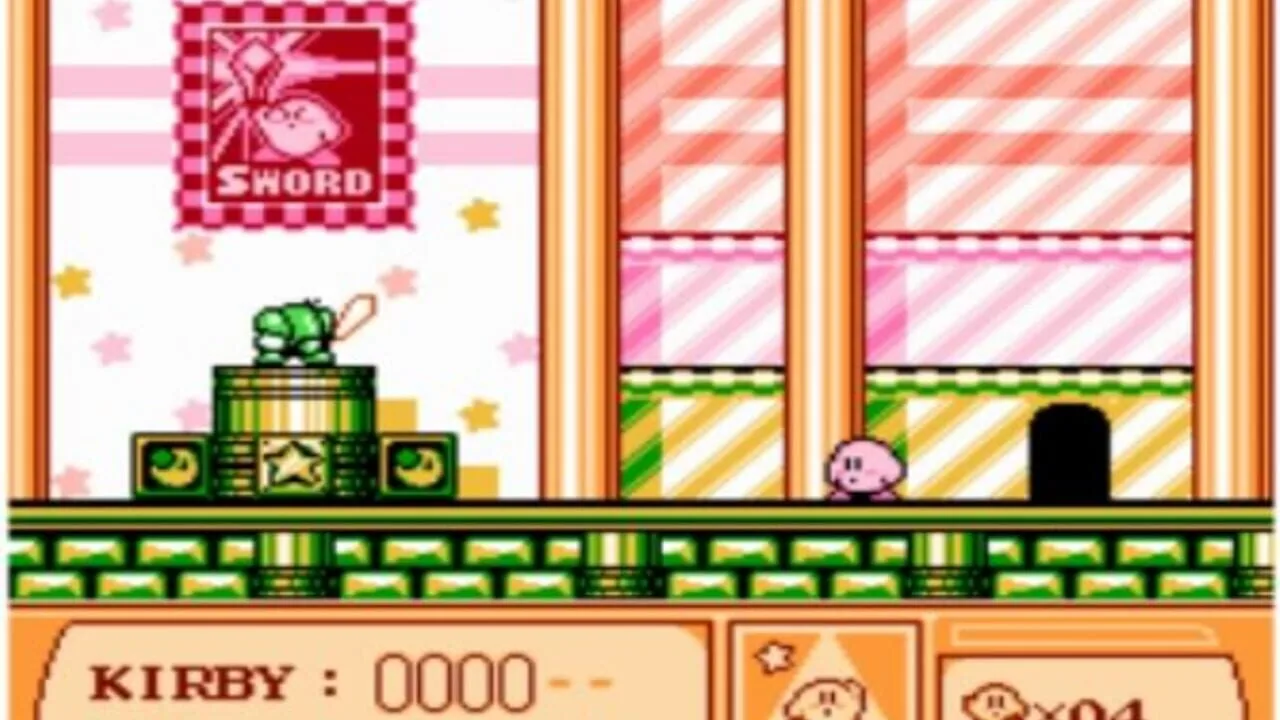
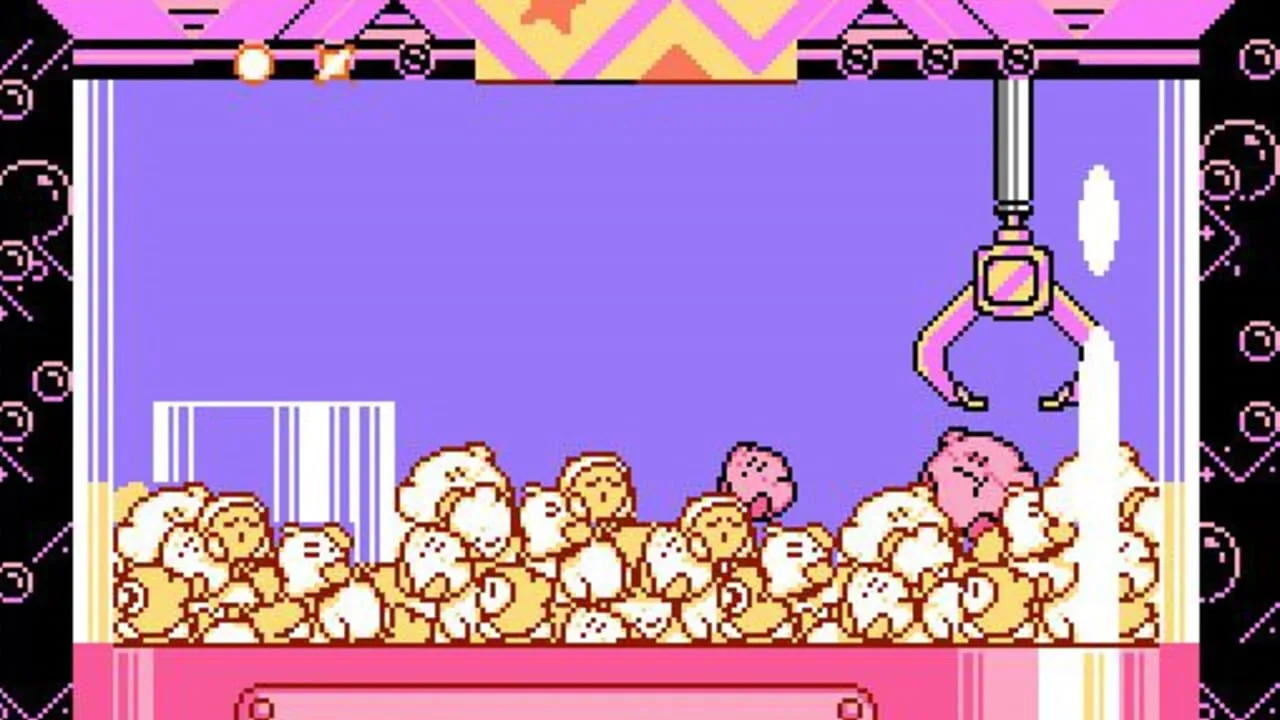
Kirby's Adventure came out when the NES had already been on the market for eight years, and it looks like it belongs on a newer console. It is the second game in the Kirby series, after Kirby's Dream Land on the Game Boy, and the first to show Kirby in color. Masahiro Sakurai came back as director.
It is also the first Kirby with the Copy Ability, which lets Kirby gain new powers by eating certain enemies. Sakurai came up with it because the first game was criticized for being too simple. There are 20 of these tricks to collect, and it was the first Kirby game with unlockables hidden in its levels. Meta Knight later became a playable fighter in Super Smash Bros. For a game made so late, on hardware that old, it is a small miracle.
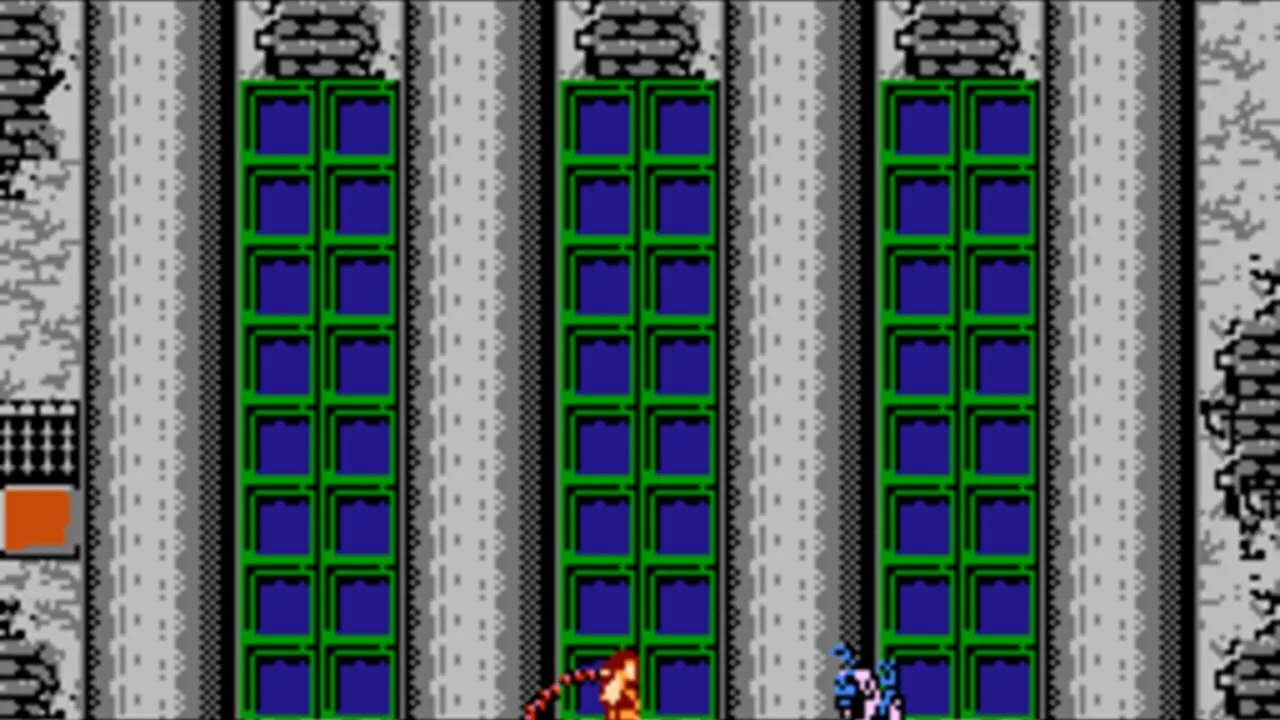
2. Castlevania (1986)
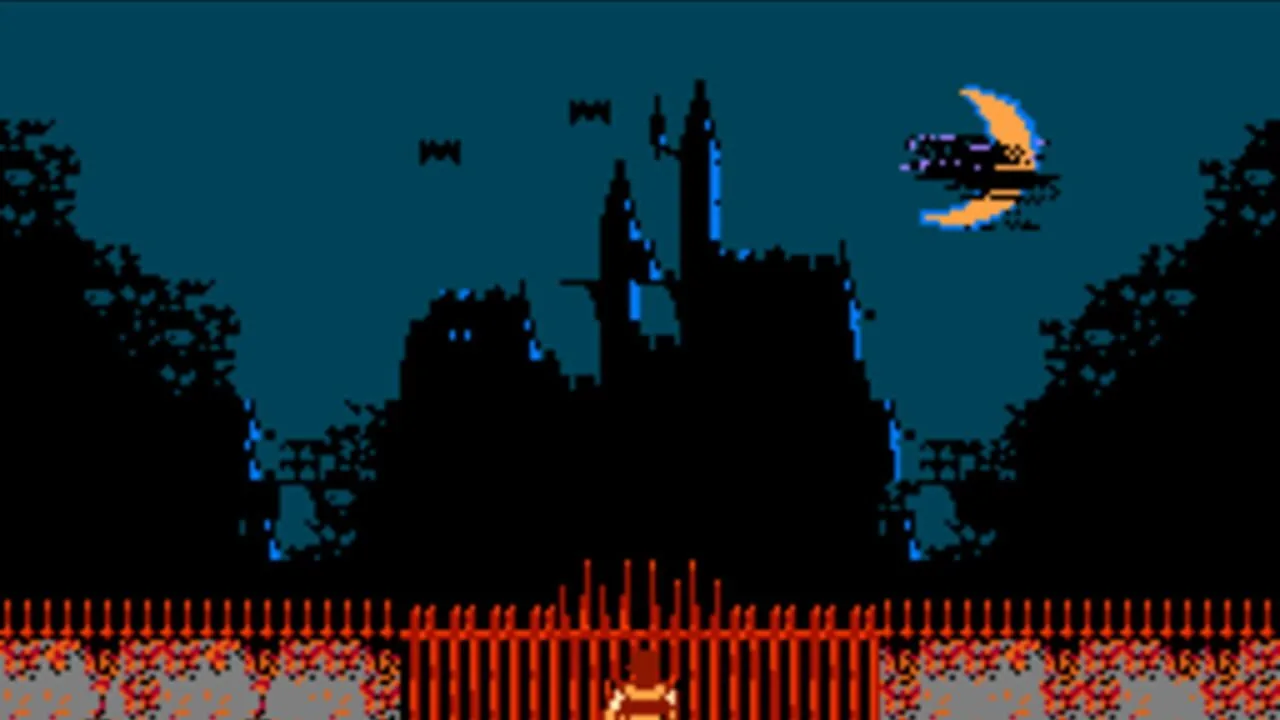
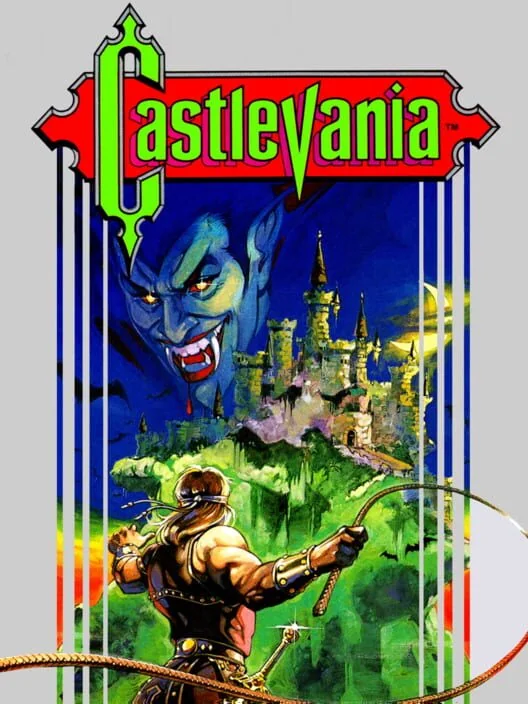
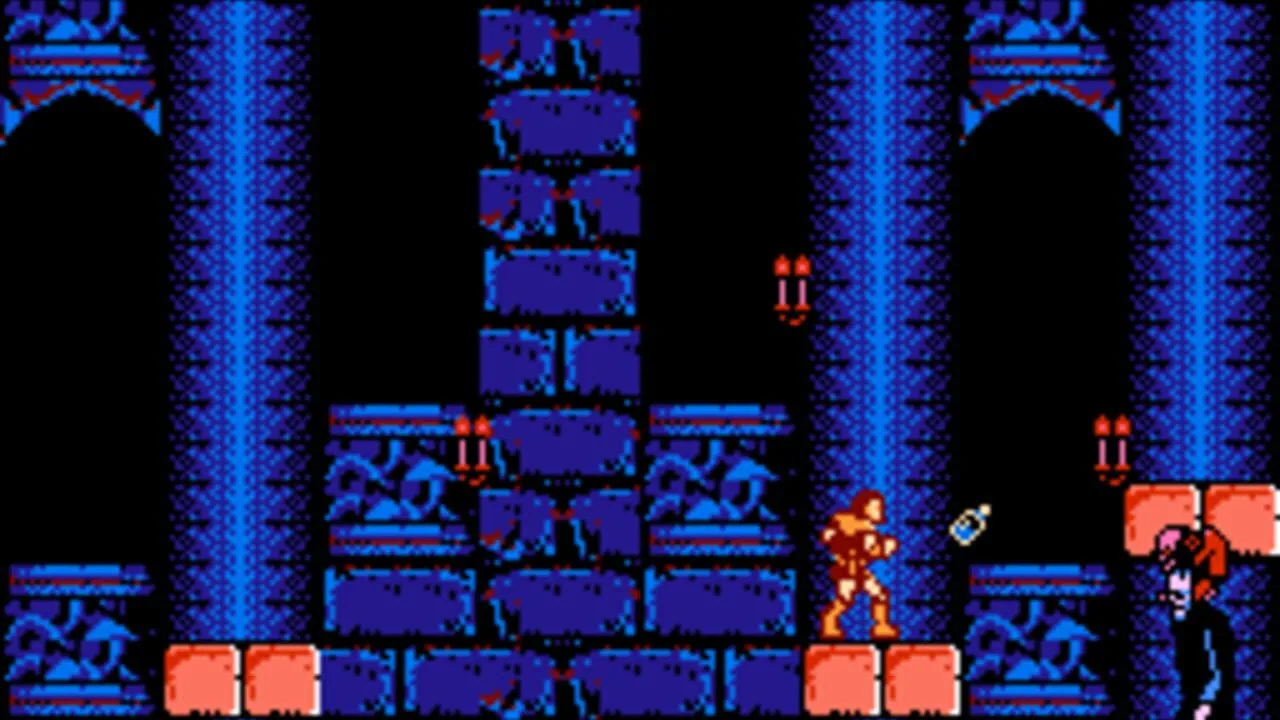
Castlevania came out in Japan for the Famicom Disk System in September 1986, as Akumajō Dracula, and reached North America in 1987. Hitoshi Akamatsu directed it for Konami. The plan is simple: walk into Dracula's castle with a magic whip and make it out the other side.
Each section ends in a boss themed after a classic horror movie monster, such as Frankenstein's monster or the Grim Reaper. You can carry only one sub-weapon at a time, and you lose it when you lose a life. Players tend to name it in the same breath as Castlevania III, and both sequels came out on the NES. It is still the best place to start the series.
1. Super Mario Bros. 3 (1988)
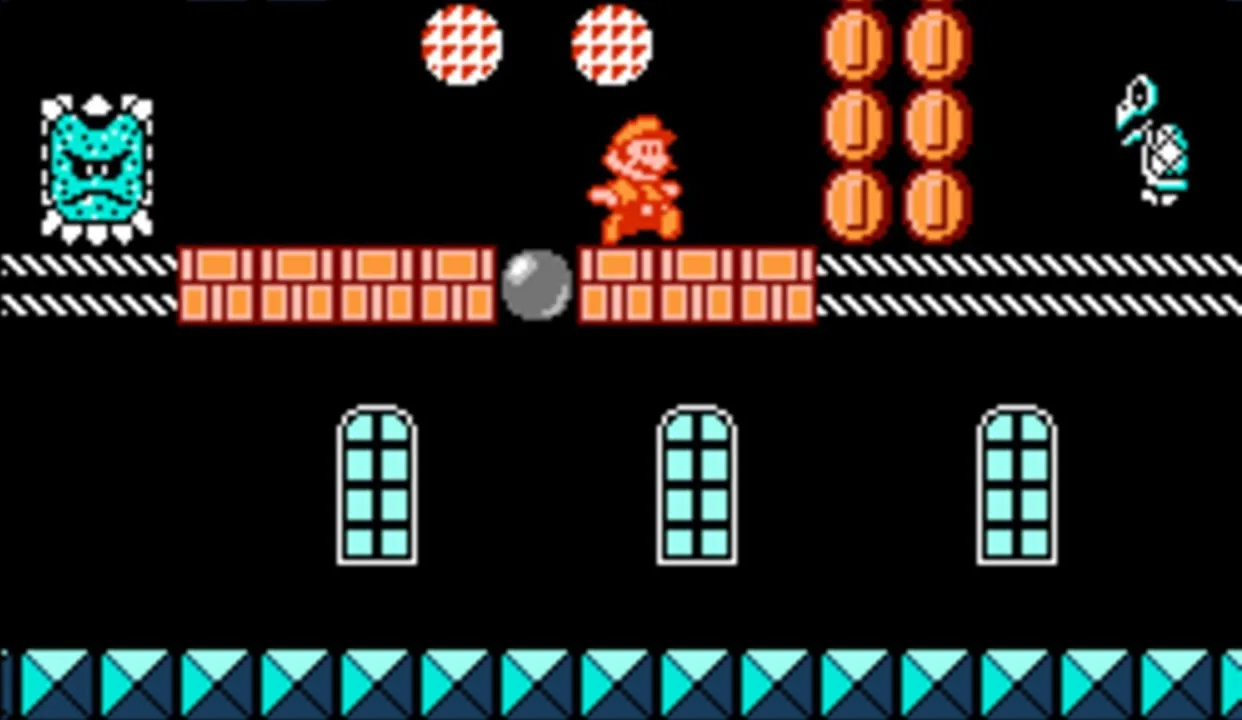
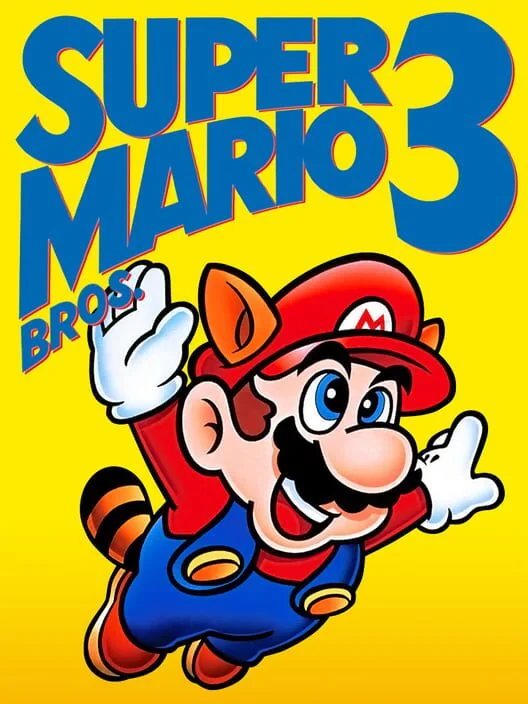
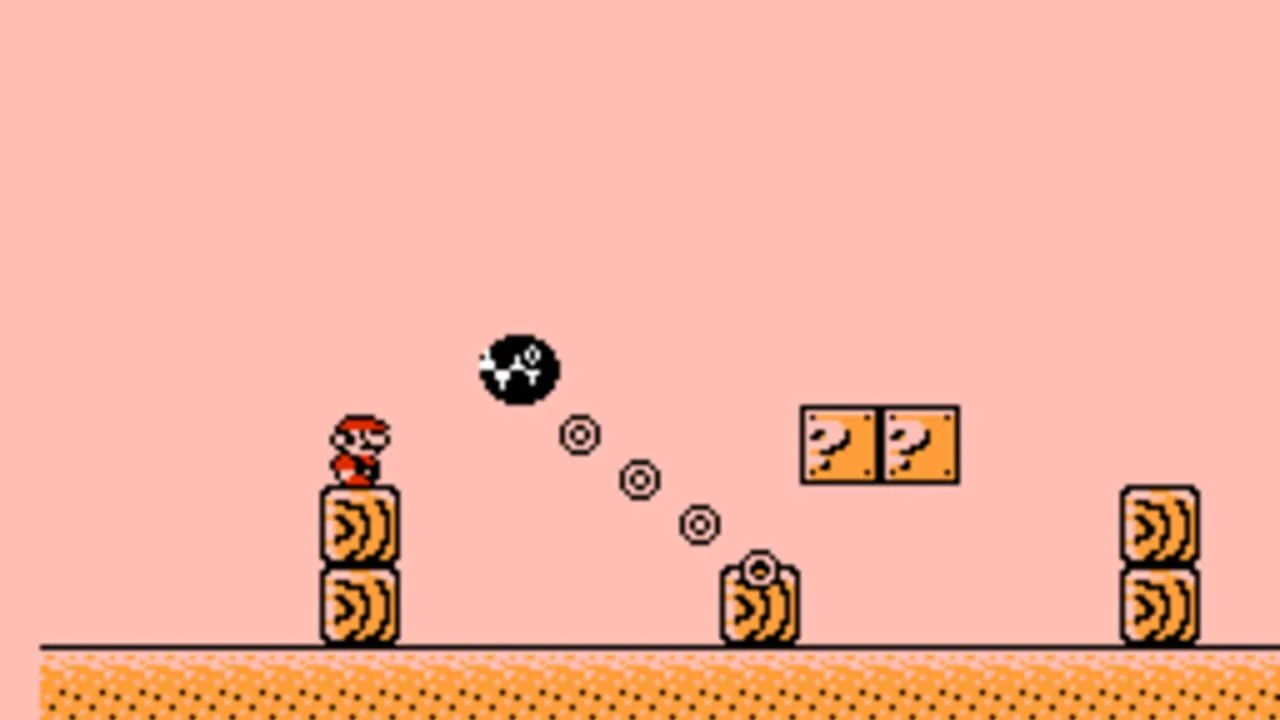
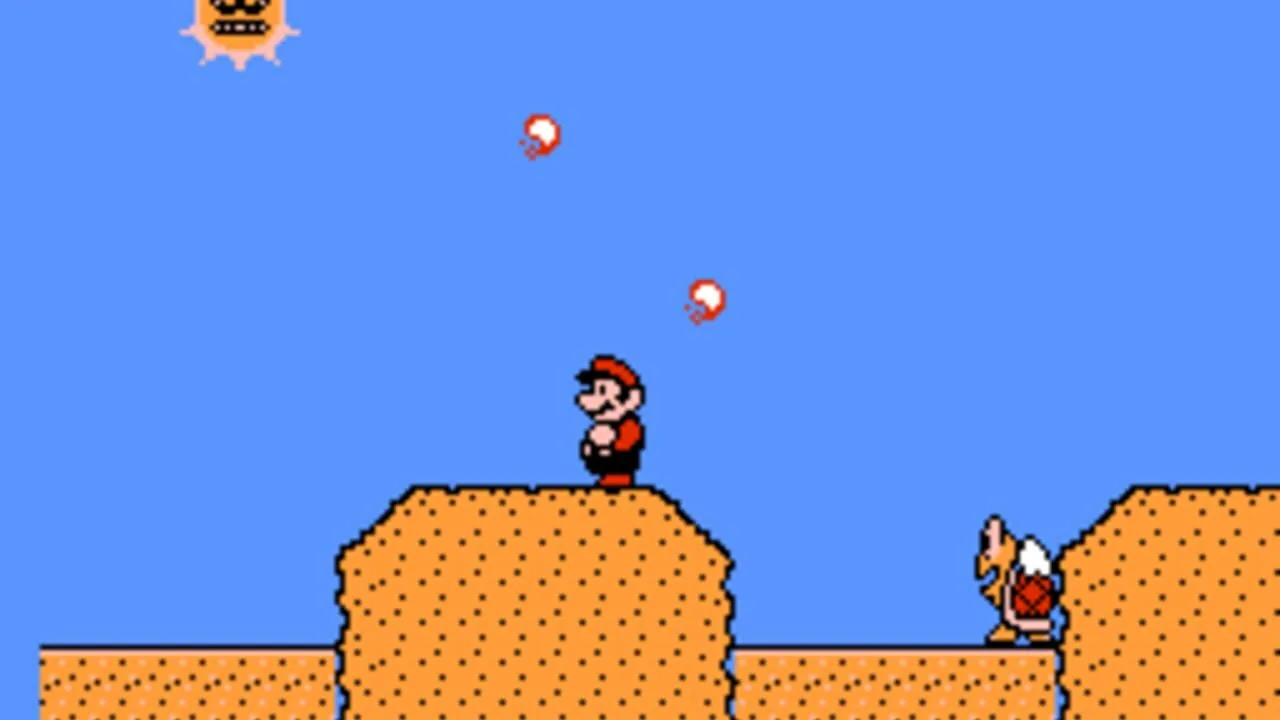
Super Mario Bros. 3 came out in Japan on October 23, 1988, and in North America on February 12, 1990. Shigeru Miyamoto and Takashi Tezuka led the team. Mario moves across a nonlinear world map full of platforming levels and optional minigames. The team first wanted an isometric view, but found it too difficult to position jumps and went back to the side view.
New power-ups give Mario the appearance of different creatures, and each of the first seven worlds ends on an airship controlled by one of the Koopalings. It is the third best-selling NES game, with more than 17 million copies sold, and it is regarded as the greatest title ever released on the platform. Players agree it is a must play that has not aged a day. More of them recommend it than any other NES platformer.
Which one to play
There you have it, the whole list of the best NES platformers. The top half would hold its own on any console made since.
If you are not sure where to start, play Super Mario Bros. 3. If you want a real test, Ninja Gaiden is waiting. For Mega Man, start with Mega Man 2 and go straight on to Mega Man 3. If you like Castlevania, play the first one and then Castlevania III. For something that plays like nothing else, try Metal Storm and its gravity flip. And for a hidden pick, Little Samson is one of the best looking games the NES ever got.